Categories
Uncategorized

Driving Cargo Pumps with Steam Turbines

Driving Cargo Pumps with Steam Turbines

Driving Cargo Pumps with Steam Turbines: Steam turbines play a crucial role in industrial applications by providing mechanical power to drive a wide range of equipment, from pumps and compressors to generators and process machinery. These turbines convert thermal energy from steam into mechanical energy through a series of high-speed rotating blades. The use of steam turbines for driving industrial equipment is widespread due to their efficiency, reliability, and ability to operate under a variety of conditions. One of the key advantages of steam turbines is their ability to handle large power loads while maintaining operational stability. Unlike reciprocating engines, steam turbines operate with continuous rotary motion, resulting in smoother operation, lower vibration, and reduced maintenance requirements. This characteristic makes them particularly suitable for applications where consistent and reliable power is essential.

Steam turbines are often categorized based on their design and operational characteristics. Condensing steam turbines are used when maximum energy extraction from steam is required. These turbines expand steam to a very low pressure, often creating a vacuum in the condenser to maximize efficiency. The extracted energy is then used to drive industrial equipment such as power generators or heavy-duty compressors. On the other hand, back-pressure turbines operate by exhausting steam at a higher pressure, which can then be used for heating or other process requirements in industrial plants. This makes them particularly useful in cogeneration systems, where both mechanical power and thermal energy are needed.

The efficiency of a steam turbine depends on several factors, including steam inlet conditions, blade design, and the effectiveness of steam expansion within the turbine. High-pressure and high-temperature steam results in better efficiency, as it allows for greater energy conversion. Modern steam turbines often incorporate advanced materials and precision-engineered blades to withstand the extreme conditions of industrial applications. Additionally, the use of reheat cycles, extraction points, and controlled steam flow can further enhance efficiency and adaptability to different industrial needs.

Steam turbines are widely employed in industries such as petrochemical, power generation, pulp and paper, and food processing. In oil refineries, they are used to drive large compressors that aid in refining crude oil. In the pulp and paper industry, steam turbines power machinery used for wood processing and paper production. Many industrial plants integrate steam turbines with boilers and heat recovery systems to optimize energy usage and minimize waste. The ability to harness excess steam from industrial processes and convert it into mechanical power is one of the key benefits of using steam turbines in industrial applications.

Maintenance and operational considerations play a significant role in ensuring the reliability and longevity of steam turbines. Regular inspections, lubrication, and monitoring of steam conditions help prevent unexpected failures. Common issues such as blade erosion, steam leakage, and bearing wear must be addressed to maintain peak performance. Advanced diagnostic tools, such as vibration analysis and thermal imaging, are often used to detect early signs of wear or misalignment. With proper maintenance, steam turbines can operate efficiently for decades, providing a reliable source of mechanical power in industrial settings.

The choice between steam turbines and other power sources, such as electric motors or internal combustion engines, depends on factors like fuel availability, efficiency requirements, and process integration. While electric motors are often preferred for smaller loads due to their simplicity and lower upfront costs, steam turbines become more attractive when waste steam or excess thermal energy is available. Their ability to utilize a variety of steam sources, including waste heat recovery and cogeneration systems, makes them an energy-efficient solution for many industrial applications.

Overall, the use of steam turbines for driving industrial equipment remains an essential aspect of modern industry. Their ability to deliver continuous power, handle high loads, and integrate with thermal energy systems makes them a preferred choice in many sectors. With ongoing advancements in turbine design and efficiency improvements, steam turbines continue to play a vital role in sustainable and efficient industrial operations.

Another significant advantage of steam turbines in industrial applications is their adaptability to different operational demands. Unlike internal combustion engines, which have a fixed power output dependent on fuel combustion, steam turbines can be controlled more flexibly by adjusting steam flow and pressure. This allows industries to optimize energy consumption based on real-time demand, reducing fuel wastage and operational costs. Many modern steam turbine systems are equipped with automated control systems that regulate steam supply, monitor performance parameters, and adjust turbine operation for optimal efficiency. These intelligent control mechanisms ensure that turbines operate within safe and efficient limits while minimizing downtime and maintenance requirements.

In industrial settings where continuous operation is required, such as in chemical plants, power stations, and steel mills, steam turbines offer unmatched reliability. Their robust construction and relatively simple mechanical design contribute to long operational lifespans, often exceeding several decades with proper maintenance. Many steam turbines operate 24/7 without significant interruptions, making them an ideal choice for critical industrial processes. Their ability to use various steam sources, including waste heat from other processes, further enhances their practicality and energy efficiency. This is particularly valuable in combined heat and power (CHP) systems, where the turbine not only drives equipment but also helps generate steam for heating or other industrial processes.

Another important aspect of steam turbine-driven industrial equipment is its scalability. Steam turbines can be designed to handle small-scale applications, such as driving a single pump, or large-scale industrial systems that require megawatts of power. This scalability makes them a viable choice for industries of all sizes, from small manufacturing plants to large petrochemical complexes. Additionally, steam turbines can be integrated with multiple process units within a plant, allowing for centralized power generation and distribution. This approach enhances overall plant efficiency, as a single steam turbine system can supply power to multiple machines and processes, reducing the need for separate power sources.

One of the critical considerations when using steam turbines in industrial applications is steam quality. The presence of impurities, excessive moisture, or variations in pressure can significantly impact turbine performance and longevity. Poor steam quality can lead to erosion of turbine blades, scaling on internal components, and reduced efficiency. Therefore, industries must implement proper water treatment and steam conditioning processes to maintain the integrity of their steam supply. Superheating steam before it enters the turbine is a common practice to prevent condensation and improve efficiency. Additionally, steam separators, filters, and desuperheaters may be used to ensure consistent steam conditions.

Environmental considerations also play a role in the continued development of steam turbine technology. As industries strive to reduce carbon emissions and improve energy efficiency, steam turbines are being optimized for cleaner and more sustainable operation. Many industries are investing in waste heat recovery systems, which capture excess heat from industrial processes and use it to generate steam for turbine operation. This not only reduces fuel consumption but also minimizes greenhouse gas emissions. Additionally, advances in materials science are leading to the development of high-temperature, corrosion-resistant turbine components, further improving efficiency and reducing maintenance needs.

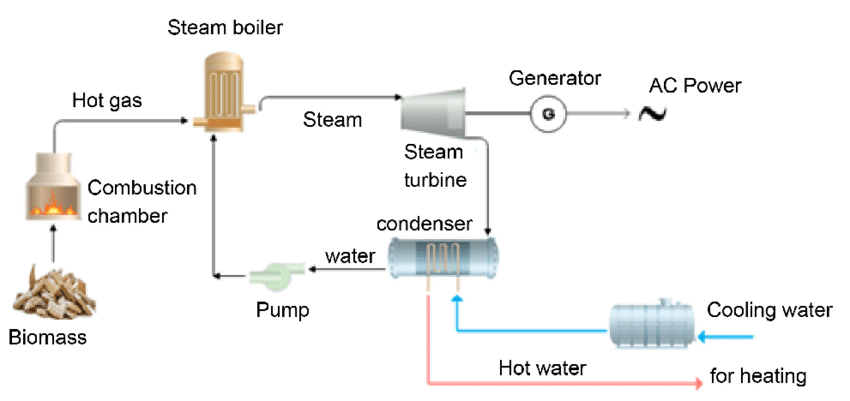
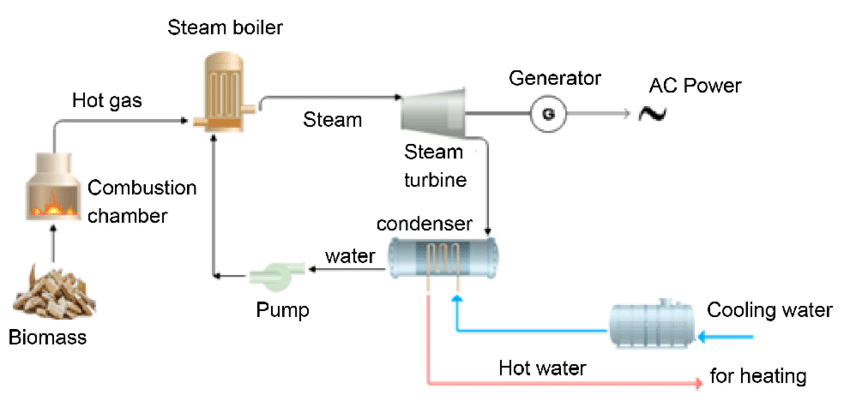
Another emerging trend in steam turbine applications is their integration with renewable energy sources. Biomass and concentrated solar power (CSP) plants use steam turbines to convert thermal energy from organic materials or solar collectors into mechanical and electrical power. These renewable energy systems rely on the same fundamental principles as traditional steam turbine applications but utilize sustainable fuel sources. In some cases, hybrid systems combine conventional fossil fuel-based steam generation with renewable sources to create more flexible and environmentally friendly energy solutions.

Steam turbines also play a crucial role in the expansion of industrial automation and digitalization. Modern steam turbine systems often include sensors, predictive maintenance algorithms, and remote monitoring capabilities. These advancements allow operators to track performance in real time, detect potential issues before they escalate, and optimize turbine operation based on changing process demands. The use of digital twins—virtual models that simulate real-world turbine performance—enables engineers to analyze different operating scenarios, predict maintenance needs, and enhance overall system efficiency.

Despite their many advantages, steam turbines do have some limitations. The initial capital investment for a steam turbine system can be high, particularly when considering the need for boilers, condensers, and other auxiliary equipment. Additionally, steam turbines require a reliable steam source, which means industries must invest in efficient steam generation systems. However, for operations where steam is already a byproduct of other processes, the use of steam turbines can significantly improve overall energy efficiency and reduce operational costs.

Looking ahead, the role of steam turbines in driving industrial equipment is expected to evolve with advancements in energy efficiency, sustainability, and digitalization. Industries will continue to seek ways to maximize the use of available thermal energy, reduce emissions, and enhance operational flexibility. Steam turbines, with their proven track record of reliability and efficiency, will remain a cornerstone of industrial power generation and mechanical drive applications for years to come.

Another critical aspect of steam turbine-driven industrial systems is their integration with advanced heat recovery technologies. In many industrial settings, steam turbines are part of a larger system that includes boilers, heat exchangers, and condensers designed to maximize energy utilization. Waste heat from industrial processes, such as steel production, chemical refining, and cement manufacturing, can be captured and repurposed to generate steam. This approach enhances overall energy efficiency and reduces reliance on external fuel sources, leading to lower operating costs and improved sustainability. In cogeneration and combined-cycle power plants, steam turbines work in conjunction with gas turbines to extract maximum energy from fuel combustion. These integrated systems contribute to reducing greenhouse gas emissions by utilizing fuel more effectively and minimizing waste heat dissipation into the environment.

In applications requiring variable power output, steam turbines offer a level of flexibility that is advantageous for fluctuating industrial demands. Unlike conventional reciprocating engines, steam turbines can operate efficiently across a range of loads by adjusting steam flow rates, regulating extraction points, or incorporating reheating stages. This adaptability is particularly useful in industries such as pulp and paper, where process steam requirements may change throughout the production cycle. By modifying operating parameters in real time, steam turbine systems can maintain optimal performance while ensuring that both power generation and process steam demands are met efficiently.

Another key consideration when deploying steam turbines for industrial applications is lubrication and bearing technology. Steam turbines operate at high rotational speeds, necessitating precision-engineered bearings and lubrication systems to minimize friction and wear. Hydrodynamic and tilt-pad bearings are commonly used in industrial steam turbines to provide stability, reduce vibrations, and extend service life. Proper lubrication systems ensure consistent oil supply to bearings, preventing overheating and reducing mechanical losses. Advanced condition monitoring techniques, such as oil analysis and thermography, are employed to detect early signs of bearing degradation, allowing for predictive maintenance and minimizing unexpected shutdowns.

The development of advanced steam turbine blade materials and coatings has also contributed to improved efficiency and durability. Modern turbine blades are designed to withstand extreme temperatures and pressures while minimizing erosion caused by high-velocity steam. Coatings such as thermal barrier layers and erosion-resistant materials help mitigate wear and extend turbine lifespan. Computational fluid dynamics (CFD) simulations are widely used in blade design to optimize aerodynamic performance and enhance energy conversion efficiency. As a result, newer steam turbine models achieve higher efficiency rates and lower operating costs compared to earlier generations.

Steam turbines continue to play a crucial role in industries that require large-scale mechanical drive applications. For example, in the oil and gas sector, steam turbines are used to drive large compressors for natural gas processing, pipeline transportation, and petrochemical refining. Their ability to provide continuous, high-power output makes them ideal for heavy-duty industrial processes that demand reliability and operational stability. Similarly, in fertilizer production, steam turbines power ammonia and urea synthesis compressors, ensuring efficient chemical processing and production scalability.

As industries transition toward more sustainable energy solutions, the role of steam turbines in decarbonization efforts is becoming increasingly important. One promising development is the integration of steam turbines with carbon capture and utilization (CCU) systems. By utilizing waste heat from carbon capture processes, steam turbines can generate additional power while simultaneously reducing carbon emissions. In green hydrogen production, where electrolysis requires significant energy input, steam turbines can provide an efficient and low-emission power source when integrated with renewable energy-based steam generation.

Future advancements in steam turbine technology will likely focus on enhancing efficiency through digitalization, automation, and smart grid integration. The incorporation of artificial intelligence (AI) and machine learning in turbine control systems will enable real-time performance optimization, predictive maintenance scheduling, and autonomous fault detection. These innovations will not only improve reliability but also extend the operational lifespan of steam turbines in industrial applications. Additionally, ongoing research into supercritical and ultra-supercritical steam turbine designs aims to further increase efficiency by operating at higher temperatures and pressures, reducing fuel consumption and emissions.

Ultimately, the continued evolution of steam turbines in industrial applications will be driven by the need for greater efficiency, sustainability, and operational flexibility. As global industries seek to optimize energy use and reduce environmental impact, steam turbines will remain a cornerstone of mechanical power generation, playing a vital role in shaping the future of industrial energy systems.

Another crucial factor in the widespread adoption of steam turbines for driving industrial equipment is their compatibility with diverse fuel sources. Unlike internal combustion engines, which rely on specific fuels such as diesel or natural gas, steam turbines can utilize steam generated from a wide range of sources. This includes conventional fossil fuels such as coal, oil, and natural gas, as well as renewable and alternative sources like biomass, geothermal energy, and concentrated solar power. This versatility allows industries to choose fuel sources based on availability, cost, and environmental considerations, making steam turbines a flexible and future-proof option for industrial applications.

In industries with high-temperature waste heat, steam turbines provide an effective means of energy recovery. Waste heat boilers, also known as heat recovery steam generators (HRSGs), capture thermal energy from exhaust gases, process heat, or combustion byproducts and use it to produce steam for turbines. This approach significantly improves overall plant efficiency and reduces the amount of energy lost to the environment. Industries such as steel manufacturing, cement production, and chemical processing often implement waste heat recovery steam turbines to maximize energy efficiency and lower operational costs. The ability to repurpose otherwise wasted heat into usable mechanical power further strengthens the economic and environmental case for steam turbine adoption.

Another key advantage of steam turbines is their ability to operate under extreme conditions while maintaining high reliability. Many industrial settings expose equipment to harsh environments, including high temperatures, corrosive chemicals, and heavy mechanical loads. Steam turbines, with their robust construction and minimal moving parts, are well-suited for such conditions. Special coatings and alloy materials are used to enhance resistance to high-temperature corrosion and oxidation, particularly in applications where aggressive steam conditions are present. This durability ensures that steam turbines can operate for decades with minimal degradation, making them a cost-effective long-term investment.

The integration of steam turbines with advanced automation and control technologies has further improved their efficiency and operational stability. Modern steam turbines are equipped with digital control systems that optimize steam flow, pressure, and temperature based on real-time process requirements. Automated valve control, predictive maintenance algorithms, and remote monitoring capabilities help reduce human intervention and minimize the risk of unexpected failures. Advanced sensors continuously monitor turbine performance parameters such as vibration levels, thermal expansion, and lubrication quality, allowing operators to detect anomalies before they lead to costly breakdowns.

A critical factor in steam turbine efficiency is the management of steam expansion and extraction. Many industrial turbines feature multiple extraction points where steam can be withdrawn at specific pressures for use in other process applications. This allows plants to balance power generation with process steam needs, improving overall system efficiency. In cogeneration systems, extracted steam can be used for district heating, desalination, or chemical processing, providing additional value beyond mechanical power generation. The ability to integrate power and process steam requirements into a single system is a key reason why many industries favor steam turbines over other prime movers.

Another emerging application for steam turbines is their role in hybrid energy systems. As industries seek to reduce their carbon footprint, hybrid solutions combining steam turbines with renewable energy sources are gaining traction. For instance, concentrated solar power (CSP) plants use mirrors to focus sunlight onto a central receiver, generating high-temperature steam that drives a turbine. Similarly, geothermal power plants harness underground heat to produce steam, which is then expanded through a turbine to generate electricity or mechanical power. These applications demonstrate how steam turbines can seamlessly integrate with low-carbon energy sources to enhance sustainability.

Despite their many advantages, steam turbines also present certain challenges that industries must consider. One of the primary limitations is the need for an efficient steam supply system, including high-performance boilers, condensers, and piping infrastructure. The initial capital investment for a steam turbine system can be substantial, particularly for small-scale operations where alternative power sources such as electric motors or reciprocating engines may be more cost-effective. However, for larger industrial applications, the long-term efficiency and durability of steam turbines often offset the higher upfront costs.

Another challenge is the potential for efficiency losses due to steam leakage, turbine fouling, and mechanical wear. Over time, deposits can form on turbine blades, reducing aerodynamic efficiency and increasing energy losses. Regular maintenance, including steam purity management and periodic blade cleaning, is essential to maintaining peak performance. Advances in material science and surface coatings continue to improve resistance to fouling and erosion, helping extend turbine life and reduce maintenance costs.

As industries move toward decarbonization and energy efficiency improvements, steam turbines are expected to remain a key technology in the transition to a more sustainable future. Ongoing research into supercritical and ultra-supercritical steam cycles aims to push efficiency levels even higher, reducing fuel consumption and emissions. Additionally, the integration of digital twins—virtual models that simulate real-time turbine performance—will enhance predictive maintenance and operational optimization. These advancements will further solidify the role of steam turbines in modern industrial energy systems, ensuring their continued relevance in an evolving energy landscape.

Looking ahead, steam turbines will continue to be an indispensable part of industrial power generation and mechanical drive applications. Their ability to deliver high efficiency, reliability, and fuel flexibility makes them an ideal choice for industries seeking long-term energy solutions. With ongoing technological improvements and increasing integration with renewable energy sources, steam turbines will play a pivotal role in driving industrial processes while supporting global efforts to enhance sustainability and reduce carbon emissions.

Driving Electric Generators with Steam Turbines
Steam Turbines and Electricity Production

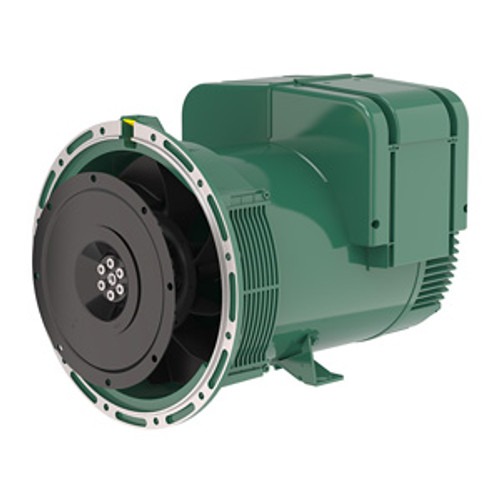
Driving electric generators with steam turbines is one of the most widespread and efficient methods of electricity generation. Steam turbines convert thermal energy from steam into mechanical energy, which then drives an electric generator to produce electricity. This principle is the foundation of power generation in fossil fuel power plants, nuclear power stations, and renewable energy facilities such as biomass and geothermal plants. The efficiency, reliability, and scalability of steam turbines make them an essential component in both large-scale and distributed power generation systems.

The fundamental process begins with a heat source, which generates high-pressure steam in a boiler or heat recovery system. This steam is directed into the turbine, where it expands across multiple stages of blades, causing the rotor to spin at high speeds. The kinetic energy from the spinning turbine shaft is transferred to an electrical generator through a coupling mechanism. Inside the generator, electromagnetic induction occurs as the rotating shaft turns a rotor within a stator, converting mechanical energy into electrical energy. The generated electricity is then conditioned, transformed to appropriate voltage levels, and distributed to the power grid or industrial consumers.

The efficiency of a steam turbine-driven generator depends on various factors, including steam pressure, temperature, turbine design, and generator characteristics. Higher steam temperatures and pressures generally improve efficiency by allowing more energy to be extracted from the steam before it is exhausted or condensed. Modern power plants employ superheated and reheated steam cycles to maximize energy conversion, reducing fuel consumption and lowering emissions. Ultra-supercritical steam turbines operate at extremely high temperatures and pressures, further enhancing efficiency and minimizing environmental impact.

There are different types of steam turbines used for driving electric generators, each suited to specific applications. Condensing steam turbines are the most common in large-scale power generation, as they extract maximum energy from the steam before it is condensed back into water in a vacuum-operated condenser. This design increases thermal efficiency and allows for greater power output. In contrast, back-pressure steam turbines exhaust steam at higher pressures for use in industrial processes, such as heating or manufacturing, making them ideal for combined heat and power (CHP) systems. Extraction steam turbines, which allow controlled steam extraction at intermediate pressures, offer additional flexibility in balancing electricity production with process steam demands.

Steam turbine-driven generators are widely used in fossil fuel power plants, where coal, natural gas, or oil is burned in boilers to produce steam. In coal-fired power plants, pulverized coal is combusted to generate high-temperature steam, which then powers the turbine. Similarly, in gas-fired plants, heat from gas combustion produces steam either directly (in steam boilers) or as part of a combined-cycle configuration, where a gas turbine generates initial power and a steam turbine utilizes waste heat for additional generation. This combined-cycle approach significantly improves overall plant efficiency, reaching levels above 60% in modern installations.

Nuclear power plants also rely on steam turbines for electricity generation, but instead of burning fossil fuels, they use nuclear fission to heat water and create steam. Pressurized water reactors (PWRs) and boiling water reactors (BWRs) are the two primary types of nuclear reactors used in steam turbine power generation. In a PWR, heat from the nuclear core is transferred to a secondary loop that produces steam, while in a BWR, steam is generated directly within the reactor vessel and fed to the turbine. The ability of steam turbines to operate under high-load conditions with minimal mechanical wear makes them particularly suitable for the constant power output required by nuclear power plants.

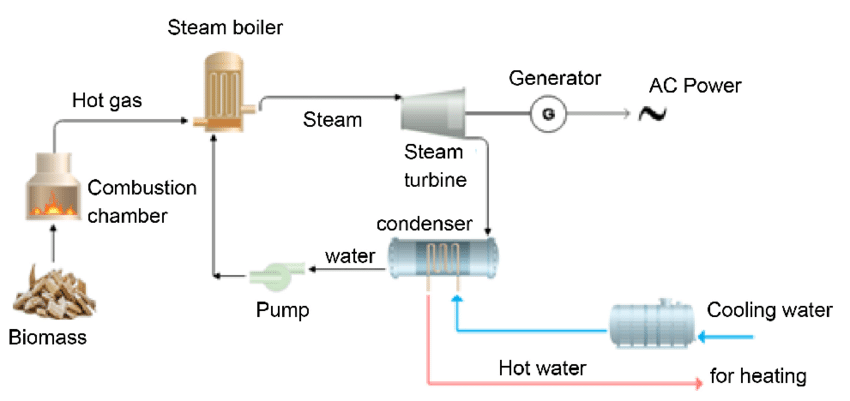
Beyond fossil and nuclear power, steam turbine generators play a crucial role in renewable energy systems. Biomass power plants burn organic materials such as wood chips, agricultural waste, or municipal solid waste to generate steam for turbine-driven electricity production. Geothermal power plants extract naturally occurring steam or hot water from underground reservoirs, using it to drive turbines and generate electricity with minimal carbon emissions. Additionally, concentrated solar power (CSP) plants use mirrors to focus sunlight onto a receiver, heating a fluid that generates steam for turbine operation. These renewable applications highlight the versatility and adaptability of steam turbines in various energy production contexts.

The design and operation of the electrical generator coupled with the steam turbine are also critical to overall efficiency and reliability. Most power plants use synchronous generators, which operate at a constant speed synchronized with the grid frequency (e.g., 50 Hz or 60 Hz, depending on the region). The generator’s rotor, typically equipped with electromagnets or permanent magnets, induces an alternating current (AC) in the stator windings as it spins. Large power plants often employ hydrogen-cooled or water-cooled generators to manage heat dissipation and enhance performance. Advanced excitation and voltage regulation systems ensure stable output and efficient integration into the power grid.

Efficiency improvements in steam turbine power generation continue to be a focus of research and development. Technologies such as supercritical carbon dioxide (sCO₂) cycles, which use CO₂ instead of steam as the working fluid, promise higher efficiency and reduced environmental impact. Additionally, digital monitoring systems and predictive maintenance using artificial intelligence (AI) help optimize turbine performance, detect potential issues, and extend operational lifespans. The integration of steam turbines with smart grids and energy storage solutions further enhances their role in modern power systems, ensuring reliable electricity supply even in fluctuating demand scenarios.

Despite their many advantages, steam turbine-driven generators also present challenges. The initial capital investment for steam-based power plants is high, requiring significant infrastructure such as boilers, condensers, cooling towers, and extensive piping networks. The thermal efficiency of a steam turbine system is also limited by the second law of thermodynamics, meaning that some energy loss is inevitable. Additionally, water usage for steam generation and cooling can be a concern, particularly in regions with limited freshwater availability. To address this, many power plants implement dry cooling or hybrid cooling systems to reduce water consumption while maintaining efficiency.

Looking ahead, steam turbines will remain a cornerstone of electricity generation worldwide. As industries transition toward cleaner energy sources, steam turbine technology will continue to evolve to support decarbonization efforts. The expansion of hybrid power systems, integration with renewable energy, and advancements in high-efficiency turbine designs will shape the future of steam-based power generation. With their proven reliability, adaptability, and efficiency, steam turbine-driven generators will continue to play a vital role in meeting global energy demands for decades to come.

One of the most significant factors influencing the efficiency of steam turbine-driven generators is the thermodynamic cycle used in the power generation process. The Rankine cycle, which forms the foundation of steam turbine operation, consists of four key stages: heat addition in a boiler, expansion in a turbine, heat rejection in a condenser, and pressurization of the working fluid in a pump. Enhancing each stage of this cycle can lead to considerable improvements in power plant efficiency. For example, increasing the steam temperature and pressure before it enters the turbine reduces the amount of fuel required per unit of electricity generated, leading to better thermal efficiency and lower emissions.

To achieve higher efficiencies, modern power plants utilize variations of the Rankine cycle, such as the regenerative Rankine cycle and the reheat cycle. In the regenerative cycle, a portion of the steam is extracted from the turbine at intermediate pressures and used to preheat the feedwater before it enters the boiler. This process reduces the heat input required, thereby improving overall efficiency. Similarly, the reheat cycle involves expanding steam in a high-pressure turbine stage, reheating it in the boiler, and then expanding it further in a low-pressure turbine stage. Reheating prevents excessive moisture content in the later turbine stages, which can cause erosion of turbine blades and reduce efficiency.

Another critical aspect of steam turbine performance is the design of turbine blades and the optimization of steam flow paths. Steam turbines consist of multiple stages of rotating and stationary blades, with each stage responsible for extracting energy from the steam as it expands. The shape, length, and material composition of these blades directly affect the turbine’s efficiency and durability. Advanced computational fluid dynamics (CFD) modeling is used to optimize blade aerodynamics, ensuring that steam flows smoothly through the turbine with minimal turbulence and energy loss. Additionally, modern blade coatings and materials, such as nickel-based superalloys and ceramic composites, enhance resistance to high temperatures and corrosion, extending turbine lifespan and reducing maintenance requirements.

The condenser plays a vital role in the steam turbine power generation process by converting low-energy exhaust steam back into water for reuse in the boiler. The efficiency of this heat rejection process influences overall power plant performance. Most large power plants use water-cooled condensers, where cooling water absorbs heat from the steam and carries it away, enabling rapid condensation. In coastal areas, seawater cooling is commonly employed, while inland plants rely on freshwater cooling towers or air-cooled condensers. Improving condenser performance through enhanced heat exchanger designs, optimized cooling water flow rates, and advanced materials can lead to significant gains in efficiency and reduced operating costs.

In addition to thermodynamic optimizations, modern steam turbine power plants incorporate advanced control and automation systems to improve operational efficiency. Digital monitoring tools, such as condition-based maintenance (CBM) and predictive analytics, enable plant operators to detect potential issues before they lead to equipment failures. Sensors installed throughout the turbine, generator, and auxiliary systems continuously collect data on temperature, pressure, vibration, and other critical parameters. Artificial intelligence (AI) and machine learning algorithms analyze this data in real-time, providing insights that help operators optimize steam flow rates, adjust turbine load conditions, and schedule maintenance more effectively. This proactive approach minimizes downtime, reduces maintenance costs, and enhances overall reliability.

Another important consideration in steam turbine power generation is grid integration and load-following capability. While steam turbines are traditionally associated with baseload power generation, modern plants are increasingly designed to accommodate fluctuations in electricity demand. Variable steam flow control, rapid startup and shutdown procedures, and flexible operational modes allow steam turbine plants to complement intermittent renewable energy sources such as wind and solar. For example, hybrid power plants combine steam turbines with battery storage systems or gas turbines to provide grid stability and ensure a consistent electricity supply.

The environmental impact of steam turbine power generation is also a major focus of research and innovation. Although fossil fuel-based steam power plants produce greenhouse gas emissions, advanced carbon capture and storage (CCS) technologies can significantly reduce their environmental footprint. CCS systems capture CO₂ from power plant emissions and either store it underground or utilize it for industrial applications such as enhanced oil recovery or synthetic fuel production. Additionally, integrating steam turbines with renewable energy sources—such as biomass and geothermal—can provide cleaner alternatives to conventional fossil fuel power generation.

Furthermore, the transition to hydrogen as a fuel source presents new opportunities for steam turbine technology. Hydrogen can be burned in boilers to generate steam or used in fuel cells to produce electricity with zero emissions. Some power plants are exploring the co-firing of hydrogen with natural gas to reduce carbon intensity while maintaining the reliability and efficiency of steam turbines. Research into high-temperature electrolysis and thermochemical water-splitting methods aims to produce hydrogen more efficiently using excess heat from steam turbine power plants, creating a pathway for deeper decarbonization.

Looking to the future, continued advancements in steam turbine design, materials, and control systems will further enhance the efficiency, flexibility, and sustainability of steam-driven power generation. Supercritical and ultra-supercritical steam cycles will push efficiency levels even higher, reducing fuel consumption and emissions. Digitalization and automation will enable smarter, more responsive power plants that adapt to changing energy demands in real time. As global energy systems evolve, steam turbines will remain a cornerstone of reliable electricity generation, playing a crucial role in meeting energy needs while supporting the transition to a low-carbon future.

Another key factor in the continued advancement of steam turbine-driven generators is the role of emerging technologies that enhance efficiency and operational flexibility. One such innovation is the use of advanced heat recovery systems, particularly in combined-cycle power plants. In these systems, steam turbines operate in conjunction with gas turbines to maximize energy extraction from fuel. The gas turbine generates electricity by burning natural gas, and its high-temperature exhaust gases are used to produce steam in a heat recovery steam generator (HRSG), which then powers a steam turbine for additional electricity generation. This combined-cycle configuration significantly increases overall efficiency, often exceeding 60%, making it one of the most effective methods for fossil fuel-based electricity production.

Additionally, steam turbine performance is being further enhanced through improvements in steam cycle conditions. The development of advanced ultra-supercritical (A-USC) steam plants is pushing operational temperatures beyond 700°C (1,292°F) and pressures above 35 MPa, allowing for even greater efficiency gains. These high-performance conditions require advanced materials capable of withstanding extreme heat and pressure while maintaining long-term durability. Nickel-based superalloys, ceramic matrix composites, and advanced coatings are being incorporated into turbine components to ensure reliability under these harsh conditions. As a result, A-USC power plants achieve higher energy conversion efficiency while reducing CO₂ emissions per unit of electricity generated.

Furthermore, increasing the adaptability of steam turbines for grid balancing applications is becoming a major focus. Traditionally, steam turbines have been optimized for baseload power generation, operating at a steady output over long periods. However, the growing share of intermittent renewable energy sources, such as wind and solar, requires greater flexibility in power plant operations. To address this challenge, modern steam turbines are designed to ramp up and down more quickly, allowing them to complement fluctuations in renewable energy generation. Faster startup times, advanced steam bypass systems, and variable pressure operation help steam turbines support grid stability, reducing the risk of supply disruptions.

A significant breakthrough in steam turbine control systems has been the integration of artificial intelligence (AI) and machine learning for predictive maintenance and optimization. AI-driven monitoring systems continuously collect and analyze data from turbines, generators, and auxiliary equipment, identifying patterns that indicate potential failures or inefficiencies. By leveraging this data, operators can implement condition-based maintenance strategies, reducing unplanned downtime and extending the lifespan of critical components. This proactive approach not only lowers maintenance costs but also improves overall power plant availability and reliability.

The role of steam turbines in industrial cogeneration and district heating applications is also expanding. In cogeneration (also known as combined heat and power, or CHP) systems, steam turbines generate electricity while simultaneously providing process steam or hot water for industrial facilities, commercial buildings, or residential districts. This dual-use approach enhances energy efficiency, as it utilizes heat that would otherwise be wasted in traditional power plants. Industrial sectors such as chemical processing, refining, and pulp and paper manufacturing particularly benefit from CHP systems, as they require both electricity and process heat for production. District heating networks, commonly used in colder regions, distribute steam or hot water from central power plants to multiple buildings, further improving energy efficiency and reducing reliance on fossil fuels.

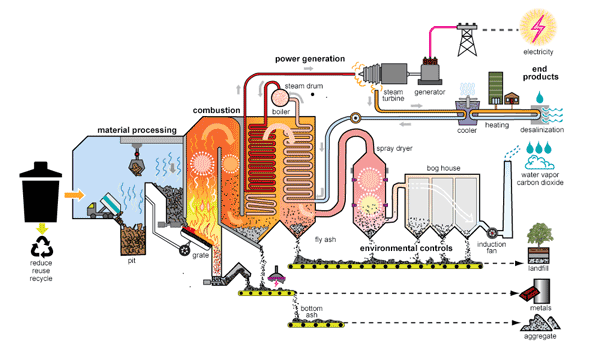
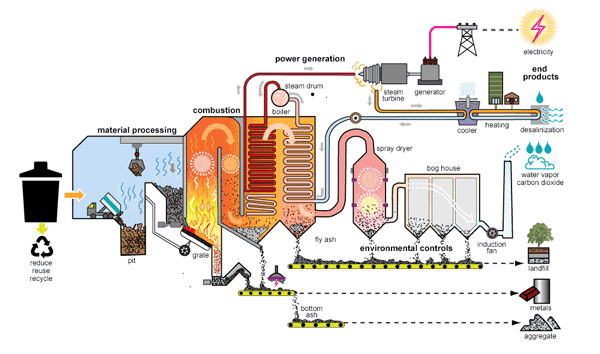
The transition to low-carbon energy sources is also influencing the design and operation of steam turbines. Biomass-fired power plants, which use organic materials such as wood pellets, agricultural residues, or municipal waste to generate steam, are gaining traction as a renewable alternative to coal. Co-firing biomass with coal in existing steam turbine power plants is an effective strategy to reduce carbon emissions without requiring significant modifications to infrastructure. Additionally, waste-to-energy plants, which convert municipal solid waste into steam for power generation, provide an environmentally friendly solution for reducing landfill waste while producing electricity.

Geothermal power generation is another area where steam turbines play a crucial role. In geothermal plants, steam or high-temperature fluids extracted from underground reservoirs drive turbines to generate electricity. Dry steam and flash steam geothermal systems directly use natural steam, while binary cycle geothermal plants transfer heat from geothermal fluids to a secondary working fluid with a lower boiling point, which then vaporizes to drive the turbine. Because geothermal energy provides a stable and continuous source of power, it serves as an important complement to intermittent renewable energy sources like wind and solar.

The potential for hydrogen to become a major fuel source in steam turbine power generation is also being explored. Hydrogen can be combusted in boilers to produce steam or used in gas turbines as part of a hydrogen-natural gas blend. Hydrogen-fired steam cycles have the potential to offer carbon-free electricity generation, particularly if the hydrogen is produced through electrolysis using renewable energy. Research is ongoing to develop efficient methods for integrating hydrogen into existing steam turbine infrastructure, with the goal of achieving zero-emission power generation.

In the future, hybrid energy systems that combine steam turbines with other emerging technologies will likely play a larger role in power generation. For example, integrating steam turbines with molten salt energy storage allows excess electricity from renewable sources to be stored as thermal energy and later converted back into steam for electricity production during periods of high demand. Similarly, supercritical carbon dioxide (sCO₂) power cycles, which replace steam with high-pressure CO₂ as the working fluid, are being developed to achieve higher efficiency and reduced environmental impact. These innovations will further improve the viability of steam turbines in an evolving energy landscape.

Despite the advancements in steam turbine technology, challenges remain. The high capital costs associated with constructing new steam turbine power plants can be a barrier, particularly as some regions prioritize decentralized and renewable energy solutions. Additionally, water consumption for cooling and steam production is a concern in water-scarce areas, prompting research into dry cooling techniques and alternative working fluids. Nevertheless, the long-term benefits of steam turbine power generation, including reliability, efficiency, and fuel flexibility, ensure that they will continue to play a vital role in meeting global electricity demand.

As energy systems transition toward a more sustainable future, steam turbines will remain a key technology in power generation. Their ability to integrate with renewable energy sources, provide grid stability, and adapt to new fuel types will ensure their continued relevance. Whether through ultra-efficient supercritical steam cycles, hydrogen-powered systems, or hybrid renewable energy configurations, steam turbines will play a crucial role in delivering clean, reliable, and cost-effective electricity in the decades to come.
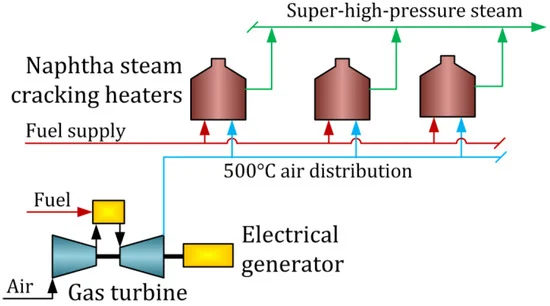
Steam Turbine for Electricity Generation with Naphtha

Another significant area of development in steam turbine-driven power generation is the ongoing refinement of energy storage integration and load management strategies. As electrical grids incorporate more variable renewable energy sources, steam turbines must operate with greater flexibility to balance supply and demand. Advanced thermal energy storage (TES) solutions are being integrated with steam turbines to store excess energy generated during periods of low demand and release it when electricity consumption peaks. Technologies such as molten salt storage, phase change materials (PCMs), and high-temperature steam accumulators are being explored to improve grid reliability and efficiency while reducing the reliance on fossil fuel peaking plants.

Molten salt storage, widely used in concentrated solar power (CSP) plants, enables steam turbines to generate electricity even after the sun has set. In this system, solar energy heats molten salt, which retains thermal energy for extended periods. When electricity is needed, the stored heat is transferred to a working fluid to produce steam that drives a turbine. This method significantly enhances the dispatchability of renewable power plants, allowing them to function more like conventional baseload power sources. Similar storage solutions are being tested in hybrid fossil-renewable plants to improve efficiency and reduce emissions.

Another promising development is the use of supercritical carbon dioxide (sCO₂) power cycles as an alternative to traditional steam turbines. Instead of water and steam, these systems use high-pressure CO₂ as the working fluid in a closed-loop cycle. Because sCO₂ has superior thermodynamic properties, it allows for higher energy conversion efficiency at lower operating temperatures and pressures. Additionally, sCO₂ turbines are much smaller than steam turbines of equivalent power output, reducing capital and maintenance costs. Research is ongoing to scale up sCO₂ power systems for commercial deployment, with applications ranging from fossil and nuclear power plants to concentrated solar and waste heat recovery.

Advancements in steam turbine materials and manufacturing processes are also improving performance, longevity, and cost-effectiveness. Additive manufacturing (AM), or 3D printing, is being increasingly used to produce complex turbine components with enhanced durability and efficiency. This technique allows for the creation of intricate blade designs that optimize aerodynamics while reducing weight and material waste. Additionally, AM enables the rapid production of replacement parts, minimizing downtime and maintenance costs. High-temperature-resistant materials, such as ceramic matrix composites and nickel-based superalloys, are being developed to withstand extreme operating conditions, further improving turbine efficiency and service life.

One of the key challenges in steam turbine-driven power generation is water usage, particularly in arid regions where freshwater resources are scarce. Traditional steam power plants rely on large amounts of water for cooling and steam generation, which can pose environmental and economic challenges. To address this issue, researchers are developing advanced dry cooling systems that reduce water consumption while maintaining high efficiency. Air-cooled condensers (ACCs) and hybrid cooling solutions that combine wet and dry cooling methods are being adopted in power plants to minimize water use without compromising performance. Additionally, innovative water recovery technologies, such as membrane-based steam condensation and advanced desiccant cooling systems, are being explored to further enhance sustainability.

In industrial settings, the role of steam turbines is evolving beyond traditional power generation. Industries that require large amounts of heat and electricity, such as petrochemicals, food processing, and paper manufacturing, are increasingly turning to steam turbine-based cogeneration systems to improve efficiency and reduce operating costs. In these systems, steam turbines generate both electricity and process steam, optimizing fuel usage and reducing emissions. The integration of waste heat recovery systems further enhances efficiency by capturing and reusing thermal energy that would otherwise be lost. In some cases, excess steam from industrial processes is supplied to nearby district heating networks, providing residential and commercial buildings with efficient heating solutions.

Another frontier in steam turbine technology is the exploration of fusion energy as a long-term power generation solution. Fusion reactors, such as those being developed by ITER and other research institutions, aim to harness the energy produced by nuclear fusion reactions to generate electricity. In these systems, the extreme heat from the fusion process is used to produce steam, which drives turbines in a manner similar to conventional nuclear power plants. While commercial fusion power is still in the experimental stage, successful implementation could provide a nearly limitless source of clean electricity, with steam turbines playing a central role in energy conversion.

As steam turbines continue to evolve, their integration with smart grid technology is becoming increasingly important. Digital twins—virtual replicas of physical turbine systems—are being used to simulate performance under different operating conditions, enabling predictive maintenance and real-time optimization. These digital models, combined with Internet of Things (IoT) sensors and big data analytics, allow power plant operators to monitor turbine efficiency, detect early signs of wear or failure, and implement corrective measures before problems escalate. This approach improves reliability, extends equipment lifespan, and reduces unplanned outages.

Looking to the future, the role of steam turbines in global energy systems will continue to adapt in response to technological advances, environmental concerns, and economic pressures. Whether through hybrid renewable-fossil configurations, hydrogen-fired steam cycles, or next-generation materials and cooling technologies, steam turbines will remain a key component of large-scale power generation. Their ability to provide stable, high-efficiency electricity generation ensures that they will continue to be a critical part of the transition to a cleaner, more resilient energy future.

Driving Feedwater Pumps with Steam Turbines

Driving Cargo Pumps with Steam Turbines

Driving feedwater pumps with steam turbines is a common practice in large-scale steam power plants, particularly in nuclear and fossil fuel plants, to ensure the continuous flow of water to the boiler. Feedwater pumps are essential for maintaining the steam generation process, as they supply water to the boiler at high pressure, allowing for the production of steam that drives the turbine. These pumps typically operate under very high pressures to overcome the resistance from the boiler and ensure an uninterrupted supply of water. Steam turbines provide a reliable and efficient method of driving these pumps by using the energy from steam to drive the mechanical rotation of the pump.

The principle behind driving feedwater pumps with steam turbines is straightforward. Steam turbines, in this case, are used to harness the energy in high-pressure steam, converting it into mechanical energy that turns the pump’s shaft. The mechanical energy is transferred through a shaft or coupling to the feedwater pump, which then pressurizes and feeds water into the boiler. In this process, steam turbines act as a mechanical power source for the pump, ensuring that the water is pumped to the desired pressure for steam generation.

In large power plants, there are typically two or more feedwater pumps in operation to ensure reliability and meet the demands of the plant. These pumps are often driven by dedicated steam turbines, though smaller pumps may be driven by electric motors. The steam turbines that drive feedwater pumps are usually low-pressure or auxiliary turbines, meaning they operate at lower pressures than the main turbine used for electricity generation. The steam used for the feedwater pump is typically extracted from the main turbine after it has passed through the high-pressure and intermediate stages. This process of steam extraction is efficient because it utilizes steam that would otherwise be at a lower pressure and temperature, which still contains a significant amount of energy.

In a typical steam cycle, the feedwater pump is located after the condenser and before the steam generator. The water that enters the pump is cooled, condensed, and demineralized to remove impurities. The feedwater pump then increases the pressure of this water, which is eventually heated in the boiler to generate steam. Once the water is pressurized, it enters the boiler at a controlled rate, where it is heated by the burning of fossil fuels, nuclear reactions, or concentrated solar power. The high-pressure steam produced in the boiler is sent to the turbine, which drives the generator to produce electricity.

Using steam turbines to drive feedwater pumps is advantageous for several reasons. First, it is a highly reliable and proven method of providing mechanical power to pumps. Since steam turbines are already integrated into the power generation cycle, they can efficiently share steam with the feedwater pumps, reducing the need for separate motor-driven systems. This integration reduces equipment complexity and improves overall system reliability.

Another benefit of using steam turbines for feedwater pumps is the potential for energy recovery. In some systems, the low-pressure steam extracted from the main turbine can be utilized effectively for pump operation without significantly reducing the power available for electricity generation. By carefully controlling the amount of steam extracted and ensuring efficient steam usage, power plants can optimize the performance of both the turbine and the feedwater pump, maximizing energy conversion efficiency.

Steam-driven feedwater pumps also help ensure that there is enough pressure in the boiler to sustain the steam generation process. Maintaining the correct feedwater pressure is essential for optimizing the efficiency of the boiler and ensuring safe operation. If the pressure of the water entering the boiler is too low, it can cause fluctuations in steam production, leading to inefficiencies or potentially dangerous conditions. On the other hand, having the proper pressure ensures that the water is efficiently heated to generate steam, which is then used to drive the turbine and produce electricity.

In some plants, particularly in combined-cycle or cogeneration systems, steam turbines that drive feedwater pumps may be part of a broader system of interconnected turbines that also provide mechanical power to other equipment, such as condensate pumps, air compressors, and cooling water pumps. These systems allow for optimized energy usage, as steam from the turbine is used efficiently for multiple purposes within the plant, reducing waste and improving overall performance.

While steam turbines are generally efficient for driving feedwater pumps, their performance must be carefully managed to prevent mechanical wear and ensure long-term reliability. For instance, the steam turbine must be operated within its optimal pressure and temperature ranges to avoid damage from overheating or excessive pressure buildup. Additionally, regular maintenance and monitoring are necessary to ensure that the feedwater pump, turbine, and related components remain in good working condition. Modern digital monitoring and predictive maintenance technologies, which use sensors to collect data on temperature, vibration, and pressure, can help detect potential issues before they lead to mechanical failure, reducing downtime and maintenance costs.

Another important consideration is the control of steam flow to the feedwater pump turbines. The amount of steam used for this purpose can vary depending on the load demand and operational conditions of the power plant. Control valves and regulation systems are typically employed to adjust steam flow to the turbines, maintaining the correct pressure and ensuring optimal pump operation. This dynamic adjustment ensures that the feedwater pump is always operating efficiently without using excessive steam, which could reduce the overall power plant efficiency.

In some power plants, multiple feedwater pumps may be operated in parallel, each driven by its own steam turbine or by a shared turbine, depending on the plant design. This configuration improves reliability by providing redundancy; if one pump or turbine fails, the others can continue to operate. In such cases, the control system can automatically adjust steam flow to ensure that the remaining pumps continue to function as needed. This level of automation and adaptability ensures that the feedwater system is always operating efficiently, even in the event of component failures.

In conclusion, driving feedwater pumps with steam turbines remains a critical component of the operation in many large-scale power plants. This method of providing mechanical energy offers a reliable, efficient, and cost-effective solution that integrates seamlessly with the rest of the steam cycle. By utilizing steam from the turbine, feedwater pumps ensure that the boiler receives a continuous supply of water at the correct pressure, enabling the plant to generate steam for electricity production. With advancements in control systems, maintenance technologies, and steam cycle optimization, steam turbines will continue to play an essential role in driving feedwater pumps and improving the overall efficiency and reliability of steam power plants.

To further enhance the efficiency and performance of feedwater pumps driven by steam turbines, power plants are increasingly incorporating advanced technologies and system optimizations that aim to improve both operational flexibility and energy efficiency. One such advancement is the use of variable-speed drives (VSDs) on steam turbines that drive feedwater pumps. In systems where variable load conditions are common, VSDs allow for better control of pump speed and, consequently, the feedwater pressure. This reduces the need for throttling, which is often used to regulate pump flow and pressure, thereby minimizing energy losses and improving overall system efficiency.

Additionally, the integration of advanced turbine and pump controls through digital systems has made it easier to optimize performance in real-time. Modern plant control systems use data from various sensors located throughout the steam cycle to continuously monitor the operation of the steam turbine, feedwater pump, and related components. These systems can make immediate adjustments to steam flow, pump speed, and other operating parameters to ensure that the system operates within the most efficient parameters. The ability to predict when a turbine or pump is likely to experience wear or degradation allows operators to plan maintenance more effectively, reducing downtime and extending the lifespan of critical components.

Moreover, the integration of artificial intelligence (AI) and machine learning (ML) into plant operations offers significant potential for optimizing the performance of steam turbines driving feedwater pumps. AI algorithms can analyze vast amounts of operational data, identifying patterns and trends that humans may overlook. For example, predictive analytics can forecast changes in the performance of feedwater pumps based on past behavior and operating conditions. The system can then adjust operational parameters proactively, avoiding unnecessary wear on the turbine or pump and ensuring that energy is used efficiently. This type of advanced data analysis and predictive maintenance reduces the likelihood of unexpected failures, ensuring that the plant operates smoothly and minimizes unplanned maintenance costs.

In terms of materials and component design, steam turbines driving feedwater pumps are benefitting from innovations that improve efficiency and reduce wear over time. For instance, advanced turbine blades and seals made from corrosion-resistant and high-temperature materials are becoming more common. These materials ensure that steam turbines can handle the harsh conditions of high-pressure steam while maintaining their efficiency. In addition, advanced coatings applied to critical components, such as the blades, reduce friction and prevent material degradation, allowing for longer service intervals and greater reliability. These improvements in material science are particularly important as the operational pressures and temperatures in modern steam cycles continue to increase, pushing the limits of traditional turbine technology.

As power plants continue to integrate renewable energy sources such as wind and solar, the role of steam turbines in driving feedwater pumps will evolve further. In hybrid systems, where steam turbines complement renewable sources, the ability to quickly adjust steam generation to match fluctuations in renewable output will be essential. In these cases, steam turbines driving feedwater pumps may need to operate more dynamically, ramping up or down in response to changes in available renewable energy. This capability allows the plant to maintain a stable supply of steam to the turbine for power generation while still supporting the fluctuating output of solar or wind power.

Additionally, with the push for more sustainable energy solutions, the potential to use alternative fuels to generate steam is becoming more prominent. Biomass, hydrogen, and waste-to-energy systems are being explored as viable sources of steam generation. Biomass, in particular, offers a renewable fuel option that can be integrated into existing steam cycles, driving the steam turbines that feed water into the boiler. Hydrogen, when used as a clean fuel source, can provide zero-emission power generation, reducing the environmental impact of steam-based electricity production. Incorporating these renewable fuels into steam turbine operations will allow plants to reduce their carbon footprints while still maintaining the efficiency and reliability required for power generation.

Furthermore, advances in the use of combined heat and power (CHP) systems are influencing the way steam turbines are used to drive feedwater pumps. In CHP applications, the steam produced for electricity generation is also used to provide heat for industrial processes, district heating, or commercial facilities. This process of cogeneration allows plants to use both the electrical and thermal energy produced in a more efficient manner. By utilizing waste heat from the turbine exhaust or other parts of the system, these plants can reduce their fuel consumption and environmental impact while driving feedwater pumps to maintain a consistent and efficient steam cycle.

In some plants, the integration of steam turbines with advanced heat recovery systems, such as organic Rankine cycle (ORC) or Kalina cycle technology, is being explored to further increase overall system efficiency. These cycles allow for additional heat recovery from the turbine exhaust, which can be used to preheat the feedwater before it enters the boiler. Preheating the feedwater reduces the amount of fuel required to reach the desired steam temperature, improving the overall thermal efficiency of the power plant. In this way, steam turbines that drive feedwater pumps can be further optimized for energy recovery and reduced fuel consumption.

Finally, improving the integration of steam turbines into the overall plant design through modularity and flexible configurations is another avenue being explored. Modular systems allow power plants to scale up or down more easily based on energy demand and grid requirements. This flexibility is especially useful in systems that need to accommodate large variations in electricity demand or integrate with a mix of renewable and conventional generation sources. Steam turbines that drive feedwater pumps in these systems can be adjusted to match the varying load conditions, ensuring that feedwater pressure and steam generation remain consistent and efficient.

In summary, while the role of steam turbines in driving feedwater pumps is well-established, ongoing advancements in technology, materials, and control systems continue to improve efficiency, flexibility, and sustainability. From digital optimization and predictive maintenance to renewable fuel integration and modular plant design, the future of steam turbine-powered feedwater pumps looks promising. These innovations will allow for more reliable, cost-effective, and environmentally friendly power generation, ensuring that steam turbines remain an integral part of modern energy systems for years to come.

In addition to the technological advancements and operational optimizations discussed, there are several emerging trends and strategic shifts that could influence the future of driving feedwater pumps with steam turbines. These developments are closely tied to the broader energy transition, where the focus is increasingly on decarbonization, flexibility, and enhancing the efficiency of both new and existing power plants.

Hybrid and Integrated Systems

One notable trend is the continued development of hybrid systems that combine steam turbines with renewable energy sources or advanced thermal storage. In a hybrid setup, steam turbines still play a crucial role in driving feedwater pumps and maintaining boiler pressure, but they do so in conjunction with renewable technologies such as solar thermal, geothermal, or waste heat recovery systems. The integration of these renewable energy sources into the steam cycle helps reduce the overall carbon footprint of the plant by displacing fossil fuel-based steam generation.

For example, in a hybrid solar-steam system, concentrated solar power (CSP) plants use mirrors or lenses to focus sunlight on a fluid, often molten salt, which is then used to generate steam. This steam is fed into a steam turbine, which drives a generator and also powers feedwater pumps. By supplementing steam generation with solar energy, the overall fuel consumption can be reduced, which not only lowers emissions but also optimizes the operation of steam turbines, especially during times when solar output is high.

Similarly, integrated geothermal systems use the earth’s natural heat to generate steam. When paired with steam turbines, this allows plants to operate with minimal external fuel input, significantly improving efficiency. Geothermal systems can also reduce the operational load on steam turbines since they provide a constant source of heat, helping to ensure a stable and reliable supply of steam for driving feedwater pumps.

Focus on Sustainability and Emissions Reduction

As part of global efforts to decarbonize the energy sector, there is an increasing emphasis on reducing emissions from fossil fuel-based power plants. For plants that still rely on coal or natural gas for steam generation, carbon capture and storage (CCS) technology is being explored as a way to reduce the environmental impact. In such plants, steam turbines driving feedwater pumps could be part of an integrated CCS system where the captured CO2 is compressed and transported to storage sites.

These plants could also benefit from an optimization of steam turbine and feedwater pump systems that allows for the efficient capture and utilization of waste heat. For instance, the integration of combined heat and power (CHP) systems in industrial facilities or district heating applications can reduce overall fuel consumption by making use of heat that would otherwise be wasted in conventional power generation cycles. By reusing this waste heat to preheat feedwater, plants can decrease the amount of energy required to bring the water to the appropriate pressure and temperature levels, lowering both operational costs and environmental impact.

Additionally, more sustainable feedwater pump systems could be achieved by using biofuels and hydrogen as alternative sources of heat for steam generation. These fuels produce significantly fewer greenhouse gas emissions than traditional fossil fuels, and their use could further align power plants with global sustainability goals. For example, using hydrogen in place of natural gas for generating steam can potentially eliminate carbon emissions, contributing to the decarbonization of the steam cycle.

Advanced Control Systems for Improved Efficiency

Another area of focus for the future of steam turbine-driven feedwater pumps is the continued advancement of control systems. As steam cycles become more complex with the integration of various energy sources and technologies, the need for sophisticated control and optimization strategies grows. The use of digital control systems, coupled with artificial intelligence (AI) and machine learning (ML), allows operators to optimize the performance of steam turbines and feedwater pumps in real-time.

These systems can predict and adjust for fluctuating operating conditions, ensuring that the steam turbine operates at its peak efficiency, whether the plant is running at full capacity or at part load. For instance, during periods of low electricity demand, it may be necessary to reduce steam generation or adjust the feedwater pump speed to ensure that the plant does not consume more fuel than necessary. Advanced algorithms can detect patterns in system performance and adjust settings to prevent overuse of steam, optimizing the turbine’s mechanical output while ensuring sufficient feedwater supply.

AI-driven predictive maintenance tools also enhance the reliability of steam turbines. These tools can anticipate when a feedwater pump turbine may require servicing, based on data such as vibration levels, steam pressure, and temperature fluctuations. This proactive approach to maintenance helps to prevent costly breakdowns and unplanned shutdowns, ensuring that the plant continues to operate smoothly and efficiently over its lifespan.

Decentralized and Modular Power Systems

Another future trend is the shift towards decentralized, modular power generation systems that use smaller, more flexible steam turbines. These systems can be deployed in a variety of locations, from industrial plants to remote areas, reducing the need for long-distance transmission and improving overall grid resilience. In such systems, steam turbines that drive feedwater pumps can be scaled to match the output of smaller plants while still maintaining high levels of efficiency.

Modular systems also offer the benefit of faster deployment, allowing plants to be quickly expanded or adapted to meet changing energy demands. With increasing flexibility, these plants can respond to the variable generation of renewable energy sources, providing backup power when renewable generation dips or smoothing out fluctuations in demand. This shift toward decentralization is also aligned with the ongoing trends in microgrids, where smaller-scale, independent energy systems operate in conjunction with the larger grid, improving resilience and energy security.

In some cases, smaller-scale, renewable-driven systems could rely on steam turbines to drive feedwater pumps, especially in geothermal or waste heat recovery applications. These decentralized plants could provide localized power and heating, helping reduce reliance on centralized fossil fuel-based generation.

Conclusion

As the global energy landscape evolves toward a cleaner, more sustainable future, steam turbines driving feedwater pumps will continue to play an essential role in maintaining the efficiency, reliability, and flexibility of power generation. Innovations such as hybrid systems, advanced control technologies, and the integration of renewable energy sources are driving new levels of optimization. These advancements enable power plants to reduce emissions, operate more efficiently, and provide cleaner energy solutions. The integration of renewable energy, along with improvements in turbine technology and materials, will further enhance the role of steam turbines in the global transition to sustainable energy, ensuring that they remain integral to the future of both power generation and industrial processes.

As the global energy transition accelerates, steam turbines driving feedwater pumps will increasingly need to adapt to evolving demands for greater flexibility, decarbonization, and resilience in energy systems. The future of these systems will involve several cutting-edge trends and innovations aimed at improving performance, minimizing environmental impact, and integrating renewable energy sources. This section will focus on some of the emerging technologies and strategies that will shape the future of steam turbine-driven feedwater pumps in both large-scale and decentralized energy systems.

Integration with Energy Storage Systems

One of the most promising developments in the future of steam turbines driving feedwater pumps is the integration of energy storage systems. As power grids increasingly rely on intermittent renewable energy sources such as wind and solar, energy storage solutions will play a critical role in ensuring grid stability. In many cases, excess electricity generated by renewable sources can be used to store energy, which can later be converted into steam or thermal energy to drive turbines, including those used for feedwater pumping.

For example, concentrating solar power (CSP) plants with thermal storage systems can use surplus solar energy to heat a storage medium, such as molten salt, which retains heat over extended periods. This stored thermal energy can then be used to generate steam when the sun is not shining, providing a steady source of steam to drive turbines and feedwater pumps. Similarly, other thermal energy storage technologies, such as phase-change materials or heat storage tanks, are being researched to provide continuous energy to steam turbines, enabling them to maintain steady operations even when renewable sources are unavailable.

Energy storage systems combined with steam turbines can help balance the fluctuations between renewable generation and grid demand, ensuring that feedwater pumps continue to operate optimally regardless of the variability of energy supply. This will be particularly valuable in regions that rely heavily on renewable energy but still need reliable steam-powered systems for industrial processes or electricity generation. By using stored energy, these plants can achieve higher levels of efficiency and sustainability without sacrificing reliability.

Digital Twins and Advanced Simulation

In recent years, the use of “digital twins” has gained significant traction across the energy sector, including in the context of steam turbines and feedwater pump systems. A digital twin is a virtual representation of a physical system, created by integrating real-time data with advanced simulations. This technology allows operators to simulate various operational conditions and predict the behavior of turbines and pumps before any physical changes are made. By analyzing performance data in the context of a digital twin, operators can optimize system parameters, perform risk assessments, and even plan maintenance schedules with greater accuracy.

For example, digital twins can simulate the impact of different steam flow rates, pump speeds, and operating pressures on the overall efficiency of the turbine and feedwater pump system. By running these simulations continuously, digital twins help identify potential inefficiencies or points of failure, allowing for preemptive action to correct them before they affect the performance of the plant. The use of digital twins in combination with predictive analytics enables better decision-making, ensuring that turbines and pumps operate at their highest possible efficiency while extending the lifespan of critical components.

Additionally, digital twins can play a crucial role in the design phase of steam turbine and feedwater pump systems. By creating highly accurate virtual models, engineers can test different configurations and optimize designs before any physical systems are built. This helps ensure that new installations are optimized for performance, cost, and sustainability from the start, reducing the need for costly adjustments during the commissioning phase.

Hydrogen as a Fuel Source for Steam Generation

The growing interest in hydrogen as a clean alternative to fossil fuels is poised to reshape many aspects of the energy industry, including steam turbine-driven systems. Hydrogen can be used as a fuel to generate steam in boilers, providing an environmentally friendly way to produce the necessary steam to drive turbines and feedwater pumps.

One of the main advantages of using hydrogen is that it produces no carbon emissions when burned. This makes it a promising solution for decarbonizing steam generation in industrial and power plant settings. Hydrogen can be produced from renewable sources, such as wind, solar, and biomass, making it a sustainable fuel option for the future.

However, there are challenges to overcome before hydrogen can be widely adopted as a steam generation fuel. These include the production, storage, and transportation of hydrogen, which require significant infrastructure investment and technological advancements. In addition, hydrogen combustion in steam boilers needs to be optimized to ensure efficiency and avoid issues such as corrosion, especially when used in large-scale power plants. Nevertheless, as technologies for hydrogen production and distribution improve, hydrogen-driven steam generation systems could play an increasingly important role in driving feedwater pumps and other essential equipment in the energy sector.

Advanced Materials and Turbine Efficiency

The ongoing development of advanced materials will continue to enhance the efficiency and durability of steam turbines, including those used to drive feedwater pumps. As steam turbine systems operate under extreme conditions of high pressure and temperature, materials that are resistant to corrosion, erosion, and thermal fatigue are essential for long-term performance.

New materials, such as superalloys, ceramics, and composite materials, are being researched to withstand the stresses imposed by modern steam cycles, which often operate at higher temperatures and pressures to maximize efficiency. These materials can improve turbine performance by reducing losses due to friction and wear, which translates into better fuel efficiency and lower maintenance costs.

In addition to improving the materials used in turbines, coating technologies are being developed to further enhance turbine blades and other key components. For example, thermal barrier coatings (TBCs) can be applied to turbine blades to protect them from the extreme temperatures within the steam cycle. These coatings help reduce wear and tear on the blades, extending their lifespan and improving overall system performance.

As these materials and coatings continue to improve, steam turbines will be able to operate at higher efficiencies, reducing the amount of energy required to drive feedwater pumps and other auxiliary equipment. This will lead to both economic and environmental benefits, as less fuel will be needed to generate the same amount of electricity and steam.

Resilience and Adaptability in the Face of Climate Change

As the global climate continues to change, power plants and steam turbine systems must become more resilient to extreme weather events and shifting environmental conditions. This includes preparing for scenarios such as increased flooding, droughts, and heatwaves, which can affect the availability of cooling water, steam generation, and overall plant performance.

In response to these challenges, power plants may need to adjust the design and operation of their steam turbines and feedwater pumps. For example, systems could be equipped with more flexible cooling mechanisms or enhanced filtration systems to prevent damage from extreme weather. Additionally, greater reliance on renewable energy sources such as wind, solar, and geothermal could help mitigate some of the vulnerabilities posed by climate change, as these sources are less dependent on water and external conditions.

The resilience of steam turbine systems will also be bolstered by improvements in digital monitoring and control systems. These systems can alert operators to potential issues arising from extreme weather conditions, enabling them to take action quickly to avoid downtime or damage. By making steam turbine systems more adaptable to changing environmental conditions, plants will be better equipped to handle the uncertainties of a rapidly changing climate.

Conclusion

The future of steam turbines driving feedwater pumps will be shaped by ongoing innovations in materials, control systems, and energy integration technologies. The continued advancement of hybrid and integrated systems, energy storage solutions, and the adoption of clean fuels like hydrogen will help ensure that steam turbines remain a vital part of the energy mix, even as the sector transitions to more sustainable and flexible power generation methods.

As digital technologies such as AI, digital twins, and predictive maintenance continue to evolve, they will enhance the efficiency, reliability, and adaptability of steam turbine systems. These innovations will help power plants reduce fuel consumption, minimize emissions, and extend the lifespan of critical infrastructure, contributing to a more sustainable and resilient energy future.

Through a combination of advanced technologies, better materials, and cleaner fuel options, steam turbine-driven feedwater pumps will continue to play a critical role in the efficient operation of power plants worldwide, while helping the industry transition toward a low-carbon future.

Driving Circulating Water Pumps with Steam Turbines

Driving Cargo Pumps with Steam Turbines

Driving circulating water pumps with steam turbines is a key application in many thermal power plants and industrial facilities. These pumps are crucial for maintaining proper cooling of the plant’s condenser, which in turn supports the efficient operation of the steam cycle. Circulating water pumps transfer water from cooling sources (such as rivers, lakes, or cooling towers) through the condenser, where it absorbs heat from the steam exiting the turbine. The warmed water is then returned to the cooling source or sent to the cooling tower for further heat dissipation. The operation of these pumps is therefore vital to maintaining the thermal efficiency and stability of the power plant’s steam cycle.

The Role of Steam Turbines in Driving Circulating Water Pumps

In large thermal power plants, circulating water pumps typically require a substantial amount of power to move the vast quantities of cooling water needed to regulate the condenser temperature. Steam turbines are used to drive these pumps because of their ability to efficiently convert thermal energy from the steam cycle into mechanical energy. In plants where the steam cycle is operating at high pressures and temperatures, the mechanical power generated by the steam turbine can be directly transmitted to the circulating water pumps via a shaft or gear arrangement.

The use of steam turbines to drive circulating water pumps has several benefits. These turbines are typically designed to operate in parallel with the main turbine-generator set, meaning that when steam is generated to drive the power turbines, the circulating water pumps can also be powered efficiently without the need for separate electric motors or additional fuel consumption. This integration of functions helps reduce overall operational costs and simplifies the plant’s layout.

Additionally, when the steam turbine is sized correctly for the required load, it can deliver consistent, high-efficiency performance, minimizing losses due to mechanical friction and energy conversion. The ability to efficiently drive circulating water pumps helps ensure that the cooling process is carried out effectively, which in turn ensures that the condenser remains at optimal temperatures. Maintaining proper condenser performance is essential to maximizing the efficiency of the entire steam cycle and preventing damage to critical equipment.

Key Considerations in Design and Operation

There are several factors that need to be carefully considered when designing and operating steam turbine-driven circulating water pumps. These factors include the turbine’s operational flexibility, efficiency, reliability, and the integration of auxiliary systems such as cooling towers or heat exchangers.

Turbine Size and Capacity: The size of the steam turbine driving the circulating water pump must be properly matched to the pump’s requirements in terms of flow rate and pressure. If the turbine is undersized, it will not be able to deliver sufficient power to drive the pump at the necessary flow rates, which could lead to inadequate cooling and reduced overall plant efficiency. On the other hand, an oversized turbine could result in unnecessary energy consumption, operational inefficiencies, and increased wear and tear on components. Therefore, precise matching of turbine capacity to circulating water pump demand is crucial.

Operational Flexibility: Circulating water pump systems often need to operate under variable conditions, depending on factors such as water temperature, plant load, and environmental conditions. As a result, the steam turbine driving the pump must be capable of adapting to fluctuating load demands. Modern steam turbines often come equipped with advanced control systems that allow for better load management, ensuring that the circulating water pump operates at optimal efficiency under varying conditions. Some systems may use variable-speed drives or frequency converters to adjust the turbine’s output and better match the load demand.

Energy Recovery and Efficiency: To improve the overall energy efficiency of the steam cycle, some power plants use combined heat and power (CHP) or cogeneration systems. In these systems, excess thermal energy from the steam cycle is recovered and used for other purposes, such as heating water or industrial processes. The integration of energy recovery systems into the operation of circulating water pumps can reduce the overall energy demand of the plant, helping to lower operational costs while maintaining the desired cooling efficiency. For example, using waste heat from exhaust steam to preheat water or assist in other thermal processes reduces the demand for additional steam generation, making the system more efficient.

Reliability and Maintenance: Reliability is a critical consideration when designing steam turbine-driven circulating water pumps. These pumps must operate continuously and often under harsh conditions, such as high moisture content and potential for cavitation due to the nature of the cooling process. The steam turbine must be robust and durable, with components capable of withstanding these challenging operational conditions. Predictive maintenance technologies, such as sensors and data analytics, can help monitor the health of the turbines and pumps in real-time, providing early warning signs of potential failures and enabling operators to perform preventive maintenance before issues arise. This reduces the likelihood of unexpected breakdowns and extends the lifespan of the turbine-pump system.

Integration with Renewable Energy and Hybrid Systems

With the increasing shift towards cleaner energy sources, there is a growing interest in integrating renewable energy technologies with steam turbines. While steam turbines are commonly used in coal or natural gas-fired plants, their application in combination with renewable sources such as biomass, solar, and geothermal energy is gaining traction. In these hybrid systems, steam turbines that drive circulating water pumps may still play a crucial role in the cooling process.

For example, in a geothermal power plant, steam is generated from underground reservoirs of hot water or steam, and this steam is used to drive turbines that both generate electricity and drive circulating water pumps. The circulating water is essential in maintaining the condenser temperature, ensuring that the geothermal system operates efficiently and safely. Similarly, solar thermal power plants that use concentrated solar power (CSP) can also use steam turbines to drive circulating water pumps, with the added benefit of using the stored thermal energy from the CSP system to provide steam during periods without sunlight.

In these renewable energy systems, the role of the steam turbine in driving circulating water pumps remains largely the same, but the source of steam is now cleaner and more sustainable. These hybrid systems can help mitigate the challenges of intermittent renewable energy by ensuring that the steam turbine and circulating water pumps can still operate effectively, even when renewable energy sources are not continuously available.

Impact of Climate Change on Cooling Water Availability

As climate change affects weather patterns, it can have a significant impact on the availability and temperature of water sources used for cooling in power plants. For example, rising air temperatures and more frequent droughts can reduce the amount of available cooling water in rivers and lakes, while warmer water temperatures may reduce the effectiveness of cooling systems. In such cases, steam turbines driving circulating water pumps must be able to adjust to the changing conditions, ensuring that adequate cooling is maintained despite environmental challenges.

Plants located in areas prone to drought or water scarcity may need to explore alternative cooling solutions, such as dry cooling systems or hybrid cooling systems. In dry cooling systems, air is used to cool the steam condensers instead of water, which reduces the dependency on water sources. However, dry cooling systems are less efficient than wet cooling systems and often require more energy to operate. Hybrid systems may combine wet and dry cooling, providing more flexibility in response to varying water availability. In such cases, the steam turbine-driven circulating water pumps would be integrated with these alternative cooling methods to optimize performance based on water conditions.

Conclusion

Steam turbines driving circulating water pumps are essential to the operation of thermal power plants, ensuring that condensers are adequately cooled and that the overall efficiency of the steam cycle is maintained. The benefits of using steam turbines in this application include the efficient conversion of thermal energy to mechanical power, lower fuel consumption, and simplified plant design. However, careful consideration of factors such as turbine size, operational flexibility, energy recovery, and reliability is crucial to ensure that the system operates efficiently and effectively.

As the energy sector continues to evolve and move toward cleaner energy sources, the role of steam turbines in driving circulating water pumps will adapt as well. The integration of renewable energy technologies, advanced control systems, and energy storage solutions will help improve the overall sustainability and efficiency of these systems. Furthermore, as climate change introduces new challenges to cooling water availability, steam turbines will need to adapt to changing environmental conditions, ensuring that the plant’s cooling needs are met even under extreme weather scenarios. Through these advancements and adaptations, steam turbines will continue to play a vital role in maintaining efficient and reliable power generation systems for the future.

Continuing from the previous discussion on the role of steam turbines in driving circulating water pumps, let’s explore further developments and innovations that will enhance the performance, sustainability, and reliability of these systems.

Advanced Control Systems for Optimizing Pump Operation

As technology advances, one of the most important trends in steam turbine-driven circulating water pumps is the integration of sophisticated control systems. Modern control systems, which often use digitalization and real-time data analytics, enable the optimization of pump performance. These systems rely on sensors and monitoring equipment to measure various parameters such as water flow rates, temperatures, and pump motor conditions.

The real-time data gathered from these sensors allows for more accurate and responsive adjustments to be made to the system. For example, if the water temperature rises above the desired threshold, the control system can adjust the operation of the steam turbine to regulate the flow of steam and power provided to the circulating water pumps, ensuring that cooling is maintained at optimal levels. Conversely, if water flow rates are higher than necessary, the system can reduce pump speed to optimize energy consumption.

These advanced control strategies help maintain the balance between energy consumption and cooling efficiency. In the context of power plants with fluctuating loads or intermittent renewable energy integration, these systems ensure that the circulating water pumps continue to operate efficiently regardless of variations in steam production or energy demand.

Efficiency Improvements Through Variable-Speed Pumps

Traditionally, circulating water pumps powered by steam turbines operate at a fixed speed, regardless of fluctuations in cooling requirements. However, with advances in variable-speed drive technology, many modern plants are shifting toward systems where the speed of circulating water pumps can be dynamically adjusted based on real-time cooling needs. Variable-speed pumps are controlled using electric motor drives that can adjust the speed at which the pump operates, reducing energy consumption and improving the overall efficiency of the cooling process.

In systems that rely on steam turbines, variable-speed pumps can be incorporated into the design through advanced mechanical and electrical interfaces. For example, a steam turbine could be equipped with a variable-speed gearbox or a hydraulic drive system that allows for adjustments to the speed of the circulating water pumps. By aligning the pumping speed with the actual cooling demand, plants can avoid running pumps at full speed when they are not needed, reducing wear on mechanical components and lowering the energy requirements for pump operation.

This flexibility not only improves energy efficiency but also extends the lifespan of both the steam turbines and circulating water pumps, as they will not be subject to constant high-speed operations that lead to premature wear. Additionally, this approach helps lower operational costs by ensuring that energy is only used when necessary, making the entire plant operation more sustainable.

Hybrid Systems and the Role of Waste Heat Recovery

In hybrid power generation systems, where different types of energy sources are combined to meet varying demand profiles, steam turbines driving circulating water pumps can benefit from waste heat recovery technologies. Waste heat recovery systems capture excess heat produced by the steam turbine and repurpose it to support other parts of the plant, including the cooling system.

For example, in combined heat and power (CHP) or cogeneration plants, steam that has already been used for power generation can be routed through a heat exchanger or heat recovery steam generator (HRSG). This recovered heat can be used to preheat the circulating water, reducing the amount of energy needed to bring water to the required temperature for cooling the condenser. By utilizing waste heat, the overall efficiency of the steam cycle is improved, and less energy is required to power the circulating water pumps.

Waste heat recovery can also support district heating systems, where the surplus heat generated by the steam turbine can be used to supply nearby homes or industrial facilities with hot water or space heating. This synergy between power generation, heating, and cooling makes plants more versatile and helps reduce emissions by making better use of the energy produced.

The Impact of Digitalization and AI on Pump Performance

The continued integration of digital technologies such as artificial intelligence (AI) and machine learning (ML) into power plant operations will significantly improve the management and performance of circulating water pumps. AI-driven algorithms can analyze vast amounts of operational data collected from sensors and equipment throughout the plant. By processing this data in real time, AI systems can identify trends, predict potential failures, and recommend adjustments that will optimize pump operation.

For example, AI systems can detect patterns in the performance of circulating water pumps and predict when maintenance or servicing is needed, based on factors such as vibration, noise, and temperature. This predictive maintenance approach minimizes unplanned downtime and extends the lifespan of the pump systems, as potential issues can be addressed before they lead to catastrophic failure.

Moreover, machine learning models can help optimize the operation of steam turbines and circulating water pumps based on historical performance data, identifying the most energy-efficient operating conditions for various scenarios. The AI system could automatically adjust parameters such as steam output and pump speed to ensure that the cooling system operates at maximum efficiency while minimizing energy use.

By integrating AI and digital twins, operators can simulate various operational scenarios before implementing changes, ensuring that the system’s behavior is well understood. Digital twins—virtual models of physical assets—allow for real-time monitoring and remote management, which is particularly valuable for plants operating in remote locations or those with complex, decentralized systems.

Emerging Materials and Technologies for Turbine and Pump Components

Another avenue for improving the efficiency and reliability of steam turbine-driven circulating water pumps is through the development of advanced materials. The extreme conditions under which these systems operate—high temperatures, pressures, and corrosive environments—require components that can withstand wear and tear without compromising performance.

Researchers are developing new alloys and composites designed to improve the resistance of turbine blades, pump impellers, and seals to corrosion and erosion. For example, steam turbines used for circulating water pump applications may use coatings made of advanced ceramics or specialized alloys to protect critical surfaces from the abrasive effects of water and steam, which could otherwise cause material degradation over time.

Additionally, the use of additive manufacturing (3D printing) is gaining traction in the production of turbine and pump components. 3D printing allows for the rapid prototyping and production of highly customized parts, which can be optimized for both performance and durability. Components can be designed with complex geometries that were previously difficult to achieve using traditional manufacturing methods, such as internal cooling channels that improve heat dissipation or lightweight structures that reduce stress on mechanical systems.

This adoption of advanced materials and manufacturing techniques will increase the reliability of steam turbines and circulating water pumps, allowing them to operate in harsher conditions with reduced maintenance needs. By enhancing the durability of these components, plants will see reduced downtime, lower maintenance costs, and improved long-term performance.

Sustainability and Regulatory Compliance

As environmental regulations continue to tighten globally, power plants must adapt to meet increasingly stringent sustainability goals. The role of steam turbines driving circulating water pumps will be crucial in helping plants comply with regulations related to water usage, emissions, and overall environmental impact.

For example, regulatory requirements may demand the reduction of water consumption or the adoption of closed-loop cooling systems to minimize the thermal pollution caused by the discharge of heated water into natural water bodies. In such cases, the steam turbine-driven circulating water pumps must be equipped with advanced monitoring and control systems that ensure compliance with these regulations.

Closed-loop cooling systems recirculate water through cooling towers rather than discharging it back into the environment, reducing the amount of water withdrawn from natural sources. These systems require careful management of pump speeds, water temperatures, and chemical treatments to ensure efficient heat rejection while adhering to environmental regulations. Steam turbines must be able to handle the increased loads associated with maintaining closed-loop systems, and efficient designs must be employed to minimize the environmental impact.

Furthermore, the shift toward decarbonization and lower emissions will encourage the use of renewable and low-carbon energy sources, which could influence how circulating water pumps are integrated with new plant designs. For example, hybrid systems incorporating renewable energy sources (such as geothermal, solar, or biomass) with steam turbines may reduce the need for conventional cooling methods, thus allowing for more sustainable pump operation.

Conclusion

Steam turbines that drive circulating water pumps are integral to the efficient operation of thermal power plants and other industrial facilities. As power generation continues to evolve toward more sustainable and flexible energy systems, these turbines will adapt by incorporating advanced technologies such as variable-speed drives, digital control systems, predictive maintenance, and renewable energy integration.

The ongoing development of new materials, AI-driven optimization techniques, and hybrid systems will help improve the reliability, energy efficiency, and sustainability of steam turbine-driven circulating water pumps. As a result, these systems will continue to play a crucial role in ensuring that cooling processes are maintained under varying conditions while minimizing energy consumption and environmental impact. In the face of evolving environmental regulations and the shift toward cleaner energy sources, steam turbine-driven circulating water pumps will remain an essential component in the energy landscape, supporting both operational performance and sustainability goals.

Continuing with the discussion on the future and improvements of steam turbine-driven circulating water pumps, there are additional considerations related to long-term operational challenges, emerging technologies, and environmental concerns.

Long-Term Operational Challenges

As power plants age, their steam turbine-driven circulating water pump systems face long-term operational challenges. These challenges are primarily due to the wear and tear of critical components, environmental changes, and evolving energy demands. Over time, components such as turbines, pump impellers, seals, and valves are subject to mechanical stress, corrosion, and erosion, which can result in reduced performance and reliability.

To address these challenges, it is essential to implement proactive asset management strategies, including predictive maintenance, component replacement, and system upgrades. By employing predictive analytics and condition monitoring, operators can track the health of individual components and predict when maintenance is required, thus preventing unexpected failures and minimizing downtime. This extends the life of turbines and circulating water pumps while reducing the costs associated with reactive maintenance.

Aging steam turbines also face challenges in terms of efficiency, as mechanical parts and control systems degrade over time. Retrofitting older turbines with modern technologies can help improve their performance. For instance, upgrading control systems to incorporate digital sensors and AI-based optimization models can make a significant difference in energy management and system responsiveness. Additionally, installing modern materials that are more resistant to corrosion and wear, as well as replacing outdated components, can help mitigate the effects of aging infrastructure.

Heat Recovery and Co-generation Systems

The integration of heat recovery and co-generation systems into steam turbine-driven circulating water pumps offers the potential for significant improvements in energy efficiency. Co-generation, also known as combined heat and power (CHP), refers to the simultaneous generation of electricity and useful thermal energy from a single fuel source. This process allows plants to make the most of the heat generated during steam turbine operation, which would otherwise be wasted.

In co-generation systems, the heat from the steam used to generate electricity is captured and used for heating purposes, such as for space heating, industrial processes, or district heating networks. In this context, the role of the circulating water pump remains essential for cooling the turbine condensers, but the overall energy efficiency of the plant is significantly enhanced by the ability to recover and repurpose heat.

The synergy between CHP systems and steam turbine-driven circulating water pumps can significantly reduce the overall carbon footprint of a power plant. By making use of excess thermal energy, plants reduce their reliance on additional fuel consumption, thereby lowering emissions and reducing the environmental impact of their operations. Furthermore, heat recovery systems can reduce the demand for cooling water, as some plants may choose to use air-cooled condensers or other heat exchange systems that reduce the amount of water required for cooling. This can be particularly valuable in regions where water resources are scarce or in areas facing stringent environmental regulations.

Role of Distributed Energy Systems

As the energy landscape shifts toward more decentralized, distributed systems, the role of steam turbines in driving circulating water pumps will evolve. Distributed energy systems (DES) involve smaller-scale power generation units that are located closer to the point of use, rather than relying on large, centralized power plants. These systems may include renewable energy sources like solar, wind, biomass, and small-scale geothermal or combined heat and power (CHP) plants.

In such systems, steam turbines could still play a role in providing backup power, thermal regulation, or driving auxiliary pumps, including circulating water pumps. For example, in a distributed biomass power generation system, steam turbines might drive circulating water pumps to maintain proper cooling of the turbine condenser while simultaneously supporting the overall thermal management of the plant.

As these distributed systems become more common, steam turbine-driven circulating water pumps will need to be adapted to a variety of energy sources and configurations. The control systems and turbine designs will need to become more flexible and capable of handling the variable output of renewable energy sources, while maintaining the cooling requirements for efficient turbine operation.

Integrating Water Efficiency into Plant Design

The demand for water in steam turbine-driven circulating water pump systems is under increasing scrutiny due to growing concerns over water scarcity and environmental impact. In many parts of the world, freshwater resources are becoming increasingly limited, and regulations on water usage are becoming stricter. As such, power plants are looking for ways to minimize their water consumption while still ensuring that adequate cooling is provided.

Closed-loop cooling systems, as mentioned earlier, are a key solution to this problem. These systems circulate water through the cooling process without discharging it back into the environment, thus reducing the plant’s dependence on external water sources. However, closed-loop systems require careful management to ensure that water quality and temperature are maintained, as the recirculating water can gradually accumulate impurities and heat up over time.

To address these issues, many plants are exploring alternative cooling technologies, such as hybrid cooling systems or dry cooling systems, which minimize the need for water. In dry cooling systems, air is used to cool the steam condenser rather than water, significantly reducing water consumption. While dry cooling systems are less efficient than wet cooling systems, they are ideal for areas where water resources are scarce or where regulations prohibit the use of large amounts of water for cooling.

Hybrid systems combine both wet and dry cooling technologies, allowing plants to switch between them depending on the availability of water and ambient temperature conditions. This flexibility can help ensure that the plant remains operational under varying conditions while minimizing the environmental impact associated with water usage.

Role of Renewable Energy and Integration with Steam Turbines

As the global energy transition continues, the integration of renewable energy sources, such as solar, wind, and geothermal, into the power grid will become more widespread. While these renewable sources provide a cleaner alternative to fossil fuels, they often face challenges related to variability in energy production. This presents an opportunity for steam turbines, especially in hybrid systems that combine renewable and conventional power generation.

In systems where renewable energy is used in conjunction with steam turbines, steam turbine-driven circulating water pumps could be integrated to help maintain efficient condenser operation and cooling, ensuring that the steam cycle remains stable even when renewable energy sources are intermittent. For example, a solar thermal plant that uses steam turbines for electricity generation could also use these turbines to power circulating water pumps, leveraging excess energy during peak sunlight hours to ensure that cooling needs are met.

Geothermal energy, which typically provides a steady and reliable source of steam for electricity generation, could also benefit from steam turbines driving circulating water pumps in the cooling process. In such a system, the availability of heat from geothermal sources ensures a continuous supply of steam to drive turbines, which in turn powers circulating water pumps to maintain condenser temperatures.

Innovations in Pump and Turbine Design for Improved Performance

Ongoing advancements in turbine and pump technology will also play a key role in optimizing the performance of steam turbine-driven circulating water pump systems. Several innovations are currently being explored to improve the efficiency and sustainability of these systems:

  • Magnetic Bearings: Magnetic bearings are being increasingly used in steam turbine and pump designs to reduce friction and wear on moving components. These bearings use magnetic fields to support the rotating parts without physical contact, reducing energy losses, maintenance requirements, and the risk of mechanical failure.
  • Additive Manufacturing (3D Printing): As mentioned earlier, additive manufacturing is enabling the production of complex pump and turbine components with intricate geometries that are not possible using traditional manufacturing techniques. This allows for more efficient designs that can reduce energy losses, improve cooling, and minimize the material cost of turbine and pump components.
  • Advanced Fluid Dynamics: Computational fluid dynamics (CFD) simulations are becoming more sophisticated, allowing for the design of more efficient turbine blades and pump impellers. These simulations help optimize the flow of steam and water through the system, reducing drag, improving heat transfer, and increasing overall efficiency.
  • Smart Sensors and IoT Integration: Internet of Things (IoT) sensors are increasingly being integrated into steam turbines and circulating water pump systems. These sensors can provide real-time data on parameters such as temperature, pressure, vibration, and flow rates, enabling operators to monitor the system remotely and optimize performance based on the data.
  • Turbochargers for Pump Efficiency: Some advanced turbine designs include turbochargers that help optimize the energy conversion process. These turbochargers can recover some of the exhaust energy from the steam cycle and redirect it back into the system, improving overall pump efficiency and reducing the fuel requirements of the steam cycle.

Conclusion

Steam turbine-driven circulating water pumps are central to the efficient operation of thermal power plants, ensuring proper cooling of turbines and maintaining the overall effectiveness of the steam cycle. With the increasing focus on sustainability, energy efficiency, and reducing environmental impact, these systems must evolve to meet the challenges of a changing energy landscape.

By integrating advanced control systems, adopting renewable energy solutions, improving materials, and exploring innovative cooling technologies, steam turbine-driven circulating water pumps will continue to play a vital role in power generation. Additionally, their integration with distributed energy systems, waste heat recovery, and digital technologies will ensure that they remain efficient, reliable, and adaptable in the future.

Through continued innovation, the power industry can achieve significant improvements in the sustainability of steam turbine-driven cooling systems while addressing the evolving needs of energy production, environmental stewardship, and resource management.

Continuing with the exploration of the evolving role of steam turbine-driven circulating water pumps, we now delve into more specific technologies, strategies, and operational practices that contribute to improved efficiency, sustainability, and long-term viability of these systems.

Advances in Turbine Technology for Enhanced Pump Performance

The performance of steam turbines has direct implications for the efficiency of circulating water pumps. Over the years, turbine technology has seen several improvements that enhance both their power output and operational efficiency. These advancements are increasingly incorporated into the design of turbine systems that power circulating water pumps.

  • Supercritical and Ultra-Supercritical Steam Cycles: Supercritical steam cycles, which operate at pressures above the critical point of water (about 3,200 psi), and ultra-supercritical cycles (which operate at even higher pressures and temperatures) are becoming more common in modern power plants. These cycles allow for higher thermodynamic efficiency, as they enable turbines to operate at higher temperatures and pressures without damaging the steam turbine. The increased efficiency of these turbines means that less fuel is required to generate the same amount of electricity, thereby reducing emissions and operating costs.

In systems with circulating water pumps, supercritical steam turbines can drive pumps with greater efficiency, as the turbines themselves produce more energy while consuming less fuel. This has important implications for reducing the overall energy demand of cooling systems in power plants.

  • Integrated Digital Control Systems for Turbines: Modern steam turbines are increasingly being integrated with digital control systems that enable operators to optimize their performance. These systems can automatically adjust parameters such as steam pressure, flow rate, and turbine speed to ensure that the turbine operates at maximum efficiency. By integrating these control systems with circulating water pumps, plants can synchronize turbine operation with cooling needs, ensuring that the pumps operate at optimal speeds for varying conditions.

Digital twin technology, which creates a real-time virtual replica of physical assets, is also becoming more prevalent in turbine and pump management. Using digital twins, operators can simulate different operational scenarios and predict how the turbines and pumps will behave under various conditions, enabling them to make more informed decisions about system optimization.

  • Advanced Turbine Blade Materials: One of the key areas of improvement in turbine technology is the development of advanced materials for turbine blades. The blades in steam turbines are exposed to extreme heat, pressure, and mechanical stress, making material durability a critical factor in long-term performance. New alloys and coatings, such as those incorporating ceramic materials, are being used to improve the heat resistance and corrosion resistance of turbine blades. This reduces maintenance needs and extends the lifespan of the turbine, which in turn benefits the efficiency and longevity of the entire steam turbine and circulating water pump system.

Hybrid Cooling Systems for Reduced Environmental Impact

As environmental concerns continue to grow, power plants are increasingly adopting hybrid cooling systems to minimize their impact on water resources and surrounding ecosystems. These systems combine both wet (water-cooled) and dry (air-cooled) technologies to provide flexibility in cooling, depending on local climate conditions and water availability.

  • Wet Cooling: Wet cooling is typically the more efficient method for removing heat from the steam cycle, as water is an excellent heat conductor. However, it requires a significant amount of water to operate, which can be problematic in regions facing water scarcity. Traditional wet cooling systems use a cooling tower to reject heat from the circulating water, which is then returned to a natural water body. While effective, this method is becoming less feasible in water-stressed areas, as it can lead to the depletion of local water resources.
  • Dry Cooling: Dry cooling, on the other hand, uses air as the cooling medium, significantly reducing the consumption of water. While dry cooling systems tend to be less efficient than wet cooling due to the lower heat transfer efficiency of air, they are increasingly being used in areas where water resources are limited or where environmental regulations prohibit excessive water consumption. Steam turbines driving circulating water pumps with dry cooling can still be effective, but these systems often require larger heat exchangers and fans to compensate for the lower thermal conductivity of air.
  • Hybrid Cooling: Hybrid systems leverage the benefits of both wet and dry cooling methods by using wet cooling when water is available and switching to dry cooling when water is scarce or temperatures are too high. For instance, during peak summer months, when ambient temperatures are high, a hybrid cooling system may rely more heavily on air-cooled condensers to conserve water. In cooler months, when water availability is higher and temperatures are more favorable, the system can use wet cooling for greater efficiency. The flexibility of hybrid systems makes them well-suited to locations that experience seasonal variations in water availability or ambient temperature.

In systems where steam turbines drive circulating water pumps, hybrid cooling can significantly reduce the strain on local water resources, thus mitigating the environmental impact of power generation. Hybrid cooling technologies also help power plants meet increasing regulatory pressure to reduce water consumption while maintaining operational efficiency.

Enhancing Pump Performance through Smart Systems and IoT Integration

The Internet of Things (IoT) is transforming the way circulating water pumps are monitored and controlled in power plants. By integrating IoT sensors and devices into the turbine-pump systems, plants can gain real-time insights into the performance of both turbines and pumps, improving system efficiency and facilitating predictive maintenance.

  • Predictive Maintenance: IoT sensors monitor a wide range of parameters, such as vibration, temperature, pressure, and fluid levels, in the turbines and pumps. By analyzing this data using machine learning algorithms, operators can predict potential failures or maintenance needs before they occur. For example, if the sensors detect abnormal vibration patterns in a pump motor, predictive algorithms can flag the issue as a potential mechanical failure, allowing operators to take preventive action, such as scheduling maintenance or adjusting operational parameters to avoid damage.

This proactive approach to maintenance not only reduces downtime but also helps to optimize the overall performance of the circulating water pumps. Since unplanned maintenance can be costly and disruptive, predictive maintenance ensures that resources are allocated efficiently, leading to cost savings and a more reliable pumping system.

  • Data-Driven Optimization: IoT systems also enable data-driven optimization of steam turbine-driven circulating water pumps. By continuously collecting data on the system’s performance, operators can identify patterns and make informed decisions about operational adjustments. For example, if the circulating water flow rate is higher than necessary during a specific period, the system can automatically adjust the pump speed to optimize energy consumption. Similarly, if steam production fluctuates due to changes in electricity demand, the IoT system can adjust the turbine speed and circulating water pump performance accordingly to maintain stable cooling.
  • Integration with Digital Twin Technology: The use of IoT sensors can also enhance the functionality of digital twin systems, which create virtual replicas of physical assets. By feeding real-time data into a digital twin, operators can simulate various scenarios, identify potential issues, and test solutions without physically altering the system. This allows for more accurate forecasting of system behavior, better resource planning, and increased operational efficiency.

The ability to monitor and optimize the performance of steam turbines and circulating water pumps in real time is a key benefit of IoT and digital technologies. As these systems become more integrated, power plants can achieve higher levels of automation, energy efficiency, and sustainability.

Innovations in Pump Design and Material Technology

As mentioned earlier, the development of new materials and pump designs continues to be a critical area for improving the efficiency and lifespan of circulating water pumps. Innovations in material science and design can reduce friction, improve resistance to corrosion, and increase the overall effectiveness of the pumps.

  • Corrosion-Resistant Materials: Circulating water pumps are often exposed to harsh conditions, including aggressive chemicals and saltwater in coastal regions. Advanced corrosion-resistant materials, such as duplex stainless steels and titanium alloys, are being increasingly used to construct pump components. These materials provide superior resistance to corrosion and can withstand the harsh operating environments typical of cooling systems.
  • Hydrodynamic Optimization: Computational fluid dynamics (CFD) simulations are playing a crucial role in optimizing the design of pump impellers and volutes. By simulating the flow of water through the pump, engineers can identify areas where energy losses occur due to turbulence, inefficient flow patterns, or mechanical drag. This data allows for the redesign of pump components to minimize these losses and improve overall system efficiency.
  • 3D Printing and Additive Manufacturing: The use of 3D printing allows for the creation of more complex and customized pump components that can be designed for optimal flow efficiency. Additive manufacturing techniques enable the production of parts with intricate geometries that were previously difficult or impossible to create using traditional methods. This can result in pumps that are more energy-efficient, durable, and better suited to the unique requirements of each plant.

Conclusion

As the global energy landscape shifts toward more sustainable and efficient systems, steam turbine-driven circulating water pumps will continue to evolve. Advances in turbine technology, hybrid cooling systems, digital optimization, and material science will enhance the efficiency, reliability, and environmental performance of these systems. The integration of renewable energy sources, predictive maintenance techniques, and IoT technologies will further improve the sustainability of power plants, allowing them to meet the growing demands for clean energy while minimizing their environmental footprint.

The role of steam turbine-driven circulating water pumps will be central in supporting this transition, ensuring that power generation remains efficient, resilient, and environmentally responsible. Through continued innovation and collaboration across industries, steam turbines and circulating water pump systems will be able to contribute to a more sustainable energy future.

Driving Condensate Pumps with Steam Turbines

Driving Cargo Pumps with Steam Turbines

Condensate pumps play an essential role in the steam cycle by ensuring that condensed steam is returned to the boiler for reheating and reuse, thus maintaining the system’s efficiency. Steam turbine-driven condensate pumps are widely used in thermal power plants, industrial facilities, and other applications where steam is the primary medium for energy generation. These pumps are critical to the operation of the steam cycle, particularly in maintaining the water supply for the boiler and optimizing the heat recovery process.

The Role of Condensate Pumps in the Steam Cycle

In a typical steam turbine-driven power plant, steam is generated in the boiler, where it is heated under pressure. The steam then passes through the turbine to generate mechanical energy, which is converted into electrical power. After the steam has expanded in the turbine and lost some of its thermal energy, it is condensed back into water in the condenser. This condensation process involves cooling the steam with water from the cooling system, and the condensed water (now called condensate) must be pumped back to the boiler for reheating.

The condensate pump ensures that the flow of condensate is properly maintained to the boiler feedwater system. These pumps operate at relatively low pressure compared to other components in the steam cycle, but they need to handle large volumes of water at high flow rates. The condensate pump needs to effectively remove any air or non-condensable gases in the system, which can otherwise hinder the efficiency of the entire cycle.

How Steam Turbines Drive Condensate Pumps

Steam turbines are often used to drive the condensate pump in a variety of settings, as they can provide the necessary mechanical energy for pumping condensate water. In a typical configuration, the turbine is connected to the pump via a shaft or gear mechanism. The energy derived from the steam driving the turbine is directly transferred to the pump, allowing it to move large volumes of condensate water back to the boiler.

There are several benefits to using steam turbines to drive condensate pumps:

  1. Energy Efficiency: Since steam turbines are highly efficient at converting thermal energy into mechanical energy, they can efficiently drive large pumps that require continuous, high-flow operation. This ensures that the condensate is consistently circulated and that the boiler feedwater system operates smoothly.
  2. Cost-Effective Power Generation: Using steam turbines to power condensate pumps is cost-effective because it eliminates the need for separate motors or other power sources for the pumps. The turbine itself generates enough power to support both the electricity generation process and the pumping operation.
  3. Increased Reliability: Steam turbines are known for their robustness and durability in industrial settings. Their mechanical energy output is well-suited to driving the high-volume, low-pressure operation of condensate pumps, which require continuous operation over long periods.
  4. Flexibility in Operation: Steam turbines can operate under a wide range of load conditions, providing flexibility to the plant in terms of condensate pump speed and flow rate. This is especially valuable in plants with fluctuating energy demands or varying levels of steam production.

Design Considerations for Condensate Pumps Driven by Steam Turbines

The design and operation of steam turbine-driven condensate pumps require careful consideration of several factors to ensure that the system is optimized for both efficiency and reliability.

1. Pump Capacity and Flow Rate:

The capacity of the condensate pump must match the volume of steam being condensed in the turbine condenser. If the pump capacity is too small, it may not be able to keep up with the volume of condensate, which can lead to poor boiler performance, reduced efficiency, and even system failure. On the other hand, oversized pumps can lead to unnecessary energy consumption, as the pump will require more power to operate than is necessary.

The optimal flow rate for condensate pumps is typically calculated based on the steam cycle’s thermal load. The flow rate must be sufficient to maintain a constant level of condensate in the condenser while ensuring that the feedwater system receives the right amount of water for reheating. It’s important to consider both the maximum and minimum load conditions of the turbine when designing the pump system.

2. Pump Type:

There are various types of condensate pumps used in steam turbine-driven systems, each designed for specific operating conditions. The most common types include:

  • Multistage Pumps: Multistage condensate pumps use multiple impellers (stages) to incrementally increase the pressure of the condensate as it flows through the pump. These pumps are ideal for systems that require higher discharge pressure and are commonly used in larger power plants.
  • Single-Stage Pumps: Single-stage pumps are simpler and are generally used in smaller plants where the required discharge pressure is lower. They are less complex and often more cost-effective for smaller-scale applications.
  • Vertical vs. Horizontal Pumps: Condensate pumps can be designed either vertically or horizontally. Vertical pumps are often used when space is limited or when the condensate needs to be pumped from a deep well or lower point. Horizontal pumps are more commonly used in traditional plant layouts.

3. Sealing and Gasket Materials:

Condensate pumps must be designed to handle the specific properties of the condensate, which can vary depending on the operating conditions. The seals and gaskets used in these pumps must be resistant to corrosion and wear caused by the high temperatures and pressures of the steam. The materials must also be compatible with the water chemistry in the system, which can change over time due to the presence of dissolved gases, minerals, and other contaminants.

4. Temperature and Pressure:

The operating temperature and pressure of the condensate can vary depending on the type of power plant, steam cycle, and other operational parameters. The condensate pump must be designed to handle the specific range of temperatures and pressures involved in the steam cycle. Typically, the condensate will be at relatively low pressure and temperature compared to the steam entering the turbine, but it still needs to be carefully managed to ensure that the pump operates effectively.

Operational Challenges and Solutions

There are several operational challenges associated with steam turbine-driven condensate pumps that require careful management to ensure continuous, reliable operation:

1. Cavitation:

Cavitation occurs when there is a rapid drop in pressure inside the pump, causing bubbles of vapor to form. These bubbles can collapse violently, causing damage to pump components, particularly the impellers. Cavitation is a common problem in condensate pumps and can be caused by a variety of factors, such as low suction pressure, high pump speed, or inadequate pump sizing.

To prevent cavitation, operators must carefully monitor and control the suction pressure and flow conditions. Proper pump sizing, the use of variable speed drives, and ensuring the pump is operating within the designed pressure range can help mitigate cavitation risk.

2. Air and Non-Condensable Gas Removal:

Air and other non-condensable gases, such as carbon dioxide and oxygen, can accumulate in the condensate system. These gases can reduce the efficiency of the system, corrode equipment, and hinder heat exchange. Condensate pumps need to be designed to handle air removal efficiently.

One solution is the use of vacuum systems or air-removal devices, which can prevent the buildup of gases in the condensate. These systems typically use a combination of pumps, valves, and vacuum chambers to extract gases and ensure that only water is circulated back to the boiler.

3. Energy Recovery:

Energy recovery in condensate pumping systems is a growing area of interest in improving overall energy efficiency. One way to recover energy is by using regenerative turbines or other devices that can harness the mechanical energy generated by the steam cycle to power the condensate pump. In some advanced systems, turbines can be integrated with condensate pumps to allow the heat energy from the steam cycle to drive the pump without requiring additional fuel input.

4. Temperature Management:

The condensate pump system must be designed to maintain the appropriate temperature of the water as it returns to the boiler. If the condensate is too hot or too cold, it can reduce the efficiency of the boiler, leading to higher fuel consumption and emissions. Proper temperature control is essential, especially in power plants that operate under varying load conditions.

In many cases, heat exchangers or temperature-regulating systems are employed to ensure that the condensate remains at the ideal temperature for the boiler feedwater system.

Future Developments in Condensate Pumping Technology

The future of steam turbine-driven condensate pumping systems looks promising as advances in pump design, materials, and digital technologies continue to improve performance and reduce environmental impact. Key developments include:

  • Smart Sensors and IoT Integration: Advanced sensor technology is being used to monitor the performance of condensate pumps in real time, providing data on parameters such as pressure, flow rate, temperature, and vibration. This data can be used to predict maintenance needs, optimize pump performance, and reduce downtime.
  • Variable Speed Drives: The integration of variable speed drives (VSDs) into condensate pump systems allows for greater flexibility in operation. By adjusting the speed of the pump based on real-time demand, VSDs can reduce energy consumption, improve efficiency, and extend the life of the pump.
  • Additive Manufacturing: The use of additive manufacturing (3D printing) to produce pump components is becoming increasingly common. This technology allows for the creation of complex, customized parts that can improve efficiency, reduce wear, and increase the overall performance of condensate pumps.
  • Improved Materials: Advances in materials science are leading to the development of more durable, corrosion-resistant materials for condensate pump components. These new materials help ensure that condensate pumps can withstand the harsh conditions of the steam cycle and reduce maintenance requirements.

Conclusion

Steam turbine-driven condensate pumps are a vital component of the steam cycle, ensuring the continuous circulation of condensate to the boiler and optimizing energy recovery. By carefully designing and operating these pumps, power plants can achieve greater efficiency, reduce environmental impact, and ensure the long-term reliability of their systems. Advances in pump design, materials, and digital technologies are helping to improve the performance of condensate pumps, allowing for better energy management and lower operational costs in steam turbine-driven systems.

Continuing from where we left off, let’s explore further the aspects of steam turbine-driven condensate pumps, focusing on their role in improving system sustainability, long-term reliability, and future innovations.

Enhanced System Integration and Control for Condensate Pumps

The integration of condensate pumps with the overall steam cycle is becoming more sophisticated, particularly with the advent of digital control systems. These systems enable power plants to optimize performance across the entire steam cycle, ensuring that the condensate pump operates in harmony with the turbine, condenser, and other systems. The key to efficient system integration is the continuous monitoring and control of the entire process, which can prevent issues such as energy wastage or excessive wear on the components.

1. Advanced Control Systems

Modern condensate pump systems are increasingly using advanced control mechanisms, including programmable logic controllers (PLCs) and distributed control systems (DCS), to optimize pump operation in real-time. These systems analyze data from various sensors (e.g., pressure, flow rate, and temperature) and make automatic adjustments to the pump speed or the turbine’s operating conditions. For instance, in cases of fluctuating steam load, the control system may adjust the condensate pump speed to maintain optimal flow, ensuring that the condenser operates efficiently.

2. Remote Monitoring and Diagnostics

Remote monitoring has become a standard practice for ensuring that steam turbine-driven condensate pumps continue to operate efficiently. With IoT-enabled sensors, operators can track the status of pumps in real-time, even from remote locations. Through continuous data collection, the system can alert operators to any abnormalities or failures before they become critical. This remote capability also supports troubleshooting, diagnostics, and predictive maintenance, minimizing unscheduled downtime and ensuring that the pumps are always performing optimally.

3. Predictive Maintenance Models

One of the most significant improvements in condensate pump systems is the ability to predict and prevent failures before they happen. Predictive maintenance involves the use of historical performance data, sensor feedback, and machine learning algorithms to predict when certain components of the condensate pump, such as bearings or seals, may fail. By leveraging advanced analytics, power plants can schedule maintenance tasks proactively, reducing the need for unplanned outages and optimizing the lifecycle of their equipment.

Energy Efficiency Improvements

Energy consumption within condensate pump systems is a critical concern, especially for larger facilities where these pumps may run for extended periods. Fortunately, there are a variety of strategies that are being applied to enhance energy efficiency in steam turbine-driven condensate pumps.

1. Variable Frequency Drives (VFDs)

Variable frequency drives (VFDs) are increasingly being used in steam turbine-driven condensate pump systems to improve energy efficiency. VFDs allow for precise control of pump motor speed, adjusting the output to match the required flow rate. By controlling the pump speed in response to changing system demands, VFDs reduce energy consumption when full capacity is not required. This dynamic adjustment can significantly reduce electrical usage and extend the operational life of the pump.

VFDs also help in maintaining more stable operating conditions, which reduces mechanical stress on the pump components and reduces wear and tear. As a result, VFD-equipped systems are both more efficient and more durable.

2. Energy Recovery Technologies

Energy recovery has become a key focus in optimizing steam turbine-driven systems. Condensate pump systems, especially in larger plants, can take advantage of energy recovery technologies to recapture excess energy from the condensate flow. One method of energy recovery is the use of regenerative pumps, which recover mechanical energy from the condensate’s pressure or flow and feed it back into the system. This technology reduces the need for external energy sources to power the pumps.

Another energy recovery method involves heat exchangers that allow for the recovery of thermal energy from the condensate. This recovered heat can be used to pre-heat feedwater before it enters the boiler, thereby reducing the energy demand of the boiler itself. By utilizing these strategies, power plants can significantly reduce their overall energy consumption and lower operating costs.

3. Improved Condensate Management

Efficient condensate management is essential for maximizing the overall steam cycle efficiency. Modern steam turbine-driven condensate pump systems incorporate techniques to reduce condensate losses and minimize thermal energy waste. One approach involves reducing the distance between the condenser and the pump to limit the amount of energy lost in transportation. Additionally, advanced thermal insulation materials for pipes and other system components help to prevent heat loss, ensuring that the condensate reaches the pump at a temperature that maximizes boiler efficiency.

4. Optimized Flow Control

In addition to VFDs, advanced flow control systems help optimize pump performance by regulating the flow rate of condensate based on real-time demand. By continuously adjusting the flow to match the steam cycle’s thermal load, these systems avoid excess pumping and reduce unnecessary energy expenditure. In turn, this minimizes wear on the pumps and enhances the overall efficiency of the steam cycle.

Sustainability and Environmental Impact

As power plants seek to meet stringent environmental regulations, the role of condensate pumps in reducing their environmental footprint is becoming more significant. There are several key aspects in which these pumps contribute to sustainability:

1. Water Conservation

One of the critical environmental impacts of steam turbine-driven power plants is water consumption. Traditional wet cooling systems, which are often paired with condensate pumps, use large amounts of water for cooling purposes. By incorporating energy-efficient condensate pumps into hybrid or closed-loop cooling systems, power plants can reduce the overall volume of water needed for cooling. In closed-loop systems, for example, water is recirculated, reducing the demand for freshwater.

In addition, the use of condensate recovery systems, which return used condensate water to the system rather than discharging it, reduces the need for fresh water intake and minimizes water waste. These systems help conserve water and reduce the plant’s impact on local water sources.

2. Reduction of Greenhouse Gas Emissions

The energy efficiency improvements that come with steam turbine-driven condensate pumps also contribute to the reduction of greenhouse gas emissions. By improving the overall efficiency of the steam cycle, less fuel is required to generate the same amount of power, thus reducing the carbon footprint of the plant. Furthermore, energy recovery and variable speed technologies help lower overall energy demand, further reducing emissions.

3. Minimizing Chemical Usage

Condensate pumps often work in conjunction with water treatment systems that manage the quality of water used in the steam cycle. With more efficient condensate management, power plants can reduce the need for chemicals that are traditionally used to treat water and prevent scaling or corrosion. By maintaining the condensate at optimal temperatures and minimizing the presence of contaminants, less chemical treatment is needed, making the process more environmentally friendly.

Future Innovations and Trends

As technology continues to evolve, the future of steam turbine-driven condensate pumps looks promising. Several innovations are on the horizon that will further improve the efficiency, reliability, and sustainability of these systems.

1. Integration of Artificial Intelligence and Machine Learning

Artificial intelligence (AI) and machine learning (ML) technologies are becoming increasingly important in optimizing steam turbine-driven systems. AI can be used to predict performance trends, detect potential failures, and adjust system parameters in real time. By analyzing vast amounts of data collected from sensors, AI systems can make operational adjustments that optimize both the steam turbine and the condensate pump’s performance, improving overall system efficiency and reducing downtime.

2. Additive Manufacturing (3D Printing) for Pump Components

The adoption of additive manufacturing, or 3D printing, has the potential to revolutionize the production of steam turbine-driven condensate pump components. Using 3D printing, it will be possible to create customized, complex parts that optimize performance and minimize material waste. The ability to design and manufacture components with intricate geometries could enhance flow efficiency, reduce wear, and improve pump reliability.

3. Hydrogen and Renewable Energy Integration

As renewable energy sources, such as wind and solar, become more prevalent, the role of steam turbine-driven systems may evolve to integrate with hydrogen and other low-carbon fuels. In a hydrogen-based power plant, for example, condensate pumps may need to operate with different water chemistry and operating conditions. Researchers are exploring materials and designs that can handle these changes while maintaining energy efficiency and reliability.

Conclusion

Steam turbine-driven condensate pumps are an integral part of the steam cycle, playing a vital role in maintaining system efficiency, sustainability, and cost-effectiveness. As technology continues to advance, the integration of smart controls, energy recovery technologies, and predictive maintenance will enhance their operation. With a growing focus on environmental impact, modern condensate pump systems are increasingly designed to conserve water, reduce emissions, and minimize chemical usage, making them a key element in the push toward cleaner, more efficient power generation. Through continuous innovation, steam turbine-driven condensate pumps will remain a critical technology in the transition to a more sustainable energy future.

Advanced Technologies and Their Impact on Steam Turbine-Driven Condensate Pumps

As the demand for efficiency, sustainability, and reliability increases in industrial steam systems, the integration of advanced technologies in steam turbine-driven condensate pump systems is becoming more prominent. These advancements not only enhance the performance of the pumps but also help to meet the challenges posed by modern energy demands and environmental regulations.

1. Artificial Intelligence (AI) for Predictive Analytics

Artificial intelligence and machine learning (ML) are transforming the way condensate pumps are monitored and maintained. By using AI-powered predictive analytics, operators can identify early signs of wear and tear, detect inefficiencies, and forecast when maintenance will be needed. AI systems analyze historical and real-time sensor data to predict future performance trends, allowing for proactive interventions rather than reactive fixes. This minimizes downtime and maximizes the reliability of the pump system.

AI can also optimize the operation of condensate pumps by adjusting their performance based on real-time data from other components in the system, such as the steam turbine and condenser. For example, if the steam cycle’s load changes, AI can adjust the pump speed and flow rate to maintain optimal condensate levels, ensuring the system operates as efficiently as possible. This reduces energy consumption, minimizes the risk of cavitation, and ensures that the condensate return process remains uninterrupted.

2. Digital Twins for System Optimization

A digital twin is a virtual representation of a physical asset or system that allows for continuous monitoring and analysis. In the case of steam turbine-driven condensate pumps, digital twins enable operators to simulate the performance of the entire condensate return system, providing insights into how various factors—such as temperature, pressure, and flow rate—impact system efficiency. By feeding real-time data from the condensate pump, turbine, and condenser into the digital twin model, operators can visualize the entire system’s operation and identify potential areas for optimization.

Through the use of digital twins, plant operators can conduct “what-if” scenarios to predict the outcome of different operating conditions. This allows for improved decision-making and system adjustments, such as optimizing pump speed, adjusting condenser pressures, or tweaking the steam turbine’s load. This technology contributes to better overall system performance and reduces maintenance costs by enabling the early detection of issues.

3. Advanced Materials for Durability and Efficiency

The development of new materials is revolutionizing the efficiency and durability of condensate pump systems. Condensate pumps are exposed to a harsh environment, with the water being at elevated temperatures and potentially containing corrosive substances. Over time, these harsh conditions can lead to wear on pump components such as seals, bearings, and impellers, leading to increased maintenance costs and reduced system efficiency.

Researchers are exploring advanced materials such as ceramics, composite alloys, and high-strength polymers to improve the wear resistance, corrosion resistance, and longevity of condensate pump components. For example, ceramic coatings can be applied to key pump parts to prevent damage from high temperatures and corrosive environments. Similarly, composite materials can reduce the weight of components while maintaining or improving strength, allowing for better performance and longer service life.

Additionally, advancements in surface treatment technologies, such as hard coatings and anodization, can significantly improve the efficiency of pump operation by reducing friction and wear. By using these advanced materials and coatings, condensate pumps can operate more effectively in challenging environments, reducing the need for frequent maintenance and increasing the overall system’s reliability.

4. Sustainable and Energy-Efficient Solutions

As sustainability becomes a priority in industrial systems, energy-efficient technologies for condensate pumps are gaining traction. These innovations aim to reduce energy consumption while maintaining the required performance standards for condensate return and boiler feedwater systems.

  • High-Efficiency Motors: The integration of high-efficiency motors in condensate pumps can significantly reduce energy consumption. These motors are designed to operate with minimal energy losses, improving the overall energy efficiency of the pump system. By reducing the electrical power required to drive the pump, high-efficiency motors help reduce the carbon footprint of the plant.
  • Regenerative Turbines and Heat Recovery Systems: Some modern condensate pump systems incorporate regenerative turbines that capture excess energy from the condensate flow and use it to power the pump. This energy recovery process minimizes the need for external power sources, allowing for greater energy savings. In addition, heat recovery systems can capture thermal energy from the condensate to pre-heat the feedwater, reducing the energy needed to bring the water to boiling temperature.
  • Closed-Loop Cooling Systems: Closed-loop cooling systems, which recycle water used for cooling, are becoming more common in steam turbine-driven systems. These systems reduce water consumption by recirculating the cooling water, reducing the amount of freshwater needed for the condenser. By minimizing water consumption and preventing thermal pollution, these systems help conserve natural resources while maintaining efficient condensate pump operation.

5. Energy Storage and Buffer Systems

In some large-scale power plants, energy storage systems are being integrated with steam turbine-driven condensate pumps to improve the stability and efficiency of the system. These systems store excess energy generated during low-load periods and release it during high-demand periods, helping to balance the steam cycle’s power requirements. By integrating energy storage with the condensate pump system, power plants can reduce peak energy consumption, smooth out load variations, and optimize the overall efficiency of the steam turbine-driven system.

Buffer tanks are also used in some cases to store condensate and regulate the flow rate to the feedwater system. These tanks can absorb fluctuations in condensate return rates and ensure a consistent flow to the boiler. This approach helps to mitigate the impact of rapid changes in steam production or cooling rates, improving the overall stability of the steam cycle.

Increasing Focus on System Reliability and Longevity

With the growing demand for reliable and long-lasting systems, steam turbine-driven condensate pumps are being designed to maximize uptime and minimize the frequency of repairs. Key strategies to enhance reliability include:

1. Redundancy and Backup Systems

In critical applications, redundancy is often implemented in the condensate pump system. Redundant pumps, motors, and control systems ensure that if one component fails, the system can continue to operate without significant disruption. This is particularly important in large-scale power plants, where even a short period of downtime can lead to costly energy losses.

Backup systems, including standby condensate pumps, can be automatically activated if the primary pump encounters a malfunction. By ensuring that the plant can continue operating smoothly in the event of a failure, redundant systems contribute to higher availability and reduce the risk of prolonged outages.

2. Condition-Based Monitoring and Maintenance

Condition-based maintenance (CBM) is increasingly used to monitor the health of condensate pumps in real time. By tracking key performance indicators (KPIs), such as vibration, pressure, temperature, and flow rate, operators can detect early signs of potential issues and perform maintenance only when necessary. CBM helps to extend the life of the pump, as it prevents over-maintenance (i.e., replacing parts too early) and under-maintenance (i.e., failing to replace parts before they fail).

Condition monitoring systems can also predict when a pump or its components are likely to need maintenance, helping operators to plan maintenance activities more effectively and avoid unplanned shutdowns. This approach improves system reliability and reduces operational costs associated with unscheduled downtime.

3. Design for Maintainability

Many modern condensate pumps are being designed with an emphasis on ease of maintenance. Features such as modular construction, removable seals, and easy access to critical components allow for faster and less expensive maintenance tasks. By making it easier to inspect, repair, and replace parts, plants can reduce maintenance downtime and improve the efficiency of their operations.

Additionally, manufacturers are improving the standardization of pump components, making it easier to replace parts with minimal disruption to operations. The availability of spare parts and the ability to quickly access and replace components can significantly reduce the time required to return a pump to service.

Conclusion

As the power generation and industrial sectors continue to evolve, the role of steam turbine-driven condensate pumps becomes even more crucial. Advancements in materials, digital technologies, energy efficiency solutions, and predictive maintenance are helping to enhance the performance, sustainability, and reliability of these systems. With the integration of artificial intelligence, regenerative turbines, and energy recovery methods, condensate pumps are becoming smarter and more energy-efficient. As the demand for cleaner energy grows, these innovations will play a pivotal role in helping steam turbine-driven systems meet the challenges of the future, ensuring reliable power generation while minimizing environmental impact.

Future Innovations and Emerging Trends in Steam Turbine-Driven Condensate Pumps

As the global energy landscape continues to shift toward renewable sources, sustainability, and higher efficiencies, the role of steam turbine-driven condensate pumps in industrial applications is poised to evolve significantly. With advancements in digitalization, materials science, and system integration, the next generation of condensate pump systems will incorporate a variety of innovative features to optimize performance and support energy transition goals.

1. Integration with Renewable Energy Systems

The integration of renewable energy sources, such as solar and wind, into traditional steam turbine-driven systems is an area of increasing interest. In hybrid energy plants, where both conventional and renewable energy sources are used together, condensate pump systems need to be optimized to handle fluctuations in energy supply and demand. Renewable sources often have variable output, which can affect the performance of steam turbines.

To manage these fluctuations effectively, condensate pumps may incorporate features such as:

  • Flexible Operation Modes: Condensate pumps may be designed to operate in a more flexible mode to adapt to varying steam generation rates, such as those introduced by wind and solar power. These pumps can be adjusted dynamically to accommodate changes in system load, improving overall system flexibility and reducing waste.
  • Load-Leveling Strategies: Hybrid plants may also employ energy storage systems, such as battery or thermal storage, to smooth out the intermittent nature of renewable energy. Condensate pumps could be synchronized with these storage systems to maintain optimal operation despite variations in the steam cycle’s thermal load.

By integrating with renewable energy systems, steam turbine-driven condensate pumps help create a more resilient and sustainable energy infrastructure.

2. Advanced Fluid Dynamics for Increased Efficiency

The continued improvement of fluid dynamics modeling and simulations is enhancing the design and operation of condensate pumps. Computational Fluid Dynamics (CFD) allows engineers to simulate the movement and flow of condensate through the system, enabling more precise designs that optimize pump performance.

  • Optimized Impeller Design: CFD modeling can be used to optimize the impeller design in condensate pumps, improving the flow and reducing losses due to turbulence. By adjusting the shape and angle of the impeller blades, engineers can reduce energy consumption, lower vibration levels, and increase the overall reliability of the pump system.
  • Minimizing Cavitation Risks: CFD simulations help predict the conditions under which cavitation—formation of vapor bubbles within the pump—might occur, leading to damage and inefficiency. By adjusting the pump design and operating conditions based on CFD analysis, the risk of cavitation can be minimized, improving the system’s longevity and energy efficiency.

Incorporating these advanced fluid dynamics techniques not only improves the energy efficiency of condensate pumps but also ensures smoother operations, with fewer disturbances and greater long-term performance.

3. Next-Generation Pump Materials and Coatings

As condensate pumps are exposed to high temperatures and corrosive environments, the development of next-generation materials is crucial to improving pump performance and reliability. New alloys and coatings are being engineered to withstand these harsh conditions while maintaining high levels of efficiency.

  • Superalloys and Nano-Coatings: Superalloys, which are high-performance alloys designed for extreme conditions, are being applied to pump components such as seals, bearings, and impellers. These materials are more resistant to thermal fatigue, corrosion, and wear, which prolongs the operational life of the condensate pump and reduces maintenance costs.
  • Self-Healing Coatings: Researchers are exploring self-healing coatings that automatically repair minor cracks and damages that occur over time. These coatings can extend the service life of condensate pumps by preventing the progression of corrosion or wear-related failures, reducing the need for frequent maintenance and ensuring consistent performance.

The development of these advanced materials ensures that condensate pumps can operate in the increasingly demanding conditions found in modern energy systems, further improving the durability and efficiency of steam turbine-driven systems.

4. Decarbonization of Steam Turbine Systems

The decarbonization of the global economy is one of the most significant challenges facing the energy sector. Steam turbine systems, particularly those used in fossil fuel power plants, are a major source of CO₂ emissions. However, there are several avenues through which condensate pump systems can contribute to decarbonization efforts.

  • Carbon Capture Integration: Condensate pump systems can be integrated with carbon capture technologies in thermal power plants. These technologies capture CO₂ emissions from the flue gas and prevent them from entering the atmosphere. By optimizing the operation of condensate pumps in these systems, the overall efficiency of the carbon capture process can be improved. For example, optimizing condensate flow can help maintain a stable steam cycle, which is essential for efficient CO₂ capture.
  • Clean Hydrogen as a Fuel: Hydrogen is emerging as a key alternative fuel for reducing carbon emissions, especially in power generation. Hydrogen can be used in place of natural gas or coal to generate steam in a steam turbine-driven system. Condensate pump systems in hydrogen-fired plants may require modifications to handle different water chemistry and operational conditions. Advanced materials and corrosion-resistant pumps will be crucial to ensure long-term reliability when using hydrogen as a fuel source.

By supporting these decarbonization strategies, steam turbine-driven condensate pumps can play a significant role in the transition to a lower-carbon energy system.

5. Smart Grid and Distributed Energy Systems

The rise of smart grid technologies and distributed energy systems (DES) is changing the way energy is produced, distributed, and consumed. In these systems, power generation is decentralized, with multiple smaller generators distributed across the grid. Steam turbine-driven systems, particularly those in smaller or modular setups, need to be adaptable to operate efficiently within a smart grid environment.

  • Demand-Response Integration: Steam turbine-driven condensate pumps could be integrated with demand-response systems that automatically adjust energy consumption based on real-time grid conditions. This allows condensate pumps to operate at varying loads while helping to stabilize the grid during peak or off-peak periods.
  • Data-Driven Optimization: The use of data analytics and machine learning algorithms will enable real-time optimization of steam turbine systems in distributed energy networks. By continuously collecting and analyzing data from the condensate pump, turbine, and other components, operators can fine-tune the entire system’s performance for maximum efficiency and grid reliability.

These smart grid technologies enable steam turbine-driven condensate pumps to be part of a more flexible, responsive, and decentralized energy system.

6. Circular Economy and Resource Recovery

In the context of a circular economy, industries are increasingly focusing on maximizing resource efficiency and minimizing waste. For steam turbine-driven condensate pumps, this concept can be applied through water recovery and treatment systems.

  • Condensate Recovery and Recycling: By improving condensate recovery, steam turbine systems can recycle water back into the steam cycle, reducing the need for freshwater intake and lowering the environmental footprint. Pumps that are more efficient at handling condensate recovery contribute to a more sustainable and water-efficient process.
  • Waste Heat Recovery: In addition to water, waste heat from the condensate can be harnessed to generate additional energy or used for district heating. Condensate pumps equipped with heat exchangers can help capture excess heat from the condensate and return it to the system, improving the overall efficiency of the power plant and reducing the need for external energy inputs.

These circular economy strategies not only improve the sustainability of steam turbine-driven condensate pumps but also contribute to the broader goal of reducing environmental impact and optimizing resource use.

Conclusion

The future of steam turbine-driven condensate pumps is set to be shaped by a host of cutting-edge innovations aimed at increasing efficiency, sustainability, and reliability. From AI-powered predictive maintenance to the integration of renewable energy and next-generation materials, these advancements are transforming condensate pumps into smarter, more adaptable systems. By embracing emerging trends, such as energy recovery, carbon capture, and the circular economy, steam turbine systems can help pave the way for a more sustainable and energy-efficient future. As these technologies continue to evolve, condensate pumps will play a central role in the continued optimization and decarbonization of power generation and industrial processes.

Driving Centrifugal Compressors with Steam Turbines
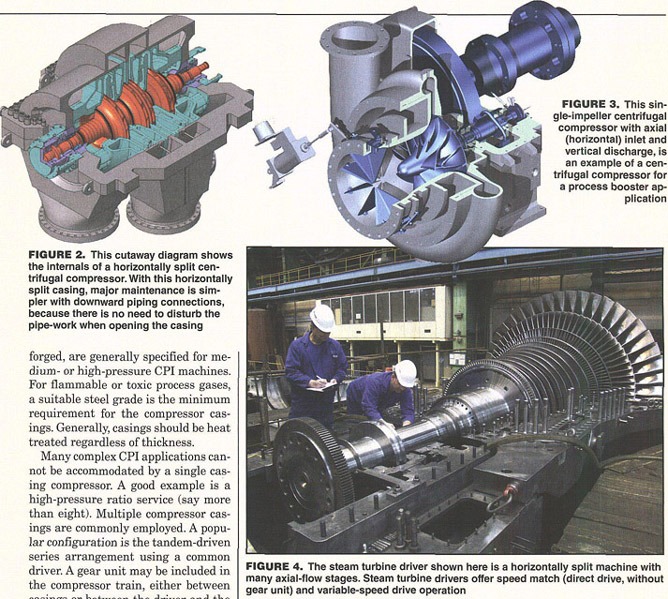
Driving Ethylene & Propylene Compressors with Steam Turbines

Centrifugal compressors are widely used in industrial applications such as chemical processing, petrochemical refining, natural gas compression, and refrigeration. These compressors function by converting kinetic energy from rotating blades into increased pressure of the gas or air being compressed. They are often powered by steam turbines, which provide the necessary rotational energy. The use of steam turbines to drive centrifugal compressors offers significant benefits in terms of efficiency, flexibility, and operational control.

1. Principles of Centrifugal Compressor Operation

Centrifugal compressors are designed to increase the pressure of gases by accelerating them through high-speed rotating blades, or impellers, which impart kinetic energy. As the gas moves through the impellers, its velocity increases. This velocity is then converted into pressure as the gas exits through a diffuser section of the compressor. The core function of the compressor is to take in large volumes of low-pressure gas and deliver it at a higher pressure, making it suitable for various industrial applications.

Centrifugal compressors are particularly useful when large volumes of gas need to be compressed, such as in air conditioning systems, natural gas transmission, or the chemical industry, where high pressures are necessary for chemical reactions or the transport of gases.

2. Steam Turbines as Power Sources for Centrifugal Compressors

Steam turbines are used to drive centrifugal compressors in industries that require high-pressure gas compression and where steam is already available as a byproduct or primary energy source. Steam turbines operate on the principle of converting thermal energy from high-pressure steam into mechanical energy. This is achieved by passing steam through a series of turbine stages, where it expands and causes the turbine blades to rotate. This mechanical energy is then transferred to the centrifugal compressor shaft, driving the impellers that compress the gas.

The primary advantages of using steam turbines to drive centrifugal compressors include:

  • High Power Output: Steam turbines are capable of delivering a significant amount of mechanical power, making them ideal for large-scale centrifugal compressors, which require high horsepower.
  • Fuel Flexibility: Steam turbines can operate on a variety of fuels, including coal, natural gas, or biomass. This makes them adaptable to a range of power generation methods and energy sources.
  • Stable and Reliable Performance: Steam turbines are known for their reliability and ability to provide a steady power output. This is crucial for centrifugal compressors that need to operate continuously without fluctuation in power delivery.
  • Energy Efficiency: When steam turbines are used in conjunction with centrifugal compressors, the overall system efficiency can be very high, especially when waste heat recovery systems are incorporated.

3. Efficiency Considerations in Steam-Turbine-Driven Centrifugal Compressors

The efficiency of a steam turbine driving a centrifugal compressor depends on various factors, including the steam turbine’s design, the pressure and temperature of the steam, and the operational conditions of the compressor. Several aspects contribute to optimizing efficiency:

  • Steam Pressure and Temperature: The higher the steam pressure and temperature entering the turbine, the more energy the turbine can extract and convert into mechanical power. Typically, higher steam temperatures lead to improved thermal efficiency and lower fuel consumption. Therefore, maintaining optimal steam conditions is crucial for maximizing overall system efficiency.
  • Turbine Matching to Compressor Load: Matching the power output of the steam turbine to the requirements of the centrifugal compressor is essential for maintaining efficiency. If the turbine is oversized or undersized, it can result in poor performance, energy losses, or excessive wear on the components. Proper sizing and load matching are essential to ensure the turbine operates within its optimal range.
  • Variable Speed Control: In some cases, centrifugal compressors are equipped with variable-speed drives (VSD), which allow the compressor’s speed to be adjusted based on demand. This can be achieved by controlling the steam turbine’s speed through variable nozzle control or a governor system. Variable speed control allows the compressor to operate at different efficiency levels based on the specific requirements of the process, improving energy efficiency.
  • Waste Heat Recovery: In many applications, the steam turbine will generate excess heat that can be recovered and used to preheat the feedwater for the boiler or for other processes in the plant. This waste heat recovery contributes to overall energy savings and improves the overall efficiency of the system.

4. Operational Flexibility and Load Control

Centrifugal compressors, when powered by steam turbines, provide flexibility in controlling the compressor’s operational performance. This flexibility is critical for industries where operating conditions may change based on fluctuations in demand or process requirements.

  • On/Off Control: In some applications, centrifugal compressors are designed to operate intermittently. Steam turbines offer an advantage in these scenarios by allowing for quick start-ups and shut-downs, which helps manage energy costs and reduce wear on the equipment.
  • Load Modulation: Steam turbine-driven centrifugal compressors can easily adapt to varying load demands. By modulating steam input or adjusting the turbine’s speed, the system can accommodate changes in process conditions without compromising performance or reliability. This dynamic control makes steam turbines ideal for systems where gas compression requirements vary over time.

5. Applications of Steam-Turbine-Driven Centrifugal Compressors

Steam-turbine-driven centrifugal compressors are commonly used in industries where gas compression is essential for the production process. Some of the primary applications include:

  • Natural Gas Compression: In natural gas pipelines, steam turbines are often used to drive centrifugal compressors that maintain the pressure of the gas being transported. These compressors are crucial for ensuring that gas reaches its destination at the desired pressure, regardless of the distance.
  • Petrochemical Industry: Centrifugal compressors are employed in petrochemical plants to compress gases like ethylene, propylene, and butanes, which are used as feedstocks for chemical production. Steam turbines provide reliable power for these compressors, ensuring efficient operations in high-demand environments.
  • Refrigeration and Air Conditioning: Centrifugal compressors powered by steam turbines are also used in industrial refrigeration and air conditioning systems, where the compressors are responsible for maintaining a constant flow of refrigerant gas at high pressure.
  • Chemical Manufacturing: Many chemical plants require pressurized gases to facilitate various reactions or to transport gases across plant systems. Steam-turbine-driven centrifugal compressors play a crucial role in maintaining consistent pressure for such applications.

6. Maintenance and Longevity of Steam-Turbine-Driven Systems

Like all complex mechanical systems, steam turbine-driven centrifugal compressors require regular maintenance to ensure reliable performance and long-term operational efficiency. Maintenance practices for steam turbines and centrifugal compressors typically include:

  • Regular Inspection: Inspecting the turbine blades, seals, and other components for signs of wear, corrosion, or overheating is essential. Compressor blades, bearings, and seals must also be checked for damage and alignment issues that could lead to inefficiency or failure.
  • Lubrication: Proper lubrication of both the steam turbine and the centrifugal compressor components is critical to reducing friction, wear, and potential failure. Lubricant levels and condition should be regularly monitored and changed according to manufacturer recommendations.
  • Monitoring System Health: Implementing a condition-based monitoring system can help track the performance of the steam turbine and centrifugal compressor over time. This system can detect early signs of failure or wear, allowing for timely repairs and reducing the risk of unplanned downtime.
  • Balancing: Centrifugal compressors must be well-balanced to prevent vibration issues that could affect both the compressor and the steam turbine. Balancing is an essential part of maintenance that helps ensure smooth operation and avoids excessive wear.

7. Challenges and Considerations

Despite the advantages of using steam turbines to drive centrifugal compressors, there are also several challenges that need to be addressed to maintain optimal system performance:

  • Thermal Stress: Steam turbines are subject to thermal stresses due to the high-temperature steam that powers them. Over time, these stresses can cause fatigue in turbine components, leading to failure. Using advanced materials and regular maintenance can help mitigate this issue.
  • Energy Consumption: While steam turbines are efficient, they can still be energy-intensive. Careful management of steam flow and optimizing operational parameters are essential to avoid unnecessary energy consumption, especially when operating under partial load conditions.
  • Cost Considerations: Steam turbines are capital-intensive and require significant investment upfront. However, their long service life and efficient performance can offset this initial cost over time, especially in large-scale industrial applications.

8. Future Developments in Steam-Turbine-Driven Centrifugal Compressors

As industries continue to push for higher efficiency and lower environmental impact, innovations in steam turbine and compressor design are likely to evolve:

  • Integration with Renewable Energy: Steam turbines could potentially be integrated with renewable energy systems, such as solar or geothermal, to drive centrifugal compressors in a more sustainable manner.
  • Advanced Materials for Heat and Wear Resistance: Future steam turbines may feature more advanced materials capable of withstanding higher pressures, temperatures, and corrosive environments. These materials will enhance the longevity and reliability of steam-turbine-driven centrifugal compressors.
  • Smart Controls and Automation: The use of smart controls and automation to optimize steam flow and compressor performance based on real-time operational data will continue to improve efficiency and reduce energy consumption.

Conclusion

Driving centrifugal compressors with steam turbines remains a highly effective solution for industries requiring high-capacity gas compression. By providing reliable, flexible, and energy-efficient power, steam turbines continue to support a wide range of applications, from natural gas compression to chemical manufacturing. As technology advances, the efficiency, sustainability, and operational flexibility of these systems are expected to improve, further solidifying the role of steam turbines in modern industrial gas compression systems.

Innovations and Future Directions in Steam-Turbine-Driven Centrifugal Compressors

As the global industrial landscape continues to evolve, steam-turbine-driven centrifugal compressors are expected to undergo significant advancements, driven by the need for improved efficiency, sustainability, and operational flexibility. The future of these systems is closely tied to innovations in materials, control systems, energy management, and integration with emerging technologies. These innovations aim to address challenges such as energy consumption, reliability, and the integration of renewable energy sources, while also improving performance and reducing environmental impact.

1. Advanced Materials and Coatings

The development of advanced materials and coatings is expected to play a significant role in improving the performance and longevity of steam-turbine-driven centrifugal compressors. High-efficiency, high-strength materials can enhance the components’ resistance to wear, corrosion, and thermal stresses, which are particularly crucial in high-temperature and high-pressure environments.

  • Ceramic and Composite Materials: The use of advanced ceramics and composite materials can improve the durability of turbine blades and compressor components. These materials can withstand higher temperatures and aggressive operational conditions, leading to better overall performance and extended life cycles. For instance, ceramic coatings could be applied to turbine blades to enhance their resistance to oxidation and thermal degradation.
  • Nanotechnology in Coatings: The integration of nanomaterials into coatings can offer enhanced resistance to friction, wear, and corrosion. Nanocoatings can significantly reduce maintenance needs by minimizing the damage to critical components like the turbine rotor, impeller blades, and bearings. This leads to more efficient and cost-effective systems.

These advanced materials will improve the reliability and performance of steam-turbine-driven centrifugal compressors, making them more suitable for demanding industrial applications, reducing maintenance costs, and enhancing system uptime.

2. Digitalization and Predictive Maintenance

The rise of digital technologies, such as the Industrial Internet of Things (IIoT) and predictive analytics, is revolutionizing the way centrifugal compressors powered by steam turbines are monitored and maintained. By integrating sensors, real-time data collection, and machine learning algorithms, operators can gain deeper insights into the health and performance of compressor systems.

  • Condition Monitoring: With the integration of IoT sensors, steam turbines and centrifugal compressors can continuously monitor parameters like vibration, temperature, pressure, and rotational speed. This data can be used to detect any early signs of wear, imbalance, or system anomalies, enabling operators to take proactive measures before issues escalate into costly failures.
  • Predictive Analytics: Machine learning algorithms can analyze vast amounts of operational data to predict potential failures or performance degradation before they occur. By forecasting when components like turbine blades or compressor bearings are likely to fail, operators can schedule maintenance activities at optimal times, reducing downtime and extending the system’s lifespan.
  • Remote Monitoring and Control: Remote monitoring allows operators to assess the performance of steam-turbine-driven compressors in real time, regardless of their location. Through cloud-based platforms, operators can receive alerts, analyze performance data, and make operational adjustments remotely, ensuring continuous monitoring and optimizing system operation.

The digitalization of steam-turbine-driven centrifugal compressors through predictive maintenance and condition monitoring not only enhances operational efficiency but also helps reduce unplanned downtime and extends equipment life, lowering overall maintenance costs.

3. Energy Recovery and Waste Heat Utilization

Energy efficiency and sustainability are becoming increasingly important in industrial processes. Steam turbines and centrifugal compressors can be integrated with waste heat recovery systems to capture and reuse excess energy, significantly improving the overall efficiency of the system.

  • Regenerative Heat Exchangers: Steam turbines often generate a significant amount of waste heat, especially during the expansion of steam. This excess heat can be captured and used to preheat the compressed air or gas before it enters the centrifugal compressor. By recovering waste heat, the need for additional energy input is reduced, improving the overall efficiency of the system.
  • Combined Heat and Power (CHP) Systems: In some applications, steam turbines are part of a combined heat and power (CHP) system, where the turbine not only drives the centrifugal compressor but also generates electricity for the facility. The excess thermal energy generated by the steam turbine can be used for heating purposes or to support other processes, maximizing energy utilization and reducing the facility’s carbon footprint.
  • Thermal Energy Storage: The integration of thermal energy storage systems can help balance the energy supply and demand in a steam-turbine-driven centrifugal compression system. Surplus thermal energy can be stored for later use, reducing the need for additional energy generation and ensuring continuous, efficient operation even during periods of fluctuating energy demand.

These energy recovery and waste heat utilization strategies enhance the sustainability and cost-effectiveness of steam-turbine-driven centrifugal compressors, aligning with global efforts to reduce energy consumption and minimize environmental impact.

4. Integration with Renewable Energy Sources

The increasing emphasis on renewable energy sources presents new opportunities for integrating steam turbines and centrifugal compressors into hybrid energy systems. Steam turbines can be powered by renewable energy sources such as solar, biomass, and geothermal, allowing for more sustainable and flexible operation in industrial applications.

  • Solar Thermal Power: Solar thermal plants use mirrors or lenses to concentrate sunlight onto a fluid, which is then used to generate steam to drive turbines. The steam can power centrifugal compressors, reducing the reliance on fossil fuels. This integration of steam turbines with solar power supports cleaner energy production and helps reduce carbon emissions.
  • Biomass-Fueled Steam Turbines: Biomass is a renewable energy source that can be used to produce steam for driving turbines. Biomass-powered steam turbines can provide a sustainable, carbon-neutral alternative to traditional fossil fuel-based systems. When used to power centrifugal compressors, these systems can compress gases for use in various industrial processes while contributing to a circular economy and reducing waste.
  • Geothermal Energy: In areas with geothermal resources, steam turbines can be powered by the heat from the Earth’s core. Geothermal steam can drive turbines to power centrifugal compressors, making use of a renewable energy source that is both reliable and environmentally friendly.

By integrating steam turbines with renewable energy sources, industrial systems can reduce their reliance on fossil fuels, lower carbon emissions, and contribute to a more sustainable energy ecosystem.

5. Advanced Control Systems for Dynamic Operations

As industries demand more flexible and responsive systems, steam-turbine-driven centrifugal compressors will increasingly rely on advanced control technologies to manage dynamic and changing operational conditions. Advanced control systems allow for more precise regulation of compressor speeds, pressures, and steam inputs.

  • Model Predictive Control (MPC): Model predictive control is an advanced control strategy that predicts future system behavior based on mathematical models of the compressor and turbine. MPC uses real-time data to adjust the operational parameters of the turbine and compressor, ensuring optimal performance and energy efficiency. This control method can adapt to fluctuations in demand, adjusting the turbine’s power output and the compressor’s speed to maintain system stability.
  • Artificial Intelligence and Machine Learning: AI and machine learning algorithms can be used to fine-tune the operation of centrifugal compressors and steam turbines, based on real-time data and historical performance patterns. These technologies enable autonomous system optimization, improving efficiency, reducing energy consumption, and minimizing human intervention.
  • Integrated Systems for Process Optimization: In many industrial applications, steam turbines and centrifugal compressors are part of a larger system, such as a chemical processing plant or a natural gas compression station. By integrating turbine and compressor controls with the broader process control system, operators can optimize the entire system, improving energy efficiency, throughput, and production quality.

Advanced control systems enable steam-turbine-driven centrifugal compressors to operate more efficiently, with improved response times to changing demands and reduced energy consumption.

6. Sustainability and Carbon Reduction Efforts

In response to the global push for carbon reduction and sustainability, there is a growing focus on enhancing the environmental performance of steam-turbine-driven centrifugal compressors. Beyond energy recovery and renewable energy integration, other sustainability initiatives include:

  • Low-Carbon Fuels: The use of low-carbon fuels, such as hydrogen, in steam turbines can help reduce the carbon footprint of the entire system. Hydrogen, when used as a fuel source, produces only water vapor as a byproduct, making it an attractive option for decarbonizing steam-turbine-driven centrifugal compressors.
  • Recycling and Circular Economy Models: A circular economy approach involves maximizing the lifecycle of materials and minimizing waste. In the context of steam-turbine-driven compressors, this could include refurbishing or reconditioning key components, recycling materials, and reducing the environmental impact of production and disposal processes.

By focusing on these sustainability measures, the environmental impact of steam-turbine-driven centrifugal compressors can be significantly reduced, contributing to the transition toward a more sustainable industrial future.

Conclusion

The future of steam-turbine-driven centrifugal compressors is filled with potential for significant advancements in efficiency, sustainability, and operational flexibility. Through innovations in materials, control systems, energy recovery, and integration with renewable energy sources, these systems will continue to evolve to meet the growing demands of industries worldwide. The continued push toward energy efficiency, waste heat utilization, and carbon reduction will further enhance the role of steam turbines in driving centrifugal compressors, ensuring they remain a reliable and sustainable solution in a rapidly changing energy landscape.

Emerging Technologies and Concepts in Steam-Turbine-Driven Centrifugal Compressors

As industries continue to prioritize energy efficiency, sustainability, and operational flexibility, the development of new technologies and concepts for steam-turbine-driven centrifugal compressors will play a key role in shaping the future of industrial processes. These innovations aim to address the increasing complexity of modern manufacturing and processing environments, where there is a demand for systems that can deliver more power, work in diverse operating conditions, and maintain or improve performance over time.

1. Hybrid Power Systems and Integration with Other Mechanical Drives

One of the most promising directions for the future of steam-turbine-driven centrifugal compressors is the integration of hybrid power systems. Hybrid systems combine steam turbines with other energy sources or mechanical drives to create more versatile and energy-efficient solutions for industrial applications. By using a combination of power sources, these systems can better respond to changing energy needs, reduce fuel consumption, and increase overall system flexibility.

  • Combined Mechanical Drive Systems: Hybrid systems that combine steam turbines with electric motors or gas engines are gaining traction in industries that require both power and flexibility. By pairing a steam turbine with an electric motor, companies can switch between power sources based on availability, cost, or efficiency, which is particularly useful when energy prices fluctuate or when renewable power sources, such as solar or wind, are part of the energy mix. The electric motor can take over during low-demand periods or when steam availability is limited, while the steam turbine remains the primary driver during periods of higher demand.
  • Cogeneration Systems: Steam turbines are often part of cogeneration (combined heat and power, or CHP) systems, where both electricity and useful thermal energy are produced. These systems can be paired with mechanical drives, such as centrifugal compressors, to optimize energy use. For example, a cogeneration plant using natural gas or biomass could power a steam turbine to generate electricity, while simultaneously supplying thermal energy for use in industrial processes, including driving compressors. This dual output improves the energy efficiency of the system by utilizing waste heat and reducing reliance on external energy supplies.

The integration of hybrid and cogeneration systems offers a way to improve operational flexibility, lower costs, and reduce the carbon footprint of steam-turbine-driven centrifugal compressors.

2. Improved Compressor Performance Through Computational Fluid Dynamics (CFD)

Advances in computational fluid dynamics (CFD) are enabling more precise design and optimization of centrifugal compressors driven by steam turbines. CFD allows engineers to simulate the behavior of gases as they flow through compressors, helping to identify areas of improvement in terms of efficiency, pressure ratio, and energy consumption. By analyzing the aerodynamic performance of compressor blades and flow paths, CFD can be used to design more efficient turbines and compressors, ensuring better energy conversion and reducing losses.

  • Blade Design Optimization: CFD can be used to optimize the design of the turbine blades and impellers in centrifugal compressors. By simulating the flow of steam or gas through the turbine and compressor stages, engineers can improve blade shape, surface roughness, and angles to maximize efficiency and reduce drag. This leads to higher performance, lower operational costs, and improved energy efficiency.
  • Flow Path Optimization: Using CFD, the flow paths of steam or gas can be optimized to minimize turbulence, flow separation, and other factors that reduce efficiency. For instance, slight adjustments to the positioning of diffuser sections, or redesigning the nozzle guide vanes in the turbine, can lead to significant improvements in the overall performance of both the steam turbine and centrifugal compressor. Optimizing flow paths also results in better pressure control, smoother operation, and reduced vibrations, which extend equipment lifespan.

By incorporating CFD into the design and operation of steam-turbine-driven centrifugal compressors, industrial systems can achieve higher levels of performance and energy efficiency, which are critical in today’s competitive and environmentally conscious markets.

3. Advanced Turbine and Compressor Materials for Extreme Conditions

As industrial processes demand more from steam-turbine-driven systems, there is an increasing need for materials that can withstand extreme operating conditions, such as high temperatures, corrosive environments, and high mechanical stresses. Developing and applying advanced materials is key to improving the reliability, performance, and longevity of steam turbines and centrifugal compressors.

  • Superalloys: Superalloys are a class of high-performance materials specifically designed for extreme environments. These materials have excellent resistance to high temperatures, oxidation, and mechanical stresses, making them ideal for turbine blades and other high-stress components. By using superalloys in both steam turbines and centrifugal compressors, engineers can extend the service life of critical components, improve efficiency, and reduce the need for frequent maintenance.
  • Coatings for High-Temperature Protection: High-temperature protective coatings, such as thermal barrier coatings (TBCs), can be applied to steam turbine blades and compressor components to prevent oxidation and wear caused by heat and steam exposure. These coatings help improve the lifespan of turbine blades and impellers, which operate in environments where temperatures can exceed 1,000°C (1,832°F). Additionally, the coatings can protect the components from erosion caused by steam and gas, reducing the frequency of component replacement and lowering overall maintenance costs.
  • Corrosion-Resistant Materials: In environments where corrosive gases or liquids are present, corrosion-resistant materials can be used to enhance the durability of steam turbines and centrifugal compressors. Materials such as titanium, stainless steel alloys, and advanced polymers can be employed to protect components from chemical degradation and environmental wear. These materials not only improve the reliability of the equipment but also reduce the environmental impact by extending component lifetimes and reducing the need for replacement.

The development and use of advanced materials for steam turbines and centrifugal compressors enable these systems to withstand more demanding conditions, increase reliability, and reduce operational costs in high-stress industrial applications.

4. Decarbonization and Hydrogen as Fuel for Steam Turbines

As industries strive to meet global decarbonization goals, hydrogen is emerging as a key alternative fuel for steam turbines, including those that drive centrifugal compressors. Hydrogen, when burned, produces only water vapor as a byproduct, making it a promising solution for reducing greenhouse gas emissions in industrial processes.

  • Hydrogen-Fueled Steam Turbines: Hydrogen can be used as a fuel for steam turbines in place of traditional fossil fuels like coal or natural gas. This transition to hydrogen-powered steam turbines can significantly reduce the carbon footprint of industrial applications, particularly in sectors such as chemical processing, power generation, and transportation. The use of hydrogen not only reduces CO2 emissions but also allows industries to comply with increasingly stringent environmental regulations.
  • Storage and Transport of Hydrogen: One of the key challenges to the widespread adoption of hydrogen as a fuel is its storage and transport. Hydrogen needs to be stored under high pressure or in liquid form, requiring specialized infrastructure. However, with advancements in hydrogen storage technologies and the development of a global hydrogen economy, steam-turbine-driven systems powered by hydrogen could become a viable solution for large-scale industrial applications.
  • Blended Fuels: Another potential development is the use of hydrogen blended with natural gas as a fuel for steam turbines. By gradually increasing the hydrogen content in the fuel mix, industries can reduce their carbon emissions while still maintaining the reliability and performance of existing turbine systems. This gradual transition can help ease the adoption of hydrogen in steam-turbine-driven centrifugal compressor systems without requiring a complete overhaul of existing infrastructure.

The use of hydrogen and other low-carbon fuels will be an essential part of the decarbonization efforts in industries that rely on steam turbines, including those used to drive centrifugal compressors. These technologies offer the potential for significant reductions in greenhouse gas emissions while maintaining the operational efficiency of steam-turbine systems.

5. Autonomous and Smart Control Systems for Process Optimization

The integration of autonomous and smart control systems in steam-turbine-driven centrifugal compressors is set to revolutionize how these systems are managed and operated. Smart systems use artificial intelligence (AI), machine learning (ML), and advanced sensors to optimize performance, reduce energy consumption, and minimize downtime.

  • Predictive Control Algorithms: Predictive control algorithms, powered by AI and ML, can be used to optimize steam turbine operation based on real-time data and predictive models of turbine and compressor performance. These systems can adjust operating parameters dynamically to improve energy efficiency, reduce fuel consumption, and ensure smooth operation. For example, predictive algorithms can adjust the turbine speed or steam input based on the compressor’s performance, leading to optimal energy use.
  • Digital Twin Technology: Digital twin technology creates a virtual model of the steam-turbine-driven centrifugal compressor system, allowing operators to simulate and test various operational scenarios. By comparing real-time data with the digital twin model, operators can gain insights into how the system is performing, identify potential inefficiencies, and predict maintenance needs. Digital twins enable more informed decision-making and help optimize performance while reducing energy costs and extending system life.
  • Adaptive System Behavior: As the industrial landscape becomes more dynamic, steam-turbine-driven systems must be able to adapt to changing conditions, such as varying load demands or fluctuations in energy availability. Smart systems can enable turbines and compressors to adjust automatically, optimizing energy use and ensuring that the system operates within optimal parameters at all times.

These autonomous and smart control systems will help reduce human intervention, improve system performance, and lower operating costs for steam-turbine-driven centrifugal compressors.

Conclusion

The future of steam-turbine-driven centrifugal compressors is poised for significant transformation, driven by technological advancements that enhance efficiency, flexibility, and sustainability. Hybrid systems, advanced materials, digital technologies, and the integration of low-carbon fuels like hydrogen are all shaping the next generation of steam turbine applications. As industries continue to face increasing pressure to reduce costs and minimize environmental impact, these innovations will be critical in ensuring that steam turbines remain a reliable, energy-efficient, and sustainable solution for driving centrifugal compressors in the years to come

6. Energy Storage and Load-Shifting for Steam Turbine Systems

As industries continue to adapt to the growing demand for energy efficiency and sustainability, energy storage and load-shifting solutions are becoming increasingly important. The integration of energy storage technologies with steam-turbine-driven centrifugal compressors offers the potential for enhanced flexibility, improved energy utilization, and better overall system efficiency.

Energy Storage for Steam Turbine Systems

Energy storage systems, such as batteries or thermal storage, can be integrated with steam-turbine systems to store excess energy generated during periods of low demand and release it when demand spikes. These systems provide a way to balance supply and demand, allowing for more efficient use of steam turbines and centrifugal compressors, which are typically designed to operate at a constant load.

  • Battery Storage: Battery energy storage systems (BESS) can store electricity generated by a steam turbine or other power sources when supply exceeds demand. The stored energy can be released during periods of peak demand, reducing the need for additional energy generation. By integrating battery storage with steam turbines, industrial systems can ensure a continuous and stable energy supply, even during fluctuations in load or steam availability.
  • Thermal Energy Storage: Steam turbines often produce excess thermal energy during operation, which can be stored for later use. Thermal storage systems, such as molten salt or phase-change materials, can store heat and release it when needed to drive steam turbines, reducing the need for additional fuel input. By optimizing thermal energy storage, systems can improve the efficiency of both the steam turbine and centrifugal compressor by reducing idle times and ensuring consistent performance.

Load-Shifting for Energy Efficiency

In addition to energy storage, load-shifting strategies can be employed to improve energy efficiency and reduce operational costs. Load-shifting involves adjusting the timing of energy-intensive processes to take advantage of periods when energy is cheaper or when there is excess supply.

  • Demand Response: Industrial systems can participate in demand response programs, which allow for the shifting of energy consumption based on signals from the grid. By adjusting steam turbine and compressor operations to match periods of low demand or when renewable energy is abundant, industries can reduce their reliance on fossil fuels and minimize energy costs.
  • Optimized Load Distribution: In steam-turbine-driven centrifugal compressor systems, optimized load distribution involves adjusting steam flow and compressor operation to ensure that both are operating at their most efficient points. By dynamically shifting the load between different turbines or compressors, operators can minimize energy consumption, extend the life of equipment, and reduce operational costs.

Energy storage and load-shifting techniques will help steam-turbine-driven systems adapt to the evolving energy landscape by increasing operational flexibility, reducing energy consumption, and enhancing overall system efficiency.

7. Sustainable Manufacturing and the Role of Steam-Turbine-Driven Compressors

As the global focus on sustainability intensifies, industries are increasingly incorporating environmentally conscious practices into their operations. Steam-turbine-driven centrifugal compressors can play a crucial role in achieving sustainable manufacturing by reducing energy consumption, lowering emissions, and facilitating resource optimization.

Reducing Energy Consumption and Emissions

Steam turbines, when used to drive centrifugal compressors, can significantly reduce energy consumption by optimizing the conversion of thermal energy into mechanical energy. By integrating energy-efficient technologies, such as advanced turbines and compressors with higher efficiency ratings, industries can lower their operational energy needs and reduce the overall environmental impact.

  • Combined Heat and Power (CHP) Systems: As mentioned earlier, CHP systems that integrate steam turbines with compressors can reduce energy waste by simultaneously generating electricity and thermal energy for industrial processes. These systems allow industries to maximize the use of fuel, reducing the need for additional energy generation and cutting down on carbon emissions.
  • Carbon Capture and Storage (CCS): For industries that still rely on fossil fuels, steam-turbine-driven systems can be paired with carbon capture and storage technologies to reduce greenhouse gas emissions. By capturing CO2 produced during combustion and storing it underground or utilizing it in other industrial processes, companies can mitigate the environmental impact of their operations while continuing to rely on steam turbines.
  • Energy Recovery Systems: Waste heat recovery systems can be integrated into steam-turbine-driven centrifugal compressors to further reduce energy consumption. By capturing heat that would otherwise be lost, these systems can use the recovered energy to drive compressors or other processes, further improving the overall efficiency of the system and reducing emissions.

Circular Economy and Resource Efficiency

The concept of a circular economy focuses on minimizing waste and maximizing the reuse of materials and energy. Steam-turbine-driven centrifugal compressors can be integrated into circular economy models by enabling the recycling of heat, air, and gases within industrial processes.

  • Waste Heat Recovery and Reuse: As previously discussed, steam turbines generate excess heat that can be recovered and reused. By capturing waste heat and redirecting it back into the system, industries can reduce their reliance on external energy sources, improve overall efficiency, and decrease waste.
  • Material Recycling: Steam-turbine-driven centrifugal compressors can be used in various recycling processes, such as in the petrochemical or waste management industries, where they help compress gases for reuse or process materials. The integration of compressors into these processes ensures that valuable resources are efficiently recovered and reused, contributing to the circular economy.

Sustainable manufacturing practices enabled by steam-turbine-driven compressors will help industries achieve higher energy efficiency, lower carbon emissions, and promote resource optimization.

8. Advanced Manufacturing Processes and Steam Turbines

In addition to traditional industrial processes, steam turbines and centrifugal compressors are also becoming essential components in advanced manufacturing processes. These processes, such as additive manufacturing (3D printing), precision casting, and nanomaterial production, require highly reliable and energy-efficient systems.

Additive Manufacturing (3D Printing)

Additive manufacturing, commonly known as 3D printing, is an innovative technology used to create complex components and products by adding material layer by layer. Steam-turbine-driven centrifugal compressors can play a key role in powering the machinery used in additive manufacturing, particularly for industries that require high-precision, energy-efficient systems.

  • Powering High-Temperature 3D Printers: Additive manufacturing processes that involve high temperatures, such as those used for metal printing, require precise and reliable energy sources. Steam turbines driving centrifugal compressors can provide the necessary energy for high-temperature environments, ensuring that the manufacturing process remains efficient and stable.
  • Gas Compression for Precision Printing: In some 3D printing applications, such as metal deposition or plasma-based processes, precise gas compression is required to control the environment within the printer. Steam-turbine-driven compressors can provide the consistent gas pressure needed for these high-precision applications, ensuring that the printed components meet the required specifications.

Nanomaterials and Precision Casting

The production of nanomaterials and precision casting processes often demands high-precision, high-pressure systems to ensure that materials are manipulated at the molecular or atomic level. Steam-turbine-driven centrifugal compressors can be used to generate the necessary pressures and conditions for these advanced manufacturing techniques.

  • Nanomaterial Synthesis: Nanomaterials, which are used in a wide range of industries, including electronics, pharmaceuticals, and energy, often require controlled environments for their production. Steam turbines and compressors can provide the necessary pressure and temperature conditions for the synthesis of these materials, enabling efficient and scalable production processes.
  • Precision Casting: In precision casting, where metal parts are created with intricate designs and high precision, steam turbines can help drive compressors that supply the necessary pressure and airflow for the casting process. The ability to control the compression of gases and liquids in these applications is critical to achieving the desired quality and consistency in the finished components.

Advanced manufacturing processes are pushing the boundaries of what is possible in industrial production, and steam turbines, combined with centrifugal compressors, are essential in providing the high levels of precision, energy efficiency, and reliability required for these innovative techniques.

Conclusion

The future of steam-turbine-driven centrifugal compressors is brimming with opportunities for innovation and improvement. From integrating hybrid power systems and energy storage solutions to embracing sustainability and the circular economy, the potential to optimize energy use, reduce emissions, and enhance industrial operations is significant. As technologies like AI, machine learning, and advanced materials continue to evolve, these systems will become increasingly efficient, flexible, and sustainable. By leveraging these advancements, industries can remain competitive while minimizing their environmental footprint and contributing to global sustainability efforts.

9. Digitalization and the Internet of Things (IoT) in Steam Turbine Systems

The ongoing digital transformation across industries has led to the increasing use of digital technologies, such as the Internet of Things (IoT), to enhance the monitoring, control, and optimization of steam-turbine-driven centrifugal compressors. By incorporating IoT and other digital tools, industries can achieve real-time insights, predictive analytics, and automation, which help improve the reliability, efficiency, and maintenance of steam turbines and compressors.

IoT for Real-Time Monitoring and Performance Analysis

IoT technologies enable the collection of real-time data from steam turbines, centrifugal compressors, and other associated components. These data points can be analyzed to provide a comprehensive understanding of system performance, including efficiency, vibrations, temperature, pressure, and other key parameters. This data-driven approach empowers operators to make informed decisions and optimize system operation based on real-time performance indicators.

  • Sensor Integration: IoT-enabled sensors can be integrated into various components of steam turbines and compressors, including bearings, shafts, blades, and seals. These sensors continuously monitor key parameters such as temperature, vibration, pressure, and flow rate, providing real-time data to control systems or cloud-based platforms. This enables operators to detect early signs of wear, malfunction, or inefficiency, which can be addressed before they result in costly downtime or repairs.
  • Condition Monitoring: With the continuous monitoring of equipment health, IoT technologies can track the performance of steam turbines and centrifugal compressors in real-time. Condition monitoring systems analyze the collected data to identify any anomalies or deviations from normal operating conditions. This allows for immediate corrective actions, such as adjusting operating parameters or initiating preventive maintenance, to prevent costly system failures.

Predictive Maintenance and Proactive Problem Resolution

Predictive maintenance, driven by IoT and data analytics, is a game-changer for steam-turbine-driven systems. Rather than relying on fixed maintenance schedules, predictive maintenance uses historical and real-time data to predict when maintenance will be required based on the actual wear and condition of the equipment. This leads to fewer unplanned outages, extended equipment lifespan, and lower maintenance costs.

  • Machine Learning for Predictive Insights: Machine learning algorithms can analyze historical data to identify patterns of equipment behavior and failure trends. These insights are used to predict potential failures and optimize maintenance schedules. For example, if a steam turbine or compressor is experiencing excessive vibrations or temperature fluctuations, predictive analytics can provide early warnings and suggest corrective actions, such as part replacements or adjustments to operating parameters.
  • Optimization of Spare Parts and Maintenance Planning: IoT and predictive maintenance systems can help optimize spare parts inventory by forecasting the need for replacements based on real-time wear data. By understanding which parts are likely to fail or wear out, operators can plan maintenance activities more effectively, reducing downtime and the need for emergency repairs.

With predictive maintenance, industries can reduce costs associated with unnecessary repairs, improve system uptime, and ensure that their steam-turbine-driven centrifugal compressors operate at peak efficiency.

Remote Monitoring and Control for Global Operations

In today’s globalized industrial landscape, many companies operate large-scale facilities across multiple locations and time zones. IoT-enabled systems provide the ability to remotely monitor and control steam-turbine-driven centrifugal compressors from anywhere in the world, ensuring consistent performance and enabling operators to respond quickly to issues, regardless of their physical location.

  • Cloud-Based Monitoring: By using cloud-based platforms, IoT systems can provide centralized monitoring and control over multiple turbine and compressor units located across different sites. This enables operators to manage and optimize performance remotely, ensuring operational efficiency and quick resolution of problems without requiring on-site visits.
  • Remote Diagnostics: IoT systems can provide remote diagnostics of steam turbines and centrifugal compressors, allowing technical experts to troubleshoot and resolve issues without the need for an on-site inspection. This not only reduces the need for costly field service visits but also allows for faster issue resolution, minimizing downtime and production losses.

Remote monitoring and control systems enhance the efficiency, reliability, and flexibility of steam-turbine-driven systems, making them essential in modern industrial operations.

10. Energy Efficiency Improvements through Process Integration

The integration of steam-turbine-driven centrifugal compressors into larger industrial processes offers significant opportunities for improving energy efficiency and reducing operational costs. By carefully analyzing and optimizing the interaction between different process units, industries can maximize the use of available energy and minimize waste.

Waste Heat Recovery and Combined Systems

As discussed earlier, steam turbines can be part of combined heat and power (CHP) systems, where both electricity and thermal energy are produced simultaneously. The integration of waste heat recovery systems with centrifugal compressors can significantly enhance the overall energy efficiency of industrial processes. By capturing and reusing waste heat generated by the turbines or compressors, industries can reduce their reliance on external energy sources and lower their carbon footprint.

  • Heat Exchanger Networks: Steam turbines and centrifugal compressors can be connected to heat exchanger networks that recover waste heat from various process streams. This recovered heat can be used to preheat water or air entering the system, or it can be fed back into the steam cycle, reducing the need for additional fuel. By optimizing the use of waste heat, the system’s overall efficiency can be significantly increased.
  • Process Integration with Other Systems: Steam turbines and compressors can also be integrated into broader industrial systems, such as refrigeration or chemical processing units, to improve overall energy efficiency. For example, in a chemical plant, the excess heat from a steam turbine can be used to drive refrigeration cycles, while the compressor can be used to increase the pressure of refrigerants or other gases. This integrated approach helps to maximize the use of energy within the system, resulting in lower energy consumption and reduced emissions.

Dynamic Energy Management Systems

Dynamic energy management systems are becoming an essential tool for industries looking to optimize the performance of their steam-turbine-driven centrifugal compressors. These systems use real-time data and predictive analytics to make continuous adjustments to system operations, ensuring that energy is used as efficiently as possible.

  • Optimization of Steam Flow and Compressor Load: A dynamic energy management system can optimize the flow of steam to turbines and the load on centrifugal compressors to maximize efficiency. By continuously adjusting the operation of steam turbines based on demand and available steam supply, these systems can reduce energy waste and improve overall performance. This also reduces the wear and tear on turbine components, leading to longer equipment lifespans.
  • Energy Demand Forecasting: Dynamic energy management systems can forecast energy demand and adjust steam turbine and compressor operations accordingly. By predicting periods of peak demand, these systems can ensure that the right amount of energy is generated and used at the right time, reducing the need for excess energy production and minimizing energy costs.

Process integration and dynamic energy management systems provide industries with powerful tools to maximize the energy efficiency of steam-turbine-driven centrifugal compressors, reducing costs and enhancing sustainability.

11. The Role of Digital Twins in Optimizing Steam Turbine Systems

Digital twin technology, which creates a virtual replica of physical assets, is playing an increasingly important role in optimizing the operation of steam turbines and centrifugal compressors. By providing a real-time, data-driven model of the system, digital twins allow for more accurate performance predictions, improved maintenance planning, and enhanced system optimization.

Real-Time Simulation and Monitoring

A digital twin of a steam-turbine-driven centrifugal compressor system allows for the continuous monitoring and simulation of system behavior in real-time. This virtual model integrates data from IoT sensors, operational parameters, and historical data to create a dynamic representation of the physical system. By continuously comparing the virtual model with real-world data, operators can identify inefficiencies, predict potential failures, and make adjustments to optimize performance.

  • Predictive Simulation: By simulating different operating conditions, digital twins allow engineers to test various scenarios and predict how the system will respond to changes in demand, fuel quality, or maintenance schedules. This helps identify optimal operating conditions and reduce risks associated with system failures.
  • Optimization of Energy Consumption: With the data from the digital twin, operators can fine-tune the operation of steam turbines and centrifugal compressors to minimize energy consumption. For example, the system can suggest operational adjustments, such as changes in compressor speed or turbine load, to ensure maximum efficiency while maintaining stable operation.

Preventive Maintenance and Performance Forecasting

Digital twins are also valuable tools for predictive and preventive maintenance. By continuously analyzing real-time performance data from both physical equipment and the digital model, these systems can forecast potential maintenance needs, such as component replacements or system adjustments, before they result in failures.

  • Automated Maintenance Alerts: A digital twin can provide automated maintenance alerts when key performance indicators (KPIs) deviate from normal ranges, signaling the need for inspection or repair. This helps prevent unplanned downtime and minimizes the impact of equipment failure on production.
  • Performance Forecasting: Digital twins can predict long-term performance trends based on historical data and real-time monitoring. This allows operators to anticipate the future condition of steam turbines and compressors, schedule proactive maintenance, and reduce the likelihood of unexpected breakdowns.

Digital twins play a crucial role in optimizing the operation and maintenance of steam-turbine-driven centrifugal compressors by providing real-time insights, predictive analytics, and proactive management.

Conclusion

The integration of digital technologies, IoT, predictive maintenance, process optimization, and energy management strategies will drive the evolution of steam-turbine-driven centrifugal compressors in the coming years. By embracing these advancements, industries can achieve greater energy efficiency, reduce operational costs, enhance system reliability, and contribute to global sustainability goals. The future of steam turbines lies in their ability to adapt to the changing energy landscape, offering more flexible, efficient, and environmentally responsible solutions for industrial operations worldwide.

Driving Reciprocating Compressors with Steam Turbines

Driving Ethylene & Propylene Compressors with Steam Turbines

Reciprocating compressors are commonly used in industrial applications to compress gases and refrigerants, and they can be driven by steam turbines for optimal efficiency. This pairing of steam turbines and reciprocating compressors is typically seen in large-scale industries such as oil and gas, petrochemical, and refrigeration plants. The integration of steam turbines to drive these compressors offers several benefits, including improved energy efficiency, better operational flexibility, and reduced maintenance costs.

How Steam Turbines Drive Reciprocating Compressors

Reciprocating compressors use pistons to compress gases in a cylinder. The pistons move back and forth, driven by a crankshaft mechanism that is powered by the steam turbine. The steam turbine, operating on steam generated from a boiler or heat recovery system, drives the reciprocating compressor by converting thermal energy into mechanical energy.

  • Steam Turbine Design: The steam turbine driving a reciprocating compressor typically operates at a fixed or variable speed, depending on the process requirements. The power output of the turbine is matched to the compression load needed by the system. The speed of the turbine can be controlled to maintain optimal operating conditions for the compressor, which can vary depending on factors such as system pressure, temperature, and gas flow rate.
  • Mechanical Power Transmission: The mechanical power from the turbine is transmitted through a shaft to the compressor’s crankshaft. Depending on the system design, this transmission may be direct, or it may involve a gearbox or other mechanical linkage. The efficiency of this mechanical power transmission is crucial for minimizing energy losses and ensuring that the system operates smoothly.

Advantages of Using Steam Turbines to Drive Reciprocating Compressors

Using steam turbines to drive reciprocating compressors offers several key advantages:

  • High Efficiency at Large Scales: Steam turbines are highly efficient when driving large mechanical loads, and their ability to operate at constant, steady speeds makes them ideal for applications requiring continuous compressor operation. In industries such as natural gas processing or petrochemicals, where large-scale compression is essential, the pairing of steam turbines and reciprocating compressors provides a reliable and energy-efficient solution.
  • Reduced Fuel Consumption: Steam turbines can provide a highly efficient way of driving reciprocating compressors when integrated into a combined heat and power (CHP) system. By utilizing waste heat or steam from industrial processes to drive turbines, the overall energy consumption is reduced compared to using electrical motors or other less efficient power sources.
  • Operational Flexibility: Steam turbines can be designed to operate over a broad range of loads, making them highly flexible for applications where load demands may fluctuate. This allows reciprocating compressors to adjust their performance according to varying operational needs without sacrificing efficiency.
  • Reduced Maintenance Costs: Reciprocating compressors driven by steam turbines generally experience less wear and tear compared to electrically driven counterparts, especially when steam turbine speed is regulated and optimized. This can lead to reduced maintenance costs and extended equipment life, as there is less strain on the compressor’s moving parts when operating at optimal speeds.

Applications of Steam-Turbine-Driven Reciprocating Compressors

Steam-turbine-driven reciprocating compressors are used in various industrial processes that require high-pressure gas compression, including:

  • Petrochemical and Refining Industries: In the petrochemical industry, steam-turbine-driven reciprocating compressors are commonly used for the compression of gases in catalytic cracking, gas separation, and hydrogen production processes. Their high efficiency and ability to operate continuously at large scales make them an ideal solution for these applications.
  • Natural Gas Processing: In natural gas plants, reciprocating compressors powered by steam turbines are used to compress natural gas for transportation through pipelines, liquefaction for storage, or reinjection into oil reservoirs for enhanced recovery. Steam turbines are well-suited for this application due to their ability to handle large mechanical loads and provide reliable, continuous operation.
  • Refrigeration and HVAC Systems: In industrial refrigeration systems, steam turbines are used to drive reciprocating compressors, which are responsible for compressing refrigerant gases. This is particularly useful in large-scale cold storage, food processing, and chemical manufacturing facilities where the cooling load can fluctuate and requires a highly efficient compressor system.
  • Air Separation: In air separation plants, where gases such as nitrogen, oxygen, and argon are separated from the air, steam-turbine-driven reciprocating compressors are used to compress air to very high pressures. This process is energy-intensive, and the use of steam turbines helps to reduce the operational energy costs associated with compressing large volumes of air.

Challenges and Considerations

While the use of steam turbines to drive reciprocating compressors offers several benefits, there are challenges and considerations to address:

  • Turbine Sizing and Load Matching: Properly sizing the steam turbine to match the load requirements of the reciprocating compressor is critical for efficient operation. If the turbine is oversized or undersized, it can lead to inefficiencies, excess fuel consumption, or increased wear on the equipment. Careful calculation and system modeling are necessary to ensure the correct match between turbine and compressor.
  • Control and Automation: To maximize the efficiency of the steam-turbine-driven reciprocating compressor system, advanced control systems are often required to regulate the steam supply, turbine speed, and compressor load. Modern control systems, which incorporate real-time data and predictive analytics, help optimize system performance and ensure that the turbine and compressor are operating at their most efficient points.
  • Steam Quality and Pressure: The quality of steam (i.e., its dryness and pressure) can significantly impact the performance of the steam turbine. Poor-quality steam, such as wet steam or steam at incorrect pressures, can reduce turbine efficiency and result in mechanical issues, such as erosion or corrosion. Therefore, it is essential to maintain the steam quality and ensure that the turbine is supplied with steam at the appropriate pressure and temperature levels.
  • Environmental Impact: While steam turbines are more efficient than many other mechanical drivers, they still rely on fuel to produce steam. This raises environmental considerations, especially in regions where fuel sources may not be sustainable. The integration of renewable energy systems, such as solar or biomass boilers, with steam turbines can help mitigate the environmental impact.

Energy Efficiency Improvements with Process Optimization

As industries continue to prioritize energy efficiency, there are several ways to further optimize steam-turbine-driven reciprocating compressor systems:

  • Waste Heat Recovery: The integration of waste heat recovery systems can further improve the efficiency of steam turbines and reciprocating compressors. By recovering excess heat from the exhaust or condensate streams, steam can be reused to drive the turbine, reducing fuel consumption and overall energy costs.
  • Variable Speed Drives: In some cases, integrating variable speed drives (VSDs) with steam turbines and reciprocating compressors can offer additional energy savings. A VSD adjusts the turbine speed based on the real-time load requirements of the compressor, ensuring that both the turbine and compressor are operating at optimal efficiency.
  • Energy Management Systems: The use of advanced energy management systems (EMS) can help to monitor and optimize the performance of steam-turbine-driven reciprocating compressors. By analyzing system data in real-time, EMS can identify inefficiencies, suggest operational adjustments, and even automate responses to optimize energy consumption.
  • Performance Monitoring and Predictive Analytics: IoT sensors and machine learning algorithms can be employed to continuously monitor the performance of steam-turbine-driven systems. Predictive maintenance tools can alert operators to potential issues before they result in system failures, allowing for timely interventions and extending the lifespan of both turbines and compressors.

Conclusion

Steam-turbine-driven reciprocating compressors offer significant benefits in terms of energy efficiency, operational flexibility, and reduced maintenance costs in a variety of industries, including petrochemicals, natural gas processing, and refrigeration. By leveraging the advantages of steam turbines, industries can enhance the performance of their compressor systems while reducing overall energy consumption and improving sustainability. Proper system design, monitoring, and optimization are critical to maximizing the efficiency and reliability of these systems, enabling industries to meet increasing energy demands while minimizing their environmental impact.

13. Advancements in Steam Turbine Technology for Reciprocating Compressors

As industries continue to demand higher performance, reliability, and efficiency, steam turbine technology is evolving to meet these needs. Advancements in materials, turbine design, and digital control systems are helping improve the integration of steam turbines with reciprocating compressors. These advancements allow for better system performance, longer equipment lifespans, and reduced operational costs.

Materials and Design Improvements

Recent innovations in materials and turbine design have led to steam turbines that are more durable, efficient, and capable of handling higher pressures and temperatures, which are critical for reciprocating compressor operations.

  • Advanced Materials: The development of high-temperature alloys and coatings has improved the durability of steam turbine components. These materials are resistant to erosion, corrosion, and high thermal stress, which ensures the turbine operates efficiently in harsh conditions. In reciprocating compressor systems, where high pressure and temperature variations occur frequently, these advanced materials can significantly extend the operational life of the turbine.
  • Improved Turbine Efficiency: Advances in turbine blade design and aerodynamic optimization have made steam turbines more efficient at converting steam energy into mechanical energy. By enhancing the flow dynamics of the steam within the turbine, these improvements reduce losses, resulting in better performance when driving reciprocating compressors. High-efficiency turbines can reduce fuel consumption and operational costs, especially in large-scale applications that require continuous operation.
  • Compact Turbine Designs: New compact steam turbine designs allow for smaller, more flexible systems that are easier to integrate with reciprocating compressors. These smaller turbines can still deliver the same level of performance, but with less space required for installation. Compact turbines are particularly beneficial in facilities with limited space or in modular setups, where turbines need to be combined with other power generation equipment.

Digital Control and Automation Systems

The integration of advanced digital control and automation systems has revolutionized how steam turbines are used to drive reciprocating compressors. These systems enhance the overall operation, efficiency, and safety of turbine-driven systems.

  • Automated Load Adjustment: One of the key advantages of digital control systems is the ability to automatically adjust the steam turbine’s speed and power output based on the load requirements of the reciprocating compressor. When the compressor needs more power to meet higher gas compression demands, the turbine speed can be increased. Conversely, during lower demand periods, the turbine can reduce its output to save energy. This dynamic adjustment ensures that both the turbine and compressor are operating at peak efficiency, which reduces fuel consumption and wear on equipment.
  • Predictive Maintenance Integration: Digital control systems are often integrated with predictive maintenance technologies, allowing for continuous monitoring of the steam turbine and compressor components. Sensors installed in various parts of the system gather real-time data, such as vibration, temperature, and pressure. Machine learning algorithms analyze this data to predict when maintenance is needed, allowing operators to take preemptive action before issues lead to downtime. This approach extends the lifespan of both the turbine and compressor, reduces unplanned maintenance, and lowers overall maintenance costs.
  • Remote Monitoring and Control: The integration of IoT technologies into steam turbines and reciprocating compressors enables remote monitoring and control from centralized locations. Operators can track the performance of turbines and compressors from any location, allowing for better system optimization and quick responses to any operational issues. Remote monitoring also allows for easier diagnostics and troubleshooting, reducing the need for on-site visits and improving overall system efficiency.

Enhanced Performance Optimization through Data Analytics

The use of data analytics has enabled operators to optimize the performance of steam-turbine-driven reciprocating compressors to a level that was previously unattainable. By leveraging the vast amounts of data collected from IoT sensors, operators can improve the efficiency and reliability of their systems in real-time.

  • Real-Time Performance Analysis: Data analytics platforms process the real-time data from steam turbines and reciprocating compressors to analyze operational performance and identify areas for improvement. These platforms can track a wide range of performance indicators, such as steam pressure, turbine efficiency, compressor load, and energy consumption. By comparing this data against pre-established benchmarks, the system can suggest adjustments to improve performance, such as optimizing steam flow or adjusting compressor speeds.
  • Efficiency Modeling and Simulations: Data analytics also enables operators to create efficiency models and simulations for the entire system, including both the turbine and compressor. These models predict how changes in operating conditions, such as varying steam pressure or gas flow rate, will impact system performance. By simulating different scenarios, operators can make data-driven decisions to optimize energy use and reduce waste.
  • Integration with Energy Management Systems (EMS): Data analytics can be integrated with energy management systems to create a more dynamic and responsive energy strategy. EMS platforms can use real-time performance data to optimize the distribution of steam to turbines, dynamically adjusting steam flows and compressor speeds to minimize energy consumption while meeting production demands. This integration also helps track energy costs and identify areas where energy savings can be achieved.

Sustainability and Environmental Considerations

As industries increasingly focus on sustainability, there is a growing emphasis on reducing the environmental impact of steam-turbine-driven reciprocating compressor systems. Innovations in steam turbine technology are helping to minimize emissions, reduce fuel consumption, and enhance overall system efficiency.

  • Integration of Renewable Energy: Some steam turbine systems are being integrated with renewable energy sources, such as biomass, geothermal, or solar thermal power. By using renewable sources to generate the steam that drives the turbine, industries can reduce their reliance on fossil fuels and reduce carbon emissions. This is particularly beneficial in industries where steam is already required for other processes, making it easier to integrate renewable energy into the existing system.
  • Improved Efficiency Reduces Carbon Footprint: The improvements in steam turbine efficiency not only lead to energy savings but also contribute to reduced carbon emissions. Higher efficiency means that less fuel is required to generate the same amount of mechanical power, leading to lower greenhouse gas emissions from the system. This aligns with global efforts to reduce industrial carbon footprints and meet sustainability goals.
  • Cogeneration and Waste Heat Recovery: Another way to reduce the environmental impact of steam-turbine-driven systems is through cogeneration (combined heat and power, or CHP) and waste heat recovery. By capturing and reusing waste heat from the turbine exhaust or other industrial processes, the overall energy efficiency of the system is increased, and fuel consumption is reduced. Waste heat recovery systems can also be integrated with reciprocating compressors to reduce the need for additional energy inputs, making the entire system more sustainable.

Future Trends and Opportunities

The future of steam-turbine-driven reciprocating compressors looks promising, with continued technological advancements on the horizon. Several key trends are expected to shape the future of this technology:

  • Decarbonization and Carbon Capture: As industries strive to reduce their carbon emissions, there is growing interest in integrating carbon capture technologies with steam turbines and compressors. By capturing CO2 emissions at the point of combustion or steam generation, these systems can help industries meet stringent emissions regulations while maintaining efficient operation.
  • Digital Twin Technology: The continued adoption of digital twin technology will allow for even more precise performance modeling and real-time optimization of steam-turbine-driven systems. By creating virtual replicas of turbines and compressors, operators can simulate various operational scenarios and test improvements before implementing changes in the physical system. This can lead to more efficient and cost-effective system design and operation.
  • Energy Storage Integration: The integration of energy storage systems, such as batteries or thermal storage, with steam turbines may become more common in the future. This could help address fluctuations in steam supply or demand by storing excess energy during periods of low demand and releasing it when needed. Energy storage could further improve the operational flexibility of steam-turbine-driven reciprocating compressors.
  • Artificial Intelligence and Machine Learning: The use of artificial intelligence (AI) and machine learning (ML) to analyze data and optimize performance is expected to become more advanced. These technologies can help identify patterns in system behavior, predict maintenance needs, and suggest operational adjustments, further improving the efficiency and reliability of steam-turbine-driven reciprocating compressors.

Conclusion

The integration of advanced steam turbine technologies with reciprocating compressors offers industries a powerful solution for improving efficiency, reducing operational costs, and enhancing system reliability. As steam turbines continue to evolve with innovations in materials, digital control, and automation, their ability to optimize performance while minimizing environmental impact will become even more significant. These advancements will help industries meet the growing demand for energy efficiency, sustainability, and operational flexibility, positioning steam-turbine-driven reciprocating compressors as a key component in the future of industrial operations.

14. Challenges in Integrating Steam Turbines with Reciprocating Compressors

While steam turbines offer many benefits when driving reciprocating compressors, there are several challenges that can arise during the integration and operation of these systems. Addressing these challenges is crucial to ensure optimal performance and to minimize the risks of system failure or inefficiency. Understanding these challenges helps engineers and operators design better systems, perform effective maintenance, and enhance system longevity.

1. Complex System Design

One of the primary challenges in integrating steam turbines with reciprocating compressors is the complexity of the system design. Steam turbines and compressors require careful coordination in terms of size, speed, and power output to work efficiently together. The design must account for variables such as:

  • Turbine Speed and Compressor Load: Different reciprocating compressors require different operating speeds and power inputs. This requires steam turbines to be either speed-controlled or sized correctly to match the required loads. Mismatched power outputs can result in wasted energy, decreased efficiency, and even mechanical stress on both the turbine and compressor components.
  • Operational Matching: The steam turbine must be sized not only to provide the required mechanical power to the compressor but also to operate efficiently under varying loads. A compressor that operates intermittently, for instance, may require a steam turbine that can adjust its output accordingly to avoid wasting steam when the compressor load is low.
  • Mechanical Integration: Ensuring proper mechanical integration of the steam turbine and reciprocating compressor is another challenge. The mechanical linkages—whether shafts, gears, or belts—need to be precisely aligned to prevent misalignment, excessive wear, or vibrations, which can reduce efficiency and increase maintenance costs.

2. Steam Supply and Quality Control

Steam quality and pressure play a critical role in the performance of the steam turbine and reciprocating compressor system. Poor steam quality or incorrect steam parameters can lead to significant performance issues, such as:

  • Turbine Efficiency Loss: If the steam quality is poor (e.g., if it contains excess moisture), it can cause erosion and corrosion of the turbine blades. This leads to decreased turbine efficiency, higher maintenance requirements, and shorter service life of the turbine components. The moisture in steam can also cause “wetness” issues that reduce the turbine’s ability to produce mechanical power.
  • Inconsistent Steam Supply: Steam turbines rely on a consistent and stable steam supply. Fluctuations in steam pressure or temperature can affect turbine performance and, consequently, the operation of the reciprocating compressor. Sudden steam supply drops or overpressure can result in instability, damaging both the turbine and compressor systems. Therefore, maintaining a reliable and stable steam generation system is crucial.
  • Steam Trap and Condensate Management: Efficient condensate management is necessary to prevent issues such as water hammer (the shock caused by sudden changes in steam flow), which can harm both turbine and compressor systems. Proper steam traps and condensate recovery systems are required to handle the condensed steam in an efficient manner.

3. Vibration and Noise Issues

Both steam turbines and reciprocating compressors are large, complex machines that can generate significant vibration and noise during operation. These mechanical forces need to be managed to avoid issues such as:

  • Vibration-Induced Damage: The interaction between the reciprocating compressor and steam turbine can create mechanical vibrations. If these vibrations are not controlled or dampened, they can lead to premature wear on bearings, shafts, and seals, or even lead to mechanical failure over time. Excessive vibration can also interfere with the alignment of components, further exacerbating wear.
  • Noise Pollution: The operation of reciprocating compressors and steam turbines can create high levels of noise, which can be a concern in certain industrial environments, especially if noise levels exceed safety standards or if the system is located near populated areas. Noise reduction measures, such as installing soundproofing enclosures or vibration dampers, may be necessary to meet environmental regulations and ensure a safer working environment.

4. Maintenance and Downtime Management

Due to the complex nature of steam turbine systems, maintenance and downtime management become critical issues. Both turbines and reciprocating compressors require regular maintenance to ensure that they perform at optimal levels and to prevent unscheduled outages. Some of the key challenges in maintenance include:

  • Scheduled and Unscheduled Maintenance: Steam turbines and reciprocating compressors require periodic maintenance, such as lubrication, cleaning, and replacement of worn-out components. Regular maintenance is vital for preventing breakdowns and extending the service life of the equipment. However, the difficulty of accessing some turbine and compressor components for maintenance can cause prolonged downtime, leading to decreased production output.
  • Spare Parts Availability: In cases of unexpected breakdowns or part failures, the availability of spare parts can be an issue, especially if the equipment is customized or from a less common manufacturer. Long lead times for critical components can exacerbate downtime, so it’s important to maintain an inventory of spare parts or establish agreements with suppliers for fast deliveries.
  • Cost of Maintenance: The cost of maintaining both steam turbines and reciprocating compressors can be high, especially if the equipment is large or operates in demanding conditions. Failure to perform timely maintenance can result in more expensive repairs or even the need to replace equipment entirely. Proper planning and budgeting for maintenance are essential to ensure that maintenance is carried out efficiently and cost-effectively.

5. Operating Conditions and Process Variability

Steam turbines driving reciprocating compressors often operate in industrial environments where conditions can fluctuate, causing additional challenges. Some of these include:

  • Load Fluctuations: Many industrial processes that require reciprocating compressors experience variable loads. For example, gas compression might be higher during peak production hours and lower during non-peak times. This can require steam turbines to adjust their speed or power output accordingly. Sudden changes in load can result in instability, inefficient steam use, or damage to the system if not properly managed.
  • Pressure and Temperature Variability: Fluctuations in the pressure and temperature of the steam can also affect the performance of the system. Maintaining steady pressure and temperature across the entire system can be challenging, particularly if the steam generation process is tied to other industrial operations, such as in cogeneration or waste heat recovery setups.
  • Compressor Load Matching: If the reciprocating compressor is not matched to the load, it can cause the system to run inefficiently. For instance, if the compressor operates at partial load, it may consume more energy than required. Conversely, if the steam turbine runs at full capacity while the compressor load is low, it can waste energy and increase operational costs.

6. Cost of Integration and Retrofits

For existing plants that wish to integrate steam turbines with reciprocating compressors, the cost of retrofitting can be significant. Retrofitting involves replacing or upgrading existing equipment, modifying the system layout, and potentially restructuring other parts of the system to accommodate the new turbine and compressor setup.

  • Initial Capital Investment: The installation of steam turbines and reciprocating compressors, especially in a retrofit situation, can be a large capital expenditure. This includes not just the cost of the turbine and compressor units themselves, but also the costs of installation, integration with existing equipment, and potential downtime during the process.
  • Training and Expertise: Integrating and maintaining steam turbines with reciprocating compressors requires skilled operators, engineers, and maintenance personnel. This may necessitate additional training for staff, which comes with its own set of costs.
  • Long-Term Return on Investment (ROI): While the integration of steam turbines can lead to long-term operational savings, particularly through energy efficiency improvements, the upfront costs can make it difficult to justify in certain cases. A thorough analysis of the expected ROI is necessary to ensure that the investment is worthwhile.

7. Environmental and Regulatory Compliance

Steam turbine and reciprocating compressor systems must also comply with environmental regulations, including emissions standards, noise regulations, and energy efficiency requirements. These regulatory pressures can present challenges in ensuring that the system is both efficient and compliant.

  • Emissions Control: Steam turbines, especially those powered by fossil fuels, can emit greenhouse gases and other pollutants. In some regions, regulations around emissions have become stricter, which could require the installation of additional equipment such as carbon capture systems or more efficient combustion systems. This can add to both the upfront and operational costs of the system.
  • Noise and Vibration Regulations: Many industrial plants are subject to local noise and vibration regulations, which can require significant investments in soundproofing or vibration damping technologies to meet legal limits. These additional measures can add to the cost of system installation and operation.
  • Energy Efficiency Standards: There are growing demands for industrial systems to meet certain energy efficiency standards, which may require steam turbines and reciprocating compressors to be upgraded or optimized. Ensuring compliance with these standards often requires continuous monitoring and periodic assessments of system performance.

Conclusion

Integrating steam turbines with reciprocating compressors offers significant operational and energy efficiency benefits, but it also presents challenges that must be addressed to ensure smooth, reliable, and cost-effective performance. Proper system design, maintenance, and monitoring are essential to overcoming issues such as load fluctuations, steam quality, and vibration. As the technology continues to evolve, and as industries push for greater sustainability and efficiency, addressing these challenges will be key to unlocking the full potential of steam-turbine-driven reciprocating compressors. With careful planning and innovative solutions, these challenges can be mitigated, leading to more reliable and efficient industrial systems.

15. Safety Considerations in Operating Steam-Turbine-Driven Reciprocating Compressors

The integration of steam turbines with reciprocating compressors introduces a variety of safety considerations that must be addressed to prevent accidents, ensure worker safety, and maintain the integrity of the equipment. These safety measures are critical in minimizing risks associated with high-pressure steam, mechanical failures, and the dynamic interaction between the turbine and compressor. Proper safety protocols and the use of advanced safety features are essential in ensuring the safe and efficient operation of these systems.

1. High-Pressure Steam and Thermal Hazards

One of the primary safety concerns in steam turbine operations is the high-pressure steam that drives the turbine and compressor. Steam is often generated at extreme temperatures and pressures, which can pose a significant hazard if not properly controlled.

  • Pressure Relief Systems: Pressure relief valves and safety devices are essential to prevent overpressure situations, which could result in steam line ruptures or turbine damage. These valves help release excess steam pressure and prevent catastrophic failures. Ensuring that pressure relief systems are appropriately sized and tested regularly is crucial in maintaining system safety.
  • Thermal Burns and Injuries: Steam temperatures can easily exceed 500°F (260°C), presenting a significant burn risk to workers who come into contact with steam lines, valves, or turbine components. Adequate insulation of steam pipes, along with proper PPE (personal protective equipment), such as heat-resistant gloves and face shields, is necessary to protect workers from burns. Regular training on safe handling and emergency procedures is essential to minimize thermal injury risks.
  • Emergency Shutdown Systems: Steam turbine and compressor systems should be equipped with emergency shutdown systems that can be activated in the event of an unsafe operating condition, such as a steam leak, excessive pressure, or high-temperature readings. These systems can help prevent damage to equipment and protect personnel from harm.

2. Mechanical Failures and Component Stress

Both steam turbines and reciprocating compressors consist of many moving parts that are subject to mechanical stress, wear, and fatigue. If not properly maintained, these components can fail, potentially causing accidents and equipment breakdowns.

  • Vibration Monitoring and Control: Mechanical vibrations from both turbines and reciprocating compressors can lead to component fatigue, bearing damage, and shaft misalignment. Vibration monitoring systems are essential to detect abnormal vibrations early and trigger warnings or automatic shutdowns before the system is damaged. Regular inspections of key components, such as bearings, seals, and shafts, can help identify wear before it results in a failure.
  • Bearing Failures: Bearings in both turbines and compressors are critical for smooth operation. Failures in bearings can lead to excessive friction, increased heat generation, and potential seizure of the rotating components. Proper lubrication systems and regular bearing inspections are essential to prevent bearing failures. Monitoring for changes in temperature or vibration that could indicate early signs of bearing failure is also an important safety measure.
  • Overloading and System Failures: Overloading the steam turbine or the reciprocating compressor can cause undue stress on the equipment, leading to catastrophic failures. To avoid this, systems should be designed with appropriate load limits, and operators should be trained to recognize when the equipment is approaching overload conditions. Pressure and load monitoring systems can help ensure that these limits are not exceeded.

3. Steam Leaks and Hazardous Gas Releases

Steam leaks can occur at any point along the steam delivery system, from the boiler to the turbine to the compressor. Even small leaks can have significant safety implications.

  • Steam Leak Detection: A steam leak can quickly escalate into a dangerous situation, especially if it leads to pressure loss or thermal burns. The detection of steam leaks is a critical safety measure. Ultrasonic leak detectors, thermal imaging cameras, and manual inspections are all effective methods for detecting steam leaks. Early identification and prompt repair are essential to maintaining system safety.
  • Gas Leaks and Toxic Exposure: In some applications, reciprocating compressors are used to handle gases such as natural gas, hydrogen, or ammonia, which can pose health and environmental risks if they leak. Compressors must be equipped with gas detection systems to identify leaks before they reach dangerous levels. Gaseous leaks should trigger automated shutdowns, alarms, and evacuation protocols to prevent hazardous exposure.
  • Ventilation and Exhaust Systems: Proper ventilation is required around the turbine and compressor systems to prevent the buildup of hazardous gases. The exhaust of both the steam turbine and the reciprocating compressor must be managed to ensure that no toxic or flammable gases accumulate in confined spaces. Exhaust systems should be designed to minimize the risk of gas buildup and should be regularly inspected for leaks or blockages.

4. Electrical Hazards

The integration of steam turbines and reciprocating compressors often involves complex electrical systems for control, monitoring, and automation. Electrical hazards, including shock, fire, and equipment malfunctions, are a significant concern in these systems.

  • Electrical Isolation and Lockout/Tagout Procedures: Before performing maintenance or repairs, it is critical to isolate electrical power to the system and follow lockout/tagout procedures to prevent accidental energizing of the equipment. Electrical isolation and safe shutdown procedures must be clearly defined and followed by all personnel working on the equipment.
  • Protective Devices and Circuit Breakers: The electrical systems associated with steam turbines and reciprocating compressors should be equipped with protective devices, such as circuit breakers, fuses, and overload relays. These devices help prevent electrical faults, short circuits, and overcurrent conditions that could cause fires or equipment damage.
  • Grounding and Surge Protection: Ensuring that the system is properly grounded is essential to prevent electrical shock hazards. In addition, surge protection devices should be in place to protect electrical equipment from voltage spikes or lightning strikes, which could cause damage or failure.

5. Control System Failures

Modern steam-turbine-driven reciprocating compressor systems are often controlled by sophisticated digital control systems. These systems, while improving efficiency and performance, also introduce potential safety risks if they malfunction.

  • Control System Redundancy: To minimize the risks associated with control system failures, redundancy should be built into critical components. Backup control systems, such as secondary PLCs (programmable logic controllers) or SCADA systems, can take over in the event of a primary system failure. Automatic fail-safe protocols should be in place to ensure safe system shutdown if a control system failure occurs.
  • Operator Training and Response Plans: Operators must be well-trained in recognizing control system malfunctions and responding appropriately. Emergency response plans should be established for system failures, outlining how operators should handle situations such as a loss of control, a system crash, or an erroneous alarm. Training should also include how to safely operate manual overrides in the event of a system malfunction.
  • Cybersecurity Threats: As digital control systems become increasingly interconnected with other plant equipment and remote monitoring platforms, the risk of cyberattacks increases. Cybersecurity protocols should be in place to protect against hacking, malware, and other digital threats. Regular cybersecurity audits, software updates, and user access controls are essential to safeguard control systems from cyber risks.

6. Emergency Response and Evacuation Plans

In the event of a catastrophic failure, such as a steam leak, fire, or electrical malfunction, having an effective emergency response and evacuation plan is crucial for protecting personnel and minimizing damage.

  • Emergency Alarms and Warning Systems: The system should be equipped with audible and visible alarms that warn personnel of hazardous conditions, such as high steam pressure, temperature extremes, or gas leaks. These alarms should be integrated into the facility’s broader safety system, ensuring that all personnel are alerted in a timely manner.
  • Evacuation Routes and Safe Zones: Clear evacuation routes should be established, and personnel should be trained to follow them quickly and safely in the event of an emergency. Designated safe zones should be identified where personnel can assemble after evacuating the dangerous area.
  • First Aid and Medical Assistance: Adequate first aid training and equipment should be provided for employees working with steam turbines and reciprocating compressors. In case of thermal burns, electrical injuries, or exposure to hazardous gases, on-site medical personnel or emergency responders should be available to provide immediate care.

7. Training and Safety Culture

A strong safety culture is essential for ensuring the safe operation of steam-turbine-driven reciprocating compressors. Regular safety training, ongoing risk assessments, and a commitment to continuous improvement are critical to maintaining a safe working environment.

  • Safety Audits and Inspections: Regular safety audits should be conducted to identify potential hazards and ensure that safety procedures are being followed. Inspections of equipment, including steam turbines, compressors, valves, and control systems, should be carried out to detect early signs of wear, leaks, or malfunction.
  • Continuous Improvement: Safety protocols should be regularly updated based on the latest safety standards, technological advances, and lessons learned from near-miss events or accidents. Engaging employees in safety discussions and fostering a culture of open communication about safety concerns will help prevent accidents and improve the overall safety performance of the plant.

Conclusion

Ensuring the safe operation of steam turbines driving reciprocating compressors requires careful planning, diligent maintenance, and a commitment to safety at all levels. From addressing high-pressure steam hazards and mechanical failures to implementing robust emergency response systems, managing safety risks is a multifaceted task. By focusing on proactive safety measures, training, and the use of advanced monitoring technologies, industries can mitigate potential risks and create a safer, more reliable operating environment for steam-turbine-driven systems.

Driving Lube Oil Pumps with Steam Turbines

Driving Cargo Pumps with Steam Turbines

Lube oil pumps play a critical role in maintaining the proper lubrication and cooling of mechanical components in steam turbines and reciprocating compressors. These pumps ensure the steady circulation of oil to bearings, gears, and seals, preventing friction and overheating. In many industrial systems, steam turbines are used to drive lube oil pumps, particularly in larger turbine-driven operations where a steady and reliable power source is required for the lubrication system.

1. Importance of Lube Oil Pumps

Lubricating oil is essential for the smooth operation of high-speed rotating machinery. The lubrication system ensures that moving parts are properly coated with oil, which:

  • Reduces Friction: Proper lubrication minimizes the friction between mechanical parts, reducing wear and tear and increasing the system’s lifespan.
  • Cools Components: The oil circulates through bearings, gears, and seals, helping to dissipate the heat generated by the operation of the turbine and compressor.
  • Prevents Contamination: The oil helps to trap contaminants, preventing them from causing damage to critical components, and also assists in their removal through filtration systems.
  • Seals Components: Proper lubrication also creates a thin oil film that helps to seal gaps, preventing air, steam, or gas from leaking out of sensitive areas.

In steam turbine systems, the efficiency of the lube oil pump is crucial to the overall reliability of the turbine and compressor units. If the lubrication system fails, the resulting damage to bearings and other critical components can be severe and costly.

2. Role of Steam Turbines in Driving Lube Oil Pumps

Steam turbines are often used to drive lube oil pumps because of their ability to provide continuous, reliable mechanical power. The specific role of the steam turbine in driving lube oil pumps includes the following:

  • Consistent Power Supply: Steam turbines, particularly those used in large-scale industrial operations, provide a constant and steady source of mechanical power. This is important for driving lube oil pumps, which must run continuously to maintain lubrication of critical turbine and compressor components.
  • Mechanical Drive via Shaft or Gearbox: The steam turbine typically drives the lube oil pump either through a direct coupling via a shaft or through a gearbox. This ensures that the pump operates at the necessary speeds and pressures to circulate the lube oil efficiently throughout the system.
  • Efficiency and Reliability: Steam turbines can operate at high efficiency and provide the reliability needed for critical auxiliary equipment like lube oil pumps. In many plants, particularly in power generation or petrochemical facilities, where steam turbines are central to the operation, ensuring that the lube oil pump is always operational is vital for avoiding system failures or damage to sensitive equipment.

3. Challenges in Integrating Steam Turbines with Lube Oil Pumps

While steam turbines provide an efficient means of driving lube oil pumps, there are certain challenges and considerations that must be addressed during integration and operation:

  • Matching Speed and Flow: Lube oil pumps often require a specific flow rate and pressure, which can vary depending on the size of the turbine and the application. The steam turbine must be sized to match the speed and flow requirements of the pump. In some cases, the speed of the steam turbine may need to be controlled to ensure that the pump operates within the desired parameters, especially when the turbine load fluctuates.
  • Vibration and Noise: The operation of steam turbines can produce vibrations, which can transfer to the lube oil pump. These vibrations can cause wear and tear on the pump components over time, potentially leading to failures or decreased efficiency. Proper isolation of the turbine and pump systems, as well as vibration monitoring, is necessary to minimize these effects. Additionally, steam turbines can produce significant noise, which might require soundproofing or other noise reduction measures to maintain a safe working environment.
  • Steam Supply and Quality: The quality and consistency of the steam supplied to the turbine can affect the performance of the turbine and, consequently, the lube oil pump. Fluctuations in steam pressure or temperature can result in less efficient turbine operation, leading to irregular pump performance. It is critical to ensure that the steam supply system is stable and that the turbine is capable of handling fluctuations in pressure or load.

4. Maintenance Considerations for Steam-Turbine-Driven Lube Oil Pumps

Proper maintenance is crucial to ensure the continued efficiency and reliability of steam turbines and the lube oil pumps they drive. Preventive and corrective maintenance of these systems is essential to avoid mechanical failures, maintain operational uptime, and reduce costs.

  • Monitoring Lube Oil Quality: The quality of the lubricating oil used in the pump should be regularly monitored. Contaminants, such as dirt, moisture, or chemical breakdown products, can reduce the effectiveness of the oil and cause damage to both the pump and the turbine. Filtration systems should be checked periodically to ensure that they are removing contaminants effectively. If the oil quality is compromised, it may be necessary to change the oil or clean the entire lubrication system.
  • Lubrication of the Turbine Itself: Steam turbines, like any rotating machinery, require regular lubrication of their own bearings and components. Ensuring that the turbine’s own lubrication system is well-maintained is vital for the proper functioning of the lube oil pump. Turbine oil levels should be checked, and oil should be replaced regularly to avoid degradation and ensure smooth operation.
  • Vibration Monitoring: As with all rotating machinery, monitoring the vibrations of both the steam turbine and the lube oil pump is critical. Excessive vibrations can indicate issues with alignment, bearing wear, or mechanical imbalances. Vibration monitoring systems should be installed to provide real-time data on turbine and pump performance, allowing for early detection of potential issues.
  • Seals and Gaskets: Seals and gaskets in both the steam turbine and the lube oil pump system should be inspected regularly for signs of wear or leaks. Leaking seals can lead to a loss of oil or pressure, affecting the operation of both the turbine and the pump. Replacing damaged seals promptly can prevent more severe issues down the line.

5. Safety Considerations in Operating Lube Oil Pumps with Steam Turbines

Lube oil pumps, being integral to the operation of steam turbines and compressors, require careful attention to safety. Given the pressures involved, as well as the potential for overheating or failure, ensuring safe operation is paramount.

  • Overpressure Protection: Overpressure protection is essential for both the turbine and the lube oil pump system. If the pressure exceeds safe limits, it could result in equipment failure or even cause system rupture. Pressure relief valves should be installed to protect the lube oil pump and associated piping from overpressure conditions. These valves will automatically open to release pressure if it becomes too high, preventing damage to the system.
  • Oil Leaks and Spills: Oil leaks in the lubrication system pose a significant safety and environmental hazard. Leaking oil can cause fires, especially in high-temperature areas around the turbine. Regular inspections of seals, pipes, and fittings can help detect oil leaks early, and prompt action should be taken to repair any leaks before they pose a risk. Additionally, spill containment systems should be in place to manage any oil that might escape from the system.
  • Hot Surfaces: Components of the steam turbine and lube oil pump system can become extremely hot, presenting a burn hazard to personnel. Protective insulation should be used around hot components, and workers should be trained to recognize areas where burns are likely to occur. Proper signage and warning systems should be in place to alert workers of these risks.
  • Fire Suppression Systems: Fire suppression systems should be installed in areas where oil leaks are most likely to occur. Systems such as automatic sprinkler systems or foam-based fire extinguishing systems can help contain fires quickly and prevent the spread of flames.

6. Energy Efficiency and Optimization

Energy efficiency is an important consideration in any industrial system, and steam turbines are no exception. Ensuring that the steam turbine is optimized for energy usage can improve overall system efficiency, reducing operational costs and environmental impact.

  • Variable Speed Drives: In some systems, a variable-speed drive (VSD) may be used to adjust the speed of the steam turbine to match the required flow rate of the lube oil pump. This can help to improve the overall efficiency of the system, ensuring that the turbine operates only at the speed necessary to meet the lubrication demand of the turbine and compressor system.
  • Heat Recovery: In some setups, the heat from the steam turbine can be used for other processes in the plant, improving overall energy efficiency. For example, excess heat from the turbine exhaust can be captured and used in a heat recovery steam generator (HRSG) or to pre-heat the feedwater for the boiler. This reduces the overall energy consumption of the plant and contributes to sustainability efforts.

Conclusion

Steam turbines are an effective and reliable means of driving lube oil pumps in industrial systems, providing consistent power to ensure the smooth operation of critical machinery. By maintaining proper integration, addressing the challenges of vibration, ensuring effective lubrication, and implementing proper safety protocols, steam turbine-driven lube oil pump systems can be highly efficient and reliable. Regular maintenance, careful attention to system parameters, and proactive safety measures are key to optimizing the performance of these systems, reducing downtime, and extending the life of both the turbine and the associated compressor or turbine components.

17. Design Considerations for Steam Turbine-Driven Lube Oil Pump Systems

When designing a system that utilizes a steam turbine to drive lube oil pumps, several factors must be considered to ensure the system is efficient, reliable, and safe. These design considerations cover everything from turbine selection to integration with other system components, including the lube oil pump, controls, and safety systems.

1. Turbine Sizing and Selection

The selection and sizing of the steam turbine are critical to the performance of the lube oil pump system. The turbine must be matched to the flow rate, pressure requirements, and operating conditions of the pump. Several factors need to be taken into account during this selection process:

  • Flow Rate and Pressure Requirements: The steam turbine must provide enough power to meet the flow and pressure needs of the lube oil pump. This requires determining the pump’s horsepower (HP) or kilowatts (kW) requirement, taking into account both steady-state and potential peak loads. The turbine’s output capacity should exceed the pump’s peak demand to prevent overloading and ensure continuous operation.
  • Operating Conditions: The steam turbine must be designed to operate under the specific temperature and pressure conditions of the steam supplied to the system. Factors like steam quality, pressure fluctuations, and steam temperature variations need to be considered to ensure that the turbine can operate within a safe and optimal range.
  • Type of Turbine: There are different types of steam turbines available, such as condensing turbines and back-pressure turbines. For lube oil pump applications, the most common choice is a back-pressure steam turbine, as it is often more energy-efficient in applications where the exhaust steam can be used for other processes, such as heating or additional mechanical work. The turbine should also be selected based on factors such as efficiency, maintenance requirements, and operational flexibility.

2. Integration with the Lube Oil Pump

Once the steam turbine has been selected, it needs to be integrated with the lube oil pump. This involves designing the coupling and drive mechanisms, as well as ensuring proper synchronization between the turbine and the pump’s operation. The key considerations for this integration include:

  • Mechanical Drive Linkage: The steam turbine typically drives the lube oil pump through a direct coupling or a gearbox. The coupling must be robust enough to handle the torque and rotational speed of the turbine while ensuring smooth operation. It is crucial to ensure proper alignment between the turbine shaft and the pump shaft to avoid mechanical stress or failure.
  • Control and Monitoring Systems: A steam turbine-driven lube oil pump system must include control mechanisms to monitor both turbine performance and pump operation. These control systems should be capable of adjusting the speed of the turbine to match changing demands for oil flow, ensuring that the pump operates within its optimal flow and pressure range. The monitoring system should track parameters such as turbine speed, vibration, temperature, oil pressure, and oil flow rate, and provide real-time data for operators.
  • Startup and Shutdown Sequences: Proper startup and shutdown procedures are essential to protect both the turbine and the lube oil pump system. The turbine and pump should start and stop in a coordinated manner to prevent sudden pressure spikes or drops in the lubrication system. The startup sequence should also ensure that the lubrication system is primed before the turbine begins its operation.

3. Efficiency and Energy Considerations

Efficiency is a key design consideration when selecting and integrating steam turbines with lube oil pumps. The efficiency of both the turbine and the pump affects the overall energy consumption and operating costs of the system. Several approaches can be used to enhance system efficiency:

  • Variable-Speed Drives (VSDs): Incorporating variable-speed drives (VSDs) can improve the energy efficiency of the system by allowing the turbine to operate at variable speeds based on demand. This approach helps to avoid wasting energy by ensuring that the steam turbine only consumes the amount of steam needed to drive the pump at the required flow rate.
  • Exhaust Heat Recovery: The exhaust steam from the turbine can often be used for other purposes, such as heating or generating additional power. Heat recovery systems, such as heat exchangers, can be used to capture and repurpose this waste heat, improving overall system efficiency. By capturing and reusing steam that would otherwise be vented to the atmosphere, plants can reduce fuel consumption and lower operating costs.
  • Turbine Efficiency: Selecting an energy-efficient turbine that is well-matched to the specific application is critical to optimizing performance. Turbines should be selected with high thermodynamic efficiency in mind, which can be influenced by factors such as blade design, steam path configuration, and the turbine’s operational load range. Ensuring the turbine operates at its optimal efficiency point during most of its operational life will reduce overall energy costs.

4. System Monitoring and Control

Given the critical nature of lube oil pumps in turbine and compressor systems, real-time monitoring and control are essential to ensuring reliable and efficient operation. Advanced control systems, typically based on PLCs or DCS (distributed control systems), enable operators to monitor key parameters and make adjustments when necessary. The following are key monitoring and control aspects to consider:

  • Temperature and Pressure Monitoring: Continuous monitoring of oil temperature and pressure is essential to prevent overheating or insufficient lubrication, both of which can lead to equipment failure. Temperature sensors should be installed at key points, such as in the oil supply and return lines, and pressure sensors should be placed on the pump discharge to ensure that the system is operating within safe limits.
  • Flow Rate Monitoring: Flow meters are essential to track the amount of oil being circulated by the pump and ensure that it matches the system’s demand. Low flow rates could indicate problems with the pump or a restriction in the oil supply lines, while excessive flow could lead to energy inefficiencies or excessive wear on the pump.
  • Vibration and Acoustic Monitoring: Vibration sensors and acoustic monitoring systems can detect abnormal operating conditions that could lead to damage to the turbine or pump. Increased vibration levels may indicate issues such as misalignment, bearing wear, or imbalance, which can be addressed before a failure occurs.
  • Automated Control Systems: Automated control systems can adjust turbine speed or valve positions to maintain the optimal flow and pressure of the oil. This can be particularly beneficial in systems where the oil pump is required to handle fluctuating demands, as the system will automatically adapt to the changing conditions.

5. Safety and Environmental Considerations

Safety is a paramount concern when designing and operating steam turbine-driven lube oil pump systems. The presence of high-pressure steam, rotating machinery, and flammable oils requires a comprehensive approach to safety. Some important considerations include:

  • Pressure Relief and Safety Valves: Pressure relief valves should be incorporated into the system to protect both the steam turbine and the lube oil pump from excessive pressure buildup. These valves can release pressure if the system exceeds preset thresholds, preventing the potential for rupture or catastrophic failure.
  • Fire Suppression Systems: Given that the lube oil used in these systems is often flammable, fire suppression systems are necessary to protect against the risk of fire. Sprinkler systems, foam-based extinguishers, or CO2 systems can be used in areas where oil spills or leaks are likely to occur.
  • Leak Detection: Oil leaks present a significant safety and environmental hazard. Leak detection systems should be employed to identify any oil leaks as soon as they occur. These systems could include visual inspections, infrared thermography for detecting heat buildup around leaks, or sensors that detect oil presence in the environment.
  • Environmental Impact: It is crucial to minimize the environmental impact of lube oil systems. This includes ensuring proper disposal of waste oil, implementing spill containment measures, and using non-toxic or biodegradable lubricants when possible.

6. Reliability and Maintenance

Reliability is essential in ensuring the long-term success of a steam turbine-driven lube oil pump system. An effective maintenance strategy is necessary to keep the system running smoothly and prevent unplanned downtime.

  • Preventive Maintenance: Regular maintenance schedules should be established to check for wear, oil quality, and other factors that could affect system performance. Preventive maintenance activities might include inspecting turbine blades, checking oil filters and seals, and ensuring that all bearings and seals are lubricated and in good condition.
  • Condition-Based Monitoring: Advanced monitoring technologies, such as vibration analysis, infrared thermography, and oil analysis, can help predict equipment failures before they happen. By monitoring the condition of critical components, such as bearings, seals, and turbine blades, operators can plan maintenance activities and avoid costly repairs.
  • Spare Parts Management: Maintaining an adequate inventory of spare parts, such as seals, bearings, gaskets, and lubrication oil filters, is important for minimizing downtime during repairs. Having a ready supply of critical components allows maintenance teams to address issues promptly without the need to wait for external deliveries.

Conclusion

The design and operation of steam turbine-driven lube oil pump systems involve a number of critical considerations, from turbine sizing and integration to control, monitoring, safety, and maintenance. By carefully designing the system to optimize efficiency, enhance reliability, and minimize risks, operators can ensure that both the steam turbine and the lube oil pump perform their functions effectively and without failure. Through proper monitoring, energy management, and a proactive maintenance approach, steam turbine-driven lube oil pump systems can be highly efficient, safe, and reliable assets for any industrial facility.

18. Optimization of Steam Turbine-Driven Lube Oil Pump Systems

Optimizing the performance of steam turbine-driven lube oil pump systems is essential for improving overall system efficiency, extending equipment life, and reducing operational costs. Optimization efforts can focus on both the mechanical aspects of the system as well as the control and operational processes that govern the performance of both the turbine and the pump.

1. Advanced Control Strategies

Advanced control strategies can significantly improve the efficiency and reliability of steam turbine-driven lube oil pump systems. By utilizing sophisticated control techniques, operators can ensure that the turbine and pump operate under optimal conditions while also responding dynamically to changes in load demand.

  • Model Predictive Control (MPC): Model predictive control uses mathematical models to predict future system behavior and make real-time adjustments to operating parameters, such as turbine speed, steam flow, or pump flow. By forecasting potential disruptions or performance deviations, MPC helps maintain system stability and reduce energy consumption.
  • PID Control with Adaptive Tuning: Proportional-Integral-Derivative (PID) controllers are commonly used in industrial control systems, but their performance can be enhanced by adaptive tuning. Adaptive PID controllers automatically adjust their tuning parameters based on system performance, which can help maintain smooth operation even as the system’s dynamics change due to wear and tear or varying operating conditions.
  • Demand-Based Control: One effective way to optimize system efficiency is through demand-based control, where the turbine speed and pump output are automatically adjusted according to the lube oil system’s real-time demand. For instance, when the machinery requires more lubrication, the system can adjust the turbine output accordingly to meet the increased demand for oil flow, thereby preventing energy wastage during low-demand periods.
  • Energy Optimization Algorithms: By implementing energy optimization algorithms, operators can ensure that the turbine operates at its highest efficiency while delivering the required power to the lube oil pump. These algorithms continuously evaluate energy consumption patterns and adjust operational parameters to minimize fuel usage, leading to reduced operational costs.

2. Condition Monitoring and Predictive Maintenance

One of the most effective ways to optimize the performance and reliability of steam turbine-driven lube oil pump systems is through continuous condition monitoring and predictive maintenance. By monitoring key performance indicators in real time, operators can detect early signs of wear or failure, thereby enabling proactive maintenance and minimizing downtime.

  • Vibration Analysis: Vibration analysis plays a key role in monitoring the health of both the steam turbine and the lube oil pump. Excessive vibration can indicate issues such as misalignment, imbalance, or bearing wear, all of which can lead to failure if left unaddressed. Vibration sensors placed on critical components provide data that can be analyzed to predict potential failures and guide maintenance activities.
  • Oil Quality Monitoring: Oil quality is directly linked to the performance and longevity of both the turbine and the pump. Contaminants, such as dirt, water, or chemical breakdown products, can degrade the lubricating properties of the oil and accelerate wear on components. Oil quality monitoring systems, including sensors that measure parameters like viscosity, moisture content, and particle count, can alert operators to the need for oil filtration or replacement, ensuring that the lubrication system remains effective.
  • Thermography and Heat Monitoring: Infrared thermography is an effective tool for detecting hot spots in the steam turbine or the pump system. Excessive heat can be a sign of friction, mechanical failure, or inefficient operation. By using infrared cameras or temperature sensors, operators can quickly identify areas of concern and take corrective actions before more serious issues arise.
  • Predictive Algorithms and AI: By leveraging artificial intelligence (AI) and machine learning (ML) algorithms, predictive maintenance can be further enhanced. These algorithms can analyze historical performance data and predict future failures based on patterns or trends that may not be apparent through traditional analysis. Integrating AI with real-time monitoring systems can help anticipate issues, improve maintenance scheduling, and reduce the likelihood of unscheduled downtime.

3. System Layout and Configuration

The physical layout and configuration of the steam turbine-driven lube oil pump system can also play a significant role in its overall performance and optimization. A well-designed layout can help streamline maintenance, reduce energy losses, and improve system efficiency.

  • Pump Placement and Alignment: The lube oil pump should be positioned in such a way that it minimizes the distance the oil has to travel through the system. Shorter pipe runs and optimized placement can reduce energy losses due to friction and improve the overall efficiency of the oil circulation process. Proper alignment of the pump with the steam turbine’s shaft or gearbox is also crucial to minimize mechanical stresses and vibrations.
  • Energy Recovery and Heat Integration: Integrating energy recovery systems into the layout of the steam turbine and lube oil pump can enhance overall system efficiency. For instance, waste heat from the exhaust steam can be used to preheat the feedwater or provide heating to other parts of the plant. The layout should take into account opportunities for heat integration to improve energy efficiency and reduce operating costs.
  • Optimizing Piping and Valve Selection: The selection of pipes, valves, and other fluid handling components plays a crucial role in optimizing system performance. Minimizing the number of bends, reducing the diameter of long pipes, and using efficient valves can help reduce energy losses and improve the flow characteristics of the lube oil.
  • Minimizing Pressure Losses: Pressure losses in the system can result in inefficient pump operation and higher energy consumption. By properly designing the pump and piping system, and selecting components that reduce frictional losses, it is possible to reduce the overall pressure requirements of the system, making it more energy-efficient.

4. Heat Recovery and Waste Heat Utilization

Optimizing energy usage in steam turbine-driven lube oil pump systems can also be achieved through the recovery and utilization of waste heat. Heat recovery helps improve overall energy efficiency by making use of heat that would otherwise be wasted, reducing fuel consumption and lowering operating costs.

  • Exhaust Steam Utilization: The exhaust steam from the turbine, which is often at a lower pressure and temperature, can be used to provide energy for other systems within the plant. For example, exhaust steam can be routed through heat exchangers to preheat the feedwater for the boiler, or it can be used in district heating systems. Using exhaust steam in this manner reduces the need for additional fuel to generate steam, lowering overall energy costs.
  • Condensing and Non-Condensing Turbines: Depending on the application, either a condensing or a non-condensing turbine may be more appropriate. Condensing turbines are often used when maximizing the energy extracted from steam is a priority. In these systems, the exhaust steam is condensed and released as water, which can then be returned to the boiler for reuse. Non-condensing turbines, on the other hand, may be more suitable for systems where the exhaust steam can be used for other processes, such as heating or driving additional machinery.
  • Heat Recovery Steam Generators (HRSGs): In systems where steam is used for both power generation and process heating, a Heat Recovery Steam Generator (HRSG) can be used to capture waste heat from the turbine exhaust. HRSGs are typically used in combined heat and power (CHP) systems, where they recover heat to generate additional steam that can be used for process heating or power generation, further improving system efficiency.

5. System Performance Evaluation and Continuous Improvement

Once the steam turbine-driven lube oil pump system has been optimized, continuous monitoring and performance evaluation are necessary to maintain optimal performance over time. This includes assessing key performance indicators (KPIs) such as energy consumption, oil quality, maintenance intervals, and overall system reliability.

  • Energy Usage Tracking: One of the most important metrics for evaluating system performance is energy consumption. By tracking the energy usage of the steam turbine and the lube oil pump, operators can identify trends or anomalies that might indicate inefficiencies. Benchmarking energy usage against industry standards or similar systems can help identify areas where further optimization is possible.
  • Performance Benchmarks: Comparing the performance of the steam turbine-driven lube oil pump system with similar systems in the industry provides valuable insights into potential areas for improvement. Industry benchmarks can highlight performance gaps, whether they are in energy usage, maintenance schedules, or system uptime.
  • Continuous Feedback Loop: The performance data gathered from real-time monitoring systems should be used to continuously refine and optimize the operation of the turbine and pump. A feedback loop, where operational adjustments are made based on performance data, ensures that the system is always running at peak efficiency.
  • Long-Term Reliability: Evaluating the long-term reliability of the system involves analyzing historical maintenance records, downtime data, and failure incidents. This analysis can identify recurring issues, allowing for targeted improvements in system design, operation, or maintenance strategies.

Conclusion

Optimization of steam turbine-driven lube oil pump systems involves a multifaceted approach that includes advanced control strategies, condition monitoring, efficient system layout, and energy recovery. By focusing on continuous monitoring, predictive maintenance, and the use of cutting-edge technologies like AI and machine learning, operators can ensure that the system operates efficiently, reliably, and safely. Optimization efforts not only improve energy efficiency but also help reduce downtime, extend equipment life, and lower operating costs, ultimately leading to a more sustainable and cost-effective system.

19. Troubleshooting and Problem-Solving in Steam Turbine-Driven Lube Oil Pump Systems

Despite the best efforts to design and optimize steam turbine-driven lube oil pump systems, operational issues can still arise over time. Effective troubleshooting is essential to identify the root causes of problems and quickly resolve them to minimize downtime and maintain system performance. Common issues that can occur in these systems include mechanical failures, control system malfunctions, lubrication problems, and steam-related issues. Understanding the potential problems and having a structured approach to problem-solving can ensure that the system continues to run efficiently.

1. Common Mechanical Failures

Mechanical failures in steam turbine-driven lube oil pump systems are often related to wear and tear on critical components such as bearings, shafts, seals, and couplings. Some of the most common mechanical failures include:

  • Bearing Wear: Bearings in the steam turbine or the lube oil pump may experience wear due to prolonged operation, poor lubrication, or improper alignment. This can result in increased vibration, reduced efficiency, or even catastrophic failure if not addressed. Common symptoms of bearing failure include unusual noises, excessive vibration, or increased operating temperatures.Troubleshooting:
    • Check for excessive vibrations using vibration analysis tools.
    • Inspect bearing surfaces for signs of wear, pitting, or overheating.
    • Replace damaged bearings and ensure proper lubrication.
  • Misalignment: Misalignment between the turbine and pump shaft can cause uneven loads on bearings and other components, leading to excessive wear and potential damage. Misalignment can result from improper installation, thermal expansion, or mechanical stress.Troubleshooting:
    • Use laser alignment tools to check the alignment between the turbine and pump shafts.
    • Adjust the alignment to meet the manufacturer’s specifications.
    • Recheck after reassembly to ensure proper alignment.
  • Seal Failures: Seals are critical in preventing oil leaks and ensuring that the lubrication system operates properly. Seal failures can occur due to aging, contamination, or improper installation. Leaking seals can lead to oil loss, pressure drops, and potential contamination of the steam system.Troubleshooting:
    • Inspect seals for wear or damage.
    • Replace seals as needed and ensure they are installed correctly.
    • Verify the condition of the surrounding components, such as gaskets or O-rings, that may also contribute to leaks.
  • Coupling Failure: The coupling between the steam turbine and the lube oil pump is responsible for transmitting power. If the coupling becomes damaged or worn out, it can result in mechanical failures, loss of power transmission, or misalignment.Troubleshooting:
    • Inspect the coupling for cracks, wear, or looseness.
    • Ensure that the coupling is properly aligned and torqued to manufacturer specifications.
    • Replace damaged couplings as necessary.

2. Control System Malfunctions

Control systems that regulate the operation of the steam turbine and lube oil pump are vital for maintaining optimal performance. Malfunctions in the control system can cause inefficient operation, overloading, or failure to adjust to changing demand. Some common control system issues include:

  • Faulty Sensors: Sensors that monitor parameters like pressure, temperature, flow, and vibration play a critical role in ensuring smooth operation. If a sensor malfunctions, it can lead to incorrect readings, triggering unnecessary alarms or incorrect control actions.Troubleshooting:
    • Check the calibration and functionality of all sensors.
    • Replace any faulty sensors that are not providing accurate readings.
    • Verify the wiring and connections for any signs of damage or corrosion.
  • Control Valve Issues: Control valves regulate the steam flow to the turbine and can malfunction if they become clogged, corroded, or miscalibrated. A stuck valve or incorrect valve setting can lead to steam flow problems, reduced turbine efficiency, or mechanical stress on the pump.Troubleshooting:
    • Inspect control valves for blockages, corrosion, or wear.
    • Clean or replace valves as needed.
    • Ensure that the valve is properly calibrated and responds to control system adjustments.
  • PLC/DCS Failures: Programmable Logic Controllers (PLCs) and Distributed Control Systems (DCS) are used to monitor and control the steam turbine-driven lube oil pump system. Malfunctions in these systems can disrupt operations, leading to performance issues or even shutdowns.Troubleshooting:
    • Perform diagnostic checks on the PLC or DCS system to identify any error codes or malfunctions.
    • Reboot or reset the system to clear temporary faults.
    • Verify wiring, software configurations, and logic sequences for potential issues.

3. Lubrication Issues

Lubrication is essential for maintaining the smooth operation of both the steam turbine and the lube oil pump. Issues with the lubrication system can cause excessive friction, overheating, and premature wear of critical components. Some common lubrication problems include:

  • Inadequate Oil Flow: If the oil flow is too low or inconsistent, it can lead to insufficient lubrication, resulting in overheating and damage to the turbine and pump bearings.Troubleshooting:
    • Check the flow rate of the lube oil pump to ensure it meets the required specifications.
    • Inspect the oil filter and ensure it is not clogged.
    • Ensure there are no blockages in the oil supply lines that could restrict flow.
  • Oil Contamination: Contaminants such as dirt, water, or metal particles can degrade the quality of the lubrication oil, leading to increased wear and reduced efficiency. Contaminated oil can also cause damage to the turbine and pump components.Troubleshooting:
    • Analyze the oil for signs of contamination, such as discoloration or excessive particles.
    • Replace the oil if necessary and implement filtration systems to prevent contamination.
    • Check for leaks in the oil system that may allow contaminants to enter.
  • Overheating of Oil: Excessive oil temperature can cause thermal degradation, resulting in oil breakdown and reduced lubrication performance. Overheated oil can also cause seals and gaskets to fail.Troubleshooting:
    • Verify that the oil cooler is functioning properly and not clogged.
    • Check for air or steam leaks that could be increasing the temperature of the oil.
    • Ensure the system is operating within the recommended temperature range.

4. Steam-Related Issues

Steam supply and steam quality are critical factors that affect the operation of the steam turbine and lube oil pump system. Issues with steam can lead to turbine performance problems, mechanical damage, and reduced efficiency.

  • Steam Quality Problems: Low-quality steam, such as wet or superheated steam, can cause erosion or corrosion of turbine blades and other components. Wet steam, which contains water droplets, can damage turbine blades, while superheated steam can result in thermal stresses on components.Troubleshooting:
    • Test the steam for moisture content and temperature to ensure it meets specifications.
    • Ensure that the steam drum and separators are functioning correctly to remove moisture from the steam.
    • If superheated steam is detected, check the steam temperature and adjust the boiler settings accordingly.
  • Steam Pressure Fluctuations: Fluctuating steam pressure can cause irregular turbine performance, leading to inefficiency or overloading. Pressure fluctuations can be caused by steam flow imbalances, control valve issues, or problems with the steam generation system.Troubleshooting:
    • Monitor steam pressure to identify any fluctuations.
    • Check the pressure regulator and control valves for malfunctions.
    • Inspect the boiler or steam generator for issues that could cause pressure fluctuations.

5. General Troubleshooting Steps

While the above issues are some of the most common, many problems can be identified and resolved using a systematic troubleshooting approach. The following general steps can help guide the troubleshooting process:

  • Step 1: Visual Inspection: Start by visually inspecting the system for any obvious issues, such as leaks, misalignments, or damaged components. Look for signs of excessive wear or damage on the turbine, pump, and associated components.
  • Step 2: Collect Data: Gather data from the control system, including sensor readings, pressure, temperature, vibration, and flow data. This information can provide valuable insights into the problem and help pinpoint the source of the issue.
  • Step 3: Perform Diagnostics: Use diagnostic tools such as vibration analyzers, thermography cameras, and ultrasonic sensors to detect abnormal conditions. These tools can help identify underlying problems that may not be visible during a standard inspection.
  • Step 4: Isolate the Problem: Once the issue has been identified, isolate the problem by checking individual components. This may involve turning off certain sections of the system to determine which component is malfunctioning.
  • Step 5: Implement Corrective Actions: After diagnosing the problem, take corrective actions, such as replacing damaged components, recalibrating control systems, or fixing leaks. Ensure that all repairs are performed according to manufacturer guidelines.
  • Step 6: Test and Monitor: After the problem is resolved, perform tests to ensure that the system is operating as expected. Continue to monitor system performance over time to ensure that the issue has been fully addressed.

Conclusion

Troubleshooting and problem-solving in steam turbine-driven lube oil pump systems require a structured and systematic approach to identify and resolve issues. Mechanical failures, control system malfunctions, lubrication issues, and steam-related problems can all impact system performance and efficiency. By utilizing diagnostic tools, collecting real-time data, and following established troubleshooting steps, operators can quickly address issues and minimize downtime, ensuring the long-term reliability and efficiency of the system. Regular maintenance, monitoring, and problem-solving can help prevent these issues from becoming serious failures, thus improving the overall performance of the system.

Driving Crude Oil Pumps with Steam Turbines
Driving Crude Oil Pumps with Steam Turbines

Steam turbines are commonly used in the oil and gas industry to drive crude oil pumps, particularly in offshore platforms, refineries, and pipeline pumping stations. These turbines provide a reliable, efficient method for moving large quantities of crude oil over long distances, especially in situations where electrical power or other prime movers are not available or cost-effective.

1. Key Considerations in Design and Operation

  • Power Requirements: Crude oil pumps require significant power to move large volumes of oil, especially over long distances or at high flow rates. Steam turbines are chosen for their ability to generate high power output from relatively compact units, which is crucial in environments with space constraints, such as offshore platforms or refineries.
  • Flow and Pressure Needs: The crude oil pump system must be designed to meet specific flow and pressure requirements. Steam turbines driving crude oil pumps must be sized to handle these needs, considering factors like pipeline capacity, crude oil viscosity, and elevation changes.
  • Pump Types: Typically, centrifugal pumps are used for crude oil transport due to their ability to handle large volumes and provide continuous, steady flow. Steam turbines coupled with centrifugal pumps are a common configuration, providing the necessary torque and power to maintain pump operation.
  • Steam Supply: Reliable steam supply is critical for ensuring consistent turbine performance. The quality of the steam (dry, superheated, or wet) must be controlled to prevent damage to the turbine blades, with dry steam being the preferred option.

2. Efficiency and Performance

  • Energy Efficiency: The efficiency of the steam turbine in driving crude oil pumps is closely linked to the design of the turbine and the quality of the steam supplied. Modern steam turbines can be highly efficient, converting thermal energy into mechanical energy, which drives the pump. However, to maximize efficiency, the turbine must be properly matched to the pump’s operational characteristics.
  • Fuel Source: The steam required to operate the turbine is usually generated from either natural gas, waste heat, or other available fuels. In remote locations, the fuel efficiency of the steam generation system is a key consideration for minimizing operating costs and ensuring a sustainable energy supply.
  • Operational Stability: Steam turbines provide stable, continuous operation when properly maintained. However, factors like steam pressure fluctuations, wear on turbine components, or poor steam quality can reduce system reliability. Ensuring that the steam supply is stable and maintaining turbine components are essential for maximizing uptime.

3. Maintenance and Troubleshooting

Routine maintenance is crucial for the smooth operation of steam turbine-driven crude oil pumps. Common maintenance tasks include:

  • Turbine Inspections: Regular inspection of turbine blades, bearings, and seals helps prevent failures due to wear or misalignment.
  • Pump Maintenance: Ensuring the centrifugal pump is properly lubricated, and the seals are intact prevents leaks and pump inefficiencies.
  • Steam Quality Control: Monitoring steam temperature, pressure, and dryness ensures optimal turbine performance and avoids potential damage to turbine components.

In the event of a failure, troubleshooting typically focuses on identifying steam supply issues, mechanical malfunctions in the turbine or pump, or flow restrictions in the pipeline.

4. Advantages of Steam Turbine-Driven Crude Oil Pumps

  • High Power Density: Steam turbines are capable of producing significant power from a relatively small footprint, making them ideal for environments with limited space.
  • Fuel Flexibility: Steam turbines can operate on a variety of fuels, including natural gas, coal, or even waste heat, offering flexibility in fuel choice depending on the available resources.
  • Reliability: Steam turbines are known for their durability and reliability, particularly in harsh environments like offshore platforms or remote refinery sites.

Conclusion

Steam turbines are an effective and reliable option for driving crude oil pumps in various oil and gas applications. They provide the necessary power, stability, and efficiency to transport crude oil over long distances, even in challenging environments. By ensuring proper design, steam quality, and maintenance, operators can optimize the performance and lifespan of steam turbine-driven crude oil pump systems.

21. System Integration and Control in Steam Turbine-Driven Crude Oil Pumps

The operation of steam turbine-driven crude oil pumps involves complex system integration and control to ensure the efficient and safe transport of crude oil. These systems are typically part of a larger pipeline network or oil production facility, and the performance of the pump is closely tied to the operation of other critical equipment and control mechanisms.

1.1. Integration with Pipeline Networks

  • Pump Station Design: In pipeline systems, crude oil pump stations are strategically placed along the pipeline to maintain adequate pressure and flow. Each pump station is typically equipped with steam turbines that drive multiple pumps in parallel or series. Proper integration between turbines and pumps is essential for maintaining flow consistency and preventing pressure drops in the pipeline.
  • Pressure and Flow Monitoring: Integrated control systems monitor and regulate the flow rate and pressure of the crude oil as it moves through the pipeline. Pressure sensors placed at various points along the pipeline provide feedback to control systems that adjust the operation of the steam turbine and pumps in real-time to ensure consistent delivery.
  • Pump Redundancy: To ensure reliability, many pipeline systems include redundant pumps and turbines. If one pump or turbine fails, others can take over the load to prevent disruptions in crude oil transport. This redundancy is critical, especially in remote or offshore environments where downtime can be costly and difficult to repair quickly.

1.2. Control Systems and Automation

  • Distributed Control Systems (DCS): Modern steam turbine-driven crude oil pump systems are often controlled by Distributed Control Systems (DCS), which manage the entire operation from start-up to shutdown. The DCS monitors real-time data from various sensors (temperature, pressure, flow rate, vibration, etc.) and adjusts the steam turbine’s operation accordingly to maintain optimal performance.
  • Programmable Logic Controllers (PLCs): PLCs are often used in tandem with DCS to automate specific tasks or control localized equipment. For example, a PLC may control the opening and closing of isolation valves, manage lube oil pump operation for the turbine, or monitor pump performance.
  • Load Shedding and Adaptive Control: In cases where the system is overloaded or steam supply fluctuates, the control system may implement load shedding. This involves adjusting the operation of the turbine and pump to avoid exceeding the power or pressure limits. Adaptive control strategies ensure that the pump operates efficiently even in changing operating conditions.
  • Monitoring and Diagnostics: Real-time data collection and predictive maintenance are vital for early fault detection. Monitoring systems are often integrated with diagnostic tools such as vibration sensors, thermal cameras, and acoustic sensors that detect anomalies like abnormal wear, overheating, or potential mechanical failures. These tools help identify problems before they cause critical damage.

1.3. Power Management and Steam Supply Coordination

Efficient operation of a steam turbine-driven crude oil pump requires careful coordination between the power generated by the turbine and the steam supply.

  • Steam Turbine Control: The steam turbine must be controlled to ensure that it operates within the required parameters for both speed and load. This is achieved through sophisticated governor systems that regulate steam inlet valves, allowing for precise control of turbine speed. As pump demand fluctuates, the turbine’s output is adjusted to match.
  • Boiler and Steam System Coordination: The steam supply must be carefully regulated to maintain the proper steam pressure and temperature for optimal turbine performance. The steam system typically consists of a boiler, superheater, and steam drum, all of which must be integrated with the turbine’s control system. Monitoring the steam system ensures that the steam is dry and at the appropriate temperature to prevent turbine damage.
  • Fuel-to-Steam Conversion Efficiency: The efficiency of converting fuel into steam has a direct impact on the cost-effectiveness and environmental footprint of the operation. In many installations, efforts are made to maximize the efficiency of fuel combustion and minimize emissions. This can include optimizing combustion processes, waste heat recovery, and using advanced control systems to fine-tune fuel consumption based on demand.

1.4. Safety Systems and Emergency Shutdown Procedures

Safety is a critical consideration when operating steam turbine-driven crude oil pumps, as the systems are subject to high pressures, temperatures, and potential hazards.

  • Pressure Relief and Safety Valves: Steam turbines and crude oil pumps are equipped with pressure relief valves to prevent over-pressurization, which could lead to catastrophic failures. These safety valves are typically integrated into the control system to provide real-time monitoring of pressure levels. If pressure exceeds safe limits, the system automatically activates the relief valves.
  • Emergency Shutdown Systems (ESD): In the event of a major malfunction, the system must be able to safely shut down all operations to prevent further damage or accidents. Emergency shutdown systems are integrated into the control architecture and allow operators to quickly isolate the steam turbine and pump system from the rest of the operation.
  • Fire and Explosion Safety: Crude oil pumping stations are often located in hazardous environments where fire and explosion risks are elevated. The steam turbine-driven pump systems are designed with fire suppression systems, explosion-proof components, and safety protocols to minimize the risk of ignition. In addition, operators are trained in emergency response procedures for handling fires, spills, and other critical incidents.
  • Continuous Monitoring: In addition to manual monitoring, modern control systems often include continuous automated surveillance of system health. This includes real-time reporting of potential hazards, such as excessive vibrations, high temperatures, or pressure spikes, that could indicate a risk of failure.

1.5. Integration with Other Systems and Facilities

  • Oil Refinery Integration: In refining facilities, steam turbine-driven crude oil pumps are typically integrated with other process units such as distillation columns, heat exchangers, and cracking units. Coordinating the operation of these systems ensures the efficient flow of crude oil and its transformation into valuable products like gasoline, diesel, and other petrochemicals.
  • Offshore Platform Integration: Offshore platforms often rely on steam turbine-driven pumps for a variety of purposes, including crude oil transport, water injection systems, and power generation. These turbines must be seamlessly integrated with platform infrastructure to maintain power stability, reduce downtime, and manage multiple pumping operations concurrently.
  • Pipeline Transmission: Long-distance crude oil transmission pipelines are critical to transporting oil from production fields to refineries or distribution points. Steam turbine-driven pumps provide the necessary power for pipeline operations. Integration with advanced telemetry and leak detection systems helps ensure the integrity and safety of the pipeline.

1.6. Environmental Considerations

  • Emissions Control: Steam turbines are typically powered by burning fossil fuels, which can produce emissions such as CO₂, NOx, and particulate matter. Reducing the environmental impact of these emissions is a priority in many operations. Advanced emissions control technologies, such as selective catalytic reduction (SCR), can be integrated into steam systems to reduce NOx emissions.
  • Water Usage: Steam turbine systems often require significant amounts of water for steam generation and cooling. In locations where water availability is limited, water-saving technologies such as closed-loop cooling systems and desalination may be implemented to ensure sustainability.
  • Waste Heat Recovery: Some steam turbine-driven crude oil pump systems integrate waste heat recovery units to capture excess heat from the exhaust steam and use it for preheating boiler water or generating additional power. This increases the overall energy efficiency of the system.

Conclusion

The integration and control of steam turbine-driven crude oil pump systems are vital for ensuring the efficient, safe, and reliable transportation of crude oil. By integrating turbines with advanced control systems, monitoring equipment, and safety protocols, operators can optimize performance, minimize downtime, and ensure the smooth operation of the pumping station. With the increasing complexity of oil and gas infrastructure, integrating steam turbines into larger systems and considering environmental and operational efficiencies are becoming more critical in meeting modern demands.

22. Challenges and Innovations in Steam Turbine-Driven Crude Oil Pumps

Although steam turbine-driven crude oil pumps offer numerous benefits, there are several challenges associated with their operation. Advances in technology and system design are addressing these issues, ensuring more efficient, reliable, and sustainable operations.

2.1. Challenges

  • High Maintenance Costs: Steam turbines, while reliable, require regular maintenance due to the wear and tear on moving parts such as blades, bearings, and seals. Over time, components can become damaged by factors like excessive vibration, steam impurities, or temperature fluctuations. The cost of parts and labor for routine inspections, repairs, and overhauls can be significant.
  • Efficiency Losses in Older Systems: Older steam turbine systems, which may lack modern control mechanisms, suffer from efficiency losses due to outdated technology, improper steam generation, or misalignment between the turbine and the pump. The inefficiency in converting heat into mechanical energy can result in higher fuel consumption, greater emissions, and increased operating costs.
  • Steam Quality Issues: One of the primary challenges with steam turbines is ensuring that the steam provided to the turbine is of the highest quality—dry, superheated, and at the appropriate pressure. Low-quality steam, such as wet steam with excessive moisture content, can cause erosion of turbine blades, corrosion, and a significant reduction in turbine efficiency.
  • Pressure Fluctuations: In steam turbine-driven crude oil pump systems, fluctuations in pressure can lead to problems like cavitation in the pump, overheating, or inefficient performance. Maintaining stable steam pressure is critical to ensuring that both the pump and turbine perform optimally.
  • Environmental Regulations: Steam turbines powered by fossil fuels contribute to environmental pollution, including CO₂ and NOx emissions. Stricter environmental regulations in many countries require the implementation of costly emission reduction systems or the transition to cleaner energy sources, which can be a significant financial burden for operators.
  • Water Availability for Cooling: Many steam turbine systems require large amounts of water for cooling purposes. In regions where water is scarce or in offshore facilities where water sources are limited, ensuring an adequate water supply for cooling can be challenging.

2.2. Innovations Addressing Challenges

Several innovations are being introduced in the industry to tackle these challenges and improve the performance of steam turbine-driven crude oil pumps.

  • Advanced Materials: The use of advanced materials in turbine construction, such as corrosion-resistant alloys or ceramic coatings, has improved the durability of turbine components. These materials help reduce the impact of steam impurities and extend the service life of turbines, minimizing the need for frequent repairs and replacements.
  • Digital Twin Technology: Digital twin technology, which involves creating a virtual model of a turbine and its components, allows operators to simulate real-time conditions, predict failures, and optimize maintenance schedules. This technology can help identify potential issues before they cause downtime or damage, reducing overall maintenance costs and improving system reliability.
  • Advanced Steam Quality Control: Technologies to improve steam quality are critical for enhancing turbine performance. Advanced filtration and drying systems are being used to ensure that the steam supplied to turbines is as dry and clean as possible. Superheaters, moisture separators, and steam dryers are becoming more efficient at removing excess water content from steam, leading to better turbine performance and longer equipment life.
  • Condition-Based Monitoring and Predictive Maintenance: Condition-based monitoring systems, which measure variables like vibration, temperature, and pressure, help operators monitor the health of steam turbines and pumps in real-time. By collecting this data, predictive maintenance tools can forecast failures and suggest maintenance schedules based on actual system condition, not just time intervals. This reduces unplanned downtime and optimizes operational efficiency.
  • Hybrid Energy Systems: To address fuel cost and emissions concerns, some systems are transitioning to hybrid energy solutions that incorporate renewable energy sources, such as solar or wind, to generate the steam needed for the turbines. In addition, waste heat recovery units are being integrated into steam turbine systems, capturing excess heat and converting it into electricity or using it to preheat boiler water, increasing the overall energy efficiency.
  • Smarter Control Systems: The implementation of more advanced and automated control systems has significantly improved the performance of steam turbine-driven pumps. These systems automatically adjust steam parameters to ensure that turbines operate within their optimal ranges, reducing wear and tear and improving efficiency. Smart controllers can also optimize turbine start-up and shut-down sequences to minimize fuel consumption and system wear.
  • Alternative Cooling Solutions: As water resources become scarcer, alternative cooling technologies, such as air-cooled condensers (ACC) or hybrid cooling systems, are being introduced. These systems reduce or eliminate the need for large quantities of water in steam turbine operations, making them more suitable for arid regions or offshore platforms with limited access to fresh water.
  • Emission Reduction Technologies: The increasing emphasis on sustainability and regulatory compliance has driven the development of technologies to reduce the environmental impact of steam turbine systems. Techniques such as carbon capture and storage (CCS), selective catalytic reduction (SCR) for NOx reduction, and flue gas desulfurization are helping reduce harmful emissions from steam turbine-driven pump operations. Additionally, some operators are transitioning to greener fuel sources, including biofuels, to power their steam turbines.
  • Compact and Modular Turbines: In offshore and space-constrained environments, manufacturers are designing smaller, more compact steam turbines. These turbines maintain high efficiency while reducing the physical footprint required for installation. Modular systems also allow for easier scaling of capacity based on demand, further enhancing operational flexibility.

2.3. Sustainability and Future Trends

As the global oil and gas industry faces increasing pressure to reduce its carbon footprint and environmental impact, the role of steam turbines in crude oil pump systems is evolving. Some of the key trends shaping the future of steam turbine technology in the oil and gas sector include:

  • Transition to Low-Carbon Technologies: The oil and gas industry is investing in low-carbon technologies, such as renewable energy integration and cleaner combustion processes. By transitioning to biofuels, hydrogen, or natural gas, steam turbine systems can reduce their reliance on high-emission fossil fuels, thus mitigating their environmental impact.
  • Decentralized and Off-Grid Systems: With the growing demand for energy independence and sustainable operations, decentralized steam turbine systems, particularly in remote areas or offshore platforms, are becoming more common. These systems operate independently from the main power grid, making them ideal for areas with limited access to centralized electrical power.
  • Circular Economy Approaches: In the future, the oil and gas industry may adopt more circular economy principles, where steam turbine systems are designed for longer lifecycles, better recyclability, and reduced waste generation. Equipment that can be easily refurbished or reused will reduce the environmental impact associated with the manufacturing and disposal of turbines and pumps.
  • Digitalization and Artificial Intelligence (AI): Digital technologies such as AI and machine learning will continue to improve the operation of steam turbine systems. AI-powered optimization algorithms will analyze real-time data from turbines and pumps to adjust operations, detect anomalies, and predict maintenance needs with higher accuracy. This will further improve system efficiency and reduce costs.
  • Energy Storage Integration: As energy storage technologies evolve, integrating steam turbines with energy storage systems could become more prevalent. Energy storage could help mitigate fluctuations in power demand by storing excess steam energy during periods of low demand and releasing it when needed, improving the overall efficiency and reliability of steam turbine-driven pump systems.

Conclusion

Despite the challenges posed by steam turbine-driven crude oil pumps, the ongoing innovations in turbine design, system integration, and operational control are helping improve their efficiency, reliability, and environmental sustainability. Through advanced materials, digital technologies, and hybrid energy solutions, the industry is overcoming traditional barriers and optimizing turbine performance for a more sustainable and cost-effective future. As the global energy landscape continues to evolve, steam turbine-driven systems are likely to play a significant role in ensuring that crude oil continues to be transported efficiently and safely, even in increasingly challenging operational environments.

23. Future of Steam Turbine-Driven Crude Oil Pumps in the Context of Global Energy Transition

As the world moves toward a more sustainable and low-carbon energy future, the role of steam turbine-driven crude oil pumps is inevitably impacted by broader industry trends and the global push for cleaner energy solutions. While crude oil remains a significant part of the global energy mix, the increasing demand for cleaner technologies and the exploration of alternative energy sources will influence the design and operation of steam turbine systems in the oil and gas sector. Several factors will shape the future of these systems, including environmental concerns, technological advancements, and energy policy shifts.

3.1. Decarbonization and Renewable Energy Integration

  • Carbon Capture and Storage (CCS): As countries and companies aim to meet climate targets and reduce carbon emissions, carbon capture and storage technologies are becoming a critical part of many industrial processes, including steam turbine systems. CCS can be applied to power plants and steam turbine-driven pump systems to capture CO₂ emissions from combustion processes and store them underground. This will allow steam turbine-driven systems to continue operating with minimal environmental impact.
  • Renewable Energy Integration: The global transition to renewable energy sources—such as wind, solar, and geothermal—presents an opportunity for steam turbine systems to adapt. Many oil and gas operators are exploring ways to integrate renewable energy into their operations, either by using renewables to generate steam for turbines or combining them with traditional fossil fuel systems in hybrid configurations. This integration can help reduce the carbon intensity of crude oil transport systems and ensure that steam turbine-driven pump operations are aligned with decarbonization goals.
  • Hydrogen as a Fuel Source: Hydrogen is increasingly being considered as a cleaner alternative to traditional fossil fuels, particularly in industries with high energy demands like oil and gas. Steam turbines can be adapted to run on hydrogen or hydrogen-blended fuels, which can significantly reduce emissions from crude oil pump systems. Research into the feasibility of using hydrogen in large-scale turbine applications is ongoing, and as technology evolves, hydrogen-powered steam turbines may become a common solution for crude oil transport.

3.2. Advances in Automation and Artificial Intelligence (AI)

  • Autonomous Operations: The increasing use of automation and artificial intelligence (AI) in oil and gas operations is revolutionizing the way steam turbine-driven systems are managed. By implementing AI algorithms, machine learning, and predictive analytics, operators can automate turbine and pump management, optimizing performance, improving maintenance schedules, and enhancing safety protocols. AI-driven systems will enable remote monitoring, allowing operators to make real-time adjustments to turbine operations, reducing the need for manual intervention and minimizing downtime.
  • Smart Sensors and IoT: The adoption of smart sensors and the Internet of Things (IoT) will further improve the monitoring and control of steam turbine-driven systems. These technologies enable continuous real-time data collection from turbines, pumps, and other critical components. With advanced data analytics, operators can gain insights into system performance, identify potential issues before they cause failures, and optimize system efficiency. The integration of IoT into steam turbine systems also allows for predictive maintenance, ensuring turbines are serviced based on actual wear and performance rather than preset schedules.

3.3. Digitalization and Data-Driven Decision-Making

  • Digital Twin Technology: Digital twins, which create a virtual representation of steam turbines and pump systems, are increasingly being used to simulate real-time conditions and optimize operations. These virtual models allow operators to run simulations, test different scenarios, and predict performance under various conditions. By using digital twins, oil and gas operators can refine turbine and pump system designs, improve reliability, and reduce costs through virtual testing and troubleshooting.
  • Big Data Analytics: Big data analytics is becoming more prominent in the oil and gas industry, particularly in the optimization of turbine and pump operations. By analyzing vast amounts of data from multiple sources, such as sensors, maintenance logs, and operational reports, big data platforms can identify trends, predict failures, and optimize turbine performance. This data-driven approach enhances the decision-making process and helps operators improve efficiency, reduce fuel consumption, and minimize unplanned downtime.
  • Cloud-Based Platforms and Remote Management: The shift toward cloud-based platforms is transforming the way steam turbine-driven systems are managed. With cloud computing, operators can access real-time data from anywhere, enabling remote management and troubleshooting. Cloud platforms allow for centralized monitoring and control of multiple turbines and pump systems across different locations, streamlining operations and enabling better coordination between various assets.

3.4. Technological Innovation in Turbine Design

  • Compact and Modular Turbines: As steam turbine technology evolves, there is an increasing focus on developing more compact and modular turbines that can be easily integrated into diverse operational environments. Offshore oil platforms and remote refinery locations often require turbines that are smaller, lighter, and more efficient. Modular turbines can be easily scaled to meet specific energy demands, providing operational flexibility and reducing the overall footprint of steam turbine systems.
  • Advanced Turbine Materials: The development of advanced materials, such as ceramics, composites, and high-temperature alloys, is enabling steam turbines to operate at higher efficiencies and withstand extreme operating conditions. These materials improve the durability of turbine blades and other components, reducing wear and extending the operational life of turbines. High-performance coatings and corrosion-resistant materials also help turbines operate more effectively in harsh environments, such as offshore platforms or refineries with high levels of sulfur.
  • High-Efficiency Turbine Designs: The demand for greater efficiency in steam turbines is driving innovations in turbine design. Advanced aerodynamic blade designs, improved heat recovery systems, and more efficient steam generation processes are helping steam turbine-driven systems achieve higher thermal efficiencies and lower emissions. High-efficiency turbines require less fuel to generate the same amount of power, reducing operating costs and environmental impact.

3.5. Increasing Demand for Sustainability and Corporate Responsibility

  • Sustainability Goals and Reporting: As sustainability becomes a priority for global industries, many oil and gas companies are setting ambitious environmental goals, such as net-zero emissions and waste reduction. Steam turbine-driven systems will need to align with these corporate sustainability goals by reducing emissions, improving energy efficiency, and incorporating renewable energy sources into their operations. Transparent reporting of emissions and environmental impact will become a key consideration for turbine manufacturers and operators.
  • Circular Economy and Equipment Lifecycle Management: The principles of a circular economy—such as reducing waste, reusing components, and recycling materials—are likely to influence the design and operation of steam turbines in the future. Manufacturers are developing turbines with longer lifecycles and the ability to be refurbished or upgraded rather than discarded. This trend reduces the environmental impact of turbine production and supports the overall sustainability goals of the oil and gas industry.
  • Public and Stakeholder Expectations: Investors, regulators, and the public are increasingly holding companies accountable for their environmental performance. As the oil and gas industry faces increasing scrutiny, companies will need to invest in cleaner technologies, such as low-emission turbines and waste heat recovery systems, to maintain their social license to operate. This shift will lead to greater innovation in steam turbine systems as companies seek to meet evolving regulatory standards and public expectations.

3.6. Global Energy Transition and Impact on Oil and Gas Infrastructure

  • Declining Oil Demand and Shifts in Energy Sources: While crude oil remains an essential part of the global energy mix, the energy transition is likely to lead to a long-term decline in oil demand. As renewable energy sources gain traction, there may be less investment in new oil infrastructure, including steam turbine-driven systems. However, operators may focus on optimizing existing systems to reduce emissions and improve efficiency, extending the operational life of turbines in legacy oil infrastructure.
  • Energy Security and Offshore Platforms: Despite the global push toward renewable energy, the demand for crude oil remains high in some regions, particularly where energy security and supply chains are crucial. Offshore oil platforms and remote pipeline networks will continue to rely on steam turbine-driven pumps to transport crude oil. As energy independence becomes more important, the need for reliable, efficient pumping systems will remain strong, driving innovation in turbine technology.
  • Emerging Markets and Oil Demand: In emerging markets, where energy access is still expanding, the demand for crude oil remains strong. Steam turbine-driven pump systems will likely continue to play a crucial role in oil extraction and transport in these regions. As these markets develop, there will be increasing demand for modern, efficient, and environmentally friendly turbine technologies.

Conclusion

The future of steam turbine-driven crude oil pumps is shaped by the ongoing transition to a cleaner, more sustainable energy landscape. While the oil and gas sector faces challenges related to environmental concerns, technological advancements, and changing energy markets, steam turbines will continue to play a vital role in crude oil transportation systems. Innovations in turbine design, automation, and renewable energy integration, combined with increasing demand for sustainability and efficiency, will ensure that steam turbine-driven systems remain a reliable and efficient solution for oil and gas operators. As the industry adapts to new realities, steam turbines will evolve to meet the demands of the future, balancing energy needs with environmental stewardship.

Driving Ammonia & Process Gas Compressors with Steam Turbines

Driving Ethylene & Propylene Compressors with Steam Turbines

Steam turbines are widely used to drive compressors in the ammonia production and other chemical processes, where high pressure is required for the movement and compression of gases like ammonia, hydrogen, and various process gases. These applications demand reliable, high-efficiency systems that can operate under harsh conditions and in high-volume, continuous processes. Steam turbines offer a number of benefits, including their ability to provide mechanical power with high efficiency and reliability, making them ideal for driving gas compressors in industrial settings.

Steam Turbine Operation in Gas Compression

In gas compression processes, such as in ammonia production, steam turbines are employed to drive centrifugal or reciprocating compressors. The turbines convert thermal energy from steam into mechanical energy, which is then used to compress gases to the required pressure levels. These compressors are crucial in processes like ammonia synthesis, which involves the Haber-Bosch process, where nitrogen and hydrogen are combined at high pressure and temperature to produce ammonia.

The turbine-driven compressors are typically part of larger systems in petrochemical plants, fertilizer manufacturing, and other chemical processing industries. By using steam turbines, these systems benefit from a reliable and efficient power source, ensuring continuous operation and minimizing the risk of downtime.

Benefits of Using Steam Turbines for Ammonia and Process Gas Compressors

  1. High Efficiency: Steam turbines offer exceptional efficiency, particularly when integrated into well-designed systems. They can operate at a variety of load conditions and adapt to fluctuations in steam supply, making them versatile and cost-effective for continuous processes.
  2. Reliability: Ammonia and process gas compressors often operate 24/7 in demanding environments. Steam turbines are known for their robustness and durability, ensuring reliable performance over long periods. This is critical for ammonia production plants, where maintaining continuous operation is essential for both economic and safety reasons.
  3. Operational Flexibility: Steam turbines can be used to drive compressors in different configurations, whether it’s a single turbine powering one compressor or multiple turbines serving a large array of compressors. Their ability to operate under varying steam pressures and temperatures also makes them adaptable to changes in operational needs.
  4. Energy Recovery and Integration: In many cases, the use of steam turbines is coupled with waste heat recovery systems, which can capture excess heat from the turbine exhaust to preheat feedwater or for other processes in the plant. This integration maximizes energy use, improves system efficiency, and reduces operating costs.
  5. Environmental Considerations: Although steam turbines are traditionally powered by fossil fuels, they can be integrated with renewable energy sources, such as biomass or waste heat, to lower carbon emissions. Additionally, when coupled with energy-efficient compressors, steam turbines can contribute to the overall reduction in energy consumption within ammonia and chemical production plants.

Challenges and Considerations

While steam turbine-driven compressors offer many advantages, there are several challenges that need to be managed to ensure optimal operation.

  • Maintenance Needs: Steam turbines, like any complex mechanical system, require regular maintenance to ensure their long-term performance. Over time, components such as blades, seals, and bearings can experience wear and tear. Additionally, the turbine’s efficiency can degrade due to issues such as steam impurities or erosion. Maintenance must be carefully scheduled to minimize downtime and prevent costly repairs.
  • Steam Quality: For steam turbines to operate at peak performance, it is essential to maintain high steam quality. Wet or superheated steam can reduce the efficiency of the turbine and cause damage to sensitive components. Filtration systems, desuperheaters, and moisture separators are often integrated into the system to ensure steam quality is consistently high.
  • Energy Costs: The cost of steam production can impact the overall operating costs of turbine-driven compressors. In regions where steam generation relies on fossil fuels, fluctuating fuel prices can affect the economic viability of the system. To mitigate these costs, operators may look into alternative energy sources or improve the efficiency of steam generation systems.
  • Space and Infrastructure Requirements: Steam turbines require dedicated infrastructure, including boilers, piping, and cooling systems. In facilities where space is limited, the installation of steam turbine-driven compressors may require significant adjustments to the plant’s layout or necessitate additional equipment to handle the power needs.

Innovations and Improvements in Turbine-Driven Gas Compressors

Several technological innovations have helped address some of these challenges and improve the efficiency and performance of steam turbine-driven compressors.

  • Advanced Turbine Materials: Advances in materials science have led to the development of high-performance turbine components that are more resistant to wear and corrosion, particularly in challenging environments where steam quality and temperature can fluctuate. Materials like ceramic coatings and superalloys are becoming more common in turbine construction, helping to extend their lifespan and reduce the frequency of repairs.
  • Variable Speed Drives: Traditionally, steam turbines in gas compression systems operated at a constant speed. However, the integration of variable speed drives (VSDs) allows turbines to adjust their rotational speed to match the requirements of the compressor. This improves energy efficiency by reducing the energy consumed during periods of low load and enables better overall control of the compression process.
  • Digitalization and Automation: The adoption of digital technologies has made significant strides in the operation and management of turbine-driven compressors. Sensors and smart monitoring systems track turbine performance in real time, providing data that helps optimize operations, predict failures, and reduce downtime. Automation systems allow for more precise control of steam flow, pressure, and turbine speed, making operations more efficient and responsive to changes in process conditions.
  • Energy Integration Systems: As part of an effort to reduce energy consumption and improve efficiency, ammonia plants and other chemical processing facilities are increasingly integrating turbine-driven compressors with energy recovery systems. These systems use excess heat from the turbine exhaust to generate additional power or preheat the steam, thus reducing the need for external energy sources and lowering operational costs.

Future Prospects

The future of steam turbine-driven compressors for ammonia and process gas applications looks promising, particularly with ongoing advancements in efficiency, sustainability, and integration with renewable energy sources.

As industries move toward decarbonization, steam turbines may become a key part of hybrid systems, where they are powered by cleaner fuels such as biofuels or hydrogen, or integrated into plants using renewable electricity. Moreover, the application of artificial intelligence and machine learning in process optimization will likely result in even more efficient operations, reducing energy consumption and minimizing waste.

Additionally, as the demand for ammonia and other chemical products grows globally, particularly in fertilizer production, the need for reliable and efficient gas compression will remain a priority. Steam turbines, with their proven track record in industrial applications, will continue to be essential in meeting these needs.

In summary, steam turbine-driven compressors in ammonia and process gas applications offer an efficient, reliable, and flexible solution for driving critical processes in the chemical industry. With continued innovation and adaptation to newer, cleaner technologies, steam turbines will remain integral to ammonia production and other process gas compression applications for years to come.

Future Innovations and Trends in Steam Turbine-Driven Gas Compression

The steam turbine-driven compressors in ammonia and process gas applications will continue to evolve with innovations that aim to improve efficiency, reduce environmental impact, and enhance operational flexibility. As industries increasingly face pressure to meet sustainability goals and respond to the global push toward decarbonization, several trends and technological advancements are likely to shape the future of steam turbine applications in this field.

1. Integration with Carbon Capture, Utilization, and Storage (CCUS) Technologies

One of the major trends in the chemical and ammonia industries is the increasing integration of carbon capture, utilization, and storage (CCUS) technologies. Ammonia production is a major emitter of CO₂, primarily from the steam reforming process used to produce hydrogen from natural gas. The use of steam turbines in these processes can be optimized by coupling them with CCUS solutions.

  • Carbon Capture: In ammonia plants, steam turbines can be used to power compressors that handle gases rich in CO₂. These turbines can be integrated into carbon capture systems that filter and separate CO₂ from the process gas. The captured CO₂ can either be stored underground or used for other purposes, such as enhanced oil recovery or in the production of carbon-based materials.
  • Energy-Enhanced Carbon Utilization: Steam turbines can also play a role in capturing and converting waste CO₂ into valuable products, such as chemicals or synthetic fuels. This not only helps reduce the carbon footprint of ammonia and other chemical processes but also supports the growing circular economy.

2. Development of Low-Carbon Fuels and Hydrogen-Powered Turbines

As the world seeks alternatives to fossil fuels, hydrogen has emerged as a promising low-carbon fuel for industrial applications, including steam turbines.

  • Hydrogen-Powered Steam Turbines: Hydrogen, either produced from renewable sources (green hydrogen) or from natural gas (blue hydrogen with CCS), can be used to generate steam for powering turbines. This could substantially reduce the carbon emissions of ammonia plants and other gas compression processes, making them more environmentally friendly. Hydrogen is already being tested in industrial turbines, and as technology advances, it may become a mainstream fuel for turbines in process gas and ammonia compression systems.
  • Ammonia as Hydrogen Carrier: Ammonia itself is being explored as a hydrogen carrier, enabling the transportation and storage of hydrogen in liquid form. In this context, steam turbines could drive ammonia-based systems that help convert ammonia back into hydrogen for use in power generation or industrial applications, contributing to cleaner hydrogen fuel chains.

3. Advanced Control Systems and Predictive Analytics

The integration of advanced digital control systems, predictive maintenance algorithms, and real-time analytics will play a key role in optimizing steam turbine performance in ammonia and process gas compressor applications.

  • Real-Time Monitoring and Diagnostics: With the rise of the Internet of Things (IoT), sensors embedded in steam turbines and compressors can provide real-time data on operational parameters such as pressure, temperature, and vibration. This data will allow operators to detect potential issues before they result in failures, minimizing downtime and reducing maintenance costs.
  • Predictive Maintenance: Using data analytics and machine learning, predictive maintenance techniques can forecast when turbine components need attention, such as lubricants, bearings, or seals. By predicting wear and tear and scheduling maintenance activities proactively, operators can extend the lifespan of steam turbines, improve reliability, and reduce overall maintenance costs.
  • Automation and AI: Artificial intelligence and machine learning algorithms can continuously optimize turbine operation by adjusting parameters to maximize efficiency. AI-powered systems can monitor performance trends, predict energy consumption, and recommend adjustments to steam and power usage, enhancing the operational efficiency of ammonia production plants and process gas compressors.

4. Hybrid Energy Systems

The growing focus on renewable energy and the need for energy flexibility in industrial applications has led to the development of hybrid energy systems that combine steam turbines with renewable power sources such as wind, solar, or geothermal energy.

  • Solar and Wind-Powered Steam Generation: Solar and wind power can be used to generate electricity that drives steam boilers, which, in turn, feed steam turbines for gas compression. This creates a low-carbon alternative to traditional fossil-fuel-based power generation. By incorporating renewable energy into steam turbine systems, ammonia plants and chemical processing facilities can significantly reduce their carbon footprint while benefiting from the efficiency and reliability of steam turbines.
  • Energy Storage: Hybrid systems can also integrate energy storage technologies like batteries, which store surplus energy generated during peak renewable power periods. This stored energy can be used to generate steam during periods of low renewable power availability, ensuring continuous, stable operation of turbines and compressors.

5. Increased Focus on Efficiency and Waste Heat Recovery

With rising energy costs and increasing environmental concerns, maximizing the efficiency of steam turbine systems and minimizing waste heat are critical to the future of ammonia and process gas compression applications.

  • Heat Recovery Steam Generators (HRSG): These systems can capture excess heat from turbine exhaust gases and use it to produce additional steam, enhancing overall energy efficiency. By recovering waste heat, ammonia plants and chemical processing facilities can reduce their fuel consumption, decrease emissions, and lower operational costs.
  • Combined Heat and Power (CHP): Another important trend is the integration of steam turbines into combined heat and power systems. In these systems, both electrical power and heat are produced from a single energy source, increasing overall energy efficiency. This is particularly useful in large-scale industrial operations, where both electricity and heat are required for ammonia synthesis or other chemical processes.
  • Advanced Turbine Cycles: Newer turbine designs, such as regenerative Rankine cycles or combined cycle systems, can improve the efficiency of steam turbines in gas compression applications. These systems incorporate multiple stages of heat recovery and energy conversion, improving the overall efficiency of the process.

6. Modular and Compact Turbines

With the increasing demand for flexible and efficient energy solutions in distributed and remote industrial sites, there is a trend toward modular and compact steam turbines. These systems offer flexibility in installation and can be scaled up or down depending on the needs of the ammonia production or chemical processing facility.

  • Modular Turbine Designs: Modular steam turbines can be easily integrated into existing infrastructure and scaled according to the specific requirements of the facility. This is particularly valuable for ammonia plants or smaller chemical plants that need to adjust their energy production capacity without a major overhaul.
  • Compact, High-Efficiency Units: Smaller, high-efficiency turbines are being developed to meet the needs of decentralized energy generation. These turbines are designed to fit into tight spaces and require less infrastructure, making them ideal for smaller or more remote ammonia production sites or chemical processing operations.

7. Sustainability and Regulatory Pressure

As the global regulatory environment becomes more stringent, industries such as ammonia production and chemical processing are under increasing pressure to reduce their environmental impact. Governments worldwide are implementing stricter emission standards, and industry stakeholders are striving to meet sustainability goals.

  • Emission Standards Compliance: Steam turbines are subject to increasing regulations aimed at reducing industrial carbon emissions. As ammonia and process gas compression systems are major industrial energy users, adopting low-emission technologies, including hydrogen-powered turbines or integrating carbon capture, will become essential for regulatory compliance and environmental responsibility.
  • Sustainable Manufacturing: In response to both regulatory pressures and market demand, manufacturers are increasingly focusing on sustainable production processes, including using environmentally friendly materials in turbine construction, reducing waste in turbine manufacturing, and improving the recyclability of turbine components at the end of their lifecycle.

Conclusion

The future of steam turbine-driven ammonia and process gas compressors is shaped by innovations in energy efficiency, carbon reduction, and the integration of renewable energy. As industries work toward more sustainable and cost-effective solutions, the role of steam turbines will continue to evolve. From the integration of carbon capture technologies to the use of hydrogen as a fuel source, steam turbines remain a critical component in ammonia production and chemical processing.

The continued development of advanced materials, automation, and hybrid systems will enhance the operational flexibility, efficiency, and environmental performance of turbine-driven compressors. By embracing these technological advancements, industries can achieve their sustainability goals while maintaining the reliability and performance required for demanding industrial applications.

Continued Advancements in Steam Turbine-Driven Compression Systems for Ammonia and Process Gas Applications

The journey of steam turbine-driven compressors in ammonia and process gas applications is far from over, with significant strides expected in operational efficiency, sustainability, and overall system integration. As energy demands and environmental concerns rise, these systems must evolve to meet the new challenges presented by a changing global landscape. Here are some additional trends and innovations that are likely to impact the future of steam turbine-driven gas compression systems.

8. Zero-Emission Technologies and Green Steam Generation

With the global shift toward net-zero emissions by mid-century, steam turbines will need to adapt to new energy generation technologies. One of the most transformative changes could come from the development of green steam generation methods.

  • Electrically Driven Steam Boilers: Traditional steam boilers, which burn fossil fuels to generate steam, will increasingly be replaced by electrically driven steam generators that use renewable electricity to produce steam. This aligns with the growing interest in decarbonizing industrial processes. Solar or wind-powered electricity could be used to generate steam, which would then be utilized by steam turbines to drive compressors, creating a fully zero-emission cycle for ammonia and process gas compression.
  • Carbon-Free Hydrogen for Steam Production: As hydrogen production methods become greener, hydrogen itself could become a key fuel for generating steam in turbine-driven compressors. Green hydrogen produced via electrolysis (using renewable energy) could replace natural gas, offering a low-carbon pathway to generate steam without releasing CO₂.
  • Electrification of Steam Turbines: There is ongoing research into the direct electrification of steam turbines. Instead of relying on thermal processes to drive turbines, this could involve utilizing electricity from renewable sources to drive turbine generators. The integration of this technology into ammonia production and chemical processing plants would significantly reduce the sector’s reliance on fossil fuels, advancing the goal of sustainable manufacturing.

9. System Optimization and Advanced Control Technologies

As the complexity of ammonia and process gas compression systems increases, operators are turning to advanced control systems and optimization techniques to improve performance, reduce energy consumption, and lower operational costs.

  • Model Predictive Control (MPC): Model predictive control systems are expected to become more common in steam turbine-driven compressors. MPC uses mathematical models to predict future system behavior and adjust control parameters in real time. For ammonia and process gas compressors, this means better management of steam flows, pressure, and temperature, improving overall efficiency and minimizing fuel use. By anticipating potential problems and making adjustments before they occur, MPC systems can also help optimize the maintenance schedule, preventing unscheduled downtime.
  • Optimization Algorithms: Machine learning and artificial intelligence (AI) are playing an increasing role in the optimization of steam turbine and gas compression systems. AI-powered algorithms can analyze vast amounts of operational data to identify inefficiencies and suggest performance improvements. This technology can learn from historical data and adapt to changing process conditions, enabling operators to fine-tune system parameters for maximum efficiency. Additionally, AI can predict when performance is likely to drop due to equipment wear, allowing preemptive repairs or adjustments to minimize unplanned maintenance.
  • Adaptive Turbine Control: Adaptive control systems that can automatically adjust turbine speed and load based on real-time operating conditions are expected to become more widespread. These systems will ensure that turbines operate within their optimal efficiency range, minimizing energy losses and improving the cost-effectiveness of the entire system. By monitoring factors such as steam pressure, flow rates, and load demands, adaptive control systems can fine-tune the turbine’s output to match the dynamic needs of the gas compression process.

10. Modular and Distributed Energy Solutions

As ammonia and process gas production industries push for greater energy flexibility and resilience, the trend toward modular and distributed energy solutions is gaining momentum. Steam turbine systems are expected to evolve to become more flexible and adaptable, allowing them to integrate more seamlessly into diverse industrial environments.

  • Distributed Turbine Systems: Instead of relying on a central steam turbine, multiple smaller, modular turbines can be deployed throughout a facility or industrial site. These distributed systems can help balance the load more effectively, improve system reliability, and provide backup power during periods of high demand or unexpected equipment failures. This modularity also allows for scalability—systems can be easily expanded as production demands grow.
  • Combined Heat and Power (CHP) Systems: While CHP systems have been in use for years, their role in ammonia and process gas plants is expected to expand. In these systems, steam turbines not only generate electricity but also provide the necessary heat for other industrial processes. The ability to simultaneously produce electricity and useful heat in a single system maximizes overall energy efficiency, reduces operational costs, and minimizes waste. These systems are expected to be integrated more frequently into ammonia production plants, particularly in regions where both heat and power are required for multiple stages of chemical production.
  • Modular Micro-Turbines for Smaller Facilities: For smaller ammonia or chemical production plants, modular micro-turbines are emerging as a cost-effective and efficient solution for gas compression. These compact systems provide all the benefits of traditional steam turbines—reliability, efficiency, and flexibility—but in a much smaller form factor. This makes them ideal for smaller-scale applications or for remote locations where access to large-scale infrastructure is limited.

11. Enhanced Sustainability Through Circular Economy Integration

The concept of a circular economy is rapidly gaining traction in the industrial sector, with a focus on reducing waste, optimizing resource use, and ensuring that materials and energy are reused and recycled whenever possible.

  • Waste Heat Recovery and Reuse: Beyond the traditional use of waste heat to generate additional steam, ammonia and chemical processing plants are increasingly exploring ways to integrate waste heat from steam turbines and compressors into other parts of the production cycle. For example, waste heat could be used to preheat feedstocks for ammonia production or for other heat-intensive processes within the facility, reducing the overall need for external energy sources.
  • Recycling of Process Gases: In ammonia production, excess process gases, such as nitrogen and hydrogen, could be captured and reused to improve the efficiency of the system. Steam turbines could be used to compress and recirculate these gases, making the process more energy-efficient and reducing the need for fresh raw materials. This type of resource recycling is a key component of the circular economy and can significantly lower production costs while reducing environmental impact.
  • Zero-Waste Manufacturing: Steam turbine systems could also be integrated into closed-loop systems that recycle all waste products, including heat, steam, and even emissions. By continuously recycling steam and heat, manufacturers can reduce their need for raw materials and energy, contributing to the goal of zero-waste manufacturing. Such closed-loop systems could make ammonia and other chemical production processes far more sustainable.

12. Increased Adoption of Digital Twin Technology

The concept of “digital twins” is set to play a significant role in the future of steam turbine systems. A digital twin is a virtual replica of a physical system or process that can simulate its behavior in real time, providing valuable insights into how the system operates and interacts with other components.

  • Virtual Monitoring and Simulation: Digital twins can be used to monitor the performance of steam turbines and compressors in real-time, analyzing the virtual model of the system based on live data. This allows for predictive maintenance, more precise optimization of operations, and identification of potential failures before they occur. By accurately modeling steam turbine performance, operators can make informed decisions about adjustments to operational parameters, minimizing downtime and maximizing efficiency.
  • Advanced Predictive Maintenance: A digital twin allows operators to simulate how various conditions—such as changes in steam pressure or temperature—impact turbine performance. This data-driven approach to predictive maintenance helps identify wear patterns and potential failures, leading to more effective and timely maintenance schedules. This proactive approach reduces operational disruptions and enhances the overall reliability of the system.

Conclusion

The future of steam turbine-driven compressors in ammonia and process gas applications holds great promise, with advancements in technology, sustainability, and energy efficiency paving the way for more cost-effective, low-carbon, and flexible industrial processes. From integrating renewable energy sources and hydrogen-powered turbines to optimizing control systems with AI and predictive analytics, the evolution of these systems will enhance the performance and environmental footprint of ammonia production and chemical processing plants.

By adopting modular, decentralized systems, improving waste heat recovery, and embracing the principles of circular economy, steam turbine-driven compressors will continue to be central to driving sustainable and efficient gas compression processes. With innovations in digitalization, predictive maintenance, and energy recovery technologies, the future of these systems will be defined by greater operational flexibility, lower emissions, and enhanced system reliability.

As industries worldwide strive to meet environmental regulations and sustainability goals, steam turbines will remain a vital tool in the transition to greener, more efficient, and more resilient industrial operations.

The Role of Steam Turbines in Future Gas Compression Systems for Ammonia and Process Gas Applications

As the landscape of industrial production and chemical manufacturing continues to evolve, steam turbines will be essential in driving improvements in energy efficiency, emissions reductions, and system optimization. The future of ammonia and process gas compressors will rely on the integration of advanced technologies and the development of sustainable solutions that maximize the performance and reduce the environmental impact of steam turbine systems. Below are additional areas where steam turbines will play an increasingly significant role.

13. Digitalization and Advanced Data Analytics

The digital transformation in industrial sectors has given rise to advanced data analytics, which will profoundly impact the way steam turbines and gas compression systems are managed. Data-driven insights enable operators to monitor, analyze, and optimize systems in real time, making it possible to enhance performance, reduce operational costs, and prevent failures before they occur.

  • Real-Time Performance Monitoring: As more facilities embrace Internet of Things (IoT) technology, steam turbines and compressors will be equipped with sensors that transmit performance data to central control systems. These sensors monitor key parameters such as steam flow, turbine speed, temperature, and pressure. By analyzing this data in real-time, operators can make informed decisions that enhance system efficiency, reduce downtime, and lower energy consumption.
  • Big Data and Predictive Insights: By aggregating large volumes of data from multiple turbines and compressors across a facility, advanced data analytics platforms can provide actionable insights into the overall system performance. This enables predictive maintenance, which ensures that potential issues—such as component degradation or misalignment—are identified and addressed before they lead to failures or significant downtime. Predictive models can also forecast energy consumption trends, helping operators optimize fuel use and lower operating costs.
  • Artificial Intelligence (AI) for Optimization: AI is increasingly being used to optimize turbine and compressor performance. Machine learning algorithms can continuously analyze operational data and automatically adjust turbine settings for maximum efficiency. AI systems can also anticipate changes in demand, adjusting turbine output accordingly, ensuring that energy is used efficiently without overproduction or underproduction.

14. Increasing Focus on Flexibility and Resilience in Plant Operations

In the face of fluctuating energy prices, regulatory changes, and supply chain disruptions, flexibility and resilience in industrial operations are more important than ever. Steam turbines in ammonia and process gas compressors will need to be more adaptable, enabling facilities to adjust to shifting conditions while maintaining operational efficiency and sustainability.

  • Grid-Responsive Systems: As ammonia plants and chemical processors increasingly rely on renewable energy sources like wind and solar, steam turbines will need to be integrated into grid-responsive systems. These systems allow turbines to adjust their operations in response to fluctuations in grid power, helping to balance demand and supply and avoid overloading the grid. For example, during periods of high renewable energy availability, excess electricity could be used to power steam boilers, which would then be used to generate steam for turbine-driven compressors.
  • Load Following Capabilities: Steam turbines in gas compression applications will be equipped with enhanced load-following capabilities, allowing them to adjust quickly to changes in demand. This will be essential in industries like ammonia production, where gas compressors must operate efficiently during varying production cycles. The ability of steam turbines to follow load fluctuations while maintaining high efficiency ensures that plants can continue operating at peak performance even as external conditions change.
  • Flexible Fuel Options: In addition to traditional fuels like natural gas and coal, steam turbines will increasingly be able to operate on a variety of alternative fuels, including hydrogen, biomass, or waste-derived fuels. This flexibility enables facilities to switch to lower-carbon or renewable energy sources when available, further enhancing the sustainability of ammonia and chemical production processes. Hybrid systems that combine steam turbines with renewable energy sources will be integral in building more resilient and sustainable industrial plants.

15. Waste-to-Energy Integration

The growing emphasis on sustainability and waste reduction is pushing industries to seek innovative ways to reduce their environmental impact. Waste-to-energy (WtE) technologies, which convert waste materials into usable energy, are expected to become more widespread, and steam turbines will play a pivotal role in these systems.

  • Utilization of Industrial Waste Heat: In many industrial facilities, waste heat from various processes is a largely untapped resource. Steam turbines can be integrated into systems that capture this heat and convert it into usable energy. For example, in an ammonia production facility, the heat generated by other processes could be used to produce steam, which would then power turbines for gas compression. By recovering and using this waste heat, ammonia plants can significantly reduce their energy consumption and lower their environmental footprint.
  • Energy from Biomass and Waste Fuels: Biomass, waste oils, and other non-recyclable materials are increasingly being used as feedstocks for energy production. Steam turbines can be used to drive compressors and generate power from these alternative fuel sources, providing an additional layer of sustainability for ammonia and chemical production plants. Waste-to-energy systems offer a circular approach to energy production, transforming waste materials into valuable resources while reducing dependence on fossil fuels.
  • Zero-Waste Manufacturing with Steam Turbines: Integrating steam turbines into a zero-waste manufacturing process is a growing trend. In ammonia and chemical plants, this could involve recycling waste gases, heat, and materials, ensuring that no resources go unused. By converting waste heat into steam and utilizing waste gases for energy, steam turbines can help facilities achieve near-zero emissions and waste outputs, contributing to a circular economy.

16. Technological Advances in Steam Turbine Design

The design of steam turbines has advanced significantly over the past several decades, with innovations aimed at improving efficiency, reliability, and operational flexibility. These advancements will continue as industries seek ways to optimize their energy systems.

  • High-Efficiency Steam Turbines: One area of focus is improving the thermal efficiency of steam turbines. Modern turbines are being designed with advanced materials and more precise manufacturing techniques, enabling them to operate at higher temperatures and pressures without compromising reliability. High-efficiency turbines can generate more power with less fuel, resulting in lower operational costs and reduced emissions. These turbines are expected to become more common in ammonia and chemical plants, where efficiency gains can have a significant impact on the bottom line.
  • Smaller, More Compact Turbines: Advances in steam turbine design are also focusing on creating smaller, more compact units that are easier to install and maintain. These smaller turbines can be particularly beneficial for modular plants, remote locations, or facilities that need flexibility in their energy systems. The compact nature of these turbines also allows for the integration of multiple units into distributed energy systems, further enhancing operational flexibility.
  • Supercritical and Ultra-Supercritical Turbines: Supercritical and ultra-supercritical steam turbines, which operate at temperatures and pressures above the critical point of water, are gaining traction in large-scale power generation. These turbines are more efficient than traditional subcritical turbines because they can extract more energy from the steam, resulting in less fuel consumption. In ammonia and process gas compression applications, these advanced turbines could lead to significant improvements in energy efficiency, especially in large facilities with high energy demands.

17. Collaborations and Partnerships in Technology Development

The development of advanced steam turbine technology for ammonia and process gas compressors is not a solitary endeavor. Collaborative partnerships between industry leaders, technology developers, research institutions, and governments will play an essential role in driving innovation in this field.

  • Industry-Government Collaborations: As ammonia production and chemical processing industries face increasing pressure to meet emissions reduction targets, partnerships between governments and industry stakeholders will become more common. Governments can provide incentives for the development of sustainable technologies, such as steam turbines powered by renewable energy or hydrogen, while industry players contribute expertise and funding for innovation.
  • Collaborative Research Initiatives: Research institutions and turbine manufacturers are already working together to develop cutting-edge technologies that improve turbine performance and sustainability. These collaborations are likely to lead to the development of even more advanced steam turbines, capable of operating at higher efficiencies, lower emissions, and with greater flexibility.
  • Cross-Industry Innovations: As steam turbine-driven compressors play an important role across various sectors, including oil and gas, chemicals, and power generation, cross-industry collaborations will continue to foster new innovations. By sharing insights and technologies between sectors, the potential for breakthroughs in steam turbine systems will expand, benefiting multiple industries and helping to advance global sustainability goals.

Conclusion

The future of steam turbine-driven gas compression in ammonia and process gas applications is defined by the continued development of advanced technologies, sustainable practices, and energy-efficient solutions. From digital optimization and hybrid energy systems to waste-to-energy integration and modular turbine designs, steam turbines will remain an integral part of industrial operations in the coming decades. As industries strive to meet environmental goals and respond to energy challenges, these innovations will not only improve efficiency and reduce emissions but also help create more resilient, flexible, and sustainable production systems.

By embracing these technological advancements, ammonia and chemical production facilities can stay at the forefront of sustainability, efficiency, and innovation, contributing to a cleaner, greener industrial future.

Driving Propane & Butane Compressors with Steam Turbines

Driving Ethylene & Propylene Compressors with Steam Turbines

The use of steam turbines to drive propane and butane compressors plays a significant role in the oil and gas industry, particularly in petrochemical plants, refineries, and liquefied natural gas (LNG) production facilities. Propane and butane, both members of the liquefied petroleum gas (LPG) family, are crucial energy sources and raw materials for various industries. As these gases are highly volatile and require specific handling to compress and store, steam turbines provide an efficient and reliable means of driving compressors that manage these substances in industrial processes.

1. Key Considerations for Compressing Propane & Butane

Compressing propane and butane requires a deep understanding of their physical properties, as these gases are typically stored as liquids under pressure and vaporize at relatively low temperatures. When used in industrial applications, the compression process must maintain their gaseous state while facilitating their storage or transportation.

  • Pressure and Temperature Control: Both propane and butane are typically stored and transported as liquids at ambient temperatures and high pressures. Compressors driven by steam turbines are responsible for increasing the pressure and ensuring the proper flow and containment of these gases. Effective temperature control is crucial to prevent condensation or liquefaction during the compression process. The turbines must be able to manage these variables effectively, ensuring the compressors operate within safe and optimal conditions.
  • Cyclic Operation: Many compressors in propane and butane systems operate in cycles, with varying demand throughout the day. Steam turbines, with their ability to handle fluctuating loads efficiently, are well-suited to these systems, ensuring consistent performance across varying operating conditions.

2. Efficiency of Steam Turbines in Propane & Butane Compression

Steam turbines offer high efficiency and reliability for driving propane and butane compressors, especially when combined with other energy recovery systems in industrial facilities.

  • High Efficiency at Scale: Steam turbines are particularly efficient in large-scale operations where continuous and reliable operation is necessary. Propane and butane compressors, typically used in high-volume applications such as in LPG storage facilities, require a steady and reliable power source. Steam turbines, when optimized, can operate at high efficiency, transforming steam generated from heat sources into mechanical energy to drive large compressors. Their ability to handle large-scale applications effectively makes them a critical part of LPG compression.
  • Low Operational Costs: Because steam turbines are powered by steam produced from a variety of energy sources—such as natural gas, waste heat, or renewable energy—these systems are capable of offering lower operational costs when compared to electric-driven or diesel-powered compressors. In particular, the use of waste heat from the industrial process (such as in refineries) can be an effective means of fueling the steam turbines while reducing costs associated with external energy purchases.

3. Integration of Steam Turbines in LPG Handling Systems

Steam turbines offer advantages in the integration of propane and butane compressors within broader LPG handling systems, which require significant coordination across various stages of the gas treatment process.

  • LPG Storage and Distribution: In LPG storage facilities, propane and butane are often stored in large tanks under pressure. Compressors are used to either liquefy or gasify the LPG, depending on the phase of the distribution process. Steam turbines drive these compressors with a level of consistency and flexibility that ensures the flow and containment of the gases meet safety standards. Their role in maintaining constant pressure in these tanks is vital to safe and efficient LPG storage.
  • Liquefaction and Transportation: For LPG liquefaction plants, steam turbines are essential in powering the compressors that increase the pressure to liquefy propane and butane for transport via pipelines, ships, or rail. As steam turbines can be run efficiently over long periods, they are well-suited for the high-demand operations in liquefaction facilities where continuous compression is required.
  • Cryogenic Compression: In some cases, propane and butane need to be compressed to extremely high pressures or cooled to cryogenic temperatures for specific transport or storage needs. Steam turbines can drive cryogenic compressors, maintaining pressure levels without compromising the integrity of the gas. This is especially useful in facilities handling propane and butane in refrigerated storage conditions or transporting them via pipelines that require elevated pressures.

4. Adaptation to Variable Loads

The operational flexibility of steam turbines is particularly valuable in systems that experience fluctuating demand, such as those involved in propane and butane compression.

  • Variable Demand: The demand for propane and butane in industries can fluctuate depending on factors such as seasonal consumption patterns, changes in production schedules, and global supply trends. Steam turbines’ ability to operate efficiently under variable loads enables these systems to meet varying demand without sacrificing performance. Their responsiveness to changes in compression requirements ensures optimal energy use, minimizing waste and improving overall system efficiency.
  • Load Shedding and Load Sharing: Steam turbines can be integrated into systems where multiple turbines share the load, reducing the wear and tear on individual units and extending the lifespan of the equipment. In the case of propane and butane compressors, this capability ensures smooth operation even when demand spikes, preventing system overloading or failure.

5. Safety and Environmental Considerations

The handling of propane and butane requires rigorous safety standards due to the flammability and volatility of these gases. Steam turbines in propane and butane compressor systems must meet stringent safety protocols to prevent accidents and ensure smooth operation.

  • Explosion-Proof Designs: In facilities where propane and butane are compressed and stored, turbines used in the compressors are often designed to be explosion-proof. Steam turbines that drive these compressors are often built to meet the specific standards for handling hazardous gases, ensuring they operate safely even in high-risk environments.
  • Reduced Emissions: The shift toward using steam turbines powered by renewable energy sources, such as biomass or solar, offers a reduction in the carbon footprint associated with propane and butane compression. Facilities that adopt green steam generation technology can significantly lower the environmental impact of their operations.
  • Regulatory Compliance: Steam turbines used in propane and butane systems are subject to industry regulations governing the safe compression, storage, and transport of these gases. Operators must ensure that turbines and compressors meet the regulatory standards for efficiency, safety, and emissions, especially as countries implement stricter environmental policies and greenhouse gas reduction targets.

6. Future Innovations in Steam Turbine-Driven LPG Compression

As the energy landscape evolves, further advancements in steam turbine technology are expected to enhance their role in propane and butane compression applications.

  • Integration with Renewable Energy Sources: The future of steam turbine systems for propane and butane compression is increasingly tied to renewable energy sources. As renewable energy infrastructure grows, more facilities will integrate renewable power into their steam generation systems, further reducing emissions and improving energy sustainability. Steam turbines can be used in conjunction with green technologies such as solar and wind to compress gases in a fully sustainable cycle.
  • Advanced Materials for Higher Efficiency: Research into advanced materials for steam turbines will continue, focusing on improving the turbines’ resistance to high pressures and temperatures. Materials that can withstand more extreme operating conditions will allow steam turbines to operate at even higher efficiencies, making them more cost-effective for applications in the propane and butane compression sector.
  • AI and Predictive Maintenance: Artificial intelligence (AI) and machine learning are expected to play a larger role in the future of steam turbine-driven compressors. AI can predict when components will need maintenance or replacement based on historical data and real-time monitoring, reducing downtime and minimizing costly repairs. This predictive maintenance approach will help ensure that propane and butane compressors powered by steam turbines remain in optimal condition.

Conclusion

The use of steam turbines to drive propane and butane compressors is crucial for the efficient and safe operation of LPG storage, liquefaction, and transportation systems. These turbines provide the reliability, efficiency, and operational flexibility required to handle the complex and dynamic demands of propane and butane gas compression. Through advancements in technology and a growing focus on sustainability, steam turbines will continue to be a key component of the infrastructure that supports the global propane and butane markets.

From improving energy efficiency and reducing operational costs to enhancing safety and environmental performance, steam turbines offer valuable solutions for the petrochemical and energy industries. With continued innovation, these turbines will play an even more significant role in driving the future of propane and butane gas compression, contributing to more sustainable, efficient, and resilient industrial systems.

Continued: Driving Propane & Butane Compressors with Steam Turbines

7. Integration with Gas Processing Plants

In gas processing plants, steam turbines are increasingly becoming a key component of the infrastructure used to manage propane, butane, and other associated hydrocarbons. These plants, which extract valuable byproducts from natural gas, require reliable compression systems to ensure the efficient handling of gases, including propane and butane.

  • Compression for Separation Processes: During natural gas processing, propane and butane are often separated from other lighter gases such as methane through a process that requires compressing these hydrocarbons to specific pressures. Steam turbines provide the mechanical energy needed to drive the compressors that facilitate this separation. Given their high efficiency and ability to handle large volumes of gas, steam turbines play a vital role in ensuring that these separation systems operate smoothly and efficiently.
  • Transportation of Processed Gas: After being processed, propane and butane are transported to storage tanks or distribution pipelines, requiring compressors that can maintain the pressure necessary for effective transport. Steam turbines’ ability to operate continuously under high-demand conditions ensures that compressors can keep up with the movement of large volumes of liquefied gases, particularly for long-distance transportation. This feature is especially crucial for gas pipeline infrastructure, where pressure consistency is critical for maintaining the integrity and flow of the gas.

8. Modular and Scalable Turbine Solutions for Gas Compression

One of the key advantages of steam turbines for driving propane and butane compressors is their scalability and modular design. This allows facilities to adapt their energy needs based on demand and system expansion.

  • Modular Design for Flexibility: Steam turbine systems can be designed in modular configurations, allowing for easy expansion or scaling down based on the operational needs of the gas compression facility. This flexibility is particularly beneficial for propane and butane compression applications where demand fluctuates due to seasonal variations or changes in production volumes. Modular turbine units can be integrated into existing infrastructure, enabling rapid scaling without requiring significant overhaul or investment in new equipment.
  • Hybrid Systems for Peak Shaving: As the energy demand for propane and butane compression applications can sometimes exceed the available energy supply, many facilities are incorporating hybrid systems that combine steam turbines with other power generation sources such as gas engines or renewable energy technologies. These hybrid systems enable the turbine-driven compressors to operate efficiently, even during peak demand periods, by balancing the load between the various power sources.

9. Operational Reliability and Redundancy

The reliability of propane and butane compression systems is paramount, as any disruption can have serious financial and safety implications. Steam turbines, when configured with the right redundancies, offer highly reliable and resilient solutions for these critical applications.

  • Built-In Redundancy: In many industrial applications, including those in the oil and gas sector, backup systems are put in place to ensure continuous operation in case of failure or unexpected maintenance requirements. Steam turbines used to drive propane and butane compressors are often designed with built-in redundancy, ensuring that if one turbine fails or requires maintenance, the others can pick up the slack and keep the compressors running smoothly.
  • High Availability and Low Downtime: Steam turbines are known for their ability to operate continuously with minimal downtime, even in high-demand environments like those found in propane and butane compression applications. The long-term reliability of steam turbines reduces the need for frequent maintenance and allows facilities to focus on optimizing their operations rather than dealing with unexpected outages. This reliability is particularly important for ensuring that propane and butane supplies are available without interruptions, as any downtime can result in supply chain disruptions and increased costs.

10. Environmental Impact and Sustainability

With increasing environmental regulations and pressure from stakeholders to reduce carbon footprints, the role of steam turbines in driving propane and butane compressors is shifting toward more sustainable practices. Steam turbines are being incorporated into cleaner energy systems, helping to minimize the environmental impact of LPG handling processes.

  • Greenhouse Gas Reduction: Steam turbines that are powered by renewable or waste energy sources can significantly reduce the greenhouse gas emissions associated with propane and butane compression. By integrating technologies such as waste heat recovery or biomass-fueled steam generation, these turbines contribute to a reduction in carbon emissions, helping the energy-intensive LPG sector meet increasingly stringent environmental regulations.
  • Zero-Carbon Energy Systems: As global focus shifts toward achieving net-zero emissions, steam turbines can become part of zero-carbon energy systems, using renewable energy sources such as solar, wind, or even hydrogen to generate steam. This ensures that the energy used to drive propane and butane compressors has a minimal carbon footprint, making the entire compression process more sustainable and contributing to broader decarbonization goals.
  • Energy Efficiency as a Sustainability Metric: The energy efficiency of steam turbines directly impacts the sustainability of the propane and butane compression process. Advanced steam turbines, particularly those operating in integrated systems where waste heat is recovered and reused, can dramatically reduce energy consumption. This leads to fewer resources being consumed, less energy being wasted, and a significant reduction in environmental impact over the lifecycle of the equipment.

11. Challenges and Mitigation Strategies

While steam turbines offer significant advantages in driving propane and butane compressors, there are also challenges associated with their integration and operation. However, several strategies can mitigate these challenges and maximize the benefits of steam turbines in these applications.

  • Complex Installation and Integration: The installation of steam turbine systems in existing propane and butane compression facilities may require significant modifications, especially if older technologies are being replaced. To mitigate these challenges, careful planning and engineering are necessary to ensure that new steam turbines integrate seamlessly with the existing infrastructure. Additionally, collaboration with experienced turbine manufacturers and engineers can help overcome technical and logistical barriers.
  • Maintenance and Lifespan Management: Steam turbines, like any mechanical systems, require regular maintenance to ensure they operate efficiently and remain reliable. To minimize downtime and maintenance costs, operators can implement predictive maintenance strategies, leveraging sensors and IoT technologies to monitor turbine health and performance. By detecting early signs of wear or performance degradation, operators can schedule maintenance during non-peak hours and reduce costly emergency repairs.
  • Fuel Supply and Costs: Steam turbines require a constant and reliable fuel supply to generate steam. For many propane and butane compression systems, natural gas is the primary fuel, but volatility in fuel prices and supply can pose a challenge. To address this, facilities may explore options such as dual-fuel turbines, which can switch between different fuels depending on availability or cost. Additionally, integrating renewable or waste heat sources into the system can reduce reliance on traditional fuels, mitigating the impact of fuel supply fluctuations.

Conclusion: The Future of Steam Turbine-Driven Propane & Butane Compression

As the global demand for propane and butane continues to grow, driven by applications in heating, transportation, petrochemical feedstocks, and more, steam turbines will remain an essential technology for ensuring reliable, efficient, and sustainable gas compression. Their proven ability to handle fluctuating loads, operate under challenging conditions, and integrate into flexible, scalable systems makes them indispensable for the propane and butane compression processes.

With innovations in turbine design, integration with renewable energy sources, and advancements in predictive maintenance and operational optimization, steam turbines will continue to provide substantial benefits in propane and butane applications. By focusing on efficiency, reliability, and environmental sustainability, steam turbines will help drive the future of the LPG industry, making it more resilient, cost-effective, and environmentally friendly in the years to come.

Continued: Driving Propane & Butane Compressors with Steam Turbines

12. Technological Advancements in Turbine Design

As industrial processes involving propane and butane continue to evolve, advancements in steam turbine technology are expected to enhance performance and reliability. These innovations will be particularly important for maintaining the efficiency and flexibility of turbines in compressing gases like propane and butane.

  • Advanced Materials for Heat Resistance: One of the key areas of innovation in steam turbines is the development of advanced materials capable of withstanding higher pressures and temperatures. Materials such as superalloys and ceramics are being explored for their ability to resist thermal degradation and improve efficiency. These materials will not only extend the lifespan of turbines but also increase their capacity to handle more demanding compression processes, ensuring reliable and consistent performance in propane and butane applications.
  • Improved Turbine Efficiency: Enhancements in turbine design are focusing on optimizing the thermodynamic cycle of steam turbines, such as advancements in the high-pressure section of the turbines, which can increase energy conversion efficiency. Increasing efficiency means that less fuel is required to produce the same amount of mechanical power, making the compressors more economical to run and reducing the environmental impact of the process.
  • Adaptive Turbine Control Systems: The integration of more advanced control systems allows steam turbines to adapt more dynamically to fluctuating operational conditions. Through sensors and real-time data analytics, modern turbines can adjust their performance to meet varying load demands, making them more adaptable to changes in propane and butane compression requirements. This is particularly useful in scenarios where gas flow rates may change due to fluctuations in market demand, seasonal patterns, or operational shifts.

13. Role of Digitalization and Smart Monitoring

The increasing adoption of digitalization and smart technologies is reshaping the operation and maintenance of steam turbines, particularly in industrial applications like propane and butane compression.

  • Smart Monitoring Systems: Digital tools are being used to monitor the performance of steam turbines in real time, enabling operators to detect issues before they lead to significant problems. Sensors installed on critical components such as bearings, seals, and turbines themselves continuously collect data on temperature, vibration, pressure, and other key parameters. This data is then analyzed to predict potential failures, optimize performance, and schedule maintenance activities proactively.
  • Integration with Enterprise Resource Planning (ERP) Systems: The integration of steam turbine systems with broader enterprise resource planning (ERP) systems enables better coordination between operations, maintenance, inventory, and supply chain management. This integration can improve the overall efficiency of the compression system, allowing for more effective scheduling of maintenance, improved inventory management for spare parts, and reduced downtime due to equipment failure.
  • Digital Twin Technology: One of the most exciting developments in turbine management is the use of digital twin technology, where a virtual replica of the turbine system is created and monitored in real time. This technology allows engineers to simulate different operational scenarios and assess the impact of various changes or potential failures without impacting the actual system. This capability aids in troubleshooting, performance optimization, and long-term planning for propane and butane compression operations.

14. Scaling Up for Future Demand

As global demand for propane and butane continues to rise, driven by energy markets, industrial growth, and consumer demand, steam turbines’ role in compression systems must evolve to meet higher output requirements efficiently.

  • Larger Turbines for High-Demand Facilities: In the coming years, steam turbine manufacturers will focus on scaling up turbine sizes for high-demand facilities. Larger turbines can drive multiple compressors or larger single compressors, reducing the overall footprint and simplifying system design. As the demand for propane and butane continues to grow, larger turbines will help ensure that gas handling systems can keep up with the increased compression needs without sacrificing efficiency or reliability.
  • Hybrid Systems for Maximum Efficiency: The transition towards hybrid systems, combining steam turbines with other sources of power such as gas engines, renewables, and battery storage, will become more prominent. Hybrid setups can optimize fuel consumption and reduce overall operating costs, which is crucial in meeting future energy demands. By balancing steam turbine usage with renewable energy inputs or flexible backup power systems, industrial plants can better manage peak loads and mitigate the risk of energy shortages.
  • Flexibility in Global Supply Chains: Global shifts in propane and butane supply chains—driven by changes in production locations, transportation routes, and political factors—will demand more adaptable compression solutions. Steam turbines will play a crucial role in enabling operators to manage supply variability. Flexibility in turbine design and operation, such as dual-fuel capabilities or adaptive control systems, will allow propane and butane compression facilities to adjust to fluctuations in supply and demand on a global scale.

15. Long-Term Industry Outlook

As technological, regulatory, and environmental pressures continue to shape the energy landscape, steam turbines driving propane and butane compressors will likely remain a cornerstone of industrial applications. The evolving focus on sustainability, efficiency, and environmental impact will drive innovation, improving both the economic viability and ecological footprint of these systems.

  • Sustainability and Environmental Regulations: Increasing regulations regarding carbon emissions and energy efficiency will push industries to adopt greener technologies in their operations. For steam turbines used in propane and butane compression, this could lead to a greater emphasis on renewable energy sources such as biomass or solar to fuel steam production. Furthermore, more efficient turbines with lower emissions will become the industry standard as governments worldwide implement stricter environmental policies.
  • Energy Transition and Diversification: As the energy transition continues, with a growing emphasis on clean energy solutions, propane and butane compression technologies, including steam turbines, will have to adapt to new energy mixes. Hybrid systems combining turbines with green hydrogen or biofuels may emerge as part of the effort to decarbonize heavy industries. These shifts will drive the development of next-generation steam turbines, designed to operate on cleaner fuels, further enhancing the sustainability of propane and butane handling operations.
  • Global Collaboration and Technology Transfer: Given the increasing importance of propane and butane in global energy markets, international collaboration will play a crucial role in developing and deploying steam turbine technologies. Companies, regulators, and research organizations from around the world will need to share best practices, technology innovations, and lessons learned to ensure the continued efficiency, safety, and sustainability of propane and butane compression systems.

Conclusion: The Evolving Role of Steam Turbines in Propane and Butane Compression

Steam turbines will continue to play an essential role in driving propane and butane compressors, as they offer a blend of efficiency, flexibility, and reliability that is crucial for the modern energy landscape. With the growth of global demand, combined with the need for cleaner energy practices, the evolution of steam turbine technology will be pivotal in meeting the challenges of tomorrow’s gas compression needs.

Through advancements in turbine design, integration with renewable energy sources, and the adoption of smart technologies, steam turbines will become even more integral to the efficient and sustainable management of propane and butane. The future of steam turbine-driven propane and butane compression holds great promise, as industries adapt to emerging challenges and continue to innovate in pursuit of greater operational efficiency and environmental stewardship.

Continued: Driving Propane & Butane Compressors with Steam Turbines

16. Operational Excellence in Gas Compression

For industrial plants relying on propane and butane compressors powered by steam turbines, achieving operational excellence involves a combination of efficiency, reliability, and cost-effectiveness. Several strategies can be adopted to ensure that turbine-driven compressors function at their highest potential.

  • Optimized Operating Procedures: Establishing standardized operating procedures (SOPs) is critical for maximizing the efficiency of steam turbines. These procedures should address factors such as optimal startup and shutdown sequences, load management during varying demand periods, and effective monitoring of turbine health. Additionally, ongoing employee training and process audits ensure that operators are familiar with best practices for steam turbine operation, helping to prevent issues such as energy waste or equipment failure.
  • Continuous Monitoring and Performance Assessment: By implementing a comprehensive performance assessment program, plant operators can identify areas where operational performance can be improved. Key performance indicators (KPIs) such as turbine efficiency, fuel consumption, and compressor output can be tracked over time, allowing for data-driven decisions that enhance overall system performance. Furthermore, predictive analytics and real-time condition monitoring systems help to anticipate potential issues, reducing the risk of unplanned downtime.
  • System Integration for Efficiency Gains: A holistic approach to system integration can significantly enhance the efficiency of turbine-driven propane and butane compressors. By connecting steam turbines to other process equipment—such as heat exchangers, separators, and even other compressors—facilities can better balance energy consumption across the plant. For example, steam turbines can be integrated with waste heat recovery systems to reuse energy, reducing the overall demand for fuel. When this synergy is maximized, plants can operate with lower energy costs, higher overall efficiency, and minimized environmental impact.

17. Economic Considerations in Turbine-Driven Compression

While the technical capabilities of steam turbines are important, the economic aspects of using steam turbines for driving propane and butane compressors are equally crucial. The financial implications of selecting steam turbines must be carefully considered to ensure the long-term viability of the plant and its ability to remain competitive in a dynamic market.

  • Initial Capital Investment: The upfront cost of installing steam turbines in a propane or butane compression facility can be significant, especially when considering the need for specialized components such as high-pressure steam boilers, complex piping systems, and cooling systems. However, these costs are generally offset over time by the efficiency and reliability of steam turbines. In many cases, the energy savings generated by their high efficiency and low fuel consumption can result in a favorable return on investment (ROI) over the lifespan of the turbine.
  • Operational Costs and Maintenance: Beyond the initial investment, ongoing operational and maintenance costs must be considered. Steam turbines are typically more expensive to maintain compared to smaller or less complex mechanical systems due to their large size and specialized components. However, routine maintenance and predictive monitoring can significantly reduce the incidence of catastrophic failures and extend the lifespan of the turbine. Additionally, compared to gas-fired compressors, steam turbines tend to have lower operational costs in the long term because they are generally more fuel-efficient and can be fueled by cheaper or waste heat energy sources.
  • Fuel Price Volatility: One of the primary operational costs for steam turbines in propane and butane compression is the price of the fuel used to generate steam, often natural gas or sometimes coal. Fuel price volatility can impact the cost-effectiveness of steam turbine operations. However, by incorporating renewable energy solutions or utilizing waste heat recovery systems, these facilities can reduce their reliance on traditional fuels, shielding themselves from market fluctuations and potentially lowering their overall operational costs.
  • Incentives and Subsidies for Green Energy: Governments and international bodies are increasingly offering financial incentives and subsidies to encourage the adoption of greener technologies. For steam turbine systems that integrate renewable energy sources, such as waste heat, solar, or biomass, operators may qualify for tax credits, grants, or other incentives that help offset the initial capital expenditures. These financial incentives are particularly advantageous for propane and butane compression facilities aiming to lower their carbon footprint and align with regulatory sustainability targets.

18. Advanced Control and Automation for Turbine Efficiency

As industrial facilities continue to embrace Industry 4.0 technologies, the automation and digital control of steam turbine systems are becoming integral to maximizing efficiency and ensuring the smooth operation of propane and butane compressors. These technologies allow for real-time data acquisition, advanced diagnostics, and optimized control.

  • Automated Control Systems: Steam turbine control systems are increasingly equipped with automated algorithms that adjust turbine operation in real time based on changing conditions. This can include modulating steam pressure, optimizing load balancing across multiple turbines, or adjusting fuel consumption based on the real-time demands of the propane and butane compression system. These automated control systems enhance turbine performance and prevent issues like overloading or inefficient operation, leading to more consistent output and reduced wear and tear on critical components.
  • Advanced SCADA Systems: Supervisory Control and Data Acquisition (SCADA) systems are used extensively in modern industrial plants to monitor and control steam turbines driving propane and butane compressors. These systems collect vast amounts of data, such as pressure, temperature, vibration, and power consumption, and present it to operators in real-time dashboards. SCADA allows operators to remotely monitor turbine performance, identify trends, and make quick decisions to optimize efficiency or intervene when problems arise.
  • Machine Learning for Predictive Maintenance: Machine learning algorithms are being applied to turbine management, where they analyze data from sensors to predict potential failures or performance degradation. These predictive maintenance systems use historical data and real-time metrics to anticipate when components like bearings or seals may need attention, allowing for scheduled maintenance that minimizes downtime and avoids costly emergency repairs. This approach increases the overall reliability and longevity of steam turbines, particularly in critical applications like propane and butane compression.

19. Emphasizing Safety and Risk Management

Given the hazardous nature of working with compressed gases like propane and butane, safety is paramount in the design and operation of turbine-driven compression systems. Turbine-driven systems must adhere to stringent safety standards to protect both personnel and equipment.

  • Safety Protocols and Emergency Shutdown: Propane and butane compression facilities rely on safety systems that can quickly isolate or shut down equipment in the event of an emergency. Steam turbines are often integrated with automated emergency shutdown systems that can trigger shutdown procedures when abnormal conditions—such as high pressure, high temperature, or gas leaks—are detected. This minimizes the risk of accidents, explosions, or damage to the compression system, ensuring the safety of the plant and its employees.
  • Risk Assessment and Mitigation: Comprehensive risk assessments must be conducted to evaluate the potential safety hazards in turbine-driven compressor systems. These assessments include evaluating equipment failure risks, the potential for gas leaks, and understanding the behavior of pressurized propane and butane during system malfunctions. Mitigation strategies are implemented, including using explosion-proof equipment, implementing venting systems, and creating fail-safe procedures that help prevent catastrophic events.
  • Training and Safety Culture: Operators and maintenance personnel must undergo regular safety training to ensure they understand the risks associated with turbine-driven propane and butane compression. Safety drills, hazard awareness, and proper handling procedures are essential for cultivating a culture of safety within the workforce. By fostering awareness and adherence to safety protocols, plant operators can reduce the likelihood of human error and improve the overall safety record of the facility.

20. The Path Forward for Steam Turbines in Propane and Butane Compression

As industries continue to evolve, steam turbines will remain a key technology for driving compressors in propane and butane applications. However, their role will be shaped by a combination of technological advancements, regulatory pressures, economic factors, and environmental considerations.

  • Adoption of Next-Generation Turbines: The next generation of steam turbines will likely be even more efficient and versatile, with the ability to operate in hybrid energy systems and process more complex gas mixtures. These advanced turbines will be integral to addressing the increasing demand for cleaner, more sustainable gas compression solutions, including the use of renewable or waste-derived steam sources.
  • Global Trends in Gas Utilization: With the increasing demand for liquefied petroleum gases (LPG) like propane and butane, driven by growing industrial sectors and shifting energy policies, steam turbines will continue to provide the reliability and flexibility required to meet these needs. By aligning with global trends towards cleaner energy, lower emissions, and efficient resource use, steam turbines will remain a cornerstone of the energy infrastructure, especially in high-demand applications such as propane and butane compression.

In summary, steam turbines are poised to continue playing a critical role in propane and butane compression systems. Their proven ability to efficiently drive compressors in gas processing, transportation, and storage makes them a vital component of the global energy system. Through technological advancements, digital integration, and a focus on sustainability, the future of steam turbines in these applications looks promising, offering a pathway to more efficient, resilient, and environmentally friendly industrial processes.

Driving Ethylene & Propylene Compressors with Steam Turbines

Driving Ethylene & Propylene Compressors with Steam Turbines

21. Introduction to Ethylene and Propylene Compression

Ethylene and propylene are two of the most critical building blocks in the petrochemical industry, used in the production of plastics, synthetic rubber, and a variety of other chemicals. Compressing these gases requires highly reliable and efficient systems, and steam turbines have long been a preferred solution for driving the compressors used in ethylene and propylene production facilities.

Both ethylene and propylene are typically produced through steam cracking of hydrocarbons such as natural gas liquids and naphtha. The compression of these gases in various stages of production, transportation, and storage is vital for ensuring the smooth flow of materials through the system, maintaining desired pressures, and optimizing the production process.

22. Role of Steam Turbines in Ethylene and Propylene Compression

Steam turbines are used to drive compressors that are integral to the production and transport of ethylene and propylene. These turbines are preferred in large-scale, high-pressure systems where reliability, energy efficiency, and operational flexibility are crucial.

  • High-Pressure Operation: Both ethylene and propylene compressors must operate at very high pressures to facilitate the cracking process and subsequent processing. Steam turbines are ideal for driving these compressors due to their ability to handle the high power requirements associated with compressing gases at elevated pressures. The high thermal energy available in steam allows turbines to efficiently convert heat into mechanical energy, providing the power needed for these demanding applications.
  • Reliability and Continuous Operation: Ethylene and propylene production processes are typically continuous, meaning that compressors must run 24/7. Steam turbines offer outstanding reliability and can operate for extended periods with minimal downtime. These turbines are designed for long service intervals, with routine maintenance focusing on critical components like bearings, seals, and turbine blades. The durability of steam turbines makes them well-suited for these mission-critical applications.
  • Integration with Waste Heat Recovery: In ethylene and propylene plants, energy efficiency is a key focus. Waste heat recovery systems can capture excess heat from the steam cracking process and use it to generate steam for driving turbines. This reduces the overall demand for external fuel sources and lowers operational costs, making steam turbines a highly cost-effective and environmentally friendly solution for ethylene and propylene compression.

23. Operational Challenges in Ethylene and Propylene Compression

While steam turbines offer many advantages, there are specific operational challenges that must be addressed when using them to drive compressors for ethylene and propylene gases.

  • Thermal Management: The high temperatures and pressures at which ethylene and propylene compressors operate require careful management of turbine thermal loads. Steam turbines must be properly designed to cope with the temperature fluctuations associated with the compression of these gases. Excessive temperature differentials can strain turbine components, leading to decreased efficiency or even catastrophic failure if not managed effectively. Advanced turbine materials, coatings, and cooling systems are essential to ensure that turbines remain in optimal working condition under these harsh conditions.
  • Vibration and Dynamic Forces: Compressing ethylene and propylene at high pressures generates dynamic forces that can result in increased vibration within the turbine and compressor system. Excessive vibrations can lead to wear and tear on critical components, reduce the lifespan of the equipment, and cause safety concerns. To mitigate this, modern steam turbines are designed with enhanced vibration-damping features, and vibration monitoring systems are used to track and address potential issues before they lead to failure.
  • Variable Operational Conditions: In the petrochemical industry, production levels and compression requirements can fluctuate depending on factors such as feedstock availability, market demand, and maintenance schedules. Steam turbines need to be capable of adjusting to these changing conditions. Turbines used in ethylene and propylene compression are often equipped with advanced control systems that allow them to respond quickly to changing pressure and flow conditions, maintaining stability and efficiency across a range of operating conditions.

24. Technological Innovations for Ethylene and Propylene Compression

To meet the growing demands of the petrochemical industry and address the challenges of ethylene and propylene compression, several technological innovations are being incorporated into steam turbine systems.

  • Advanced Control and Automation: Automation and digital control systems play a pivotal role in optimizing the performance of steam turbines in ethylene and propylene compression. These systems provide real-time monitoring and adjust turbine performance based on operational parameters, ensuring that turbines operate at maximum efficiency while minimizing wear. Automation also enables predictive maintenance, allowing operators to anticipate issues before they become critical and improve overall system reliability.
  • Improved Materials and Coatings: The development of advanced materials and protective coatings is helping steam turbines handle the extreme operating conditions found in ethylene and propylene compressors. Superalloys and heat-resistant coatings, such as ceramic-based materials, are used to improve the durability and efficiency of turbine components exposed to high temperatures and corrosive conditions. These innovations extend the life of turbines and reduce maintenance costs.
  • Higher Efficiency Turbines: The continued push for higher energy efficiency in industrial systems is driving innovations in steam turbine design. Turbines that operate at higher thermal efficiencies convert more of the energy from steam into mechanical power, reducing fuel consumption and lowering operational costs. Improvements in thermodynamic cycles and the integration of advanced materials allow turbines to operate more efficiently even at high pressures and temperatures.
  • Digital Twin and Simulation Technology: The use of digital twin technology, which creates a virtual replica of the turbine and its environment, is gaining traction in the management of steam turbine systems. Through simulation, operators can predict how turbines will respond to various operational scenarios and make adjustments to optimize performance. This technology also aids in maintenance planning, allowing for precise scheduling of repairs and component replacements based on actual usage and wear.

25. Environmental Considerations in Ethylene and Propylene Compression

Ethylene and propylene production is energy-intensive and has a significant environmental impact. As industries move toward more sustainable practices, steam turbine technology can play an important role in reducing emissions and enhancing energy efficiency.

  • Carbon Emissions and Sustainability: The burning of fossil fuels to generate steam for turbines typically leads to carbon emissions. However, by adopting cleaner energy sources, such as biomass or renewable energy, the carbon footprint of steam turbines can be reduced. Additionally, the use of waste heat recovery systems can minimize the need for additional fuel inputs, further lowering emissions and improving the overall sustainability of the compression process.
  • Energy Efficiency and Waste Heat Recovery: Steam turbines can be integrated into energy-efficient systems that make use of waste heat generated during the ethylene and propylene cracking processes. By utilizing this excess heat to produce steam for turbines, facilities can significantly reduce their reliance on external fuel sources and increase the overall efficiency of their operations. This not only lowers costs but also minimizes environmental impact by reducing the amount of waste heat released into the atmosphere.
  • Regulatory Compliance and Clean Energy Initiatives: As regulations on industrial emissions continue to tighten globally, steam turbines used in ethylene and propylene compressors must comply with stringent environmental standards. Adoption of low-emission technologies, energy-efficient systems, and carbon capture methods will be essential for petrochemical plants to meet these requirements and contribute to a cleaner, more sustainable industrial landscape.

26. Economic Benefits and Operational Cost Management

The economic implications of steam turbines in ethylene and propylene compression are crucial to the overall competitiveness of petrochemical plants. By carefully managing operational costs, plant operators can enhance the cost-effectiveness of their compression systems.

  • Cost of Fuel: The cost of generating steam is one of the primary operating expenses for steam turbines. In ethylene and propylene plants, using alternative or waste-derived fuels, such as biomass or industrial byproducts, can lower fuel costs while improving sustainability. Additionally, adopting energy-efficient systems reduces the overall fuel consumption, further reducing operating costs.
  • Lifecycle Cost Management: While steam turbines can require significant upfront investment, their long service life and low maintenance costs make them a cost-effective solution over the long term. Proper maintenance, combined with the use of predictive technologies, ensures that turbines operate at optimal efficiency throughout their lifespan, minimizing unplanned downtime and costly repairs.
  • Return on Investment (ROI): The high efficiency, reliability, and scalability of steam turbines allow petrochemical plants to achieve a favorable ROI. By reducing energy costs, extending equipment life, and ensuring continuous operation, steam turbines help improve the profitability of ethylene and propylene production.

27. Conclusion: Future Outlook for Steam Turbines in Ethylene and Propylene Compression

Steam turbines will continue to be a central technology in the compression of ethylene and propylene gases due to their unmatched reliability, efficiency, and power capabilities. As the demand for these critical chemicals grows and industries seek more sustainable and cost-effective solutions, steam turbines will evolve to meet new challenges.

Key advancements in turbine technology, digital control, and waste heat recovery are set to improve both performance and environmental sustainability. By adopting these innovations, petrochemical facilities can ensure that their steam turbine-driven compressors continue to meet the ever-growing demands of ethylene and propylene production while minimizing their ecological footprint and maximizing operational efficiency.

28. Future Technological Trends in Steam Turbine-Driven Compression

As the global demand for ethylene and propylene continues to rise, new technological trends are shaping the future of steam turbine-driven compression systems. These innovations are designed to improve efficiency, reduce environmental impact, and increase the overall reliability of turbine-driven compressors.

  • Hybrid Energy Systems: One emerging trend is the integration of hybrid energy systems in turbine applications. By combining traditional steam turbines with other renewable energy sources—such as solar, wind, or hydrogen-powered systems—plants can reduce their dependency on fossil fuels. For instance, hydrogen turbines are being developed to operate using hydrogen as a fuel source, providing a cleaner alternative to natural gas. These hybrid systems can help further reduce carbon emissions and improve sustainability in ethylene and propylene compression.
  • Advanced Turbine Materials: The development of new, high-performance materials is expected to play a significant role in the future of steam turbines. These materials can enhance turbine efficiency by increasing their resistance to high temperatures, pressures, and corrosive environments. For instance, the use of advanced ceramic coatings or metal alloys can reduce wear and tear on turbine blades and other critical components, extending the lifespan of turbines and improving their performance.
  • Additive Manufacturing (3D Printing): Additive manufacturing, or 3D printing, is increasingly being used to produce turbine components with complex geometries that were previously difficult to achieve using traditional manufacturing techniques. This technology can improve the efficiency of steam turbines by allowing for the production of lighter, stronger components with enhanced aerodynamic properties. Furthermore, additive manufacturing can help reduce material waste and manufacturing time, potentially lowering the overall cost of turbine production.

29. Digitalization and the Role of Big Data in Steam Turbine Operation

Digital transformation is becoming a key driver of operational improvements in steam turbine-driven compressor systems. The use of big data, cloud computing, and advanced analytics allows plant operators to optimize turbine performance in real time and make more informed decisions.

  • Real-Time Data Analytics: By collecting vast amounts of data from turbine sensors and process equipment, advanced analytics can identify patterns and correlations that are not immediately apparent. This enables operators to make real-time adjustments to optimize performance. For instance, by analyzing vibration, temperature, and pressure data, operators can identify early signs of component failure and take proactive measures to avoid costly downtime.
  • Artificial Intelligence (AI) and Machine Learning: AI and machine learning algorithms are increasingly being applied to steam turbine operation to predict maintenance needs and optimize energy consumption. These systems can analyze historical and real-time data to predict when components are likely to fail, allowing for predictive maintenance strategies that minimize unscheduled downtime. Additionally, AI can be used to optimize turbine control systems, dynamically adjusting turbine performance to match the needs of the compression process, leading to more efficient operation and reduced fuel consumption.
  • Digital Twins and Virtual Simulations: Digital twin technology, which creates a virtual replica of a physical steam turbine, allows operators to simulate various operating conditions and predict how the turbine will respond. This technology can be used to model different scenarios, from normal operational conditions to potential faults, enabling operators to prepare for various situations and optimize turbine performance. Digital twins are also useful in training operators, as they provide a safe, virtual environment for them to practice troubleshooting and operation.

30. Challenges in Scaling Steam Turbines for Large-Scale Compression Systems

As the demand for ethylene and propylene increases, the need for larger, more efficient steam turbines capable of handling greater volumes of gas becomes more critical. Scaling up steam turbines to meet these demands presents unique challenges that must be addressed to ensure successful operation.

  • Capacity and Design Constraints: One of the primary challenges of scaling steam turbines for large-scale compression systems is the need for turbines that can handle increased pressure and flow rates without compromising efficiency. Larger turbines require more advanced design techniques to maintain balance, reduce vibrations, and ensure reliable operation at higher capacities. This requires advanced engineering solutions and precise manufacturing capabilities to ensure that turbines can meet the demanding operational conditions of large-scale ethylene and propylene production.
  • Enhanced Heat Transfer Efficiency: Scaling up steam turbines for larger compression systems requires more efficient heat transfer systems to ensure that the turbines operate at optimal efficiency levels. As the size and complexity of the system increase, heat loss becomes a significant concern, leading to potential inefficiencies in steam generation and turbine operation. Advanced heat exchangers, improved steam condensers, and better insulation are some of the solutions being developed to improve heat retention and reduce energy losses in large-scale steam turbine systems.
  • Increased Maintenance Demands: Larger steam turbines come with increased maintenance demands due to their size, complexity, and the higher levels of wear they experience under heavy operational loads. Implementing predictive maintenance technologies and regular performance monitoring is essential for minimizing downtime and ensuring the longevity of large-scale turbines. Additionally, specialized tools and expertise may be required to maintain these larger turbines, adding to the overall maintenance cost.

31. The Role of Steam Turbines in Achieving Net Zero Emissions

As industries worldwide work to meet net zero emissions targets, steam turbines will play a critical role in transitioning to more sustainable energy systems. Their efficiency and flexibility make them well-suited for applications in cleaner energy production, such as those found in the petrochemical industry, which drives the demand for ethylene and propylene.

  • Hydrogen as a Fuel Source: The potential of hydrogen as a clean fuel source for steam turbines is gaining attention. Hydrogen turbines, powered by hydrogen derived from renewable sources, could significantly reduce the carbon footprint of ethylene and propylene compression systems. Hydrogen combustion generates only water vapor as a byproduct, making it a promising solution for industries seeking to meet emissions reduction targets while continuing to rely on steam turbine-driven systems.
  • Carbon Capture and Storage (CCS): Another important development for achieving net zero emissions is the integration of carbon capture and storage (CCS) technologies with steam turbines. By capturing CO2 emissions produced during steam generation and compression processes, CCS technologies can reduce the environmental impact of turbine-driven systems. The captured carbon can then be stored underground or repurposed for use in other industries, contributing to a more sustainable, circular carbon economy.
  • Integration with Renewable Energy Systems: As renewable energy sources, such as solar, wind, and geothermal, become more widespread, steam turbines will likely be integrated with these systems to enhance their efficiency. For example, steam turbines can be used in concentrated solar power (CSP) plants, where solar energy is used to generate steam. In this way, steam turbines can help facilitate the transition to a more sustainable energy mix while supporting the compression needs of critical industries like ethylene and propylene production.

32. Conclusion: The Evolving Role of Steam Turbines in Ethylene and Propylene Compression

As the ethylene and propylene industries continue to evolve, steam turbines will remain a cornerstone technology for driving compressors in these critical applications. Their reliability, efficiency, and ability to operate in high-pressure environments make them indispensable for large-scale chemical production and processing. The future of steam turbine-driven ethylene and propylene compression will be shaped by continued advancements in turbine technology, digitalization, sustainability practices, and the push toward net zero emissions.

By adopting hybrid energy solutions, digital control systems, and integrating renewable energy sources, the petrochemical industry can optimize steam turbine operations and enhance the overall sustainability of ethylene and propylene production. As these technologies continue to evolve, steam turbines will play a key role in shaping the future of energy-efficient, environmentally responsible, and reliable gas compression systems.

33. The Global Impact of Steam Turbines in Petrochemical Compression

As the global demand for ethylene, propylene, and other petrochemical products continues to grow, the role of steam turbines in the compression process becomes even more critical. These turbines not only support large-scale production but also play a significant role in the global economy and energy market.

  • Economic Growth and Industrial Expansion: Steam turbines used in ethylene and propylene compression contribute to economic growth by ensuring the efficient production of key chemicals that are foundational to countless industries. These include plastics, automotive, construction, and pharmaceuticals. By providing a reliable and efficient means of compressing ethylene and propylene, steam turbines enable the continued growth and expansion of petrochemical plants, especially in emerging markets where industrialization and infrastructure development are accelerating.
  • Global Energy and Supply Chain Optimization: In the context of the global supply chain, steam turbines help optimize energy usage in industrial applications. By leveraging waste heat recovery and improving energy efficiency, steam turbines lower operational costs for petrochemical plants, reducing reliance on external energy sources. This contributes to greater energy security and supports more resilient, sustainable supply chains for the production of chemicals. As energy prices fluctuate, maximizing efficiency through steam turbine technology helps mitigate the impact of rising fuel costs.

34. The Importance of Steam Turbines in Supporting Sustainable Industrial Practices

Sustainability is a key consideration for modern industries, and steam turbines in ethylene and propylene compression play a pivotal role in supporting these practices. They can contribute to environmental goals while maintaining high performance and low operational costs.

  • Waste Heat Recovery and Energy Efficiency: A primary sustainability advantage of steam turbines is their ability to integrate waste heat recovery systems, which capture excess heat from the ethylene and propylene production process and use it to generate additional steam for turbine operation. This reduces the need for external fuel sources and minimizes the carbon footprint of the facility. Additionally, by using excess heat instead of letting it dissipate, facilities can significantly enhance their overall energy efficiency, reducing both energy consumption and greenhouse gas emissions.
  • Supporting Green Chemistry and Circular Economy: Many petrochemical facilities are adopting green chemistry principles, focusing on reducing the environmental impact of chemical processes. Steam turbines can contribute to this goal by providing a reliable and energy-efficient power source for key equipment, such as compressors and pumps. Additionally, by using waste streams from other industrial processes as energy sources (e.g., biomass or waste heat), steam turbines enable the integration of circular economy principles, minimizing waste and maximizing resource efficiency.
  • Carbon Neutrality and Clean Energy Integration: As the drive for carbon neutrality intensifies, steam turbines can be integrated with clean energy systems, such as those powered by solar, wind, or hydrogen. The ability to operate with renewable or low-emission energy sources enables petrochemical plants to reduce their carbon footprint significantly. For instance, solar thermal power systems or hydrogen-powered turbines could replace conventional fossil fuel-based steam generation methods, allowing for a much lower impact on the environment.

35. Challenges and Solutions in Scaling Steam Turbine Technology for Future Demands

The growing global demand for ethylene and propylene products presents both challenges and opportunities for scaling steam turbine technology. As production requirements increase, turbines need to be adapted to handle higher capacities, variable operating conditions, and more stringent environmental regulations.

  • Turbine Sizing and Customization: As ethylene and propylene plants grow in size and complexity, the need for larger turbines becomes essential. Scaling up turbine systems to handle increased volumes of compressed gases requires innovative engineering solutions, including customized turbine designs and advanced materials. By ensuring that turbines are designed with sufficient capacity to handle large-scale operations, plants can meet increased production demands without compromising reliability or efficiency.
  • Flexibility to Adapt to Changing Market Demands: The petrochemical industry is subject to shifting market dynamics, including changes in feedstock availability, regulatory requirements, and fluctuations in product demand. This can lead to variations in operational conditions, such as pressure and flow rates. Steam turbines must be able to accommodate these changing conditions while maintaining optimal efficiency and performance. The future of steam turbine technology will involve greater flexibility and responsiveness, with advanced control systems that can quickly adjust turbine operations to meet fluctuating demands.
  • Sustainable Materials for Increased Efficiency: The growing need for higher turbine efficiency, particularly in large-scale operations, will drive demand for sustainable materials that improve heat resistance and reduce wear. Innovations such as advanced alloys, ceramic coatings, and additive manufacturing techniques are expected to become more common in turbine design. These materials will allow turbines to operate more efficiently, especially in extreme environments where the pressures and temperatures are exceptionally high, such as those involved in ethylene and propylene compression.

36. The Role of Partnerships and Collaboration in Advancing Steam Turbine Technology

The ongoing development and advancement of steam turbines for ethylene and propylene compression will require strong collaboration between multiple stakeholders, including equipment manufacturers, research institutions, and petrochemical operators. By working together, these parties can drive the innovation needed to meet the future demands of the petrochemical industry.

  • Collaborative Research and Development: The need for continuous improvement in turbine efficiency and sustainability has led to increased collaboration in research and development (R&D) between turbine manufacturers and the petrochemical sector. These partnerships allow for the co-creation of next-generation turbine designs, testing new materials and technologies that improve turbine performance. Moreover, research into alternative fuels, such as hydrogen and biofuels, will help make turbines more adaptable to the evolving energy landscape.
  • Industry Standards and Regulations: As environmental regulations become more stringent globally, the collaboration between industry players to establish common standards for turbine emissions, energy efficiency, and sustainability will be essential. This will help ensure that all stakeholders are aligned in their goals and can adopt best practices. Joint efforts in meeting these standards will not only improve operational outcomes but also ensure the long-term viability of steam turbines in petrochemical applications.
  • Supplier-Operator Partnerships for Enhanced Performance: Beyond technology development, partnerships between turbine suppliers and plant operators are crucial for enhancing the day-to-day performance of steam turbines. By providing ongoing support, training, and maintenance, turbine manufacturers can help operators maximize turbine efficiency and extend equipment lifespans. Additionally, collaborative troubleshooting efforts can lead to faster resolution of issues, minimizing downtime and ensuring continuous, high-performance operation.

37. Conclusion: The Strategic Role of Steam Turbines in the Future of Ethylene and Propylene Compression

In conclusion, steam turbines will remain an essential technology for driving compressors in the ethylene and propylene industries. Their ability to provide high power output, reliability, and energy efficiency makes them indispensable in large-scale, high-pressure applications. The future of steam turbine technology will be marked by advancements in efficiency, sustainability, and adaptability to changing operational demands. Innovations in digitalization, materials science, and clean energy integration will further enhance their role in ensuring the continued growth of the petrochemical industry while minimizing environmental impact.

As global industries work toward meeting sustainability targets, steam turbines offer a proven and reliable solution for achieving energy-efficient, low-carbon operations. By embracing technological innovations and fostering collaboration, the petrochemical industry can continue to optimize steam turbine-driven compression systems and contribute to a more sustainable, efficient, and resilient global economy.

38. Advanced Monitoring and Diagnostics for Steam Turbine Performance

As steam turbines continue to play a pivotal role in driving compressors, pumps, and other critical systems in the ethylene and propylene industries, the need for more advanced monitoring and diagnostic technologies is becoming increasingly important. These tools enable operators to ensure optimal performance, reduce downtime, and extend the life of turbine systems.

  • Condition-Based Monitoring: One of the most effective ways to monitor steam turbine performance is through condition-based monitoring (CBM). This involves using sensors to continuously track key parameters, such as temperature, vibration, pressure, and rotational speed. These sensors provide real-time data that can be analyzed to identify any deviations from normal operating conditions, which may indicate potential problems. By using this data, operators can make informed decisions about maintenance and operations, helping to prevent costly failures and minimizing downtime.
  • Predictive Maintenance and AI Integration: Predictive maintenance (PdM) uses machine learning and artificial intelligence (AI) to analyze historical and real-time data, helping to predict when components are likely to fail. Through advanced algorithms, AI systems can identify patterns in the data that may not be visible to the human eye, enabling operators to take proactive steps to replace or repair parts before they fail. This leads to more efficient use of resources and reduces the likelihood of unscheduled shutdowns, resulting in significant cost savings.
  • Digital Twin Technology: Digital twin technology is an emerging tool that allows operators to create virtual replicas of steam turbines, which can be used to simulate various operational scenarios. These digital models help engineers understand how turbines will behave under different conditions, such as fluctuating pressures or temperatures. By continuously updating these virtual models with real-time data, operators can gain a deeper insight into turbine performance and quickly identify any issues that may arise, enabling faster responses to potential problems and better decision-making.

39. Training and Skill Development for Steam Turbine Operators

As steam turbine systems become more advanced, the need for well-trained operators becomes even more critical. Skilled personnel are required to monitor the system, interpret diagnostic data, and make informed decisions regarding maintenance and operations. Investments in training and skill development programs will play an essential role in ensuring the safe and efficient operation of turbine-driven systems.

  • Simulated Training Environments: Advanced training programs are increasingly using simulation-based training tools that replicate real-world operating conditions. These simulations enable turbine operators to practice responding to various operational challenges, such as abnormal temperature fluctuations, unexpected shutdowns, or system failures, in a safe and controlled environment. This helps to build the operators’ skills and confidence, reducing the likelihood of errors during real-world operations.
  • Hands-on Experience and Mentoring: In addition to simulation training, hands-on experience remains an essential component of skill development. Mentoring programs, where experienced turbine operators guide newer staff, help to ensure that practical knowledge is passed down and that younger operators understand the nuances of turbine operation and troubleshooting. These mentoring relationships also foster a culture of continuous improvement, where employees are encouraged to share their insights and learn from one another.
  • Certifications and Industry Standards: Professional certifications and adherence to industry standards are also becoming more important in ensuring the competence of steam turbine operators. Many industry organizations and associations now offer certification programs for turbine operators, which ensure that operators meet a defined level of expertise in turbine operation, maintenance, and safety. These certifications help raise the bar for competency within the industry, ensuring that personnel are up to date with the latest technological developments and best practices.

40. The Economic and Environmental Impact of Steam Turbines in Large-Scale Production

As industries continue to focus on reducing costs and minimizing their environmental footprint, the role of steam turbines in large-scale ethylene and propylene production is increasingly scrutinized. By optimizing efficiency and incorporating sustainable practices, turbines can play a significant part in achieving both economic and environmental goals.

  • Cost Reduction through Operational Efficiency: Steam turbines, particularly those used in conjunction with waste heat recovery systems and other efficiency-enhancing technologies, can significantly lower the operational costs of large-scale facilities. By converting waste heat into usable energy, these turbines reduce the need for additional fuel inputs, resulting in a lower overall cost of operation. The increased energy efficiency also leads to a reduction in energy consumption, which further reduces operating costs and improves the plant’s financial performance.
  • Lower Carbon Footprint and Emissions: The integration of cleaner energy sources, such as hydrogen, biofuels, or solar power, into steam turbine systems can dramatically lower the carbon footprint of ethylene and propylene production. Using hydrogen as a fuel source for steam turbines, for example, can eliminate CO2 emissions from the combustion process, helping to align with global decarbonization goals. Similarly, integrating carbon capture and storage (CCS) technologies with steam turbines can capture CO2 emissions and prevent them from entering the atmosphere, further contributing to sustainable industrial practices.
  • Energy Efficiency and Sustainability Goals: As industries across the world are increasingly required to meet stringent sustainability targets, energy efficiency will remain a critical factor. Steam turbines offer one of the most energy-efficient methods for driving industrial equipment in large-scale operations. With the ability to recover waste heat, integrate renewable energy sources, and reduce fuel consumption, steam turbines contribute significantly to the sustainability of the petrochemical sector. Moreover, the continued development of more efficient turbine designs and systems will support industries in meeting their environmental objectives without sacrificing performance.

41. The Future of Steam Turbines: Advancements and Challenges

The future of steam turbine technology lies in its ability to adapt to the changing needs of industries, particularly in the context of sustainability and energy efficiency. Advancements in turbine design, materials, and energy integration will continue to improve their performance and environmental footprint. However, these advancements will also come with challenges that must be addressed in order to ensure that steam turbines remain a viable and critical part of industrial processes.

  • Innovation in Turbine Design: The ongoing development of new turbine designs will lead to higher efficiencies, reduced wear and tear, and better performance under challenging conditions. Turbine manufacturers are already experimenting with new blade designs, advanced coatings, and materials that can withstand higher temperatures and pressures, which will enable steam turbines to perform even more efficiently in large-scale compression and power generation applications.
  • Increasing Flexibility and Adaptability: The increasing variability in energy sources and market demands requires turbines to become more flexible and adaptable. Advanced digital control systems, combined with real-time data analytics, will enable turbines to operate optimally across a wide range of conditions, adjusting output to match fluctuating energy demands. This level of adaptability will be essential for keeping production processes efficient and cost-effective, particularly as industries work to integrate renewable energy sources into their operations.
  • Decarbonization and the Transition to Clean Energy: The decarbonization of the energy sector presents both an opportunity and a challenge for steam turbines. On the one hand, turbines can be integrated with low-carbon energy sources, such as hydrogen or solar, to reduce their environmental impact. On the other hand, the shift away from fossil fuels may require additional investment in developing new technologies that allow steam turbines to operate with renewable fuels. Overcoming these challenges will require continued innovation and collaboration between turbine manufacturers, energy providers, and industrial operators.

In conclusion, steam turbines will continue to be a critical component of large-scale industrial applications, including ethylene and propylene compression, for the foreseeable future. Their ability to operate efficiently, recover waste heat, and integrate renewable energy sources will support the ongoing sustainability and cost-effectiveness of the petrochemical industry. By embracing new technologies and practices, steam turbines can help industries achieve their energy efficiency and environmental goals, contributing to a more sustainable future for both industrial processes and the global economy.

Driving Polymer Extruders with Steam Turbines
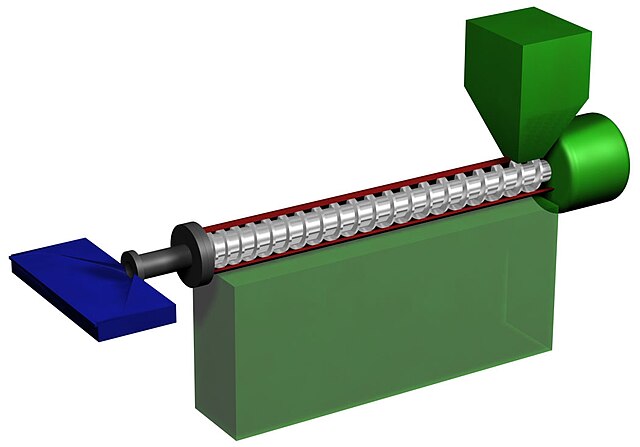
Driving Polymer Extruders with Steam Turbines

Polymer extrusion is a critical process in the production of plastic materials, where raw polymers are melted and forced through a mold to form various shapes, including sheets, films, and fibers. Steam turbines play a vital role in powering the extruders used in these processes, providing a consistent, reliable, and energy-efficient power source. As industries push toward greater efficiency and sustainability, steam turbines continue to offer significant advantages in polymer extrusion applications.

  • Powering Polymer Extruders with Steam: Polymer extruders are energy-intensive machines that require precise control over temperature, pressure, and material flow to ensure the desired product characteristics. Steam turbines, coupled with specialized generators, can supply the necessary mechanical energy to drive these extruders while also providing the high torque required for smooth, continuous operation. The turbines’ ability to operate efficiently and handle variable loads makes them ideal for these demanding applications.
  • Energy Efficiency in Polymer Extrusion: Polymer extrusion often involves high temperatures to melt the polymer feedstock. Steam turbines provide an energy-efficient method for delivering the mechanical power needed for the extruder while minimizing fuel consumption. By integrating waste heat recovery systems, where the heat generated during the extrusion process is captured and used to generate additional steam, facilities can further improve the energy efficiency of the system. This approach helps reduce operational costs and minimizes the environmental impact of polymer production.
  • Advantages in Consistency and Control: Steam turbines contribute to the stability and consistency of the extrusion process, ensuring that the extruders operate at a steady pace. By providing reliable mechanical power, steam turbines help maintain uniform temperatures and pressure levels within the extruder, which is critical for producing high-quality polymer products. In applications like film and sheet extrusion, where uniformity and surface quality are paramount, steam turbines ensure that the process remains stable and free from fluctuations that might compromise product integrity.
  • Reducing Operational Costs with Steam Turbines: By reducing the need for electrical power from external sources and utilizing steam to drive polymer extruders, manufacturers can significantly lower operational costs. Steam turbines reduce the dependency on electricity from the grid, which can fluctuate in cost and availability. Additionally, the integration of steam turbines with waste heat recovery systems ensures that energy resources are fully optimized, further decreasing the need for additional fuel input and improving the overall profitability of polymer production.
  • Sustainability and Environmental Impact: As the polymer industry faces increasing pressure to reduce its environmental footprint, steam turbines provide a more sustainable alternative to traditional, energy-intensive driving methods. By incorporating renewable or low-carbon energy sources, such as biomass or hydrogen, into the steam generation process, manufacturers can drastically reduce the greenhouse gas emissions associated with polymer extrusion. This not only contributes to sustainability goals but also positions the manufacturer to meet stricter environmental regulations and consumer demands for eco-friendly products.

43. Integrating Steam Turbines in Polymer Extrusion Lines: Challenges and Solutions

While steam turbines offer numerous advantages in polymer extrusion, their integration into extrusion lines comes with some technical and operational challenges. To ensure successful implementation and optimal performance, several considerations must be addressed.

  • Turbine Sizing and Matching: One of the primary challenges when integrating steam turbines into polymer extrusion lines is selecting the correct size and capacity of the turbine to match the extruder’s power requirements. Extruders can vary significantly in size and power needs, depending on the material being processed and the desired output. Careful calculation and precise matching of turbine size to the extruder’s specifications are essential to ensure that the system operates efficiently and does not result in excess energy consumption.
  • Maintenance and Reliability: Steam turbines are mechanical systems that require regular maintenance to ensure optimal performance. Over time, components such as blades, seals, and bearings can experience wear and tear, leading to reduced efficiency and potential failure. To address this, it’s crucial to establish a regular maintenance schedule, conduct predictive maintenance using condition monitoring systems, and ensure that spare parts are readily available for quick repairs. This proactive approach reduces the risk of unexpected downtime and ensures that the polymer extrusion line operates without interruption.
  • Handling Variable Loads and Speed: In polymer extrusion, the load on the extruder can fluctuate depending on material type, processing speed, and other factors. Steam turbines must be designed to handle such variations in load without sacrificing performance. Advanced control systems, such as variable speed drives (VSD), can be used to adapt the turbine’s operation to match the changing demands of the extrusion process. These systems provide the necessary flexibility to adjust power output dynamically, ensuring the extruder operates smoothly under varying conditions.
  • Condensation and Heat Recovery: As steam turbines convert steam into mechanical power, they also produce condensate, which must be managed properly. Effective condensate recovery and heat recovery systems are essential to ensure that the thermal energy used in steam generation is not wasted. Integrating a closed-loop system to collect and reuse condensate can improve the overall energy efficiency of the plant. By using recovered heat for other processes or generating additional steam, manufacturers can further optimize energy usage and reduce the environmental impact of the facility.

44. Future Directions for Steam Turbines in Polymer Extrusion

As the polymer industry continues to evolve, so too must the technology behind steam turbines used in extrusion applications. Future developments in turbine design, materials, and system integration are expected to enhance their performance, efficiency, and environmental compatibility.

  • Advanced Turbine Designs: New materials and advanced design techniques will likely result in steam turbines with higher efficiency, greater reliability, and longer operational lifespans. Innovations such as ceramic coatings, advanced alloys, and improved blade geometry will allow turbines to withstand more extreme conditions, such as higher temperatures or pressures, making them more adaptable to different types of polymer extrusion processes.
  • Hybrid and Renewable Energy Integration: The future of steam turbines in polymer extrusion will also involve greater integration with renewable energy sources. As industries move toward more sustainable practices, there will be a growing emphasis on using biomass, solar thermal, or even hydrogen to generate steam. By coupling steam turbines with these clean energy sources, the polymer industry can reduce its reliance on fossil fuels and further lower its carbon footprint, while still benefiting from the reliable power provided by steam turbines.
  • Smart Turbines and IoT Integration: The incorporation of the Internet of Things (IoT) and smart technology into steam turbine systems will open new opportunities for optimizing their performance in real-time. By collecting data from various sensors and devices throughout the turbine and polymer extrusion system, operators can gain valuable insights into system performance, predict potential failures, and adjust operations for optimal efficiency. IoT-connected turbines will also allow for remote monitoring, providing greater flexibility and reducing the need for on-site personnel.
  • Circular Economy and Waste Management: As part of the broader push toward sustainability, steam turbines will be integrated into systems that help minimize waste and maximize resource use. This includes not only the recovery of waste heat and condensate but also utilizing waste polymers or byproducts from the extrusion process to generate steam. Incorporating circular economy principles into polymer extrusion lines can create a more sustainable manufacturing environment, where resources are continually reused, and waste is minimized.

In conclusion, steam turbines are a crucial technology for driving polymer extruders, offering benefits such as energy efficiency, reliability, and sustainability. As the polymer industry evolves and faces new challenges related to energy consumption and environmental impact, steam turbines will remain an integral part of the solution. By embracing innovation in turbine design, energy integration, and smart technologies, the polymer extrusion industry can continue to grow while reducing its environmental footprint and improving overall operational efficiency.

45. Advanced Control Systems for Steam Turbines in Polymer Extrusion

As steam turbines are increasingly integrated into polymer extrusion systems, the need for advanced control systems becomes even more critical. These systems ensure that turbines operate at their maximum potential while adapting to changing process demands and optimizing energy consumption. Modern control technologies provide real-time monitoring, precise adjustments, and automated responses that allow for smoother operation and reduced maintenance needs.

  • Real-Time Process Monitoring: Advanced control systems enable continuous monitoring of key parameters such as steam pressure, temperature, turbine speed, and load, which directly influence the performance of the polymer extruder. These systems provide operators with real-time data, allowing for quick responses to any discrepancies. This is especially important in extrusion processes, where temperature fluctuations or material inconsistencies can negatively impact the final product quality. The ability to detect and address issues as they arise ensures consistent and high-quality output.
  • Automation and Feedback Loops: Automated control systems now incorporate feedback loops that adjust turbine performance based on real-time data from the polymer extrusion process. For example, if the extrusion process requires more power due to a change in material viscosity or processing speed, the control system can automatically adjust the steam turbine’s output to meet the demand. These systems can help maintain stability throughout the operation while minimizing the risk of downtime or operational errors caused by manual adjustments.
  • Integrated Energy Management: In polymer extrusion facilities, where energy costs can constitute a significant portion of operational expenses, an integrated energy management system (EMS) can optimize the use of steam turbines for power generation and heating. EMS solutions can track energy use across various production stages, identify inefficiencies, and suggest corrective measures. By continuously fine-tuning turbine operation based on these insights, energy consumption can be reduced, resulting in lower operational costs and a smaller environmental footprint.
  • Predictive Maintenance and Fault Detection: The integration of predictive maintenance technologies into steam turbine control systems allows for continuous assessment of turbine health. By analyzing historical performance data, these systems can identify patterns and anomalies that may indicate impending failures or maintenance needs. For example, vibration monitoring sensors can detect early signs of turbine blade wear, while temperature sensors may indicate overheating. This predictive approach reduces the risk of unplanned shutdowns, allowing for timely interventions and parts replacement, which ultimately extends the lifespan of the turbine and reduces maintenance costs.

46. Digitalization and the Future of Steam Turbine Operation in Polymer Extrusion

The digital transformation of industrial operations, including polymer extrusion, is reshaping how steam turbines are operated, monitored, and maintained. Through the application of cutting-edge technologies like artificial intelligence (AI), machine learning, cloud computing, and digital twins, steam turbines in polymer extrusion lines are becoming smarter, more efficient, and more autonomous.

  • Artificial Intelligence for Process Optimization: AI algorithms are increasingly being used to enhance the efficiency of steam turbine operations. By analyzing vast amounts of data generated by sensors in real-time, AI can identify trends, make predictions, and recommend operational adjustments. In polymer extrusion, AI can optimize turbine performance by forecasting power requirements based on material characteristics, ambient conditions, and production speed. This allows for more precise control over steam turbine output, ensuring that the extruder operates at optimal efficiency while minimizing energy waste.
  • Machine Learning for Predictive Analytics: Machine learning models can learn from historical data to predict future turbine performance and detect potential problems before they occur. For instance, based on prior performance data, machine learning algorithms can predict when specific components, such as steam nozzles or bearings, are likely to require maintenance or replacement. This enhances reliability by providing operators with a forecast of when to take action, preventing unexpected failures and ensuring uninterrupted polymer extrusion processes.
  • Digital Twins for Virtual Performance Modeling: Digital twin technology, which creates a virtual replica of the steam turbine system, offers significant advantages in polymer extrusion applications. The digital twin is continuously updated with real-time performance data, providing operators with an accurate virtual representation of the turbine’s behavior. Using this data, operators can simulate different scenarios, such as varying steam pressure or changes in extrusion speed, and predict how the turbine will respond. This capability enables proactive adjustments, preventing performance issues before they affect the extrusion process and optimizing turbine efficiency.
  • Cloud Computing and Remote Monitoring: The cloud-based systems allow for remote monitoring and control of steam turbines in polymer extrusion plants, making it easier for operators to oversee turbine performance without being physically present on-site. Cloud computing allows for the collection, analysis, and sharing of data from various systems in real time, enabling operators to monitor multiple extrusion lines and turbines simultaneously. Additionally, cloud platforms can host predictive analytics and diagnostic tools, offering valuable insights that help operators improve turbine performance and reduce downtime.

47. Enhancing Sustainability with Steam Turbines in Polymer Extrusion

As sustainability becomes an increasingly important consideration in the polymer production industry, steam turbines can play a key role in reducing the environmental impact of extrusion operations. With the ability to harness renewable energy sources, improve energy efficiency, and reduce emissions, steam turbines contribute significantly to achieving environmental goals in polymer production.

  • Renewable Energy Integration: One of the most promising ways to improve the sustainability of steam turbine systems is to integrate renewable energy sources into the steam generation process. Biomass, solar thermal energy, and even geothermal energy can be used to produce steam in a cleaner, more sustainable manner compared to conventional fossil fuels. By using these renewable sources, polymer extrusion facilities can reduce their reliance on carbon-intensive fuels, significantly lowering their greenhouse gas emissions and contributing to the global transition to a low-carbon economy.
  • Heat Recovery Systems: Steam turbines can be integrated with advanced heat recovery systems that capture waste heat from the polymer extrusion process and use it to generate additional steam. This closed-loop system enhances energy efficiency by reusing thermal energy that would otherwise be lost to the environment. Waste heat from the cooling or compression stages of polymer extrusion can be recovered and fed back into the system, reducing the need for additional energy inputs and improving the overall energy balance of the plant.
  • Water Use Reduction: Water is often used as a cooling medium in the steam generation process for steam turbines. However, by incorporating closed-loop water systems or adopting dry cooling technologies, polymer extrusion facilities can minimize water consumption and reduce their impact on local water resources. These water-saving initiatives further contribute to sustainability goals by ensuring that the production process is more environmentally responsible and less reliant on water-intensive cooling methods.

48. Conclusion: The Role of Steam Turbines in the Future of Polymer Extrusion

Steam turbines will continue to be integral to the operation of polymer extruders, providing efficient and reliable mechanical power while helping to reduce energy consumption and operational costs. Their ability to drive extruders at consistent speeds, adapt to varying loads, and integrate with advanced control and monitoring systems will remain critical as the polymer industry evolves toward greater efficiency and sustainability.

With the ongoing advancements in turbine technology, AI-driven control systems, and renewable energy integration, steam turbines are poised to play an even greater role in the future of polymer extrusion. By embracing these innovations, the polymer industry can achieve its sustainability goals while maintaining the high levels of performance, efficiency, and quality that are essential for the continued success of the sector.

49. Evolving Design Trends in Steam Turbines for Polymer Extrusion

The design of steam turbines used in polymer extrusion continues to evolve, driven by advances in material science, thermodynamics, and automation. As demands for higher performance, energy efficiency, and sustainability increase, steam turbines are being designed with enhanced capabilities to meet these needs.

  • High-Efficiency Turbines: Modern steam turbines for polymer extrusion are increasingly designed for higher efficiency. This is achieved through improvements in turbine blade design, advanced materials that withstand higher temperatures and pressures, and enhanced thermodynamic cycles. These advances allow turbines to convert steam into mechanical energy more efficiently, reducing fuel consumption and operating costs. Higher efficiency not only leads to cost savings but also contributes to the reduction of greenhouse gas emissions, aligning with global efforts to improve industrial sustainability.
  • Compact and Modular Designs: As industries strive for flexibility and reduced space usage, steam turbine designs are becoming more compact and modular. This is particularly important in the polymer extrusion industry, where space is often at a premium, and the equipment must fit within specific facility layouts. Modular turbines allow for easy scalability, meaning plants can start with smaller units and expand as production demands grow. These modular systems can also be easily maintained and repaired, reducing downtime and improving plant reliability.
  • Adaptation to Low-Pressure Systems: Traditionally, steam turbines operate at high-pressure steam conditions to generate mechanical power efficiently. However, there is a growing trend toward the use of low-pressure systems that still maintain efficiency and performance. Low-pressure turbines are becoming increasingly popular in applications where steam pressures are lower, such as certain polymer extrusion processes. These turbines can operate effectively at reduced pressures, contributing to more efficient energy use and a lower environmental impact, especially in facilities where low-pressure steam is available as part of an existing infrastructure.
  • Use of Advanced Materials: The materials used in steam turbines are critical to their performance and longevity. As the demands on polymer extrusion systems grow, steam turbines are being built with more durable materials capable of withstanding the harsh operating conditions of polymer processing. For example, advanced alloys, corrosion-resistant coatings, and high-temperature materials are used to ensure that turbines can operate continuously at high temperatures without degradation. These materials increase the turbine’s lifespan and reduce maintenance needs, making them an increasingly cost-effective solution in the long term.

50. Collaborative Approaches to Steam Turbine Efficiency in Polymer Extrusion

In the increasingly complex landscape of polymer production, collaboration across multiple industries and technologies is essential for optimizing steam turbine performance and energy use. Partnerships between equipment manufacturers, polymer extrusion companies, energy providers, and research institutions can accelerate the development and adoption of new technologies and best practices.

  • Collaborative R&D: To address the challenges of increasing efficiency and reducing environmental impact, collaboration between polymer producers and turbine manufacturers is key. Joint research and development (R&D) efforts can help advance steam turbine technology, focusing on improving the energy conversion process, reducing mechanical losses, and exploring new materials and energy sources. For example, R&D could explore combining advanced turbine designs with cutting-edge control algorithms to enhance system integration. Collaborating on energy efficiency projects also provides valuable insights into optimizing steam generation, reducing fuel use, and lowering carbon emissions.
  • Partnerships with Renewable Energy Providers: As sustainability becomes a more prominent focus in polymer extrusion, partnerships with renewable energy providers are crucial. Integrating renewable steam generation, such as biomass or solar thermal energy, with polymer extrusion systems can significantly reduce dependence on fossil fuels and lower the carbon footprint of the entire operation. By collaborating with renewable energy experts, polymer extrusion facilities can explore new opportunities for cleaner and more sustainable steam production, ultimately improving the environmental performance of steam turbines.
  • Industry-Wide Initiatives for Energy Efficiency: In addition to direct collaborations, industry-wide initiatives aimed at improving energy efficiency and sustainability are gaining traction. For example, standards and certifications like ISO 50001 (Energy Management Systems) provide frameworks for optimizing energy use across industrial operations, including polymer extrusion. By adopting these standards and working within industry initiatives, steam turbine operators can contribute to global efforts to improve energy efficiency, reduce emissions, and drive sustainable industrial practices.

51. Regulatory Considerations and Compliance for Steam Turbines in Polymer Extrusion

Regulatory frameworks governing energy efficiency, emissions, and safety are becoming increasingly stringent in many regions, and the polymer extrusion industry is no exception. Compliance with these regulations is essential for manufacturers to remain competitive, avoid penalties, and demonstrate corporate responsibility.

  • Energy Efficiency Regulations: Many governments around the world are implementing energy efficiency regulations that affect industrial operations. These regulations often require manufacturers to demonstrate improvements in energy use, reduce waste, and implement cleaner technologies. In the context of steam turbines in polymer extrusion, manufacturers must ensure that turbines meet or exceed minimum energy efficiency standards. This may involve retrofitting older turbines with more energy-efficient components, implementing advanced monitoring systems, and optimizing operational parameters to comply with new laws.
  • Emissions Control and Reporting: Steam turbines, particularly those fueled by fossil fuels, emit greenhouse gases (GHGs) and other pollutants. Compliance with environmental regulations, such as the EU’s Emissions Trading System (ETS) or the Clean Air Act in the United States, is crucial to maintaining operational legitimacy and minimizing the impact of production activities. In response to these regulations, polymer extrusion plants are increasingly investing in emission control technologies, such as carbon capture and storage (CCS) or flue gas treatment systems. These technologies help reduce the environmental footprint of steam turbines, making them more environmentally responsible.
  • Safety Standards: The operation of steam turbines involves the handling of high-pressure steam, which can pose safety risks. It is essential for polymer extrusion facilities to comply with strict safety standards to protect workers and prevent accidents. This includes adherence to national safety standards, such as those outlined by the Occupational Safety and Health Administration (OSHA) or similar regulatory bodies, which specify requirements for turbine design, operation, and maintenance. Proper training for personnel operating steam turbines and regular safety audits are also vital components of maintaining a safe working environment.

52. Long-Term Sustainability in Polymer Extrusion and Steam Turbine Integration

Long-term sustainability is a core concern for industries worldwide, including polymer extrusion. As sustainability goals become more demanding, companies are increasingly recognizing the importance of adopting technologies that help reduce their environmental impact while ensuring long-term operational efficiency. Steam turbines are an essential part of this transformation, enabling polymer extrusion facilities to reduce energy consumption, minimize emissions, and improve overall efficiency.

  • Lifecycle Considerations: The lifecycle of a steam turbine extends beyond initial installation to include ongoing operation, maintenance, and eventual decommissioning. Considering the total lifecycle impact of steam turbines helps polymer manufacturers make informed decisions regarding technology investments. By choosing high-quality turbines designed for longevity and low maintenance, companies can ensure that their operations remain efficient and cost-effective over the long term.
  • Circular Economy and Resource Optimization: Steam turbines can also play a role in the emerging circular economy, which focuses on reducing waste, reusing resources, and minimizing environmental impact. By integrating turbines with systems that recover waste heat and water, polymer extrusion facilities can significantly reduce their environmental footprint and resource consumption. Furthermore, adopting a circular economy approach can help manufacturers achieve regulatory compliance, optimize resource use, and meet consumer demand for environmentally conscious products.
  • Scalability and Future-Proofing: As demand for polymers grows and new materials and production methods emerge, polymer extrusion facilities must be prepared for evolving market needs. Steam turbines that are flexible, scalable, and easy to integrate with emerging technologies will ensure that these facilities remain competitive in the future. The ability to adapt to changing production methods, energy sources, and regulatory requirements will be essential in maintaining profitability and environmental compliance in the long term.

53. Conclusion: Future Outlook for Steam Turbines in Polymer Extrusion

Steam turbines have already established themselves as a reliable and energy-efficient solution for driving polymer extruders, and their role in the industry will only continue to grow. With increasing demands for sustainability, energy efficiency, and advanced technological integration, steam turbines are poised to evolve into even more powerful and adaptable systems for the polymer industry. Through innovations in turbine design, control systems, and renewable energy integration, steam turbines will remain a cornerstone of sustainable polymer production in the years to come.

54. Innovation in Steam Turbine Technology for Polymer Extrusion

The ongoing innovation in steam turbine technology is key to addressing the ever-growing challenges faced by polymer extrusion industries, such as rising energy costs, the need for sustainable operations, and increasing product quality demands. In this evolving landscape, steam turbines continue to benefit from advancements in technology that enhance their performance, longevity, and integration with other industrial systems.

  • Advanced Blade Designs: One of the main areas of innovation in steam turbine technology is the development of advanced blade designs that improve energy conversion efficiency. Modern turbine blades are being designed using computational fluid dynamics (CFD) simulations to achieve optimal flow characteristics, reducing energy losses during the steam expansion process. These blade designs incorporate advanced materials, such as ceramic composites and high-strength alloys, which improve the durability of the turbine while enabling operation at higher pressures and temperatures.
  • Variable Nozzle Technology: Steam turbines are also incorporating variable nozzle technology, which allows for better control over steam flow and pressure. This innovation enables turbines to adjust the steam path dynamically, optimizing turbine performance based on changing load conditions. In polymer extrusion, where the demand for mechanical power may fluctuate depending on the production rate or material properties, variable nozzles allow steam turbines to respond quickly and efficiently to changing needs, improving overall energy use and operational flexibility.
  • Hybrid Energy Systems: Hybrid energy systems that combine steam turbines with other renewable energy sources, such as solar, wind, or geothermal power, are becoming increasingly popular in polymer extrusion. By using a combination of energy sources, these hybrid systems help ensure a more consistent and sustainable steam supply while reducing dependence on fossil fuels. For example, excess power generated by renewable sources can be used to supplement steam generation, reducing the overall energy consumption of the polymer extrusion process and lowering the plant’s carbon footprint.

55. The Role of Steam Turbines in Industry 4.0 and Smart Manufacturing

The integration of Industry 4.0 technologies, including IoT, big data analytics, and automation, is reshaping manufacturing across sectors. Steam turbines in polymer extrusion are being increasingly equipped with sensors and connected to digital platforms that provide real-time monitoring and data analysis, enabling smart manufacturing practices.

  • IoT-Enabled Turbines: IoT technology enables the seamless connection of steam turbines with other equipment in the polymer extrusion plant, as well as with central control systems. By embedding sensors in critical components, such as turbine blades, bearings, and nozzles, operators can collect real-time data on turbine performance and health. This allows for continuous condition monitoring, ensuring that the turbines operate at peak efficiency and identifying potential issues before they lead to failure. With IoT-enabled turbines, operators can track performance trends, forecast maintenance needs, and optimize energy consumption more effectively.
  • Big Data and Predictive Analytics: With the help of big data analytics, steam turbine performance data can be aggregated, analyzed, and interpreted in real time. By leveraging machine learning algorithms, manufacturers can predict future turbine performance and plan for maintenance or operational adjustments based on historical data and predictive models. For instance, by analyzing vibrations, temperatures, and pressure readings, predictive analytics can forecast turbine failures, allowing for planned maintenance and reducing unplanned downtime. This ensures that the polymer extrusion process remains uninterrupted and maintains high operational efficiency.
  • Automation and Integration with Production Lines: Advanced automation systems can be used to integrate steam turbines with the broader polymer extrusion production line. For instance, automated control systems can adjust turbine output based on real-time demands from the extrusion process. If the polymer extruder requires more power, the system can automatically adjust the turbine’s speed or load to meet the demand. Additionally, automated start-up and shutdown procedures, based on production schedules or demand fluctuations, ensure that turbines are only operating when necessary, reducing energy consumption and extending equipment lifespan.
  • Real-Time Performance Optimization: Industry 4.0 technologies enable steam turbines to operate more efficiently by dynamically optimizing their performance based on the needs of the polymer extrusion process. By integrating real-time performance data into control systems, turbines can automatically adjust to factors such as changes in steam pressure, material viscosity, and extrusion rate. This results in a more efficient operation that minimizes energy consumption while ensuring the production of high-quality polymer products.

56. Steam Turbine Safety and Reliability in Polymer Extrusion

The safety and reliability of steam turbines in polymer extrusion are critical not only for plant efficiency but also for the well-being of workers and the continuity of production. As steam turbines are high-energy systems that operate under high pressure and temperature, ensuring that safety standards are met is a top priority.

  • Advanced Safety Features: Modern steam turbines are equipped with a range of safety features that protect both the equipment and the facility from potential hazards. These may include pressure relief valves, automatic shutdown systems, and over-speed protection mechanisms. These safety systems are designed to detect abnormal operating conditions, such as excessive steam pressure or turbine vibration, and shut the system down before it causes damage or safety risks. Additionally, modern turbines often incorporate advanced sensors that can detect overheating or leaks, triggering alarms or system adjustments to prevent further damage.
  • Redundant Systems: In critical applications like polymer extrusion, where downtime can result in significant production losses, steam turbine systems are often designed with redundancy in mind. Redundant components, such as backup pumps or auxiliary power systems, ensure that if one part of the system fails, the turbine can continue to operate without disruption. Redundancy is particularly important in large-scale polymer extrusion plants that rely on steam turbines for a substantial portion of their energy needs.
  • Reliability Testing and Monitoring: To ensure reliability, steam turbines undergo rigorous testing and monitoring throughout their lifecycle. Manufacturers conduct extensive performance testing during the design and manufacturing stages to verify that turbines will perform reliably under various operating conditions. In operation, real-time monitoring systems can continuously assess the turbine’s performance and health, ensuring that any potential issues are detected early and addressed promptly. Reliability testing also involves assessing the turbine’s ability to handle fluctuating loads, ensuring that it can adapt to the varying energy demands of the polymer extrusion process.
  • Employee Training and Safety Protocols: Proper training of employees is essential for maintaining safe operations with steam turbines. Operators must understand how the turbines work, recognize potential risks, and know how to react in case of an emergency. Regular training programs, safety drills, and clear safety protocols ensure that employees are equipped to operate steam turbines safely and efficiently, minimizing the risk of accidents and ensuring a safe working environment.

57. Future Trends in Steam Turbine Development for Polymer Extrusion

Looking ahead, several key trends are likely to shape the future of steam turbines in polymer extrusion, further enhancing their efficiency, performance, and role in sustainable manufacturing.

  • Decarbonization and Carbon Capture: With increasing global focus on reducing carbon emissions, steam turbines are expected to play an even more crucial role in decarbonizing industrial processes. One potential development is the integration of carbon capture technologies with steam turbines, allowing facilities to capture and store CO2 emissions produced during steam generation. As polymer extrusion plants seek to meet stricter environmental regulations, incorporating carbon capture solutions into their steam turbines will help them reduce their overall carbon footprint.
  • Smart Turbines with AI Integration: The integration of artificial intelligence (AI) in steam turbine design and operation is an exciting prospect for the future. AI can be used to optimize turbine performance in real time, continuously adjusting parameters such as steam flow, pressure, and turbine speed to match the demands of the polymer extrusion process. AI-driven turbines could also enable autonomous operation, minimizing the need for human intervention and further improving efficiency and reliability.
  • Energy Storage Solutions: As the use of renewable energy sources increases, the integration of energy storage solutions with steam turbines could become a common practice. Energy storage systems, such as batteries or thermal storage units, can store excess energy produced by renewable sources during low-demand periods and release it when demand is high. By integrating energy storage with steam turbine systems, polymer extrusion plants can increase their energy resilience and reduce reliance on non-renewable energy sources.
  • Environmental and Regulatory Adaptations: As global environmental standards continue to evolve, steam turbine technologies will need to adapt to stricter emissions regulations and sustainability goals. This could involve the development of turbines that operate more efficiently with lower carbon intensity or those that are compatible with alternative fuels, such as hydrogen or biofuels. Regulatory pressures will likely drive further innovation in steam turbine design, making them more sustainable and aligned with future industrial demands.

58. Conclusion: The Future of Steam Turbines in Polymer Extrusion

Steam turbines will continue to play a central role in polymer extrusion, driving both operational efficiency and sustainability. As the industry embraces new technologies and adapts to evolving energy demands, steam turbines will evolve to meet these challenges. With advancements in turbine design, integration with Industry 4.0 technologies, and a greater emphasis on renewable energy, steam turbines will remain a critical component in ensuring the continued growth and success of the polymer extrusion sector, while contributing to a more sustainable future.

Driving Blowers & Fans with Steam Turbines
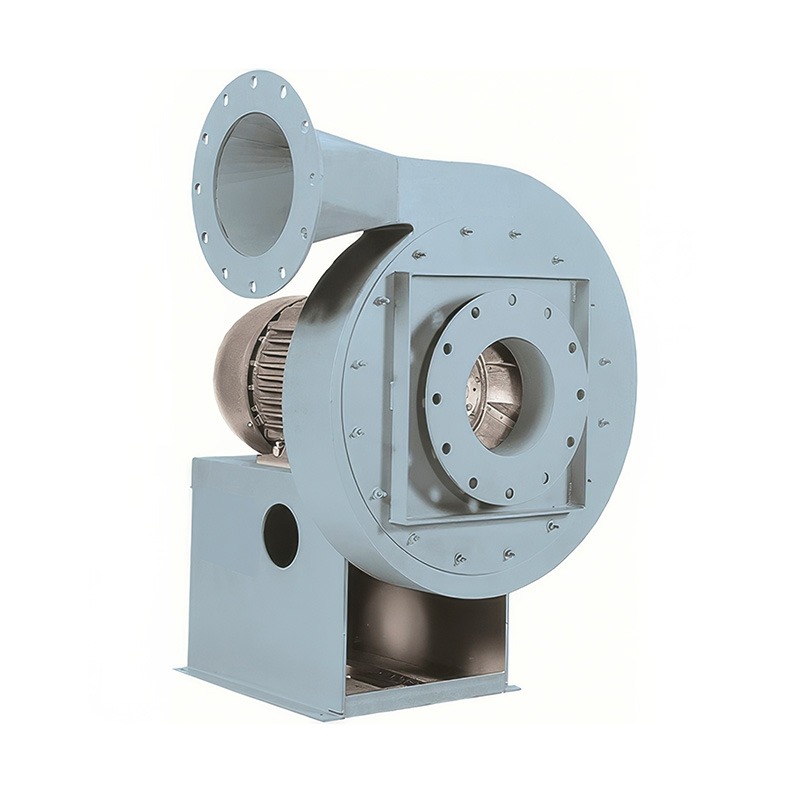
Driving Blowers & Fans with Steam Turbines

Driving blowers and fans with steam turbines is a vital application in many industries, including the polymer, chemical, and manufacturing sectors. These systems rely on steam turbines to convert thermal energy into mechanical power, driving the fans or blowers that are essential for a range of operations, such as ventilation, cooling, air supply, and waste gas handling.

Steam turbines used to drive blowers and fans offer significant advantages in terms of reliability, efficiency, and the ability to handle varying operational demands. The key benefits of using steam turbines for this purpose are their robustness and adaptability, allowing for efficient operation under different loads and conditions. Whether used for high-pressure applications, where the blower needs to supply significant airflow against a high resistance, or for lower pressure applications, steam turbines can provide consistent, reliable power.

Energy Efficiency and Load Management

One of the main benefits of driving blowers and fans with steam turbines is energy efficiency. Steam turbines are well-known for their ability to efficiently convert steam energy into mechanical work, particularly when operating in optimal conditions. When connected to blowers or fans, they help ensure that the airflow requirements of the facility are met while minimizing energy consumption. Additionally, steam turbines can be paired with variable-speed drives (VSDs), which provide further flexibility by allowing the system to adjust to changing load requirements.

The flexibility of steam turbines also makes them ideal for handling varying operational demands. In many industrial processes, airflow needs fluctuate based on production rates or external factors like ambient temperature. Steam turbines can respond to these changes by adjusting their speed or load, ensuring that blowers and fans are always operating at the required capacity. This flexibility not only enhances performance but also reduces energy waste, as the system operates efficiently even under fluctuating conditions.

Integration with Waste Heat Recovery Systems

Another key advantage of using steam turbines to drive blowers and fans is their integration with waste heat recovery systems. Many industrial processes generate excess heat that can be captured and used to generate steam, which in turn drives the turbines. This closed-loop system can significantly reduce energy consumption by making use of otherwise wasted energy. By harnessing waste heat, steam turbines can be even more cost-effective, reducing the need for additional fuel and contributing to the overall sustainability of the operation.

High Power and Reliability for Demanding Applications

In industries that require substantial airflow, such as in chemical plants, oil refineries, or large manufacturing operations, steam turbines provide the high mechanical power necessary to drive large blowers and fans. These applications often require a system capable of maintaining performance under high-pressure conditions or when dealing with corrosive, hot, or heavy gases. Steam turbines are particularly well-suited for these environments due to their durable design and ability to operate efficiently at high pressures.

Moreover, steam turbines are known for their reliability. They can operate continuously with minimal downtime when properly maintained, making them ideal for critical applications where failure could lead to production delays or safety concerns. This reliability is essential for industries where consistent airflow is necessary to maintain safety standards or protect sensitive equipment from overheating.

Advanced Control and Automation

With the integration of modern control systems, steam turbines used for driving blowers and fans can be optimized for better performance. Advanced digital controls, sensors, and automation systems allow for continuous monitoring of turbine performance, ensuring that blowers and fans operate within the desired parameters. These systems can automatically adjust turbine speeds, optimize steam consumption, and make real-time operational adjustments to ensure the system is always running efficiently.

For instance, sensors can detect changes in airflow requirements, and the control system can adjust the steam flow to the turbine, ensuring that the blower or fan delivers the correct amount of airflow. Additionally, predictive maintenance algorithms can be implemented to monitor turbine components and schedule maintenance before a failure occurs, further enhancing system reliability and reducing downtime.

Sustainability and Environmental Considerations

As industries become more focused on sustainability, steam turbines that drive blowers and fans offer an environmentally friendly solution. Their ability to operate with waste heat and integrate with renewable energy sources—such as biomass or solar thermal energy—helps reduce the environmental impact of industrial operations. By using steam turbines in combination with renewable energy or waste heat recovery, companies can reduce their carbon footprint and contribute to the global effort to lower greenhouse gas emissions.

Furthermore, steam turbines tend to produce fewer emissions compared to other power sources, particularly when paired with clean steam generation methods. For example, using steam turbines powered by natural gas or renewable sources can be much more environmentally friendly than relying on electric motors driven by grid power, particularly in areas where the grid is heavily reliant on coal or other non-renewable energy sources.

Future Trends in Steam Turbine-Driven Blowers and Fans

Looking ahead, steam turbine technology for driving blowers and fans is likely to evolve in response to the growing demands for energy efficiency, sustainability, and automation. Advances in materials and blade design will further enhance the performance and longevity of turbines, allowing them to operate at higher efficiencies, lower emissions, and reduced maintenance costs. The use of digital twins and real-time simulation for performance optimization will become more common, helping operators fine-tune turbine performance and predict potential issues before they arise.

Additionally, steam turbines could become more integrated with IoT systems, offering enhanced data collection and remote monitoring capabilities. With the ability to collect real-time data on turbine and blower performance, operators will be able to make more informed decisions, optimize energy use, and improve overall system efficiency.

In conclusion, driving blowers and fans with steam turbines continues to be a reliable, energy-efficient, and flexible solution for many industrial processes. By offering high power output, adaptability to varying load conditions, and the ability to integrate with waste heat recovery and renewable energy sources, steam turbines provide a sustainable and cost-effective way to meet the airflow requirements of demanding applications. As technology advances, the future of steam turbines in this role will continue to offer opportunities for greater energy efficiency, reduced emissions, and enhanced system performance.

Steam turbines are not only reliable and efficient but also play a critical role in improving the overall operational efficiency of facilities. The combination of advanced technology and operational flexibility makes them an ideal choice for driving blowers and fans in complex industrial settings. As industries demand higher performance and sustainability from their systems, steam turbines are evolving to meet these needs, and the following advancements highlight their potential for future integration in various applications.

Advancements in Materials and Durability

The continued development of high-performance materials for steam turbines is another crucial factor in their ability to drive blowers and fans efficiently. As steam turbines face increasingly demanding conditions, such as higher pressures, temperatures, and aggressive environments (e.g., corrosive gases or particles), advanced materials are being incorporated to extend the lifespan of turbine components and reduce the need for frequent maintenance.

New alloys, coatings, and composite materials are being designed to withstand these harsh conditions without compromising performance. For instance, high-strength, corrosion-resistant materials can enhance the durability of steam turbine blades, enabling longer operational periods between maintenance cycles and reducing the overall cost of ownership. The incorporation of these materials will also improve the efficiency of turbines, allowing them to deliver consistent performance even under challenging industrial conditions.

Integration with Advanced Heat Recovery Systems

The future of steam turbines driving blowers and fans will also see more seamless integration with advanced heat recovery systems. Heat recovery is becoming increasingly important in reducing overall energy consumption, particularly in energy-intensive industries. By capturing and reusing waste heat from industrial processes, companies can reduce their reliance on external power sources and lower overall operating costs.

In the context of steam turbines, heat recovery systems can be designed to capture residual heat that would otherwise be wasted and convert it into additional steam to drive turbines. This cycle reduces the need for additional fuel consumption and enhances the efficiency of the entire process. For example, in chemical plants or polymer manufacturing, where blowers are crucial for ventilation and cooling, integrating advanced heat recovery techniques with steam turbines can significantly reduce the plant’s energy footprint.

Moreover, as industries transition toward more sustainable practices, these integrated systems will likely evolve to incorporate renewable energy sources such as biomass or geothermal energy. By creating a more sustainable energy supply for steam turbines, industries can reduce emissions and operate with greater environmental responsibility, contributing to global sustainability goals.

Use of AI and Machine Learning for Predictive Maintenance

In addition to automation, artificial intelligence (AI) and machine learning are beginning to play a significant role in optimizing steam turbine performance. By analyzing data from sensors and control systems, AI can predict when turbines might require maintenance, allowing for proactive interventions. This predictive maintenance reduces the likelihood of unexpected downtime, helps maintain turbine efficiency, and minimizes maintenance costs by preventing more serious issues from developing.

For instance, AI algorithms can monitor factors such as vibrations, temperature fluctuations, and pressure variations, providing valuable insights into turbine health. If the system detects an anomaly that could signal impending failure—such as increased vibration in a critical component—it can automatically trigger corrective actions before the turbine suffers damage. This level of predictive intelligence will ensure that steam turbines used in driving blowers and fans can operate more efficiently and with less human intervention.

Decentralized Energy Systems and Microgrids

Another trend influencing the future of steam turbines in blower and fan applications is the increasing interest in decentralized energy systems, particularly microgrids. These microgrids are self-sustaining energy networks that can operate independently or in conjunction with a larger power grid. In these systems, steam turbines can play a key role by providing on-site power generation, driving blowers and fans with steam produced from locally sourced or waste heat.

In decentralized energy setups, steam turbines can provide an important backup or primary source of power, helping industries maintain critical airflow systems without relying on grid-based electricity. The integration of renewable energy sources like wind and solar can complement steam turbine systems, creating a more resilient energy infrastructure. This is particularly valuable in regions where grid stability is a concern or where companies seek greater energy independence.

Regulatory Compliance and Sustainability Goals

As governments around the world continue to enforce stricter emissions regulations, industries are under increasing pressure to reduce their carbon footprint. Steam turbines, when designed with sustainability in mind, can help industries meet these goals while driving blowers and fans effectively.

Many steam turbines are being designed with features that reduce emissions, such as optimized combustion systems and the ability to operate on cleaner fuels like natural gas or hydrogen. Additionally, by integrating carbon capture and storage (CCS) technologies, steam turbines can further reduce their impact on the environment. In polymer plants, oil refineries, and other heavy industries, such advancements ensure that steam turbine-driven systems remain compliant with evolving environmental standards while maintaining high operational efficiency.

Sustainability goals, including reducing greenhouse gas emissions and increasing energy efficiency, will continue to drive the evolution of steam turbine technology. As these turbines become more adaptable to renewable energy integration and more efficient in their energy conversion processes, they will become even more essential to industries striving to meet regulatory compliance and sustainability targets.

Conclusion: The Future of Steam Turbines in Industrial Applications

The future of steam turbines used to drive blowers and fans looks promising, with continued advancements in materials, control systems, integration with renewable energy sources, and predictive maintenance technologies. These turbines will continue to play a crucial role in ensuring operational efficiency, sustainability, and energy savings in industries worldwide.

By leveraging innovations in automation, AI, and heat recovery, steam turbines will be even better equipped to handle the demands of modern industrial processes. As industries look to reduce energy consumption, improve reliability, and meet environmental targets, steam turbines will remain a cornerstone of industrial energy management. The continued development of these systems will not only ensure reliable power for blowers and fans but also support the broader goals of reducing environmental impact and increasing operational efficiency across industrial sectors.

Enhanced Control Systems for Precision Operation

As technology progresses, the control systems used to operate steam turbines are also advancing. The integration of advanced digital controls allows for much greater precision in managing steam turbine operations. These systems help to fine-tune turbine performance in real time, adjusting steam input, turbine speed, and other variables to optimize performance based on the specific demands of the application.

For example, in systems driving blowers and fans, digital control systems can adjust the steam flow and turbine speed dynamically to maintain the desired airflow, regardless of fluctuating system requirements. These systems ensure that the steam turbine operates at its most efficient point, reducing energy waste and ensuring that blowers and fans deliver the required performance with minimal energy consumption.

Additionally, the integration of more sophisticated sensor technologies will improve real-time monitoring of turbine conditions. Temperature, pressure, and vibration sensors can continuously feed data into the control system, allowing for constant optimization. These sensors can detect early signs of wear or inefficiencies in the turbine, which will be invaluable for predictive maintenance and ensuring that turbines are running optimally at all times.

Integration with Smart Grids and Energy Storage

Looking toward the future, steam turbines used for driving blowers and fans may also benefit from integration with smart grid systems and energy storage technologies. Smart grids offer enhanced energy management by using digital technology to optimize the distribution and consumption of electricity across the grid. Steam turbines, when paired with smart grid systems, could take advantage of this optimization by adjusting their output to match the grid’s needs, improving energy efficiency and reducing operating costs.

Energy storage systems, such as batteries or thermal storage, can also play a role in this integration. When steam turbines produce excess power during times of low demand, that energy can be stored and used during peak times, balancing the load and improving the overall efficiency of the system. In facilities where blowers and fans operate continuously or where demand varies significantly throughout the day, the ability to store and release energy as needed will allow for more flexible and sustainable turbine operation.

In industries like chemicals, petrochemicals, and manufacturing, where there is often a need for large amounts of steady and reliable airflow, this integration with smart grids and energy storage systems could also help stabilize energy prices and increase operational flexibility.

Hydrogen as a Fuel Source for Steam Turbines

One of the most exciting developments in the steam turbine industry is the potential for hydrogen to become a mainstream fuel source. Hydrogen offers a clean, carbon-free fuel option that could be integrated into steam turbines to drive blowers and fans, particularly in industries aiming to meet stringent emissions targets.

By adapting steam turbines to run on hydrogen, industries can significantly reduce their carbon emissions while maintaining the operational reliability and power output they need. Hydrogen combustion is virtually emissions-free, with the primary byproducts being water and heat, making it an ideal choice for industries looking to transition to greener energy sources. Steam turbines powered by hydrogen could play a significant role in reducing the environmental impact of high-energy-consuming sectors like oil refining, chemicals, and heavy manufacturing.

Customization and Modular Design for Diverse Applications

As industries evolve, so too will the demands placed on steam turbines. In particular, there is a growing trend toward more customized and modular turbine designs that can be tailored to meet specific requirements for different industrial applications. This trend will be especially useful in industries with varied operational needs, such as polymer processing or petrochemical production, where airflow requirements can differ depending on the phase of the process or the type of product being manufactured.

Modular steam turbines are designed to allow for flexibility in installation and operation, enabling easier scaling and adaptation to changing conditions. For example, a modular turbine system may allow an industrial facility to start with a smaller unit that meets their current demands but can be easily expanded or upgraded as the facility grows or as demands change. This modularity helps reduce capital costs upfront while ensuring that the system can evolve over time without needing a complete overhaul.

Additionally, advancements in computational fluid dynamics (CFD) and turbine design optimization tools will allow manufacturers to create more efficient turbines that are tailored to specific applications, further enhancing the efficiency of steam-driven blowers and fans.

Improved System Integration and Synergies with Other Energy Systems

As industries strive to operate more sustainably, there is a growing emphasis on optimizing energy systems for greater synergies. Steam turbines used for driving blowers and fans will increasingly be integrated with other energy systems within the plant, such as combined heat and power (CHP) systems, district heating, and renewable energy sources. By maximizing the efficiency of all systems within a facility, companies can minimize waste and reduce their overall energy footprint.

For instance, in a combined heat and power (CHP) system, steam turbines can be coupled with both heat recovery systems and electricity generation units. This integrated approach allows for the simultaneous generation of power and useful heat, which can then be used to drive blowers and fans or serve other operational needs. This configuration not only reduces fuel consumption but also enhances energy efficiency and lowers operational costs over the long term.

Global Trends in Regulation and Environmental Impact

Environmental considerations will continue to shape the future of steam turbine-driven systems, especially as stricter regulations on carbon emissions and energy consumption are introduced worldwide. Governments and regulatory bodies are increasingly focusing on limiting the environmental impact of industrial operations, and companies will be required to adopt more sustainable technologies to stay competitive.

In this context, steam turbines are well-positioned to meet evolving regulatory requirements. Their ability to efficiently convert steam into mechanical power, coupled with innovations such as cleaner fuel options and waste heat recovery, will help industries comply with tightening emissions standards. Moreover, as more countries adopt carbon pricing, carbon credits, and other incentives to reduce industrial emissions, companies that invest in sustainable steam turbine technology may be able to benefit from financial incentives and improve their market position.

Conclusion: Toward a More Sustainable and Efficient Future

The continued advancement of steam turbine technology, including its integration with AI, renewable energy, and hydrogen, is setting the stage for a future where industrial blowers and fans operate more efficiently, sustainably, and reliably. These innovations will provide industries with new opportunities to reduce energy consumption, cut costs, and lower their environmental impact, all while maintaining the high-performance standards required for critical operations.

As global energy needs evolve and industries face increasing pressure to meet sustainability targets, steam turbines will continue to be a key component in driving industrial systems efficiently and responsibly. With continuous improvements in turbine design, material science, and control systems, steam turbines will remain an integral part of the future of industrial energy solutions, enabling industries to meet both operational and environmental goals.

Driving Mixers & Agitators with Steam Turbines

Steam turbines are widely utilized in industrial applications where precise mechanical power is needed to drive mixers and agitators. These systems are critical in industries such as food and beverage processing, chemicals, pharmaceuticals, and petrochemicals, where the mixing, stirring, and blending of materials are essential steps in production processes. Steam turbines offer a reliable, efficient, and flexible solution for driving these machines, ensuring that various industrial processes run smoothly and effectively.

Energy Efficiency and Process Flexibility

One of the primary advantages of using steam turbines to drive mixers and agitators is energy efficiency. Steam turbines are capable of efficiently converting thermal energy into mechanical power, making them an ideal choice for applications where consistent, continuous power is required. In industries with high energy demands, such as chemical manufacturing or large-scale food production, using steam turbines for mixers and agitators can significantly reduce operational costs by minimizing fuel consumption and enhancing energy efficiency.

Steam turbines provide a level of flexibility that is crucial for applications requiring varying mixing speeds or torque, such as in batch processing or where the viscosity of materials changes during the mixing process. By controlling steam input or adjusting turbine speed, steam turbines can adapt to the changing requirements of the mixing process, maintaining optimal efficiency. For example, steam turbines can be paired with variable-speed drives, which allow for real-time adjustments based on process demand, ensuring that the mixer or agitator operates at the appropriate speed and energy consumption levels.

Reliable Power for Continuous Operations

In many industries, mixers and agitators need to operate continuously for extended periods, and reliability is paramount. Steam turbines, when properly maintained, offer exceptional reliability and long operational lifetimes, ensuring that these critical systems remain operational without frequent breakdowns or interruptions. Unlike electric motors, which may be prone to overheating or failure in heavy-duty applications, steam turbines can maintain a constant output of mechanical power without being as affected by wear and tear, making them ideal for demanding, continuous operations.

The ability of steam turbines to run at high efficiency for long periods without needing to shut down for restarts also helps increase overall production throughput. In industries like pharmaceuticals or chemicals, where product quality depends on consistent mixing processes, the ability to rely on steam turbines to provide continuous and stable power ensures that manufacturing processes run smoothly, resulting in fewer defects or inconsistencies.

Adaptability to Different Materials and Processes

Mixing and agitation processes vary greatly depending on the materials being processed, and the required speed, torque, and power can differ accordingly. Steam turbines are highly adaptable and can handle a wide range of materials, including thick liquids, slurries, and even dry powders in some applications. Whether the process requires slow, steady mixing for a sensitive blend or fast, intense agitation to ensure thorough mixing, steam turbines can be adjusted to meet these varying needs.

In industries like food processing, for example, where mixing and blending require gentle handling to preserve the texture and quality of ingredients, steam turbines can be set to operate at lower speeds, reducing the risk of damaging delicate components. In contrast, in chemical or petrochemical plants, where high shear rates and rapid mixing are often necessary, steam turbines can be used to drive high-torque agitators that ensure quick and effective blending of viscous substances.

Integration with Heat Recovery and Waste Heat Systems

Another significant benefit of using steam turbines to drive mixers and agitators is the potential for integration with heat recovery systems. Many industrial processes that require mixing or agitation generate waste heat, which can be captured and used to produce steam for driving turbines. This closed-loop system can significantly improve overall energy efficiency by reducing the need for external fuel sources and minimizing the amount of energy wasted during the process.

For example, in food and beverage processing, where temperature control is critical in certain mixing and blending steps, waste heat from the system can be recovered and reused to provide the steam needed for turbine operation, reducing fuel consumption and energy costs. This integration with waste heat recovery not only improves the sustainability of the operation but also helps industries meet their environmental targets by reducing overall emissions.

Automation and Control Systems

Modern automation systems play a critical role in the operation of steam turbine-driven mixers and agitators. With the integration of advanced sensors, data collection systems, and AI-based control mechanisms, operators can monitor and optimize turbine performance in real time. This means that the steam turbine’s power output can be continuously adjusted to meet the specific needs of the mixing process, minimizing energy consumption while ensuring the required mixing speed and torque.

For example, automated systems can detect changes in material viscosity, temperature, or volume, and adjust turbine speed accordingly. This is particularly important in industries with varying process conditions, such as in the production of chemicals, where the mixing parameters may shift frequently. Automated control systems not only enhance efficiency but also improve process consistency and reduce human error, ensuring that the final product meets quality standards.

Benefits in Hazardous Environments

In certain industries, such as pharmaceuticals, chemicals, and petrochemicals, the environments where mixers and agitators operate can be hazardous. For example, the presence of volatile chemicals or flammable gases makes it crucial to avoid sparks or electrical malfunctions that could lead to accidents. In such situations, steam turbines provide a significant advantage over electric motors, as they do not introduce the risk of sparks or electrical faults that could ignite hazardous materials.

Steam turbines can operate safely in explosive environments, and their mechanical drive eliminates the need for electrical components that could be susceptible to failure in such settings. By using steam turbines to drive mixers and agitators in these environments, facilities can maintain high safety standards while ensuring uninterrupted operations.

Sustainability and Environmental Impact

As industries increasingly focus on reducing their environmental footprint, steam turbines offer an environmentally friendly solution for driving mixers and agitators. When paired with waste heat recovery or renewable energy sources like biomass or geothermal, steam turbines can operate with minimal reliance on fossil fuels, helping industries reduce their carbon emissions and energy consumption.

Additionally, as governments around the world implement stricter regulations on emissions and energy use, companies that invest in steam turbines for their mixing and agitation processes may benefit from compliance with environmental regulations. The energy efficiency of steam turbines, particularly in systems that integrate waste heat or renewable energy, allows industries to meet sustainability goals while reducing costs.

Future Trends in Steam Turbines for Mixers and Agitators

Looking toward the future, the technology behind steam turbines used for driving mixers and agitators will continue to evolve. Ongoing developments in materials science, turbine design, and control systems will make these turbines even more efficient, durable, and adaptable to a wider range of industrial applications. New turbine designs that are smaller, lighter, and more compact may allow for their integration in smaller facilities or more constrained spaces, broadening their applicability.

Further integration with smart sensors, AI-driven optimization, and data analytics will continue to improve system performance, offering real-time insights into turbine efficiency, process performance, and predictive maintenance needs. These advancements will provide even greater operational flexibility, reduced downtime, and more precise control over the mixing process.

Additionally, as industries strive for greater sustainability, steam turbines that can operate on alternative fuels, such as hydrogen or biofuels, may become more prevalent in applications like mixers and agitators. These fuel-flexible turbines will help industries reduce their reliance on traditional fossil fuels while maintaining the power output required for demanding applications.

Conclusion: The Continued Role of Steam Turbines in Mixing and Agitation

Steam turbines offer a reliable, efficient, and adaptable solution for driving mixers and agitators across various industries. Their ability to provide consistent power, adapt to varying process conditions, integrate with waste heat recovery systems, and operate safely in hazardous environments makes them an ideal choice for critical mixing and agitation applications.

As technology advances and industries continue to focus on sustainability, energy efficiency, and safety, steam turbines will remain a cornerstone in driving industrial mixers and agitators, helping to improve process performance, reduce environmental impact, and achieve operational goals.

The Role of Steam Turbines in Precision Mixing and Agitation

In many industrial processes, the precision of mixing and agitation is crucial to achieving the desired final product. Whether it’s for pharmaceuticals, chemicals, or food production, the uniformity and consistency of the mix can directly impact the quality and properties of the product. Steam turbines excel in applications where precise and controlled mixing is needed.

One of the key factors in maintaining this level of precision is the ability of steam turbines to provide a stable and adjustable output of mechanical power. Unlike electric motors, which may be more sensitive to fluctuations in load or environmental conditions, steam turbines offer a constant torque and speed output that can be fine-tuned to match the specific requirements of the process. This is especially beneficial in applications where consistent mixing speed is needed across different stages of production, such as in the preparation of suspensions, emulsions, or viscous materials.

The ability to modulate steam input to the turbine allows operators to adjust power output in real-time, enabling them to maintain the desired mixing speeds even as the characteristics of the material being mixed change. For example, in chemical reactions or in the preparation of coatings and adhesives, the viscosity of the mixture can vary during the process, and the steam turbine can automatically adjust to these changes to ensure that the mixing remains uniform and effective.

Reducing Operational and Maintenance Costs

Steam turbines can also contribute to reducing the overall operational and maintenance costs associated with running mixers and agitators. While the initial installation cost of steam turbine-driven systems can be higher than that of electric motor-driven systems, the long-term benefits in terms of energy efficiency, reliability, and low maintenance make them a cost-effective choice over time.

Steam turbines require relatively low maintenance when compared to electric motors, especially in demanding applications. The mechanical components of a steam turbine are designed to operate for extended periods under high loads without experiencing the same degree of wear that electric motors might face. For example, the risk of overheating, which can lead to motor burnout, is significantly reduced in steam turbines since they do not rely on electricity and do not have electrical components that are susceptible to failure.

Furthermore, steam turbines are less prone to mechanical stress and wear when running at high power levels or for long durations. As many industrial mixers and agitators need to operate continuously, the durability of steam turbines makes them a reliable option, helping facilities avoid costly downtime or frequent repairs that might be needed with electric motors. Steam turbines also benefit from the fact that their design minimizes the need for frequent lubrication and other maintenance tasks, further lowering operational costs.

Enhanced Process Control and Automation

The integration of steam turbines with advanced control systems and automation technology allows for greater precision in managing the mixing process. Modern control systems enable operators to adjust turbine power output dynamically to match the changing requirements of the process. This integration not only improves the efficiency of steam turbines but also enhances the overall performance of the mixing operation.

Through automation and real-time monitoring, the control system can track parameters such as pressure, temperature, and flow rates, ensuring that the steam turbine is operating at its optimal point. The system can automatically adjust steam flow or turbine speed based on real-time data, helping to maintain consistent mixing performance while minimizing energy consumption. This level of control improves both product quality and process efficiency, reducing the risk of human error and maintaining consistent standards.

Integration with Renewable Energy Sources

As industries increasingly focus on sustainability, the use of renewable energy sources to power steam turbines is gaining traction. Steam turbines can be adapted to run on renewable fuels such as biomass, biogas, or even solar thermal energy in some cases. This makes them an ideal choice for industries looking to reduce their carbon footprint and reliance on fossil fuels.

Biomass, for instance, offers an alternative fuel that can be used to produce steam for driving turbines, making it possible for industrial mixers and agitators to operate with significantly lower environmental impact. Biomass boilers can convert organic waste materials into steam, which is then used to power steam turbines. By adopting this fuel source, industries can not only reduce their carbon emissions but also create a circular economy by reusing waste materials.

Solar thermal energy, which involves using solar collectors to generate heat, can also be used to produce steam for turbine operation in certain applications. This is particularly useful in industries with high thermal energy demands or those located in regions with abundant sunlight. The ability to use solar energy to generate steam reduces the reliance on conventional fuel sources, contributing to a more sustainable energy mix.

Regulatory Compliance and Environmental Standards

As environmental regulations become increasingly stringent, industries are under pressure to adopt technologies that minimize their impact on the environment. Steam turbines, especially when paired with renewable energy or waste heat recovery systems, offer an effective solution for meeting these regulations. Many industries must comply with strict emissions standards, and steam turbines provide a clean alternative to other forms of mechanical power generation.

By utilizing steam from low-emission fuels or integrating with waste heat recovery systems, steam turbines can help industries meet their environmental goals while still delivering the necessary power to drive mixers and agitators. Moreover, the efficiency of steam turbines leads to reduced fuel consumption, contributing to lower greenhouse gas emissions and energy use.

Additionally, the use of renewable fuels like biomass or hydrogen, when available, further supports a company’s efforts to comply with evolving emissions regulations. These clean energy sources enable industries to power steam turbines without relying on fossil fuels, reducing their overall carbon footprint and ensuring compliance with environmental standards.

Conclusion: Long-Term Viability and Performance

Steam turbines remain a robust and reliable solution for driving mixers and agitators in a variety of industries. Their ability to deliver consistent power with low maintenance requirements makes them particularly suitable for high-demand applications. With the increasing need for energy-efficient and environmentally friendly technologies, steam turbines offer a solution that balances performance, sustainability, and cost-effectiveness.

As industrial processes evolve and as industries seek to meet stricter environmental and energy efficiency standards, the role of steam turbines in driving mixers and agitators will continue to be pivotal. Innovations in turbine design, fuel sources, and integration with renewable energy and waste heat recovery systems will ensure that steam turbines remain an essential component in the industrial landscape for years to come. Their adaptability, reliability, and energy efficiency make them an indispensable choice for modern industrial mixing and agitation processes.

Innovations in Steam Turbines for Mixing and Agitation Applications

As industries evolve and demand for efficiency increases, innovations in steam turbine technology are pushing the boundaries of what these systems can achieve in mixing and agitation applications. Research and development in turbine design, automation, and materials science are all contributing to the next generation of steam turbines, which promise enhanced performance, sustainability, and cost-effectiveness.

Advancements in Turbine Design

Recent advancements in turbine design have made steam turbines even more efficient, compact, and versatile. Modern turbines now come with improved materials that allow them to withstand higher temperatures and pressures, which in turn increases their overall efficiency. For instance, advancements in turbine blade design, such as the use of more advanced alloys and coatings, have reduced mechanical losses and increased durability, making them suitable for longer operating hours with reduced wear and tear.

One notable design improvement is the integration of more advanced heat recovery systems within the turbine itself. In the past, steam turbines were often standalone units that generated power from steam alone. However, new designs now allow for better integration with the broader thermal management systems of a plant, enabling steam turbines to capture and reuse waste heat more effectively. This reduces the need for additional fuel sources and helps to further lower energy consumption, making steam turbines even more energy-efficient in applications like mixing and agitation.

Furthermore, developments in turbine efficiency have led to better load adaptability. Turbines are now able to operate efficiently under a wider range of conditions, adjusting to fluctuations in the demands of the mixing process. This is particularly important in industries with variable production needs, such as food processing or pharmaceuticals, where the required mixing power can change throughout the day or production cycle.

Enhanced Automation and Control Systems

The role of automation in steam turbine-driven systems has greatly expanded in recent years. With the integration of more advanced control systems, steam turbines are now equipped with predictive analytics and real-time monitoring capabilities, which allow operators to fine-tune the mixing process with unprecedented precision. Automation systems can now detect fluctuations in material viscosity, temperature, or other parameters that might affect the mixing process, and automatically adjust the turbine’s speed or power output to maintain optimal performance.

Real-time data acquisition systems also allow operators to monitor steam turbine performance remotely, which is particularly useful for large-scale operations or remote facilities. These systems can track turbine efficiency, vibration levels, steam pressure, and other critical parameters, helping to predict when maintenance or adjustments are needed, thereby reducing downtime and preventing unexpected failures.

Moreover, new control technologies, such as artificial intelligence (AI) and machine learning algorithms, are starting to be used to enhance steam turbine operation. These technologies can predict changes in system performance based on historical data, optimizing steam input, and energy consumption even further. AI can also assist in predictive maintenance by analyzing data trends to detect early signs of wear or issues that could cause turbine failure, allowing for proactive repairs that prevent costly outages.

Sustainability and Green Technologies

The drive for sustainability has led to greater interest in green technologies in steam turbine systems. In addition to using renewable fuels such as biomass and biogas, steam turbines are increasingly being adapted to work with hydrogen as a fuel source. Hydrogen-powered turbines present a particularly promising option, as hydrogen is a zero-emission fuel that can drastically reduce carbon emissions in industrial processes.

Using hydrogen to generate steam is particularly useful in industries where emissions are a major concern, such as chemicals and petrochemicals. By replacing fossil fuels with hydrogen, industries can not only reduce their environmental impact but also future-proof their operations in the face of tightening carbon regulations. Additionally, the use of green hydrogen in steam turbines aligns with the global shift towards a hydrogen economy, where hydrogen serves as a clean energy carrier for various sectors.

Another significant sustainability trend is the move towards decentralized energy systems. Steam turbines that operate on renewable energy sources or waste heat recovery systems can be deployed in a more decentralized manner, reducing dependence on large centralized power plants. This trend allows for more energy independence and can help reduce the carbon footprint of individual industrial operations.

Integration with Hybrid Power Systems

Hybrid power systems, which combine different energy sources such as renewable energy, waste heat recovery, and traditional steam generation, are gaining popularity in industries that rely on steam turbines. Hybrid systems allow for greater energy flexibility and resilience, as they can seamlessly switch between different power sources based on availability, cost, and environmental considerations.

For example, in industries that use both solar thermal energy and conventional steam boilers, steam turbines can be driven by either source, depending on the time of day or weather conditions. This flexibility reduces reliance on fossil fuels and helps ensure that the mixing and agitation processes continue without interruption, even during periods of peak energy demand or limited availability of renewable energy.

In the context of mixing and agitation, hybrid systems can also allow for better management of steam consumption, ensuring that turbines only use the energy they need at any given time. This can lead to significant cost savings and a reduced environmental footprint, particularly in industries that operate large-scale mixing systems for extended periods.

Smaller-Scale and Modular Turbine Solutions

While steam turbines have traditionally been associated with large industrial operations, there has been growing interest in smaller-scale, modular turbine solutions. These compact systems are designed for industries that may not require the high power outputs of traditional large-scale turbines but still need the efficiency and reliability that steam turbines offer.

Modular turbines can be installed in a more flexible, space-saving manner, making them an attractive option for smaller facilities or industries that operate in confined spaces. This development is particularly useful for industries like pharmaceuticals or specialty chemicals, where production volumes may be smaller but still require consistent, reliable power to drive mixers and agitators.

Modular turbines also offer scalability, meaning that additional units can be added to meet increasing energy demands or changing production needs. This flexibility allows businesses to scale their operations without committing to large, expensive turbine systems that may be underutilized.

Enhanced Reliability and Reduced Downtime

As industries become more reliant on continuous operation, reducing downtime and improving system reliability have become top priorities. Steam turbines are known for their durability and ability to run for long periods with minimal maintenance, but recent innovations in turbine construction and materials have further enhanced their reliability.

For example, advanced coatings and wear-resistant materials are now being used in turbine blades and other critical components, extending their lifespan and reducing the likelihood of failure. Additionally, newer cooling technologies have improved the heat dissipation capabilities of turbines, which helps to reduce thermal stress and extend the life of the turbine components.

Reliability is especially critical in applications where interruptions in mixing or agitation could result in product quality issues or production delays. Steam turbines, with their robust construction and long operational lifetimes, offer an ideal solution for industries where downtime must be minimized and uninterrupted performance is essential.

Predictive Maintenance and Smart Monitoring Systems

The next frontier in steam turbine technology for mixing and agitation processes lies in the integration of predictive maintenance and smart monitoring systems. These systems use advanced sensors, data analytics, and machine learning algorithms to monitor the health of the turbine in real-time and predict when maintenance or repairs will be needed.

For instance, sensors can measure parameters like vibration, temperature, and pressure, and detect anomalies that might indicate an impending failure. By analyzing this data, predictive algorithms can alert operators to potential issues before they lead to costly breakdowns or downtime. This proactive approach helps to avoid unplanned maintenance, reduce repair costs, and optimize the overall performance of the steam turbine.

In industries with high production demands, such as chemicals, food processing, or pharmaceuticals, where any downtime can lead to significant financial losses, predictive maintenance systems can be a game-changer. They ensure that turbines are maintained in peak condition, extending their lifespan and improving the reliability of mixing and agitation operations.

Conclusion: The Future of Steam Turbines in Industrial Applications

The future of steam turbines in driving mixers and agitators is bright, with ongoing innovations that are making these systems even more efficient, adaptable, and sustainable. As industries continue to demand greater energy efficiency, reduced operational costs, and better performance, steam turbines will play a crucial role in meeting these goals.

With the continued advancements in turbine design, automation, renewable energy integration, and predictive maintenance, steam turbines are well-positioned to remain a vital technology for mixing and agitation applications. As they become more efficient and environmentally friendly, their use will expand across a wider range of industries, helping businesses reduce their energy consumption, lower emissions, and improve overall operational performance.

As the demand for sustainable and reliable industrial solutions grows, steam turbines will continue to evolve, ensuring they meet the changing needs of modern industries while driving innovation and performance in critical mixing and agitation processes.

Driving Rolling Mills with Steam Turbines
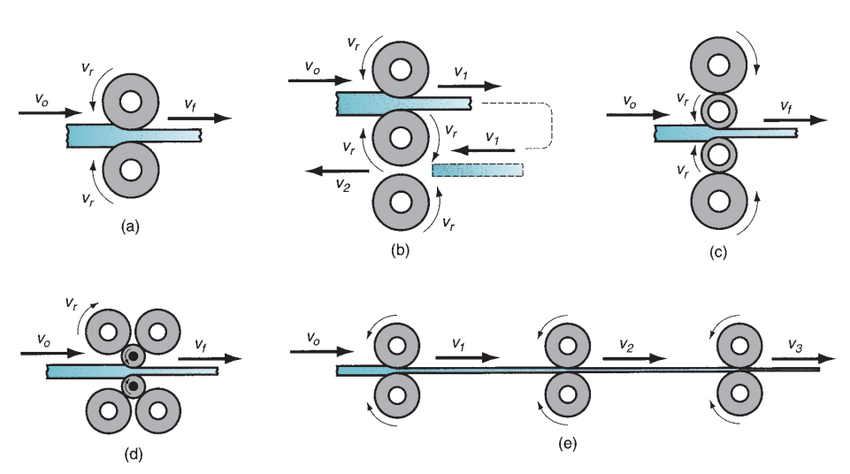
Driving Textile Mill Drives with Steam Turbines

Rolling mills are an essential part of the metalworking industry, where metal is passed through one or more pairs of rolls to reduce its thickness, improve its surface finish, and achieve the desired mechanical properties. The processes in rolling mills, whether hot or cold, require significant amounts of power to drive the rolls and ensure precise control of the metal’s shape and thickness. Steam turbines have been an effective solution in providing the necessary mechanical power for these applications, offering benefits in terms of reliability, energy efficiency, and cost-effectiveness.

Power Requirements in Rolling Mills

The mechanical power needed in rolling mills varies depending on the type of metal being processed, the mill’s size, and the specific operation being performed. Rolling processes, such as hot rolling, cold rolling, or skin pass rolling, demand a large and consistent supply of power to drive the rolls and support the various mechanical and electrical systems that regulate the process.

In hot rolling mills, for example, the metal is heated to a high temperature before it is passed through the rolls. This high-temperature processing requires high energy input to maintain the necessary thermal conditions and provide the power needed to deform the metal. Steam turbines, known for their high efficiency and ability to run continuously, are ideal for these applications, providing stable mechanical power even under the high demands of hot rolling operations.

Energy Efficiency and Reliability

One of the key advantages of using steam turbines in rolling mills is their ability to operate efficiently over long periods. The efficiency of a steam turbine is primarily determined by its design and the source of steam, but modern turbines are capable of achieving significant thermal efficiency, making them highly suitable for energy-intensive operations like rolling.

Steam turbines offer several key benefits that make them an attractive power source for rolling mills:

  1. Energy Efficiency: Steam turbines are highly efficient at converting thermal energy into mechanical power. In rolling mills, the high thermal loads combined with the need for constant power output make steam turbines an ideal choice. Unlike internal combustion engines or electric motors, which can experience performance losses due to fluctuating loads, steam turbines provide consistent power, helping to maintain steady processing speeds and reduce energy waste.
  2. Operational Reliability: Rolling mills require continuous operation, often running 24/7. The reliability of steam turbines in providing power for these operations is one of their strongest features. Designed to withstand high loads, steam turbines can run for extended periods with minimal maintenance. This makes them a dependable choice in industries where any disruption in power supply could result in production delays and increased operational costs.
  3. Adaptability: Steam turbines are highly adaptable and can be adjusted to meet changing power demands. In rolling mills, load fluctuations are common, especially when the metal thickness or type being processed changes. The ability to adjust the power output of the steam turbine in real-time allows mills to maintain a stable and consistent rolling process, even when these fluctuations occur.
  4. Durability: Steam turbines are built to handle heavy loads and operate for long durations without significant wear. This is especially important in rolling mills, where the continuous operation of the machinery places substantial stress on the components. Steam turbines are engineered to withstand this stress and deliver continuous power without the need for frequent repairs or replacements.

Fuel Flexibility

Steam turbines can run on various sources of steam, making them versatile and adaptable to different mill setups. The flexibility in fuel choices provides rolling mills with the ability to select the most cost-effective or environmentally friendly energy sources.

For example, steam turbines can be fueled by natural gas, coal, or renewable energy sources, such as biomass. In some applications, waste heat from the mill’s operations or other nearby industrial processes can be used to generate steam, reducing the need for external fuel and improving overall energy efficiency.

The use of waste heat recovery (WHR) systems is particularly important in rolling mills, where significant heat is generated during the rolling process. By capturing and reusing this heat to generate steam, mills can further improve the energy efficiency of their operations. This not only helps to reduce fuel consumption and operating costs but also minimizes the environmental impact by decreasing emissions from burning fossil fuels.

Integration with Power Generation Systems

In large industrial facilities, steam turbines are often part of integrated power generation systems that can simultaneously provide electricity and mechanical power. In rolling mills, this integration allows for greater flexibility and energy independence. Steam turbines can generate both mechanical power for the rolling process and electrical power for other mill operations, such as lighting, control systems, or auxiliary equipment.

In mills with multiple turbines or larger-scale operations, combined heat and power (CHP) systems, also known as cogeneration, can be employed. These systems use steam turbines to generate both power and heat, allowing the mill to utilize the heat produced in the turbine to support other operations. The ability to use the same energy source for multiple purposes significantly improves overall energy efficiency, helping mills save on operational costs and reduce their carbon footprint.

Maintenance and Operational Costs

While the initial installation cost of a steam turbine-driven system may be higher than that of some alternative power sources, the long-term operational costs are often lower. Steam turbines are known for their durability and low maintenance requirements, especially when compared to more complex systems like internal combustion engines or electric motors that may require more frequent repairs and replacement of parts.

The robust construction of steam turbines, designed to endure high temperatures and pressures, reduces the likelihood of failures and unplanned downtime. In rolling mills, where any interruption in power supply can lead to costly delays, the reliability of steam turbines is a significant advantage. Predictive maintenance technologies, which use real-time monitoring and data analytics, can further reduce maintenance costs by identifying potential issues before they lead to failure, enabling timely repairs without affecting production schedules.

Environmental Considerations and Compliance

As industries face increasing pressure to reduce their environmental impact and comply with stricter emissions regulations, steam turbines can help rolling mills meet these requirements. The ability to use renewable energy sources, such as biomass or biogas, to generate steam for the turbines offers a pathway to more sustainable operations.

In addition, modern steam turbines are designed to be highly efficient, meaning they use less fuel to generate the same amount of mechanical power. This helps to reduce overall fuel consumption and decrease the amount of carbon emissions produced during the rolling process. By optimizing steam generation and power consumption, steam turbines contribute to a rolling mill’s ability to meet environmental standards while maintaining operational efficiency.

Future Trends in Steam Turbine Applications for Rolling Mills

As the demand for more sustainable and efficient manufacturing processes increases, steam turbine technology is expected to continue evolving. Innovations in turbine design, such as improvements in turbine efficiency, size, and integration with renewable energy systems, will drive further adoption of steam turbines in rolling mills and other heavy industrial applications.

The continued integration of steam turbines with renewable energy and waste heat recovery systems will be a key area of focus, as industries work to reduce their reliance on fossil fuels and minimize their environmental footprint. Additionally, advances in digital technologies, such as AI-driven predictive maintenance and smart monitoring systems, will help optimize turbine performance and reduce downtime, further improving the cost-effectiveness of turbine-driven rolling mills.

Conclusion: The Role of Steam Turbines in the Future of Rolling Mills

Steam turbines play a crucial role in powering rolling mills, offering reliable, efficient, and adaptable mechanical power for metalworking processes. Their ability to deliver consistent power, operate on a variety of fuel sources, and integrate into broader energy systems makes them an ideal choice for modern rolling mills seeking to improve productivity, reduce costs, and meet environmental standards.

With ongoing innovations in turbine technology, fuel flexibility, and energy efficiency, steam turbines will remain a vital component in the metalworking industry. As industries continue to prioritize sustainability and energy efficiency, steam turbines will continue to evolve, supporting the next generation of rolling mills and helping manufacturers meet the challenges of the future.

Advanced Technologies in Steam Turbines for Rolling Mills

The ongoing development of steam turbine technologies continues to revolutionize the way rolling mills operate. These innovations are not only enhancing the performance and efficiency of turbines but also helping industries adapt to an increasingly competitive and sustainable manufacturing environment.

Improved Turbine Efficiency and Design

Recent improvements in steam turbine design have led to increased efficiency and reduced operating costs for rolling mills. Advanced materials such as high-temperature alloys and ceramic coatings have been introduced to turbine components, enhancing their durability and ability to withstand the high temperatures and pressures associated with rolling mill operations. These advancements reduce the likelihood of component failure, extend the turbine’s operational lifespan, and minimize the need for costly replacements or repairs.

Furthermore, optimization of the blade design and aerodynamic improvements in the rotor and stator components have contributed to improved turbine performance. These changes enable steam turbines to generate more mechanical power from the same amount of steam, enhancing the overall efficiency of the power generation system. With improved turbine efficiency, mills can produce the same output using less energy, leading to significant cost savings and reduced carbon emissions.

Hybrid Energy Systems and Integration with Renewable Energy

As sustainability becomes a key focus in industrial operations, rolling mills are increasingly adopting hybrid energy systems that combine steam turbines with renewable energy sources, such as solar, wind, or biomass. By integrating steam turbines with renewable sources, rolling mills can reduce their dependency on fossil fuels and lower their carbon footprint.

One example of a hybrid energy system is the use of biomass or waste-to-energy systems to produce steam for the turbine. This approach uses organic waste materials or biomass, such as wood chips, agricultural residues, or industrial by-products, to generate steam. The renewable steam produced by these systems can then drive the turbine, providing the necessary mechanical power for the rolling mill while reducing emissions.

In some cases, steam turbines can also be integrated with solar or wind power systems, utilizing surplus energy from these sources to generate steam when needed. This hybrid approach enables rolling mills to capitalize on renewable energy, ensuring that they have a reliable and sustainable power source, even during periods when renewable energy generation is low or intermittent.

Waste Heat Recovery and Increased Energy Efficiency

Waste heat recovery (WHR) systems are playing an increasingly important role in improving the energy efficiency of rolling mills. These systems capture the excess heat generated during the rolling process, which would otherwise be lost, and use it to generate steam that drives the turbine. By harnessing waste heat, mills can significantly reduce their reliance on external fuel sources, resulting in lower operational costs and a reduced environmental impact.

The adoption of WHR systems can dramatically enhance the overall energy efficiency of a rolling mill by utilizing heat that would otherwise be wasted. These systems often integrate seamlessly with steam turbine-driven setups, providing a sustainable solution for meeting power requirements while minimizing fuel consumption.

For example, in hot rolling mills, the high temperatures involved in processing metal generate significant amounts of heat. Rather than allowing this heat to escape, it can be captured through heat exchangers and used to create steam. This steam can then be fed into the turbine, driving the mechanical systems in the mill and reducing the need for additional energy input. The ability to use waste heat not only improves energy efficiency but also lowers fuel costs and decreases greenhouse gas emissions.

Smart Monitoring and Predictive Maintenance

To further enhance the reliability and efficiency of steam turbine systems in rolling mills, the integration of smart monitoring and predictive maintenance technologies is becoming increasingly important. These systems use advanced sensors, data analytics, and machine learning algorithms to continuously monitor the performance of the turbine and predict potential issues before they lead to failure.

By collecting and analyzing data on turbine vibrations, temperature, pressure, and other key parameters, smart monitoring systems can detect early signs of wear or malfunction. Predictive maintenance tools can then recommend corrective actions or maintenance schedules, allowing operators to address issues before they result in unplanned downtime.

This proactive approach to maintenance reduces the need for emergency repairs, extends the operational life of the turbine, and improves overall efficiency. Predictive maintenance also minimizes the risk of catastrophic failures, which can be costly and disruptive to the rolling mill’s operations.

Energy Storage and Peak Shaving

Another emerging trend in steam turbine systems for rolling mills is the integration of energy storage technologies, such as batteries or thermal energy storage. These systems can store surplus energy generated by the turbine during periods of low demand and release it when power consumption spikes, a process known as “peak shaving.”

By incorporating energy storage, mills can ensure a more stable and predictable power supply, even during fluctuations in steam demand. This helps maintain smooth and continuous rolling operations, reduces the risk of power interruptions, and optimizes energy consumption. Energy storage systems can also be used in conjunction with renewable energy sources, storing surplus energy produced by wind or solar power and using it to generate steam for the turbine during periods of low renewable generation.

Modular and Scalable Turbine Solutions

As the industry moves toward more flexible and efficient power generation systems, the demand for smaller, modular steam turbine solutions is on the rise. These turbines can be deployed in rolling mills that may not require the large power outputs of traditional turbine systems but still need the benefits of steam-driven mechanical power.

Modular steam turbines are designed to be compact, scalable, and easy to integrate into existing mill infrastructure. This modularity makes them ideal for smaller mills or those with variable power requirements, as they can be expanded or adapted to meet changing energy demands. Additionally, modular turbines offer lower initial capital costs and faster installation times, making them a more accessible option for mills looking to upgrade their power systems without large-scale investments.

Enhanced Turbine Control Systems

Modern steam turbines come equipped with advanced control systems that allow for precise regulation of turbine performance. These systems help operators manage steam pressure, temperature, and turbine speed, ensuring that the power output is optimized for the rolling process.

With the introduction of digital control systems, steam turbines can be monitored and adjusted in real-time, improving the precision of the rolling process and enhancing overall efficiency. These systems can also be integrated with other mill control systems, allowing for synchronized operation between the turbine, the rolling mill, and other associated equipment.

In addition, advanced control algorithms can adjust turbine output dynamically based on the specific requirements of the rolling process, such as changes in material thickness or temperature. This flexibility ensures that energy is used efficiently and that the turbine is always operating within its optimal performance range.

Environmental Impact and Regulatory Compliance

As regulatory pressure on industries to reduce emissions continues to rise, steam turbines offer a solution for rolling mills looking to meet stricter environmental standards. Turbines that operate with renewable fuels, such as biomass or hydrogen, significantly reduce the carbon footprint of the rolling process.

Furthermore, the high efficiency of modern steam turbines means that less fuel is required to generate the necessary mechanical power, reducing the overall emissions associated with power generation. When combined with energy-saving technologies such as waste heat recovery and energy storage, steam turbines can help rolling mills meet their sustainability goals while maintaining competitive productivity.

The use of hydrogen as a fuel source for steam turbines is gaining particular attention as part of the broader push toward decarbonization in heavy industries. Hydrogen-powered steam turbines can operate without producing carbon dioxide, offering a clean energy solution that aligns with global efforts to mitigate climate change.

Conclusion: The Future of Steam Turbines in Rolling Mills

Steam turbines will continue to play a crucial role in powering rolling mills, offering reliability, efficiency, and flexibility. As technological advancements drive turbine performance, rolling mills will be able to meet increasing production demands while minimizing operational costs and reducing their environmental footprint.

The integration of steam turbines with renewable energy systems, waste heat recovery, smart monitoring, and predictive maintenance will further enhance their performance in rolling mill applications. By adopting these innovations, rolling mills can improve their sustainability, energy efficiency, and cost-effectiveness, ensuring they remain competitive in an evolving industrial landscape.

As the industry moves toward more sustainable and efficient manufacturing processes, steam turbines will remain at the forefront of powering rolling mills, driving the next generation of metalworking and industrial processes.

Advanced Integration and Future Directions for Steam Turbines in Rolling Mills

As the industrial sector continues to evolve, the role of steam turbines in rolling mills is becoming increasingly sophisticated. The integration of these turbines with cutting-edge technologies and systems is enabling mills to operate more efficiently, sustainably, and cost-effectively. Below are additional areas where steam turbines are expected to have an even greater impact in the future of rolling mills.

AI and Automation in Steam Turbine Operations

The increasing use of artificial intelligence (AI) and automation in industrial operations is set to revolutionize steam turbine applications in rolling mills. AI-driven systems can analyze vast amounts of real-time data from turbine operations, including performance indicators like steam flow, temperature, pressure, and turbine efficiency. By processing this data, AI systems can identify optimization opportunities, adjust operational parameters, and predict future system behaviors.

For example, AI-based algorithms can adjust steam turbine output in real-time to match variations in the rolling mill’s load, optimizing fuel consumption while ensuring power is available when needed. This automated, data-driven approach enhances the mill’s operational efficiency by reducing energy consumption, minimizing waste, and improving overall performance.

Moreover, AI can be used in combination with predictive maintenance systems to continuously monitor turbine health and performance, automatically triggering maintenance actions before the onset of failures. Such advanced capabilities allow rolling mills to further reduce unplanned downtime and extend the life cycle of steam turbines, maximizing return on investment.

Digital Twins and Virtual Simulation for Performance Optimization

Another promising development is the use of digital twins—virtual replicas of physical assets, such as steam turbines. These digital twins can simulate turbine behavior and predict how the turbine will perform under various operating conditions, such as load fluctuations, pressure changes, or temperature variations. By continuously collecting data from the real turbine and updating the digital twin in real-time, operators can gain valuable insights into turbine performance and potential issues that could affect its operation.

Through virtual simulation, engineers can optimize turbine design, monitor ongoing system performance, and make adjustments that improve overall turbine efficiency. This approach also allows for testing different operational scenarios without physically altering the turbine, reducing risks and costs associated with trial-and-error testing.

Moreover, digital twins can facilitate remote monitoring and troubleshooting, allowing experts to intervene in real-time, even if they are located off-site. The ability to anticipate problems before they occur will significantly reduce maintenance costs and increase the turbine’s reliability and performance in the rolling mill.

Decarbonization and Hydrogen as a Fuel Source

As part of the broader industrial trend toward decarbonization, hydrogen is emerging as a promising fuel source for steam turbines. Unlike fossil fuels, hydrogen combustion produces water vapor instead of carbon dioxide, offering a significant opportunity to reduce carbon emissions in energy-intensive industries like rolling mills.

The use of hydrogen-powered steam turbines is still in the research and development phase, but the potential for this technology to revolutionize industrial power generation is enormous. By replacing fossil fuels with hydrogen, rolling mills can drastically reduce their greenhouse gas emissions while continuing to benefit from the reliability and power of steam turbines.

In addition, hydrogen fuel cells combined with steam turbines could provide even greater energy efficiency. This hybrid system can generate both mechanical power for the rolling mill and electricity for other mill operations, making it a highly efficient solution for mills seeking to integrate clean energy into their power generation systems.

The transition to hydrogen is also in line with regulatory pressures in many regions that are increasingly targeting carbon reductions. By adopting hydrogen fuel, rolling mills can stay ahead of emissions regulations and play a part in the global push to reduce industrial carbon footprints.

Sustainability and Circular Economy

As part of the push toward sustainability, steam turbines in rolling mills are also playing a role in the circular economy. By integrating waste recovery systems, such as the reuse of heat and materials from production processes, mills can become more resource-efficient and reduce their environmental impact.

The incorporation of waste heat recovery (WHR) systems into steam turbine setups is a key example of this shift. By capturing and reusing waste heat, rolling mills can reduce their dependency on external fuel sources, leading to cost savings and a reduction in overall emissions. In addition to utilizing waste heat from the rolling process, mills are exploring ways to use by-products like steel scrap or slag, further contributing to circular economy principles.

For example, using steel scrap in the production process generates additional heat that can be recovered and reused to generate steam. This closed-loop system not only increases energy efficiency but also reduces waste, ultimately contributing to a more sustainable manufacturing model.

Customized Turbine Solutions for Diverse Rolling Mill Applications

As rolling mills continue to specialize in different metalworking processes (such as hot rolling, cold rolling, or precision rolling), the need for highly customized steam turbine solutions will increase. Each type of rolling process has specific power and efficiency requirements, and the turbine systems must be designed to match these conditions.

For instance, hot rolling mills, which require higher temperatures and more power, may benefit from high-capacity steam turbines, while cold rolling mills, which operate at lower temperatures, may use smaller, more flexible turbine systems. The ability to tailor turbines to the specific needs of the mill allows for more precise control of energy consumption and power output, improving overall performance.

Customization also extends to turbine materials and technologies. For example, turbines operating in harsh environments with high temperatures and corrosive conditions may require special coatings or alloy materials to withstand the demanding conditions. As the metalworking industry continues to evolve, turbine manufacturers will continue to innovate, developing solutions that meet the unique needs of various rolling mill applications.

Smart Grid and Distributed Power Generation

As part of the broader trend toward smart grid integration, steam turbines in rolling mills are increasingly being connected to distributed energy networks. Smart grids allow for the dynamic distribution of power across multiple energy sources and consumers, ensuring that power is available where it is most needed.

In rolling mills, this integration means that steam turbines can not only supply power to the mill but also feed excess power back into the grid. This is particularly valuable in mills with cogeneration systems that produce both electricity and mechanical power. By becoming part of the smart grid, rolling mills can help balance supply and demand for electricity, while also benefiting from lower energy costs and enhanced grid stability.

Distributed power generation, enabled by steam turbines, could lead to a more resilient energy infrastructure. During times of high demand or energy shortages, steam turbines in rolling mills can contribute to the grid’s stability by providing additional power. Conversely, during periods of low demand, excess power generated by the turbines can be fed back into the grid, providing financial and operational advantages for mill operators.

Regulatory and Market Pressures Driving Innovation

Governments around the world are setting ambitious goals for reducing industrial emissions, improving energy efficiency, and promoting sustainable practices. This regulatory environment is pushing rolling mills to explore new energy solutions, and steam turbines will continue to be an integral part of meeting these goals.

The market is also becoming more competitive, with manufacturers striving to reduce operational costs, enhance efficiency, and minimize their environmental impact. Rolling mills that invest in advanced steam turbine technologies can stay ahead of the curve by reducing fuel consumption, cutting maintenance costs, and improving their overall competitiveness.

Conclusion: A Sustainable, High-Efficiency Future for Rolling Mills

As steam turbine technology continues to evolve, rolling mills are positioned to benefit from increased efficiency, reduced operational costs, and a greater ability to meet sustainability goals. The ongoing advancements in turbine design, the integration of renewable energy sources, waste heat recovery, predictive maintenance, and smart grid technology are all contributing to a future where steam turbines play an even more significant role in the metalworking industry.

By embracing these innovations, rolling mills can optimize their energy usage, improve production processes, and reduce environmental impact—all while maintaining the reliability and power necessary for efficient metalworking. The future of steam turbines in rolling mills is promising, offering a pathway to more sustainable, cost-effective, and energy-efficient industrial operations.

Driving Pulp Grinders with Steam Turbines
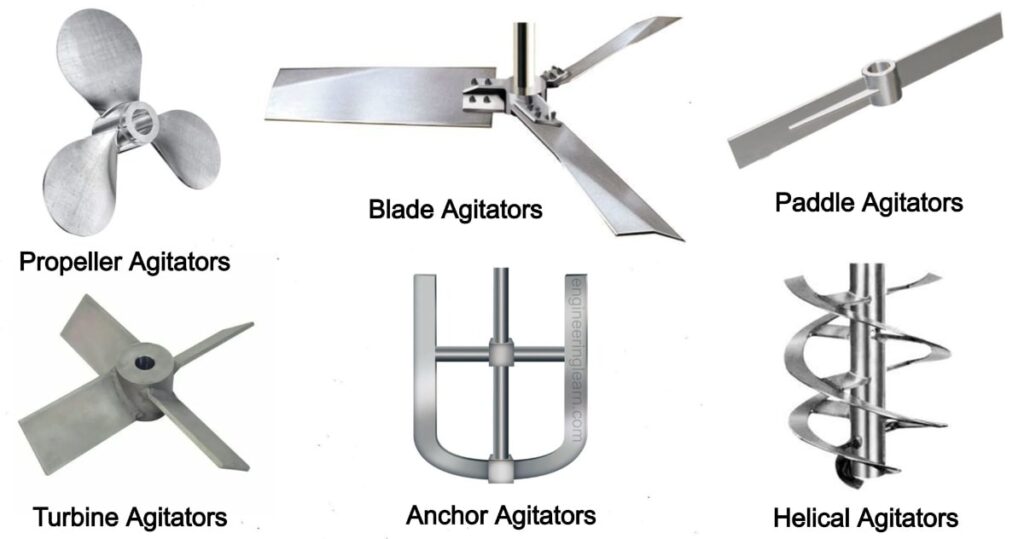
Driving Sugar Cane Crushers with Steam Turbines

In the pulp and paper industry, pulp grinders are critical pieces of equipment that process raw wood chips into pulp, which is then used to make paper. Steam turbines have long been employed to provide the necessary mechanical power for these grinders, driving the grinding process with consistent energy and high efficiency. The use of steam turbines in this application offers several advantages, such as operational flexibility, improved energy efficiency, and the ability to integrate with other power generation systems like cogeneration or waste heat recovery.

Role of Steam Turbines in Pulp Grinders

Pulp grinders require substantial mechanical power to efficiently break down wood chips into pulp fibers. Typically, large-scale grinders, such as refiner grinders and drum pulpers, use rotating disks or drums to generate friction, which breaks down the wood fibers. Steam turbines can provide the required mechanical drive to power these heavy-duty grinding machines, ensuring consistent, reliable operation.

Steam turbines are often chosen for this role due to their high efficiency and durability, especially when integrated into larger mill operations. The consistent power output provided by steam turbines ensures that pulp grinders operate at peak performance, allowing the mill to maintain high production rates and meet demanding operational targets. In many cases, steam turbines used for pulp grinding are integrated with the mill’s broader power generation system, which may include cogeneration facilities that simultaneously produce electricity and steam for various mill processes.

Advantages of Using Steam Turbines in Pulp Grinders

  1. Energy Efficiency: Steam turbines are known for their ability to efficiently convert thermal energy from steam into mechanical energy. This is especially beneficial for pulp mills, where energy consumption is a significant cost factor. By using steam turbines to drive pulp grinders, mills can optimize their energy consumption and reduce reliance on external electrical power sources, potentially lowering operating costs.
  2. Cogeneration and Combined Heat and Power (CHP): Many pulp mills operate cogeneration or combined heat and power (CHP) systems that generate both electricity and steam from a single energy source, often from biomass or waste materials. Steam turbines can be integrated into these systems to produce mechanical energy for driving pulp grinders while simultaneously generating electricity for other mill operations. This dual-purpose generation maximizes the use of available energy and increases the overall efficiency of the mill’s energy system.
  3. Reliability and Durability: Pulp grinders are often subjected to intense mechanical loads, requiring power sources that are both reliable and durable. Steam turbines, with their robust design and long service life, are well-suited to meet these demands. They can operate continuously with minimal downtime, reducing maintenance needs and ensuring that pulp grinders function smoothly throughout the production process.
  4. High Torque and Steady Power Output: The mechanical power needed to drive pulp grinders typically requires a high torque output, particularly during start-up or under load conditions. Steam turbines excel in providing this high torque at low speeds, which is essential for effectively powering heavy-duty grinders. Their ability to deliver steady, stable power output ensures the pulp grinders perform optimally without fluctuations that could impact the quality or efficiency of the pulp production process.
  5. Flexibility and Integration: Steam turbines can be sized to match the specific requirements of the pulp mill, whether it is a small operation or a large, integrated facility. They can also be easily integrated with other equipment in the mill’s power system, such as boilers, heat recovery systems, and electrical generators. This flexibility makes them ideal for driving pulp grinders in various types of mills, offering scalability and customization to suit individual mill requirements.

Integration with Waste Heat Recovery Systems

A significant portion of the energy used in pulp mills is thermal energy, especially in processes like cooking, drying, and grinding. Steam turbines can be integrated with waste heat recovery (WHR) systems, where heat from other mill processes (such as from the cooking process or exhaust gases) is captured and used to generate steam. This steam is then fed into the turbine to drive the pulp grinders, ensuring that the energy used in the mill is maximized and reducing the need for additional fuel sources.

By utilizing waste heat to generate the steam required for pulp grinders, mills can reduce fuel consumption, lower emissions, and cut operational costs. This closed-loop energy system not only increases efficiency but also contributes to sustainability goals by reducing the carbon footprint of the mill’s operations.

Sustainability and Renewable Energy Integration

Pulp mills, especially those processing wood chips or other biomass-based materials, have the potential to adopt renewable energy solutions, such as biomass-to-steam conversion, to power their operations. By using renewable sources like wood waste, bark, or other biomass materials, mills can produce steam that drives steam turbines, making the entire pulp grinding process more sustainable.

Biomass boilers, which are commonly used in pulp mills, can produce steam for driving turbines, helping mills reduce reliance on fossil fuels. This shift to renewable energy sources not only supports the transition to greener operations but also aligns with regulatory pressures for reducing carbon emissions. In this context, steam turbines can play a vital role in integrating renewable energy into the pulp mill’s power generation system while maintaining high efficiency and low environmental impact.

Innovations in Turbine Design for Pulp Grinders

Recent innovations in steam turbine design are making them even more effective in pulp mill applications. Key developments in turbine technology are focused on improving efficiency, reducing maintenance requirements, and enhancing flexibility:

  • Advanced Materials: The development of high-strength alloys and corrosion-resistant coatings has improved the performance and durability of steam turbines used in demanding pulp mill environments. These materials enable turbines to handle the high-pressure steam and continuous operations often required in pulp grinding.
  • Variable Speed Turbines: Some modern steam turbines are designed to operate at variable speeds, which can better match the fluctuating power demands of pulp grinders. This feature improves energy efficiency by ensuring that turbines operate only at the optimal speed needed to meet the mill’s requirements, reducing unnecessary fuel consumption.
  • Smarter Control Systems: The integration of digital control systems allows for more precise regulation of turbine operations, optimizing steam flow, pressure, and turbine speed. These smart control systems can detect inefficiencies or faults and adjust parameters in real-time, improving overall system performance and reducing the need for manual intervention.

Challenges and Considerations

While steam turbines offer many advantages for driving pulp grinders, there are some challenges and considerations that mills need to address:

  • Initial Investment: The capital cost of installing steam turbines, especially in new mills or as part of a cogeneration system, can be high. However, the long-term energy savings and operational efficiencies often justify the upfront investment. It’s essential for mills to conduct a thorough cost-benefit analysis to ensure that the benefits outweigh the initial costs.
  • Maintenance and Overhaul: Although steam turbines are known for their reliability and durability, regular maintenance is necessary to ensure optimal performance. Routine inspections, lubrication, and cleaning are essential to prevent wear and tear that could impact turbine efficiency. Mills should invest in predictive maintenance tools to help identify potential issues early and avoid unplanned downtime.
  • Complex Integration: Integrating steam turbines with existing mill infrastructure or retrofitting them into older mills can be complex and may require significant engineering expertise. Ensuring proper integration with other systems, such as boilers, cooling systems, and power distribution networks, is critical for maintaining efficient operations.

Conclusion: The Future of Steam Turbines in Pulp Grinding

Steam turbines will continue to play a key role in driving pulp grinders, providing reliable and efficient mechanical power for one of the most energy-intensive processes in pulp and paper production. As technology advances, steam turbines will become even more integrated with renewable energy solutions, waste heat recovery systems, and smart control technologies, further enhancing the sustainability and cost-effectiveness of pulp mills.

By investing in these advanced turbine systems, pulp mills can significantly reduce energy consumption, improve operational efficiency, and contribute to the industry’s broader sustainability goals. With the ongoing focus on energy efficiency and environmental impact, steam turbines will remain a central component in driving the future of pulp grinding and the pulp and paper industry as a whole.

Future Trends and Innovations in Steam Turbines for Pulp Grinders

As the pulp and paper industry faces increasing pressure to reduce costs and improve sustainability, there are several emerging trends and innovations that could further enhance the performance of steam turbines used in pulp grinders.

Hybrid Systems and Energy Storage Solutions

With the rise of renewable energy sources such as solar and wind power, many pulp mills are looking into hybrid energy systems that combine traditional steam turbine-driven processes with renewable energy solutions. This integration allows for greater flexibility and energy efficiency while reducing carbon footprints.

For instance, solar and wind power can complement steam turbine systems, especially in mills that operate in regions with abundant renewable energy resources. By harnessing solar or wind energy during peak production times, mills can reduce their reliance on steam-driven power for less energy-intensive tasks. The integration of energy storage solutions such as batteries could further enhance this system, allowing mills to store surplus renewable energy for use during periods of high demand or low renewable energy availability. This results in a more resilient, cost-effective, and sustainable energy infrastructure.

Steam turbines could also be adapted to work in tandem with these hybrid systems, using energy stored during low-demand periods to maintain a steady power supply for pulp grinders when needed, ensuring a constant and uninterrupted grinding process.

Advanced Monitoring and IoT Integration

The Internet of Things (IoT) is making its way into industrial applications, and steam turbines in pulp mills are no exception. By incorporating IoT-enabled sensors, turbines can be continuously monitored for critical performance parameters such as steam pressure, temperature, vibration, and torque. These sensors send real-time data to centralized monitoring systems that can predict when maintenance is required or when performance is deviating from optimal levels.

The use of advanced monitoring tools helps streamline maintenance schedules, improve turbine reliability, and extend the service life of turbines. Predictive analytics can now anticipate component failure before it occurs, reducing unplanned downtime and maintenance costs. This capability is particularly crucial in pulp mills, where production downtime can result in significant financial losses.

Additionally, IoT-enabled steam turbines can be part of a broader smart factory ecosystem. Data from various turbines, grinders, and mill processes can be analyzed in real-time to adjust operations dynamically, ensuring that energy is used as efficiently as possible. This connectivity allows for smarter decision-making and better coordination between different aspects of the pulp mill’s operations.

Digitalization of Maintenance and Operation

The digitalization of turbine operation and maintenance is helping to streamline pulp mill operations. With the integration of advanced digital twin technologies, pulp mills can now create virtual replicas of their steam turbines. These digital twins provide a detailed simulation of the turbine’s performance under various conditions, enabling operators to test and analyze different operational scenarios without physically altering the turbine.

This virtual representation also allows for better troubleshooting and optimization. By analyzing the digital twin’s data, operators can anticipate potential issues and make proactive adjustments to avoid costly repairs or unplanned downtime. As the technology behind digital twins evolves, it will provide even more insights into how turbines interact with other mill systems, improving overall operational efficiency and power output for the pulp grinders.

In addition, augmented reality (AR) and virtual reality (VR) are being explored as tools for turbine maintenance. These technologies can assist technicians in performing repairs by providing real-time, step-by-step visual instructions or remote expert support. This ensures that even less experienced personnel can perform complex maintenance tasks accurately, reducing the likelihood of errors and downtime.

Enhanced Fuel Efficiency and Alternative Fuels

As the demand for greener operations grows, steam turbines used in pulp grinders will increasingly rely on alternative fuels and fuel-efficient systems. Pulp mills traditionally use biomass as a fuel source for steam generation, particularly biomass waste from the pulping process itself, such as bark and wood chips. This closed-loop fuel system reduces environmental impact and helps mills reduce their dependence on fossil fuels.

In the future, steam turbines may also incorporate alternative fuels such as biogashydrogen, or synthesized fuels. These fuels are derived from renewable sources, and their use in steam turbines could further decarbonize pulp mills. By burning cleaner fuels or using waste-to-energy technologies, mills can significantly reduce greenhouse gas emissions while maintaining efficient power generation for grinding and other mill processes.

Moreover, ongoing developments in fuel flexibility in steam turbines—such as their ability to handle multiple types of biomass or other renewable fuels—are expected to improve their efficiency and reduce emissions. This can enable pulp mills to transition to cleaner energy sources while maintaining or even enhancing turbine performance.

Decentralized and Modular Steam Turbine Systems

In the future, we may see the rise of decentralized, modular steam turbine systems that can be easily scaled and configured based on the size and energy needs of the pulp mill. Modular turbines can be deployed in smaller units that provide tailored power output for specific grinders, reducing the complexity and cost associated with larger, centralized turbine systems.

These smaller systems offer flexibility, allowing mills to scale their energy production capacity as needed, particularly in smaller or more specialized operations. Additionally, modular turbines are easier to maintain, transport, and replace, providing greater operational flexibility and reducing the risk of extended downtime.

Sustainability and Zero-Emission Pulp Mills

As sustainability becomes a primary focus for industries worldwide, some pulp mills are setting ambitious goals to become zero-emission facilities. This could involve significant changes to energy and resource usage, including the transition to electrification for many mechanical drives traditionally powered by steam turbines.

While the full transition to zero-emission pulp mills is still far off, steam turbines can still play a role in the journey. By operating in closed-loop systems, capturing waste heat, and utilizing renewable or carbon-neutral fuels, pulp mills can reduce their carbon footprints while maintaining high operational efficiency. This will not only help mills meet regulatory standards and consumer expectations but also future-proof their operations against evolving environmental policies.

Conclusion: The Evolving Role of Steam Turbines in Pulp Grinders

Steam turbines will continue to play a key role in driving pulp grinders, ensuring the efficient and reliable mechanical power needed for pulp production. With ongoing advancements in turbine design, integration with renewable energy systems, smart factory connectivity, and innovations in fuel and maintenance technologies, steam turbines will remain integral to pulp mill operations for the foreseeable future.

By embracing these innovations and trends, pulp mills can enhance efficiency, reduce costs, and contribute to global sustainability goals. As the industry shifts toward greener practices, steam turbines, with their efficiency and adaptability, are poised to remain a central part of the energy solution in pulp and paper production.

Ongoing Challenges and Opportunities in Steam Turbine Use for Pulp Grinders

Despite the many advantages of using steam turbines for driving pulp grinders, there are still several ongoing challenges that pulp mills face. However, these challenges also present opportunities for further innovation and improvement in turbine performance and mill operations.

Energy Supply and Steam Demand Management

One of the main challenges in using steam turbines for driving pulp grinders is the fluctuating steam demand. The operation of a pulp mill involves multiple processes, each with its own steam requirements, which can vary significantly throughout the day. As a result, balancing steam production and consumption to ensure efficient turbine operation can be complex.

The challenge of managing steam demand is often compounded by the variable nature of renewable energy sources used for cogeneration, such as biomass or other fuels. Since these renewable sources depend on the availability of raw materials or environmental conditions, mills may experience fluctuations in the supply of steam, making it harder to maintain a constant power output to drive the pulp grinders.

To address this issue, mills can invest in advanced steam storage systems or incorporate better load management strategies. For example, excess steam can be stored during periods of low demand using thermal storage technologies and then released when steam consumption spikes. This would allow for more consistent power generation without needing to continuously adjust turbine operation.

In addition, advanced control systems that dynamically adjust turbine output to match real-time steam demands are essential. These systems use data from across the mill’s operations to balance steam supply with grinding power requirements, reducing energy waste and enhancing operational efficiency.

Maintenance Optimization and Minimizing Downtime

While steam turbines are known for their durability and reliability, regular maintenance is still required to keep them in optimal condition. In pulp mills, where downtime can be costly and disruptive, minimizing maintenance-related downtime is a critical consideration.

Traditional maintenance practices, such as periodic inspections and scheduled overhauls, can lead to unnecessary downtime, as turbines are taken offline for maintenance whether or not an issue is imminent. This can reduce overall productivity and increase operational costs. To minimize this, predictive maintenance technologies are gaining popularity. By leveraging condition monitoring and data analytics, mills can detect early signs of wear or malfunction in turbine components, allowing maintenance activities to be scheduled only when needed.

Advanced monitoring systems equipped with sensors can continuously track the performance of critical components, including bearings, steam seals, and turbine blades. Data gathered from these sensors can be analyzed in real time to predict the remaining useful life of each part and inform proactive maintenance decisions. This approach reduces unexpected breakdowns and allows mills to schedule maintenance during planned downtime, avoiding the significant costs of unscheduled repairs.

Additionally, remote monitoring services can be employed to provide ongoing support to mills, allowing experts to oversee turbine performance and suggest maintenance actions from a distance, further reducing downtime and maintenance costs.

Integration with Digital Twin and Smart Technologies

One of the most exciting opportunities for steam turbines used in pulp grinders is the integration with digital twin technology. As mentioned earlier, digital twins are virtual replicas of physical systems that simulate their performance in real time. By creating a digital twin of a steam turbine, operators can model the behavior of the turbine under different operating conditions, allowing them to optimize efficiency and troubleshoot issues without interrupting operations.

Digital twins also provide valuable data that can inform long-term turbine optimization strategies. By combining real-time performance data with historical information, operators can identify patterns that help predict future performance trends, leading to better maintenance scheduling and more precise control of turbine operation. Furthermore, digital twins can serve as training tools for new personnel, allowing them to simulate turbine operation and maintenance procedures without physical risks.

The integration of smart factory technologies, such as artificial intelligence (AI) and machine learning (ML), further enhances turbine performance monitoring. AI-powered algorithms can analyze large sets of operational data to make real-time adjustments to turbine parameters, ensuring optimal performance and reducing energy consumption.

Embracing Circular Economy Principles

As sustainability and circular economy principles become central to pulp and paper production, there is a growing emphasis on using waste heat recovery and other renewable sources of energy to reduce the overall environmental impact of steam turbines. Mills are increasingly investing in waste-to-energy systems and cogeneration units that can make use of by-products from the pulp production process to generate the steam necessary to drive turbines.

For example, black liquor, a by-product of the chemical pulping process, is commonly used as a fuel source in boilers to generate steam. By converting black liquor into energy, pulp mills can create a closed-loop system that reduces reliance on external fuel sources and minimizes waste. Integrating steam turbines with these renewable energy sources not only contributes to lower operating costs but also helps meet sustainability targets.

The use of waste heat recovery systems is another avenue for reducing energy consumption. These systems capture excess heat from industrial processes, such as the drying and cooking of pulp, and convert it into steam for use in turbines. This approach ensures that no energy is wasted, and steam turbines operate with higher efficiency while also lowering the mill’s overall carbon footprint.

As the circular economy gains traction, the future of steam turbines in pulp grinders may evolve to include more advanced heat and energy recovery technologies that are better integrated with renewable energy and sustainable fuel sources.

The Potential for Hybrid Steam and Electric Drives

One emerging trend is the hybridization of steam turbines and electric drives. While steam turbines are well-suited for large, continuous power demands such as driving pulp grinders, electric motors offer greater flexibility and precision for some applications. By combining both types of drives, mills can optimize energy usage by switching between electric and steam-driven power depending on real-time demands.

For example, electric motors could be used for lighter-duty tasks or during periods of lower steam availability, while steam turbines would take over during peak production or when additional power is required. This hybrid approach offers greater operational flexibility, enabling mills to adapt to fluctuating energy availability while optimizing the performance of both steam and electric-driven systems.

Additionally, this approach could further enhance the sustainability of pulp mills. In some cases, electric motors could be powered by renewable electricity, allowing the mill to rely less on steam-based generation and reduce its carbon emissions.

The Road Ahead for Steam Turbines in Pulp and Paper Industry

Looking ahead, steam turbines will remain a cornerstone of power generation for pulp grinders, offering an efficient, reliable solution for driving these critical machines. However, the industry’s increasing focus on sustainability, energy efficiency, and cost reduction will drive innovation in turbine design, operation, and integration.

New technologies such as digital twins, predictive maintenance, hybrid drives, and advanced materials will allow turbines to operate more efficiently, while renewable energy sources like biomass and waste heat recovery will reduce their environmental impact. By embracing these advancements, pulp mills can not only improve their bottom line but also contribute to global sustainability goals, ensuring that the pulp and paper industry remains resilient and competitive in an increasingly eco-conscious world.

Ultimately, the future of steam turbines in driving pulp grinders will be shaped by the industry’s commitment to innovation, efficiency, and sustainability, ensuring that steam turbines remain an indispensable tool for the pulp and paper industry for years to come.

Driving Marine Propulsion Systems with Steam Turbines
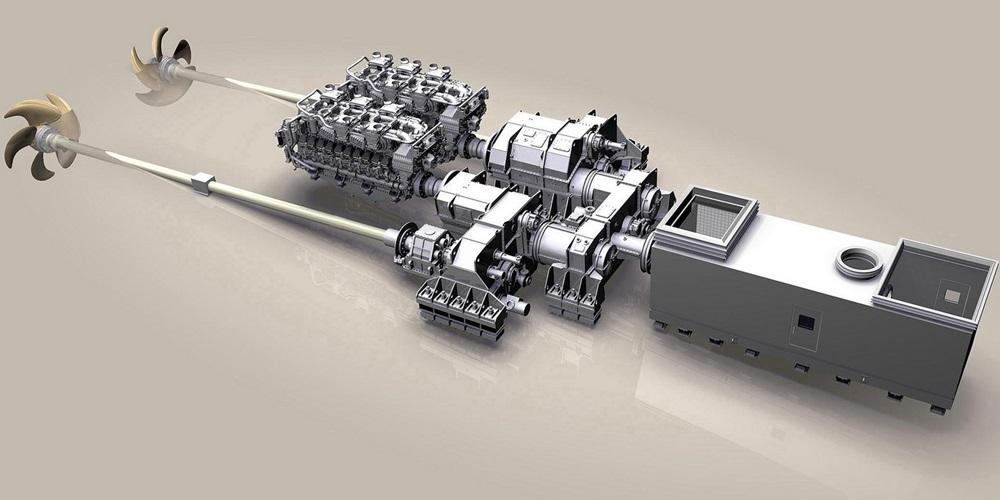
Driving Marine Propulsion Systems with Steam Turbines

Steam turbines have historically played a significant role in marine propulsion systems, particularly in large ships such as ocean liners, aircraft carriers, and cargo vessels. While marine engineering has evolved, with diesel and gas turbine systems becoming more common in many modern vessels, steam turbines continue to be a reliable and efficient solution in specific applications. In this section, we explore the ongoing use of steam turbines in marine propulsion, their benefits, and challenges.

Application of Steam Turbines in Marine Propulsion

Steam turbines are typically used in steam-powered ships and naval vessels, where they provide mechanical power for driving the propeller, which moves the vessel through the water. The steam turbines are usually part of a larger steam propulsion system that includes a boiler to generate the steam and a reduction gear to control the speed of the turbine.

In marine propulsion systems, the steam turbines are powered by boilers that use either fossil fuels or nuclear reactors to heat water and produce steam. This steam then drives the turbine’s rotor, which is connected to the propeller shaft. Steam turbines are particularly advantageous for large vessels due to their ability to provide high power output and operate efficiently over extended periods.

Advantages of Steam Turbines in Marine Propulsion

  • High Power-to-Weight Ratio: One of the key advantages of steam turbines in marine applications is their excellent power-to-weight ratio. For large ships that require significant amounts of power to propel them at high speeds, steam turbines can deliver the necessary power without adding excessive weight. This feature is especially valuable for naval vessels and large passenger ships that need to maintain performance over long distances.
  • Reliability and Durability: Steam turbines are known for their reliability and long service life, making them suitable for critical applications such as military ships and large commercial vessels. Once the system is set up and operational, steam turbines can run for extended periods without frequent maintenance, which is essential for vessels that operate in remote or challenging conditions.
  • Efficient Operation at High Power Levels: Steam turbines operate at peak efficiency at higher power outputs, making them ideal for vessels that require sustained, high-speed operation. This is particularly relevant for naval vessels, which need to operate at high speeds for defense purposes.
  • Fuel Flexibility: In naval applications, especially for military vessels, steam turbines can be powered by a variety of fuels. This flexibility allows the vessels to use whatever fuel is available, whether it be oil, gas, or even nuclear power. This is particularly beneficial for ships operating in regions where fuel supply may be uncertain or scarce.

Challenges of Using Steam Turbines in Marine Propulsion

  • Size and Complexity: Steam turbine systems are generally larger and more complex than their diesel or gas counterparts. The entire system, including the boiler, turbine, and associated components, requires a significant amount of space. This can be a limiting factor for smaller vessels or those where space is at a premium. Additionally, maintaining such a complex system can be more labor-intensive and costly.
  • Response Time: Steam turbines have slower response times compared to internal combustion engines, meaning they may not be as quick to adjust to changes in power demand. This can be a disadvantage in situations where rapid acceleration or deceleration is required, such as in combat scenarios or when navigating busy ports.
  • Fuel and Efficiency: While steam turbines are efficient at higher power levels, their fuel efficiency can be lower at lower speeds or during low-demand operations. This makes them less suited for certain commercial vessels, such as container ships, which spend a significant amount of time at lower speeds.
  • Operational and Maintenance Costs: Steam turbines require regular maintenance, particularly on the boiler and turbine components. Boilers must be kept at high pressures, and steam turbines are subject to wear and tear from the high-speed rotation and constant thermal stresses. While modern steam turbines are designed for durability, the operational and maintenance costs are higher compared to other propulsion systems like diesel engines.

Modern Innovations in Marine Steam Turbine Systems

Though steam turbines are not as prevalent in modern marine propulsion as they once were, there are still several innovations that continue to enhance their performance and maintain their relevance in certain sectors.

  • Nuclear-Powered Steam Turbines: One of the most significant advancements in marine steam turbines is the use of nuclear reactors to generate the steam. Nuclear-powered vessels, including aircraft carriers, submarines, and icebreakers, rely on steam turbines to convert heat from nuclear reactions into mechanical power. These vessels can operate for extended periods without refueling, which is a major advantage for long-duration missions in remote areas. The high efficiency of nuclear steam turbines and their ability to provide near-constant power output make them a preferred choice for military applications.
  • Advanced Materials and Efficiency Improvements: Advances in materials science have led to the development of more heat-resistant and durable turbine blades, allowing steam turbines to operate at higher temperatures and pressures. These improvements have contributed to increased efficiency and reduced wear and tear, leading to longer service life and reduced maintenance needs. In addition, the use of supercritical steam—steam heated above its critical point—has become more common in modern steam turbine systems, allowing them to operate at even higher efficiencies.
  • Hybrid Propulsion Systems: In recent years, the trend toward hybrid propulsion systems has gained traction in marine applications. These systems combine steam turbines with alternative propulsion methods, such as gas turbines or electric motors, to provide greater flexibility and fuel efficiency. For example, a hybrid system might use steam turbines for sustained high-speed operation and switch to gas turbines or electric motors for lower-speed cruising, optimizing fuel consumption.
  • Combined Heat and Power (CHP) Systems: Some modern steam turbine-driven vessels incorporate combined heat and power (CHP) systems, which use the waste heat generated by the turbine to provide additional heating or power to onboard systems. This increases the overall efficiency of the propulsion system, reducing fuel consumption and greenhouse gas emissions.

Applications of Steam Turbines in Specific Marine Sectors

  1. Naval Vessels: Steam turbines remain the standard propulsion system for many military ships, especially large surface combatants such as aircraft carriers, destroyers, and frigates. The combination of high power output, fuel flexibility, and reliability makes them ideal for these demanding applications. The ability to run for long durations without refueling is particularly valuable for military operations that require global reach.
  2. Passenger Ships and Cruise Liners: Some of the largest passenger ships, particularly luxury cruise liners, still use steam turbines for propulsion. These vessels need the ability to maintain high cruising speeds over long distances, and steam turbines can deliver the necessary power. Moreover, the technology has a long history of reliable operation, which is important for maintaining schedules and ensuring passenger comfort.
  3. Merchant and Cargo Ships: While steam turbines are not as widely used in cargo shipping today, there are certain types of vessels, such as large bulk carriers and tankers, that still use steam turbines. These ships typically have long operational lifespans and operate at higher speeds, where the advantages of steam turbines—high efficiency at full power and long operational duration—are most beneficial.
  4. Icebreakers and Arctic Vessels: Icebreaking ships often rely on steam turbines because they can generate the high thrust needed to break through thick ice. Additionally, the high power output and fuel flexibility of steam turbines make them ideal for working in remote and harsh environments where fuel sources may be limited.

Conclusion: The Enduring Role of Steam Turbines in Marine Propulsion

Steam turbines continue to play a crucial role in marine propulsion systems, especially in military, large commercial, and specialized vessels. While newer technologies such as diesel and gas turbines have become more common in many applications, steam turbines remain competitive for certain high-power and long-duration applications. The efficiency, durability, and fuel flexibility of steam turbines make them well-suited for ships that require sustained, high-speed operation, especially when operating in remote or fuel-scarce environments.

Looking forward, innovations in materials technologyhybrid propulsion systems, and nuclear power will ensure that steam turbines remain a key component of marine propulsion for years to come, especially in applications where high power output, reliability, and operational flexibility are paramount. As the industry continues to evolve, steam turbines will continue to adapt, ensuring they remain an integral part of maritime engineering for specialized vessels.

Future Trends in Steam Turbines for Marine Propulsion Systems

As the maritime industry continues to evolve, the role of steam turbines in marine propulsion is likely to be influenced by a number of emerging trends and technologies. These include advancements in alternative fuels, the push for greater fuel efficiency and sustainability, and innovations in hybrid and electric propulsion systems. Below are some of the potential developments that could shape the future of steam turbines in marine propulsion.

Sustainability and Emission Reduction

As global efforts to reduce greenhouse gas emissions intensify, the maritime industry is under increasing pressure to adopt more sustainable and eco-friendly technologies. While steam turbines themselves are not inherently carbon-neutral, their role in combined heat and power (CHP) systems and waste heat recovery could contribute to lowering emissions by improving overall energy efficiency.

In particular, nuclear-powered steam turbines are likely to remain an important part of the future of marine propulsion for military and specialized civilian vessels. Nuclear propulsion offers the benefit of zero-emission operation, as it does not produce greenhouse gases during its energy generation process. As countries and industries aim to achieve net-zero emissions, nuclear-powered steam turbines could see increased deployment, especially in large, high-powered vessels such as aircraft carriers, submarines, and icebreakers.

For commercial vessels, particularly cargo ships, there is increasing interest in alternative fuels such as liquefied natural gas (LNG)biofuels, and ammonia, all of which could be used to power steam turbines. These alternative fuels have a lower carbon footprint than traditional marine fuels, and steam turbines could be adapted to run on these fuels in a more efficient and sustainable manner. The continued development of infrastructure to support these fuels in shipping ports will be key to their widespread adoption.

Additionally, the integration of carbon capture and storage (CCS) technology into steam turbine systems, especially for fossil-fuel-based turbines, could help mitigate the environmental impact of carbon emissions. By capturing and storing the carbon dioxide generated during fuel combustion, marine vessels using steam turbines could significantly reduce their contribution to global warming.

Hybrid and Electric Propulsion Systems

As with many other industries, there is growing interest in hybrid propulsion systems for marine vessels. These systems combine traditional steam turbines with alternative power sources, such as gas turbineselectric motors, or battery storage. Hybrid systems provide the ability to optimize fuel consumption and reduce emissions by switching between power sources based on operational requirements.

In particular, battery-electric propulsion is gaining traction in the maritime industry, with hybrid systems capable of drawing power from batteries during low-speed operations, while steam turbines or other engines take over during high-speed travel or heavy-duty operations. This technology allows for more fuel-efficient operation, reduced emissions, and quieter, smoother operation in port areas or other sensitive environments.

The use of fuel cells as an alternative to traditional combustion engines is also a potential area for future development in marine propulsion. Fuel cells generate electricity by combining hydrogen and oxygen, producing only water as a byproduct. While fuel cell technology for marine vessels is still in its early stages, steam turbines could potentially be part of a hybrid system that also integrates fuel cell technology, allowing vessels to benefit from cleaner power generation while retaining the reliability and performance of traditional steam turbines.

Automation and Digitalization in Steam Turbine Operation

Another significant trend that will impact the future of steam turbines in marine propulsion is the integration of digital technologies. The increasing use of automationartificial intelligence (AI), and machine learning (ML) in ship operations presents opportunities to enhance the efficiency and reliability of steam turbines.

For example, predictive maintenance systems using AI-powered analytics can continuously monitor the performance of steam turbines, identifying potential issues before they result in costly failures or downtime. With real-time data, operators can make informed decisions about turbine operation, reducing fuel consumption, improving power output, and increasing operational efficiency.

Digital twins—virtual replicas of physical systems—are another innovative tool that could be used to optimize steam turbine operation. By simulating turbine performance under different conditions, digital twins allow operators to test changes to the system without physical modifications, providing valuable insights into turbine behavior and performance. This level of simulation and analysis could lead to more optimized steam turbine designs and improved operational strategies, ensuring the best possible performance in diverse conditions.

The introduction of autonomous vessels also opens new possibilities for steam turbines. These vessels would rely on highly automated systems to operate with minimal human intervention. For steam turbines, this means developing advanced control systems that can automatically adjust the turbine’s output and fuel consumption based on real-time data, ensuring optimal efficiency while reducing human error and operating costs.

Advanced Turbine Materials and Design Improvements

Ongoing advancements in materials science are likely to play a key role in the future performance of steam turbines for marine propulsion. New materials with superior heat resistancecorrosion resistance, and strength will allow turbines to operate at higher temperatures and pressures, improving overall efficiency. These materials will also help extend the lifespan of turbine components, reducing maintenance requirements and costs.

Additive manufacturing, or 3D printing, is another promising technology that could revolutionize steam turbine design. With 3D printing, manufacturers can create more complex, optimized turbine parts with reduced material waste and lower production costs. This can lead to the development of more efficient, compact, and lightweight steam turbines that are easier to maintain and repair.

Additionally, aerodynamic optimization and advanced sealing technologies could help reduce energy losses in the turbine system. By minimizing friction and heat losses, these improvements would lead to better overall performance and more efficient steam generation.

The Role of Steam Turbines in Specialized Marine Vessels

While steam turbines may not be the dominant propulsion system in all types of vessels today, they will continue to be important for specialized applications where their advantages can be fully leveraged. These applications include:

  • Naval Vessels: Steam turbines are expected to remain integral to the propulsion systems of military vessels, particularly aircraft carrierssubmarines, and destroyers. Nuclear-powered steam turbines will continue to provide the long-range, high-power propulsion needed for military operations, particularly in strategic areas such as long-duration patrols and naval warfare.
  • Icebreakers and Polar Exploration: Steam turbines will likely continue to be used in icebreakers and other vessels designed to operate in extreme environments, such as the Arctic and Antarctic regions. These vessels require powerful propulsion systems capable of breaking through thick ice, and steam turbines can provide the necessary thrust. The long operating periods without refueling provided by nuclear-powered steam turbines are especially advantageous for ships operating in isolated, frozen regions.
  • Luxury Cruise Ships: Large cruise ships, particularly luxury liners, may continue to use steam turbines due to their ability to provide high-speed propulsion for extended periods. The quiet, smooth operation of steam turbines is often preferred in the luxury cruise sector, where passenger comfort is paramount.
  • Large Tankers and Cargo Ships: Although steam turbines are less common in modern commercial cargo vessels, some large tankers and bulk carriers still rely on steam propulsion systems. These vessels benefit from the ability of steam turbines to operate at high power outputs for extended periods, particularly on long-distance voyages.

Conclusion: The Future of Steam Turbines in Marine Propulsion

Steam turbines have proven themselves to be a reliable, efficient, and high-performance propulsion solution for large and specialized vessels. While modern innovations in propulsion systems, such as gas turbines, hybrid power systems, and electric motors, are gaining ground, steam turbines will continue to play a vital role in specific marine sectors, particularly those that require sustained high power output, fuel flexibility, and durability.

Advancements in fuel efficiency, automation, and hybrid technologies will likely enhance the performance of steam turbines in marine applications, helping to reduce operational costs, improve sustainability, and increase the versatility of steam turbine systems. As the maritime industry embraces digitalization and automation, steam turbines will continue to evolve to meet the demands of a changing world, ensuring they remain an integral part of marine propulsion for decades to come.

Continued Evolution of Steam Turbines in Marine Propulsion

As the maritime industry focuses more on sustainability, efficiency, and technological advancements, the future role of steam turbines in marine propulsion will evolve, especially in certain sectors where their benefits remain crucial. The future will likely see steam turbines continuing to serve a significant purpose, particularly for large, specialized vessels, and hybrid propulsion systems that incorporate both traditional steam turbines and newer technologies.

Integration with Renewable Energy and Alternative Fuels

The maritime industry is increasingly exploring renewable energy sources to reduce the environmental impact of shipping. While steam turbines themselves do not directly run on renewable energy, there are emerging opportunities to integrate renewable sources with steam turbine systems, particularly in hybrid configurations.

  • Wind and Solar Integration: Many modern vessels are beginning to integrate wind and solar power to supplement conventional power systems. These renewable sources can help reduce overall fuel consumption by powering auxiliary systems or charging batteries that support electric propulsion. In a hybrid steam turbine-powered ship, these renewable energy systems could reduce the load on the turbine, improving fuel efficiency and lowering emissions during cruising in optimal weather conditions.
  • Biofuels and Synthetic Fuels: The potential for biofuels and synthetic fuels to replace traditional marine fuels like heavy fuel oil is another promising development. Steam turbines can be adapted to operate on alternative fuels such as biodieselbioethanol, and synthetic methane, all of which can be produced with lower environmental impacts. This would make steam turbines an attractive solution for companies aiming to comply with stringent environmental regulations while maintaining the operational reliability and performance needed for large vessels.
  • Hydrogen as a Fuel Source: Hydrogen fuel is another area of research in maritime propulsion, with potential applications for steam turbines. While hydrogen fuel cells are currently being explored for marine propulsion, hydrogen combustion in steam turbines could be a potential future option, especially for vessels with high power demands. The key challenge here will be developing efficient methods for storing and transporting hydrogen on board ships, which could require infrastructure changes and additional investment.

Impact of Digitalization on Marine Steam Turbine Efficiency

Digitalization, driven by smart sensorsbig data, and artificial intelligence (AI), is already making an impact in the way ships are operated and maintained. In marine propulsion systems, this trend is accelerating the adoption of advanced monitoring and control systems, which will be integral to improving the performance and efficiency of steam turbines.

  • Data-Driven Optimization: By integrating steam turbine systems with digital monitoring tools, operators can continuously assess the turbine’s performance. Advanced analytics can help optimize fuel consumption and turbine load during various phases of a vessel’s journey. AI algorithms can be used to adjust turbine parameters in real-time, ensuring the turbine runs at optimal efficiency under varying operational conditions.
  • Remote Monitoring and Predictive Maintenance: Remote monitoring systems are becoming increasingly common in the maritime industry, particularly for monitoring high-value assets like steam turbines. Predictive maintenance using AI and machine learning allows operators to forecast potential turbine failures or maintenance needs before they cause significant issues. This improves overall reliability, reduces unscheduled downtime, and ensures that turbines continue to operate efficiently throughout their operational lifespan.
  • Automated Propulsion Control Systems: The development of autonomous vessels means that the need for efficient and responsive control systems for steam turbines is higher than ever. The propulsion system must be able to adjust rapidly to changes in operational conditions, such as speed, sea state, or fuel type. Automated control systems, which can make real-time adjustments without human intervention, will improve the efficiency and safety of steam turbine-driven vessels, particularly in long-distance voyages.

Advanced Turbine Designs and Innovations

Technological advancements in turbine design and manufacturing are expected to further enhance the capabilities of steam turbines in marine propulsion. Several innovations could shape the future of steam turbine performance.

  • Compact and Lightweight Designs: Steam turbine technology will likely continue to evolve toward more compact, lightweight designs that are easier to install and maintain. Engineers are constantly working to reduce the size and complexity of turbine systems without sacrificing power output or reliability. Smaller turbines that can be integrated into smaller, more efficient propulsion systems would open new markets for steam turbine-driven vessels, including shorter-range ships and vessels in specialized industries like fishing or small cruise ships.
  • Advanced Blade Technology: Steam turbines rely heavily on the performance of the turbine blades, which are subjected to high temperatures and pressures. Future developments in aerodynamics and advanced materials for turbine blades will allow for even greater performance. High-temperature alloysceramic coatings, and 3D-printed components will help improve turbine efficiency and extend operational lifetimes, reducing both fuel consumption and maintenance costs.
  • Supercritical and Ultra-Supercritical Steam Cycles: Steam turbines could become even more efficient through the use of supercritical and ultra-supercritical steam cycles, which operate at pressures and temperatures above the critical point of water. These advanced cycles are capable of achieving higher thermal efficiencies than conventional steam turbines, making them particularly appealing for vessels that need to operate for long periods without refueling. Additionally, these cycles could allow steam turbines to compete more directly with gas turbines and diesel engines in terms of efficiency.

Evolving Regulations and Environmental Standards

As global regulations surrounding emissions and energy efficiency become stricter, the maritime industry is under pressure to reduce its environmental footprint. This will drive the demand for cleaner, more efficient propulsion technologies, including steam turbines.

  • International Maritime Organization (IMO) Standards: The IMO has set ambitious targets for reducing greenhouse gas emissions from ships, including the reduction of sulfur content in marine fuels and the introduction of low-carbon technologies. Steam turbines, particularly those powered by alternative fuels or nuclear energy, can be part of the solution to meet these targets. By focusing on cleaner fuels and more efficient turbine systems, vessels with steam turbines could meet or exceed future environmental standards.
  • Regional Emission Reduction Initiatives: Different regions may implement their own emissions regulations for maritime vessels. For example, the European Union has stricter environmental regulations than other regions, and this could lead to increased demand for ships that rely on more sustainable propulsion methods, including nuclear-powered or hybrid steam turbine systems.

Challenges Ahead: Cost and Infrastructure

Despite the promising developments, there are significant challenges that need to be addressed before steam turbines can regain dominance in certain marine applications.

  • High Initial Cost: The initial investment required for steam turbine-powered vessels, especially when integrating nuclear reactors or hybrid systems, can be prohibitively expensive. This is especially true for smaller companies or countries with limited resources. However, as technology matures and economies of scale are achieved, costs may decrease over time.
  • Fuel Availability and Infrastructure: For steam turbines powered by alternative fuels like biofuelsLNG, or hydrogen, the availability of the necessary refueling infrastructure is a key issue. The maritime industry must ensure that ports and shipping lanes are equipped to handle these fuels, which may require significant investments in new infrastructure. Without a reliable supply of these alternative fuels, the widespread adoption of alternative-fuel steam turbines could be delayed.
  • Public Perception and Acceptance: The public and regulatory bodies may be wary of nuclear-powered steam turbines, particularly in civilian applications, due to safety concerns and the potential environmental impact in the case of an accident. Public perception of nuclear power and the safe handling of nuclear materials will play a significant role in the future deployment of nuclear steam turbines.

Conclusion: The Future of Steam Turbines in Marine Propulsion

While steam turbines may not be as prevalent in the broader maritime industry as they once were, their future in marine propulsion is still bright, especially in specialized applications that demand high power and reliability. Technological advancements in fuel efficiency, hybrid propulsion systems, materials, and automation are ensuring that steam turbines remain a competitive and viable option in the evolving landscape of marine energy.

The integration of renewable energy sources, alternative fuels, and cleaner technologies will further enhance the role of steam turbines in reducing emissions and improving sustainability in marine propulsion. As the maritime industry adapts to stricter environmental standards and embraces technological innovations, steam turbines will continue to evolve, ensuring they remain an integral component of modern and future propulsion systems in large and specialized vessels.

Driving Cargo Pumps with Steam Turbines

Driving Cargo Pumps with Steam Turbines

Steam turbines have long been used to drive cargo pumps in a variety of industries, particularly in maritime applications. Cargo pumps are essential for the loading and unloading of bulk liquids, gases, and other materials in vessels such as oil tankerschemical carriersLNG carriers, and bulk carriers. These pumps need to be powerful, reliable, and capable of handling the demands of large volumes of cargo over extended periods. Steam turbines, due to their high power output and efficiency, have proven to be an excellent choice for driving these pumps in large vessels.

Advantages of Using Steam Turbines for Cargo Pumps

  1. High Power and Reliability: One of the primary reasons steam turbines are chosen to drive cargo pumps is their ability to produce high power output. Cargo pumps, especially in large tankers or chemical carriers, require significant power to move large amounts of cargo fluid. Steam turbines provide this power efficiently, ensuring that the pumps can operate at the required capacity without overloading the system.
  2. Constant Power Output: Steam turbines deliver a relatively constant and stable power output, which is crucial for the smooth and continuous operation of cargo pumps. This is especially important in the handling of hazardous or valuable cargo, where consistency and reliability are vital to ensure safe loading and unloading operations.
  3. Efficient Use of Waste Heat: In ships that utilize steam turbines for propulsion, the waste heat generated by the turbine is often utilized to power cargo pumps. By using the steam produced for other purposes (such as propulsion), vessels can optimize energy use and reduce the need for additional fuel sources, improving overall efficiency. This is especially true in systems where steam is diverted from the turbine to drive auxiliary equipment like cargo pumps, reducing the overall fuel consumption of the vessel.
  4. Flexibility with Fuel Types: Steam turbines can operate on a variety of fuels, including traditional heavy fuel oil (HFO)liquefied natural gas (LNG), and even biofuels. This fuel flexibility allows vessels with steam turbines to adjust to changing fuel availability and costs. In addition, future technologies, such as hydrogen and ammonia, could also be used to fuel steam turbines, providing additional options for reducing emissions and improving sustainability.
  5. Durability and Longevity: Steam turbines are known for their durability and long operational life. Cargo pumps that are powered by steam turbines typically require fewer replacements and less frequent maintenance than other types of mechanical pump systems. With proper maintenance and care, steam turbines can operate for decades, providing a reliable source of power for the cargo handling systems of large vessels.
  6. Energy Efficiency: Steam turbines are highly efficient at converting thermal energy into mechanical power, especially when they are part of a combined heat and power (CHP) system. This increased efficiency helps reduce fuel consumption, which is a critical factor in the operational cost of large ships. The efficiency of steam turbines, particularly when integrated with other auxiliary systems, is a significant factor in their continued use for driving cargo pumps.

Applications of Steam Turbines in Cargo Pump Systems

Steam turbines are commonly found in the following types of vessels that rely on cargo pumps for the transportation of large amounts of bulk liquids, gases, and other materials:

  1. Oil Tankers: In oil tankers, steam turbines are used to power cargo pumps that transfer crude oil and petroleum products. These pumps are responsible for the safe and efficient loading and unloading of cargo at ports. Given the large quantities of oil transported by these ships, steam turbines offer the power and reliability needed for smooth operations.
  2. Chemical and Product Tankers: Steam turbines are used to drive cargo pumps on chemical carriers, which transport various chemicals, oils, and liquid products. The pumps must handle different types of chemicals with varying viscosities and densities. Steam turbines provide the consistent power required for the safe transfer of these sensitive materials.
  3. Liquefied Natural Gas (LNG) Carriers: Steam turbines are often used to power cargo pumps in LNG carriers, where the pumps are responsible for the transfer of cryogenic liquids at extremely low temperatures. LNG carriers rely on steam turbines to provide the necessary power to move liquefied natural gas from storage tanks to the unloading port. These systems require robust and highly efficient pumps that can handle the challenges of cryogenic liquid transport.
  4. Bulk Carriers: In bulk carriers that transport materials like coal, grain, or ore, steam turbines can also be used to drive cargo pumps. While bulk carriers are more commonly associated with dry cargo, certain bulk carriers also transport liquid bulk, requiring the use of powerful cargo pumps.
  5. Chemical Process Vessels: In vessels used for chemical processing or transporting specialty chemicals, steam turbines can be used to drive cargo pumps that facilitate the transfer of highly reactive or sensitive materials. The flexibility and efficiency of steam turbines make them ideal for demanding chemical transport applications.

Challenges and Considerations

While steam turbines offer many benefits for driving cargo pumps, there are some challenges and considerations that need to be addressed:

  1. Space and Weight Considerations: Steam turbines are large and relatively heavy components, which can present challenges in terms of space availability and weight distribution on a vessel. In modern vessels, where maximizing cargo space and reducing weight is critical, alternative systems such as electric-driven pumps or gas turbines may sometimes be considered. However, for large, high-power vessels, the benefits of steam turbines often outweigh these challenges.
  2. Fuel Consumption and Cost: While steam turbines can be more efficient than traditional internal combustion engines, they are still dependent on fuel, which can be a significant operational cost. In the context of cargo pump systems, steam turbines often rely on the same fuel used for propulsion, meaning that the availability and cost of fuel can impact the economics of using steam turbines for cargo pumps.
  3. Maintenance Requirements: Like any complex mechanical system, steam turbines require regular maintenance to ensure their reliability and longevity. The maintenance of steam turbines can be costly, and in some cases, it may require specialized personnel and parts. However, the durability of the turbines and their ability to function in harsh maritime environments typically makes them a worthwhile investment over the long term.
  4. Environmental Regulations: As the maritime industry continues to face increasing environmental regulations, the environmental impact of steam turbines will need to be addressed. Although steam turbines themselves are relatively clean compared to older engines, their reliance on fossil fuels means that reducing emissions will be a priority. Efforts to adopt alternative fuels such as LNG or biofuels, along with carbon capture and storage (CCS) technologies, will be essential to ensuring the sustainability of steam turbines in the future.
  5. Integration with Modern Technology: As digitalization and automation technologies continue to advance, integrating steam turbines into smart systems for better monitoring and control will be essential. Modern digital twinspredictive maintenance systems, and AI-driven optimization could help improve the performance and efficiency of steam turbines, ensuring that they remain competitive in the evolving maritime industry.

Future Developments and Outlook

Looking forward, the role of steam turbines in driving cargo pumps is expected to evolve along with broader trends in marine propulsion and cargo transport. Some key developments and trends to watch include:

  • Hybrid and Electric Propulsion: With the rise of hybrid and electric propulsion systems in the maritime industry, steam turbines may be integrated into hybrid power systems where they complement electric motors or gas turbines. This could allow vessels to optimize power consumption, reducing fuel use and emissions while maintaining the power necessary for cargo pump operation.
  • Alternative Fuels: As the maritime industry shifts toward cleaner fuels, steam turbines will likely be adapted to run on low-carbon fuels such as LNGbiofuels, or hydrogen. These fuels will help reduce the carbon footprint of steam turbine-powered vessels, making them more environmentally friendly without sacrificing performance.
  • Automation and Control Systems: With the increasing trend toward autonomous vessels, steam turbines driving cargo pumps will need to be integrated into highly automated systems that can adjust turbine output based on operational conditions. The ability to control and optimize power generation in real-time will be crucial for improving fuel efficiency and reducing emissions.
  • Sustainability Initiatives: As environmental standards become stricter, steam turbines will likely play a role in waste heat recovery and combined heat and power (CHP) systems on vessels. This could make the operation of cargo pumps even more energy-efficient and reduce the overall carbon footprint of steam turbine-driven vessels.

Conclusion

Steam turbines remain a highly effective and reliable solution for driving cargo pumps in large maritime vessels, providing the necessary power to handle the transportation of bulk liquids and gases. Their high efficiency, fuel flexibility, and reliability make them an ideal choice for oil tankers, LNG carriers, chemical carriers, and bulk carriers. As the maritime industry evolves toward sustainability, the integration of steam turbines with alternative fuels, hybrid systems, and advanced digital technologies will ensure their continued relevance and competitiveness in the future of cargo transport.

Future Trends and Innovations in Cargo Pump Systems Driven by Steam Turbines

As the maritime industry continues to evolve, innovations in steam turbine technology and cargo pump systems will drive further improvements in efficiency, sustainability, and performance. Several trends and advancements are shaping the future of steam turbines in cargo handling and transportation.

Improved Turbine Efficiency

One of the key areas for innovation in steam turbine technology is improving efficiency. New advancements in thermodynamicsaerodynamics, and materials science are expected to result in turbines that consume less fuel while providing the same or greater power output. For example, advanced steam cycles, such as supercritical and ultra-supercritical steam cycles, allow turbines to operate at higher pressures and temperatures, enhancing efficiency. Such improvements will be particularly beneficial for driving cargo pumps, as they reduce the operational cost associated with fuel consumption, making large cargo vessels more economical to operate.

Additionally, the development of more advanced heat recovery systems can maximize the use of waste heat from the turbine. By capturing excess heat from the steam turbine exhaust and using it to preheat water or generate additional power, these systems can improve overall vessel energy efficiency, including the operation of auxiliary systems like cargo pumps.

Hybrid and Dual-Fuel Systems

As the maritime sector strives for more sustainable practices, hybrid and dual-fuel propulsion systems are becoming more common. Steam turbines are well-positioned to integrate with these systems, offering increased operational flexibility. Hybrid systems, which combine steam turbines with gas turbinesdiesel engines, or electric propulsion, can optimize fuel usage based on operating conditions, enabling vessels to switch to cleaner or more cost-effective fuels as needed.

For instance, vessels with dual-fuel systems could operate on liquefied natural gas (LNG) or biofuels during standard cruising, while utilizing traditional steam turbines for cargo pumping during heavy-duty operations. These systems reduce greenhouse gas emissions and air pollutants compared to conventional heavy fuel oil (HFO), aligning with the industry’s focus on reducing carbon footprints.

In addition, energy storage solutions such as batteries and fuel cells are increasingly being integrated into hybrid marine propulsion systems. When combined with steam turbines, these energy storage systems allow for greater flexibility in how power is distributed, further enhancing the energy efficiency and reducing reliance on fuel during low-load operations, such as in port or when pumping cargo.

Alternative Fuels and Clean Energy Technologies

The adoption of alternative fuels like hydrogenbiofuels, and ammonia is becoming a central focus of the maritime industry. Steam turbines are well-suited to operate on these fuels, especially as the technology evolves to handle new fuel types. For example, hydrogen-powered steam turbines could significantly reduce a vessel’s carbon emissions, contributing to the overall push for cleaner maritime transportation.

Biofuels—which are derived from renewable sources like vegetable oils or algae—are another promising alternative fuel for steam turbines. Biofuels can be dropped into existing steam turbine systems without major modifications, offering a way for existing vessels to transition to cleaner fuels. Additionally, biofuels are compatible with the current infrastructure of the maritime industry, allowing for a smoother transition compared to other energy sources like hydrogen or ammonia.

Another critical area of research is the use of ammonia, which is being considered as a zero-carbon fuel for both power generation and propulsion in marine applications. Ammonia combustion in steam turbines could provide a carbon-neutral solution to the maritime sector’s need for high-power engines, while also reducing particulate emissions and sulfur oxides (SOx).

Automation and Remote Monitoring

As autonomous ships and digital technologies make their way into the maritime industry, the role of automation in steam turbine-driven systems is growing. Cargo pump systems driven by steam turbines will increasingly be integrated into automated control systems that allow for real-time optimization. These systems will monitor the operational status of both the steam turbine and the cargo pump, adjusting parameters like pressure, temperature, and flow rate to maximize efficiency.

Remote monitoring technologies, powered by Internet of Things (IoT) sensors, will allow operators to keep track of turbine performance and cargo pump operations from anywhere in the world. Predictive maintenance technologies, powered by artificial intelligence (AI) and machine learning, will help identify potential issues before they become critical, allowing operators to schedule repairs and maintenance proactively. This reduces downtime and ensures that turbines and pumps operate at peak efficiency, even under demanding conditions.

For instance, predictive analytics could foresee mechanical failure in parts like turbine blades or seals, preventing major disruptions in cargo transfer operations. Moreover, automated systems can adjust the operation of the cargo pumps based on the type of cargo, its viscosity, and other specific characteristics, ensuring smooth operations and minimizing wear and tear on both the pump and turbine systems.

Integration with Renewable Power Sources

As part of the broader trend toward sustainability, many vessels are increasingly integrating renewable energy sources into their power systems. While steam turbines themselves are not directly powered by renewable energy, hybrid systems that incorporate solar panels or wind turbines could further enhance the efficiency of steam turbines by reducing their reliance on fuel for auxiliary power.

For instance, on a LNG carrier, renewable energy sources could be used to power ancillary systems, such as lighting, ventilation, or non-critical pumps, which would allow the steam turbine to focus more efficiently on driving the cargo pumps. In this case, wind-assisted propulsion—through the use of sails or rotor sails—could reduce the overall fuel consumption of the vessel and optimize steam turbine performance by alleviating some of the load typically carried by the steam generator.

Another example of integrating renewable energy is the use of solar power to preheat the steam before it enters the turbine. This hybrid approach can increase the turbine’s overall efficiency by reducing the amount of fuel needed to create the steam, thereby optimizing the steam cycle and reducing emissions.

Environmental Regulations and Green Shipping

As environmental regulations become more stringent, steam turbines will need to meet stricter standards for emissions and efficiency. The International Maritime Organization (IMO) has set ambitious goals for reducing sulfur emissions, CO2 emissions, and other harmful pollutants in shipping, including adopting lower-sulfur fuels and improving energy efficiency. Steam turbines, particularly when adapted to run on clean fuels or hybridized with other technologies, can help vessels meet these regulatory requirements.

In the long term, steam turbines could be part of a zero-emission propulsion system when used in conjunction with advanced fuels like hydrogen or ammonia. Vessels utilizing these systems could be eligible for green certifications and carbon credits, positioning them favorably in an increasingly environmentally conscious global market.

Long-Term Vision for Steam Turbines in Cargo Pumping

Looking further into the future, the role of steam turbines in cargo pumping is likely to expand in both specialized markets and in general cargo transport. Several factors will influence the trajectory of steam turbines in this application, including:

  • Technological advancements that make steam turbines more compact, efficient, and adaptable to various fuel types.
  • The adoption of hybrid and dual-fuel propulsion systems, increasing the efficiency and sustainability of steam turbines.
  • Continued development of alternative fuels such as hydrogen, ammonia, and biofuels, which will enhance the environmental performance of steam turbines.
  • The push for autonomous and digitalized vessels, where steam turbines will play an integral role in providing consistent and reliable power for essential operations like cargo pumping.

While the maritime industry transitions to greener, more efficient technologies, steam turbines will remain a critical component in driving cargo pumps for large vessels. Their proven power, efficiency, and flexibility make them an enduring solution for cargo transportation, and as the industry continues to innovate, steam turbines will likely see new applications and improvements that further solidify their place in the future of maritime logistics.

Technological Integration and Future Innovations in Steam Turbine-Driven Cargo Pump Systems

As the maritime industry moves toward more sustainable and automated solutions, steam turbine-driven cargo pumps are likely to benefit from ongoing technological advancements. From advanced materials and AI-driven optimization to new energy-efficient turbine designs and fuel innovations, these technologies are poised to enhance the performance of steam turbines in powering cargo pumps. Let’s explore some of the potential future innovations that could shape the continued role of steam turbines in cargo pumping systems.

Advanced Turbine Design and Materials

The development of new materials with higher heat resistance, durability, and reduced friction will allow steam turbines to operate more efficiently. Materials such as ceramicssuper alloys, and composite materials are being researched for use in turbine blades and other critical components. These materials can withstand higher temperatures and pressure conditions, allowing turbines to operate at supercritical or ultra-supercritical conditions—increasing both efficiency and power output. With these advances, steam turbines driving cargo pumps could become even more powerful and fuel-efficient, while operating at lower maintenance costs over longer service intervals.

The optimization of turbine blade design through advanced aerodynamics and 3D printing technologies could also play a critical role in improving performance. With precision engineering, turbine blades can be designed to extract the most energy from the steam, reducing fuel consumption and improving the overall efficiency of the system. These improvements can lead to significant savings in both operational costs and environmental impacts, making steam turbines an even more attractive option for powering large cargo pumps.

Real-Time Data and Predictive Maintenance

Digitalization and the incorporation of IoT sensors into steam turbine systems are transforming the way these systems are monitored and maintained. Real-time data collected from sensors placed throughout the turbine system will enable operators to monitor key performance indicators such as temperature, pressure, vibrations, and flow rate. By analyzing this data, operators can identify anomalies and inefficiencies early, optimizing turbine performance and reducing downtime.

Predictive maintenance technology, powered by machine learning algorithms, will be able to forecast when certain turbine components may require maintenance or replacement, allowing for proactive intervention. This reduces unplanned maintenance costs and ensures that cargo pump systems continue operating smoothly and efficiently. Over time, the predictive maintenance capabilities of steam turbines will become more refined, leading to smarter operations with reduced maintenance intervals and fewer operational disruptions.

The integration of AI-powered optimization algorithms could also further enhance the performance of steam turbines. These systems would dynamically adjust operational parameters, such as steam pressure and temperature, based on the specific demands of the cargo being pumped, weather conditions, or fuel availability. In this way, cargo pump systems powered by steam turbines could be made to operate at optimal levels, ensuring energy efficiency and reliability throughout their life cycle.

Smart Grid Integration and Energy Management

The future of steam turbine-driven cargo pump systems may also be closely linked to the wider adoption of smart grids and energy management systems in the maritime industry. Ships that are equipped with advanced grid systems can better manage power distribution across various systems onboard, including the steam turbine, cargo pumps, and other essential machinery. Smart grids could enable vessels to operate more efficiently by prioritizing the use of renewable energy sources, such as wind or solar power, and managing energy consumption based on real-time needs.

Energy storage technologies like advanced batteries or fuel cells could complement steam turbine systems in hybrid energy setups. For example, batteries could store excess energy produced during off-peak hours or during periods of low cargo pumping activity, which could then be used during high-demand situations, such as when the cargo pump needs additional power to transfer cargo quickly. This energy management system would reduce fuel consumption, extend the operational life of the steam turbine, and further lower emissions.

Green Technology Integration

In line with global efforts to reduce greenhouse gas emissions and adhere to increasingly stringent environmental regulations, future steam turbine systems will likely integrate more green technologies. For example, carbon capture and storage (CCS) technologies could be used to reduce the carbon emissions from steam turbines. These systems capture CO2 emissions produced by the combustion of fossil fuels, preventing them from being released into the atmosphere. Such technologies could help steam turbine-driven vessels meet future carbon emissions standards set by the International Maritime Organization (IMO).

Additionally, zero-emission fuels such as ammoniabiofuels, and synthetic fuels will likely become increasingly common in steam turbines. These fuels, when used in steam turbines, could drastically reduce or eliminate carbon emissions, leading to a more sustainable solution for powering cargo pumps and other systems onboard vessels. As green shipping technologies continue to evolve, the role of steam turbines in cargo pumping could become even more integral to the push for carbon-neutral shipping.

Hydrogen as a Fuel Source

Hydrogen is gaining significant attention as a clean fuel that could replace conventional fossil fuels in the maritime industry. Steam turbines powered by hydrogen offer the potential for zero-emission shipping. Since hydrogen produces only water vapor when burned, its use could significantly reduce the environmental impact of steam turbine-driven systems. Moreover, hydrogen can be stored and transported using existing infrastructure with modifications, making it a feasible alternative to traditional marine fuels.

Research is already underway to develop hydrogen-powered steam turbines, with several pilot projects being initiated in the maritime sector. These turbines could help reduce the carbon footprint of ships operating cargo pumps and other essential systems, accelerating the transition to sustainable maritime transportation.

Autonomous Operations and Remote Control

The continued development of autonomous vessels will likely include remote-controlled steam turbines for cargo pumping systems. In the future, cargo vessels may be operated remotely or autonomously, requiring minimal crew involvement. This would allow operators to optimize cargo handling processes from land-based control centers, improving safety and efficiency.

For steam turbine-driven cargo pumps, autonomous operations could include automated adjustments to steam pressure, flow rates, and other performance parameters based on real-time data, weather conditions, or cargo characteristics. Autonomous systems would also be able to detect anomalies and adjust operations accordingly, improving safety and reducing risks associated with human error.

Additionally, remote control and monitoring systems would allow shore-based teams to monitor cargo pumping operations in real time, even when the vessel is in a remote location or docked at a far-off port. By providing continuous, remote oversight, operators can ensure that the cargo pumps are running at their most efficient settings, reducing maintenance needs and improving overall operational performance.

Sustainability and Circular Economy

As the maritime industry embraces the principles of the circular economy, steam turbines will need to play a part in reducing waste and ensuring sustainability throughout their life cycle. The concept of a circular economy in the maritime sector involves designing systems for long-term use, minimizing resource consumption, and maximizing the reuse of materials.

In the context of steam turbines, this may involve designing turbines for easier disassembly and recycling at the end of their operational life. Components such as turbine blades, seals, and bearings could be made from recyclable materials, and used turbine parts could be refurbished and reused in other applications. These initiatives would align with the global push for greater sustainability in industrial machinery and shipping, ultimately contributing to a greener, more circular maritime economy.

Conclusion: A New Era for Steam Turbines in Cargo Pump Systems

The future of steam turbines in driving cargo pumps is bright, with innovations in fuel efficiency, automation, hybridization, and green technologies ensuring their continued relevance in the maritime industry. With advanced materialsAI-driven optimizationclean fuels, and digital solutions, steam turbines will continue to provide the reliable, powerful, and efficient systems needed for transporting bulk cargo safely and sustainably.

As the maritime industry embraces the transition to zero-emission vesselssmart grids, and autonomous shipping, steam turbines will play an important role in reducing fuel consumption, emissions, and operational costs while maintaining performance. By integrating renewable energy sourcespredictive maintenance, and advanced energy management systems, steam turbines will become even more efficient and environmentally friendly.

Ultimately, steam turbines will remain a critical component of modern cargo transport systems, adapting to new technologies and evolving fuel sources, helping the maritime industry meet the challenges of a sustainable future.

Driving Textile Mill Drives with Steam Turbines

Steam turbines have long been a critical component in powering industrial machinery, including textile mills. As a highly versatile power source, steam turbines are well-suited for driving the complex mechanical systems found in textile mills, where consistent and reliable power is essential for operations such as spinning, weaving, dyeing, and finishing. The need for energy-efficient, durable, and cost-effective solutions in the textile industry makes steam turbines an ideal choice in many cases.

Key Considerations for Textile Mill Drives

Textile mills require mechanical drives to power various equipment used in the production of fabric and textiles. These include spinning machines, looms, and finishing machines, which typically require large amounts of mechanical power. Steam turbines offer several advantages in this context:

  • High Power Output: Textile mills often require large amounts of power to drive multiple machines simultaneously. Steam turbines can generate significant power while operating at relatively high efficiencies.
  • Flexibility in Load Management: Steam turbines excel at managing fluctuating loads. In textile mills, where power requirements can vary based on machine operation cycles, steam turbines can adapt well to load fluctuations, ensuring that the mill remains operational even when power demands change.
  • Durability and Reliability: Textile mills often run continuously for long periods. Steam turbines are known for their long service life, low maintenance requirements, and ability to run for extended hours without experiencing performance degradation. This makes them ideal for industries that require consistent, uninterrupted power.
  • Energy Efficiency: Steam turbines can be paired with heat recovery systems or combined heat and power (CHP) systems, which improve the overall energy efficiency of the mill. By utilizing waste heat to generate additional power or heat, steam turbines can significantly reduce fuel consumption, making them a more cost-effective and sustainable option for textile mills.

Steam Turbine Applications in Textile Mills

Textile mills often rely on steam turbines for a variety of operational processes, including:

  1. Spinning: The spinning process requires a steady and reliable source of power to spin yarns from raw fibers. Steam turbines are used to drive spinning machines, which need high rotational speeds to twist fibers into yarn. The precise and consistent output from steam turbines ensures that the spinning process is smooth, efficient, and produces high-quality yarns.
  2. Weaving: Weaving involves interlacing yarns to create fabric. Looms used in this process require consistent power to operate their mechanical components. Steam turbines are ideal for powering these looms, as they can provide a steady, reliable source of power. The flexibility of steam turbines allows weaving machines to run at various speeds depending on the fabric type being produced.
  3. Dyeing and Finishing: The dyeing and finishing stages of textile production often require significant amounts of energy to heat water, chemicals, and equipment. Steam turbines are often used to generate steam for these processes. By providing both mechanical power and thermal energy through CHP systems, steam turbines can support the dyeing process, which may require precise temperature control and the ability to handle fluctuating demands.
  4. Bleaching and Printing: In the bleaching and printing processes, where textiles are treated with various chemicals, steam turbines power the large equipment needed for these processes. They are responsible for providing both mechanical power for the machinery and heat for various processes, such as high-temperature steam treatment used in bleaching.

Advantages of Steam Turbines in Textile Mills

  1. Energy Savings and Cost Efficiency: Steam turbines, particularly when integrated with waste heat recovery systems, can significantly reduce energy consumption and operational costs in textile mills. By capturing and reusing excess heat, steam turbines can operate more efficiently and reduce the need for external power sources, resulting in lower energy bills for textile manufacturers.
  2. Sustainability: The textile industry is under increasing pressure to reduce its environmental impact, particularly when it comes to energy consumption and waste. Steam turbines powered by renewable energy sources, such as biomass or waste oils, can help mills reduce their carbon footprint. Additionally, steam turbines can play a crucial role in reducing the emissions associated with traditional fossil fuel-based power generation.
  3. High Mechanical Power and Efficiency: The mechanical power produced by steam turbines can be transmitted directly to textile machinery, allowing for smooth and continuous operation. With their high efficiency, steam turbines ensure that a large portion of the energy generated is converted into useful work, improving overall productivity in the textile mill.
  4. Reduced Maintenance Requirements: Compared to other power-generation methods, steam turbines require relatively low maintenance. Their durability, reliability, and extended service life make them an attractive choice for textile mills, where downtime is costly. Steam turbines can operate for thousands of hours before requiring significant maintenance, making them well-suited for industries with long operating hours.
  5. Scalability and Flexibility: Textile mills often have varying power needs depending on the size of the mill, the type of textiles produced, and the specific machines in use. Steam turbines can be scaled to meet the required capacity, ensuring that smaller mills or larger, more complex facilities can benefit from this reliable power source. Additionally, steam turbines can be adjusted to meet fluctuations in demand, ensuring efficient operation during both peak and off-peak hours.

Challenges and Considerations

While steam turbines offer numerous benefits for textile mills, there are some challenges that need to be addressed:

  1. Initial Capital Cost: Steam turbines, particularly those integrated with CHP systems, can involve significant upfront capital investment. Although they provide long-term savings through reduced energy consumption, the initial cost of installation can be a barrier for some textile mills.
  2. Fuel Supply and Infrastructure: Steam turbines require a consistent supply of fuel, whether it be natural gas, biomass, or another energy source. Ensuring a stable and cost-effective supply of fuel is important for maintaining uninterrupted operations. Additionally, the infrastructure required to support steam turbines, such as boilers and heat recovery systems, may also require investment.
  3. Space and Layout Considerations: Textile mills need to have sufficient space to accommodate steam turbines, which can be relatively large and complex systems. The mill’s layout must be able to integrate turbines and associated equipment without disrupting the flow of production. This may require careful planning and design.
  4. Training and Expertise: Operators and maintenance staff need to be adequately trained to handle steam turbine systems, as they require a certain level of expertise to operate safely and efficiently. Regular training and access to qualified engineers are necessary to maintain system reliability and prevent unplanned downtime.

Future Developments in Steam Turbines for Textile Mills

As the textile industry continues to evolve, several developments in steam turbine technology may further enhance their role in mill operations:

  • Hybrid Power Systems: In the future, textile mills may adopt hybrid systems that combine steam turbines with renewable energy sources, such as solar or wind power, to reduce dependency on conventional fuels and lower environmental impact.
  • Digitalization and Monitoring: The integration of IoT sensorspredictive maintenance tools, and data analytics into steam turbine systems will enable textile mills to monitor turbine performance in real time. This allows for more efficient operation, quicker identification of issues, and proactive maintenance, reducing costs and improving uptime.
  • Carbon Capture and Storage (CCS): To further reduce the environmental impact of textile mills, steam turbines may be integrated with carbon capture technologies to capture and store CO2 emissions from the combustion of fossil fuels. This would align textile mills with the industry’s sustainability goals and regulatory standards.
  • Advanced Turbine Designs: Innovations in turbine efficiency, such as microturbines or small modular turbines, could offer smaller textile mills access to steam turbine technology at a lower cost. These smaller turbines would offer the same reliability and efficiency as larger models but at a scale that is more appropriate for smaller operations.

Conclusion

Steam turbines continue to be a reliable and efficient solution for powering textile mill drives, offering numerous advantages such as high power output, flexibility, durability, and energy efficiency. By providing mechanical power for a variety of processes—from spinning and weaving to dyeing and finishing—steam turbines ensure that textile mills operate smoothly and cost-effectively.

While challenges such as capital cost, fuel supply, and system complexity remain, the benefits of steam turbines—particularly their energy efficiency, scalability, and long service life—make them an attractive option for textile manufacturers. As new technologies and innovations in digitalization, hybrid systems, and renewable energy continue to evolve, the role of steam turbines in textile mills will continue to expand, driving greater sustainability and efficiency in the industry.

Emerging Trends and Innovations in Steam Turbines for Textile Mills

The textile industry is facing increasing demands for sustainabilityenergy efficiency, and cost-effectiveness in its operations. With pressure to reduce environmental impact while improving profitability, the future of steam turbine-driven textile mill systems looks promising, with ongoing innovations set to address these challenges. Several emerging trends and technological advancements are likely to shape the next generation of steam turbine solutions for textile mills, enhancing their performance and efficiency.

Integration with Renewable Energy

As the global push toward reducing carbon emissions intensifies, integrating steam turbines with renewable energy sources will become more common in textile mills. Biomass, solar power, and wind energy are just a few examples of the renewable energy options that can supplement or replace traditional fossil fuels in steam turbine systems. For example, biomass combustion, using organic materials such as wood chips or agricultural waste, can generate steam that powers the turbine. This not only provides a sustainable energy source but also reduces the carbon footprint of textile mills by lowering greenhouse gas emissions.

Additionally, hybrid systems that combine steam turbines with solar or wind power may become more viable for textile mills in regions with abundant natural resources. This combination could allow mills to reduce their reliance on conventional energy sources while maintaining stable and reliable power for the machinery. By leveraging these renewable sources in tandem with steam turbines, textile mills can achieve higher energy efficiency while supporting their sustainability goals.

Advanced Turbine Efficiency

Ongoing research and development are focused on improving the efficiency of steam turbines themselves. One potential development is the use of supercritical steam in turbine systems. In supercritical systems, the steam operates at temperatures and pressures above its critical point, improving the thermodynamic efficiency of the system. This means that more work can be extracted from the same amount of energy, making the system more fuel-efficient and environmentally friendly.

Additionally, advancements in turbine blade design and material science will continue to increase turbine efficiency. By using advanced materials such as heat-resistant alloys, ceramic coatings, and composites, steam turbines will be able to operate at higher temperatures without compromising performance or lifespan. These innovations will result in turbines that can extract more energy from the steam, reducing fuel consumption and operating costs.

Smart Turbine Control and Monitoring Systems

The integration of Internet of Things (IoT) technologies in steam turbines for textile mills is revolutionizing how turbines are monitored and controlled. With sensors placed throughout the system, real-time data can be collected on key operational parameters such as temperature, pressure, and vibrations. This data is sent to cloud-based platforms where it can be analyzed using advanced algorithms, providing valuable insights into the performance of the turbine and the overall system.

Through predictive analytics, operators can identify issues before they become critical, leading to more proactive maintenance. This reduces the risk of unexpected breakdowns and ensures the turbine operates at optimal efficiency. Furthermore, smart turbines with automated control systems can adjust operational parameters based on real-time data to optimize energy usage, reduce fuel consumption, and increase the overall efficiency of textile mill operations.

Predictive Maintenance and Asset Management

Predictive maintenance is becoming an integral part of steam turbine systems in textile mills, driven by advancements in machine learning and data analytics. By analyzing patterns in the operational data collected by IoT sensors, predictive models can be developed to forecast when specific components are likely to fail or require maintenance. This allows operators to perform maintenance tasks only when necessary, minimizing downtime and reducing the costs associated with unnecessary maintenance or parts replacement.

Asset management systems, which integrate maintenance data with inventory management and performance history, will also help textile mills extend the life of their turbines and reduce capital expenditures. These systems can also help optimize the scheduling of maintenance tasks, ensuring that they align with production schedules and do not disrupt mill operations.

Decarbonization and Carbon Capture Technologies

As part of the effort to reduce emissions in industrial processes, the use of carbon capture technologies could become an essential part of steam turbine systems in textile mills. By capturing the carbon dioxide (CO2) emissions produced during the combustion of fossil fuels, these systems prevent CO2 from being released into the atmosphere, thereby helping mills meet climate goals and emission reduction targets.

Carbon capture, utilization, and storage (CCUS) technologies could be integrated into textile mill operations. For example, CO2 emissions captured from steam turbines could be used in other industrial processes, such as enhanced oil recovery, or they could be stored underground to prevent their release into the atmosphere. In the future, steam turbine systems in textile mills may be designed with carbon capture capabilities built into the infrastructure, further supporting the transition to sustainable manufacturing.

Decentralized Energy Production and Microgrids

Another emerging trend in the textile industry is the move towards decentralized energy production. As textile mills look for ways to reduce energy costs and improve their resilience to grid disruptions, some are exploring microgrid solutions. A microgrid is a localized energy system that can generate, store, and distribute electricity independently from the larger grid. Steam turbines, especially when integrated with CHP systems, are well-suited for microgrid applications.

With a microgrid, textile mills can generate their own electricity on-site using steam turbines powered by renewable energy or waste heat. This not only provides reliable and cost-effective power but also increases energy security by reducing dependency on external power sources. Furthermore, microgrids can be designed to operate in island mode in the event of a grid failure, allowing mills to continue operations without interruption.

Circular Economy and Waste Heat Recovery

As part of the global transition to a circular economy, textile mills are increasingly focusing on reducing waste and maximizing resource use. One of the key opportunities in this area is waste heat recovery. Many textile mills generate excess heat during various production processes, including steam generation. This excess heat can be captured and reused in steam turbines to produce additional power, making the operation more energy-efficient and cost-effective.

In the circular economy model, waste heat recovery systems are paired with steam turbines to extract maximum value from the energy being produced. Additionally, steam turbines themselves can be designed for modularity, allowing for easier disassembly, reuse, and recycling at the end of their life cycle. These systems not only improve energy efficiency but also contribute to more sustainable textile production by reducing energy waste.

The Role of Digital Twins in Steam Turbine Systems

A cutting-edge development in steam turbine technology for textile mills is the use of digital twins. A digital twin is a virtual replica of the physical turbine, created using real-time data from IoT sensors. This digital model allows operators to simulate turbine performance, predict potential issues, and test different operational scenarios without interrupting actual mill operations.

By using digital twins, textile mills can gain deeper insights into turbine behavior, optimize performance, and make data-driven decisions that improve energy efficiency. Additionally, digital twins can be integrated into the mill’s maintenance management system, helping to track wear and tear on turbine components, monitor operational efficiency, and predict when maintenance will be required.

Conclusion

Steam turbines continue to be a cornerstone of power generation in textile mills, offering reliability, efficiency, and sustainability. As the textile industry faces mounting pressure to reduce energy consumption, lower emissions, and operate more cost-effectively, steam turbines are poised to play an even more significant role in driving mill operations.

With ongoing advancements in turbine design, renewable energy integrationdigital technologiespredictive maintenance, and carbon capture, steam turbines are becoming more efficient, environmentally friendly, and cost-effective. As these innovations continue to evolve, textile mills will have access to powerful, sustainable, and scalable solutions that help them meet their operational and environmental goals while remaining competitive in a rapidly changing industry.

Sustainability and the Future of Steam Turbines in Textile Mills

As global attention shifts toward sustainability, the role of steam turbines in textile mills is poised for even greater significance. With the ongoing push for reduced environmental impact and more efficient energy use, steam turbines provide an excellent opportunity for textile mills to align with green initiatives and eco-friendly practices. The industry’s growing interest in cleaner technologies and circular economy principles will likely drive further innovations in steam turbine systems and their integration into more sustainable textile manufacturing processes.

Renewable Fuel Sources and Biofuels

One of the primary ways textile mills can reduce their carbon footprint while still utilizing steam turbines is by transitioning to renewable fuels or biofuels. Biomass, such as wood chips, agricultural residues, or even textile waste, can serve as a sustainable fuel source for steam turbines. By using these renewable fuels, textile mills can significantly reduce the environmental impact of their energy production.

In addition to biomass, there are other emerging renewable fuels that can be used to power steam turbines. Biogas, generated from the decomposition of organic waste, is a promising option for many industries, including textiles. Synthetic fuels, produced from renewable sources or captured carbon, may also be viable in the future. These sustainable fuels could power steam turbines while contributing to a mill’s goal of reducing reliance on fossil fuels.

Circular Economy: Reusing Resources and Reducing Waste

A key aspect of sustainability in textile mills involves the circular economy concept, where resources are continually reused and waste is minimized. Steam turbines can play a significant role in this shift by enabling the reuse of energy within the system. For example, excess heat generated from the steam turbine can be captured and used to pre-heat incoming water or fuel, improving the overall efficiency of the mill and reducing the need for additional energy inputs.

Steam turbines also offer opportunities to recycle and repurpose materials that would otherwise be wasted. As mentioned earlier, biomass from agricultural residues or used textiles can be converted into energy, closing the loop on textile waste and reducing the need for external raw materials. By integrating waste-to-energy technologies with steam turbines, textile mills can operate more sustainably, turning waste into valuable resources.

Green Certifications and Eco-Labeling

As consumer demand for sustainably produced goods grows, many textile manufacturers are seeking green certifications and eco-labels to demonstrate their commitment to environmental stewardship. One of the key advantages of using steam turbines powered by renewable energy sources or integrated with waste heat recovery systems is the ability to reduce carbon emissions and energy consumption. This aligns with the criteria for various sustainability certifications, such as the Global Organic Textile Standard (GOTS) or OEKO-TEX Standard 100, which promote eco-friendly production practices.

By implementing steam turbine solutions that focus on energy efficiency and sustainability, textile mills can improve their reputation in the marketplace, differentiate their products, and meet the growing demand for eco-conscious textiles. In turn, these green certifications could help them secure higher-value contracts or access new markets that prioritize environmental sustainability.

Role in Reducing Water Consumption

In many textile mills, steam is generated by heating water, which is then used in various stages of textile production, such as dyeing, finishing, and washing. Steam turbines play a key role in maintaining the high pressure and temperature required for these processes. As water conservation becomes a more pressing issue for industries globally, steam turbines can help reduce water consumption by enhancing the efficiency of water heating systems.

By optimizing steam generation and water recycling technologies, textile mills can use less water overall, significantly reducing the environmental impact of their operations. Water that would otherwise be discarded can be reused within the system, which improves both energy efficiency and water sustainability.

Role in Efficient Power Distribution Systems

Another growing trend is the integration of steam turbines into smart grids and power distribution networks. As energy management systems become more advanced, steam turbines in textile mills can connect to larger energy networks, contributing to a more stable and efficient energy grid. This provides benefits for both textile mills and the surrounding communities.

By participating in demand-response programs, textile mills equipped with steam turbines can help balance grid demands. These mills can reduce their energy consumption during peak demand periods, providing grid operators with a reliable source of demand-side management. At the same time, mills can take advantage of lower energy prices during off-peak periods to optimize energy costs and maintain operational efficiency.

Collaboration with Industry and Research Institutions

The future of steam turbine technology in textile mills will likely be influenced by close collaboration between the textile industry, research institutions, and energy technology providers. As part of this effort, innovative steam turbine systems could be developed to meet the specific needs of the textile industry while also adhering to increasingly stringent environmental regulations.

Partnerships between textile manufacturers and universities or research labs will accelerate the development of cutting-edge solutions that combine steam turbines with emerging technologies, such as advanced materialsAI-based monitoring, and digital simulation. These collaborations will ensure that steam turbines continue to evolve in line with the latest sustainability goals and performance standards.

Emerging Financing Models for Sustainable Technologies

Investing in advanced steam turbine systems or renewable energy infrastructure can require significant upfront capital. However, emerging financing models focused on sustainability are making it easier for textile mills to transition to cleaner technologies. Green bondsimpact investing, and sustainability-linked loans are gaining popularity in industries seeking to fund environmentally friendly upgrades.

For textile mills, access to financing that prioritizes environmental benefits can reduce the financial burden of adopting steam turbine technology. These funding sources may be paired with government incentives, tax credits, and subsidies that encourage companies to invest in energy-efficient systems, renewable energy infrastructure, and waste-to-energy solutions.

Conclusion: Future of Steam Turbines in Textile Mills

Looking ahead, steam turbines will continue to serve as a reliable and efficient energy source for textile mills. The ongoing trend toward sustainability and the shift toward circular economy principles will drive the adoption of steam turbines that are powered by renewable fuels, integrated with waste heat recovery systems, and optimized for energy efficiency. These advances will not only help textile mills meet their energy needs but will also contribute to a more sustainable and eco-friendly production process.

Technological innovations in turbine design, digital monitoring, and predictive maintenance will continue to improve the performance of steam turbines while reducing environmental impact. The integration of renewable energy sources, carbon capture technologies, and advanced waste-to-energy systems will play a crucial role in reducing emissions and creating a more sustainable textile industry.

As the demand for sustainably produced textiles grows, mills equipped with advanced steam turbine systems will have a competitive advantage, not only in terms of cost-effectiveness but also in their ability to demonstrate environmental responsibility. With continued advancements in technology and financing models, the future of steam turbines in textile mills looks bright, offering a key tool for achieving energy efficiency, sustainability, and profitability in the industry.

Driving Sugar Cane Crushers with Steam Turbines

Sugar cane crushing is a critical process in the sugar industry, as it involves extracting juice from the sugar cane stalks. This juice is then processed into sugar, molasses, and other by-products. The crushing process requires substantial mechanical power to operate large sugar cane mills. Traditionally, steam turbines have been used to drive these crushers because of their efficiency and ability to generate consistent, reliable power for heavy-duty applications.

Role of Steam Turbines in Sugar Cane Crushers

Driving Sugar Cane Crushers with Steam Turbines

Steam turbines are often integrated into sugar mills to provide the necessary mechanical power for crushing sugar cane. These turbines are driven by high-pressure steam, typically generated by burning bagasse (the fibrous residue left after sugar extraction). Bagasse is a renewable by-product of the sugar cane crushing process itself, making it a sustainable fuel source for the steam turbines that power the crushers.

Using steam turbines to drive the cane crushers is an energy-efficient solution. The steam produced from burning bagasse is used to generate both mechanical power for the crushers and electrical power for the entire mill. This combined heat and power (CHP) or cogeneration system optimizes energy use within the mill, reducing fuel consumption and increasing overall energy efficiency.

Advantages of Using Steam Turbines for Sugar Cane Crushers

  1. Energy Efficiency and Sustainability: The ability to use bagasse, a waste product, as fuel for generating steam for turbines creates a highly sustainable process. Not only does this reduce the need for external energy sources like coal or natural gas, but it also minimizes the environmental impact of the sugar mill’s operations. Steam turbines driving sugar cane crushers allow mills to become self-sufficient in energy production, potentially even allowing them to sell excess electricity to the grid, further enhancing economic viability.
  2. Constant Power Output: One of the key benefits of steam turbines in driving sugar cane crushers is their ability to provide constant and reliable power. The crushing process involves large, heavy machinery that requires consistent torque and speed. Steam turbines, with their ability to operate continuously under stable conditions, can ensure that the crushers maintain the required speed and capacity for optimal sugar cane juice extraction.
  3. Flexibility in Operation: Steam turbines in sugar mills are often designed to be highly flexible, adapting to the varying loads that occur during the cane crushing process. The power requirements of the crushers may fluctuate depending on the quality and amount of cane being processed. Steam turbines are capable of handling these fluctuations efficiently, ensuring that the mills can continue operating smoothly without downtime due to power shortages.
  4. Waste Heat Recovery and Combined Power Generation: Steam turbines in sugar mills are typically part of a cogeneration system that makes use of the waste heat produced during the bagasse combustion process. This waste heat can be used to preheat water, maintain the right temperature for steam generation, and even provide heating for other parts of the mill. By maximizing the use of waste heat, sugar mills can achieve higher efficiency rates and reduce their energy consumption, lowering operating costs.

Technological Innovations and Trends

  1. High-Efficiency Steam Turbines: Recent developments in steam turbine technology have resulted in higher efficiency turbines. Advances in turbine design, materials, and manufacturing processes have led to turbines that operate at higher pressures and temperatures, making them more energy-efficient. These modern steam turbines can convert a larger proportion of the heat energy from the bagasse into useful mechanical power, reducing the need for additional fuel and further improving the economics of sugar cane mills.
  2. Digital Monitoring and Smart Controls: The integration of digital technologies in steam turbine systems is transforming their operation and maintenance. IoT sensorsdata analytics, and predictive maintenance systems allow operators to monitor turbine performance in real-time. This data enables early detection of performance issues or wear and tear on turbine components, allowing for more proactive and cost-effective maintenance. By optimizing turbine performance through smart monitoring, sugar mills can avoid unexpected downtimes and extend the lifespan of their equipment.
  3. Carbon Capture and Sustainability: As environmental regulations become stricter and the sugar industry faces increasing pressure to reduce its carbon footprint, carbon capture technologies may be integrated into steam turbine systems. These systems can capture carbon dioxide (CO2) emitted during the combustion of bagasse or other fuels used in the mill, preventing the release of greenhouse gases into the atmosphere. By incorporating carbon capture, sugar mills can significantly reduce their environmental impact and contribute to sustainability efforts.
  4. Hybrid Energy Systems: Some sugar mills are exploring the use of hybrid systems that combine steam turbines with solar energy or wind power. For example, solar panels can be used to generate electricity during the day, reducing the demand on the steam turbines for power generation. This hybrid approach allows sugar mills to further reduce their reliance on fossil fuels and make use of renewable energy sources, enhancing sustainability and reducing costs.
  5. Waste-to-Energy Solutions: Beyond bagasse, some mills are exploring other waste-to-energy solutions to further reduce their environmental footprint. Other organic materials such as agricultural residues, municipal waste, and even industrial waste can be used to fuel steam boilers, generating steam to power turbines. This can help sugar mills achieve zero-waste operations, where all by-products and waste materials are repurposed for energy generation.

Economic Benefits for Sugar Mills

  1. Cost Savings: By using bagasse as a fuel source and generating both electricity and mechanical power with steam turbines, sugar mills can drastically reduce their reliance on purchased energy. This can result in significant cost savings, particularly in regions where electricity prices are high. The ability to generate electricity for internal use or sell excess power to the grid provides an additional source of revenue for sugar mills.
  2. Return on Investment (ROI): Although the initial investment in steam turbine systems may be significant, the long-term benefits far outweigh the costs. Energy savingsefficiency improvements, and the potential for generating additional revenue from selling electricity all contribute to a strong ROI for sugar mills. The use of steam turbines also helps mills improve operational efficiency, reducing waste and optimizing the crushing process.
  3. Increased Production Capacity: Steam turbines offer high reliability and continuous power, which can improve the overall throughput of the sugar cane mill. As a result, mills can process larger quantities of sugar cane more efficiently, increasing their production capacity. By running the crushers at their full capacity and minimizing downtime, mills can meet market demand more effectively and improve their competitiveness in the industry.
  4. Energy Independence: The use of steam turbines powered by renewable bagasse creates a level of energy independence for sugar mills. By reducing reliance on external electricity grids, sugar mills can ensure that their operations are less affected by fluctuations in electricity prices or power outages. This energy security is particularly important in regions where grid stability is an issue.

Challenges and Considerations

While steam turbines offer many benefits to sugar mills, there are some challenges and considerations that need to be addressed to ensure optimal performance:

  1. Initial Capital Investment: The upfront cost of purchasing and installing steam turbine systems can be high, especially for small or medium-sized mills. However, the long-term operational savings and revenue generation from excess electricity often make the investment worthwhile.
  2. Maintenance and Operational Expertise: Steam turbines require regular maintenance and careful monitoring to ensure that they continue to operate efficiently. Mills need skilled personnel to manage and maintain the turbines, which may involve additional training and investment in workforce development.
  3. Fuel Availability: The efficiency of steam turbines depends on a consistent supply of fuel, such as bagasse or other organic materials. Mills located in areas where bagasse availability is limited or inconsistent may need to explore alternative fuel sources or hybrid systems to ensure continuous operation.
  4. Environmental Regulations: As environmental regulations tighten globally, sugar mills need to invest in technologies that reduce emissions and improve sustainability. This may involve additional costs for carbon capture systems, waste-to-energy infrastructure, or other pollution control measures.

Conclusion

Steam turbines remain a cornerstone of energy generation in the sugar industry, particularly for driving sugar cane crushers. By using bagasse as a fuel source and leveraging combined heat and power systems, sugar mills can achieve remarkable energy efficiency, reduce their carbon footprint, and enhance their economic sustainability. With advancements in turbine technology, digital monitoring, and integration with renewable energy sources, steam turbines will continue to play a pivotal role in the future of the sugar industry. Through careful implementation and innovation, sugar mills can enhance their productivity, reduce costs, and contribute to global sustainability efforts.

Future Trends and Innovations in Driving Sugar Cane Crushers with Steam Turbines

As the sugar industry evolves to meet increasing demands for sustainability, efficiency, and cost-effectiveness, new trends and innovations are beginning to shape the future of steam turbines in sugar cane crushers. These advances not only improve the economic viability of sugar mills but also align them with global environmental goals.

Integration of Smart Technologies for Operational Optimization

The integration of smart technologies into steam turbine systems is becoming more prevalent in sugar mills. Artificial intelligence (AI) and machine learning algorithms can analyze real-time data from turbines, sensors, and other systems to optimize performance. These technologies enable predictive maintenance by forecasting potential failures or performance degradation before it happens, helping mills avoid costly downtime.

By monitoring turbine efficiency, steam usage, and energy consumption, AI can help operators adjust operational parameters for peak efficiency, reducing fuel consumption and enhancing overall mill performance. This data-driven approach also helps mills optimize steam generation to match the demand for crushing, minimizing energy waste and improving energy conservation.

Advanced Materials and Turbine Design

The development of advanced materials for turbine blades and components plays a significant role in improving the durability and performance of steam turbines in sugar mills. New materials that can withstand higher pressures and temperatures extend the lifespan of turbines, reduce wear and tear, and improve efficiency.

Moreover, innovative turbine designs are emerging that offer greater power output while consuming less fuel. For example, turbines designed with improved aerodynamic efficiencies or advanced multi-stage configurations can deliver higher performance with reduced fuel consumption. These advancements ensure that mills can process more cane while using less energy, ultimately lowering operational costs and improving sustainability.

Energy Storage and Hybrid Systems

With the increasing demand for renewable energy integration, energy storage systems are gaining traction in sugar mills using steam turbines. Battery storage can be used to capture excess power generated during low-demand periods and release it when demand spikes. This approach enhances the flexibility and reliability of the mill’s energy generation system, ensuring consistent power to the crushers even during periods when renewable energy production is lower.

Incorporating hybrid energy systems, such as solar or wind power, with steam turbine technology is another emerging trend. By coupling solar panels or wind turbines with steam turbines, sugar mills can significantly reduce their reliance on fossil fuels. This hybrid approach supports the mill’s green energy goals, further reducing emissions and contributing to sustainability.

Waste-to-Energy Systems and Biomass Fuels

The transition to waste-to-energy systems has become an important innovation for sugar mills. As sugar mills face increasing pressure to reduce waste and carbon emissions, they are turning to alternative biomass fuels and waste streams for steam generation. Sugar mills are exploring the use of agricultural residues, such as corn stover or rice husks, as additional sources of fuel for steam turbines.

The use of such biomass fuels, in addition to bagasse, contributes to a more diverse and sustainable energy mix for mills. It can also enhance the resilience of the energy system by providing an alternative fuel source when bagasse supply is low due to crop variations or other factors. Furthermore, developing integrated waste-to-energy solutions allows sugar mills to contribute to the circular economy by repurposing agricultural and industrial waste for energy production.

Carbon Neutrality and Carbon Capture Technologies

One of the most pressing concerns in the global effort to combat climate change is the reduction of carbon emissions. As part of this effort, sugar mills equipped with steam turbines are beginning to explore carbon capture and storage (CCS) technologies to reduce their environmental impact. By capturing carbon dioxide (CO2) emissions from the combustion of bagasse or other fuels, sugar mills can prevent the release of greenhouse gases into the atmosphere.

Some mills are also exploring carbon utilization technologies, which can convert captured CO2 into useful products, such as biofuels, chemicals, or fertilizers. This approach not only helps sugar mills meet environmental regulations but also allows them to create additional revenue streams from the captured CO2.

Improved Efficiency in Bagasse Handling and Combustion

The efficiency of steam turbines used in sugar cane crushers is directly linked to how well the bagasse is handled and burned in the boiler. Improved systems for bagasse storagefeeding, and combustion can lead to more efficient and cleaner burning of this biomass fuel.

Advanced combustion technologies, such as fluidized bed combustion, can enhance the efficiency of bagasse boilers, ensuring that they operate at optimal performance levels while reducing emissions and fuel consumption. Additionally, better bagasse moisture management and fuel quality control can further improve combustion efficiency, allowing the steam turbines to operate at peak efficiency.

Decentralized and Modular Steam Turbine Systems

Another emerging trend is the use of decentralized and modular steam turbine systems. Rather than relying on a large, central steam generation plant, sugar mills may implement smaller, modular steam turbine units strategically placed throughout the facility. These modular systems can be scaled to match the mill’s production capacity, offering greater flexibility and cost-effectiveness.

In addition, decentralized systems may be easier to maintain and replace, providing a more resilient energy infrastructure for sugar mills. Modular turbine systems can also be integrated with local renewable energy sources, such as small-scale solar or biomass plants, to reduce reliance on the grid and enhance self-sufficiency.

Government Policies and Incentives for Sustainable Practices

Governments around the world are increasingly implementing policies and incentives to encourage industries to adopt cleaner, more sustainable technologies. Sugar mills using steam turbines may benefit from subsidiestax incentives, and green energy credits for investing in renewable energy solutions, energy efficiency upgrades, and waste-to-energy systems.

These government-backed initiatives support the transition to a more sustainable sugar industry, providing the financial resources needed to adopt the latest technologies. As sugar mills work to align their operations with sustainability goals, these policies can play a crucial role in making steam turbines even more economically attractive and widely adopted in the industry.

Conclusion: The Path Forward for Sugar Cane Crushers Powered by Steam Turbines

The future of sugar cane crushers driven by steam turbines is closely tied to the global shift toward sustainability, energy efficiency, and innovative technology. With advances in turbine designrenewable energy integration, and waste-to-energy solutions, sugar mills are well-positioned to not only improve their operational efficiency but also reduce their environmental footprint.

Through the implementation of smart technologieshybrid energy systems, and carbon capture techniques, steam turbines can play a pivotal role in transforming the sugar industry into a more sustainable, environmentally responsible sector. By embracing these innovations, sugar mills can enhance their competitiveness, reduce operational costs, and meet the increasing demand for sustainably produced sugar.

As the industry continues to evolve, the adoption of cleaner, more efficient steam turbine systems will be crucial to meeting both economic and environmental objectives, ensuring a sustainable future for sugar cane crushers and the entire sugar production process.

The Path to Future Optimization: Integrating Modern Steam Turbine Technologies in Sugar Mills

As sugar mills work to modernize and adapt to increasingly stringent environmental regulations and growing global demand, further optimization of steam turbine technology becomes imperative. Here are some areas where continued development and innovation can lead to even greater efficiency, sustainability, and cost-effectiveness:

Advanced Control Systems for Real-Time Optimization

The next frontier in steam turbine operation in sugar mills is the integration of advanced control systems. These systems enable real-time adjustments to steam production and turbine operation based on fluctuating demands from the crushing process. This level of dynamic control can lead to significant improvements in overall efficiency, allowing turbines to automatically adjust parameters like steam pressure, temperature, and flow based on real-time operational needs.

Digital twins and other advanced simulation techniques will also play a role in optimizing turbine performance. By creating a virtual model of the steam turbine system, operators can simulate various operational scenarios, predict maintenance needs, and optimize turbine performance. These digital tools not only help prevent breakdowns but also allow mills to predict optimal operation conditions, minimizing energy consumption and improving the reliability of the system.

Energy Integration with Smart Grids

As sugar mills increasingly rely on renewable energy sources and integrate energy storage, the concept of smart grids becomes more relevant. Smart grids allow for seamless integration of distributed energy resources (DERs) like solar, wind, and biomass alongside steam turbines. This integration provides flexibility in how energy is distributed and consumed across the mill, enabling the system to balance energy production with consumption.

Through the use of advanced grid management systems, sugar mills can dynamically adjust to shifts in energy availability from renewable sources, reducing reliance on fossil fuels and improving the overall sustainability of operations. The ability to export excess power to the grid during periods of high production further enhances the mill’s financial viability.

Hybrid Biomass Energy Systems for Increased Efficiency

Hybrid energy systems that combine steam turbines with multiple renewable energy sources hold great potential for optimizing sugar mill operations. For instance, sugar mills could integrate biomass-powered steam turbines with solar PV or wind energy installations. By harnessing renewable energy sources alongside traditional steam generation, mills can further reduce fuel consumption, minimize carbon emissions, and improve their sustainability profile.

Biomass combustion systems can be integrated to run parallel to the steam turbine units, allowing for seamless switching between fuel sources based on availability and cost. During periods of low sunlight or wind, the steam turbines can rely solely on biomass, ensuring a constant and reliable power supply for cane crushing. Conversely, renewable energy systems can take over during favorable conditions, reducing the strain on biomass boilers and optimizing the overall fuel consumption mix.

Decentralized Power Generation for Remote Mills

In regions where sugar mills operate in remote or off-grid locations, decentralized power generation systems powered by steam turbines offer a viable solution. These systems, often powered by locally sourced biomass like bagasse, can provide power independently from the grid, enabling sugar mills to operate efficiently in isolated areas. Microgrids are an ideal solution for smaller or remote sugar mills, providing them with the flexibility to manage their own power generation and distribution without relying on external sources.

Incorporating distributed generation with steam turbines reduces the costs associated with power transmission and distribution and provides a more resilient energy infrastructure. Additionally, decentralization can improve the mill’s energy security, ensuring continued operation even during grid outages or disruptions.

Sustainability Through Water and Waste Recycling

Alongside energy optimization, water and waste management systems are becoming more integrated with steam turbine operations in sugar mills. To reduce environmental impact, sugar mills are exploring methods to recycle water used in the steam generation process. By implementing closed-loop water systems, mills can reuse water multiple times without depleting local water resources, contributing to a more sustainable operation.

Similarly, the waste generated during the crushing and milling process, including organic matter, can be repurposed for additional energy generation. Biogas production from organic waste, such as cane tops or leaves, can be integrated with steam turbine systems to generate supplementary power. Additionally, improving bagasse combustion efficiency and capturing heat from waste gases for other parts of the mill further enhances the mill’s sustainability efforts.

Integration with Industrial Symbiosis Models

Industrial symbiosis refers to the process of creating closed-loop systems where the waste or by-products of one industry are used as raw materials or energy sources for another. Sugar mills can integrate their steam turbine-driven systems into regional industrial symbiosis models, contributing to a circular economy. For example, excess steam from the sugar mill could be directed to neighboring industrial operations such as chemical plants or distilleries, which also require heat for their processes.

In turn, these industries might provide the sugar mill with waste materials or other resources, reducing overall operating costs and increasing the mill’s resource efficiency. Energy sharing agreements and co-generation initiatives between mills and surrounding industries help maximize the use of both energy and raw materials, further enhancing the economic sustainability of the sugar mill while reducing its environmental footprint.

Optimizing Bagasse Utilization for Steam Production

As the availability and quality of bagasse can vary, optimizing its use in steam production is crucial. Advances in bagasse processing technologies—such as improved moisture control systems or more efficient storage solutions—can help mills maximize the energy output from the bagasse they generate.

Further, improvements in boiler technologies specifically designed for burning bagasse can contribute to greater fuel efficiency. Newer fluidized bed combustion systems offer higher combustion efficiencies and can better handle bagasse’s unique properties, ensuring that the maximum energy is extracted from each unit of fuel.

Partnerships and Collaborations for Technological Development

To stay at the forefront of innovation in steam turbine systems, sugar mills may increasingly seek partnerships with technology providers, research institutions, and government agencies. Collaborations allow for the joint development of cutting-edge solutions that address operational challenges while also meeting sustainability and efficiency goals. By working together, mills can access the latest advancements in turbine technology, digital monitoring systems, and sustainable fuel alternatives, accelerating the pace of innovation and improving industry standards.

Partnerships also facilitate access to funding for adopting new technologies and can help sugar mills tap into green financing options that promote environmentally responsible projects.

Conclusion: Leading the Charge in Sustainable Sugar Production

As the global demand for sustainably produced products increases, sugar mills will continue to be at the forefront of integrating steam turbines into their energy strategies. Through continuous technological advancement, operational optimization, and a focus on renewable energy, sugar mills can improve both their economic and environmental performance.

The next decade promises further evolution in turbine technology, smart grid integration, hybrid energy systems, and waste-to-energy innovations. By embracing these technologies, sugar mills can improve the efficiency of sugar cane crushers, reduce their carbon footprint, and ensure long-term viability in an increasingly competitive and environmentally conscious global market.

The evolution of steam turbines in sugar mills is a testament to the industry’s ability to innovate and adapt. With advancements in efficiency, renewable energy integration, and sustainability initiatives, steam turbines will remain central to powering the sugar industry’s future.

EMS Power Machines
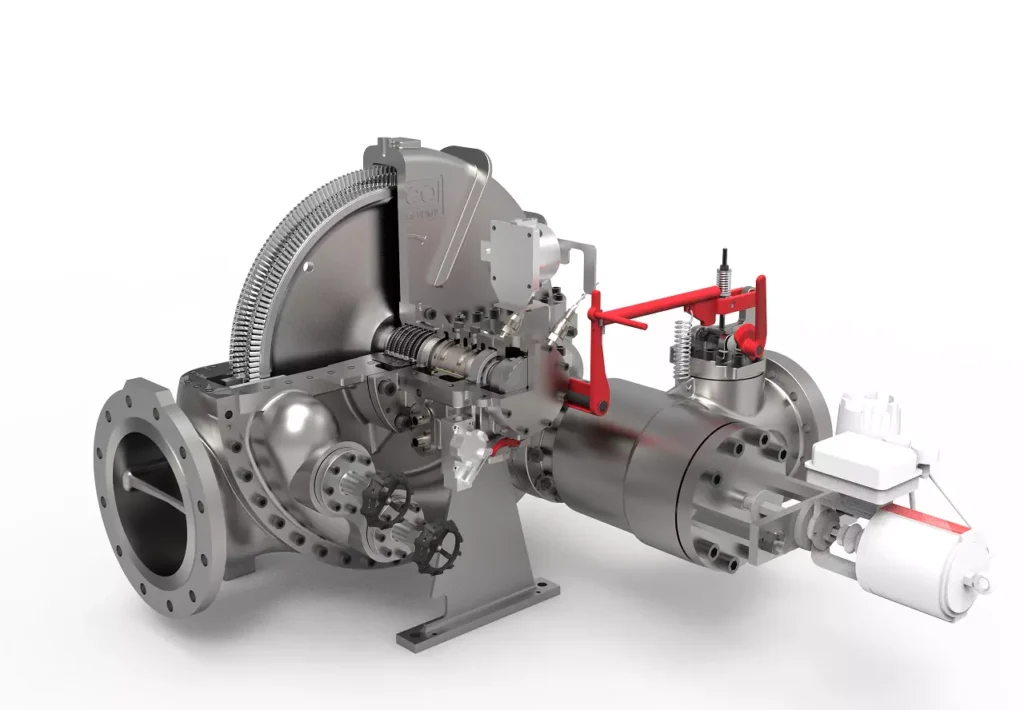
EMS Power Machines
EMS Power Machines

We design, manufacture and assembly Power Machines such as – diesel generators, electric motors, vibration motors, pumps, steam engines and steam turbines

EMS Power Machines is a global power engineering company, one of the five world leaders in the industry in terms of installed equipment. The companies included in the company have been operating in the energy market for more than 60 years.

EMS Power Machines manufactures steam turbines, gas turbines, hydroelectric turbines, generators, and other power equipment for thermal, nuclear, and hydroelectric power plants, as well as for various industries, transport, and marine energy.

EMS Power Machines is a major player in the global power industry, and its equipment is used in power plants all over the world. The company has a strong track record of innovation, and it is constantly developing new and improved technologies.

Here are some examples of Power Machines’ products and services:

  • Steam turbines for thermal and nuclear power plants
  • Gas turbines for combined cycle power plants and industrial applications
  • Hydroelectric turbines for hydroelectric power plants
  • Generators for all types of power plants
  • Boilers for thermal power plants
  • Condensers for thermal power plants
  • Reheaters for thermal power plants
  • Air preheaters for thermal power plants
  • Feedwater pumps for thermal power plants
  • Control systems for power plants
  • Maintenance and repair services for power plants

EMS Power Machines is committed to providing its customers with high-quality products and services. The company has a strong reputation for reliability and innovation. Power Machines is a leading provider of power equipment and services, and it plays a vital role in the global power industry.

EMS Power Machines, which began in 1961 as a small factory of electric motors, has become a leading global supplier of electronic products for different segments. The search for excellence has resulted in the diversification of the business, adding to the electric motors products which provide from power generation to more efficient means of use.
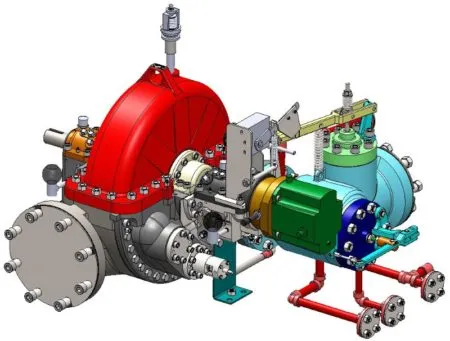
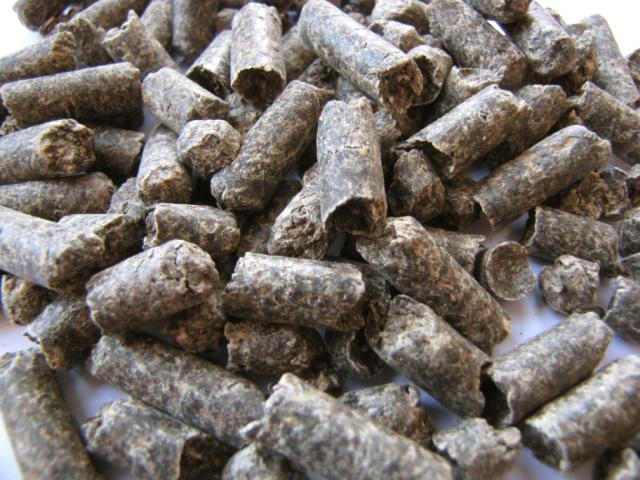
Categories
Uncategorized

Driving Textile Mill Drives with Steam Turbines

Driving Textile Mill Drives with Steam Turbines

Driving Textile Mill Drives with Steam Turbines: Steam turbines play a crucial role in industrial applications by providing mechanical power to drive a wide range of equipment, from pumps and compressors to generators and process machinery. These turbines convert thermal energy from steam into mechanical energy through a series of high-speed rotating blades. The use of steam turbines for driving industrial equipment is widespread due to their efficiency, reliability, and ability to operate under a variety of conditions. One of the key advantages of steam turbines is their ability to handle large power loads while maintaining operational stability. Unlike reciprocating engines, steam turbines operate with continuous rotary motion, resulting in smoother operation, lower vibration, and reduced maintenance requirements. This characteristic makes them particularly suitable for applications where consistent and reliable power is essential.

Steam turbines are often categorized based on their design and operational characteristics. Condensing steam turbines are used when maximum energy extraction from steam is required. These turbines expand steam to a very low pressure, often creating a vacuum in the condenser to maximize efficiency. The extracted energy is then used to drive industrial equipment such as power generators or heavy-duty compressors. On the other hand, back-pressure turbines operate by exhausting steam at a higher pressure, which can then be used for heating or other process requirements in industrial plants. This makes them particularly useful in cogeneration systems, where both mechanical power and thermal energy are needed.

The efficiency of a steam turbine depends on several factors, including steam inlet conditions, blade design, and the effectiveness of steam expansion within the turbine. High-pressure and high-temperature steam results in better efficiency, as it allows for greater energy conversion. Modern steam turbines often incorporate advanced materials and precision-engineered blades to withstand the extreme conditions of industrial applications. Additionally, the use of reheat cycles, extraction points, and controlled steam flow can further enhance efficiency and adaptability to different industrial needs.

Steam turbines are widely employed in industries such as petrochemical, power generation, pulp and paper, and food processing. In oil refineries, they are used to drive large compressors that aid in refining crude oil. In the pulp and paper industry, steam turbines power machinery used for wood processing and paper production. Many industrial plants integrate steam turbines with boilers and heat recovery systems to optimize energy usage and minimize waste. The ability to harness excess steam from industrial processes and convert it into mechanical power is one of the key benefits of using steam turbines in industrial applications.

Maintenance and operational considerations play a significant role in ensuring the reliability and longevity of steam turbines. Regular inspections, lubrication, and monitoring of steam conditions help prevent unexpected failures. Common issues such as blade erosion, steam leakage, and bearing wear must be addressed to maintain peak performance. Advanced diagnostic tools, such as vibration analysis and thermal imaging, are often used to detect early signs of wear or misalignment. With proper maintenance, steam turbines can operate efficiently for decades, providing a reliable source of mechanical power in industrial settings.

The choice between steam turbines and other power sources, such as electric motors or internal combustion engines, depends on factors like fuel availability, efficiency requirements, and process integration. While electric motors are often preferred for smaller loads due to their simplicity and lower upfront costs, steam turbines become more attractive when waste steam or excess thermal energy is available. Their ability to utilize a variety of steam sources, including waste heat recovery and cogeneration systems, makes them an energy-efficient solution for many industrial applications.

Overall, the use of steam turbines for driving industrial equipment remains an essential aspect of modern industry. Their ability to deliver continuous power, handle high loads, and integrate with thermal energy systems makes them a preferred choice in many sectors. With ongoing advancements in turbine design and efficiency improvements, steam turbines continue to play a vital role in sustainable and efficient industrial operations.

Another significant advantage of steam turbines in industrial applications is their adaptability to different operational demands. Unlike internal combustion engines, which have a fixed power output dependent on fuel combustion, steam turbines can be controlled more flexibly by adjusting steam flow and pressure. This allows industries to optimize energy consumption based on real-time demand, reducing fuel wastage and operational costs. Many modern steam turbine systems are equipped with automated control systems that regulate steam supply, monitor performance parameters, and adjust turbine operation for optimal efficiency. These intelligent control mechanisms ensure that turbines operate within safe and efficient limits while minimizing downtime and maintenance requirements.

In industrial settings where continuous operation is required, such as in chemical plants, power stations, and steel mills, steam turbines offer unmatched reliability. Their robust construction and relatively simple mechanical design contribute to long operational lifespans, often exceeding several decades with proper maintenance. Many steam turbines operate 24/7 without significant interruptions, making them an ideal choice for critical industrial processes. Their ability to use various steam sources, including waste heat from other processes, further enhances their practicality and energy efficiency. This is particularly valuable in combined heat and power (CHP) systems, where the turbine not only drives equipment but also helps generate steam for heating or other industrial processes.

Another important aspect of steam turbine-driven industrial equipment is its scalability. Steam turbines can be designed to handle small-scale applications, such as driving a single pump, or large-scale industrial systems that require megawatts of power. This scalability makes them a viable choice for industries of all sizes, from small manufacturing plants to large petrochemical complexes. Additionally, steam turbines can be integrated with multiple process units within a plant, allowing for centralized power generation and distribution. This approach enhances overall plant efficiency, as a single steam turbine system can supply power to multiple machines and processes, reducing the need for separate power sources.

One of the critical considerations when using steam turbines in industrial applications is steam quality. The presence of impurities, excessive moisture, or variations in pressure can significantly impact turbine performance and longevity. Poor steam quality can lead to erosion of turbine blades, scaling on internal components, and reduced efficiency. Therefore, industries must implement proper water treatment and steam conditioning processes to maintain the integrity of their steam supply. Superheating steam before it enters the turbine is a common practice to prevent condensation and improve efficiency. Additionally, steam separators, filters, and desuperheaters may be used to ensure consistent steam conditions.

Environmental considerations also play a role in the continued development of steam turbine technology. As industries strive to reduce carbon emissions and improve energy efficiency, steam turbines are being optimized for cleaner and more sustainable operation. Many industries are investing in waste heat recovery systems, which capture excess heat from industrial processes and use it to generate steam for turbine operation. This not only reduces fuel consumption but also minimizes greenhouse gas emissions. Additionally, advances in materials science are leading to the development of high-temperature, corrosion-resistant turbine components, further improving efficiency and reducing maintenance needs.

Another emerging trend in steam turbine applications is their integration with renewable energy sources. Biomass and concentrated solar power (CSP) plants use steam turbines to convert thermal energy from organic materials or solar collectors into mechanical and electrical power. These renewable energy systems rely on the same fundamental principles as traditional steam turbine applications but utilize sustainable fuel sources. In some cases, hybrid systems combine conventional fossil fuel-based steam generation with renewable sources to create more flexible and environmentally friendly energy solutions.

Steam turbines also play a crucial role in the expansion of industrial automation and digitalization. Modern steam turbine systems often include sensors, predictive maintenance algorithms, and remote monitoring capabilities. These advancements allow operators to track performance in real time, detect potential issues before they escalate, and optimize turbine operation based on changing process demands. The use of digital twins—virtual models that simulate real-world turbine performance—enables engineers to analyze different operating scenarios, predict maintenance needs, and enhance overall system efficiency.

Despite their many advantages, steam turbines do have some limitations. The initial capital investment for a steam turbine system can be high, particularly when considering the need for boilers, condensers, and other auxiliary equipment. Additionally, steam turbines require a reliable steam source, which means industries must invest in efficient steam generation systems. However, for operations where steam is already a byproduct of other processes, the use of steam turbines can significantly improve overall energy efficiency and reduce operational costs.

Looking ahead, the role of steam turbines in driving industrial equipment is expected to evolve with advancements in energy efficiency, sustainability, and digitalization. Industries will continue to seek ways to maximize the use of available thermal energy, reduce emissions, and enhance operational flexibility. Steam turbines, with their proven track record of reliability and efficiency, will remain a cornerstone of industrial power generation and mechanical drive applications for years to come.

Another critical aspect of steam turbine-driven industrial systems is their integration with advanced heat recovery technologies. In many industrial settings, steam turbines are part of a larger system that includes boilers, heat exchangers, and condensers designed to maximize energy utilization. Waste heat from industrial processes, such as steel production, chemical refining, and cement manufacturing, can be captured and repurposed to generate steam. This approach enhances overall energy efficiency and reduces reliance on external fuel sources, leading to lower operating costs and improved sustainability. In cogeneration and combined-cycle power plants, steam turbines work in conjunction with gas turbines to extract maximum energy from fuel combustion. These integrated systems contribute to reducing greenhouse gas emissions by utilizing fuel more effectively and minimizing waste heat dissipation into the environment.

In applications requiring variable power output, steam turbines offer a level of flexibility that is advantageous for fluctuating industrial demands. Unlike conventional reciprocating engines, steam turbines can operate efficiently across a range of loads by adjusting steam flow rates, regulating extraction points, or incorporating reheating stages. This adaptability is particularly useful in industries such as pulp and paper, where process steam requirements may change throughout the production cycle. By modifying operating parameters in real time, steam turbine systems can maintain optimal performance while ensuring that both power generation and process steam demands are met efficiently.

Another key consideration when deploying steam turbines for industrial applications is lubrication and bearing technology. Steam turbines operate at high rotational speeds, necessitating precision-engineered bearings and lubrication systems to minimize friction and wear. Hydrodynamic and tilt-pad bearings are commonly used in industrial steam turbines to provide stability, reduce vibrations, and extend service life. Proper lubrication systems ensure consistent oil supply to bearings, preventing overheating and reducing mechanical losses. Advanced condition monitoring techniques, such as oil analysis and thermography, are employed to detect early signs of bearing degradation, allowing for predictive maintenance and minimizing unexpected shutdowns.

The development of advanced steam turbine blade materials and coatings has also contributed to improved efficiency and durability. Modern turbine blades are designed to withstand extreme temperatures and pressures while minimizing erosion caused by high-velocity steam. Coatings such as thermal barrier layers and erosion-resistant materials help mitigate wear and extend turbine lifespan. Computational fluid dynamics (CFD) simulations are widely used in blade design to optimize aerodynamic performance and enhance energy conversion efficiency. As a result, newer steam turbine models achieve higher efficiency rates and lower operating costs compared to earlier generations.

Steam turbines continue to play a crucial role in industries that require large-scale mechanical drive applications. For example, in the oil and gas sector, steam turbines are used to drive large compressors for natural gas processing, pipeline transportation, and petrochemical refining. Their ability to provide continuous, high-power output makes them ideal for heavy-duty industrial processes that demand reliability and operational stability. Similarly, in fertilizer production, steam turbines power ammonia and urea synthesis compressors, ensuring efficient chemical processing and production scalability.

As industries transition toward more sustainable energy solutions, the role of steam turbines in decarbonization efforts is becoming increasingly important. One promising development is the integration of steam turbines with carbon capture and utilization (CCU) systems. By utilizing waste heat from carbon capture processes, steam turbines can generate additional power while simultaneously reducing carbon emissions. In green hydrogen production, where electrolysis requires significant energy input, steam turbines can provide an efficient and low-emission power source when integrated with renewable energy-based steam generation.

Future advancements in steam turbine technology will likely focus on enhancing efficiency through digitalization, automation, and smart grid integration. The incorporation of artificial intelligence (AI) and machine learning in turbine control systems will enable real-time performance optimization, predictive maintenance scheduling, and autonomous fault detection. These innovations will not only improve reliability but also extend the operational lifespan of steam turbines in industrial applications. Additionally, ongoing research into supercritical and ultra-supercritical steam turbine designs aims to further increase efficiency by operating at higher temperatures and pressures, reducing fuel consumption and emissions.

Ultimately, the continued evolution of steam turbines in industrial applications will be driven by the need for greater efficiency, sustainability, and operational flexibility. As global industries seek to optimize energy use and reduce environmental impact, steam turbines will remain a cornerstone of mechanical power generation, playing a vital role in shaping the future of industrial energy systems.

Another crucial factor in the widespread adoption of steam turbines for driving industrial equipment is their compatibility with diverse fuel sources. Unlike internal combustion engines, which rely on specific fuels such as diesel or natural gas, steam turbines can utilize steam generated from a wide range of sources. This includes conventional fossil fuels such as coal, oil, and natural gas, as well as renewable and alternative sources like biomass, geothermal energy, and concentrated solar power. This versatility allows industries to choose fuel sources based on availability, cost, and environmental considerations, making steam turbines a flexible and future-proof option for industrial applications.

In industries with high-temperature waste heat, steam turbines provide an effective means of energy recovery. Waste heat boilers, also known as heat recovery steam generators (HRSGs), capture thermal energy from exhaust gases, process heat, or combustion byproducts and use it to produce steam for turbines. This approach significantly improves overall plant efficiency and reduces the amount of energy lost to the environment. Industries such as steel manufacturing, cement production, and chemical processing often implement waste heat recovery steam turbines to maximize energy efficiency and lower operational costs. The ability to repurpose otherwise wasted heat into usable mechanical power further strengthens the economic and environmental case for steam turbine adoption.

Another key advantage of steam turbines is their ability to operate under extreme conditions while maintaining high reliability. Many industrial settings expose equipment to harsh environments, including high temperatures, corrosive chemicals, and heavy mechanical loads. Steam turbines, with their robust construction and minimal moving parts, are well-suited for such conditions. Special coatings and alloy materials are used to enhance resistance to high-temperature corrosion and oxidation, particularly in applications where aggressive steam conditions are present. This durability ensures that steam turbines can operate for decades with minimal degradation, making them a cost-effective long-term investment.

The integration of steam turbines with advanced automation and control technologies has further improved their efficiency and operational stability. Modern steam turbines are equipped with digital control systems that optimize steam flow, pressure, and temperature based on real-time process requirements. Automated valve control, predictive maintenance algorithms, and remote monitoring capabilities help reduce human intervention and minimize the risk of unexpected failures. Advanced sensors continuously monitor turbine performance parameters such as vibration levels, thermal expansion, and lubrication quality, allowing operators to detect anomalies before they lead to costly breakdowns.

A critical factor in steam turbine efficiency is the management of steam expansion and extraction. Many industrial turbines feature multiple extraction points where steam can be withdrawn at specific pressures for use in other process applications. This allows plants to balance power generation with process steam needs, improving overall system efficiency. In cogeneration systems, extracted steam can be used for district heating, desalination, or chemical processing, providing additional value beyond mechanical power generation. The ability to integrate power and process steam requirements into a single system is a key reason why many industries favor steam turbines over other prime movers.

Another emerging application for steam turbines is their role in hybrid energy systems. As industries seek to reduce their carbon footprint, hybrid solutions combining steam turbines with renewable energy sources are gaining traction. For instance, concentrated solar power (CSP) plants use mirrors to focus sunlight onto a central receiver, generating high-temperature steam that drives a turbine. Similarly, geothermal power plants harness underground heat to produce steam, which is then expanded through a turbine to generate electricity or mechanical power. These applications demonstrate how steam turbines can seamlessly integrate with low-carbon energy sources to enhance sustainability.

Despite their many advantages, steam turbines also present certain challenges that industries must consider. One of the primary limitations is the need for an efficient steam supply system, including high-performance boilers, condensers, and piping infrastructure. The initial capital investment for a steam turbine system can be substantial, particularly for small-scale operations where alternative power sources such as electric motors or reciprocating engines may be more cost-effective. However, for larger industrial applications, the long-term efficiency and durability of steam turbines often offset the higher upfront costs.

Another challenge is the potential for efficiency losses due to steam leakage, turbine fouling, and mechanical wear. Over time, deposits can form on turbine blades, reducing aerodynamic efficiency and increasing energy losses. Regular maintenance, including steam purity management and periodic blade cleaning, is essential to maintaining peak performance. Advances in material science and surface coatings continue to improve resistance to fouling and erosion, helping extend turbine life and reduce maintenance costs.

As industries move toward decarbonization and energy efficiency improvements, steam turbines are expected to remain a key technology in the transition to a more sustainable future. Ongoing research into supercritical and ultra-supercritical steam cycles aims to push efficiency levels even higher, reducing fuel consumption and emissions. Additionally, the integration of digital twins—virtual models that simulate real-time turbine performance—will enhance predictive maintenance and operational optimization. These advancements will further solidify the role of steam turbines in modern industrial energy systems, ensuring their continued relevance in an evolving energy landscape.

Looking ahead, steam turbines will continue to be an indispensable part of industrial power generation and mechanical drive applications. Their ability to deliver high efficiency, reliability, and fuel flexibility makes them an ideal choice for industries seeking long-term energy solutions. With ongoing technological improvements and increasing integration with renewable energy sources, steam turbines will play a pivotal role in driving industrial processes while supporting global efforts to enhance sustainability and reduce carbon emissions.

Driving Electric Generators with Steam Turbines

Steam Turbines and Electricity Production

Driving electric generators with steam turbines is one of the most widespread and efficient methods of electricity generation. Steam turbines convert thermal energy from steam into mechanical energy, which then drives an electric generator to produce electricity. This principle is the foundation of power generation in fossil fuel power plants, nuclear power stations, and renewable energy facilities such as biomass and geothermal plants. The efficiency, reliability, and scalability of steam turbines make them an essential component in both large-scale and distributed power generation systems.

The fundamental process begins with a heat source, which generates high-pressure steam in a boiler or heat recovery system. This steam is directed into the turbine, where it expands across multiple stages of blades, causing the rotor to spin at high speeds. The kinetic energy from the spinning turbine shaft is transferred to an electrical generator through a coupling mechanism. Inside the generator, electromagnetic induction occurs as the rotating shaft turns a rotor within a stator, converting mechanical energy into electrical energy. The generated electricity is then conditioned, transformed to appropriate voltage levels, and distributed to the power grid or industrial consumers.

The efficiency of a steam turbine-driven generator depends on various factors, including steam pressure, temperature, turbine design, and generator characteristics. Higher steam temperatures and pressures generally improve efficiency by allowing more energy to be extracted from the steam before it is exhausted or condensed. Modern power plants employ superheated and reheated steam cycles to maximize energy conversion, reducing fuel consumption and lowering emissions. Ultra-supercritical steam turbines operate at extremely high temperatures and pressures, further enhancing efficiency and minimizing environmental impact.

There are different types of steam turbines used for driving electric generators, each suited to specific applications. Condensing steam turbines are the most common in large-scale power generation, as they extract maximum energy from the steam before it is condensed back into water in a vacuum-operated condenser. This design increases thermal efficiency and allows for greater power output. In contrast, back-pressure steam turbines exhaust steam at higher pressures for use in industrial processes, such as heating or manufacturing, making them ideal for combined heat and power (CHP) systems. Extraction steam turbines, which allow controlled steam extraction at intermediate pressures, offer additional flexibility in balancing electricity production with process steam demands.

Steam turbine-driven generators are widely used in fossil fuel power plants, where coal, natural gas, or oil is burned in boilers to produce steam. In coal-fired power plants, pulverized coal is combusted to generate high-temperature steam, which then powers the turbine. Similarly, in gas-fired plants, heat from gas combustion produces steam either directly (in steam boilers) or as part of a combined-cycle configuration, where a gas turbine generates initial power and a steam turbine utilizes waste heat for additional generation. This combined-cycle approach significantly improves overall plant efficiency, reaching levels above 60% in modern installations.

Nuclear power plants also rely on steam turbines for electricity generation, but instead of burning fossil fuels, they use nuclear fission to heat water and create steam. Pressurized water reactors (PWRs) and boiling water reactors (BWRs) are the two primary types of nuclear reactors used in steam turbine power generation. In a PWR, heat from the nuclear core is transferred to a secondary loop that produces steam, while in a BWR, steam is generated directly within the reactor vessel and fed to the turbine. The ability of steam turbines to operate under high-load conditions with minimal mechanical wear makes them particularly suitable for the constant power output required by nuclear power plants.

Beyond fossil and nuclear power, steam turbine generators play a crucial role in renewable energy systems. Biomass power plants burn organic materials such as wood chips, agricultural waste, or municipal solid waste to generate steam for turbine-driven electricity production. Geothermal power plants extract naturally occurring steam or hot water from underground reservoirs, using it to drive turbines and generate electricity with minimal carbon emissions. Additionally, concentrated solar power (CSP) plants use mirrors to focus sunlight onto a receiver, heating a fluid that generates steam for turbine operation. These renewable applications highlight the versatility and adaptability of steam turbines in various energy production contexts.

The design and operation of the electrical generator coupled with the steam turbine are also critical to overall efficiency and reliability. Most power plants use synchronous generators, which operate at a constant speed synchronized with the grid frequency (e.g., 50 Hz or 60 Hz, depending on the region). The generator’s rotor, typically equipped with electromagnets or permanent magnets, induces an alternating current (AC) in the stator windings as it spins. Large power plants often employ hydrogen-cooled or water-cooled generators to manage heat dissipation and enhance performance. Advanced excitation and voltage regulation systems ensure stable output and efficient integration into the power grid.

Efficiency improvements in steam turbine power generation continue to be a focus of research and development. Technologies such as supercritical carbon dioxide (sCO₂) cycles, which use CO₂ instead of steam as the working fluid, promise higher efficiency and reduced environmental impact. Additionally, digital monitoring systems and predictive maintenance using artificial intelligence (AI) help optimize turbine performance, detect potential issues, and extend operational lifespans. The integration of steam turbines with smart grids and energy storage solutions further enhances their role in modern power systems, ensuring reliable electricity supply even in fluctuating demand scenarios.

Despite their many advantages, steam turbine-driven generators also present challenges. The initial capital investment for steam-based power plants is high, requiring significant infrastructure such as boilers, condensers, cooling towers, and extensive piping networks. The thermal efficiency of a steam turbine system is also limited by the second law of thermodynamics, meaning that some energy loss is inevitable. Additionally, water usage for steam generation and cooling can be a concern, particularly in regions with limited freshwater availability. To address this, many power plants implement dry cooling or hybrid cooling systems to reduce water consumption while maintaining efficiency.

Looking ahead, steam turbines will remain a cornerstone of electricity generation worldwide. As industries transition toward cleaner energy sources, steam turbine technology will continue to evolve to support decarbonization efforts. The expansion of hybrid power systems, integration with renewable energy, and advancements in high-efficiency turbine designs will shape the future of steam-based power generation. With their proven reliability, adaptability, and efficiency, steam turbine-driven generators will continue to play a vital role in meeting global energy demands for decades to come.

One of the most significant factors influencing the efficiency of steam turbine-driven generators is the thermodynamic cycle used in the power generation process. The Rankine cycle, which forms the foundation of steam turbine operation, consists of four key stages: heat addition in a boiler, expansion in a turbine, heat rejection in a condenser, and pressurization of the working fluid in a pump. Enhancing each stage of this cycle can lead to considerable improvements in power plant efficiency. For example, increasing the steam temperature and pressure before it enters the turbine reduces the amount of fuel required per unit of electricity generated, leading to better thermal efficiency and lower emissions.

To achieve higher efficiencies, modern power plants utilize variations of the Rankine cycle, such as the regenerative Rankine cycle and the reheat cycle. In the regenerative cycle, a portion of the steam is extracted from the turbine at intermediate pressures and used to preheat the feedwater before it enters the boiler. This process reduces the heat input required, thereby improving overall efficiency. Similarly, the reheat cycle involves expanding steam in a high-pressure turbine stage, reheating it in the boiler, and then expanding it further in a low-pressure turbine stage. Reheating prevents excessive moisture content in the later turbine stages, which can cause erosion of turbine blades and reduce efficiency.

Another critical aspect of steam turbine performance is the design of turbine blades and the optimization of steam flow paths. Steam turbines consist of multiple stages of rotating and stationary blades, with each stage responsible for extracting energy from the steam as it expands. The shape, length, and material composition of these blades directly affect the turbine’s efficiency and durability. Advanced computational fluid dynamics (CFD) modeling is used to optimize blade aerodynamics, ensuring that steam flows smoothly through the turbine with minimal turbulence and energy loss. Additionally, modern blade coatings and materials, such as nickel-based superalloys and ceramic composites, enhance resistance to high temperatures and corrosion, extending turbine lifespan and reducing maintenance requirements.

The condenser plays a vital role in the steam turbine power generation process by converting low-energy exhaust steam back into water for reuse in the boiler. The efficiency of this heat rejection process influences overall power plant performance. Most large power plants use water-cooled condensers, where cooling water absorbs heat from the steam and carries it away, enabling rapid condensation. In coastal areas, seawater cooling is commonly employed, while inland plants rely on freshwater cooling towers or air-cooled condensers. Improving condenser performance through enhanced heat exchanger designs, optimized cooling water flow rates, and advanced materials can lead to significant gains in efficiency and reduced operating costs.

In addition to thermodynamic optimizations, modern steam turbine power plants incorporate advanced control and automation systems to improve operational efficiency. Digital monitoring tools, such as condition-based maintenance (CBM) and predictive analytics, enable plant operators to detect potential issues before they lead to equipment failures. Sensors installed throughout the turbine, generator, and auxiliary systems continuously collect data on temperature, pressure, vibration, and other critical parameters. Artificial intelligence (AI) and machine learning algorithms analyze this data in real-time, providing insights that help operators optimize steam flow rates, adjust turbine load conditions, and schedule maintenance more effectively. This proactive approach minimizes downtime, reduces maintenance costs, and enhances overall reliability.

Another important consideration in steam turbine power generation is grid integration and load-following capability. While steam turbines are traditionally associated with baseload power generation, modern plants are increasingly designed to accommodate fluctuations in electricity demand. Variable steam flow control, rapid startup and shutdown procedures, and flexible operational modes allow steam turbine plants to complement intermittent renewable energy sources such as wind and solar. For example, hybrid power plants combine steam turbines with battery storage systems or gas turbines to provide grid stability and ensure a consistent electricity supply.

The environmental impact of steam turbine power generation is also a major focus of research and innovation. Although fossil fuel-based steam power plants produce greenhouse gas emissions, advanced carbon capture and storage (CCS) technologies can significantly reduce their environmental footprint. CCS systems capture CO₂ from power plant emissions and either store it underground or utilize it for industrial applications such as enhanced oil recovery or synthetic fuel production. Additionally, integrating steam turbines with renewable energy sources—such as biomass and geothermal—can provide cleaner alternatives to conventional fossil fuel power generation.

Furthermore, the transition to hydrogen as a fuel source presents new opportunities for steam turbine technology. Hydrogen can be burned in boilers to generate steam or used in fuel cells to produce electricity with zero emissions. Some power plants are exploring the co-firing of hydrogen with natural gas to reduce carbon intensity while maintaining the reliability and efficiency of steam turbines. Research into high-temperature electrolysis and thermochemical water-splitting methods aims to produce hydrogen more efficiently using excess heat from steam turbine power plants, creating a pathway for deeper decarbonization.

Looking to the future, continued advancements in steam turbine design, materials, and control systems will further enhance the efficiency, flexibility, and sustainability of steam-driven power generation. Supercritical and ultra-supercritical steam cycles will push efficiency levels even higher, reducing fuel consumption and emissions. Digitalization and automation will enable smarter, more responsive power plants that adapt to changing energy demands in real time. As global energy systems evolve, steam turbines will remain a cornerstone of reliable electricity generation, playing a crucial role in meeting energy needs while supporting the transition to a low-carbon future.

Another key factor in the continued advancement of steam turbine-driven generators is the role of emerging technologies that enhance efficiency and operational flexibility. One such innovation is the use of advanced heat recovery systems, particularly in combined-cycle power plants. In these systems, steam turbines operate in conjunction with gas turbines to maximize energy extraction from fuel. The gas turbine generates electricity by burning natural gas, and its high-temperature exhaust gases are used to produce steam in a heat recovery steam generator (HRSG), which then powers a steam turbine for additional electricity generation. This combined-cycle configuration significantly increases overall efficiency, often exceeding 60%, making it one of the most effective methods for fossil fuel-based electricity production.

Additionally, steam turbine performance is being further enhanced through improvements in steam cycle conditions. The development of advanced ultra-supercritical (A-USC) steam plants is pushing operational temperatures beyond 700°C (1,292°F) and pressures above 35 MPa, allowing for even greater efficiency gains. These high-performance conditions require advanced materials capable of withstanding extreme heat and pressure while maintaining long-term durability. Nickel-based superalloys, ceramic matrix composites, and advanced coatings are being incorporated into turbine components to ensure reliability under these harsh conditions. As a result, A-USC power plants achieve higher energy conversion efficiency while reducing CO₂ emissions per unit of electricity generated.

Furthermore, increasing the adaptability of steam turbines for grid balancing applications is becoming a major focus. Traditionally, steam turbines have been optimized for baseload power generation, operating at a steady output over long periods. However, the growing share of intermittent renewable energy sources, such as wind and solar, requires greater flexibility in power plant operations. To address this challenge, modern steam turbines are designed to ramp up and down more quickly, allowing them to complement fluctuations in renewable energy generation. Faster startup times, advanced steam bypass systems, and variable pressure operation help steam turbines support grid stability, reducing the risk of supply disruptions.

A significant breakthrough in steam turbine control systems has been the integration of artificial intelligence (AI) and machine learning for predictive maintenance and optimization. AI-driven monitoring systems continuously collect and analyze data from turbines, generators, and auxiliary equipment, identifying patterns that indicate potential failures or inefficiencies. By leveraging this data, operators can implement condition-based maintenance strategies, reducing unplanned downtime and extending the lifespan of critical components. This proactive approach not only lowers maintenance costs but also improves overall power plant availability and reliability.

The role of steam turbines in industrial cogeneration and district heating applications is also expanding. In cogeneration (also known as combined heat and power, or CHP) systems, steam turbines generate electricity while simultaneously providing process steam or hot water for industrial facilities, commercial buildings, or residential districts. This dual-use approach enhances energy efficiency, as it utilizes heat that would otherwise be wasted in traditional power plants. Industrial sectors such as chemical processing, refining, and pulp and paper manufacturing particularly benefit from CHP systems, as they require both electricity and process heat for production. District heating networks, commonly used in colder regions, distribute steam or hot water from central power plants to multiple buildings, further improving energy efficiency and reducing reliance on fossil fuels.

The transition to low-carbon energy sources is also influencing the design and operation of steam turbines. Biomass-fired power plants, which use organic materials such as wood pellets, agricultural residues, or municipal waste to generate steam, are gaining traction as a renewable alternative to coal. Co-firing biomass with coal in existing steam turbine power plants is an effective strategy to reduce carbon emissions without requiring significant modifications to infrastructure. Additionally, waste-to-energy plants, which convert municipal solid waste into steam for power generation, provide an environmentally friendly solution for reducing landfill waste while producing electricity.

Geothermal power generation is another area where steam turbines play a crucial role. In geothermal plants, steam or high-temperature fluids extracted from underground reservoirs drive turbines to generate electricity. Dry steam and flash steam geothermal systems directly use natural steam, while binary cycle geothermal plants transfer heat from geothermal fluids to a secondary working fluid with a lower boiling point, which then vaporizes to drive the turbine. Because geothermal energy provides a stable and continuous source of power, it serves as an important complement to intermittent renewable energy sources like wind and solar.

The potential for hydrogen to become a major fuel source in steam turbine power generation is also being explored. Hydrogen can be combusted in boilers to produce steam or used in gas turbines as part of a hydrogen-natural gas blend. Hydrogen-fired steam cycles have the potential to offer carbon-free electricity generation, particularly if the hydrogen is produced through electrolysis using renewable energy. Research is ongoing to develop efficient methods for integrating hydrogen into existing steam turbine infrastructure, with the goal of achieving zero-emission power generation.

In the future, hybrid energy systems that combine steam turbines with other emerging technologies will likely play a larger role in power generation. For example, integrating steam turbines with molten salt energy storage allows excess electricity from renewable sources to be stored as thermal energy and later converted back into steam for electricity production during periods of high demand. Similarly, supercritical carbon dioxide (sCO₂) power cycles, which replace steam with high-pressure CO₂ as the working fluid, are being developed to achieve higher efficiency and reduced environmental impact. These innovations will further improve the viability of steam turbines in an evolving energy landscape.

Despite the advancements in steam turbine technology, challenges remain. The high capital costs associated with constructing new steam turbine power plants can be a barrier, particularly as some regions prioritize decentralized and renewable energy solutions. Additionally, water consumption for cooling and steam production is a concern in water-scarce areas, prompting research into dry cooling techniques and alternative working fluids. Nevertheless, the long-term benefits of steam turbine power generation, including reliability, efficiency, and fuel flexibility, ensure that they will continue to play a vital role in meeting global electricity demand.

As energy systems transition toward a more sustainable future, steam turbines will remain a key technology in power generation. Their ability to integrate with renewable energy sources, provide grid stability, and adapt to new fuel types will ensure their continued relevance. Whether through ultra-efficient supercritical steam cycles, hydrogen-powered systems, or hybrid renewable energy configurations, steam turbines will play a crucial role in delivering clean, reliable, and cost-effective electricity in the decades to come.

Steam Turbine for Electricity Generation with Naphtha

Another significant area of development in steam turbine-driven power generation is the ongoing refinement of energy storage integration and load management strategies. As electrical grids incorporate more variable renewable energy sources, steam turbines must operate with greater flexibility to balance supply and demand. Advanced thermal energy storage (TES) solutions are being integrated with steam turbines to store excess energy generated during periods of low demand and release it when electricity consumption peaks. Technologies such as molten salt storage, phase change materials (PCMs), and high-temperature steam accumulators are being explored to improve grid reliability and efficiency while reducing the reliance on fossil fuel peaking plants.

Molten salt storage, widely used in concentrated solar power (CSP) plants, enables steam turbines to generate electricity even after the sun has set. In this system, solar energy heats molten salt, which retains thermal energy for extended periods. When electricity is needed, the stored heat is transferred to a working fluid to produce steam that drives a turbine. This method significantly enhances the dispatchability of renewable power plants, allowing them to function more like conventional baseload power sources. Similar storage solutions are being tested in hybrid fossil-renewable plants to improve efficiency and reduce emissions.

Another promising development is the use of supercritical carbon dioxide (sCO₂) power cycles as an alternative to traditional steam turbines. Instead of water and steam, these systems use high-pressure CO₂ as the working fluid in a closed-loop cycle. Because sCO₂ has superior thermodynamic properties, it allows for higher energy conversion efficiency at lower operating temperatures and pressures. Additionally, sCO₂ turbines are much smaller than steam turbines of equivalent power output, reducing capital and maintenance costs. Research is ongoing to scale up sCO₂ power systems for commercial deployment, with applications ranging from fossil and nuclear power plants to concentrated solar and waste heat recovery.

Advancements in steam turbine materials and manufacturing processes are also improving performance, longevity, and cost-effectiveness. Additive manufacturing (AM), or 3D printing, is being increasingly used to produce complex turbine components with enhanced durability and efficiency. This technique allows for the creation of intricate blade designs that optimize aerodynamics while reducing weight and material waste. Additionally, AM enables the rapid production of replacement parts, minimizing downtime and maintenance costs. High-temperature-resistant materials, such as ceramic matrix composites and nickel-based superalloys, are being developed to withstand extreme operating conditions, further improving turbine efficiency and service life.

One of the key challenges in steam turbine-driven power generation is water usage, particularly in arid regions where freshwater resources are scarce. Traditional steam power plants rely on large amounts of water for cooling and steam generation, which can pose environmental and economic challenges. To address this issue, researchers are developing advanced dry cooling systems that reduce water consumption while maintaining high efficiency. Air-cooled condensers (ACCs) and hybrid cooling solutions that combine wet and dry cooling methods are being adopted in power plants to minimize water use without compromising performance. Additionally, innovative water recovery technologies, such as membrane-based steam condensation and advanced desiccant cooling systems, are being explored to further enhance sustainability.

In industrial settings, the role of steam turbines is evolving beyond traditional power generation. Industries that require large amounts of heat and electricity, such as petrochemicals, food processing, and paper manufacturing, are increasingly turning to steam turbine-based cogeneration systems to improve efficiency and reduce operating costs. In these systems, steam turbines generate both electricity and process steam, optimizing fuel usage and reducing emissions. The integration of waste heat recovery systems further enhances efficiency by capturing and reusing thermal energy that would otherwise be lost. In some cases, excess steam from industrial processes is supplied to nearby district heating networks, providing residential and commercial buildings with efficient heating solutions.

Another frontier in steam turbine technology is the exploration of fusion energy as a long-term power generation solution. Fusion reactors, such as those being developed by ITER and other research institutions, aim to harness the energy produced by nuclear fusion reactions to generate electricity. In these systems, the extreme heat from the fusion process is used to produce steam, which drives turbines in a manner similar to conventional nuclear power plants. While commercial fusion power is still in the experimental stage, successful implementation could provide a nearly limitless source of clean electricity, with steam turbines playing a central role in energy conversion.

As steam turbines continue to evolve, their integration with smart grid technology is becoming increasingly important. Digital twins—virtual replicas of physical turbine systems—are being used to simulate performance under different operating conditions, enabling predictive maintenance and real-time optimization. These digital models, combined with Internet of Things (IoT) sensors and big data analytics, allow power plant operators to monitor turbine efficiency, detect early signs of wear or failure, and implement corrective measures before problems escalate. This approach improves reliability, extends equipment lifespan, and reduces unplanned outages.

Looking to the future, the role of steam turbines in global energy systems will continue to adapt in response to technological advances, environmental concerns, and economic pressures. Whether through hybrid renewable-fossil configurations, hydrogen-fired steam cycles, or next-generation materials and cooling technologies, steam turbines will remain a key component of large-scale power generation. Their ability to provide stable, high-efficiency electricity generation ensures that they will continue to be a critical part of the transition to a cleaner, more resilient energy future.

Driving Feedwater Pumps with Steam Turbines

Driving Cargo Pumps with Steam Turbines

Driving feedwater pumps with steam turbines is a common practice in large-scale steam power plants, particularly in nuclear and fossil fuel plants, to ensure the continuous flow of water to the boiler. Feedwater pumps are essential for maintaining the steam generation process, as they supply water to the boiler at high pressure, allowing for the production of steam that drives the turbine. These pumps typically operate under very high pressures to overcome the resistance from the boiler and ensure an uninterrupted supply of water. Steam turbines provide a reliable and efficient method of driving these pumps by using the energy from steam to drive the mechanical rotation of the pump.

The principle behind driving feedwater pumps with steam turbines is straightforward. Steam turbines, in this case, are used to harness the energy in high-pressure steam, converting it into mechanical energy that turns the pump’s shaft. The mechanical energy is transferred through a shaft or coupling to the feedwater pump, which then pressurizes and feeds water into the boiler. In this process, steam turbines act as a mechanical power source for the pump, ensuring that the water is pumped to the desired pressure for steam generation.

In large power plants, there are typically two or more feedwater pumps in operation to ensure reliability and meet the demands of the plant. These pumps are often driven by dedicated steam turbines, though smaller pumps may be driven by electric motors. The steam turbines that drive feedwater pumps are usually low-pressure or auxiliary turbines, meaning they operate at lower pressures than the main turbine used for electricity generation. The steam used for the feedwater pump is typically extracted from the main turbine after it has passed through the high-pressure and intermediate stages. This process of steam extraction is efficient because it utilizes steam that would otherwise be at a lower pressure and temperature, which still contains a significant amount of energy.

In a typical steam cycle, the feedwater pump is located after the condenser and before the steam generator. The water that enters the pump is cooled, condensed, and demineralized to remove impurities. The feedwater pump then increases the pressure of this water, which is eventually heated in the boiler to generate steam. Once the water is pressurized, it enters the boiler at a controlled rate, where it is heated by the burning of fossil fuels, nuclear reactions, or concentrated solar power. The high-pressure steam produced in the boiler is sent to the turbine, which drives the generator to produce electricity.

Using steam turbines to drive feedwater pumps is advantageous for several reasons. First, it is a highly reliable and proven method of providing mechanical power to pumps. Since steam turbines are already integrated into the power generation cycle, they can efficiently share steam with the feedwater pumps, reducing the need for separate motor-driven systems. This integration reduces equipment complexity and improves overall system reliability.

Another benefit of using steam turbines for feedwater pumps is the potential for energy recovery. In some systems, the low-pressure steam extracted from the main turbine can be utilized effectively for pump operation without significantly reducing the power available for electricity generation. By carefully controlling the amount of steam extracted and ensuring efficient steam usage, power plants can optimize the performance of both the turbine and the feedwater pump, maximizing energy conversion efficiency.

Steam-driven feedwater pumps also help ensure that there is enough pressure in the boiler to sustain the steam generation process. Maintaining the correct feedwater pressure is essential for optimizing the efficiency of the boiler and ensuring safe operation. If the pressure of the water entering the boiler is too low, it can cause fluctuations in steam production, leading to inefficiencies or potentially dangerous conditions. On the other hand, having the proper pressure ensures that the water is efficiently heated to generate steam, which is then used to drive the turbine and produce electricity.

In some plants, particularly in combined-cycle or cogeneration systems, steam turbines that drive feedwater pumps may be part of a broader system of interconnected turbines that also provide mechanical power to other equipment, such as condensate pumps, air compressors, and cooling water pumps. These systems allow for optimized energy usage, as steam from the turbine is used efficiently for multiple purposes within the plant, reducing waste and improving overall performance.

While steam turbines are generally efficient for driving feedwater pumps, their performance must be carefully managed to prevent mechanical wear and ensure long-term reliability. For instance, the steam turbine must be operated within its optimal pressure and temperature ranges to avoid damage from overheating or excessive pressure buildup. Additionally, regular maintenance and monitoring are necessary to ensure that the feedwater pump, turbine, and related components remain in good working condition. Modern digital monitoring and predictive maintenance technologies, which use sensors to collect data on temperature, vibration, and pressure, can help detect potential issues before they lead to mechanical failure, reducing downtime and maintenance costs.

Another important consideration is the control of steam flow to the feedwater pump turbines. The amount of steam used for this purpose can vary depending on the load demand and operational conditions of the power plant. Control valves and regulation systems are typically employed to adjust steam flow to the turbines, maintaining the correct pressure and ensuring optimal pump operation. This dynamic adjustment ensures that the feedwater pump is always operating efficiently without using excessive steam, which could reduce the overall power plant efficiency.

In some power plants, multiple feedwater pumps may be operated in parallel, each driven by its own steam turbine or by a shared turbine, depending on the plant design. This configuration improves reliability by providing redundancy; if one pump or turbine fails, the others can continue to operate. In such cases, the control system can automatically adjust steam flow to ensure that the remaining pumps continue to function as needed. This level of automation and adaptability ensures that the feedwater system is always operating efficiently, even in the event of component failures.

In conclusion, driving feedwater pumps with steam turbines remains a critical component of the operation in many large-scale power plants. This method of providing mechanical energy offers a reliable, efficient, and cost-effective solution that integrates seamlessly with the rest of the steam cycle. By utilizing steam from the turbine, feedwater pumps ensure that the boiler receives a continuous supply of water at the correct pressure, enabling the plant to generate steam for electricity production. With advancements in control systems, maintenance technologies, and steam cycle optimization, steam turbines will continue to play an essential role in driving feedwater pumps and improving the overall efficiency and reliability of steam power plants.

To further enhance the efficiency and performance of feedwater pumps driven by steam turbines, power plants are increasingly incorporating advanced technologies and system optimizations that aim to improve both operational flexibility and energy efficiency. One such advancement is the use of variable-speed drives (VSDs) on steam turbines that drive feedwater pumps. In systems where variable load conditions are common, VSDs allow for better control of pump speed and, consequently, the feedwater pressure. This reduces the need for throttling, which is often used to regulate pump flow and pressure, thereby minimizing energy losses and improving overall system efficiency.

Additionally, the integration of advanced turbine and pump controls through digital systems has made it easier to optimize performance in real-time. Modern plant control systems use data from various sensors located throughout the steam cycle to continuously monitor the operation of the steam turbine, feedwater pump, and related components. These systems can make immediate adjustments to steam flow, pump speed, and other operating parameters to ensure that the system operates within the most efficient parameters. The ability to predict when a turbine or pump is likely to experience wear or degradation allows operators to plan maintenance more effectively, reducing downtime and extending the lifespan of critical components.

Moreover, the integration of artificial intelligence (AI) and machine learning (ML) into plant operations offers significant potential for optimizing the performance of steam turbines driving feedwater pumps. AI algorithms can analyze vast amounts of operational data, identifying patterns and trends that humans may overlook. For example, predictive analytics can forecast changes in the performance of feedwater pumps based on past behavior and operating conditions. The system can then adjust operational parameters proactively, avoiding unnecessary wear on the turbine or pump and ensuring that energy is used efficiently. This type of advanced data analysis and predictive maintenance reduces the likelihood of unexpected failures, ensuring that the plant operates smoothly and minimizes unplanned maintenance costs.

In terms of materials and component design, steam turbines driving feedwater pumps are benefitting from innovations that improve efficiency and reduce wear over time. For instance, advanced turbine blades and seals made from corrosion-resistant and high-temperature materials are becoming more common. These materials ensure that steam turbines can handle the harsh conditions of high-pressure steam while maintaining their efficiency. In addition, advanced coatings applied to critical components, such as the blades, reduce friction and prevent material degradation, allowing for longer service intervals and greater reliability. These improvements in material science are particularly important as the operational pressures and temperatures in modern steam cycles continue to increase, pushing the limits of traditional turbine technology.

As power plants continue to integrate renewable energy sources such as wind and solar, the role of steam turbines in driving feedwater pumps will evolve further. In hybrid systems, where steam turbines complement renewable sources, the ability to quickly adjust steam generation to match fluctuations in renewable output will be essential. In these cases, steam turbines driving feedwater pumps may need to operate more dynamically, ramping up or down in response to changes in available renewable energy. This capability allows the plant to maintain a stable supply of steam to the turbine for power generation while still supporting the fluctuating output of solar or wind power.

Additionally, with the push for more sustainable energy solutions, the potential to use alternative fuels to generate steam is becoming more prominent. Biomass, hydrogen, and waste-to-energy systems are being explored as viable sources of steam generation. Biomass, in particular, offers a renewable fuel option that can be integrated into existing steam cycles, driving the steam turbines that feed water into the boiler. Hydrogen, when used as a clean fuel source, can provide zero-emission power generation, reducing the environmental impact of steam-based electricity production. Incorporating these renewable fuels into steam turbine operations will allow plants to reduce their carbon footprints while still maintaining the efficiency and reliability required for power generation.

Furthermore, advances in the use of combined heat and power (CHP) systems are influencing the way steam turbines are used to drive feedwater pumps. In CHP applications, the steam produced for electricity generation is also used to provide heat for industrial processes, district heating, or commercial facilities. This process of cogeneration allows plants to use both the electrical and thermal energy produced in a more efficient manner. By utilizing waste heat from the turbine exhaust or other parts of the system, these plants can reduce their fuel consumption and environmental impact while driving feedwater pumps to maintain a consistent and efficient steam cycle.

In some plants, the integration of steam turbines with advanced heat recovery systems, such as organic Rankine cycle (ORC) or Kalina cycle technology, is being explored to further increase overall system efficiency. These cycles allow for additional heat recovery from the turbine exhaust, which can be used to preheat the feedwater before it enters the boiler. Preheating the feedwater reduces the amount of fuel required to reach the desired steam temperature, improving the overall thermal efficiency of the power plant. In this way, steam turbines that drive feedwater pumps can be further optimized for energy recovery and reduced fuel consumption.

Finally, improving the integration of steam turbines into the overall plant design through modularity and flexible configurations is another avenue being explored. Modular systems allow power plants to scale up or down more easily based on energy demand and grid requirements. This flexibility is especially useful in systems that need to accommodate large variations in electricity demand or integrate with a mix of renewable and conventional generation sources. Steam turbines that drive feedwater pumps in these systems can be adjusted to match the varying load conditions, ensuring that feedwater pressure and steam generation remain consistent and efficient.

In summary, while the role of steam turbines in driving feedwater pumps is well-established, ongoing advancements in technology, materials, and control systems continue to improve efficiency, flexibility, and sustainability. From digital optimization and predictive maintenance to renewable fuel integration and modular plant design, the future of steam turbine-powered feedwater pumps looks promising. These innovations will allow for more reliable, cost-effective, and environmentally friendly power generation, ensuring that steam turbines remain an integral part of modern energy systems for years to come.

In addition to the technological advancements and operational optimizations discussed, there are several emerging trends and strategic shifts that could influence the future of driving feedwater pumps with steam turbines. These developments are closely tied to the broader energy transition, where the focus is increasingly on decarbonization, flexibility, and enhancing the efficiency of both new and existing power plants.

Hybrid and Integrated Systems

One notable trend is the continued development of hybrid systems that combine steam turbines with renewable energy sources or advanced thermal storage. In a hybrid setup, steam turbines still play a crucial role in driving feedwater pumps and maintaining boiler pressure, but they do so in conjunction with renewable technologies such as solar thermal, geothermal, or waste heat recovery systems. The integration of these renewable energy sources into the steam cycle helps reduce the overall carbon footprint of the plant by displacing fossil fuel-based steam generation.

For example, in a hybrid solar-steam system, concentrated solar power (CSP) plants use mirrors or lenses to focus sunlight on a fluid, often molten salt, which is then used to generate steam. This steam is fed into a steam turbine, which drives a generator and also powers feedwater pumps. By supplementing steam generation with solar energy, the overall fuel consumption can be reduced, which not only lowers emissions but also optimizes the operation of steam turbines, especially during times when solar output is high.

Similarly, integrated geothermal systems use the earth’s natural heat to generate steam. When paired with steam turbines, this allows plants to operate with minimal external fuel input, significantly improving efficiency. Geothermal systems can also reduce the operational load on steam turbines since they provide a constant source of heat, helping to ensure a stable and reliable supply of steam for driving feedwater pumps.

Focus on Sustainability and Emissions Reduction

As part of global efforts to decarbonize the energy sector, there is an increasing emphasis on reducing emissions from fossil fuel-based power plants. For plants that still rely on coal or natural gas for steam generation, carbon capture and storage (CCS) technology is being explored as a way to reduce the environmental impact. In such plants, steam turbines driving feedwater pumps could be part of an integrated CCS system where the captured CO2 is compressed and transported to storage sites.

These plants could also benefit from an optimization of steam turbine and feedwater pump systems that allows for the efficient capture and utilization of waste heat. For instance, the integration of combined heat and power (CHP) systems in industrial facilities or district heating applications can reduce overall fuel consumption by making use of heat that would otherwise be wasted in conventional power generation cycles. By reusing this waste heat to preheat feedwater, plants can decrease the amount of energy required to bring the water to the appropriate pressure and temperature levels, lowering both operational costs and environmental impact.

Additionally, more sustainable feedwater pump systems could be achieved by using biofuels and hydrogen as alternative sources of heat for steam generation. These fuels produce significantly fewer greenhouse gas emissions than traditional fossil fuels, and their use could further align power plants with global sustainability goals. For example, using hydrogen in place of natural gas for generating steam can potentially eliminate carbon emissions, contributing to the decarbonization of the steam cycle.

Advanced Control Systems for Improved Efficiency

Another area of focus for the future of steam turbine-driven feedwater pumps is the continued advancement of control systems. As steam cycles become more complex with the integration of various energy sources and technologies, the need for sophisticated control and optimization strategies grows. The use of digital control systems, coupled with artificial intelligence (AI) and machine learning (ML), allows operators to optimize the performance of steam turbines and feedwater pumps in real-time.

These systems can predict and adjust for fluctuating operating conditions, ensuring that the steam turbine operates at its peak efficiency, whether the plant is running at full capacity or at part load. For instance, during periods of low electricity demand, it may be necessary to reduce steam generation or adjust the feedwater pump speed to ensure that the plant does not consume more fuel than necessary. Advanced algorithms can detect patterns in system performance and adjust settings to prevent overuse of steam, optimizing the turbine’s mechanical output while ensuring sufficient feedwater supply.

AI-driven predictive maintenance tools also enhance the reliability of steam turbines. These tools can anticipate when a feedwater pump turbine may require servicing, based on data such as vibration levels, steam pressure, and temperature fluctuations. This proactive approach to maintenance helps to prevent costly breakdowns and unplanned shutdowns, ensuring that the plant continues to operate smoothly and efficiently over its lifespan.

Decentralized and Modular Power Systems

Another future trend is the shift towards decentralized, modular power generation systems that use smaller, more flexible steam turbines. These systems can be deployed in a variety of locations, from industrial plants to remote areas, reducing the need for long-distance transmission and improving overall grid resilience. In such systems, steam turbines that drive feedwater pumps can be scaled to match the output of smaller plants while still maintaining high levels of efficiency.

Modular systems also offer the benefit of faster deployment, allowing plants to be quickly expanded or adapted to meet changing energy demands. With increasing flexibility, these plants can respond to the variable generation of renewable energy sources, providing backup power when renewable generation dips or smoothing out fluctuations in demand. This shift toward decentralization is also aligned with the ongoing trends in microgrids, where smaller-scale, independent energy systems operate in conjunction with the larger grid, improving resilience and energy security.

In some cases, smaller-scale, renewable-driven systems could rely on steam turbines to drive feedwater pumps, especially in geothermal or waste heat recovery applications. These decentralized plants could provide localized power and heating, helping reduce reliance on centralized fossil fuel-based generation.

Conclusion

As the global energy landscape evolves toward a cleaner, more sustainable future, steam turbines driving feedwater pumps will continue to play an essential role in maintaining the efficiency, reliability, and flexibility of power generation. Innovations such as hybrid systems, advanced control technologies, and the integration of renewable energy sources are driving new levels of optimization. These advancements enable power plants to reduce emissions, operate more efficiently, and provide cleaner energy solutions. The integration of renewable energy, along with improvements in turbine technology and materials, will further enhance the role of steam turbines in the global transition to sustainable energy, ensuring that they remain integral to the future of both power generation and industrial processes.

As the global energy transition accelerates, steam turbines driving feedwater pumps will increasingly need to adapt to evolving demands for greater flexibility, decarbonization, and resilience in energy systems. The future of these systems will involve several cutting-edge trends and innovations aimed at improving performance, minimizing environmental impact, and integrating renewable energy sources. This section will focus on some of the emerging technologies and strategies that will shape the future of steam turbine-driven feedwater pumps in both large-scale and decentralized energy systems.

Integration with Energy Storage Systems

One of the most promising developments in the future of steam turbines driving feedwater pumps is the integration of energy storage systems. As power grids increasingly rely on intermittent renewable energy sources such as wind and solar, energy storage solutions will play a critical role in ensuring grid stability. In many cases, excess electricity generated by renewable sources can be used to store energy, which can later be converted into steam or thermal energy to drive turbines, including those used for feedwater pumping.

For example, concentrating solar power (CSP) plants with thermal storage systems can use surplus solar energy to heat a storage medium, such as molten salt, which retains heat over extended periods. This stored thermal energy can then be used to generate steam when the sun is not shining, providing a steady source of steam to drive turbines and feedwater pumps. Similarly, other thermal energy storage technologies, such as phase-change materials or heat storage tanks, are being researched to provide continuous energy to steam turbines, enabling them to maintain steady operations even when renewable sources are unavailable.

Energy storage systems combined with steam turbines can help balance the fluctuations between renewable generation and grid demand, ensuring that feedwater pumps continue to operate optimally regardless of the variability of energy supply. This will be particularly valuable in regions that rely heavily on renewable energy but still need reliable steam-powered systems for industrial processes or electricity generation. By using stored energy, these plants can achieve higher levels of efficiency and sustainability without sacrificing reliability.

Digital Twins and Advanced Simulation

In recent years, the use of “digital twins” has gained significant traction across the energy sector, including in the context of steam turbines and feedwater pump systems. A digital twin is a virtual representation of a physical system, created by integrating real-time data with advanced simulations. This technology allows operators to simulate various operational conditions and predict the behavior of turbines and pumps before any physical changes are made. By analyzing performance data in the context of a digital twin, operators can optimize system parameters, perform risk assessments, and even plan maintenance schedules with greater accuracy.

For example, digital twins can simulate the impact of different steam flow rates, pump speeds, and operating pressures on the overall efficiency of the turbine and feedwater pump system. By running these simulations continuously, digital twins help identify potential inefficiencies or points of failure, allowing for preemptive action to correct them before they affect the performance of the plant. The use of digital twins in combination with predictive analytics enables better decision-making, ensuring that turbines and pumps operate at their highest possible efficiency while extending the lifespan of critical components.

Additionally, digital twins can play a crucial role in the design phase of steam turbine and feedwater pump systems. By creating highly accurate virtual models, engineers can test different configurations and optimize designs before any physical systems are built. This helps ensure that new installations are optimized for performance, cost, and sustainability from the start, reducing the need for costly adjustments during the commissioning phase.

Hydrogen as a Fuel Source for Steam Generation

The growing interest in hydrogen as a clean alternative to fossil fuels is poised to reshape many aspects of the energy industry, including steam turbine-driven systems. Hydrogen can be used as a fuel to generate steam in boilers, providing an environmentally friendly way to produce the necessary steam to drive turbines and feedwater pumps.

One of the main advantages of using hydrogen is that it produces no carbon emissions when burned. This makes it a promising solution for decarbonizing steam generation in industrial and power plant settings. Hydrogen can be produced from renewable sources, such as wind, solar, and biomass, making it a sustainable fuel option for the future.

However, there are challenges to overcome before hydrogen can be widely adopted as a steam generation fuel. These include the production, storage, and transportation of hydrogen, which require significant infrastructure investment and technological advancements. In addition, hydrogen combustion in steam boilers needs to be optimized to ensure efficiency and avoid issues such as corrosion, especially when used in large-scale power plants. Nevertheless, as technologies for hydrogen production and distribution improve, hydrogen-driven steam generation systems could play an increasingly important role in driving feedwater pumps and other essential equipment in the energy sector.

Advanced Materials and Turbine Efficiency

The ongoing development of advanced materials will continue to enhance the efficiency and durability of steam turbines, including those used to drive feedwater pumps. As steam turbine systems operate under extreme conditions of high pressure and temperature, materials that are resistant to corrosion, erosion, and thermal fatigue are essential for long-term performance.

New materials, such as superalloys, ceramics, and composite materials, are being researched to withstand the stresses imposed by modern steam cycles, which often operate at higher temperatures and pressures to maximize efficiency. These materials can improve turbine performance by reducing losses due to friction and wear, which translates into better fuel efficiency and lower maintenance costs.

In addition to improving the materials used in turbines, coating technologies are being developed to further enhance turbine blades and other key components. For example, thermal barrier coatings (TBCs) can be applied to turbine blades to protect them from the extreme temperatures within the steam cycle. These coatings help reduce wear and tear on the blades, extending their lifespan and improving overall system performance.

As these materials and coatings continue to improve, steam turbines will be able to operate at higher efficiencies, reducing the amount of energy required to drive feedwater pumps and other auxiliary equipment. This will lead to both economic and environmental benefits, as less fuel will be needed to generate the same amount of electricity and steam.

Resilience and Adaptability in the Face of Climate Change

As the global climate continues to change, power plants and steam turbine systems must become more resilient to extreme weather events and shifting environmental conditions. This includes preparing for scenarios such as increased flooding, droughts, and heatwaves, which can affect the availability of cooling water, steam generation, and overall plant performance.

In response to these challenges, power plants may need to adjust the design and operation of their steam turbines and feedwater pumps. For example, systems could be equipped with more flexible cooling mechanisms or enhanced filtration systems to prevent damage from extreme weather. Additionally, greater reliance on renewable energy sources such as wind, solar, and geothermal could help mitigate some of the vulnerabilities posed by climate change, as these sources are less dependent on water and external conditions.

The resilience of steam turbine systems will also be bolstered by improvements in digital monitoring and control systems. These systems can alert operators to potential issues arising from extreme weather conditions, enabling them to take action quickly to avoid downtime or damage. By making steam turbine systems more adaptable to changing environmental conditions, plants will be better equipped to handle the uncertainties of a rapidly changing climate.

Conclusion

The future of steam turbines driving feedwater pumps will be shaped by ongoing innovations in materials, control systems, and energy integration technologies. The continued advancement of hybrid and integrated systems, energy storage solutions, and the adoption of clean fuels like hydrogen will help ensure that steam turbines remain a vital part of the energy mix, even as the sector transitions to more sustainable and flexible power generation methods.

As digital technologies such as AI, digital twins, and predictive maintenance continue to evolve, they will enhance the efficiency, reliability, and adaptability of steam turbine systems. These innovations will help power plants reduce fuel consumption, minimize emissions, and extend the lifespan of critical infrastructure, contributing to a more sustainable and resilient energy future.

Through a combination of advanced technologies, better materials, and cleaner fuel options, steam turbine-driven feedwater pumps will continue to play a critical role in the efficient operation of power plants worldwide, while helping the industry transition toward a low-carbon future.

Driving Circulating Water Pumps with Steam Turbines

Driving Cargo Pumps with Steam Turbines

Driving circulating water pumps with steam turbines is a key application in many thermal power plants and industrial facilities. These pumps are crucial for maintaining proper cooling of the plant’s condenser, which in turn supports the efficient operation of the steam cycle. Circulating water pumps transfer water from cooling sources (such as rivers, lakes, or cooling towers) through the condenser, where it absorbs heat from the steam exiting the turbine. The warmed water is then returned to the cooling source or sent to the cooling tower for further heat dissipation. The operation of these pumps is therefore vital to maintaining the thermal efficiency and stability of the power plant’s steam cycle.

The Role of Steam Turbines in Driving Circulating Water Pumps

In large thermal power plants, circulating water pumps typically require a substantial amount of power to move the vast quantities of cooling water needed to regulate the condenser temperature. Steam turbines are used to drive these pumps because of their ability to efficiently convert thermal energy from the steam cycle into mechanical energy. In plants where the steam cycle is operating at high pressures and temperatures, the mechanical power generated by the steam turbine can be directly transmitted to the circulating water pumps via a shaft or gear arrangement.

The use of steam turbines to drive circulating water pumps has several benefits. These turbines are typically designed to operate in parallel with the main turbine-generator set, meaning that when steam is generated to drive the power turbines, the circulating water pumps can also be powered efficiently without the need for separate electric motors or additional fuel consumption. This integration of functions helps reduce overall operational costs and simplifies the plant’s layout.

Additionally, when the steam turbine is sized correctly for the required load, it can deliver consistent, high-efficiency performance, minimizing losses due to mechanical friction and energy conversion. The ability to efficiently drive circulating water pumps helps ensure that the cooling process is carried out effectively, which in turn ensures that the condenser remains at optimal temperatures. Maintaining proper condenser performance is essential to maximizing the efficiency of the entire steam cycle and preventing damage to critical equipment.

Key Considerations in Design and Operation

There are several factors that need to be carefully considered when designing and operating steam turbine-driven circulating water pumps. These factors include the turbine’s operational flexibility, efficiency, reliability, and the integration of auxiliary systems such as cooling towers or heat exchangers.

Turbine Size and Capacity: The size of the steam turbine driving the circulating water pump must be properly matched to the pump’s requirements in terms of flow rate and pressure. If the turbine is undersized, it will not be able to deliver sufficient power to drive the pump at the necessary flow rates, which could lead to inadequate cooling and reduced overall plant efficiency. On the other hand, an oversized turbine could result in unnecessary energy consumption, operational inefficiencies, and increased wear and tear on components. Therefore, precise matching of turbine capacity to circulating water pump demand is crucial.

Operational Flexibility: Circulating water pump systems often need to operate under variable conditions, depending on factors such as water temperature, plant load, and environmental conditions. As a result, the steam turbine driving the pump must be capable of adapting to fluctuating load demands. Modern steam turbines often come equipped with advanced control systems that allow for better load management, ensuring that the circulating water pump operates at optimal efficiency under varying conditions. Some systems may use variable-speed drives or frequency converters to adjust the turbine’s output and better match the load demand.

Energy Recovery and Efficiency: To improve the overall energy efficiency of the steam cycle, some power plants use combined heat and power (CHP) or cogeneration systems. In these systems, excess thermal energy from the steam cycle is recovered and used for other purposes, such as heating water or industrial processes. The integration of energy recovery systems into the operation of circulating water pumps can reduce the overall energy demand of the plant, helping to lower operational costs while maintaining the desired cooling efficiency. For example, using waste heat from exhaust steam to preheat water or assist in other thermal processes reduces the demand for additional steam generation, making the system more efficient.

Reliability and Maintenance: Reliability is a critical consideration when designing steam turbine-driven circulating water pumps. These pumps must operate continuously and often under harsh conditions, such as high moisture content and potential for cavitation due to the nature of the cooling process. The steam turbine must be robust and durable, with components capable of withstanding these challenging operational conditions. Predictive maintenance technologies, such as sensors and data analytics, can help monitor the health of the turbines and pumps in real-time, providing early warning signs of potential failures and enabling operators to perform preventive maintenance before issues arise. This reduces the likelihood of unexpected breakdowns and extends the lifespan of the turbine-pump system.

Integration with Renewable Energy and Hybrid Systems

With the increasing shift towards cleaner energy sources, there is a growing interest in integrating renewable energy technologies with steam turbines. While steam turbines are commonly used in coal or natural gas-fired plants, their application in combination with renewable sources such as biomass, solar, and geothermal energy is gaining traction. In these hybrid systems, steam turbines that drive circulating water pumps may still play a crucial role in the cooling process.

For example, in a geothermal power plant, steam is generated from underground reservoirs of hot water or steam, and this steam is used to drive turbines that both generate electricity and drive circulating water pumps. The circulating water is essential in maintaining the condenser temperature, ensuring that the geothermal system operates efficiently and safely. Similarly, solar thermal power plants that use concentrated solar power (CSP) can also use steam turbines to drive circulating water pumps, with the added benefit of using the stored thermal energy from the CSP system to provide steam during periods without sunlight.

In these renewable energy systems, the role of the steam turbine in driving circulating water pumps remains largely the same, but the source of steam is now cleaner and more sustainable. These hybrid systems can help mitigate the challenges of intermittent renewable energy by ensuring that the steam turbine and circulating water pumps can still operate effectively, even when renewable energy sources are not continuously available.

Impact of Climate Change on Cooling Water Availability

As climate change affects weather patterns, it can have a significant impact on the availability and temperature of water sources used for cooling in power plants. For example, rising air temperatures and more frequent droughts can reduce the amount of available cooling water in rivers and lakes, while warmer water temperatures may reduce the effectiveness of cooling systems. In such cases, steam turbines driving circulating water pumps must be able to adjust to the changing conditions, ensuring that adequate cooling is maintained despite environmental challenges.

Plants located in areas prone to drought or water scarcity may need to explore alternative cooling solutions, such as dry cooling systems or hybrid cooling systems. In dry cooling systems, air is used to cool the steam condensers instead of water, which reduces the dependency on water sources. However, dry cooling systems are less efficient than wet cooling systems and often require more energy to operate. Hybrid systems may combine wet and dry cooling, providing more flexibility in response to varying water availability. In such cases, the steam turbine-driven circulating water pumps would be integrated with these alternative cooling methods to optimize performance based on water conditions.

Conclusion

Steam turbines driving circulating water pumps are essential to the operation of thermal power plants, ensuring that condensers are adequately cooled and that the overall efficiency of the steam cycle is maintained. The benefits of using steam turbines in this application include the efficient conversion of thermal energy to mechanical power, lower fuel consumption, and simplified plant design. However, careful consideration of factors such as turbine size, operational flexibility, energy recovery, and reliability is crucial to ensure that the system operates efficiently and effectively.

As the energy sector continues to evolve and move toward cleaner energy sources, the role of steam turbines in driving circulating water pumps will adapt as well. The integration of renewable energy technologies, advanced control systems, and energy storage solutions will help improve the overall sustainability and efficiency of these systems. Furthermore, as climate change introduces new challenges to cooling water availability, steam turbines will need to adapt to changing environmental conditions, ensuring that the plant’s cooling needs are met even under extreme weather scenarios. Through these advancements and adaptations, steam turbines will continue to play a vital role in maintaining efficient and reliable power generation systems for the future.

Continuing from the previous discussion on the role of steam turbines in driving circulating water pumps, let’s explore further developments and innovations that will enhance the performance, sustainability, and reliability of these systems.

Advanced Control Systems for Optimizing Pump Operation

As technology advances, one of the most important trends in steam turbine-driven circulating water pumps is the integration of sophisticated control systems. Modern control systems, which often use digitalization and real-time data analytics, enable the optimization of pump performance. These systems rely on sensors and monitoring equipment to measure various parameters such as water flow rates, temperatures, and pump motor conditions.

The real-time data gathered from these sensors allows for more accurate and responsive adjustments to be made to the system. For example, if the water temperature rises above the desired threshold, the control system can adjust the operation of the steam turbine to regulate the flow of steam and power provided to the circulating water pumps, ensuring that cooling is maintained at optimal levels. Conversely, if water flow rates are higher than necessary, the system can reduce pump speed to optimize energy consumption.

These advanced control strategies help maintain the balance between energy consumption and cooling efficiency. In the context of power plants with fluctuating loads or intermittent renewable energy integration, these systems ensure that the circulating water pumps continue to operate efficiently regardless of variations in steam production or energy demand.

Efficiency Improvements Through Variable-Speed Pumps

Traditionally, circulating water pumps powered by steam turbines operate at a fixed speed, regardless of fluctuations in cooling requirements. However, with advances in variable-speed drive technology, many modern plants are shifting toward systems where the speed of circulating water pumps can be dynamically adjusted based on real-time cooling needs. Variable-speed pumps are controlled using electric motor drives that can adjust the speed at which the pump operates, reducing energy consumption and improving the overall efficiency of the cooling process.

In systems that rely on steam turbines, variable-speed pumps can be incorporated into the design through advanced mechanical and electrical interfaces. For example, a steam turbine could be equipped with a variable-speed gearbox or a hydraulic drive system that allows for adjustments to the speed of the circulating water pumps. By aligning the pumping speed with the actual cooling demand, plants can avoid running pumps at full speed when they are not needed, reducing wear on mechanical components and lowering the energy requirements for pump operation.

This flexibility not only improves energy efficiency but also extends the lifespan of both the steam turbines and circulating water pumps, as they will not be subject to constant high-speed operations that lead to premature wear. Additionally, this approach helps lower operational costs by ensuring that energy is only used when necessary, making the entire plant operation more sustainable.

Hybrid Systems and the Role of Waste Heat Recovery

In hybrid power generation systems, where different types of energy sources are combined to meet varying demand profiles, steam turbines driving circulating water pumps can benefit from waste heat recovery technologies. Waste heat recovery systems capture excess heat produced by the steam turbine and repurpose it to support other parts of the plant, including the cooling system.

For example, in combined heat and power (CHP) or cogeneration plants, steam that has already been used for power generation can be routed through a heat exchanger or heat recovery steam generator (HRSG). This recovered heat can be used to preheat the circulating water, reducing the amount of energy needed to bring water to the required temperature for cooling the condenser. By utilizing waste heat, the overall efficiency of the steam cycle is improved, and less energy is required to power the circulating water pumps.

Waste heat recovery can also support district heating systems, where the surplus heat generated by the steam turbine can be used to supply nearby homes or industrial facilities with hot water or space heating. This synergy between power generation, heating, and cooling makes plants more versatile and helps reduce emissions by making better use of the energy produced.

The Impact of Digitalization and AI on Pump Performance

The continued integration of digital technologies such as artificial intelligence (AI) and machine learning (ML) into power plant operations will significantly improve the management and performance of circulating water pumps. AI-driven algorithms can analyze vast amounts of operational data collected from sensors and equipment throughout the plant. By processing this data in real time, AI systems can identify trends, predict potential failures, and recommend adjustments that will optimize pump operation.

For example, AI systems can detect patterns in the performance of circulating water pumps and predict when maintenance or servicing is needed, based on factors such as vibration, noise, and temperature. This predictive maintenance approach minimizes unplanned downtime and extends the lifespan of the pump systems, as potential issues can be addressed before they lead to catastrophic failure.

Moreover, machine learning models can help optimize the operation of steam turbines and circulating water pumps based on historical performance data, identifying the most energy-efficient operating conditions for various scenarios. The AI system could automatically adjust parameters such as steam output and pump speed to ensure that the cooling system operates at maximum efficiency while minimizing energy use.

By integrating AI and digital twins, operators can simulate various operational scenarios before implementing changes, ensuring that the system’s behavior is well understood. Digital twins—virtual models of physical assets—allow for real-time monitoring and remote management, which is particularly valuable for plants operating in remote locations or those with complex, decentralized systems.

Emerging Materials and Technologies for Turbine and Pump Components

Another avenue for improving the efficiency and reliability of steam turbine-driven circulating water pumps is through the development of advanced materials. The extreme conditions under which these systems operate—high temperatures, pressures, and corrosive environments—require components that can withstand wear and tear without compromising performance.

Researchers are developing new alloys and composites designed to improve the resistance of turbine blades, pump impellers, and seals to corrosion and erosion. For example, steam turbines used for circulating water pump applications may use coatings made of advanced ceramics or specialized alloys to protect critical surfaces from the abrasive effects of water and steam, which could otherwise cause material degradation over time.

Additionally, the use of additive manufacturing (3D printing) is gaining traction in the production of turbine and pump components. 3D printing allows for the rapid prototyping and production of highly customized parts, which can be optimized for both performance and durability. Components can be designed with complex geometries that were previously difficult to achieve using traditional manufacturing methods, such as internal cooling channels that improve heat dissipation or lightweight structures that reduce stress on mechanical systems.

This adoption of advanced materials and manufacturing techniques will increase the reliability of steam turbines and circulating water pumps, allowing them to operate in harsher conditions with reduced maintenance needs. By enhancing the durability of these components, plants will see reduced downtime, lower maintenance costs, and improved long-term performance.

Sustainability and Regulatory Compliance

As environmental regulations continue to tighten globally, power plants must adapt to meet increasingly stringent sustainability goals. The role of steam turbines driving circulating water pumps will be crucial in helping plants comply with regulations related to water usage, emissions, and overall environmental impact.

For example, regulatory requirements may demand the reduction of water consumption or the adoption of closed-loop cooling systems to minimize the thermal pollution caused by the discharge of heated water into natural water bodies. In such cases, the steam turbine-driven circulating water pumps must be equipped with advanced monitoring and control systems that ensure compliance with these regulations.

Closed-loop cooling systems recirculate water through cooling towers rather than discharging it back into the environment, reducing the amount of water withdrawn from natural sources. These systems require careful management of pump speeds, water temperatures, and chemical treatments to ensure efficient heat rejection while adhering to environmental regulations. Steam turbines must be able to handle the increased loads associated with maintaining closed-loop systems, and efficient designs must be employed to minimize the environmental impact.

Furthermore, the shift toward decarbonization and lower emissions will encourage the use of renewable and low-carbon energy sources, which could influence how circulating water pumps are integrated with new plant designs. For example, hybrid systems incorporating renewable energy sources (such as geothermal, solar, or biomass) with steam turbines may reduce the need for conventional cooling methods, thus allowing for more sustainable pump operation.

Conclusion

Steam turbines that drive circulating water pumps are integral to the efficient operation of thermal power plants and other industrial facilities. As power generation continues to evolve toward more sustainable and flexible energy systems, these turbines will adapt by incorporating advanced technologies such as variable-speed drives, digital control systems, predictive maintenance, and renewable energy integration.

The ongoing development of new materials, AI-driven optimization techniques, and hybrid systems will help improve the reliability, energy efficiency, and sustainability of steam turbine-driven circulating water pumps. As a result, these systems will continue to play a crucial role in ensuring that cooling processes are maintained under varying conditions while minimizing energy consumption and environmental impact. In the face of evolving environmental regulations and the shift toward cleaner energy sources, steam turbine-driven circulating water pumps will remain an essential component in the energy landscape, supporting both operational performance and sustainability goals.

Continuing with the discussion on the future and improvements of steam turbine-driven circulating water pumps, there are additional considerations related to long-term operational challenges, emerging technologies, and environmental concerns.

Long-Term Operational Challenges

As power plants age, their steam turbine-driven circulating water pump systems face long-term operational challenges. These challenges are primarily due to the wear and tear of critical components, environmental changes, and evolving energy demands. Over time, components such as turbines, pump impellers, seals, and valves are subject to mechanical stress, corrosion, and erosion, which can result in reduced performance and reliability.

To address these challenges, it is essential to implement proactive asset management strategies, including predictive maintenance, component replacement, and system upgrades. By employing predictive analytics and condition monitoring, operators can track the health of individual components and predict when maintenance is required, thus preventing unexpected failures and minimizing downtime. This extends the life of turbines and circulating water pumps while reducing the costs associated with reactive maintenance.

Aging steam turbines also face challenges in terms of efficiency, as mechanical parts and control systems degrade over time. Retrofitting older turbines with modern technologies can help improve their performance. For instance, upgrading control systems to incorporate digital sensors and AI-based optimization models can make a significant difference in energy management and system responsiveness. Additionally, installing modern materials that are more resistant to corrosion and wear, as well as replacing outdated components, can help mitigate the effects of aging infrastructure.

Heat Recovery and Co-generation Systems

The integration of heat recovery and co-generation systems into steam turbine-driven circulating water pumps offers the potential for significant improvements in energy efficiency. Co-generation, also known as combined heat and power (CHP), refers to the simultaneous generation of electricity and useful thermal energy from a single fuel source. This process allows plants to make the most of the heat generated during steam turbine operation, which would otherwise be wasted.

In co-generation systems, the heat from the steam used to generate electricity is captured and used for heating purposes, such as for space heating, industrial processes, or district heating networks. In this context, the role of the circulating water pump remains essential for cooling the turbine condensers, but the overall energy efficiency of the plant is significantly enhanced by the ability to recover and repurpose heat.

The synergy between CHP systems and steam turbine-driven circulating water pumps can significantly reduce the overall carbon footprint of a power plant. By making use of excess thermal energy, plants reduce their reliance on additional fuel consumption, thereby lowering emissions and reducing the environmental impact of their operations. Furthermore, heat recovery systems can reduce the demand for cooling water, as some plants may choose to use air-cooled condensers or other heat exchange systems that reduce the amount of water required for cooling. This can be particularly valuable in regions where water resources are scarce or in areas facing stringent environmental regulations.

Role of Distributed Energy Systems

As the energy landscape shifts toward more decentralized, distributed systems, the role of steam turbines in driving circulating water pumps will evolve. Distributed energy systems (DES) involve smaller-scale power generation units that are located closer to the point of use, rather than relying on large, centralized power plants. These systems may include renewable energy sources like solar, wind, biomass, and small-scale geothermal or combined heat and power (CHP) plants.

In such systems, steam turbines could still play a role in providing backup power, thermal regulation, or driving auxiliary pumps, including circulating water pumps. For example, in a distributed biomass power generation system, steam turbines might drive circulating water pumps to maintain proper cooling of the turbine condenser while simultaneously supporting the overall thermal management of the plant.

As these distributed systems become more common, steam turbine-driven circulating water pumps will need to be adapted to a variety of energy sources and configurations. The control systems and turbine designs will need to become more flexible and capable of handling the variable output of renewable energy sources, while maintaining the cooling requirements for efficient turbine operation.

Integrating Water Efficiency into Plant Design

The demand for water in steam turbine-driven circulating water pump systems is under increasing scrutiny due to growing concerns over water scarcity and environmental impact. In many parts of the world, freshwater resources are becoming increasingly limited, and regulations on water usage are becoming stricter. As such, power plants are looking for ways to minimize their water consumption while still ensuring that adequate cooling is provided.

Closed-loop cooling systems, as mentioned earlier, are a key solution to this problem. These systems circulate water through the cooling process without discharging it back into the environment, thus reducing the plant’s dependence on external water sources. However, closed-loop systems require careful management to ensure that water quality and temperature are maintained, as the recirculating water can gradually accumulate impurities and heat up over time.

To address these issues, many plants are exploring alternative cooling technologies, such as hybrid cooling systems or dry cooling systems, which minimize the need for water. In dry cooling systems, air is used to cool the steam condenser rather than water, significantly reducing water consumption. While dry cooling systems are less efficient than wet cooling systems, they are ideal for areas where water resources are scarce or where regulations prohibit the use of large amounts of water for cooling.

Hybrid systems combine both wet and dry cooling technologies, allowing plants to switch between them depending on the availability of water and ambient temperature conditions. This flexibility can help ensure that the plant remains operational under varying conditions while minimizing the environmental impact associated with water usage.

Role of Renewable Energy and Integration with Steam Turbines

As the global energy transition continues, the integration of renewable energy sources, such as solar, wind, and geothermal, into the power grid will become more widespread. While these renewable sources provide a cleaner alternative to fossil fuels, they often face challenges related to variability in energy production. This presents an opportunity for steam turbines, especially in hybrid systems that combine renewable and conventional power generation.

In systems where renewable energy is used in conjunction with steam turbines, steam turbine-driven circulating water pumps could be integrated to help maintain efficient condenser operation and cooling, ensuring that the steam cycle remains stable even when renewable energy sources are intermittent. For example, a solar thermal plant that uses steam turbines for electricity generation could also use these turbines to power circulating water pumps, leveraging excess energy during peak sunlight hours to ensure that cooling needs are met.

Geothermal energy, which typically provides a steady and reliable source of steam for electricity generation, could also benefit from steam turbines driving circulating water pumps in the cooling process. In such a system, the availability of heat from geothermal sources ensures a continuous supply of steam to drive turbines, which in turn powers circulating water pumps to maintain condenser temperatures.

Innovations in Pump and Turbine Design for Improved Performance

Ongoing advancements in turbine and pump technology will also play a key role in optimizing the performance of steam turbine-driven circulating water pump systems. Several innovations are currently being explored to improve the efficiency and sustainability of these systems:

  • Magnetic Bearings: Magnetic bearings are being increasingly used in steam turbine and pump designs to reduce friction and wear on moving components. These bearings use magnetic fields to support the rotating parts without physical contact, reducing energy losses, maintenance requirements, and the risk of mechanical failure.
  • Additive Manufacturing (3D Printing): As mentioned earlier, additive manufacturing is enabling the production of complex pump and turbine components with intricate geometries that are not possible using traditional manufacturing techniques. This allows for more efficient designs that can reduce energy losses, improve cooling, and minimize the material cost of turbine and pump components.
  • Advanced Fluid Dynamics: Computational fluid dynamics (CFD) simulations are becoming more sophisticated, allowing for the design of more efficient turbine blades and pump impellers. These simulations help optimize the flow of steam and water through the system, reducing drag, improving heat transfer, and increasing overall efficiency.
  • Smart Sensors and IoT Integration: Internet of Things (IoT) sensors are increasingly being integrated into steam turbines and circulating water pump systems. These sensors can provide real-time data on parameters such as temperature, pressure, vibration, and flow rates, enabling operators to monitor the system remotely and optimize performance based on the data.
  • Turbochargers for Pump Efficiency: Some advanced turbine designs include turbochargers that help optimize the energy conversion process. These turbochargers can recover some of the exhaust energy from the steam cycle and redirect it back into the system, improving overall pump efficiency and reducing the fuel requirements of the steam cycle.

Conclusion

Steam turbine-driven circulating water pumps are central to the efficient operation of thermal power plants, ensuring proper cooling of turbines and maintaining the overall effectiveness of the steam cycle. With the increasing focus on sustainability, energy efficiency, and reducing environmental impact, these systems must evolve to meet the challenges of a changing energy landscape.

By integrating advanced control systems, adopting renewable energy solutions, improving materials, and exploring innovative cooling technologies, steam turbine-driven circulating water pumps will continue to play a vital role in power generation. Additionally, their integration with distributed energy systems, waste heat recovery, and digital technologies will ensure that they remain efficient, reliable, and adaptable in the future.

Through continued innovation, the power industry can achieve significant improvements in the sustainability of steam turbine-driven cooling systems while addressing the evolving needs of energy production, environmental stewardship, and resource management.

Continuing with the exploration of the evolving role of steam turbine-driven circulating water pumps, we now delve into more specific technologies, strategies, and operational practices that contribute to improved efficiency, sustainability, and long-term viability of these systems.

Advances in Turbine Technology for Enhanced Pump Performance

The performance of steam turbines has direct implications for the efficiency of circulating water pumps. Over the years, turbine technology has seen several improvements that enhance both their power output and operational efficiency. These advancements are increasingly incorporated into the design of turbine systems that power circulating water pumps.

  • Supercritical and Ultra-Supercritical Steam Cycles: Supercritical steam cycles, which operate at pressures above the critical point of water (about 3,200 psi), and ultra-supercritical cycles (which operate at even higher pressures and temperatures) are becoming more common in modern power plants. These cycles allow for higher thermodynamic efficiency, as they enable turbines to operate at higher temperatures and pressures without damaging the steam turbine. The increased efficiency of these turbines means that less fuel is required to generate the same amount of electricity, thereby reducing emissions and operating costs.

In systems with circulating water pumps, supercritical steam turbines can drive pumps with greater efficiency, as the turbines themselves produce more energy while consuming less fuel. This has important implications for reducing the overall energy demand of cooling systems in power plants.

  • Integrated Digital Control Systems for Turbines: Modern steam turbines are increasingly being integrated with digital control systems that enable operators to optimize their performance. These systems can automatically adjust parameters such as steam pressure, flow rate, and turbine speed to ensure that the turbine operates at maximum efficiency. By integrating these control systems with circulating water pumps, plants can synchronize turbine operation with cooling needs, ensuring that the pumps operate at optimal speeds for varying conditions.

Digital twin technology, which creates a real-time virtual replica of physical assets, is also becoming more prevalent in turbine and pump management. Using digital twins, operators can simulate different operational scenarios and predict how the turbines and pumps will behave under various conditions, enabling them to make more informed decisions about system optimization.

  • Advanced Turbine Blade Materials: One of the key areas of improvement in turbine technology is the development of advanced materials for turbine blades. The blades in steam turbines are exposed to extreme heat, pressure, and mechanical stress, making material durability a critical factor in long-term performance. New alloys and coatings, such as those incorporating ceramic materials, are being used to improve the heat resistance and corrosion resistance of turbine blades. This reduces maintenance needs and extends the lifespan of the turbine, which in turn benefits the efficiency and longevity of the entire steam turbine and circulating water pump system.

Hybrid Cooling Systems for Reduced Environmental Impact

As environmental concerns continue to grow, power plants are increasingly adopting hybrid cooling systems to minimize their impact on water resources and surrounding ecosystems. These systems combine both wet (water-cooled) and dry (air-cooled) technologies to provide flexibility in cooling, depending on local climate conditions and water availability.

  • Wet Cooling: Wet cooling is typically the more efficient method for removing heat from the steam cycle, as water is an excellent heat conductor. However, it requires a significant amount of water to operate, which can be problematic in regions facing water scarcity. Traditional wet cooling systems use a cooling tower to reject heat from the circulating water, which is then returned to a natural water body. While effective, this method is becoming less feasible in water-stressed areas, as it can lead to the depletion of local water resources.
  • Dry Cooling: Dry cooling, on the other hand, uses air as the cooling medium, significantly reducing the consumption of water. While dry cooling systems tend to be less efficient than wet cooling due to the lower heat transfer efficiency of air, they are increasingly being used in areas where water resources are limited or where environmental regulations prohibit excessive water consumption. Steam turbines driving circulating water pumps with dry cooling can still be effective, but these systems often require larger heat exchangers and fans to compensate for the lower thermal conductivity of air.
  • Hybrid Cooling: Hybrid systems leverage the benefits of both wet and dry cooling methods by using wet cooling when water is available and switching to dry cooling when water is scarce or temperatures are too high. For instance, during peak summer months, when ambient temperatures are high, a hybrid cooling system may rely more heavily on air-cooled condensers to conserve water. In cooler months, when water availability is higher and temperatures are more favorable, the system can use wet cooling for greater efficiency. The flexibility of hybrid systems makes them well-suited to locations that experience seasonal variations in water availability or ambient temperature.

In systems where steam turbines drive circulating water pumps, hybrid cooling can significantly reduce the strain on local water resources, thus mitigating the environmental impact of power generation. Hybrid cooling technologies also help power plants meet increasing regulatory pressure to reduce water consumption while maintaining operational efficiency.

Enhancing Pump Performance through Smart Systems and IoT Integration

The Internet of Things (IoT) is transforming the way circulating water pumps are monitored and controlled in power plants. By integrating IoT sensors and devices into the turbine-pump systems, plants can gain real-time insights into the performance of both turbines and pumps, improving system efficiency and facilitating predictive maintenance.

  • Predictive Maintenance: IoT sensors monitor a wide range of parameters, such as vibration, temperature, pressure, and fluid levels, in the turbines and pumps. By analyzing this data using machine learning algorithms, operators can predict potential failures or maintenance needs before they occur. For example, if the sensors detect abnormal vibration patterns in a pump motor, predictive algorithms can flag the issue as a potential mechanical failure, allowing operators to take preventive action, such as scheduling maintenance or adjusting operational parameters to avoid damage.

This proactive approach to maintenance not only reduces downtime but also helps to optimize the overall performance of the circulating water pumps. Since unplanned maintenance can be costly and disruptive, predictive maintenance ensures that resources are allocated efficiently, leading to cost savings and a more reliable pumping system.

  • Data-Driven Optimization: IoT systems also enable data-driven optimization of steam turbine-driven circulating water pumps. By continuously collecting data on the system’s performance, operators can identify patterns and make informed decisions about operational adjustments. For example, if the circulating water flow rate is higher than necessary during a specific period, the system can automatically adjust the pump speed to optimize energy consumption. Similarly, if steam production fluctuates due to changes in electricity demand, the IoT system can adjust the turbine speed and circulating water pump performance accordingly to maintain stable cooling.
  • Integration with Digital Twin Technology: The use of IoT sensors can also enhance the functionality of digital twin systems, which create virtual replicas of physical assets. By feeding real-time data into a digital twin, operators can simulate various scenarios, identify potential issues, and test solutions without physically altering the system. This allows for more accurate forecasting of system behavior, better resource planning, and increased operational efficiency.

The ability to monitor and optimize the performance of steam turbines and circulating water pumps in real time is a key benefit of IoT and digital technologies. As these systems become more integrated, power plants can achieve higher levels of automation, energy efficiency, and sustainability.

Innovations in Pump Design and Material Technology

As mentioned earlier, the development of new materials and pump designs continues to be a critical area for improving the efficiency and lifespan of circulating water pumps. Innovations in material science and design can reduce friction, improve resistance to corrosion, and increase the overall effectiveness of the pumps.

  • Corrosion-Resistant Materials: Circulating water pumps are often exposed to harsh conditions, including aggressive chemicals and saltwater in coastal regions. Advanced corrosion-resistant materials, such as duplex stainless steels and titanium alloys, are being increasingly used to construct pump components. These materials provide superior resistance to corrosion and can withstand the harsh operating environments typical of cooling systems.
  • Hydrodynamic Optimization: Computational fluid dynamics (CFD) simulations are playing a crucial role in optimizing the design of pump impellers and volutes. By simulating the flow of water through the pump, engineers can identify areas where energy losses occur due to turbulence, inefficient flow patterns, or mechanical drag. This data allows for the redesign of pump components to minimize these losses and improve overall system efficiency.
  • 3D Printing and Additive Manufacturing: The use of 3D printing allows for the creation of more complex and customized pump components that can be designed for optimal flow efficiency. Additive manufacturing techniques enable the production of parts with intricate geometries that were previously difficult or impossible to create using traditional methods. This can result in pumps that are more energy-efficient, durable, and better suited to the unique requirements of each plant.

Conclusion

As the global energy landscape shifts toward more sustainable and efficient systems, steam turbine-driven circulating water pumps will continue to evolve. Advances in turbine technology, hybrid cooling systems, digital optimization, and material science will enhance the efficiency, reliability, and environmental performance of these systems. The integration of renewable energy sources, predictive maintenance techniques, and IoT technologies will further improve the sustainability of power plants, allowing them to meet the growing demands for clean energy while minimizing their environmental footprint.

The role of steam turbine-driven circulating water pumps will be central in supporting this transition, ensuring that power generation remains efficient, resilient, and environmentally responsible. Through continued innovation and collaboration across industries, steam turbines and circulating water pump systems will be able to contribute to a more sustainable energy future.

Driving Condensate Pumps with Steam Turbines

Driving Cargo Pumps with Steam Turbines

Condensate pumps play an essential role in the steam cycle by ensuring that condensed steam is returned to the boiler for reheating and reuse, thus maintaining the system’s efficiency. Steam turbine-driven condensate pumps are widely used in thermal power plants, industrial facilities, and other applications where steam is the primary medium for energy generation. These pumps are critical to the operation of the steam cycle, particularly in maintaining the water supply for the boiler and optimizing the heat recovery process.

The Role of Condensate Pumps in the Steam Cycle

In a typical steam turbine-driven power plant, steam is generated in the boiler, where it is heated under pressure. The steam then passes through the turbine to generate mechanical energy, which is converted into electrical power. After the steam has expanded in the turbine and lost some of its thermal energy, it is condensed back into water in the condenser. This condensation process involves cooling the steam with water from the cooling system, and the condensed water (now called condensate) must be pumped back to the boiler for reheating.

The condensate pump ensures that the flow of condensate is properly maintained to the boiler feedwater system. These pumps operate at relatively low pressure compared to other components in the steam cycle, but they need to handle large volumes of water at high flow rates. The condensate pump needs to effectively remove any air or non-condensable gases in the system, which can otherwise hinder the efficiency of the entire cycle.

How Steam Turbines Drive Condensate Pumps

Steam turbines are often used to drive the condensate pump in a variety of settings, as they can provide the necessary mechanical energy for pumping condensate water. In a typical configuration, the turbine is connected to the pump via a shaft or gear mechanism. The energy derived from the steam driving the turbine is directly transferred to the pump, allowing it to move large volumes of condensate water back to the boiler.

There are several benefits to using steam turbines to drive condensate pumps:

  1. Energy Efficiency: Since steam turbines are highly efficient at converting thermal energy into mechanical energy, they can efficiently drive large pumps that require continuous, high-flow operation. This ensures that the condensate is consistently circulated and that the boiler feedwater system operates smoothly.
  2. Cost-Effective Power Generation: Using steam turbines to power condensate pumps is cost-effective because it eliminates the need for separate motors or other power sources for the pumps. The turbine itself generates enough power to support both the electricity generation process and the pumping operation.
  3. Increased Reliability: Steam turbines are known for their robustness and durability in industrial settings. Their mechanical energy output is well-suited to driving the high-volume, low-pressure operation of condensate pumps, which require continuous operation over long periods.
  4. Flexibility in Operation: Steam turbines can operate under a wide range of load conditions, providing flexibility to the plant in terms of condensate pump speed and flow rate. This is especially valuable in plants with fluctuating energy demands or varying levels of steam production.

Design Considerations for Condensate Pumps Driven by Steam Turbines

The design and operation of steam turbine-driven condensate pumps require careful consideration of several factors to ensure that the system is optimized for both efficiency and reliability.

1. Pump Capacity and Flow Rate:

The capacity of the condensate pump must match the volume of steam being condensed in the turbine condenser. If the pump capacity is too small, it may not be able to keep up with the volume of condensate, which can lead to poor boiler performance, reduced efficiency, and even system failure. On the other hand, oversized pumps can lead to unnecessary energy consumption, as the pump will require more power to operate than is necessary.

The optimal flow rate for condensate pumps is typically calculated based on the steam cycle’s thermal load. The flow rate must be sufficient to maintain a constant level of condensate in the condenser while ensuring that the feedwater system receives the right amount of water for reheating. It’s important to consider both the maximum and minimum load conditions of the turbine when designing the pump system.

2. Pump Type:

There are various types of condensate pumps used in steam turbine-driven systems, each designed for specific operating conditions. The most common types include:

  • Multistage Pumps: Multistage condensate pumps use multiple impellers (stages) to incrementally increase the pressure of the condensate as it flows through the pump. These pumps are ideal for systems that require higher discharge pressure and are commonly used in larger power plants.
  • Single-Stage Pumps: Single-stage pumps are simpler and are generally used in smaller plants where the required discharge pressure is lower. They are less complex and often more cost-effective for smaller-scale applications.
  • Vertical vs. Horizontal Pumps: Condensate pumps can be designed either vertically or horizontally. Vertical pumps are often used when space is limited or when the condensate needs to be pumped from a deep well or lower point. Horizontal pumps are more commonly used in traditional plant layouts.

3. Sealing and Gasket Materials:

Condensate pumps must be designed to handle the specific properties of the condensate, which can vary depending on the operating conditions. The seals and gaskets used in these pumps must be resistant to corrosion and wear caused by the high temperatures and pressures of the steam. The materials must also be compatible with the water chemistry in the system, which can change over time due to the presence of dissolved gases, minerals, and other contaminants.

4. Temperature and Pressure:

The operating temperature and pressure of the condensate can vary depending on the type of power plant, steam cycle, and other operational parameters. The condensate pump must be designed to handle the specific range of temperatures and pressures involved in the steam cycle. Typically, the condensate will be at relatively low pressure and temperature compared to the steam entering the turbine, but it still needs to be carefully managed to ensure that the pump operates effectively.

Operational Challenges and Solutions

There are several operational challenges associated with steam turbine-driven condensate pumps that require careful management to ensure continuous, reliable operation:

1. Cavitation:

Cavitation occurs when there is a rapid drop in pressure inside the pump, causing bubbles of vapor to form. These bubbles can collapse violently, causing damage to pump components, particularly the impellers. Cavitation is a common problem in condensate pumps and can be caused by a variety of factors, such as low suction pressure, high pump speed, or inadequate pump sizing.

To prevent cavitation, operators must carefully monitor and control the suction pressure and flow conditions. Proper pump sizing, the use of variable speed drives, and ensuring the pump is operating within the designed pressure range can help mitigate cavitation risk.

2. Air and Non-Condensable Gas Removal:

Air and other non-condensable gases, such as carbon dioxide and oxygen, can accumulate in the condensate system. These gases can reduce the efficiency of the system, corrode equipment, and hinder heat exchange. Condensate pumps need to be designed to handle air removal efficiently.

One solution is the use of vacuum systems or air-removal devices, which can prevent the buildup of gases in the condensate. These systems typically use a combination of pumps, valves, and vacuum chambers to extract gases and ensure that only water is circulated back to the boiler.

3. Energy Recovery:

Energy recovery in condensate pumping systems is a growing area of interest in improving overall energy efficiency. One way to recover energy is by using regenerative turbines or other devices that can harness the mechanical energy generated by the steam cycle to power the condensate pump. In some advanced systems, turbines can be integrated with condensate pumps to allow the heat energy from the steam cycle to drive the pump without requiring additional fuel input.

4. Temperature Management:

The condensate pump system must be designed to maintain the appropriate temperature of the water as it returns to the boiler. If the condensate is too hot or too cold, it can reduce the efficiency of the boiler, leading to higher fuel consumption and emissions. Proper temperature control is essential, especially in power plants that operate under varying load conditions.

In many cases, heat exchangers or temperature-regulating systems are employed to ensure that the condensate remains at the ideal temperature for the boiler feedwater system.

Future Developments in Condensate Pumping Technology

The future of steam turbine-driven condensate pumping systems looks promising as advances in pump design, materials, and digital technologies continue to improve performance and reduce environmental impact. Key developments include:

  • Smart Sensors and IoT Integration: Advanced sensor technology is being used to monitor the performance of condensate pumps in real time, providing data on parameters such as pressure, flow rate, temperature, and vibration. This data can be used to predict maintenance needs, optimize pump performance, and reduce downtime.
  • Variable Speed Drives: The integration of variable speed drives (VSDs) into condensate pump systems allows for greater flexibility in operation. By adjusting the speed of the pump based on real-time demand, VSDs can reduce energy consumption, improve efficiency, and extend the life of the pump.
  • Additive Manufacturing: The use of additive manufacturing (3D printing) to produce pump components is becoming increasingly common. This technology allows for the creation of complex, customized parts that can improve efficiency, reduce wear, and increase the overall performance of condensate pumps.
  • Improved Materials: Advances in materials science are leading to the development of more durable, corrosion-resistant materials for condensate pump components. These new materials help ensure that condensate pumps can withstand the harsh conditions of the steam cycle and reduce maintenance requirements.

Conclusion

Steam turbine-driven condensate pumps are a vital component of the steam cycle, ensuring the continuous circulation of condensate to the boiler and optimizing energy recovery. By carefully designing and operating these pumps, power plants can achieve greater efficiency, reduce environmental impact, and ensure the long-term reliability of their systems. Advances in pump design, materials, and digital technologies are helping to improve the performance of condensate pumps, allowing for better energy management and lower operational costs in steam turbine-driven systems.

Continuing from where we left off, let’s explore further the aspects of steam turbine-driven condensate pumps, focusing on their role in improving system sustainability, long-term reliability, and future innovations.

Enhanced System Integration and Control for Condensate Pumps

The integration of condensate pumps with the overall steam cycle is becoming more sophisticated, particularly with the advent of digital control systems. These systems enable power plants to optimize performance across the entire steam cycle, ensuring that the condensate pump operates in harmony with the turbine, condenser, and other systems. The key to efficient system integration is the continuous monitoring and control of the entire process, which can prevent issues such as energy wastage or excessive wear on the components.

1. Advanced Control Systems

Modern condensate pump systems are increasingly using advanced control mechanisms, including programmable logic controllers (PLCs) and distributed control systems (DCS), to optimize pump operation in real-time. These systems analyze data from various sensors (e.g., pressure, flow rate, and temperature) and make automatic adjustments to the pump speed or the turbine’s operating conditions. For instance, in cases of fluctuating steam load, the control system may adjust the condensate pump speed to maintain optimal flow, ensuring that the condenser operates efficiently.

2. Remote Monitoring and Diagnostics

Remote monitoring has become a standard practice for ensuring that steam turbine-driven condensate pumps continue to operate efficiently. With IoT-enabled sensors, operators can track the status of pumps in real-time, even from remote locations. Through continuous data collection, the system can alert operators to any abnormalities or failures before they become critical. This remote capability also supports troubleshooting, diagnostics, and predictive maintenance, minimizing unscheduled downtime and ensuring that the pumps are always performing optimally.

3. Predictive Maintenance Models

One of the most significant improvements in condensate pump systems is the ability to predict and prevent failures before they happen. Predictive maintenance involves the use of historical performance data, sensor feedback, and machine learning algorithms to predict when certain components of the condensate pump, such as bearings or seals, may fail. By leveraging advanced analytics, power plants can schedule maintenance tasks proactively, reducing the need for unplanned outages and optimizing the lifecycle of their equipment.

Energy Efficiency Improvements

Energy consumption within condensate pump systems is a critical concern, especially for larger facilities where these pumps may run for extended periods. Fortunately, there are a variety of strategies that are being applied to enhance energy efficiency in steam turbine-driven condensate pumps.

1. Variable Frequency Drives (VFDs)

Variable frequency drives (VFDs) are increasingly being used in steam turbine-driven condensate pump systems to improve energy efficiency. VFDs allow for precise control of pump motor speed, adjusting the output to match the required flow rate. By controlling the pump speed in response to changing system demands, VFDs reduce energy consumption when full capacity is not required. This dynamic adjustment can significantly reduce electrical usage and extend the operational life of the pump.

VFDs also help in maintaining more stable operating conditions, which reduces mechanical stress on the pump components and reduces wear and tear. As a result, VFD-equipped systems are both more efficient and more durable.

2. Energy Recovery Technologies

Energy recovery has become a key focus in optimizing steam turbine-driven systems. Condensate pump systems, especially in larger plants, can take advantage of energy recovery technologies to recapture excess energy from the condensate flow. One method of energy recovery is the use of regenerative pumps, which recover mechanical energy from the condensate’s pressure or flow and feed it back into the system. This technology reduces the need for external energy sources to power the pumps.

Another energy recovery method involves heat exchangers that allow for the recovery of thermal energy from the condensate. This recovered heat can be used to pre-heat feedwater before it enters the boiler, thereby reducing the energy demand of the boiler itself. By utilizing these strategies, power plants can significantly reduce their overall energy consumption and lower operating costs.

3. Improved Condensate Management

Efficient condensate management is essential for maximizing the overall steam cycle efficiency. Modern steam turbine-driven condensate pump systems incorporate techniques to reduce condensate losses and minimize thermal energy waste. One approach involves reducing the distance between the condenser and the pump to limit the amount of energy lost in transportation. Additionally, advanced thermal insulation materials for pipes and other system components help to prevent heat loss, ensuring that the condensate reaches the pump at a temperature that maximizes boiler efficiency.

4. Optimized Flow Control

In addition to VFDs, advanced flow control systems help optimize pump performance by regulating the flow rate of condensate based on real-time demand. By continuously adjusting the flow to match the steam cycle’s thermal load, these systems avoid excess pumping and reduce unnecessary energy expenditure. In turn, this minimizes wear on the pumps and enhances the overall efficiency of the steam cycle.

Sustainability and Environmental Impact

As power plants seek to meet stringent environmental regulations, the role of condensate pumps in reducing their environmental footprint is becoming more significant. There are several key aspects in which these pumps contribute to sustainability:

1. Water Conservation

One of the critical environmental impacts of steam turbine-driven power plants is water consumption. Traditional wet cooling systems, which are often paired with condensate pumps, use large amounts of water for cooling purposes. By incorporating energy-efficient condensate pumps into hybrid or closed-loop cooling systems, power plants can reduce the overall volume of water needed for cooling. In closed-loop systems, for example, water is recirculated, reducing the demand for freshwater.

In addition, the use of condensate recovery systems, which return used condensate water to the system rather than discharging it, reduces the need for fresh water intake and minimizes water waste. These systems help conserve water and reduce the plant’s impact on local water sources.

2. Reduction of Greenhouse Gas Emissions

The energy efficiency improvements that come with steam turbine-driven condensate pumps also contribute to the reduction of greenhouse gas emissions. By improving the overall efficiency of the steam cycle, less fuel is required to generate the same amount of power, thus reducing the carbon footprint of the plant. Furthermore, energy recovery and variable speed technologies help lower overall energy demand, further reducing emissions.

3. Minimizing Chemical Usage

Condensate pumps often work in conjunction with water treatment systems that manage the quality of water used in the steam cycle. With more efficient condensate management, power plants can reduce the need for chemicals that are traditionally used to treat water and prevent scaling or corrosion. By maintaining the condensate at optimal temperatures and minimizing the presence of contaminants, less chemical treatment is needed, making the process more environmentally friendly.

Future Innovations and Trends

As technology continues to evolve, the future of steam turbine-driven condensate pumps looks promising. Several innovations are on the horizon that will further improve the efficiency, reliability, and sustainability of these systems.

1. Integration of Artificial Intelligence and Machine Learning

Artificial intelligence (AI) and machine learning (ML) technologies are becoming increasingly important in optimizing steam turbine-driven systems. AI can be used to predict performance trends, detect potential failures, and adjust system parameters in real time. By analyzing vast amounts of data collected from sensors, AI systems can make operational adjustments that optimize both the steam turbine and the condensate pump’s performance, improving overall system efficiency and reducing downtime.

2. Additive Manufacturing (3D Printing) for Pump Components

The adoption of additive manufacturing, or 3D printing, has the potential to revolutionize the production of steam turbine-driven condensate pump components. Using 3D printing, it will be possible to create customized, complex parts that optimize performance and minimize material waste. The ability to design and manufacture components with intricate geometries could enhance flow efficiency, reduce wear, and improve pump reliability.

3. Hydrogen and Renewable Energy Integration

As renewable energy sources, such as wind and solar, become more prevalent, the role of steam turbine-driven systems may evolve to integrate with hydrogen and other low-carbon fuels. In a hydrogen-based power plant, for example, condensate pumps may need to operate with different water chemistry and operating conditions. Researchers are exploring materials and designs that can handle these changes while maintaining energy efficiency and reliability.

Conclusion

Steam turbine-driven condensate pumps are an integral part of the steam cycle, playing a vital role in maintaining system efficiency, sustainability, and cost-effectiveness. As technology continues to advance, the integration of smart controls, energy recovery technologies, and predictive maintenance will enhance their operation. With a growing focus on environmental impact, modern condensate pump systems are increasingly designed to conserve water, reduce emissions, and minimize chemical usage, making them a key element in the push toward cleaner, more efficient power generation. Through continuous innovation, steam turbine-driven condensate pumps will remain a critical technology in the transition to a more sustainable energy future.

Advanced Technologies and Their Impact on Steam Turbine-Driven Condensate Pumps

As the demand for efficiency, sustainability, and reliability increases in industrial steam systems, the integration of advanced technologies in steam turbine-driven condensate pump systems is becoming more prominent. These advancements not only enhance the performance of the pumps but also help to meet the challenges posed by modern energy demands and environmental regulations.

1. Artificial Intelligence (AI) for Predictive Analytics

Artificial intelligence and machine learning (ML) are transforming the way condensate pumps are monitored and maintained. By using AI-powered predictive analytics, operators can identify early signs of wear and tear, detect inefficiencies, and forecast when maintenance will be needed. AI systems analyze historical and real-time sensor data to predict future performance trends, allowing for proactive interventions rather than reactive fixes. This minimizes downtime and maximizes the reliability of the pump system.

AI can also optimize the operation of condensate pumps by adjusting their performance based on real-time data from other components in the system, such as the steam turbine and condenser. For example, if the steam cycle’s load changes, AI can adjust the pump speed and flow rate to maintain optimal condensate levels, ensuring the system operates as efficiently as possible. This reduces energy consumption, minimizes the risk of cavitation, and ensures that the condensate return process remains uninterrupted.

2. Digital Twins for System Optimization

A digital twin is a virtual representation of a physical asset or system that allows for continuous monitoring and analysis. In the case of steam turbine-driven condensate pumps, digital twins enable operators to simulate the performance of the entire condensate return system, providing insights into how various factors—such as temperature, pressure, and flow rate—impact system efficiency. By feeding real-time data from the condensate pump, turbine, and condenser into the digital twin model, operators can visualize the entire system’s operation and identify potential areas for optimization.

Through the use of digital twins, plant operators can conduct “what-if” scenarios to predict the outcome of different operating conditions. This allows for improved decision-making and system adjustments, such as optimizing pump speed, adjusting condenser pressures, or tweaking the steam turbine’s load. This technology contributes to better overall system performance and reduces maintenance costs by enabling the early detection of issues.

3. Advanced Materials for Durability and Efficiency

The development of new materials is revolutionizing the efficiency and durability of condensate pump systems. Condensate pumps are exposed to a harsh environment, with the water being at elevated temperatures and potentially containing corrosive substances. Over time, these harsh conditions can lead to wear on pump components such as seals, bearings, and impellers, leading to increased maintenance costs and reduced system efficiency.

Researchers are exploring advanced materials such as ceramics, composite alloys, and high-strength polymers to improve the wear resistance, corrosion resistance, and longevity of condensate pump components. For example, ceramic coatings can be applied to key pump parts to prevent damage from high temperatures and corrosive environments. Similarly, composite materials can reduce the weight of components while maintaining or improving strength, allowing for better performance and longer service life.

Additionally, advancements in surface treatment technologies, such as hard coatings and anodization, can significantly improve the efficiency of pump operation by reducing friction and wear. By using these advanced materials and coatings, condensate pumps can operate more effectively in challenging environments, reducing the need for frequent maintenance and increasing the overall system’s reliability.

4. Sustainable and Energy-Efficient Solutions

As sustainability becomes a priority in industrial systems, energy-efficient technologies for condensate pumps are gaining traction. These innovations aim to reduce energy consumption while maintaining the required performance standards for condensate return and boiler feedwater systems.

  • High-Efficiency Motors: The integration of high-efficiency motors in condensate pumps can significantly reduce energy consumption. These motors are designed to operate with minimal energy losses, improving the overall energy efficiency of the pump system. By reducing the electrical power required to drive the pump, high-efficiency motors help reduce the carbon footprint of the plant.
  • Regenerative Turbines and Heat Recovery Systems: Some modern condensate pump systems incorporate regenerative turbines that capture excess energy from the condensate flow and use it to power the pump. This energy recovery process minimizes the need for external power sources, allowing for greater energy savings. In addition, heat recovery systems can capture thermal energy from the condensate to pre-heat the feedwater, reducing the energy needed to bring the water to boiling temperature.
  • Closed-Loop Cooling Systems: Closed-loop cooling systems, which recycle water used for cooling, are becoming more common in steam turbine-driven systems. These systems reduce water consumption by recirculating the cooling water, reducing the amount of freshwater needed for the condenser. By minimizing water consumption and preventing thermal pollution, these systems help conserve natural resources while maintaining efficient condensate pump operation.

5. Energy Storage and Buffer Systems

In some large-scale power plants, energy storage systems are being integrated with steam turbine-driven condensate pumps to improve the stability and efficiency of the system. These systems store excess energy generated during low-load periods and release it during high-demand periods, helping to balance the steam cycle’s power requirements. By integrating energy storage with the condensate pump system, power plants can reduce peak energy consumption, smooth out load variations, and optimize the overall efficiency of the steam turbine-driven system.

Buffer tanks are also used in some cases to store condensate and regulate the flow rate to the feedwater system. These tanks can absorb fluctuations in condensate return rates and ensure a consistent flow to the boiler. This approach helps to mitigate the impact of rapid changes in steam production or cooling rates, improving the overall stability of the steam cycle.

Increasing Focus on System Reliability and Longevity

With the growing demand for reliable and long-lasting systems, steam turbine-driven condensate pumps are being designed to maximize uptime and minimize the frequency of repairs. Key strategies to enhance reliability include:

1. Redundancy and Backup Systems

In critical applications, redundancy is often implemented in the condensate pump system. Redundant pumps, motors, and control systems ensure that if one component fails, the system can continue to operate without significant disruption. This is particularly important in large-scale power plants, where even a short period of downtime can lead to costly energy losses.

Backup systems, including standby condensate pumps, can be automatically activated if the primary pump encounters a malfunction. By ensuring that the plant can continue operating smoothly in the event of a failure, redundant systems contribute to higher availability and reduce the risk of prolonged outages.

2. Condition-Based Monitoring and Maintenance

Condition-based maintenance (CBM) is increasingly used to monitor the health of condensate pumps in real time. By tracking key performance indicators (KPIs), such as vibration, pressure, temperature, and flow rate, operators can detect early signs of potential issues and perform maintenance only when necessary. CBM helps to extend the life of the pump, as it prevents over-maintenance (i.e., replacing parts too early) and under-maintenance (i.e., failing to replace parts before they fail).

Condition monitoring systems can also predict when a pump or its components are likely to need maintenance, helping operators to plan maintenance activities more effectively and avoid unplanned shutdowns. This approach improves system reliability and reduces operational costs associated with unscheduled downtime.

3. Design for Maintainability

Many modern condensate pumps are being designed with an emphasis on ease of maintenance. Features such as modular construction, removable seals, and easy access to critical components allow for faster and less expensive maintenance tasks. By making it easier to inspect, repair, and replace parts, plants can reduce maintenance downtime and improve the efficiency of their operations.

Additionally, manufacturers are improving the standardization of pump components, making it easier to replace parts with minimal disruption to operations. The availability of spare parts and the ability to quickly access and replace components can significantly reduce the time required to return a pump to service.

Conclusion

As the power generation and industrial sectors continue to evolve, the role of steam turbine-driven condensate pumps becomes even more crucial. Advancements in materials, digital technologies, energy efficiency solutions, and predictive maintenance are helping to enhance the performance, sustainability, and reliability of these systems. With the integration of artificial intelligence, regenerative turbines, and energy recovery methods, condensate pumps are becoming smarter and more energy-efficient. As the demand for cleaner energy grows, these innovations will play a pivotal role in helping steam turbine-driven systems meet the challenges of the future, ensuring reliable power generation while minimizing environmental impact.

Future Innovations and Emerging Trends in Steam Turbine-Driven Condensate Pumps

As the global energy landscape continues to shift toward renewable sources, sustainability, and higher efficiencies, the role of steam turbine-driven condensate pumps in industrial applications is poised to evolve significantly. With advancements in digitalization, materials science, and system integration, the next generation of condensate pump systems will incorporate a variety of innovative features to optimize performance and support energy transition goals.

1. Integration with Renewable Energy Systems

The integration of renewable energy sources, such as solar and wind, into traditional steam turbine-driven systems is an area of increasing interest. In hybrid energy plants, where both conventional and renewable energy sources are used together, condensate pump systems need to be optimized to handle fluctuations in energy supply and demand. Renewable sources often have variable output, which can affect the performance of steam turbines.

To manage these fluctuations effectively, condensate pumps may incorporate features such as:

  • Flexible Operation Modes: Condensate pumps may be designed to operate in a more flexible mode to adapt to varying steam generation rates, such as those introduced by wind and solar power. These pumps can be adjusted dynamically to accommodate changes in system load, improving overall system flexibility and reducing waste.
  • Load-Leveling Strategies: Hybrid plants may also employ energy storage systems, such as battery or thermal storage, to smooth out the intermittent nature of renewable energy. Condensate pumps could be synchronized with these storage systems to maintain optimal operation despite variations in the steam cycle’s thermal load.

By integrating with renewable energy systems, steam turbine-driven condensate pumps help create a more resilient and sustainable energy infrastructure.

2. Advanced Fluid Dynamics for Increased Efficiency

The continued improvement of fluid dynamics modeling and simulations is enhancing the design and operation of condensate pumps. Computational Fluid Dynamics (CFD) allows engineers to simulate the movement and flow of condensate through the system, enabling more precise designs that optimize pump performance.

  • Optimized Impeller Design: CFD modeling can be used to optimize the impeller design in condensate pumps, improving the flow and reducing losses due to turbulence. By adjusting the shape and angle of the impeller blades, engineers can reduce energy consumption, lower vibration levels, and increase the overall reliability of the pump system.
  • Minimizing Cavitation Risks: CFD simulations help predict the conditions under which cavitation—formation of vapor bubbles within the pump—might occur, leading to damage and inefficiency. By adjusting the pump design and operating conditions based on CFD analysis, the risk of cavitation can be minimized, improving the system’s longevity and energy efficiency.

Incorporating these advanced fluid dynamics techniques not only improves the energy efficiency of condensate pumps but also ensures smoother operations, with fewer disturbances and greater long-term performance.

3. Next-Generation Pump Materials and Coatings

As condensate pumps are exposed to high temperatures and corrosive environments, the development of next-generation materials is crucial to improving pump performance and reliability. New alloys and coatings are being engineered to withstand these harsh conditions while maintaining high levels of efficiency.

  • Superalloys and Nano-Coatings: Superalloys, which are high-performance alloys designed for extreme conditions, are being applied to pump components such as seals, bearings, and impellers. These materials are more resistant to thermal fatigue, corrosion, and wear, which prolongs the operational life of the condensate pump and reduces maintenance costs.
  • Self-Healing Coatings: Researchers are exploring self-healing coatings that automatically repair minor cracks and damages that occur over time. These coatings can extend the service life of condensate pumps by preventing the progression of corrosion or wear-related failures, reducing the need for frequent maintenance and ensuring consistent performance.

The development of these advanced materials ensures that condensate pumps can operate in the increasingly demanding conditions found in modern energy systems, further improving the durability and efficiency of steam turbine-driven systems.

4. Decarbonization of Steam Turbine Systems

The decarbonization of the global economy is one of the most significant challenges facing the energy sector. Steam turbine systems, particularly those used in fossil fuel power plants, are a major source of CO₂ emissions. However, there are several avenues through which condensate pump systems can contribute to decarbonization efforts.

  • Carbon Capture Integration: Condensate pump systems can be integrated with carbon capture technologies in thermal power plants. These technologies capture CO₂ emissions from the flue gas and prevent them from entering the atmosphere. By optimizing the operation of condensate pumps in these systems, the overall efficiency of the carbon capture process can be improved. For example, optimizing condensate flow can help maintain a stable steam cycle, which is essential for efficient CO₂ capture.
  • Clean Hydrogen as a Fuel: Hydrogen is emerging as a key alternative fuel for reducing carbon emissions, especially in power generation. Hydrogen can be used in place of natural gas or coal to generate steam in a steam turbine-driven system. Condensate pump systems in hydrogen-fired plants may require modifications to handle different water chemistry and operational conditions. Advanced materials and corrosion-resistant pumps will be crucial to ensure long-term reliability when using hydrogen as a fuel source.

By supporting these decarbonization strategies, steam turbine-driven condensate pumps can play a significant role in the transition to a lower-carbon energy system.

5. Smart Grid and Distributed Energy Systems

The rise of smart grid technologies and distributed energy systems (DES) is changing the way energy is produced, distributed, and consumed. In these systems, power generation is decentralized, with multiple smaller generators distributed across the grid. Steam turbine-driven systems, particularly those in smaller or modular setups, need to be adaptable to operate efficiently within a smart grid environment.

  • Demand-Response Integration: Steam turbine-driven condensate pumps could be integrated with demand-response systems that automatically adjust energy consumption based on real-time grid conditions. This allows condensate pumps to operate at varying loads while helping to stabilize the grid during peak or off-peak periods.
  • Data-Driven Optimization: The use of data analytics and machine learning algorithms will enable real-time optimization of steam turbine systems in distributed energy networks. By continuously collecting and analyzing data from the condensate pump, turbine, and other components, operators can fine-tune the entire system’s performance for maximum efficiency and grid reliability.

These smart grid technologies enable steam turbine-driven condensate pumps to be part of a more flexible, responsive, and decentralized energy system.

6. Circular Economy and Resource Recovery

In the context of a circular economy, industries are increasingly focusing on maximizing resource efficiency and minimizing waste. For steam turbine-driven condensate pumps, this concept can be applied through water recovery and treatment systems.

  • Condensate Recovery and Recycling: By improving condensate recovery, steam turbine systems can recycle water back into the steam cycle, reducing the need for freshwater intake and lowering the environmental footprint. Pumps that are more efficient at handling condensate recovery contribute to a more sustainable and water-efficient process.
  • Waste Heat Recovery: In addition to water, waste heat from the condensate can be harnessed to generate additional energy or used for district heating. Condensate pumps equipped with heat exchangers can help capture excess heat from the condensate and return it to the system, improving the overall efficiency of the power plant and reducing the need for external energy inputs.

These circular economy strategies not only improve the sustainability of steam turbine-driven condensate pumps but also contribute to the broader goal of reducing environmental impact and optimizing resource use.

Conclusion

The future of steam turbine-driven condensate pumps is set to be shaped by a host of cutting-edge innovations aimed at increasing efficiency, sustainability, and reliability. From AI-powered predictive maintenance to the integration of renewable energy and next-generation materials, these advancements are transforming condensate pumps into smarter, more adaptable systems. By embracing emerging trends, such as energy recovery, carbon capture, and the circular economy, steam turbine systems can help pave the way for a more sustainable and energy-efficient future. As these technologies continue to evolve, condensate pumps will play a central role in the continued optimization and decarbonization of power generation and industrial processes.

Driving Centrifugal Compressors with Steam Turbines

Driving Ethylene & Propylene Compressors with Steam Turbines

Centrifugal compressors are widely used in industrial applications such as chemical processing, petrochemical refining, natural gas compression, and refrigeration. These compressors function by converting kinetic energy from rotating blades into increased pressure of the gas or air being compressed. They are often powered by steam turbines, which provide the necessary rotational energy. The use of steam turbines to drive centrifugal compressors offers significant benefits in terms of efficiency, flexibility, and operational control.

1. Principles of Centrifugal Compressor Operation

Centrifugal compressors are designed to increase the pressure of gases by accelerating them through high-speed rotating blades, or impellers, which impart kinetic energy. As the gas moves through the impellers, its velocity increases. This velocity is then converted into pressure as the gas exits through a diffuser section of the compressor. The core function of the compressor is to take in large volumes of low-pressure gas and deliver it at a higher pressure, making it suitable for various industrial applications.

Centrifugal compressors are particularly useful when large volumes of gas need to be compressed, such as in air conditioning systems, natural gas transmission, or the chemical industry, where high pressures are necessary for chemical reactions or the transport of gases.

2. Steam Turbines as Power Sources for Centrifugal Compressors

Steam turbines are used to drive centrifugal compressors in industries that require high-pressure gas compression and where steam is already available as a byproduct or primary energy source. Steam turbines operate on the principle of converting thermal energy from high-pressure steam into mechanical energy. This is achieved by passing steam through a series of turbine stages, where it expands and causes the turbine blades to rotate. This mechanical energy is then transferred to the centrifugal compressor shaft, driving the impellers that compress the gas.

The primary advantages of using steam turbines to drive centrifugal compressors include:

  • High Power Output: Steam turbines are capable of delivering a significant amount of mechanical power, making them ideal for large-scale centrifugal compressors, which require high horsepower.
  • Fuel Flexibility: Steam turbines can operate on a variety of fuels, including coal, natural gas, or biomass. This makes them adaptable to a range of power generation methods and energy sources.
  • Stable and Reliable Performance: Steam turbines are known for their reliability and ability to provide a steady power output. This is crucial for centrifugal compressors that need to operate continuously without fluctuation in power delivery.
  • Energy Efficiency: When steam turbines are used in conjunction with centrifugal compressors, the overall system efficiency can be very high, especially when waste heat recovery systems are incorporated.

3. Efficiency Considerations in Steam-Turbine-Driven Centrifugal Compressors

The efficiency of a steam turbine driving a centrifugal compressor depends on various factors, including the steam turbine’s design, the pressure and temperature of the steam, and the operational conditions of the compressor. Several aspects contribute to optimizing efficiency:

  • Steam Pressure and Temperature: The higher the steam pressure and temperature entering the turbine, the more energy the turbine can extract and convert into mechanical power. Typically, higher steam temperatures lead to improved thermal efficiency and lower fuel consumption. Therefore, maintaining optimal steam conditions is crucial for maximizing overall system efficiency.
  • Turbine Matching to Compressor Load: Matching the power output of the steam turbine to the requirements of the centrifugal compressor is essential for maintaining efficiency. If the turbine is oversized or undersized, it can result in poor performance, energy losses, or excessive wear on the components. Proper sizing and load matching are essential to ensure the turbine operates within its optimal range.
  • Variable Speed Control: In some cases, centrifugal compressors are equipped with variable-speed drives (VSD), which allow the compressor’s speed to be adjusted based on demand. This can be achieved by controlling the steam turbine’s speed through variable nozzle control or a governor system. Variable speed control allows the compressor to operate at different efficiency levels based on the specific requirements of the process, improving energy efficiency.
  • Waste Heat Recovery: In many applications, the steam turbine will generate excess heat that can be recovered and used to preheat the feedwater for the boiler or for other processes in the plant. This waste heat recovery contributes to overall energy savings and improves the overall efficiency of the system.

4. Operational Flexibility and Load Control

Centrifugal compressors, when powered by steam turbines, provide flexibility in controlling the compressor’s operational performance. This flexibility is critical for industries where operating conditions may change based on fluctuations in demand or process requirements.

  • On/Off Control: In some applications, centrifugal compressors are designed to operate intermittently. Steam turbines offer an advantage in these scenarios by allowing for quick start-ups and shut-downs, which helps manage energy costs and reduce wear on the equipment.
  • Load Modulation: Steam turbine-driven centrifugal compressors can easily adapt to varying load demands. By modulating steam input or adjusting the turbine’s speed, the system can accommodate changes in process conditions without compromising performance or reliability. This dynamic control makes steam turbines ideal for systems where gas compression requirements vary over time.

5. Applications of Steam-Turbine-Driven Centrifugal Compressors

Steam-turbine-driven centrifugal compressors are commonly used in industries where gas compression is essential for the production process. Some of the primary applications include:

  • Natural Gas Compression: In natural gas pipelines, steam turbines are often used to drive centrifugal compressors that maintain the pressure of the gas being transported. These compressors are crucial for ensuring that gas reaches its destination at the desired pressure, regardless of the distance.
  • Petrochemical Industry: Centrifugal compressors are employed in petrochemical plants to compress gases like ethylene, propylene, and butanes, which are used as feedstocks for chemical production. Steam turbines provide reliable power for these compressors, ensuring efficient operations in high-demand environments.
  • Refrigeration and Air Conditioning: Centrifugal compressors powered by steam turbines are also used in industrial refrigeration and air conditioning systems, where the compressors are responsible for maintaining a constant flow of refrigerant gas at high pressure.
  • Chemical Manufacturing: Many chemical plants require pressurized gases to facilitate various reactions or to transport gases across plant systems. Steam-turbine-driven centrifugal compressors play a crucial role in maintaining consistent pressure for such applications.

6. Maintenance and Longevity of Steam-Turbine-Driven Systems

Like all complex mechanical systems, steam turbine-driven centrifugal compressors require regular maintenance to ensure reliable performance and long-term operational efficiency. Maintenance practices for steam turbines and centrifugal compressors typically include:

  • Regular Inspection: Inspecting the turbine blades, seals, and other components for signs of wear, corrosion, or overheating is essential. Compressor blades, bearings, and seals must also be checked for damage and alignment issues that could lead to inefficiency or failure.
  • Lubrication: Proper lubrication of both the steam turbine and the centrifugal compressor components is critical to reducing friction, wear, and potential failure. Lubricant levels and condition should be regularly monitored and changed according to manufacturer recommendations.
  • Monitoring System Health: Implementing a condition-based monitoring system can help track the performance of the steam turbine and centrifugal compressor over time. This system can detect early signs of failure or wear, allowing for timely repairs and reducing the risk of unplanned downtime.
  • Balancing: Centrifugal compressors must be well-balanced to prevent vibration issues that could affect both the compressor and the steam turbine. Balancing is an essential part of maintenance that helps ensure smooth operation and avoids excessive wear.

7. Challenges and Considerations

Despite the advantages of using steam turbines to drive centrifugal compressors, there are also several challenges that need to be addressed to maintain optimal system performance:

  • Thermal Stress: Steam turbines are subject to thermal stresses due to the high-temperature steam that powers them. Over time, these stresses can cause fatigue in turbine components, leading to failure. Using advanced materials and regular maintenance can help mitigate this issue.
  • Energy Consumption: While steam turbines are efficient, they can still be energy-intensive. Careful management of steam flow and optimizing operational parameters are essential to avoid unnecessary energy consumption, especially when operating under partial load conditions.
  • Cost Considerations: Steam turbines are capital-intensive and require significant investment upfront. However, their long service life and efficient performance can offset this initial cost over time, especially in large-scale industrial applications.

8. Future Developments in Steam-Turbine-Driven Centrifugal Compressors

As industries continue to push for higher efficiency and lower environmental impact, innovations in steam turbine and compressor design are likely to evolve:

  • Integration with Renewable Energy: Steam turbines could potentially be integrated with renewable energy systems, such as solar or geothermal, to drive centrifugal compressors in a more sustainable manner.
  • Advanced Materials for Heat and Wear Resistance: Future steam turbines may feature more advanced materials capable of withstanding higher pressures, temperatures, and corrosive environments. These materials will enhance the longevity and reliability of steam-turbine-driven centrifugal compressors.
  • Smart Controls and Automation: The use of smart controls and automation to optimize steam flow and compressor performance based on real-time operational data will continue to improve efficiency and reduce energy consumption.

Conclusion

Driving centrifugal compressors with steam turbines remains a highly effective solution for industries requiring high-capacity gas compression. By providing reliable, flexible, and energy-efficient power, steam turbines continue to support a wide range of applications, from natural gas compression to chemical manufacturing. As technology advances, the efficiency, sustainability, and operational flexibility of these systems are expected to improve, further solidifying the role of steam turbines in modern industrial gas compression systems.

Innovations and Future Directions in Steam-Turbine-Driven Centrifugal Compressors

As the global industrial landscape continues to evolve, steam-turbine-driven centrifugal compressors are expected to undergo significant advancements, driven by the need for improved efficiency, sustainability, and operational flexibility. The future of these systems is closely tied to innovations in materials, control systems, energy management, and integration with emerging technologies. These innovations aim to address challenges such as energy consumption, reliability, and the integration of renewable energy sources, while also improving performance and reducing environmental impact.

1. Advanced Materials and Coatings

The development of advanced materials and coatings is expected to play a significant role in improving the performance and longevity of steam-turbine-driven centrifugal compressors. High-efficiency, high-strength materials can enhance the components’ resistance to wear, corrosion, and thermal stresses, which are particularly crucial in high-temperature and high-pressure environments.

  • Ceramic and Composite Materials: The use of advanced ceramics and composite materials can improve the durability of turbine blades and compressor components. These materials can withstand higher temperatures and aggressive operational conditions, leading to better overall performance and extended life cycles. For instance, ceramic coatings could be applied to turbine blades to enhance their resistance to oxidation and thermal degradation.
  • Nanotechnology in Coatings: The integration of nanomaterials into coatings can offer enhanced resistance to friction, wear, and corrosion. Nanocoatings can significantly reduce maintenance needs by minimizing the damage to critical components like the turbine rotor, impeller blades, and bearings. This leads to more efficient and cost-effective systems.

These advanced materials will improve the reliability and performance of steam-turbine-driven centrifugal compressors, making them more suitable for demanding industrial applications, reducing maintenance costs, and enhancing system uptime.

2. Digitalization and Predictive Maintenance

The rise of digital technologies, such as the Industrial Internet of Things (IIoT) and predictive analytics, is revolutionizing the way centrifugal compressors powered by steam turbines are monitored and maintained. By integrating sensors, real-time data collection, and machine learning algorithms, operators can gain deeper insights into the health and performance of compressor systems.

  • Condition Monitoring: With the integration of IoT sensors, steam turbines and centrifugal compressors can continuously monitor parameters like vibration, temperature, pressure, and rotational speed. This data can be used to detect any early signs of wear, imbalance, or system anomalies, enabling operators to take proactive measures before issues escalate into costly failures.
  • Predictive Analytics: Machine learning algorithms can analyze vast amounts of operational data to predict potential failures or performance degradation before they occur. By forecasting when components like turbine blades or compressor bearings are likely to fail, operators can schedule maintenance activities at optimal times, reducing downtime and extending the system’s lifespan.
  • Remote Monitoring and Control: Remote monitoring allows operators to assess the performance of steam-turbine-driven compressors in real time, regardless of their location. Through cloud-based platforms, operators can receive alerts, analyze performance data, and make operational adjustments remotely, ensuring continuous monitoring and optimizing system operation.

The digitalization of steam-turbine-driven centrifugal compressors through predictive maintenance and condition monitoring not only enhances operational efficiency but also helps reduce unplanned downtime and extends equipment life, lowering overall maintenance costs.

3. Energy Recovery and Waste Heat Utilization

Energy efficiency and sustainability are becoming increasingly important in industrial processes. Steam turbines and centrifugal compressors can be integrated with waste heat recovery systems to capture and reuse excess energy, significantly improving the overall efficiency of the system.

  • Regenerative Heat Exchangers: Steam turbines often generate a significant amount of waste heat, especially during the expansion of steam. This excess heat can be captured and used to preheat the compressed air or gas before it enters the centrifugal compressor. By recovering waste heat, the need for additional energy input is reduced, improving the overall efficiency of the system.
  • Combined Heat and Power (CHP) Systems: In some applications, steam turbines are part of a combined heat and power (CHP) system, where the turbine not only drives the centrifugal compressor but also generates electricity for the facility. The excess thermal energy generated by the steam turbine can be used for heating purposes or to support other processes, maximizing energy utilization and reducing the facility’s carbon footprint.
  • Thermal Energy Storage: The integration of thermal energy storage systems can help balance the energy supply and demand in a steam-turbine-driven centrifugal compression system. Surplus thermal energy can be stored for later use, reducing the need for additional energy generation and ensuring continuous, efficient operation even during periods of fluctuating energy demand.

These energy recovery and waste heat utilization strategies enhance the sustainability and cost-effectiveness of steam-turbine-driven centrifugal compressors, aligning with global efforts to reduce energy consumption and minimize environmental impact.

4. Integration with Renewable Energy Sources

The increasing emphasis on renewable energy sources presents new opportunities for integrating steam turbines and centrifugal compressors into hybrid energy systems. Steam turbines can be powered by renewable energy sources such as solar, biomass, and geothermal, allowing for more sustainable and flexible operation in industrial applications.

  • Solar Thermal Power: Solar thermal plants use mirrors or lenses to concentrate sunlight onto a fluid, which is then used to generate steam to drive turbines. The steam can power centrifugal compressors, reducing the reliance on fossil fuels. This integration of steam turbines with solar power supports cleaner energy production and helps reduce carbon emissions.
  • Biomass-Fueled Steam Turbines: Biomass is a renewable energy source that can be used to produce steam for driving turbines. Biomass-powered steam turbines can provide a sustainable, carbon-neutral alternative to traditional fossil fuel-based systems. When used to power centrifugal compressors, these systems can compress gases for use in various industrial processes while contributing to a circular economy and reducing waste.
  • Geothermal Energy: In areas with geothermal resources, steam turbines can be powered by the heat from the Earth’s core. Geothermal steam can drive turbines to power centrifugal compressors, making use of a renewable energy source that is both reliable and environmentally friendly.

By integrating steam turbines with renewable energy sources, industrial systems can reduce their reliance on fossil fuels, lower carbon emissions, and contribute to a more sustainable energy ecosystem.

5. Advanced Control Systems for Dynamic Operations

As industries demand more flexible and responsive systems, steam-turbine-driven centrifugal compressors will increasingly rely on advanced control technologies to manage dynamic and changing operational conditions. Advanced control systems allow for more precise regulation of compressor speeds, pressures, and steam inputs.

  • Model Predictive Control (MPC): Model predictive control is an advanced control strategy that predicts future system behavior based on mathematical models of the compressor and turbine. MPC uses real-time data to adjust the operational parameters of the turbine and compressor, ensuring optimal performance and energy efficiency. This control method can adapt to fluctuations in demand, adjusting the turbine’s power output and the compressor’s speed to maintain system stability.
  • Artificial Intelligence and Machine Learning: AI and machine learning algorithms can be used to fine-tune the operation of centrifugal compressors and steam turbines, based on real-time data and historical performance patterns. These technologies enable autonomous system optimization, improving efficiency, reducing energy consumption, and minimizing human intervention.
  • Integrated Systems for Process Optimization: In many industrial applications, steam turbines and centrifugal compressors are part of a larger system, such as a chemical processing plant or a natural gas compression station. By integrating turbine and compressor controls with the broader process control system, operators can optimize the entire system, improving energy efficiency, throughput, and production quality.

Advanced control systems enable steam-turbine-driven centrifugal compressors to operate more efficiently, with improved response times to changing demands and reduced energy consumption.

6. Sustainability and Carbon Reduction Efforts

In response to the global push for carbon reduction and sustainability, there is a growing focus on enhancing the environmental performance of steam-turbine-driven centrifugal compressors. Beyond energy recovery and renewable energy integration, other sustainability initiatives include:

  • Low-Carbon Fuels: The use of low-carbon fuels, such as hydrogen, in steam turbines can help reduce the carbon footprint of the entire system. Hydrogen, when used as a fuel source, produces only water vapor as a byproduct, making it an attractive option for decarbonizing steam-turbine-driven centrifugal compressors.
  • Recycling and Circular Economy Models: A circular economy approach involves maximizing the lifecycle of materials and minimizing waste. In the context of steam-turbine-driven compressors, this could include refurbishing or reconditioning key components, recycling materials, and reducing the environmental impact of production and disposal processes.

By focusing on these sustainability measures, the environmental impact of steam-turbine-driven centrifugal compressors can be significantly reduced, contributing to the transition toward a more sustainable industrial future.

Conclusion

The future of steam-turbine-driven centrifugal compressors is filled with potential for significant advancements in efficiency, sustainability, and operational flexibility. Through innovations in materials, control systems, energy recovery, and integration with renewable energy sources, these systems will continue to evolve to meet the growing demands of industries worldwide. The continued push toward energy efficiency, waste heat utilization, and carbon reduction will further enhance the role of steam turbines in driving centrifugal compressors, ensuring they remain a reliable and sustainable solution in a rapidly changing energy landscape.

Emerging Technologies and Concepts in Steam-Turbine-Driven Centrifugal Compressors

As industries continue to prioritize energy efficiency, sustainability, and operational flexibility, the development of new technologies and concepts for steam-turbine-driven centrifugal compressors will play a key role in shaping the future of industrial processes. These innovations aim to address the increasing complexity of modern manufacturing and processing environments, where there is a demand for systems that can deliver more power, work in diverse operating conditions, and maintain or improve performance over time.

1. Hybrid Power Systems and Integration with Other Mechanical Drives

One of the most promising directions for the future of steam-turbine-driven centrifugal compressors is the integration of hybrid power systems. Hybrid systems combine steam turbines with other energy sources or mechanical drives to create more versatile and energy-efficient solutions for industrial applications. By using a combination of power sources, these systems can better respond to changing energy needs, reduce fuel consumption, and increase overall system flexibility.

  • Combined Mechanical Drive Systems: Hybrid systems that combine steam turbines with electric motors or gas engines are gaining traction in industries that require both power and flexibility. By pairing a steam turbine with an electric motor, companies can switch between power sources based on availability, cost, or efficiency, which is particularly useful when energy prices fluctuate or when renewable power sources, such as solar or wind, are part of the energy mix. The electric motor can take over during low-demand periods or when steam availability is limited, while the steam turbine remains the primary driver during periods of higher demand.
  • Cogeneration Systems: Steam turbines are often part of cogeneration (combined heat and power, or CHP) systems, where both electricity and useful thermal energy are produced. These systems can be paired with mechanical drives, such as centrifugal compressors, to optimize energy use. For example, a cogeneration plant using natural gas or biomass could power a steam turbine to generate electricity, while simultaneously supplying thermal energy for use in industrial processes, including driving compressors. This dual output improves the energy efficiency of the system by utilizing waste heat and reducing reliance on external energy supplies.

The integration of hybrid and cogeneration systems offers a way to improve operational flexibility, lower costs, and reduce the carbon footprint of steam-turbine-driven centrifugal compressors.

2. Improved Compressor Performance Through Computational Fluid Dynamics (CFD)

Advances in computational fluid dynamics (CFD) are enabling more precise design and optimization of centrifugal compressors driven by steam turbines. CFD allows engineers to simulate the behavior of gases as they flow through compressors, helping to identify areas of improvement in terms of efficiency, pressure ratio, and energy consumption. By analyzing the aerodynamic performance of compressor blades and flow paths, CFD can be used to design more efficient turbines and compressors, ensuring better energy conversion and reducing losses.

  • Blade Design Optimization: CFD can be used to optimize the design of the turbine blades and impellers in centrifugal compressors. By simulating the flow of steam or gas through the turbine and compressor stages, engineers can improve blade shape, surface roughness, and angles to maximize efficiency and reduce drag. This leads to higher performance, lower operational costs, and improved energy efficiency.
  • Flow Path Optimization: Using CFD, the flow paths of steam or gas can be optimized to minimize turbulence, flow separation, and other factors that reduce efficiency. For instance, slight adjustments to the positioning of diffuser sections, or redesigning the nozzle guide vanes in the turbine, can lead to significant improvements in the overall performance of both the steam turbine and centrifugal compressor. Optimizing flow paths also results in better pressure control, smoother operation, and reduced vibrations, which extend equipment lifespan.

By incorporating CFD into the design and operation of steam-turbine-driven centrifugal compressors, industrial systems can achieve higher levels of performance and energy efficiency, which are critical in today’s competitive and environmentally conscious markets.

3. Advanced Turbine and Compressor Materials for Extreme Conditions

As industrial processes demand more from steam-turbine-driven systems, there is an increasing need for materials that can withstand extreme operating conditions, such as high temperatures, corrosive environments, and high mechanical stresses. Developing and applying advanced materials is key to improving the reliability, performance, and longevity of steam turbines and centrifugal compressors.

  • Superalloys: Superalloys are a class of high-performance materials specifically designed for extreme environments. These materials have excellent resistance to high temperatures, oxidation, and mechanical stresses, making them ideal for turbine blades and other high-stress components. By using superalloys in both steam turbines and centrifugal compressors, engineers can extend the service life of critical components, improve efficiency, and reduce the need for frequent maintenance.
  • Coatings for High-Temperature Protection: High-temperature protective coatings, such as thermal barrier coatings (TBCs), can be applied to steam turbine blades and compressor components to prevent oxidation and wear caused by heat and steam exposure. These coatings help improve the lifespan of turbine blades and impellers, which operate in environments where temperatures can exceed 1,000°C (1,832°F). Additionally, the coatings can protect the components from erosion caused by steam and gas, reducing the frequency of component replacement and lowering overall maintenance costs.
  • Corrosion-Resistant Materials: In environments where corrosive gases or liquids are present, corrosion-resistant materials can be used to enhance the durability of steam turbines and centrifugal compressors. Materials such as titanium, stainless steel alloys, and advanced polymers can be employed to protect components from chemical degradation and environmental wear. These materials not only improve the reliability of the equipment but also reduce the environmental impact by extending component lifetimes and reducing the need for replacement.

The development and use of advanced materials for steam turbines and centrifugal compressors enable these systems to withstand more demanding conditions, increase reliability, and reduce operational costs in high-stress industrial applications.

4. Decarbonization and Hydrogen as Fuel for Steam Turbines

As industries strive to meet global decarbonization goals, hydrogen is emerging as a key alternative fuel for steam turbines, including those that drive centrifugal compressors. Hydrogen, when burned, produces only water vapor as a byproduct, making it a promising solution for reducing greenhouse gas emissions in industrial processes.

  • Hydrogen-Fueled Steam Turbines: Hydrogen can be used as a fuel for steam turbines in place of traditional fossil fuels like coal or natural gas. This transition to hydrogen-powered steam turbines can significantly reduce the carbon footprint of industrial applications, particularly in sectors such as chemical processing, power generation, and transportation. The use of hydrogen not only reduces CO2 emissions but also allows industries to comply with increasingly stringent environmental regulations.
  • Storage and Transport of Hydrogen: One of the key challenges to the widespread adoption of hydrogen as a fuel is its storage and transport. Hydrogen needs to be stored under high pressure or in liquid form, requiring specialized infrastructure. However, with advancements in hydrogen storage technologies and the development of a global hydrogen economy, steam-turbine-driven systems powered by hydrogen could become a viable solution for large-scale industrial applications.
  • Blended Fuels: Another potential development is the use of hydrogen blended with natural gas as a fuel for steam turbines. By gradually increasing the hydrogen content in the fuel mix, industries can reduce their carbon emissions while still maintaining the reliability and performance of existing turbine systems. This gradual transition can help ease the adoption of hydrogen in steam-turbine-driven centrifugal compressor systems without requiring a complete overhaul of existing infrastructure.

The use of hydrogen and other low-carbon fuels will be an essential part of the decarbonization efforts in industries that rely on steam turbines, including those used to drive centrifugal compressors. These technologies offer the potential for significant reductions in greenhouse gas emissions while maintaining the operational efficiency of steam-turbine systems.

5. Autonomous and Smart Control Systems for Process Optimization

The integration of autonomous and smart control systems in steam-turbine-driven centrifugal compressors is set to revolutionize how these systems are managed and operated. Smart systems use artificial intelligence (AI), machine learning (ML), and advanced sensors to optimize performance, reduce energy consumption, and minimize downtime.

  • Predictive Control Algorithms: Predictive control algorithms, powered by AI and ML, can be used to optimize steam turbine operation based on real-time data and predictive models of turbine and compressor performance. These systems can adjust operating parameters dynamically to improve energy efficiency, reduce fuel consumption, and ensure smooth operation. For example, predictive algorithms can adjust the turbine speed or steam input based on the compressor’s performance, leading to optimal energy use.
  • Digital Twin Technology: Digital twin technology creates a virtual model of the steam-turbine-driven centrifugal compressor system, allowing operators to simulate and test various operational scenarios. By comparing real-time data with the digital twin model, operators can gain insights into how the system is performing, identify potential inefficiencies, and predict maintenance needs. Digital twins enable more informed decision-making and help optimize performance while reducing energy costs and extending system life.
  • Adaptive System Behavior: As the industrial landscape becomes more dynamic, steam-turbine-driven systems must be able to adapt to changing conditions, such as varying load demands or fluctuations in energy availability. Smart systems can enable turbines and compressors to adjust automatically, optimizing energy use and ensuring that the system operates within optimal parameters at all times.

These autonomous and smart control systems will help reduce human intervention, improve system performance, and lower operating costs for steam-turbine-driven centrifugal compressors.

Conclusion

The future of steam-turbine-driven centrifugal compressors is poised for significant transformation, driven by technological advancements that enhance efficiency, flexibility, and sustainability. Hybrid systems, advanced materials, digital technologies, and the integration of low-carbon fuels like hydrogen are all shaping the next generation of steam turbine applications. As industries continue to face increasing pressure to reduce costs and minimize environmental impact, these innovations will be critical in ensuring that steam turbines remain a reliable, energy-efficient, and sustainable solution for driving centrifugal compressors in the years to come

6. Energy Storage and Load-Shifting for Steam Turbine Systems

As industries continue to adapt to the growing demand for energy efficiency and sustainability, energy storage and load-shifting solutions are becoming increasingly important. The integration of energy storage technologies with steam-turbine-driven centrifugal compressors offers the potential for enhanced flexibility, improved energy utilization, and better overall system efficiency.

Energy Storage for Steam Turbine Systems

Energy storage systems, such as batteries or thermal storage, can be integrated with steam-turbine systems to store excess energy generated during periods of low demand and release it when demand spikes. These systems provide a way to balance supply and demand, allowing for more efficient use of steam turbines and centrifugal compressors, which are typically designed to operate at a constant load.

  • Battery Storage: Battery energy storage systems (BESS) can store electricity generated by a steam turbine or other power sources when supply exceeds demand. The stored energy can be released during periods of peak demand, reducing the need for additional energy generation. By integrating battery storage with steam turbines, industrial systems can ensure a continuous and stable energy supply, even during fluctuations in load or steam availability.
  • Thermal Energy Storage: Steam turbines often produce excess thermal energy during operation, which can be stored for later use. Thermal storage systems, such as molten salt or phase-change materials, can store heat and release it when needed to drive steam turbines, reducing the need for additional fuel input. By optimizing thermal energy storage, systems can improve the efficiency of both the steam turbine and centrifugal compressor by reducing idle times and ensuring consistent performance.

Load-Shifting for Energy Efficiency

In addition to energy storage, load-shifting strategies can be employed to improve energy efficiency and reduce operational costs. Load-shifting involves adjusting the timing of energy-intensive processes to take advantage of periods when energy is cheaper or when there is excess supply.

  • Demand Response: Industrial systems can participate in demand response programs, which allow for the shifting of energy consumption based on signals from the grid. By adjusting steam turbine and compressor operations to match periods of low demand or when renewable energy is abundant, industries can reduce their reliance on fossil fuels and minimize energy costs.
  • Optimized Load Distribution: In steam-turbine-driven centrifugal compressor systems, optimized load distribution involves adjusting steam flow and compressor operation to ensure that both are operating at their most efficient points. By dynamically shifting the load between different turbines or compressors, operators can minimize energy consumption, extend the life of equipment, and reduce operational costs.

Energy storage and load-shifting techniques will help steam-turbine-driven systems adapt to the evolving energy landscape by increasing operational flexibility, reducing energy consumption, and enhancing overall system efficiency.

7. Sustainable Manufacturing and the Role of Steam-Turbine-Driven Compressors

As the global focus on sustainability intensifies, industries are increasingly incorporating environmentally conscious practices into their operations. Steam-turbine-driven centrifugal compressors can play a crucial role in achieving sustainable manufacturing by reducing energy consumption, lowering emissions, and facilitating resource optimization.

Reducing Energy Consumption and Emissions

Steam turbines, when used to drive centrifugal compressors, can significantly reduce energy consumption by optimizing the conversion of thermal energy into mechanical energy. By integrating energy-efficient technologies, such as advanced turbines and compressors with higher efficiency ratings, industries can lower their operational energy needs and reduce the overall environmental impact.

  • Combined Heat and Power (CHP) Systems: As mentioned earlier, CHP systems that integrate steam turbines with compressors can reduce energy waste by simultaneously generating electricity and thermal energy for industrial processes. These systems allow industries to maximize the use of fuel, reducing the need for additional energy generation and cutting down on carbon emissions.
  • Carbon Capture and Storage (CCS): For industries that still rely on fossil fuels, steam-turbine-driven systems can be paired with carbon capture and storage technologies to reduce greenhouse gas emissions. By capturing CO2 produced during combustion and storing it underground or utilizing it in other industrial processes, companies can mitigate the environmental impact of their operations while continuing to rely on steam turbines.
  • Energy Recovery Systems: Waste heat recovery systems can be integrated into steam-turbine-driven centrifugal compressors to further reduce energy consumption. By capturing heat that would otherwise be lost, these systems can use the recovered energy to drive compressors or other processes, further improving the overall efficiency of the system and reducing emissions.

Circular Economy and Resource Efficiency

The concept of a circular economy focuses on minimizing waste and maximizing the reuse of materials and energy. Steam-turbine-driven centrifugal compressors can be integrated into circular economy models by enabling the recycling of heat, air, and gases within industrial processes.

  • Waste Heat Recovery and Reuse: As previously discussed, steam turbines generate excess heat that can be recovered and reused. By capturing waste heat and redirecting it back into the system, industries can reduce their reliance on external energy sources, improve overall efficiency, and decrease waste.
  • Material Recycling: Steam-turbine-driven centrifugal compressors can be used in various recycling processes, such as in the petrochemical or waste management industries, where they help compress gases for reuse or process materials. The integration of compressors into these processes ensures that valuable resources are efficiently recovered and reused, contributing to the circular economy.

Sustainable manufacturing practices enabled by steam-turbine-driven compressors will help industries achieve higher energy efficiency, lower carbon emissions, and promote resource optimization.

8. Advanced Manufacturing Processes and Steam Turbines

In addition to traditional industrial processes, steam turbines and centrifugal compressors are also becoming essential components in advanced manufacturing processes. These processes, such as additive manufacturing (3D printing), precision casting, and nanomaterial production, require highly reliable and energy-efficient systems.

Additive Manufacturing (3D Printing)

Additive manufacturing, commonly known as 3D printing, is an innovative technology used to create complex components and products by adding material layer by layer. Steam-turbine-driven centrifugal compressors can play a key role in powering the machinery used in additive manufacturing, particularly for industries that require high-precision, energy-efficient systems.

  • Powering High-Temperature 3D Printers: Additive manufacturing processes that involve high temperatures, such as those used for metal printing, require precise and reliable energy sources. Steam turbines driving centrifugal compressors can provide the necessary energy for high-temperature environments, ensuring that the manufacturing process remains efficient and stable.
  • Gas Compression for Precision Printing: In some 3D printing applications, such as metal deposition or plasma-based processes, precise gas compression is required to control the environment within the printer. Steam-turbine-driven compressors can provide the consistent gas pressure needed for these high-precision applications, ensuring that the printed components meet the required specifications.

Nanomaterials and Precision Casting

The production of nanomaterials and precision casting processes often demands high-precision, high-pressure systems to ensure that materials are manipulated at the molecular or atomic level. Steam-turbine-driven centrifugal compressors can be used to generate the necessary pressures and conditions for these advanced manufacturing techniques.

  • Nanomaterial Synthesis: Nanomaterials, which are used in a wide range of industries, including electronics, pharmaceuticals, and energy, often require controlled environments for their production. Steam turbines and compressors can provide the necessary pressure and temperature conditions for the synthesis of these materials, enabling efficient and scalable production processes.
  • Precision Casting: In precision casting, where metal parts are created with intricate designs and high precision, steam turbines can help drive compressors that supply the necessary pressure and airflow for the casting process. The ability to control the compression of gases and liquids in these applications is critical to achieving the desired quality and consistency in the finished components.

Advanced manufacturing processes are pushing the boundaries of what is possible in industrial production, and steam turbines, combined with centrifugal compressors, are essential in providing the high levels of precision, energy efficiency, and reliability required for these innovative techniques.

Conclusion

The future of steam-turbine-driven centrifugal compressors is brimming with opportunities for innovation and improvement. From integrating hybrid power systems and energy storage solutions to embracing sustainability and the circular economy, the potential to optimize energy use, reduce emissions, and enhance industrial operations is significant. As technologies like AI, machine learning, and advanced materials continue to evolve, these systems will become increasingly efficient, flexible, and sustainable. By leveraging these advancements, industries can remain competitive while minimizing their environmental footprint and contributing to global sustainability efforts.

9. Digitalization and the Internet of Things (IoT) in Steam Turbine Systems

The ongoing digital transformation across industries has led to the increasing use of digital technologies, such as the Internet of Things (IoT), to enhance the monitoring, control, and optimization of steam-turbine-driven centrifugal compressors. By incorporating IoT and other digital tools, industries can achieve real-time insights, predictive analytics, and automation, which help improve the reliability, efficiency, and maintenance of steam turbines and compressors.

IoT for Real-Time Monitoring and Performance Analysis

IoT technologies enable the collection of real-time data from steam turbines, centrifugal compressors, and other associated components. These data points can be analyzed to provide a comprehensive understanding of system performance, including efficiency, vibrations, temperature, pressure, and other key parameters. This data-driven approach empowers operators to make informed decisions and optimize system operation based on real-time performance indicators.

  • Sensor Integration: IoT-enabled sensors can be integrated into various components of steam turbines and compressors, including bearings, shafts, blades, and seals. These sensors continuously monitor key parameters such as temperature, vibration, pressure, and flow rate, providing real-time data to control systems or cloud-based platforms. This enables operators to detect early signs of wear, malfunction, or inefficiency, which can be addressed before they result in costly downtime or repairs.
  • Condition Monitoring: With the continuous monitoring of equipment health, IoT technologies can track the performance of steam turbines and centrifugal compressors in real-time. Condition monitoring systems analyze the collected data to identify any anomalies or deviations from normal operating conditions. This allows for immediate corrective actions, such as adjusting operating parameters or initiating preventive maintenance, to prevent costly system failures.

Predictive Maintenance and Proactive Problem Resolution

Predictive maintenance, driven by IoT and data analytics, is a game-changer for steam-turbine-driven systems. Rather than relying on fixed maintenance schedules, predictive maintenance uses historical and real-time data to predict when maintenance will be required based on the actual wear and condition of the equipment. This leads to fewer unplanned outages, extended equipment lifespan, and lower maintenance costs.

  • Machine Learning for Predictive Insights: Machine learning algorithms can analyze historical data to identify patterns of equipment behavior and failure trends. These insights are used to predict potential failures and optimize maintenance schedules. For example, if a steam turbine or compressor is experiencing excessive vibrations or temperature fluctuations, predictive analytics can provide early warnings and suggest corrective actions, such as part replacements or adjustments to operating parameters.
  • Optimization of Spare Parts and Maintenance Planning: IoT and predictive maintenance systems can help optimize spare parts inventory by forecasting the need for replacements based on real-time wear data. By understanding which parts are likely to fail or wear out, operators can plan maintenance activities more effectively, reducing downtime and the need for emergency repairs.

With predictive maintenance, industries can reduce costs associated with unnecessary repairs, improve system uptime, and ensure that their steam-turbine-driven centrifugal compressors operate at peak efficiency.

Remote Monitoring and Control for Global Operations

In today’s globalized industrial landscape, many companies operate large-scale facilities across multiple locations and time zones. IoT-enabled systems provide the ability to remotely monitor and control steam-turbine-driven centrifugal compressors from anywhere in the world, ensuring consistent performance and enabling operators to respond quickly to issues, regardless of their physical location.

  • Cloud-Based Monitoring: By using cloud-based platforms, IoT systems can provide centralized monitoring and control over multiple turbine and compressor units located across different sites. This enables operators to manage and optimize performance remotely, ensuring operational efficiency and quick resolution of problems without requiring on-site visits.
  • Remote Diagnostics: IoT systems can provide remote diagnostics of steam turbines and centrifugal compressors, allowing technical experts to troubleshoot and resolve issues without the need for an on-site inspection. This not only reduces the need for costly field service visits but also allows for faster issue resolution, minimizing downtime and production losses.

Remote monitoring and control systems enhance the efficiency, reliability, and flexibility of steam-turbine-driven systems, making them essential in modern industrial operations.

10. Energy Efficiency Improvements through Process Integration

The integration of steam-turbine-driven centrifugal compressors into larger industrial processes offers significant opportunities for improving energy efficiency and reducing operational costs. By carefully analyzing and optimizing the interaction between different process units, industries can maximize the use of available energy and minimize waste.

Waste Heat Recovery and Combined Systems

As discussed earlier, steam turbines can be part of combined heat and power (CHP) systems, where both electricity and thermal energy are produced simultaneously. The integration of waste heat recovery systems with centrifugal compressors can significantly enhance the overall energy efficiency of industrial processes. By capturing and reusing waste heat generated by the turbines or compressors, industries can reduce their reliance on external energy sources and lower their carbon footprint.

  • Heat Exchanger Networks: Steam turbines and centrifugal compressors can be connected to heat exchanger networks that recover waste heat from various process streams. This recovered heat can be used to preheat water or air entering the system, or it can be fed back into the steam cycle, reducing the need for additional fuel. By optimizing the use of waste heat, the system’s overall efficiency can be significantly increased.
  • Process Integration with Other Systems: Steam turbines and compressors can also be integrated into broader industrial systems, such as refrigeration or chemical processing units, to improve overall energy efficiency. For example, in a chemical plant, the excess heat from a steam turbine can be used to drive refrigeration cycles, while the compressor can be used to increase the pressure of refrigerants or other gases. This integrated approach helps to maximize the use of energy within the system, resulting in lower energy consumption and reduced emissions.

Dynamic Energy Management Systems

Dynamic energy management systems are becoming an essential tool for industries looking to optimize the performance of their steam-turbine-driven centrifugal compressors. These systems use real-time data and predictive analytics to make continuous adjustments to system operations, ensuring that energy is used as efficiently as possible.

  • Optimization of Steam Flow and Compressor Load: A dynamic energy management system can optimize the flow of steam to turbines and the load on centrifugal compressors to maximize efficiency. By continuously adjusting the operation of steam turbines based on demand and available steam supply, these systems can reduce energy waste and improve overall performance. This also reduces the wear and tear on turbine components, leading to longer equipment lifespans.
  • Energy Demand Forecasting: Dynamic energy management systems can forecast energy demand and adjust steam turbine and compressor operations accordingly. By predicting periods of peak demand, these systems can ensure that the right amount of energy is generated and used at the right time, reducing the need for excess energy production and minimizing energy costs.

Process integration and dynamic energy management systems provide industries with powerful tools to maximize the energy efficiency of steam-turbine-driven centrifugal compressors, reducing costs and enhancing sustainability.

11. The Role of Digital Twins in Optimizing Steam Turbine Systems

Digital twin technology, which creates a virtual replica of physical assets, is playing an increasingly important role in optimizing the operation of steam turbines and centrifugal compressors. By providing a real-time, data-driven model of the system, digital twins allow for more accurate performance predictions, improved maintenance planning, and enhanced system optimization.

Real-Time Simulation and Monitoring

A digital twin of a steam-turbine-driven centrifugal compressor system allows for the continuous monitoring and simulation of system behavior in real-time. This virtual model integrates data from IoT sensors, operational parameters, and historical data to create a dynamic representation of the physical system. By continuously comparing the virtual model with real-world data, operators can identify inefficiencies, predict potential failures, and make adjustments to optimize performance.

  • Predictive Simulation: By simulating different operating conditions, digital twins allow engineers to test various scenarios and predict how the system will respond to changes in demand, fuel quality, or maintenance schedules. This helps identify optimal operating conditions and reduce risks associated with system failures.
  • Optimization of Energy Consumption: With the data from the digital twin, operators can fine-tune the operation of steam turbines and centrifugal compressors to minimize energy consumption. For example, the system can suggest operational adjustments, such as changes in compressor speed or turbine load, to ensure maximum efficiency while maintaining stable operation.

Preventive Maintenance and Performance Forecasting

Digital twins are also valuable tools for predictive and preventive maintenance. By continuously analyzing real-time performance data from both physical equipment and the digital model, these systems can forecast potential maintenance needs, such as component replacements or system adjustments, before they result in failures.

  • Automated Maintenance Alerts: A digital twin can provide automated maintenance alerts when key performance indicators (KPIs) deviate from normal ranges, signaling the need for inspection or repair. This helps prevent unplanned downtime and minimizes the impact of equipment failure on production.
  • Performance Forecasting: Digital twins can predict long-term performance trends based on historical data and real-time monitoring. This allows operators to anticipate the future condition of steam turbines and compressors, schedule proactive maintenance, and reduce the likelihood of unexpected breakdowns.

Digital twins play a crucial role in optimizing the operation and maintenance of steam-turbine-driven centrifugal compressors by providing real-time insights, predictive analytics, and proactive management.

Conclusion

The integration of digital technologies, IoT, predictive maintenance, process optimization, and energy management strategies will drive the evolution of steam-turbine-driven centrifugal compressors in the coming years. By embracing these advancements, industries can achieve greater energy efficiency, reduce operational costs, enhance system reliability, and contribute to global sustainability goals. The future of steam turbines lies in their ability to adapt to the changing energy landscape, offering more flexible, efficient, and environmentally responsible solutions for industrial operations worldwide.

Driving Reciprocating Compressors with Steam Turbines

Driving Ethylene & Propylene Compressors with Steam Turbines

Reciprocating compressors are commonly used in industrial applications to compress gases and refrigerants, and they can be driven by steam turbines for optimal efficiency. This pairing of steam turbines and reciprocating compressors is typically seen in large-scale industries such as oil and gas, petrochemical, and refrigeration plants. The integration of steam turbines to drive these compressors offers several benefits, including improved energy efficiency, better operational flexibility, and reduced maintenance costs.

How Steam Turbines Drive Reciprocating Compressors

Reciprocating compressors use pistons to compress gases in a cylinder. The pistons move back and forth, driven by a crankshaft mechanism that is powered by the steam turbine. The steam turbine, operating on steam generated from a boiler or heat recovery system, drives the reciprocating compressor by converting thermal energy into mechanical energy.

  • Steam Turbine Design: The steam turbine driving a reciprocating compressor typically operates at a fixed or variable speed, depending on the process requirements. The power output of the turbine is matched to the compression load needed by the system. The speed of the turbine can be controlled to maintain optimal operating conditions for the compressor, which can vary depending on factors such as system pressure, temperature, and gas flow rate.
  • Mechanical Power Transmission: The mechanical power from the turbine is transmitted through a shaft to the compressor’s crankshaft. Depending on the system design, this transmission may be direct, or it may involve a gearbox or other mechanical linkage. The efficiency of this mechanical power transmission is crucial for minimizing energy losses and ensuring that the system operates smoothly.

Advantages of Using Steam Turbines to Drive Reciprocating Compressors

Using steam turbines to drive reciprocating compressors offers several key advantages:

  • High Efficiency at Large Scales: Steam turbines are highly efficient when driving large mechanical loads, and their ability to operate at constant, steady speeds makes them ideal for applications requiring continuous compressor operation. In industries such as natural gas processing or petrochemicals, where large-scale compression is essential, the pairing of steam turbines and reciprocating compressors provides a reliable and energy-efficient solution.
  • Reduced Fuel Consumption: Steam turbines can provide a highly efficient way of driving reciprocating compressors when integrated into a combined heat and power (CHP) system. By utilizing waste heat or steam from industrial processes to drive turbines, the overall energy consumption is reduced compared to using electrical motors or other less efficient power sources.
  • Operational Flexibility: Steam turbines can be designed to operate over a broad range of loads, making them highly flexible for applications where load demands may fluctuate. This allows reciprocating compressors to adjust their performance according to varying operational needs without sacrificing efficiency.
  • Reduced Maintenance Costs: Reciprocating compressors driven by steam turbines generally experience less wear and tear compared to electrically driven counterparts, especially when steam turbine speed is regulated and optimized. This can lead to reduced maintenance costs and extended equipment life, as there is less strain on the compressor’s moving parts when operating at optimal speeds.

Applications of Steam-Turbine-Driven Reciprocating Compressors

Steam-turbine-driven reciprocating compressors are used in various industrial processes that require high-pressure gas compression, including:

  • Petrochemical and Refining Industries: In the petrochemical industry, steam-turbine-driven reciprocating compressors are commonly used for the compression of gases in catalytic cracking, gas separation, and hydrogen production processes. Their high efficiency and ability to operate continuously at large scales make them an ideal solution for these applications.
  • Natural Gas Processing: In natural gas plants, reciprocating compressors powered by steam turbines are used to compress natural gas for transportation through pipelines, liquefaction for storage, or reinjection into oil reservoirs for enhanced recovery. Steam turbines are well-suited for this application due to their ability to handle large mechanical loads and provide reliable, continuous operation.
  • Refrigeration and HVAC Systems: In industrial refrigeration systems, steam turbines are used to drive reciprocating compressors, which are responsible for compressing refrigerant gases. This is particularly useful in large-scale cold storage, food processing, and chemical manufacturing facilities where the cooling load can fluctuate and requires a highly efficient compressor system.
  • Air Separation: In air separation plants, where gases such as nitrogen, oxygen, and argon are separated from the air, steam-turbine-driven reciprocating compressors are used to compress air to very high pressures. This process is energy-intensive, and the use of steam turbines helps to reduce the operational energy costs associated with compressing large volumes of air.

Challenges and Considerations

While the use of steam turbines to drive reciprocating compressors offers several benefits, there are challenges and considerations to address:

  • Turbine Sizing and Load Matching: Properly sizing the steam turbine to match the load requirements of the reciprocating compressor is critical for efficient operation. If the turbine is oversized or undersized, it can lead to inefficiencies, excess fuel consumption, or increased wear on the equipment. Careful calculation and system modeling are necessary to ensure the correct match between turbine and compressor.
  • Control and Automation: To maximize the efficiency of the steam-turbine-driven reciprocating compressor system, advanced control systems are often required to regulate the steam supply, turbine speed, and compressor load. Modern control systems, which incorporate real-time data and predictive analytics, help optimize system performance and ensure that the turbine and compressor are operating at their most efficient points.
  • Steam Quality and Pressure: The quality of steam (i.e., its dryness and pressure) can significantly impact the performance of the steam turbine. Poor-quality steam, such as wet steam or steam at incorrect pressures, can reduce turbine efficiency and result in mechanical issues, such as erosion or corrosion. Therefore, it is essential to maintain the steam quality and ensure that the turbine is supplied with steam at the appropriate pressure and temperature levels.
  • Environmental Impact: While steam turbines are more efficient than many other mechanical drivers, they still rely on fuel to produce steam. This raises environmental considerations, especially in regions where fuel sources may not be sustainable. The integration of renewable energy systems, such as solar or biomass boilers, with steam turbines can help mitigate the environmental impact.

Energy Efficiency Improvements with Process Optimization

As industries continue to prioritize energy efficiency, there are several ways to further optimize steam-turbine-driven reciprocating compressor systems:

  • Waste Heat Recovery: The integration of waste heat recovery systems can further improve the efficiency of steam turbines and reciprocating compressors. By recovering excess heat from the exhaust or condensate streams, steam can be reused to drive the turbine, reducing fuel consumption and overall energy costs.
  • Variable Speed Drives: In some cases, integrating variable speed drives (VSDs) with steam turbines and reciprocating compressors can offer additional energy savings. A VSD adjusts the turbine speed based on the real-time load requirements of the compressor, ensuring that both the turbine and compressor are operating at optimal efficiency.
  • Energy Management Systems: The use of advanced energy management systems (EMS) can help to monitor and optimize the performance of steam-turbine-driven reciprocating compressors. By analyzing system data in real-time, EMS can identify inefficiencies, suggest operational adjustments, and even automate responses to optimize energy consumption.
  • Performance Monitoring and Predictive Analytics: IoT sensors and machine learning algorithms can be employed to continuously monitor the performance of steam-turbine-driven systems. Predictive maintenance tools can alert operators to potential issues before they result in system failures, allowing for timely interventions and extending the lifespan of both turbines and compressors.

Conclusion

Steam-turbine-driven reciprocating compressors offer significant benefits in terms of energy efficiency, operational flexibility, and reduced maintenance costs in a variety of industries, including petrochemicals, natural gas processing, and refrigeration. By leveraging the advantages of steam turbines, industries can enhance the performance of their compressor systems while reducing overall energy consumption and improving sustainability. Proper system design, monitoring, and optimization are critical to maximizing the efficiency and reliability of these systems, enabling industries to meet increasing energy demands while minimizing their environmental impact.

13. Advancements in Steam Turbine Technology for Reciprocating Compressors

As industries continue to demand higher performance, reliability, and efficiency, steam turbine technology is evolving to meet these needs. Advancements in materials, turbine design, and digital control systems are helping improve the integration of steam turbines with reciprocating compressors. These advancements allow for better system performance, longer equipment lifespans, and reduced operational costs.

Materials and Design Improvements

Recent innovations in materials and turbine design have led to steam turbines that are more durable, efficient, and capable of handling higher pressures and temperatures, which are critical for reciprocating compressor operations.

  • Advanced Materials: The development of high-temperature alloys and coatings has improved the durability of steam turbine components. These materials are resistant to erosion, corrosion, and high thermal stress, which ensures the turbine operates efficiently in harsh conditions. In reciprocating compressor systems, where high pressure and temperature variations occur frequently, these advanced materials can significantly extend the operational life of the turbine.
  • Improved Turbine Efficiency: Advances in turbine blade design and aerodynamic optimization have made steam turbines more efficient at converting steam energy into mechanical energy. By enhancing the flow dynamics of the steam within the turbine, these improvements reduce losses, resulting in better performance when driving reciprocating compressors. High-efficiency turbines can reduce fuel consumption and operational costs, especially in large-scale applications that require continuous operation.
  • Compact Turbine Designs: New compact steam turbine designs allow for smaller, more flexible systems that are easier to integrate with reciprocating compressors. These smaller turbines can still deliver the same level of performance, but with less space required for installation. Compact turbines are particularly beneficial in facilities with limited space or in modular setups, where turbines need to be combined with other power generation equipment.

Digital Control and Automation Systems

The integration of advanced digital control and automation systems has revolutionized how steam turbines are used to drive reciprocating compressors. These systems enhance the overall operation, efficiency, and safety of turbine-driven systems.

  • Automated Load Adjustment: One of the key advantages of digital control systems is the ability to automatically adjust the steam turbine’s speed and power output based on the load requirements of the reciprocating compressor. When the compressor needs more power to meet higher gas compression demands, the turbine speed can be increased. Conversely, during lower demand periods, the turbine can reduce its output to save energy. This dynamic adjustment ensures that both the turbine and compressor are operating at peak efficiency, which reduces fuel consumption and wear on equipment.
  • Predictive Maintenance Integration: Digital control systems are often integrated with predictive maintenance technologies, allowing for continuous monitoring of the steam turbine and compressor components. Sensors installed in various parts of the system gather real-time data, such as vibration, temperature, and pressure. Machine learning algorithms analyze this data to predict when maintenance is needed, allowing operators to take preemptive action before issues lead to downtime. This approach extends the lifespan of both the turbine and compressor, reduces unplanned maintenance, and lowers overall maintenance costs.
  • Remote Monitoring and Control: The integration of IoT technologies into steam turbines and reciprocating compressors enables remote monitoring and control from centralized locations. Operators can track the performance of turbines and compressors from any location, allowing for better system optimization and quick responses to any operational issues. Remote monitoring also allows for easier diagnostics and troubleshooting, reducing the need for on-site visits and improving overall system efficiency.

Enhanced Performance Optimization through Data Analytics

The use of data analytics has enabled operators to optimize the performance of steam-turbine-driven reciprocating compressors to a level that was previously unattainable. By leveraging the vast amounts of data collected from IoT sensors, operators can improve the efficiency and reliability of their systems in real-time.

  • Real-Time Performance Analysis: Data analytics platforms process the real-time data from steam turbines and reciprocating compressors to analyze operational performance and identify areas for improvement. These platforms can track a wide range of performance indicators, such as steam pressure, turbine efficiency, compressor load, and energy consumption. By comparing this data against pre-established benchmarks, the system can suggest adjustments to improve performance, such as optimizing steam flow or adjusting compressor speeds.
  • Efficiency Modeling and Simulations: Data analytics also enables operators to create efficiency models and simulations for the entire system, including both the turbine and compressor. These models predict how changes in operating conditions, such as varying steam pressure or gas flow rate, will impact system performance. By simulating different scenarios, operators can make data-driven decisions to optimize energy use and reduce waste.
  • Integration with Energy Management Systems (EMS): Data analytics can be integrated with energy management systems to create a more dynamic and responsive energy strategy. EMS platforms can use real-time performance data to optimize the distribution of steam to turbines, dynamically adjusting steam flows and compressor speeds to minimize energy consumption while meeting production demands. This integration also helps track energy costs and identify areas where energy savings can be achieved.

Sustainability and Environmental Considerations

As industries increasingly focus on sustainability, there is a growing emphasis on reducing the environmental impact of steam-turbine-driven reciprocating compressor systems. Innovations in steam turbine technology are helping to minimize emissions, reduce fuel consumption, and enhance overall system efficiency.

  • Integration of Renewable Energy: Some steam turbine systems are being integrated with renewable energy sources, such as biomass, geothermal, or solar thermal power. By using renewable sources to generate the steam that drives the turbine, industries can reduce their reliance on fossil fuels and reduce carbon emissions. This is particularly beneficial in industries where steam is already required for other processes, making it easier to integrate renewable energy into the existing system.
  • Improved Efficiency Reduces Carbon Footprint: The improvements in steam turbine efficiency not only lead to energy savings but also contribute to reduced carbon emissions. Higher efficiency means that less fuel is required to generate the same amount of mechanical power, leading to lower greenhouse gas emissions from the system. This aligns with global efforts to reduce industrial carbon footprints and meet sustainability goals.
  • Cogeneration and Waste Heat Recovery: Another way to reduce the environmental impact of steam-turbine-driven systems is through cogeneration (combined heat and power, or CHP) and waste heat recovery. By capturing and reusing waste heat from the turbine exhaust or other industrial processes, the overall energy efficiency of the system is increased, and fuel consumption is reduced. Waste heat recovery systems can also be integrated with reciprocating compressors to reduce the need for additional energy inputs, making the entire system more sustainable.

Future Trends and Opportunities

The future of steam-turbine-driven reciprocating compressors looks promising, with continued technological advancements on the horizon. Several key trends are expected to shape the future of this technology:

  • Decarbonization and Carbon Capture: As industries strive to reduce their carbon emissions, there is growing interest in integrating carbon capture technologies with steam turbines and compressors. By capturing CO2 emissions at the point of combustion or steam generation, these systems can help industries meet stringent emissions regulations while maintaining efficient operation.
  • Digital Twin Technology: The continued adoption of digital twin technology will allow for even more precise performance modeling and real-time optimization of steam-turbine-driven systems. By creating virtual replicas of turbines and compressors, operators can simulate various operational scenarios and test improvements before implementing changes in the physical system. This can lead to more efficient and cost-effective system design and operation.
  • Energy Storage Integration: The integration of energy storage systems, such as batteries or thermal storage, with steam turbines may become more common in the future. This could help address fluctuations in steam supply or demand by storing excess energy during periods of low demand and releasing it when needed. Energy storage could further improve the operational flexibility of steam-turbine-driven reciprocating compressors.
  • Artificial Intelligence and Machine Learning: The use of artificial intelligence (AI) and machine learning (ML) to analyze data and optimize performance is expected to become more advanced. These technologies can help identify patterns in system behavior, predict maintenance needs, and suggest operational adjustments, further improving the efficiency and reliability of steam-turbine-driven reciprocating compressors.

Conclusion

The integration of advanced steam turbine technologies with reciprocating compressors offers industries a powerful solution for improving efficiency, reducing operational costs, and enhancing system reliability. As steam turbines continue to evolve with innovations in materials, digital control, and automation, their ability to optimize performance while minimizing environmental impact will become even more significant. These advancements will help industries meet the growing demand for energy efficiency, sustainability, and operational flexibility, positioning steam-turbine-driven reciprocating compressors as a key component in the future of industrial operations.

14. Challenges in Integrating Steam Turbines with Reciprocating Compressors

While steam turbines offer many benefits when driving reciprocating compressors, there are several challenges that can arise during the integration and operation of these systems. Addressing these challenges is crucial to ensure optimal performance and to minimize the risks of system failure or inefficiency. Understanding these challenges helps engineers and operators design better systems, perform effective maintenance, and enhance system longevity.

1. Complex System Design

One of the primary challenges in integrating steam turbines with reciprocating compressors is the complexity of the system design. Steam turbines and compressors require careful coordination in terms of size, speed, and power output to work efficiently together. The design must account for variables such as:

  • Turbine Speed and Compressor Load: Different reciprocating compressors require different operating speeds and power inputs. This requires steam turbines to be either speed-controlled or sized correctly to match the required loads. Mismatched power outputs can result in wasted energy, decreased efficiency, and even mechanical stress on both the turbine and compressor components.
  • Operational Matching: The steam turbine must be sized not only to provide the required mechanical power to the compressor but also to operate efficiently under varying loads. A compressor that operates intermittently, for instance, may require a steam turbine that can adjust its output accordingly to avoid wasting steam when the compressor load is low.
  • Mechanical Integration: Ensuring proper mechanical integration of the steam turbine and reciprocating compressor is another challenge. The mechanical linkages—whether shafts, gears, or belts—need to be precisely aligned to prevent misalignment, excessive wear, or vibrations, which can reduce efficiency and increase maintenance costs.

2. Steam Supply and Quality Control

Steam quality and pressure play a critical role in the performance of the steam turbine and reciprocating compressor system. Poor steam quality or incorrect steam parameters can lead to significant performance issues, such as:

  • Turbine Efficiency Loss: If the steam quality is poor (e.g., if it contains excess moisture), it can cause erosion and corrosion of the turbine blades. This leads to decreased turbine efficiency, higher maintenance requirements, and shorter service life of the turbine components. The moisture in steam can also cause “wetness” issues that reduce the turbine’s ability to produce mechanical power.
  • Inconsistent Steam Supply: Steam turbines rely on a consistent and stable steam supply. Fluctuations in steam pressure or temperature can affect turbine performance and, consequently, the operation of the reciprocating compressor. Sudden steam supply drops or overpressure can result in instability, damaging both the turbine and compressor systems. Therefore, maintaining a reliable and stable steam generation system is crucial.
  • Steam Trap and Condensate Management: Efficient condensate management is necessary to prevent issues such as water hammer (the shock caused by sudden changes in steam flow), which can harm both turbine and compressor systems. Proper steam traps and condensate recovery systems are required to handle the condensed steam in an efficient manner.

3. Vibration and Noise Issues

Both steam turbines and reciprocating compressors are large, complex machines that can generate significant vibration and noise during operation. These mechanical forces need to be managed to avoid issues such as:

  • Vibration-Induced Damage: The interaction between the reciprocating compressor and steam turbine can create mechanical vibrations. If these vibrations are not controlled or dampened, they can lead to premature wear on bearings, shafts, and seals, or even lead to mechanical failure over time. Excessive vibration can also interfere with the alignment of components, further exacerbating wear.
  • Noise Pollution: The operation of reciprocating compressors and steam turbines can create high levels of noise, which can be a concern in certain industrial environments, especially if noise levels exceed safety standards or if the system is located near populated areas. Noise reduction measures, such as installing soundproofing enclosures or vibration dampers, may be necessary to meet environmental regulations and ensure a safer working environment.

4. Maintenance and Downtime Management

Due to the complex nature of steam turbine systems, maintenance and downtime management become critical issues. Both turbines and reciprocating compressors require regular maintenance to ensure that they perform at optimal levels and to prevent unscheduled outages. Some of the key challenges in maintenance include:

  • Scheduled and Unscheduled Maintenance: Steam turbines and reciprocating compressors require periodic maintenance, such as lubrication, cleaning, and replacement of worn-out components. Regular maintenance is vital for preventing breakdowns and extending the service life of the equipment. However, the difficulty of accessing some turbine and compressor components for maintenance can cause prolonged downtime, leading to decreased production output.
  • Spare Parts Availability: In cases of unexpected breakdowns or part failures, the availability of spare parts can be an issue, especially if the equipment is customized or from a less common manufacturer. Long lead times for critical components can exacerbate downtime, so it’s important to maintain an inventory of spare parts or establish agreements with suppliers for fast deliveries.
  • Cost of Maintenance: The cost of maintaining both steam turbines and reciprocating compressors can be high, especially if the equipment is large or operates in demanding conditions. Failure to perform timely maintenance can result in more expensive repairs or even the need to replace equipment entirely. Proper planning and budgeting for maintenance are essential to ensure that maintenance is carried out efficiently and cost-effectively.

5. Operating Conditions and Process Variability

Steam turbines driving reciprocating compressors often operate in industrial environments where conditions can fluctuate, causing additional challenges. Some of these include:

  • Load Fluctuations: Many industrial processes that require reciprocating compressors experience variable loads. For example, gas compression might be higher during peak production hours and lower during non-peak times. This can require steam turbines to adjust their speed or power output accordingly. Sudden changes in load can result in instability, inefficient steam use, or damage to the system if not properly managed.
  • Pressure and Temperature Variability: Fluctuations in the pressure and temperature of the steam can also affect the performance of the system. Maintaining steady pressure and temperature across the entire system can be challenging, particularly if the steam generation process is tied to other industrial operations, such as in cogeneration or waste heat recovery setups.
  • Compressor Load Matching: If the reciprocating compressor is not matched to the load, it can cause the system to run inefficiently. For instance, if the compressor operates at partial load, it may consume more energy than required. Conversely, if the steam turbine runs at full capacity while the compressor load is low, it can waste energy and increase operational costs.

6. Cost of Integration and Retrofits

For existing plants that wish to integrate steam turbines with reciprocating compressors, the cost of retrofitting can be significant. Retrofitting involves replacing or upgrading existing equipment, modifying the system layout, and potentially restructuring other parts of the system to accommodate the new turbine and compressor setup.

  • Initial Capital Investment: The installation of steam turbines and reciprocating compressors, especially in a retrofit situation, can be a large capital expenditure. This includes not just the cost of the turbine and compressor units themselves, but also the costs of installation, integration with existing equipment, and potential downtime during the process.
  • Training and Expertise: Integrating and maintaining steam turbines with reciprocating compressors requires skilled operators, engineers, and maintenance personnel. This may necessitate additional training for staff, which comes with its own set of costs.
  • Long-Term Return on Investment (ROI): While the integration of steam turbines can lead to long-term operational savings, particularly through energy efficiency improvements, the upfront costs can make it difficult to justify in certain cases. A thorough analysis of the expected ROI is necessary to ensure that the investment is worthwhile.

7. Environmental and Regulatory Compliance

Steam turbine and reciprocating compressor systems must also comply with environmental regulations, including emissions standards, noise regulations, and energy efficiency requirements. These regulatory pressures can present challenges in ensuring that the system is both efficient and compliant.

  • Emissions Control: Steam turbines, especially those powered by fossil fuels, can emit greenhouse gases and other pollutants. In some regions, regulations around emissions have become stricter, which could require the installation of additional equipment such as carbon capture systems or more efficient combustion systems. This can add to both the upfront and operational costs of the system.
  • Noise and Vibration Regulations: Many industrial plants are subject to local noise and vibration regulations, which can require significant investments in soundproofing or vibration damping technologies to meet legal limits. These additional measures can add to the cost of system installation and operation.
  • Energy Efficiency Standards: There are growing demands for industrial systems to meet certain energy efficiency standards, which may require steam turbines and reciprocating compressors to be upgraded or optimized. Ensuring compliance with these standards often requires continuous monitoring and periodic assessments of system performance.

Conclusion

Integrating steam turbines with reciprocating compressors offers significant operational and energy efficiency benefits, but it also presents challenges that must be addressed to ensure smooth, reliable, and cost-effective performance. Proper system design, maintenance, and monitoring are essential to overcoming issues such as load fluctuations, steam quality, and vibration. As the technology continues to evolve, and as industries push for greater sustainability and efficiency, addressing these challenges will be key to unlocking the full potential of steam-turbine-driven reciprocating compressors. With careful planning and innovative solutions, these challenges can be mitigated, leading to more reliable and efficient industrial systems.

15. Safety Considerations in Operating Steam-Turbine-Driven Reciprocating Compressors

The integration of steam turbines with reciprocating compressors introduces a variety of safety considerations that must be addressed to prevent accidents, ensure worker safety, and maintain the integrity of the equipment. These safety measures are critical in minimizing risks associated with high-pressure steam, mechanical failures, and the dynamic interaction between the turbine and compressor. Proper safety protocols and the use of advanced safety features are essential in ensuring the safe and efficient operation of these systems.

1. High-Pressure Steam and Thermal Hazards

One of the primary safety concerns in steam turbine operations is the high-pressure steam that drives the turbine and compressor. Steam is often generated at extreme temperatures and pressures, which can pose a significant hazard if not properly controlled.

  • Pressure Relief Systems: Pressure relief valves and safety devices are essential to prevent overpressure situations, which could result in steam line ruptures or turbine damage. These valves help release excess steam pressure and prevent catastrophic failures. Ensuring that pressure relief systems are appropriately sized and tested regularly is crucial in maintaining system safety.
  • Thermal Burns and Injuries: Steam temperatures can easily exceed 500°F (260°C), presenting a significant burn risk to workers who come into contact with steam lines, valves, or turbine components. Adequate insulation of steam pipes, along with proper PPE (personal protective equipment), such as heat-resistant gloves and face shields, is necessary to protect workers from burns. Regular training on safe handling and emergency procedures is essential to minimize thermal injury risks.
  • Emergency Shutdown Systems: Steam turbine and compressor systems should be equipped with emergency shutdown systems that can be activated in the event of an unsafe operating condition, such as a steam leak, excessive pressure, or high-temperature readings. These systems can help prevent damage to equipment and protect personnel from harm.

2. Mechanical Failures and Component Stress

Both steam turbines and reciprocating compressors consist of many moving parts that are subject to mechanical stress, wear, and fatigue. If not properly maintained, these components can fail, potentially causing accidents and equipment breakdowns.

  • Vibration Monitoring and Control: Mechanical vibrations from both turbines and reciprocating compressors can lead to component fatigue, bearing damage, and shaft misalignment. Vibration monitoring systems are essential to detect abnormal vibrations early and trigger warnings or automatic shutdowns before the system is damaged. Regular inspections of key components, such as bearings, seals, and shafts, can help identify wear before it results in a failure.
  • Bearing Failures: Bearings in both turbines and compressors are critical for smooth operation. Failures in bearings can lead to excessive friction, increased heat generation, and potential seizure of the rotating components. Proper lubrication systems and regular bearing inspections are essential to prevent bearing failures. Monitoring for changes in temperature or vibration that could indicate early signs of bearing failure is also an important safety measure.
  • Overloading and System Failures: Overloading the steam turbine or the reciprocating compressor can cause undue stress on the equipment, leading to catastrophic failures. To avoid this, systems should be designed with appropriate load limits, and operators should be trained to recognize when the equipment is approaching overload conditions. Pressure and load monitoring systems can help ensure that these limits are not exceeded.

3. Steam Leaks and Hazardous Gas Releases

Steam leaks can occur at any point along the steam delivery system, from the boiler to the turbine to the compressor. Even small leaks can have significant safety implications.

  • Steam Leak Detection: A steam leak can quickly escalate into a dangerous situation, especially if it leads to pressure loss or thermal burns. The detection of steam leaks is a critical safety measure. Ultrasonic leak detectors, thermal imaging cameras, and manual inspections are all effective methods for detecting steam leaks. Early identification and prompt repair are essential to maintaining system safety.
  • Gas Leaks and Toxic Exposure: In some applications, reciprocating compressors are used to handle gases such as natural gas, hydrogen, or ammonia, which can pose health and environmental risks if they leak. Compressors must be equipped with gas detection systems to identify leaks before they reach dangerous levels. Gaseous leaks should trigger automated shutdowns, alarms, and evacuation protocols to prevent hazardous exposure.
  • Ventilation and Exhaust Systems: Proper ventilation is required around the turbine and compressor systems to prevent the buildup of hazardous gases. The exhaust of both the steam turbine and the reciprocating compressor must be managed to ensure that no toxic or flammable gases accumulate in confined spaces. Exhaust systems should be designed to minimize the risk of gas buildup and should be regularly inspected for leaks or blockages.

4. Electrical Hazards

The integration of steam turbines and reciprocating compressors often involves complex electrical systems for control, monitoring, and automation. Electrical hazards, including shock, fire, and equipment malfunctions, are a significant concern in these systems.

  • Electrical Isolation and Lockout/Tagout Procedures: Before performing maintenance or repairs, it is critical to isolate electrical power to the system and follow lockout/tagout procedures to prevent accidental energizing of the equipment. Electrical isolation and safe shutdown procedures must be clearly defined and followed by all personnel working on the equipment.
  • Protective Devices and Circuit Breakers: The electrical systems associated with steam turbines and reciprocating compressors should be equipped with protective devices, such as circuit breakers, fuses, and overload relays. These devices help prevent electrical faults, short circuits, and overcurrent conditions that could cause fires or equipment damage.
  • Grounding and Surge Protection: Ensuring that the system is properly grounded is essential to prevent electrical shock hazards. In addition, surge protection devices should be in place to protect electrical equipment from voltage spikes or lightning strikes, which could cause damage or failure.

5. Control System Failures

Modern steam-turbine-driven reciprocating compressor systems are often controlled by sophisticated digital control systems. These systems, while improving efficiency and performance, also introduce potential safety risks if they malfunction.

  • Control System Redundancy: To minimize the risks associated with control system failures, redundancy should be built into critical components. Backup control systems, such as secondary PLCs (programmable logic controllers) or SCADA systems, can take over in the event of a primary system failure. Automatic fail-safe protocols should be in place to ensure safe system shutdown if a control system failure occurs.
  • Operator Training and Response Plans: Operators must be well-trained in recognizing control system malfunctions and responding appropriately. Emergency response plans should be established for system failures, outlining how operators should handle situations such as a loss of control, a system crash, or an erroneous alarm. Training should also include how to safely operate manual overrides in the event of a system malfunction.
  • Cybersecurity Threats: As digital control systems become increasingly interconnected with other plant equipment and remote monitoring platforms, the risk of cyberattacks increases. Cybersecurity protocols should be in place to protect against hacking, malware, and other digital threats. Regular cybersecurity audits, software updates, and user access controls are essential to safeguard control systems from cyber risks.

6. Emergency Response and Evacuation Plans

In the event of a catastrophic failure, such as a steam leak, fire, or electrical malfunction, having an effective emergency response and evacuation plan is crucial for protecting personnel and minimizing damage.

  • Emergency Alarms and Warning Systems: The system should be equipped with audible and visible alarms that warn personnel of hazardous conditions, such as high steam pressure, temperature extremes, or gas leaks. These alarms should be integrated into the facility’s broader safety system, ensuring that all personnel are alerted in a timely manner.
  • Evacuation Routes and Safe Zones: Clear evacuation routes should be established, and personnel should be trained to follow them quickly and safely in the event of an emergency. Designated safe zones should be identified where personnel can assemble after evacuating the dangerous area.
  • First Aid and Medical Assistance: Adequate first aid training and equipment should be provided for employees working with steam turbines and reciprocating compressors. In case of thermal burns, electrical injuries, or exposure to hazardous gases, on-site medical personnel or emergency responders should be available to provide immediate care.

7. Training and Safety Culture

A strong safety culture is essential for ensuring the safe operation of steam-turbine-driven reciprocating compressors. Regular safety training, ongoing risk assessments, and a commitment to continuous improvement are critical to maintaining a safe working environment.

  • Safety Audits and Inspections: Regular safety audits should be conducted to identify potential hazards and ensure that safety procedures are being followed. Inspections of equipment, including steam turbines, compressors, valves, and control systems, should be carried out to detect early signs of wear, leaks, or malfunction.
  • Continuous Improvement: Safety protocols should be regularly updated based on the latest safety standards, technological advances, and lessons learned from near-miss events or accidents. Engaging employees in safety discussions and fostering a culture of open communication about safety concerns will help prevent accidents and improve the overall safety performance of the plant.

Conclusion

Ensuring the safe operation of steam turbines driving reciprocating compressors requires careful planning, diligent maintenance, and a commitment to safety at all levels. From addressing high-pressure steam hazards and mechanical failures to implementing robust emergency response systems, managing safety risks is a multifaceted task. By focusing on proactive safety measures, training, and the use of advanced monitoring technologies, industries can mitigate potential risks and create a safer, more reliable operating environment for steam-turbine-driven systems.

Driving Lube Oil Pumps with Steam Turbines

Driving Cargo Pumps with Steam Turbines

Lube oil pumps play a critical role in maintaining the proper lubrication and cooling of mechanical components in steam turbines and reciprocating compressors. These pumps ensure the steady circulation of oil to bearings, gears, and seals, preventing friction and overheating. In many industrial systems, steam turbines are used to drive lube oil pumps, particularly in larger turbine-driven operations where a steady and reliable power source is required for the lubrication system.

1. Importance of Lube Oil Pumps

Lubricating oil is essential for the smooth operation of high-speed rotating machinery. The lubrication system ensures that moving parts are properly coated with oil, which:

  • Reduces Friction: Proper lubrication minimizes the friction between mechanical parts, reducing wear and tear and increasing the system’s lifespan.
  • Cools Components: The oil circulates through bearings, gears, and seals, helping to dissipate the heat generated by the operation of the turbine and compressor.
  • Prevents Contamination: The oil helps to trap contaminants, preventing them from causing damage to critical components, and also assists in their removal through filtration systems.
  • Seals Components: Proper lubrication also creates a thin oil film that helps to seal gaps, preventing air, steam, or gas from leaking out of sensitive areas.

In steam turbine systems, the efficiency of the lube oil pump is crucial to the overall reliability of the turbine and compressor units. If the lubrication system fails, the resulting damage to bearings and other critical components can be severe and costly.

2. Role of Steam Turbines in Driving Lube Oil Pumps

Steam turbines are often used to drive lube oil pumps because of their ability to provide continuous, reliable mechanical power. The specific role of the steam turbine in driving lube oil pumps includes the following:

  • Consistent Power Supply: Steam turbines, particularly those used in large-scale industrial operations, provide a constant and steady source of mechanical power. This is important for driving lube oil pumps, which must run continuously to maintain lubrication of critical turbine and compressor components.
  • Mechanical Drive via Shaft or Gearbox: The steam turbine typically drives the lube oil pump either through a direct coupling via a shaft or through a gearbox. This ensures that the pump operates at the necessary speeds and pressures to circulate the lube oil efficiently throughout the system.
  • Efficiency and Reliability: Steam turbines can operate at high efficiency and provide the reliability needed for critical auxiliary equipment like lube oil pumps. In many plants, particularly in power generation or petrochemical facilities, where steam turbines are central to the operation, ensuring that the lube oil pump is always operational is vital for avoiding system failures or damage to sensitive equipment.

3. Challenges in Integrating Steam Turbines with Lube Oil Pumps

While steam turbines provide an efficient means of driving lube oil pumps, there are certain challenges and considerations that must be addressed during integration and operation:

  • Matching Speed and Flow: Lube oil pumps often require a specific flow rate and pressure, which can vary depending on the size of the turbine and the application. The steam turbine must be sized to match the speed and flow requirements of the pump. In some cases, the speed of the steam turbine may need to be controlled to ensure that the pump operates within the desired parameters, especially when the turbine load fluctuates.
  • Vibration and Noise: The operation of steam turbines can produce vibrations, which can transfer to the lube oil pump. These vibrations can cause wear and tear on the pump components over time, potentially leading to failures or decreased efficiency. Proper isolation of the turbine and pump systems, as well as vibration monitoring, is necessary to minimize these effects. Additionally, steam turbines can produce significant noise, which might require soundproofing or other noise reduction measures to maintain a safe working environment.
  • Steam Supply and Quality: The quality and consistency of the steam supplied to the turbine can affect the performance of the turbine and, consequently, the lube oil pump. Fluctuations in steam pressure or temperature can result in less efficient turbine operation, leading to irregular pump performance. It is critical to ensure that the steam supply system is stable and that the turbine is capable of handling fluctuations in pressure or load.

4. Maintenance Considerations for Steam-Turbine-Driven Lube Oil Pumps

Proper maintenance is crucial to ensure the continued efficiency and reliability of steam turbines and the lube oil pumps they drive. Preventive and corrective maintenance of these systems is essential to avoid mechanical failures, maintain operational uptime, and reduce costs.

  • Monitoring Lube Oil Quality: The quality of the lubricating oil used in the pump should be regularly monitored. Contaminants, such as dirt, moisture, or chemical breakdown products, can reduce the effectiveness of the oil and cause damage to both the pump and the turbine. Filtration systems should be checked periodically to ensure that they are removing contaminants effectively. If the oil quality is compromised, it may be necessary to change the oil or clean the entire lubrication system.
  • Lubrication of the Turbine Itself: Steam turbines, like any rotating machinery, require regular lubrication of their own bearings and components. Ensuring that the turbine’s own lubrication system is well-maintained is vital for the proper functioning of the lube oil pump. Turbine oil levels should be checked, and oil should be replaced regularly to avoid degradation and ensure smooth operation.
  • Vibration Monitoring: As with all rotating machinery, monitoring the vibrations of both the steam turbine and the lube oil pump is critical. Excessive vibrations can indicate issues with alignment, bearing wear, or mechanical imbalances. Vibration monitoring systems should be installed to provide real-time data on turbine and pump performance, allowing for early detection of potential issues.
  • Seals and Gaskets: Seals and gaskets in both the steam turbine and the lube oil pump system should be inspected regularly for signs of wear or leaks. Leaking seals can lead to a loss of oil or pressure, affecting the operation of both the turbine and the pump. Replacing damaged seals promptly can prevent more severe issues down the line.

5. Safety Considerations in Operating Lube Oil Pumps with Steam Turbines

Lube oil pumps, being integral to the operation of steam turbines and compressors, require careful attention to safety. Given the pressures involved, as well as the potential for overheating or failure, ensuring safe operation is paramount.

  • Overpressure Protection: Overpressure protection is essential for both the turbine and the lube oil pump system. If the pressure exceeds safe limits, it could result in equipment failure or even cause system rupture. Pressure relief valves should be installed to protect the lube oil pump and associated piping from overpressure conditions. These valves will automatically open to release pressure if it becomes too high, preventing damage to the system.
  • Oil Leaks and Spills: Oil leaks in the lubrication system pose a significant safety and environmental hazard. Leaking oil can cause fires, especially in high-temperature areas around the turbine. Regular inspections of seals, pipes, and fittings can help detect oil leaks early, and prompt action should be taken to repair any leaks before they pose a risk. Additionally, spill containment systems should be in place to manage any oil that might escape from the system.
  • Hot Surfaces: Components of the steam turbine and lube oil pump system can become extremely hot, presenting a burn hazard to personnel. Protective insulation should be used around hot components, and workers should be trained to recognize areas where burns are likely to occur. Proper signage and warning systems should be in place to alert workers of these risks.
  • Fire Suppression Systems: Fire suppression systems should be installed in areas where oil leaks are most likely to occur. Systems such as automatic sprinkler systems or foam-based fire extinguishing systems can help contain fires quickly and prevent the spread of flames.

6. Energy Efficiency and Optimization

Energy efficiency is an important consideration in any industrial system, and steam turbines are no exception. Ensuring that the steam turbine is optimized for energy usage can improve overall system efficiency, reducing operational costs and environmental impact.

  • Variable Speed Drives: In some systems, a variable-speed drive (VSD) may be used to adjust the speed of the steam turbine to match the required flow rate of the lube oil pump. This can help to improve the overall efficiency of the system, ensuring that the turbine operates only at the speed necessary to meet the lubrication demand of the turbine and compressor system.
  • Heat Recovery: In some setups, the heat from the steam turbine can be used for other processes in the plant, improving overall energy efficiency. For example, excess heat from the turbine exhaust can be captured and used in a heat recovery steam generator (HRSG) or to pre-heat the feedwater for the boiler. This reduces the overall energy consumption of the plant and contributes to sustainability efforts.

Conclusion

Steam turbines are an effective and reliable means of driving lube oil pumps in industrial systems, providing consistent power to ensure the smooth operation of critical machinery. By maintaining proper integration, addressing the challenges of vibration, ensuring effective lubrication, and implementing proper safety protocols, steam turbine-driven lube oil pump systems can be highly efficient and reliable. Regular maintenance, careful attention to system parameters, and proactive safety measures are key to optimizing the performance of these systems, reducing downtime, and extending the life of both the turbine and the associated compressor or turbine components.

17. Design Considerations for Steam Turbine-Driven Lube Oil Pump Systems

When designing a system that utilizes a steam turbine to drive lube oil pumps, several factors must be considered to ensure the system is efficient, reliable, and safe. These design considerations cover everything from turbine selection to integration with other system components, including the lube oil pump, controls, and safety systems.

1. Turbine Sizing and Selection

The selection and sizing of the steam turbine are critical to the performance of the lube oil pump system. The turbine must be matched to the flow rate, pressure requirements, and operating conditions of the pump. Several factors need to be taken into account during this selection process:

  • Flow Rate and Pressure Requirements: The steam turbine must provide enough power to meet the flow and pressure needs of the lube oil pump. This requires determining the pump’s horsepower (HP) or kilowatts (kW) requirement, taking into account both steady-state and potential peak loads. The turbine’s output capacity should exceed the pump’s peak demand to prevent overloading and ensure continuous operation.
  • Operating Conditions: The steam turbine must be designed to operate under the specific temperature and pressure conditions of the steam supplied to the system. Factors like steam quality, pressure fluctuations, and steam temperature variations need to be considered to ensure that the turbine can operate within a safe and optimal range.
  • Type of Turbine: There are different types of steam turbines available, such as condensing turbines and back-pressure turbines. For lube oil pump applications, the most common choice is a back-pressure steam turbine, as it is often more energy-efficient in applications where the exhaust steam can be used for other processes, such as heating or additional mechanical work. The turbine should also be selected based on factors such as efficiency, maintenance requirements, and operational flexibility.

2. Integration with the Lube Oil Pump

Once the steam turbine has been selected, it needs to be integrated with the lube oil pump. This involves designing the coupling and drive mechanisms, as well as ensuring proper synchronization between the turbine and the pump’s operation. The key considerations for this integration include:

  • Mechanical Drive Linkage: The steam turbine typically drives the lube oil pump through a direct coupling or a gearbox. The coupling must be robust enough to handle the torque and rotational speed of the turbine while ensuring smooth operation. It is crucial to ensure proper alignment between the turbine shaft and the pump shaft to avoid mechanical stress or failure.
  • Control and Monitoring Systems: A steam turbine-driven lube oil pump system must include control mechanisms to monitor both turbine performance and pump operation. These control systems should be capable of adjusting the speed of the turbine to match changing demands for oil flow, ensuring that the pump operates within its optimal flow and pressure range. The monitoring system should track parameters such as turbine speed, vibration, temperature, oil pressure, and oil flow rate, and provide real-time data for operators.
  • Startup and Shutdown Sequences: Proper startup and shutdown procedures are essential to protect both the turbine and the lube oil pump system. The turbine and pump should start and stop in a coordinated manner to prevent sudden pressure spikes or drops in the lubrication system. The startup sequence should also ensure that the lubrication system is primed before the turbine begins its operation.

3. Efficiency and Energy Considerations

Efficiency is a key design consideration when selecting and integrating steam turbines with lube oil pumps. The efficiency of both the turbine and the pump affects the overall energy consumption and operating costs of the system. Several approaches can be used to enhance system efficiency:

  • Variable-Speed Drives (VSDs): Incorporating variable-speed drives (VSDs) can improve the energy efficiency of the system by allowing the turbine to operate at variable speeds based on demand. This approach helps to avoid wasting energy by ensuring that the steam turbine only consumes the amount of steam needed to drive the pump at the required flow rate.
  • Exhaust Heat Recovery: The exhaust steam from the turbine can often be used for other purposes, such as heating or generating additional power. Heat recovery systems, such as heat exchangers, can be used to capture and repurpose this waste heat, improving overall system efficiency. By capturing and reusing steam that would otherwise be vented to the atmosphere, plants can reduce fuel consumption and lower operating costs.
  • Turbine Efficiency: Selecting an energy-efficient turbine that is well-matched to the specific application is critical to optimizing performance. Turbines should be selected with high thermodynamic efficiency in mind, which can be influenced by factors such as blade design, steam path configuration, and the turbine’s operational load range. Ensuring the turbine operates at its optimal efficiency point during most of its operational life will reduce overall energy costs.

4. System Monitoring and Control

Given the critical nature of lube oil pumps in turbine and compressor systems, real-time monitoring and control are essential to ensuring reliable and efficient operation. Advanced control systems, typically based on PLCs or DCS (distributed control systems), enable operators to monitor key parameters and make adjustments when necessary. The following are key monitoring and control aspects to consider:

  • Temperature and Pressure Monitoring: Continuous monitoring of oil temperature and pressure is essential to prevent overheating or insufficient lubrication, both of which can lead to equipment failure. Temperature sensors should be installed at key points, such as in the oil supply and return lines, and pressure sensors should be placed on the pump discharge to ensure that the system is operating within safe limits.
  • Flow Rate Monitoring: Flow meters are essential to track the amount of oil being circulated by the pump and ensure that it matches the system’s demand. Low flow rates could indicate problems with the pump or a restriction in the oil supply lines, while excessive flow could lead to energy inefficiencies or excessive wear on the pump.
  • Vibration and Acoustic Monitoring: Vibration sensors and acoustic monitoring systems can detect abnormal operating conditions that could lead to damage to the turbine or pump. Increased vibration levels may indicate issues such as misalignment, bearing wear, or imbalance, which can be addressed before a failure occurs.
  • Automated Control Systems: Automated control systems can adjust turbine speed or valve positions to maintain the optimal flow and pressure of the oil. This can be particularly beneficial in systems where the oil pump is required to handle fluctuating demands, as the system will automatically adapt to the changing conditions.

5. Safety and Environmental Considerations

Safety is a paramount concern when designing and operating steam turbine-driven lube oil pump systems. The presence of high-pressure steam, rotating machinery, and flammable oils requires a comprehensive approach to safety. Some important considerations include:

  • Pressure Relief and Safety Valves: Pressure relief valves should be incorporated into the system to protect both the steam turbine and the lube oil pump from excessive pressure buildup. These valves can release pressure if the system exceeds preset thresholds, preventing the potential for rupture or catastrophic failure.
  • Fire Suppression Systems: Given that the lube oil used in these systems is often flammable, fire suppression systems are necessary to protect against the risk of fire. Sprinkler systems, foam-based extinguishers, or CO2 systems can be used in areas where oil spills or leaks are likely to occur.
  • Leak Detection: Oil leaks present a significant safety and environmental hazard. Leak detection systems should be employed to identify any oil leaks as soon as they occur. These systems could include visual inspections, infrared thermography for detecting heat buildup around leaks, or sensors that detect oil presence in the environment.
  • Environmental Impact: It is crucial to minimize the environmental impact of lube oil systems. This includes ensuring proper disposal of waste oil, implementing spill containment measures, and using non-toxic or biodegradable lubricants when possible.

6. Reliability and Maintenance

Reliability is essential in ensuring the long-term success of a steam turbine-driven lube oil pump system. An effective maintenance strategy is necessary to keep the system running smoothly and prevent unplanned downtime.

  • Preventive Maintenance: Regular maintenance schedules should be established to check for wear, oil quality, and other factors that could affect system performance. Preventive maintenance activities might include inspecting turbine blades, checking oil filters and seals, and ensuring that all bearings and seals are lubricated and in good condition.
  • Condition-Based Monitoring: Advanced monitoring technologies, such as vibration analysis, infrared thermography, and oil analysis, can help predict equipment failures before they happen. By monitoring the condition of critical components, such as bearings, seals, and turbine blades, operators can plan maintenance activities and avoid costly repairs.
  • Spare Parts Management: Maintaining an adequate inventory of spare parts, such as seals, bearings, gaskets, and lubrication oil filters, is important for minimizing downtime during repairs. Having a ready supply of critical components allows maintenance teams to address issues promptly without the need to wait for external deliveries.

Conclusion

The design and operation of steam turbine-driven lube oil pump systems involve a number of critical considerations, from turbine sizing and integration to control, monitoring, safety, and maintenance. By carefully designing the system to optimize efficiency, enhance reliability, and minimize risks, operators can ensure that both the steam turbine and the lube oil pump perform their functions effectively and without failure. Through proper monitoring, energy management, and a proactive maintenance approach, steam turbine-driven lube oil pump systems can be highly efficient, safe, and reliable assets for any industrial facility.

18. Optimization of Steam Turbine-Driven Lube Oil Pump Systems

Optimizing the performance of steam turbine-driven lube oil pump systems is essential for improving overall system efficiency, extending equipment life, and reducing operational costs. Optimization efforts can focus on both the mechanical aspects of the system as well as the control and operational processes that govern the performance of both the turbine and the pump.

1. Advanced Control Strategies

Advanced control strategies can significantly improve the efficiency and reliability of steam turbine-driven lube oil pump systems. By utilizing sophisticated control techniques, operators can ensure that the turbine and pump operate under optimal conditions while also responding dynamically to changes in load demand.

  • Model Predictive Control (MPC): Model predictive control uses mathematical models to predict future system behavior and make real-time adjustments to operating parameters, such as turbine speed, steam flow, or pump flow. By forecasting potential disruptions or performance deviations, MPC helps maintain system stability and reduce energy consumption.
  • PID Control with Adaptive Tuning: Proportional-Integral-Derivative (PID) controllers are commonly used in industrial control systems, but their performance can be enhanced by adaptive tuning. Adaptive PID controllers automatically adjust their tuning parameters based on system performance, which can help maintain smooth operation even as the system’s dynamics change due to wear and tear or varying operating conditions.
  • Demand-Based Control: One effective way to optimize system efficiency is through demand-based control, where the turbine speed and pump output are automatically adjusted according to the lube oil system’s real-time demand. For instance, when the machinery requires more lubrication, the system can adjust the turbine output accordingly to meet the increased demand for oil flow, thereby preventing energy wastage during low-demand periods.
  • Energy Optimization Algorithms: By implementing energy optimization algorithms, operators can ensure that the turbine operates at its highest efficiency while delivering the required power to the lube oil pump. These algorithms continuously evaluate energy consumption patterns and adjust operational parameters to minimize fuel usage, leading to reduced operational costs.

2. Condition Monitoring and Predictive Maintenance

One of the most effective ways to optimize the performance and reliability of steam turbine-driven lube oil pump systems is through continuous condition monitoring and predictive maintenance. By monitoring key performance indicators in real time, operators can detect early signs of wear or failure, thereby enabling proactive maintenance and minimizing downtime.

  • Vibration Analysis: Vibration analysis plays a key role in monitoring the health of both the steam turbine and the lube oil pump. Excessive vibration can indicate issues such as misalignment, imbalance, or bearing wear, all of which can lead to failure if left unaddressed. Vibration sensors placed on critical components provide data that can be analyzed to predict potential failures and guide maintenance activities.
  • Oil Quality Monitoring: Oil quality is directly linked to the performance and longevity of both the turbine and the pump. Contaminants, such as dirt, water, or chemical breakdown products, can degrade the lubricating properties of the oil and accelerate wear on components. Oil quality monitoring systems, including sensors that measure parameters like viscosity, moisture content, and particle count, can alert operators to the need for oil filtration or replacement, ensuring that the lubrication system remains effective.
  • Thermography and Heat Monitoring: Infrared thermography is an effective tool for detecting hot spots in the steam turbine or the pump system. Excessive heat can be a sign of friction, mechanical failure, or inefficient operation. By using infrared cameras or temperature sensors, operators can quickly identify areas of concern and take corrective actions before more serious issues arise.
  • Predictive Algorithms and AI: By leveraging artificial intelligence (AI) and machine learning (ML) algorithms, predictive maintenance can be further enhanced. These algorithms can analyze historical performance data and predict future failures based on patterns or trends that may not be apparent through traditional analysis. Integrating AI with real-time monitoring systems can help anticipate issues, improve maintenance scheduling, and reduce the likelihood of unscheduled downtime.

3. System Layout and Configuration

The physical layout and configuration of the steam turbine-driven lube oil pump system can also play a significant role in its overall performance and optimization. A well-designed layout can help streamline maintenance, reduce energy losses, and improve system efficiency.

  • Pump Placement and Alignment: The lube oil pump should be positioned in such a way that it minimizes the distance the oil has to travel through the system. Shorter pipe runs and optimized placement can reduce energy losses due to friction and improve the overall efficiency of the oil circulation process. Proper alignment of the pump with the steam turbine’s shaft or gearbox is also crucial to minimize mechanical stresses and vibrations.
  • Energy Recovery and Heat Integration: Integrating energy recovery systems into the layout of the steam turbine and lube oil pump can enhance overall system efficiency. For instance, waste heat from the exhaust steam can be used to preheat the feedwater or provide heating to other parts of the plant. The layout should take into account opportunities for heat integration to improve energy efficiency and reduce operating costs.
  • Optimizing Piping and Valve Selection: The selection of pipes, valves, and other fluid handling components plays a crucial role in optimizing system performance. Minimizing the number of bends, reducing the diameter of long pipes, and using efficient valves can help reduce energy losses and improve the flow characteristics of the lube oil.
  • Minimizing Pressure Losses: Pressure losses in the system can result in inefficient pump operation and higher energy consumption. By properly designing the pump and piping system, and selecting components that reduce frictional losses, it is possible to reduce the overall pressure requirements of the system, making it more energy-efficient.

4. Heat Recovery and Waste Heat Utilization

Optimizing energy usage in steam turbine-driven lube oil pump systems can also be achieved through the recovery and utilization of waste heat. Heat recovery helps improve overall energy efficiency by making use of heat that would otherwise be wasted, reducing fuel consumption and lowering operating costs.

  • Exhaust Steam Utilization: The exhaust steam from the turbine, which is often at a lower pressure and temperature, can be used to provide energy for other systems within the plant. For example, exhaust steam can be routed through heat exchangers to preheat the feedwater for the boiler, or it can be used in district heating systems. Using exhaust steam in this manner reduces the need for additional fuel to generate steam, lowering overall energy costs.
  • Condensing and Non-Condensing Turbines: Depending on the application, either a condensing or a non-condensing turbine may be more appropriate. Condensing turbines are often used when maximizing the energy extracted from steam is a priority. In these systems, the exhaust steam is condensed and released as water, which can then be returned to the boiler for reuse. Non-condensing turbines, on the other hand, may be more suitable for systems where the exhaust steam can be used for other processes, such as heating or driving additional machinery.
  • Heat Recovery Steam Generators (HRSGs): In systems where steam is used for both power generation and process heating, a Heat Recovery Steam Generator (HRSG) can be used to capture waste heat from the turbine exhaust. HRSGs are typically used in combined heat and power (CHP) systems, where they recover heat to generate additional steam that can be used for process heating or power generation, further improving system efficiency.

5. System Performance Evaluation and Continuous Improvement

Once the steam turbine-driven lube oil pump system has been optimized, continuous monitoring and performance evaluation are necessary to maintain optimal performance over time. This includes assessing key performance indicators (KPIs) such as energy consumption, oil quality, maintenance intervals, and overall system reliability.

  • Energy Usage Tracking: One of the most important metrics for evaluating system performance is energy consumption. By tracking the energy usage of the steam turbine and the lube oil pump, operators can identify trends or anomalies that might indicate inefficiencies. Benchmarking energy usage against industry standards or similar systems can help identify areas where further optimization is possible.
  • Performance Benchmarks: Comparing the performance of the steam turbine-driven lube oil pump system with similar systems in the industry provides valuable insights into potential areas for improvement. Industry benchmarks can highlight performance gaps, whether they are in energy usage, maintenance schedules, or system uptime.
  • Continuous Feedback Loop: The performance data gathered from real-time monitoring systems should be used to continuously refine and optimize the operation of the turbine and pump. A feedback loop, where operational adjustments are made based on performance data, ensures that the system is always running at peak efficiency.
  • Long-Term Reliability: Evaluating the long-term reliability of the system involves analyzing historical maintenance records, downtime data, and failure incidents. This analysis can identify recurring issues, allowing for targeted improvements in system design, operation, or maintenance strategies.

Conclusion

Optimization of steam turbine-driven lube oil pump systems involves a multifaceted approach that includes advanced control strategies, condition monitoring, efficient system layout, and energy recovery. By focusing on continuous monitoring, predictive maintenance, and the use of cutting-edge technologies like AI and machine learning, operators can ensure that the system operates efficiently, reliably, and safely. Optimization efforts not only improve energy efficiency but also help reduce downtime, extend equipment life, and lower operating costs, ultimately leading to a more sustainable and cost-effective system.

19. Troubleshooting and Problem-Solving in Steam Turbine-Driven Lube Oil Pump Systems

Despite the best efforts to design and optimize steam turbine-driven lube oil pump systems, operational issues can still arise over time. Effective troubleshooting is essential to identify the root causes of problems and quickly resolve them to minimize downtime and maintain system performance. Common issues that can occur in these systems include mechanical failures, control system malfunctions, lubrication problems, and steam-related issues. Understanding the potential problems and having a structured approach to problem-solving can ensure that the system continues to run efficiently.

1. Common Mechanical Failures

Mechanical failures in steam turbine-driven lube oil pump systems are often related to wear and tear on critical components such as bearings, shafts, seals, and couplings. Some of the most common mechanical failures include:

  • Bearing Wear: Bearings in the steam turbine or the lube oil pump may experience wear due to prolonged operation, poor lubrication, or improper alignment. This can result in increased vibration, reduced efficiency, or even catastrophic failure if not addressed. Common symptoms of bearing failure include unusual noises, excessive vibration, or increased operating temperatures.Troubleshooting:
    • Check for excessive vibrations using vibration analysis tools.
    • Inspect bearing surfaces for signs of wear, pitting, or overheating.
    • Replace damaged bearings and ensure proper lubrication.
  • Misalignment: Misalignment between the turbine and pump shaft can cause uneven loads on bearings and other components, leading to excessive wear and potential damage. Misalignment can result from improper installation, thermal expansion, or mechanical stress.Troubleshooting:
    • Use laser alignment tools to check the alignment between the turbine and pump shafts.
    • Adjust the alignment to meet the manufacturer’s specifications.
    • Recheck after reassembly to ensure proper alignment.
  • Seal Failures: Seals are critical in preventing oil leaks and ensuring that the lubrication system operates properly. Seal failures can occur due to aging, contamination, or improper installation. Leaking seals can lead to oil loss, pressure drops, and potential contamination of the steam system.Troubleshooting:
    • Inspect seals for wear or damage.
    • Replace seals as needed and ensure they are installed correctly.
    • Verify the condition of the surrounding components, such as gaskets or O-rings, that may also contribute to leaks.
  • Coupling Failure: The coupling between the steam turbine and the lube oil pump is responsible for transmitting power. If the coupling becomes damaged or worn out, it can result in mechanical failures, loss of power transmission, or misalignment.Troubleshooting:
    • Inspect the coupling for cracks, wear, or looseness.
    • Ensure that the coupling is properly aligned and torqued to manufacturer specifications.
    • Replace damaged couplings as necessary.

2. Control System Malfunctions

Control systems that regulate the operation of the steam turbine and lube oil pump are vital for maintaining optimal performance. Malfunctions in the control system can cause inefficient operation, overloading, or failure to adjust to changing demand. Some common control system issues include:

  • Faulty Sensors: Sensors that monitor parameters like pressure, temperature, flow, and vibration play a critical role in ensuring smooth operation. If a sensor malfunctions, it can lead to incorrect readings, triggering unnecessary alarms or incorrect control actions.Troubleshooting:
    • Check the calibration and functionality of all sensors.
    • Replace any faulty sensors that are not providing accurate readings.
    • Verify the wiring and connections for any signs of damage or corrosion.
  • Control Valve Issues: Control valves regulate the steam flow to the turbine and can malfunction if they become clogged, corroded, or miscalibrated. A stuck valve or incorrect valve setting can lead to steam flow problems, reduced turbine efficiency, or mechanical stress on the pump.Troubleshooting:
    • Inspect control valves for blockages, corrosion, or wear.
    • Clean or replace valves as needed.
    • Ensure that the valve is properly calibrated and responds to control system adjustments.
  • PLC/DCS Failures: Programmable Logic Controllers (PLCs) and Distributed Control Systems (DCS) are used to monitor and control the steam turbine-driven lube oil pump system. Malfunctions in these systems can disrupt operations, leading to performance issues or even shutdowns.Troubleshooting:
    • Perform diagnostic checks on the PLC or DCS system to identify any error codes or malfunctions.
    • Reboot or reset the system to clear temporary faults.
    • Verify wiring, software configurations, and logic sequences for potential issues.

3. Lubrication Issues

Lubrication is essential for maintaining the smooth operation of both the steam turbine and the lube oil pump. Issues with the lubrication system can cause excessive friction, overheating, and premature wear of critical components. Some common lubrication problems include:

  • Inadequate Oil Flow: If the oil flow is too low or inconsistent, it can lead to insufficient lubrication, resulting in overheating and damage to the turbine and pump bearings.Troubleshooting:
    • Check the flow rate of the lube oil pump to ensure it meets the required specifications.
    • Inspect the oil filter and ensure it is not clogged.
    • Ensure there are no blockages in the oil supply lines that could restrict flow.
  • Oil Contamination: Contaminants such as dirt, water, or metal particles can degrade the quality of the lubrication oil, leading to increased wear and reduced efficiency. Contaminated oil can also cause damage to the turbine and pump components.Troubleshooting:
    • Analyze the oil for signs of contamination, such as discoloration or excessive particles.
    • Replace the oil if necessary and implement filtration systems to prevent contamination.
    • Check for leaks in the oil system that may allow contaminants to enter.
  • Overheating of Oil: Excessive oil temperature can cause thermal degradation, resulting in oil breakdown and reduced lubrication performance. Overheated oil can also cause seals and gaskets to fail.Troubleshooting:
    • Verify that the oil cooler is functioning properly and not clogged.
    • Check for air or steam leaks that could be increasing the temperature of the oil.
    • Ensure the system is operating within the recommended temperature range.

4. Steam-Related Issues

Steam supply and steam quality are critical factors that affect the operation of the steam turbine and lube oil pump system. Issues with steam can lead to turbine performance problems, mechanical damage, and reduced efficiency.

  • Steam Quality Problems: Low-quality steam, such as wet or superheated steam, can cause erosion or corrosion of turbine blades and other components. Wet steam, which contains water droplets, can damage turbine blades, while superheated steam can result in thermal stresses on components.Troubleshooting:
    • Test the steam for moisture content and temperature to ensure it meets specifications.
    • Ensure that the steam drum and separators are functioning correctly to remove moisture from the steam.
    • If superheated steam is detected, check the steam temperature and adjust the boiler settings accordingly.
  • Steam Pressure Fluctuations: Fluctuating steam pressure can cause irregular turbine performance, leading to inefficiency or overloading. Pressure fluctuations can be caused by steam flow imbalances, control valve issues, or problems with the steam generation system.Troubleshooting:
    • Monitor steam pressure to identify any fluctuations.
    • Check the pressure regulator and control valves for malfunctions.
    • Inspect the boiler or steam generator for issues that could cause pressure fluctuations.

5. General Troubleshooting Steps

While the above issues are some of the most common, many problems can be identified and resolved using a systematic troubleshooting approach. The following general steps can help guide the troubleshooting process:

  • Step 1: Visual Inspection: Start by visually inspecting the system for any obvious issues, such as leaks, misalignments, or damaged components. Look for signs of excessive wear or damage on the turbine, pump, and associated components.
  • Step 2: Collect Data: Gather data from the control system, including sensor readings, pressure, temperature, vibration, and flow data. This information can provide valuable insights into the problem and help pinpoint the source of the issue.
  • Step 3: Perform Diagnostics: Use diagnostic tools such as vibration analyzers, thermography cameras, and ultrasonic sensors to detect abnormal conditions. These tools can help identify underlying problems that may not be visible during a standard inspection.
  • Step 4: Isolate the Problem: Once the issue has been identified, isolate the problem by checking individual components. This may involve turning off certain sections of the system to determine which component is malfunctioning.
  • Step 5: Implement Corrective Actions: After diagnosing the problem, take corrective actions, such as replacing damaged components, recalibrating control systems, or fixing leaks. Ensure that all repairs are performed according to manufacturer guidelines.
  • Step 6: Test and Monitor: After the problem is resolved, perform tests to ensure that the system is operating as expected. Continue to monitor system performance over time to ensure that the issue has been fully addressed.

Conclusion

Troubleshooting and problem-solving in steam turbine-driven lube oil pump systems require a structured and systematic approach to identify and resolve issues. Mechanical failures, control system malfunctions, lubrication issues, and steam-related problems can all impact system performance and efficiency. By utilizing diagnostic tools, collecting real-time data, and following established troubleshooting steps, operators can quickly address issues and minimize downtime, ensuring the long-term reliability and efficiency of the system. Regular maintenance, monitoring, and problem-solving can help prevent these issues from becoming serious failures, thus improving the overall performance of the system.

Driving Crude Oil Pumps with Steam Turbines

Driving Crude Oil Pumps with Steam Turbines

Steam turbines are commonly used in the oil and gas industry to drive crude oil pumps, particularly in offshore platforms, refineries, and pipeline pumping stations. These turbines provide a reliable, efficient method for moving large quantities of crude oil over long distances, especially in situations where electrical power or other prime movers are not available or cost-effective.

1. Key Considerations in Design and Operation

  • Power Requirements: Crude oil pumps require significant power to move large volumes of oil, especially over long distances or at high flow rates. Steam turbines are chosen for their ability to generate high power output from relatively compact units, which is crucial in environments with space constraints, such as offshore platforms or refineries.
  • Flow and Pressure Needs: The crude oil pump system must be designed to meet specific flow and pressure requirements. Steam turbines driving crude oil pumps must be sized to handle these needs, considering factors like pipeline capacity, crude oil viscosity, and elevation changes.
  • Pump Types: Typically, centrifugal pumps are used for crude oil transport due to their ability to handle large volumes and provide continuous, steady flow. Steam turbines coupled with centrifugal pumps are a common configuration, providing the necessary torque and power to maintain pump operation.
  • Steam Supply: Reliable steam supply is critical for ensuring consistent turbine performance. The quality of the steam (dry, superheated, or wet) must be controlled to prevent damage to the turbine blades, with dry steam being the preferred option.

2. Efficiency and Performance

  • Energy Efficiency: The efficiency of the steam turbine in driving crude oil pumps is closely linked to the design of the turbine and the quality of the steam supplied. Modern steam turbines can be highly efficient, converting thermal energy into mechanical energy, which drives the pump. However, to maximize efficiency, the turbine must be properly matched to the pump’s operational characteristics.
  • Fuel Source: The steam required to operate the turbine is usually generated from either natural gas, waste heat, or other available fuels. In remote locations, the fuel efficiency of the steam generation system is a key consideration for minimizing operating costs and ensuring a sustainable energy supply.
  • Operational Stability: Steam turbines provide stable, continuous operation when properly maintained. However, factors like steam pressure fluctuations, wear on turbine components, or poor steam quality can reduce system reliability. Ensuring that the steam supply is stable and maintaining turbine components are essential for maximizing uptime.

3. Maintenance and Troubleshooting

Routine maintenance is crucial for the smooth operation of steam turbine-driven crude oil pumps. Common maintenance tasks include:

  • Turbine Inspections: Regular inspection of turbine blades, bearings, and seals helps prevent failures due to wear or misalignment.
  • Pump Maintenance: Ensuring the centrifugal pump is properly lubricated, and the seals are intact prevents leaks and pump inefficiencies.
  • Steam Quality Control: Monitoring steam temperature, pressure, and dryness ensures optimal turbine performance and avoids potential damage to turbine components.

In the event of a failure, troubleshooting typically focuses on identifying steam supply issues, mechanical malfunctions in the turbine or pump, or flow restrictions in the pipeline.

4. Advantages of Steam Turbine-Driven Crude Oil Pumps

  • High Power Density: Steam turbines are capable of producing significant power from a relatively small footprint, making them ideal for environments with limited space.
  • Fuel Flexibility: Steam turbines can operate on a variety of fuels, including natural gas, coal, or even waste heat, offering flexibility in fuel choice depending on the available resources.
  • Reliability: Steam turbines are known for their durability and reliability, particularly in harsh environments like offshore platforms or remote refinery sites.

Conclusion

Steam turbines are an effective and reliable option for driving crude oil pumps in various oil and gas applications. They provide the necessary power, stability, and efficiency to transport crude oil over long distances, even in challenging environments. By ensuring proper design, steam quality, and maintenance, operators can optimize the performance and lifespan of steam turbine-driven crude oil pump systems.

21. System Integration and Control in Steam Turbine-Driven Crude Oil Pumps

The operation of steam turbine-driven crude oil pumps involves complex system integration and control to ensure the efficient and safe transport of crude oil. These systems are typically part of a larger pipeline network or oil production facility, and the performance of the pump is closely tied to the operation of other critical equipment and control mechanisms.

1.1. Integration with Pipeline Networks

  • Pump Station Design: In pipeline systems, crude oil pump stations are strategically placed along the pipeline to maintain adequate pressure and flow. Each pump station is typically equipped with steam turbines that drive multiple pumps in parallel or series. Proper integration between turbines and pumps is essential for maintaining flow consistency and preventing pressure drops in the pipeline.
  • Pressure and Flow Monitoring: Integrated control systems monitor and regulate the flow rate and pressure of the crude oil as it moves through the pipeline. Pressure sensors placed at various points along the pipeline provide feedback to control systems that adjust the operation of the steam turbine and pumps in real-time to ensure consistent delivery.
  • Pump Redundancy: To ensure reliability, many pipeline systems include redundant pumps and turbines. If one pump or turbine fails, others can take over the load to prevent disruptions in crude oil transport. This redundancy is critical, especially in remote or offshore environments where downtime can be costly and difficult to repair quickly.

1.2. Control Systems and Automation

  • Distributed Control Systems (DCS): Modern steam turbine-driven crude oil pump systems are often controlled by Distributed Control Systems (DCS), which manage the entire operation from start-up to shutdown. The DCS monitors real-time data from various sensors (temperature, pressure, flow rate, vibration, etc.) and adjusts the steam turbine’s operation accordingly to maintain optimal performance.
  • Programmable Logic Controllers (PLCs): PLCs are often used in tandem with DCS to automate specific tasks or control localized equipment. For example, a PLC may control the opening and closing of isolation valves, manage lube oil pump operation for the turbine, or monitor pump performance.
  • Load Shedding and Adaptive Control: In cases where the system is overloaded or steam supply fluctuates, the control system may implement load shedding. This involves adjusting the operation of the turbine and pump to avoid exceeding the power or pressure limits. Adaptive control strategies ensure that the pump operates efficiently even in changing operating conditions.
  • Monitoring and Diagnostics: Real-time data collection and predictive maintenance are vital for early fault detection. Monitoring systems are often integrated with diagnostic tools such as vibration sensors, thermal cameras, and acoustic sensors that detect anomalies like abnormal wear, overheating, or potential mechanical failures. These tools help identify problems before they cause critical damage.

1.3. Power Management and Steam Supply Coordination

Efficient operation of a steam turbine-driven crude oil pump requires careful coordination between the power generated by the turbine and the steam supply.

  • Steam Turbine Control: The steam turbine must be controlled to ensure that it operates within the required parameters for both speed and load. This is achieved through sophisticated governor systems that regulate steam inlet valves, allowing for precise control of turbine speed. As pump demand fluctuates, the turbine’s output is adjusted to match.
  • Boiler and Steam System Coordination: The steam supply must be carefully regulated to maintain the proper steam pressure and temperature for optimal turbine performance. The steam system typically consists of a boiler, superheater, and steam drum, all of which must be integrated with the turbine’s control system. Monitoring the steam system ensures that the steam is dry and at the appropriate temperature to prevent turbine damage.
  • Fuel-to-Steam Conversion Efficiency: The efficiency of converting fuel into steam has a direct impact on the cost-effectiveness and environmental footprint of the operation. In many installations, efforts are made to maximize the efficiency of fuel combustion and minimize emissions. This can include optimizing combustion processes, waste heat recovery, and using advanced control systems to fine-tune fuel consumption based on demand.

1.4. Safety Systems and Emergency Shutdown Procedures

Safety is a critical consideration when operating steam turbine-driven crude oil pumps, as the systems are subject to high pressures, temperatures, and potential hazards.

  • Pressure Relief and Safety Valves: Steam turbines and crude oil pumps are equipped with pressure relief valves to prevent over-pressurization, which could lead to catastrophic failures. These safety valves are typically integrated into the control system to provide real-time monitoring of pressure levels. If pressure exceeds safe limits, the system automatically activates the relief valves.
  • Emergency Shutdown Systems (ESD): In the event of a major malfunction, the system must be able to safely shut down all operations to prevent further damage or accidents. Emergency shutdown systems are integrated into the control architecture and allow operators to quickly isolate the steam turbine and pump system from the rest of the operation.
  • Fire and Explosion Safety: Crude oil pumping stations are often located in hazardous environments where fire and explosion risks are elevated. The steam turbine-driven pump systems are designed with fire suppression systems, explosion-proof components, and safety protocols to minimize the risk of ignition. In addition, operators are trained in emergency response procedures for handling fires, spills, and other critical incidents.
  • Continuous Monitoring: In addition to manual monitoring, modern control systems often include continuous automated surveillance of system health. This includes real-time reporting of potential hazards, such as excessive vibrations, high temperatures, or pressure spikes, that could indicate a risk of failure.

1.5. Integration with Other Systems and Facilities

  • Oil Refinery Integration: In refining facilities, steam turbine-driven crude oil pumps are typically integrated with other process units such as distillation columns, heat exchangers, and cracking units. Coordinating the operation of these systems ensures the efficient flow of crude oil and its transformation into valuable products like gasoline, diesel, and other petrochemicals.
  • Offshore Platform Integration: Offshore platforms often rely on steam turbine-driven pumps for a variety of purposes, including crude oil transport, water injection systems, and power generation. These turbines must be seamlessly integrated with platform infrastructure to maintain power stability, reduce downtime, and manage multiple pumping operations concurrently.
  • Pipeline Transmission: Long-distance crude oil transmission pipelines are critical to transporting oil from production fields to refineries or distribution points. Steam turbine-driven pumps provide the necessary power for pipeline operations. Integration with advanced telemetry and leak detection systems helps ensure the integrity and safety of the pipeline.

1.6. Environmental Considerations

  • Emissions Control: Steam turbines are typically powered by burning fossil fuels, which can produce emissions such as CO₂, NOx, and particulate matter. Reducing the environmental impact of these emissions is a priority in many operations. Advanced emissions control technologies, such as selective catalytic reduction (SCR), can be integrated into steam systems to reduce NOx emissions.
  • Water Usage: Steam turbine systems often require significant amounts of water for steam generation and cooling. In locations where water availability is limited, water-saving technologies such as closed-loop cooling systems and desalination may be implemented to ensure sustainability.
  • Waste Heat Recovery: Some steam turbine-driven crude oil pump systems integrate waste heat recovery units to capture excess heat from the exhaust steam and use it for preheating boiler water or generating additional power. This increases the overall energy efficiency of the system.

Conclusion

The integration and control of steam turbine-driven crude oil pump systems are vital for ensuring the efficient, safe, and reliable transportation of crude oil. By integrating turbines with advanced control systems, monitoring equipment, and safety protocols, operators can optimize performance, minimize downtime, and ensure the smooth operation of the pumping station. With the increasing complexity of oil and gas infrastructure, integrating steam turbines into larger systems and considering environmental and operational efficiencies are becoming more critical in meeting modern demands.

22. Challenges and Innovations in Steam Turbine-Driven Crude Oil Pumps

Although steam turbine-driven crude oil pumps offer numerous benefits, there are several challenges associated with their operation. Advances in technology and system design are addressing these issues, ensuring more efficient, reliable, and sustainable operations.

2.1. Challenges

  • High Maintenance Costs: Steam turbines, while reliable, require regular maintenance due to the wear and tear on moving parts such as blades, bearings, and seals. Over time, components can become damaged by factors like excessive vibration, steam impurities, or temperature fluctuations. The cost of parts and labor for routine inspections, repairs, and overhauls can be significant.
  • Efficiency Losses in Older Systems: Older steam turbine systems, which may lack modern control mechanisms, suffer from efficiency losses due to outdated technology, improper steam generation, or misalignment between the turbine and the pump. The inefficiency in converting heat into mechanical energy can result in higher fuel consumption, greater emissions, and increased operating costs.
  • Steam Quality Issues: One of the primary challenges with steam turbines is ensuring that the steam provided to the turbine is of the highest quality—dry, superheated, and at the appropriate pressure. Low-quality steam, such as wet steam with excessive moisture content, can cause erosion of turbine blades, corrosion, and a significant reduction in turbine efficiency.
  • Pressure Fluctuations: In steam turbine-driven crude oil pump systems, fluctuations in pressure can lead to problems like cavitation in the pump, overheating, or inefficient performance. Maintaining stable steam pressure is critical to ensuring that both the pump and turbine perform optimally.
  • Environmental Regulations: Steam turbines powered by fossil fuels contribute to environmental pollution, including CO₂ and NOx emissions. Stricter environmental regulations in many countries require the implementation of costly emission reduction systems or the transition to cleaner energy sources, which can be a significant financial burden for operators.
  • Water Availability for Cooling: Many steam turbine systems require large amounts of water for cooling purposes. In regions where water is scarce or in offshore facilities where water sources are limited, ensuring an adequate water supply for cooling can be challenging.

2.2. Innovations Addressing Challenges

Several innovations are being introduced in the industry to tackle these challenges and improve the performance of steam turbine-driven crude oil pumps.

  • Advanced Materials: The use of advanced materials in turbine construction, such as corrosion-resistant alloys or ceramic coatings, has improved the durability of turbine components. These materials help reduce the impact of steam impurities and extend the service life of turbines, minimizing the need for frequent repairs and replacements.
  • Digital Twin Technology: Digital twin technology, which involves creating a virtual model of a turbine and its components, allows operators to simulate real-time conditions, predict failures, and optimize maintenance schedules. This technology can help identify potential issues before they cause downtime or damage, reducing overall maintenance costs and improving system reliability.
  • Advanced Steam Quality Control: Technologies to improve steam quality are critical for enhancing turbine performance. Advanced filtration and drying systems are being used to ensure that the steam supplied to turbines is as dry and clean as possible. Superheaters, moisture separators, and steam dryers are becoming more efficient at removing excess water content from steam, leading to better turbine performance and longer equipment life.
  • Condition-Based Monitoring and Predictive Maintenance: Condition-based monitoring systems, which measure variables like vibration, temperature, and pressure, help operators monitor the health of steam turbines and pumps in real-time. By collecting this data, predictive maintenance tools can forecast failures and suggest maintenance schedules based on actual system condition, not just time intervals. This reduces unplanned downtime and optimizes operational efficiency.
  • Hybrid Energy Systems: To address fuel cost and emissions concerns, some systems are transitioning to hybrid energy solutions that incorporate renewable energy sources, such as solar or wind, to generate the steam needed for the turbines. In addition, waste heat recovery units are being integrated into steam turbine systems, capturing excess heat and converting it into electricity or using it to preheat boiler water, increasing the overall energy efficiency.
  • Smarter Control Systems: The implementation of more advanced and automated control systems has significantly improved the performance of steam turbine-driven pumps. These systems automatically adjust steam parameters to ensure that turbines operate within their optimal ranges, reducing wear and tear and improving efficiency. Smart controllers can also optimize turbine start-up and shut-down sequences to minimize fuel consumption and system wear.
  • Alternative Cooling Solutions: As water resources become scarcer, alternative cooling technologies, such as air-cooled condensers (ACC) or hybrid cooling systems, are being introduced. These systems reduce or eliminate the need for large quantities of water in steam turbine operations, making them more suitable for arid regions or offshore platforms with limited access to fresh water.
  • Emission Reduction Technologies: The increasing emphasis on sustainability and regulatory compliance has driven the development of technologies to reduce the environmental impact of steam turbine systems. Techniques such as carbon capture and storage (CCS), selective catalytic reduction (SCR) for NOx reduction, and flue gas desulfurization are helping reduce harmful emissions from steam turbine-driven pump operations. Additionally, some operators are transitioning to greener fuel sources, including biofuels, to power their steam turbines.
  • Compact and Modular Turbines: In offshore and space-constrained environments, manufacturers are designing smaller, more compact steam turbines. These turbines maintain high efficiency while reducing the physical footprint required for installation. Modular systems also allow for easier scaling of capacity based on demand, further enhancing operational flexibility.

2.3. Sustainability and Future Trends

As the global oil and gas industry faces increasing pressure to reduce its carbon footprint and environmental impact, the role of steam turbines in crude oil pump systems is evolving. Some of the key trends shaping the future of steam turbine technology in the oil and gas sector include:

  • Transition to Low-Carbon Technologies: The oil and gas industry is investing in low-carbon technologies, such as renewable energy integration and cleaner combustion processes. By transitioning to biofuels, hydrogen, or natural gas, steam turbine systems can reduce their reliance on high-emission fossil fuels, thus mitigating their environmental impact.
  • Decentralized and Off-Grid Systems: With the growing demand for energy independence and sustainable operations, decentralized steam turbine systems, particularly in remote areas or offshore platforms, are becoming more common. These systems operate independently from the main power grid, making them ideal for areas with limited access to centralized electrical power.
  • Circular Economy Approaches: In the future, the oil and gas industry may adopt more circular economy principles, where steam turbine systems are designed for longer lifecycles, better recyclability, and reduced waste generation. Equipment that can be easily refurbished or reused will reduce the environmental impact associated with the manufacturing and disposal of turbines and pumps.
  • Digitalization and Artificial Intelligence (AI): Digital technologies such as AI and machine learning will continue to improve the operation of steam turbine systems. AI-powered optimization algorithms will analyze real-time data from turbines and pumps to adjust operations, detect anomalies, and predict maintenance needs with higher accuracy. This will further improve system efficiency and reduce costs.
  • Energy Storage Integration: As energy storage technologies evolve, integrating steam turbines with energy storage systems could become more prevalent. Energy storage could help mitigate fluctuations in power demand by storing excess steam energy during periods of low demand and releasing it when needed, improving the overall efficiency and reliability of steam turbine-driven pump systems.

Conclusion

Despite the challenges posed by steam turbine-driven crude oil pumps, the ongoing innovations in turbine design, system integration, and operational control are helping improve their efficiency, reliability, and environmental sustainability. Through advanced materials, digital technologies, and hybrid energy solutions, the industry is overcoming traditional barriers and optimizing turbine performance for a more sustainable and cost-effective future. As the global energy landscape continues to evolve, steam turbine-driven systems are likely to play a significant role in ensuring that crude oil continues to be transported efficiently and safely, even in increasingly challenging operational environments.

23. Future of Steam Turbine-Driven Crude Oil Pumps in the Context of Global Energy Transition

As the world moves toward a more sustainable and low-carbon energy future, the role of steam turbine-driven crude oil pumps is inevitably impacted by broader industry trends and the global push for cleaner energy solutions. While crude oil remains a significant part of the global energy mix, the increasing demand for cleaner technologies and the exploration of alternative energy sources will influence the design and operation of steam turbine systems in the oil and gas sector. Several factors will shape the future of these systems, including environmental concerns, technological advancements, and energy policy shifts.

3.1. Decarbonization and Renewable Energy Integration

  • Carbon Capture and Storage (CCS): As countries and companies aim to meet climate targets and reduce carbon emissions, carbon capture and storage technologies are becoming a critical part of many industrial processes, including steam turbine systems. CCS can be applied to power plants and steam turbine-driven pump systems to capture CO₂ emissions from combustion processes and store them underground. This will allow steam turbine-driven systems to continue operating with minimal environmental impact.
  • Renewable Energy Integration: The global transition to renewable energy sources—such as wind, solar, and geothermal—presents an opportunity for steam turbine systems to adapt. Many oil and gas operators are exploring ways to integrate renewable energy into their operations, either by using renewables to generate steam for turbines or combining them with traditional fossil fuel systems in hybrid configurations. This integration can help reduce the carbon intensity of crude oil transport systems and ensure that steam turbine-driven pump operations are aligned with decarbonization goals.
  • Hydrogen as a Fuel Source: Hydrogen is increasingly being considered as a cleaner alternative to traditional fossil fuels, particularly in industries with high energy demands like oil and gas. Steam turbines can be adapted to run on hydrogen or hydrogen-blended fuels, which can significantly reduce emissions from crude oil pump systems. Research into the feasibility of using hydrogen in large-scale turbine applications is ongoing, and as technology evolves, hydrogen-powered steam turbines may become a common solution for crude oil transport.

3.2. Advances in Automation and Artificial Intelligence (AI)

  • Autonomous Operations: The increasing use of automation and artificial intelligence (AI) in oil and gas operations is revolutionizing the way steam turbine-driven systems are managed. By implementing AI algorithms, machine learning, and predictive analytics, operators can automate turbine and pump management, optimizing performance, improving maintenance schedules, and enhancing safety protocols. AI-driven systems will enable remote monitoring, allowing operators to make real-time adjustments to turbine operations, reducing the need for manual intervention and minimizing downtime.
  • Smart Sensors and IoT: The adoption of smart sensors and the Internet of Things (IoT) will further improve the monitoring and control of steam turbine-driven systems. These technologies enable continuous real-time data collection from turbines, pumps, and other critical components. With advanced data analytics, operators can gain insights into system performance, identify potential issues before they cause failures, and optimize system efficiency. The integration of IoT into steam turbine systems also allows for predictive maintenance, ensuring turbines are serviced based on actual wear and performance rather than preset schedules.

3.3. Digitalization and Data-Driven Decision-Making

  • Digital Twin Technology: Digital twins, which create a virtual representation of steam turbines and pump systems, are increasingly being used to simulate real-time conditions and optimize operations. These virtual models allow operators to run simulations, test different scenarios, and predict performance under various conditions. By using digital twins, oil and gas operators can refine turbine and pump system designs, improve reliability, and reduce costs through virtual testing and troubleshooting.
  • Big Data Analytics: Big data analytics is becoming more prominent in the oil and gas industry, particularly in the optimization of turbine and pump operations. By analyzing vast amounts of data from multiple sources, such as sensors, maintenance logs, and operational reports, big data platforms can identify trends, predict failures, and optimize turbine performance. This data-driven approach enhances the decision-making process and helps operators improve efficiency, reduce fuel consumption, and minimize unplanned downtime.
  • Cloud-Based Platforms and Remote Management: The shift toward cloud-based platforms is transforming the way steam turbine-driven systems are managed. With cloud computing, operators can access real-time data from anywhere, enabling remote management and troubleshooting. Cloud platforms allow for centralized monitoring and control of multiple turbines and pump systems across different locations, streamlining operations and enabling better coordination between various assets.

3.4. Technological Innovation in Turbine Design

  • Compact and Modular Turbines: As steam turbine technology evolves, there is an increasing focus on developing more compact and modular turbines that can be easily integrated into diverse operational environments. Offshore oil platforms and remote refinery locations often require turbines that are smaller, lighter, and more efficient. Modular turbines can be easily scaled to meet specific energy demands, providing operational flexibility and reducing the overall footprint of steam turbine systems.
  • Advanced Turbine Materials: The development of advanced materials, such as ceramics, composites, and high-temperature alloys, is enabling steam turbines to operate at higher efficiencies and withstand extreme operating conditions. These materials improve the durability of turbine blades and other components, reducing wear and extending the operational life of turbines. High-performance coatings and corrosion-resistant materials also help turbines operate more effectively in harsh environments, such as offshore platforms or refineries with high levels of sulfur.
  • High-Efficiency Turbine Designs: The demand for greater efficiency in steam turbines is driving innovations in turbine design. Advanced aerodynamic blade designs, improved heat recovery systems, and more efficient steam generation processes are helping steam turbine-driven systems achieve higher thermal efficiencies and lower emissions. High-efficiency turbines require less fuel to generate the same amount of power, reducing operating costs and environmental impact.

3.5. Increasing Demand for Sustainability and Corporate Responsibility

  • Sustainability Goals and Reporting: As sustainability becomes a priority for global industries, many oil and gas companies are setting ambitious environmental goals, such as net-zero emissions and waste reduction. Steam turbine-driven systems will need to align with these corporate sustainability goals by reducing emissions, improving energy efficiency, and incorporating renewable energy sources into their operations. Transparent reporting of emissions and environmental impact will become a key consideration for turbine manufacturers and operators.
  • Circular Economy and Equipment Lifecycle Management: The principles of a circular economy—such as reducing waste, reusing components, and recycling materials—are likely to influence the design and operation of steam turbines in the future. Manufacturers are developing turbines with longer lifecycles and the ability to be refurbished or upgraded rather than discarded. This trend reduces the environmental impact of turbine production and supports the overall sustainability goals of the oil and gas industry.
  • Public and Stakeholder Expectations: Investors, regulators, and the public are increasingly holding companies accountable for their environmental performance. As the oil and gas industry faces increasing scrutiny, companies will need to invest in cleaner technologies, such as low-emission turbines and waste heat recovery systems, to maintain their social license to operate. This shift will lead to greater innovation in steam turbine systems as companies seek to meet evolving regulatory standards and public expectations.

3.6. Global Energy Transition and Impact on Oil and Gas Infrastructure

  • Declining Oil Demand and Shifts in Energy Sources: While crude oil remains an essential part of the global energy mix, the energy transition is likely to lead to a long-term decline in oil demand. As renewable energy sources gain traction, there may be less investment in new oil infrastructure, including steam turbine-driven systems. However, operators may focus on optimizing existing systems to reduce emissions and improve efficiency, extending the operational life of turbines in legacy oil infrastructure.
  • Energy Security and Offshore Platforms: Despite the global push toward renewable energy, the demand for crude oil remains high in some regions, particularly where energy security and supply chains are crucial. Offshore oil platforms and remote pipeline networks will continue to rely on steam turbine-driven pumps to transport crude oil. As energy independence becomes more important, the need for reliable, efficient pumping systems will remain strong, driving innovation in turbine technology.
  • Emerging Markets and Oil Demand: In emerging markets, where energy access is still expanding, the demand for crude oil remains strong. Steam turbine-driven pump systems will likely continue to play a crucial role in oil extraction and transport in these regions. As these markets develop, there will be increasing demand for modern, efficient, and environmentally friendly turbine technologies.

Conclusion

The future of steam turbine-driven crude oil pumps is shaped by the ongoing transition to a cleaner, more sustainable energy landscape. While the oil and gas sector faces challenges related to environmental concerns, technological advancements, and changing energy markets, steam turbines will continue to play a vital role in crude oil transportation systems. Innovations in turbine design, automation, and renewable energy integration, combined with increasing demand for sustainability and efficiency, will ensure that steam turbine-driven systems remain a reliable and efficient solution for oil and gas operators. As the industry adapts to new realities, steam turbines will evolve to meet the demands of the future, balancing energy needs with environmental stewardship.

Driving Ammonia & Process Gas Compressors with Steam Turbines

Driving Ethylene & Propylene Compressors with Steam Turbines

Steam turbines are widely used to drive compressors in the ammonia production and other chemical processes, where high pressure is required for the movement and compression of gases like ammonia, hydrogen, and various process gases. These applications demand reliable, high-efficiency systems that can operate under harsh conditions and in high-volume, continuous processes. Steam turbines offer a number of benefits, including their ability to provide mechanical power with high efficiency and reliability, making them ideal for driving gas compressors in industrial settings.

Steam Turbine Operation in Gas Compression

In gas compression processes, such as in ammonia production, steam turbines are employed to drive centrifugal or reciprocating compressors. The turbines convert thermal energy from steam into mechanical energy, which is then used to compress gases to the required pressure levels. These compressors are crucial in processes like ammonia synthesis, which involves the Haber-Bosch process, where nitrogen and hydrogen are combined at high pressure and temperature to produce ammonia.

The turbine-driven compressors are typically part of larger systems in petrochemical plants, fertilizer manufacturing, and other chemical processing industries. By using steam turbines, these systems benefit from a reliable and efficient power source, ensuring continuous operation and minimizing the risk of downtime.

Benefits of Using Steam Turbines for Ammonia and Process Gas Compressors

  1. High Efficiency: Steam turbines offer exceptional efficiency, particularly when integrated into well-designed systems. They can operate at a variety of load conditions and adapt to fluctuations in steam supply, making them versatile and cost-effective for continuous processes.
  2. Reliability: Ammonia and process gas compressors often operate 24/7 in demanding environments. Steam turbines are known for their robustness and durability, ensuring reliable performance over long periods. This is critical for ammonia production plants, where maintaining continuous operation is essential for both economic and safety reasons.
  3. Operational Flexibility: Steam turbines can be used to drive compressors in different configurations, whether it’s a single turbine powering one compressor or multiple turbines serving a large array of compressors. Their ability to operate under varying steam pressures and temperatures also makes them adaptable to changes in operational needs.
  4. Energy Recovery and Integration: In many cases, the use of steam turbines is coupled with waste heat recovery systems, which can capture excess heat from the turbine exhaust to preheat feedwater or for other processes in the plant. This integration maximizes energy use, improves system efficiency, and reduces operating costs.
  5. Environmental Considerations: Although steam turbines are traditionally powered by fossil fuels, they can be integrated with renewable energy sources, such as biomass or waste heat, to lower carbon emissions. Additionally, when coupled with energy-efficient compressors, steam turbines can contribute to the overall reduction in energy consumption within ammonia and chemical production plants.

Challenges and Considerations

While steam turbine-driven compressors offer many advantages, there are several challenges that need to be managed to ensure optimal operation.

  • Maintenance Needs: Steam turbines, like any complex mechanical system, require regular maintenance to ensure their long-term performance. Over time, components such as blades, seals, and bearings can experience wear and tear. Additionally, the turbine’s efficiency can degrade due to issues such as steam impurities or erosion. Maintenance must be carefully scheduled to minimize downtime and prevent costly repairs.
  • Steam Quality: For steam turbines to operate at peak performance, it is essential to maintain high steam quality. Wet or superheated steam can reduce the efficiency of the turbine and cause damage to sensitive components. Filtration systems, desuperheaters, and moisture separators are often integrated into the system to ensure steam quality is consistently high.
  • Energy Costs: The cost of steam production can impact the overall operating costs of turbine-driven compressors. In regions where steam generation relies on fossil fuels, fluctuating fuel prices can affect the economic viability of the system. To mitigate these costs, operators may look into alternative energy sources or improve the efficiency of steam generation systems.
  • Space and Infrastructure Requirements: Steam turbines require dedicated infrastructure, including boilers, piping, and cooling systems. In facilities where space is limited, the installation of steam turbine-driven compressors may require significant adjustments to the plant’s layout or necessitate additional equipment to handle the power needs.

Innovations and Improvements in Turbine-Driven Gas Compressors

Several technological innovations have helped address some of these challenges and improve the efficiency and performance of steam turbine-driven compressors.

  • Advanced Turbine Materials: Advances in materials science have led to the development of high-performance turbine components that are more resistant to wear and corrosion, particularly in challenging environments where steam quality and temperature can fluctuate. Materials like ceramic coatings and superalloys are becoming more common in turbine construction, helping to extend their lifespan and reduce the frequency of repairs.
  • Variable Speed Drives: Traditionally, steam turbines in gas compression systems operated at a constant speed. However, the integration of variable speed drives (VSDs) allows turbines to adjust their rotational speed to match the requirements of the compressor. This improves energy efficiency by reducing the energy consumed during periods of low load and enables better overall control of the compression process.
  • Digitalization and Automation: The adoption of digital technologies has made significant strides in the operation and management of turbine-driven compressors. Sensors and smart monitoring systems track turbine performance in real time, providing data that helps optimize operations, predict failures, and reduce downtime. Automation systems allow for more precise control of steam flow, pressure, and turbine speed, making operations more efficient and responsive to changes in process conditions.
  • Energy Integration Systems: As part of an effort to reduce energy consumption and improve efficiency, ammonia plants and other chemical processing facilities are increasingly integrating turbine-driven compressors with energy recovery systems. These systems use excess heat from the turbine exhaust to generate additional power or preheat the steam, thus reducing the need for external energy sources and lowering operational costs.

Future Prospects

The future of steam turbine-driven compressors for ammonia and process gas applications looks promising, particularly with ongoing advancements in efficiency, sustainability, and integration with renewable energy sources.

As industries move toward decarbonization, steam turbines may become a key part of hybrid systems, where they are powered by cleaner fuels such as biofuels or hydrogen, or integrated into plants using renewable electricity. Moreover, the application of artificial intelligence and machine learning in process optimization will likely result in even more efficient operations, reducing energy consumption and minimizing waste.

Additionally, as the demand for ammonia and other chemical products grows globally, particularly in fertilizer production, the need for reliable and efficient gas compression will remain a priority. Steam turbines, with their proven track record in industrial applications, will continue to be essential in meeting these needs.

In summary, steam turbine-driven compressors in ammonia and process gas applications offer an efficient, reliable, and flexible solution for driving critical processes in the chemical industry. With continued innovation and adaptation to newer, cleaner technologies, steam turbines will remain integral to ammonia production and other process gas compression applications for years to come.

Future Innovations and Trends in Steam Turbine-Driven Gas Compression

The steam turbine-driven compressors in ammonia and process gas applications will continue to evolve with innovations that aim to improve efficiency, reduce environmental impact, and enhance operational flexibility. As industries increasingly face pressure to meet sustainability goals and respond to the global push toward decarbonization, several trends and technological advancements are likely to shape the future of steam turbine applications in this field.

1. Integration with Carbon Capture, Utilization, and Storage (CCUS) Technologies

One of the major trends in the chemical and ammonia industries is the increasing integration of carbon capture, utilization, and storage (CCUS) technologies. Ammonia production is a major emitter of CO₂, primarily from the steam reforming process used to produce hydrogen from natural gas. The use of steam turbines in these processes can be optimized by coupling them with CCUS solutions.

  • Carbon Capture: In ammonia plants, steam turbines can be used to power compressors that handle gases rich in CO₂. These turbines can be integrated into carbon capture systems that filter and separate CO₂ from the process gas. The captured CO₂ can either be stored underground or used for other purposes, such as enhanced oil recovery or in the production of carbon-based materials.
  • Energy-Enhanced Carbon Utilization: Steam turbines can also play a role in capturing and converting waste CO₂ into valuable products, such as chemicals or synthetic fuels. This not only helps reduce the carbon footprint of ammonia and other chemical processes but also supports the growing circular economy.

2. Development of Low-Carbon Fuels and Hydrogen-Powered Turbines

As the world seeks alternatives to fossil fuels, hydrogen has emerged as a promising low-carbon fuel for industrial applications, including steam turbines.

  • Hydrogen-Powered Steam Turbines: Hydrogen, either produced from renewable sources (green hydrogen) or from natural gas (blue hydrogen with CCS), can be used to generate steam for powering turbines. This could substantially reduce the carbon emissions of ammonia plants and other gas compression processes, making them more environmentally friendly. Hydrogen is already being tested in industrial turbines, and as technology advances, it may become a mainstream fuel for turbines in process gas and ammonia compression systems.
  • Ammonia as Hydrogen Carrier: Ammonia itself is being explored as a hydrogen carrier, enabling the transportation and storage of hydrogen in liquid form. In this context, steam turbines could drive ammonia-based systems that help convert ammonia back into hydrogen for use in power generation or industrial applications, contributing to cleaner hydrogen fuel chains.

3. Advanced Control Systems and Predictive Analytics

The integration of advanced digital control systems, predictive maintenance algorithms, and real-time analytics will play a key role in optimizing steam turbine performance in ammonia and process gas compressor applications.

  • Real-Time Monitoring and Diagnostics: With the rise of the Internet of Things (IoT), sensors embedded in steam turbines and compressors can provide real-time data on operational parameters such as pressure, temperature, and vibration. This data will allow operators to detect potential issues before they result in failures, minimizing downtime and reducing maintenance costs.
  • Predictive Maintenance: Using data analytics and machine learning, predictive maintenance techniques can forecast when turbine components need attention, such as lubricants, bearings, or seals. By predicting wear and tear and scheduling maintenance activities proactively, operators can extend the lifespan of steam turbines, improve reliability, and reduce overall maintenance costs.
  • Automation and AI: Artificial intelligence and machine learning algorithms can continuously optimize turbine operation by adjusting parameters to maximize efficiency. AI-powered systems can monitor performance trends, predict energy consumption, and recommend adjustments to steam and power usage, enhancing the operational efficiency of ammonia production plants and process gas compressors.

4. Hybrid Energy Systems

The growing focus on renewable energy and the need for energy flexibility in industrial applications has led to the development of hybrid energy systems that combine steam turbines with renewable power sources such as wind, solar, or geothermal energy.

  • Solar and Wind-Powered Steam Generation: Solar and wind power can be used to generate electricity that drives steam boilers, which, in turn, feed steam turbines for gas compression. This creates a low-carbon alternative to traditional fossil-fuel-based power generation. By incorporating renewable energy into steam turbine systems, ammonia plants and chemical processing facilities can significantly reduce their carbon footprint while benefiting from the efficiency and reliability of steam turbines.
  • Energy Storage: Hybrid systems can also integrate energy storage technologies like batteries, which store surplus energy generated during peak renewable power periods. This stored energy can be used to generate steam during periods of low renewable power availability, ensuring continuous, stable operation of turbines and compressors.

5. Increased Focus on Efficiency and Waste Heat Recovery

With rising energy costs and increasing environmental concerns, maximizing the efficiency of steam turbine systems and minimizing waste heat are critical to the future of ammonia and process gas compression applications.

  • Heat Recovery Steam Generators (HRSG): These systems can capture excess heat from turbine exhaust gases and use it to produce additional steam, enhancing overall energy efficiency. By recovering waste heat, ammonia plants and chemical processing facilities can reduce their fuel consumption, decrease emissions, and lower operational costs.
  • Combined Heat and Power (CHP): Another important trend is the integration of steam turbines into combined heat and power systems. In these systems, both electrical power and heat are produced from a single energy source, increasing overall energy efficiency. This is particularly useful in large-scale industrial operations, where both electricity and heat are required for ammonia synthesis or other chemical processes.
  • Advanced Turbine Cycles: Newer turbine designs, such as regenerative Rankine cycles or combined cycle systems, can improve the efficiency of steam turbines in gas compression applications. These systems incorporate multiple stages of heat recovery and energy conversion, improving the overall efficiency of the process.

6. Modular and Compact Turbines

With the increasing demand for flexible and efficient energy solutions in distributed and remote industrial sites, there is a trend toward modular and compact steam turbines. These systems offer flexibility in installation and can be scaled up or down depending on the needs of the ammonia production or chemical processing facility.

  • Modular Turbine Designs: Modular steam turbines can be easily integrated into existing infrastructure and scaled according to the specific requirements of the facility. This is particularly valuable for ammonia plants or smaller chemical plants that need to adjust their energy production capacity without a major overhaul.
  • Compact, High-Efficiency Units: Smaller, high-efficiency turbines are being developed to meet the needs of decentralized energy generation. These turbines are designed to fit into tight spaces and require less infrastructure, making them ideal for smaller or more remote ammonia production sites or chemical processing operations.

7. Sustainability and Regulatory Pressure

As the global regulatory environment becomes more stringent, industries such as ammonia production and chemical processing are under increasing pressure to reduce their environmental impact. Governments worldwide are implementing stricter emission standards, and industry stakeholders are striving to meet sustainability goals.

  • Emission Standards Compliance: Steam turbines are subject to increasing regulations aimed at reducing industrial carbon emissions. As ammonia and process gas compression systems are major industrial energy users, adopting low-emission technologies, including hydrogen-powered turbines or integrating carbon capture, will become essential for regulatory compliance and environmental responsibility.
  • Sustainable Manufacturing: In response to both regulatory pressures and market demand, manufacturers are increasingly focusing on sustainable production processes, including using environmentally friendly materials in turbine construction, reducing waste in turbine manufacturing, and improving the recyclability of turbine components at the end of their lifecycle.

Conclusion

The future of steam turbine-driven ammonia and process gas compressors is shaped by innovations in energy efficiency, carbon reduction, and the integration of renewable energy. As industries work toward more sustainable and cost-effective solutions, the role of steam turbines will continue to evolve. From the integration of carbon capture technologies to the use of hydrogen as a fuel source, steam turbines remain a critical component in ammonia production and chemical processing.

The continued development of advanced materials, automation, and hybrid systems will enhance the operational flexibility, efficiency, and environmental performance of turbine-driven compressors. By embracing these technological advancements, industries can achieve their sustainability goals while maintaining the reliability and performance required for demanding industrial applications.

Continued Advancements in Steam Turbine-Driven Compression Systems for Ammonia and Process Gas Applications

The journey of steam turbine-driven compressors in ammonia and process gas applications is far from over, with significant strides expected in operational efficiency, sustainability, and overall system integration. As energy demands and environmental concerns rise, these systems must evolve to meet the new challenges presented by a changing global landscape. Here are some additional trends and innovations that are likely to impact the future of steam turbine-driven gas compression systems.

8. Zero-Emission Technologies and Green Steam Generation

With the global shift toward net-zero emissions by mid-century, steam turbines will need to adapt to new energy generation technologies. One of the most transformative changes could come from the development of green steam generation methods.

  • Electrically Driven Steam Boilers: Traditional steam boilers, which burn fossil fuels to generate steam, will increasingly be replaced by electrically driven steam generators that use renewable electricity to produce steam. This aligns with the growing interest in decarbonizing industrial processes. Solar or wind-powered electricity could be used to generate steam, which would then be utilized by steam turbines to drive compressors, creating a fully zero-emission cycle for ammonia and process gas compression.
  • Carbon-Free Hydrogen for Steam Production: As hydrogen production methods become greener, hydrogen itself could become a key fuel for generating steam in turbine-driven compressors. Green hydrogen produced via electrolysis (using renewable energy) could replace natural gas, offering a low-carbon pathway to generate steam without releasing CO₂.
  • Electrification of Steam Turbines: There is ongoing research into the direct electrification of steam turbines. Instead of relying on thermal processes to drive turbines, this could involve utilizing electricity from renewable sources to drive turbine generators. The integration of this technology into ammonia production and chemical processing plants would significantly reduce the sector’s reliance on fossil fuels, advancing the goal of sustainable manufacturing.

9. System Optimization and Advanced Control Technologies

As the complexity of ammonia and process gas compression systems increases, operators are turning to advanced control systems and optimization techniques to improve performance, reduce energy consumption, and lower operational costs.

  • Model Predictive Control (MPC): Model predictive control systems are expected to become more common in steam turbine-driven compressors. MPC uses mathematical models to predict future system behavior and adjust control parameters in real time. For ammonia and process gas compressors, this means better management of steam flows, pressure, and temperature, improving overall efficiency and minimizing fuel use. By anticipating potential problems and making adjustments before they occur, MPC systems can also help optimize the maintenance schedule, preventing unscheduled downtime.
  • Optimization Algorithms: Machine learning and artificial intelligence (AI) are playing an increasing role in the optimization of steam turbine and gas compression systems. AI-powered algorithms can analyze vast amounts of operational data to identify inefficiencies and suggest performance improvements. This technology can learn from historical data and adapt to changing process conditions, enabling operators to fine-tune system parameters for maximum efficiency. Additionally, AI can predict when performance is likely to drop due to equipment wear, allowing preemptive repairs or adjustments to minimize unplanned maintenance.
  • Adaptive Turbine Control: Adaptive control systems that can automatically adjust turbine speed and load based on real-time operating conditions are expected to become more widespread. These systems will ensure that turbines operate within their optimal efficiency range, minimizing energy losses and improving the cost-effectiveness of the entire system. By monitoring factors such as steam pressure, flow rates, and load demands, adaptive control systems can fine-tune the turbine’s output to match the dynamic needs of the gas compression process.

10. Modular and Distributed Energy Solutions

As ammonia and process gas production industries push for greater energy flexibility and resilience, the trend toward modular and distributed energy solutions is gaining momentum. Steam turbine systems are expected to evolve to become more flexible and adaptable, allowing them to integrate more seamlessly into diverse industrial environments.

  • Distributed Turbine Systems: Instead of relying on a central steam turbine, multiple smaller, modular turbines can be deployed throughout a facility or industrial site. These distributed systems can help balance the load more effectively, improve system reliability, and provide backup power during periods of high demand or unexpected equipment failures. This modularity also allows for scalability—systems can be easily expanded as production demands grow.
  • Combined Heat and Power (CHP) Systems: While CHP systems have been in use for years, their role in ammonia and process gas plants is expected to expand. In these systems, steam turbines not only generate electricity but also provide the necessary heat for other industrial processes. The ability to simultaneously produce electricity and useful heat in a single system maximizes overall energy efficiency, reduces operational costs, and minimizes waste. These systems are expected to be integrated more frequently into ammonia production plants, particularly in regions where both heat and power are required for multiple stages of chemical production.
  • Modular Micro-Turbines for Smaller Facilities: For smaller ammonia or chemical production plants, modular micro-turbines are emerging as a cost-effective and efficient solution for gas compression. These compact systems provide all the benefits of traditional steam turbines—reliability, efficiency, and flexibility—but in a much smaller form factor. This makes them ideal for smaller-scale applications or for remote locations where access to large-scale infrastructure is limited.

11. Enhanced Sustainability Through Circular Economy Integration

The concept of a circular economy is rapidly gaining traction in the industrial sector, with a focus on reducing waste, optimizing resource use, and ensuring that materials and energy are reused and recycled whenever possible.

  • Waste Heat Recovery and Reuse: Beyond the traditional use of waste heat to generate additional steam, ammonia and chemical processing plants are increasingly exploring ways to integrate waste heat from steam turbines and compressors into other parts of the production cycle. For example, waste heat could be used to preheat feedstocks for ammonia production or for other heat-intensive processes within the facility, reducing the overall need for external energy sources.
  • Recycling of Process Gases: In ammonia production, excess process gases, such as nitrogen and hydrogen, could be captured and reused to improve the efficiency of the system. Steam turbines could be used to compress and recirculate these gases, making the process more energy-efficient and reducing the need for fresh raw materials. This type of resource recycling is a key component of the circular economy and can significantly lower production costs while reducing environmental impact.
  • Zero-Waste Manufacturing: Steam turbine systems could also be integrated into closed-loop systems that recycle all waste products, including heat, steam, and even emissions. By continuously recycling steam and heat, manufacturers can reduce their need for raw materials and energy, contributing to the goal of zero-waste manufacturing. Such closed-loop systems could make ammonia and other chemical production processes far more sustainable.

12. Increased Adoption of Digital Twin Technology

The concept of “digital twins” is set to play a significant role in the future of steam turbine systems. A digital twin is a virtual replica of a physical system or process that can simulate its behavior in real time, providing valuable insights into how the system operates and interacts with other components.

  • Virtual Monitoring and Simulation: Digital twins can be used to monitor the performance of steam turbines and compressors in real-time, analyzing the virtual model of the system based on live data. This allows for predictive maintenance, more precise optimization of operations, and identification of potential failures before they occur. By accurately modeling steam turbine performance, operators can make informed decisions about adjustments to operational parameters, minimizing downtime and maximizing efficiency.
  • Advanced Predictive Maintenance: A digital twin allows operators to simulate how various conditions—such as changes in steam pressure or temperature—impact turbine performance. This data-driven approach to predictive maintenance helps identify wear patterns and potential failures, leading to more effective and timely maintenance schedules. This proactive approach reduces operational disruptions and enhances the overall reliability of the system.

Conclusion

The future of steam turbine-driven compressors in ammonia and process gas applications holds great promise, with advancements in technology, sustainability, and energy efficiency paving the way for more cost-effective, low-carbon, and flexible industrial processes. From integrating renewable energy sources and hydrogen-powered turbines to optimizing control systems with AI and predictive analytics, the evolution of these systems will enhance the performance and environmental footprint of ammonia production and chemical processing plants.

By adopting modular, decentralized systems, improving waste heat recovery, and embracing the principles of circular economy, steam turbine-driven compressors will continue to be central to driving sustainable and efficient gas compression processes. With innovations in digitalization, predictive maintenance, and energy recovery technologies, the future of these systems will be defined by greater operational flexibility, lower emissions, and enhanced system reliability.

As industries worldwide strive to meet environmental regulations and sustainability goals, steam turbines will remain a vital tool in the transition to greener, more efficient, and more resilient industrial operations.

The Role of Steam Turbines in Future Gas Compression Systems for Ammonia and Process Gas Applications

As the landscape of industrial production and chemical manufacturing continues to evolve, steam turbines will be essential in driving improvements in energy efficiency, emissions reductions, and system optimization. The future of ammonia and process gas compressors will rely on the integration of advanced technologies and the development of sustainable solutions that maximize the performance and reduce the environmental impact of steam turbine systems. Below are additional areas where steam turbines will play an increasingly significant role.

13. Digitalization and Advanced Data Analytics

The digital transformation in industrial sectors has given rise to advanced data analytics, which will profoundly impact the way steam turbines and gas compression systems are managed. Data-driven insights enable operators to monitor, analyze, and optimize systems in real time, making it possible to enhance performance, reduce operational costs, and prevent failures before they occur.

  • Real-Time Performance Monitoring: As more facilities embrace Internet of Things (IoT) technology, steam turbines and compressors will be equipped with sensors that transmit performance data to central control systems. These sensors monitor key parameters such as steam flow, turbine speed, temperature, and pressure. By analyzing this data in real-time, operators can make informed decisions that enhance system efficiency, reduce downtime, and lower energy consumption.
  • Big Data and Predictive Insights: By aggregating large volumes of data from multiple turbines and compressors across a facility, advanced data analytics platforms can provide actionable insights into the overall system performance. This enables predictive maintenance, which ensures that potential issues—such as component degradation or misalignment—are identified and addressed before they lead to failures or significant downtime. Predictive models can also forecast energy consumption trends, helping operators optimize fuel use and lower operating costs.
  • Artificial Intelligence (AI) for Optimization: AI is increasingly being used to optimize turbine and compressor performance. Machine learning algorithms can continuously analyze operational data and automatically adjust turbine settings for maximum efficiency. AI systems can also anticipate changes in demand, adjusting turbine output accordingly, ensuring that energy is used efficiently without overproduction or underproduction.

14. Increasing Focus on Flexibility and Resilience in Plant Operations

In the face of fluctuating energy prices, regulatory changes, and supply chain disruptions, flexibility and resilience in industrial operations are more important than ever. Steam turbines in ammonia and process gas compressors will need to be more adaptable, enabling facilities to adjust to shifting conditions while maintaining operational efficiency and sustainability.

  • Grid-Responsive Systems: As ammonia plants and chemical processors increasingly rely on renewable energy sources like wind and solar, steam turbines will need to be integrated into grid-responsive systems. These systems allow turbines to adjust their operations in response to fluctuations in grid power, helping to balance demand and supply and avoid overloading the grid. For example, during periods of high renewable energy availability, excess electricity could be used to power steam boilers, which would then be used to generate steam for turbine-driven compressors.
  • Load Following Capabilities: Steam turbines in gas compression applications will be equipped with enhanced load-following capabilities, allowing them to adjust quickly to changes in demand. This will be essential in industries like ammonia production, where gas compressors must operate efficiently during varying production cycles. The ability of steam turbines to follow load fluctuations while maintaining high efficiency ensures that plants can continue operating at peak performance even as external conditions change.
  • Flexible Fuel Options: In addition to traditional fuels like natural gas and coal, steam turbines will increasingly be able to operate on a variety of alternative fuels, including hydrogen, biomass, or waste-derived fuels. This flexibility enables facilities to switch to lower-carbon or renewable energy sources when available, further enhancing the sustainability of ammonia and chemical production processes. Hybrid systems that combine steam turbines with renewable energy sources will be integral in building more resilient and sustainable industrial plants.

15. Waste-to-Energy Integration

The growing emphasis on sustainability and waste reduction is pushing industries to seek innovative ways to reduce their environmental impact. Waste-to-energy (WtE) technologies, which convert waste materials into usable energy, are expected to become more widespread, and steam turbines will play a pivotal role in these systems.

  • Utilization of Industrial Waste Heat: In many industrial facilities, waste heat from various processes is a largely untapped resource. Steam turbines can be integrated into systems that capture this heat and convert it into usable energy. For example, in an ammonia production facility, the heat generated by other processes could be used to produce steam, which would then power turbines for gas compression. By recovering and using this waste heat, ammonia plants can significantly reduce their energy consumption and lower their environmental footprint.
  • Energy from Biomass and Waste Fuels: Biomass, waste oils, and other non-recyclable materials are increasingly being used as feedstocks for energy production. Steam turbines can be used to drive compressors and generate power from these alternative fuel sources, providing an additional layer of sustainability for ammonia and chemical production plants. Waste-to-energy systems offer a circular approach to energy production, transforming waste materials into valuable resources while reducing dependence on fossil fuels.
  • Zero-Waste Manufacturing with Steam Turbines: Integrating steam turbines into a zero-waste manufacturing process is a growing trend. In ammonia and chemical plants, this could involve recycling waste gases, heat, and materials, ensuring that no resources go unused. By converting waste heat into steam and utilizing waste gases for energy, steam turbines can help facilities achieve near-zero emissions and waste outputs, contributing to a circular economy.

16. Technological Advances in Steam Turbine Design

The design of steam turbines has advanced significantly over the past several decades, with innovations aimed at improving efficiency, reliability, and operational flexibility. These advancements will continue as industries seek ways to optimize their energy systems.

  • High-Efficiency Steam Turbines: One area of focus is improving the thermal efficiency of steam turbines. Modern turbines are being designed with advanced materials and more precise manufacturing techniques, enabling them to operate at higher temperatures and pressures without compromising reliability. High-efficiency turbines can generate more power with less fuel, resulting in lower operational costs and reduced emissions. These turbines are expected to become more common in ammonia and chemical plants, where efficiency gains can have a significant impact on the bottom line.
  • Smaller, More Compact Turbines: Advances in steam turbine design are also focusing on creating smaller, more compact units that are easier to install and maintain. These smaller turbines can be particularly beneficial for modular plants, remote locations, or facilities that need flexibility in their energy systems. The compact nature of these turbines also allows for the integration of multiple units into distributed energy systems, further enhancing operational flexibility.
  • Supercritical and Ultra-Supercritical Turbines: Supercritical and ultra-supercritical steam turbines, which operate at temperatures and pressures above the critical point of water, are gaining traction in large-scale power generation. These turbines are more efficient than traditional subcritical turbines because they can extract more energy from the steam, resulting in less fuel consumption. In ammonia and process gas compression applications, these advanced turbines could lead to significant improvements in energy efficiency, especially in large facilities with high energy demands.

17. Collaborations and Partnerships in Technology Development

The development of advanced steam turbine technology for ammonia and process gas compressors is not a solitary endeavor. Collaborative partnerships between industry leaders, technology developers, research institutions, and governments will play an essential role in driving innovation in this field.

  • Industry-Government Collaborations: As ammonia production and chemical processing industries face increasing pressure to meet emissions reduction targets, partnerships between governments and industry stakeholders will become more common. Governments can provide incentives for the development of sustainable technologies, such as steam turbines powered by renewable energy or hydrogen, while industry players contribute expertise and funding for innovation.
  • Collaborative Research Initiatives: Research institutions and turbine manufacturers are already working together to develop cutting-edge technologies that improve turbine performance and sustainability. These collaborations are likely to lead to the development of even more advanced steam turbines, capable of operating at higher efficiencies, lower emissions, and with greater flexibility.
  • Cross-Industry Innovations: As steam turbine-driven compressors play an important role across various sectors, including oil and gas, chemicals, and power generation, cross-industry collaborations will continue to foster new innovations. By sharing insights and technologies between sectors, the potential for breakthroughs in steam turbine systems will expand, benefiting multiple industries and helping to advance global sustainability goals.

Conclusion

The future of steam turbine-driven gas compression in ammonia and process gas applications is defined by the continued development of advanced technologies, sustainable practices, and energy-efficient solutions. From digital optimization and hybrid energy systems to waste-to-energy integration and modular turbine designs, steam turbines will remain an integral part of industrial operations in the coming decades. As industries strive to meet environmental goals and respond to energy challenges, these innovations will not only improve efficiency and reduce emissions but also help create more resilient, flexible, and sustainable production systems.

By embracing these technological advancements, ammonia and chemical production facilities can stay at the forefront of sustainability, efficiency, and innovation, contributing to a cleaner, greener industrial future.

Driving Propane & Butane Compressors with Steam Turbines

Driving Ethylene & Propylene Compressors with Steam Turbines

The use of steam turbines to drive propane and butane compressors plays a significant role in the oil and gas industry, particularly in petrochemical plants, refineries, and liquefied natural gas (LNG) production facilities. Propane and butane, both members of the liquefied petroleum gas (LPG) family, are crucial energy sources and raw materials for various industries. As these gases are highly volatile and require specific handling to compress and store, steam turbines provide an efficient and reliable means of driving compressors that manage these substances in industrial processes.

1. Key Considerations for Compressing Propane & Butane

Compressing propane and butane requires a deep understanding of their physical properties, as these gases are typically stored as liquids under pressure and vaporize at relatively low temperatures. When used in industrial applications, the compression process must maintain their gaseous state while facilitating their storage or transportation.

  • Pressure and Temperature Control: Both propane and butane are typically stored and transported as liquids at ambient temperatures and high pressures. Compressors driven by steam turbines are responsible for increasing the pressure and ensuring the proper flow and containment of these gases. Effective temperature control is crucial to prevent condensation or liquefaction during the compression process. The turbines must be able to manage these variables effectively, ensuring the compressors operate within safe and optimal conditions.
  • Cyclic Operation: Many compressors in propane and butane systems operate in cycles, with varying demand throughout the day. Steam turbines, with their ability to handle fluctuating loads efficiently, are well-suited to these systems, ensuring consistent performance across varying operating conditions.

2. Efficiency of Steam Turbines in Propane & Butane Compression

Steam turbines offer high efficiency and reliability for driving propane and butane compressors, especially when combined with other energy recovery systems in industrial facilities.

  • High Efficiency at Scale: Steam turbines are particularly efficient in large-scale operations where continuous and reliable operation is necessary. Propane and butane compressors, typically used in high-volume applications such as in LPG storage facilities, require a steady and reliable power source. Steam turbines, when optimized, can operate at high efficiency, transforming steam generated from heat sources into mechanical energy to drive large compressors. Their ability to handle large-scale applications effectively makes them a critical part of LPG compression.
  • Low Operational Costs: Because steam turbines are powered by steam produced from a variety of energy sources—such as natural gas, waste heat, or renewable energy—these systems are capable of offering lower operational costs when compared to electric-driven or diesel-powered compressors. In particular, the use of waste heat from the industrial process (such as in refineries) can be an effective means of fueling the steam turbines while reducing costs associated with external energy purchases.

3. Integration of Steam Turbines in LPG Handling Systems

Steam turbines offer advantages in the integration of propane and butane compressors within broader LPG handling systems, which require significant coordination across various stages of the gas treatment process.

  • LPG Storage and Distribution: In LPG storage facilities, propane and butane are often stored in large tanks under pressure. Compressors are used to either liquefy or gasify the LPG, depending on the phase of the distribution process. Steam turbines drive these compressors with a level of consistency and flexibility that ensures the flow and containment of the gases meet safety standards. Their role in maintaining constant pressure in these tanks is vital to safe and efficient LPG storage.
  • Liquefaction and Transportation: For LPG liquefaction plants, steam turbines are essential in powering the compressors that increase the pressure to liquefy propane and butane for transport via pipelines, ships, or rail. As steam turbines can be run efficiently over long periods, they are well-suited for the high-demand operations in liquefaction facilities where continuous compression is required.
  • Cryogenic Compression: In some cases, propane and butane need to be compressed to extremely high pressures or cooled to cryogenic temperatures for specific transport or storage needs. Steam turbines can drive cryogenic compressors, maintaining pressure levels without compromising the integrity of the gas. This is especially useful in facilities handling propane and butane in refrigerated storage conditions or transporting them via pipelines that require elevated pressures.

4. Adaptation to Variable Loads

The operational flexibility of steam turbines is particularly valuable in systems that experience fluctuating demand, such as those involved in propane and butane compression.

  • Variable Demand: The demand for propane and butane in industries can fluctuate depending on factors such as seasonal consumption patterns, changes in production schedules, and global supply trends. Steam turbines’ ability to operate efficiently under variable loads enables these systems to meet varying demand without sacrificing performance. Their responsiveness to changes in compression requirements ensures optimal energy use, minimizing waste and improving overall system efficiency.
  • Load Shedding and Load Sharing: Steam turbines can be integrated into systems where multiple turbines share the load, reducing the wear and tear on individual units and extending the lifespan of the equipment. In the case of propane and butane compressors, this capability ensures smooth operation even when demand spikes, preventing system overloading or failure.

5. Safety and Environmental Considerations

The handling of propane and butane requires rigorous safety standards due to the flammability and volatility of these gases. Steam turbines in propane and butane compressor systems must meet stringent safety protocols to prevent accidents and ensure smooth operation.

  • Explosion-Proof Designs: In facilities where propane and butane are compressed and stored, turbines used in the compressors are often designed to be explosion-proof. Steam turbines that drive these compressors are often built to meet the specific standards for handling hazardous gases, ensuring they operate safely even in high-risk environments.
  • Reduced Emissions: The shift toward using steam turbines powered by renewable energy sources, such as biomass or solar, offers a reduction in the carbon footprint associated with propane and butane compression. Facilities that adopt green steam generation technology can significantly lower the environmental impact of their operations.
  • Regulatory Compliance: Steam turbines used in propane and butane systems are subject to industry regulations governing the safe compression, storage, and transport of these gases. Operators must ensure that turbines and compressors meet the regulatory standards for efficiency, safety, and emissions, especially as countries implement stricter environmental policies and greenhouse gas reduction targets.

6. Future Innovations in Steam Turbine-Driven LPG Compression

As the energy landscape evolves, further advancements in steam turbine technology are expected to enhance their role in propane and butane compression applications.

  • Integration with Renewable Energy Sources: The future of steam turbine systems for propane and butane compression is increasingly tied to renewable energy sources. As renewable energy infrastructure grows, more facilities will integrate renewable power into their steam generation systems, further reducing emissions and improving energy sustainability. Steam turbines can be used in conjunction with green technologies such as solar and wind to compress gases in a fully sustainable cycle.
  • Advanced Materials for Higher Efficiency: Research into advanced materials for steam turbines will continue, focusing on improving the turbines’ resistance to high pressures and temperatures. Materials that can withstand more extreme operating conditions will allow steam turbines to operate at even higher efficiencies, making them more cost-effective for applications in the propane and butane compression sector.
  • AI and Predictive Maintenance: Artificial intelligence (AI) and machine learning are expected to play a larger role in the future of steam turbine-driven compressors. AI can predict when components will need maintenance or replacement based on historical data and real-time monitoring, reducing downtime and minimizing costly repairs. This predictive maintenance approach will help ensure that propane and butane compressors powered by steam turbines remain in optimal condition.

Conclusion

The use of steam turbines to drive propane and butane compressors is crucial for the efficient and safe operation of LPG storage, liquefaction, and transportation systems. These turbines provide the reliability, efficiency, and operational flexibility required to handle the complex and dynamic demands of propane and butane gas compression. Through advancements in technology and a growing focus on sustainability, steam turbines will continue to be a key component of the infrastructure that supports the global propane and butane markets.

From improving energy efficiency and reducing operational costs to enhancing safety and environmental performance, steam turbines offer valuable solutions for the petrochemical and energy industries. With continued innovation, these turbines will play an even more significant role in driving the future of propane and butane gas compression, contributing to more sustainable, efficient, and resilient industrial systems.

Continued: Driving Propane & Butane Compressors with Steam Turbines

7. Integration with Gas Processing Plants

In gas processing plants, steam turbines are increasingly becoming a key component of the infrastructure used to manage propane, butane, and other associated hydrocarbons. These plants, which extract valuable byproducts from natural gas, require reliable compression systems to ensure the efficient handling of gases, including propane and butane.

  • Compression for Separation Processes: During natural gas processing, propane and butane are often separated from other lighter gases such as methane through a process that requires compressing these hydrocarbons to specific pressures. Steam turbines provide the mechanical energy needed to drive the compressors that facilitate this separation. Given their high efficiency and ability to handle large volumes of gas, steam turbines play a vital role in ensuring that these separation systems operate smoothly and efficiently.
  • Transportation of Processed Gas: After being processed, propane and butane are transported to storage tanks or distribution pipelines, requiring compressors that can maintain the pressure necessary for effective transport. Steam turbines’ ability to operate continuously under high-demand conditions ensures that compressors can keep up with the movement of large volumes of liquefied gases, particularly for long-distance transportation. This feature is especially crucial for gas pipeline infrastructure, where pressure consistency is critical for maintaining the integrity and flow of the gas.

8. Modular and Scalable Turbine Solutions for Gas Compression

One of the key advantages of steam turbines for driving propane and butane compressors is their scalability and modular design. This allows facilities to adapt their energy needs based on demand and system expansion.

  • Modular Design for Flexibility: Steam turbine systems can be designed in modular configurations, allowing for easy expansion or scaling down based on the operational needs of the gas compression facility. This flexibility is particularly beneficial for propane and butane compression applications where demand fluctuates due to seasonal variations or changes in production volumes. Modular turbine units can be integrated into existing infrastructure, enabling rapid scaling without requiring significant overhaul or investment in new equipment.
  • Hybrid Systems for Peak Shaving: As the energy demand for propane and butane compression applications can sometimes exceed the available energy supply, many facilities are incorporating hybrid systems that combine steam turbines with other power generation sources such as gas engines or renewable energy technologies. These hybrid systems enable the turbine-driven compressors to operate efficiently, even during peak demand periods, by balancing the load between the various power sources.

9. Operational Reliability and Redundancy

The reliability of propane and butane compression systems is paramount, as any disruption can have serious financial and safety implications. Steam turbines, when configured with the right redundancies, offer highly reliable and resilient solutions for these critical applications.

  • Built-In Redundancy: In many industrial applications, including those in the oil and gas sector, backup systems are put in place to ensure continuous operation in case of failure or unexpected maintenance requirements. Steam turbines used to drive propane and butane compressors are often designed with built-in redundancy, ensuring that if one turbine fails or requires maintenance, the others can pick up the slack and keep the compressors running smoothly.
  • High Availability and Low Downtime: Steam turbines are known for their ability to operate continuously with minimal downtime, even in high-demand environments like those found in propane and butane compression applications. The long-term reliability of steam turbines reduces the need for frequent maintenance and allows facilities to focus on optimizing their operations rather than dealing with unexpected outages. This reliability is particularly important for ensuring that propane and butane supplies are available without interruptions, as any downtime can result in supply chain disruptions and increased costs.

10. Environmental Impact and Sustainability

With increasing environmental regulations and pressure from stakeholders to reduce carbon footprints, the role of steam turbines in driving propane and butane compressors is shifting toward more sustainable practices. Steam turbines are being incorporated into cleaner energy systems, helping to minimize the environmental impact of LPG handling processes.

  • Greenhouse Gas Reduction: Steam turbines that are powered by renewable or waste energy sources can significantly reduce the greenhouse gas emissions associated with propane and butane compression. By integrating technologies such as waste heat recovery or biomass-fueled steam generation, these turbines contribute to a reduction in carbon emissions, helping the energy-intensive LPG sector meet increasingly stringent environmental regulations.
  • Zero-Carbon Energy Systems: As global focus shifts toward achieving net-zero emissions, steam turbines can become part of zero-carbon energy systems, using renewable energy sources such as solar, wind, or even hydrogen to generate steam. This ensures that the energy used to drive propane and butane compressors has a minimal carbon footprint, making the entire compression process more sustainable and contributing to broader decarbonization goals.
  • Energy Efficiency as a Sustainability Metric: The energy efficiency of steam turbines directly impacts the sustainability of the propane and butane compression process. Advanced steam turbines, particularly those operating in integrated systems where waste heat is recovered and reused, can dramatically reduce energy consumption. This leads to fewer resources being consumed, less energy being wasted, and a significant reduction in environmental impact over the lifecycle of the equipment.

11. Challenges and Mitigation Strategies

While steam turbines offer significant advantages in driving propane and butane compressors, there are also challenges associated with their integration and operation. However, several strategies can mitigate these challenges and maximize the benefits of steam turbines in these applications.

  • Complex Installation and Integration: The installation of steam turbine systems in existing propane and butane compression facilities may require significant modifications, especially if older technologies are being replaced. To mitigate these challenges, careful planning and engineering are necessary to ensure that new steam turbines integrate seamlessly with the existing infrastructure. Additionally, collaboration with experienced turbine manufacturers and engineers can help overcome technical and logistical barriers.
  • Maintenance and Lifespan Management: Steam turbines, like any mechanical systems, require regular maintenance to ensure they operate efficiently and remain reliable. To minimize downtime and maintenance costs, operators can implement predictive maintenance strategies, leveraging sensors and IoT technologies to monitor turbine health and performance. By detecting early signs of wear or performance degradation, operators can schedule maintenance during non-peak hours and reduce costly emergency repairs.
  • Fuel Supply and Costs: Steam turbines require a constant and reliable fuel supply to generate steam. For many propane and butane compression systems, natural gas is the primary fuel, but volatility in fuel prices and supply can pose a challenge. To address this, facilities may explore options such as dual-fuel turbines, which can switch between different fuels depending on availability or cost. Additionally, integrating renewable or waste heat sources into the system can reduce reliance on traditional fuels, mitigating the impact of fuel supply fluctuations.

Conclusion: The Future of Steam Turbine-Driven Propane & Butane Compression

As the global demand for propane and butane continues to grow, driven by applications in heating, transportation, petrochemical feedstocks, and more, steam turbines will remain an essential technology for ensuring reliable, efficient, and sustainable gas compression. Their proven ability to handle fluctuating loads, operate under challenging conditions, and integrate into flexible, scalable systems makes them indispensable for the propane and butane compression processes.

With innovations in turbine design, integration with renewable energy sources, and advancements in predictive maintenance and operational optimization, steam turbines will continue to provide substantial benefits in propane and butane applications. By focusing on efficiency, reliability, and environmental sustainability, steam turbines will help drive the future of the LPG industry, making it more resilient, cost-effective, and environmentally friendly in the years to come.

Continued: Driving Propane & Butane Compressors with Steam Turbines

12. Technological Advancements in Turbine Design

As industrial processes involving propane and butane continue to evolve, advancements in steam turbine technology are expected to enhance performance and reliability. These innovations will be particularly important for maintaining the efficiency and flexibility of turbines in compressing gases like propane and butane.

  • Advanced Materials for Heat Resistance: One of the key areas of innovation in steam turbines is the development of advanced materials capable of withstanding higher pressures and temperatures. Materials such as superalloys and ceramics are being explored for their ability to resist thermal degradation and improve efficiency. These materials will not only extend the lifespan of turbines but also increase their capacity to handle more demanding compression processes, ensuring reliable and consistent performance in propane and butane applications.
  • Improved Turbine Efficiency: Enhancements in turbine design are focusing on optimizing the thermodynamic cycle of steam turbines, such as advancements in the high-pressure section of the turbines, which can increase energy conversion efficiency. Increasing efficiency means that less fuel is required to produce the same amount of mechanical power, making the compressors more economical to run and reducing the environmental impact of the process.
  • Adaptive Turbine Control Systems: The integration of more advanced control systems allows steam turbines to adapt more dynamically to fluctuating operational conditions. Through sensors and real-time data analytics, modern turbines can adjust their performance to meet varying load demands, making them more adaptable to changes in propane and butane compression requirements. This is particularly useful in scenarios where gas flow rates may change due to fluctuations in market demand, seasonal patterns, or operational shifts.

13. Role of Digitalization and Smart Monitoring

The increasing adoption of digitalization and smart technologies is reshaping the operation and maintenance of steam turbines, particularly in industrial applications like propane and butane compression.

  • Smart Monitoring Systems: Digital tools are being used to monitor the performance of steam turbines in real time, enabling operators to detect issues before they lead to significant problems. Sensors installed on critical components such as bearings, seals, and turbines themselves continuously collect data on temperature, vibration, pressure, and other key parameters. This data is then analyzed to predict potential failures, optimize performance, and schedule maintenance activities proactively.
  • Integration with Enterprise Resource Planning (ERP) Systems: The integration of steam turbine systems with broader enterprise resource planning (ERP) systems enables better coordination between operations, maintenance, inventory, and supply chain management. This integration can improve the overall efficiency of the compression system, allowing for more effective scheduling of maintenance, improved inventory management for spare parts, and reduced downtime due to equipment failure.
  • Digital Twin Technology: One of the most exciting developments in turbine management is the use of digital twin technology, where a virtual replica of the turbine system is created and monitored in real time. This technology allows engineers to simulate different operational scenarios and assess the impact of various changes or potential failures without impacting the actual system. This capability aids in troubleshooting, performance optimization, and long-term planning for propane and butane compression operations.

14. Scaling Up for Future Demand

As global demand for propane and butane continues to rise, driven by energy markets, industrial growth, and consumer demand, steam turbines’ role in compression systems must evolve to meet higher output requirements efficiently.

  • Larger Turbines for High-Demand Facilities: In the coming years, steam turbine manufacturers will focus on scaling up turbine sizes for high-demand facilities. Larger turbines can drive multiple compressors or larger single compressors, reducing the overall footprint and simplifying system design. As the demand for propane and butane continues to grow, larger turbines will help ensure that gas handling systems can keep up with the increased compression needs without sacrificing efficiency or reliability.
  • Hybrid Systems for Maximum Efficiency: The transition towards hybrid systems, combining steam turbines with other sources of power such as gas engines, renewables, and battery storage, will become more prominent. Hybrid setups can optimize fuel consumption and reduce overall operating costs, which is crucial in meeting future energy demands. By balancing steam turbine usage with renewable energy inputs or flexible backup power systems, industrial plants can better manage peak loads and mitigate the risk of energy shortages.
  • Flexibility in Global Supply Chains: Global shifts in propane and butane supply chains—driven by changes in production locations, transportation routes, and political factors—will demand more adaptable compression solutions. Steam turbines will play a crucial role in enabling operators to manage supply variability. Flexibility in turbine design and operation, such as dual-fuel capabilities or adaptive control systems, will allow propane and butane compression facilities to adjust to fluctuations in supply and demand on a global scale.

15. Long-Term Industry Outlook

As technological, regulatory, and environmental pressures continue to shape the energy landscape, steam turbines driving propane and butane compressors will likely remain a cornerstone of industrial applications. The evolving focus on sustainability, efficiency, and environmental impact will drive innovation, improving both the economic viability and ecological footprint of these systems.

  • Sustainability and Environmental Regulations: Increasing regulations regarding carbon emissions and energy efficiency will push industries to adopt greener technologies in their operations. For steam turbines used in propane and butane compression, this could lead to a greater emphasis on renewable energy sources such as biomass or solar to fuel steam production. Furthermore, more efficient turbines with lower emissions will become the industry standard as governments worldwide implement stricter environmental policies.
  • Energy Transition and Diversification: As the energy transition continues, with a growing emphasis on clean energy solutions, propane and butane compression technologies, including steam turbines, will have to adapt to new energy mixes. Hybrid systems combining turbines with green hydrogen or biofuels may emerge as part of the effort to decarbonize heavy industries. These shifts will drive the development of next-generation steam turbines, designed to operate on cleaner fuels, further enhancing the sustainability of propane and butane handling operations.
  • Global Collaboration and Technology Transfer: Given the increasing importance of propane and butane in global energy markets, international collaboration will play a crucial role in developing and deploying steam turbine technologies. Companies, regulators, and research organizations from around the world will need to share best practices, technology innovations, and lessons learned to ensure the continued efficiency, safety, and sustainability of propane and butane compression systems.

Conclusion: The Evolving Role of Steam Turbines in Propane and Butane Compression

Steam turbines will continue to play an essential role in driving propane and butane compressors, as they offer a blend of efficiency, flexibility, and reliability that is crucial for the modern energy landscape. With the growth of global demand, combined with the need for cleaner energy practices, the evolution of steam turbine technology will be pivotal in meeting the challenges of tomorrow’s gas compression needs.

Through advancements in turbine design, integration with renewable energy sources, and the adoption of smart technologies, steam turbines will become even more integral to the efficient and sustainable management of propane and butane. The future of steam turbine-driven propane and butane compression holds great promise, as industries adapt to emerging challenges and continue to innovate in pursuit of greater operational efficiency and environmental stewardship.

Continued: Driving Propane & Butane Compressors with Steam Turbines

16. Operational Excellence in Gas Compression

For industrial plants relying on propane and butane compressors powered by steam turbines, achieving operational excellence involves a combination of efficiency, reliability, and cost-effectiveness. Several strategies can be adopted to ensure that turbine-driven compressors function at their highest potential.

  • Optimized Operating Procedures: Establishing standardized operating procedures (SOPs) is critical for maximizing the efficiency of steam turbines. These procedures should address factors such as optimal startup and shutdown sequences, load management during varying demand periods, and effective monitoring of turbine health. Additionally, ongoing employee training and process audits ensure that operators are familiar with best practices for steam turbine operation, helping to prevent issues such as energy waste or equipment failure.
  • Continuous Monitoring and Performance Assessment: By implementing a comprehensive performance assessment program, plant operators can identify areas where operational performance can be improved. Key performance indicators (KPIs) such as turbine efficiency, fuel consumption, and compressor output can be tracked over time, allowing for data-driven decisions that enhance overall system performance. Furthermore, predictive analytics and real-time condition monitoring systems help to anticipate potential issues, reducing the risk of unplanned downtime.
  • System Integration for Efficiency Gains: A holistic approach to system integration can significantly enhance the efficiency of turbine-driven propane and butane compressors. By connecting steam turbines to other process equipment—such as heat exchangers, separators, and even other compressors—facilities can better balance energy consumption across the plant. For example, steam turbines can be integrated with waste heat recovery systems to reuse energy, reducing the overall demand for fuel. When this synergy is maximized, plants can operate with lower energy costs, higher overall efficiency, and minimized environmental impact.

17. Economic Considerations in Turbine-Driven Compression

While the technical capabilities of steam turbines are important, the economic aspects of using steam turbines for driving propane and butane compressors are equally crucial. The financial implications of selecting steam turbines must be carefully considered to ensure the long-term viability of the plant and its ability to remain competitive in a dynamic market.

  • Initial Capital Investment: The upfront cost of installing steam turbines in a propane or butane compression facility can be significant, especially when considering the need for specialized components such as high-pressure steam boilers, complex piping systems, and cooling systems. However, these costs are generally offset over time by the efficiency and reliability of steam turbines. In many cases, the energy savings generated by their high efficiency and low fuel consumption can result in a favorable return on investment (ROI) over the lifespan of the turbine.
  • Operational Costs and Maintenance: Beyond the initial investment, ongoing operational and maintenance costs must be considered. Steam turbines are typically more expensive to maintain compared to smaller or less complex mechanical systems due to their large size and specialized components. However, routine maintenance and predictive monitoring can significantly reduce the incidence of catastrophic failures and extend the lifespan of the turbine. Additionally, compared to gas-fired compressors, steam turbines tend to have lower operational costs in the long term because they are generally more fuel-efficient and can be fueled by cheaper or waste heat energy sources.
  • Fuel Price Volatility: One of the primary operational costs for steam turbines in propane and butane compression is the price of the fuel used to generate steam, often natural gas or sometimes coal. Fuel price volatility can impact the cost-effectiveness of steam turbine operations. However, by incorporating renewable energy solutions or utilizing waste heat recovery systems, these facilities can reduce their reliance on traditional fuels, shielding themselves from market fluctuations and potentially lowering their overall operational costs.
  • Incentives and Subsidies for Green Energy: Governments and international bodies are increasingly offering financial incentives and subsidies to encourage the adoption of greener technologies. For steam turbine systems that integrate renewable energy sources, such as waste heat, solar, or biomass, operators may qualify for tax credits, grants, or other incentives that help offset the initial capital expenditures. These financial incentives are particularly advantageous for propane and butane compression facilities aiming to lower their carbon footprint and align with regulatory sustainability targets.

18. Advanced Control and Automation for Turbine Efficiency

As industrial facilities continue to embrace Industry 4.0 technologies, the automation and digital control of steam turbine systems are becoming integral to maximizing efficiency and ensuring the smooth operation of propane and butane compressors. These technologies allow for real-time data acquisition, advanced diagnostics, and optimized control.

  • Automated Control Systems: Steam turbine control systems are increasingly equipped with automated algorithms that adjust turbine operation in real time based on changing conditions. This can include modulating steam pressure, optimizing load balancing across multiple turbines, or adjusting fuel consumption based on the real-time demands of the propane and butane compression system. These automated control systems enhance turbine performance and prevent issues like overloading or inefficient operation, leading to more consistent output and reduced wear and tear on critical components.
  • Advanced SCADA Systems: Supervisory Control and Data Acquisition (SCADA) systems are used extensively in modern industrial plants to monitor and control steam turbines driving propane and butane compressors. These systems collect vast amounts of data, such as pressure, temperature, vibration, and power consumption, and present it to operators in real-time dashboards. SCADA allows operators to remotely monitor turbine performance, identify trends, and make quick decisions to optimize efficiency or intervene when problems arise.
  • Machine Learning for Predictive Maintenance: Machine learning algorithms are being applied to turbine management, where they analyze data from sensors to predict potential failures or performance degradation. These predictive maintenance systems use historical data and real-time metrics to anticipate when components like bearings or seals may need attention, allowing for scheduled maintenance that minimizes downtime and avoids costly emergency repairs. This approach increases the overall reliability and longevity of steam turbines, particularly in critical applications like propane and butane compression.

19. Emphasizing Safety and Risk Management

Given the hazardous nature of working with compressed gases like propane and butane, safety is paramount in the design and operation of turbine-driven compression systems. Turbine-driven systems must adhere to stringent safety standards to protect both personnel and equipment.

  • Safety Protocols and Emergency Shutdown: Propane and butane compression facilities rely on safety systems that can quickly isolate or shut down equipment in the event of an emergency. Steam turbines are often integrated with automated emergency shutdown systems that can trigger shutdown procedures when abnormal conditions—such as high pressure, high temperature, or gas leaks—are detected. This minimizes the risk of accidents, explosions, or damage to the compression system, ensuring the safety of the plant and its employees.
  • Risk Assessment and Mitigation: Comprehensive risk assessments must be conducted to evaluate the potential safety hazards in turbine-driven compressor systems. These assessments include evaluating equipment failure risks, the potential for gas leaks, and understanding the behavior of pressurized propane and butane during system malfunctions. Mitigation strategies are implemented, including using explosion-proof equipment, implementing venting systems, and creating fail-safe procedures that help prevent catastrophic events.
  • Training and Safety Culture: Operators and maintenance personnel must undergo regular safety training to ensure they understand the risks associated with turbine-driven propane and butane compression. Safety drills, hazard awareness, and proper handling procedures are essential for cultivating a culture of safety within the workforce. By fostering awareness and adherence to safety protocols, plant operators can reduce the likelihood of human error and improve the overall safety record of the facility.

20. The Path Forward for Steam Turbines in Propane and Butane Compression

As industries continue to evolve, steam turbines will remain a key technology for driving compressors in propane and butane applications. However, their role will be shaped by a combination of technological advancements, regulatory pressures, economic factors, and environmental considerations.

  • Adoption of Next-Generation Turbines: The next generation of steam turbines will likely be even more efficient and versatile, with the ability to operate in hybrid energy systems and process more complex gas mixtures. These advanced turbines will be integral to addressing the increasing demand for cleaner, more sustainable gas compression solutions, including the use of renewable or waste-derived steam sources.
  • Global Trends in Gas Utilization: With the increasing demand for liquefied petroleum gases (LPG) like propane and butane, driven by growing industrial sectors and shifting energy policies, steam turbines will continue to provide the reliability and flexibility required to meet these needs. By aligning with global trends towards cleaner energy, lower emissions, and efficient resource use, steam turbines will remain a cornerstone of the energy infrastructure, especially in high-demand applications such as propane and butane compression.

In summary, steam turbines are poised to continue playing a critical role in propane and butane compression systems. Their proven ability to efficiently drive compressors in gas processing, transportation, and storage makes them a vital component of the global energy system. Through technological advancements, digital integration, and a focus on sustainability, the future of steam turbines in these applications looks promising, offering a pathway to more efficient, resilient, and environmentally friendly industrial processes.

Driving Ethylene & Propylene Compressors with Steam Turbines

Driving Ethylene & Propylene Compressors with Steam Turbines

21. Introduction to Ethylene and Propylene Compression

Ethylene and propylene are two of the most critical building blocks in the petrochemical industry, used in the production of plastics, synthetic rubber, and a variety of other chemicals. Compressing these gases requires highly reliable and efficient systems, and steam turbines have long been a preferred solution for driving the compressors used in ethylene and propylene production facilities.

Both ethylene and propylene are typically produced through steam cracking of hydrocarbons such as natural gas liquids and naphtha. The compression of these gases in various stages of production, transportation, and storage is vital for ensuring the smooth flow of materials through the system, maintaining desired pressures, and optimizing the production process.

22. Role of Steam Turbines in Ethylene and Propylene Compression

Steam turbines are used to drive compressors that are integral to the production and transport of ethylene and propylene. These turbines are preferred in large-scale, high-pressure systems where reliability, energy efficiency, and operational flexibility are crucial.

  • High-Pressure Operation: Both ethylene and propylene compressors must operate at very high pressures to facilitate the cracking process and subsequent processing. Steam turbines are ideal for driving these compressors due to their ability to handle the high power requirements associated with compressing gases at elevated pressures. The high thermal energy available in steam allows turbines to efficiently convert heat into mechanical energy, providing the power needed for these demanding applications.
  • Reliability and Continuous Operation: Ethylene and propylene production processes are typically continuous, meaning that compressors must run 24/7. Steam turbines offer outstanding reliability and can operate for extended periods with minimal downtime. These turbines are designed for long service intervals, with routine maintenance focusing on critical components like bearings, seals, and turbine blades. The durability of steam turbines makes them well-suited for these mission-critical applications.
  • Integration with Waste Heat Recovery: In ethylene and propylene plants, energy efficiency is a key focus. Waste heat recovery systems can capture excess heat from the steam cracking process and use it to generate steam for driving turbines. This reduces the overall demand for external fuel sources and lowers operational costs, making steam turbines a highly cost-effective and environmentally friendly solution for ethylene and propylene compression.

23. Operational Challenges in Ethylene and Propylene Compression

While steam turbines offer many advantages, there are specific operational challenges that must be addressed when using them to drive compressors for ethylene and propylene gases.

  • Thermal Management: The high temperatures and pressures at which ethylene and propylene compressors operate require careful management of turbine thermal loads. Steam turbines must be properly designed to cope with the temperature fluctuations associated with the compression of these gases. Excessive temperature differentials can strain turbine components, leading to decreased efficiency or even catastrophic failure if not managed effectively. Advanced turbine materials, coatings, and cooling systems are essential to ensure that turbines remain in optimal working condition under these harsh conditions.
  • Vibration and Dynamic Forces: Compressing ethylene and propylene at high pressures generates dynamic forces that can result in increased vibration within the turbine and compressor system. Excessive vibrations can lead to wear and tear on critical components, reduce the lifespan of the equipment, and cause safety concerns. To mitigate this, modern steam turbines are designed with enhanced vibration-damping features, and vibration monitoring systems are used to track and address potential issues before they lead to failure.
  • Variable Operational Conditions: In the petrochemical industry, production levels and compression requirements can fluctuate depending on factors such as feedstock availability, market demand, and maintenance schedules. Steam turbines need to be capable of adjusting to these changing conditions. Turbines used in ethylene and propylene compression are often equipped with advanced control systems that allow them to respond quickly to changing pressure and flow conditions, maintaining stability and efficiency across a range of operating conditions.

24. Technological Innovations for Ethylene and Propylene Compression

To meet the growing demands of the petrochemical industry and address the challenges of ethylene and propylene compression, several technological innovations are being incorporated into steam turbine systems.

  • Advanced Control and Automation: Automation and digital control systems play a pivotal role in optimizing the performance of steam turbines in ethylene and propylene compression. These systems provide real-time monitoring and adjust turbine performance based on operational parameters, ensuring that turbines operate at maximum efficiency while minimizing wear. Automation also enables predictive maintenance, allowing operators to anticipate issues before they become critical and improve overall system reliability.
  • Improved Materials and Coatings: The development of advanced materials and protective coatings is helping steam turbines handle the extreme operating conditions found in ethylene and propylene compressors. Superalloys and heat-resistant coatings, such as ceramic-based materials, are used to improve the durability and efficiency of turbine components exposed to high temperatures and corrosive conditions. These innovations extend the life of turbines and reduce maintenance costs.
  • Higher Efficiency Turbines: The continued push for higher energy efficiency in industrial systems is driving innovations in steam turbine design. Turbines that operate at higher thermal efficiencies convert more of the energy from steam into mechanical power, reducing fuel consumption and lowering operational costs. Improvements in thermodynamic cycles and the integration of advanced materials allow turbines to operate more efficiently even at high pressures and temperatures.
  • Digital Twin and Simulation Technology: The use of digital twin technology, which creates a virtual replica of the turbine and its environment, is gaining traction in the management of steam turbine systems. Through simulation, operators can predict how turbines will respond to various operational scenarios and make adjustments to optimize performance. This technology also aids in maintenance planning, allowing for precise scheduling of repairs and component replacements based on actual usage and wear.

25. Environmental Considerations in Ethylene and Propylene Compression

Ethylene and propylene production is energy-intensive and has a significant environmental impact. As industries move toward more sustainable practices, steam turbine technology can play an important role in reducing emissions and enhancing energy efficiency.

  • Carbon Emissions and Sustainability: The burning of fossil fuels to generate steam for turbines typically leads to carbon emissions. However, by adopting cleaner energy sources, such as biomass or renewable energy, the carbon footprint of steam turbines can be reduced. Additionally, the use of waste heat recovery systems can minimize the need for additional fuel inputs, further lowering emissions and improving the overall sustainability of the compression process.
  • Energy Efficiency and Waste Heat Recovery: Steam turbines can be integrated into energy-efficient systems that make use of waste heat generated during the ethylene and propylene cracking processes. By utilizing this excess heat to produce steam for turbines, facilities can significantly reduce their reliance on external fuel sources and increase the overall efficiency of their operations. This not only lowers costs but also minimizes environmental impact by reducing the amount of waste heat released into the atmosphere.
  • Regulatory Compliance and Clean Energy Initiatives: As regulations on industrial emissions continue to tighten globally, steam turbines used in ethylene and propylene compressors must comply with stringent environmental standards. Adoption of low-emission technologies, energy-efficient systems, and carbon capture methods will be essential for petrochemical plants to meet these requirements and contribute to a cleaner, more sustainable industrial landscape.

26. Economic Benefits and Operational Cost Management

The economic implications of steam turbines in ethylene and propylene compression are crucial to the overall competitiveness of petrochemical plants. By carefully managing operational costs, plant operators can enhance the cost-effectiveness of their compression systems.

  • Cost of Fuel: The cost of generating steam is one of the primary operating expenses for steam turbines. In ethylene and propylene plants, using alternative or waste-derived fuels, such as biomass or industrial byproducts, can lower fuel costs while improving sustainability. Additionally, adopting energy-efficient systems reduces the overall fuel consumption, further reducing operating costs.
  • Lifecycle Cost Management: While steam turbines can require significant upfront investment, their long service life and low maintenance costs make them a cost-effective solution over the long term. Proper maintenance, combined with the use of predictive technologies, ensures that turbines operate at optimal efficiency throughout their lifespan, minimizing unplanned downtime and costly repairs.
  • Return on Investment (ROI): The high efficiency, reliability, and scalability of steam turbines allow petrochemical plants to achieve a favorable ROI. By reducing energy costs, extending equipment life, and ensuring continuous operation, steam turbines help improve the profitability of ethylene and propylene production.

27. Conclusion: Future Outlook for Steam Turbines in Ethylene and Propylene Compression

Steam turbines will continue to be a central technology in the compression of ethylene and propylene gases due to their unmatched reliability, efficiency, and power capabilities. As the demand for these critical chemicals grows and industries seek more sustainable and cost-effective solutions, steam turbines will evolve to meet new challenges.

Key advancements in turbine technology, digital control, and waste heat recovery are set to improve both performance and environmental sustainability. By adopting these innovations, petrochemical facilities can ensure that their steam turbine-driven compressors continue to meet the ever-growing demands of ethylene and propylene production while minimizing their ecological footprint and maximizing operational efficiency.

28. Future Technological Trends in Steam Turbine-Driven Compression

As the global demand for ethylene and propylene continues to rise, new technological trends are shaping the future of steam turbine-driven compression systems. These innovations are designed to improve efficiency, reduce environmental impact, and increase the overall reliability of turbine-driven compressors.

  • Hybrid Energy Systems: One emerging trend is the integration of hybrid energy systems in turbine applications. By combining traditional steam turbines with other renewable energy sources—such as solar, wind, or hydrogen-powered systems—plants can reduce their dependency on fossil fuels. For instance, hydrogen turbines are being developed to operate using hydrogen as a fuel source, providing a cleaner alternative to natural gas. These hybrid systems can help further reduce carbon emissions and improve sustainability in ethylene and propylene compression.
  • Advanced Turbine Materials: The development of new, high-performance materials is expected to play a significant role in the future of steam turbines. These materials can enhance turbine efficiency by increasing their resistance to high temperatures, pressures, and corrosive environments. For instance, the use of advanced ceramic coatings or metal alloys can reduce wear and tear on turbine blades and other critical components, extending the lifespan of turbines and improving their performance.
  • Additive Manufacturing (3D Printing): Additive manufacturing, or 3D printing, is increasingly being used to produce turbine components with complex geometries that were previously difficult to achieve using traditional manufacturing techniques. This technology can improve the efficiency of steam turbines by allowing for the production of lighter, stronger components with enhanced aerodynamic properties. Furthermore, additive manufacturing can help reduce material waste and manufacturing time, potentially lowering the overall cost of turbine production.

29. Digitalization and the Role of Big Data in Steam Turbine Operation

Digital transformation is becoming a key driver of operational improvements in steam turbine-driven compressor systems. The use of big data, cloud computing, and advanced analytics allows plant operators to optimize turbine performance in real time and make more informed decisions.

  • Real-Time Data Analytics: By collecting vast amounts of data from turbine sensors and process equipment, advanced analytics can identify patterns and correlations that are not immediately apparent. This enables operators to make real-time adjustments to optimize performance. For instance, by analyzing vibration, temperature, and pressure data, operators can identify early signs of component failure and take proactive measures to avoid costly downtime.
  • Artificial Intelligence (AI) and Machine Learning: AI and machine learning algorithms are increasingly being applied to steam turbine operation to predict maintenance needs and optimize energy consumption. These systems can analyze historical and real-time data to predict when components are likely to fail, allowing for predictive maintenance strategies that minimize unscheduled downtime. Additionally, AI can be used to optimize turbine control systems, dynamically adjusting turbine performance to match the needs of the compression process, leading to more efficient operation and reduced fuel consumption.
  • Digital Twins and Virtual Simulations: Digital twin technology, which creates a virtual replica of a physical steam turbine, allows operators to simulate various operating conditions and predict how the turbine will respond. This technology can be used to model different scenarios, from normal operational conditions to potential faults, enabling operators to prepare for various situations and optimize turbine performance. Digital twins are also useful in training operators, as they provide a safe, virtual environment for them to practice troubleshooting and operation.

30. Challenges in Scaling Steam Turbines for Large-Scale Compression Systems

As the demand for ethylene and propylene increases, the need for larger, more efficient steam turbines capable of handling greater volumes of gas becomes more critical. Scaling up steam turbines to meet these demands presents unique challenges that must be addressed to ensure successful operation.

  • Capacity and Design Constraints: One of the primary challenges of scaling steam turbines for large-scale compression systems is the need for turbines that can handle increased pressure and flow rates without compromising efficiency. Larger turbines require more advanced design techniques to maintain balance, reduce vibrations, and ensure reliable operation at higher capacities. This requires advanced engineering solutions and precise manufacturing capabilities to ensure that turbines can meet the demanding operational conditions of large-scale ethylene and propylene production.
  • Enhanced Heat Transfer Efficiency: Scaling up steam turbines for larger compression systems requires more efficient heat transfer systems to ensure that the turbines operate at optimal efficiency levels. As the size and complexity of the system increase, heat loss becomes a significant concern, leading to potential inefficiencies in steam generation and turbine operation. Advanced heat exchangers, improved steam condensers, and better insulation are some of the solutions being developed to improve heat retention and reduce energy losses in large-scale steam turbine systems.
  • Increased Maintenance Demands: Larger steam turbines come with increased maintenance demands due to their size, complexity, and the higher levels of wear they experience under heavy operational loads. Implementing predictive maintenance technologies and regular performance monitoring is essential for minimizing downtime and ensuring the longevity of large-scale turbines. Additionally, specialized tools and expertise may be required to maintain these larger turbines, adding to the overall maintenance cost.

31. The Role of Steam Turbines in Achieving Net Zero Emissions

As industries worldwide work to meet net zero emissions targets, steam turbines will play a critical role in transitioning to more sustainable energy systems. Their efficiency and flexibility make them well-suited for applications in cleaner energy production, such as those found in the petrochemical industry, which drives the demand for ethylene and propylene.

  • Hydrogen as a Fuel Source: The potential of hydrogen as a clean fuel source for steam turbines is gaining attention. Hydrogen turbines, powered by hydrogen derived from renewable sources, could significantly reduce the carbon footprint of ethylene and propylene compression systems. Hydrogen combustion generates only water vapor as a byproduct, making it a promising solution for industries seeking to meet emissions reduction targets while continuing to rely on steam turbine-driven systems.
  • Carbon Capture and Storage (CCS): Another important development for achieving net zero emissions is the integration of carbon capture and storage (CCS) technologies with steam turbines. By capturing CO2 emissions produced during steam generation and compression processes, CCS technologies can reduce the environmental impact of turbine-driven systems. The captured carbon can then be stored underground or repurposed for use in other industries, contributing to a more sustainable, circular carbon economy.
  • Integration with Renewable Energy Systems: As renewable energy sources, such as solar, wind, and geothermal, become more widespread, steam turbines will likely be integrated with these systems to enhance their efficiency. For example, steam turbines can be used in concentrated solar power (CSP) plants, where solar energy is used to generate steam. In this way, steam turbines can help facilitate the transition to a more sustainable energy mix while supporting the compression needs of critical industries like ethylene and propylene production.

32. Conclusion: The Evolving Role of Steam Turbines in Ethylene and Propylene Compression

As the ethylene and propylene industries continue to evolve, steam turbines will remain a cornerstone technology for driving compressors in these critical applications. Their reliability, efficiency, and ability to operate in high-pressure environments make them indispensable for large-scale chemical production and processing. The future of steam turbine-driven ethylene and propylene compression will be shaped by continued advancements in turbine technology, digitalization, sustainability practices, and the push toward net zero emissions.

By adopting hybrid energy solutions, digital control systems, and integrating renewable energy sources, the petrochemical industry can optimize steam turbine operations and enhance the overall sustainability of ethylene and propylene production. As these technologies continue to evolve, steam turbines will play a key role in shaping the future of energy-efficient, environmentally responsible, and reliable gas compression systems.

33. The Global Impact of Steam Turbines in Petrochemical Compression

As the global demand for ethylene, propylene, and other petrochemical products continues to grow, the role of steam turbines in the compression process becomes even more critical. These turbines not only support large-scale production but also play a significant role in the global economy and energy market.

  • Economic Growth and Industrial Expansion: Steam turbines used in ethylene and propylene compression contribute to economic growth by ensuring the efficient production of key chemicals that are foundational to countless industries. These include plastics, automotive, construction, and pharmaceuticals. By providing a reliable and efficient means of compressing ethylene and propylene, steam turbines enable the continued growth and expansion of petrochemical plants, especially in emerging markets where industrialization and infrastructure development are accelerating.
  • Global Energy and Supply Chain Optimization: In the context of the global supply chain, steam turbines help optimize energy usage in industrial applications. By leveraging waste heat recovery and improving energy efficiency, steam turbines lower operational costs for petrochemical plants, reducing reliance on external energy sources. This contributes to greater energy security and supports more resilient, sustainable supply chains for the production of chemicals. As energy prices fluctuate, maximizing efficiency through steam turbine technology helps mitigate the impact of rising fuel costs.

34. The Importance of Steam Turbines in Supporting Sustainable Industrial Practices

Sustainability is a key consideration for modern industries, and steam turbines in ethylene and propylene compression play a pivotal role in supporting these practices. They can contribute to environmental goals while maintaining high performance and low operational costs.

  • Waste Heat Recovery and Energy Efficiency: A primary sustainability advantage of steam turbines is their ability to integrate waste heat recovery systems, which capture excess heat from the ethylene and propylene production process and use it to generate additional steam for turbine operation. This reduces the need for external fuel sources and minimizes the carbon footprint of the facility. Additionally, by using excess heat instead of letting it dissipate, facilities can significantly enhance their overall energy efficiency, reducing both energy consumption and greenhouse gas emissions.
  • Supporting Green Chemistry and Circular Economy: Many petrochemical facilities are adopting green chemistry principles, focusing on reducing the environmental impact of chemical processes. Steam turbines can contribute to this goal by providing a reliable and energy-efficient power source for key equipment, such as compressors and pumps. Additionally, by using waste streams from other industrial processes as energy sources (e.g., biomass or waste heat), steam turbines enable the integration of circular economy principles, minimizing waste and maximizing resource efficiency.
  • Carbon Neutrality and Clean Energy Integration: As the drive for carbon neutrality intensifies, steam turbines can be integrated with clean energy systems, such as those powered by solar, wind, or hydrogen. The ability to operate with renewable or low-emission energy sources enables petrochemical plants to reduce their carbon footprint significantly. For instance, solar thermal power systems or hydrogen-powered turbines could replace conventional fossil fuel-based steam generation methods, allowing for a much lower impact on the environment.

35. Challenges and Solutions in Scaling Steam Turbine Technology for Future Demands

The growing global demand for ethylene and propylene products presents both challenges and opportunities for scaling steam turbine technology. As production requirements increase, turbines need to be adapted to handle higher capacities, variable operating conditions, and more stringent environmental regulations.

  • Turbine Sizing and Customization: As ethylene and propylene plants grow in size and complexity, the need for larger turbines becomes essential. Scaling up turbine systems to handle increased volumes of compressed gases requires innovative engineering solutions, including customized turbine designs and advanced materials. By ensuring that turbines are designed with sufficient capacity to handle large-scale operations, plants can meet increased production demands without compromising reliability or efficiency.
  • Flexibility to Adapt to Changing Market Demands: The petrochemical industry is subject to shifting market dynamics, including changes in feedstock availability, regulatory requirements, and fluctuations in product demand. This can lead to variations in operational conditions, such as pressure and flow rates. Steam turbines must be able to accommodate these changing conditions while maintaining optimal efficiency and performance. The future of steam turbine technology will involve greater flexibility and responsiveness, with advanced control systems that can quickly adjust turbine operations to meet fluctuating demands.
  • Sustainable Materials for Increased Efficiency: The growing need for higher turbine efficiency, particularly in large-scale operations, will drive demand for sustainable materials that improve heat resistance and reduce wear. Innovations such as advanced alloys, ceramic coatings, and additive manufacturing techniques are expected to become more common in turbine design. These materials will allow turbines to operate more efficiently, especially in extreme environments where the pressures and temperatures are exceptionally high, such as those involved in ethylene and propylene compression.

36. The Role of Partnerships and Collaboration in Advancing Steam Turbine Technology

The ongoing development and advancement of steam turbines for ethylene and propylene compression will require strong collaboration between multiple stakeholders, including equipment manufacturers, research institutions, and petrochemical operators. By working together, these parties can drive the innovation needed to meet the future demands of the petrochemical industry.

  • Collaborative Research and Development: The need for continuous improvement in turbine efficiency and sustainability has led to increased collaboration in research and development (R&D) between turbine manufacturers and the petrochemical sector. These partnerships allow for the co-creation of next-generation turbine designs, testing new materials and technologies that improve turbine performance. Moreover, research into alternative fuels, such as hydrogen and biofuels, will help make turbines more adaptable to the evolving energy landscape.
  • Industry Standards and Regulations: As environmental regulations become more stringent globally, the collaboration between industry players to establish common standards for turbine emissions, energy efficiency, and sustainability will be essential. This will help ensure that all stakeholders are aligned in their goals and can adopt best practices. Joint efforts in meeting these standards will not only improve operational outcomes but also ensure the long-term viability of steam turbines in petrochemical applications.
  • Supplier-Operator Partnerships for Enhanced Performance: Beyond technology development, partnerships between turbine suppliers and plant operators are crucial for enhancing the day-to-day performance of steam turbines. By providing ongoing support, training, and maintenance, turbine manufacturers can help operators maximize turbine efficiency and extend equipment lifespans. Additionally, collaborative troubleshooting efforts can lead to faster resolution of issues, minimizing downtime and ensuring continuous, high-performance operation.

37. Conclusion: The Strategic Role of Steam Turbines in the Future of Ethylene and Propylene Compression

In conclusion, steam turbines will remain an essential technology for driving compressors in the ethylene and propylene industries. Their ability to provide high power output, reliability, and energy efficiency makes them indispensable in large-scale, high-pressure applications. The future of steam turbine technology will be marked by advancements in efficiency, sustainability, and adaptability to changing operational demands. Innovations in digitalization, materials science, and clean energy integration will further enhance their role in ensuring the continued growth of the petrochemical industry while minimizing environmental impact.

As global industries work toward meeting sustainability targets, steam turbines offer a proven and reliable solution for achieving energy-efficient, low-carbon operations. By embracing technological innovations and fostering collaboration, the petrochemical industry can continue to optimize steam turbine-driven compression systems and contribute to a more sustainable, efficient, and resilient global economy.

38. Advanced Monitoring and Diagnostics for Steam Turbine Performance

As steam turbines continue to play a pivotal role in driving compressors, pumps, and other critical systems in the ethylene and propylene industries, the need for more advanced monitoring and diagnostic technologies is becoming increasingly important. These tools enable operators to ensure optimal performance, reduce downtime, and extend the life of turbine systems.

  • Condition-Based Monitoring: One of the most effective ways to monitor steam turbine performance is through condition-based monitoring (CBM). This involves using sensors to continuously track key parameters, such as temperature, vibration, pressure, and rotational speed. These sensors provide real-time data that can be analyzed to identify any deviations from normal operating conditions, which may indicate potential problems. By using this data, operators can make informed decisions about maintenance and operations, helping to prevent costly failures and minimizing downtime.
  • Predictive Maintenance and AI Integration: Predictive maintenance (PdM) uses machine learning and artificial intelligence (AI) to analyze historical and real-time data, helping to predict when components are likely to fail. Through advanced algorithms, AI systems can identify patterns in the data that may not be visible to the human eye, enabling operators to take proactive steps to replace or repair parts before they fail. This leads to more efficient use of resources and reduces the likelihood of unscheduled shutdowns, resulting in significant cost savings.
  • Digital Twin Technology: Digital twin technology is an emerging tool that allows operators to create virtual replicas of steam turbines, which can be used to simulate various operational scenarios. These digital models help engineers understand how turbines will behave under different conditions, such as fluctuating pressures or temperatures. By continuously updating these virtual models with real-time data, operators can gain a deeper insight into turbine performance and quickly identify any issues that may arise, enabling faster responses to potential problems and better decision-making.

39. Training and Skill Development for Steam Turbine Operators

As steam turbine systems become more advanced, the need for well-trained operators becomes even more critical. Skilled personnel are required to monitor the system, interpret diagnostic data, and make informed decisions regarding maintenance and operations. Investments in training and skill development programs will play an essential role in ensuring the safe and efficient operation of turbine-driven systems.

  • Simulated Training Environments: Advanced training programs are increasingly using simulation-based training tools that replicate real-world operating conditions. These simulations enable turbine operators to practice responding to various operational challenges, such as abnormal temperature fluctuations, unexpected shutdowns, or system failures, in a safe and controlled environment. This helps to build the operators’ skills and confidence, reducing the likelihood of errors during real-world operations.
  • Hands-on Experience and Mentoring: In addition to simulation training, hands-on experience remains an essential component of skill development. Mentoring programs, where experienced turbine operators guide newer staff, help to ensure that practical knowledge is passed down and that younger operators understand the nuances of turbine operation and troubleshooting. These mentoring relationships also foster a culture of continuous improvement, where employees are encouraged to share their insights and learn from one another.
  • Certifications and Industry Standards: Professional certifications and adherence to industry standards are also becoming more important in ensuring the competence of steam turbine operators. Many industry organizations and associations now offer certification programs for turbine operators, which ensure that operators meet a defined level of expertise in turbine operation, maintenance, and safety. These certifications help raise the bar for competency within the industry, ensuring that personnel are up to date with the latest technological developments and best practices.

40. The Economic and Environmental Impact of Steam Turbines in Large-Scale Production

As industries continue to focus on reducing costs and minimizing their environmental footprint, the role of steam turbines in large-scale ethylene and propylene production is increasingly scrutinized. By optimizing efficiency and incorporating sustainable practices, turbines can play a significant part in achieving both economic and environmental goals.

  • Cost Reduction through Operational Efficiency: Steam turbines, particularly those used in conjunction with waste heat recovery systems and other efficiency-enhancing technologies, can significantly lower the operational costs of large-scale facilities. By converting waste heat into usable energy, these turbines reduce the need for additional fuel inputs, resulting in a lower overall cost of operation. The increased energy efficiency also leads to a reduction in energy consumption, which further reduces operating costs and improves the plant’s financial performance.
  • Lower Carbon Footprint and Emissions: The integration of cleaner energy sources, such as hydrogen, biofuels, or solar power, into steam turbine systems can dramatically lower the carbon footprint of ethylene and propylene production. Using hydrogen as a fuel source for steam turbines, for example, can eliminate CO2 emissions from the combustion process, helping to align with global decarbonization goals. Similarly, integrating carbon capture and storage (CCS) technologies with steam turbines can capture CO2 emissions and prevent them from entering the atmosphere, further contributing to sustainable industrial practices.
  • Energy Efficiency and Sustainability Goals: As industries across the world are increasingly required to meet stringent sustainability targets, energy efficiency will remain a critical factor. Steam turbines offer one of the most energy-efficient methods for driving industrial equipment in large-scale operations. With the ability to recover waste heat, integrate renewable energy sources, and reduce fuel consumption, steam turbines contribute significantly to the sustainability of the petrochemical sector. Moreover, the continued development of more efficient turbine designs and systems will support industries in meeting their environmental objectives without sacrificing performance.

41. The Future of Steam Turbines: Advancements and Challenges

The future of steam turbine technology lies in its ability to adapt to the changing needs of industries, particularly in the context of sustainability and energy efficiency. Advancements in turbine design, materials, and energy integration will continue to improve their performance and environmental footprint. However, these advancements will also come with challenges that must be addressed in order to ensure that steam turbines remain a viable and critical part of industrial processes.

  • Innovation in Turbine Design: The ongoing development of new turbine designs will lead to higher efficiencies, reduced wear and tear, and better performance under challenging conditions. Turbine manufacturers are already experimenting with new blade designs, advanced coatings, and materials that can withstand higher temperatures and pressures, which will enable steam turbines to perform even more efficiently in large-scale compression and power generation applications.
  • Increasing Flexibility and Adaptability: The increasing variability in energy sources and market demands requires turbines to become more flexible and adaptable. Advanced digital control systems, combined with real-time data analytics, will enable turbines to operate optimally across a wide range of conditions, adjusting output to match fluctuating energy demands. This level of adaptability will be essential for keeping production processes efficient and cost-effective, particularly as industries work to integrate renewable energy sources into their operations.
  • Decarbonization and the Transition to Clean Energy: The decarbonization of the energy sector presents both an opportunity and a challenge for steam turbines. On the one hand, turbines can be integrated with low-carbon energy sources, such as hydrogen or solar, to reduce their environmental impact. On the other hand, the shift away from fossil fuels may require additional investment in developing new technologies that allow steam turbines to operate with renewable fuels. Overcoming these challenges will require continued innovation and collaboration between turbine manufacturers, energy providers, and industrial operators.

In conclusion, steam turbines will continue to be a critical component of large-scale industrial applications, including ethylene and propylene compression, for the foreseeable future. Their ability to operate efficiently, recover waste heat, and integrate renewable energy sources will support the ongoing sustainability and cost-effectiveness of the petrochemical industry. By embracing new technologies and practices, steam turbines can help industries achieve their energy efficiency and environmental goals, contributing to a more sustainable future for both industrial processes and the global economy.

Driving Polymer Extruders with Steam Turbines

Driving Polymer Extruders with Steam Turbines

Polymer extrusion is a critical process in the production of plastic materials, where raw polymers are melted and forced through a mold to form various shapes, including sheets, films, and fibers. Steam turbines play a vital role in powering the extruders used in these processes, providing a consistent, reliable, and energy-efficient power source. As industries push toward greater efficiency and sustainability, steam turbines continue to offer significant advantages in polymer extrusion applications.

  • Powering Polymer Extruders with Steam: Polymer extruders are energy-intensive machines that require precise control over temperature, pressure, and material flow to ensure the desired product characteristics. Steam turbines, coupled with specialized generators, can supply the necessary mechanical energy to drive these extruders while also providing the high torque required for smooth, continuous operation. The turbines’ ability to operate efficiently and handle variable loads makes them ideal for these demanding applications.
  • Energy Efficiency in Polymer Extrusion: Polymer extrusion often involves high temperatures to melt the polymer feedstock. Steam turbines provide an energy-efficient method for delivering the mechanical power needed for the extruder while minimizing fuel consumption. By integrating waste heat recovery systems, where the heat generated during the extrusion process is captured and used to generate additional steam, facilities can further improve the energy efficiency of the system. This approach helps reduce operational costs and minimizes the environmental impact of polymer production.
  • Advantages in Consistency and Control: Steam turbines contribute to the stability and consistency of the extrusion process, ensuring that the extruders operate at a steady pace. By providing reliable mechanical power, steam turbines help maintain uniform temperatures and pressure levels within the extruder, which is critical for producing high-quality polymer products. In applications like film and sheet extrusion, where uniformity and surface quality are paramount, steam turbines ensure that the process remains stable and free from fluctuations that might compromise product integrity.
  • Reducing Operational Costs with Steam Turbines: By reducing the need for electrical power from external sources and utilizing steam to drive polymer extruders, manufacturers can significantly lower operational costs. Steam turbines reduce the dependency on electricity from the grid, which can fluctuate in cost and availability. Additionally, the integration of steam turbines with waste heat recovery systems ensures that energy resources are fully optimized, further decreasing the need for additional fuel input and improving the overall profitability of polymer production.
  • Sustainability and Environmental Impact: As the polymer industry faces increasing pressure to reduce its environmental footprint, steam turbines provide a more sustainable alternative to traditional, energy-intensive driving methods. By incorporating renewable or low-carbon energy sources, such as biomass or hydrogen, into the steam generation process, manufacturers can drastically reduce the greenhouse gas emissions associated with polymer extrusion. This not only contributes to sustainability goals but also positions the manufacturer to meet stricter environmental regulations and consumer demands for eco-friendly products.

43. Integrating Steam Turbines in Polymer Extrusion Lines: Challenges and Solutions

While steam turbines offer numerous advantages in polymer extrusion, their integration into extrusion lines comes with some technical and operational challenges. To ensure successful implementation and optimal performance, several considerations must be addressed.

  • Turbine Sizing and Matching: One of the primary challenges when integrating steam turbines into polymer extrusion lines is selecting the correct size and capacity of the turbine to match the extruder’s power requirements. Extruders can vary significantly in size and power needs, depending on the material being processed and the desired output. Careful calculation and precise matching of turbine size to the extruder’s specifications are essential to ensure that the system operates efficiently and does not result in excess energy consumption.
  • Maintenance and Reliability: Steam turbines are mechanical systems that require regular maintenance to ensure optimal performance. Over time, components such as blades, seals, and bearings can experience wear and tear, leading to reduced efficiency and potential failure. To address this, it’s crucial to establish a regular maintenance schedule, conduct predictive maintenance using condition monitoring systems, and ensure that spare parts are readily available for quick repairs. This proactive approach reduces the risk of unexpected downtime and ensures that the polymer extrusion line operates without interruption.
  • Handling Variable Loads and Speed: In polymer extrusion, the load on the extruder can fluctuate depending on material type, processing speed, and other factors. Steam turbines must be designed to handle such variations in load without sacrificing performance. Advanced control systems, such as variable speed drives (VSD), can be used to adapt the turbine’s operation to match the changing demands of the extrusion process. These systems provide the necessary flexibility to adjust power output dynamically, ensuring the extruder operates smoothly under varying conditions.
  • Condensation and Heat Recovery: As steam turbines convert steam into mechanical power, they also produce condensate, which must be managed properly. Effective condensate recovery and heat recovery systems are essential to ensure that the thermal energy used in steam generation is not wasted. Integrating a closed-loop system to collect and reuse condensate can improve the overall energy efficiency of the plant. By using recovered heat for other processes or generating additional steam, manufacturers can further optimize energy usage and reduce the environmental impact of the facility.

44. Future Directions for Steam Turbines in Polymer Extrusion

As the polymer industry continues to evolve, so too must the technology behind steam turbines used in extrusion applications. Future developments in turbine design, materials, and system integration are expected to enhance their performance, efficiency, and environmental compatibility.

  • Advanced Turbine Designs: New materials and advanced design techniques will likely result in steam turbines with higher efficiency, greater reliability, and longer operational lifespans. Innovations such as ceramic coatings, advanced alloys, and improved blade geometry will allow turbines to withstand more extreme conditions, such as higher temperatures or pressures, making them more adaptable to different types of polymer extrusion processes.
  • Hybrid and Renewable Energy Integration: The future of steam turbines in polymer extrusion will also involve greater integration with renewable energy sources. As industries move toward more sustainable practices, there will be a growing emphasis on using biomass, solar thermal, or even hydrogen to generate steam. By coupling steam turbines with these clean energy sources, the polymer industry can reduce its reliance on fossil fuels and further lower its carbon footprint, while still benefiting from the reliable power provided by steam turbines.
  • Smart Turbines and IoT Integration: The incorporation of the Internet of Things (IoT) and smart technology into steam turbine systems will open new opportunities for optimizing their performance in real-time. By collecting data from various sensors and devices throughout the turbine and polymer extrusion system, operators can gain valuable insights into system performance, predict potential failures, and adjust operations for optimal efficiency. IoT-connected turbines will also allow for remote monitoring, providing greater flexibility and reducing the need for on-site personnel.
  • Circular Economy and Waste Management: As part of the broader push toward sustainability, steam turbines will be integrated into systems that help minimize waste and maximize resource use. This includes not only the recovery of waste heat and condensate but also utilizing waste polymers or byproducts from the extrusion process to generate steam. Incorporating circular economy principles into polymer extrusion lines can create a more sustainable manufacturing environment, where resources are continually reused, and waste is minimized.

In conclusion, steam turbines are a crucial technology for driving polymer extruders, offering benefits such as energy efficiency, reliability, and sustainability. As the polymer industry evolves and faces new challenges related to energy consumption and environmental impact, steam turbines will remain an integral part of the solution. By embracing innovation in turbine design, energy integration, and smart technologies, the polymer extrusion industry can continue to grow while reducing its environmental footprint and improving overall operational efficiency.

45. Advanced Control Systems for Steam Turbines in Polymer Extrusion

As steam turbines are increasingly integrated into polymer extrusion systems, the need for advanced control systems becomes even more critical. These systems ensure that turbines operate at their maximum potential while adapting to changing process demands and optimizing energy consumption. Modern control technologies provide real-time monitoring, precise adjustments, and automated responses that allow for smoother operation and reduced maintenance needs.

  • Real-Time Process Monitoring: Advanced control systems enable continuous monitoring of key parameters such as steam pressure, temperature, turbine speed, and load, which directly influence the performance of the polymer extruder. These systems provide operators with real-time data, allowing for quick responses to any discrepancies. This is especially important in extrusion processes, where temperature fluctuations or material inconsistencies can negatively impact the final product quality. The ability to detect and address issues as they arise ensures consistent and high-quality output.
  • Automation and Feedback Loops: Automated control systems now incorporate feedback loops that adjust turbine performance based on real-time data from the polymer extrusion process. For example, if the extrusion process requires more power due to a change in material viscosity or processing speed, the control system can automatically adjust the steam turbine’s output to meet the demand. These systems can help maintain stability throughout the operation while minimizing the risk of downtime or operational errors caused by manual adjustments.
  • Integrated Energy Management: In polymer extrusion facilities, where energy costs can constitute a significant portion of operational expenses, an integrated energy management system (EMS) can optimize the use of steam turbines for power generation and heating. EMS solutions can track energy use across various production stages, identify inefficiencies, and suggest corrective measures. By continuously fine-tuning turbine operation based on these insights, energy consumption can be reduced, resulting in lower operational costs and a smaller environmental footprint.
  • Predictive Maintenance and Fault Detection: The integration of predictive maintenance technologies into steam turbine control systems allows for continuous assessment of turbine health. By analyzing historical performance data, these systems can identify patterns and anomalies that may indicate impending failures or maintenance needs. For example, vibration monitoring sensors can detect early signs of turbine blade wear, while temperature sensors may indicate overheating. This predictive approach reduces the risk of unplanned shutdowns, allowing for timely interventions and parts replacement, which ultimately extends the lifespan of the turbine and reduces maintenance costs.

46. Digitalization and the Future of Steam Turbine Operation in Polymer Extrusion

The digital transformation of industrial operations, including polymer extrusion, is reshaping how steam turbines are operated, monitored, and maintained. Through the application of cutting-edge technologies like artificial intelligence (AI), machine learning, cloud computing, and digital twins, steam turbines in polymer extrusion lines are becoming smarter, more efficient, and more autonomous.

  • Artificial Intelligence for Process Optimization: AI algorithms are increasingly being used to enhance the efficiency of steam turbine operations. By analyzing vast amounts of data generated by sensors in real-time, AI can identify trends, make predictions, and recommend operational adjustments. In polymer extrusion, AI can optimize turbine performance by forecasting power requirements based on material characteristics, ambient conditions, and production speed. This allows for more precise control over steam turbine output, ensuring that the extruder operates at optimal efficiency while minimizing energy waste.
  • Machine Learning for Predictive Analytics: Machine learning models can learn from historical data to predict future turbine performance and detect potential problems before they occur. For instance, based on prior performance data, machine learning algorithms can predict when specific components, such as steam nozzles or bearings, are likely to require maintenance or replacement. This enhances reliability by providing operators with a forecast of when to take action, preventing unexpected failures and ensuring uninterrupted polymer extrusion processes.
  • Digital Twins for Virtual Performance Modeling: Digital twin technology, which creates a virtual replica of the steam turbine system, offers significant advantages in polymer extrusion applications. The digital twin is continuously updated with real-time performance data, providing operators with an accurate virtual representation of the turbine’s behavior. Using this data, operators can simulate different scenarios, such as varying steam pressure or changes in extrusion speed, and predict how the turbine will respond. This capability enables proactive adjustments, preventing performance issues before they affect the extrusion process and optimizing turbine efficiency.
  • Cloud Computing and Remote Monitoring: The cloud-based systems allow for remote monitoring and control of steam turbines in polymer extrusion plants, making it easier for operators to oversee turbine performance without being physically present on-site. Cloud computing allows for the collection, analysis, and sharing of data from various systems in real time, enabling operators to monitor multiple extrusion lines and turbines simultaneously. Additionally, cloud platforms can host predictive analytics and diagnostic tools, offering valuable insights that help operators improve turbine performance and reduce downtime.

47. Enhancing Sustainability with Steam Turbines in Polymer Extrusion

As sustainability becomes an increasingly important consideration in the polymer production industry, steam turbines can play a key role in reducing the environmental impact of extrusion operations. With the ability to harness renewable energy sources, improve energy efficiency, and reduce emissions, steam turbines contribute significantly to achieving environmental goals in polymer production.

  • Renewable Energy Integration: One of the most promising ways to improve the sustainability of steam turbine systems is to integrate renewable energy sources into the steam generation process. Biomass, solar thermal energy, and even geothermal energy can be used to produce steam in a cleaner, more sustainable manner compared to conventional fossil fuels. By using these renewable sources, polymer extrusion facilities can reduce their reliance on carbon-intensive fuels, significantly lowering their greenhouse gas emissions and contributing to the global transition to a low-carbon economy.
  • Heat Recovery Systems: Steam turbines can be integrated with advanced heat recovery systems that capture waste heat from the polymer extrusion process and use it to generate additional steam. This closed-loop system enhances energy efficiency by reusing thermal energy that would otherwise be lost to the environment. Waste heat from the cooling or compression stages of polymer extrusion can be recovered and fed back into the system, reducing the need for additional energy inputs and improving the overall energy balance of the plant.
  • Water Use Reduction: Water is often used as a cooling medium in the steam generation process for steam turbines. However, by incorporating closed-loop water systems or adopting dry cooling technologies, polymer extrusion facilities can minimize water consumption and reduce their impact on local water resources. These water-saving initiatives further contribute to sustainability goals by ensuring that the production process is more environmentally responsible and less reliant on water-intensive cooling methods.

48. Conclusion: The Role of Steam Turbines in the Future of Polymer Extrusion

Steam turbines will continue to be integral to the operation of polymer extruders, providing efficient and reliable mechanical power while helping to reduce energy consumption and operational costs. Their ability to drive extruders at consistent speeds, adapt to varying loads, and integrate with advanced control and monitoring systems will remain critical as the polymer industry evolves toward greater efficiency and sustainability.

With the ongoing advancements in turbine technology, AI-driven control systems, and renewable energy integration, steam turbines are poised to play an even greater role in the future of polymer extrusion. By embracing these innovations, the polymer industry can achieve its sustainability goals while maintaining the high levels of performance, efficiency, and quality that are essential for the continued success of the sector.

49. Evolving Design Trends in Steam Turbines for Polymer Extrusion

The design of steam turbines used in polymer extrusion continues to evolve, driven by advances in material science, thermodynamics, and automation. As demands for higher performance, energy efficiency, and sustainability increase, steam turbines are being designed with enhanced capabilities to meet these needs.

  • High-Efficiency Turbines: Modern steam turbines for polymer extrusion are increasingly designed for higher efficiency. This is achieved through improvements in turbine blade design, advanced materials that withstand higher temperatures and pressures, and enhanced thermodynamic cycles. These advances allow turbines to convert steam into mechanical energy more efficiently, reducing fuel consumption and operating costs. Higher efficiency not only leads to cost savings but also contributes to the reduction of greenhouse gas emissions, aligning with global efforts to improve industrial sustainability.
  • Compact and Modular Designs: As industries strive for flexibility and reduced space usage, steam turbine designs are becoming more compact and modular. This is particularly important in the polymer extrusion industry, where space is often at a premium, and the equipment must fit within specific facility layouts. Modular turbines allow for easy scalability, meaning plants can start with smaller units and expand as production demands grow. These modular systems can also be easily maintained and repaired, reducing downtime and improving plant reliability.
  • Adaptation to Low-Pressure Systems: Traditionally, steam turbines operate at high-pressure steam conditions to generate mechanical power efficiently. However, there is a growing trend toward the use of low-pressure systems that still maintain efficiency and performance. Low-pressure turbines are becoming increasingly popular in applications where steam pressures are lower, such as certain polymer extrusion processes. These turbines can operate effectively at reduced pressures, contributing to more efficient energy use and a lower environmental impact, especially in facilities where low-pressure steam is available as part of an existing infrastructure.
  • Use of Advanced Materials: The materials used in steam turbines are critical to their performance and longevity. As the demands on polymer extrusion systems grow, steam turbines are being built with more durable materials capable of withstanding the harsh operating conditions of polymer processing. For example, advanced alloys, corrosion-resistant coatings, and high-temperature materials are used to ensure that turbines can operate continuously at high temperatures without degradation. These materials increase the turbine’s lifespan and reduce maintenance needs, making them an increasingly cost-effective solution in the long term.

50. Collaborative Approaches to Steam Turbine Efficiency in Polymer Extrusion

In the increasingly complex landscape of polymer production, collaboration across multiple industries and technologies is essential for optimizing steam turbine performance and energy use. Partnerships between equipment manufacturers, polymer extrusion companies, energy providers, and research institutions can accelerate the development and adoption of new technologies and best practices.

  • Collaborative R&D: To address the challenges of increasing efficiency and reducing environmental impact, collaboration between polymer producers and turbine manufacturers is key. Joint research and development (R&D) efforts can help advance steam turbine technology, focusing on improving the energy conversion process, reducing mechanical losses, and exploring new materials and energy sources. For example, R&D could explore combining advanced turbine designs with cutting-edge control algorithms to enhance system integration. Collaborating on energy efficiency projects also provides valuable insights into optimizing steam generation, reducing fuel use, and lowering carbon emissions.
  • Partnerships with Renewable Energy Providers: As sustainability becomes a more prominent focus in polymer extrusion, partnerships with renewable energy providers are crucial. Integrating renewable steam generation, such as biomass or solar thermal energy, with polymer extrusion systems can significantly reduce dependence on fossil fuels and lower the carbon footprint of the entire operation. By collaborating with renewable energy experts, polymer extrusion facilities can explore new opportunities for cleaner and more sustainable steam production, ultimately improving the environmental performance of steam turbines.
  • Industry-Wide Initiatives for Energy Efficiency: In addition to direct collaborations, industry-wide initiatives aimed at improving energy efficiency and sustainability are gaining traction. For example, standards and certifications like ISO 50001 (Energy Management Systems) provide frameworks for optimizing energy use across industrial operations, including polymer extrusion. By adopting these standards and working within industry initiatives, steam turbine operators can contribute to global efforts to improve energy efficiency, reduce emissions, and drive sustainable industrial practices.

51. Regulatory Considerations and Compliance for Steam Turbines in Polymer Extrusion

Regulatory frameworks governing energy efficiency, emissions, and safety are becoming increasingly stringent in many regions, and the polymer extrusion industry is no exception. Compliance with these regulations is essential for manufacturers to remain competitive, avoid penalties, and demonstrate corporate responsibility.

  • Energy Efficiency Regulations: Many governments around the world are implementing energy efficiency regulations that affect industrial operations. These regulations often require manufacturers to demonstrate improvements in energy use, reduce waste, and implement cleaner technologies. In the context of steam turbines in polymer extrusion, manufacturers must ensure that turbines meet or exceed minimum energy efficiency standards. This may involve retrofitting older turbines with more energy-efficient components, implementing advanced monitoring systems, and optimizing operational parameters to comply with new laws.
  • Emissions Control and Reporting: Steam turbines, particularly those fueled by fossil fuels, emit greenhouse gases (GHGs) and other pollutants. Compliance with environmental regulations, such as the EU’s Emissions Trading System (ETS) or the Clean Air Act in the United States, is crucial to maintaining operational legitimacy and minimizing the impact of production activities. In response to these regulations, polymer extrusion plants are increasingly investing in emission control technologies, such as carbon capture and storage (CCS) or flue gas treatment systems. These technologies help reduce the environmental footprint of steam turbines, making them more environmentally responsible.
  • Safety Standards: The operation of steam turbines involves the handling of high-pressure steam, which can pose safety risks. It is essential for polymer extrusion facilities to comply with strict safety standards to protect workers and prevent accidents. This includes adherence to national safety standards, such as those outlined by the Occupational Safety and Health Administration (OSHA) or similar regulatory bodies, which specify requirements for turbine design, operation, and maintenance. Proper training for personnel operating steam turbines and regular safety audits are also vital components of maintaining a safe working environment.

52. Long-Term Sustainability in Polymer Extrusion and Steam Turbine Integration

Long-term sustainability is a core concern for industries worldwide, including polymer extrusion. As sustainability goals become more demanding, companies are increasingly recognizing the importance of adopting technologies that help reduce their environmental impact while ensuring long-term operational efficiency. Steam turbines are an essential part of this transformation, enabling polymer extrusion facilities to reduce energy consumption, minimize emissions, and improve overall efficiency.

  • Lifecycle Considerations: The lifecycle of a steam turbine extends beyond initial installation to include ongoing operation, maintenance, and eventual decommissioning. Considering the total lifecycle impact of steam turbines helps polymer manufacturers make informed decisions regarding technology investments. By choosing high-quality turbines designed for longevity and low maintenance, companies can ensure that their operations remain efficient and cost-effective over the long term.
  • Circular Economy and Resource Optimization: Steam turbines can also play a role in the emerging circular economy, which focuses on reducing waste, reusing resources, and minimizing environmental impact. By integrating turbines with systems that recover waste heat and water, polymer extrusion facilities can significantly reduce their environmental footprint and resource consumption. Furthermore, adopting a circular economy approach can help manufacturers achieve regulatory compliance, optimize resource use, and meet consumer demand for environmentally conscious products.
  • Scalability and Future-Proofing: As demand for polymers grows and new materials and production methods emerge, polymer extrusion facilities must be prepared for evolving market needs. Steam turbines that are flexible, scalable, and easy to integrate with emerging technologies will ensure that these facilities remain competitive in the future. The ability to adapt to changing production methods, energy sources, and regulatory requirements will be essential in maintaining profitability and environmental compliance in the long term.

53. Conclusion: Future Outlook for Steam Turbines in Polymer Extrusion

Steam turbines have already established themselves as a reliable and energy-efficient solution for driving polymer extruders, and their role in the industry will only continue to grow. With increasing demands for sustainability, energy efficiency, and advanced technological integration, steam turbines are poised to evolve into even more powerful and adaptable systems for the polymer industry. Through innovations in turbine design, control systems, and renewable energy integration, steam turbines will remain a cornerstone of sustainable polymer production in the years to come.

54. Innovation in Steam Turbine Technology for Polymer Extrusion

The ongoing innovation in steam turbine technology is key to addressing the ever-growing challenges faced by polymer extrusion industries, such as rising energy costs, the need for sustainable operations, and increasing product quality demands. In this evolving landscape, steam turbines continue to benefit from advancements in technology that enhance their performance, longevity, and integration with other industrial systems.

  • Advanced Blade Designs: One of the main areas of innovation in steam turbine technology is the development of advanced blade designs that improve energy conversion efficiency. Modern turbine blades are being designed using computational fluid dynamics (CFD) simulations to achieve optimal flow characteristics, reducing energy losses during the steam expansion process. These blade designs incorporate advanced materials, such as ceramic composites and high-strength alloys, which improve the durability of the turbine while enabling operation at higher pressures and temperatures.
  • Variable Nozzle Technology: Steam turbines are also incorporating variable nozzle technology, which allows for better control over steam flow and pressure. This innovation enables turbines to adjust the steam path dynamically, optimizing turbine performance based on changing load conditions. In polymer extrusion, where the demand for mechanical power may fluctuate depending on the production rate or material properties, variable nozzles allow steam turbines to respond quickly and efficiently to changing needs, improving overall energy use and operational flexibility.
  • Hybrid Energy Systems: Hybrid energy systems that combine steam turbines with other renewable energy sources, such as solar, wind, or geothermal power, are becoming increasingly popular in polymer extrusion. By using a combination of energy sources, these hybrid systems help ensure a more consistent and sustainable steam supply while reducing dependence on fossil fuels. For example, excess power generated by renewable sources can be used to supplement steam generation, reducing the overall energy consumption of the polymer extrusion process and lowering the plant’s carbon footprint.

55. The Role of Steam Turbines in Industry 4.0 and Smart Manufacturing

The integration of Industry 4.0 technologies, including IoT, big data analytics, and automation, is reshaping manufacturing across sectors. Steam turbines in polymer extrusion are being increasingly equipped with sensors and connected to digital platforms that provide real-time monitoring and data analysis, enabling smart manufacturing practices.

  • IoT-Enabled Turbines: IoT technology enables the seamless connection of steam turbines with other equipment in the polymer extrusion plant, as well as with central control systems. By embedding sensors in critical components, such as turbine blades, bearings, and nozzles, operators can collect real-time data on turbine performance and health. This allows for continuous condition monitoring, ensuring that the turbines operate at peak efficiency and identifying potential issues before they lead to failure. With IoT-enabled turbines, operators can track performance trends, forecast maintenance needs, and optimize energy consumption more effectively.
  • Big Data and Predictive Analytics: With the help of big data analytics, steam turbine performance data can be aggregated, analyzed, and interpreted in real time. By leveraging machine learning algorithms, manufacturers can predict future turbine performance and plan for maintenance or operational adjustments based on historical data and predictive models. For instance, by analyzing vibrations, temperatures, and pressure readings, predictive analytics can forecast turbine failures, allowing for planned maintenance and reducing unplanned downtime. This ensures that the polymer extrusion process remains uninterrupted and maintains high operational efficiency.
  • Automation and Integration with Production Lines: Advanced automation systems can be used to integrate steam turbines with the broader polymer extrusion production line. For instance, automated control systems can adjust turbine output based on real-time demands from the extrusion process. If the polymer extruder requires more power, the system can automatically adjust the turbine’s speed or load to meet the demand. Additionally, automated start-up and shutdown procedures, based on production schedules or demand fluctuations, ensure that turbines are only operating when necessary, reducing energy consumption and extending equipment lifespan.
  • Real-Time Performance Optimization: Industry 4.0 technologies enable steam turbines to operate more efficiently by dynamically optimizing their performance based on the needs of the polymer extrusion process. By integrating real-time performance data into control systems, turbines can automatically adjust to factors such as changes in steam pressure, material viscosity, and extrusion rate. This results in a more efficient operation that minimizes energy consumption while ensuring the production of high-quality polymer products.

56. Steam Turbine Safety and Reliability in Polymer Extrusion

The safety and reliability of steam turbines in polymer extrusion are critical not only for plant efficiency but also for the well-being of workers and the continuity of production. As steam turbines are high-energy systems that operate under high pressure and temperature, ensuring that safety standards are met is a top priority.

  • Advanced Safety Features: Modern steam turbines are equipped with a range of safety features that protect both the equipment and the facility from potential hazards. These may include pressure relief valves, automatic shutdown systems, and over-speed protection mechanisms. These safety systems are designed to detect abnormal operating conditions, such as excessive steam pressure or turbine vibration, and shut the system down before it causes damage or safety risks. Additionally, modern turbines often incorporate advanced sensors that can detect overheating or leaks, triggering alarms or system adjustments to prevent further damage.
  • Redundant Systems: In critical applications like polymer extrusion, where downtime can result in significant production losses, steam turbine systems are often designed with redundancy in mind. Redundant components, such as backup pumps or auxiliary power systems, ensure that if one part of the system fails, the turbine can continue to operate without disruption. Redundancy is particularly important in large-scale polymer extrusion plants that rely on steam turbines for a substantial portion of their energy needs.
  • Reliability Testing and Monitoring: To ensure reliability, steam turbines undergo rigorous testing and monitoring throughout their lifecycle. Manufacturers conduct extensive performance testing during the design and manufacturing stages to verify that turbines will perform reliably under various operating conditions. In operation, real-time monitoring systems can continuously assess the turbine’s performance and health, ensuring that any potential issues are detected early and addressed promptly. Reliability testing also involves assessing the turbine’s ability to handle fluctuating loads, ensuring that it can adapt to the varying energy demands of the polymer extrusion process.
  • Employee Training and Safety Protocols: Proper training of employees is essential for maintaining safe operations with steam turbines. Operators must understand how the turbines work, recognize potential risks, and know how to react in case of an emergency. Regular training programs, safety drills, and clear safety protocols ensure that employees are equipped to operate steam turbines safely and efficiently, minimizing the risk of accidents and ensuring a safe working environment.

57. Future Trends in Steam Turbine Development for Polymer Extrusion

Looking ahead, several key trends are likely to shape the future of steam turbines in polymer extrusion, further enhancing their efficiency, performance, and role in sustainable manufacturing.

  • Decarbonization and Carbon Capture: With increasing global focus on reducing carbon emissions, steam turbines are expected to play an even more crucial role in decarbonizing industrial processes. One potential development is the integration of carbon capture technologies with steam turbines, allowing facilities to capture and store CO2 emissions produced during steam generation. As polymer extrusion plants seek to meet stricter environmental regulations, incorporating carbon capture solutions into their steam turbines will help them reduce their overall carbon footprint.
  • Smart Turbines with AI Integration: The integration of artificial intelligence (AI) in steam turbine design and operation is an exciting prospect for the future. AI can be used to optimize turbine performance in real time, continuously adjusting parameters such as steam flow, pressure, and turbine speed to match the demands of the polymer extrusion process. AI-driven turbines could also enable autonomous operation, minimizing the need for human intervention and further improving efficiency and reliability.
  • Energy Storage Solutions: As the use of renewable energy sources increases, the integration of energy storage solutions with steam turbines could become a common practice. Energy storage systems, such as batteries or thermal storage units, can store excess energy produced by renewable sources during low-demand periods and release it when demand is high. By integrating energy storage with steam turbine systems, polymer extrusion plants can increase their energy resilience and reduce reliance on non-renewable energy sources.
  • Environmental and Regulatory Adaptations: As global environmental standards continue to evolve, steam turbine technologies will need to adapt to stricter emissions regulations and sustainability goals. This could involve the development of turbines that operate more efficiently with lower carbon intensity or those that are compatible with alternative fuels, such as hydrogen or biofuels. Regulatory pressures will likely drive further innovation in steam turbine design, making them more sustainable and aligned with future industrial demands.

58. Conclusion: The Future of Steam Turbines in Polymer Extrusion

Steam turbines will continue to play a central role in polymer extrusion, driving both operational efficiency and sustainability. As the industry embraces new technologies and adapts to evolving energy demands, steam turbines will evolve to meet these challenges. With advancements in turbine design, integration with Industry 4.0 technologies, and a greater emphasis on renewable energy, steam turbines will remain a critical component in ensuring the continued growth and success of the polymer extrusion sector, while contributing to a more sustainable future.

Driving Blowers & Fans with Steam Turbines

Driving Blowers & Fans with Steam Turbines

Driving blowers and fans with steam turbines is a vital application in many industries, including the polymer, chemical, and manufacturing sectors. These systems rely on steam turbines to convert thermal energy into mechanical power, driving the fans or blowers that are essential for a range of operations, such as ventilation, cooling, air supply, and waste gas handling.

Steam turbines used to drive blowers and fans offer significant advantages in terms of reliability, efficiency, and the ability to handle varying operational demands. The key benefits of using steam turbines for this purpose are their robustness and adaptability, allowing for efficient operation under different loads and conditions. Whether used for high-pressure applications, where the blower needs to supply significant airflow against a high resistance, or for lower pressure applications, steam turbines can provide consistent, reliable power.

Energy Efficiency and Load Management

One of the main benefits of driving blowers and fans with steam turbines is energy efficiency. Steam turbines are well-known for their ability to efficiently convert steam energy into mechanical work, particularly when operating in optimal conditions. When connected to blowers or fans, they help ensure that the airflow requirements of the facility are met while minimizing energy consumption. Additionally, steam turbines can be paired with variable-speed drives (VSDs), which provide further flexibility by allowing the system to adjust to changing load requirements.

The flexibility of steam turbines also makes them ideal for handling varying operational demands. In many industrial processes, airflow needs fluctuate based on production rates or external factors like ambient temperature. Steam turbines can respond to these changes by adjusting their speed or load, ensuring that blowers and fans are always operating at the required capacity. This flexibility not only enhances performance but also reduces energy waste, as the system operates efficiently even under fluctuating conditions.

Integration with Waste Heat Recovery Systems

Another key advantage of using steam turbines to drive blowers and fans is their integration with waste heat recovery systems. Many industrial processes generate excess heat that can be captured and used to generate steam, which in turn drives the turbines. This closed-loop system can significantly reduce energy consumption by making use of otherwise wasted energy. By harnessing waste heat, steam turbines can be even more cost-effective, reducing the need for additional fuel and contributing to the overall sustainability of the operation.

High Power and Reliability for Demanding Applications

In industries that require substantial airflow, such as in chemical plants, oil refineries, or large manufacturing operations, steam turbines provide the high mechanical power necessary to drive large blowers and fans. These applications often require a system capable of maintaining performance under high-pressure conditions or when dealing with corrosive, hot, or heavy gases. Steam turbines are particularly well-suited for these environments due to their durable design and ability to operate efficiently at high pressures.

Moreover, steam turbines are known for their reliability. They can operate continuously with minimal downtime when properly maintained, making them ideal for critical applications where failure could lead to production delays or safety concerns. This reliability is essential for industries where consistent airflow is necessary to maintain safety standards or protect sensitive equipment from overheating.

Advanced Control and Automation

With the integration of modern control systems, steam turbines used for driving blowers and fans can be optimized for better performance. Advanced digital controls, sensors, and automation systems allow for continuous monitoring of turbine performance, ensuring that blowers and fans operate within the desired parameters. These systems can automatically adjust turbine speeds, optimize steam consumption, and make real-time operational adjustments to ensure the system is always running efficiently.

For instance, sensors can detect changes in airflow requirements, and the control system can adjust the steam flow to the turbine, ensuring that the blower or fan delivers the correct amount of airflow. Additionally, predictive maintenance algorithms can be implemented to monitor turbine components and schedule maintenance before a failure occurs, further enhancing system reliability and reducing downtime.

Sustainability and Environmental Considerations

As industries become more focused on sustainability, steam turbines that drive blowers and fans offer an environmentally friendly solution. Their ability to operate with waste heat and integrate with renewable energy sources—such as biomass or solar thermal energy—helps reduce the environmental impact of industrial operations. By using steam turbines in combination with renewable energy or waste heat recovery, companies can reduce their carbon footprint and contribute to the global effort to lower greenhouse gas emissions.

Furthermore, steam turbines tend to produce fewer emissions compared to other power sources, particularly when paired with clean steam generation methods. For example, using steam turbines powered by natural gas or renewable sources can be much more environmentally friendly than relying on electric motors driven by grid power, particularly in areas where the grid is heavily reliant on coal or other non-renewable energy sources.

Future Trends in Steam Turbine-Driven Blowers and Fans

Looking ahead, steam turbine technology for driving blowers and fans is likely to evolve in response to the growing demands for energy efficiency, sustainability, and automation. Advances in materials and blade design will further enhance the performance and longevity of turbines, allowing them to operate at higher efficiencies, lower emissions, and reduced maintenance costs. The use of digital twins and real-time simulation for performance optimization will become more common, helping operators fine-tune turbine performance and predict potential issues before they arise.

Additionally, steam turbines could become more integrated with IoT systems, offering enhanced data collection and remote monitoring capabilities. With the ability to collect real-time data on turbine and blower performance, operators will be able to make more informed decisions, optimize energy use, and improve overall system efficiency.

In conclusion, driving blowers and fans with steam turbines continues to be a reliable, energy-efficient, and flexible solution for many industrial processes. By offering high power output, adaptability to varying load conditions, and the ability to integrate with waste heat recovery and renewable energy sources, steam turbines provide a sustainable and cost-effective way to meet the airflow requirements of demanding applications. As technology advances, the future of steam turbines in this role will continue to offer opportunities for greater energy efficiency, reduced emissions, and enhanced system performance.

Steam turbines are not only reliable and efficient but also play a critical role in improving the overall operational efficiency of facilities. The combination of advanced technology and operational flexibility makes them an ideal choice for driving blowers and fans in complex industrial settings. As industries demand higher performance and sustainability from their systems, steam turbines are evolving to meet these needs, and the following advancements highlight their potential for future integration in various applications.

Advancements in Materials and Durability

The continued development of high-performance materials for steam turbines is another crucial factor in their ability to drive blowers and fans efficiently. As steam turbines face increasingly demanding conditions, such as higher pressures, temperatures, and aggressive environments (e.g., corrosive gases or particles), advanced materials are being incorporated to extend the lifespan of turbine components and reduce the need for frequent maintenance.

New alloys, coatings, and composite materials are being designed to withstand these harsh conditions without compromising performance. For instance, high-strength, corrosion-resistant materials can enhance the durability of steam turbine blades, enabling longer operational periods between maintenance cycles and reducing the overall cost of ownership. The incorporation of these materials will also improve the efficiency of turbines, allowing them to deliver consistent performance even under challenging industrial conditions.

Integration with Advanced Heat Recovery Systems

The future of steam turbines driving blowers and fans will also see more seamless integration with advanced heat recovery systems. Heat recovery is becoming increasingly important in reducing overall energy consumption, particularly in energy-intensive industries. By capturing and reusing waste heat from industrial processes, companies can reduce their reliance on external power sources and lower overall operating costs.

In the context of steam turbines, heat recovery systems can be designed to capture residual heat that would otherwise be wasted and convert it into additional steam to drive turbines. This cycle reduces the need for additional fuel consumption and enhances the efficiency of the entire process. For example, in chemical plants or polymer manufacturing, where blowers are crucial for ventilation and cooling, integrating advanced heat recovery techniques with steam turbines can significantly reduce the plant’s energy footprint.

Moreover, as industries transition toward more sustainable practices, these integrated systems will likely evolve to incorporate renewable energy sources such as biomass or geothermal energy. By creating a more sustainable energy supply for steam turbines, industries can reduce emissions and operate with greater environmental responsibility, contributing to global sustainability goals.

Use of AI and Machine Learning for Predictive Maintenance

In addition to automation, artificial intelligence (AI) and machine learning are beginning to play a significant role in optimizing steam turbine performance. By analyzing data from sensors and control systems, AI can predict when turbines might require maintenance, allowing for proactive interventions. This predictive maintenance reduces the likelihood of unexpected downtime, helps maintain turbine efficiency, and minimizes maintenance costs by preventing more serious issues from developing.

For instance, AI algorithms can monitor factors such as vibrations, temperature fluctuations, and pressure variations, providing valuable insights into turbine health. If the system detects an anomaly that could signal impending failure—such as increased vibration in a critical component—it can automatically trigger corrective actions before the turbine suffers damage. This level of predictive intelligence will ensure that steam turbines used in driving blowers and fans can operate more efficiently and with less human intervention.

Decentralized Energy Systems and Microgrids

Another trend influencing the future of steam turbines in blower and fan applications is the increasing interest in decentralized energy systems, particularly microgrids. These microgrids are self-sustaining energy networks that can operate independently or in conjunction with a larger power grid. In these systems, steam turbines can play a key role by providing on-site power generation, driving blowers and fans with steam produced from locally sourced or waste heat.

In decentralized energy setups, steam turbines can provide an important backup or primary source of power, helping industries maintain critical airflow systems without relying on grid-based electricity. The integration of renewable energy sources like wind and solar can complement steam turbine systems, creating a more resilient energy infrastructure. This is particularly valuable in regions where grid stability is a concern or where companies seek greater energy independence.

Regulatory Compliance and Sustainability Goals

As governments around the world continue to enforce stricter emissions regulations, industries are under increasing pressure to reduce their carbon footprint. Steam turbines, when designed with sustainability in mind, can help industries meet these goals while driving blowers and fans effectively.

Many steam turbines are being designed with features that reduce emissions, such as optimized combustion systems and the ability to operate on cleaner fuels like natural gas or hydrogen. Additionally, by integrating carbon capture and storage (CCS) technologies, steam turbines can further reduce their impact on the environment. In polymer plants, oil refineries, and other heavy industries, such advancements ensure that steam turbine-driven systems remain compliant with evolving environmental standards while maintaining high operational efficiency.

Sustainability goals, including reducing greenhouse gas emissions and increasing energy efficiency, will continue to drive the evolution of steam turbine technology. As these turbines become more adaptable to renewable energy integration and more efficient in their energy conversion processes, they will become even more essential to industries striving to meet regulatory compliance and sustainability targets.

Conclusion: The Future of Steam Turbines in Industrial Applications

The future of steam turbines used to drive blowers and fans looks promising, with continued advancements in materials, control systems, integration with renewable energy sources, and predictive maintenance technologies. These turbines will continue to play a crucial role in ensuring operational efficiency, sustainability, and energy savings in industries worldwide.

By leveraging innovations in automation, AI, and heat recovery, steam turbines will be even better equipped to handle the demands of modern industrial processes. As industries look to reduce energy consumption, improve reliability, and meet environmental targets, steam turbines will remain a cornerstone of industrial energy management. The continued development of these systems will not only ensure reliable power for blowers and fans but also support the broader goals of reducing environmental impact and increasing operational efficiency across industrial sectors.

Enhanced Control Systems for Precision Operation

As technology progresses, the control systems used to operate steam turbines are also advancing. The integration of advanced digital controls allows for much greater precision in managing steam turbine operations. These systems help to fine-tune turbine performance in real time, adjusting steam input, turbine speed, and other variables to optimize performance based on the specific demands of the application.

For example, in systems driving blowers and fans, digital control systems can adjust the steam flow and turbine speed dynamically to maintain the desired airflow, regardless of fluctuating system requirements. These systems ensure that the steam turbine operates at its most efficient point, reducing energy waste and ensuring that blowers and fans deliver the required performance with minimal energy consumption.

Additionally, the integration of more sophisticated sensor technologies will improve real-time monitoring of turbine conditions. Temperature, pressure, and vibration sensors can continuously feed data into the control system, allowing for constant optimization. These sensors can detect early signs of wear or inefficiencies in the turbine, which will be invaluable for predictive maintenance and ensuring that turbines are running optimally at all times.

Integration with Smart Grids and Energy Storage

Looking toward the future, steam turbines used for driving blowers and fans may also benefit from integration with smart grid systems and energy storage technologies. Smart grids offer enhanced energy management by using digital technology to optimize the distribution and consumption of electricity across the grid. Steam turbines, when paired with smart grid systems, could take advantage of this optimization by adjusting their output to match the grid’s needs, improving energy efficiency and reducing operating costs.

Energy storage systems, such as batteries or thermal storage, can also play a role in this integration. When steam turbines produce excess power during times of low demand, that energy can be stored and used during peak times, balancing the load and improving the overall efficiency of the system. In facilities where blowers and fans operate continuously or where demand varies significantly throughout the day, the ability to store and release energy as needed will allow for more flexible and sustainable turbine operation.

In industries like chemicals, petrochemicals, and manufacturing, where there is often a need for large amounts of steady and reliable airflow, this integration with smart grids and energy storage systems could also help stabilize energy prices and increase operational flexibility.

Hydrogen as a Fuel Source for Steam Turbines

One of the most exciting developments in the steam turbine industry is the potential for hydrogen to become a mainstream fuel source. Hydrogen offers a clean, carbon-free fuel option that could be integrated into steam turbines to drive blowers and fans, particularly in industries aiming to meet stringent emissions targets.

By adapting steam turbines to run on hydrogen, industries can significantly reduce their carbon emissions while maintaining the operational reliability and power output they need. Hydrogen combustion is virtually emissions-free, with the primary byproducts being water and heat, making it an ideal choice for industries looking to transition to greener energy sources. Steam turbines powered by hydrogen could play a significant role in reducing the environmental impact of high-energy-consuming sectors like oil refining, chemicals, and heavy manufacturing.

Customization and Modular Design for Diverse Applications

As industries evolve, so too will the demands placed on steam turbines. In particular, there is a growing trend toward more customized and modular turbine designs that can be tailored to meet specific requirements for different industrial applications. This trend will be especially useful in industries with varied operational needs, such as polymer processing or petrochemical production, where airflow requirements can differ depending on the phase of the process or the type of product being manufactured.

Modular steam turbines are designed to allow for flexibility in installation and operation, enabling easier scaling and adaptation to changing conditions. For example, a modular turbine system may allow an industrial facility to start with a smaller unit that meets their current demands but can be easily expanded or upgraded as the facility grows or as demands change. This modularity helps reduce capital costs upfront while ensuring that the system can evolve over time without needing a complete overhaul.

Additionally, advancements in computational fluid dynamics (CFD) and turbine design optimization tools will allow manufacturers to create more efficient turbines that are tailored to specific applications, further enhancing the efficiency of steam-driven blowers and fans.

Improved System Integration and Synergies with Other Energy Systems

As industries strive to operate more sustainably, there is a growing emphasis on optimizing energy systems for greater synergies. Steam turbines used for driving blowers and fans will increasingly be integrated with other energy systems within the plant, such as combined heat and power (CHP) systems, district heating, and renewable energy sources. By maximizing the efficiency of all systems within a facility, companies can minimize waste and reduce their overall energy footprint.

For instance, in a combined heat and power (CHP) system, steam turbines can be coupled with both heat recovery systems and electricity generation units. This integrated approach allows for the simultaneous generation of power and useful heat, which can then be used to drive blowers and fans or serve other operational needs. This configuration not only reduces fuel consumption but also enhances energy efficiency and lowers operational costs over the long term.

Global Trends in Regulation and Environmental Impact

Environmental considerations will continue to shape the future of steam turbine-driven systems, especially as stricter regulations on carbon emissions and energy consumption are introduced worldwide. Governments and regulatory bodies are increasingly focusing on limiting the environmental impact of industrial operations, and companies will be required to adopt more sustainable technologies to stay competitive.

In this context, steam turbines are well-positioned to meet evolving regulatory requirements. Their ability to efficiently convert steam into mechanical power, coupled with innovations such as cleaner fuel options and waste heat recovery, will help industries comply with tightening emissions standards. Moreover, as more countries adopt carbon pricing, carbon credits, and other incentives to reduce industrial emissions, companies that invest in sustainable steam turbine technology may be able to benefit from financial incentives and improve their market position.

Conclusion: Toward a More Sustainable and Efficient Future

The continued advancement of steam turbine technology, including its integration with AI, renewable energy, and hydrogen, is setting the stage for a future where industrial blowers and fans operate more efficiently, sustainably, and reliably. These innovations will provide industries with new opportunities to reduce energy consumption, cut costs, and lower their environmental impact, all while maintaining the high-performance standards required for critical operations.

As global energy needs evolve and industries face increasing pressure to meet sustainability targets, steam turbines will continue to be a key component in driving industrial systems efficiently and responsibly. With continuous improvements in turbine design, material science, and control systems, steam turbines will remain an integral part of the future of industrial energy solutions, enabling industries to meet both operational and environmental goals.

Driving Mixers & Agitators with Steam Turbines

Steam turbines are widely utilized in industrial applications where precise mechanical power is needed to drive mixers and agitators. These systems are critical in industries such as food and beverage processing, chemicals, pharmaceuticals, and petrochemicals, where the mixing, stirring, and blending of materials are essential steps in production processes. Steam turbines offer a reliable, efficient, and flexible solution for driving these machines, ensuring that various industrial processes run smoothly and effectively.

Energy Efficiency and Process Flexibility

One of the primary advantages of using steam turbines to drive mixers and agitators is energy efficiency. Steam turbines are capable of efficiently converting thermal energy into mechanical power, making them an ideal choice for applications where consistent, continuous power is required. In industries with high energy demands, such as chemical manufacturing or large-scale food production, using steam turbines for mixers and agitators can significantly reduce operational costs by minimizing fuel consumption and enhancing energy efficiency.

Steam turbines provide a level of flexibility that is crucial for applications requiring varying mixing speeds or torque, such as in batch processing or where the viscosity of materials changes during the mixing process. By controlling steam input or adjusting turbine speed, steam turbines can adapt to the changing requirements of the mixing process, maintaining optimal efficiency. For example, steam turbines can be paired with variable-speed drives, which allow for real-time adjustments based on process demand, ensuring that the mixer or agitator operates at the appropriate speed and energy consumption levels.

Reliable Power for Continuous Operations

In many industries, mixers and agitators need to operate continuously for extended periods, and reliability is paramount. Steam turbines, when properly maintained, offer exceptional reliability and long operational lifetimes, ensuring that these critical systems remain operational without frequent breakdowns or interruptions. Unlike electric motors, which may be prone to overheating or failure in heavy-duty applications, steam turbines can maintain a constant output of mechanical power without being as affected by wear and tear, making them ideal for demanding, continuous operations.

The ability of steam turbines to run at high efficiency for long periods without needing to shut down for restarts also helps increase overall production throughput. In industries like pharmaceuticals or chemicals, where product quality depends on consistent mixing processes, the ability to rely on steam turbines to provide continuous and stable power ensures that manufacturing processes run smoothly, resulting in fewer defects or inconsistencies.

Adaptability to Different Materials and Processes

Mixing and agitation processes vary greatly depending on the materials being processed, and the required speed, torque, and power can differ accordingly. Steam turbines are highly adaptable and can handle a wide range of materials, including thick liquids, slurries, and even dry powders in some applications. Whether the process requires slow, steady mixing for a sensitive blend or fast, intense agitation to ensure thorough mixing, steam turbines can be adjusted to meet these varying needs.

In industries like food processing, for example, where mixing and blending require gentle handling to preserve the texture and quality of ingredients, steam turbines can be set to operate at lower speeds, reducing the risk of damaging delicate components. In contrast, in chemical or petrochemical plants, where high shear rates and rapid mixing are often necessary, steam turbines can be used to drive high-torque agitators that ensure quick and effective blending of viscous substances.

Integration with Heat Recovery and Waste Heat Systems

Another significant benefit of using steam turbines to drive mixers and agitators is the potential for integration with heat recovery systems. Many industrial processes that require mixing or agitation generate waste heat, which can be captured and used to produce steam for driving turbines. This closed-loop system can significantly improve overall energy efficiency by reducing the need for external fuel sources and minimizing the amount of energy wasted during the process.

For example, in food and beverage processing, where temperature control is critical in certain mixing and blending steps, waste heat from the system can be recovered and reused to provide the steam needed for turbine operation, reducing fuel consumption and energy costs. This integration with waste heat recovery not only improves the sustainability of the operation but also helps industries meet their environmental targets by reducing overall emissions.

Automation and Control Systems

Modern automation systems play a critical role in the operation of steam turbine-driven mixers and agitators. With the integration of advanced sensors, data collection systems, and AI-based control mechanisms, operators can monitor and optimize turbine performance in real time. This means that the steam turbine’s power output can be continuously adjusted to meet the specific needs of the mixing process, minimizing energy consumption while ensuring the required mixing speed and torque.

For example, automated systems can detect changes in material viscosity, temperature, or volume, and adjust turbine speed accordingly. This is particularly important in industries with varying process conditions, such as in the production of chemicals, where the mixing parameters may shift frequently. Automated control systems not only enhance efficiency but also improve process consistency and reduce human error, ensuring that the final product meets quality standards.

Benefits in Hazardous Environments

In certain industries, such as pharmaceuticals, chemicals, and petrochemicals, the environments where mixers and agitators operate can be hazardous. For example, the presence of volatile chemicals or flammable gases makes it crucial to avoid sparks or electrical malfunctions that could lead to accidents. In such situations, steam turbines provide a significant advantage over electric motors, as they do not introduce the risk of sparks or electrical faults that could ignite hazardous materials.

Steam turbines can operate safely in explosive environments, and their mechanical drive eliminates the need for electrical components that could be susceptible to failure in such settings. By using steam turbines to drive mixers and agitators in these environments, facilities can maintain high safety standards while ensuring uninterrupted operations.

Sustainability and Environmental Impact

As industries increasingly focus on reducing their environmental footprint, steam turbines offer an environmentally friendly solution for driving mixers and agitators. When paired with waste heat recovery or renewable energy sources like biomass or geothermal, steam turbines can operate with minimal reliance on fossil fuels, helping industries reduce their carbon emissions and energy consumption.

Additionally, as governments around the world implement stricter regulations on emissions and energy use, companies that invest in steam turbines for their mixing and agitation processes may benefit from compliance with environmental regulations. The energy efficiency of steam turbines, particularly in systems that integrate waste heat or renewable energy, allows industries to meet sustainability goals while reducing costs.

Future Trends in Steam Turbines for Mixers and Agitators

Looking toward the future, the technology behind steam turbines used for driving mixers and agitators will continue to evolve. Ongoing developments in materials science, turbine design, and control systems will make these turbines even more efficient, durable, and adaptable to a wider range of industrial applications. New turbine designs that are smaller, lighter, and more compact may allow for their integration in smaller facilities or more constrained spaces, broadening their applicability.

Further integration with smart sensors, AI-driven optimization, and data analytics will continue to improve system performance, offering real-time insights into turbine efficiency, process performance, and predictive maintenance needs. These advancements will provide even greater operational flexibility, reduced downtime, and more precise control over the mixing process.

Additionally, as industries strive for greater sustainability, steam turbines that can operate on alternative fuels, such as hydrogen or biofuels, may become more prevalent in applications like mixers and agitators. These fuel-flexible turbines will help industries reduce their reliance on traditional fossil fuels while maintaining the power output required for demanding applications.

Conclusion: The Continued Role of Steam Turbines in Mixing and Agitation

Steam turbines offer a reliable, efficient, and adaptable solution for driving mixers and agitators across various industries. Their ability to provide consistent power, adapt to varying process conditions, integrate with waste heat recovery systems, and operate safely in hazardous environments makes them an ideal choice for critical mixing and agitation applications.

As technology advances and industries continue to focus on sustainability, energy efficiency, and safety, steam turbines will remain a cornerstone in driving industrial mixers and agitators, helping to improve process performance, reduce environmental impact, and achieve operational goals.

The Role of Steam Turbines in Precision Mixing and Agitation

In many industrial processes, the precision of mixing and agitation is crucial to achieving the desired final product. Whether it’s for pharmaceuticals, chemicals, or food production, the uniformity and consistency of the mix can directly impact the quality and properties of the product. Steam turbines excel in applications where precise and controlled mixing is needed.

One of the key factors in maintaining this level of precision is the ability of steam turbines to provide a stable and adjustable output of mechanical power. Unlike electric motors, which may be more sensitive to fluctuations in load or environmental conditions, steam turbines offer a constant torque and speed output that can be fine-tuned to match the specific requirements of the process. This is especially beneficial in applications where consistent mixing speed is needed across different stages of production, such as in the preparation of suspensions, emulsions, or viscous materials.

The ability to modulate steam input to the turbine allows operators to adjust power output in real-time, enabling them to maintain the desired mixing speeds even as the characteristics of the material being mixed change. For example, in chemical reactions or in the preparation of coatings and adhesives, the viscosity of the mixture can vary during the process, and the steam turbine can automatically adjust to these changes to ensure that the mixing remains uniform and effective.

Reducing Operational and Maintenance Costs

Steam turbines can also contribute to reducing the overall operational and maintenance costs associated with running mixers and agitators. While the initial installation cost of steam turbine-driven systems can be higher than that of electric motor-driven systems, the long-term benefits in terms of energy efficiency, reliability, and low maintenance make them a cost-effective choice over time.

Steam turbines require relatively low maintenance when compared to electric motors, especially in demanding applications. The mechanical components of a steam turbine are designed to operate for extended periods under high loads without experiencing the same degree of wear that electric motors might face. For example, the risk of overheating, which can lead to motor burnout, is significantly reduced in steam turbines since they do not rely on electricity and do not have electrical components that are susceptible to failure.

Furthermore, steam turbines are less prone to mechanical stress and wear when running at high power levels or for long durations. As many industrial mixers and agitators need to operate continuously, the durability of steam turbines makes them a reliable option, helping facilities avoid costly downtime or frequent repairs that might be needed with electric motors. Steam turbines also benefit from the fact that their design minimizes the need for frequent lubrication and other maintenance tasks, further lowering operational costs.

Enhanced Process Control and Automation

The integration of steam turbines with advanced control systems and automation technology allows for greater precision in managing the mixing process. Modern control systems enable operators to adjust turbine power output dynamically to match the changing requirements of the process. This integration not only improves the efficiency of steam turbines but also enhances the overall performance of the mixing operation.

Through automation and real-time monitoring, the control system can track parameters such as pressure, temperature, and flow rates, ensuring that the steam turbine is operating at its optimal point. The system can automatically adjust steam flow or turbine speed based on real-time data, helping to maintain consistent mixing performance while minimizing energy consumption. This level of control improves both product quality and process efficiency, reducing the risk of human error and maintaining consistent standards.

Integration with Renewable Energy Sources

As industries increasingly focus on sustainability, the use of renewable energy sources to power steam turbines is gaining traction. Steam turbines can be adapted to run on renewable fuels such as biomass, biogas, or even solar thermal energy in some cases. This makes them an ideal choice for industries looking to reduce their carbon footprint and reliance on fossil fuels.

Biomass, for instance, offers an alternative fuel that can be used to produce steam for driving turbines, making it possible for industrial mixers and agitators to operate with significantly lower environmental impact. Biomass boilers can convert organic waste materials into steam, which is then used to power steam turbines. By adopting this fuel source, industries can not only reduce their carbon emissions but also create a circular economy by reusing waste materials.

Solar thermal energy, which involves using solar collectors to generate heat, can also be used to produce steam for turbine operation in certain applications. This is particularly useful in industries with high thermal energy demands or those located in regions with abundant sunlight. The ability to use solar energy to generate steam reduces the reliance on conventional fuel sources, contributing to a more sustainable energy mix.

Regulatory Compliance and Environmental Standards

As environmental regulations become increasingly stringent, industries are under pressure to adopt technologies that minimize their impact on the environment. Steam turbines, especially when paired with renewable energy or waste heat recovery systems, offer an effective solution for meeting these regulations. Many industries must comply with strict emissions standards, and steam turbines provide a clean alternative to other forms of mechanical power generation.

By utilizing steam from low-emission fuels or integrating with waste heat recovery systems, steam turbines can help industries meet their environmental goals while still delivering the necessary power to drive mixers and agitators. Moreover, the efficiency of steam turbines leads to reduced fuel consumption, contributing to lower greenhouse gas emissions and energy use.

Additionally, the use of renewable fuels like biomass or hydrogen, when available, further supports a company’s efforts to comply with evolving emissions regulations. These clean energy sources enable industries to power steam turbines without relying on fossil fuels, reducing their overall carbon footprint and ensuring compliance with environmental standards.

Conclusion: Long-Term Viability and Performance

Steam turbines remain a robust and reliable solution for driving mixers and agitators in a variety of industries. Their ability to deliver consistent power with low maintenance requirements makes them particularly suitable for high-demand applications. With the increasing need for energy-efficient and environmentally friendly technologies, steam turbines offer a solution that balances performance, sustainability, and cost-effectiveness.

As industrial processes evolve and as industries seek to meet stricter environmental and energy efficiency standards, the role of steam turbines in driving mixers and agitators will continue to be pivotal. Innovations in turbine design, fuel sources, and integration with renewable energy and waste heat recovery systems will ensure that steam turbines remain an essential component in the industrial landscape for years to come. Their adaptability, reliability, and energy efficiency make them an indispensable choice for modern industrial mixing and agitation processes.

Innovations in Steam Turbines for Mixing and Agitation Applications

As industries evolve and demand for efficiency increases, innovations in steam turbine technology are pushing the boundaries of what these systems can achieve in mixing and agitation applications. Research and development in turbine design, automation, and materials science are all contributing to the next generation of steam turbines, which promise enhanced performance, sustainability, and cost-effectiveness.

Advancements in Turbine Design

Recent advancements in turbine design have made steam turbines even more efficient, compact, and versatile. Modern turbines now come with improved materials that allow them to withstand higher temperatures and pressures, which in turn increases their overall efficiency. For instance, advancements in turbine blade design, such as the use of more advanced alloys and coatings, have reduced mechanical losses and increased durability, making them suitable for longer operating hours with reduced wear and tear.

One notable design improvement is the integration of more advanced heat recovery systems within the turbine itself. In the past, steam turbines were often standalone units that generated power from steam alone. However, new designs now allow for better integration with the broader thermal management systems of a plant, enabling steam turbines to capture and reuse waste heat more effectively. This reduces the need for additional fuel sources and helps to further lower energy consumption, making steam turbines even more energy-efficient in applications like mixing and agitation.

Furthermore, developments in turbine efficiency have led to better load adaptability. Turbines are now able to operate efficiently under a wider range of conditions, adjusting to fluctuations in the demands of the mixing process. This is particularly important in industries with variable production needs, such as food processing or pharmaceuticals, where the required mixing power can change throughout the day or production cycle.

Enhanced Automation and Control Systems

The role of automation in steam turbine-driven systems has greatly expanded in recent years. With the integration of more advanced control systems, steam turbines are now equipped with predictive analytics and real-time monitoring capabilities, which allow operators to fine-tune the mixing process with unprecedented precision. Automation systems can now detect fluctuations in material viscosity, temperature, or other parameters that might affect the mixing process, and automatically adjust the turbine’s speed or power output to maintain optimal performance.

Real-time data acquisition systems also allow operators to monitor steam turbine performance remotely, which is particularly useful for large-scale operations or remote facilities. These systems can track turbine efficiency, vibration levels, steam pressure, and other critical parameters, helping to predict when maintenance or adjustments are needed, thereby reducing downtime and preventing unexpected failures.

Moreover, new control technologies, such as artificial intelligence (AI) and machine learning algorithms, are starting to be used to enhance steam turbine operation. These technologies can predict changes in system performance based on historical data, optimizing steam input, and energy consumption even further. AI can also assist in predictive maintenance by analyzing data trends to detect early signs of wear or issues that could cause turbine failure, allowing for proactive repairs that prevent costly outages.

Sustainability and Green Technologies

The drive for sustainability has led to greater interest in green technologies in steam turbine systems. In addition to using renewable fuels such as biomass and biogas, steam turbines are increasingly being adapted to work with hydrogen as a fuel source. Hydrogen-powered turbines present a particularly promising option, as hydrogen is a zero-emission fuel that can drastically reduce carbon emissions in industrial processes.

Using hydrogen to generate steam is particularly useful in industries where emissions are a major concern, such as chemicals and petrochemicals. By replacing fossil fuels with hydrogen, industries can not only reduce their environmental impact but also future-proof their operations in the face of tightening carbon regulations. Additionally, the use of green hydrogen in steam turbines aligns with the global shift towards a hydrogen economy, where hydrogen serves as a clean energy carrier for various sectors.

Another significant sustainability trend is the move towards decentralized energy systems. Steam turbines that operate on renewable energy sources or waste heat recovery systems can be deployed in a more decentralized manner, reducing dependence on large centralized power plants. This trend allows for more energy independence and can help reduce the carbon footprint of individual industrial operations.

Integration with Hybrid Power Systems

Hybrid power systems, which combine different energy sources such as renewable energy, waste heat recovery, and traditional steam generation, are gaining popularity in industries that rely on steam turbines. Hybrid systems allow for greater energy flexibility and resilience, as they can seamlessly switch between different power sources based on availability, cost, and environmental considerations.

For example, in industries that use both solar thermal energy and conventional steam boilers, steam turbines can be driven by either source, depending on the time of day or weather conditions. This flexibility reduces reliance on fossil fuels and helps ensure that the mixing and agitation processes continue without interruption, even during periods of peak energy demand or limited availability of renewable energy.

In the context of mixing and agitation, hybrid systems can also allow for better management of steam consumption, ensuring that turbines only use the energy they need at any given time. This can lead to significant cost savings and a reduced environmental footprint, particularly in industries that operate large-scale mixing systems for extended periods.

Smaller-Scale and Modular Turbine Solutions

While steam turbines have traditionally been associated with large industrial operations, there has been growing interest in smaller-scale, modular turbine solutions. These compact systems are designed for industries that may not require the high power outputs of traditional large-scale turbines but still need the efficiency and reliability that steam turbines offer.

Modular turbines can be installed in a more flexible, space-saving manner, making them an attractive option for smaller facilities or industries that operate in confined spaces. This development is particularly useful for industries like pharmaceuticals or specialty chemicals, where production volumes may be smaller but still require consistent, reliable power to drive mixers and agitators.

Modular turbines also offer scalability, meaning that additional units can be added to meet increasing energy demands or changing production needs. This flexibility allows businesses to scale their operations without committing to large, expensive turbine systems that may be underutilized.

Enhanced Reliability and Reduced Downtime

As industries become more reliant on continuous operation, reducing downtime and improving system reliability have become top priorities. Steam turbines are known for their durability and ability to run for long periods with minimal maintenance, but recent innovations in turbine construction and materials have further enhanced their reliability.

For example, advanced coatings and wear-resistant materials are now being used in turbine blades and other critical components, extending their lifespan and reducing the likelihood of failure. Additionally, newer cooling technologies have improved the heat dissipation capabilities of turbines, which helps to reduce thermal stress and extend the life of the turbine components.

Reliability is especially critical in applications where interruptions in mixing or agitation could result in product quality issues or production delays. Steam turbines, with their robust construction and long operational lifetimes, offer an ideal solution for industries where downtime must be minimized and uninterrupted performance is essential.

Predictive Maintenance and Smart Monitoring Systems

The next frontier in steam turbine technology for mixing and agitation processes lies in the integration of predictive maintenance and smart monitoring systems. These systems use advanced sensors, data analytics, and machine learning algorithms to monitor the health of the turbine in real-time and predict when maintenance or repairs will be needed.

For instance, sensors can measure parameters like vibration, temperature, and pressure, and detect anomalies that might indicate an impending failure. By analyzing this data, predictive algorithms can alert operators to potential issues before they lead to costly breakdowns or downtime. This proactive approach helps to avoid unplanned maintenance, reduce repair costs, and optimize the overall performance of the steam turbine.

In industries with high production demands, such as chemicals, food processing, or pharmaceuticals, where any downtime can lead to significant financial losses, predictive maintenance systems can be a game-changer. They ensure that turbines are maintained in peak condition, extending their lifespan and improving the reliability of mixing and agitation operations.

Conclusion: The Future of Steam Turbines in Industrial Applications

The future of steam turbines in driving mixers and agitators is bright, with ongoing innovations that are making these systems even more efficient, adaptable, and sustainable. As industries continue to demand greater energy efficiency, reduced operational costs, and better performance, steam turbines will play a crucial role in meeting these goals.

With the continued advancements in turbine design, automation, renewable energy integration, and predictive maintenance, steam turbines are well-positioned to remain a vital technology for mixing and agitation applications. As they become more efficient and environmentally friendly, their use will expand across a wider range of industries, helping businesses reduce their energy consumption, lower emissions, and improve overall operational performance.

As the demand for sustainable and reliable industrial solutions grows, steam turbines will continue to evolve, ensuring they meet the changing needs of modern industries while driving innovation and performance in critical mixing and agitation processes.

Driving Rolling Mills with Steam Turbines

Driving Textile Mill Drives with Steam Turbines

Rolling mills are an essential part of the metalworking industry, where metal is passed through one or more pairs of rolls to reduce its thickness, improve its surface finish, and achieve the desired mechanical properties. The processes in rolling mills, whether hot or cold, require significant amounts of power to drive the rolls and ensure precise control of the metal’s shape and thickness. Steam turbines have been an effective solution in providing the necessary mechanical power for these applications, offering benefits in terms of reliability, energy efficiency, and cost-effectiveness.

Power Requirements in Rolling Mills

The mechanical power needed in rolling mills varies depending on the type of metal being processed, the mill’s size, and the specific operation being performed. Rolling processes, such as hot rolling, cold rolling, or skin pass rolling, demand a large and consistent supply of power to drive the rolls and support the various mechanical and electrical systems that regulate the process.

In hot rolling mills, for example, the metal is heated to a high temperature before it is passed through the rolls. This high-temperature processing requires high energy input to maintain the necessary thermal conditions and provide the power needed to deform the metal. Steam turbines, known for their high efficiency and ability to run continuously, are ideal for these applications, providing stable mechanical power even under the high demands of hot rolling operations.

Energy Efficiency and Reliability

One of the key advantages of using steam turbines in rolling mills is their ability to operate efficiently over long periods. The efficiency of a steam turbine is primarily determined by its design and the source of steam, but modern turbines are capable of achieving significant thermal efficiency, making them highly suitable for energy-intensive operations like rolling.

Steam turbines offer several key benefits that make them an attractive power source for rolling mills:

  1. Energy Efficiency: Steam turbines are highly efficient at converting thermal energy into mechanical power. In rolling mills, the high thermal loads combined with the need for constant power output make steam turbines an ideal choice. Unlike internal combustion engines or electric motors, which can experience performance losses due to fluctuating loads, steam turbines provide consistent power, helping to maintain steady processing speeds and reduce energy waste.
  2. Operational Reliability: Rolling mills require continuous operation, often running 24/7. The reliability of steam turbines in providing power for these operations is one of their strongest features. Designed to withstand high loads, steam turbines can run for extended periods with minimal maintenance. This makes them a dependable choice in industries where any disruption in power supply could result in production delays and increased operational costs.
  3. Adaptability: Steam turbines are highly adaptable and can be adjusted to meet changing power demands. In rolling mills, load fluctuations are common, especially when the metal thickness or type being processed changes. The ability to adjust the power output of the steam turbine in real-time allows mills to maintain a stable and consistent rolling process, even when these fluctuations occur.
  4. Durability: Steam turbines are built to handle heavy loads and operate for long durations without significant wear. This is especially important in rolling mills, where the continuous operation of the machinery places substantial stress on the components. Steam turbines are engineered to withstand this stress and deliver continuous power without the need for frequent repairs or replacements.

Fuel Flexibility

Steam turbines can run on various sources of steam, making them versatile and adaptable to different mill setups. The flexibility in fuel choices provides rolling mills with the ability to select the most cost-effective or environmentally friendly energy sources.

For example, steam turbines can be fueled by natural gas, coal, or renewable energy sources, such as biomass. In some applications, waste heat from the mill’s operations or other nearby industrial processes can be used to generate steam, reducing the need for external fuel and improving overall energy efficiency.

The use of waste heat recovery (WHR) systems is particularly important in rolling mills, where significant heat is generated during the rolling process. By capturing and reusing this heat to generate steam, mills can further improve the energy efficiency of their operations. This not only helps to reduce fuel consumption and operating costs but also minimizes the environmental impact by decreasing emissions from burning fossil fuels.

Integration with Power Generation Systems

In large industrial facilities, steam turbines are often part of integrated power generation systems that can simultaneously provide electricity and mechanical power. In rolling mills, this integration allows for greater flexibility and energy independence. Steam turbines can generate both mechanical power for the rolling process and electrical power for other mill operations, such as lighting, control systems, or auxiliary equipment.

In mills with multiple turbines or larger-scale operations, combined heat and power (CHP) systems, also known as cogeneration, can be employed. These systems use steam turbines to generate both power and heat, allowing the mill to utilize the heat produced in the turbine to support other operations. The ability to use the same energy source for multiple purposes significantly improves overall energy efficiency, helping mills save on operational costs and reduce their carbon footprint.

Maintenance and Operational Costs

While the initial installation cost of a steam turbine-driven system may be higher than that of some alternative power sources, the long-term operational costs are often lower. Steam turbines are known for their durability and low maintenance requirements, especially when compared to more complex systems like internal combustion engines or electric motors that may require more frequent repairs and replacement of parts.

The robust construction of steam turbines, designed to endure high temperatures and pressures, reduces the likelihood of failures and unplanned downtime. In rolling mills, where any interruption in power supply can lead to costly delays, the reliability of steam turbines is a significant advantage. Predictive maintenance technologies, which use real-time monitoring and data analytics, can further reduce maintenance costs by identifying potential issues before they lead to failure, enabling timely repairs without affecting production schedules.

Environmental Considerations and Compliance

As industries face increasing pressure to reduce their environmental impact and comply with stricter emissions regulations, steam turbines can help rolling mills meet these requirements. The ability to use renewable energy sources, such as biomass or biogas, to generate steam for the turbines offers a pathway to more sustainable operations.

In addition, modern steam turbines are designed to be highly efficient, meaning they use less fuel to generate the same amount of mechanical power. This helps to reduce overall fuel consumption and decrease the amount of carbon emissions produced during the rolling process. By optimizing steam generation and power consumption, steam turbines contribute to a rolling mill’s ability to meet environmental standards while maintaining operational efficiency.

Future Trends in Steam Turbine Applications for Rolling Mills

As the demand for more sustainable and efficient manufacturing processes increases, steam turbine technology is expected to continue evolving. Innovations in turbine design, such as improvements in turbine efficiency, size, and integration with renewable energy systems, will drive further adoption of steam turbines in rolling mills and other heavy industrial applications.

The continued integration of steam turbines with renewable energy and waste heat recovery systems will be a key area of focus, as industries work to reduce their reliance on fossil fuels and minimize their environmental footprint. Additionally, advances in digital technologies, such as AI-driven predictive maintenance and smart monitoring systems, will help optimize turbine performance and reduce downtime, further improving the cost-effectiveness of turbine-driven rolling mills.

Conclusion: The Role of Steam Turbines in the Future of Rolling Mills

Steam turbines play a crucial role in powering rolling mills, offering reliable, efficient, and adaptable mechanical power for metalworking processes. Their ability to deliver consistent power, operate on a variety of fuel sources, and integrate into broader energy systems makes them an ideal choice for modern rolling mills seeking to improve productivity, reduce costs, and meet environmental standards.

With ongoing innovations in turbine technology, fuel flexibility, and energy efficiency, steam turbines will remain a vital component in the metalworking industry. As industries continue to prioritize sustainability and energy efficiency, steam turbines will continue to evolve, supporting the next generation of rolling mills and helping manufacturers meet the challenges of the future.

Advanced Technologies in Steam Turbines for Rolling Mills

The ongoing development of steam turbine technologies continues to revolutionize the way rolling mills operate. These innovations are not only enhancing the performance and efficiency of turbines but also helping industries adapt to an increasingly competitive and sustainable manufacturing environment.

Improved Turbine Efficiency and Design

Recent improvements in steam turbine design have led to increased efficiency and reduced operating costs for rolling mills. Advanced materials such as high-temperature alloys and ceramic coatings have been introduced to turbine components, enhancing their durability and ability to withstand the high temperatures and pressures associated with rolling mill operations. These advancements reduce the likelihood of component failure, extend the turbine’s operational lifespan, and minimize the need for costly replacements or repairs.

Furthermore, optimization of the blade design and aerodynamic improvements in the rotor and stator components have contributed to improved turbine performance. These changes enable steam turbines to generate more mechanical power from the same amount of steam, enhancing the overall efficiency of the power generation system. With improved turbine efficiency, mills can produce the same output using less energy, leading to significant cost savings and reduced carbon emissions.

Hybrid Energy Systems and Integration with Renewable Energy

As sustainability becomes a key focus in industrial operations, rolling mills are increasingly adopting hybrid energy systems that combine steam turbines with renewable energy sources, such as solar, wind, or biomass. By integrating steam turbines with renewable sources, rolling mills can reduce their dependency on fossil fuels and lower their carbon footprint.

One example of a hybrid energy system is the use of biomass or waste-to-energy systems to produce steam for the turbine. This approach uses organic waste materials or biomass, such as wood chips, agricultural residues, or industrial by-products, to generate steam. The renewable steam produced by these systems can then drive the turbine, providing the necessary mechanical power for the rolling mill while reducing emissions.

In some cases, steam turbines can also be integrated with solar or wind power systems, utilizing surplus energy from these sources to generate steam when needed. This hybrid approach enables rolling mills to capitalize on renewable energy, ensuring that they have a reliable and sustainable power source, even during periods when renewable energy generation is low or intermittent.

Waste Heat Recovery and Increased Energy Efficiency

Waste heat recovery (WHR) systems are playing an increasingly important role in improving the energy efficiency of rolling mills. These systems capture the excess heat generated during the rolling process, which would otherwise be lost, and use it to generate steam that drives the turbine. By harnessing waste heat, mills can significantly reduce their reliance on external fuel sources, resulting in lower operational costs and a reduced environmental impact.

The adoption of WHR systems can dramatically enhance the overall energy efficiency of a rolling mill by utilizing heat that would otherwise be wasted. These systems often integrate seamlessly with steam turbine-driven setups, providing a sustainable solution for meeting power requirements while minimizing fuel consumption.

For example, in hot rolling mills, the high temperatures involved in processing metal generate significant amounts of heat. Rather than allowing this heat to escape, it can be captured through heat exchangers and used to create steam. This steam can then be fed into the turbine, driving the mechanical systems in the mill and reducing the need for additional energy input. The ability to use waste heat not only improves energy efficiency but also lowers fuel costs and decreases greenhouse gas emissions.

Smart Monitoring and Predictive Maintenance

To further enhance the reliability and efficiency of steam turbine systems in rolling mills, the integration of smart monitoring and predictive maintenance technologies is becoming increasingly important. These systems use advanced sensors, data analytics, and machine learning algorithms to continuously monitor the performance of the turbine and predict potential issues before they lead to failure.

By collecting and analyzing data on turbine vibrations, temperature, pressure, and other key parameters, smart monitoring systems can detect early signs of wear or malfunction. Predictive maintenance tools can then recommend corrective actions or maintenance schedules, allowing operators to address issues before they result in unplanned downtime.

This proactive approach to maintenance reduces the need for emergency repairs, extends the operational life of the turbine, and improves overall efficiency. Predictive maintenance also minimizes the risk of catastrophic failures, which can be costly and disruptive to the rolling mill’s operations.

Energy Storage and Peak Shaving

Another emerging trend in steam turbine systems for rolling mills is the integration of energy storage technologies, such as batteries or thermal energy storage. These systems can store surplus energy generated by the turbine during periods of low demand and release it when power consumption spikes, a process known as “peak shaving.”

By incorporating energy storage, mills can ensure a more stable and predictable power supply, even during fluctuations in steam demand. This helps maintain smooth and continuous rolling operations, reduces the risk of power interruptions, and optimizes energy consumption. Energy storage systems can also be used in conjunction with renewable energy sources, storing surplus energy produced by wind or solar power and using it to generate steam for the turbine during periods of low renewable generation.

Modular and Scalable Turbine Solutions

As the industry moves toward more flexible and efficient power generation systems, the demand for smaller, modular steam turbine solutions is on the rise. These turbines can be deployed in rolling mills that may not require the large power outputs of traditional turbine systems but still need the benefits of steam-driven mechanical power.

Modular steam turbines are designed to be compact, scalable, and easy to integrate into existing mill infrastructure. This modularity makes them ideal for smaller mills or those with variable power requirements, as they can be expanded or adapted to meet changing energy demands. Additionally, modular turbines offer lower initial capital costs and faster installation times, making them a more accessible option for mills looking to upgrade their power systems without large-scale investments.

Enhanced Turbine Control Systems

Modern steam turbines come equipped with advanced control systems that allow for precise regulation of turbine performance. These systems help operators manage steam pressure, temperature, and turbine speed, ensuring that the power output is optimized for the rolling process.

With the introduction of digital control systems, steam turbines can be monitored and adjusted in real-time, improving the precision of the rolling process and enhancing overall efficiency. These systems can also be integrated with other mill control systems, allowing for synchronized operation between the turbine, the rolling mill, and other associated equipment.

In addition, advanced control algorithms can adjust turbine output dynamically based on the specific requirements of the rolling process, such as changes in material thickness or temperature. This flexibility ensures that energy is used efficiently and that the turbine is always operating within its optimal performance range.

Environmental Impact and Regulatory Compliance

As regulatory pressure on industries to reduce emissions continues to rise, steam turbines offer a solution for rolling mills looking to meet stricter environmental standards. Turbines that operate with renewable fuels, such as biomass or hydrogen, significantly reduce the carbon footprint of the rolling process.

Furthermore, the high efficiency of modern steam turbines means that less fuel is required to generate the necessary mechanical power, reducing the overall emissions associated with power generation. When combined with energy-saving technologies such as waste heat recovery and energy storage, steam turbines can help rolling mills meet their sustainability goals while maintaining competitive productivity.

The use of hydrogen as a fuel source for steam turbines is gaining particular attention as part of the broader push toward decarbonization in heavy industries. Hydrogen-powered steam turbines can operate without producing carbon dioxide, offering a clean energy solution that aligns with global efforts to mitigate climate change.

Conclusion: The Future of Steam Turbines in Rolling Mills

Steam turbines will continue to play a crucial role in powering rolling mills, offering reliability, efficiency, and flexibility. As technological advancements drive turbine performance, rolling mills will be able to meet increasing production demands while minimizing operational costs and reducing their environmental footprint.

The integration of steam turbines with renewable energy systems, waste heat recovery, smart monitoring, and predictive maintenance will further enhance their performance in rolling mill applications. By adopting these innovations, rolling mills can improve their sustainability, energy efficiency, and cost-effectiveness, ensuring they remain competitive in an evolving industrial landscape.

As the industry moves toward more sustainable and efficient manufacturing processes, steam turbines will remain at the forefront of powering rolling mills, driving the next generation of metalworking and industrial processes.

Advanced Integration and Future Directions for Steam Turbines in Rolling Mills

As the industrial sector continues to evolve, the role of steam turbines in rolling mills is becoming increasingly sophisticated. The integration of these turbines with cutting-edge technologies and systems is enabling mills to operate more efficiently, sustainably, and cost-effectively. Below are additional areas where steam turbines are expected to have an even greater impact in the future of rolling mills.

AI and Automation in Steam Turbine Operations

The increasing use of artificial intelligence (AI) and automation in industrial operations is set to revolutionize steam turbine applications in rolling mills. AI-driven systems can analyze vast amounts of real-time data from turbine operations, including performance indicators like steam flow, temperature, pressure, and turbine efficiency. By processing this data, AI systems can identify optimization opportunities, adjust operational parameters, and predict future system behaviors.

For example, AI-based algorithms can adjust steam turbine output in real-time to match variations in the rolling mill’s load, optimizing fuel consumption while ensuring power is available when needed. This automated, data-driven approach enhances the mill’s operational efficiency by reducing energy consumption, minimizing waste, and improving overall performance.

Moreover, AI can be used in combination with predictive maintenance systems to continuously monitor turbine health and performance, automatically triggering maintenance actions before the onset of failures. Such advanced capabilities allow rolling mills to further reduce unplanned downtime and extend the life cycle of steam turbines, maximizing return on investment.

Digital Twins and Virtual Simulation for Performance Optimization

Another promising development is the use of digital twins—virtual replicas of physical assets, such as steam turbines. These digital twins can simulate turbine behavior and predict how the turbine will perform under various operating conditions, such as load fluctuations, pressure changes, or temperature variations. By continuously collecting data from the real turbine and updating the digital twin in real-time, operators can gain valuable insights into turbine performance and potential issues that could affect its operation.

Through virtual simulation, engineers can optimize turbine design, monitor ongoing system performance, and make adjustments that improve overall turbine efficiency. This approach also allows for testing different operational scenarios without physically altering the turbine, reducing risks and costs associated with trial-and-error testing.

Moreover, digital twins can facilitate remote monitoring and troubleshooting, allowing experts to intervene in real-time, even if they are located off-site. The ability to anticipate problems before they occur will significantly reduce maintenance costs and increase the turbine’s reliability and performance in the rolling mill.

Decarbonization and Hydrogen as a Fuel Source

As part of the broader industrial trend toward decarbonization, hydrogen is emerging as a promising fuel source for steam turbines. Unlike fossil fuels, hydrogen combustion produces water vapor instead of carbon dioxide, offering a significant opportunity to reduce carbon emissions in energy-intensive industries like rolling mills.

The use of hydrogen-powered steam turbines is still in the research and development phase, but the potential for this technology to revolutionize industrial power generation is enormous. By replacing fossil fuels with hydrogen, rolling mills can drastically reduce their greenhouse gas emissions while continuing to benefit from the reliability and power of steam turbines.

In addition, hydrogen fuel cells combined with steam turbines could provide even greater energy efficiency. This hybrid system can generate both mechanical power for the rolling mill and electricity for other mill operations, making it a highly efficient solution for mills seeking to integrate clean energy into their power generation systems.

The transition to hydrogen is also in line with regulatory pressures in many regions that are increasingly targeting carbon reductions. By adopting hydrogen fuel, rolling mills can stay ahead of emissions regulations and play a part in the global push to reduce industrial carbon footprints.

Sustainability and Circular Economy

As part of the push toward sustainability, steam turbines in rolling mills are also playing a role in the circular economy. By integrating waste recovery systems, such as the reuse of heat and materials from production processes, mills can become more resource-efficient and reduce their environmental impact.

The incorporation of waste heat recovery (WHR) systems into steam turbine setups is a key example of this shift. By capturing and reusing waste heat, rolling mills can reduce their dependency on external fuel sources, leading to cost savings and a reduction in overall emissions. In addition to utilizing waste heat from the rolling process, mills are exploring ways to use by-products like steel scrap or slag, further contributing to circular economy principles.

For example, using steel scrap in the production process generates additional heat that can be recovered and reused to generate steam. This closed-loop system not only increases energy efficiency but also reduces waste, ultimately contributing to a more sustainable manufacturing model.

Customized Turbine Solutions for Diverse Rolling Mill Applications

As rolling mills continue to specialize in different metalworking processes (such as hot rolling, cold rolling, or precision rolling), the need for highly customized steam turbine solutions will increase. Each type of rolling process has specific power and efficiency requirements, and the turbine systems must be designed to match these conditions.

For instance, hot rolling mills, which require higher temperatures and more power, may benefit from high-capacity steam turbines, while cold rolling mills, which operate at lower temperatures, may use smaller, more flexible turbine systems. The ability to tailor turbines to the specific needs of the mill allows for more precise control of energy consumption and power output, improving overall performance.

Customization also extends to turbine materials and technologies. For example, turbines operating in harsh environments with high temperatures and corrosive conditions may require special coatings or alloy materials to withstand the demanding conditions. As the metalworking industry continues to evolve, turbine manufacturers will continue to innovate, developing solutions that meet the unique needs of various rolling mill applications.

Smart Grid and Distributed Power Generation

As part of the broader trend toward smart grid integration, steam turbines in rolling mills are increasingly being connected to distributed energy networks. Smart grids allow for the dynamic distribution of power across multiple energy sources and consumers, ensuring that power is available where it is most needed.

In rolling mills, this integration means that steam turbines can not only supply power to the mill but also feed excess power back into the grid. This is particularly valuable in mills with cogeneration systems that produce both electricity and mechanical power. By becoming part of the smart grid, rolling mills can help balance supply and demand for electricity, while also benefiting from lower energy costs and enhanced grid stability.

Distributed power generation, enabled by steam turbines, could lead to a more resilient energy infrastructure. During times of high demand or energy shortages, steam turbines in rolling mills can contribute to the grid’s stability by providing additional power. Conversely, during periods of low demand, excess power generated by the turbines can be fed back into the grid, providing financial and operational advantages for mill operators.

Regulatory and Market Pressures Driving Innovation

Governments around the world are setting ambitious goals for reducing industrial emissions, improving energy efficiency, and promoting sustainable practices. This regulatory environment is pushing rolling mills to explore new energy solutions, and steam turbines will continue to be an integral part of meeting these goals.

The market is also becoming more competitive, with manufacturers striving to reduce operational costs, enhance efficiency, and minimize their environmental impact. Rolling mills that invest in advanced steam turbine technologies can stay ahead of the curve by reducing fuel consumption, cutting maintenance costs, and improving their overall competitiveness.

Conclusion: A Sustainable, High-Efficiency Future for Rolling Mills

As steam turbine technology continues to evolve, rolling mills are positioned to benefit from increased efficiency, reduced operational costs, and a greater ability to meet sustainability goals. The ongoing advancements in turbine design, the integration of renewable energy sources, waste heat recovery, predictive maintenance, and smart grid technology are all contributing to a future where steam turbines play an even more significant role in the metalworking industry.

By embracing these innovations, rolling mills can optimize their energy usage, improve production processes, and reduce environmental impact—all while maintaining the reliability and power necessary for efficient metalworking. The future of steam turbines in rolling mills is promising, offering a pathway to more sustainable, cost-effective, and energy-efficient industrial operations.

Driving Pulp Grinders with Steam Turbines

Driving Sugar Cane Crushers with Steam Turbines

In the pulp and paper industry, pulp grinders are critical pieces of equipment that process raw wood chips into pulp, which is then used to make paper. Steam turbines have long been employed to provide the necessary mechanical power for these grinders, driving the grinding process with consistent energy and high efficiency. The use of steam turbines in this application offers several advantages, such as operational flexibility, improved energy efficiency, and the ability to integrate with other power generation systems like cogeneration or waste heat recovery.

Role of Steam Turbines in Pulp Grinders

Pulp grinders require substantial mechanical power to efficiently break down wood chips into pulp fibers. Typically, large-scale grinders, such as refiner grinders and drum pulpers, use rotating disks or drums to generate friction, which breaks down the wood fibers. Steam turbines can provide the required mechanical drive to power these heavy-duty grinding machines, ensuring consistent, reliable operation.

Steam turbines are often chosen for this role due to their high efficiency and durability, especially when integrated into larger mill operations. The consistent power output provided by steam turbines ensures that pulp grinders operate at peak performance, allowing the mill to maintain high production rates and meet demanding operational targets. In many cases, steam turbines used for pulp grinding are integrated with the mill’s broader power generation system, which may include cogeneration facilities that simultaneously produce electricity and steam for various mill processes.

Advantages of Using Steam Turbines in Pulp Grinders

  1. Energy Efficiency: Steam turbines are known for their ability to efficiently convert thermal energy from steam into mechanical energy. This is especially beneficial for pulp mills, where energy consumption is a significant cost factor. By using steam turbines to drive pulp grinders, mills can optimize their energy consumption and reduce reliance on external electrical power sources, potentially lowering operating costs.
  2. Cogeneration and Combined Heat and Power (CHP): Many pulp mills operate cogeneration or combined heat and power (CHP) systems that generate both electricity and steam from a single energy source, often from biomass or waste materials. Steam turbines can be integrated into these systems to produce mechanical energy for driving pulp grinders while simultaneously generating electricity for other mill operations. This dual-purpose generation maximizes the use of available energy and increases the overall efficiency of the mill’s energy system.
  3. Reliability and Durability: Pulp grinders are often subjected to intense mechanical loads, requiring power sources that are both reliable and durable. Steam turbines, with their robust design and long service life, are well-suited to meet these demands. They can operate continuously with minimal downtime, reducing maintenance needs and ensuring that pulp grinders function smoothly throughout the production process.
  4. High Torque and Steady Power Output: The mechanical power needed to drive pulp grinders typically requires a high torque output, particularly during start-up or under load conditions. Steam turbines excel in providing this high torque at low speeds, which is essential for effectively powering heavy-duty grinders. Their ability to deliver steady, stable power output ensures the pulp grinders perform optimally without fluctuations that could impact the quality or efficiency of the pulp production process.
  5. Flexibility and Integration: Steam turbines can be sized to match the specific requirements of the pulp mill, whether it is a small operation or a large, integrated facility. They can also be easily integrated with other equipment in the mill’s power system, such as boilers, heat recovery systems, and electrical generators. This flexibility makes them ideal for driving pulp grinders in various types of mills, offering scalability and customization to suit individual mill requirements.

Integration with Waste Heat Recovery Systems

A significant portion of the energy used in pulp mills is thermal energy, especially in processes like cooking, drying, and grinding. Steam turbines can be integrated with waste heat recovery (WHR) systems, where heat from other mill processes (such as from the cooking process or exhaust gases) is captured and used to generate steam. This steam is then fed into the turbine to drive the pulp grinders, ensuring that the energy used in the mill is maximized and reducing the need for additional fuel sources.

By utilizing waste heat to generate the steam required for pulp grinders, mills can reduce fuel consumption, lower emissions, and cut operational costs. This closed-loop energy system not only increases efficiency but also contributes to sustainability goals by reducing the carbon footprint of the mill’s operations.

Sustainability and Renewable Energy Integration

Pulp mills, especially those processing wood chips or other biomass-based materials, have the potential to adopt renewable energy solutions, such as biomass-to-steam conversion, to power their operations. By using renewable sources like wood waste, bark, or other biomass materials, mills can produce steam that drives steam turbines, making the entire pulp grinding process more sustainable.

Biomass boilers, which are commonly used in pulp mills, can produce steam for driving turbines, helping mills reduce reliance on fossil fuels. This shift to renewable energy sources not only supports the transition to greener operations but also aligns with regulatory pressures for reducing carbon emissions. In this context, steam turbines can play a vital role in integrating renewable energy into the pulp mill’s power generation system while maintaining high efficiency and low environmental impact.

Innovations in Turbine Design for Pulp Grinders

Recent innovations in steam turbine design are making them even more effective in pulp mill applications. Key developments in turbine technology are focused on improving efficiency, reducing maintenance requirements, and enhancing flexibility:

  • Advanced Materials: The development of high-strength alloys and corrosion-resistant coatings has improved the performance and durability of steam turbines used in demanding pulp mill environments. These materials enable turbines to handle the high-pressure steam and continuous operations often required in pulp grinding.
  • Variable Speed Turbines: Some modern steam turbines are designed to operate at variable speeds, which can better match the fluctuating power demands of pulp grinders. This feature improves energy efficiency by ensuring that turbines operate only at the optimal speed needed to meet the mill’s requirements, reducing unnecessary fuel consumption.
  • Smarter Control Systems: The integration of digital control systems allows for more precise regulation of turbine operations, optimizing steam flow, pressure, and turbine speed. These smart control systems can detect inefficiencies or faults and adjust parameters in real-time, improving overall system performance and reducing the need for manual intervention.

Challenges and Considerations

While steam turbines offer many advantages for driving pulp grinders, there are some challenges and considerations that mills need to address:

  • Initial Investment: The capital cost of installing steam turbines, especially in new mills or as part of a cogeneration system, can be high. However, the long-term energy savings and operational efficiencies often justify the upfront investment. It’s essential for mills to conduct a thorough cost-benefit analysis to ensure that the benefits outweigh the initial costs.
  • Maintenance and Overhaul: Although steam turbines are known for their reliability and durability, regular maintenance is necessary to ensure optimal performance. Routine inspections, lubrication, and cleaning are essential to prevent wear and tear that could impact turbine efficiency. Mills should invest in predictive maintenance tools to help identify potential issues early and avoid unplanned downtime.
  • Complex Integration: Integrating steam turbines with existing mill infrastructure or retrofitting them into older mills can be complex and may require significant engineering expertise. Ensuring proper integration with other systems, such as boilers, cooling systems, and power distribution networks, is critical for maintaining efficient operations.

Conclusion: The Future of Steam Turbines in Pulp Grinding

Steam turbines will continue to play a key role in driving pulp grinders, providing reliable and efficient mechanical power for one of the most energy-intensive processes in pulp and paper production. As technology advances, steam turbines will become even more integrated with renewable energy solutions, waste heat recovery systems, and smart control technologies, further enhancing the sustainability and cost-effectiveness of pulp mills.

By investing in these advanced turbine systems, pulp mills can significantly reduce energy consumption, improve operational efficiency, and contribute to the industry’s broader sustainability goals. With the ongoing focus on energy efficiency and environmental impact, steam turbines will remain a central component in driving the future of pulp grinding and the pulp and paper industry as a whole.

Future Trends and Innovations in Steam Turbines for Pulp Grinders

As the pulp and paper industry faces increasing pressure to reduce costs and improve sustainability, there are several emerging trends and innovations that could further enhance the performance of steam turbines used in pulp grinders.

Hybrid Systems and Energy Storage Solutions

With the rise of renewable energy sources such as solar and wind power, many pulp mills are looking into hybrid energy systems that combine traditional steam turbine-driven processes with renewable energy solutions. This integration allows for greater flexibility and energy efficiency while reducing carbon footprints.

For instance, solar and wind power can complement steam turbine systems, especially in mills that operate in regions with abundant renewable energy resources. By harnessing solar or wind energy during peak production times, mills can reduce their reliance on steam-driven power for less energy-intensive tasks. The integration of energy storage solutions such as batteries could further enhance this system, allowing mills to store surplus renewable energy for use during periods of high demand or low renewable energy availability. This results in a more resilient, cost-effective, and sustainable energy infrastructure.

Steam turbines could also be adapted to work in tandem with these hybrid systems, using energy stored during low-demand periods to maintain a steady power supply for pulp grinders when needed, ensuring a constant and uninterrupted grinding process.

Advanced Monitoring and IoT Integration

The Internet of Things (IoT) is making its way into industrial applications, and steam turbines in pulp mills are no exception. By incorporating IoT-enabled sensors, turbines can be continuously monitored for critical performance parameters such as steam pressure, temperature, vibration, and torque. These sensors send real-time data to centralized monitoring systems that can predict when maintenance is required or when performance is deviating from optimal levels.

The use of advanced monitoring tools helps streamline maintenance schedules, improve turbine reliability, and extend the service life of turbines. Predictive analytics can now anticipate component failure before it occurs, reducing unplanned downtime and maintenance costs. This capability is particularly crucial in pulp mills, where production downtime can result in significant financial losses.

Additionally, IoT-enabled steam turbines can be part of a broader smart factory ecosystem. Data from various turbines, grinders, and mill processes can be analyzed in real-time to adjust operations dynamically, ensuring that energy is used as efficiently as possible. This connectivity allows for smarter decision-making and better coordination between different aspects of the pulp mill’s operations.

Digitalization of Maintenance and Operation

The digitalization of turbine operation and maintenance is helping to streamline pulp mill operations. With the integration of advanced digital twin technologies, pulp mills can now create virtual replicas of their steam turbines. These digital twins provide a detailed simulation of the turbine’s performance under various conditions, enabling operators to test and analyze different operational scenarios without physically altering the turbine.

This virtual representation also allows for better troubleshooting and optimization. By analyzing the digital twin’s data, operators can anticipate potential issues and make proactive adjustments to avoid costly repairs or unplanned downtime. As the technology behind digital twins evolves, it will provide even more insights into how turbines interact with other mill systems, improving overall operational efficiency and power output for the pulp grinders.

In addition, augmented reality (AR) and virtual reality (VR) are being explored as tools for turbine maintenance. These technologies can assist technicians in performing repairs by providing real-time, step-by-step visual instructions or remote expert support. This ensures that even less experienced personnel can perform complex maintenance tasks accurately, reducing the likelihood of errors and downtime.

Enhanced Fuel Efficiency and Alternative Fuels

As the demand for greener operations grows, steam turbines used in pulp grinders will increasingly rely on alternative fuels and fuel-efficient systems. Pulp mills traditionally use biomass as a fuel source for steam generation, particularly biomass waste from the pulping process itself, such as bark and wood chips. This closed-loop fuel system reduces environmental impact and helps mills reduce their dependence on fossil fuels.

In the future, steam turbines may also incorporate alternative fuels such as biogashydrogen, or synthesized fuels. These fuels are derived from renewable sources, and their use in steam turbines could further decarbonize pulp mills. By burning cleaner fuels or using waste-to-energy technologies, mills can significantly reduce greenhouse gas emissions while maintaining efficient power generation for grinding and other mill processes.

Moreover, ongoing developments in fuel flexibility in steam turbines—such as their ability to handle multiple types of biomass or other renewable fuels—are expected to improve their efficiency and reduce emissions. This can enable pulp mills to transition to cleaner energy sources while maintaining or even enhancing turbine performance.

Decentralized and Modular Steam Turbine Systems

In the future, we may see the rise of decentralized, modular steam turbine systems that can be easily scaled and configured based on the size and energy needs of the pulp mill. Modular turbines can be deployed in smaller units that provide tailored power output for specific grinders, reducing the complexity and cost associated with larger, centralized turbine systems.

These smaller systems offer flexibility, allowing mills to scale their energy production capacity as needed, particularly in smaller or more specialized operations. Additionally, modular turbines are easier to maintain, transport, and replace, providing greater operational flexibility and reducing the risk of extended downtime.

Sustainability and Zero-Emission Pulp Mills

As sustainability becomes a primary focus for industries worldwide, some pulp mills are setting ambitious goals to become zero-emission facilities. This could involve significant changes to energy and resource usage, including the transition to electrification for many mechanical drives traditionally powered by steam turbines.

While the full transition to zero-emission pulp mills is still far off, steam turbines can still play a role in the journey. By operating in closed-loop systems, capturing waste heat, and utilizing renewable or carbon-neutral fuels, pulp mills can reduce their carbon footprints while maintaining high operational efficiency. This will not only help mills meet regulatory standards and consumer expectations but also future-proof their operations against evolving environmental policies.

Conclusion: The Evolving Role of Steam Turbines in Pulp Grinders

Steam turbines will continue to play a key role in driving pulp grinders, ensuring the efficient and reliable mechanical power needed for pulp production. With ongoing advancements in turbine design, integration with renewable energy systems, smart factory connectivity, and innovations in fuel and maintenance technologies, steam turbines will remain integral to pulp mill operations for the foreseeable future.

By embracing these innovations and trends, pulp mills can enhance efficiency, reduce costs, and contribute to global sustainability goals. As the industry shifts toward greener practices, steam turbines, with their efficiency and adaptability, are poised to remain a central part of the energy solution in pulp and paper production.

Ongoing Challenges and Opportunities in Steam Turbine Use for Pulp Grinders

Despite the many advantages of using steam turbines for driving pulp grinders, there are still several ongoing challenges that pulp mills face. However, these challenges also present opportunities for further innovation and improvement in turbine performance and mill operations.

Energy Supply and Steam Demand Management

One of the main challenges in using steam turbines for driving pulp grinders is the fluctuating steam demand. The operation of a pulp mill involves multiple processes, each with its own steam requirements, which can vary significantly throughout the day. As a result, balancing steam production and consumption to ensure efficient turbine operation can be complex.

The challenge of managing steam demand is often compounded by the variable nature of renewable energy sources used for cogeneration, such as biomass or other fuels. Since these renewable sources depend on the availability of raw materials or environmental conditions, mills may experience fluctuations in the supply of steam, making it harder to maintain a constant power output to drive the pulp grinders.

To address this issue, mills can invest in advanced steam storage systems or incorporate better load management strategies. For example, excess steam can be stored during periods of low demand using thermal storage technologies and then released when steam consumption spikes. This would allow for more consistent power generation without needing to continuously adjust turbine operation.

In addition, advanced control systems that dynamically adjust turbine output to match real-time steam demands are essential. These systems use data from across the mill’s operations to balance steam supply with grinding power requirements, reducing energy waste and enhancing operational efficiency.

Maintenance Optimization and Minimizing Downtime

While steam turbines are known for their durability and reliability, regular maintenance is still required to keep them in optimal condition. In pulp mills, where downtime can be costly and disruptive, minimizing maintenance-related downtime is a critical consideration.

Traditional maintenance practices, such as periodic inspections and scheduled overhauls, can lead to unnecessary downtime, as turbines are taken offline for maintenance whether or not an issue is imminent. This can reduce overall productivity and increase operational costs. To minimize this, predictive maintenance technologies are gaining popularity. By leveraging condition monitoring and data analytics, mills can detect early signs of wear or malfunction in turbine components, allowing maintenance activities to be scheduled only when needed.

Advanced monitoring systems equipped with sensors can continuously track the performance of critical components, including bearings, steam seals, and turbine blades. Data gathered from these sensors can be analyzed in real time to predict the remaining useful life of each part and inform proactive maintenance decisions. This approach reduces unexpected breakdowns and allows mills to schedule maintenance during planned downtime, avoiding the significant costs of unscheduled repairs.

Additionally, remote monitoring services can be employed to provide ongoing support to mills, allowing experts to oversee turbine performance and suggest maintenance actions from a distance, further reducing downtime and maintenance costs.

Integration with Digital Twin and Smart Technologies

One of the most exciting opportunities for steam turbines used in pulp grinders is the integration with digital twin technology. As mentioned earlier, digital twins are virtual replicas of physical systems that simulate their performance in real time. By creating a digital twin of a steam turbine, operators can model the behavior of the turbine under different operating conditions, allowing them to optimize efficiency and troubleshoot issues without interrupting operations.

Digital twins also provide valuable data that can inform long-term turbine optimization strategies. By combining real-time performance data with historical information, operators can identify patterns that help predict future performance trends, leading to better maintenance scheduling and more precise control of turbine operation. Furthermore, digital twins can serve as training tools for new personnel, allowing them to simulate turbine operation and maintenance procedures without physical risks.

The integration of smart factory technologies, such as artificial intelligence (AI) and machine learning (ML), further enhances turbine performance monitoring. AI-powered algorithms can analyze large sets of operational data to make real-time adjustments to turbine parameters, ensuring optimal performance and reducing energy consumption.

Embracing Circular Economy Principles

As sustainability and circular economy principles become central to pulp and paper production, there is a growing emphasis on using waste heat recovery and other renewable sources of energy to reduce the overall environmental impact of steam turbines. Mills are increasingly investing in waste-to-energy systems and cogeneration units that can make use of by-products from the pulp production process to generate the steam necessary to drive turbines.

For example, black liquor, a by-product of the chemical pulping process, is commonly used as a fuel source in boilers to generate steam. By converting black liquor into energy, pulp mills can create a closed-loop system that reduces reliance on external fuel sources and minimizes waste. Integrating steam turbines with these renewable energy sources not only contributes to lower operating costs but also helps meet sustainability targets.

The use of waste heat recovery systems is another avenue for reducing energy consumption. These systems capture excess heat from industrial processes, such as the drying and cooking of pulp, and convert it into steam for use in turbines. This approach ensures that no energy is wasted, and steam turbines operate with higher efficiency while also lowering the mill’s overall carbon footprint.

As the circular economy gains traction, the future of steam turbines in pulp grinders may evolve to include more advanced heat and energy recovery technologies that are better integrated with renewable energy and sustainable fuel sources.

The Potential for Hybrid Steam and Electric Drives

One emerging trend is the hybridization of steam turbines and electric drives. While steam turbines are well-suited for large, continuous power demands such as driving pulp grinders, electric motors offer greater flexibility and precision for some applications. By combining both types of drives, mills can optimize energy usage by switching between electric and steam-driven power depending on real-time demands.

For example, electric motors could be used for lighter-duty tasks or during periods of lower steam availability, while steam turbines would take over during peak production or when additional power is required. This hybrid approach offers greater operational flexibility, enabling mills to adapt to fluctuating energy availability while optimizing the performance of both steam and electric-driven systems.

Additionally, this approach could further enhance the sustainability of pulp mills. In some cases, electric motors could be powered by renewable electricity, allowing the mill to rely less on steam-based generation and reduce its carbon emissions.

The Road Ahead for Steam Turbines in Pulp and Paper Industry

Looking ahead, steam turbines will remain a cornerstone of power generation for pulp grinders, offering an efficient, reliable solution for driving these critical machines. However, the industry’s increasing focus on sustainability, energy efficiency, and cost reduction will drive innovation in turbine design, operation, and integration.

New technologies such as digital twins, predictive maintenance, hybrid drives, and advanced materials will allow turbines to operate more efficiently, while renewable energy sources like biomass and waste heat recovery will reduce their environmental impact. By embracing these advancements, pulp mills can not only improve their bottom line but also contribute to global sustainability goals, ensuring that the pulp and paper industry remains resilient and competitive in an increasingly eco-conscious world.

Ultimately, the future of steam turbines in driving pulp grinders will be shaped by the industry’s commitment to innovation, efficiency, and sustainability, ensuring that steam turbines remain an indispensable tool for the pulp and paper industry for years to come.

Driving Marine Propulsion Systems with Steam Turbines

Driving Marine Propulsion Systems with Steam Turbines

Steam turbines have historically played a significant role in marine propulsion systems, particularly in large ships such as ocean liners, aircraft carriers, and cargo vessels. While marine engineering has evolved, with diesel and gas turbine systems becoming more common in many modern vessels, steam turbines continue to be a reliable and efficient solution in specific applications. In this section, we explore the ongoing use of steam turbines in marine propulsion, their benefits, and challenges.

Application of Steam Turbines in Marine Propulsion

Steam turbines are typically used in steam-powered ships and naval vessels, where they provide mechanical power for driving the propeller, which moves the vessel through the water. The steam turbines are usually part of a larger steam propulsion system that includes a boiler to generate the steam and a reduction gear to control the speed of the turbine.

In marine propulsion systems, the steam turbines are powered by boilers that use either fossil fuels or nuclear reactors to heat water and produce steam. This steam then drives the turbine’s rotor, which is connected to the propeller shaft. Steam turbines are particularly advantageous for large vessels due to their ability to provide high power output and operate efficiently over extended periods.

Advantages of Steam Turbines in Marine Propulsion

  • High Power-to-Weight Ratio: One of the key advantages of steam turbines in marine applications is their excellent power-to-weight ratio. For large ships that require significant amounts of power to propel them at high speeds, steam turbines can deliver the necessary power without adding excessive weight. This feature is especially valuable for naval vessels and large passenger ships that need to maintain performance over long distances.
  • Reliability and Durability: Steam turbines are known for their reliability and long service life, making them suitable for critical applications such as military ships and large commercial vessels. Once the system is set up and operational, steam turbines can run for extended periods without frequent maintenance, which is essential for vessels that operate in remote or challenging conditions.
  • Efficient Operation at High Power Levels: Steam turbines operate at peak efficiency at higher power outputs, making them ideal for vessels that require sustained, high-speed operation. This is particularly relevant for naval vessels, which need to operate at high speeds for defense purposes.
  • Fuel Flexibility: In naval applications, especially for military vessels, steam turbines can be powered by a variety of fuels. This flexibility allows the vessels to use whatever fuel is available, whether it be oil, gas, or even nuclear power. This is particularly beneficial for ships operating in regions where fuel supply may be uncertain or scarce.

Challenges of Using Steam Turbines in Marine Propulsion

  • Size and Complexity: Steam turbine systems are generally larger and more complex than their diesel or gas counterparts. The entire system, including the boiler, turbine, and associated components, requires a significant amount of space. This can be a limiting factor for smaller vessels or those where space is at a premium. Additionally, maintaining such a complex system can be more labor-intensive and costly.
  • Response Time: Steam turbines have slower response times compared to internal combustion engines, meaning they may not be as quick to adjust to changes in power demand. This can be a disadvantage in situations where rapid acceleration or deceleration is required, such as in combat scenarios or when navigating busy ports.
  • Fuel and Efficiency: While steam turbines are efficient at higher power levels, their fuel efficiency can be lower at lower speeds or during low-demand operations. This makes them less suited for certain commercial vessels, such as container ships, which spend a significant amount of time at lower speeds.
  • Operational and Maintenance Costs: Steam turbines require regular maintenance, particularly on the boiler and turbine components. Boilers must be kept at high pressures, and steam turbines are subject to wear and tear from the high-speed rotation and constant thermal stresses. While modern steam turbines are designed for durability, the operational and maintenance costs are higher compared to other propulsion systems like diesel engines.

Modern Innovations in Marine Steam Turbine Systems

Though steam turbines are not as prevalent in modern marine propulsion as they once were, there are still several innovations that continue to enhance their performance and maintain their relevance in certain sectors.

  • Nuclear-Powered Steam Turbines: One of the most significant advancements in marine steam turbines is the use of nuclear reactors to generate the steam. Nuclear-powered vessels, including aircraft carriers, submarines, and icebreakers, rely on steam turbines to convert heat from nuclear reactions into mechanical power. These vessels can operate for extended periods without refueling, which is a major advantage for long-duration missions in remote areas. The high efficiency of nuclear steam turbines and their ability to provide near-constant power output make them a preferred choice for military applications.
  • Advanced Materials and Efficiency Improvements: Advances in materials science have led to the development of more heat-resistant and durable turbine blades, allowing steam turbines to operate at higher temperatures and pressures. These improvements have contributed to increased efficiency and reduced wear and tear, leading to longer service life and reduced maintenance needs. In addition, the use of supercritical steam—steam heated above its critical point—has become more common in modern steam turbine systems, allowing them to operate at even higher efficiencies.
  • Hybrid Propulsion Systems: In recent years, the trend toward hybrid propulsion systems has gained traction in marine applications. These systems combine steam turbines with alternative propulsion methods, such as gas turbines or electric motors, to provide greater flexibility and fuel efficiency. For example, a hybrid system might use steam turbines for sustained high-speed operation and switch to gas turbines or electric motors for lower-speed cruising, optimizing fuel consumption.
  • Combined Heat and Power (CHP) Systems: Some modern steam turbine-driven vessels incorporate combined heat and power (CHP) systems, which use the waste heat generated by the turbine to provide additional heating or power to onboard systems. This increases the overall efficiency of the propulsion system, reducing fuel consumption and greenhouse gas emissions.

Applications of Steam Turbines in Specific Marine Sectors

  1. Naval Vessels: Steam turbines remain the standard propulsion system for many military ships, especially large surface combatants such as aircraft carriers, destroyers, and frigates. The combination of high power output, fuel flexibility, and reliability makes them ideal for these demanding applications. The ability to run for long durations without refueling is particularly valuable for military operations that require global reach.
  2. Passenger Ships and Cruise Liners: Some of the largest passenger ships, particularly luxury cruise liners, still use steam turbines for propulsion. These vessels need the ability to maintain high cruising speeds over long distances, and steam turbines can deliver the necessary power. Moreover, the technology has a long history of reliable operation, which is important for maintaining schedules and ensuring passenger comfort.
  3. Merchant and Cargo Ships: While steam turbines are not as widely used in cargo shipping today, there are certain types of vessels, such as large bulk carriers and tankers, that still use steam turbines. These ships typically have long operational lifespans and operate at higher speeds, where the advantages of steam turbines—high efficiency at full power and long operational duration—are most beneficial.
  4. Icebreakers and Arctic Vessels: Icebreaking ships often rely on steam turbines because they can generate the high thrust needed to break through thick ice. Additionally, the high power output and fuel flexibility of steam turbines make them ideal for working in remote and harsh environments where fuel sources may be limited.

Conclusion: The Enduring Role of Steam Turbines in Marine Propulsion

Steam turbines continue to play a crucial role in marine propulsion systems, especially in military, large commercial, and specialized vessels. While newer technologies such as diesel and gas turbines have become more common in many applications, steam turbines remain competitive for certain high-power and long-duration applications. The efficiency, durability, and fuel flexibility of steam turbines make them well-suited for ships that require sustained, high-speed operation, especially when operating in remote or fuel-scarce environments.

Looking forward, innovations in materials technologyhybrid propulsion systems, and nuclear power will ensure that steam turbines remain a key component of marine propulsion for years to come, especially in applications where high power output, reliability, and operational flexibility are paramount. As the industry continues to evolve, steam turbines will continue to adapt, ensuring they remain an integral part of maritime engineering for specialized vessels.

Future Trends in Steam Turbines for Marine Propulsion Systems

As the maritime industry continues to evolve, the role of steam turbines in marine propulsion is likely to be influenced by a number of emerging trends and technologies. These include advancements in alternative fuels, the push for greater fuel efficiency and sustainability, and innovations in hybrid and electric propulsion systems. Below are some of the potential developments that could shape the future of steam turbines in marine propulsion.

Sustainability and Emission Reduction

As global efforts to reduce greenhouse gas emissions intensify, the maritime industry is under increasing pressure to adopt more sustainable and eco-friendly technologies. While steam turbines themselves are not inherently carbon-neutral, their role in combined heat and power (CHP) systems and waste heat recovery could contribute to lowering emissions by improving overall energy efficiency.

In particular, nuclear-powered steam turbines are likely to remain an important part of the future of marine propulsion for military and specialized civilian vessels. Nuclear propulsion offers the benefit of zero-emission operation, as it does not produce greenhouse gases during its energy generation process. As countries and industries aim to achieve net-zero emissions, nuclear-powered steam turbines could see increased deployment, especially in large, high-powered vessels such as aircraft carriers, submarines, and icebreakers.

For commercial vessels, particularly cargo ships, there is increasing interest in alternative fuels such as liquefied natural gas (LNG)biofuels, and ammonia, all of which could be used to power steam turbines. These alternative fuels have a lower carbon footprint than traditional marine fuels, and steam turbines could be adapted to run on these fuels in a more efficient and sustainable manner. The continued development of infrastructure to support these fuels in shipping ports will be key to their widespread adoption.

Additionally, the integration of carbon capture and storage (CCS) technology into steam turbine systems, especially for fossil-fuel-based turbines, could help mitigate the environmental impact of carbon emissions. By capturing and storing the carbon dioxide generated during fuel combustion, marine vessels using steam turbines could significantly reduce their contribution to global warming.

Hybrid and Electric Propulsion Systems

As with many other industries, there is growing interest in hybrid propulsion systems for marine vessels. These systems combine traditional steam turbines with alternative power sources, such as gas turbineselectric motors, or battery storage. Hybrid systems provide the ability to optimize fuel consumption and reduce emissions by switching between power sources based on operational requirements.

In particular, battery-electric propulsion is gaining traction in the maritime industry, with hybrid systems capable of drawing power from batteries during low-speed operations, while steam turbines or other engines take over during high-speed travel or heavy-duty operations. This technology allows for more fuel-efficient operation, reduced emissions, and quieter, smoother operation in port areas or other sensitive environments.

The use of fuel cells as an alternative to traditional combustion engines is also a potential area for future development in marine propulsion. Fuel cells generate electricity by combining hydrogen and oxygen, producing only water as a byproduct. While fuel cell technology for marine vessels is still in its early stages, steam turbines could potentially be part of a hybrid system that also integrates fuel cell technology, allowing vessels to benefit from cleaner power generation while retaining the reliability and performance of traditional steam turbines.

Automation and Digitalization in Steam Turbine Operation

Another significant trend that will impact the future of steam turbines in marine propulsion is the integration of digital technologies. The increasing use of automationartificial intelligence (AI), and machine learning (ML) in ship operations presents opportunities to enhance the efficiency and reliability of steam turbines.

For example, predictive maintenance systems using AI-powered analytics can continuously monitor the performance of steam turbines, identifying potential issues before they result in costly failures or downtime. With real-time data, operators can make informed decisions about turbine operation, reducing fuel consumption, improving power output, and increasing operational efficiency.

Digital twins—virtual replicas of physical systems—are another innovative tool that could be used to optimize steam turbine operation. By simulating turbine performance under different conditions, digital twins allow operators to test changes to the system without physical modifications, providing valuable insights into turbine behavior and performance. This level of simulation and analysis could lead to more optimized steam turbine designs and improved operational strategies, ensuring the best possible performance in diverse conditions.

The introduction of autonomous vessels also opens new possibilities for steam turbines. These vessels would rely on highly automated systems to operate with minimal human intervention. For steam turbines, this means developing advanced control systems that can automatically adjust the turbine’s output and fuel consumption based on real-time data, ensuring optimal efficiency while reducing human error and operating costs.

Advanced Turbine Materials and Design Improvements

Ongoing advancements in materials science are likely to play a key role in the future performance of steam turbines for marine propulsion. New materials with superior heat resistancecorrosion resistance, and strength will allow turbines to operate at higher temperatures and pressures, improving overall efficiency. These materials will also help extend the lifespan of turbine components, reducing maintenance requirements and costs.

Additive manufacturing, or 3D printing, is another promising technology that could revolutionize steam turbine design. With 3D printing, manufacturers can create more complex, optimized turbine parts with reduced material waste and lower production costs. This can lead to the development of more efficient, compact, and lightweight steam turbines that are easier to maintain and repair.

Additionally, aerodynamic optimization and advanced sealing technologies could help reduce energy losses in the turbine system. By minimizing friction and heat losses, these improvements would lead to better overall performance and more efficient steam generation.

The Role of Steam Turbines in Specialized Marine Vessels

While steam turbines may not be the dominant propulsion system in all types of vessels today, they will continue to be important for specialized applications where their advantages can be fully leveraged. These applications include:

  • Naval Vessels: Steam turbines are expected to remain integral to the propulsion systems of military vessels, particularly aircraft carrierssubmarines, and destroyers. Nuclear-powered steam turbines will continue to provide the long-range, high-power propulsion needed for military operations, particularly in strategic areas such as long-duration patrols and naval warfare.
  • Icebreakers and Polar Exploration: Steam turbines will likely continue to be used in icebreakers and other vessels designed to operate in extreme environments, such as the Arctic and Antarctic regions. These vessels require powerful propulsion systems capable of breaking through thick ice, and steam turbines can provide the necessary thrust. The long operating periods without refueling provided by nuclear-powered steam turbines are especially advantageous for ships operating in isolated, frozen regions.
  • Luxury Cruise Ships: Large cruise ships, particularly luxury liners, may continue to use steam turbines due to their ability to provide high-speed propulsion for extended periods. The quiet, smooth operation of steam turbines is often preferred in the luxury cruise sector, where passenger comfort is paramount.
  • Large Tankers and Cargo Ships: Although steam turbines are less common in modern commercial cargo vessels, some large tankers and bulk carriers still rely on steam propulsion systems. These vessels benefit from the ability of steam turbines to operate at high power outputs for extended periods, particularly on long-distance voyages.

Conclusion: The Future of Steam Turbines in Marine Propulsion

Steam turbines have proven themselves to be a reliable, efficient, and high-performance propulsion solution for large and specialized vessels. While modern innovations in propulsion systems, such as gas turbines, hybrid power systems, and electric motors, are gaining ground, steam turbines will continue to play a vital role in specific marine sectors, particularly those that require sustained high power output, fuel flexibility, and durability.

Advancements in fuel efficiency, automation, and hybrid technologies will likely enhance the performance of steam turbines in marine applications, helping to reduce operational costs, improve sustainability, and increase the versatility of steam turbine systems. As the maritime industry embraces digitalization and automation, steam turbines will continue to evolve to meet the demands of a changing world, ensuring they remain an integral part of marine propulsion for decades to come.

Continued Evolution of Steam Turbines in Marine Propulsion

As the maritime industry focuses more on sustainability, efficiency, and technological advancements, the future role of steam turbines in marine propulsion will evolve, especially in certain sectors where their benefits remain crucial. The future will likely see steam turbines continuing to serve a significant purpose, particularly for large, specialized vessels, and hybrid propulsion systems that incorporate both traditional steam turbines and newer technologies.

Integration with Renewable Energy and Alternative Fuels

The maritime industry is increasingly exploring renewable energy sources to reduce the environmental impact of shipping. While steam turbines themselves do not directly run on renewable energy, there are emerging opportunities to integrate renewable sources with steam turbine systems, particularly in hybrid configurations.

  • Wind and Solar Integration: Many modern vessels are beginning to integrate wind and solar power to supplement conventional power systems. These renewable sources can help reduce overall fuel consumption by powering auxiliary systems or charging batteries that support electric propulsion. In a hybrid steam turbine-powered ship, these renewable energy systems could reduce the load on the turbine, improving fuel efficiency and lowering emissions during cruising in optimal weather conditions.
  • Biofuels and Synthetic Fuels: The potential for biofuels and synthetic fuels to replace traditional marine fuels like heavy fuel oil is another promising development. Steam turbines can be adapted to operate on alternative fuels such as biodieselbioethanol, and synthetic methane, all of which can be produced with lower environmental impacts. This would make steam turbines an attractive solution for companies aiming to comply with stringent environmental regulations while maintaining the operational reliability and performance needed for large vessels.
  • Hydrogen as a Fuel Source: Hydrogen fuel is another area of research in maritime propulsion, with potential applications for steam turbines. While hydrogen fuel cells are currently being explored for marine propulsion, hydrogen combustion in steam turbines could be a potential future option, especially for vessels with high power demands. The key challenge here will be developing efficient methods for storing and transporting hydrogen on board ships, which could require infrastructure changes and additional investment.

Impact of Digitalization on Marine Steam Turbine Efficiency

Digitalization, driven by smart sensorsbig data, and artificial intelligence (AI), is already making an impact in the way ships are operated and maintained. In marine propulsion systems, this trend is accelerating the adoption of advanced monitoring and control systems, which will be integral to improving the performance and efficiency of steam turbines.

  • Data-Driven Optimization: By integrating steam turbine systems with digital monitoring tools, operators can continuously assess the turbine’s performance. Advanced analytics can help optimize fuel consumption and turbine load during various phases of a vessel’s journey. AI algorithms can be used to adjust turbine parameters in real-time, ensuring the turbine runs at optimal efficiency under varying operational conditions.
  • Remote Monitoring and Predictive Maintenance: Remote monitoring systems are becoming increasingly common in the maritime industry, particularly for monitoring high-value assets like steam turbines. Predictive maintenance using AI and machine learning allows operators to forecast potential turbine failures or maintenance needs before they cause significant issues. This improves overall reliability, reduces unscheduled downtime, and ensures that turbines continue to operate efficiently throughout their operational lifespan.
  • Automated Propulsion Control Systems: The development of autonomous vessels means that the need for efficient and responsive control systems for steam turbines is higher than ever. The propulsion system must be able to adjust rapidly to changes in operational conditions, such as speed, sea state, or fuel type. Automated control systems, which can make real-time adjustments without human intervention, will improve the efficiency and safety of steam turbine-driven vessels, particularly in long-distance voyages.

Advanced Turbine Designs and Innovations

Technological advancements in turbine design and manufacturing are expected to further enhance the capabilities of steam turbines in marine propulsion. Several innovations could shape the future of steam turbine performance.

  • Compact and Lightweight Designs: Steam turbine technology will likely continue to evolve toward more compact, lightweight designs that are easier to install and maintain. Engineers are constantly working to reduce the size and complexity of turbine systems without sacrificing power output or reliability. Smaller turbines that can be integrated into smaller, more efficient propulsion systems would open new markets for steam turbine-driven vessels, including shorter-range ships and vessels in specialized industries like fishing or small cruise ships.
  • Advanced Blade Technology: Steam turbines rely heavily on the performance of the turbine blades, which are subjected to high temperatures and pressures. Future developments in aerodynamics and advanced materials for turbine blades will allow for even greater performance. High-temperature alloysceramic coatings, and 3D-printed components will help improve turbine efficiency and extend operational lifetimes, reducing both fuel consumption and maintenance costs.
  • Supercritical and Ultra-Supercritical Steam Cycles: Steam turbines could become even more efficient through the use of supercritical and ultra-supercritical steam cycles, which operate at pressures and temperatures above the critical point of water. These advanced cycles are capable of achieving higher thermal efficiencies than conventional steam turbines, making them particularly appealing for vessels that need to operate for long periods without refueling. Additionally, these cycles could allow steam turbines to compete more directly with gas turbines and diesel engines in terms of efficiency.

Evolving Regulations and Environmental Standards

As global regulations surrounding emissions and energy efficiency become stricter, the maritime industry is under pressure to reduce its environmental footprint. This will drive the demand for cleaner, more efficient propulsion technologies, including steam turbines.

  • International Maritime Organization (IMO) Standards: The IMO has set ambitious targets for reducing greenhouse gas emissions from ships, including the reduction of sulfur content in marine fuels and the introduction of low-carbon technologies. Steam turbines, particularly those powered by alternative fuels or nuclear energy, can be part of the solution to meet these targets. By focusing on cleaner fuels and more efficient turbine systems, vessels with steam turbines could meet or exceed future environmental standards.
  • Regional Emission Reduction Initiatives: Different regions may implement their own emissions regulations for maritime vessels. For example, the European Union has stricter environmental regulations than other regions, and this could lead to increased demand for ships that rely on more sustainable propulsion methods, including nuclear-powered or hybrid steam turbine systems.

Challenges Ahead: Cost and Infrastructure

Despite the promising developments, there are significant challenges that need to be addressed before steam turbines can regain dominance in certain marine applications.

  • High Initial Cost: The initial investment required for steam turbine-powered vessels, especially when integrating nuclear reactors or hybrid systems, can be prohibitively expensive. This is especially true for smaller companies or countries with limited resources. However, as technology matures and economies of scale are achieved, costs may decrease over time.
  • Fuel Availability and Infrastructure: For steam turbines powered by alternative fuels like biofuelsLNG, or hydrogen, the availability of the necessary refueling infrastructure is a key issue. The maritime industry must ensure that ports and shipping lanes are equipped to handle these fuels, which may require significant investments in new infrastructure. Without a reliable supply of these alternative fuels, the widespread adoption of alternative-fuel steam turbines could be delayed.
  • Public Perception and Acceptance: The public and regulatory bodies may be wary of nuclear-powered steam turbines, particularly in civilian applications, due to safety concerns and the potential environmental impact in the case of an accident. Public perception of nuclear power and the safe handling of nuclear materials will play a significant role in the future deployment of nuclear steam turbines.

Conclusion: The Future of Steam Turbines in Marine Propulsion

While steam turbines may not be as prevalent in the broader maritime industry as they once were, their future in marine propulsion is still bright, especially in specialized applications that demand high power and reliability. Technological advancements in fuel efficiency, hybrid propulsion systems, materials, and automation are ensuring that steam turbines remain a competitive and viable option in the evolving landscape of marine energy.

The integration of renewable energy sources, alternative fuels, and cleaner technologies will further enhance the role of steam turbines in reducing emissions and improving sustainability in marine propulsion. As the maritime industry adapts to stricter environmental standards and embraces technological innovations, steam turbines will continue to evolve, ensuring they remain an integral component of modern and future propulsion systems in large and specialized vessels.

Driving Cargo Pumps with Steam Turbines

Driving Cargo Pumps with Steam Turbines

Steam turbines have long been used to drive cargo pumps in a variety of industries, particularly in maritime applications. Cargo pumps are essential for the loading and unloading of bulk liquids, gases, and other materials in vessels such as oil tankerschemical carriersLNG carriers, and bulk carriers. These pumps need to be powerful, reliable, and capable of handling the demands of large volumes of cargo over extended periods. Steam turbines, due to their high power output and efficiency, have proven to be an excellent choice for driving these pumps in large vessels.

Advantages of Using Steam Turbines for Cargo Pumps

  1. High Power and Reliability: One of the primary reasons steam turbines are chosen to drive cargo pumps is their ability to produce high power output. Cargo pumps, especially in large tankers or chemical carriers, require significant power to move large amounts of cargo fluid. Steam turbines provide this power efficiently, ensuring that the pumps can operate at the required capacity without overloading the system.
  2. Constant Power Output: Steam turbines deliver a relatively constant and stable power output, which is crucial for the smooth and continuous operation of cargo pumps. This is especially important in the handling of hazardous or valuable cargo, where consistency and reliability are vital to ensure safe loading and unloading operations.
  3. Efficient Use of Waste Heat: In ships that utilize steam turbines for propulsion, the waste heat generated by the turbine is often utilized to power cargo pumps. By using the steam produced for other purposes (such as propulsion), vessels can optimize energy use and reduce the need for additional fuel sources, improving overall efficiency. This is especially true in systems where steam is diverted from the turbine to drive auxiliary equipment like cargo pumps, reducing the overall fuel consumption of the vessel.
  4. Flexibility with Fuel Types: Steam turbines can operate on a variety of fuels, including traditional heavy fuel oil (HFO)liquefied natural gas (LNG), and even biofuels. This fuel flexibility allows vessels with steam turbines to adjust to changing fuel availability and costs. In addition, future technologies, such as hydrogen and ammonia, could also be used to fuel steam turbines, providing additional options for reducing emissions and improving sustainability.
  5. Durability and Longevity: Steam turbines are known for their durability and long operational life. Cargo pumps that are powered by steam turbines typically require fewer replacements and less frequent maintenance than other types of mechanical pump systems. With proper maintenance and care, steam turbines can operate for decades, providing a reliable source of power for the cargo handling systems of large vessels.
  6. Energy Efficiency: Steam turbines are highly efficient at converting thermal energy into mechanical power, especially when they are part of a combined heat and power (CHP) system. This increased efficiency helps reduce fuel consumption, which is a critical factor in the operational cost of large ships. The efficiency of steam turbines, particularly when integrated with other auxiliary systems, is a significant factor in their continued use for driving cargo pumps.

Applications of Steam Turbines in Cargo Pump Systems

Steam turbines are commonly found in the following types of vessels that rely on cargo pumps for the transportation of large amounts of bulk liquids, gases, and other materials:

  1. Oil Tankers: In oil tankers, steam turbines are used to power cargo pumps that transfer crude oil and petroleum products. These pumps are responsible for the safe and efficient loading and unloading of cargo at ports. Given the large quantities of oil transported by these ships, steam turbines offer the power and reliability needed for smooth operations.
  2. Chemical and Product Tankers: Steam turbines are used to drive cargo pumps on chemical carriers, which transport various chemicals, oils, and liquid products. The pumps must handle different types of chemicals with varying viscosities and densities. Steam turbines provide the consistent power required for the safe transfer of these sensitive materials.
  3. Liquefied Natural Gas (LNG) Carriers: Steam turbines are often used to power cargo pumps in LNG carriers, where the pumps are responsible for the transfer of cryogenic liquids at extremely low temperatures. LNG carriers rely on steam turbines to provide the necessary power to move liquefied natural gas from storage tanks to the unloading port. These systems require robust and highly efficient pumps that can handle the challenges of cryogenic liquid transport.
  4. Bulk Carriers: In bulk carriers that transport materials like coal, grain, or ore, steam turbines can also be used to drive cargo pumps. While bulk carriers are more commonly associated with dry cargo, certain bulk carriers also transport liquid bulk, requiring the use of powerful cargo pumps.
  5. Chemical Process Vessels: In vessels used for chemical processing or transporting specialty chemicals, steam turbines can be used to drive cargo pumps that facilitate the transfer of highly reactive or sensitive materials. The flexibility and efficiency of steam turbines make them ideal for demanding chemical transport applications.

Challenges and Considerations

While steam turbines offer many benefits for driving cargo pumps, there are some challenges and considerations that need to be addressed:

  1. Space and Weight Considerations: Steam turbines are large and relatively heavy components, which can present challenges in terms of space availability and weight distribution on a vessel. In modern vessels, where maximizing cargo space and reducing weight is critical, alternative systems such as electric-driven pumps or gas turbines may sometimes be considered. However, for large, high-power vessels, the benefits of steam turbines often outweigh these challenges.
  2. Fuel Consumption and Cost: While steam turbines can be more efficient than traditional internal combustion engines, they are still dependent on fuel, which can be a significant operational cost. In the context of cargo pump systems, steam turbines often rely on the same fuel used for propulsion, meaning that the availability and cost of fuel can impact the economics of using steam turbines for cargo pumps.
  3. Maintenance Requirements: Like any complex mechanical system, steam turbines require regular maintenance to ensure their reliability and longevity. The maintenance of steam turbines can be costly, and in some cases, it may require specialized personnel and parts. However, the durability of the turbines and their ability to function in harsh maritime environments typically makes them a worthwhile investment over the long term.
  4. Environmental Regulations: As the maritime industry continues to face increasing environmental regulations, the environmental impact of steam turbines will need to be addressed. Although steam turbines themselves are relatively clean compared to older engines, their reliance on fossil fuels means that reducing emissions will be a priority. Efforts to adopt alternative fuels such as LNG or biofuels, along with carbon capture and storage (CCS) technologies, will be essential to ensuring the sustainability of steam turbines in the future.
  5. Integration with Modern Technology: As digitalization and automation technologies continue to advance, integrating steam turbines into smart systems for better monitoring and control will be essential. Modern digital twinspredictive maintenance systems, and AI-driven optimization could help improve the performance and efficiency of steam turbines, ensuring that they remain competitive in the evolving maritime industry.

Future Developments and Outlook

Looking forward, the role of steam turbines in driving cargo pumps is expected to evolve along with broader trends in marine propulsion and cargo transport. Some key developments and trends to watch include:

  • Hybrid and Electric Propulsion: With the rise of hybrid and electric propulsion systems in the maritime industry, steam turbines may be integrated into hybrid power systems where they complement electric motors or gas turbines. This could allow vessels to optimize power consumption, reducing fuel use and emissions while maintaining the power necessary for cargo pump operation.
  • Alternative Fuels: As the maritime industry shifts toward cleaner fuels, steam turbines will likely be adapted to run on low-carbon fuels such as LNGbiofuels, or hydrogen. These fuels will help reduce the carbon footprint of steam turbine-powered vessels, making them more environmentally friendly without sacrificing performance.
  • Automation and Control Systems: With the increasing trend toward autonomous vessels, steam turbines driving cargo pumps will need to be integrated into highly automated systems that can adjust turbine output based on operational conditions. The ability to control and optimize power generation in real-time will be crucial for improving fuel efficiency and reducing emissions.
  • Sustainability Initiatives: As environmental standards become stricter, steam turbines will likely play a role in waste heat recovery and combined heat and power (CHP) systems on vessels. This could make the operation of cargo pumps even more energy-efficient and reduce the overall carbon footprint of steam turbine-driven vessels.

Conclusion

Steam turbines remain a highly effective and reliable solution for driving cargo pumps in large maritime vessels, providing the necessary power to handle the transportation of bulk liquids and gases. Their high efficiency, fuel flexibility, and reliability make them an ideal choice for oil tankers, LNG carriers, chemical carriers, and bulk carriers. As the maritime industry evolves toward sustainability, the integration of steam turbines with alternative fuels, hybrid systems, and advanced digital technologies will ensure their continued relevance and competitiveness in the future of cargo transport.

Future Trends and Innovations in Cargo Pump Systems Driven by Steam Turbines

As the maritime industry continues to evolve, innovations in steam turbine technology and cargo pump systems will drive further improvements in efficiency, sustainability, and performance. Several trends and advancements are shaping the future of steam turbines in cargo handling and transportation.

Improved Turbine Efficiency

One of the key areas for innovation in steam turbine technology is improving efficiency. New advancements in thermodynamicsaerodynamics, and materials science are expected to result in turbines that consume less fuel while providing the same or greater power output. For example, advanced steam cycles, such as supercritical and ultra-supercritical steam cycles, allow turbines to operate at higher pressures and temperatures, enhancing efficiency. Such improvements will be particularly beneficial for driving cargo pumps, as they reduce the operational cost associated with fuel consumption, making large cargo vessels more economical to operate.

Additionally, the development of more advanced heat recovery systems can maximize the use of waste heat from the turbine. By capturing excess heat from the steam turbine exhaust and using it to preheat water or generate additional power, these systems can improve overall vessel energy efficiency, including the operation of auxiliary systems like cargo pumps.

Hybrid and Dual-Fuel Systems

As the maritime sector strives for more sustainable practices, hybrid and dual-fuel propulsion systems are becoming more common. Steam turbines are well-positioned to integrate with these systems, offering increased operational flexibility. Hybrid systems, which combine steam turbines with gas turbinesdiesel engines, or electric propulsion, can optimize fuel usage based on operating conditions, enabling vessels to switch to cleaner or more cost-effective fuels as needed.

For instance, vessels with dual-fuel systems could operate on liquefied natural gas (LNG) or biofuels during standard cruising, while utilizing traditional steam turbines for cargo pumping during heavy-duty operations. These systems reduce greenhouse gas emissions and air pollutants compared to conventional heavy fuel oil (HFO), aligning with the industry’s focus on reducing carbon footprints.

In addition, energy storage solutions such as batteries and fuel cells are increasingly being integrated into hybrid marine propulsion systems. When combined with steam turbines, these energy storage systems allow for greater flexibility in how power is distributed, further enhancing the energy efficiency and reducing reliance on fuel during low-load operations, such as in port or when pumping cargo.

Alternative Fuels and Clean Energy Technologies

The adoption of alternative fuels like hydrogenbiofuels, and ammonia is becoming a central focus of the maritime industry. Steam turbines are well-suited to operate on these fuels, especially as the technology evolves to handle new fuel types. For example, hydrogen-powered steam turbines could significantly reduce a vessel’s carbon emissions, contributing to the overall push for cleaner maritime transportation.

Biofuels—which are derived from renewable sources like vegetable oils or algae—are another promising alternative fuel for steam turbines. Biofuels can be dropped into existing steam turbine systems without major modifications, offering a way for existing vessels to transition to cleaner fuels. Additionally, biofuels are compatible with the current infrastructure of the maritime industry, allowing for a smoother transition compared to other energy sources like hydrogen or ammonia.

Another critical area of research is the use of ammonia, which is being considered as a zero-carbon fuel for both power generation and propulsion in marine applications. Ammonia combustion in steam turbines could provide a carbon-neutral solution to the maritime sector’s need for high-power engines, while also reducing particulate emissions and sulfur oxides (SOx).

Automation and Remote Monitoring

As autonomous ships and digital technologies make their way into the maritime industry, the role of automation in steam turbine-driven systems is growing. Cargo pump systems driven by steam turbines will increasingly be integrated into automated control systems that allow for real-time optimization. These systems will monitor the operational status of both the steam turbine and the cargo pump, adjusting parameters like pressure, temperature, and flow rate to maximize efficiency.

Remote monitoring technologies, powered by Internet of Things (IoT) sensors, will allow operators to keep track of turbine performance and cargo pump operations from anywhere in the world. Predictive maintenance technologies, powered by artificial intelligence (AI) and machine learning, will help identify potential issues before they become critical, allowing operators to schedule repairs and maintenance proactively. This reduces downtime and ensures that turbines and pumps operate at peak efficiency, even under demanding conditions.

For instance, predictive analytics could foresee mechanical failure in parts like turbine blades or seals, preventing major disruptions in cargo transfer operations. Moreover, automated systems can adjust the operation of the cargo pumps based on the type of cargo, its viscosity, and other specific characteristics, ensuring smooth operations and minimizing wear and tear on both the pump and turbine systems.

Integration with Renewable Power Sources

As part of the broader trend toward sustainability, many vessels are increasingly integrating renewable energy sources into their power systems. While steam turbines themselves are not directly powered by renewable energy, hybrid systems that incorporate solar panels or wind turbines could further enhance the efficiency of steam turbines by reducing their reliance on fuel for auxiliary power.

For instance, on a LNG carrier, renewable energy sources could be used to power ancillary systems, such as lighting, ventilation, or non-critical pumps, which would allow the steam turbine to focus more efficiently on driving the cargo pumps. In this case, wind-assisted propulsion—through the use of sails or rotor sails—could reduce the overall fuel consumption of the vessel and optimize steam turbine performance by alleviating some of the load typically carried by the steam generator.

Another example of integrating renewable energy is the use of solar power to preheat the steam before it enters the turbine. This hybrid approach can increase the turbine’s overall efficiency by reducing the amount of fuel needed to create the steam, thereby optimizing the steam cycle and reducing emissions.

Environmental Regulations and Green Shipping

As environmental regulations become more stringent, steam turbines will need to meet stricter standards for emissions and efficiency. The International Maritime Organization (IMO) has set ambitious goals for reducing sulfur emissions, CO2 emissions, and other harmful pollutants in shipping, including adopting lower-sulfur fuels and improving energy efficiency. Steam turbines, particularly when adapted to run on clean fuels or hybridized with other technologies, can help vessels meet these regulatory requirements.

In the long term, steam turbines could be part of a zero-emission propulsion system when used in conjunction with advanced fuels like hydrogen or ammonia. Vessels utilizing these systems could be eligible for green certifications and carbon credits, positioning them favorably in an increasingly environmentally conscious global market.

Long-Term Vision for Steam Turbines in Cargo Pumping

Looking further into the future, the role of steam turbines in cargo pumping is likely to expand in both specialized markets and in general cargo transport. Several factors will influence the trajectory of steam turbines in this application, including:

  • Technological advancements that make steam turbines more compact, efficient, and adaptable to various fuel types.
  • The adoption of hybrid and dual-fuel propulsion systems, increasing the efficiency and sustainability of steam turbines.
  • Continued development of alternative fuels such as hydrogen, ammonia, and biofuels, which will enhance the environmental performance of steam turbines.
  • The push for autonomous and digitalized vessels, where steam turbines will play an integral role in providing consistent and reliable power for essential operations like cargo pumping.

While the maritime industry transitions to greener, more efficient technologies, steam turbines will remain a critical component in driving cargo pumps for large vessels. Their proven power, efficiency, and flexibility make them an enduring solution for cargo transportation, and as the industry continues to innovate, steam turbines will likely see new applications and improvements that further solidify their place in the future of maritime logistics.

Technological Integration and Future Innovations in Steam Turbine-Driven Cargo Pump Systems

As the maritime industry moves toward more sustainable and automated solutions, steam turbine-driven cargo pumps are likely to benefit from ongoing technological advancements. From advanced materials and AI-driven optimization to new energy-efficient turbine designs and fuel innovations, these technologies are poised to enhance the performance of steam turbines in powering cargo pumps. Let’s explore some of the potential future innovations that could shape the continued role of steam turbines in cargo pumping systems.

Advanced Turbine Design and Materials

The development of new materials with higher heat resistance, durability, and reduced friction will allow steam turbines to operate more efficiently. Materials such as ceramicssuper alloys, and composite materials are being researched for use in turbine blades and other critical components. These materials can withstand higher temperatures and pressure conditions, allowing turbines to operate at supercritical or ultra-supercritical conditions—increasing both efficiency and power output. With these advances, steam turbines driving cargo pumps could become even more powerful and fuel-efficient, while operating at lower maintenance costs over longer service intervals.

The optimization of turbine blade design through advanced aerodynamics and 3D printing technologies could also play a critical role in improving performance. With precision engineering, turbine blades can be designed to extract the most energy from the steam, reducing fuel consumption and improving the overall efficiency of the system. These improvements can lead to significant savings in both operational costs and environmental impacts, making steam turbines an even more attractive option for powering large cargo pumps.

Real-Time Data and Predictive Maintenance

Digitalization and the incorporation of IoT sensors into steam turbine systems are transforming the way these systems are monitored and maintained. Real-time data collected from sensors placed throughout the turbine system will enable operators to monitor key performance indicators such as temperature, pressure, vibrations, and flow rate. By analyzing this data, operators can identify anomalies and inefficiencies early, optimizing turbine performance and reducing downtime.

Predictive maintenance technology, powered by machine learning algorithms, will be able to forecast when certain turbine components may require maintenance or replacement, allowing for proactive intervention. This reduces unplanned maintenance costs and ensures that cargo pump systems continue operating smoothly and efficiently. Over time, the predictive maintenance capabilities of steam turbines will become more refined, leading to smarter operations with reduced maintenance intervals and fewer operational disruptions.

The integration of AI-powered optimization algorithms could also further enhance the performance of steam turbines. These systems would dynamically adjust operational parameters, such as steam pressure and temperature, based on the specific demands of the cargo being pumped, weather conditions, or fuel availability. In this way, cargo pump systems powered by steam turbines could be made to operate at optimal levels, ensuring energy efficiency and reliability throughout their life cycle.

Smart Grid Integration and Energy Management

The future of steam turbine-driven cargo pump systems may also be closely linked to the wider adoption of smart grids and energy management systems in the maritime industry. Ships that are equipped with advanced grid systems can better manage power distribution across various systems onboard, including the steam turbine, cargo pumps, and other essential machinery. Smart grids could enable vessels to operate more efficiently by prioritizing the use of renewable energy sources, such as wind or solar power, and managing energy consumption based on real-time needs.

Energy storage technologies like advanced batteries or fuel cells could complement steam turbine systems in hybrid energy setups. For example, batteries could store excess energy produced during off-peak hours or during periods of low cargo pumping activity, which could then be used during high-demand situations, such as when the cargo pump needs additional power to transfer cargo quickly. This energy management system would reduce fuel consumption, extend the operational life of the steam turbine, and further lower emissions.

Green Technology Integration

In line with global efforts to reduce greenhouse gas emissions and adhere to increasingly stringent environmental regulations, future steam turbine systems will likely integrate more green technologies. For example, carbon capture and storage (CCS) technologies could be used to reduce the carbon emissions from steam turbines. These systems capture CO2 emissions produced by the combustion of fossil fuels, preventing them from being released into the atmosphere. Such technologies could help steam turbine-driven vessels meet future carbon emissions standards set by the International Maritime Organization (IMO).

Additionally, zero-emission fuels such as ammoniabiofuels, and synthetic fuels will likely become increasingly common in steam turbines. These fuels, when used in steam turbines, could drastically reduce or eliminate carbon emissions, leading to a more sustainable solution for powering cargo pumps and other systems onboard vessels. As green shipping technologies continue to evolve, the role of steam turbines in cargo pumping could become even more integral to the push for carbon-neutral shipping.

Hydrogen as a Fuel Source

Hydrogen is gaining significant attention as a clean fuel that could replace conventional fossil fuels in the maritime industry. Steam turbines powered by hydrogen offer the potential for zero-emission shipping. Since hydrogen produces only water vapor when burned, its use could significantly reduce the environmental impact of steam turbine-driven systems. Moreover, hydrogen can be stored and transported using existing infrastructure with modifications, making it a feasible alternative to traditional marine fuels.

Research is already underway to develop hydrogen-powered steam turbines, with several pilot projects being initiated in the maritime sector. These turbines could help reduce the carbon footprint of ships operating cargo pumps and other essential systems, accelerating the transition to sustainable maritime transportation.

Autonomous Operations and Remote Control

The continued development of autonomous vessels will likely include remote-controlled steam turbines for cargo pumping systems. In the future, cargo vessels may be operated remotely or autonomously, requiring minimal crew involvement. This would allow operators to optimize cargo handling processes from land-based control centers, improving safety and efficiency.

For steam turbine-driven cargo pumps, autonomous operations could include automated adjustments to steam pressure, flow rates, and other performance parameters based on real-time data, weather conditions, or cargo characteristics. Autonomous systems would also be able to detect anomalies and adjust operations accordingly, improving safety and reducing risks associated with human error.

Additionally, remote control and monitoring systems would allow shore-based teams to monitor cargo pumping operations in real time, even when the vessel is in a remote location or docked at a far-off port. By providing continuous, remote oversight, operators can ensure that the cargo pumps are running at their most efficient settings, reducing maintenance needs and improving overall operational performance.

Sustainability and Circular Economy

As the maritime industry embraces the principles of the circular economy, steam turbines will need to play a part in reducing waste and ensuring sustainability throughout their life cycle. The concept of a circular economy in the maritime sector involves designing systems for long-term use, minimizing resource consumption, and maximizing the reuse of materials.

In the context of steam turbines, this may involve designing turbines for easier disassembly and recycling at the end of their operational life. Components such as turbine blades, seals, and bearings could be made from recyclable materials, and used turbine parts could be refurbished and reused in other applications. These initiatives would align with the global push for greater sustainability in industrial machinery and shipping, ultimately contributing to a greener, more circular maritime economy.

Conclusion: A New Era for Steam Turbines in Cargo Pump Systems

The future of steam turbines in driving cargo pumps is bright, with innovations in fuel efficiency, automation, hybridization, and green technologies ensuring their continued relevance in the maritime industry. With advanced materialsAI-driven optimizationclean fuels, and digital solutions, steam turbines will continue to provide the reliable, powerful, and efficient systems needed for transporting bulk cargo safely and sustainably.

As the maritime industry embraces the transition to zero-emission vesselssmart grids, and autonomous shipping, steam turbines will play an important role in reducing fuel consumption, emissions, and operational costs while maintaining performance. By integrating renewable energy sourcespredictive maintenance, and advanced energy management systems, steam turbines will become even more efficient and environmentally friendly.

Ultimately, steam turbines will remain a critical component of modern cargo transport systems, adapting to new technologies and evolving fuel sources, helping the maritime industry meet the challenges of a sustainable future.

Driving Textile Mill Drives with Steam Turbines

Steam turbines have long been a critical component in powering industrial machinery, including textile mills. As a highly versatile power source, steam turbines are well-suited for driving the complex mechanical systems found in textile mills, where consistent and reliable power is essential for operations such as spinning, weaving, dyeing, and finishing. The need for energy-efficient, durable, and cost-effective solutions in the textile industry makes steam turbines an ideal choice in many cases.

Key Considerations for Textile Mill Drives

Textile mills require mechanical drives to power various equipment used in the production of fabric and textiles. These include spinning machines, looms, and finishing machines, which typically require large amounts of mechanical power. Steam turbines offer several advantages in this context:

  • High Power Output: Textile mills often require large amounts of power to drive multiple machines simultaneously. Steam turbines can generate significant power while operating at relatively high efficiencies.
  • Flexibility in Load Management: Steam turbines excel at managing fluctuating loads. In textile mills, where power requirements can vary based on machine operation cycles, steam turbines can adapt well to load fluctuations, ensuring that the mill remains operational even when power demands change.
  • Durability and Reliability: Textile mills often run continuously for long periods. Steam turbines are known for their long service life, low maintenance requirements, and ability to run for extended hours without experiencing performance degradation. This makes them ideal for industries that require consistent, uninterrupted power.
  • Energy Efficiency: Steam turbines can be paired with heat recovery systems or combined heat and power (CHP) systems, which improve the overall energy efficiency of the mill. By utilizing waste heat to generate additional power or heat, steam turbines can significantly reduce fuel consumption, making them a more cost-effective and sustainable option for textile mills.

Steam Turbine Applications in Textile Mills

Textile mills often rely on steam turbines for a variety of operational processes, including:

  1. Spinning: The spinning process requires a steady and reliable source of power to spin yarns from raw fibers. Steam turbines are used to drive spinning machines, which need high rotational speeds to twist fibers into yarn. The precise and consistent output from steam turbines ensures that the spinning process is smooth, efficient, and produces high-quality yarns.
  2. Weaving: Weaving involves interlacing yarns to create fabric. Looms used in this process require consistent power to operate their mechanical components. Steam turbines are ideal for powering these looms, as they can provide a steady, reliable source of power. The flexibility of steam turbines allows weaving machines to run at various speeds depending on the fabric type being produced.
  3. Dyeing and Finishing: The dyeing and finishing stages of textile production often require significant amounts of energy to heat water, chemicals, and equipment. Steam turbines are often used to generate steam for these processes. By providing both mechanical power and thermal energy through CHP systems, steam turbines can support the dyeing process, which may require precise temperature control and the ability to handle fluctuating demands.
  4. Bleaching and Printing: In the bleaching and printing processes, where textiles are treated with various chemicals, steam turbines power the large equipment needed for these processes. They are responsible for providing both mechanical power for the machinery and heat for various processes, such as high-temperature steam treatment used in bleaching.

Advantages of Steam Turbines in Textile Mills

  1. Energy Savings and Cost Efficiency: Steam turbines, particularly when integrated with waste heat recovery systems, can significantly reduce energy consumption and operational costs in textile mills. By capturing and reusing excess heat, steam turbines can operate more efficiently and reduce the need for external power sources, resulting in lower energy bills for textile manufacturers.
  2. Sustainability: The textile industry is under increasing pressure to reduce its environmental impact, particularly when it comes to energy consumption and waste. Steam turbines powered by renewable energy sources, such as biomass or waste oils, can help mills reduce their carbon footprint. Additionally, steam turbines can play a crucial role in reducing the emissions associated with traditional fossil fuel-based power generation.
  3. High Mechanical Power and Efficiency: The mechanical power produced by steam turbines can be transmitted directly to textile machinery, allowing for smooth and continuous operation. With their high efficiency, steam turbines ensure that a large portion of the energy generated is converted into useful work, improving overall productivity in the textile mill.
  4. Reduced Maintenance Requirements: Compared to other power-generation methods, steam turbines require relatively low maintenance. Their durability, reliability, and extended service life make them an attractive choice for textile mills, where downtime is costly. Steam turbines can operate for thousands of hours before requiring significant maintenance, making them well-suited for industries with long operating hours.
  5. Scalability and Flexibility: Textile mills often have varying power needs depending on the size of the mill, the type of textiles produced, and the specific machines in use. Steam turbines can be scaled to meet the required capacity, ensuring that smaller mills or larger, more complex facilities can benefit from this reliable power source. Additionally, steam turbines can be adjusted to meet fluctuations in demand, ensuring efficient operation during both peak and off-peak hours.

Challenges and Considerations

While steam turbines offer numerous benefits for textile mills, there are some challenges that need to be addressed:

  1. Initial Capital Cost: Steam turbines, particularly those integrated with CHP systems, can involve significant upfront capital investment. Although they provide long-term savings through reduced energy consumption, the initial cost of installation can be a barrier for some textile mills.
  2. Fuel Supply and Infrastructure: Steam turbines require a consistent supply of fuel, whether it be natural gas, biomass, or another energy source. Ensuring a stable and cost-effective supply of fuel is important for maintaining uninterrupted operations. Additionally, the infrastructure required to support steam turbines, such as boilers and heat recovery systems, may also require investment.
  3. Space and Layout Considerations: Textile mills need to have sufficient space to accommodate steam turbines, which can be relatively large and complex systems. The mill’s layout must be able to integrate turbines and associated equipment without disrupting the flow of production. This may require careful planning and design.
  4. Training and Expertise: Operators and maintenance staff need to be adequately trained to handle steam turbine systems, as they require a certain level of expertise to operate safely and efficiently. Regular training and access to qualified engineers are necessary to maintain system reliability and prevent unplanned downtime.

Future Developments in Steam Turbines for Textile Mills

As the textile industry continues to evolve, several developments in steam turbine technology may further enhance their role in mill operations:

  • Hybrid Power Systems: In the future, textile mills may adopt hybrid systems that combine steam turbines with renewable energy sources, such as solar or wind power, to reduce dependency on conventional fuels and lower environmental impact.
  • Digitalization and Monitoring: The integration of IoT sensorspredictive maintenance tools, and data analytics into steam turbine systems will enable textile mills to monitor turbine performance in real time. This allows for more efficient operation, quicker identification of issues, and proactive maintenance, reducing costs and improving uptime.
  • Carbon Capture and Storage (CCS): To further reduce the environmental impact of textile mills, steam turbines may be integrated with carbon capture technologies to capture and store CO2 emissions from the combustion of fossil fuels. This would align textile mills with the industry’s sustainability goals and regulatory standards.
  • Advanced Turbine Designs: Innovations in turbine efficiency, such as microturbines or small modular turbines, could offer smaller textile mills access to steam turbine technology at a lower cost. These smaller turbines would offer the same reliability and efficiency as larger models but at a scale that is more appropriate for smaller operations.

Conclusion

Steam turbines continue to be a reliable and efficient solution for powering textile mill drives, offering numerous advantages such as high power output, flexibility, durability, and energy efficiency. By providing mechanical power for a variety of processes—from spinning and weaving to dyeing and finishing—steam turbines ensure that textile mills operate smoothly and cost-effectively.

While challenges such as capital cost, fuel supply, and system complexity remain, the benefits of steam turbines—particularly their energy efficiency, scalability, and long service life—make them an attractive option for textile manufacturers. As new technologies and innovations in digitalization, hybrid systems, and renewable energy continue to evolve, the role of steam turbines in textile mills will continue to expand, driving greater sustainability and efficiency in the industry.

Emerging Trends and Innovations in Steam Turbines for Textile Mills

The textile industry is facing increasing demands for sustainabilityenergy efficiency, and cost-effectiveness in its operations. With pressure to reduce environmental impact while improving profitability, the future of steam turbine-driven textile mill systems looks promising, with ongoing innovations set to address these challenges. Several emerging trends and technological advancements are likely to shape the next generation of steam turbine solutions for textile mills, enhancing their performance and efficiency.

Integration with Renewable Energy

As the global push toward reducing carbon emissions intensifies, integrating steam turbines with renewable energy sources will become more common in textile mills. Biomass, solar power, and wind energy are just a few examples of the renewable energy options that can supplement or replace traditional fossil fuels in steam turbine systems. For example, biomass combustion, using organic materials such as wood chips or agricultural waste, can generate steam that powers the turbine. This not only provides a sustainable energy source but also reduces the carbon footprint of textile mills by lowering greenhouse gas emissions.

Additionally, hybrid systems that combine steam turbines with solar or wind power may become more viable for textile mills in regions with abundant natural resources. This combination could allow mills to reduce their reliance on conventional energy sources while maintaining stable and reliable power for the machinery. By leveraging these renewable sources in tandem with steam turbines, textile mills can achieve higher energy efficiency while supporting their sustainability goals.

Advanced Turbine Efficiency

Ongoing research and development are focused on improving the efficiency of steam turbines themselves. One potential development is the use of supercritical steam in turbine systems. In supercritical systems, the steam operates at temperatures and pressures above its critical point, improving the thermodynamic efficiency of the system. This means that more work can be extracted from the same amount of energy, making the system more fuel-efficient and environmentally friendly.

Additionally, advancements in turbine blade design and material science will continue to increase turbine efficiency. By using advanced materials such as heat-resistant alloys, ceramic coatings, and composites, steam turbines will be able to operate at higher temperatures without compromising performance or lifespan. These innovations will result in turbines that can extract more energy from the steam, reducing fuel consumption and operating costs.

Smart Turbine Control and Monitoring Systems

The integration of Internet of Things (IoT) technologies in steam turbines for textile mills is revolutionizing how turbines are monitored and controlled. With sensors placed throughout the system, real-time data can be collected on key operational parameters such as temperature, pressure, and vibrations. This data is sent to cloud-based platforms where it can be analyzed using advanced algorithms, providing valuable insights into the performance of the turbine and the overall system.

Through predictive analytics, operators can identify issues before they become critical, leading to more proactive maintenance. This reduces the risk of unexpected breakdowns and ensures the turbine operates at optimal efficiency. Furthermore, smart turbines with automated control systems can adjust operational parameters based on real-time data to optimize energy usage, reduce fuel consumption, and increase the overall efficiency of textile mill operations.

Predictive Maintenance and Asset Management

Predictive maintenance is becoming an integral part of steam turbine systems in textile mills, driven by advancements in machine learning and data analytics. By analyzing patterns in the operational data collected by IoT sensors, predictive models can be developed to forecast when specific components are likely to fail or require maintenance. This allows operators to perform maintenance tasks only when necessary, minimizing downtime and reducing the costs associated with unnecessary maintenance or parts replacement.

Asset management systems, which integrate maintenance data with inventory management and performance history, will also help textile mills extend the life of their turbines and reduce capital expenditures. These systems can also help optimize the scheduling of maintenance tasks, ensuring that they align with production schedules and do not disrupt mill operations.

Decarbonization and Carbon Capture Technologies

As part of the effort to reduce emissions in industrial processes, the use of carbon capture technologies could become an essential part of steam turbine systems in textile mills. By capturing the carbon dioxide (CO2) emissions produced during the combustion of fossil fuels, these systems prevent CO2 from being released into the atmosphere, thereby helping mills meet climate goals and emission reduction targets.

Carbon capture, utilization, and storage (CCUS) technologies could be integrated into textile mill operations. For example, CO2 emissions captured from steam turbines could be used in other industrial processes, such as enhanced oil recovery, or they could be stored underground to prevent their release into the atmosphere. In the future, steam turbine systems in textile mills may be designed with carbon capture capabilities built into the infrastructure, further supporting the transition to sustainable manufacturing.

Decentralized Energy Production and Microgrids

Another emerging trend in the textile industry is the move towards decentralized energy production. As textile mills look for ways to reduce energy costs and improve their resilience to grid disruptions, some are exploring microgrid solutions. A microgrid is a localized energy system that can generate, store, and distribute electricity independently from the larger grid. Steam turbines, especially when integrated with CHP systems, are well-suited for microgrid applications.

With a microgrid, textile mills can generate their own electricity on-site using steam turbines powered by renewable energy or waste heat. This not only provides reliable and cost-effective power but also increases energy security by reducing dependency on external power sources. Furthermore, microgrids can be designed to operate in island mode in the event of a grid failure, allowing mills to continue operations without interruption.

Circular Economy and Waste Heat Recovery

As part of the global transition to a circular economy, textile mills are increasingly focusing on reducing waste and maximizing resource use. One of the key opportunities in this area is waste heat recovery. Many textile mills generate excess heat during various production processes, including steam generation. This excess heat can be captured and reused in steam turbines to produce additional power, making the operation more energy-efficient and cost-effective.

In the circular economy model, waste heat recovery systems are paired with steam turbines to extract maximum value from the energy being produced. Additionally, steam turbines themselves can be designed for modularity, allowing for easier disassembly, reuse, and recycling at the end of their life cycle. These systems not only improve energy efficiency but also contribute to more sustainable textile production by reducing energy waste.

The Role of Digital Twins in Steam Turbine Systems

A cutting-edge development in steam turbine technology for textile mills is the use of digital twins. A digital twin is a virtual replica of the physical turbine, created using real-time data from IoT sensors. This digital model allows operators to simulate turbine performance, predict potential issues, and test different operational scenarios without interrupting actual mill operations.

By using digital twins, textile mills can gain deeper insights into turbine behavior, optimize performance, and make data-driven decisions that improve energy efficiency. Additionally, digital twins can be integrated into the mill’s maintenance management system, helping to track wear and tear on turbine components, monitor operational efficiency, and predict when maintenance will be required.

Conclusion

Steam turbines continue to be a cornerstone of power generation in textile mills, offering reliability, efficiency, and sustainability. As the textile industry faces mounting pressure to reduce energy consumption, lower emissions, and operate more cost-effectively, steam turbines are poised to play an even more significant role in driving mill operations.

With ongoing advancements in turbine design, renewable energy integrationdigital technologiespredictive maintenance, and carbon capture, steam turbines are becoming more efficient, environmentally friendly, and cost-effective. As these innovations continue to evolve, textile mills will have access to powerful, sustainable, and scalable solutions that help them meet their operational and environmental goals while remaining competitive in a rapidly changing industry.

Sustainability and the Future of Steam Turbines in Textile Mills

As global attention shifts toward sustainability, the role of steam turbines in textile mills is poised for even greater significance. With the ongoing push for reduced environmental impact and more efficient energy use, steam turbines provide an excellent opportunity for textile mills to align with green initiatives and eco-friendly practices. The industry’s growing interest in cleaner technologies and circular economy principles will likely drive further innovations in steam turbine systems and their integration into more sustainable textile manufacturing processes.

Renewable Fuel Sources and Biofuels

One of the primary ways textile mills can reduce their carbon footprint while still utilizing steam turbines is by transitioning to renewable fuels or biofuels. Biomass, such as wood chips, agricultural residues, or even textile waste, can serve as a sustainable fuel source for steam turbines. By using these renewable fuels, textile mills can significantly reduce the environmental impact of their energy production.

In addition to biomass, there are other emerging renewable fuels that can be used to power steam turbines. Biogas, generated from the decomposition of organic waste, is a promising option for many industries, including textiles. Synthetic fuels, produced from renewable sources or captured carbon, may also be viable in the future. These sustainable fuels could power steam turbines while contributing to a mill’s goal of reducing reliance on fossil fuels.

Circular Economy: Reusing Resources and Reducing Waste

A key aspect of sustainability in textile mills involves the circular economy concept, where resources are continually reused and waste is minimized. Steam turbines can play a significant role in this shift by enabling the reuse of energy within the system. For example, excess heat generated from the steam turbine can be captured and used to pre-heat incoming water or fuel, improving the overall efficiency of the mill and reducing the need for additional energy inputs.

Steam turbines also offer opportunities to recycle and repurpose materials that would otherwise be wasted. As mentioned earlier, biomass from agricultural residues or used textiles can be converted into energy, closing the loop on textile waste and reducing the need for external raw materials. By integrating waste-to-energy technologies with steam turbines, textile mills can operate more sustainably, turning waste into valuable resources.

Green Certifications and Eco-Labeling

As consumer demand for sustainably produced goods grows, many textile manufacturers are seeking green certifications and eco-labels to demonstrate their commitment to environmental stewardship. One of the key advantages of using steam turbines powered by renewable energy sources or integrated with waste heat recovery systems is the ability to reduce carbon emissions and energy consumption. This aligns with the criteria for various sustainability certifications, such as the Global Organic Textile Standard (GOTS) or OEKO-TEX Standard 100, which promote eco-friendly production practices.

By implementing steam turbine solutions that focus on energy efficiency and sustainability, textile mills can improve their reputation in the marketplace, differentiate their products, and meet the growing demand for eco-conscious textiles. In turn, these green certifications could help them secure higher-value contracts or access new markets that prioritize environmental sustainability.

Role in Reducing Water Consumption

In many textile mills, steam is generated by heating water, which is then used in various stages of textile production, such as dyeing, finishing, and washing. Steam turbines play a key role in maintaining the high pressure and temperature required for these processes. As water conservation becomes a more pressing issue for industries globally, steam turbines can help reduce water consumption by enhancing the efficiency of water heating systems.

By optimizing steam generation and water recycling technologies, textile mills can use less water overall, significantly reducing the environmental impact of their operations. Water that would otherwise be discarded can be reused within the system, which improves both energy efficiency and water sustainability.

Role in Efficient Power Distribution Systems

Another growing trend is the integration of steam turbines into smart grids and power distribution networks. As energy management systems become more advanced, steam turbines in textile mills can connect to larger energy networks, contributing to a more stable and efficient energy grid. This provides benefits for both textile mills and the surrounding communities.

By participating in demand-response programs, textile mills equipped with steam turbines can help balance grid demands. These mills can reduce their energy consumption during peak demand periods, providing grid operators with a reliable source of demand-side management. At the same time, mills can take advantage of lower energy prices during off-peak periods to optimize energy costs and maintain operational efficiency.

Collaboration with Industry and Research Institutions

The future of steam turbine technology in textile mills will likely be influenced by close collaboration between the textile industry, research institutions, and energy technology providers. As part of this effort, innovative steam turbine systems could be developed to meet the specific needs of the textile industry while also adhering to increasingly stringent environmental regulations.

Partnerships between textile manufacturers and universities or research labs will accelerate the development of cutting-edge solutions that combine steam turbines with emerging technologies, such as advanced materialsAI-based monitoring, and digital simulation. These collaborations will ensure that steam turbines continue to evolve in line with the latest sustainability goals and performance standards.

Emerging Financing Models for Sustainable Technologies

Investing in advanced steam turbine systems or renewable energy infrastructure can require significant upfront capital. However, emerging financing models focused on sustainability are making it easier for textile mills to transition to cleaner technologies. Green bondsimpact investing, and sustainability-linked loans are gaining popularity in industries seeking to fund environmentally friendly upgrades.

For textile mills, access to financing that prioritizes environmental benefits can reduce the financial burden of adopting steam turbine technology. These funding sources may be paired with government incentives, tax credits, and subsidies that encourage companies to invest in energy-efficient systems, renewable energy infrastructure, and waste-to-energy solutions.

Conclusion: Future of Steam Turbines in Textile Mills

Looking ahead, steam turbines will continue to serve as a reliable and efficient energy source for textile mills. The ongoing trend toward sustainability and the shift toward circular economy principles will drive the adoption of steam turbines that are powered by renewable fuels, integrated with waste heat recovery systems, and optimized for energy efficiency. These advances will not only help textile mills meet their energy needs but will also contribute to a more sustainable and eco-friendly production process.

Technological innovations in turbine design, digital monitoring, and predictive maintenance will continue to improve the performance of steam turbines while reducing environmental impact. The integration of renewable energy sources, carbon capture technologies, and advanced waste-to-energy systems will play a crucial role in reducing emissions and creating a more sustainable textile industry.

As the demand for sustainably produced textiles grows, mills equipped with advanced steam turbine systems will have a competitive advantage, not only in terms of cost-effectiveness but also in their ability to demonstrate environmental responsibility. With continued advancements in technology and financing models, the future of steam turbines in textile mills looks bright, offering a key tool for achieving energy efficiency, sustainability, and profitability in the industry.

Driving Sugar Cane Crushers with Steam Turbines

Sugar cane crushing is a critical process in the sugar industry, as it involves extracting juice from the sugar cane stalks. This juice is then processed into sugar, molasses, and other by-products. The crushing process requires substantial mechanical power to operate large sugar cane mills. Traditionally, steam turbines have been used to drive these crushers because of their efficiency and ability to generate consistent, reliable power for heavy-duty applications.

Role of Steam Turbines in Sugar Cane Crushers

Driving Sugar Cane Crushers with Steam Turbines

Steam turbines are often integrated into sugar mills to provide the necessary mechanical power for crushing sugar cane. These turbines are driven by high-pressure steam, typically generated by burning bagasse (the fibrous residue left after sugar extraction). Bagasse is a renewable by-product of the sugar cane crushing process itself, making it a sustainable fuel source for the steam turbines that power the crushers.

Using steam turbines to drive the cane crushers is an energy-efficient solution. The steam produced from burning bagasse is used to generate both mechanical power for the crushers and electrical power for the entire mill. This combined heat and power (CHP) or cogeneration system optimizes energy use within the mill, reducing fuel consumption and increasing overall energy efficiency.

Advantages of Using Steam Turbines for Sugar Cane Crushers

  1. Energy Efficiency and Sustainability: The ability to use bagasse, a waste product, as fuel for generating steam for turbines creates a highly sustainable process. Not only does this reduce the need for external energy sources like coal or natural gas, but it also minimizes the environmental impact of the sugar mill’s operations. Steam turbines driving sugar cane crushers allow mills to become self-sufficient in energy production, potentially even allowing them to sell excess electricity to the grid, further enhancing economic viability.
  2. Constant Power Output: One of the key benefits of steam turbines in driving sugar cane crushers is their ability to provide constant and reliable power. The crushing process involves large, heavy machinery that requires consistent torque and speed. Steam turbines, with their ability to operate continuously under stable conditions, can ensure that the crushers maintain the required speed and capacity for optimal sugar cane juice extraction.
  3. Flexibility in Operation: Steam turbines in sugar mills are often designed to be highly flexible, adapting to the varying loads that occur during the cane crushing process. The power requirements of the crushers may fluctuate depending on the quality and amount of cane being processed. Steam turbines are capable of handling these fluctuations efficiently, ensuring that the mills can continue operating smoothly without downtime due to power shortages.
  4. Waste Heat Recovery and Combined Power Generation: Steam turbines in sugar mills are typically part of a cogeneration system that makes use of the waste heat produced during the bagasse combustion process. This waste heat can be used to preheat water, maintain the right temperature for steam generation, and even provide heating for other parts of the mill. By maximizing the use of waste heat, sugar mills can achieve higher efficiency rates and reduce their energy consumption, lowering operating costs.

Technological Innovations and Trends

  1. High-Efficiency Steam Turbines: Recent developments in steam turbine technology have resulted in higher efficiency turbines. Advances in turbine design, materials, and manufacturing processes have led to turbines that operate at higher pressures and temperatures, making them more energy-efficient. These modern steam turbines can convert a larger proportion of the heat energy from the bagasse into useful mechanical power, reducing the need for additional fuel and further improving the economics of sugar cane mills.
  2. Digital Monitoring and Smart Controls: The integration of digital technologies in steam turbine systems is transforming their operation and maintenance. IoT sensorsdata analytics, and predictive maintenance systems allow operators to monitor turbine performance in real-time. This data enables early detection of performance issues or wear and tear on turbine components, allowing for more proactive and cost-effective maintenance. By optimizing turbine performance through smart monitoring, sugar mills can avoid unexpected downtimes and extend the lifespan of their equipment.
  3. Carbon Capture and Sustainability: As environmental regulations become stricter and the sugar industry faces increasing pressure to reduce its carbon footprint, carbon capture technologies may be integrated into steam turbine systems. These systems can capture carbon dioxide (CO2) emitted during the combustion of bagasse or other fuels used in the mill, preventing the release of greenhouse gases into the atmosphere. By incorporating carbon capture, sugar mills can significantly reduce their environmental impact and contribute to sustainability efforts.
  4. Hybrid Energy Systems: Some sugar mills are exploring the use of hybrid systems that combine steam turbines with solar energy or wind power. For example, solar panels can be used to generate electricity during the day, reducing the demand on the steam turbines for power generation. This hybrid approach allows sugar mills to further reduce their reliance on fossil fuels and make use of renewable energy sources, enhancing sustainability and reducing costs.
  5. Waste-to-Energy Solutions: Beyond bagasse, some mills are exploring other waste-to-energy solutions to further reduce their environmental footprint. Other organic materials such as agricultural residues, municipal waste, and even industrial waste can be used to fuel steam boilers, generating steam to power turbines. This can help sugar mills achieve zero-waste operations, where all by-products and waste materials are repurposed for energy generation.

Economic Benefits for Sugar Mills

  1. Cost Savings: By using bagasse as a fuel source and generating both electricity and mechanical power with steam turbines, sugar mills can drastically reduce their reliance on purchased energy. This can result in significant cost savings, particularly in regions where electricity prices are high. The ability to generate electricity for internal use or sell excess power to the grid provides an additional source of revenue for sugar mills.
  2. Return on Investment (ROI): Although the initial investment in steam turbine systems may be significant, the long-term benefits far outweigh the costs. Energy savingsefficiency improvements, and the potential for generating additional revenue from selling electricity all contribute to a strong ROI for sugar mills. The use of steam turbines also helps mills improve operational efficiency, reducing waste and optimizing the crushing process.
  3. Increased Production Capacity: Steam turbines offer high reliability and continuous power, which can improve the overall throughput of the sugar cane mill. As a result, mills can process larger quantities of sugar cane more efficiently, increasing their production capacity. By running the crushers at their full capacity and minimizing downtime, mills can meet market demand more effectively and improve their competitiveness in the industry.
  4. Energy Independence: The use of steam turbines powered by renewable bagasse creates a level of energy independence for sugar mills. By reducing reliance on external electricity grids, sugar mills can ensure that their operations are less affected by fluctuations in electricity prices or power outages. This energy security is particularly important in regions where grid stability is an issue.

Challenges and Considerations

While steam turbines offer many benefits to sugar mills, there are some challenges and considerations that need to be addressed to ensure optimal performance:

  1. Initial Capital Investment: The upfront cost of purchasing and installing steam turbine systems can be high, especially for small or medium-sized mills. However, the long-term operational savings and revenue generation from excess electricity often make the investment worthwhile.
  2. Maintenance and Operational Expertise: Steam turbines require regular maintenance and careful monitoring to ensure that they continue to operate efficiently. Mills need skilled personnel to manage and maintain the turbines, which may involve additional training and investment in workforce development.
  3. Fuel Availability: The efficiency of steam turbines depends on a consistent supply of fuel, such as bagasse or other organic materials. Mills located in areas where bagasse availability is limited or inconsistent may need to explore alternative fuel sources or hybrid systems to ensure continuous operation.
  4. Environmental Regulations: As environmental regulations tighten globally, sugar mills need to invest in technologies that reduce emissions and improve sustainability. This may involve additional costs for carbon capture systems, waste-to-energy infrastructure, or other pollution control measures.

Conclusion

Steam turbines remain a cornerstone of energy generation in the sugar industry, particularly for driving sugar cane crushers. By using bagasse as a fuel source and leveraging combined heat and power systems, sugar mills can achieve remarkable energy efficiency, reduce their carbon footprint, and enhance their economic sustainability. With advancements in turbine technology, digital monitoring, and integration with renewable energy sources, steam turbines will continue to play a pivotal role in the future of the sugar industry. Through careful implementation and innovation, sugar mills can enhance their productivity, reduce costs, and contribute to global sustainability efforts.

Future Trends and Innovations in Driving Sugar Cane Crushers with Steam Turbines

As the sugar industry evolves to meet increasing demands for sustainability, efficiency, and cost-effectiveness, new trends and innovations are beginning to shape the future of steam turbines in sugar cane crushers. These advances not only improve the economic viability of sugar mills but also align them with global environmental goals.

Integration of Smart Technologies for Operational Optimization

The integration of smart technologies into steam turbine systems is becoming more prevalent in sugar mills. Artificial intelligence (AI) and machine learning algorithms can analyze real-time data from turbines, sensors, and other systems to optimize performance. These technologies enable predictive maintenance by forecasting potential failures or performance degradation before it happens, helping mills avoid costly downtime.

By monitoring turbine efficiency, steam usage, and energy consumption, AI can help operators adjust operational parameters for peak efficiency, reducing fuel consumption and enhancing overall mill performance. This data-driven approach also helps mills optimize steam generation to match the demand for crushing, minimizing energy waste and improving energy conservation.

Advanced Materials and Turbine Design

The development of advanced materials for turbine blades and components plays a significant role in improving the durability and performance of steam turbines in sugar mills. New materials that can withstand higher pressures and temperatures extend the lifespan of turbines, reduce wear and tear, and improve efficiency.

Moreover, innovative turbine designs are emerging that offer greater power output while consuming less fuel. For example, turbines designed with improved aerodynamic efficiencies or advanced multi-stage configurations can deliver higher performance with reduced fuel consumption. These advancements ensure that mills can process more cane while using less energy, ultimately lowering operational costs and improving sustainability.

Energy Storage and Hybrid Systems

With the increasing demand for renewable energy integration, energy storage systems are gaining traction in sugar mills using steam turbines. Battery storage can be used to capture excess power generated during low-demand periods and release it when demand spikes. This approach enhances the flexibility and reliability of the mill’s energy generation system, ensuring consistent power to the crushers even during periods when renewable energy production is lower.

Incorporating hybrid energy systems, such as solar or wind power, with steam turbine technology is another emerging trend. By coupling solar panels or wind turbines with steam turbines, sugar mills can significantly reduce their reliance on fossil fuels. This hybrid approach supports the mill’s green energy goals, further reducing emissions and contributing to sustainability.

Waste-to-Energy Systems and Biomass Fuels

The transition to waste-to-energy systems has become an important innovation for sugar mills. As sugar mills face increasing pressure to reduce waste and carbon emissions, they are turning to alternative biomass fuels and waste streams for steam generation. Sugar mills are exploring the use of agricultural residues, such as corn stover or rice husks, as additional sources of fuel for steam turbines.

The use of such biomass fuels, in addition to bagasse, contributes to a more diverse and sustainable energy mix for mills. It can also enhance the resilience of the energy system by providing an alternative fuel source when bagasse supply is low due to crop variations or other factors. Furthermore, developing integrated waste-to-energy solutions allows sugar mills to contribute to the circular economy by repurposing agricultural and industrial waste for energy production.

Carbon Neutrality and Carbon Capture Technologies

One of the most pressing concerns in the global effort to combat climate change is the reduction of carbon emissions. As part of this effort, sugar mills equipped with steam turbines are beginning to explore carbon capture and storage (CCS) technologies to reduce their environmental impact. By capturing carbon dioxide (CO2) emissions from the combustion of bagasse or other fuels, sugar mills can prevent the release of greenhouse gases into the atmosphere.

Some mills are also exploring carbon utilization technologies, which can convert captured CO2 into useful products, such as biofuels, chemicals, or fertilizers. This approach not only helps sugar mills meet environmental regulations but also allows them to create additional revenue streams from the captured CO2.

Improved Efficiency in Bagasse Handling and Combustion

The efficiency of steam turbines used in sugar cane crushers is directly linked to how well the bagasse is handled and burned in the boiler. Improved systems for bagasse storagefeeding, and combustion can lead to more efficient and cleaner burning of this biomass fuel.

Advanced combustion technologies, such as fluidized bed combustion, can enhance the efficiency of bagasse boilers, ensuring that they operate at optimal performance levels while reducing emissions and fuel consumption. Additionally, better bagasse moisture management and fuel quality control can further improve combustion efficiency, allowing the steam turbines to operate at peak efficiency.

Decentralized and Modular Steam Turbine Systems

Another emerging trend is the use of decentralized and modular steam turbine systems. Rather than relying on a large, central steam generation plant, sugar mills may implement smaller, modular steam turbine units strategically placed throughout the facility. These modular systems can be scaled to match the mill’s production capacity, offering greater flexibility and cost-effectiveness.

In addition, decentralized systems may be easier to maintain and replace, providing a more resilient energy infrastructure for sugar mills. Modular turbine systems can also be integrated with local renewable energy sources, such as small-scale solar or biomass plants, to reduce reliance on the grid and enhance self-sufficiency.

Government Policies and Incentives for Sustainable Practices

Governments around the world are increasingly implementing policies and incentives to encourage industries to adopt cleaner, more sustainable technologies. Sugar mills using steam turbines may benefit from subsidiestax incentives, and green energy credits for investing in renewable energy solutions, energy efficiency upgrades, and waste-to-energy systems.

These government-backed initiatives support the transition to a more sustainable sugar industry, providing the financial resources needed to adopt the latest technologies. As sugar mills work to align their operations with sustainability goals, these policies can play a crucial role in making steam turbines even more economically attractive and widely adopted in the industry.

Conclusion: The Path Forward for Sugar Cane Crushers Powered by Steam Turbines

The future of sugar cane crushers driven by steam turbines is closely tied to the global shift toward sustainability, energy efficiency, and innovative technology. With advances in turbine designrenewable energy integration, and waste-to-energy solutions, sugar mills are well-positioned to not only improve their operational efficiency but also reduce their environmental footprint.

Through the implementation of smart technologieshybrid energy systems, and carbon capture techniques, steam turbines can play a pivotal role in transforming the sugar industry into a more sustainable, environmentally responsible sector. By embracing these innovations, sugar mills can enhance their competitiveness, reduce operational costs, and meet the increasing demand for sustainably produced sugar.

As the industry continues to evolve, the adoption of cleaner, more efficient steam turbine systems will be crucial to meeting both economic and environmental objectives, ensuring a sustainable future for sugar cane crushers and the entire sugar production process.

The Path to Future Optimization: Integrating Modern Steam Turbine Technologies in Sugar Mills

As sugar mills work to modernize and adapt to increasingly stringent environmental regulations and growing global demand, further optimization of steam turbine technology becomes imperative. Here are some areas where continued development and innovation can lead to even greater efficiency, sustainability, and cost-effectiveness:

Advanced Control Systems for Real-Time Optimization

The next frontier in steam turbine operation in sugar mills is the integration of advanced control systems. These systems enable real-time adjustments to steam production and turbine operation based on fluctuating demands from the crushing process. This level of dynamic control can lead to significant improvements in overall efficiency, allowing turbines to automatically adjust parameters like steam pressure, temperature, and flow based on real-time operational needs.

Digital twins and other advanced simulation techniques will also play a role in optimizing turbine performance. By creating a virtual model of the steam turbine system, operators can simulate various operational scenarios, predict maintenance needs, and optimize turbine performance. These digital tools not only help prevent breakdowns but also allow mills to predict optimal operation conditions, minimizing energy consumption and improving the reliability of the system.

Energy Integration with Smart Grids

As sugar mills increasingly rely on renewable energy sources and integrate energy storage, the concept of smart grids becomes more relevant. Smart grids allow for seamless integration of distributed energy resources (DERs) like solar, wind, and biomass alongside steam turbines. This integration provides flexibility in how energy is distributed and consumed across the mill, enabling the system to balance energy production with consumption.

Through the use of advanced grid management systems, sugar mills can dynamically adjust to shifts in energy availability from renewable sources, reducing reliance on fossil fuels and improving the overall sustainability of operations. The ability to export excess power to the grid during periods of high production further enhances the mill’s financial viability.

Hybrid Biomass Energy Systems for Increased Efficiency

Hybrid energy systems that combine steam turbines with multiple renewable energy sources hold great potential for optimizing sugar mill operations. For instance, sugar mills could integrate biomass-powered steam turbines with solar PV or wind energy installations. By harnessing renewable energy sources alongside traditional steam generation, mills can further reduce fuel consumption, minimize carbon emissions, and improve their sustainability profile.

Biomass combustion systems can be integrated to run parallel to the steam turbine units, allowing for seamless switching between fuel sources based on availability and cost. During periods of low sunlight or wind, the steam turbines can rely solely on biomass, ensuring a constant and reliable power supply for cane crushing. Conversely, renewable energy systems can take over during favorable conditions, reducing the strain on biomass boilers and optimizing the overall fuel consumption mix.

Decentralized Power Generation for Remote Mills

In regions where sugar mills operate in remote or off-grid locations, decentralized power generation systems powered by steam turbines offer a viable solution. These systems, often powered by locally sourced biomass like bagasse, can provide power independently from the grid, enabling sugar mills to operate efficiently in isolated areas. Microgrids are an ideal solution for smaller or remote sugar mills, providing them with the flexibility to manage their own power generation and distribution without relying on external sources.

Incorporating distributed generation with steam turbines reduces the costs associated with power transmission and distribution and provides a more resilient energy infrastructure. Additionally, decentralization can improve the mill’s energy security, ensuring continued operation even during grid outages or disruptions.

Sustainability Through Water and Waste Recycling

Alongside energy optimization, water and waste management systems are becoming more integrated with steam turbine operations in sugar mills. To reduce environmental impact, sugar mills are exploring methods to recycle water used in the steam generation process. By implementing closed-loop water systems, mills can reuse water multiple times without depleting local water resources, contributing to a more sustainable operation.

Similarly, the waste generated during the crushing and milling process, including organic matter, can be repurposed for additional energy generation. Biogas production from organic waste, such as cane tops or leaves, can be integrated with steam turbine systems to generate supplementary power. Additionally, improving bagasse combustion efficiency and capturing heat from waste gases for other parts of the mill further enhances the mill’s sustainability efforts.

Integration with Industrial Symbiosis Models

Industrial symbiosis refers to the process of creating closed-loop systems where the waste or by-products of one industry are used as raw materials or energy sources for another. Sugar mills can integrate their steam turbine-driven systems into regional industrial symbiosis models, contributing to a circular economy. For example, excess steam from the sugar mill could be directed to neighboring industrial operations such as chemical plants or distilleries, which also require heat for their processes.

In turn, these industries might provide the sugar mill with waste materials or other resources, reducing overall operating costs and increasing the mill’s resource efficiency. Energy sharing agreements and co-generation initiatives between mills and surrounding industries help maximize the use of both energy and raw materials, further enhancing the economic sustainability of the sugar mill while reducing its environmental footprint.

Optimizing Bagasse Utilization for Steam Production

As the availability and quality of bagasse can vary, optimizing its use in steam production is crucial. Advances in bagasse processing technologies—such as improved moisture control systems or more efficient storage solutions—can help mills maximize the energy output from the bagasse they generate.

Further, improvements in boiler technologies specifically designed for burning bagasse can contribute to greater fuel efficiency. Newer fluidized bed combustion systems offer higher combustion efficiencies and can better handle bagasse’s unique properties, ensuring that the maximum energy is extracted from each unit of fuel.

Partnerships and Collaborations for Technological Development

To stay at the forefront of innovation in steam turbine systems, sugar mills may increasingly seek partnerships with technology providers, research institutions, and government agencies. Collaborations allow for the joint development of cutting-edge solutions that address operational challenges while also meeting sustainability and efficiency goals. By working together, mills can access the latest advancements in turbine technology, digital monitoring systems, and sustainable fuel alternatives, accelerating the pace of innovation and improving industry standards.

Partnerships also facilitate access to funding for adopting new technologies and can help sugar mills tap into green financing options that promote environmentally responsible projects.

Conclusion: Leading the Charge in Sustainable Sugar Production

As the global demand for sustainably produced products increases, sugar mills will continue to be at the forefront of integrating steam turbines into their energy strategies. Through continuous technological advancement, operational optimization, and a focus on renewable energy, sugar mills can improve both their economic and environmental performance.

The next decade promises further evolution in turbine technology, smart grid integration, hybrid energy systems, and waste-to-energy innovations. By embracing these technologies, sugar mills can improve the efficiency of sugar cane crushers, reduce their carbon footprint, and ensure long-term viability in an increasingly competitive and environmentally conscious global market.

The evolution of steam turbines in sugar mills is a testament to the industry’s ability to innovate and adapt. With advancements in efficiency, renewable energy integration, and sustainability initiatives, steam turbines will remain central to powering the sugar industry’s future.

EMS Power Machines

EMS Power Machines
EMS Power Machines

We design, manufacture and assembly Power Machines such as – diesel generators, electric motors, vibration motors, pumps, steam engines and steam turbines

EMS Power Machines is a global power engineering company, one of the five world leaders in the industry in terms of installed equipment. The companies included in the company have been operating in the energy market for more than 60 years.

EMS Power Machines manufactures steam turbines, gas turbines, hydroelectric turbines, generators, and other power equipment for thermal, nuclear, and hydroelectric power plants, as well as for various industries, transport, and marine energy.

EMS Power Machines is a major player in the global power industry, and its equipment is used in power plants all over the world. The company has a strong track record of innovation, and it is constantly developing new and improved technologies.

Here are some examples of Power Machines’ products and services:

  • Steam turbines for thermal and nuclear power plants
  • Gas turbines for combined cycle power plants and industrial applications
  • Hydroelectric turbines for hydroelectric power plants
  • Generators for all types of power plants
  • Boilers for thermal power plants
  • Condensers for thermal power plants
  • Reheaters for thermal power plants
  • Air preheaters for thermal power plants
  • Feedwater pumps for thermal power plants
  • Control systems for power plants
  • Maintenance and repair services for power plants

EMS Power Machines is committed to providing its customers with high-quality products and services. The company has a strong reputation for reliability and innovation. Power Machines is a leading provider of power equipment and services, and it plays a vital role in the global power industry.

EMS Power Machines, which began in 1961 as a small factory of electric motors, has become a leading global supplier of electronic products for different segments. The search for excellence has resulted in the diversification of the business, adding to the electric motors products which provide from power generation to more efficient means of use.
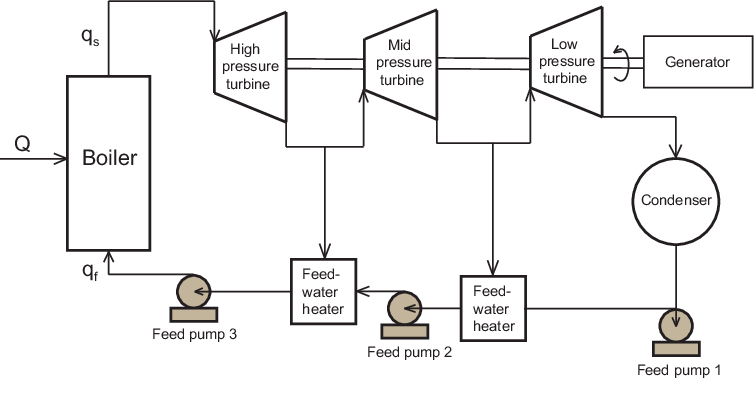
Categories
Uncategorized

Driving Sugar Cane Crushers with Steam Turbines

Driving Sugar Cane Crushers with Steam Turbines

Driving Sugar Cane Crushers with Steam Turbines: Steam turbines play a crucial role in industrial applications by providing mechanical power to drive a wide range of equipment, from pumps and compressors to generators and process machinery. These turbines convert thermal energy from steam into mechanical energy through a series of high-speed rotating blades. The use of steam turbines for driving industrial equipment is widespread due to their efficiency, reliability, and ability to operate under a variety of conditions. One of the key advantages of steam turbines is their ability to handle large power loads while maintaining operational stability. Unlike reciprocating engines, steam turbines operate with continuous rotary motion, resulting in smoother operation, lower vibration, and reduced maintenance requirements. This characteristic makes them particularly suitable for applications where consistent and reliable power is essential.

Steam turbines are often categorized based on their design and operational characteristics. Condensing steam turbines are used when maximum energy extraction from steam is required. These turbines expand steam to a very low pressure, often creating a vacuum in the condenser to maximize efficiency. The extracted energy is then used to drive industrial equipment such as power generators or heavy-duty compressors. On the other hand, back-pressure turbines operate by exhausting steam at a higher pressure, which can then be used for heating or other process requirements in industrial plants. This makes them particularly useful in cogeneration systems, where both mechanical power and thermal energy are needed.

The efficiency of a steam turbine depends on several factors, including steam inlet conditions, blade design, and the effectiveness of steam expansion within the turbine. High-pressure and high-temperature steam results in better efficiency, as it allows for greater energy conversion. Modern steam turbines often incorporate advanced materials and precision-engineered blades to withstand the extreme conditions of industrial applications. Additionally, the use of reheat cycles, extraction points, and controlled steam flow can further enhance efficiency and adaptability to different industrial needs.

Steam turbines are widely employed in industries such as petrochemical, power generation, pulp and paper, and food processing. In oil refineries, they are used to drive large compressors that aid in refining crude oil. In the pulp and paper industry, steam turbines power machinery used for wood processing and paper production. Many industrial plants integrate steam turbines with boilers and heat recovery systems to optimize energy usage and minimize waste. The ability to harness excess steam from industrial processes and convert it into mechanical power is one of the key benefits of using steam turbines in industrial applications.

Maintenance and operational considerations play a significant role in ensuring the reliability and longevity of steam turbines. Regular inspections, lubrication, and monitoring of steam conditions help prevent unexpected failures. Common issues such as blade erosion, steam leakage, and bearing wear must be addressed to maintain peak performance. Advanced diagnostic tools, such as vibration analysis and thermal imaging, are often used to detect early signs of wear or misalignment. With proper maintenance, steam turbines can operate efficiently for decades, providing a reliable source of mechanical power in industrial settings.

The choice between steam turbines and other power sources, such as electric motors or internal combustion engines, depends on factors like fuel availability, efficiency requirements, and process integration. While electric motors are often preferred for smaller loads due to their simplicity and lower upfront costs, steam turbines become more attractive when waste steam or excess thermal energy is available. Their ability to utilize a variety of steam sources, including waste heat recovery and cogeneration systems, makes them an energy-efficient solution for many industrial applications.

Overall, the use of steam turbines for driving industrial equipment remains an essential aspect of modern industry. Their ability to deliver continuous power, handle high loads, and integrate with thermal energy systems makes them a preferred choice in many sectors. With ongoing advancements in turbine design and efficiency improvements, steam turbines continue to play a vital role in sustainable and efficient industrial operations.

Another significant advantage of steam turbines in industrial applications is their adaptability to different operational demands. Unlike internal combustion engines, which have a fixed power output dependent on fuel combustion, steam turbines can be controlled more flexibly by adjusting steam flow and pressure. This allows industries to optimize energy consumption based on real-time demand, reducing fuel wastage and operational costs. Many modern steam turbine systems are equipped with automated control systems that regulate steam supply, monitor performance parameters, and adjust turbine operation for optimal efficiency. These intelligent control mechanisms ensure that turbines operate within safe and efficient limits while minimizing downtime and maintenance requirements.

In industrial settings where continuous operation is required, such as in chemical plants, power stations, and steel mills, steam turbines offer unmatched reliability. Their robust construction and relatively simple mechanical design contribute to long operational lifespans, often exceeding several decades with proper maintenance. Many steam turbines operate 24/7 without significant interruptions, making them an ideal choice for critical industrial processes. Their ability to use various steam sources, including waste heat from other processes, further enhances their practicality and energy efficiency. This is particularly valuable in combined heat and power (CHP) systems, where the turbine not only drives equipment but also helps generate steam for heating or other industrial processes.

Another important aspect of steam turbine-driven industrial equipment is its scalability. Steam turbines can be designed to handle small-scale applications, such as driving a single pump, or large-scale industrial systems that require megawatts of power. This scalability makes them a viable choice for industries of all sizes, from small manufacturing plants to large petrochemical complexes. Additionally, steam turbines can be integrated with multiple process units within a plant, allowing for centralized power generation and distribution. This approach enhances overall plant efficiency, as a single steam turbine system can supply power to multiple machines and processes, reducing the need for separate power sources.

One of the critical considerations when using steam turbines in industrial applications is steam quality. The presence of impurities, excessive moisture, or variations in pressure can significantly impact turbine performance and longevity. Poor steam quality can lead to erosion of turbine blades, scaling on internal components, and reduced efficiency. Therefore, industries must implement proper water treatment and steam conditioning processes to maintain the integrity of their steam supply. Superheating steam before it enters the turbine is a common practice to prevent condensation and improve efficiency. Additionally, steam separators, filters, and desuperheaters may be used to ensure consistent steam conditions.

Environmental considerations also play a role in the continued development of steam turbine technology. As industries strive to reduce carbon emissions and improve energy efficiency, steam turbines are being optimized for cleaner and more sustainable operation. Many industries are investing in waste heat recovery systems, which capture excess heat from industrial processes and use it to generate steam for turbine operation. This not only reduces fuel consumption but also minimizes greenhouse gas emissions. Additionally, advances in materials science are leading to the development of high-temperature, corrosion-resistant turbine components, further improving efficiency and reducing maintenance needs.

Another emerging trend in steam turbine applications is their integration with renewable energy sources. Biomass and concentrated solar power (CSP) plants use steam turbines to convert thermal energy from organic materials or solar collectors into mechanical and electrical power. These renewable energy systems rely on the same fundamental principles as traditional steam turbine applications but utilize sustainable fuel sources. In some cases, hybrid systems combine conventional fossil fuel-based steam generation with renewable sources to create more flexible and environmentally friendly energy solutions.

Steam turbines also play a crucial role in the expansion of industrial automation and digitalization. Modern steam turbine systems often include sensors, predictive maintenance algorithms, and remote monitoring capabilities. These advancements allow operators to track performance in real time, detect potential issues before they escalate, and optimize turbine operation based on changing process demands. The use of digital twins—virtual models that simulate real-world turbine performance—enables engineers to analyze different operating scenarios, predict maintenance needs, and enhance overall system efficiency.

Despite their many advantages, steam turbines do have some limitations. The initial capital investment for a steam turbine system can be high, particularly when considering the need for boilers, condensers, and other auxiliary equipment. Additionally, steam turbines require a reliable steam source, which means industries must invest in efficient steam generation systems. However, for operations where steam is already a byproduct of other processes, the use of steam turbines can significantly improve overall energy efficiency and reduce operational costs.

Looking ahead, the role of steam turbines in driving industrial equipment is expected to evolve with advancements in energy efficiency, sustainability, and digitalization. Industries will continue to seek ways to maximize the use of available thermal energy, reduce emissions, and enhance operational flexibility. Steam turbines, with their proven track record of reliability and efficiency, will remain a cornerstone of industrial power generation and mechanical drive applications for years to come.

Another critical aspect of steam turbine-driven industrial systems is their integration with advanced heat recovery technologies. In many industrial settings, steam turbines are part of a larger system that includes boilers, heat exchangers, and condensers designed to maximize energy utilization. Waste heat from industrial processes, such as steel production, chemical refining, and cement manufacturing, can be captured and repurposed to generate steam. This approach enhances overall energy efficiency and reduces reliance on external fuel sources, leading to lower operating costs and improved sustainability. In cogeneration and combined-cycle power plants, steam turbines work in conjunction with gas turbines to extract maximum energy from fuel combustion. These integrated systems contribute to reducing greenhouse gas emissions by utilizing fuel more effectively and minimizing waste heat dissipation into the environment.

In applications requiring variable power output, steam turbines offer a level of flexibility that is advantageous for fluctuating industrial demands. Unlike conventional reciprocating engines, steam turbines can operate efficiently across a range of loads by adjusting steam flow rates, regulating extraction points, or incorporating reheating stages. This adaptability is particularly useful in industries such as pulp and paper, where process steam requirements may change throughout the production cycle. By modifying operating parameters in real time, steam turbine systems can maintain optimal performance while ensuring that both power generation and process steam demands are met efficiently.

Another key consideration when deploying steam turbines for industrial applications is lubrication and bearing technology. Steam turbines operate at high rotational speeds, necessitating precision-engineered bearings and lubrication systems to minimize friction and wear. Hydrodynamic and tilt-pad bearings are commonly used in industrial steam turbines to provide stability, reduce vibrations, and extend service life. Proper lubrication systems ensure consistent oil supply to bearings, preventing overheating and reducing mechanical losses. Advanced condition monitoring techniques, such as oil analysis and thermography, are employed to detect early signs of bearing degradation, allowing for predictive maintenance and minimizing unexpected shutdowns.

The development of advanced steam turbine blade materials and coatings has also contributed to improved efficiency and durability. Modern turbine blades are designed to withstand extreme temperatures and pressures while minimizing erosion caused by high-velocity steam. Coatings such as thermal barrier layers and erosion-resistant materials help mitigate wear and extend turbine lifespan. Computational fluid dynamics (CFD) simulations are widely used in blade design to optimize aerodynamic performance and enhance energy conversion efficiency. As a result, newer steam turbine models achieve higher efficiency rates and lower operating costs compared to earlier generations.

Steam turbines continue to play a crucial role in industries that require large-scale mechanical drive applications. For example, in the oil and gas sector, steam turbines are used to drive large compressors for natural gas processing, pipeline transportation, and petrochemical refining. Their ability to provide continuous, high-power output makes them ideal for heavy-duty industrial processes that demand reliability and operational stability. Similarly, in fertilizer production, steam turbines power ammonia and urea synthesis compressors, ensuring efficient chemical processing and production scalability.

As industries transition toward more sustainable energy solutions, the role of steam turbines in decarbonization efforts is becoming increasingly important. One promising development is the integration of steam turbines with carbon capture and utilization (CCU) systems. By utilizing waste heat from carbon capture processes, steam turbines can generate additional power while simultaneously reducing carbon emissions. In green hydrogen production, where electrolysis requires significant energy input, steam turbines can provide an efficient and low-emission power source when integrated with renewable energy-based steam generation.

Future advancements in steam turbine technology will likely focus on enhancing efficiency through digitalization, automation, and smart grid integration. The incorporation of artificial intelligence (AI) and machine learning in turbine control systems will enable real-time performance optimization, predictive maintenance scheduling, and autonomous fault detection. These innovations will not only improve reliability but also extend the operational lifespan of steam turbines in industrial applications. Additionally, ongoing research into supercritical and ultra-supercritical steam turbine designs aims to further increase efficiency by operating at higher temperatures and pressures, reducing fuel consumption and emissions.

Ultimately, the continued evolution of steam turbines in industrial applications will be driven by the need for greater efficiency, sustainability, and operational flexibility. As global industries seek to optimize energy use and reduce environmental impact, steam turbines will remain a cornerstone of mechanical power generation, playing a vital role in shaping the future of industrial energy systems.

Another crucial factor in the widespread adoption of steam turbines for driving industrial equipment is their compatibility with diverse fuel sources. Unlike internal combustion engines, which rely on specific fuels such as diesel or natural gas, steam turbines can utilize steam generated from a wide range of sources. This includes conventional fossil fuels such as coal, oil, and natural gas, as well as renewable and alternative sources like biomass, geothermal energy, and concentrated solar power. This versatility allows industries to choose fuel sources based on availability, cost, and environmental considerations, making steam turbines a flexible and future-proof option for industrial applications.

In industries with high-temperature waste heat, steam turbines provide an effective means of energy recovery. Waste heat boilers, also known as heat recovery steam generators (HRSGs), capture thermal energy from exhaust gases, process heat, or combustion byproducts and use it to produce steam for turbines. This approach significantly improves overall plant efficiency and reduces the amount of energy lost to the environment. Industries such as steel manufacturing, cement production, and chemical processing often implement waste heat recovery steam turbines to maximize energy efficiency and lower operational costs. The ability to repurpose otherwise wasted heat into usable mechanical power further strengthens the economic and environmental case for steam turbine adoption.

Another key advantage of steam turbines is their ability to operate under extreme conditions while maintaining high reliability. Many industrial settings expose equipment to harsh environments, including high temperatures, corrosive chemicals, and heavy mechanical loads. Steam turbines, with their robust construction and minimal moving parts, are well-suited for such conditions. Special coatings and alloy materials are used to enhance resistance to high-temperature corrosion and oxidation, particularly in applications where aggressive steam conditions are present. This durability ensures that steam turbines can operate for decades with minimal degradation, making them a cost-effective long-term investment.

The integration of steam turbines with advanced automation and control technologies has further improved their efficiency and operational stability. Modern steam turbines are equipped with digital control systems that optimize steam flow, pressure, and temperature based on real-time process requirements. Automated valve control, predictive maintenance algorithms, and remote monitoring capabilities help reduce human intervention and minimize the risk of unexpected failures. Advanced sensors continuously monitor turbine performance parameters such as vibration levels, thermal expansion, and lubrication quality, allowing operators to detect anomalies before they lead to costly breakdowns.

A critical factor in steam turbine efficiency is the management of steam expansion and extraction. Many industrial turbines feature multiple extraction points where steam can be withdrawn at specific pressures for use in other process applications. This allows plants to balance power generation with process steam needs, improving overall system efficiency. In cogeneration systems, extracted steam can be used for district heating, desalination, or chemical processing, providing additional value beyond mechanical power generation. The ability to integrate power and process steam requirements into a single system is a key reason why many industries favor steam turbines over other prime movers.

Another emerging application for steam turbines is their role in hybrid energy systems. As industries seek to reduce their carbon footprint, hybrid solutions combining steam turbines with renewable energy sources are gaining traction. For instance, concentrated solar power (CSP) plants use mirrors to focus sunlight onto a central receiver, generating high-temperature steam that drives a turbine. Similarly, geothermal power plants harness underground heat to produce steam, which is then expanded through a turbine to generate electricity or mechanical power. These applications demonstrate how steam turbines can seamlessly integrate with low-carbon energy sources to enhance sustainability.

Despite their many advantages, steam turbines also present certain challenges that industries must consider. One of the primary limitations is the need for an efficient steam supply system, including high-performance boilers, condensers, and piping infrastructure. The initial capital investment for a steam turbine system can be substantial, particularly for small-scale operations where alternative power sources such as electric motors or reciprocating engines may be more cost-effective. However, for larger industrial applications, the long-term efficiency and durability of steam turbines often offset the higher upfront costs.

Another challenge is the potential for efficiency losses due to steam leakage, turbine fouling, and mechanical wear. Over time, deposits can form on turbine blades, reducing aerodynamic efficiency and increasing energy losses. Regular maintenance, including steam purity management and periodic blade cleaning, is essential to maintaining peak performance. Advances in material science and surface coatings continue to improve resistance to fouling and erosion, helping extend turbine life and reduce maintenance costs.

As industries move toward decarbonization and energy efficiency improvements, steam turbines are expected to remain a key technology in the transition to a more sustainable future. Ongoing research into supercritical and ultra-supercritical steam cycles aims to push efficiency levels even higher, reducing fuel consumption and emissions. Additionally, the integration of digital twins—virtual models that simulate real-time turbine performance—will enhance predictive maintenance and operational optimization. These advancements will further solidify the role of steam turbines in modern industrial energy systems, ensuring their continued relevance in an evolving energy landscape.

Looking ahead, steam turbines will continue to be an indispensable part of industrial power generation and mechanical drive applications. Their ability to deliver high efficiency, reliability, and fuel flexibility makes them an ideal choice for industries seeking long-term energy solutions. With ongoing technological improvements and increasing integration with renewable energy sources, steam turbines will play a pivotal role in driving industrial processes while supporting global efforts to enhance sustainability and reduce carbon emissions.

Driving Electric Generators with Steam Turbines

Steam Turbines and Electricity Production

Driving electric generators with steam turbines is one of the most widespread and efficient methods of electricity generation. Steam turbines convert thermal energy from steam into mechanical energy, which then drives an electric generator to produce electricity. This principle is the foundation of power generation in fossil fuel power plants, nuclear power stations, and renewable energy facilities such as biomass and geothermal plants. The efficiency, reliability, and scalability of steam turbines make them an essential component in both large-scale and distributed power generation systems.

The fundamental process begins with a heat source, which generates high-pressure steam in a boiler or heat recovery system. This steam is directed into the turbine, where it expands across multiple stages of blades, causing the rotor to spin at high speeds. The kinetic energy from the spinning turbine shaft is transferred to an electrical generator through a coupling mechanism. Inside the generator, electromagnetic induction occurs as the rotating shaft turns a rotor within a stator, converting mechanical energy into electrical energy. The generated electricity is then conditioned, transformed to appropriate voltage levels, and distributed to the power grid or industrial consumers.

The efficiency of a steam turbine-driven generator depends on various factors, including steam pressure, temperature, turbine design, and generator characteristics. Higher steam temperatures and pressures generally improve efficiency by allowing more energy to be extracted from the steam before it is exhausted or condensed. Modern power plants employ superheated and reheated steam cycles to maximize energy conversion, reducing fuel consumption and lowering emissions. Ultra-supercritical steam turbines operate at extremely high temperatures and pressures, further enhancing efficiency and minimizing environmental impact.

There are different types of steam turbines used for driving electric generators, each suited to specific applications. Condensing steam turbines are the most common in large-scale power generation, as they extract maximum energy from the steam before it is condensed back into water in a vacuum-operated condenser. This design increases thermal efficiency and allows for greater power output. In contrast, back-pressure steam turbines exhaust steam at higher pressures for use in industrial processes, such as heating or manufacturing, making them ideal for combined heat and power (CHP) systems. Extraction steam turbines, which allow controlled steam extraction at intermediate pressures, offer additional flexibility in balancing electricity production with process steam demands.

Steam turbine-driven generators are widely used in fossil fuel power plants, where coal, natural gas, or oil is burned in boilers to produce steam. In coal-fired power plants, pulverized coal is combusted to generate high-temperature steam, which then powers the turbine. Similarly, in gas-fired plants, heat from gas combustion produces steam either directly (in steam boilers) or as part of a combined-cycle configuration, where a gas turbine generates initial power and a steam turbine utilizes waste heat for additional generation. This combined-cycle approach significantly improves overall plant efficiency, reaching levels above 60% in modern installations.

Nuclear power plants also rely on steam turbines for electricity generation, but instead of burning fossil fuels, they use nuclear fission to heat water and create steam. Pressurized water reactors (PWRs) and boiling water reactors (BWRs) are the two primary types of nuclear reactors used in steam turbine power generation. In a PWR, heat from the nuclear core is transferred to a secondary loop that produces steam, while in a BWR, steam is generated directly within the reactor vessel and fed to the turbine. The ability of steam turbines to operate under high-load conditions with minimal mechanical wear makes them particularly suitable for the constant power output required by nuclear power plants.

Beyond fossil and nuclear power, steam turbine generators play a crucial role in renewable energy systems. Biomass power plants burn organic materials such as wood chips, agricultural waste, or municipal solid waste to generate steam for turbine-driven electricity production. Geothermal power plants extract naturally occurring steam or hot water from underground reservoirs, using it to drive turbines and generate electricity with minimal carbon emissions. Additionally, concentrated solar power (CSP) plants use mirrors to focus sunlight onto a receiver, heating a fluid that generates steam for turbine operation. These renewable applications highlight the versatility and adaptability of steam turbines in various energy production contexts.

The design and operation of the electrical generator coupled with the steam turbine are also critical to overall efficiency and reliability. Most power plants use synchronous generators, which operate at a constant speed synchronized with the grid frequency (e.g., 50 Hz or 60 Hz, depending on the region). The generator’s rotor, typically equipped with electromagnets or permanent magnets, induces an alternating current (AC) in the stator windings as it spins. Large power plants often employ hydrogen-cooled or water-cooled generators to manage heat dissipation and enhance performance. Advanced excitation and voltage regulation systems ensure stable output and efficient integration into the power grid.

Efficiency improvements in steam turbine power generation continue to be a focus of research and development. Technologies such as supercritical carbon dioxide (sCO₂) cycles, which use CO₂ instead of steam as the working fluid, promise higher efficiency and reduced environmental impact. Additionally, digital monitoring systems and predictive maintenance using artificial intelligence (AI) help optimize turbine performance, detect potential issues, and extend operational lifespans. The integration of steam turbines with smart grids and energy storage solutions further enhances their role in modern power systems, ensuring reliable electricity supply even in fluctuating demand scenarios.

Despite their many advantages, steam turbine-driven generators also present challenges. The initial capital investment for steam-based power plants is high, requiring significant infrastructure such as boilers, condensers, cooling towers, and extensive piping networks. The thermal efficiency of a steam turbine system is also limited by the second law of thermodynamics, meaning that some energy loss is inevitable. Additionally, water usage for steam generation and cooling can be a concern, particularly in regions with limited freshwater availability. To address this, many power plants implement dry cooling or hybrid cooling systems to reduce water consumption while maintaining efficiency.

Looking ahead, steam turbines will remain a cornerstone of electricity generation worldwide. As industries transition toward cleaner energy sources, steam turbine technology will continue to evolve to support decarbonization efforts. The expansion of hybrid power systems, integration with renewable energy, and advancements in high-efficiency turbine designs will shape the future of steam-based power generation. With their proven reliability, adaptability, and efficiency, steam turbine-driven generators will continue to play a vital role in meeting global energy demands for decades to come.

One of the most significant factors influencing the efficiency of steam turbine-driven generators is the thermodynamic cycle used in the power generation process. The Rankine cycle, which forms the foundation of steam turbine operation, consists of four key stages: heat addition in a boiler, expansion in a turbine, heat rejection in a condenser, and pressurization of the working fluid in a pump. Enhancing each stage of this cycle can lead to considerable improvements in power plant efficiency. For example, increasing the steam temperature and pressure before it enters the turbine reduces the amount of fuel required per unit of electricity generated, leading to better thermal efficiency and lower emissions.

To achieve higher efficiencies, modern power plants utilize variations of the Rankine cycle, such as the regenerative Rankine cycle and the reheat cycle. In the regenerative cycle, a portion of the steam is extracted from the turbine at intermediate pressures and used to preheat the feedwater before it enters the boiler. This process reduces the heat input required, thereby improving overall efficiency. Similarly, the reheat cycle involves expanding steam in a high-pressure turbine stage, reheating it in the boiler, and then expanding it further in a low-pressure turbine stage. Reheating prevents excessive moisture content in the later turbine stages, which can cause erosion of turbine blades and reduce efficiency.

Another critical aspect of steam turbine performance is the design of turbine blades and the optimization of steam flow paths. Steam turbines consist of multiple stages of rotating and stationary blades, with each stage responsible for extracting energy from the steam as it expands. The shape, length, and material composition of these blades directly affect the turbine’s efficiency and durability. Advanced computational fluid dynamics (CFD) modeling is used to optimize blade aerodynamics, ensuring that steam flows smoothly through the turbine with minimal turbulence and energy loss. Additionally, modern blade coatings and materials, such as nickel-based superalloys and ceramic composites, enhance resistance to high temperatures and corrosion, extending turbine lifespan and reducing maintenance requirements.

The condenser plays a vital role in the steam turbine power generation process by converting low-energy exhaust steam back into water for reuse in the boiler. The efficiency of this heat rejection process influences overall power plant performance. Most large power plants use water-cooled condensers, where cooling water absorbs heat from the steam and carries it away, enabling rapid condensation. In coastal areas, seawater cooling is commonly employed, while inland plants rely on freshwater cooling towers or air-cooled condensers. Improving condenser performance through enhanced heat exchanger designs, optimized cooling water flow rates, and advanced materials can lead to significant gains in efficiency and reduced operating costs.

In addition to thermodynamic optimizations, modern steam turbine power plants incorporate advanced control and automation systems to improve operational efficiency. Digital monitoring tools, such as condition-based maintenance (CBM) and predictive analytics, enable plant operators to detect potential issues before they lead to equipment failures. Sensors installed throughout the turbine, generator, and auxiliary systems continuously collect data on temperature, pressure, vibration, and other critical parameters. Artificial intelligence (AI) and machine learning algorithms analyze this data in real-time, providing insights that help operators optimize steam flow rates, adjust turbine load conditions, and schedule maintenance more effectively. This proactive approach minimizes downtime, reduces maintenance costs, and enhances overall reliability.

Another important consideration in steam turbine power generation is grid integration and load-following capability. While steam turbines are traditionally associated with baseload power generation, modern plants are increasingly designed to accommodate fluctuations in electricity demand. Variable steam flow control, rapid startup and shutdown procedures, and flexible operational modes allow steam turbine plants to complement intermittent renewable energy sources such as wind and solar. For example, hybrid power plants combine steam turbines with battery storage systems or gas turbines to provide grid stability and ensure a consistent electricity supply.

The environmental impact of steam turbine power generation is also a major focus of research and innovation. Although fossil fuel-based steam power plants produce greenhouse gas emissions, advanced carbon capture and storage (CCS) technologies can significantly reduce their environmental footprint. CCS systems capture CO₂ from power plant emissions and either store it underground or utilize it for industrial applications such as enhanced oil recovery or synthetic fuel production. Additionally, integrating steam turbines with renewable energy sources—such as biomass and geothermal—can provide cleaner alternatives to conventional fossil fuel power generation.

Furthermore, the transition to hydrogen as a fuel source presents new opportunities for steam turbine technology. Hydrogen can be burned in boilers to generate steam or used in fuel cells to produce electricity with zero emissions. Some power plants are exploring the co-firing of hydrogen with natural gas to reduce carbon intensity while maintaining the reliability and efficiency of steam turbines. Research into high-temperature electrolysis and thermochemical water-splitting methods aims to produce hydrogen more efficiently using excess heat from steam turbine power plants, creating a pathway for deeper decarbonization.

Looking to the future, continued advancements in steam turbine design, materials, and control systems will further enhance the efficiency, flexibility, and sustainability of steam-driven power generation. Supercritical and ultra-supercritical steam cycles will push efficiency levels even higher, reducing fuel consumption and emissions. Digitalization and automation will enable smarter, more responsive power plants that adapt to changing energy demands in real time. As global energy systems evolve, steam turbines will remain a cornerstone of reliable electricity generation, playing a crucial role in meeting energy needs while supporting the transition to a low-carbon future.

Another key factor in the continued advancement of steam turbine-driven generators is the role of emerging technologies that enhance efficiency and operational flexibility. One such innovation is the use of advanced heat recovery systems, particularly in combined-cycle power plants. In these systems, steam turbines operate in conjunction with gas turbines to maximize energy extraction from fuel. The gas turbine generates electricity by burning natural gas, and its high-temperature exhaust gases are used to produce steam in a heat recovery steam generator (HRSG), which then powers a steam turbine for additional electricity generation. This combined-cycle configuration significantly increases overall efficiency, often exceeding 60%, making it one of the most effective methods for fossil fuel-based electricity production.

Additionally, steam turbine performance is being further enhanced through improvements in steam cycle conditions. The development of advanced ultra-supercritical (A-USC) steam plants is pushing operational temperatures beyond 700°C (1,292°F) and pressures above 35 MPa, allowing for even greater efficiency gains. These high-performance conditions require advanced materials capable of withstanding extreme heat and pressure while maintaining long-term durability. Nickel-based superalloys, ceramic matrix composites, and advanced coatings are being incorporated into turbine components to ensure reliability under these harsh conditions. As a result, A-USC power plants achieve higher energy conversion efficiency while reducing CO₂ emissions per unit of electricity generated.

Furthermore, increasing the adaptability of steam turbines for grid balancing applications is becoming a major focus. Traditionally, steam turbines have been optimized for baseload power generation, operating at a steady output over long periods. However, the growing share of intermittent renewable energy sources, such as wind and solar, requires greater flexibility in power plant operations. To address this challenge, modern steam turbines are designed to ramp up and down more quickly, allowing them to complement fluctuations in renewable energy generation. Faster startup times, advanced steam bypass systems, and variable pressure operation help steam turbines support grid stability, reducing the risk of supply disruptions.

A significant breakthrough in steam turbine control systems has been the integration of artificial intelligence (AI) and machine learning for predictive maintenance and optimization. AI-driven monitoring systems continuously collect and analyze data from turbines, generators, and auxiliary equipment, identifying patterns that indicate potential failures or inefficiencies. By leveraging this data, operators can implement condition-based maintenance strategies, reducing unplanned downtime and extending the lifespan of critical components. This proactive approach not only lowers maintenance costs but also improves overall power plant availability and reliability.

The role of steam turbines in industrial cogeneration and district heating applications is also expanding. In cogeneration (also known as combined heat and power, or CHP) systems, steam turbines generate electricity while simultaneously providing process steam or hot water for industrial facilities, commercial buildings, or residential districts. This dual-use approach enhances energy efficiency, as it utilizes heat that would otherwise be wasted in traditional power plants. Industrial sectors such as chemical processing, refining, and pulp and paper manufacturing particularly benefit from CHP systems, as they require both electricity and process heat for production. District heating networks, commonly used in colder regions, distribute steam or hot water from central power plants to multiple buildings, further improving energy efficiency and reducing reliance on fossil fuels.

The transition to low-carbon energy sources is also influencing the design and operation of steam turbines. Biomass-fired power plants, which use organic materials such as wood pellets, agricultural residues, or municipal waste to generate steam, are gaining traction as a renewable alternative to coal. Co-firing biomass with coal in existing steam turbine power plants is an effective strategy to reduce carbon emissions without requiring significant modifications to infrastructure. Additionally, waste-to-energy plants, which convert municipal solid waste into steam for power generation, provide an environmentally friendly solution for reducing landfill waste while producing electricity.

Geothermal power generation is another area where steam turbines play a crucial role. In geothermal plants, steam or high-temperature fluids extracted from underground reservoirs drive turbines to generate electricity. Dry steam and flash steam geothermal systems directly use natural steam, while binary cycle geothermal plants transfer heat from geothermal fluids to a secondary working fluid with a lower boiling point, which then vaporizes to drive the turbine. Because geothermal energy provides a stable and continuous source of power, it serves as an important complement to intermittent renewable energy sources like wind and solar.

The potential for hydrogen to become a major fuel source in steam turbine power generation is also being explored. Hydrogen can be combusted in boilers to produce steam or used in gas turbines as part of a hydrogen-natural gas blend. Hydrogen-fired steam cycles have the potential to offer carbon-free electricity generation, particularly if the hydrogen is produced through electrolysis using renewable energy. Research is ongoing to develop efficient methods for integrating hydrogen into existing steam turbine infrastructure, with the goal of achieving zero-emission power generation.

In the future, hybrid energy systems that combine steam turbines with other emerging technologies will likely play a larger role in power generation. For example, integrating steam turbines with molten salt energy storage allows excess electricity from renewable sources to be stored as thermal energy and later converted back into steam for electricity production during periods of high demand. Similarly, supercritical carbon dioxide (sCO₂) power cycles, which replace steam with high-pressure CO₂ as the working fluid, are being developed to achieve higher efficiency and reduced environmental impact. These innovations will further improve the viability of steam turbines in an evolving energy landscape.

Despite the advancements in steam turbine technology, challenges remain. The high capital costs associated with constructing new steam turbine power plants can be a barrier, particularly as some regions prioritize decentralized and renewable energy solutions. Additionally, water consumption for cooling and steam production is a concern in water-scarce areas, prompting research into dry cooling techniques and alternative working fluids. Nevertheless, the long-term benefits of steam turbine power generation, including reliability, efficiency, and fuel flexibility, ensure that they will continue to play a vital role in meeting global electricity demand.

As energy systems transition toward a more sustainable future, steam turbines will remain a key technology in power generation. Their ability to integrate with renewable energy sources, provide grid stability, and adapt to new fuel types will ensure their continued relevance. Whether through ultra-efficient supercritical steam cycles, hydrogen-powered systems, or hybrid renewable energy configurations, steam turbines will play a crucial role in delivering clean, reliable, and cost-effective electricity in the decades to come.

Steam Turbine for Electricity Generation with Naphtha

Another significant area of development in steam turbine-driven power generation is the ongoing refinement of energy storage integration and load management strategies. As electrical grids incorporate more variable renewable energy sources, steam turbines must operate with greater flexibility to balance supply and demand. Advanced thermal energy storage (TES) solutions are being integrated with steam turbines to store excess energy generated during periods of low demand and release it when electricity consumption peaks. Technologies such as molten salt storage, phase change materials (PCMs), and high-temperature steam accumulators are being explored to improve grid reliability and efficiency while reducing the reliance on fossil fuel peaking plants.

Molten salt storage, widely used in concentrated solar power (CSP) plants, enables steam turbines to generate electricity even after the sun has set. In this system, solar energy heats molten salt, which retains thermal energy for extended periods. When electricity is needed, the stored heat is transferred to a working fluid to produce steam that drives a turbine. This method significantly enhances the dispatchability of renewable power plants, allowing them to function more like conventional baseload power sources. Similar storage solutions are being tested in hybrid fossil-renewable plants to improve efficiency and reduce emissions.

Another promising development is the use of supercritical carbon dioxide (sCO₂) power cycles as an alternative to traditional steam turbines. Instead of water and steam, these systems use high-pressure CO₂ as the working fluid in a closed-loop cycle. Because sCO₂ has superior thermodynamic properties, it allows for higher energy conversion efficiency at lower operating temperatures and pressures. Additionally, sCO₂ turbines are much smaller than steam turbines of equivalent power output, reducing capital and maintenance costs. Research is ongoing to scale up sCO₂ power systems for commercial deployment, with applications ranging from fossil and nuclear power plants to concentrated solar and waste heat recovery.

Advancements in steam turbine materials and manufacturing processes are also improving performance, longevity, and cost-effectiveness. Additive manufacturing (AM), or 3D printing, is being increasingly used to produce complex turbine components with enhanced durability and efficiency. This technique allows for the creation of intricate blade designs that optimize aerodynamics while reducing weight and material waste. Additionally, AM enables the rapid production of replacement parts, minimizing downtime and maintenance costs. High-temperature-resistant materials, such as ceramic matrix composites and nickel-based superalloys, are being developed to withstand extreme operating conditions, further improving turbine efficiency and service life.

One of the key challenges in steam turbine-driven power generation is water usage, particularly in arid regions where freshwater resources are scarce. Traditional steam power plants rely on large amounts of water for cooling and steam generation, which can pose environmental and economic challenges. To address this issue, researchers are developing advanced dry cooling systems that reduce water consumption while maintaining high efficiency. Air-cooled condensers (ACCs) and hybrid cooling solutions that combine wet and dry cooling methods are being adopted in power plants to minimize water use without compromising performance. Additionally, innovative water recovery technologies, such as membrane-based steam condensation and advanced desiccant cooling systems, are being explored to further enhance sustainability.

In industrial settings, the role of steam turbines is evolving beyond traditional power generation. Industries that require large amounts of heat and electricity, such as petrochemicals, food processing, and paper manufacturing, are increasingly turning to steam turbine-based cogeneration systems to improve efficiency and reduce operating costs. In these systems, steam turbines generate both electricity and process steam, optimizing fuel usage and reducing emissions. The integration of waste heat recovery systems further enhances efficiency by capturing and reusing thermal energy that would otherwise be lost. In some cases, excess steam from industrial processes is supplied to nearby district heating networks, providing residential and commercial buildings with efficient heating solutions.

Another frontier in steam turbine technology is the exploration of fusion energy as a long-term power generation solution. Fusion reactors, such as those being developed by ITER and other research institutions, aim to harness the energy produced by nuclear fusion reactions to generate electricity. In these systems, the extreme heat from the fusion process is used to produce steam, which drives turbines in a manner similar to conventional nuclear power plants. While commercial fusion power is still in the experimental stage, successful implementation could provide a nearly limitless source of clean electricity, with steam turbines playing a central role in energy conversion.

As steam turbines continue to evolve, their integration with smart grid technology is becoming increasingly important. Digital twins—virtual replicas of physical turbine systems—are being used to simulate performance under different operating conditions, enabling predictive maintenance and real-time optimization. These digital models, combined with Internet of Things (IoT) sensors and big data analytics, allow power plant operators to monitor turbine efficiency, detect early signs of wear or failure, and implement corrective measures before problems escalate. This approach improves reliability, extends equipment lifespan, and reduces unplanned outages.

Looking to the future, the role of steam turbines in global energy systems will continue to adapt in response to technological advances, environmental concerns, and economic pressures. Whether through hybrid renewable-fossil configurations, hydrogen-fired steam cycles, or next-generation materials and cooling technologies, steam turbines will remain a key component of large-scale power generation. Their ability to provide stable, high-efficiency electricity generation ensures that they will continue to be a critical part of the transition to a cleaner, more resilient energy future.

Driving Feedwater Pumps with Steam Turbines

Driving Cargo Pumps with Steam Turbines

Driving feedwater pumps with steam turbines is a common practice in large-scale steam power plants, particularly in nuclear and fossil fuel plants, to ensure the continuous flow of water to the boiler. Feedwater pumps are essential for maintaining the steam generation process, as they supply water to the boiler at high pressure, allowing for the production of steam that drives the turbine. These pumps typically operate under very high pressures to overcome the resistance from the boiler and ensure an uninterrupted supply of water. Steam turbines provide a reliable and efficient method of driving these pumps by using the energy from steam to drive the mechanical rotation of the pump.

The principle behind driving feedwater pumps with steam turbines is straightforward. Steam turbines, in this case, are used to harness the energy in high-pressure steam, converting it into mechanical energy that turns the pump’s shaft. The mechanical energy is transferred through a shaft or coupling to the feedwater pump, which then pressurizes and feeds water into the boiler. In this process, steam turbines act as a mechanical power source for the pump, ensuring that the water is pumped to the desired pressure for steam generation.

In large power plants, there are typically two or more feedwater pumps in operation to ensure reliability and meet the demands of the plant. These pumps are often driven by dedicated steam turbines, though smaller pumps may be driven by electric motors. The steam turbines that drive feedwater pumps are usually low-pressure or auxiliary turbines, meaning they operate at lower pressures than the main turbine used for electricity generation. The steam used for the feedwater pump is typically extracted from the main turbine after it has passed through the high-pressure and intermediate stages. This process of steam extraction is efficient because it utilizes steam that would otherwise be at a lower pressure and temperature, which still contains a significant amount of energy.

In a typical steam cycle, the feedwater pump is located after the condenser and before the steam generator. The water that enters the pump is cooled, condensed, and demineralized to remove impurities. The feedwater pump then increases the pressure of this water, which is eventually heated in the boiler to generate steam. Once the water is pressurized, it enters the boiler at a controlled rate, where it is heated by the burning of fossil fuels, nuclear reactions, or concentrated solar power. The high-pressure steam produced in the boiler is sent to the turbine, which drives the generator to produce electricity.

Using steam turbines to drive feedwater pumps is advantageous for several reasons. First, it is a highly reliable and proven method of providing mechanical power to pumps. Since steam turbines are already integrated into the power generation cycle, they can efficiently share steam with the feedwater pumps, reducing the need for separate motor-driven systems. This integration reduces equipment complexity and improves overall system reliability.

Another benefit of using steam turbines for feedwater pumps is the potential for energy recovery. In some systems, the low-pressure steam extracted from the main turbine can be utilized effectively for pump operation without significantly reducing the power available for electricity generation. By carefully controlling the amount of steam extracted and ensuring efficient steam usage, power plants can optimize the performance of both the turbine and the feedwater pump, maximizing energy conversion efficiency.

Steam-driven feedwater pumps also help ensure that there is enough pressure in the boiler to sustain the steam generation process. Maintaining the correct feedwater pressure is essential for optimizing the efficiency of the boiler and ensuring safe operation. If the pressure of the water entering the boiler is too low, it can cause fluctuations in steam production, leading to inefficiencies or potentially dangerous conditions. On the other hand, having the proper pressure ensures that the water is efficiently heated to generate steam, which is then used to drive the turbine and produce electricity.

In some plants, particularly in combined-cycle or cogeneration systems, steam turbines that drive feedwater pumps may be part of a broader system of interconnected turbines that also provide mechanical power to other equipment, such as condensate pumps, air compressors, and cooling water pumps. These systems allow for optimized energy usage, as steam from the turbine is used efficiently for multiple purposes within the plant, reducing waste and improving overall performance.

While steam turbines are generally efficient for driving feedwater pumps, their performance must be carefully managed to prevent mechanical wear and ensure long-term reliability. For instance, the steam turbine must be operated within its optimal pressure and temperature ranges to avoid damage from overheating or excessive pressure buildup. Additionally, regular maintenance and monitoring are necessary to ensure that the feedwater pump, turbine, and related components remain in good working condition. Modern digital monitoring and predictive maintenance technologies, which use sensors to collect data on temperature, vibration, and pressure, can help detect potential issues before they lead to mechanical failure, reducing downtime and maintenance costs.

Another important consideration is the control of steam flow to the feedwater pump turbines. The amount of steam used for this purpose can vary depending on the load demand and operational conditions of the power plant. Control valves and regulation systems are typically employed to adjust steam flow to the turbines, maintaining the correct pressure and ensuring optimal pump operation. This dynamic adjustment ensures that the feedwater pump is always operating efficiently without using excessive steam, which could reduce the overall power plant efficiency.

In some power plants, multiple feedwater pumps may be operated in parallel, each driven by its own steam turbine or by a shared turbine, depending on the plant design. This configuration improves reliability by providing redundancy; if one pump or turbine fails, the others can continue to operate. In such cases, the control system can automatically adjust steam flow to ensure that the remaining pumps continue to function as needed. This level of automation and adaptability ensures that the feedwater system is always operating efficiently, even in the event of component failures.

In conclusion, driving feedwater pumps with steam turbines remains a critical component of the operation in many large-scale power plants. This method of providing mechanical energy offers a reliable, efficient, and cost-effective solution that integrates seamlessly with the rest of the steam cycle. By utilizing steam from the turbine, feedwater pumps ensure that the boiler receives a continuous supply of water at the correct pressure, enabling the plant to generate steam for electricity production. With advancements in control systems, maintenance technologies, and steam cycle optimization, steam turbines will continue to play an essential role in driving feedwater pumps and improving the overall efficiency and reliability of steam power plants.

To further enhance the efficiency and performance of feedwater pumps driven by steam turbines, power plants are increasingly incorporating advanced technologies and system optimizations that aim to improve both operational flexibility and energy efficiency. One such advancement is the use of variable-speed drives (VSDs) on steam turbines that drive feedwater pumps. In systems where variable load conditions are common, VSDs allow for better control of pump speed and, consequently, the feedwater pressure. This reduces the need for throttling, which is often used to regulate pump flow and pressure, thereby minimizing energy losses and improving overall system efficiency.

Additionally, the integration of advanced turbine and pump controls through digital systems has made it easier to optimize performance in real-time. Modern plant control systems use data from various sensors located throughout the steam cycle to continuously monitor the operation of the steam turbine, feedwater pump, and related components. These systems can make immediate adjustments to steam flow, pump speed, and other operating parameters to ensure that the system operates within the most efficient parameters. The ability to predict when a turbine or pump is likely to experience wear or degradation allows operators to plan maintenance more effectively, reducing downtime and extending the lifespan of critical components.

Moreover, the integration of artificial intelligence (AI) and machine learning (ML) into plant operations offers significant potential for optimizing the performance of steam turbines driving feedwater pumps. AI algorithms can analyze vast amounts of operational data, identifying patterns and trends that humans may overlook. For example, predictive analytics can forecast changes in the performance of feedwater pumps based on past behavior and operating conditions. The system can then adjust operational parameters proactively, avoiding unnecessary wear on the turbine or pump and ensuring that energy is used efficiently. This type of advanced data analysis and predictive maintenance reduces the likelihood of unexpected failures, ensuring that the plant operates smoothly and minimizes unplanned maintenance costs.

In terms of materials and component design, steam turbines driving feedwater pumps are benefitting from innovations that improve efficiency and reduce wear over time. For instance, advanced turbine blades and seals made from corrosion-resistant and high-temperature materials are becoming more common. These materials ensure that steam turbines can handle the harsh conditions of high-pressure steam while maintaining their efficiency. In addition, advanced coatings applied to critical components, such as the blades, reduce friction and prevent material degradation, allowing for longer service intervals and greater reliability. These improvements in material science are particularly important as the operational pressures and temperatures in modern steam cycles continue to increase, pushing the limits of traditional turbine technology.

As power plants continue to integrate renewable energy sources such as wind and solar, the role of steam turbines in driving feedwater pumps will evolve further. In hybrid systems, where steam turbines complement renewable sources, the ability to quickly adjust steam generation to match fluctuations in renewable output will be essential. In these cases, steam turbines driving feedwater pumps may need to operate more dynamically, ramping up or down in response to changes in available renewable energy. This capability allows the plant to maintain a stable supply of steam to the turbine for power generation while still supporting the fluctuating output of solar or wind power.

Additionally, with the push for more sustainable energy solutions, the potential to use alternative fuels to generate steam is becoming more prominent. Biomass, hydrogen, and waste-to-energy systems are being explored as viable sources of steam generation. Biomass, in particular, offers a renewable fuel option that can be integrated into existing steam cycles, driving the steam turbines that feed water into the boiler. Hydrogen, when used as a clean fuel source, can provide zero-emission power generation, reducing the environmental impact of steam-based electricity production. Incorporating these renewable fuels into steam turbine operations will allow plants to reduce their carbon footprints while still maintaining the efficiency and reliability required for power generation.

Furthermore, advances in the use of combined heat and power (CHP) systems are influencing the way steam turbines are used to drive feedwater pumps. In CHP applications, the steam produced for electricity generation is also used to provide heat for industrial processes, district heating, or commercial facilities. This process of cogeneration allows plants to use both the electrical and thermal energy produced in a more efficient manner. By utilizing waste heat from the turbine exhaust or other parts of the system, these plants can reduce their fuel consumption and environmental impact while driving feedwater pumps to maintain a consistent and efficient steam cycle.

In some plants, the integration of steam turbines with advanced heat recovery systems, such as organic Rankine cycle (ORC) or Kalina cycle technology, is being explored to further increase overall system efficiency. These cycles allow for additional heat recovery from the turbine exhaust, which can be used to preheat the feedwater before it enters the boiler. Preheating the feedwater reduces the amount of fuel required to reach the desired steam temperature, improving the overall thermal efficiency of the power plant. In this way, steam turbines that drive feedwater pumps can be further optimized for energy recovery and reduced fuel consumption.

Finally, improving the integration of steam turbines into the overall plant design through modularity and flexible configurations is another avenue being explored. Modular systems allow power plants to scale up or down more easily based on energy demand and grid requirements. This flexibility is especially useful in systems that need to accommodate large variations in electricity demand or integrate with a mix of renewable and conventional generation sources. Steam turbines that drive feedwater pumps in these systems can be adjusted to match the varying load conditions, ensuring that feedwater pressure and steam generation remain consistent and efficient.

In summary, while the role of steam turbines in driving feedwater pumps is well-established, ongoing advancements in technology, materials, and control systems continue to improve efficiency, flexibility, and sustainability. From digital optimization and predictive maintenance to renewable fuel integration and modular plant design, the future of steam turbine-powered feedwater pumps looks promising. These innovations will allow for more reliable, cost-effective, and environmentally friendly power generation, ensuring that steam turbines remain an integral part of modern energy systems for years to come.

In addition to the technological advancements and operational optimizations discussed, there are several emerging trends and strategic shifts that could influence the future of driving feedwater pumps with steam turbines. These developments are closely tied to the broader energy transition, where the focus is increasingly on decarbonization, flexibility, and enhancing the efficiency of both new and existing power plants.

Hybrid and Integrated Systems

One notable trend is the continued development of hybrid systems that combine steam turbines with renewable energy sources or advanced thermal storage. In a hybrid setup, steam turbines still play a crucial role in driving feedwater pumps and maintaining boiler pressure, but they do so in conjunction with renewable technologies such as solar thermal, geothermal, or waste heat recovery systems. The integration of these renewable energy sources into the steam cycle helps reduce the overall carbon footprint of the plant by displacing fossil fuel-based steam generation.

For example, in a hybrid solar-steam system, concentrated solar power (CSP) plants use mirrors or lenses to focus sunlight on a fluid, often molten salt, which is then used to generate steam. This steam is fed into a steam turbine, which drives a generator and also powers feedwater pumps. By supplementing steam generation with solar energy, the overall fuel consumption can be reduced, which not only lowers emissions but also optimizes the operation of steam turbines, especially during times when solar output is high.

Similarly, integrated geothermal systems use the earth’s natural heat to generate steam. When paired with steam turbines, this allows plants to operate with minimal external fuel input, significantly improving efficiency. Geothermal systems can also reduce the operational load on steam turbines since they provide a constant source of heat, helping to ensure a stable and reliable supply of steam for driving feedwater pumps.

Focus on Sustainability and Emissions Reduction

As part of global efforts to decarbonize the energy sector, there is an increasing emphasis on reducing emissions from fossil fuel-based power plants. For plants that still rely on coal or natural gas for steam generation, carbon capture and storage (CCS) technology is being explored as a way to reduce the environmental impact. In such plants, steam turbines driving feedwater pumps could be part of an integrated CCS system where the captured CO2 is compressed and transported to storage sites.

These plants could also benefit from an optimization of steam turbine and feedwater pump systems that allows for the efficient capture and utilization of waste heat. For instance, the integration of combined heat and power (CHP) systems in industrial facilities or district heating applications can reduce overall fuel consumption by making use of heat that would otherwise be wasted in conventional power generation cycles. By reusing this waste heat to preheat feedwater, plants can decrease the amount of energy required to bring the water to the appropriate pressure and temperature levels, lowering both operational costs and environmental impact.

Additionally, more sustainable feedwater pump systems could be achieved by using biofuels and hydrogen as alternative sources of heat for steam generation. These fuels produce significantly fewer greenhouse gas emissions than traditional fossil fuels, and their use could further align power plants with global sustainability goals. For example, using hydrogen in place of natural gas for generating steam can potentially eliminate carbon emissions, contributing to the decarbonization of the steam cycle.

Advanced Control Systems for Improved Efficiency

Another area of focus for the future of steam turbine-driven feedwater pumps is the continued advancement of control systems. As steam cycles become more complex with the integration of various energy sources and technologies, the need for sophisticated control and optimization strategies grows. The use of digital control systems, coupled with artificial intelligence (AI) and machine learning (ML), allows operators to optimize the performance of steam turbines and feedwater pumps in real-time.

These systems can predict and adjust for fluctuating operating conditions, ensuring that the steam turbine operates at its peak efficiency, whether the plant is running at full capacity or at part load. For instance, during periods of low electricity demand, it may be necessary to reduce steam generation or adjust the feedwater pump speed to ensure that the plant does not consume more fuel than necessary. Advanced algorithms can detect patterns in system performance and adjust settings to prevent overuse of steam, optimizing the turbine’s mechanical output while ensuring sufficient feedwater supply.

AI-driven predictive maintenance tools also enhance the reliability of steam turbines. These tools can anticipate when a feedwater pump turbine may require servicing, based on data such as vibration levels, steam pressure, and temperature fluctuations. This proactive approach to maintenance helps to prevent costly breakdowns and unplanned shutdowns, ensuring that the plant continues to operate smoothly and efficiently over its lifespan.

Decentralized and Modular Power Systems

Another future trend is the shift towards decentralized, modular power generation systems that use smaller, more flexible steam turbines. These systems can be deployed in a variety of locations, from industrial plants to remote areas, reducing the need for long-distance transmission and improving overall grid resilience. In such systems, steam turbines that drive feedwater pumps can be scaled to match the output of smaller plants while still maintaining high levels of efficiency.

Modular systems also offer the benefit of faster deployment, allowing plants to be quickly expanded or adapted to meet changing energy demands. With increasing flexibility, these plants can respond to the variable generation of renewable energy sources, providing backup power when renewable generation dips or smoothing out fluctuations in demand. This shift toward decentralization is also aligned with the ongoing trends in microgrids, where smaller-scale, independent energy systems operate in conjunction with the larger grid, improving resilience and energy security.

In some cases, smaller-scale, renewable-driven systems could rely on steam turbines to drive feedwater pumps, especially in geothermal or waste heat recovery applications. These decentralized plants could provide localized power and heating, helping reduce reliance on centralized fossil fuel-based generation.

Conclusion

As the global energy landscape evolves toward a cleaner, more sustainable future, steam turbines driving feedwater pumps will continue to play an essential role in maintaining the efficiency, reliability, and flexibility of power generation. Innovations such as hybrid systems, advanced control technologies, and the integration of renewable energy sources are driving new levels of optimization. These advancements enable power plants to reduce emissions, operate more efficiently, and provide cleaner energy solutions. The integration of renewable energy, along with improvements in turbine technology and materials, will further enhance the role of steam turbines in the global transition to sustainable energy, ensuring that they remain integral to the future of both power generation and industrial processes.

As the global energy transition accelerates, steam turbines driving feedwater pumps will increasingly need to adapt to evolving demands for greater flexibility, decarbonization, and resilience in energy systems. The future of these systems will involve several cutting-edge trends and innovations aimed at improving performance, minimizing environmental impact, and integrating renewable energy sources. This section will focus on some of the emerging technologies and strategies that will shape the future of steam turbine-driven feedwater pumps in both large-scale and decentralized energy systems.

Integration with Energy Storage Systems

One of the most promising developments in the future of steam turbines driving feedwater pumps is the integration of energy storage systems. As power grids increasingly rely on intermittent renewable energy sources such as wind and solar, energy storage solutions will play a critical role in ensuring grid stability. In many cases, excess electricity generated by renewable sources can be used to store energy, which can later be converted into steam or thermal energy to drive turbines, including those used for feedwater pumping.

For example, concentrating solar power (CSP) plants with thermal storage systems can use surplus solar energy to heat a storage medium, such as molten salt, which retains heat over extended periods. This stored thermal energy can then be used to generate steam when the sun is not shining, providing a steady source of steam to drive turbines and feedwater pumps. Similarly, other thermal energy storage technologies, such as phase-change materials or heat storage tanks, are being researched to provide continuous energy to steam turbines, enabling them to maintain steady operations even when renewable sources are unavailable.

Energy storage systems combined with steam turbines can help balance the fluctuations between renewable generation and grid demand, ensuring that feedwater pumps continue to operate optimally regardless of the variability of energy supply. This will be particularly valuable in regions that rely heavily on renewable energy but still need reliable steam-powered systems for industrial processes or electricity generation. By using stored energy, these plants can achieve higher levels of efficiency and sustainability without sacrificing reliability.

Digital Twins and Advanced Simulation

In recent years, the use of “digital twins” has gained significant traction across the energy sector, including in the context of steam turbines and feedwater pump systems. A digital twin is a virtual representation of a physical system, created by integrating real-time data with advanced simulations. This technology allows operators to simulate various operational conditions and predict the behavior of turbines and pumps before any physical changes are made. By analyzing performance data in the context of a digital twin, operators can optimize system parameters, perform risk assessments, and even plan maintenance schedules with greater accuracy.

For example, digital twins can simulate the impact of different steam flow rates, pump speeds, and operating pressures on the overall efficiency of the turbine and feedwater pump system. By running these simulations continuously, digital twins help identify potential inefficiencies or points of failure, allowing for preemptive action to correct them before they affect the performance of the plant. The use of digital twins in combination with predictive analytics enables better decision-making, ensuring that turbines and pumps operate at their highest possible efficiency while extending the lifespan of critical components.

Additionally, digital twins can play a crucial role in the design phase of steam turbine and feedwater pump systems. By creating highly accurate virtual models, engineers can test different configurations and optimize designs before any physical systems are built. This helps ensure that new installations are optimized for performance, cost, and sustainability from the start, reducing the need for costly adjustments during the commissioning phase.

Hydrogen as a Fuel Source for Steam Generation

The growing interest in hydrogen as a clean alternative to fossil fuels is poised to reshape many aspects of the energy industry, including steam turbine-driven systems. Hydrogen can be used as a fuel to generate steam in boilers, providing an environmentally friendly way to produce the necessary steam to drive turbines and feedwater pumps.

One of the main advantages of using hydrogen is that it produces no carbon emissions when burned. This makes it a promising solution for decarbonizing steam generation in industrial and power plant settings. Hydrogen can be produced from renewable sources, such as wind, solar, and biomass, making it a sustainable fuel option for the future.

However, there are challenges to overcome before hydrogen can be widely adopted as a steam generation fuel. These include the production, storage, and transportation of hydrogen, which require significant infrastructure investment and technological advancements. In addition, hydrogen combustion in steam boilers needs to be optimized to ensure efficiency and avoid issues such as corrosion, especially when used in large-scale power plants. Nevertheless, as technologies for hydrogen production and distribution improve, hydrogen-driven steam generation systems could play an increasingly important role in driving feedwater pumps and other essential equipment in the energy sector.

Advanced Materials and Turbine Efficiency

The ongoing development of advanced materials will continue to enhance the efficiency and durability of steam turbines, including those used to drive feedwater pumps. As steam turbine systems operate under extreme conditions of high pressure and temperature, materials that are resistant to corrosion, erosion, and thermal fatigue are essential for long-term performance.

New materials, such as superalloys, ceramics, and composite materials, are being researched to withstand the stresses imposed by modern steam cycles, which often operate at higher temperatures and pressures to maximize efficiency. These materials can improve turbine performance by reducing losses due to friction and wear, which translates into better fuel efficiency and lower maintenance costs.

In addition to improving the materials used in turbines, coating technologies are being developed to further enhance turbine blades and other key components. For example, thermal barrier coatings (TBCs) can be applied to turbine blades to protect them from the extreme temperatures within the steam cycle. These coatings help reduce wear and tear on the blades, extending their lifespan and improving overall system performance.

As these materials and coatings continue to improve, steam turbines will be able to operate at higher efficiencies, reducing the amount of energy required to drive feedwater pumps and other auxiliary equipment. This will lead to both economic and environmental benefits, as less fuel will be needed to generate the same amount of electricity and steam.

Resilience and Adaptability in the Face of Climate Change

As the global climate continues to change, power plants and steam turbine systems must become more resilient to extreme weather events and shifting environmental conditions. This includes preparing for scenarios such as increased flooding, droughts, and heatwaves, which can affect the availability of cooling water, steam generation, and overall plant performance.

In response to these challenges, power plants may need to adjust the design and operation of their steam turbines and feedwater pumps. For example, systems could be equipped with more flexible cooling mechanisms or enhanced filtration systems to prevent damage from extreme weather. Additionally, greater reliance on renewable energy sources such as wind, solar, and geothermal could help mitigate some of the vulnerabilities posed by climate change, as these sources are less dependent on water and external conditions.

The resilience of steam turbine systems will also be bolstered by improvements in digital monitoring and control systems. These systems can alert operators to potential issues arising from extreme weather conditions, enabling them to take action quickly to avoid downtime or damage. By making steam turbine systems more adaptable to changing environmental conditions, plants will be better equipped to handle the uncertainties of a rapidly changing climate.

Conclusion

The future of steam turbines driving feedwater pumps will be shaped by ongoing innovations in materials, control systems, and energy integration technologies. The continued advancement of hybrid and integrated systems, energy storage solutions, and the adoption of clean fuels like hydrogen will help ensure that steam turbines remain a vital part of the energy mix, even as the sector transitions to more sustainable and flexible power generation methods.

As digital technologies such as AI, digital twins, and predictive maintenance continue to evolve, they will enhance the efficiency, reliability, and adaptability of steam turbine systems. These innovations will help power plants reduce fuel consumption, minimize emissions, and extend the lifespan of critical infrastructure, contributing to a more sustainable and resilient energy future.

Through a combination of advanced technologies, better materials, and cleaner fuel options, steam turbine-driven feedwater pumps will continue to play a critical role in the efficient operation of power plants worldwide, while helping the industry transition toward a low-carbon future.

Driving Circulating Water Pumps with Steam Turbines

Driving Cargo Pumps with Steam Turbines

Driving circulating water pumps with steam turbines is a key application in many thermal power plants and industrial facilities. These pumps are crucial for maintaining proper cooling of the plant’s condenser, which in turn supports the efficient operation of the steam cycle. Circulating water pumps transfer water from cooling sources (such as rivers, lakes, or cooling towers) through the condenser, where it absorbs heat from the steam exiting the turbine. The warmed water is then returned to the cooling source or sent to the cooling tower for further heat dissipation. The operation of these pumps is therefore vital to maintaining the thermal efficiency and stability of the power plant’s steam cycle.

The Role of Steam Turbines in Driving Circulating Water Pumps

In large thermal power plants, circulating water pumps typically require a substantial amount of power to move the vast quantities of cooling water needed to regulate the condenser temperature. Steam turbines are used to drive these pumps because of their ability to efficiently convert thermal energy from the steam cycle into mechanical energy. In plants where the steam cycle is operating at high pressures and temperatures, the mechanical power generated by the steam turbine can be directly transmitted to the circulating water pumps via a shaft or gear arrangement.

The use of steam turbines to drive circulating water pumps has several benefits. These turbines are typically designed to operate in parallel with the main turbine-generator set, meaning that when steam is generated to drive the power turbines, the circulating water pumps can also be powered efficiently without the need for separate electric motors or additional fuel consumption. This integration of functions helps reduce overall operational costs and simplifies the plant’s layout.

Additionally, when the steam turbine is sized correctly for the required load, it can deliver consistent, high-efficiency performance, minimizing losses due to mechanical friction and energy conversion. The ability to efficiently drive circulating water pumps helps ensure that the cooling process is carried out effectively, which in turn ensures that the condenser remains at optimal temperatures. Maintaining proper condenser performance is essential to maximizing the efficiency of the entire steam cycle and preventing damage to critical equipment.

Key Considerations in Design and Operation

There are several factors that need to be carefully considered when designing and operating steam turbine-driven circulating water pumps. These factors include the turbine’s operational flexibility, efficiency, reliability, and the integration of auxiliary systems such as cooling towers or heat exchangers.

Turbine Size and Capacity: The size of the steam turbine driving the circulating water pump must be properly matched to the pump’s requirements in terms of flow rate and pressure. If the turbine is undersized, it will not be able to deliver sufficient power to drive the pump at the necessary flow rates, which could lead to inadequate cooling and reduced overall plant efficiency. On the other hand, an oversized turbine could result in unnecessary energy consumption, operational inefficiencies, and increased wear and tear on components. Therefore, precise matching of turbine capacity to circulating water pump demand is crucial.

Operational Flexibility: Circulating water pump systems often need to operate under variable conditions, depending on factors such as water temperature, plant load, and environmental conditions. As a result, the steam turbine driving the pump must be capable of adapting to fluctuating load demands. Modern steam turbines often come equipped with advanced control systems that allow for better load management, ensuring that the circulating water pump operates at optimal efficiency under varying conditions. Some systems may use variable-speed drives or frequency converters to adjust the turbine’s output and better match the load demand.

Energy Recovery and Efficiency: To improve the overall energy efficiency of the steam cycle, some power plants use combined heat and power (CHP) or cogeneration systems. In these systems, excess thermal energy from the steam cycle is recovered and used for other purposes, such as heating water or industrial processes. The integration of energy recovery systems into the operation of circulating water pumps can reduce the overall energy demand of the plant, helping to lower operational costs while maintaining the desired cooling efficiency. For example, using waste heat from exhaust steam to preheat water or assist in other thermal processes reduces the demand for additional steam generation, making the system more efficient.

Reliability and Maintenance: Reliability is a critical consideration when designing steam turbine-driven circulating water pumps. These pumps must operate continuously and often under harsh conditions, such as high moisture content and potential for cavitation due to the nature of the cooling process. The steam turbine must be robust and durable, with components capable of withstanding these challenging operational conditions. Predictive maintenance technologies, such as sensors and data analytics, can help monitor the health of the turbines and pumps in real-time, providing early warning signs of potential failures and enabling operators to perform preventive maintenance before issues arise. This reduces the likelihood of unexpected breakdowns and extends the lifespan of the turbine-pump system.

Integration with Renewable Energy and Hybrid Systems

With the increasing shift towards cleaner energy sources, there is a growing interest in integrating renewable energy technologies with steam turbines. While steam turbines are commonly used in coal or natural gas-fired plants, their application in combination with renewable sources such as biomass, solar, and geothermal energy is gaining traction. In these hybrid systems, steam turbines that drive circulating water pumps may still play a crucial role in the cooling process.

For example, in a geothermal power plant, steam is generated from underground reservoirs of hot water or steam, and this steam is used to drive turbines that both generate electricity and drive circulating water pumps. The circulating water is essential in maintaining the condenser temperature, ensuring that the geothermal system operates efficiently and safely. Similarly, solar thermal power plants that use concentrated solar power (CSP) can also use steam turbines to drive circulating water pumps, with the added benefit of using the stored thermal energy from the CSP system to provide steam during periods without sunlight.

In these renewable energy systems, the role of the steam turbine in driving circulating water pumps remains largely the same, but the source of steam is now cleaner and more sustainable. These hybrid systems can help mitigate the challenges of intermittent renewable energy by ensuring that the steam turbine and circulating water pumps can still operate effectively, even when renewable energy sources are not continuously available.

Impact of Climate Change on Cooling Water Availability

As climate change affects weather patterns, it can have a significant impact on the availability and temperature of water sources used for cooling in power plants. For example, rising air temperatures and more frequent droughts can reduce the amount of available cooling water in rivers and lakes, while warmer water temperatures may reduce the effectiveness of cooling systems. In such cases, steam turbines driving circulating water pumps must be able to adjust to the changing conditions, ensuring that adequate cooling is maintained despite environmental challenges.

Plants located in areas prone to drought or water scarcity may need to explore alternative cooling solutions, such as dry cooling systems or hybrid cooling systems. In dry cooling systems, air is used to cool the steam condensers instead of water, which reduces the dependency on water sources. However, dry cooling systems are less efficient than wet cooling systems and often require more energy to operate. Hybrid systems may combine wet and dry cooling, providing more flexibility in response to varying water availability. In such cases, the steam turbine-driven circulating water pumps would be integrated with these alternative cooling methods to optimize performance based on water conditions.

Conclusion

Steam turbines driving circulating water pumps are essential to the operation of thermal power plants, ensuring that condensers are adequately cooled and that the overall efficiency of the steam cycle is maintained. The benefits of using steam turbines in this application include the efficient conversion of thermal energy to mechanical power, lower fuel consumption, and simplified plant design. However, careful consideration of factors such as turbine size, operational flexibility, energy recovery, and reliability is crucial to ensure that the system operates efficiently and effectively.

As the energy sector continues to evolve and move toward cleaner energy sources, the role of steam turbines in driving circulating water pumps will adapt as well. The integration of renewable energy technologies, advanced control systems, and energy storage solutions will help improve the overall sustainability and efficiency of these systems. Furthermore, as climate change introduces new challenges to cooling water availability, steam turbines will need to adapt to changing environmental conditions, ensuring that the plant’s cooling needs are met even under extreme weather scenarios. Through these advancements and adaptations, steam turbines will continue to play a vital role in maintaining efficient and reliable power generation systems for the future.

Continuing from the previous discussion on the role of steam turbines in driving circulating water pumps, let’s explore further developments and innovations that will enhance the performance, sustainability, and reliability of these systems.

Advanced Control Systems for Optimizing Pump Operation

As technology advances, one of the most important trends in steam turbine-driven circulating water pumps is the integration of sophisticated control systems. Modern control systems, which often use digitalization and real-time data analytics, enable the optimization of pump performance. These systems rely on sensors and monitoring equipment to measure various parameters such as water flow rates, temperatures, and pump motor conditions.

The real-time data gathered from these sensors allows for more accurate and responsive adjustments to be made to the system. For example, if the water temperature rises above the desired threshold, the control system can adjust the operation of the steam turbine to regulate the flow of steam and power provided to the circulating water pumps, ensuring that cooling is maintained at optimal levels. Conversely, if water flow rates are higher than necessary, the system can reduce pump speed to optimize energy consumption.

These advanced control strategies help maintain the balance between energy consumption and cooling efficiency. In the context of power plants with fluctuating loads or intermittent renewable energy integration, these systems ensure that the circulating water pumps continue to operate efficiently regardless of variations in steam production or energy demand.

Efficiency Improvements Through Variable-Speed Pumps

Traditionally, circulating water pumps powered by steam turbines operate at a fixed speed, regardless of fluctuations in cooling requirements. However, with advances in variable-speed drive technology, many modern plants are shifting toward systems where the speed of circulating water pumps can be dynamically adjusted based on real-time cooling needs. Variable-speed pumps are controlled using electric motor drives that can adjust the speed at which the pump operates, reducing energy consumption and improving the overall efficiency of the cooling process.

In systems that rely on steam turbines, variable-speed pumps can be incorporated into the design through advanced mechanical and electrical interfaces. For example, a steam turbine could be equipped with a variable-speed gearbox or a hydraulic drive system that allows for adjustments to the speed of the circulating water pumps. By aligning the pumping speed with the actual cooling demand, plants can avoid running pumps at full speed when they are not needed, reducing wear on mechanical components and lowering the energy requirements for pump operation.

This flexibility not only improves energy efficiency but also extends the lifespan of both the steam turbines and circulating water pumps, as they will not be subject to constant high-speed operations that lead to premature wear. Additionally, this approach helps lower operational costs by ensuring that energy is only used when necessary, making the entire plant operation more sustainable.

Hybrid Systems and the Role of Waste Heat Recovery

In hybrid power generation systems, where different types of energy sources are combined to meet varying demand profiles, steam turbines driving circulating water pumps can benefit from waste heat recovery technologies. Waste heat recovery systems capture excess heat produced by the steam turbine and repurpose it to support other parts of the plant, including the cooling system.

For example, in combined heat and power (CHP) or cogeneration plants, steam that has already been used for power generation can be routed through a heat exchanger or heat recovery steam generator (HRSG). This recovered heat can be used to preheat the circulating water, reducing the amount of energy needed to bring water to the required temperature for cooling the condenser. By utilizing waste heat, the overall efficiency of the steam cycle is improved, and less energy is required to power the circulating water pumps.

Waste heat recovery can also support district heating systems, where the surplus heat generated by the steam turbine can be used to supply nearby homes or industrial facilities with hot water or space heating. This synergy between power generation, heating, and cooling makes plants more versatile and helps reduce emissions by making better use of the energy produced.

The Impact of Digitalization and AI on Pump Performance

The continued integration of digital technologies such as artificial intelligence (AI) and machine learning (ML) into power plant operations will significantly improve the management and performance of circulating water pumps. AI-driven algorithms can analyze vast amounts of operational data collected from sensors and equipment throughout the plant. By processing this data in real time, AI systems can identify trends, predict potential failures, and recommend adjustments that will optimize pump operation.

For example, AI systems can detect patterns in the performance of circulating water pumps and predict when maintenance or servicing is needed, based on factors such as vibration, noise, and temperature. This predictive maintenance approach minimizes unplanned downtime and extends the lifespan of the pump systems, as potential issues can be addressed before they lead to catastrophic failure.

Moreover, machine learning models can help optimize the operation of steam turbines and circulating water pumps based on historical performance data, identifying the most energy-efficient operating conditions for various scenarios. The AI system could automatically adjust parameters such as steam output and pump speed to ensure that the cooling system operates at maximum efficiency while minimizing energy use.

By integrating AI and digital twins, operators can simulate various operational scenarios before implementing changes, ensuring that the system’s behavior is well understood. Digital twins—virtual models of physical assets—allow for real-time monitoring and remote management, which is particularly valuable for plants operating in remote locations or those with complex, decentralized systems.

Emerging Materials and Technologies for Turbine and Pump Components

Another avenue for improving the efficiency and reliability of steam turbine-driven circulating water pumps is through the development of advanced materials. The extreme conditions under which these systems operate—high temperatures, pressures, and corrosive environments—require components that can withstand wear and tear without compromising performance.

Researchers are developing new alloys and composites designed to improve the resistance of turbine blades, pump impellers, and seals to corrosion and erosion. For example, steam turbines used for circulating water pump applications may use coatings made of advanced ceramics or specialized alloys to protect critical surfaces from the abrasive effects of water and steam, which could otherwise cause material degradation over time.

Additionally, the use of additive manufacturing (3D printing) is gaining traction in the production of turbine and pump components. 3D printing allows for the rapid prototyping and production of highly customized parts, which can be optimized for both performance and durability. Components can be designed with complex geometries that were previously difficult to achieve using traditional manufacturing methods, such as internal cooling channels that improve heat dissipation or lightweight structures that reduce stress on mechanical systems.

This adoption of advanced materials and manufacturing techniques will increase the reliability of steam turbines and circulating water pumps, allowing them to operate in harsher conditions with reduced maintenance needs. By enhancing the durability of these components, plants will see reduced downtime, lower maintenance costs, and improved long-term performance.

Sustainability and Regulatory Compliance

As environmental regulations continue to tighten globally, power plants must adapt to meet increasingly stringent sustainability goals. The role of steam turbines driving circulating water pumps will be crucial in helping plants comply with regulations related to water usage, emissions, and overall environmental impact.

For example, regulatory requirements may demand the reduction of water consumption or the adoption of closed-loop cooling systems to minimize the thermal pollution caused by the discharge of heated water into natural water bodies. In such cases, the steam turbine-driven circulating water pumps must be equipped with advanced monitoring and control systems that ensure compliance with these regulations.

Closed-loop cooling systems recirculate water through cooling towers rather than discharging it back into the environment, reducing the amount of water withdrawn from natural sources. These systems require careful management of pump speeds, water temperatures, and chemical treatments to ensure efficient heat rejection while adhering to environmental regulations. Steam turbines must be able to handle the increased loads associated with maintaining closed-loop systems, and efficient designs must be employed to minimize the environmental impact.

Furthermore, the shift toward decarbonization and lower emissions will encourage the use of renewable and low-carbon energy sources, which could influence how circulating water pumps are integrated with new plant designs. For example, hybrid systems incorporating renewable energy sources (such as geothermal, solar, or biomass) with steam turbines may reduce the need for conventional cooling methods, thus allowing for more sustainable pump operation.

Conclusion

Steam turbines that drive circulating water pumps are integral to the efficient operation of thermal power plants and other industrial facilities. As power generation continues to evolve toward more sustainable and flexible energy systems, these turbines will adapt by incorporating advanced technologies such as variable-speed drives, digital control systems, predictive maintenance, and renewable energy integration.

The ongoing development of new materials, AI-driven optimization techniques, and hybrid systems will help improve the reliability, energy efficiency, and sustainability of steam turbine-driven circulating water pumps. As a result, these systems will continue to play a crucial role in ensuring that cooling processes are maintained under varying conditions while minimizing energy consumption and environmental impact. In the face of evolving environmental regulations and the shift toward cleaner energy sources, steam turbine-driven circulating water pumps will remain an essential component in the energy landscape, supporting both operational performance and sustainability goals.

Continuing with the discussion on the future and improvements of steam turbine-driven circulating water pumps, there are additional considerations related to long-term operational challenges, emerging technologies, and environmental concerns.

Long-Term Operational Challenges

As power plants age, their steam turbine-driven circulating water pump systems face long-term operational challenges. These challenges are primarily due to the wear and tear of critical components, environmental changes, and evolving energy demands. Over time, components such as turbines, pump impellers, seals, and valves are subject to mechanical stress, corrosion, and erosion, which can result in reduced performance and reliability.

To address these challenges, it is essential to implement proactive asset management strategies, including predictive maintenance, component replacement, and system upgrades. By employing predictive analytics and condition monitoring, operators can track the health of individual components and predict when maintenance is required, thus preventing unexpected failures and minimizing downtime. This extends the life of turbines and circulating water pumps while reducing the costs associated with reactive maintenance.

Aging steam turbines also face challenges in terms of efficiency, as mechanical parts and control systems degrade over time. Retrofitting older turbines with modern technologies can help improve their performance. For instance, upgrading control systems to incorporate digital sensors and AI-based optimization models can make a significant difference in energy management and system responsiveness. Additionally, installing modern materials that are more resistant to corrosion and wear, as well as replacing outdated components, can help mitigate the effects of aging infrastructure.

Heat Recovery and Co-generation Systems

The integration of heat recovery and co-generation systems into steam turbine-driven circulating water pumps offers the potential for significant improvements in energy efficiency. Co-generation, also known as combined heat and power (CHP), refers to the simultaneous generation of electricity and useful thermal energy from a single fuel source. This process allows plants to make the most of the heat generated during steam turbine operation, which would otherwise be wasted.

In co-generation systems, the heat from the steam used to generate electricity is captured and used for heating purposes, such as for space heating, industrial processes, or district heating networks. In this context, the role of the circulating water pump remains essential for cooling the turbine condensers, but the overall energy efficiency of the plant is significantly enhanced by the ability to recover and repurpose heat.

The synergy between CHP systems and steam turbine-driven circulating water pumps can significantly reduce the overall carbon footprint of a power plant. By making use of excess thermal energy, plants reduce their reliance on additional fuel consumption, thereby lowering emissions and reducing the environmental impact of their operations. Furthermore, heat recovery systems can reduce the demand for cooling water, as some plants may choose to use air-cooled condensers or other heat exchange systems that reduce the amount of water required for cooling. This can be particularly valuable in regions where water resources are scarce or in areas facing stringent environmental regulations.

Role of Distributed Energy Systems

As the energy landscape shifts toward more decentralized, distributed systems, the role of steam turbines in driving circulating water pumps will evolve. Distributed energy systems (DES) involve smaller-scale power generation units that are located closer to the point of use, rather than relying on large, centralized power plants. These systems may include renewable energy sources like solar, wind, biomass, and small-scale geothermal or combined heat and power (CHP) plants.

In such systems, steam turbines could still play a role in providing backup power, thermal regulation, or driving auxiliary pumps, including circulating water pumps. For example, in a distributed biomass power generation system, steam turbines might drive circulating water pumps to maintain proper cooling of the turbine condenser while simultaneously supporting the overall thermal management of the plant.

As these distributed systems become more common, steam turbine-driven circulating water pumps will need to be adapted to a variety of energy sources and configurations. The control systems and turbine designs will need to become more flexible and capable of handling the variable output of renewable energy sources, while maintaining the cooling requirements for efficient turbine operation.

Integrating Water Efficiency into Plant Design

The demand for water in steam turbine-driven circulating water pump systems is under increasing scrutiny due to growing concerns over water scarcity and environmental impact. In many parts of the world, freshwater resources are becoming increasingly limited, and regulations on water usage are becoming stricter. As such, power plants are looking for ways to minimize their water consumption while still ensuring that adequate cooling is provided.

Closed-loop cooling systems, as mentioned earlier, are a key solution to this problem. These systems circulate water through the cooling process without discharging it back into the environment, thus reducing the plant’s dependence on external water sources. However, closed-loop systems require careful management to ensure that water quality and temperature are maintained, as the recirculating water can gradually accumulate impurities and heat up over time.

To address these issues, many plants are exploring alternative cooling technologies, such as hybrid cooling systems or dry cooling systems, which minimize the need for water. In dry cooling systems, air is used to cool the steam condenser rather than water, significantly reducing water consumption. While dry cooling systems are less efficient than wet cooling systems, they are ideal for areas where water resources are scarce or where regulations prohibit the use of large amounts of water for cooling.

Hybrid systems combine both wet and dry cooling technologies, allowing plants to switch between them depending on the availability of water and ambient temperature conditions. This flexibility can help ensure that the plant remains operational under varying conditions while minimizing the environmental impact associated with water usage.

Role of Renewable Energy and Integration with Steam Turbines

As the global energy transition continues, the integration of renewable energy sources, such as solar, wind, and geothermal, into the power grid will become more widespread. While these renewable sources provide a cleaner alternative to fossil fuels, they often face challenges related to variability in energy production. This presents an opportunity for steam turbines, especially in hybrid systems that combine renewable and conventional power generation.

In systems where renewable energy is used in conjunction with steam turbines, steam turbine-driven circulating water pumps could be integrated to help maintain efficient condenser operation and cooling, ensuring that the steam cycle remains stable even when renewable energy sources are intermittent. For example, a solar thermal plant that uses steam turbines for electricity generation could also use these turbines to power circulating water pumps, leveraging excess energy during peak sunlight hours to ensure that cooling needs are met.

Geothermal energy, which typically provides a steady and reliable source of steam for electricity generation, could also benefit from steam turbines driving circulating water pumps in the cooling process. In such a system, the availability of heat from geothermal sources ensures a continuous supply of steam to drive turbines, which in turn powers circulating water pumps to maintain condenser temperatures.

Innovations in Pump and Turbine Design for Improved Performance

Ongoing advancements in turbine and pump technology will also play a key role in optimizing the performance of steam turbine-driven circulating water pump systems. Several innovations are currently being explored to improve the efficiency and sustainability of these systems:

  • Magnetic Bearings: Magnetic bearings are being increasingly used in steam turbine and pump designs to reduce friction and wear on moving components. These bearings use magnetic fields to support the rotating parts without physical contact, reducing energy losses, maintenance requirements, and the risk of mechanical failure.
  • Additive Manufacturing (3D Printing): As mentioned earlier, additive manufacturing is enabling the production of complex pump and turbine components with intricate geometries that are not possible using traditional manufacturing techniques. This allows for more efficient designs that can reduce energy losses, improve cooling, and minimize the material cost of turbine and pump components.
  • Advanced Fluid Dynamics: Computational fluid dynamics (CFD) simulations are becoming more sophisticated, allowing for the design of more efficient turbine blades and pump impellers. These simulations help optimize the flow of steam and water through the system, reducing drag, improving heat transfer, and increasing overall efficiency.
  • Smart Sensors and IoT Integration: Internet of Things (IoT) sensors are increasingly being integrated into steam turbines and circulating water pump systems. These sensors can provide real-time data on parameters such as temperature, pressure, vibration, and flow rates, enabling operators to monitor the system remotely and optimize performance based on the data.
  • Turbochargers for Pump Efficiency: Some advanced turbine designs include turbochargers that help optimize the energy conversion process. These turbochargers can recover some of the exhaust energy from the steam cycle and redirect it back into the system, improving overall pump efficiency and reducing the fuel requirements of the steam cycle.

Conclusion

Steam turbine-driven circulating water pumps are central to the efficient operation of thermal power plants, ensuring proper cooling of turbines and maintaining the overall effectiveness of the steam cycle. With the increasing focus on sustainability, energy efficiency, and reducing environmental impact, these systems must evolve to meet the challenges of a changing energy landscape.

By integrating advanced control systems, adopting renewable energy solutions, improving materials, and exploring innovative cooling technologies, steam turbine-driven circulating water pumps will continue to play a vital role in power generation. Additionally, their integration with distributed energy systems, waste heat recovery, and digital technologies will ensure that they remain efficient, reliable, and adaptable in the future.

Through continued innovation, the power industry can achieve significant improvements in the sustainability of steam turbine-driven cooling systems while addressing the evolving needs of energy production, environmental stewardship, and resource management.

Continuing with the exploration of the evolving role of steam turbine-driven circulating water pumps, we now delve into more specific technologies, strategies, and operational practices that contribute to improved efficiency, sustainability, and long-term viability of these systems.

Advances in Turbine Technology for Enhanced Pump Performance

The performance of steam turbines has direct implications for the efficiency of circulating water pumps. Over the years, turbine technology has seen several improvements that enhance both their power output and operational efficiency. These advancements are increasingly incorporated into the design of turbine systems that power circulating water pumps.

  • Supercritical and Ultra-Supercritical Steam Cycles: Supercritical steam cycles, which operate at pressures above the critical point of water (about 3,200 psi), and ultra-supercritical cycles (which operate at even higher pressures and temperatures) are becoming more common in modern power plants. These cycles allow for higher thermodynamic efficiency, as they enable turbines to operate at higher temperatures and pressures without damaging the steam turbine. The increased efficiency of these turbines means that less fuel is required to generate the same amount of electricity, thereby reducing emissions and operating costs.

In systems with circulating water pumps, supercritical steam turbines can drive pumps with greater efficiency, as the turbines themselves produce more energy while consuming less fuel. This has important implications for reducing the overall energy demand of cooling systems in power plants.

  • Integrated Digital Control Systems for Turbines: Modern steam turbines are increasingly being integrated with digital control systems that enable operators to optimize their performance. These systems can automatically adjust parameters such as steam pressure, flow rate, and turbine speed to ensure that the turbine operates at maximum efficiency. By integrating these control systems with circulating water pumps, plants can synchronize turbine operation with cooling needs, ensuring that the pumps operate at optimal speeds for varying conditions.

Digital twin technology, which creates a real-time virtual replica of physical assets, is also becoming more prevalent in turbine and pump management. Using digital twins, operators can simulate different operational scenarios and predict how the turbines and pumps will behave under various conditions, enabling them to make more informed decisions about system optimization.

  • Advanced Turbine Blade Materials: One of the key areas of improvement in turbine technology is the development of advanced materials for turbine blades. The blades in steam turbines are exposed to extreme heat, pressure, and mechanical stress, making material durability a critical factor in long-term performance. New alloys and coatings, such as those incorporating ceramic materials, are being used to improve the heat resistance and corrosion resistance of turbine blades. This reduces maintenance needs and extends the lifespan of the turbine, which in turn benefits the efficiency and longevity of the entire steam turbine and circulating water pump system.

Hybrid Cooling Systems for Reduced Environmental Impact

As environmental concerns continue to grow, power plants are increasingly adopting hybrid cooling systems to minimize their impact on water resources and surrounding ecosystems. These systems combine both wet (water-cooled) and dry (air-cooled) technologies to provide flexibility in cooling, depending on local climate conditions and water availability.

  • Wet Cooling: Wet cooling is typically the more efficient method for removing heat from the steam cycle, as water is an excellent heat conductor. However, it requires a significant amount of water to operate, which can be problematic in regions facing water scarcity. Traditional wet cooling systems use a cooling tower to reject heat from the circulating water, which is then returned to a natural water body. While effective, this method is becoming less feasible in water-stressed areas, as it can lead to the depletion of local water resources.
  • Dry Cooling: Dry cooling, on the other hand, uses air as the cooling medium, significantly reducing the consumption of water. While dry cooling systems tend to be less efficient than wet cooling due to the lower heat transfer efficiency of air, they are increasingly being used in areas where water resources are limited or where environmental regulations prohibit excessive water consumption. Steam turbines driving circulating water pumps with dry cooling can still be effective, but these systems often require larger heat exchangers and fans to compensate for the lower thermal conductivity of air.
  • Hybrid Cooling: Hybrid systems leverage the benefits of both wet and dry cooling methods by using wet cooling when water is available and switching to dry cooling when water is scarce or temperatures are too high. For instance, during peak summer months, when ambient temperatures are high, a hybrid cooling system may rely more heavily on air-cooled condensers to conserve water. In cooler months, when water availability is higher and temperatures are more favorable, the system can use wet cooling for greater efficiency. The flexibility of hybrid systems makes them well-suited to locations that experience seasonal variations in water availability or ambient temperature.

In systems where steam turbines drive circulating water pumps, hybrid cooling can significantly reduce the strain on local water resources, thus mitigating the environmental impact of power generation. Hybrid cooling technologies also help power plants meet increasing regulatory pressure to reduce water consumption while maintaining operational efficiency.

Enhancing Pump Performance through Smart Systems and IoT Integration

The Internet of Things (IoT) is transforming the way circulating water pumps are monitored and controlled in power plants. By integrating IoT sensors and devices into the turbine-pump systems, plants can gain real-time insights into the performance of both turbines and pumps, improving system efficiency and facilitating predictive maintenance.

  • Predictive Maintenance: IoT sensors monitor a wide range of parameters, such as vibration, temperature, pressure, and fluid levels, in the turbines and pumps. By analyzing this data using machine learning algorithms, operators can predict potential failures or maintenance needs before they occur. For example, if the sensors detect abnormal vibration patterns in a pump motor, predictive algorithms can flag the issue as a potential mechanical failure, allowing operators to take preventive action, such as scheduling maintenance or adjusting operational parameters to avoid damage.

This proactive approach to maintenance not only reduces downtime but also helps to optimize the overall performance of the circulating water pumps. Since unplanned maintenance can be costly and disruptive, predictive maintenance ensures that resources are allocated efficiently, leading to cost savings and a more reliable pumping system.

  • Data-Driven Optimization: IoT systems also enable data-driven optimization of steam turbine-driven circulating water pumps. By continuously collecting data on the system’s performance, operators can identify patterns and make informed decisions about operational adjustments. For example, if the circulating water flow rate is higher than necessary during a specific period, the system can automatically adjust the pump speed to optimize energy consumption. Similarly, if steam production fluctuates due to changes in electricity demand, the IoT system can adjust the turbine speed and circulating water pump performance accordingly to maintain stable cooling.
  • Integration with Digital Twin Technology: The use of IoT sensors can also enhance the functionality of digital twin systems, which create virtual replicas of physical assets. By feeding real-time data into a digital twin, operators can simulate various scenarios, identify potential issues, and test solutions without physically altering the system. This allows for more accurate forecasting of system behavior, better resource planning, and increased operational efficiency.

The ability to monitor and optimize the performance of steam turbines and circulating water pumps in real time is a key benefit of IoT and digital technologies. As these systems become more integrated, power plants can achieve higher levels of automation, energy efficiency, and sustainability.

Innovations in Pump Design and Material Technology

As mentioned earlier, the development of new materials and pump designs continues to be a critical area for improving the efficiency and lifespan of circulating water pumps. Innovations in material science and design can reduce friction, improve resistance to corrosion, and increase the overall effectiveness of the pumps.

  • Corrosion-Resistant Materials: Circulating water pumps are often exposed to harsh conditions, including aggressive chemicals and saltwater in coastal regions. Advanced corrosion-resistant materials, such as duplex stainless steels and titanium alloys, are being increasingly used to construct pump components. These materials provide superior resistance to corrosion and can withstand the harsh operating environments typical of cooling systems.
  • Hydrodynamic Optimization: Computational fluid dynamics (CFD) simulations are playing a crucial role in optimizing the design of pump impellers and volutes. By simulating the flow of water through the pump, engineers can identify areas where energy losses occur due to turbulence, inefficient flow patterns, or mechanical drag. This data allows for the redesign of pump components to minimize these losses and improve overall system efficiency.
  • 3D Printing and Additive Manufacturing: The use of 3D printing allows for the creation of more complex and customized pump components that can be designed for optimal flow efficiency. Additive manufacturing techniques enable the production of parts with intricate geometries that were previously difficult or impossible to create using traditional methods. This can result in pumps that are more energy-efficient, durable, and better suited to the unique requirements of each plant.

Conclusion

As the global energy landscape shifts toward more sustainable and efficient systems, steam turbine-driven circulating water pumps will continue to evolve. Advances in turbine technology, hybrid cooling systems, digital optimization, and material science will enhance the efficiency, reliability, and environmental performance of these systems. The integration of renewable energy sources, predictive maintenance techniques, and IoT technologies will further improve the sustainability of power plants, allowing them to meet the growing demands for clean energy while minimizing their environmental footprint.

The role of steam turbine-driven circulating water pumps will be central in supporting this transition, ensuring that power generation remains efficient, resilient, and environmentally responsible. Through continued innovation and collaboration across industries, steam turbines and circulating water pump systems will be able to contribute to a more sustainable energy future.

Driving Condensate Pumps with Steam Turbines

Driving Cargo Pumps with Steam Turbines

Condensate pumps play an essential role in the steam cycle by ensuring that condensed steam is returned to the boiler for reheating and reuse, thus maintaining the system’s efficiency. Steam turbine-driven condensate pumps are widely used in thermal power plants, industrial facilities, and other applications where steam is the primary medium for energy generation. These pumps are critical to the operation of the steam cycle, particularly in maintaining the water supply for the boiler and optimizing the heat recovery process.

The Role of Condensate Pumps in the Steam Cycle

In a typical steam turbine-driven power plant, steam is generated in the boiler, where it is heated under pressure. The steam then passes through the turbine to generate mechanical energy, which is converted into electrical power. After the steam has expanded in the turbine and lost some of its thermal energy, it is condensed back into water in the condenser. This condensation process involves cooling the steam with water from the cooling system, and the condensed water (now called condensate) must be pumped back to the boiler for reheating.

The condensate pump ensures that the flow of condensate is properly maintained to the boiler feedwater system. These pumps operate at relatively low pressure compared to other components in the steam cycle, but they need to handle large volumes of water at high flow rates. The condensate pump needs to effectively remove any air or non-condensable gases in the system, which can otherwise hinder the efficiency of the entire cycle.

How Steam Turbines Drive Condensate Pumps

Steam turbines are often used to drive the condensate pump in a variety of settings, as they can provide the necessary mechanical energy for pumping condensate water. In a typical configuration, the turbine is connected to the pump via a shaft or gear mechanism. The energy derived from the steam driving the turbine is directly transferred to the pump, allowing it to move large volumes of condensate water back to the boiler.

There are several benefits to using steam turbines to drive condensate pumps:

  1. Energy Efficiency: Since steam turbines are highly efficient at converting thermal energy into mechanical energy, they can efficiently drive large pumps that require continuous, high-flow operation. This ensures that the condensate is consistently circulated and that the boiler feedwater system operates smoothly.
  2. Cost-Effective Power Generation: Using steam turbines to power condensate pumps is cost-effective because it eliminates the need for separate motors or other power sources for the pumps. The turbine itself generates enough power to support both the electricity generation process and the pumping operation.
  3. Increased Reliability: Steam turbines are known for their robustness and durability in industrial settings. Their mechanical energy output is well-suited to driving the high-volume, low-pressure operation of condensate pumps, which require continuous operation over long periods.
  4. Flexibility in Operation: Steam turbines can operate under a wide range of load conditions, providing flexibility to the plant in terms of condensate pump speed and flow rate. This is especially valuable in plants with fluctuating energy demands or varying levels of steam production.

Design Considerations for Condensate Pumps Driven by Steam Turbines

The design and operation of steam turbine-driven condensate pumps require careful consideration of several factors to ensure that the system is optimized for both efficiency and reliability.

1. Pump Capacity and Flow Rate:

The capacity of the condensate pump must match the volume of steam being condensed in the turbine condenser. If the pump capacity is too small, it may not be able to keep up with the volume of condensate, which can lead to poor boiler performance, reduced efficiency, and even system failure. On the other hand, oversized pumps can lead to unnecessary energy consumption, as the pump will require more power to operate than is necessary.

The optimal flow rate for condensate pumps is typically calculated based on the steam cycle’s thermal load. The flow rate must be sufficient to maintain a constant level of condensate in the condenser while ensuring that the feedwater system receives the right amount of water for reheating. It’s important to consider both the maximum and minimum load conditions of the turbine when designing the pump system.

2. Pump Type:

There are various types of condensate pumps used in steam turbine-driven systems, each designed for specific operating conditions. The most common types include:

  • Multistage Pumps: Multistage condensate pumps use multiple impellers (stages) to incrementally increase the pressure of the condensate as it flows through the pump. These pumps are ideal for systems that require higher discharge pressure and are commonly used in larger power plants.
  • Single-Stage Pumps: Single-stage pumps are simpler and are generally used in smaller plants where the required discharge pressure is lower. They are less complex and often more cost-effective for smaller-scale applications.
  • Vertical vs. Horizontal Pumps: Condensate pumps can be designed either vertically or horizontally. Vertical pumps are often used when space is limited or when the condensate needs to be pumped from a deep well or lower point. Horizontal pumps are more commonly used in traditional plant layouts.

3. Sealing and Gasket Materials:

Condensate pumps must be designed to handle the specific properties of the condensate, which can vary depending on the operating conditions. The seals and gaskets used in these pumps must be resistant to corrosion and wear caused by the high temperatures and pressures of the steam. The materials must also be compatible with the water chemistry in the system, which can change over time due to the presence of dissolved gases, minerals, and other contaminants.

4. Temperature and Pressure:

The operating temperature and pressure of the condensate can vary depending on the type of power plant, steam cycle, and other operational parameters. The condensate pump must be designed to handle the specific range of temperatures and pressures involved in the steam cycle. Typically, the condensate will be at relatively low pressure and temperature compared to the steam entering the turbine, but it still needs to be carefully managed to ensure that the pump operates effectively.

Operational Challenges and Solutions

There are several operational challenges associated with steam turbine-driven condensate pumps that require careful management to ensure continuous, reliable operation:

1. Cavitation:

Cavitation occurs when there is a rapid drop in pressure inside the pump, causing bubbles of vapor to form. These bubbles can collapse violently, causing damage to pump components, particularly the impellers. Cavitation is a common problem in condensate pumps and can be caused by a variety of factors, such as low suction pressure, high pump speed, or inadequate pump sizing.

To prevent cavitation, operators must carefully monitor and control the suction pressure and flow conditions. Proper pump sizing, the use of variable speed drives, and ensuring the pump is operating within the designed pressure range can help mitigate cavitation risk.

2. Air and Non-Condensable Gas Removal:

Air and other non-condensable gases, such as carbon dioxide and oxygen, can accumulate in the condensate system. These gases can reduce the efficiency of the system, corrode equipment, and hinder heat exchange. Condensate pumps need to be designed to handle air removal efficiently.

One solution is the use of vacuum systems or air-removal devices, which can prevent the buildup of gases in the condensate. These systems typically use a combination of pumps, valves, and vacuum chambers to extract gases and ensure that only water is circulated back to the boiler.

3. Energy Recovery:

Energy recovery in condensate pumping systems is a growing area of interest in improving overall energy efficiency. One way to recover energy is by using regenerative turbines or other devices that can harness the mechanical energy generated by the steam cycle to power the condensate pump. In some advanced systems, turbines can be integrated with condensate pumps to allow the heat energy from the steam cycle to drive the pump without requiring additional fuel input.

4. Temperature Management:

The condensate pump system must be designed to maintain the appropriate temperature of the water as it returns to the boiler. If the condensate is too hot or too cold, it can reduce the efficiency of the boiler, leading to higher fuel consumption and emissions. Proper temperature control is essential, especially in power plants that operate under varying load conditions.

In many cases, heat exchangers or temperature-regulating systems are employed to ensure that the condensate remains at the ideal temperature for the boiler feedwater system.

Future Developments in Condensate Pumping Technology

The future of steam turbine-driven condensate pumping systems looks promising as advances in pump design, materials, and digital technologies continue to improve performance and reduce environmental impact. Key developments include:

  • Smart Sensors and IoT Integration: Advanced sensor technology is being used to monitor the performance of condensate pumps in real time, providing data on parameters such as pressure, flow rate, temperature, and vibration. This data can be used to predict maintenance needs, optimize pump performance, and reduce downtime.
  • Variable Speed Drives: The integration of variable speed drives (VSDs) into condensate pump systems allows for greater flexibility in operation. By adjusting the speed of the pump based on real-time demand, VSDs can reduce energy consumption, improve efficiency, and extend the life of the pump.
  • Additive Manufacturing: The use of additive manufacturing (3D printing) to produce pump components is becoming increasingly common. This technology allows for the creation of complex, customized parts that can improve efficiency, reduce wear, and increase the overall performance of condensate pumps.
  • Improved Materials: Advances in materials science are leading to the development of more durable, corrosion-resistant materials for condensate pump components. These new materials help ensure that condensate pumps can withstand the harsh conditions of the steam cycle and reduce maintenance requirements.

Conclusion

Steam turbine-driven condensate pumps are a vital component of the steam cycle, ensuring the continuous circulation of condensate to the boiler and optimizing energy recovery. By carefully designing and operating these pumps, power plants can achieve greater efficiency, reduce environmental impact, and ensure the long-term reliability of their systems. Advances in pump design, materials, and digital technologies are helping to improve the performance of condensate pumps, allowing for better energy management and lower operational costs in steam turbine-driven systems.

Continuing from where we left off, let’s explore further the aspects of steam turbine-driven condensate pumps, focusing on their role in improving system sustainability, long-term reliability, and future innovations.

Enhanced System Integration and Control for Condensate Pumps

The integration of condensate pumps with the overall steam cycle is becoming more sophisticated, particularly with the advent of digital control systems. These systems enable power plants to optimize performance across the entire steam cycle, ensuring that the condensate pump operates in harmony with the turbine, condenser, and other systems. The key to efficient system integration is the continuous monitoring and control of the entire process, which can prevent issues such as energy wastage or excessive wear on the components.

1. Advanced Control Systems

Modern condensate pump systems are increasingly using advanced control mechanisms, including programmable logic controllers (PLCs) and distributed control systems (DCS), to optimize pump operation in real-time. These systems analyze data from various sensors (e.g., pressure, flow rate, and temperature) and make automatic adjustments to the pump speed or the turbine’s operating conditions. For instance, in cases of fluctuating steam load, the control system may adjust the condensate pump speed to maintain optimal flow, ensuring that the condenser operates efficiently.

2. Remote Monitoring and Diagnostics

Remote monitoring has become a standard practice for ensuring that steam turbine-driven condensate pumps continue to operate efficiently. With IoT-enabled sensors, operators can track the status of pumps in real-time, even from remote locations. Through continuous data collection, the system can alert operators to any abnormalities or failures before they become critical. This remote capability also supports troubleshooting, diagnostics, and predictive maintenance, minimizing unscheduled downtime and ensuring that the pumps are always performing optimally.

3. Predictive Maintenance Models

One of the most significant improvements in condensate pump systems is the ability to predict and prevent failures before they happen. Predictive maintenance involves the use of historical performance data, sensor feedback, and machine learning algorithms to predict when certain components of the condensate pump, such as bearings or seals, may fail. By leveraging advanced analytics, power plants can schedule maintenance tasks proactively, reducing the need for unplanned outages and optimizing the lifecycle of their equipment.

Energy Efficiency Improvements

Energy consumption within condensate pump systems is a critical concern, especially for larger facilities where these pumps may run for extended periods. Fortunately, there are a variety of strategies that are being applied to enhance energy efficiency in steam turbine-driven condensate pumps.

1. Variable Frequency Drives (VFDs)

Variable frequency drives (VFDs) are increasingly being used in steam turbine-driven condensate pump systems to improve energy efficiency. VFDs allow for precise control of pump motor speed, adjusting the output to match the required flow rate. By controlling the pump speed in response to changing system demands, VFDs reduce energy consumption when full capacity is not required. This dynamic adjustment can significantly reduce electrical usage and extend the operational life of the pump.

VFDs also help in maintaining more stable operating conditions, which reduces mechanical stress on the pump components and reduces wear and tear. As a result, VFD-equipped systems are both more efficient and more durable.

2. Energy Recovery Technologies

Energy recovery has become a key focus in optimizing steam turbine-driven systems. Condensate pump systems, especially in larger plants, can take advantage of energy recovery technologies to recapture excess energy from the condensate flow. One method of energy recovery is the use of regenerative pumps, which recover mechanical energy from the condensate’s pressure or flow and feed it back into the system. This technology reduces the need for external energy sources to power the pumps.

Another energy recovery method involves heat exchangers that allow for the recovery of thermal energy from the condensate. This recovered heat can be used to pre-heat feedwater before it enters the boiler, thereby reducing the energy demand of the boiler itself. By utilizing these strategies, power plants can significantly reduce their overall energy consumption and lower operating costs.

3. Improved Condensate Management

Efficient condensate management is essential for maximizing the overall steam cycle efficiency. Modern steam turbine-driven condensate pump systems incorporate techniques to reduce condensate losses and minimize thermal energy waste. One approach involves reducing the distance between the condenser and the pump to limit the amount of energy lost in transportation. Additionally, advanced thermal insulation materials for pipes and other system components help to prevent heat loss, ensuring that the condensate reaches the pump at a temperature that maximizes boiler efficiency.

4. Optimized Flow Control

In addition to VFDs, advanced flow control systems help optimize pump performance by regulating the flow rate of condensate based on real-time demand. By continuously adjusting the flow to match the steam cycle’s thermal load, these systems avoid excess pumping and reduce unnecessary energy expenditure. In turn, this minimizes wear on the pumps and enhances the overall efficiency of the steam cycle.

Sustainability and Environmental Impact

As power plants seek to meet stringent environmental regulations, the role of condensate pumps in reducing their environmental footprint is becoming more significant. There are several key aspects in which these pumps contribute to sustainability:

1. Water Conservation

One of the critical environmental impacts of steam turbine-driven power plants is water consumption. Traditional wet cooling systems, which are often paired with condensate pumps, use large amounts of water for cooling purposes. By incorporating energy-efficient condensate pumps into hybrid or closed-loop cooling systems, power plants can reduce the overall volume of water needed for cooling. In closed-loop systems, for example, water is recirculated, reducing the demand for freshwater.

In addition, the use of condensate recovery systems, which return used condensate water to the system rather than discharging it, reduces the need for fresh water intake and minimizes water waste. These systems help conserve water and reduce the plant’s impact on local water sources.

2. Reduction of Greenhouse Gas Emissions

The energy efficiency improvements that come with steam turbine-driven condensate pumps also contribute to the reduction of greenhouse gas emissions. By improving the overall efficiency of the steam cycle, less fuel is required to generate the same amount of power, thus reducing the carbon footprint of the plant. Furthermore, energy recovery and variable speed technologies help lower overall energy demand, further reducing emissions.

3. Minimizing Chemical Usage

Condensate pumps often work in conjunction with water treatment systems that manage the quality of water used in the steam cycle. With more efficient condensate management, power plants can reduce the need for chemicals that are traditionally used to treat water and prevent scaling or corrosion. By maintaining the condensate at optimal temperatures and minimizing the presence of contaminants, less chemical treatment is needed, making the process more environmentally friendly.

Future Innovations and Trends

As technology continues to evolve, the future of steam turbine-driven condensate pumps looks promising. Several innovations are on the horizon that will further improve the efficiency, reliability, and sustainability of these systems.

1. Integration of Artificial Intelligence and Machine Learning

Artificial intelligence (AI) and machine learning (ML) technologies are becoming increasingly important in optimizing steam turbine-driven systems. AI can be used to predict performance trends, detect potential failures, and adjust system parameters in real time. By analyzing vast amounts of data collected from sensors, AI systems can make operational adjustments that optimize both the steam turbine and the condensate pump’s performance, improving overall system efficiency and reducing downtime.

2. Additive Manufacturing (3D Printing) for Pump Components

The adoption of additive manufacturing, or 3D printing, has the potential to revolutionize the production of steam turbine-driven condensate pump components. Using 3D printing, it will be possible to create customized, complex parts that optimize performance and minimize material waste. The ability to design and manufacture components with intricate geometries could enhance flow efficiency, reduce wear, and improve pump reliability.

3. Hydrogen and Renewable Energy Integration

As renewable energy sources, such as wind and solar, become more prevalent, the role of steam turbine-driven systems may evolve to integrate with hydrogen and other low-carbon fuels. In a hydrogen-based power plant, for example, condensate pumps may need to operate with different water chemistry and operating conditions. Researchers are exploring materials and designs that can handle these changes while maintaining energy efficiency and reliability.

Conclusion

Steam turbine-driven condensate pumps are an integral part of the steam cycle, playing a vital role in maintaining system efficiency, sustainability, and cost-effectiveness. As technology continues to advance, the integration of smart controls, energy recovery technologies, and predictive maintenance will enhance their operation. With a growing focus on environmental impact, modern condensate pump systems are increasingly designed to conserve water, reduce emissions, and minimize chemical usage, making them a key element in the push toward cleaner, more efficient power generation. Through continuous innovation, steam turbine-driven condensate pumps will remain a critical technology in the transition to a more sustainable energy future.

Advanced Technologies and Their Impact on Steam Turbine-Driven Condensate Pumps

As the demand for efficiency, sustainability, and reliability increases in industrial steam systems, the integration of advanced technologies in steam turbine-driven condensate pump systems is becoming more prominent. These advancements not only enhance the performance of the pumps but also help to meet the challenges posed by modern energy demands and environmental regulations.

1. Artificial Intelligence (AI) for Predictive Analytics

Artificial intelligence and machine learning (ML) are transforming the way condensate pumps are monitored and maintained. By using AI-powered predictive analytics, operators can identify early signs of wear and tear, detect inefficiencies, and forecast when maintenance will be needed. AI systems analyze historical and real-time sensor data to predict future performance trends, allowing for proactive interventions rather than reactive fixes. This minimizes downtime and maximizes the reliability of the pump system.

AI can also optimize the operation of condensate pumps by adjusting their performance based on real-time data from other components in the system, such as the steam turbine and condenser. For example, if the steam cycle’s load changes, AI can adjust the pump speed and flow rate to maintain optimal condensate levels, ensuring the system operates as efficiently as possible. This reduces energy consumption, minimizes the risk of cavitation, and ensures that the condensate return process remains uninterrupted.

2. Digital Twins for System Optimization

A digital twin is a virtual representation of a physical asset or system that allows for continuous monitoring and analysis. In the case of steam turbine-driven condensate pumps, digital twins enable operators to simulate the performance of the entire condensate return system, providing insights into how various factors—such as temperature, pressure, and flow rate—impact system efficiency. By feeding real-time data from the condensate pump, turbine, and condenser into the digital twin model, operators can visualize the entire system’s operation and identify potential areas for optimization.

Through the use of digital twins, plant operators can conduct “what-if” scenarios to predict the outcome of different operating conditions. This allows for improved decision-making and system adjustments, such as optimizing pump speed, adjusting condenser pressures, or tweaking the steam turbine’s load. This technology contributes to better overall system performance and reduces maintenance costs by enabling the early detection of issues.

3. Advanced Materials for Durability and Efficiency

The development of new materials is revolutionizing the efficiency and durability of condensate pump systems. Condensate pumps are exposed to a harsh environment, with the water being at elevated temperatures and potentially containing corrosive substances. Over time, these harsh conditions can lead to wear on pump components such as seals, bearings, and impellers, leading to increased maintenance costs and reduced system efficiency.

Researchers are exploring advanced materials such as ceramics, composite alloys, and high-strength polymers to improve the wear resistance, corrosion resistance, and longevity of condensate pump components. For example, ceramic coatings can be applied to key pump parts to prevent damage from high temperatures and corrosive environments. Similarly, composite materials can reduce the weight of components while maintaining or improving strength, allowing for better performance and longer service life.

Additionally, advancements in surface treatment technologies, such as hard coatings and anodization, can significantly improve the efficiency of pump operation by reducing friction and wear. By using these advanced materials and coatings, condensate pumps can operate more effectively in challenging environments, reducing the need for frequent maintenance and increasing the overall system’s reliability.

4. Sustainable and Energy-Efficient Solutions

As sustainability becomes a priority in industrial systems, energy-efficient technologies for condensate pumps are gaining traction. These innovations aim to reduce energy consumption while maintaining the required performance standards for condensate return and boiler feedwater systems.

  • High-Efficiency Motors: The integration of high-efficiency motors in condensate pumps can significantly reduce energy consumption. These motors are designed to operate with minimal energy losses, improving the overall energy efficiency of the pump system. By reducing the electrical power required to drive the pump, high-efficiency motors help reduce the carbon footprint of the plant.
  • Regenerative Turbines and Heat Recovery Systems: Some modern condensate pump systems incorporate regenerative turbines that capture excess energy from the condensate flow and use it to power the pump. This energy recovery process minimizes the need for external power sources, allowing for greater energy savings. In addition, heat recovery systems can capture thermal energy from the condensate to pre-heat the feedwater, reducing the energy needed to bring the water to boiling temperature.
  • Closed-Loop Cooling Systems: Closed-loop cooling systems, which recycle water used for cooling, are becoming more common in steam turbine-driven systems. These systems reduce water consumption by recirculating the cooling water, reducing the amount of freshwater needed for the condenser. By minimizing water consumption and preventing thermal pollution, these systems help conserve natural resources while maintaining efficient condensate pump operation.

5. Energy Storage and Buffer Systems

In some large-scale power plants, energy storage systems are being integrated with steam turbine-driven condensate pumps to improve the stability and efficiency of the system. These systems store excess energy generated during low-load periods and release it during high-demand periods, helping to balance the steam cycle’s power requirements. By integrating energy storage with the condensate pump system, power plants can reduce peak energy consumption, smooth out load variations, and optimize the overall efficiency of the steam turbine-driven system.

Buffer tanks are also used in some cases to store condensate and regulate the flow rate to the feedwater system. These tanks can absorb fluctuations in condensate return rates and ensure a consistent flow to the boiler. This approach helps to mitigate the impact of rapid changes in steam production or cooling rates, improving the overall stability of the steam cycle.

Increasing Focus on System Reliability and Longevity

With the growing demand for reliable and long-lasting systems, steam turbine-driven condensate pumps are being designed to maximize uptime and minimize the frequency of repairs. Key strategies to enhance reliability include:

1. Redundancy and Backup Systems

In critical applications, redundancy is often implemented in the condensate pump system. Redundant pumps, motors, and control systems ensure that if one component fails, the system can continue to operate without significant disruption. This is particularly important in large-scale power plants, where even a short period of downtime can lead to costly energy losses.

Backup systems, including standby condensate pumps, can be automatically activated if the primary pump encounters a malfunction. By ensuring that the plant can continue operating smoothly in the event of a failure, redundant systems contribute to higher availability and reduce the risk of prolonged outages.

2. Condition-Based Monitoring and Maintenance

Condition-based maintenance (CBM) is increasingly used to monitor the health of condensate pumps in real time. By tracking key performance indicators (KPIs), such as vibration, pressure, temperature, and flow rate, operators can detect early signs of potential issues and perform maintenance only when necessary. CBM helps to extend the life of the pump, as it prevents over-maintenance (i.e., replacing parts too early) and under-maintenance (i.e., failing to replace parts before they fail).

Condition monitoring systems can also predict when a pump or its components are likely to need maintenance, helping operators to plan maintenance activities more effectively and avoid unplanned shutdowns. This approach improves system reliability and reduces operational costs associated with unscheduled downtime.

3. Design for Maintainability

Many modern condensate pumps are being designed with an emphasis on ease of maintenance. Features such as modular construction, removable seals, and easy access to critical components allow for faster and less expensive maintenance tasks. By making it easier to inspect, repair, and replace parts, plants can reduce maintenance downtime and improve the efficiency of their operations.

Additionally, manufacturers are improving the standardization of pump components, making it easier to replace parts with minimal disruption to operations. The availability of spare parts and the ability to quickly access and replace components can significantly reduce the time required to return a pump to service.

Conclusion

As the power generation and industrial sectors continue to evolve, the role of steam turbine-driven condensate pumps becomes even more crucial. Advancements in materials, digital technologies, energy efficiency solutions, and predictive maintenance are helping to enhance the performance, sustainability, and reliability of these systems. With the integration of artificial intelligence, regenerative turbines, and energy recovery methods, condensate pumps are becoming smarter and more energy-efficient. As the demand for cleaner energy grows, these innovations will play a pivotal role in helping steam turbine-driven systems meet the challenges of the future, ensuring reliable power generation while minimizing environmental impact.

Future Innovations and Emerging Trends in Steam Turbine-Driven Condensate Pumps

As the global energy landscape continues to shift toward renewable sources, sustainability, and higher efficiencies, the role of steam turbine-driven condensate pumps in industrial applications is poised to evolve significantly. With advancements in digitalization, materials science, and system integration, the next generation of condensate pump systems will incorporate a variety of innovative features to optimize performance and support energy transition goals.

1. Integration with Renewable Energy Systems

The integration of renewable energy sources, such as solar and wind, into traditional steam turbine-driven systems is an area of increasing interest. In hybrid energy plants, where both conventional and renewable energy sources are used together, condensate pump systems need to be optimized to handle fluctuations in energy supply and demand. Renewable sources often have variable output, which can affect the performance of steam turbines.

To manage these fluctuations effectively, condensate pumps may incorporate features such as:

  • Flexible Operation Modes: Condensate pumps may be designed to operate in a more flexible mode to adapt to varying steam generation rates, such as those introduced by wind and solar power. These pumps can be adjusted dynamically to accommodate changes in system load, improving overall system flexibility and reducing waste.
  • Load-Leveling Strategies: Hybrid plants may also employ energy storage systems, such as battery or thermal storage, to smooth out the intermittent nature of renewable energy. Condensate pumps could be synchronized with these storage systems to maintain optimal operation despite variations in the steam cycle’s thermal load.

By integrating with renewable energy systems, steam turbine-driven condensate pumps help create a more resilient and sustainable energy infrastructure.

2. Advanced Fluid Dynamics for Increased Efficiency

The continued improvement of fluid dynamics modeling and simulations is enhancing the design and operation of condensate pumps. Computational Fluid Dynamics (CFD) allows engineers to simulate the movement and flow of condensate through the system, enabling more precise designs that optimize pump performance.

  • Optimized Impeller Design: CFD modeling can be used to optimize the impeller design in condensate pumps, improving the flow and reducing losses due to turbulence. By adjusting the shape and angle of the impeller blades, engineers can reduce energy consumption, lower vibration levels, and increase the overall reliability of the pump system.
  • Minimizing Cavitation Risks: CFD simulations help predict the conditions under which cavitation—formation of vapor bubbles within the pump—might occur, leading to damage and inefficiency. By adjusting the pump design and operating conditions based on CFD analysis, the risk of cavitation can be minimized, improving the system’s longevity and energy efficiency.

Incorporating these advanced fluid dynamics techniques not only improves the energy efficiency of condensate pumps but also ensures smoother operations, with fewer disturbances and greater long-term performance.

3. Next-Generation Pump Materials and Coatings

As condensate pumps are exposed to high temperatures and corrosive environments, the development of next-generation materials is crucial to improving pump performance and reliability. New alloys and coatings are being engineered to withstand these harsh conditions while maintaining high levels of efficiency.

  • Superalloys and Nano-Coatings: Superalloys, which are high-performance alloys designed for extreme conditions, are being applied to pump components such as seals, bearings, and impellers. These materials are more resistant to thermal fatigue, corrosion, and wear, which prolongs the operational life of the condensate pump and reduces maintenance costs.
  • Self-Healing Coatings: Researchers are exploring self-healing coatings that automatically repair minor cracks and damages that occur over time. These coatings can extend the service life of condensate pumps by preventing the progression of corrosion or wear-related failures, reducing the need for frequent maintenance and ensuring consistent performance.

The development of these advanced materials ensures that condensate pumps can operate in the increasingly demanding conditions found in modern energy systems, further improving the durability and efficiency of steam turbine-driven systems.

4. Decarbonization of Steam Turbine Systems

The decarbonization of the global economy is one of the most significant challenges facing the energy sector. Steam turbine systems, particularly those used in fossil fuel power plants, are a major source of CO₂ emissions. However, there are several avenues through which condensate pump systems can contribute to decarbonization efforts.

  • Carbon Capture Integration: Condensate pump systems can be integrated with carbon capture technologies in thermal power plants. These technologies capture CO₂ emissions from the flue gas and prevent them from entering the atmosphere. By optimizing the operation of condensate pumps in these systems, the overall efficiency of the carbon capture process can be improved. For example, optimizing condensate flow can help maintain a stable steam cycle, which is essential for efficient CO₂ capture.
  • Clean Hydrogen as a Fuel: Hydrogen is emerging as a key alternative fuel for reducing carbon emissions, especially in power generation. Hydrogen can be used in place of natural gas or coal to generate steam in a steam turbine-driven system. Condensate pump systems in hydrogen-fired plants may require modifications to handle different water chemistry and operational conditions. Advanced materials and corrosion-resistant pumps will be crucial to ensure long-term reliability when using hydrogen as a fuel source.

By supporting these decarbonization strategies, steam turbine-driven condensate pumps can play a significant role in the transition to a lower-carbon energy system.

5. Smart Grid and Distributed Energy Systems

The rise of smart grid technologies and distributed energy systems (DES) is changing the way energy is produced, distributed, and consumed. In these systems, power generation is decentralized, with multiple smaller generators distributed across the grid. Steam turbine-driven systems, particularly those in smaller or modular setups, need to be adaptable to operate efficiently within a smart grid environment.

  • Demand-Response Integration: Steam turbine-driven condensate pumps could be integrated with demand-response systems that automatically adjust energy consumption based on real-time grid conditions. This allows condensate pumps to operate at varying loads while helping to stabilize the grid during peak or off-peak periods.
  • Data-Driven Optimization: The use of data analytics and machine learning algorithms will enable real-time optimization of steam turbine systems in distributed energy networks. By continuously collecting and analyzing data from the condensate pump, turbine, and other components, operators can fine-tune the entire system’s performance for maximum efficiency and grid reliability.

These smart grid technologies enable steam turbine-driven condensate pumps to be part of a more flexible, responsive, and decentralized energy system.

6. Circular Economy and Resource Recovery

In the context of a circular economy, industries are increasingly focusing on maximizing resource efficiency and minimizing waste. For steam turbine-driven condensate pumps, this concept can be applied through water recovery and treatment systems.

  • Condensate Recovery and Recycling: By improving condensate recovery, steam turbine systems can recycle water back into the steam cycle, reducing the need for freshwater intake and lowering the environmental footprint. Pumps that are more efficient at handling condensate recovery contribute to a more sustainable and water-efficient process.
  • Waste Heat Recovery: In addition to water, waste heat from the condensate can be harnessed to generate additional energy or used for district heating. Condensate pumps equipped with heat exchangers can help capture excess heat from the condensate and return it to the system, improving the overall efficiency of the power plant and reducing the need for external energy inputs.

These circular economy strategies not only improve the sustainability of steam turbine-driven condensate pumps but also contribute to the broader goal of reducing environmental impact and optimizing resource use.

Conclusion

The future of steam turbine-driven condensate pumps is set to be shaped by a host of cutting-edge innovations aimed at increasing efficiency, sustainability, and reliability. From AI-powered predictive maintenance to the integration of renewable energy and next-generation materials, these advancements are transforming condensate pumps into smarter, more adaptable systems. By embracing emerging trends, such as energy recovery, carbon capture, and the circular economy, steam turbine systems can help pave the way for a more sustainable and energy-efficient future. As these technologies continue to evolve, condensate pumps will play a central role in the continued optimization and decarbonization of power generation and industrial processes.

Driving Centrifugal Compressors with Steam Turbines

Driving Ethylene & Propylene Compressors with Steam Turbines

Centrifugal compressors are widely used in industrial applications such as chemical processing, petrochemical refining, natural gas compression, and refrigeration. These compressors function by converting kinetic energy from rotating blades into increased pressure of the gas or air being compressed. They are often powered by steam turbines, which provide the necessary rotational energy. The use of steam turbines to drive centrifugal compressors offers significant benefits in terms of efficiency, flexibility, and operational control.

1. Principles of Centrifugal Compressor Operation

Centrifugal compressors are designed to increase the pressure of gases by accelerating them through high-speed rotating blades, or impellers, which impart kinetic energy. As the gas moves through the impellers, its velocity increases. This velocity is then converted into pressure as the gas exits through a diffuser section of the compressor. The core function of the compressor is to take in large volumes of low-pressure gas and deliver it at a higher pressure, making it suitable for various industrial applications.

Centrifugal compressors are particularly useful when large volumes of gas need to be compressed, such as in air conditioning systems, natural gas transmission, or the chemical industry, where high pressures are necessary for chemical reactions or the transport of gases.

2. Steam Turbines as Power Sources for Centrifugal Compressors

Steam turbines are used to drive centrifugal compressors in industries that require high-pressure gas compression and where steam is already available as a byproduct or primary energy source. Steam turbines operate on the principle of converting thermal energy from high-pressure steam into mechanical energy. This is achieved by passing steam through a series of turbine stages, where it expands and causes the turbine blades to rotate. This mechanical energy is then transferred to the centrifugal compressor shaft, driving the impellers that compress the gas.

The primary advantages of using steam turbines to drive centrifugal compressors include:

  • High Power Output: Steam turbines are capable of delivering a significant amount of mechanical power, making them ideal for large-scale centrifugal compressors, which require high horsepower.
  • Fuel Flexibility: Steam turbines can operate on a variety of fuels, including coal, natural gas, or biomass. This makes them adaptable to a range of power generation methods and energy sources.
  • Stable and Reliable Performance: Steam turbines are known for their reliability and ability to provide a steady power output. This is crucial for centrifugal compressors that need to operate continuously without fluctuation in power delivery.
  • Energy Efficiency: When steam turbines are used in conjunction with centrifugal compressors, the overall system efficiency can be very high, especially when waste heat recovery systems are incorporated.

3. Efficiency Considerations in Steam-Turbine-Driven Centrifugal Compressors

The efficiency of a steam turbine driving a centrifugal compressor depends on various factors, including the steam turbine’s design, the pressure and temperature of the steam, and the operational conditions of the compressor. Several aspects contribute to optimizing efficiency:

  • Steam Pressure and Temperature: The higher the steam pressure and temperature entering the turbine, the more energy the turbine can extract and convert into mechanical power. Typically, higher steam temperatures lead to improved thermal efficiency and lower fuel consumption. Therefore, maintaining optimal steam conditions is crucial for maximizing overall system efficiency.
  • Turbine Matching to Compressor Load: Matching the power output of the steam turbine to the requirements of the centrifugal compressor is essential for maintaining efficiency. If the turbine is oversized or undersized, it can result in poor performance, energy losses, or excessive wear on the components. Proper sizing and load matching are essential to ensure the turbine operates within its optimal range.
  • Variable Speed Control: In some cases, centrifugal compressors are equipped with variable-speed drives (VSD), which allow the compressor’s speed to be adjusted based on demand. This can be achieved by controlling the steam turbine’s speed through variable nozzle control or a governor system. Variable speed control allows the compressor to operate at different efficiency levels based on the specific requirements of the process, improving energy efficiency.
  • Waste Heat Recovery: In many applications, the steam turbine will generate excess heat that can be recovered and used to preheat the feedwater for the boiler or for other processes in the plant. This waste heat recovery contributes to overall energy savings and improves the overall efficiency of the system.

4. Operational Flexibility and Load Control

Centrifugal compressors, when powered by steam turbines, provide flexibility in controlling the compressor’s operational performance. This flexibility is critical for industries where operating conditions may change based on fluctuations in demand or process requirements.

  • On/Off Control: In some applications, centrifugal compressors are designed to operate intermittently. Steam turbines offer an advantage in these scenarios by allowing for quick start-ups and shut-downs, which helps manage energy costs and reduce wear on the equipment.
  • Load Modulation: Steam turbine-driven centrifugal compressors can easily adapt to varying load demands. By modulating steam input or adjusting the turbine’s speed, the system can accommodate changes in process conditions without compromising performance or reliability. This dynamic control makes steam turbines ideal for systems where gas compression requirements vary over time.

5. Applications of Steam-Turbine-Driven Centrifugal Compressors

Steam-turbine-driven centrifugal compressors are commonly used in industries where gas compression is essential for the production process. Some of the primary applications include:

  • Natural Gas Compression: In natural gas pipelines, steam turbines are often used to drive centrifugal compressors that maintain the pressure of the gas being transported. These compressors are crucial for ensuring that gas reaches its destination at the desired pressure, regardless of the distance.
  • Petrochemical Industry: Centrifugal compressors are employed in petrochemical plants to compress gases like ethylene, propylene, and butanes, which are used as feedstocks for chemical production. Steam turbines provide reliable power for these compressors, ensuring efficient operations in high-demand environments.
  • Refrigeration and Air Conditioning: Centrifugal compressors powered by steam turbines are also used in industrial refrigeration and air conditioning systems, where the compressors are responsible for maintaining a constant flow of refrigerant gas at high pressure.
  • Chemical Manufacturing: Many chemical plants require pressurized gases to facilitate various reactions or to transport gases across plant systems. Steam-turbine-driven centrifugal compressors play a crucial role in maintaining consistent pressure for such applications.

6. Maintenance and Longevity of Steam-Turbine-Driven Systems

Like all complex mechanical systems, steam turbine-driven centrifugal compressors require regular maintenance to ensure reliable performance and long-term operational efficiency. Maintenance practices for steam turbines and centrifugal compressors typically include:

  • Regular Inspection: Inspecting the turbine blades, seals, and other components for signs of wear, corrosion, or overheating is essential. Compressor blades, bearings, and seals must also be checked for damage and alignment issues that could lead to inefficiency or failure.
  • Lubrication: Proper lubrication of both the steam turbine and the centrifugal compressor components is critical to reducing friction, wear, and potential failure. Lubricant levels and condition should be regularly monitored and changed according to manufacturer recommendations.
  • Monitoring System Health: Implementing a condition-based monitoring system can help track the performance of the steam turbine and centrifugal compressor over time. This system can detect early signs of failure or wear, allowing for timely repairs and reducing the risk of unplanned downtime.
  • Balancing: Centrifugal compressors must be well-balanced to prevent vibration issues that could affect both the compressor and the steam turbine. Balancing is an essential part of maintenance that helps ensure smooth operation and avoids excessive wear.

7. Challenges and Considerations

Despite the advantages of using steam turbines to drive centrifugal compressors, there are also several challenges that need to be addressed to maintain optimal system performance:

  • Thermal Stress: Steam turbines are subject to thermal stresses due to the high-temperature steam that powers them. Over time, these stresses can cause fatigue in turbine components, leading to failure. Using advanced materials and regular maintenance can help mitigate this issue.
  • Energy Consumption: While steam turbines are efficient, they can still be energy-intensive. Careful management of steam flow and optimizing operational parameters are essential to avoid unnecessary energy consumption, especially when operating under partial load conditions.
  • Cost Considerations: Steam turbines are capital-intensive and require significant investment upfront. However, their long service life and efficient performance can offset this initial cost over time, especially in large-scale industrial applications.

8. Future Developments in Steam-Turbine-Driven Centrifugal Compressors

As industries continue to push for higher efficiency and lower environmental impact, innovations in steam turbine and compressor design are likely to evolve:

  • Integration with Renewable Energy: Steam turbines could potentially be integrated with renewable energy systems, such as solar or geothermal, to drive centrifugal compressors in a more sustainable manner.
  • Advanced Materials for Heat and Wear Resistance: Future steam turbines may feature more advanced materials capable of withstanding higher pressures, temperatures, and corrosive environments. These materials will enhance the longevity and reliability of steam-turbine-driven centrifugal compressors.
  • Smart Controls and Automation: The use of smart controls and automation to optimize steam flow and compressor performance based on real-time operational data will continue to improve efficiency and reduce energy consumption.

Conclusion

Driving centrifugal compressors with steam turbines remains a highly effective solution for industries requiring high-capacity gas compression. By providing reliable, flexible, and energy-efficient power, steam turbines continue to support a wide range of applications, from natural gas compression to chemical manufacturing. As technology advances, the efficiency, sustainability, and operational flexibility of these systems are expected to improve, further solidifying the role of steam turbines in modern industrial gas compression systems.

Innovations and Future Directions in Steam-Turbine-Driven Centrifugal Compressors

As the global industrial landscape continues to evolve, steam-turbine-driven centrifugal compressors are expected to undergo significant advancements, driven by the need for improved efficiency, sustainability, and operational flexibility. The future of these systems is closely tied to innovations in materials, control systems, energy management, and integration with emerging technologies. These innovations aim to address challenges such as energy consumption, reliability, and the integration of renewable energy sources, while also improving performance and reducing environmental impact.

1. Advanced Materials and Coatings

The development of advanced materials and coatings is expected to play a significant role in improving the performance and longevity of steam-turbine-driven centrifugal compressors. High-efficiency, high-strength materials can enhance the components’ resistance to wear, corrosion, and thermal stresses, which are particularly crucial in high-temperature and high-pressure environments.

  • Ceramic and Composite Materials: The use of advanced ceramics and composite materials can improve the durability of turbine blades and compressor components. These materials can withstand higher temperatures and aggressive operational conditions, leading to better overall performance and extended life cycles. For instance, ceramic coatings could be applied to turbine blades to enhance their resistance to oxidation and thermal degradation.
  • Nanotechnology in Coatings: The integration of nanomaterials into coatings can offer enhanced resistance to friction, wear, and corrosion. Nanocoatings can significantly reduce maintenance needs by minimizing the damage to critical components like the turbine rotor, impeller blades, and bearings. This leads to more efficient and cost-effective systems.

These advanced materials will improve the reliability and performance of steam-turbine-driven centrifugal compressors, making them more suitable for demanding industrial applications, reducing maintenance costs, and enhancing system uptime.

2. Digitalization and Predictive Maintenance

The rise of digital technologies, such as the Industrial Internet of Things (IIoT) and predictive analytics, is revolutionizing the way centrifugal compressors powered by steam turbines are monitored and maintained. By integrating sensors, real-time data collection, and machine learning algorithms, operators can gain deeper insights into the health and performance of compressor systems.

  • Condition Monitoring: With the integration of IoT sensors, steam turbines and centrifugal compressors can continuously monitor parameters like vibration, temperature, pressure, and rotational speed. This data can be used to detect any early signs of wear, imbalance, or system anomalies, enabling operators to take proactive measures before issues escalate into costly failures.
  • Predictive Analytics: Machine learning algorithms can analyze vast amounts of operational data to predict potential failures or performance degradation before they occur. By forecasting when components like turbine blades or compressor bearings are likely to fail, operators can schedule maintenance activities at optimal times, reducing downtime and extending the system’s lifespan.
  • Remote Monitoring and Control: Remote monitoring allows operators to assess the performance of steam-turbine-driven compressors in real time, regardless of their location. Through cloud-based platforms, operators can receive alerts, analyze performance data, and make operational adjustments remotely, ensuring continuous monitoring and optimizing system operation.

The digitalization of steam-turbine-driven centrifugal compressors through predictive maintenance and condition monitoring not only enhances operational efficiency but also helps reduce unplanned downtime and extends equipment life, lowering overall maintenance costs.

3. Energy Recovery and Waste Heat Utilization

Energy efficiency and sustainability are becoming increasingly important in industrial processes. Steam turbines and centrifugal compressors can be integrated with waste heat recovery systems to capture and reuse excess energy, significantly improving the overall efficiency of the system.

  • Regenerative Heat Exchangers: Steam turbines often generate a significant amount of waste heat, especially during the expansion of steam. This excess heat can be captured and used to preheat the compressed air or gas before it enters the centrifugal compressor. By recovering waste heat, the need for additional energy input is reduced, improving the overall efficiency of the system.
  • Combined Heat and Power (CHP) Systems: In some applications, steam turbines are part of a combined heat and power (CHP) system, where the turbine not only drives the centrifugal compressor but also generates electricity for the facility. The excess thermal energy generated by the steam turbine can be used for heating purposes or to support other processes, maximizing energy utilization and reducing the facility’s carbon footprint.
  • Thermal Energy Storage: The integration of thermal energy storage systems can help balance the energy supply and demand in a steam-turbine-driven centrifugal compression system. Surplus thermal energy can be stored for later use, reducing the need for additional energy generation and ensuring continuous, efficient operation even during periods of fluctuating energy demand.

These energy recovery and waste heat utilization strategies enhance the sustainability and cost-effectiveness of steam-turbine-driven centrifugal compressors, aligning with global efforts to reduce energy consumption and minimize environmental impact.

4. Integration with Renewable Energy Sources

The increasing emphasis on renewable energy sources presents new opportunities for integrating steam turbines and centrifugal compressors into hybrid energy systems. Steam turbines can be powered by renewable energy sources such as solar, biomass, and geothermal, allowing for more sustainable and flexible operation in industrial applications.

  • Solar Thermal Power: Solar thermal plants use mirrors or lenses to concentrate sunlight onto a fluid, which is then used to generate steam to drive turbines. The steam can power centrifugal compressors, reducing the reliance on fossil fuels. This integration of steam turbines with solar power supports cleaner energy production and helps reduce carbon emissions.
  • Biomass-Fueled Steam Turbines: Biomass is a renewable energy source that can be used to produce steam for driving turbines. Biomass-powered steam turbines can provide a sustainable, carbon-neutral alternative to traditional fossil fuel-based systems. When used to power centrifugal compressors, these systems can compress gases for use in various industrial processes while contributing to a circular economy and reducing waste.
  • Geothermal Energy: In areas with geothermal resources, steam turbines can be powered by the heat from the Earth’s core. Geothermal steam can drive turbines to power centrifugal compressors, making use of a renewable energy source that is both reliable and environmentally friendly.

By integrating steam turbines with renewable energy sources, industrial systems can reduce their reliance on fossil fuels, lower carbon emissions, and contribute to a more sustainable energy ecosystem.

5. Advanced Control Systems for Dynamic Operations

As industries demand more flexible and responsive systems, steam-turbine-driven centrifugal compressors will increasingly rely on advanced control technologies to manage dynamic and changing operational conditions. Advanced control systems allow for more precise regulation of compressor speeds, pressures, and steam inputs.

  • Model Predictive Control (MPC): Model predictive control is an advanced control strategy that predicts future system behavior based on mathematical models of the compressor and turbine. MPC uses real-time data to adjust the operational parameters of the turbine and compressor, ensuring optimal performance and energy efficiency. This control method can adapt to fluctuations in demand, adjusting the turbine’s power output and the compressor’s speed to maintain system stability.
  • Artificial Intelligence and Machine Learning: AI and machine learning algorithms can be used to fine-tune the operation of centrifugal compressors and steam turbines, based on real-time data and historical performance patterns. These technologies enable autonomous system optimization, improving efficiency, reducing energy consumption, and minimizing human intervention.
  • Integrated Systems for Process Optimization: In many industrial applications, steam turbines and centrifugal compressors are part of a larger system, such as a chemical processing plant or a natural gas compression station. By integrating turbine and compressor controls with the broader process control system, operators can optimize the entire system, improving energy efficiency, throughput, and production quality.

Advanced control systems enable steam-turbine-driven centrifugal compressors to operate more efficiently, with improved response times to changing demands and reduced energy consumption.

6. Sustainability and Carbon Reduction Efforts

In response to the global push for carbon reduction and sustainability, there is a growing focus on enhancing the environmental performance of steam-turbine-driven centrifugal compressors. Beyond energy recovery and renewable energy integration, other sustainability initiatives include:

  • Low-Carbon Fuels: The use of low-carbon fuels, such as hydrogen, in steam turbines can help reduce the carbon footprint of the entire system. Hydrogen, when used as a fuel source, produces only water vapor as a byproduct, making it an attractive option for decarbonizing steam-turbine-driven centrifugal compressors.
  • Recycling and Circular Economy Models: A circular economy approach involves maximizing the lifecycle of materials and minimizing waste. In the context of steam-turbine-driven compressors, this could include refurbishing or reconditioning key components, recycling materials, and reducing the environmental impact of production and disposal processes.

By focusing on these sustainability measures, the environmental impact of steam-turbine-driven centrifugal compressors can be significantly reduced, contributing to the transition toward a more sustainable industrial future.

Conclusion

The future of steam-turbine-driven centrifugal compressors is filled with potential for significant advancements in efficiency, sustainability, and operational flexibility. Through innovations in materials, control systems, energy recovery, and integration with renewable energy sources, these systems will continue to evolve to meet the growing demands of industries worldwide. The continued push toward energy efficiency, waste heat utilization, and carbon reduction will further enhance the role of steam turbines in driving centrifugal compressors, ensuring they remain a reliable and sustainable solution in a rapidly changing energy landscape.

Emerging Technologies and Concepts in Steam-Turbine-Driven Centrifugal Compressors

As industries continue to prioritize energy efficiency, sustainability, and operational flexibility, the development of new technologies and concepts for steam-turbine-driven centrifugal compressors will play a key role in shaping the future of industrial processes. These innovations aim to address the increasing complexity of modern manufacturing and processing environments, where there is a demand for systems that can deliver more power, work in diverse operating conditions, and maintain or improve performance over time.

1. Hybrid Power Systems and Integration with Other Mechanical Drives

One of the most promising directions for the future of steam-turbine-driven centrifugal compressors is the integration of hybrid power systems. Hybrid systems combine steam turbines with other energy sources or mechanical drives to create more versatile and energy-efficient solutions for industrial applications. By using a combination of power sources, these systems can better respond to changing energy needs, reduce fuel consumption, and increase overall system flexibility.

  • Combined Mechanical Drive Systems: Hybrid systems that combine steam turbines with electric motors or gas engines are gaining traction in industries that require both power and flexibility. By pairing a steam turbine with an electric motor, companies can switch between power sources based on availability, cost, or efficiency, which is particularly useful when energy prices fluctuate or when renewable power sources, such as solar or wind, are part of the energy mix. The electric motor can take over during low-demand periods or when steam availability is limited, while the steam turbine remains the primary driver during periods of higher demand.
  • Cogeneration Systems: Steam turbines are often part of cogeneration (combined heat and power, or CHP) systems, where both electricity and useful thermal energy are produced. These systems can be paired with mechanical drives, such as centrifugal compressors, to optimize energy use. For example, a cogeneration plant using natural gas or biomass could power a steam turbine to generate electricity, while simultaneously supplying thermal energy for use in industrial processes, including driving compressors. This dual output improves the energy efficiency of the system by utilizing waste heat and reducing reliance on external energy supplies.

The integration of hybrid and cogeneration systems offers a way to improve operational flexibility, lower costs, and reduce the carbon footprint of steam-turbine-driven centrifugal compressors.

2. Improved Compressor Performance Through Computational Fluid Dynamics (CFD)

Advances in computational fluid dynamics (CFD) are enabling more precise design and optimization of centrifugal compressors driven by steam turbines. CFD allows engineers to simulate the behavior of gases as they flow through compressors, helping to identify areas of improvement in terms of efficiency, pressure ratio, and energy consumption. By analyzing the aerodynamic performance of compressor blades and flow paths, CFD can be used to design more efficient turbines and compressors, ensuring better energy conversion and reducing losses.

  • Blade Design Optimization: CFD can be used to optimize the design of the turbine blades and impellers in centrifugal compressors. By simulating the flow of steam or gas through the turbine and compressor stages, engineers can improve blade shape, surface roughness, and angles to maximize efficiency and reduce drag. This leads to higher performance, lower operational costs, and improved energy efficiency.
  • Flow Path Optimization: Using CFD, the flow paths of steam or gas can be optimized to minimize turbulence, flow separation, and other factors that reduce efficiency. For instance, slight adjustments to the positioning of diffuser sections, or redesigning the nozzle guide vanes in the turbine, can lead to significant improvements in the overall performance of both the steam turbine and centrifugal compressor. Optimizing flow paths also results in better pressure control, smoother operation, and reduced vibrations, which extend equipment lifespan.

By incorporating CFD into the design and operation of steam-turbine-driven centrifugal compressors, industrial systems can achieve higher levels of performance and energy efficiency, which are critical in today’s competitive and environmentally conscious markets.

3. Advanced Turbine and Compressor Materials for Extreme Conditions

As industrial processes demand more from steam-turbine-driven systems, there is an increasing need for materials that can withstand extreme operating conditions, such as high temperatures, corrosive environments, and high mechanical stresses. Developing and applying advanced materials is key to improving the reliability, performance, and longevity of steam turbines and centrifugal compressors.

  • Superalloys: Superalloys are a class of high-performance materials specifically designed for extreme environments. These materials have excellent resistance to high temperatures, oxidation, and mechanical stresses, making them ideal for turbine blades and other high-stress components. By using superalloys in both steam turbines and centrifugal compressors, engineers can extend the service life of critical components, improve efficiency, and reduce the need for frequent maintenance.
  • Coatings for High-Temperature Protection: High-temperature protective coatings, such as thermal barrier coatings (TBCs), can be applied to steam turbine blades and compressor components to prevent oxidation and wear caused by heat and steam exposure. These coatings help improve the lifespan of turbine blades and impellers, which operate in environments where temperatures can exceed 1,000°C (1,832°F). Additionally, the coatings can protect the components from erosion caused by steam and gas, reducing the frequency of component replacement and lowering overall maintenance costs.
  • Corrosion-Resistant Materials: In environments where corrosive gases or liquids are present, corrosion-resistant materials can be used to enhance the durability of steam turbines and centrifugal compressors. Materials such as titanium, stainless steel alloys, and advanced polymers can be employed to protect components from chemical degradation and environmental wear. These materials not only improve the reliability of the equipment but also reduce the environmental impact by extending component lifetimes and reducing the need for replacement.

The development and use of advanced materials for steam turbines and centrifugal compressors enable these systems to withstand more demanding conditions, increase reliability, and reduce operational costs in high-stress industrial applications.

4. Decarbonization and Hydrogen as Fuel for Steam Turbines

As industries strive to meet global decarbonization goals, hydrogen is emerging as a key alternative fuel for steam turbines, including those that drive centrifugal compressors. Hydrogen, when burned, produces only water vapor as a byproduct, making it a promising solution for reducing greenhouse gas emissions in industrial processes.

  • Hydrogen-Fueled Steam Turbines: Hydrogen can be used as a fuel for steam turbines in place of traditional fossil fuels like coal or natural gas. This transition to hydrogen-powered steam turbines can significantly reduce the carbon footprint of industrial applications, particularly in sectors such as chemical processing, power generation, and transportation. The use of hydrogen not only reduces CO2 emissions but also allows industries to comply with increasingly stringent environmental regulations.
  • Storage and Transport of Hydrogen: One of the key challenges to the widespread adoption of hydrogen as a fuel is its storage and transport. Hydrogen needs to be stored under high pressure or in liquid form, requiring specialized infrastructure. However, with advancements in hydrogen storage technologies and the development of a global hydrogen economy, steam-turbine-driven systems powered by hydrogen could become a viable solution for large-scale industrial applications.
  • Blended Fuels: Another potential development is the use of hydrogen blended with natural gas as a fuel for steam turbines. By gradually increasing the hydrogen content in the fuel mix, industries can reduce their carbon emissions while still maintaining the reliability and performance of existing turbine systems. This gradual transition can help ease the adoption of hydrogen in steam-turbine-driven centrifugal compressor systems without requiring a complete overhaul of existing infrastructure.

The use of hydrogen and other low-carbon fuels will be an essential part of the decarbonization efforts in industries that rely on steam turbines, including those used to drive centrifugal compressors. These technologies offer the potential for significant reductions in greenhouse gas emissions while maintaining the operational efficiency of steam-turbine systems.

5. Autonomous and Smart Control Systems for Process Optimization

The integration of autonomous and smart control systems in steam-turbine-driven centrifugal compressors is set to revolutionize how these systems are managed and operated. Smart systems use artificial intelligence (AI), machine learning (ML), and advanced sensors to optimize performance, reduce energy consumption, and minimize downtime.

  • Predictive Control Algorithms: Predictive control algorithms, powered by AI and ML, can be used to optimize steam turbine operation based on real-time data and predictive models of turbine and compressor performance. These systems can adjust operating parameters dynamically to improve energy efficiency, reduce fuel consumption, and ensure smooth operation. For example, predictive algorithms can adjust the turbine speed or steam input based on the compressor’s performance, leading to optimal energy use.
  • Digital Twin Technology: Digital twin technology creates a virtual model of the steam-turbine-driven centrifugal compressor system, allowing operators to simulate and test various operational scenarios. By comparing real-time data with the digital twin model, operators can gain insights into how the system is performing, identify potential inefficiencies, and predict maintenance needs. Digital twins enable more informed decision-making and help optimize performance while reducing energy costs and extending system life.
  • Adaptive System Behavior: As the industrial landscape becomes more dynamic, steam-turbine-driven systems must be able to adapt to changing conditions, such as varying load demands or fluctuations in energy availability. Smart systems can enable turbines and compressors to adjust automatically, optimizing energy use and ensuring that the system operates within optimal parameters at all times.

These autonomous and smart control systems will help reduce human intervention, improve system performance, and lower operating costs for steam-turbine-driven centrifugal compressors.

Conclusion

The future of steam-turbine-driven centrifugal compressors is poised for significant transformation, driven by technological advancements that enhance efficiency, flexibility, and sustainability. Hybrid systems, advanced materials, digital technologies, and the integration of low-carbon fuels like hydrogen are all shaping the next generation of steam turbine applications. As industries continue to face increasing pressure to reduce costs and minimize environmental impact, these innovations will be critical in ensuring that steam turbines remain a reliable, energy-efficient, and sustainable solution for driving centrifugal compressors in the years to come

6. Energy Storage and Load-Shifting for Steam Turbine Systems

As industries continue to adapt to the growing demand for energy efficiency and sustainability, energy storage and load-shifting solutions are becoming increasingly important. The integration of energy storage technologies with steam-turbine-driven centrifugal compressors offers the potential for enhanced flexibility, improved energy utilization, and better overall system efficiency.

Energy Storage for Steam Turbine Systems

Energy storage systems, such as batteries or thermal storage, can be integrated with steam-turbine systems to store excess energy generated during periods of low demand and release it when demand spikes. These systems provide a way to balance supply and demand, allowing for more efficient use of steam turbines and centrifugal compressors, which are typically designed to operate at a constant load.

  • Battery Storage: Battery energy storage systems (BESS) can store electricity generated by a steam turbine or other power sources when supply exceeds demand. The stored energy can be released during periods of peak demand, reducing the need for additional energy generation. By integrating battery storage with steam turbines, industrial systems can ensure a continuous and stable energy supply, even during fluctuations in load or steam availability.
  • Thermal Energy Storage: Steam turbines often produce excess thermal energy during operation, which can be stored for later use. Thermal storage systems, such as molten salt or phase-change materials, can store heat and release it when needed to drive steam turbines, reducing the need for additional fuel input. By optimizing thermal energy storage, systems can improve the efficiency of both the steam turbine and centrifugal compressor by reducing idle times and ensuring consistent performance.

Load-Shifting for Energy Efficiency

In addition to energy storage, load-shifting strategies can be employed to improve energy efficiency and reduce operational costs. Load-shifting involves adjusting the timing of energy-intensive processes to take advantage of periods when energy is cheaper or when there is excess supply.

  • Demand Response: Industrial systems can participate in demand response programs, which allow for the shifting of energy consumption based on signals from the grid. By adjusting steam turbine and compressor operations to match periods of low demand or when renewable energy is abundant, industries can reduce their reliance on fossil fuels and minimize energy costs.
  • Optimized Load Distribution: In steam-turbine-driven centrifugal compressor systems, optimized load distribution involves adjusting steam flow and compressor operation to ensure that both are operating at their most efficient points. By dynamically shifting the load between different turbines or compressors, operators can minimize energy consumption, extend the life of equipment, and reduce operational costs.

Energy storage and load-shifting techniques will help steam-turbine-driven systems adapt to the evolving energy landscape by increasing operational flexibility, reducing energy consumption, and enhancing overall system efficiency.

7. Sustainable Manufacturing and the Role of Steam-Turbine-Driven Compressors

As the global focus on sustainability intensifies, industries are increasingly incorporating environmentally conscious practices into their operations. Steam-turbine-driven centrifugal compressors can play a crucial role in achieving sustainable manufacturing by reducing energy consumption, lowering emissions, and facilitating resource optimization.

Reducing Energy Consumption and Emissions

Steam turbines, when used to drive centrifugal compressors, can significantly reduce energy consumption by optimizing the conversion of thermal energy into mechanical energy. By integrating energy-efficient technologies, such as advanced turbines and compressors with higher efficiency ratings, industries can lower their operational energy needs and reduce the overall environmental impact.

  • Combined Heat and Power (CHP) Systems: As mentioned earlier, CHP systems that integrate steam turbines with compressors can reduce energy waste by simultaneously generating electricity and thermal energy for industrial processes. These systems allow industries to maximize the use of fuel, reducing the need for additional energy generation and cutting down on carbon emissions.
  • Carbon Capture and Storage (CCS): For industries that still rely on fossil fuels, steam-turbine-driven systems can be paired with carbon capture and storage technologies to reduce greenhouse gas emissions. By capturing CO2 produced during combustion and storing it underground or utilizing it in other industrial processes, companies can mitigate the environmental impact of their operations while continuing to rely on steam turbines.
  • Energy Recovery Systems: Waste heat recovery systems can be integrated into steam-turbine-driven centrifugal compressors to further reduce energy consumption. By capturing heat that would otherwise be lost, these systems can use the recovered energy to drive compressors or other processes, further improving the overall efficiency of the system and reducing emissions.

Circular Economy and Resource Efficiency

The concept of a circular economy focuses on minimizing waste and maximizing the reuse of materials and energy. Steam-turbine-driven centrifugal compressors can be integrated into circular economy models by enabling the recycling of heat, air, and gases within industrial processes.

  • Waste Heat Recovery and Reuse: As previously discussed, steam turbines generate excess heat that can be recovered and reused. By capturing waste heat and redirecting it back into the system, industries can reduce their reliance on external energy sources, improve overall efficiency, and decrease waste.
  • Material Recycling: Steam-turbine-driven centrifugal compressors can be used in various recycling processes, such as in the petrochemical or waste management industries, where they help compress gases for reuse or process materials. The integration of compressors into these processes ensures that valuable resources are efficiently recovered and reused, contributing to the circular economy.

Sustainable manufacturing practices enabled by steam-turbine-driven compressors will help industries achieve higher energy efficiency, lower carbon emissions, and promote resource optimization.

8. Advanced Manufacturing Processes and Steam Turbines

In addition to traditional industrial processes, steam turbines and centrifugal compressors are also becoming essential components in advanced manufacturing processes. These processes, such as additive manufacturing (3D printing), precision casting, and nanomaterial production, require highly reliable and energy-efficient systems.

Additive Manufacturing (3D Printing)

Additive manufacturing, commonly known as 3D printing, is an innovative technology used to create complex components and products by adding material layer by layer. Steam-turbine-driven centrifugal compressors can play a key role in powering the machinery used in additive manufacturing, particularly for industries that require high-precision, energy-efficient systems.

  • Powering High-Temperature 3D Printers: Additive manufacturing processes that involve high temperatures, such as those used for metal printing, require precise and reliable energy sources. Steam turbines driving centrifugal compressors can provide the necessary energy for high-temperature environments, ensuring that the manufacturing process remains efficient and stable.
  • Gas Compression for Precision Printing: In some 3D printing applications, such as metal deposition or plasma-based processes, precise gas compression is required to control the environment within the printer. Steam-turbine-driven compressors can provide the consistent gas pressure needed for these high-precision applications, ensuring that the printed components meet the required specifications.

Nanomaterials and Precision Casting

The production of nanomaterials and precision casting processes often demands high-precision, high-pressure systems to ensure that materials are manipulated at the molecular or atomic level. Steam-turbine-driven centrifugal compressors can be used to generate the necessary pressures and conditions for these advanced manufacturing techniques.

  • Nanomaterial Synthesis: Nanomaterials, which are used in a wide range of industries, including electronics, pharmaceuticals, and energy, often require controlled environments for their production. Steam turbines and compressors can provide the necessary pressure and temperature conditions for the synthesis of these materials, enabling efficient and scalable production processes.
  • Precision Casting: In precision casting, where metal parts are created with intricate designs and high precision, steam turbines can help drive compressors that supply the necessary pressure and airflow for the casting process. The ability to control the compression of gases and liquids in these applications is critical to achieving the desired quality and consistency in the finished components.

Advanced manufacturing processes are pushing the boundaries of what is possible in industrial production, and steam turbines, combined with centrifugal compressors, are essential in providing the high levels of precision, energy efficiency, and reliability required for these innovative techniques.

Conclusion

The future of steam-turbine-driven centrifugal compressors is brimming with opportunities for innovation and improvement. From integrating hybrid power systems and energy storage solutions to embracing sustainability and the circular economy, the potential to optimize energy use, reduce emissions, and enhance industrial operations is significant. As technologies like AI, machine learning, and advanced materials continue to evolve, these systems will become increasingly efficient, flexible, and sustainable. By leveraging these advancements, industries can remain competitive while minimizing their environmental footprint and contributing to global sustainability efforts.

9. Digitalization and the Internet of Things (IoT) in Steam Turbine Systems

The ongoing digital transformation across industries has led to the increasing use of digital technologies, such as the Internet of Things (IoT), to enhance the monitoring, control, and optimization of steam-turbine-driven centrifugal compressors. By incorporating IoT and other digital tools, industries can achieve real-time insights, predictive analytics, and automation, which help improve the reliability, efficiency, and maintenance of steam turbines and compressors.

IoT for Real-Time Monitoring and Performance Analysis

IoT technologies enable the collection of real-time data from steam turbines, centrifugal compressors, and other associated components. These data points can be analyzed to provide a comprehensive understanding of system performance, including efficiency, vibrations, temperature, pressure, and other key parameters. This data-driven approach empowers operators to make informed decisions and optimize system operation based on real-time performance indicators.

  • Sensor Integration: IoT-enabled sensors can be integrated into various components of steam turbines and compressors, including bearings, shafts, blades, and seals. These sensors continuously monitor key parameters such as temperature, vibration, pressure, and flow rate, providing real-time data to control systems or cloud-based platforms. This enables operators to detect early signs of wear, malfunction, or inefficiency, which can be addressed before they result in costly downtime or repairs.
  • Condition Monitoring: With the continuous monitoring of equipment health, IoT technologies can track the performance of steam turbines and centrifugal compressors in real-time. Condition monitoring systems analyze the collected data to identify any anomalies or deviations from normal operating conditions. This allows for immediate corrective actions, such as adjusting operating parameters or initiating preventive maintenance, to prevent costly system failures.

Predictive Maintenance and Proactive Problem Resolution

Predictive maintenance, driven by IoT and data analytics, is a game-changer for steam-turbine-driven systems. Rather than relying on fixed maintenance schedules, predictive maintenance uses historical and real-time data to predict when maintenance will be required based on the actual wear and condition of the equipment. This leads to fewer unplanned outages, extended equipment lifespan, and lower maintenance costs.

  • Machine Learning for Predictive Insights: Machine learning algorithms can analyze historical data to identify patterns of equipment behavior and failure trends. These insights are used to predict potential failures and optimize maintenance schedules. For example, if a steam turbine or compressor is experiencing excessive vibrations or temperature fluctuations, predictive analytics can provide early warnings and suggest corrective actions, such as part replacements or adjustments to operating parameters.
  • Optimization of Spare Parts and Maintenance Planning: IoT and predictive maintenance systems can help optimize spare parts inventory by forecasting the need for replacements based on real-time wear data. By understanding which parts are likely to fail or wear out, operators can plan maintenance activities more effectively, reducing downtime and the need for emergency repairs.

With predictive maintenance, industries can reduce costs associated with unnecessary repairs, improve system uptime, and ensure that their steam-turbine-driven centrifugal compressors operate at peak efficiency.

Remote Monitoring and Control for Global Operations

In today’s globalized industrial landscape, many companies operate large-scale facilities across multiple locations and time zones. IoT-enabled systems provide the ability to remotely monitor and control steam-turbine-driven centrifugal compressors from anywhere in the world, ensuring consistent performance and enabling operators to respond quickly to issues, regardless of their physical location.

  • Cloud-Based Monitoring: By using cloud-based platforms, IoT systems can provide centralized monitoring and control over multiple turbine and compressor units located across different sites. This enables operators to manage and optimize performance remotely, ensuring operational efficiency and quick resolution of problems without requiring on-site visits.
  • Remote Diagnostics: IoT systems can provide remote diagnostics of steam turbines and centrifugal compressors, allowing technical experts to troubleshoot and resolve issues without the need for an on-site inspection. This not only reduces the need for costly field service visits but also allows for faster issue resolution, minimizing downtime and production losses.

Remote monitoring and control systems enhance the efficiency, reliability, and flexibility of steam-turbine-driven systems, making them essential in modern industrial operations.

10. Energy Efficiency Improvements through Process Integration

The integration of steam-turbine-driven centrifugal compressors into larger industrial processes offers significant opportunities for improving energy efficiency and reducing operational costs. By carefully analyzing and optimizing the interaction between different process units, industries can maximize the use of available energy and minimize waste.

Waste Heat Recovery and Combined Systems

As discussed earlier, steam turbines can be part of combined heat and power (CHP) systems, where both electricity and thermal energy are produced simultaneously. The integration of waste heat recovery systems with centrifugal compressors can significantly enhance the overall energy efficiency of industrial processes. By capturing and reusing waste heat generated by the turbines or compressors, industries can reduce their reliance on external energy sources and lower their carbon footprint.

  • Heat Exchanger Networks: Steam turbines and centrifugal compressors can be connected to heat exchanger networks that recover waste heat from various process streams. This recovered heat can be used to preheat water or air entering the system, or it can be fed back into the steam cycle, reducing the need for additional fuel. By optimizing the use of waste heat, the system’s overall efficiency can be significantly increased.
  • Process Integration with Other Systems: Steam turbines and compressors can also be integrated into broader industrial systems, such as refrigeration or chemical processing units, to improve overall energy efficiency. For example, in a chemical plant, the excess heat from a steam turbine can be used to drive refrigeration cycles, while the compressor can be used to increase the pressure of refrigerants or other gases. This integrated approach helps to maximize the use of energy within the system, resulting in lower energy consumption and reduced emissions.

Dynamic Energy Management Systems

Dynamic energy management systems are becoming an essential tool for industries looking to optimize the performance of their steam-turbine-driven centrifugal compressors. These systems use real-time data and predictive analytics to make continuous adjustments to system operations, ensuring that energy is used as efficiently as possible.

  • Optimization of Steam Flow and Compressor Load: A dynamic energy management system can optimize the flow of steam to turbines and the load on centrifugal compressors to maximize efficiency. By continuously adjusting the operation of steam turbines based on demand and available steam supply, these systems can reduce energy waste and improve overall performance. This also reduces the wear and tear on turbine components, leading to longer equipment lifespans.
  • Energy Demand Forecasting: Dynamic energy management systems can forecast energy demand and adjust steam turbine and compressor operations accordingly. By predicting periods of peak demand, these systems can ensure that the right amount of energy is generated and used at the right time, reducing the need for excess energy production and minimizing energy costs.

Process integration and dynamic energy management systems provide industries with powerful tools to maximize the energy efficiency of steam-turbine-driven centrifugal compressors, reducing costs and enhancing sustainability.

11. The Role of Digital Twins in Optimizing Steam Turbine Systems

Digital twin technology, which creates a virtual replica of physical assets, is playing an increasingly important role in optimizing the operation of steam turbines and centrifugal compressors. By providing a real-time, data-driven model of the system, digital twins allow for more accurate performance predictions, improved maintenance planning, and enhanced system optimization.

Real-Time Simulation and Monitoring

A digital twin of a steam-turbine-driven centrifugal compressor system allows for the continuous monitoring and simulation of system behavior in real-time. This virtual model integrates data from IoT sensors, operational parameters, and historical data to create a dynamic representation of the physical system. By continuously comparing the virtual model with real-world data, operators can identify inefficiencies, predict potential failures, and make adjustments to optimize performance.

  • Predictive Simulation: By simulating different operating conditions, digital twins allow engineers to test various scenarios and predict how the system will respond to changes in demand, fuel quality, or maintenance schedules. This helps identify optimal operating conditions and reduce risks associated with system failures.
  • Optimization of Energy Consumption: With the data from the digital twin, operators can fine-tune the operation of steam turbines and centrifugal compressors to minimize energy consumption. For example, the system can suggest operational adjustments, such as changes in compressor speed or turbine load, to ensure maximum efficiency while maintaining stable operation.

Preventive Maintenance and Performance Forecasting

Digital twins are also valuable tools for predictive and preventive maintenance. By continuously analyzing real-time performance data from both physical equipment and the digital model, these systems can forecast potential maintenance needs, such as component replacements or system adjustments, before they result in failures.

  • Automated Maintenance Alerts: A digital twin can provide automated maintenance alerts when key performance indicators (KPIs) deviate from normal ranges, signaling the need for inspection or repair. This helps prevent unplanned downtime and minimizes the impact of equipment failure on production.
  • Performance Forecasting: Digital twins can predict long-term performance trends based on historical data and real-time monitoring. This allows operators to anticipate the future condition of steam turbines and compressors, schedule proactive maintenance, and reduce the likelihood of unexpected breakdowns.

Digital twins play a crucial role in optimizing the operation and maintenance of steam-turbine-driven centrifugal compressors by providing real-time insights, predictive analytics, and proactive management.

Conclusion

The integration of digital technologies, IoT, predictive maintenance, process optimization, and energy management strategies will drive the evolution of steam-turbine-driven centrifugal compressors in the coming years. By embracing these advancements, industries can achieve greater energy efficiency, reduce operational costs, enhance system reliability, and contribute to global sustainability goals. The future of steam turbines lies in their ability to adapt to the changing energy landscape, offering more flexible, efficient, and environmentally responsible solutions for industrial operations worldwide.

Driving Reciprocating Compressors with Steam Turbines

Driving Ethylene & Propylene Compressors with Steam Turbines

Reciprocating compressors are commonly used in industrial applications to compress gases and refrigerants, and they can be driven by steam turbines for optimal efficiency. This pairing of steam turbines and reciprocating compressors is typically seen in large-scale industries such as oil and gas, petrochemical, and refrigeration plants. The integration of steam turbines to drive these compressors offers several benefits, including improved energy efficiency, better operational flexibility, and reduced maintenance costs.

How Steam Turbines Drive Reciprocating Compressors

Reciprocating compressors use pistons to compress gases in a cylinder. The pistons move back and forth, driven by a crankshaft mechanism that is powered by the steam turbine. The steam turbine, operating on steam generated from a boiler or heat recovery system, drives the reciprocating compressor by converting thermal energy into mechanical energy.

  • Steam Turbine Design: The steam turbine driving a reciprocating compressor typically operates at a fixed or variable speed, depending on the process requirements. The power output of the turbine is matched to the compression load needed by the system. The speed of the turbine can be controlled to maintain optimal operating conditions for the compressor, which can vary depending on factors such as system pressure, temperature, and gas flow rate.
  • Mechanical Power Transmission: The mechanical power from the turbine is transmitted through a shaft to the compressor’s crankshaft. Depending on the system design, this transmission may be direct, or it may involve a gearbox or other mechanical linkage. The efficiency of this mechanical power transmission is crucial for minimizing energy losses and ensuring that the system operates smoothly.

Advantages of Using Steam Turbines to Drive Reciprocating Compressors

Using steam turbines to drive reciprocating compressors offers several key advantages:

  • High Efficiency at Large Scales: Steam turbines are highly efficient when driving large mechanical loads, and their ability to operate at constant, steady speeds makes them ideal for applications requiring continuous compressor operation. In industries such as natural gas processing or petrochemicals, where large-scale compression is essential, the pairing of steam turbines and reciprocating compressors provides a reliable and energy-efficient solution.
  • Reduced Fuel Consumption: Steam turbines can provide a highly efficient way of driving reciprocating compressors when integrated into a combined heat and power (CHP) system. By utilizing waste heat or steam from industrial processes to drive turbines, the overall energy consumption is reduced compared to using electrical motors or other less efficient power sources.
  • Operational Flexibility: Steam turbines can be designed to operate over a broad range of loads, making them highly flexible for applications where load demands may fluctuate. This allows reciprocating compressors to adjust their performance according to varying operational needs without sacrificing efficiency.
  • Reduced Maintenance Costs: Reciprocating compressors driven by steam turbines generally experience less wear and tear compared to electrically driven counterparts, especially when steam turbine speed is regulated and optimized. This can lead to reduced maintenance costs and extended equipment life, as there is less strain on the compressor’s moving parts when operating at optimal speeds.

Applications of Steam-Turbine-Driven Reciprocating Compressors

Steam-turbine-driven reciprocating compressors are used in various industrial processes that require high-pressure gas compression, including:

  • Petrochemical and Refining Industries: In the petrochemical industry, steam-turbine-driven reciprocating compressors are commonly used for the compression of gases in catalytic cracking, gas separation, and hydrogen production processes. Their high efficiency and ability to operate continuously at large scales make them an ideal solution for these applications.
  • Natural Gas Processing: In natural gas plants, reciprocating compressors powered by steam turbines are used to compress natural gas for transportation through pipelines, liquefaction for storage, or reinjection into oil reservoirs for enhanced recovery. Steam turbines are well-suited for this application due to their ability to handle large mechanical loads and provide reliable, continuous operation.
  • Refrigeration and HVAC Systems: In industrial refrigeration systems, steam turbines are used to drive reciprocating compressors, which are responsible for compressing refrigerant gases. This is particularly useful in large-scale cold storage, food processing, and chemical manufacturing facilities where the cooling load can fluctuate and requires a highly efficient compressor system.
  • Air Separation: In air separation plants, where gases such as nitrogen, oxygen, and argon are separated from the air, steam-turbine-driven reciprocating compressors are used to compress air to very high pressures. This process is energy-intensive, and the use of steam turbines helps to reduce the operational energy costs associated with compressing large volumes of air.

Challenges and Considerations

While the use of steam turbines to drive reciprocating compressors offers several benefits, there are challenges and considerations to address:

  • Turbine Sizing and Load Matching: Properly sizing the steam turbine to match the load requirements of the reciprocating compressor is critical for efficient operation. If the turbine is oversized or undersized, it can lead to inefficiencies, excess fuel consumption, or increased wear on the equipment. Careful calculation and system modeling are necessary to ensure the correct match between turbine and compressor.
  • Control and Automation: To maximize the efficiency of the steam-turbine-driven reciprocating compressor system, advanced control systems are often required to regulate the steam supply, turbine speed, and compressor load. Modern control systems, which incorporate real-time data and predictive analytics, help optimize system performance and ensure that the turbine and compressor are operating at their most efficient points.
  • Steam Quality and Pressure: The quality of steam (i.e., its dryness and pressure) can significantly impact the performance of the steam turbine. Poor-quality steam, such as wet steam or steam at incorrect pressures, can reduce turbine efficiency and result in mechanical issues, such as erosion or corrosion. Therefore, it is essential to maintain the steam quality and ensure that the turbine is supplied with steam at the appropriate pressure and temperature levels.
  • Environmental Impact: While steam turbines are more efficient than many other mechanical drivers, they still rely on fuel to produce steam. This raises environmental considerations, especially in regions where fuel sources may not be sustainable. The integration of renewable energy systems, such as solar or biomass boilers, with steam turbines can help mitigate the environmental impact.

Energy Efficiency Improvements with Process Optimization

As industries continue to prioritize energy efficiency, there are several ways to further optimize steam-turbine-driven reciprocating compressor systems:

  • Waste Heat Recovery: The integration of waste heat recovery systems can further improve the efficiency of steam turbines and reciprocating compressors. By recovering excess heat from the exhaust or condensate streams, steam can be reused to drive the turbine, reducing fuel consumption and overall energy costs.
  • Variable Speed Drives: In some cases, integrating variable speed drives (VSDs) with steam turbines and reciprocating compressors can offer additional energy savings. A VSD adjusts the turbine speed based on the real-time load requirements of the compressor, ensuring that both the turbine and compressor are operating at optimal efficiency.
  • Energy Management Systems: The use of advanced energy management systems (EMS) can help to monitor and optimize the performance of steam-turbine-driven reciprocating compressors. By analyzing system data in real-time, EMS can identify inefficiencies, suggest operational adjustments, and even automate responses to optimize energy consumption.
  • Performance Monitoring and Predictive Analytics: IoT sensors and machine learning algorithms can be employed to continuously monitor the performance of steam-turbine-driven systems. Predictive maintenance tools can alert operators to potential issues before they result in system failures, allowing for timely interventions and extending the lifespan of both turbines and compressors.

Conclusion

Steam-turbine-driven reciprocating compressors offer significant benefits in terms of energy efficiency, operational flexibility, and reduced maintenance costs in a variety of industries, including petrochemicals, natural gas processing, and refrigeration. By leveraging the advantages of steam turbines, industries can enhance the performance of their compressor systems while reducing overall energy consumption and improving sustainability. Proper system design, monitoring, and optimization are critical to maximizing the efficiency and reliability of these systems, enabling industries to meet increasing energy demands while minimizing their environmental impact.

13. Advancements in Steam Turbine Technology for Reciprocating Compressors

As industries continue to demand higher performance, reliability, and efficiency, steam turbine technology is evolving to meet these needs. Advancements in materials, turbine design, and digital control systems are helping improve the integration of steam turbines with reciprocating compressors. These advancements allow for better system performance, longer equipment lifespans, and reduced operational costs.

Materials and Design Improvements

Recent innovations in materials and turbine design have led to steam turbines that are more durable, efficient, and capable of handling higher pressures and temperatures, which are critical for reciprocating compressor operations.

  • Advanced Materials: The development of high-temperature alloys and coatings has improved the durability of steam turbine components. These materials are resistant to erosion, corrosion, and high thermal stress, which ensures the turbine operates efficiently in harsh conditions. In reciprocating compressor systems, where high pressure and temperature variations occur frequently, these advanced materials can significantly extend the operational life of the turbine.
  • Improved Turbine Efficiency: Advances in turbine blade design and aerodynamic optimization have made steam turbines more efficient at converting steam energy into mechanical energy. By enhancing the flow dynamics of the steam within the turbine, these improvements reduce losses, resulting in better performance when driving reciprocating compressors. High-efficiency turbines can reduce fuel consumption and operational costs, especially in large-scale applications that require continuous operation.
  • Compact Turbine Designs: New compact steam turbine designs allow for smaller, more flexible systems that are easier to integrate with reciprocating compressors. These smaller turbines can still deliver the same level of performance, but with less space required for installation. Compact turbines are particularly beneficial in facilities with limited space or in modular setups, where turbines need to be combined with other power generation equipment.

Digital Control and Automation Systems

The integration of advanced digital control and automation systems has revolutionized how steam turbines are used to drive reciprocating compressors. These systems enhance the overall operation, efficiency, and safety of turbine-driven systems.

  • Automated Load Adjustment: One of the key advantages of digital control systems is the ability to automatically adjust the steam turbine’s speed and power output based on the load requirements of the reciprocating compressor. When the compressor needs more power to meet higher gas compression demands, the turbine speed can be increased. Conversely, during lower demand periods, the turbine can reduce its output to save energy. This dynamic adjustment ensures that both the turbine and compressor are operating at peak efficiency, which reduces fuel consumption and wear on equipment.
  • Predictive Maintenance Integration: Digital control systems are often integrated with predictive maintenance technologies, allowing for continuous monitoring of the steam turbine and compressor components. Sensors installed in various parts of the system gather real-time data, such as vibration, temperature, and pressure. Machine learning algorithms analyze this data to predict when maintenance is needed, allowing operators to take preemptive action before issues lead to downtime. This approach extends the lifespan of both the turbine and compressor, reduces unplanned maintenance, and lowers overall maintenance costs.
  • Remote Monitoring and Control: The integration of IoT technologies into steam turbines and reciprocating compressors enables remote monitoring and control from centralized locations. Operators can track the performance of turbines and compressors from any location, allowing for better system optimization and quick responses to any operational issues. Remote monitoring also allows for easier diagnostics and troubleshooting, reducing the need for on-site visits and improving overall system efficiency.

Enhanced Performance Optimization through Data Analytics

The use of data analytics has enabled operators to optimize the performance of steam-turbine-driven reciprocating compressors to a level that was previously unattainable. By leveraging the vast amounts of data collected from IoT sensors, operators can improve the efficiency and reliability of their systems in real-time.

  • Real-Time Performance Analysis: Data analytics platforms process the real-time data from steam turbines and reciprocating compressors to analyze operational performance and identify areas for improvement. These platforms can track a wide range of performance indicators, such as steam pressure, turbine efficiency, compressor load, and energy consumption. By comparing this data against pre-established benchmarks, the system can suggest adjustments to improve performance, such as optimizing steam flow or adjusting compressor speeds.
  • Efficiency Modeling and Simulations: Data analytics also enables operators to create efficiency models and simulations for the entire system, including both the turbine and compressor. These models predict how changes in operating conditions, such as varying steam pressure or gas flow rate, will impact system performance. By simulating different scenarios, operators can make data-driven decisions to optimize energy use and reduce waste.
  • Integration with Energy Management Systems (EMS): Data analytics can be integrated with energy management systems to create a more dynamic and responsive energy strategy. EMS platforms can use real-time performance data to optimize the distribution of steam to turbines, dynamically adjusting steam flows and compressor speeds to minimize energy consumption while meeting production demands. This integration also helps track energy costs and identify areas where energy savings can be achieved.

Sustainability and Environmental Considerations

As industries increasingly focus on sustainability, there is a growing emphasis on reducing the environmental impact of steam-turbine-driven reciprocating compressor systems. Innovations in steam turbine technology are helping to minimize emissions, reduce fuel consumption, and enhance overall system efficiency.

  • Integration of Renewable Energy: Some steam turbine systems are being integrated with renewable energy sources, such as biomass, geothermal, or solar thermal power. By using renewable sources to generate the steam that drives the turbine, industries can reduce their reliance on fossil fuels and reduce carbon emissions. This is particularly beneficial in industries where steam is already required for other processes, making it easier to integrate renewable energy into the existing system.
  • Improved Efficiency Reduces Carbon Footprint: The improvements in steam turbine efficiency not only lead to energy savings but also contribute to reduced carbon emissions. Higher efficiency means that less fuel is required to generate the same amount of mechanical power, leading to lower greenhouse gas emissions from the system. This aligns with global efforts to reduce industrial carbon footprints and meet sustainability goals.
  • Cogeneration and Waste Heat Recovery: Another way to reduce the environmental impact of steam-turbine-driven systems is through cogeneration (combined heat and power, or CHP) and waste heat recovery. By capturing and reusing waste heat from the turbine exhaust or other industrial processes, the overall energy efficiency of the system is increased, and fuel consumption is reduced. Waste heat recovery systems can also be integrated with reciprocating compressors to reduce the need for additional energy inputs, making the entire system more sustainable.

Future Trends and Opportunities

The future of steam-turbine-driven reciprocating compressors looks promising, with continued technological advancements on the horizon. Several key trends are expected to shape the future of this technology:

  • Decarbonization and Carbon Capture: As industries strive to reduce their carbon emissions, there is growing interest in integrating carbon capture technologies with steam turbines and compressors. By capturing CO2 emissions at the point of combustion or steam generation, these systems can help industries meet stringent emissions regulations while maintaining efficient operation.
  • Digital Twin Technology: The continued adoption of digital twin technology will allow for even more precise performance modeling and real-time optimization of steam-turbine-driven systems. By creating virtual replicas of turbines and compressors, operators can simulate various operational scenarios and test improvements before implementing changes in the physical system. This can lead to more efficient and cost-effective system design and operation.
  • Energy Storage Integration: The integration of energy storage systems, such as batteries or thermal storage, with steam turbines may become more common in the future. This could help address fluctuations in steam supply or demand by storing excess energy during periods of low demand and releasing it when needed. Energy storage could further improve the operational flexibility of steam-turbine-driven reciprocating compressors.
  • Artificial Intelligence and Machine Learning: The use of artificial intelligence (AI) and machine learning (ML) to analyze data and optimize performance is expected to become more advanced. These technologies can help identify patterns in system behavior, predict maintenance needs, and suggest operational adjustments, further improving the efficiency and reliability of steam-turbine-driven reciprocating compressors.

Conclusion

The integration of advanced steam turbine technologies with reciprocating compressors offers industries a powerful solution for improving efficiency, reducing operational costs, and enhancing system reliability. As steam turbines continue to evolve with innovations in materials, digital control, and automation, their ability to optimize performance while minimizing environmental impact will become even more significant. These advancements will help industries meet the growing demand for energy efficiency, sustainability, and operational flexibility, positioning steam-turbine-driven reciprocating compressors as a key component in the future of industrial operations.

14. Challenges in Integrating Steam Turbines with Reciprocating Compressors

While steam turbines offer many benefits when driving reciprocating compressors, there are several challenges that can arise during the integration and operation of these systems. Addressing these challenges is crucial to ensure optimal performance and to minimize the risks of system failure or inefficiency. Understanding these challenges helps engineers and operators design better systems, perform effective maintenance, and enhance system longevity.

1. Complex System Design

One of the primary challenges in integrating steam turbines with reciprocating compressors is the complexity of the system design. Steam turbines and compressors require careful coordination in terms of size, speed, and power output to work efficiently together. The design must account for variables such as:

  • Turbine Speed and Compressor Load: Different reciprocating compressors require different operating speeds and power inputs. This requires steam turbines to be either speed-controlled or sized correctly to match the required loads. Mismatched power outputs can result in wasted energy, decreased efficiency, and even mechanical stress on both the turbine and compressor components.
  • Operational Matching: The steam turbine must be sized not only to provide the required mechanical power to the compressor but also to operate efficiently under varying loads. A compressor that operates intermittently, for instance, may require a steam turbine that can adjust its output accordingly to avoid wasting steam when the compressor load is low.
  • Mechanical Integration: Ensuring proper mechanical integration of the steam turbine and reciprocating compressor is another challenge. The mechanical linkages—whether shafts, gears, or belts—need to be precisely aligned to prevent misalignment, excessive wear, or vibrations, which can reduce efficiency and increase maintenance costs.

2. Steam Supply and Quality Control

Steam quality and pressure play a critical role in the performance of the steam turbine and reciprocating compressor system. Poor steam quality or incorrect steam parameters can lead to significant performance issues, such as:

  • Turbine Efficiency Loss: If the steam quality is poor (e.g., if it contains excess moisture), it can cause erosion and corrosion of the turbine blades. This leads to decreased turbine efficiency, higher maintenance requirements, and shorter service life of the turbine components. The moisture in steam can also cause “wetness” issues that reduce the turbine’s ability to produce mechanical power.
  • Inconsistent Steam Supply: Steam turbines rely on a consistent and stable steam supply. Fluctuations in steam pressure or temperature can affect turbine performance and, consequently, the operation of the reciprocating compressor. Sudden steam supply drops or overpressure can result in instability, damaging both the turbine and compressor systems. Therefore, maintaining a reliable and stable steam generation system is crucial.
  • Steam Trap and Condensate Management: Efficient condensate management is necessary to prevent issues such as water hammer (the shock caused by sudden changes in steam flow), which can harm both turbine and compressor systems. Proper steam traps and condensate recovery systems are required to handle the condensed steam in an efficient manner.

3. Vibration and Noise Issues

Both steam turbines and reciprocating compressors are large, complex machines that can generate significant vibration and noise during operation. These mechanical forces need to be managed to avoid issues such as:

  • Vibration-Induced Damage: The interaction between the reciprocating compressor and steam turbine can create mechanical vibrations. If these vibrations are not controlled or dampened, they can lead to premature wear on bearings, shafts, and seals, or even lead to mechanical failure over time. Excessive vibration can also interfere with the alignment of components, further exacerbating wear.
  • Noise Pollution: The operation of reciprocating compressors and steam turbines can create high levels of noise, which can be a concern in certain industrial environments, especially if noise levels exceed safety standards or if the system is located near populated areas. Noise reduction measures, such as installing soundproofing enclosures or vibration dampers, may be necessary to meet environmental regulations and ensure a safer working environment.

4. Maintenance and Downtime Management

Due to the complex nature of steam turbine systems, maintenance and downtime management become critical issues. Both turbines and reciprocating compressors require regular maintenance to ensure that they perform at optimal levels and to prevent unscheduled outages. Some of the key challenges in maintenance include:

  • Scheduled and Unscheduled Maintenance: Steam turbines and reciprocating compressors require periodic maintenance, such as lubrication, cleaning, and replacement of worn-out components. Regular maintenance is vital for preventing breakdowns and extending the service life of the equipment. However, the difficulty of accessing some turbine and compressor components for maintenance can cause prolonged downtime, leading to decreased production output.
  • Spare Parts Availability: In cases of unexpected breakdowns or part failures, the availability of spare parts can be an issue, especially if the equipment is customized or from a less common manufacturer. Long lead times for critical components can exacerbate downtime, so it’s important to maintain an inventory of spare parts or establish agreements with suppliers for fast deliveries.
  • Cost of Maintenance: The cost of maintaining both steam turbines and reciprocating compressors can be high, especially if the equipment is large or operates in demanding conditions. Failure to perform timely maintenance can result in more expensive repairs or even the need to replace equipment entirely. Proper planning and budgeting for maintenance are essential to ensure that maintenance is carried out efficiently and cost-effectively.

5. Operating Conditions and Process Variability

Steam turbines driving reciprocating compressors often operate in industrial environments where conditions can fluctuate, causing additional challenges. Some of these include:

  • Load Fluctuations: Many industrial processes that require reciprocating compressors experience variable loads. For example, gas compression might be higher during peak production hours and lower during non-peak times. This can require steam turbines to adjust their speed or power output accordingly. Sudden changes in load can result in instability, inefficient steam use, or damage to the system if not properly managed.
  • Pressure and Temperature Variability: Fluctuations in the pressure and temperature of the steam can also affect the performance of the system. Maintaining steady pressure and temperature across the entire system can be challenging, particularly if the steam generation process is tied to other industrial operations, such as in cogeneration or waste heat recovery setups.
  • Compressor Load Matching: If the reciprocating compressor is not matched to the load, it can cause the system to run inefficiently. For instance, if the compressor operates at partial load, it may consume more energy than required. Conversely, if the steam turbine runs at full capacity while the compressor load is low, it can waste energy and increase operational costs.

6. Cost of Integration and Retrofits

For existing plants that wish to integrate steam turbines with reciprocating compressors, the cost of retrofitting can be significant. Retrofitting involves replacing or upgrading existing equipment, modifying the system layout, and potentially restructuring other parts of the system to accommodate the new turbine and compressor setup.

  • Initial Capital Investment: The installation of steam turbines and reciprocating compressors, especially in a retrofit situation, can be a large capital expenditure. This includes not just the cost of the turbine and compressor units themselves, but also the costs of installation, integration with existing equipment, and potential downtime during the process.
  • Training and Expertise: Integrating and maintaining steam turbines with reciprocating compressors requires skilled operators, engineers, and maintenance personnel. This may necessitate additional training for staff, which comes with its own set of costs.
  • Long-Term Return on Investment (ROI): While the integration of steam turbines can lead to long-term operational savings, particularly through energy efficiency improvements, the upfront costs can make it difficult to justify in certain cases. A thorough analysis of the expected ROI is necessary to ensure that the investment is worthwhile.

7. Environmental and Regulatory Compliance

Steam turbine and reciprocating compressor systems must also comply with environmental regulations, including emissions standards, noise regulations, and energy efficiency requirements. These regulatory pressures can present challenges in ensuring that the system is both efficient and compliant.

  • Emissions Control: Steam turbines, especially those powered by fossil fuels, can emit greenhouse gases and other pollutants. In some regions, regulations around emissions have become stricter, which could require the installation of additional equipment such as carbon capture systems or more efficient combustion systems. This can add to both the upfront and operational costs of the system.
  • Noise and Vibration Regulations: Many industrial plants are subject to local noise and vibration regulations, which can require significant investments in soundproofing or vibration damping technologies to meet legal limits. These additional measures can add to the cost of system installation and operation.
  • Energy Efficiency Standards: There are growing demands for industrial systems to meet certain energy efficiency standards, which may require steam turbines and reciprocating compressors to be upgraded or optimized. Ensuring compliance with these standards often requires continuous monitoring and periodic assessments of system performance.

Conclusion

Integrating steam turbines with reciprocating compressors offers significant operational and energy efficiency benefits, but it also presents challenges that must be addressed to ensure smooth, reliable, and cost-effective performance. Proper system design, maintenance, and monitoring are essential to overcoming issues such as load fluctuations, steam quality, and vibration. As the technology continues to evolve, and as industries push for greater sustainability and efficiency, addressing these challenges will be key to unlocking the full potential of steam-turbine-driven reciprocating compressors. With careful planning and innovative solutions, these challenges can be mitigated, leading to more reliable and efficient industrial systems.

15. Safety Considerations in Operating Steam-Turbine-Driven Reciprocating Compressors

The integration of steam turbines with reciprocating compressors introduces a variety of safety considerations that must be addressed to prevent accidents, ensure worker safety, and maintain the integrity of the equipment. These safety measures are critical in minimizing risks associated with high-pressure steam, mechanical failures, and the dynamic interaction between the turbine and compressor. Proper safety protocols and the use of advanced safety features are essential in ensuring the safe and efficient operation of these systems.

1. High-Pressure Steam and Thermal Hazards

One of the primary safety concerns in steam turbine operations is the high-pressure steam that drives the turbine and compressor. Steam is often generated at extreme temperatures and pressures, which can pose a significant hazard if not properly controlled.

  • Pressure Relief Systems: Pressure relief valves and safety devices are essential to prevent overpressure situations, which could result in steam line ruptures or turbine damage. These valves help release excess steam pressure and prevent catastrophic failures. Ensuring that pressure relief systems are appropriately sized and tested regularly is crucial in maintaining system safety.
  • Thermal Burns and Injuries: Steam temperatures can easily exceed 500°F (260°C), presenting a significant burn risk to workers who come into contact with steam lines, valves, or turbine components. Adequate insulation of steam pipes, along with proper PPE (personal protective equipment), such as heat-resistant gloves and face shields, is necessary to protect workers from burns. Regular training on safe handling and emergency procedures is essential to minimize thermal injury risks.
  • Emergency Shutdown Systems: Steam turbine and compressor systems should be equipped with emergency shutdown systems that can be activated in the event of an unsafe operating condition, such as a steam leak, excessive pressure, or high-temperature readings. These systems can help prevent damage to equipment and protect personnel from harm.

2. Mechanical Failures and Component Stress

Both steam turbines and reciprocating compressors consist of many moving parts that are subject to mechanical stress, wear, and fatigue. If not properly maintained, these components can fail, potentially causing accidents and equipment breakdowns.

  • Vibration Monitoring and Control: Mechanical vibrations from both turbines and reciprocating compressors can lead to component fatigue, bearing damage, and shaft misalignment. Vibration monitoring systems are essential to detect abnormal vibrations early and trigger warnings or automatic shutdowns before the system is damaged. Regular inspections of key components, such as bearings, seals, and shafts, can help identify wear before it results in a failure.
  • Bearing Failures: Bearings in both turbines and compressors are critical for smooth operation. Failures in bearings can lead to excessive friction, increased heat generation, and potential seizure of the rotating components. Proper lubrication systems and regular bearing inspections are essential to prevent bearing failures. Monitoring for changes in temperature or vibration that could indicate early signs of bearing failure is also an important safety measure.
  • Overloading and System Failures: Overloading the steam turbine or the reciprocating compressor can cause undue stress on the equipment, leading to catastrophic failures. To avoid this, systems should be designed with appropriate load limits, and operators should be trained to recognize when the equipment is approaching overload conditions. Pressure and load monitoring systems can help ensure that these limits are not exceeded.

3. Steam Leaks and Hazardous Gas Releases

Steam leaks can occur at any point along the steam delivery system, from the boiler to the turbine to the compressor. Even small leaks can have significant safety implications.

  • Steam Leak Detection: A steam leak can quickly escalate into a dangerous situation, especially if it leads to pressure loss or thermal burns. The detection of steam leaks is a critical safety measure. Ultrasonic leak detectors, thermal imaging cameras, and manual inspections are all effective methods for detecting steam leaks. Early identification and prompt repair are essential to maintaining system safety.
  • Gas Leaks and Toxic Exposure: In some applications, reciprocating compressors are used to handle gases such as natural gas, hydrogen, or ammonia, which can pose health and environmental risks if they leak. Compressors must be equipped with gas detection systems to identify leaks before they reach dangerous levels. Gaseous leaks should trigger automated shutdowns, alarms, and evacuation protocols to prevent hazardous exposure.
  • Ventilation and Exhaust Systems: Proper ventilation is required around the turbine and compressor systems to prevent the buildup of hazardous gases. The exhaust of both the steam turbine and the reciprocating compressor must be managed to ensure that no toxic or flammable gases accumulate in confined spaces. Exhaust systems should be designed to minimize the risk of gas buildup and should be regularly inspected for leaks or blockages.

4. Electrical Hazards

The integration of steam turbines and reciprocating compressors often involves complex electrical systems for control, monitoring, and automation. Electrical hazards, including shock, fire, and equipment malfunctions, are a significant concern in these systems.

  • Electrical Isolation and Lockout/Tagout Procedures: Before performing maintenance or repairs, it is critical to isolate electrical power to the system and follow lockout/tagout procedures to prevent accidental energizing of the equipment. Electrical isolation and safe shutdown procedures must be clearly defined and followed by all personnel working on the equipment.
  • Protective Devices and Circuit Breakers: The electrical systems associated with steam turbines and reciprocating compressors should be equipped with protective devices, such as circuit breakers, fuses, and overload relays. These devices help prevent electrical faults, short circuits, and overcurrent conditions that could cause fires or equipment damage.
  • Grounding and Surge Protection: Ensuring that the system is properly grounded is essential to prevent electrical shock hazards. In addition, surge protection devices should be in place to protect electrical equipment from voltage spikes or lightning strikes, which could cause damage or failure.

5. Control System Failures

Modern steam-turbine-driven reciprocating compressor systems are often controlled by sophisticated digital control systems. These systems, while improving efficiency and performance, also introduce potential safety risks if they malfunction.

  • Control System Redundancy: To minimize the risks associated with control system failures, redundancy should be built into critical components. Backup control systems, such as secondary PLCs (programmable logic controllers) or SCADA systems, can take over in the event of a primary system failure. Automatic fail-safe protocols should be in place to ensure safe system shutdown if a control system failure occurs.
  • Operator Training and Response Plans: Operators must be well-trained in recognizing control system malfunctions and responding appropriately. Emergency response plans should be established for system failures, outlining how operators should handle situations such as a loss of control, a system crash, or an erroneous alarm. Training should also include how to safely operate manual overrides in the event of a system malfunction.
  • Cybersecurity Threats: As digital control systems become increasingly interconnected with other plant equipment and remote monitoring platforms, the risk of cyberattacks increases. Cybersecurity protocols should be in place to protect against hacking, malware, and other digital threats. Regular cybersecurity audits, software updates, and user access controls are essential to safeguard control systems from cyber risks.

6. Emergency Response and Evacuation Plans

In the event of a catastrophic failure, such as a steam leak, fire, or electrical malfunction, having an effective emergency response and evacuation plan is crucial for protecting personnel and minimizing damage.

  • Emergency Alarms and Warning Systems: The system should be equipped with audible and visible alarms that warn personnel of hazardous conditions, such as high steam pressure, temperature extremes, or gas leaks. These alarms should be integrated into the facility’s broader safety system, ensuring that all personnel are alerted in a timely manner.
  • Evacuation Routes and Safe Zones: Clear evacuation routes should be established, and personnel should be trained to follow them quickly and safely in the event of an emergency. Designated safe zones should be identified where personnel can assemble after evacuating the dangerous area.
  • First Aid and Medical Assistance: Adequate first aid training and equipment should be provided for employees working with steam turbines and reciprocating compressors. In case of thermal burns, electrical injuries, or exposure to hazardous gases, on-site medical personnel or emergency responders should be available to provide immediate care.

7. Training and Safety Culture

A strong safety culture is essential for ensuring the safe operation of steam-turbine-driven reciprocating compressors. Regular safety training, ongoing risk assessments, and a commitment to continuous improvement are critical to maintaining a safe working environment.

  • Safety Audits and Inspections: Regular safety audits should be conducted to identify potential hazards and ensure that safety procedures are being followed. Inspections of equipment, including steam turbines, compressors, valves, and control systems, should be carried out to detect early signs of wear, leaks, or malfunction.
  • Continuous Improvement: Safety protocols should be regularly updated based on the latest safety standards, technological advances, and lessons learned from near-miss events or accidents. Engaging employees in safety discussions and fostering a culture of open communication about safety concerns will help prevent accidents and improve the overall safety performance of the plant.

Conclusion

Ensuring the safe operation of steam turbines driving reciprocating compressors requires careful planning, diligent maintenance, and a commitment to safety at all levels. From addressing high-pressure steam hazards and mechanical failures to implementing robust emergency response systems, managing safety risks is a multifaceted task. By focusing on proactive safety measures, training, and the use of advanced monitoring technologies, industries can mitigate potential risks and create a safer, more reliable operating environment for steam-turbine-driven systems.

Driving Lube Oil Pumps with Steam Turbines

Driving Cargo Pumps with Steam Turbines

Lube oil pumps play a critical role in maintaining the proper lubrication and cooling of mechanical components in steam turbines and reciprocating compressors. These pumps ensure the steady circulation of oil to bearings, gears, and seals, preventing friction and overheating. In many industrial systems, steam turbines are used to drive lube oil pumps, particularly in larger turbine-driven operations where a steady and reliable power source is required for the lubrication system.

1. Importance of Lube Oil Pumps

Lubricating oil is essential for the smooth operation of high-speed rotating machinery. The lubrication system ensures that moving parts are properly coated with oil, which:

  • Reduces Friction: Proper lubrication minimizes the friction between mechanical parts, reducing wear and tear and increasing the system’s lifespan.
  • Cools Components: The oil circulates through bearings, gears, and seals, helping to dissipate the heat generated by the operation of the turbine and compressor.
  • Prevents Contamination: The oil helps to trap contaminants, preventing them from causing damage to critical components, and also assists in their removal through filtration systems.
  • Seals Components: Proper lubrication also creates a thin oil film that helps to seal gaps, preventing air, steam, or gas from leaking out of sensitive areas.

In steam turbine systems, the efficiency of the lube oil pump is crucial to the overall reliability of the turbine and compressor units. If the lubrication system fails, the resulting damage to bearings and other critical components can be severe and costly.

2. Role of Steam Turbines in Driving Lube Oil Pumps

Steam turbines are often used to drive lube oil pumps because of their ability to provide continuous, reliable mechanical power. The specific role of the steam turbine in driving lube oil pumps includes the following:

  • Consistent Power Supply: Steam turbines, particularly those used in large-scale industrial operations, provide a constant and steady source of mechanical power. This is important for driving lube oil pumps, which must run continuously to maintain lubrication of critical turbine and compressor components.
  • Mechanical Drive via Shaft or Gearbox: The steam turbine typically drives the lube oil pump either through a direct coupling via a shaft or through a gearbox. This ensures that the pump operates at the necessary speeds and pressures to circulate the lube oil efficiently throughout the system.
  • Efficiency and Reliability: Steam turbines can operate at high efficiency and provide the reliability needed for critical auxiliary equipment like lube oil pumps. In many plants, particularly in power generation or petrochemical facilities, where steam turbines are central to the operation, ensuring that the lube oil pump is always operational is vital for avoiding system failures or damage to sensitive equipment.

3. Challenges in Integrating Steam Turbines with Lube Oil Pumps

While steam turbines provide an efficient means of driving lube oil pumps, there are certain challenges and considerations that must be addressed during integration and operation:

  • Matching Speed and Flow: Lube oil pumps often require a specific flow rate and pressure, which can vary depending on the size of the turbine and the application. The steam turbine must be sized to match the speed and flow requirements of the pump. In some cases, the speed of the steam turbine may need to be controlled to ensure that the pump operates within the desired parameters, especially when the turbine load fluctuates.
  • Vibration and Noise: The operation of steam turbines can produce vibrations, which can transfer to the lube oil pump. These vibrations can cause wear and tear on the pump components over time, potentially leading to failures or decreased efficiency. Proper isolation of the turbine and pump systems, as well as vibration monitoring, is necessary to minimize these effects. Additionally, steam turbines can produce significant noise, which might require soundproofing or other noise reduction measures to maintain a safe working environment.
  • Steam Supply and Quality: The quality and consistency of the steam supplied to the turbine can affect the performance of the turbine and, consequently, the lube oil pump. Fluctuations in steam pressure or temperature can result in less efficient turbine operation, leading to irregular pump performance. It is critical to ensure that the steam supply system is stable and that the turbine is capable of handling fluctuations in pressure or load.

4. Maintenance Considerations for Steam-Turbine-Driven Lube Oil Pumps

Proper maintenance is crucial to ensure the continued efficiency and reliability of steam turbines and the lube oil pumps they drive. Preventive and corrective maintenance of these systems is essential to avoid mechanical failures, maintain operational uptime, and reduce costs.

  • Monitoring Lube Oil Quality: The quality of the lubricating oil used in the pump should be regularly monitored. Contaminants, such as dirt, moisture, or chemical breakdown products, can reduce the effectiveness of the oil and cause damage to both the pump and the turbine. Filtration systems should be checked periodically to ensure that they are removing contaminants effectively. If the oil quality is compromised, it may be necessary to change the oil or clean the entire lubrication system.
  • Lubrication of the Turbine Itself: Steam turbines, like any rotating machinery, require regular lubrication of their own bearings and components. Ensuring that the turbine’s own lubrication system is well-maintained is vital for the proper functioning of the lube oil pump. Turbine oil levels should be checked, and oil should be replaced regularly to avoid degradation and ensure smooth operation.
  • Vibration Monitoring: As with all rotating machinery, monitoring the vibrations of both the steam turbine and the lube oil pump is critical. Excessive vibrations can indicate issues with alignment, bearing wear, or mechanical imbalances. Vibration monitoring systems should be installed to provide real-time data on turbine and pump performance, allowing for early detection of potential issues.
  • Seals and Gaskets: Seals and gaskets in both the steam turbine and the lube oil pump system should be inspected regularly for signs of wear or leaks. Leaking seals can lead to a loss of oil or pressure, affecting the operation of both the turbine and the pump. Replacing damaged seals promptly can prevent more severe issues down the line.

5. Safety Considerations in Operating Lube Oil Pumps with Steam Turbines

Lube oil pumps, being integral to the operation of steam turbines and compressors, require careful attention to safety. Given the pressures involved, as well as the potential for overheating or failure, ensuring safe operation is paramount.

  • Overpressure Protection: Overpressure protection is essential for both the turbine and the lube oil pump system. If the pressure exceeds safe limits, it could result in equipment failure or even cause system rupture. Pressure relief valves should be installed to protect the lube oil pump and associated piping from overpressure conditions. These valves will automatically open to release pressure if it becomes too high, preventing damage to the system.
  • Oil Leaks and Spills: Oil leaks in the lubrication system pose a significant safety and environmental hazard. Leaking oil can cause fires, especially in high-temperature areas around the turbine. Regular inspections of seals, pipes, and fittings can help detect oil leaks early, and prompt action should be taken to repair any leaks before they pose a risk. Additionally, spill containment systems should be in place to manage any oil that might escape from the system.
  • Hot Surfaces: Components of the steam turbine and lube oil pump system can become extremely hot, presenting a burn hazard to personnel. Protective insulation should be used around hot components, and workers should be trained to recognize areas where burns are likely to occur. Proper signage and warning systems should be in place to alert workers of these risks.
  • Fire Suppression Systems: Fire suppression systems should be installed in areas where oil leaks are most likely to occur. Systems such as automatic sprinkler systems or foam-based fire extinguishing systems can help contain fires quickly and prevent the spread of flames.

6. Energy Efficiency and Optimization

Energy efficiency is an important consideration in any industrial system, and steam turbines are no exception. Ensuring that the steam turbine is optimized for energy usage can improve overall system efficiency, reducing operational costs and environmental impact.

  • Variable Speed Drives: In some systems, a variable-speed drive (VSD) may be used to adjust the speed of the steam turbine to match the required flow rate of the lube oil pump. This can help to improve the overall efficiency of the system, ensuring that the turbine operates only at the speed necessary to meet the lubrication demand of the turbine and compressor system.
  • Heat Recovery: In some setups, the heat from the steam turbine can be used for other processes in the plant, improving overall energy efficiency. For example, excess heat from the turbine exhaust can be captured and used in a heat recovery steam generator (HRSG) or to pre-heat the feedwater for the boiler. This reduces the overall energy consumption of the plant and contributes to sustainability efforts.

Conclusion

Steam turbines are an effective and reliable means of driving lube oil pumps in industrial systems, providing consistent power to ensure the smooth operation of critical machinery. By maintaining proper integration, addressing the challenges of vibration, ensuring effective lubrication, and implementing proper safety protocols, steam turbine-driven lube oil pump systems can be highly efficient and reliable. Regular maintenance, careful attention to system parameters, and proactive safety measures are key to optimizing the performance of these systems, reducing downtime, and extending the life of both the turbine and the associated compressor or turbine components.

17. Design Considerations for Steam Turbine-Driven Lube Oil Pump Systems

When designing a system that utilizes a steam turbine to drive lube oil pumps, several factors must be considered to ensure the system is efficient, reliable, and safe. These design considerations cover everything from turbine selection to integration with other system components, including the lube oil pump, controls, and safety systems.

1. Turbine Sizing and Selection

The selection and sizing of the steam turbine are critical to the performance of the lube oil pump system. The turbine must be matched to the flow rate, pressure requirements, and operating conditions of the pump. Several factors need to be taken into account during this selection process:

  • Flow Rate and Pressure Requirements: The steam turbine must provide enough power to meet the flow and pressure needs of the lube oil pump. This requires determining the pump’s horsepower (HP) or kilowatts (kW) requirement, taking into account both steady-state and potential peak loads. The turbine’s output capacity should exceed the pump’s peak demand to prevent overloading and ensure continuous operation.
  • Operating Conditions: The steam turbine must be designed to operate under the specific temperature and pressure conditions of the steam supplied to the system. Factors like steam quality, pressure fluctuations, and steam temperature variations need to be considered to ensure that the turbine can operate within a safe and optimal range.
  • Type of Turbine: There are different types of steam turbines available, such as condensing turbines and back-pressure turbines. For lube oil pump applications, the most common choice is a back-pressure steam turbine, as it is often more energy-efficient in applications where the exhaust steam can be used for other processes, such as heating or additional mechanical work. The turbine should also be selected based on factors such as efficiency, maintenance requirements, and operational flexibility.

2. Integration with the Lube Oil Pump

Once the steam turbine has been selected, it needs to be integrated with the lube oil pump. This involves designing the coupling and drive mechanisms, as well as ensuring proper synchronization between the turbine and the pump’s operation. The key considerations for this integration include:

  • Mechanical Drive Linkage: The steam turbine typically drives the lube oil pump through a direct coupling or a gearbox. The coupling must be robust enough to handle the torque and rotational speed of the turbine while ensuring smooth operation. It is crucial to ensure proper alignment between the turbine shaft and the pump shaft to avoid mechanical stress or failure.
  • Control and Monitoring Systems: A steam turbine-driven lube oil pump system must include control mechanisms to monitor both turbine performance and pump operation. These control systems should be capable of adjusting the speed of the turbine to match changing demands for oil flow, ensuring that the pump operates within its optimal flow and pressure range. The monitoring system should track parameters such as turbine speed, vibration, temperature, oil pressure, and oil flow rate, and provide real-time data for operators.
  • Startup and Shutdown Sequences: Proper startup and shutdown procedures are essential to protect both the turbine and the lube oil pump system. The turbine and pump should start and stop in a coordinated manner to prevent sudden pressure spikes or drops in the lubrication system. The startup sequence should also ensure that the lubrication system is primed before the turbine begins its operation.

3. Efficiency and Energy Considerations

Efficiency is a key design consideration when selecting and integrating steam turbines with lube oil pumps. The efficiency of both the turbine and the pump affects the overall energy consumption and operating costs of the system. Several approaches can be used to enhance system efficiency:

  • Variable-Speed Drives (VSDs): Incorporating variable-speed drives (VSDs) can improve the energy efficiency of the system by allowing the turbine to operate at variable speeds based on demand. This approach helps to avoid wasting energy by ensuring that the steam turbine only consumes the amount of steam needed to drive the pump at the required flow rate.
  • Exhaust Heat Recovery: The exhaust steam from the turbine can often be used for other purposes, such as heating or generating additional power. Heat recovery systems, such as heat exchangers, can be used to capture and repurpose this waste heat, improving overall system efficiency. By capturing and reusing steam that would otherwise be vented to the atmosphere, plants can reduce fuel consumption and lower operating costs.
  • Turbine Efficiency: Selecting an energy-efficient turbine that is well-matched to the specific application is critical to optimizing performance. Turbines should be selected with high thermodynamic efficiency in mind, which can be influenced by factors such as blade design, steam path configuration, and the turbine’s operational load range. Ensuring the turbine operates at its optimal efficiency point during most of its operational life will reduce overall energy costs.

4. System Monitoring and Control

Given the critical nature of lube oil pumps in turbine and compressor systems, real-time monitoring and control are essential to ensuring reliable and efficient operation. Advanced control systems, typically based on PLCs or DCS (distributed control systems), enable operators to monitor key parameters and make adjustments when necessary. The following are key monitoring and control aspects to consider:

  • Temperature and Pressure Monitoring: Continuous monitoring of oil temperature and pressure is essential to prevent overheating or insufficient lubrication, both of which can lead to equipment failure. Temperature sensors should be installed at key points, such as in the oil supply and return lines, and pressure sensors should be placed on the pump discharge to ensure that the system is operating within safe limits.
  • Flow Rate Monitoring: Flow meters are essential to track the amount of oil being circulated by the pump and ensure that it matches the system’s demand. Low flow rates could indicate problems with the pump or a restriction in the oil supply lines, while excessive flow could lead to energy inefficiencies or excessive wear on the pump.
  • Vibration and Acoustic Monitoring: Vibration sensors and acoustic monitoring systems can detect abnormal operating conditions that could lead to damage to the turbine or pump. Increased vibration levels may indicate issues such as misalignment, bearing wear, or imbalance, which can be addressed before a failure occurs.
  • Automated Control Systems: Automated control systems can adjust turbine speed or valve positions to maintain the optimal flow and pressure of the oil. This can be particularly beneficial in systems where the oil pump is required to handle fluctuating demands, as the system will automatically adapt to the changing conditions.

5. Safety and Environmental Considerations

Safety is a paramount concern when designing and operating steam turbine-driven lube oil pump systems. The presence of high-pressure steam, rotating machinery, and flammable oils requires a comprehensive approach to safety. Some important considerations include:

  • Pressure Relief and Safety Valves: Pressure relief valves should be incorporated into the system to protect both the steam turbine and the lube oil pump from excessive pressure buildup. These valves can release pressure if the system exceeds preset thresholds, preventing the potential for rupture or catastrophic failure.
  • Fire Suppression Systems: Given that the lube oil used in these systems is often flammable, fire suppression systems are necessary to protect against the risk of fire. Sprinkler systems, foam-based extinguishers, or CO2 systems can be used in areas where oil spills or leaks are likely to occur.
  • Leak Detection: Oil leaks present a significant safety and environmental hazard. Leak detection systems should be employed to identify any oil leaks as soon as they occur. These systems could include visual inspections, infrared thermography for detecting heat buildup around leaks, or sensors that detect oil presence in the environment.
  • Environmental Impact: It is crucial to minimize the environmental impact of lube oil systems. This includes ensuring proper disposal of waste oil, implementing spill containment measures, and using non-toxic or biodegradable lubricants when possible.

6. Reliability and Maintenance

Reliability is essential in ensuring the long-term success of a steam turbine-driven lube oil pump system. An effective maintenance strategy is necessary to keep the system running smoothly and prevent unplanned downtime.

  • Preventive Maintenance: Regular maintenance schedules should be established to check for wear, oil quality, and other factors that could affect system performance. Preventive maintenance activities might include inspecting turbine blades, checking oil filters and seals, and ensuring that all bearings and seals are lubricated and in good condition.
  • Condition-Based Monitoring: Advanced monitoring technologies, such as vibration analysis, infrared thermography, and oil analysis, can help predict equipment failures before they happen. By monitoring the condition of critical components, such as bearings, seals, and turbine blades, operators can plan maintenance activities and avoid costly repairs.
  • Spare Parts Management: Maintaining an adequate inventory of spare parts, such as seals, bearings, gaskets, and lubrication oil filters, is important for minimizing downtime during repairs. Having a ready supply of critical components allows maintenance teams to address issues promptly without the need to wait for external deliveries.

Conclusion

The design and operation of steam turbine-driven lube oil pump systems involve a number of critical considerations, from turbine sizing and integration to control, monitoring, safety, and maintenance. By carefully designing the system to optimize efficiency, enhance reliability, and minimize risks, operators can ensure that both the steam turbine and the lube oil pump perform their functions effectively and without failure. Through proper monitoring, energy management, and a proactive maintenance approach, steam turbine-driven lube oil pump systems can be highly efficient, safe, and reliable assets for any industrial facility.

18. Optimization of Steam Turbine-Driven Lube Oil Pump Systems

Optimizing the performance of steam turbine-driven lube oil pump systems is essential for improving overall system efficiency, extending equipment life, and reducing operational costs. Optimization efforts can focus on both the mechanical aspects of the system as well as the control and operational processes that govern the performance of both the turbine and the pump.

1. Advanced Control Strategies

Advanced control strategies can significantly improve the efficiency and reliability of steam turbine-driven lube oil pump systems. By utilizing sophisticated control techniques, operators can ensure that the turbine and pump operate under optimal conditions while also responding dynamically to changes in load demand.

  • Model Predictive Control (MPC): Model predictive control uses mathematical models to predict future system behavior and make real-time adjustments to operating parameters, such as turbine speed, steam flow, or pump flow. By forecasting potential disruptions or performance deviations, MPC helps maintain system stability and reduce energy consumption.
  • PID Control with Adaptive Tuning: Proportional-Integral-Derivative (PID) controllers are commonly used in industrial control systems, but their performance can be enhanced by adaptive tuning. Adaptive PID controllers automatically adjust their tuning parameters based on system performance, which can help maintain smooth operation even as the system’s dynamics change due to wear and tear or varying operating conditions.
  • Demand-Based Control: One effective way to optimize system efficiency is through demand-based control, where the turbine speed and pump output are automatically adjusted according to the lube oil system’s real-time demand. For instance, when the machinery requires more lubrication, the system can adjust the turbine output accordingly to meet the increased demand for oil flow, thereby preventing energy wastage during low-demand periods.
  • Energy Optimization Algorithms: By implementing energy optimization algorithms, operators can ensure that the turbine operates at its highest efficiency while delivering the required power to the lube oil pump. These algorithms continuously evaluate energy consumption patterns and adjust operational parameters to minimize fuel usage, leading to reduced operational costs.

2. Condition Monitoring and Predictive Maintenance

One of the most effective ways to optimize the performance and reliability of steam turbine-driven lube oil pump systems is through continuous condition monitoring and predictive maintenance. By monitoring key performance indicators in real time, operators can detect early signs of wear or failure, thereby enabling proactive maintenance and minimizing downtime.

  • Vibration Analysis: Vibration analysis plays a key role in monitoring the health of both the steam turbine and the lube oil pump. Excessive vibration can indicate issues such as misalignment, imbalance, or bearing wear, all of which can lead to failure if left unaddressed. Vibration sensors placed on critical components provide data that can be analyzed to predict potential failures and guide maintenance activities.
  • Oil Quality Monitoring: Oil quality is directly linked to the performance and longevity of both the turbine and the pump. Contaminants, such as dirt, water, or chemical breakdown products, can degrade the lubricating properties of the oil and accelerate wear on components. Oil quality monitoring systems, including sensors that measure parameters like viscosity, moisture content, and particle count, can alert operators to the need for oil filtration or replacement, ensuring that the lubrication system remains effective.
  • Thermography and Heat Monitoring: Infrared thermography is an effective tool for detecting hot spots in the steam turbine or the pump system. Excessive heat can be a sign of friction, mechanical failure, or inefficient operation. By using infrared cameras or temperature sensors, operators can quickly identify areas of concern and take corrective actions before more serious issues arise.
  • Predictive Algorithms and AI: By leveraging artificial intelligence (AI) and machine learning (ML) algorithms, predictive maintenance can be further enhanced. These algorithms can analyze historical performance data and predict future failures based on patterns or trends that may not be apparent through traditional analysis. Integrating AI with real-time monitoring systems can help anticipate issues, improve maintenance scheduling, and reduce the likelihood of unscheduled downtime.

3. System Layout and Configuration

The physical layout and configuration of the steam turbine-driven lube oil pump system can also play a significant role in its overall performance and optimization. A well-designed layout can help streamline maintenance, reduce energy losses, and improve system efficiency.

  • Pump Placement and Alignment: The lube oil pump should be positioned in such a way that it minimizes the distance the oil has to travel through the system. Shorter pipe runs and optimized placement can reduce energy losses due to friction and improve the overall efficiency of the oil circulation process. Proper alignment of the pump with the steam turbine’s shaft or gearbox is also crucial to minimize mechanical stresses and vibrations.
  • Energy Recovery and Heat Integration: Integrating energy recovery systems into the layout of the steam turbine and lube oil pump can enhance overall system efficiency. For instance, waste heat from the exhaust steam can be used to preheat the feedwater or provide heating to other parts of the plant. The layout should take into account opportunities for heat integration to improve energy efficiency and reduce operating costs.
  • Optimizing Piping and Valve Selection: The selection of pipes, valves, and other fluid handling components plays a crucial role in optimizing system performance. Minimizing the number of bends, reducing the diameter of long pipes, and using efficient valves can help reduce energy losses and improve the flow characteristics of the lube oil.
  • Minimizing Pressure Losses: Pressure losses in the system can result in inefficient pump operation and higher energy consumption. By properly designing the pump and piping system, and selecting components that reduce frictional losses, it is possible to reduce the overall pressure requirements of the system, making it more energy-efficient.

4. Heat Recovery and Waste Heat Utilization

Optimizing energy usage in steam turbine-driven lube oil pump systems can also be achieved through the recovery and utilization of waste heat. Heat recovery helps improve overall energy efficiency by making use of heat that would otherwise be wasted, reducing fuel consumption and lowering operating costs.

  • Exhaust Steam Utilization: The exhaust steam from the turbine, which is often at a lower pressure and temperature, can be used to provide energy for other systems within the plant. For example, exhaust steam can be routed through heat exchangers to preheat the feedwater for the boiler, or it can be used in district heating systems. Using exhaust steam in this manner reduces the need for additional fuel to generate steam, lowering overall energy costs.
  • Condensing and Non-Condensing Turbines: Depending on the application, either a condensing or a non-condensing turbine may be more appropriate. Condensing turbines are often used when maximizing the energy extracted from steam is a priority. In these systems, the exhaust steam is condensed and released as water, which can then be returned to the boiler for reuse. Non-condensing turbines, on the other hand, may be more suitable for systems where the exhaust steam can be used for other processes, such as heating or driving additional machinery.
  • Heat Recovery Steam Generators (HRSGs): In systems where steam is used for both power generation and process heating, a Heat Recovery Steam Generator (HRSG) can be used to capture waste heat from the turbine exhaust. HRSGs are typically used in combined heat and power (CHP) systems, where they recover heat to generate additional steam that can be used for process heating or power generation, further improving system efficiency.

5. System Performance Evaluation and Continuous Improvement

Once the steam turbine-driven lube oil pump system has been optimized, continuous monitoring and performance evaluation are necessary to maintain optimal performance over time. This includes assessing key performance indicators (KPIs) such as energy consumption, oil quality, maintenance intervals, and overall system reliability.

  • Energy Usage Tracking: One of the most important metrics for evaluating system performance is energy consumption. By tracking the energy usage of the steam turbine and the lube oil pump, operators can identify trends or anomalies that might indicate inefficiencies. Benchmarking energy usage against industry standards or similar systems can help identify areas where further optimization is possible.
  • Performance Benchmarks: Comparing the performance of the steam turbine-driven lube oil pump system with similar systems in the industry provides valuable insights into potential areas for improvement. Industry benchmarks can highlight performance gaps, whether they are in energy usage, maintenance schedules, or system uptime.
  • Continuous Feedback Loop: The performance data gathered from real-time monitoring systems should be used to continuously refine and optimize the operation of the turbine and pump. A feedback loop, where operational adjustments are made based on performance data, ensures that the system is always running at peak efficiency.
  • Long-Term Reliability: Evaluating the long-term reliability of the system involves analyzing historical maintenance records, downtime data, and failure incidents. This analysis can identify recurring issues, allowing for targeted improvements in system design, operation, or maintenance strategies.

Conclusion

Optimization of steam turbine-driven lube oil pump systems involves a multifaceted approach that includes advanced control strategies, condition monitoring, efficient system layout, and energy recovery. By focusing on continuous monitoring, predictive maintenance, and the use of cutting-edge technologies like AI and machine learning, operators can ensure that the system operates efficiently, reliably, and safely. Optimization efforts not only improve energy efficiency but also help reduce downtime, extend equipment life, and lower operating costs, ultimately leading to a more sustainable and cost-effective system.

19. Troubleshooting and Problem-Solving in Steam Turbine-Driven Lube Oil Pump Systems

Despite the best efforts to design and optimize steam turbine-driven lube oil pump systems, operational issues can still arise over time. Effective troubleshooting is essential to identify the root causes of problems and quickly resolve them to minimize downtime and maintain system performance. Common issues that can occur in these systems include mechanical failures, control system malfunctions, lubrication problems, and steam-related issues. Understanding the potential problems and having a structured approach to problem-solving can ensure that the system continues to run efficiently.

1. Common Mechanical Failures

Mechanical failures in steam turbine-driven lube oil pump systems are often related to wear and tear on critical components such as bearings, shafts, seals, and couplings. Some of the most common mechanical failures include:

  • Bearing Wear: Bearings in the steam turbine or the lube oil pump may experience wear due to prolonged operation, poor lubrication, or improper alignment. This can result in increased vibration, reduced efficiency, or even catastrophic failure if not addressed. Common symptoms of bearing failure include unusual noises, excessive vibration, or increased operating temperatures.Troubleshooting:
    • Check for excessive vibrations using vibration analysis tools.
    • Inspect bearing surfaces for signs of wear, pitting, or overheating.
    • Replace damaged bearings and ensure proper lubrication.
  • Misalignment: Misalignment between the turbine and pump shaft can cause uneven loads on bearings and other components, leading to excessive wear and potential damage. Misalignment can result from improper installation, thermal expansion, or mechanical stress.Troubleshooting:
    • Use laser alignment tools to check the alignment between the turbine and pump shafts.
    • Adjust the alignment to meet the manufacturer’s specifications.
    • Recheck after reassembly to ensure proper alignment.
  • Seal Failures: Seals are critical in preventing oil leaks and ensuring that the lubrication system operates properly. Seal failures can occur due to aging, contamination, or improper installation. Leaking seals can lead to oil loss, pressure drops, and potential contamination of the steam system.Troubleshooting:
    • Inspect seals for wear or damage.
    • Replace seals as needed and ensure they are installed correctly.
    • Verify the condition of the surrounding components, such as gaskets or O-rings, that may also contribute to leaks.
  • Coupling Failure: The coupling between the steam turbine and the lube oil pump is responsible for transmitting power. If the coupling becomes damaged or worn out, it can result in mechanical failures, loss of power transmission, or misalignment.Troubleshooting:
    • Inspect the coupling for cracks, wear, or looseness.
    • Ensure that the coupling is properly aligned and torqued to manufacturer specifications.
    • Replace damaged couplings as necessary.

2. Control System Malfunctions

Control systems that regulate the operation of the steam turbine and lube oil pump are vital for maintaining optimal performance. Malfunctions in the control system can cause inefficient operation, overloading, or failure to adjust to changing demand. Some common control system issues include:

  • Faulty Sensors: Sensors that monitor parameters like pressure, temperature, flow, and vibration play a critical role in ensuring smooth operation. If a sensor malfunctions, it can lead to incorrect readings, triggering unnecessary alarms or incorrect control actions.Troubleshooting:
    • Check the calibration and functionality of all sensors.
    • Replace any faulty sensors that are not providing accurate readings.
    • Verify the wiring and connections for any signs of damage or corrosion.
  • Control Valve Issues: Control valves regulate the steam flow to the turbine and can malfunction if they become clogged, corroded, or miscalibrated. A stuck valve or incorrect valve setting can lead to steam flow problems, reduced turbine efficiency, or mechanical stress on the pump.Troubleshooting:
    • Inspect control valves for blockages, corrosion, or wear.
    • Clean or replace valves as needed.
    • Ensure that the valve is properly calibrated and responds to control system adjustments.
  • PLC/DCS Failures: Programmable Logic Controllers (PLCs) and Distributed Control Systems (DCS) are used to monitor and control the steam turbine-driven lube oil pump system. Malfunctions in these systems can disrupt operations, leading to performance issues or even shutdowns.Troubleshooting:
    • Perform diagnostic checks on the PLC or DCS system to identify any error codes or malfunctions.
    • Reboot or reset the system to clear temporary faults.
    • Verify wiring, software configurations, and logic sequences for potential issues.

3. Lubrication Issues

Lubrication is essential for maintaining the smooth operation of both the steam turbine and the lube oil pump. Issues with the lubrication system can cause excessive friction, overheating, and premature wear of critical components. Some common lubrication problems include:

  • Inadequate Oil Flow: If the oil flow is too low or inconsistent, it can lead to insufficient lubrication, resulting in overheating and damage to the turbine and pump bearings.Troubleshooting:
    • Check the flow rate of the lube oil pump to ensure it meets the required specifications.
    • Inspect the oil filter and ensure it is not clogged.
    • Ensure there are no blockages in the oil supply lines that could restrict flow.
  • Oil Contamination: Contaminants such as dirt, water, or metal particles can degrade the quality of the lubrication oil, leading to increased wear and reduced efficiency. Contaminated oil can also cause damage to the turbine and pump components.Troubleshooting:
    • Analyze the oil for signs of contamination, such as discoloration or excessive particles.
    • Replace the oil if necessary and implement filtration systems to prevent contamination.
    • Check for leaks in the oil system that may allow contaminants to enter.
  • Overheating of Oil: Excessive oil temperature can cause thermal degradation, resulting in oil breakdown and reduced lubrication performance. Overheated oil can also cause seals and gaskets to fail.Troubleshooting:
    • Verify that the oil cooler is functioning properly and not clogged.
    • Check for air or steam leaks that could be increasing the temperature of the oil.
    • Ensure the system is operating within the recommended temperature range.

4. Steam-Related Issues

Steam supply and steam quality are critical factors that affect the operation of the steam turbine and lube oil pump system. Issues with steam can lead to turbine performance problems, mechanical damage, and reduced efficiency.

  • Steam Quality Problems: Low-quality steam, such as wet or superheated steam, can cause erosion or corrosion of turbine blades and other components. Wet steam, which contains water droplets, can damage turbine blades, while superheated steam can result in thermal stresses on components.Troubleshooting:
    • Test the steam for moisture content and temperature to ensure it meets specifications.
    • Ensure that the steam drum and separators are functioning correctly to remove moisture from the steam.
    • If superheated steam is detected, check the steam temperature and adjust the boiler settings accordingly.
  • Steam Pressure Fluctuations: Fluctuating steam pressure can cause irregular turbine performance, leading to inefficiency or overloading. Pressure fluctuations can be caused by steam flow imbalances, control valve issues, or problems with the steam generation system.Troubleshooting:
    • Monitor steam pressure to identify any fluctuations.
    • Check the pressure regulator and control valves for malfunctions.
    • Inspect the boiler or steam generator for issues that could cause pressure fluctuations.

5. General Troubleshooting Steps

While the above issues are some of the most common, many problems can be identified and resolved using a systematic troubleshooting approach. The following general steps can help guide the troubleshooting process:

  • Step 1: Visual Inspection: Start by visually inspecting the system for any obvious issues, such as leaks, misalignments, or damaged components. Look for signs of excessive wear or damage on the turbine, pump, and associated components.
  • Step 2: Collect Data: Gather data from the control system, including sensor readings, pressure, temperature, vibration, and flow data. This information can provide valuable insights into the problem and help pinpoint the source of the issue.
  • Step 3: Perform Diagnostics: Use diagnostic tools such as vibration analyzers, thermography cameras, and ultrasonic sensors to detect abnormal conditions. These tools can help identify underlying problems that may not be visible during a standard inspection.
  • Step 4: Isolate the Problem: Once the issue has been identified, isolate the problem by checking individual components. This may involve turning off certain sections of the system to determine which component is malfunctioning.
  • Step 5: Implement Corrective Actions: After diagnosing the problem, take corrective actions, such as replacing damaged components, recalibrating control systems, or fixing leaks. Ensure that all repairs are performed according to manufacturer guidelines.
  • Step 6: Test and Monitor: After the problem is resolved, perform tests to ensure that the system is operating as expected. Continue to monitor system performance over time to ensure that the issue has been fully addressed.

Conclusion

Troubleshooting and problem-solving in steam turbine-driven lube oil pump systems require a structured and systematic approach to identify and resolve issues. Mechanical failures, control system malfunctions, lubrication issues, and steam-related problems can all impact system performance and efficiency. By utilizing diagnostic tools, collecting real-time data, and following established troubleshooting steps, operators can quickly address issues and minimize downtime, ensuring the long-term reliability and efficiency of the system. Regular maintenance, monitoring, and problem-solving can help prevent these issues from becoming serious failures, thus improving the overall performance of the system.

Driving Crude Oil Pumps with Steam Turbines

Driving Crude Oil Pumps with Steam Turbines

Steam turbines are commonly used in the oil and gas industry to drive crude oil pumps, particularly in offshore platforms, refineries, and pipeline pumping stations. These turbines provide a reliable, efficient method for moving large quantities of crude oil over long distances, especially in situations where electrical power or other prime movers are not available or cost-effective.

1. Key Considerations in Design and Operation

  • Power Requirements: Crude oil pumps require significant power to move large volumes of oil, especially over long distances or at high flow rates. Steam turbines are chosen for their ability to generate high power output from relatively compact units, which is crucial in environments with space constraints, such as offshore platforms or refineries.
  • Flow and Pressure Needs: The crude oil pump system must be designed to meet specific flow and pressure requirements. Steam turbines driving crude oil pumps must be sized to handle these needs, considering factors like pipeline capacity, crude oil viscosity, and elevation changes.
  • Pump Types: Typically, centrifugal pumps are used for crude oil transport due to their ability to handle large volumes and provide continuous, steady flow. Steam turbines coupled with centrifugal pumps are a common configuration, providing the necessary torque and power to maintain pump operation.
  • Steam Supply: Reliable steam supply is critical for ensuring consistent turbine performance. The quality of the steam (dry, superheated, or wet) must be controlled to prevent damage to the turbine blades, with dry steam being the preferred option.

2. Efficiency and Performance

  • Energy Efficiency: The efficiency of the steam turbine in driving crude oil pumps is closely linked to the design of the turbine and the quality of the steam supplied. Modern steam turbines can be highly efficient, converting thermal energy into mechanical energy, which drives the pump. However, to maximize efficiency, the turbine must be properly matched to the pump’s operational characteristics.
  • Fuel Source: The steam required to operate the turbine is usually generated from either natural gas, waste heat, or other available fuels. In remote locations, the fuel efficiency of the steam generation system is a key consideration for minimizing operating costs and ensuring a sustainable energy supply.
  • Operational Stability: Steam turbines provide stable, continuous operation when properly maintained. However, factors like steam pressure fluctuations, wear on turbine components, or poor steam quality can reduce system reliability. Ensuring that the steam supply is stable and maintaining turbine components are essential for maximizing uptime.

3. Maintenance and Troubleshooting

Routine maintenance is crucial for the smooth operation of steam turbine-driven crude oil pumps. Common maintenance tasks include:

  • Turbine Inspections: Regular inspection of turbine blades, bearings, and seals helps prevent failures due to wear or misalignment.
  • Pump Maintenance: Ensuring the centrifugal pump is properly lubricated, and the seals are intact prevents leaks and pump inefficiencies.
  • Steam Quality Control: Monitoring steam temperature, pressure, and dryness ensures optimal turbine performance and avoids potential damage to turbine components.

In the event of a failure, troubleshooting typically focuses on identifying steam supply issues, mechanical malfunctions in the turbine or pump, or flow restrictions in the pipeline.

4. Advantages of Steam Turbine-Driven Crude Oil Pumps

  • High Power Density: Steam turbines are capable of producing significant power from a relatively small footprint, making them ideal for environments with limited space.
  • Fuel Flexibility: Steam turbines can operate on a variety of fuels, including natural gas, coal, or even waste heat, offering flexibility in fuel choice depending on the available resources.
  • Reliability: Steam turbines are known for their durability and reliability, particularly in harsh environments like offshore platforms or remote refinery sites.

Conclusion

Steam turbines are an effective and reliable option for driving crude oil pumps in various oil and gas applications. They provide the necessary power, stability, and efficiency to transport crude oil over long distances, even in challenging environments. By ensuring proper design, steam quality, and maintenance, operators can optimize the performance and lifespan of steam turbine-driven crude oil pump systems.

21. System Integration and Control in Steam Turbine-Driven Crude Oil Pumps

The operation of steam turbine-driven crude oil pumps involves complex system integration and control to ensure the efficient and safe transport of crude oil. These systems are typically part of a larger pipeline network or oil production facility, and the performance of the pump is closely tied to the operation of other critical equipment and control mechanisms.

1.1. Integration with Pipeline Networks

  • Pump Station Design: In pipeline systems, crude oil pump stations are strategically placed along the pipeline to maintain adequate pressure and flow. Each pump station is typically equipped with steam turbines that drive multiple pumps in parallel or series. Proper integration between turbines and pumps is essential for maintaining flow consistency and preventing pressure drops in the pipeline.
  • Pressure and Flow Monitoring: Integrated control systems monitor and regulate the flow rate and pressure of the crude oil as it moves through the pipeline. Pressure sensors placed at various points along the pipeline provide feedback to control systems that adjust the operation of the steam turbine and pumps in real-time to ensure consistent delivery.
  • Pump Redundancy: To ensure reliability, many pipeline systems include redundant pumps and turbines. If one pump or turbine fails, others can take over the load to prevent disruptions in crude oil transport. This redundancy is critical, especially in remote or offshore environments where downtime can be costly and difficult to repair quickly.

1.2. Control Systems and Automation

  • Distributed Control Systems (DCS): Modern steam turbine-driven crude oil pump systems are often controlled by Distributed Control Systems (DCS), which manage the entire operation from start-up to shutdown. The DCS monitors real-time data from various sensors (temperature, pressure, flow rate, vibration, etc.) and adjusts the steam turbine’s operation accordingly to maintain optimal performance.
  • Programmable Logic Controllers (PLCs): PLCs are often used in tandem with DCS to automate specific tasks or control localized equipment. For example, a PLC may control the opening and closing of isolation valves, manage lube oil pump operation for the turbine, or monitor pump performance.
  • Load Shedding and Adaptive Control: In cases where the system is overloaded or steam supply fluctuates, the control system may implement load shedding. This involves adjusting the operation of the turbine and pump to avoid exceeding the power or pressure limits. Adaptive control strategies ensure that the pump operates efficiently even in changing operating conditions.
  • Monitoring and Diagnostics: Real-time data collection and predictive maintenance are vital for early fault detection. Monitoring systems are often integrated with diagnostic tools such as vibration sensors, thermal cameras, and acoustic sensors that detect anomalies like abnormal wear, overheating, or potential mechanical failures. These tools help identify problems before they cause critical damage.

1.3. Power Management and Steam Supply Coordination

Efficient operation of a steam turbine-driven crude oil pump requires careful coordination between the power generated by the turbine and the steam supply.

  • Steam Turbine Control: The steam turbine must be controlled to ensure that it operates within the required parameters for both speed and load. This is achieved through sophisticated governor systems that regulate steam inlet valves, allowing for precise control of turbine speed. As pump demand fluctuates, the turbine’s output is adjusted to match.
  • Boiler and Steam System Coordination: The steam supply must be carefully regulated to maintain the proper steam pressure and temperature for optimal turbine performance. The steam system typically consists of a boiler, superheater, and steam drum, all of which must be integrated with the turbine’s control system. Monitoring the steam system ensures that the steam is dry and at the appropriate temperature to prevent turbine damage.
  • Fuel-to-Steam Conversion Efficiency: The efficiency of converting fuel into steam has a direct impact on the cost-effectiveness and environmental footprint of the operation. In many installations, efforts are made to maximize the efficiency of fuel combustion and minimize emissions. This can include optimizing combustion processes, waste heat recovery, and using advanced control systems to fine-tune fuel consumption based on demand.

1.4. Safety Systems and Emergency Shutdown Procedures

Safety is a critical consideration when operating steam turbine-driven crude oil pumps, as the systems are subject to high pressures, temperatures, and potential hazards.

  • Pressure Relief and Safety Valves: Steam turbines and crude oil pumps are equipped with pressure relief valves to prevent over-pressurization, which could lead to catastrophic failures. These safety valves are typically integrated into the control system to provide real-time monitoring of pressure levels. If pressure exceeds safe limits, the system automatically activates the relief valves.
  • Emergency Shutdown Systems (ESD): In the event of a major malfunction, the system must be able to safely shut down all operations to prevent further damage or accidents. Emergency shutdown systems are integrated into the control architecture and allow operators to quickly isolate the steam turbine and pump system from the rest of the operation.
  • Fire and Explosion Safety: Crude oil pumping stations are often located in hazardous environments where fire and explosion risks are elevated. The steam turbine-driven pump systems are designed with fire suppression systems, explosion-proof components, and safety protocols to minimize the risk of ignition. In addition, operators are trained in emergency response procedures for handling fires, spills, and other critical incidents.
  • Continuous Monitoring: In addition to manual monitoring, modern control systems often include continuous automated surveillance of system health. This includes real-time reporting of potential hazards, such as excessive vibrations, high temperatures, or pressure spikes, that could indicate a risk of failure.

1.5. Integration with Other Systems and Facilities

  • Oil Refinery Integration: In refining facilities, steam turbine-driven crude oil pumps are typically integrated with other process units such as distillation columns, heat exchangers, and cracking units. Coordinating the operation of these systems ensures the efficient flow of crude oil and its transformation into valuable products like gasoline, diesel, and other petrochemicals.
  • Offshore Platform Integration: Offshore platforms often rely on steam turbine-driven pumps for a variety of purposes, including crude oil transport, water injection systems, and power generation. These turbines must be seamlessly integrated with platform infrastructure to maintain power stability, reduce downtime, and manage multiple pumping operations concurrently.
  • Pipeline Transmission: Long-distance crude oil transmission pipelines are critical to transporting oil from production fields to refineries or distribution points. Steam turbine-driven pumps provide the necessary power for pipeline operations. Integration with advanced telemetry and leak detection systems helps ensure the integrity and safety of the pipeline.

1.6. Environmental Considerations

  • Emissions Control: Steam turbines are typically powered by burning fossil fuels, which can produce emissions such as CO₂, NOx, and particulate matter. Reducing the environmental impact of these emissions is a priority in many operations. Advanced emissions control technologies, such as selective catalytic reduction (SCR), can be integrated into steam systems to reduce NOx emissions.
  • Water Usage: Steam turbine systems often require significant amounts of water for steam generation and cooling. In locations where water availability is limited, water-saving technologies such as closed-loop cooling systems and desalination may be implemented to ensure sustainability.
  • Waste Heat Recovery: Some steam turbine-driven crude oil pump systems integrate waste heat recovery units to capture excess heat from the exhaust steam and use it for preheating boiler water or generating additional power. This increases the overall energy efficiency of the system.

Conclusion

The integration and control of steam turbine-driven crude oil pump systems are vital for ensuring the efficient, safe, and reliable transportation of crude oil. By integrating turbines with advanced control systems, monitoring equipment, and safety protocols, operators can optimize performance, minimize downtime, and ensure the smooth operation of the pumping station. With the increasing complexity of oil and gas infrastructure, integrating steam turbines into larger systems and considering environmental and operational efficiencies are becoming more critical in meeting modern demands.

22. Challenges and Innovations in Steam Turbine-Driven Crude Oil Pumps

Although steam turbine-driven crude oil pumps offer numerous benefits, there are several challenges associated with their operation. Advances in technology and system design are addressing these issues, ensuring more efficient, reliable, and sustainable operations.

2.1. Challenges

  • High Maintenance Costs: Steam turbines, while reliable, require regular maintenance due to the wear and tear on moving parts such as blades, bearings, and seals. Over time, components can become damaged by factors like excessive vibration, steam impurities, or temperature fluctuations. The cost of parts and labor for routine inspections, repairs, and overhauls can be significant.
  • Efficiency Losses in Older Systems: Older steam turbine systems, which may lack modern control mechanisms, suffer from efficiency losses due to outdated technology, improper steam generation, or misalignment between the turbine and the pump. The inefficiency in converting heat into mechanical energy can result in higher fuel consumption, greater emissions, and increased operating costs.
  • Steam Quality Issues: One of the primary challenges with steam turbines is ensuring that the steam provided to the turbine is of the highest quality—dry, superheated, and at the appropriate pressure. Low-quality steam, such as wet steam with excessive moisture content, can cause erosion of turbine blades, corrosion, and a significant reduction in turbine efficiency.
  • Pressure Fluctuations: In steam turbine-driven crude oil pump systems, fluctuations in pressure can lead to problems like cavitation in the pump, overheating, or inefficient performance. Maintaining stable steam pressure is critical to ensuring that both the pump and turbine perform optimally.
  • Environmental Regulations: Steam turbines powered by fossil fuels contribute to environmental pollution, including CO₂ and NOx emissions. Stricter environmental regulations in many countries require the implementation of costly emission reduction systems or the transition to cleaner energy sources, which can be a significant financial burden for operators.
  • Water Availability for Cooling: Many steam turbine systems require large amounts of water for cooling purposes. In regions where water is scarce or in offshore facilities where water sources are limited, ensuring an adequate water supply for cooling can be challenging.

2.2. Innovations Addressing Challenges

Several innovations are being introduced in the industry to tackle these challenges and improve the performance of steam turbine-driven crude oil pumps.

  • Advanced Materials: The use of advanced materials in turbine construction, such as corrosion-resistant alloys or ceramic coatings, has improved the durability of turbine components. These materials help reduce the impact of steam impurities and extend the service life of turbines, minimizing the need for frequent repairs and replacements.
  • Digital Twin Technology: Digital twin technology, which involves creating a virtual model of a turbine and its components, allows operators to simulate real-time conditions, predict failures, and optimize maintenance schedules. This technology can help identify potential issues before they cause downtime or damage, reducing overall maintenance costs and improving system reliability.
  • Advanced Steam Quality Control: Technologies to improve steam quality are critical for enhancing turbine performance. Advanced filtration and drying systems are being used to ensure that the steam supplied to turbines is as dry and clean as possible. Superheaters, moisture separators, and steam dryers are becoming more efficient at removing excess water content from steam, leading to better turbine performance and longer equipment life.
  • Condition-Based Monitoring and Predictive Maintenance: Condition-based monitoring systems, which measure variables like vibration, temperature, and pressure, help operators monitor the health of steam turbines and pumps in real-time. By collecting this data, predictive maintenance tools can forecast failures and suggest maintenance schedules based on actual system condition, not just time intervals. This reduces unplanned downtime and optimizes operational efficiency.
  • Hybrid Energy Systems: To address fuel cost and emissions concerns, some systems are transitioning to hybrid energy solutions that incorporate renewable energy sources, such as solar or wind, to generate the steam needed for the turbines. In addition, waste heat recovery units are being integrated into steam turbine systems, capturing excess heat and converting it into electricity or using it to preheat boiler water, increasing the overall energy efficiency.
  • Smarter Control Systems: The implementation of more advanced and automated control systems has significantly improved the performance of steam turbine-driven pumps. These systems automatically adjust steam parameters to ensure that turbines operate within their optimal ranges, reducing wear and tear and improving efficiency. Smart controllers can also optimize turbine start-up and shut-down sequences to minimize fuel consumption and system wear.
  • Alternative Cooling Solutions: As water resources become scarcer, alternative cooling technologies, such as air-cooled condensers (ACC) or hybrid cooling systems, are being introduced. These systems reduce or eliminate the need for large quantities of water in steam turbine operations, making them more suitable for arid regions or offshore platforms with limited access to fresh water.
  • Emission Reduction Technologies: The increasing emphasis on sustainability and regulatory compliance has driven the development of technologies to reduce the environmental impact of steam turbine systems. Techniques such as carbon capture and storage (CCS), selective catalytic reduction (SCR) for NOx reduction, and flue gas desulfurization are helping reduce harmful emissions from steam turbine-driven pump operations. Additionally, some operators are transitioning to greener fuel sources, including biofuels, to power their steam turbines.
  • Compact and Modular Turbines: In offshore and space-constrained environments, manufacturers are designing smaller, more compact steam turbines. These turbines maintain high efficiency while reducing the physical footprint required for installation. Modular systems also allow for easier scaling of capacity based on demand, further enhancing operational flexibility.

2.3. Sustainability and Future Trends

As the global oil and gas industry faces increasing pressure to reduce its carbon footprint and environmental impact, the role of steam turbines in crude oil pump systems is evolving. Some of the key trends shaping the future of steam turbine technology in the oil and gas sector include:

  • Transition to Low-Carbon Technologies: The oil and gas industry is investing in low-carbon technologies, such as renewable energy integration and cleaner combustion processes. By transitioning to biofuels, hydrogen, or natural gas, steam turbine systems can reduce their reliance on high-emission fossil fuels, thus mitigating their environmental impact.
  • Decentralized and Off-Grid Systems: With the growing demand for energy independence and sustainable operations, decentralized steam turbine systems, particularly in remote areas or offshore platforms, are becoming more common. These systems operate independently from the main power grid, making them ideal for areas with limited access to centralized electrical power.
  • Circular Economy Approaches: In the future, the oil and gas industry may adopt more circular economy principles, where steam turbine systems are designed for longer lifecycles, better recyclability, and reduced waste generation. Equipment that can be easily refurbished or reused will reduce the environmental impact associated with the manufacturing and disposal of turbines and pumps.
  • Digitalization and Artificial Intelligence (AI): Digital technologies such as AI and machine learning will continue to improve the operation of steam turbine systems. AI-powered optimization algorithms will analyze real-time data from turbines and pumps to adjust operations, detect anomalies, and predict maintenance needs with higher accuracy. This will further improve system efficiency and reduce costs.
  • Energy Storage Integration: As energy storage technologies evolve, integrating steam turbines with energy storage systems could become more prevalent. Energy storage could help mitigate fluctuations in power demand by storing excess steam energy during periods of low demand and releasing it when needed, improving the overall efficiency and reliability of steam turbine-driven pump systems.

Conclusion

Despite the challenges posed by steam turbine-driven crude oil pumps, the ongoing innovations in turbine design, system integration, and operational control are helping improve their efficiency, reliability, and environmental sustainability. Through advanced materials, digital technologies, and hybrid energy solutions, the industry is overcoming traditional barriers and optimizing turbine performance for a more sustainable and cost-effective future. As the global energy landscape continues to evolve, steam turbine-driven systems are likely to play a significant role in ensuring that crude oil continues to be transported efficiently and safely, even in increasingly challenging operational environments.

23. Future of Steam Turbine-Driven Crude Oil Pumps in the Context of Global Energy Transition

As the world moves toward a more sustainable and low-carbon energy future, the role of steam turbine-driven crude oil pumps is inevitably impacted by broader industry trends and the global push for cleaner energy solutions. While crude oil remains a significant part of the global energy mix, the increasing demand for cleaner technologies and the exploration of alternative energy sources will influence the design and operation of steam turbine systems in the oil and gas sector. Several factors will shape the future of these systems, including environmental concerns, technological advancements, and energy policy shifts.

3.1. Decarbonization and Renewable Energy Integration

  • Carbon Capture and Storage (CCS): As countries and companies aim to meet climate targets and reduce carbon emissions, carbon capture and storage technologies are becoming a critical part of many industrial processes, including steam turbine systems. CCS can be applied to power plants and steam turbine-driven pump systems to capture CO₂ emissions from combustion processes and store them underground. This will allow steam turbine-driven systems to continue operating with minimal environmental impact.
  • Renewable Energy Integration: The global transition to renewable energy sources—such as wind, solar, and geothermal—presents an opportunity for steam turbine systems to adapt. Many oil and gas operators are exploring ways to integrate renewable energy into their operations, either by using renewables to generate steam for turbines or combining them with traditional fossil fuel systems in hybrid configurations. This integration can help reduce the carbon intensity of crude oil transport systems and ensure that steam turbine-driven pump operations are aligned with decarbonization goals.
  • Hydrogen as a Fuel Source: Hydrogen is increasingly being considered as a cleaner alternative to traditional fossil fuels, particularly in industries with high energy demands like oil and gas. Steam turbines can be adapted to run on hydrogen or hydrogen-blended fuels, which can significantly reduce emissions from crude oil pump systems. Research into the feasibility of using hydrogen in large-scale turbine applications is ongoing, and as technology evolves, hydrogen-powered steam turbines may become a common solution for crude oil transport.

3.2. Advances in Automation and Artificial Intelligence (AI)

  • Autonomous Operations: The increasing use of automation and artificial intelligence (AI) in oil and gas operations is revolutionizing the way steam turbine-driven systems are managed. By implementing AI algorithms, machine learning, and predictive analytics, operators can automate turbine and pump management, optimizing performance, improving maintenance schedules, and enhancing safety protocols. AI-driven systems will enable remote monitoring, allowing operators to make real-time adjustments to turbine operations, reducing the need for manual intervention and minimizing downtime.
  • Smart Sensors and IoT: The adoption of smart sensors and the Internet of Things (IoT) will further improve the monitoring and control of steam turbine-driven systems. These technologies enable continuous real-time data collection from turbines, pumps, and other critical components. With advanced data analytics, operators can gain insights into system performance, identify potential issues before they cause failures, and optimize system efficiency. The integration of IoT into steam turbine systems also allows for predictive maintenance, ensuring turbines are serviced based on actual wear and performance rather than preset schedules.

3.3. Digitalization and Data-Driven Decision-Making

  • Digital Twin Technology: Digital twins, which create a virtual representation of steam turbines and pump systems, are increasingly being used to simulate real-time conditions and optimize operations. These virtual models allow operators to run simulations, test different scenarios, and predict performance under various conditions. By using digital twins, oil and gas operators can refine turbine and pump system designs, improve reliability, and reduce costs through virtual testing and troubleshooting.
  • Big Data Analytics: Big data analytics is becoming more prominent in the oil and gas industry, particularly in the optimization of turbine and pump operations. By analyzing vast amounts of data from multiple sources, such as sensors, maintenance logs, and operational reports, big data platforms can identify trends, predict failures, and optimize turbine performance. This data-driven approach enhances the decision-making process and helps operators improve efficiency, reduce fuel consumption, and minimize unplanned downtime.
  • Cloud-Based Platforms and Remote Management: The shift toward cloud-based platforms is transforming the way steam turbine-driven systems are managed. With cloud computing, operators can access real-time data from anywhere, enabling remote management and troubleshooting. Cloud platforms allow for centralized monitoring and control of multiple turbines and pump systems across different locations, streamlining operations and enabling better coordination between various assets.

3.4. Technological Innovation in Turbine Design

  • Compact and Modular Turbines: As steam turbine technology evolves, there is an increasing focus on developing more compact and modular turbines that can be easily integrated into diverse operational environments. Offshore oil platforms and remote refinery locations often require turbines that are smaller, lighter, and more efficient. Modular turbines can be easily scaled to meet specific energy demands, providing operational flexibility and reducing the overall footprint of steam turbine systems.
  • Advanced Turbine Materials: The development of advanced materials, such as ceramics, composites, and high-temperature alloys, is enabling steam turbines to operate at higher efficiencies and withstand extreme operating conditions. These materials improve the durability of turbine blades and other components, reducing wear and extending the operational life of turbines. High-performance coatings and corrosion-resistant materials also help turbines operate more effectively in harsh environments, such as offshore platforms or refineries with high levels of sulfur.
  • High-Efficiency Turbine Designs: The demand for greater efficiency in steam turbines is driving innovations in turbine design. Advanced aerodynamic blade designs, improved heat recovery systems, and more efficient steam generation processes are helping steam turbine-driven systems achieve higher thermal efficiencies and lower emissions. High-efficiency turbines require less fuel to generate the same amount of power, reducing operating costs and environmental impact.

3.5. Increasing Demand for Sustainability and Corporate Responsibility

  • Sustainability Goals and Reporting: As sustainability becomes a priority for global industries, many oil and gas companies are setting ambitious environmental goals, such as net-zero emissions and waste reduction. Steam turbine-driven systems will need to align with these corporate sustainability goals by reducing emissions, improving energy efficiency, and incorporating renewable energy sources into their operations. Transparent reporting of emissions and environmental impact will become a key consideration for turbine manufacturers and operators.
  • Circular Economy and Equipment Lifecycle Management: The principles of a circular economy—such as reducing waste, reusing components, and recycling materials—are likely to influence the design and operation of steam turbines in the future. Manufacturers are developing turbines with longer lifecycles and the ability to be refurbished or upgraded rather than discarded. This trend reduces the environmental impact of turbine production and supports the overall sustainability goals of the oil and gas industry.
  • Public and Stakeholder Expectations: Investors, regulators, and the public are increasingly holding companies accountable for their environmental performance. As the oil and gas industry faces increasing scrutiny, companies will need to invest in cleaner technologies, such as low-emission turbines and waste heat recovery systems, to maintain their social license to operate. This shift will lead to greater innovation in steam turbine systems as companies seek to meet evolving regulatory standards and public expectations.

3.6. Global Energy Transition and Impact on Oil and Gas Infrastructure

  • Declining Oil Demand and Shifts in Energy Sources: While crude oil remains an essential part of the global energy mix, the energy transition is likely to lead to a long-term decline in oil demand. As renewable energy sources gain traction, there may be less investment in new oil infrastructure, including steam turbine-driven systems. However, operators may focus on optimizing existing systems to reduce emissions and improve efficiency, extending the operational life of turbines in legacy oil infrastructure.
  • Energy Security and Offshore Platforms: Despite the global push toward renewable energy, the demand for crude oil remains high in some regions, particularly where energy security and supply chains are crucial. Offshore oil platforms and remote pipeline networks will continue to rely on steam turbine-driven pumps to transport crude oil. As energy independence becomes more important, the need for reliable, efficient pumping systems will remain strong, driving innovation in turbine technology.
  • Emerging Markets and Oil Demand: In emerging markets, where energy access is still expanding, the demand for crude oil remains strong. Steam turbine-driven pump systems will likely continue to play a crucial role in oil extraction and transport in these regions. As these markets develop, there will be increasing demand for modern, efficient, and environmentally friendly turbine technologies.

Conclusion

The future of steam turbine-driven crude oil pumps is shaped by the ongoing transition to a cleaner, more sustainable energy landscape. While the oil and gas sector faces challenges related to environmental concerns, technological advancements, and changing energy markets, steam turbines will continue to play a vital role in crude oil transportation systems. Innovations in turbine design, automation, and renewable energy integration, combined with increasing demand for sustainability and efficiency, will ensure that steam turbine-driven systems remain a reliable and efficient solution for oil and gas operators. As the industry adapts to new realities, steam turbines will evolve to meet the demands of the future, balancing energy needs with environmental stewardship.

Driving Ammonia & Process Gas Compressors with Steam Turbines

Driving Ethylene & Propylene Compressors with Steam Turbines

Steam turbines are widely used to drive compressors in the ammonia production and other chemical processes, where high pressure is required for the movement and compression of gases like ammonia, hydrogen, and various process gases. These applications demand reliable, high-efficiency systems that can operate under harsh conditions and in high-volume, continuous processes. Steam turbines offer a number of benefits, including their ability to provide mechanical power with high efficiency and reliability, making them ideal for driving gas compressors in industrial settings.

Steam Turbine Operation in Gas Compression

In gas compression processes, such as in ammonia production, steam turbines are employed to drive centrifugal or reciprocating compressors. The turbines convert thermal energy from steam into mechanical energy, which is then used to compress gases to the required pressure levels. These compressors are crucial in processes like ammonia synthesis, which involves the Haber-Bosch process, where nitrogen and hydrogen are combined at high pressure and temperature to produce ammonia.

The turbine-driven compressors are typically part of larger systems in petrochemical plants, fertilizer manufacturing, and other chemical processing industries. By using steam turbines, these systems benefit from a reliable and efficient power source, ensuring continuous operation and minimizing the risk of downtime.

Benefits of Using Steam Turbines for Ammonia and Process Gas Compressors

  1. High Efficiency: Steam turbines offer exceptional efficiency, particularly when integrated into well-designed systems. They can operate at a variety of load conditions and adapt to fluctuations in steam supply, making them versatile and cost-effective for continuous processes.
  2. Reliability: Ammonia and process gas compressors often operate 24/7 in demanding environments. Steam turbines are known for their robustness and durability, ensuring reliable performance over long periods. This is critical for ammonia production plants, where maintaining continuous operation is essential for both economic and safety reasons.
  3. Operational Flexibility: Steam turbines can be used to drive compressors in different configurations, whether it’s a single turbine powering one compressor or multiple turbines serving a large array of compressors. Their ability to operate under varying steam pressures and temperatures also makes them adaptable to changes in operational needs.
  4. Energy Recovery and Integration: In many cases, the use of steam turbines is coupled with waste heat recovery systems, which can capture excess heat from the turbine exhaust to preheat feedwater or for other processes in the plant. This integration maximizes energy use, improves system efficiency, and reduces operating costs.
  5. Environmental Considerations: Although steam turbines are traditionally powered by fossil fuels, they can be integrated with renewable energy sources, such as biomass or waste heat, to lower carbon emissions. Additionally, when coupled with energy-efficient compressors, steam turbines can contribute to the overall reduction in energy consumption within ammonia and chemical production plants.

Challenges and Considerations

While steam turbine-driven compressors offer many advantages, there are several challenges that need to be managed to ensure optimal operation.

  • Maintenance Needs: Steam turbines, like any complex mechanical system, require regular maintenance to ensure their long-term performance. Over time, components such as blades, seals, and bearings can experience wear and tear. Additionally, the turbine’s efficiency can degrade due to issues such as steam impurities or erosion. Maintenance must be carefully scheduled to minimize downtime and prevent costly repairs.
  • Steam Quality: For steam turbines to operate at peak performance, it is essential to maintain high steam quality. Wet or superheated steam can reduce the efficiency of the turbine and cause damage to sensitive components. Filtration systems, desuperheaters, and moisture separators are often integrated into the system to ensure steam quality is consistently high.
  • Energy Costs: The cost of steam production can impact the overall operating costs of turbine-driven compressors. In regions where steam generation relies on fossil fuels, fluctuating fuel prices can affect the economic viability of the system. To mitigate these costs, operators may look into alternative energy sources or improve the efficiency of steam generation systems.
  • Space and Infrastructure Requirements: Steam turbines require dedicated infrastructure, including boilers, piping, and cooling systems. In facilities where space is limited, the installation of steam turbine-driven compressors may require significant adjustments to the plant’s layout or necessitate additional equipment to handle the power needs.

Innovations and Improvements in Turbine-Driven Gas Compressors

Several technological innovations have helped address some of these challenges and improve the efficiency and performance of steam turbine-driven compressors.

  • Advanced Turbine Materials: Advances in materials science have led to the development of high-performance turbine components that are more resistant to wear and corrosion, particularly in challenging environments where steam quality and temperature can fluctuate. Materials like ceramic coatings and superalloys are becoming more common in turbine construction, helping to extend their lifespan and reduce the frequency of repairs.
  • Variable Speed Drives: Traditionally, steam turbines in gas compression systems operated at a constant speed. However, the integration of variable speed drives (VSDs) allows turbines to adjust their rotational speed to match the requirements of the compressor. This improves energy efficiency by reducing the energy consumed during periods of low load and enables better overall control of the compression process.
  • Digitalization and Automation: The adoption of digital technologies has made significant strides in the operation and management of turbine-driven compressors. Sensors and smart monitoring systems track turbine performance in real time, providing data that helps optimize operations, predict failures, and reduce downtime. Automation systems allow for more precise control of steam flow, pressure, and turbine speed, making operations more efficient and responsive to changes in process conditions.
  • Energy Integration Systems: As part of an effort to reduce energy consumption and improve efficiency, ammonia plants and other chemical processing facilities are increasingly integrating turbine-driven compressors with energy recovery systems. These systems use excess heat from the turbine exhaust to generate additional power or preheat the steam, thus reducing the need for external energy sources and lowering operational costs.

Future Prospects

The future of steam turbine-driven compressors for ammonia and process gas applications looks promising, particularly with ongoing advancements in efficiency, sustainability, and integration with renewable energy sources.

As industries move toward decarbonization, steam turbines may become a key part of hybrid systems, where they are powered by cleaner fuels such as biofuels or hydrogen, or integrated into plants using renewable electricity. Moreover, the application of artificial intelligence and machine learning in process optimization will likely result in even more efficient operations, reducing energy consumption and minimizing waste.

Additionally, as the demand for ammonia and other chemical products grows globally, particularly in fertilizer production, the need for reliable and efficient gas compression will remain a priority. Steam turbines, with their proven track record in industrial applications, will continue to be essential in meeting these needs.

In summary, steam turbine-driven compressors in ammonia and process gas applications offer an efficient, reliable, and flexible solution for driving critical processes in the chemical industry. With continued innovation and adaptation to newer, cleaner technologies, steam turbines will remain integral to ammonia production and other process gas compression applications for years to come.

Future Innovations and Trends in Steam Turbine-Driven Gas Compression

The steam turbine-driven compressors in ammonia and process gas applications will continue to evolve with innovations that aim to improve efficiency, reduce environmental impact, and enhance operational flexibility. As industries increasingly face pressure to meet sustainability goals and respond to the global push toward decarbonization, several trends and technological advancements are likely to shape the future of steam turbine applications in this field.

1. Integration with Carbon Capture, Utilization, and Storage (CCUS) Technologies

One of the major trends in the chemical and ammonia industries is the increasing integration of carbon capture, utilization, and storage (CCUS) technologies. Ammonia production is a major emitter of CO₂, primarily from the steam reforming process used to produce hydrogen from natural gas. The use of steam turbines in these processes can be optimized by coupling them with CCUS solutions.

  • Carbon Capture: In ammonia plants, steam turbines can be used to power compressors that handle gases rich in CO₂. These turbines can be integrated into carbon capture systems that filter and separate CO₂ from the process gas. The captured CO₂ can either be stored underground or used for other purposes, such as enhanced oil recovery or in the production of carbon-based materials.
  • Energy-Enhanced Carbon Utilization: Steam turbines can also play a role in capturing and converting waste CO₂ into valuable products, such as chemicals or synthetic fuels. This not only helps reduce the carbon footprint of ammonia and other chemical processes but also supports the growing circular economy.

2. Development of Low-Carbon Fuels and Hydrogen-Powered Turbines

As the world seeks alternatives to fossil fuels, hydrogen has emerged as a promising low-carbon fuel for industrial applications, including steam turbines.

  • Hydrogen-Powered Steam Turbines: Hydrogen, either produced from renewable sources (green hydrogen) or from natural gas (blue hydrogen with CCS), can be used to generate steam for powering turbines. This could substantially reduce the carbon emissions of ammonia plants and other gas compression processes, making them more environmentally friendly. Hydrogen is already being tested in industrial turbines, and as technology advances, it may become a mainstream fuel for turbines in process gas and ammonia compression systems.
  • Ammonia as Hydrogen Carrier: Ammonia itself is being explored as a hydrogen carrier, enabling the transportation and storage of hydrogen in liquid form. In this context, steam turbines could drive ammonia-based systems that help convert ammonia back into hydrogen for use in power generation or industrial applications, contributing to cleaner hydrogen fuel chains.

3. Advanced Control Systems and Predictive Analytics

The integration of advanced digital control systems, predictive maintenance algorithms, and real-time analytics will play a key role in optimizing steam turbine performance in ammonia and process gas compressor applications.

  • Real-Time Monitoring and Diagnostics: With the rise of the Internet of Things (IoT), sensors embedded in steam turbines and compressors can provide real-time data on operational parameters such as pressure, temperature, and vibration. This data will allow operators to detect potential issues before they result in failures, minimizing downtime and reducing maintenance costs.
  • Predictive Maintenance: Using data analytics and machine learning, predictive maintenance techniques can forecast when turbine components need attention, such as lubricants, bearings, or seals. By predicting wear and tear and scheduling maintenance activities proactively, operators can extend the lifespan of steam turbines, improve reliability, and reduce overall maintenance costs.
  • Automation and AI: Artificial intelligence and machine learning algorithms can continuously optimize turbine operation by adjusting parameters to maximize efficiency. AI-powered systems can monitor performance trends, predict energy consumption, and recommend adjustments to steam and power usage, enhancing the operational efficiency of ammonia production plants and process gas compressors.

4. Hybrid Energy Systems

The growing focus on renewable energy and the need for energy flexibility in industrial applications has led to the development of hybrid energy systems that combine steam turbines with renewable power sources such as wind, solar, or geothermal energy.

  • Solar and Wind-Powered Steam Generation: Solar and wind power can be used to generate electricity that drives steam boilers, which, in turn, feed steam turbines for gas compression. This creates a low-carbon alternative to traditional fossil-fuel-based power generation. By incorporating renewable energy into steam turbine systems, ammonia plants and chemical processing facilities can significantly reduce their carbon footprint while benefiting from the efficiency and reliability of steam turbines.
  • Energy Storage: Hybrid systems can also integrate energy storage technologies like batteries, which store surplus energy generated during peak renewable power periods. This stored energy can be used to generate steam during periods of low renewable power availability, ensuring continuous, stable operation of turbines and compressors.

5. Increased Focus on Efficiency and Waste Heat Recovery

With rising energy costs and increasing environmental concerns, maximizing the efficiency of steam turbine systems and minimizing waste heat are critical to the future of ammonia and process gas compression applications.

  • Heat Recovery Steam Generators (HRSG): These systems can capture excess heat from turbine exhaust gases and use it to produce additional steam, enhancing overall energy efficiency. By recovering waste heat, ammonia plants and chemical processing facilities can reduce their fuel consumption, decrease emissions, and lower operational costs.
  • Combined Heat and Power (CHP): Another important trend is the integration of steam turbines into combined heat and power systems. In these systems, both electrical power and heat are produced from a single energy source, increasing overall energy efficiency. This is particularly useful in large-scale industrial operations, where both electricity and heat are required for ammonia synthesis or other chemical processes.
  • Advanced Turbine Cycles: Newer turbine designs, such as regenerative Rankine cycles or combined cycle systems, can improve the efficiency of steam turbines in gas compression applications. These systems incorporate multiple stages of heat recovery and energy conversion, improving the overall efficiency of the process.

6. Modular and Compact Turbines

With the increasing demand for flexible and efficient energy solutions in distributed and remote industrial sites, there is a trend toward modular and compact steam turbines. These systems offer flexibility in installation and can be scaled up or down depending on the needs of the ammonia production or chemical processing facility.

  • Modular Turbine Designs: Modular steam turbines can be easily integrated into existing infrastructure and scaled according to the specific requirements of the facility. This is particularly valuable for ammonia plants or smaller chemical plants that need to adjust their energy production capacity without a major overhaul.
  • Compact, High-Efficiency Units: Smaller, high-efficiency turbines are being developed to meet the needs of decentralized energy generation. These turbines are designed to fit into tight spaces and require less infrastructure, making them ideal for smaller or more remote ammonia production sites or chemical processing operations.

7. Sustainability and Regulatory Pressure

As the global regulatory environment becomes more stringent, industries such as ammonia production and chemical processing are under increasing pressure to reduce their environmental impact. Governments worldwide are implementing stricter emission standards, and industry stakeholders are striving to meet sustainability goals.

  • Emission Standards Compliance: Steam turbines are subject to increasing regulations aimed at reducing industrial carbon emissions. As ammonia and process gas compression systems are major industrial energy users, adopting low-emission technologies, including hydrogen-powered turbines or integrating carbon capture, will become essential for regulatory compliance and environmental responsibility.
  • Sustainable Manufacturing: In response to both regulatory pressures and market demand, manufacturers are increasingly focusing on sustainable production processes, including using environmentally friendly materials in turbine construction, reducing waste in turbine manufacturing, and improving the recyclability of turbine components at the end of their lifecycle.

Conclusion

The future of steam turbine-driven ammonia and process gas compressors is shaped by innovations in energy efficiency, carbon reduction, and the integration of renewable energy. As industries work toward more sustainable and cost-effective solutions, the role of steam turbines will continue to evolve. From the integration of carbon capture technologies to the use of hydrogen as a fuel source, steam turbines remain a critical component in ammonia production and chemical processing.

The continued development of advanced materials, automation, and hybrid systems will enhance the operational flexibility, efficiency, and environmental performance of turbine-driven compressors. By embracing these technological advancements, industries can achieve their sustainability goals while maintaining the reliability and performance required for demanding industrial applications.

Continued Advancements in Steam Turbine-Driven Compression Systems for Ammonia and Process Gas Applications

The journey of steam turbine-driven compressors in ammonia and process gas applications is far from over, with significant strides expected in operational efficiency, sustainability, and overall system integration. As energy demands and environmental concerns rise, these systems must evolve to meet the new challenges presented by a changing global landscape. Here are some additional trends and innovations that are likely to impact the future of steam turbine-driven gas compression systems.

8. Zero-Emission Technologies and Green Steam Generation

With the global shift toward net-zero emissions by mid-century, steam turbines will need to adapt to new energy generation technologies. One of the most transformative changes could come from the development of green steam generation methods.

  • Electrically Driven Steam Boilers: Traditional steam boilers, which burn fossil fuels to generate steam, will increasingly be replaced by electrically driven steam generators that use renewable electricity to produce steam. This aligns with the growing interest in decarbonizing industrial processes. Solar or wind-powered electricity could be used to generate steam, which would then be utilized by steam turbines to drive compressors, creating a fully zero-emission cycle for ammonia and process gas compression.
  • Carbon-Free Hydrogen for Steam Production: As hydrogen production methods become greener, hydrogen itself could become a key fuel for generating steam in turbine-driven compressors. Green hydrogen produced via electrolysis (using renewable energy) could replace natural gas, offering a low-carbon pathway to generate steam without releasing CO₂.
  • Electrification of Steam Turbines: There is ongoing research into the direct electrification of steam turbines. Instead of relying on thermal processes to drive turbines, this could involve utilizing electricity from renewable sources to drive turbine generators. The integration of this technology into ammonia production and chemical processing plants would significantly reduce the sector’s reliance on fossil fuels, advancing the goal of sustainable manufacturing.

9. System Optimization and Advanced Control Technologies

As the complexity of ammonia and process gas compression systems increases, operators are turning to advanced control systems and optimization techniques to improve performance, reduce energy consumption, and lower operational costs.

  • Model Predictive Control (MPC): Model predictive control systems are expected to become more common in steam turbine-driven compressors. MPC uses mathematical models to predict future system behavior and adjust control parameters in real time. For ammonia and process gas compressors, this means better management of steam flows, pressure, and temperature, improving overall efficiency and minimizing fuel use. By anticipating potential problems and making adjustments before they occur, MPC systems can also help optimize the maintenance schedule, preventing unscheduled downtime.
  • Optimization Algorithms: Machine learning and artificial intelligence (AI) are playing an increasing role in the optimization of steam turbine and gas compression systems. AI-powered algorithms can analyze vast amounts of operational data to identify inefficiencies and suggest performance improvements. This technology can learn from historical data and adapt to changing process conditions, enabling operators to fine-tune system parameters for maximum efficiency. Additionally, AI can predict when performance is likely to drop due to equipment wear, allowing preemptive repairs or adjustments to minimize unplanned maintenance.
  • Adaptive Turbine Control: Adaptive control systems that can automatically adjust turbine speed and load based on real-time operating conditions are expected to become more widespread. These systems will ensure that turbines operate within their optimal efficiency range, minimizing energy losses and improving the cost-effectiveness of the entire system. By monitoring factors such as steam pressure, flow rates, and load demands, adaptive control systems can fine-tune the turbine’s output to match the dynamic needs of the gas compression process.

10. Modular and Distributed Energy Solutions

As ammonia and process gas production industries push for greater energy flexibility and resilience, the trend toward modular and distributed energy solutions is gaining momentum. Steam turbine systems are expected to evolve to become more flexible and adaptable, allowing them to integrate more seamlessly into diverse industrial environments.

  • Distributed Turbine Systems: Instead of relying on a central steam turbine, multiple smaller, modular turbines can be deployed throughout a facility or industrial site. These distributed systems can help balance the load more effectively, improve system reliability, and provide backup power during periods of high demand or unexpected equipment failures. This modularity also allows for scalability—systems can be easily expanded as production demands grow.
  • Combined Heat and Power (CHP) Systems: While CHP systems have been in use for years, their role in ammonia and process gas plants is expected to expand. In these systems, steam turbines not only generate electricity but also provide the necessary heat for other industrial processes. The ability to simultaneously produce electricity and useful heat in a single system maximizes overall energy efficiency, reduces operational costs, and minimizes waste. These systems are expected to be integrated more frequently into ammonia production plants, particularly in regions where both heat and power are required for multiple stages of chemical production.
  • Modular Micro-Turbines for Smaller Facilities: For smaller ammonia or chemical production plants, modular micro-turbines are emerging as a cost-effective and efficient solution for gas compression. These compact systems provide all the benefits of traditional steam turbines—reliability, efficiency, and flexibility—but in a much smaller form factor. This makes them ideal for smaller-scale applications or for remote locations where access to large-scale infrastructure is limited.

11. Enhanced Sustainability Through Circular Economy Integration

The concept of a circular economy is rapidly gaining traction in the industrial sector, with a focus on reducing waste, optimizing resource use, and ensuring that materials and energy are reused and recycled whenever possible.

  • Waste Heat Recovery and Reuse: Beyond the traditional use of waste heat to generate additional steam, ammonia and chemical processing plants are increasingly exploring ways to integrate waste heat from steam turbines and compressors into other parts of the production cycle. For example, waste heat could be used to preheat feedstocks for ammonia production or for other heat-intensive processes within the facility, reducing the overall need for external energy sources.
  • Recycling of Process Gases: In ammonia production, excess process gases, such as nitrogen and hydrogen, could be captured and reused to improve the efficiency of the system. Steam turbines could be used to compress and recirculate these gases, making the process more energy-efficient and reducing the need for fresh raw materials. This type of resource recycling is a key component of the circular economy and can significantly lower production costs while reducing environmental impact.
  • Zero-Waste Manufacturing: Steam turbine systems could also be integrated into closed-loop systems that recycle all waste products, including heat, steam, and even emissions. By continuously recycling steam and heat, manufacturers can reduce their need for raw materials and energy, contributing to the goal of zero-waste manufacturing. Such closed-loop systems could make ammonia and other chemical production processes far more sustainable.

12. Increased Adoption of Digital Twin Technology

The concept of “digital twins” is set to play a significant role in the future of steam turbine systems. A digital twin is a virtual replica of a physical system or process that can simulate its behavior in real time, providing valuable insights into how the system operates and interacts with other components.

  • Virtual Monitoring and Simulation: Digital twins can be used to monitor the performance of steam turbines and compressors in real-time, analyzing the virtual model of the system based on live data. This allows for predictive maintenance, more precise optimization of operations, and identification of potential failures before they occur. By accurately modeling steam turbine performance, operators can make informed decisions about adjustments to operational parameters, minimizing downtime and maximizing efficiency.
  • Advanced Predictive Maintenance: A digital twin allows operators to simulate how various conditions—such as changes in steam pressure or temperature—impact turbine performance. This data-driven approach to predictive maintenance helps identify wear patterns and potential failures, leading to more effective and timely maintenance schedules. This proactive approach reduces operational disruptions and enhances the overall reliability of the system.

Conclusion

The future of steam turbine-driven compressors in ammonia and process gas applications holds great promise, with advancements in technology, sustainability, and energy efficiency paving the way for more cost-effective, low-carbon, and flexible industrial processes. From integrating renewable energy sources and hydrogen-powered turbines to optimizing control systems with AI and predictive analytics, the evolution of these systems will enhance the performance and environmental footprint of ammonia production and chemical processing plants.

By adopting modular, decentralized systems, improving waste heat recovery, and embracing the principles of circular economy, steam turbine-driven compressors will continue to be central to driving sustainable and efficient gas compression processes. With innovations in digitalization, predictive maintenance, and energy recovery technologies, the future of these systems will be defined by greater operational flexibility, lower emissions, and enhanced system reliability.

As industries worldwide strive to meet environmental regulations and sustainability goals, steam turbines will remain a vital tool in the transition to greener, more efficient, and more resilient industrial operations.

The Role of Steam Turbines in Future Gas Compression Systems for Ammonia and Process Gas Applications

As the landscape of industrial production and chemical manufacturing continues to evolve, steam turbines will be essential in driving improvements in energy efficiency, emissions reductions, and system optimization. The future of ammonia and process gas compressors will rely on the integration of advanced technologies and the development of sustainable solutions that maximize the performance and reduce the environmental impact of steam turbine systems. Below are additional areas where steam turbines will play an increasingly significant role.

13. Digitalization and Advanced Data Analytics

The digital transformation in industrial sectors has given rise to advanced data analytics, which will profoundly impact the way steam turbines and gas compression systems are managed. Data-driven insights enable operators to monitor, analyze, and optimize systems in real time, making it possible to enhance performance, reduce operational costs, and prevent failures before they occur.

  • Real-Time Performance Monitoring: As more facilities embrace Internet of Things (IoT) technology, steam turbines and compressors will be equipped with sensors that transmit performance data to central control systems. These sensors monitor key parameters such as steam flow, turbine speed, temperature, and pressure. By analyzing this data in real-time, operators can make informed decisions that enhance system efficiency, reduce downtime, and lower energy consumption.
  • Big Data and Predictive Insights: By aggregating large volumes of data from multiple turbines and compressors across a facility, advanced data analytics platforms can provide actionable insights into the overall system performance. This enables predictive maintenance, which ensures that potential issues—such as component degradation or misalignment—are identified and addressed before they lead to failures or significant downtime. Predictive models can also forecast energy consumption trends, helping operators optimize fuel use and lower operating costs.
  • Artificial Intelligence (AI) for Optimization: AI is increasingly being used to optimize turbine and compressor performance. Machine learning algorithms can continuously analyze operational data and automatically adjust turbine settings for maximum efficiency. AI systems can also anticipate changes in demand, adjusting turbine output accordingly, ensuring that energy is used efficiently without overproduction or underproduction.

14. Increasing Focus on Flexibility and Resilience in Plant Operations

In the face of fluctuating energy prices, regulatory changes, and supply chain disruptions, flexibility and resilience in industrial operations are more important than ever. Steam turbines in ammonia and process gas compressors will need to be more adaptable, enabling facilities to adjust to shifting conditions while maintaining operational efficiency and sustainability.

  • Grid-Responsive Systems: As ammonia plants and chemical processors increasingly rely on renewable energy sources like wind and solar, steam turbines will need to be integrated into grid-responsive systems. These systems allow turbines to adjust their operations in response to fluctuations in grid power, helping to balance demand and supply and avoid overloading the grid. For example, during periods of high renewable energy availability, excess electricity could be used to power steam boilers, which would then be used to generate steam for turbine-driven compressors.
  • Load Following Capabilities: Steam turbines in gas compression applications will be equipped with enhanced load-following capabilities, allowing them to adjust quickly to changes in demand. This will be essential in industries like ammonia production, where gas compressors must operate efficiently during varying production cycles. The ability of steam turbines to follow load fluctuations while maintaining high efficiency ensures that plants can continue operating at peak performance even as external conditions change.
  • Flexible Fuel Options: In addition to traditional fuels like natural gas and coal, steam turbines will increasingly be able to operate on a variety of alternative fuels, including hydrogen, biomass, or waste-derived fuels. This flexibility enables facilities to switch to lower-carbon or renewable energy sources when available, further enhancing the sustainability of ammonia and chemical production processes. Hybrid systems that combine steam turbines with renewable energy sources will be integral in building more resilient and sustainable industrial plants.

15. Waste-to-Energy Integration

The growing emphasis on sustainability and waste reduction is pushing industries to seek innovative ways to reduce their environmental impact. Waste-to-energy (WtE) technologies, which convert waste materials into usable energy, are expected to become more widespread, and steam turbines will play a pivotal role in these systems.

  • Utilization of Industrial Waste Heat: In many industrial facilities, waste heat from various processes is a largely untapped resource. Steam turbines can be integrated into systems that capture this heat and convert it into usable energy. For example, in an ammonia production facility, the heat generated by other processes could be used to produce steam, which would then power turbines for gas compression. By recovering and using this waste heat, ammonia plants can significantly reduce their energy consumption and lower their environmental footprint.
  • Energy from Biomass and Waste Fuels: Biomass, waste oils, and other non-recyclable materials are increasingly being used as feedstocks for energy production. Steam turbines can be used to drive compressors and generate power from these alternative fuel sources, providing an additional layer of sustainability for ammonia and chemical production plants. Waste-to-energy systems offer a circular approach to energy production, transforming waste materials into valuable resources while reducing dependence on fossil fuels.
  • Zero-Waste Manufacturing with Steam Turbines: Integrating steam turbines into a zero-waste manufacturing process is a growing trend. In ammonia and chemical plants, this could involve recycling waste gases, heat, and materials, ensuring that no resources go unused. By converting waste heat into steam and utilizing waste gases for energy, steam turbines can help facilities achieve near-zero emissions and waste outputs, contributing to a circular economy.

16. Technological Advances in Steam Turbine Design

The design of steam turbines has advanced significantly over the past several decades, with innovations aimed at improving efficiency, reliability, and operational flexibility. These advancements will continue as industries seek ways to optimize their energy systems.

  • High-Efficiency Steam Turbines: One area of focus is improving the thermal efficiency of steam turbines. Modern turbines are being designed with advanced materials and more precise manufacturing techniques, enabling them to operate at higher temperatures and pressures without compromising reliability. High-efficiency turbines can generate more power with less fuel, resulting in lower operational costs and reduced emissions. These turbines are expected to become more common in ammonia and chemical plants, where efficiency gains can have a significant impact on the bottom line.
  • Smaller, More Compact Turbines: Advances in steam turbine design are also focusing on creating smaller, more compact units that are easier to install and maintain. These smaller turbines can be particularly beneficial for modular plants, remote locations, or facilities that need flexibility in their energy systems. The compact nature of these turbines also allows for the integration of multiple units into distributed energy systems, further enhancing operational flexibility.
  • Supercritical and Ultra-Supercritical Turbines: Supercritical and ultra-supercritical steam turbines, which operate at temperatures and pressures above the critical point of water, are gaining traction in large-scale power generation. These turbines are more efficient than traditional subcritical turbines because they can extract more energy from the steam, resulting in less fuel consumption. In ammonia and process gas compression applications, these advanced turbines could lead to significant improvements in energy efficiency, especially in large facilities with high energy demands.

17. Collaborations and Partnerships in Technology Development

The development of advanced steam turbine technology for ammonia and process gas compressors is not a solitary endeavor. Collaborative partnerships between industry leaders, technology developers, research institutions, and governments will play an essential role in driving innovation in this field.

  • Industry-Government Collaborations: As ammonia production and chemical processing industries face increasing pressure to meet emissions reduction targets, partnerships between governments and industry stakeholders will become more common. Governments can provide incentives for the development of sustainable technologies, such as steam turbines powered by renewable energy or hydrogen, while industry players contribute expertise and funding for innovation.
  • Collaborative Research Initiatives: Research institutions and turbine manufacturers are already working together to develop cutting-edge technologies that improve turbine performance and sustainability. These collaborations are likely to lead to the development of even more advanced steam turbines, capable of operating at higher efficiencies, lower emissions, and with greater flexibility.
  • Cross-Industry Innovations: As steam turbine-driven compressors play an important role across various sectors, including oil and gas, chemicals, and power generation, cross-industry collaborations will continue to foster new innovations. By sharing insights and technologies between sectors, the potential for breakthroughs in steam turbine systems will expand, benefiting multiple industries and helping to advance global sustainability goals.

Conclusion

The future of steam turbine-driven gas compression in ammonia and process gas applications is defined by the continued development of advanced technologies, sustainable practices, and energy-efficient solutions. From digital optimization and hybrid energy systems to waste-to-energy integration and modular turbine designs, steam turbines will remain an integral part of industrial operations in the coming decades. As industries strive to meet environmental goals and respond to energy challenges, these innovations will not only improve efficiency and reduce emissions but also help create more resilient, flexible, and sustainable production systems.

By embracing these technological advancements, ammonia and chemical production facilities can stay at the forefront of sustainability, efficiency, and innovation, contributing to a cleaner, greener industrial future.

Driving Propane & Butane Compressors with Steam Turbines

Driving Ethylene & Propylene Compressors with Steam Turbines

The use of steam turbines to drive propane and butane compressors plays a significant role in the oil and gas industry, particularly in petrochemical plants, refineries, and liquefied natural gas (LNG) production facilities. Propane and butane, both members of the liquefied petroleum gas (LPG) family, are crucial energy sources and raw materials for various industries. As these gases are highly volatile and require specific handling to compress and store, steam turbines provide an efficient and reliable means of driving compressors that manage these substances in industrial processes.

1. Key Considerations for Compressing Propane & Butane

Compressing propane and butane requires a deep understanding of their physical properties, as these gases are typically stored as liquids under pressure and vaporize at relatively low temperatures. When used in industrial applications, the compression process must maintain their gaseous state while facilitating their storage or transportation.

  • Pressure and Temperature Control: Both propane and butane are typically stored and transported as liquids at ambient temperatures and high pressures. Compressors driven by steam turbines are responsible for increasing the pressure and ensuring the proper flow and containment of these gases. Effective temperature control is crucial to prevent condensation or liquefaction during the compression process. The turbines must be able to manage these variables effectively, ensuring the compressors operate within safe and optimal conditions.
  • Cyclic Operation: Many compressors in propane and butane systems operate in cycles, with varying demand throughout the day. Steam turbines, with their ability to handle fluctuating loads efficiently, are well-suited to these systems, ensuring consistent performance across varying operating conditions.

2. Efficiency of Steam Turbines in Propane & Butane Compression

Steam turbines offer high efficiency and reliability for driving propane and butane compressors, especially when combined with other energy recovery systems in industrial facilities.

  • High Efficiency at Scale: Steam turbines are particularly efficient in large-scale operations where continuous and reliable operation is necessary. Propane and butane compressors, typically used in high-volume applications such as in LPG storage facilities, require a steady and reliable power source. Steam turbines, when optimized, can operate at high efficiency, transforming steam generated from heat sources into mechanical energy to drive large compressors. Their ability to handle large-scale applications effectively makes them a critical part of LPG compression.
  • Low Operational Costs: Because steam turbines are powered by steam produced from a variety of energy sources—such as natural gas, waste heat, or renewable energy—these systems are capable of offering lower operational costs when compared to electric-driven or diesel-powered compressors. In particular, the use of waste heat from the industrial process (such as in refineries) can be an effective means of fueling the steam turbines while reducing costs associated with external energy purchases.

3. Integration of Steam Turbines in LPG Handling Systems

Steam turbines offer advantages in the integration of propane and butane compressors within broader LPG handling systems, which require significant coordination across various stages of the gas treatment process.

  • LPG Storage and Distribution: In LPG storage facilities, propane and butane are often stored in large tanks under pressure. Compressors are used to either liquefy or gasify the LPG, depending on the phase of the distribution process. Steam turbines drive these compressors with a level of consistency and flexibility that ensures the flow and containment of the gases meet safety standards. Their role in maintaining constant pressure in these tanks is vital to safe and efficient LPG storage.
  • Liquefaction and Transportation: For LPG liquefaction plants, steam turbines are essential in powering the compressors that increase the pressure to liquefy propane and butane for transport via pipelines, ships, or rail. As steam turbines can be run efficiently over long periods, they are well-suited for the high-demand operations in liquefaction facilities where continuous compression is required.
  • Cryogenic Compression: In some cases, propane and butane need to be compressed to extremely high pressures or cooled to cryogenic temperatures for specific transport or storage needs. Steam turbines can drive cryogenic compressors, maintaining pressure levels without compromising the integrity of the gas. This is especially useful in facilities handling propane and butane in refrigerated storage conditions or transporting them via pipelines that require elevated pressures.

4. Adaptation to Variable Loads

The operational flexibility of steam turbines is particularly valuable in systems that experience fluctuating demand, such as those involved in propane and butane compression.

  • Variable Demand: The demand for propane and butane in industries can fluctuate depending on factors such as seasonal consumption patterns, changes in production schedules, and global supply trends. Steam turbines’ ability to operate efficiently under variable loads enables these systems to meet varying demand without sacrificing performance. Their responsiveness to changes in compression requirements ensures optimal energy use, minimizing waste and improving overall system efficiency.
  • Load Shedding and Load Sharing: Steam turbines can be integrated into systems where multiple turbines share the load, reducing the wear and tear on individual units and extending the lifespan of the equipment. In the case of propane and butane compressors, this capability ensures smooth operation even when demand spikes, preventing system overloading or failure.

5. Safety and Environmental Considerations

The handling of propane and butane requires rigorous safety standards due to the flammability and volatility of these gases. Steam turbines in propane and butane compressor systems must meet stringent safety protocols to prevent accidents and ensure smooth operation.

  • Explosion-Proof Designs: In facilities where propane and butane are compressed and stored, turbines used in the compressors are often designed to be explosion-proof. Steam turbines that drive these compressors are often built to meet the specific standards for handling hazardous gases, ensuring they operate safely even in high-risk environments.
  • Reduced Emissions: The shift toward using steam turbines powered by renewable energy sources, such as biomass or solar, offers a reduction in the carbon footprint associated with propane and butane compression. Facilities that adopt green steam generation technology can significantly lower the environmental impact of their operations.
  • Regulatory Compliance: Steam turbines used in propane and butane systems are subject to industry regulations governing the safe compression, storage, and transport of these gases. Operators must ensure that turbines and compressors meet the regulatory standards for efficiency, safety, and emissions, especially as countries implement stricter environmental policies and greenhouse gas reduction targets.

6. Future Innovations in Steam Turbine-Driven LPG Compression

As the energy landscape evolves, further advancements in steam turbine technology are expected to enhance their role in propane and butane compression applications.

  • Integration with Renewable Energy Sources: The future of steam turbine systems for propane and butane compression is increasingly tied to renewable energy sources. As renewable energy infrastructure grows, more facilities will integrate renewable power into their steam generation systems, further reducing emissions and improving energy sustainability. Steam turbines can be used in conjunction with green technologies such as solar and wind to compress gases in a fully sustainable cycle.
  • Advanced Materials for Higher Efficiency: Research into advanced materials for steam turbines will continue, focusing on improving the turbines’ resistance to high pressures and temperatures. Materials that can withstand more extreme operating conditions will allow steam turbines to operate at even higher efficiencies, making them more cost-effective for applications in the propane and butane compression sector.
  • AI and Predictive Maintenance: Artificial intelligence (AI) and machine learning are expected to play a larger role in the future of steam turbine-driven compressors. AI can predict when components will need maintenance or replacement based on historical data and real-time monitoring, reducing downtime and minimizing costly repairs. This predictive maintenance approach will help ensure that propane and butane compressors powered by steam turbines remain in optimal condition.

Conclusion

The use of steam turbines to drive propane and butane compressors is crucial for the efficient and safe operation of LPG storage, liquefaction, and transportation systems. These turbines provide the reliability, efficiency, and operational flexibility required to handle the complex and dynamic demands of propane and butane gas compression. Through advancements in technology and a growing focus on sustainability, steam turbines will continue to be a key component of the infrastructure that supports the global propane and butane markets.

From improving energy efficiency and reducing operational costs to enhancing safety and environmental performance, steam turbines offer valuable solutions for the petrochemical and energy industries. With continued innovation, these turbines will play an even more significant role in driving the future of propane and butane gas compression, contributing to more sustainable, efficient, and resilient industrial systems.

Continued: Driving Propane & Butane Compressors with Steam Turbines

7. Integration with Gas Processing Plants

In gas processing plants, steam turbines are increasingly becoming a key component of the infrastructure used to manage propane, butane, and other associated hydrocarbons. These plants, which extract valuable byproducts from natural gas, require reliable compression systems to ensure the efficient handling of gases, including propane and butane.

  • Compression for Separation Processes: During natural gas processing, propane and butane are often separated from other lighter gases such as methane through a process that requires compressing these hydrocarbons to specific pressures. Steam turbines provide the mechanical energy needed to drive the compressors that facilitate this separation. Given their high efficiency and ability to handle large volumes of gas, steam turbines play a vital role in ensuring that these separation systems operate smoothly and efficiently.
  • Transportation of Processed Gas: After being processed, propane and butane are transported to storage tanks or distribution pipelines, requiring compressors that can maintain the pressure necessary for effective transport. Steam turbines’ ability to operate continuously under high-demand conditions ensures that compressors can keep up with the movement of large volumes of liquefied gases, particularly for long-distance transportation. This feature is especially crucial for gas pipeline infrastructure, where pressure consistency is critical for maintaining the integrity and flow of the gas.

8. Modular and Scalable Turbine Solutions for Gas Compression

One of the key advantages of steam turbines for driving propane and butane compressors is their scalability and modular design. This allows facilities to adapt their energy needs based on demand and system expansion.

  • Modular Design for Flexibility: Steam turbine systems can be designed in modular configurations, allowing for easy expansion or scaling down based on the operational needs of the gas compression facility. This flexibility is particularly beneficial for propane and butane compression applications where demand fluctuates due to seasonal variations or changes in production volumes. Modular turbine units can be integrated into existing infrastructure, enabling rapid scaling without requiring significant overhaul or investment in new equipment.
  • Hybrid Systems for Peak Shaving: As the energy demand for propane and butane compression applications can sometimes exceed the available energy supply, many facilities are incorporating hybrid systems that combine steam turbines with other power generation sources such as gas engines or renewable energy technologies. These hybrid systems enable the turbine-driven compressors to operate efficiently, even during peak demand periods, by balancing the load between the various power sources.

9. Operational Reliability and Redundancy

The reliability of propane and butane compression systems is paramount, as any disruption can have serious financial and safety implications. Steam turbines, when configured with the right redundancies, offer highly reliable and resilient solutions for these critical applications.

  • Built-In Redundancy: In many industrial applications, including those in the oil and gas sector, backup systems are put in place to ensure continuous operation in case of failure or unexpected maintenance requirements. Steam turbines used to drive propane and butane compressors are often designed with built-in redundancy, ensuring that if one turbine fails or requires maintenance, the others can pick up the slack and keep the compressors running smoothly.
  • High Availability and Low Downtime: Steam turbines are known for their ability to operate continuously with minimal downtime, even in high-demand environments like those found in propane and butane compression applications. The long-term reliability of steam turbines reduces the need for frequent maintenance and allows facilities to focus on optimizing their operations rather than dealing with unexpected outages. This reliability is particularly important for ensuring that propane and butane supplies are available without interruptions, as any downtime can result in supply chain disruptions and increased costs.

10. Environmental Impact and Sustainability

With increasing environmental regulations and pressure from stakeholders to reduce carbon footprints, the role of steam turbines in driving propane and butane compressors is shifting toward more sustainable practices. Steam turbines are being incorporated into cleaner energy systems, helping to minimize the environmental impact of LPG handling processes.

  • Greenhouse Gas Reduction: Steam turbines that are powered by renewable or waste energy sources can significantly reduce the greenhouse gas emissions associated with propane and butane compression. By integrating technologies such as waste heat recovery or biomass-fueled steam generation, these turbines contribute to a reduction in carbon emissions, helping the energy-intensive LPG sector meet increasingly stringent environmental regulations.
  • Zero-Carbon Energy Systems: As global focus shifts toward achieving net-zero emissions, steam turbines can become part of zero-carbon energy systems, using renewable energy sources such as solar, wind, or even hydrogen to generate steam. This ensures that the energy used to drive propane and butane compressors has a minimal carbon footprint, making the entire compression process more sustainable and contributing to broader decarbonization goals.
  • Energy Efficiency as a Sustainability Metric: The energy efficiency of steam turbines directly impacts the sustainability of the propane and butane compression process. Advanced steam turbines, particularly those operating in integrated systems where waste heat is recovered and reused, can dramatically reduce energy consumption. This leads to fewer resources being consumed, less energy being wasted, and a significant reduction in environmental impact over the lifecycle of the equipment.

11. Challenges and Mitigation Strategies

While steam turbines offer significant advantages in driving propane and butane compressors, there are also challenges associated with their integration and operation. However, several strategies can mitigate these challenges and maximize the benefits of steam turbines in these applications.

  • Complex Installation and Integration: The installation of steam turbine systems in existing propane and butane compression facilities may require significant modifications, especially if older technologies are being replaced. To mitigate these challenges, careful planning and engineering are necessary to ensure that new steam turbines integrate seamlessly with the existing infrastructure. Additionally, collaboration with experienced turbine manufacturers and engineers can help overcome technical and logistical barriers.
  • Maintenance and Lifespan Management: Steam turbines, like any mechanical systems, require regular maintenance to ensure they operate efficiently and remain reliable. To minimize downtime and maintenance costs, operators can implement predictive maintenance strategies, leveraging sensors and IoT technologies to monitor turbine health and performance. By detecting early signs of wear or performance degradation, operators can schedule maintenance during non-peak hours and reduce costly emergency repairs.
  • Fuel Supply and Costs: Steam turbines require a constant and reliable fuel supply to generate steam. For many propane and butane compression systems, natural gas is the primary fuel, but volatility in fuel prices and supply can pose a challenge. To address this, facilities may explore options such as dual-fuel turbines, which can switch between different fuels depending on availability or cost. Additionally, integrating renewable or waste heat sources into the system can reduce reliance on traditional fuels, mitigating the impact of fuel supply fluctuations.

Conclusion: The Future of Steam Turbine-Driven Propane & Butane Compression

As the global demand for propane and butane continues to grow, driven by applications in heating, transportation, petrochemical feedstocks, and more, steam turbines will remain an essential technology for ensuring reliable, efficient, and sustainable gas compression. Their proven ability to handle fluctuating loads, operate under challenging conditions, and integrate into flexible, scalable systems makes them indispensable for the propane and butane compression processes.

With innovations in turbine design, integration with renewable energy sources, and advancements in predictive maintenance and operational optimization, steam turbines will continue to provide substantial benefits in propane and butane applications. By focusing on efficiency, reliability, and environmental sustainability, steam turbines will help drive the future of the LPG industry, making it more resilient, cost-effective, and environmentally friendly in the years to come.

Continued: Driving Propane & Butane Compressors with Steam Turbines

12. Technological Advancements in Turbine Design

As industrial processes involving propane and butane continue to evolve, advancements in steam turbine technology are expected to enhance performance and reliability. These innovations will be particularly important for maintaining the efficiency and flexibility of turbines in compressing gases like propane and butane.

  • Advanced Materials for Heat Resistance: One of the key areas of innovation in steam turbines is the development of advanced materials capable of withstanding higher pressures and temperatures. Materials such as superalloys and ceramics are being explored for their ability to resist thermal degradation and improve efficiency. These materials will not only extend the lifespan of turbines but also increase their capacity to handle more demanding compression processes, ensuring reliable and consistent performance in propane and butane applications.
  • Improved Turbine Efficiency: Enhancements in turbine design are focusing on optimizing the thermodynamic cycle of steam turbines, such as advancements in the high-pressure section of the turbines, which can increase energy conversion efficiency. Increasing efficiency means that less fuel is required to produce the same amount of mechanical power, making the compressors more economical to run and reducing the environmental impact of the process.
  • Adaptive Turbine Control Systems: The integration of more advanced control systems allows steam turbines to adapt more dynamically to fluctuating operational conditions. Through sensors and real-time data analytics, modern turbines can adjust their performance to meet varying load demands, making them more adaptable to changes in propane and butane compression requirements. This is particularly useful in scenarios where gas flow rates may change due to fluctuations in market demand, seasonal patterns, or operational shifts.

13. Role of Digitalization and Smart Monitoring

The increasing adoption of digitalization and smart technologies is reshaping the operation and maintenance of steam turbines, particularly in industrial applications like propane and butane compression.

  • Smart Monitoring Systems: Digital tools are being used to monitor the performance of steam turbines in real time, enabling operators to detect issues before they lead to significant problems. Sensors installed on critical components such as bearings, seals, and turbines themselves continuously collect data on temperature, vibration, pressure, and other key parameters. This data is then analyzed to predict potential failures, optimize performance, and schedule maintenance activities proactively.
  • Integration with Enterprise Resource Planning (ERP) Systems: The integration of steam turbine systems with broader enterprise resource planning (ERP) systems enables better coordination between operations, maintenance, inventory, and supply chain management. This integration can improve the overall efficiency of the compression system, allowing for more effective scheduling of maintenance, improved inventory management for spare parts, and reduced downtime due to equipment failure.
  • Digital Twin Technology: One of the most exciting developments in turbine management is the use of digital twin technology, where a virtual replica of the turbine system is created and monitored in real time. This technology allows engineers to simulate different operational scenarios and assess the impact of various changes or potential failures without impacting the actual system. This capability aids in troubleshooting, performance optimization, and long-term planning for propane and butane compression operations.

14. Scaling Up for Future Demand

As global demand for propane and butane continues to rise, driven by energy markets, industrial growth, and consumer demand, steam turbines’ role in compression systems must evolve to meet higher output requirements efficiently.

  • Larger Turbines for High-Demand Facilities: In the coming years, steam turbine manufacturers will focus on scaling up turbine sizes for high-demand facilities. Larger turbines can drive multiple compressors or larger single compressors, reducing the overall footprint and simplifying system design. As the demand for propane and butane continues to grow, larger turbines will help ensure that gas handling systems can keep up with the increased compression needs without sacrificing efficiency or reliability.
  • Hybrid Systems for Maximum Efficiency: The transition towards hybrid systems, combining steam turbines with other sources of power such as gas engines, renewables, and battery storage, will become more prominent. Hybrid setups can optimize fuel consumption and reduce overall operating costs, which is crucial in meeting future energy demands. By balancing steam turbine usage with renewable energy inputs or flexible backup power systems, industrial plants can better manage peak loads and mitigate the risk of energy shortages.
  • Flexibility in Global Supply Chains: Global shifts in propane and butane supply chains—driven by changes in production locations, transportation routes, and political factors—will demand more adaptable compression solutions. Steam turbines will play a crucial role in enabling operators to manage supply variability. Flexibility in turbine design and operation, such as dual-fuel capabilities or adaptive control systems, will allow propane and butane compression facilities to adjust to fluctuations in supply and demand on a global scale.

15. Long-Term Industry Outlook

As technological, regulatory, and environmental pressures continue to shape the energy landscape, steam turbines driving propane and butane compressors will likely remain a cornerstone of industrial applications. The evolving focus on sustainability, efficiency, and environmental impact will drive innovation, improving both the economic viability and ecological footprint of these systems.

  • Sustainability and Environmental Regulations: Increasing regulations regarding carbon emissions and energy efficiency will push industries to adopt greener technologies in their operations. For steam turbines used in propane and butane compression, this could lead to a greater emphasis on renewable energy sources such as biomass or solar to fuel steam production. Furthermore, more efficient turbines with lower emissions will become the industry standard as governments worldwide implement stricter environmental policies.
  • Energy Transition and Diversification: As the energy transition continues, with a growing emphasis on clean energy solutions, propane and butane compression technologies, including steam turbines, will have to adapt to new energy mixes. Hybrid systems combining turbines with green hydrogen or biofuels may emerge as part of the effort to decarbonize heavy industries. These shifts will drive the development of next-generation steam turbines, designed to operate on cleaner fuels, further enhancing the sustainability of propane and butane handling operations.
  • Global Collaboration and Technology Transfer: Given the increasing importance of propane and butane in global energy markets, international collaboration will play a crucial role in developing and deploying steam turbine technologies. Companies, regulators, and research organizations from around the world will need to share best practices, technology innovations, and lessons learned to ensure the continued efficiency, safety, and sustainability of propane and butane compression systems.

Conclusion: The Evolving Role of Steam Turbines in Propane and Butane Compression

Steam turbines will continue to play an essential role in driving propane and butane compressors, as they offer a blend of efficiency, flexibility, and reliability that is crucial for the modern energy landscape. With the growth of global demand, combined with the need for cleaner energy practices, the evolution of steam turbine technology will be pivotal in meeting the challenges of tomorrow’s gas compression needs.

Through advancements in turbine design, integration with renewable energy sources, and the adoption of smart technologies, steam turbines will become even more integral to the efficient and sustainable management of propane and butane. The future of steam turbine-driven propane and butane compression holds great promise, as industries adapt to emerging challenges and continue to innovate in pursuit of greater operational efficiency and environmental stewardship.

Continued: Driving Propane & Butane Compressors with Steam Turbines

16. Operational Excellence in Gas Compression

For industrial plants relying on propane and butane compressors powered by steam turbines, achieving operational excellence involves a combination of efficiency, reliability, and cost-effectiveness. Several strategies can be adopted to ensure that turbine-driven compressors function at their highest potential.

  • Optimized Operating Procedures: Establishing standardized operating procedures (SOPs) is critical for maximizing the efficiency of steam turbines. These procedures should address factors such as optimal startup and shutdown sequences, load management during varying demand periods, and effective monitoring of turbine health. Additionally, ongoing employee training and process audits ensure that operators are familiar with best practices for steam turbine operation, helping to prevent issues such as energy waste or equipment failure.
  • Continuous Monitoring and Performance Assessment: By implementing a comprehensive performance assessment program, plant operators can identify areas where operational performance can be improved. Key performance indicators (KPIs) such as turbine efficiency, fuel consumption, and compressor output can be tracked over time, allowing for data-driven decisions that enhance overall system performance. Furthermore, predictive analytics and real-time condition monitoring systems help to anticipate potential issues, reducing the risk of unplanned downtime.
  • System Integration for Efficiency Gains: A holistic approach to system integration can significantly enhance the efficiency of turbine-driven propane and butane compressors. By connecting steam turbines to other process equipment—such as heat exchangers, separators, and even other compressors—facilities can better balance energy consumption across the plant. For example, steam turbines can be integrated with waste heat recovery systems to reuse energy, reducing the overall demand for fuel. When this synergy is maximized, plants can operate with lower energy costs, higher overall efficiency, and minimized environmental impact.

17. Economic Considerations in Turbine-Driven Compression

While the technical capabilities of steam turbines are important, the economic aspects of using steam turbines for driving propane and butane compressors are equally crucial. The financial implications of selecting steam turbines must be carefully considered to ensure the long-term viability of the plant and its ability to remain competitive in a dynamic market.

  • Initial Capital Investment: The upfront cost of installing steam turbines in a propane or butane compression facility can be significant, especially when considering the need for specialized components such as high-pressure steam boilers, complex piping systems, and cooling systems. However, these costs are generally offset over time by the efficiency and reliability of steam turbines. In many cases, the energy savings generated by their high efficiency and low fuel consumption can result in a favorable return on investment (ROI) over the lifespan of the turbine.
  • Operational Costs and Maintenance: Beyond the initial investment, ongoing operational and maintenance costs must be considered. Steam turbines are typically more expensive to maintain compared to smaller or less complex mechanical systems due to their large size and specialized components. However, routine maintenance and predictive monitoring can significantly reduce the incidence of catastrophic failures and extend the lifespan of the turbine. Additionally, compared to gas-fired compressors, steam turbines tend to have lower operational costs in the long term because they are generally more fuel-efficient and can be fueled by cheaper or waste heat energy sources.
  • Fuel Price Volatility: One of the primary operational costs for steam turbines in propane and butane compression is the price of the fuel used to generate steam, often natural gas or sometimes coal. Fuel price volatility can impact the cost-effectiveness of steam turbine operations. However, by incorporating renewable energy solutions or utilizing waste heat recovery systems, these facilities can reduce their reliance on traditional fuels, shielding themselves from market fluctuations and potentially lowering their overall operational costs.
  • Incentives and Subsidies for Green Energy: Governments and international bodies are increasingly offering financial incentives and subsidies to encourage the adoption of greener technologies. For steam turbine systems that integrate renewable energy sources, such as waste heat, solar, or biomass, operators may qualify for tax credits, grants, or other incentives that help offset the initial capital expenditures. These financial incentives are particularly advantageous for propane and butane compression facilities aiming to lower their carbon footprint and align with regulatory sustainability targets.

18. Advanced Control and Automation for Turbine Efficiency

As industrial facilities continue to embrace Industry 4.0 technologies, the automation and digital control of steam turbine systems are becoming integral to maximizing efficiency and ensuring the smooth operation of propane and butane compressors. These technologies allow for real-time data acquisition, advanced diagnostics, and optimized control.

  • Automated Control Systems: Steam turbine control systems are increasingly equipped with automated algorithms that adjust turbine operation in real time based on changing conditions. This can include modulating steam pressure, optimizing load balancing across multiple turbines, or adjusting fuel consumption based on the real-time demands of the propane and butane compression system. These automated control systems enhance turbine performance and prevent issues like overloading or inefficient operation, leading to more consistent output and reduced wear and tear on critical components.
  • Advanced SCADA Systems: Supervisory Control and Data Acquisition (SCADA) systems are used extensively in modern industrial plants to monitor and control steam turbines driving propane and butane compressors. These systems collect vast amounts of data, such as pressure, temperature, vibration, and power consumption, and present it to operators in real-time dashboards. SCADA allows operators to remotely monitor turbine performance, identify trends, and make quick decisions to optimize efficiency or intervene when problems arise.
  • Machine Learning for Predictive Maintenance: Machine learning algorithms are being applied to turbine management, where they analyze data from sensors to predict potential failures or performance degradation. These predictive maintenance systems use historical data and real-time metrics to anticipate when components like bearings or seals may need attention, allowing for scheduled maintenance that minimizes downtime and avoids costly emergency repairs. This approach increases the overall reliability and longevity of steam turbines, particularly in critical applications like propane and butane compression.

19. Emphasizing Safety and Risk Management

Given the hazardous nature of working with compressed gases like propane and butane, safety is paramount in the design and operation of turbine-driven compression systems. Turbine-driven systems must adhere to stringent safety standards to protect both personnel and equipment.

  • Safety Protocols and Emergency Shutdown: Propane and butane compression facilities rely on safety systems that can quickly isolate or shut down equipment in the event of an emergency. Steam turbines are often integrated with automated emergency shutdown systems that can trigger shutdown procedures when abnormal conditions—such as high pressure, high temperature, or gas leaks—are detected. This minimizes the risk of accidents, explosions, or damage to the compression system, ensuring the safety of the plant and its employees.
  • Risk Assessment and Mitigation: Comprehensive risk assessments must be conducted to evaluate the potential safety hazards in turbine-driven compressor systems. These assessments include evaluating equipment failure risks, the potential for gas leaks, and understanding the behavior of pressurized propane and butane during system malfunctions. Mitigation strategies are implemented, including using explosion-proof equipment, implementing venting systems, and creating fail-safe procedures that help prevent catastrophic events.
  • Training and Safety Culture: Operators and maintenance personnel must undergo regular safety training to ensure they understand the risks associated with turbine-driven propane and butane compression. Safety drills, hazard awareness, and proper handling procedures are essential for cultivating a culture of safety within the workforce. By fostering awareness and adherence to safety protocols, plant operators can reduce the likelihood of human error and improve the overall safety record of the facility.

20. The Path Forward for Steam Turbines in Propane and Butane Compression

As industries continue to evolve, steam turbines will remain a key technology for driving compressors in propane and butane applications. However, their role will be shaped by a combination of technological advancements, regulatory pressures, economic factors, and environmental considerations.

  • Adoption of Next-Generation Turbines: The next generation of steam turbines will likely be even more efficient and versatile, with the ability to operate in hybrid energy systems and process more complex gas mixtures. These advanced turbines will be integral to addressing the increasing demand for cleaner, more sustainable gas compression solutions, including the use of renewable or waste-derived steam sources.
  • Global Trends in Gas Utilization: With the increasing demand for liquefied petroleum gases (LPG) like propane and butane, driven by growing industrial sectors and shifting energy policies, steam turbines will continue to provide the reliability and flexibility required to meet these needs. By aligning with global trends towards cleaner energy, lower emissions, and efficient resource use, steam turbines will remain a cornerstone of the energy infrastructure, especially in high-demand applications such as propane and butane compression.

In summary, steam turbines are poised to continue playing a critical role in propane and butane compression systems. Their proven ability to efficiently drive compressors in gas processing, transportation, and storage makes them a vital component of the global energy system. Through technological advancements, digital integration, and a focus on sustainability, the future of steam turbines in these applications looks promising, offering a pathway to more efficient, resilient, and environmentally friendly industrial processes.

Driving Ethylene & Propylene Compressors with Steam Turbines

Driving Ethylene & Propylene Compressors with Steam Turbines

21. Introduction to Ethylene and Propylene Compression

Ethylene and propylene are two of the most critical building blocks in the petrochemical industry, used in the production of plastics, synthetic rubber, and a variety of other chemicals. Compressing these gases requires highly reliable and efficient systems, and steam turbines have long been a preferred solution for driving the compressors used in ethylene and propylene production facilities.

Both ethylene and propylene are typically produced through steam cracking of hydrocarbons such as natural gas liquids and naphtha. The compression of these gases in various stages of production, transportation, and storage is vital for ensuring the smooth flow of materials through the system, maintaining desired pressures, and optimizing the production process.

22. Role of Steam Turbines in Ethylene and Propylene Compression

Steam turbines are used to drive compressors that are integral to the production and transport of ethylene and propylene. These turbines are preferred in large-scale, high-pressure systems where reliability, energy efficiency, and operational flexibility are crucial.

  • High-Pressure Operation: Both ethylene and propylene compressors must operate at very high pressures to facilitate the cracking process and subsequent processing. Steam turbines are ideal for driving these compressors due to their ability to handle the high power requirements associated with compressing gases at elevated pressures. The high thermal energy available in steam allows turbines to efficiently convert heat into mechanical energy, providing the power needed for these demanding applications.
  • Reliability and Continuous Operation: Ethylene and propylene production processes are typically continuous, meaning that compressors must run 24/7. Steam turbines offer outstanding reliability and can operate for extended periods with minimal downtime. These turbines are designed for long service intervals, with routine maintenance focusing on critical components like bearings, seals, and turbine blades. The durability of steam turbines makes them well-suited for these mission-critical applications.
  • Integration with Waste Heat Recovery: In ethylene and propylene plants, energy efficiency is a key focus. Waste heat recovery systems can capture excess heat from the steam cracking process and use it to generate steam for driving turbines. This reduces the overall demand for external fuel sources and lowers operational costs, making steam turbines a highly cost-effective and environmentally friendly solution for ethylene and propylene compression.

23. Operational Challenges in Ethylene and Propylene Compression

While steam turbines offer many advantages, there are specific operational challenges that must be addressed when using them to drive compressors for ethylene and propylene gases.

  • Thermal Management: The high temperatures and pressures at which ethylene and propylene compressors operate require careful management of turbine thermal loads. Steam turbines must be properly designed to cope with the temperature fluctuations associated with the compression of these gases. Excessive temperature differentials can strain turbine components, leading to decreased efficiency or even catastrophic failure if not managed effectively. Advanced turbine materials, coatings, and cooling systems are essential to ensure that turbines remain in optimal working condition under these harsh conditions.
  • Vibration and Dynamic Forces: Compressing ethylene and propylene at high pressures generates dynamic forces that can result in increased vibration within the turbine and compressor system. Excessive vibrations can lead to wear and tear on critical components, reduce the lifespan of the equipment, and cause safety concerns. To mitigate this, modern steam turbines are designed with enhanced vibration-damping features, and vibration monitoring systems are used to track and address potential issues before they lead to failure.
  • Variable Operational Conditions: In the petrochemical industry, production levels and compression requirements can fluctuate depending on factors such as feedstock availability, market demand, and maintenance schedules. Steam turbines need to be capable of adjusting to these changing conditions. Turbines used in ethylene and propylene compression are often equipped with advanced control systems that allow them to respond quickly to changing pressure and flow conditions, maintaining stability and efficiency across a range of operating conditions.

24. Technological Innovations for Ethylene and Propylene Compression

To meet the growing demands of the petrochemical industry and address the challenges of ethylene and propylene compression, several technological innovations are being incorporated into steam turbine systems.

  • Advanced Control and Automation: Automation and digital control systems play a pivotal role in optimizing the performance of steam turbines in ethylene and propylene compression. These systems provide real-time monitoring and adjust turbine performance based on operational parameters, ensuring that turbines operate at maximum efficiency while minimizing wear. Automation also enables predictive maintenance, allowing operators to anticipate issues before they become critical and improve overall system reliability.
  • Improved Materials and Coatings: The development of advanced materials and protective coatings is helping steam turbines handle the extreme operating conditions found in ethylene and propylene compressors. Superalloys and heat-resistant coatings, such as ceramic-based materials, are used to improve the durability and efficiency of turbine components exposed to high temperatures and corrosive conditions. These innovations extend the life of turbines and reduce maintenance costs.
  • Higher Efficiency Turbines: The continued push for higher energy efficiency in industrial systems is driving innovations in steam turbine design. Turbines that operate at higher thermal efficiencies convert more of the energy from steam into mechanical power, reducing fuel consumption and lowering operational costs. Improvements in thermodynamic cycles and the integration of advanced materials allow turbines to operate more efficiently even at high pressures and temperatures.
  • Digital Twin and Simulation Technology: The use of digital twin technology, which creates a virtual replica of the turbine and its environment, is gaining traction in the management of steam turbine systems. Through simulation, operators can predict how turbines will respond to various operational scenarios and make adjustments to optimize performance. This technology also aids in maintenance planning, allowing for precise scheduling of repairs and component replacements based on actual usage and wear.

25. Environmental Considerations in Ethylene and Propylene Compression

Ethylene and propylene production is energy-intensive and has a significant environmental impact. As industries move toward more sustainable practices, steam turbine technology can play an important role in reducing emissions and enhancing energy efficiency.

  • Carbon Emissions and Sustainability: The burning of fossil fuels to generate steam for turbines typically leads to carbon emissions. However, by adopting cleaner energy sources, such as biomass or renewable energy, the carbon footprint of steam turbines can be reduced. Additionally, the use of waste heat recovery systems can minimize the need for additional fuel inputs, further lowering emissions and improving the overall sustainability of the compression process.
  • Energy Efficiency and Waste Heat Recovery: Steam turbines can be integrated into energy-efficient systems that make use of waste heat generated during the ethylene and propylene cracking processes. By utilizing this excess heat to produce steam for turbines, facilities can significantly reduce their reliance on external fuel sources and increase the overall efficiency of their operations. This not only lowers costs but also minimizes environmental impact by reducing the amount of waste heat released into the atmosphere.
  • Regulatory Compliance and Clean Energy Initiatives: As regulations on industrial emissions continue to tighten globally, steam turbines used in ethylene and propylene compressors must comply with stringent environmental standards. Adoption of low-emission technologies, energy-efficient systems, and carbon capture methods will be essential for petrochemical plants to meet these requirements and contribute to a cleaner, more sustainable industrial landscape.

26. Economic Benefits and Operational Cost Management

The economic implications of steam turbines in ethylene and propylene compression are crucial to the overall competitiveness of petrochemical plants. By carefully managing operational costs, plant operators can enhance the cost-effectiveness of their compression systems.

  • Cost of Fuel: The cost of generating steam is one of the primary operating expenses for steam turbines. In ethylene and propylene plants, using alternative or waste-derived fuels, such as biomass or industrial byproducts, can lower fuel costs while improving sustainability. Additionally, adopting energy-efficient systems reduces the overall fuel consumption, further reducing operating costs.
  • Lifecycle Cost Management: While steam turbines can require significant upfront investment, their long service life and low maintenance costs make them a cost-effective solution over the long term. Proper maintenance, combined with the use of predictive technologies, ensures that turbines operate at optimal efficiency throughout their lifespan, minimizing unplanned downtime and costly repairs.
  • Return on Investment (ROI): The high efficiency, reliability, and scalability of steam turbines allow petrochemical plants to achieve a favorable ROI. By reducing energy costs, extending equipment life, and ensuring continuous operation, steam turbines help improve the profitability of ethylene and propylene production.

27. Conclusion: Future Outlook for Steam Turbines in Ethylene and Propylene Compression

Steam turbines will continue to be a central technology in the compression of ethylene and propylene gases due to their unmatched reliability, efficiency, and power capabilities. As the demand for these critical chemicals grows and industries seek more sustainable and cost-effective solutions, steam turbines will evolve to meet new challenges.

Key advancements in turbine technology, digital control, and waste heat recovery are set to improve both performance and environmental sustainability. By adopting these innovations, petrochemical facilities can ensure that their steam turbine-driven compressors continue to meet the ever-growing demands of ethylene and propylene production while minimizing their ecological footprint and maximizing operational efficiency.

28. Future Technological Trends in Steam Turbine-Driven Compression

As the global demand for ethylene and propylene continues to rise, new technological trends are shaping the future of steam turbine-driven compression systems. These innovations are designed to improve efficiency, reduce environmental impact, and increase the overall reliability of turbine-driven compressors.

  • Hybrid Energy Systems: One emerging trend is the integration of hybrid energy systems in turbine applications. By combining traditional steam turbines with other renewable energy sources—such as solar, wind, or hydrogen-powered systems—plants can reduce their dependency on fossil fuels. For instance, hydrogen turbines are being developed to operate using hydrogen as a fuel source, providing a cleaner alternative to natural gas. These hybrid systems can help further reduce carbon emissions and improve sustainability in ethylene and propylene compression.
  • Advanced Turbine Materials: The development of new, high-performance materials is expected to play a significant role in the future of steam turbines. These materials can enhance turbine efficiency by increasing their resistance to high temperatures, pressures, and corrosive environments. For instance, the use of advanced ceramic coatings or metal alloys can reduce wear and tear on turbine blades and other critical components, extending the lifespan of turbines and improving their performance.
  • Additive Manufacturing (3D Printing): Additive manufacturing, or 3D printing, is increasingly being used to produce turbine components with complex geometries that were previously difficult to achieve using traditional manufacturing techniques. This technology can improve the efficiency of steam turbines by allowing for the production of lighter, stronger components with enhanced aerodynamic properties. Furthermore, additive manufacturing can help reduce material waste and manufacturing time, potentially lowering the overall cost of turbine production.

29. Digitalization and the Role of Big Data in Steam Turbine Operation

Digital transformation is becoming a key driver of operational improvements in steam turbine-driven compressor systems. The use of big data, cloud computing, and advanced analytics allows plant operators to optimize turbine performance in real time and make more informed decisions.

  • Real-Time Data Analytics: By collecting vast amounts of data from turbine sensors and process equipment, advanced analytics can identify patterns and correlations that are not immediately apparent. This enables operators to make real-time adjustments to optimize performance. For instance, by analyzing vibration, temperature, and pressure data, operators can identify early signs of component failure and take proactive measures to avoid costly downtime.
  • Artificial Intelligence (AI) and Machine Learning: AI and machine learning algorithms are increasingly being applied to steam turbine operation to predict maintenance needs and optimize energy consumption. These systems can analyze historical and real-time data to predict when components are likely to fail, allowing for predictive maintenance strategies that minimize unscheduled downtime. Additionally, AI can be used to optimize turbine control systems, dynamically adjusting turbine performance to match the needs of the compression process, leading to more efficient operation and reduced fuel consumption.
  • Digital Twins and Virtual Simulations: Digital twin technology, which creates a virtual replica of a physical steam turbine, allows operators to simulate various operating conditions and predict how the turbine will respond. This technology can be used to model different scenarios, from normal operational conditions to potential faults, enabling operators to prepare for various situations and optimize turbine performance. Digital twins are also useful in training operators, as they provide a safe, virtual environment for them to practice troubleshooting and operation.

30. Challenges in Scaling Steam Turbines for Large-Scale Compression Systems

As the demand for ethylene and propylene increases, the need for larger, more efficient steam turbines capable of handling greater volumes of gas becomes more critical. Scaling up steam turbines to meet these demands presents unique challenges that must be addressed to ensure successful operation.

  • Capacity and Design Constraints: One of the primary challenges of scaling steam turbines for large-scale compression systems is the need for turbines that can handle increased pressure and flow rates without compromising efficiency. Larger turbines require more advanced design techniques to maintain balance, reduce vibrations, and ensure reliable operation at higher capacities. This requires advanced engineering solutions and precise manufacturing capabilities to ensure that turbines can meet the demanding operational conditions of large-scale ethylene and propylene production.
  • Enhanced Heat Transfer Efficiency: Scaling up steam turbines for larger compression systems requires more efficient heat transfer systems to ensure that the turbines operate at optimal efficiency levels. As the size and complexity of the system increase, heat loss becomes a significant concern, leading to potential inefficiencies in steam generation and turbine operation. Advanced heat exchangers, improved steam condensers, and better insulation are some of the solutions being developed to improve heat retention and reduce energy losses in large-scale steam turbine systems.
  • Increased Maintenance Demands: Larger steam turbines come with increased maintenance demands due to their size, complexity, and the higher levels of wear they experience under heavy operational loads. Implementing predictive maintenance technologies and regular performance monitoring is essential for minimizing downtime and ensuring the longevity of large-scale turbines. Additionally, specialized tools and expertise may be required to maintain these larger turbines, adding to the overall maintenance cost.

31. The Role of Steam Turbines in Achieving Net Zero Emissions

As industries worldwide work to meet net zero emissions targets, steam turbines will play a critical role in transitioning to more sustainable energy systems. Their efficiency and flexibility make them well-suited for applications in cleaner energy production, such as those found in the petrochemical industry, which drives the demand for ethylene and propylene.

  • Hydrogen as a Fuel Source: The potential of hydrogen as a clean fuel source for steam turbines is gaining attention. Hydrogen turbines, powered by hydrogen derived from renewable sources, could significantly reduce the carbon footprint of ethylene and propylene compression systems. Hydrogen combustion generates only water vapor as a byproduct, making it a promising solution for industries seeking to meet emissions reduction targets while continuing to rely on steam turbine-driven systems.
  • Carbon Capture and Storage (CCS): Another important development for achieving net zero emissions is the integration of carbon capture and storage (CCS) technologies with steam turbines. By capturing CO2 emissions produced during steam generation and compression processes, CCS technologies can reduce the environmental impact of turbine-driven systems. The captured carbon can then be stored underground or repurposed for use in other industries, contributing to a more sustainable, circular carbon economy.
  • Integration with Renewable Energy Systems: As renewable energy sources, such as solar, wind, and geothermal, become more widespread, steam turbines will likely be integrated with these systems to enhance their efficiency. For example, steam turbines can be used in concentrated solar power (CSP) plants, where solar energy is used to generate steam. In this way, steam turbines can help facilitate the transition to a more sustainable energy mix while supporting the compression needs of critical industries like ethylene and propylene production.

32. Conclusion: The Evolving Role of Steam Turbines in Ethylene and Propylene Compression

As the ethylene and propylene industries continue to evolve, steam turbines will remain a cornerstone technology for driving compressors in these critical applications. Their reliability, efficiency, and ability to operate in high-pressure environments make them indispensable for large-scale chemical production and processing. The future of steam turbine-driven ethylene and propylene compression will be shaped by continued advancements in turbine technology, digitalization, sustainability practices, and the push toward net zero emissions.

By adopting hybrid energy solutions, digital control systems, and integrating renewable energy sources, the petrochemical industry can optimize steam turbine operations and enhance the overall sustainability of ethylene and propylene production. As these technologies continue to evolve, steam turbines will play a key role in shaping the future of energy-efficient, environmentally responsible, and reliable gas compression systems.

33. The Global Impact of Steam Turbines in Petrochemical Compression

As the global demand for ethylene, propylene, and other petrochemical products continues to grow, the role of steam turbines in the compression process becomes even more critical. These turbines not only support large-scale production but also play a significant role in the global economy and energy market.

  • Economic Growth and Industrial Expansion: Steam turbines used in ethylene and propylene compression contribute to economic growth by ensuring the efficient production of key chemicals that are foundational to countless industries. These include plastics, automotive, construction, and pharmaceuticals. By providing a reliable and efficient means of compressing ethylene and propylene, steam turbines enable the continued growth and expansion of petrochemical plants, especially in emerging markets where industrialization and infrastructure development are accelerating.
  • Global Energy and Supply Chain Optimization: In the context of the global supply chain, steam turbines help optimize energy usage in industrial applications. By leveraging waste heat recovery and improving energy efficiency, steam turbines lower operational costs for petrochemical plants, reducing reliance on external energy sources. This contributes to greater energy security and supports more resilient, sustainable supply chains for the production of chemicals. As energy prices fluctuate, maximizing efficiency through steam turbine technology helps mitigate the impact of rising fuel costs.

34. The Importance of Steam Turbines in Supporting Sustainable Industrial Practices

Sustainability is a key consideration for modern industries, and steam turbines in ethylene and propylene compression play a pivotal role in supporting these practices. They can contribute to environmental goals while maintaining high performance and low operational costs.

  • Waste Heat Recovery and Energy Efficiency: A primary sustainability advantage of steam turbines is their ability to integrate waste heat recovery systems, which capture excess heat from the ethylene and propylene production process and use it to generate additional steam for turbine operation. This reduces the need for external fuel sources and minimizes the carbon footprint of the facility. Additionally, by using excess heat instead of letting it dissipate, facilities can significantly enhance their overall energy efficiency, reducing both energy consumption and greenhouse gas emissions.
  • Supporting Green Chemistry and Circular Economy: Many petrochemical facilities are adopting green chemistry principles, focusing on reducing the environmental impact of chemical processes. Steam turbines can contribute to this goal by providing a reliable and energy-efficient power source for key equipment, such as compressors and pumps. Additionally, by using waste streams from other industrial processes as energy sources (e.g., biomass or waste heat), steam turbines enable the integration of circular economy principles, minimizing waste and maximizing resource efficiency.
  • Carbon Neutrality and Clean Energy Integration: As the drive for carbon neutrality intensifies, steam turbines can be integrated with clean energy systems, such as those powered by solar, wind, or hydrogen. The ability to operate with renewable or low-emission energy sources enables petrochemical plants to reduce their carbon footprint significantly. For instance, solar thermal power systems or hydrogen-powered turbines could replace conventional fossil fuel-based steam generation methods, allowing for a much lower impact on the environment.

35. Challenges and Solutions in Scaling Steam Turbine Technology for Future Demands

The growing global demand for ethylene and propylene products presents both challenges and opportunities for scaling steam turbine technology. As production requirements increase, turbines need to be adapted to handle higher capacities, variable operating conditions, and more stringent environmental regulations.

  • Turbine Sizing and Customization: As ethylene and propylene plants grow in size and complexity, the need for larger turbines becomes essential. Scaling up turbine systems to handle increased volumes of compressed gases requires innovative engineering solutions, including customized turbine designs and advanced materials. By ensuring that turbines are designed with sufficient capacity to handle large-scale operations, plants can meet increased production demands without compromising reliability or efficiency.
  • Flexibility to Adapt to Changing Market Demands: The petrochemical industry is subject to shifting market dynamics, including changes in feedstock availability, regulatory requirements, and fluctuations in product demand. This can lead to variations in operational conditions, such as pressure and flow rates. Steam turbines must be able to accommodate these changing conditions while maintaining optimal efficiency and performance. The future of steam turbine technology will involve greater flexibility and responsiveness, with advanced control systems that can quickly adjust turbine operations to meet fluctuating demands.
  • Sustainable Materials for Increased Efficiency: The growing need for higher turbine efficiency, particularly in large-scale operations, will drive demand for sustainable materials that improve heat resistance and reduce wear. Innovations such as advanced alloys, ceramic coatings, and additive manufacturing techniques are expected to become more common in turbine design. These materials will allow turbines to operate more efficiently, especially in extreme environments where the pressures and temperatures are exceptionally high, such as those involved in ethylene and propylene compression.

36. The Role of Partnerships and Collaboration in Advancing Steam Turbine Technology

The ongoing development and advancement of steam turbines for ethylene and propylene compression will require strong collaboration between multiple stakeholders, including equipment manufacturers, research institutions, and petrochemical operators. By working together, these parties can drive the innovation needed to meet the future demands of the petrochemical industry.

  • Collaborative Research and Development: The need for continuous improvement in turbine efficiency and sustainability has led to increased collaboration in research and development (R&D) between turbine manufacturers and the petrochemical sector. These partnerships allow for the co-creation of next-generation turbine designs, testing new materials and technologies that improve turbine performance. Moreover, research into alternative fuels, such as hydrogen and biofuels, will help make turbines more adaptable to the evolving energy landscape.
  • Industry Standards and Regulations: As environmental regulations become more stringent globally, the collaboration between industry players to establish common standards for turbine emissions, energy efficiency, and sustainability will be essential. This will help ensure that all stakeholders are aligned in their goals and can adopt best practices. Joint efforts in meeting these standards will not only improve operational outcomes but also ensure the long-term viability of steam turbines in petrochemical applications.
  • Supplier-Operator Partnerships for Enhanced Performance: Beyond technology development, partnerships between turbine suppliers and plant operators are crucial for enhancing the day-to-day performance of steam turbines. By providing ongoing support, training, and maintenance, turbine manufacturers can help operators maximize turbine efficiency and extend equipment lifespans. Additionally, collaborative troubleshooting efforts can lead to faster resolution of issues, minimizing downtime and ensuring continuous, high-performance operation.

37. Conclusion: The Strategic Role of Steam Turbines in the Future of Ethylene and Propylene Compression

In conclusion, steam turbines will remain an essential technology for driving compressors in the ethylene and propylene industries. Their ability to provide high power output, reliability, and energy efficiency makes them indispensable in large-scale, high-pressure applications. The future of steam turbine technology will be marked by advancements in efficiency, sustainability, and adaptability to changing operational demands. Innovations in digitalization, materials science, and clean energy integration will further enhance their role in ensuring the continued growth of the petrochemical industry while minimizing environmental impact.

As global industries work toward meeting sustainability targets, steam turbines offer a proven and reliable solution for achieving energy-efficient, low-carbon operations. By embracing technological innovations and fostering collaboration, the petrochemical industry can continue to optimize steam turbine-driven compression systems and contribute to a more sustainable, efficient, and resilient global economy.

38. Advanced Monitoring and Diagnostics for Steam Turbine Performance

As steam turbines continue to play a pivotal role in driving compressors, pumps, and other critical systems in the ethylene and propylene industries, the need for more advanced monitoring and diagnostic technologies is becoming increasingly important. These tools enable operators to ensure optimal performance, reduce downtime, and extend the life of turbine systems.

  • Condition-Based Monitoring: One of the most effective ways to monitor steam turbine performance is through condition-based monitoring (CBM). This involves using sensors to continuously track key parameters, such as temperature, vibration, pressure, and rotational speed. These sensors provide real-time data that can be analyzed to identify any deviations from normal operating conditions, which may indicate potential problems. By using this data, operators can make informed decisions about maintenance and operations, helping to prevent costly failures and minimizing downtime.
  • Predictive Maintenance and AI Integration: Predictive maintenance (PdM) uses machine learning and artificial intelligence (AI) to analyze historical and real-time data, helping to predict when components are likely to fail. Through advanced algorithms, AI systems can identify patterns in the data that may not be visible to the human eye, enabling operators to take proactive steps to replace or repair parts before they fail. This leads to more efficient use of resources and reduces the likelihood of unscheduled shutdowns, resulting in significant cost savings.
  • Digital Twin Technology: Digital twin technology is an emerging tool that allows operators to create virtual replicas of steam turbines, which can be used to simulate various operational scenarios. These digital models help engineers understand how turbines will behave under different conditions, such as fluctuating pressures or temperatures. By continuously updating these virtual models with real-time data, operators can gain a deeper insight into turbine performance and quickly identify any issues that may arise, enabling faster responses to potential problems and better decision-making.

39. Training and Skill Development for Steam Turbine Operators

As steam turbine systems become more advanced, the need for well-trained operators becomes even more critical. Skilled personnel are required to monitor the system, interpret diagnostic data, and make informed decisions regarding maintenance and operations. Investments in training and skill development programs will play an essential role in ensuring the safe and efficient operation of turbine-driven systems.

  • Simulated Training Environments: Advanced training programs are increasingly using simulation-based training tools that replicate real-world operating conditions. These simulations enable turbine operators to practice responding to various operational challenges, such as abnormal temperature fluctuations, unexpected shutdowns, or system failures, in a safe and controlled environment. This helps to build the operators’ skills and confidence, reducing the likelihood of errors during real-world operations.
  • Hands-on Experience and Mentoring: In addition to simulation training, hands-on experience remains an essential component of skill development. Mentoring programs, where experienced turbine operators guide newer staff, help to ensure that practical knowledge is passed down and that younger operators understand the nuances of turbine operation and troubleshooting. These mentoring relationships also foster a culture of continuous improvement, where employees are encouraged to share their insights and learn from one another.
  • Certifications and Industry Standards: Professional certifications and adherence to industry standards are also becoming more important in ensuring the competence of steam turbine operators. Many industry organizations and associations now offer certification programs for turbine operators, which ensure that operators meet a defined level of expertise in turbine operation, maintenance, and safety. These certifications help raise the bar for competency within the industry, ensuring that personnel are up to date with the latest technological developments and best practices.

40. The Economic and Environmental Impact of Steam Turbines in Large-Scale Production

As industries continue to focus on reducing costs and minimizing their environmental footprint, the role of steam turbines in large-scale ethylene and propylene production is increasingly scrutinized. By optimizing efficiency and incorporating sustainable practices, turbines can play a significant part in achieving both economic and environmental goals.

  • Cost Reduction through Operational Efficiency: Steam turbines, particularly those used in conjunction with waste heat recovery systems and other efficiency-enhancing technologies, can significantly lower the operational costs of large-scale facilities. By converting waste heat into usable energy, these turbines reduce the need for additional fuel inputs, resulting in a lower overall cost of operation. The increased energy efficiency also leads to a reduction in energy consumption, which further reduces operating costs and improves the plant’s financial performance.
  • Lower Carbon Footprint and Emissions: The integration of cleaner energy sources, such as hydrogen, biofuels, or solar power, into steam turbine systems can dramatically lower the carbon footprint of ethylene and propylene production. Using hydrogen as a fuel source for steam turbines, for example, can eliminate CO2 emissions from the combustion process, helping to align with global decarbonization goals. Similarly, integrating carbon capture and storage (CCS) technologies with steam turbines can capture CO2 emissions and prevent them from entering the atmosphere, further contributing to sustainable industrial practices.
  • Energy Efficiency and Sustainability Goals: As industries across the world are increasingly required to meet stringent sustainability targets, energy efficiency will remain a critical factor. Steam turbines offer one of the most energy-efficient methods for driving industrial equipment in large-scale operations. With the ability to recover waste heat, integrate renewable energy sources, and reduce fuel consumption, steam turbines contribute significantly to the sustainability of the petrochemical sector. Moreover, the continued development of more efficient turbine designs and systems will support industries in meeting their environmental objectives without sacrificing performance.

41. The Future of Steam Turbines: Advancements and Challenges

The future of steam turbine technology lies in its ability to adapt to the changing needs of industries, particularly in the context of sustainability and energy efficiency. Advancements in turbine design, materials, and energy integration will continue to improve their performance and environmental footprint. However, these advancements will also come with challenges that must be addressed in order to ensure that steam turbines remain a viable and critical part of industrial processes.

  • Innovation in Turbine Design: The ongoing development of new turbine designs will lead to higher efficiencies, reduced wear and tear, and better performance under challenging conditions. Turbine manufacturers are already experimenting with new blade designs, advanced coatings, and materials that can withstand higher temperatures and pressures, which will enable steam turbines to perform even more efficiently in large-scale compression and power generation applications.
  • Increasing Flexibility and Adaptability: The increasing variability in energy sources and market demands requires turbines to become more flexible and adaptable. Advanced digital control systems, combined with real-time data analytics, will enable turbines to operate optimally across a wide range of conditions, adjusting output to match fluctuating energy demands. This level of adaptability will be essential for keeping production processes efficient and cost-effective, particularly as industries work to integrate renewable energy sources into their operations.
  • Decarbonization and the Transition to Clean Energy: The decarbonization of the energy sector presents both an opportunity and a challenge for steam turbines. On the one hand, turbines can be integrated with low-carbon energy sources, such as hydrogen or solar, to reduce their environmental impact. On the other hand, the shift away from fossil fuels may require additional investment in developing new technologies that allow steam turbines to operate with renewable fuels. Overcoming these challenges will require continued innovation and collaboration between turbine manufacturers, energy providers, and industrial operators.

In conclusion, steam turbines will continue to be a critical component of large-scale industrial applications, including ethylene and propylene compression, for the foreseeable future. Their ability to operate efficiently, recover waste heat, and integrate renewable energy sources will support the ongoing sustainability and cost-effectiveness of the petrochemical industry. By embracing new technologies and practices, steam turbines can help industries achieve their energy efficiency and environmental goals, contributing to a more sustainable future for both industrial processes and the global economy.

Driving Polymer Extruders with Steam Turbines

Driving Polymer Extruders with Steam Turbines

Polymer extrusion is a critical process in the production of plastic materials, where raw polymers are melted and forced through a mold to form various shapes, including sheets, films, and fibers. Steam turbines play a vital role in powering the extruders used in these processes, providing a consistent, reliable, and energy-efficient power source. As industries push toward greater efficiency and sustainability, steam turbines continue to offer significant advantages in polymer extrusion applications.

  • Powering Polymer Extruders with Steam: Polymer extruders are energy-intensive machines that require precise control over temperature, pressure, and material flow to ensure the desired product characteristics. Steam turbines, coupled with specialized generators, can supply the necessary mechanical energy to drive these extruders while also providing the high torque required for smooth, continuous operation. The turbines’ ability to operate efficiently and handle variable loads makes them ideal for these demanding applications.
  • Energy Efficiency in Polymer Extrusion: Polymer extrusion often involves high temperatures to melt the polymer feedstock. Steam turbines provide an energy-efficient method for delivering the mechanical power needed for the extruder while minimizing fuel consumption. By integrating waste heat recovery systems, where the heat generated during the extrusion process is captured and used to generate additional steam, facilities can further improve the energy efficiency of the system. This approach helps reduce operational costs and minimizes the environmental impact of polymer production.
  • Advantages in Consistency and Control: Steam turbines contribute to the stability and consistency of the extrusion process, ensuring that the extruders operate at a steady pace. By providing reliable mechanical power, steam turbines help maintain uniform temperatures and pressure levels within the extruder, which is critical for producing high-quality polymer products. In applications like film and sheet extrusion, where uniformity and surface quality are paramount, steam turbines ensure that the process remains stable and free from fluctuations that might compromise product integrity.
  • Reducing Operational Costs with Steam Turbines: By reducing the need for electrical power from external sources and utilizing steam to drive polymer extruders, manufacturers can significantly lower operational costs. Steam turbines reduce the dependency on electricity from the grid, which can fluctuate in cost and availability. Additionally, the integration of steam turbines with waste heat recovery systems ensures that energy resources are fully optimized, further decreasing the need for additional fuel input and improving the overall profitability of polymer production.
  • Sustainability and Environmental Impact: As the polymer industry faces increasing pressure to reduce its environmental footprint, steam turbines provide a more sustainable alternative to traditional, energy-intensive driving methods. By incorporating renewable or low-carbon energy sources, such as biomass or hydrogen, into the steam generation process, manufacturers can drastically reduce the greenhouse gas emissions associated with polymer extrusion. This not only contributes to sustainability goals but also positions the manufacturer to meet stricter environmental regulations and consumer demands for eco-friendly products.

43. Integrating Steam Turbines in Polymer Extrusion Lines: Challenges and Solutions

While steam turbines offer numerous advantages in polymer extrusion, their integration into extrusion lines comes with some technical and operational challenges. To ensure successful implementation and optimal performance, several considerations must be addressed.

  • Turbine Sizing and Matching: One of the primary challenges when integrating steam turbines into polymer extrusion lines is selecting the correct size and capacity of the turbine to match the extruder’s power requirements. Extruders can vary significantly in size and power needs, depending on the material being processed and the desired output. Careful calculation and precise matching of turbine size to the extruder’s specifications are essential to ensure that the system operates efficiently and does not result in excess energy consumption.
  • Maintenance and Reliability: Steam turbines are mechanical systems that require regular maintenance to ensure optimal performance. Over time, components such as blades, seals, and bearings can experience wear and tear, leading to reduced efficiency and potential failure. To address this, it’s crucial to establish a regular maintenance schedule, conduct predictive maintenance using condition monitoring systems, and ensure that spare parts are readily available for quick repairs. This proactive approach reduces the risk of unexpected downtime and ensures that the polymer extrusion line operates without interruption.
  • Handling Variable Loads and Speed: In polymer extrusion, the load on the extruder can fluctuate depending on material type, processing speed, and other factors. Steam turbines must be designed to handle such variations in load without sacrificing performance. Advanced control systems, such as variable speed drives (VSD), can be used to adapt the turbine’s operation to match the changing demands of the extrusion process. These systems provide the necessary flexibility to adjust power output dynamically, ensuring the extruder operates smoothly under varying conditions.
  • Condensation and Heat Recovery: As steam turbines convert steam into mechanical power, they also produce condensate, which must be managed properly. Effective condensate recovery and heat recovery systems are essential to ensure that the thermal energy used in steam generation is not wasted. Integrating a closed-loop system to collect and reuse condensate can improve the overall energy efficiency of the plant. By using recovered heat for other processes or generating additional steam, manufacturers can further optimize energy usage and reduce the environmental impact of the facility.

44. Future Directions for Steam Turbines in Polymer Extrusion

As the polymer industry continues to evolve, so too must the technology behind steam turbines used in extrusion applications. Future developments in turbine design, materials, and system integration are expected to enhance their performance, efficiency, and environmental compatibility.

  • Advanced Turbine Designs: New materials and advanced design techniques will likely result in steam turbines with higher efficiency, greater reliability, and longer operational lifespans. Innovations such as ceramic coatings, advanced alloys, and improved blade geometry will allow turbines to withstand more extreme conditions, such as higher temperatures or pressures, making them more adaptable to different types of polymer extrusion processes.
  • Hybrid and Renewable Energy Integration: The future of steam turbines in polymer extrusion will also involve greater integration with renewable energy sources. As industries move toward more sustainable practices, there will be a growing emphasis on using biomass, solar thermal, or even hydrogen to generate steam. By coupling steam turbines with these clean energy sources, the polymer industry can reduce its reliance on fossil fuels and further lower its carbon footprint, while still benefiting from the reliable power provided by steam turbines.
  • Smart Turbines and IoT Integration: The incorporation of the Internet of Things (IoT) and smart technology into steam turbine systems will open new opportunities for optimizing their performance in real-time. By collecting data from various sensors and devices throughout the turbine and polymer extrusion system, operators can gain valuable insights into system performance, predict potential failures, and adjust operations for optimal efficiency. IoT-connected turbines will also allow for remote monitoring, providing greater flexibility and reducing the need for on-site personnel.
  • Circular Economy and Waste Management: As part of the broader push toward sustainability, steam turbines will be integrated into systems that help minimize waste and maximize resource use. This includes not only the recovery of waste heat and condensate but also utilizing waste polymers or byproducts from the extrusion process to generate steam. Incorporating circular economy principles into polymer extrusion lines can create a more sustainable manufacturing environment, where resources are continually reused, and waste is minimized.

In conclusion, steam turbines are a crucial technology for driving polymer extruders, offering benefits such as energy efficiency, reliability, and sustainability. As the polymer industry evolves and faces new challenges related to energy consumption and environmental impact, steam turbines will remain an integral part of the solution. By embracing innovation in turbine design, energy integration, and smart technologies, the polymer extrusion industry can continue to grow while reducing its environmental footprint and improving overall operational efficiency.

45. Advanced Control Systems for Steam Turbines in Polymer Extrusion

As steam turbines are increasingly integrated into polymer extrusion systems, the need for advanced control systems becomes even more critical. These systems ensure that turbines operate at their maximum potential while adapting to changing process demands and optimizing energy consumption. Modern control technologies provide real-time monitoring, precise adjustments, and automated responses that allow for smoother operation and reduced maintenance needs.

  • Real-Time Process Monitoring: Advanced control systems enable continuous monitoring of key parameters such as steam pressure, temperature, turbine speed, and load, which directly influence the performance of the polymer extruder. These systems provide operators with real-time data, allowing for quick responses to any discrepancies. This is especially important in extrusion processes, where temperature fluctuations or material inconsistencies can negatively impact the final product quality. The ability to detect and address issues as they arise ensures consistent and high-quality output.
  • Automation and Feedback Loops: Automated control systems now incorporate feedback loops that adjust turbine performance based on real-time data from the polymer extrusion process. For example, if the extrusion process requires more power due to a change in material viscosity or processing speed, the control system can automatically adjust the steam turbine’s output to meet the demand. These systems can help maintain stability throughout the operation while minimizing the risk of downtime or operational errors caused by manual adjustments.
  • Integrated Energy Management: In polymer extrusion facilities, where energy costs can constitute a significant portion of operational expenses, an integrated energy management system (EMS) can optimize the use of steam turbines for power generation and heating. EMS solutions can track energy use across various production stages, identify inefficiencies, and suggest corrective measures. By continuously fine-tuning turbine operation based on these insights, energy consumption can be reduced, resulting in lower operational costs and a smaller environmental footprint.
  • Predictive Maintenance and Fault Detection: The integration of predictive maintenance technologies into steam turbine control systems allows for continuous assessment of turbine health. By analyzing historical performance data, these systems can identify patterns and anomalies that may indicate impending failures or maintenance needs. For example, vibration monitoring sensors can detect early signs of turbine blade wear, while temperature sensors may indicate overheating. This predictive approach reduces the risk of unplanned shutdowns, allowing for timely interventions and parts replacement, which ultimately extends the lifespan of the turbine and reduces maintenance costs.

46. Digitalization and the Future of Steam Turbine Operation in Polymer Extrusion

The digital transformation of industrial operations, including polymer extrusion, is reshaping how steam turbines are operated, monitored, and maintained. Through the application of cutting-edge technologies like artificial intelligence (AI), machine learning, cloud computing, and digital twins, steam turbines in polymer extrusion lines are becoming smarter, more efficient, and more autonomous.

  • Artificial Intelligence for Process Optimization: AI algorithms are increasingly being used to enhance the efficiency of steam turbine operations. By analyzing vast amounts of data generated by sensors in real-time, AI can identify trends, make predictions, and recommend operational adjustments. In polymer extrusion, AI can optimize turbine performance by forecasting power requirements based on material characteristics, ambient conditions, and production speed. This allows for more precise control over steam turbine output, ensuring that the extruder operates at optimal efficiency while minimizing energy waste.
  • Machine Learning for Predictive Analytics: Machine learning models can learn from historical data to predict future turbine performance and detect potential problems before they occur. For instance, based on prior performance data, machine learning algorithms can predict when specific components, such as steam nozzles or bearings, are likely to require maintenance or replacement. This enhances reliability by providing operators with a forecast of when to take action, preventing unexpected failures and ensuring uninterrupted polymer extrusion processes.
  • Digital Twins for Virtual Performance Modeling: Digital twin technology, which creates a virtual replica of the steam turbine system, offers significant advantages in polymer extrusion applications. The digital twin is continuously updated with real-time performance data, providing operators with an accurate virtual representation of the turbine’s behavior. Using this data, operators can simulate different scenarios, such as varying steam pressure or changes in extrusion speed, and predict how the turbine will respond. This capability enables proactive adjustments, preventing performance issues before they affect the extrusion process and optimizing turbine efficiency.
  • Cloud Computing and Remote Monitoring: The cloud-based systems allow for remote monitoring and control of steam turbines in polymer extrusion plants, making it easier for operators to oversee turbine performance without being physically present on-site. Cloud computing allows for the collection, analysis, and sharing of data from various systems in real time, enabling operators to monitor multiple extrusion lines and turbines simultaneously. Additionally, cloud platforms can host predictive analytics and diagnostic tools, offering valuable insights that help operators improve turbine performance and reduce downtime.

47. Enhancing Sustainability with Steam Turbines in Polymer Extrusion

As sustainability becomes an increasingly important consideration in the polymer production industry, steam turbines can play a key role in reducing the environmental impact of extrusion operations. With the ability to harness renewable energy sources, improve energy efficiency, and reduce emissions, steam turbines contribute significantly to achieving environmental goals in polymer production.

  • Renewable Energy Integration: One of the most promising ways to improve the sustainability of steam turbine systems is to integrate renewable energy sources into the steam generation process. Biomass, solar thermal energy, and even geothermal energy can be used to produce steam in a cleaner, more sustainable manner compared to conventional fossil fuels. By using these renewable sources, polymer extrusion facilities can reduce their reliance on carbon-intensive fuels, significantly lowering their greenhouse gas emissions and contributing to the global transition to a low-carbon economy.
  • Heat Recovery Systems: Steam turbines can be integrated with advanced heat recovery systems that capture waste heat from the polymer extrusion process and use it to generate additional steam. This closed-loop system enhances energy efficiency by reusing thermal energy that would otherwise be lost to the environment. Waste heat from the cooling or compression stages of polymer extrusion can be recovered and fed back into the system, reducing the need for additional energy inputs and improving the overall energy balance of the plant.
  • Water Use Reduction: Water is often used as a cooling medium in the steam generation process for steam turbines. However, by incorporating closed-loop water systems or adopting dry cooling technologies, polymer extrusion facilities can minimize water consumption and reduce their impact on local water resources. These water-saving initiatives further contribute to sustainability goals by ensuring that the production process is more environmentally responsible and less reliant on water-intensive cooling methods.

48. Conclusion: The Role of Steam Turbines in the Future of Polymer Extrusion

Steam turbines will continue to be integral to the operation of polymer extruders, providing efficient and reliable mechanical power while helping to reduce energy consumption and operational costs. Their ability to drive extruders at consistent speeds, adapt to varying loads, and integrate with advanced control and monitoring systems will remain critical as the polymer industry evolves toward greater efficiency and sustainability.

With the ongoing advancements in turbine technology, AI-driven control systems, and renewable energy integration, steam turbines are poised to play an even greater role in the future of polymer extrusion. By embracing these innovations, the polymer industry can achieve its sustainability goals while maintaining the high levels of performance, efficiency, and quality that are essential for the continued success of the sector.

49. Evolving Design Trends in Steam Turbines for Polymer Extrusion

The design of steam turbines used in polymer extrusion continues to evolve, driven by advances in material science, thermodynamics, and automation. As demands for higher performance, energy efficiency, and sustainability increase, steam turbines are being designed with enhanced capabilities to meet these needs.

  • High-Efficiency Turbines: Modern steam turbines for polymer extrusion are increasingly designed for higher efficiency. This is achieved through improvements in turbine blade design, advanced materials that withstand higher temperatures and pressures, and enhanced thermodynamic cycles. These advances allow turbines to convert steam into mechanical energy more efficiently, reducing fuel consumption and operating costs. Higher efficiency not only leads to cost savings but also contributes to the reduction of greenhouse gas emissions, aligning with global efforts to improve industrial sustainability.
  • Compact and Modular Designs: As industries strive for flexibility and reduced space usage, steam turbine designs are becoming more compact and modular. This is particularly important in the polymer extrusion industry, where space is often at a premium, and the equipment must fit within specific facility layouts. Modular turbines allow for easy scalability, meaning plants can start with smaller units and expand as production demands grow. These modular systems can also be easily maintained and repaired, reducing downtime and improving plant reliability.
  • Adaptation to Low-Pressure Systems: Traditionally, steam turbines operate at high-pressure steam conditions to generate mechanical power efficiently. However, there is a growing trend toward the use of low-pressure systems that still maintain efficiency and performance. Low-pressure turbines are becoming increasingly popular in applications where steam pressures are lower, such as certain polymer extrusion processes. These turbines can operate effectively at reduced pressures, contributing to more efficient energy use and a lower environmental impact, especially in facilities where low-pressure steam is available as part of an existing infrastructure.
  • Use of Advanced Materials: The materials used in steam turbines are critical to their performance and longevity. As the demands on polymer extrusion systems grow, steam turbines are being built with more durable materials capable of withstanding the harsh operating conditions of polymer processing. For example, advanced alloys, corrosion-resistant coatings, and high-temperature materials are used to ensure that turbines can operate continuously at high temperatures without degradation. These materials increase the turbine’s lifespan and reduce maintenance needs, making them an increasingly cost-effective solution in the long term.

50. Collaborative Approaches to Steam Turbine Efficiency in Polymer Extrusion

In the increasingly complex landscape of polymer production, collaboration across multiple industries and technologies is essential for optimizing steam turbine performance and energy use. Partnerships between equipment manufacturers, polymer extrusion companies, energy providers, and research institutions can accelerate the development and adoption of new technologies and best practices.

  • Collaborative R&D: To address the challenges of increasing efficiency and reducing environmental impact, collaboration between polymer producers and turbine manufacturers is key. Joint research and development (R&D) efforts can help advance steam turbine technology, focusing on improving the energy conversion process, reducing mechanical losses, and exploring new materials and energy sources. For example, R&D could explore combining advanced turbine designs with cutting-edge control algorithms to enhance system integration. Collaborating on energy efficiency projects also provides valuable insights into optimizing steam generation, reducing fuel use, and lowering carbon emissions.
  • Partnerships with Renewable Energy Providers: As sustainability becomes a more prominent focus in polymer extrusion, partnerships with renewable energy providers are crucial. Integrating renewable steam generation, such as biomass or solar thermal energy, with polymer extrusion systems can significantly reduce dependence on fossil fuels and lower the carbon footprint of the entire operation. By collaborating with renewable energy experts, polymer extrusion facilities can explore new opportunities for cleaner and more sustainable steam production, ultimately improving the environmental performance of steam turbines.
  • Industry-Wide Initiatives for Energy Efficiency: In addition to direct collaborations, industry-wide initiatives aimed at improving energy efficiency and sustainability are gaining traction. For example, standards and certifications like ISO 50001 (Energy Management Systems) provide frameworks for optimizing energy use across industrial operations, including polymer extrusion. By adopting these standards and working within industry initiatives, steam turbine operators can contribute to global efforts to improve energy efficiency, reduce emissions, and drive sustainable industrial practices.

51. Regulatory Considerations and Compliance for Steam Turbines in Polymer Extrusion

Regulatory frameworks governing energy efficiency, emissions, and safety are becoming increasingly stringent in many regions, and the polymer extrusion industry is no exception. Compliance with these regulations is essential for manufacturers to remain competitive, avoid penalties, and demonstrate corporate responsibility.

  • Energy Efficiency Regulations: Many governments around the world are implementing energy efficiency regulations that affect industrial operations. These regulations often require manufacturers to demonstrate improvements in energy use, reduce waste, and implement cleaner technologies. In the context of steam turbines in polymer extrusion, manufacturers must ensure that turbines meet or exceed minimum energy efficiency standards. This may involve retrofitting older turbines with more energy-efficient components, implementing advanced monitoring systems, and optimizing operational parameters to comply with new laws.
  • Emissions Control and Reporting: Steam turbines, particularly those fueled by fossil fuels, emit greenhouse gases (GHGs) and other pollutants. Compliance with environmental regulations, such as the EU’s Emissions Trading System (ETS) or the Clean Air Act in the United States, is crucial to maintaining operational legitimacy and minimizing the impact of production activities. In response to these regulations, polymer extrusion plants are increasingly investing in emission control technologies, such as carbon capture and storage (CCS) or flue gas treatment systems. These technologies help reduce the environmental footprint of steam turbines, making them more environmentally responsible.
  • Safety Standards: The operation of steam turbines involves the handling of high-pressure steam, which can pose safety risks. It is essential for polymer extrusion facilities to comply with strict safety standards to protect workers and prevent accidents. This includes adherence to national safety standards, such as those outlined by the Occupational Safety and Health Administration (OSHA) or similar regulatory bodies, which specify requirements for turbine design, operation, and maintenance. Proper training for personnel operating steam turbines and regular safety audits are also vital components of maintaining a safe working environment.

52. Long-Term Sustainability in Polymer Extrusion and Steam Turbine Integration

Long-term sustainability is a core concern for industries worldwide, including polymer extrusion. As sustainability goals become more demanding, companies are increasingly recognizing the importance of adopting technologies that help reduce their environmental impact while ensuring long-term operational efficiency. Steam turbines are an essential part of this transformation, enabling polymer extrusion facilities to reduce energy consumption, minimize emissions, and improve overall efficiency.

  • Lifecycle Considerations: The lifecycle of a steam turbine extends beyond initial installation to include ongoing operation, maintenance, and eventual decommissioning. Considering the total lifecycle impact of steam turbines helps polymer manufacturers make informed decisions regarding technology investments. By choosing high-quality turbines designed for longevity and low maintenance, companies can ensure that their operations remain efficient and cost-effective over the long term.
  • Circular Economy and Resource Optimization: Steam turbines can also play a role in the emerging circular economy, which focuses on reducing waste, reusing resources, and minimizing environmental impact. By integrating turbines with systems that recover waste heat and water, polymer extrusion facilities can significantly reduce their environmental footprint and resource consumption. Furthermore, adopting a circular economy approach can help manufacturers achieve regulatory compliance, optimize resource use, and meet consumer demand for environmentally conscious products.
  • Scalability and Future-Proofing: As demand for polymers grows and new materials and production methods emerge, polymer extrusion facilities must be prepared for evolving market needs. Steam turbines that are flexible, scalable, and easy to integrate with emerging technologies will ensure that these facilities remain competitive in the future. The ability to adapt to changing production methods, energy sources, and regulatory requirements will be essential in maintaining profitability and environmental compliance in the long term.

53. Conclusion: Future Outlook for Steam Turbines in Polymer Extrusion

Steam turbines have already established themselves as a reliable and energy-efficient solution for driving polymer extruders, and their role in the industry will only continue to grow. With increasing demands for sustainability, energy efficiency, and advanced technological integration, steam turbines are poised to evolve into even more powerful and adaptable systems for the polymer industry. Through innovations in turbine design, control systems, and renewable energy integration, steam turbines will remain a cornerstone of sustainable polymer production in the years to come.

54. Innovation in Steam Turbine Technology for Polymer Extrusion

The ongoing innovation in steam turbine technology is key to addressing the ever-growing challenges faced by polymer extrusion industries, such as rising energy costs, the need for sustainable operations, and increasing product quality demands. In this evolving landscape, steam turbines continue to benefit from advancements in technology that enhance their performance, longevity, and integration with other industrial systems.

  • Advanced Blade Designs: One of the main areas of innovation in steam turbine technology is the development of advanced blade designs that improve energy conversion efficiency. Modern turbine blades are being designed using computational fluid dynamics (CFD) simulations to achieve optimal flow characteristics, reducing energy losses during the steam expansion process. These blade designs incorporate advanced materials, such as ceramic composites and high-strength alloys, which improve the durability of the turbine while enabling operation at higher pressures and temperatures.
  • Variable Nozzle Technology: Steam turbines are also incorporating variable nozzle technology, which allows for better control over steam flow and pressure. This innovation enables turbines to adjust the steam path dynamically, optimizing turbine performance based on changing load conditions. In polymer extrusion, where the demand for mechanical power may fluctuate depending on the production rate or material properties, variable nozzles allow steam turbines to respond quickly and efficiently to changing needs, improving overall energy use and operational flexibility.
  • Hybrid Energy Systems: Hybrid energy systems that combine steam turbines with other renewable energy sources, such as solar, wind, or geothermal power, are becoming increasingly popular in polymer extrusion. By using a combination of energy sources, these hybrid systems help ensure a more consistent and sustainable steam supply while reducing dependence on fossil fuels. For example, excess power generated by renewable sources can be used to supplement steam generation, reducing the overall energy consumption of the polymer extrusion process and lowering the plant’s carbon footprint.

55. The Role of Steam Turbines in Industry 4.0 and Smart Manufacturing

The integration of Industry 4.0 technologies, including IoT, big data analytics, and automation, is reshaping manufacturing across sectors. Steam turbines in polymer extrusion are being increasingly equipped with sensors and connected to digital platforms that provide real-time monitoring and data analysis, enabling smart manufacturing practices.

  • IoT-Enabled Turbines: IoT technology enables the seamless connection of steam turbines with other equipment in the polymer extrusion plant, as well as with central control systems. By embedding sensors in critical components, such as turbine blades, bearings, and nozzles, operators can collect real-time data on turbine performance and health. This allows for continuous condition monitoring, ensuring that the turbines operate at peak efficiency and identifying potential issues before they lead to failure. With IoT-enabled turbines, operators can track performance trends, forecast maintenance needs, and optimize energy consumption more effectively.
  • Big Data and Predictive Analytics: With the help of big data analytics, steam turbine performance data can be aggregated, analyzed, and interpreted in real time. By leveraging machine learning algorithms, manufacturers can predict future turbine performance and plan for maintenance or operational adjustments based on historical data and predictive models. For instance, by analyzing vibrations, temperatures, and pressure readings, predictive analytics can forecast turbine failures, allowing for planned maintenance and reducing unplanned downtime. This ensures that the polymer extrusion process remains uninterrupted and maintains high operational efficiency.
  • Automation and Integration with Production Lines: Advanced automation systems can be used to integrate steam turbines with the broader polymer extrusion production line. For instance, automated control systems can adjust turbine output based on real-time demands from the extrusion process. If the polymer extruder requires more power, the system can automatically adjust the turbine’s speed or load to meet the demand. Additionally, automated start-up and shutdown procedures, based on production schedules or demand fluctuations, ensure that turbines are only operating when necessary, reducing energy consumption and extending equipment lifespan.
  • Real-Time Performance Optimization: Industry 4.0 technologies enable steam turbines to operate more efficiently by dynamically optimizing their performance based on the needs of the polymer extrusion process. By integrating real-time performance data into control systems, turbines can automatically adjust to factors such as changes in steam pressure, material viscosity, and extrusion rate. This results in a more efficient operation that minimizes energy consumption while ensuring the production of high-quality polymer products.

56. Steam Turbine Safety and Reliability in Polymer Extrusion

The safety and reliability of steam turbines in polymer extrusion are critical not only for plant efficiency but also for the well-being of workers and the continuity of production. As steam turbines are high-energy systems that operate under high pressure and temperature, ensuring that safety standards are met is a top priority.

  • Advanced Safety Features: Modern steam turbines are equipped with a range of safety features that protect both the equipment and the facility from potential hazards. These may include pressure relief valves, automatic shutdown systems, and over-speed protection mechanisms. These safety systems are designed to detect abnormal operating conditions, such as excessive steam pressure or turbine vibration, and shut the system down before it causes damage or safety risks. Additionally, modern turbines often incorporate advanced sensors that can detect overheating or leaks, triggering alarms or system adjustments to prevent further damage.
  • Redundant Systems: In critical applications like polymer extrusion, where downtime can result in significant production losses, steam turbine systems are often designed with redundancy in mind. Redundant components, such as backup pumps or auxiliary power systems, ensure that if one part of the system fails, the turbine can continue to operate without disruption. Redundancy is particularly important in large-scale polymer extrusion plants that rely on steam turbines for a substantial portion of their energy needs.
  • Reliability Testing and Monitoring: To ensure reliability, steam turbines undergo rigorous testing and monitoring throughout their lifecycle. Manufacturers conduct extensive performance testing during the design and manufacturing stages to verify that turbines will perform reliably under various operating conditions. In operation, real-time monitoring systems can continuously assess the turbine’s performance and health, ensuring that any potential issues are detected early and addressed promptly. Reliability testing also involves assessing the turbine’s ability to handle fluctuating loads, ensuring that it can adapt to the varying energy demands of the polymer extrusion process.
  • Employee Training and Safety Protocols: Proper training of employees is essential for maintaining safe operations with steam turbines. Operators must understand how the turbines work, recognize potential risks, and know how to react in case of an emergency. Regular training programs, safety drills, and clear safety protocols ensure that employees are equipped to operate steam turbines safely and efficiently, minimizing the risk of accidents and ensuring a safe working environment.

57. Future Trends in Steam Turbine Development for Polymer Extrusion

Looking ahead, several key trends are likely to shape the future of steam turbines in polymer extrusion, further enhancing their efficiency, performance, and role in sustainable manufacturing.

  • Decarbonization and Carbon Capture: With increasing global focus on reducing carbon emissions, steam turbines are expected to play an even more crucial role in decarbonizing industrial processes. One potential development is the integration of carbon capture technologies with steam turbines, allowing facilities to capture and store CO2 emissions produced during steam generation. As polymer extrusion plants seek to meet stricter environmental regulations, incorporating carbon capture solutions into their steam turbines will help them reduce their overall carbon footprint.
  • Smart Turbines with AI Integration: The integration of artificial intelligence (AI) in steam turbine design and operation is an exciting prospect for the future. AI can be used to optimize turbine performance in real time, continuously adjusting parameters such as steam flow, pressure, and turbine speed to match the demands of the polymer extrusion process. AI-driven turbines could also enable autonomous operation, minimizing the need for human intervention and further improving efficiency and reliability.
  • Energy Storage Solutions: As the use of renewable energy sources increases, the integration of energy storage solutions with steam turbines could become a common practice. Energy storage systems, such as batteries or thermal storage units, can store excess energy produced by renewable sources during low-demand periods and release it when demand is high. By integrating energy storage with steam turbine systems, polymer extrusion plants can increase their energy resilience and reduce reliance on non-renewable energy sources.
  • Environmental and Regulatory Adaptations: As global environmental standards continue to evolve, steam turbine technologies will need to adapt to stricter emissions regulations and sustainability goals. This could involve the development of turbines that operate more efficiently with lower carbon intensity or those that are compatible with alternative fuels, such as hydrogen or biofuels. Regulatory pressures will likely drive further innovation in steam turbine design, making them more sustainable and aligned with future industrial demands.

58. Conclusion: The Future of Steam Turbines in Polymer Extrusion

Steam turbines will continue to play a central role in polymer extrusion, driving both operational efficiency and sustainability. As the industry embraces new technologies and adapts to evolving energy demands, steam turbines will evolve to meet these challenges. With advancements in turbine design, integration with Industry 4.0 technologies, and a greater emphasis on renewable energy, steam turbines will remain a critical component in ensuring the continued growth and success of the polymer extrusion sector, while contributing to a more sustainable future.

Driving Blowers & Fans with Steam Turbines

Driving Blowers & Fans with Steam Turbines

Driving blowers and fans with steam turbines is a vital application in many industries, including the polymer, chemical, and manufacturing sectors. These systems rely on steam turbines to convert thermal energy into mechanical power, driving the fans or blowers that are essential for a range of operations, such as ventilation, cooling, air supply, and waste gas handling.

Steam turbines used to drive blowers and fans offer significant advantages in terms of reliability, efficiency, and the ability to handle varying operational demands. The key benefits of using steam turbines for this purpose are their robustness and adaptability, allowing for efficient operation under different loads and conditions. Whether used for high-pressure applications, where the blower needs to supply significant airflow against a high resistance, or for lower pressure applications, steam turbines can provide consistent, reliable power.

Energy Efficiency and Load Management

One of the main benefits of driving blowers and fans with steam turbines is energy efficiency. Steam turbines are well-known for their ability to efficiently convert steam energy into mechanical work, particularly when operating in optimal conditions. When connected to blowers or fans, they help ensure that the airflow requirements of the facility are met while minimizing energy consumption. Additionally, steam turbines can be paired with variable-speed drives (VSDs), which provide further flexibility by allowing the system to adjust to changing load requirements.

The flexibility of steam turbines also makes them ideal for handling varying operational demands. In many industrial processes, airflow needs fluctuate based on production rates or external factors like ambient temperature. Steam turbines can respond to these changes by adjusting their speed or load, ensuring that blowers and fans are always operating at the required capacity. This flexibility not only enhances performance but also reduces energy waste, as the system operates efficiently even under fluctuating conditions.

Integration with Waste Heat Recovery Systems

Another key advantage of using steam turbines to drive blowers and fans is their integration with waste heat recovery systems. Many industrial processes generate excess heat that can be captured and used to generate steam, which in turn drives the turbines. This closed-loop system can significantly reduce energy consumption by making use of otherwise wasted energy. By harnessing waste heat, steam turbines can be even more cost-effective, reducing the need for additional fuel and contributing to the overall sustainability of the operation.

High Power and Reliability for Demanding Applications

In industries that require substantial airflow, such as in chemical plants, oil refineries, or large manufacturing operations, steam turbines provide the high mechanical power necessary to drive large blowers and fans. These applications often require a system capable of maintaining performance under high-pressure conditions or when dealing with corrosive, hot, or heavy gases. Steam turbines are particularly well-suited for these environments due to their durable design and ability to operate efficiently at high pressures.

Moreover, steam turbines are known for their reliability. They can operate continuously with minimal downtime when properly maintained, making them ideal for critical applications where failure could lead to production delays or safety concerns. This reliability is essential for industries where consistent airflow is necessary to maintain safety standards or protect sensitive equipment from overheating.

Advanced Control and Automation

With the integration of modern control systems, steam turbines used for driving blowers and fans can be optimized for better performance. Advanced digital controls, sensors, and automation systems allow for continuous monitoring of turbine performance, ensuring that blowers and fans operate within the desired parameters. These systems can automatically adjust turbine speeds, optimize steam consumption, and make real-time operational adjustments to ensure the system is always running efficiently.

For instance, sensors can detect changes in airflow requirements, and the control system can adjust the steam flow to the turbine, ensuring that the blower or fan delivers the correct amount of airflow. Additionally, predictive maintenance algorithms can be implemented to monitor turbine components and schedule maintenance before a failure occurs, further enhancing system reliability and reducing downtime.

Sustainability and Environmental Considerations

As industries become more focused on sustainability, steam turbines that drive blowers and fans offer an environmentally friendly solution. Their ability to operate with waste heat and integrate with renewable energy sources—such as biomass or solar thermal energy—helps reduce the environmental impact of industrial operations. By using steam turbines in combination with renewable energy or waste heat recovery, companies can reduce their carbon footprint and contribute to the global effort to lower greenhouse gas emissions.

Furthermore, steam turbines tend to produce fewer emissions compared to other power sources, particularly when paired with clean steam generation methods. For example, using steam turbines powered by natural gas or renewable sources can be much more environmentally friendly than relying on electric motors driven by grid power, particularly in areas where the grid is heavily reliant on coal or other non-renewable energy sources.

Future Trends in Steam Turbine-Driven Blowers and Fans

Looking ahead, steam turbine technology for driving blowers and fans is likely to evolve in response to the growing demands for energy efficiency, sustainability, and automation. Advances in materials and blade design will further enhance the performance and longevity of turbines, allowing them to operate at higher efficiencies, lower emissions, and reduced maintenance costs. The use of digital twins and real-time simulation for performance optimization will become more common, helping operators fine-tune turbine performance and predict potential issues before they arise.

Additionally, steam turbines could become more integrated with IoT systems, offering enhanced data collection and remote monitoring capabilities. With the ability to collect real-time data on turbine and blower performance, operators will be able to make more informed decisions, optimize energy use, and improve overall system efficiency.

In conclusion, driving blowers and fans with steam turbines continues to be a reliable, energy-efficient, and flexible solution for many industrial processes. By offering high power output, adaptability to varying load conditions, and the ability to integrate with waste heat recovery and renewable energy sources, steam turbines provide a sustainable and cost-effective way to meet the airflow requirements of demanding applications. As technology advances, the future of steam turbines in this role will continue to offer opportunities for greater energy efficiency, reduced emissions, and enhanced system performance.

Steam turbines are not only reliable and efficient but also play a critical role in improving the overall operational efficiency of facilities. The combination of advanced technology and operational flexibility makes them an ideal choice for driving blowers and fans in complex industrial settings. As industries demand higher performance and sustainability from their systems, steam turbines are evolving to meet these needs, and the following advancements highlight their potential for future integration in various applications.

Advancements in Materials and Durability

The continued development of high-performance materials for steam turbines is another crucial factor in their ability to drive blowers and fans efficiently. As steam turbines face increasingly demanding conditions, such as higher pressures, temperatures, and aggressive environments (e.g., corrosive gases or particles), advanced materials are being incorporated to extend the lifespan of turbine components and reduce the need for frequent maintenance.

New alloys, coatings, and composite materials are being designed to withstand these harsh conditions without compromising performance. For instance, high-strength, corrosion-resistant materials can enhance the durability of steam turbine blades, enabling longer operational periods between maintenance cycles and reducing the overall cost of ownership. The incorporation of these materials will also improve the efficiency of turbines, allowing them to deliver consistent performance even under challenging industrial conditions.

Integration with Advanced Heat Recovery Systems

The future of steam turbines driving blowers and fans will also see more seamless integration with advanced heat recovery systems. Heat recovery is becoming increasingly important in reducing overall energy consumption, particularly in energy-intensive industries. By capturing and reusing waste heat from industrial processes, companies can reduce their reliance on external power sources and lower overall operating costs.

In the context of steam turbines, heat recovery systems can be designed to capture residual heat that would otherwise be wasted and convert it into additional steam to drive turbines. This cycle reduces the need for additional fuel consumption and enhances the efficiency of the entire process. For example, in chemical plants or polymer manufacturing, where blowers are crucial for ventilation and cooling, integrating advanced heat recovery techniques with steam turbines can significantly reduce the plant’s energy footprint.

Moreover, as industries transition toward more sustainable practices, these integrated systems will likely evolve to incorporate renewable energy sources such as biomass or geothermal energy. By creating a more sustainable energy supply for steam turbines, industries can reduce emissions and operate with greater environmental responsibility, contributing to global sustainability goals.

Use of AI and Machine Learning for Predictive Maintenance

In addition to automation, artificial intelligence (AI) and machine learning are beginning to play a significant role in optimizing steam turbine performance. By analyzing data from sensors and control systems, AI can predict when turbines might require maintenance, allowing for proactive interventions. This predictive maintenance reduces the likelihood of unexpected downtime, helps maintain turbine efficiency, and minimizes maintenance costs by preventing more serious issues from developing.

For instance, AI algorithms can monitor factors such as vibrations, temperature fluctuations, and pressure variations, providing valuable insights into turbine health. If the system detects an anomaly that could signal impending failure—such as increased vibration in a critical component—it can automatically trigger corrective actions before the turbine suffers damage. This level of predictive intelligence will ensure that steam turbines used in driving blowers and fans can operate more efficiently and with less human intervention.

Decentralized Energy Systems and Microgrids

Another trend influencing the future of steam turbines in blower and fan applications is the increasing interest in decentralized energy systems, particularly microgrids. These microgrids are self-sustaining energy networks that can operate independently or in conjunction with a larger power grid. In these systems, steam turbines can play a key role by providing on-site power generation, driving blowers and fans with steam produced from locally sourced or waste heat.

In decentralized energy setups, steam turbines can provide an important backup or primary source of power, helping industries maintain critical airflow systems without relying on grid-based electricity. The integration of renewable energy sources like wind and solar can complement steam turbine systems, creating a more resilient energy infrastructure. This is particularly valuable in regions where grid stability is a concern or where companies seek greater energy independence.

Regulatory Compliance and Sustainability Goals

As governments around the world continue to enforce stricter emissions regulations, industries are under increasing pressure to reduce their carbon footprint. Steam turbines, when designed with sustainability in mind, can help industries meet these goals while driving blowers and fans effectively.

Many steam turbines are being designed with features that reduce emissions, such as optimized combustion systems and the ability to operate on cleaner fuels like natural gas or hydrogen. Additionally, by integrating carbon capture and storage (CCS) technologies, steam turbines can further reduce their impact on the environment. In polymer plants, oil refineries, and other heavy industries, such advancements ensure that steam turbine-driven systems remain compliant with evolving environmental standards while maintaining high operational efficiency.

Sustainability goals, including reducing greenhouse gas emissions and increasing energy efficiency, will continue to drive the evolution of steam turbine technology. As these turbines become more adaptable to renewable energy integration and more efficient in their energy conversion processes, they will become even more essential to industries striving to meet regulatory compliance and sustainability targets.

Conclusion: The Future of Steam Turbines in Industrial Applications

The future of steam turbines used to drive blowers and fans looks promising, with continued advancements in materials, control systems, integration with renewable energy sources, and predictive maintenance technologies. These turbines will continue to play a crucial role in ensuring operational efficiency, sustainability, and energy savings in industries worldwide.

By leveraging innovations in automation, AI, and heat recovery, steam turbines will be even better equipped to handle the demands of modern industrial processes. As industries look to reduce energy consumption, improve reliability, and meet environmental targets, steam turbines will remain a cornerstone of industrial energy management. The continued development of these systems will not only ensure reliable power for blowers and fans but also support the broader goals of reducing environmental impact and increasing operational efficiency across industrial sectors.

Enhanced Control Systems for Precision Operation

As technology progresses, the control systems used to operate steam turbines are also advancing. The integration of advanced digital controls allows for much greater precision in managing steam turbine operations. These systems help to fine-tune turbine performance in real time, adjusting steam input, turbine speed, and other variables to optimize performance based on the specific demands of the application.

For example, in systems driving blowers and fans, digital control systems can adjust the steam flow and turbine speed dynamically to maintain the desired airflow, regardless of fluctuating system requirements. These systems ensure that the steam turbine operates at its most efficient point, reducing energy waste and ensuring that blowers and fans deliver the required performance with minimal energy consumption.

Additionally, the integration of more sophisticated sensor technologies will improve real-time monitoring of turbine conditions. Temperature, pressure, and vibration sensors can continuously feed data into the control system, allowing for constant optimization. These sensors can detect early signs of wear or inefficiencies in the turbine, which will be invaluable for predictive maintenance and ensuring that turbines are running optimally at all times.

Integration with Smart Grids and Energy Storage

Looking toward the future, steam turbines used for driving blowers and fans may also benefit from integration with smart grid systems and energy storage technologies. Smart grids offer enhanced energy management by using digital technology to optimize the distribution and consumption of electricity across the grid. Steam turbines, when paired with smart grid systems, could take advantage of this optimization by adjusting their output to match the grid’s needs, improving energy efficiency and reducing operating costs.

Energy storage systems, such as batteries or thermal storage, can also play a role in this integration. When steam turbines produce excess power during times of low demand, that energy can be stored and used during peak times, balancing the load and improving the overall efficiency of the system. In facilities where blowers and fans operate continuously or where demand varies significantly throughout the day, the ability to store and release energy as needed will allow for more flexible and sustainable turbine operation.

In industries like chemicals, petrochemicals, and manufacturing, where there is often a need for large amounts of steady and reliable airflow, this integration with smart grids and energy storage systems could also help stabilize energy prices and increase operational flexibility.

Hydrogen as a Fuel Source for Steam Turbines

One of the most exciting developments in the steam turbine industry is the potential for hydrogen to become a mainstream fuel source. Hydrogen offers a clean, carbon-free fuel option that could be integrated into steam turbines to drive blowers and fans, particularly in industries aiming to meet stringent emissions targets.

By adapting steam turbines to run on hydrogen, industries can significantly reduce their carbon emissions while maintaining the operational reliability and power output they need. Hydrogen combustion is virtually emissions-free, with the primary byproducts being water and heat, making it an ideal choice for industries looking to transition to greener energy sources. Steam turbines powered by hydrogen could play a significant role in reducing the environmental impact of high-energy-consuming sectors like oil refining, chemicals, and heavy manufacturing.

Customization and Modular Design for Diverse Applications

As industries evolve, so too will the demands placed on steam turbines. In particular, there is a growing trend toward more customized and modular turbine designs that can be tailored to meet specific requirements for different industrial applications. This trend will be especially useful in industries with varied operational needs, such as polymer processing or petrochemical production, where airflow requirements can differ depending on the phase of the process or the type of product being manufactured.

Modular steam turbines are designed to allow for flexibility in installation and operation, enabling easier scaling and adaptation to changing conditions. For example, a modular turbine system may allow an industrial facility to start with a smaller unit that meets their current demands but can be easily expanded or upgraded as the facility grows or as demands change. This modularity helps reduce capital costs upfront while ensuring that the system can evolve over time without needing a complete overhaul.

Additionally, advancements in computational fluid dynamics (CFD) and turbine design optimization tools will allow manufacturers to create more efficient turbines that are tailored to specific applications, further enhancing the efficiency of steam-driven blowers and fans.

Improved System Integration and Synergies with Other Energy Systems

As industries strive to operate more sustainably, there is a growing emphasis on optimizing energy systems for greater synergies. Steam turbines used for driving blowers and fans will increasingly be integrated with other energy systems within the plant, such as combined heat and power (CHP) systems, district heating, and renewable energy sources. By maximizing the efficiency of all systems within a facility, companies can minimize waste and reduce their overall energy footprint.

For instance, in a combined heat and power (CHP) system, steam turbines can be coupled with both heat recovery systems and electricity generation units. This integrated approach allows for the simultaneous generation of power and useful heat, which can then be used to drive blowers and fans or serve other operational needs. This configuration not only reduces fuel consumption but also enhances energy efficiency and lowers operational costs over the long term.

Global Trends in Regulation and Environmental Impact

Environmental considerations will continue to shape the future of steam turbine-driven systems, especially as stricter regulations on carbon emissions and energy consumption are introduced worldwide. Governments and regulatory bodies are increasingly focusing on limiting the environmental impact of industrial operations, and companies will be required to adopt more sustainable technologies to stay competitive.

In this context, steam turbines are well-positioned to meet evolving regulatory requirements. Their ability to efficiently convert steam into mechanical power, coupled with innovations such as cleaner fuel options and waste heat recovery, will help industries comply with tightening emissions standards. Moreover, as more countries adopt carbon pricing, carbon credits, and other incentives to reduce industrial emissions, companies that invest in sustainable steam turbine technology may be able to benefit from financial incentives and improve their market position.

Conclusion: Toward a More Sustainable and Efficient Future

The continued advancement of steam turbine technology, including its integration with AI, renewable energy, and hydrogen, is setting the stage for a future where industrial blowers and fans operate more efficiently, sustainably, and reliably. These innovations will provide industries with new opportunities to reduce energy consumption, cut costs, and lower their environmental impact, all while maintaining the high-performance standards required for critical operations.

As global energy needs evolve and industries face increasing pressure to meet sustainability targets, steam turbines will continue to be a key component in driving industrial systems efficiently and responsibly. With continuous improvements in turbine design, material science, and control systems, steam turbines will remain an integral part of the future of industrial energy solutions, enabling industries to meet both operational and environmental goals.

Driving Mixers & Agitators with Steam Turbines

Steam turbines are widely utilized in industrial applications where precise mechanical power is needed to drive mixers and agitators. These systems are critical in industries such as food and beverage processing, chemicals, pharmaceuticals, and petrochemicals, where the mixing, stirring, and blending of materials are essential steps in production processes. Steam turbines offer a reliable, efficient, and flexible solution for driving these machines, ensuring that various industrial processes run smoothly and effectively.

Energy Efficiency and Process Flexibility

One of the primary advantages of using steam turbines to drive mixers and agitators is energy efficiency. Steam turbines are capable of efficiently converting thermal energy into mechanical power, making them an ideal choice for applications where consistent, continuous power is required. In industries with high energy demands, such as chemical manufacturing or large-scale food production, using steam turbines for mixers and agitators can significantly reduce operational costs by minimizing fuel consumption and enhancing energy efficiency.

Steam turbines provide a level of flexibility that is crucial for applications requiring varying mixing speeds or torque, such as in batch processing or where the viscosity of materials changes during the mixing process. By controlling steam input or adjusting turbine speed, steam turbines can adapt to the changing requirements of the mixing process, maintaining optimal efficiency. For example, steam turbines can be paired with variable-speed drives, which allow for real-time adjustments based on process demand, ensuring that the mixer or agitator operates at the appropriate speed and energy consumption levels.

Reliable Power for Continuous Operations

In many industries, mixers and agitators need to operate continuously for extended periods, and reliability is paramount. Steam turbines, when properly maintained, offer exceptional reliability and long operational lifetimes, ensuring that these critical systems remain operational without frequent breakdowns or interruptions. Unlike electric motors, which may be prone to overheating or failure in heavy-duty applications, steam turbines can maintain a constant output of mechanical power without being as affected by wear and tear, making them ideal for demanding, continuous operations.

The ability of steam turbines to run at high efficiency for long periods without needing to shut down for restarts also helps increase overall production throughput. In industries like pharmaceuticals or chemicals, where product quality depends on consistent mixing processes, the ability to rely on steam turbines to provide continuous and stable power ensures that manufacturing processes run smoothly, resulting in fewer defects or inconsistencies.

Adaptability to Different Materials and Processes

Mixing and agitation processes vary greatly depending on the materials being processed, and the required speed, torque, and power can differ accordingly. Steam turbines are highly adaptable and can handle a wide range of materials, including thick liquids, slurries, and even dry powders in some applications. Whether the process requires slow, steady mixing for a sensitive blend or fast, intense agitation to ensure thorough mixing, steam turbines can be adjusted to meet these varying needs.

In industries like food processing, for example, where mixing and blending require gentle handling to preserve the texture and quality of ingredients, steam turbines can be set to operate at lower speeds, reducing the risk of damaging delicate components. In contrast, in chemical or petrochemical plants, where high shear rates and rapid mixing are often necessary, steam turbines can be used to drive high-torque agitators that ensure quick and effective blending of viscous substances.

Integration with Heat Recovery and Waste Heat Systems

Another significant benefit of using steam turbines to drive mixers and agitators is the potential for integration with heat recovery systems. Many industrial processes that require mixing or agitation generate waste heat, which can be captured and used to produce steam for driving turbines. This closed-loop system can significantly improve overall energy efficiency by reducing the need for external fuel sources and minimizing the amount of energy wasted during the process.

For example, in food and beverage processing, where temperature control is critical in certain mixing and blending steps, waste heat from the system can be recovered and reused to provide the steam needed for turbine operation, reducing fuel consumption and energy costs. This integration with waste heat recovery not only improves the sustainability of the operation but also helps industries meet their environmental targets by reducing overall emissions.

Automation and Control Systems

Modern automation systems play a critical role in the operation of steam turbine-driven mixers and agitators. With the integration of advanced sensors, data collection systems, and AI-based control mechanisms, operators can monitor and optimize turbine performance in real time. This means that the steam turbine’s power output can be continuously adjusted to meet the specific needs of the mixing process, minimizing energy consumption while ensuring the required mixing speed and torque.

For example, automated systems can detect changes in material viscosity, temperature, or volume, and adjust turbine speed accordingly. This is particularly important in industries with varying process conditions, such as in the production of chemicals, where the mixing parameters may shift frequently. Automated control systems not only enhance efficiency but also improve process consistency and reduce human error, ensuring that the final product meets quality standards.

Benefits in Hazardous Environments

In certain industries, such as pharmaceuticals, chemicals, and petrochemicals, the environments where mixers and agitators operate can be hazardous. For example, the presence of volatile chemicals or flammable gases makes it crucial to avoid sparks or electrical malfunctions that could lead to accidents. In such situations, steam turbines provide a significant advantage over electric motors, as they do not introduce the risk of sparks or electrical faults that could ignite hazardous materials.

Steam turbines can operate safely in explosive environments, and their mechanical drive eliminates the need for electrical components that could be susceptible to failure in such settings. By using steam turbines to drive mixers and agitators in these environments, facilities can maintain high safety standards while ensuring uninterrupted operations.

Sustainability and Environmental Impact

As industries increasingly focus on reducing their environmental footprint, steam turbines offer an environmentally friendly solution for driving mixers and agitators. When paired with waste heat recovery or renewable energy sources like biomass or geothermal, steam turbines can operate with minimal reliance on fossil fuels, helping industries reduce their carbon emissions and energy consumption.

Additionally, as governments around the world implement stricter regulations on emissions and energy use, companies that invest in steam turbines for their mixing and agitation processes may benefit from compliance with environmental regulations. The energy efficiency of steam turbines, particularly in systems that integrate waste heat or renewable energy, allows industries to meet sustainability goals while reducing costs.

Future Trends in Steam Turbines for Mixers and Agitators

Looking toward the future, the technology behind steam turbines used for driving mixers and agitators will continue to evolve. Ongoing developments in materials science, turbine design, and control systems will make these turbines even more efficient, durable, and adaptable to a wider range of industrial applications. New turbine designs that are smaller, lighter, and more compact may allow for their integration in smaller facilities or more constrained spaces, broadening their applicability.

Further integration with smart sensors, AI-driven optimization, and data analytics will continue to improve system performance, offering real-time insights into turbine efficiency, process performance, and predictive maintenance needs. These advancements will provide even greater operational flexibility, reduced downtime, and more precise control over the mixing process.

Additionally, as industries strive for greater sustainability, steam turbines that can operate on alternative fuels, such as hydrogen or biofuels, may become more prevalent in applications like mixers and agitators. These fuel-flexible turbines will help industries reduce their reliance on traditional fossil fuels while maintaining the power output required for demanding applications.

Conclusion: The Continued Role of Steam Turbines in Mixing and Agitation

Steam turbines offer a reliable, efficient, and adaptable solution for driving mixers and agitators across various industries. Their ability to provide consistent power, adapt to varying process conditions, integrate with waste heat recovery systems, and operate safely in hazardous environments makes them an ideal choice for critical mixing and agitation applications.

As technology advances and industries continue to focus on sustainability, energy efficiency, and safety, steam turbines will remain a cornerstone in driving industrial mixers and agitators, helping to improve process performance, reduce environmental impact, and achieve operational goals.

The Role of Steam Turbines in Precision Mixing and Agitation

In many industrial processes, the precision of mixing and agitation is crucial to achieving the desired final product. Whether it’s for pharmaceuticals, chemicals, or food production, the uniformity and consistency of the mix can directly impact the quality and properties of the product. Steam turbines excel in applications where precise and controlled mixing is needed.

One of the key factors in maintaining this level of precision is the ability of steam turbines to provide a stable and adjustable output of mechanical power. Unlike electric motors, which may be more sensitive to fluctuations in load or environmental conditions, steam turbines offer a constant torque and speed output that can be fine-tuned to match the specific requirements of the process. This is especially beneficial in applications where consistent mixing speed is needed across different stages of production, such as in the preparation of suspensions, emulsions, or viscous materials.

The ability to modulate steam input to the turbine allows operators to adjust power output in real-time, enabling them to maintain the desired mixing speeds even as the characteristics of the material being mixed change. For example, in chemical reactions or in the preparation of coatings and adhesives, the viscosity of the mixture can vary during the process, and the steam turbine can automatically adjust to these changes to ensure that the mixing remains uniform and effective.

Reducing Operational and Maintenance Costs

Steam turbines can also contribute to reducing the overall operational and maintenance costs associated with running mixers and agitators. While the initial installation cost of steam turbine-driven systems can be higher than that of electric motor-driven systems, the long-term benefits in terms of energy efficiency, reliability, and low maintenance make them a cost-effective choice over time.

Steam turbines require relatively low maintenance when compared to electric motors, especially in demanding applications. The mechanical components of a steam turbine are designed to operate for extended periods under high loads without experiencing the same degree of wear that electric motors might face. For example, the risk of overheating, which can lead to motor burnout, is significantly reduced in steam turbines since they do not rely on electricity and do not have electrical components that are susceptible to failure.

Furthermore, steam turbines are less prone to mechanical stress and wear when running at high power levels or for long durations. As many industrial mixers and agitators need to operate continuously, the durability of steam turbines makes them a reliable option, helping facilities avoid costly downtime or frequent repairs that might be needed with electric motors. Steam turbines also benefit from the fact that their design minimizes the need for frequent lubrication and other maintenance tasks, further lowering operational costs.

Enhanced Process Control and Automation

The integration of steam turbines with advanced control systems and automation technology allows for greater precision in managing the mixing process. Modern control systems enable operators to adjust turbine power output dynamically to match the changing requirements of the process. This integration not only improves the efficiency of steam turbines but also enhances the overall performance of the mixing operation.

Through automation and real-time monitoring, the control system can track parameters such as pressure, temperature, and flow rates, ensuring that the steam turbine is operating at its optimal point. The system can automatically adjust steam flow or turbine speed based on real-time data, helping to maintain consistent mixing performance while minimizing energy consumption. This level of control improves both product quality and process efficiency, reducing the risk of human error and maintaining consistent standards.

Integration with Renewable Energy Sources

As industries increasingly focus on sustainability, the use of renewable energy sources to power steam turbines is gaining traction. Steam turbines can be adapted to run on renewable fuels such as biomass, biogas, or even solar thermal energy in some cases. This makes them an ideal choice for industries looking to reduce their carbon footprint and reliance on fossil fuels.

Biomass, for instance, offers an alternative fuel that can be used to produce steam for driving turbines, making it possible for industrial mixers and agitators to operate with significantly lower environmental impact. Biomass boilers can convert organic waste materials into steam, which is then used to power steam turbines. By adopting this fuel source, industries can not only reduce their carbon emissions but also create a circular economy by reusing waste materials.

Solar thermal energy, which involves using solar collectors to generate heat, can also be used to produce steam for turbine operation in certain applications. This is particularly useful in industries with high thermal energy demands or those located in regions with abundant sunlight. The ability to use solar energy to generate steam reduces the reliance on conventional fuel sources, contributing to a more sustainable energy mix.

Regulatory Compliance and Environmental Standards

As environmental regulations become increasingly stringent, industries are under pressure to adopt technologies that minimize their impact on the environment. Steam turbines, especially when paired with renewable energy or waste heat recovery systems, offer an effective solution for meeting these regulations. Many industries must comply with strict emissions standards, and steam turbines provide a clean alternative to other forms of mechanical power generation.

By utilizing steam from low-emission fuels or integrating with waste heat recovery systems, steam turbines can help industries meet their environmental goals while still delivering the necessary power to drive mixers and agitators. Moreover, the efficiency of steam turbines leads to reduced fuel consumption, contributing to lower greenhouse gas emissions and energy use.

Additionally, the use of renewable fuels like biomass or hydrogen, when available, further supports a company’s efforts to comply with evolving emissions regulations. These clean energy sources enable industries to power steam turbines without relying on fossil fuels, reducing their overall carbon footprint and ensuring compliance with environmental standards.

Conclusion: Long-Term Viability and Performance

Steam turbines remain a robust and reliable solution for driving mixers and agitators in a variety of industries. Their ability to deliver consistent power with low maintenance requirements makes them particularly suitable for high-demand applications. With the increasing need for energy-efficient and environmentally friendly technologies, steam turbines offer a solution that balances performance, sustainability, and cost-effectiveness.

As industrial processes evolve and as industries seek to meet stricter environmental and energy efficiency standards, the role of steam turbines in driving mixers and agitators will continue to be pivotal. Innovations in turbine design, fuel sources, and integration with renewable energy and waste heat recovery systems will ensure that steam turbines remain an essential component in the industrial landscape for years to come. Their adaptability, reliability, and energy efficiency make them an indispensable choice for modern industrial mixing and agitation processes.

Innovations in Steam Turbines for Mixing and Agitation Applications

As industries evolve and demand for efficiency increases, innovations in steam turbine technology are pushing the boundaries of what these systems can achieve in mixing and agitation applications. Research and development in turbine design, automation, and materials science are all contributing to the next generation of steam turbines, which promise enhanced performance, sustainability, and cost-effectiveness.

Advancements in Turbine Design

Recent advancements in turbine design have made steam turbines even more efficient, compact, and versatile. Modern turbines now come with improved materials that allow them to withstand higher temperatures and pressures, which in turn increases their overall efficiency. For instance, advancements in turbine blade design, such as the use of more advanced alloys and coatings, have reduced mechanical losses and increased durability, making them suitable for longer operating hours with reduced wear and tear.

One notable design improvement is the integration of more advanced heat recovery systems within the turbine itself. In the past, steam turbines were often standalone units that generated power from steam alone. However, new designs now allow for better integration with the broader thermal management systems of a plant, enabling steam turbines to capture and reuse waste heat more effectively. This reduces the need for additional fuel sources and helps to further lower energy consumption, making steam turbines even more energy-efficient in applications like mixing and agitation.

Furthermore, developments in turbine efficiency have led to better load adaptability. Turbines are now able to operate efficiently under a wider range of conditions, adjusting to fluctuations in the demands of the mixing process. This is particularly important in industries with variable production needs, such as food processing or pharmaceuticals, where the required mixing power can change throughout the day or production cycle.

Enhanced Automation and Control Systems

The role of automation in steam turbine-driven systems has greatly expanded in recent years. With the integration of more advanced control systems, steam turbines are now equipped with predictive analytics and real-time monitoring capabilities, which allow operators to fine-tune the mixing process with unprecedented precision. Automation systems can now detect fluctuations in material viscosity, temperature, or other parameters that might affect the mixing process, and automatically adjust the turbine’s speed or power output to maintain optimal performance.

Real-time data acquisition systems also allow operators to monitor steam turbine performance remotely, which is particularly useful for large-scale operations or remote facilities. These systems can track turbine efficiency, vibration levels, steam pressure, and other critical parameters, helping to predict when maintenance or adjustments are needed, thereby reducing downtime and preventing unexpected failures.

Moreover, new control technologies, such as artificial intelligence (AI) and machine learning algorithms, are starting to be used to enhance steam turbine operation. These technologies can predict changes in system performance based on historical data, optimizing steam input, and energy consumption even further. AI can also assist in predictive maintenance by analyzing data trends to detect early signs of wear or issues that could cause turbine failure, allowing for proactive repairs that prevent costly outages.

Sustainability and Green Technologies

The drive for sustainability has led to greater interest in green technologies in steam turbine systems. In addition to using renewable fuels such as biomass and biogas, steam turbines are increasingly being adapted to work with hydrogen as a fuel source. Hydrogen-powered turbines present a particularly promising option, as hydrogen is a zero-emission fuel that can drastically reduce carbon emissions in industrial processes.

Using hydrogen to generate steam is particularly useful in industries where emissions are a major concern, such as chemicals and petrochemicals. By replacing fossil fuels with hydrogen, industries can not only reduce their environmental impact but also future-proof their operations in the face of tightening carbon regulations. Additionally, the use of green hydrogen in steam turbines aligns with the global shift towards a hydrogen economy, where hydrogen serves as a clean energy carrier for various sectors.

Another significant sustainability trend is the move towards decentralized energy systems. Steam turbines that operate on renewable energy sources or waste heat recovery systems can be deployed in a more decentralized manner, reducing dependence on large centralized power plants. This trend allows for more energy independence and can help reduce the carbon footprint of individual industrial operations.

Integration with Hybrid Power Systems

Hybrid power systems, which combine different energy sources such as renewable energy, waste heat recovery, and traditional steam generation, are gaining popularity in industries that rely on steam turbines. Hybrid systems allow for greater energy flexibility and resilience, as they can seamlessly switch between different power sources based on availability, cost, and environmental considerations.

For example, in industries that use both solar thermal energy and conventional steam boilers, steam turbines can be driven by either source, depending on the time of day or weather conditions. This flexibility reduces reliance on fossil fuels and helps ensure that the mixing and agitation processes continue without interruption, even during periods of peak energy demand or limited availability of renewable energy.

In the context of mixing and agitation, hybrid systems can also allow for better management of steam consumption, ensuring that turbines only use the energy they need at any given time. This can lead to significant cost savings and a reduced environmental footprint, particularly in industries that operate large-scale mixing systems for extended periods.

Smaller-Scale and Modular Turbine Solutions

While steam turbines have traditionally been associated with large industrial operations, there has been growing interest in smaller-scale, modular turbine solutions. These compact systems are designed for industries that may not require the high power outputs of traditional large-scale turbines but still need the efficiency and reliability that steam turbines offer.

Modular turbines can be installed in a more flexible, space-saving manner, making them an attractive option for smaller facilities or industries that operate in confined spaces. This development is particularly useful for industries like pharmaceuticals or specialty chemicals, where production volumes may be smaller but still require consistent, reliable power to drive mixers and agitators.

Modular turbines also offer scalability, meaning that additional units can be added to meet increasing energy demands or changing production needs. This flexibility allows businesses to scale their operations without committing to large, expensive turbine systems that may be underutilized.

Enhanced Reliability and Reduced Downtime

As industries become more reliant on continuous operation, reducing downtime and improving system reliability have become top priorities. Steam turbines are known for their durability and ability to run for long periods with minimal maintenance, but recent innovations in turbine construction and materials have further enhanced their reliability.

For example, advanced coatings and wear-resistant materials are now being used in turbine blades and other critical components, extending their lifespan and reducing the likelihood of failure. Additionally, newer cooling technologies have improved the heat dissipation capabilities of turbines, which helps to reduce thermal stress and extend the life of the turbine components.

Reliability is especially critical in applications where interruptions in mixing or agitation could result in product quality issues or production delays. Steam turbines, with their robust construction and long operational lifetimes, offer an ideal solution for industries where downtime must be minimized and uninterrupted performance is essential.

Predictive Maintenance and Smart Monitoring Systems

The next frontier in steam turbine technology for mixing and agitation processes lies in the integration of predictive maintenance and smart monitoring systems. These systems use advanced sensors, data analytics, and machine learning algorithms to monitor the health of the turbine in real-time and predict when maintenance or repairs will be needed.

For instance, sensors can measure parameters like vibration, temperature, and pressure, and detect anomalies that might indicate an impending failure. By analyzing this data, predictive algorithms can alert operators to potential issues before they lead to costly breakdowns or downtime. This proactive approach helps to avoid unplanned maintenance, reduce repair costs, and optimize the overall performance of the steam turbine.

In industries with high production demands, such as chemicals, food processing, or pharmaceuticals, where any downtime can lead to significant financial losses, predictive maintenance systems can be a game-changer. They ensure that turbines are maintained in peak condition, extending their lifespan and improving the reliability of mixing and agitation operations.

Conclusion: The Future of Steam Turbines in Industrial Applications

The future of steam turbines in driving mixers and agitators is bright, with ongoing innovations that are making these systems even more efficient, adaptable, and sustainable. As industries continue to demand greater energy efficiency, reduced operational costs, and better performance, steam turbines will play a crucial role in meeting these goals.

With the continued advancements in turbine design, automation, renewable energy integration, and predictive maintenance, steam turbines are well-positioned to remain a vital technology for mixing and agitation applications. As they become more efficient and environmentally friendly, their use will expand across a wider range of industries, helping businesses reduce their energy consumption, lower emissions, and improve overall operational performance.

As the demand for sustainable and reliable industrial solutions grows, steam turbines will continue to evolve, ensuring they meet the changing needs of modern industries while driving innovation and performance in critical mixing and agitation processes.

Driving Rolling Mills with Steam Turbines

Driving Textile Mill Drives with Steam Turbines

Rolling mills are an essential part of the metalworking industry, where metal is passed through one or more pairs of rolls to reduce its thickness, improve its surface finish, and achieve the desired mechanical properties. The processes in rolling mills, whether hot or cold, require significant amounts of power to drive the rolls and ensure precise control of the metal’s shape and thickness. Steam turbines have been an effective solution in providing the necessary mechanical power for these applications, offering benefits in terms of reliability, energy efficiency, and cost-effectiveness.

Power Requirements in Rolling Mills

The mechanical power needed in rolling mills varies depending on the type of metal being processed, the mill’s size, and the specific operation being performed. Rolling processes, such as hot rolling, cold rolling, or skin pass rolling, demand a large and consistent supply of power to drive the rolls and support the various mechanical and electrical systems that regulate the process.

In hot rolling mills, for example, the metal is heated to a high temperature before it is passed through the rolls. This high-temperature processing requires high energy input to maintain the necessary thermal conditions and provide the power needed to deform the metal. Steam turbines, known for their high efficiency and ability to run continuously, are ideal for these applications, providing stable mechanical power even under the high demands of hot rolling operations.

Energy Efficiency and Reliability

One of the key advantages of using steam turbines in rolling mills is their ability to operate efficiently over long periods. The efficiency of a steam turbine is primarily determined by its design and the source of steam, but modern turbines are capable of achieving significant thermal efficiency, making them highly suitable for energy-intensive operations like rolling.

Steam turbines offer several key benefits that make them an attractive power source for rolling mills:

  1. Energy Efficiency: Steam turbines are highly efficient at converting thermal energy into mechanical power. In rolling mills, the high thermal loads combined with the need for constant power output make steam turbines an ideal choice. Unlike internal combustion engines or electric motors, which can experience performance losses due to fluctuating loads, steam turbines provide consistent power, helping to maintain steady processing speeds and reduce energy waste.
  2. Operational Reliability: Rolling mills require continuous operation, often running 24/7. The reliability of steam turbines in providing power for these operations is one of their strongest features. Designed to withstand high loads, steam turbines can run for extended periods with minimal maintenance. This makes them a dependable choice in industries where any disruption in power supply could result in production delays and increased operational costs.
  3. Adaptability: Steam turbines are highly adaptable and can be adjusted to meet changing power demands. In rolling mills, load fluctuations are common, especially when the metal thickness or type being processed changes. The ability to adjust the power output of the steam turbine in real-time allows mills to maintain a stable and consistent rolling process, even when these fluctuations occur.
  4. Durability: Steam turbines are built to handle heavy loads and operate for long durations without significant wear. This is especially important in rolling mills, where the continuous operation of the machinery places substantial stress on the components. Steam turbines are engineered to withstand this stress and deliver continuous power without the need for frequent repairs or replacements.

Fuel Flexibility

Steam turbines can run on various sources of steam, making them versatile and adaptable to different mill setups. The flexibility in fuel choices provides rolling mills with the ability to select the most cost-effective or environmentally friendly energy sources.

For example, steam turbines can be fueled by natural gas, coal, or renewable energy sources, such as biomass. In some applications, waste heat from the mill’s operations or other nearby industrial processes can be used to generate steam, reducing the need for external fuel and improving overall energy efficiency.

The use of waste heat recovery (WHR) systems is particularly important in rolling mills, where significant heat is generated during the rolling process. By capturing and reusing this heat to generate steam, mills can further improve the energy efficiency of their operations. This not only helps to reduce fuel consumption and operating costs but also minimizes the environmental impact by decreasing emissions from burning fossil fuels.

Integration with Power Generation Systems

In large industrial facilities, steam turbines are often part of integrated power generation systems that can simultaneously provide electricity and mechanical power. In rolling mills, this integration allows for greater flexibility and energy independence. Steam turbines can generate both mechanical power for the rolling process and electrical power for other mill operations, such as lighting, control systems, or auxiliary equipment.

In mills with multiple turbines or larger-scale operations, combined heat and power (CHP) systems, also known as cogeneration, can be employed. These systems use steam turbines to generate both power and heat, allowing the mill to utilize the heat produced in the turbine to support other operations. The ability to use the same energy source for multiple purposes significantly improves overall energy efficiency, helping mills save on operational costs and reduce their carbon footprint.

Maintenance and Operational Costs

While the initial installation cost of a steam turbine-driven system may be higher than that of some alternative power sources, the long-term operational costs are often lower. Steam turbines are known for their durability and low maintenance requirements, especially when compared to more complex systems like internal combustion engines or electric motors that may require more frequent repairs and replacement of parts.

The robust construction of steam turbines, designed to endure high temperatures and pressures, reduces the likelihood of failures and unplanned downtime. In rolling mills, where any interruption in power supply can lead to costly delays, the reliability of steam turbines is a significant advantage. Predictive maintenance technologies, which use real-time monitoring and data analytics, can further reduce maintenance costs by identifying potential issues before they lead to failure, enabling timely repairs without affecting production schedules.

Environmental Considerations and Compliance

As industries face increasing pressure to reduce their environmental impact and comply with stricter emissions regulations, steam turbines can help rolling mills meet these requirements. The ability to use renewable energy sources, such as biomass or biogas, to generate steam for the turbines offers a pathway to more sustainable operations.

In addition, modern steam turbines are designed to be highly efficient, meaning they use less fuel to generate the same amount of mechanical power. This helps to reduce overall fuel consumption and decrease the amount of carbon emissions produced during the rolling process. By optimizing steam generation and power consumption, steam turbines contribute to a rolling mill’s ability to meet environmental standards while maintaining operational efficiency.

Future Trends in Steam Turbine Applications for Rolling Mills

As the demand for more sustainable and efficient manufacturing processes increases, steam turbine technology is expected to continue evolving. Innovations in turbine design, such as improvements in turbine efficiency, size, and integration with renewable energy systems, will drive further adoption of steam turbines in rolling mills and other heavy industrial applications.

The continued integration of steam turbines with renewable energy and waste heat recovery systems will be a key area of focus, as industries work to reduce their reliance on fossil fuels and minimize their environmental footprint. Additionally, advances in digital technologies, such as AI-driven predictive maintenance and smart monitoring systems, will help optimize turbine performance and reduce downtime, further improving the cost-effectiveness of turbine-driven rolling mills.

Conclusion: The Role of Steam Turbines in the Future of Rolling Mills

Steam turbines play a crucial role in powering rolling mills, offering reliable, efficient, and adaptable mechanical power for metalworking processes. Their ability to deliver consistent power, operate on a variety of fuel sources, and integrate into broader energy systems makes them an ideal choice for modern rolling mills seeking to improve productivity, reduce costs, and meet environmental standards.

With ongoing innovations in turbine technology, fuel flexibility, and energy efficiency, steam turbines will remain a vital component in the metalworking industry. As industries continue to prioritize sustainability and energy efficiency, steam turbines will continue to evolve, supporting the next generation of rolling mills and helping manufacturers meet the challenges of the future.

Advanced Technologies in Steam Turbines for Rolling Mills

The ongoing development of steam turbine technologies continues to revolutionize the way rolling mills operate. These innovations are not only enhancing the performance and efficiency of turbines but also helping industries adapt to an increasingly competitive and sustainable manufacturing environment.

Improved Turbine Efficiency and Design

Recent improvements in steam turbine design have led to increased efficiency and reduced operating costs for rolling mills. Advanced materials such as high-temperature alloys and ceramic coatings have been introduced to turbine components, enhancing their durability and ability to withstand the high temperatures and pressures associated with rolling mill operations. These advancements reduce the likelihood of component failure, extend the turbine’s operational lifespan, and minimize the need for costly replacements or repairs.

Furthermore, optimization of the blade design and aerodynamic improvements in the rotor and stator components have contributed to improved turbine performance. These changes enable steam turbines to generate more mechanical power from the same amount of steam, enhancing the overall efficiency of the power generation system. With improved turbine efficiency, mills can produce the same output using less energy, leading to significant cost savings and reduced carbon emissions.

Hybrid Energy Systems and Integration with Renewable Energy

As sustainability becomes a key focus in industrial operations, rolling mills are increasingly adopting hybrid energy systems that combine steam turbines with renewable energy sources, such as solar, wind, or biomass. By integrating steam turbines with renewable sources, rolling mills can reduce their dependency on fossil fuels and lower their carbon footprint.

One example of a hybrid energy system is the use of biomass or waste-to-energy systems to produce steam for the turbine. This approach uses organic waste materials or biomass, such as wood chips, agricultural residues, or industrial by-products, to generate steam. The renewable steam produced by these systems can then drive the turbine, providing the necessary mechanical power for the rolling mill while reducing emissions.

In some cases, steam turbines can also be integrated with solar or wind power systems, utilizing surplus energy from these sources to generate steam when needed. This hybrid approach enables rolling mills to capitalize on renewable energy, ensuring that they have a reliable and sustainable power source, even during periods when renewable energy generation is low or intermittent.

Waste Heat Recovery and Increased Energy Efficiency

Waste heat recovery (WHR) systems are playing an increasingly important role in improving the energy efficiency of rolling mills. These systems capture the excess heat generated during the rolling process, which would otherwise be lost, and use it to generate steam that drives the turbine. By harnessing waste heat, mills can significantly reduce their reliance on external fuel sources, resulting in lower operational costs and a reduced environmental impact.

The adoption of WHR systems can dramatically enhance the overall energy efficiency of a rolling mill by utilizing heat that would otherwise be wasted. These systems often integrate seamlessly with steam turbine-driven setups, providing a sustainable solution for meeting power requirements while minimizing fuel consumption.

For example, in hot rolling mills, the high temperatures involved in processing metal generate significant amounts of heat. Rather than allowing this heat to escape, it can be captured through heat exchangers and used to create steam. This steam can then be fed into the turbine, driving the mechanical systems in the mill and reducing the need for additional energy input. The ability to use waste heat not only improves energy efficiency but also lowers fuel costs and decreases greenhouse gas emissions.

Smart Monitoring and Predictive Maintenance

To further enhance the reliability and efficiency of steam turbine systems in rolling mills, the integration of smart monitoring and predictive maintenance technologies is becoming increasingly important. These systems use advanced sensors, data analytics, and machine learning algorithms to continuously monitor the performance of the turbine and predict potential issues before they lead to failure.

By collecting and analyzing data on turbine vibrations, temperature, pressure, and other key parameters, smart monitoring systems can detect early signs of wear or malfunction. Predictive maintenance tools can then recommend corrective actions or maintenance schedules, allowing operators to address issues before they result in unplanned downtime.

This proactive approach to maintenance reduces the need for emergency repairs, extends the operational life of the turbine, and improves overall efficiency. Predictive maintenance also minimizes the risk of catastrophic failures, which can be costly and disruptive to the rolling mill’s operations.

Energy Storage and Peak Shaving

Another emerging trend in steam turbine systems for rolling mills is the integration of energy storage technologies, such as batteries or thermal energy storage. These systems can store surplus energy generated by the turbine during periods of low demand and release it when power consumption spikes, a process known as “peak shaving.”

By incorporating energy storage, mills can ensure a more stable and predictable power supply, even during fluctuations in steam demand. This helps maintain smooth and continuous rolling operations, reduces the risk of power interruptions, and optimizes energy consumption. Energy storage systems can also be used in conjunction with renewable energy sources, storing surplus energy produced by wind or solar power and using it to generate steam for the turbine during periods of low renewable generation.

Modular and Scalable Turbine Solutions

As the industry moves toward more flexible and efficient power generation systems, the demand for smaller, modular steam turbine solutions is on the rise. These turbines can be deployed in rolling mills that may not require the large power outputs of traditional turbine systems but still need the benefits of steam-driven mechanical power.

Modular steam turbines are designed to be compact, scalable, and easy to integrate into existing mill infrastructure. This modularity makes them ideal for smaller mills or those with variable power requirements, as they can be expanded or adapted to meet changing energy demands. Additionally, modular turbines offer lower initial capital costs and faster installation times, making them a more accessible option for mills looking to upgrade their power systems without large-scale investments.

Enhanced Turbine Control Systems

Modern steam turbines come equipped with advanced control systems that allow for precise regulation of turbine performance. These systems help operators manage steam pressure, temperature, and turbine speed, ensuring that the power output is optimized for the rolling process.

With the introduction of digital control systems, steam turbines can be monitored and adjusted in real-time, improving the precision of the rolling process and enhancing overall efficiency. These systems can also be integrated with other mill control systems, allowing for synchronized operation between the turbine, the rolling mill, and other associated equipment.

In addition, advanced control algorithms can adjust turbine output dynamically based on the specific requirements of the rolling process, such as changes in material thickness or temperature. This flexibility ensures that energy is used efficiently and that the turbine is always operating within its optimal performance range.

Environmental Impact and Regulatory Compliance

As regulatory pressure on industries to reduce emissions continues to rise, steam turbines offer a solution for rolling mills looking to meet stricter environmental standards. Turbines that operate with renewable fuels, such as biomass or hydrogen, significantly reduce the carbon footprint of the rolling process.

Furthermore, the high efficiency of modern steam turbines means that less fuel is required to generate the necessary mechanical power, reducing the overall emissions associated with power generation. When combined with energy-saving technologies such as waste heat recovery and energy storage, steam turbines can help rolling mills meet their sustainability goals while maintaining competitive productivity.

The use of hydrogen as a fuel source for steam turbines is gaining particular attention as part of the broader push toward decarbonization in heavy industries. Hydrogen-powered steam turbines can operate without producing carbon dioxide, offering a clean energy solution that aligns with global efforts to mitigate climate change.

Conclusion: The Future of Steam Turbines in Rolling Mills

Steam turbines will continue to play a crucial role in powering rolling mills, offering reliability, efficiency, and flexibility. As technological advancements drive turbine performance, rolling mills will be able to meet increasing production demands while minimizing operational costs and reducing their environmental footprint.

The integration of steam turbines with renewable energy systems, waste heat recovery, smart monitoring, and predictive maintenance will further enhance their performance in rolling mill applications. By adopting these innovations, rolling mills can improve their sustainability, energy efficiency, and cost-effectiveness, ensuring they remain competitive in an evolving industrial landscape.

As the industry moves toward more sustainable and efficient manufacturing processes, steam turbines will remain at the forefront of powering rolling mills, driving the next generation of metalworking and industrial processes.

Advanced Integration and Future Directions for Steam Turbines in Rolling Mills

As the industrial sector continues to evolve, the role of steam turbines in rolling mills is becoming increasingly sophisticated. The integration of these turbines with cutting-edge technologies and systems is enabling mills to operate more efficiently, sustainably, and cost-effectively. Below are additional areas where steam turbines are expected to have an even greater impact in the future of rolling mills.

AI and Automation in Steam Turbine Operations

The increasing use of artificial intelligence (AI) and automation in industrial operations is set to revolutionize steam turbine applications in rolling mills. AI-driven systems can analyze vast amounts of real-time data from turbine operations, including performance indicators like steam flow, temperature, pressure, and turbine efficiency. By processing this data, AI systems can identify optimization opportunities, adjust operational parameters, and predict future system behaviors.

For example, AI-based algorithms can adjust steam turbine output in real-time to match variations in the rolling mill’s load, optimizing fuel consumption while ensuring power is available when needed. This automated, data-driven approach enhances the mill’s operational efficiency by reducing energy consumption, minimizing waste, and improving overall performance.

Moreover, AI can be used in combination with predictive maintenance systems to continuously monitor turbine health and performance, automatically triggering maintenance actions before the onset of failures. Such advanced capabilities allow rolling mills to further reduce unplanned downtime and extend the life cycle of steam turbines, maximizing return on investment.

Digital Twins and Virtual Simulation for Performance Optimization

Another promising development is the use of digital twins—virtual replicas of physical assets, such as steam turbines. These digital twins can simulate turbine behavior and predict how the turbine will perform under various operating conditions, such as load fluctuations, pressure changes, or temperature variations. By continuously collecting data from the real turbine and updating the digital twin in real-time, operators can gain valuable insights into turbine performance and potential issues that could affect its operation.

Through virtual simulation, engineers can optimize turbine design, monitor ongoing system performance, and make adjustments that improve overall turbine efficiency. This approach also allows for testing different operational scenarios without physically altering the turbine, reducing risks and costs associated with trial-and-error testing.

Moreover, digital twins can facilitate remote monitoring and troubleshooting, allowing experts to intervene in real-time, even if they are located off-site. The ability to anticipate problems before they occur will significantly reduce maintenance costs and increase the turbine’s reliability and performance in the rolling mill.

Decarbonization and Hydrogen as a Fuel Source

As part of the broader industrial trend toward decarbonization, hydrogen is emerging as a promising fuel source for steam turbines. Unlike fossil fuels, hydrogen combustion produces water vapor instead of carbon dioxide, offering a significant opportunity to reduce carbon emissions in energy-intensive industries like rolling mills.

The use of hydrogen-powered steam turbines is still in the research and development phase, but the potential for this technology to revolutionize industrial power generation is enormous. By replacing fossil fuels with hydrogen, rolling mills can drastically reduce their greenhouse gas emissions while continuing to benefit from the reliability and power of steam turbines.

In addition, hydrogen fuel cells combined with steam turbines could provide even greater energy efficiency. This hybrid system can generate both mechanical power for the rolling mill and electricity for other mill operations, making it a highly efficient solution for mills seeking to integrate clean energy into their power generation systems.

The transition to hydrogen is also in line with regulatory pressures in many regions that are increasingly targeting carbon reductions. By adopting hydrogen fuel, rolling mills can stay ahead of emissions regulations and play a part in the global push to reduce industrial carbon footprints.

Sustainability and Circular Economy

As part of the push toward sustainability, steam turbines in rolling mills are also playing a role in the circular economy. By integrating waste recovery systems, such as the reuse of heat and materials from production processes, mills can become more resource-efficient and reduce their environmental impact.

The incorporation of waste heat recovery (WHR) systems into steam turbine setups is a key example of this shift. By capturing and reusing waste heat, rolling mills can reduce their dependency on external fuel sources, leading to cost savings and a reduction in overall emissions. In addition to utilizing waste heat from the rolling process, mills are exploring ways to use by-products like steel scrap or slag, further contributing to circular economy principles.

For example, using steel scrap in the production process generates additional heat that can be recovered and reused to generate steam. This closed-loop system not only increases energy efficiency but also reduces waste, ultimately contributing to a more sustainable manufacturing model.

Customized Turbine Solutions for Diverse Rolling Mill Applications

As rolling mills continue to specialize in different metalworking processes (such as hot rolling, cold rolling, or precision rolling), the need for highly customized steam turbine solutions will increase. Each type of rolling process has specific power and efficiency requirements, and the turbine systems must be designed to match these conditions.

For instance, hot rolling mills, which require higher temperatures and more power, may benefit from high-capacity steam turbines, while cold rolling mills, which operate at lower temperatures, may use smaller, more flexible turbine systems. The ability to tailor turbines to the specific needs of the mill allows for more precise control of energy consumption and power output, improving overall performance.

Customization also extends to turbine materials and technologies. For example, turbines operating in harsh environments with high temperatures and corrosive conditions may require special coatings or alloy materials to withstand the demanding conditions. As the metalworking industry continues to evolve, turbine manufacturers will continue to innovate, developing solutions that meet the unique needs of various rolling mill applications.

Smart Grid and Distributed Power Generation

As part of the broader trend toward smart grid integration, steam turbines in rolling mills are increasingly being connected to distributed energy networks. Smart grids allow for the dynamic distribution of power across multiple energy sources and consumers, ensuring that power is available where it is most needed.

In rolling mills, this integration means that steam turbines can not only supply power to the mill but also feed excess power back into the grid. This is particularly valuable in mills with cogeneration systems that produce both electricity and mechanical power. By becoming part of the smart grid, rolling mills can help balance supply and demand for electricity, while also benefiting from lower energy costs and enhanced grid stability.

Distributed power generation, enabled by steam turbines, could lead to a more resilient energy infrastructure. During times of high demand or energy shortages, steam turbines in rolling mills can contribute to the grid’s stability by providing additional power. Conversely, during periods of low demand, excess power generated by the turbines can be fed back into the grid, providing financial and operational advantages for mill operators.

Regulatory and Market Pressures Driving Innovation

Governments around the world are setting ambitious goals for reducing industrial emissions, improving energy efficiency, and promoting sustainable practices. This regulatory environment is pushing rolling mills to explore new energy solutions, and steam turbines will continue to be an integral part of meeting these goals.

The market is also becoming more competitive, with manufacturers striving to reduce operational costs, enhance efficiency, and minimize their environmental impact. Rolling mills that invest in advanced steam turbine technologies can stay ahead of the curve by reducing fuel consumption, cutting maintenance costs, and improving their overall competitiveness.

Conclusion: A Sustainable, High-Efficiency Future for Rolling Mills

As steam turbine technology continues to evolve, rolling mills are positioned to benefit from increased efficiency, reduced operational costs, and a greater ability to meet sustainability goals. The ongoing advancements in turbine design, the integration of renewable energy sources, waste heat recovery, predictive maintenance, and smart grid technology are all contributing to a future where steam turbines play an even more significant role in the metalworking industry.

By embracing these innovations, rolling mills can optimize their energy usage, improve production processes, and reduce environmental impact—all while maintaining the reliability and power necessary for efficient metalworking. The future of steam turbines in rolling mills is promising, offering a pathway to more sustainable, cost-effective, and energy-efficient industrial operations.

Driving Pulp Grinders with Steam Turbines

Driving Sugar Cane Crushers with Steam Turbines

In the pulp and paper industry, pulp grinders are critical pieces of equipment that process raw wood chips into pulp, which is then used to make paper. Steam turbines have long been employed to provide the necessary mechanical power for these grinders, driving the grinding process with consistent energy and high efficiency. The use of steam turbines in this application offers several advantages, such as operational flexibility, improved energy efficiency, and the ability to integrate with other power generation systems like cogeneration or waste heat recovery.

Role of Steam Turbines in Pulp Grinders

Pulp grinders require substantial mechanical power to efficiently break down wood chips into pulp fibers. Typically, large-scale grinders, such as refiner grinders and drum pulpers, use rotating disks or drums to generate friction, which breaks down the wood fibers. Steam turbines can provide the required mechanical drive to power these heavy-duty grinding machines, ensuring consistent, reliable operation.

Steam turbines are often chosen for this role due to their high efficiency and durability, especially when integrated into larger mill operations. The consistent power output provided by steam turbines ensures that pulp grinders operate at peak performance, allowing the mill to maintain high production rates and meet demanding operational targets. In many cases, steam turbines used for pulp grinding are integrated with the mill’s broader power generation system, which may include cogeneration facilities that simultaneously produce electricity and steam for various mill processes.

Advantages of Using Steam Turbines in Pulp Grinders

  1. Energy Efficiency: Steam turbines are known for their ability to efficiently convert thermal energy from steam into mechanical energy. This is especially beneficial for pulp mills, where energy consumption is a significant cost factor. By using steam turbines to drive pulp grinders, mills can optimize their energy consumption and reduce reliance on external electrical power sources, potentially lowering operating costs.
  2. Cogeneration and Combined Heat and Power (CHP): Many pulp mills operate cogeneration or combined heat and power (CHP) systems that generate both electricity and steam from a single energy source, often from biomass or waste materials. Steam turbines can be integrated into these systems to produce mechanical energy for driving pulp grinders while simultaneously generating electricity for other mill operations. This dual-purpose generation maximizes the use of available energy and increases the overall efficiency of the mill’s energy system.
  3. Reliability and Durability: Pulp grinders are often subjected to intense mechanical loads, requiring power sources that are both reliable and durable. Steam turbines, with their robust design and long service life, are well-suited to meet these demands. They can operate continuously with minimal downtime, reducing maintenance needs and ensuring that pulp grinders function smoothly throughout the production process.
  4. High Torque and Steady Power Output: The mechanical power needed to drive pulp grinders typically requires a high torque output, particularly during start-up or under load conditions. Steam turbines excel in providing this high torque at low speeds, which is essential for effectively powering heavy-duty grinders. Their ability to deliver steady, stable power output ensures the pulp grinders perform optimally without fluctuations that could impact the quality or efficiency of the pulp production process.
  5. Flexibility and Integration: Steam turbines can be sized to match the specific requirements of the pulp mill, whether it is a small operation or a large, integrated facility. They can also be easily integrated with other equipment in the mill’s power system, such as boilers, heat recovery systems, and electrical generators. This flexibility makes them ideal for driving pulp grinders in various types of mills, offering scalability and customization to suit individual mill requirements.

Integration with Waste Heat Recovery Systems

A significant portion of the energy used in pulp mills is thermal energy, especially in processes like cooking, drying, and grinding. Steam turbines can be integrated with waste heat recovery (WHR) systems, where heat from other mill processes (such as from the cooking process or exhaust gases) is captured and used to generate steam. This steam is then fed into the turbine to drive the pulp grinders, ensuring that the energy used in the mill is maximized and reducing the need for additional fuel sources.

By utilizing waste heat to generate the steam required for pulp grinders, mills can reduce fuel consumption, lower emissions, and cut operational costs. This closed-loop energy system not only increases efficiency but also contributes to sustainability goals by reducing the carbon footprint of the mill’s operations.

Sustainability and Renewable Energy Integration

Pulp mills, especially those processing wood chips or other biomass-based materials, have the potential to adopt renewable energy solutions, such as biomass-to-steam conversion, to power their operations. By using renewable sources like wood waste, bark, or other biomass materials, mills can produce steam that drives steam turbines, making the entire pulp grinding process more sustainable.

Biomass boilers, which are commonly used in pulp mills, can produce steam for driving turbines, helping mills reduce reliance on fossil fuels. This shift to renewable energy sources not only supports the transition to greener operations but also aligns with regulatory pressures for reducing carbon emissions. In this context, steam turbines can play a vital role in integrating renewable energy into the pulp mill’s power generation system while maintaining high efficiency and low environmental impact.

Innovations in Turbine Design for Pulp Grinders

Recent innovations in steam turbine design are making them even more effective in pulp mill applications. Key developments in turbine technology are focused on improving efficiency, reducing maintenance requirements, and enhancing flexibility:

  • Advanced Materials: The development of high-strength alloys and corrosion-resistant coatings has improved the performance and durability of steam turbines used in demanding pulp mill environments. These materials enable turbines to handle the high-pressure steam and continuous operations often required in pulp grinding.
  • Variable Speed Turbines: Some modern steam turbines are designed to operate at variable speeds, which can better match the fluctuating power demands of pulp grinders. This feature improves energy efficiency by ensuring that turbines operate only at the optimal speed needed to meet the mill’s requirements, reducing unnecessary fuel consumption.
  • Smarter Control Systems: The integration of digital control systems allows for more precise regulation of turbine operations, optimizing steam flow, pressure, and turbine speed. These smart control systems can detect inefficiencies or faults and adjust parameters in real-time, improving overall system performance and reducing the need for manual intervention.

Challenges and Considerations

While steam turbines offer many advantages for driving pulp grinders, there are some challenges and considerations that mills need to address:

  • Initial Investment: The capital cost of installing steam turbines, especially in new mills or as part of a cogeneration system, can be high. However, the long-term energy savings and operational efficiencies often justify the upfront investment. It’s essential for mills to conduct a thorough cost-benefit analysis to ensure that the benefits outweigh the initial costs.
  • Maintenance and Overhaul: Although steam turbines are known for their reliability and durability, regular maintenance is necessary to ensure optimal performance. Routine inspections, lubrication, and cleaning are essential to prevent wear and tear that could impact turbine efficiency. Mills should invest in predictive maintenance tools to help identify potential issues early and avoid unplanned downtime.
  • Complex Integration: Integrating steam turbines with existing mill infrastructure or retrofitting them into older mills can be complex and may require significant engineering expertise. Ensuring proper integration with other systems, such as boilers, cooling systems, and power distribution networks, is critical for maintaining efficient operations.

Conclusion: The Future of Steam Turbines in Pulp Grinding

Steam turbines will continue to play a key role in driving pulp grinders, providing reliable and efficient mechanical power for one of the most energy-intensive processes in pulp and paper production. As technology advances, steam turbines will become even more integrated with renewable energy solutions, waste heat recovery systems, and smart control technologies, further enhancing the sustainability and cost-effectiveness of pulp mills.

By investing in these advanced turbine systems, pulp mills can significantly reduce energy consumption, improve operational efficiency, and contribute to the industry’s broader sustainability goals. With the ongoing focus on energy efficiency and environmental impact, steam turbines will remain a central component in driving the future of pulp grinding and the pulp and paper industry as a whole.

Future Trends and Innovations in Steam Turbines for Pulp Grinders

As the pulp and paper industry faces increasing pressure to reduce costs and improve sustainability, there are several emerging trends and innovations that could further enhance the performance of steam turbines used in pulp grinders.

Hybrid Systems and Energy Storage Solutions

With the rise of renewable energy sources such as solar and wind power, many pulp mills are looking into hybrid energy systems that combine traditional steam turbine-driven processes with renewable energy solutions. This integration allows for greater flexibility and energy efficiency while reducing carbon footprints.

For instance, solar and wind power can complement steam turbine systems, especially in mills that operate in regions with abundant renewable energy resources. By harnessing solar or wind energy during peak production times, mills can reduce their reliance on steam-driven power for less energy-intensive tasks. The integration of energy storage solutions such as batteries could further enhance this system, allowing mills to store surplus renewable energy for use during periods of high demand or low renewable energy availability. This results in a more resilient, cost-effective, and sustainable energy infrastructure.

Steam turbines could also be adapted to work in tandem with these hybrid systems, using energy stored during low-demand periods to maintain a steady power supply for pulp grinders when needed, ensuring a constant and uninterrupted grinding process.

Advanced Monitoring and IoT Integration

The Internet of Things (IoT) is making its way into industrial applications, and steam turbines in pulp mills are no exception. By incorporating IoT-enabled sensors, turbines can be continuously monitored for critical performance parameters such as steam pressure, temperature, vibration, and torque. These sensors send real-time data to centralized monitoring systems that can predict when maintenance is required or when performance is deviating from optimal levels.

The use of advanced monitoring tools helps streamline maintenance schedules, improve turbine reliability, and extend the service life of turbines. Predictive analytics can now anticipate component failure before it occurs, reducing unplanned downtime and maintenance costs. This capability is particularly crucial in pulp mills, where production downtime can result in significant financial losses.

Additionally, IoT-enabled steam turbines can be part of a broader smart factory ecosystem. Data from various turbines, grinders, and mill processes can be analyzed in real-time to adjust operations dynamically, ensuring that energy is used as efficiently as possible. This connectivity allows for smarter decision-making and better coordination between different aspects of the pulp mill’s operations.

Digitalization of Maintenance and Operation

The digitalization of turbine operation and maintenance is helping to streamline pulp mill operations. With the integration of advanced digital twin technologies, pulp mills can now create virtual replicas of their steam turbines. These digital twins provide a detailed simulation of the turbine’s performance under various conditions, enabling operators to test and analyze different operational scenarios without physically altering the turbine.

This virtual representation also allows for better troubleshooting and optimization. By analyzing the digital twin’s data, operators can anticipate potential issues and make proactive adjustments to avoid costly repairs or unplanned downtime. As the technology behind digital twins evolves, it will provide even more insights into how turbines interact with other mill systems, improving overall operational efficiency and power output for the pulp grinders.

In addition, augmented reality (AR) and virtual reality (VR) are being explored as tools for turbine maintenance. These technologies can assist technicians in performing repairs by providing real-time, step-by-step visual instructions or remote expert support. This ensures that even less experienced personnel can perform complex maintenance tasks accurately, reducing the likelihood of errors and downtime.

Enhanced Fuel Efficiency and Alternative Fuels

As the demand for greener operations grows, steam turbines used in pulp grinders will increasingly rely on alternative fuels and fuel-efficient systems. Pulp mills traditionally use biomass as a fuel source for steam generation, particularly biomass waste from the pulping process itself, such as bark and wood chips. This closed-loop fuel system reduces environmental impact and helps mills reduce their dependence on fossil fuels.

In the future, steam turbines may also incorporate alternative fuels such as biogashydrogen, or synthesized fuels. These fuels are derived from renewable sources, and their use in steam turbines could further decarbonize pulp mills. By burning cleaner fuels or using waste-to-energy technologies, mills can significantly reduce greenhouse gas emissions while maintaining efficient power generation for grinding and other mill processes.

Moreover, ongoing developments in fuel flexibility in steam turbines—such as their ability to handle multiple types of biomass or other renewable fuels—are expected to improve their efficiency and reduce emissions. This can enable pulp mills to transition to cleaner energy sources while maintaining or even enhancing turbine performance.

Decentralized and Modular Steam Turbine Systems

In the future, we may see the rise of decentralized, modular steam turbine systems that can be easily scaled and configured based on the size and energy needs of the pulp mill. Modular turbines can be deployed in smaller units that provide tailored power output for specific grinders, reducing the complexity and cost associated with larger, centralized turbine systems.

These smaller systems offer flexibility, allowing mills to scale their energy production capacity as needed, particularly in smaller or more specialized operations. Additionally, modular turbines are easier to maintain, transport, and replace, providing greater operational flexibility and reducing the risk of extended downtime.

Sustainability and Zero-Emission Pulp Mills

As sustainability becomes a primary focus for industries worldwide, some pulp mills are setting ambitious goals to become zero-emission facilities. This could involve significant changes to energy and resource usage, including the transition to electrification for many mechanical drives traditionally powered by steam turbines.

While the full transition to zero-emission pulp mills is still far off, steam turbines can still play a role in the journey. By operating in closed-loop systems, capturing waste heat, and utilizing renewable or carbon-neutral fuels, pulp mills can reduce their carbon footprints while maintaining high operational efficiency. This will not only help mills meet regulatory standards and consumer expectations but also future-proof their operations against evolving environmental policies.

Conclusion: The Evolving Role of Steam Turbines in Pulp Grinders

Steam turbines will continue to play a key role in driving pulp grinders, ensuring the efficient and reliable mechanical power needed for pulp production. With ongoing advancements in turbine design, integration with renewable energy systems, smart factory connectivity, and innovations in fuel and maintenance technologies, steam turbines will remain integral to pulp mill operations for the foreseeable future.

By embracing these innovations and trends, pulp mills can enhance efficiency, reduce costs, and contribute to global sustainability goals. As the industry shifts toward greener practices, steam turbines, with their efficiency and adaptability, are poised to remain a central part of the energy solution in pulp and paper production.

Ongoing Challenges and Opportunities in Steam Turbine Use for Pulp Grinders

Despite the many advantages of using steam turbines for driving pulp grinders, there are still several ongoing challenges that pulp mills face. However, these challenges also present opportunities for further innovation and improvement in turbine performance and mill operations.

Energy Supply and Steam Demand Management

One of the main challenges in using steam turbines for driving pulp grinders is the fluctuating steam demand. The operation of a pulp mill involves multiple processes, each with its own steam requirements, which can vary significantly throughout the day. As a result, balancing steam production and consumption to ensure efficient turbine operation can be complex.

The challenge of managing steam demand is often compounded by the variable nature of renewable energy sources used for cogeneration, such as biomass or other fuels. Since these renewable sources depend on the availability of raw materials or environmental conditions, mills may experience fluctuations in the supply of steam, making it harder to maintain a constant power output to drive the pulp grinders.

To address this issue, mills can invest in advanced steam storage systems or incorporate better load management strategies. For example, excess steam can be stored during periods of low demand using thermal storage technologies and then released when steam consumption spikes. This would allow for more consistent power generation without needing to continuously adjust turbine operation.

In addition, advanced control systems that dynamically adjust turbine output to match real-time steam demands are essential. These systems use data from across the mill’s operations to balance steam supply with grinding power requirements, reducing energy waste and enhancing operational efficiency.

Maintenance Optimization and Minimizing Downtime

While steam turbines are known for their durability and reliability, regular maintenance is still required to keep them in optimal condition. In pulp mills, where downtime can be costly and disruptive, minimizing maintenance-related downtime is a critical consideration.

Traditional maintenance practices, such as periodic inspections and scheduled overhauls, can lead to unnecessary downtime, as turbines are taken offline for maintenance whether or not an issue is imminent. This can reduce overall productivity and increase operational costs. To minimize this, predictive maintenance technologies are gaining popularity. By leveraging condition monitoring and data analytics, mills can detect early signs of wear or malfunction in turbine components, allowing maintenance activities to be scheduled only when needed.

Advanced monitoring systems equipped with sensors can continuously track the performance of critical components, including bearings, steam seals, and turbine blades. Data gathered from these sensors can be analyzed in real time to predict the remaining useful life of each part and inform proactive maintenance decisions. This approach reduces unexpected breakdowns and allows mills to schedule maintenance during planned downtime, avoiding the significant costs of unscheduled repairs.

Additionally, remote monitoring services can be employed to provide ongoing support to mills, allowing experts to oversee turbine performance and suggest maintenance actions from a distance, further reducing downtime and maintenance costs.

Integration with Digital Twin and Smart Technologies

One of the most exciting opportunities for steam turbines used in pulp grinders is the integration with digital twin technology. As mentioned earlier, digital twins are virtual replicas of physical systems that simulate their performance in real time. By creating a digital twin of a steam turbine, operators can model the behavior of the turbine under different operating conditions, allowing them to optimize efficiency and troubleshoot issues without interrupting operations.

Digital twins also provide valuable data that can inform long-term turbine optimization strategies. By combining real-time performance data with historical information, operators can identify patterns that help predict future performance trends, leading to better maintenance scheduling and more precise control of turbine operation. Furthermore, digital twins can serve as training tools for new personnel, allowing them to simulate turbine operation and maintenance procedures without physical risks.

The integration of smart factory technologies, such as artificial intelligence (AI) and machine learning (ML), further enhances turbine performance monitoring. AI-powered algorithms can analyze large sets of operational data to make real-time adjustments to turbine parameters, ensuring optimal performance and reducing energy consumption.

Embracing Circular Economy Principles

As sustainability and circular economy principles become central to pulp and paper production, there is a growing emphasis on using waste heat recovery and other renewable sources of energy to reduce the overall environmental impact of steam turbines. Mills are increasingly investing in waste-to-energy systems and cogeneration units that can make use of by-products from the pulp production process to generate the steam necessary to drive turbines.

For example, black liquor, a by-product of the chemical pulping process, is commonly used as a fuel source in boilers to generate steam. By converting black liquor into energy, pulp mills can create a closed-loop system that reduces reliance on external fuel sources and minimizes waste. Integrating steam turbines with these renewable energy sources not only contributes to lower operating costs but also helps meet sustainability targets.

The use of waste heat recovery systems is another avenue for reducing energy consumption. These systems capture excess heat from industrial processes, such as the drying and cooking of pulp, and convert it into steam for use in turbines. This approach ensures that no energy is wasted, and steam turbines operate with higher efficiency while also lowering the mill’s overall carbon footprint.

As the circular economy gains traction, the future of steam turbines in pulp grinders may evolve to include more advanced heat and energy recovery technologies that are better integrated with renewable energy and sustainable fuel sources.

The Potential for Hybrid Steam and Electric Drives

One emerging trend is the hybridization of steam turbines and electric drives. While steam turbines are well-suited for large, continuous power demands such as driving pulp grinders, electric motors offer greater flexibility and precision for some applications. By combining both types of drives, mills can optimize energy usage by switching between electric and steam-driven power depending on real-time demands.

For example, electric motors could be used for lighter-duty tasks or during periods of lower steam availability, while steam turbines would take over during peak production or when additional power is required. This hybrid approach offers greater operational flexibility, enabling mills to adapt to fluctuating energy availability while optimizing the performance of both steam and electric-driven systems.

Additionally, this approach could further enhance the sustainability of pulp mills. In some cases, electric motors could be powered by renewable electricity, allowing the mill to rely less on steam-based generation and reduce its carbon emissions.

The Road Ahead for Steam Turbines in Pulp and Paper Industry

Looking ahead, steam turbines will remain a cornerstone of power generation for pulp grinders, offering an efficient, reliable solution for driving these critical machines. However, the industry’s increasing focus on sustainability, energy efficiency, and cost reduction will drive innovation in turbine design, operation, and integration.

New technologies such as digital twins, predictive maintenance, hybrid drives, and advanced materials will allow turbines to operate more efficiently, while renewable energy sources like biomass and waste heat recovery will reduce their environmental impact. By embracing these advancements, pulp mills can not only improve their bottom line but also contribute to global sustainability goals, ensuring that the pulp and paper industry remains resilient and competitive in an increasingly eco-conscious world.

Ultimately, the future of steam turbines in driving pulp grinders will be shaped by the industry’s commitment to innovation, efficiency, and sustainability, ensuring that steam turbines remain an indispensable tool for the pulp and paper industry for years to come.

Driving Marine Propulsion Systems with Steam Turbines

Driving Marine Propulsion Systems with Steam Turbines

Steam turbines have historically played a significant role in marine propulsion systems, particularly in large ships such as ocean liners, aircraft carriers, and cargo vessels. While marine engineering has evolved, with diesel and gas turbine systems becoming more common in many modern vessels, steam turbines continue to be a reliable and efficient solution in specific applications. In this section, we explore the ongoing use of steam turbines in marine propulsion, their benefits, and challenges.

Application of Steam Turbines in Marine Propulsion

Steam turbines are typically used in steam-powered ships and naval vessels, where they provide mechanical power for driving the propeller, which moves the vessel through the water. The steam turbines are usually part of a larger steam propulsion system that includes a boiler to generate the steam and a reduction gear to control the speed of the turbine.

In marine propulsion systems, the steam turbines are powered by boilers that use either fossil fuels or nuclear reactors to heat water and produce steam. This steam then drives the turbine’s rotor, which is connected to the propeller shaft. Steam turbines are particularly advantageous for large vessels due to their ability to provide high power output and operate efficiently over extended periods.

Advantages of Steam Turbines in Marine Propulsion

  • High Power-to-Weight Ratio: One of the key advantages of steam turbines in marine applications is their excellent power-to-weight ratio. For large ships that require significant amounts of power to propel them at high speeds, steam turbines can deliver the necessary power without adding excessive weight. This feature is especially valuable for naval vessels and large passenger ships that need to maintain performance over long distances.
  • Reliability and Durability: Steam turbines are known for their reliability and long service life, making them suitable for critical applications such as military ships and large commercial vessels. Once the system is set up and operational, steam turbines can run for extended periods without frequent maintenance, which is essential for vessels that operate in remote or challenging conditions.
  • Efficient Operation at High Power Levels: Steam turbines operate at peak efficiency at higher power outputs, making them ideal for vessels that require sustained, high-speed operation. This is particularly relevant for naval vessels, which need to operate at high speeds for defense purposes.
  • Fuel Flexibility: In naval applications, especially for military vessels, steam turbines can be powered by a variety of fuels. This flexibility allows the vessels to use whatever fuel is available, whether it be oil, gas, or even nuclear power. This is particularly beneficial for ships operating in regions where fuel supply may be uncertain or scarce.

Challenges of Using Steam Turbines in Marine Propulsion

  • Size and Complexity: Steam turbine systems are generally larger and more complex than their diesel or gas counterparts. The entire system, including the boiler, turbine, and associated components, requires a significant amount of space. This can be a limiting factor for smaller vessels or those where space is at a premium. Additionally, maintaining such a complex system can be more labor-intensive and costly.
  • Response Time: Steam turbines have slower response times compared to internal combustion engines, meaning they may not be as quick to adjust to changes in power demand. This can be a disadvantage in situations where rapid acceleration or deceleration is required, such as in combat scenarios or when navigating busy ports.
  • Fuel and Efficiency: While steam turbines are efficient at higher power levels, their fuel efficiency can be lower at lower speeds or during low-demand operations. This makes them less suited for certain commercial vessels, such as container ships, which spend a significant amount of time at lower speeds.
  • Operational and Maintenance Costs: Steam turbines require regular maintenance, particularly on the boiler and turbine components. Boilers must be kept at high pressures, and steam turbines are subject to wear and tear from the high-speed rotation and constant thermal stresses. While modern steam turbines are designed for durability, the operational and maintenance costs are higher compared to other propulsion systems like diesel engines.

Modern Innovations in Marine Steam Turbine Systems

Though steam turbines are not as prevalent in modern marine propulsion as they once were, there are still several innovations that continue to enhance their performance and maintain their relevance in certain sectors.

  • Nuclear-Powered Steam Turbines: One of the most significant advancements in marine steam turbines is the use of nuclear reactors to generate the steam. Nuclear-powered vessels, including aircraft carriers, submarines, and icebreakers, rely on steam turbines to convert heat from nuclear reactions into mechanical power. These vessels can operate for extended periods without refueling, which is a major advantage for long-duration missions in remote areas. The high efficiency of nuclear steam turbines and their ability to provide near-constant power output make them a preferred choice for military applications.
  • Advanced Materials and Efficiency Improvements: Advances in materials science have led to the development of more heat-resistant and durable turbine blades, allowing steam turbines to operate at higher temperatures and pressures. These improvements have contributed to increased efficiency and reduced wear and tear, leading to longer service life and reduced maintenance needs. In addition, the use of supercritical steam—steam heated above its critical point—has become more common in modern steam turbine systems, allowing them to operate at even higher efficiencies.
  • Hybrid Propulsion Systems: In recent years, the trend toward hybrid propulsion systems has gained traction in marine applications. These systems combine steam turbines with alternative propulsion methods, such as gas turbines or electric motors, to provide greater flexibility and fuel efficiency. For example, a hybrid system might use steam turbines for sustained high-speed operation and switch to gas turbines or electric motors for lower-speed cruising, optimizing fuel consumption.
  • Combined Heat and Power (CHP) Systems: Some modern steam turbine-driven vessels incorporate combined heat and power (CHP) systems, which use the waste heat generated by the turbine to provide additional heating or power to onboard systems. This increases the overall efficiency of the propulsion system, reducing fuel consumption and greenhouse gas emissions.

Applications of Steam Turbines in Specific Marine Sectors

  1. Naval Vessels: Steam turbines remain the standard propulsion system for many military ships, especially large surface combatants such as aircraft carriers, destroyers, and frigates. The combination of high power output, fuel flexibility, and reliability makes them ideal for these demanding applications. The ability to run for long durations without refueling is particularly valuable for military operations that require global reach.
  2. Passenger Ships and Cruise Liners: Some of the largest passenger ships, particularly luxury cruise liners, still use steam turbines for propulsion. These vessels need the ability to maintain high cruising speeds over long distances, and steam turbines can deliver the necessary power. Moreover, the technology has a long history of reliable operation, which is important for maintaining schedules and ensuring passenger comfort.
  3. Merchant and Cargo Ships: While steam turbines are not as widely used in cargo shipping today, there are certain types of vessels, such as large bulk carriers and tankers, that still use steam turbines. These ships typically have long operational lifespans and operate at higher speeds, where the advantages of steam turbines—high efficiency at full power and long operational duration—are most beneficial.
  4. Icebreakers and Arctic Vessels: Icebreaking ships often rely on steam turbines because they can generate the high thrust needed to break through thick ice. Additionally, the high power output and fuel flexibility of steam turbines make them ideal for working in remote and harsh environments where fuel sources may be limited.

Conclusion: The Enduring Role of Steam Turbines in Marine Propulsion

Steam turbines continue to play a crucial role in marine propulsion systems, especially in military, large commercial, and specialized vessels. While newer technologies such as diesel and gas turbines have become more common in many applications, steam turbines remain competitive for certain high-power and long-duration applications. The efficiency, durability, and fuel flexibility of steam turbines make them well-suited for ships that require sustained, high-speed operation, especially when operating in remote or fuel-scarce environments.

Looking forward, innovations in materials technologyhybrid propulsion systems, and nuclear power will ensure that steam turbines remain a key component of marine propulsion for years to come, especially in applications where high power output, reliability, and operational flexibility are paramount. As the industry continues to evolve, steam turbines will continue to adapt, ensuring they remain an integral part of maritime engineering for specialized vessels.

Future Trends in Steam Turbines for Marine Propulsion Systems

As the maritime industry continues to evolve, the role of steam turbines in marine propulsion is likely to be influenced by a number of emerging trends and technologies. These include advancements in alternative fuels, the push for greater fuel efficiency and sustainability, and innovations in hybrid and electric propulsion systems. Below are some of the potential developments that could shape the future of steam turbines in marine propulsion.

Sustainability and Emission Reduction

As global efforts to reduce greenhouse gas emissions intensify, the maritime industry is under increasing pressure to adopt more sustainable and eco-friendly technologies. While steam turbines themselves are not inherently carbon-neutral, their role in combined heat and power (CHP) systems and waste heat recovery could contribute to lowering emissions by improving overall energy efficiency.

In particular, nuclear-powered steam turbines are likely to remain an important part of the future of marine propulsion for military and specialized civilian vessels. Nuclear propulsion offers the benefit of zero-emission operation, as it does not produce greenhouse gases during its energy generation process. As countries and industries aim to achieve net-zero emissions, nuclear-powered steam turbines could see increased deployment, especially in large, high-powered vessels such as aircraft carriers, submarines, and icebreakers.

For commercial vessels, particularly cargo ships, there is increasing interest in alternative fuels such as liquefied natural gas (LNG)biofuels, and ammonia, all of which could be used to power steam turbines. These alternative fuels have a lower carbon footprint than traditional marine fuels, and steam turbines could be adapted to run on these fuels in a more efficient and sustainable manner. The continued development of infrastructure to support these fuels in shipping ports will be key to their widespread adoption.

Additionally, the integration of carbon capture and storage (CCS) technology into steam turbine systems, especially for fossil-fuel-based turbines, could help mitigate the environmental impact of carbon emissions. By capturing and storing the carbon dioxide generated during fuel combustion, marine vessels using steam turbines could significantly reduce their contribution to global warming.

Hybrid and Electric Propulsion Systems

As with many other industries, there is growing interest in hybrid propulsion systems for marine vessels. These systems combine traditional steam turbines with alternative power sources, such as gas turbineselectric motors, or battery storage. Hybrid systems provide the ability to optimize fuel consumption and reduce emissions by switching between power sources based on operational requirements.

In particular, battery-electric propulsion is gaining traction in the maritime industry, with hybrid systems capable of drawing power from batteries during low-speed operations, while steam turbines or other engines take over during high-speed travel or heavy-duty operations. This technology allows for more fuel-efficient operation, reduced emissions, and quieter, smoother operation in port areas or other sensitive environments.

The use of fuel cells as an alternative to traditional combustion engines is also a potential area for future development in marine propulsion. Fuel cells generate electricity by combining hydrogen and oxygen, producing only water as a byproduct. While fuel cell technology for marine vessels is still in its early stages, steam turbines could potentially be part of a hybrid system that also integrates fuel cell technology, allowing vessels to benefit from cleaner power generation while retaining the reliability and performance of traditional steam turbines.

Automation and Digitalization in Steam Turbine Operation

Another significant trend that will impact the future of steam turbines in marine propulsion is the integration of digital technologies. The increasing use of automationartificial intelligence (AI), and machine learning (ML) in ship operations presents opportunities to enhance the efficiency and reliability of steam turbines.

For example, predictive maintenance systems using AI-powered analytics can continuously monitor the performance of steam turbines, identifying potential issues before they result in costly failures or downtime. With real-time data, operators can make informed decisions about turbine operation, reducing fuel consumption, improving power output, and increasing operational efficiency.

Digital twins—virtual replicas of physical systems—are another innovative tool that could be used to optimize steam turbine operation. By simulating turbine performance under different conditions, digital twins allow operators to test changes to the system without physical modifications, providing valuable insights into turbine behavior and performance. This level of simulation and analysis could lead to more optimized steam turbine designs and improved operational strategies, ensuring the best possible performance in diverse conditions.

The introduction of autonomous vessels also opens new possibilities for steam turbines. These vessels would rely on highly automated systems to operate with minimal human intervention. For steam turbines, this means developing advanced control systems that can automatically adjust the turbine’s output and fuel consumption based on real-time data, ensuring optimal efficiency while reducing human error and operating costs.

Advanced Turbine Materials and Design Improvements

Ongoing advancements in materials science are likely to play a key role in the future performance of steam turbines for marine propulsion. New materials with superior heat resistancecorrosion resistance, and strength will allow turbines to operate at higher temperatures and pressures, improving overall efficiency. These materials will also help extend the lifespan of turbine components, reducing maintenance requirements and costs.

Additive manufacturing, or 3D printing, is another promising technology that could revolutionize steam turbine design. With 3D printing, manufacturers can create more complex, optimized turbine parts with reduced material waste and lower production costs. This can lead to the development of more efficient, compact, and lightweight steam turbines that are easier to maintain and repair.

Additionally, aerodynamic optimization and advanced sealing technologies could help reduce energy losses in the turbine system. By minimizing friction and heat losses, these improvements would lead to better overall performance and more efficient steam generation.

The Role of Steam Turbines in Specialized Marine Vessels

While steam turbines may not be the dominant propulsion system in all types of vessels today, they will continue to be important for specialized applications where their advantages can be fully leveraged. These applications include:

  • Naval Vessels: Steam turbines are expected to remain integral to the propulsion systems of military vessels, particularly aircraft carrierssubmarines, and destroyers. Nuclear-powered steam turbines will continue to provide the long-range, high-power propulsion needed for military operations, particularly in strategic areas such as long-duration patrols and naval warfare.
  • Icebreakers and Polar Exploration: Steam turbines will likely continue to be used in icebreakers and other vessels designed to operate in extreme environments, such as the Arctic and Antarctic regions. These vessels require powerful propulsion systems capable of breaking through thick ice, and steam turbines can provide the necessary thrust. The long operating periods without refueling provided by nuclear-powered steam turbines are especially advantageous for ships operating in isolated, frozen regions.
  • Luxury Cruise Ships: Large cruise ships, particularly luxury liners, may continue to use steam turbines due to their ability to provide high-speed propulsion for extended periods. The quiet, smooth operation of steam turbines is often preferred in the luxury cruise sector, where passenger comfort is paramount.
  • Large Tankers and Cargo Ships: Although steam turbines are less common in modern commercial cargo vessels, some large tankers and bulk carriers still rely on steam propulsion systems. These vessels benefit from the ability of steam turbines to operate at high power outputs for extended periods, particularly on long-distance voyages.

Conclusion: The Future of Steam Turbines in Marine Propulsion

Steam turbines have proven themselves to be a reliable, efficient, and high-performance propulsion solution for large and specialized vessels. While modern innovations in propulsion systems, such as gas turbines, hybrid power systems, and electric motors, are gaining ground, steam turbines will continue to play a vital role in specific marine sectors, particularly those that require sustained high power output, fuel flexibility, and durability.

Advancements in fuel efficiency, automation, and hybrid technologies will likely enhance the performance of steam turbines in marine applications, helping to reduce operational costs, improve sustainability, and increase the versatility of steam turbine systems. As the maritime industry embraces digitalization and automation, steam turbines will continue to evolve to meet the demands of a changing world, ensuring they remain an integral part of marine propulsion for decades to come.

Continued Evolution of Steam Turbines in Marine Propulsion

As the maritime industry focuses more on sustainability, efficiency, and technological advancements, the future role of steam turbines in marine propulsion will evolve, especially in certain sectors where their benefits remain crucial. The future will likely see steam turbines continuing to serve a significant purpose, particularly for large, specialized vessels, and hybrid propulsion systems that incorporate both traditional steam turbines and newer technologies.

Integration with Renewable Energy and Alternative Fuels

The maritime industry is increasingly exploring renewable energy sources to reduce the environmental impact of shipping. While steam turbines themselves do not directly run on renewable energy, there are emerging opportunities to integrate renewable sources with steam turbine systems, particularly in hybrid configurations.

  • Wind and Solar Integration: Many modern vessels are beginning to integrate wind and solar power to supplement conventional power systems. These renewable sources can help reduce overall fuel consumption by powering auxiliary systems or charging batteries that support electric propulsion. In a hybrid steam turbine-powered ship, these renewable energy systems could reduce the load on the turbine, improving fuel efficiency and lowering emissions during cruising in optimal weather conditions.
  • Biofuels and Synthetic Fuels: The potential for biofuels and synthetic fuels to replace traditional marine fuels like heavy fuel oil is another promising development. Steam turbines can be adapted to operate on alternative fuels such as biodieselbioethanol, and synthetic methane, all of which can be produced with lower environmental impacts. This would make steam turbines an attractive solution for companies aiming to comply with stringent environmental regulations while maintaining the operational reliability and performance needed for large vessels.
  • Hydrogen as a Fuel Source: Hydrogen fuel is another area of research in maritime propulsion, with potential applications for steam turbines. While hydrogen fuel cells are currently being explored for marine propulsion, hydrogen combustion in steam turbines could be a potential future option, especially for vessels with high power demands. The key challenge here will be developing efficient methods for storing and transporting hydrogen on board ships, which could require infrastructure changes and additional investment.

Impact of Digitalization on Marine Steam Turbine Efficiency

Digitalization, driven by smart sensorsbig data, and artificial intelligence (AI), is already making an impact in the way ships are operated and maintained. In marine propulsion systems, this trend is accelerating the adoption of advanced monitoring and control systems, which will be integral to improving the performance and efficiency of steam turbines.

  • Data-Driven Optimization: By integrating steam turbine systems with digital monitoring tools, operators can continuously assess the turbine’s performance. Advanced analytics can help optimize fuel consumption and turbine load during various phases of a vessel’s journey. AI algorithms can be used to adjust turbine parameters in real-time, ensuring the turbine runs at optimal efficiency under varying operational conditions.
  • Remote Monitoring and Predictive Maintenance: Remote monitoring systems are becoming increasingly common in the maritime industry, particularly for monitoring high-value assets like steam turbines. Predictive maintenance using AI and machine learning allows operators to forecast potential turbine failures or maintenance needs before they cause significant issues. This improves overall reliability, reduces unscheduled downtime, and ensures that turbines continue to operate efficiently throughout their operational lifespan.
  • Automated Propulsion Control Systems: The development of autonomous vessels means that the need for efficient and responsive control systems for steam turbines is higher than ever. The propulsion system must be able to adjust rapidly to changes in operational conditions, such as speed, sea state, or fuel type. Automated control systems, which can make real-time adjustments without human intervention, will improve the efficiency and safety of steam turbine-driven vessels, particularly in long-distance voyages.

Advanced Turbine Designs and Innovations

Technological advancements in turbine design and manufacturing are expected to further enhance the capabilities of steam turbines in marine propulsion. Several innovations could shape the future of steam turbine performance.

  • Compact and Lightweight Designs: Steam turbine technology will likely continue to evolve toward more compact, lightweight designs that are easier to install and maintain. Engineers are constantly working to reduce the size and complexity of turbine systems without sacrificing power output or reliability. Smaller turbines that can be integrated into smaller, more efficient propulsion systems would open new markets for steam turbine-driven vessels, including shorter-range ships and vessels in specialized industries like fishing or small cruise ships.
  • Advanced Blade Technology: Steam turbines rely heavily on the performance of the turbine blades, which are subjected to high temperatures and pressures. Future developments in aerodynamics and advanced materials for turbine blades will allow for even greater performance. High-temperature alloysceramic coatings, and 3D-printed components will help improve turbine efficiency and extend operational lifetimes, reducing both fuel consumption and maintenance costs.
  • Supercritical and Ultra-Supercritical Steam Cycles: Steam turbines could become even more efficient through the use of supercritical and ultra-supercritical steam cycles, which operate at pressures and temperatures above the critical point of water. These advanced cycles are capable of achieving higher thermal efficiencies than conventional steam turbines, making them particularly appealing for vessels that need to operate for long periods without refueling. Additionally, these cycles could allow steam turbines to compete more directly with gas turbines and diesel engines in terms of efficiency.

Evolving Regulations and Environmental Standards

As global regulations surrounding emissions and energy efficiency become stricter, the maritime industry is under pressure to reduce its environmental footprint. This will drive the demand for cleaner, more efficient propulsion technologies, including steam turbines.

  • International Maritime Organization (IMO) Standards: The IMO has set ambitious targets for reducing greenhouse gas emissions from ships, including the reduction of sulfur content in marine fuels and the introduction of low-carbon technologies. Steam turbines, particularly those powered by alternative fuels or nuclear energy, can be part of the solution to meet these targets. By focusing on cleaner fuels and more efficient turbine systems, vessels with steam turbines could meet or exceed future environmental standards.
  • Regional Emission Reduction Initiatives: Different regions may implement their own emissions regulations for maritime vessels. For example, the European Union has stricter environmental regulations than other regions, and this could lead to increased demand for ships that rely on more sustainable propulsion methods, including nuclear-powered or hybrid steam turbine systems.

Challenges Ahead: Cost and Infrastructure

Despite the promising developments, there are significant challenges that need to be addressed before steam turbines can regain dominance in certain marine applications.

  • High Initial Cost: The initial investment required for steam turbine-powered vessels, especially when integrating nuclear reactors or hybrid systems, can be prohibitively expensive. This is especially true for smaller companies or countries with limited resources. However, as technology matures and economies of scale are achieved, costs may decrease over time.
  • Fuel Availability and Infrastructure: For steam turbines powered by alternative fuels like biofuelsLNG, or hydrogen, the availability of the necessary refueling infrastructure is a key issue. The maritime industry must ensure that ports and shipping lanes are equipped to handle these fuels, which may require significant investments in new infrastructure. Without a reliable supply of these alternative fuels, the widespread adoption of alternative-fuel steam turbines could be delayed.
  • Public Perception and Acceptance: The public and regulatory bodies may be wary of nuclear-powered steam turbines, particularly in civilian applications, due to safety concerns and the potential environmental impact in the case of an accident. Public perception of nuclear power and the safe handling of nuclear materials will play a significant role in the future deployment of nuclear steam turbines.

Conclusion: The Future of Steam Turbines in Marine Propulsion

While steam turbines may not be as prevalent in the broader maritime industry as they once were, their future in marine propulsion is still bright, especially in specialized applications that demand high power and reliability. Technological advancements in fuel efficiency, hybrid propulsion systems, materials, and automation are ensuring that steam turbines remain a competitive and viable option in the evolving landscape of marine energy.

The integration of renewable energy sources, alternative fuels, and cleaner technologies will further enhance the role of steam turbines in reducing emissions and improving sustainability in marine propulsion. As the maritime industry adapts to stricter environmental standards and embraces technological innovations, steam turbines will continue to evolve, ensuring they remain an integral component of modern and future propulsion systems in large and specialized vessels.

Driving Cargo Pumps with Steam Turbines

Driving Cargo Pumps with Steam Turbines

Steam turbines have long been used to drive cargo pumps in a variety of industries, particularly in maritime applications. Cargo pumps are essential for the loading and unloading of bulk liquids, gases, and other materials in vessels such as oil tankerschemical carriersLNG carriers, and bulk carriers. These pumps need to be powerful, reliable, and capable of handling the demands of large volumes of cargo over extended periods. Steam turbines, due to their high power output and efficiency, have proven to be an excellent choice for driving these pumps in large vessels.

Advantages of Using Steam Turbines for Cargo Pumps

  1. High Power and Reliability: One of the primary reasons steam turbines are chosen to drive cargo pumps is their ability to produce high power output. Cargo pumps, especially in large tankers or chemical carriers, require significant power to move large amounts of cargo fluid. Steam turbines provide this power efficiently, ensuring that the pumps can operate at the required capacity without overloading the system.
  2. Constant Power Output: Steam turbines deliver a relatively constant and stable power output, which is crucial for the smooth and continuous operation of cargo pumps. This is especially important in the handling of hazardous or valuable cargo, where consistency and reliability are vital to ensure safe loading and unloading operations.
  3. Efficient Use of Waste Heat: In ships that utilize steam turbines for propulsion, the waste heat generated by the turbine is often utilized to power cargo pumps. By using the steam produced for other purposes (such as propulsion), vessels can optimize energy use and reduce the need for additional fuel sources, improving overall efficiency. This is especially true in systems where steam is diverted from the turbine to drive auxiliary equipment like cargo pumps, reducing the overall fuel consumption of the vessel.
  4. Flexibility with Fuel Types: Steam turbines can operate on a variety of fuels, including traditional heavy fuel oil (HFO)liquefied natural gas (LNG), and even biofuels. This fuel flexibility allows vessels with steam turbines to adjust to changing fuel availability and costs. In addition, future technologies, such as hydrogen and ammonia, could also be used to fuel steam turbines, providing additional options for reducing emissions and improving sustainability.
  5. Durability and Longevity: Steam turbines are known for their durability and long operational life. Cargo pumps that are powered by steam turbines typically require fewer replacements and less frequent maintenance than other types of mechanical pump systems. With proper maintenance and care, steam turbines can operate for decades, providing a reliable source of power for the cargo handling systems of large vessels.
  6. Energy Efficiency: Steam turbines are highly efficient at converting thermal energy into mechanical power, especially when they are part of a combined heat and power (CHP) system. This increased efficiency helps reduce fuel consumption, which is a critical factor in the operational cost of large ships. The efficiency of steam turbines, particularly when integrated with other auxiliary systems, is a significant factor in their continued use for driving cargo pumps.

Applications of Steam Turbines in Cargo Pump Systems

Steam turbines are commonly found in the following types of vessels that rely on cargo pumps for the transportation of large amounts of bulk liquids, gases, and other materials:

  1. Oil Tankers: In oil tankers, steam turbines are used to power cargo pumps that transfer crude oil and petroleum products. These pumps are responsible for the safe and efficient loading and unloading of cargo at ports. Given the large quantities of oil transported by these ships, steam turbines offer the power and reliability needed for smooth operations.
  2. Chemical and Product Tankers: Steam turbines are used to drive cargo pumps on chemical carriers, which transport various chemicals, oils, and liquid products. The pumps must handle different types of chemicals with varying viscosities and densities. Steam turbines provide the consistent power required for the safe transfer of these sensitive materials.
  3. Liquefied Natural Gas (LNG) Carriers: Steam turbines are often used to power cargo pumps in LNG carriers, where the pumps are responsible for the transfer of cryogenic liquids at extremely low temperatures. LNG carriers rely on steam turbines to provide the necessary power to move liquefied natural gas from storage tanks to the unloading port. These systems require robust and highly efficient pumps that can handle the challenges of cryogenic liquid transport.
  4. Bulk Carriers: In bulk carriers that transport materials like coal, grain, or ore, steam turbines can also be used to drive cargo pumps. While bulk carriers are more commonly associated with dry cargo, certain bulk carriers also transport liquid bulk, requiring the use of powerful cargo pumps.
  5. Chemical Process Vessels: In vessels used for chemical processing or transporting specialty chemicals, steam turbines can be used to drive cargo pumps that facilitate the transfer of highly reactive or sensitive materials. The flexibility and efficiency of steam turbines make them ideal for demanding chemical transport applications.

Challenges and Considerations

While steam turbines offer many benefits for driving cargo pumps, there are some challenges and considerations that need to be addressed:

  1. Space and Weight Considerations: Steam turbines are large and relatively heavy components, which can present challenges in terms of space availability and weight distribution on a vessel. In modern vessels, where maximizing cargo space and reducing weight is critical, alternative systems such as electric-driven pumps or gas turbines may sometimes be considered. However, for large, high-power vessels, the benefits of steam turbines often outweigh these challenges.
  2. Fuel Consumption and Cost: While steam turbines can be more efficient than traditional internal combustion engines, they are still dependent on fuel, which can be a significant operational cost. In the context of cargo pump systems, steam turbines often rely on the same fuel used for propulsion, meaning that the availability and cost of fuel can impact the economics of using steam turbines for cargo pumps.
  3. Maintenance Requirements: Like any complex mechanical system, steam turbines require regular maintenance to ensure their reliability and longevity. The maintenance of steam turbines can be costly, and in some cases, it may require specialized personnel and parts. However, the durability of the turbines and their ability to function in harsh maritime environments typically makes them a worthwhile investment over the long term.
  4. Environmental Regulations: As the maritime industry continues to face increasing environmental regulations, the environmental impact of steam turbines will need to be addressed. Although steam turbines themselves are relatively clean compared to older engines, their reliance on fossil fuels means that reducing emissions will be a priority. Efforts to adopt alternative fuels such as LNG or biofuels, along with carbon capture and storage (CCS) technologies, will be essential to ensuring the sustainability of steam turbines in the future.
  5. Integration with Modern Technology: As digitalization and automation technologies continue to advance, integrating steam turbines into smart systems for better monitoring and control will be essential. Modern digital twinspredictive maintenance systems, and AI-driven optimization could help improve the performance and efficiency of steam turbines, ensuring that they remain competitive in the evolving maritime industry.

Future Developments and Outlook

Looking forward, the role of steam turbines in driving cargo pumps is expected to evolve along with broader trends in marine propulsion and cargo transport. Some key developments and trends to watch include:

  • Hybrid and Electric Propulsion: With the rise of hybrid and electric propulsion systems in the maritime industry, steam turbines may be integrated into hybrid power systems where they complement electric motors or gas turbines. This could allow vessels to optimize power consumption, reducing fuel use and emissions while maintaining the power necessary for cargo pump operation.
  • Alternative Fuels: As the maritime industry shifts toward cleaner fuels, steam turbines will likely be adapted to run on low-carbon fuels such as LNGbiofuels, or hydrogen. These fuels will help reduce the carbon footprint of steam turbine-powered vessels, making them more environmentally friendly without sacrificing performance.
  • Automation and Control Systems: With the increasing trend toward autonomous vessels, steam turbines driving cargo pumps will need to be integrated into highly automated systems that can adjust turbine output based on operational conditions. The ability to control and optimize power generation in real-time will be crucial for improving fuel efficiency and reducing emissions.
  • Sustainability Initiatives: As environmental standards become stricter, steam turbines will likely play a role in waste heat recovery and combined heat and power (CHP) systems on vessels. This could make the operation of cargo pumps even more energy-efficient and reduce the overall carbon footprint of steam turbine-driven vessels.

Conclusion

Steam turbines remain a highly effective and reliable solution for driving cargo pumps in large maritime vessels, providing the necessary power to handle the transportation of bulk liquids and gases. Their high efficiency, fuel flexibility, and reliability make them an ideal choice for oil tankers, LNG carriers, chemical carriers, and bulk carriers. As the maritime industry evolves toward sustainability, the integration of steam turbines with alternative fuels, hybrid systems, and advanced digital technologies will ensure their continued relevance and competitiveness in the future of cargo transport.

Future Trends and Innovations in Cargo Pump Systems Driven by Steam Turbines

As the maritime industry continues to evolve, innovations in steam turbine technology and cargo pump systems will drive further improvements in efficiency, sustainability, and performance. Several trends and advancements are shaping the future of steam turbines in cargo handling and transportation.

Improved Turbine Efficiency

One of the key areas for innovation in steam turbine technology is improving efficiency. New advancements in thermodynamicsaerodynamics, and materials science are expected to result in turbines that consume less fuel while providing the same or greater power output. For example, advanced steam cycles, such as supercritical and ultra-supercritical steam cycles, allow turbines to operate at higher pressures and temperatures, enhancing efficiency. Such improvements will be particularly beneficial for driving cargo pumps, as they reduce the operational cost associated with fuel consumption, making large cargo vessels more economical to operate.

Additionally, the development of more advanced heat recovery systems can maximize the use of waste heat from the turbine. By capturing excess heat from the steam turbine exhaust and using it to preheat water or generate additional power, these systems can improve overall vessel energy efficiency, including the operation of auxiliary systems like cargo pumps.

Hybrid and Dual-Fuel Systems

As the maritime sector strives for more sustainable practices, hybrid and dual-fuel propulsion systems are becoming more common. Steam turbines are well-positioned to integrate with these systems, offering increased operational flexibility. Hybrid systems, which combine steam turbines with gas turbinesdiesel engines, or electric propulsion, can optimize fuel usage based on operating conditions, enabling vessels to switch to cleaner or more cost-effective fuels as needed.

For instance, vessels with dual-fuel systems could operate on liquefied natural gas (LNG) or biofuels during standard cruising, while utilizing traditional steam turbines for cargo pumping during heavy-duty operations. These systems reduce greenhouse gas emissions and air pollutants compared to conventional heavy fuel oil (HFO), aligning with the industry’s focus on reducing carbon footprints.

In addition, energy storage solutions such as batteries and fuel cells are increasingly being integrated into hybrid marine propulsion systems. When combined with steam turbines, these energy storage systems allow for greater flexibility in how power is distributed, further enhancing the energy efficiency and reducing reliance on fuel during low-load operations, such as in port or when pumping cargo.

Alternative Fuels and Clean Energy Technologies

The adoption of alternative fuels like hydrogenbiofuels, and ammonia is becoming a central focus of the maritime industry. Steam turbines are well-suited to operate on these fuels, especially as the technology evolves to handle new fuel types. For example, hydrogen-powered steam turbines could significantly reduce a vessel’s carbon emissions, contributing to the overall push for cleaner maritime transportation.

Biofuels—which are derived from renewable sources like vegetable oils or algae—are another promising alternative fuel for steam turbines. Biofuels can be dropped into existing steam turbine systems without major modifications, offering a way for existing vessels to transition to cleaner fuels. Additionally, biofuels are compatible with the current infrastructure of the maritime industry, allowing for a smoother transition compared to other energy sources like hydrogen or ammonia.

Another critical area of research is the use of ammonia, which is being considered as a zero-carbon fuel for both power generation and propulsion in marine applications. Ammonia combustion in steam turbines could provide a carbon-neutral solution to the maritime sector’s need for high-power engines, while also reducing particulate emissions and sulfur oxides (SOx).

Automation and Remote Monitoring

As autonomous ships and digital technologies make their way into the maritime industry, the role of automation in steam turbine-driven systems is growing. Cargo pump systems driven by steam turbines will increasingly be integrated into automated control systems that allow for real-time optimization. These systems will monitor the operational status of both the steam turbine and the cargo pump, adjusting parameters like pressure, temperature, and flow rate to maximize efficiency.

Remote monitoring technologies, powered by Internet of Things (IoT) sensors, will allow operators to keep track of turbine performance and cargo pump operations from anywhere in the world. Predictive maintenance technologies, powered by artificial intelligence (AI) and machine learning, will help identify potential issues before they become critical, allowing operators to schedule repairs and maintenance proactively. This reduces downtime and ensures that turbines and pumps operate at peak efficiency, even under demanding conditions.

For instance, predictive analytics could foresee mechanical failure in parts like turbine blades or seals, preventing major disruptions in cargo transfer operations. Moreover, automated systems can adjust the operation of the cargo pumps based on the type of cargo, its viscosity, and other specific characteristics, ensuring smooth operations and minimizing wear and tear on both the pump and turbine systems.

Integration with Renewable Power Sources

As part of the broader trend toward sustainability, many vessels are increasingly integrating renewable energy sources into their power systems. While steam turbines themselves are not directly powered by renewable energy, hybrid systems that incorporate solar panels or wind turbines could further enhance the efficiency of steam turbines by reducing their reliance on fuel for auxiliary power.

For instance, on a LNG carrier, renewable energy sources could be used to power ancillary systems, such as lighting, ventilation, or non-critical pumps, which would allow the steam turbine to focus more efficiently on driving the cargo pumps. In this case, wind-assisted propulsion—through the use of sails or rotor sails—could reduce the overall fuel consumption of the vessel and optimize steam turbine performance by alleviating some of the load typically carried by the steam generator.

Another example of integrating renewable energy is the use of solar power to preheat the steam before it enters the turbine. This hybrid approach can increase the turbine’s overall efficiency by reducing the amount of fuel needed to create the steam, thereby optimizing the steam cycle and reducing emissions.

Environmental Regulations and Green Shipping

As environmental regulations become more stringent, steam turbines will need to meet stricter standards for emissions and efficiency. The International Maritime Organization (IMO) has set ambitious goals for reducing sulfur emissions, CO2 emissions, and other harmful pollutants in shipping, including adopting lower-sulfur fuels and improving energy efficiency. Steam turbines, particularly when adapted to run on clean fuels or hybridized with other technologies, can help vessels meet these regulatory requirements.

In the long term, steam turbines could be part of a zero-emission propulsion system when used in conjunction with advanced fuels like hydrogen or ammonia. Vessels utilizing these systems could be eligible for green certifications and carbon credits, positioning them favorably in an increasingly environmentally conscious global market.

Long-Term Vision for Steam Turbines in Cargo Pumping

Looking further into the future, the role of steam turbines in cargo pumping is likely to expand in both specialized markets and in general cargo transport. Several factors will influence the trajectory of steam turbines in this application, including:

  • Technological advancements that make steam turbines more compact, efficient, and adaptable to various fuel types.
  • The adoption of hybrid and dual-fuel propulsion systems, increasing the efficiency and sustainability of steam turbines.
  • Continued development of alternative fuels such as hydrogen, ammonia, and biofuels, which will enhance the environmental performance of steam turbines.
  • The push for autonomous and digitalized vessels, where steam turbines will play an integral role in providing consistent and reliable power for essential operations like cargo pumping.

While the maritime industry transitions to greener, more efficient technologies, steam turbines will remain a critical component in driving cargo pumps for large vessels. Their proven power, efficiency, and flexibility make them an enduring solution for cargo transportation, and as the industry continues to innovate, steam turbines will likely see new applications and improvements that further solidify their place in the future of maritime logistics.

Technological Integration and Future Innovations in Steam Turbine-Driven Cargo Pump Systems

As the maritime industry moves toward more sustainable and automated solutions, steam turbine-driven cargo pumps are likely to benefit from ongoing technological advancements. From advanced materials and AI-driven optimization to new energy-efficient turbine designs and fuel innovations, these technologies are poised to enhance the performance of steam turbines in powering cargo pumps. Let’s explore some of the potential future innovations that could shape the continued role of steam turbines in cargo pumping systems.

Advanced Turbine Design and Materials

The development of new materials with higher heat resistance, durability, and reduced friction will allow steam turbines to operate more efficiently. Materials such as ceramicssuper alloys, and composite materials are being researched for use in turbine blades and other critical components. These materials can withstand higher temperatures and pressure conditions, allowing turbines to operate at supercritical or ultra-supercritical conditions—increasing both efficiency and power output. With these advances, steam turbines driving cargo pumps could become even more powerful and fuel-efficient, while operating at lower maintenance costs over longer service intervals.

The optimization of turbine blade design through advanced aerodynamics and 3D printing technologies could also play a critical role in improving performance. With precision engineering, turbine blades can be designed to extract the most energy from the steam, reducing fuel consumption and improving the overall efficiency of the system. These improvements can lead to significant savings in both operational costs and environmental impacts, making steam turbines an even more attractive option for powering large cargo pumps.

Real-Time Data and Predictive Maintenance

Digitalization and the incorporation of IoT sensors into steam turbine systems are transforming the way these systems are monitored and maintained. Real-time data collected from sensors placed throughout the turbine system will enable operators to monitor key performance indicators such as temperature, pressure, vibrations, and flow rate. By analyzing this data, operators can identify anomalies and inefficiencies early, optimizing turbine performance and reducing downtime.

Predictive maintenance technology, powered by machine learning algorithms, will be able to forecast when certain turbine components may require maintenance or replacement, allowing for proactive intervention. This reduces unplanned maintenance costs and ensures that cargo pump systems continue operating smoothly and efficiently. Over time, the predictive maintenance capabilities of steam turbines will become more refined, leading to smarter operations with reduced maintenance intervals and fewer operational disruptions.

The integration of AI-powered optimization algorithms could also further enhance the performance of steam turbines. These systems would dynamically adjust operational parameters, such as steam pressure and temperature, based on the specific demands of the cargo being pumped, weather conditions, or fuel availability. In this way, cargo pump systems powered by steam turbines could be made to operate at optimal levels, ensuring energy efficiency and reliability throughout their life cycle.

Smart Grid Integration and Energy Management

The future of steam turbine-driven cargo pump systems may also be closely linked to the wider adoption of smart grids and energy management systems in the maritime industry. Ships that are equipped with advanced grid systems can better manage power distribution across various systems onboard, including the steam turbine, cargo pumps, and other essential machinery. Smart grids could enable vessels to operate more efficiently by prioritizing the use of renewable energy sources, such as wind or solar power, and managing energy consumption based on real-time needs.

Energy storage technologies like advanced batteries or fuel cells could complement steam turbine systems in hybrid energy setups. For example, batteries could store excess energy produced during off-peak hours or during periods of low cargo pumping activity, which could then be used during high-demand situations, such as when the cargo pump needs additional power to transfer cargo quickly. This energy management system would reduce fuel consumption, extend the operational life of the steam turbine, and further lower emissions.

Green Technology Integration

In line with global efforts to reduce greenhouse gas emissions and adhere to increasingly stringent environmental regulations, future steam turbine systems will likely integrate more green technologies. For example, carbon capture and storage (CCS) technologies could be used to reduce the carbon emissions from steam turbines. These systems capture CO2 emissions produced by the combustion of fossil fuels, preventing them from being released into the atmosphere. Such technologies could help steam turbine-driven vessels meet future carbon emissions standards set by the International Maritime Organization (IMO).

Additionally, zero-emission fuels such as ammoniabiofuels, and synthetic fuels will likely become increasingly common in steam turbines. These fuels, when used in steam turbines, could drastically reduce or eliminate carbon emissions, leading to a more sustainable solution for powering cargo pumps and other systems onboard vessels. As green shipping technologies continue to evolve, the role of steam turbines in cargo pumping could become even more integral to the push for carbon-neutral shipping.

Hydrogen as a Fuel Source

Hydrogen is gaining significant attention as a clean fuel that could replace conventional fossil fuels in the maritime industry. Steam turbines powered by hydrogen offer the potential for zero-emission shipping. Since hydrogen produces only water vapor when burned, its use could significantly reduce the environmental impact of steam turbine-driven systems. Moreover, hydrogen can be stored and transported using existing infrastructure with modifications, making it a feasible alternative to traditional marine fuels.

Research is already underway to develop hydrogen-powered steam turbines, with several pilot projects being initiated in the maritime sector. These turbines could help reduce the carbon footprint of ships operating cargo pumps and other essential systems, accelerating the transition to sustainable maritime transportation.

Autonomous Operations and Remote Control

The continued development of autonomous vessels will likely include remote-controlled steam turbines for cargo pumping systems. In the future, cargo vessels may be operated remotely or autonomously, requiring minimal crew involvement. This would allow operators to optimize cargo handling processes from land-based control centers, improving safety and efficiency.

For steam turbine-driven cargo pumps, autonomous operations could include automated adjustments to steam pressure, flow rates, and other performance parameters based on real-time data, weather conditions, or cargo characteristics. Autonomous systems would also be able to detect anomalies and adjust operations accordingly, improving safety and reducing risks associated with human error.

Additionally, remote control and monitoring systems would allow shore-based teams to monitor cargo pumping operations in real time, even when the vessel is in a remote location or docked at a far-off port. By providing continuous, remote oversight, operators can ensure that the cargo pumps are running at their most efficient settings, reducing maintenance needs and improving overall operational performance.

Sustainability and Circular Economy

As the maritime industry embraces the principles of the circular economy, steam turbines will need to play a part in reducing waste and ensuring sustainability throughout their life cycle. The concept of a circular economy in the maritime sector involves designing systems for long-term use, minimizing resource consumption, and maximizing the reuse of materials.

In the context of steam turbines, this may involve designing turbines for easier disassembly and recycling at the end of their operational life. Components such as turbine blades, seals, and bearings could be made from recyclable materials, and used turbine parts could be refurbished and reused in other applications. These initiatives would align with the global push for greater sustainability in industrial machinery and shipping, ultimately contributing to a greener, more circular maritime economy.

Conclusion: A New Era for Steam Turbines in Cargo Pump Systems

The future of steam turbines in driving cargo pumps is bright, with innovations in fuel efficiency, automation, hybridization, and green technologies ensuring their continued relevance in the maritime industry. With advanced materialsAI-driven optimizationclean fuels, and digital solutions, steam turbines will continue to provide the reliable, powerful, and efficient systems needed for transporting bulk cargo safely and sustainably.

As the maritime industry embraces the transition to zero-emission vesselssmart grids, and autonomous shipping, steam turbines will play an important role in reducing fuel consumption, emissions, and operational costs while maintaining performance. By integrating renewable energy sourcespredictive maintenance, and advanced energy management systems, steam turbines will become even more efficient and environmentally friendly.

Ultimately, steam turbines will remain a critical component of modern cargo transport systems, adapting to new technologies and evolving fuel sources, helping the maritime industry meet the challenges of a sustainable future.

Driving Textile Mill Drives with Steam Turbines

Steam turbines have long been a critical component in powering industrial machinery, including textile mills. As a highly versatile power source, steam turbines are well-suited for driving the complex mechanical systems found in textile mills, where consistent and reliable power is essential for operations such as spinning, weaving, dyeing, and finishing. The need for energy-efficient, durable, and cost-effective solutions in the textile industry makes steam turbines an ideal choice in many cases.

Key Considerations for Textile Mill Drives

Textile mills require mechanical drives to power various equipment used in the production of fabric and textiles. These include spinning machines, looms, and finishing machines, which typically require large amounts of mechanical power. Steam turbines offer several advantages in this context:

  • High Power Output: Textile mills often require large amounts of power to drive multiple machines simultaneously. Steam turbines can generate significant power while operating at relatively high efficiencies.
  • Flexibility in Load Management: Steam turbines excel at managing fluctuating loads. In textile mills, where power requirements can vary based on machine operation cycles, steam turbines can adapt well to load fluctuations, ensuring that the mill remains operational even when power demands change.
  • Durability and Reliability: Textile mills often run continuously for long periods. Steam turbines are known for their long service life, low maintenance requirements, and ability to run for extended hours without experiencing performance degradation. This makes them ideal for industries that require consistent, uninterrupted power.
  • Energy Efficiency: Steam turbines can be paired with heat recovery systems or combined heat and power (CHP) systems, which improve the overall energy efficiency of the mill. By utilizing waste heat to generate additional power or heat, steam turbines can significantly reduce fuel consumption, making them a more cost-effective and sustainable option for textile mills.

Steam Turbine Applications in Textile Mills

Textile mills often rely on steam turbines for a variety of operational processes, including:

  1. Spinning: The spinning process requires a steady and reliable source of power to spin yarns from raw fibers. Steam turbines are used to drive spinning machines, which need high rotational speeds to twist fibers into yarn. The precise and consistent output from steam turbines ensures that the spinning process is smooth, efficient, and produces high-quality yarns.
  2. Weaving: Weaving involves interlacing yarns to create fabric. Looms used in this process require consistent power to operate their mechanical components. Steam turbines are ideal for powering these looms, as they can provide a steady, reliable source of power. The flexibility of steam turbines allows weaving machines to run at various speeds depending on the fabric type being produced.
  3. Dyeing and Finishing: The dyeing and finishing stages of textile production often require significant amounts of energy to heat water, chemicals, and equipment. Steam turbines are often used to generate steam for these processes. By providing both mechanical power and thermal energy through CHP systems, steam turbines can support the dyeing process, which may require precise temperature control and the ability to handle fluctuating demands.
  4. Bleaching and Printing: In the bleaching and printing processes, where textiles are treated with various chemicals, steam turbines power the large equipment needed for these processes. They are responsible for providing both mechanical power for the machinery and heat for various processes, such as high-temperature steam treatment used in bleaching.

Advantages of Steam Turbines in Textile Mills

  1. Energy Savings and Cost Efficiency: Steam turbines, particularly when integrated with waste heat recovery systems, can significantly reduce energy consumption and operational costs in textile mills. By capturing and reusing excess heat, steam turbines can operate more efficiently and reduce the need for external power sources, resulting in lower energy bills for textile manufacturers.
  2. Sustainability: The textile industry is under increasing pressure to reduce its environmental impact, particularly when it comes to energy consumption and waste. Steam turbines powered by renewable energy sources, such as biomass or waste oils, can help mills reduce their carbon footprint. Additionally, steam turbines can play a crucial role in reducing the emissions associated with traditional fossil fuel-based power generation.
  3. High Mechanical Power and Efficiency: The mechanical power produced by steam turbines can be transmitted directly to textile machinery, allowing for smooth and continuous operation. With their high efficiency, steam turbines ensure that a large portion of the energy generated is converted into useful work, improving overall productivity in the textile mill.
  4. Reduced Maintenance Requirements: Compared to other power-generation methods, steam turbines require relatively low maintenance. Their durability, reliability, and extended service life make them an attractive choice for textile mills, where downtime is costly. Steam turbines can operate for thousands of hours before requiring significant maintenance, making them well-suited for industries with long operating hours.
  5. Scalability and Flexibility: Textile mills often have varying power needs depending on the size of the mill, the type of textiles produced, and the specific machines in use. Steam turbines can be scaled to meet the required capacity, ensuring that smaller mills or larger, more complex facilities can benefit from this reliable power source. Additionally, steam turbines can be adjusted to meet fluctuations in demand, ensuring efficient operation during both peak and off-peak hours.

Challenges and Considerations

While steam turbines offer numerous benefits for textile mills, there are some challenges that need to be addressed:

  1. Initial Capital Cost: Steam turbines, particularly those integrated with CHP systems, can involve significant upfront capital investment. Although they provide long-term savings through reduced energy consumption, the initial cost of installation can be a barrier for some textile mills.
  2. Fuel Supply and Infrastructure: Steam turbines require a consistent supply of fuel, whether it be natural gas, biomass, or another energy source. Ensuring a stable and cost-effective supply of fuel is important for maintaining uninterrupted operations. Additionally, the infrastructure required to support steam turbines, such as boilers and heat recovery systems, may also require investment.
  3. Space and Layout Considerations: Textile mills need to have sufficient space to accommodate steam turbines, which can be relatively large and complex systems. The mill’s layout must be able to integrate turbines and associated equipment without disrupting the flow of production. This may require careful planning and design.
  4. Training and Expertise: Operators and maintenance staff need to be adequately trained to handle steam turbine systems, as they require a certain level of expertise to operate safely and efficiently. Regular training and access to qualified engineers are necessary to maintain system reliability and prevent unplanned downtime.

Future Developments in Steam Turbines for Textile Mills

As the textile industry continues to evolve, several developments in steam turbine technology may further enhance their role in mill operations:

  • Hybrid Power Systems: In the future, textile mills may adopt hybrid systems that combine steam turbines with renewable energy sources, such as solar or wind power, to reduce dependency on conventional fuels and lower environmental impact.
  • Digitalization and Monitoring: The integration of IoT sensorspredictive maintenance tools, and data analytics into steam turbine systems will enable textile mills to monitor turbine performance in real time. This allows for more efficient operation, quicker identification of issues, and proactive maintenance, reducing costs and improving uptime.
  • Carbon Capture and Storage (CCS): To further reduce the environmental impact of textile mills, steam turbines may be integrated with carbon capture technologies to capture and store CO2 emissions from the combustion of fossil fuels. This would align textile mills with the industry’s sustainability goals and regulatory standards.
  • Advanced Turbine Designs: Innovations in turbine efficiency, such as microturbines or small modular turbines, could offer smaller textile mills access to steam turbine technology at a lower cost. These smaller turbines would offer the same reliability and efficiency as larger models but at a scale that is more appropriate for smaller operations.

Conclusion

Steam turbines continue to be a reliable and efficient solution for powering textile mill drives, offering numerous advantages such as high power output, flexibility, durability, and energy efficiency. By providing mechanical power for a variety of processes—from spinning and weaving to dyeing and finishing—steam turbines ensure that textile mills operate smoothly and cost-effectively.

While challenges such as capital cost, fuel supply, and system complexity remain, the benefits of steam turbines—particularly their energy efficiency, scalability, and long service life—make them an attractive option for textile manufacturers. As new technologies and innovations in digitalization, hybrid systems, and renewable energy continue to evolve, the role of steam turbines in textile mills will continue to expand, driving greater sustainability and efficiency in the industry.

Emerging Trends and Innovations in Steam Turbines for Textile Mills

The textile industry is facing increasing demands for sustainabilityenergy efficiency, and cost-effectiveness in its operations. With pressure to reduce environmental impact while improving profitability, the future of steam turbine-driven textile mill systems looks promising, with ongoing innovations set to address these challenges. Several emerging trends and technological advancements are likely to shape the next generation of steam turbine solutions for textile mills, enhancing their performance and efficiency.

Integration with Renewable Energy

As the global push toward reducing carbon emissions intensifies, integrating steam turbines with renewable energy sources will become more common in textile mills. Biomass, solar power, and wind energy are just a few examples of the renewable energy options that can supplement or replace traditional fossil fuels in steam turbine systems. For example, biomass combustion, using organic materials such as wood chips or agricultural waste, can generate steam that powers the turbine. This not only provides a sustainable energy source but also reduces the carbon footprint of textile mills by lowering greenhouse gas emissions.

Additionally, hybrid systems that combine steam turbines with solar or wind power may become more viable for textile mills in regions with abundant natural resources. This combination could allow mills to reduce their reliance on conventional energy sources while maintaining stable and reliable power for the machinery. By leveraging these renewable sources in tandem with steam turbines, textile mills can achieve higher energy efficiency while supporting their sustainability goals.

Advanced Turbine Efficiency

Ongoing research and development are focused on improving the efficiency of steam turbines themselves. One potential development is the use of supercritical steam in turbine systems. In supercritical systems, the steam operates at temperatures and pressures above its critical point, improving the thermodynamic efficiency of the system. This means that more work can be extracted from the same amount of energy, making the system more fuel-efficient and environmentally friendly.

Additionally, advancements in turbine blade design and material science will continue to increase turbine efficiency. By using advanced materials such as heat-resistant alloys, ceramic coatings, and composites, steam turbines will be able to operate at higher temperatures without compromising performance or lifespan. These innovations will result in turbines that can extract more energy from the steam, reducing fuel consumption and operating costs.

Smart Turbine Control and Monitoring Systems

The integration of Internet of Things (IoT) technologies in steam turbines for textile mills is revolutionizing how turbines are monitored and controlled. With sensors placed throughout the system, real-time data can be collected on key operational parameters such as temperature, pressure, and vibrations. This data is sent to cloud-based platforms where it can be analyzed using advanced algorithms, providing valuable insights into the performance of the turbine and the overall system.

Through predictive analytics, operators can identify issues before they become critical, leading to more proactive maintenance. This reduces the risk of unexpected breakdowns and ensures the turbine operates at optimal efficiency. Furthermore, smart turbines with automated control systems can adjust operational parameters based on real-time data to optimize energy usage, reduce fuel consumption, and increase the overall efficiency of textile mill operations.

Predictive Maintenance and Asset Management

Predictive maintenance is becoming an integral part of steam turbine systems in textile mills, driven by advancements in machine learning and data analytics. By analyzing patterns in the operational data collected by IoT sensors, predictive models can be developed to forecast when specific components are likely to fail or require maintenance. This allows operators to perform maintenance tasks only when necessary, minimizing downtime and reducing the costs associated with unnecessary maintenance or parts replacement.

Asset management systems, which integrate maintenance data with inventory management and performance history, will also help textile mills extend the life of their turbines and reduce capital expenditures. These systems can also help optimize the scheduling of maintenance tasks, ensuring that they align with production schedules and do not disrupt mill operations.

Decarbonization and Carbon Capture Technologies

As part of the effort to reduce emissions in industrial processes, the use of carbon capture technologies could become an essential part of steam turbine systems in textile mills. By capturing the carbon dioxide (CO2) emissions produced during the combustion of fossil fuels, these systems prevent CO2 from being released into the atmosphere, thereby helping mills meet climate goals and emission reduction targets.

Carbon capture, utilization, and storage (CCUS) technologies could be integrated into textile mill operations. For example, CO2 emissions captured from steam turbines could be used in other industrial processes, such as enhanced oil recovery, or they could be stored underground to prevent their release into the atmosphere. In the future, steam turbine systems in textile mills may be designed with carbon capture capabilities built into the infrastructure, further supporting the transition to sustainable manufacturing.

Decentralized Energy Production and Microgrids

Another emerging trend in the textile industry is the move towards decentralized energy production. As textile mills look for ways to reduce energy costs and improve their resilience to grid disruptions, some are exploring microgrid solutions. A microgrid is a localized energy system that can generate, store, and distribute electricity independently from the larger grid. Steam turbines, especially when integrated with CHP systems, are well-suited for microgrid applications.

With a microgrid, textile mills can generate their own electricity on-site using steam turbines powered by renewable energy or waste heat. This not only provides reliable and cost-effective power but also increases energy security by reducing dependency on external power sources. Furthermore, microgrids can be designed to operate in island mode in the event of a grid failure, allowing mills to continue operations without interruption.

Circular Economy and Waste Heat Recovery

As part of the global transition to a circular economy, textile mills are increasingly focusing on reducing waste and maximizing resource use. One of the key opportunities in this area is waste heat recovery. Many textile mills generate excess heat during various production processes, including steam generation. This excess heat can be captured and reused in steam turbines to produce additional power, making the operation more energy-efficient and cost-effective.

In the circular economy model, waste heat recovery systems are paired with steam turbines to extract maximum value from the energy being produced. Additionally, steam turbines themselves can be designed for modularity, allowing for easier disassembly, reuse, and recycling at the end of their life cycle. These systems not only improve energy efficiency but also contribute to more sustainable textile production by reducing energy waste.

The Role of Digital Twins in Steam Turbine Systems

A cutting-edge development in steam turbine technology for textile mills is the use of digital twins. A digital twin is a virtual replica of the physical turbine, created using real-time data from IoT sensors. This digital model allows operators to simulate turbine performance, predict potential issues, and test different operational scenarios without interrupting actual mill operations.

By using digital twins, textile mills can gain deeper insights into turbine behavior, optimize performance, and make data-driven decisions that improve energy efficiency. Additionally, digital twins can be integrated into the mill’s maintenance management system, helping to track wear and tear on turbine components, monitor operational efficiency, and predict when maintenance will be required.

Conclusion

Steam turbines continue to be a cornerstone of power generation in textile mills, offering reliability, efficiency, and sustainability. As the textile industry faces mounting pressure to reduce energy consumption, lower emissions, and operate more cost-effectively, steam turbines are poised to play an even more significant role in driving mill operations.

With ongoing advancements in turbine design, renewable energy integrationdigital technologiespredictive maintenance, and carbon capture, steam turbines are becoming more efficient, environmentally friendly, and cost-effective. As these innovations continue to evolve, textile mills will have access to powerful, sustainable, and scalable solutions that help them meet their operational and environmental goals while remaining competitive in a rapidly changing industry.

Sustainability and the Future of Steam Turbines in Textile Mills

As global attention shifts toward sustainability, the role of steam turbines in textile mills is poised for even greater significance. With the ongoing push for reduced environmental impact and more efficient energy use, steam turbines provide an excellent opportunity for textile mills to align with green initiatives and eco-friendly practices. The industry’s growing interest in cleaner technologies and circular economy principles will likely drive further innovations in steam turbine systems and their integration into more sustainable textile manufacturing processes.

Renewable Fuel Sources and Biofuels

One of the primary ways textile mills can reduce their carbon footprint while still utilizing steam turbines is by transitioning to renewable fuels or biofuels. Biomass, such as wood chips, agricultural residues, or even textile waste, can serve as a sustainable fuel source for steam turbines. By using these renewable fuels, textile mills can significantly reduce the environmental impact of their energy production.

In addition to biomass, there are other emerging renewable fuels that can be used to power steam turbines. Biogas, generated from the decomposition of organic waste, is a promising option for many industries, including textiles. Synthetic fuels, produced from renewable sources or captured carbon, may also be viable in the future. These sustainable fuels could power steam turbines while contributing to a mill’s goal of reducing reliance on fossil fuels.

Circular Economy: Reusing Resources and Reducing Waste

A key aspect of sustainability in textile mills involves the circular economy concept, where resources are continually reused and waste is minimized. Steam turbines can play a significant role in this shift by enabling the reuse of energy within the system. For example, excess heat generated from the steam turbine can be captured and used to pre-heat incoming water or fuel, improving the overall efficiency of the mill and reducing the need for additional energy inputs.

Steam turbines also offer opportunities to recycle and repurpose materials that would otherwise be wasted. As mentioned earlier, biomass from agricultural residues or used textiles can be converted into energy, closing the loop on textile waste and reducing the need for external raw materials. By integrating waste-to-energy technologies with steam turbines, textile mills can operate more sustainably, turning waste into valuable resources.

Green Certifications and Eco-Labeling

As consumer demand for sustainably produced goods grows, many textile manufacturers are seeking green certifications and eco-labels to demonstrate their commitment to environmental stewardship. One of the key advantages of using steam turbines powered by renewable energy sources or integrated with waste heat recovery systems is the ability to reduce carbon emissions and energy consumption. This aligns with the criteria for various sustainability certifications, such as the Global Organic Textile Standard (GOTS) or OEKO-TEX Standard 100, which promote eco-friendly production practices.

By implementing steam turbine solutions that focus on energy efficiency and sustainability, textile mills can improve their reputation in the marketplace, differentiate their products, and meet the growing demand for eco-conscious textiles. In turn, these green certifications could help them secure higher-value contracts or access new markets that prioritize environmental sustainability.

Role in Reducing Water Consumption

In many textile mills, steam is generated by heating water, which is then used in various stages of textile production, such as dyeing, finishing, and washing. Steam turbines play a key role in maintaining the high pressure and temperature required for these processes. As water conservation becomes a more pressing issue for industries globally, steam turbines can help reduce water consumption by enhancing the efficiency of water heating systems.

By optimizing steam generation and water recycling technologies, textile mills can use less water overall, significantly reducing the environmental impact of their operations. Water that would otherwise be discarded can be reused within the system, which improves both energy efficiency and water sustainability.

Role in Efficient Power Distribution Systems

Another growing trend is the integration of steam turbines into smart grids and power distribution networks. As energy management systems become more advanced, steam turbines in textile mills can connect to larger energy networks, contributing to a more stable and efficient energy grid. This provides benefits for both textile mills and the surrounding communities.

By participating in demand-response programs, textile mills equipped with steam turbines can help balance grid demands. These mills can reduce their energy consumption during peak demand periods, providing grid operators with a reliable source of demand-side management. At the same time, mills can take advantage of lower energy prices during off-peak periods to optimize energy costs and maintain operational efficiency.

Collaboration with Industry and Research Institutions

The future of steam turbine technology in textile mills will likely be influenced by close collaboration between the textile industry, research institutions, and energy technology providers. As part of this effort, innovative steam turbine systems could be developed to meet the specific needs of the textile industry while also adhering to increasingly stringent environmental regulations.

Partnerships between textile manufacturers and universities or research labs will accelerate the development of cutting-edge solutions that combine steam turbines with emerging technologies, such as advanced materialsAI-based monitoring, and digital simulation. These collaborations will ensure that steam turbines continue to evolve in line with the latest sustainability goals and performance standards.

Emerging Financing Models for Sustainable Technologies

Investing in advanced steam turbine systems or renewable energy infrastructure can require significant upfront capital. However, emerging financing models focused on sustainability are making it easier for textile mills to transition to cleaner technologies. Green bondsimpact investing, and sustainability-linked loans are gaining popularity in industries seeking to fund environmentally friendly upgrades.

For textile mills, access to financing that prioritizes environmental benefits can reduce the financial burden of adopting steam turbine technology. These funding sources may be paired with government incentives, tax credits, and subsidies that encourage companies to invest in energy-efficient systems, renewable energy infrastructure, and waste-to-energy solutions.

Conclusion: Future of Steam Turbines in Textile Mills

Looking ahead, steam turbines will continue to serve as a reliable and efficient energy source for textile mills. The ongoing trend toward sustainability and the shift toward circular economy principles will drive the adoption of steam turbines that are powered by renewable fuels, integrated with waste heat recovery systems, and optimized for energy efficiency. These advances will not only help textile mills meet their energy needs but will also contribute to a more sustainable and eco-friendly production process.

Technological innovations in turbine design, digital monitoring, and predictive maintenance will continue to improve the performance of steam turbines while reducing environmental impact. The integration of renewable energy sources, carbon capture technologies, and advanced waste-to-energy systems will play a crucial role in reducing emissions and creating a more sustainable textile industry.

As the demand for sustainably produced textiles grows, mills equipped with advanced steam turbine systems will have a competitive advantage, not only in terms of cost-effectiveness but also in their ability to demonstrate environmental responsibility. With continued advancements in technology and financing models, the future of steam turbines in textile mills looks bright, offering a key tool for achieving energy efficiency, sustainability, and profitability in the industry.

Driving Sugar Cane Crushers with Steam Turbines

Sugar cane crushing is a critical process in the sugar industry, as it involves extracting juice from the sugar cane stalks. This juice is then processed into sugar, molasses, and other by-products. The crushing process requires substantial mechanical power to operate large sugar cane mills. Traditionally, steam turbines have been used to drive these crushers because of their efficiency and ability to generate consistent, reliable power for heavy-duty applications.

Role of Steam Turbines in Sugar Cane Crushers

Driving Sugar Cane Crushers with Steam Turbines

Steam turbines are often integrated into sugar mills to provide the necessary mechanical power for crushing sugar cane. These turbines are driven by high-pressure steam, typically generated by burning bagasse (the fibrous residue left after sugar extraction). Bagasse is a renewable by-product of the sugar cane crushing process itself, making it a sustainable fuel source for the steam turbines that power the crushers.

Using steam turbines to drive the cane crushers is an energy-efficient solution. The steam produced from burning bagasse is used to generate both mechanical power for the crushers and electrical power for the entire mill. This combined heat and power (CHP) or cogeneration system optimizes energy use within the mill, reducing fuel consumption and increasing overall energy efficiency.

Advantages of Using Steam Turbines for Sugar Cane Crushers

  1. Energy Efficiency and Sustainability: The ability to use bagasse, a waste product, as fuel for generating steam for turbines creates a highly sustainable process. Not only does this reduce the need for external energy sources like coal or natural gas, but it also minimizes the environmental impact of the sugar mill’s operations. Steam turbines driving sugar cane crushers allow mills to become self-sufficient in energy production, potentially even allowing them to sell excess electricity to the grid, further enhancing economic viability.
  2. Constant Power Output: One of the key benefits of steam turbines in driving sugar cane crushers is their ability to provide constant and reliable power. The crushing process involves large, heavy machinery that requires consistent torque and speed. Steam turbines, with their ability to operate continuously under stable conditions, can ensure that the crushers maintain the required speed and capacity for optimal sugar cane juice extraction.
  3. Flexibility in Operation: Steam turbines in sugar mills are often designed to be highly flexible, adapting to the varying loads that occur during the cane crushing process. The power requirements of the crushers may fluctuate depending on the quality and amount of cane being processed. Steam turbines are capable of handling these fluctuations efficiently, ensuring that the mills can continue operating smoothly without downtime due to power shortages.
  4. Waste Heat Recovery and Combined Power Generation: Steam turbines in sugar mills are typically part of a cogeneration system that makes use of the waste heat produced during the bagasse combustion process. This waste heat can be used to preheat water, maintain the right temperature for steam generation, and even provide heating for other parts of the mill. By maximizing the use of waste heat, sugar mills can achieve higher efficiency rates and reduce their energy consumption, lowering operating costs.

Technological Innovations and Trends

  1. High-Efficiency Steam Turbines: Recent developments in steam turbine technology have resulted in higher efficiency turbines. Advances in turbine design, materials, and manufacturing processes have led to turbines that operate at higher pressures and temperatures, making them more energy-efficient. These modern steam turbines can convert a larger proportion of the heat energy from the bagasse into useful mechanical power, reducing the need for additional fuel and further improving the economics of sugar cane mills.
  2. Digital Monitoring and Smart Controls: The integration of digital technologies in steam turbine systems is transforming their operation and maintenance. IoT sensorsdata analytics, and predictive maintenance systems allow operators to monitor turbine performance in real-time. This data enables early detection of performance issues or wear and tear on turbine components, allowing for more proactive and cost-effective maintenance. By optimizing turbine performance through smart monitoring, sugar mills can avoid unexpected downtimes and extend the lifespan of their equipment.
  3. Carbon Capture and Sustainability: As environmental regulations become stricter and the sugar industry faces increasing pressure to reduce its carbon footprint, carbon capture technologies may be integrated into steam turbine systems. These systems can capture carbon dioxide (CO2) emitted during the combustion of bagasse or other fuels used in the mill, preventing the release of greenhouse gases into the atmosphere. By incorporating carbon capture, sugar mills can significantly reduce their environmental impact and contribute to sustainability efforts.
  4. Hybrid Energy Systems: Some sugar mills are exploring the use of hybrid systems that combine steam turbines with solar energy or wind power. For example, solar panels can be used to generate electricity during the day, reducing the demand on the steam turbines for power generation. This hybrid approach allows sugar mills to further reduce their reliance on fossil fuels and make use of renewable energy sources, enhancing sustainability and reducing costs.
  5. Waste-to-Energy Solutions: Beyond bagasse, some mills are exploring other waste-to-energy solutions to further reduce their environmental footprint. Other organic materials such as agricultural residues, municipal waste, and even industrial waste can be used to fuel steam boilers, generating steam to power turbines. This can help sugar mills achieve zero-waste operations, where all by-products and waste materials are repurposed for energy generation.

Economic Benefits for Sugar Mills

  1. Cost Savings: By using bagasse as a fuel source and generating both electricity and mechanical power with steam turbines, sugar mills can drastically reduce their reliance on purchased energy. This can result in significant cost savings, particularly in regions where electricity prices are high. The ability to generate electricity for internal use or sell excess power to the grid provides an additional source of revenue for sugar mills.
  2. Return on Investment (ROI): Although the initial investment in steam turbine systems may be significant, the long-term benefits far outweigh the costs. Energy savingsefficiency improvements, and the potential for generating additional revenue from selling electricity all contribute to a strong ROI for sugar mills. The use of steam turbines also helps mills improve operational efficiency, reducing waste and optimizing the crushing process.
  3. Increased Production Capacity: Steam turbines offer high reliability and continuous power, which can improve the overall throughput of the sugar cane mill. As a result, mills can process larger quantities of sugar cane more efficiently, increasing their production capacity. By running the crushers at their full capacity and minimizing downtime, mills can meet market demand more effectively and improve their competitiveness in the industry.
  4. Energy Independence: The use of steam turbines powered by renewable bagasse creates a level of energy independence for sugar mills. By reducing reliance on external electricity grids, sugar mills can ensure that their operations are less affected by fluctuations in electricity prices or power outages. This energy security is particularly important in regions where grid stability is an issue.

Challenges and Considerations

While steam turbines offer many benefits to sugar mills, there are some challenges and considerations that need to be addressed to ensure optimal performance:

  1. Initial Capital Investment: The upfront cost of purchasing and installing steam turbine systems can be high, especially for small or medium-sized mills. However, the long-term operational savings and revenue generation from excess electricity often make the investment worthwhile.
  2. Maintenance and Operational Expertise: Steam turbines require regular maintenance and careful monitoring to ensure that they continue to operate efficiently. Mills need skilled personnel to manage and maintain the turbines, which may involve additional training and investment in workforce development.
  3. Fuel Availability: The efficiency of steam turbines depends on a consistent supply of fuel, such as bagasse or other organic materials. Mills located in areas where bagasse availability is limited or inconsistent may need to explore alternative fuel sources or hybrid systems to ensure continuous operation.
  4. Environmental Regulations: As environmental regulations tighten globally, sugar mills need to invest in technologies that reduce emissions and improve sustainability. This may involve additional costs for carbon capture systems, waste-to-energy infrastructure, or other pollution control measures.

Conclusion

Steam turbines remain a cornerstone of energy generation in the sugar industry, particularly for driving sugar cane crushers. By using bagasse as a fuel source and leveraging combined heat and power systems, sugar mills can achieve remarkable energy efficiency, reduce their carbon footprint, and enhance their economic sustainability. With advancements in turbine technology, digital monitoring, and integration with renewable energy sources, steam turbines will continue to play a pivotal role in the future of the sugar industry. Through careful implementation and innovation, sugar mills can enhance their productivity, reduce costs, and contribute to global sustainability efforts.

Future Trends and Innovations in Driving Sugar Cane Crushers with Steam Turbines

As the sugar industry evolves to meet increasing demands for sustainability, efficiency, and cost-effectiveness, new trends and innovations are beginning to shape the future of steam turbines in sugar cane crushers. These advances not only improve the economic viability of sugar mills but also align them with global environmental goals.

Integration of Smart Technologies for Operational Optimization

The integration of smart technologies into steam turbine systems is becoming more prevalent in sugar mills. Artificial intelligence (AI) and machine learning algorithms can analyze real-time data from turbines, sensors, and other systems to optimize performance. These technologies enable predictive maintenance by forecasting potential failures or performance degradation before it happens, helping mills avoid costly downtime.

By monitoring turbine efficiency, steam usage, and energy consumption, AI can help operators adjust operational parameters for peak efficiency, reducing fuel consumption and enhancing overall mill performance. This data-driven approach also helps mills optimize steam generation to match the demand for crushing, minimizing energy waste and improving energy conservation.

Advanced Materials and Turbine Design

The development of advanced materials for turbine blades and components plays a significant role in improving the durability and performance of steam turbines in sugar mills. New materials that can withstand higher pressures and temperatures extend the lifespan of turbines, reduce wear and tear, and improve efficiency.

Moreover, innovative turbine designs are emerging that offer greater power output while consuming less fuel. For example, turbines designed with improved aerodynamic efficiencies or advanced multi-stage configurations can deliver higher performance with reduced fuel consumption. These advancements ensure that mills can process more cane while using less energy, ultimately lowering operational costs and improving sustainability.

Energy Storage and Hybrid Systems

With the increasing demand for renewable energy integration, energy storage systems are gaining traction in sugar mills using steam turbines. Battery storage can be used to capture excess power generated during low-demand periods and release it when demand spikes. This approach enhances the flexibility and reliability of the mill’s energy generation system, ensuring consistent power to the crushers even during periods when renewable energy production is lower.

Incorporating hybrid energy systems, such as solar or wind power, with steam turbine technology is another emerging trend. By coupling solar panels or wind turbines with steam turbines, sugar mills can significantly reduce their reliance on fossil fuels. This hybrid approach supports the mill’s green energy goals, further reducing emissions and contributing to sustainability.

Waste-to-Energy Systems and Biomass Fuels

The transition to waste-to-energy systems has become an important innovation for sugar mills. As sugar mills face increasing pressure to reduce waste and carbon emissions, they are turning to alternative biomass fuels and waste streams for steam generation. Sugar mills are exploring the use of agricultural residues, such as corn stover or rice husks, as additional sources of fuel for steam turbines.

The use of such biomass fuels, in addition to bagasse, contributes to a more diverse and sustainable energy mix for mills. It can also enhance the resilience of the energy system by providing an alternative fuel source when bagasse supply is low due to crop variations or other factors. Furthermore, developing integrated waste-to-energy solutions allows sugar mills to contribute to the circular economy by repurposing agricultural and industrial waste for energy production.

Carbon Neutrality and Carbon Capture Technologies

One of the most pressing concerns in the global effort to combat climate change is the reduction of carbon emissions. As part of this effort, sugar mills equipped with steam turbines are beginning to explore carbon capture and storage (CCS) technologies to reduce their environmental impact. By capturing carbon dioxide (CO2) emissions from the combustion of bagasse or other fuels, sugar mills can prevent the release of greenhouse gases into the atmosphere.

Some mills are also exploring carbon utilization technologies, which can convert captured CO2 into useful products, such as biofuels, chemicals, or fertilizers. This approach not only helps sugar mills meet environmental regulations but also allows them to create additional revenue streams from the captured CO2.

Improved Efficiency in Bagasse Handling and Combustion

The efficiency of steam turbines used in sugar cane crushers is directly linked to how well the bagasse is handled and burned in the boiler. Improved systems for bagasse storagefeeding, and combustion can lead to more efficient and cleaner burning of this biomass fuel.

Advanced combustion technologies, such as fluidized bed combustion, can enhance the efficiency of bagasse boilers, ensuring that they operate at optimal performance levels while reducing emissions and fuel consumption. Additionally, better bagasse moisture management and fuel quality control can further improve combustion efficiency, allowing the steam turbines to operate at peak efficiency.

Decentralized and Modular Steam Turbine Systems

Another emerging trend is the use of decentralized and modular steam turbine systems. Rather than relying on a large, central steam generation plant, sugar mills may implement smaller, modular steam turbine units strategically placed throughout the facility. These modular systems can be scaled to match the mill’s production capacity, offering greater flexibility and cost-effectiveness.

In addition, decentralized systems may be easier to maintain and replace, providing a more resilient energy infrastructure for sugar mills. Modular turbine systems can also be integrated with local renewable energy sources, such as small-scale solar or biomass plants, to reduce reliance on the grid and enhance self-sufficiency.

Government Policies and Incentives for Sustainable Practices

Governments around the world are increasingly implementing policies and incentives to encourage industries to adopt cleaner, more sustainable technologies. Sugar mills using steam turbines may benefit from subsidiestax incentives, and green energy credits for investing in renewable energy solutions, energy efficiency upgrades, and waste-to-energy systems.

These government-backed initiatives support the transition to a more sustainable sugar industry, providing the financial resources needed to adopt the latest technologies. As sugar mills work to align their operations with sustainability goals, these policies can play a crucial role in making steam turbines even more economically attractive and widely adopted in the industry.

Conclusion: The Path Forward for Sugar Cane Crushers Powered by Steam Turbines

The future of sugar cane crushers driven by steam turbines is closely tied to the global shift toward sustainability, energy efficiency, and innovative technology. With advances in turbine designrenewable energy integration, and waste-to-energy solutions, sugar mills are well-positioned to not only improve their operational efficiency but also reduce their environmental footprint.

Through the implementation of smart technologieshybrid energy systems, and carbon capture techniques, steam turbines can play a pivotal role in transforming the sugar industry into a more sustainable, environmentally responsible sector. By embracing these innovations, sugar mills can enhance their competitiveness, reduce operational costs, and meet the increasing demand for sustainably produced sugar.

As the industry continues to evolve, the adoption of cleaner, more efficient steam turbine systems will be crucial to meeting both economic and environmental objectives, ensuring a sustainable future for sugar cane crushers and the entire sugar production process.

The Path to Future Optimization: Integrating Modern Steam Turbine Technologies in Sugar Mills

As sugar mills work to modernize and adapt to increasingly stringent environmental regulations and growing global demand, further optimization of steam turbine technology becomes imperative. Here are some areas where continued development and innovation can lead to even greater efficiency, sustainability, and cost-effectiveness:

Advanced Control Systems for Real-Time Optimization

The next frontier in steam turbine operation in sugar mills is the integration of advanced control systems. These systems enable real-time adjustments to steam production and turbine operation based on fluctuating demands from the crushing process. This level of dynamic control can lead to significant improvements in overall efficiency, allowing turbines to automatically adjust parameters like steam pressure, temperature, and flow based on real-time operational needs.

Digital twins and other advanced simulation techniques will also play a role in optimizing turbine performance. By creating a virtual model of the steam turbine system, operators can simulate various operational scenarios, predict maintenance needs, and optimize turbine performance. These digital tools not only help prevent breakdowns but also allow mills to predict optimal operation conditions, minimizing energy consumption and improving the reliability of the system.

Energy Integration with Smart Grids

As sugar mills increasingly rely on renewable energy sources and integrate energy storage, the concept of smart grids becomes more relevant. Smart grids allow for seamless integration of distributed energy resources (DERs) like solar, wind, and biomass alongside steam turbines. This integration provides flexibility in how energy is distributed and consumed across the mill, enabling the system to balance energy production with consumption.

Through the use of advanced grid management systems, sugar mills can dynamically adjust to shifts in energy availability from renewable sources, reducing reliance on fossil fuels and improving the overall sustainability of operations. The ability to export excess power to the grid during periods of high production further enhances the mill’s financial viability.

Hybrid Biomass Energy Systems for Increased Efficiency

Hybrid energy systems that combine steam turbines with multiple renewable energy sources hold great potential for optimizing sugar mill operations. For instance, sugar mills could integrate biomass-powered steam turbines with solar PV or wind energy installations. By harnessing renewable energy sources alongside traditional steam generation, mills can further reduce fuel consumption, minimize carbon emissions, and improve their sustainability profile.

Biomass combustion systems can be integrated to run parallel to the steam turbine units, allowing for seamless switching between fuel sources based on availability and cost. During periods of low sunlight or wind, the steam turbines can rely solely on biomass, ensuring a constant and reliable power supply for cane crushing. Conversely, renewable energy systems can take over during favorable conditions, reducing the strain on biomass boilers and optimizing the overall fuel consumption mix.

Decentralized Power Generation for Remote Mills

In regions where sugar mills operate in remote or off-grid locations, decentralized power generation systems powered by steam turbines offer a viable solution. These systems, often powered by locally sourced biomass like bagasse, can provide power independently from the grid, enabling sugar mills to operate efficiently in isolated areas. Microgrids are an ideal solution for smaller or remote sugar mills, providing them with the flexibility to manage their own power generation and distribution without relying on external sources.

Incorporating distributed generation with steam turbines reduces the costs associated with power transmission and distribution and provides a more resilient energy infrastructure. Additionally, decentralization can improve the mill’s energy security, ensuring continued operation even during grid outages or disruptions.

Sustainability Through Water and Waste Recycling

Alongside energy optimization, water and waste management systems are becoming more integrated with steam turbine operations in sugar mills. To reduce environmental impact, sugar mills are exploring methods to recycle water used in the steam generation process. By implementing closed-loop water systems, mills can reuse water multiple times without depleting local water resources, contributing to a more sustainable operation.

Similarly, the waste generated during the crushing and milling process, including organic matter, can be repurposed for additional energy generation. Biogas production from organic waste, such as cane tops or leaves, can be integrated with steam turbine systems to generate supplementary power. Additionally, improving bagasse combustion efficiency and capturing heat from waste gases for other parts of the mill further enhances the mill’s sustainability efforts.

Integration with Industrial Symbiosis Models

Industrial symbiosis refers to the process of creating closed-loop systems where the waste or by-products of one industry are used as raw materials or energy sources for another. Sugar mills can integrate their steam turbine-driven systems into regional industrial symbiosis models, contributing to a circular economy. For example, excess steam from the sugar mill could be directed to neighboring industrial operations such as chemical plants or distilleries, which also require heat for their processes.

In turn, these industries might provide the sugar mill with waste materials or other resources, reducing overall operating costs and increasing the mill’s resource efficiency. Energy sharing agreements and co-generation initiatives between mills and surrounding industries help maximize the use of both energy and raw materials, further enhancing the economic sustainability of the sugar mill while reducing its environmental footprint.

Optimizing Bagasse Utilization for Steam Production

As the availability and quality of bagasse can vary, optimizing its use in steam production is crucial. Advances in bagasse processing technologies—such as improved moisture control systems or more efficient storage solutions—can help mills maximize the energy output from the bagasse they generate.

Further, improvements in boiler technologies specifically designed for burning bagasse can contribute to greater fuel efficiency. Newer fluidized bed combustion systems offer higher combustion efficiencies and can better handle bagasse’s unique properties, ensuring that the maximum energy is extracted from each unit of fuel.

Partnerships and Collaborations for Technological Development

To stay at the forefront of innovation in steam turbine systems, sugar mills may increasingly seek partnerships with technology providers, research institutions, and government agencies. Collaborations allow for the joint development of cutting-edge solutions that address operational challenges while also meeting sustainability and efficiency goals. By working together, mills can access the latest advancements in turbine technology, digital monitoring systems, and sustainable fuel alternatives, accelerating the pace of innovation and improving industry standards.

Partnerships also facilitate access to funding for adopting new technologies and can help sugar mills tap into green financing options that promote environmentally responsible projects.

Conclusion: Leading the Charge in Sustainable Sugar Production

As the global demand for sustainably produced products increases, sugar mills will continue to be at the forefront of integrating steam turbines into their energy strategies. Through continuous technological advancement, operational optimization, and a focus on renewable energy, sugar mills can improve both their economic and environmental performance.

The next decade promises further evolution in turbine technology, smart grid integration, hybrid energy systems, and waste-to-energy innovations. By embracing these technologies, sugar mills can improve the efficiency of sugar cane crushers, reduce their carbon footprint, and ensure long-term viability in an increasingly competitive and environmentally conscious global market.

The evolution of steam turbines in sugar mills is a testament to the industry’s ability to innovate and adapt. With advancements in efficiency, renewable energy integration, and sustainability initiatives, steam turbines will remain central to powering the sugar industry’s future.

EMS Power Machines

EMS Power Machines
EMS Power Machines

We design, manufacture and assembly Power Machines such as – diesel generators, electric motors, vibration motors, pumps, steam engines and steam turbines

EMS Power Machines is a global power engineering company, one of the five world leaders in the industry in terms of installed equipment. The companies included in the company have been operating in the energy market for more than 60 years.

EMS Power Machines manufactures steam turbines, gas turbines, hydroelectric turbines, generators, and other power equipment for thermal, nuclear, and hydroelectric power plants, as well as for various industries, transport, and marine energy.

EMS Power Machines is a major player in the global power industry, and its equipment is used in power plants all over the world. The company has a strong track record of innovation, and it is constantly developing new and improved technologies.

Here are some examples of Power Machines’ products and services:

  • Steam turbines for thermal and nuclear power plants
  • Gas turbines for combined cycle power plants and industrial applications
  • Hydroelectric turbines for hydroelectric power plants
  • Generators for all types of power plants
  • Boilers for thermal power plants
  • Condensers for thermal power plants
  • Reheaters for thermal power plants
  • Air preheaters for thermal power plants
  • Feedwater pumps for thermal power plants
  • Control systems for power plants
  • Maintenance and repair services for power plants

EMS Power Machines is committed to providing its customers with high-quality products and services. The company has a strong reputation for reliability and innovation. Power Machines is a leading provider of power equipment and services, and it plays a vital role in the global power industry.

EMS Power Machines, which began in 1961 as a small factory of electric motors, has become a leading global supplier of electronic products for different segments. The search for excellence has resulted in the diversification of the business, adding to the electric motors products which provide from power generation to more efficient means of use.
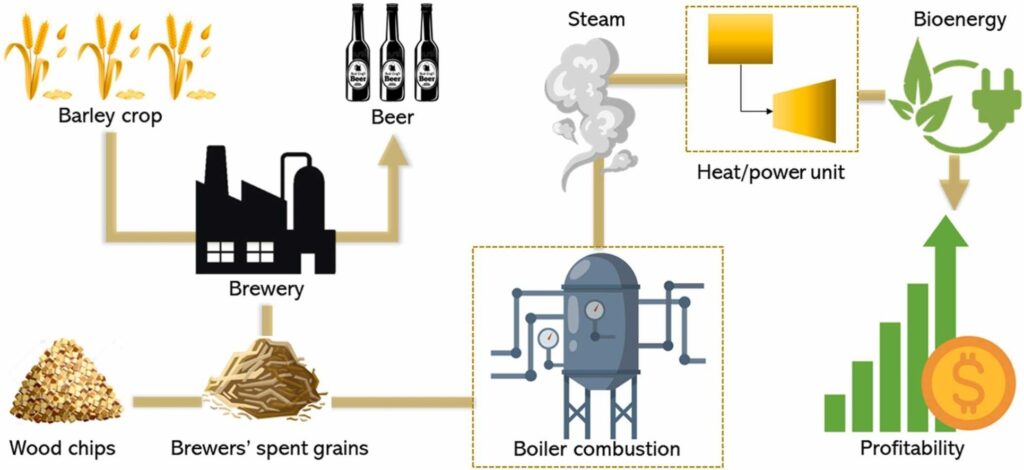
Categories
Uncategorized

Driving Electric Generators with Steam Turbines

Driving Electric Generators with Steam Turbines

Driving Electric Generators with Steam Turbines: Steam turbines play a crucial role in industrial applications by providing mechanical power to drive a wide range of equipment, from pumps and compressors to generators and process machinery. These turbines convert thermal energy from steam into mechanical energy through a series of high-speed rotating blades. The use of steam turbines for driving industrial equipment is widespread due to their efficiency, reliability, and ability to operate under a variety of conditions. One of the key advantages of steam turbines is their ability to handle large power loads while maintaining operational stability. Unlike reciprocating engines, steam turbines operate with continuous rotary motion, resulting in smoother operation, lower vibration, and reduced maintenance requirements. This characteristic makes them particularly suitable for applications where consistent and reliable power is essential.

Steam turbines are often categorized based on their design and operational characteristics. Condensing steam turbines are used when maximum energy extraction from steam is required. These turbines expand steam to a very low pressure, often creating a vacuum in the condenser to maximize efficiency. The extracted energy is then used to drive industrial equipment such as power generators or heavy-duty compressors. On the other hand, back-pressure turbines operate by exhausting steam at a higher pressure, which can then be used for heating or other process requirements in industrial plants. This makes them particularly useful in cogeneration systems, where both mechanical power and thermal energy are needed.

The efficiency of a steam turbine depends on several factors, including steam inlet conditions, blade design, and the effectiveness of steam expansion within the turbine. High-pressure and high-temperature steam results in better efficiency, as it allows for greater energy conversion. Modern steam turbines often incorporate advanced materials and precision-engineered blades to withstand the extreme conditions of industrial applications. Additionally, the use of reheat cycles, extraction points, and controlled steam flow can further enhance efficiency and adaptability to different industrial needs.

Steam turbines are widely employed in industries such as petrochemical, power generation, pulp and paper, and food processing. In oil refineries, they are used to drive large compressors that aid in refining crude oil. In the pulp and paper industry, steam turbines power machinery used for wood processing and paper production. Many industrial plants integrate steam turbines with boilers and heat recovery systems to optimize energy usage and minimize waste. The ability to harness excess steam from industrial processes and convert it into mechanical power is one of the key benefits of using steam turbines in industrial applications.

Maintenance and operational considerations play a significant role in ensuring the reliability and longevity of steam turbines. Regular inspections, lubrication, and monitoring of steam conditions help prevent unexpected failures. Common issues such as blade erosion, steam leakage, and bearing wear must be addressed to maintain peak performance. Advanced diagnostic tools, such as vibration analysis and thermal imaging, are often used to detect early signs of wear or misalignment. With proper maintenance, steam turbines can operate efficiently for decades, providing a reliable source of mechanical power in industrial settings.

The choice between steam turbines and other power sources, such as electric motors or internal combustion engines, depends on factors like fuel availability, efficiency requirements, and process integration. While electric motors are often preferred for smaller loads due to their simplicity and lower upfront costs, steam turbines become more attractive when waste steam or excess thermal energy is available. Their ability to utilize a variety of steam sources, including waste heat recovery and cogeneration systems, makes them an energy-efficient solution for many industrial applications.

Overall, the use of steam turbines for driving industrial equipment remains an essential aspect of modern industry. Their ability to deliver continuous power, handle high loads, and integrate with thermal energy systems makes them a preferred choice in many sectors. With ongoing advancements in turbine design and efficiency improvements, steam turbines continue to play a vital role in sustainable and efficient industrial operations.

Another significant advantage of steam turbines in industrial applications is their adaptability to different operational demands. Unlike internal combustion engines, which have a fixed power output dependent on fuel combustion, steam turbines can be controlled more flexibly by adjusting steam flow and pressure. This allows industries to optimize energy consumption based on real-time demand, reducing fuel wastage and operational costs. Many modern steam turbine systems are equipped with automated control systems that regulate steam supply, monitor performance parameters, and adjust turbine operation for optimal efficiency. These intelligent control mechanisms ensure that turbines operate within safe and efficient limits while minimizing downtime and maintenance requirements.

In industrial settings where continuous operation is required, such as in chemical plants, power stations, and steel mills, steam turbines offer unmatched reliability. Their robust construction and relatively simple mechanical design contribute to long operational lifespans, often exceeding several decades with proper maintenance. Many steam turbines operate 24/7 without significant interruptions, making them an ideal choice for critical industrial processes. Their ability to use various steam sources, including waste heat from other processes, further enhances their practicality and energy efficiency. This is particularly valuable in combined heat and power (CHP) systems, where the turbine not only drives equipment but also helps generate steam for heating or other industrial processes.

Another important aspect of steam turbine-driven industrial equipment is its scalability. Steam turbines can be designed to handle small-scale applications, such as driving a single pump, or large-scale industrial systems that require megawatts of power. This scalability makes them a viable choice for industries of all sizes, from small manufacturing plants to large petrochemical complexes. Additionally, steam turbines can be integrated with multiple process units within a plant, allowing for centralized power generation and distribution. This approach enhances overall plant efficiency, as a single steam turbine system can supply power to multiple machines and processes, reducing the need for separate power sources.

One of the critical considerations when using steam turbines in industrial applications is steam quality. The presence of impurities, excessive moisture, or variations in pressure can significantly impact turbine performance and longevity. Poor steam quality can lead to erosion of turbine blades, scaling on internal components, and reduced efficiency. Therefore, industries must implement proper water treatment and steam conditioning processes to maintain the integrity of their steam supply. Superheating steam before it enters the turbine is a common practice to prevent condensation and improve efficiency. Additionally, steam separators, filters, and desuperheaters may be used to ensure consistent steam conditions.

Environmental considerations also play a role in the continued development of steam turbine technology. As industries strive to reduce carbon emissions and improve energy efficiency, steam turbines are being optimized for cleaner and more sustainable operation. Many industries are investing in waste heat recovery systems, which capture excess heat from industrial processes and use it to generate steam for turbine operation. This not only reduces fuel consumption but also minimizes greenhouse gas emissions. Additionally, advances in materials science are leading to the development of high-temperature, corrosion-resistant turbine components, further improving efficiency and reducing maintenance needs.

Another emerging trend in steam turbine applications is their integration with renewable energy sources. Biomass and concentrated solar power (CSP) plants use steam turbines to convert thermal energy from organic materials or solar collectors into mechanical and electrical power. These renewable energy systems rely on the same fundamental principles as traditional steam turbine applications but utilize sustainable fuel sources. In some cases, hybrid systems combine conventional fossil fuel-based steam generation with renewable sources to create more flexible and environmentally friendly energy solutions.

Steam turbines also play a crucial role in the expansion of industrial automation and digitalization. Modern steam turbine systems often include sensors, predictive maintenance algorithms, and remote monitoring capabilities. These advancements allow operators to track performance in real time, detect potential issues before they escalate, and optimize turbine operation based on changing process demands. The use of digital twins—virtual models that simulate real-world turbine performance—enables engineers to analyze different operating scenarios, predict maintenance needs, and enhance overall system efficiency.

Despite their many advantages, steam turbines do have some limitations. The initial capital investment for a steam turbine system can be high, particularly when considering the need for boilers, condensers, and other auxiliary equipment. Additionally, steam turbines require a reliable steam source, which means industries must invest in efficient steam generation systems. However, for operations where steam is already a byproduct of other processes, the use of steam turbines can significantly improve overall energy efficiency and reduce operational costs.

Looking ahead, the role of steam turbines in driving industrial equipment is expected to evolve with advancements in energy efficiency, sustainability, and digitalization. Industries will continue to seek ways to maximize the use of available thermal energy, reduce emissions, and enhance operational flexibility. Steam turbines, with their proven track record of reliability and efficiency, will remain a cornerstone of industrial power generation and mechanical drive applications for years to come.

Another critical aspect of steam turbine-driven industrial systems is their integration with advanced heat recovery technologies. In many industrial settings, steam turbines are part of a larger system that includes boilers, heat exchangers, and condensers designed to maximize energy utilization. Waste heat from industrial processes, such as steel production, chemical refining, and cement manufacturing, can be captured and repurposed to generate steam. This approach enhances overall energy efficiency and reduces reliance on external fuel sources, leading to lower operating costs and improved sustainability. In cogeneration and combined-cycle power plants, steam turbines work in conjunction with gas turbines to extract maximum energy from fuel combustion. These integrated systems contribute to reducing greenhouse gas emissions by utilizing fuel more effectively and minimizing waste heat dissipation into the environment.

In applications requiring variable power output, steam turbines offer a level of flexibility that is advantageous for fluctuating industrial demands. Unlike conventional reciprocating engines, steam turbines can operate efficiently across a range of loads by adjusting steam flow rates, regulating extraction points, or incorporating reheating stages. This adaptability is particularly useful in industries such as pulp and paper, where process steam requirements may change throughout the production cycle. By modifying operating parameters in real time, steam turbine systems can maintain optimal performance while ensuring that both power generation and process steam demands are met efficiently.

Another key consideration when deploying steam turbines for industrial applications is lubrication and bearing technology. Steam turbines operate at high rotational speeds, necessitating precision-engineered bearings and lubrication systems to minimize friction and wear. Hydrodynamic and tilt-pad bearings are commonly used in industrial steam turbines to provide stability, reduce vibrations, and extend service life. Proper lubrication systems ensure consistent oil supply to bearings, preventing overheating and reducing mechanical losses. Advanced condition monitoring techniques, such as oil analysis and thermography, are employed to detect early signs of bearing degradation, allowing for predictive maintenance and minimizing unexpected shutdowns.

The development of advanced steam turbine blade materials and coatings has also contributed to improved efficiency and durability. Modern turbine blades are designed to withstand extreme temperatures and pressures while minimizing erosion caused by high-velocity steam. Coatings such as thermal barrier layers and erosion-resistant materials help mitigate wear and extend turbine lifespan. Computational fluid dynamics (CFD) simulations are widely used in blade design to optimize aerodynamic performance and enhance energy conversion efficiency. As a result, newer steam turbine models achieve higher efficiency rates and lower operating costs compared to earlier generations.

Steam turbines continue to play a crucial role in industries that require large-scale mechanical drive applications. For example, in the oil and gas sector, steam turbines are used to drive large compressors for natural gas processing, pipeline transportation, and petrochemical refining. Their ability to provide continuous, high-power output makes them ideal for heavy-duty industrial processes that demand reliability and operational stability. Similarly, in fertilizer production, steam turbines power ammonia and urea synthesis compressors, ensuring efficient chemical processing and production scalability.

As industries transition toward more sustainable energy solutions, the role of steam turbines in decarbonization efforts is becoming increasingly important. One promising development is the integration of steam turbines with carbon capture and utilization (CCU) systems. By utilizing waste heat from carbon capture processes, steam turbines can generate additional power while simultaneously reducing carbon emissions. In green hydrogen production, where electrolysis requires significant energy input, steam turbines can provide an efficient and low-emission power source when integrated with renewable energy-based steam generation.

Future advancements in steam turbine technology will likely focus on enhancing efficiency through digitalization, automation, and smart grid integration. The incorporation of artificial intelligence (AI) and machine learning in turbine control systems will enable real-time performance optimization, predictive maintenance scheduling, and autonomous fault detection. These innovations will not only improve reliability but also extend the operational lifespan of steam turbines in industrial applications. Additionally, ongoing research into supercritical and ultra-supercritical steam turbine designs aims to further increase efficiency by operating at higher temperatures and pressures, reducing fuel consumption and emissions.

Ultimately, the continued evolution of steam turbines in industrial applications will be driven by the need for greater efficiency, sustainability, and operational flexibility. As global industries seek to optimize energy use and reduce environmental impact, steam turbines will remain a cornerstone of mechanical power generation, playing a vital role in shaping the future of industrial energy systems.

Another crucial factor in the widespread adoption of steam turbines for driving industrial equipment is their compatibility with diverse fuel sources. Unlike internal combustion engines, which rely on specific fuels such as diesel or natural gas, steam turbines can utilize steam generated from a wide range of sources. This includes conventional fossil fuels such as coal, oil, and natural gas, as well as renewable and alternative sources like biomass, geothermal energy, and concentrated solar power. This versatility allows industries to choose fuel sources based on availability, cost, and environmental considerations, making steam turbines a flexible and future-proof option for industrial applications.

In industries with high-temperature waste heat, steam turbines provide an effective means of energy recovery. Waste heat boilers, also known as heat recovery steam generators (HRSGs), capture thermal energy from exhaust gases, process heat, or combustion byproducts and use it to produce steam for turbines. This approach significantly improves overall plant efficiency and reduces the amount of energy lost to the environment. Industries such as steel manufacturing, cement production, and chemical processing often implement waste heat recovery steam turbines to maximize energy efficiency and lower operational costs. The ability to repurpose otherwise wasted heat into usable mechanical power further strengthens the economic and environmental case for steam turbine adoption.

Another key advantage of steam turbines is their ability to operate under extreme conditions while maintaining high reliability. Many industrial settings expose equipment to harsh environments, including high temperatures, corrosive chemicals, and heavy mechanical loads. Steam turbines, with their robust construction and minimal moving parts, are well-suited for such conditions. Special coatings and alloy materials are used to enhance resistance to high-temperature corrosion and oxidation, particularly in applications where aggressive steam conditions are present. This durability ensures that steam turbines can operate for decades with minimal degradation, making them a cost-effective long-term investment.

The integration of steam turbines with advanced automation and control technologies has further improved their efficiency and operational stability. Modern steam turbines are equipped with digital control systems that optimize steam flow, pressure, and temperature based on real-time process requirements. Automated valve control, predictive maintenance algorithms, and remote monitoring capabilities help reduce human intervention and minimize the risk of unexpected failures. Advanced sensors continuously monitor turbine performance parameters such as vibration levels, thermal expansion, and lubrication quality, allowing operators to detect anomalies before they lead to costly breakdowns.

A critical factor in steam turbine efficiency is the management of steam expansion and extraction. Many industrial turbines feature multiple extraction points where steam can be withdrawn at specific pressures for use in other process applications. This allows plants to balance power generation with process steam needs, improving overall system efficiency. In cogeneration systems, extracted steam can be used for district heating, desalination, or chemical processing, providing additional value beyond mechanical power generation. The ability to integrate power and process steam requirements into a single system is a key reason why many industries favor steam turbines over other prime movers.

Another emerging application for steam turbines is their role in hybrid energy systems. As industries seek to reduce their carbon footprint, hybrid solutions combining steam turbines with renewable energy sources are gaining traction. For instance, concentrated solar power (CSP) plants use mirrors to focus sunlight onto a central receiver, generating high-temperature steam that drives a turbine. Similarly, geothermal power plants harness underground heat to produce steam, which is then expanded through a turbine to generate electricity or mechanical power. These applications demonstrate how steam turbines can seamlessly integrate with low-carbon energy sources to enhance sustainability.

Despite their many advantages, steam turbines also present certain challenges that industries must consider. One of the primary limitations is the need for an efficient steam supply system, including high-performance boilers, condensers, and piping infrastructure. The initial capital investment for a steam turbine system can be substantial, particularly for small-scale operations where alternative power sources such as electric motors or reciprocating engines may be more cost-effective. However, for larger industrial applications, the long-term efficiency and durability of steam turbines often offset the higher upfront costs.

Another challenge is the potential for efficiency losses due to steam leakage, turbine fouling, and mechanical wear. Over time, deposits can form on turbine blades, reducing aerodynamic efficiency and increasing energy losses. Regular maintenance, including steam purity management and periodic blade cleaning, is essential to maintaining peak performance. Advances in material science and surface coatings continue to improve resistance to fouling and erosion, helping extend turbine life and reduce maintenance costs.

As industries move toward decarbonization and energy efficiency improvements, steam turbines are expected to remain a key technology in the transition to a more sustainable future. Ongoing research into supercritical and ultra-supercritical steam cycles aims to push efficiency levels even higher, reducing fuel consumption and emissions. Additionally, the integration of digital twins—virtual models that simulate real-time turbine performance—will enhance predictive maintenance and operational optimization. These advancements will further solidify the role of steam turbines in modern industrial energy systems, ensuring their continued relevance in an evolving energy landscape.

Looking ahead, steam turbines will continue to be an indispensable part of industrial power generation and mechanical drive applications. Their ability to deliver high efficiency, reliability, and fuel flexibility makes them an ideal choice for industries seeking long-term energy solutions. With ongoing technological improvements and increasing integration with renewable energy sources, steam turbines will play a pivotal role in driving industrial processes while supporting global efforts to enhance sustainability and reduce carbon emissions.

Driving Electric Generators with Steam Turbines

Steam Turbines and Electricity Production

Driving electric generators with steam turbines is one of the most widespread and efficient methods of electricity generation. Steam turbines convert thermal energy from steam into mechanical energy, which then drives an electric generator to produce electricity. This principle is the foundation of power generation in fossil fuel power plants, nuclear power stations, and renewable energy facilities such as biomass and geothermal plants. The efficiency, reliability, and scalability of steam turbines make them an essential component in both large-scale and distributed power generation systems.

The fundamental process begins with a heat source, which generates high-pressure steam in a boiler or heat recovery system. This steam is directed into the turbine, where it expands across multiple stages of blades, causing the rotor to spin at high speeds. The kinetic energy from the spinning turbine shaft is transferred to an electrical generator through a coupling mechanism. Inside the generator, electromagnetic induction occurs as the rotating shaft turns a rotor within a stator, converting mechanical energy into electrical energy. The generated electricity is then conditioned, transformed to appropriate voltage levels, and distributed to the power grid or industrial consumers.

The efficiency of a steam turbine-driven generator depends on various factors, including steam pressure, temperature, turbine design, and generator characteristics. Higher steam temperatures and pressures generally improve efficiency by allowing more energy to be extracted from the steam before it is exhausted or condensed. Modern power plants employ superheated and reheated steam cycles to maximize energy conversion, reducing fuel consumption and lowering emissions. Ultra-supercritical steam turbines operate at extremely high temperatures and pressures, further enhancing efficiency and minimizing environmental impact.

There are different types of steam turbines used for driving electric generators, each suited to specific applications. Condensing steam turbines are the most common in large-scale power generation, as they extract maximum energy from the steam before it is condensed back into water in a vacuum-operated condenser. This design increases thermal efficiency and allows for greater power output. In contrast, back-pressure steam turbines exhaust steam at higher pressures for use in industrial processes, such as heating or manufacturing, making them ideal for combined heat and power (CHP) systems. Extraction steam turbines, which allow controlled steam extraction at intermediate pressures, offer additional flexibility in balancing electricity production with process steam demands.

Steam turbine-driven generators are widely used in fossil fuel power plants, where coal, natural gas, or oil is burned in boilers to produce steam. In coal-fired power plants, pulverized coal is combusted to generate high-temperature steam, which then powers the turbine. Similarly, in gas-fired plants, heat from gas combustion produces steam either directly (in steam boilers) or as part of a combined-cycle configuration, where a gas turbine generates initial power and a steam turbine utilizes waste heat for additional generation. This combined-cycle approach significantly improves overall plant efficiency, reaching levels above 60% in modern installations.

Nuclear power plants also rely on steam turbines for electricity generation, but instead of burning fossil fuels, they use nuclear fission to heat water and create steam. Pressurized water reactors (PWRs) and boiling water reactors (BWRs) are the two primary types of nuclear reactors used in steam turbine power generation. In a PWR, heat from the nuclear core is transferred to a secondary loop that produces steam, while in a BWR, steam is generated directly within the reactor vessel and fed to the turbine. The ability of steam turbines to operate under high-load conditions with minimal mechanical wear makes them particularly suitable for the constant power output required by nuclear power plants.

Beyond fossil and nuclear power, steam turbine generators play a crucial role in renewable energy systems. Biomass power plants burn organic materials such as wood chips, agricultural waste, or municipal solid waste to generate steam for turbine-driven electricity production. Geothermal power plants extract naturally occurring steam or hot water from underground reservoirs, using it to drive turbines and generate electricity with minimal carbon emissions. Additionally, concentrated solar power (CSP) plants use mirrors to focus sunlight onto a receiver, heating a fluid that generates steam for turbine operation. These renewable applications highlight the versatility and adaptability of steam turbines in various energy production contexts.

The design and operation of the electrical generator coupled with the steam turbine are also critical to overall efficiency and reliability. Most power plants use synchronous generators, which operate at a constant speed synchronized with the grid frequency (e.g., 50 Hz or 60 Hz, depending on the region). The generator’s rotor, typically equipped with electromagnets or permanent magnets, induces an alternating current (AC) in the stator windings as it spins. Large power plants often employ hydrogen-cooled or water-cooled generators to manage heat dissipation and enhance performance. Advanced excitation and voltage regulation systems ensure stable output and efficient integration into the power grid.

Efficiency improvements in steam turbine power generation continue to be a focus of research and development. Technologies such as supercritical carbon dioxide (sCO₂) cycles, which use CO₂ instead of steam as the working fluid, promise higher efficiency and reduced environmental impact. Additionally, digital monitoring systems and predictive maintenance using artificial intelligence (AI) help optimize turbine performance, detect potential issues, and extend operational lifespans. The integration of steam turbines with smart grids and energy storage solutions further enhances their role in modern power systems, ensuring reliable electricity supply even in fluctuating demand scenarios.

Despite their many advantages, steam turbine-driven generators also present challenges. The initial capital investment for steam-based power plants is high, requiring significant infrastructure such as boilers, condensers, cooling towers, and extensive piping networks. The thermal efficiency of a steam turbine system is also limited by the second law of thermodynamics, meaning that some energy loss is inevitable. Additionally, water usage for steam generation and cooling can be a concern, particularly in regions with limited freshwater availability. To address this, many power plants implement dry cooling or hybrid cooling systems to reduce water consumption while maintaining efficiency.

Looking ahead, steam turbines will remain a cornerstone of electricity generation worldwide. As industries transition toward cleaner energy sources, steam turbine technology will continue to evolve to support decarbonization efforts. The expansion of hybrid power systems, integration with renewable energy, and advancements in high-efficiency turbine designs will shape the future of steam-based power generation. With their proven reliability, adaptability, and efficiency, steam turbine-driven generators will continue to play a vital role in meeting global energy demands for decades to come.

One of the most significant factors influencing the efficiency of steam turbine-driven generators is the thermodynamic cycle used in the power generation process. The Rankine cycle, which forms the foundation of steam turbine operation, consists of four key stages: heat addition in a boiler, expansion in a turbine, heat rejection in a condenser, and pressurization of the working fluid in a pump. Enhancing each stage of this cycle can lead to considerable improvements in power plant efficiency. For example, increasing the steam temperature and pressure before it enters the turbine reduces the amount of fuel required per unit of electricity generated, leading to better thermal efficiency and lower emissions.

To achieve higher efficiencies, modern power plants utilize variations of the Rankine cycle, such as the regenerative Rankine cycle and the reheat cycle. In the regenerative cycle, a portion of the steam is extracted from the turbine at intermediate pressures and used to preheat the feedwater before it enters the boiler. This process reduces the heat input required, thereby improving overall efficiency. Similarly, the reheat cycle involves expanding steam in a high-pressure turbine stage, reheating it in the boiler, and then expanding it further in a low-pressure turbine stage. Reheating prevents excessive moisture content in the later turbine stages, which can cause erosion of turbine blades and reduce efficiency.

Another critical aspect of steam turbine performance is the design of turbine blades and the optimization of steam flow paths. Steam turbines consist of multiple stages of rotating and stationary blades, with each stage responsible for extracting energy from the steam as it expands. The shape, length, and material composition of these blades directly affect the turbine’s efficiency and durability. Advanced computational fluid dynamics (CFD) modeling is used to optimize blade aerodynamics, ensuring that steam flows smoothly through the turbine with minimal turbulence and energy loss. Additionally, modern blade coatings and materials, such as nickel-based superalloys and ceramic composites, enhance resistance to high temperatures and corrosion, extending turbine lifespan and reducing maintenance requirements.

The condenser plays a vital role in the steam turbine power generation process by converting low-energy exhaust steam back into water for reuse in the boiler. The efficiency of this heat rejection process influences overall power plant performance. Most large power plants use water-cooled condensers, where cooling water absorbs heat from the steam and carries it away, enabling rapid condensation. In coastal areas, seawater cooling is commonly employed, while inland plants rely on freshwater cooling towers or air-cooled condensers. Improving condenser performance through enhanced heat exchanger designs, optimized cooling water flow rates, and advanced materials can lead to significant gains in efficiency and reduced operating costs.

In addition to thermodynamic optimizations, modern steam turbine power plants incorporate advanced control and automation systems to improve operational efficiency. Digital monitoring tools, such as condition-based maintenance (CBM) and predictive analytics, enable plant operators to detect potential issues before they lead to equipment failures. Sensors installed throughout the turbine, generator, and auxiliary systems continuously collect data on temperature, pressure, vibration, and other critical parameters. Artificial intelligence (AI) and machine learning algorithms analyze this data in real-time, providing insights that help operators optimize steam flow rates, adjust turbine load conditions, and schedule maintenance more effectively. This proactive approach minimizes downtime, reduces maintenance costs, and enhances overall reliability.

Another important consideration in steam turbine power generation is grid integration and load-following capability. While steam turbines are traditionally associated with baseload power generation, modern plants are increasingly designed to accommodate fluctuations in electricity demand. Variable steam flow control, rapid startup and shutdown procedures, and flexible operational modes allow steam turbine plants to complement intermittent renewable energy sources such as wind and solar. For example, hybrid power plants combine steam turbines with battery storage systems or gas turbines to provide grid stability and ensure a consistent electricity supply.

The environmental impact of steam turbine power generation is also a major focus of research and innovation. Although fossil fuel-based steam power plants produce greenhouse gas emissions, advanced carbon capture and storage (CCS) technologies can significantly reduce their environmental footprint. CCS systems capture CO₂ from power plant emissions and either store it underground or utilize it for industrial applications such as enhanced oil recovery or synthetic fuel production. Additionally, integrating steam turbines with renewable energy sources—such as biomass and geothermal—can provide cleaner alternatives to conventional fossil fuel power generation.

Furthermore, the transition to hydrogen as a fuel source presents new opportunities for steam turbine technology. Hydrogen can be burned in boilers to generate steam or used in fuel cells to produce electricity with zero emissions. Some power plants are exploring the co-firing of hydrogen with natural gas to reduce carbon intensity while maintaining the reliability and efficiency of steam turbines. Research into high-temperature electrolysis and thermochemical water-splitting methods aims to produce hydrogen more efficiently using excess heat from steam turbine power plants, creating a pathway for deeper decarbonization.

Looking to the future, continued advancements in steam turbine design, materials, and control systems will further enhance the efficiency, flexibility, and sustainability of steam-driven power generation. Supercritical and ultra-supercritical steam cycles will push efficiency levels even higher, reducing fuel consumption and emissions. Digitalization and automation will enable smarter, more responsive power plants that adapt to changing energy demands in real time. As global energy systems evolve, steam turbines will remain a cornerstone of reliable electricity generation, playing a crucial role in meeting energy needs while supporting the transition to a low-carbon future.

Another key factor in the continued advancement of steam turbine-driven generators is the role of emerging technologies that enhance efficiency and operational flexibility. One such innovation is the use of advanced heat recovery systems, particularly in combined-cycle power plants. In these systems, steam turbines operate in conjunction with gas turbines to maximize energy extraction from fuel. The gas turbine generates electricity by burning natural gas, and its high-temperature exhaust gases are used to produce steam in a heat recovery steam generator (HRSG), which then powers a steam turbine for additional electricity generation. This combined-cycle configuration significantly increases overall efficiency, often exceeding 60%, making it one of the most effective methods for fossil fuel-based electricity production.

Additionally, steam turbine performance is being further enhanced through improvements in steam cycle conditions. The development of advanced ultra-supercritical (A-USC) steam plants is pushing operational temperatures beyond 700°C (1,292°F) and pressures above 35 MPa, allowing for even greater efficiency gains. These high-performance conditions require advanced materials capable of withstanding extreme heat and pressure while maintaining long-term durability. Nickel-based superalloys, ceramic matrix composites, and advanced coatings are being incorporated into turbine components to ensure reliability under these harsh conditions. As a result, A-USC power plants achieve higher energy conversion efficiency while reducing CO₂ emissions per unit of electricity generated.

Furthermore, increasing the adaptability of steam turbines for grid balancing applications is becoming a major focus. Traditionally, steam turbines have been optimized for baseload power generation, operating at a steady output over long periods. However, the growing share of intermittent renewable energy sources, such as wind and solar, requires greater flexibility in power plant operations. To address this challenge, modern steam turbines are designed to ramp up and down more quickly, allowing them to complement fluctuations in renewable energy generation. Faster startup times, advanced steam bypass systems, and variable pressure operation help steam turbines support grid stability, reducing the risk of supply disruptions.

A significant breakthrough in steam turbine control systems has been the integration of artificial intelligence (AI) and machine learning for predictive maintenance and optimization. AI-driven monitoring systems continuously collect and analyze data from turbines, generators, and auxiliary equipment, identifying patterns that indicate potential failures or inefficiencies. By leveraging this data, operators can implement condition-based maintenance strategies, reducing unplanned downtime and extending the lifespan of critical components. This proactive approach not only lowers maintenance costs but also improves overall power plant availability and reliability.

The role of steam turbines in industrial cogeneration and district heating applications is also expanding. In cogeneration (also known as combined heat and power, or CHP) systems, steam turbines generate electricity while simultaneously providing process steam or hot water for industrial facilities, commercial buildings, or residential districts. This dual-use approach enhances energy efficiency, as it utilizes heat that would otherwise be wasted in traditional power plants. Industrial sectors such as chemical processing, refining, and pulp and paper manufacturing particularly benefit from CHP systems, as they require both electricity and process heat for production. District heating networks, commonly used in colder regions, distribute steam or hot water from central power plants to multiple buildings, further improving energy efficiency and reducing reliance on fossil fuels.

The transition to low-carbon energy sources is also influencing the design and operation of steam turbines. Biomass-fired power plants, which use organic materials such as wood pellets, agricultural residues, or municipal waste to generate steam, are gaining traction as a renewable alternative to coal. Co-firing biomass with coal in existing steam turbine power plants is an effective strategy to reduce carbon emissions without requiring significant modifications to infrastructure. Additionally, waste-to-energy plants, which convert municipal solid waste into steam for power generation, provide an environmentally friendly solution for reducing landfill waste while producing electricity.

Geothermal power generation is another area where steam turbines play a crucial role. In geothermal plants, steam or high-temperature fluids extracted from underground reservoirs drive turbines to generate electricity. Dry steam and flash steam geothermal systems directly use natural steam, while binary cycle geothermal plants transfer heat from geothermal fluids to a secondary working fluid with a lower boiling point, which then vaporizes to drive the turbine. Because geothermal energy provides a stable and continuous source of power, it serves as an important complement to intermittent renewable energy sources like wind and solar.

The potential for hydrogen to become a major fuel source in steam turbine power generation is also being explored. Hydrogen can be combusted in boilers to produce steam or used in gas turbines as part of a hydrogen-natural gas blend. Hydrogen-fired steam cycles have the potential to offer carbon-free electricity generation, particularly if the hydrogen is produced through electrolysis using renewable energy. Research is ongoing to develop efficient methods for integrating hydrogen into existing steam turbine infrastructure, with the goal of achieving zero-emission power generation.

In the future, hybrid energy systems that combine steam turbines with other emerging technologies will likely play a larger role in power generation. For example, integrating steam turbines with molten salt energy storage allows excess electricity from renewable sources to be stored as thermal energy and later converted back into steam for electricity production during periods of high demand. Similarly, supercritical carbon dioxide (sCO₂) power cycles, which replace steam with high-pressure CO₂ as the working fluid, are being developed to achieve higher efficiency and reduced environmental impact. These innovations will further improve the viability of steam turbines in an evolving energy landscape.

Despite the advancements in steam turbine technology, challenges remain. The high capital costs associated with constructing new steam turbine power plants can be a barrier, particularly as some regions prioritize decentralized and renewable energy solutions. Additionally, water consumption for cooling and steam production is a concern in water-scarce areas, prompting research into dry cooling techniques and alternative working fluids. Nevertheless, the long-term benefits of steam turbine power generation, including reliability, efficiency, and fuel flexibility, ensure that they will continue to play a vital role in meeting global electricity demand.

As energy systems transition toward a more sustainable future, steam turbines will remain a key technology in power generation. Their ability to integrate with renewable energy sources, provide grid stability, and adapt to new fuel types will ensure their continued relevance. Whether through ultra-efficient supercritical steam cycles, hydrogen-powered systems, or hybrid renewable energy configurations, steam turbines will play a crucial role in delivering clean, reliable, and cost-effective electricity in the decades to come.

Steam Turbine for Electricity Generation with Naphtha

Another significant area of development in steam turbine-driven power generation is the ongoing refinement of energy storage integration and load management strategies. As electrical grids incorporate more variable renewable energy sources, steam turbines must operate with greater flexibility to balance supply and demand. Advanced thermal energy storage (TES) solutions are being integrated with steam turbines to store excess energy generated during periods of low demand and release it when electricity consumption peaks. Technologies such as molten salt storage, phase change materials (PCMs), and high-temperature steam accumulators are being explored to improve grid reliability and efficiency while reducing the reliance on fossil fuel peaking plants.

Molten salt storage, widely used in concentrated solar power (CSP) plants, enables steam turbines to generate electricity even after the sun has set. In this system, solar energy heats molten salt, which retains thermal energy for extended periods. When electricity is needed, the stored heat is transferred to a working fluid to produce steam that drives a turbine. This method significantly enhances the dispatchability of renewable power plants, allowing them to function more like conventional baseload power sources. Similar storage solutions are being tested in hybrid fossil-renewable plants to improve efficiency and reduce emissions.

Another promising development is the use of supercritical carbon dioxide (sCO₂) power cycles as an alternative to traditional steam turbines. Instead of water and steam, these systems use high-pressure CO₂ as the working fluid in a closed-loop cycle. Because sCO₂ has superior thermodynamic properties, it allows for higher energy conversion efficiency at lower operating temperatures and pressures. Additionally, sCO₂ turbines are much smaller than steam turbines of equivalent power output, reducing capital and maintenance costs. Research is ongoing to scale up sCO₂ power systems for commercial deployment, with applications ranging from fossil and nuclear power plants to concentrated solar and waste heat recovery.

Advancements in steam turbine materials and manufacturing processes are also improving performance, longevity, and cost-effectiveness. Additive manufacturing (AM), or 3D printing, is being increasingly used to produce complex turbine components with enhanced durability and efficiency. This technique allows for the creation of intricate blade designs that optimize aerodynamics while reducing weight and material waste. Additionally, AM enables the rapid production of replacement parts, minimizing downtime and maintenance costs. High-temperature-resistant materials, such as ceramic matrix composites and nickel-based superalloys, are being developed to withstand extreme operating conditions, further improving turbine efficiency and service life.

One of the key challenges in steam turbine-driven power generation is water usage, particularly in arid regions where freshwater resources are scarce. Traditional steam power plants rely on large amounts of water for cooling and steam generation, which can pose environmental and economic challenges. To address this issue, researchers are developing advanced dry cooling systems that reduce water consumption while maintaining high efficiency. Air-cooled condensers (ACCs) and hybrid cooling solutions that combine wet and dry cooling methods are being adopted in power plants to minimize water use without compromising performance. Additionally, innovative water recovery technologies, such as membrane-based steam condensation and advanced desiccant cooling systems, are being explored to further enhance sustainability.

In industrial settings, the role of steam turbines is evolving beyond traditional power generation. Industries that require large amounts of heat and electricity, such as petrochemicals, food processing, and paper manufacturing, are increasingly turning to steam turbine-based cogeneration systems to improve efficiency and reduce operating costs. In these systems, steam turbines generate both electricity and process steam, optimizing fuel usage and reducing emissions. The integration of waste heat recovery systems further enhances efficiency by capturing and reusing thermal energy that would otherwise be lost. In some cases, excess steam from industrial processes is supplied to nearby district heating networks, providing residential and commercial buildings with efficient heating solutions.

Another frontier in steam turbine technology is the exploration of fusion energy as a long-term power generation solution. Fusion reactors, such as those being developed by ITER and other research institutions, aim to harness the energy produced by nuclear fusion reactions to generate electricity. In these systems, the extreme heat from the fusion process is used to produce steam, which drives turbines in a manner similar to conventional nuclear power plants. While commercial fusion power is still in the experimental stage, successful implementation could provide a nearly limitless source of clean electricity, with steam turbines playing a central role in energy conversion.

As steam turbines continue to evolve, their integration with smart grid technology is becoming increasingly important. Digital twins—virtual replicas of physical turbine systems—are being used to simulate performance under different operating conditions, enabling predictive maintenance and real-time optimization. These digital models, combined with Internet of Things (IoT) sensors and big data analytics, allow power plant operators to monitor turbine efficiency, detect early signs of wear or failure, and implement corrective measures before problems escalate. This approach improves reliability, extends equipment lifespan, and reduces unplanned outages.

Looking to the future, the role of steam turbines in global energy systems will continue to adapt in response to technological advances, environmental concerns, and economic pressures. Whether through hybrid renewable-fossil configurations, hydrogen-fired steam cycles, or next-generation materials and cooling technologies, steam turbines will remain a key component of large-scale power generation. Their ability to provide stable, high-efficiency electricity generation ensures that they will continue to be a critical part of the transition to a cleaner, more resilient energy future.

Driving Feedwater Pumps with Steam Turbines

Driving Cargo Pumps with Steam Turbines

Driving feedwater pumps with steam turbines is a common practice in large-scale steam power plants, particularly in nuclear and fossil fuel plants, to ensure the continuous flow of water to the boiler. Feedwater pumps are essential for maintaining the steam generation process, as they supply water to the boiler at high pressure, allowing for the production of steam that drives the turbine. These pumps typically operate under very high pressures to overcome the resistance from the boiler and ensure an uninterrupted supply of water. Steam turbines provide a reliable and efficient method of driving these pumps by using the energy from steam to drive the mechanical rotation of the pump.

The principle behind driving feedwater pumps with steam turbines is straightforward. Steam turbines, in this case, are used to harness the energy in high-pressure steam, converting it into mechanical energy that turns the pump’s shaft. The mechanical energy is transferred through a shaft or coupling to the feedwater pump, which then pressurizes and feeds water into the boiler. In this process, steam turbines act as a mechanical power source for the pump, ensuring that the water is pumped to the desired pressure for steam generation.

In large power plants, there are typically two or more feedwater pumps in operation to ensure reliability and meet the demands of the plant. These pumps are often driven by dedicated steam turbines, though smaller pumps may be driven by electric motors. The steam turbines that drive feedwater pumps are usually low-pressure or auxiliary turbines, meaning they operate at lower pressures than the main turbine used for electricity generation. The steam used for the feedwater pump is typically extracted from the main turbine after it has passed through the high-pressure and intermediate stages. This process of steam extraction is efficient because it utilizes steam that would otherwise be at a lower pressure and temperature, which still contains a significant amount of energy.

In a typical steam cycle, the feedwater pump is located after the condenser and before the steam generator. The water that enters the pump is cooled, condensed, and demineralized to remove impurities. The feedwater pump then increases the pressure of this water, which is eventually heated in the boiler to generate steam. Once the water is pressurized, it enters the boiler at a controlled rate, where it is heated by the burning of fossil fuels, nuclear reactions, or concentrated solar power. The high-pressure steam produced in the boiler is sent to the turbine, which drives the generator to produce electricity.

Using steam turbines to drive feedwater pumps is advantageous for several reasons. First, it is a highly reliable and proven method of providing mechanical power to pumps. Since steam turbines are already integrated into the power generation cycle, they can efficiently share steam with the feedwater pumps, reducing the need for separate motor-driven systems. This integration reduces equipment complexity and improves overall system reliability.

Another benefit of using steam turbines for feedwater pumps is the potential for energy recovery. In some systems, the low-pressure steam extracted from the main turbine can be utilized effectively for pump operation without significantly reducing the power available for electricity generation. By carefully controlling the amount of steam extracted and ensuring efficient steam usage, power plants can optimize the performance of both the turbine and the feedwater pump, maximizing energy conversion efficiency.

Steam-driven feedwater pumps also help ensure that there is enough pressure in the boiler to sustain the steam generation process. Maintaining the correct feedwater pressure is essential for optimizing the efficiency of the boiler and ensuring safe operation. If the pressure of the water entering the boiler is too low, it can cause fluctuations in steam production, leading to inefficiencies or potentially dangerous conditions. On the other hand, having the proper pressure ensures that the water is efficiently heated to generate steam, which is then used to drive the turbine and produce electricity.

In some plants, particularly in combined-cycle or cogeneration systems, steam turbines that drive feedwater pumps may be part of a broader system of interconnected turbines that also provide mechanical power to other equipment, such as condensate pumps, air compressors, and cooling water pumps. These systems allow for optimized energy usage, as steam from the turbine is used efficiently for multiple purposes within the plant, reducing waste and improving overall performance.

While steam turbines are generally efficient for driving feedwater pumps, their performance must be carefully managed to prevent mechanical wear and ensure long-term reliability. For instance, the steam turbine must be operated within its optimal pressure and temperature ranges to avoid damage from overheating or excessive pressure buildup. Additionally, regular maintenance and monitoring are necessary to ensure that the feedwater pump, turbine, and related components remain in good working condition. Modern digital monitoring and predictive maintenance technologies, which use sensors to collect data on temperature, vibration, and pressure, can help detect potential issues before they lead to mechanical failure, reducing downtime and maintenance costs.

Another important consideration is the control of steam flow to the feedwater pump turbines. The amount of steam used for this purpose can vary depending on the load demand and operational conditions of the power plant. Control valves and regulation systems are typically employed to adjust steam flow to the turbines, maintaining the correct pressure and ensuring optimal pump operation. This dynamic adjustment ensures that the feedwater pump is always operating efficiently without using excessive steam, which could reduce the overall power plant efficiency.

In some power plants, multiple feedwater pumps may be operated in parallel, each driven by its own steam turbine or by a shared turbine, depending on the plant design. This configuration improves reliability by providing redundancy; if one pump or turbine fails, the others can continue to operate. In such cases, the control system can automatically adjust steam flow to ensure that the remaining pumps continue to function as needed. This level of automation and adaptability ensures that the feedwater system is always operating efficiently, even in the event of component failures.

In conclusion, driving feedwater pumps with steam turbines remains a critical component of the operation in many large-scale power plants. This method of providing mechanical energy offers a reliable, efficient, and cost-effective solution that integrates seamlessly with the rest of the steam cycle. By utilizing steam from the turbine, feedwater pumps ensure that the boiler receives a continuous supply of water at the correct pressure, enabling the plant to generate steam for electricity production. With advancements in control systems, maintenance technologies, and steam cycle optimization, steam turbines will continue to play an essential role in driving feedwater pumps and improving the overall efficiency and reliability of steam power plants.

To further enhance the efficiency and performance of feedwater pumps driven by steam turbines, power plants are increasingly incorporating advanced technologies and system optimizations that aim to improve both operational flexibility and energy efficiency. One such advancement is the use of variable-speed drives (VSDs) on steam turbines that drive feedwater pumps. In systems where variable load conditions are common, VSDs allow for better control of pump speed and, consequently, the feedwater pressure. This reduces the need for throttling, which is often used to regulate pump flow and pressure, thereby minimizing energy losses and improving overall system efficiency.

Additionally, the integration of advanced turbine and pump controls through digital systems has made it easier to optimize performance in real-time. Modern plant control systems use data from various sensors located throughout the steam cycle to continuously monitor the operation of the steam turbine, feedwater pump, and related components. These systems can make immediate adjustments to steam flow, pump speed, and other operating parameters to ensure that the system operates within the most efficient parameters. The ability to predict when a turbine or pump is likely to experience wear or degradation allows operators to plan maintenance more effectively, reducing downtime and extending the lifespan of critical components.

Moreover, the integration of artificial intelligence (AI) and machine learning (ML) into plant operations offers significant potential for optimizing the performance of steam turbines driving feedwater pumps. AI algorithms can analyze vast amounts of operational data, identifying patterns and trends that humans may overlook. For example, predictive analytics can forecast changes in the performance of feedwater pumps based on past behavior and operating conditions. The system can then adjust operational parameters proactively, avoiding unnecessary wear on the turbine or pump and ensuring that energy is used efficiently. This type of advanced data analysis and predictive maintenance reduces the likelihood of unexpected failures, ensuring that the plant operates smoothly and minimizes unplanned maintenance costs.

In terms of materials and component design, steam turbines driving feedwater pumps are benefitting from innovations that improve efficiency and reduce wear over time. For instance, advanced turbine blades and seals made from corrosion-resistant and high-temperature materials are becoming more common. These materials ensure that steam turbines can handle the harsh conditions of high-pressure steam while maintaining their efficiency. In addition, advanced coatings applied to critical components, such as the blades, reduce friction and prevent material degradation, allowing for longer service intervals and greater reliability. These improvements in material science are particularly important as the operational pressures and temperatures in modern steam cycles continue to increase, pushing the limits of traditional turbine technology.

As power plants continue to integrate renewable energy sources such as wind and solar, the role of steam turbines in driving feedwater pumps will evolve further. In hybrid systems, where steam turbines complement renewable sources, the ability to quickly adjust steam generation to match fluctuations in renewable output will be essential. In these cases, steam turbines driving feedwater pumps may need to operate more dynamically, ramping up or down in response to changes in available renewable energy. This capability allows the plant to maintain a stable supply of steam to the turbine for power generation while still supporting the fluctuating output of solar or wind power.

Additionally, with the push for more sustainable energy solutions, the potential to use alternative fuels to generate steam is becoming more prominent. Biomass, hydrogen, and waste-to-energy systems are being explored as viable sources of steam generation. Biomass, in particular, offers a renewable fuel option that can be integrated into existing steam cycles, driving the steam turbines that feed water into the boiler. Hydrogen, when used as a clean fuel source, can provide zero-emission power generation, reducing the environmental impact of steam-based electricity production. Incorporating these renewable fuels into steam turbine operations will allow plants to reduce their carbon footprints while still maintaining the efficiency and reliability required for power generation.

Furthermore, advances in the use of combined heat and power (CHP) systems are influencing the way steam turbines are used to drive feedwater pumps. In CHP applications, the steam produced for electricity generation is also used to provide heat for industrial processes, district heating, or commercial facilities. This process of cogeneration allows plants to use both the electrical and thermal energy produced in a more efficient manner. By utilizing waste heat from the turbine exhaust or other parts of the system, these plants can reduce their fuel consumption and environmental impact while driving feedwater pumps to maintain a consistent and efficient steam cycle.

In some plants, the integration of steam turbines with advanced heat recovery systems, such as organic Rankine cycle (ORC) or Kalina cycle technology, is being explored to further increase overall system efficiency. These cycles allow for additional heat recovery from the turbine exhaust, which can be used to preheat the feedwater before it enters the boiler. Preheating the feedwater reduces the amount of fuel required to reach the desired steam temperature, improving the overall thermal efficiency of the power plant. In this way, steam turbines that drive feedwater pumps can be further optimized for energy recovery and reduced fuel consumption.

Finally, improving the integration of steam turbines into the overall plant design through modularity and flexible configurations is another avenue being explored. Modular systems allow power plants to scale up or down more easily based on energy demand and grid requirements. This flexibility is especially useful in systems that need to accommodate large variations in electricity demand or integrate with a mix of renewable and conventional generation sources. Steam turbines that drive feedwater pumps in these systems can be adjusted to match the varying load conditions, ensuring that feedwater pressure and steam generation remain consistent and efficient.

In summary, while the role of steam turbines in driving feedwater pumps is well-established, ongoing advancements in technology, materials, and control systems continue to improve efficiency, flexibility, and sustainability. From digital optimization and predictive maintenance to renewable fuel integration and modular plant design, the future of steam turbine-powered feedwater pumps looks promising. These innovations will allow for more reliable, cost-effective, and environmentally friendly power generation, ensuring that steam turbines remain an integral part of modern energy systems for years to come.

In addition to the technological advancements and operational optimizations discussed, there are several emerging trends and strategic shifts that could influence the future of driving feedwater pumps with steam turbines. These developments are closely tied to the broader energy transition, where the focus is increasingly on decarbonization, flexibility, and enhancing the efficiency of both new and existing power plants.

Hybrid and Integrated Systems

One notable trend is the continued development of hybrid systems that combine steam turbines with renewable energy sources or advanced thermal storage. In a hybrid setup, steam turbines still play a crucial role in driving feedwater pumps and maintaining boiler pressure, but they do so in conjunction with renewable technologies such as solar thermal, geothermal, or waste heat recovery systems. The integration of these renewable energy sources into the steam cycle helps reduce the overall carbon footprint of the plant by displacing fossil fuel-based steam generation.

For example, in a hybrid solar-steam system, concentrated solar power (CSP) plants use mirrors or lenses to focus sunlight on a fluid, often molten salt, which is then used to generate steam. This steam is fed into a steam turbine, which drives a generator and also powers feedwater pumps. By supplementing steam generation with solar energy, the overall fuel consumption can be reduced, which not only lowers emissions but also optimizes the operation of steam turbines, especially during times when solar output is high.

Similarly, integrated geothermal systems use the earth’s natural heat to generate steam. When paired with steam turbines, this allows plants to operate with minimal external fuel input, significantly improving efficiency. Geothermal systems can also reduce the operational load on steam turbines since they provide a constant source of heat, helping to ensure a stable and reliable supply of steam for driving feedwater pumps.

Focus on Sustainability and Emissions Reduction

As part of global efforts to decarbonize the energy sector, there is an increasing emphasis on reducing emissions from fossil fuel-based power plants. For plants that still rely on coal or natural gas for steam generation, carbon capture and storage (CCS) technology is being explored as a way to reduce the environmental impact. In such plants, steam turbines driving feedwater pumps could be part of an integrated CCS system where the captured CO2 is compressed and transported to storage sites.

These plants could also benefit from an optimization of steam turbine and feedwater pump systems that allows for the efficient capture and utilization of waste heat. For instance, the integration of combined heat and power (CHP) systems in industrial facilities or district heating applications can reduce overall fuel consumption by making use of heat that would otherwise be wasted in conventional power generation cycles. By reusing this waste heat to preheat feedwater, plants can decrease the amount of energy required to bring the water to the appropriate pressure and temperature levels, lowering both operational costs and environmental impact.

Additionally, more sustainable feedwater pump systems could be achieved by using biofuels and hydrogen as alternative sources of heat for steam generation. These fuels produce significantly fewer greenhouse gas emissions than traditional fossil fuels, and their use could further align power plants with global sustainability goals. For example, using hydrogen in place of natural gas for generating steam can potentially eliminate carbon emissions, contributing to the decarbonization of the steam cycle.

Advanced Control Systems for Improved Efficiency

Another area of focus for the future of steam turbine-driven feedwater pumps is the continued advancement of control systems. As steam cycles become more complex with the integration of various energy sources and technologies, the need for sophisticated control and optimization strategies grows. The use of digital control systems, coupled with artificial intelligence (AI) and machine learning (ML), allows operators to optimize the performance of steam turbines and feedwater pumps in real-time.

These systems can predict and adjust for fluctuating operating conditions, ensuring that the steam turbine operates at its peak efficiency, whether the plant is running at full capacity or at part load. For instance, during periods of low electricity demand, it may be necessary to reduce steam generation or adjust the feedwater pump speed to ensure that the plant does not consume more fuel than necessary. Advanced algorithms can detect patterns in system performance and adjust settings to prevent overuse of steam, optimizing the turbine’s mechanical output while ensuring sufficient feedwater supply.

AI-driven predictive maintenance tools also enhance the reliability of steam turbines. These tools can anticipate when a feedwater pump turbine may require servicing, based on data such as vibration levels, steam pressure, and temperature fluctuations. This proactive approach to maintenance helps to prevent costly breakdowns and unplanned shutdowns, ensuring that the plant continues to operate smoothly and efficiently over its lifespan.

Decentralized and Modular Power Systems

Another future trend is the shift towards decentralized, modular power generation systems that use smaller, more flexible steam turbines. These systems can be deployed in a variety of locations, from industrial plants to remote areas, reducing the need for long-distance transmission and improving overall grid resilience. In such systems, steam turbines that drive feedwater pumps can be scaled to match the output of smaller plants while still maintaining high levels of efficiency.

Modular systems also offer the benefit of faster deployment, allowing plants to be quickly expanded or adapted to meet changing energy demands. With increasing flexibility, these plants can respond to the variable generation of renewable energy sources, providing backup power when renewable generation dips or smoothing out fluctuations in demand. This shift toward decentralization is also aligned with the ongoing trends in microgrids, where smaller-scale, independent energy systems operate in conjunction with the larger grid, improving resilience and energy security.

In some cases, smaller-scale, renewable-driven systems could rely on steam turbines to drive feedwater pumps, especially in geothermal or waste heat recovery applications. These decentralized plants could provide localized power and heating, helping reduce reliance on centralized fossil fuel-based generation.

Conclusion

As the global energy landscape evolves toward a cleaner, more sustainable future, steam turbines driving feedwater pumps will continue to play an essential role in maintaining the efficiency, reliability, and flexibility of power generation. Innovations such as hybrid systems, advanced control technologies, and the integration of renewable energy sources are driving new levels of optimization. These advancements enable power plants to reduce emissions, operate more efficiently, and provide cleaner energy solutions. The integration of renewable energy, along with improvements in turbine technology and materials, will further enhance the role of steam turbines in the global transition to sustainable energy, ensuring that they remain integral to the future of both power generation and industrial processes.

As the global energy transition accelerates, steam turbines driving feedwater pumps will increasingly need to adapt to evolving demands for greater flexibility, decarbonization, and resilience in energy systems. The future of these systems will involve several cutting-edge trends and innovations aimed at improving performance, minimizing environmental impact, and integrating renewable energy sources. This section will focus on some of the emerging technologies and strategies that will shape the future of steam turbine-driven feedwater pumps in both large-scale and decentralized energy systems.

Integration with Energy Storage Systems

One of the most promising developments in the future of steam turbines driving feedwater pumps is the integration of energy storage systems. As power grids increasingly rely on intermittent renewable energy sources such as wind and solar, energy storage solutions will play a critical role in ensuring grid stability. In many cases, excess electricity generated by renewable sources can be used to store energy, which can later be converted into steam or thermal energy to drive turbines, including those used for feedwater pumping.

For example, concentrating solar power (CSP) plants with thermal storage systems can use surplus solar energy to heat a storage medium, such as molten salt, which retains heat over extended periods. This stored thermal energy can then be used to generate steam when the sun is not shining, providing a steady source of steam to drive turbines and feedwater pumps. Similarly, other thermal energy storage technologies, such as phase-change materials or heat storage tanks, are being researched to provide continuous energy to steam turbines, enabling them to maintain steady operations even when renewable sources are unavailable.

Energy storage systems combined with steam turbines can help balance the fluctuations between renewable generation and grid demand, ensuring that feedwater pumps continue to operate optimally regardless of the variability of energy supply. This will be particularly valuable in regions that rely heavily on renewable energy but still need reliable steam-powered systems for industrial processes or electricity generation. By using stored energy, these plants can achieve higher levels of efficiency and sustainability without sacrificing reliability.

Digital Twins and Advanced Simulation

In recent years, the use of “digital twins” has gained significant traction across the energy sector, including in the context of steam turbines and feedwater pump systems. A digital twin is a virtual representation of a physical system, created by integrating real-time data with advanced simulations. This technology allows operators to simulate various operational conditions and predict the behavior of turbines and pumps before any physical changes are made. By analyzing performance data in the context of a digital twin, operators can optimize system parameters, perform risk assessments, and even plan maintenance schedules with greater accuracy.

For example, digital twins can simulate the impact of different steam flow rates, pump speeds, and operating pressures on the overall efficiency of the turbine and feedwater pump system. By running these simulations continuously, digital twins help identify potential inefficiencies or points of failure, allowing for preemptive action to correct them before they affect the performance of the plant. The use of digital twins in combination with predictive analytics enables better decision-making, ensuring that turbines and pumps operate at their highest possible efficiency while extending the lifespan of critical components.

Additionally, digital twins can play a crucial role in the design phase of steam turbine and feedwater pump systems. By creating highly accurate virtual models, engineers can test different configurations and optimize designs before any physical systems are built. This helps ensure that new installations are optimized for performance, cost, and sustainability from the start, reducing the need for costly adjustments during the commissioning phase.

Hydrogen as a Fuel Source for Steam Generation

The growing interest in hydrogen as a clean alternative to fossil fuels is poised to reshape many aspects of the energy industry, including steam turbine-driven systems. Hydrogen can be used as a fuel to generate steam in boilers, providing an environmentally friendly way to produce the necessary steam to drive turbines and feedwater pumps.

One of the main advantages of using hydrogen is that it produces no carbon emissions when burned. This makes it a promising solution for decarbonizing steam generation in industrial and power plant settings. Hydrogen can be produced from renewable sources, such as wind, solar, and biomass, making it a sustainable fuel option for the future.

However, there are challenges to overcome before hydrogen can be widely adopted as a steam generation fuel. These include the production, storage, and transportation of hydrogen, which require significant infrastructure investment and technological advancements. In addition, hydrogen combustion in steam boilers needs to be optimized to ensure efficiency and avoid issues such as corrosion, especially when used in large-scale power plants. Nevertheless, as technologies for hydrogen production and distribution improve, hydrogen-driven steam generation systems could play an increasingly important role in driving feedwater pumps and other essential equipment in the energy sector.

Advanced Materials and Turbine Efficiency

The ongoing development of advanced materials will continue to enhance the efficiency and durability of steam turbines, including those used to drive feedwater pumps. As steam turbine systems operate under extreme conditions of high pressure and temperature, materials that are resistant to corrosion, erosion, and thermal fatigue are essential for long-term performance.

New materials, such as superalloys, ceramics, and composite materials, are being researched to withstand the stresses imposed by modern steam cycles, which often operate at higher temperatures and pressures to maximize efficiency. These materials can improve turbine performance by reducing losses due to friction and wear, which translates into better fuel efficiency and lower maintenance costs.

In addition to improving the materials used in turbines, coating technologies are being developed to further enhance turbine blades and other key components. For example, thermal barrier coatings (TBCs) can be applied to turbine blades to protect them from the extreme temperatures within the steam cycle. These coatings help reduce wear and tear on the blades, extending their lifespan and improving overall system performance.

As these materials and coatings continue to improve, steam turbines will be able to operate at higher efficiencies, reducing the amount of energy required to drive feedwater pumps and other auxiliary equipment. This will lead to both economic and environmental benefits, as less fuel will be needed to generate the same amount of electricity and steam.

Resilience and Adaptability in the Face of Climate Change

As the global climate continues to change, power plants and steam turbine systems must become more resilient to extreme weather events and shifting environmental conditions. This includes preparing for scenarios such as increased flooding, droughts, and heatwaves, which can affect the availability of cooling water, steam generation, and overall plant performance.

In response to these challenges, power plants may need to adjust the design and operation of their steam turbines and feedwater pumps. For example, systems could be equipped with more flexible cooling mechanisms or enhanced filtration systems to prevent damage from extreme weather. Additionally, greater reliance on renewable energy sources such as wind, solar, and geothermal could help mitigate some of the vulnerabilities posed by climate change, as these sources are less dependent on water and external conditions.

The resilience of steam turbine systems will also be bolstered by improvements in digital monitoring and control systems. These systems can alert operators to potential issues arising from extreme weather conditions, enabling them to take action quickly to avoid downtime or damage. By making steam turbine systems more adaptable to changing environmental conditions, plants will be better equipped to handle the uncertainties of a rapidly changing climate.

Conclusion

The future of steam turbines driving feedwater pumps will be shaped by ongoing innovations in materials, control systems, and energy integration technologies. The continued advancement of hybrid and integrated systems, energy storage solutions, and the adoption of clean fuels like hydrogen will help ensure that steam turbines remain a vital part of the energy mix, even as the sector transitions to more sustainable and flexible power generation methods.

As digital technologies such as AI, digital twins, and predictive maintenance continue to evolve, they will enhance the efficiency, reliability, and adaptability of steam turbine systems. These innovations will help power plants reduce fuel consumption, minimize emissions, and extend the lifespan of critical infrastructure, contributing to a more sustainable and resilient energy future.

Through a combination of advanced technologies, better materials, and cleaner fuel options, steam turbine-driven feedwater pumps will continue to play a critical role in the efficient operation of power plants worldwide, while helping the industry transition toward a low-carbon future.

Driving Circulating Water Pumps with Steam Turbines

Driving Cargo Pumps with Steam Turbines

Driving circulating water pumps with steam turbines is a key application in many thermal power plants and industrial facilities. These pumps are crucial for maintaining proper cooling of the plant’s condenser, which in turn supports the efficient operation of the steam cycle. Circulating water pumps transfer water from cooling sources (such as rivers, lakes, or cooling towers) through the condenser, where it absorbs heat from the steam exiting the turbine. The warmed water is then returned to the cooling source or sent to the cooling tower for further heat dissipation. The operation of these pumps is therefore vital to maintaining the thermal efficiency and stability of the power plant’s steam cycle.

The Role of Steam Turbines in Driving Circulating Water Pumps

In large thermal power plants, circulating water pumps typically require a substantial amount of power to move the vast quantities of cooling water needed to regulate the condenser temperature. Steam turbines are used to drive these pumps because of their ability to efficiently convert thermal energy from the steam cycle into mechanical energy. In plants where the steam cycle is operating at high pressures and temperatures, the mechanical power generated by the steam turbine can be directly transmitted to the circulating water pumps via a shaft or gear arrangement.

The use of steam turbines to drive circulating water pumps has several benefits. These turbines are typically designed to operate in parallel with the main turbine-generator set, meaning that when steam is generated to drive the power turbines, the circulating water pumps can also be powered efficiently without the need for separate electric motors or additional fuel consumption. This integration of functions helps reduce overall operational costs and simplifies the plant’s layout.

Additionally, when the steam turbine is sized correctly for the required load, it can deliver consistent, high-efficiency performance, minimizing losses due to mechanical friction and energy conversion. The ability to efficiently drive circulating water pumps helps ensure that the cooling process is carried out effectively, which in turn ensures that the condenser remains at optimal temperatures. Maintaining proper condenser performance is essential to maximizing the efficiency of the entire steam cycle and preventing damage to critical equipment.

Key Considerations in Design and Operation

There are several factors that need to be carefully considered when designing and operating steam turbine-driven circulating water pumps. These factors include the turbine’s operational flexibility, efficiency, reliability, and the integration of auxiliary systems such as cooling towers or heat exchangers.

Turbine Size and Capacity: The size of the steam turbine driving the circulating water pump must be properly matched to the pump’s requirements in terms of flow rate and pressure. If the turbine is undersized, it will not be able to deliver sufficient power to drive the pump at the necessary flow rates, which could lead to inadequate cooling and reduced overall plant efficiency. On the other hand, an oversized turbine could result in unnecessary energy consumption, operational inefficiencies, and increased wear and tear on components. Therefore, precise matching of turbine capacity to circulating water pump demand is crucial.

Operational Flexibility: Circulating water pump systems often need to operate under variable conditions, depending on factors such as water temperature, plant load, and environmental conditions. As a result, the steam turbine driving the pump must be capable of adapting to fluctuating load demands. Modern steam turbines often come equipped with advanced control systems that allow for better load management, ensuring that the circulating water pump operates at optimal efficiency under varying conditions. Some systems may use variable-speed drives or frequency converters to adjust the turbine’s output and better match the load demand.

Energy Recovery and Efficiency: To improve the overall energy efficiency of the steam cycle, some power plants use combined heat and power (CHP) or cogeneration systems. In these systems, excess thermal energy from the steam cycle is recovered and used for other purposes, such as heating water or industrial processes. The integration of energy recovery systems into the operation of circulating water pumps can reduce the overall energy demand of the plant, helping to lower operational costs while maintaining the desired cooling efficiency. For example, using waste heat from exhaust steam to preheat water or assist in other thermal processes reduces the demand for additional steam generation, making the system more efficient.

Reliability and Maintenance: Reliability is a critical consideration when designing steam turbine-driven circulating water pumps. These pumps must operate continuously and often under harsh conditions, such as high moisture content and potential for cavitation due to the nature of the cooling process. The steam turbine must be robust and durable, with components capable of withstanding these challenging operational conditions. Predictive maintenance technologies, such as sensors and data analytics, can help monitor the health of the turbines and pumps in real-time, providing early warning signs of potential failures and enabling operators to perform preventive maintenance before issues arise. This reduces the likelihood of unexpected breakdowns and extends the lifespan of the turbine-pump system.

Integration with Renewable Energy and Hybrid Systems

With the increasing shift towards cleaner energy sources, there is a growing interest in integrating renewable energy technologies with steam turbines. While steam turbines are commonly used in coal or natural gas-fired plants, their application in combination with renewable sources such as biomass, solar, and geothermal energy is gaining traction. In these hybrid systems, steam turbines that drive circulating water pumps may still play a crucial role in the cooling process.

For example, in a geothermal power plant, steam is generated from underground reservoirs of hot water or steam, and this steam is used to drive turbines that both generate electricity and drive circulating water pumps. The circulating water is essential in maintaining the condenser temperature, ensuring that the geothermal system operates efficiently and safely. Similarly, solar thermal power plants that use concentrated solar power (CSP) can also use steam turbines to drive circulating water pumps, with the added benefit of using the stored thermal energy from the CSP system to provide steam during periods without sunlight.

In these renewable energy systems, the role of the steam turbine in driving circulating water pumps remains largely the same, but the source of steam is now cleaner and more sustainable. These hybrid systems can help mitigate the challenges of intermittent renewable energy by ensuring that the steam turbine and circulating water pumps can still operate effectively, even when renewable energy sources are not continuously available.

Impact of Climate Change on Cooling Water Availability

As climate change affects weather patterns, it can have a significant impact on the availability and temperature of water sources used for cooling in power plants. For example, rising air temperatures and more frequent droughts can reduce the amount of available cooling water in rivers and lakes, while warmer water temperatures may reduce the effectiveness of cooling systems. In such cases, steam turbines driving circulating water pumps must be able to adjust to the changing conditions, ensuring that adequate cooling is maintained despite environmental challenges.

Plants located in areas prone to drought or water scarcity may need to explore alternative cooling solutions, such as dry cooling systems or hybrid cooling systems. In dry cooling systems, air is used to cool the steam condensers instead of water, which reduces the dependency on water sources. However, dry cooling systems are less efficient than wet cooling systems and often require more energy to operate. Hybrid systems may combine wet and dry cooling, providing more flexibility in response to varying water availability. In such cases, the steam turbine-driven circulating water pumps would be integrated with these alternative cooling methods to optimize performance based on water conditions.

Conclusion

Steam turbines driving circulating water pumps are essential to the operation of thermal power plants, ensuring that condensers are adequately cooled and that the overall efficiency of the steam cycle is maintained. The benefits of using steam turbines in this application include the efficient conversion of thermal energy to mechanical power, lower fuel consumption, and simplified plant design. However, careful consideration of factors such as turbine size, operational flexibility, energy recovery, and reliability is crucial to ensure that the system operates efficiently and effectively.

As the energy sector continues to evolve and move toward cleaner energy sources, the role of steam turbines in driving circulating water pumps will adapt as well. The integration of renewable energy technologies, advanced control systems, and energy storage solutions will help improve the overall sustainability and efficiency of these systems. Furthermore, as climate change introduces new challenges to cooling water availability, steam turbines will need to adapt to changing environmental conditions, ensuring that the plant’s cooling needs are met even under extreme weather scenarios. Through these advancements and adaptations, steam turbines will continue to play a vital role in maintaining efficient and reliable power generation systems for the future.

Continuing from the previous discussion on the role of steam turbines in driving circulating water pumps, let’s explore further developments and innovations that will enhance the performance, sustainability, and reliability of these systems.

Advanced Control Systems for Optimizing Pump Operation

As technology advances, one of the most important trends in steam turbine-driven circulating water pumps is the integration of sophisticated control systems. Modern control systems, which often use digitalization and real-time data analytics, enable the optimization of pump performance. These systems rely on sensors and monitoring equipment to measure various parameters such as water flow rates, temperatures, and pump motor conditions.

The real-time data gathered from these sensors allows for more accurate and responsive adjustments to be made to the system. For example, if the water temperature rises above the desired threshold, the control system can adjust the operation of the steam turbine to regulate the flow of steam and power provided to the circulating water pumps, ensuring that cooling is maintained at optimal levels. Conversely, if water flow rates are higher than necessary, the system can reduce pump speed to optimize energy consumption.

These advanced control strategies help maintain the balance between energy consumption and cooling efficiency. In the context of power plants with fluctuating loads or intermittent renewable energy integration, these systems ensure that the circulating water pumps continue to operate efficiently regardless of variations in steam production or energy demand.

Efficiency Improvements Through Variable-Speed Pumps

Traditionally, circulating water pumps powered by steam turbines operate at a fixed speed, regardless of fluctuations in cooling requirements. However, with advances in variable-speed drive technology, many modern plants are shifting toward systems where the speed of circulating water pumps can be dynamically adjusted based on real-time cooling needs. Variable-speed pumps are controlled using electric motor drives that can adjust the speed at which the pump operates, reducing energy consumption and improving the overall efficiency of the cooling process.

In systems that rely on steam turbines, variable-speed pumps can be incorporated into the design through advanced mechanical and electrical interfaces. For example, a steam turbine could be equipped with a variable-speed gearbox or a hydraulic drive system that allows for adjustments to the speed of the circulating water pumps. By aligning the pumping speed with the actual cooling demand, plants can avoid running pumps at full speed when they are not needed, reducing wear on mechanical components and lowering the energy requirements for pump operation.

This flexibility not only improves energy efficiency but also extends the lifespan of both the steam turbines and circulating water pumps, as they will not be subject to constant high-speed operations that lead to premature wear. Additionally, this approach helps lower operational costs by ensuring that energy is only used when necessary, making the entire plant operation more sustainable.

Hybrid Systems and the Role of Waste Heat Recovery

In hybrid power generation systems, where different types of energy sources are combined to meet varying demand profiles, steam turbines driving circulating water pumps can benefit from waste heat recovery technologies. Waste heat recovery systems capture excess heat produced by the steam turbine and repurpose it to support other parts of the plant, including the cooling system.

For example, in combined heat and power (CHP) or cogeneration plants, steam that has already been used for power generation can be routed through a heat exchanger or heat recovery steam generator (HRSG). This recovered heat can be used to preheat the circulating water, reducing the amount of energy needed to bring water to the required temperature for cooling the condenser. By utilizing waste heat, the overall efficiency of the steam cycle is improved, and less energy is required to power the circulating water pumps.

Waste heat recovery can also support district heating systems, where the surplus heat generated by the steam turbine can be used to supply nearby homes or industrial facilities with hot water or space heating. This synergy between power generation, heating, and cooling makes plants more versatile and helps reduce emissions by making better use of the energy produced.

The Impact of Digitalization and AI on Pump Performance

The continued integration of digital technologies such as artificial intelligence (AI) and machine learning (ML) into power plant operations will significantly improve the management and performance of circulating water pumps. AI-driven algorithms can analyze vast amounts of operational data collected from sensors and equipment throughout the plant. By processing this data in real time, AI systems can identify trends, predict potential failures, and recommend adjustments that will optimize pump operation.

For example, AI systems can detect patterns in the performance of circulating water pumps and predict when maintenance or servicing is needed, based on factors such as vibration, noise, and temperature. This predictive maintenance approach minimizes unplanned downtime and extends the lifespan of the pump systems, as potential issues can be addressed before they lead to catastrophic failure.

Moreover, machine learning models can help optimize the operation of steam turbines and circulating water pumps based on historical performance data, identifying the most energy-efficient operating conditions for various scenarios. The AI system could automatically adjust parameters such as steam output and pump speed to ensure that the cooling system operates at maximum efficiency while minimizing energy use.

By integrating AI and digital twins, operators can simulate various operational scenarios before implementing changes, ensuring that the system’s behavior is well understood. Digital twins—virtual models of physical assets—allow for real-time monitoring and remote management, which is particularly valuable for plants operating in remote locations or those with complex, decentralized systems.

Emerging Materials and Technologies for Turbine and Pump Components

Another avenue for improving the efficiency and reliability of steam turbine-driven circulating water pumps is through the development of advanced materials. The extreme conditions under which these systems operate—high temperatures, pressures, and corrosive environments—require components that can withstand wear and tear without compromising performance.

Researchers are developing new alloys and composites designed to improve the resistance of turbine blades, pump impellers, and seals to corrosion and erosion. For example, steam turbines used for circulating water pump applications may use coatings made of advanced ceramics or specialized alloys to protect critical surfaces from the abrasive effects of water and steam, which could otherwise cause material degradation over time.

Additionally, the use of additive manufacturing (3D printing) is gaining traction in the production of turbine and pump components. 3D printing allows for the rapid prototyping and production of highly customized parts, which can be optimized for both performance and durability. Components can be designed with complex geometries that were previously difficult to achieve using traditional manufacturing methods, such as internal cooling channels that improve heat dissipation or lightweight structures that reduce stress on mechanical systems.

This adoption of advanced materials and manufacturing techniques will increase the reliability of steam turbines and circulating water pumps, allowing them to operate in harsher conditions with reduced maintenance needs. By enhancing the durability of these components, plants will see reduced downtime, lower maintenance costs, and improved long-term performance.

Sustainability and Regulatory Compliance

As environmental regulations continue to tighten globally, power plants must adapt to meet increasingly stringent sustainability goals. The role of steam turbines driving circulating water pumps will be crucial in helping plants comply with regulations related to water usage, emissions, and overall environmental impact.

For example, regulatory requirements may demand the reduction of water consumption or the adoption of closed-loop cooling systems to minimize the thermal pollution caused by the discharge of heated water into natural water bodies. In such cases, the steam turbine-driven circulating water pumps must be equipped with advanced monitoring and control systems that ensure compliance with these regulations.

Closed-loop cooling systems recirculate water through cooling towers rather than discharging it back into the environment, reducing the amount of water withdrawn from natural sources. These systems require careful management of pump speeds, water temperatures, and chemical treatments to ensure efficient heat rejection while adhering to environmental regulations. Steam turbines must be able to handle the increased loads associated with maintaining closed-loop systems, and efficient designs must be employed to minimize the environmental impact.

Furthermore, the shift toward decarbonization and lower emissions will encourage the use of renewable and low-carbon energy sources, which could influence how circulating water pumps are integrated with new plant designs. For example, hybrid systems incorporating renewable energy sources (such as geothermal, solar, or biomass) with steam turbines may reduce the need for conventional cooling methods, thus allowing for more sustainable pump operation.

Conclusion

Steam turbines that drive circulating water pumps are integral to the efficient operation of thermal power plants and other industrial facilities. As power generation continues to evolve toward more sustainable and flexible energy systems, these turbines will adapt by incorporating advanced technologies such as variable-speed drives, digital control systems, predictive maintenance, and renewable energy integration.

The ongoing development of new materials, AI-driven optimization techniques, and hybrid systems will help improve the reliability, energy efficiency, and sustainability of steam turbine-driven circulating water pumps. As a result, these systems will continue to play a crucial role in ensuring that cooling processes are maintained under varying conditions while minimizing energy consumption and environmental impact. In the face of evolving environmental regulations and the shift toward cleaner energy sources, steam turbine-driven circulating water pumps will remain an essential component in the energy landscape, supporting both operational performance and sustainability goals.

Continuing with the discussion on the future and improvements of steam turbine-driven circulating water pumps, there are additional considerations related to long-term operational challenges, emerging technologies, and environmental concerns.

Long-Term Operational Challenges

As power plants age, their steam turbine-driven circulating water pump systems face long-term operational challenges. These challenges are primarily due to the wear and tear of critical components, environmental changes, and evolving energy demands. Over time, components such as turbines, pump impellers, seals, and valves are subject to mechanical stress, corrosion, and erosion, which can result in reduced performance and reliability.

To address these challenges, it is essential to implement proactive asset management strategies, including predictive maintenance, component replacement, and system upgrades. By employing predictive analytics and condition monitoring, operators can track the health of individual components and predict when maintenance is required, thus preventing unexpected failures and minimizing downtime. This extends the life of turbines and circulating water pumps while reducing the costs associated with reactive maintenance.

Aging steam turbines also face challenges in terms of efficiency, as mechanical parts and control systems degrade over time. Retrofitting older turbines with modern technologies can help improve their performance. For instance, upgrading control systems to incorporate digital sensors and AI-based optimization models can make a significant difference in energy management and system responsiveness. Additionally, installing modern materials that are more resistant to corrosion and wear, as well as replacing outdated components, can help mitigate the effects of aging infrastructure.

Heat Recovery and Co-generation Systems

The integration of heat recovery and co-generation systems into steam turbine-driven circulating water pumps offers the potential for significant improvements in energy efficiency. Co-generation, also known as combined heat and power (CHP), refers to the simultaneous generation of electricity and useful thermal energy from a single fuel source. This process allows plants to make the most of the heat generated during steam turbine operation, which would otherwise be wasted.

In co-generation systems, the heat from the steam used to generate electricity is captured and used for heating purposes, such as for space heating, industrial processes, or district heating networks. In this context, the role of the circulating water pump remains essential for cooling the turbine condensers, but the overall energy efficiency of the plant is significantly enhanced by the ability to recover and repurpose heat.

The synergy between CHP systems and steam turbine-driven circulating water pumps can significantly reduce the overall carbon footprint of a power plant. By making use of excess thermal energy, plants reduce their reliance on additional fuel consumption, thereby lowering emissions and reducing the environmental impact of their operations. Furthermore, heat recovery systems can reduce the demand for cooling water, as some plants may choose to use air-cooled condensers or other heat exchange systems that reduce the amount of water required for cooling. This can be particularly valuable in regions where water resources are scarce or in areas facing stringent environmental regulations.

Role of Distributed Energy Systems

As the energy landscape shifts toward more decentralized, distributed systems, the role of steam turbines in driving circulating water pumps will evolve. Distributed energy systems (DES) involve smaller-scale power generation units that are located closer to the point of use, rather than relying on large, centralized power plants. These systems may include renewable energy sources like solar, wind, biomass, and small-scale geothermal or combined heat and power (CHP) plants.

In such systems, steam turbines could still play a role in providing backup power, thermal regulation, or driving auxiliary pumps, including circulating water pumps. For example, in a distributed biomass power generation system, steam turbines might drive circulating water pumps to maintain proper cooling of the turbine condenser while simultaneously supporting the overall thermal management of the plant.

As these distributed systems become more common, steam turbine-driven circulating water pumps will need to be adapted to a variety of energy sources and configurations. The control systems and turbine designs will need to become more flexible and capable of handling the variable output of renewable energy sources, while maintaining the cooling requirements for efficient turbine operation.

Integrating Water Efficiency into Plant Design

The demand for water in steam turbine-driven circulating water pump systems is under increasing scrutiny due to growing concerns over water scarcity and environmental impact. In many parts of the world, freshwater resources are becoming increasingly limited, and regulations on water usage are becoming stricter. As such, power plants are looking for ways to minimize their water consumption while still ensuring that adequate cooling is provided.

Closed-loop cooling systems, as mentioned earlier, are a key solution to this problem. These systems circulate water through the cooling process without discharging it back into the environment, thus reducing the plant’s dependence on external water sources. However, closed-loop systems require careful management to ensure that water quality and temperature are maintained, as the recirculating water can gradually accumulate impurities and heat up over time.

To address these issues, many plants are exploring alternative cooling technologies, such as hybrid cooling systems or dry cooling systems, which minimize the need for water. In dry cooling systems, air is used to cool the steam condenser rather than water, significantly reducing water consumption. While dry cooling systems are less efficient than wet cooling systems, they are ideal for areas where water resources are scarce or where regulations prohibit the use of large amounts of water for cooling.

Hybrid systems combine both wet and dry cooling technologies, allowing plants to switch between them depending on the availability of water and ambient temperature conditions. This flexibility can help ensure that the plant remains operational under varying conditions while minimizing the environmental impact associated with water usage.

Role of Renewable Energy and Integration with Steam Turbines

As the global energy transition continues, the integration of renewable energy sources, such as solar, wind, and geothermal, into the power grid will become more widespread. While these renewable sources provide a cleaner alternative to fossil fuels, they often face challenges related to variability in energy production. This presents an opportunity for steam turbines, especially in hybrid systems that combine renewable and conventional power generation.

In systems where renewable energy is used in conjunction with steam turbines, steam turbine-driven circulating water pumps could be integrated to help maintain efficient condenser operation and cooling, ensuring that the steam cycle remains stable even when renewable energy sources are intermittent. For example, a solar thermal plant that uses steam turbines for electricity generation could also use these turbines to power circulating water pumps, leveraging excess energy during peak sunlight hours to ensure that cooling needs are met.

Geothermal energy, which typically provides a steady and reliable source of steam for electricity generation, could also benefit from steam turbines driving circulating water pumps in the cooling process. In such a system, the availability of heat from geothermal sources ensures a continuous supply of steam to drive turbines, which in turn powers circulating water pumps to maintain condenser temperatures.

Innovations in Pump and Turbine Design for Improved Performance

Ongoing advancements in turbine and pump technology will also play a key role in optimizing the performance of steam turbine-driven circulating water pump systems. Several innovations are currently being explored to improve the efficiency and sustainability of these systems:

  • Magnetic Bearings: Magnetic bearings are being increasingly used in steam turbine and pump designs to reduce friction and wear on moving components. These bearings use magnetic fields to support the rotating parts without physical contact, reducing energy losses, maintenance requirements, and the risk of mechanical failure.
  • Additive Manufacturing (3D Printing): As mentioned earlier, additive manufacturing is enabling the production of complex pump and turbine components with intricate geometries that are not possible using traditional manufacturing techniques. This allows for more efficient designs that can reduce energy losses, improve cooling, and minimize the material cost of turbine and pump components.
  • Advanced Fluid Dynamics: Computational fluid dynamics (CFD) simulations are becoming more sophisticated, allowing for the design of more efficient turbine blades and pump impellers. These simulations help optimize the flow of steam and water through the system, reducing drag, improving heat transfer, and increasing overall efficiency.
  • Smart Sensors and IoT Integration: Internet of Things (IoT) sensors are increasingly being integrated into steam turbines and circulating water pump systems. These sensors can provide real-time data on parameters such as temperature, pressure, vibration, and flow rates, enabling operators to monitor the system remotely and optimize performance based on the data.
  • Turbochargers for Pump Efficiency: Some advanced turbine designs include turbochargers that help optimize the energy conversion process. These turbochargers can recover some of the exhaust energy from the steam cycle and redirect it back into the system, improving overall pump efficiency and reducing the fuel requirements of the steam cycle.

Conclusion

Steam turbine-driven circulating water pumps are central to the efficient operation of thermal power plants, ensuring proper cooling of turbines and maintaining the overall effectiveness of the steam cycle. With the increasing focus on sustainability, energy efficiency, and reducing environmental impact, these systems must evolve to meet the challenges of a changing energy landscape.

By integrating advanced control systems, adopting renewable energy solutions, improving materials, and exploring innovative cooling technologies, steam turbine-driven circulating water pumps will continue to play a vital role in power generation. Additionally, their integration with distributed energy systems, waste heat recovery, and digital technologies will ensure that they remain efficient, reliable, and adaptable in the future.

Through continued innovation, the power industry can achieve significant improvements in the sustainability of steam turbine-driven cooling systems while addressing the evolving needs of energy production, environmental stewardship, and resource management.

Continuing with the exploration of the evolving role of steam turbine-driven circulating water pumps, we now delve into more specific technologies, strategies, and operational practices that contribute to improved efficiency, sustainability, and long-term viability of these systems.

Advances in Turbine Technology for Enhanced Pump Performance

The performance of steam turbines has direct implications for the efficiency of circulating water pumps. Over the years, turbine technology has seen several improvements that enhance both their power output and operational efficiency. These advancements are increasingly incorporated into the design of turbine systems that power circulating water pumps.

  • Supercritical and Ultra-Supercritical Steam Cycles: Supercritical steam cycles, which operate at pressures above the critical point of water (about 3,200 psi), and ultra-supercritical cycles (which operate at even higher pressures and temperatures) are becoming more common in modern power plants. These cycles allow for higher thermodynamic efficiency, as they enable turbines to operate at higher temperatures and pressures without damaging the steam turbine. The increased efficiency of these turbines means that less fuel is required to generate the same amount of electricity, thereby reducing emissions and operating costs.

In systems with circulating water pumps, supercritical steam turbines can drive pumps with greater efficiency, as the turbines themselves produce more energy while consuming less fuel. This has important implications for reducing the overall energy demand of cooling systems in power plants.

  • Integrated Digital Control Systems for Turbines: Modern steam turbines are increasingly being integrated with digital control systems that enable operators to optimize their performance. These systems can automatically adjust parameters such as steam pressure, flow rate, and turbine speed to ensure that the turbine operates at maximum efficiency. By integrating these control systems with circulating water pumps, plants can synchronize turbine operation with cooling needs, ensuring that the pumps operate at optimal speeds for varying conditions.

Digital twin technology, which creates a real-time virtual replica of physical assets, is also becoming more prevalent in turbine and pump management. Using digital twins, operators can simulate different operational scenarios and predict how the turbines and pumps will behave under various conditions, enabling them to make more informed decisions about system optimization.

  • Advanced Turbine Blade Materials: One of the key areas of improvement in turbine technology is the development of advanced materials for turbine blades. The blades in steam turbines are exposed to extreme heat, pressure, and mechanical stress, making material durability a critical factor in long-term performance. New alloys and coatings, such as those incorporating ceramic materials, are being used to improve the heat resistance and corrosion resistance of turbine blades. This reduces maintenance needs and extends the lifespan of the turbine, which in turn benefits the efficiency and longevity of the entire steam turbine and circulating water pump system.

Hybrid Cooling Systems for Reduced Environmental Impact

As environmental concerns continue to grow, power plants are increasingly adopting hybrid cooling systems to minimize their impact on water resources and surrounding ecosystems. These systems combine both wet (water-cooled) and dry (air-cooled) technologies to provide flexibility in cooling, depending on local climate conditions and water availability.

  • Wet Cooling: Wet cooling is typically the more efficient method for removing heat from the steam cycle, as water is an excellent heat conductor. However, it requires a significant amount of water to operate, which can be problematic in regions facing water scarcity. Traditional wet cooling systems use a cooling tower to reject heat from the circulating water, which is then returned to a natural water body. While effective, this method is becoming less feasible in water-stressed areas, as it can lead to the depletion of local water resources.
  • Dry Cooling: Dry cooling, on the other hand, uses air as the cooling medium, significantly reducing the consumption of water. While dry cooling systems tend to be less efficient than wet cooling due to the lower heat transfer efficiency of air, they are increasingly being used in areas where water resources are limited or where environmental regulations prohibit excessive water consumption. Steam turbines driving circulating water pumps with dry cooling can still be effective, but these systems often require larger heat exchangers and fans to compensate for the lower thermal conductivity of air.
  • Hybrid Cooling: Hybrid systems leverage the benefits of both wet and dry cooling methods by using wet cooling when water is available and switching to dry cooling when water is scarce or temperatures are too high. For instance, during peak summer months, when ambient temperatures are high, a hybrid cooling system may rely more heavily on air-cooled condensers to conserve water. In cooler months, when water availability is higher and temperatures are more favorable, the system can use wet cooling for greater efficiency. The flexibility of hybrid systems makes them well-suited to locations that experience seasonal variations in water availability or ambient temperature.

In systems where steam turbines drive circulating water pumps, hybrid cooling can significantly reduce the strain on local water resources, thus mitigating the environmental impact of power generation. Hybrid cooling technologies also help power plants meet increasing regulatory pressure to reduce water consumption while maintaining operational efficiency.

Enhancing Pump Performance through Smart Systems and IoT Integration

The Internet of Things (IoT) is transforming the way circulating water pumps are monitored and controlled in power plants. By integrating IoT sensors and devices into the turbine-pump systems, plants can gain real-time insights into the performance of both turbines and pumps, improving system efficiency and facilitating predictive maintenance.

  • Predictive Maintenance: IoT sensors monitor a wide range of parameters, such as vibration, temperature, pressure, and fluid levels, in the turbines and pumps. By analyzing this data using machine learning algorithms, operators can predict potential failures or maintenance needs before they occur. For example, if the sensors detect abnormal vibration patterns in a pump motor, predictive algorithms can flag the issue as a potential mechanical failure, allowing operators to take preventive action, such as scheduling maintenance or adjusting operational parameters to avoid damage.

This proactive approach to maintenance not only reduces downtime but also helps to optimize the overall performance of the circulating water pumps. Since unplanned maintenance can be costly and disruptive, predictive maintenance ensures that resources are allocated efficiently, leading to cost savings and a more reliable pumping system.

  • Data-Driven Optimization: IoT systems also enable data-driven optimization of steam turbine-driven circulating water pumps. By continuously collecting data on the system’s performance, operators can identify patterns and make informed decisions about operational adjustments. For example, if the circulating water flow rate is higher than necessary during a specific period, the system can automatically adjust the pump speed to optimize energy consumption. Similarly, if steam production fluctuates due to changes in electricity demand, the IoT system can adjust the turbine speed and circulating water pump performance accordingly to maintain stable cooling.
  • Integration with Digital Twin Technology: The use of IoT sensors can also enhance the functionality of digital twin systems, which create virtual replicas of physical assets. By feeding real-time data into a digital twin, operators can simulate various scenarios, identify potential issues, and test solutions without physically altering the system. This allows for more accurate forecasting of system behavior, better resource planning, and increased operational efficiency.

The ability to monitor and optimize the performance of steam turbines and circulating water pumps in real time is a key benefit of IoT and digital technologies. As these systems become more integrated, power plants can achieve higher levels of automation, energy efficiency, and sustainability.

Innovations in Pump Design and Material Technology

As mentioned earlier, the development of new materials and pump designs continues to be a critical area for improving the efficiency and lifespan of circulating water pumps. Innovations in material science and design can reduce friction, improve resistance to corrosion, and increase the overall effectiveness of the pumps.

  • Corrosion-Resistant Materials: Circulating water pumps are often exposed to harsh conditions, including aggressive chemicals and saltwater in coastal regions. Advanced corrosion-resistant materials, such as duplex stainless steels and titanium alloys, are being increasingly used to construct pump components. These materials provide superior resistance to corrosion and can withstand the harsh operating environments typical of cooling systems.
  • Hydrodynamic Optimization: Computational fluid dynamics (CFD) simulations are playing a crucial role in optimizing the design of pump impellers and volutes. By simulating the flow of water through the pump, engineers can identify areas where energy losses occur due to turbulence, inefficient flow patterns, or mechanical drag. This data allows for the redesign of pump components to minimize these losses and improve overall system efficiency.
  • 3D Printing and Additive Manufacturing: The use of 3D printing allows for the creation of more complex and customized pump components that can be designed for optimal flow efficiency. Additive manufacturing techniques enable the production of parts with intricate geometries that were previously difficult or impossible to create using traditional methods. This can result in pumps that are more energy-efficient, durable, and better suited to the unique requirements of each plant.

Conclusion

As the global energy landscape shifts toward more sustainable and efficient systems, steam turbine-driven circulating water pumps will continue to evolve. Advances in turbine technology, hybrid cooling systems, digital optimization, and material science will enhance the efficiency, reliability, and environmental performance of these systems. The integration of renewable energy sources, predictive maintenance techniques, and IoT technologies will further improve the sustainability of power plants, allowing them to meet the growing demands for clean energy while minimizing their environmental footprint.

The role of steam turbine-driven circulating water pumps will be central in supporting this transition, ensuring that power generation remains efficient, resilient, and environmentally responsible. Through continued innovation and collaboration across industries, steam turbines and circulating water pump systems will be able to contribute to a more sustainable energy future.

Driving Condensate Pumps with Steam Turbines

Driving Cargo Pumps with Steam Turbines

Condensate pumps play an essential role in the steam cycle by ensuring that condensed steam is returned to the boiler for reheating and reuse, thus maintaining the system’s efficiency. Steam turbine-driven condensate pumps are widely used in thermal power plants, industrial facilities, and other applications where steam is the primary medium for energy generation. These pumps are critical to the operation of the steam cycle, particularly in maintaining the water supply for the boiler and optimizing the heat recovery process.

The Role of Condensate Pumps in the Steam Cycle

In a typical steam turbine-driven power plant, steam is generated in the boiler, where it is heated under pressure. The steam then passes through the turbine to generate mechanical energy, which is converted into electrical power. After the steam has expanded in the turbine and lost some of its thermal energy, it is condensed back into water in the condenser. This condensation process involves cooling the steam with water from the cooling system, and the condensed water (now called condensate) must be pumped back to the boiler for reheating.

The condensate pump ensures that the flow of condensate is properly maintained to the boiler feedwater system. These pumps operate at relatively low pressure compared to other components in the steam cycle, but they need to handle large volumes of water at high flow rates. The condensate pump needs to effectively remove any air or non-condensable gases in the system, which can otherwise hinder the efficiency of the entire cycle.

How Steam Turbines Drive Condensate Pumps

Steam turbines are often used to drive the condensate pump in a variety of settings, as they can provide the necessary mechanical energy for pumping condensate water. In a typical configuration, the turbine is connected to the pump via a shaft or gear mechanism. The energy derived from the steam driving the turbine is directly transferred to the pump, allowing it to move large volumes of condensate water back to the boiler.

There are several benefits to using steam turbines to drive condensate pumps:

  1. Energy Efficiency: Since steam turbines are highly efficient at converting thermal energy into mechanical energy, they can efficiently drive large pumps that require continuous, high-flow operation. This ensures that the condensate is consistently circulated and that the boiler feedwater system operates smoothly.
  2. Cost-Effective Power Generation: Using steam turbines to power condensate pumps is cost-effective because it eliminates the need for separate motors or other power sources for the pumps. The turbine itself generates enough power to support both the electricity generation process and the pumping operation.
  3. Increased Reliability: Steam turbines are known for their robustness and durability in industrial settings. Their mechanical energy output is well-suited to driving the high-volume, low-pressure operation of condensate pumps, which require continuous operation over long periods.
  4. Flexibility in Operation: Steam turbines can operate under a wide range of load conditions, providing flexibility to the plant in terms of condensate pump speed and flow rate. This is especially valuable in plants with fluctuating energy demands or varying levels of steam production.

Design Considerations for Condensate Pumps Driven by Steam Turbines

The design and operation of steam turbine-driven condensate pumps require careful consideration of several factors to ensure that the system is optimized for both efficiency and reliability.

1. Pump Capacity and Flow Rate:

The capacity of the condensate pump must match the volume of steam being condensed in the turbine condenser. If the pump capacity is too small, it may not be able to keep up with the volume of condensate, which can lead to poor boiler performance, reduced efficiency, and even system failure. On the other hand, oversized pumps can lead to unnecessary energy consumption, as the pump will require more power to operate than is necessary.

The optimal flow rate for condensate pumps is typically calculated based on the steam cycle’s thermal load. The flow rate must be sufficient to maintain a constant level of condensate in the condenser while ensuring that the feedwater system receives the right amount of water for reheating. It’s important to consider both the maximum and minimum load conditions of the turbine when designing the pump system.

2. Pump Type:

There are various types of condensate pumps used in steam turbine-driven systems, each designed for specific operating conditions. The most common types include:

  • Multistage Pumps: Multistage condensate pumps use multiple impellers (stages) to incrementally increase the pressure of the condensate as it flows through the pump. These pumps are ideal for systems that require higher discharge pressure and are commonly used in larger power plants.
  • Single-Stage Pumps: Single-stage pumps are simpler and are generally used in smaller plants where the required discharge pressure is lower. They are less complex and often more cost-effective for smaller-scale applications.
  • Vertical vs. Horizontal Pumps: Condensate pumps can be designed either vertically or horizontally. Vertical pumps are often used when space is limited or when the condensate needs to be pumped from a deep well or lower point. Horizontal pumps are more commonly used in traditional plant layouts.

3. Sealing and Gasket Materials:

Condensate pumps must be designed to handle the specific properties of the condensate, which can vary depending on the operating conditions. The seals and gaskets used in these pumps must be resistant to corrosion and wear caused by the high temperatures and pressures of the steam. The materials must also be compatible with the water chemistry in the system, which can change over time due to the presence of dissolved gases, minerals, and other contaminants.

4. Temperature and Pressure:

The operating temperature and pressure of the condensate can vary depending on the type of power plant, steam cycle, and other operational parameters. The condensate pump must be designed to handle the specific range of temperatures and pressures involved in the steam cycle. Typically, the condensate will be at relatively low pressure and temperature compared to the steam entering the turbine, but it still needs to be carefully managed to ensure that the pump operates effectively.

Operational Challenges and Solutions

There are several operational challenges associated with steam turbine-driven condensate pumps that require careful management to ensure continuous, reliable operation:

1. Cavitation:

Cavitation occurs when there is a rapid drop in pressure inside the pump, causing bubbles of vapor to form. These bubbles can collapse violently, causing damage to pump components, particularly the impellers. Cavitation is a common problem in condensate pumps and can be caused by a variety of factors, such as low suction pressure, high pump speed, or inadequate pump sizing.

To prevent cavitation, operators must carefully monitor and control the suction pressure and flow conditions. Proper pump sizing, the use of variable speed drives, and ensuring the pump is operating within the designed pressure range can help mitigate cavitation risk.

2. Air and Non-Condensable Gas Removal:

Air and other non-condensable gases, such as carbon dioxide and oxygen, can accumulate in the condensate system. These gases can reduce the efficiency of the system, corrode equipment, and hinder heat exchange. Condensate pumps need to be designed to handle air removal efficiently.

One solution is the use of vacuum systems or air-removal devices, which can prevent the buildup of gases in the condensate. These systems typically use a combination of pumps, valves, and vacuum chambers to extract gases and ensure that only water is circulated back to the boiler.

3. Energy Recovery:

Energy recovery in condensate pumping systems is a growing area of interest in improving overall energy efficiency. One way to recover energy is by using regenerative turbines or other devices that can harness the mechanical energy generated by the steam cycle to power the condensate pump. In some advanced systems, turbines can be integrated with condensate pumps to allow the heat energy from the steam cycle to drive the pump without requiring additional fuel input.

4. Temperature Management:

The condensate pump system must be designed to maintain the appropriate temperature of the water as it returns to the boiler. If the condensate is too hot or too cold, it can reduce the efficiency of the boiler, leading to higher fuel consumption and emissions. Proper temperature control is essential, especially in power plants that operate under varying load conditions.

In many cases, heat exchangers or temperature-regulating systems are employed to ensure that the condensate remains at the ideal temperature for the boiler feedwater system.

Future Developments in Condensate Pumping Technology

The future of steam turbine-driven condensate pumping systems looks promising as advances in pump design, materials, and digital technologies continue to improve performance and reduce environmental impact. Key developments include:

  • Smart Sensors and IoT Integration: Advanced sensor technology is being used to monitor the performance of condensate pumps in real time, providing data on parameters such as pressure, flow rate, temperature, and vibration. This data can be used to predict maintenance needs, optimize pump performance, and reduce downtime.
  • Variable Speed Drives: The integration of variable speed drives (VSDs) into condensate pump systems allows for greater flexibility in operation. By adjusting the speed of the pump based on real-time demand, VSDs can reduce energy consumption, improve efficiency, and extend the life of the pump.
  • Additive Manufacturing: The use of additive manufacturing (3D printing) to produce pump components is becoming increasingly common. This technology allows for the creation of complex, customized parts that can improve efficiency, reduce wear, and increase the overall performance of condensate pumps.
  • Improved Materials: Advances in materials science are leading to the development of more durable, corrosion-resistant materials for condensate pump components. These new materials help ensure that condensate pumps can withstand the harsh conditions of the steam cycle and reduce maintenance requirements.

Conclusion

Steam turbine-driven condensate pumps are a vital component of the steam cycle, ensuring the continuous circulation of condensate to the boiler and optimizing energy recovery. By carefully designing and operating these pumps, power plants can achieve greater efficiency, reduce environmental impact, and ensure the long-term reliability of their systems. Advances in pump design, materials, and digital technologies are helping to improve the performance of condensate pumps, allowing for better energy management and lower operational costs in steam turbine-driven systems.

Continuing from where we left off, let’s explore further the aspects of steam turbine-driven condensate pumps, focusing on their role in improving system sustainability, long-term reliability, and future innovations.

Enhanced System Integration and Control for Condensate Pumps

The integration of condensate pumps with the overall steam cycle is becoming more sophisticated, particularly with the advent of digital control systems. These systems enable power plants to optimize performance across the entire steam cycle, ensuring that the condensate pump operates in harmony with the turbine, condenser, and other systems. The key to efficient system integration is the continuous monitoring and control of the entire process, which can prevent issues such as energy wastage or excessive wear on the components.

1. Advanced Control Systems

Modern condensate pump systems are increasingly using advanced control mechanisms, including programmable logic controllers (PLCs) and distributed control systems (DCS), to optimize pump operation in real-time. These systems analyze data from various sensors (e.g., pressure, flow rate, and temperature) and make automatic adjustments to the pump speed or the turbine’s operating conditions. For instance, in cases of fluctuating steam load, the control system may adjust the condensate pump speed to maintain optimal flow, ensuring that the condenser operates efficiently.

2. Remote Monitoring and Diagnostics

Remote monitoring has become a standard practice for ensuring that steam turbine-driven condensate pumps continue to operate efficiently. With IoT-enabled sensors, operators can track the status of pumps in real-time, even from remote locations. Through continuous data collection, the system can alert operators to any abnormalities or failures before they become critical. This remote capability also supports troubleshooting, diagnostics, and predictive maintenance, minimizing unscheduled downtime and ensuring that the pumps are always performing optimally.

3. Predictive Maintenance Models

One of the most significant improvements in condensate pump systems is the ability to predict and prevent failures before they happen. Predictive maintenance involves the use of historical performance data, sensor feedback, and machine learning algorithms to predict when certain components of the condensate pump, such as bearings or seals, may fail. By leveraging advanced analytics, power plants can schedule maintenance tasks proactively, reducing the need for unplanned outages and optimizing the lifecycle of their equipment.

Energy Efficiency Improvements

Energy consumption within condensate pump systems is a critical concern, especially for larger facilities where these pumps may run for extended periods. Fortunately, there are a variety of strategies that are being applied to enhance energy efficiency in steam turbine-driven condensate pumps.

1. Variable Frequency Drives (VFDs)

Variable frequency drives (VFDs) are increasingly being used in steam turbine-driven condensate pump systems to improve energy efficiency. VFDs allow for precise control of pump motor speed, adjusting the output to match the required flow rate. By controlling the pump speed in response to changing system demands, VFDs reduce energy consumption when full capacity is not required. This dynamic adjustment can significantly reduce electrical usage and extend the operational life of the pump.

VFDs also help in maintaining more stable operating conditions, which reduces mechanical stress on the pump components and reduces wear and tear. As a result, VFD-equipped systems are both more efficient and more durable.

2. Energy Recovery Technologies

Energy recovery has become a key focus in optimizing steam turbine-driven systems. Condensate pump systems, especially in larger plants, can take advantage of energy recovery technologies to recapture excess energy from the condensate flow. One method of energy recovery is the use of regenerative pumps, which recover mechanical energy from the condensate’s pressure or flow and feed it back into the system. This technology reduces the need for external energy sources to power the pumps.

Another energy recovery method involves heat exchangers that allow for the recovery of thermal energy from the condensate. This recovered heat can be used to pre-heat feedwater before it enters the boiler, thereby reducing the energy demand of the boiler itself. By utilizing these strategies, power plants can significantly reduce their overall energy consumption and lower operating costs.

3. Improved Condensate Management

Efficient condensate management is essential for maximizing the overall steam cycle efficiency. Modern steam turbine-driven condensate pump systems incorporate techniques to reduce condensate losses and minimize thermal energy waste. One approach involves reducing the distance between the condenser and the pump to limit the amount of energy lost in transportation. Additionally, advanced thermal insulation materials for pipes and other system components help to prevent heat loss, ensuring that the condensate reaches the pump at a temperature that maximizes boiler efficiency.

4. Optimized Flow Control

In addition to VFDs, advanced flow control systems help optimize pump performance by regulating the flow rate of condensate based on real-time demand. By continuously adjusting the flow to match the steam cycle’s thermal load, these systems avoid excess pumping and reduce unnecessary energy expenditure. In turn, this minimizes wear on the pumps and enhances the overall efficiency of the steam cycle.

Sustainability and Environmental Impact

As power plants seek to meet stringent environmental regulations, the role of condensate pumps in reducing their environmental footprint is becoming more significant. There are several key aspects in which these pumps contribute to sustainability:

1. Water Conservation

One of the critical environmental impacts of steam turbine-driven power plants is water consumption. Traditional wet cooling systems, which are often paired with condensate pumps, use large amounts of water for cooling purposes. By incorporating energy-efficient condensate pumps into hybrid or closed-loop cooling systems, power plants can reduce the overall volume of water needed for cooling. In closed-loop systems, for example, water is recirculated, reducing the demand for freshwater.

In addition, the use of condensate recovery systems, which return used condensate water to the system rather than discharging it, reduces the need for fresh water intake and minimizes water waste. These systems help conserve water and reduce the plant’s impact on local water sources.

2. Reduction of Greenhouse Gas Emissions

The energy efficiency improvements that come with steam turbine-driven condensate pumps also contribute to the reduction of greenhouse gas emissions. By improving the overall efficiency of the steam cycle, less fuel is required to generate the same amount of power, thus reducing the carbon footprint of the plant. Furthermore, energy recovery and variable speed technologies help lower overall energy demand, further reducing emissions.

3. Minimizing Chemical Usage

Condensate pumps often work in conjunction with water treatment systems that manage the quality of water used in the steam cycle. With more efficient condensate management, power plants can reduce the need for chemicals that are traditionally used to treat water and prevent scaling or corrosion. By maintaining the condensate at optimal temperatures and minimizing the presence of contaminants, less chemical treatment is needed, making the process more environmentally friendly.

Future Innovations and Trends

As technology continues to evolve, the future of steam turbine-driven condensate pumps looks promising. Several innovations are on the horizon that will further improve the efficiency, reliability, and sustainability of these systems.

1. Integration of Artificial Intelligence and Machine Learning

Artificial intelligence (AI) and machine learning (ML) technologies are becoming increasingly important in optimizing steam turbine-driven systems. AI can be used to predict performance trends, detect potential failures, and adjust system parameters in real time. By analyzing vast amounts of data collected from sensors, AI systems can make operational adjustments that optimize both the steam turbine and the condensate pump’s performance, improving overall system efficiency and reducing downtime.

2. Additive Manufacturing (3D Printing) for Pump Components

The adoption of additive manufacturing, or 3D printing, has the potential to revolutionize the production of steam turbine-driven condensate pump components. Using 3D printing, it will be possible to create customized, complex parts that optimize performance and minimize material waste. The ability to design and manufacture components with intricate geometries could enhance flow efficiency, reduce wear, and improve pump reliability.

3. Hydrogen and Renewable Energy Integration

As renewable energy sources, such as wind and solar, become more prevalent, the role of steam turbine-driven systems may evolve to integrate with hydrogen and other low-carbon fuels. In a hydrogen-based power plant, for example, condensate pumps may need to operate with different water chemistry and operating conditions. Researchers are exploring materials and designs that can handle these changes while maintaining energy efficiency and reliability.

Conclusion

Steam turbine-driven condensate pumps are an integral part of the steam cycle, playing a vital role in maintaining system efficiency, sustainability, and cost-effectiveness. As technology continues to advance, the integration of smart controls, energy recovery technologies, and predictive maintenance will enhance their operation. With a growing focus on environmental impact, modern condensate pump systems are increasingly designed to conserve water, reduce emissions, and minimize chemical usage, making them a key element in the push toward cleaner, more efficient power generation. Through continuous innovation, steam turbine-driven condensate pumps will remain a critical technology in the transition to a more sustainable energy future.

Advanced Technologies and Their Impact on Steam Turbine-Driven Condensate Pumps

As the demand for efficiency, sustainability, and reliability increases in industrial steam systems, the integration of advanced technologies in steam turbine-driven condensate pump systems is becoming more prominent. These advancements not only enhance the performance of the pumps but also help to meet the challenges posed by modern energy demands and environmental regulations.

1. Artificial Intelligence (AI) for Predictive Analytics

Artificial intelligence and machine learning (ML) are transforming the way condensate pumps are monitored and maintained. By using AI-powered predictive analytics, operators can identify early signs of wear and tear, detect inefficiencies, and forecast when maintenance will be needed. AI systems analyze historical and real-time sensor data to predict future performance trends, allowing for proactive interventions rather than reactive fixes. This minimizes downtime and maximizes the reliability of the pump system.

AI can also optimize the operation of condensate pumps by adjusting their performance based on real-time data from other components in the system, such as the steam turbine and condenser. For example, if the steam cycle’s load changes, AI can adjust the pump speed and flow rate to maintain optimal condensate levels, ensuring the system operates as efficiently as possible. This reduces energy consumption, minimizes the risk of cavitation, and ensures that the condensate return process remains uninterrupted.

2. Digital Twins for System Optimization

A digital twin is a virtual representation of a physical asset or system that allows for continuous monitoring and analysis. In the case of steam turbine-driven condensate pumps, digital twins enable operators to simulate the performance of the entire condensate return system, providing insights into how various factors—such as temperature, pressure, and flow rate—impact system efficiency. By feeding real-time data from the condensate pump, turbine, and condenser into the digital twin model, operators can visualize the entire system’s operation and identify potential areas for optimization.

Through the use of digital twins, plant operators can conduct “what-if” scenarios to predict the outcome of different operating conditions. This allows for improved decision-making and system adjustments, such as optimizing pump speed, adjusting condenser pressures, or tweaking the steam turbine’s load. This technology contributes to better overall system performance and reduces maintenance costs by enabling the early detection of issues.

3. Advanced Materials for Durability and Efficiency

The development of new materials is revolutionizing the efficiency and durability of condensate pump systems. Condensate pumps are exposed to a harsh environment, with the water being at elevated temperatures and potentially containing corrosive substances. Over time, these harsh conditions can lead to wear on pump components such as seals, bearings, and impellers, leading to increased maintenance costs and reduced system efficiency.

Researchers are exploring advanced materials such as ceramics, composite alloys, and high-strength polymers to improve the wear resistance, corrosion resistance, and longevity of condensate pump components. For example, ceramic coatings can be applied to key pump parts to prevent damage from high temperatures and corrosive environments. Similarly, composite materials can reduce the weight of components while maintaining or improving strength, allowing for better performance and longer service life.

Additionally, advancements in surface treatment technologies, such as hard coatings and anodization, can significantly improve the efficiency of pump operation by reducing friction and wear. By using these advanced materials and coatings, condensate pumps can operate more effectively in challenging environments, reducing the need for frequent maintenance and increasing the overall system’s reliability.

4. Sustainable and Energy-Efficient Solutions

As sustainability becomes a priority in industrial systems, energy-efficient technologies for condensate pumps are gaining traction. These innovations aim to reduce energy consumption while maintaining the required performance standards for condensate return and boiler feedwater systems.

  • High-Efficiency Motors: The integration of high-efficiency motors in condensate pumps can significantly reduce energy consumption. These motors are designed to operate with minimal energy losses, improving the overall energy efficiency of the pump system. By reducing the electrical power required to drive the pump, high-efficiency motors help reduce the carbon footprint of the plant.
  • Regenerative Turbines and Heat Recovery Systems: Some modern condensate pump systems incorporate regenerative turbines that capture excess energy from the condensate flow and use it to power the pump. This energy recovery process minimizes the need for external power sources, allowing for greater energy savings. In addition, heat recovery systems can capture thermal energy from the condensate to pre-heat the feedwater, reducing the energy needed to bring the water to boiling temperature.
  • Closed-Loop Cooling Systems: Closed-loop cooling systems, which recycle water used for cooling, are becoming more common in steam turbine-driven systems. These systems reduce water consumption by recirculating the cooling water, reducing the amount of freshwater needed for the condenser. By minimizing water consumption and preventing thermal pollution, these systems help conserve natural resources while maintaining efficient condensate pump operation.

5. Energy Storage and Buffer Systems

In some large-scale power plants, energy storage systems are being integrated with steam turbine-driven condensate pumps to improve the stability and efficiency of the system. These systems store excess energy generated during low-load periods and release it during high-demand periods, helping to balance the steam cycle’s power requirements. By integrating energy storage with the condensate pump system, power plants can reduce peak energy consumption, smooth out load variations, and optimize the overall efficiency of the steam turbine-driven system.

Buffer tanks are also used in some cases to store condensate and regulate the flow rate to the feedwater system. These tanks can absorb fluctuations in condensate return rates and ensure a consistent flow to the boiler. This approach helps to mitigate the impact of rapid changes in steam production or cooling rates, improving the overall stability of the steam cycle.

Increasing Focus on System Reliability and Longevity

With the growing demand for reliable and long-lasting systems, steam turbine-driven condensate pumps are being designed to maximize uptime and minimize the frequency of repairs. Key strategies to enhance reliability include:

1. Redundancy and Backup Systems

In critical applications, redundancy is often implemented in the condensate pump system. Redundant pumps, motors, and control systems ensure that if one component fails, the system can continue to operate without significant disruption. This is particularly important in large-scale power plants, where even a short period of downtime can lead to costly energy losses.

Backup systems, including standby condensate pumps, can be automatically activated if the primary pump encounters a malfunction. By ensuring that the plant can continue operating smoothly in the event of a failure, redundant systems contribute to higher availability and reduce the risk of prolonged outages.

2. Condition-Based Monitoring and Maintenance

Condition-based maintenance (CBM) is increasingly used to monitor the health of condensate pumps in real time. By tracking key performance indicators (KPIs), such as vibration, pressure, temperature, and flow rate, operators can detect early signs of potential issues and perform maintenance only when necessary. CBM helps to extend the life of the pump, as it prevents over-maintenance (i.e., replacing parts too early) and under-maintenance (i.e., failing to replace parts before they fail).

Condition monitoring systems can also predict when a pump or its components are likely to need maintenance, helping operators to plan maintenance activities more effectively and avoid unplanned shutdowns. This approach improves system reliability and reduces operational costs associated with unscheduled downtime.

3. Design for Maintainability

Many modern condensate pumps are being designed with an emphasis on ease of maintenance. Features such as modular construction, removable seals, and easy access to critical components allow for faster and less expensive maintenance tasks. By making it easier to inspect, repair, and replace parts, plants can reduce maintenance downtime and improve the efficiency of their operations.

Additionally, manufacturers are improving the standardization of pump components, making it easier to replace parts with minimal disruption to operations. The availability of spare parts and the ability to quickly access and replace components can significantly reduce the time required to return a pump to service.

Conclusion

As the power generation and industrial sectors continue to evolve, the role of steam turbine-driven condensate pumps becomes even more crucial. Advancements in materials, digital technologies, energy efficiency solutions, and predictive maintenance are helping to enhance the performance, sustainability, and reliability of these systems. With the integration of artificial intelligence, regenerative turbines, and energy recovery methods, condensate pumps are becoming smarter and more energy-efficient. As the demand for cleaner energy grows, these innovations will play a pivotal role in helping steam turbine-driven systems meet the challenges of the future, ensuring reliable power generation while minimizing environmental impact.

Future Innovations and Emerging Trends in Steam Turbine-Driven Condensate Pumps

As the global energy landscape continues to shift toward renewable sources, sustainability, and higher efficiencies, the role of steam turbine-driven condensate pumps in industrial applications is poised to evolve significantly. With advancements in digitalization, materials science, and system integration, the next generation of condensate pump systems will incorporate a variety of innovative features to optimize performance and support energy transition goals.

1. Integration with Renewable Energy Systems

The integration of renewable energy sources, such as solar and wind, into traditional steam turbine-driven systems is an area of increasing interest. In hybrid energy plants, where both conventional and renewable energy sources are used together, condensate pump systems need to be optimized to handle fluctuations in energy supply and demand. Renewable sources often have variable output, which can affect the performance of steam turbines.

To manage these fluctuations effectively, condensate pumps may incorporate features such as:

  • Flexible Operation Modes: Condensate pumps may be designed to operate in a more flexible mode to adapt to varying steam generation rates, such as those introduced by wind and solar power. These pumps can be adjusted dynamically to accommodate changes in system load, improving overall system flexibility and reducing waste.
  • Load-Leveling Strategies: Hybrid plants may also employ energy storage systems, such as battery or thermal storage, to smooth out the intermittent nature of renewable energy. Condensate pumps could be synchronized with these storage systems to maintain optimal operation despite variations in the steam cycle’s thermal load.

By integrating with renewable energy systems, steam turbine-driven condensate pumps help create a more resilient and sustainable energy infrastructure.

2. Advanced Fluid Dynamics for Increased Efficiency

The continued improvement of fluid dynamics modeling and simulations is enhancing the design and operation of condensate pumps. Computational Fluid Dynamics (CFD) allows engineers to simulate the movement and flow of condensate through the system, enabling more precise designs that optimize pump performance.

  • Optimized Impeller Design: CFD modeling can be used to optimize the impeller design in condensate pumps, improving the flow and reducing losses due to turbulence. By adjusting the shape and angle of the impeller blades, engineers can reduce energy consumption, lower vibration levels, and increase the overall reliability of the pump system.
  • Minimizing Cavitation Risks: CFD simulations help predict the conditions under which cavitation—formation of vapor bubbles within the pump—might occur, leading to damage and inefficiency. By adjusting the pump design and operating conditions based on CFD analysis, the risk of cavitation can be minimized, improving the system’s longevity and energy efficiency.

Incorporating these advanced fluid dynamics techniques not only improves the energy efficiency of condensate pumps but also ensures smoother operations, with fewer disturbances and greater long-term performance.

3. Next-Generation Pump Materials and Coatings

As condensate pumps are exposed to high temperatures and corrosive environments, the development of next-generation materials is crucial to improving pump performance and reliability. New alloys and coatings are being engineered to withstand these harsh conditions while maintaining high levels of efficiency.

  • Superalloys and Nano-Coatings: Superalloys, which are high-performance alloys designed for extreme conditions, are being applied to pump components such as seals, bearings, and impellers. These materials are more resistant to thermal fatigue, corrosion, and wear, which prolongs the operational life of the condensate pump and reduces maintenance costs.
  • Self-Healing Coatings: Researchers are exploring self-healing coatings that automatically repair minor cracks and damages that occur over time. These coatings can extend the service life of condensate pumps by preventing the progression of corrosion or wear-related failures, reducing the need for frequent maintenance and ensuring consistent performance.

The development of these advanced materials ensures that condensate pumps can operate in the increasingly demanding conditions found in modern energy systems, further improving the durability and efficiency of steam turbine-driven systems.

4. Decarbonization of Steam Turbine Systems

The decarbonization of the global economy is one of the most significant challenges facing the energy sector. Steam turbine systems, particularly those used in fossil fuel power plants, are a major source of CO₂ emissions. However, there are several avenues through which condensate pump systems can contribute to decarbonization efforts.

  • Carbon Capture Integration: Condensate pump systems can be integrated with carbon capture technologies in thermal power plants. These technologies capture CO₂ emissions from the flue gas and prevent them from entering the atmosphere. By optimizing the operation of condensate pumps in these systems, the overall efficiency of the carbon capture process can be improved. For example, optimizing condensate flow can help maintain a stable steam cycle, which is essential for efficient CO₂ capture.
  • Clean Hydrogen as a Fuel: Hydrogen is emerging as a key alternative fuel for reducing carbon emissions, especially in power generation. Hydrogen can be used in place of natural gas or coal to generate steam in a steam turbine-driven system. Condensate pump systems in hydrogen-fired plants may require modifications to handle different water chemistry and operational conditions. Advanced materials and corrosion-resistant pumps will be crucial to ensure long-term reliability when using hydrogen as a fuel source.

By supporting these decarbonization strategies, steam turbine-driven condensate pumps can play a significant role in the transition to a lower-carbon energy system.

5. Smart Grid and Distributed Energy Systems

The rise of smart grid technologies and distributed energy systems (DES) is changing the way energy is produced, distributed, and consumed. In these systems, power generation is decentralized, with multiple smaller generators distributed across the grid. Steam turbine-driven systems, particularly those in smaller or modular setups, need to be adaptable to operate efficiently within a smart grid environment.

  • Demand-Response Integration: Steam turbine-driven condensate pumps could be integrated with demand-response systems that automatically adjust energy consumption based on real-time grid conditions. This allows condensate pumps to operate at varying loads while helping to stabilize the grid during peak or off-peak periods.
  • Data-Driven Optimization: The use of data analytics and machine learning algorithms will enable real-time optimization of steam turbine systems in distributed energy networks. By continuously collecting and analyzing data from the condensate pump, turbine, and other components, operators can fine-tune the entire system’s performance for maximum efficiency and grid reliability.

These smart grid technologies enable steam turbine-driven condensate pumps to be part of a more flexible, responsive, and decentralized energy system.

6. Circular Economy and Resource Recovery

In the context of a circular economy, industries are increasingly focusing on maximizing resource efficiency and minimizing waste. For steam turbine-driven condensate pumps, this concept can be applied through water recovery and treatment systems.

  • Condensate Recovery and Recycling: By improving condensate recovery, steam turbine systems can recycle water back into the steam cycle, reducing the need for freshwater intake and lowering the environmental footprint. Pumps that are more efficient at handling condensate recovery contribute to a more sustainable and water-efficient process.
  • Waste Heat Recovery: In addition to water, waste heat from the condensate can be harnessed to generate additional energy or used for district heating. Condensate pumps equipped with heat exchangers can help capture excess heat from the condensate and return it to the system, improving the overall efficiency of the power plant and reducing the need for external energy inputs.

These circular economy strategies not only improve the sustainability of steam turbine-driven condensate pumps but also contribute to the broader goal of reducing environmental impact and optimizing resource use.

Conclusion

The future of steam turbine-driven condensate pumps is set to be shaped by a host of cutting-edge innovations aimed at increasing efficiency, sustainability, and reliability. From AI-powered predictive maintenance to the integration of renewable energy and next-generation materials, these advancements are transforming condensate pumps into smarter, more adaptable systems. By embracing emerging trends, such as energy recovery, carbon capture, and the circular economy, steam turbine systems can help pave the way for a more sustainable and energy-efficient future. As these technologies continue to evolve, condensate pumps will play a central role in the continued optimization and decarbonization of power generation and industrial processes.

Driving Centrifugal Compressors with Steam Turbines

Driving Ethylene & Propylene Compressors with Steam Turbines

Centrifugal compressors are widely used in industrial applications such as chemical processing, petrochemical refining, natural gas compression, and refrigeration. These compressors function by converting kinetic energy from rotating blades into increased pressure of the gas or air being compressed. They are often powered by steam turbines, which provide the necessary rotational energy. The use of steam turbines to drive centrifugal compressors offers significant benefits in terms of efficiency, flexibility, and operational control.

1. Principles of Centrifugal Compressor Operation

Centrifugal compressors are designed to increase the pressure of gases by accelerating them through high-speed rotating blades, or impellers, which impart kinetic energy. As the gas moves through the impellers, its velocity increases. This velocity is then converted into pressure as the gas exits through a diffuser section of the compressor. The core function of the compressor is to take in large volumes of low-pressure gas and deliver it at a higher pressure, making it suitable for various industrial applications.

Centrifugal compressors are particularly useful when large volumes of gas need to be compressed, such as in air conditioning systems, natural gas transmission, or the chemical industry, where high pressures are necessary for chemical reactions or the transport of gases.

2. Steam Turbines as Power Sources for Centrifugal Compressors

Steam turbines are used to drive centrifugal compressors in industries that require high-pressure gas compression and where steam is already available as a byproduct or primary energy source. Steam turbines operate on the principle of converting thermal energy from high-pressure steam into mechanical energy. This is achieved by passing steam through a series of turbine stages, where it expands and causes the turbine blades to rotate. This mechanical energy is then transferred to the centrifugal compressor shaft, driving the impellers that compress the gas.

The primary advantages of using steam turbines to drive centrifugal compressors include:

  • High Power Output: Steam turbines are capable of delivering a significant amount of mechanical power, making them ideal for large-scale centrifugal compressors, which require high horsepower.
  • Fuel Flexibility: Steam turbines can operate on a variety of fuels, including coal, natural gas, or biomass. This makes them adaptable to a range of power generation methods and energy sources.
  • Stable and Reliable Performance: Steam turbines are known for their reliability and ability to provide a steady power output. This is crucial for centrifugal compressors that need to operate continuously without fluctuation in power delivery.
  • Energy Efficiency: When steam turbines are used in conjunction with centrifugal compressors, the overall system efficiency can be very high, especially when waste heat recovery systems are incorporated.

3. Efficiency Considerations in Steam-Turbine-Driven Centrifugal Compressors

The efficiency of a steam turbine driving a centrifugal compressor depends on various factors, including the steam turbine’s design, the pressure and temperature of the steam, and the operational conditions of the compressor. Several aspects contribute to optimizing efficiency:

  • Steam Pressure and Temperature: The higher the steam pressure and temperature entering the turbine, the more energy the turbine can extract and convert into mechanical power. Typically, higher steam temperatures lead to improved thermal efficiency and lower fuel consumption. Therefore, maintaining optimal steam conditions is crucial for maximizing overall system efficiency.
  • Turbine Matching to Compressor Load: Matching the power output of the steam turbine to the requirements of the centrifugal compressor is essential for maintaining efficiency. If the turbine is oversized or undersized, it can result in poor performance, energy losses, or excessive wear on the components. Proper sizing and load matching are essential to ensure the turbine operates within its optimal range.
  • Variable Speed Control: In some cases, centrifugal compressors are equipped with variable-speed drives (VSD), which allow the compressor’s speed to be adjusted based on demand. This can be achieved by controlling the steam turbine’s speed through variable nozzle control or a governor system. Variable speed control allows the compressor to operate at different efficiency levels based on the specific requirements of the process, improving energy efficiency.
  • Waste Heat Recovery: In many applications, the steam turbine will generate excess heat that can be recovered and used to preheat the feedwater for the boiler or for other processes in the plant. This waste heat recovery contributes to overall energy savings and improves the overall efficiency of the system.

4. Operational Flexibility and Load Control

Centrifugal compressors, when powered by steam turbines, provide flexibility in controlling the compressor’s operational performance. This flexibility is critical for industries where operating conditions may change based on fluctuations in demand or process requirements.

  • On/Off Control: In some applications, centrifugal compressors are designed to operate intermittently. Steam turbines offer an advantage in these scenarios by allowing for quick start-ups and shut-downs, which helps manage energy costs and reduce wear on the equipment.
  • Load Modulation: Steam turbine-driven centrifugal compressors can easily adapt to varying load demands. By modulating steam input or adjusting the turbine’s speed, the system can accommodate changes in process conditions without compromising performance or reliability. This dynamic control makes steam turbines ideal for systems where gas compression requirements vary over time.

5. Applications of Steam-Turbine-Driven Centrifugal Compressors

Steam-turbine-driven centrifugal compressors are commonly used in industries where gas compression is essential for the production process. Some of the primary applications include:

  • Natural Gas Compression: In natural gas pipelines, steam turbines are often used to drive centrifugal compressors that maintain the pressure of the gas being transported. These compressors are crucial for ensuring that gas reaches its destination at the desired pressure, regardless of the distance.
  • Petrochemical Industry: Centrifugal compressors are employed in petrochemical plants to compress gases like ethylene, propylene, and butanes, which are used as feedstocks for chemical production. Steam turbines provide reliable power for these compressors, ensuring efficient operations in high-demand environments.
  • Refrigeration and Air Conditioning: Centrifugal compressors powered by steam turbines are also used in industrial refrigeration and air conditioning systems, where the compressors are responsible for maintaining a constant flow of refrigerant gas at high pressure.
  • Chemical Manufacturing: Many chemical plants require pressurized gases to facilitate various reactions or to transport gases across plant systems. Steam-turbine-driven centrifugal compressors play a crucial role in maintaining consistent pressure for such applications.

6. Maintenance and Longevity of Steam-Turbine-Driven Systems

Like all complex mechanical systems, steam turbine-driven centrifugal compressors require regular maintenance to ensure reliable performance and long-term operational efficiency. Maintenance practices for steam turbines and centrifugal compressors typically include:

  • Regular Inspection: Inspecting the turbine blades, seals, and other components for signs of wear, corrosion, or overheating is essential. Compressor blades, bearings, and seals must also be checked for damage and alignment issues that could lead to inefficiency or failure.
  • Lubrication: Proper lubrication of both the steam turbine and the centrifugal compressor components is critical to reducing friction, wear, and potential failure. Lubricant levels and condition should be regularly monitored and changed according to manufacturer recommendations.
  • Monitoring System Health: Implementing a condition-based monitoring system can help track the performance of the steam turbine and centrifugal compressor over time. This system can detect early signs of failure or wear, allowing for timely repairs and reducing the risk of unplanned downtime.
  • Balancing: Centrifugal compressors must be well-balanced to prevent vibration issues that could affect both the compressor and the steam turbine. Balancing is an essential part of maintenance that helps ensure smooth operation and avoids excessive wear.

7. Challenges and Considerations

Despite the advantages of using steam turbines to drive centrifugal compressors, there are also several challenges that need to be addressed to maintain optimal system performance:

  • Thermal Stress: Steam turbines are subject to thermal stresses due to the high-temperature steam that powers them. Over time, these stresses can cause fatigue in turbine components, leading to failure. Using advanced materials and regular maintenance can help mitigate this issue.
  • Energy Consumption: While steam turbines are efficient, they can still be energy-intensive. Careful management of steam flow and optimizing operational parameters are essential to avoid unnecessary energy consumption, especially when operating under partial load conditions.
  • Cost Considerations: Steam turbines are capital-intensive and require significant investment upfront. However, their long service life and efficient performance can offset this initial cost over time, especially in large-scale industrial applications.

8. Future Developments in Steam-Turbine-Driven Centrifugal Compressors

As industries continue to push for higher efficiency and lower environmental impact, innovations in steam turbine and compressor design are likely to evolve:

  • Integration with Renewable Energy: Steam turbines could potentially be integrated with renewable energy systems, such as solar or geothermal, to drive centrifugal compressors in a more sustainable manner.
  • Advanced Materials for Heat and Wear Resistance: Future steam turbines may feature more advanced materials capable of withstanding higher pressures, temperatures, and corrosive environments. These materials will enhance the longevity and reliability of steam-turbine-driven centrifugal compressors.
  • Smart Controls and Automation: The use of smart controls and automation to optimize steam flow and compressor performance based on real-time operational data will continue to improve efficiency and reduce energy consumption.

Conclusion

Driving centrifugal compressors with steam turbines remains a highly effective solution for industries requiring high-capacity gas compression. By providing reliable, flexible, and energy-efficient power, steam turbines continue to support a wide range of applications, from natural gas compression to chemical manufacturing. As technology advances, the efficiency, sustainability, and operational flexibility of these systems are expected to improve, further solidifying the role of steam turbines in modern industrial gas compression systems.

Innovations and Future Directions in Steam-Turbine-Driven Centrifugal Compressors

As the global industrial landscape continues to evolve, steam-turbine-driven centrifugal compressors are expected to undergo significant advancements, driven by the need for improved efficiency, sustainability, and operational flexibility. The future of these systems is closely tied to innovations in materials, control systems, energy management, and integration with emerging technologies. These innovations aim to address challenges such as energy consumption, reliability, and the integration of renewable energy sources, while also improving performance and reducing environmental impact.

1. Advanced Materials and Coatings

The development of advanced materials and coatings is expected to play a significant role in improving the performance and longevity of steam-turbine-driven centrifugal compressors. High-efficiency, high-strength materials can enhance the components’ resistance to wear, corrosion, and thermal stresses, which are particularly crucial in high-temperature and high-pressure environments.

  • Ceramic and Composite Materials: The use of advanced ceramics and composite materials can improve the durability of turbine blades and compressor components. These materials can withstand higher temperatures and aggressive operational conditions, leading to better overall performance and extended life cycles. For instance, ceramic coatings could be applied to turbine blades to enhance their resistance to oxidation and thermal degradation.
  • Nanotechnology in Coatings: The integration of nanomaterials into coatings can offer enhanced resistance to friction, wear, and corrosion. Nanocoatings can significantly reduce maintenance needs by minimizing the damage to critical components like the turbine rotor, impeller blades, and bearings. This leads to more efficient and cost-effective systems.

These advanced materials will improve the reliability and performance of steam-turbine-driven centrifugal compressors, making them more suitable for demanding industrial applications, reducing maintenance costs, and enhancing system uptime.

2. Digitalization and Predictive Maintenance

The rise of digital technologies, such as the Industrial Internet of Things (IIoT) and predictive analytics, is revolutionizing the way centrifugal compressors powered by steam turbines are monitored and maintained. By integrating sensors, real-time data collection, and machine learning algorithms, operators can gain deeper insights into the health and performance of compressor systems.

  • Condition Monitoring: With the integration of IoT sensors, steam turbines and centrifugal compressors can continuously monitor parameters like vibration, temperature, pressure, and rotational speed. This data can be used to detect any early signs of wear, imbalance, or system anomalies, enabling operators to take proactive measures before issues escalate into costly failures.
  • Predictive Analytics: Machine learning algorithms can analyze vast amounts of operational data to predict potential failures or performance degradation before they occur. By forecasting when components like turbine blades or compressor bearings are likely to fail, operators can schedule maintenance activities at optimal times, reducing downtime and extending the system’s lifespan.
  • Remote Monitoring and Control: Remote monitoring allows operators to assess the performance of steam-turbine-driven compressors in real time, regardless of their location. Through cloud-based platforms, operators can receive alerts, analyze performance data, and make operational adjustments remotely, ensuring continuous monitoring and optimizing system operation.

The digitalization of steam-turbine-driven centrifugal compressors through predictive maintenance and condition monitoring not only enhances operational efficiency but also helps reduce unplanned downtime and extends equipment life, lowering overall maintenance costs.

3. Energy Recovery and Waste Heat Utilization

Energy efficiency and sustainability are becoming increasingly important in industrial processes. Steam turbines and centrifugal compressors can be integrated with waste heat recovery systems to capture and reuse excess energy, significantly improving the overall efficiency of the system.

  • Regenerative Heat Exchangers: Steam turbines often generate a significant amount of waste heat, especially during the expansion of steam. This excess heat can be captured and used to preheat the compressed air or gas before it enters the centrifugal compressor. By recovering waste heat, the need for additional energy input is reduced, improving the overall efficiency of the system.
  • Combined Heat and Power (CHP) Systems: In some applications, steam turbines are part of a combined heat and power (CHP) system, where the turbine not only drives the centrifugal compressor but also generates electricity for the facility. The excess thermal energy generated by the steam turbine can be used for heating purposes or to support other processes, maximizing energy utilization and reducing the facility’s carbon footprint.
  • Thermal Energy Storage: The integration of thermal energy storage systems can help balance the energy supply and demand in a steam-turbine-driven centrifugal compression system. Surplus thermal energy can be stored for later use, reducing the need for additional energy generation and ensuring continuous, efficient operation even during periods of fluctuating energy demand.

These energy recovery and waste heat utilization strategies enhance the sustainability and cost-effectiveness of steam-turbine-driven centrifugal compressors, aligning with global efforts to reduce energy consumption and minimize environmental impact.

4. Integration with Renewable Energy Sources

The increasing emphasis on renewable energy sources presents new opportunities for integrating steam turbines and centrifugal compressors into hybrid energy systems. Steam turbines can be powered by renewable energy sources such as solar, biomass, and geothermal, allowing for more sustainable and flexible operation in industrial applications.

  • Solar Thermal Power: Solar thermal plants use mirrors or lenses to concentrate sunlight onto a fluid, which is then used to generate steam to drive turbines. The steam can power centrifugal compressors, reducing the reliance on fossil fuels. This integration of steam turbines with solar power supports cleaner energy production and helps reduce carbon emissions.
  • Biomass-Fueled Steam Turbines: Biomass is a renewable energy source that can be used to produce steam for driving turbines. Biomass-powered steam turbines can provide a sustainable, carbon-neutral alternative to traditional fossil fuel-based systems. When used to power centrifugal compressors, these systems can compress gases for use in various industrial processes while contributing to a circular economy and reducing waste.
  • Geothermal Energy: In areas with geothermal resources, steam turbines can be powered by the heat from the Earth’s core. Geothermal steam can drive turbines to power centrifugal compressors, making use of a renewable energy source that is both reliable and environmentally friendly.

By integrating steam turbines with renewable energy sources, industrial systems can reduce their reliance on fossil fuels, lower carbon emissions, and contribute to a more sustainable energy ecosystem.

5. Advanced Control Systems for Dynamic Operations

As industries demand more flexible and responsive systems, steam-turbine-driven centrifugal compressors will increasingly rely on advanced control technologies to manage dynamic and changing operational conditions. Advanced control systems allow for more precise regulation of compressor speeds, pressures, and steam inputs.

  • Model Predictive Control (MPC): Model predictive control is an advanced control strategy that predicts future system behavior based on mathematical models of the compressor and turbine. MPC uses real-time data to adjust the operational parameters of the turbine and compressor, ensuring optimal performance and energy efficiency. This control method can adapt to fluctuations in demand, adjusting the turbine’s power output and the compressor’s speed to maintain system stability.
  • Artificial Intelligence and Machine Learning: AI and machine learning algorithms can be used to fine-tune the operation of centrifugal compressors and steam turbines, based on real-time data and historical performance patterns. These technologies enable autonomous system optimization, improving efficiency, reducing energy consumption, and minimizing human intervention.
  • Integrated Systems for Process Optimization: In many industrial applications, steam turbines and centrifugal compressors are part of a larger system, such as a chemical processing plant or a natural gas compression station. By integrating turbine and compressor controls with the broader process control system, operators can optimize the entire system, improving energy efficiency, throughput, and production quality.

Advanced control systems enable steam-turbine-driven centrifugal compressors to operate more efficiently, with improved response times to changing demands and reduced energy consumption.

6. Sustainability and Carbon Reduction Efforts

In response to the global push for carbon reduction and sustainability, there is a growing focus on enhancing the environmental performance of steam-turbine-driven centrifugal compressors. Beyond energy recovery and renewable energy integration, other sustainability initiatives include:

  • Low-Carbon Fuels: The use of low-carbon fuels, such as hydrogen, in steam turbines can help reduce the carbon footprint of the entire system. Hydrogen, when used as a fuel source, produces only water vapor as a byproduct, making it an attractive option for decarbonizing steam-turbine-driven centrifugal compressors.
  • Recycling and Circular Economy Models: A circular economy approach involves maximizing the lifecycle of materials and minimizing waste. In the context of steam-turbine-driven compressors, this could include refurbishing or reconditioning key components, recycling materials, and reducing the environmental impact of production and disposal processes.

By focusing on these sustainability measures, the environmental impact of steam-turbine-driven centrifugal compressors can be significantly reduced, contributing to the transition toward a more sustainable industrial future.

Conclusion

The future of steam-turbine-driven centrifugal compressors is filled with potential for significant advancements in efficiency, sustainability, and operational flexibility. Through innovations in materials, control systems, energy recovery, and integration with renewable energy sources, these systems will continue to evolve to meet the growing demands of industries worldwide. The continued push toward energy efficiency, waste heat utilization, and carbon reduction will further enhance the role of steam turbines in driving centrifugal compressors, ensuring they remain a reliable and sustainable solution in a rapidly changing energy landscape.

Emerging Technologies and Concepts in Steam-Turbine-Driven Centrifugal Compressors

As industries continue to prioritize energy efficiency, sustainability, and operational flexibility, the development of new technologies and concepts for steam-turbine-driven centrifugal compressors will play a key role in shaping the future of industrial processes. These innovations aim to address the increasing complexity of modern manufacturing and processing environments, where there is a demand for systems that can deliver more power, work in diverse operating conditions, and maintain or improve performance over time.

1. Hybrid Power Systems and Integration with Other Mechanical Drives

One of the most promising directions for the future of steam-turbine-driven centrifugal compressors is the integration of hybrid power systems. Hybrid systems combine steam turbines with other energy sources or mechanical drives to create more versatile and energy-efficient solutions for industrial applications. By using a combination of power sources, these systems can better respond to changing energy needs, reduce fuel consumption, and increase overall system flexibility.

  • Combined Mechanical Drive Systems: Hybrid systems that combine steam turbines with electric motors or gas engines are gaining traction in industries that require both power and flexibility. By pairing a steam turbine with an electric motor, companies can switch between power sources based on availability, cost, or efficiency, which is particularly useful when energy prices fluctuate or when renewable power sources, such as solar or wind, are part of the energy mix. The electric motor can take over during low-demand periods or when steam availability is limited, while the steam turbine remains the primary driver during periods of higher demand.
  • Cogeneration Systems: Steam turbines are often part of cogeneration (combined heat and power, or CHP) systems, where both electricity and useful thermal energy are produced. These systems can be paired with mechanical drives, such as centrifugal compressors, to optimize energy use. For example, a cogeneration plant using natural gas or biomass could power a steam turbine to generate electricity, while simultaneously supplying thermal energy for use in industrial processes, including driving compressors. This dual output improves the energy efficiency of the system by utilizing waste heat and reducing reliance on external energy supplies.

The integration of hybrid and cogeneration systems offers a way to improve operational flexibility, lower costs, and reduce the carbon footprint of steam-turbine-driven centrifugal compressors.

2. Improved Compressor Performance Through Computational Fluid Dynamics (CFD)

Advances in computational fluid dynamics (CFD) are enabling more precise design and optimization of centrifugal compressors driven by steam turbines. CFD allows engineers to simulate the behavior of gases as they flow through compressors, helping to identify areas of improvement in terms of efficiency, pressure ratio, and energy consumption. By analyzing the aerodynamic performance of compressor blades and flow paths, CFD can be used to design more efficient turbines and compressors, ensuring better energy conversion and reducing losses.

  • Blade Design Optimization: CFD can be used to optimize the design of the turbine blades and impellers in centrifugal compressors. By simulating the flow of steam or gas through the turbine and compressor stages, engineers can improve blade shape, surface roughness, and angles to maximize efficiency and reduce drag. This leads to higher performance, lower operational costs, and improved energy efficiency.
  • Flow Path Optimization: Using CFD, the flow paths of steam or gas can be optimized to minimize turbulence, flow separation, and other factors that reduce efficiency. For instance, slight adjustments to the positioning of diffuser sections, or redesigning the nozzle guide vanes in the turbine, can lead to significant improvements in the overall performance of both the steam turbine and centrifugal compressor. Optimizing flow paths also results in better pressure control, smoother operation, and reduced vibrations, which extend equipment lifespan.

By incorporating CFD into the design and operation of steam-turbine-driven centrifugal compressors, industrial systems can achieve higher levels of performance and energy efficiency, which are critical in today’s competitive and environmentally conscious markets.

3. Advanced Turbine and Compressor Materials for Extreme Conditions

As industrial processes demand more from steam-turbine-driven systems, there is an increasing need for materials that can withstand extreme operating conditions, such as high temperatures, corrosive environments, and high mechanical stresses. Developing and applying advanced materials is key to improving the reliability, performance, and longevity of steam turbines and centrifugal compressors.

  • Superalloys: Superalloys are a class of high-performance materials specifically designed for extreme environments. These materials have excellent resistance to high temperatures, oxidation, and mechanical stresses, making them ideal for turbine blades and other high-stress components. By using superalloys in both steam turbines and centrifugal compressors, engineers can extend the service life of critical components, improve efficiency, and reduce the need for frequent maintenance.
  • Coatings for High-Temperature Protection: High-temperature protective coatings, such as thermal barrier coatings (TBCs), can be applied to steam turbine blades and compressor components to prevent oxidation and wear caused by heat and steam exposure. These coatings help improve the lifespan of turbine blades and impellers, which operate in environments where temperatures can exceed 1,000°C (1,832°F). Additionally, the coatings can protect the components from erosion caused by steam and gas, reducing the frequency of component replacement and lowering overall maintenance costs.
  • Corrosion-Resistant Materials: In environments where corrosive gases or liquids are present, corrosion-resistant materials can be used to enhance the durability of steam turbines and centrifugal compressors. Materials such as titanium, stainless steel alloys, and advanced polymers can be employed to protect components from chemical degradation and environmental wear. These materials not only improve the reliability of the equipment but also reduce the environmental impact by extending component lifetimes and reducing the need for replacement.

The development and use of advanced materials for steam turbines and centrifugal compressors enable these systems to withstand more demanding conditions, increase reliability, and reduce operational costs in high-stress industrial applications.

4. Decarbonization and Hydrogen as Fuel for Steam Turbines

As industries strive to meet global decarbonization goals, hydrogen is emerging as a key alternative fuel for steam turbines, including those that drive centrifugal compressors. Hydrogen, when burned, produces only water vapor as a byproduct, making it a promising solution for reducing greenhouse gas emissions in industrial processes.

  • Hydrogen-Fueled Steam Turbines: Hydrogen can be used as a fuel for steam turbines in place of traditional fossil fuels like coal or natural gas. This transition to hydrogen-powered steam turbines can significantly reduce the carbon footprint of industrial applications, particularly in sectors such as chemical processing, power generation, and transportation. The use of hydrogen not only reduces CO2 emissions but also allows industries to comply with increasingly stringent environmental regulations.
  • Storage and Transport of Hydrogen: One of the key challenges to the widespread adoption of hydrogen as a fuel is its storage and transport. Hydrogen needs to be stored under high pressure or in liquid form, requiring specialized infrastructure. However, with advancements in hydrogen storage technologies and the development of a global hydrogen economy, steam-turbine-driven systems powered by hydrogen could become a viable solution for large-scale industrial applications.
  • Blended Fuels: Another potential development is the use of hydrogen blended with natural gas as a fuel for steam turbines. By gradually increasing the hydrogen content in the fuel mix, industries can reduce their carbon emissions while still maintaining the reliability and performance of existing turbine systems. This gradual transition can help ease the adoption of hydrogen in steam-turbine-driven centrifugal compressor systems without requiring a complete overhaul of existing infrastructure.

The use of hydrogen and other low-carbon fuels will be an essential part of the decarbonization efforts in industries that rely on steam turbines, including those used to drive centrifugal compressors. These technologies offer the potential for significant reductions in greenhouse gas emissions while maintaining the operational efficiency of steam-turbine systems.

5. Autonomous and Smart Control Systems for Process Optimization

The integration of autonomous and smart control systems in steam-turbine-driven centrifugal compressors is set to revolutionize how these systems are managed and operated. Smart systems use artificial intelligence (AI), machine learning (ML), and advanced sensors to optimize performance, reduce energy consumption, and minimize downtime.

  • Predictive Control Algorithms: Predictive control algorithms, powered by AI and ML, can be used to optimize steam turbine operation based on real-time data and predictive models of turbine and compressor performance. These systems can adjust operating parameters dynamically to improve energy efficiency, reduce fuel consumption, and ensure smooth operation. For example, predictive algorithms can adjust the turbine speed or steam input based on the compressor’s performance, leading to optimal energy use.
  • Digital Twin Technology: Digital twin technology creates a virtual model of the steam-turbine-driven centrifugal compressor system, allowing operators to simulate and test various operational scenarios. By comparing real-time data with the digital twin model, operators can gain insights into how the system is performing, identify potential inefficiencies, and predict maintenance needs. Digital twins enable more informed decision-making and help optimize performance while reducing energy costs and extending system life.
  • Adaptive System Behavior: As the industrial landscape becomes more dynamic, steam-turbine-driven systems must be able to adapt to changing conditions, such as varying load demands or fluctuations in energy availability. Smart systems can enable turbines and compressors to adjust automatically, optimizing energy use and ensuring that the system operates within optimal parameters at all times.

These autonomous and smart control systems will help reduce human intervention, improve system performance, and lower operating costs for steam-turbine-driven centrifugal compressors.

Conclusion

The future of steam-turbine-driven centrifugal compressors is poised for significant transformation, driven by technological advancements that enhance efficiency, flexibility, and sustainability. Hybrid systems, advanced materials, digital technologies, and the integration of low-carbon fuels like hydrogen are all shaping the next generation of steam turbine applications. As industries continue to face increasing pressure to reduce costs and minimize environmental impact, these innovations will be critical in ensuring that steam turbines remain a reliable, energy-efficient, and sustainable solution for driving centrifugal compressors in the years to come

6. Energy Storage and Load-Shifting for Steam Turbine Systems

As industries continue to adapt to the growing demand for energy efficiency and sustainability, energy storage and load-shifting solutions are becoming increasingly important. The integration of energy storage technologies with steam-turbine-driven centrifugal compressors offers the potential for enhanced flexibility, improved energy utilization, and better overall system efficiency.

Energy Storage for Steam Turbine Systems

Energy storage systems, such as batteries or thermal storage, can be integrated with steam-turbine systems to store excess energy generated during periods of low demand and release it when demand spikes. These systems provide a way to balance supply and demand, allowing for more efficient use of steam turbines and centrifugal compressors, which are typically designed to operate at a constant load.

  • Battery Storage: Battery energy storage systems (BESS) can store electricity generated by a steam turbine or other power sources when supply exceeds demand. The stored energy can be released during periods of peak demand, reducing the need for additional energy generation. By integrating battery storage with steam turbines, industrial systems can ensure a continuous and stable energy supply, even during fluctuations in load or steam availability.
  • Thermal Energy Storage: Steam turbines often produce excess thermal energy during operation, which can be stored for later use. Thermal storage systems, such as molten salt or phase-change materials, can store heat and release it when needed to drive steam turbines, reducing the need for additional fuel input. By optimizing thermal energy storage, systems can improve the efficiency of both the steam turbine and centrifugal compressor by reducing idle times and ensuring consistent performance.

Load-Shifting for Energy Efficiency

In addition to energy storage, load-shifting strategies can be employed to improve energy efficiency and reduce operational costs. Load-shifting involves adjusting the timing of energy-intensive processes to take advantage of periods when energy is cheaper or when there is excess supply.

  • Demand Response: Industrial systems can participate in demand response programs, which allow for the shifting of energy consumption based on signals from the grid. By adjusting steam turbine and compressor operations to match periods of low demand or when renewable energy is abundant, industries can reduce their reliance on fossil fuels and minimize energy costs.
  • Optimized Load Distribution: In steam-turbine-driven centrifugal compressor systems, optimized load distribution involves adjusting steam flow and compressor operation to ensure that both are operating at their most efficient points. By dynamically shifting the load between different turbines or compressors, operators can minimize energy consumption, extend the life of equipment, and reduce operational costs.

Energy storage and load-shifting techniques will help steam-turbine-driven systems adapt to the evolving energy landscape by increasing operational flexibility, reducing energy consumption, and enhancing overall system efficiency.

7. Sustainable Manufacturing and the Role of Steam-Turbine-Driven Compressors

As the global focus on sustainability intensifies, industries are increasingly incorporating environmentally conscious practices into their operations. Steam-turbine-driven centrifugal compressors can play a crucial role in achieving sustainable manufacturing by reducing energy consumption, lowering emissions, and facilitating resource optimization.

Reducing Energy Consumption and Emissions

Steam turbines, when used to drive centrifugal compressors, can significantly reduce energy consumption by optimizing the conversion of thermal energy into mechanical energy. By integrating energy-efficient technologies, such as advanced turbines and compressors with higher efficiency ratings, industries can lower their operational energy needs and reduce the overall environmental impact.

  • Combined Heat and Power (CHP) Systems: As mentioned earlier, CHP systems that integrate steam turbines with compressors can reduce energy waste by simultaneously generating electricity and thermal energy for industrial processes. These systems allow industries to maximize the use of fuel, reducing the need for additional energy generation and cutting down on carbon emissions.
  • Carbon Capture and Storage (CCS): For industries that still rely on fossil fuels, steam-turbine-driven systems can be paired with carbon capture and storage technologies to reduce greenhouse gas emissions. By capturing CO2 produced during combustion and storing it underground or utilizing it in other industrial processes, companies can mitigate the environmental impact of their operations while continuing to rely on steam turbines.
  • Energy Recovery Systems: Waste heat recovery systems can be integrated into steam-turbine-driven centrifugal compressors to further reduce energy consumption. By capturing heat that would otherwise be lost, these systems can use the recovered energy to drive compressors or other processes, further improving the overall efficiency of the system and reducing emissions.

Circular Economy and Resource Efficiency

The concept of a circular economy focuses on minimizing waste and maximizing the reuse of materials and energy. Steam-turbine-driven centrifugal compressors can be integrated into circular economy models by enabling the recycling of heat, air, and gases within industrial processes.

  • Waste Heat Recovery and Reuse: As previously discussed, steam turbines generate excess heat that can be recovered and reused. By capturing waste heat and redirecting it back into the system, industries can reduce their reliance on external energy sources, improve overall efficiency, and decrease waste.
  • Material Recycling: Steam-turbine-driven centrifugal compressors can be used in various recycling processes, such as in the petrochemical or waste management industries, where they help compress gases for reuse or process materials. The integration of compressors into these processes ensures that valuable resources are efficiently recovered and reused, contributing to the circular economy.

Sustainable manufacturing practices enabled by steam-turbine-driven compressors will help industries achieve higher energy efficiency, lower carbon emissions, and promote resource optimization.

8. Advanced Manufacturing Processes and Steam Turbines

In addition to traditional industrial processes, steam turbines and centrifugal compressors are also becoming essential components in advanced manufacturing processes. These processes, such as additive manufacturing (3D printing), precision casting, and nanomaterial production, require highly reliable and energy-efficient systems.

Additive Manufacturing (3D Printing)

Additive manufacturing, commonly known as 3D printing, is an innovative technology used to create complex components and products by adding material layer by layer. Steam-turbine-driven centrifugal compressors can play a key role in powering the machinery used in additive manufacturing, particularly for industries that require high-precision, energy-efficient systems.

  • Powering High-Temperature 3D Printers: Additive manufacturing processes that involve high temperatures, such as those used for metal printing, require precise and reliable energy sources. Steam turbines driving centrifugal compressors can provide the necessary energy for high-temperature environments, ensuring that the manufacturing process remains efficient and stable.
  • Gas Compression for Precision Printing: In some 3D printing applications, such as metal deposition or plasma-based processes, precise gas compression is required to control the environment within the printer. Steam-turbine-driven compressors can provide the consistent gas pressure needed for these high-precision applications, ensuring that the printed components meet the required specifications.

Nanomaterials and Precision Casting

The production of nanomaterials and precision casting processes often demands high-precision, high-pressure systems to ensure that materials are manipulated at the molecular or atomic level. Steam-turbine-driven centrifugal compressors can be used to generate the necessary pressures and conditions for these advanced manufacturing techniques.

  • Nanomaterial Synthesis: Nanomaterials, which are used in a wide range of industries, including electronics, pharmaceuticals, and energy, often require controlled environments for their production. Steam turbines and compressors can provide the necessary pressure and temperature conditions for the synthesis of these materials, enabling efficient and scalable production processes.
  • Precision Casting: In precision casting, where metal parts are created with intricate designs and high precision, steam turbines can help drive compressors that supply the necessary pressure and airflow for the casting process. The ability to control the compression of gases and liquids in these applications is critical to achieving the desired quality and consistency in the finished components.

Advanced manufacturing processes are pushing the boundaries of what is possible in industrial production, and steam turbines, combined with centrifugal compressors, are essential in providing the high levels of precision, energy efficiency, and reliability required for these innovative techniques.

Conclusion

The future of steam-turbine-driven centrifugal compressors is brimming with opportunities for innovation and improvement. From integrating hybrid power systems and energy storage solutions to embracing sustainability and the circular economy, the potential to optimize energy use, reduce emissions, and enhance industrial operations is significant. As technologies like AI, machine learning, and advanced materials continue to evolve, these systems will become increasingly efficient, flexible, and sustainable. By leveraging these advancements, industries can remain competitive while minimizing their environmental footprint and contributing to global sustainability efforts.

9. Digitalization and the Internet of Things (IoT) in Steam Turbine Systems

The ongoing digital transformation across industries has led to the increasing use of digital technologies, such as the Internet of Things (IoT), to enhance the monitoring, control, and optimization of steam-turbine-driven centrifugal compressors. By incorporating IoT and other digital tools, industries can achieve real-time insights, predictive analytics, and automation, which help improve the reliability, efficiency, and maintenance of steam turbines and compressors.

IoT for Real-Time Monitoring and Performance Analysis

IoT technologies enable the collection of real-time data from steam turbines, centrifugal compressors, and other associated components. These data points can be analyzed to provide a comprehensive understanding of system performance, including efficiency, vibrations, temperature, pressure, and other key parameters. This data-driven approach empowers operators to make informed decisions and optimize system operation based on real-time performance indicators.

  • Sensor Integration: IoT-enabled sensors can be integrated into various components of steam turbines and compressors, including bearings, shafts, blades, and seals. These sensors continuously monitor key parameters such as temperature, vibration, pressure, and flow rate, providing real-time data to control systems or cloud-based platforms. This enables operators to detect early signs of wear, malfunction, or inefficiency, which can be addressed before they result in costly downtime or repairs.
  • Condition Monitoring: With the continuous monitoring of equipment health, IoT technologies can track the performance of steam turbines and centrifugal compressors in real-time. Condition monitoring systems analyze the collected data to identify any anomalies or deviations from normal operating conditions. This allows for immediate corrective actions, such as adjusting operating parameters or initiating preventive maintenance, to prevent costly system failures.

Predictive Maintenance and Proactive Problem Resolution

Predictive maintenance, driven by IoT and data analytics, is a game-changer for steam-turbine-driven systems. Rather than relying on fixed maintenance schedules, predictive maintenance uses historical and real-time data to predict when maintenance will be required based on the actual wear and condition of the equipment. This leads to fewer unplanned outages, extended equipment lifespan, and lower maintenance costs.

  • Machine Learning for Predictive Insights: Machine learning algorithms can analyze historical data to identify patterns of equipment behavior and failure trends. These insights are used to predict potential failures and optimize maintenance schedules. For example, if a steam turbine or compressor is experiencing excessive vibrations or temperature fluctuations, predictive analytics can provide early warnings and suggest corrective actions, such as part replacements or adjustments to operating parameters.
  • Optimization of Spare Parts and Maintenance Planning: IoT and predictive maintenance systems can help optimize spare parts inventory by forecasting the need for replacements based on real-time wear data. By understanding which parts are likely to fail or wear out, operators can plan maintenance activities more effectively, reducing downtime and the need for emergency repairs.

With predictive maintenance, industries can reduce costs associated with unnecessary repairs, improve system uptime, and ensure that their steam-turbine-driven centrifugal compressors operate at peak efficiency.

Remote Monitoring and Control for Global Operations

In today’s globalized industrial landscape, many companies operate large-scale facilities across multiple locations and time zones. IoT-enabled systems provide the ability to remotely monitor and control steam-turbine-driven centrifugal compressors from anywhere in the world, ensuring consistent performance and enabling operators to respond quickly to issues, regardless of their physical location.

  • Cloud-Based Monitoring: By using cloud-based platforms, IoT systems can provide centralized monitoring and control over multiple turbine and compressor units located across different sites. This enables operators to manage and optimize performance remotely, ensuring operational efficiency and quick resolution of problems without requiring on-site visits.
  • Remote Diagnostics: IoT systems can provide remote diagnostics of steam turbines and centrifugal compressors, allowing technical experts to troubleshoot and resolve issues without the need for an on-site inspection. This not only reduces the need for costly field service visits but also allows for faster issue resolution, minimizing downtime and production losses.

Remote monitoring and control systems enhance the efficiency, reliability, and flexibility of steam-turbine-driven systems, making them essential in modern industrial operations.

10. Energy Efficiency Improvements through Process Integration

The integration of steam-turbine-driven centrifugal compressors into larger industrial processes offers significant opportunities for improving energy efficiency and reducing operational costs. By carefully analyzing and optimizing the interaction between different process units, industries can maximize the use of available energy and minimize waste.

Waste Heat Recovery and Combined Systems

As discussed earlier, steam turbines can be part of combined heat and power (CHP) systems, where both electricity and thermal energy are produced simultaneously. The integration of waste heat recovery systems with centrifugal compressors can significantly enhance the overall energy efficiency of industrial processes. By capturing and reusing waste heat generated by the turbines or compressors, industries can reduce their reliance on external energy sources and lower their carbon footprint.

  • Heat Exchanger Networks: Steam turbines and centrifugal compressors can be connected to heat exchanger networks that recover waste heat from various process streams. This recovered heat can be used to preheat water or air entering the system, or it can be fed back into the steam cycle, reducing the need for additional fuel. By optimizing the use of waste heat, the system’s overall efficiency can be significantly increased.
  • Process Integration with Other Systems: Steam turbines and compressors can also be integrated into broader industrial systems, such as refrigeration or chemical processing units, to improve overall energy efficiency. For example, in a chemical plant, the excess heat from a steam turbine can be used to drive refrigeration cycles, while the compressor can be used to increase the pressure of refrigerants or other gases. This integrated approach helps to maximize the use of energy within the system, resulting in lower energy consumption and reduced emissions.

Dynamic Energy Management Systems

Dynamic energy management systems are becoming an essential tool for industries looking to optimize the performance of their steam-turbine-driven centrifugal compressors. These systems use real-time data and predictive analytics to make continuous adjustments to system operations, ensuring that energy is used as efficiently as possible.

  • Optimization of Steam Flow and Compressor Load: A dynamic energy management system can optimize the flow of steam to turbines and the load on centrifugal compressors to maximize efficiency. By continuously adjusting the operation of steam turbines based on demand and available steam supply, these systems can reduce energy waste and improve overall performance. This also reduces the wear and tear on turbine components, leading to longer equipment lifespans.
  • Energy Demand Forecasting: Dynamic energy management systems can forecast energy demand and adjust steam turbine and compressor operations accordingly. By predicting periods of peak demand, these systems can ensure that the right amount of energy is generated and used at the right time, reducing the need for excess energy production and minimizing energy costs.

Process integration and dynamic energy management systems provide industries with powerful tools to maximize the energy efficiency of steam-turbine-driven centrifugal compressors, reducing costs and enhancing sustainability.

11. The Role of Digital Twins in Optimizing Steam Turbine Systems

Digital twin technology, which creates a virtual replica of physical assets, is playing an increasingly important role in optimizing the operation of steam turbines and centrifugal compressors. By providing a real-time, data-driven model of the system, digital twins allow for more accurate performance predictions, improved maintenance planning, and enhanced system optimization.

Real-Time Simulation and Monitoring

A digital twin of a steam-turbine-driven centrifugal compressor system allows for the continuous monitoring and simulation of system behavior in real-time. This virtual model integrates data from IoT sensors, operational parameters, and historical data to create a dynamic representation of the physical system. By continuously comparing the virtual model with real-world data, operators can identify inefficiencies, predict potential failures, and make adjustments to optimize performance.

  • Predictive Simulation: By simulating different operating conditions, digital twins allow engineers to test various scenarios and predict how the system will respond to changes in demand, fuel quality, or maintenance schedules. This helps identify optimal operating conditions and reduce risks associated with system failures.
  • Optimization of Energy Consumption: With the data from the digital twin, operators can fine-tune the operation of steam turbines and centrifugal compressors to minimize energy consumption. For example, the system can suggest operational adjustments, such as changes in compressor speed or turbine load, to ensure maximum efficiency while maintaining stable operation.

Preventive Maintenance and Performance Forecasting

Digital twins are also valuable tools for predictive and preventive maintenance. By continuously analyzing real-time performance data from both physical equipment and the digital model, these systems can forecast potential maintenance needs, such as component replacements or system adjustments, before they result in failures.

  • Automated Maintenance Alerts: A digital twin can provide automated maintenance alerts when key performance indicators (KPIs) deviate from normal ranges, signaling the need for inspection or repair. This helps prevent unplanned downtime and minimizes the impact of equipment failure on production.
  • Performance Forecasting: Digital twins can predict long-term performance trends based on historical data and real-time monitoring. This allows operators to anticipate the future condition of steam turbines and compressors, schedule proactive maintenance, and reduce the likelihood of unexpected breakdowns.

Digital twins play a crucial role in optimizing the operation and maintenance of steam-turbine-driven centrifugal compressors by providing real-time insights, predictive analytics, and proactive management.

Conclusion

The integration of digital technologies, IoT, predictive maintenance, process optimization, and energy management strategies will drive the evolution of steam-turbine-driven centrifugal compressors in the coming years. By embracing these advancements, industries can achieve greater energy efficiency, reduce operational costs, enhance system reliability, and contribute to global sustainability goals. The future of steam turbines lies in their ability to adapt to the changing energy landscape, offering more flexible, efficient, and environmentally responsible solutions for industrial operations worldwide.

Driving Reciprocating Compressors with Steam Turbines

Driving Ethylene & Propylene Compressors with Steam Turbines

Reciprocating compressors are commonly used in industrial applications to compress gases and refrigerants, and they can be driven by steam turbines for optimal efficiency. This pairing of steam turbines and reciprocating compressors is typically seen in large-scale industries such as oil and gas, petrochemical, and refrigeration plants. The integration of steam turbines to drive these compressors offers several benefits, including improved energy efficiency, better operational flexibility, and reduced maintenance costs.

How Steam Turbines Drive Reciprocating Compressors

Reciprocating compressors use pistons to compress gases in a cylinder. The pistons move back and forth, driven by a crankshaft mechanism that is powered by the steam turbine. The steam turbine, operating on steam generated from a boiler or heat recovery system, drives the reciprocating compressor by converting thermal energy into mechanical energy.

  • Steam Turbine Design: The steam turbine driving a reciprocating compressor typically operates at a fixed or variable speed, depending on the process requirements. The power output of the turbine is matched to the compression load needed by the system. The speed of the turbine can be controlled to maintain optimal operating conditions for the compressor, which can vary depending on factors such as system pressure, temperature, and gas flow rate.
  • Mechanical Power Transmission: The mechanical power from the turbine is transmitted through a shaft to the compressor’s crankshaft. Depending on the system design, this transmission may be direct, or it may involve a gearbox or other mechanical linkage. The efficiency of this mechanical power transmission is crucial for minimizing energy losses and ensuring that the system operates smoothly.

Advantages of Using Steam Turbines to Drive Reciprocating Compressors

Using steam turbines to drive reciprocating compressors offers several key advantages:

  • High Efficiency at Large Scales: Steam turbines are highly efficient when driving large mechanical loads, and their ability to operate at constant, steady speeds makes them ideal for applications requiring continuous compressor operation. In industries such as natural gas processing or petrochemicals, where large-scale compression is essential, the pairing of steam turbines and reciprocating compressors provides a reliable and energy-efficient solution.
  • Reduced Fuel Consumption: Steam turbines can provide a highly efficient way of driving reciprocating compressors when integrated into a combined heat and power (CHP) system. By utilizing waste heat or steam from industrial processes to drive turbines, the overall energy consumption is reduced compared to using electrical motors or other less efficient power sources.
  • Operational Flexibility: Steam turbines can be designed to operate over a broad range of loads, making them highly flexible for applications where load demands may fluctuate. This allows reciprocating compressors to adjust their performance according to varying operational needs without sacrificing efficiency.
  • Reduced Maintenance Costs: Reciprocating compressors driven by steam turbines generally experience less wear and tear compared to electrically driven counterparts, especially when steam turbine speed is regulated and optimized. This can lead to reduced maintenance costs and extended equipment life, as there is less strain on the compressor’s moving parts when operating at optimal speeds.

Applications of Steam-Turbine-Driven Reciprocating Compressors

Steam-turbine-driven reciprocating compressors are used in various industrial processes that require high-pressure gas compression, including:

  • Petrochemical and Refining Industries: In the petrochemical industry, steam-turbine-driven reciprocating compressors are commonly used for the compression of gases in catalytic cracking, gas separation, and hydrogen production processes. Their high efficiency and ability to operate continuously at large scales make them an ideal solution for these applications.
  • Natural Gas Processing: In natural gas plants, reciprocating compressors powered by steam turbines are used to compress natural gas for transportation through pipelines, liquefaction for storage, or reinjection into oil reservoirs for enhanced recovery. Steam turbines are well-suited for this application due to their ability to handle large mechanical loads and provide reliable, continuous operation.
  • Refrigeration and HVAC Systems: In industrial refrigeration systems, steam turbines are used to drive reciprocating compressors, which are responsible for compressing refrigerant gases. This is particularly useful in large-scale cold storage, food processing, and chemical manufacturing facilities where the cooling load can fluctuate and requires a highly efficient compressor system.
  • Air Separation: In air separation plants, where gases such as nitrogen, oxygen, and argon are separated from the air, steam-turbine-driven reciprocating compressors are used to compress air to very high pressures. This process is energy-intensive, and the use of steam turbines helps to reduce the operational energy costs associated with compressing large volumes of air.

Challenges and Considerations

While the use of steam turbines to drive reciprocating compressors offers several benefits, there are challenges and considerations to address:

  • Turbine Sizing and Load Matching: Properly sizing the steam turbine to match the load requirements of the reciprocating compressor is critical for efficient operation. If the turbine is oversized or undersized, it can lead to inefficiencies, excess fuel consumption, or increased wear on the equipment. Careful calculation and system modeling are necessary to ensure the correct match between turbine and compressor.
  • Control and Automation: To maximize the efficiency of the steam-turbine-driven reciprocating compressor system, advanced control systems are often required to regulate the steam supply, turbine speed, and compressor load. Modern control systems, which incorporate real-time data and predictive analytics, help optimize system performance and ensure that the turbine and compressor are operating at their most efficient points.
  • Steam Quality and Pressure: The quality of steam (i.e., its dryness and pressure) can significantly impact the performance of the steam turbine. Poor-quality steam, such as wet steam or steam at incorrect pressures, can reduce turbine efficiency and result in mechanical issues, such as erosion or corrosion. Therefore, it is essential to maintain the steam quality and ensure that the turbine is supplied with steam at the appropriate pressure and temperature levels.
  • Environmental Impact: While steam turbines are more efficient than many other mechanical drivers, they still rely on fuel to produce steam. This raises environmental considerations, especially in regions where fuel sources may not be sustainable. The integration of renewable energy systems, such as solar or biomass boilers, with steam turbines can help mitigate the environmental impact.

Energy Efficiency Improvements with Process Optimization

As industries continue to prioritize energy efficiency, there are several ways to further optimize steam-turbine-driven reciprocating compressor systems:

  • Waste Heat Recovery: The integration of waste heat recovery systems can further improve the efficiency of steam turbines and reciprocating compressors. By recovering excess heat from the exhaust or condensate streams, steam can be reused to drive the turbine, reducing fuel consumption and overall energy costs.
  • Variable Speed Drives: In some cases, integrating variable speed drives (VSDs) with steam turbines and reciprocating compressors can offer additional energy savings. A VSD adjusts the turbine speed based on the real-time load requirements of the compressor, ensuring that both the turbine and compressor are operating at optimal efficiency.
  • Energy Management Systems: The use of advanced energy management systems (EMS) can help to monitor and optimize the performance of steam-turbine-driven reciprocating compressors. By analyzing system data in real-time, EMS can identify inefficiencies, suggest operational adjustments, and even automate responses to optimize energy consumption.
  • Performance Monitoring and Predictive Analytics: IoT sensors and machine learning algorithms can be employed to continuously monitor the performance of steam-turbine-driven systems. Predictive maintenance tools can alert operators to potential issues before they result in system failures, allowing for timely interventions and extending the lifespan of both turbines and compressors.

Conclusion

Steam-turbine-driven reciprocating compressors offer significant benefits in terms of energy efficiency, operational flexibility, and reduced maintenance costs in a variety of industries, including petrochemicals, natural gas processing, and refrigeration. By leveraging the advantages of steam turbines, industries can enhance the performance of their compressor systems while reducing overall energy consumption and improving sustainability. Proper system design, monitoring, and optimization are critical to maximizing the efficiency and reliability of these systems, enabling industries to meet increasing energy demands while minimizing their environmental impact.

13. Advancements in Steam Turbine Technology for Reciprocating Compressors

As industries continue to demand higher performance, reliability, and efficiency, steam turbine technology is evolving to meet these needs. Advancements in materials, turbine design, and digital control systems are helping improve the integration of steam turbines with reciprocating compressors. These advancements allow for better system performance, longer equipment lifespans, and reduced operational costs.

Materials and Design Improvements

Recent innovations in materials and turbine design have led to steam turbines that are more durable, efficient, and capable of handling higher pressures and temperatures, which are critical for reciprocating compressor operations.

  • Advanced Materials: The development of high-temperature alloys and coatings has improved the durability of steam turbine components. These materials are resistant to erosion, corrosion, and high thermal stress, which ensures the turbine operates efficiently in harsh conditions. In reciprocating compressor systems, where high pressure and temperature variations occur frequently, these advanced materials can significantly extend the operational life of the turbine.
  • Improved Turbine Efficiency: Advances in turbine blade design and aerodynamic optimization have made steam turbines more efficient at converting steam energy into mechanical energy. By enhancing the flow dynamics of the steam within the turbine, these improvements reduce losses, resulting in better performance when driving reciprocating compressors. High-efficiency turbines can reduce fuel consumption and operational costs, especially in large-scale applications that require continuous operation.
  • Compact Turbine Designs: New compact steam turbine designs allow for smaller, more flexible systems that are easier to integrate with reciprocating compressors. These smaller turbines can still deliver the same level of performance, but with less space required for installation. Compact turbines are particularly beneficial in facilities with limited space or in modular setups, where turbines need to be combined with other power generation equipment.

Digital Control and Automation Systems

The integration of advanced digital control and automation systems has revolutionized how steam turbines are used to drive reciprocating compressors. These systems enhance the overall operation, efficiency, and safety of turbine-driven systems.

  • Automated Load Adjustment: One of the key advantages of digital control systems is the ability to automatically adjust the steam turbine’s speed and power output based on the load requirements of the reciprocating compressor. When the compressor needs more power to meet higher gas compression demands, the turbine speed can be increased. Conversely, during lower demand periods, the turbine can reduce its output to save energy. This dynamic adjustment ensures that both the turbine and compressor are operating at peak efficiency, which reduces fuel consumption and wear on equipment.
  • Predictive Maintenance Integration: Digital control systems are often integrated with predictive maintenance technologies, allowing for continuous monitoring of the steam turbine and compressor components. Sensors installed in various parts of the system gather real-time data, such as vibration, temperature, and pressure. Machine learning algorithms analyze this data to predict when maintenance is needed, allowing operators to take preemptive action before issues lead to downtime. This approach extends the lifespan of both the turbine and compressor, reduces unplanned maintenance, and lowers overall maintenance costs.
  • Remote Monitoring and Control: The integration of IoT technologies into steam turbines and reciprocating compressors enables remote monitoring and control from centralized locations. Operators can track the performance of turbines and compressors from any location, allowing for better system optimization and quick responses to any operational issues. Remote monitoring also allows for easier diagnostics and troubleshooting, reducing the need for on-site visits and improving overall system efficiency.

Enhanced Performance Optimization through Data Analytics

The use of data analytics has enabled operators to optimize the performance of steam-turbine-driven reciprocating compressors to a level that was previously unattainable. By leveraging the vast amounts of data collected from IoT sensors, operators can improve the efficiency and reliability of their systems in real-time.

  • Real-Time Performance Analysis: Data analytics platforms process the real-time data from steam turbines and reciprocating compressors to analyze operational performance and identify areas for improvement. These platforms can track a wide range of performance indicators, such as steam pressure, turbine efficiency, compressor load, and energy consumption. By comparing this data against pre-established benchmarks, the system can suggest adjustments to improve performance, such as optimizing steam flow or adjusting compressor speeds.
  • Efficiency Modeling and Simulations: Data analytics also enables operators to create efficiency models and simulations for the entire system, including both the turbine and compressor. These models predict how changes in operating conditions, such as varying steam pressure or gas flow rate, will impact system performance. By simulating different scenarios, operators can make data-driven decisions to optimize energy use and reduce waste.
  • Integration with Energy Management Systems (EMS): Data analytics can be integrated with energy management systems to create a more dynamic and responsive energy strategy. EMS platforms can use real-time performance data to optimize the distribution of steam to turbines, dynamically adjusting steam flows and compressor speeds to minimize energy consumption while meeting production demands. This integration also helps track energy costs and identify areas where energy savings can be achieved.

Sustainability and Environmental Considerations

As industries increasingly focus on sustainability, there is a growing emphasis on reducing the environmental impact of steam-turbine-driven reciprocating compressor systems. Innovations in steam turbine technology are helping to minimize emissions, reduce fuel consumption, and enhance overall system efficiency.

  • Integration of Renewable Energy: Some steam turbine systems are being integrated with renewable energy sources, such as biomass, geothermal, or solar thermal power. By using renewable sources to generate the steam that drives the turbine, industries can reduce their reliance on fossil fuels and reduce carbon emissions. This is particularly beneficial in industries where steam is already required for other processes, making it easier to integrate renewable energy into the existing system.
  • Improved Efficiency Reduces Carbon Footprint: The improvements in steam turbine efficiency not only lead to energy savings but also contribute to reduced carbon emissions. Higher efficiency means that less fuel is required to generate the same amount of mechanical power, leading to lower greenhouse gas emissions from the system. This aligns with global efforts to reduce industrial carbon footprints and meet sustainability goals.
  • Cogeneration and Waste Heat Recovery: Another way to reduce the environmental impact of steam-turbine-driven systems is through cogeneration (combined heat and power, or CHP) and waste heat recovery. By capturing and reusing waste heat from the turbine exhaust or other industrial processes, the overall energy efficiency of the system is increased, and fuel consumption is reduced. Waste heat recovery systems can also be integrated with reciprocating compressors to reduce the need for additional energy inputs, making the entire system more sustainable.

Future Trends and Opportunities

The future of steam-turbine-driven reciprocating compressors looks promising, with continued technological advancements on the horizon. Several key trends are expected to shape the future of this technology:

  • Decarbonization and Carbon Capture: As industries strive to reduce their carbon emissions, there is growing interest in integrating carbon capture technologies with steam turbines and compressors. By capturing CO2 emissions at the point of combustion or steam generation, these systems can help industries meet stringent emissions regulations while maintaining efficient operation.
  • Digital Twin Technology: The continued adoption of digital twin technology will allow for even more precise performance modeling and real-time optimization of steam-turbine-driven systems. By creating virtual replicas of turbines and compressors, operators can simulate various operational scenarios and test improvements before implementing changes in the physical system. This can lead to more efficient and cost-effective system design and operation.
  • Energy Storage Integration: The integration of energy storage systems, such as batteries or thermal storage, with steam turbines may become more common in the future. This could help address fluctuations in steam supply or demand by storing excess energy during periods of low demand and releasing it when needed. Energy storage could further improve the operational flexibility of steam-turbine-driven reciprocating compressors.
  • Artificial Intelligence and Machine Learning: The use of artificial intelligence (AI) and machine learning (ML) to analyze data and optimize performance is expected to become more advanced. These technologies can help identify patterns in system behavior, predict maintenance needs, and suggest operational adjustments, further improving the efficiency and reliability of steam-turbine-driven reciprocating compressors.

Conclusion

The integration of advanced steam turbine technologies with reciprocating compressors offers industries a powerful solution for improving efficiency, reducing operational costs, and enhancing system reliability. As steam turbines continue to evolve with innovations in materials, digital control, and automation, their ability to optimize performance while minimizing environmental impact will become even more significant. These advancements will help industries meet the growing demand for energy efficiency, sustainability, and operational flexibility, positioning steam-turbine-driven reciprocating compressors as a key component in the future of industrial operations.

14. Challenges in Integrating Steam Turbines with Reciprocating Compressors

While steam turbines offer many benefits when driving reciprocating compressors, there are several challenges that can arise during the integration and operation of these systems. Addressing these challenges is crucial to ensure optimal performance and to minimize the risks of system failure or inefficiency. Understanding these challenges helps engineers and operators design better systems, perform effective maintenance, and enhance system longevity.

1. Complex System Design

One of the primary challenges in integrating steam turbines with reciprocating compressors is the complexity of the system design. Steam turbines and compressors require careful coordination in terms of size, speed, and power output to work efficiently together. The design must account for variables such as:

  • Turbine Speed and Compressor Load: Different reciprocating compressors require different operating speeds and power inputs. This requires steam turbines to be either speed-controlled or sized correctly to match the required loads. Mismatched power outputs can result in wasted energy, decreased efficiency, and even mechanical stress on both the turbine and compressor components.
  • Operational Matching: The steam turbine must be sized not only to provide the required mechanical power to the compressor but also to operate efficiently under varying loads. A compressor that operates intermittently, for instance, may require a steam turbine that can adjust its output accordingly to avoid wasting steam when the compressor load is low.
  • Mechanical Integration: Ensuring proper mechanical integration of the steam turbine and reciprocating compressor is another challenge. The mechanical linkages—whether shafts, gears, or belts—need to be precisely aligned to prevent misalignment, excessive wear, or vibrations, which can reduce efficiency and increase maintenance costs.

2. Steam Supply and Quality Control

Steam quality and pressure play a critical role in the performance of the steam turbine and reciprocating compressor system. Poor steam quality or incorrect steam parameters can lead to significant performance issues, such as:

  • Turbine Efficiency Loss: If the steam quality is poor (e.g., if it contains excess moisture), it can cause erosion and corrosion of the turbine blades. This leads to decreased turbine efficiency, higher maintenance requirements, and shorter service life of the turbine components. The moisture in steam can also cause “wetness” issues that reduce the turbine’s ability to produce mechanical power.
  • Inconsistent Steam Supply: Steam turbines rely on a consistent and stable steam supply. Fluctuations in steam pressure or temperature can affect turbine performance and, consequently, the operation of the reciprocating compressor. Sudden steam supply drops or overpressure can result in instability, damaging both the turbine and compressor systems. Therefore, maintaining a reliable and stable steam generation system is crucial.
  • Steam Trap and Condensate Management: Efficient condensate management is necessary to prevent issues such as water hammer (the shock caused by sudden changes in steam flow), which can harm both turbine and compressor systems. Proper steam traps and condensate recovery systems are required to handle the condensed steam in an efficient manner.

3. Vibration and Noise Issues

Both steam turbines and reciprocating compressors are large, complex machines that can generate significant vibration and noise during operation. These mechanical forces need to be managed to avoid issues such as:

  • Vibration-Induced Damage: The interaction between the reciprocating compressor and steam turbine can create mechanical vibrations. If these vibrations are not controlled or dampened, they can lead to premature wear on bearings, shafts, and seals, or even lead to mechanical failure over time. Excessive vibration can also interfere with the alignment of components, further exacerbating wear.
  • Noise Pollution: The operation of reciprocating compressors and steam turbines can create high levels of noise, which can be a concern in certain industrial environments, especially if noise levels exceed safety standards or if the system is located near populated areas. Noise reduction measures, such as installing soundproofing enclosures or vibration dampers, may be necessary to meet environmental regulations and ensure a safer working environment.

4. Maintenance and Downtime Management

Due to the complex nature of steam turbine systems, maintenance and downtime management become critical issues. Both turbines and reciprocating compressors require regular maintenance to ensure that they perform at optimal levels and to prevent unscheduled outages. Some of the key challenges in maintenance include:

  • Scheduled and Unscheduled Maintenance: Steam turbines and reciprocating compressors require periodic maintenance, such as lubrication, cleaning, and replacement of worn-out components. Regular maintenance is vital for preventing breakdowns and extending the service life of the equipment. However, the difficulty of accessing some turbine and compressor components for maintenance can cause prolonged downtime, leading to decreased production output.
  • Spare Parts Availability: In cases of unexpected breakdowns or part failures, the availability of spare parts can be an issue, especially if the equipment is customized or from a less common manufacturer. Long lead times for critical components can exacerbate downtime, so it’s important to maintain an inventory of spare parts or establish agreements with suppliers for fast deliveries.
  • Cost of Maintenance: The cost of maintaining both steam turbines and reciprocating compressors can be high, especially if the equipment is large or operates in demanding conditions. Failure to perform timely maintenance can result in more expensive repairs or even the need to replace equipment entirely. Proper planning and budgeting for maintenance are essential to ensure that maintenance is carried out efficiently and cost-effectively.

5. Operating Conditions and Process Variability

Steam turbines driving reciprocating compressors often operate in industrial environments where conditions can fluctuate, causing additional challenges. Some of these include:

  • Load Fluctuations: Many industrial processes that require reciprocating compressors experience variable loads. For example, gas compression might be higher during peak production hours and lower during non-peak times. This can require steam turbines to adjust their speed or power output accordingly. Sudden changes in load can result in instability, inefficient steam use, or damage to the system if not properly managed.
  • Pressure and Temperature Variability: Fluctuations in the pressure and temperature of the steam can also affect the performance of the system. Maintaining steady pressure and temperature across the entire system can be challenging, particularly if the steam generation process is tied to other industrial operations, such as in cogeneration or waste heat recovery setups.
  • Compressor Load Matching: If the reciprocating compressor is not matched to the load, it can cause the system to run inefficiently. For instance, if the compressor operates at partial load, it may consume more energy than required. Conversely, if the steam turbine runs at full capacity while the compressor load is low, it can waste energy and increase operational costs.

6. Cost of Integration and Retrofits

For existing plants that wish to integrate steam turbines with reciprocating compressors, the cost of retrofitting can be significant. Retrofitting involves replacing or upgrading existing equipment, modifying the system layout, and potentially restructuring other parts of the system to accommodate the new turbine and compressor setup.

  • Initial Capital Investment: The installation of steam turbines and reciprocating compressors, especially in a retrofit situation, can be a large capital expenditure. This includes not just the cost of the turbine and compressor units themselves, but also the costs of installation, integration with existing equipment, and potential downtime during the process.
  • Training and Expertise: Integrating and maintaining steam turbines with reciprocating compressors requires skilled operators, engineers, and maintenance personnel. This may necessitate additional training for staff, which comes with its own set of costs.
  • Long-Term Return on Investment (ROI): While the integration of steam turbines can lead to long-term operational savings, particularly through energy efficiency improvements, the upfront costs can make it difficult to justify in certain cases. A thorough analysis of the expected ROI is necessary to ensure that the investment is worthwhile.

7. Environmental and Regulatory Compliance

Steam turbine and reciprocating compressor systems must also comply with environmental regulations, including emissions standards, noise regulations, and energy efficiency requirements. These regulatory pressures can present challenges in ensuring that the system is both efficient and compliant.

  • Emissions Control: Steam turbines, especially those powered by fossil fuels, can emit greenhouse gases and other pollutants. In some regions, regulations around emissions have become stricter, which could require the installation of additional equipment such as carbon capture systems or more efficient combustion systems. This can add to both the upfront and operational costs of the system.
  • Noise and Vibration Regulations: Many industrial plants are subject to local noise and vibration regulations, which can require significant investments in soundproofing or vibration damping technologies to meet legal limits. These additional measures can add to the cost of system installation and operation.
  • Energy Efficiency Standards: There are growing demands for industrial systems to meet certain energy efficiency standards, which may require steam turbines and reciprocating compressors to be upgraded or optimized. Ensuring compliance with these standards often requires continuous monitoring and periodic assessments of system performance.

Conclusion

Integrating steam turbines with reciprocating compressors offers significant operational and energy efficiency benefits, but it also presents challenges that must be addressed to ensure smooth, reliable, and cost-effective performance. Proper system design, maintenance, and monitoring are essential to overcoming issues such as load fluctuations, steam quality, and vibration. As the technology continues to evolve, and as industries push for greater sustainability and efficiency, addressing these challenges will be key to unlocking the full potential of steam-turbine-driven reciprocating compressors. With careful planning and innovative solutions, these challenges can be mitigated, leading to more reliable and efficient industrial systems.

15. Safety Considerations in Operating Steam-Turbine-Driven Reciprocating Compressors

The integration of steam turbines with reciprocating compressors introduces a variety of safety considerations that must be addressed to prevent accidents, ensure worker safety, and maintain the integrity of the equipment. These safety measures are critical in minimizing risks associated with high-pressure steam, mechanical failures, and the dynamic interaction between the turbine and compressor. Proper safety protocols and the use of advanced safety features are essential in ensuring the safe and efficient operation of these systems.

1. High-Pressure Steam and Thermal Hazards

One of the primary safety concerns in steam turbine operations is the high-pressure steam that drives the turbine and compressor. Steam is often generated at extreme temperatures and pressures, which can pose a significant hazard if not properly controlled.

  • Pressure Relief Systems: Pressure relief valves and safety devices are essential to prevent overpressure situations, which could result in steam line ruptures or turbine damage. These valves help release excess steam pressure and prevent catastrophic failures. Ensuring that pressure relief systems are appropriately sized and tested regularly is crucial in maintaining system safety.
  • Thermal Burns and Injuries: Steam temperatures can easily exceed 500°F (260°C), presenting a significant burn risk to workers who come into contact with steam lines, valves, or turbine components. Adequate insulation of steam pipes, along with proper PPE (personal protective equipment), such as heat-resistant gloves and face shields, is necessary to protect workers from burns. Regular training on safe handling and emergency procedures is essential to minimize thermal injury risks.
  • Emergency Shutdown Systems: Steam turbine and compressor systems should be equipped with emergency shutdown systems that can be activated in the event of an unsafe operating condition, such as a steam leak, excessive pressure, or high-temperature readings. These systems can help prevent damage to equipment and protect personnel from harm.

2. Mechanical Failures and Component Stress

Both steam turbines and reciprocating compressors consist of many moving parts that are subject to mechanical stress, wear, and fatigue. If not properly maintained, these components can fail, potentially causing accidents and equipment breakdowns.

  • Vibration Monitoring and Control: Mechanical vibrations from both turbines and reciprocating compressors can lead to component fatigue, bearing damage, and shaft misalignment. Vibration monitoring systems are essential to detect abnormal vibrations early and trigger warnings or automatic shutdowns before the system is damaged. Regular inspections of key components, such as bearings, seals, and shafts, can help identify wear before it results in a failure.
  • Bearing Failures: Bearings in both turbines and compressors are critical for smooth operation. Failures in bearings can lead to excessive friction, increased heat generation, and potential seizure of the rotating components. Proper lubrication systems and regular bearing inspections are essential to prevent bearing failures. Monitoring for changes in temperature or vibration that could indicate early signs of bearing failure is also an important safety measure.
  • Overloading and System Failures: Overloading the steam turbine or the reciprocating compressor can cause undue stress on the equipment, leading to catastrophic failures. To avoid this, systems should be designed with appropriate load limits, and operators should be trained to recognize when the equipment is approaching overload conditions. Pressure and load monitoring systems can help ensure that these limits are not exceeded.

3. Steam Leaks and Hazardous Gas Releases

Steam leaks can occur at any point along the steam delivery system, from the boiler to the turbine to the compressor. Even small leaks can have significant safety implications.

  • Steam Leak Detection: A steam leak can quickly escalate into a dangerous situation, especially if it leads to pressure loss or thermal burns. The detection of steam leaks is a critical safety measure. Ultrasonic leak detectors, thermal imaging cameras, and manual inspections are all effective methods for detecting steam leaks. Early identification and prompt repair are essential to maintaining system safety.
  • Gas Leaks and Toxic Exposure: In some applications, reciprocating compressors are used to handle gases such as natural gas, hydrogen, or ammonia, which can pose health and environmental risks if they leak. Compressors must be equipped with gas detection systems to identify leaks before they reach dangerous levels. Gaseous leaks should trigger automated shutdowns, alarms, and evacuation protocols to prevent hazardous exposure.
  • Ventilation and Exhaust Systems: Proper ventilation is required around the turbine and compressor systems to prevent the buildup of hazardous gases. The exhaust of both the steam turbine and the reciprocating compressor must be managed to ensure that no toxic or flammable gases accumulate in confined spaces. Exhaust systems should be designed to minimize the risk of gas buildup and should be regularly inspected for leaks or blockages.

4. Electrical Hazards

The integration of steam turbines and reciprocating compressors often involves complex electrical systems for control, monitoring, and automation. Electrical hazards, including shock, fire, and equipment malfunctions, are a significant concern in these systems.

  • Electrical Isolation and Lockout/Tagout Procedures: Before performing maintenance or repairs, it is critical to isolate electrical power to the system and follow lockout/tagout procedures to prevent accidental energizing of the equipment. Electrical isolation and safe shutdown procedures must be clearly defined and followed by all personnel working on the equipment.
  • Protective Devices and Circuit Breakers: The electrical systems associated with steam turbines and reciprocating compressors should be equipped with protective devices, such as circuit breakers, fuses, and overload relays. These devices help prevent electrical faults, short circuits, and overcurrent conditions that could cause fires or equipment damage.
  • Grounding and Surge Protection: Ensuring that the system is properly grounded is essential to prevent electrical shock hazards. In addition, surge protection devices should be in place to protect electrical equipment from voltage spikes or lightning strikes, which could cause damage or failure.

5. Control System Failures

Modern steam-turbine-driven reciprocating compressor systems are often controlled by sophisticated digital control systems. These systems, while improving efficiency and performance, also introduce potential safety risks if they malfunction.

  • Control System Redundancy: To minimize the risks associated with control system failures, redundancy should be built into critical components. Backup control systems, such as secondary PLCs (programmable logic controllers) or SCADA systems, can take over in the event of a primary system failure. Automatic fail-safe protocols should be in place to ensure safe system shutdown if a control system failure occurs.
  • Operator Training and Response Plans: Operators must be well-trained in recognizing control system malfunctions and responding appropriately. Emergency response plans should be established for system failures, outlining how operators should handle situations such as a loss of control, a system crash, or an erroneous alarm. Training should also include how to safely operate manual overrides in the event of a system malfunction.
  • Cybersecurity Threats: As digital control systems become increasingly interconnected with other plant equipment and remote monitoring platforms, the risk of cyberattacks increases. Cybersecurity protocols should be in place to protect against hacking, malware, and other digital threats. Regular cybersecurity audits, software updates, and user access controls are essential to safeguard control systems from cyber risks.

6. Emergency Response and Evacuation Plans

In the event of a catastrophic failure, such as a steam leak, fire, or electrical malfunction, having an effective emergency response and evacuation plan is crucial for protecting personnel and minimizing damage.

  • Emergency Alarms and Warning Systems: The system should be equipped with audible and visible alarms that warn personnel of hazardous conditions, such as high steam pressure, temperature extremes, or gas leaks. These alarms should be integrated into the facility’s broader safety system, ensuring that all personnel are alerted in a timely manner.
  • Evacuation Routes and Safe Zones: Clear evacuation routes should be established, and personnel should be trained to follow them quickly and safely in the event of an emergency. Designated safe zones should be identified where personnel can assemble after evacuating the dangerous area.
  • First Aid and Medical Assistance: Adequate first aid training and equipment should be provided for employees working with steam turbines and reciprocating compressors. In case of thermal burns, electrical injuries, or exposure to hazardous gases, on-site medical personnel or emergency responders should be available to provide immediate care.

7. Training and Safety Culture

A strong safety culture is essential for ensuring the safe operation of steam-turbine-driven reciprocating compressors. Regular safety training, ongoing risk assessments, and a commitment to continuous improvement are critical to maintaining a safe working environment.

  • Safety Audits and Inspections: Regular safety audits should be conducted to identify potential hazards and ensure that safety procedures are being followed. Inspections of equipment, including steam turbines, compressors, valves, and control systems, should be carried out to detect early signs of wear, leaks, or malfunction.
  • Continuous Improvement: Safety protocols should be regularly updated based on the latest safety standards, technological advances, and lessons learned from near-miss events or accidents. Engaging employees in safety discussions and fostering a culture of open communication about safety concerns will help prevent accidents and improve the overall safety performance of the plant.

Conclusion

Ensuring the safe operation of steam turbines driving reciprocating compressors requires careful planning, diligent maintenance, and a commitment to safety at all levels. From addressing high-pressure steam hazards and mechanical failures to implementing robust emergency response systems, managing safety risks is a multifaceted task. By focusing on proactive safety measures, training, and the use of advanced monitoring technologies, industries can mitigate potential risks and create a safer, more reliable operating environment for steam-turbine-driven systems.

Driving Lube Oil Pumps with Steam Turbines

Driving Cargo Pumps with Steam Turbines

Lube oil pumps play a critical role in maintaining the proper lubrication and cooling of mechanical components in steam turbines and reciprocating compressors. These pumps ensure the steady circulation of oil to bearings, gears, and seals, preventing friction and overheating. In many industrial systems, steam turbines are used to drive lube oil pumps, particularly in larger turbine-driven operations where a steady and reliable power source is required for the lubrication system.

1. Importance of Lube Oil Pumps

Lubricating oil is essential for the smooth operation of high-speed rotating machinery. The lubrication system ensures that moving parts are properly coated with oil, which:

  • Reduces Friction: Proper lubrication minimizes the friction between mechanical parts, reducing wear and tear and increasing the system’s lifespan.
  • Cools Components: The oil circulates through bearings, gears, and seals, helping to dissipate the heat generated by the operation of the turbine and compressor.
  • Prevents Contamination: The oil helps to trap contaminants, preventing them from causing damage to critical components, and also assists in their removal through filtration systems.
  • Seals Components: Proper lubrication also creates a thin oil film that helps to seal gaps, preventing air, steam, or gas from leaking out of sensitive areas.

In steam turbine systems, the efficiency of the lube oil pump is crucial to the overall reliability of the turbine and compressor units. If the lubrication system fails, the resulting damage to bearings and other critical components can be severe and costly.

2. Role of Steam Turbines in Driving Lube Oil Pumps

Steam turbines are often used to drive lube oil pumps because of their ability to provide continuous, reliable mechanical power. The specific role of the steam turbine in driving lube oil pumps includes the following:

  • Consistent Power Supply: Steam turbines, particularly those used in large-scale industrial operations, provide a constant and steady source of mechanical power. This is important for driving lube oil pumps, which must run continuously to maintain lubrication of critical turbine and compressor components.
  • Mechanical Drive via Shaft or Gearbox: The steam turbine typically drives the lube oil pump either through a direct coupling via a shaft or through a gearbox. This ensures that the pump operates at the necessary speeds and pressures to circulate the lube oil efficiently throughout the system.
  • Efficiency and Reliability: Steam turbines can operate at high efficiency and provide the reliability needed for critical auxiliary equipment like lube oil pumps. In many plants, particularly in power generation or petrochemical facilities, where steam turbines are central to the operation, ensuring that the lube oil pump is always operational is vital for avoiding system failures or damage to sensitive equipment.

3. Challenges in Integrating Steam Turbines with Lube Oil Pumps

While steam turbines provide an efficient means of driving lube oil pumps, there are certain challenges and considerations that must be addressed during integration and operation:

  • Matching Speed and Flow: Lube oil pumps often require a specific flow rate and pressure, which can vary depending on the size of the turbine and the application. The steam turbine must be sized to match the speed and flow requirements of the pump. In some cases, the speed of the steam turbine may need to be controlled to ensure that the pump operates within the desired parameters, especially when the turbine load fluctuates.
  • Vibration and Noise: The operation of steam turbines can produce vibrations, which can transfer to the lube oil pump. These vibrations can cause wear and tear on the pump components over time, potentially leading to failures or decreased efficiency. Proper isolation of the turbine and pump systems, as well as vibration monitoring, is necessary to minimize these effects. Additionally, steam turbines can produce significant noise, which might require soundproofing or other noise reduction measures to maintain a safe working environment.
  • Steam Supply and Quality: The quality and consistency of the steam supplied to the turbine can affect the performance of the turbine and, consequently, the lube oil pump. Fluctuations in steam pressure or temperature can result in less efficient turbine operation, leading to irregular pump performance. It is critical to ensure that the steam supply system is stable and that the turbine is capable of handling fluctuations in pressure or load.

4. Maintenance Considerations for Steam-Turbine-Driven Lube Oil Pumps

Proper maintenance is crucial to ensure the continued efficiency and reliability of steam turbines and the lube oil pumps they drive. Preventive and corrective maintenance of these systems is essential to avoid mechanical failures, maintain operational uptime, and reduce costs.

  • Monitoring Lube Oil Quality: The quality of the lubricating oil used in the pump should be regularly monitored. Contaminants, such as dirt, moisture, or chemical breakdown products, can reduce the effectiveness of the oil and cause damage to both the pump and the turbine. Filtration systems should be checked periodically to ensure that they are removing contaminants effectively. If the oil quality is compromised, it may be necessary to change the oil or clean the entire lubrication system.
  • Lubrication of the Turbine Itself: Steam turbines, like any rotating machinery, require regular lubrication of their own bearings and components. Ensuring that the turbine’s own lubrication system is well-maintained is vital for the proper functioning of the lube oil pump. Turbine oil levels should be checked, and oil should be replaced regularly to avoid degradation and ensure smooth operation.
  • Vibration Monitoring: As with all rotating machinery, monitoring the vibrations of both the steam turbine and the lube oil pump is critical. Excessive vibrations can indicate issues with alignment, bearing wear, or mechanical imbalances. Vibration monitoring systems should be installed to provide real-time data on turbine and pump performance, allowing for early detection of potential issues.
  • Seals and Gaskets: Seals and gaskets in both the steam turbine and the lube oil pump system should be inspected regularly for signs of wear or leaks. Leaking seals can lead to a loss of oil or pressure, affecting the operation of both the turbine and the pump. Replacing damaged seals promptly can prevent more severe issues down the line.

5. Safety Considerations in Operating Lube Oil Pumps with Steam Turbines

Lube oil pumps, being integral to the operation of steam turbines and compressors, require careful attention to safety. Given the pressures involved, as well as the potential for overheating or failure, ensuring safe operation is paramount.

  • Overpressure Protection: Overpressure protection is essential for both the turbine and the lube oil pump system. If the pressure exceeds safe limits, it could result in equipment failure or even cause system rupture. Pressure relief valves should be installed to protect the lube oil pump and associated piping from overpressure conditions. These valves will automatically open to release pressure if it becomes too high, preventing damage to the system.
  • Oil Leaks and Spills: Oil leaks in the lubrication system pose a significant safety and environmental hazard. Leaking oil can cause fires, especially in high-temperature areas around the turbine. Regular inspections of seals, pipes, and fittings can help detect oil leaks early, and prompt action should be taken to repair any leaks before they pose a risk. Additionally, spill containment systems should be in place to manage any oil that might escape from the system.
  • Hot Surfaces: Components of the steam turbine and lube oil pump system can become extremely hot, presenting a burn hazard to personnel. Protective insulation should be used around hot components, and workers should be trained to recognize areas where burns are likely to occur. Proper signage and warning systems should be in place to alert workers of these risks.
  • Fire Suppression Systems: Fire suppression systems should be installed in areas where oil leaks are most likely to occur. Systems such as automatic sprinkler systems or foam-based fire extinguishing systems can help contain fires quickly and prevent the spread of flames.

6. Energy Efficiency and Optimization

Energy efficiency is an important consideration in any industrial system, and steam turbines are no exception. Ensuring that the steam turbine is optimized for energy usage can improve overall system efficiency, reducing operational costs and environmental impact.

  • Variable Speed Drives: In some systems, a variable-speed drive (VSD) may be used to adjust the speed of the steam turbine to match the required flow rate of the lube oil pump. This can help to improve the overall efficiency of the system, ensuring that the turbine operates only at the speed necessary to meet the lubrication demand of the turbine and compressor system.
  • Heat Recovery: In some setups, the heat from the steam turbine can be used for other processes in the plant, improving overall energy efficiency. For example, excess heat from the turbine exhaust can be captured and used in a heat recovery steam generator (HRSG) or to pre-heat the feedwater for the boiler. This reduces the overall energy consumption of the plant and contributes to sustainability efforts.

Conclusion

Steam turbines are an effective and reliable means of driving lube oil pumps in industrial systems, providing consistent power to ensure the smooth operation of critical machinery. By maintaining proper integration, addressing the challenges of vibration, ensuring effective lubrication, and implementing proper safety protocols, steam turbine-driven lube oil pump systems can be highly efficient and reliable. Regular maintenance, careful attention to system parameters, and proactive safety measures are key to optimizing the performance of these systems, reducing downtime, and extending the life of both the turbine and the associated compressor or turbine components.

17. Design Considerations for Steam Turbine-Driven Lube Oil Pump Systems

When designing a system that utilizes a steam turbine to drive lube oil pumps, several factors must be considered to ensure the system is efficient, reliable, and safe. These design considerations cover everything from turbine selection to integration with other system components, including the lube oil pump, controls, and safety systems.

1. Turbine Sizing and Selection

The selection and sizing of the steam turbine are critical to the performance of the lube oil pump system. The turbine must be matched to the flow rate, pressure requirements, and operating conditions of the pump. Several factors need to be taken into account during this selection process:

  • Flow Rate and Pressure Requirements: The steam turbine must provide enough power to meet the flow and pressure needs of the lube oil pump. This requires determining the pump’s horsepower (HP) or kilowatts (kW) requirement, taking into account both steady-state and potential peak loads. The turbine’s output capacity should exceed the pump’s peak demand to prevent overloading and ensure continuous operation.
  • Operating Conditions: The steam turbine must be designed to operate under the specific temperature and pressure conditions of the steam supplied to the system. Factors like steam quality, pressure fluctuations, and steam temperature variations need to be considered to ensure that the turbine can operate within a safe and optimal range.
  • Type of Turbine: There are different types of steam turbines available, such as condensing turbines and back-pressure turbines. For lube oil pump applications, the most common choice is a back-pressure steam turbine, as it is often more energy-efficient in applications where the exhaust steam can be used for other processes, such as heating or additional mechanical work. The turbine should also be selected based on factors such as efficiency, maintenance requirements, and operational flexibility.

2. Integration with the Lube Oil Pump

Once the steam turbine has been selected, it needs to be integrated with the lube oil pump. This involves designing the coupling and drive mechanisms, as well as ensuring proper synchronization between the turbine and the pump’s operation. The key considerations for this integration include:

  • Mechanical Drive Linkage: The steam turbine typically drives the lube oil pump through a direct coupling or a gearbox. The coupling must be robust enough to handle the torque and rotational speed of the turbine while ensuring smooth operation. It is crucial to ensure proper alignment between the turbine shaft and the pump shaft to avoid mechanical stress or failure.
  • Control and Monitoring Systems: A steam turbine-driven lube oil pump system must include control mechanisms to monitor both turbine performance and pump operation. These control systems should be capable of adjusting the speed of the turbine to match changing demands for oil flow, ensuring that the pump operates within its optimal flow and pressure range. The monitoring system should track parameters such as turbine speed, vibration, temperature, oil pressure, and oil flow rate, and provide real-time data for operators.
  • Startup and Shutdown Sequences: Proper startup and shutdown procedures are essential to protect both the turbine and the lube oil pump system. The turbine and pump should start and stop in a coordinated manner to prevent sudden pressure spikes or drops in the lubrication system. The startup sequence should also ensure that the lubrication system is primed before the turbine begins its operation.

3. Efficiency and Energy Considerations

Efficiency is a key design consideration when selecting and integrating steam turbines with lube oil pumps. The efficiency of both the turbine and the pump affects the overall energy consumption and operating costs of the system. Several approaches can be used to enhance system efficiency:

  • Variable-Speed Drives (VSDs): Incorporating variable-speed drives (VSDs) can improve the energy efficiency of the system by allowing the turbine to operate at variable speeds based on demand. This approach helps to avoid wasting energy by ensuring that the steam turbine only consumes the amount of steam needed to drive the pump at the required flow rate.
  • Exhaust Heat Recovery: The exhaust steam from the turbine can often be used for other purposes, such as heating or generating additional power. Heat recovery systems, such as heat exchangers, can be used to capture and repurpose this waste heat, improving overall system efficiency. By capturing and reusing steam that would otherwise be vented to the atmosphere, plants can reduce fuel consumption and lower operating costs.
  • Turbine Efficiency: Selecting an energy-efficient turbine that is well-matched to the specific application is critical to optimizing performance. Turbines should be selected with high thermodynamic efficiency in mind, which can be influenced by factors such as blade design, steam path configuration, and the turbine’s operational load range. Ensuring the turbine operates at its optimal efficiency point during most of its operational life will reduce overall energy costs.

4. System Monitoring and Control

Given the critical nature of lube oil pumps in turbine and compressor systems, real-time monitoring and control are essential to ensuring reliable and efficient operation. Advanced control systems, typically based on PLCs or DCS (distributed control systems), enable operators to monitor key parameters and make adjustments when necessary. The following are key monitoring and control aspects to consider:

  • Temperature and Pressure Monitoring: Continuous monitoring of oil temperature and pressure is essential to prevent overheating or insufficient lubrication, both of which can lead to equipment failure. Temperature sensors should be installed at key points, such as in the oil supply and return lines, and pressure sensors should be placed on the pump discharge to ensure that the system is operating within safe limits.
  • Flow Rate Monitoring: Flow meters are essential to track the amount of oil being circulated by the pump and ensure that it matches the system’s demand. Low flow rates could indicate problems with the pump or a restriction in the oil supply lines, while excessive flow could lead to energy inefficiencies or excessive wear on the pump.
  • Vibration and Acoustic Monitoring: Vibration sensors and acoustic monitoring systems can detect abnormal operating conditions that could lead to damage to the turbine or pump. Increased vibration levels may indicate issues such as misalignment, bearing wear, or imbalance, which can be addressed before a failure occurs.
  • Automated Control Systems: Automated control systems can adjust turbine speed or valve positions to maintain the optimal flow and pressure of the oil. This can be particularly beneficial in systems where the oil pump is required to handle fluctuating demands, as the system will automatically adapt to the changing conditions.

5. Safety and Environmental Considerations

Safety is a paramount concern when designing and operating steam turbine-driven lube oil pump systems. The presence of high-pressure steam, rotating machinery, and flammable oils requires a comprehensive approach to safety. Some important considerations include:

  • Pressure Relief and Safety Valves: Pressure relief valves should be incorporated into the system to protect both the steam turbine and the lube oil pump from excessive pressure buildup. These valves can release pressure if the system exceeds preset thresholds, preventing the potential for rupture or catastrophic failure.
  • Fire Suppression Systems: Given that the lube oil used in these systems is often flammable, fire suppression systems are necessary to protect against the risk of fire. Sprinkler systems, foam-based extinguishers, or CO2 systems can be used in areas where oil spills or leaks are likely to occur.
  • Leak Detection: Oil leaks present a significant safety and environmental hazard. Leak detection systems should be employed to identify any oil leaks as soon as they occur. These systems could include visual inspections, infrared thermography for detecting heat buildup around leaks, or sensors that detect oil presence in the environment.
  • Environmental Impact: It is crucial to minimize the environmental impact of lube oil systems. This includes ensuring proper disposal of waste oil, implementing spill containment measures, and using non-toxic or biodegradable lubricants when possible.

6. Reliability and Maintenance

Reliability is essential in ensuring the long-term success of a steam turbine-driven lube oil pump system. An effective maintenance strategy is necessary to keep the system running smoothly and prevent unplanned downtime.

  • Preventive Maintenance: Regular maintenance schedules should be established to check for wear, oil quality, and other factors that could affect system performance. Preventive maintenance activities might include inspecting turbine blades, checking oil filters and seals, and ensuring that all bearings and seals are lubricated and in good condition.
  • Condition-Based Monitoring: Advanced monitoring technologies, such as vibration analysis, infrared thermography, and oil analysis, can help predict equipment failures before they happen. By monitoring the condition of critical components, such as bearings, seals, and turbine blades, operators can plan maintenance activities and avoid costly repairs.
  • Spare Parts Management: Maintaining an adequate inventory of spare parts, such as seals, bearings, gaskets, and lubrication oil filters, is important for minimizing downtime during repairs. Having a ready supply of critical components allows maintenance teams to address issues promptly without the need to wait for external deliveries.

Conclusion

The design and operation of steam turbine-driven lube oil pump systems involve a number of critical considerations, from turbine sizing and integration to control, monitoring, safety, and maintenance. By carefully designing the system to optimize efficiency, enhance reliability, and minimize risks, operators can ensure that both the steam turbine and the lube oil pump perform their functions effectively and without failure. Through proper monitoring, energy management, and a proactive maintenance approach, steam turbine-driven lube oil pump systems can be highly efficient, safe, and reliable assets for any industrial facility.

18. Optimization of Steam Turbine-Driven Lube Oil Pump Systems

Optimizing the performance of steam turbine-driven lube oil pump systems is essential for improving overall system efficiency, extending equipment life, and reducing operational costs. Optimization efforts can focus on both the mechanical aspects of the system as well as the control and operational processes that govern the performance of both the turbine and the pump.

1. Advanced Control Strategies

Advanced control strategies can significantly improve the efficiency and reliability of steam turbine-driven lube oil pump systems. By utilizing sophisticated control techniques, operators can ensure that the turbine and pump operate under optimal conditions while also responding dynamically to changes in load demand.

  • Model Predictive Control (MPC): Model predictive control uses mathematical models to predict future system behavior and make real-time adjustments to operating parameters, such as turbine speed, steam flow, or pump flow. By forecasting potential disruptions or performance deviations, MPC helps maintain system stability and reduce energy consumption.
  • PID Control with Adaptive Tuning: Proportional-Integral-Derivative (PID) controllers are commonly used in industrial control systems, but their performance can be enhanced by adaptive tuning. Adaptive PID controllers automatically adjust their tuning parameters based on system performance, which can help maintain smooth operation even as the system’s dynamics change due to wear and tear or varying operating conditions.
  • Demand-Based Control: One effective way to optimize system efficiency is through demand-based control, where the turbine speed and pump output are automatically adjusted according to the lube oil system’s real-time demand. For instance, when the machinery requires more lubrication, the system can adjust the turbine output accordingly to meet the increased demand for oil flow, thereby preventing energy wastage during low-demand periods.
  • Energy Optimization Algorithms: By implementing energy optimization algorithms, operators can ensure that the turbine operates at its highest efficiency while delivering the required power to the lube oil pump. These algorithms continuously evaluate energy consumption patterns and adjust operational parameters to minimize fuel usage, leading to reduced operational costs.

2. Condition Monitoring and Predictive Maintenance

One of the most effective ways to optimize the performance and reliability of steam turbine-driven lube oil pump systems is through continuous condition monitoring and predictive maintenance. By monitoring key performance indicators in real time, operators can detect early signs of wear or failure, thereby enabling proactive maintenance and minimizing downtime.

  • Vibration Analysis: Vibration analysis plays a key role in monitoring the health of both the steam turbine and the lube oil pump. Excessive vibration can indicate issues such as misalignment, imbalance, or bearing wear, all of which can lead to failure if left unaddressed. Vibration sensors placed on critical components provide data that can be analyzed to predict potential failures and guide maintenance activities.
  • Oil Quality Monitoring: Oil quality is directly linked to the performance and longevity of both the turbine and the pump. Contaminants, such as dirt, water, or chemical breakdown products, can degrade the lubricating properties of the oil and accelerate wear on components. Oil quality monitoring systems, including sensors that measure parameters like viscosity, moisture content, and particle count, can alert operators to the need for oil filtration or replacement, ensuring that the lubrication system remains effective.
  • Thermography and Heat Monitoring: Infrared thermography is an effective tool for detecting hot spots in the steam turbine or the pump system. Excessive heat can be a sign of friction, mechanical failure, or inefficient operation. By using infrared cameras or temperature sensors, operators can quickly identify areas of concern and take corrective actions before more serious issues arise.
  • Predictive Algorithms and AI: By leveraging artificial intelligence (AI) and machine learning (ML) algorithms, predictive maintenance can be further enhanced. These algorithms can analyze historical performance data and predict future failures based on patterns or trends that may not be apparent through traditional analysis. Integrating AI with real-time monitoring systems can help anticipate issues, improve maintenance scheduling, and reduce the likelihood of unscheduled downtime.

3. System Layout and Configuration

The physical layout and configuration of the steam turbine-driven lube oil pump system can also play a significant role in its overall performance and optimization. A well-designed layout can help streamline maintenance, reduce energy losses, and improve system efficiency.

  • Pump Placement and Alignment: The lube oil pump should be positioned in such a way that it minimizes the distance the oil has to travel through the system. Shorter pipe runs and optimized placement can reduce energy losses due to friction and improve the overall efficiency of the oil circulation process. Proper alignment of the pump with the steam turbine’s shaft or gearbox is also crucial to minimize mechanical stresses and vibrations.
  • Energy Recovery and Heat Integration: Integrating energy recovery systems into the layout of the steam turbine and lube oil pump can enhance overall system efficiency. For instance, waste heat from the exhaust steam can be used to preheat the feedwater or provide heating to other parts of the plant. The layout should take into account opportunities for heat integration to improve energy efficiency and reduce operating costs.
  • Optimizing Piping and Valve Selection: The selection of pipes, valves, and other fluid handling components plays a crucial role in optimizing system performance. Minimizing the number of bends, reducing the diameter of long pipes, and using efficient valves can help reduce energy losses and improve the flow characteristics of the lube oil.
  • Minimizing Pressure Losses: Pressure losses in the system can result in inefficient pump operation and higher energy consumption. By properly designing the pump and piping system, and selecting components that reduce frictional losses, it is possible to reduce the overall pressure requirements of the system, making it more energy-efficient.

4. Heat Recovery and Waste Heat Utilization

Optimizing energy usage in steam turbine-driven lube oil pump systems can also be achieved through the recovery and utilization of waste heat. Heat recovery helps improve overall energy efficiency by making use of heat that would otherwise be wasted, reducing fuel consumption and lowering operating costs.

  • Exhaust Steam Utilization: The exhaust steam from the turbine, which is often at a lower pressure and temperature, can be used to provide energy for other systems within the plant. For example, exhaust steam can be routed through heat exchangers to preheat the feedwater for the boiler, or it can be used in district heating systems. Using exhaust steam in this manner reduces the need for additional fuel to generate steam, lowering overall energy costs.
  • Condensing and Non-Condensing Turbines: Depending on the application, either a condensing or a non-condensing turbine may be more appropriate. Condensing turbines are often used when maximizing the energy extracted from steam is a priority. In these systems, the exhaust steam is condensed and released as water, which can then be returned to the boiler for reuse. Non-condensing turbines, on the other hand, may be more suitable for systems where the exhaust steam can be used for other processes, such as heating or driving additional machinery.
  • Heat Recovery Steam Generators (HRSGs): In systems where steam is used for both power generation and process heating, a Heat Recovery Steam Generator (HRSG) can be used to capture waste heat from the turbine exhaust. HRSGs are typically used in combined heat and power (CHP) systems, where they recover heat to generate additional steam that can be used for process heating or power generation, further improving system efficiency.

5. System Performance Evaluation and Continuous Improvement

Once the steam turbine-driven lube oil pump system has been optimized, continuous monitoring and performance evaluation are necessary to maintain optimal performance over time. This includes assessing key performance indicators (KPIs) such as energy consumption, oil quality, maintenance intervals, and overall system reliability.

  • Energy Usage Tracking: One of the most important metrics for evaluating system performance is energy consumption. By tracking the energy usage of the steam turbine and the lube oil pump, operators can identify trends or anomalies that might indicate inefficiencies. Benchmarking energy usage against industry standards or similar systems can help identify areas where further optimization is possible.
  • Performance Benchmarks: Comparing the performance of the steam turbine-driven lube oil pump system with similar systems in the industry provides valuable insights into potential areas for improvement. Industry benchmarks can highlight performance gaps, whether they are in energy usage, maintenance schedules, or system uptime.
  • Continuous Feedback Loop: The performance data gathered from real-time monitoring systems should be used to continuously refine and optimize the operation of the turbine and pump. A feedback loop, where operational adjustments are made based on performance data, ensures that the system is always running at peak efficiency.
  • Long-Term Reliability: Evaluating the long-term reliability of the system involves analyzing historical maintenance records, downtime data, and failure incidents. This analysis can identify recurring issues, allowing for targeted improvements in system design, operation, or maintenance strategies.

Conclusion

Optimization of steam turbine-driven lube oil pump systems involves a multifaceted approach that includes advanced control strategies, condition monitoring, efficient system layout, and energy recovery. By focusing on continuous monitoring, predictive maintenance, and the use of cutting-edge technologies like AI and machine learning, operators can ensure that the system operates efficiently, reliably, and safely. Optimization efforts not only improve energy efficiency but also help reduce downtime, extend equipment life, and lower operating costs, ultimately leading to a more sustainable and cost-effective system.

19. Troubleshooting and Problem-Solving in Steam Turbine-Driven Lube Oil Pump Systems

Despite the best efforts to design and optimize steam turbine-driven lube oil pump systems, operational issues can still arise over time. Effective troubleshooting is essential to identify the root causes of problems and quickly resolve them to minimize downtime and maintain system performance. Common issues that can occur in these systems include mechanical failures, control system malfunctions, lubrication problems, and steam-related issues. Understanding the potential problems and having a structured approach to problem-solving can ensure that the system continues to run efficiently.

1. Common Mechanical Failures

Mechanical failures in steam turbine-driven lube oil pump systems are often related to wear and tear on critical components such as bearings, shafts, seals, and couplings. Some of the most common mechanical failures include:

  • Bearing Wear: Bearings in the steam turbine or the lube oil pump may experience wear due to prolonged operation, poor lubrication, or improper alignment. This can result in increased vibration, reduced efficiency, or even catastrophic failure if not addressed. Common symptoms of bearing failure include unusual noises, excessive vibration, or increased operating temperatures.Troubleshooting:
    • Check for excessive vibrations using vibration analysis tools.
    • Inspect bearing surfaces for signs of wear, pitting, or overheating.
    • Replace damaged bearings and ensure proper lubrication.
  • Misalignment: Misalignment between the turbine and pump shaft can cause uneven loads on bearings and other components, leading to excessive wear and potential damage. Misalignment can result from improper installation, thermal expansion, or mechanical stress.Troubleshooting:
    • Use laser alignment tools to check the alignment between the turbine and pump shafts.
    • Adjust the alignment to meet the manufacturer’s specifications.
    • Recheck after reassembly to ensure proper alignment.
  • Seal Failures: Seals are critical in preventing oil leaks and ensuring that the lubrication system operates properly. Seal failures can occur due to aging, contamination, or improper installation. Leaking seals can lead to oil loss, pressure drops, and potential contamination of the steam system.Troubleshooting:
    • Inspect seals for wear or damage.
    • Replace seals as needed and ensure they are installed correctly.
    • Verify the condition of the surrounding components, such as gaskets or O-rings, that may also contribute to leaks.
  • Coupling Failure: The coupling between the steam turbine and the lube oil pump is responsible for transmitting power. If the coupling becomes damaged or worn out, it can result in mechanical failures, loss of power transmission, or misalignment.Troubleshooting:
    • Inspect the coupling for cracks, wear, or looseness.
    • Ensure that the coupling is properly aligned and torqued to manufacturer specifications.
    • Replace damaged couplings as necessary.

2. Control System Malfunctions

Control systems that regulate the operation of the steam turbine and lube oil pump are vital for maintaining optimal performance. Malfunctions in the control system can cause inefficient operation, overloading, or failure to adjust to changing demand. Some common control system issues include:

  • Faulty Sensors: Sensors that monitor parameters like pressure, temperature, flow, and vibration play a critical role in ensuring smooth operation. If a sensor malfunctions, it can lead to incorrect readings, triggering unnecessary alarms or incorrect control actions.Troubleshooting:
    • Check the calibration and functionality of all sensors.
    • Replace any faulty sensors that are not providing accurate readings.
    • Verify the wiring and connections for any signs of damage or corrosion.
  • Control Valve Issues: Control valves regulate the steam flow to the turbine and can malfunction if they become clogged, corroded, or miscalibrated. A stuck valve or incorrect valve setting can lead to steam flow problems, reduced turbine efficiency, or mechanical stress on the pump.Troubleshooting:
    • Inspect control valves for blockages, corrosion, or wear.
    • Clean or replace valves as needed.
    • Ensure that the valve is properly calibrated and responds to control system adjustments.
  • PLC/DCS Failures: Programmable Logic Controllers (PLCs) and Distributed Control Systems (DCS) are used to monitor and control the steam turbine-driven lube oil pump system. Malfunctions in these systems can disrupt operations, leading to performance issues or even shutdowns.Troubleshooting:
    • Perform diagnostic checks on the PLC or DCS system to identify any error codes or malfunctions.
    • Reboot or reset the system to clear temporary faults.
    • Verify wiring, software configurations, and logic sequences for potential issues.

3. Lubrication Issues

Lubrication is essential for maintaining the smooth operation of both the steam turbine and the lube oil pump. Issues with the lubrication system can cause excessive friction, overheating, and premature wear of critical components. Some common lubrication problems include:

  • Inadequate Oil Flow: If the oil flow is too low or inconsistent, it can lead to insufficient lubrication, resulting in overheating and damage to the turbine and pump bearings.Troubleshooting:
    • Check the flow rate of the lube oil pump to ensure it meets the required specifications.
    • Inspect the oil filter and ensure it is not clogged.
    • Ensure there are no blockages in the oil supply lines that could restrict flow.
  • Oil Contamination: Contaminants such as dirt, water, or metal particles can degrade the quality of the lubrication oil, leading to increased wear and reduced efficiency. Contaminated oil can also cause damage to the turbine and pump components.Troubleshooting:
    • Analyze the oil for signs of contamination, such as discoloration or excessive particles.
    • Replace the oil if necessary and implement filtration systems to prevent contamination.
    • Check for leaks in the oil system that may allow contaminants to enter.
  • Overheating of Oil: Excessive oil temperature can cause thermal degradation, resulting in oil breakdown and reduced lubrication performance. Overheated oil can also cause seals and gaskets to fail.Troubleshooting:
    • Verify that the oil cooler is functioning properly and not clogged.
    • Check for air or steam leaks that could be increasing the temperature of the oil.
    • Ensure the system is operating within the recommended temperature range.

4. Steam-Related Issues

Steam supply and steam quality are critical factors that affect the operation of the steam turbine and lube oil pump system. Issues with steam can lead to turbine performance problems, mechanical damage, and reduced efficiency.

  • Steam Quality Problems: Low-quality steam, such as wet or superheated steam, can cause erosion or corrosion of turbine blades and other components. Wet steam, which contains water droplets, can damage turbine blades, while superheated steam can result in thermal stresses on components.Troubleshooting:
    • Test the steam for moisture content and temperature to ensure it meets specifications.
    • Ensure that the steam drum and separators are functioning correctly to remove moisture from the steam.
    • If superheated steam is detected, check the steam temperature and adjust the boiler settings accordingly.
  • Steam Pressure Fluctuations: Fluctuating steam pressure can cause irregular turbine performance, leading to inefficiency or overloading. Pressure fluctuations can be caused by steam flow imbalances, control valve issues, or problems with the steam generation system.Troubleshooting:
    • Monitor steam pressure to identify any fluctuations.
    • Check the pressure regulator and control valves for malfunctions.
    • Inspect the boiler or steam generator for issues that could cause pressure fluctuations.

5. General Troubleshooting Steps

While the above issues are some of the most common, many problems can be identified and resolved using a systematic troubleshooting approach. The following general steps can help guide the troubleshooting process:

  • Step 1: Visual Inspection: Start by visually inspecting the system for any obvious issues, such as leaks, misalignments, or damaged components. Look for signs of excessive wear or damage on the turbine, pump, and associated components.
  • Step 2: Collect Data: Gather data from the control system, including sensor readings, pressure, temperature, vibration, and flow data. This information can provide valuable insights into the problem and help pinpoint the source of the issue.
  • Step 3: Perform Diagnostics: Use diagnostic tools such as vibration analyzers, thermography cameras, and ultrasonic sensors to detect abnormal conditions. These tools can help identify underlying problems that may not be visible during a standard inspection.
  • Step 4: Isolate the Problem: Once the issue has been identified, isolate the problem by checking individual components. This may involve turning off certain sections of the system to determine which component is malfunctioning.
  • Step 5: Implement Corrective Actions: After diagnosing the problem, take corrective actions, such as replacing damaged components, recalibrating control systems, or fixing leaks. Ensure that all repairs are performed according to manufacturer guidelines.
  • Step 6: Test and Monitor: After the problem is resolved, perform tests to ensure that the system is operating as expected. Continue to monitor system performance over time to ensure that the issue has been fully addressed.

Conclusion

Troubleshooting and problem-solving in steam turbine-driven lube oil pump systems require a structured and systematic approach to identify and resolve issues. Mechanical failures, control system malfunctions, lubrication issues, and steam-related problems can all impact system performance and efficiency. By utilizing diagnostic tools, collecting real-time data, and following established troubleshooting steps, operators can quickly address issues and minimize downtime, ensuring the long-term reliability and efficiency of the system. Regular maintenance, monitoring, and problem-solving can help prevent these issues from becoming serious failures, thus improving the overall performance of the system.

Driving Crude Oil Pumps with Steam Turbines

Driving Crude Oil Pumps with Steam Turbines

Steam turbines are commonly used in the oil and gas industry to drive crude oil pumps, particularly in offshore platforms, refineries, and pipeline pumping stations. These turbines provide a reliable, efficient method for moving large quantities of crude oil over long distances, especially in situations where electrical power or other prime movers are not available or cost-effective.

1. Key Considerations in Design and Operation

  • Power Requirements: Crude oil pumps require significant power to move large volumes of oil, especially over long distances or at high flow rates. Steam turbines are chosen for their ability to generate high power output from relatively compact units, which is crucial in environments with space constraints, such as offshore platforms or refineries.
  • Flow and Pressure Needs: The crude oil pump system must be designed to meet specific flow and pressure requirements. Steam turbines driving crude oil pumps must be sized to handle these needs, considering factors like pipeline capacity, crude oil viscosity, and elevation changes.
  • Pump Types: Typically, centrifugal pumps are used for crude oil transport due to their ability to handle large volumes and provide continuous, steady flow. Steam turbines coupled with centrifugal pumps are a common configuration, providing the necessary torque and power to maintain pump operation.
  • Steam Supply: Reliable steam supply is critical for ensuring consistent turbine performance. The quality of the steam (dry, superheated, or wet) must be controlled to prevent damage to the turbine blades, with dry steam being the preferred option.

2. Efficiency and Performance

  • Energy Efficiency: The efficiency of the steam turbine in driving crude oil pumps is closely linked to the design of the turbine and the quality of the steam supplied. Modern steam turbines can be highly efficient, converting thermal energy into mechanical energy, which drives the pump. However, to maximize efficiency, the turbine must be properly matched to the pump’s operational characteristics.
  • Fuel Source: The steam required to operate the turbine is usually generated from either natural gas, waste heat, or other available fuels. In remote locations, the fuel efficiency of the steam generation system is a key consideration for minimizing operating costs and ensuring a sustainable energy supply.
  • Operational Stability: Steam turbines provide stable, continuous operation when properly maintained. However, factors like steam pressure fluctuations, wear on turbine components, or poor steam quality can reduce system reliability. Ensuring that the steam supply is stable and maintaining turbine components are essential for maximizing uptime.

3. Maintenance and Troubleshooting

Routine maintenance is crucial for the smooth operation of steam turbine-driven crude oil pumps. Common maintenance tasks include:

  • Turbine Inspections: Regular inspection of turbine blades, bearings, and seals helps prevent failures due to wear or misalignment.
  • Pump Maintenance: Ensuring the centrifugal pump is properly lubricated, and the seals are intact prevents leaks and pump inefficiencies.
  • Steam Quality Control: Monitoring steam temperature, pressure, and dryness ensures optimal turbine performance and avoids potential damage to turbine components.

In the event of a failure, troubleshooting typically focuses on identifying steam supply issues, mechanical malfunctions in the turbine or pump, or flow restrictions in the pipeline.

4. Advantages of Steam Turbine-Driven Crude Oil Pumps

  • High Power Density: Steam turbines are capable of producing significant power from a relatively small footprint, making them ideal for environments with limited space.
  • Fuel Flexibility: Steam turbines can operate on a variety of fuels, including natural gas, coal, or even waste heat, offering flexibility in fuel choice depending on the available resources.
  • Reliability: Steam turbines are known for their durability and reliability, particularly in harsh environments like offshore platforms or remote refinery sites.

Conclusion

Steam turbines are an effective and reliable option for driving crude oil pumps in various oil and gas applications. They provide the necessary power, stability, and efficiency to transport crude oil over long distances, even in challenging environments. By ensuring proper design, steam quality, and maintenance, operators can optimize the performance and lifespan of steam turbine-driven crude oil pump systems.

21. System Integration and Control in Steam Turbine-Driven Crude Oil Pumps

The operation of steam turbine-driven crude oil pumps involves complex system integration and control to ensure the efficient and safe transport of crude oil. These systems are typically part of a larger pipeline network or oil production facility, and the performance of the pump is closely tied to the operation of other critical equipment and control mechanisms.

1.1. Integration with Pipeline Networks

  • Pump Station Design: In pipeline systems, crude oil pump stations are strategically placed along the pipeline to maintain adequate pressure and flow. Each pump station is typically equipped with steam turbines that drive multiple pumps in parallel or series. Proper integration between turbines and pumps is essential for maintaining flow consistency and preventing pressure drops in the pipeline.
  • Pressure and Flow Monitoring: Integrated control systems monitor and regulate the flow rate and pressure of the crude oil as it moves through the pipeline. Pressure sensors placed at various points along the pipeline provide feedback to control systems that adjust the operation of the steam turbine and pumps in real-time to ensure consistent delivery.
  • Pump Redundancy: To ensure reliability, many pipeline systems include redundant pumps and turbines. If one pump or turbine fails, others can take over the load to prevent disruptions in crude oil transport. This redundancy is critical, especially in remote or offshore environments where downtime can be costly and difficult to repair quickly.

1.2. Control Systems and Automation

  • Distributed Control Systems (DCS): Modern steam turbine-driven crude oil pump systems are often controlled by Distributed Control Systems (DCS), which manage the entire operation from start-up to shutdown. The DCS monitors real-time data from various sensors (temperature, pressure, flow rate, vibration, etc.) and adjusts the steam turbine’s operation accordingly to maintain optimal performance.
  • Programmable Logic Controllers (PLCs): PLCs are often used in tandem with DCS to automate specific tasks or control localized equipment. For example, a PLC may control the opening and closing of isolation valves, manage lube oil pump operation for the turbine, or monitor pump performance.
  • Load Shedding and Adaptive Control: In cases where the system is overloaded or steam supply fluctuates, the control system may implement load shedding. This involves adjusting the operation of the turbine and pump to avoid exceeding the power or pressure limits. Adaptive control strategies ensure that the pump operates efficiently even in changing operating conditions.
  • Monitoring and Diagnostics: Real-time data collection and predictive maintenance are vital for early fault detection. Monitoring systems are often integrated with diagnostic tools such as vibration sensors, thermal cameras, and acoustic sensors that detect anomalies like abnormal wear, overheating, or potential mechanical failures. These tools help identify problems before they cause critical damage.

1.3. Power Management and Steam Supply Coordination

Efficient operation of a steam turbine-driven crude oil pump requires careful coordination between the power generated by the turbine and the steam supply.

  • Steam Turbine Control: The steam turbine must be controlled to ensure that it operates within the required parameters for both speed and load. This is achieved through sophisticated governor systems that regulate steam inlet valves, allowing for precise control of turbine speed. As pump demand fluctuates, the turbine’s output is adjusted to match.
  • Boiler and Steam System Coordination: The steam supply must be carefully regulated to maintain the proper steam pressure and temperature for optimal turbine performance. The steam system typically consists of a boiler, superheater, and steam drum, all of which must be integrated with the turbine’s control system. Monitoring the steam system ensures that the steam is dry and at the appropriate temperature to prevent turbine damage.
  • Fuel-to-Steam Conversion Efficiency: The efficiency of converting fuel into steam has a direct impact on the cost-effectiveness and environmental footprint of the operation. In many installations, efforts are made to maximize the efficiency of fuel combustion and minimize emissions. This can include optimizing combustion processes, waste heat recovery, and using advanced control systems to fine-tune fuel consumption based on demand.

1.4. Safety Systems and Emergency Shutdown Procedures

Safety is a critical consideration when operating steam turbine-driven crude oil pumps, as the systems are subject to high pressures, temperatures, and potential hazards.

  • Pressure Relief and Safety Valves: Steam turbines and crude oil pumps are equipped with pressure relief valves to prevent over-pressurization, which could lead to catastrophic failures. These safety valves are typically integrated into the control system to provide real-time monitoring of pressure levels. If pressure exceeds safe limits, the system automatically activates the relief valves.
  • Emergency Shutdown Systems (ESD): In the event of a major malfunction, the system must be able to safely shut down all operations to prevent further damage or accidents. Emergency shutdown systems are integrated into the control architecture and allow operators to quickly isolate the steam turbine and pump system from the rest of the operation.
  • Fire and Explosion Safety: Crude oil pumping stations are often located in hazardous environments where fire and explosion risks are elevated. The steam turbine-driven pump systems are designed with fire suppression systems, explosion-proof components, and safety protocols to minimize the risk of ignition. In addition, operators are trained in emergency response procedures for handling fires, spills, and other critical incidents.
  • Continuous Monitoring: In addition to manual monitoring, modern control systems often include continuous automated surveillance of system health. This includes real-time reporting of potential hazards, such as excessive vibrations, high temperatures, or pressure spikes, that could indicate a risk of failure.

1.5. Integration with Other Systems and Facilities

  • Oil Refinery Integration: In refining facilities, steam turbine-driven crude oil pumps are typically integrated with other process units such as distillation columns, heat exchangers, and cracking units. Coordinating the operation of these systems ensures the efficient flow of crude oil and its transformation into valuable products like gasoline, diesel, and other petrochemicals.
  • Offshore Platform Integration: Offshore platforms often rely on steam turbine-driven pumps for a variety of purposes, including crude oil transport, water injection systems, and power generation. These turbines must be seamlessly integrated with platform infrastructure to maintain power stability, reduce downtime, and manage multiple pumping operations concurrently.
  • Pipeline Transmission: Long-distance crude oil transmission pipelines are critical to transporting oil from production fields to refineries or distribution points. Steam turbine-driven pumps provide the necessary power for pipeline operations. Integration with advanced telemetry and leak detection systems helps ensure the integrity and safety of the pipeline.

1.6. Environmental Considerations

  • Emissions Control: Steam turbines are typically powered by burning fossil fuels, which can produce emissions such as CO₂, NOx, and particulate matter. Reducing the environmental impact of these emissions is a priority in many operations. Advanced emissions control technologies, such as selective catalytic reduction (SCR), can be integrated into steam systems to reduce NOx emissions.
  • Water Usage: Steam turbine systems often require significant amounts of water for steam generation and cooling. In locations where water availability is limited, water-saving technologies such as closed-loop cooling systems and desalination may be implemented to ensure sustainability.
  • Waste Heat Recovery: Some steam turbine-driven crude oil pump systems integrate waste heat recovery units to capture excess heat from the exhaust steam and use it for preheating boiler water or generating additional power. This increases the overall energy efficiency of the system.

Conclusion

The integration and control of steam turbine-driven crude oil pump systems are vital for ensuring the efficient, safe, and reliable transportation of crude oil. By integrating turbines with advanced control systems, monitoring equipment, and safety protocols, operators can optimize performance, minimize downtime, and ensure the smooth operation of the pumping station. With the increasing complexity of oil and gas infrastructure, integrating steam turbines into larger systems and considering environmental and operational efficiencies are becoming more critical in meeting modern demands.

22. Challenges and Innovations in Steam Turbine-Driven Crude Oil Pumps

Although steam turbine-driven crude oil pumps offer numerous benefits, there are several challenges associated with their operation. Advances in technology and system design are addressing these issues, ensuring more efficient, reliable, and sustainable operations.

2.1. Challenges

  • High Maintenance Costs: Steam turbines, while reliable, require regular maintenance due to the wear and tear on moving parts such as blades, bearings, and seals. Over time, components can become damaged by factors like excessive vibration, steam impurities, or temperature fluctuations. The cost of parts and labor for routine inspections, repairs, and overhauls can be significant.
  • Efficiency Losses in Older Systems: Older steam turbine systems, which may lack modern control mechanisms, suffer from efficiency losses due to outdated technology, improper steam generation, or misalignment between the turbine and the pump. The inefficiency in converting heat into mechanical energy can result in higher fuel consumption, greater emissions, and increased operating costs.
  • Steam Quality Issues: One of the primary challenges with steam turbines is ensuring that the steam provided to the turbine is of the highest quality—dry, superheated, and at the appropriate pressure. Low-quality steam, such as wet steam with excessive moisture content, can cause erosion of turbine blades, corrosion, and a significant reduction in turbine efficiency.
  • Pressure Fluctuations: In steam turbine-driven crude oil pump systems, fluctuations in pressure can lead to problems like cavitation in the pump, overheating, or inefficient performance. Maintaining stable steam pressure is critical to ensuring that both the pump and turbine perform optimally.
  • Environmental Regulations: Steam turbines powered by fossil fuels contribute to environmental pollution, including CO₂ and NOx emissions. Stricter environmental regulations in many countries require the implementation of costly emission reduction systems or the transition to cleaner energy sources, which can be a significant financial burden for operators.
  • Water Availability for Cooling: Many steam turbine systems require large amounts of water for cooling purposes. In regions where water is scarce or in offshore facilities where water sources are limited, ensuring an adequate water supply for cooling can be challenging.

2.2. Innovations Addressing Challenges

Several innovations are being introduced in the industry to tackle these challenges and improve the performance of steam turbine-driven crude oil pumps.

  • Advanced Materials: The use of advanced materials in turbine construction, such as corrosion-resistant alloys or ceramic coatings, has improved the durability of turbine components. These materials help reduce the impact of steam impurities and extend the service life of turbines, minimizing the need for frequent repairs and replacements.
  • Digital Twin Technology: Digital twin technology, which involves creating a virtual model of a turbine and its components, allows operators to simulate real-time conditions, predict failures, and optimize maintenance schedules. This technology can help identify potential issues before they cause downtime or damage, reducing overall maintenance costs and improving system reliability.
  • Advanced Steam Quality Control: Technologies to improve steam quality are critical for enhancing turbine performance. Advanced filtration and drying systems are being used to ensure that the steam supplied to turbines is as dry and clean as possible. Superheaters, moisture separators, and steam dryers are becoming more efficient at removing excess water content from steam, leading to better turbine performance and longer equipment life.
  • Condition-Based Monitoring and Predictive Maintenance: Condition-based monitoring systems, which measure variables like vibration, temperature, and pressure, help operators monitor the health of steam turbines and pumps in real-time. By collecting this data, predictive maintenance tools can forecast failures and suggest maintenance schedules based on actual system condition, not just time intervals. This reduces unplanned downtime and optimizes operational efficiency.
  • Hybrid Energy Systems: To address fuel cost and emissions concerns, some systems are transitioning to hybrid energy solutions that incorporate renewable energy sources, such as solar or wind, to generate the steam needed for the turbines. In addition, waste heat recovery units are being integrated into steam turbine systems, capturing excess heat and converting it into electricity or using it to preheat boiler water, increasing the overall energy efficiency.
  • Smarter Control Systems: The implementation of more advanced and automated control systems has significantly improved the performance of steam turbine-driven pumps. These systems automatically adjust steam parameters to ensure that turbines operate within their optimal ranges, reducing wear and tear and improving efficiency. Smart controllers can also optimize turbine start-up and shut-down sequences to minimize fuel consumption and system wear.
  • Alternative Cooling Solutions: As water resources become scarcer, alternative cooling technologies, such as air-cooled condensers (ACC) or hybrid cooling systems, are being introduced. These systems reduce or eliminate the need for large quantities of water in steam turbine operations, making them more suitable for arid regions or offshore platforms with limited access to fresh water.
  • Emission Reduction Technologies: The increasing emphasis on sustainability and regulatory compliance has driven the development of technologies to reduce the environmental impact of steam turbine systems. Techniques such as carbon capture and storage (CCS), selective catalytic reduction (SCR) for NOx reduction, and flue gas desulfurization are helping reduce harmful emissions from steam turbine-driven pump operations. Additionally, some operators are transitioning to greener fuel sources, including biofuels, to power their steam turbines.
  • Compact and Modular Turbines: In offshore and space-constrained environments, manufacturers are designing smaller, more compact steam turbines. These turbines maintain high efficiency while reducing the physical footprint required for installation. Modular systems also allow for easier scaling of capacity based on demand, further enhancing operational flexibility.

2.3. Sustainability and Future Trends

As the global oil and gas industry faces increasing pressure to reduce its carbon footprint and environmental impact, the role of steam turbines in crude oil pump systems is evolving. Some of the key trends shaping the future of steam turbine technology in the oil and gas sector include:

  • Transition to Low-Carbon Technologies: The oil and gas industry is investing in low-carbon technologies, such as renewable energy integration and cleaner combustion processes. By transitioning to biofuels, hydrogen, or natural gas, steam turbine systems can reduce their reliance on high-emission fossil fuels, thus mitigating their environmental impact.
  • Decentralized and Off-Grid Systems: With the growing demand for energy independence and sustainable operations, decentralized steam turbine systems, particularly in remote areas or offshore platforms, are becoming more common. These systems operate independently from the main power grid, making them ideal for areas with limited access to centralized electrical power.
  • Circular Economy Approaches: In the future, the oil and gas industry may adopt more circular economy principles, where steam turbine systems are designed for longer lifecycles, better recyclability, and reduced waste generation. Equipment that can be easily refurbished or reused will reduce the environmental impact associated with the manufacturing and disposal of turbines and pumps.
  • Digitalization and Artificial Intelligence (AI): Digital technologies such as AI and machine learning will continue to improve the operation of steam turbine systems. AI-powered optimization algorithms will analyze real-time data from turbines and pumps to adjust operations, detect anomalies, and predict maintenance needs with higher accuracy. This will further improve system efficiency and reduce costs.
  • Energy Storage Integration: As energy storage technologies evolve, integrating steam turbines with energy storage systems could become more prevalent. Energy storage could help mitigate fluctuations in power demand by storing excess steam energy during periods of low demand and releasing it when needed, improving the overall efficiency and reliability of steam turbine-driven pump systems.

Conclusion

Despite the challenges posed by steam turbine-driven crude oil pumps, the ongoing innovations in turbine design, system integration, and operational control are helping improve their efficiency, reliability, and environmental sustainability. Through advanced materials, digital technologies, and hybrid energy solutions, the industry is overcoming traditional barriers and optimizing turbine performance for a more sustainable and cost-effective future. As the global energy landscape continues to evolve, steam turbine-driven systems are likely to play a significant role in ensuring that crude oil continues to be transported efficiently and safely, even in increasingly challenging operational environments.

23. Future of Steam Turbine-Driven Crude Oil Pumps in the Context of Global Energy Transition

As the world moves toward a more sustainable and low-carbon energy future, the role of steam turbine-driven crude oil pumps is inevitably impacted by broader industry trends and the global push for cleaner energy solutions. While crude oil remains a significant part of the global energy mix, the increasing demand for cleaner technologies and the exploration of alternative energy sources will influence the design and operation of steam turbine systems in the oil and gas sector. Several factors will shape the future of these systems, including environmental concerns, technological advancements, and energy policy shifts.

3.1. Decarbonization and Renewable Energy Integration

  • Carbon Capture and Storage (CCS): As countries and companies aim to meet climate targets and reduce carbon emissions, carbon capture and storage technologies are becoming a critical part of many industrial processes, including steam turbine systems. CCS can be applied to power plants and steam turbine-driven pump systems to capture CO₂ emissions from combustion processes and store them underground. This will allow steam turbine-driven systems to continue operating with minimal environmental impact.
  • Renewable Energy Integration: The global transition to renewable energy sources—such as wind, solar, and geothermal—presents an opportunity for steam turbine systems to adapt. Many oil and gas operators are exploring ways to integrate renewable energy into their operations, either by using renewables to generate steam for turbines or combining them with traditional fossil fuel systems in hybrid configurations. This integration can help reduce the carbon intensity of crude oil transport systems and ensure that steam turbine-driven pump operations are aligned with decarbonization goals.
  • Hydrogen as a Fuel Source: Hydrogen is increasingly being considered as a cleaner alternative to traditional fossil fuels, particularly in industries with high energy demands like oil and gas. Steam turbines can be adapted to run on hydrogen or hydrogen-blended fuels, which can significantly reduce emissions from crude oil pump systems. Research into the feasibility of using hydrogen in large-scale turbine applications is ongoing, and as technology evolves, hydrogen-powered steam turbines may become a common solution for crude oil transport.

3.2. Advances in Automation and Artificial Intelligence (AI)

  • Autonomous Operations: The increasing use of automation and artificial intelligence (AI) in oil and gas operations is revolutionizing the way steam turbine-driven systems are managed. By implementing AI algorithms, machine learning, and predictive analytics, operators can automate turbine and pump management, optimizing performance, improving maintenance schedules, and enhancing safety protocols. AI-driven systems will enable remote monitoring, allowing operators to make real-time adjustments to turbine operations, reducing the need for manual intervention and minimizing downtime.
  • Smart Sensors and IoT: The adoption of smart sensors and the Internet of Things (IoT) will further improve the monitoring and control of steam turbine-driven systems. These technologies enable continuous real-time data collection from turbines, pumps, and other critical components. With advanced data analytics, operators can gain insights into system performance, identify potential issues before they cause failures, and optimize system efficiency. The integration of IoT into steam turbine systems also allows for predictive maintenance, ensuring turbines are serviced based on actual wear and performance rather than preset schedules.

3.3. Digitalization and Data-Driven Decision-Making

  • Digital Twin Technology: Digital twins, which create a virtual representation of steam turbines and pump systems, are increasingly being used to simulate real-time conditions and optimize operations. These virtual models allow operators to run simulations, test different scenarios, and predict performance under various conditions. By using digital twins, oil and gas operators can refine turbine and pump system designs, improve reliability, and reduce costs through virtual testing and troubleshooting.
  • Big Data Analytics: Big data analytics is becoming more prominent in the oil and gas industry, particularly in the optimization of turbine and pump operations. By analyzing vast amounts of data from multiple sources, such as sensors, maintenance logs, and operational reports, big data platforms can identify trends, predict failures, and optimize turbine performance. This data-driven approach enhances the decision-making process and helps operators improve efficiency, reduce fuel consumption, and minimize unplanned downtime.
  • Cloud-Based Platforms and Remote Management: The shift toward cloud-based platforms is transforming the way steam turbine-driven systems are managed. With cloud computing, operators can access real-time data from anywhere, enabling remote management and troubleshooting. Cloud platforms allow for centralized monitoring and control of multiple turbines and pump systems across different locations, streamlining operations and enabling better coordination between various assets.

3.4. Technological Innovation in Turbine Design

  • Compact and Modular Turbines: As steam turbine technology evolves, there is an increasing focus on developing more compact and modular turbines that can be easily integrated into diverse operational environments. Offshore oil platforms and remote refinery locations often require turbines that are smaller, lighter, and more efficient. Modular turbines can be easily scaled to meet specific energy demands, providing operational flexibility and reducing the overall footprint of steam turbine systems.
  • Advanced Turbine Materials: The development of advanced materials, such as ceramics, composites, and high-temperature alloys, is enabling steam turbines to operate at higher efficiencies and withstand extreme operating conditions. These materials improve the durability of turbine blades and other components, reducing wear and extending the operational life of turbines. High-performance coatings and corrosion-resistant materials also help turbines operate more effectively in harsh environments, such as offshore platforms or refineries with high levels of sulfur.
  • High-Efficiency Turbine Designs: The demand for greater efficiency in steam turbines is driving innovations in turbine design. Advanced aerodynamic blade designs, improved heat recovery systems, and more efficient steam generation processes are helping steam turbine-driven systems achieve higher thermal efficiencies and lower emissions. High-efficiency turbines require less fuel to generate the same amount of power, reducing operating costs and environmental impact.

3.5. Increasing Demand for Sustainability and Corporate Responsibility

  • Sustainability Goals and Reporting: As sustainability becomes a priority for global industries, many oil and gas companies are setting ambitious environmental goals, such as net-zero emissions and waste reduction. Steam turbine-driven systems will need to align with these corporate sustainability goals by reducing emissions, improving energy efficiency, and incorporating renewable energy sources into their operations. Transparent reporting of emissions and environmental impact will become a key consideration for turbine manufacturers and operators.
  • Circular Economy and Equipment Lifecycle Management: The principles of a circular economy—such as reducing waste, reusing components, and recycling materials—are likely to influence the design and operation of steam turbines in the future. Manufacturers are developing turbines with longer lifecycles and the ability to be refurbished or upgraded rather than discarded. This trend reduces the environmental impact of turbine production and supports the overall sustainability goals of the oil and gas industry.
  • Public and Stakeholder Expectations: Investors, regulators, and the public are increasingly holding companies accountable for their environmental performance. As the oil and gas industry faces increasing scrutiny, companies will need to invest in cleaner technologies, such as low-emission turbines and waste heat recovery systems, to maintain their social license to operate. This shift will lead to greater innovation in steam turbine systems as companies seek to meet evolving regulatory standards and public expectations.

3.6. Global Energy Transition and Impact on Oil and Gas Infrastructure

  • Declining Oil Demand and Shifts in Energy Sources: While crude oil remains an essential part of the global energy mix, the energy transition is likely to lead to a long-term decline in oil demand. As renewable energy sources gain traction, there may be less investment in new oil infrastructure, including steam turbine-driven systems. However, operators may focus on optimizing existing systems to reduce emissions and improve efficiency, extending the operational life of turbines in legacy oil infrastructure.
  • Energy Security and Offshore Platforms: Despite the global push toward renewable energy, the demand for crude oil remains high in some regions, particularly where energy security and supply chains are crucial. Offshore oil platforms and remote pipeline networks will continue to rely on steam turbine-driven pumps to transport crude oil. As energy independence becomes more important, the need for reliable, efficient pumping systems will remain strong, driving innovation in turbine technology.
  • Emerging Markets and Oil Demand: In emerging markets, where energy access is still expanding, the demand for crude oil remains strong. Steam turbine-driven pump systems will likely continue to play a crucial role in oil extraction and transport in these regions. As these markets develop, there will be increasing demand for modern, efficient, and environmentally friendly turbine technologies.

Conclusion

The future of steam turbine-driven crude oil pumps is shaped by the ongoing transition to a cleaner, more sustainable energy landscape. While the oil and gas sector faces challenges related to environmental concerns, technological advancements, and changing energy markets, steam turbines will continue to play a vital role in crude oil transportation systems. Innovations in turbine design, automation, and renewable energy integration, combined with increasing demand for sustainability and efficiency, will ensure that steam turbine-driven systems remain a reliable and efficient solution for oil and gas operators. As the industry adapts to new realities, steam turbines will evolve to meet the demands of the future, balancing energy needs with environmental stewardship.

Driving Ammonia & Process Gas Compressors with Steam Turbines

Driving Ethylene & Propylene Compressors with Steam Turbines

Steam turbines are widely used to drive compressors in the ammonia production and other chemical processes, where high pressure is required for the movement and compression of gases like ammonia, hydrogen, and various process gases. These applications demand reliable, high-efficiency systems that can operate under harsh conditions and in high-volume, continuous processes. Steam turbines offer a number of benefits, including their ability to provide mechanical power with high efficiency and reliability, making them ideal for driving gas compressors in industrial settings.

Steam Turbine Operation in Gas Compression

In gas compression processes, such as in ammonia production, steam turbines are employed to drive centrifugal or reciprocating compressors. The turbines convert thermal energy from steam into mechanical energy, which is then used to compress gases to the required pressure levels. These compressors are crucial in processes like ammonia synthesis, which involves the Haber-Bosch process, where nitrogen and hydrogen are combined at high pressure and temperature to produce ammonia.

The turbine-driven compressors are typically part of larger systems in petrochemical plants, fertilizer manufacturing, and other chemical processing industries. By using steam turbines, these systems benefit from a reliable and efficient power source, ensuring continuous operation and minimizing the risk of downtime.

Benefits of Using Steam Turbines for Ammonia and Process Gas Compressors

  1. High Efficiency: Steam turbines offer exceptional efficiency, particularly when integrated into well-designed systems. They can operate at a variety of load conditions and adapt to fluctuations in steam supply, making them versatile and cost-effective for continuous processes.
  2. Reliability: Ammonia and process gas compressors often operate 24/7 in demanding environments. Steam turbines are known for their robustness and durability, ensuring reliable performance over long periods. This is critical for ammonia production plants, where maintaining continuous operation is essential for both economic and safety reasons.
  3. Operational Flexibility: Steam turbines can be used to drive compressors in different configurations, whether it’s a single turbine powering one compressor or multiple turbines serving a large array of compressors. Their ability to operate under varying steam pressures and temperatures also makes them adaptable to changes in operational needs.
  4. Energy Recovery and Integration: In many cases, the use of steam turbines is coupled with waste heat recovery systems, which can capture excess heat from the turbine exhaust to preheat feedwater or for other processes in the plant. This integration maximizes energy use, improves system efficiency, and reduces operating costs.
  5. Environmental Considerations: Although steam turbines are traditionally powered by fossil fuels, they can be integrated with renewable energy sources, such as biomass or waste heat, to lower carbon emissions. Additionally, when coupled with energy-efficient compressors, steam turbines can contribute to the overall reduction in energy consumption within ammonia and chemical production plants.

Challenges and Considerations

While steam turbine-driven compressors offer many advantages, there are several challenges that need to be managed to ensure optimal operation.

  • Maintenance Needs: Steam turbines, like any complex mechanical system, require regular maintenance to ensure their long-term performance. Over time, components such as blades, seals, and bearings can experience wear and tear. Additionally, the turbine’s efficiency can degrade due to issues such as steam impurities or erosion. Maintenance must be carefully scheduled to minimize downtime and prevent costly repairs.
  • Steam Quality: For steam turbines to operate at peak performance, it is essential to maintain high steam quality. Wet or superheated steam can reduce the efficiency of the turbine and cause damage to sensitive components. Filtration systems, desuperheaters, and moisture separators are often integrated into the system to ensure steam quality is consistently high.
  • Energy Costs: The cost of steam production can impact the overall operating costs of turbine-driven compressors. In regions where steam generation relies on fossil fuels, fluctuating fuel prices can affect the economic viability of the system. To mitigate these costs, operators may look into alternative energy sources or improve the efficiency of steam generation systems.
  • Space and Infrastructure Requirements: Steam turbines require dedicated infrastructure, including boilers, piping, and cooling systems. In facilities where space is limited, the installation of steam turbine-driven compressors may require significant adjustments to the plant’s layout or necessitate additional equipment to handle the power needs.

Innovations and Improvements in Turbine-Driven Gas Compressors

Several technological innovations have helped address some of these challenges and improve the efficiency and performance of steam turbine-driven compressors.

  • Advanced Turbine Materials: Advances in materials science have led to the development of high-performance turbine components that are more resistant to wear and corrosion, particularly in challenging environments where steam quality and temperature can fluctuate. Materials like ceramic coatings and superalloys are becoming more common in turbine construction, helping to extend their lifespan and reduce the frequency of repairs.
  • Variable Speed Drives: Traditionally, steam turbines in gas compression systems operated at a constant speed. However, the integration of variable speed drives (VSDs) allows turbines to adjust their rotational speed to match the requirements of the compressor. This improves energy efficiency by reducing the energy consumed during periods of low load and enables better overall control of the compression process.
  • Digitalization and Automation: The adoption of digital technologies has made significant strides in the operation and management of turbine-driven compressors. Sensors and smart monitoring systems track turbine performance in real time, providing data that helps optimize operations, predict failures, and reduce downtime. Automation systems allow for more precise control of steam flow, pressure, and turbine speed, making operations more efficient and responsive to changes in process conditions.
  • Energy Integration Systems: As part of an effort to reduce energy consumption and improve efficiency, ammonia plants and other chemical processing facilities are increasingly integrating turbine-driven compressors with energy recovery systems. These systems use excess heat from the turbine exhaust to generate additional power or preheat the steam, thus reducing the need for external energy sources and lowering operational costs.

Future Prospects

The future of steam turbine-driven compressors for ammonia and process gas applications looks promising, particularly with ongoing advancements in efficiency, sustainability, and integration with renewable energy sources.

As industries move toward decarbonization, steam turbines may become a key part of hybrid systems, where they are powered by cleaner fuels such as biofuels or hydrogen, or integrated into plants using renewable electricity. Moreover, the application of artificial intelligence and machine learning in process optimization will likely result in even more efficient operations, reducing energy consumption and minimizing waste.

Additionally, as the demand for ammonia and other chemical products grows globally, particularly in fertilizer production, the need for reliable and efficient gas compression will remain a priority. Steam turbines, with their proven track record in industrial applications, will continue to be essential in meeting these needs.

In summary, steam turbine-driven compressors in ammonia and process gas applications offer an efficient, reliable, and flexible solution for driving critical processes in the chemical industry. With continued innovation and adaptation to newer, cleaner technologies, steam turbines will remain integral to ammonia production and other process gas compression applications for years to come.

Future Innovations and Trends in Steam Turbine-Driven Gas Compression

The steam turbine-driven compressors in ammonia and process gas applications will continue to evolve with innovations that aim to improve efficiency, reduce environmental impact, and enhance operational flexibility. As industries increasingly face pressure to meet sustainability goals and respond to the global push toward decarbonization, several trends and technological advancements are likely to shape the future of steam turbine applications in this field.

1. Integration with Carbon Capture, Utilization, and Storage (CCUS) Technologies

One of the major trends in the chemical and ammonia industries is the increasing integration of carbon capture, utilization, and storage (CCUS) technologies. Ammonia production is a major emitter of CO₂, primarily from the steam reforming process used to produce hydrogen from natural gas. The use of steam turbines in these processes can be optimized by coupling them with CCUS solutions.

  • Carbon Capture: In ammonia plants, steam turbines can be used to power compressors that handle gases rich in CO₂. These turbines can be integrated into carbon capture systems that filter and separate CO₂ from the process gas. The captured CO₂ can either be stored underground or used for other purposes, such as enhanced oil recovery or in the production of carbon-based materials.
  • Energy-Enhanced Carbon Utilization: Steam turbines can also play a role in capturing and converting waste CO₂ into valuable products, such as chemicals or synthetic fuels. This not only helps reduce the carbon footprint of ammonia and other chemical processes but also supports the growing circular economy.

2. Development of Low-Carbon Fuels and Hydrogen-Powered Turbines

As the world seeks alternatives to fossil fuels, hydrogen has emerged as a promising low-carbon fuel for industrial applications, including steam turbines.

  • Hydrogen-Powered Steam Turbines: Hydrogen, either produced from renewable sources (green hydrogen) or from natural gas (blue hydrogen with CCS), can be used to generate steam for powering turbines. This could substantially reduce the carbon emissions of ammonia plants and other gas compression processes, making them more environmentally friendly. Hydrogen is already being tested in industrial turbines, and as technology advances, it may become a mainstream fuel for turbines in process gas and ammonia compression systems.
  • Ammonia as Hydrogen Carrier: Ammonia itself is being explored as a hydrogen carrier, enabling the transportation and storage of hydrogen in liquid form. In this context, steam turbines could drive ammonia-based systems that help convert ammonia back into hydrogen for use in power generation or industrial applications, contributing to cleaner hydrogen fuel chains.

3. Advanced Control Systems and Predictive Analytics

The integration of advanced digital control systems, predictive maintenance algorithms, and real-time analytics will play a key role in optimizing steam turbine performance in ammonia and process gas compressor applications.

  • Real-Time Monitoring and Diagnostics: With the rise of the Internet of Things (IoT), sensors embedded in steam turbines and compressors can provide real-time data on operational parameters such as pressure, temperature, and vibration. This data will allow operators to detect potential issues before they result in failures, minimizing downtime and reducing maintenance costs.
  • Predictive Maintenance: Using data analytics and machine learning, predictive maintenance techniques can forecast when turbine components need attention, such as lubricants, bearings, or seals. By predicting wear and tear and scheduling maintenance activities proactively, operators can extend the lifespan of steam turbines, improve reliability, and reduce overall maintenance costs.
  • Automation and AI: Artificial intelligence and machine learning algorithms can continuously optimize turbine operation by adjusting parameters to maximize efficiency. AI-powered systems can monitor performance trends, predict energy consumption, and recommend adjustments to steam and power usage, enhancing the operational efficiency of ammonia production plants and process gas compressors.

4. Hybrid Energy Systems

The growing focus on renewable energy and the need for energy flexibility in industrial applications has led to the development of hybrid energy systems that combine steam turbines with renewable power sources such as wind, solar, or geothermal energy.

  • Solar and Wind-Powered Steam Generation: Solar and wind power can be used to generate electricity that drives steam boilers, which, in turn, feed steam turbines for gas compression. This creates a low-carbon alternative to traditional fossil-fuel-based power generation. By incorporating renewable energy into steam turbine systems, ammonia plants and chemical processing facilities can significantly reduce their carbon footprint while benefiting from the efficiency and reliability of steam turbines.
  • Energy Storage: Hybrid systems can also integrate energy storage technologies like batteries, which store surplus energy generated during peak renewable power periods. This stored energy can be used to generate steam during periods of low renewable power availability, ensuring continuous, stable operation of turbines and compressors.

5. Increased Focus on Efficiency and Waste Heat Recovery

With rising energy costs and increasing environmental concerns, maximizing the efficiency of steam turbine systems and minimizing waste heat are critical to the future of ammonia and process gas compression applications.

  • Heat Recovery Steam Generators (HRSG): These systems can capture excess heat from turbine exhaust gases and use it to produce additional steam, enhancing overall energy efficiency. By recovering waste heat, ammonia plants and chemical processing facilities can reduce their fuel consumption, decrease emissions, and lower operational costs.
  • Combined Heat and Power (CHP): Another important trend is the integration of steam turbines into combined heat and power systems. In these systems, both electrical power and heat are produced from a single energy source, increasing overall energy efficiency. This is particularly useful in large-scale industrial operations, where both electricity and heat are required for ammonia synthesis or other chemical processes.
  • Advanced Turbine Cycles: Newer turbine designs, such as regenerative Rankine cycles or combined cycle systems, can improve the efficiency of steam turbines in gas compression applications. These systems incorporate multiple stages of heat recovery and energy conversion, improving the overall efficiency of the process.

6. Modular and Compact Turbines

With the increasing demand for flexible and efficient energy solutions in distributed and remote industrial sites, there is a trend toward modular and compact steam turbines. These systems offer flexibility in installation and can be scaled up or down depending on the needs of the ammonia production or chemical processing facility.

  • Modular Turbine Designs: Modular steam turbines can be easily integrated into existing infrastructure and scaled according to the specific requirements of the facility. This is particularly valuable for ammonia plants or smaller chemical plants that need to adjust their energy production capacity without a major overhaul.
  • Compact, High-Efficiency Units: Smaller, high-efficiency turbines are being developed to meet the needs of decentralized energy generation. These turbines are designed to fit into tight spaces and require less infrastructure, making them ideal for smaller or more remote ammonia production sites or chemical processing operations.

7. Sustainability and Regulatory Pressure

As the global regulatory environment becomes more stringent, industries such as ammonia production and chemical processing are under increasing pressure to reduce their environmental impact. Governments worldwide are implementing stricter emission standards, and industry stakeholders are striving to meet sustainability goals.

  • Emission Standards Compliance: Steam turbines are subject to increasing regulations aimed at reducing industrial carbon emissions. As ammonia and process gas compression systems are major industrial energy users, adopting low-emission technologies, including hydrogen-powered turbines or integrating carbon capture, will become essential for regulatory compliance and environmental responsibility.
  • Sustainable Manufacturing: In response to both regulatory pressures and market demand, manufacturers are increasingly focusing on sustainable production processes, including using environmentally friendly materials in turbine construction, reducing waste in turbine manufacturing, and improving the recyclability of turbine components at the end of their lifecycle.

Conclusion

The future of steam turbine-driven ammonia and process gas compressors is shaped by innovations in energy efficiency, carbon reduction, and the integration of renewable energy. As industries work toward more sustainable and cost-effective solutions, the role of steam turbines will continue to evolve. From the integration of carbon capture technologies to the use of hydrogen as a fuel source, steam turbines remain a critical component in ammonia production and chemical processing.

The continued development of advanced materials, automation, and hybrid systems will enhance the operational flexibility, efficiency, and environmental performance of turbine-driven compressors. By embracing these technological advancements, industries can achieve their sustainability goals while maintaining the reliability and performance required for demanding industrial applications.

Continued Advancements in Steam Turbine-Driven Compression Systems for Ammonia and Process Gas Applications

The journey of steam turbine-driven compressors in ammonia and process gas applications is far from over, with significant strides expected in operational efficiency, sustainability, and overall system integration. As energy demands and environmental concerns rise, these systems must evolve to meet the new challenges presented by a changing global landscape. Here are some additional trends and innovations that are likely to impact the future of steam turbine-driven gas compression systems.

8. Zero-Emission Technologies and Green Steam Generation

With the global shift toward net-zero emissions by mid-century, steam turbines will need to adapt to new energy generation technologies. One of the most transformative changes could come from the development of green steam generation methods.

  • Electrically Driven Steam Boilers: Traditional steam boilers, which burn fossil fuels to generate steam, will increasingly be replaced by electrically driven steam generators that use renewable electricity to produce steam. This aligns with the growing interest in decarbonizing industrial processes. Solar or wind-powered electricity could be used to generate steam, which would then be utilized by steam turbines to drive compressors, creating a fully zero-emission cycle for ammonia and process gas compression.
  • Carbon-Free Hydrogen for Steam Production: As hydrogen production methods become greener, hydrogen itself could become a key fuel for generating steam in turbine-driven compressors. Green hydrogen produced via electrolysis (using renewable energy) could replace natural gas, offering a low-carbon pathway to generate steam without releasing CO₂.
  • Electrification of Steam Turbines: There is ongoing research into the direct electrification of steam turbines. Instead of relying on thermal processes to drive turbines, this could involve utilizing electricity from renewable sources to drive turbine generators. The integration of this technology into ammonia production and chemical processing plants would significantly reduce the sector’s reliance on fossil fuels, advancing the goal of sustainable manufacturing.

9. System Optimization and Advanced Control Technologies

As the complexity of ammonia and process gas compression systems increases, operators are turning to advanced control systems and optimization techniques to improve performance, reduce energy consumption, and lower operational costs.

  • Model Predictive Control (MPC): Model predictive control systems are expected to become more common in steam turbine-driven compressors. MPC uses mathematical models to predict future system behavior and adjust control parameters in real time. For ammonia and process gas compressors, this means better management of steam flows, pressure, and temperature, improving overall efficiency and minimizing fuel use. By anticipating potential problems and making adjustments before they occur, MPC systems can also help optimize the maintenance schedule, preventing unscheduled downtime.
  • Optimization Algorithms: Machine learning and artificial intelligence (AI) are playing an increasing role in the optimization of steam turbine and gas compression systems. AI-powered algorithms can analyze vast amounts of operational data to identify inefficiencies and suggest performance improvements. This technology can learn from historical data and adapt to changing process conditions, enabling operators to fine-tune system parameters for maximum efficiency. Additionally, AI can predict when performance is likely to drop due to equipment wear, allowing preemptive repairs or adjustments to minimize unplanned maintenance.
  • Adaptive Turbine Control: Adaptive control systems that can automatically adjust turbine speed and load based on real-time operating conditions are expected to become more widespread. These systems will ensure that turbines operate within their optimal efficiency range, minimizing energy losses and improving the cost-effectiveness of the entire system. By monitoring factors such as steam pressure, flow rates, and load demands, adaptive control systems can fine-tune the turbine’s output to match the dynamic needs of the gas compression process.

10. Modular and Distributed Energy Solutions

As ammonia and process gas production industries push for greater energy flexibility and resilience, the trend toward modular and distributed energy solutions is gaining momentum. Steam turbine systems are expected to evolve to become more flexible and adaptable, allowing them to integrate more seamlessly into diverse industrial environments.

  • Distributed Turbine Systems: Instead of relying on a central steam turbine, multiple smaller, modular turbines can be deployed throughout a facility or industrial site. These distributed systems can help balance the load more effectively, improve system reliability, and provide backup power during periods of high demand or unexpected equipment failures. This modularity also allows for scalability—systems can be easily expanded as production demands grow.
  • Combined Heat and Power (CHP) Systems: While CHP systems have been in use for years, their role in ammonia and process gas plants is expected to expand. In these systems, steam turbines not only generate electricity but also provide the necessary heat for other industrial processes. The ability to simultaneously produce electricity and useful heat in a single system maximizes overall energy efficiency, reduces operational costs, and minimizes waste. These systems are expected to be integrated more frequently into ammonia production plants, particularly in regions where both heat and power are required for multiple stages of chemical production.
  • Modular Micro-Turbines for Smaller Facilities: For smaller ammonia or chemical production plants, modular micro-turbines are emerging as a cost-effective and efficient solution for gas compression. These compact systems provide all the benefits of traditional steam turbines—reliability, efficiency, and flexibility—but in a much smaller form factor. This makes them ideal for smaller-scale applications or for remote locations where access to large-scale infrastructure is limited.

11. Enhanced Sustainability Through Circular Economy Integration

The concept of a circular economy is rapidly gaining traction in the industrial sector, with a focus on reducing waste, optimizing resource use, and ensuring that materials and energy are reused and recycled whenever possible.

  • Waste Heat Recovery and Reuse: Beyond the traditional use of waste heat to generate additional steam, ammonia and chemical processing plants are increasingly exploring ways to integrate waste heat from steam turbines and compressors into other parts of the production cycle. For example, waste heat could be used to preheat feedstocks for ammonia production or for other heat-intensive processes within the facility, reducing the overall need for external energy sources.
  • Recycling of Process Gases: In ammonia production, excess process gases, such as nitrogen and hydrogen, could be captured and reused to improve the efficiency of the system. Steam turbines could be used to compress and recirculate these gases, making the process more energy-efficient and reducing the need for fresh raw materials. This type of resource recycling is a key component of the circular economy and can significantly lower production costs while reducing environmental impact.
  • Zero-Waste Manufacturing: Steam turbine systems could also be integrated into closed-loop systems that recycle all waste products, including heat, steam, and even emissions. By continuously recycling steam and heat, manufacturers can reduce their need for raw materials and energy, contributing to the goal of zero-waste manufacturing. Such closed-loop systems could make ammonia and other chemical production processes far more sustainable.

12. Increased Adoption of Digital Twin Technology

The concept of “digital twins” is set to play a significant role in the future of steam turbine systems. A digital twin is a virtual replica of a physical system or process that can simulate its behavior in real time, providing valuable insights into how the system operates and interacts with other components.

  • Virtual Monitoring and Simulation: Digital twins can be used to monitor the performance of steam turbines and compressors in real-time, analyzing the virtual model of the system based on live data. This allows for predictive maintenance, more precise optimization of operations, and identification of potential failures before they occur. By accurately modeling steam turbine performance, operators can make informed decisions about adjustments to operational parameters, minimizing downtime and maximizing efficiency.
  • Advanced Predictive Maintenance: A digital twin allows operators to simulate how various conditions—such as changes in steam pressure or temperature—impact turbine performance. This data-driven approach to predictive maintenance helps identify wear patterns and potential failures, leading to more effective and timely maintenance schedules. This proactive approach reduces operational disruptions and enhances the overall reliability of the system.

Conclusion

The future of steam turbine-driven compressors in ammonia and process gas applications holds great promise, with advancements in technology, sustainability, and energy efficiency paving the way for more cost-effective, low-carbon, and flexible industrial processes. From integrating renewable energy sources and hydrogen-powered turbines to optimizing control systems with AI and predictive analytics, the evolution of these systems will enhance the performance and environmental footprint of ammonia production and chemical processing plants.

By adopting modular, decentralized systems, improving waste heat recovery, and embracing the principles of circular economy, steam turbine-driven compressors will continue to be central to driving sustainable and efficient gas compression processes. With innovations in digitalization, predictive maintenance, and energy recovery technologies, the future of these systems will be defined by greater operational flexibility, lower emissions, and enhanced system reliability.

As industries worldwide strive to meet environmental regulations and sustainability goals, steam turbines will remain a vital tool in the transition to greener, more efficient, and more resilient industrial operations.

The Role of Steam Turbines in Future Gas Compression Systems for Ammonia and Process Gas Applications

As the landscape of industrial production and chemical manufacturing continues to evolve, steam turbines will be essential in driving improvements in energy efficiency, emissions reductions, and system optimization. The future of ammonia and process gas compressors will rely on the integration of advanced technologies and the development of sustainable solutions that maximize the performance and reduce the environmental impact of steam turbine systems. Below are additional areas where steam turbines will play an increasingly significant role.

13. Digitalization and Advanced Data Analytics

The digital transformation in industrial sectors has given rise to advanced data analytics, which will profoundly impact the way steam turbines and gas compression systems are managed. Data-driven insights enable operators to monitor, analyze, and optimize systems in real time, making it possible to enhance performance, reduce operational costs, and prevent failures before they occur.

  • Real-Time Performance Monitoring: As more facilities embrace Internet of Things (IoT) technology, steam turbines and compressors will be equipped with sensors that transmit performance data to central control systems. These sensors monitor key parameters such as steam flow, turbine speed, temperature, and pressure. By analyzing this data in real-time, operators can make informed decisions that enhance system efficiency, reduce downtime, and lower energy consumption.
  • Big Data and Predictive Insights: By aggregating large volumes of data from multiple turbines and compressors across a facility, advanced data analytics platforms can provide actionable insights into the overall system performance. This enables predictive maintenance, which ensures that potential issues—such as component degradation or misalignment—are identified and addressed before they lead to failures or significant downtime. Predictive models can also forecast energy consumption trends, helping operators optimize fuel use and lower operating costs.
  • Artificial Intelligence (AI) for Optimization: AI is increasingly being used to optimize turbine and compressor performance. Machine learning algorithms can continuously analyze operational data and automatically adjust turbine settings for maximum efficiency. AI systems can also anticipate changes in demand, adjusting turbine output accordingly, ensuring that energy is used efficiently without overproduction or underproduction.

14. Increasing Focus on Flexibility and Resilience in Plant Operations

In the face of fluctuating energy prices, regulatory changes, and supply chain disruptions, flexibility and resilience in industrial operations are more important than ever. Steam turbines in ammonia and process gas compressors will need to be more adaptable, enabling facilities to adjust to shifting conditions while maintaining operational efficiency and sustainability.

  • Grid-Responsive Systems: As ammonia plants and chemical processors increasingly rely on renewable energy sources like wind and solar, steam turbines will need to be integrated into grid-responsive systems. These systems allow turbines to adjust their operations in response to fluctuations in grid power, helping to balance demand and supply and avoid overloading the grid. For example, during periods of high renewable energy availability, excess electricity could be used to power steam boilers, which would then be used to generate steam for turbine-driven compressors.
  • Load Following Capabilities: Steam turbines in gas compression applications will be equipped with enhanced load-following capabilities, allowing them to adjust quickly to changes in demand. This will be essential in industries like ammonia production, where gas compressors must operate efficiently during varying production cycles. The ability of steam turbines to follow load fluctuations while maintaining high efficiency ensures that plants can continue operating at peak performance even as external conditions change.
  • Flexible Fuel Options: In addition to traditional fuels like natural gas and coal, steam turbines will increasingly be able to operate on a variety of alternative fuels, including hydrogen, biomass, or waste-derived fuels. This flexibility enables facilities to switch to lower-carbon or renewable energy sources when available, further enhancing the sustainability of ammonia and chemical production processes. Hybrid systems that combine steam turbines with renewable energy sources will be integral in building more resilient and sustainable industrial plants.

15. Waste-to-Energy Integration

The growing emphasis on sustainability and waste reduction is pushing industries to seek innovative ways to reduce their environmental impact. Waste-to-energy (WtE) technologies, which convert waste materials into usable energy, are expected to become more widespread, and steam turbines will play a pivotal role in these systems.

  • Utilization of Industrial Waste Heat: In many industrial facilities, waste heat from various processes is a largely untapped resource. Steam turbines can be integrated into systems that capture this heat and convert it into usable energy. For example, in an ammonia production facility, the heat generated by other processes could be used to produce steam, which would then power turbines for gas compression. By recovering and using this waste heat, ammonia plants can significantly reduce their energy consumption and lower their environmental footprint.
  • Energy from Biomass and Waste Fuels: Biomass, waste oils, and other non-recyclable materials are increasingly being used as feedstocks for energy production. Steam turbines can be used to drive compressors and generate power from these alternative fuel sources, providing an additional layer of sustainability for ammonia and chemical production plants. Waste-to-energy systems offer a circular approach to energy production, transforming waste materials into valuable resources while reducing dependence on fossil fuels.
  • Zero-Waste Manufacturing with Steam Turbines: Integrating steam turbines into a zero-waste manufacturing process is a growing trend. In ammonia and chemical plants, this could involve recycling waste gases, heat, and materials, ensuring that no resources go unused. By converting waste heat into steam and utilizing waste gases for energy, steam turbines can help facilities achieve near-zero emissions and waste outputs, contributing to a circular economy.

16. Technological Advances in Steam Turbine Design

The design of steam turbines has advanced significantly over the past several decades, with innovations aimed at improving efficiency, reliability, and operational flexibility. These advancements will continue as industries seek ways to optimize their energy systems.

  • High-Efficiency Steam Turbines: One area of focus is improving the thermal efficiency of steam turbines. Modern turbines are being designed with advanced materials and more precise manufacturing techniques, enabling them to operate at higher temperatures and pressures without compromising reliability. High-efficiency turbines can generate more power with less fuel, resulting in lower operational costs and reduced emissions. These turbines are expected to become more common in ammonia and chemical plants, where efficiency gains can have a significant impact on the bottom line.
  • Smaller, More Compact Turbines: Advances in steam turbine design are also focusing on creating smaller, more compact units that are easier to install and maintain. These smaller turbines can be particularly beneficial for modular plants, remote locations, or facilities that need flexibility in their energy systems. The compact nature of these turbines also allows for the integration of multiple units into distributed energy systems, further enhancing operational flexibility.
  • Supercritical and Ultra-Supercritical Turbines: Supercritical and ultra-supercritical steam turbines, which operate at temperatures and pressures above the critical point of water, are gaining traction in large-scale power generation. These turbines are more efficient than traditional subcritical turbines because they can extract more energy from the steam, resulting in less fuel consumption. In ammonia and process gas compression applications, these advanced turbines could lead to significant improvements in energy efficiency, especially in large facilities with high energy demands.

17. Collaborations and Partnerships in Technology Development

The development of advanced steam turbine technology for ammonia and process gas compressors is not a solitary endeavor. Collaborative partnerships between industry leaders, technology developers, research institutions, and governments will play an essential role in driving innovation in this field.

  • Industry-Government Collaborations: As ammonia production and chemical processing industries face increasing pressure to meet emissions reduction targets, partnerships between governments and industry stakeholders will become more common. Governments can provide incentives for the development of sustainable technologies, such as steam turbines powered by renewable energy or hydrogen, while industry players contribute expertise and funding for innovation.
  • Collaborative Research Initiatives: Research institutions and turbine manufacturers are already working together to develop cutting-edge technologies that improve turbine performance and sustainability. These collaborations are likely to lead to the development of even more advanced steam turbines, capable of operating at higher efficiencies, lower emissions, and with greater flexibility.
  • Cross-Industry Innovations: As steam turbine-driven compressors play an important role across various sectors, including oil and gas, chemicals, and power generation, cross-industry collaborations will continue to foster new innovations. By sharing insights and technologies between sectors, the potential for breakthroughs in steam turbine systems will expand, benefiting multiple industries and helping to advance global sustainability goals.

Conclusion

The future of steam turbine-driven gas compression in ammonia and process gas applications is defined by the continued development of advanced technologies, sustainable practices, and energy-efficient solutions. From digital optimization and hybrid energy systems to waste-to-energy integration and modular turbine designs, steam turbines will remain an integral part of industrial operations in the coming decades. As industries strive to meet environmental goals and respond to energy challenges, these innovations will not only improve efficiency and reduce emissions but also help create more resilient, flexible, and sustainable production systems.

By embracing these technological advancements, ammonia and chemical production facilities can stay at the forefront of sustainability, efficiency, and innovation, contributing to a cleaner, greener industrial future.

Driving Propane & Butane Compressors with Steam Turbines

Driving Ethylene & Propylene Compressors with Steam Turbines

The use of steam turbines to drive propane and butane compressors plays a significant role in the oil and gas industry, particularly in petrochemical plants, refineries, and liquefied natural gas (LNG) production facilities. Propane and butane, both members of the liquefied petroleum gas (LPG) family, are crucial energy sources and raw materials for various industries. As these gases are highly volatile and require specific handling to compress and store, steam turbines provide an efficient and reliable means of driving compressors that manage these substances in industrial processes.

1. Key Considerations for Compressing Propane & Butane

Compressing propane and butane requires a deep understanding of their physical properties, as these gases are typically stored as liquids under pressure and vaporize at relatively low temperatures. When used in industrial applications, the compression process must maintain their gaseous state while facilitating their storage or transportation.

  • Pressure and Temperature Control: Both propane and butane are typically stored and transported as liquids at ambient temperatures and high pressures. Compressors driven by steam turbines are responsible for increasing the pressure and ensuring the proper flow and containment of these gases. Effective temperature control is crucial to prevent condensation or liquefaction during the compression process. The turbines must be able to manage these variables effectively, ensuring the compressors operate within safe and optimal conditions.
  • Cyclic Operation: Many compressors in propane and butane systems operate in cycles, with varying demand throughout the day. Steam turbines, with their ability to handle fluctuating loads efficiently, are well-suited to these systems, ensuring consistent performance across varying operating conditions.

2. Efficiency of Steam Turbines in Propane & Butane Compression

Steam turbines offer high efficiency and reliability for driving propane and butane compressors, especially when combined with other energy recovery systems in industrial facilities.

  • High Efficiency at Scale: Steam turbines are particularly efficient in large-scale operations where continuous and reliable operation is necessary. Propane and butane compressors, typically used in high-volume applications such as in LPG storage facilities, require a steady and reliable power source. Steam turbines, when optimized, can operate at high efficiency, transforming steam generated from heat sources into mechanical energy to drive large compressors. Their ability to handle large-scale applications effectively makes them a critical part of LPG compression.
  • Low Operational Costs: Because steam turbines are powered by steam produced from a variety of energy sources—such as natural gas, waste heat, or renewable energy—these systems are capable of offering lower operational costs when compared to electric-driven or diesel-powered compressors. In particular, the use of waste heat from the industrial process (such as in refineries) can be an effective means of fueling the steam turbines while reducing costs associated with external energy purchases.

3. Integration of Steam Turbines in LPG Handling Systems

Steam turbines offer advantages in the integration of propane and butane compressors within broader LPG handling systems, which require significant coordination across various stages of the gas treatment process.

  • LPG Storage and Distribution: In LPG storage facilities, propane and butane are often stored in large tanks under pressure. Compressors are used to either liquefy or gasify the LPG, depending on the phase of the distribution process. Steam turbines drive these compressors with a level of consistency and flexibility that ensures the flow and containment of the gases meet safety standards. Their role in maintaining constant pressure in these tanks is vital to safe and efficient LPG storage.
  • Liquefaction and Transportation: For LPG liquefaction plants, steam turbines are essential in powering the compressors that increase the pressure to liquefy propane and butane for transport via pipelines, ships, or rail. As steam turbines can be run efficiently over long periods, they are well-suited for the high-demand operations in liquefaction facilities where continuous compression is required.
  • Cryogenic Compression: In some cases, propane and butane need to be compressed to extremely high pressures or cooled to cryogenic temperatures for specific transport or storage needs. Steam turbines can drive cryogenic compressors, maintaining pressure levels without compromising the integrity of the gas. This is especially useful in facilities handling propane and butane in refrigerated storage conditions or transporting them via pipelines that require elevated pressures.

4. Adaptation to Variable Loads

The operational flexibility of steam turbines is particularly valuable in systems that experience fluctuating demand, such as those involved in propane and butane compression.

  • Variable Demand: The demand for propane and butane in industries can fluctuate depending on factors such as seasonal consumption patterns, changes in production schedules, and global supply trends. Steam turbines’ ability to operate efficiently under variable loads enables these systems to meet varying demand without sacrificing performance. Their responsiveness to changes in compression requirements ensures optimal energy use, minimizing waste and improving overall system efficiency.
  • Load Shedding and Load Sharing: Steam turbines can be integrated into systems where multiple turbines share the load, reducing the wear and tear on individual units and extending the lifespan of the equipment. In the case of propane and butane compressors, this capability ensures smooth operation even when demand spikes, preventing system overloading or failure.

5. Safety and Environmental Considerations

The handling of propane and butane requires rigorous safety standards due to the flammability and volatility of these gases. Steam turbines in propane and butane compressor systems must meet stringent safety protocols to prevent accidents and ensure smooth operation.

  • Explosion-Proof Designs: In facilities where propane and butane are compressed and stored, turbines used in the compressors are often designed to be explosion-proof. Steam turbines that drive these compressors are often built to meet the specific standards for handling hazardous gases, ensuring they operate safely even in high-risk environments.
  • Reduced Emissions: The shift toward using steam turbines powered by renewable energy sources, such as biomass or solar, offers a reduction in the carbon footprint associated with propane and butane compression. Facilities that adopt green steam generation technology can significantly lower the environmental impact of their operations.
  • Regulatory Compliance: Steam turbines used in propane and butane systems are subject to industry regulations governing the safe compression, storage, and transport of these gases. Operators must ensure that turbines and compressors meet the regulatory standards for efficiency, safety, and emissions, especially as countries implement stricter environmental policies and greenhouse gas reduction targets.

6. Future Innovations in Steam Turbine-Driven LPG Compression

As the energy landscape evolves, further advancements in steam turbine technology are expected to enhance their role in propane and butane compression applications.

  • Integration with Renewable Energy Sources: The future of steam turbine systems for propane and butane compression is increasingly tied to renewable energy sources. As renewable energy infrastructure grows, more facilities will integrate renewable power into their steam generation systems, further reducing emissions and improving energy sustainability. Steam turbines can be used in conjunction with green technologies such as solar and wind to compress gases in a fully sustainable cycle.
  • Advanced Materials for Higher Efficiency: Research into advanced materials for steam turbines will continue, focusing on improving the turbines’ resistance to high pressures and temperatures. Materials that can withstand more extreme operating conditions will allow steam turbines to operate at even higher efficiencies, making them more cost-effective for applications in the propane and butane compression sector.
  • AI and Predictive Maintenance: Artificial intelligence (AI) and machine learning are expected to play a larger role in the future of steam turbine-driven compressors. AI can predict when components will need maintenance or replacement based on historical data and real-time monitoring, reducing downtime and minimizing costly repairs. This predictive maintenance approach will help ensure that propane and butane compressors powered by steam turbines remain in optimal condition.

Conclusion

The use of steam turbines to drive propane and butane compressors is crucial for the efficient and safe operation of LPG storage, liquefaction, and transportation systems. These turbines provide the reliability, efficiency, and operational flexibility required to handle the complex and dynamic demands of propane and butane gas compression. Through advancements in technology and a growing focus on sustainability, steam turbines will continue to be a key component of the infrastructure that supports the global propane and butane markets.

From improving energy efficiency and reducing operational costs to enhancing safety and environmental performance, steam turbines offer valuable solutions for the petrochemical and energy industries. With continued innovation, these turbines will play an even more significant role in driving the future of propane and butane gas compression, contributing to more sustainable, efficient, and resilient industrial systems.

Continued: Driving Propane & Butane Compressors with Steam Turbines

7. Integration with Gas Processing Plants

In gas processing plants, steam turbines are increasingly becoming a key component of the infrastructure used to manage propane, butane, and other associated hydrocarbons. These plants, which extract valuable byproducts from natural gas, require reliable compression systems to ensure the efficient handling of gases, including propane and butane.

  • Compression for Separation Processes: During natural gas processing, propane and butane are often separated from other lighter gases such as methane through a process that requires compressing these hydrocarbons to specific pressures. Steam turbines provide the mechanical energy needed to drive the compressors that facilitate this separation. Given their high efficiency and ability to handle large volumes of gas, steam turbines play a vital role in ensuring that these separation systems operate smoothly and efficiently.
  • Transportation of Processed Gas: After being processed, propane and butane are transported to storage tanks or distribution pipelines, requiring compressors that can maintain the pressure necessary for effective transport. Steam turbines’ ability to operate continuously under high-demand conditions ensures that compressors can keep up with the movement of large volumes of liquefied gases, particularly for long-distance transportation. This feature is especially crucial for gas pipeline infrastructure, where pressure consistency is critical for maintaining the integrity and flow of the gas.

8. Modular and Scalable Turbine Solutions for Gas Compression

One of the key advantages of steam turbines for driving propane and butane compressors is their scalability and modular design. This allows facilities to adapt their energy needs based on demand and system expansion.

  • Modular Design for Flexibility: Steam turbine systems can be designed in modular configurations, allowing for easy expansion or scaling down based on the operational needs of the gas compression facility. This flexibility is particularly beneficial for propane and butane compression applications where demand fluctuates due to seasonal variations or changes in production volumes. Modular turbine units can be integrated into existing infrastructure, enabling rapid scaling without requiring significant overhaul or investment in new equipment.
  • Hybrid Systems for Peak Shaving: As the energy demand for propane and butane compression applications can sometimes exceed the available energy supply, many facilities are incorporating hybrid systems that combine steam turbines with other power generation sources such as gas engines or renewable energy technologies. These hybrid systems enable the turbine-driven compressors to operate efficiently, even during peak demand periods, by balancing the load between the various power sources.

9. Operational Reliability and Redundancy

The reliability of propane and butane compression systems is paramount, as any disruption can have serious financial and safety implications. Steam turbines, when configured with the right redundancies, offer highly reliable and resilient solutions for these critical applications.

  • Built-In Redundancy: In many industrial applications, including those in the oil and gas sector, backup systems are put in place to ensure continuous operation in case of failure or unexpected maintenance requirements. Steam turbines used to drive propane and butane compressors are often designed with built-in redundancy, ensuring that if one turbine fails or requires maintenance, the others can pick up the slack and keep the compressors running smoothly.
  • High Availability and Low Downtime: Steam turbines are known for their ability to operate continuously with minimal downtime, even in high-demand environments like those found in propane and butane compression applications. The long-term reliability of steam turbines reduces the need for frequent maintenance and allows facilities to focus on optimizing their operations rather than dealing with unexpected outages. This reliability is particularly important for ensuring that propane and butane supplies are available without interruptions, as any downtime can result in supply chain disruptions and increased costs.

10. Environmental Impact and Sustainability

With increasing environmental regulations and pressure from stakeholders to reduce carbon footprints, the role of steam turbines in driving propane and butane compressors is shifting toward more sustainable practices. Steam turbines are being incorporated into cleaner energy systems, helping to minimize the environmental impact of LPG handling processes.

  • Greenhouse Gas Reduction: Steam turbines that are powered by renewable or waste energy sources can significantly reduce the greenhouse gas emissions associated with propane and butane compression. By integrating technologies such as waste heat recovery or biomass-fueled steam generation, these turbines contribute to a reduction in carbon emissions, helping the energy-intensive LPG sector meet increasingly stringent environmental regulations.
  • Zero-Carbon Energy Systems: As global focus shifts toward achieving net-zero emissions, steam turbines can become part of zero-carbon energy systems, using renewable energy sources such as solar, wind, or even hydrogen to generate steam. This ensures that the energy used to drive propane and butane compressors has a minimal carbon footprint, making the entire compression process more sustainable and contributing to broader decarbonization goals.
  • Energy Efficiency as a Sustainability Metric: The energy efficiency of steam turbines directly impacts the sustainability of the propane and butane compression process. Advanced steam turbines, particularly those operating in integrated systems where waste heat is recovered and reused, can dramatically reduce energy consumption. This leads to fewer resources being consumed, less energy being wasted, and a significant reduction in environmental impact over the lifecycle of the equipment.

11. Challenges and Mitigation Strategies

While steam turbines offer significant advantages in driving propane and butane compressors, there are also challenges associated with their integration and operation. However, several strategies can mitigate these challenges and maximize the benefits of steam turbines in these applications.

  • Complex Installation and Integration: The installation of steam turbine systems in existing propane and butane compression facilities may require significant modifications, especially if older technologies are being replaced. To mitigate these challenges, careful planning and engineering are necessary to ensure that new steam turbines integrate seamlessly with the existing infrastructure. Additionally, collaboration with experienced turbine manufacturers and engineers can help overcome technical and logistical barriers.
  • Maintenance and Lifespan Management: Steam turbines, like any mechanical systems, require regular maintenance to ensure they operate efficiently and remain reliable. To minimize downtime and maintenance costs, operators can implement predictive maintenance strategies, leveraging sensors and IoT technologies to monitor turbine health and performance. By detecting early signs of wear or performance degradation, operators can schedule maintenance during non-peak hours and reduce costly emergency repairs.
  • Fuel Supply and Costs: Steam turbines require a constant and reliable fuel supply to generate steam. For many propane and butane compression systems, natural gas is the primary fuel, but volatility in fuel prices and supply can pose a challenge. To address this, facilities may explore options such as dual-fuel turbines, which can switch between different fuels depending on availability or cost. Additionally, integrating renewable or waste heat sources into the system can reduce reliance on traditional fuels, mitigating the impact of fuel supply fluctuations.

Conclusion: The Future of Steam Turbine-Driven Propane & Butane Compression

As the global demand for propane and butane continues to grow, driven by applications in heating, transportation, petrochemical feedstocks, and more, steam turbines will remain an essential technology for ensuring reliable, efficient, and sustainable gas compression. Their proven ability to handle fluctuating loads, operate under challenging conditions, and integrate into flexible, scalable systems makes them indispensable for the propane and butane compression processes.

With innovations in turbine design, integration with renewable energy sources, and advancements in predictive maintenance and operational optimization, steam turbines will continue to provide substantial benefits in propane and butane applications. By focusing on efficiency, reliability, and environmental sustainability, steam turbines will help drive the future of the LPG industry, making it more resilient, cost-effective, and environmentally friendly in the years to come.

Continued: Driving Propane & Butane Compressors with Steam Turbines

12. Technological Advancements in Turbine Design

As industrial processes involving propane and butane continue to evolve, advancements in steam turbine technology are expected to enhance performance and reliability. These innovations will be particularly important for maintaining the efficiency and flexibility of turbines in compressing gases like propane and butane.

  • Advanced Materials for Heat Resistance: One of the key areas of innovation in steam turbines is the development of advanced materials capable of withstanding higher pressures and temperatures. Materials such as superalloys and ceramics are being explored for their ability to resist thermal degradation and improve efficiency. These materials will not only extend the lifespan of turbines but also increase their capacity to handle more demanding compression processes, ensuring reliable and consistent performance in propane and butane applications.
  • Improved Turbine Efficiency: Enhancements in turbine design are focusing on optimizing the thermodynamic cycle of steam turbines, such as advancements in the high-pressure section of the turbines, which can increase energy conversion efficiency. Increasing efficiency means that less fuel is required to produce the same amount of mechanical power, making the compressors more economical to run and reducing the environmental impact of the process.
  • Adaptive Turbine Control Systems: The integration of more advanced control systems allows steam turbines to adapt more dynamically to fluctuating operational conditions. Through sensors and real-time data analytics, modern turbines can adjust their performance to meet varying load demands, making them more adaptable to changes in propane and butane compression requirements. This is particularly useful in scenarios where gas flow rates may change due to fluctuations in market demand, seasonal patterns, or operational shifts.

13. Role of Digitalization and Smart Monitoring

The increasing adoption of digitalization and smart technologies is reshaping the operation and maintenance of steam turbines, particularly in industrial applications like propane and butane compression.

  • Smart Monitoring Systems: Digital tools are being used to monitor the performance of steam turbines in real time, enabling operators to detect issues before they lead to significant problems. Sensors installed on critical components such as bearings, seals, and turbines themselves continuously collect data on temperature, vibration, pressure, and other key parameters. This data is then analyzed to predict potential failures, optimize performance, and schedule maintenance activities proactively.
  • Integration with Enterprise Resource Planning (ERP) Systems: The integration of steam turbine systems with broader enterprise resource planning (ERP) systems enables better coordination between operations, maintenance, inventory, and supply chain management. This integration can improve the overall efficiency of the compression system, allowing for more effective scheduling of maintenance, improved inventory management for spare parts, and reduced downtime due to equipment failure.
  • Digital Twin Technology: One of the most exciting developments in turbine management is the use of digital twin technology, where a virtual replica of the turbine system is created and monitored in real time. This technology allows engineers to simulate different operational scenarios and assess the impact of various changes or potential failures without impacting the actual system. This capability aids in troubleshooting, performance optimization, and long-term planning for propane and butane compression operations.

14. Scaling Up for Future Demand

As global demand for propane and butane continues to rise, driven by energy markets, industrial growth, and consumer demand, steam turbines’ role in compression systems must evolve to meet higher output requirements efficiently.

  • Larger Turbines for High-Demand Facilities: In the coming years, steam turbine manufacturers will focus on scaling up turbine sizes for high-demand facilities. Larger turbines can drive multiple compressors or larger single compressors, reducing the overall footprint and simplifying system design. As the demand for propane and butane continues to grow, larger turbines will help ensure that gas handling systems can keep up with the increased compression needs without sacrificing efficiency or reliability.
  • Hybrid Systems for Maximum Efficiency: The transition towards hybrid systems, combining steam turbines with other sources of power such as gas engines, renewables, and battery storage, will become more prominent. Hybrid setups can optimize fuel consumption and reduce overall operating costs, which is crucial in meeting future energy demands. By balancing steam turbine usage with renewable energy inputs or flexible backup power systems, industrial plants can better manage peak loads and mitigate the risk of energy shortages.
  • Flexibility in Global Supply Chains: Global shifts in propane and butane supply chains—driven by changes in production locations, transportation routes, and political factors—will demand more adaptable compression solutions. Steam turbines will play a crucial role in enabling operators to manage supply variability. Flexibility in turbine design and operation, such as dual-fuel capabilities or adaptive control systems, will allow propane and butane compression facilities to adjust to fluctuations in supply and demand on a global scale.

15. Long-Term Industry Outlook

As technological, regulatory, and environmental pressures continue to shape the energy landscape, steam turbines driving propane and butane compressors will likely remain a cornerstone of industrial applications. The evolving focus on sustainability, efficiency, and environmental impact will drive innovation, improving both the economic viability and ecological footprint of these systems.

  • Sustainability and Environmental Regulations: Increasing regulations regarding carbon emissions and energy efficiency will push industries to adopt greener technologies in their operations. For steam turbines used in propane and butane compression, this could lead to a greater emphasis on renewable energy sources such as biomass or solar to fuel steam production. Furthermore, more efficient turbines with lower emissions will become the industry standard as governments worldwide implement stricter environmental policies.
  • Energy Transition and Diversification: As the energy transition continues, with a growing emphasis on clean energy solutions, propane and butane compression technologies, including steam turbines, will have to adapt to new energy mixes. Hybrid systems combining turbines with green hydrogen or biofuels may emerge as part of the effort to decarbonize heavy industries. These shifts will drive the development of next-generation steam turbines, designed to operate on cleaner fuels, further enhancing the sustainability of propane and butane handling operations.
  • Global Collaboration and Technology Transfer: Given the increasing importance of propane and butane in global energy markets, international collaboration will play a crucial role in developing and deploying steam turbine technologies. Companies, regulators, and research organizations from around the world will need to share best practices, technology innovations, and lessons learned to ensure the continued efficiency, safety, and sustainability of propane and butane compression systems.

Conclusion: The Evolving Role of Steam Turbines in Propane and Butane Compression

Steam turbines will continue to play an essential role in driving propane and butane compressors, as they offer a blend of efficiency, flexibility, and reliability that is crucial for the modern energy landscape. With the growth of global demand, combined with the need for cleaner energy practices, the evolution of steam turbine technology will be pivotal in meeting the challenges of tomorrow’s gas compression needs.

Through advancements in turbine design, integration with renewable energy sources, and the adoption of smart technologies, steam turbines will become even more integral to the efficient and sustainable management of propane and butane. The future of steam turbine-driven propane and butane compression holds great promise, as industries adapt to emerging challenges and continue to innovate in pursuit of greater operational efficiency and environmental stewardship.

Continued: Driving Propane & Butane Compressors with Steam Turbines

16. Operational Excellence in Gas Compression

For industrial plants relying on propane and butane compressors powered by steam turbines, achieving operational excellence involves a combination of efficiency, reliability, and cost-effectiveness. Several strategies can be adopted to ensure that turbine-driven compressors function at their highest potential.

  • Optimized Operating Procedures: Establishing standardized operating procedures (SOPs) is critical for maximizing the efficiency of steam turbines. These procedures should address factors such as optimal startup and shutdown sequences, load management during varying demand periods, and effective monitoring of turbine health. Additionally, ongoing employee training and process audits ensure that operators are familiar with best practices for steam turbine operation, helping to prevent issues such as energy waste or equipment failure.
  • Continuous Monitoring and Performance Assessment: By implementing a comprehensive performance assessment program, plant operators can identify areas where operational performance can be improved. Key performance indicators (KPIs) such as turbine efficiency, fuel consumption, and compressor output can be tracked over time, allowing for data-driven decisions that enhance overall system performance. Furthermore, predictive analytics and real-time condition monitoring systems help to anticipate potential issues, reducing the risk of unplanned downtime.
  • System Integration for Efficiency Gains: A holistic approach to system integration can significantly enhance the efficiency of turbine-driven propane and butane compressors. By connecting steam turbines to other process equipment—such as heat exchangers, separators, and even other compressors—facilities can better balance energy consumption across the plant. For example, steam turbines can be integrated with waste heat recovery systems to reuse energy, reducing the overall demand for fuel. When this synergy is maximized, plants can operate with lower energy costs, higher overall efficiency, and minimized environmental impact.

17. Economic Considerations in Turbine-Driven Compression

While the technical capabilities of steam turbines are important, the economic aspects of using steam turbines for driving propane and butane compressors are equally crucial. The financial implications of selecting steam turbines must be carefully considered to ensure the long-term viability of the plant and its ability to remain competitive in a dynamic market.

  • Initial Capital Investment: The upfront cost of installing steam turbines in a propane or butane compression facility can be significant, especially when considering the need for specialized components such as high-pressure steam boilers, complex piping systems, and cooling systems. However, these costs are generally offset over time by the efficiency and reliability of steam turbines. In many cases, the energy savings generated by their high efficiency and low fuel consumption can result in a favorable return on investment (ROI) over the lifespan of the turbine.
  • Operational Costs and Maintenance: Beyond the initial investment, ongoing operational and maintenance costs must be considered. Steam turbines are typically more expensive to maintain compared to smaller or less complex mechanical systems due to their large size and specialized components. However, routine maintenance and predictive monitoring can significantly reduce the incidence of catastrophic failures and extend the lifespan of the turbine. Additionally, compared to gas-fired compressors, steam turbines tend to have lower operational costs in the long term because they are generally more fuel-efficient and can be fueled by cheaper or waste heat energy sources.
  • Fuel Price Volatility: One of the primary operational costs for steam turbines in propane and butane compression is the price of the fuel used to generate steam, often natural gas or sometimes coal. Fuel price volatility can impact the cost-effectiveness of steam turbine operations. However, by incorporating renewable energy solutions or utilizing waste heat recovery systems, these facilities can reduce their reliance on traditional fuels, shielding themselves from market fluctuations and potentially lowering their overall operational costs.
  • Incentives and Subsidies for Green Energy: Governments and international bodies are increasingly offering financial incentives and subsidies to encourage the adoption of greener technologies. For steam turbine systems that integrate renewable energy sources, such as waste heat, solar, or biomass, operators may qualify for tax credits, grants, or other incentives that help offset the initial capital expenditures. These financial incentives are particularly advantageous for propane and butane compression facilities aiming to lower their carbon footprint and align with regulatory sustainability targets.

18. Advanced Control and Automation for Turbine Efficiency

As industrial facilities continue to embrace Industry 4.0 technologies, the automation and digital control of steam turbine systems are becoming integral to maximizing efficiency and ensuring the smooth operation of propane and butane compressors. These technologies allow for real-time data acquisition, advanced diagnostics, and optimized control.

  • Automated Control Systems: Steam turbine control systems are increasingly equipped with automated algorithms that adjust turbine operation in real time based on changing conditions. This can include modulating steam pressure, optimizing load balancing across multiple turbines, or adjusting fuel consumption based on the real-time demands of the propane and butane compression system. These automated control systems enhance turbine performance and prevent issues like overloading or inefficient operation, leading to more consistent output and reduced wear and tear on critical components.
  • Advanced SCADA Systems: Supervisory Control and Data Acquisition (SCADA) systems are used extensively in modern industrial plants to monitor and control steam turbines driving propane and butane compressors. These systems collect vast amounts of data, such as pressure, temperature, vibration, and power consumption, and present it to operators in real-time dashboards. SCADA allows operators to remotely monitor turbine performance, identify trends, and make quick decisions to optimize efficiency or intervene when problems arise.
  • Machine Learning for Predictive Maintenance: Machine learning algorithms are being applied to turbine management, where they analyze data from sensors to predict potential failures or performance degradation. These predictive maintenance systems use historical data and real-time metrics to anticipate when components like bearings or seals may need attention, allowing for scheduled maintenance that minimizes downtime and avoids costly emergency repairs. This approach increases the overall reliability and longevity of steam turbines, particularly in critical applications like propane and butane compression.

19. Emphasizing Safety and Risk Management

Given the hazardous nature of working with compressed gases like propane and butane, safety is paramount in the design and operation of turbine-driven compression systems. Turbine-driven systems must adhere to stringent safety standards to protect both personnel and equipment.

  • Safety Protocols and Emergency Shutdown: Propane and butane compression facilities rely on safety systems that can quickly isolate or shut down equipment in the event of an emergency. Steam turbines are often integrated with automated emergency shutdown systems that can trigger shutdown procedures when abnormal conditions—such as high pressure, high temperature, or gas leaks—are detected. This minimizes the risk of accidents, explosions, or damage to the compression system, ensuring the safety of the plant and its employees.
  • Risk Assessment and Mitigation: Comprehensive risk assessments must be conducted to evaluate the potential safety hazards in turbine-driven compressor systems. These assessments include evaluating equipment failure risks, the potential for gas leaks, and understanding the behavior of pressurized propane and butane during system malfunctions. Mitigation strategies are implemented, including using explosion-proof equipment, implementing venting systems, and creating fail-safe procedures that help prevent catastrophic events.
  • Training and Safety Culture: Operators and maintenance personnel must undergo regular safety training to ensure they understand the risks associated with turbine-driven propane and butane compression. Safety drills, hazard awareness, and proper handling procedures are essential for cultivating a culture of safety within the workforce. By fostering awareness and adherence to safety protocols, plant operators can reduce the likelihood of human error and improve the overall safety record of the facility.

20. The Path Forward for Steam Turbines in Propane and Butane Compression

As industries continue to evolve, steam turbines will remain a key technology for driving compressors in propane and butane applications. However, their role will be shaped by a combination of technological advancements, regulatory pressures, economic factors, and environmental considerations.

  • Adoption of Next-Generation Turbines: The next generation of steam turbines will likely be even more efficient and versatile, with the ability to operate in hybrid energy systems and process more complex gas mixtures. These advanced turbines will be integral to addressing the increasing demand for cleaner, more sustainable gas compression solutions, including the use of renewable or waste-derived steam sources.
  • Global Trends in Gas Utilization: With the increasing demand for liquefied petroleum gases (LPG) like propane and butane, driven by growing industrial sectors and shifting energy policies, steam turbines will continue to provide the reliability and flexibility required to meet these needs. By aligning with global trends towards cleaner energy, lower emissions, and efficient resource use, steam turbines will remain a cornerstone of the energy infrastructure, especially in high-demand applications such as propane and butane compression.

In summary, steam turbines are poised to continue playing a critical role in propane and butane compression systems. Their proven ability to efficiently drive compressors in gas processing, transportation, and storage makes them a vital component of the global energy system. Through technological advancements, digital integration, and a focus on sustainability, the future of steam turbines in these applications looks promising, offering a pathway to more efficient, resilient, and environmentally friendly industrial processes.

Driving Ethylene & Propylene Compressors with Steam Turbines

Driving Ethylene & Propylene Compressors with Steam Turbines

21. Introduction to Ethylene and Propylene Compression

Ethylene and propylene are two of the most critical building blocks in the petrochemical industry, used in the production of plastics, synthetic rubber, and a variety of other chemicals. Compressing these gases requires highly reliable and efficient systems, and steam turbines have long been a preferred solution for driving the compressors used in ethylene and propylene production facilities.

Both ethylene and propylene are typically produced through steam cracking of hydrocarbons such as natural gas liquids and naphtha. The compression of these gases in various stages of production, transportation, and storage is vital for ensuring the smooth flow of materials through the system, maintaining desired pressures, and optimizing the production process.

22. Role of Steam Turbines in Ethylene and Propylene Compression

Steam turbines are used to drive compressors that are integral to the production and transport of ethylene and propylene. These turbines are preferred in large-scale, high-pressure systems where reliability, energy efficiency, and operational flexibility are crucial.

  • High-Pressure Operation: Both ethylene and propylene compressors must operate at very high pressures to facilitate the cracking process and subsequent processing. Steam turbines are ideal for driving these compressors due to their ability to handle the high power requirements associated with compressing gases at elevated pressures. The high thermal energy available in steam allows turbines to efficiently convert heat into mechanical energy, providing the power needed for these demanding applications.
  • Reliability and Continuous Operation: Ethylene and propylene production processes are typically continuous, meaning that compressors must run 24/7. Steam turbines offer outstanding reliability and can operate for extended periods with minimal downtime. These turbines are designed for long service intervals, with routine maintenance focusing on critical components like bearings, seals, and turbine blades. The durability of steam turbines makes them well-suited for these mission-critical applications.
  • Integration with Waste Heat Recovery: In ethylene and propylene plants, energy efficiency is a key focus. Waste heat recovery systems can capture excess heat from the steam cracking process and use it to generate steam for driving turbines. This reduces the overall demand for external fuel sources and lowers operational costs, making steam turbines a highly cost-effective and environmentally friendly solution for ethylene and propylene compression.

23. Operational Challenges in Ethylene and Propylene Compression

While steam turbines offer many advantages, there are specific operational challenges that must be addressed when using them to drive compressors for ethylene and propylene gases.

  • Thermal Management: The high temperatures and pressures at which ethylene and propylene compressors operate require careful management of turbine thermal loads. Steam turbines must be properly designed to cope with the temperature fluctuations associated with the compression of these gases. Excessive temperature differentials can strain turbine components, leading to decreased efficiency or even catastrophic failure if not managed effectively. Advanced turbine materials, coatings, and cooling systems are essential to ensure that turbines remain in optimal working condition under these harsh conditions.
  • Vibration and Dynamic Forces: Compressing ethylene and propylene at high pressures generates dynamic forces that can result in increased vibration within the turbine and compressor system. Excessive vibrations can lead to wear and tear on critical components, reduce the lifespan of the equipment, and cause safety concerns. To mitigate this, modern steam turbines are designed with enhanced vibration-damping features, and vibration monitoring systems are used to track and address potential issues before they lead to failure.
  • Variable Operational Conditions: In the petrochemical industry, production levels and compression requirements can fluctuate depending on factors such as feedstock availability, market demand, and maintenance schedules. Steam turbines need to be capable of adjusting to these changing conditions. Turbines used in ethylene and propylene compression are often equipped with advanced control systems that allow them to respond quickly to changing pressure and flow conditions, maintaining stability and efficiency across a range of operating conditions.

24. Technological Innovations for Ethylene and Propylene Compression

To meet the growing demands of the petrochemical industry and address the challenges of ethylene and propylene compression, several technological innovations are being incorporated into steam turbine systems.

  • Advanced Control and Automation: Automation and digital control systems play a pivotal role in optimizing the performance of steam turbines in ethylene and propylene compression. These systems provide real-time monitoring and adjust turbine performance based on operational parameters, ensuring that turbines operate at maximum efficiency while minimizing wear. Automation also enables predictive maintenance, allowing operators to anticipate issues before they become critical and improve overall system reliability.
  • Improved Materials and Coatings: The development of advanced materials and protective coatings is helping steam turbines handle the extreme operating conditions found in ethylene and propylene compressors. Superalloys and heat-resistant coatings, such as ceramic-based materials, are used to improve the durability and efficiency of turbine components exposed to high temperatures and corrosive conditions. These innovations extend the life of turbines and reduce maintenance costs.
  • Higher Efficiency Turbines: The continued push for higher energy efficiency in industrial systems is driving innovations in steam turbine design. Turbines that operate at higher thermal efficiencies convert more of the energy from steam into mechanical power, reducing fuel consumption and lowering operational costs. Improvements in thermodynamic cycles and the integration of advanced materials allow turbines to operate more efficiently even at high pressures and temperatures.
  • Digital Twin and Simulation Technology: The use of digital twin technology, which creates a virtual replica of the turbine and its environment, is gaining traction in the management of steam turbine systems. Through simulation, operators can predict how turbines will respond to various operational scenarios and make adjustments to optimize performance. This technology also aids in maintenance planning, allowing for precise scheduling of repairs and component replacements based on actual usage and wear.

25. Environmental Considerations in Ethylene and Propylene Compression

Ethylene and propylene production is energy-intensive and has a significant environmental impact. As industries move toward more sustainable practices, steam turbine technology can play an important role in reducing emissions and enhancing energy efficiency.

  • Carbon Emissions and Sustainability: The burning of fossil fuels to generate steam for turbines typically leads to carbon emissions. However, by adopting cleaner energy sources, such as biomass or renewable energy, the carbon footprint of steam turbines can be reduced. Additionally, the use of waste heat recovery systems can minimize the need for additional fuel inputs, further lowering emissions and improving the overall sustainability of the compression process.
  • Energy Efficiency and Waste Heat Recovery: Steam turbines can be integrated into energy-efficient systems that make use of waste heat generated during the ethylene and propylene cracking processes. By utilizing this excess heat to produce steam for turbines, facilities can significantly reduce their reliance on external fuel sources and increase the overall efficiency of their operations. This not only lowers costs but also minimizes environmental impact by reducing the amount of waste heat released into the atmosphere.
  • Regulatory Compliance and Clean Energy Initiatives: As regulations on industrial emissions continue to tighten globally, steam turbines used in ethylene and propylene compressors must comply with stringent environmental standards. Adoption of low-emission technologies, energy-efficient systems, and carbon capture methods will be essential for petrochemical plants to meet these requirements and contribute to a cleaner, more sustainable industrial landscape.

26. Economic Benefits and Operational Cost Management

The economic implications of steam turbines in ethylene and propylene compression are crucial to the overall competitiveness of petrochemical plants. By carefully managing operational costs, plant operators can enhance the cost-effectiveness of their compression systems.

  • Cost of Fuel: The cost of generating steam is one of the primary operating expenses for steam turbines. In ethylene and propylene plants, using alternative or waste-derived fuels, such as biomass or industrial byproducts, can lower fuel costs while improving sustainability. Additionally, adopting energy-efficient systems reduces the overall fuel consumption, further reducing operating costs.
  • Lifecycle Cost Management: While steam turbines can require significant upfront investment, their long service life and low maintenance costs make them a cost-effective solution over the long term. Proper maintenance, combined with the use of predictive technologies, ensures that turbines operate at optimal efficiency throughout their lifespan, minimizing unplanned downtime and costly repairs.
  • Return on Investment (ROI): The high efficiency, reliability, and scalability of steam turbines allow petrochemical plants to achieve a favorable ROI. By reducing energy costs, extending equipment life, and ensuring continuous operation, steam turbines help improve the profitability of ethylene and propylene production.

27. Conclusion: Future Outlook for Steam Turbines in Ethylene and Propylene Compression

Steam turbines will continue to be a central technology in the compression of ethylene and propylene gases due to their unmatched reliability, efficiency, and power capabilities. As the demand for these critical chemicals grows and industries seek more sustainable and cost-effective solutions, steam turbines will evolve to meet new challenges.

Key advancements in turbine technology, digital control, and waste heat recovery are set to improve both performance and environmental sustainability. By adopting these innovations, petrochemical facilities can ensure that their steam turbine-driven compressors continue to meet the ever-growing demands of ethylene and propylene production while minimizing their ecological footprint and maximizing operational efficiency.

28. Future Technological Trends in Steam Turbine-Driven Compression

As the global demand for ethylene and propylene continues to rise, new technological trends are shaping the future of steam turbine-driven compression systems. These innovations are designed to improve efficiency, reduce environmental impact, and increase the overall reliability of turbine-driven compressors.

  • Hybrid Energy Systems: One emerging trend is the integration of hybrid energy systems in turbine applications. By combining traditional steam turbines with other renewable energy sources—such as solar, wind, or hydrogen-powered systems—plants can reduce their dependency on fossil fuels. For instance, hydrogen turbines are being developed to operate using hydrogen as a fuel source, providing a cleaner alternative to natural gas. These hybrid systems can help further reduce carbon emissions and improve sustainability in ethylene and propylene compression.
  • Advanced Turbine Materials: The development of new, high-performance materials is expected to play a significant role in the future of steam turbines. These materials can enhance turbine efficiency by increasing their resistance to high temperatures, pressures, and corrosive environments. For instance, the use of advanced ceramic coatings or metal alloys can reduce wear and tear on turbine blades and other critical components, extending the lifespan of turbines and improving their performance.
  • Additive Manufacturing (3D Printing): Additive manufacturing, or 3D printing, is increasingly being used to produce turbine components with complex geometries that were previously difficult to achieve using traditional manufacturing techniques. This technology can improve the efficiency of steam turbines by allowing for the production of lighter, stronger components with enhanced aerodynamic properties. Furthermore, additive manufacturing can help reduce material waste and manufacturing time, potentially lowering the overall cost of turbine production.

29. Digitalization and the Role of Big Data in Steam Turbine Operation

Digital transformation is becoming a key driver of operational improvements in steam turbine-driven compressor systems. The use of big data, cloud computing, and advanced analytics allows plant operators to optimize turbine performance in real time and make more informed decisions.

  • Real-Time Data Analytics: By collecting vast amounts of data from turbine sensors and process equipment, advanced analytics can identify patterns and correlations that are not immediately apparent. This enables operators to make real-time adjustments to optimize performance. For instance, by analyzing vibration, temperature, and pressure data, operators can identify early signs of component failure and take proactive measures to avoid costly downtime.
  • Artificial Intelligence (AI) and Machine Learning: AI and machine learning algorithms are increasingly being applied to steam turbine operation to predict maintenance needs and optimize energy consumption. These systems can analyze historical and real-time data to predict when components are likely to fail, allowing for predictive maintenance strategies that minimize unscheduled downtime. Additionally, AI can be used to optimize turbine control systems, dynamically adjusting turbine performance to match the needs of the compression process, leading to more efficient operation and reduced fuel consumption.
  • Digital Twins and Virtual Simulations: Digital twin technology, which creates a virtual replica of a physical steam turbine, allows operators to simulate various operating conditions and predict how the turbine will respond. This technology can be used to model different scenarios, from normal operational conditions to potential faults, enabling operators to prepare for various situations and optimize turbine performance. Digital twins are also useful in training operators, as they provide a safe, virtual environment for them to practice troubleshooting and operation.

30. Challenges in Scaling Steam Turbines for Large-Scale Compression Systems

As the demand for ethylene and propylene increases, the need for larger, more efficient steam turbines capable of handling greater volumes of gas becomes more critical. Scaling up steam turbines to meet these demands presents unique challenges that must be addressed to ensure successful operation.

  • Capacity and Design Constraints: One of the primary challenges of scaling steam turbines for large-scale compression systems is the need for turbines that can handle increased pressure and flow rates without compromising efficiency. Larger turbines require more advanced design techniques to maintain balance, reduce vibrations, and ensure reliable operation at higher capacities. This requires advanced engineering solutions and precise manufacturing capabilities to ensure that turbines can meet the demanding operational conditions of large-scale ethylene and propylene production.
  • Enhanced Heat Transfer Efficiency: Scaling up steam turbines for larger compression systems requires more efficient heat transfer systems to ensure that the turbines operate at optimal efficiency levels. As the size and complexity of the system increase, heat loss becomes a significant concern, leading to potential inefficiencies in steam generation and turbine operation. Advanced heat exchangers, improved steam condensers, and better insulation are some of the solutions being developed to improve heat retention and reduce energy losses in large-scale steam turbine systems.
  • Increased Maintenance Demands: Larger steam turbines come with increased maintenance demands due to their size, complexity, and the higher levels of wear they experience under heavy operational loads. Implementing predictive maintenance technologies and regular performance monitoring is essential for minimizing downtime and ensuring the longevity of large-scale turbines. Additionally, specialized tools and expertise may be required to maintain these larger turbines, adding to the overall maintenance cost.

31. The Role of Steam Turbines in Achieving Net Zero Emissions

As industries worldwide work to meet net zero emissions targets, steam turbines will play a critical role in transitioning to more sustainable energy systems. Their efficiency and flexibility make them well-suited for applications in cleaner energy production, such as those found in the petrochemical industry, which drives the demand for ethylene and propylene.

  • Hydrogen as a Fuel Source: The potential of hydrogen as a clean fuel source for steam turbines is gaining attention. Hydrogen turbines, powered by hydrogen derived from renewable sources, could significantly reduce the carbon footprint of ethylene and propylene compression systems. Hydrogen combustion generates only water vapor as a byproduct, making it a promising solution for industries seeking to meet emissions reduction targets while continuing to rely on steam turbine-driven systems.
  • Carbon Capture and Storage (CCS): Another important development for achieving net zero emissions is the integration of carbon capture and storage (CCS) technologies with steam turbines. By capturing CO2 emissions produced during steam generation and compression processes, CCS technologies can reduce the environmental impact of turbine-driven systems. The captured carbon can then be stored underground or repurposed for use in other industries, contributing to a more sustainable, circular carbon economy.
  • Integration with Renewable Energy Systems: As renewable energy sources, such as solar, wind, and geothermal, become more widespread, steam turbines will likely be integrated with these systems to enhance their efficiency. For example, steam turbines can be used in concentrated solar power (CSP) plants, where solar energy is used to generate steam. In this way, steam turbines can help facilitate the transition to a more sustainable energy mix while supporting the compression needs of critical industries like ethylene and propylene production.

32. Conclusion: The Evolving Role of Steam Turbines in Ethylene and Propylene Compression

As the ethylene and propylene industries continue to evolve, steam turbines will remain a cornerstone technology for driving compressors in these critical applications. Their reliability, efficiency, and ability to operate in high-pressure environments make them indispensable for large-scale chemical production and processing. The future of steam turbine-driven ethylene and propylene compression will be shaped by continued advancements in turbine technology, digitalization, sustainability practices, and the push toward net zero emissions.

By adopting hybrid energy solutions, digital control systems, and integrating renewable energy sources, the petrochemical industry can optimize steam turbine operations and enhance the overall sustainability of ethylene and propylene production. As these technologies continue to evolve, steam turbines will play a key role in shaping the future of energy-efficient, environmentally responsible, and reliable gas compression systems.

33. The Global Impact of Steam Turbines in Petrochemical Compression

As the global demand for ethylene, propylene, and other petrochemical products continues to grow, the role of steam turbines in the compression process becomes even more critical. These turbines not only support large-scale production but also play a significant role in the global economy and energy market.

  • Economic Growth and Industrial Expansion: Steam turbines used in ethylene and propylene compression contribute to economic growth by ensuring the efficient production of key chemicals that are foundational to countless industries. These include plastics, automotive, construction, and pharmaceuticals. By providing a reliable and efficient means of compressing ethylene and propylene, steam turbines enable the continued growth and expansion of petrochemical plants, especially in emerging markets where industrialization and infrastructure development are accelerating.
  • Global Energy and Supply Chain Optimization: In the context of the global supply chain, steam turbines help optimize energy usage in industrial applications. By leveraging waste heat recovery and improving energy efficiency, steam turbines lower operational costs for petrochemical plants, reducing reliance on external energy sources. This contributes to greater energy security and supports more resilient, sustainable supply chains for the production of chemicals. As energy prices fluctuate, maximizing efficiency through steam turbine technology helps mitigate the impact of rising fuel costs.

34. The Importance of Steam Turbines in Supporting Sustainable Industrial Practices

Sustainability is a key consideration for modern industries, and steam turbines in ethylene and propylene compression play a pivotal role in supporting these practices. They can contribute to environmental goals while maintaining high performance and low operational costs.

  • Waste Heat Recovery and Energy Efficiency: A primary sustainability advantage of steam turbines is their ability to integrate waste heat recovery systems, which capture excess heat from the ethylene and propylene production process and use it to generate additional steam for turbine operation. This reduces the need for external fuel sources and minimizes the carbon footprint of the facility. Additionally, by using excess heat instead of letting it dissipate, facilities can significantly enhance their overall energy efficiency, reducing both energy consumption and greenhouse gas emissions.
  • Supporting Green Chemistry and Circular Economy: Many petrochemical facilities are adopting green chemistry principles, focusing on reducing the environmental impact of chemical processes. Steam turbines can contribute to this goal by providing a reliable and energy-efficient power source for key equipment, such as compressors and pumps. Additionally, by using waste streams from other industrial processes as energy sources (e.g., biomass or waste heat), steam turbines enable the integration of circular economy principles, minimizing waste and maximizing resource efficiency.
  • Carbon Neutrality and Clean Energy Integration: As the drive for carbon neutrality intensifies, steam turbines can be integrated with clean energy systems, such as those powered by solar, wind, or hydrogen. The ability to operate with renewable or low-emission energy sources enables petrochemical plants to reduce their carbon footprint significantly. For instance, solar thermal power systems or hydrogen-powered turbines could replace conventional fossil fuel-based steam generation methods, allowing for a much lower impact on the environment.

35. Challenges and Solutions in Scaling Steam Turbine Technology for Future Demands

The growing global demand for ethylene and propylene products presents both challenges and opportunities for scaling steam turbine technology. As production requirements increase, turbines need to be adapted to handle higher capacities, variable operating conditions, and more stringent environmental regulations.

  • Turbine Sizing and Customization: As ethylene and propylene plants grow in size and complexity, the need for larger turbines becomes essential. Scaling up turbine systems to handle increased volumes of compressed gases requires innovative engineering solutions, including customized turbine designs and advanced materials. By ensuring that turbines are designed with sufficient capacity to handle large-scale operations, plants can meet increased production demands without compromising reliability or efficiency.
  • Flexibility to Adapt to Changing Market Demands: The petrochemical industry is subject to shifting market dynamics, including changes in feedstock availability, regulatory requirements, and fluctuations in product demand. This can lead to variations in operational conditions, such as pressure and flow rates. Steam turbines must be able to accommodate these changing conditions while maintaining optimal efficiency and performance. The future of steam turbine technology will involve greater flexibility and responsiveness, with advanced control systems that can quickly adjust turbine operations to meet fluctuating demands.
  • Sustainable Materials for Increased Efficiency: The growing need for higher turbine efficiency, particularly in large-scale operations, will drive demand for sustainable materials that improve heat resistance and reduce wear. Innovations such as advanced alloys, ceramic coatings, and additive manufacturing techniques are expected to become more common in turbine design. These materials will allow turbines to operate more efficiently, especially in extreme environments where the pressures and temperatures are exceptionally high, such as those involved in ethylene and propylene compression.

36. The Role of Partnerships and Collaboration in Advancing Steam Turbine Technology

The ongoing development and advancement of steam turbines for ethylene and propylene compression will require strong collaboration between multiple stakeholders, including equipment manufacturers, research institutions, and petrochemical operators. By working together, these parties can drive the innovation needed to meet the future demands of the petrochemical industry.

  • Collaborative Research and Development: The need for continuous improvement in turbine efficiency and sustainability has led to increased collaboration in research and development (R&D) between turbine manufacturers and the petrochemical sector. These partnerships allow for the co-creation of next-generation turbine designs, testing new materials and technologies that improve turbine performance. Moreover, research into alternative fuels, such as hydrogen and biofuels, will help make turbines more adaptable to the evolving energy landscape.
  • Industry Standards and Regulations: As environmental regulations become more stringent globally, the collaboration between industry players to establish common standards for turbine emissions, energy efficiency, and sustainability will be essential. This will help ensure that all stakeholders are aligned in their goals and can adopt best practices. Joint efforts in meeting these standards will not only improve operational outcomes but also ensure the long-term viability of steam turbines in petrochemical applications.
  • Supplier-Operator Partnerships for Enhanced Performance: Beyond technology development, partnerships between turbine suppliers and plant operators are crucial for enhancing the day-to-day performance of steam turbines. By providing ongoing support, training, and maintenance, turbine manufacturers can help operators maximize turbine efficiency and extend equipment lifespans. Additionally, collaborative troubleshooting efforts can lead to faster resolution of issues, minimizing downtime and ensuring continuous, high-performance operation.

37. Conclusion: The Strategic Role of Steam Turbines in the Future of Ethylene and Propylene Compression

In conclusion, steam turbines will remain an essential technology for driving compressors in the ethylene and propylene industries. Their ability to provide high power output, reliability, and energy efficiency makes them indispensable in large-scale, high-pressure applications. The future of steam turbine technology will be marked by advancements in efficiency, sustainability, and adaptability to changing operational demands. Innovations in digitalization, materials science, and clean energy integration will further enhance their role in ensuring the continued growth of the petrochemical industry while minimizing environmental impact.

As global industries work toward meeting sustainability targets, steam turbines offer a proven and reliable solution for achieving energy-efficient, low-carbon operations. By embracing technological innovations and fostering collaboration, the petrochemical industry can continue to optimize steam turbine-driven compression systems and contribute to a more sustainable, efficient, and resilient global economy.

38. Advanced Monitoring and Diagnostics for Steam Turbine Performance

As steam turbines continue to play a pivotal role in driving compressors, pumps, and other critical systems in the ethylene and propylene industries, the need for more advanced monitoring and diagnostic technologies is becoming increasingly important. These tools enable operators to ensure optimal performance, reduce downtime, and extend the life of turbine systems.

  • Condition-Based Monitoring: One of the most effective ways to monitor steam turbine performance is through condition-based monitoring (CBM). This involves using sensors to continuously track key parameters, such as temperature, vibration, pressure, and rotational speed. These sensors provide real-time data that can be analyzed to identify any deviations from normal operating conditions, which may indicate potential problems. By using this data, operators can make informed decisions about maintenance and operations, helping to prevent costly failures and minimizing downtime.
  • Predictive Maintenance and AI Integration: Predictive maintenance (PdM) uses machine learning and artificial intelligence (AI) to analyze historical and real-time data, helping to predict when components are likely to fail. Through advanced algorithms, AI systems can identify patterns in the data that may not be visible to the human eye, enabling operators to take proactive steps to replace or repair parts before they fail. This leads to more efficient use of resources and reduces the likelihood of unscheduled shutdowns, resulting in significant cost savings.
  • Digital Twin Technology: Digital twin technology is an emerging tool that allows operators to create virtual replicas of steam turbines, which can be used to simulate various operational scenarios. These digital models help engineers understand how turbines will behave under different conditions, such as fluctuating pressures or temperatures. By continuously updating these virtual models with real-time data, operators can gain a deeper insight into turbine performance and quickly identify any issues that may arise, enabling faster responses to potential problems and better decision-making.

39. Training and Skill Development for Steam Turbine Operators

As steam turbine systems become more advanced, the need for well-trained operators becomes even more critical. Skilled personnel are required to monitor the system, interpret diagnostic data, and make informed decisions regarding maintenance and operations. Investments in training and skill development programs will play an essential role in ensuring the safe and efficient operation of turbine-driven systems.

  • Simulated Training Environments: Advanced training programs are increasingly using simulation-based training tools that replicate real-world operating conditions. These simulations enable turbine operators to practice responding to various operational challenges, such as abnormal temperature fluctuations, unexpected shutdowns, or system failures, in a safe and controlled environment. This helps to build the operators’ skills and confidence, reducing the likelihood of errors during real-world operations.
  • Hands-on Experience and Mentoring: In addition to simulation training, hands-on experience remains an essential component of skill development. Mentoring programs, where experienced turbine operators guide newer staff, help to ensure that practical knowledge is passed down and that younger operators understand the nuances of turbine operation and troubleshooting. These mentoring relationships also foster a culture of continuous improvement, where employees are encouraged to share their insights and learn from one another.
  • Certifications and Industry Standards: Professional certifications and adherence to industry standards are also becoming more important in ensuring the competence of steam turbine operators. Many industry organizations and associations now offer certification programs for turbine operators, which ensure that operators meet a defined level of expertise in turbine operation, maintenance, and safety. These certifications help raise the bar for competency within the industry, ensuring that personnel are up to date with the latest technological developments and best practices.

40. The Economic and Environmental Impact of Steam Turbines in Large-Scale Production

As industries continue to focus on reducing costs and minimizing their environmental footprint, the role of steam turbines in large-scale ethylene and propylene production is increasingly scrutinized. By optimizing efficiency and incorporating sustainable practices, turbines can play a significant part in achieving both economic and environmental goals.

  • Cost Reduction through Operational Efficiency: Steam turbines, particularly those used in conjunction with waste heat recovery systems and other efficiency-enhancing technologies, can significantly lower the operational costs of large-scale facilities. By converting waste heat into usable energy, these turbines reduce the need for additional fuel inputs, resulting in a lower overall cost of operation. The increased energy efficiency also leads to a reduction in energy consumption, which further reduces operating costs and improves the plant’s financial performance.
  • Lower Carbon Footprint and Emissions: The integration of cleaner energy sources, such as hydrogen, biofuels, or solar power, into steam turbine systems can dramatically lower the carbon footprint of ethylene and propylene production. Using hydrogen as a fuel source for steam turbines, for example, can eliminate CO2 emissions from the combustion process, helping to align with global decarbonization goals. Similarly, integrating carbon capture and storage (CCS) technologies with steam turbines can capture CO2 emissions and prevent them from entering the atmosphere, further contributing to sustainable industrial practices.
  • Energy Efficiency and Sustainability Goals: As industries across the world are increasingly required to meet stringent sustainability targets, energy efficiency will remain a critical factor. Steam turbines offer one of the most energy-efficient methods for driving industrial equipment in large-scale operations. With the ability to recover waste heat, integrate renewable energy sources, and reduce fuel consumption, steam turbines contribute significantly to the sustainability of the petrochemical sector. Moreover, the continued development of more efficient turbine designs and systems will support industries in meeting their environmental objectives without sacrificing performance.

41. The Future of Steam Turbines: Advancements and Challenges

The future of steam turbine technology lies in its ability to adapt to the changing needs of industries, particularly in the context of sustainability and energy efficiency. Advancements in turbine design, materials, and energy integration will continue to improve their performance and environmental footprint. However, these advancements will also come with challenges that must be addressed in order to ensure that steam turbines remain a viable and critical part of industrial processes.

  • Innovation in Turbine Design: The ongoing development of new turbine designs will lead to higher efficiencies, reduced wear and tear, and better performance under challenging conditions. Turbine manufacturers are already experimenting with new blade designs, advanced coatings, and materials that can withstand higher temperatures and pressures, which will enable steam turbines to perform even more efficiently in large-scale compression and power generation applications.
  • Increasing Flexibility and Adaptability: The increasing variability in energy sources and market demands requires turbines to become more flexible and adaptable. Advanced digital control systems, combined with real-time data analytics, will enable turbines to operate optimally across a wide range of conditions, adjusting output to match fluctuating energy demands. This level of adaptability will be essential for keeping production processes efficient and cost-effective, particularly as industries work to integrate renewable energy sources into their operations.
  • Decarbonization and the Transition to Clean Energy: The decarbonization of the energy sector presents both an opportunity and a challenge for steam turbines. On the one hand, turbines can be integrated with low-carbon energy sources, such as hydrogen or solar, to reduce their environmental impact. On the other hand, the shift away from fossil fuels may require additional investment in developing new technologies that allow steam turbines to operate with renewable fuels. Overcoming these challenges will require continued innovation and collaboration between turbine manufacturers, energy providers, and industrial operators.

In conclusion, steam turbines will continue to be a critical component of large-scale industrial applications, including ethylene and propylene compression, for the foreseeable future. Their ability to operate efficiently, recover waste heat, and integrate renewable energy sources will support the ongoing sustainability and cost-effectiveness of the petrochemical industry. By embracing new technologies and practices, steam turbines can help industries achieve their energy efficiency and environmental goals, contributing to a more sustainable future for both industrial processes and the global economy.

Driving Polymer Extruders with Steam Turbines

Driving Polymer Extruders with Steam Turbines

Polymer extrusion is a critical process in the production of plastic materials, where raw polymers are melted and forced through a mold to form various shapes, including sheets, films, and fibers. Steam turbines play a vital role in powering the extruders used in these processes, providing a consistent, reliable, and energy-efficient power source. As industries push toward greater efficiency and sustainability, steam turbines continue to offer significant advantages in polymer extrusion applications.

  • Powering Polymer Extruders with Steam: Polymer extruders are energy-intensive machines that require precise control over temperature, pressure, and material flow to ensure the desired product characteristics. Steam turbines, coupled with specialized generators, can supply the necessary mechanical energy to drive these extruders while also providing the high torque required for smooth, continuous operation. The turbines’ ability to operate efficiently and handle variable loads makes them ideal for these demanding applications.
  • Energy Efficiency in Polymer Extrusion: Polymer extrusion often involves high temperatures to melt the polymer feedstock. Steam turbines provide an energy-efficient method for delivering the mechanical power needed for the extruder while minimizing fuel consumption. By integrating waste heat recovery systems, where the heat generated during the extrusion process is captured and used to generate additional steam, facilities can further improve the energy efficiency of the system. This approach helps reduce operational costs and minimizes the environmental impact of polymer production.
  • Advantages in Consistency and Control: Steam turbines contribute to the stability and consistency of the extrusion process, ensuring that the extruders operate at a steady pace. By providing reliable mechanical power, steam turbines help maintain uniform temperatures and pressure levels within the extruder, which is critical for producing high-quality polymer products. In applications like film and sheet extrusion, where uniformity and surface quality are paramount, steam turbines ensure that the process remains stable and free from fluctuations that might compromise product integrity.
  • Reducing Operational Costs with Steam Turbines: By reducing the need for electrical power from external sources and utilizing steam to drive polymer extruders, manufacturers can significantly lower operational costs. Steam turbines reduce the dependency on electricity from the grid, which can fluctuate in cost and availability. Additionally, the integration of steam turbines with waste heat recovery systems ensures that energy resources are fully optimized, further decreasing the need for additional fuel input and improving the overall profitability of polymer production.
  • Sustainability and Environmental Impact: As the polymer industry faces increasing pressure to reduce its environmental footprint, steam turbines provide a more sustainable alternative to traditional, energy-intensive driving methods. By incorporating renewable or low-carbon energy sources, such as biomass or hydrogen, into the steam generation process, manufacturers can drastically reduce the greenhouse gas emissions associated with polymer extrusion. This not only contributes to sustainability goals but also positions the manufacturer to meet stricter environmental regulations and consumer demands for eco-friendly products.

43. Integrating Steam Turbines in Polymer Extrusion Lines: Challenges and Solutions

While steam turbines offer numerous advantages in polymer extrusion, their integration into extrusion lines comes with some technical and operational challenges. To ensure successful implementation and optimal performance, several considerations must be addressed.

  • Turbine Sizing and Matching: One of the primary challenges when integrating steam turbines into polymer extrusion lines is selecting the correct size and capacity of the turbine to match the extruder’s power requirements. Extruders can vary significantly in size and power needs, depending on the material being processed and the desired output. Careful calculation and precise matching of turbine size to the extruder’s specifications are essential to ensure that the system operates efficiently and does not result in excess energy consumption.
  • Maintenance and Reliability: Steam turbines are mechanical systems that require regular maintenance to ensure optimal performance. Over time, components such as blades, seals, and bearings can experience wear and tear, leading to reduced efficiency and potential failure. To address this, it’s crucial to establish a regular maintenance schedule, conduct predictive maintenance using condition monitoring systems, and ensure that spare parts are readily available for quick repairs. This proactive approach reduces the risk of unexpected downtime and ensures that the polymer extrusion line operates without interruption.
  • Handling Variable Loads and Speed: In polymer extrusion, the load on the extruder can fluctuate depending on material type, processing speed, and other factors. Steam turbines must be designed to handle such variations in load without sacrificing performance. Advanced control systems, such as variable speed drives (VSD), can be used to adapt the turbine’s operation to match the changing demands of the extrusion process. These systems provide the necessary flexibility to adjust power output dynamically, ensuring the extruder operates smoothly under varying conditions.
  • Condensation and Heat Recovery: As steam turbines convert steam into mechanical power, they also produce condensate, which must be managed properly. Effective condensate recovery and heat recovery systems are essential to ensure that the thermal energy used in steam generation is not wasted. Integrating a closed-loop system to collect and reuse condensate can improve the overall energy efficiency of the plant. By using recovered heat for other processes or generating additional steam, manufacturers can further optimize energy usage and reduce the environmental impact of the facility.

44. Future Directions for Steam Turbines in Polymer Extrusion

As the polymer industry continues to evolve, so too must the technology behind steam turbines used in extrusion applications. Future developments in turbine design, materials, and system integration are expected to enhance their performance, efficiency, and environmental compatibility.

  • Advanced Turbine Designs: New materials and advanced design techniques will likely result in steam turbines with higher efficiency, greater reliability, and longer operational lifespans. Innovations such as ceramic coatings, advanced alloys, and improved blade geometry will allow turbines to withstand more extreme conditions, such as higher temperatures or pressures, making them more adaptable to different types of polymer extrusion processes.
  • Hybrid and Renewable Energy Integration: The future of steam turbines in polymer extrusion will also involve greater integration with renewable energy sources. As industries move toward more sustainable practices, there will be a growing emphasis on using biomass, solar thermal, or even hydrogen to generate steam. By coupling steam turbines with these clean energy sources, the polymer industry can reduce its reliance on fossil fuels and further lower its carbon footprint, while still benefiting from the reliable power provided by steam turbines.
  • Smart Turbines and IoT Integration: The incorporation of the Internet of Things (IoT) and smart technology into steam turbine systems will open new opportunities for optimizing their performance in real-time. By collecting data from various sensors and devices throughout the turbine and polymer extrusion system, operators can gain valuable insights into system performance, predict potential failures, and adjust operations for optimal efficiency. IoT-connected turbines will also allow for remote monitoring, providing greater flexibility and reducing the need for on-site personnel.
  • Circular Economy and Waste Management: As part of the broader push toward sustainability, steam turbines will be integrated into systems that help minimize waste and maximize resource use. This includes not only the recovery of waste heat and condensate but also utilizing waste polymers or byproducts from the extrusion process to generate steam. Incorporating circular economy principles into polymer extrusion lines can create a more sustainable manufacturing environment, where resources are continually reused, and waste is minimized.

In conclusion, steam turbines are a crucial technology for driving polymer extruders, offering benefits such as energy efficiency, reliability, and sustainability. As the polymer industry evolves and faces new challenges related to energy consumption and environmental impact, steam turbines will remain an integral part of the solution. By embracing innovation in turbine design, energy integration, and smart technologies, the polymer extrusion industry can continue to grow while reducing its environmental footprint and improving overall operational efficiency.

45. Advanced Control Systems for Steam Turbines in Polymer Extrusion

As steam turbines are increasingly integrated into polymer extrusion systems, the need for advanced control systems becomes even more critical. These systems ensure that turbines operate at their maximum potential while adapting to changing process demands and optimizing energy consumption. Modern control technologies provide real-time monitoring, precise adjustments, and automated responses that allow for smoother operation and reduced maintenance needs.

  • Real-Time Process Monitoring: Advanced control systems enable continuous monitoring of key parameters such as steam pressure, temperature, turbine speed, and load, which directly influence the performance of the polymer extruder. These systems provide operators with real-time data, allowing for quick responses to any discrepancies. This is especially important in extrusion processes, where temperature fluctuations or material inconsistencies can negatively impact the final product quality. The ability to detect and address issues as they arise ensures consistent and high-quality output.
  • Automation and Feedback Loops: Automated control systems now incorporate feedback loops that adjust turbine performance based on real-time data from the polymer extrusion process. For example, if the extrusion process requires more power due to a change in material viscosity or processing speed, the control system can automatically adjust the steam turbine’s output to meet the demand. These systems can help maintain stability throughout the operation while minimizing the risk of downtime or operational errors caused by manual adjustments.
  • Integrated Energy Management: In polymer extrusion facilities, where energy costs can constitute a significant portion of operational expenses, an integrated energy management system (EMS) can optimize the use of steam turbines for power generation and heating. EMS solutions can track energy use across various production stages, identify inefficiencies, and suggest corrective measures. By continuously fine-tuning turbine operation based on these insights, energy consumption can be reduced, resulting in lower operational costs and a smaller environmental footprint.
  • Predictive Maintenance and Fault Detection: The integration of predictive maintenance technologies into steam turbine control systems allows for continuous assessment of turbine health. By analyzing historical performance data, these systems can identify patterns and anomalies that may indicate impending failures or maintenance needs. For example, vibration monitoring sensors can detect early signs of turbine blade wear, while temperature sensors may indicate overheating. This predictive approach reduces the risk of unplanned shutdowns, allowing for timely interventions and parts replacement, which ultimately extends the lifespan of the turbine and reduces maintenance costs.

46. Digitalization and the Future of Steam Turbine Operation in Polymer Extrusion

The digital transformation of industrial operations, including polymer extrusion, is reshaping how steam turbines are operated, monitored, and maintained. Through the application of cutting-edge technologies like artificial intelligence (AI), machine learning, cloud computing, and digital twins, steam turbines in polymer extrusion lines are becoming smarter, more efficient, and more autonomous.

  • Artificial Intelligence for Process Optimization: AI algorithms are increasingly being used to enhance the efficiency of steam turbine operations. By analyzing vast amounts of data generated by sensors in real-time, AI can identify trends, make predictions, and recommend operational adjustments. In polymer extrusion, AI can optimize turbine performance by forecasting power requirements based on material characteristics, ambient conditions, and production speed. This allows for more precise control over steam turbine output, ensuring that the extruder operates at optimal efficiency while minimizing energy waste.
  • Machine Learning for Predictive Analytics: Machine learning models can learn from historical data to predict future turbine performance and detect potential problems before they occur. For instance, based on prior performance data, machine learning algorithms can predict when specific components, such as steam nozzles or bearings, are likely to require maintenance or replacement. This enhances reliability by providing operators with a forecast of when to take action, preventing unexpected failures and ensuring uninterrupted polymer extrusion processes.
  • Digital Twins for Virtual Performance Modeling: Digital twin technology, which creates a virtual replica of the steam turbine system, offers significant advantages in polymer extrusion applications. The digital twin is continuously updated with real-time performance data, providing operators with an accurate virtual representation of the turbine’s behavior. Using this data, operators can simulate different scenarios, such as varying steam pressure or changes in extrusion speed, and predict how the turbine will respond. This capability enables proactive adjustments, preventing performance issues before they affect the extrusion process and optimizing turbine efficiency.
  • Cloud Computing and Remote Monitoring: The cloud-based systems allow for remote monitoring and control of steam turbines in polymer extrusion plants, making it easier for operators to oversee turbine performance without being physically present on-site. Cloud computing allows for the collection, analysis, and sharing of data from various systems in real time, enabling operators to monitor multiple extrusion lines and turbines simultaneously. Additionally, cloud platforms can host predictive analytics and diagnostic tools, offering valuable insights that help operators improve turbine performance and reduce downtime.

47. Enhancing Sustainability with Steam Turbines in Polymer Extrusion

As sustainability becomes an increasingly important consideration in the polymer production industry, steam turbines can play a key role in reducing the environmental impact of extrusion operations. With the ability to harness renewable energy sources, improve energy efficiency, and reduce emissions, steam turbines contribute significantly to achieving environmental goals in polymer production.

  • Renewable Energy Integration: One of the most promising ways to improve the sustainability of steam turbine systems is to integrate renewable energy sources into the steam generation process. Biomass, solar thermal energy, and even geothermal energy can be used to produce steam in a cleaner, more sustainable manner compared to conventional fossil fuels. By using these renewable sources, polymer extrusion facilities can reduce their reliance on carbon-intensive fuels, significantly lowering their greenhouse gas emissions and contributing to the global transition to a low-carbon economy.
  • Heat Recovery Systems: Steam turbines can be integrated with advanced heat recovery systems that capture waste heat from the polymer extrusion process and use it to generate additional steam. This closed-loop system enhances energy efficiency by reusing thermal energy that would otherwise be lost to the environment. Waste heat from the cooling or compression stages of polymer extrusion can be recovered and fed back into the system, reducing the need for additional energy inputs and improving the overall energy balance of the plant.
  • Water Use Reduction: Water is often used as a cooling medium in the steam generation process for steam turbines. However, by incorporating closed-loop water systems or adopting dry cooling technologies, polymer extrusion facilities can minimize water consumption and reduce their impact on local water resources. These water-saving initiatives further contribute to sustainability goals by ensuring that the production process is more environmentally responsible and less reliant on water-intensive cooling methods.

48. Conclusion: The Role of Steam Turbines in the Future of Polymer Extrusion

Steam turbines will continue to be integral to the operation of polymer extruders, providing efficient and reliable mechanical power while helping to reduce energy consumption and operational costs. Their ability to drive extruders at consistent speeds, adapt to varying loads, and integrate with advanced control and monitoring systems will remain critical as the polymer industry evolves toward greater efficiency and sustainability.

With the ongoing advancements in turbine technology, AI-driven control systems, and renewable energy integration, steam turbines are poised to play an even greater role in the future of polymer extrusion. By embracing these innovations, the polymer industry can achieve its sustainability goals while maintaining the high levels of performance, efficiency, and quality that are essential for the continued success of the sector.

49. Evolving Design Trends in Steam Turbines for Polymer Extrusion

The design of steam turbines used in polymer extrusion continues to evolve, driven by advances in material science, thermodynamics, and automation. As demands for higher performance, energy efficiency, and sustainability increase, steam turbines are being designed with enhanced capabilities to meet these needs.

  • High-Efficiency Turbines: Modern steam turbines for polymer extrusion are increasingly designed for higher efficiency. This is achieved through improvements in turbine blade design, advanced materials that withstand higher temperatures and pressures, and enhanced thermodynamic cycles. These advances allow turbines to convert steam into mechanical energy more efficiently, reducing fuel consumption and operating costs. Higher efficiency not only leads to cost savings but also contributes to the reduction of greenhouse gas emissions, aligning with global efforts to improve industrial sustainability.
  • Compact and Modular Designs: As industries strive for flexibility and reduced space usage, steam turbine designs are becoming more compact and modular. This is particularly important in the polymer extrusion industry, where space is often at a premium, and the equipment must fit within specific facility layouts. Modular turbines allow for easy scalability, meaning plants can start with smaller units and expand as production demands grow. These modular systems can also be easily maintained and repaired, reducing downtime and improving plant reliability.
  • Adaptation to Low-Pressure Systems: Traditionally, steam turbines operate at high-pressure steam conditions to generate mechanical power efficiently. However, there is a growing trend toward the use of low-pressure systems that still maintain efficiency and performance. Low-pressure turbines are becoming increasingly popular in applications where steam pressures are lower, such as certain polymer extrusion processes. These turbines can operate effectively at reduced pressures, contributing to more efficient energy use and a lower environmental impact, especially in facilities where low-pressure steam is available as part of an existing infrastructure.
  • Use of Advanced Materials: The materials used in steam turbines are critical to their performance and longevity. As the demands on polymer extrusion systems grow, steam turbines are being built with more durable materials capable of withstanding the harsh operating conditions of polymer processing. For example, advanced alloys, corrosion-resistant coatings, and high-temperature materials are used to ensure that turbines can operate continuously at high temperatures without degradation. These materials increase the turbine’s lifespan and reduce maintenance needs, making them an increasingly cost-effective solution in the long term.

50. Collaborative Approaches to Steam Turbine Efficiency in Polymer Extrusion

In the increasingly complex landscape of polymer production, collaboration across multiple industries and technologies is essential for optimizing steam turbine performance and energy use. Partnerships between equipment manufacturers, polymer extrusion companies, energy providers, and research institutions can accelerate the development and adoption of new technologies and best practices.

  • Collaborative R&D: To address the challenges of increasing efficiency and reducing environmental impact, collaboration between polymer producers and turbine manufacturers is key. Joint research and development (R&D) efforts can help advance steam turbine technology, focusing on improving the energy conversion process, reducing mechanical losses, and exploring new materials and energy sources. For example, R&D could explore combining advanced turbine designs with cutting-edge control algorithms to enhance system integration. Collaborating on energy efficiency projects also provides valuable insights into optimizing steam generation, reducing fuel use, and lowering carbon emissions.
  • Partnerships with Renewable Energy Providers: As sustainability becomes a more prominent focus in polymer extrusion, partnerships with renewable energy providers are crucial. Integrating renewable steam generation, such as biomass or solar thermal energy, with polymer extrusion systems can significantly reduce dependence on fossil fuels and lower the carbon footprint of the entire operation. By collaborating with renewable energy experts, polymer extrusion facilities can explore new opportunities for cleaner and more sustainable steam production, ultimately improving the environmental performance of steam turbines.
  • Industry-Wide Initiatives for Energy Efficiency: In addition to direct collaborations, industry-wide initiatives aimed at improving energy efficiency and sustainability are gaining traction. For example, standards and certifications like ISO 50001 (Energy Management Systems) provide frameworks for optimizing energy use across industrial operations, including polymer extrusion. By adopting these standards and working within industry initiatives, steam turbine operators can contribute to global efforts to improve energy efficiency, reduce emissions, and drive sustainable industrial practices.

51. Regulatory Considerations and Compliance for Steam Turbines in Polymer Extrusion

Regulatory frameworks governing energy efficiency, emissions, and safety are becoming increasingly stringent in many regions, and the polymer extrusion industry is no exception. Compliance with these regulations is essential for manufacturers to remain competitive, avoid penalties, and demonstrate corporate responsibility.

  • Energy Efficiency Regulations: Many governments around the world are implementing energy efficiency regulations that affect industrial operations. These regulations often require manufacturers to demonstrate improvements in energy use, reduce waste, and implement cleaner technologies. In the context of steam turbines in polymer extrusion, manufacturers must ensure that turbines meet or exceed minimum energy efficiency standards. This may involve retrofitting older turbines with more energy-efficient components, implementing advanced monitoring systems, and optimizing operational parameters to comply with new laws.
  • Emissions Control and Reporting: Steam turbines, particularly those fueled by fossil fuels, emit greenhouse gases (GHGs) and other pollutants. Compliance with environmental regulations, such as the EU’s Emissions Trading System (ETS) or the Clean Air Act in the United States, is crucial to maintaining operational legitimacy and minimizing the impact of production activities. In response to these regulations, polymer extrusion plants are increasingly investing in emission control technologies, such as carbon capture and storage (CCS) or flue gas treatment systems. These technologies help reduce the environmental footprint of steam turbines, making them more environmentally responsible.
  • Safety Standards: The operation of steam turbines involves the handling of high-pressure steam, which can pose safety risks. It is essential for polymer extrusion facilities to comply with strict safety standards to protect workers and prevent accidents. This includes adherence to national safety standards, such as those outlined by the Occupational Safety and Health Administration (OSHA) or similar regulatory bodies, which specify requirements for turbine design, operation, and maintenance. Proper training for personnel operating steam turbines and regular safety audits are also vital components of maintaining a safe working environment.

52. Long-Term Sustainability in Polymer Extrusion and Steam Turbine Integration

Long-term sustainability is a core concern for industries worldwide, including polymer extrusion. As sustainability goals become more demanding, companies are increasingly recognizing the importance of adopting technologies that help reduce their environmental impact while ensuring long-term operational efficiency. Steam turbines are an essential part of this transformation, enabling polymer extrusion facilities to reduce energy consumption, minimize emissions, and improve overall efficiency.

  • Lifecycle Considerations: The lifecycle of a steam turbine extends beyond initial installation to include ongoing operation, maintenance, and eventual decommissioning. Considering the total lifecycle impact of steam turbines helps polymer manufacturers make informed decisions regarding technology investments. By choosing high-quality turbines designed for longevity and low maintenance, companies can ensure that their operations remain efficient and cost-effective over the long term.
  • Circular Economy and Resource Optimization: Steam turbines can also play a role in the emerging circular economy, which focuses on reducing waste, reusing resources, and minimizing environmental impact. By integrating turbines with systems that recover waste heat and water, polymer extrusion facilities can significantly reduce their environmental footprint and resource consumption. Furthermore, adopting a circular economy approach can help manufacturers achieve regulatory compliance, optimize resource use, and meet consumer demand for environmentally conscious products.
  • Scalability and Future-Proofing: As demand for polymers grows and new materials and production methods emerge, polymer extrusion facilities must be prepared for evolving market needs. Steam turbines that are flexible, scalable, and easy to integrate with emerging technologies will ensure that these facilities remain competitive in the future. The ability to adapt to changing production methods, energy sources, and regulatory requirements will be essential in maintaining profitability and environmental compliance in the long term.

53. Conclusion: Future Outlook for Steam Turbines in Polymer Extrusion

Steam turbines have already established themselves as a reliable and energy-efficient solution for driving polymer extruders, and their role in the industry will only continue to grow. With increasing demands for sustainability, energy efficiency, and advanced technological integration, steam turbines are poised to evolve into even more powerful and adaptable systems for the polymer industry. Through innovations in turbine design, control systems, and renewable energy integration, steam turbines will remain a cornerstone of sustainable polymer production in the years to come.

54. Innovation in Steam Turbine Technology for Polymer Extrusion

The ongoing innovation in steam turbine technology is key to addressing the ever-growing challenges faced by polymer extrusion industries, such as rising energy costs, the need for sustainable operations, and increasing product quality demands. In this evolving landscape, steam turbines continue to benefit from advancements in technology that enhance their performance, longevity, and integration with other industrial systems.

  • Advanced Blade Designs: One of the main areas of innovation in steam turbine technology is the development of advanced blade designs that improve energy conversion efficiency. Modern turbine blades are being designed using computational fluid dynamics (CFD) simulations to achieve optimal flow characteristics, reducing energy losses during the steam expansion process. These blade designs incorporate advanced materials, such as ceramic composites and high-strength alloys, which improve the durability of the turbine while enabling operation at higher pressures and temperatures.
  • Variable Nozzle Technology: Steam turbines are also incorporating variable nozzle technology, which allows for better control over steam flow and pressure. This innovation enables turbines to adjust the steam path dynamically, optimizing turbine performance based on changing load conditions. In polymer extrusion, where the demand for mechanical power may fluctuate depending on the production rate or material properties, variable nozzles allow steam turbines to respond quickly and efficiently to changing needs, improving overall energy use and operational flexibility.
  • Hybrid Energy Systems: Hybrid energy systems that combine steam turbines with other renewable energy sources, such as solar, wind, or geothermal power, are becoming increasingly popular in polymer extrusion. By using a combination of energy sources, these hybrid systems help ensure a more consistent and sustainable steam supply while reducing dependence on fossil fuels. For example, excess power generated by renewable sources can be used to supplement steam generation, reducing the overall energy consumption of the polymer extrusion process and lowering the plant’s carbon footprint.

55. The Role of Steam Turbines in Industry 4.0 and Smart Manufacturing

The integration of Industry 4.0 technologies, including IoT, big data analytics, and automation, is reshaping manufacturing across sectors. Steam turbines in polymer extrusion are being increasingly equipped with sensors and connected to digital platforms that provide real-time monitoring and data analysis, enabling smart manufacturing practices.

  • IoT-Enabled Turbines: IoT technology enables the seamless connection of steam turbines with other equipment in the polymer extrusion plant, as well as with central control systems. By embedding sensors in critical components, such as turbine blades, bearings, and nozzles, operators can collect real-time data on turbine performance and health. This allows for continuous condition monitoring, ensuring that the turbines operate at peak efficiency and identifying potential issues before they lead to failure. With IoT-enabled turbines, operators can track performance trends, forecast maintenance needs, and optimize energy consumption more effectively.
  • Big Data and Predictive Analytics: With the help of big data analytics, steam turbine performance data can be aggregated, analyzed, and interpreted in real time. By leveraging machine learning algorithms, manufacturers can predict future turbine performance and plan for maintenance or operational adjustments based on historical data and predictive models. For instance, by analyzing vibrations, temperatures, and pressure readings, predictive analytics can forecast turbine failures, allowing for planned maintenance and reducing unplanned downtime. This ensures that the polymer extrusion process remains uninterrupted and maintains high operational efficiency.
  • Automation and Integration with Production Lines: Advanced automation systems can be used to integrate steam turbines with the broader polymer extrusion production line. For instance, automated control systems can adjust turbine output based on real-time demands from the extrusion process. If the polymer extruder requires more power, the system can automatically adjust the turbine’s speed or load to meet the demand. Additionally, automated start-up and shutdown procedures, based on production schedules or demand fluctuations, ensure that turbines are only operating when necessary, reducing energy consumption and extending equipment lifespan.
  • Real-Time Performance Optimization: Industry 4.0 technologies enable steam turbines to operate more efficiently by dynamically optimizing their performance based on the needs of the polymer extrusion process. By integrating real-time performance data into control systems, turbines can automatically adjust to factors such as changes in steam pressure, material viscosity, and extrusion rate. This results in a more efficient operation that minimizes energy consumption while ensuring the production of high-quality polymer products.

56. Steam Turbine Safety and Reliability in Polymer Extrusion

The safety and reliability of steam turbines in polymer extrusion are critical not only for plant efficiency but also for the well-being of workers and the continuity of production. As steam turbines are high-energy systems that operate under high pressure and temperature, ensuring that safety standards are met is a top priority.

  • Advanced Safety Features: Modern steam turbines are equipped with a range of safety features that protect both the equipment and the facility from potential hazards. These may include pressure relief valves, automatic shutdown systems, and over-speed protection mechanisms. These safety systems are designed to detect abnormal operating conditions, such as excessive steam pressure or turbine vibration, and shut the system down before it causes damage or safety risks. Additionally, modern turbines often incorporate advanced sensors that can detect overheating or leaks, triggering alarms or system adjustments to prevent further damage.
  • Redundant Systems: In critical applications like polymer extrusion, where downtime can result in significant production losses, steam turbine systems are often designed with redundancy in mind. Redundant components, such as backup pumps or auxiliary power systems, ensure that if one part of the system fails, the turbine can continue to operate without disruption. Redundancy is particularly important in large-scale polymer extrusion plants that rely on steam turbines for a substantial portion of their energy needs.
  • Reliability Testing and Monitoring: To ensure reliability, steam turbines undergo rigorous testing and monitoring throughout their lifecycle. Manufacturers conduct extensive performance testing during the design and manufacturing stages to verify that turbines will perform reliably under various operating conditions. In operation, real-time monitoring systems can continuously assess the turbine’s performance and health, ensuring that any potential issues are detected early and addressed promptly. Reliability testing also involves assessing the turbine’s ability to handle fluctuating loads, ensuring that it can adapt to the varying energy demands of the polymer extrusion process.
  • Employee Training and Safety Protocols: Proper training of employees is essential for maintaining safe operations with steam turbines. Operators must understand how the turbines work, recognize potential risks, and know how to react in case of an emergency. Regular training programs, safety drills, and clear safety protocols ensure that employees are equipped to operate steam turbines safely and efficiently, minimizing the risk of accidents and ensuring a safe working environment.

57. Future Trends in Steam Turbine Development for Polymer Extrusion

Looking ahead, several key trends are likely to shape the future of steam turbines in polymer extrusion, further enhancing their efficiency, performance, and role in sustainable manufacturing.

  • Decarbonization and Carbon Capture: With increasing global focus on reducing carbon emissions, steam turbines are expected to play an even more crucial role in decarbonizing industrial processes. One potential development is the integration of carbon capture technologies with steam turbines, allowing facilities to capture and store CO2 emissions produced during steam generation. As polymer extrusion plants seek to meet stricter environmental regulations, incorporating carbon capture solutions into their steam turbines will help them reduce their overall carbon footprint.
  • Smart Turbines with AI Integration: The integration of artificial intelligence (AI) in steam turbine design and operation is an exciting prospect for the future. AI can be used to optimize turbine performance in real time, continuously adjusting parameters such as steam flow, pressure, and turbine speed to match the demands of the polymer extrusion process. AI-driven turbines could also enable autonomous operation, minimizing the need for human intervention and further improving efficiency and reliability.
  • Energy Storage Solutions: As the use of renewable energy sources increases, the integration of energy storage solutions with steam turbines could become a common practice. Energy storage systems, such as batteries or thermal storage units, can store excess energy produced by renewable sources during low-demand periods and release it when demand is high. By integrating energy storage with steam turbine systems, polymer extrusion plants can increase their energy resilience and reduce reliance on non-renewable energy sources.
  • Environmental and Regulatory Adaptations: As global environmental standards continue to evolve, steam turbine technologies will need to adapt to stricter emissions regulations and sustainability goals. This could involve the development of turbines that operate more efficiently with lower carbon intensity or those that are compatible with alternative fuels, such as hydrogen or biofuels. Regulatory pressures will likely drive further innovation in steam turbine design, making them more sustainable and aligned with future industrial demands.

58. Conclusion: The Future of Steam Turbines in Polymer Extrusion

Steam turbines will continue to play a central role in polymer extrusion, driving both operational efficiency and sustainability. As the industry embraces new technologies and adapts to evolving energy demands, steam turbines will evolve to meet these challenges. With advancements in turbine design, integration with Industry 4.0 technologies, and a greater emphasis on renewable energy, steam turbines will remain a critical component in ensuring the continued growth and success of the polymer extrusion sector, while contributing to a more sustainable future.

Driving Blowers & Fans with Steam Turbines

Driving Blowers & Fans with Steam Turbines

Driving blowers and fans with steam turbines is a vital application in many industries, including the polymer, chemical, and manufacturing sectors. These systems rely on steam turbines to convert thermal energy into mechanical power, driving the fans or blowers that are essential for a range of operations, such as ventilation, cooling, air supply, and waste gas handling.

Steam turbines used to drive blowers and fans offer significant advantages in terms of reliability, efficiency, and the ability to handle varying operational demands. The key benefits of using steam turbines for this purpose are their robustness and adaptability, allowing for efficient operation under different loads and conditions. Whether used for high-pressure applications, where the blower needs to supply significant airflow against a high resistance, or for lower pressure applications, steam turbines can provide consistent, reliable power.

Energy Efficiency and Load Management

One of the main benefits of driving blowers and fans with steam turbines is energy efficiency. Steam turbines are well-known for their ability to efficiently convert steam energy into mechanical work, particularly when operating in optimal conditions. When connected to blowers or fans, they help ensure that the airflow requirements of the facility are met while minimizing energy consumption. Additionally, steam turbines can be paired with variable-speed drives (VSDs), which provide further flexibility by allowing the system to adjust to changing load requirements.

The flexibility of steam turbines also makes them ideal for handling varying operational demands. In many industrial processes, airflow needs fluctuate based on production rates or external factors like ambient temperature. Steam turbines can respond to these changes by adjusting their speed or load, ensuring that blowers and fans are always operating at the required capacity. This flexibility not only enhances performance but also reduces energy waste, as the system operates efficiently even under fluctuating conditions.

Integration with Waste Heat Recovery Systems

Another key advantage of using steam turbines to drive blowers and fans is their integration with waste heat recovery systems. Many industrial processes generate excess heat that can be captured and used to generate steam, which in turn drives the turbines. This closed-loop system can significantly reduce energy consumption by making use of otherwise wasted energy. By harnessing waste heat, steam turbines can be even more cost-effective, reducing the need for additional fuel and contributing to the overall sustainability of the operation.

High Power and Reliability for Demanding Applications

In industries that require substantial airflow, such as in chemical plants, oil refineries, or large manufacturing operations, steam turbines provide the high mechanical power necessary to drive large blowers and fans. These applications often require a system capable of maintaining performance under high-pressure conditions or when dealing with corrosive, hot, or heavy gases. Steam turbines are particularly well-suited for these environments due to their durable design and ability to operate efficiently at high pressures.

Moreover, steam turbines are known for their reliability. They can operate continuously with minimal downtime when properly maintained, making them ideal for critical applications where failure could lead to production delays or safety concerns. This reliability is essential for industries where consistent airflow is necessary to maintain safety standards or protect sensitive equipment from overheating.

Advanced Control and Automation

With the integration of modern control systems, steam turbines used for driving blowers and fans can be optimized for better performance. Advanced digital controls, sensors, and automation systems allow for continuous monitoring of turbine performance, ensuring that blowers and fans operate within the desired parameters. These systems can automatically adjust turbine speeds, optimize steam consumption, and make real-time operational adjustments to ensure the system is always running efficiently.

For instance, sensors can detect changes in airflow requirements, and the control system can adjust the steam flow to the turbine, ensuring that the blower or fan delivers the correct amount of airflow. Additionally, predictive maintenance algorithms can be implemented to monitor turbine components and schedule maintenance before a failure occurs, further enhancing system reliability and reducing downtime.

Sustainability and Environmental Considerations

As industries become more focused on sustainability, steam turbines that drive blowers and fans offer an environmentally friendly solution. Their ability to operate with waste heat and integrate with renewable energy sources—such as biomass or solar thermal energy—helps reduce the environmental impact of industrial operations. By using steam turbines in combination with renewable energy or waste heat recovery, companies can reduce their carbon footprint and contribute to the global effort to lower greenhouse gas emissions.

Furthermore, steam turbines tend to produce fewer emissions compared to other power sources, particularly when paired with clean steam generation methods. For example, using steam turbines powered by natural gas or renewable sources can be much more environmentally friendly than relying on electric motors driven by grid power, particularly in areas where the grid is heavily reliant on coal or other non-renewable energy sources.

Future Trends in Steam Turbine-Driven Blowers and Fans

Looking ahead, steam turbine technology for driving blowers and fans is likely to evolve in response to the growing demands for energy efficiency, sustainability, and automation. Advances in materials and blade design will further enhance the performance and longevity of turbines, allowing them to operate at higher efficiencies, lower emissions, and reduced maintenance costs. The use of digital twins and real-time simulation for performance optimization will become more common, helping operators fine-tune turbine performance and predict potential issues before they arise.

Additionally, steam turbines could become more integrated with IoT systems, offering enhanced data collection and remote monitoring capabilities. With the ability to collect real-time data on turbine and blower performance, operators will be able to make more informed decisions, optimize energy use, and improve overall system efficiency.

In conclusion, driving blowers and fans with steam turbines continues to be a reliable, energy-efficient, and flexible solution for many industrial processes. By offering high power output, adaptability to varying load conditions, and the ability to integrate with waste heat recovery and renewable energy sources, steam turbines provide a sustainable and cost-effective way to meet the airflow requirements of demanding applications. As technology advances, the future of steam turbines in this role will continue to offer opportunities for greater energy efficiency, reduced emissions, and enhanced system performance.

Steam turbines are not only reliable and efficient but also play a critical role in improving the overall operational efficiency of facilities. The combination of advanced technology and operational flexibility makes them an ideal choice for driving blowers and fans in complex industrial settings. As industries demand higher performance and sustainability from their systems, steam turbines are evolving to meet these needs, and the following advancements highlight their potential for future integration in various applications.

Advancements in Materials and Durability

The continued development of high-performance materials for steam turbines is another crucial factor in their ability to drive blowers and fans efficiently. As steam turbines face increasingly demanding conditions, such as higher pressures, temperatures, and aggressive environments (e.g., corrosive gases or particles), advanced materials are being incorporated to extend the lifespan of turbine components and reduce the need for frequent maintenance.

New alloys, coatings, and composite materials are being designed to withstand these harsh conditions without compromising performance. For instance, high-strength, corrosion-resistant materials can enhance the durability of steam turbine blades, enabling longer operational periods between maintenance cycles and reducing the overall cost of ownership. The incorporation of these materials will also improve the efficiency of turbines, allowing them to deliver consistent performance even under challenging industrial conditions.

Integration with Advanced Heat Recovery Systems

The future of steam turbines driving blowers and fans will also see more seamless integration with advanced heat recovery systems. Heat recovery is becoming increasingly important in reducing overall energy consumption, particularly in energy-intensive industries. By capturing and reusing waste heat from industrial processes, companies can reduce their reliance on external power sources and lower overall operating costs.

In the context of steam turbines, heat recovery systems can be designed to capture residual heat that would otherwise be wasted and convert it into additional steam to drive turbines. This cycle reduces the need for additional fuel consumption and enhances the efficiency of the entire process. For example, in chemical plants or polymer manufacturing, where blowers are crucial for ventilation and cooling, integrating advanced heat recovery techniques with steam turbines can significantly reduce the plant’s energy footprint.

Moreover, as industries transition toward more sustainable practices, these integrated systems will likely evolve to incorporate renewable energy sources such as biomass or geothermal energy. By creating a more sustainable energy supply for steam turbines, industries can reduce emissions and operate with greater environmental responsibility, contributing to global sustainability goals.

Use of AI and Machine Learning for Predictive Maintenance

In addition to automation, artificial intelligence (AI) and machine learning are beginning to play a significant role in optimizing steam turbine performance. By analyzing data from sensors and control systems, AI can predict when turbines might require maintenance, allowing for proactive interventions. This predictive maintenance reduces the likelihood of unexpected downtime, helps maintain turbine efficiency, and minimizes maintenance costs by preventing more serious issues from developing.

For instance, AI algorithms can monitor factors such as vibrations, temperature fluctuations, and pressure variations, providing valuable insights into turbine health. If the system detects an anomaly that could signal impending failure—such as increased vibration in a critical component—it can automatically trigger corrective actions before the turbine suffers damage. This level of predictive intelligence will ensure that steam turbines used in driving blowers and fans can operate more efficiently and with less human intervention.

Decentralized Energy Systems and Microgrids

Another trend influencing the future of steam turbines in blower and fan applications is the increasing interest in decentralized energy systems, particularly microgrids. These microgrids are self-sustaining energy networks that can operate independently or in conjunction with a larger power grid. In these systems, steam turbines can play a key role by providing on-site power generation, driving blowers and fans with steam produced from locally sourced or waste heat.

In decentralized energy setups, steam turbines can provide an important backup or primary source of power, helping industries maintain critical airflow systems without relying on grid-based electricity. The integration of renewable energy sources like wind and solar can complement steam turbine systems, creating a more resilient energy infrastructure. This is particularly valuable in regions where grid stability is a concern or where companies seek greater energy independence.

Regulatory Compliance and Sustainability Goals

As governments around the world continue to enforce stricter emissions regulations, industries are under increasing pressure to reduce their carbon footprint. Steam turbines, when designed with sustainability in mind, can help industries meet these goals while driving blowers and fans effectively.

Many steam turbines are being designed with features that reduce emissions, such as optimized combustion systems and the ability to operate on cleaner fuels like natural gas or hydrogen. Additionally, by integrating carbon capture and storage (CCS) technologies, steam turbines can further reduce their impact on the environment. In polymer plants, oil refineries, and other heavy industries, such advancements ensure that steam turbine-driven systems remain compliant with evolving environmental standards while maintaining high operational efficiency.

Sustainability goals, including reducing greenhouse gas emissions and increasing energy efficiency, will continue to drive the evolution of steam turbine technology. As these turbines become more adaptable to renewable energy integration and more efficient in their energy conversion processes, they will become even more essential to industries striving to meet regulatory compliance and sustainability targets.

Conclusion: The Future of Steam Turbines in Industrial Applications

The future of steam turbines used to drive blowers and fans looks promising, with continued advancements in materials, control systems, integration with renewable energy sources, and predictive maintenance technologies. These turbines will continue to play a crucial role in ensuring operational efficiency, sustainability, and energy savings in industries worldwide.

By leveraging innovations in automation, AI, and heat recovery, steam turbines will be even better equipped to handle the demands of modern industrial processes. As industries look to reduce energy consumption, improve reliability, and meet environmental targets, steam turbines will remain a cornerstone of industrial energy management. The continued development of these systems will not only ensure reliable power for blowers and fans but also support the broader goals of reducing environmental impact and increasing operational efficiency across industrial sectors.

Enhanced Control Systems for Precision Operation

As technology progresses, the control systems used to operate steam turbines are also advancing. The integration of advanced digital controls allows for much greater precision in managing steam turbine operations. These systems help to fine-tune turbine performance in real time, adjusting steam input, turbine speed, and other variables to optimize performance based on the specific demands of the application.

For example, in systems driving blowers and fans, digital control systems can adjust the steam flow and turbine speed dynamically to maintain the desired airflow, regardless of fluctuating system requirements. These systems ensure that the steam turbine operates at its most efficient point, reducing energy waste and ensuring that blowers and fans deliver the required performance with minimal energy consumption.

Additionally, the integration of more sophisticated sensor technologies will improve real-time monitoring of turbine conditions. Temperature, pressure, and vibration sensors can continuously feed data into the control system, allowing for constant optimization. These sensors can detect early signs of wear or inefficiencies in the turbine, which will be invaluable for predictive maintenance and ensuring that turbines are running optimally at all times.

Integration with Smart Grids and Energy Storage

Looking toward the future, steam turbines used for driving blowers and fans may also benefit from integration with smart grid systems and energy storage technologies. Smart grids offer enhanced energy management by using digital technology to optimize the distribution and consumption of electricity across the grid. Steam turbines, when paired with smart grid systems, could take advantage of this optimization by adjusting their output to match the grid’s needs, improving energy efficiency and reducing operating costs.

Energy storage systems, such as batteries or thermal storage, can also play a role in this integration. When steam turbines produce excess power during times of low demand, that energy can be stored and used during peak times, balancing the load and improving the overall efficiency of the system. In facilities where blowers and fans operate continuously or where demand varies significantly throughout the day, the ability to store and release energy as needed will allow for more flexible and sustainable turbine operation.

In industries like chemicals, petrochemicals, and manufacturing, where there is often a need for large amounts of steady and reliable airflow, this integration with smart grids and energy storage systems could also help stabilize energy prices and increase operational flexibility.

Hydrogen as a Fuel Source for Steam Turbines

One of the most exciting developments in the steam turbine industry is the potential for hydrogen to become a mainstream fuel source. Hydrogen offers a clean, carbon-free fuel option that could be integrated into steam turbines to drive blowers and fans, particularly in industries aiming to meet stringent emissions targets.

By adapting steam turbines to run on hydrogen, industries can significantly reduce their carbon emissions while maintaining the operational reliability and power output they need. Hydrogen combustion is virtually emissions-free, with the primary byproducts being water and heat, making it an ideal choice for industries looking to transition to greener energy sources. Steam turbines powered by hydrogen could play a significant role in reducing the environmental impact of high-energy-consuming sectors like oil refining, chemicals, and heavy manufacturing.

Customization and Modular Design for Diverse Applications

As industries evolve, so too will the demands placed on steam turbines. In particular, there is a growing trend toward more customized and modular turbine designs that can be tailored to meet specific requirements for different industrial applications. This trend will be especially useful in industries with varied operational needs, such as polymer processing or petrochemical production, where airflow requirements can differ depending on the phase of the process or the type of product being manufactured.

Modular steam turbines are designed to allow for flexibility in installation and operation, enabling easier scaling and adaptation to changing conditions. For example, a modular turbine system may allow an industrial facility to start with a smaller unit that meets their current demands but can be easily expanded or upgraded as the facility grows or as demands change. This modularity helps reduce capital costs upfront while ensuring that the system can evolve over time without needing a complete overhaul.

Additionally, advancements in computational fluid dynamics (CFD) and turbine design optimization tools will allow manufacturers to create more efficient turbines that are tailored to specific applications, further enhancing the efficiency of steam-driven blowers and fans.

Improved System Integration and Synergies with Other Energy Systems

As industries strive to operate more sustainably, there is a growing emphasis on optimizing energy systems for greater synergies. Steam turbines used for driving blowers and fans will increasingly be integrated with other energy systems within the plant, such as combined heat and power (CHP) systems, district heating, and renewable energy sources. By maximizing the efficiency of all systems within a facility, companies can minimize waste and reduce their overall energy footprint.

For instance, in a combined heat and power (CHP) system, steam turbines can be coupled with both heat recovery systems and electricity generation units. This integrated approach allows for the simultaneous generation of power and useful heat, which can then be used to drive blowers and fans or serve other operational needs. This configuration not only reduces fuel consumption but also enhances energy efficiency and lowers operational costs over the long term.

Global Trends in Regulation and Environmental Impact

Environmental considerations will continue to shape the future of steam turbine-driven systems, especially as stricter regulations on carbon emissions and energy consumption are introduced worldwide. Governments and regulatory bodies are increasingly focusing on limiting the environmental impact of industrial operations, and companies will be required to adopt more sustainable technologies to stay competitive.

In this context, steam turbines are well-positioned to meet evolving regulatory requirements. Their ability to efficiently convert steam into mechanical power, coupled with innovations such as cleaner fuel options and waste heat recovery, will help industries comply with tightening emissions standards. Moreover, as more countries adopt carbon pricing, carbon credits, and other incentives to reduce industrial emissions, companies that invest in sustainable steam turbine technology may be able to benefit from financial incentives and improve their market position.

Conclusion: Toward a More Sustainable and Efficient Future

The continued advancement of steam turbine technology, including its integration with AI, renewable energy, and hydrogen, is setting the stage for a future where industrial blowers and fans operate more efficiently, sustainably, and reliably. These innovations will provide industries with new opportunities to reduce energy consumption, cut costs, and lower their environmental impact, all while maintaining the high-performance standards required for critical operations.

As global energy needs evolve and industries face increasing pressure to meet sustainability targets, steam turbines will continue to be a key component in driving industrial systems efficiently and responsibly. With continuous improvements in turbine design, material science, and control systems, steam turbines will remain an integral part of the future of industrial energy solutions, enabling industries to meet both operational and environmental goals.

Driving Mixers & Agitators with Steam Turbines

Steam turbines are widely utilized in industrial applications where precise mechanical power is needed to drive mixers and agitators. These systems are critical in industries such as food and beverage processing, chemicals, pharmaceuticals, and petrochemicals, where the mixing, stirring, and blending of materials are essential steps in production processes. Steam turbines offer a reliable, efficient, and flexible solution for driving these machines, ensuring that various industrial processes run smoothly and effectively.

Energy Efficiency and Process Flexibility

One of the primary advantages of using steam turbines to drive mixers and agitators is energy efficiency. Steam turbines are capable of efficiently converting thermal energy into mechanical power, making them an ideal choice for applications where consistent, continuous power is required. In industries with high energy demands, such as chemical manufacturing or large-scale food production, using steam turbines for mixers and agitators can significantly reduce operational costs by minimizing fuel consumption and enhancing energy efficiency.

Steam turbines provide a level of flexibility that is crucial for applications requiring varying mixing speeds or torque, such as in batch processing or where the viscosity of materials changes during the mixing process. By controlling steam input or adjusting turbine speed, steam turbines can adapt to the changing requirements of the mixing process, maintaining optimal efficiency. For example, steam turbines can be paired with variable-speed drives, which allow for real-time adjustments based on process demand, ensuring that the mixer or agitator operates at the appropriate speed and energy consumption levels.

Reliable Power for Continuous Operations

In many industries, mixers and agitators need to operate continuously for extended periods, and reliability is paramount. Steam turbines, when properly maintained, offer exceptional reliability and long operational lifetimes, ensuring that these critical systems remain operational without frequent breakdowns or interruptions. Unlike electric motors, which may be prone to overheating or failure in heavy-duty applications, steam turbines can maintain a constant output of mechanical power without being as affected by wear and tear, making them ideal for demanding, continuous operations.

The ability of steam turbines to run at high efficiency for long periods without needing to shut down for restarts also helps increase overall production throughput. In industries like pharmaceuticals or chemicals, where product quality depends on consistent mixing processes, the ability to rely on steam turbines to provide continuous and stable power ensures that manufacturing processes run smoothly, resulting in fewer defects or inconsistencies.

Adaptability to Different Materials and Processes

Mixing and agitation processes vary greatly depending on the materials being processed, and the required speed, torque, and power can differ accordingly. Steam turbines are highly adaptable and can handle a wide range of materials, including thick liquids, slurries, and even dry powders in some applications. Whether the process requires slow, steady mixing for a sensitive blend or fast, intense agitation to ensure thorough mixing, steam turbines can be adjusted to meet these varying needs.

In industries like food processing, for example, where mixing and blending require gentle handling to preserve the texture and quality of ingredients, steam turbines can be set to operate at lower speeds, reducing the risk of damaging delicate components. In contrast, in chemical or petrochemical plants, where high shear rates and rapid mixing are often necessary, steam turbines can be used to drive high-torque agitators that ensure quick and effective blending of viscous substances.

Integration with Heat Recovery and Waste Heat Systems

Another significant benefit of using steam turbines to drive mixers and agitators is the potential for integration with heat recovery systems. Many industrial processes that require mixing or agitation generate waste heat, which can be captured and used to produce steam for driving turbines. This closed-loop system can significantly improve overall energy efficiency by reducing the need for external fuel sources and minimizing the amount of energy wasted during the process.

For example, in food and beverage processing, where temperature control is critical in certain mixing and blending steps, waste heat from the system can be recovered and reused to provide the steam needed for turbine operation, reducing fuel consumption and energy costs. This integration with waste heat recovery not only improves the sustainability of the operation but also helps industries meet their environmental targets by reducing overall emissions.

Automation and Control Systems

Modern automation systems play a critical role in the operation of steam turbine-driven mixers and agitators. With the integration of advanced sensors, data collection systems, and AI-based control mechanisms, operators can monitor and optimize turbine performance in real time. This means that the steam turbine’s power output can be continuously adjusted to meet the specific needs of the mixing process, minimizing energy consumption while ensuring the required mixing speed and torque.

For example, automated systems can detect changes in material viscosity, temperature, or volume, and adjust turbine speed accordingly. This is particularly important in industries with varying process conditions, such as in the production of chemicals, where the mixing parameters may shift frequently. Automated control systems not only enhance efficiency but also improve process consistency and reduce human error, ensuring that the final product meets quality standards.

Benefits in Hazardous Environments

In certain industries, such as pharmaceuticals, chemicals, and petrochemicals, the environments where mixers and agitators operate can be hazardous. For example, the presence of volatile chemicals or flammable gases makes it crucial to avoid sparks or electrical malfunctions that could lead to accidents. In such situations, steam turbines provide a significant advantage over electric motors, as they do not introduce the risk of sparks or electrical faults that could ignite hazardous materials.

Steam turbines can operate safely in explosive environments, and their mechanical drive eliminates the need for electrical components that could be susceptible to failure in such settings. By using steam turbines to drive mixers and agitators in these environments, facilities can maintain high safety standards while ensuring uninterrupted operations.

Sustainability and Environmental Impact

As industries increasingly focus on reducing their environmental footprint, steam turbines offer an environmentally friendly solution for driving mixers and agitators. When paired with waste heat recovery or renewable energy sources like biomass or geothermal, steam turbines can operate with minimal reliance on fossil fuels, helping industries reduce their carbon emissions and energy consumption.

Additionally, as governments around the world implement stricter regulations on emissions and energy use, companies that invest in steam turbines for their mixing and agitation processes may benefit from compliance with environmental regulations. The energy efficiency of steam turbines, particularly in systems that integrate waste heat or renewable energy, allows industries to meet sustainability goals while reducing costs.

Future Trends in Steam Turbines for Mixers and Agitators

Looking toward the future, the technology behind steam turbines used for driving mixers and agitators will continue to evolve. Ongoing developments in materials science, turbine design, and control systems will make these turbines even more efficient, durable, and adaptable to a wider range of industrial applications. New turbine designs that are smaller, lighter, and more compact may allow for their integration in smaller facilities or more constrained spaces, broadening their applicability.

Further integration with smart sensors, AI-driven optimization, and data analytics will continue to improve system performance, offering real-time insights into turbine efficiency, process performance, and predictive maintenance needs. These advancements will provide even greater operational flexibility, reduced downtime, and more precise control over the mixing process.

Additionally, as industries strive for greater sustainability, steam turbines that can operate on alternative fuels, such as hydrogen or biofuels, may become more prevalent in applications like mixers and agitators. These fuel-flexible turbines will help industries reduce their reliance on traditional fossil fuels while maintaining the power output required for demanding applications.

Conclusion: The Continued Role of Steam Turbines in Mixing and Agitation

Steam turbines offer a reliable, efficient, and adaptable solution for driving mixers and agitators across various industries. Their ability to provide consistent power, adapt to varying process conditions, integrate with waste heat recovery systems, and operate safely in hazardous environments makes them an ideal choice for critical mixing and agitation applications.

As technology advances and industries continue to focus on sustainability, energy efficiency, and safety, steam turbines will remain a cornerstone in driving industrial mixers and agitators, helping to improve process performance, reduce environmental impact, and achieve operational goals.

The Role of Steam Turbines in Precision Mixing and Agitation

In many industrial processes, the precision of mixing and agitation is crucial to achieving the desired final product. Whether it’s for pharmaceuticals, chemicals, or food production, the uniformity and consistency of the mix can directly impact the quality and properties of the product. Steam turbines excel in applications where precise and controlled mixing is needed.

One of the key factors in maintaining this level of precision is the ability of steam turbines to provide a stable and adjustable output of mechanical power. Unlike electric motors, which may be more sensitive to fluctuations in load or environmental conditions, steam turbines offer a constant torque and speed output that can be fine-tuned to match the specific requirements of the process. This is especially beneficial in applications where consistent mixing speed is needed across different stages of production, such as in the preparation of suspensions, emulsions, or viscous materials.

The ability to modulate steam input to the turbine allows operators to adjust power output in real-time, enabling them to maintain the desired mixing speeds even as the characteristics of the material being mixed change. For example, in chemical reactions or in the preparation of coatings and adhesives, the viscosity of the mixture can vary during the process, and the steam turbine can automatically adjust to these changes to ensure that the mixing remains uniform and effective.

Reducing Operational and Maintenance Costs

Steam turbines can also contribute to reducing the overall operational and maintenance costs associated with running mixers and agitators. While the initial installation cost of steam turbine-driven systems can be higher than that of electric motor-driven systems, the long-term benefits in terms of energy efficiency, reliability, and low maintenance make them a cost-effective choice over time.

Steam turbines require relatively low maintenance when compared to electric motors, especially in demanding applications. The mechanical components of a steam turbine are designed to operate for extended periods under high loads without experiencing the same degree of wear that electric motors might face. For example, the risk of overheating, which can lead to motor burnout, is significantly reduced in steam turbines since they do not rely on electricity and do not have electrical components that are susceptible to failure.

Furthermore, steam turbines are less prone to mechanical stress and wear when running at high power levels or for long durations. As many industrial mixers and agitators need to operate continuously, the durability of steam turbines makes them a reliable option, helping facilities avoid costly downtime or frequent repairs that might be needed with electric motors. Steam turbines also benefit from the fact that their design minimizes the need for frequent lubrication and other maintenance tasks, further lowering operational costs.

Enhanced Process Control and Automation

The integration of steam turbines with advanced control systems and automation technology allows for greater precision in managing the mixing process. Modern control systems enable operators to adjust turbine power output dynamically to match the changing requirements of the process. This integration not only improves the efficiency of steam turbines but also enhances the overall performance of the mixing operation.

Through automation and real-time monitoring, the control system can track parameters such as pressure, temperature, and flow rates, ensuring that the steam turbine is operating at its optimal point. The system can automatically adjust steam flow or turbine speed based on real-time data, helping to maintain consistent mixing performance while minimizing energy consumption. This level of control improves both product quality and process efficiency, reducing the risk of human error and maintaining consistent standards.

Integration with Renewable Energy Sources

As industries increasingly focus on sustainability, the use of renewable energy sources to power steam turbines is gaining traction. Steam turbines can be adapted to run on renewable fuels such as biomass, biogas, or even solar thermal energy in some cases. This makes them an ideal choice for industries looking to reduce their carbon footprint and reliance on fossil fuels.

Biomass, for instance, offers an alternative fuel that can be used to produce steam for driving turbines, making it possible for industrial mixers and agitators to operate with significantly lower environmental impact. Biomass boilers can convert organic waste materials into steam, which is then used to power steam turbines. By adopting this fuel source, industries can not only reduce their carbon emissions but also create a circular economy by reusing waste materials.

Solar thermal energy, which involves using solar collectors to generate heat, can also be used to produce steam for turbine operation in certain applications. This is particularly useful in industries with high thermal energy demands or those located in regions with abundant sunlight. The ability to use solar energy to generate steam reduces the reliance on conventional fuel sources, contributing to a more sustainable energy mix.

Regulatory Compliance and Environmental Standards

As environmental regulations become increasingly stringent, industries are under pressure to adopt technologies that minimize their impact on the environment. Steam turbines, especially when paired with renewable energy or waste heat recovery systems, offer an effective solution for meeting these regulations. Many industries must comply with strict emissions standards, and steam turbines provide a clean alternative to other forms of mechanical power generation.

By utilizing steam from low-emission fuels or integrating with waste heat recovery systems, steam turbines can help industries meet their environmental goals while still delivering the necessary power to drive mixers and agitators. Moreover, the efficiency of steam turbines leads to reduced fuel consumption, contributing to lower greenhouse gas emissions and energy use.

Additionally, the use of renewable fuels like biomass or hydrogen, when available, further supports a company’s efforts to comply with evolving emissions regulations. These clean energy sources enable industries to power steam turbines without relying on fossil fuels, reducing their overall carbon footprint and ensuring compliance with environmental standards.

Conclusion: Long-Term Viability and Performance

Steam turbines remain a robust and reliable solution for driving mixers and agitators in a variety of industries. Their ability to deliver consistent power with low maintenance requirements makes them particularly suitable for high-demand applications. With the increasing need for energy-efficient and environmentally friendly technologies, steam turbines offer a solution that balances performance, sustainability, and cost-effectiveness.

As industrial processes evolve and as industries seek to meet stricter environmental and energy efficiency standards, the role of steam turbines in driving mixers and agitators will continue to be pivotal. Innovations in turbine design, fuel sources, and integration with renewable energy and waste heat recovery systems will ensure that steam turbines remain an essential component in the industrial landscape for years to come. Their adaptability, reliability, and energy efficiency make them an indispensable choice for modern industrial mixing and agitation processes.

Innovations in Steam Turbines for Mixing and Agitation Applications

As industries evolve and demand for efficiency increases, innovations in steam turbine technology are pushing the boundaries of what these systems can achieve in mixing and agitation applications. Research and development in turbine design, automation, and materials science are all contributing to the next generation of steam turbines, which promise enhanced performance, sustainability, and cost-effectiveness.

Advancements in Turbine Design

Recent advancements in turbine design have made steam turbines even more efficient, compact, and versatile. Modern turbines now come with improved materials that allow them to withstand higher temperatures and pressures, which in turn increases their overall efficiency. For instance, advancements in turbine blade design, such as the use of more advanced alloys and coatings, have reduced mechanical losses and increased durability, making them suitable for longer operating hours with reduced wear and tear.

One notable design improvement is the integration of more advanced heat recovery systems within the turbine itself. In the past, steam turbines were often standalone units that generated power from steam alone. However, new designs now allow for better integration with the broader thermal management systems of a plant, enabling steam turbines to capture and reuse waste heat more effectively. This reduces the need for additional fuel sources and helps to further lower energy consumption, making steam turbines even more energy-efficient in applications like mixing and agitation.

Furthermore, developments in turbine efficiency have led to better load adaptability. Turbines are now able to operate efficiently under a wider range of conditions, adjusting to fluctuations in the demands of the mixing process. This is particularly important in industries with variable production needs, such as food processing or pharmaceuticals, where the required mixing power can change throughout the day or production cycle.

Enhanced Automation and Control Systems

The role of automation in steam turbine-driven systems has greatly expanded in recent years. With the integration of more advanced control systems, steam turbines are now equipped with predictive analytics and real-time monitoring capabilities, which allow operators to fine-tune the mixing process with unprecedented precision. Automation systems can now detect fluctuations in material viscosity, temperature, or other parameters that might affect the mixing process, and automatically adjust the turbine’s speed or power output to maintain optimal performance.

Real-time data acquisition systems also allow operators to monitor steam turbine performance remotely, which is particularly useful for large-scale operations or remote facilities. These systems can track turbine efficiency, vibration levels, steam pressure, and other critical parameters, helping to predict when maintenance or adjustments are needed, thereby reducing downtime and preventing unexpected failures.

Moreover, new control technologies, such as artificial intelligence (AI) and machine learning algorithms, are starting to be used to enhance steam turbine operation. These technologies can predict changes in system performance based on historical data, optimizing steam input, and energy consumption even further. AI can also assist in predictive maintenance by analyzing data trends to detect early signs of wear or issues that could cause turbine failure, allowing for proactive repairs that prevent costly outages.

Sustainability and Green Technologies

The drive for sustainability has led to greater interest in green technologies in steam turbine systems. In addition to using renewable fuels such as biomass and biogas, steam turbines are increasingly being adapted to work with hydrogen as a fuel source. Hydrogen-powered turbines present a particularly promising option, as hydrogen is a zero-emission fuel that can drastically reduce carbon emissions in industrial processes.

Using hydrogen to generate steam is particularly useful in industries where emissions are a major concern, such as chemicals and petrochemicals. By replacing fossil fuels with hydrogen, industries can not only reduce their environmental impact but also future-proof their operations in the face of tightening carbon regulations. Additionally, the use of green hydrogen in steam turbines aligns with the global shift towards a hydrogen economy, where hydrogen serves as a clean energy carrier for various sectors.

Another significant sustainability trend is the move towards decentralized energy systems. Steam turbines that operate on renewable energy sources or waste heat recovery systems can be deployed in a more decentralized manner, reducing dependence on large centralized power plants. This trend allows for more energy independence and can help reduce the carbon footprint of individual industrial operations.

Integration with Hybrid Power Systems

Hybrid power systems, which combine different energy sources such as renewable energy, waste heat recovery, and traditional steam generation, are gaining popularity in industries that rely on steam turbines. Hybrid systems allow for greater energy flexibility and resilience, as they can seamlessly switch between different power sources based on availability, cost, and environmental considerations.

For example, in industries that use both solar thermal energy and conventional steam boilers, steam turbines can be driven by either source, depending on the time of day or weather conditions. This flexibility reduces reliance on fossil fuels and helps ensure that the mixing and agitation processes continue without interruption, even during periods of peak energy demand or limited availability of renewable energy.

In the context of mixing and agitation, hybrid systems can also allow for better management of steam consumption, ensuring that turbines only use the energy they need at any given time. This can lead to significant cost savings and a reduced environmental footprint, particularly in industries that operate large-scale mixing systems for extended periods.

Smaller-Scale and Modular Turbine Solutions

While steam turbines have traditionally been associated with large industrial operations, there has been growing interest in smaller-scale, modular turbine solutions. These compact systems are designed for industries that may not require the high power outputs of traditional large-scale turbines but still need the efficiency and reliability that steam turbines offer.

Modular turbines can be installed in a more flexible, space-saving manner, making them an attractive option for smaller facilities or industries that operate in confined spaces. This development is particularly useful for industries like pharmaceuticals or specialty chemicals, where production volumes may be smaller but still require consistent, reliable power to drive mixers and agitators.

Modular turbines also offer scalability, meaning that additional units can be added to meet increasing energy demands or changing production needs. This flexibility allows businesses to scale their operations without committing to large, expensive turbine systems that may be underutilized.

Enhanced Reliability and Reduced Downtime

As industries become more reliant on continuous operation, reducing downtime and improving system reliability have become top priorities. Steam turbines are known for their durability and ability to run for long periods with minimal maintenance, but recent innovations in turbine construction and materials have further enhanced their reliability.

For example, advanced coatings and wear-resistant materials are now being used in turbine blades and other critical components, extending their lifespan and reducing the likelihood of failure. Additionally, newer cooling technologies have improved the heat dissipation capabilities of turbines, which helps to reduce thermal stress and extend the life of the turbine components.

Reliability is especially critical in applications where interruptions in mixing or agitation could result in product quality issues or production delays. Steam turbines, with their robust construction and long operational lifetimes, offer an ideal solution for industries where downtime must be minimized and uninterrupted performance is essential.

Predictive Maintenance and Smart Monitoring Systems

The next frontier in steam turbine technology for mixing and agitation processes lies in the integration of predictive maintenance and smart monitoring systems. These systems use advanced sensors, data analytics, and machine learning algorithms to monitor the health of the turbine in real-time and predict when maintenance or repairs will be needed.

For instance, sensors can measure parameters like vibration, temperature, and pressure, and detect anomalies that might indicate an impending failure. By analyzing this data, predictive algorithms can alert operators to potential issues before they lead to costly breakdowns or downtime. This proactive approach helps to avoid unplanned maintenance, reduce repair costs, and optimize the overall performance of the steam turbine.

In industries with high production demands, such as chemicals, food processing, or pharmaceuticals, where any downtime can lead to significant financial losses, predictive maintenance systems can be a game-changer. They ensure that turbines are maintained in peak condition, extending their lifespan and improving the reliability of mixing and agitation operations.

Conclusion: The Future of Steam Turbines in Industrial Applications

The future of steam turbines in driving mixers and agitators is bright, with ongoing innovations that are making these systems even more efficient, adaptable, and sustainable. As industries continue to demand greater energy efficiency, reduced operational costs, and better performance, steam turbines will play a crucial role in meeting these goals.

With the continued advancements in turbine design, automation, renewable energy integration, and predictive maintenance, steam turbines are well-positioned to remain a vital technology for mixing and agitation applications. As they become more efficient and environmentally friendly, their use will expand across a wider range of industries, helping businesses reduce their energy consumption, lower emissions, and improve overall operational performance.

As the demand for sustainable and reliable industrial solutions grows, steam turbines will continue to evolve, ensuring they meet the changing needs of modern industries while driving innovation and performance in critical mixing and agitation processes.

Driving Rolling Mills with Steam Turbines

Driving Textile Mill Drives with Steam Turbines

Rolling mills are an essential part of the metalworking industry, where metal is passed through one or more pairs of rolls to reduce its thickness, improve its surface finish, and achieve the desired mechanical properties. The processes in rolling mills, whether hot or cold, require significant amounts of power to drive the rolls and ensure precise control of the metal’s shape and thickness. Steam turbines have been an effective solution in providing the necessary mechanical power for these applications, offering benefits in terms of reliability, energy efficiency, and cost-effectiveness.

Power Requirements in Rolling Mills

The mechanical power needed in rolling mills varies depending on the type of metal being processed, the mill’s size, and the specific operation being performed. Rolling processes, such as hot rolling, cold rolling, or skin pass rolling, demand a large and consistent supply of power to drive the rolls and support the various mechanical and electrical systems that regulate the process.

In hot rolling mills, for example, the metal is heated to a high temperature before it is passed through the rolls. This high-temperature processing requires high energy input to maintain the necessary thermal conditions and provide the power needed to deform the metal. Steam turbines, known for their high efficiency and ability to run continuously, are ideal for these applications, providing stable mechanical power even under the high demands of hot rolling operations.

Energy Efficiency and Reliability

One of the key advantages of using steam turbines in rolling mills is their ability to operate efficiently over long periods. The efficiency of a steam turbine is primarily determined by its design and the source of steam, but modern turbines are capable of achieving significant thermal efficiency, making them highly suitable for energy-intensive operations like rolling.

Steam turbines offer several key benefits that make them an attractive power source for rolling mills:

  1. Energy Efficiency: Steam turbines are highly efficient at converting thermal energy into mechanical power. In rolling mills, the high thermal loads combined with the need for constant power output make steam turbines an ideal choice. Unlike internal combustion engines or electric motors, which can experience performance losses due to fluctuating loads, steam turbines provide consistent power, helping to maintain steady processing speeds and reduce energy waste.
  2. Operational Reliability: Rolling mills require continuous operation, often running 24/7. The reliability of steam turbines in providing power for these operations is one of their strongest features. Designed to withstand high loads, steam turbines can run for extended periods with minimal maintenance. This makes them a dependable choice in industries where any disruption in power supply could result in production delays and increased operational costs.
  3. Adaptability: Steam turbines are highly adaptable and can be adjusted to meet changing power demands. In rolling mills, load fluctuations are common, especially when the metal thickness or type being processed changes. The ability to adjust the power output of the steam turbine in real-time allows mills to maintain a stable and consistent rolling process, even when these fluctuations occur.
  4. Durability: Steam turbines are built to handle heavy loads and operate for long durations without significant wear. This is especially important in rolling mills, where the continuous operation of the machinery places substantial stress on the components. Steam turbines are engineered to withstand this stress and deliver continuous power without the need for frequent repairs or replacements.

Fuel Flexibility

Steam turbines can run on various sources of steam, making them versatile and adaptable to different mill setups. The flexibility in fuel choices provides rolling mills with the ability to select the most cost-effective or environmentally friendly energy sources.

For example, steam turbines can be fueled by natural gas, coal, or renewable energy sources, such as biomass. In some applications, waste heat from the mill’s operations or other nearby industrial processes can be used to generate steam, reducing the need for external fuel and improving overall energy efficiency.

The use of waste heat recovery (WHR) systems is particularly important in rolling mills, where significant heat is generated during the rolling process. By capturing and reusing this heat to generate steam, mills can further improve the energy efficiency of their operations. This not only helps to reduce fuel consumption and operating costs but also minimizes the environmental impact by decreasing emissions from burning fossil fuels.

Integration with Power Generation Systems

In large industrial facilities, steam turbines are often part of integrated power generation systems that can simultaneously provide electricity and mechanical power. In rolling mills, this integration allows for greater flexibility and energy independence. Steam turbines can generate both mechanical power for the rolling process and electrical power for other mill operations, such as lighting, control systems, or auxiliary equipment.

In mills with multiple turbines or larger-scale operations, combined heat and power (CHP) systems, also known as cogeneration, can be employed. These systems use steam turbines to generate both power and heat, allowing the mill to utilize the heat produced in the turbine to support other operations. The ability to use the same energy source for multiple purposes significantly improves overall energy efficiency, helping mills save on operational costs and reduce their carbon footprint.

Maintenance and Operational Costs

While the initial installation cost of a steam turbine-driven system may be higher than that of some alternative power sources, the long-term operational costs are often lower. Steam turbines are known for their durability and low maintenance requirements, especially when compared to more complex systems like internal combustion engines or electric motors that may require more frequent repairs and replacement of parts.

The robust construction of steam turbines, designed to endure high temperatures and pressures, reduces the likelihood of failures and unplanned downtime. In rolling mills, where any interruption in power supply can lead to costly delays, the reliability of steam turbines is a significant advantage. Predictive maintenance technologies, which use real-time monitoring and data analytics, can further reduce maintenance costs by identifying potential issues before they lead to failure, enabling timely repairs without affecting production schedules.

Environmental Considerations and Compliance

As industries face increasing pressure to reduce their environmental impact and comply with stricter emissions regulations, steam turbines can help rolling mills meet these requirements. The ability to use renewable energy sources, such as biomass or biogas, to generate steam for the turbines offers a pathway to more sustainable operations.

In addition, modern steam turbines are designed to be highly efficient, meaning they use less fuel to generate the same amount of mechanical power. This helps to reduce overall fuel consumption and decrease the amount of carbon emissions produced during the rolling process. By optimizing steam generation and power consumption, steam turbines contribute to a rolling mill’s ability to meet environmental standards while maintaining operational efficiency.

Future Trends in Steam Turbine Applications for Rolling Mills

As the demand for more sustainable and efficient manufacturing processes increases, steam turbine technology is expected to continue evolving. Innovations in turbine design, such as improvements in turbine efficiency, size, and integration with renewable energy systems, will drive further adoption of steam turbines in rolling mills and other heavy industrial applications.

The continued integration of steam turbines with renewable energy and waste heat recovery systems will be a key area of focus, as industries work to reduce their reliance on fossil fuels and minimize their environmental footprint. Additionally, advances in digital technologies, such as AI-driven predictive maintenance and smart monitoring systems, will help optimize turbine performance and reduce downtime, further improving the cost-effectiveness of turbine-driven rolling mills.

Conclusion: The Role of Steam Turbines in the Future of Rolling Mills

Steam turbines play a crucial role in powering rolling mills, offering reliable, efficient, and adaptable mechanical power for metalworking processes. Their ability to deliver consistent power, operate on a variety of fuel sources, and integrate into broader energy systems makes them an ideal choice for modern rolling mills seeking to improve productivity, reduce costs, and meet environmental standards.

With ongoing innovations in turbine technology, fuel flexibility, and energy efficiency, steam turbines will remain a vital component in the metalworking industry. As industries continue to prioritize sustainability and energy efficiency, steam turbines will continue to evolve, supporting the next generation of rolling mills and helping manufacturers meet the challenges of the future.

Advanced Technologies in Steam Turbines for Rolling Mills

The ongoing development of steam turbine technologies continues to revolutionize the way rolling mills operate. These innovations are not only enhancing the performance and efficiency of turbines but also helping industries adapt to an increasingly competitive and sustainable manufacturing environment.

Improved Turbine Efficiency and Design

Recent improvements in steam turbine design have led to increased efficiency and reduced operating costs for rolling mills. Advanced materials such as high-temperature alloys and ceramic coatings have been introduced to turbine components, enhancing their durability and ability to withstand the high temperatures and pressures associated with rolling mill operations. These advancements reduce the likelihood of component failure, extend the turbine’s operational lifespan, and minimize the need for costly replacements or repairs.

Furthermore, optimization of the blade design and aerodynamic improvements in the rotor and stator components have contributed to improved turbine performance. These changes enable steam turbines to generate more mechanical power from the same amount of steam, enhancing the overall efficiency of the power generation system. With improved turbine efficiency, mills can produce the same output using less energy, leading to significant cost savings and reduced carbon emissions.

Hybrid Energy Systems and Integration with Renewable Energy

As sustainability becomes a key focus in industrial operations, rolling mills are increasingly adopting hybrid energy systems that combine steam turbines with renewable energy sources, such as solar, wind, or biomass. By integrating steam turbines with renewable sources, rolling mills can reduce their dependency on fossil fuels and lower their carbon footprint.

One example of a hybrid energy system is the use of biomass or waste-to-energy systems to produce steam for the turbine. This approach uses organic waste materials or biomass, such as wood chips, agricultural residues, or industrial by-products, to generate steam. The renewable steam produced by these systems can then drive the turbine, providing the necessary mechanical power for the rolling mill while reducing emissions.

In some cases, steam turbines can also be integrated with solar or wind power systems, utilizing surplus energy from these sources to generate steam when needed. This hybrid approach enables rolling mills to capitalize on renewable energy, ensuring that they have a reliable and sustainable power source, even during periods when renewable energy generation is low or intermittent.

Waste Heat Recovery and Increased Energy Efficiency

Waste heat recovery (WHR) systems are playing an increasingly important role in improving the energy efficiency of rolling mills. These systems capture the excess heat generated during the rolling process, which would otherwise be lost, and use it to generate steam that drives the turbine. By harnessing waste heat, mills can significantly reduce their reliance on external fuel sources, resulting in lower operational costs and a reduced environmental impact.

The adoption of WHR systems can dramatically enhance the overall energy efficiency of a rolling mill by utilizing heat that would otherwise be wasted. These systems often integrate seamlessly with steam turbine-driven setups, providing a sustainable solution for meeting power requirements while minimizing fuel consumption.

For example, in hot rolling mills, the high temperatures involved in processing metal generate significant amounts of heat. Rather than allowing this heat to escape, it can be captured through heat exchangers and used to create steam. This steam can then be fed into the turbine, driving the mechanical systems in the mill and reducing the need for additional energy input. The ability to use waste heat not only improves energy efficiency but also lowers fuel costs and decreases greenhouse gas emissions.

Smart Monitoring and Predictive Maintenance

To further enhance the reliability and efficiency of steam turbine systems in rolling mills, the integration of smart monitoring and predictive maintenance technologies is becoming increasingly important. These systems use advanced sensors, data analytics, and machine learning algorithms to continuously monitor the performance of the turbine and predict potential issues before they lead to failure.

By collecting and analyzing data on turbine vibrations, temperature, pressure, and other key parameters, smart monitoring systems can detect early signs of wear or malfunction. Predictive maintenance tools can then recommend corrective actions or maintenance schedules, allowing operators to address issues before they result in unplanned downtime.

This proactive approach to maintenance reduces the need for emergency repairs, extends the operational life of the turbine, and improves overall efficiency. Predictive maintenance also minimizes the risk of catastrophic failures, which can be costly and disruptive to the rolling mill’s operations.

Energy Storage and Peak Shaving

Another emerging trend in steam turbine systems for rolling mills is the integration of energy storage technologies, such as batteries or thermal energy storage. These systems can store surplus energy generated by the turbine during periods of low demand and release it when power consumption spikes, a process known as “peak shaving.”

By incorporating energy storage, mills can ensure a more stable and predictable power supply, even during fluctuations in steam demand. This helps maintain smooth and continuous rolling operations, reduces the risk of power interruptions, and optimizes energy consumption. Energy storage systems can also be used in conjunction with renewable energy sources, storing surplus energy produced by wind or solar power and using it to generate steam for the turbine during periods of low renewable generation.

Modular and Scalable Turbine Solutions

As the industry moves toward more flexible and efficient power generation systems, the demand for smaller, modular steam turbine solutions is on the rise. These turbines can be deployed in rolling mills that may not require the large power outputs of traditional turbine systems but still need the benefits of steam-driven mechanical power.

Modular steam turbines are designed to be compact, scalable, and easy to integrate into existing mill infrastructure. This modularity makes them ideal for smaller mills or those with variable power requirements, as they can be expanded or adapted to meet changing energy demands. Additionally, modular turbines offer lower initial capital costs and faster installation times, making them a more accessible option for mills looking to upgrade their power systems without large-scale investments.

Enhanced Turbine Control Systems

Modern steam turbines come equipped with advanced control systems that allow for precise regulation of turbine performance. These systems help operators manage steam pressure, temperature, and turbine speed, ensuring that the power output is optimized for the rolling process.

With the introduction of digital control systems, steam turbines can be monitored and adjusted in real-time, improving the precision of the rolling process and enhancing overall efficiency. These systems can also be integrated with other mill control systems, allowing for synchronized operation between the turbine, the rolling mill, and other associated equipment.

In addition, advanced control algorithms can adjust turbine output dynamically based on the specific requirements of the rolling process, such as changes in material thickness or temperature. This flexibility ensures that energy is used efficiently and that the turbine is always operating within its optimal performance range.

Environmental Impact and Regulatory Compliance

As regulatory pressure on industries to reduce emissions continues to rise, steam turbines offer a solution for rolling mills looking to meet stricter environmental standards. Turbines that operate with renewable fuels, such as biomass or hydrogen, significantly reduce the carbon footprint of the rolling process.

Furthermore, the high efficiency of modern steam turbines means that less fuel is required to generate the necessary mechanical power, reducing the overall emissions associated with power generation. When combined with energy-saving technologies such as waste heat recovery and energy storage, steam turbines can help rolling mills meet their sustainability goals while maintaining competitive productivity.

The use of hydrogen as a fuel source for steam turbines is gaining particular attention as part of the broader push toward decarbonization in heavy industries. Hydrogen-powered steam turbines can operate without producing carbon dioxide, offering a clean energy solution that aligns with global efforts to mitigate climate change.

Conclusion: The Future of Steam Turbines in Rolling Mills

Steam turbines will continue to play a crucial role in powering rolling mills, offering reliability, efficiency, and flexibility. As technological advancements drive turbine performance, rolling mills will be able to meet increasing production demands while minimizing operational costs and reducing their environmental footprint.

The integration of steam turbines with renewable energy systems, waste heat recovery, smart monitoring, and predictive maintenance will further enhance their performance in rolling mill applications. By adopting these innovations, rolling mills can improve their sustainability, energy efficiency, and cost-effectiveness, ensuring they remain competitive in an evolving industrial landscape.

As the industry moves toward more sustainable and efficient manufacturing processes, steam turbines will remain at the forefront of powering rolling mills, driving the next generation of metalworking and industrial processes.

Advanced Integration and Future Directions for Steam Turbines in Rolling Mills

As the industrial sector continues to evolve, the role of steam turbines in rolling mills is becoming increasingly sophisticated. The integration of these turbines with cutting-edge technologies and systems is enabling mills to operate more efficiently, sustainably, and cost-effectively. Below are additional areas where steam turbines are expected to have an even greater impact in the future of rolling mills.

AI and Automation in Steam Turbine Operations

The increasing use of artificial intelligence (AI) and automation in industrial operations is set to revolutionize steam turbine applications in rolling mills. AI-driven systems can analyze vast amounts of real-time data from turbine operations, including performance indicators like steam flow, temperature, pressure, and turbine efficiency. By processing this data, AI systems can identify optimization opportunities, adjust operational parameters, and predict future system behaviors.

For example, AI-based algorithms can adjust steam turbine output in real-time to match variations in the rolling mill’s load, optimizing fuel consumption while ensuring power is available when needed. This automated, data-driven approach enhances the mill’s operational efficiency by reducing energy consumption, minimizing waste, and improving overall performance.

Moreover, AI can be used in combination with predictive maintenance systems to continuously monitor turbine health and performance, automatically triggering maintenance actions before the onset of failures. Such advanced capabilities allow rolling mills to further reduce unplanned downtime and extend the life cycle of steam turbines, maximizing return on investment.

Digital Twins and Virtual Simulation for Performance Optimization

Another promising development is the use of digital twins—virtual replicas of physical assets, such as steam turbines. These digital twins can simulate turbine behavior and predict how the turbine will perform under various operating conditions, such as load fluctuations, pressure changes, or temperature variations. By continuously collecting data from the real turbine and updating the digital twin in real-time, operators can gain valuable insights into turbine performance and potential issues that could affect its operation.

Through virtual simulation, engineers can optimize turbine design, monitor ongoing system performance, and make adjustments that improve overall turbine efficiency. This approach also allows for testing different operational scenarios without physically altering the turbine, reducing risks and costs associated with trial-and-error testing.

Moreover, digital twins can facilitate remote monitoring and troubleshooting, allowing experts to intervene in real-time, even if they are located off-site. The ability to anticipate problems before they occur will significantly reduce maintenance costs and increase the turbine’s reliability and performance in the rolling mill.

Decarbonization and Hydrogen as a Fuel Source

As part of the broader industrial trend toward decarbonization, hydrogen is emerging as a promising fuel source for steam turbines. Unlike fossil fuels, hydrogen combustion produces water vapor instead of carbon dioxide, offering a significant opportunity to reduce carbon emissions in energy-intensive industries like rolling mills.

The use of hydrogen-powered steam turbines is still in the research and development phase, but the potential for this technology to revolutionize industrial power generation is enormous. By replacing fossil fuels with hydrogen, rolling mills can drastically reduce their greenhouse gas emissions while continuing to benefit from the reliability and power of steam turbines.

In addition, hydrogen fuel cells combined with steam turbines could provide even greater energy efficiency. This hybrid system can generate both mechanical power for the rolling mill and electricity for other mill operations, making it a highly efficient solution for mills seeking to integrate clean energy into their power generation systems.

The transition to hydrogen is also in line with regulatory pressures in many regions that are increasingly targeting carbon reductions. By adopting hydrogen fuel, rolling mills can stay ahead of emissions regulations and play a part in the global push to reduce industrial carbon footprints.

Sustainability and Circular Economy

As part of the push toward sustainability, steam turbines in rolling mills are also playing a role in the circular economy. By integrating waste recovery systems, such as the reuse of heat and materials from production processes, mills can become more resource-efficient and reduce their environmental impact.

The incorporation of waste heat recovery (WHR) systems into steam turbine setups is a key example of this shift. By capturing and reusing waste heat, rolling mills can reduce their dependency on external fuel sources, leading to cost savings and a reduction in overall emissions. In addition to utilizing waste heat from the rolling process, mills are exploring ways to use by-products like steel scrap or slag, further contributing to circular economy principles.

For example, using steel scrap in the production process generates additional heat that can be recovered and reused to generate steam. This closed-loop system not only increases energy efficiency but also reduces waste, ultimately contributing to a more sustainable manufacturing model.

Customized Turbine Solutions for Diverse Rolling Mill Applications

As rolling mills continue to specialize in different metalworking processes (such as hot rolling, cold rolling, or precision rolling), the need for highly customized steam turbine solutions will increase. Each type of rolling process has specific power and efficiency requirements, and the turbine systems must be designed to match these conditions.

For instance, hot rolling mills, which require higher temperatures and more power, may benefit from high-capacity steam turbines, while cold rolling mills, which operate at lower temperatures, may use smaller, more flexible turbine systems. The ability to tailor turbines to the specific needs of the mill allows for more precise control of energy consumption and power output, improving overall performance.

Customization also extends to turbine materials and technologies. For example, turbines operating in harsh environments with high temperatures and corrosive conditions may require special coatings or alloy materials to withstand the demanding conditions. As the metalworking industry continues to evolve, turbine manufacturers will continue to innovate, developing solutions that meet the unique needs of various rolling mill applications.

Smart Grid and Distributed Power Generation

As part of the broader trend toward smart grid integration, steam turbines in rolling mills are increasingly being connected to distributed energy networks. Smart grids allow for the dynamic distribution of power across multiple energy sources and consumers, ensuring that power is available where it is most needed.

In rolling mills, this integration means that steam turbines can not only supply power to the mill but also feed excess power back into the grid. This is particularly valuable in mills with cogeneration systems that produce both electricity and mechanical power. By becoming part of the smart grid, rolling mills can help balance supply and demand for electricity, while also benefiting from lower energy costs and enhanced grid stability.

Distributed power generation, enabled by steam turbines, could lead to a more resilient energy infrastructure. During times of high demand or energy shortages, steam turbines in rolling mills can contribute to the grid’s stability by providing additional power. Conversely, during periods of low demand, excess power generated by the turbines can be fed back into the grid, providing financial and operational advantages for mill operators.

Regulatory and Market Pressures Driving Innovation

Governments around the world are setting ambitious goals for reducing industrial emissions, improving energy efficiency, and promoting sustainable practices. This regulatory environment is pushing rolling mills to explore new energy solutions, and steam turbines will continue to be an integral part of meeting these goals.

The market is also becoming more competitive, with manufacturers striving to reduce operational costs, enhance efficiency, and minimize their environmental impact. Rolling mills that invest in advanced steam turbine technologies can stay ahead of the curve by reducing fuel consumption, cutting maintenance costs, and improving their overall competitiveness.

Conclusion: A Sustainable, High-Efficiency Future for Rolling Mills

As steam turbine technology continues to evolve, rolling mills are positioned to benefit from increased efficiency, reduced operational costs, and a greater ability to meet sustainability goals. The ongoing advancements in turbine design, the integration of renewable energy sources, waste heat recovery, predictive maintenance, and smart grid technology are all contributing to a future where steam turbines play an even more significant role in the metalworking industry.

By embracing these innovations, rolling mills can optimize their energy usage, improve production processes, and reduce environmental impact—all while maintaining the reliability and power necessary for efficient metalworking. The future of steam turbines in rolling mills is promising, offering a pathway to more sustainable, cost-effective, and energy-efficient industrial operations.

Driving Pulp Grinders with Steam Turbines

Driving Sugar Cane Crushers with Steam Turbines

In the pulp and paper industry, pulp grinders are critical pieces of equipment that process raw wood chips into pulp, which is then used to make paper. Steam turbines have long been employed to provide the necessary mechanical power for these grinders, driving the grinding process with consistent energy and high efficiency. The use of steam turbines in this application offers several advantages, such as operational flexibility, improved energy efficiency, and the ability to integrate with other power generation systems like cogeneration or waste heat recovery.

Role of Steam Turbines in Pulp Grinders

Pulp grinders require substantial mechanical power to efficiently break down wood chips into pulp fibers. Typically, large-scale grinders, such as refiner grinders and drum pulpers, use rotating disks or drums to generate friction, which breaks down the wood fibers. Steam turbines can provide the required mechanical drive to power these heavy-duty grinding machines, ensuring consistent, reliable operation.

Steam turbines are often chosen for this role due to their high efficiency and durability, especially when integrated into larger mill operations. The consistent power output provided by steam turbines ensures that pulp grinders operate at peak performance, allowing the mill to maintain high production rates and meet demanding operational targets. In many cases, steam turbines used for pulp grinding are integrated with the mill’s broader power generation system, which may include cogeneration facilities that simultaneously produce electricity and steam for various mill processes.

Advantages of Using Steam Turbines in Pulp Grinders

  1. Energy Efficiency: Steam turbines are known for their ability to efficiently convert thermal energy from steam into mechanical energy. This is especially beneficial for pulp mills, where energy consumption is a significant cost factor. By using steam turbines to drive pulp grinders, mills can optimize their energy consumption and reduce reliance on external electrical power sources, potentially lowering operating costs.
  2. Cogeneration and Combined Heat and Power (CHP): Many pulp mills operate cogeneration or combined heat and power (CHP) systems that generate both electricity and steam from a single energy source, often from biomass or waste materials. Steam turbines can be integrated into these systems to produce mechanical energy for driving pulp grinders while simultaneously generating electricity for other mill operations. This dual-purpose generation maximizes the use of available energy and increases the overall efficiency of the mill’s energy system.
  3. Reliability and Durability: Pulp grinders are often subjected to intense mechanical loads, requiring power sources that are both reliable and durable. Steam turbines, with their robust design and long service life, are well-suited to meet these demands. They can operate continuously with minimal downtime, reducing maintenance needs and ensuring that pulp grinders function smoothly throughout the production process.
  4. High Torque and Steady Power Output: The mechanical power needed to drive pulp grinders typically requires a high torque output, particularly during start-up or under load conditions. Steam turbines excel in providing this high torque at low speeds, which is essential for effectively powering heavy-duty grinders. Their ability to deliver steady, stable power output ensures the pulp grinders perform optimally without fluctuations that could impact the quality or efficiency of the pulp production process.
  5. Flexibility and Integration: Steam turbines can be sized to match the specific requirements of the pulp mill, whether it is a small operation or a large, integrated facility. They can also be easily integrated with other equipment in the mill’s power system, such as boilers, heat recovery systems, and electrical generators. This flexibility makes them ideal for driving pulp grinders in various types of mills, offering scalability and customization to suit individual mill requirements.

Integration with Waste Heat Recovery Systems

A significant portion of the energy used in pulp mills is thermal energy, especially in processes like cooking, drying, and grinding. Steam turbines can be integrated with waste heat recovery (WHR) systems, where heat from other mill processes (such as from the cooking process or exhaust gases) is captured and used to generate steam. This steam is then fed into the turbine to drive the pulp grinders, ensuring that the energy used in the mill is maximized and reducing the need for additional fuel sources.

By utilizing waste heat to generate the steam required for pulp grinders, mills can reduce fuel consumption, lower emissions, and cut operational costs. This closed-loop energy system not only increases efficiency but also contributes to sustainability goals by reducing the carbon footprint of the mill’s operations.

Sustainability and Renewable Energy Integration

Pulp mills, especially those processing wood chips or other biomass-based materials, have the potential to adopt renewable energy solutions, such as biomass-to-steam conversion, to power their operations. By using renewable sources like wood waste, bark, or other biomass materials, mills can produce steam that drives steam turbines, making the entire pulp grinding process more sustainable.

Biomass boilers, which are commonly used in pulp mills, can produce steam for driving turbines, helping mills reduce reliance on fossil fuels. This shift to renewable energy sources not only supports the transition to greener operations but also aligns with regulatory pressures for reducing carbon emissions. In this context, steam turbines can play a vital role in integrating renewable energy into the pulp mill’s power generation system while maintaining high efficiency and low environmental impact.

Innovations in Turbine Design for Pulp Grinders

Recent innovations in steam turbine design are making them even more effective in pulp mill applications. Key developments in turbine technology are focused on improving efficiency, reducing maintenance requirements, and enhancing flexibility:

  • Advanced Materials: The development of high-strength alloys and corrosion-resistant coatings has improved the performance and durability of steam turbines used in demanding pulp mill environments. These materials enable turbines to handle the high-pressure steam and continuous operations often required in pulp grinding.
  • Variable Speed Turbines: Some modern steam turbines are designed to operate at variable speeds, which can better match the fluctuating power demands of pulp grinders. This feature improves energy efficiency by ensuring that turbines operate only at the optimal speed needed to meet the mill’s requirements, reducing unnecessary fuel consumption.
  • Smarter Control Systems: The integration of digital control systems allows for more precise regulation of turbine operations, optimizing steam flow, pressure, and turbine speed. These smart control systems can detect inefficiencies or faults and adjust parameters in real-time, improving overall system performance and reducing the need for manual intervention.

Challenges and Considerations

While steam turbines offer many advantages for driving pulp grinders, there are some challenges and considerations that mills need to address:

  • Initial Investment: The capital cost of installing steam turbines, especially in new mills or as part of a cogeneration system, can be high. However, the long-term energy savings and operational efficiencies often justify the upfront investment. It’s essential for mills to conduct a thorough cost-benefit analysis to ensure that the benefits outweigh the initial costs.
  • Maintenance and Overhaul: Although steam turbines are known for their reliability and durability, regular maintenance is necessary to ensure optimal performance. Routine inspections, lubrication, and cleaning are essential to prevent wear and tear that could impact turbine efficiency. Mills should invest in predictive maintenance tools to help identify potential issues early and avoid unplanned downtime.
  • Complex Integration: Integrating steam turbines with existing mill infrastructure or retrofitting them into older mills can be complex and may require significant engineering expertise. Ensuring proper integration with other systems, such as boilers, cooling systems, and power distribution networks, is critical for maintaining efficient operations.

Conclusion: The Future of Steam Turbines in Pulp Grinding

Steam turbines will continue to play a key role in driving pulp grinders, providing reliable and efficient mechanical power for one of the most energy-intensive processes in pulp and paper production. As technology advances, steam turbines will become even more integrated with renewable energy solutions, waste heat recovery systems, and smart control technologies, further enhancing the sustainability and cost-effectiveness of pulp mills.

By investing in these advanced turbine systems, pulp mills can significantly reduce energy consumption, improve operational efficiency, and contribute to the industry’s broader sustainability goals. With the ongoing focus on energy efficiency and environmental impact, steam turbines will remain a central component in driving the future of pulp grinding and the pulp and paper industry as a whole.

Future Trends and Innovations in Steam Turbines for Pulp Grinders

As the pulp and paper industry faces increasing pressure to reduce costs and improve sustainability, there are several emerging trends and innovations that could further enhance the performance of steam turbines used in pulp grinders.

Hybrid Systems and Energy Storage Solutions

With the rise of renewable energy sources such as solar and wind power, many pulp mills are looking into hybrid energy systems that combine traditional steam turbine-driven processes with renewable energy solutions. This integration allows for greater flexibility and energy efficiency while reducing carbon footprints.

For instance, solar and wind power can complement steam turbine systems, especially in mills that operate in regions with abundant renewable energy resources. By harnessing solar or wind energy during peak production times, mills can reduce their reliance on steam-driven power for less energy-intensive tasks. The integration of energy storage solutions such as batteries could further enhance this system, allowing mills to store surplus renewable energy for use during periods of high demand or low renewable energy availability. This results in a more resilient, cost-effective, and sustainable energy infrastructure.

Steam turbines could also be adapted to work in tandem with these hybrid systems, using energy stored during low-demand periods to maintain a steady power supply for pulp grinders when needed, ensuring a constant and uninterrupted grinding process.

Advanced Monitoring and IoT Integration

The Internet of Things (IoT) is making its way into industrial applications, and steam turbines in pulp mills are no exception. By incorporating IoT-enabled sensors, turbines can be continuously monitored for critical performance parameters such as steam pressure, temperature, vibration, and torque. These sensors send real-time data to centralized monitoring systems that can predict when maintenance is required or when performance is deviating from optimal levels.

The use of advanced monitoring tools helps streamline maintenance schedules, improve turbine reliability, and extend the service life of turbines. Predictive analytics can now anticipate component failure before it occurs, reducing unplanned downtime and maintenance costs. This capability is particularly crucial in pulp mills, where production downtime can result in significant financial losses.

Additionally, IoT-enabled steam turbines can be part of a broader smart factory ecosystem. Data from various turbines, grinders, and mill processes can be analyzed in real-time to adjust operations dynamically, ensuring that energy is used as efficiently as possible. This connectivity allows for smarter decision-making and better coordination between different aspects of the pulp mill’s operations.

Digitalization of Maintenance and Operation

The digitalization of turbine operation and maintenance is helping to streamline pulp mill operations. With the integration of advanced digital twin technologies, pulp mills can now create virtual replicas of their steam turbines. These digital twins provide a detailed simulation of the turbine’s performance under various conditions, enabling operators to test and analyze different operational scenarios without physically altering the turbine.

This virtual representation also allows for better troubleshooting and optimization. By analyzing the digital twin’s data, operators can anticipate potential issues and make proactive adjustments to avoid costly repairs or unplanned downtime. As the technology behind digital twins evolves, it will provide even more insights into how turbines interact with other mill systems, improving overall operational efficiency and power output for the pulp grinders.

In addition, augmented reality (AR) and virtual reality (VR) are being explored as tools for turbine maintenance. These technologies can assist technicians in performing repairs by providing real-time, step-by-step visual instructions or remote expert support. This ensures that even less experienced personnel can perform complex maintenance tasks accurately, reducing the likelihood of errors and downtime.

Enhanced Fuel Efficiency and Alternative Fuels

As the demand for greener operations grows, steam turbines used in pulp grinders will increasingly rely on alternative fuels and fuel-efficient systems. Pulp mills traditionally use biomass as a fuel source for steam generation, particularly biomass waste from the pulping process itself, such as bark and wood chips. This closed-loop fuel system reduces environmental impact and helps mills reduce their dependence on fossil fuels.

In the future, steam turbines may also incorporate alternative fuels such as biogas, hydrogen, or synthesized fuels. These fuels are derived from renewable sources, and their use in steam turbines could further decarbonize pulp mills. By burning cleaner fuels or using waste-to-energy technologies, mills can significantly reduce greenhouse gas emissions while maintaining efficient power generation for grinding and other mill processes.

Moreover, ongoing developments in fuel flexibility in steam turbines—such as their ability to handle multiple types of biomass or other renewable fuels—are expected to improve their efficiency and reduce emissions. This can enable pulp mills to transition to cleaner energy sources while maintaining or even enhancing turbine performance.

Decentralized and Modular Steam Turbine Systems

In the future, we may see the rise of decentralized, modular steam turbine systems that can be easily scaled and configured based on the size and energy needs of the pulp mill. Modular turbines can be deployed in smaller units that provide tailored power output for specific grinders, reducing the complexity and cost associated with larger, centralized turbine systems.

These smaller systems offer flexibility, allowing mills to scale their energy production capacity as needed, particularly in smaller or more specialized operations. Additionally, modular turbines are easier to maintain, transport, and replace, providing greater operational flexibility and reducing the risk of extended downtime.

Sustainability and Zero-Emission Pulp Mills

As sustainability becomes a primary focus for industries worldwide, some pulp mills are setting ambitious goals to become zero-emission facilities. This could involve significant changes to energy and resource usage, including the transition to electrification for many mechanical drives traditionally powered by steam turbines.

While the full transition to zero-emission pulp mills is still far off, steam turbines can still play a role in the journey. By operating in closed-loop systems, capturing waste heat, and utilizing renewable or carbon-neutral fuels, pulp mills can reduce their carbon footprints while maintaining high operational efficiency. This will not only help mills meet regulatory standards and consumer expectations but also future-proof their operations against evolving environmental policies.

Conclusion: The Evolving Role of Steam Turbines in Pulp Grinders

Steam turbines will continue to play a key role in driving pulp grinders, ensuring the efficient and reliable mechanical power needed for pulp production. With ongoing advancements in turbine design, integration with renewable energy systems, smart factory connectivity, and innovations in fuel and maintenance technologies, steam turbines will remain integral to pulp mill operations for the foreseeable future.

By embracing these innovations and trends, pulp mills can enhance efficiency, reduce costs, and contribute to global sustainability goals. As the industry shifts toward greener practices, steam turbines, with their efficiency and adaptability, are poised to remain a central part of the energy solution in pulp and paper production.

Ongoing Challenges and Opportunities in Steam Turbine Use for Pulp Grinders

Despite the many advantages of using steam turbines for driving pulp grinders, there are still several ongoing challenges that pulp mills face. However, these challenges also present opportunities for further innovation and improvement in turbine performance and mill operations.

Energy Supply and Steam Demand Management

One of the main challenges in using steam turbines for driving pulp grinders is the fluctuating steam demand. The operation of a pulp mill involves multiple processes, each with its own steam requirements, which can vary significantly throughout the day. As a result, balancing steam production and consumption to ensure efficient turbine operation can be complex.

The challenge of managing steam demand is often compounded by the variable nature of renewable energy sources used for cogeneration, such as biomass or other fuels. Since these renewable sources depend on the availability of raw materials or environmental conditions, mills may experience fluctuations in the supply of steam, making it harder to maintain a constant power output to drive the pulp grinders.

To address this issue, mills can invest in advanced steam storage systems or incorporate better load management strategies. For example, excess steam can be stored during periods of low demand using thermal storage technologies and then released when steam consumption spikes. This would allow for more consistent power generation without needing to continuously adjust turbine operation.

In addition, advanced control systems that dynamically adjust turbine output to match real-time steam demands are essential. These systems use data from across the mill’s operations to balance steam supply with grinding power requirements, reducing energy waste and enhancing operational efficiency.

Maintenance Optimization and Minimizing Downtime

While steam turbines are known for their durability and reliability, regular maintenance is still required to keep them in optimal condition. In pulp mills, where downtime can be costly and disruptive, minimizing maintenance-related downtime is a critical consideration.

Traditional maintenance practices, such as periodic inspections and scheduled overhauls, can lead to unnecessary downtime, as turbines are taken offline for maintenance whether or not an issue is imminent. This can reduce overall productivity and increase operational costs. To minimize this, predictive maintenance technologies are gaining popularity. By leveraging condition monitoring and data analytics, mills can detect early signs of wear or malfunction in turbine components, allowing maintenance activities to be scheduled only when needed.

Advanced monitoring systems equipped with sensors can continuously track the performance of critical components, including bearings, steam seals, and turbine blades. Data gathered from these sensors can be analyzed in real time to predict the remaining useful life of each part and inform proactive maintenance decisions. This approach reduces unexpected breakdowns and allows mills to schedule maintenance during planned downtime, avoiding the significant costs of unscheduled repairs.

Additionally, remote monitoring services can be employed to provide ongoing support to mills, allowing experts to oversee turbine performance and suggest maintenance actions from a distance, further reducing downtime and maintenance costs.

Integration with Digital Twin and Smart Technologies

One of the most exciting opportunities for steam turbines used in pulp grinders is the integration with digital twin technology. As mentioned earlier, digital twins are virtual replicas of physical systems that simulate their performance in real time. By creating a digital twin of a steam turbine, operators can model the behavior of the turbine under different operating conditions, allowing them to optimize efficiency and troubleshoot issues without interrupting operations.

Digital twins also provide valuable data that can inform long-term turbine optimization strategies. By combining real-time performance data with historical information, operators can identify patterns that help predict future performance trends, leading to better maintenance scheduling and more precise control of turbine operation. Furthermore, digital twins can serve as training tools for new personnel, allowing them to simulate turbine operation and maintenance procedures without physical risks.

The integration of smart factory technologies, such as artificial intelligence (AI) and machine learning (ML), further enhances turbine performance monitoring. AI-powered algorithms can analyze large sets of operational data to make real-time adjustments to turbine parameters, ensuring optimal performance and reducing energy consumption.

Embracing Circular Economy Principles

As sustainability and circular economy principles become central to pulp and paper production, there is a growing emphasis on using waste heat recovery and other renewable sources of energy to reduce the overall environmental impact of steam turbines. Mills are increasingly investing in waste-to-energy systems and cogeneration units that can make use of by-products from the pulp production process to generate the steam necessary to drive turbines.

For example, black liquor, a by-product of the chemical pulping process, is commonly used as a fuel source in boilers to generate steam. By converting black liquor into energy, pulp mills can create a closed-loop system that reduces reliance on external fuel sources and minimizes waste. Integrating steam turbines with these renewable energy sources not only contributes to lower operating costs but also helps meet sustainability targets.

The use of waste heat recovery systems is another avenue for reducing energy consumption. These systems capture excess heat from industrial processes, such as the drying and cooking of pulp, and convert it into steam for use in turbines. This approach ensures that no energy is wasted, and steam turbines operate with higher efficiency while also lowering the mill’s overall carbon footprint.

As the circular economy gains traction, the future of steam turbines in pulp grinders may evolve to include more advanced heat and energy recovery technologies that are better integrated with renewable energy and sustainable fuel sources.

The Potential for Hybrid Steam and Electric Drives

One emerging trend is the hybridization of steam turbines and electric drives. While steam turbines are well-suited for large, continuous power demands such as driving pulp grinders, electric motors offer greater flexibility and precision for some applications. By combining both types of drives, mills can optimize energy usage by switching between electric and steam-driven power depending on real-time demands.

For example, electric motors could be used for lighter-duty tasks or during periods of lower steam availability, while steam turbines would take over during peak production or when additional power is required. This hybrid approach offers greater operational flexibility, enabling mills to adapt to fluctuating energy availability while optimizing the performance of both steam and electric-driven systems.

Additionally, this approach could further enhance the sustainability of pulp mills. In some cases, electric motors could be powered by renewable electricity, allowing the mill to rely less on steam-based generation and reduce its carbon emissions.

The Road Ahead for Steam Turbines in Pulp and Paper Industry

Looking ahead, steam turbines will remain a cornerstone of power generation for pulp grinders, offering an efficient, reliable solution for driving these critical machines. However, the industry’s increasing focus on sustainability, energy efficiency, and cost reduction will drive innovation in turbine design, operation, and integration.

New technologies such as digital twins, predictive maintenance, hybrid drives, and advanced materials will allow turbines to operate more efficiently, while renewable energy sources like biomass and waste heat recovery will reduce their environmental impact. By embracing these advancements, pulp mills can not only improve their bottom line but also contribute to global sustainability goals, ensuring that the pulp and paper industry remains resilient and competitive in an increasingly eco-conscious world.

Ultimately, the future of steam turbines in driving pulp grinders will be shaped by the industry’s commitment to innovation, efficiency, and sustainability, ensuring that steam turbines remain an indispensable tool for the pulp and paper industry for years to come.

Driving Marine Propulsion Systems with Steam Turbines

Driving Marine Propulsion Systems with Steam Turbines

Steam turbines have historically played a significant role in marine propulsion systems, particularly in large ships such as ocean liners, aircraft carriers, and cargo vessels. While marine engineering has evolved, with diesel and gas turbine systems becoming more common in many modern vessels, steam turbines continue to be a reliable and efficient solution in specific applications. In this section, we explore the ongoing use of steam turbines in marine propulsion, their benefits, and challenges.

Application of Steam Turbines in Marine Propulsion

Steam turbines are typically used in steam-powered ships and naval vessels, where they provide mechanical power for driving the propeller, which moves the vessel through the water. The steam turbines are usually part of a larger steam propulsion system that includes a boiler to generate the steam and a reduction gear to control the speed of the turbine.

In marine propulsion systems, the steam turbines are powered by boilers that use either fossil fuels or nuclear reactors to heat water and produce steam. This steam then drives the turbine’s rotor, which is connected to the propeller shaft. Steam turbines are particularly advantageous for large vessels due to their ability to provide high power output and operate efficiently over extended periods.

Advantages of Steam Turbines in Marine Propulsion

  • High Power-to-Weight Ratio: One of the key advantages of steam turbines in marine applications is their excellent power-to-weight ratio. For large ships that require significant amounts of power to propel them at high speeds, steam turbines can deliver the necessary power without adding excessive weight. This feature is especially valuable for naval vessels and large passenger ships that need to maintain performance over long distances.
  • Reliability and Durability: Steam turbines are known for their reliability and long service life, making them suitable for critical applications such as military ships and large commercial vessels. Once the system is set up and operational, steam turbines can run for extended periods without frequent maintenance, which is essential for vessels that operate in remote or challenging conditions.
  • Efficient Operation at High Power Levels: Steam turbines operate at peak efficiency at higher power outputs, making them ideal for vessels that require sustained, high-speed operation. This is particularly relevant for naval vessels, which need to operate at high speeds for defense purposes.
  • Fuel Flexibility: In naval applications, especially for military vessels, steam turbines can be powered by a variety of fuels. This flexibility allows the vessels to use whatever fuel is available, whether it be oil, gas, or even nuclear power. This is particularly beneficial for ships operating in regions where fuel supply may be uncertain or scarce.

Challenges of Using Steam Turbines in Marine Propulsion

  • Size and Complexity: Steam turbine systems are generally larger and more complex than their diesel or gas counterparts. The entire system, including the boiler, turbine, and associated components, requires a significant amount of space. This can be a limiting factor for smaller vessels or those where space is at a premium. Additionally, maintaining such a complex system can be more labor-intensive and costly.
  • Response Time: Steam turbines have slower response times compared to internal combustion engines, meaning they may not be as quick to adjust to changes in power demand. This can be a disadvantage in situations where rapid acceleration or deceleration is required, such as in combat scenarios or when navigating busy ports.
  • Fuel and Efficiency: While steam turbines are efficient at higher power levels, their fuel efficiency can be lower at lower speeds or during low-demand operations. This makes them less suited for certain commercial vessels, such as container ships, which spend a significant amount of time at lower speeds.
  • Operational and Maintenance Costs: Steam turbines require regular maintenance, particularly on the boiler and turbine components. Boilers must be kept at high pressures, and steam turbines are subject to wear and tear from the high-speed rotation and constant thermal stresses. While modern steam turbines are designed for durability, the operational and maintenance costs are higher compared to other propulsion systems like diesel engines.

Modern Innovations in Marine Steam Turbine Systems

Though steam turbines are not as prevalent in modern marine propulsion as they once were, there are still several innovations that continue to enhance their performance and maintain their relevance in certain sectors.

  • Nuclear-Powered Steam Turbines: One of the most significant advancements in marine steam turbines is the use of nuclear reactors to generate the steam. Nuclear-powered vessels, including aircraft carriers, submarines, and icebreakers, rely on steam turbines to convert heat from nuclear reactions into mechanical power. These vessels can operate for extended periods without refueling, which is a major advantage for long-duration missions in remote areas. The high efficiency of nuclear steam turbines and their ability to provide near-constant power output make them a preferred choice for military applications.
  • Advanced Materials and Efficiency Improvements: Advances in materials science have led to the development of more heat-resistant and durable turbine blades, allowing steam turbines to operate at higher temperatures and pressures. These improvements have contributed to increased efficiency and reduced wear and tear, leading to longer service life and reduced maintenance needs. In addition, the use of supercritical steam—steam heated above its critical point—has become more common in modern steam turbine systems, allowing them to operate at even higher efficiencies.
  • Hybrid Propulsion Systems: In recent years, the trend toward hybrid propulsion systems has gained traction in marine applications. These systems combine steam turbines with alternative propulsion methods, such as gas turbines or electric motors, to provide greater flexibility and fuel efficiency. For example, a hybrid system might use steam turbines for sustained high-speed operation and switch to gas turbines or electric motors for lower-speed cruising, optimizing fuel consumption.
  • Combined Heat and Power (CHP) Systems: Some modern steam turbine-driven vessels incorporate combined heat and power (CHP) systems, which use the waste heat generated by the turbine to provide additional heating or power to onboard systems. This increases the overall efficiency of the propulsion system, reducing fuel consumption and greenhouse gas emissions.

Applications of Steam Turbines in Specific Marine Sectors

  1. Naval Vessels: Steam turbines remain the standard propulsion system for many military ships, especially large surface combatants such as aircraft carriers, destroyers, and frigates. The combination of high power output, fuel flexibility, and reliability makes them ideal for these demanding applications. The ability to run for long durations without refueling is particularly valuable for military operations that require global reach.
  2. Passenger Ships and Cruise Liners: Some of the largest passenger ships, particularly luxury cruise liners, still use steam turbines for propulsion. These vessels need the ability to maintain high cruising speeds over long distances, and steam turbines can deliver the necessary power. Moreover, the technology has a long history of reliable operation, which is important for maintaining schedules and ensuring passenger comfort.
  3. Merchant and Cargo Ships: While steam turbines are not as widely used in cargo shipping today, there are certain types of vessels, such as large bulk carriers and tankers, that still use steam turbines. These ships typically have long operational lifespans and operate at higher speeds, where the advantages of steam turbines—high efficiency at full power and long operational duration—are most beneficial.
  4. Icebreakers and Arctic Vessels: Icebreaking ships often rely on steam turbines because they can generate the high thrust needed to break through thick ice. Additionally, the high power output and fuel flexibility of steam turbines make them ideal for working in remote and harsh environments where fuel sources may be limited.

Conclusion: The Enduring Role of Steam Turbines in Marine Propulsion

Steam turbines continue to play a crucial role in marine propulsion systems, especially in military, large commercial, and specialized vessels. While newer technologies such as diesel and gas turbines have become more common in many applications, steam turbines remain competitive for certain high-power and long-duration applications. The efficiency, durability, and fuel flexibility of steam turbines make them well-suited for ships that require sustained, high-speed operation, especially when operating in remote or fuel-scarce environments.

Looking forward, innovations in materials technology, hybrid propulsion systems, and nuclear power will ensure that steam turbines remain a key component of marine propulsion for years to come, especially in applications where high power output, reliability, and operational flexibility are paramount. As the industry continues to evolve, steam turbines will continue to adapt, ensuring they remain an integral part of maritime engineering for specialized vessels.

Future Trends in Steam Turbines for Marine Propulsion Systems

As the maritime industry continues to evolve, the role of steam turbines in marine propulsion is likely to be influenced by a number of emerging trends and technologies. These include advancements in alternative fuels, the push for greater fuel efficiency and sustainability, and innovations in hybrid and electric propulsion systems. Below are some of the potential developments that could shape the future of steam turbines in marine propulsion.

Sustainability and Emission Reduction

As global efforts to reduce greenhouse gas emissions intensify, the maritime industry is under increasing pressure to adopt more sustainable and eco-friendly technologies. While steam turbines themselves are not inherently carbon-neutral, their role in combined heat and power (CHP) systems and waste heat recovery could contribute to lowering emissions by improving overall energy efficiency.

In particular, nuclear-powered steam turbines are likely to remain an important part of the future of marine propulsion for military and specialized civilian vessels. Nuclear propulsion offers the benefit of zero-emission operation, as it does not produce greenhouse gases during its energy generation process. As countries and industries aim to achieve net-zero emissions, nuclear-powered steam turbines could see increased deployment, especially in large, high-powered vessels such as aircraft carriers, submarines, and icebreakers.

For commercial vessels, particularly cargo ships, there is increasing interest in alternative fuels such as liquefied natural gas (LNG), biofuels, and ammonia, all of which could be used to power steam turbines. These alternative fuels have a lower carbon footprint than traditional marine fuels, and steam turbines could be adapted to run on these fuels in a more efficient and sustainable manner. The continued development of infrastructure to support these fuels in shipping ports will be key to their widespread adoption.

Additionally, the integration of carbon capture and storage (CCS) technology into steam turbine systems, especially for fossil-fuel-based turbines, could help mitigate the environmental impact of carbon emissions. By capturing and storing the carbon dioxide generated during fuel combustion, marine vessels using steam turbines could significantly reduce their contribution to global warming.

Hybrid and Electric Propulsion Systems

As with many other industries, there is growing interest in hybrid propulsion systems for marine vessels. These systems combine traditional steam turbines with alternative power sources, such as gas turbines, electric motors, or battery storage. Hybrid systems provide the ability to optimize fuel consumption and reduce emissions by switching between power sources based on operational requirements.

In particular, battery-electric propulsion is gaining traction in the maritime industry, with hybrid systems capable of drawing power from batteries during low-speed operations, while steam turbines or other engines take over during high-speed travel or heavy-duty operations. This technology allows for more fuel-efficient operation, reduced emissions, and quieter, smoother operation in port areas or other sensitive environments.

The use of fuel cells as an alternative to traditional combustion engines is also a potential area for future development in marine propulsion. Fuel cells generate electricity by combining hydrogen and oxygen, producing only water as a byproduct. While fuel cell technology for marine vessels is still in its early stages, steam turbines could potentially be part of a hybrid system that also integrates fuel cell technology, allowing vessels to benefit from cleaner power generation while retaining the reliability and performance of traditional steam turbines.

Automation and Digitalization in Steam Turbine Operation

Another significant trend that will impact the future of steam turbines in marine propulsion is the integration of digital technologies. The increasing use of automation, artificial intelligence (AI), and machine learning (ML) in ship operations presents opportunities to enhance the efficiency and reliability of steam turbines.

For example, predictive maintenance systems using AI-powered analytics can continuously monitor the performance of steam turbines, identifying potential issues before they result in costly failures or downtime. With real-time data, operators can make informed decisions about turbine operation, reducing fuel consumption, improving power output, and increasing operational efficiency.

Digital twins—virtual replicas of physical systems—are another innovative tool that could be used to optimize steam turbine operation. By simulating turbine performance under different conditions, digital twins allow operators to test changes to the system without physical modifications, providing valuable insights into turbine behavior and performance. This level of simulation and analysis could lead to more optimized steam turbine designs and improved operational strategies, ensuring the best possible performance in diverse conditions.

The introduction of autonomous vessels also opens new possibilities for steam turbines. These vessels would rely on highly automated systems to operate with minimal human intervention. For steam turbines, this means developing advanced control systems that can automatically adjust the turbine’s output and fuel consumption based on real-time data, ensuring optimal efficiency while reducing human error and operating costs.

Advanced Turbine Materials and Design Improvements

Ongoing advancements in materials science are likely to play a key role in the future performance of steam turbines for marine propulsion. New materials with superior heat resistance, corrosion resistance, and strength will allow turbines to operate at higher temperatures and pressures, improving overall efficiency. These materials will also help extend the lifespan of turbine components, reducing maintenance requirements and costs.

Additive manufacturing, or 3D printing, is another promising technology that could revolutionize steam turbine design. With 3D printing, manufacturers can create more complex, optimized turbine parts with reduced material waste and lower production costs. This can lead to the development of more efficient, compact, and lightweight steam turbines that are easier to maintain and repair.

Additionally, aerodynamic optimization and advanced sealing technologies could help reduce energy losses in the turbine system. By minimizing friction and heat losses, these improvements would lead to better overall performance and more efficient steam generation.

The Role of Steam Turbines in Specialized Marine Vessels

While steam turbines may not be the dominant propulsion system in all types of vessels today, they will continue to be important for specialized applications where their advantages can be fully leveraged. These applications include:

  • Naval Vessels: Steam turbines are expected to remain integral to the propulsion systems of military vessels, particularly aircraft carriers, submarines, and destroyers. Nuclear-powered steam turbines will continue to provide the long-range, high-power propulsion needed for military operations, particularly in strategic areas such as long-duration patrols and naval warfare.
  • Icebreakers and Polar Exploration: Steam turbines will likely continue to be used in icebreakers and other vessels designed to operate in extreme environments, such as the Arctic and Antarctic regions. These vessels require powerful propulsion systems capable of breaking through thick ice, and steam turbines can provide the necessary thrust. The long operating periods without refueling provided by nuclear-powered steam turbines are especially advantageous for ships operating in isolated, frozen regions.
  • Luxury Cruise Ships: Large cruise ships, particularly luxury liners, may continue to use steam turbines due to their ability to provide high-speed propulsion for extended periods. The quiet, smooth operation of steam turbines is often preferred in the luxury cruise sector, where passenger comfort is paramount.
  • Large Tankers and Cargo Ships: Although steam turbines are less common in modern commercial cargo vessels, some large tankers and bulk carriers still rely on steam propulsion systems. These vessels benefit from the ability of steam turbines to operate at high power outputs for extended periods, particularly on long-distance voyages.

Conclusion: The Future of Steam Turbines in Marine Propulsion

Steam turbines have proven themselves to be a reliable, efficient, and high-performance propulsion solution for large and specialized vessels. While modern innovations in propulsion systems, such as gas turbines, hybrid power systems, and electric motors, are gaining ground, steam turbines will continue to play a vital role in specific marine sectors, particularly those that require sustained high power output, fuel flexibility, and durability.

Advancements in fuel efficiency, automation, and hybrid technologies will likely enhance the performance of steam turbines in marine applications, helping to reduce operational costs, improve sustainability, and increase the versatility of steam turbine systems. As the maritime industry embraces digitalization and automation, steam turbines will continue to evolve to meet the demands of a changing world, ensuring they remain an integral part of marine propulsion for decades to come.

Continued Evolution of Steam Turbines in Marine Propulsion

As the maritime industry focuses more on sustainability, efficiency, and technological advancements, the future role of steam turbines in marine propulsion will evolve, especially in certain sectors where their benefits remain crucial. The future will likely see steam turbines continuing to serve a significant purpose, particularly for large, specialized vessels, and hybrid propulsion systems that incorporate both traditional steam turbines and newer technologies.

Integration with Renewable Energy and Alternative Fuels

The maritime industry is increasingly exploring renewable energy sources to reduce the environmental impact of shipping. While steam turbines themselves do not directly run on renewable energy, there are emerging opportunities to integrate renewable sources with steam turbine systems, particularly in hybrid configurations.

  • Wind and Solar Integration: Many modern vessels are beginning to integrate wind and solar power to supplement conventional power systems. These renewable sources can help reduce overall fuel consumption by powering auxiliary systems or charging batteries that support electric propulsion. In a hybrid steam turbine-powered ship, these renewable energy systems could reduce the load on the turbine, improving fuel efficiency and lowering emissions during cruising in optimal weather conditions.
  • Biofuels and Synthetic Fuels: The potential for biofuels and synthetic fuels to replace traditional marine fuels like heavy fuel oil is another promising development. Steam turbines can be adapted to operate on alternative fuels such as biodiesel, bioethanol, and synthetic methane, all of which can be produced with lower environmental impacts. This would make steam turbines an attractive solution for companies aiming to comply with stringent environmental regulations while maintaining the operational reliability and performance needed for large vessels.
  • Hydrogen as a Fuel Source: Hydrogen fuel is another area of research in maritime propulsion, with potential applications for steam turbines. While hydrogen fuel cells are currently being explored for marine propulsion, hydrogen combustion in steam turbines could be a potential future option, especially for vessels with high power demands. The key challenge here will be developing efficient methods for storing and transporting hydrogen on board ships, which could require infrastructure changes and additional investment.

Impact of Digitalization on Marine Steam Turbine Efficiency

Digitalization, driven by smart sensors, big data, and artificial intelligence (AI), is already making an impact in the way ships are operated and maintained. In marine propulsion systems, this trend is accelerating the adoption of advanced monitoring and control systems, which will be integral to improving the performance and efficiency of steam turbines.

  • Data-Driven Optimization: By integrating steam turbine systems with digital monitoring tools, operators can continuously assess the turbine’s performance. Advanced analytics can help optimize fuel consumption and turbine load during various phases of a vessel’s journey. AI algorithms can be used to adjust turbine parameters in real-time, ensuring the turbine runs at optimal efficiency under varying operational conditions.
  • Remote Monitoring and Predictive Maintenance: Remote monitoring systems are becoming increasingly common in the maritime industry, particularly for monitoring high-value assets like steam turbines. Predictive maintenance using AI and machine learning allows operators to forecast potential turbine failures or maintenance needs before they cause significant issues. This improves overall reliability, reduces unscheduled downtime, and ensures that turbines continue to operate efficiently throughout their operational lifespan.
  • Automated Propulsion Control Systems: The development of autonomous vessels means that the need for efficient and responsive control systems for steam turbines is higher than ever. The propulsion system must be able to adjust rapidly to changes in operational conditions, such as speed, sea state, or fuel type. Automated control systems, which can make real-time adjustments without human intervention, will improve the efficiency and safety of steam turbine-driven vessels, particularly in long-distance voyages.

Advanced Turbine Designs and Innovations

Technological advancements in turbine design and manufacturing are expected to further enhance the capabilities of steam turbines in marine propulsion. Several innovations could shape the future of steam turbine performance.

  • Compact and Lightweight Designs: Steam turbine technology will likely continue to evolve toward more compact, lightweight designs that are easier to install and maintain. Engineers are constantly working to reduce the size and complexity of turbine systems without sacrificing power output or reliability. Smaller turbines that can be integrated into smaller, more efficient propulsion systems would open new markets for steam turbine-driven vessels, including shorter-range ships and vessels in specialized industries like fishing or small cruise ships.
  • Advanced Blade Technology: Steam turbines rely heavily on the performance of the turbine blades, which are subjected to high temperatures and pressures. Future developments in aerodynamics and advanced materials for turbine blades will allow for even greater performance. High-temperature alloys, ceramic coatings, and 3D-printed components will help improve turbine efficiency and extend operational lifetimes, reducing both fuel consumption and maintenance costs.
  • Supercritical and Ultra-Supercritical Steam Cycles: Steam turbines could become even more efficient through the use of supercritical and ultra-supercritical steam cycles, which operate at pressures and temperatures above the critical point of water. These advanced cycles are capable of achieving higher thermal efficiencies than conventional steam turbines, making them particularly appealing for vessels that need to operate for long periods without refueling. Additionally, these cycles could allow steam turbines to compete more directly with gas turbines and diesel engines in terms of efficiency.

Evolving Regulations and Environmental Standards

As global regulations surrounding emissions and energy efficiency become stricter, the maritime industry is under pressure to reduce its environmental footprint. This will drive the demand for cleaner, more efficient propulsion technologies, including steam turbines.

  • International Maritime Organization (IMO) Standards: The IMO has set ambitious targets for reducing greenhouse gas emissions from ships, including the reduction of sulfur content in marine fuels and the introduction of low-carbon technologies. Steam turbines, particularly those powered by alternative fuels or nuclear energy, can be part of the solution to meet these targets. By focusing on cleaner fuels and more efficient turbine systems, vessels with steam turbines could meet or exceed future environmental standards.
  • Regional Emission Reduction Initiatives: Different regions may implement their own emissions regulations for maritime vessels. For example, the European Union has stricter environmental regulations than other regions, and this could lead to increased demand for ships that rely on more sustainable propulsion methods, including nuclear-powered or hybrid steam turbine systems.

Challenges Ahead: Cost and Infrastructure

Despite the promising developments, there are significant challenges that need to be addressed before steam turbines can regain dominance in certain marine applications.

  • High Initial Cost: The initial investment required for steam turbine-powered vessels, especially when integrating nuclear reactors or hybrid systems, can be prohibitively expensive. This is especially true for smaller companies or countries with limited resources. However, as technology matures and economies of scale are achieved, costs may decrease over time.
  • Fuel Availability and Infrastructure: For steam turbines powered by alternative fuels like biofuels, LNG, or hydrogen, the availability of the necessary refueling infrastructure is a key issue. The maritime industry must ensure that ports and shipping lanes are equipped to handle these fuels, which may require significant investments in new infrastructure. Without a reliable supply of these alternative fuels, the widespread adoption of alternative-fuel steam turbines could be delayed.
  • Public Perception and Acceptance: The public and regulatory bodies may be wary of nuclear-powered steam turbines, particularly in civilian applications, due to safety concerns and the potential environmental impact in the case of an accident. Public perception of nuclear power and the safe handling of nuclear materials will play a significant role in the future deployment of nuclear steam turbines.

Conclusion: The Future of Steam Turbines in Marine Propulsion

While steam turbines may not be as prevalent in the broader maritime industry as they once were, their future in marine propulsion is still bright, especially in specialized applications that demand high power and reliability. Technological advancements in fuel efficiency, hybrid propulsion systems, materials, and automation are ensuring that steam turbines remain a competitive and viable option in the evolving landscape of marine energy.

The integration of renewable energy sources, alternative fuels, and cleaner technologies will further enhance the role of steam turbines in reducing emissions and improving sustainability in marine propulsion. As the maritime industry adapts to stricter environmental standards and embraces technological innovations, steam turbines will continue to evolve, ensuring they remain an integral component of modern and future propulsion systems in large and specialized vessels.

Driving Cargo Pumps with Steam Turbines

Driving Cargo Pumps with Steam Turbines

Steam turbines have long been used to drive cargo pumps in a variety of industries, particularly in maritime applications. Cargo pumps are essential for the loading and unloading of bulk liquids, gases, and other materials in vessels such as oil tankers, chemical carriers, LNG carriers, and bulk carriers. These pumps need to be powerful, reliable, and capable of handling the demands of large volumes of cargo over extended periods. Steam turbines, due to their high power output and efficiency, have proven to be an excellent choice for driving these pumps in large vessels.

Advantages of Using Steam Turbines for Cargo Pumps

  1. High Power and Reliability: One of the primary reasons steam turbines are chosen to drive cargo pumps is their ability to produce high power output. Cargo pumps, especially in large tankers or chemical carriers, require significant power to move large amounts of cargo fluid. Steam turbines provide this power efficiently, ensuring that the pumps can operate at the required capacity without overloading the system.
  2. Constant Power Output: Steam turbines deliver a relatively constant and stable power output, which is crucial for the smooth and continuous operation of cargo pumps. This is especially important in the handling of hazardous or valuable cargo, where consistency and reliability are vital to ensure safe loading and unloading operations.
  3. Efficient Use of Waste Heat: In ships that utilize steam turbines for propulsion, the waste heat generated by the turbine is often utilized to power cargo pumps. By using the steam produced for other purposes (such as propulsion), vessels can optimize energy use and reduce the need for additional fuel sources, improving overall efficiency. This is especially true in systems where steam is diverted from the turbine to drive auxiliary equipment like cargo pumps, reducing the overall fuel consumption of the vessel.
  4. Flexibility with Fuel Types: Steam turbines can operate on a variety of fuels, including traditional heavy fuel oil (HFO), liquefied natural gas (LNG), and even biofuels. This fuel flexibility allows vessels with steam turbines to adjust to changing fuel availability and costs. In addition, future technologies, such as hydrogen and ammonia, could also be used to fuel steam turbines, providing additional options for reducing emissions and improving sustainability.
  5. Durability and Longevity: Steam turbines are known for their durability and long operational life. Cargo pumps that are powered by steam turbines typically require fewer replacements and less frequent maintenance than other types of mechanical pump systems. With proper maintenance and care, steam turbines can operate for decades, providing a reliable source of power for the cargo handling systems of large vessels.
  6. Energy Efficiency: Steam turbines are highly efficient at converting thermal energy into mechanical power, especially when they are part of a combined heat and power (CHP) system. This increased efficiency helps reduce fuel consumption, which is a critical factor in the operational cost of large ships. The efficiency of steam turbines, particularly when integrated with other auxiliary systems, is a significant factor in their continued use for driving cargo pumps.

Applications of Steam Turbines in Cargo Pump Systems

Steam turbines are commonly found in the following types of vessels that rely on cargo pumps for the transportation of large amounts of bulk liquids, gases, and other materials:

  1. Oil Tankers: In oil tankers, steam turbines are used to power cargo pumps that transfer crude oil and petroleum products. These pumps are responsible for the safe and efficient loading and unloading of cargo at ports. Given the large quantities of oil transported by these ships, steam turbines offer the power and reliability needed for smooth operations.
  2. Chemical and Product Tankers: Steam turbines are used to drive cargo pumps on chemical carriers, which transport various chemicals, oils, and liquid products. The pumps must handle different types of chemicals with varying viscosities and densities. Steam turbines provide the consistent power required for the safe transfer of these sensitive materials.
  3. Liquefied Natural Gas (LNG) Carriers: Steam turbines are often used to power cargo pumps in LNG carriers, where the pumps are responsible for the transfer of cryogenic liquids at extremely low temperatures. LNG carriers rely on steam turbines to provide the necessary power to move liquefied natural gas from storage tanks to the unloading port. These systems require robust and highly efficient pumps that can handle the challenges of cryogenic liquid transport.
  4. Bulk Carriers: In bulk carriers that transport materials like coal, grain, or ore, steam turbines can also be used to drive cargo pumps. While bulk carriers are more commonly associated with dry cargo, certain bulk carriers also transport liquid bulk, requiring the use of powerful cargo pumps.
  5. Chemical Process Vessels: In vessels used for chemical processing or transporting specialty chemicals, steam turbines can be used to drive cargo pumps that facilitate the transfer of highly reactive or sensitive materials. The flexibility and efficiency of steam turbines make them ideal for demanding chemical transport applications.

Challenges and Considerations

While steam turbines offer many benefits for driving cargo pumps, there are some challenges and considerations that need to be addressed:

  1. Space and Weight Considerations: Steam turbines are large and relatively heavy components, which can present challenges in terms of space availability and weight distribution on a vessel. In modern vessels, where maximizing cargo space and reducing weight is critical, alternative systems such as electric-driven pumps or gas turbines may sometimes be considered. However, for large, high-power vessels, the benefits of steam turbines often outweigh these challenges.
  2. Fuel Consumption and Cost: While steam turbines can be more efficient than traditional internal combustion engines, they are still dependent on fuel, which can be a significant operational cost. In the context of cargo pump systems, steam turbines often rely on the same fuel used for propulsion, meaning that the availability and cost of fuel can impact the economics of using steam turbines for cargo pumps.
  3. Maintenance Requirements: Like any complex mechanical system, steam turbines require regular maintenance to ensure their reliability and longevity. The maintenance of steam turbines can be costly, and in some cases, it may require specialized personnel and parts. However, the durability of the turbines and their ability to function in harsh maritime environments typically makes them a worthwhile investment over the long term.
  4. Environmental Regulations: As the maritime industry continues to face increasing environmental regulations, the environmental impact of steam turbines will need to be addressed. Although steam turbines themselves are relatively clean compared to older engines, their reliance on fossil fuels means that reducing emissions will be a priority. Efforts to adopt alternative fuels such as LNG or biofuels, along with carbon capture and storage (CCS) technologies, will be essential to ensuring the sustainability of steam turbines in the future.
  5. Integration with Modern Technology: As digitalization and automation technologies continue to advance, integrating steam turbines into smart systems for better monitoring and control will be essential. Modern digital twins, predictive maintenance systems, and AI-driven optimization could help improve the performance and efficiency of steam turbines, ensuring that they remain competitive in the evolving maritime industry.

Future Developments and Outlook

Looking forward, the role of steam turbines in driving cargo pumps is expected to evolve along with broader trends in marine propulsion and cargo transport. Some key developments and trends to watch include:

  • Hybrid and Electric Propulsion: With the rise of hybrid and electric propulsion systems in the maritime industry, steam turbines may be integrated into hybrid power systems where they complement electric motors or gas turbines. This could allow vessels to optimize power consumption, reducing fuel use and emissions while maintaining the power necessary for cargo pump operation.
  • Alternative Fuels: As the maritime industry shifts toward cleaner fuels, steam turbines will likely be adapted to run on low-carbon fuels such as LNG, biofuels, or hydrogen. These fuels will help reduce the carbon footprint of steam turbine-powered vessels, making them more environmentally friendly without sacrificing performance.
  • Automation and Control Systems: With the increasing trend toward autonomous vessels, steam turbines driving cargo pumps will need to be integrated into highly automated systems that can adjust turbine output based on operational conditions. The ability to control and optimize power generation in real-time will be crucial for improving fuel efficiency and reducing emissions.
  • Sustainability Initiatives: As environmental standards become stricter, steam turbines will likely play a role in waste heat recovery and combined heat and power (CHP) systems on vessels. This could make the operation of cargo pumps even more energy-efficient and reduce the overall carbon footprint of steam turbine-driven vessels.

Conclusion

Steam turbines remain a highly effective and reliable solution for driving cargo pumps in large maritime vessels, providing the necessary power to handle the transportation of bulk liquids and gases. Their high efficiency, fuel flexibility, and reliability make them an ideal choice for oil tankers, LNG carriers, chemical carriers, and bulk carriers. As the maritime industry evolves toward sustainability, the integration of steam turbines with alternative fuels, hybrid systems, and advanced digital technologies will ensure their continued relevance and competitiveness in the future of cargo transport.

Future Trends and Innovations in Cargo Pump Systems Driven by Steam Turbines

As the maritime industry continues to evolve, innovations in steam turbine technology and cargo pump systems will drive further improvements in efficiency, sustainability, and performance. Several trends and advancements are shaping the future of steam turbines in cargo handling and transportation.

Improved Turbine Efficiency

One of the key areas for innovation in steam turbine technology is improving efficiency. New advancements in thermodynamics, aerodynamics, and materials science are expected to result in turbines that consume less fuel while providing the same or greater power output. For example, advanced steam cycles, such as supercritical and ultra-supercritical steam cycles, allow turbines to operate at higher pressures and temperatures, enhancing efficiency. Such improvements will be particularly beneficial for driving cargo pumps, as they reduce the operational cost associated with fuel consumption, making large cargo vessels more economical to operate.

Additionally, the development of more advanced heat recovery systems can maximize the use of waste heat from the turbine. By capturing excess heat from the steam turbine exhaust and using it to preheat water or generate additional power, these systems can improve overall vessel energy efficiency, including the operation of auxiliary systems like cargo pumps.

Hybrid and Dual-Fuel Systems

As the maritime sector strives for more sustainable practices, hybrid and dual-fuel propulsion systems are becoming more common. Steam turbines are well-positioned to integrate with these systems, offering increased operational flexibility. Hybrid systems, which combine steam turbines with gas turbines, diesel engines, or electric propulsion, can optimize fuel usage based on operating conditions, enabling vessels to switch to cleaner or more cost-effective fuels as needed.

For instance, vessels with dual-fuel systems could operate on liquefied natural gas (LNG) or biofuels during standard cruising, while utilizing traditional steam turbines for cargo pumping during heavy-duty operations. These systems reduce greenhouse gas emissions and air pollutants compared to conventional heavy fuel oil (HFO), aligning with the industry’s focus on reducing carbon footprints.

In addition, energy storage solutions such as batteries and fuel cells are increasingly being integrated into hybrid marine propulsion systems. When combined with steam turbines, these energy storage systems allow for greater flexibility in how power is distributed, further enhancing the energy efficiency and reducing reliance on fuel during low-load operations, such as in port or when pumping cargo.

Alternative Fuels and Clean Energy Technologies

The adoption of alternative fuels like hydrogen, biofuels, and ammonia is becoming a central focus of the maritime industry. Steam turbines are well-suited to operate on these fuels, especially as the technology evolves to handle new fuel types. For example, hydrogen-powered steam turbines could significantly reduce a vessel’s carbon emissions, contributing to the overall push for cleaner maritime transportation.

Biofuels—which are derived from renewable sources like vegetable oils or algae—are another promising alternative fuel for steam turbines. Biofuels can be dropped into existing steam turbine systems without major modifications, offering a way for existing vessels to transition to cleaner fuels. Additionally, biofuels are compatible with the current infrastructure of the maritime industry, allowing for a smoother transition compared to other energy sources like hydrogen or ammonia.

Another critical area of research is the use of ammonia, which is being considered as a zero-carbon fuel for both power generation and propulsion in marine applications. Ammonia combustion in steam turbines could provide a carbon-neutral solution to the maritime sector’s need for high-power engines, while also reducing particulate emissions and sulfur oxides (SOx).

Automation and Remote Monitoring

As autonomous ships and digital technologies make their way into the maritime industry, the role of automation in steam turbine-driven systems is growing. Cargo pump systems driven by steam turbines will increasingly be integrated into automated control systems that allow for real-time optimization. These systems will monitor the operational status of both the steam turbine and the cargo pump, adjusting parameters like pressure, temperature, and flow rate to maximize efficiency.

Remote monitoring technologies, powered by Internet of Things (IoT) sensors, will allow operators to keep track of turbine performance and cargo pump operations from anywhere in the world. Predictive maintenance technologies, powered by artificial intelligence (AI) and machine learning, will help identify potential issues before they become critical, allowing operators to schedule repairs and maintenance proactively. This reduces downtime and ensures that turbines and pumps operate at peak efficiency, even under demanding conditions.

For instance, predictive analytics could foresee mechanical failure in parts like turbine blades or seals, preventing major disruptions in cargo transfer operations. Moreover, automated systems can adjust the operation of the cargo pumps based on the type of cargo, its viscosity, and other specific characteristics, ensuring smooth operations and minimizing wear and tear on both the pump and turbine systems.

Integration with Renewable Power Sources

As part of the broader trend toward sustainability, many vessels are increasingly integrating renewable energy sources into their power systems. While steam turbines themselves are not directly powered by renewable energy, hybrid systems that incorporate solar panels or wind turbines could further enhance the efficiency of steam turbines by reducing their reliance on fuel for auxiliary power.

For instance, on a LNG carrier, renewable energy sources could be used to power ancillary systems, such as lighting, ventilation, or non-critical pumps, which would allow the steam turbine to focus more efficiently on driving the cargo pumps. In this case, wind-assisted propulsion—through the use of sails or rotor sails—could reduce the overall fuel consumption of the vessel and optimize steam turbine performance by alleviating some of the load typically carried by the steam generator.

Another example of integrating renewable energy is the use of solar power to preheat the steam before it enters the turbine. This hybrid approach can increase the turbine’s overall efficiency by reducing the amount of fuel needed to create the steam, thereby optimizing the steam cycle and reducing emissions.

Environmental Regulations and Green Shipping

As environmental regulations become more stringent, steam turbines will need to meet stricter standards for emissions and efficiency. The International Maritime Organization (IMO) has set ambitious goals for reducing sulfur emissions, CO2 emissions, and other harmful pollutants in shipping, including adopting lower-sulfur fuels and improving energy efficiency. Steam turbines, particularly when adapted to run on clean fuels or hybridized with other technologies, can help vessels meet these regulatory requirements.

In the long term, steam turbines could be part of a zero-emission propulsion system when used in conjunction with advanced fuels like hydrogen or ammonia. Vessels utilizing these systems could be eligible for green certifications and carbon credits, positioning them favorably in an increasingly environmentally conscious global market.

Long-Term Vision for Steam Turbines in Cargo Pumping

Looking further into the future, the role of steam turbines in cargo pumping is likely to expand in both specialized markets and in general cargo transport. Several factors will influence the trajectory of steam turbines in this application, including:

  • Technological advancements that make steam turbines more compact, efficient, and adaptable to various fuel types.
  • The adoption of hybrid and dual-fuel propulsion systems, increasing the efficiency and sustainability of steam turbines.
  • Continued development of alternative fuels such as hydrogen, ammonia, and biofuels, which will enhance the environmental performance of steam turbines.
  • The push for autonomous and digitalized vessels, where steam turbines will play an integral role in providing consistent and reliable power for essential operations like cargo pumping.

While the maritime industry transitions to greener, more efficient technologies, steam turbines will remain a critical component in driving cargo pumps for large vessels. Their proven power, efficiency, and flexibility make them an enduring solution for cargo transportation, and as the industry continues to innovate, steam turbines will likely see new applications and improvements that further solidify their place in the future of maritime logistics.

Technological Integration and Future Innovations in Steam Turbine-Driven Cargo Pump Systems

As the maritime industry moves toward more sustainable and automated solutions, steam turbine-driven cargo pumps are likely to benefit from ongoing technological advancements. From advanced materials and AI-driven optimization to new energy-efficient turbine designs and fuel innovations, these technologies are poised to enhance the performance of steam turbines in powering cargo pumps. Let’s explore some of the potential future innovations that could shape the continued role of steam turbines in cargo pumping systems.

Advanced Turbine Design and Materials

The development of new materials with higher heat resistance, durability, and reduced friction will allow steam turbines to operate more efficiently. Materials such as ceramics, super alloys, and composite materials are being researched for use in turbine blades and other critical components. These materials can withstand higher temperatures and pressure conditions, allowing turbines to operate at supercritical or ultra-supercritical conditions—increasing both efficiency and power output. With these advances, steam turbines driving cargo pumps could become even more powerful and fuel-efficient, while operating at lower maintenance costs over longer service intervals.

The optimization of turbine blade design through advanced aerodynamics and 3D printing technologies could also play a critical role in improving performance. With precision engineering, turbine blades can be designed to extract the most energy from the steam, reducing fuel consumption and improving the overall efficiency of the system. These improvements can lead to significant savings in both operational costs and environmental impacts, making steam turbines an even more attractive option for powering large cargo pumps.

Real-Time Data and Predictive Maintenance

Digitalization and the incorporation of IoT sensors into steam turbine systems are transforming the way these systems are monitored and maintained. Real-time data collected from sensors placed throughout the turbine system will enable operators to monitor key performance indicators such as temperature, pressure, vibrations, and flow rate. By analyzing this data, operators can identify anomalies and inefficiencies early, optimizing turbine performance and reducing downtime.

Predictive maintenance technology, powered by machine learning algorithms, will be able to forecast when certain turbine components may require maintenance or replacement, allowing for proactive intervention. This reduces unplanned maintenance costs and ensures that cargo pump systems continue operating smoothly and efficiently. Over time, the predictive maintenance capabilities of steam turbines will become more refined, leading to smarter operations with reduced maintenance intervals and fewer operational disruptions.

The integration of AI-powered optimization algorithms could also further enhance the performance of steam turbines. These systems would dynamically adjust operational parameters, such as steam pressure and temperature, based on the specific demands of the cargo being pumped, weather conditions, or fuel availability. In this way, cargo pump systems powered by steam turbines could be made to operate at optimal levels, ensuring energy efficiency and reliability throughout their life cycle.

Smart Grid Integration and Energy Management

The future of steam turbine-driven cargo pump systems may also be closely linked to the wider adoption of smart grids and energy management systems in the maritime industry. Ships that are equipped with advanced grid systems can better manage power distribution across various systems onboard, including the steam turbine, cargo pumps, and other essential machinery. Smart grids could enable vessels to operate more efficiently by prioritizing the use of renewable energy sources, such as wind or solar power, and managing energy consumption based on real-time needs.

Energy storage technologies like advanced batteries or fuel cells could complement steam turbine systems in hybrid energy setups. For example, batteries could store excess energy produced during off-peak hours or during periods of low cargo pumping activity, which could then be used during high-demand situations, such as when the cargo pump needs additional power to transfer cargo quickly. This energy management system would reduce fuel consumption, extend the operational life of the steam turbine, and further lower emissions.

Green Technology Integration

In line with global efforts to reduce greenhouse gas emissions and adhere to increasingly stringent environmental regulations, future steam turbine systems will likely integrate more green technologies. For example, carbon capture and storage (CCS) technologies could be used to reduce the carbon emissions from steam turbines. These systems capture CO2 emissions produced by the combustion of fossil fuels, preventing them from being released into the atmosphere. Such technologies could help steam turbine-driven vessels meet future carbon emissions standards set by the International Maritime Organization (IMO).

Additionally, zero-emission fuels such as ammonia, biofuels, and synthetic fuels will likely become increasingly common in steam turbines. These fuels, when used in steam turbines, could drastically reduce or eliminate carbon emissions, leading to a more sustainable solution for powering cargo pumps and other systems onboard vessels. As green shipping technologies continue to evolve, the role of steam turbines in cargo pumping could become even more integral to the push for carbon-neutral shipping.

Hydrogen as a Fuel Source

Hydrogen is gaining significant attention as a clean fuel that could replace conventional fossil fuels in the maritime industry. Steam turbines powered by hydrogen offer the potential for zero-emission shipping. Since hydrogen produces only water vapor when burned, its use could significantly reduce the environmental impact of steam turbine-driven systems. Moreover, hydrogen can be stored and transported using existing infrastructure with modifications, making it a feasible alternative to traditional marine fuels.

Research is already underway to develop hydrogen-powered steam turbines, with several pilot projects being initiated in the maritime sector. These turbines could help reduce the carbon footprint of ships operating cargo pumps and other essential systems, accelerating the transition to sustainable maritime transportation.

Autonomous Operations and Remote Control

The continued development of autonomous vessels will likely include remote-controlled steam turbines for cargo pumping systems. In the future, cargo vessels may be operated remotely or autonomously, requiring minimal crew involvement. This would allow operators to optimize cargo handling processes from land-based control centers, improving safety and efficiency.

For steam turbine-driven cargo pumps, autonomous operations could include automated adjustments to steam pressure, flow rates, and other performance parameters based on real-time data, weather conditions, or cargo characteristics. Autonomous systems would also be able to detect anomalies and adjust operations accordingly, improving safety and reducing risks associated with human error.

Additionally, remote control and monitoring systems would allow shore-based teams to monitor cargo pumping operations in real time, even when the vessel is in a remote location or docked at a far-off port. By providing continuous, remote oversight, operators can ensure that the cargo pumps are running at their most efficient settings, reducing maintenance needs and improving overall operational performance.

Sustainability and Circular Economy

As the maritime industry embraces the principles of the circular economy, steam turbines will need to play a part in reducing waste and ensuring sustainability throughout their life cycle. The concept of a circular economy in the maritime sector involves designing systems for long-term use, minimizing resource consumption, and maximizing the reuse of materials.

In the context of steam turbines, this may involve designing turbines for easier disassembly and recycling at the end of their operational life. Components such as turbine blades, seals, and bearings could be made from recyclable materials, and used turbine parts could be refurbished and reused in other applications. These initiatives would align with the global push for greater sustainability in industrial machinery and shipping, ultimately contributing to a greener, more circular maritime economy.

Conclusion: A New Era for Steam Turbines in Cargo Pump Systems

The future of steam turbines in driving cargo pumps is bright, with innovations in fuel efficiency, automation, hybridization, and green technologies ensuring their continued relevance in the maritime industry. With advanced materials, AI-driven optimization, clean fuels, and digital solutions, steam turbines will continue to provide the reliable, powerful, and efficient systems needed for transporting bulk cargo safely and sustainably.

As the maritime industry embraces the transition to zero-emission vessels, smart grids, and autonomous shipping, steam turbines will play an important role in reducing fuel consumption, emissions, and operational costs while maintaining performance. By integrating renewable energy sources, predictive maintenance, and advanced energy management systems, steam turbines will become even more efficient and environmentally friendly.

Ultimately, steam turbines will remain a critical component of modern cargo transport systems, adapting to new technologies and evolving fuel sources, helping the maritime industry meet the challenges of a sustainable future.

Driving Textile Mill Drives with Steam Turbines

Steam turbines have long been a critical component in powering industrial machinery, including textile mills. As a highly versatile power source, steam turbines are well-suited for driving the complex mechanical systems found in textile mills, where consistent and reliable power is essential for operations such as spinning, weaving, dyeing, and finishing. The need for energy-efficient, durable, and cost-effective solutions in the textile industry makes steam turbines an ideal choice in many cases.

Key Considerations for Textile Mill Drives

Textile mills require mechanical drives to power various equipment used in the production of fabric and textiles. These include spinning machines, looms, and finishing machines, which typically require large amounts of mechanical power. Steam turbines offer several advantages in this context:

  • High Power Output: Textile mills often require large amounts of power to drive multiple machines simultaneously. Steam turbines can generate significant power while operating at relatively high efficiencies.
  • Flexibility in Load Management: Steam turbines excel at managing fluctuating loads. In textile mills, where power requirements can vary based on machine operation cycles, steam turbines can adapt well to load fluctuations, ensuring that the mill remains operational even when power demands change.
  • Durability and Reliability: Textile mills often run continuously for long periods. Steam turbines are known for their long service life, low maintenance requirements, and ability to run for extended hours without experiencing performance degradation. This makes them ideal for industries that require consistent, uninterrupted power.
  • Energy Efficiency: Steam turbines can be paired with heat recovery systems or combined heat and power (CHP) systems, which improve the overall energy efficiency of the mill. By utilizing waste heat to generate additional power or heat, steam turbines can significantly reduce fuel consumption, making them a more cost-effective and sustainable option for textile mills.

Steam Turbine Applications in Textile Mills

Textile mills often rely on steam turbines for a variety of operational processes, including:

  1. Spinning: The spinning process requires a steady and reliable source of power to spin yarns from raw fibers. Steam turbines are used to drive spinning machines, which need high rotational speeds to twist fibers into yarn. The precise and consistent output from steam turbines ensures that the spinning process is smooth, efficient, and produces high-quality yarns.
  2. Weaving: Weaving involves interlacing yarns to create fabric. Looms used in this process require consistent power to operate their mechanical components. Steam turbines are ideal for powering these looms, as they can provide a steady, reliable source of power. The flexibility of steam turbines allows weaving machines to run at various speeds depending on the fabric type being produced.
  3. Dyeing and Finishing: The dyeing and finishing stages of textile production often require significant amounts of energy to heat water, chemicals, and equipment. Steam turbines are often used to generate steam for these processes. By providing both mechanical power and thermal energy through CHP systems, steam turbines can support the dyeing process, which may require precise temperature control and the ability to handle fluctuating demands.
  4. Bleaching and Printing: In the bleaching and printing processes, where textiles are treated with various chemicals, steam turbines power the large equipment needed for these processes. They are responsible for providing both mechanical power for the machinery and heat for various processes, such as high-temperature steam treatment used in bleaching.

Advantages of Steam Turbines in Textile Mills

  1. Energy Savings and Cost Efficiency: Steam turbines, particularly when integrated with waste heat recovery systems, can significantly reduce energy consumption and operational costs in textile mills. By capturing and reusing excess heat, steam turbines can operate more efficiently and reduce the need for external power sources, resulting in lower energy bills for textile manufacturers.
  2. Sustainability: The textile industry is under increasing pressure to reduce its environmental impact, particularly when it comes to energy consumption and waste. Steam turbines powered by renewable energy sources, such as biomass or waste oils, can help mills reduce their carbon footprint. Additionally, steam turbines can play a crucial role in reducing the emissions associated with traditional fossil fuel-based power generation.
  3. High Mechanical Power and Efficiency: The mechanical power produced by steam turbines can be transmitted directly to textile machinery, allowing for smooth and continuous operation. With their high efficiency, steam turbines ensure that a large portion of the energy generated is converted into useful work, improving overall productivity in the textile mill.
  4. Reduced Maintenance Requirements: Compared to other power-generation methods, steam turbines require relatively low maintenance. Their durability, reliability, and extended service life make them an attractive choice for textile mills, where downtime is costly. Steam turbines can operate for thousands of hours before requiring significant maintenance, making them well-suited for industries with long operating hours.
  5. Scalability and Flexibility: Textile mills often have varying power needs depending on the size of the mill, the type of textiles produced, and the specific machines in use. Steam turbines can be scaled to meet the required capacity, ensuring that smaller mills or larger, more complex facilities can benefit from this reliable power source. Additionally, steam turbines can be adjusted to meet fluctuations in demand, ensuring efficient operation during both peak and off-peak hours.

Challenges and Considerations

While steam turbines offer numerous benefits for textile mills, there are some challenges that need to be addressed:

  1. Initial Capital Cost: Steam turbines, particularly those integrated with CHP systems, can involve significant upfront capital investment. Although they provide long-term savings through reduced energy consumption, the initial cost of installation can be a barrier for some textile mills.
  2. Fuel Supply and Infrastructure: Steam turbines require a consistent supply of fuel, whether it be natural gas, biomass, or another energy source. Ensuring a stable and cost-effective supply of fuel is important for maintaining uninterrupted operations. Additionally, the infrastructure required to support steam turbines, such as boilers and heat recovery systems, may also require investment.
  3. Space and Layout Considerations: Textile mills need to have sufficient space to accommodate steam turbines, which can be relatively large and complex systems. The mill’s layout must be able to integrate turbines and associated equipment without disrupting the flow of production. This may require careful planning and design.
  4. Training and Expertise: Operators and maintenance staff need to be adequately trained to handle steam turbine systems, as they require a certain level of expertise to operate safely and efficiently. Regular training and access to qualified engineers are necessary to maintain system reliability and prevent unplanned downtime.

Future Developments in Steam Turbines for Textile Mills

As the textile industry continues to evolve, several developments in steam turbine technology may further enhance their role in mill operations:

  • Hybrid Power Systems: In the future, textile mills may adopt hybrid systems that combine steam turbines with renewable energy sources, such as solar or wind power, to reduce dependency on conventional fuels and lower environmental impact.
  • Digitalization and Monitoring: The integration of IoT sensors, predictive maintenance tools, and data analytics into steam turbine systems will enable textile mills to monitor turbine performance in real time. This allows for more efficient operation, quicker identification of issues, and proactive maintenance, reducing costs and improving uptime.
  • Carbon Capture and Storage (CCS): To further reduce the environmental impact of textile mills, steam turbines may be integrated with carbon capture technologies to capture and store CO2 emissions from the combustion of fossil fuels. This would align textile mills with the industry’s sustainability goals and regulatory standards.
  • Advanced Turbine Designs: Innovations in turbine efficiency, such as microturbines or small modular turbines, could offer smaller textile mills access to steam turbine technology at a lower cost. These smaller turbines would offer the same reliability and efficiency as larger models but at a scale that is more appropriate for smaller operations.

Conclusion

Steam turbines continue to be a reliable and efficient solution for powering textile mill drives, offering numerous advantages such as high power output, flexibility, durability, and energy efficiency. By providing mechanical power for a variety of processes—from spinning and weaving to dyeing and finishing—steam turbines ensure that textile mills operate smoothly and cost-effectively.

While challenges such as capital cost, fuel supply, and system complexity remain, the benefits of steam turbines—particularly their energy efficiency, scalability, and long service life—make them an attractive option for textile manufacturers. As new technologies and innovations in digitalization, hybrid systems, and renewable energy continue to evolve, the role of steam turbines in textile mills will continue to expand, driving greater sustainability and efficiency in the industry.

Emerging Trends and Innovations in Steam Turbines for Textile Mills

The textile industry is facing increasing demands for sustainability, energy efficiency, and cost-effectiveness in its operations. With pressure to reduce environmental impact while improving profitability, the future of steam turbine-driven textile mill systems looks promising, with ongoing innovations set to address these challenges. Several emerging trends and technological advancements are likely to shape the next generation of steam turbine solutions for textile mills, enhancing their performance and efficiency.

Integration with Renewable Energy

As the global push toward reducing carbon emissions intensifies, integrating steam turbines with renewable energy sources will become more common in textile mills. Biomass, solar power, and wind energy are just a few examples of the renewable energy options that can supplement or replace traditional fossil fuels in steam turbine systems. For example, biomass combustion, using organic materials such as wood chips or agricultural waste, can generate steam that powers the turbine. This not only provides a sustainable energy source but also reduces the carbon footprint of textile mills by lowering greenhouse gas emissions.

Additionally, hybrid systems that combine steam turbines with solar or wind power may become more viable for textile mills in regions with abundant natural resources. This combination could allow mills to reduce their reliance on conventional energy sources while maintaining stable and reliable power for the machinery. By leveraging these renewable sources in tandem with steam turbines, textile mills can achieve higher energy efficiency while supporting their sustainability goals.

Advanced Turbine Efficiency

Ongoing research and development are focused on improving the efficiency of steam turbines themselves. One potential development is the use of supercritical steam in turbine systems. In supercritical systems, the steam operates at temperatures and pressures above its critical point, improving the thermodynamic efficiency of the system. This means that more work can be extracted from the same amount of energy, making the system more fuel-efficient and environmentally friendly.

Additionally, advancements in turbine blade design and material science will continue to increase turbine efficiency. By using advanced materials such as heat-resistant alloys, ceramic coatings, and composites, steam turbines will be able to operate at higher temperatures without compromising performance or lifespan. These innovations will result in turbines that can extract more energy from the steam, reducing fuel consumption and operating costs.

Smart Turbine Control and Monitoring Systems

The integration of Internet of Things (IoT) technologies in steam turbines for textile mills is revolutionizing how turbines are monitored and controlled. With sensors placed throughout the system, real-time data can be collected on key operational parameters such as temperature, pressure, and vibrations. This data is sent to cloud-based platforms where it can be analyzed using advanced algorithms, providing valuable insights into the performance of the turbine and the overall system.

Through predictive analytics, operators can identify issues before they become critical, leading to more proactive maintenance. This reduces the risk of unexpected breakdowns and ensures the turbine operates at optimal efficiency. Furthermore, smart turbines with automated control systems can adjust operational parameters based on real-time data to optimize energy usage, reduce fuel consumption, and increase the overall efficiency of textile mill operations.

Predictive Maintenance and Asset Management

Predictive maintenance is becoming an integral part of steam turbine systems in textile mills, driven by advancements in machine learning and data analytics. By analyzing patterns in the operational data collected by IoT sensors, predictive models can be developed to forecast when specific components are likely to fail or require maintenance. This allows operators to perform maintenance tasks only when necessary, minimizing downtime and reducing the costs associated with unnecessary maintenance or parts replacement.

Asset management systems, which integrate maintenance data with inventory management and performance history, will also help textile mills extend the life of their turbines and reduce capital expenditures. These systems can also help optimize the scheduling of maintenance tasks, ensuring that they align with production schedules and do not disrupt mill operations.

Decarbonization and Carbon Capture Technologies

As part of the effort to reduce emissions in industrial processes, the use of carbon capture technologies could become an essential part of steam turbine systems in textile mills. By capturing the carbon dioxide (CO2) emissions produced during the combustion of fossil fuels, these systems prevent CO2 from being released into the atmosphere, thereby helping mills meet climate goals and emission reduction targets.

Carbon capture, utilization, and storage (CCUS) technologies could be integrated into textile mill operations. For example, CO2 emissions captured from steam turbines could be used in other industrial processes, such as enhanced oil recovery, or they could be stored underground to prevent their release into the atmosphere. In the future, steam turbine systems in textile mills may be designed with carbon capture capabilities built into the infrastructure, further supporting the transition to sustainable manufacturing.

Decentralized Energy Production and Microgrids

Another emerging trend in the textile industry is the move towards decentralized energy production. As textile mills look for ways to reduce energy costs and improve their resilience to grid disruptions, some are exploring microgrid solutions. A microgrid is a localized energy system that can generate, store, and distribute electricity independently from the larger grid. Steam turbines, especially when integrated with CHP systems, are well-suited for microgrid applications.

With a microgrid, textile mills can generate their own electricity on-site using steam turbines powered by renewable energy or waste heat. This not only provides reliable and cost-effective power but also increases energy security by reducing dependency on external power sources. Furthermore, microgrids can be designed to operate in island mode in the event of a grid failure, allowing mills to continue operations without interruption.

Circular Economy and Waste Heat Recovery

As part of the global transition to a circular economy, textile mills are increasingly focusing on reducing waste and maximizing resource use. One of the key opportunities in this area is waste heat recovery. Many textile mills generate excess heat during various production processes, including steam generation. This excess heat can be captured and reused in steam turbines to produce additional power, making the operation more energy-efficient and cost-effective.

In the circular economy model, waste heat recovery systems are paired with steam turbines to extract maximum value from the energy being produced. Additionally, steam turbines themselves can be designed for modularity, allowing for easier disassembly, reuse, and recycling at the end of their life cycle. These systems not only improve energy efficiency but also contribute to more sustainable textile production by reducing energy waste.

The Role of Digital Twins in Steam Turbine Systems

A cutting-edge development in steam turbine technology for textile mills is the use of digital twins. A digital twin is a virtual replica of the physical turbine, created using real-time data from IoT sensors. This digital model allows operators to simulate turbine performance, predict potential issues, and test different operational scenarios without interrupting actual mill operations.

By using digital twins, textile mills can gain deeper insights into turbine behavior, optimize performance, and make data-driven decisions that improve energy efficiency. Additionally, digital twins can be integrated into the mill’s maintenance management system, helping to track wear and tear on turbine components, monitor operational efficiency, and predict when maintenance will be required.

Conclusion

Steam turbines continue to be a cornerstone of power generation in textile mills, offering reliability, efficiency, and sustainability. As the textile industry faces mounting pressure to reduce energy consumption, lower emissions, and operate more cost-effectively, steam turbines are poised to play an even more significant role in driving mill operations.

With ongoing advancements in turbine design, renewable energy integration, digital technologies, predictive maintenance, and carbon capture, steam turbines are becoming more efficient, environmentally friendly, and cost-effective. As these innovations continue to evolve, textile mills will have access to powerful, sustainable, and scalable solutions that help them meet their operational and environmental goals while remaining competitive in a rapidly changing industry.

Sustainability and the Future of Steam Turbines in Textile Mills

As global attention shifts toward sustainability, the role of steam turbines in textile mills is poised for even greater significance. With the ongoing push for reduced environmental impact and more efficient energy use, steam turbines provide an excellent opportunity for textile mills to align with green initiatives and eco-friendly practices. The industry’s growing interest in cleaner technologies and circular economy principles will likely drive further innovations in steam turbine systems and their integration into more sustainable textile manufacturing processes.

Renewable Fuel Sources and Biofuels

One of the primary ways textile mills can reduce their carbon footprint while still utilizing steam turbines is by transitioning to renewable fuels or biofuels. Biomass, such as wood chips, agricultural residues, or even textile waste, can serve as a sustainable fuel source for steam turbines. By using these renewable fuels, textile mills can significantly reduce the environmental impact of their energy production.

In addition to biomass, there are other emerging renewable fuels that can be used to power steam turbines. Biogas, generated from the decomposition of organic waste, is a promising option for many industries, including textiles. Synthetic fuels, produced from renewable sources or captured carbon, may also be viable in the future. These sustainable fuels could power steam turbines while contributing to a mill’s goal of reducing reliance on fossil fuels.

Circular Economy: Reusing Resources and Reducing Waste

A key aspect of sustainability in textile mills involves the circular economy concept, where resources are continually reused and waste is minimized. Steam turbines can play a significant role in this shift by enabling the reuse of energy within the system. For example, excess heat generated from the steam turbine can be captured and used to pre-heat incoming water or fuel, improving the overall efficiency of the mill and reducing the need for additional energy inputs.

Steam turbines also offer opportunities to recycle and repurpose materials that would otherwise be wasted. As mentioned earlier, biomass from agricultural residues or used textiles can be converted into energy, closing the loop on textile waste and reducing the need for external raw materials. By integrating waste-to-energy technologies with steam turbines, textile mills can operate more sustainably, turning waste into valuable resources.

Green Certifications and Eco-Labeling

As consumer demand for sustainably produced goods grows, many textile manufacturers are seeking green certifications and eco-labels to demonstrate their commitment to environmental stewardship. One of the key advantages of using steam turbines powered by renewable energy sources or integrated with waste heat recovery systems is the ability to reduce carbon emissions and energy consumption. This aligns with the criteria for various sustainability certifications, such as the Global Organic Textile Standard (GOTS) or OEKO-TEX Standard 100, which promote eco-friendly production practices.

By implementing steam turbine solutions that focus on energy efficiency and sustainability, textile mills can improve their reputation in the marketplace, differentiate their products, and meet the growing demand for eco-conscious textiles. In turn, these green certifications could help them secure higher-value contracts or access new markets that prioritize environmental sustainability.

Role in Reducing Water Consumption

In many textile mills, steam is generated by heating water, which is then used in various stages of textile production, such as dyeing, finishing, and washing. Steam turbines play a key role in maintaining the high pressure and temperature required for these processes. As water conservation becomes a more pressing issue for industries globally, steam turbines can help reduce water consumption by enhancing the efficiency of water heating systems.

By optimizing steam generation and water recycling technologies, textile mills can use less water overall, significantly reducing the environmental impact of their operations. Water that would otherwise be discarded can be reused within the system, which improves both energy efficiency and water sustainability.

Role in Efficient Power Distribution Systems

Another growing trend is the integration of steam turbines into smart grids and power distribution networks. As energy management systems become more advanced, steam turbines in textile mills can connect to larger energy networks, contributing to a more stable and efficient energy grid. This provides benefits for both textile mills and the surrounding communities.

By participating in demand-response programs, textile mills equipped with steam turbines can help balance grid demands. These mills can reduce their energy consumption during peak demand periods, providing grid operators with a reliable source of demand-side management. At the same time, mills can take advantage of lower energy prices during off-peak periods to optimize energy costs and maintain operational efficiency.

Collaboration with Industry and Research Institutions

The future of steam turbine technology in textile mills will likely be influenced by close collaboration between the textile industry, research institutions, and energy technology providers. As part of this effort, innovative steam turbine systems could be developed to meet the specific needs of the textile industry while also adhering to increasingly stringent environmental regulations.

Partnerships between textile manufacturers and universities or research labs will accelerate the development of cutting-edge solutions that combine steam turbines with emerging technologies, such as advanced materials, AI-based monitoring, and digital simulation. These collaborations will ensure that steam turbines continue to evolve in line with the latest sustainability goals and performance standards.

Emerging Financing Models for Sustainable Technologies

Investing in advanced steam turbine systems or renewable energy infrastructure can require significant upfront capital. However, emerging financing models focused on sustainability are making it easier for textile mills to transition to cleaner technologies. Green bonds, impact investing, and sustainability-linked loans are gaining popularity in industries seeking to fund environmentally friendly upgrades.

For textile mills, access to financing that prioritizes environmental benefits can reduce the financial burden of adopting steam turbine technology. These funding sources may be paired with government incentives, tax credits, and subsidies that encourage companies to invest in energy-efficient systems, renewable energy infrastructure, and waste-to-energy solutions.

Conclusion: Future of Steam Turbines in Textile Mills

Looking ahead, steam turbines will continue to serve as a reliable and efficient energy source for textile mills. The ongoing trend toward sustainability and the shift toward circular economy principles will drive the adoption of steam turbines that are powered by renewable fuels, integrated with waste heat recovery systems, and optimized for energy efficiency. These advances will not only help textile mills meet their energy needs but will also contribute to a more sustainable and eco-friendly production process.

Technological innovations in turbine design, digital monitoring, and predictive maintenance will continue to improve the performance of steam turbines while reducing environmental impact. The integration of renewable energy sources, carbon capture technologies, and advanced waste-to-energy systems will play a crucial role in reducing emissions and creating a more sustainable textile industry.

As the demand for sustainably produced textiles grows, mills equipped with advanced steam turbine systems will have a competitive advantage, not only in terms of cost-effectiveness but also in their ability to demonstrate environmental responsibility. With continued advancements in technology and financing models, the future of steam turbines in textile mills looks bright, offering a key tool for achieving energy efficiency, sustainability, and profitability in the industry.

Driving Sugar Cane Crushers with Steam Turbines

Sugar cane crushing is a critical process in the sugar industry, as it involves extracting juice from the sugar cane stalks. This juice is then processed into sugar, molasses, and other by-products. The crushing process requires substantial mechanical power to operate large sugar cane mills. Traditionally, steam turbines have been used to drive these crushers because of their efficiency and ability to generate consistent, reliable power for heavy-duty applications.

Role of Steam Turbines in Sugar Cane Crushers

Driving Sugar Cane Crushers with Steam Turbines

Steam turbines are often integrated into sugar mills to provide the necessary mechanical power for crushing sugar cane. These turbines are driven by high-pressure steam, typically generated by burning bagasse (the fibrous residue left after sugar extraction). Bagasse is a renewable by-product of the sugar cane crushing process itself, making it a sustainable fuel source for the steam turbines that power the crushers.

Using steam turbines to drive the cane crushers is an energy-efficient solution. The steam produced from burning bagasse is used to generate both mechanical power for the crushers and electrical power for the entire mill. This combined heat and power (CHP) or cogeneration system optimizes energy use within the mill, reducing fuel consumption and increasing overall energy efficiency.

Advantages of Using Steam Turbines for Sugar Cane Crushers

  1. Energy Efficiency and Sustainability: The ability to use bagasse, a waste product, as fuel for generating steam for turbines creates a highly sustainable process. Not only does this reduce the need for external energy sources like coal or natural gas, but it also minimizes the environmental impact of the sugar mill’s operations. Steam turbines driving sugar cane crushers allow mills to become self-sufficient in energy production, potentially even allowing them to sell excess electricity to the grid, further enhancing economic viability.
  2. Constant Power Output: One of the key benefits of steam turbines in driving sugar cane crushers is their ability to provide constant and reliable power. The crushing process involves large, heavy machinery that requires consistent torque and speed. Steam turbines, with their ability to operate continuously under stable conditions, can ensure that the crushers maintain the required speed and capacity for optimal sugar cane juice extraction.
  3. Flexibility in Operation: Steam turbines in sugar mills are often designed to be highly flexible, adapting to the varying loads that occur during the cane crushing process. The power requirements of the crushers may fluctuate depending on the quality and amount of cane being processed. Steam turbines are capable of handling these fluctuations efficiently, ensuring that the mills can continue operating smoothly without downtime due to power shortages.
  4. Waste Heat Recovery and Combined Power Generation: Steam turbines in sugar mills are typically part of a cogeneration system that makes use of the waste heat produced during the bagasse combustion process. This waste heat can be used to preheat water, maintain the right temperature for steam generation, and even provide heating for other parts of the mill. By maximizing the use of waste heat, sugar mills can achieve higher efficiency rates and reduce their energy consumption, lowering operating costs.

Technological Innovations and Trends

  1. High-Efficiency Steam Turbines: Recent developments in steam turbine technology have resulted in higher efficiency turbines. Advances in turbine design, materials, and manufacturing processes have led to turbines that operate at higher pressures and temperatures, making them more energy-efficient. These modern steam turbines can convert a larger proportion of the heat energy from the bagasse into useful mechanical power, reducing the need for additional fuel and further improving the economics of sugar cane mills.
  2. Digital Monitoring and Smart Controls: The integration of digital technologies in steam turbine systems is transforming their operation and maintenance. IoT sensors, data analytics, and predictive maintenance systems allow operators to monitor turbine performance in real-time. This data enables early detection of performance issues or wear and tear on turbine components, allowing for more proactive and cost-effective maintenance. By optimizing turbine performance through smart monitoring, sugar mills can avoid unexpected downtimes and extend the lifespan of their equipment.
  3. Carbon Capture and Sustainability: As environmental regulations become stricter and the sugar industry faces increasing pressure to reduce its carbon footprint, carbon capture technologies may be integrated into steam turbine systems. These systems can capture carbon dioxide (CO2) emitted during the combustion of bagasse or other fuels used in the mill, preventing the release of greenhouse gases into the atmosphere. By incorporating carbon capture, sugar mills can significantly reduce their environmental impact and contribute to sustainability efforts.
  4. Hybrid Energy Systems: Some sugar mills are exploring the use of hybrid systems that combine steam turbines with solar energy or wind power. For example, solar panels can be used to generate electricity during the day, reducing the demand on the steam turbines for power generation. This hybrid approach allows sugar mills to further reduce their reliance on fossil fuels and make use of renewable energy sources, enhancing sustainability and reducing costs.
  5. Waste-to-Energy Solutions: Beyond bagasse, some mills are exploring other waste-to-energy solutions to further reduce their environmental footprint. Other organic materials such as agricultural residues, municipal waste, and even industrial waste can be used to fuel steam boilers, generating steam to power turbines. This can help sugar mills achieve zero-waste operations, where all by-products and waste materials are repurposed for energy generation.

Economic Benefits for Sugar Mills

  1. Cost Savings: By using bagasse as a fuel source and generating both electricity and mechanical power with steam turbines, sugar mills can drastically reduce their reliance on purchased energy. This can result in significant cost savings, particularly in regions where electricity prices are high. The ability to generate electricity for internal use or sell excess power to the grid provides an additional source of revenue for sugar mills.
  2. Return on Investment (ROI): Although the initial investment in steam turbine systems may be significant, the long-term benefits far outweigh the costs. Energy savings, efficiency improvements, and the potential for generating additional revenue from selling electricity all contribute to a strong ROI for sugar mills. The use of steam turbines also helps mills improve operational efficiency, reducing waste and optimizing the crushing process.
  3. Increased Production Capacity: Steam turbines offer high reliability and continuous power, which can improve the overall throughput of the sugar cane mill. As a result, mills can process larger quantities of sugar cane more efficiently, increasing their production capacity. By running the crushers at their full capacity and minimizing downtime, mills can meet market demand more effectively and improve their competitiveness in the industry.
  4. Energy Independence: The use of steam turbines powered by renewable bagasse creates a level of energy independence for sugar mills. By reducing reliance on external electricity grids, sugar mills can ensure that their operations are less affected by fluctuations in electricity prices or power outages. This energy security is particularly important in regions where grid stability is an issue.

Challenges and Considerations

While steam turbines offer many benefits to sugar mills, there are some challenges and considerations that need to be addressed to ensure optimal performance:

  1. Initial Capital Investment: The upfront cost of purchasing and installing steam turbine systems can be high, especially for small or medium-sized mills. However, the long-term operational savings and revenue generation from excess electricity often make the investment worthwhile.
  2. Maintenance and Operational Expertise: Steam turbines require regular maintenance and careful monitoring to ensure that they continue to operate efficiently. Mills need skilled personnel to manage and maintain the turbines, which may involve additional training and investment in workforce development.
  3. Fuel Availability: The efficiency of steam turbines depends on a consistent supply of fuel, such as bagasse or other organic materials. Mills located in areas where bagasse availability is limited or inconsistent may need to explore alternative fuel sources or hybrid systems to ensure continuous operation.
  4. Environmental Regulations: As environmental regulations tighten globally, sugar mills need to invest in technologies that reduce emissions and improve sustainability. This may involve additional costs for carbon capture systems, waste-to-energy infrastructure, or other pollution control measures.

Conclusion

Steam turbines remain a cornerstone of energy generation in the sugar industry, particularly for driving sugar cane crushers. By using bagasse as a fuel source and leveraging combined heat and power systems, sugar mills can achieve remarkable energy efficiency, reduce their carbon footprint, and enhance their economic sustainability. With advancements in turbine technology, digital monitoring, and integration with renewable energy sources, steam turbines will continue to play a pivotal role in the future of the sugar industry. Through careful implementation and innovation, sugar mills can enhance their productivity, reduce costs, and contribute to global sustainability efforts.

Future Trends and Innovations in Driving Sugar Cane Crushers with Steam Turbines

As the sugar industry evolves to meet increasing demands for sustainability, efficiency, and cost-effectiveness, new trends and innovations are beginning to shape the future of steam turbines in sugar cane crushers. These advances not only improve the economic viability of sugar mills but also align them with global environmental goals.

Integration of Smart Technologies for Operational Optimization

The integration of smart technologies into steam turbine systems is becoming more prevalent in sugar mills. Artificial intelligence (AI) and machine learning algorithms can analyze real-time data from turbines, sensors, and other systems to optimize performance. These technologies enable predictive maintenance by forecasting potential failures or performance degradation before it happens, helping mills avoid costly downtime.

By monitoring turbine efficiency, steam usage, and energy consumption, AI can help operators adjust operational parameters for peak efficiency, reducing fuel consumption and enhancing overall mill performance. This data-driven approach also helps mills optimize steam generation to match the demand for crushing, minimizing energy waste and improving energy conservation.

Advanced Materials and Turbine Design

The development of advanced materials for turbine blades and components plays a significant role in improving the durability and performance of steam turbines in sugar mills. New materials that can withstand higher pressures and temperatures extend the lifespan of turbines, reduce wear and tear, and improve efficiency.

Moreover, innovative turbine designs are emerging that offer greater power output while consuming less fuel. For example, turbines designed with improved aerodynamic efficiencies or advanced multi-stage configurations can deliver higher performance with reduced fuel consumption. These advancements ensure that mills can process more cane while using less energy, ultimately lowering operational costs and improving sustainability.

Energy Storage and Hybrid Systems

With the increasing demand for renewable energy integration, energy storage systems are gaining traction in sugar mills using steam turbines. Battery storage can be used to capture excess power generated during low-demand periods and release it when demand spikes. This approach enhances the flexibility and reliability of the mill’s energy generation system, ensuring consistent power to the crushers even during periods when renewable energy production is lower.

Incorporating hybrid energy systems, such as solar or wind power, with steam turbine technology is another emerging trend. By coupling solar panels or wind turbines with steam turbines, sugar mills can significantly reduce their reliance on fossil fuels. This hybrid approach supports the mill’s green energy goals, further reducing emissions and contributing to sustainability.

Waste-to-Energy Systems and Biomass Fuels

The transition to waste-to-energy systems has become an important innovation for sugar mills. As sugar mills face increasing pressure to reduce waste and carbon emissions, they are turning to alternative biomass fuels and waste streams for steam generation. Sugar mills are exploring the use of agricultural residues, such as corn stover or rice husks, as additional sources of fuel for steam turbines.

The use of such biomass fuels, in addition to bagasse, contributes to a more diverse and sustainable energy mix for mills. It can also enhance the resilience of the energy system by providing an alternative fuel source when bagasse supply is low due to crop variations or other factors. Furthermore, developing integrated waste-to-energy solutions allows sugar mills to contribute to the circular economy by repurposing agricultural and industrial waste for energy production.

Carbon Neutrality and Carbon Capture Technologies

One of the most pressing concerns in the global effort to combat climate change is the reduction of carbon emissions. As part of this effort, sugar mills equipped with steam turbines are beginning to explore carbon capture and storage (CCS) technologies to reduce their environmental impact. By capturing carbon dioxide (CO2) emissions from the combustion of bagasse or other fuels, sugar mills can prevent the release of greenhouse gases into the atmosphere.

Some mills are also exploring carbon utilization technologies, which can convert captured CO2 into useful products, such as biofuels, chemicals, or fertilizers. This approach not only helps sugar mills meet environmental regulations but also allows them to create additional revenue streams from the captured CO2.

Improved Efficiency in Bagasse Handling and Combustion

The efficiency of steam turbines used in sugar cane crushers is directly linked to how well the bagasse is handled and burned in the boiler. Improved systems for bagasse storage, feeding, and combustion can lead to more efficient and cleaner burning of this biomass fuel.

Advanced combustion technologies, such as fluidized bed combustion, can enhance the efficiency of bagasse boilers, ensuring that they operate at optimal performance levels while reducing emissions and fuel consumption. Additionally, better bagasse moisture management and fuel quality control can further improve combustion efficiency, allowing the steam turbines to operate at peak efficiency.

Decentralized and Modular Steam Turbine Systems

Another emerging trend is the use of decentralized and modular steam turbine systems. Rather than relying on a large, central steam generation plant, sugar mills may implement smaller, modular steam turbine units strategically placed throughout the facility. These modular systems can be scaled to match the mill’s production capacity, offering greater flexibility and cost-effectiveness.

In addition, decentralized systems may be easier to maintain and replace, providing a more resilient energy infrastructure for sugar mills. Modular turbine systems can also be integrated with local renewable energy sources, such as small-scale solar or biomass plants, to reduce reliance on the grid and enhance self-sufficiency.

Government Policies and Incentives for Sustainable Practices

Governments around the world are increasingly implementing policies and incentives to encourage industries to adopt cleaner, more sustainable technologies. Sugar mills using steam turbines may benefit from subsidies, tax incentives, and green energy credits for investing in renewable energy solutions, energy efficiency upgrades, and waste-to-energy systems.

These government-backed initiatives support the transition to a more sustainable sugar industry, providing the financial resources needed to adopt the latest technologies. As sugar mills work to align their operations with sustainability goals, these policies can play a crucial role in making steam turbines even more economically attractive and widely adopted in the industry.

Conclusion: The Path Forward for Sugar Cane Crushers Powered by Steam Turbines

The future of sugar cane crushers driven by steam turbines is closely tied to the global shift toward sustainability, energy efficiency, and innovative technology. With advances in turbine design, renewable energy integration, and waste-to-energy solutions, sugar mills are well-positioned to not only improve their operational efficiency but also reduce their environmental footprint.

Through the implementation of smart technologies, hybrid energy systems, and carbon capture techniques, steam turbines can play a pivotal role in transforming the sugar industry into a more sustainable, environmentally responsible sector. By embracing these innovations, sugar mills can enhance their competitiveness, reduce operational costs, and meet the increasing demand for sustainably produced sugar.

As the industry continues to evolve, the adoption of cleaner, more efficient steam turbine systems will be crucial to meeting both economic and environmental objectives, ensuring a sustainable future for sugar cane crushers and the entire sugar production process.

The Path to Future Optimization: Integrating Modern Steam Turbine Technologies in Sugar Mills

As sugar mills work to modernize and adapt to increasingly stringent environmental regulations and growing global demand, further optimization of steam turbine technology becomes imperative. Here are some areas where continued development and innovation can lead to even greater efficiency, sustainability, and cost-effectiveness:

Advanced Control Systems for Real-Time Optimization

The next frontier in steam turbine operation in sugar mills is the integration of advanced control systems. These systems enable real-time adjustments to steam production and turbine operation based on fluctuating demands from the crushing process. This level of dynamic control can lead to significant improvements in overall efficiency, allowing turbines to automatically adjust parameters like steam pressure, temperature, and flow based on real-time operational needs.

Digital twins and other advanced simulation techniques will also play a role in optimizing turbine performance. By creating a virtual model of the steam turbine system, operators can simulate various operational scenarios, predict maintenance needs, and optimize turbine performance. These digital tools not only help prevent breakdowns but also allow mills to predict optimal operation conditions, minimizing energy consumption and improving the reliability of the system.

Energy Integration with Smart Grids

As sugar mills increasingly rely on renewable energy sources and integrate energy storage, the concept of smart grids becomes more relevant. Smart grids allow for seamless integration of distributed energy resources (DERs) like solar, wind, and biomass alongside steam turbines. This integration provides flexibility in how energy is distributed and consumed across the mill, enabling the system to balance energy production with consumption.

Through the use of advanced grid management systems, sugar mills can dynamically adjust to shifts in energy availability from renewable sources, reducing reliance on fossil fuels and improving the overall sustainability of operations. The ability to export excess power to the grid during periods of high production further enhances the mill’s financial viability.

Hybrid Biomass Energy Systems for Increased Efficiency

Hybrid energy systems that combine steam turbines with multiple renewable energy sources hold great potential for optimizing sugar mill operations. For instance, sugar mills could integrate biomass-powered steam turbines with solar PV or wind energy installations. By harnessing renewable energy sources alongside traditional steam generation, mills can further reduce fuel consumption, minimize carbon emissions, and improve their sustainability profile.

Biomass combustion systems can be integrated to run parallel to the steam turbine units, allowing for seamless switching between fuel sources based on availability and cost. During periods of low sunlight or wind, the steam turbines can rely solely on biomass, ensuring a constant and reliable power supply for cane crushing. Conversely, renewable energy systems can take over during favorable conditions, reducing the strain on biomass boilers and optimizing the overall fuel consumption mix.

Decentralized Power Generation for Remote Mills

In regions where sugar mills operate in remote or off-grid locations, decentralized power generation systems powered by steam turbines offer a viable solution. These systems, often powered by locally sourced biomass like bagasse, can provide power independently from the grid, enabling sugar mills to operate efficiently in isolated areas. Microgrids are an ideal solution for smaller or remote sugar mills, providing them with the flexibility to manage their own power generation and distribution without relying on external sources.

Incorporating distributed generation with steam turbines reduces the costs associated with power transmission and distribution and provides a more resilient energy infrastructure. Additionally, decentralization can improve the mill’s energy security, ensuring continued operation even during grid outages or disruptions.

Sustainability Through Water and Waste Recycling

Alongside energy optimization, water and waste management systems are becoming more integrated with steam turbine operations in sugar mills. To reduce environmental impact, sugar mills are exploring methods to recycle water used in the steam generation process. By implementing closed-loop water systems, mills can reuse water multiple times without depleting local water resources, contributing to a more sustainable operation.

Similarly, the waste generated during the crushing and milling process, including organic matter, can be repurposed for additional energy generation. Biogas production from organic waste, such as cane tops or leaves, can be integrated with steam turbine systems to generate supplementary power. Additionally, improving bagasse combustion efficiency and capturing heat from waste gases for other parts of the mill further enhances the mill’s sustainability efforts.

Integration with Industrial Symbiosis Models

Industrial symbiosis refers to the process of creating closed-loop systems where the waste or by-products of one industry are used as raw materials or energy sources for another. Sugar mills can integrate their steam turbine-driven systems into regional industrial symbiosis models, contributing to a circular economy. For example, excess steam from the sugar mill could be directed to neighboring industrial operations such as chemical plants or distilleries, which also require heat for their processes.

In turn, these industries might provide the sugar mill with waste materials or other resources, reducing overall operating costs and increasing the mill’s resource efficiency. Energy sharing agreements and co-generation initiatives between mills and surrounding industries help maximize the use of both energy and raw materials, further enhancing the economic sustainability of the sugar mill while reducing its environmental footprint.

Optimizing Bagasse Utilization for Steam Production

As the availability and quality of bagasse can vary, optimizing its use in steam production is crucial. Advances in bagasse processing technologies—such as improved moisture control systems or more efficient storage solutions—can help mills maximize the energy output from the bagasse they generate.

Further, improvements in boiler technologies specifically designed for burning bagasse can contribute to greater fuel efficiency. Newer fluidized bed combustion systems offer higher combustion efficiencies and can better handle bagasse’s unique properties, ensuring that the maximum energy is extracted from each unit of fuel.

Partnerships and Collaborations for Technological Development

To stay at the forefront of innovation in steam turbine systems, sugar mills may increasingly seek partnerships with technology providers, research institutions, and government agencies. Collaborations allow for the joint development of cutting-edge solutions that address operational challenges while also meeting sustainability and efficiency goals. By working together, mills can access the latest advancements in turbine technology, digital monitoring systems, and sustainable fuel alternatives, accelerating the pace of innovation and improving industry standards.

Partnerships also facilitate access to funding for adopting new technologies and can help sugar mills tap into green financing options that promote environmentally responsible projects.

Conclusion: Leading the Charge in Sustainable Sugar Production

As the global demand for sustainably produced products increases, sugar mills will continue to be at the forefront of integrating steam turbines into their energy strategies. Through continuous technological advancement, operational optimization, and a focus on renewable energy, sugar mills can improve both their economic and environmental performance.

The next decade promises further evolution in turbine technology, smart grid integration, hybrid energy systems, and waste-to-energy innovations. By embracing these technologies, sugar mills can improve the efficiency of sugar cane crushers, reduce their carbon footprint, and ensure long-term viability in an increasingly competitive and environmentally conscious global market.

The evolution of steam turbines in sugar mills is a testament to the industry’s ability to innovate and adapt. With advancements in efficiency, renewable energy integration, and sustainability initiatives, steam turbines will remain central to powering the sugar industry’s future.

EMS Power Machines

EMS Power Machines
EMS Power Machines

We design, manufacture and assembly Power Machines such as – diesel generators, electric motors, vibration motors, pumps, steam engines and steam turbines

EMS Power Machines is a global power engineering company, one of the five world leaders in the industry in terms of installed equipment. The companies included in the company have been operating in the energy market for more than 60 years.

EMS Power Machines manufactures steam turbines, gas turbines, hydroelectric turbines, generators, and other power equipment for thermal, nuclear, and hydroelectric power plants, as well as for various industries, transport, and marine energy.

EMS Power Machines is a major player in the global power industry, and its equipment is used in power plants all over the world. The company has a strong track record of innovation, and it is constantly developing new and improved technologies.

Here are some examples of Power Machines’ products and services:

  • Steam turbines for thermal and nuclear power plants
  • Gas turbines for combined cycle power plants and industrial applications
  • Hydroelectric turbines for hydroelectric power plants
  • Generators for all types of power plants
  • Boilers for thermal power plants
  • Condensers for thermal power plants
  • Reheaters for thermal power plants
  • Air preheaters for thermal power plants
  • Feedwater pumps for thermal power plants
  • Control systems for power plants
  • Maintenance and repair services for power plants

EMS Power Machines is committed to providing its customers with high-quality products and services. The company has a strong reputation for reliability and innovation. Power Machines is a leading provider of power equipment and services, and it plays a vital role in the global power industry.

EMS Power Machines, which began in 1961 as a small factory of electric motors, has become a leading global supplier of electronic products for different segments. The search for excellence has resulted in the diversification of the business, adding to the electric motors products which provide from power generation to more efficient means of use.
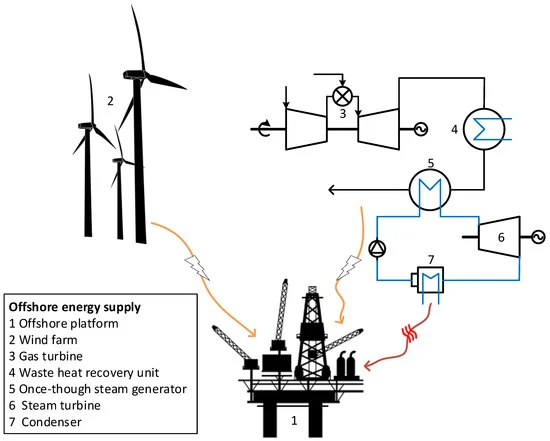
Categories
Uncategorized

Generating Electricity using Heat from Sugar Mills

Generating Electricity using Heat from Sugar Mills

Generating Electricity using Heat from Sugar Mills: Generating electricity from steam involves a process called thermodynamic power generation, often using steam turbines as the primary mechanism. This process converts the energy in steam, usually created by boiling water using heat from burning fuel, nuclear reactions, or geothermal energy, into mechanical energy, which is then transformed into electrical energy.

The basic steps to generate electricity from steam start with the heating of water to produce steam. This can be done in a boiler or a heat exchanger, depending on the system’s design. In a boiler, fuel such as coal, natural gas, oil, or even biomass is burned to generate heat. In a nuclear power plant, heat is produced from nuclear fission reactions. Alternatively, in geothermal power plants, heat from the Earth’s natural reservoirs is used to convert water into steam.

Once steam is produced, it is directed into a steam turbine. The turbine consists of blades mounted on a shaft. As steam flows over the blades, the force of the steam causes the blades to spin. This mechanical energy of the rotating turbine blades is then transferred to a generator connected to the turbine. The generator uses the mechanical energy to rotate a magnetic field within a set of coils, inducing an electrical current through electromagnetic induction.

The steam turbine operates based on the principles of thermodynamics, particularly the Rankine cycle. In the Rankine cycle, steam is generated at high pressure and temperature, expanded in the turbine, and then condensed back into water in a condenser. This process of expansion and condensation allows for a continuous cycle of energy conversion. The condenser cools the steam, usually by passing it through cooling towers or heat exchangers, and converts it back into liquid water, which is then pumped back into the boiler to be reheated and turned back into steam.

In larger power plants, multiple stages of turbines are often used to maximize efficiency. This is known as a multi-stage turbine system, where steam passes through several turbines at different pressure levels. The steam’s pressure is gradually reduced as it moves through each turbine, extracting more energy. In many systems, the steam is also reheated between stages to maintain its energy content and prevent too much pressure drop in the turbines.

The efficiency of a steam power plant is largely determined by how well it can maintain the pressure and temperature of the steam as it moves through the system, as well as the efficiency of the turbine and the generator. Steam turbines are capable of converting a large percentage of the heat energy into mechanical work, but some energy is always lost in the process, primarily due to heat dissipation in the condenser and the inevitable frictional losses in the turbine and other moving parts.

To improve the efficiency of electricity generation, some plants incorporate regenerative systems, where part of the steam or exhaust gases are used to preheat incoming water before it enters the boiler. This reduces the amount of fuel needed to heat the water to the required steam temperature, leading to a more energy-efficient process.

Once the electrical energy is generated, it is transmitted through power lines and distributed to homes and businesses. The voltage of the generated electricity is stepped up by a transformer for long-distance transmission, reducing energy loss during transport. At the point of use, the voltage is stepped down again to a level suitable for household or industrial applications.

In addition to conventional coal, oil, and natural gas power plants, steam turbines are also widely used in renewable energy sources. Geothermal power plants use naturally occurring steam from deep within the Earth to generate electricity, while solar thermal plants use mirrors or lenses to concentrate sunlight and heat a fluid that produces steam. These renewable methods of generating steam offer a more sustainable way to generate electricity without burning fossil fuels.

Overall, generating electricity from steam is a well-established and versatile technology that continues to be used in power plants around the world, with ongoing research focused on improving its efficiency, reducing emissions, and expanding its use in renewable energy systems.

In the process of steam-based electricity generation, one of the key elements that influence performance is the design and operation of the steam turbine itself. The turbine is designed to convert the thermal energy from steam into mechanical energy efficiently. This is achieved by careful engineering of the turbine blades, which are shaped to extract the maximum amount of energy from the steam as it flows over them. The steam enters the turbine under high pressure and high temperature, and as it expands and loses pressure, it passes through different stages of turbines with progressively smaller blades. These stages allow for a more gradual and efficient transfer of energy.

After passing through the turbines, the steam exits at lower pressure and temperature. To complete the cycle, the steam must be condensed back into water in a process that typically occurs in a condenser. The condenser cools the steam, causing it to lose its heat and turn back into liquid form. In most systems, water from nearby rivers, lakes, or cooling towers is used to absorb the excess heat from the steam, often at a temperature below 40°C to 50°C, depending on the local climate and environmental regulations.

The condensed water, now in liquid form, is collected and pumped back into the boiler to be reheated and transformed into steam once again. This closed-loop system helps to conserve water and reduce environmental impacts, though some plants may use once-through cooling systems where water is used only once before being returned to its source.

As part of the overall power plant system, the generator that is coupled to the turbine plays a critical role in converting the mechanical energy into electrical energy. The generator consists of a rotating shaft and a set of stationary coils or magnets. As the turbine shaft rotates, it turns the generator’s rotor, creating a changing magnetic field within the coils, which induces an electrical current through the wires by the principle of electromagnetic induction. This electrical current is then transferred through transformers, where its voltage is adjusted to be suitable for transmission over long distances. Once the electricity reaches its destination, transformers step down the voltage again for distribution to households or businesses.

Generating Electricity using Heat

A significant part of the energy generated by the steam turbine system is often lost as heat due to the second law of thermodynamics, which states that some energy is always lost to the surroundings. Efficiency improvements, such as the integration of combined-cycle power plants, aim to capture and utilize some of this waste heat. In combined-cycle systems, the exhaust gases from the gas turbine are used to heat water, which then produces additional steam to drive a steam turbine. This significantly increases the overall efficiency of the plant, sometimes by as much as 50% or more compared to a simple steam turbine system.

Another emerging trend in steam-based electricity generation is the implementation of supercritical and ultra-supercritical steam cycles. These systems use steam at higher pressures and temperatures than conventional methods, resulting in higher thermodynamic efficiency and lower emissions. By using steam at supercritical pressures (above 22.1 MPa) and ultra-supercritical pressures (above 30 MPa), the thermal efficiency of power plants can be greatly improved, allowing them to generate more electricity from the same amount of fuel. These advanced steam turbines are typically found in modern coal-fired power plants, as well as some nuclear and combined-cycle plants.

Environmental concerns have led to the development of cleaner technologies for generating electricity from steam. The burning of fossil fuels in traditional steam plants releases carbon dioxide (CO₂) and other greenhouse gases into the atmosphere, contributing to climate change. To mitigate these effects, power plants have started implementing carbon capture and storage (CCS) technologies, which capture CO₂ emissions from the exhaust gases and store them underground or use them in industrial processes. Additionally, the growing adoption of renewable energy sources such as geothermal, solar thermal, and biomass for generating steam offers a way to produce electricity with fewer environmental impacts.

While fossil fuels continue to dominate global electricity generation from steam, the trend toward cleaner energy solutions is growing. Geothermal plants, for example, utilize steam sourced from the Earth’s natural heat, which is renewable and produces no direct emissions. Solar thermal power plants use mirrors or lenses to concentrate sunlight, heating a fluid that can generate steam. In some regions, biomass and waste-to-energy plants are being developed to convert organic materials into steam, contributing to reducing waste while generating power.

In summary, the generation of electricity from steam is a well-established and essential method of power generation, with significant advancements in turbine technology, heat recovery systems, and renewable energy integration. The efficiency of the process has been continuously improved over the years, and innovations such as combined-cycle plants and ultra-supercritical steam systems are pushing the boundaries of what is possible. As global energy demands rise and environmental concerns increase, the role of steam-based power generation in providing a reliable and cleaner energy supply will continue to evolve.

As the world moves towards more sustainable energy practices, the role of steam-based electricity generation remains pivotal, albeit with shifts in how it is implemented and integrated with renewable energy sources. Traditional steam-based systems, which rely heavily on burning fossil fuels such as coal, natural gas, or oil, face increasing scrutiny due to their environmental impact, particularly in terms of carbon emissions. As a result, there has been a substantial push to modernize steam power plants, incorporating new technologies and improving the overall energy efficiency of the process.

One of the primary areas of focus in advancing steam-based electricity generation is the development and implementation of carbon capture, utilization, and storage (CCUS) technologies. These systems capture CO₂ emissions produced during the combustion of fossil fuels, preventing them from entering the atmosphere and contributing to climate change. In some systems, the captured CO₂ can be used in industrial processes, such as enhancing oil recovery or producing synthetic fuels, making the technology potentially economically viable in certain contexts. CCUS is seen as a critical part of reducing emissions from traditional fossil-fuel-based power plants, including steam turbines, and is a focal point of research for improving the environmental footprint of steam-based electricity generation.

Moreover, the energy transition is driving a renewed interest in hybrid systems that combine steam-based power generation with renewable energy sources. One notable example is the integration of solar thermal energy into steam power plants. Solar thermal plants use mirrors or lenses to concentrate sunlight and heat a working fluid, often oil or molten salt, which can then be used to produce steam. This process mirrors traditional steam generation, but the heat source is clean and renewable. In some cases, solar thermal plants are combined with conventional steam turbines in hybrid systems, where the steam turbine can operate using both solar heat and the backup from fossil fuels or other energy sources when sunlight is insufficient.

Geothermal energy, another renewable energy source, has long been a significant contributor to steam-based power generation. In geothermal power plants, steam is extracted from the Earth’s natural geothermal reservoirs and used to turn turbines. Geothermal plants operate efficiently in regions with significant geothermal activity, such as Iceland, parts of the United States (e.g., California), and the Philippines. These plants offer the advantage of being able to provide a constant, baseload supply of electricity, since the Earth’s heat is inexhaustible on human timescales. Unlike solar and wind power, which can be intermittent, geothermal energy is available 24/7, making it a reliable renewable energy source.

In addition to integrating renewable sources, there has been a push to utilize advanced materials and design innovations to increase the efficiency of steam turbines and reduce energy losses. High-efficiency materials are being developed to withstand the extreme pressures and temperatures encountered in modern steam turbines, allowing for more efficient power generation. For example, advanced alloys and coatings can improve the turbine’s resistance to corrosion and thermal degradation, extending the lifespan of the turbine and maintaining high levels of efficiency throughout its operation.

The ongoing trend toward supercritical and ultra-supercritical steam cycles is also helping to push the boundaries of steam-based power generation efficiency. By operating at pressures and temperatures beyond the traditional limits of the steam cycle, these advanced turbines extract more energy from the same amount of fuel. Supercritical plants are typically used in newer coal-fired power plants and some nuclear plants, allowing them to operate more efficiently while reducing emissions. However, the high cost of building and maintaining these advanced systems remains a challenge, which is why their adoption has been somewhat limited in many regions.

A promising area of development is the application of advanced digital technologies to monitor and optimize steam turbine performance. Through the use of sensors, data analytics, and artificial intelligence (AI), power plant operators can gain real-time insights into turbine performance, detect inefficiencies or anomalies, and adjust operational parameters to optimize efficiency and reduce downtime. Predictive maintenance tools are also being used to forecast when components of the turbine or other systems might fail, allowing for proactive maintenance to prevent costly failures and extend the operational life of the plant.

Alongside these technological advancements, there is growing interest in decentralized power generation models that use smaller, modular steam systems to provide local or regional electricity. Microgrids, which can be powered by small-scale steam turbines or other distributed energy sources, offer the potential for localized generation with lower transmission losses and enhanced grid resilience. For example, biomass plants, which use organic materials such as wood pellets or agricultural waste to generate steam, can be deployed in rural or remote areas to provide power. These systems are particularly attractive in regions with abundant biomass resources, where the steam can be produced locally and used to provide electricity with a minimal carbon footprint.

The global energy transition is also influencing the development of new energy systems that combine steam turbines with energy storage technologies. For example, some power plants are integrating steam turbines with large-scale battery storage systems or pumped hydro storage, which can store excess energy produced during periods of high demand or when renewable sources like solar and wind are producing more electricity than is needed. This stored energy can then be used to produce steam when demand is high or when renewable energy generation is low, providing grid stability and ensuring a constant supply of power.

In the future, steam turbines may also play a role in the hydrogen economy. Hydrogen, particularly green hydrogen produced through electrolysis powered by renewable electricity, is gaining attention as a potential clean energy source. Steam turbines could be used in combined systems that generate hydrogen through high-temperature electrolysis or other processes, and then use the hydrogen to generate power or heat in various applications. Additionally, steam turbines might be used in plants that convert hydrogen into electricity, acting as an efficient and flexible component in a hydrogen-powered energy system.

As the world continues to seek solutions to the challenges of climate change and energy security, steam-based electricity generation remains a cornerstone of the global energy mix. By evolving alongside advances in technology, renewable energy integration, and emission reduction strategies, the steam turbine continues to serve as a vital tool in the transition to a cleaner, more sustainable energy future.

Solar thermal energy systems harness the heat of the sun to generate electricity through a series of processes that convert solar radiation into thermal energy, which is then used to drive a power generation cycle. Unlike photovoltaic systems, which directly convert sunlight into electricity using semiconductor materials, solar thermal energy systems focus sunlight onto a working fluid, which is then used to produce high-temperature steam or gas to turn a turbine and generate power.

The core principle behind solar thermal energy systems is the concentration of sunlight to achieve the necessary high temperatures for electricity generation. This is typically accomplished through the use of mirrors or lenses that focus sunlight onto a small area. The concentrated solar energy is then transferred to a heat transfer fluid, often a type of molten salt, synthetic oil, or water, which absorbs and retains the thermal energy. The heated fluid is then used to produce steam, which drives a steam turbine connected to an electrical generator, converting the thermal energy into mechanical energy and ultimately into electrical energy.

There are several types of solar thermal power plants, each employing different methods to concentrate and utilize solar heat. One of the most common designs is the parabolic trough system, which consists of long, curved mirrors that focus sunlight onto a receiver pipe running along the focal line of the trough. A heat transfer fluid flows through the receiver pipe, absorbing the concentrated sunlight and reaching high temperatures, often exceeding 300°C. The hot fluid then passes through a heat exchanger, where it generates steam to drive a turbine. Another widely used design is the power tower system, which employs a field of heliostats—large, flat mirrors that track the sun—to reflect and concentrate sunlight onto a central receiver mounted on top of a tower. This receiver collects the solar heat and transfers it to a working fluid, which then generates steam for electricity production. Power tower systems can reach much higher temperatures than parabolic troughs, often exceeding 500°C, increasing their efficiency and allowing for improved energy storage.

Another approach to solar thermal power generation is the use of dish Stirling systems. These systems consist of a parabolic dish that focuses sunlight onto a receiver attached to a Stirling engine. The Stirling engine operates by cyclically expanding and contracting a working gas due to the absorbed heat, which drives a piston and produces mechanical energy that is directly converted into electricity. While dish Stirling systems offer high efficiency and modularity, they are typically used for small-scale applications rather than large power plants.

One of the key advantages of solar thermal energy systems over other renewable energy sources is their ability to store thermal energy for use when the sun is not shining. Thermal energy storage is commonly achieved using molten salt storage tanks, which can retain heat for several hours or even overnight, enabling continuous electricity generation even after sunset. This capability makes solar thermal power plants more reliable compared to photovoltaic systems, which are directly dependent on sunlight and require battery storage for energy continuity.

Despite the benefits, solar thermal energy systems also face several challenges. The initial capital costs for constructing large-scale solar thermal power plants are significant, requiring substantial investment in infrastructure, land, and materials. The efficiency of solar thermal power plants is also affected by atmospheric conditions, such as cloud cover, dust, and humidity, which can reduce the effectiveness of sunlight concentration. Additionally, water consumption in steam-based solar thermal plants can be high, making them less suitable for arid regions where water scarcity is a concern. To address this, some systems employ dry cooling technologies that use air instead of water for condensation, though this may result in lower efficiency.

Recent advancements in solar thermal technology have focused on improving efficiency, reducing costs, and enhancing thermal energy storage capabilities. Innovations such as supercritical carbon dioxide cycles, improved selective coatings for absorbers, and hybridization with other renewable energy sources have contributed to making solar thermal power more viable. In particular, integrating solar thermal plants with fossil fuel or biomass power plants has been explored as a means of increasing overall energy efficiency while reducing carbon emissions.

Solar thermal energy systems represent a promising solution for large-scale renewable energy generation, particularly in regions with high solar insolation, such as deserts and sunny coastal areas. As research and development continue to improve the efficiency and cost-effectiveness of these systems, they are likely to play an increasingly significant role in the transition to sustainable and clean energy sources. The ability to provide dispatchable power through thermal energy storage further strengthens their potential as a reliable alternative to conventional fossil fuel-based power generation.

Further advancements in solar thermal energy systems continue to push the boundaries of efficiency and cost-effectiveness, making them an increasingly attractive option for large-scale electricity generation. One of the key areas of improvement is the development of advanced heat transfer fluids that can operate at higher temperatures while maintaining stability. Traditional fluids such as synthetic oils are limited by thermal degradation at high temperatures, but newer alternatives, such as molten salts and liquid metals, can sustain much higher temperatures, significantly enhancing system efficiency. By operating at temperatures above 600°C, these fluids allow for higher thermal-to-electric conversion efficiencies, reducing energy losses and improving the overall performance of solar thermal plants.

Another promising avenue is the implementation of supercritical carbon dioxide (sCO₂) power cycles in solar thermal plants. Unlike traditional steam-based Rankine cycles, which have limitations in efficiency, sCO₂ cycles operate at much higher pressures and temperatures, allowing for a more compact and efficient power generation process. These systems require smaller turbines and heat exchangers, reducing capital costs while improving energy conversion rates. Research into sCO₂ technology is ongoing, with pilot projects demonstrating its potential to revolutionize solar thermal electricity generation.

Hybridization of solar thermal plants with other energy sources is also gaining traction as a means of improving reliability and dispatchability. By integrating solar thermal systems with biomass, natural gas, or geothermal energy, power plants can maintain stable electricity output even during periods of low solar radiation. Hybrid plants can use solar energy during the day and switch to alternative energy sources when solar input is insufficient, making them more competitive with traditional fossil fuel plants in terms of availability and grid stability.

The geographic placement of solar thermal power plants plays a crucial role in their efficiency and economic viability. Regions with high direct normal irradiance (DNI), such as the southwestern United States, North Africa, the Middle East, and Australia, offer ideal conditions for solar thermal deployment. Large-scale projects, such as the Noor Complex in Morocco and the Ivanpah Solar Power Facility in California, demonstrate the potential of concentrated solar power (CSP) technology to generate significant amounts of electricity with minimal carbon emissions. These plants provide valuable case studies on the feasibility of scaling up solar thermal technology to meet growing energy demands.

Energy storage remains a cornerstone of solar thermal energy’s future viability. While molten salt storage has become the industry standard, ongoing research is exploring alternative materials and phase-change technologies to enhance thermal storage capacity. Innovations such as solid-state heat storage using ceramic or graphite-based materials and thermochemical storage methods that store energy in reversible chemical reactions could further improve the efficiency and cost-effectiveness of solar thermal storage. Enhanced storage solutions enable longer periods of electricity generation without sunlight, reducing the need for backup fossil fuel power and increasing the competitiveness of CSP in global energy markets.

Economic and policy factors also influence the adoption of solar thermal power. While CSP technology has historically been more expensive than photovoltaic solar power, its ability to provide stable, dispatchable electricity gives it a distinct advantage. Government incentives, feed-in tariffs, and renewable energy mandates in various countries have played a crucial role in encouraging investment in solar thermal projects. As production scales up and technological advancements drive down costs, CSP is expected to become increasingly competitive with other forms of renewable energy.

Environmental considerations are another important aspect of solar thermal power development. Unlike photovoltaic systems, which rely on semiconductor materials that can have resource extraction and recycling challenges, solar thermal plants use largely conventional materials such as glass, steel, and concrete. However, land use and water consumption remain key concerns, particularly in desert environments where these plants are often located. Dry cooling systems and improved land-use planning strategies are being developed to mitigate these issues and make solar thermal energy more sustainable.

Looking ahead, the role of artificial intelligence (AI) and automation in solar thermal energy is expected to grow. Advanced control systems that optimize mirror alignment, heat transfer fluid circulation, and turbine operation can enhance efficiency and reduce operational costs. Machine learning algorithms can be used to predict weather patterns and adjust energy storage and dispatch accordingly, further improving the reliability of solar thermal power plants.

As global energy demand continues to rise and the urgency to transition away from fossil fuels intensifies, solar thermal energy stands as a critical component of the renewable energy landscape. With ongoing technological advancements, cost reductions, and policy support, solar thermal power has the potential to become a major contributor to the world’s energy mix. The combination of high-efficiency power generation, effective energy storage, and scalability makes it a strong candidate for meeting future electricity needs in a sustainable and environmentally friendly manner.

The continued evolution of solar thermal energy systems is driven by the need for more efficient, reliable, and cost-effective solutions to meet global energy demands. One of the most significant areas of development is in the enhancement of energy storage technologies. While molten salt storage is currently the most widely used method, research is underway to explore phase-change materials (PCMs) and thermochemical storage systems that can store and release energy more efficiently. PCMs absorb and release large amounts of heat during phase transitions, such as melting and solidifying, making them a promising alternative to molten salts. Thermochemical storage, on the other hand, involves reversible chemical reactions that can store heat for extended periods with minimal loss, potentially revolutionizing how solar thermal plants manage energy dispatch.

Another major focus of research and innovation is improving the efficiency of concentrator designs. Traditional parabolic trough and power tower systems have proven effective, but next-generation designs are aiming for higher solar concentration ratios and reduced optical losses. Multi-faceted heliostats with adaptive control algorithms are being developed to improve sunlight reflection accuracy, while new receiver coatings and materials are enhancing heat absorption and reducing thermal losses. Some researchers are also exploring advanced optics, such as beam-down concentrators, which use secondary mirrors to direct sunlight to ground-based receivers, simplifying maintenance and reducing tower height costs.

The integration of solar thermal energy with industrial processes is another emerging trend that could expand its applications beyond electricity generation. High-temperature solar heat can be used in industries such as metal smelting, cement production, and chemical synthesis, which currently rely heavily on fossil fuels. Solar-driven hydrogen production is particularly promising, as concentrated solar energy can be used to split water molecules into hydrogen and oxygen through thermochemical cycles. This approach could provide a renewable source of hydrogen for fuel cells, transportation, and industrial applications, reducing dependence on fossil fuels and lowering greenhouse gas emissions.

Economic and policy considerations continue to play a crucial role in shaping the future of solar thermal energy. While the cost of photovoltaic (PV) solar has dropped significantly, making it the dominant solar technology in many markets, solar thermal power offers advantages in dispatchability and grid stability. Governments and utilities are recognizing the value of CSP plants with energy storage as a means to provide round-the-clock renewable power, reducing the need for fossil fuel backup. Countries with high solar potential, such as Spain, Chile, and the United Arab Emirates, have implemented policies and incentives to encourage investment in large-scale CSP projects. In some cases, hybrid systems combining PV with CSP are being explored to leverage the benefits of both technologies—PV for daytime electricity generation and CSP for nighttime power supply.

One of the persistent challenges facing solar thermal energy is the need for extensive land and infrastructure. Large solar thermal plants require significant land area for mirror fields, which can create environmental and logistical challenges. Efforts are being made to optimize land use through dual-purpose installations, such as agrivoltaics, where CSP plants are integrated with agricultural activities. Additionally, floating solar thermal systems, similar to floating PV farms, are being investigated as a way to utilize water surfaces for energy generation while reducing evaporation losses in reservoirs.

Advancements in materials science are also contributing to improved performance and longevity of solar thermal components. High-temperature-resistant coatings, corrosion-resistant materials for heat exchangers, and self-cleaning mirror surfaces are all being developed to reduce maintenance costs and extend the lifespan of CSP plants. These innovations help address operational challenges, particularly in harsh desert environments where dust accumulation and extreme temperatures can impact efficiency.

Looking to the future, the role of artificial intelligence and digital twin technology in solar thermal operations is expected to grow. AI-driven monitoring and predictive maintenance systems can optimize plant performance by analyzing real-time data and forecasting potential failures before they occur. Digital twins—virtual replicas of physical CSP plants—allow operators to simulate different scenarios and optimize energy dispatch strategies, improving overall efficiency and profitability.

As the global energy transition accelerates, solar thermal energy is poised to become a key player in the renewable energy landscape. With continued technological advancements, cost reductions, and supportive policies, CSP has the potential to provide a stable and sustainable source of electricity while complementing other renewables such as wind and PV. The integration of CSP with emerging technologies, such as green hydrogen production and industrial heat applications, further expands its potential, making it a valuable asset in the push toward a decarbonized future

The future of solar thermal energy is deeply intertwined with advancements in global energy infrastructure, policy frameworks, and emerging technologies that aim to optimize efficiency, storage, and integration with existing energy systems. One of the most promising directions is the increasing role of hybrid renewable energy systems, where solar thermal power is combined with other energy sources such as photovoltaics, wind, and battery storage. These hybrid configurations help balance energy generation throughout the day and night, improving grid stability and reducing reliance on fossil fuel backup.

One particularly effective hybrid approach is the combination of solar thermal energy with photovoltaic (PV) systems. While PV generates electricity directly from sunlight and is most effective during peak daylight hours, solar thermal systems with energy storage can continue producing power after sunset. By integrating the two, hybrid plants can achieve higher capacity factors, ensuring a steady supply of renewable electricity. Some large-scale projects are already exploring this model, such as the Noor Energy 1 project in the United Arab Emirates, which combines CSP with PV and molten salt storage to provide reliable power day and night.

Beyond electricity generation, solar thermal energy is gaining traction as a solution for industrial heat applications. Many industries, such as steel, cement, and chemical production, require high-temperature heat, which is currently generated primarily by burning fossil fuels. Concentrated solar power (CSP) can replace these traditional methods by providing high-temperature process heat, significantly reducing carbon emissions in these hard-to-decarbonize sectors. For example, solar thermal energy is being explored for use in desalination plants, where concentrated solar heat can drive the evaporation and condensation processes required for freshwater production, offering a sustainable solution for water-scarce regions.

One of the most exciting applications of solar thermal technology is in the production of green hydrogen. Using high-temperature solar heat, thermochemical water-splitting processes can produce hydrogen with minimal environmental impact. This method is more energy-efficient than traditional electrolysis powered by electricity and has the potential to provide a large-scale, renewable source of hydrogen for fuel cells, transportation, and industrial applications. Research in this area is accelerating, with pilot projects demonstrating the feasibility of solar-driven hydrogen production as a future clean fuel alternative.

Advances in energy storage remain a critical factor in the long-term success of solar thermal power. While molten salt storage is the current industry standard, new approaches are being developed to improve efficiency and lower costs. One promising alternative is solid-state thermal storage, which uses materials such as ceramic, graphite, or concrete to store heat for extended periods with minimal losses. Thermochemical energy storage, which involves reversible chemical reactions to store and release heat, is another area of intense research. These innovations could significantly enhance the dispatchability of solar thermal power, making it even more competitive with conventional fossil-fuel-based electricity generation.

The economic viability of solar thermal energy is also improving due to ongoing cost reductions and economies of scale. As manufacturing techniques for mirrors, receivers, and heat transfer fluids advance, the capital costs of CSP plants are gradually decreasing. Additionally, digitalization and automation are streamlining plant operations, reducing maintenance costs, and improving overall efficiency. Artificial intelligence (AI) is being used to optimize mirror alignment, predict maintenance needs, and enhance thermal storage management, further increasing the reliability and cost-effectiveness of solar thermal power.

Policy support and international collaboration play a crucial role in the expansion of solar thermal energy. Governments in sun-rich regions are increasingly recognizing the benefits of CSP as a dispatchable renewable energy source and are implementing incentives, subsidies, and mandates to encourage investment. Countries such as Spain, China, Morocco, and Australia are leading the way with large-scale CSP installations, demonstrating the technology’s potential to contribute significantly to national and regional energy mixes. International organizations and research institutions are also fostering collaboration on CSP advancements, sharing knowledge and best practices to accelerate deployment worldwide.

Looking forward, the role of solar thermal energy in a global clean energy transition is expected to grow. With continued advancements in storage, hybridization, and industrial applications, CSP is poised to become a key player in providing reliable, sustainable, and scalable energy solutions. The integration of CSP with emerging technologies such as green hydrogen, AI-driven plant management, and advanced energy storage will further solidify its place in the future energy landscape. As the world moves toward decarbonization, solar thermal power stands as a vital component of the renewable energy portfolio, offering a sustainable and flexible solution to meet the increasing demand for clean electricity and industrial heat.

Generating Electricity using waste heat from gas turbines in power plants

Generating Electricity using Waste Heat from Chlor-alkali Processes

Generating electricity using waste heat from gas turbines in power plants is an essential strategy for improving overall energy efficiency and reducing fuel consumption. Gas turbines are widely used in power generation due to their high efficiency, reliability, and ability to quickly respond to fluctuations in electricity demand. However, a significant portion of the energy produced by gas turbines is lost as waste heat through the exhaust gases. Capturing and utilizing this waste heat can significantly enhance the overall efficiency of a power plant, reducing fuel consumption and lowering greenhouse gas emissions.

One of the most common methods of utilizing waste heat from gas turbines is through combined cycle power plants (CCPPs). In a combined cycle system, a gas turbine generates electricity by burning natural gas or another fuel, and the hot exhaust gases, which would otherwise be wasted, are directed to a heat recovery steam generator (HRSG). The HRSG extracts thermal energy from the exhaust gases to produce steam, which then drives a steam turbine to generate additional electricity. This process effectively increases the total power output without requiring additional fuel, improving the overall efficiency of the plant from around 35–40% in a simple gas turbine system to 55–60% or more in a combined cycle configuration.

Another approach to utilizing waste heat from gas turbines is through cogeneration, or combined heat and power (CHP) systems. In a CHP system, the waste heat is used not only for additional electricity generation but also for industrial processes, district heating, or other thermal applications. Cogeneration systems can achieve overall efficiencies of 70–90% by making use of both the electrical and thermal energy produced. This makes them particularly useful in industrial facilities, refineries, and commercial buildings where both power and heat are needed.

Organic Rankine Cycle (ORC) technology is another promising method for utilizing waste heat from gas turbines. In an ORC system, the waste heat is used to vaporize an organic working fluid with a lower boiling point than water, allowing power generation at lower temperatures. The vaporized fluid expands through a turbine, generating electricity before being condensed back into a liquid and recirculated. ORC systems are particularly useful in situations where the exhaust temperature of the gas turbine is not high enough for conventional steam-based power generation.

Advancements in waste heat recovery technologies continue to improve the efficiency and viability of these systems. High-efficiency heat exchangers, advanced materials for heat recovery steam generators, and improved thermodynamic cycle designs are all contributing to better performance. Some modern power plants are exploring supercritical and ultra-supercritical steam cycles, which operate at higher pressures and temperatures to further increase efficiency. Additionally, closed-loop carbon dioxide (CO₂) power cycles, such as the supercritical CO₂ Brayton cycle, are being investigated as potential alternatives to conventional steam cycles due to their higher efficiency and compact design.

Economic and environmental benefits are key drivers behind the adoption of waste heat recovery systems in gas turbine power plants. By capturing and utilizing waste heat, power plants can reduce their fuel consumption, leading to lower operating costs and reduced dependency on fossil fuels. This also translates to lower greenhouse gas emissions and improved sustainability. Many countries and regulatory bodies are encouraging or mandating the use of waste heat recovery through incentives, subsidies, and efficiency standards, making it an attractive option for power plant operators.

Despite its advantages, waste heat recovery in gas turbine power plants does present some challenges. The initial capital investment for heat recovery equipment, such as HRSGs and steam turbines, can be substantial, requiring careful financial planning and long-term commitment. The design and implementation of waste heat recovery systems must also consider factors such as space constraints, integration with existing infrastructure, and operational flexibility. Additionally, in smaller-scale gas turbine installations, the amount of waste heat available may not justify the cost of recovery systems, making it more suitable for larger power plants or industrial applications with high heat demand.

Looking ahead, continued advancements in waste heat recovery technologies, integration with renewable energy sources, and innovative cycle designs will further improve the feasibility and efficiency of generating electricity from waste heat in gas turbine power plants. The use of artificial intelligence and data analytics for optimizing waste heat recovery operations is also expected to enhance performance and reduce maintenance costs. As the global energy sector moves toward greater sustainability and efficiency, waste heat recovery from gas turbines will remain a crucial strategy for maximizing energy utilization, reducing emissions, and improving the overall economics of power generation.

The continuous advancement of waste heat recovery technologies in gas turbine power plants is playing a critical role in improving energy efficiency and reducing emissions. One of the most significant areas of development is the optimization of heat recovery steam generators (HRSGs), which are essential for capturing and utilizing the waste heat from gas turbine exhaust gases. Modern HRSG designs incorporate advanced materials and improved heat exchanger configurations to maximize heat transfer efficiency and minimize energy losses. Multi-pressure HRSGs, which operate at different steam pressure levels, are increasingly being used in combined cycle power plants to extract as much energy as possible from the exhaust gases before they are released into the atmosphere.

Another promising area of innovation is the use of advanced thermodynamic cycles beyond the traditional Rankine cycle. The supercritical carbon dioxide (sCO₂) Brayton cycle, for example, has been gaining attention for its potential to significantly enhance efficiency in waste heat recovery applications. Unlike conventional steam-based systems, sCO₂ cycles operate at high pressures and densities, enabling more compact and efficient power generation. The closed-loop nature of these systems allows for better heat utilization and reduces energy losses, making them particularly attractive for integration with gas turbines.

Hybrid power generation is also emerging as a key strategy for improving the effectiveness of waste heat recovery in gas turbine power plants. By integrating renewable energy sources, such as solar thermal or biomass, with waste heat recovery systems, power plants can achieve higher overall efficiency and reduce their reliance on fossil fuels. For instance, a hybrid system combining concentrated solar power (CSP) with a gas turbine and waste heat recovery can provide additional thermal energy to enhance steam production in the HRSG, increasing the total power output while maintaining low emissions. Similarly, biomass can be used as an auxiliary heat source to improve waste heat utilization in combined cycle plants, further diversifying the energy mix and enhancing sustainability.

Energy storage technologies are also being explored to enhance the flexibility and reliability of waste heat recovery systems. Thermal energy storage (TES) solutions, such as molten salts or phase-change materials, can store excess heat generated by waste heat recovery systems for later use, enabling power generation even when the gas turbine is not running at full capacity. This approach helps improve grid stability and allows operators to optimize electricity production based on demand fluctuations.

The use of organic Rankine cycle (ORC) technology continues to expand, particularly in applications where gas turbine exhaust temperatures are relatively low. ORC systems use organic working fluids with lower boiling points than water, allowing them to effectively convert lower-grade waste heat into electricity. This technology is particularly well-suited for small- and medium-scale gas turbine installations, where conventional steam cycles may not be economically viable due to their higher complexity and cost.

Economic and policy considerations are driving the wider adoption of waste heat recovery systems in gas turbine power plants. Governments and regulatory agencies are implementing energy efficiency standards and carbon reduction targets, incentivizing power plant operators to invest in waste heat recovery technologies. Carbon pricing mechanisms, tax credits, and government grants for energy efficiency improvements further encourage the deployment of these systems. Additionally, corporate sustainability goals and environmental regulations are pushing industries to adopt cleaner and more efficient energy practices, making waste heat recovery a crucial strategy for reducing emissions and improving overall sustainability.

One of the key challenges associated with waste heat recovery in gas turbine power plants is the variability of waste heat availability. The efficiency of heat recovery systems depends on factors such as turbine load fluctuations, ambient temperature conditions, and operational constraints. To address this challenge, intelligent control systems and artificial intelligence (AI)-driven optimization techniques are being developed to dynamically adjust heat recovery operations in real-time. These systems use predictive analytics and machine learning algorithms to optimize heat exchanger performance, steam production, and energy dispatch, ensuring that the maximum amount of waste heat is utilized effectively.

Looking to the future, the integration of digital twin technology in waste heat recovery systems is expected to further enhance efficiency and reliability. Digital twins—virtual replicas of physical power plant systems—allow operators to simulate different operating scenarios, optimize system configurations, and predict maintenance needs before issues arise. By leveraging real-time data and advanced simulations, digital twins can help improve decision-making and maximize the economic and environmental benefits of waste heat recovery.

As the global energy sector continues its transition toward cleaner and more efficient power generation, waste heat recovery from gas turbines will remain a key strategy for improving sustainability and reducing emissions. The combination of advanced HRSG designs, innovative thermodynamic cycles, hybrid energy systems, and AI-driven optimization will further enhance the viability of waste heat recovery technologies, making them an integral part of the future energy landscape.

The role of waste heat recovery in gas turbine power plants is expected to grow as technological advancements continue to drive improvements in efficiency, cost-effectiveness, and environmental benefits. One of the most promising developments in this field is the enhancement of materials used in heat exchangers and other critical components of waste heat recovery systems. High-temperature alloys, advanced ceramics, and coatings designed to withstand extreme heat and corrosive environments are being developed to increase the longevity and performance of heat recovery steam generators (HRSGs) and other heat recovery equipment. These advancements reduce maintenance costs and downtime while improving the overall efficiency of energy conversion.

Another key innovation is the ongoing refinement of advanced combined cycle configurations. Traditionally, combined cycle power plants rely on a single HRSG and steam turbine, but newer designs are exploring the use of multiple pressure levels, reheating cycles, and even alternative working fluids to maximize energy extraction. Some next-generation combined cycle systems integrate reheating stages, where partially expanded steam is reheated using additional waste heat before entering the next stage of expansion in the steam turbine. This approach improves thermal efficiency and increases power output while maintaining low emissions.

The integration of artificial intelligence (AI) and machine learning in waste heat recovery systems is also playing a significant role in improving performance. AI-driven analytics platforms can continuously monitor and optimize the operation of HRSGs, steam turbines, and heat exchangers, ensuring that the system operates at peak efficiency under varying load conditions. Predictive maintenance algorithms can also identify potential issues before they lead to equipment failures, reducing downtime and maintenance costs. These smart automation solutions enhance the reliability of waste heat recovery systems and contribute to more stable and efficient power plant operations.

Waste heat utilization beyond electricity generation is becoming an important focus for industries seeking to maximize energy efficiency. In addition to power generation, recovered waste heat from gas turbines can be used for district heating, desalination, and industrial process heating. In colder regions, combined heat and power (CHP) systems can supply waste heat to district heating networks, providing a sustainable source of thermal energy for residential and commercial buildings. In coastal areas and arid regions, waste heat can be used to power desalination plants, improving access to freshwater while reducing the energy demand of traditional desalination methods.

Another innovative application of waste heat recovery is in carbon capture and utilization (CCU) technologies. Gas turbine power plants equipped with carbon capture systems require significant amounts of thermal energy to separate and process CO₂ from flue gases. Instead of using additional fuel to generate this energy, waste heat from the gas turbine exhaust can be repurposed to drive carbon capture processes, reducing the overall energy penalty associated with CO₂ removal. This integration helps make carbon capture more economically viable and environmentally sustainable, aligning with global decarbonization goals.

Hybrid power plants that combine waste heat recovery with renewable energy sources are also gaining traction. For instance, solar thermal energy can be used to supplement steam production in HRSGs, allowing for greater flexibility and improved efficiency. Similarly, biomass-fired boilers can work alongside waste heat recovery systems to provide additional thermal energy, reducing reliance on fossil fuels. These hybrid configurations enhance the resilience of power plants while lowering their carbon footprint.

As global energy policies continue to emphasize sustainability and energy efficiency, financial incentives and regulatory frameworks are evolving to support the adoption of waste heat recovery technologies. Many governments are implementing tax credits, grants, and emissions reduction targets that encourage industries to invest in energy efficiency improvements. Carbon pricing mechanisms, which place a financial value on greenhouse gas emissions, further incentivize the implementation of waste heat recovery solutions as a cost-effective way to reduce overall carbon output.

One of the remaining challenges in widespread waste heat recovery adoption is the variability of waste heat availability due to fluctuating turbine loads and operational constraints. Advanced thermal energy storage (TES) solutions are being developed to address this issue, allowing excess waste heat to be stored and used when needed. Technologies such as molten salt storage, phase-change materials, and high-efficiency thermal batteries are being explored as ways to smooth out energy supply and demand mismatches, making waste heat recovery systems more adaptable to changing power plant conditions.

Looking ahead, the continued evolution of waste heat recovery systems in gas turbine power plants will be driven by innovations in materials science, thermodynamic cycle optimization, AI-driven control systems, and hybrid renewable energy integration. The ability to efficiently harness and utilize waste heat will play a crucial role in improving overall power plant efficiency, reducing fuel consumption, and lowering greenhouse gas emissions. As energy demands increase and environmental regulations become more stringent, waste heat recovery will remain a fundamental strategy for enhancing the sustainability and economic viability of power generation.

The future of waste heat recovery in gas turbine power plants is closely tied to global energy trends, technological advancements, and the increasing focus on sustainability. As the world transitions toward more efficient and lower-emission energy systems, waste heat recovery will play a crucial role in optimizing power generation and reducing fuel consumption. Emerging innovations in heat recovery technology, energy storage, and digitalization are set to further enhance the efficiency, reliability, and economic viability of these systems.

One of the most significant developments in waste heat recovery is the advancement of supercritical carbon dioxide (sCO₂) power cycles. Unlike traditional steam-based Rankine cycles, sCO₂ cycles operate at higher pressures and efficiencies, allowing for more compact and cost-effective waste heat recovery systems. These cycles utilize CO₂ in a closed-loop system as the working fluid, which requires less energy to compress than steam, resulting in improved thermodynamic performance. Research and pilot projects in sCO₂ technology are paving the way for its integration into gas turbine power plants, potentially increasing overall plant efficiency beyond current combined cycle capabilities.

Another emerging innovation is the development of high-performance thermal energy storage (TES) systems. Traditional waste heat recovery relies on immediate use of the captured thermal energy, but TES allows for heat to be stored and dispatched when needed, enhancing flexibility and reliability. Molten salts, phase-change materials, and ceramic-based storage systems are being explored as viable solutions for integrating TES with gas turbine waste heat recovery. These storage systems can be particularly useful in hybrid power plants that combine waste heat utilization with renewable energy sources, enabling a more stable and dispatchable power supply.

The integration of artificial intelligence (AI) and machine learning in waste heat recovery is also revolutionizing the way power plants operate. AI-driven control systems can continuously optimize heat exchanger performance, adjust operating conditions in real-time, and predict maintenance needs before failures occur. Predictive analytics allow for better decision-making in plant operations, reducing downtime and improving overall efficiency. Additionally, digital twin technology is being increasingly used to create real-time virtual models of waste heat recovery systems, enabling operators to simulate different operating conditions, optimize configurations, and plan maintenance schedules more effectively.

Hybrid energy systems that combine waste heat recovery with renewable sources such as solar, wind, or biomass are gaining attention as a way to enhance power plant sustainability. In particular, concentrated solar power (CSP) can be used in conjunction with waste heat recovery systems to provide additional thermal energy for steam production, further improving plant efficiency. Biomass can also be co-fired with gas turbines in a combined cycle plant, using waste heat recovery to maximize energy extraction from the fuel source while reducing overall carbon emissions. These hybrid configurations offer a pathway to cleaner and more resilient power generation.

Another promising application of waste heat recovery is in hydrogen production. As the global push for green hydrogen accelerates, utilizing waste heat to improve the efficiency of hydrogen production processes can make a significant impact. High-temperature electrolysis and thermochemical water-splitting processes require substantial amounts of heat, which can be supplied by waste heat recovery systems in gas turbine power plants. By repurposing waste heat for hydrogen production, power plants can contribute to the growing hydrogen economy while improving their overall energy efficiency.

Regulatory policies and economic incentives continue to drive the adoption of waste heat recovery technologies. Many governments and energy agencies have introduced policies that promote energy efficiency, carbon reduction, and waste heat utilization. Incentives such as tax credits, low-interest financing, and mandatory efficiency standards encourage power plant operators to invest in waste heat recovery systems. Carbon pricing mechanisms, which place a financial value on CO₂ emissions, further increase the economic attractiveness of these technologies by making energy-efficient power generation more cost-competitive.

Despite these advancements, challenges remain in scaling up waste heat recovery solutions. The upfront capital costs of installing heat recovery equipment, integrating storage systems, and upgrading plant infrastructure can be significant. Additionally, technical complexities such as optimizing heat exchanger designs, managing fluctuating turbine loads, and ensuring seamless integration with existing plant operations require careful planning and engineering expertise. However, as technology continues to improve and costs decline, waste heat recovery is becoming an increasingly viable and attractive option for power generation.

Looking to the future, waste heat recovery in gas turbine power plants will continue to evolve as part of a broader effort to create more sustainable and efficient energy systems. Advances in thermodynamic cycle design, energy storage, digitalization, and hybrid energy integration will further enhance the role of waste heat recovery in reducing emissions and improving power plant performance. As the energy sector moves toward greater sustainability, waste heat recovery will remain a fundamental strategy for maximizing energy utilization and minimizing environmental impact, making it a key component of the global clean energy transition.

Generating Electricity using Heat from Distillery Operations

Generating Electricity using Waste Heat from Distillation Columns

Generating electricity using heat from distillery operations is an effective way to improve energy efficiency, reduce operational costs, and lower environmental impact. Distilleries generate significant amounts of waste heat through processes such as fermentation, distillation, and evaporation. Traditionally, much of this heat is lost to the atmosphere, but with the implementation of waste heat recovery systems, this energy can be captured and converted into electricity, providing a more sustainable and cost-effective energy solution for the industry.

One of the most common methods of generating electricity from distillery waste heat is through cogeneration, also known as combined heat and power (CHP). In a cogeneration system, waste heat from distillation and boiler operations is recovered and used to produce steam, which drives a steam turbine to generate electricity. The same steam can also be used for heating purposes within the distillery, maximizing energy efficiency. By using CHP, distilleries can achieve overall efficiencies of 70–90%, significantly reducing their reliance on external electricity sources and lowering greenhouse gas emissions.

Another efficient technology for converting waste heat into electricity in distilleries is the Organic Rankine Cycle (ORC). ORC systems operate similarly to traditional steam-based power generation but use an organic working fluid with a lower boiling point than water. This allows ORC systems to effectively generate electricity from lower-temperature waste heat, such as that produced by distillation and fermentation processes. ORC technology is particularly useful in distilleries where waste heat temperatures are insufficient for conventional steam turbines but still contain enough thermal energy to be converted into electricity.

Biogas production from distillery waste can also play a crucial role in energy generation. Many distilleries produce significant quantities of organic waste, such as spent wash and stillage, which can be processed in anaerobic digesters to produce biogas. This biogas can then be used as a fuel source for gas engines or microturbines, which generate electricity while producing additional waste heat. The heat from these engines can be recovered and used in the distillation process or further converted into electricity, creating a highly efficient closed-loop energy system.

The integration of waste heat recovery systems in distilleries not only improves energy efficiency but also contributes to sustainability goals. By utilizing waste heat to generate electricity, distilleries can reduce their carbon footprint, lower fuel consumption, and minimize the environmental impact of their operations. Many governments and regulatory bodies are promoting energy efficiency initiatives through incentives, tax benefits, and carbon credit programs, encouraging distilleries to adopt waste heat recovery technologies.

Despite its benefits, waste heat recovery in distillery operations does present some challenges. The initial capital investment for heat recovery equipment, such as ORC units, steam turbines, and heat exchangers, can be substantial. Additionally, the design and implementation of these systems require careful consideration of factors such as waste heat availability, temperature levels, and plant layout. However, advancements in waste heat recovery technology, along with increasing regulatory pressure to improve energy efficiency and reduce emissions, are making these solutions more accessible and economically viable.

As the global focus on sustainable energy grows, distilleries will continue to explore innovative ways to optimize energy use and reduce environmental impact. Future advancements in thermodynamic cycles, heat exchanger technology, and energy storage will further enhance the feasibility of waste heat recovery in distillery operations. The adoption of digital monitoring and AI-driven optimization can also improve system performance by ensuring that waste heat is utilized effectively. By integrating these technologies, distilleries can significantly reduce energy costs, improve operational efficiency, and contribute to a cleaner, more sustainable energy future.

The growing emphasis on sustainability and energy efficiency in the distillery industry is driving the adoption of advanced waste heat recovery technologies. Distilleries, particularly those involved in large-scale alcohol production, consume substantial amounts of thermal energy for processes such as distillation, evaporation, and drying. Without proper recovery systems, a significant portion of this energy is lost as waste heat. However, with the implementation of innovative energy recovery solutions, distilleries can harness this excess thermal energy to generate electricity and improve overall operational efficiency.

One of the most effective ways to convert waste heat from distillery operations into electricity is by optimizing cogeneration (combined heat and power, or CHP) systems. CHP units capture heat from boilers, fermenters, and stills and use it to produce steam, which drives a steam turbine to generate electricity. This approach significantly reduces the amount of external energy required, making the distillery more self-sufficient and reducing dependency on fossil fuel-based power. Additionally, the steam generated in this process can be reused for heating applications, enhancing the overall energy efficiency of the plant.

In distilleries where waste heat is available at lower temperatures, the Organic Rankine Cycle (ORC) is increasingly being employed as a viable solution for power generation. Unlike traditional steam turbines, which require high-temperature steam, ORC systems use organic working fluids that can evaporate at lower temperatures. This makes ORC an ideal choice for capturing and converting waste heat from distillation columns, condensers, and other thermal processes. ORC-based power generation enables distilleries to extract useful energy from heat sources that would otherwise be too low-grade for conventional steam turbines.

Beyond ORC and CHP, another method for utilizing waste heat in distillery operations is through thermoelectric generators (TEGs). These devices use the Seebeck effect to directly convert temperature gradients into electricity. While still in the early stages of commercial application, TEG technology has the potential to provide supplementary power by harnessing small amounts of residual heat from various equipment surfaces, such as boiler flues, exhaust stacks, and heat exchangers.

The integration of biogas generation with waste heat recovery is also gaining popularity in distillery energy systems. Distillery spent wash and organic byproducts can be processed in anaerobic digesters to produce biogas, which can be burned in a gas engine or microturbine to generate electricity. The waste heat from the engine’s exhaust gases and cooling systems can then be captured using heat exchangers and fed into either an ORC system or directly used in the distillery’s thermal processes. This approach not only provides an additional renewable energy source but also contributes to waste management and emissions reduction efforts.

Energy storage solutions are being increasingly explored to enhance the efficiency of waste heat recovery in distilleries. Thermal energy storage (TES) systems, such as molten salts or phase-change materials, can store excess heat during peak production hours and release it when needed, ensuring a more stable and continuous supply of electricity. This is particularly useful in distilleries with variable production schedules or fluctuating energy demands.

Digitalization and automation are playing a crucial role in optimizing waste heat recovery systems in distilleries. The use of artificial intelligence (AI) and machine learning algorithms allows real-time monitoring and predictive control of energy flows within the plant. Smart sensors and IoT-enabled devices can continuously track temperature variations, heat exchanger performance, and steam flow rates, ensuring that waste heat is utilized in the most efficient manner possible. Additionally, digital twin technology, which creates a virtual model of the distillery’s energy system, can help operators simulate different heat recovery configurations and identify the most effective strategies for power generation.

As distilleries strive to become more sustainable, regulatory frameworks and government incentives are encouraging the adoption of waste heat recovery technologies. Carbon credits, tax breaks, and subsidies for energy efficiency projects are making it more financially viable for distilleries to invest in heat-to-power conversion systems. In some regions, distilleries that generate surplus electricity from waste heat can even sell excess power back to the grid, creating an additional revenue stream.

Looking ahead, the continued advancement of waste heat recovery technologies will further transform the energy landscape of distillery operations. Emerging developments in high-efficiency heat exchangers, improved working fluids for ORC systems, and next-generation energy storage solutions will enhance the feasibility and economic benefits of on-site power generation. As distilleries increasingly integrate these solutions into their operations, they will not only reduce energy costs but also contribute to the global transition toward cleaner and more sustainable industrial practices.

As the distillery industry continues to evolve toward more sustainable practices, the adoption of waste heat recovery technologies is becoming increasingly sophisticated. The integration of energy-efficient solutions and renewable energy sources is driving both environmental benefits and cost savings for distilleries worldwide. Looking forward, several key trends and innovations will shape the future of electricity generation from distillery waste heat.

One of the most promising developments is the use of hybrid systems that combine multiple energy sources. In particular, combining waste heat recovery with renewable energy technologies such as solar thermal, biomass, and wind power can greatly enhance the efficiency and sustainability of distillery operations. For instance, solar thermal collectors can be used to pre-heat water or air, reducing the energy required for distillation. This pre-heating process not only lowers the operating costs of distilleries but also reduces the load on the waste heat recovery systems, allowing them to focus on generating electricity or providing heating for other processes.

Biomass energy also offers a complementary solution to waste heat recovery. Distilleries can use agricultural waste products, wood chips, or other biomass fuels to generate additional heat, which can be integrated into the waste heat recovery system. Biomass-based combined heat and power (CHP) units, when paired with waste heat recovery technologies, can help distilleries become energy self-sufficient, reducing their reliance on external grid power and fossil fuels. Furthermore, the utilization of biomass in this context can further reduce the carbon footprint of distillery operations, contributing to the achievement of climate goals.

Microgrids and decentralized energy systems are another area of innovation in distillery power generation. By creating microgrids that incorporate waste heat recovery, renewable energy, and energy storage systems, distilleries can become more resilient to power outages and price fluctuations from the main grid. Microgrids can also enable distilleries to optimize energy distribution based on real-time demand, allowing them to balance the energy produced from waste heat, renewable sources, and stored energy to maximize efficiency and reduce costs. This approach enhances energy security, promotes sustainability, and gives distilleries more control over their energy consumption and production.

As digital technologies continue to advance, the role of artificial intelligence (AI) and data analytics in optimizing waste heat recovery systems will become even more significant. AI can help distilleries analyze vast amounts of operational data in real-time, making it easier to identify inefficiencies, predict maintenance needs, and adjust system operations dynamically. Machine learning algorithms can optimize energy use by learning from historical performance data and predicting energy demand patterns, allowing for more efficient allocation of recovered heat and generated electricity. Moreover, predictive maintenance systems powered by AI can detect issues before they lead to equipment failure, improving system reliability and reducing downtime.

The role of thermal energy storage (TES) systems will continue to expand as distilleries look to optimize waste heat recovery and power generation. These systems store excess thermal energy generated during periods of high activity and release it when needed, smoothing out fluctuations in energy demand. High-temperature TES technologies, such as molten salts or ceramics, are becoming more efficient and cost-effective, making them an attractive option for distilleries looking to store heat generated from both waste heat recovery and renewable sources. In addition, coupling TES with battery storage systems allows distilleries to store electricity generated from both waste heat and renewable sources, providing an additional layer of flexibility and stability to the energy supply.

Government policies and incentives will continue to drive the adoption of waste heat recovery technologies in distilleries. As countries strengthen their commitment to reducing carbon emissions and improving energy efficiency, distilleries will benefit from a wide range of financial incentives, such as tax credits, rebates, and grants. For example, policies that encourage the use of renewable energy and waste-to-energy technologies will make it easier for distilleries to adopt these systems and improve their profitability. Additionally, carbon pricing schemes and emissions reduction targets will provide further economic motivation to implement waste heat recovery solutions as a way to lower carbon footprints and offset operational costs.

The market for waste heat recovery technologies in distilleries is also being shaped by increasing consumer demand for sustainable products. Distilleries that incorporate energy-efficient technologies and reduce their environmental impact are likely to see greater consumer interest and loyalty, particularly as sustainability becomes a key differentiator in the marketplace. As more consumers prioritize environmentally responsible brands, distilleries that invest in waste heat recovery and other sustainable practices will be able to appeal to this growing demographic while meeting regulatory and environmental standards.

Looking to the future, the distillery industry will continue to benefit from breakthroughs in materials science, energy storage, and thermodynamic cycles. New, high-efficiency heat exchangers and advanced working fluids for Organic Rankine Cycle (ORC) systems will make it easier for distilleries to generate electricity from lower-temperature waste heat, further expanding the range of waste heat recovery applications. As research in thermoelectrics and advanced heat-to-power conversion technologies progresses, distilleries may also have access to new tools for generating electricity from residual heat that was previously difficult to utilize.

In conclusion, the generation of electricity using heat from distillery operations represents an exciting opportunity to improve energy efficiency, reduce costs, and contribute to a cleaner, more sustainable future. With ongoing advancements in waste heat recovery systems, renewable energy integration, and digital optimization, distilleries can continue to harness their waste heat to generate electricity while reducing their environmental impact. As the industry continues to innovate and adopt new technologies, it will become increasingly possible for distilleries to operate more sustainably, reduce operational expenses, and meet the growing demand for green and energy-efficient products.

As distilleries increasingly integrate waste heat recovery systems to generate electricity, the future of energy efficiency within the industry will be shaped by several emerging trends and technological breakthroughs. Distilleries have significant potential to reduce energy consumption, lower emissions, and improve the overall sustainability of their operations by further developing and optimizing heat-to-power systems.

One key area of development is the expansion of waste heat recovery systems that operate at a wider range of temperatures. Distillery operations, such as distillation, fermentation, and drying, produce waste heat across a spectrum of temperatures, often varying significantly depending on production levels and equipment design. To maximize the potential for electricity generation, distilleries are increasingly adopting systems capable of capturing heat from low, medium, and high-temperature sources. This may include advanced Organic Rankine Cycle (ORC) systems that can operate efficiently across varying temperatures or thermoelectric generators (TEGs) that directly convert waste heat into electricity even from low-grade sources. These systems will enhance the flexibility of waste heat recovery, enabling distilleries to capture and convert as much of their available waste heat as possible.

The continued evolution of materials science is also playing a pivotal role in improving the efficiency of heat recovery systems. New heat exchanger materials, capable of handling higher temperatures and aggressive environments, are being developed to improve heat transfer rates, reduce corrosion, and extend the lifespan of heat recovery systems. Advanced coatings and ceramics are being employed to protect heat recovery components from wear and tear, particularly in systems exposed to high-pressure and high-temperature conditions. These innovations will reduce the need for frequent maintenance and ensure that distillery operations benefit from more reliable and long-lasting heat recovery technologies.

Integration with energy management systems is becoming another vital aspect of optimizing electricity generation from waste heat in distilleries. With the rise of smart grids and decentralized energy systems, distilleries are leveraging advanced energy management platforms to monitor, control, and optimize energy usage and recovery in real-time. By integrating sensors, automation, and artificial intelligence (AI), distilleries can monitor fluctuations in energy demand, predict optimal operating conditions, and adjust the operation of heat recovery systems accordingly. AI algorithms can identify patterns in energy usage, ensuring that the waste heat is harnessed most effectively, while also minimizing energy waste and reducing overall operational costs. This data-driven approach can significantly increase the overall efficiency of the energy recovery process and optimize electricity generation.

Energy storage systems will continue to play a critical role in the future of electricity generation from waste heat. Thermal energy storage (TES) systems, such as molten salt or phase change materials, will be integrated into distillery energy systems to store excess heat generated during periods of high production. This stored thermal energy can then be released when demand for electricity is high, or during off-peak hours, enabling distilleries to operate more efficiently and reduce reliance on external grid power. Combining TES with battery storage systems will further enhance this capability, allowing distilleries to store not only thermal energy but also electricity generated from both waste heat recovery and renewable energy sources. This integration will provide a more reliable and stable energy supply while reducing the need for fossil fuel-powered backup generation.

As regulatory pressures to reduce carbon emissions increase, distilleries will be further incentivized to adopt energy-efficient technologies. Many regions are implementing stricter emissions standards and promoting energy efficiency initiatives, which will lead to higher adoption rates of waste heat recovery systems. Furthermore, policies and tax incentives that promote the use of renewable energy, energy efficiency, and carbon footprint reduction will continue to make the investment in these systems more financially attractive. These incentives may include carbon credits, grants, or preferential financing for distilleries that adopt waste-to-energy solutions. As the industry faces increasing pressure to meet sustainability targets, integrating waste heat recovery with renewable energy technologies will become a vital strategy for achieving net-zero emissions goals.

Moreover, as public awareness of environmental sustainability grows, consumers are placing greater importance on the eco-friendly practices of the companies they support. Distilleries that embrace waste heat recovery, renewable energy integration, and sustainable manufacturing practices can differentiate themselves in an increasingly competitive market. By showcasing their commitment to energy efficiency and sustainability, distilleries can build brand loyalty and appeal to the growing demographic of environmentally-conscious consumers. This consumer-driven demand for sustainable practices will continue to encourage distilleries to invest in more energy-efficient technologies and adopt waste heat recovery solutions.

The global push for clean energy and the decarbonization of industrial processes is further accelerating the adoption of waste heat recovery in distilleries. Innovations in carbon capture and storage (CCS) technologies are also becoming relevant for distilleries with high emissions, particularly those that produce ethanol or other high-carbon-content spirits. Some distilleries are integrating waste heat recovery with carbon capture systems to reduce the carbon footprint of their operations. For instance, the waste heat recovered from distillation processes can be used to power carbon capture equipment, helping distilleries reduce their CO₂ emissions while simultaneously generating electricity from recovered heat.

In addition to improving the sustainability of energy generation within distilleries, waste heat recovery can also provide additional benefits for other industries. For example, recovered waste heat from distilleries can be used for district heating, providing a reliable source of thermal energy to nearby residential or commercial buildings. This integration of waste heat into community heating systems helps reduce overall energy consumption and lowers heating costs for local residents. Additionally, waste heat can be used in agricultural applications, such as greenhouses, where it can provide a consistent source of warmth for plant cultivation, further diversifying the uses of recovered energy.

Looking to the future, the adoption of waste heat recovery technologies in distilleries will continue to be driven by a combination of technological innovation, regulatory pressures, and market demand for sustainable practices. As the industry moves toward a greener and more efficient future, distilleries will increasingly view waste heat recovery not only as a means of improving operational efficiency but also as a key strategy for enhancing their overall sustainability profile. The development of more efficient, cost-effective, and versatile waste heat recovery solutions will ensure that distilleries can continue to meet both their energy needs and their environmental obligations, paving the way for a cleaner and more sustainable future for the industry.

Generating Electricity using heat from oil refining processes

Generating Electricity using Heat from Oil Refining Processes

Generating electricity from heat produced in oil refining processes is an innovative and efficient way to harness energy that would otherwise be wasted. Oil refineries are complex facilities that process crude oil into various products such as gasoline, diesel, jet fuel, and other petrochemicals. The refining process generates substantial amounts of heat, particularly from distillation, cracking, and combustion operations. Typically, much of this heat is released into the environment, contributing to inefficiency and environmental impact. However, by capturing and converting waste heat into electricity, oil refineries can significantly improve their energy efficiency, reduce operational costs, and contribute to sustainability goals.

The most common method of generating electricity from waste heat in oil refineries is through the use of cogeneration (combined heat and power, or CHP) systems. In a CHP system, waste heat from the refining process—such as exhaust gases from furnaces, flue gas from boilers, and thermal energy from distillation towers—is captured and used to generate steam. This steam is then used to drive a steam turbine, which generates electricity. Simultaneously, the steam can also be used to provide heating for the refinery’s operations, such as pre-heating process fluids, supporting distillation columns, or maintaining temperature control within reactors. By utilizing both the electricity and heat generated from the same energy source, CHP systems can achieve efficiencies of up to 80% or more, reducing the need for external power and increasing the overall energy efficiency of the refinery.

Another method of generating electricity from waste heat is through the Organic Rankine Cycle (ORC), which is increasingly being adopted in industrial applications where waste heat is available at lower temperatures. Unlike traditional steam turbines, ORC systems use an organic fluid with a lower boiling point than water, making it possible to convert low-temperature heat, typically in the range of 80–300°C, into electricity. In oil refineries, ORC systems can capture waste heat from sources like flue gas, cooling systems, or low-temperature process streams, which would not be suitable for conventional steam turbines. This makes ORC a highly effective solution for improving energy efficiency in refineries that generate heat at lower temperatures, providing a reliable and renewable source of electricity.

In addition to CHP and ORC systems, advanced heat exchangers are key components in optimizing heat recovery from the refining process. Heat exchangers are used to transfer thermal energy from hot process streams to cooler streams, such as water or air, to pre-heat fluids or create steam. This process reduces the amount of fuel required for heating purposes, thereby saving energy and reducing emissions. By incorporating heat exchangers into the refinery’s system, operators can recover and reuse heat that would otherwise be lost, thereby improving the overall thermal efficiency of the plant and increasing the potential for electricity generation.

Some oil refineries are also exploring the potential for utilizing biogas produced from refinery waste streams. In particular, refineries that have associated waste biomass or organic matter—such as from sludge or wastewater treatment—can use anaerobic digestion to produce biogas. This biogas, which consists primarily of methane, can be burned in gas turbines or internal combustion engines to generate electricity. The waste heat generated during this combustion process can then be captured and used for further heating purposes within the refinery or converted into additional electricity using ORC technology. This approach not only reduces energy costs but also supports waste management efforts by turning byproducts into a valuable energy resource.

The integration of energy storage systems, such as thermal energy storage (TES) and battery storage, can also enhance the efficiency of waste heat recovery and electricity generation in oil refineries. TES systems store excess thermal energy generated during periods of high refining activity and release it when demand for energy is high or during peak production periods. This can help stabilize the refinery’s energy supply, ensuring that waste heat is utilized even when the immediate demand for steam or electricity is low. Additionally, coupling TES with battery storage systems can provide a reliable, continuous power supply that reduces dependence on the grid and improves the overall energy resilience of the refinery.

Digital technologies and automation are playing an increasingly important role in optimizing waste heat recovery systems in oil refineries. Advanced sensors, real-time monitoring, and data analytics enable operators to track the performance of heat recovery systems and make adjustments to improve efficiency. Artificial intelligence (AI) algorithms can be used to predict energy demand patterns, identify inefficiencies in heat recovery systems, and suggest operational improvements. Predictive maintenance technologies powered by AI can help minimize downtime by identifying potential equipment failures before they occur, ensuring the continuous operation of waste heat recovery systems and maximizing electricity generation from available heat.

Oil refineries also stand to benefit from government incentives and regulations promoting energy efficiency and carbon reduction. Many countries have introduced policies that provide financial incentives, such as tax breaks, grants, or subsidies, for refineries that invest in energy-saving technologies, including waste heat recovery systems. Additionally, emissions regulations and carbon pricing mechanisms are encouraging refineries to reduce their carbon footprints by adopting more energy-efficient practices, such as generating electricity from waste heat. As governments around the world implement stricter emissions standards and climate change policies, refineries are under increasing pressure to adopt cleaner and more sustainable energy solutions, making waste heat recovery an essential part of their strategy.

In the future, advancements in waste heat recovery technologies will further enhance the ability of oil refineries to generate electricity and improve energy efficiency. Emerging technologies, such as advanced thermoelectric generators (TEGs) and new, more efficient working fluids for ORC systems, will increase the range of waste heat that can be utilized for power generation. Improvements in materials science will also lead to more durable and efficient heat exchangers, reducing maintenance costs and increasing the reliability of heat recovery systems. Furthermore, the integration of digital twins and AI-driven optimization models will allow refineries to simulate different energy recovery strategies and implement the most efficient and cost-effective solutions in real-time.

The integration of renewable energy sources with waste heat recovery is another area of growth. Some oil refineries are exploring the possibility of combining waste heat recovery systems with solar thermal or wind power, further reducing their reliance on fossil fuels and lowering their carbon emissions. Solar thermal energy can be used to pre-heat water or assist in distillation processes, while wind power can be integrated into the refinery’s energy mix to provide additional electricity. This hybrid approach can improve the overall sustainability of oil refining operations, providing a greener, more resilient energy supply while reducing operational costs.

In conclusion, generating electricity from waste heat in oil refineries represents a valuable opportunity to improve energy efficiency, reduce emissions, and lower operational costs. By adopting technologies such as cogeneration, Organic Rankine Cycle systems, heat exchangers, biogas recovery, and advanced energy storage, refineries can significantly enhance the sustainability and economic performance of their operations. As the global focus on sustainability intensifies and regulatory pressures increase, waste heat recovery will become an increasingly essential component of oil refinery energy strategies. With ongoing technological advancements and supportive government policies, oil refineries can continue to harness waste heat as a valuable resource for generating electricity, improving energy efficiency, and contributing to a more sustainable energy future.

As oil refineries continue to adapt to a more energy-conscious and environmentally responsible future, the integration of advanced technologies for generating electricity from waste heat will become even more critical. The potential to unlock more value from the waste heat produced during refining operations is not just limited to electricity generation but extends to improving overall energy management, reducing environmental impacts, and enhancing the economic viability of refineries.

One significant area of development is the implementation of combined cycle power systems (CCPS) that integrate multiple types of heat recovery and conversion processes. In a combined cycle system, a gas turbine and a steam turbine are used together to generate electricity from both high-temperature exhaust gases and waste heat. The gas turbine operates first, generating power from the combustion of fuel (or biogas in some cases). The exhaust gases from the gas turbine, which are typically still at high temperatures, are then used to produce steam in a heat recovery steam generator (HRSG). This steam is sent to a steam turbine, which generates additional electricity. By combining these two systems, the overall efficiency of electricity generation can be greatly increased—often to levels above 60%, compared to around 30-40% for a standalone gas turbine. For refineries, this means more electricity generated from the same amount of fuel and heat, leading to lower operational costs and reduced reliance on external power sources.

Refineries are also increasingly looking at how they can use waste heat in a more diversified manner, especially in auxiliary processes. Heat recovery systems can be used not only for power generation but also for improving the efficiency of other refinery processes. For example, waste heat can be repurposed to reduce the energy required for pre-heating feedstocks, helping to lower fuel consumption and improve the efficiency of distillation columns or cracking units. This process integration optimizes the use of available heat throughout the entire refinery, resulting in lower overall energy consumption.

Another important development is the improvement of heat recovery systems in the context of process intensification. Process intensification refers to the approach of redesigning and optimizing chemical processes to increase efficiency, reduce waste, and minimize energy consumption. Waste heat recovery plays a critical role in process intensification, particularly in refineries, where maintaining a steady heat supply for processes such as cracking, distillation, and catalytic reforming is crucial. Researchers are investigating new heat exchanger designs, advanced materials for high-temperature environments, and enhanced heat transfer fluids to maximize the effectiveness of heat recovery while minimizing heat losses. By improving the thermal efficiency of heat exchangers, the recovery of waste heat becomes even more effective, enabling refineries to convert a greater portion of their waste heat into usable energy.

Thermochemical heat storage systems are also a promising avenue for future development. These systems use reversible chemical reactions to store excess heat generated during periods of high activity in the refinery and release it when needed. Unlike conventional thermal storage systems, which typically rely on materials like molten salts, thermochemical systems can store heat at much higher temperatures with greater energy density. This allows for more efficient energy storage and distribution, helping refineries balance fluctuating demand and make better use of their waste heat recovery systems. The ability to store and release heat on demand provides an additional layer of flexibility, allowing for more efficient integration with the grid and reducing the refinery’s dependence on external energy sources.

Moreover, the move toward carbon capture, utilization, and storage (CCUS) technologies in refineries presents another opportunity for waste heat recovery. CCUS technologies involve capturing carbon dioxide emissions from industrial processes and either storing them underground or using them in the production of valuable products. When waste heat is used in conjunction with CCUS systems, it can help improve the overall efficiency of the carbon capture process. The heat can be used to regenerate the solvents used in the capture process, making the system more energy-efficient. Additionally, the heat generated from CCUS systems can be used to produce electricity through cogeneration or ORC systems, creating a sustainable cycle of energy production that reduces both emissions and reliance on fossil fuels.

As part of the ongoing digital transformation in the oil refining industry, predictive analytics and real-time monitoring systems will also enhance the efficiency of waste heat recovery systems. By continuously analyzing operational data, refineries can identify trends and inefficiencies that may affect heat recovery performance. AI-powered algorithms can forecast energy demand, predict equipment failures, and optimize energy recovery strategies. In the future, machine learning will enable refineries to dynamically adjust their operations based on real-time data, ensuring that waste heat is being recovered and converted into electricity as efficiently as possible. In addition, predictive maintenance models will help prevent downtime by identifying issues before they impact the system, ensuring that heat recovery systems are operating at peak performance at all times.

The role of integrated renewable energy systems alongside waste heat recovery is also becoming more significant. Refineries are increasingly looking to hybrid energy systems that combine both waste heat and renewable energy sources such as solar, wind, and biomass. Solar thermal energy, for example, can be used to pre-heat fluids, assist with distillation, or generate additional steam, while wind and biomass energy can supplement power generation, reducing reliance on fossil fuels. These integrated systems offer a more sustainable and resilient energy mix, helping refineries reduce their overall carbon footprint and improve energy security.

The combination of waste heat recovery and renewable energy systems aligns with global efforts to decarbonize the industrial sector. Oil refineries, being energy-intensive operations, face significant pressure to reduce their greenhouse gas emissions. Integrating renewable energy and enhancing energy recovery from waste heat are important strategies for meeting sustainability targets and complying with increasingly stringent regulations. In some cases, refineries that embrace green energy solutions, including waste heat recovery, may also benefit from carbon credits, government incentives, and other financial mechanisms designed to promote sustainable industrial practices.

As we look to the future, the potential for generating electricity from waste heat in oil refineries will continue to grow, driven by technological advancements, regulatory pressures, and market demand for cleaner, more sustainable energy. Continued innovation in waste heat recovery technologies—along with the integration of renewable energy, energy storage, and digital optimization systems—will help refineries unlock even greater efficiency gains. As these systems evolve, oil refineries will be able to maximize the value of their waste heat, reduce operational costs, and contribute to global decarbonization efforts, ultimately playing a key role in the transition to a more sustainable energy future.

As the focus on energy efficiency and environmental sustainability intensifies across industries, oil refineries are increasingly turning to advanced waste heat recovery systems to improve both their operational performance and environmental footprint. Building on the technologies already discussed, further innovations in heat recovery and energy conversion will play an essential role in helping refineries meet regulatory demands, reduce energy consumption, and optimize their operational efficiency.

One promising area of advancement is the ongoing research into direct thermoelectric generation. Thermoelectric generators (TEGs) use the Seebeck effect to directly convert temperature differences into electricity, without the need for a mechanical or fluid-based power cycle like steam turbines. For oil refineries, TEGs could be integrated into existing heat recovery systems to capture waste heat at lower temperatures, potentially from flue gases or cooling systems. The ability to convert low-grade waste heat directly into electricity through thermoelectric materials holds considerable promise for refineries, as it offers a highly modular and efficient means of generating power from heat sources that might not be suitable for traditional power cycles.

In addition to TEGs, the development of advanced thermochemical processes for waste heat recovery is gaining traction. Thermochemical cycles use a chemical reaction to absorb heat and release it later, which could prove useful for capturing and storing waste heat from high-temperature sources. These processes, such as sorption heat transformation and solid-state reactions, could provide an efficient means to store heat for later use or to generate electricity when needed. The integration of thermochemical energy storage systems could help refineries better manage the fluctuating demand for energy, ensuring that captured heat is used efficiently, whether for immediate power generation or for backup energy during peak periods.

The integration of hydrogen production from waste heat is another developing area of interest. Hydrogen is increasingly seen as a key element in the transition to a low-carbon economy, particularly in the energy, transportation, and industrial sectors. Some oil refineries are investigating methods to generate hydrogen through high-temperature electrolysis using waste heat as the energy source. This process, known as high-temperature electrolysis (HTE), can use steam generated from waste heat to split water molecules into hydrogen and oxygen. The hydrogen produced can then be used as a clean fuel for power generation, refining operations, or even exported to other sectors. By utilizing waste heat in this way, refineries can simultaneously reduce their carbon footprint and create a valuable byproduct in the form of hydrogen, contributing to the broader hydrogen economy.

Another development on the horizon is the use of waste heat for desalination. As the demand for fresh water increases, especially in arid regions, refineries are exploring the potential of using their waste heat to power desalination processes. Desalination is energy-intensive, requiring large amounts of heat to drive the evaporation and condensation processes that remove salts and other impurities from seawater. By using the heat produced during refining operations, refineries can provide an efficient and sustainable solution for freshwater production, which could also be used to supply water for refinery processes or even for nearby communities. This integration of water and energy recovery has the potential to provide a more resilient and sustainable resource model for refineries operating in water-scarce areas.

The integration of smart grid technology is another emerging trend that will shape the future of waste heat recovery in refineries. By connecting waste heat recovery systems with smart grids, refineries can better manage their energy production and consumption. Smart grids use advanced communication technologies to monitor energy flows in real-time, allowing operators to adjust the operation of heat recovery systems based on demand and availability. This capability can help refineries optimize the use of recovered heat, ensuring that it is utilized when it is most needed and reducing reliance on grid power during peak periods. Additionally, smart grid systems can enable refineries to sell excess electricity generated from waste heat back to the grid, providing an additional revenue stream while supporting grid stability.

Incorporating artificial intelligence (AI) and machine learning (ML) into waste heat recovery systems is becoming increasingly important. AI-powered optimization tools can help refine the operation of heat recovery systems by continuously analyzing data from sensors embedded in heat exchangers, turbines, and other components. These tools can predict energy consumption patterns, optimize the flow of heat through the system, and automatically adjust operational parameters to maximize electricity generation. By leveraging predictive maintenance capabilities, AI can also help prevent system failures and extend the lifespan of heat recovery equipment, ensuring that the refinery remains operational while minimizing downtime and maintenance costs.

The integration of circular economy principles is another significant development for oil refineries as they adopt waste heat recovery systems. A circular economy approach encourages the reuse, recycling, and repurposing of materials, energy, and resources to reduce waste and environmental impact. By using waste heat to power other refinery processes, generate electricity, or create valuable byproducts such as hydrogen, refineries can operate more sustainably and efficiently. This approach not only reduces the need for external energy sources but also minimizes emissions, making the refinery more self-sufficient and environmentally friendly. The circular economy model is especially relevant for oil refineries in regions with increasing environmental regulations, as it provides a way to reduce waste and pollution while simultaneously improving profitability.

Finally, the ongoing shift towards sustainability and renewable energy is influencing the oil refining industry’s adoption of waste heat recovery systems. As refineries face mounting pressure to reduce their carbon footprint, integrate more renewable energy into their operations, and meet stringent environmental standards, waste heat recovery offers a valuable pathway to reduce emissions while improving energy efficiency. Refineries are increasingly investing in renewable technologies, such as solar, wind, and biomass, alongside waste heat recovery to create hybrid energy systems that minimize dependence on fossil fuels. By combining renewable energy with waste heat recovery, refineries can reduce their reliance on external power grids, lower greenhouse gas emissions, and contribute to the global transition to a low-carbon economy.

The economics of waste heat recovery will also continue to improve as these technologies mature. The initial investment required for advanced heat recovery systems, including ORC systems, cogeneration, and thermochemical processes, may be offset over time by savings from reduced fuel consumption, lower energy costs, and increased operational efficiency. Moreover, as technology advances and economies of scale come into play, the cost of implementing these systems will decrease, making them more accessible to smaller refineries and further promoting their widespread adoption.

In conclusion, the future of generating electricity from waste heat in oil refineries is highly promising, with numerous opportunities for technological innovation, cost savings, and environmental benefits. By investing in advanced heat recovery systems, integrating renewable energy, and adopting digital optimization technologies, oil refineries can improve their energy efficiency, reduce operational costs, and contribute to the global efforts to reduce carbon emissions. As regulatory pressures increase, and the need for sustainable energy solutions becomes more urgent, waste heat recovery will be a key strategy for refineries to remain competitive, sustainable, and resilient in the face of evolving energy demands. The transition towards a cleaner, more energy-efficient future for the oil refining industry will continue to be shaped by these advancements, ultimately creating a more sustainable and energy-resilient sector.

As we continue to explore the potential for generating electricity from waste heat in oil refineries, it’s important to recognize the broader context in which these systems operate. The global push toward decarbonization and increased energy efficiency means that oil refineries are under heightened pressure to adopt cleaner technologies and sustainable practices. To achieve these goals, it will be crucial for refineries to not only optimize their own waste heat recovery systems but also integrate with evolving energy systems at a national or regional level. By doing so, refineries can help create a more resilient, decentralized energy infrastructure, reducing reliance on conventional power sources and contributing to the growth of renewable energy markets.

One of the key developments likely to shape the future of waste heat recovery in the refining industry is the increasing role of energy flexibility. As the energy landscape becomes more dynamic, with a greater mix of renewable sources like wind and solar, refineries will need to adapt to fluctuations in energy supply and demand. Waste heat recovery systems can provide a stable, controllable energy source that can be ramped up or down to balance fluctuations in renewable generation. For example, during periods of low renewable energy production (e.g., when the wind is not blowing or the sun is not shining), refineries can rely more heavily on waste heat to meet their energy needs. Conversely, when renewable energy production is high, excess electricity generated from waste heat can be exported to the grid, helping to stabilize the broader energy system.

The integration of demand-side management (DSM) strategies within waste heat recovery systems can further enhance the refinery’s role in a flexible energy network. DSM involves adjusting energy consumption in response to external signals, such as grid demand or electricity prices. By incorporating DSM strategies, refineries can optimize the timing of their electricity generation from waste heat based on grid conditions. For instance, when electricity prices are high, the refinery can increase its electricity production and supply it to the grid, providing economic benefits while helping to support grid stability. Conversely, when grid demand is low, the refinery can reduce its electricity generation or store the excess heat for later use.

Moreover, energy storage systems, such as thermal energy storage (TES) and battery storage, will play an increasingly important role in the future of waste heat recovery in oil refineries. While thermal storage allows heat to be stored for later use, battery storage systems can capture excess electricity generated by waste heat recovery systems and release it when demand peaks. By integrating both TES and battery storage technologies, refineries can create more flexible and efficient energy systems that are capable of meeting both internal and external energy demands, while minimizing the need for fossil fuel consumption. These storage systems also offer a valuable tool for smoothing out the intermittency of renewable energy sources, helping to increase the reliability and predictability of renewable power in the energy mix.

Additionally, power-to-X technologies are likely to become an important part of the future waste heat recovery landscape. Power-to-X refers to a set of technologies that convert surplus electricity into other forms of energy, such as hydrogen, ammonia, or synthetic fuels. Refineries can leverage waste heat recovery systems to generate electricity, which can then be used to produce hydrogen through electrolysis or converted into synthetic fuels. These fuels can be stored and used in various applications, such as transportation or heavy industry, creating a closed-loop energy system within the refinery. By incorporating power-to-X technologies, refineries can further reduce their carbon emissions and contribute to the development of the hydrogen economy, which is expected to play a significant role in the decarbonization of sectors like transport, heating, and power generation.

The concept of industrial symbiosis is another promising avenue for the future of waste heat recovery in oil refineries. Industrial symbiosis refers to the practice of different industries collaborating to share resources, such as energy, materials, and byproducts, to improve overall efficiency and reduce environmental impact. In the context of oil refineries, waste heat generated by the refinery could be used by neighboring industries, such as chemical plants, steel mills, or desalination facilities, which also require significant amounts of energy. By sharing waste heat, refineries can create a network of industrial processes that work together in a mutually beneficial way, reducing the need for external energy inputs, lowering emissions, and improving the economic performance of all participating industries. This approach could help refineries transition from being isolated energy consumers to active contributors to a broader, more sustainable industrial ecosystem.

As carbon pricing mechanisms and environmental regulations become more stringent worldwide, oil refineries will be under increasing pressure to reduce their emissions and improve their environmental performance. Waste heat recovery technologies can provide a cost-effective solution to help refineries comply with carbon emissions reduction targets. By capturing and utilizing waste heat, refineries can lower their carbon footprint and avoid paying carbon taxes or penalties for exceeding emissions limits. Additionally, refineries that invest in advanced waste heat recovery systems may be eligible for carbon credits or other financial incentives, which could help offset the costs of implementing new technologies and contribute to the financial viability of these projects.

In countries with aggressive climate policies, refineries may also face mandatory emissions reductions or renewable energy integration requirements. By adopting waste heat recovery systems, refineries can significantly reduce their reliance on fossil fuels for power generation, helping to meet these regulatory targets. Refineries that invest in clean energy technologies, such as waste heat recovery, solar power, or biogas production, will be better positioned to comply with future regulations, making them more competitive in an increasingly green and carbon-conscious marketplace.

Furthermore, public perception and corporate social responsibility (CSR) are playing an increasingly important role in driving the adoption of waste heat recovery technologies in oil refineries. As public awareness of climate change and environmental issues grows, consumers and investors are becoming more concerned with the sustainability practices of the companies they support. Refineries that invest in technologies that reduce emissions and improve energy efficiency, such as waste heat recovery, are likely to enhance their reputation as responsible corporate citizens. This can lead to a range of benefits, including improved brand image, increased customer loyalty, and greater access to capital from investors who prioritize sustainable investments.

Looking ahead, the global supply chain for heat recovery technologies will continue to evolve, as manufacturers and suppliers innovate to meet the growing demand for energy-efficient solutions in the oil refining sector. Collaborative partnerships between equipment manufacturers, technology developers, and refinery operators will be essential to accelerate the adoption of these systems and ensure that the latest advancements are effectively integrated into existing refinery infrastructure. Governments, too, have a role to play by offering incentives and support for the development and deployment of waste heat recovery technologies, particularly in emerging markets where refineries may face higher upfront costs for implementing these systems.

Finally, the global shift toward digital transformation will revolutionize the management and optimization of waste heat recovery systems. As refineries increasingly adopt digital tools, such as Internet of Things (IoT) sensors, real-time data analytics, and AI-based optimization platforms, they will be able to fine-tune their waste heat recovery systems in real time. This will enable them to maximize energy recovery, reduce maintenance costs, and improve system performance. By leveraging digital technologies, refineries can not only optimize their energy systems but also drive continuous improvement in their operational efficiency, helping them stay competitive in an evolving market.

In conclusion, the future of generating electricity from waste heat in oil refineries is filled with exciting opportunities driven by technological innovation, sustainability goals, and regulatory pressures. Refineries that embrace advanced heat recovery technologies, integrate renewable energy, and leverage digital optimization will be well-positioned to meet the challenges of a rapidly changing energy landscape. By reducing energy consumption, lowering emissions, and creating new revenue streams, waste heat recovery systems will play a central role in making refineries more sustainable and resilient in the years to come. As the industry evolves, waste heat will continue to be a valuable resource that can be harnessed to improve energy efficiency, support renewable energy integration, and contribute to the global transition toward a low-carbon economy.

Generating electricity using heat from oil refining processes is an important aspect of improving energy efficiency and reducing carbon footprints in the oil and gas sector. Oil refineries are energy-intensive operations that generate significant amounts of waste heat during various processes such as distillation, cracking, and reforming. Rather than allowing this heat to go unused, it can be captured and converted into electricity, offering both environmental and economic benefits.

1. Heat Recovery Systems in Oil Refineries

Oil refineries operate through a range of high-temperature processes, many of which produce excess heat. This waste heat can be recovered and used in several ways, including for power generation. Common systems used to capture and utilize this waste heat include heat exchangerssteam turbines, and organic Rankine cycle (ORC) systems.

  • Heat Exchangers: These devices allow heat from hot fluids (such as exhaust gases) to be transferred to cooler fluids (such as water or oil) without direct contact. This recovered heat is then used to generate steam, which can be used to power turbines for electricity generation. In oil refineries, heat exchangers can be installed in various parts of the plant, such as flue gas stacks and cracking units, where temperatures are high enough to provide substantial thermal energy.
  • Steam Turbines: Steam turbines are widely used to generate electricity from recovered heat in oil refineries. When water is heated by the recovered waste heat, it turns into steam. This steam is then directed into a steam turbine, where it spins blades to generate electricity. The electricity can either be used internally to power refinery operations or sold back to the grid. This process is known as cogeneration or combined heat and power (CHP).
  • Organic Rankine Cycle (ORC): The Organic Rankine Cycle is another technology used to generate electricity from lower-temperature waste heat, typically from heat sources below 400°C. Unlike steam turbines, ORC systems use an organic fluid with a lower boiling point than water. This allows them to operate efficiently at lower temperatures, making them particularly suitable for capturing heat from processes like distillation, drying, and other non-combustion-based refining operations.

2. Optimizing Heat Recovery and Efficiency

To make the most of the heat generated during refining processes, refineries can implement strategies to increase the efficiency of their waste heat recovery systems. This can involve upgrading existing equipment, implementing better insulation, and investing in more advanced recovery technologies.

  • Upgrading Equipment: Modernizing equipment like heat exchangers, boilers, and turbines with more efficient designs can increase the amount of energy recovered from waste heat. For example, using advanced heat exchangers with higher thermal conductivity materials can improve the heat transfer rate, making it possible to capture more heat.
  • Improved Insulation: Ensuring that high-temperature pipes and vessels are properly insulated reduces heat loss, increasing the amount of usable heat that can be recovered and converted into electricity.
  • Advanced Heat Recovery Technologies: New technologies, such as thermochemical heat storage, can be integrated into waste heat recovery systems to store excess heat for use when needed, particularly during periods of low refinery activity. This stored heat can be used to generate electricity or provide thermal energy to processes that require it.

3. Energy Integration and Optimization

In addition to recovering waste heat for electricity generation, oil refineries can integrate heat recovery systems into a broader energy management strategy to optimize their energy consumption.

  • Combined Heat and Power (CHP): Refineries can use waste heat to generate both electricity and useful thermal energy. This integrated approach is highly efficient, as it makes full use of the heat generated during refining processes. For example, excess heat can be used to provide steam for distillation units, which is a critical part of the refining process. By simultaneously producing electricity and thermal energy, refineries can reduce their dependence on external energy sources and lower operational costs.
  • Energy Storage: Thermal energy storage (TES) systems can store excess heat produced during high-demand periods for use during periods of low demand. This heat can then be converted into electricity or used to assist other refinery processes. By combining waste heat recovery with energy storage, refineries can create a more flexible and resilient energy supply.
  • Energy Management Systems (EMS): Advanced EMS technologies can help refineries monitor and control their energy consumption more effectively. These systems use data analytics to optimize the operation of waste heat recovery units and improve overall energy efficiency. By providing real-time feedback, EMS can help refineries balance energy production and demand, ensuring that waste heat is used in the most efficient manner possible.

4. Carbon Footprint Reduction and Environmental Benefits

Using waste heat from oil refining processes for electricity generation can significantly reduce the carbon footprint of refineries by lowering their reliance on fossil fuels. Waste heat recovery is a form of clean energy because it utilizes heat that would otherwise be wasted, converting it into useful power without additional fuel consumption.

  • Lower Carbon Emissions: By reducing the amount of external energy required for refinery operations, waste heat recovery decreases greenhouse gas emissions. This is especially true when waste heat is used in conjunction with renewable energy sources, such as biogas or solar energy, to produce low-carbon electricity.
  • Compliance with Environmental Regulations: Many countries and regions have stringent environmental regulations that require industries to reduce their emissions. Waste heat recovery systems help refineries comply with these regulations by reducing energy consumption and emissions. Refineries that adopt waste heat recovery technologies may also qualify for government incentives, tax credits, and carbon trading credits, further improving their financial outlook.

5. Economic Benefits and Financial Considerations

While there is an initial capital investment required to install heat recovery systems, the long-term financial benefits can be significant. The energy savings generated by using waste heat to produce electricity can offset installation costs and provide a steady return on investment over time.

  • Energy Cost Savings: Refineries that generate their own electricity from waste heat can significantly reduce their energy bills. This is particularly valuable in regions where energy prices are high or volatile. By producing electricity on-site, refineries can reduce their reliance on external power sources, which can lead to substantial cost savings.
  • Reduced Fuel Consumption: Since waste heat recovery reduces the need for additional fuel consumption, refineries can decrease their overall fuel costs. This is particularly advantageous when oil prices fluctuate, as it offers a level of insulation from the volatility of global energy markets.
  • Revenue from Electricity Sales: Refineries that generate more electricity than they need can sell the surplus power back to the grid. This creates a new revenue stream, which can further offset the costs of implementing waste heat recovery systems.

6. Future Innovations and Technological Trends

The future of generating electricity from heat in oil refining processes looks promising, with several technological innovations on the horizon. As refining processes become more energy-efficient and carbon-conscious, refineries will increasingly adopt cutting-edge technologies to maximize waste heat recovery.

  • Integration with Renewable Energy: As the global push for renewable energy grows, refineries may look to integrate waste heat recovery systems with renewable energy sources such as solar and wind. This hybrid approach can reduce the reliance on fossil fuels, further lowering emissions and increasing energy security.
  • Advanced Turbines and Heat Recovery Systems: The development of new turbine designs, particularly those capable of handling lower-temperature heat sources, will expand the range of processes from which refineries can recover waste heat. In addition, advances in heat exchanger technology, such as the use of graphene or other high-conductivity materials, may make heat recovery more efficient and cost-effective.
  • AI and Machine Learning for Optimization: Artificial intelligence (AI) and machine learning (ML) algorithms will increasingly play a role in optimizing the operation of waste heat recovery systems. By analyzing real-time data from sensors throughout the refinery, AI can identify inefficiencies, predict maintenance needs, and optimize energy use, ensuring that waste heat is always captured and utilized at its maximum potential.

Conclusion

Generating electricity using heat from oil refining processes offers significant opportunities for improving energy efficiency, reducing emissions, and enhancing the economic performance of refineries. By integrating advanced heat recovery technologies, optimizing energy use, and taking advantage of renewable energy and digital technologies, oil refineries can transform waste heat into a valuable resource. As the world moves toward cleaner, more sustainable energy systems, waste heat recovery will become a cornerstone of the energy strategy for the oil refining industry, helping refineries remain competitive, profitable, and environmentally responsible in the years ahead.

To continue expanding on the subject of generating electricity from heat in oil refining processes, it’s essential to explore the potential for integration with broader energy and sustainability goals, as well as the challenges and future directions for these technologies.

7. Integration with Broader Energy Systems

As oil refineries are critical components of global energy infrastructure, integrating their waste heat recovery systems with broader energy networks can enhance their overall contribution to a sustainable energy future.

  • Decentralized Power Generation: Waste heat recovery technologies can help transform oil refineries into decentralized power generation hubs. By generating electricity from waste heat on-site, refineries can reduce their dependence on the centralized grid, thereby improving grid stability and reducing the need for transmission infrastructure. This decentralized approach aligns with the growing trend of distributed energy resources (DERs), where small-scale power generation units are spread across communities or industrial clusters, making the energy system more resilient.
  • Integration with District Heating Systems: In some cases, waste heat generated in refineries can be used for district heating, providing thermal energy to surrounding residential, commercial, or industrial areas. By connecting refineries to district heating networks, refineries can supply energy to multiple users, further increasing the value derived from recovered heat. This type of integration contributes to the development of energy hubs, where heat and power are shared among different sectors, fostering a more sustainable energy ecosystem.
  • Smart Grid Integration: The combination of waste heat recovery systems with smart grids offers a further layer of optimization. Smart grids allow for better management of electricity supply and demand, and integrating refineries into these grids can help balance renewable energy fluctuations with heat and power generated by waste heat recovery systems. Refineries can act as flexible assets in a smart grid by modulating the amount of power they generate based on grid requirements or renewable energy availability.

8. Challenges to Widespread Implementation

While waste heat recovery from oil refining processes offers a promising avenue for generating electricity, there are several challenges that must be addressed to maximize its adoption.

  • High Capital Investment: Implementing heat recovery systems requires significant upfront capital. For some refineries, particularly those with older infrastructure, retrofitting existing systems to include waste heat recovery technologies can be expensive. This financial barrier may discourage smaller refineries or those with tighter budgets from investing in these systems. However, over time, the long-term savings and potential revenue from electricity sales can offset these initial costs.
  • Heat Source Availability and Temperature Levels: The effectiveness of waste heat recovery depends on the temperature of the heat being recovered. Oil refineries generate waste heat across a wide range of temperatures, and not all of this heat is suitable for electricity generation. High-temperature waste heat is ideal for steam turbine-based systems, while lower-temperature waste heat may require specialized technologies like organic Rankine cycles (ORC) or thermoelectric generators. In some refineries, large portions of the heat generated may not be hot enough to be used effectively for power generation, limiting the amount of electricity that can be recovered.
  • Maintenance and Operational Complexity: Waste heat recovery systems, particularly those involving turbines or ORC systems, can require regular maintenance to ensure efficient operation. The complexity of these systems, combined with the harsh operating environment in refineries, can increase the need for skilled maintenance personnel and spare parts. Proper training and preventive maintenance practices are essential to ensure these systems continue to operate at peak efficiency.
  • Economic Viability and Market Conditions: The economic feasibility of investing in waste heat recovery technologies is influenced by market conditions, including the price of oil, natural gas, and electricity. When energy prices are low, the economic incentives to implement waste heat recovery systems may not be as strong. Conversely, high energy prices or policies that incentivize carbon reduction can create a favorable environment for such investments. Policies, subsidies, and tax incentives can play a critical role in encouraging refineries to adopt waste heat recovery technologies.

9. Future Trends and Innovations

The future of generating electricity from heat in oil refining processes looks bright, with several emerging trends and technological innovations poised to drive further growth in this area.

  • Advanced Materials for Heat Transfer: One key area of innovation is the development of advanced materials that can improve heat transfer efficiency. For instance, the use of graphene or other nanomaterials in heat exchangers could increase the surface area for heat exchange and improve thermal conductivity. These materials could enhance the overall efficiency of waste heat recovery systems, making them more effective in capturing and utilizing heat.
  • Hybrid Systems: As the energy transition accelerates, the development of hybrid systems that combine waste heat recovery with renewable energy sources like solar or biomass could become more common. For example, integrating solar thermal energy into waste heat recovery systems could provide additional heat for power generation during periods of low refinery activity, such as weekends or holidays. Hybrid systems would enhance energy resilience, reduce emissions, and diversify energy generation sources within the refinery.
  • Digitalization and IoT Integration: The rise of Internet of Things (IoT) technology and big data analytics is transforming how energy systems are managed. In the context of waste heat recovery, sensors and monitoring devices can provide real-time data on system performance, allowing operators to optimize energy recovery. AI-based predictive maintenance tools can anticipate equipment failures before they occur, reducing downtime and improving system reliability.
  • Blockchain for Energy Trading: In the future, blockchain technology could be used to facilitate energy trading from refineries. Blockchain could help track the generation, sale, and consumption of electricity generated from waste heat recovery, providing transparency and ensuring that energy credits or carbon credits are properly allocated. This could open up new markets for selling waste heat-derived electricity and support the development of carbon trading systems.
  • Decarbonization and Carbon Capture Integration: In line with global efforts to reduce carbon emissions, refineries may integrate waste heat recovery with carbon capture and storage (CCS) technologies. This combination would not only reduce the refinery’s reliance on external energy sources but also capture and store CO2 emissions, making the refinery a more sustainable operation. The combined approach would help refineries meet future environmental regulations and position them as leaders in the low-carbon economy.
  • Global Collaboration and Knowledge Sharing: As waste heat recovery technologies mature, there will be a greater need for global collaboration and knowledge sharing. Refiners, technology developers, and governments can work together to establish best practices, improve system performance, and share lessons learned from successful projects. Collaboration with academic institutions and research centers will help accelerate the development of cutting-edge technologies and facilitate the transfer of knowledge to regions with emerging industrial sectors.

10. Conclusion

Generating electricity from waste heat in oil refining processes is a crucial step toward improving energy efficiency and reducing the environmental impact of refineries. By utilizing technologies like heat exchangers, steam turbines, and organic Rankine cycles, refineries can turn waste heat into a valuable resource that supports their operations and contributes to the grid. Despite challenges such as high capital investment, maintenance complexity, and varying heat availability, the integration of waste heat recovery systems offers long-term economic and environmental benefits.

As the oil refining industry evolves, waste heat recovery will continue to play a central role in the push toward greater sustainability, decarbonization, and energy resilience. Advances in materials, hybrid systems, and digitalization will further enhance the performance of these systems, making them more efficient, flexible, and cost-effective. With the right policies, incentives, and technological innovations, oil refineries can harness their waste heat to reduce emissions, cut energy costs, and help pave the way for a cleaner, more sustainable energy future.

11. Policy and Regulatory Landscape

As waste heat recovery becomes a more viable option for oil refineries, it is crucial to understand the policy and regulatory landscape that supports or hinders its adoption. Government regulations, incentives, and industry standards are important drivers of innovation and investment in waste heat recovery technologies.

  • Government Incentives and Subsidies: Many countries provide incentives or tax credits to encourage the adoption of energy-efficient technologies, including waste heat recovery systems. These incentives can significantly reduce the initial investment cost and improve the return on investment. Governments may offer grants, loans, or subsidies to oil refineries that integrate waste heat recovery technologies into their operations. Programs like the U.S. Investment Tax Credit (ITC) and the Production Tax Credit (PTC), as well as similar initiatives in Europe, China, and India, have historically supported clean energy and energy efficiency projects in industrial sectors.
  • Carbon Pricing and Emissions Regulations: In response to climate change, many countries have implemented carbon pricing mechanisms such as carbon taxes or cap-and-trade systems. These regulations increase the cost of emitting CO2 and encourage industries to adopt cleaner technologies, including waste heat recovery. By reducing the amount of fuel consumed and lowering CO2 emissions, waste heat recovery technologies can help refineries comply with emissions regulations and avoid penalties. Moreover, the potential to earn carbon credits or participate in emissions trading schemes could provide an additional financial incentive for refineries to invest in waste heat recovery.
  • Energy Efficiency Standards: Governments around the world are implementing energy efficiency standards for industrial processes, including those in the oil refining sector. These standards set performance benchmarks for energy use, emissions, and resource management, which refineries must meet. Waste heat recovery can play a critical role in helping refineries meet these standards by reducing overall energy consumption and minimizing waste. As these standards become more stringent, refineries will face greater pressure to invest in energy-efficient technologies such as waste heat recovery systems.
  • Global Agreements and Commitments: The Paris Agreement and similar international accords on climate change provide a global framework for reducing greenhouse gas emissions. These agreements set targets for carbon emissions reduction, which oil refineries must meet to remain competitive and compliant with international environmental standards. Implementing waste heat recovery systems is one way for refineries to contribute to these goals by cutting emissions associated with fossil fuel use and lowering their carbon footprint.

12. Economic Opportunities in Developing Regions

While waste heat recovery technologies have been implemented primarily in developed economies, there is significant potential for expansion into developing regions. As emerging markets grow, particularly in Asia, Africa, and Latin America, they face increasing energy demands and environmental pressures. Waste heat recovery could be an important tool for these regions to leapfrog traditional energy infrastructure and adopt more sustainable industrial practices.

  • Industrial Growth and Energy Demand: Many developing countries are experiencing rapid industrialization, leading to growing energy consumption. At the same time, many of these nations face energy security challenges and the need to balance economic growth with environmental sustainability. Waste heat recovery can help meet these growing energy demands while minimizing the environmental impact of new industrial developments. By incorporating waste heat recovery systems into the design of new refineries, emerging economies can build a more sustainable energy infrastructure from the ground up.
  • Renewable Energy Integration: In developing regions, waste heat recovery could be integrated with renewable energy technologies to provide a more resilient and sustainable energy mix. For example, combining waste heat recovery with solar power could provide a consistent energy supply, especially in countries with abundant sunshine. Hybrid systems that integrate both waste heat recovery and renewable energy sources could provide a reliable and clean energy supply, reducing dependence on fossil fuels and mitigating the effects of climate change.
  • Job Creation and Economic Growth: The widespread adoption of waste heat recovery technologies could create new economic opportunities in developing regions. The construction, operation, and maintenance of these systems would require skilled labor, creating jobs in engineering, manufacturing, and maintenance sectors. Moreover, the reduced operational costs and energy savings from waste heat recovery could improve the economic viability of local industries, making them more competitive in the global market.
  • Access to International Funding: In some cases, developing countries may be able to access international financing for waste heat recovery projects through mechanisms such as the Green Climate Fund or other international development banks. These organizations provide funding for climate change mitigation projects, particularly in emerging markets, and could help offset the initial capital costs of installing waste heat recovery systems in developing countries.

13. Collaboration with Technology Providers and Research Institutions

Collaboration between oil refineries, technology providers, and research institutions is essential for the continued development and optimization of waste heat recovery systems. By working together, stakeholders can overcome challenges, share knowledge, and accelerate the deployment of new technologies.

  • Technology Providers and Equipment Manufacturers: Refineries can collaborate with equipment manufacturers to design and implement custom waste heat recovery systems that fit their specific operational needs. These partnerships can lead to the development of more efficient and cost-effective solutions that meet the unique challenges of the refinery industry. Manufacturers can also assist in the installation, maintenance, and upgrading of waste heat recovery systems, ensuring their long-term performance.
  • Research Institutions and Universities: Universities and research institutions play a vital role in the development of new technologies and techniques for waste heat recovery. Collaborative research initiatives can lead to breakthroughs in materials science, thermodynamics, and process engineering that improve the efficiency of waste heat recovery systems. Additionally, these institutions can offer training programs and workshops to educate refinery operators on the latest advancements in energy efficiency and waste heat utilization.
  • Industry Consortiums and Standards Organizations: Industry consortiums, such as the American Petroleum Institute (API) and the International Energy Agency (IEA), can facilitate collaboration among refineries, technology providers, and governments. These organizations can help establish best practices, set industry standards, and share insights on the challenges and successes of implementing waste heat recovery systems in the refinery sector.

14. Conclusion

The potential to generate electricity from waste heat in oil refining processes is an important step toward improving the energy efficiency, sustainability, and economic performance of refineries worldwide. As the global energy landscape evolves, the need for innovative solutions to reduce energy consumption and mitigate environmental impact becomes increasingly urgent. Waste heat recovery offers a viable pathway for oil refineries to reduce their reliance on fossil fuels, cut emissions, and improve operational efficiency.

With the support of policy incentives, technological advancements, and strategic partnerships, refineries can harness waste heat as a valuable resource, turning what was once a byproduct of the refining process into a key contributor to energy generation. By leveraging emerging technologies, collaborating with stakeholders, and integrating waste heat recovery into broader energy systems, oil refineries can play an essential role in the transition to a cleaner, more sustainable energy future.

As we look toward the future, waste heat recovery in oil refining will continue to evolve, offering new economic opportunities, environmental benefits, and contributions to global climate goals. The development of hybrid systems, digital technologies, and advanced materials will further enhance the effectiveness and scalability of waste heat recovery systems, enabling the oil refining industry to meet the demands of a rapidly changing world. Through collaboration, innovation, and commitment, the full potential of waste heat recovery can be realized, helping refineries optimize their operations and reduce their environmental footprint while contributing to a greener energy future.

15. Scaling Up and Expanding Technology Adoption

The scalability of waste heat recovery technologies within the oil refining sector is a critical consideration for the widespread adoption of these systems. To ensure that the benefits of waste heat recovery are realized on a global scale, refineries must overcome several barriers to implementation, including high capital costs, technical challenges, and industry-specific constraints. By exploring strategies for scaling up these technologies, refineries can unlock new sources of revenue and energy efficiency while contributing to global sustainability efforts.

15.1 Standardization of Waste Heat Recovery Systems

A key factor in scaling up waste heat recovery technologies is the development of standardized systems and solutions that can be implemented across multiple refineries with minimal customization. By developing universal designs and configurations for waste heat recovery systems, the industry can reduce the complexity and cost associated with implementing these technologies. Standardization can lead to:

  • Lower Costs: Pre-engineered, off-the-shelf components, such as heat exchangers, steam turbines, or ORC units, can be mass-produced, driving down the cost of installation and operation.
  • Faster Deployment: Standardized systems can be deployed more quickly, reducing the lead time for implementation. This is particularly important in regions where industrial growth is accelerating and energy demand is rising rapidly.
  • Easier Maintenance: Standard systems are easier to maintain, as spare parts and technical expertise are more readily available. This reduces the long-term operational costs of waste heat recovery systems and helps to avoid costly downtime.

Refineries could work together with industry groups and technology providers to establish these standardized systems, ensuring that their designs are adaptable to different refinery sizes and configurations while maintaining high efficiency.

15.2 Innovative Financing Models

While the initial capital investment in waste heat recovery systems can be significant, innovative financing models can help facilitate the adoption of these technologies, particularly for smaller refineries or those located in developing regions.

  • Power Purchase Agreements (PPAs): Under a PPA, refineries can enter into agreements with third-party investors or utilities to sell the electricity generated from waste heat recovery systems. This provides a source of revenue that can offset the initial capital cost of the system. The investor or utility assumes the financial risk, while the refinery benefits from reduced energy costs and potential profit from electricity sales.
  • Performance-Based Contracts: In some cases, refineries can enter into performance-based contracts with technology providers. These agreements would link payment to the actual performance of the waste heat recovery system, ensuring that refineries only pay for energy savings or electricity generated. This reduces financial risk and ensures that refineries receive value from their investment.
  • Government Grants and Green Bonds: Governments and financial institutions are increasingly supporting energy efficiency and sustainability projects through grants, loans, or green bonds. Refineries could access these funding mechanisms to help finance the installation of waste heat recovery systems. Green bonds, in particular, are designed to finance projects that have a positive environmental impact, which could help oil refineries improve their sustainability credentials.

By utilizing these financing models, refineries can overcome financial barriers to the adoption of waste heat recovery technologies and unlock the full potential of these systems.

15.3 Tailored Solutions for Different Refinery Types

Not all refineries are alike, and the waste heat recovery system that works for one facility may not be appropriate for another. Refiners must work with technology providers to design and implement tailored waste heat recovery solutions that account for the specific characteristics of their operations, including the size of the refinery, the types of processes used, and the available waste heat.

  • Small and Medium-Sized Refineries: Smaller refineries may not generate the high volumes of waste heat required to justify large-scale waste heat recovery systems. However, smaller, modular systems can still be effective in capturing waste heat and generating electricity. Tailored solutions for smaller refineries might include compact ORC systems, which can operate efficiently at lower temperatures and scale to match the refinery’s energy needs.
  • Large Refineries: Larger refineries often generate more waste heat at higher temperatures, making them ideal candidates for steam turbine-based power generation systems. Large refineries may also have multiple waste heat streams that can be recovered simultaneously, increasing the overall efficiency of their operations. For these refineries, it is essential to optimize the integration of waste heat recovery systems with other processes, such as cogeneration (combined heat and power, or CHP) or district heating.

By customizing waste heat recovery systems to match the specific needs of the refinery, refineries can maximize their return on investment and ensure that they are getting the most value from their waste heat.

16. Sustainability and Environmental Impact

As refineries worldwide face increasing pressure to reduce their environmental impact, integrating waste heat recovery systems can play a pivotal role in driving sustainability. These systems not only reduce energy consumption and greenhouse gas emissions but also contribute to cleaner air and better resource utilization.

16.1 Reducing Greenhouse Gas Emissions

Waste heat recovery systems can reduce a refinery’s reliance on fossil fuels, such as natural gas or coal, for electricity generation. By using waste heat to generate power, refineries can lower their carbon footprint and contribute to national and global climate targets.

  • Carbon Footprint Reduction: The reduction in the consumption of conventional energy sources directly results in fewer carbon emissions. A refinery that recovers and utilizes waste heat effectively may significantly cut its Scope 2 emissions (indirect emissions from electricity purchased) and Scope 1 emissions (direct emissions from refinery processes).
  • Contributing to Net-Zero Goals: By investing in waste heat recovery technologies, refineries can align themselves with national or global goals for net-zero emissions. Waste heat recovery can form part of a broader strategy to decarbonize the industry, alongside measures like carbon capture and storage (CCS), renewable energy integration, and fuel switching.

16.2 Improving Resource Efficiency

Waste heat recovery systems promote the efficient use of resources by capturing energy that would otherwise be lost and converting it into useful work. This aligns with the principles of the circular economy, where materials and energy are used more efficiently, and waste is minimized.

  • Waste Heat Utilization: Instead of being vented into the atmosphere or released into cooling water systems, waste heat is captured and reused to generate electricity or to support other refinery processes. This maximizes the utilization of the energy contained in crude oil or natural gas feedstocks, improving the overall energy efficiency of the refinery.
  • Water Conservation: By using waste heat for power generation, refineries may reduce their reliance on water-intensive cooling systems, helping to conserve water resources, especially in regions facing water scarcity.

16.3 Enhanced Air Quality

As refineries reduce their energy consumption from conventional fossil fuels and decrease emissions through waste heat recovery, the air quality around refinery sites can improve. Lower emissions of pollutants such as nitrogen oxides (NOx), sulfur oxides (SOx), and particulate matter contribute to cleaner air, reducing the refinery’s environmental footprint and improving public health outcomes in nearby communities.

17. Concluding Remarks on the Future of Waste Heat Recovery in Oil Refineries

The role of waste heat recovery in oil refineries is evolving as technological, economic, and environmental pressures push for more energy-efficient and sustainable operations. While the initial investment and complexity of these systems may pose challenges, the long-term benefits—ranging from reduced energy costs and emissions to enhanced sustainability—are compelling reasons for refineries to pursue these technologies.

As energy markets shift toward renewable sources and decarbonization becomes a top priority, waste heat recovery presents an opportunity for refineries to improve their efficiency, reduce their environmental footprint, and remain competitive in an increasingly green energy economy. Collaboration between technology providers, refineries, governments, and research institutions will drive innovation in waste heat recovery, making it a cornerstone of the sustainable energy transition.

By scaling up waste heat recovery technologies, developing new financing models, and tailoring solutions to the specific needs of different refineries, the oil refining industry can significantly contribute to global sustainability goals. With the right policies, technological advancements, and strategic collaborations, the future of waste heat recovery in oil refineries looks promising, offering new economic opportunities, energy savings, and a cleaner, greener path forward.

Generating Electricity using Waste Heat from Distillation Columns

Distillation columns, which are widely used in various industries, including petrochemical, chemical, and food processing, often operate at high temperatures and involve significant amounts of energy transfer. As a result, distillation columns are a prime source of waste heat. By capturing and utilizing this waste heat to generate electricity, industries can reduce energy consumption, lower operating costs, and contribute to a more sustainable and energy-efficient operation. Below, we explore the methods, benefits, challenges, and opportunities associated with generating electricity from waste heat in distillation columns.

1. Understanding the Heat Generation in Distillation Columns

Distillation is a separation process that uses heat to separate mixtures into their components based on differences in boiling points. Distillation columns are typically energy-intensive because of the high temperatures needed to vaporize and then condense various components. Heat is applied to the bottom of the column to create vapor, which rises through trays or packing, where it contacts cooler liquid streams. This heat energy is transferred throughout the column, with substantial amounts of waste heat typically being released through condensers, reboilers, and cooling systems.

  • Reboilers: These are critical components of distillation columns where heat is added to the liquid at the bottom of the column to create vapor. Reboilers usually require a significant amount of heat energy, which, if not recovered, is lost as waste heat.
  • Condensers: After the vapor reaches the top of the column and condenses, the excess heat must be removed. This heat is often discharged to cooling systems or the surrounding environment.

Capturing and reusing this waste heat can significantly improve the overall energy efficiency of distillation operations.

2. Methods for Generating Electricity from Waste Heat in Distillation Columns

The waste heat from distillation columns can be converted into useful electricity using a variety of technologies. The choice of technology depends on factors such as the temperature of the waste heat, the scale of the distillation operation, and the specific energy requirements of the facility.

2.1 Organic Rankine Cycle (ORC)

The Organic Rankine Cycle (ORC) is one of the most common technologies used for recovering waste heat from low-to-medium temperature sources, including the waste heat from distillation columns. In the ORC process, a working fluid—often an organic fluid with a lower boiling point than water—is vaporized using the waste heat from the distillation process. The vaporized fluid is then expanded through a turbine, generating mechanical energy that can be converted into electricity via a generator. Afterward, the working fluid is condensed back into a liquid and the cycle repeats.

  • Efficiency of ORC: The efficiency of an ORC system in generating electricity from low-temperature waste heat (typically between 100°C to 400°C) is dependent on factors such as the temperature difference between the heat source and the ambient environment. However, even with lower temperature heat, ORC systems can deliver significant energy savings and provide electricity generation in remote or off-grid locations.
  • Benefits: ORC systems are scalable, modular, and well-suited to smaller, decentralized operations like distillation columns in chemical or pharmaceutical plants. They are also relatively easy to integrate into existing infrastructure without major modifications.

2.2 Kalina Cycle

The Kalina Cycle is an advanced thermodynamic cycle similar to the Rankine cycle but uses a mixture of water and ammonia as the working fluid. This system is particularly suited for utilizing lower-grade heat (in the range of 70°C to 400°C), which makes it an excellent choice for recovering waste heat from distillation columns.

  • Principle: The Kalina Cycle operates on the principle that using a mixture of fluids with varying boiling points allows for more efficient heat recovery over a broader range of temperatures. This flexibility increases the system’s performance, especially when dealing with heat from sources like distillation columns that have varying temperatures.
  • Advantages: The Kalina Cycle is more efficient than the traditional Rankine cycle, particularly when dealing with waste heat sources that have a wide temperature range. It also tends to have a higher thermal efficiency for low- and medium-temperature heat sources.

2.3 Steam Turbines

In cases where the waste heat from a distillation column is sufficiently high-temperature, steam turbines can be used to generate electricity. The process involves using the waste heat to generate steam, which is then expanded through a turbine to produce mechanical energy. The mechanical energy is converted into electrical power via a generator.

  • High-Temperature Heat: Steam turbines are typically used for high-temperature waste heat sources (above 400°C). If the distillation process produces such temperatures, a steam turbine may be the most efficient choice.
  • Cogeneration (CHP): Refineries or chemical plants with large distillation operations can implement cogeneration (combined heat and power, or CHP) systems. These systems simultaneously produce both electricity and useful heat, which can be used for other processes within the facility, significantly improving overall energy efficiency.

2.4 Thermoelectric Generators (TEGs)

Thermoelectric generators (TEGs) are devices that convert temperature differences directly into electrical energy through the Seebeck effect, where a temperature gradient between two materials generates a voltage. While TEGs are still largely in the research and development phase for large-scale industrial applications, they hold promise for recovering waste heat from distillation columns, particularly for small-scale, point-of-use power generation.

  • Potential Applications: TEGs are most suitable for small-scale applications or for recovering localized waste heat from specific components of the distillation process, such as from reboilers or condensers.
  • Challenges: The current efficiency of TEGs remains relatively low compared to other waste heat recovery technologies like ORC or steam turbines. However, as materials science advances, the efficiency of TEGs may improve, making them more feasible for industrial use in the future.

3. Benefits of Generating Electricity from Waste Heat in Distillation Columns

The integration of waste heat recovery technologies in distillation operations offers several benefits to industries, particularly those in energy-intensive sectors like petrochemicals, chemicals, and food processing.

3.1 Energy Savings and Reduced Operational Costs

By utilizing waste heat to generate electricity, distillation operations can reduce their reliance on purchased power from the grid. This not only reduces energy costs but also enhances the overall energy efficiency of the facility. Capturing waste heat prevents energy from being lost to the environment, and the recovered energy can either be used to power other processes within the facility or be sold back to the grid.

  • Cost Reduction: The reduction in purchased electricity directly contributes to lower operational expenses, improving the economic viability of distillation processes.
  • Energy Autonomy: Distillation plants that adopt waste heat recovery technologies can become less dependent on external power sources, enhancing their energy resilience.

3.2 Environmental Sustainability

Utilizing waste heat reduces the overall carbon footprint of the distillation process. By recovering and reusing heat rather than allowing it to dissipate into the environment, industries can reduce their greenhouse gas emissions. Furthermore, the reduction in the consumption of fossil fuels for electricity generation (either via the grid or on-site combustion) aligns with global sustainability goals and carbon reduction targets.

  • Emission Reduction: Waste heat recovery systems like ORC, Kalina Cycle, and steam turbines significantly reduce the need for additional fuel consumption, lowering direct emissions from the facility.
  • Reduced Thermal Pollution: By capturing waste heat instead of releasing it into the atmosphere or water bodies, distillation facilities can minimize thermal pollution, which can have harmful effects on local ecosystems.

3.3 Improved Energy Efficiency

Waste heat recovery directly improves the overall energy efficiency of a facility by making better use of the energy already present in the system. This reduction in energy waste can help companies meet regulatory requirements for energy use and emissions.

  • Energy Efficiency: By capturing and reusing waste heat, refineries and chemical plants can enhance the performance of their distillation systems and reduce the amount of energy required for the process.
  • Regulatory Compliance: Many countries have implemented stricter energy efficiency regulations and carbon reduction targets. Waste heat recovery can help facilities meet these requirements, avoiding fines and enhancing their reputation in the marketplace.

4. Challenges and Considerations

While the potential benefits of waste heat recovery from distillation columns are clear, several challenges must be overcome to make this technology more widely adopted.

4.1 High Capital Costs

The initial investment in waste heat recovery systems—especially ORC, steam turbines, or Kalina Cycles—can be substantial. For smaller facilities or those with limited budgets, the cost of installation and retrofitting may be prohibitive.

4.2 System Integration and Maintenance

Integrating waste heat recovery systems into existing distillation operations can be complex, especially for older facilities. The infrastructure must be adapted to accommodate the new systems, and maintenance of these technologies requires specialized expertise.

4.3 Efficiency at Low Temperatures

For lower-temperature waste heat streams, the efficiency of electricity generation systems like ORC may be limited. As a result, some waste heat recovery technologies may not be cost-effective if the waste heat is too low in temperature.

5. Conclusion

Generating electricity from waste heat in distillation columns presents a valuable opportunity for industries to improve energy efficiency, reduce operational costs, and contribute to sustainability goals. By utilizing technologies like ORC, steam turbines, Kalina Cycles, or even emerging thermoelectric generators, industries can turn waste heat into a valuable energy resource.

While challenges like high initial capital costs and system integration remain, the long-term benefits of waste heat recovery—both economic and environmental—make it a compelling solution for energy-intensive industries. As technology advances and the demand for energy efficiency increases, the widespread adoption of waste heat recovery in distillation processes will likely become a key component of the global shift towards more sustainable industrial practices.

6. Future Developments and Technological Advancements

As industries continue to focus on reducing energy consumption, improving efficiency, and meeting sustainability goals, innovations in waste heat recovery technologies are expected to play a pivotal role. The future of generating electricity from waste heat in distillation columns will be shaped by several key trends and advancements in technology.

6.1 Advanced Materials for Heat Recovery Systems

One of the most promising areas of research in waste heat recovery is the development of advanced materials that can increase the efficiency of heat exchangers, turbines, and other components used in waste heat recovery systems. Innovations in heat-resistant alloys, nanomaterials, and advanced coatings can improve the performance of heat exchangers and working fluids in systems like the Organic Rankine Cycle (ORC) or Kalina Cycle.

  • Improved Heat Transfer: New materials designed for higher thermal conductivity can increase the efficiency of heat exchange between the waste heat source and the working fluid. This can lead to more effective heat recovery and higher electricity generation from the same amount of waste heat.
  • Enhanced Durability: Materials that resist corrosion and degradation at high temperatures will extend the lifespan of heat recovery systems, reducing maintenance costs and enhancing long-term performance.
  • Nanotechnology: The application of nanotechnology could lead to the development of working fluids with enhanced thermal properties, improving the efficiency of the Rankine or Kalina cycles.

6.2 Hybrid Waste Heat Recovery Systems

Hybrid systems that combine different waste heat recovery technologies could increase the overall efficiency of electricity generation from distillation columns. For example, combining an Organic Rankine Cycle (ORC) with a steam turbine system could allow for better utilization of both low- and high-temperature waste heat sources.

  • Two-Stage Heat Recovery: In such hybrid systems, the low-temperature waste heat could be used for the ORC process, while the higher temperature waste heat could be directed to a steam turbine for electricity generation. This two-stage approach would maximize the amount of electricity generated from the available waste heat.
  • Flexible Operation: Hybrid systems could also be more adaptable to fluctuating heat sources, such as those found in distillation columns that operate under varying loads and temperatures. The ability to switch between or combine different recovery methods could improve system performance in real-time.

6.3 Integration with Smart Grid and Energy Storage Solutions

As electricity generation from waste heat becomes more widespread, it will likely be integrated with smart grid systems and energy storage technologies to increase grid stability and enhance the flexibility of electricity distribution.

  • Smart Grid Integration: Waste heat recovery systems could be connected to the grid to supply electricity during peak demand periods, reducing the need for fossil fuel-based power generation. Smart grid technologies could optimize the flow of electricity generated from waste heat, ensuring that it is used efficiently across multiple industrial facilities.
  • Energy Storage: To address intermittency issues (when electricity generation from waste heat may be lower due to lower waste heat availability), energy storage technologies such as batteries or thermal storage could be integrated with waste heat recovery systems. This would allow electricity generated during periods of high waste heat to be stored and used when demand is high or when waste heat is not available.

6.4 Emerging Thermochemical Heat-to-Power Technologies

Thermochemical heat-to-power technologies, such as thermochemical heat pumps and advanced thermochemical cycles, represent the next frontier in waste heat recovery. These systems use chemical reactions to absorb and store heat, which is then used to generate electricity.

  • Thermochemical Heat Pumps: By utilizing reversible chemical reactions, thermochemical heat pumps can transfer waste heat from low-temperature sources to higher temperatures where it can be used for power generation. These systems may be particularly useful for industries with varying waste heat temperatures.
  • High-Temperature Thermochemical Cycles: New high-temperature thermochemical cycles, which are capable of operating at temperatures over 600°C, could open up new avenues for generating electricity from waste heat in distillation columns that operate at extremely high temperatures.

6.5 Artificial Intelligence and Machine Learning for Optimization

Artificial intelligence (AI) and machine learning (ML) are playing an increasingly important role in optimizing industrial processes, including waste heat recovery systems. By utilizing AI and ML algorithms, operators can monitor and adjust waste heat recovery systems in real-time to maximize their efficiency.

  • Predictive Maintenance: Machine learning algorithms can analyze sensor data to predict when components of the waste heat recovery system might require maintenance, preventing downtime and improving the reliability of the system.
  • Energy Management: AI can optimize the distribution of recovered waste heat to different processes, ensuring that energy is used in the most efficient way possible. AI-driven systems could also help with load forecasting, enabling better integration of electricity from waste heat into the broader energy grid.

7. Conclusion: The Path Forward for Waste Heat Recovery in Distillation Columns

The potential for generating electricity from waste heat in distillation columns is immense, with applications spanning a wide range of industries. The technologies and strategies discussed—ranging from ORC and Kalina Cycles to advanced materials and hybrid systems—offer promising avenues for improving energy efficiency, reducing costs, and enhancing sustainability.

As the global industrial landscape continues to evolve, the adoption of waste heat recovery systems will play a crucial role in driving energy efficiency and reducing environmental impacts. By harnessing the untapped energy in waste heat from distillation columns, industries can unlock new sources of power, reduce reliance on fossil fuels, and contribute to achieving global sustainability targets.

To fully realize the potential of waste heat recovery, collaboration between technology providers, researchers, and industry leaders will be key. Innovations in materials science, advanced cycles, and system integration will continue to make waste heat recovery more effective and accessible for industries worldwide.

The future of generating electricity from waste heat in distillation columns looks bright, with continued advancements in technology, new applications emerging, and the promise of a more energy-efficient and sustainable industrial sector. As these systems become more widespread, they will help pave the way toward a greener, more resilient energy future.

8. Industry Case Studies: Real-World Applications

Several industries have already begun to implement waste heat recovery systems in distillation columns, demonstrating the practical viability of generating electricity from waste heat. The following case studies highlight some of the successful applications of this technology and its benefits.

8.1 Petrochemical Industry: Refining Processes

In the petrochemical industry, distillation is one of the most energy-intensive processes, and it is commonly used to separate crude oil into its various fractions. Refineries often have large distillation columns, which generate substantial amounts of waste heat, particularly from reboilers and condensers. Several refineries worldwide have successfully integrated waste heat recovery systems to improve their energy efficiency and reduce operating costs.

  • Case Study: Refinery in Europe
    One European refinery implemented an ORC-based waste heat recovery system to capture low-temperature heat from the distillation column’s reboiler. By using this heat to generate electricity, the refinery was able to reduce its energy consumption from external power sources by 15%. This system has also allowed the refinery to offset the cost of electricity, which is a significant operational expense for large industrial facilities.
    In addition to generating electricity, the recovered waste heat was used for internal heating purposes, reducing the overall need for fuel consumption. The refinery now benefits from improved operational resilience and has decreased its greenhouse gas emissions by approximately 10%.
  • Benefits Achieved:
    • 15% reduction in electricity demand from the grid.
    • Reduction in CO₂ emissions.
    • Decreased fuel consumption for heating.

8.2 Chemical Manufacturing: Solvent Distillation

In chemical manufacturing, solvent recovery and distillation are key processes. Solvent distillation columns often operate at high temperatures, which means they generate significant amounts of waste heat. One example comes from a large chemical plant that processes solvents and other chemicals. The plant installed a Kalina Cycle system to capture the waste heat from its distillation columns.

  • Case Study: Solvent Recovery Plant
    The plant used a Kalina Cycle to recover waste heat from both high- and medium-temperature streams within its solvent distillation columns. The system achieved a 25% increase in overall plant efficiency by generating electricity from previously wasted heat. This surplus electricity was fed back into the grid, contributing to local energy supply.
    The Kalina Cycle was chosen because of its higher efficiency at capturing heat from a broader temperature range. Furthermore, the ability to use a mixture of ammonia and water as the working fluid allowed the system to operate effectively at temperatures that would have been unsuitable for traditional steam turbines or ORC systems.
  • Benefits Achieved:
    • 25% increase in overall plant energy efficiency.
    • Contribution of excess electricity to the grid.
    • Enhanced sustainability with reduced environmental impact.

8.3 Food Processing Industry: Alcohol Distillation

The food and beverage industry, particularly in the production of alcoholic beverages like whiskey, has large-scale distillation processes that generate substantial amounts of waste heat. One distillery adopted a waste heat recovery system to capture energy from its alcohol distillation process.

  • Case Study: Whiskey Distillery
    A whiskey distillery in the United States implemented a waste heat recovery system that utilized the excess heat from its distillation column. The recovered heat was used to generate steam, which was then used in other parts of the production process, such as cooking and cleaning. In addition, the distillery installed an ORC system to convert excess waste heat into electricity.
    The system has allowed the distillery to achieve near energy self-sufficiency. The electricity generated through waste heat recovery reduces the distillery’s reliance on external energy sources, saving the company hundreds of thousands of dollars annually. Moreover, the distillery has seen a reduction in its overall carbon footprint and energy consumption.
  • Benefits Achieved:
    • Energy self-sufficiency through waste heat recovery.
    • Significant reduction in electricity costs.
    • Reduction in carbon emissions and environmental footprint.

8.4 Textile Industry: Dyeing and Finishing Processes

The textile industry, particularly in dyeing and finishing processes, requires large amounts of heat to maintain the necessary temperatures for fabric treatment. In one textile plant, heat recovery systems were integrated with the distillation columns used in the chemical treatment process.

  • Case Study: Textile Plant in Asia
    A textile plant in Asia that specializes in dyeing and fabric finishing incorporated an ORC-based waste heat recovery system to capture energy from the hot solvents and chemicals used in the process. This system allowed the plant to generate electricity from heat previously lost during the distillation of chemicals and solvents. The recovered energy was used to power internal operations, such as water treatment plants and heating systems.
    The system was designed to operate efficiently even with relatively low-temperature waste heat, which is common in textile processing. After implementation, the plant saw a 20% reduction in electricity costs, a 10% reduction in water consumption (due to better energy use in water treatment), and a noticeable reduction in greenhouse gas emissions.
  • Benefits Achieved:
    • 20% reduction in electricity costs.
    • 10% reduction in water consumption.
    • Significant reduction in CO₂ emissions and environmental impact.

9. Key Considerations for Implementation

While waste heat recovery systems for generating electricity from distillation columns offer clear benefits, there are several key factors to consider during the planning, design, and implementation phases to ensure optimal performance.

9.1 Economic Viability and Payback Period

The economic feasibility of implementing waste heat recovery systems depends on various factors, including the initial investment cost, operating costs, and the expected payback period. For large industrial facilities like refineries or chemical plants, the upfront capital cost can be substantial. However, the long-term savings in energy costs, reduced carbon emissions, and potential for revenue from selling electricity back to the grid can make the investment worthwhile.

  • Economic Evaluation: A detailed cost-benefit analysis is crucial before making an investment in waste heat recovery systems. The payback period will vary based on the scale of the operation, energy prices, and the efficiency of the selected technology.
  • Return on Investment (ROI): Companies need to calculate the potential ROI by considering factors like energy cost savings, reduced maintenance costs, and any government incentives or subsidies available for energy efficiency projects.

9.2 Heat Recovery Potential and Temperature Range

The efficiency of waste heat recovery depends significantly on the temperature of the waste heat source. Distillation columns often generate waste heat at varying temperatures, which can influence the choice of technology used to recover the heat. Technologies like ORC systems are ideal for low-to-medium temperature waste heat (typically up to 400°C), while higher-temperature systems (e.g., steam turbines) may be needed for very high heat streams.

  • Low-Temperature Heat: For low-temperature waste heat (below 100°C), other technologies such as thermoelectric generators or absorption heat pumps may be more suitable, although these systems are still emerging in industrial settings.
  • High-Temperature Heat: For high-temperature streams (above 400°C), steam turbines or advanced Kalina Cycle systems may be better suited for efficient power generation.

9.3 System Integration and Operational Disruptions

Integrating waste heat recovery systems into existing distillation processes requires careful planning to minimize operational disruptions. Retrofitting older facilities can be particularly challenging, as modifications may be required to accommodate the new systems. Coordination with plant engineers and careful system design will be crucial to ensure that the integration of heat recovery systems does not negatively impact overall production efficiency.

  • System Design: The system must be designed to work in tandem with existing infrastructure without causing bottlenecks or reducing the overall efficiency of the distillation process.
  • Minimizing Disruptions: During installation, it is important to minimize downtime and avoid disruptions to production. This may involve phased implementation or working during scheduled maintenance periods.

10. Conclusion: Advancing the Role of Waste Heat Recovery in Industrial Energy Systems

The role of waste heat recovery in generating electricity from distillation columns represents a powerful tool for improving energy efficiency, reducing costs, and enhancing sustainability in industries worldwide. From large petrochemical refineries to food processing and textile industries, there are numerous opportunities to capture and utilize waste heat that would otherwise be lost to the environment.

Through innovative technologies such as Organic Rankine Cycles (ORC), Kalina Cycles, and hybrid systems, industries can generate valuable electricity from waste heat, reducing their reliance on grid power and lowering overall energy consumption. As advancements in materials science, system integration, and AI-driven optimization continue to evolve, the potential for generating electricity from waste heat will only increase.

The successful implementation of these systems, as demonstrated by case studies in various industries, provides a clear roadmap for other companies looking to adopt similar solutions. With the right planning, investment, and ongoing improvements, the integration of waste heat recovery in distillation columns will help industries achieve greater energy resilience, environmental sustainability, and operational efficiency.

Ultimately, the widespread adoption of waste heat recovery systems will contribute significantly to the global push for energy efficiency and sustainability, supporting the transition to a greener and more resilient industrial future.

11. Environmental and Regulatory Considerations

While generating electricity from waste heat in distillation columns presents numerous economic and operational advantages, it is also important to address the environmental and regulatory aspects that come with implementing such systems. Waste heat recovery can contribute significantly to reducing a facility’s carbon footprint and energy consumption, but there are several factors that companies must consider to ensure compliance with environmental regulations and achieve maximum environmental benefits.

11.1 Reduction in Carbon Emissions

One of the key environmental benefits of generating electricity from waste heat is the reduction in carbon emissions. By capturing and utilizing heat that would otherwise be wasted, companies can decrease their reliance on fossil fuel-based power sources, such as coal or natural gas, to meet their electricity needs.

  • Carbon Footprint Reduction: Implementing waste heat recovery technologies allows companies to reduce the amount of energy they need to import from external sources, leading to a decrease in greenhouse gas emissions. For instance, by replacing electricity generated from natural gas with electricity generated from waste heat, the facility’s overall carbon footprint can be significantly reduced.
  • Sustainability Goals: Many companies have set ambitious sustainability targets, including reducing carbon emissions and improving energy efficiency. By integrating waste heat recovery systems, businesses can make significant progress toward meeting these targets while simultaneously reducing operational costs.

11.2 Regulatory Compliance and Incentives

Government regulations are increasingly pushing industries to adopt energy-efficient technologies and reduce their environmental impact. These regulations often include strict emission limits, energy consumption standards, and requirements for improving overall energy efficiency. In some regions, companies can benefit from incentives or tax credits for adopting waste heat recovery systems.

  • Emissions Reduction: Many countries have emissions reduction targets set by international agreements, such as the Paris Agreement. Waste heat recovery systems help businesses comply with these regulations by lowering emissions from their operations. Additionally, governments may require regular emissions reporting, and using renewable or waste heat energy sources can aid in meeting these requirements.
  • Energy Efficiency Standards: Some regions have mandatory energy efficiency standards for industrial processes. Waste heat recovery systems help meet these standards by improving the energy efficiency of operations and reducing energy consumption from external sources.
  • Government Incentives: Many governments offer tax credits, subsidies, or grants for companies that invest in energy-efficient technologies, including waste heat recovery systems. These financial incentives can help offset the initial investment costs of implementing waste heat recovery systems and improve the financial viability of these projects.

11.3 Waste Heat as a Renewable Resource

While waste heat is not typically classified as “renewable” in the traditional sense (such as solar or wind), it can be considered a renewable energy source in certain contexts. This is because waste heat is a byproduct of ongoing industrial processes, and its availability is tied directly to the functioning of the facility. As long as the industrial processes generating the waste heat continue to operate, the recovery and use of that heat can be seen as a continuous, renewable energy resource.

  • Circular Economy: The concept of the circular economy, where waste is minimized and resources are reused, applies strongly to waste heat recovery. Rather than being discarded, waste heat is captured, converted into useful electricity, and utilized for other purposes within the facility. This approach minimizes waste, reduces energy consumption, and supports the principles of sustainability.
  • Sustainable Manufacturing: Waste heat recovery contributes to sustainable manufacturing practices by reducing the reliance on non-renewable energy sources and improving the overall energy efficiency of industrial operations. Companies that embrace these practices are well-positioned to meet the growing demand for sustainably produced goods.

11.4 Water Usage and Environmental Impact

Waste heat recovery systems, such as those based on the Organic Rankine Cycle (ORC), often require water for cooling. While water is an essential resource for the operation of many industrial systems, its use must be managed carefully to minimize environmental impact, particularly in water-scarce regions.

  • Water Conservation: Integrating water-efficient cooling systems into waste heat recovery setups can help minimize the environmental impact of water usage. Closed-loop cooling systems or air-cooled heat exchangers can be employed to reduce the amount of water required for cooling. In regions where water is scarce, these systems can help alleviate concerns about excessive water consumption.
  • Environmental Discharge: Discharging heated water into the environment can have negative effects on local ecosystems, particularly in sensitive aquatic environments. To mitigate this, waste heat recovery systems should include mechanisms to cool the water before it is released into natural bodies of water. Compliance with local water discharge regulations is crucial to ensure the sustainability of these systems.

12. Challenges and Barriers to Implementation

While waste heat recovery offers numerous benefits, there are still some challenges and barriers that businesses must overcome to successfully implement these systems. These challenges can range from technical and financial hurdles to regulatory and operational issues.

12.1 High Initial Capital Investment

The initial capital cost of installing waste heat recovery systems can be substantial, particularly for complex technologies such as the Kalina Cycle or ORC systems. These systems require specialized equipment, including heat exchangers, turbines, and working fluids, which can be expensive to procure and install.

  • Capital Cost: Depending on the size of the operation and the technology selected, the capital cost of waste heat recovery systems can be significant. However, many companies find that the long-term savings in energy costs and reduced carbon emissions make the initial investment worthwhile.
  • Return on Investment (ROI): To justify the upfront costs, companies need to assess the potential ROI. With proper financial planning, including a clear understanding of energy savings and government incentives, the payback period for these systems can often be shorter than expected. However, for smaller facilities with lower heat recovery potential, the ROI might take longer.

12.2 System Integration with Existing Infrastructure

Integrating waste heat recovery systems into existing distillation processes and infrastructure can be complex. Retrofitting old equipment to accommodate new waste heat recovery systems may require significant modifications to the facility’s design and layout. Additionally, ensuring that the new systems operate seamlessly with existing equipment is essential to avoid disruptions.

  • Retrofit Challenges: Older facilities may have limitations in terms of space, design, or compatibility with modern waste heat recovery technologies. Retrofitting these systems often requires custom solutions, which can increase both design complexity and costs.
  • Operational Disruptions: Installation of waste heat recovery systems may cause temporary disruptions to production. To minimize these disruptions, careful planning and coordination are needed to ensure the installation occurs during scheduled downtime or maintenance periods.

12.3 Variability of Waste Heat Sources

The amount of waste heat available from distillation columns can vary depending on factors such as the nature of the distillation process, the temperature of the waste heat, and the operational load of the facility. These fluctuations can affect the efficiency of waste heat recovery systems, especially for technologies that rely on steady, continuous heat sources.

  • Fluctuating Heat Loads: Many industrial processes experience fluctuating heat loads, making it difficult to design waste heat recovery systems that can efficiently capture and convert energy across a wide range of temperatures. Advanced systems, such as hybrid ORC/steam turbine combinations or multi-stage heat recovery systems, may help mitigate these fluctuations by optimizing the use of waste heat at various temperatures.
  • Seasonal Variations: In some industries, the amount of waste heat generated can vary seasonally, with higher heat loads in warmer months and lower heat loads during cooler months. This can make year-round energy generation more challenging but can be mitigated through storage or integration with backup energy sources.

13. The Future of Waste Heat Recovery in Distillation Columns

The future of generating electricity from waste heat in distillation columns is highly promising, as ongoing advancements in technology, materials, and system integration continue to improve the efficiency and scalability of these systems. With the growing global demand for energy-efficient solutions, waste heat recovery will play an increasingly important role in meeting sustainability goals across industries.

Key drivers for the future include:

  • Innovation in Heat Recovery Technologies: As research continues into more efficient heat recovery technologies, industries will benefit from advanced systems that can capture and convert waste heat more effectively.
  • Integration with Renewable Energy: Waste heat recovery systems may become more integrated with renewable energy sources, such as solar or wind, creating hybrid systems that maximize energy production while minimizing environmental impact.
  • Regulatory Pressure and Market Demand: Governments are placing increasing pressure on industries to reduce emissions and improve energy efficiency, creating a favorable environment for the adoption of waste heat recovery systems. Additionally, consumer demand for sustainably produced products will drive businesses to seek out more energy-efficient solutions.

The widespread adoption of waste heat recovery technologies in distillation columns and other industrial processes will contribute to a cleaner, more energy-efficient industrial landscape. By harnessing the untapped energy in waste heat, industries can reduce costs, lower emissions, and move closer to a more sustainable future.

Generating Electricity Using Heat from the Production of Hydrogen

The production of hydrogen, particularly through industrial processes like steam methane reforming (SMR), electrolysis, and biomass gasification, involves high temperatures and substantial heat generation. This heat, often seen as a byproduct, can be recovered and converted into electricity, contributing to overall energy efficiency and sustainability goals. As hydrogen production becomes more critical in the transition to a low-carbon economy, utilizing waste heat to generate electricity can further enhance the economic and environmental benefits of hydrogen production systems.

1. Hydrogen Production Methods and Associated Heat Generation

There are several methods for producing hydrogen, each generating different amounts and types of heat that can be used for electricity generation. Below are the main processes and the potential for waste heat recovery.

1.1 Steam Methane Reforming (SMR)

Steam methane reforming (SMR) is the most commonly used method for hydrogen production, accounting for over 90% of global hydrogen production. In this process, natural gas (methane) reacts with steam at high temperatures (700–1,000°C) in the presence of a catalyst to produce hydrogen and carbon monoxide. This reaction is highly endothermic, meaning it absorbs large amounts of heat.

  • Heat Generation: The SMR process generates significant waste heat from both the reforming and shift reactions. This heat is typically discarded, but it can be captured and used for generating electricity or preheating incoming reactants.
  • Waste Heat Recovery: Technologies such as Organic Rankine Cycles (ORC) or steam turbines can be employed to capture this waste heat, converting it into useful power. Recovering this heat not only improves the overall energy efficiency of the hydrogen production plant but can also offset some of the electricity demand from the grid.

1.2 Electrolysis of Water

Electrolysis involves using electricity to split water into hydrogen and oxygen. The process operates at lower temperatures compared to SMR (typically between 60–100°C), but it can still generate significant amounts of waste heat depending on the electrolysis technology used.

  • Heat Generation: In electrolysis, heat is generated due to the electrical energy input and resistance in the electrolyzer. While not as intense as the heat produced in SMR, it is still valuable and can be recovered for use in processes such as preheating the electrolyte or powering adjacent facilities.
  • Waste Heat Recovery: Low-temperature waste heat from electrolysis can be recovered using heat exchangers and used to assist other operations, such as maintaining the temperature of electrolyzers for optimal performance or generating steam for other industrial processes. Additionally, ORC systems can be applied to recover low-temperature waste heat and generate electricity.

1.3 Biomass Gasification

Biomass gasification involves heating organic materials (such as wood chips or agricultural waste) in a controlled environment with limited oxygen to produce a mixture of gases, primarily hydrogen, carbon monoxide, and methane. The process generates heat during the conversion of biomass into syngas, which can be captured and used for electricity generation.

  • Heat Generation: Biomass gasification plants operate at temperatures around 700–1,000°C, generating significant amounts of waste heat. The heat produced can be used for steam generation or directly in heat-to-power systems.
  • Waste Heat Recovery: Steam turbines, ORC systems, or gas engines can be used to convert the recovered heat into electricity. In addition, the captured heat can be used to enhance the efficiency of the gasification process by preheating the feedstock, reducing the overall energy input required for hydrogen production.

2. Technologies for Recovering and Utilizing Waste Heat

The heat produced during hydrogen production can be recovered using various technologies to generate electricity or to enhance the overall energy efficiency of the plant. These systems are designed to capture heat from hot gas streams, reactors, and exhaust gases that would otherwise be wasted.

2.1 Organic Rankine Cycle (ORC)

The Organic Rankine Cycle (ORC) is an efficient and widely used technology for converting low-to-medium temperature waste heat into electricity. It operates similarly to a steam turbine, but instead of steam, it uses organic fluids with a lower boiling point to capture heat and drive a turbine.

  • ORC for Hydrogen Production: In hydrogen production processes like SMR or biomass gasification, ORC systems can be used to capture waste heat from reformers, reactors, or other high-temperature components of the plant. The organic fluid vaporizes under heat, expanding to drive a turbine connected to a generator, producing electricity.
  • Efficiency: ORC systems are most effective at capturing heat in the range of 100–400°C, which is ideal for the heat generated in SMR and biomass gasification processes.

2.2 Steam Turbines

In high-temperature hydrogen production processes like SMR or biomass gasification, steam turbines can be used to convert high-temperature waste heat into electricity. These systems require a steam generation process to capture the heat and create steam, which drives the turbine.

  • Steam Recovery: The heat produced from reformers or reactors can be used to generate steam in a boiler. This steam can then be directed to a steam turbine for power generation.
  • Integration with Combined Heat and Power (CHP): In facilities with a high demand for both electricity and heat, a steam turbine-based Combined Heat and Power (CHP) system can be implemented. This allows the facility to generate both electricity and thermal energy, increasing overall efficiency.

2.3 Gas Engines or Gas Turbines

In hydrogen production processes that produce syngas (such as biomass gasification), gas engines or turbines can be used to generate electricity. These systems are particularly effective when the waste heat is used to fuel the engine or turbine.

  • Syngas-Fueled Engines: In biomass-based hydrogen production, syngas can be used directly to fuel an internal combustion engine or a gas turbine. The heat generated in this process can be recovered to produce additional electricity or preheat the feedstock for the gasification process.

2.4 Heat Exchangers

Heat exchangers are commonly used in many industrial applications to recover waste heat and transfer it to another system, such as an ORC or steam generation system. In hydrogen production plants, heat exchangers can capture heat from hot gases or liquids and transfer it to a secondary fluid that can then be used to generate electricity.

  • Heat Transfer Efficiency: The effectiveness of heat exchangers depends on the temperature difference between the hot and cold fluids, the material used for heat exchange, and the design of the exchanger. Properly designed heat exchangers can significantly improve the heat recovery efficiency in hydrogen production plants.

3. Environmental and Economic Benefits

3.1 Reducing Carbon Emissions

By recovering and utilizing waste heat, hydrogen production plants can reduce their reliance on external energy sources, often derived from fossil fuels. This reduces carbon emissions associated with hydrogen production, especially when the heat recovery systems are powered by renewable sources like biomass or solar.

  • Lower Carbon Footprint: Waste heat recovery reduces the overall carbon footprint of hydrogen production by offsetting the need for electricity from conventional sources. Additionally, by integrating renewable energy sources into the heat recovery process, hydrogen production plants can further reduce their emissions and align with sustainability targets.

3.2 Improving Energy Efficiency

Hydrogen production, particularly through methods like SMR, is energy-intensive. By recovering waste heat, hydrogen production plants can significantly improve their energy efficiency, reducing overall fuel consumption and operational costs.

  • Cost Savings: The energy savings from waste heat recovery can be substantial. For instance, a well-optimized heat recovery system can reduce fuel consumption by capturing and reusing heat that would otherwise be wasted. This leads to lower energy costs, which can be a major competitive advantage in the hydrogen market.
  • Energy Resilience: By generating electricity from waste heat, hydrogen production plants can reduce their reliance on external power grids, enhancing their energy resilience and reducing exposure to fluctuating energy prices.

3.3 Regulatory Compliance and Incentives

Governments around the world are increasingly providing incentives for industries that implement energy-efficient technologies and reduce their carbon emissions. These incentives can include tax credits, grants, and subsidies for waste heat recovery systems and renewable energy integration.

  • Government Support: In many regions, hydrogen production is a focus of clean energy initiatives. By utilizing waste heat for power generation, hydrogen plants may qualify for financial incentives or preferential treatment under emissions reduction programs.
  • Regulatory Compliance: As emissions standards tighten globally, hydrogen production plants that incorporate waste heat recovery systems can meet or exceed environmental regulations. This is increasingly important as governments enforce stricter rules on carbon emissions and energy efficiency.

4. Challenges and Barriers

Despite the clear benefits, there are challenges associated with recovering waste heat from hydrogen production systems:

4.1 Capital Costs

The upfront costs of installing waste heat recovery systems can be significant, particularly for technologies such as ORC, steam turbines, and gas engines. The cost of installation and retrofitting may be a barrier, especially for smaller hydrogen production facilities.

4.2 System Integration

Integrating waste heat recovery systems into existing hydrogen production plants requires careful planning and design. The systems must be compatible with existing equipment and infrastructure, and installation may cause temporary operational disruptions.

4.3 Heat Source Variability

The efficiency of waste heat recovery systems can be affected by the variability of the heat source. In processes like electrolysis, where heat generation is more stable, waste heat recovery may be easier to implement. However, in systems like SMR or biomass gasification, the heat load may fluctuate, affecting the effectiveness of heat recovery systems.

5. Conclusion

Generating electricity from the heat produced during hydrogen production offers significant opportunities for improving energy efficiency, reducing carbon emissions, and increasing economic sustainability. By adopting technologies such as Organic Rankine Cycles, steam turbines, and gas engines, hydrogen production plants can recover valuable waste heat and convert it into electricity.

As the global demand for clean hydrogen grows, optimizing the energy efficiency of hydrogen production systems through waste heat recovery will become increasingly important. The integration of waste heat recovery not only helps meet environmental goals but also provides a pathway for creating more economically viable and energy-resilient hydrogen production plants.

In the future, the combination of hydrogen production with waste heat recovery will play a key role in advancing the transition to a low-carbon, sustainable energy economy.

6. Future Trends and Advancements in Waste Heat Recovery for Hydrogen Production

The potential for generating electricity from waste heat in hydrogen production is vast, and ongoing advancements in technology, materials, and process optimization will continue to improve the feasibility and efficiency of these systems. As the hydrogen economy expands, several key trends and innovations will shape the future of waste heat recovery in hydrogen production.

6.1 Advanced Heat Recovery Systems

The development of more efficient heat recovery technologies will be a critical factor in maximizing the benefits of waste heat in hydrogen production. As materials science and thermal management technologies improve, we are likely to see advancements in:

  • Higher Efficiency Organic Rankine Cycles (ORCs): The efficiency of ORC systems can be enhanced by developing new organic fluids with better thermodynamic properties. Improved heat exchanger designs and materials capable of withstanding higher temperatures will also contribute to better efficiency.
  • Advanced Heat Exchangers: New, more effective heat exchanger designs will help optimize the transfer of waste heat from high-temperature gases to working fluids. Technologies such as micro-channel heat exchangers, which provide increased surface area for heat exchange, will allow for more compact and efficient systems.
  • Flexible and Scalable Systems: As hydrogen production facilities become larger and more complex, heat recovery systems will need to scale to handle greater heat loads while maintaining efficiency. Scalable technologies will enable waste heat recovery systems to be deployed across a variety of hydrogen production plants, from small-scale operations to large industrial plants.

6.2 Integration of Renewable Energy Sources

Incorporating renewable energy sources, such as solar, wind, and geothermal, into hydrogen production and waste heat recovery systems will enhance sustainability and reduce dependence on fossil fuels. These sources can help power electrolysis or provide supplementary energy for other parts of the process.

  • Solar-Driven Electrolysis: Solar thermal energy can be integrated into the hydrogen production process, either to preheat the water used for electrolysis or to provide additional thermal energy to the electrolyzers. This integration can increase the overall energy efficiency of the system and reduce the carbon footprint of hydrogen production.
  • Wind and Solar-Powered Hydrogen Production: Wind or solar power can be used to supply the electricity required for electrolysis, making the hydrogen production process fully renewable. In combination with heat recovery, these systems can become highly efficient and provide a low-carbon alternative to conventional hydrogen production methods.
  • Geothermal Energy: In areas with access to geothermal resources, waste heat from geothermal plants can be integrated into hydrogen production systems, providing a steady and renewable source of heat for processes like steam methane reforming or electrolysis.

6.3 Coupling with Carbon Capture and Utilization (CCU) Technologies

Carbon capture and utilization (CCU) technologies are poised to become an integral part of hydrogen production systems, particularly for methods that involve fossil fuels like steam methane reforming. By combining waste heat recovery with CCU, hydrogen production plants can further reduce their environmental impact.

  • Carbon Capture from SMR: SMR-based hydrogen production generates significant carbon dioxide (CO₂) emissions. By integrating carbon capture technologies with waste heat recovery, CO₂ can be captured and either stored or utilized in other industrial processes (e.g., for enhanced oil recovery, or as feedstock for chemicals like methanol).
  • Enhanced Efficiency: Heat recovery systems can assist in driving the capture process by providing additional thermal energy to regenerate solvents used in carbon capture or to support other parts of the CCU cycle, improving the overall efficiency of both heat recovery and carbon capture systems.

6.4 Hybrid Systems for Flexible Energy Production

The future of waste heat recovery in hydrogen production may lie in hybrid systems that combine multiple energy recovery methods. These systems could maximize efficiency and adaptability by allowing for different types of heat (waste heat, solar, or geothermal) to be used in conjunction with various energy generation technologies.

  • Hybrid ORC/Steam Turbine Systems: A hybrid system that combines ORC technology with steam turbines can take advantage of both low- and high-temperature heat sources, providing a more versatile solution for power generation. These systems could be particularly useful in plants with varying heat profiles, such as those involving both SMR and electrolysis.
  • Energy Storage and Heat Recovery: Incorporating energy storage systems, such as thermal energy storage (TES) or battery storage, into hydrogen production systems could enhance flexibility. These storage solutions can store excess heat or electricity for later use, helping to balance supply and demand fluctuations in hydrogen production and energy recovery.

6.5 Digitalization and Process Optimization

The increasing use of digital technologies such as advanced sensors, data analytics, and artificial intelligence (AI) is poised to transform waste heat recovery systems. These technologies can optimize operations, predict energy consumption patterns, and enhance system integration.

  • Predictive Analytics: Advanced data analytics tools can analyze operational data from hydrogen production plants to predict when waste heat is most available and optimize the recovery process. By forecasting heat loads and adjusting system operations accordingly, plants can maximize the amount of electricity generated from waste heat.
  • AI-Based Process Control: AI can help manage complex processes by adjusting parameters in real-time to ensure that waste heat recovery systems are operating at peak efficiency. For instance, AI can adjust the flow rates in ORC systems, steam turbines, or heat exchangers to optimize heat recovery and electricity generation.
  • Smart Grid Integration: As hydrogen production and waste heat recovery systems become more integrated with national or regional energy grids, smart grid technologies can allow for dynamic adjustments to energy supply and demand. This can ensure that excess electricity generated from waste heat is efficiently fed into the grid or stored for later use.

7. Potential Barriers to the Widespread Adoption of Waste Heat Recovery in Hydrogen Production

While the potential for waste heat recovery in hydrogen production is significant, there are several challenges that may hinder widespread adoption:

7.1 High Initial Capital Costs

The upfront capital investment required to install advanced heat recovery systems can be a significant barrier, especially for smaller hydrogen production facilities. Though operational savings and long-term benefits are evident, the high cost of equipment, installation, and integration can deter some operators from pursuing these solutions.

7.2 Technical Challenges in System Integration

The complexity of integrating heat recovery systems into existing hydrogen production plants can present technical challenges. The compatibility of different systems (e.g., ORC, steam turbines, or gas engines) with existing infrastructure must be carefully considered to avoid operational disruptions and inefficiencies.

  • Customization of Systems: Custom solutions may be required to adapt waste heat recovery technologies to the specific needs of a hydrogen production plant. This can increase costs and delay implementation.
  • Operational Stability: The variability of waste heat generation can affect the reliability of heat recovery systems. For instance, fluctuating temperatures and heat loads may require dynamic adjustments to ensure optimal performance.

7.3 Regulatory and Policy Uncertainty

As governments around the world increasingly focus on the transition to low-carbon energy systems, regulatory frameworks for hydrogen production and waste heat recovery are still evolving. Changes in government policies, subsidies, or incentives could influence the economic feasibility of these systems.

  • Changing Standards: Variations in energy efficiency and emissions standards across regions may make it difficult for hydrogen production plants to comply with regulations if they are located in multiple jurisdictions. A uniform regulatory framework would provide clearer guidance and incentives for adopting waste heat recovery systems.

7.4 Access to Technology and Expertise

While waste heat recovery technologies are well-established, access to advanced solutions and the necessary technical expertise may be limited in some regions or industries. Hydrogen production plants, particularly those in emerging markets, may lack the resources or knowledge to implement these systems effectively.

  • Training and Development: To overcome this barrier, investment in training programs and technical development is needed to ensure that engineers and plant operators have the skills required to manage and optimize heat recovery systems.
  • Collaborations and Partnerships: Partnerships with technology providers, universities, and research institutions can help bridge the knowledge gap and promote the adoption of best practices in heat recovery.

8. Conclusion

Generating electricity from waste heat in hydrogen production is a promising opportunity that can enhance the economic viability and environmental sustainability of the hydrogen industry. By capturing and utilizing heat from processes like steam methane reforming, electrolysis, and biomass gasification, hydrogen production plants can improve energy efficiency, reduce carbon emissions, and contribute to a more sustainable energy system.

As technology advances and the hydrogen economy continues to grow, the integration of waste heat recovery systems will play a key role in shaping the future of hydrogen production. By leveraging innovative heat recovery technologies, renewable energy integration, and digital tools for process optimization, the potential for waste heat recovery in hydrogen production is bound to increase, making it an essential component of the global transition to a low-carbon economy.

9. Case Studies of Waste Heat Recovery in Hydrogen Production

To further illustrate the practical implementation and impact of waste heat recovery in hydrogen production, we can explore a few notable case studies where such technologies have been successfully integrated. These examples show how industry leaders are already leveraging waste heat to enhance efficiency, reduce emissions, and improve the cost-effectiveness of hydrogen production.

9.1 SMR with Waste Heat Recovery in Europe

In several European countries, where hydrogen production is a significant part of the energy landscape, steam methane reforming (SMR) plants are incorporating waste heat recovery systems. A prominent case is the use of organic Rankine cycle (ORC) systems to capture waste heat from the reformers and convert it into electricity.

  • Example: In a SMR plant in Germany, an ORC system was installed to capture the waste heat produced by the reforming process. The ORC system uses the heat from the exhaust gases to power a turbine, generating up to 5 MW of electricity. This electricity is used to power the plant itself, reducing its dependence on external grid power.
  • Benefits: The integration of the ORC system led to a 20% reduction in electricity consumption from the grid, translating into substantial cost savings and a lower carbon footprint. The plant was able to offset some of the energy required for hydrogen production with its own waste heat, improving overall process efficiency.

9.2 Biomass Gasification for Hydrogen Production in the U.S.

A biomass gasification facility in the United States, designed to produce hydrogen from agricultural waste and wood chips, employs a combined heat and power (CHP) system that integrates waste heat recovery to generate both electricity and heat for hydrogen production.

  • Example: In this biomass gasification plant, heat from the gasification process is used to generate steam, which drives a steam turbine. The electricity produced is used to power the plant, while excess heat is used to support the gasification process, preheating the feedstock and making the system more energy-efficient.
  • Benefits: This approach not only improves the energy efficiency of the plant but also reduces the environmental impact of hydrogen production. By utilizing the waste heat for both power generation and process optimization, the plant has achieved a 15% reduction in fuel consumption, contributing to its sustainability goals.

9.3 Electrolysis with Solar Thermal Integration in Spain

In Spain, a hydrogen production facility focused on solar-powered electrolysis has taken advantage of solar thermal energy to preheat water for the electrolysis process. This integration of renewable solar energy with waste heat recovery allows for a more efficient hydrogen production process, reducing reliance on grid electricity.

  • Example: The facility uses solar thermal panels to capture heat from the sun, which is then transferred to the electrolysis system, preheating the water used for hydrogen production. In addition to solar power, the plant employs heat exchangers to recover waste heat from other parts of the system, further improving efficiency.
  • Benefits: The integration of solar thermal energy and waste heat recovery allows the plant to reduce its energy costs and lower its carbon footprint. The overall efficiency of the electrolyzers has improved by 25%, and the facility now operates with significantly lower emissions compared to traditional hydrogen production methods.

9.4 Hydrogen Production from Natural Gas with Waste Heat Recovery in Japan

Japan has been a leader in the development of advanced technologies for hydrogen production. A notable example is a natural gas-based hydrogen production plant that uses an advanced heat recovery system to optimize its operations.

  • Example: In this plant, the high-temperature exhaust gases from the SMR process are passed through a series of heat exchangers and then used to generate steam for electricity production via a steam turbine. The electricity is used to power various parts of the plant, including the compressors and control systems. The waste heat is also used to preheat the incoming natural gas, improving the efficiency of the reforming reaction.
  • Benefits: This system has resulted in a 30% reduction in the plant’s electricity consumption, significantly reducing operational costs and enhancing the economic viability of hydrogen production. Additionally, by reducing the need for external electricity, the plant has contributed to Japan’s overall energy resilience and sustainability goals.

10. Barriers and Limitations to Wider Adoption

While the examples above highlight the potential of waste heat recovery systems in hydrogen production, there are still several barriers to broader adoption. These include technological, economic, and regulatory challenges that must be addressed for waste heat recovery to become a standard practice in the hydrogen production industry.

10.1 Technological Barriers

  • System Complexity: Integrating waste heat recovery systems, such as ORC or steam turbines, into existing hydrogen production infrastructure can be complex. It requires detailed knowledge of the processes involved and careful planning to ensure that systems do not interfere with the primary hydrogen production methods. Additionally, the heat recovery technologies themselves need to be optimized for varying temperature ranges and load conditions.
  • Energy Conversion Efficiency: The efficiency of converting low-grade waste heat (below 200°C) into electricity can still be a challenge, as traditional methods like steam turbines and ORC systems are more effective at higher temperatures. As such, new technologies and improvements to existing systems are needed to optimize the recovery of low-temperature waste heat.
  • Material Durability: High temperatures and corrosive environments in some hydrogen production processes can pose challenges for the durability and longevity of heat recovery equipment. For instance, the materials used in heat exchangers and turbines need to withstand harsh operating conditions, which can increase the cost of equipment and maintenance.

10.2 Economic Barriers

  • High Initial Investment: The capital costs of installing waste heat recovery systems can be a significant barrier, particularly for smaller or emerging hydrogen production facilities. While the long-term savings and environmental benefits are clear, the initial investment required for technologies like ORC systems or steam turbines can be prohibitive for many operators.
  • Return on Investment (ROI): The ROI for waste heat recovery systems can vary significantly depending on the scale of the hydrogen production plant, the type of waste heat available, and local energy prices. In some cases, the cost savings from recovered heat may not justify the upfront investment, especially if electricity prices are low or if the plant’s heat load is irregular.
  • Financing Challenges: Securing financing for the implementation of waste heat recovery systems can be difficult, particularly in regions where there is limited access to capital or where incentives for energy efficiency and emissions reduction are limited. Public-private partnerships or government subsidies may be needed to reduce financial barriers.

10.3 Regulatory and Policy Barriers

  • Lack of Standardized Regulations: Waste heat recovery technologies are still emerging, and in some regions, there is a lack of clear and standardized regulations governing their use in hydrogen production. Regulatory uncertainty can deter investment in these technologies and slow the adoption of best practices.
  • Incentives for Heat Recovery: While some governments offer incentives for the adoption of waste heat recovery systems, these incentives are often not tailored to the hydrogen sector. More targeted incentives for hydrogen production plants that incorporate waste heat recovery could help accelerate the adoption of these systems.
  • Carbon Pricing and Emission Regulations: In some regions, there may be limited incentives for waste heat recovery systems if there are few financial penalties for carbon emissions or if carbon pricing is not adequately enforced. In such cases, the business case for waste heat recovery may not be as strong without the additional motivation of reducing emissions costs.

11. Conclusion and Path Forward

Waste heat recovery for hydrogen production is a highly promising technology that can significantly improve the efficiency and sustainability of the hydrogen economy. By capturing and converting waste heat from hydrogen production processes like steam methane reforming, electrolysis, and biomass gasification, facilities can reduce energy consumption, lower costs, and decrease their carbon footprint.

However, for these technologies to be adopted on a broader scale, several barriers need to be overcome, including technological challenges, high initial costs, and regulatory hurdles. To address these challenges, there is a need for continued innovation in heat recovery technologies, improved economic incentives, and supportive regulatory frameworks.

The future of hydrogen production will likely involve more integrated systems that combine waste heat recovery, renewable energy integration, and advanced process optimization. As these systems become more cost-competitive and efficient, hydrogen production will play a critical role in the global transition to a low-carbon economy, with waste heat recovery contributing to a more sustainable and resilient energy system.

In the coming years, continued advancements in materials science, digitalization, and hybrid energy solutions will improve the practicality and scalability of waste heat recovery in hydrogen production. With appropriate investment in R&D, policy support, and industry collaboration, waste heat recovery will become a key enabler of a more efficient and sustainable hydrogen economy.

12. The Role of Waste Heat Recovery in Achieving Global Sustainability Goals

As the world moves toward decarbonization and the reduction of carbon emissions, hydrogen production will play a vital role in supporting sustainable energy systems. Waste heat recovery not only contributes to the economic viability of hydrogen production but also helps mitigate the environmental impact of the process. Here’s how it aligns with global sustainability goals:

12.1 Reducing Greenhouse Gas Emissions

One of the major challenges in hydrogen production, especially from fossil fuels like natural gas, is the generation of carbon dioxide (CO₂) emissions. Incorporating waste heat recovery into hydrogen production processes can reduce these emissions by improving energy efficiency and minimizing the need for external electricity.

  • Reduction in CO₂ Emissions: By capturing and utilizing waste heat, hydrogen plants can reduce their reliance on fossil fuel-based electricity and lower the overall energy input required for hydrogen production. This not only leads to direct emissions reductions but also helps decrease the carbon footprint of the entire process.
  • Carbon Capture Integration: Waste heat recovery systems can be integrated with carbon capture technologies, allowing hydrogen production plants to capture and store CO₂ emissions generated during processes like steam methane reforming (SMR). This combined approach can lead to near-zero-emissions hydrogen production.

12.2 Energy Efficiency and Circular Economy

Waste heat recovery systems support the transition to a circular economy by enhancing the efficiency of energy use and promoting the reuse of heat that would otherwise be wasted.

  • Improved Energy Utilization: Waste heat recovery maximizes the value of energy generated in the hydrogen production process. By capturing low-temperature exhausts and using them for electricity generation or for preheating feedstock, hydrogen production becomes more resource-efficient, helping conserve energy.
  • Circular Energy Systems: Waste heat recovery can support the creation of circular energy systems, where energy flows are continuously optimized, and waste products like heat are converted into useful forms of energy, contributing to a more sustainable and efficient production cycle.

12.3 Alignment with the Paris Agreement and Renewable Energy Targets

The Paris Agreement and global renewable energy targets underscore the need for cleaner energy solutions and decarbonization efforts across all sectors, including hydrogen production.

  • Supporting Low-Carbon Hydrogen: Waste heat recovery enables the production of low-carbon or carbon-neutral hydrogen, which is essential for achieving global emissions reductions. With hydrogen seen as a key component of energy systems for sectors like transportation, industry, and power generation, ensuring that its production is efficient and sustainable aligns with global climate objectives.
  • Hydrogen as a Green Fuel: Hydrogen can act as a green fuel when produced using renewable energy and waste heat recovery. Integrating renewable sources such as solar, wind, and geothermal energy with hydrogen production ensures that hydrogen becomes a cornerstone of clean energy solutions, helping countries meet their renewable energy commitments.

12.4 Supporting Energy Transition in Developing Countries

In many developing countries, access to sustainable and affordable energy is a significant challenge. Waste heat recovery in hydrogen production can play a role in addressing this issue by improving the energy efficiency of industrial processes and promoting the use of local resources for hydrogen production.

  • Decentralized Hydrogen Production: In regions with limited access to centralized energy infrastructure, hydrogen production facilities using waste heat recovery can serve as localized energy hubs. These systems reduce reliance on imported energy, improve energy security, and support local economies.
  • Affordable and Sustainable Energy: Waste heat recovery systems can help lower the operational costs of hydrogen production, making it more affordable and accessible. This is particularly important for developing countries seeking to diversify their energy sources and transition to cleaner energy alternatives.

12.5 Enhancing Technological Innovation for Sustainable Development

Technological innovation plays a central role in achieving sustainability goals. Waste heat recovery systems in hydrogen production are part of a broader trend of energy innovation, contributing to the development of more sustainable and efficient technologies.

  • Innovative Materials and Processes: Research into new materials and processes for waste heat recovery, such as advanced thermoelectric materials or next-generation heat exchangers, can drive the efficiency of hydrogen production and accelerate the development of more sustainable hydrogen technologies.
  • Collaboration and Knowledge Sharing: The integration of waste heat recovery in hydrogen production will require collaboration across industries, governments, and academia to ensure that best practices are shared, research is supported, and technological barriers are overcome. This collaborative approach can lead to faster technological advancements and help meet global sustainability targets.

13. Conclusion: Transforming the Hydrogen Sector with Waste Heat Recovery

The integration of waste heat recovery technologies in hydrogen production is a crucial step toward optimizing the efficiency, sustainability, and cost-effectiveness of the hydrogen economy. As hydrogen becomes an increasingly important part of the global energy transition, the role of waste heat recovery in making hydrogen production cleaner and more resource-efficient cannot be overstated.

  • Enhanced Efficiency: Through advanced heat recovery systems such as ORC, steam turbines, and combined heat and power (CHP) solutions, hydrogen production plants can significantly reduce their energy consumption, lower their operational costs, and improve their carbon footprint.
  • Environmental Benefits: By reducing CO₂ emissions and enabling more sustainable hydrogen production, waste heat recovery systems align with global climate goals and contribute to the decarbonization of key sectors like transportation, industry, and power generation.
  • Economic Viability: Although there are upfront costs associated with implementing waste heat recovery systems, the long-term economic benefits of reduced energy consumption, lower emissions penalties, and enhanced operational efficiency make these systems a sound investment for the future.
  • Global Adoption: As technology advances, the cost of waste heat recovery systems will decrease, making them more accessible to a wider range of hydrogen production plants. In turn, this will drive the global adoption of these technologies and help accelerate the transition to a sustainable, low-carbon hydrogen economy.

In the coming years, continued innovation in materials, process optimization, and system integration will improve the effectiveness of waste heat recovery, making it an indispensable component of sustainable hydrogen production. Through collaborative efforts and continued investment in research and development, the hydrogen sector will be better positioned to contribute to global energy security and climate resilience, supporting a more sustainable and decarbonized future for all.

1. Introduction to Ammonia Production and Heat Utilization

Generating Electricity using Heat from Ammonia Production

Ammonia (NH₃) is a critical component of fertilizers, chemicals, and various industrial processes. The production of ammonia is energy-intensive, with the Haber-Bosch process being the most common method used globally. This process involves the synthesis of ammonia from nitrogen (N₂) and hydrogen (H₂) under high pressure and temperature, typically in the presence of an iron catalyst. The high temperatures required for ammonia synthesis generate significant amounts of waste heat. This waste heat can be harnessed for various purposes, including electricity generation.

Generating electricity from the heat produced during ammonia production is a promising approach to improving energy efficiency and reducing the environmental impact of ammonia plants. In this context, the waste heat can be captured and converted into electricity using various heat recovery technologies, thereby improving the overall energy utilization of the plant and reducing reliance on external energy sources.

2. Waste Heat Recovery in Ammonia Production

The ammonia production process is characterized by high thermal energy consumption, particularly in the reforming and synthesis stages. Waste heat, which would otherwise be lost to the environment, can be captured and utilized for power generation. This can be done through a combination of heat exchangers, steam turbines, or other recovery technologies designed to convert heat into mechanical or electrical energy.

2.1 Sources of Heat in Ammonia Production

Ammonia production plants produce waste heat at various stages of the process, including:

  • Natural Gas Reforming: In most ammonia plants, natural gas is reformed to produce hydrogen, a key feedstock for ammonia synthesis. The process involves steam methane reforming (SMR), which generates significant amounts of heat from the high-temperature reactions.
  • Compression and Cooling Stages: Throughout the ammonia synthesis process, compression and cooling stages release waste heat. Compressors used to increase the pressure of nitrogen and hydrogen gases require significant energy input, generating excess heat in the process.
  • Ammonia Synthesis: The Haber-Bosch process, which synthesizes ammonia from nitrogen and hydrogen, occurs under high pressure and temperature. The heat generated in the reactors during this process can be recovered and used for electricity generation or other purposes.
  • Gas Separation and Purification: After ammonia is synthesized, the gas stream must be cooled and purified. This stage generates additional waste heat, which can be recovered.

2.2 Heat Recovery Methods

The main technologies used to recover waste heat and convert it into electricity in ammonia production include:

  • Steam Turbines: One of the most common methods for utilizing waste heat in ammonia plants is through steam turbine systems. In this process, waste heat from the reforming, synthesis, and cooling stages is used to generate steam, which drives a steam turbine connected to a generator. The electricity produced can either be used to power the ammonia plant or be sold to the grid.
  • Organic Rankine Cycle (ORC): The Organic Rankine Cycle is a promising alternative to steam turbines for recovering low- to medium-grade waste heat. In this cycle, a working fluid with a lower boiling point than water is heated by waste heat and expanded through a turbine to generate electricity. ORC systems are particularly well-suited for smaller temperature differentials and can be more efficient than steam turbines for capturing lower-temperature waste heat.
  • Combined Heat and Power (CHP) Systems: Ammonia plants can also implement combined heat and power systems that simultaneously generate electricity and utilize the recovered heat for other processes, such as preheating feedstock or generating additional steam. This approach maximizes the use of the available thermal energy and improves the overall efficiency of the ammonia production process.
  • Heat Exchangers: High-efficiency heat exchangers can be used to capture and transfer heat from hot process streams to other parts of the plant, reducing the need for external energy sources and enhancing the overall energy balance of the facility.

3. Efficiency Gains and Environmental Benefits

The integration of waste heat recovery systems in ammonia production not only improves energy efficiency but also leads to significant environmental benefits. By converting waste heat into electricity, ammonia plants can:

3.1 Reduce Energy Consumption

  • Lower External Power Requirements: By generating electricity from waste heat, ammonia plants can reduce their reliance on external power grids, lowering operational costs and making the plant more energy-independent.
  • Increased Process Efficiency: The recovery of waste heat and its conversion into usable energy increases the overall energy efficiency of the ammonia production process. In some cases, it can lead to efficiency gains of 20-30%, depending on the specific technologies employed.

3.2 Reduce Carbon Emissions

  • Decreased Fossil Fuel Use: The recovery and reuse of waste heat reduces the need for additional fossil fuels to power the plant. This leads to a decrease in greenhouse gas emissions associated with ammonia production.
  • Low-Carbon Ammonia: When combined with renewable energy sources or low-carbon hydrogen, waste heat recovery can help ammonia plants transition to lower-carbon production methods, contributing to broader climate goals. This can be especially important as ammonia production is currently one of the most carbon-intensive industrial processes.

3.3 Reduce Plant Operating Costs

  • Reduced Fuel Costs: Waste heat recovery reduces the need for additional fuels, such as natural gas, for steam generation or power supply. This directly lowers fuel costs and increases the profitability of ammonia production.
  • Improved Economic Viability: With the integration of energy recovery systems, ammonia plants can lower operational costs and increase their competitiveness in the market, especially as energy prices rise.

4. Challenges and Barriers to Implementation

While the benefits of waste heat recovery in ammonia production are significant, several challenges need to be addressed for widespread adoption:

4.1 Initial Capital Investment

The installation of waste heat recovery systems, such as steam turbines or ORC units, requires a significant upfront investment. The cost of these systems can be a barrier for some ammonia producers, especially those with limited financial resources or for smaller plants where the scale may not justify the investment.

4.2 Integration with Existing Infrastructure

Integrating heat recovery technologies into existing ammonia production plants can be challenging, especially in older facilities. Retrofitting these plants with waste heat recovery systems may require significant modifications to the infrastructure and process design.

4.3 Technology Selection

Choosing the right waste heat recovery technology depends on factors such as the temperature and quantity of available waste heat, the size and scale of the ammonia plant, and the local energy market conditions. A careful assessment of these factors is needed to ensure that the technology selected will provide the best return on investment.

4.4 Operational Complexity

Heat recovery systems, particularly those involving steam turbines and ORC systems, require careful operation and maintenance. Skilled personnel are needed to ensure that the systems function efficiently, and regular maintenance is required to prevent performance degradation over time.

5. Case Studies and Real-World Applications

Several ammonia production plants around the world have successfully implemented waste heat recovery systems, leading to increased efficiency and reduced environmental impact.

5.1 Case Study 1: Fertilizer Plant in India

A large ammonia and fertilizer plant in India implemented a waste heat recovery system to capture heat from the natural gas reforming process. The plant installed an ORC system that utilized low-temperature waste heat from the reformers, producing up to 2 MW of electricity. This electricity was used to power the plant, reducing its reliance on external grid power. As a result, the plant achieved a 15% reduction in energy costs and decreased its carbon footprint by 10%.

5.2 Case Study 2: Ammonia Plant in the U.S.

In the U.S., an ammonia plant operating in a gas-based facility integrated a steam turbine system for waste heat recovery. The plant utilized excess heat from both the reforming and synthesis stages to generate steam, which in turn powered a turbine to produce electricity. This electricity helped the plant reduce its dependency on the grid, and the recovered heat was also used to improve the efficiency of the ammonia synthesis process. The plant reported a 20% improvement in energy efficiency and a significant reduction in emissions.

6. Future Outlook and Innovation Opportunities

As ammonia production continues to evolve and environmental concerns increase, the role of waste heat recovery will become more critical. There are several opportunities for future innovations in this field:

  • Integration with Renewable Energy: Ammonia production processes, especially those using hydrogen, can benefit from the integration of renewable energy sources such as solar, wind, or geothermal. Waste heat recovery systems can be designed to work in tandem with these renewable sources to create a fully sustainable and carbon-neutral ammonia production process.
  • Advanced Heat Recovery Technologies: As technology advances, new heat recovery solutions such as higher-efficiency steam turbines, improved ORC systems, and novel materials for heat exchangers may emerge, making waste heat recovery even more efficient and cost-effective.
  • Hybrid Systems: The future of ammonia production may involve hybrid systems that combine waste heat recovery, renewable energy integration, and carbon capture technologies, providing a comprehensive approach to reducing emissions and improving energy efficiency.

7. Conclusion

Generating electricity from waste heat in ammonia production offers significant opportunities for improving energy efficiency, reducing carbon emissions, and lowering operational costs. By capturing and utilizing the waste heat from various stages of ammonia production, plants can reduce their reliance on external energy sources, increase process efficiency, and contribute to a more sustainable and environmentally friendly ammonia production process.

While there are challenges related to initial investment, technology selection, and operational complexity, the benefits of waste heat recovery make it an attractive option for ammonia producers seeking to reduce costs and improve sustainability. With continued innovation and investment in heat recovery technologies, the ammonia industry can play a key role in the global transition to cleaner energy systems and contribute to achieving sustainability goals.

8. Scaling Up Waste Heat Recovery in Ammonia Production

As the global demand for ammonia continues to rise, especially driven by its importance in fertilizers, the efficiency of its production becomes increasingly critical. Scaling up waste heat recovery systems in ammonia production not only enhances the energy efficiency of individual plants but can also make a significant impact on a broader scale.

8.1 Technological Advancements in Heat Recovery Systems

The next generation of waste heat recovery technologies could improve the efficiency of ammonia plants even further:

  • High-Efficiency Organic Rankine Cycles (ORC): Recent advancements in ORC technology have focused on improving the working fluids and expanding the temperature range for effective heat recovery. New materials, such as low-boiling-point fluids or fluids with enhanced thermodynamic properties, can increase the heat-to-power conversion efficiency even at lower temperatures typical of ammonia plants.
  • Advanced Steam Turbines: Developments in steam turbine design, including the use of more advanced materials capable of withstanding higher temperatures and pressures, could help ammonia plants recover even more energy from waste heat. These turbines can be integrated into existing plants with relatively low retrofitting costs, significantly increasing the plant’s power generation potential.
  • Heat Storage Solutions: The integration of thermal energy storage (TES) systems in ammonia plants can help store excess heat during off-peak periods for later use. This is particularly useful in plants with intermittent waste heat availability, enabling the plant to generate electricity continuously even when waste heat is not available.

8.2 Hybrid Systems for Sustainable Ammonia Production

Hybrid systems, which combine renewable energy sources with waste heat recovery, offer a promising avenue for ammonia plants to become more sustainable and energy-efficient. The potential for hybrid solutions includes:

  • Renewable Integration: Integrating renewable energy sources like solar, wind, or biomass with ammonia production systems allows for the utilization of clean energy alongside recovered waste heat. For instance, excess renewable energy generated during peak sunlight or wind hours can be used to power electrolysis systems for hydrogen production, which can then be used in ammonia synthesis.
  • Zero-Emission Ammonia Production: Combining waste heat recovery, renewable energy, and carbon capture systems offers the possibility of near-zero-emission ammonia production. By capturing CO₂ and other greenhouse gases and either storing or utilizing them, ammonia plants could drastically reduce their environmental footprint.
  • Flexibility with Energy Sources: A hybrid system allows ammonia plants to remain flexible, using waste heat recovery when available and transitioning to renewable energy or grid power when necessary. This flexibility can help mitigate energy supply risks and lower dependency on fossil fuels.

8.3 Decentralized Ammonia Production and Distributed Power Generation

For regions where centralized ammonia production may not be feasible or economically viable, decentralized ammonia production systems using waste heat recovery could be a game-changer. These systems would:

  • Local Energy Generation: Decentralized ammonia production plants with integrated waste heat recovery could become independent energy producers, generating electricity not only for the ammonia production process but also for the surrounding communities. This approach can help address energy shortages in rural or off-grid areas.
  • Smaller Scale Production: By optimizing waste heat recovery technologies for smaller-scale operations, decentralized ammonia production can be scaled to meet regional demand without the need for large, centralized plants. Such smaller systems could be implemented in various industrial sectors, such as agriculture or local chemical manufacturing.
  • Transporting Green Ammonia: In a decentralized production model, ammonia could be produced close to the point of use or in areas rich in renewable energy, minimizing transportation costs and emissions. The ammonia can also be used as a carbon-free fuel or energy storage medium for sectors such as shipping or electricity generation.

9. Policy and Regulatory Support for Waste Heat Recovery in Ammonia Production

For ammonia producers to adopt waste heat recovery technologies on a large scale, appropriate policy and regulatory frameworks must be in place to support and incentivize these investments. Governments and regulatory bodies can play a critical role in:

9.1 Incentives for Energy Efficiency Projects

Governments could provide tax incentives, grants, or low-interest loans to ammonia producers to help cover the initial investment costs of waste heat recovery systems. Such incentives would encourage adoption and stimulate innovation in the sector.

  • Tax Credits: Offering production or investment tax credits for companies that implement waste heat recovery systems could encourage widespread adoption, making it more financially attractive for ammonia plants to upgrade their facilities.
  • Subsidized Loans: Government-backed financing options can help reduce the burden of upfront capital costs for smaller or mid-sized plants, which may have limited access to capital markets.

9.2 Carbon Pricing and Emission Regulations

As ammonia production is one of the most carbon-intensive industrial processes, implementing carbon pricing or emission trading systems can create additional economic incentives for adopting waste heat recovery.

  • Carbon Tax: A carbon tax on ammonia producers based on their emissions can encourage investments in energy efficiency technologies, such as waste heat recovery systems, to lower their carbon footprints.
  • Cap-and-Trade Systems: Participation in carbon cap-and-trade systems would further motivate ammonia plants to reduce emissions, with waste heat recovery systems serving as one of the key solutions to meet regulatory targets.

9.3 Supporting Innovation and R&D

Governments and international organizations can facilitate research and development into new, more efficient waste heat recovery technologies through public-private partnerships, academic collaboration, and dedicated innovation funds.

  • R&D Grants: Offering grants to ammonia plants or technology developers working on new heat recovery technologies could accelerate the deployment of innovative systems in the sector.
  • International Collaboration: Collaboration among countries and industries could help share knowledge and best practices for optimizing waste heat recovery, particularly in ammonia production, which is a global industry.

10. The Future of Ammonia Production and Waste Heat Recovery

As the world continues to address climate change and transition toward more sustainable practices, ammonia production must evolve to become more energy-efficient and environmentally friendly. Waste heat recovery will play a pivotal role in achieving these goals, helping to reduce the carbon footprint of ammonia plants, lower operational costs, and generate electricity in a more sustainable manner.

10.1 Potential Role of Ammonia in Future Energy Systems

In the context of future energy systems, ammonia has the potential to become a key player:

  • Hydrogen Carrier: Ammonia can serve as a hydrogen carrier, especially for long-distance transport, because it is easier and safer to store and ship than pure hydrogen. Waste heat recovery from ammonia production can support the low-carbon hydrogen economy, which is critical for sectors that are difficult to decarbonize, such as heavy industry and transport.
  • Ammonia as Fuel: Ammonia itself can be used as a clean fuel in power generation, shipping, and industrial processes. The energy-intensive production of ammonia can be decarbonized by integrating renewable energy, waste heat recovery, and carbon capture, making ammonia a viable alternative to fossil fuels.

10.2 Continuous Improvement and Efficiency Gains

As the technology matures, improvements in efficiency will likely continue to enhance the effectiveness of waste heat recovery systems in ammonia plants. This includes:

  • Smart Monitoring and Control: The use of advanced sensors, automation, and machine learning to optimize waste heat recovery systems in real time could further boost efficiency, ensuring that energy is always used in the most effective manner.
  • Integration with Other Industrial Processes: Waste heat recovery systems can be integrated into multi-industry industrial hubs, where waste heat from ammonia plants is used to power neighboring industries, further increasing energy efficiency and reducing costs.

11. Conclusion: A Sustainable Future for Ammonia Production

Generating electricity from waste heat in ammonia production offers significant advantages in terms of energy efficiency, environmental impact, and cost reduction. As the demand for ammonia grows, the adoption of waste heat recovery technologies will be crucial for ensuring that ammonia production becomes more sustainable and economically viable.

Through continued technological innovation, government support, and industry collaboration, waste heat recovery can transform ammonia plants into more energy-efficient, low-carbon facilities. The integration of renewable energy, advanced heat recovery technologies, and hybrid systems will enable the ammonia industry to meet both current and future energy needs while contributing to global sustainability goals.

The future of ammonia production is closely tied to the evolution of waste heat recovery technologies. With ongoing efforts to innovate and optimize these systems, ammonia production can become a cleaner, more efficient process—benefiting both the environment and the economy.

12. Integration with Other Energy Systems and Synergies

As the global energy landscape transitions towards cleaner and more efficient practices, ammonia production systems integrated with other energy sources can create additional synergies and maximize the value of waste heat recovery.

12.1 Coupling with Carbon Capture and Utilization (CCU) Systems

One of the most promising synergies is the integration of waste heat recovery with carbon capture and utilization (CCU) systems. Ammonia production is a significant emitter of CO₂, particularly during the hydrogen production phase from natural gas. By pairing waste heat recovery with carbon capture technologies, ammonia plants can not only reduce their energy consumption but also lower their carbon emissions.

  • Carbon Capture Technologies: The heat recovered from ammonia production processes can be used to power carbon capture units, which remove CO₂ from exhaust gases. This captured CO₂ can then be stored underground or used in other applications such as carbonated beverages, enhanced oil recovery, or even as a feedstock for producing synthetic fuels.
  • Synergy with Hydrogen Production: Hydrogen production through electrolysis (powered by renewable energy) can be coupled with ammonia synthesis, forming a closed-loop system where excess renewable energy or waste heat drives both the hydrogen production and the ammonia synthesis processes. This reduces reliance on fossil fuels and lowers the overall emissions from ammonia production.

12.2 Integration with Industrial Symbiosis Networks

Waste heat recovery in ammonia plants can also be enhanced by engaging in industrial symbiosis, a concept where one industry’s waste (in this case, heat) becomes another industry’s resource. Ammonia plants can potentially partner with nearby industries to share energy resources, such as waste heat, steam, or electricity. These partnerships can:

  • Support Nearby Industries: The excess heat generated from ammonia production can be utilized by other industries, such as chemical manufacturing, food processing, or paper mills. In return, these industries might provide ammonia plants with additional resources, such as by-products, water, or even renewable energy from waste-to-energy plants.
  • Reduce Overall Energy Consumption: By integrating with neighboring industrial operations, ammonia plants can operate more efficiently, reducing overall energy consumption across multiple sectors. This collaboration may also lower greenhouse gas emissions by optimizing the use of heat and power in the broader industrial ecosystem.
  • Cost Sharing and Resource Optimization: Sharing energy resources can make waste heat recovery technologies more cost-effective, especially for smaller plants. Rather than investing in expensive waste heat recovery systems on their own, plants can pool resources to collectively invest in larger, more efficient systems that benefit multiple industries.

12.3 Renewable Energy Integration and Hybrid Power Systems

The future of ammonia production is likely to involve greater integration with renewable energy sources, including solar, wind, and biomass, alongside waste heat recovery technologies. This hybrid approach helps to decarbonize the entire ammonia production process and can offer further operational flexibility:

  • Solar and Wind Power for Electrolysis: Green hydrogen, produced through the electrolysis of water powered by solar or wind energy, can be used in ammonia synthesis. This would eliminate the need for fossil fuels in the hydrogen production phase. When coupled with waste heat recovery, this system becomes even more efficient, using excess renewable power to enhance ammonia production.
  • Solar Thermal Integration: Solar thermal systems can be used to provide high-temperature heat for ammonia synthesis, complementing the heat recovery systems already in place. This reduces the dependency on natural gas for process heating and further decreases the carbon footprint of the ammonia plant.
  • Biomass and Waste-to-Energy: Biomass or waste-to-energy systems could be integrated into ammonia production plants, providing a renewable source of heat or electricity for the process. Waste heat generated from these systems can then be used in ammonia production, creating a sustainable, circular energy system.

12.4 Flexibility and Resilience of Hybrid Systems

One of the major advantages of integrating waste heat recovery with renewable energy systems is the increased flexibility and resilience of ammonia plants. Hybrid systems can allow plants to seamlessly switch between energy sources, depending on availability, cost, and environmental considerations.

  • Grid Stability and Load Shifting: During periods of high renewable energy generation (e.g., sunny or windy days), ammonia plants can rely on renewable sources and store waste heat for later use. Conversely, during times when renewable energy availability is lower, waste heat recovery systems can help to reduce the need for additional energy input, ensuring stable operations.
  • Reducing Energy Price Volatility: With a hybrid energy system that integrates waste heat recovery, ammonia plants can reduce their exposure to volatile energy prices by generating their own power from recovered heat or renewable sources. This increases energy security and can help ammonia producers plan their energy costs more effectively.

13. Economic Impacts and Market Opportunities

The adoption of waste heat recovery systems in ammonia production not only has environmental benefits but also provides economic opportunities. The potential cost savings and new revenue streams from these systems can help ammonia producers become more competitive in the global market.

13.1 Cost Reduction and Increased Profitability

The primary economic advantage of waste heat recovery is the reduction in energy costs, which can account for a significant portion of ammonia production expenses. By recovering waste heat and converting it into electricity or utilizing it for process heating, ammonia plants can:

  • Lower Operational Costs: By reducing reliance on external energy sources, ammonia plants can significantly lower their energy bills, increasing their profitability.
  • Offset Capital Expenditures: While the initial investment in waste heat recovery systems can be high, the long-term savings on energy costs help to offset these expenses. In some cases, the savings can lead to a return on investment within just a few years.

13.2 Revenue from Power Generation

Ammonia plants that implement waste heat recovery systems can generate electricity, either for their own use or to sell to the grid. This can provide an additional revenue stream, further improving the plant’s economic viability.

  • Selling Excess Power: In some regions, ammonia plants can take advantage of feed-in tariffs or power purchase agreements to sell excess electricity generated from waste heat to the local grid. This can provide a stable source of income for the plant.
  • Energy as a Service: In some cases, ammonia producers may choose to form partnerships with energy companies to sell or trade electricity on a larger scale, offering services to neighboring industries or communities.

13.3 Job Creation and Economic Development

The integration of waste heat recovery and renewable energy systems in ammonia production plants can also create jobs in technology installation, operation, and maintenance. This can provide a boost to the local economy, especially in regions where ammonia production is a major industry.

  • Skilled Labor: The installation and maintenance of advanced heat recovery systems require skilled workers, including engineers, technicians, and operators. These jobs can contribute to local employment opportunities and help to build expertise in green technologies.
  • Support for Local Economies: In addition to creating direct employment, waste heat recovery can also support local businesses that supply equipment, materials, and services for energy systems, fostering broader economic development.

13.4 Global Market for Clean Ammonia

As environmental regulations tighten and the demand for low-carbon products grows, there will be an increasing market for “green” ammonia produced through low-carbon processes. Waste heat recovery, combined with renewable energy integration, can position ammonia plants to take advantage of this market shift.

  • Green Ammonia for Fertilizer and Beyond: Green ammonia produced using renewable energy and waste heat recovery systems can be marketed as a sustainable alternative to conventional ammonia. This can appeal to industries, such as agriculture and shipping, that are seeking to reduce their environmental impact.
  • Ammonia as Energy Storage: Ammonia’s role as an energy carrier or fuel could also expand, providing new market opportunities in sectors like power generation and transportation. This opens up additional revenue streams for ammonia producers utilizing waste heat recovery technologies.

14. Conclusion: A Sustainable Path Forward

The generation of electricity from waste heat in ammonia production represents a powerful tool for reducing energy consumption, lowering emissions, and improving the overall efficiency of the ammonia production process. By incorporating advanced waste heat recovery systems and integrating them with renewable energy technologies, ammonia plants can significantly reduce their carbon footprint and operating costs.

Looking ahead, ammonia production systems that leverage waste heat recovery, carbon capture, and renewable energy integration will play a central role in creating a more sustainable industrial ecosystem. The transition to low-carbon ammonia production offers significant environmental and economic opportunities, not only for ammonia producers but also for the broader energy and agricultural sectors.

With continued technological innovation, supportive policies, and industry collaboration, waste heat recovery can help drive the future of ammonia production toward sustainability, creating a cleaner and more resilient energy system for generations to come.

15. Innovations in Waste Heat Recovery for Ammonia Production

The pursuit of higher efficiency and sustainability in ammonia production is driving innovations in waste heat recovery systems. New developments and technological advancements are constantly emerging, enhancing the potential of ammonia plants to reduce energy consumption, cut costs, and minimize emissions.

15.1 Advanced Heat Exchanger Technologies

Heat exchangers are central to waste heat recovery in ammonia production. The development of more efficient and durable heat exchangers can significantly improve the performance of recovery systems:

  • Compact Heat Exchangers: New designs for compact heat exchangers are becoming increasingly popular in ammonia production. These heat exchangers use smaller, more efficient surfaces to transfer heat, making them ideal for recovering heat in systems with limited space. Their compact nature also improves system reliability and reduces maintenance requirements.
  • Dual-Function Heat Exchangers: Advances are also being made in heat exchangers that can serve dual functions, both recovering waste heat and contributing to additional process functions (such as pressure reduction or phase change). These multi-functional devices streamline the process, reducing the need for separate equipment and minimizing energy losses.
  • Enhanced Thermal Materials: New materials, such as graphene-based coatings or high-conductivity alloys, are being developed to improve the heat exchange process. These materials can withstand higher temperatures and pressures, allowing heat exchangers to operate more efficiently and for longer periods, thus improving the overall waste heat recovery process.

15.2 Integration with Emerging Technologies

Emerging technologies are also playing a significant role in enhancing waste heat recovery in ammonia plants:

  • Artificial Intelligence (AI) and Machine Learning (ML): AI and ML can optimize heat recovery systems by predicting heat demand and adjusting processes in real-time. These technologies can detect inefficiencies or potential failures in the system, allowing for predictive maintenance and better energy management.
  • Internet of Things (IoT) and Smart Sensors: IoT-enabled sensors are now being used to monitor temperature, pressure, and heat flow across various parts of the ammonia production plant. This data can be analyzed to identify opportunities for improving heat recovery and optimizing energy usage across the facility. By providing real-time insights, IoT-based systems help reduce waste and increase efficiency.
  • Energy Storage Solutions: The integration of energy storage technologies, such as thermal energy storage (TES) or batteries, can help smooth out fluctuations in energy generation. For example, when waste heat is recovered and converted into electricity, it can be stored and used later to provide power during peak demand or when the plant’s primary processes do not generate enough heat. TES systems can also store heat for later use, ensuring a more continuous and reliable supply of energy to the plant.

15.3 Waste Heat Recovery in Modular Ammonia Production Units

In response to the growing demand for localized, decentralized production of ammonia, modular ammonia plants equipped with waste heat recovery systems are emerging. These modular systems offer several advantages:

  • Scalability: Modular ammonia production units can be easily scaled to meet changing demand, and waste heat recovery systems can be integrated into these units to optimize energy use. This scalability allows for both large and small ammonia producers to benefit from waste heat recovery technologies, making them adaptable to different market sizes.
  • Portability: In remote or off-grid locations, modular ammonia plants can be deployed where access to centralized energy is limited. The integration of waste heat recovery in these systems reduces the reliance on external energy sources, making them ideal for rural or isolated regions that require self-sufficient energy solutions.
  • Flexibility in Design: Modular systems allow for flexibility in plant design, ensuring that waste heat recovery technologies can be integrated alongside other renewable energy solutions, such as solar or wind. These flexible designs make it easier to create a fully optimized energy system that meets local requirements.

15.4 Direct Use of Waste Heat for Enhanced Process Efficiency

Beyond generating electricity, waste heat can be directly used to enhance various stages of ammonia production, reducing the overall energy demand. Several innovative applications are being explored:

  • Preheating Feedstocks: One of the simplest yet most effective uses of waste heat is preheating the feedstocks (natural gas, steam, air) before they enter the reforming process. This reduces the energy required for subsequent heating stages, improving overall process efficiency and minimizing energy waste.
  • Catalytic Process Enhancement: In some ammonia production processes, waste heat can be used to enhance catalytic reactions, which are vital in the hydrogen production phase of ammonia synthesis. By introducing waste heat into reactors, the efficiency of the catalytic process can be improved, leading to lower energy consumption.
  • Integrated Waste Heat for Multiple Stages: Instead of recovering heat from only one part of the process, ammonia producers are now exploring ways to recover and reuse heat from multiple stages of production. This multi-stage heat recovery approach helps improve the overall energy efficiency of the plant by minimizing energy losses at every point in the process.

16. Long-Term Viability and Policy Implications

For ammonia production to transition toward a more sustainable and energy-efficient model, policymakers, governments, and regulatory bodies must implement supportive frameworks and policies that incentivize the adoption of waste heat recovery technologies. Key areas for support include:

16.1 Long-Term Investment in Energy Efficiency

Governments can play a pivotal role in facilitating the widespread adoption of waste heat recovery systems by:

  • Subsidizing Initial Costs: Waste heat recovery systems can be expensive to implement initially. Providing financial incentives, such as subsidies or grants, can help offset these costs and make the technologies more accessible to ammonia producers, particularly smaller plants that may not have the capital for large-scale investments.
  • Providing Tax Incentives: Tax credits or deductions for companies that invest in energy-efficient technologies, including waste heat recovery, would encourage businesses to prioritize sustainability. Such incentives could help reduce the payback period for new systems and make them more financially attractive.

16.2 Supporting Industry Standards and Best Practices

Standardizing waste heat recovery technologies and processes across the ammonia industry can help improve adoption and ensure that best practices are followed. Developing and promoting industry-wide standards will also enable easier comparison of technology performance and help establish benchmarks for efficiency.

  • Technology Certification: Certification programs that recognize high-performance waste heat recovery systems can help guide ammonia producers in selecting the best technology for their needs. This certification would also help regulators and investors identify promising technologies for implementation.
  • Knowledge Sharing: Encouraging collaboration among ammonia producers, researchers, and technology providers will facilitate the sharing of insights, lessons learned, and emerging technologies. Knowledge-sharing platforms and industry conferences can foster innovation and speed up the adoption of waste heat recovery technologies across the sector.

16.3 Carbon Emission Reduction Goals

Given the growing global focus on climate change, the ammonia production sector will need to align with international carbon emission reduction targets. The use of waste heat recovery technologies, especially when integrated with carbon capture systems, can play a crucial role in meeting these targets.

  • Carbon Pricing and Emissions Trading: Policies that put a price on carbon, such as carbon taxes or emissions trading systems, would provide additional incentives for ammonia producers to adopt energy-efficient technologies. These policies would make it financially advantageous to invest in waste heat recovery, as they would help reduce the carbon tax burden.
  • Supporting Green Certifications for Ammonia: As part of the global push for cleaner production methods, ammonia producers that use waste heat recovery could be eligible for green certifications, which could improve their competitiveness in markets where sustainability is increasingly valued, such as in the food and agriculture sectors.

16.4 Strengthening Circular Economy Principles

The circular economy focuses on maximizing resource use and minimizing waste, and ammonia production could play an important role in this model by integrating waste heat recovery and reducing energy consumption. The implementation of circular economy principles can help ammonia plants reduce their environmental footprint while increasing economic and operational sustainability.

  • Waste-to-Energy Solutions: The use of waste-to-energy systems that convert industrial waste into usable power could complement waste heat recovery systems. By creating a fully circular system where waste products are converted into energy, ammonia producers can reduce their dependence on external energy sources.
  • Zero-Waste Production Models: Some forward-thinking ammonia plants are aiming for zero-waste production models, where all by-products, including waste heat, are either reused in the process or converted into useful products. These models align with global sustainability goals and contribute to a more efficient, eco-friendly ammonia industry.

17. Conclusion: The Path Forward for Waste Heat Recovery in Ammonia Production

The future of ammonia production lies in improving energy efficiency, reducing carbon emissions, and enhancing the sustainability of the entire process. Waste heat recovery presents a crucial opportunity to achieve these goals, providing a means to reduce energy consumption, cut costs, and generate electricity.

As ammonia production continues to evolve, innovations in heat recovery technologies, coupled with advancements in renewable energy integration, carbon capture, and energy storage, will reshape the industry. Policy support and industry collaboration are key to accelerating the adoption of these technologies, ensuring that ammonia production becomes cleaner, more energy-efficient, and more resilient.

Ultimately, the integration of waste heat recovery in ammonia production not only offers environmental benefits but also provides significant economic advantages for producers. By transitioning to more sustainable, energy-efficient practices, ammonia producers can enhance their competitiveness in an increasingly green global economy while contributing to the broader goal of reducing industrial carbon footprints.

Generating Electricity Using Waste Heat from Chlor-Alkali Processes

The chlor-alkali process is an essential industrial method used to produce chlorine, sodium hydroxide (caustic soda), and hydrogen. It is a highly energy-intensive process, with substantial heat generation during various stages, especially in electrolysis. Harnessing the waste heat from chlor-alkali processes for electricity generation can significantly improve the energy efficiency of these operations and contribute to overall sustainability goals in the chemical industry. By recovering and utilizing waste heat, manufacturers can reduce reliance on external energy sources, cut costs, and minimize carbon emissions, all while generating electricity for internal use or external sale.

1. Understanding the Chlor-Alkali Process and Its Heat Generation

The chlor-alkali process involves the electrolysis of sodium chloride (NaCl) solution (brine) in an electrolyzer to produce chlorine gas (Cl₂), sodium hydroxide (NaOH), and hydrogen gas (H₂). The process typically operates at high temperatures and produces significant amounts of heat that are not always fully utilized.

  • Electrolysis: The core of the chlor-alkali process is electrolysis, where electrical energy is applied to the brine solution to split sodium chloride into chlorine gas, sodium hydroxide, and hydrogen. During this process, electrical resistance and overpotentials at the electrodes generate heat, which can be in the form of high-temperature gases, liquid brine, or heat carried by the electrolyte solution.
  • Heat Recovery Opportunities: The temperature of the electrolysis cell typically ranges between 80°C and 100°C, but in some cases, it can exceed 100°C, depending on system efficiency and the method of electrolysis (e.g., diaphragm, mercury, or membrane cell technology). This excess heat represents an opportunity for waste heat recovery.

The energy required to run electrolysis systems is significant, typically making up 40–50% of the overall energy consumption of chlor-alkali plants. By recovering and utilizing waste heat, these plants can improve their overall energy efficiency and reduce their environmental impact.

2. Waste Heat Recovery Systems in Chlor-Alkali Plants

Waste heat recovery in chlor-alkali plants can be accomplished by capturing and reusing heat that would otherwise be lost to the environment. The recovered heat can be used to generate electricity, reduce the energy requirements of other parts of the process, or contribute to the heating of other industrial operations.

2.1 Heat Recovery via Heat Exchangers

Heat exchangers are essential in recovering waste heat in chlor-alkali plants. These devices transfer heat from hot process streams (e.g., electrolyte solution or gases) to cooler incoming streams, thereby reducing the need for external heating. Different types of heat exchangers can be used, such as:

  • Shell-and-Tube Heat Exchangers: These are commonly used in chlor-alkali plants to recover waste heat from the electrolysis cells and transfer it to other parts of the process or to generate steam. The shell-and-tube design allows for efficient heat transfer between two fluids of different temperatures.
  • Plate Heat Exchangers: These are compact and efficient devices, often used in applications where space is limited. Plate heat exchangers can provide high heat transfer rates in smaller footprints and are increasingly being used in chlor-alkali plants to recover waste heat from the electrolysis and other parts of the process.
  • Air-to-Water Heat Exchangers: In cases where the process produces hot gases, such as flue gases from chlorine production, air-to-water heat exchangers can be used to recover heat by passing hot gases over water-filled pipes, transferring heat and converting it into usable steam or heated water.

2.2 Using Waste Heat for Power Generation

The recovered heat can be used to generate electricity through various methods, including steam turbines or organic Rankine cycle (ORC) systems.

  • Steam Turbines: The heat recovered from the electrolysis process can be used to generate steam, which can then be used to drive a steam turbine generator to produce electricity. This process is often used in larger chlor-alkali plants where the amount of waste heat is substantial enough to generate a significant amount of electricity.
  • Organic Rankine Cycle (ORC): The ORC system is a popular alternative to steam turbines for waste heat recovery. It operates on similar principles to the Rankine cycle but uses an organic fluid (e.g., refrigerants) with a lower boiling point, making it more suitable for recovering lower-temperature waste heat (e.g., from electrolysis). ORC systems can be more efficient in converting lower temperature heat into electricity, and they are typically more compact than steam turbine systems.

Both of these methods allow chlor-alkali plants to generate electricity using heat that would otherwise be wasted, improving the plant’s overall energy efficiency and sustainability.

2.3 Process Integration and District Heating

Besides generating electricity, waste heat recovery can be integrated into other parts of the plant or even utilized for district heating, where heat is supplied to neighboring industries or communities.

  • Process Integration: The recovered heat can be fed back into the chlor-alkali plant for use in preheating feedstocks, improving the energy efficiency of the electrolysis process. By optimizing heat integration within the plant, waste heat recovery can help reduce the overall energy demand for the chlor-alkali process, leading to lower operational costs.
  • District Heating: In some cases, the waste heat recovered from chlor-alkali processes can be used in district heating systems, where it is distributed to nearby residential, commercial, or industrial facilities for space heating or hot water. This application is particularly beneficial in colder climates or in regions with dense industrial areas, where heat demand is constant.

3. Challenges and Considerations for Waste Heat Recovery in Chlor-Alkali Plants

While waste heat recovery from chlor-alkali processes offers numerous benefits, there are challenges and considerations that need to be addressed to optimize the recovery process.

3.1 Heat Recovery Efficiency

The efficiency of heat recovery systems can be impacted by various factors, including the temperature of the waste heat, the design of the recovery system, and the heat transfer technology used. To maximize efficiency, it is essential to choose appropriate heat recovery technologies that match the characteristics of the waste heat.

  • Temperature Range: Waste heat from electrolysis systems typically operates at moderate temperatures. Technologies such as ORC or heat exchangers specifically designed for these temperature ranges are required for efficient recovery.
  • Heat Quality: The quality of the heat (i.e., temperature and consistency) can also vary, depending on the specific electrolysis process and equipment. Recovery systems must be designed to handle fluctuations in heat supply and ensure continuous and stable energy generation.

3.2 Capital and Operational Costs

The initial investment for waste heat recovery technologies, such as heat exchangers, turbines, or ORC systems, can be significant. However, these systems can pay off over time through reduced energy consumption and lower operational costs.

  • Capital Investment: For many chlor-alkali plants, the upfront capital cost of installing waste heat recovery systems may be prohibitive, especially for smaller plants. Financial incentives, subsidies, or government programs supporting energy efficiency and waste heat recovery can help mitigate these costs.
  • Operational and Maintenance Costs: While waste heat recovery systems can reduce operating costs in the long run, they require ongoing maintenance and monitoring to ensure optimal performance. This includes cleaning, regular inspections, and potential upgrades to improve system efficiency over time.

3.3 Integration with Renewable Energy Systems

The integration of waste heat recovery systems with renewable energy technologies, such as solar or wind power, can further enhance the energy efficiency and sustainability of chlor-alkali plants. By combining recovered waste heat with renewable energy sources, plants can reduce their reliance on fossil fuels and move toward cleaner, more sustainable operations.

  • Hybrid Energy Systems: A hybrid system that combines waste heat recovery with renewable energy generation can provide a continuous and stable energy supply for the chlor-alkali plant. For example, excess waste heat recovered during electrolysis could be used to generate electricity, while renewable energy sources (such as solar panels or wind turbines) could supply additional power.

3.4 Regulatory and Environmental Considerations

As global regulations around energy efficiency and carbon emissions become stricter, chlor-alkali plants will need to adopt waste heat recovery technologies to meet regulatory requirements. These technologies can help reduce the carbon footprint of the production process by minimizing the need for additional external power generation, often derived from fossil fuels.

  • Emission Reduction: By using waste heat for power generation, chlor-alkali plants can reduce their greenhouse gas emissions and comply with increasingly stringent environmental standards. The adoption of energy-efficient technologies is becoming a key consideration in achieving long-term sustainability goals.

4. Economic and Environmental Benefits

The economic and environmental benefits of waste heat recovery in chlor-alkali plants are significant and can provide long-term value to both the plant operators and the wider community.

4.1 Cost Savings and Energy Independence

By recovering and reusing waste heat, chlor-alkali plants can reduce their reliance on purchased electricity, leading to lower operating costs. In some cases, recovered waste heat can even be sold back to the grid, providing a new revenue stream for the plant.

  • Lower Energy Bills: Reduced reliance on external energy sources leads to lower energy bills and more predictable operating costs.
  • Revenue from Power Sales: Excess electricity generated from waste heat recovery can be sold to the grid, generating additional income for the plant.

4.2 Reduced Carbon Footprint

Waste heat recovery contributes to reducing the carbon footprint of chlor-alkali plants by decreasing the need for external power generation, which is often derived from fossil fuels. The use of waste heat for power generation or process heating helps lower greenhouse gas emissions, supporting global sustainability efforts.

  • Emission Reduction Goals: By reducing the amount of energy derived from fossil fuels, chlor-alkali plants can play a role in helping industries and governments meet carbon reduction targets.

4.3 Support for Sustainable Industrial Practices

Waste heat recovery aligns with the principles of sustainability and circular economy by minimizing energy waste and maximizing resource efficiency. As industries transition to greener practices, the adoption of waste heat recovery systems will play a key role in reducing energy consumption and making industrial processes more sustainable.

5. Conclusion

Waste heat recovery from chlor-alkali processes presents a significant opportunity for improving energy efficiency, reducing operational costs, and minimizing environmental impacts. By utilizing advanced heat recovery technologies, such as heat exchangers, steam turbines, and ORC systems, chlor-alkali plants can convert waste heat into usable electricity and reduce reliance on external energy sources. While there are challenges related to the initial investment and system integration, the long-term economic and environmental benefits make waste heat recovery a vital component of sustainable industrial practices in the chlor-alkali sector.

6. Future Prospects and Innovations in Waste Heat Recovery for Chlor-Alkali Processes

The potential for expanding waste heat recovery in chlor-alkali plants continues to grow as technology advances and industries place more emphasis on sustainability and energy efficiency. Innovations in heat recovery technologies, along with evolving economic and regulatory pressures, will likely shape the future of waste heat utilization in this sector.

6.1 Next-Generation Heat Recovery Technologies

As demand for energy-efficient industrial processes increases, new technologies are being developed to make waste heat recovery even more effective in chlor-alkali production.

  • Supercritical Carbon Dioxide (sCO₂) Cycles: One promising innovation is the use of supercritical CO₂ for waste heat recovery. Supercritical CO₂ has a higher energy density than steam, which means it can efficiently capture and convert waste heat from electrolysis into electricity. sCO₂ cycles are more compact than traditional steam cycles and can operate at higher efficiencies, particularly in the lower-temperature ranges found in chlor-alkali plants.
  • Advanced Thermoelectric Materials: Thermoelectric devices that convert temperature differences directly into electricity are also an area of active research. Advances in thermoelectric materials, such as those based on nanostructured semiconductors, could potentially enable more efficient direct conversion of low-grade waste heat into usable power. Although still in the early stages, this technology could revolutionize waste heat recovery, particularly in industries with moderate temperature waste streams like chlor-alkali plants.
  • Phase Change Materials (PCMs): PCMs are materials that absorb and release heat during phase transitions (such as from solid to liquid). By integrating PCMs into heat recovery systems, chlor-alkali plants could store excess heat for later use, improving the flexibility and reliability of waste heat recovery systems. These materials could be used to smooth out fluctuations in heat availability, allowing for more consistent energy generation.

6.2 Optimizing System Integration with Smart Grid Technologies

One of the emerging opportunities for waste heat recovery in chlor-alkali plants is its integration with smart grid technologies. By connecting the waste heat recovery systems to a smart grid, plants can optimize energy generation, distribution, and storage in real time.

  • Demand Response Programs: Smart grids can enable chlor-alkali plants to participate in demand response programs, where excess electricity generated from waste heat can be sold back to the grid during peak demand times. This not only provides additional revenue but also helps stabilize the grid by balancing supply and demand.
  • Real-Time Monitoring and Control: Advanced sensors, IoT, and machine learning can enable real-time monitoring of waste heat recovery systems, allowing for immediate adjustments to optimize performance. Machine learning algorithms can predict when excess heat will be available and adjust power generation accordingly, improving efficiency and reducing waste.
  • Decentralized Energy Systems: By integrating waste heat recovery with local decentralized energy systems, chlor-alkali plants could become part of larger energy ecosystems that combine renewable energy sources (solar, wind, etc.) with industrial waste heat. These decentralized systems could increase energy security, reduce transmission losses, and help decarbonize the broader energy mix.

6.3 Improved Plant Design and Process Optimization

Future innovations in plant design and process optimization will likely focus on enhancing the integration of waste heat recovery with the overall production process. A more efficient integration can lead to significant reductions in energy use and increase overall operational sustainability.

  • Heat Integration Networks: Developing sophisticated heat integration networks, where waste heat is distributed across various parts of the plant for preheating, steam generation, or other uses, could dramatically improve energy efficiency. Advanced simulation tools are helping plant engineers design more optimal heat integration systems, ensuring that no waste heat is left unused.
  • Combined Heat and Power (CHP) Systems: Also known as cogeneration, CHP systems are being more widely adopted in industrial settings, including chlor-alkali plants. These systems simultaneously generate electricity and provide useful thermal energy from a single fuel source. By combining waste heat recovery with CHP technology, plants can maximize energy efficiency and reduce carbon emissions while also ensuring a reliable energy supply.
  • Integration with Carbon Capture: Waste heat recovery could also be integrated with carbon capture systems to further reduce emissions. For instance, heat recovered from electrolysis could be used to drive CO₂ capture processes or improve the efficiency of solvents in carbon capture technologies. This integration could enable chlor-alkali plants to reduce their carbon footprint while generating electricity from waste heat.

6.4 Sustainability and Circular Economy Practices

The circular economy is a key driver for the future of waste heat recovery. By recovering and reusing waste heat, chlor-alkali plants can reduce their environmental impact, decrease waste, and contribute to more sustainable production methods.

  • Zero-Waste Production: Moving toward a zero-waste model, where waste streams from chlor-alkali production (including waste heat, chlorine by-products, and caustic soda) are fully utilized, is an important sustainability goal. This could involve recovering heat to generate electricity, using waste chlorine in other chemical processes, and repurposing by-products such as hydrogen in green energy production.
  • Sustainable Raw Materials: As part of a circular economy approach, chlor-alkali plants could source raw materials from sustainable and renewable sources. For example, using seawater instead of brine sourced from non-renewable salt deposits would reduce the environmental footprint of the production process and complement the benefits of waste heat recovery systems.
  • Industry-Wide Collaboration: A key aspect of advancing waste heat recovery technologies is fostering collaboration between different sectors. Chlor-alkali producers, energy technology developers, and research institutions can share insights and resources to further improve waste heat recovery systems. By working together, these industries can create a more sustainable and energy-efficient future.

7. Conclusion: Unlocking the Full Potential of Waste Heat in Chlor-Alkali Production

The future of chlor-alkali production is moving toward more energy-efficient and sustainable practices, with waste heat recovery systems playing a crucial role in this transformation. Through innovations in heat recovery technologies, integration with renewable energy systems, and the adoption of smart grid capabilities, chlor-alkali plants can not only reduce energy consumption but also generate electricity, improve process efficiency, and reduce environmental impact.

The continued development and deployment of waste heat recovery technologies in the chlor-alkali industry will allow plants to lower operating costs, reduce their carbon footprint, and improve sustainability. Moreover, as more industries recognize the value of waste heat as a resource, the broader adoption of these technologies can contribute to a circular economy that maximizes resource use and minimizes waste. Ultimately, the successful integration of waste heat recovery into chlor-alkali production represents a significant step toward achieving energy efficiency, environmental sustainability, and economic growth in the chemical sector.

8. Economic Feasibility and Return on Investment (ROI) for Waste Heat Recovery Systems in Chlor-Alkali Plants

While the technological and environmental benefits of waste heat recovery in chlor-alkali plants are clear, the economic feasibility and return on investment (ROI) are critical factors that influence its widespread adoption. This section explores the financial considerations, including cost-benefit analysis, payback periods, and potential savings from waste heat recovery.

8.1 Capital Investment and Installation Costs

The initial capital investment required for implementing waste heat recovery systems can vary significantly based on the size of the plant, the heat recovery technologies employed, and the complexity of system integration. Common components include heat exchangers, turbines, ORC systems, and control systems, each with its associated installation costs.

  • Heat Exchangers: Depending on the type and size, heat exchangers can be a relatively low-cost technology. For example, shell-and-tube or plate heat exchangers are often cost-effective solutions for heat recovery in smaller systems, while larger or more specialized exchangers may be necessary for bigger chlor-alkali plants.
  • Turbines and ORC Systems: The cost of installing steam turbines or ORC systems can be more substantial due to the complexity of these technologies and the need for customization. A steam turbine system can range from several hundred thousand to several million dollars, while ORC systems typically cost less in terms of capital but still require a significant upfront investment. The costs will vary depending on the design, heat source, and required output.
  • Control Systems and Integration: Advanced monitoring, sensors, and control systems are needed to manage and optimize the heat recovery system. These systems ensure that the plant operates at peak efficiency and can be adjusted for fluctuations in heat availability or demand. The integration of these systems requires investment in software, hardware, and personnel training.

8.2 Operational and Maintenance Costs

Once installed, the operational and maintenance costs for waste heat recovery systems are typically lower than the costs associated with conventional power generation methods. The main ongoing costs are related to the maintenance of the heat recovery equipment, including:

  • Routine Maintenance: Heat exchangers, turbines, and ORC systems require periodic maintenance to ensure they continue to operate efficiently. This may include cleaning, inspections, and replacing worn-out parts such as seals and gaskets. These costs are relatively low compared to the operational expenses of a full-scale power generation plant.
  • Energy Costs: While waste heat recovery systems reduce dependence on external energy sources, they may still require supplemental power for certain operations, such as pumps and compressors. However, these additional costs are typically much lower than purchasing grid electricity.
  • Labor Costs: Waste heat recovery systems often require specialized operators or engineers to monitor and optimize the system’s performance. The need for skilled labor should be factored into ongoing costs, but this can be offset by the savings generated through more efficient energy use.

8.3 Payback Period and ROI

The payback period for waste heat recovery systems in chlor-alkali plants can vary depending on several factors, including the size of the plant, the amount of recoverable waste heat, and the cost of energy.

  • Payback Period: Typically, the payback period for waste heat recovery systems in industrial applications ranges from 2 to 5 years. Smaller plants with less waste heat may see longer payback periods, while larger plants with more substantial waste heat recovery potential may achieve a shorter payback period. If the plant can generate significant electricity from recovered heat and sell excess power back to the grid, the payback period can be reduced.
  • ROI and Long-Term Savings: The ROI for waste heat recovery systems is primarily driven by savings in energy costs and the generation of electricity. The savings come from reduced electricity consumption from external sources and lower fuel costs for steam generation. In addition, plants that sell recovered electricity can generate extra revenue. Depending on energy prices, ROI can range from 10% to 30% annually, making waste heat recovery a highly profitable long-term investment.
  • Incentives and Subsidies: Government incentives, tax credits, or subsidies aimed at improving energy efficiency and reducing emissions can significantly reduce the upfront costs and improve the ROI for chlor-alkali plants. Programs that support renewable energy generation, energy-efficient technologies, and emission reduction projects may offer additional financial benefits to plants that adopt waste heat recovery.

8.4 Energy Savings and Economic Impact

The primary financial benefit of waste heat recovery systems is the reduction in energy costs. By recovering and utilizing waste heat, chlor-alkali plants can decrease their reliance on external electricity or fuel sources, leading to substantial energy savings.

  • Electricity Savings: In many cases, the energy savings can be considerable, especially if the recovered waste heat is used for power generation (e.g., through steam turbines or ORC systems). For example, a plant that generates electricity from waste heat could reduce its reliance on purchased grid power, which can be particularly expensive during peak demand periods.
  • Fuel Savings: For plants that require steam for other processes, recovering waste heat can also result in fuel savings. If the recovered heat is used to generate steam, the plant may reduce its need for natural gas, oil, or coal to produce steam, leading to lower operational costs.
  • Electricity Sales: Excess electricity generated from waste heat recovery can be sold back to the grid, providing additional revenue streams for the plant. In some regions, plants may receive favorable tariffs for surplus electricity, which could further improve the economic benefits of waste heat recovery systems.

8.5 Risk Mitigation and Long-Term Stability

The integration of waste heat recovery systems can also provide risk mitigation for chlor-alkali plants in terms of energy price volatility and regulatory compliance.

  • Energy Price Volatility: The price of electricity and fuels is often subject to market fluctuations. By recovering waste heat and generating electricity internally, chlor-alkali plants can reduce their exposure to rising energy costs, providing more predictable operational costs over the long term.
  • Regulatory Compliance and Carbon Credits: Increasingly strict environmental regulations are pushing industries to reduce their carbon footprints. Waste heat recovery systems can help plants meet these regulations by reducing their energy consumption and greenhouse gas emissions. Additionally, plants that implement energy-efficient technologies may be eligible for carbon credits or other environmental incentives, which can further improve the financial feasibility of these projects.

9. Environmental Impact of Waste Heat Recovery

Beyond the financial and operational benefits, waste heat recovery in chlor-alkali plants also offers significant environmental advantages. As industries face increasing pressure to reduce their carbon footprint and contribute to global sustainability goals, waste heat recovery technologies provide an effective solution to minimize the environmental impact of chemical manufacturing processes.

9.1 Reduction in Greenhouse Gas Emissions

By using waste heat instead of relying on external energy sources, chlor-alkali plants can reduce their overall energy consumption and, consequently, their carbon emissions. Traditional power generation, especially from fossil fuels, is a major contributor to greenhouse gas emissions. Therefore, reducing the need for external electricity by utilizing waste heat for power generation directly supports climate change mitigation efforts.

  • Carbon Footprint Reduction: Each kilowatt-hour (kWh) of electricity generated through waste heat recovery reduces the need for grid electricity, which often relies on carbon-intensive sources like coal and natural gas. The reduction in carbon emissions can be significant, particularly in regions with high coal reliance.

9.2 Energy Conservation and Resource Efficiency

Waste heat recovery promotes the efficient use of energy and supports the transition to a circular economy by ensuring that no energy is wasted. In this context, waste heat recovery aligns with global sustainability trends, as it reduces the consumption of raw materials and lowers the overall environmental footprint of industrial processes.

  • Sustainable Resource Use: By recovering and reusing waste heat, chlor-alkali plants can minimize energy waste, reduce reliance on non-renewable resources, and contribute to more sustainable industrial practices. This not only benefits the environment but also helps conserve valuable energy resources for future generations.

9.3 Improvement in Air Quality and Pollution Reduction

In addition to reducing greenhouse gas emissions, waste heat recovery systems can help reduce air pollution associated with traditional energy generation. By decreasing the demand for fossil fuels and improving energy efficiency, these systems can lead to lower emissions of particulate matter, sulfur dioxide (SO₂), nitrogen oxides (NOₓ), and other harmful pollutants. This contributes to better air quality and improved public health outcomes, particularly in areas near industrial plants.

10. Conclusion: A Path Toward Sustainable and Cost-Effective Chlor-Alkali Production

The integration of waste heat recovery systems into chlor-alkali plants offers compelling financial, operational, and environmental benefits. These systems can significantly reduce energy costs, improve the plant’s ROI, and reduce greenhouse gas emissions, making them a key component in achieving more sustainable and efficient industrial processes.

As technology advances, the potential for waste heat recovery in chlor-alkali plants will only increase, providing new opportunities to optimize energy use, reduce costs, and enhance environmental performance. With continued innovation in heat recovery technologies, integration with renewable energy sources, and smart grid capabilities, chlor-alkali producers can unlock the full potential of waste heat, positioning themselves as leaders in the transition to a more sustainable and energy-efficient industrial landscape.

11. Challenges in Implementing Waste Heat Recovery in Chlor-Alkali Plants

While the benefits of waste heat recovery are clear, there are several challenges that chlor-alkali plants may face in implementing these systems. These challenges range from technical and operational obstacles to financial and regulatory hurdles. Addressing these issues is crucial for ensuring the successful deployment of waste heat recovery technologies.

11.1 Technical Challenges

  • Heat Quality and Availability: One of the primary technical challenges in waste heat recovery is the quality and availability of the heat. In chlor-alkali production, the waste heat temperature may vary depending on the process and the specific equipment used. Heat recovery systems typically work best when the temperature of the waste heat is relatively high (above 150°C). However, the waste heat from electrolysis and other parts of the process may be lower in temperature, requiring advanced heat recovery technologies like ORC systems or low-temperature heat exchangers to extract usable energy effectively.
  • Heat Integration: Properly integrating waste heat recovery systems into existing plant infrastructure can be complex. The plant’s layout and process flows must be assessed to identify where waste heat is available and how it can be captured efficiently. Retrofitting older plants with waste heat recovery systems may require significant modifications to equipment, which can be costly and disruptive to ongoing operations. Additionally, ensuring that the recovered heat is used effectively across the plant requires sophisticated heat integration strategies, which can add to the complexity of system design.
  • System Efficiency and Maintenance: Heat recovery systems must be designed and optimized for the specific conditions of the chlor-alkali plant. Maintaining high efficiency in heat exchangers, turbines, and ORC systems requires regular monitoring and adjustments to account for changes in process conditions or heat load variations. Furthermore, waste heat recovery systems are susceptible to fouling, corrosion, and wear, particularly when dealing with harsh industrial environments, which can increase maintenance costs and reduce system performance over time.

11.2 Financial and Economic Barriers

  • High Initial Capital Investment: As mentioned earlier, the upfront capital costs for installing waste heat recovery systems can be substantial. For many chlor-alkali plants, especially smaller or less energy-intensive ones, these high initial costs may be a significant barrier. While the ROI and long-term savings are often compelling, the initial financial outlay may deter investment, especially in regions where energy costs are lower or regulatory incentives are insufficient to offset the investment.
  • Uncertain Energy Prices: The financial attractiveness of waste heat recovery systems is closely tied to energy prices. If electricity prices are low or stable, the financial benefits of recovering and generating electricity from waste heat may not be as compelling. Similarly, fluctuations in energy prices can make it difficult for plants to predict their savings and ROI from waste heat recovery, which can hinder decision-making and long-term planning.
  • Economic Downturns: During economic downturns or periods of financial uncertainty, companies may be hesitant to invest in capital-intensive projects like waste heat recovery systems. In such circumstances, plants may prioritize operational costs and short-term gains rather than long-term investments in energy efficiency, which can delay or prevent the implementation of waste heat recovery technologies.

11.3 Regulatory and Policy Challenges

  • Lack of Incentives and Support: While some governments and regions offer incentives, subsidies, or tax credits for energy efficiency and waste heat recovery projects, these programs are not always universally available. In regions where such incentives are lacking or where energy prices are relatively low, the financial justification for implementing waste heat recovery systems can be weak. Without regulatory support, chlor-alkali plants may be reluctant to invest in technologies that require significant upfront capital.
  • Environmental Regulations: While waste heat recovery systems help reduce emissions and improve energy efficiency, they still need to meet local environmental standards. In some cases, chlor-alkali plants may face stringent regulatory requirements related to emissions, noise, or waste disposal, which could limit the type of waste heat recovery technologies they can implement. Additionally, regulatory changes or the introduction of stricter emissions regulations could affect the long-term viability of certain heat recovery options.
  • Permitting and Approval Processes: In some jurisdictions, implementing waste heat recovery systems may require extensive permitting, environmental impact assessments, and approval processes. This can introduce delays and additional costs, particularly in regions with complex regulatory frameworks or where waste heat recovery is not yet widely adopted in industrial applications.

11.4 Operational Challenges

  • Training and Skill Development: Waste heat recovery systems often require specialized skills and expertise to operate and maintain. Chlor-alkali plants may need to invest in training their staff to operate new systems, which can be time-consuming and costly. Additionally, the complexity of integrating new technologies into existing infrastructure requires skilled engineers and technicians to ensure that the systems are optimized for performance and efficiency.
  • Interference with Existing Processes: In some cases, waste heat recovery systems may interfere with or disrupt existing processes in chlor-alkali plants. For example, capturing waste heat from electrolysis may require shutting down or altering the operation of some parts of the plant. This could lead to production delays or disruptions, particularly during the installation phase. Furthermore, depending on the design, waste heat recovery systems may require additional space or infrastructure modifications that could be challenging in older or congested plants.
  • Heat Load Variability: The amount of waste heat available in chlor-alkali plants can fluctuate depending on production schedules, plant efficiency, and changes in operating conditions. Waste heat recovery systems must be able to adjust to these fluctuations to avoid inefficiencies. This may require additional equipment, such as thermal storage systems, to manage variations in heat load. Managing the variability of waste heat is essential to ensuring the system’s consistent performance and maximizing energy recovery.

11.5 Long-Term Viability and Technological Maturity

  • Technology Readiness and Innovation: Some of the more advanced waste heat recovery technologies, such as sCO₂ cycles and thermoelectric materials, are still in the experimental or early adoption stages. As such, they may not yet be proven for widespread commercial use in chlor-alkali plants. The risk associated with adopting unproven technologies may discourage some companies from investing in new heat recovery solutions, especially when they are uncertain about the reliability, efficiency, or cost-effectiveness of emerging technologies.
  • Adaptation to Industry-Specific Needs: Different industrial sectors have unique needs when it comes to waste heat recovery. Technologies that work well in one industry, such as oil refining or steel manufacturing, may not necessarily be the best fit for chlor-alkali plants. Tailoring waste heat recovery solutions to meet the specific requirements of chlor-alkali production is a key challenge. The need for customization and adaptation increases both the time and costs associated with implementing waste heat recovery technologies.

12. Overcoming Challenges: Strategies for Successful Waste Heat Recovery Implementation

While there are several challenges associated with implementing waste heat recovery systems in chlor-alkali plants, there are also strategies and best practices that can help overcome these obstacles and ensure successful adoption.

12.1 Comprehensive Feasibility Studies

Before investing in waste heat recovery systems, chlor-alkali plants should conduct comprehensive feasibility studies to assess the technical, financial, and operational viability of the project. These studies should include:

  • Heat Source Analysis: Identifying the amount and quality of waste heat available from various parts of the plant and determining the best methods for capturing and utilizing it.
  • Cost-Benefit Analysis: Estimating the capital investment, payback period, and potential savings from energy recovery to ensure that the project makes financial sense.
  • Risk Assessment: Evaluating potential risks, such as fluctuations in energy prices, regulatory changes, and operational disruptions, to determine the long-term viability of the project.

12.2 Collaboration with Technology Providers and Research Institutions

Collaborating with technology providers, research institutions, and industry experts can help chlor-alkali plants stay ahead of the curve and adopt the most effective waste heat recovery technologies. Partnerships with technology developers can also help reduce the risks associated with adopting new technologies and ensure that the chosen solutions are tailored to the plant’s specific needs.

12.3 Government Support and Incentives

Where available, taking advantage of government incentives, grants, and tax credits for energy efficiency and waste heat recovery projects can significantly reduce upfront costs. Chlor-alkali plants should explore all possible sources of funding or subsidies that could make waste heat recovery systems more affordable and improve the ROI.

12.4 Incremental Implementation

In some cases, chlor-alkali plants may find it beneficial to implement waste heat recovery systems incrementally, starting with pilot projects or smaller-scale systems. This approach allows plants to test the viability of the technology, optimize system performance, and address any operational challenges before committing to larger, more complex implementations.

12.5 Ongoing Training and Skill Development

Investing in the training and development of plant personnel is crucial for the successful operation of waste heat recovery systems. Regular training programs should be established to ensure that staff are equipped with the necessary skills and knowledge to operate and maintain the new technologies effectively.

13. Conclusion: A Path Toward a Sustainable Future for Chlor-Alkali Production

Waste heat recovery offers significant potential for improving the sustainability and efficiency of chlor-alkali production. By capturing and utilizing waste heat, plants can reduce energy consumption, lower operational costs, and contribute to global efforts to reduce carbon emissions.

While there are challenges to implementing these systems, the long-term financial, operational, and environmental benefits make waste heat recovery a compelling investment. With continued technological innovation, collaboration with experts, and effective planning, chlor-alkali plants can unlock the full potential of waste heat recovery and move toward a more sustainable and energy-efficient future.

14. Generating Electricity using Heat from Iron and Steel Furnaces

Generating Electricity using Heat from Iron and Steel Furnaces

The iron and steel industry is one of the most energy-intensive sectors globally, with substantial energy requirements for heating, melting, and processing metal. Furnace operations, such as those used in blast furnaces, electric arc furnaces (EAFs), and induction furnaces, generate a significant amount of waste heat. By recovering and utilizing this waste heat, iron and steel plants can improve energy efficiency, reduce operating costs, and lower environmental impacts, including carbon emissions.

14.1 Overview of Heat Recovery Potential in Iron and Steel Furnaces

Iron and steel furnaces operate at extremely high temperatures, with heat losses occurring primarily in the form of exhaust gases and hot slag. In traditional furnace operations, much of this heat is dissipated into the atmosphere, leading to energy inefficiencies. However, modern heat recovery technologies can capture this waste heat and convert it into usable energy, such as electricity or process heat, thus enhancing overall energy efficiency.

The amount of recoverable heat depends on the type of furnace, its design, and operational parameters. For instance:

  • Blast Furnaces: These large furnaces, used primarily for producing pig iron, can reach temperatures of over 1,200°C. The high temperature of exhaust gases exiting the furnace creates significant potential for heat recovery.
  • Electric Arc Furnaces (EAFs): EAFs are used to recycle scrap steel and operate at temperatures around 1,600°C. While these furnaces are more energy-efficient than blast furnaces, they still release a substantial amount of heat in the form of hot gases.
  • Induction Furnaces: Typically used for smaller-scale steel production, induction furnaces operate at temperatures ranging from 1,200°C to 1,600°C, also creating opportunities for heat recovery.

14.2 Heat Recovery Technologies for Iron and Steel Furnaces

There are several heat recovery technologies that can be employed in iron and steel furnaces to capture and convert waste heat into usable energy. These include:

  • Heat Recovery Steam Generators (HRSGs): HRSGs are commonly used in both blast and electric arc furnaces. They capture high-temperature exhaust gases and use them to produce steam, which can then be used to drive steam turbines for electricity generation. HRSGs can recover a large portion of the heat from the furnace exhaust gases and are particularly effective when combined with combined heat and power (CHP) systems.
  • Organic Rankine Cycle (ORC): The ORC is an efficient technology for low to medium temperature heat recovery, typically in the range of 150°C to 350°C. In steel plants, ORC systems can convert waste heat from furnace gases into electricity by using an organic fluid with a low boiling point. The fluid is vaporized using the recovered heat, and the resulting vapor drives a turbine to generate electricity. The ORC system is particularly useful for recovering heat from the exhaust gases of EAFs and induction furnaces.
  • Waste Heat Recovery Boilers: These boilers can capture heat from the exhaust gases of furnaces to generate steam, which can either be used directly for process heat or to drive turbines for power generation. In some systems, heat recovery boilers are coupled with back-pressure turbines, where the steam generated is used for both electricity production and process requirements.
  • Heat Recovery Systems with Thermal Storage: In many cases, particularly in iron and steel plants with fluctuating energy demands, thermal storage systems can help smooth out the variability of waste heat recovery. Thermal storage can store excess heat from furnace operations and release it when needed, enhancing the stability and efficiency of the recovery system. This heat can then be used for electricity generation or for preheating other parts of the plant’s operations.
  • Regenerative Thermal Oxidizers (RTOs): These systems are used to treat furnace exhaust gases before releasing them into the atmosphere. They recover heat from the exhaust gases and can use it for preheating the combustion air, reducing fuel consumption and improving furnace efficiency. Although RTOs are primarily focused on improving the thermal efficiency of furnaces, they indirectly contribute to energy savings and reduced emissions.

14.3 Applications of Waste Heat in Iron and Steel Plants

Once waste heat is recovered, it can be used in various applications to enhance the overall efficiency of iron and steel production.

  • Electricity Generation: The recovered heat can be used to generate electricity through steam turbines, ORC systems, or combined heat and power (CHP) systems. This electricity can offset the need for grid power, reducing electricity costs and improving the plant’s energy independence. In some cases, excess electricity can be sold back to the grid, providing an additional revenue stream.
  • Process Heating: In addition to electricity generation, recovered heat can be used for preheating materials before they enter the furnace or other parts of the plant. For example, preheating combustion air or raw materials like scrap metal reduces the energy required to achieve the desired temperatures, leading to fuel savings and increased furnace efficiency.
  • District Heating: In some cases, particularly in integrated steel plants located in industrial parks or near urban areas, recovered heat can be used for district heating systems. The waste heat can be distributed to nearby buildings or industries, reducing the overall demand for external heating.
  • Desalination and Water Treatment: Waste heat can be used in desalination processes or water treatment systems, helping to meet the plant’s water needs while simultaneously recovering valuable energy.

14.4 Economic Benefits and ROI of Heat Recovery Systems

The economic benefits of implementing waste heat recovery systems in iron and steel plants are considerable. By converting waste heat into usable energy, plants can significantly reduce their operating costs, particularly in relation to electricity consumption and fuel usage.

  • Reduction in Energy Costs: One of the primary drivers of cost savings in iron and steel production is the reduction in the need for external energy sources. By generating their own electricity or preheating materials using recovered heat, plants can reduce their dependence on grid electricity and fossil fuels, leading to lower operational costs.
  • Return on Investment (ROI): The ROI for heat recovery systems in iron and steel plants typically ranges from 2 to 5 years, depending on the scale of the plant, the amount of waste heat available, and the technology employed. Large plants with higher levels of waste heat recovery potential can see faster payback periods, while smaller plants may experience longer payback times.
  • Revenue Generation: In regions where surplus electricity can be sold back to the grid, iron and steel plants can generate additional revenue from their waste heat recovery systems. The amount of revenue generated will depend on local energy prices and government policies related to energy sales, such as feed-in tariffs or renewable energy certificates.
  • Operational Flexibility and Stability: Waste heat recovery systems enhance operational flexibility by providing a reliable and stable source of energy for the plant. This can reduce the risk associated with energy price volatility and supply disruptions, providing greater predictability and stability in plant operations.

14.5 Environmental Impact of Waste Heat Recovery

Waste heat recovery systems play a crucial role in reducing the environmental impact of iron and steel plants by lowering emissions, improving energy efficiency, and reducing the consumption of non-renewable energy sources.

  • Reduction in Greenhouse Gas Emissions: By reducing the need for external electricity generation and fuel combustion, waste heat recovery systems directly contribute to lower CO2 emissions. This is particularly important for the iron and steel industry, which is a major emitter of greenhouse gases. Waste heat recovery can also help plants meet stricter emissions regulations and sustainability targets.
  • Reduction in Air Pollution: Waste heat recovery systems that incorporate thermal oxidizers or use exhaust gases for preheating help reduce air pollution by lowering the amount of particulate matter, sulfur dioxide (SO₂), and nitrogen oxides (NOₓ) released into the atmosphere. This is especially important in urban areas or regions with stringent air quality standards.
  • Resource Efficiency: By maximizing the use of waste heat, iron and steel plants reduce the amount of energy required from raw materials like coal, natural gas, or electricity. This contributes to greater resource efficiency and supports the transition to a more circular economy, where energy is recycled and reused rather than wasted.

14.6 Challenges in Implementing Waste Heat Recovery Systems

Despite the significant benefits, there are several challenges associated with implementing waste heat recovery systems in iron and steel plants.

  • High Initial Investment: The upfront capital costs of installing heat recovery systems, such as HRSGs, ORC units, or waste heat boilers, can be substantial. The financial burden of these investments can be a barrier for smaller plants, especially those operating in regions with low energy prices or where energy efficiency incentives are limited.
  • Integration with Existing Infrastructure: Integrating heat recovery systems into existing furnace operations can be technically challenging. Retrofitting older plants may require significant modifications to infrastructure, which can lead to downtime and additional costs. However, newer plants may have an advantage in incorporating heat recovery systems during the design phase.
  • Variability of Heat Supply: The availability of waste heat from iron and steel furnaces can vary depending on production schedules, operating conditions, and furnace performance. Managing this variability requires sophisticated control systems and, in some cases, thermal storage to smooth out fluctuations and optimize the use of recovered heat.

14.7 Conclusion: A Sustainable Solution for the Iron and Steel Industry

Generating electricity from waste heat in iron and steel furnaces is a proven and effective way to improve energy efficiency, reduce costs, and mitigate the environmental impact of steel production. By capturing and reusing heat from furnaces, plants can generate electricity, preheat materials, and reduce reliance on external energy sources. The economic benefits, including reduced energy costs, ROI, and revenue generation from electricity sales, make waste heat recovery an attractive investment for many iron and steel plants.

As the industry continues to face pressure to reduce its carbon footprint and improve energy efficiency, waste heat recovery offers a sustainable solution to these challenges. With advancements in heat recovery technologies, integration with renewable energy sources, and better economic models, iron and steel plants can continue to evolve towards a more sustainable and efficient future.

15. Future Trends and Innovations in Waste Heat Recovery for Iron and Steel Furnaces

The iron and steel industry is increasingly focusing on sustainability and energy efficiency. Waste heat recovery systems are evolving with technological advancements that offer higher efficiency, lower costs, and new applications. These trends are shaping the future of energy recovery in iron and steel plants, making them more competitive and environmentally responsible.

15.1 Advanced Heat Recovery Technologies

  • Supercritical CO₂ (sCO₂) Cycles: One of the promising technologies for waste heat recovery in the iron and steel industry is the use of supercritical carbon dioxide (sCO₂) cycles. This technology uses CO₂ at high pressure and temperature to generate electricity. Compared to traditional steam turbines or organic Rankine cycles (ORC), sCO₂ cycles can achieve higher thermal efficiency in the range of 25-30% for lower temperature heat recovery. This efficiency improvement is particularly beneficial for recovering heat from steelmaking furnaces and converting it into electricity.
  • Combined Heat and Power (CHP) Systems with Hydrogen: As the industry looks toward decarbonization, hydrogen is emerging as a viable fuel for both industrial heating and electricity generation. By combining CHP systems with hydrogen-fueled technologies, iron and steel plants can reduce their carbon emissions while recovering and using waste heat. The integration of hydrogen fuel with heat recovery systems could provide a clean, efficient solution for meeting both energy and environmental goals.
  • Thermochemical Energy Storage: Another innovative approach is thermochemical energy storage (TCES), which stores waste heat in chemical reactions rather than in conventional thermal storage media. This technology can offer higher energy storage density and be used to store heat for long periods, which is ideal for iron and steel plants that experience fluctuations in heat availability. TCES could play a key role in managing the variability of heat generation and electricity demand in plants, leading to more stable energy use.
  • Heat Pumps and Hybrid Systems: Heat pump technologies are increasingly being integrated into heat recovery systems. By using electricity to capture low-temperature waste heat and upgrading it to a higher temperature, heat pumps can provide an additional energy recovery pathway. Hybrid systems that combine heat pumps, ORC systems, and thermal storage are being explored to optimize the recovery of waste heat across a broader temperature spectrum, further improving the energy efficiency of steelmaking.

15.2 Integration with Smart Grid and IoT Technologies

The future of waste heat recovery will likely involve greater integration with smart grids and Internet of Things (IoT) technologies. With the advent of Industry 4.0, iron and steel plants are increasingly using sensors, data analytics, and automation to optimize operations, including waste heat recovery.

  • Predictive Maintenance and Optimization: IoT-enabled sensors and data analytics can help predict equipment failures and optimize the performance of heat recovery systems. By monitoring temperature, pressure, and flow rates in real-time, these systems can ensure that heat recovery units operate at their peak efficiency, reducing downtime and improving energy capture. Predictive maintenance can also extend the lifespan of heat recovery equipment by identifying issues before they lead to costly breakdowns.
  • Grid Integration for Energy Flexibility: Waste heat recovery systems can be integrated with smart grids to improve the flexibility and resilience of the electricity supply. Through advanced demand-side management and energy storage solutions, recovered waste heat can be used to generate electricity when demand is high or when renewable energy sources are unavailable. This makes steel plants more integrated with the energy grid, enabling them to contribute to grid stability and, potentially, participate in demand response programs.
  • Real-Time Data Monitoring for Energy Efficiency: Real-time data from smart sensors can be used to fine-tune the operation of heat recovery systems, adjusting them dynamically based on furnace performance, energy needs, and external factors such as weather conditions. This level of precision allows for more efficient energy recovery and better overall plant performance.

15.3 Circular Economy and Waste Heat in Steelmaking

The concept of a circular economy, where waste is minimized, and materials are reused as much as possible, is gaining traction in the steel industry. Waste heat recovery fits well within this framework by reducing the need for raw materials and lowering the environmental impact of steelmaking.

  • Recycling and Reusing Waste Heat: In addition to recovering heat for electricity generation, steelmakers are exploring ways to recycle heat within the plant itself. For instance, recovered heat could be used to preheat scrap metal or other feedstocks, reducing the energy needed for subsequent processing. The continuous loop of recycling waste heat within the plant minimizes external energy consumption and reduces operational costs.
  • Integration with Other Industries: Steel plants are often located in industrial zones or regions with other manufacturing industries. By integrating waste heat recovery systems across multiple industries, heat generated from one facility could be shared with others that require heat for their own processes, such as cement production or chemical manufacturing. This collaborative model enhances the efficiency of energy use and supports the broader goals of a circular economy.

15.4 Government Policies and Incentives

Government regulations and policies will continue to play a significant role in the adoption of waste heat recovery technologies in the iron and steel industry. As global governments tighten emissions standards and set decarbonization goals, the incentives for waste heat recovery systems are likely to increase.

  • Carbon Pricing and Emissions Trading: Many countries are adopting carbon pricing mechanisms or emissions trading systems (ETS) that place a price on carbon emissions. Steel plants that implement waste heat recovery systems can reduce their carbon emissions, lowering their carbon tax liabilities or earning carbon credits, which can be traded in emissions markets. This creates an additional financial incentive for investing in waste heat recovery technologies.
  • Energy Efficiency Incentives: Some governments offer direct subsidies, grants, or tax credits for companies investing in energy-efficient technologies. Steel producers who adopt waste heat recovery solutions may be eligible for these financial incentives, reducing the initial capital investment required to implement such systems.
  • Renewable Energy Integration: Governments are increasingly focusing on the integration of renewable energy into industrial processes. By combining waste heat recovery systems with renewable energy sources such as solar or wind, steel plants can further reduce their carbon footprints and contribute to a cleaner energy mix. Policies promoting the use of renewable energy in combination with waste heat recovery could become a key part of the industry’s future strategy for decarbonization.

15.5 The Role of Automation and AI in Waste Heat Recovery

Artificial intelligence (AI) and automation are expected to play a significant role in optimizing the performance of waste heat recovery systems. With AI, waste heat recovery systems can be better managed, ensuring maximum energy recovery and efficiency.

  • AI-Driven Optimization: AI algorithms can analyze vast amounts of data from sensors and equipment to identify patterns in heat generation and energy consumption. By predicting demand and optimizing the operation of heat recovery units, AI can ensure that waste heat is recovered when needed and in the most efficient manner possible. This can reduce energy waste and improve the overall efficiency of steel production.
  • Energy Management Systems (EMS): Advanced energy management systems powered by AI can help iron and steel plants monitor and optimize their energy usage in real-time. By integrating waste heat recovery with other energy-saving initiatives, these systems can dynamically adjust plant operations to reduce energy consumption, optimize waste heat recovery, and reduce environmental impact.

16. Conclusion: Unlocking the Full Potential of Waste Heat in Iron and Steel Production

Waste heat recovery presents a tremendous opportunity for the iron and steel industry to improve energy efficiency, reduce operating costs, and meet global sustainability goals. By capturing and utilizing the heat generated from furnaces, steel plants can generate electricity, preheat materials, and reduce reliance on external energy sources, leading to significant cost savings and lower emissions.

As the industry continues to face pressure to reduce its carbon footprint, innovative heat recovery technologies, such as sCO₂ cycles, heat pumps, and CHP systems, are expected to play an increasingly vital role. Integration with smart grid systems, AI-driven optimization, and advances in thermochemical energy storage will further enhance the efficiency of these systems, making waste heat recovery a central part of the transition to a more sustainable and low-carbon steel industry.

With the right mix of technology, policy support, and industry collaboration, waste heat recovery has the potential to revolutionize the way iron and steel plants generate energy, providing a cleaner, more efficient future for the sector.

17. Challenges and Barriers to Widespread Adoption of Waste Heat Recovery in Iron and Steel Production

While the potential benefits of waste heat recovery in iron and steel production are substantial, there are several challenges and barriers that could hinder its widespread adoption. Addressing these challenges requires a comprehensive approach involving technology innovation, economic considerations, and regulatory support.

17.1 High Initial Capital Costs

One of the most significant challenges associated with waste heat recovery systems is the high upfront capital investment required for installation. For many steel plants, particularly smaller or older ones, the cost of retrofitting or installing heat recovery systems such as HRSGs, ORC units, or supercritical CO₂ cycles can be prohibitive. While these systems typically offer a quick return on investment through energy savings and reduced operational costs, the initial financial outlay can be a barrier to adoption.

To mitigate this, governments and financial institutions can provide grants, low-interest loans, or subsidies to help offset the initial capital costs. Additionally, larger steel producers with more significant financial resources may have an easier time investing in these systems, making it important to design policies that provide incentives for both large and small players in the industry.

17.2 Integration Challenges with Existing Infrastructure

Many iron and steel plants were built with older infrastructure that was not designed to accommodate modern waste heat recovery technologies. Retrofitting these plants with heat recovery systems can be complex and costly. Modifications to existing furnaces, flue gas systems, and power generation equipment may be necessary, which can lead to extended downtimes and disruptions in production.

Moreover, older equipment may not operate at optimal levels for waste heat recovery, which could reduce the overall efficiency of the system. For instance, certain blast furnaces or electric arc furnaces might have higher heat losses or may not operate at consistent temperatures, making heat recovery less effective.

To overcome these challenges, steel producers may need to gradually implement heat recovery systems in phases, starting with the most energy-intensive areas of the plant. Newer plants may have an advantage as they can be designed with waste heat recovery in mind, reducing the cost and complexity of integration.

17.3 Variability of Waste Heat Availability

The amount of waste heat generated by steel furnaces can vary depending on a variety of factors, including the type of furnace, the quality of raw materials, production schedules, and fluctuations in demand. This variability can make it difficult to fully rely on waste heat recovery systems for continuous energy production. In particular, blast furnaces and electric arc furnaces may experience fluctuations in operating temperature, leading to inconsistent waste heat recovery potential.

To address this, heat recovery systems can be integrated with thermal storage solutions, which store excess heat for use during periods of lower waste heat availability. This ensures a steady supply of energy and reduces reliance on external electricity sources. In addition, systems that combine waste heat recovery with renewable energy sources like solar or wind can provide a more stable and diversified energy mix for the plant.

17.4 Technical Complexity and Lack of Expertise

The technical complexity of designing and operating waste heat recovery systems requires specialized knowledge and expertise. Engineers and technicians need to understand the principles of heat transfer, fluid dynamics, and energy conversion technologies to ensure that the systems operate efficiently. The lack of in-house expertise can hinder the adoption of these systems, especially in regions with limited access to advanced technologies.

Steel companies can address this issue by collaborating with technology providers, consultants, and research institutions to develop customized solutions. Additionally, providing training and education for plant staff can help build the necessary skills to manage and maintain waste heat recovery systems effectively.

17.5 Economic Uncertainty and Energy Prices

The economics of waste heat recovery are also influenced by energy prices. In regions with low energy costs, the financial incentive to invest in waste heat recovery systems may be reduced. Additionally, the uncertainty surrounding energy price fluctuations, especially with the rise of renewable energy sources, could affect the ROI of heat recovery systems. As renewable energy becomes more integrated into the grid, the demand for traditional forms of energy may decrease, potentially lowering energy prices and reducing the economic advantages of waste heat recovery.

However, in the long run, the integration of renewable energy and waste heat recovery systems can create a more resilient and cost-effective energy mix. Moreover, the increasing pressure on industries to reduce their carbon footprints and improve energy efficiency could lead to stricter environmental regulations, further incentivizing the adoption of waste heat recovery technologies.

17.6 Environmental and Regulatory Challenges

While waste heat recovery systems can significantly reduce emissions and improve energy efficiency, the implementation of these systems must still comply with environmental regulations. For instance, in some jurisdictions, there are strict emissions standards for flue gases, which could limit the ability to recover and utilize heat from exhaust gases. Furthermore, some older plants may not meet these stringent standards, which could necessitate costly upgrades to reduce emissions before heat recovery systems can be implemented.

Additionally, regulatory frameworks for carbon pricing and emissions trading may evolve over time, influencing the economic viability of waste heat recovery projects. In some cases, steel producers may face challenges in navigating these complex regulatory landscapes, especially in regions where regulations are still evolving or where enforcement is inconsistent.

To mitigate these challenges, industry stakeholders can work with regulators to create clear and consistent policies that support the integration of waste heat recovery systems. This could include developing standards for emissions from heat recovery systems and offering incentives for plants that meet specific energy efficiency benchmarks.

18. Global Opportunities and Markets for Waste Heat Recovery

The global market for waste heat recovery systems is expanding as industries, including iron and steel production, seek to improve energy efficiency and reduce carbon emissions. Several emerging economies, as well as developed countries, are recognizing the potential of waste heat recovery to meet sustainability goals, reduce energy costs, and enhance industrial competitiveness.

18.1 Opportunities in Emerging Economies

Many emerging economies are experiencing rapid industrial growth, leading to increased energy demand and a rising need for energy efficiency improvements. Waste heat recovery systems present a significant opportunity for these countries to optimize their energy use in energy-intensive sectors like iron and steel production.

In countries with abundant natural resources and growing industrial bases, such as India, China, and Brazil, steel production is a key industry. These regions are focusing on reducing energy consumption and lowering emissions. Waste heat recovery systems can help steel plants in these regions reduce their dependence on coal or other fossil fuels, contributing to both economic growth and environmental sustainability.

Moreover, governments in these regions are increasingly implementing policies to support energy efficiency, such as subsidies for renewable energy technologies, energy-saving regulations, and incentives for the adoption of waste heat recovery systems. As these markets continue to develop, the demand for waste heat recovery solutions is expected to grow significantly.

18.2 Developed Markets and the Shift Toward Decarbonization

In developed markets, particularly Europe, North America, and Japan, the focus is shifting toward decarbonization and the integration of renewable energy sources into industrial processes. Steel producers in these regions are increasingly adopting waste heat recovery systems to comply with strict emissions regulations and sustainability targets.

In Europe, for example, the European Union’s Green Deal and carbon pricing mechanisms are pushing industries to reduce their carbon footprints and increase energy efficiency. Waste heat recovery technologies can play a key role in achieving these goals. Additionally, many countries are encouraging the adoption of low-carbon technologies through grants, tax incentives, and financial support for research and development.

Similarly, in North America, there is growing interest in the adoption of waste heat recovery systems, driven by environmental regulations and rising energy costs. The development of “green steel” technologies, which use hydrogen and other low-carbon fuels, is pushing the industry to adopt more sustainable practices, including effective waste heat recovery.

18.3 Export Markets for Waste Heat Recovery Technologies

As more steel plants look to implement waste heat recovery systems, there is growing potential for companies that manufacture and install heat recovery technologies to expand into international markets. The demand for waste heat recovery systems is increasing globally, particularly as industries in developing economies adopt these technologies to improve efficiency and reduce costs.

Companies that specialize in heat recovery solutions, such as HRSGs, ORC units, and supercritical CO₂ cycles, can tap into these emerging markets by offering customized solutions tailored to the specific needs of different regions. By developing relationships with steel producers and government agencies, these companies can play a vital role in the global transition to more energy-efficient and sustainable industrial processes.

19. Conclusion: The Road Ahead for Waste Heat Recovery in Iron and Steel Production

The road ahead for waste heat recovery in iron and steel production is one of continuous innovation and adaptation. As the industry faces mounting pressure to improve energy efficiency, reduce carbon emissions, and meet sustainability targets, waste heat recovery systems offer a viable solution to these challenges.

Technological advancements, such as supercritical CO₂ cycles, hybrid systems, and AI-driven optimization, will further enhance the performance and economic viability of waste heat recovery systems. At the same time, policy support and financial incentives will help drive the widespread adoption of these technologies, particularly in emerging economies where industrial growth is accelerating.

Despite the challenges, including high capital costs, integration complexities, and regulatory hurdles, the global push for decarbonization, resource efficiency, and sustainability presents a significant opportunity for the iron and steel industry to transform its energy use. By investing in waste heat recovery technologies, steel producers can reduce operating costs, lower environmental impacts, and enhance their competitiveness in an increasingly sustainable global market.

20. Technological Innovations in Waste Heat Recovery for Iron and Steel Furnaces

The future of waste heat recovery in iron and steel furnaces is heavily dependent on technological innovation. Over the past few years, several emerging technologies have demonstrated promising potential to significantly enhance the efficiency of waste heat recovery systems. These advancements not only make systems more efficient but also more adaptable to different furnace types and production processes. As the industry shifts towards low-carbon and energy-efficient operations, these technologies could lead to a transformation in how waste heat is captured, stored, and utilized.

20.1 Integration of Energy Storage with Waste Heat Recovery

Energy storage technologies are increasingly being integrated with waste heat recovery systems to provide solutions for energy management. The challenge of waste heat recovery is often that the available heat is inconsistent, depending on the production schedule and furnace conditions. To address this issue, thermal energy storage systems can be used to capture excess heat during peak production periods and store it for use during times when waste heat generation is low.

  • Phase Change Materials (PCMs): PCMs are materials that store and release large amounts of heat during the process of melting and solidifying. By incorporating PCMs into heat recovery systems, it is possible to store excess heat at high temperatures for extended periods. This stored heat can then be released as needed, improving the overall efficiency of the waste heat recovery system and reducing reliance on external energy sources.
  • Molten Salt Storage: Another promising technology is molten salt energy storage, which is used to store heat at temperatures of over 500°C. This technology is already being used in concentrated solar power plants and could be adapted for steel production. Molten salt storage systems can help to store waste heat from furnaces for hours or even days, providing flexibility in energy use and enabling a more stable supply of heat for electricity generation.
  • Heat Storage in High-Temperature Thermal Batteries: High-temperature thermal batteries are a new form of energy storage that use advanced materials to store heat at extremely high temperatures (up to 1000°C). These batteries can be integrated with waste heat recovery systems to provide an efficient way to store and manage heat, improving energy usage during fluctuating furnace operations.

20.2 Digitalization and IoT for Enhanced Efficiency

The increasing adoption of digital technologies and the Internet of Things (IoT) is enhancing the efficiency of waste heat recovery systems. IoT sensors and data analytics are allowing real-time monitoring and optimization of waste heat recovery units, enabling steel producers to improve the performance of these systems and reduce operational costs.

  • Real-Time Monitoring of Heat Recovery Systems: IoT sensors can measure key parameters such as temperature, pressure, and flow rates in heat recovery systems, providing detailed insights into the performance of heat exchangers, turbines, and other components. With real-time data, operators can identify inefficiencies or potential issues, allowing for quicker intervention and optimization of the system.
  • Data Analytics and Predictive Maintenance: Data analytics powered by machine learning and AI can predict potential failures or maintenance needs before they occur. By analyzing patterns and trends in the data collected from sensors, AI models can forecast when maintenance should be performed, preventing costly breakdowns and ensuring that heat recovery systems operate at peak efficiency. Predictive maintenance can extend the lifespan of equipment, reduce downtime, and optimize energy recovery.
  • AI-Driven Optimization: Advanced AI algorithms can be used to fine-tune the operation of waste heat recovery systems based on real-time demand and available waste heat. By analyzing data on production schedules, furnace performance, and energy consumption, AI can adjust system settings dynamically to maximize efficiency and minimize energy waste. This ensures that waste heat is captured and utilized as efficiently as possible, regardless of fluctuations in furnace output.

20.3 Hybrid Systems for Optimal Waste Heat Recovery

Hybrid systems that combine multiple waste heat recovery technologies are becoming increasingly popular for steel plants aiming to maximize energy efficiency and minimize emissions. By combining different approaches, these hybrid systems can capture heat across a wider temperature range and optimize energy use in various parts of the production process.

  • Combining Organic Rankine Cycle (ORC) with Supercritical CO₂: One such hybrid system involves coupling an organic Rankine cycle (ORC) with supercritical CO₂ (sCO₂) technology. ORC is effective at capturing low to medium-temperature heat, while sCO₂ cycles are more efficient for higher temperature waste heat. By integrating both systems, steel producers can recover waste heat across a broader temperature range, leading to higher overall efficiency and energy recovery.
  • Integrating Heat Pumps with Conventional Heat Recovery: Heat pumps can be used in conjunction with traditional heat recovery technologies like HRSGs or ORCs to capture low-grade waste heat from steel furnaces and upgrade it to higher temperatures suitable for industrial processes. This hybrid system can improve the overall thermal efficiency of the plant, making it possible to recover heat that would otherwise be lost.
  • Combining Waste Heat Recovery with Renewable Energy: Some steel plants are integrating renewable energy sources, such as solar or wind power, with their waste heat recovery systems. By combining both forms of energy, plants can further reduce their reliance on fossil fuels and reduce emissions. For instance, solar energy can be used to power heat pumps or other components of the waste heat recovery system, while waste heat can be used to produce electricity or steam for use in renewable energy applications.

20.4 Carbon Capture and Waste Heat Utilization

As part of the drive toward decarbonization, the integration of carbon capture and storage (CCS) technologies with waste heat recovery systems is gaining attention in the steel industry. By capturing CO₂ emissions from furnaces and utilizing the recovered heat, steel plants can reduce their overall environmental impact while simultaneously improving energy efficiency.

  • Integration of Carbon Capture with Heat Recovery: Carbon capture systems can be combined with waste heat recovery to absorb CO₂ emissions directly from furnace exhaust gases. The recovered CO₂ can be compressed and stored underground, or it can be used for other industrial purposes, such as enhanced oil recovery or the production of synthetic fuels. In this way, waste heat recovery systems not only help to improve energy efficiency but also contribute to reducing greenhouse gas emissions.
  • Utilizing CO₂ for Enhanced Waste Heat Recovery: In some advanced systems, the captured CO₂ can be used to help drive the heat recovery process itself. For instance, CO₂ can be used in supercritical cycles to generate power, or it can be utilized in thermochemical energy storage systems, providing additional benefits beyond traditional heat recovery.

20.5 Use of Advanced Materials for Heat Recovery

The development of advanced materials plays a crucial role in enhancing the efficiency and durability of waste heat recovery systems. As the operating temperatures of furnaces and heat recovery systems increase, the materials used in these systems must be able to withstand higher temperatures and more aggressive conditions.

  • High-Temperature Alloys and Ceramics: Advanced alloys and ceramics are being developed to withstand the high temperatures present in waste heat recovery systems. These materials are more resistant to corrosion and thermal degradation, which extends the life of heat exchangers, turbines, and other critical components of the recovery system.
  • Graphene and Nanomaterials: Graphene, a one-atom-thick layer of carbon, has shown great promise in enhancing heat transfer and thermal management in various industrial applications. By integrating graphene and other nanomaterials into heat recovery systems, it may be possible to improve the efficiency of heat exchangers and reduce thermal losses, leading to better overall performance.
  • Ceramic Composite Materials for Turbines: Ceramic composite materials, which are lightweight and highly resistant to high temperatures, are being tested for use in turbines and other heat recovery components. These materials could allow for the design of more efficient turbines that can operate at higher temperatures and pressures, increasing the overall efficiency of waste heat recovery systems.

21. Policy and Regulatory Support for Waste Heat Recovery Technologies

The widespread adoption of waste heat recovery technologies will depend not only on technological advances but also on the creation of supportive policies and regulations that encourage their deployment. Governments and international organizations must provide both financial incentives and regulatory frameworks that promote the development and implementation of waste heat recovery systems.

21.1 Government Incentives and Subsidies

Governments can play a crucial role in encouraging the adoption of waste heat recovery systems by providing financial incentives, subsidies, and grants. These incentives can help offset the high initial capital costs of implementing waste heat recovery technologies, making them more accessible to steel producers.

  • Tax Credits for Energy Efficiency: Tax incentives that reward investments in energy-efficient technologies are a common tool used by governments to encourage industrial energy efficiency. For example, in the United States, the federal government offers tax credits for businesses that invest in energy-efficient equipment, including heat recovery systems. Similar incentives could be expanded globally to include waste heat recovery systems.
  • Subsidies for Research and Development: Government funding for research and development (R&D) can help accelerate innovation in waste heat recovery technologies. By providing financial support to technology developers and academic institutions, governments can encourage the creation of new, more efficient systems that can be scaled to meet the needs of the iron and steel industry.

21.2 Regulatory Frameworks for Waste Heat Recovery

Creating clear and consistent regulatory frameworks is essential for ensuring that waste heat recovery systems are integrated into industrial processes in a way that maximizes efficiency and minimizes environmental impact. Key regulatory areas that need attention include emissions standards, energy efficiency regulations, and carbon pricing mechanisms.

  • Emissions Reduction Standards: As the iron and steel industry is one of the largest industrial contributors to greenhouse gas emissions, regulations that require the reduction of emissions are becoming increasingly important. Governments can establish emissions standards that incentivize the use of waste heat recovery systems to reduce reliance on fossil fuels and lower CO₂ emissions.
  • Energy Efficiency Regulations: Many countries have established energy efficiency regulations for industries to meet specific energy consumption targets. Waste heat recovery systems can be an integral part of these regulations, enabling steel plants to meet energy efficiency requirements while reducing operating costs.
  • Carbon Pricing and Cap-and-Trade Programs: Governments can implement carbon pricing schemes or cap-and-trade programs that reward companies for reducing their carbon emissions. These programs could be linked to the use of waste heat recovery systems, creating a financial incentive for steel producers to invest in energy-efficient technologies.

21.3 International Collaboration on Technology Development

As waste heat recovery technologies evolve, international collaboration between governments, industry stakeholders, and research institutions will be crucial. Collaborative efforts can help standardize technology, reduce costs, and accelerate the global adoption of waste heat recovery systems.

  • Global Climate Agreements: The Paris Agreement and other international climate accords have placed increased pressure on industries to reduce their carbon footprints. Collaboration on waste heat recovery technologies will be essential to meet these international climate goals, particularly in energy-intensive industries like iron and steel production.
  • Cross-Border Research Initiatives: International research initiatives can facilitate the development of new waste heat recovery technologies by pooling resources and expertise from across the globe. These efforts can lead to breakthroughs that will make heat recovery more cost-effective and accessible to steel plants worldwide.

22. Conclusion: The Path Forward for Waste Heat Recovery in Iron and Steel Production

The iron and steel industry stands at a crossroads, where the integration of waste heat recovery technologies is becoming a key strategy for improving energy efficiency and reducing emissions. As the industry faces growing pressures to reduce its environmental footprint, waste heat recovery systems offer a practical solution that can help steel plants meet sustainability goals while also reducing operating costs.

Technological advancements such as hybrid systems, energy storage solutions, AI-driven optimization, and advanced materials are driving improvements in the efficiency and viability of waste heat recovery. These innovations, combined with supportive policies and regulatory frameworks, are expected to accelerate the adoption of waste heat recovery systems across the global steel industry.

By leveraging the full potential of waste heat recovery technologies, steel producers can not only enhance their energy efficiency but also play a pivotal role in the transition to a low-carbon, sustainable future. With the right investments in technology, infrastructure, and policy support, the future of waste heat recovery in iron and steel production looks promising and holds the key to achieving both economic and environmental objectives.

23. Generating Electricity Using Waste Heat from Steam Reforming of Methane

Generating Electricity using Waste Heat from Steam Reforming of Methane

Steam reforming of methane is a widely used process in industrial settings, particularly in the production of hydrogen, ammonia, and other chemicals. This process involves the reaction of methane (CH₄) with steam (H₂O) over a catalyst to produce hydrogen (H₂) and carbon monoxide (CO). However, the steam reforming process is highly energy-intensive, with a substantial amount of heat generated during the reaction. This excess heat represents a significant opportunity for power generation through waste heat recovery, which can help improve the overall energy efficiency of the process and reduce its carbon footprint.

23.1 Overview of Steam Reforming of Methane

Steam methane reforming (SMR) is the most common method for producing hydrogen, which is in high demand for industrial processes such as ammonia production, oil refining, and the production of synthetic fuels. The process involves two main reactions:

  1. Methane Steam Reforming Reaction:
    CH₄ + H₂O → CO + 3H₂ (Endothermic reaction)
  2. Water-Gas Shift Reaction (for hydrogen production):
    CO + H₂O → CO₂ + H₂ (Exothermic reaction)

As the reaction takes place at high temperatures (typically between 700°C and 1000°C), large quantities of waste heat are generated in the form of hot exhaust gases, which could otherwise be lost to the environment. Instead of wasting this heat, it can be harnessed through various technologies for electricity generation or other useful forms of energy.

23.2 Methods for Harnessing Waste Heat for Power Generation

The waste heat from steam reforming of methane can be captured and utilized for power generation using several well-established technologies. The choice of technology depends on factors such as the temperature of the waste heat, the scale of the operation, and the desired efficiency of the system.

23.2.1 Organic Rankine Cycle (ORC)

The Organic Rankine Cycle (ORC) is one of the most common methods used for waste heat recovery, particularly for low to medium-temperature heat sources. It works similarly to the traditional Rankine cycle used in steam turbines, but instead of water as the working fluid, it uses an organic fluid with a lower boiling point. This allows it to efficiently capture and convert waste heat from steam reforming processes into electricity at lower temperatures.

  • Process: The hot exhaust gases from the steam reforming process are passed through a heat exchanger, where they transfer their heat to the organic working fluid. The fluid then evaporates and drives a turbine connected to an electrical generator, producing electricity. After passing through the turbine, the fluid is condensed back into liquid form and recirculated through the system.
  • Advantages: The ORC system is efficient at converting lower-temperature waste heat (around 300°C to 450°C) into electricity. It is also relatively easy to integrate into existing methane reforming facilities without requiring significant modifications to the infrastructure.
23.2.2 Steam Rankine Cycle (SRC)

For higher temperature waste heat, the Steam Rankine Cycle (SRC) can be employed. This cycle uses water as the working fluid, which is ideal for temperatures in the range of 450°C to 600°C, typical for the exhaust gases produced during steam methane reforming.

  • Process: In the SRC, waste heat is used to generate steam, which drives a steam turbine connected to an electrical generator. After passing through the turbine, the steam is condensed and returned to the boiler or heat exchanger to repeat the cycle.
  • Advantages: The SRC is well-suited for high-temperature applications and can generate significant amounts of electricity, making it particularly useful in large-scale steam methane reforming facilities.
23.2.3 Combined Heat and Power (CHP) Systems

Another approach to utilizing waste heat from methane reforming is the integration of Combined Heat and Power (CHP) systems, also known as cogeneration systems. These systems not only recover waste heat for electricity generation but also capture heat for use in other parts of the industrial process.

  • Process: Waste heat from the reforming process is used to produce both electricity and useful thermal energy. The electricity can be used to power the reforming process or other operations within the facility, while the thermal energy can be directed back into the reforming process itself, improving the efficiency of the overall system.
  • Advantages: CHP systems maximize the use of waste heat by recovering both electricity and thermal energy. This makes them highly efficient, especially in processes like steam methane reforming, where heat is a by-product of the chemical reaction.

23.3 Challenges and Considerations for Implementing Waste Heat Recovery in Methane Reforming

While the potential for waste heat recovery from steam reforming of methane is significant, there are several challenges that must be addressed to optimize the effectiveness of these systems.

23.3.1 Heat Recovery Potential

The effectiveness of waste heat recovery systems depends heavily on the temperature and availability of the exhaust gases. For example, high-temperature waste heat (above 600°C) is more efficiently recovered by traditional steam Rankine cycles or direct thermal energy applications, while lower-temperature heat (below 300°C) is better suited to ORC systems. The volume and consistency of waste heat also play a role in determining the feasibility of implementing these systems.

23.3.2 System Integration

Integrating waste heat recovery systems into existing methane reforming facilities can be technically complex. The layout and design of the facility must be compatible with the chosen heat recovery technology, and modifications may be required to ensure that heat is captured and transferred efficiently.

  • Modular Systems: One potential solution to overcome this challenge is the use of modular waste heat recovery systems that can be easily scaled and customized to fit specific facility requirements. This would allow for greater flexibility and ease of implementation in existing reforming plants.
23.3.3 Economic Viability

The initial investment required to implement waste heat recovery systems can be high, particularly for larger facilities. The cost of purchasing, installing, and maintaining equipment like heat exchangers, turbines, and generators must be carefully considered in the context of the potential energy savings and revenue generated from electricity production.

  • Payback Period: The economic viability of waste heat recovery systems depends on factors such as energy prices, the amount of waste heat available, and the size of the reforming facility. In some cases, the capital investment may take several years to recover, but the long-term savings on energy costs can make these systems profitable over time.
23.3.4 Environmental Considerations

The implementation of waste heat recovery systems can lead to significant reductions in greenhouse gas emissions by reducing the need for external energy sources. However, the environmental impact of installing and operating these systems, including the potential use of chemicals and materials, must be evaluated to ensure that the benefits outweigh the costs.

  • Lifecycle Assessment: A lifecycle assessment (LCA) should be conducted to evaluate the overall environmental impact of implementing waste heat recovery technologies, considering factors such as resource use, emissions, and the disposal of materials at the end of the system’s life.

23.4 Future Outlook: Innovation and Sustainability

As the demand for hydrogen and other products derived from methane reforming continues to grow, the role of waste heat recovery in improving the sustainability of this process will become increasingly important. Ongoing research and development efforts are focused on improving the efficiency of waste heat recovery systems and lowering their costs, making them more accessible to a broader range of industries.

  • Advanced Materials: The development of advanced materials that can withstand high temperatures and harsh operating conditions is crucial for enhancing the performance and longevity of heat exchangers, turbines, and other components in waste heat recovery systems.
  • Next-Generation Turbines and Heat Exchangers: Innovations in turbine design, including the use of micro-turbines or turbo-expanders, may further improve the efficiency of converting waste heat into electricity. Additionally, the development of more efficient heat exchangers could enable better heat transfer and reduce losses during the recovery process.
  • Integration with Renewable Energy: The combination of waste heat recovery with renewable energy sources, such as solar or wind power, could further reduce the carbon footprint of steam methane reforming processes. For example, solar thermal energy could be used to pre-heat the feedwater in the reforming process, reducing the need for fossil fuels and improving the overall energy balance.

24. Conclusion: Waste Heat Recovery as a Path to Efficiency in Methane Reforming

The generation of electricity from waste heat produced during the steam reforming of methane represents a significant opportunity for improving the energy efficiency and sustainability of this vital industrial process. By leveraging technologies like the Organic Rankine Cycle (ORC), Steam Rankine Cycle (SRC), and Combined Heat and Power (CHP) systems, methane reforming plants can significantly reduce their reliance on external energy sources, lower their operational costs, and decrease their environmental impact.

However, achieving optimal waste heat recovery requires addressing challenges related to heat recovery potential, system integration, economic feasibility, and environmental considerations. Ongoing technological innovations and policy support will play a crucial role in driving the widespread adoption of waste heat recovery systems in methane reforming processes.

As the global push for cleaner, more sustainable energy sources continues, waste heat recovery will undoubtedly play a key role in improving the efficiency of industrial processes and contributing to the reduction of greenhouse gas emissions. Through innovation and collaboration, the full potential of waste heat from methane reforming can be harnessed to drive both economic and environmental benefits for the industry.

25. Generating Electricity Using Waste Heat from Steel Manufacturing Processes

Steel production is one of the most energy-intensive industrial processes, with substantial waste heat generated at various stages, including in furnaces, converters, and reheat ovens. This waste heat, if not properly managed, is typically lost to the environment. However, with advancements in waste heat recovery technologies, the heat from steel manufacturing can be efficiently captured and converted into electricity, enhancing the overall energy efficiency of the production process.

25.1 Overview of Steel Manufacturing and Associated Waste Heat

Steel is produced primarily through two methods: the blast furnace-basic oxygen furnace (BF-BOF) method and the electric arc furnace (EAF) method. Both processes generate significant amounts of waste heat, but they do so in different ways.

  • Blast Furnace (BF): In the BF process, iron ore is reduced to molten iron using coke and hot air (or oxygen). This process operates at very high temperatures (up to 2000°C), and large volumes of waste heat are generated in the form of exhaust gases.
  • Basic Oxygen Furnace (BOF): The BOF process involves blowing oxygen into molten iron to remove impurities. It is an exothermic process that also produces considerable waste heat in the form of gases and molten slag.
  • Electric Arc Furnace (EAF): The EAF process uses electricity to melt scrap steel in a furnace. While it is generally more energy-efficient than BF-BOF, significant waste heat is still produced, especially during the melting phase.

The heat generated during these processes is typically in the form of hot gases and slag. Capturing this waste heat offers an opportunity to improve energy efficiency, reduce operational costs, and minimize the environmental impact of steel manufacturing.

25.2 Methods for Harnessing Waste Heat for Power Generation

Various methods can be employed to capture and convert the waste heat from steel manufacturing processes into usable electricity. The technologies used depend on the temperature and quantity of the available waste heat.

25.2.1 Steam Rankine Cycle (SRC)

For high-temperature waste heat (above 450°C), the Steam Rankine Cycle (SRC) is commonly used. This process involves using the hot gases or molten slag to produce steam, which is then used to drive a steam turbine connected to a generator. The SRC is effective in recovering energy from waste heat produced by the BF-BOF processes, where temperatures often exceed 1000°C.

  • Process: The hot exhaust gases are passed through a heat exchanger, where they transfer their heat to water, converting it into steam. The steam then drives a turbine connected to an electrical generator, producing electricity. After passing through the turbine, the steam is condensed back into water and returned to the system.
  • Advantages: The SRC is well-suited for large-scale steel plants and can efficiently recover heat from the high-temperature exhaust gases. It is particularly effective in capturing heat from the BF-BOF processes, which generate significant amounts of high-temperature waste heat.
25.2.2 Organic Rankine Cycle (ORC)

For medium-temperature waste heat (between 300°C and 450°C), the Organic Rankine Cycle (ORC) is an ideal choice. The ORC works similarly to the SRC but uses organic fluids with lower boiling points, allowing it to recover energy from waste heat that would otherwise be too low in temperature for conventional steam cycles.

  • Process: In the ORC system, waste heat from the steel manufacturing process is transferred to an organic fluid in a heat exchanger. The fluid vaporizes and drives a turbine, which generates electricity. After passing through the turbine, the vapor is condensed and returned to the cycle.
  • Advantages: The ORC is particularly efficient at converting medium-temperature waste heat into electricity. It is also relatively flexible, allowing it to be integrated into various parts of the steel manufacturing process, such as the reheat furnaces or the flue gases from the BOF.
25.2.3 Waste Heat Recovery Steam Boilers

In some cases, waste heat from the steel manufacturing process can be directly fed into waste heat recovery steam boilers. These boilers capture high-temperature exhaust gases and convert them into steam, which can then be used for electricity generation or as process steam for the steel mill itself.

  • Process: Waste heat from the furnace or exhaust gases is passed through a heat recovery steam generator (HRSG), where it heats water to produce steam. This steam can either be used to generate electricity via a steam turbine or for other processes in the steel plant.
  • Advantages: Waste heat recovery steam boilers are a direct and cost-effective method for generating steam, and they can be easily integrated into existing steel manufacturing processes.
25.2.4 Combined Heat and Power (CHP)

Combined Heat and Power (CHP) systems, also known as cogeneration systems, can simultaneously produce electricity and useful thermal energy from waste heat. In a steel plant, CHP can be used to recover waste heat from the furnace gases, which can then be used for both electricity generation and providing heat for other industrial processes.

  • Process: Waste heat from the furnace gases is used to produce both steam (for power generation) and hot water or air (for heating purposes). This dual-purpose approach improves the overall energy efficiency of the facility.
  • Advantages: CHP systems maximize the use of waste heat by recovering both electricity and thermal energy. This approach is ideal for industries like steel manufacturing, where both electrical and thermal energy are needed for various processes.

25.3 Challenges and Considerations for Implementing Waste Heat Recovery in Steel Manufacturing

While the potential for waste heat recovery in steel manufacturing is significant, several challenges must be addressed for optimal implementation.

25.3.1 Heat Recovery Potential

The efficiency of waste heat recovery depends on the temperature and volume of waste heat available. In the case of steel manufacturing, the highest temperature waste heat comes from the blast furnace and the BOF process, but these are often intermittent. The heat recovery system must be capable of handling fluctuating heat loads.

25.3.2 Integration with Existing Processes

Integrating waste heat recovery systems into existing steel production facilities can be complex. Steel plants are large, and retrofitting waste heat recovery systems into existing infrastructure may require significant modifications to pipes, heat exchangers, and the control systems.

  • Modular Systems: Modular heat recovery systems, which can be scaled and customized, offer a solution to this challenge. These systems can be installed in phases and gradually expanded as the plant’s energy needs change.
25.3.3 Economic Viability

The economic viability of waste heat recovery systems depends on several factors, including the cost of implementing the technology, energy prices, and the amount of waste heat available. Large-scale steel plants can justify the capital investment due to the significant amount of waste heat generated, but smaller plants may face difficulties with the upfront costs.

  • Payback Period: A key consideration for steel manufacturers is the payback period for investing in waste heat recovery systems. The capital cost of the systems may take several years to recover, but the long-term energy savings can make the investment worthwhile.
25.3.4 Environmental Impact

Capturing and utilizing waste heat from steel manufacturing processes can significantly reduce the environmental impact of the industry. By recovering waste heat, steel plants can lower their overall energy consumption, reduce greenhouse gas emissions, and improve the sustainability of their operations.

  • Carbon Reduction: Waste heat recovery helps reduce reliance on fossil fuels for electricity generation, leading to a decrease in carbon emissions. This aligns with global efforts to reduce the carbon footprint of the industrial sector.

25.4 Future Outlook: Innovations in Waste Heat Recovery for Steel Manufacturing

The future of waste heat recovery in steel manufacturing is promising, with ongoing advancements in materials, turbine technology, and system integration that are improving efficiency and reducing costs.

  • Advanced Heat Exchangers: The development of high-efficiency heat exchangers that can handle extreme temperatures and pressures will be critical for maximizing the amount of waste heat that can be recovered in steel plants.
  • Smarter Integration: New control systems and sensors will allow for smarter integration of waste heat recovery systems, ensuring that energy is captured and used efficiently without disrupting the steel production process.
  • Integration with Renewable Energy: Steel plants are increasingly looking to integrate renewable energy sources, such as solar and wind, with waste heat recovery systems. This hybrid approach will further reduce the industry’s reliance on fossil fuels and improve the overall sustainability of steel production.

25.5 Conclusion: A Path to More Sustainable Steel Manufacturing

Generating electricity from waste heat in steel manufacturing processes represents a significant opportunity to improve the energy efficiency and sustainability of the industry. By utilizing technologies like the Steam Rankine Cycle (SRC), Organic Rankine Cycle (ORC), and Combined Heat and Power (CHP) systems, steel manufacturers can recover large amounts of energy from high-temperature exhaust gases and molten slag.

Despite the challenges, such as heat recovery potential, system integration, and economic viability, the benefits of waste heat recovery in steel manufacturing are substantial. These systems can help steel plants lower their energy costs, reduce emissions, and move toward more sustainable production practices.

As innovations in technology continue to drive improvements in efficiency and cost-effectiveness, waste heat recovery will play an increasingly important role in the future of steel manufacturing, contributing to the global shift towards a cleaner, more energy-efficient industrial sector.

26. Generating Electricity Using Waste Heat from Cement Manufacturing

Cement manufacturing is another highly energy-intensive industry where large amounts of waste heat are generated during the production process. The primary stages of cement production, including the calcination of limestone and the clinker cooling process, produce excess heat that is often lost to the environment. However, with the integration of waste heat recovery technologies, the heat generated can be harnessed to produce electricity, improving the overall energy efficiency of the cement plant and reducing its environmental impact.

26.1 Overview of Cement Manufacturing and Associated Waste Heat

The cement production process involves several key steps, each of which generates substantial waste heat. These include:

  • Clinker Production: The core of cement manufacturing is the production of clinker, which is produced by heating limestone and other raw materials to temperatures as high as 1450°C in a rotary kiln. This process generates vast amounts of waste heat in the form of hot gases and material that must be cooled.
  • Cooling Process: After clinker is produced, it is rapidly cooled in a clinker cooler, a process that also generates large amounts of waste heat in the form of hot air, which can be captured and used for electricity generation.
  • Grinding and Finishing: The final step involves grinding the clinker to a fine powder. This step, though not as energy-intensive as the calcination process, still produces waste heat, particularly from the electrical motors used in grinding mills.

The heat from these processes can be captured and converted into electricity using various waste heat recovery technologies.

26.2 Methods for Harnessing Waste Heat for Power Generation

Various methods exist for capturing and converting waste heat from cement production into usable electricity. The choice of technology depends on the temperature and quantity of the available waste heat.

26.2.1 Steam Rankine Cycle (SRC)

For high-temperature waste heat (typically above 450°C), the Steam Rankine Cycle (SRC) is a suitable technology. The SRC uses the hot gases or heat from the clinker cooler to generate steam, which then drives a turbine connected to a generator for electricity production.

  • Process: The hot gases are passed through a heat exchanger, where they heat water and convert it into steam. The steam is then used to power a turbine, generating electricity. After the steam passes through the turbine, it is condensed back into water and recirculated through the system.
  • Advantages: The SRC is highly efficient for high-temperature waste heat recovery, especially from the clinker cooling and calcination processes. It is well-suited for large cement plants that generate large amounts of waste heat.
26.2.2 Organic Rankine Cycle (ORC)

For medium-temperature waste heat (in the range of 300°C to 450°C), the Organic Rankine Cycle (ORC) can be employed. The ORC uses organic fluids with lower boiling points than water, making it well-suited to recover energy from moderate-temperature waste heat sources.

  • Process: The waste heat is transferred to an organic fluid in a heat exchanger. The fluid evaporates and drives a turbine connected to a generator, producing electricity. After the turbine, the vapor is condensed and returned to the cycle.
  • Advantages: The ORC is effective for converting medium-temperature waste heat into electricity. It offers flexibility in terms of integration with different stages of the cement production process, including the clinker cooler and the pre-heater.
26.2.3 Waste Heat Recovery Steam Boilers

In some cases, waste heat from the cement manufacturing process can be captured directly and used in waste heat recovery steam boilers. These boilers convert the exhaust gases into steam, which can then be used for power generation or for other process needs within the cement plant.

  • Process: Hot exhaust gases are directed through a heat recovery steam generator (HRSG), where the heat is transferred to water to produce steam. This steam can be used to generate electricity or serve as process steam for the cement mill.
  • Advantages: Waste heat recovery steam boilers are a relatively simple and cost-effective solution for capturing and converting waste heat into steam. They can be integrated into existing systems without significant modifications.
26.2.4 Combined Heat and Power (CHP)

Combined Heat and Power (CHP) or cogeneration systems can recover both electricity and useful thermal energy from the waste heat in cement production. This technology is particularly useful in cement plants where both electricity and heat are needed for various processes.

  • Process: The waste heat is captured from the clinker cooler or other stages of production, and it is used to generate both electricity and useful thermal energy. The electricity is used to power the cement plant, while the thermal energy can be used for drying raw materials or heating other parts of the process.
  • Advantages: CHP systems increase the overall energy efficiency of cement plants by simultaneously generating electricity and useful thermal energy. This dual-use system maximizes the value of the waste heat and reduces the need for external energy sources.

26.3 Challenges and Considerations for Implementing Waste Heat Recovery in Cement Manufacturing

While waste heat recovery presents a significant opportunity for improving energy efficiency in cement manufacturing, several challenges must be addressed.

26.3.1 Heat Recovery Potential

The amount of waste heat available for recovery depends on the temperature and quantity of the waste gases produced at various stages of cement production. High-temperature waste heat is more efficiently recovered, but the amount of waste heat available may vary throughout the production cycle.

  • Fluctuating Heat Loads: Cement production processes can be intermittent, with heat loads fluctuating depending on the production rate and the specific stage of manufacturing. Waste heat recovery systems must be able to handle these variations in heat output.
26.3.2 System Integration

Integrating waste heat recovery systems into existing cement plants can be technically challenging, especially when retrofitting older plants. Modifications to the plant’s infrastructure, such as additional piping, heat exchangers, and turbine systems, may be necessary.

  • Modular Systems: One solution is the use of modular waste heat recovery systems that can be adapted and scaled to fit the specific needs of the cement plant. This approach allows for flexibility and can be implemented in phases to align with the plant’s production schedule.
26.3.3 Economic Viability

The upfront costs of implementing waste heat recovery systems can be high, particularly for large cement plants. The cost of installing heat exchangers, turbines, and other infrastructure must be weighed against the potential savings in energy costs.

  • Payback Period: Cement manufacturers will need to consider the payback period for their investments in waste heat recovery systems. In some cases, it may take several years for the savings to offset the capital costs, but the long-term benefits of energy savings and emissions reductions can make the investment worthwhile.
26.3.4 Environmental Impact

One of the major benefits of waste heat recovery in cement manufacturing is its potential to reduce the environmental impact of the industry. By recovering waste heat, cement plants can reduce their reliance on fossil fuels for electricity generation and lower their carbon emissions.

  • Carbon Emissions Reduction: The reduction in energy consumption through waste heat recovery directly contributes to a decrease in the carbon footprint of cement plants, making this technology a key component in the transition to more sustainable industrial practices.

26.4 Future Outlook: Innovations in Waste Heat Recovery for Cement Manufacturing

The future of waste heat recovery in cement manufacturing is promising, with ongoing advancements in technology aimed at improving efficiency and reducing costs.

  • Advanced Heat Exchanger Designs: Innovations in heat exchanger technology, such as high-efficiency, compact exchangers, will allow for better heat transfer and reduce energy losses in the recovery process.
  • Hybrid Systems: Integrating waste heat recovery systems with renewable energy sources, such as solar or wind power, could further improve the sustainability of cement production by reducing reliance on traditional energy sources.
  • Improved Materials: The development of advanced materials capable of withstanding extreme temperatures will enable more efficient waste heat recovery from high-temperature stages of cement production, such as the clinker kiln.

26.5 Conclusion: A Sustainable Solution for Cement Manufacturing

Generating electricity from waste heat in cement manufacturing processes offers substantial opportunities for improving energy efficiency and reducing the environmental impact of cement production. By employing technologies like the Steam Rankine Cycle (SRC), Organic Rankine Cycle (ORC), and Combined Heat and Power (CHP) systems, cement plants can capture and convert waste heat into useful electricity, reducing their reliance on external energy sources and lowering operational costs.

Despite the challenges associated with heat recovery potential, system integration, and economic viability, the benefits of waste heat recovery are significant. As innovations in technology continue to advance, waste heat recovery will play an increasingly important role in driving the cement industry toward more sustainable and energy-efficient practices. By integrating waste heat recovery with renewable energy sources and improving the efficiency of recovery systems, cement manufacturing can contribute to the global goal of reducing industrial carbon emissions and promoting sustainability.

27. Generating Electricity Using Waste Heat from Aluminum Production

Aluminum production, particularly the primary aluminum smelting process, is an energy-intensive industry. The production of aluminum from bauxite involves two main processes: bauxite refining (to produce alumina) and aluminum reduction (to produce aluminum metal). These processes generate significant amounts of waste heat, which can be harnessed to generate electricity, improving the energy efficiency of aluminum smelting plants and reducing their environmental footprint.

27.1 Overview of Aluminum Production and Waste Heat Generation

The production of aluminum involves several stages that consume substantial amounts of energy. The most significant stage in terms of waste heat generation is aluminum reduction, which uses the Hall-Héroult process to extract aluminum from alumina by electrolytic reduction in molten cryolite.

  • Bauxite Refining (Bayer Process): Bauxite ore is refined to alumina, using heat and chemicals to extract the alumina. This process requires large amounts of energy, mostly in the form of electricity and heat.
  • Aluminum Reduction (Hall-Héroult Process): In this step, alumina is dissolved in molten cryolite and subjected to electrolysis. The electrolysis produces aluminum metal at the cathode and oxygen gas at the anode. This process generates significant waste heat from both the electrolysis cells and the associated equipment like anode baking furnaces.

Waste heat generated during these processes includes hot gases from the reduction cells and anode furnaces, as well as heat from molten aluminum, all of which can be captured and converted into electricity.

27.2 Methods for Harnessing Waste Heat for Power Generation

Several technologies can be employed to capture and convert waste heat from aluminum production into usable electricity, depending on the temperature and scale of the waste heat generated.

27.2.1 Steam Rankine Cycle (SRC)

For high-temperature waste heat (above 450°C), the Steam Rankine Cycle (SRC) can be applied. The hot exhaust gases from the aluminum reduction process, particularly from the anode baking furnaces and electrolytic reduction cells, can be captured and used to generate steam. This steam can then be used to drive a turbine connected to a generator, producing electricity.

  • Process: Hot gases from the aluminum reduction process are passed through heat exchangers to produce steam. The steam drives a turbine, generating electricity, and then the steam is condensed and recirculated.
  • Advantages: The SRC is well-suited to high-temperature waste heat and is commonly used in aluminum plants with large amounts of waste heat. It is capable of converting heat from both the reduction cells and the furnace into electrical power, improving the energy efficiency of the smelting process.
27.2.2 Organic Rankine Cycle (ORC)

For medium-temperature waste heat (between 300°C and 450°C), the Organic Rankine Cycle (ORC) can be used. The ORC is more flexible than the SRC, as it uses organic fluids with lower boiling points, allowing it to effectively capture and convert medium-temperature heat into electricity.

  • Process: Waste heat from the reduction cells or the anode furnace is transferred to an organic fluid in a heat exchanger. The fluid is vaporized and used to drive a turbine, which generates electricity. After passing through the turbine, the vapor is condensed and returned to the cycle.
  • Advantages: The ORC system is ideal for recovering medium-temperature waste heat and can be implemented in different parts of the aluminum production process, such as from the exhaust gases of the reduction cells or the cooling of molten aluminum.
27.2.3 Waste Heat Recovery Steam Boilers

In some cases, waste heat from the aluminum production process can be captured and used to produce steam through waste heat recovery steam boilers. This steam can be used either for electricity generation or as process steam within the aluminum plant.

  • Process: Hot exhaust gases are passed through a heat recovery steam generator (HRSG), which transfers the heat to water, turning it into steam. This steam is then used to drive a turbine for electricity generation or to supply heat for other stages of the aluminum production process.
  • Advantages: Waste heat recovery steam boilers are relatively simple and cost-effective to implement. They can be integrated into existing aluminum smelting operations to recover heat from furnace gases or the reduction cells.
27.2.4 Combined Heat and Power (CHP)

Combined Heat and Power (CHP) systems, also known as cogeneration, can simultaneously produce electricity and useful thermal energy from the waste heat of aluminum production. This technology is particularly useful for aluminum plants that require both electricity and process heat.

  • Process: Waste heat is recovered from the reduction cells or anode baking furnaces and used to produce both electricity and thermal energy. The electricity is used to power the plant, while the thermal energy can be used for other processes, such as drying or pre-heating materials.
  • Advantages: CHP systems improve energy efficiency by maximizing the value of recovered waste heat. By providing both electricity and useful heat, these systems reduce the need for external energy sources, leading to reduced costs and improved environmental performance.

27.3 Challenges and Considerations for Implementing Waste Heat Recovery in Aluminum Production

Although the potential for waste heat recovery in aluminum production is significant, there are several challenges to consider in terms of implementation.

27.3.1 Heat Recovery Potential

The efficiency of waste heat recovery systems depends on the temperature and volume of the waste heat available. Aluminum reduction and anode baking generate substantial amounts of waste heat, but the heat recovery potential varies depending on factors such as production rates, system design, and the specific processes involved.

  • Fluctuating Heat Loads: The waste heat generated during aluminum production can fluctuate based on the operating conditions, such as the temperature in the electrolytic cells or the furnace. Effective heat recovery systems must be able to accommodate these variations without compromising efficiency.
27.3.2 Integration with Existing Systems

Integrating waste heat recovery technologies into existing aluminum smelting plants can be challenging, especially in older facilities. Significant modifications to the plant’s infrastructure, such as adding heat exchangers, turbines, and generators, may be required.

  • Modular Systems: Modular waste heat recovery systems, which can be easily scaled and adapted, offer a flexible solution. These systems can be implemented incrementally, with components added as needed to accommodate changes in production capacity or energy requirements.
27.3.3 Economic Viability

The initial capital costs of installing waste heat recovery systems can be high, especially for large-scale aluminum smelting plants. The economic viability of these systems depends on factors such as energy prices, the amount of waste heat available, and the expected payback period.

  • Return on Investment: For many aluminum producers, the payback period for waste heat recovery systems is a key factor in determining whether the investment is worthwhile. In some cases, it may take several years for the energy savings to offset the installation costs, but the long-term benefits can be significant.
27.3.4 Environmental Impact

One of the key benefits of waste heat recovery is its potential to reduce the environmental impact of aluminum production. By capturing and using waste heat, aluminum plants can lower their energy consumption, reduce greenhouse gas emissions, and enhance sustainability.

  • Carbon Emissions Reduction: By reducing the reliance on fossil fuels for electricity generation, waste heat recovery systems help lower the carbon footprint of aluminum production. This aligns with global efforts to reduce emissions and improve the sustainability of energy-intensive industries.

27.4 Future Outlook: Innovations in Waste Heat Recovery for Aluminum Production

The future of waste heat recovery in aluminum production is promising, with several innovations on the horizon that could further improve efficiency and reduce costs.

  • Advanced Heat Exchangers: Research into advanced heat exchanger technologies is improving the efficiency of heat recovery systems. New materials and designs can handle higher temperatures and improve heat transfer, enabling more waste heat to be captured and converted into electricity.
  • Hybrid Systems: Combining waste heat recovery systems with renewable energy sources such as solar or wind could further enhance the sustainability of aluminum production. By using waste heat as a complementary source of energy, plants can reduce their reliance on grid electricity and lower their carbon emissions.
  • High-Efficiency Turbines and Generators: Advances in turbine and generator technologies are making it possible to recover energy from waste heat more efficiently. Higher efficiency means that more of the waste heat can be converted into useful electricity, improving the overall economics of waste heat recovery systems.

27.5 Conclusion: Toward More Sustainable Aluminum Production

Harnessing waste heat in aluminum production is a promising strategy for improving energy efficiency and reducing the environmental impact of the industry. By employing technologies such as the Steam Rankine Cycle (SRC), Organic Rankine Cycle (ORC), and Combined Heat and Power (CHP), aluminum producers can recover significant amounts of waste heat from the reduction process, the anode baking furnaces, and other stages of production.

Despite challenges such as heat recovery potential, system integration, and economic viability, the benefits of waste heat recovery are considerable. The use of waste heat recovery systems not only reduces energy costs but also lowers carbon emissions, contributing to the industry’s transition toward more sustainable practices.

As technological innovations continue to improve the efficiency and cost-effectiveness of waste heat recovery, aluminum production will become more energy-efficient and environmentally friendly. This is a crucial step in achieving the global goals of reducing industrial energy consumption and minimizing the carbon footprint of energy-intensive industries.

28. Generating Electricity Using Heat from Biomass Combustion

Steam Turbine for Electricity Generation with Algae

Biomass combustion for electricity generation is a widely used method that harnesses the energy released from burning organic materials such as wood, agricultural waste, or dedicated energy crops. Biomass is considered a renewable energy source, and its combustion generates heat that can be converted into electricity through various heat recovery technologies. This process contributes to the generation of clean energy and helps reduce dependence on fossil fuels, while also offering a sustainable way to manage organic waste.

28.1 Overview of Biomass Combustion and Associated Heat

Biomass combustion involves burning organic materials to produce heat, which is then used to generate electricity. The process typically involves the following stages:

  • Fuel Preparation: Biomass materials such as wood chips, agricultural residues, or dedicated energy crops are processed into a suitable form for combustion. This may involve drying, grinding, or pelletizing the biomass to optimize the burning process.
  • Combustion: The prepared biomass is burned in a boiler or furnace, where heat is produced. The combustion process releases energy in the form of heat, which is transferred to water or another heat transfer fluid to generate steam.
  • Electricity Generation: The steam produced from the heat of combustion is then used to drive a steam turbine, which is connected to a generator that produces electricity.

The amount of waste heat available from biomass combustion can vary depending on the type of biomass used, the combustion efficiency, and the design of the system. Biomass combustion typically generates waste heat at medium to high temperatures, making it suitable for power generation using heat recovery technologies.

28.2 Methods for Harnessing Heat from Biomass Combustion for Power Generation

Several technologies are used to capture and convert heat from biomass combustion into electricity. The specific technology chosen depends on factors such as the temperature of the waste heat, the scale of the operation, and the particular needs of the facility.

28.2.1 Steam Rankine Cycle (SRC)

The Steam Rankine Cycle (SRC) is the most common method for generating electricity from biomass combustion, particularly for large-scale power plants. The hot gases from the combustion process are used to heat water, creating steam that drives a turbine connected to an electrical generator.

  • Process: The heat produced by burning biomass in a boiler is transferred to water through a heat exchanger, converting it into steam. The steam then flows through a turbine, where its pressure and temperature cause the turbine blades to rotate, generating mechanical energy. This mechanical energy is converted into electrical energy by the connected generator.
  • Advantages: The Steam Rankine Cycle is highly efficient for large-scale biomass combustion systems. It can be integrated into a combined heat and power (CHP) system, where both electricity and useful thermal energy are produced from the same heat source.
28.2.2 Organic Rankine Cycle (ORC)

For lower temperature waste heat (around 300°C to 450°C), the Organic Rankine Cycle (ORC) is a suitable technology. The ORC works similarly to the Steam Rankine Cycle, but instead of water, it uses organic fluids that have lower boiling points, making it ideal for recovering medium-temperature heat from biomass combustion.

  • Process: In an ORC system, hot exhaust gases from the biomass combustion process are used to heat an organic working fluid. The heated fluid vaporizes and drives a turbine, which generates electricity. The vapor is then condensed and returned to the system in a closed-loop process.
  • Advantages: The ORC can efficiently convert lower temperature waste heat into electricity, making it suitable for smaller-scale biomass combustion systems or those that operate at moderate temperatures. It also offers the flexibility of using a variety of organic fluids, each optimized for different temperature ranges.
28.2.3 Waste Heat Recovery Steam Boilers

In certain biomass combustion setups, waste heat recovery steam boilers can be employed to capture exhaust heat from the combustion process and convert it into steam for power generation.

  • Process: Hot flue gases from the combustion process are passed through a waste heat recovery steam generator (HRSG), which transfers the heat to water, turning it into steam. The generated steam can then be used to drive a turbine for electricity generation or be used for other purposes within the facility, such as drying or heating.
  • Advantages: Waste heat recovery steam boilers are relatively simple and cost-effective, especially for facilities with lower biomass combustion temperatures. They provide an easy way to integrate waste heat recovery into existing biomass-fired power plants or cogeneration systems.
28.2.4 Biomass Combined Heat and Power (CHP)

Combined Heat and Power (CHP) or cogeneration systems can be used to generate both electricity and useful thermal energy from biomass combustion. These systems are particularly useful for industrial or district heating applications where both power and heat are needed.

  • Process: In a CHP system, biomass is combusted to produce heat, which is used to generate steam. The steam drives a turbine that generates electricity, while the remaining heat can be used for industrial processes, space heating, or district heating networks.
  • Advantages: CHP systems improve the overall energy efficiency of biomass combustion by providing both electricity and thermal energy, which helps to maximize the value of the heat generated. They are commonly used in industries such as paper mills, food processing plants, or district energy systems.

28.3 Challenges and Considerations for Implementing Biomass Combustion for Electricity Generation

While biomass combustion offers a sustainable way to generate electricity, there are several challenges that need to be addressed when implementing these systems.

28.3.1 Fuel Availability and Quality

The efficiency of biomass combustion depends on the quality and consistency of the fuel. Biomass fuels can vary widely in terms of moisture content, calorific value, and composition, which can affect combustion efficiency and the overall performance of the electricity generation system.

  • Fuel Sourcing: Secure and consistent access to a reliable supply of biomass is essential for the continuous operation of biomass combustion plants. Fuel sourcing and logistics can be a challenge, particularly in areas where biomass resources are dispersed or seasonal.
  • Fuel Preprocessing: To optimize combustion efficiency, biomass may need to be preprocessed, such as drying or pelletizing, to ensure a consistent fuel feed. This preprocessing adds costs and operational complexity to the system.
28.3.2 System Integration and Maintenance

Integrating biomass combustion systems with existing infrastructure can be complex, especially for older facilities. Additionally, biomass combustion systems require regular maintenance to ensure reliable operation, as the high temperatures and potential for ash buildup can lead to wear and tear on equipment.

  • Retrofit Challenges: Retrofitting existing plants with biomass combustion systems may require significant modifications to the boilers, turbines, and heat recovery systems. Additionally, the ash and particulate matter produced during combustion can cause wear on components, leading to increased maintenance costs and downtime.
28.3.3 Economic Viability

While biomass combustion for electricity generation can offer significant environmental benefits, the economic viability depends on factors such as the cost of biomass fuel, capital investment, operational costs, and the price of electricity in the market.

  • Capital Investment: The upfront costs of building a biomass combustion facility, including boilers, turbines, and associated infrastructure, can be high. This requires careful economic analysis to ensure a favorable return on investment.
  • Fuel Cost Volatility: The cost of biomass fuel can fluctuate depending on factors such as market demand, transportation costs, and weather conditions. Biomass fuel may not always be cost-competitive with other forms of renewable or conventional energy.
28.3.4 Environmental Impact

Biomass combustion is considered a carbon-neutral energy source because the carbon dioxide (CO₂) released during combustion is offset by the carbon absorbed by the biomass during its growth. However, there are still environmental concerns related to biomass combustion.

  • Air Quality: Biomass combustion produces emissions such as particulate matter, nitrogen oxides (NOx), and sulfur dioxide (SO₂), which can impact air quality. Advanced filtration and scrubber systems can help mitigate these emissions, but their installation adds to the cost of the system.
  • Land Use and Sustainability: The production of biomass for energy requires land and resources, and its sustainability depends on responsible sourcing practices. Unsustainable biomass harvesting can lead to deforestation, soil degradation, and other environmental issues.

28.4 Future Outlook: Innovations in Biomass Combustion for Electricity Generation

The future of biomass combustion for electricity generation holds promise, with several innovations aimed at improving efficiency and reducing environmental impacts.

  • Advanced Combustion Technologies: Innovations in combustion technologies, such as fluidized bed boilers and integrated gasification combined cycle (IGCC) systems, are improving the efficiency and flexibility of biomass combustion. These technologies enable more complete combustion, reducing emissions and enhancing overall performance.
  • Improved Biomass Preprocessing: Advances in biomass preprocessing, such as more efficient pelletizing or densification techniques, are making it easier to handle and combust a wider variety of biomass fuels. This reduces fuel variability and enhances the consistency of power generation.
  • Carbon Capture and Utilization: Biomass combustion systems could be paired with carbon capture and utilization (CCU) technologies, which capture CO₂ emissions from the combustion process and convert them into useful products, further reducing the environmental footprint of biomass-based power generation.

28.5 Conclusion: A Renewable and Sustainable Energy Source

Generating electricity from biomass combustion offers a promising and sustainable solution for reducing reliance on fossil fuels and promoting renewable energy. By capturing the heat generated during the combustion of organic materials, technologies such as the Steam Rankine Cycle (SRC), Organic Rankine Cycle (ORC), and Combined Heat and Power (CHP) systems can efficiently convert waste heat into electricity.

Despite challenges such as fuel sourcing, system integration, and economic viability, the benefits of biomass combustion for electricity generation are significant. As innovations in technology improve the efficiency and sustainability of biomass combustion systems, this energy source will play an increasingly important role in the global transition to renewable and carbon-neutral energy. With the right policies and investments, biomass-based power generation can help meet the growing demand for clean energy while addressing environmental concerns and contributing to energy security.

28.6 Policy and Regulatory Support for Biomass Combustion-Based Power Generation

The success and widespread adoption of biomass combustion for electricity generation depend significantly on supportive policies and regulations that encourage investment and the sustainable use of biomass resources. Various governments around the world have introduced frameworks that support renewable energy, including biomass, through incentives, subsidies, and carbon credit schemes.

28.6.1 Government Incentives and Subsidies

To stimulate the growth of biomass power generation, many countries provide financial incentives, such as tax breaks, feed-in tariffs, renewable energy certificates, and grants. These incentives reduce the financial risks associated with biomass projects and make them more attractive to investors.

  • Feed-in Tariffs (FiTs): Feed-in tariffs guarantee a fixed price for electricity generated from biomass, often above the market price, for a set period. This price certainty encourages long-term investment in biomass power plants.
  • Subsidies and Grants: Governments may offer direct subsidies or grants to cover the initial capital costs of building biomass combustion plants or upgrading existing facilities. These subsidies help offset high upfront investment costs and make biomass power generation more financially viable.

28.6.2 Carbon Pricing and Carbon Credits

Many countries have implemented carbon pricing mechanisms, such as carbon taxes or cap-and-trade systems, that incentivize industries to reduce their greenhouse gas emissions. Biomass power generation, being carbon-neutral or even carbon-negative in certain cases, is well-positioned to benefit from these mechanisms.

  • Carbon Credits: Biomass power plants can generate carbon credits under cap-and-trade systems. These credits can be sold to other companies that need to offset their emissions, providing an additional revenue stream for biomass power generation projects.
  • Carbon Taxes: In some regions, carbon taxes impose fees on businesses based on the amount of CO₂ they emit. Biomass power generation systems can help companies offset these taxes by reducing their reliance on fossil fuels and generating cleaner energy.

28.6.3 Sustainability Standards and Certification

As the demand for biomass power generation grows, there is increasing pressure on the industry to ensure that biomass fuels are sourced sustainably. Sustainability standards and certification programs are being developed to ensure that biomass is harvested in a manner that does not contribute to deforestation, land degradation, or food insecurity.

  • Sustainability Criteria: Certification schemes, such as the Forest Stewardship Council (FSC) or Roundtable on Sustainable Biomaterials (RSB), provide guidelines for sourcing biomass from responsibly managed forests or agricultural residues. These standards ensure that biomass fuels are produced without compromising environmental or social values.
  • Lifecycle Assessments (LCAs): LCAs help evaluate the total environmental impact of biomass power generation, from fuel production to electricity generation. By assessing the entire lifecycle, these assessments ensure that biomass energy projects contribute to a net reduction in carbon emissions and have a positive environmental impact.

28.6.4 Challenges in Policy Implementation

Despite the significant policy support, there are challenges in implementing biomass-based power generation policies effectively. These include:

  • Inconsistent Policies: Policies supporting biomass power generation can vary significantly between regions and may change with shifting political climates, which can create uncertainty for investors.
  • Competition with Other Land Uses: Biomass feedstock production may compete with other land uses, such as food production, or contribute to land-use changes that could undermine sustainability goals.
  • Carbon Neutrality Concerns: Although biomass combustion is often considered carbon-neutral, some critics argue that the full lifecycle emissions, including land use changes, transportation, and processing, may result in carbon emissions that negate the environmental benefits.

28.7 Technological Developments and Innovations in Biomass Power Generation

Biomass combustion technology is continuously evolving, with innovations aimed at improving the efficiency, environmental performance, and scalability of biomass power plants. These advancements are helping to unlock the full potential of biomass as a renewable energy source.

28.7.1 Fluidized Bed Combustion (FBC)

Fluidized bed combustion (FBC) is an advanced technology that improves the efficiency and flexibility of biomass combustion. It involves suspending biomass particles in a hot gas stream, creating a “fluidized bed” that promotes more complete combustion.

  • Process: Biomass is fed into a fluidized bed, where it is mixed with air or steam. The particles become suspended and heated, ensuring a more uniform and efficient combustion process. The hot gases produced are used to generate steam, which drives a turbine for electricity generation.
  • Advantages: FBC systems are highly flexible and can accommodate a wide variety of biomass fuels, including low-grade materials such as agricultural waste or municipal solid waste. This makes them suitable for decentralized power generation and applications in regions with diverse biomass resources.
28.7.2 Integrated Gasification Combined Cycle (IGCC)

Integrated Gasification Combined Cycle (IGCC) technology combines biomass gasification with a combined cycle power plant to generate electricity. Biomass is first converted into a gas through a process known as gasification, which breaks down the biomass into a syngas (synthetic gas). The syngas is then burned in a gas turbine to generate electricity, while the remaining heat is used to produce steam and drive a steam turbine, further improving the plant’s efficiency.

  • Process: Biomass is converted into syngas by partial oxidation in a high-temperature environment. The syngas is then cleaned and burned in a gas turbine to generate electricity. The exhaust heat from the gas turbine is used to produce steam, which drives a steam turbine for additional power generation.
  • Advantages: IGCC systems are highly efficient because they combine the benefits of both gas and steam turbines. They can also use a wide variety of feedstocks, including low-moisture biomass fuels, and offer the potential for carbon capture when paired with advanced filtration systems.
28.7.3 Advanced Heat Exchangers and Combustion Systems

New advancements in heat exchanger technology are helping to improve the heat recovery and efficiency of biomass combustion systems. More efficient heat exchangers enable better capture of waste heat, allowing power plants to convert a higher percentage of energy from biomass into electricity.

  • Process: Advanced heat exchangers, such as plate heat exchangers or shell-and-tube systems, allow for more efficient transfer of heat from the combustion gases to water or other heat transfer fluids. This results in higher steam generation efficiency and greater overall power output.
  • Advantages: These systems help improve the overall efficiency of biomass power plants, reduce emissions, and make better use of the available energy. They are particularly valuable in large-scale facilities, where optimizing heat recovery can significantly reduce operating costs.
28.7.4 Biomass-to-Energy Hybrid Systems

To maximize the efficiency of biomass combustion, some power plants are exploring biomass-to-energy hybrid systems, where biomass is used in combination with other renewable energy sources such as solar or wind.

  • Process: In hybrid systems, biomass combustion provides a reliable base load of energy, while solar or wind energy supplements the power generation during peak periods. These systems can be integrated with energy storage solutions to ensure continuous electricity supply.
  • Advantages: Hybrid systems offer the flexibility to balance biomass’s consistent energy production with the intermittent nature of solar and wind power, creating a more reliable and efficient renewable energy solution.

28.8 Conclusion: Biomass Combustion as a Sustainable Energy Solution

Generating electricity from biomass combustion offers significant potential for renewable power generation while addressing waste management and reducing reliance on fossil fuels. By leveraging technologies such as the Steam Rankine Cycle (SRC), Organic Rankine Cycle (ORC), Fluidized Bed Combustion (FBC), and Integrated Gasification Combined Cycle (IGCC), biomass combustion systems can efficiently convert heat into electricity, contributing to the global transition to clean energy.

Despite challenges in fuel sourcing, policy consistency, and system integration, the benefits of biomass power generation are clear. With continued advancements in technology, government support, and sustainable biomass sourcing practices, biomass combustion can play a key role in reducing carbon emissions and increasing energy security. As part of a diverse renewable energy portfolio, biomass-based power generation offers a reliable, sustainable, and scalable energy solution for the future.

28.9 Future Trends and Developments in Biomass Combustion for Electricity Generation

The future of biomass combustion for electricity generation is closely tied to ongoing technological developments, evolving policies, and changing market dynamics. As global demand for clean, renewable energy grows, innovations and improvements in biomass combustion processes will continue to shape the industry’s trajectory.

28.9.1 Emerging Feedstocks for Biomass Combustion

As biomass power generation expands, there is increasing interest in utilizing non-traditional feedstocks for combustion. These emerging biomass resources could help overcome challenges related to feedstock supply and sustainability.

  • Algae: Algae is considered a promising feedstock due to its rapid growth rate and high energy content. Researchers are exploring ways to produce algae-based biofuels that can be used in combustion systems. Algae can be grown on non-arable land and does not compete with food crops, making it a sustainable option for large-scale biomass production.
  • Agricultural Residues: Crop residues, such as corn stover, rice husks, and wheat straw, are abundant and can be used in biomass combustion systems. These residues are typically discarded or used for low-value purposes, making them an attractive and underutilized biomass source.
  • Waste Biomass: Municipal solid waste, food waste, and industrial waste can also serve as biomass feedstocks for combustion. Converting waste into energy helps reduce landfill usage and provides a renewable energy source, contributing to a circular economy. However, waste biomass can vary in composition and quality, which may require preprocessing.

28.9.2 Integration of Carbon Capture and Storage (CCS)

Biomass combustion can be integrated with Carbon Capture and Storage (CCS) technologies to further reduce greenhouse gas emissions. CCS involves capturing CO₂ emissions from the combustion process and transporting them to underground storage sites or converting them into usable products, such as biofuels or chemicals.

  • Carbon-negative Potential: Biomass combustion, when coupled with CCS, could become a carbon-negative energy source, meaning that it removes more carbon dioxide from the atmosphere than it emits. This would make biomass power generation an essential tool for achieving global climate goals and addressing the challenge of decarbonizing hard-to-abate sectors.
  • Challenges in CCS Implementation: While promising, integrating CCS with biomass combustion is still in the early stages. The technology is costly and requires significant infrastructure, including pipelines and storage sites. Additionally, the efficiency of CCS systems in biomass power plants must be optimized to ensure that it is economically viable.

28.9.3 Smart Grid and Distributed Biomass Power Generation

As renewable energy technologies evolve, there is increasing interest in integrating decentralized and distributed power generation systems into smart grid infrastructure. Biomass combustion-based electricity generation can play an important role in this transition.

  • Distributed Generation: Small-scale biomass combustion systems can be deployed at various locations, such as agricultural facilities, industrial plants, or rural areas, to provide local power generation. This reduces transmission losses, enhances energy security, and allows for more resilient power systems.
  • Smart Grids: Smart grids use digital technology to monitor and manage the flow of electricity across the grid, optimizing energy use and integrating renewable energy sources. Biomass power plants, particularly those using CHP systems, can feed both electricity and heat into smart grids, enabling more efficient and flexible energy distribution.

28.9.4 Improved Efficiency through Artificial Intelligence (AI) and Automation

Artificial intelligence (AI) and automation are poised to revolutionize the efficiency and operational management of biomass combustion systems. These technologies enable real-time monitoring, predictive maintenance, and optimization of combustion processes.

  • Predictive Maintenance: AI-powered predictive maintenance systems can monitor equipment in real-time, detecting potential issues before they cause failures. This reduces downtime, lowers maintenance costs, and improves the overall reliability of biomass power plants.
  • Process Optimization: AI and machine learning algorithms can optimize combustion parameters, such as air-fuel ratios and temperature, to maximize efficiency and reduce emissions. These systems can adapt to variations in fuel composition, ensuring consistent performance and minimizing waste.

28.9.5 Biomass Hybridization with Other Renewable Sources

The future of biomass combustion may see the increasing hybridization of biomass with other renewable energy technologies, such as wind, solar, and geothermal. Hybrid systems can improve energy reliability, increase overall efficiency, and reduce costs.

  • Solar and Biomass Hybrid Systems: In regions with high solar radiation, combining solar power with biomass combustion can create a highly reliable and flexible energy system. Solar energy can provide power during the day, while biomass combustion ensures that energy is available at night or during cloudy weather.
  • Wind and Biomass Integration: Wind power is intermittent, and integrating it with biomass power generation can create a more stable and predictable power supply. Biomass combustion can fill the gaps when wind power is not available, ensuring a steady energy supply for consumers.
  • Geothermal and Biomass: Geothermal energy can be used to complement biomass power generation by providing a constant heat source. This integration can enhance the efficiency of biomass systems, particularly in areas with geothermal resources.

28.9.6 Public Perception and Social Acceptance

Public perception and social acceptance of biomass combustion will play a crucial role in determining its future success. While biomass is generally considered a renewable energy source, concerns over sustainability, land use, and emissions from combustion must be addressed.

  • Public Awareness Campaigns: Governments, industries, and NGOs can work together to raise awareness of the environmental benefits of biomass power generation, particularly its role in reducing greenhouse gas emissions and waste.
  • Sustainable Practices: Transparent and verifiable sustainability standards will help improve public confidence in biomass energy. Ensuring that biomass is sourced responsibly and that emissions are minimized will help build support for biomass power generation projects.

28.10 Conclusion: Biomass Combustion’s Role in a Sustainable Energy Future

Biomass combustion for electricity generation is an essential component of the renewable energy landscape. It offers a reliable, flexible, and carbon-neutral energy source that can help reduce greenhouse gas emissions and transition away from fossil fuels. By continuing to improve combustion technologies, enhance efficiency, and incorporate new feedstocks, biomass power generation has the potential to become even more sustainable and economically viable.

As innovations in carbon capture, smart grids, AI, and hybrid systems progress, biomass combustion will continue to evolve and play a critical role in addressing the challenges of global energy demand and climate change. Policymakers, industries, and researchers must continue to collaborate to ensure that biomass power generation is implemented in an environmentally responsible manner, with the goal of creating a sustainable, resilient, and low-carbon energy future.

28.11 Economic and Market Dynamics of Biomass Combustion for Power Generation

The economic viability and long-term success of biomass combustion for electricity generation depend not only on technological advancements but also on market dynamics, investment strategies, and the overall economic framework in which these systems operate.

28.11.1 Cost of Biomass Combustion Power Plants

One of the major challenges in expanding biomass combustion for power generation is the initial capital investment required for building biomass power plants. The cost of constructing a biomass combustion facility can be significantly higher than that of traditional fossil fuel plants due to the need for specialized equipment, such as boilers, steam turbines, and emission control systems.

  • Capital Costs: Biomass combustion power plants require investments in both infrastructure (e.g., combustion chambers, heat exchangers) and fuel supply chains. The capital costs for biomass plants can vary significantly based on location, plant size, and feedstock type.
  • Operational Costs: Biomass plants have lower operational costs compared to fossil-fuel-based plants because biomass fuel is often cheaper than coal or oil. However, operational costs can fluctuate based on feedstock availability, transportation costs, and maintenance requirements. Additionally, if biomass feedstocks are sourced from far-off locations, transportation costs can eat into the financial viability of the operation.

While biomass power plants often have higher initial costs, their relatively low operational expenses can make them financially attractive over the long term. Moreover, the development of more efficient technologies and economies of scale can help reduce both capital and operational costs.

28.11.2 Feedstock Supply and Market Volatility

The supply of biomass feedstock is a critical factor that affects the economics of biomass combustion. Biomass feedstock availability can be influenced by seasonal fluctuations, competition with other industries (e.g., agriculture), and geographic location. Several factors impact feedstock prices and availability:

  • Feedstock Availability: Biomass plants depend on a consistent and reliable supply of raw materials. The availability of feedstock, such as agricultural residues, forest products, or dedicated energy crops, can be subject to climate conditions, land-use changes, and competition from other industries.
  • Supply Chain Costs: Transporting biomass feedstock to power plants can incur significant costs, especially if the plant is located far from biomass production areas. Optimizing feedstock logistics and minimizing transportation distances is crucial to reducing costs and improving the financial feasibility of biomass power generation.
  • Market Price Volatility: Prices for biomass feedstocks can fluctuate due to changes in agricultural yields, weather conditions, and competition for land use. Volatile feedstock prices can impact the cost structure of biomass power plants, making long-term financial planning more challenging.

A diversified feedstock base, combined with effective supply chain management and long-term contracting, can help mitigate some of these uncertainties and improve the economic stability of biomass power plants.

28.11.3 Government Policies and Incentives

Government support remains a crucial driver for the development of biomass combustion technologies. The establishment of policies and incentives that promote renewable energy generation, reduce the risks for investors, and encourage biomass utilization is vital for the success of the industry.

  • Renewable Energy Standards: Many governments have set renewable energy standards, such as renewable portfolio standards (RPS), which require a specific percentage of electricity to come from renewable sources. Biomass combustion can play a critical role in meeting these targets, providing an alternative to other renewable sources like wind and solar that may have intermittency issues.
  • Tax Credits and Incentives: In several regions, biomass power plants are eligible for tax credits and grants to reduce the financial burden of construction and operation. Examples include the U.S. Investment Tax Credit (ITC) and the Production Tax Credit (PTC), which help offset the high capital costs of renewable energy projects.
  • Cap-and-Trade Systems and Carbon Pricing: Carbon pricing mechanisms, such as carbon taxes or cap-and-trade systems, can create financial incentives for biomass combustion. Since biomass combustion is often considered carbon-neutral or even carbon-negative in certain cases, it can be eligible for carbon credits, further improving its economic appeal.

Continued government support, combined with effective market incentives, is essential for driving the growth of biomass power generation and ensuring that it remains competitive in the energy market.

28.11.4 Integration with the Circular Economy

Biomass combustion supports the principles of the circular economy, which emphasizes reducing waste, reusing resources, and recycling materials. Biomass-based power generation can be an essential part of a circular economy by converting organic waste materials, such as agricultural residues, forest thinnings, and food waste, into valuable energy.

  • Waste-to-Energy: Biomass combustion allows industries to convert organic waste materials, such as wood chips, agricultural byproducts, or municipal solid waste, into electricity and heat. By doing so, biomass power generation helps reduce the environmental impact of waste disposal while contributing to renewable energy production.
  • Byproduct Utilization: Biomass combustion often produces valuable byproducts, such as ash, which can be used as fertilizer or in construction materials. The use of these byproducts can enhance the sustainability of biomass power plants and contribute to a more efficient circular economy.

By incorporating biomass combustion into the circular economy, biomass power generation not only provides a renewable energy source but also supports waste management, resource recovery, and sustainable agricultural practices.

28.11.5 Global Market and Trade Opportunities

The biomass power generation market is rapidly growing, with increasing interest in biomass-based electricity both domestically and internationally. Several countries, particularly in Europe and North America, are expanding their biomass energy sectors, while emerging economies are beginning to explore biomass as a means of addressing energy access and sustainability challenges.

  • International Trade: Biomass is a globally traded commodity, with countries like the U.S., Canada, and several EU nations exporting wood pellets and other biomass fuels to countries with high energy demand, such as the UK, Japan, and South Korea. As the international demand for biomass grows, trade can provide new economic opportunities for biomass producers.
  • Renewable Energy Markets: The growing global market for renewable energy, driven by climate commitments and international energy agreements, presents opportunities for biomass power generation to compete alongside other renewables. As part of this trend, countries that may not have abundant solar or wind resources could benefit from biomass as a reliable, baseload power source.

28.11.6 Investment in Research and Development

Investment in research and development (R&D) is essential to drive innovation in biomass combustion technologies, improve the economic performance of biomass power plants, and develop new feedstocks. R&D can help overcome existing barriers and open up new market opportunities for biomass combustion.

  • Efficiency Improvements: Ongoing R&D efforts are focused on improving the efficiency of biomass combustion systems, reducing emissions, and optimizing feedstock use. New materials, advanced combustion techniques, and better heat recovery methods are expected to enhance biomass power plant performance and reduce operational costs.
  • Advanced Feedstock Processing: Research into feedstock preprocessing technologies, such as pelletization, torrefaction, and densification, is helping to make biomass feedstocks more uniform, transportable, and efficient to burn. These advancements can reduce the logistical challenges associated with biomass supply chains and improve the overall economics of biomass combustion.
  • Integration with Other Technologies: Research is also exploring the integration of biomass combustion with other technologies, such as energy storage systems, carbon capture, and hybrid renewable systems. These efforts could improve the overall performance of biomass-based power generation and make it more competitive in the global energy market.

28.12 Conclusion: Economic and Market Outlook for Biomass Combustion

Biomass combustion for electricity generation offers substantial potential as a clean, renewable energy source. However, its success depends on navigating economic challenges, such as capital costs, feedstock supply uncertainties, and market volatility. Government policies and incentives, as well as innovations in technology, will play a crucial role in improving the economic viability and competitiveness of biomass power generation.

As the biomass power sector continues to evolve, it will benefit from an integrated approach that includes sustainable feedstock sourcing, investment in advanced technologies, and a supportive policy framework. By leveraging the circular economy and addressing key economic and market dynamics, biomass combustion has the potential to contribute significantly to global renewable energy goals while creating new economic opportunities in the energy sector.

29. Generating Electricity using Heat from Pulp and Paper Industry Dryers

The pulp and paper industry is one of the most energy-intensive sectors globally, primarily due to the high heat requirements involved in processing raw wood into paper products. One significant source of heat generation in this industry comes from the drying process, where large amounts of thermal energy are used to dry the paper sheets. Given the scale of energy consumption in pulp and paper manufacturing, there is an opportunity to harness the heat produced by these dryers to generate electricity, improving both energy efficiency and environmental sustainability.

This section explores the processes, technologies, and opportunities for generating electricity using the heat from pulp and paper industry dryers.

29.1 Overview of Pulp and Paper Drying Processes

The drying process in pulp and paper production involves the removal of moisture from the paper sheets after they have been formed and pressed. This is typically achieved through the use of drying cylinders (often steam-heated) or hot air dryers, which consume substantial amounts of thermal energy. Given the extensive energy needs of this stage in paper production, there is an opportunity to recover some of the waste heat generated.

  • Steam Heating: In many paper mills, steam is used to heat the drying cylinders that evaporate water from the pulp. The steam is often produced from burning biomass, coal, or natural gas. This method is commonly employed to efficiently transfer thermal energy to the paper sheet.
  • Hot Air Drying: For certain types of paper production, hot air dryers are used, where air heated by combustion or other sources of thermal energy circulates around the paper to remove moisture.

Both methods generate significant amounts of waste heat that can be recovered for power generation.

29.2 Waste Heat Recovery Systems

Several methods can be used to recover waste heat from the pulp and paper industry dryers, primarily aimed at generating electricity or improving overall plant efficiency. These systems typically capture heat from flue gases, hot water, or steam and convert it into usable energy.

  • Organic Rankine Cycle (ORC): One of the most common systems for generating electricity from low- to medium-temperature heat recovery is the Organic Rankine Cycle (ORC). This technology uses organic fluids that evaporate at lower temperatures than water, making it ideal for recovering waste heat from dryers operating at relatively lower temperatures (compared to traditional steam cycles). ORC systems capture heat from exhaust gases or hot water produced during drying and use it to drive a turbine connected to an electricity generator.
  • Steam Turbine Systems: In cases where the waste heat from dryers includes steam, steam turbines can be employed to recover this energy. The high-pressure steam produced during the drying process can be used to generate electricity through a conventional steam turbine system. This process can also be integrated into Combined Heat and Power (CHP) systems, where the steam is used to generate both electricity and thermal energy for other parts of the production process.
  • Heat Exchangers and Recuperators: Heat exchangers are used to capture heat from hot exhaust gases and transfer it to a working fluid, which then circulates to generate power. Recuperators are similar systems that can directly recover heat from flue gases to pre-heat combustion air or water before it enters other parts of the plant, indirectly contributing to power generation.

29.3 Efficiency Improvements and Energy Savings

By integrating waste heat recovery systems into pulp and paper dryers, mills can significantly improve energy efficiency, reduce their reliance on external energy sources, and cut operational costs.

  • Energy Efficiency Gains: Recovering waste heat from the drying process allows mills to reduce the amount of energy required from external sources (such as purchased electricity or fuels). This can lower both fuel consumption and electricity bills, providing a competitive advantage to pulp and paper mills in the market.
  • Reduced Carbon Emissions: Many pulp and paper mills still rely on fossil fuels like coal, oil, or natural gas for energy. By recovering waste heat and converting it into electricity, mills can reduce their carbon emissions, contributing to cleaner production and helping to meet stringent environmental regulations or sustainability goals.
  • Improved Cost Competitiveness: Biomass or fossil fuel-based steam production for drying typically involves significant costs, but by reusing waste heat, mills can reduce the need for purchasing fuel, thus lowering overall energy costs. This energy optimization can be especially beneficial in regions where energy prices are high or volatile.

29.4 Applications of Waste Heat in Pulp and Paper Mills

The integration of waste heat recovery systems can serve a variety of purposes within the pulp and paper production process. These applications not only help with electricity generation but also improve overall system efficiency.

  • Electricity Generation: As previously mentioned, waste heat from drying processes can be used to drive turbines and generate electricity through ORC or steam turbine systems. This electricity can be used on-site to power various parts of the mill or sold back to the grid, providing a valuable revenue stream for mills.
  • Process Heat: In addition to generating electricity, recovered heat can be utilized for other process heating needs within the mill, such as in cooking, bleaching, or chemical recovery processes. This reduces the need for external heating sources, resulting in cost savings and improved energy efficiency.
  • Combined Heat and Power (CHP) Systems: Some pulp and paper mills integrate CHP systems, where both heat and electricity are generated simultaneously from waste heat. This is particularly beneficial in large mills with high energy demands, as it maximizes the efficiency of energy use across the entire facility. CHP systems can help reduce the need for external energy sources and cut operational costs.

29.5 Challenges and Limitations

While waste heat recovery from pulp and paper dryers presents significant benefits, there are several challenges that need to be addressed to ensure the success and cost-effectiveness of these systems.

  • High Initial Capital Costs: The installation of waste heat recovery systems, such as ORC units or steam turbines, can involve high upfront capital investments. While these systems may offer long-term savings, the initial costs can be a barrier for some mills, especially smaller or less financially stable operations.
  • Complexity of Integration: Integrating waste heat recovery technologies into existing pulp and paper mills can be complex, as it requires retrofitting existing systems to capture and utilize waste heat. This process may involve significant engineering work and disruption to normal operations during installation.
  • Heat Quality and Temperature: The efficiency of waste heat recovery systems is heavily dependent on the temperature and quality of the waste heat. In cases where the drying process produces lower temperature heat or irregular heat loads, it may be more challenging to efficiently recover and convert this energy into electricity.
  • Variable Feedstock and Production Processes: The variability in feedstock quality (e.g., different types of wood) and production processes in pulp and paper mills can result in fluctuating energy demands and waste heat availability. Designing waste heat recovery systems that can accommodate these fluctuations is crucial for ensuring a stable and reliable energy recovery process.

29.6 Future Trends and Developments

The future of waste heat recovery in the pulp and paper industry looks promising, driven by advancements in technology, sustainability goals, and the need for greater energy efficiency.

  • Advanced Materials and Technologies: Emerging technologies, such as advanced heat exchangers, thermoelectric generators, and high-efficiency ORC systems, hold the potential to significantly improve waste heat recovery. These technologies may offer better heat conversion efficiencies, lower capital costs, and enhanced reliability.
  • Digitalization and Automation: The integration of Industry 4.0 technologies, such as sensors, real-time monitoring, and predictive analytics, can enhance the performance and optimization of waste heat recovery systems. Mills can use data analytics to monitor heat recovery systems more effectively and make real-time adjustments to improve performance.
  • Decarbonization Strategies: As pulp and paper mills seek to decarbonize their operations in line with global climate goals, waste heat recovery will play a critical role in reducing reliance on fossil fuels and minimizing carbon emissions. The use of waste heat for power generation could become an integral part of a broader strategy for sustainable manufacturing.

29.7 Conclusion

Generating electricity from waste heat in the pulp and paper industry offers a significant opportunity to enhance energy efficiency, reduce costs, and contribute to sustainability goals. By integrating advanced heat recovery systems such as ORC or steam turbine-based systems, pulp and paper mills can convert excess heat from dryers into usable electricity, offsetting the need for external energy sources and reducing carbon emissions.

However, challenges such as high upfront costs, system integration complexity, and variability in heat quality must be addressed to make these systems more viable and efficient. As technological advancements continue and the demand for sustainable, energy-efficient manufacturing increases, the role of waste heat recovery in the pulp and paper industry will continue to grow, contributing to cleaner, more efficient energy use across the sector.

29.8 Economic Considerations of Waste Heat Recovery in Pulp and Paper Mills

To fully understand the potential of waste heat recovery in pulp and paper mills, it is essential to consider the economic factors influencing the decision to invest in such technologies. These factors include capital investment, operational savings, financial incentives, and the potential for profit generation through electricity sales or enhanced efficiency.

29.8.1 Capital and Installation Costs

The capital costs for implementing waste heat recovery systems in pulp and paper mills can be substantial. This includes the costs of purchasing and installing the heat recovery systems, such as Organic Rankine Cycle (ORC) units, steam turbines, heat exchangers, and associated infrastructure. The initial investment can be challenging for mills operating on tight budgets or those with less financial flexibility. The payback period, which is the time it takes to recover the initial investment, can vary depending on several factors:

  • System Complexity: More sophisticated systems, such as ORC systems that involve advanced technology and customization, typically require higher upfront capital. In contrast, simpler systems like basic heat exchangers or steam recovery systems may offer lower initial costs.
  • Energy Savings: The payback period is shorter when waste heat recovery significantly reduces operational costs, particularly energy costs associated with purchasing electricity or fuel. A mill with high energy consumption and expensive external energy sources will likely see a quicker return on investment.
  • Incentives and Subsidies: Government incentives for renewable energy and energy efficiency can help reduce capital costs. Tax credits, grants, or low-interest loans may make waste heat recovery more financially attractive, lowering the financial burden of installation.

29.8.2 Operational Savings

Once waste heat recovery systems are installed, operational savings become one of the most significant benefits. These savings can result from multiple sources:

  • Reduced Energy Costs: By generating electricity from waste heat, mills can reduce the amount of electricity purchased from the grid or fuel needed for boilers. The cost savings associated with reduced energy consumption can provide an immediate economic benefit.
  • Increased Operational Efficiency: Recovering and reusing waste heat makes the overall production process more energy-efficient. The reduced need for external heating or cooling, as well as the decreased reliance on fuel consumption, can lower the mill’s operational costs over time.
  • Improved Process Stability: Using waste heat for various production processes can stabilize energy demand and improve system reliability, reducing the need for backup energy sources that may be more expensive.

In addition to direct savings, operational improvements such as reduced downtime, enhanced process control, and the potential for generating additional electricity for sale or for use in other processes contribute to overall economic benefits.

29.8.3 Revenue from Electricity Sales

Another potential financial benefit of integrating waste heat recovery systems is the ability to sell excess electricity to the grid or nearby industries. Many pulp and paper mills operate in locations where they can sell power back to the grid, providing a valuable revenue stream that further offsets initial capital costs.

  • Power Purchase Agreements (PPAs): In some cases, mills can enter into long-term PPAs with utilities or third-party energy providers. These agreements guarantee a fixed price for the sale of electricity, providing financial stability and predictability for the mill.
  • Electricity Demand and Market Prices: The economic benefits of selling excess electricity depend on the market price of electricity and the demand for power in the local grid. In regions with high electricity demand and favorable pricing structures for renewable energy, the profitability of waste heat recovery systems can be significantly higher.

29.8.4 Cost-Benefit Analysis and ROI

A thorough cost-benefit analysis is necessary for mills to assess the financial feasibility of implementing waste heat recovery systems. This analysis should take into account the total installation costs, potential energy savings, revenue from electricity sales, and the expected lifespan of the equipment.

The return on investment (ROI) will depend on:

  • Energy Costs: The higher the cost of energy in a particular region or for a specific mill, the more likely it is that waste heat recovery will offer substantial savings.
  • System Efficiency: More efficient systems result in greater savings and faster payback periods. ORC systems, for example, are more expensive to install but are highly efficient in converting lower-grade heat into electricity, making them an attractive long-term investment in high-heat-use mills.
  • Financial Incentives: Government incentives, tax breaks, and subsidies can significantly affect the financial outcomes of implementing waste heat recovery. Mills in regions with strong policy support for renewable energy or energy efficiency upgrades may find the financial risk more manageable.

29.9 Environmental Impact and Sustainability Goals

In addition to the economic advantages, the environmental benefits of generating electricity from waste heat cannot be overlooked. Pulp and paper mills are under increasing pressure to reduce their environmental footprint, especially in terms of carbon emissions and waste production.

  • Reduction in Greenhouse Gas Emissions: By recovering and utilizing waste heat, mills reduce their dependence on fossil fuels for electricity and heating. This leads to a decrease in overall greenhouse gas emissions, which is an essential aspect of many companies’ sustainability strategies and environmental targets.
  • Contributing to Circular Economy Goals: Waste heat recovery supports the principles of a circular economy by turning what would otherwise be waste into a valuable resource. This aligns with the increasing global emphasis on sustainability, resource efficiency, and waste reduction.
  • Lower Environmental Impact of Energy Production: By using waste heat for power generation, mills minimize the need for external power generation from carbon-intensive sources. This contributes to the overall reduction in the carbon intensity of industrial production processes.

Furthermore, incorporating renewable energy sources like waste heat recovery into the energy mix can help pulp and paper mills meet regulatory requirements, carbon footprint reduction targets, and environmental certifications (such as ISO 14001 or LEED certification).

29.10 Technological Innovations and Future Outlook

The potential for further development in waste heat recovery systems for pulp and paper mills is significant. Several trends and technological innovations are shaping the future of these systems.

  • Advanced Heat Recovery Materials: New materials and technologies that enhance the efficiency of heat exchangers and ORC systems are being developed. For example, advanced nanomaterials may offer higher thermal conductivity, enabling more efficient heat transfer and greater electricity generation from lower temperature waste heat.
  • Hybrid Systems: The integration of waste heat recovery with other renewable energy sources, such as solar or biomass, could improve the overall efficiency and economic viability of pulp and paper mills. Hybrid systems that combine waste heat with solar thermal energy or combined heat and power systems (CHP) have the potential to further optimize energy use.
  • Automation and Control Systems: The rise of smart manufacturing and Industry 4.0 technologies will play a critical role in optimizing waste heat recovery systems. With advanced sensors, real-time monitoring, and predictive analytics, mills will be able to operate their heat recovery systems at peak efficiency, ensuring that waste heat is captured and utilized as effectively as possible.

29.11 Conclusion

Generating electricity from waste heat in the pulp and paper industry offers significant economic and environmental benefits. Through the integration of waste heat recovery technologies, such as ORC and steam turbine systems, mills can reduce their reliance on external energy sources, lower operational costs, improve energy efficiency, and contribute to sustainability efforts. While initial capital costs and system integration complexity can pose challenges, the long-term benefits—both financial and environmental—make waste heat recovery an increasingly attractive option.

As technological advancements continue to improve the efficiency and scalability of waste heat recovery systems, the role of waste heat in reducing carbon emissions and improving the energy profile of pulp and paper mills will continue to expand. With the added benefit of potentially generating revenue from electricity sales, waste heat recovery represents a valuable opportunity for pulp and paper mills to enhance their competitiveness in an increasingly sustainability-focused market.

29.12 Case Studies and Real-World Applications

To better understand the practical applications and impacts of waste heat recovery in pulp and paper mills, it’s helpful to examine some real-world case studies. These examples provide insight into how different mills have successfully implemented waste heat recovery systems and the results they have achieved.

29.12.1 Case Study 1: A Swedish Pulp Mill

A leading Swedish pulp mill integrated an Organic Rankine Cycle (ORC) system to recover waste heat from the drying process. The mill, which produces large quantities of paper products, had been facing rising energy costs and was seeking a more sustainable way to generate power.

  • Solution: The ORC system was designed to recover low-temperature waste heat from the drying cylinders, which were primarily powered by biomass. The recovered heat was then used to generate electricity, which helped reduce the mill’s reliance on grid power.
  • Results: The installation of the ORC system resulted in a 20% reduction in electricity consumption from external sources, leading to significant cost savings. In addition, the mill reduced its carbon emissions by over 30%, meeting sustainability targets and improving its environmental profile.
  • Challenges: The initial investment was relatively high, and the integration of the ORC system required some modifications to the existing infrastructure. However, with financial incentives from the Swedish government’s renewable energy programs, the mill was able to offset much of the upfront cost.

29.12.2 Case Study 2: North American Paper Mill with CHP System

A paper mill in the United States implemented a combined heat and power (CHP) system to recover waste heat from its dryers and other parts of the process. This mill, which produces packaging materials, was looking to improve both energy efficiency and cost competitiveness.

  • Solution: The mill installed a CHP system that allowed it to use waste heat from the dryers and boilers to generate both electricity and steam. The electricity generated was used to power the mill, while the recovered steam was used in the paper drying process, reducing the need for additional fuel to heat the system.
  • Results: The CHP system improved the mill’s energy efficiency by 25%, and it was able to reduce fuel consumption by nearly 15%. The electricity generated from waste heat also allowed the mill to sell excess power back to the grid, providing a new revenue stream.
  • Challenges: One challenge faced during implementation was the need to upgrade certain components of the plant’s energy infrastructure to accommodate the CHP system. However, with the expected return on investment within three years, the long-term benefits far outweighed the initial costs.

29.12.3 Case Study 3: European Mill with Heat Recovery from Drying Cylinders

A large paper mill in Europe installed a heat recovery system to capture the exhaust heat from its steam-heated drying cylinders. This mill produced newsprint and other low-cost paper products and was facing challenges with volatile energy prices and strict environmental regulations.

  • Solution: The mill deployed a combination of heat exchangers and an ORC unit to recover heat from the drying process. The recovered heat was used to pre-heat incoming water for the boilers, reducing the need for additional fuel. The ORC unit was installed to convert excess heat into electricity, which was used on-site.
  • Results: The implementation of heat recovery systems resulted in a 30% reduction in fuel consumption and a 20% decrease in greenhouse gas emissions. The mill also achieved a return on investment within 5 years, driven primarily by the reduced need for external fuel and electricity.
  • Challenges: One of the challenges in this case was managing the variability in heat output, which required sophisticated control systems to ensure efficient operation of the heat recovery units. Additionally, because the technology was relatively new for the mill, there were initial concerns about the operational reliability of the heat recovery system, though these were eventually resolved.

29.12.4 Case Study 4: Southeast Asian Paper Mill with Biomass-Powered Heat Recovery

A paper mill in Southeast Asia, primarily producing packaging materials, relied heavily on biomass for its energy needs. The mill was looking for a way to reduce its carbon footprint while maintaining energy efficiency in its drying process.

  • Solution: The mill integrated a steam turbine-based heat recovery system to utilize the biomass combustion byproducts and waste heat from its dryers. The system was designed to capture heat from the exhaust gases and use it to generate electricity, which powered the mill’s operations.
  • Results: The installation of the steam turbine and heat recovery system significantly reduced the mill’s reliance on external electricity, cutting its electricity bills by nearly 40%. The biomass-fired system allowed the mill to achieve a net-zero carbon footprint for its electricity consumption, as it used locally sourced biomass as a renewable energy source.
  • Challenges: The main challenge in this case was ensuring a steady and consistent supply of biomass to feed the system. The mill also had to adapt to regional regulations regarding waste management and emissions, which required continuous monitoring and adjustment of the heat recovery system to ensure compliance.

29.13 Policy and Regulatory Considerations

Waste heat recovery in pulp and paper mills is often subject to various local, regional, and national regulations that influence the feasibility and profitability of these systems. Governments worldwide are increasingly encouraging industries to improve energy efficiency and reduce carbon emissions through a combination of policies, regulations, and incentives.

29.13.1 Government Incentives and Tax Credits

Governments may offer financial incentives, tax credits, or subsidies to encourage energy-efficient technologies such as waste heat recovery systems. These incentives can significantly reduce the capital costs for mills looking to invest in heat recovery and renewable energy technologies. For example:

  • Tax Credits for Energy Efficiency: Many governments offer tax breaks or rebates for investments in energy-efficient technologies, such as ORC systems or CHP systems, which help offset the high upfront costs associated with installing these systems.
  • Grants for Renewable Energy Projects: Some regions have specific grants for projects that promote renewable energy use, including the use of biomass and waste heat recovery. These grants can help mills reduce their dependence on fossil fuels, lowering both costs and carbon emissions.
  • Carbon Pricing and Emissions Regulations: Carbon pricing and emissions regulations can create a financial incentive for pulp and paper mills to invest in waste heat recovery technologies. As carbon taxes or emissions trading systems become more common, industries that reduce their carbon emissions through waste heat recovery could realize significant financial benefits.

29.13.2 Environmental Compliance and Reporting

Pulp and paper mills are often subject to stringent environmental regulations related to air emissions, waste management, and water usage. Waste heat recovery systems can help mills comply with these regulations by reducing their carbon emissions and lowering their environmental footprint.

  • Emissions Reduction: Many heat recovery technologies, such as ORC systems or CHP units, reduce the need for external fossil fuel consumption, which directly lowers CO2 emissions from power generation.
  • Water and Waste Management: Waste heat recovery can also contribute to more efficient water use, as heat exchangers may allow mills to reduce their dependence on freshwater for cooling or heating processes, which is beneficial for regions facing water scarcity.

By improving environmental performance, waste heat recovery can help mills meet the increasingly strict regulations and avoid potential penalties or fines for non-compliance.

29.14 The Future of Waste Heat Recovery in Pulp and Paper Mills

The future of waste heat recovery in the pulp and paper industry is marked by several emerging trends and technological innovations that will enhance efficiency and environmental performance:

  • Advanced Heat Recovery Technologies: The development of more efficient heat recovery systems, including novel materials for heat exchangers and ORC fluids, will continue to increase the effectiveness of waste heat recovery systems in the pulp and paper industry.
  • Integration with Other Renewable Energy Sources: As part of broader decarbonization strategies, pulp and paper mills may increasingly integrate waste heat recovery with other renewable energy sources, such as solar, wind, and biomass, creating hybrid systems that optimize energy use and reduce reliance on fossil fuels.
  • Energy Storage Solutions: Innovations in energy storage, such as batteries or thermal storage systems, could help pulp and paper mills store excess electricity generated from waste heat for later use, further improving the efficiency and flexibility of waste heat recovery systems.
  • Digitalization and Smart Systems: The adoption of smart technologies for monitoring and controlling heat recovery systems will enable mills to optimize energy recovery, reduce waste, and improve overall system performance. Real-time data analytics, predictive maintenance, and advanced sensors can help identify inefficiencies and ensure the system operates at its maximum potential.

29.15 Conclusion

Generating electricity from waste heat in the pulp and paper industry offers significant opportunities for improving energy efficiency, reducing operational costs, and meeting environmental sustainability goals. By utilizing technologies such as ORC systems, steam turbines, and heat exchangers, mills can recover energy from the drying process, reducing their reliance on external energy sources, lowering carbon emissions, and generating additional electricity for on-site use or sale to the grid.

While the initial capital investment and system integration may pose challenges, the long-term financial and environmental benefits make waste heat recovery an attractive option for pulp and paper mills. As technological advancements continue to improve the efficiency and scalability of these systems, waste heat recovery will play an increasingly vital role in helping the industry transition to a more sustainable and energy-efficient future.

29.16 Challenges and Barriers to Implementing Waste Heat Recovery

While waste heat recovery offers numerous benefits to pulp and paper mills, there are also several challenges and barriers that may hinder its widespread adoption. Understanding and addressing these challenges is crucial for ensuring the successful integration of heat recovery systems into the industry.

29.16.1 High Initial Capital Costs

One of the primary barriers to implementing waste heat recovery systems is the high upfront capital required. The installation of complex systems like ORC units, steam turbines, or combined heat and power (CHP) systems can represent a significant financial burden for mills, especially those with limited financial resources. While these systems offer long-term savings and benefits, the initial cost can be a major deterrent, particularly for smaller mills or those operating in regions with limited access to government incentives or subsidies.

  • Possible Solutions: To address this, mills can explore financial assistance programs, such as grants, tax credits, or low-interest loans offered by governments and financial institutions. Additionally, third-party financing options like Power Purchase Agreements (PPAs) and leasing agreements can help spread the cost of implementation over time.

29.16.2 Technical Integration and Retrofit Challenges

Integrating waste heat recovery systems into existing mill infrastructure can be technically challenging. Older mills, in particular, may lack the infrastructure necessary to efficiently incorporate new heat recovery technologies. Retrofitting existing systems to accommodate waste heat recovery can involve substantial modifications to boilers, turbines, and heat exchangers, which may cause disruptions to ongoing operations during the installation process.

  • Possible Solutions: The development of modular, scalable, and more easily retrofitted heat recovery solutions can help overcome these challenges. Additionally, working with experienced contractors and engineers who understand the unique characteristics of pulp and paper mills can ensure a smoother integration process.

29.16.3 Variability of Waste Heat

The effectiveness of waste heat recovery systems depends on the consistency and temperature of the available waste heat. In pulp and paper mills, waste heat can be variable due to fluctuating production rates, changes in the moisture content of paper, or variations in energy usage. Systems designed to recover waste heat may struggle to operate efficiently under these variable conditions, resulting in lower-than-expected energy generation.

  • Possible Solutions: To mitigate this issue, waste heat recovery systems can be paired with energy storage technologies, such as thermal storage systems, to store excess heat for later use. Additionally, implementing advanced control systems that dynamically adjust the operation of heat recovery systems based on real-time data can optimize efficiency and address variability.

29.16.4 Maintenance and Operational Complexity

Once a waste heat recovery system is in place, ongoing maintenance and operational challenges can arise. These systems often require specialized knowledge to operate and maintain, and they can be more complex than conventional energy systems. Inadequate maintenance can lead to inefficiencies, system breakdowns, and even costly repairs.

  • Possible Solutions: Establishing a proactive maintenance schedule, providing proper training to mill staff, and using predictive maintenance technologies that monitor system performance can help mitigate these risks. Regular monitoring and diagnostics can ensure that the system operates at optimal efficiency and reduce downtime.

29.16.5 Limited Awareness and Expertise

There may be a lack of awareness or understanding of the benefits and potential of waste heat recovery among mill managers, engineers, and decision-makers. In some cases, mills may be unaware of the available technologies, financial incentives, or best practices for implementing waste heat recovery systems. The lack of in-house expertise or experience with advanced heat recovery technologies can also create hesitancy when considering these investments.

  • Possible Solutions: Increasing industry awareness through educational programs, industry conferences, and case studies can help overcome this barrier. Mills can also collaborate with energy experts, consultants, or equipment manufacturers who specialize in waste heat recovery to gain insights and technical support during the decision-making and implementation processes.

29.17 Economic Uncertainty and Market Volatility

The economic environment in which pulp and paper mills operate can be unpredictable, particularly when it comes to energy prices. Fluctuating energy costs and volatile market conditions can make it difficult for mills to assess the long-term financial viability of waste heat recovery projects. Additionally, mills may be hesitant to invest in new technologies if they face uncertain market conditions or pressure to reduce capital expenditures.

  • Possible Solutions: The ability to sell excess electricity back to the grid or enter into Power Purchase Agreements (PPAs) with utilities can help mitigate the impact of energy price fluctuations and provide a more stable revenue stream. Mills can also conduct comprehensive financial analyses, factoring in energy cost projections, savings from waste heat recovery, and available incentives, to better assess the potential return on investment.

29.18 Environmental and Regulatory Constraints

Environmental regulations governing air emissions, water usage, and waste management can also affect the design and implementation of waste heat recovery systems in pulp and paper mills. In regions with strict environmental standards, waste heat recovery systems must be designed to comply with these regulations, which can add complexity and increase costs. For example, systems must be designed to ensure that any emissions resulting from waste heat recovery are within allowable limits.

  • Possible Solutions: Close collaboration with regulatory authorities during the design and planning stages can help ensure that waste heat recovery systems meet all environmental standards. Additionally, using cleaner, renewable energy sources like biomass for waste heat recovery can help mills comply with stringent emissions regulations and improve their environmental profile.

29.19 Conclusions on Overcoming Barriers

Despite the challenges and barriers to implementing waste heat recovery in pulp and paper mills, several strategies and solutions can help mitigate these issues. The key to successful integration lies in careful planning, financial analysis, and technological innovation. By leveraging financial incentives, adopting flexible and modular heat recovery systems, and investing in ongoing training and maintenance, mills can overcome many of the obstacles they face and unlock the full potential of waste heat recovery systems.

With increasing pressure to reduce energy consumption, lower operational costs, and meet sustainability goals, waste heat recovery will play an essential role in the future of the pulp and paper industry. As technology advances and industry knowledge increases, more mills will find it economically and environmentally beneficial to integrate waste heat recovery systems into their operations, helping to create a more sustainable and energy-efficient future for the sector.

29.20 Final Thoughts on Waste Heat Recovery

In conclusion, generating electricity from waste heat in the pulp and paper industry is a viable and promising option that provides both economic and environmental benefits. Waste heat recovery offers an effective way for mills to reduce energy consumption, lower greenhouse gas emissions, and improve overall operational efficiency. As technology continues to evolve and energy prices continue to rise, waste heat recovery will increasingly become a critical component of mill operations, enabling the pulp and paper industry to meet its sustainability and energy efficiency goals while maintaining competitive operations in a challenging market.

By carefully considering the challenges, exploring financing options, and adopting innovative technologies, mills can successfully implement waste heat recovery systems and drive both economic and environmental performance.

30.1 Introduction to Generating Electricity Using Heat from Ship Engines

Ships are large, complex systems that rely heavily on engines to propel them through water. These engines, typically internal combustion engines or gas turbines, generate significant amounts of heat during operation. A significant portion of this heat is typically wasted, often dissipating into the surrounding environment or used inefficiently. However, advances in waste heat recovery systems have enabled ships to harness this excess thermal energy to generate electricity, improving the overall energy efficiency of the vessel while reducing fuel consumption and emissions.

By capturing and converting waste heat from ship engines into electricity, vessels can reduce their reliance on external power sources, lower fuel costs, and cut down on their environmental impact. The systems used to generate electricity from heat in ship engines include technologies like waste heat recovery systems, thermoelectric generators (TEGs), and Organic Rankine Cycle (ORC) systems, all of which can efficiently capture heat from exhaust gases, engine cooling systems, or even from the engine block itself.

30.2 Waste Heat Recovery in Ship Engines

Waste heat recovery in ship engines focuses on capturing heat from various engine components, including the exhaust gases, the cooling system, and the engine’s surfaces. Different types of systems are used depending on the available waste heat sources and the desired outcomes.

30.2.1 Exhaust Gas Heat Recovery Systems

The exhaust gases from ship engines, particularly the high-temperature gases emitted by diesel or gas turbines, represent a significant source of waste heat. These gases are typically hot enough to be used in a heat recovery system to generate electricity or provide heating for other parts of the vessel. The most common method for capturing heat from exhaust gases is through heat exchangers, which transfer thermal energy from the exhaust gases to a working fluid.

  • Heat Exchanger and ORC Systems: One popular method of recovering waste heat from exhaust gases is the use of Organic Rankine Cycle (ORC) systems. In an ORC system, the exhaust gases pass through a heat exchanger that heats a working fluid, often an organic fluid with a low boiling point. The working fluid then vaporizes and drives a turbine, which generates electricity. The cooling system condenses the vapor back into a liquid, which is then pumped back into the system to be reheated. ORC systems can efficiently operate at lower temperature ranges than conventional Rankine cycle systems, making them suitable for the relatively lower temperatures of ship engine exhausts.
  • Energy Recovery and Benefits: ORC systems in ship engines typically recover between 5% and 10% of the engine’s total fuel energy, depending on the specific configuration and operating conditions. The electricity generated can be used for onboard operations, such as lighting, heating, or powering auxiliary equipment, reducing the need for power from the ship’s generators. This helps reduce fuel consumption and operational costs.

30.2.2 Cooling System Heat Recovery

Another source of waste heat on ships is the engine cooling system, which uses seawater or freshwater to regulate the temperature of the engine. The coolant water absorbs heat from the engine and is typically discharged into the sea at a temperature higher than the surrounding water. By using a heat exchanger, it is possible to capture the heat from the coolant and use it for various onboard applications, including electricity generation.

  • Thermal Energy Storage and Recovery: In some systems, the waste heat from the cooling system is stored in thermal energy storage units or used in conjunction with thermoelectric generators (TEGs) to produce electricity. TEGs work by using a temperature difference between two materials to generate an electrical voltage. When placed in the engine’s cooling system, TEGs can convert the temperature differential into electrical power. Although TEGs typically generate smaller amounts of electricity compared to ORC systems, they are highly durable, compact, and require minimal maintenance.
  • Combined Heat and Power (CHP) Systems: In some ship designs, waste heat from the engine’s cooling system is also used to produce steam, which can then be used for combined heat and power (CHP) applications, further improving energy efficiency. The steam can be used to power a turbine or for other operational needs, such as heating the vessel’s living quarters.

30.2.3 Thermal Energy from Engine Block Surfaces

The surfaces of the engine itself can also generate significant amounts of heat, which can be recovered using specialized heat exchangers or other heat recovery technologies. The heat from the engine block can be used to heat water, generate steam, or be converted into electricity using thermoelectric generators or Rankine cycle systems.

30.3 Applications of Waste Heat Recovery Systems in Ships

The implementation of waste heat recovery systems in ships can serve several purposes beyond electricity generation. These systems can help power auxiliary systems, reduce the use of fuel-based energy, lower operational costs, and enhance the overall energy efficiency of the vessel.

30.3.1 Powering Auxiliary Systems

One of the key applications of waste heat recovery systems is to power the auxiliary systems aboard the ship. Auxiliary systems such as lighting, air conditioning, refrigeration, and navigation equipment require significant amounts of energy. By utilizing waste heat to generate electricity, ships can reduce the need for fuel-powered generators, decreasing fuel consumption and lowering operational costs.

  • Benefits: This not only improves the energy efficiency of the ship but also reduces its carbon footprint, as the vessel will rely less on fuel for electricity generation. This is particularly important for vessels operating in environmentally sensitive areas or regions with stringent emissions regulations.

30.3.2 Supporting Hybrid Propulsion Systems

The integration of waste heat recovery systems can also support hybrid propulsion systems, where waste heat is used in conjunction with renewable energy sources, such as wind or solar power, or alternative fuels. For example, the waste heat recovered from the ship engine can be used to charge batteries or power fuel cells, providing additional power for propulsion or onboard operations.

  • Energy Storage and Optimization: By coupling waste heat recovery with energy storage systems, ships can optimize their energy use, ensuring a constant supply of power without over-relying on fuel-based energy generation. This enhances the ship’s fuel efficiency and extends the operational range of hybrid propulsion systems.

30.3.3 Heating and Desalination

Waste heat from ship engines can also be used for heating and desalination purposes. The heat can be utilized to power desalination units that convert seawater into fresh water, a critical application for long voyages. In addition, waste heat can be used for the heating of crew quarters, ensuring that ships remain comfortable and operational, especially in colder regions.

30.4 Challenges and Barriers to Waste Heat Recovery in Ships

While the potential benefits of waste heat recovery systems in ships are significant, there are several challenges and barriers to their widespread adoption.

30.4.1 Space and Weight Constraints

Ships have limited space and weight allowances for additional systems, making it challenging to integrate large waste heat recovery units, such as ORC systems or CHP plants. Ship designs must carefully balance the need for energy efficiency with the available physical space and weight capacity.

  • Possible Solutions: Manufacturers are working to develop more compact, lightweight waste heat recovery technologies that can fit within the space constraints of ships without compromising performance. The use of modular and scalable systems can also help optimize space and weight usage.

30.4.2 High Initial Investment Costs

The installation of waste heat recovery systems requires a significant initial investment, which may deter ship owners or operators, especially for older vessels. The cost of the technology, integration, and retrofitting existing systems can be substantial.

  • Possible Solutions: Financial incentives, such as government subsidies, tax breaks, and grants for energy-efficient technologies, can help offset the initial investment. In addition, the long-term savings in fuel costs and the reduction in emissions can provide a strong return on investment over time.

30.4.3 Operational Complexity

Integrating waste heat recovery systems into existing ship engines can increase operational complexity. These systems often require specialized maintenance, monitoring, and control to ensure efficient operation. In addition, fluctuations in engine load, speed, and fuel type can affect the performance of waste heat recovery systems.

  • Possible Solutions: The development of advanced control systems and sensors can help automate the monitoring and optimization of waste heat recovery processes. Regular maintenance schedules and crew training can also ensure the systems operate efficiently and with minimal downtime.

30.4.4 Variable Waste Heat Availability

The amount of waste heat available for recovery is dependent on the engine load, speed, and operating conditions. In certain scenarios, such as low-load operations or during idling periods, the waste heat available for recovery may be insufficient to generate electricity effectively.

  • Possible Solutions: Hybrid systems that combine waste heat recovery with other energy sources, such as solar panels or wind turbines, can help provide a constant supply of power, even during periods of low waste heat availability.

30.5 Future Outlook for Waste Heat Recovery in Ships

The future of waste heat recovery in ships looks promising, with continued advancements in technology, fuel efficiency, and regulatory support. As the shipping industry faces increasing pressure to reduce emissions and improve energy efficiency, waste heat recovery systems will play an increasingly important role in meeting sustainability goals.

  • Technological Innovation: As research and development continue, new materials and advanced systems will improve the efficiency and performance of waste heat recovery technologies. Compact, high-efficiency ORC units, advanced thermoelectric materials, and integrated hybrid systems will become more common in ship designs.
  • Environmental Regulations: Stricter environmental regulations aimed at reducing greenhouse gas emissions will drive the adoption of waste heat recovery systems, as they provide a cost-effective means of improving energy efficiency and reducing fuel consumption.
  • Economic Viability: As fuel prices rise and the need for sustainable practices grows, waste heat recovery systems will become an increasingly attractive investment for ship owners. The long-term operational savings and potential for generating additional revenue through power sales will make waste heat recovery a key component of the modern, energy-efficient ship.

30.6 Conclusion

Generating electricity from heat in ship engines through waste heat recovery is a promising and sustainable approach that improves energy efficiency, reduces fuel consumption, and lowers emissions. By harnessing waste heat from exhaust gases, cooling systems, and engine surfaces, ships can power auxiliary systems, support hybrid propulsion systems, and contribute to overall operational efficiency. Despite challenges such as space constraints, high initial costs, and operational complexity, the long-term benefits make waste heat recovery a valuable solution for the shipping industry’s future. With ongoing advancements in technology and growing environmental pressures, waste heat recovery systems will play a vital role in shaping the energy landscape of modern shipping.

30.7 Advancements in Technology for Waste Heat Recovery in Ships

The future of waste heat recovery in ships is closely tied to technological advancements that enhance efficiency, reduce costs, and minimize environmental impact. Over the past few years, a number of exciting developments have taken place in the realm of heat recovery systems for maritime applications. These innovations aim to make the most out of the energy available from ship engines while addressing some of the key challenges associated with integrating such systems into existing vessels.

30.7.1 High-Efficiency Organic Rankine Cycle (ORC) Systems

While ORC systems have already shown promise in converting waste heat from ship engines into electricity, advancements in their design and efficiency are continually improving their viability for maritime use. New materials and working fluids are being developed to make ORC systems more efficient at lower temperature gradients, making them more suitable for the temperature ranges typical of ship engine exhausts.

  • Improved Working Fluids: Researchers are focusing on developing new organic fluids with higher thermal conductivity and better environmental compatibility. These fluids allow ORC systems to operate more efficiently across a wider range of temperatures and pressures, expanding their potential use in different types of vessels, from cargo ships to luxury liners.
  • Smaller and More Compact Systems: Innovations in heat exchanger design and turbine technology are enabling ORC systems to become more compact, which is crucial for fitting them into the tight spaces available on ships. Miniaturization of these systems ensures that the recovery of waste heat does not take up excessive space or add too much weight, which are critical factors in maritime applications.

30.7.2 Thermoelectric Generators (TEGs) with Enhanced Efficiency

Thermoelectric generators (TEGs) are a promising technology for converting waste heat into electricity without the need for moving parts. TEGs rely on the Seebeck effect, where a temperature difference across two materials generates an electrical voltage. TEGs are already used in some ships to convert engine heat into usable electricity, but recent advances in materials science are significantly enhancing their efficiency.

  • Nano-structured Materials: The development of nano-structured materials has improved the performance of TEGs, allowing them to generate more electricity from the same amount of heat. By using thermoelectric materials with better properties, such as higher thermal conductivity and improved charge transport, the efficiency of TEGs is being increased, making them more attractive for use in ship engines.
  • Integration with Heat Recovery Systems: New designs are focusing on integrating TEGs directly into ship engine cooling systems or exhaust systems. This integration reduces the need for complex setups and allows TEGs to capture heat more efficiently, providing power for auxiliary systems such as lighting or water desalination.

30.7.3 Waste Heat-to-Power (WHP) Hybrid Systems

As ships continue to evolve in terms of fuel types and energy demands, hybrid waste heat recovery systems are emerging as a more versatile solution. These systems combine multiple technologies—such as ORC, TEGs, and even steam turbines—to maximize the amount of waste heat that can be converted into electricity.

  • Hybrid Systems for Flexibility: A hybrid approach ensures that waste heat can be captured and used across a range of temperatures and operating conditions. For instance, during periods of low engine load, TEGs might provide a continuous stream of power, while higher temperatures during full-load operation could be used to generate additional electricity through ORC or other systems. This flexibility allows for continuous and efficient energy recovery, irrespective of the operational conditions.
  • Energy Storage Integration: Hybrid systems are also being combined with energy storage solutions, such as batteries or flywheels, to optimize the use of recovered energy. These storage systems can store excess electricity generated during periods of high waste heat recovery and release it when needed, further reducing the reliance on fuel-based power generation and improving the overall energy efficiency of the vessel.

30.7.4 Advanced Materials for Heat Recovery

The development of advanced materials plays a crucial role in the improvement of waste heat recovery systems for ships. High-temperature materials, better heat exchangers, and more robust insulation technologies are key factors in maximizing the amount of waste heat that can be captured and converted.

  • Heat-Resistant Alloys: New heat-resistant alloys and composites are being developed that can withstand higher temperatures and provide better heat transfer efficiency. These materials allow heat exchangers and ORC turbines to operate at higher temperatures, increasing the amount of recoverable energy from the exhaust gases and engine surfaces.
  • Flexible and Lightweight Insulation: Advanced insulation materials, such as aerogels or vacuum-insulated panels, can be used to minimize heat losses in waste heat recovery systems. These lightweight materials can be applied to pipes, ducts, and vessels without adding excessive weight, making them ideal for ship applications where weight and space are critical.

30.7.5 Smart Control Systems and IoT Integration

The use of advanced sensors, monitoring systems, and the Internet of Things (IoT) is revolutionizing the operation of waste heat recovery systems. These smart systems provide real-time data on the performance of various components, enabling ships to optimize their energy usage and recovery processes.

  • Predictive Analytics: Using data from sensors installed throughout the ship’s engine and waste heat recovery systems, predictive analytics can be used to anticipate maintenance needs, optimize system performance, and improve the overall efficiency of the ship. This proactive approach reduces the risk of system failure and ensures continuous power generation from waste heat.
  • IoT-Enabled Automation: IoT-enabled automation systems can automatically adjust waste heat recovery processes based on the vessel’s operating conditions, reducing the need for manual intervention. These systems can optimize energy capture by adjusting flow rates, temperatures, and pressure levels in real time, ensuring the most efficient conversion of waste heat to electricity.

30.8 Environmental and Regulatory Drivers

The environmental impact of shipping is an important consideration in the adoption of waste heat recovery technologies. The maritime industry is under increasing pressure to reduce greenhouse gas emissions, and waste heat recovery systems play a significant role in achieving these goals. Moreover, regulatory agencies are introducing stricter emissions standards and encouraging energy efficiency improvements.

30.8.1 Reduction of Greenhouse Gas Emissions

One of the primary motivations for adopting waste heat recovery systems in ships is their potential to reduce greenhouse gas emissions. By utilizing waste heat instead of burning additional fuel, ships can significantly reduce their overall fuel consumption, leading to lower carbon emissions.

  • International Maritime Organization (IMO) Standards: The IMO has set ambitious targets to reduce the carbon intensity of shipping, aiming for a 40% reduction in CO2 emissions per tonne-kilometer by 2030. Waste heat recovery is one of the most effective ways for ship owners and operators to meet these targets and reduce their carbon footprint without sacrificing operational efficiency.
  • Fuel Efficiency and Sustainability: Reducing fuel consumption through waste heat recovery not only lowers emissions but also contributes to the sustainability of maritime operations. More efficient fuel use decreases the demand for fossil fuels, helping to reduce the industry’s dependence on non-renewable energy sources and supporting the transition to greener technologies.

30.8.2 Regulatory Incentives for Energy Efficiency

Governments and regulatory bodies are increasingly incentivizing the use of energy-efficient technologies in the shipping industry. For instance, many countries offer financial incentives, tax credits, or grants for ships that adopt green technologies like waste heat recovery systems.

  • Energy Efficiency Design Index (EEDI): The EEDI, which is part of the IMO’s strategy to reduce greenhouse gas emissions from ships, rewards vessels that incorporate energy-saving technologies. Ships equipped with waste heat recovery systems are better positioned to achieve low EEDI ratings, which can result in lower operating costs and better environmental performance.

30.9 Conclusion

Waste heat recovery in ship engines represents a highly effective method for improving energy efficiency, reducing fuel consumption, and decreasing emissions in the maritime industry. As technology advances, waste heat recovery systems are becoming more compact, efficient, and adaptable to various operational conditions. By harnessing the waste heat from ship engines, vessels can generate electricity for auxiliary systems, reduce reliance on fuel-based energy sources, and contribute to meeting global sustainability targets. With ongoing research and innovation in materials, systems integration, and smart control technologies, waste heat recovery will play a critical role in transforming the future of shipping, making it more energy-efficient and environmentally friendly. As global regulations continue to tighten and the demand for greener technologies grows, the adoption of waste heat recovery systems will be a key factor in the maritime industry’s drive towards sustainability.

30.10 Future Prospects and Emerging Technologies in Waste Heat Recovery for Ships

As the maritime industry moves towards sustainability, energy efficiency, and reducing carbon emissions, waste heat recovery technologies are positioned at the forefront of achieving these goals. The continued development and integration of advanced systems, combined with regulatory pressure and market incentives, will likely lead to further improvements in the design, efficiency, and practicality of waste heat recovery systems. Here are some potential future advancements and emerging technologies that could shape the future of waste heat recovery on ships.

30.10.1 Advanced Hybrid Propulsion Systems

The future of ship propulsion systems may see a shift towards advanced hybrid propulsion, where waste heat recovery systems are combined with renewable energy sources such as wind, solar, and biofuels. By pairing waste heat recovery with these clean energy technologies, ships can operate in a more energy-efficient manner, reducing their reliance on fossil fuels.

  • Energy from Solar and Wind: Solar panels and wind turbines installed on the ship’s deck can complement the waste heat recovery system by supplying additional power for both propulsion and auxiliary functions. For example, the electricity generated by the waste heat recovery system can power energy storage units such as batteries, which can store surplus energy generated during the day, ready to be used during night operations or when other energy sources are unavailable.
  • Biofuels and Waste Heat: Biofuels and other alternative fuels are emerging as sustainable options for ship propulsion. When combined with waste heat recovery systems, biofuels can further reduce the overall environmental impact of ships by lowering CO2 emissions while maintaining the operational efficiency of the vessel.

30.10.2 Use of Hydrogen and Ammonia for Energy Storage

Hydrogen and ammonia are gaining attention as potential fuels for maritime applications due to their ability to store and release energy. These fuels can also be paired with waste heat recovery systems to create more energy-efficient vessels. In this context, hydrogen or ammonia could be generated using renewable energy sources, stored on board, and used as an energy source when required.

  • Hydrogen as a Fuel: Waste heat recovery systems could support hydrogen production through electrolysis, where electricity generated from heat recovery is used to split water into hydrogen and oxygen. The hydrogen produced can then be stored and used in fuel cells for propulsion, auxiliary power, or other operational needs.
  • Ammonia as a Fuel: Ammonia is emerging as a clean alternative to conventional marine fuels. Waste heat could play a key role in ammonia synthesis or in the onboard energy generation through ammonia fuel cells, offering a sustainable solution for power generation in ships.

30.10.3 Integration of Artificial Intelligence (AI) and Machine Learning

The integration of artificial intelligence (AI) and machine learning (ML) into ship energy management systems is poised to revolutionize the operation and optimization of waste heat recovery technologies. AI can be used to analyze operational data, predict energy demand, and adjust waste heat recovery systems in real time for maximum efficiency.

  • AI-Powered Optimization: AI algorithms can continuously monitor and optimize the performance of waste heat recovery systems, adjusting parameters such as temperature, pressure, and flow rates to ensure the most efficient conversion of waste heat into electricity. By analyzing data from sensors and IoT devices, AI can predict when a system will require maintenance or when components need to be replaced, reducing downtime and improving reliability.
  • Predictive Maintenance: AI can also be used to predict when maintenance is required for waste heat recovery systems based on real-time sensor data and performance trends. By proactively addressing potential issues, the need for costly repairs and unexpected downtime can be minimized.

30.10.4 Smart Grid Integration

As waste heat recovery systems on ships generate electricity, there may be opportunities for ships to integrate into a broader smart grid. Ships with energy recovery capabilities could share power with the port grid or other ships in the fleet, reducing energy waste and improving overall operational efficiency.

  • Microgrids for Ships: Smart grids can enable microgrids aboard ships, where energy generated from waste heat recovery, solar power, and other renewable sources can be distributed to various systems on the vessel. Microgrids enhance the reliability and flexibility of power generation on ships by allowing the integration of diverse energy sources and storage systems, while ensuring optimal power usage and distribution.
  • Port-to-Ship Power Sharing: In the future, ships could potentially share excess electricity with shore-based grids, reducing the need for shore power or external fuel supplies. This could be particularly valuable for ships at ports or offshore facilities, where they can contribute to local energy demands.

30.10.5 Innovative Heat Exchanger Technologies

As the demand for more efficient heat recovery systems grows, new heat exchanger technologies are being explored for use in ship engines and other heat sources. These technologies are designed to maximize heat transfer efficiency, minimize energy losses, and reduce the size of heat recovery systems.

  • Plate Heat Exchangers (PHEs): PHEs, which consist of multiple plates arranged in a stack, can provide higher heat transfer efficiency compared to traditional shell-and-tube heat exchangers. These exchangers offer lower operational costs, reduced weight, and the ability to handle high-pressure, high-temperature conditions, making them ideal for shipboard waste heat recovery systems.
  • Compact Heat Exchangers: Future advancements in compact heat exchanger designs could lead to systems that are smaller, lighter, and more efficient. These compact systems would be ideal for ships with limited space and weight allowances, allowing for efficient heat recovery from exhaust gases and cooling systems without sacrificing valuable cargo or operational capacity.

30.10.6 Low-Temperature Heat Recovery Systems

With the advent of advanced materials and improved fluid dynamics, it is becoming increasingly possible to recover waste heat from lower temperature ranges that were previously considered inefficient for power generation. Systems such as Low-Temperature Organic Rankine Cycle (LT-ORC) and heat pump technologies are expected to play a larger role in ships, enabling the recovery of waste heat from sources such as engine cooling water or bilge water.

  • Heat Pumps for Energy Recovery: Heat pumps, which transfer heat from one location to another, can be used to recover energy from lower-temperature sources aboard ships. These systems could convert low-grade waste heat from engine cooling systems or air conditioning units into electricity or useful thermal energy, enhancing overall energy efficiency.
  • Improved Low-Temperature Rankine Cycles: New designs for LT-ORC systems will allow ships to recover energy from exhaust gases and engine cooling systems at lower temperatures. These systems could be particularly valuable for ships that primarily operate in lower-power or low-load conditions.

30.11 Economic and Environmental Impact

As waste heat recovery technologies continue to evolve, their economic and environmental impact will become increasingly significant for the maritime industry. The savings generated from reduced fuel consumption and lower emissions, combined with regulatory incentives, are expected to make waste heat recovery systems economically viable in the long term.

30.11.1 Cost Savings from Reduced Fuel Consumption

Waste heat recovery systems help reduce fuel consumption by harnessing energy that would otherwise be lost, reducing the amount of fuel required for onboard power generation. This reduction in fuel use not only lowers operational costs but also helps mitigate the volatility of fuel prices, making ships more cost-effective to operate over the long term.

  • Fuel Cost Savings: By recovering and converting waste heat into electricity, ships can reduce their dependence on fuel-based generators. This can translate into significant fuel cost savings over the lifespan of the vessel, particularly as fuel prices continue to rise.

30.11.2 Compliance with Emissions Regulations

The push for lower emissions from the shipping industry, driven by both global regulatory frameworks and market demands, is accelerating the adoption of waste heat recovery technologies. With increasing pressure to meet emissions targets, waste heat recovery systems provide a way for ships to comply with regulations while enhancing their operational efficiency.

  • Lower Carbon Footprint: The use of waste heat recovery systems results in a direct reduction in greenhouse gas emissions, helping ships meet the International Maritime Organization’s (IMO) regulations on emissions and contributing to a cleaner global shipping industry.
  • Sustainability Goals: Waste heat recovery is a key element of the maritime industry’s sustainability efforts. It supports the transition towards greener operations, minimizing the reliance on non-renewable energy sources and helping ships reduce their environmental impact over time.

30.12 Conclusion

The integration of waste heat recovery technologies in ships is a critical step toward achieving greater energy efficiency and sustainability in the maritime industry. By capturing and converting waste heat from engines, exhaust gases, and cooling systems, ships can reduce fuel consumption, lower emissions, and generate electricity to power auxiliary systems. Ongoing advancements in technology, such as the development of hybrid propulsion systems, AI optimization, advanced heat exchangers, and smart grids, will further enhance the performance and practicality of these systems. As regulatory pressures increase and the demand for cleaner, more energy-efficient solutions grows, waste heat recovery systems will play a pivotal role in shaping the future of the maritime industry, contributing to both economic savings and environmental sustainability. With continued innovation and technological breakthroughs, the potential for waste heat recovery in ships will only expand, helping to create a more energy-efficient and sustainable global shipping network.

30.13 Long-Term Outlook for Waste Heat Recovery in Ships

As the maritime industry continues to evolve towards greater sustainability and energy efficiency, waste heat recovery will remain a cornerstone of these efforts. Over the next several decades, the technology is expected to undergo significant advancements that will further enhance its role in reducing operational costs, minimizing environmental impact, and improving energy security in shipping. Below are several trends and developments that will shape the future of waste heat recovery in ships:

30.13.1 Global Adoption and Standardization

As the economic and environmental benefits of waste heat recovery become more evident, its adoption will likely spread across the global shipping fleet. Over time, the regulatory landscape is expected to evolve to further encourage the use of energy-saving technologies, including waste heat recovery systems.

  • International Regulatory Mandates: Global regulatory bodies, such as the International Maritime Organization (IMO), are likely to tighten emission standards and impose more stringent energy efficiency requirements for ships. These regulations will provide further incentives for the industry to adopt waste heat recovery systems, as they can help vessels comply with carbon reduction targets and energy efficiency measures.
  • Standardization of Technology: As the technology matures, it is likely that standard designs and guidelines for waste heat recovery systems will emerge, making it easier for shipowners to retrofit their vessels or design new ships with energy recovery systems. Standardization will also lead to economies of scale, reducing the costs of implementation and making the technology more accessible to a broader range of shipping companies.

30.13.2 Integration with Renewable Energy Technologies

As the shipping industry transitions towards a greener future, the integration of waste heat recovery systems with renewable energy sources will become a key focus. This integration will allow ships to operate on hybrid systems, combining the best of waste heat recovery with clean energy generation technologies such as wind, solar, and even hydrogen.

  • Wind and Solar Energy Hybrid Systems: With increasing advancements in renewable energy technologies, ships may begin to integrate both waste heat recovery systems and renewable energy sources like wind turbines and solar panels. This combination can reduce fuel consumption even further, while also decreasing a ship’s carbon footprint. Solar panels, for example, could charge batteries or provide power for auxiliary systems, while wind turbines could provide additional power to supplement waste heat recovery systems.
  • Hydrogen and Waste Heat: As hydrogen fuel cells gain traction in maritime applications, the combination of hydrogen-powered engines and waste heat recovery could create highly efficient hybrid systems. Hydrogen could be produced using electricity generated from waste heat recovery, and the excess heat from hydrogen fuel cells could be recovered and used to power other ship systems or create additional electricity.

30.13.3 Digitalization and Automation

The ongoing digital transformation in the maritime industry will drive the development of more efficient and autonomous waste heat recovery systems. Advanced sensors, data analytics, and automation will be key to optimizing these systems and improving overall operational efficiency.

  • IoT and Real-Time Monitoring: Internet of Things (IoT) sensors will enable continuous monitoring of waste heat recovery systems aboard ships. Data from these sensors can be analyzed in real-time to optimize the performance of heat recovery processes, ensuring that the maximum amount of waste heat is captured and converted into usable electricity. This real-time data analysis will allow for precise control over energy generation, maintenance scheduling, and system performance.
  • Autonomous Operations: As ships move toward more autonomous operations, waste heat recovery systems will play a significant role in managing power generation without human intervention. Automated control systems can adjust the system’s parameters based on operational conditions, optimizing energy recovery and minimizing fuel consumption. Additionally, these systems can predict maintenance needs, reducing the risk of system failures and improving overall reliability.

30.13.4 Energy Storage Integration

Energy storage solutions, such as advanced batteries, flywheels, and supercapacitors, are expected to be increasingly integrated with waste heat recovery systems on ships. These storage solutions will help store excess energy generated from waste heat recovery for use during periods of high demand or low operational load, further improving energy efficiency and operational flexibility.

  • Batteries and Energy Storage Systems: With advances in battery technology, particularly in high-capacity lithium-ion and solid-state batteries, ships will be able to store more electricity generated by waste heat recovery systems. This stored energy can be used for propulsion or auxiliary systems, reducing the reliance on fuel-based generators, especially during long transits or low-power conditions.
  • Flywheels and Supercapacitors: Flywheels and supercapacitors are other forms of energy storage that can be used to store short bursts of energy generated by waste heat recovery. These technologies are particularly well-suited to maritime applications because of their ability to quickly charge and discharge energy, providing power during peak demand moments without the slow response times typical of traditional battery systems.

30.13.5 Collaboration Across the Industry

The continued development of waste heat recovery technologies for ships will require collaboration among multiple stakeholders in the maritime, engineering, and energy sectors. From shipbuilders and equipment manufacturers to fuel suppliers and regulatory bodies, cooperation will be essential to drive the widespread adoption and continuous improvement of these systems.

  • Partnerships for R&D: Collaboration between research institutions, technology companies, and maritime operators will be crucial for advancing the next generation of waste heat recovery systems. By sharing knowledge, data, and expertise, stakeholders can accelerate the development of new technologies that improve the efficiency, cost-effectiveness, and environmental performance of ships.
  • Cross-Industry Standards: To ensure seamless integration of waste heat recovery technologies into ships, industry-wide standards will need to be established. These standards will help facilitate the adoption of systems across the fleet and ensure compatibility between different manufacturers and operators.

30.13.6 Sustainability and the Circular Economy

As the maritime industry focuses on sustainability, waste heat recovery systems will become an integral part of a broader circular economy approach. In this context, waste heat recovery technologies can help ships reduce their environmental impact by maximizing the utilization of available resources, recycling energy, and minimizing the need for raw materials.

  • Closed-Loop Energy Systems: Future ships may operate on closed-loop energy systems, where waste heat is continuously recycled to generate power, reduce fuel consumption, and optimize the use of onboard resources. These systems will minimize energy losses and create more self-sustaining vessels, reducing the need for external energy supplies while lowering the overall environmental impact of shipping operations.
  • Eco-Friendly Materials and Systems: The materials used in waste heat recovery systems will also evolve toward more sustainable options. Manufacturers may opt for recyclable, non-toxic, and durable materials that reduce the environmental impact of the technology’s lifecycle. Additionally, the incorporation of sustainable materials and practices into the production, installation, and maintenance of these systems will further reduce the industry’s carbon footprint.

30.14 Conclusion: A Sustainable Future for Maritime Waste Heat Recovery

The future of waste heat recovery in ships is full of promise, with advancements in technology, renewable energy integration, and digitalization driving greater efficiency and sustainability. As the maritime industry faces growing pressure to reduce emissions and operate more sustainably, the adoption of waste heat recovery systems will continue to play a crucial role in meeting these demands. With improvements in energy storage, smart controls, hybrid propulsion, and international regulatory frameworks, ships will become more energy-efficient, cost-effective, and environmentally friendly.

By optimizing energy recovery from ship engines and other systems, waste heat recovery technologies offer a practical and effective solution to help reduce fuel consumption, minimize greenhouse gas emissions, and enhance the economic performance of the global shipping fleet. As these technologies continue to mature, their widespread adoption will be instrumental in shaping the future of a greener, more sustainable maritime industry, helping to create a shipping sector that operates in harmony with the environment while meeting the growing demand for goods and services across the globe. The integration of waste heat recovery in ships not only offers immediate benefits but will also pave the way for the long-term sustainability of the maritime industry.

31. Generating Electricity Using Heat from Automotive Exhaust Systems

Generating Electricity using Heat from Waste-to-Energy Plants

Automotive exhaust systems, particularly in vehicles with internal combustion engines (ICE), generate significant amounts of waste heat. This waste heat, if harnessed effectively, presents an opportunity to enhance vehicle efficiency, reduce fuel consumption, and contribute to overall sustainability. As the automotive industry focuses on improving energy efficiency and reducing greenhouse gas emissions, using waste heat from exhaust systems for electricity generation has emerged as a promising technology.

31.1 Overview of Automotive Exhaust Heat Recovery Systems

Automotive engines, especially in traditional gasoline and diesel vehicles, operate at high temperatures, resulting in a significant amount of energy being lost through the exhaust gases. Typically, about one-third of the energy from the fuel is lost as heat in the exhaust. However, with the integration of waste heat recovery technologies, it is possible to capture some of this wasted energy and convert it into useful power for the vehicle.

The key technologies involved in automotive exhaust heat recovery typically focus on the conversion of heat into electricity. These systems include thermoelectric generators (TEGs)Organic Rankine Cycle (ORC) systems, and Stirling engines. These systems use the heat from the exhaust gases to generate electricity, which can then be used to power auxiliary systems in the vehicle, such as lights, air conditioning, or infotainment systems, or be stored in batteries for later use.

31.2 Thermoelectric Generators (TEGs)

Thermoelectric generators (TEGs) are one of the most promising technologies for recovering waste heat from automotive exhaust systems. TEGs rely on the Seebeck effect, which occurs when two different types of conductors are joined at two junctions held at different temperatures. This temperature differential generates a voltage, which can be harnessed to generate electricity.

  • Design and Functionality: In an automotive setting, TEGs are typically installed in the exhaust pipe or other locations where hot gases are present. The hot exhaust gases pass over one side of the thermoelectric material, while the cooler side is exposed to the vehicle’s ambient air or coolant. This temperature difference creates a voltage across the material, generating electricity.
  • Applications in Vehicles: The electricity generated by TEGs can be used to charge the vehicle’s battery, reducing the load on the alternator and improving fuel efficiency. Additionally, it can power vehicle accessories and contribute to the overall energy management of the vehicle.
  • Benefits: The main advantage of TEGs is that they operate quietly, have no moving parts, and require minimal maintenance. Moreover, TEGs can be compact and lightweight, making them suitable for integration into existing vehicle designs without significantly altering the vehicle’s overall size or weight.
  • Challenges: The efficiency of thermoelectric materials is relatively low, meaning that a large surface area is required to generate a substantial amount of electricity. Researchers are actively exploring new materials and designs to improve the efficiency and performance of TEGs in automotive applications.

31.3 Organic Rankine Cycle (ORC) Systems

The Organic Rankine Cycle (ORC) is another technology used to convert waste heat from automotive exhaust into electricity. Similar to traditional steam turbines, ORC systems use a fluid with a lower boiling point than water, such as silicon oil or R-245fa, to operate a turbine or generator.

  • Working Principle: In an ORC system, hot exhaust gases heat an organic working fluid, causing it to vaporize. The vapor then drives a turbine, which is connected to a generator that produces electricity. The vapor is then condensed, and the cycle is repeated.
  • Benefits in Vehicles: ORC systems are more efficient than thermoelectric generators and can generate higher amounts of electricity. The integration of an ORC system in a vehicle’s exhaust system could significantly reduce fuel consumption by harnessing the otherwise wasted heat energy. It also has the potential to be used in combination with other power generation systems, such as electric motors in hybrid vehicles.
  • Challenges: One of the key challenges with ORC systems is their size and complexity. While the technology works well in large-scale power plants, its integration into small, space-constrained automotive applications can be difficult. Additionally, ORC systems require moving parts and may necessitate additional cooling systems to operate efficiently, which could affect the vehicle’s overall performance.

31.4 Stirling Engines

Stirling engine is an external combustion engine that operates by heating a gas (such as air or hydrogen) to generate mechanical work, which can be converted into electricity. The Stirling engine works on the principle of cyclic compression and expansion of a gas, which is heated by the exhaust gases and converted into energy.

  • How It Works: A Stirling engine in a vehicle would utilize the heat from the exhaust system to heat a working fluid, which expands and drives a piston. This mechanical energy would then be converted into electricity using an attached generator.
  • Benefits: Stirling engines are known for their high efficiency, especially in applications where heat is abundant. They can operate at relatively low temperatures compared to other technologies like the Rankine cycle, making them suitable for automotive exhaust heat recovery. Additionally, Stirling engines are versatile and can be powered by different heat sources, including solar or geothermal energy.
  • Challenges: Similar to ORC systems, Stirling engines require mechanical parts and additional components such as heat exchangers and cooling systems, making them more complex and space-consuming. The efficiency of Stirling engines is highly dependent on the temperature differential between the exhaust gases and the engine’s working fluid, and maintaining an adequate temperature differential in a vehicle’s exhaust system can be challenging.

31.5 Vehicle Applications and Benefits

31.5.1 Fuel Efficiency Improvement

By generating electricity from waste heat in the exhaust system, these technologies reduce the load on the vehicle’s internal power generation systems, such as the alternator. This reduction in the workload on the alternator leads to improved fuel efficiency. For instance, in traditional vehicles, the alternator draws power from the engine, increasing fuel consumption. With waste heat recovery technologies, a portion of the energy used to generate electricity is sourced from the exhaust system, reducing the engine’s fuel consumption and extending the vehicle’s range.

31.5.2 Reduction in Greenhouse Gas Emissions

Harnessing waste heat from automotive exhaust systems directly contributes to reducing greenhouse gas emissions. By improving fuel efficiency, the amount of fuel consumed by the vehicle is reduced, which leads to fewer carbon dioxide (CO2) emissions. Additionally, as these systems become more widespread, they contribute to the overall reduction in global transportation emissions.

31.5.3 Enhanced Vehicle Energy Management

Electric vehicles (EVs) and hybrid vehicles can particularly benefit from waste heat recovery technologies. For EVs, the recovered electricity can be used to charge the battery or power the vehicle’s auxiliary systems, reducing the need for frequent charging from external sources. In hybrid vehicles, waste heat recovery can complement other energy recovery systems, such as regenerative braking, to further improve overall efficiency.

31.5.4 Extended Component Lifespan

Since thermoelectric generators and ORC systems operate without moving parts, they experience less wear and tear than traditional mechanical systems. This can result in reduced maintenance needs and longer lifespans for the components, contributing to overall vehicle reliability and cost-effectiveness.

31.6 Challenges and Future Prospects

While the potential of using waste heat from automotive exhaust systems to generate electricity is significant, several challenges remain in developing and commercializing these technologies:

  • Efficiency: The efficiency of current waste heat recovery technologies, especially thermoelectric generators, remains relatively low. Researchers are working on developing advanced thermoelectric materials with higher efficiency to make these systems more viable for automotive applications.
  • Integration: Integrating heat recovery systems into vehicles in a way that does not add excessive weight, complexity, or cost is a key challenge. Any additional system must be compact and lightweight to not negate the benefits of improved fuel efficiency.
  • Cost and Commercialization: The development and mass production of waste heat recovery technologies for the automotive industry require significant investment. As research progresses and economies of scale are realized, it is likely that the cost of these technologies will decrease, making them more accessible to vehicle manufacturers and consumers.
  • Heat Source Variability: The amount of heat available in automotive exhaust systems varies depending on the driving conditions, engine load, and vehicle speed. Designing systems that can efficiently capture and convert heat across a broad range of operating conditions is an ongoing challenge.

31.7 Conclusion

Generating electricity from automotive exhaust heat represents a promising and sustainable way to improve vehicle fuel efficiency, reduce emissions, and contribute to overall energy savings. While technologies such as thermoelectric generators, Organic Rankine Cycles, and Stirling engines have shown promise, further advancements in efficiency, cost reduction, and system integration are needed before they can be widely adopted in the automotive sector. With continued research and development, these systems could play a vital role in transforming the automotive industry, reducing reliance on traditional fuel sources, and helping achieve global sustainability goals.

31.8 Future Directions for Automotive Exhaust Heat Recovery

As the automotive industry continues to evolve towards cleaner and more energy-efficient technologies, several future directions are expected to shape the development and integration of exhaust heat recovery systems.

31.8.1 Advancements in Thermoelectric Materials

Thermoelectric generators (TEGs) hold great promise for automotive applications, but the efficiency of thermoelectric materials remains a key challenge. Over the next decade, advancements in the development of high-efficiency thermoelectric materials are expected to play a critical role in improving the performance of TEGs. Researchers are exploring new materials, such as nanostructured thermoelectrics and quantum dot-based materials, which have the potential to significantly increase the thermoelectric conversion efficiency.

Additionally, the development of high-temperature thermoelectric materials that can withstand the extreme conditions found in automotive exhaust systems will be crucial for expanding the practical application of TEGs. Innovations in material science will help to lower the cost of these systems while increasing their energy conversion efficiency, making TEGs a more viable solution for mainstream vehicle applications.

31.8.2 Integration with Hybrid and Electric Vehicles

Hybrid and electric vehicles (EVs) are expected to benefit the most from the integration of waste heat recovery technologies. In hybrid vehicles, where both an internal combustion engine and an electric powertrain are used, waste heat recovery can complement the existing power management systems by providing additional energy for the battery or electric drive systems.

For electric vehicles, waste heat recovery technologies can be used to power auxiliary systems such as air conditioning, heating, and onboard electronics. Additionally, future electric vehicles with larger batteries or those designed for long-range driving could benefit from the additional power generation provided by exhaust heat recovery, increasing their overall efficiency and extending driving range.

31.8.3 Improved Heat Recovery Efficiency

As automotive exhaust heat recovery systems evolve, there will be a greater emphasis on increasing the thermal-to-electric energy conversion efficiency. This includes innovations in heat exchanger designs, better integration of waste heat recovery systems into the vehicle’s overall architecture, and optimization of heat recovery during different driving conditions.

For example, advanced heat exchangers that maximize the heat transfer from the exhaust gases to the working fluid (in ORC or Stirling engine systems) could significantly improve the efficiency of energy recovery. These innovations could help capture and convert even the smallest amounts of heat into useful electricity.

31.8.4 System Miniaturization and Lightweighting

Miniaturization and lightweighting will be crucial for the widespread adoption of waste heat recovery systems in the automotive sector. Since automotive manufacturers must balance the benefits of energy recovery with the need to maintain vehicle performance, any additional systems must be compact and lightweight to avoid negatively affecting the vehicle’s overall performance and fuel economy.

Miniaturization efforts will also reduce the cost of production, making the integration of waste heat recovery systems more feasible for both mass-market and luxury vehicles. Advances in 3D printing and advanced manufacturing techniques could play a significant role in making these systems more compact and cost-effective.

31.8.5 Advanced Control Systems and Smart Integration

As vehicles become more connected and automated, there will be an increasing need for smart control systems that can optimize the performance of waste heat recovery technologies in real-time. These systems would use sensors, machine learning algorithms, and data analytics to monitor exhaust temperatures, driving conditions, and the state of the vehicle’s energy storage systems.

By continuously adjusting the operation of the heat recovery system, these intelligent control systems would ensure that the vehicle operates at its highest energy efficiency, taking advantage of available exhaust heat when it is most beneficial and reducing power consumption when it is not.

Additionally, the integration of waste heat recovery systems with vehicle-to-grid (V2G) technologies could allow the electricity generated from waste heat to be fed back into the grid when the vehicle is not in use, further improving energy efficiency on a larger scale.

31.8.6 Collaboration Across the Industry

For the continued advancement of waste heat recovery systems, collaboration between automakers, technology providers, and regulatory bodies will be essential. Automakers will need to work closely with researchers and suppliers of thermoelectric materials, ORC systems, and Stirling engines to develop and test new technologies that can be seamlessly integrated into vehicles.

Regulatory bodies will also play a key role in shaping the adoption of these technologies. As vehicle emissions regulations become stricter, waste heat recovery systems could become a mandatory component for meeting fuel efficiency and carbon reduction targets.

Additionally, the development of universal standards and best practices for the implementation of waste heat recovery systems in vehicles will ensure that the technology can be deployed efficiently and safely across different vehicle types and brands.

31.8.7 Public Perception and Consumer Acceptance

While waste heat recovery systems offer clear advantages in terms of fuel efficiency and reduced emissions, their adoption will also depend on consumer acceptance. Manufacturers will need to educate consumers about the benefits of waste heat recovery and demonstrate how the systems contribute to overall vehicle performance and sustainability.

With increasing awareness about the environmental impact of transportation, consumers are likely to become more receptive to technologies that reduce fuel consumption and lower emissions, making waste heat recovery a more attractive feature for environmentally-conscious buyers.

31.9 Conclusion

Generating electricity from automotive exhaust heat offers significant potential for improving vehicle fuel efficiency, reducing emissions, and enhancing the overall energy management of vehicles. Technologies such as thermoelectric generators, Organic Rankine Cycles, and Stirling engines hold promise for converting waste heat into useful power, but several challenges, including efficiency, cost, and system integration, remain.

As the automotive industry embraces the transition to greener technologies, the integration of waste heat recovery systems will play an important role in achieving sustainability goals. With continued advancements in materials science, system design, and vehicle integration, the future of automotive exhaust heat recovery looks bright. It is expected that, over time, these systems will become more efficient, cost-effective, and widely adopted, contributing to the broader movement toward energy-efficient and environmentally-friendly transportation.

31.10 Potential for Integration with Emerging Vehicle Technologies

As automotive technologies continue to evolve, there is an increasing focus on integrating waste heat recovery systems with emerging trends such as autonomous vehicles and hydrogen-powered vehicles. These technologies, combined with heat recovery solutions, could contribute to even greater energy efficiency and sustainability in the transportation sector.

31.10.1 Autonomous Vehicles and Waste Heat Recovery

The development of autonomous vehicles (AVs) presents a unique opportunity to optimize energy usage within a vehicle. Since AVs are expected to be highly optimized for efficiency through automation, waste heat recovery systems could become an integral part of their energy management strategy.

In autonomous vehicles, AI-powered control systems could manage the distribution of recovered electricity, making real-time adjustments based on the vehicle’s operating conditions. With advanced sensors and algorithms, these vehicles could detect when excess energy is available from the exhaust system and intelligently route it to the vehicle’s battery or auxiliary systems. This would not only improve efficiency but also reduce the overall need for energy from external charging sources.

Moreover, the increased computational power in AVs could enable more sophisticated control strategies for heat recovery systems. Autonomous vehicles, equipped with multiple thermal management systems, could integrate exhaust heat recovery as one part of a larger, fully automated energy optimization system that maximizes the overall efficiency of the vehicle across different operating conditions.

31.10.2 Hydrogen-Powered Vehicles and Heat Recovery

Hydrogen-powered vehicles, which use fuel cells to convert hydrogen into electricity, produce water vapor as the main byproduct of this process, but they also generate significant amounts of heat. In these vehicles, waste heat recovery could be an ideal solution for improving energy efficiency and maximizing the utility of every component.

Unlike traditional internal combustion engine (ICE) vehicles, hydrogen fuel cell vehicles produce low emissions but still face energy efficiency challenges. By integrating waste heat recovery technologies into the exhaust or cooling systems of hydrogen-powered vehicles, the heat generated by the fuel cell could be converted into electricity for onboard systems. This would reduce the load on the fuel cell, further extending the vehicle’s range and reducing the need for refueling infrastructure.

As the hydrogen economy grows, and hydrogen vehicles become more prevalent, the integration of advanced waste heat recovery systems in this sector could contribute to making these vehicles even more energy-efficient, providing a complementary solution to the clean energy transition.

31.10.3 Electric and Hybrid Vehicle Synergies

Electric and hybrid vehicles already incorporate sophisticated systems for energy regeneration and optimization, such as regenerative braking. The addition of exhaust heat recovery technologies, especially thermoelectric generators and ORC systems, could help these vehicles operate with even greater efficiency.

For example, the electricity generated from exhaust heat recovery could be used to power electric drive motors or other critical vehicle systems, reducing the overall reliance on the vehicle’s primary energy source (either the battery or internal combustion engine). This would contribute to lowering fuel consumption in hybrid vehicles and extending the range of electric vehicles.

In the future, as battery technology continues to evolve, hybrid and electric vehicles may rely even more heavily on energy recovery systems to enhance the overall sustainability of the transportation system. These vehicles could become self-sufficient in terms of powering non-essential functions, such as cabin heating or infotainment systems, without drawing from the battery, thus improving energy efficiency and overall performance.

31.11 Environmental Impacts and Sustainability

As part of the global push towards reducing carbon emissions and improving environmental sustainability, waste heat recovery systems in vehicles can play a key role in mitigating the environmental impact of transportation.

31.11.1 Carbon Emissions Reduction

The primary environmental benefit of using automotive exhaust heat recovery systems is the reduction of fuel consumption, which directly leads to lower carbon dioxide (CO2) emissions. Given that transportation is one of the largest sources of greenhouse gas emissions worldwide, every incremental improvement in fuel efficiency has a significant impact on reducing overall emissions. By capturing and utilizing waste heat, vehicles can become more energy-efficient, contributing to global efforts to meet climate change mitigation goals.

Moreover, these systems could help vehicles meet increasingly stringent emission regulations set by governments. Waste heat recovery could reduce the need for fuel combustion in vehicles, especially in those that combine internal combustion engines with electric motors. By improving the vehicle’s overall fuel efficiency, manufacturers can help their products meet regulatory requirements and further enhance the green credentials of their brands.

31.11.2 Reduction in Resource Consumption

Integrating waste heat recovery technologies into vehicles can also contribute to reducing the need for primary energy sources such as fossil fuels or electricity. By harnessing the energy that is otherwise wasted in the form of exhaust heat, these systems help make better use of available energy resources.

For electric vehicles, especially those using energy from the grid, this could reduce the overall demand for electricity. For hybrid or conventional vehicles, waste heat recovery can decrease the amount of gasoline or diesel required to run the vehicle. In either case, reducing the consumption of non-renewable resources like petroleum and natural gas is beneficial for both the environment and energy security.

31.11.3 Lifecycle Sustainability

The sustainability of waste heat recovery systems goes beyond just energy efficiency. The environmental impact of producing, maintaining, and disposing of these systems should also be considered in the context of their lifecycle. Efforts to improve the environmental sustainability of waste heat recovery technologies will likely include the use of recyclable or biodegradable materials, reducing the energy needed for their manufacture, and ensuring their longevity in vehicle applications.

Moreover, research into modular and scalable systems for waste heat recovery could allow vehicles to upgrade their systems over time, ensuring that they remain competitive in terms of energy efficiency without requiring the production of entirely new vehicles. This would contribute to reducing waste and promoting the long-term sustainability of vehicle technologies.

31.12 Government Policies and Incentives

Government policies and incentives are essential for accelerating the adoption of waste heat recovery technologies in the automotive sector. Governments around the world are increasingly focused on reducing emissions, improving fuel efficiency, and promoting sustainable transportation systems.

31.12.1 Regulatory Frameworks and Emission Standards

Governments are expected to continue to tighten fuel economy standards and carbon emission limits for vehicles, making it essential for automakers to explore all available technologies to reduce emissions. Waste heat recovery systems could play a key role in helping automakers comply with these stricter regulations, particularly in hybrid and internal combustion engine vehicles.

31.12.2 Incentive Programs for Clean Technology Adoption

Many governments provide incentives for the adoption of clean technologies, including electric and hybrid vehicles. As waste heat recovery systems contribute to improving the environmental performance of vehicles, automakers may benefit from subsidies, tax breaks, or other incentives for incorporating these systems into their vehicles. These programs could encourage the adoption of waste heat recovery technology, thereby accelerating its integration into the global fleet.

Furthermore, public-private partnerships and collaborations between automakers, governments, and research institutions can foster innovation and accelerate the development of these systems, driving down costs and making them more accessible to manufacturers and consumers alike.

31.13 Final Thoughts

Waste heat recovery technologies, such as thermoelectric generators, organic Rankine cycles, and Stirling engines, have the potential to revolutionize the way vehicles use energy. By capturing and converting exhaust heat into electricity, these technologies can reduce fuel consumption, improve vehicle efficiency, and contribute to reducing harmful emissions.

However, significant research, development, and investment are still needed to enhance the efficiency, integration, and cost-effectiveness of these systems in automotive applications. As the global transportation sector moves toward more sustainable solutions, waste heat recovery technologies will undoubtedly play an important role in achieving energy efficiency goals, reducing reliance on fossil fuels, and lowering the environmental impact of vehicles.

The ongoing advancements in automotive design, materials science, and control systems, combined with government support and consumer demand for greener vehicles, suggest that waste heat recovery will become an integral part of the transportation landscape in the coming years. By harnessing the power of waste heat, vehicles can become more energy-efficient, contributing to a cleaner and more sustainable future.

31.14 Challenges and Obstacles in Implementing Exhaust Heat Recovery Systems

While the potential for automotive exhaust heat recovery is significant, there are several challenges that must be overcome to realize its widespread adoption. These obstacles span from technical limitations to economic and practical concerns, and addressing them will be crucial to advancing the technology.

31.14.1 Efficiency Limitations

Although significant progress has been made in thermoelectric and mechanical heat recovery technologies, the efficiency of converting low-grade waste heat into usable electricity is still relatively low. The efficiency of thermoelectric generators, in particular, remains a limiting factor for widespread adoption in the automotive sector. While high-temperature thermoelectric materials show promise, they are often expensive and can be difficult to integrate into vehicle systems.

Similarly, systems like Organic Rankine Cycles (ORCs) or Stirling engines that convert waste heat into electricity also face efficiency challenges when working with exhaust temperatures. These systems typically perform better with higher heat sources, but the lower temperatures found in automotive exhaust systems often require more complex or expensive designs to optimize performance. Improving the efficiency of these systems will be essential for making exhaust heat recovery commercially viable.

31.14.2 High Costs of Development and Integration

Developing and integrating waste heat recovery systems into vehicles involves significant upfront costs. Advanced thermoelectric materials, ORC systems, or Stirling engines can be expensive, both in terms of research and development and in terms of manufacturing. For mass-market vehicle manufacturers, incorporating such technologies might seem cost-prohibitive, particularly when the benefits of heat recovery systems may take several years to materialize in terms of fuel savings.

Additionally, retrofitting existing vehicles with waste heat recovery systems can be complicated and costly. New vehicle platforms may need to be specifically designed to integrate these systems, which could delay or complicate their widespread adoption.

However, as the technology matures and economies of scale are achieved, the costs of components and manufacturing are likely to decrease. Furthermore, government incentives and subsidies for clean technology could help offset the initial investment, making heat recovery systems more appealing for automakers and consumers alike.

31.14.3 Space and Weight Considerations

In the highly compact and space-constrained environment of modern vehicles, adding additional components like heat recovery systems could be a significant challenge. Waste heat recovery systems, especially those based on thermoelectrics or mechanical engines like Stirling engines, can add weight and take up valuable space under the hood or within the exhaust system. Any additional weight and space required for the system could negatively impact vehicle performance, fuel economy, and overall cost-effectiveness.

This is particularly critical in the case of electric vehicles (EVs), which already face weight challenges due to large battery packs. The addition of weight from waste heat recovery systems would need to be balanced carefully, ensuring that the efficiency gains from heat recovery outweigh the performance penalty from added weight. Future innovations in lightweight materials and compact heat recovery designs will play a crucial role in overcoming this challenge.

31.14.4 Thermal Management and Durability

Exhaust systems in vehicles operate under extreme conditions, with temperatures that can exceed 1,000°C (1832°F) in some cases. This presents a challenge for the durability and longevity of components used in waste heat recovery systems. Materials used for thermoelectric generators, ORC systems, and Stirling engines must be able to withstand high temperatures and harsh conditions without degrading over time.

Additionally, efficient thermal management is crucial for ensuring that waste heat recovery systems operate optimally throughout the vehicle’s lifespan. Overheating or heat cycling could damage sensitive components, leading to maintenance issues and reduced system efficiency.

Research into advanced materials and coatings that can withstand high temperatures while maintaining performance will be essential for ensuring the long-term durability and reliability of waste heat recovery systems in automotive applications. Enhanced thermal management techniques, such as improved heat exchangers and insulation, will also play a key role in managing the heat flow and extending the operational life of these systems.

31.14.5 Integration with Vehicle Power Systems

Efficiently integrating waste heat recovery systems with the vehicle’s existing power systems is another challenge. For example, electricity generated from thermoelectric generators or ORC systems must be properly routed to the vehicle’s power management system, which typically involves the vehicle’s battery, electric motor, or alternator. In a hybrid vehicle, the power generated from the waste heat may need to be stored in the battery or used to supplement the engine’s power.

In electric vehicles, this energy might be used to power non-essential systems such as air conditioning, lighting, or infotainment, but it may also require complex electronic control systems to optimize energy storage and distribution. Developing seamless integration with existing power electronics, ensuring the right amount of power is sent to the correct components, and managing energy flow in real time are all critical technical hurdles that need to be overcome.

31.14.6 Consumer Awareness and Acceptance

Despite the clear environmental benefits of waste heat recovery systems, consumer awareness and acceptance remain important challenges. Most consumers are not familiar with the inner workings of their vehicle’s thermal management systems, and many may not immediately see the value in technologies that generate small amounts of additional electricity.

Automakers will need to educate consumers about the advantages of waste heat recovery and demonstrate how these systems contribute to fuel savings, environmental benefits, and overall vehicle efficiency. Additionally, marketing strategies that highlight the environmental and cost-saving benefits of these technologies may help overcome consumer skepticism and drive demand for vehicles equipped with advanced heat recovery systems.

31.14.7 Complexity of Vehicle Certification and Standards

The introduction of new technologies into vehicles always raises the issue of certification and compliance with safety and environmental standards. Waste heat recovery systems, particularly those that involve high-temperature components or new materials, may require extensive testing and certification before they can be implemented in commercial vehicles.

Moreover, ensuring that these systems comply with existing environmental and safety regulations will be crucial for their market acceptance. Automakers will need to work closely with regulatory bodies to establish performance standards for waste heat recovery systems, ensuring that they meet or exceed the required emissions, safety, and efficiency criteria. Aligning certification processes across various regions (such as Europe, North America, and Asia) will also be essential for global adoption.

31.15 Conclusion and Outlook

Generating electricity from automotive exhaust heat is an exciting area of innovation that holds the potential to significantly enhance vehicle fuel efficiency, reduce emissions, and contribute to the development of greener and more sustainable transportation systems. Despite the technical, economic, and practical challenges, waste heat recovery technologies are advancing rapidly, driven by the growing demand for fuel-efficient and environmentally-friendly solutions.

Future advancements in materials science, thermoelectric technologies, mechanical engines, and energy management systems will play a crucial role in improving the efficiency and feasibility of these systems. The automotive industry, with its ongoing push toward electric and hybrid vehicles, will likely be a key driver of these innovations, incorporating heat recovery solutions that complement existing energy systems and maximize overall vehicle performance.

In the long term, waste heat recovery could become a standard feature in vehicles across all segments, contributing to global efforts to reduce carbon emissions, improve fuel economy, and achieve a more sustainable future for transportation. With continued research, collaboration, and innovation, the widespread adoption of waste heat recovery systems in the automotive sector seems not just possible, but inevitable.

32. Generating Electricity Using Heat from Waste-to-Energy Plants

Generating Electricity using Heat from Waste-to-Energy Plants

Waste-to-energy (WTE) plants are an important part of modern waste management and renewable energy systems. They convert municipal solid waste (MSW) into electricity and heat through various thermochemical processes, such as incinerationgasification, and pyrolysis. This method of generating electricity addresses the dual challenge of waste disposal and energy production, contributing to reducing landfill use and lowering the environmental impact of waste.

WTE plants generate significant amounts of heat during the conversion of waste into energy, and this heat can be harnessed to produce electricity efficiently. In this process, the waste is incinerated at high temperatures, and the thermal energy released is typically used to drive steam turbines that generate electricity. Some WTE plants also incorporate combined heat and power (CHP) systems, where the recovered heat is used both for electricity generation and for supplying district heating or industrial processes.

32.1 Thermal Processes in Waste-to-Energy Plants

There are several different methods for converting waste into energy, each with its own advantages and challenges:

32.1.1 Incineration

Incineration is the most widely used method in waste-to-energy plants. In this process, waste materials are burned at high temperatures in a furnace or incinerator. The combustion generates heat, which is used to produce steam. This steam then drives turbines that generate electricity. In addition to electricity generation, incineration can also produce heat for district heating systems, particularly in colder climates where additional heat is in demand.

The key components of an incineration-based waste-to-energy plant include:

  • Furnace/Incinerator: Where waste is burned at high temperatures.
  • Boiler: Uses the heat from combustion to convert water into steam.
  • Steam Turbine: Converts thermal energy from steam into mechanical energy, which drives an electrical generator.

32.1.2 Gasification

Gasification is another thermochemical process used in some waste-to-energy plants. It involves heating waste in an oxygen-limited environment to produce a synthesis gas (syngas), a mixture of hydrogen, carbon monoxide, and methane. This syngas can be used to generate electricity in a gas turbine or an internal combustion engine. Gasification offers higher energy efficiency than incineration because it typically operates at higher temperatures and pressures, resulting in more complete energy recovery.

In addition to electricity generation, syngas can be used for chemical production or even as a substitute for natural gas in industrial processes. Some advanced gasification systems also allow for the recovery of valuable by-products, such as biochar, which can be used as a soil amendment.

32.1.3 Pyrolysis

Pyrolysis is a process where waste is heated in the absence of oxygen, causing it to decompose into solid, liquid, and gaseous products. The gaseous products can be used for electricity generation, while the solid residue (often called char) can be processed for use in other applications, such as soil conditioning or even as a source of carbon. Pyrolysis has the advantage of producing more valuable by-products compared to traditional incineration and is sometimes used in specialized waste-to-energy systems.

The efficiency of pyrolysis depends on several factors, including the type of waste material being processed, the reactor design, and the operational conditions. However, it is still a developing technology in comparison to incineration and gasification.

32.2 Waste-to-Energy Plant Efficiency and Energy Recovery

WTE plants are generally efficient at converting waste into energy, with modern systems achieving energy recovery rates between 20% and 30%. The efficiency depends on several factors:

  • Waste Composition: The energy content of the waste material plays a crucial role. Waste that is rich in organic matter, such as food and garden waste, has a higher energy content than materials like plastics or metals.
  • Thermal Efficiency of the Process: Higher operating temperatures and pressure lead to more efficient conversion of waste into heat and electricity. Innovations in reactor design, combustion systems, and gas cleaning technologies can improve this efficiency.
  • Electricity Conversion Efficiency: The technology used to convert heat into electricity also impacts the overall efficiency. Steam turbines, gas turbines, and other conversion technologies are designed to optimize the amount of electrical energy extracted from thermal energy.

32.3 Combined Heat and Power (CHP) Systems in Waste-to-Energy Plants

Many waste-to-energy plants implement CHP systems, which not only generate electricity but also capture and utilize the waste heat for other applications. In CHP systems, the excess heat from the incineration or gasification process is used to:

  • Supply District Heating: The captured heat can be distributed through a district heating network to provide residential or industrial heating. This is particularly beneficial in colder climates where there is a high demand for heating during winter months.
  • Industrial Use: The heat can be directed to local industries, such as those in the chemical, food, and paper sectors, which require significant amounts of heat for their processes.

By combining electricity generation and heat recovery, CHP systems increase the overall efficiency of the plant, often achieving efficiency levels greater than 60% or even 80% in some cases, depending on the application and waste material.

32.4 Environmental Benefits of Waste-to-Energy

Waste-to-energy plants help reduce the environmental impact of waste disposal by:

  • Reducing Landfill Use: By diverting waste from landfills, WTE plants help reduce the need for landfills, which are a significant source of methane emissions, a potent greenhouse gas.
  • Lowering Greenhouse Gas Emissions: WTE plants that use modern combustion or gasification technology release fewer greenhouse gases than traditional landfill or incineration methods. The process also helps to prevent the release of harmful pollutants, such as methane, into the atmosphere.
  • Reducing Fossil Fuel Dependence: Waste-to-energy is a form of renewable energy because it uses a waste product as a resource, reducing the reliance on fossil fuels for electricity generation.

Additionally, many WTE plants employ advanced air pollution control systems to minimize emissions of particulate matter, sulfur dioxide (SO2), nitrogen oxides (NOx), and other harmful pollutants, making them more environmentally friendly compared to older plants.

32.5 Challenges and Obstacles in Waste-to-Energy Systems

While waste-to-energy plants offer many advantages, they also face several challenges:

32.5.1 Waste Feedstock Variability

One of the key challenges in waste-to-energy systems is the variability of waste composition. The energy content of the waste can fluctuate based on seasonal changes, collection practices, and consumer behavior. For instance, food waste tends to have a high moisture content, which can reduce the energy efficiency of incineration or gasification processes. Managing this variability requires sophisticated feedstock sorting and management systems to ensure a consistent and reliable fuel supply.

32.5.2 Public Perception and Opposition

Waste-to-energy projects often face opposition from local communities and environmental groups. Concerns include:

  • Air Pollution: Some people are worried about the emissions produced during the incineration or gasification processes, especially if the waste contains hazardous materials.
  • Health and Safety: Public concerns over potential health risks, such as the release of toxic substances like dioxins or heavy metals, may also affect the development of new WTE plants.
  • Land Use: Local communities may object to the siting of WTE plants near residential areas or environmentally sensitive locations, especially if they feel that the benefits of energy production are outweighed by the potential negative impacts on their environment or health.

Efforts to mitigate these concerns include ensuring high levels of environmental monitoring, adopting state-of-the-art emission control technologies, and engaging with local communities during the planning and development stages of WTE projects.

32.5.3 Economic Viability

The economic feasibility of waste-to-energy plants can vary depending on several factors, including the price of electricity, the cost of building and operating the plant, and the availability of waste feedstock. In some regions, electricity prices are too low to justify the high capital and operational costs associated with WTE plants. This can make it difficult to attract private investment without government subsidies or long-term contracts.

32.5.4 Competition with Other Renewable Energy Sources

While waste-to-energy is considered a renewable energy source, it competes with other forms of renewable energy, such as solar, wind, and hydropower. These alternatives often come with lower operational costs and fewer public concerns. WTE plants must therefore demonstrate their environmental and economic advantages to remain competitive within the broader energy market.

32.6 Conclusion and Future Prospects

Generating electricity from heat produced in waste-to-energy plants is an important aspect of modern waste management and renewable energy production. By harnessing the thermal energy released during the incineration, gasification, or pyrolysis of waste, WTE plants provide a sustainable source of electricity and heat while helping to address the growing problem of waste disposal.

Despite challenges related to waste composition variability, public opposition, and economic viability, advances in technology, efficiency, and emission control systems are improving the environmental footprint and cost-effectiveness of these plants. With continued research and development, waste-to-energy could become an increasingly important component of the global energy mix, contributing to the transition to a more sustainable, circular economy.

As governments continue to focus on reducing waste, minimizing landfill use, and increasing the share of renewable energy in the power grid, waste-to-energy plants will play a critical role in achieving these goals. Through effective waste management and heat-to-electricity conversion, they offer an opportunity to turn waste into a valuable resource, benefiting both the environment and society.

32.7 Technological Innovations and the Future of Waste-to-Energy Plants

As the world moves toward more sustainable energy sources and better waste management practices, technological advancements in waste-to-energy (WTE) systems will continue to improve both their efficiency and environmental impact. In the future, several emerging technologies and innovations are likely to shape the next generation of WTE plants, making them more versatile, efficient, and economically viable.

32.7.1 Advanced Gasification Technologies

Gasification, as mentioned earlier, is already a promising method for converting waste into energy, particularly in terms of producing syngas for electricity generation. However, future advancements in gasification technology could make these systems even more efficient. For instance:

  • Plasma Gasification: This technology uses an electrically charged plasma arc to decompose waste into its basic elements, resulting in high-quality syngas. Plasma gasification is more efficient than traditional gasification methods, as it operates at higher temperatures, which can more completely decompose waste and produce more energy.
  • Hydrogen Production: One of the exciting prospects for gasification is the ability to produce hydrogen, a clean fuel that can be used in various industrial and transportation applications. Waste-to-energy systems that incorporate gasification could help produce hydrogen from waste materials, supporting the transition to a hydrogen economy.
  • Integration with Carbon Capture: Gasification processes can be combined with carbon capture and storage (CCS) technologies to reduce carbon emissions. This can significantly improve the environmental profile of waste-to-energy plants by ensuring that greenhouse gases are captured and stored rather than released into the atmosphere.

32.7.2 Waste Sorting and Preprocessing Innovations

A significant challenge in waste-to-energy plants is the variability in waste composition. To optimize energy recovery, it is essential to sort and preprocess the waste effectively before it enters the energy conversion system. Emerging technologies in waste sorting and preprocessing can improve efficiency and reduce the environmental impact of WTE systems:

  • AI and Machine Learning for Waste Sorting: Artificial intelligence (AI) and machine learning technologies are increasingly being used to improve waste sorting. AI-powered robots and sensors can identify different types of waste materials, automatically sorting them into categories that are more suitable for energy production. This could lead to better consistency in the feedstock quality, which would, in turn, increase the efficiency of the energy conversion process.
  • Waste Preprocessing Plants: These plants would treat and refine waste before it enters the WTE plant. Techniques such as compactiondrying, and chemical treatment can help make waste materials more uniform in size and moisture content, leading to more efficient combustion, gasification, or pyrolysis processes.

32.7.3 Thermal and Chemical Catalysis

While conventional waste-to-energy systems primarily rely on high-temperature combustion, there is growing interest in chemical catalysis and thermal catalysis as methods for enhancing waste conversion processes. Catalytic systems can increase the efficiency of heat generation and electricity production by improving the breakdown of waste at lower temperatures and with reduced energy input. Some of the possible future advancements include:

  • Catalytic Pyrolysis: In this process, catalysts are used to lower the temperature required for pyrolysis, improving energy efficiency and reducing emissions. This method can also help produce more valuable by-products, such as biofuels, which can be used in various industries.
  • Advanced Catalysts for Gasification: New catalysts are being developed that can improve the efficiency of syngas production in gasification processes. These advanced catalysts can help reduce the formation of undesirable by-products, such as tar and ash, and increase the energy yield from waste materials.

32.7.4 Circular Economy Integration

The future of waste-to-energy plants is closely linked to the concept of the circular economy. This model aims to minimize waste by reusing, recycling, and recovering materials and energy from products at the end of their life cycle. Waste-to-energy technologies are already a part of this circular economy by turning waste into a resource. However, as the circular economy model continues to develop, WTE plants will likely become more integrated into broader waste management and recycling systems.

  • Material Recovery and Waste Minimization: In addition to generating energy, future WTE plants may place greater emphasis on material recovery. Through advanced sorting and separation technologies, it may become possible to recover valuable materials from waste before they are incinerated or processed. For example, metals, plastics, and certain organic compounds could be extracted and recycled, reducing the volume of waste sent to the energy conversion system and improving overall sustainability.
  • Biological Waste Integration: Many WTE plants currently focus on non-organic waste streams, but the inclusion of biological waste, such as food and agricultural residues, is expected to increase. These organic materials can be processed using technologies like anaerobic digestion to produce biogas, which can then be used for electricity generation. Combining biological waste treatment with thermochemical processes will help create more holistic WTE systems that maximize resource recovery.

32.7.5 Smart Grid and Energy Storage Integration

As renewable energy sources such as wind and solar power continue to grow in importance, waste-to-energy plants can play a key role in balancing the grid. Since waste-to-energy plants are dispatchable, meaning they can generate electricity whenever waste is available, they can provide baseload power in a way that intermittent renewable sources like wind and solar cannot. By integrating WTE plants with smart grids, the electricity generated can be efficiently distributed and balanced with other renewable sources.

Moreover, as the use of energy storage technologies such as batteries, flywheels, and pumped hydro storage becomes more widespread, waste-to-energy plants could be paired with storage systems to ensure that electricity is available during peak demand periods. This integration would further enhance the reliability and flexibility of the power grid.

32.7.6 Advanced Emission Control Technologies

One of the main environmental concerns with traditional WTE plants is the potential for harmful emissions. Modern WTE plants are equipped with advanced flue gas cleaning systems to reduce pollutants such as particulate matter, nitrogen oxides (NOx), sulfur dioxide (SO2), and heavy metals. However, there is still room for improvement, especially in the area of greenhouse gas reduction.

In the future, carbon capture, utilization, and storage (CCUS) technologies could be integrated into WTE plants to capture CO2 emissions at the point of release. This would prevent CO2 from entering the atmosphere, helping to mitigate climate change. Additionally, new filters and scrubbers are being developed to remove even smaller particulate matter and hazardous compounds from the exhaust gases, further improving the environmental footprint of WTE systems.

32.8 Global Adoption and Future Outlook

Waste-to-energy technologies are already in use around the world, and their adoption is expected to grow as cities and industries look for ways to deal with increasing waste generation and the demand for clean energy. The future of WTE plants will depend on several factors:

  • Government Policies and Incentives: Supportive government policies, such as subsidies for renewable energy projects or carbon pricing mechanisms, will be crucial to encouraging the development and expansion of WTE systems. In many regions, these policies are already in place or under development to promote sustainable waste management and renewable energy generation.
  • Public Support and Education: Overcoming public skepticism and opposition to waste-to-energy projects will require clear communication about the environmental and economic benefits of these systems. Education campaigns that emphasize the dual benefits of reducing waste and generating clean energy will be important for building public trust.
  • Economic Viability: Continued improvements in technology and cost reduction will help make WTE plants more economically viable. In particular, the development of high-efficiency systems, better waste sorting techniques, and advanced energy conversion technologies will lower operational costs and increase the return on investment for plant operators.

Ultimately, waste-to-energy plants will become an integral part of the global transition to a sustainable energy future. By converting waste into valuable energy, these plants not only reduce the environmental burden of landfills and waste incineration but also contribute to a cleaner, more resilient energy grid.

In conclusion, generating electricity from heat produced in waste-to-energy plants is a promising and evolving technology that will play a key role in addressing both energy and waste challenges. With technological advancements, improved efficiencies, and a growing commitment to sustainability, waste-to-energy systems will be central to achieving a circular economy and a cleaner, greener future.

32.9 Social and Economic Benefits of Waste-to-Energy Systems

Waste-to-energy (WTE) systems offer significant social and economic benefits to local communities and economies. By addressing waste disposal issues while producing renewable energy, these systems contribute to local development, create jobs, and enhance energy security. Here are some key benefits:

32.9.1 Job Creation and Local Economic Development

Waste-to-energy plants are a source of employment at both the construction and operational stages. These plants require skilled workers for their design, construction, operation, and maintenance, providing long-term employment opportunities. Additionally, the waste management and energy production sectors benefit from indirect employment in areas such as:

  • Waste Collection and Sorting: The sorting of waste for use in WTE plants creates jobs in the waste management and recycling industries. Advanced sorting technologies, like AI and robotic systems, are also contributing to the creation of specialized technical jobs.
  • Technology and Engineering: WTE plants rely on advanced technologies for waste conversion and energy production, driving demand for engineering, research, and technological development.
  • Supporting Services: Operations in WTE facilities require a variety of supporting services such as transportation, logistics, equipment manufacturing, and security, which further stimulate local economies.

For many regions, particularly those facing landfills and waste management issues, WTE plants offer a sustainable solution that drives local economic growth by creating green jobs and reducing dependency on waste management via landfills.

32.9.2 Energy Security and Diversification

WTE plants contribute to energy security by providing a stable and reliable source of energy, often considered a form of baseload power. Baseload power refers to the minimum amount of electricity needed on the grid at all times, and unlike wind or solar energy, WTE plants can generate electricity continuously as long as waste is available. This makes them a reliable energy source, especially in regions that face intermittent renewable energy availability or rely heavily on imported fossil fuels.

Furthermore, waste-to-energy systems can support energy diversification efforts, especially in countries or regions looking to reduce their dependence on a single energy source, such as coal, natural gas, or nuclear power. By incorporating waste into the energy mix, countries can reduce the risks associated with over-reliance on non-renewable resources.

In areas with abundant waste materials, waste-to-energy technology offers an important opportunity for self-sufficiency in energy production, helping to reduce reliance on external energy imports and contributing to national energy security.

32.9.3 Reduction in Landfill Costs

Landfills are one of the most common waste disposal methods worldwide, but they come with significant social, environmental, and economic costs. Landfills occupy large areas of land, require substantial ongoing maintenance, and contribute to harmful emissions, such as methane, a potent greenhouse gas. WTE plants offer an alternative to landfills by converting waste into usable energy, helping to reduce the amount of waste sent to landfills and the costs associated with landfill maintenance and land use.

By reducing the volume of waste that requires landfilling, WTE plants can extend the lifespan of existing landfills, delay the need for new landfill sites, and mitigate the environmental impact of waste disposal. This leads to lower long-term costs for municipalities and waste management authorities, as well as fewer land use conflicts in areas where suitable landfill sites are scarce.

32.9.4 Public Health and Environmental Benefits

While waste-to-energy plants do emit some pollutants, modern plants are equipped with advanced pollution control technologies that minimize harmful emissions. Compared to the environmental risks associated with landfill waste and open-air burning, WTE plants provide a cleaner, more controlled method of waste disposal. These plants:

  • Reduce Greenhouse Gas Emissions: By diverting waste from landfills, where it would decompose anaerobically (without oxygen), WTE plants help to reduce methane emissions, a potent greenhouse gas. The carbon dioxide emitted by WTE plants is often considered part of the carbon cycle if the waste is organic, as it would have released the same amount of CO2 if left to decompose in a landfill.
  • Reduce Air Pollution: Advanced filtration and scrubbing technologies in modern WTE plants help capture pollutants like sulfur dioxide (SO2), nitrogen oxides (NOx), and particulate matter before they are released into the air. These technologies help protect public health and the environment.
  • Minimize Soil and Water Contamination: By treating waste in a controlled environment, WTE plants prevent harmful leachate and hazardous materials from contaminating local soil and water sources, which can happen in poorly managed landfills.

Overall, modern waste-to-energy plants provide a significant public health benefit by reducing the environmental impact of waste disposal methods like landfilling or incineration, which can contribute to soil and water contamination.

32.10 Challenges in Scaling Waste-to-Energy Systems

While waste-to-energy systems present numerous benefits, there are several challenges in scaling these systems, especially when considering their widespread adoption across different regions. These challenges must be addressed to ensure the continued growth and success of waste-to-energy technologies.

32.10.1 High Initial Capital Costs

The construction of waste-to-energy plants requires significant upfront investment. The costs of building the necessary infrastructure, including reactors, boilers, turbines, and emission control systems, can be high. This often presents a financial barrier to smaller municipalities or developing nations that may have limited access to financing.

Governments and private investors must weigh the long-term benefits of waste-to-energy plants—such as job creation, reduced landfill costs, and renewable energy generation—against the initial capital expenditure. In some cases, grants, loans, or incentives are needed to help offset the costs and make WTE plants more financially feasible.

32.10.2 Waste Composition and Quality Control

As mentioned earlier, the variability in waste composition can pose a significant challenge to WTE systems. The waste material processed by these plants varies in terms of moisture content, calorific value, and chemical composition, making it difficult to maintain a consistent feedstock for energy generation. This variability can affect the efficiency of the thermal conversion process and the overall performance of the plant.

To mitigate this issue, waste-to-energy plants need to incorporate advanced sorting and preprocessing technologies, such as AI-powered waste sorting, as well as operational strategies to adapt to changing waste streams. Additionally, strong waste management policies are required to ensure the quality and consistency of the waste fed into the energy conversion system.

32.10.3 Public Perception and NIMBYism

Waste-to-energy plants often face opposition from local communities due to concerns about potential environmental impacts, particularly emissions, traffic congestion, and land use. The “Not In My Backyard” (NIMBY) phenomenon is common, with residents often resisting the construction of a WTE plant near their homes, schools, or businesses.

To overcome this challenge, developers of WTE projects must engage with local communities early in the planning process. This includes providing transparent information about the environmental benefits of the plant, the advanced pollution control technologies in place, and how the project will contribute to sustainable energy generation and waste management. Community engagement and addressing public concerns are critical to the successful implementation of waste-to-energy projects.

32.10.4 Competition with Recycling and Waste Minimization Programs

Some critics argue that waste-to-energy plants can undermine recycling efforts and waste reduction programs by encouraging the disposal of materials rather than promoting reuse or recycling. If waste-to-energy plants are built without a strong emphasis on source reduction, recycling, and composting, they could discourage efforts to reduce the amount of waste generated in the first place.

To avoid this issue, WTE systems must be integrated into a broader waste management framework that prioritizes recycling, material recovery, and waste minimization. In this way, waste-to-energy systems can complement, rather than replace, recycling efforts. A holistic approach to waste management ensures that recyclable and compostable materials are separated before incineration or gasification, preserving the benefits of recycling and reducing waste.

32.10.5 Regulatory and Policy Challenges

Waste-to-energy systems must comply with a wide range of regulations and standards, particularly related to emissions, air quality, and waste handling. These regulations vary by country and region, and keeping up with changing policies can be a challenge for plant operators. Furthermore, there may be a lack of uniform standards for the environmental performance of WTE plants, leading to inconsistencies across facilities.

Governments must work to establish clear, consistent policies that support waste-to-energy systems while ensuring that they meet environmental standards. Collaboration between local, national, and international regulatory bodies will help create a framework for WTE systems that ensures they contribute to sustainable development while protecting public health and the environment.

32.11 Conclusion: The Promise of Waste-to-Energy Technologies

Waste-to-energy systems hold great promise for addressing the growing challenges of waste management, energy generation, and environmental sustainability. By converting waste into usable energy, these systems help reduce landfill use, curb greenhouse gas emissions, and contribute to energy security.

The ongoing development of new technologies, along with improved regulatory frameworks and public engagement, will help overcome the current barriers to scaling waste-to-energy systems. By integrating WTE plants into broader waste management and energy production strategies, municipalities and industries can create a circular economy that reduces waste, recycles valuable materials, and generates clean, renewable energy.

In the future, waste-to-energy plants will be an increasingly important tool in the fight against climate change and resource depletion. With innovations in technology, improved efficiency, and enhanced sustainability, waste-to-energy will play a pivotal role in creating a cleaner, more resilient future for both people and the planet.

32.12 Case Studies of Successful Waste-to-Energy Plants

To further understand the potential and challenges of waste-to-energy systems, it’s helpful to look at case studies from around the world. These examples demonstrate how different regions have adopted WTE technologies and provide valuable insights into best practices, operational strategies, and lessons learned.

32.12.1 Sweden’s Waste-to-Energy Success

Sweden is often cited as one of the world’s leaders in waste-to-energy technology. The country has successfully integrated WTE systems into its national waste management and energy infrastructure, turning waste into a valuable resource. Several key factors have contributed to Sweden’s success:

  • Comprehensive Waste Management System: Sweden has a robust waste management system that emphasizes recycling and waste minimization. In fact, Swedish households recycle almost 50% of their waste. However, non-recyclable waste is sent to WTE plants, ensuring that almost no waste ends up in landfills.
  • District Heating Integration: One of the key components of Sweden’s WTE strategy is its integration with district heating systems. In many cities, the heat produced by WTE plants is used for residential and industrial heating. This dual-purpose energy generation maximizes the efficiency of the system and helps reduce the need for fossil fuels for heating.
  • Advanced Emission Control: Swedish WTE plants are equipped with state-of-the-art pollution control technologies, which help reduce the emissions of harmful pollutants such as particulate matter, sulfur dioxide, and nitrogen oxides. The country has stringent environmental regulations that ensure WTE systems operate within acceptable emission limits, protecting public health and the environment.
  • Energy Export: Sweden has become a net exporter of energy, and its WTE plants contribute to this energy surplus. The country exports both electricity and heat to neighboring nations, further enhancing the economic benefits of its waste-to-energy systems.

Sweden’s WTE plants have become a critical part of the country’s renewable energy mix, contributing to its goal of becoming a carbon-neutral nation by 2045. By focusing on waste reduction, recycling, and efficient energy recovery, Sweden has created a sustainable model for waste-to-energy integration.

32.12.2 The Netherlands: From Landfills to Energy Generation

The Netherlands has also made significant strides in adopting waste-to-energy technology. Historically, the country relied heavily on landfills for waste disposal. However, recognizing the environmental impact and the need for sustainable energy solutions, the Netherlands has invested heavily in WTE plants over the past few decades.

  • Landfill Diversion: The Netherlands has made landfill diversion a national priority, aiming to phase out landfilling entirely by 2024. The country now recycles about 50% of its waste, and the remaining non-recyclable waste is sent to WTE plants. This shift has reduced the environmental burden of landfills and minimized methane emissions from organic waste decomposition.
  • Energy Recovery and Carbon Neutrality: Dutch WTE plants have successfully integrated carbon capture technologies, ensuring that the CO2 emissions from waste combustion are minimized. The captured CO2 is then used for industrial applications or stored in geological formations, reducing the overall carbon footprint of the waste-to-energy process.
  • Public Engagement and Transparency: Public opposition to WTE plants is a common challenge, but the Netherlands has successfully addressed this issue through transparent communication and engagement with local communities. Dutch WTE projects involve consultations with stakeholders and provide clear information about the environmental benefits of the plants, which helps build public support.

The Netherlands’ waste-to-energy efforts have helped reduce its reliance on landfills and fossil fuels, while contributing to the circular economy and providing clean energy. The country’s commitment to improving the efficiency of its WTE plants, reducing emissions, and engaging the public has made it a model for other nations looking to develop sustainable waste management systems.

32.12.3 Japan’s High-Efficiency WTE Plants

Japan is another leader in the adoption of waste-to-energy technologies. The country’s dense population and limited land availability have made waste management and energy production particularly challenging. However, Japan has leveraged WTE technology to turn waste into a significant energy resource.

  • Energy Efficiency: Japanese WTE plants are some of the most energy-efficient in the world. The country uses advanced technologies such as high-efficiency incinerators and steam turbines to convert waste into both electricity and heat. Japan’s WTE plants often operate at higher temperatures and pressures, leading to better energy recovery and improved efficiency.
  • Waste Incineration and Recycling: While Japan uses waste incineration as its primary method of waste disposal, the country is also committed to recycling and reducing waste at the source. Japan has a strong recycling culture, and municipalities are required to separate waste into categories such as burnable, non-burnable, and recyclable. Only non-recyclable waste is sent to WTE plants for energy conversion.
  • Regulatory Support: Japan’s government has established supportive policies and regulations that promote waste-to-energy technology. For instance, the Clean Energy Investment Law encourages the development of clean energy technologies, including WTE systems, by providing financial incentives and regulatory support to businesses and municipalities.
  • Community Acceptance: Similar to other countries, Japan has faced some local resistance to the construction of WTE plants. However, the government has worked to address public concerns by ensuring that plants meet stringent environmental standards, are equipped with advanced emission control systems, and provide clear benefits to the community, such as renewable energy and job creation.

Japan’s commitment to high-efficiency waste-to-energy systems, combined with a strong regulatory framework and public acceptance, has made it a global leader in waste-to-energy adoption. Its experience offers valuable lessons in the importance of balancing waste management, energy generation, and environmental protection.

32.12.4 The United States: Challenges and Opportunities

In the United States, waste-to-energy technology has seen mixed adoption, with some regions embracing WTE systems while others remain hesitant. Factors such as political opposition, high initial capital costs, and concerns about emissions have slowed the expansion of WTE plants in the country.

  • Regional Variability: Some U.S. states, such as California, Massachusetts, and Pennsylvania, have embraced waste-to-energy technology and invested in modern WTE facilities. These states have integrated WTE plants into their broader waste management and renewable energy strategies, creating economic and environmental benefits.
  • Environmental Concerns: The U.S. has stricter regulations on air quality and emissions, and many communities oppose WTE plants due to concerns about pollution and public health. However, technological advancements in pollution control, such as scrubbers and selective catalytic reduction (SCR) systems, have made modern WTE plants cleaner and more acceptable to the public.
  • Financial Barriers: Despite the environmental and economic benefits of WTE plants, the high initial capital costs remain a significant barrier in the U.S. This has limited the expansion of waste-to-energy systems, particularly in areas where waste management budgets are constrained. However, federal and state incentives, as well as partnerships between the public and private sectors, are helping to address these financial challenges.
  • Waste-to-Energy and Carbon Emissions: With growing concerns over climate change, some environmental organizations have raised concerns about the potential contribution of WTE plants to greenhouse gas emissions. However, proponents argue that modern WTE plants are part of the solution to reducing carbon emissions, particularly when integrated with carbon capture technologies and renewable energy systems.

While the adoption of waste-to-energy systems in the U.S. has faced challenges, there is growing recognition of their potential to contribute to sustainable waste management, renewable energy generation, and carbon reduction. As technology advances and public awareness grows, the U.S. could see increased adoption of WTE plants in the coming years.

32.13 Conclusion: Waste-to-Energy as a Sustainable Solution

Waste-to-energy technologies offer a promising solution to the dual challenges of waste disposal and renewable energy generation. By transforming waste materials into valuable electricity and heat, these systems help reduce landfill usage, mitigate methane emissions, and contribute to energy security.

However, the successful implementation of waste-to-energy systems requires careful consideration of technological, economic, environmental, and social factors. As demonstrated by case studies in countries like Sweden, Japan, and the Netherlands, well-designed waste-to-energy systems can provide substantial benefits, including job creation, energy security, and reduced environmental impact.

The future of waste-to-energy lies in the continued development of advanced technologies, such as gasification, pyrolysis, and carbon capture, as well as the integration of WTE plants into broader circular economy and renewable energy strategies. With ongoing improvements in efficiency, emissions control, and public engagement, waste-to-energy systems will play a crucial role in the global transition to a more sustainable and circular future.

33. Generating Electricity Using Heat from Incineration of Municipal Solid Waste

Generating Electricity using Waste Heat from the Mining of Minerals

Incineration of municipal solid waste (MSW) is a well-established technology used for waste disposal and energy generation. In this process, waste is burned at high temperatures to produce heat, which is then used to generate electricity. This method helps reduce the volume of waste, prevents landfill expansion, and provides a renewable source of energy. Municipal waste incineration is a key part of many waste management strategies worldwide, offering both environmental and economic benefits when applied responsibly.

33.1 Principle of Waste-to-Energy (WTE) Incineration

Waste-to-energy (WTE) systems that use incineration convert the chemical energy contained in municipal solid waste into heat. This heat is harnessed to produce steam, which drives turbines to generate electricity. The incineration process typically involves several stages:

  • Waste Sorting and Preprocessing: Before incineration, the waste is sorted to remove recyclables, hazardous materials, and non-combustible items. Some systems may also preprocess the waste to optimize its calorific value by shredding or drying it to reduce moisture content.
  • Incineration: The waste is fed into a furnace or incinerator, where it is burned at temperatures typically between 800°C and 1,000°C (1,472°F and 1,832°F). The heat produced from combustion is used to generate steam in a boiler. The combustion process is carefully controlled to minimize emissions and ensure complete combustion of the waste.
  • Energy Recovery: The steam produced is used to power a steam turbine, which drives a generator to produce electricity. In some cases, the waste-to-energy facility is also integrated with a district heating system, where the heat is used for residential and industrial heating, further enhancing the efficiency of the process.
  • Emissions Control: Modern WTE plants are equipped with advanced pollution control systems to reduce harmful emissions. Technologies such as flue gas cleaningelectrostatic precipitators, and scrubbers are used to capture particulate matter, heavy metals, and gaseous pollutants such as sulfur dioxide (SO2), nitrogen oxides (NOx), and carbon monoxide (CO).

33.2 Benefits of Incineration for Electricity Generation

Incinerating municipal solid waste for energy recovery offers several benefits, both environmentally and economically. These benefits are critical in addressing issues such as waste management, energy production, and sustainability.

33.2.1 Reduction in Waste Volume

One of the primary benefits of incinerating MSW is the significant reduction in waste volume. Incineration can reduce the volume of waste by up to 90%, meaning less waste needs to be landfilled or landfilled for a shorter duration. This helps to reduce the environmental impact of landfills, such as methane emissions and leachate, while also preserving valuable land resources.

The reduction in volume also alleviates pressure on waste disposal infrastructure, which is increasingly critical in urban areas with limited landfill space. By diverting waste from landfills, WTE plants help mitigate some of the challenges associated with waste management.

33.2.2 Energy Generation from Waste

Incineration allows for the recovery of energy from non-recyclable municipal waste, converting a waste material into a valuable resource. The heat produced during incineration can be converted into electricity and, in some cases, into usable heat for district heating. The process provides a continuous and reliable energy source, particularly useful in areas where other renewable energy sources, such as solar or wind, may be intermittent.

WTE plants also support energy security by reducing dependence on external sources of energy such as fossil fuels. The electricity generated from waste incineration can be integrated into the local or national grid, providing baseload power that is available around the clock. This makes it a reliable source of renewable energy, especially when compared to the intermittency of some renewable resources.

33.2.3 Reduction in Greenhouse Gas Emissions

Waste-to-energy incineration, when compared to traditional landfill disposal, can help reduce greenhouse gas emissions. Landfills emit methane, a potent greenhouse gas, during the anaerobic decomposition of organic waste. By diverting waste to incineration, these methane emissions are avoided, leading to a reduction in the overall carbon footprint.

Additionally, the energy generated from WTE plants can replace energy generated from fossil fuels, reducing reliance on coal, natural gas, and oil. As the WTE process is powered by waste, it is considered carbon-neutral because the carbon released during combustion was originally captured by the waste materials. Modern WTE facilities often incorporate carbon capture and storage (CCS) technologies, further reducing their carbon footprint.

33.2.4 Improvement in Waste Management

Incineration offers an effective and environmentally friendly method of dealing with non-recyclable municipal solid waste. By burning waste, particularly materials that cannot be easily recycled, WTE systems contribute to reducing the amount of waste that would otherwise end up in landfills or incinerators. This enhances overall waste management efforts by enabling more sustainable disposal methods.

The ability to generate energy from waste also provides an economic incentive for local governments and private operators to invest in advanced sorting and waste processing technologies, which can increase recycling rates and further reduce the environmental impact of waste disposal.

33.3 Challenges and Considerations in Waste-to-Energy Incineration

While waste incineration offers numerous benefits, it also comes with challenges and considerations that must be addressed to ensure that the process is truly sustainable.

33.3.1 High Initial Capital Costs

The construction of waste-to-energy incineration plants involves significant capital investment. The costs associated with building a modern WTE facility, including the incinerators, energy recovery systems, pollution control technologies, and waste sorting systems, can be high. This is one of the key barriers to expanding waste-to-energy technologies, particularly in regions where funding for such large infrastructure projects is limited.

Despite the high initial capital costs, WTE plants can provide long-term economic benefits through energy production, waste management cost savings, and job creation. Public-private partnerships and government subsidies can help alleviate some of the financial burdens and support the development of WTE infrastructure.

33.3.2 Public Perception and Opposition

Like other waste management technologies, waste-to-energy incineration plants often face opposition from local communities due to concerns about air quality, emissions, and the potential health impacts of nearby incinerators. While modern plants are equipped with advanced emissions control systems to minimize pollutants, public concern about environmental and health risks can lead to resistance and “Not In My Backyard” (NIMBY) attitudes.

To address these concerns, transparency, public engagement, and rigorous environmental monitoring are essential. Developers must provide clear information about the environmental benefits of WTE technology, as well as the measures in place to protect public health. Additionally, involving local communities early in the decision-making process and addressing concerns about emissions, traffic, and other potential impacts can help gain public support for waste-to-energy projects.

33.3.3 Waste Composition and Consistency

The efficiency of waste incineration largely depends on the composition of the waste being burned. Municipal solid waste varies in its calorific value, moisture content, and chemical makeup, which can affect the combustion process. Materials that are too wet or too heterogeneous can make it difficult to maintain a consistent and efficient incineration process.

To overcome this challenge, waste incineration plants often require advanced waste sorting and preprocessing technologies to ensure that the waste is of consistent quality. Sorting out recyclable materials, removing hazardous substances, and pre-drying certain waste streams can help improve the efficiency of the incineration process and increase the energy yield.

33.3.4 Emissions and Pollution Control

While modern waste-to-energy incineration plants are equipped with advanced pollution control technologies, the incineration process still generates emissions. The combustion of waste can release pollutants such as nitrogen oxides (NOx), sulfur dioxide (SO2), carbon monoxide (CO), particulate matter, and heavy metals into the atmosphere.

To minimize these emissions, waste-to-energy plants must employ effective flue gas treatment systems. Technologies like scrubberselectrostatic precipitators, and selective catalytic reduction are used to capture pollutants before they are released into the atmosphere. Additionally, continuous emissions monitoring is required to ensure compliance with environmental regulations and protect public health.

33.3.5 Waste-to-Energy as a Supplement to Recycling and Reduction

One concern regarding waste-to-energy incineration is that it might reduce incentives for recycling and waste reduction. If non-recyclable waste is simply incinerated for energy generation, there may be less emphasis on reducing waste at the source or improving recycling rates. Some argue that waste-to-energy should not be seen as a substitute for comprehensive recycling and waste minimization programs.

To avoid this issue, waste-to-energy plants must be integrated into a broader waste management strategy that prioritizes the reduction of waste, recycling, and composting. Waste-to-energy should be viewed as a complementary technology that deals with the residual waste that cannot be recycled or composted. A holistic approach to waste management ensures that WTE systems contribute to a circular economy and sustainable waste management practices.

33.4 Global Adoption and Future Outlook

Waste-to-energy incineration is gaining traction worldwide, particularly in regions where waste management and energy generation are pressing concerns. Countries like Sweden, Japan, the Netherlands, and Germany have successfully implemented WTE technologies, making them central components of their waste management and renewable energy strategies.

As the technology continues to improve, with advancements in emissions control, energy recovery efficiency, and waste preprocessing, waste-to-energy systems will likely become an increasingly important part of the global renewable energy mix. The integration of WTE plants with district heating systems, as well as the use of advanced carbon capture technologies, will further enhance the sustainability of the process.

Additionally, the rise of the circular economy paradigm—where waste is seen as a resource rather than a burden—may provide new opportunities for waste-to-energy incineration to contribute to a more sustainable future. Waste-to-energy can play an essential role in diverting waste from landfills, reducing carbon emissions, and generating renewable energy.

In conclusion, waste-to-energy incineration offers a viable and beneficial solution to both waste disposal and energy generation challenges. When properly managed and integrated with other waste reduction efforts, it can provide a sustainable, reliable, and efficient energy source while reducing environmental impact. As technology advances and public acceptance grows, waste-to-energy systems will continue to play a vital role in global waste management and energy strategies.

33.5 Future Directions and Technological Advancements in Waste-to-Energy Incineration

As the global focus on sustainability and reducing carbon footprints intensifies, the waste-to-energy (WTE) industry is evolving to adopt more advanced and efficient technologies. The aim is to improve both the environmental and economic viability of WTE incineration, making it a key player in the future of energy generation and waste management.

33.5.1 Integration with Carbon Capture and Storage (CCS)

One of the major challenges associated with waste-to-energy incineration is the emission of greenhouse gases, particularly CO2, despite the carbon-neutral nature of the process. To further minimize carbon emissions and improve the environmental sustainability of waste incineration, integrating carbon capture and storage (CCS) technologies is becoming a promising option.

CCS involves capturing the CO2 emissions produced during the combustion process and transporting them for storage in underground geological formations or for use in other industries, such as enhanced oil recovery. When coupled with waste-to-energy facilities, CCS can dramatically reduce the net carbon emissions of the process, making it more consistent with global efforts to achieve net-zero emissions.

Several pilot projects are already underway in Europe and North America, exploring the feasibility of integrating CCS with waste incineration plants. This combination has the potential to make WTE plants significant contributors to the reduction of carbon emissions in the energy sector.

33.5.2 Waste-to-Energy with Advanced Combustion Technologies

Advancements in combustion technologies are also poised to improve the efficiency and environmental performance of waste-to-energy incineration. Fluidized bed combustion (FBC) and circulating fluidized bed (CFB) technologies are gaining traction in waste incineration. These technologies provide better control over the combustion process, improve the efficiency of energy recovery, and can handle a wider variety of waste materials, including those with high moisture content or low calorific value.

Additionally, pyrolysis and gasification are alternative technologies being explored as part of the WTE landscape. Pyrolysis involves heating waste in the absence of oxygen to produce a gas, liquid fuel, and solid residue, while gasification converts waste into syngas (synthetic gas), which can then be used to generate electricity. These methods offer higher efficiency than traditional incineration and produce less harmful emissions, making them promising alternatives for future WTE systems.

33.5.3 Automation and Smart Waste Management

The integration of smart technologies and automation is transforming the waste management industry. In waste-to-energy plants, the use of Internet of Things (IoT) devices, sensors, and artificial intelligence (AI) can optimize waste sorting, monitor plant performance, and predict maintenance needs. Smart waste management systems enable better control of the incineration process, ensuring that only appropriate materials are fed into the furnace, reducing pollutants and increasing overall efficiency.

Automation also plays a crucial role in reducing operational costs and enhancing plant safety. By reducing the need for manual intervention and minimizing human error, these technologies can improve the reliability of waste-to-energy plants while optimizing the combustion process to maximize electricity production.

33.5.4 Waste-to-Energy as Part of the Circular Economy

As the world transitions to a circular economy, where waste is minimized, and materials are reused or recycled, waste-to-energy plants have the opportunity to play a central role in this transformation. Rather than viewing waste incineration as a linear solution to waste disposal, integrating waste-to-energy plants within a circular economy framework encourages the use of waste materials as resources.

In a circular economy, WTE plants can be seen as part of a broader waste management strategy that prioritizes reduction, reuse, and recycling. The energy generated from non-recyclable waste complements other recycling efforts by handling the residual waste that cannot be diverted. Furthermore, WTE plants can use the energy produced to power other recycling or processing facilities, creating a closed-loop system that minimizes waste and maximizes resource efficiency.

33.5.5 Integration with Renewable Energy Grid

As global energy systems transition to renewable energy sources, there is growing interest in the integration of waste-to-energy plants with other renewable energy technologies. WTE plants can provide baseload power to the grid, complementing intermittent renewable energy sources like solar and wind. By ensuring a stable supply of electricity regardless of weather conditions or time of day, WTE systems can help balance the energy mix and improve grid stability.

Additionally, as energy storage technologies improve, WTE plants could potentially be used in combination with battery storage or pumped hydro storage to enhance grid resilience. The waste heat generated from incineration could also be used for cogeneration or trigeneration systems, which produce electricity, heating, and cooling from a single source of waste heat, further increasing the overall efficiency of the energy system.

33.5.6 Public Engagement and Education

As waste-to-energy incineration continues to expand, public perception and engagement will be vital to its success. Many communities are wary of the potential health and environmental impacts of incineration, and transparency regarding emissions control and environmental protection measures is essential to building trust.

Public education campaigns and stakeholder engagement are critical to explaining the benefits of waste-to-energy, such as waste volume reduction, clean energy generation, and the role of WTE in achieving sustainability goals. By fostering greater public awareness, governments and private stakeholders can work together to ensure that waste-to-energy projects are accepted and supported by local communities.

33.5.7 Advancements in Waste Sorting and Recycling Technologies

One of the challenges of waste-to-energy incineration is the need to carefully sort and process the waste before incineration to ensure maximum energy recovery and minimal environmental impact. Future innovations in advanced sorting technologies such as automated waste sorting systems powered by AI, robotics, and machine learning can improve the efficiency of waste preprocessing, ensuring that recyclables and non-combustible materials are removed before incineration.

Additionally, improvements in materials recovery facilities (MRFs) and the development of new recycling technologies could further reduce the amount of waste sent to incineration, maximizing the resource recovery potential of the waste stream. As recycling rates improve, WTE plants will primarily focus on processing residual waste that is difficult to recycle or reuse.

33.6 Conclusion

Generating electricity from waste incineration presents a promising and sustainable approach to both waste management and renewable energy production. As global populations grow, waste generation increases, and the demand for renewable energy continues to rise, waste-to-energy technologies will play an increasingly important role in addressing these challenges.

The future of waste-to-energy incineration lies in improving technology efficiency, reducing environmental impacts, and integrating these plants into broader waste management and energy systems. With innovations such as carbon capture and storage, advanced combustion methods, smart technologies, and increased public engagement, waste-to-energy incineration has the potential to contribute significantly to a sustainable, circular economy and a cleaner energy future.

33.7 Policy and Regulatory Support for Waste-to-Energy Incineration

The success and growth of waste-to-energy (WTE) incineration largely depend on supportive policies, regulatory frameworks, and financial incentives that encourage its development while ensuring environmental and social sustainability. Governments worldwide have implemented various policies that promote WTE as a clean energy source, and these frameworks continue to evolve as the technology advances.

33.7.1 Government Incentives and Funding

To incentivize the adoption of waste-to-energy incineration, many governments offer subsidies, grants, or tax incentives to support the construction of new WTE plants and the upgrading of existing facilities. These financial incentives are critical in offsetting the high initial capital costs associated with WTE plant development.

Additionally, governments may provide feed-in tariffs (FiTs) or power purchase agreements (PPAs) to guarantee a fixed price for the electricity generated by WTE plants. These arrangements provide financial stability for plant operators, encouraging private investments in the sector. In some regions, public-private partnerships (PPPs) help mitigate the financial risks associated with the long-term operation of WTE plants.

33.7.2 Waste Management and Circular Economy Policies

As part of broader waste management and environmental sustainability strategies, many governments are adopting policies that encourage the reduction, reuse, and recycling of waste, while also integrating WTE into the waste management hierarchy. In the context of the circular economy, WTE is positioned as an essential element for managing residual waste that cannot be recycled or composted.

Countries that have adopted ambitious recycling and waste diversion targets may rely on WTE incineration to handle the remaining non-recyclable materials, reducing reliance on landfills. These policies focus on waste reduction, sustainable resource management, and maximizing the value of waste by turning it into energy rather than simply disposing of it.

Furthermore, the European Union’s Waste Framework Directive and Circular Economy Action Plan promote sustainable waste management practices, including energy recovery from waste. These policies encourage the integration of WTE technologies as part of a comprehensive waste management and circular economy approach.

33.7.3 Emissions and Environmental Standards

Regulations governing emissions from waste incineration play a vital role in ensuring that WTE plants operate in an environmentally responsible manner. Governments around the world have established strict air quality standards to limit the release of harmful pollutants from incinerators, including dioxins, particulate matter, heavy metals, and nitrogen oxides (NOx).

The EU Waste Incineration Directive and U.S. Environmental Protection Agency (EPA) regulations are examples of stringent emission control standards that require WTE plants to implement advanced air pollution control systems. These regulations are designed to minimize the environmental impact of WTE facilities, ensuring that they meet air quality standards and reduce public health risks.

33.7.4 Public Engagement and Environmental Justice

A key component of successful waste-to-energy policy is ensuring that the public is engaged and that environmental justice principles are adhered to. Public participation in the planning and approval processes for WTE plants is essential to address concerns and ensure that local communities are informed about the potential benefits and risks of the technology.

Governments should mandate Environmental Impact Assessments (EIAs) for new WTE plants to evaluate the environmental, health, and social impacts of the proposed facilities. This process allows communities and stakeholders to voice concerns and ensures that potential risks are mitigated before construction begins. Moreover, engaging with local communities helps build trust and transparency, making it more likely that WTE plants will receive the necessary support.

33.7.5 International Standards and Cooperation

As WTE technology continues to spread globally, international cooperation and the establishment of global standards are crucial for ensuring that waste incineration is deployed in an environmentally and economically sustainable manner. Organizations like the International Renewable Energy Agency (IRENA) and United Nations Environment Programme (UNEP) are working to develop frameworks that help countries integrate WTE into their renewable energy strategies and waste management systems.

These international bodies also provide technical assistance, research, and guidance on best practices for implementing WTE technology while maintaining environmental and social sustainability. Collaborating on issues such as emissions control, carbon capture, and energy recovery systems helps ensure that WTE plants operate efficiently and contribute to global climate goals.

33.8 Technological Innovations Driving the Future of Waste-to-Energy

Technological innovation is pivotal in the continued development of waste-to-energy (WTE) incineration, improving its efficiency, sustainability, and impact. Several emerging technologies show promise for revolutionizing the WTE sector, allowing it to play a more significant role in the global transition to a low-carbon, circular economy.

33.8.1 Advanced Thermal Conversion Technologies

Traditional waste-to-energy incineration primarily relies on direct combustion to generate heat, which is then converted into electricity. However, alternative thermal conversion technologies are emerging that offer higher efficiency, lower emissions, and greater versatility in the types of waste that can be processed. Some key advancements in this area include:

  • Gasification: Gasification is a process in which waste is heated in a low-oxygen environment to produce a synthetic gas (syngas), which can then be used to generate electricity. Gasification produces fewer emissions than conventional incineration and can process a wider variety of waste, including plastics and hazardous materials.
  • Pyrolysis: Pyrolysis involves heating waste in the absence of oxygen, breaking it down into valuable products such as biofuels, synthetic gas, and solid residues. Pyrolysis can be used to process a wide range of feedstocks and is an energy-efficient alternative to traditional incineration.

These technologies not only improve energy recovery from waste but also produce cleaner outputs, such as syngas or biofuels, that can be utilized for other applications, further enhancing the circular economy.

33.8.2 Hybrid Systems for Waste-to-Energy

Another emerging trend is the development of hybrid waste-to-energy systems that combine different technologies to maximize energy recovery and minimize emissions. For instance, combining incineration with anaerobic digestion or biogas production can help process organic waste and produce both electricity and heat. This type of hybrid system optimizes the value of the waste stream by generating multiple forms of energy while reducing the overall environmental impact.

Additionally, hybrid systems can incorporate renewable energy sources such as solar and wind to supplement the energy generated from waste incineration. This integrated approach allows for more sustainable and resilient energy generation, improving the overall efficiency and reliability of WTE facilities.

33.8.3 Carbon Capture and Utilization (CCU)

While carbon capture and storage (CCS) technologies focus on sequestering CO2 emissions, carbon capture and utilization (CCU) takes a different approach by converting CO2 into useful products such as synthetic fuels, chemicals, or building materials. By integrating CCU technologies into waste-to-energy plants, it is possible to reduce carbon emissions and simultaneously create valuable products from waste-derived CO2.

This technology could further enhance the sustainability of WTE incineration, turning waste not only into energy but also into materials that can be reused or sold in various industries. The development of cost-effective CCU technologies remains a key area of research for the future of waste-to-energy.

33.8.4 Digitalization and Smart Monitoring

The integration of smart technologies and digitalization in WTE facilities offers significant improvements in efficiency, safety, and operational performance. Advanced data analyticsmachine learning, and predictive maintenance systems allow operators to monitor and optimize the performance of the plant in real time.

For example, sensors can track waste composition and moisture content, adjusting the incineration process for optimal combustion. Predictive algorithms can detect equipment failures before they occur, minimizing downtime and improving overall plant reliability. This increased use of digital technologies ensures that WTE plants are operating at peak efficiency and maximizing energy recovery from waste.

33.8.5 Waste Heat Recovery and Cogeneration

Waste-to-energy plants are inherently energy-intensive, with a significant portion of the heat produced in the incineration process typically wasted. However, recent innovations in waste heat recovery and cogeneration are helping to harness this wasted heat, further increasing the efficiency of WTE plants.

In cogeneration systems, the heat generated from the combustion of waste is used not only to produce electricity but also for district heating or industrial processes, creating a more efficient and sustainable energy output. Waste heat recovery systems can capture excess heat from exhaust gases, flue stacks, and other parts of the plant to preheat water or air, reducing energy consumption and lowering operational costs.

33.9 Conclusion: The Path Forward for Waste-to-Energy Incineration

Waste-to-energy incineration presents a powerful solution to the dual challenges of waste management and renewable energy generation. While the technology has evolved significantly over the past decades, future innovations in emission control, waste sorting, energy recovery, and carbon capture will continue to enhance its sustainability and efficiency.

By integrating waste-to-energy incineration with other renewable energy sources, adopting advanced technologies, and fostering public and governmental support, waste-to-energy plants can play a critical role in reducing waste volumes, generating renewable energy, and contributing to the broader goals of a sustainable, circular economy.

The future of waste-to-energy incineration lies in maximizing its environmental benefits, improving its efficiency, and ensuring that it remains a key component of integrated waste management and renewable energy strategies. As the technology evolves, waste-to-energy can become an essential tool for achieving global sustainability objectives, reducing dependence on fossil fuels, and improving the resilience of energy systems worldwide.

33.10 Global Case Studies of Waste-to-Energy Incineration

Waste-to-energy (WTE) incineration is being implemented around the world in a variety of contexts, demonstrating its adaptability and potential for addressing local energy needs and waste management challenges. Several countries have pioneered the use of WTE technologies, providing valuable case studies that showcase the benefits, challenges, and technological advancements in the field.

33.10.1 Sweden: A Model for Sustainable Waste Management

Sweden has long been considered a global leader in waste-to-energy technology, with more than 50% of its household waste being converted into energy. Sweden’s success with WTE is largely due to its comprehensive waste management strategy, which emphasizes waste reduction, recycling, and energy recovery.

The country has implemented a district heating system that relies heavily on waste-to-energy plants. The heat generated from the incineration process is used to warm homes and businesses, making the system highly efficient and integrated with the national energy grid. This integration of WTE into the energy mix has helped Sweden reduce its reliance on fossil fuels and achieve significant reductions in carbon emissions.

Sweden also employs a pay-as-you-throw waste management system, where residents pay based on the volume of waste they generate. This incentivizes recycling and waste reduction while ensuring that the remaining waste is properly managed through incineration or other energy recovery methods. Sweden’s WTE plants have become an essential part of the country’s commitment to achieving a circular economy and minimizing landfill usage.

33.10.2 Japan: High-Efficiency Waste-to-Energy Systems

Japan has developed some of the world’s most efficient waste-to-energy incineration systems. With limited land for waste disposal and high population density, Japan has embraced WTE as a critical component of its waste management infrastructure. The country’s waste-to-energy facilities are known for their advanced technologies, such as high-temperature incineration and flue gas treatment systems, which minimize harmful emissions.

In addition to electricity generation, Japan’s WTE plants are often integrated with district heating systems, where excess heat is used to supply residential and industrial buildings with hot water or steam. This cogeneration approach maximizes energy efficiency and contributes to the country’s overall energy security.

Japan has also made strides in waste sorting and recycling, with strict regulations in place to separate recyclable materials before incineration. This ensures that the WTE process focuses on residual waste that cannot be reused or recycled, helping to reduce the environmental impact of the incineration process.

33.10.3 Germany: Advancing Circular Economy with Waste-to-Energy

Germany is another leader in waste-to-energy incineration, particularly within the context of the circular economy. The country has implemented strict waste diversion policies that prioritize recycling and reuse. However, non-recyclable waste is processed in WTE facilities, where it is converted into electricity and heat. This process reduces the burden on landfills and minimizes the environmental impact of waste.

Germany’s commitment to reducing greenhouse gas emissions and transitioning to renewable energy sources has led to significant investments in WTE infrastructure. Many WTE plants in Germany are equipped with advanced scrubbers and electrostatic precipitators to reduce emissions and meet the country’s stringent environmental regulations. Additionally, Germany is exploring the integration of WTE plants with carbon capture and storage (CCS) technologies, which would further reduce the carbon footprint of the sector.

33.10.4 United States: A Mixed Approach to Waste-to-Energy

In the United States, the adoption of waste-to-energy incineration has been more varied, with WTE plants concentrated primarily in regions where landfilling is less feasible or where there is a strong push for renewable energy generation. In areas like the Northeast and West Coast, where population density is high, WTE facilities have become important for both waste disposal and energy recovery.

However, public perception in the U.S. can be a barrier to widespread adoption of WTE incineration. Concerns about the environmental impact, particularly in terms of air quality and potential toxic emissions, have led to opposition in certain communities. In response, many WTE plants in the U.S. are incorporating state-of-the-art emissions control technologies to minimize pollutants and address public concerns.

In addition to traditional waste-to-energy plants, the U.S. is also investing in gasification and pyrolysis technologies, which offer potential for cleaner, more efficient waste-to-energy conversion. The combination of these alternative thermal technologies with traditional incineration may become a central part of the U.S. approach to waste-to-energy in the future.

33.10.5 China: Scaling Up Waste-to-Energy for Urban Growth

China, with its rapidly expanding urban population and rising waste generation, is increasingly turning to waste-to-energy incineration as a solution to its waste management and energy challenges. As of recent years, China has been constructing and operating some of the largest WTE facilities in the world, with the goal of addressing the country’s growing waste problem while contributing to renewable energy generation.

China’s waste-to-energy strategy is closely tied to its broader goals of reducing reliance on coal and increasing the share of renewables in the national energy mix. In cities like Beijing and Shanghai, WTE facilities are being integrated into the energy grid, providing both electricity and heat to millions of residents. China is also focusing on smart waste management systems that incorporate artificial intelligence (AI) and machine learning to optimize waste sorting and improve the efficiency of incineration.

As part of its ongoing development of WTE technology, China is investing in advanced emission control technologies and is considering the adoption of carbon capture systems to further reduce the environmental impact of WTE plants.

33.10.6 Brazil: Waste-to-Energy in Emerging Economies

In Brazil, waste-to-energy incineration is seen as a potential solution to both energy shortages and growing waste volumes. Brazil has invested in several WTE projects, particularly in urban centers where landfilling is becoming less viable due to space limitations. In addition to providing a renewable source of energy, WTE facilities in Brazil also help reduce the country’s reliance on imported fossil fuels.

The Brazilian government has encouraged private investment in waste-to-energy through public-private partnerships (PPPs), offering incentives for the construction and operation of WTE facilities. This has led to the establishment of new WTE plants in cities like São Paulo, where waste-to-energy is becoming an increasingly important part of the energy mix.

Despite the promise of WTE, Brazil faces challenges related to waste sorting and recycling, which impact the efficiency of waste-to-energy systems. As the country continues to expand its WTE capacity, there is an opportunity to improve waste segregation and increase recycling rates, ensuring that only residual waste is incinerated.

33.11 Challenges and Considerations for the Future of Waste-to-Energy

While waste-to-energy incineration offers many benefits, including waste volume reduction, energy generation, and emissions reductions, several challenges must be addressed to ensure its continued success in the future.

33.11.1 Public Perception and Opposition

Despite its potential benefits, waste-to-energy incineration is often met with public opposition due to concerns about air pollution, health risks, and the aesthetics of large incineration plants. These concerns can be exacerbated when communities do not fully understand the technology or when plants are poorly managed.

To overcome these challenges, greater efforts should be made to engage the public, provide transparent information about emissions control technologies, and involve local communities in the decision-making process. Ensuring that residents understand the benefits of WTE, such as reduced landfill usage and the generation of renewable energy, can help build support for new facilities.

33.11.2 Economic Viability and Investment

Waste-to-energy plants often require significant upfront investment for construction, operation, and maintenance. The economic viability of WTE facilities can be influenced by factors such as local waste generation rates, electricity prices, and the cost of technology upgrades.

To ensure the long-term sustainability of WTE projects, governments can provide financial incentives or subsidies to support initial capital costs, and private investors can be encouraged to invest in WTE as part of broader renewable energy portfolios. The integration of WTE with other forms of renewable energy, such as solar and wind, can also help reduce the economic risk associated with reliance on a single energy source.

33.11.3 Technological Advancements and Efficiency

Advancing the technology behind waste-to-energy incineration is crucial for improving its efficiency, reducing emissions, and making it more competitive with other forms of renewable energy. Innovations in gasificationpyrolysis, and carbon capture and storage are promising areas of research that could enhance the environmental sustainability of WTE systems.

Further investment in smart technologies, such as automation and data analytics, will also help optimize the operation of WTE plants, ensuring that they run at peak efficiency and minimize environmental impact. As technologies continue to improve, waste-to-energy incineration will become an even more integral part of global energy and waste management strategies.

33.12 Conclusion

The future of waste-to-energy incineration lies in its ability to integrate with broader sustainability strategies, advance technological capabilities, and meet the challenges of waste reduction and renewable energy generation. As global waste volumes rise and the need for renewable energy grows, waste-to-energy systems will play a pivotal role in addressing these issues.

Through innovative technologies, public-private collaboration, and supportive regulatory frameworks, waste-to-energy incineration can be a key driver of sustainable development, contributing to a circular economy, reducing waste, and providing clean, renewable energy for future generations. The success of WTE plants will depend on continued research, investment, and public acceptance, ensuring that they contribute positively to both energy security and environmental sustainability.

34. Generating Electricity Using Heat from Industrial Boilers

Steam Turbine for Electricity Generation with Ethanol

Industrial boilers are a critical component of many manufacturing and energy-intensive industries, including chemical, paper, cement, and food processing plants. These boilers generate heat for various industrial processes, typically by burning fossil fuels like natural gas, coal, or biomass. The heat produced is often in the form of steam, which can be utilized to drive turbines for electricity generation.

In this context, generating electricity using the heat from industrial boilers involves capturing and converting thermal energy into electrical power. This process can be done through a range of systems, from simple steam turbines to more advanced combined heat and power (CHP) or cogeneration systems, which recover both electricity and useful heat for industrial processes.

34.1 Overview of Industrial Boiler Operations

Industrial boilers operate by heating water to generate steam, which is then used for heating, power generation, or driving mechanical processes. The heat generated by the combustion of fuels is transferred to the water, converting it into steam under high pressure. This steam can then be directed to a turbine generator, where its pressure is converted into rotational energy, which drives a generator to produce electricity.

Boilers can vary in size and efficiency, but they are typically classified into the following categories:

  1. Fire-tube Boilers: These boilers have the combustion gases flowing inside the tubes, while water surrounds them. Heat is transferred to the water, turning it into steam. They are generally used in smaller applications.
  2. Water-tube Boilers: These have water circulating inside the tubes, while the combustion gases pass around the outside of the tubes. These are commonly used in large industrial settings where high pressure and large steam capacities are required.
  3. Fluidized Bed Boilers: These boilers use a bed of particulate material, such as sand or ash, that is fluidized by the combustion gases. They are known for their ability to burn a variety of fuels efficiently, including low-grade or waste materials.
  4. Biomass Boilers: These use renewable organic materials such as wood chips, agricultural residues, or other biomass as fuel. These systems are often integrated into industries with access to biomass feedstock and are seen as more sustainable compared to fossil fuel boilers.

34.2 Electricity Generation from Industrial Boilers

The process of generating electricity using heat from industrial boilers typically follows these steps:

  1. Combustion: Fuel is burned in the boiler’s furnace, producing heat. The type of fuel depends on the industrial application, with options ranging from coal and natural gas to biomass or waste oils.
  2. Heat Transfer: The heat from combustion is transferred to water or another heat-absorbing medium inside the boiler. The water is turned into high-pressure steam.
  3. Steam Expansion: The high-pressure steam is then directed to a steam turbine. As the steam expands through the turbine, it spins the blades, converting the thermal energy into mechanical energy.
  4. Mechanical to Electrical Energy: The rotating turbine is connected to a generator, which converts the mechanical energy into electrical energy via electromagnetic induction.
  5. Power Distribution: The generated electricity is then distributed to the electrical grid or used on-site for the facility’s operations.

34.3 Combined Heat and Power (CHP) Systems

Many industrial plants employ combined heat and power (CHP) systems, which use the same fuel source to generate both electricity and useful heat for industrial processes. In a traditional power generation system, the waste heat produced by the power plant is often discarded, leading to lower overall efficiency. In contrast, CHP systems recover the waste heat and repurpose it for heating or other thermal needs within the industrial facility.

This results in a more efficient use of fuel and a reduction in overall energy consumption. The overall efficiency of a CHP system can reach as high as 80-90%, compared to the 30-40% efficiency of conventional power generation systems. The ability to produce both electricity and heat reduces the need for separate heating and power generation infrastructure, making CHP an attractive solution for industries with substantial thermal and electrical energy needs.

34.4 Types of Industrial Applications Using Boilers for Electricity Generation

34.4.1 Chemical Manufacturing

The chemical industry relies heavily on heat and steam for various processes such as distillation, drying, and chemical reactions. Boilers provide a reliable source of steam for these operations, and by integrating electricity generation into the system, chemical plants can achieve greater energy self-sufficiency. For example, excess heat from the boiler can be used for electricity generation, reducing the need to purchase electricity from the grid and lowering overall operational costs.

34.4.2 Paper and Pulp Industry

In the paper and pulp industry, the consumption of heat and steam is substantial, as these processes require large amounts of energy for drying, bleaching, and pulping. The heat from industrial boilers can be used to power turbines for electricity generation, helping mills reduce their reliance on external power sources. Additionally, many paper mills use biomass boilers, utilizing wood chips or residual paper waste as fuel for energy production.

34.4.3 Cement Production

Cement production is another energy-intensive industrial process. Boilers in cement plants are used to generate steam for preheating and firing the raw materials in kilns. The heat from these boilers can be converted into electricity, supporting the plant’s operations and reducing electricity costs. This makes it easier to integrate cogeneration into cement production facilities, offering both thermal and electrical energy for internal use.

34.4.4 Food Processing

The food processing industry also requires significant amounts of steam for cooking, drying, and sterilizing food products. Boilers provide the necessary heat, and waste heat recovery can be used for electricity generation, reducing operational costs. This is particularly beneficial in large-scale food processing plants where the demand for heat is consistent and substantial.

34.4.5 Textile Manufacturing

Textile mills use boilers to generate steam for dyeing, finishing, and other textile processes. By integrating electricity generation from the waste heat of industrial boilers, textile plants can achieve better energy efficiency and lower their electricity bills. Some textile mills are also exploring the use of biomass fuels such as cotton stalks or wood pellets for their boiler systems, which provides a sustainable alternative to fossil fuels.

34.5 Technological Advancements and Innovations in Boiler Systems

Several technological innovations have improved the efficiency of boilers and the electricity generation process in industrial settings:

  • Superheated Steam Boilers: These boilers use steam at higher temperatures and pressures, allowing for more efficient energy conversion and reduced fuel consumption. The higher the steam temperature, the more energy can be extracted from it, leading to more electricity generation.
  • Waste Heat Recovery Systems: Many industrial boilers are now equipped with waste heat recovery units, such as economizers and air preheaters, that capture residual heat from exhaust gases and use it to preheat the incoming air or feedwater. This improves the overall energy efficiency of the system and maximizes the output of electricity.
  • Integrated Control Systems: Modern boilers are equipped with advanced control systems that optimize the combustion process, monitor steam production, and ensure efficient operation. These systems can adjust the fuel-air ratio, manage pressure, and optimize the turbine generator operation to ensure maximum efficiency.
  • Fluidized Bed Combustion (FBC): Fluidized bed boilers are gaining popularity due to their ability to efficiently burn low-grade fuels such as coal, biomass, or municipal solid waste. The fluidized bed technology helps maintain uniform combustion temperatures, improving energy efficiency and reducing emissions.
  • Microturbines and Organic Rankine Cycle (ORC): These systems are emerging as alternatives to traditional steam turbines for small-scale electricity generation. Microturbines can be used for distributed power generation, while ORC systems allow the generation of electricity from lower-temperature heat sources, making them ideal for use with industrial boilers that operate at lower steam temperatures.

34.6 Economic and Environmental Benefits

34.6.1 Economic Benefits

Generating electricity from heat produced by industrial boilers provides several economic advantages:

  1. Cost Savings: By generating electricity on-site, industries can reduce their dependence on the electrical grid, leading to lower electricity bills. The combined heat and power (CHP) approach also improves the economic viability of boiler systems by making use of both thermal and electrical energy.
  2. Energy Security: Industries can become more energy-independent by producing their own electricity, reducing vulnerability to energy price fluctuations and power outages.
  3. Reduced Operational Costs: Integrating power generation with industrial processes helps optimize energy usage, reduce fuel consumption, and lower operational expenses in the long term.

34.6.2 Environmental Benefits

The environmental impact of generating electricity from industrial boilers can be mitigated through the following practices:

  1. Fuel Efficiency: Modern boiler systems with improved combustion technologies are more fuel-efficient, reducing the carbon footprint of the industrial facility.
  2. Waste Heat Utilization: By recovering and utilizing waste heat, industries reduce their overall energy consumption and minimize environmental impacts such as the need for additional fuel inputs.
  3. Reduction in Greenhouse Gas Emissions: The integration of cogeneration systems reduces the need for external power generation, which in turn can reduce the overall greenhouse gas emissions associated with industrial activities.

34.7 Challenges and Future Outlook

While generating electricity from industrial boilers offers many benefits, there are challenges to overcome:

  • High Capital Costs: The initial investment for installing advanced boilers and CHP systems can be substantial, which may deter smaller industries from adopting this technology.
  • Operational Complexity: Managing both heat and power generation requires sophisticated control systems and expertise to ensure the systems operate efficiently and safely.
  • Regulatory Compliance: Industries need to comply with increasingly strict environmental regulations, particularly regarding emissions and air quality. Advanced emission control technologies are often required to meet these standards.

Despite these challenges, the future of electricity generation from industrial boilers looks promising, especially as industries seek to improve energy efficiency, reduce costs, and minimize environmental impacts. Ongoing advancements in boiler technology, along with increased adoption of cogeneration systems and waste heat recovery, will continue to drive the growth of this sector.

34.8 Conclusion

Generating electricity using heat from industrial boilers represents a significant opportunity for industries to improve energy efficiency, reduce operating costs, and lower their environmental footprint. By integrating electricity generation with heating processes, industries can create a more sustainable energy system that aligns with global efforts to reduce carbon emissions and promote renewable energy. Through continued innovation and investment in advanced boiler technologies, this approach will become an even more integral part of industrial energy strategies in the future.

34.9 Future Developments and Trends in Industrial Boiler-Based Power Generation

As the world moves towards more sustainable energy solutions, there is increasing interest in improving the performance and environmental footprint of industrial boilers. Various technological advancements and trends are shaping the future of electricity generation from industrial heat. Below are some key trends and innovations that are expected to play a significant role:

34.9.1 Integration of Renewable Energy Sources

Many industries are exploring hybrid systems that combine industrial boiler heat generation with renewable energy sources, such as solar or wind power. By integrating these systems, industries can further reduce their reliance on fossil fuels and lower their carbon emissions. For instance:

  • Solar-boosted Boilers: In regions with high solar insolation, solar thermal collectors can be used to supplement the heat produced by industrial boilers, reducing the need for fossil fuel combustion.
  • Biomass as a Renewable Fuel: As a renewable alternative to coal or natural gas, biomass fuels (such as wood pellets, agricultural residues, or waste materials) can replace or supplement the fossil fuels used in industrial boilers, improving sustainability and reducing carbon emissions.

34.9.2 Advanced Boiler Materials

The development of new materials that can withstand higher temperatures and pressures is paving the way for more efficient and durable boilers. High-performance alloys, ceramics, and composite materials are being researched to improve heat transfer rates and extend the lifespan of boilers, especially in challenging applications like high-temperature heat recovery or biomass combustion.

Boilers constructed with advanced materials can operate at higher efficiency levels, reducing fuel consumption and enabling the generation of more electricity from the same amount of thermal energy.

34.9.3 Smart Boiler Systems

The integration of digital technologies is transforming industrial boiler operations. Smart boiler systems that use sensors, real-time data analytics, and predictive maintenance are improving the efficiency, safety, and longevity of industrial boilers. These systems monitor the boiler’s performance, detect potential failures before they occur, and optimize combustion processes for maximum energy efficiency.

Artificial Intelligence (AI) and machine learning are being incorporated into control systems to continually adjust boiler operations based on real-time data, optimizing fuel use and minimizing waste. This can lead to significant reductions in operating costs and environmental impact.

34.9.4 Decarbonization and Carbon Capture

As part of global efforts to reduce carbon emissions, industries are increasingly looking at ways to decarbonize their processes. In combination with waste heat recovery and power generation, carbon capture and storage (CCS) technologies are being explored to capture CO2 emissions from industrial boilers and either store or repurpose them.

For example, CCS can be integrated into a boiler system to capture the CO2 released during fuel combustion. This captured carbon can either be sequestered underground or used in processes such as enhanced oil recovery, providing both an environmental and economic benefit.

34.9.5 Use of Alternative Fuels and Waste Heat

Industries are continuously seeking ways to reduce fuel costs and environmental impact by utilizing waste materials as alternative fuels. Some innovations in this space include:

  • Waste Oil and Gasification: Industrial boilers can run on waste oils or even gasified solid waste, allowing industries to reduce waste disposal costs while generating heat and electricity. The process of gasification turns organic materials into synthetic gas, which can be burned in a boiler or turbine to generate electricity.
  • Waste Heat Recovery from Industrial Processes: Industries are increasingly looking for ways to capture and utilize heat from their own processes, such as exhaust gases from furnaces, ovens, or kilns, to reduce the need for additional fuel combustion. This recovered heat can either be used directly for heating or converted to electricity through waste heat recovery technologies.

34.9.6 Energy Storage Integration

Another significant trend is the integration of energy storage solutions with industrial boiler systems. Although industrial boilers generate electricity intermittently depending on thermal input, integrating energy storage systems like batteries or thermal energy storage allows for better energy management.

Excess electricity generated during periods of low demand can be stored and used when energy consumption spikes, improving the plant’s ability to balance electricity supply and demand efficiently.

34.9.7 Energy Efficiency Standards and Regulations

Governments worldwide are implementing more stringent energy efficiency standards and emission regulations for industrial boilers. This has driven the development of technologies that improve the efficiency of boilers while reducing emissions. Regulations such as the Energy Efficiency Directive in Europe and EPA standards in the United States are motivating industries to adopt best practices and invest in new, more sustainable boiler technologies.

Industries that fail to meet these regulations may face significant fines and penalties, so adopting efficient boiler systems has become not only a strategic advantage but also a regulatory necessity.

34.10 Challenges in Scaling Up Industrial Boiler-Based Power Generation

While the potential for generating electricity from industrial boilers is significant, several challenges need to be addressed in order to scale up these systems:

34.10.1 Initial Investment Costs

The cost of upgrading or retrofitting industrial boiler systems with advanced technologies such as CHP, waste heat recovery, or carbon capture can be prohibitively high for some industries, particularly small and medium-sized enterprises (SMEs). While the long-term energy savings can offset these initial costs, the upfront investment can be a barrier.

34.10.2 Operational Complexity

Managing the integration of power generation with industrial processes adds a layer of complexity. Boiler systems need to be carefully calibrated to balance both thermal and electrical outputs, and the complexity increases with the addition of energy storage, renewable energy integration, and carbon capture technologies. Industrial facilities must have skilled operators and advanced control systems to manage these complex systems effectively.

34.10.3 Fuel Availability and Cost Variability

The availability and cost of fuel are significant factors that impact the efficiency and economics of industrial boilers. Industries relying on fossil fuels such as coal or natural gas face volatility in fuel prices, which can affect the long-term viability of boiler-based power generation systems. On the other hand, biomass and waste fuels offer more price stability but can be constrained by supply chains, local availability, and logistical challenges.

34.10.4 Regulatory and Environmental Compliance

The regulatory landscape surrounding emissions and energy efficiency is becoming increasingly complex. Industries must ensure that their boilers meet local and international emission standards, and many are required to integrate additional technologies such as scrubbers or filters to reduce particulate matter and other harmful emissions. Complying with these regulations can add to both operational costs and the complexity of managing industrial boiler-based power generation systems.

34.11 Conclusion

The generation of electricity from heat produced by industrial boilers offers substantial potential for improving energy efficiency, reducing fuel consumption, and lowering environmental impact. As industries strive to become more sustainable and cost-effective, integrating electricity generation into their boiler systems is increasingly seen as a viable solution.

While challenges such as high initial investment costs, operational complexity, and regulatory compliance remain, advancements in technology, fuel diversification, and waste heat recovery are helping overcome these barriers. The ongoing development of more efficient and environmentally friendly boiler systems, combined with regulatory support, positions industrial boiler-based power generation as a critical component of the global transition towards more sustainable industrial energy practices.

With the future looking promising for advanced boiler systems, industrial facilities can expect to reduce their reliance on external electricity sources, cut operating costs, and minimize their carbon footprint. This approach will play a key role in the ongoing shift towards a more energy-efficient and sustainable industrial landscape.

34.12 Key Takeaways from Industrial Boiler-Based Power Generation

As industries continue to search for more efficient ways to harness heat for electricity generation, understanding the nuances of industrial boiler systems remains critical. The combination of advanced boiler technologies, heat recovery, and renewable energy integration has the potential to transform industrial energy management. Here are some of the key takeaways:

34.12.1 Diversified Fuel Sources Enhance Sustainability

A significant advantage of industrial boiler-based power generation is the wide range of fuel options that can be utilized. By incorporating renewable fuels such as biomasswaste products, and biogas, industries can lower their reliance on traditional fossil fuels. Not only does this reduce greenhouse gas emissions, but it also supports circular economy models by converting waste into valuable energy.

34.12.2 Combined Heat and Power (CHP) Systems Offer Maximum Efficiency

Integrating CHP systems into industrial boilers is a key strategy for maximizing energy efficiency. CHP systems provide both electricity and useful heat from a single energy input, significantly improving the overall system efficiency compared to traditional, separate electricity generation and heating systems. This dual-output capability can help industries reduce fuel costs and minimize energy waste, thus driving down operational expenses.

34.12.3 Technological Innovations are Shaping Future Prospects

The ongoing research and development in boiler systems, including the use of advanced materials, smart technologies, and carbon capture methods, are laying the groundwork for the next generation of industrial boilers. Smart boilers, which rely on real-time data and AI for optimized performance, are expected to revolutionize how industrial boilers are operated and maintained. Similarly, advancements in carbon capture technologies will help mitigate the environmental impact of fossil fuel-based heat generation.

34.12.4 Energy Efficiency Regulations and Cost Benefits

Increasingly stringent regulations on energy efficiency and emissions are pushing industries to adopt cleaner technologies. Government incentives, subsidies, and tax breaks for energy-efficient boiler systems are helping offset the initial investment costs. By complying with regulatory requirements, companies not only avoid penalties but also gain operational benefits, including reduced energy costs and increased system reliability.

34.12.5 Challenges in Scalability and Investment

While the benefits of industrial boiler-based power generation are clear, industries must overcome barriers such as high initial costs, technical complexity, and the need for skilled labor. Small and medium-sized industries may face financial hurdles, as retrofitting or upgrading boiler systems often involves a large capital investment. Overcoming these challenges will require long-term commitment from both industry players and policymakers to ensure the feasibility and widespread adoption of these systems.

34.12.6 Global Energy Transition and Industrial Decarbonization

As the world shifts toward net-zero emissions, industrial boilers will play a significant role in the decarbonization of heavy industries, such as steel, cement, and chemicals. The ongoing shift towards sustainable energy systems will drive the demand for more efficient, low-emission boilers capable of generating electricity from waste heat or alternative fuels.

34.12.7 Integration with Smart Grids and Energy Storage

Future industrial boiler systems will likely be integrated with smart grids and energy storage solutions to optimize electricity production. By using battery storage or thermal energy storage, industries can store excess electricity generated during off-peak periods and use it when demand is higher, thus improving grid stability and reducing energy costs.

34.13 The Path Forward: The Role of Innovation in Industrial Boiler Power Generation

Innovation will be the key to unlocking the full potential of industrial boiler-based power generation. Collaboration between boiler manufacturers, energy companies, and research institutions will lead to the creation of more advanced, efficient, and sustainable systems. Industry stakeholders will need to continue to prioritize:

  1. Research and Development: Investment in R&D will help solve technical challenges related to boiler efficiency, waste heat recovery, and fuel diversification. Technological advancements, including artificial intelligencemachine learning, and big data analytics, will enhance the way boilers are managed and maintained.
  2. Policy Support and Regulatory Alignment: Governments have an important role to play in encouraging the adoption of cleaner, more efficient technologies through incentives, regulations, and partnerships. Streamlined regulatory frameworks can accelerate the adoption of advanced industrial boiler systems by addressing financial barriers and easing the certification processes.
  3. Cross-Industry Collaboration: The potential of industrial boilers to contribute to electricity generation extends beyond traditional sectors. Cross-industry collaboration could open up opportunities to integrate waste heat recovery, renewable energy, and smart grid technologies across various industrial sectors. By sharing best practices and technologies, industries can collectively drive innovation and improve efficiency.
  4. Public-Private Partnerships: Leveraging public-private partnerships can help fund large-scale projects that seek to scale up industrial boiler-based power generation. Government involvement in projects that include infrastructure development, technology deployment, and regulatory harmonization can make these solutions more accessible to industries of all sizes.

34.14 Conclusion: A Sustainable Future with Industrial Boiler-Based Power Generation

The integration of industrial boilers for electricity generation is a promising pathway to more sustainable and efficient industrial energy use. With the right technological advancements, regulatory frameworks, and collaborative efforts, industries can harness the power of waste heat and alternative fuels to reduce energy consumption and greenhouse gas emissions.

By focusing on continuous innovation, overcoming the financial and technical challenges, and aligning with global decarbonization goals, industrial boiler systems will continue to evolve, providing a critical role in the global energy transition. This evolution is not only about improving operational efficiency but also about contributing to a sustainable future where waste heat is converted into valuable energy, driving industries toward more sustainable practices.

34.15 Key Technologies and Innovations in Industrial Boiler-Based Power Generation

To fully capitalize on the potential of industrial boiler systems for electricity generation, several key technologies and innovations will play a significant role in optimizing their performance, enhancing efficiency, and reducing their environmental impact. Some of these technologies are already being deployed, while others are emerging as critical enablers of the future.

34.15.1 Advanced Heat Recovery Systems

Heat recovery systems are critical in improving the efficiency of industrial boiler operations. By capturing waste heat from exhaust gases, flue gases, or other industrial processes, these systems can significantly reduce the amount of energy required from external fuel sources. The most common forms of heat recovery used with industrial boilers include:

  • Economizers: Devices that recover residual heat from flue gases to preheat water entering the boiler, reducing fuel consumption and improving efficiency.
  • Air Preheaters: Heat exchangers that use waste heat from the flue gases to warm the combustion air entering the boiler, ensuring more efficient combustion and reducing fuel consumption.
  • Condensing Heat Recovery: Systems that capture heat from low-temperature exhaust gases through condensation, allowing further heat to be recovered for reuse, improving the overall energy efficiency of the system.

34.15.2 Combined Heat and Power (CHP) Systems

The integration of combined heat and power (CHP) systems with industrial boilers is one of the most promising innovations. By using a single fuel source to generate both electricity and heat, CHP systems reduce energy losses associated with separate power and heating systems, improving overall efficiency. The integration of turbine generatorsinternal combustion engines, or organic Rankine cycle (ORC) systems can generate electricity while using the resulting heat for industrial processes or space heating.

Advantages of CHP systems include:

  • High efficiency: CHP systems can achieve efficiencies of up to 85% or higher by utilizing both the electrical and thermal outputs of the system.
  • Lower emissions: By improving efficiency, CHP systems contribute to a reduction in CO2 and other harmful emissions.
  • Energy resilience: Industrial facilities with integrated CHP systems are less reliant on external electricity supplies, improving energy security.

34.15.3 Advanced Boiler Control Systems and Automation

As industrial boiler systems become more complex, there is an increasing need for sophisticated control systems that can monitor performance, predict maintenance needs, and optimize energy consumption. Key innovations in this area include:

  • Automated combustion controls: These systems adjust air-to-fuel ratios in real time based on changing operating conditions, optimizing combustion efficiency and minimizing emissions.
  • Predictive maintenance: Machine learning algorithms and IoT (Internet of Things) sensors can be used to predict the failure of boiler components before they occur, reducing downtime and maintenance costs.
  • Energy management systems (EMS): These systems integrate boiler performance with overall facility energy management, ensuring that energy usage is optimized across the entire industrial site.

34.15.4 Carbon Capture and Utilization Technologies

Given the focus on reducing greenhouse gas emissions, industrial boilers that rely on fossil fuels face increasing pressure to integrate carbon capture and utilization (CCU) technologies. These technologies capture CO2 from exhaust gases before it is released into the atmosphere, preventing emissions from contributing to global warming.

Some of the carbon capture approaches being used or developed include:

  • Post-combustion capture: This involves capturing CO2 after fuel combustion through absorption, adsorption, or membrane separation processes.
  • Oxy-fuel combustion: This technology burns fuel in pure oxygen rather than air, producing a CO2-rich exhaust that is easier to capture.
  • Pre-combustion capture: Involves converting fossil fuels into hydrogen and CO2 before combustion, making it easier to separate the CO2 from the hydrogen.

Once captured, CO2 can be stored or used in various applications, such as enhanced oil recovery, building materials, or even as a raw material for chemical production. Integrating these technologies into industrial boiler systems will be vital to achieving net-zero emissions in industries with high energy consumption.

34.15.5 Use of Sustainable Biomass and Waste Fuels

One of the key drivers of sustainability in industrial boiler power generation is the transition from fossil fuels to more sustainable and renewable fuels. Biomass and waste-derived fuels are increasingly being used as alternatives to coal and natural gas, helping reduce carbon emissions and supporting circular economy models. Examples include:

  • Wood pellets and agricultural residues: These biomass fuels are renewable and often come from waste products in the forestry or agricultural industries. By using these fuels, industries can reduce their reliance on fossil fuels while contributing to waste reduction.
  • Waste oils: Some industries are turning waste oils, such as used cooking oils or spent motor oils, into fuel for their boilers. This provides an environmentally friendly way to dispose of waste oils while generating heat and power.
  • Municipal solid waste (MSW): In waste-to-energy systems, MSW is processed to recover energy. While this approach still raises concerns about emissions, it offers a way to harness energy from waste materials that would otherwise end up in landfills.

34.15.6 Thermal Energy Storage Systems

Another important development in industrial boiler-based power generation is the use of thermal energy storage (TES) systems. These systems store excess heat produced by boilers during periods of low demand and release it when demand increases. TES can enhance the flexibility of industrial boilers by allowing heat to be stored and used later, smoothing out the demand curve and making the system more responsive to fluctuations in energy needs.

Key types of thermal energy storage include:

  • Sensible heat storage: Involves storing heat in materials such as water, rocks, or molten salts. These materials are heated to a high temperature during periods of low demand and release their stored heat when needed.
  • Latent heat storage: This method stores energy by using materials that change phase (e.g., from solid to liquid) when heated. These phase changes allow for more energy to be stored in a smaller volume.
  • Thermochemical storage: This emerging technology stores energy through reversible chemical reactions, potentially providing higher energy densities than sensible or latent heat storage.

34.15.7 Integration with Smart Grids

The integration of industrial boiler systems with smart grids is an emerging trend that can further optimize energy usage. Smart grids allow industrial facilities to communicate in real time with the electricity grid, enabling better coordination of power generation and consumption. This integration can be particularly beneficial for facilities with combined heat and power (CHP) systems or renewable energy generation, where supply may be intermittent or fluctuating.

Through demand-side management (DSM), smart grids can help industrial facilities balance energy demand and supply. For example, during periods of peak electricity demand, an industrial boiler system can adjust its output to feed power back into the grid. This helps stabilize the grid while providing additional revenue streams for industrial facilities.

34.15.8 Decarbonization of Heavy Industry

The decarbonization of heavy industries such as steel, cement, and chemical production is crucial in the global push to reduce emissions. Boilers used in these sectors are large-scale energy consumers, and shifting to low-carbon or renewable energy sources is key to achieving industrial decarbonization goals.

Key strategies for decarbonization include:

  • Electrification of boiler systems: In some cases, traditional gas- or oil-fired boilers can be replaced with electric boilers powered by renewable energy, further reducing carbon emissions.
  • Use of hydrogen as a fuel: Hydrogen, especially green hydrogen produced using renewable energy, is being explored as a low-carbon alternative to natural gas in industrial boilers. This fuel has the potential to significantly reduce emissions while maintaining high energy outputs.
  • Circular economy approaches: Emphasizing recycling and repurposing waste products, industries can further reduce their need for virgin materials and fuel, minimizing their environmental impact.

34.16 Conclusion

Industrial boiler systems will continue to play a pivotal role in electricity generation, especially as industries work toward greater energy efficiency and sustainability. By embracing technological advancements such as advanced heat recovery systems, CHP integration, and smart boiler controls, industries can improve performance, reduce energy consumption, and minimize emissions.

As the world moves toward a low-carbon future, innovations in fuel diversification, renewable energy integration, and carbon capture technologies will be essential for the continued viability of industrial boiler-based power generation. These innovations, coupled with regulatory support and market-driven incentives, will allow industries to contribute to a more sustainable energy ecosystem, balancing economic growth with environmental responsibility.

35. Generating Electricity using Heat from Nuclear Reactors

Generating Electricity using Heat from Nuclear Reactors

The use of heat generated from nuclear reactors to produce electricity is one of the most established methods of large-scale energy generation, providing a significant portion of global electricity needs. Nuclear power relies on the heat produced during nuclear fission reactions to drive turbines that generate electricity. While nuclear power offers a high capacity factor and low greenhouse gas emissions, it also presents a range of challenges and considerations, such as safety concerns, waste disposal, and high initial capital costs.

In this section, we will explore how heat from nuclear reactors is used to generate electricity, the principles behind nuclear power generation, and the technological innovations that are enhancing the efficiency and sustainability of nuclear reactors.

35.1 Principles of Nuclear Power Generation

At the heart of nuclear power plants is the process of nuclear fission, where the nuclei of heavy atoms, typically uranium-235 or plutonium-239, are split into smaller nuclei, releasing a large amount of heat energy in the process. This heat is then used to produce steam, which drives a steam turbine connected to a generator, ultimately producing electricity. Here’s how the process works:

  1. Nuclear Fission: When a uranium or plutonium atom absorbs a neutron, it becomes unstable and splits, releasing energy in the form of heat and additional neutrons, which continue the chain reaction.
  2. Heat Generation: The heat produced from fission reactions is transferred to a coolant, often water, which circulates through the reactor core to remove the heat.
  3. Heat Exchange: The hot coolant is used to produce steam in a steam generator. In some designs, the coolant itself directly produces steam, while in others, it transfers its heat to a secondary loop, which then generates steam.
  4. Electricity Generation: The steam produced in the heat exchange process is directed toward a steam turbine. The pressure of the steam causes the turbine to spin, converting thermal energy into mechanical energy. This mechanical energy is then converted into electrical energy by the turbine’s generator.
  5. Cooling: After the steam passes through the turbine, it is condensed back into water in a condenser, typically using cool water from a nearby river, lake, or ocean. The condensed water is then pumped back into the steam generator to be reheated, and the cycle repeats.

35.2 Types of Nuclear Reactors Used for Electricity Generation

Various types of nuclear reactors are designed to harness heat for electricity generation. The most common types of reactors include:

35.2.1 Pressurized Water Reactors (PWR)

  • Working Principle: In a PWR, water is used as both the coolant and the neutron moderator. The reactor core is kept under high pressure to prevent the water from boiling, even at temperatures as high as 320°C. The heated water is then passed through a heat exchanger to produce steam in a secondary loop, which drives the turbine.
  • Applications: PWRs are the most common type of nuclear reactors in operation today, used in most nuclear power plants worldwide.

35.2.2 Boiling Water Reactors (BWR)

  • Working Principle: In a BWR, the coolant directly boils to produce steam, which is then used to drive the turbine. The reactor core is kept at a slightly lower pressure than in a PWR, allowing the water to boil directly within the reactor vessel.
  • Applications: BWRs are used in several power plants and are simpler in design than PWRs, though they tend to be less efficient.

35.2.3 Heavy Water Reactors (HWR)

  • Working Principle: These reactors use heavy water (deuterium oxide, D2O) as the coolant and moderator, which allows them to use natural uranium (without enrichment). Heavy water has better neutron moderation properties than regular water, making it more efficient at sustaining the fission chain reaction.
  • Applications: HWRs are commonly used in Canada (CANDU reactors) and some other countries for both electricity generation and research purposes.

35.2.4 Gas-Cooled Reactors (GCR)

  • Working Principle: In a GCR, carbon dioxide (CO2) or helium is used as the coolant instead of water. These reactors typically use graphite as a moderator. The gas coolant is passed through the reactor core to absorb heat, which is then transferred to a secondary loop to generate steam.
  • Applications: GCRs have been used in various countries but are less common than PWRs or BWRs due to their more complex design.

35.2.5 Fast Breeder Reactors (FBR)

  • Working Principle: FBRs are designed to produce more fissile material than they consume by converting non-fissile isotopes, such as uranium-238, into fissile isotopes like plutonium-239. These reactors operate with a liquid metal coolant, often sodium, and are capable of using a wider range of nuclear fuels.
  • Applications: FBRs have the potential to extend the fuel supply for nuclear power, but they are more complex and have not been widely deployed.

35.3 Heat Recovery and Efficiency Enhancements in Nuclear Power

While nuclear power is known for its ability to produce vast amounts of heat energy, there are several technological advancements aimed at improving the efficiency of heat conversion and reducing waste.

35.3.1 High-Temperature Gas-Cooled Reactors (HTGR)

HTGRs use helium as a coolant and operate at much higher temperatures than conventional reactors. This allows them to achieve greater thermodynamic efficiency by producing high-temperature steam, which can be used for both electricity generation and industrial processes such as hydrogen production. HTGRs are considered one of the next-generation nuclear reactor designs with the potential to greatly enhance the efficiency of nuclear power.

35.3.2 Supercritical Water Reactors (SCWR)

Supercritical Water Reactors use water as both a coolant and a heat carrier but at temperatures and pressures above the critical point (374°C and 22 MPa), where water behaves like a fluid and gas. This allows for higher thermal efficiencies than traditional reactors. SCWRs are still in the research phase, but they hold promise for the future of nuclear power generation.

35.3.3 Advanced Nuclear Fuels

The development of advanced nuclear fuels, such as thorium-based fuels or high-assay low-enriched uranium (HALEU), is another avenue to improve the efficiency and sustainability of nuclear reactors. These fuels may enable reactors to operate at higher temperatures and produce more energy from the same amount of fuel, thereby increasing the overall efficiency of the system.

35.4 Safety and Waste Management Considerations

Nuclear power generation is highly regulated due to safety concerns, especially after accidents like Three Mile Island (1979), Chernobyl (1986), and Fukushima Daiichi (2011). The potential for catastrophic failures, while rare, has led to stringent safety protocols, including:

  • Containment Structures: Reactors are housed in robust containment vessels to prevent the release of radiation in the event of an accident.
  • Backup Systems: Redundant safety systems are in place to ensure that reactors can be safely shut down in the event of a malfunction.
  • Waste Management: One of the major challenges of nuclear power is managing radioactive waste, which remains hazardous for thousands of years. Solutions include:
    • Spent Fuel Pools: Temporary storage of spent fuel at reactor sites.
    • Deep Geological Repositories: Long-term storage of nuclear waste in stable geological formations, though these solutions have yet to be fully implemented at scale.
    • Reprocessing and Recycling: Some countries, such as France, reprocess spent nuclear fuel to recover usable material and reduce the volume of waste.

35.5 Advantages and Challenges of Using Nuclear Heat for Electricity Generation

35.5.1 Advantages

  • High Capacity Factor: Nuclear reactors can operate continuously for long periods (typically 18–24 months) before requiring refueling, offering a high capacity factor compared to renewable energy sources.
  • Low Greenhouse Gas Emissions: Once a nuclear plant is operational, its greenhouse gas emissions are negligible, making it a low-carbon energy source.
  • Base-load Power: Nuclear power plants provide stable, continuous electricity generation, making them ideal for base-load power generation, especially in regions with high electricity demand.

35.5.2 Challenges

  • High Initial Costs: The construction of nuclear power plants involves substantial initial capital investment, and plants often take decades to become operational.
  • Safety Concerns: While modern reactor designs prioritize safety, the potential for catastrophic events still remains a significant concern in the nuclear industry.
  • Nuclear Waste: Managing the long-term disposal and storage of nuclear waste is a major challenge that has yet to be fully addressed on a global scale.
  • Public Perception: The public’s fear of nuclear accidents and environmental damage can make it difficult to gain approval for new reactors or to expand nuclear power generation.

35.6 The Future of Nuclear Power in Electricity Generation

The future of nuclear power generation will be shaped by ongoing innovations in reactor designs, fuel technologies, and safety protocols. Emerging technologies, such as small modular reactors (SMRs), are gaining attention due to their potential for lower upfront costs, enhanced safety features, and greater flexibility in deployment. SMRs can be built in factories and shipped to sites, reducing construction time and costs.

Additionally, the integration of nuclear power with renewable energy sources, such as solar or wind power, can help create a more flexible and reliable energy grid. Nuclear power can serve as a stable energy source that complements the intermittent nature of renewables.

In summary, generating electricity from heat produced by nuclear reactors remains a cornerstone of global energy production. While nuclear power presents challenges, its capacity for high-efficiency, low-emission energy generation ensures it will continue to play a key role in the world’s energy future, especially as the global demand for clean, reliable power increases.

35.7 Integration of Nuclear Power with Other Energy Systems

To further enhance the role of nuclear power in a modern, low-carbon energy system, nuclear power can be integrated with other renewable and non-renewable energy sources. This integration can optimize energy production, create more flexible power grids, and reduce reliance on fossil fuels.

35.7.1 Nuclear and Renewable Energy Integration

Nuclear power and renewable energy sources such as solarwind, and hydropower can work in tandem to provide reliable, clean electricity. Since nuclear power provides a stable and continuous output, it can complement intermittent renewable energy sources, which are dependent on weather conditions.

For instance:

  • Load Following: While nuclear power plants traditionally operate as base-load plants, some newer designs are capable of load-following, which allows them to adjust their output to match variations in demand or the availability of renewable energy.
  • Hybrid Systems: In regions with high solar or wind energy potential, hybrid systems could be deployed where nuclear plants supply a steady base-load, while renewables supply power during peak production hours. For example, during the daytime, solar energy could meet part of the demand, and nuclear could ramp down during periods of high solar output and ramp up when solar generation declines.
  • Hydrogen Production: Nuclear energy can also be integrated into renewable hydrogen production. The heat generated by nuclear reactors could be used to produce hydrogen through high-temperature electrolysis or thermochemical processes, providing a clean fuel for sectors like transportation, industry, and energy storage.

35.7.2 Energy Storage Solutions and Nuclear Power

The variability of renewable energy sources often necessitates the use of energy storage solutions to ensure a stable power supply. Nuclear power plants, due to their continuous generation of electricity, can serve as a foundation for integrating energy storage systems:

  • Grid Stability: Nuclear power plants can support energy storage systems like pumped hydro storagebattery storage, and compressed air energy storage to store excess electricity generated by renewables during periods of high production. The stored energy can be released when the renewable sources are not generating enough power to meet demand.
  • Long-duration Energy Storage (LDES): Some research is underway into using nuclear-generated heat for long-duration energy storage. For example, molten salt or other thermal storage mediums could store excess heat from nuclear reactors for later use, ensuring electricity generation even when renewables are offline or during peak demand.

35.7.3 Desalination and District Heating

Another promising application for heat generated by nuclear reactors is the production of desalinated water and district heating. Both of these applications are critical in regions where access to fresh water or efficient heating systems is limited.

  • Desalination: Nuclear reactors can provide the necessary heat for desalination plants, which turn seawater into fresh water. This is particularly valuable in arid regions where fresh water is scarce. The high-temperature steam produced in nuclear reactors can drive desalination processes like multi-effect distillation or reverse osmosis.
  • District Heating: The heat from nuclear reactors can also be used for district heating systems, where hot water or steam is distributed to residential, commercial, and industrial buildings for heating. This process can reduce the need for local fossil-fuel-based heating systems and improve the efficiency of energy use in urban areas.

35.8 Global Deployment of Nuclear Power

Nuclear power continues to play an important role in global energy strategies, especially as governments seek to meet carbon reduction goals and reduce their dependence on fossil fuels. However, the future of nuclear power differs by region based on local energy needs, regulatory frameworks, and public opinion. Several countries are expanding their nuclear energy programs, while others are scaling back or even phasing out nuclear power.

35.8.1 Countries Expanding Nuclear Power

  • China: China is aggressively expanding its nuclear power capacity as part of its strategy to reduce its carbon emissions. The country has several new nuclear power plants under construction and plans to increase its nuclear generation capacity in the coming decades. China’s state-backed energy firms are also developing advanced reactor technologies, such as thorium reactors and fast breeder reactors.
  • Russia: Russia has been a leading player in nuclear technology, with its floating nuclear power plants and export of nuclear reactors to countries around the world. The Russian government plans to continue developing nuclear energy, with a focus on newer reactor designs and international partnerships.
  • India: India is working to expand its nuclear power fleet with a goal of increasing its share of nuclear energy in the country’s overall energy mix. India has ambitious plans to develop both pressurized heavy water reactors (PHWRs) and fast breeder reactors (FBRs).
  • United Arab Emirates (UAE): The UAE has recently entered the nuclear power arena with the construction of the Barakah Nuclear Power Plant, marking a significant step for the country’s clean energy goals. The UAE is on track to develop a nuclear energy program as part of its vision for diversified energy production.

35.8.2 Countries Scaling Back or Phasing Out Nuclear Power

  • Germany: After the Fukushima disaster in 2011, Germany made the decision to phase out nuclear power by 2022. The country has been increasing its reliance on renewables, particularly wind and solar, to replace the electricity generated by nuclear power plants.
  • Japan: Following the Fukushima incident, Japan shut down all of its nuclear reactors for safety inspections and is slowly restarting some plants under strict safety standards. However, public opinion remains wary of nuclear energy, which may limit future growth in the sector.
  • Italy: Italy voted to phase out nuclear energy following a 1987 referendum, and no nuclear power plants are currently operational in the country. However, Italy continues to import nuclear-generated electricity from neighboring countries.

35.9 Nuclear Fusion: The Next Frontier in Heat-Based Electricity Generation

Nuclear fusion, which mimics the process that powers the sun, represents the holy grail of clean, sustainable energy. In fusion, atomic nuclei combine to form heavier nuclei, releasing vast amounts of energy. Unlike fission, fusion does not produce long-lived radioactive waste, and the fuel (such as deuterium and tritium) is abundant and widely available.

Currently, fusion is still in the research phase, with projects like ITER (International Thermonuclear Experimental Reactor) in France aiming to demonstrate the feasibility of fusion as a large-scale energy source. If successful, fusion reactors could provide an almost unlimited supply of clean electricity, potentially transforming global energy systems.

35.9.1 Challenges in Nuclear Fusion

  • Containment: Fusion requires extremely high temperatures (millions of degrees Celsius) to sustain the reaction, making it difficult to contain the plasma. Advances in magnetic confinement (using tokamaks or stellarators) and inertial confinement (using lasers) are being explored to solve this problem.
  • Material Challenges: Fusion reactors require materials that can withstand the extreme conditions inside the reactor. Researchers are developing new materials that can endure the high heat, radiation, and mechanical stresses generated by the fusion process.
  • Cost and Scale: The development of fusion reactors requires massive investments in research and infrastructure. It is still unclear when fusion will become a commercially viable source of electricity.

35.10 Conclusion

Nuclear power remains a critical part of the global energy mix, offering high-capacity, low-carbon electricity generation. By harnessing the heat generated from nuclear fission reactions, power plants can produce large amounts of reliable energy. As advancements in reactor technology, waste management, and fusion research continue to evolve, nuclear power is likely to play an even larger role in the future, complementing renewable energy sources and contributing to the world’s goal of achieving a sustainable and low-carbon energy future. However, the future of nuclear power also hinges on overcoming the challenges of public perception, safety, waste management, and cost, as well as ensuring its compatibility with emerging clean technologies.

35.11 Safety and Risk Management in Nuclear Power Generation

One of the primary concerns surrounding nuclear power is safety. Although modern nuclear reactors are designed with numerous safety features to prevent accidents and contain any radioactive material, incidents such as Chernobyl (1986) and Fukushima (2011) have raised public fears and prompted strict regulatory measures. As a result, nuclear power plants have to meet extremely high standards for safety and risk management to ensure the protection of both plant workers and the general public.

35.11.1 Safety Mechanisms in Modern Reactors

  • Redundant Safety Systems: Modern nuclear reactors are designed with multiple safety systems, often referred to as “defense in depth,” to prevent accidents from escalating. These include backup power supplies, automatic shutdown systems, and emergency cooling systems to ensure the reactor core remains stable even during power failures or mechanical breakdowns.
  • Containment Structures: Nuclear reactors are housed within reinforced containment buildings designed to prevent the release of radioactive materials into the environment. These structures are built to withstand natural disasters such as earthquakes, floods, and even aircraft impacts.
  • Advanced Reactor Designs: New reactor technologies, such as small modular reactors (SMRs) and generation IV reactors, are being developed with enhanced safety features, including passive cooling systems, which do not require active mechanical components to cool the reactor. This makes them less prone to failure in the event of power loss.

35.11.2 Risk Assessment and Monitoring

  • Probabilistic Risk Assessment (PRA): Nuclear power plants use probabilistic risk assessments to evaluate the likelihood and consequences of potential accidents. By identifying and quantifying risks, PRA helps engineers design safety measures and response protocols to mitigate those risks.
  • Continuous Monitoring: Nuclear power plants are subject to constant monitoring to detect early signs of equipment failure, radiation leaks, or abnormal operating conditions. The use of sensors, automated systems, and regular inspections ensures that plants can respond rapidly to any issues before they escalate into a more significant threat.

35.11.3 Public Perception and Trust

Despite these safety measures, public perception remains a critical factor in the development and acceptance of nuclear power. Efforts to increase transparency, educate the public about the risks and benefits of nuclear energy, and improve regulatory oversight are crucial to building trust and ensuring continued support for nuclear power.

  • Transparency and Communication: Clear and open communication with the public about the safety measures in place and how risks are managed is key to overcoming fears surrounding nuclear energy. Public hearings, safety drills, and informational campaigns can help demystify nuclear energy.
  • International Oversight: International organizations, such as the International Atomic Energy Agency (IAEA), provide global oversight, establish safety standards, and offer technical assistance to countries developing nuclear power programs. These agencies ensure that nuclear safety is a priority worldwide and that best practices are followed.

35.11.4 Emergency Preparedness and Response Plans

Nuclear plants also prepare for worst-case scenarios by developing and rehearsing emergency response plans. These plans ensure that workers, local communities, and emergency services are prepared in the event of an accident. Drills and simulations are regularly conducted to assess the effectiveness of these plans and to ensure swift, coordinated responses.

35.12 Nuclear Waste Management and Recycling

The management of radioactive waste is one of the most significant challenges facing the nuclear power industry. Nuclear reactors generate a range of radioactive materials, including spent fuel, which remains hazardous for thousands of years. Proper waste disposal and long-term storage are critical to ensuring that nuclear power remains a safe and sustainable energy source.

35.12.1 Types of Nuclear Waste

  • High-Level Waste (HLW): High-level waste primarily consists of spent nuclear fuel from reactors. This waste is extremely radioactive and requires careful handling, storage, and eventual disposal in geologically stable formations.
  • Intermediate-Level Waste (ILW): Intermediate-level waste includes materials that have been irradiated but are less radioactive than HLW. Examples include reactor components and chemical processing materials.
  • Low-Level Waste (LLW): Low-level waste consists of materials such as clothing, tools, and other items that have been contaminated with radioactive material but pose less of a risk to health. This waste can often be disposed of in near-surface facilities.

35.12.2 Storage and Disposal of Nuclear Waste

  • Geological Disposal: The most widely accepted method for the long-term disposal of high-level waste is geological disposal. This involves burying waste deep underground in stable rock formations, such as in geologic repositories. Countries like Finland are building deep geological repositories for their nuclear waste, where it will remain isolated for tens of thousands of years.
  • Interim Storage: Until permanent disposal solutions are in place, high-level waste is often stored in interim storage facilities, such as dry cask storage or spent fuel pools. These facilities are designed to safely contain and cool the waste until it can be transported to a permanent disposal site.
  • Waste Recycling and Reprocessing: Some countries, including France, have pursued reprocessing and recycling programs, where spent nuclear fuel is chemically treated to recover usable materials such as uranium and plutonium. This reduces the volume of high-level waste and allows for the reuse of valuable nuclear fuel.

35.12.3 Advances in Waste Management

Advances in nuclear waste management and recycling technologies continue to be a priority for the nuclear industry. New techniques, such as advanced separation technologies and transmutation (changing radioactive isotopes into less harmful ones), could further reduce the environmental impact of nuclear waste.

  • Transmutation: The process of transmutation involves converting radioactive isotopes into stable or less radioactive isotopes using reactors or particle accelerators. While this technology holds promise, it is still in the experimental phase and not yet deployed on a large scale.
  • Advanced Fuel Cycles: Researchers are developing new fuel cycles that aim to produce less waste, including the use of thorium or molten salt reactors. These reactors could potentially reduce the amount of long-lived radioactive waste produced by conventional uranium reactors.

35.13 Economic Viability and Costs of Nuclear Power

While nuclear power offers substantial environmental and operational benefits, its economic viability remains a contentious issue. The construction of nuclear power plants requires substantial upfront investment, and the long timelines involved can delay returns on investment. However, once operational, nuclear plants are capable of producing large amounts of reliable energy at competitive prices.

35.13.1 Capital and Operating Costs

The high initial cost of building a nuclear power plant includes the expenses associated with design, construction, licensing, safety measures, and regulatory compliance. This can often exceed $6 billion to $9 billion for a single plant, depending on the size, location, and design.

  • Capital Costs: Nuclear plants require extensive regulatory approval processes and adherence to safety standards, which contribute to high construction costs. These costs are spread out over the expected lifespan of the plant, which is typically between 40 to 60 years.
  • Operating Costs: Once operational, nuclear power plants generally have lower operating costs compared to fossil-fuel plants because nuclear fuel is inexpensive, and plants require minimal fuel replacements. However, they still require significant maintenance and periodic refueling.

35.13.2 Cost-Competitiveness

The economics of nuclear power depend largely on the price of competing energy sources such as natural gas, coal, and renewables. If the cost of renewable energy continues to fall, nuclear power could face increasing competition. However, levelized cost of electricity (LCOE) studies show that nuclear power remains competitive with fossil fuels in many markets, particularly when considering its potential to provide baseload power and reduce carbon emissions.

  • Renewable Energy Subsidies: The cost competitiveness of nuclear power is also influenced by government policies, including subsidies for renewable energy. Nuclear power, despite its low operating costs, does not receive the same level of subsidies as wind and solar power, making it less competitive in markets with strong renewable energy incentives.
  • Cost of Decommissioning: The costs associated with the eventual decommissioning of nuclear plants and the disposal of waste can add to the total lifetime cost of nuclear energy. However, nuclear plants often include decommissioning funds in their initial financial planning, ensuring that funds are available to dismantle the plant safely at the end of its operational life.

35.13.3 Innovation in Reducing Costs

The development of small modular reactors (SMRs) and advanced nuclear technologies could help reduce both capital and operating costs. SMRs are smaller, factory-built reactors that are easier and faster to deploy than traditional nuclear plants. They also have the potential to reduce construction timelines and improve cost-effectiveness.

  • Modular Construction: SMRs use modular construction techniques, where prefabricated components are assembled on-site, reducing the complexity and cost of construction. This approach also reduces the risk of cost overruns, which are common in large-scale nuclear projects.
  • Advanced Nuclear Reactors: Generation IV nuclear reactors, such as molten salt reactors and high-temperature gas-cooled reactors, promise to reduce costs while enhancing safety and waste management.

35.14 Conclusion: The Future of Nuclear Energy

Nuclear power offers a promising solution to the global energy crisis by providing clean, reliable, and abundant electricity. While there are challenges related to safety, waste management, and economic viability, ongoing technological advancements and innovations in reactor designs, waste handling, and economic models are improving the outlook for nuclear energy.

As part of a diversified energy mix, nuclear power can play a key role in meeting future global energy demand while helping to reduce carbon emissions. Its integration with renewable energy systems and the potential development of fusion power presents a pathway toward a more sustainable and resilient global energy landscape.

35.15 Environmental Impact of Nuclear Energy

The environmental impact of nuclear energy is a key factor in its consideration as a major energy source. While nuclear power is often touted as a clean and low-carbon energy option, it also raises concerns regarding waste disposal, resource extraction, and the potential risks associated with nuclear accidents.

35.15.1 Carbon Footprint

Nuclear power is one of the lowest-carbon energy sources available. Compared to fossil fuels, the direct carbon emissions from nuclear power plants are minimal, with most emissions occurring during the construction and decommissioning phases, as well as in the supply chain of uranium mining and plant construction. Once operational, nuclear power plants emit little to no greenhouse gases, making them a crucial player in mitigating climate change.

  • Lifecycle Carbon Emissions: Studies show that the lifecycle carbon emissions of nuclear energy (from uranium extraction through plant construction, operation, and decommissioning) are comparable to those of renewable energy sources like wind and solar. Nuclear energy is considered a zero-emission source of energy when factoring out direct emissions from fuel combustion.
  • Comparison to Fossil Fuels: In contrast, fossil fuel-based power plants, particularly coal and natural gas plants, release large amounts of carbon dioxide and other pollutants during operation, significantly contributing to global warming. Nuclear power provides a clean alternative to these energy sources.

35.15.2 Environmental Footprint of Uranium Mining

While nuclear energy generates low carbon emissions during operation, the mining of uranium, the primary fuel for nuclear reactors, does have an environmental footprint. The environmental impact of uranium mining varies depending on the method used, the geography of the mining site, and the safety and environmental practices of the mining company.

  • Open-pit and Underground Mining: These methods involve digging up the earth to extract uranium, which can result in habitat destruction, water contamination, and air pollution. Proper management practices, such as reclamation of mined land and waste management, are essential to minimize these impacts.
  • In-Situ Recovery: An alternative to traditional mining methods, in-situ recovery involves pumping a solution into the ground to dissolve uranium and bring it to the surface. This method has a lower environmental impact than open-pit or underground mining, as it avoids large-scale land disturbance, but it still raises concerns about groundwater contamination.
  • Waste Generation: Uranium mining and processing also produce waste products, including tailings, which are leftover materials after uranium is extracted. These tailings can contain radioactive materials and heavy metals, which need to be carefully managed to avoid environmental contamination.

35.15.3 Radioactive Waste and Long-Term Disposal

One of the biggest challenges of nuclear energy is the long-term storage and management of radioactive waste. This waste, particularly high-level waste from spent nuclear fuel, remains hazardous for thousands of years, and safe, permanent disposal solutions are necessary to protect both human health and the environment.

  • Spent Nuclear Fuel: After fuel is used in a nuclear reactor, it becomes highly radioactive and must be carefully managed. While spent fuel can be reprocessed and recycled to recover usable materials, most countries store it in temporary facilities such as spent fuel pools or dry cask storage until a permanent disposal solution is found.
  • Geological Disposal: The only widely accepted method for long-term storage of high-level nuclear waste is geological disposal. This involves burying the waste deep underground in stable rock formations that are isolated from groundwater sources. Finland’s Onkalo repository is an example of a deep geological storage facility being developed for the permanent disposal of spent nuclear fuel.
  • Challenges in Waste Disposal: Despite the development of geological disposal sites, significant challenges remain in ensuring the safe, long-term containment of nuclear waste. Potential risks include groundwater contamination, seismic activity, and human interference over the millennia.

35.15.4 Radiation Risks to the Environment

While nuclear power plants are designed to prevent the release of radioactive material, accidents or leaks can occur, potentially leading to environmental contamination. The most significant environmental risks associated with nuclear power include:

  • Nuclear Accidents: While rare, accidents such as the Chernobyl disaster (1986) and Fukushima Daiichi (2011) demonstrated the potential for catastrophic environmental consequences. These incidents resulted in the release of large amounts of radioactive material, which contaminated surrounding land, water, and air. These events caused long-term ecological damage, displacement of people, and loss of biodiversity in affected areas.
  • Radiation Exposure: Even under normal operating conditions, nuclear power plants emit small amounts of radiation, which can potentially affect nearby ecosystems. However, radiation exposure from nuclear plants is typically very low and well below levels considered harmful to humans and wildlife. The use of strict safety measures ensures that radiation leaks do not pose a significant risk to the environment.
  • Impact on Aquatic Life: Nuclear plants that rely on water bodies for cooling can affect local aquatic ecosystems. The discharge of heated water back into rivers, lakes, or oceans can lead to thermal pollution, which can disrupt the reproductive cycles of aquatic organisms. Additionally, the release of trace amounts of radioactive isotopes can also pose risks to marine life.

35.15.5 Ecological Footprint of Decommissioning

At the end of a nuclear plant’s life cycle, decommissioning must be carried out to dismantle the plant and ensure that any remaining radioactive materials are properly managed. This process can take decades and is expensive, but it is necessary to ensure the safe closure of a plant.

  • Environmental Remediation: The decommissioning process involves removing hazardous materials, securing radioactive waste, and restoring the land to a safe condition. While the process is highly regulated, the management of radioactive materials, plant demolition, and waste disposal remains a significant environmental challenge.
  • Reuse and Recycling of Materials: Efforts are underway to recycle certain materials from decommissioned plants, including metals and concrete, where possible. This reduces waste and minimizes the environmental impact of dismantling a nuclear facility.

35.15.6 Potential for Renewable Energy Integration

Nuclear energy is often considered alongside renewable energy sources as a low-carbon solution to global energy challenges. In many cases, nuclear and renewable energy sources, such as solar, wind, and hydro, can complement each other in creating a more resilient and sustainable energy system.

  • Baseload Power and Renewables: Nuclear power plants provide baseload power, meaning they can operate continuously, providing a steady supply of electricity. This is especially valuable in regions where intermittent renewable sources, such as wind or solar, cannot provide a constant flow of power. By combining nuclear and renewable energy, a diverse energy mix can ensure reliability and lower emissions.
  • Hybrid Energy Systems: Some innovative systems are exploring the integration of nuclear power with renewable energy sources. For example, nuclear-powered desalination plants could help address water scarcity, while hybrid systems combining solar, wind, and nuclear could optimize energy production and distribution.
  • Potential for Hydrogen Production: Nuclear reactors could also play a role in producing green hydrogen, a clean fuel for industries such as transportation, manufacturing, and chemical production. By using nuclear heat to produce hydrogen through water electrolysis, nuclear power can help decarbonize sectors that are difficult to electrify.

35.16 Conclusion: The Role of Nuclear Energy in a Sustainable Future

Nuclear energy has the potential to be a crucial part of the global transition to a sustainable, low-carbon energy system. It offers reliable, large-scale electricity generation with minimal greenhouse gas emissions. However, challenges related to safety, waste management, and public perception must be addressed to unlock its full potential.

The future of nuclear power will likely involve continued advancements in reactor technology, improved waste management strategies, and greater integration with renewable energy sources. By tackling these challenges and developing innovative solutions, nuclear energy can play a vital role in meeting the world’s growing energy needs while helping to combat climate change.

36. Generating Electricity Using Waste Heat from Tobacco Processing

Steam Turbine for Electricity Generation with Wood Chips

Tobacco processing, a significant part of the agricultural and manufacturing industries in many countries, generates a considerable amount of waste heat during the various stages of its production, such as curing, drying, and other manufacturing processes. This waste heat, if captured and utilized efficiently, can be used to generate electricity, improving energy efficiency and reducing the environmental impact of tobacco processing operations.

36.1 Overview of Tobacco Processing and Waste Heat Generation

Tobacco processing typically involves several steps:

  1. Curing: Freshly harvested tobacco leaves undergo a curing process to remove moisture and prepare them for further processing. This is often done in large curing barns, where heat is generated to dry the leaves.
  2. Drying: In addition to curing, tobacco leaves undergo further drying to reduce moisture content to an optimal level for storage and later use in production.
  3. Fermentation and Aging: After curing, the tobacco leaves may be fermented and aged, which also involves heating processes.
  4. Manufacturing: During the final stages, the tobacco is processed into products like cigarettes, cigars, and other consumables, often requiring additional heat for cutting, blending, and packaging.

During these processes, heat is often wasted, especially in drying and curing, where high temperatures are used to achieve moisture removal. This waste heat can be captured and used to generate electricity, either through steam turbines or organic Rankine cycle systems (ORCs), or other waste heat recovery technologies.

36.2 Technology for Recovering Waste Heat from Tobacco Processing

There are several approaches for recovering and utilizing waste heat from tobacco processing operations:

  1. Heat Exchangers: Heat exchangers can be installed to capture the waste heat from the drying, curing, and other processes. The captured heat can be used to preheat incoming air or water, reducing the energy consumption of the overall system.
  2. Steam Boilers and Turbines: Waste heat can be transferred to a steam boiler, which produces steam that can drive a turbine generator to produce electricity. In some tobacco processing plants, this process can generate enough electricity to meet part or all of the facility’s needs.
  3. Organic Rankine Cycle (ORC): ORC systems are well-suited for low-temperature waste heat recovery, such as the heat generated during tobacco processing. An ORC system works by utilizing organic fluids with lower boiling points than water, making it more efficient at converting low-temperature heat into electricity.
  4. Combined Heat and Power (CHP) Systems: Also known as cogeneration, CHP systems generate both electricity and useful heat from the same energy source. In tobacco processing plants, these systems can capture waste heat from the curing or drying stages and use it to produce electricity while also providing thermal energy for other processes.
  5. Absorption Chillers: Waste heat can also be used to power absorption chillers that provide cooling for the tobacco processing facility. By recovering waste heat, tobacco processing plants can reduce their overall energy consumption.

36.3 Energy and Economic Benefits

  1. Reduced Energy Costs: By using waste heat for electricity generation, tobacco processing facilities can reduce their reliance on external power sources, leading to lower electricity bills. This is particularly beneficial in regions where electricity costs are high.
  2. Energy Efficiency Improvement: Recovering waste heat from tobacco processing can significantly improve the overall energy efficiency of the operation. This can lead to reductions in fuel consumption and greenhouse gas emissions, contributing to sustainability goals and environmental compliance.
  3. Electricity Generation: In some cases, the electricity generated from waste heat recovery can be enough to power the facility’s internal operations. In larger operations, it may even be possible to export surplus electricity back to the grid, creating an additional revenue stream for the tobacco processing plant.
  4. Lower Environmental Impact: Tobacco processing plants typically consume a large amount of energy, which often comes from fossil fuels. By recovering and using waste heat, these plants can reduce their overall environmental footprint by lowering the amount of energy they draw from non-renewable sources and reducing CO2 emissions.
  5. Compliance with Regulations: Many countries have strict regulations related to industrial energy use and emissions. Capturing waste heat and converting it into electricity helps tobacco processing plants meet these environmental regulations and avoid fines or penalties.

36.4 Challenges and Considerations

  1. Capital Costs: The installation of heat recovery systems, such as boilers, turbines, or ORC units, requires an upfront investment. However, this cost is often offset by the energy savings and potential revenue from electricity generation over time.
  2. Efficiency of Heat Recovery: The effectiveness of waste heat recovery depends on the temperature and consistency of the heat generated. Tobacco processing facilities with relatively low and intermittent heat flows may not be able to recover enough heat to justify the installation of expensive equipment.
  3. Space and Infrastructure: Tobacco processing plants may not always have the necessary space or infrastructure to accommodate waste heat recovery systems. Retrofitting existing facilities may require significant modifications and investments.
  4. Maintenance and Operation: Maintaining and operating waste heat recovery systems requires technical expertise. Tobacco processing plants may need to invest in training or hire specialized personnel to manage these systems.

36.5 Case Studies and Applications

Several tobacco processing plants worldwide have successfully implemented waste heat recovery systems, including the use of CHP, ORC systems, and steam turbines to generate electricity from their waste heat.

  1. Case Study: Tobacco Plant in Brazil: A tobacco processing facility in Brazil implemented a CHP system, recovering heat from the tobacco curing process and using it to generate both electricity and steam for the plant. This has helped reduce the plant’s reliance on external energy sources and significantly cut operating costs.
  2. Case Study: Tobacco Manufacturing in the UK: A large tobacco manufacturing plant in the UK installed an ORC system to capture low-temperature heat from the drying process. The ORC system generates electricity, which is used to power the plant’s operations, reducing its overall energy costs and emissions.

36.6 Conclusion: The Potential of Waste Heat Recovery in Tobacco Processing

Tobacco processing is an energy-intensive industry that generates a significant amount of waste heat. By implementing waste heat recovery technologies such as steam turbines, ORC systems, and CHP systems, tobacco processing plants can harness this heat to generate electricity, reduce energy consumption, and lower environmental impacts.

Although there are challenges in terms of capital costs, space, and system efficiency, the potential benefits—including lower energy costs, improved energy efficiency, and reduced emissions—make waste heat recovery a viable and increasingly popular solution for tobacco processing operations seeking to improve sustainability and reduce operational costs. As technologies continue to improve and become more cost-effective, it is likely that more tobacco processing plants will adopt waste heat recovery systems, contributing to a cleaner, more efficient industrial landscape.

36.7 Future Trends and Innovations in Waste Heat Recovery for Tobacco Processing

The field of waste heat recovery is evolving with advancements in technology that improve the efficiency, cost-effectiveness, and environmental sustainability of energy recovery systems. As industries, including tobacco processing, continue to focus on sustainability, several trends and innovations could further enhance the potential of waste heat recovery.

36.7.1 Advanced Materials and Technology

  • High-Temperature Heat Recovery Systems: New materials and technologies are emerging that enable heat recovery from higher-temperature waste streams. Advances in heat exchanger materials, such as ceramic composites and heat-resistant alloys, are allowing systems to operate more efficiently at higher temperatures. These materials can enhance the performance of systems like steam boilers and turbines in tobacco processing, making it possible to recover heat from more challenging waste heat sources.
  • Hybrid Heat Recovery Systems: Combining multiple waste heat recovery technologies could improve efficiency. For example, hybrid systems that combine ORC and steam turbine technologies could maximize the recovery of both high- and low-temperature heat. These systems allow for greater flexibility in capturing and utilizing waste heat across various stages of tobacco processing.
  • Artificial Intelligence (AI) and Machine Learning: AI and machine learning algorithms are being increasingly used to optimize heat recovery systems. By analyzing real-time data from sensors and monitoring equipment, AI can help predict when waste heat recovery systems are operating at their best, enabling the system to adjust dynamically for peak efficiency. This can help to automate and improve the performance of heat recovery operations.

36.7.2 Integration with Renewable Energy

Tobacco processing plants, like many other industrial operations, are exploring ways to integrate renewable energy sources with their heat recovery systems. The synergy between waste heat recovery and renewable energy technologies can create highly efficient, low-carbon systems.

  • Solar-Assisted Waste Heat Recovery: Solar thermal systems can be combined with waste heat recovery technologies to further reduce the energy required for tobacco processing. Solar panels or mirrors can capture additional heat, supplementing the heat recovery system and reducing the overall dependence on fossil fuels for auxiliary heating needs.
  • Biomass and Waste-to-Energy Integration: Tobacco processing plants often have access to biomass byproducts, such as stems, leaves, and other organic waste, which can be used as fuel for small-scale biomass boilers. Integrating waste-to-energy systems with waste heat recovery can provide a continuous, renewable source of energy, further reducing reliance on external power sources and enhancing the plant’s sustainability.
  • Grid Integration and Energy Storage: As tobacco plants generate electricity from waste heat recovery systems, integrating these systems with energy storage and grid infrastructure could allow for better use of excess energy. Surplus electricity generated during off-peak hours could be stored in batteries or other forms of energy storage, then used when the plant’s energy demand is higher. Alternatively, this electricity could be sold to the grid, contributing to the local renewable energy supply.

36.7.3 Government Support and Incentives

Governments worldwide are increasingly supporting industries to adopt waste heat recovery and energy-efficient technologies. The following incentives could further promote the implementation of waste heat recovery in tobacco processing:

  • Subsidies and Grants: Many governments offer financial incentives for industries that adopt energy-efficient technologies, including tax breaks, grants, or subsidies to help with the initial capital cost of installing waste heat recovery systems. Tobacco processing plants could benefit from such programs if they are available in their region.
  • Carbon Emissions Regulations: As governments tighten regulations on industrial carbon emissions, tobacco processing plants will be encouraged to adopt more energy-efficient systems to comply with emissions standards. Waste heat recovery technologies can help facilities reduce their carbon footprint by generating electricity locally and reducing the need for fossil fuel-based energy.
  • Renewable Energy Standards: Countries with renewable energy standards or mandates may require industries to meet specific renewable energy thresholds. Integrating waste heat recovery systems with renewable energy solutions (such as biomass or solar) could help tobacco processing plants meet these requirements while improving their environmental performance.

36.7.4 Circular Economy and Zero-Waste Goals

The concept of the circular economy—where waste and byproducts are reused or recycled into valuable resources—is gaining traction across industries. Tobacco processing can play a role in this movement by adopting waste heat recovery and reducing waste generation.

  • Zero-Waste Manufacturing: By adopting zero-waste principles, tobacco processing plants can recycle heat, water, and even byproducts from tobacco production (such as leaves and stems) into energy or other useful materials. This not only reduces waste but also helps to lower costs associated with waste disposal and environmental compliance.
  • Industrial Symbiosis: In some cases, tobacco processing plants can form symbiotic relationships with nearby industries to create a more sustainable production model. For instance, excess waste heat from tobacco processing could be redirected to other nearby facilities, such as greenhouses or factories, that require heat for their processes. Similarly, any byproducts, such as organic waste, could be used by other industries for energy generation or as raw materials.

36.7.5 Consumer Demand for Sustainable Practices

Increasing consumer demand for environmentally responsible products is another driving force behind the adoption of waste heat recovery systems. Tobacco companies are under pressure to improve their sustainability practices, especially in an era of heightened environmental awareness. The ability to reduce energy consumption, carbon emissions, and environmental impact is an attractive proposition for businesses aiming to align with consumer values.

  • Transparency in Supply Chain: Consumers today are more likely to support companies that are transparent about their production processes. Tobacco manufacturers that adopt waste heat recovery technologies can market these practices to show their commitment to reducing their environmental impact, which could improve their brand reputation and attract environmentally conscious consumers.
  • Corporate Social Responsibility (CSR): Tobacco companies that invest in energy-efficient technologies such as waste heat recovery systems may be able to better align with corporate social responsibility (CSR) goals. Demonstrating leadership in sustainability through the implementation of waste heat recovery systems can enhance a company’s image and appeal to stakeholders, investors, and customers alike.

36.8 Conclusion: The Path Forward for Waste Heat Recovery in Tobacco Processing

The potential for waste heat recovery in tobacco processing is vast, offering opportunities for energy savings, reduced environmental impact, and improved operational efficiency. By embracing advanced technologies such as ORC systems, CHP, and hybrid heat recovery solutions, tobacco processing plants can unlock significant benefits. Additionally, integrating renewable energy sources, taking advantage of government incentives, and aligning with the circular economy will only enhance the viability of waste heat recovery systems in this sector.

As the industry continues to evolve, so too will the technologies that enable it to operate more sustainably. With the growing focus on reducing carbon footprints and improving energy efficiency, tobacco processing companies that invest in waste heat recovery and sustainability will be better positioned for success in the future, contributing to both environmental and economic goals.

36.9 Operational Best Practices for Maximizing Waste Heat Recovery in Tobacco Processing

To fully realize the potential of waste heat recovery in tobacco processing, it’s crucial to adopt best practices that optimize the efficiency of heat recovery systems. These practices ensure that heat is captured and utilized to its maximum potential, resulting in cost savings, improved energy efficiency, and reduced environmental impact.

36.9.1 Regular Maintenance and Monitoring

Efficient operation of heat recovery systems depends heavily on regular maintenance and monitoring. Preventative maintenance ensures that equipment is functioning properly and prevents breakdowns that can lead to lost energy recovery opportunities.

  • Routine Inspections: Conduct regular inspections of heat exchangers, turbines, ORC systems, and other critical components to check for wear, corrosion, or blockages. Ensuring these systems are in optimal working condition maximizes energy capture and reduces downtime.
  • Real-Time Monitoring: Use advanced sensors and real-time monitoring systems to track the performance of heat recovery units. Data such as temperature, pressure, and flow rates can help identify inefficiencies or malfunctions early, enabling quick corrective actions before performance drops.
  • Cleaning and Calibration: Regular cleaning of heat exchangers and other heat recovery components is essential to ensure optimal heat transfer efficiency. Calibration of sensors and monitoring equipment also ensures accurate performance data is collected, helping to optimize system operation.

36.9.2 Optimizing Heat Recovery Network Design

The design of the heat recovery network plays a significant role in how efficiently waste heat is captured and reused. An effective network layout maximizes the flow of heat to where it is most needed while minimizing losses.

  • Integration of Heat Recovery Loops: Design heat recovery loops to allow for the efficient circulation of hot water, steam, or air throughout the facility. These loops should connect to key heat-generating processes such as curing, drying, and fermentation to capture heat at its highest efficiency.
  • Temperature Matching: Properly match heat recovery systems to the temperature levels of the waste heat being captured. High-temperature waste heat should be routed to systems like steam turbines, while lower-temperature waste streams can be directed to ORC systems or other technologies that are more suitable for lower heat levels.
  • Minimizing Heat Losses: Ensure that heat recovery systems are insulated properly to prevent heat loss during transport. Insulation of pipes, ducts, and heat exchangers is crucial to maintaining high thermal efficiency and preventing energy waste.

36.9.3 Energy Storage and Load Management

A significant challenge with waste heat recovery is that waste heat is often produced intermittently, depending on the production process. To address this, energy storage systems can help balance demand and supply, ensuring that excess energy can be used when required.

  • Energy Storage Systems: Implement thermal energy storage (TES) systems to store excess heat during periods of low energy demand. This heat can be used later to generate electricity or provide heat to other parts of the plant, such as the drying process. By storing waste heat, the plant can smooth out fluctuations in energy production and consumption.
  • Demand-Side Management: Implement strategies to manage energy demand, such as shifting energy-intensive processes to times when excess waste heat is available. By aligning energy consumption with waste heat availability, tobacco processing plants can make more efficient use of their heat recovery systems.

36.9.4 Employee Training and Awareness

Ensuring that employees are properly trained in the operation and maintenance of waste heat recovery systems is essential for maximizing their efficiency. Well-informed personnel are more likely to identify and address potential issues before they lead to energy loss or equipment failure.

  • Technical Training: Provide training on the principles of heat recovery, including how heat exchangers, turbines, and ORC systems work. Operators should understand how to monitor system performance, make adjustments, and troubleshoot issues as they arise.
  • Energy Efficiency Education: Educate employees about the importance of energy efficiency in tobacco processing. Awareness campaigns can help foster a culture of sustainability, where staff at all levels are actively engaged in identifying opportunities to improve energy use and reduce waste.
  • Safety Training: As with any industrial operation, safety is a key consideration. Employees should be trained in the safe handling of heat recovery equipment, such as high-temperature steam or organic fluids used in ORC systems, to prevent accidents and ensure smooth operation.

36.9.5 Collaborating with External Experts

In some cases, tobacco processing plants may benefit from collaborating with external experts, including consultants, technology providers, and research institutions, to improve the design and operation of their heat recovery systems.

  • Consulting with Engineers: Work with engineers who specialize in waste heat recovery to design custom systems that meet the specific needs of the plant. Engineers can conduct energy audits, analyze process flows, and recommend the most effective heat recovery technologies.
  • Partnerships with Research Institutions: Collaborate with universities or research institutions that are researching advanced heat recovery technologies or new materials. These partnerships can provide access to cutting-edge solutions and improve the performance of heat recovery systems.
  • Technology Providers: Engaging with technology providers that specialize in energy recovery equipment can provide valuable insights into new developments in heat recovery technologies. These providers can offer guidance on the latest advancements and offer system upgrades or replacements that improve efficiency.

36.9.6 Sustainability Reporting and Continuous Improvement

As sustainability becomes increasingly important, tobacco processing plants can benefit from implementing a formal sustainability reporting system. This system tracks energy consumption, waste heat recovery performance, emissions reductions, and other sustainability metrics.

  • Monitoring Key Performance Indicators (KPIs): Track KPIs related to energy recovery, such as the percentage of waste heat recovered, the amount of electricity generated from waste heat, and reductions in fuel consumption. Regularly reviewing these metrics helps identify areas for improvement and allows for benchmarking against industry standards.
  • Reporting and Transparency: Provide regular sustainability reports that highlight the plant’s waste heat recovery performance, energy efficiency improvements, and environmental impact. These reports can demonstrate the company’s commitment to sustainability and help it comply with regulatory requirements.
  • Continuous Improvement: Establish a culture of continuous improvement, where waste heat recovery systems are regularly evaluated and upgraded to improve efficiency. By staying informed about technological advancements and seeking out new opportunities for energy savings, tobacco processing plants can maintain a competitive edge in the industry while minimizing their environmental impact.

36.10 Conclusion: Maximizing the Potential of Waste Heat Recovery in Tobacco Processing

Waste heat recovery in tobacco processing offers numerous opportunities for energy savings, cost reduction, and improved sustainability. By adopting best practices in system design, maintenance, monitoring, energy storage, and employee training, tobacco processing plants can fully leverage the potential of waste heat recovery. The integration of advanced technologies, such as ORC systems and hybrid recovery solutions, alongside renewable energy integration, will continue to drive the industry toward more efficient and environmentally responsible practices.

As regulatory pressures increase and consumer demand for sustainable practices grows, tobacco processing plants that invest in waste heat recovery technologies will be well-positioned to lead the way in energy efficiency, reduce operational costs, and meet the sustainability expectations of stakeholders. In a rapidly changing energy landscape, optimizing waste heat recovery processes will be key to achieving long-term success for tobacco processing facilities.

36.11 Challenges and Barriers in Implementing Waste Heat Recovery in Tobacco Processing

While the potential benefits of waste heat recovery in tobacco processing are clear, there are several challenges and barriers that companies may face when implementing these systems. Understanding these obstacles is essential for overcoming them and ensuring the success of heat recovery projects.

36.11.1 High Initial Capital Costs

One of the most significant challenges in implementing waste heat recovery systems is the initial capital investment required for the technology. While the long-term energy savings and environmental benefits are substantial, the upfront costs can be a barrier for some tobacco processing companies, especially small and medium-sized enterprises (SMEs).

  • System Installation: Installing heat recovery equipment, such as heat exchangers, turbines, and ORC systems, can be costly, particularly if the plant needs to be retrofitted to accommodate the new technology. The costs include not only the purchase and installation of equipment but also the necessary infrastructure changes, such as piping, insulation, and integration with existing systems.
  • Financing Options: To overcome these high upfront costs, tobacco processing companies may need to explore financing options such as loans, government grants, or third-party investments. Some governments offer subsidies or tax incentives for energy efficiency improvements, which could help offset installation costs. Additionally, exploring partnerships with energy service companies (ESCOs) could allow for shared investment in energy recovery systems.

36.11.2 Technical Complexity and Integration

Heat recovery systems can be complex to design, install, and integrate into existing processes. Many tobacco processing plants have specialized production lines with unique heating requirements, which can make the integration of waste heat recovery systems challenging.

  • System Design and Customization: Since tobacco processing involves various stages that generate heat at different temperatures, designing a heat recovery system that maximizes the capture and utilization of waste heat requires careful planning and customization. The system must be designed to work seamlessly with the specific processes at the facility, which may require specialized engineering expertise.
  • Integration with Existing Infrastructure: Retroactively integrating heat recovery systems into an existing plant infrastructure can be difficult. In some cases, plants may not have the necessary space or layout to accommodate new equipment, which could require major modifications to the facility’s structure or processes. The integration of new systems with older, legacy equipment may also pose technical challenges.
  • Balancing Multiple Heat Streams: Tobacco processing involves different types of waste heat at varying temperatures, making it challenging to develop a system that captures all of it efficiently. For instance, the waste heat from drying or curing processes may be of a different temperature and quality than the heat from other areas like fermentation or packaging. A well-designed system must be capable of handling these varying heat streams without significant energy loss.

36.11.3 Operational Challenges and System Reliability

Once heat recovery systems are installed, ensuring their reliable and efficient operation can present additional challenges. For waste heat recovery systems to be successful, they must operate continuously and efficiently, which requires diligent management and maintenance.

  • System Reliability: Waste heat recovery systems often operate under extreme conditions, such as high temperatures, pressure, or corrosive environments. These factors can lead to wear and tear on equipment, reducing system efficiency over time. The reliability of components like heat exchangers, turbines, and ORC systems is crucial to maintain consistent energy recovery.
  • Complex Maintenance: Maintaining waste heat recovery systems can be complex, especially for systems that involve multiple technologies (e.g., ORC, CHP, heat exchangers, etc.). The need for specialized technicians who understand these systems and the potential for technical failures can complicate maintenance schedules. Plants need to allocate resources for regular maintenance and invest in employee training to keep systems running smoothly.
  • Performance Fluctuations: Heat recovery systems are often subject to fluctuations in the quality and quantity of waste heat, depending on the nature of the production process. Tobacco processing involves various stages, and the amount of waste heat generated can vary throughout the day or production cycle. This variability can make it difficult to ensure that heat recovery systems consistently operate at peak efficiency.

36.11.4 Regulatory and Environmental Constraints

Tobacco processing plants are subject to various environmental regulations that can affect their ability to implement waste heat recovery systems. These regulations may vary by region, depending on the local environmental policies and energy standards.

  • Emissions Regulations: While waste heat recovery can help reduce emissions by improving energy efficiency, tobacco processing plants must still adhere to local emissions standards for air quality, water usage, and waste management. The integration of waste heat recovery technologies should be done in such a way that it does not inadvertently cause issues with these standards, such as by increasing emissions or water consumption.
  • Permitting and Compliance: In some regions, implementing new technologies such as waste heat recovery systems requires permits or environmental assessments. These processes can be time-consuming and require significant documentation to ensure that the system meets all environmental criteria. Additionally, plant operators must ensure that the system operates within the bounds of these regulations to avoid potential fines or penalties.
  • Waste Disposal Regulations: Some waste heat recovery systems generate waste, such as cooled fluids or exhaust gases, that must be handled according to local waste disposal regulations. Tobacco processing plants need to ensure that any byproducts of the heat recovery process are disposed of responsibly and do not contribute to pollution or environmental degradation.

36.11.5 Uncertainty in Long-Term Savings

While waste heat recovery systems can result in significant energy savings over time, the savings are often difficult to predict with precision. The effectiveness of a heat recovery system depends on numerous factors, including the size of the plant, the efficiency of the technology used, and the amount and quality of waste heat available. These variables can make it challenging for tobacco processing companies to estimate the long-term financial benefits of investing in such systems.

  • Energy Prices: Fluctuations in energy prices can also impact the overall savings from waste heat recovery. While waste heat recovery helps reduce energy consumption, companies may still need to rely on external energy sources for peak demand periods. In regions where energy prices are volatile, it can be difficult to accurately predict the return on investment for heat recovery systems.
  • System Performance Degradation: Over time, the performance of waste heat recovery systems may degrade due to factors such as equipment wear, fouling of heat exchangers, or reduced heat availability. Predicting the lifespan of a system and factoring in these potential reductions in performance can make it harder for companies to determine the precise savings over the long term.

36.11.6 Cultural and Organizational Barriers

Adopting waste heat recovery systems often requires a shift in organizational culture and mindset. In many companies, there may be resistance to change, particularly when it comes to implementing complex, capital-intensive technologies.

  • Employee Buy-In: For waste heat recovery to succeed, employees at all levels of the organization need to understand the benefits of the technology and be committed to its implementation. Resistance to change, especially among plant operators and maintenance staff, can hinder progress and prevent the full potential of the system from being realized.
  • Management Support: Waste heat recovery projects require strong support from senior management to overcome financial and logistical barriers. If management does not prioritize sustainability or energy efficiency, waste heat recovery projects may be deprioritized, limiting their potential impact on the business.
  • Awareness and Education: In some cases, there may be a lack of awareness about the benefits and feasibility of waste heat recovery in tobacco processing. Educating stakeholders about the technology, its advantages, and its potential ROI is key to overcoming cultural and organizational resistance.

36.12 Conclusion: Overcoming Barriers to Maximize the Benefits of Waste Heat Recovery

Despite the challenges involved, tobacco processing companies can significantly benefit from implementing waste heat recovery systems. By addressing the technical, financial, and operational barriers head-on, companies can optimize their energy use, reduce environmental impact, and improve long-term profitability.

Key steps to overcoming these challenges include securing financing for high upfront costs, ensuring technical expertise for system design and integration, investing in employee training and awareness, and maintaining ongoing support from management. Additionally, by keeping abreast of regulatory changes and adopting flexible systems that can adapt to evolving industry needs, tobacco processing plants can ensure the continued success of waste heat recovery technologies.

In the end, the adoption of waste heat recovery in tobacco processing will depend on a company’s willingness to invest in the necessary technologies, overcome the barriers to implementation, and create an organizational culture that embraces sustainability and energy efficiency. By doing so, tobacco processing plants can position themselves as leaders in environmental responsibility and operational excellence.

37. Generating Electricity Using Heat from Sugar Mills

Generating Electricity using Heat from Sugar Mills

Sugar mills generate a significant amount of heat as part of their production process, particularly during the extraction of juice from sugarcane and the subsequent boiling and crystallization processes. This waste heat, if efficiently recovered, can be utilized to generate electricity, reducing the mill’s reliance on external power sources and lowering operational costs. Heat recovery and conversion technologies, including steam turbines, organic Rankine cycle (ORC) systems, and combined heat and power (CHP) plants, are commonly employed to convert waste heat into electricity.

37.1 The Process of Heat Generation in Sugar Mills

The sugar production process involves several key stages that generate waste heat:

  • Juice Extraction: During the milling or crushing of sugarcane, hot water or steam is used to extract juice from the cane. The hot water used for this process can be a source of low-grade waste heat.
  • Evaporation and Concentration: After juice extraction, the juice undergoes evaporation to concentrate the sugar solution. This process requires boiling the juice, which generates high-temperature steam and vapor. A significant amount of thermal energy is released during this stage, and this heat is often lost if not captured.
  • Boiling and Crystallization: The concentrated juice is then boiled and crystallized to form sugar. The heat required to maintain these processes can be used to generate steam for electricity production.
  • Cogeneration in Sugar Mills: Many modern sugar mills employ a cogeneration system where the heat from the sugar processing operations is used to produce both electricity and useful thermal energy for the plant. In this setup, steam from the sugar mill’s boilers is used to drive steam turbines for electricity generation, and the excess heat is used for process heating or to generate additional power through waste heat recovery systems.

37.2 Technologies for Recovering and Utilizing Waste Heat

Several technologies can be used to recover the waste heat from sugar mills and convert it into electricity. These technologies can be categorized based on the temperature of the waste heat and the specific requirements of the mill.

37.2.1 Steam Turbine Systems

Steam turbines are one of the most common methods for generating electricity from waste heat in sugar mills. The high-temperature steam generated during juice evaporation, crystallization, and boiling can be fed into a steam turbine, which drives a generator to produce electricity.

  • Process: In a typical setup, waste steam from the sugar mill’s boilers is sent to a steam turbine, where it is expanded and converted into mechanical energy. The turbine is connected to a generator that produces electricity. After passing through the turbine, the steam is condensed and returned to the system for reuse in the plant.
  • Advantages: Steam turbines are highly efficient at converting thermal energy into mechanical energy. By coupling them with the existing steam generation system in the mill, sugar mills can easily integrate waste heat recovery with their operations. Additionally, steam turbines can operate in cogeneration mode, providing both electricity and useful thermal energy.
  • Challenges: The efficiency of steam turbines depends on the temperature and pressure of the steam, and lower-quality waste heat may not always be sufficient to generate electricity efficiently. The size and complexity of the system can also require significant investment.
37.2.2 Organic Rankine Cycle (ORC) Systems

The Organic Rankine Cycle (ORC) is an efficient heat-to-power technology that can generate electricity from low- to medium-temperature heat sources, making it ideal for sugar mills where waste heat is often of lower temperature.

  • Process: ORC systems operate similarly to steam turbines but use an organic working fluid (such as refrigerants) instead of water. The organic fluid is vaporized by the waste heat from the sugar mill’s operations, expanded through a turbine, and then condensed back into a liquid. The mechanical energy from the turbine is used to drive a generator, which produces electricity.
  • Advantages: ORC systems are particularly suited to lower temperature heat sources (from around 80°C to 300°C). This makes them ideal for capturing and converting waste heat from sugar mills where the temperatures of the waste heat may not be high enough to efficiently power steam turbines. ORC systems are also highly modular, which allows them to be easily integrated into existing sugar mill operations.
  • Challenges: The complexity of the ORC system can increase capital costs compared to simpler steam turbine-based systems. Additionally, the organic fluids used in ORC systems require careful handling, and their long-term environmental impacts need to be considered.
37.2.3 Combined Heat and Power (CHP) Systems

Combined heat and power (CHP) systems, or cogeneration, can be an effective solution for utilizing waste heat from sugar mills. CHP systems generate both electricity and useful heat from the same energy source, making them an efficient option for industries like sugar processing that require both electricity and thermal energy for various processes.

  • Process: In a sugar mill CHP system, waste heat from the boilers or other processes is used to generate electricity via a steam turbine or ORC system. The resulting thermal energy can then be used for heating, drying, or other processes within the plant, creating a highly efficient system that minimizes energy waste.
  • Advantages: The main benefit of a CHP system is its ability to simultaneously provide both electricity and process heat, improving overall energy efficiency and reducing the need for external energy sources. This can lead to significant cost savings over time.
  • Challenges: The upfront investment in CHP systems can be high, and their effectiveness depends on the mill’s energy needs and waste heat availability. The system must be carefully designed to match the plant’s energy consumption profiles to avoid underperformance.

37.3 Economic Benefits of Waste Heat Recovery in Sugar Mills

The financial benefits of implementing waste heat recovery systems in sugar mills are substantial. Some of the key economic advantages include:

  • Reduced Energy Costs: By generating electricity from waste heat, sugar mills can significantly reduce their reliance on purchased power, leading to lower electricity bills. The savings from waste heat recovery can make a significant contribution to the mill’s overall operating costs.
  • Revenue Generation: In some cases, sugar mills may be able to sell excess electricity generated from waste heat back to the grid, creating an additional revenue stream. This is particularly true in regions with favorable feed-in tariff policies or energy purchasing agreements.
  • Improved Operational Efficiency: By reducing energy consumption and improving process efficiency, waste heat recovery can contribute to lower operational costs. The implementation of a CHP or ORC system also allows for more efficient use of resources within the mill, maximizing productivity.
  • Environmental Benefits: By utilizing waste heat, sugar mills reduce their carbon footprint and make their operations more sustainable. The reduction in external energy consumption helps lower greenhouse gas emissions, contributing to overall environmental goals and helping companies comply with increasingly stringent environmental regulations.

37.4 Challenges and Barriers to Waste Heat Recovery in Sugar Mills

While the benefits of waste heat recovery are clear, there are several challenges and barriers that sugar mills may face when implementing these systems.

37.4.1 High Capital Costs

The initial investment for installing heat recovery systems, such as steam turbines or ORC units, can be high. For smaller sugar mills, these upfront costs may present a financial barrier, although the long-term savings can offset the initial expenditure.

37.4.2 Technological Complexity

Integrating heat recovery systems into existing sugar mills can be technically complex, particularly if the mill’s infrastructure is not designed to accommodate such systems. Retrofitting systems into older mills may require significant modifications to the facility, leading to additional costs and downtime.

37.4.3 Variable Heat Availability

Waste heat availability in sugar mills can be variable depending on the production cycle. For instance, waste heat may be more abundant during peak processing periods and less available during off-peak times. This can affect the consistency and efficiency of energy recovery systems.

37.4.4 Regulatory and Environmental Considerations

In some regions, sugar mills may face regulatory hurdles related to waste heat recovery. These include emissions standards, waste heat disposal regulations, and electricity grid connection requirements. Ensuring compliance with these regulations is essential for the success of the heat recovery project.

37.5 Future Directions and Technological Advancements

As technology continues to advance, there are several promising directions for improving waste heat recovery in sugar mills:

  • Hybrid Heat Recovery Systems: Combining different heat recovery technologies, such as steam turbines and ORC systems, can enhance efficiency by capturing waste heat across a broader range of temperatures and conditions.
  • Energy Storage Solutions: Integrating energy storage systems, such as thermal energy storage (TES) or battery storage, could help sugar mills manage the intermittent nature of waste heat generation and store excess electricity for use during peak demand periods.
  • Advanced Materials: Research into advanced materials for heat exchangers and turbines may lead to improvements in the efficiency and lifespan of heat recovery systems, further reducing operating costs.
  • Blockchain for Energy Management: Emerging technologies like blockchain could enable better energy tracking and management, optimizing the operation of waste heat recovery systems and enabling sugar mills to participate in energy trading or carbon offset programs.

37.6 Conclusion: Unlocking the Potential of Waste Heat Recovery in Sugar Mills

Generating electricity from waste heat in sugar mills is a promising approach to reducing energy costs, improving efficiency, and promoting sustainability in the sugar industry. By adopting heat recovery technologies such as steam turbines, ORC systems, and CHP systems, sugar mills can reduce their reliance on external energy sources, lower their carbon footprint, and enhance their economic viability.

While the challenges of implementing these systems are not insignificant, the long-term benefits—both financially and environmentally—make waste heat recovery a valuable investment for sugar mills looking to improve their sustainability and energy efficiency. As technologies continue to evolve and energy policies become more favorable, the widespread adoption of waste heat recovery in sugar mills is expected to play a key role in advancing the industry toward a more sustainable future.

EMS Power Machines

EMS Power Machines
EMS Power Machines

We design, manufacture and assembly Power Machines such as – diesel generators, electric motors, vibration motors, pumps, steam engines and steam turbines

EMS Power Machines is a global power engineering company, one of the five world leaders in the industry in terms of installed equipment. The companies included in the company have been operating in the energy market for more than 60 years.

EMS Power Machines manufactures steam turbines, gas turbines, hydroelectric turbines, generators, and other power equipment for thermal, nuclear, and hydroelectric power plants, as well as for various industries, transport, and marine energy.

EMS Power Machines is a major player in the global power industry, and its equipment is used in power plants all over the world. The company has a strong track record of innovation, and it is constantly developing new and improved technologies.

Here are some examples of Power Machines’ products and services:

  • Steam turbines for thermal and nuclear power plants
  • Gas turbines for combined cycle power plants and industrial applications
  • Hydroelectric turbines for hydroelectric power plants
  • Generators for all types of power plants
  • Boilers for thermal power plants
  • Condensers for thermal power plants
  • Reheaters for thermal power plants
  • Air preheaters for thermal power plants
  • Feedwater pumps for thermal power plants
  • Control systems for power plants
  • Maintenance and repair services for power plants

EMS Power Machines is committed to providing its customers with high-quality products and services. The company has a strong reputation for reliability and innovation. Power Machines is a leading provider of power equipment and services, and it plays a vital role in the global power industry.

EMS Power Machines, which began in 1961 as a small factory of electric motors, has become a leading global supplier of electronic products for different segments. The search for excellence has resulted in the diversification of the business, adding to the electric motors products which provide from power generation to more efficient means of use.
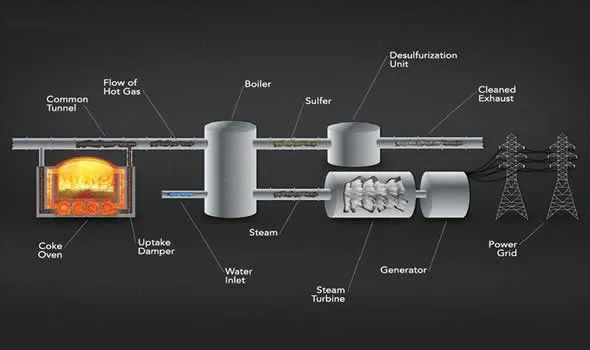
Categories
Uncategorized

Generating Electricity using Waste Heat from Tobacco Processing

Generating Electricity using Heat from Tobacco Drying Processes

Generating Electricity using Waste Heat from Tobacco Processing: Generating electricity from steam involves a process called thermodynamic power generation, often using steam turbines as the primary mechanism. This process converts the energy in steam, usually created by boiling water using heat from burning fuel, nuclear reactions, or geothermal energy, into mechanical energy, which is then transformed into electrical energy.

The basic steps to generate electricity from steam start with the heating of water to produce steam. This can be done in a boiler or a heat exchanger, depending on the system’s design. In a boiler, fuel such as coal, natural gas, oil, or even biomass is burned to generate heat. In a nuclear power plant, heat is produced from nuclear fission reactions. Alternatively, in geothermal power plants, heat from the Earth’s natural reservoirs is used to convert water into steam.

Once steam is produced, it is directed into a steam turbine. The turbine consists of blades mounted on a shaft. As steam flows over the blades, the force of the steam causes the blades to spin. This mechanical energy of the rotating turbine blades is then transferred to a generator connected to the turbine. The generator uses the mechanical energy to rotate a magnetic field within a set of coils, inducing an electrical current through electromagnetic induction.

The steam turbine operates based on the principles of thermodynamics, particularly the Rankine cycle. In the Rankine cycle, steam is generated at high pressure and temperature, expanded in the turbine, and then condensed back into water in a condenser. This process of expansion and condensation allows for a continuous cycle of energy conversion. The condenser cools the steam, usually by passing it through cooling towers or heat exchangers, and converts it back into liquid water, which is then pumped back into the boiler to be reheated and turned back into steam.

In larger power plants, multiple stages of turbines are often used to maximize efficiency. This is known as a multi-stage turbine system, where steam passes through several turbines at different pressure levels. The steam’s pressure is gradually reduced as it moves through each turbine, extracting more energy. In many systems, the steam is also reheated between stages to maintain its energy content and prevent too much pressure drop in the turbines.

The efficiency of a steam power plant is largely determined by how well it can maintain the pressure and temperature of the steam as it moves through the system, as well as the efficiency of the turbine and the generator. Steam turbines are capable of converting a large percentage of the heat energy into mechanical work, but some energy is always lost in the process, primarily due to heat dissipation in the condenser and the inevitable frictional losses in the turbine and other moving parts.

To improve the efficiency of electricity generation, some plants incorporate regenerative systems, where part of the steam or exhaust gases are used to preheat incoming water before it enters the boiler. This reduces the amount of fuel needed to heat the water to the required steam temperature, leading to a more energy-efficient process.

Once the electrical energy is generated, it is transmitted through power lines and distributed to homes and businesses. The voltage of the generated electricity is stepped up by a transformer for long-distance transmission, reducing energy loss during transport. At the point of use, the voltage is stepped down again to a level suitable for household or industrial applications.

In addition to conventional coal, oil, and natural gas power plants, steam turbines are also widely used in renewable energy sources. Geothermal power plants use naturally occurring steam from deep within the Earth to generate electricity, while solar thermal plants use mirrors or lenses to concentrate sunlight and heat a fluid that produces steam. These renewable methods of generating steam offer a more sustainable way to generate electricity without burning fossil fuels.

Overall, generating electricity from steam is a well-established and versatile technology that continues to be used in power plants around the world, with ongoing research focused on improving its efficiency, reducing emissions, and expanding its use in renewable energy systems.

In the process of steam-based electricity generation, one of the key elements that influence performance is the design and operation of the steam turbine itself. The turbine is designed to convert the thermal energy from steam into mechanical energy efficiently. This is achieved by careful engineering of the turbine blades, which are shaped to extract the maximum amount of energy from the steam as it flows over them. The steam enters the turbine under high pressure and high temperature, and as it expands and loses pressure, it passes through different stages of turbines with progressively smaller blades. These stages allow for a more gradual and efficient transfer of energy.

After passing through the turbines, the steam exits at lower pressure and temperature. To complete the cycle, the steam must be condensed back into water in a process that typically occurs in a condenser. The condenser cools the steam, causing it to lose its heat and turn back into liquid form. In most systems, water from nearby rivers, lakes, or cooling towers is used to absorb the excess heat from the steam, often at a temperature below 40°C to 50°C, depending on the local climate and environmental regulations.

The condensed water, now in liquid form, is collected and pumped back into the boiler to be reheated and transformed into steam once again. This closed-loop system helps to conserve water and reduce environmental impacts, though some plants may use once-through cooling systems where water is used only once before being returned to its source.

As part of the overall power plant system, the generator that is coupled to the turbine plays a critical role in converting the mechanical energy into electrical energy. The generator consists of a rotating shaft and a set of stationary coils or magnets. As the turbine shaft rotates, it turns the generator’s rotor, creating a changing magnetic field within the coils, which induces an electrical current through the wires by the principle of electromagnetic induction. This electrical current is then transferred through transformers, where its voltage is adjusted to be suitable for transmission over long distances. Once the electricity reaches its destination, transformers step down the voltage again for distribution to households or businesses.

Generating Electricity using Heat

A significant part of the energy generated by the steam turbine system is often lost as heat due to the second law of thermodynamics, which states that some energy is always lost to the surroundings. Efficiency improvements, such as the integration of combined-cycle power plants, aim to capture and utilize some of this waste heat. In combined-cycle systems, the exhaust gases from the gas turbine are used to heat water, which then produces additional steam to drive a steam turbine. This significantly increases the overall efficiency of the plant, sometimes by as much as 50% or more compared to a simple steam turbine system.

Another emerging trend in steam-based electricity generation is the implementation of supercritical and ultra-supercritical steam cycles. These systems use steam at higher pressures and temperatures than conventional methods, resulting in higher thermodynamic efficiency and lower emissions. By using steam at supercritical pressures (above 22.1 MPa) and ultra-supercritical pressures (above 30 MPa), the thermal efficiency of power plants can be greatly improved, allowing them to generate more electricity from the same amount of fuel. These advanced steam turbines are typically found in modern coal-fired power plants, as well as some nuclear and combined-cycle plants.

Environmental concerns have led to the development of cleaner technologies for generating electricity from steam. The burning of fossil fuels in traditional steam plants releases carbon dioxide (CO₂) and other greenhouse gases into the atmosphere, contributing to climate change. To mitigate these effects, power plants have started implementing carbon capture and storage (CCS) technologies, which capture CO₂ emissions from the exhaust gases and store them underground or use them in industrial processes. Additionally, the growing adoption of renewable energy sources such as geothermal, solar thermal, and biomass for generating steam offers a way to produce electricity with fewer environmental impacts.

While fossil fuels continue to dominate global electricity generation from steam, the trend toward cleaner energy solutions is growing. Geothermal plants, for example, utilize steam sourced from the Earth’s natural heat, which is renewable and produces no direct emissions. Solar thermal power plants use mirrors or lenses to concentrate sunlight, heating a fluid that can generate steam. In some regions, biomass and waste-to-energy plants are being developed to convert organic materials into steam, contributing to reducing waste while generating power.

In summary, the generation of electricity from steam is a well-established and essential method of power generation, with significant advancements in turbine technology, heat recovery systems, and renewable energy integration. The efficiency of the process has been continuously improved over the years, and innovations such as combined-cycle plants and ultra-supercritical steam systems are pushing the boundaries of what is possible. As global energy demands rise and environmental concerns increase, the role of steam-based power generation in providing a reliable and cleaner energy supply will continue to evolve.

As the world moves towards more sustainable energy practices, the role of steam-based electricity generation remains pivotal, albeit with shifts in how it is implemented and integrated with renewable energy sources. Traditional steam-based systems, which rely heavily on burning fossil fuels such as coal, natural gas, or oil, face increasing scrutiny due to their environmental impact, particularly in terms of carbon emissions. As a result, there has been a substantial push to modernize steam power plants, incorporating new technologies and improving the overall energy efficiency of the process.

One of the primary areas of focus in advancing steam-based electricity generation is the development and implementation of carbon capture, utilization, and storage (CCUS) technologies. These systems capture CO₂ emissions produced during the combustion of fossil fuels, preventing them from entering the atmosphere and contributing to climate change. In some systems, the captured CO₂ can be used in industrial processes, such as enhancing oil recovery or producing synthetic fuels, making the technology potentially economically viable in certain contexts. CCUS is seen as a critical part of reducing emissions from traditional fossil-fuel-based power plants, including steam turbines, and is a focal point of research for improving the environmental footprint of steam-based electricity generation.

Moreover, the energy transition is driving a renewed interest in hybrid systems that combine steam-based power generation with renewable energy sources. One notable example is the integration of solar thermal energy into steam power plants. Solar thermal plants use mirrors or lenses to concentrate sunlight and heat a working fluid, often oil or molten salt, which can then be used to produce steam. This process mirrors traditional steam generation, but the heat source is clean and renewable. In some cases, solar thermal plants are combined with conventional steam turbines in hybrid systems, where the steam turbine can operate using both solar heat and the backup from fossil fuels or other energy sources when sunlight is insufficient.

Geothermal energy, another renewable energy source, has long been a significant contributor to steam-based power generation. In geothermal power plants, steam is extracted from the Earth’s natural geothermal reservoirs and used to turn turbines. Geothermal plants operate efficiently in regions with significant geothermal activity, such as Iceland, parts of the United States (e.g., California), and the Philippines. These plants offer the advantage of being able to provide a constant, baseload supply of electricity, since the Earth’s heat is inexhaustible on human timescales. Unlike solar and wind power, which can be intermittent, geothermal energy is available 24/7, making it a reliable renewable energy source.

In addition to integrating renewable sources, there has been a push to utilize advanced materials and design innovations to increase the efficiency of steam turbines and reduce energy losses. High-efficiency materials are being developed to withstand the extreme pressures and temperatures encountered in modern steam turbines, allowing for more efficient power generation. For example, advanced alloys and coatings can improve the turbine’s resistance to corrosion and thermal degradation, extending the lifespan of the turbine and maintaining high levels of efficiency throughout its operation.

The ongoing trend toward supercritical and ultra-supercritical steam cycles is also helping to push the boundaries of steam-based power generation efficiency. By operating at pressures and temperatures beyond the traditional limits of the steam cycle, these advanced turbines extract more energy from the same amount of fuel. Supercritical plants are typically used in newer coal-fired power plants and some nuclear plants, allowing them to operate more efficiently while reducing emissions. However, the high cost of building and maintaining these advanced systems remains a challenge, which is why their adoption has been somewhat limited in many regions.

A promising area of development is the application of advanced digital technologies to monitor and optimize steam turbine performance. Through the use of sensors, data analytics, and artificial intelligence (AI), power plant operators can gain real-time insights into turbine performance, detect inefficiencies or anomalies, and adjust operational parameters to optimize efficiency and reduce downtime. Predictive maintenance tools are also being used to forecast when components of the turbine or other systems might fail, allowing for proactive maintenance to prevent costly failures and extend the operational life of the plant.

Alongside these technological advancements, there is growing interest in decentralized power generation models that use smaller, modular steam systems to provide local or regional electricity. Microgrids, which can be powered by small-scale steam turbines or other distributed energy sources, offer the potential for localized generation with lower transmission losses and enhanced grid resilience. For example, biomass plants, which use organic materials such as wood pellets or agricultural waste to generate steam, can be deployed in rural or remote areas to provide power. These systems are particularly attractive in regions with abundant biomass resources, where the steam can be produced locally and used to provide electricity with a minimal carbon footprint.

The global energy transition is also influencing the development of new energy systems that combine steam turbines with energy storage technologies. For example, some power plants are integrating steam turbines with large-scale battery storage systems or pumped hydro storage, which can store excess energy produced during periods of high demand or when renewable sources like solar and wind are producing more electricity than is needed. This stored energy can then be used to produce steam when demand is high or when renewable energy generation is low, providing grid stability and ensuring a constant supply of power.

In the future, steam turbines may also play a role in the hydrogen economy. Hydrogen, particularly green hydrogen produced through electrolysis powered by renewable electricity, is gaining attention as a potential clean energy source. Steam turbines could be used in combined systems that generate hydrogen through high-temperature electrolysis or other processes, and then use the hydrogen to generate power or heat in various applications. Additionally, steam turbines might be used in plants that convert hydrogen into electricity, acting as an efficient and flexible component in a hydrogen-powered energy system.

As the world continues to seek solutions to the challenges of climate change and energy security, steam-based electricity generation remains a cornerstone of the global energy mix. By evolving alongside advances in technology, renewable energy integration, and emission reduction strategies, the steam turbine continues to serve as a vital tool in the transition to a cleaner, more sustainable energy future.

Solar thermal energy systems harness the heat of the sun to generate electricity through a series of processes that convert solar radiation into thermal energy, which is then used to drive a power generation cycle. Unlike photovoltaic systems, which directly convert sunlight into electricity using semiconductor materials, solar thermal energy systems focus sunlight onto a working fluid, which is then used to produce high-temperature steam or gas to turn a turbine and generate power.

The core principle behind solar thermal energy systems is the concentration of sunlight to achieve the necessary high temperatures for electricity generation. This is typically accomplished through the use of mirrors or lenses that focus sunlight onto a small area. The concentrated solar energy is then transferred to a heat transfer fluid, often a type of molten salt, synthetic oil, or water, which absorbs and retains the thermal energy. The heated fluid is then used to produce steam, which drives a steam turbine connected to an electrical generator, converting the thermal energy into mechanical energy and ultimately into electrical energy.

There are several types of solar thermal power plants, each employing different methods to concentrate and utilize solar heat. One of the most common designs is the parabolic trough system, which consists of long, curved mirrors that focus sunlight onto a receiver pipe running along the focal line of the trough. A heat transfer fluid flows through the receiver pipe, absorbing the concentrated sunlight and reaching high temperatures, often exceeding 300°C. The hot fluid then passes through a heat exchanger, where it generates steam to drive a turbine. Another widely used design is the power tower system, which employs a field of heliostats—large, flat mirrors that track the sun—to reflect and concentrate sunlight onto a central receiver mounted on top of a tower. This receiver collects the solar heat and transfers it to a working fluid, which then generates steam for electricity production. Power tower systems can reach much higher temperatures than parabolic troughs, often exceeding 500°C, increasing their efficiency and allowing for improved energy storage.

Another approach to solar thermal power generation is the use of dish Stirling systems. These systems consist of a parabolic dish that focuses sunlight onto a receiver attached to a Stirling engine. The Stirling engine operates by cyclically expanding and contracting a working gas due to the absorbed heat, which drives a piston and produces mechanical energy that is directly converted into electricity. While dish Stirling systems offer high efficiency and modularity, they are typically used for small-scale applications rather than large power plants.

One of the key advantages of solar thermal energy systems over other renewable energy sources is their ability to store thermal energy for use when the sun is not shining. Thermal energy storage is commonly achieved using molten salt storage tanks, which can retain heat for several hours or even overnight, enabling continuous electricity generation even after sunset. This capability makes solar thermal power plants more reliable compared to photovoltaic systems, which are directly dependent on sunlight and require battery storage for energy continuity.

Despite the benefits, solar thermal energy systems also face several challenges. The initial capital costs for constructing large-scale solar thermal power plants are significant, requiring substantial investment in infrastructure, land, and materials. The efficiency of solar thermal power plants is also affected by atmospheric conditions, such as cloud cover, dust, and humidity, which can reduce the effectiveness of sunlight concentration. Additionally, water consumption in steam-based solar thermal plants can be high, making them less suitable for arid regions where water scarcity is a concern. To address this, some systems employ dry cooling technologies that use air instead of water for condensation, though this may result in lower efficiency.

Recent advancements in solar thermal technology have focused on improving efficiency, reducing costs, and enhancing thermal energy storage capabilities. Innovations such as supercritical carbon dioxide cycles, improved selective coatings for absorbers, and hybridization with other renewable energy sources have contributed to making solar thermal power more viable. In particular, integrating solar thermal plants with fossil fuel or biomass power plants has been explored as a means of increasing overall energy efficiency while reducing carbon emissions.

Solar thermal energy systems represent a promising solution for large-scale renewable energy generation, particularly in regions with high solar insolation, such as deserts and sunny coastal areas. As research and development continue to improve the efficiency and cost-effectiveness of these systems, they are likely to play an increasingly significant role in the transition to sustainable and clean energy sources. The ability to provide dispatchable power through thermal energy storage further strengthens their potential as a reliable alternative to conventional fossil fuel-based power generation.

Further advancements in solar thermal energy systems continue to push the boundaries of efficiency and cost-effectiveness, making them an increasingly attractive option for large-scale electricity generation. One of the key areas of improvement is the development of advanced heat transfer fluids that can operate at higher temperatures while maintaining stability. Traditional fluids such as synthetic oils are limited by thermal degradation at high temperatures, but newer alternatives, such as molten salts and liquid metals, can sustain much higher temperatures, significantly enhancing system efficiency. By operating at temperatures above 600°C, these fluids allow for higher thermal-to-electric conversion efficiencies, reducing energy losses and improving the overall performance of solar thermal plants.

Another promising avenue is the implementation of supercritical carbon dioxide (sCO₂) power cycles in solar thermal plants. Unlike traditional steam-based Rankine cycles, which have limitations in efficiency, sCO₂ cycles operate at much higher pressures and temperatures, allowing for a more compact and efficient power generation process. These systems require smaller turbines and heat exchangers, reducing capital costs while improving energy conversion rates. Research into sCO₂ technology is ongoing, with pilot projects demonstrating its potential to revolutionize solar thermal electricity generation.

Hybridization of solar thermal plants with other energy sources is also gaining traction as a means of improving reliability and dispatchability. By integrating solar thermal systems with biomass, natural gas, or geothermal energy, power plants can maintain stable electricity output even during periods of low solar radiation. Hybrid plants can use solar energy during the day and switch to alternative energy sources when solar input is insufficient, making them more competitive with traditional fossil fuel plants in terms of availability and grid stability.

The geographic placement of solar thermal power plants plays a crucial role in their efficiency and economic viability. Regions with high direct normal irradiance (DNI), such as the southwestern United States, North Africa, the Middle East, and Australia, offer ideal conditions for solar thermal deployment. Large-scale projects, such as the Noor Complex in Morocco and the Ivanpah Solar Power Facility in California, demonstrate the potential of concentrated solar power (CSP) technology to generate significant amounts of electricity with minimal carbon emissions. These plants provide valuable case studies on the feasibility of scaling up solar thermal technology to meet growing energy demands.

Energy storage remains a cornerstone of solar thermal energy’s future viability. While molten salt storage has become the industry standard, ongoing research is exploring alternative materials and phase-change technologies to enhance thermal storage capacity. Innovations such as solid-state heat storage using ceramic or graphite-based materials and thermochemical storage methods that store energy in reversible chemical reactions could further improve the efficiency and cost-effectiveness of solar thermal storage. Enhanced storage solutions enable longer periods of electricity generation without sunlight, reducing the need for backup fossil fuel power and increasing the competitiveness of CSP in global energy markets.

Economic and policy factors also influence the adoption of solar thermal power. While CSP technology has historically been more expensive than photovoltaic solar power, its ability to provide stable, dispatchable electricity gives it a distinct advantage. Government incentives, feed-in tariffs, and renewable energy mandates in various countries have played a crucial role in encouraging investment in solar thermal projects. As production scales up and technological advancements drive down costs, CSP is expected to become increasingly competitive with other forms of renewable energy.

Environmental considerations are another important aspect of solar thermal power development. Unlike photovoltaic systems, which rely on semiconductor materials that can have resource extraction and recycling challenges, solar thermal plants use largely conventional materials such as glass, steel, and concrete. However, land use and water consumption remain key concerns, particularly in desert environments where these plants are often located. Dry cooling systems and improved land-use planning strategies are being developed to mitigate these issues and make solar thermal energy more sustainable.

Looking ahead, the role of artificial intelligence (AI) and automation in solar thermal energy is expected to grow. Advanced control systems that optimize mirror alignment, heat transfer fluid circulation, and turbine operation can enhance efficiency and reduce operational costs. Machine learning algorithms can be used to predict weather patterns and adjust energy storage and dispatch accordingly, further improving the reliability of solar thermal power plants.

As global energy demand continues to rise and the urgency to transition away from fossil fuels intensifies, solar thermal energy stands as a critical component of the renewable energy landscape. With ongoing technological advancements, cost reductions, and policy support, solar thermal power has the potential to become a major contributor to the world’s energy mix. The combination of high-efficiency power generation, effective energy storage, and scalability makes it a strong candidate for meeting future electricity needs in a sustainable and environmentally friendly manner.

The continued evolution of solar thermal energy systems is driven by the need for more efficient, reliable, and cost-effective solutions to meet global energy demands. One of the most significant areas of development is in the enhancement of energy storage technologies. While molten salt storage is currently the most widely used method, research is underway to explore phase-change materials (PCMs) and thermochemical storage systems that can store and release energy more efficiently. PCMs absorb and release large amounts of heat during phase transitions, such as melting and solidifying, making them a promising alternative to molten salts. Thermochemical storage, on the other hand, involves reversible chemical reactions that can store heat for extended periods with minimal loss, potentially revolutionizing how solar thermal plants manage energy dispatch.

Another major focus of research and innovation is improving the efficiency of concentrator designs. Traditional parabolic trough and power tower systems have proven effective, but next-generation designs are aiming for higher solar concentration ratios and reduced optical losses. Multi-faceted heliostats with adaptive control algorithms are being developed to improve sunlight reflection accuracy, while new receiver coatings and materials are enhancing heat absorption and reducing thermal losses. Some researchers are also exploring advanced optics, such as beam-down concentrators, which use secondary mirrors to direct sunlight to ground-based receivers, simplifying maintenance and reducing tower height costs.

The integration of solar thermal energy with industrial processes is another emerging trend that could expand its applications beyond electricity generation. High-temperature solar heat can be used in industries such as metal smelting, cement production, and chemical synthesis, which currently rely heavily on fossil fuels. Solar-driven hydrogen production is particularly promising, as concentrated solar energy can be used to split water molecules into hydrogen and oxygen through thermochemical cycles. This approach could provide a renewable source of hydrogen for fuel cells, transportation, and industrial applications, reducing dependence on fossil fuels and lowering greenhouse gas emissions.

Economic and policy considerations continue to play a crucial role in shaping the future of solar thermal energy. While the cost of photovoltaic (PV) solar has dropped significantly, making it the dominant solar technology in many markets, solar thermal power offers advantages in dispatchability and grid stability. Governments and utilities are recognizing the value of CSP plants with energy storage as a means to provide round-the-clock renewable power, reducing the need for fossil fuel backup. Countries with high solar potential, such as Spain, Chile, and the United Arab Emirates, have implemented policies and incentives to encourage investment in large-scale CSP projects. In some cases, hybrid systems combining PV with CSP are being explored to leverage the benefits of both technologies—PV for daytime electricity generation and CSP for nighttime power supply.

One of the persistent challenges facing solar thermal energy is the need for extensive land and infrastructure. Large solar thermal plants require significant land area for mirror fields, which can create environmental and logistical challenges. Efforts are being made to optimize land use through dual-purpose installations, such as agrivoltaics, where CSP plants are integrated with agricultural activities. Additionally, floating solar thermal systems, similar to floating PV farms, are being investigated as a way to utilize water surfaces for energy generation while reducing evaporation losses in reservoirs.

Advancements in materials science are also contributing to improved performance and longevity of solar thermal components. High-temperature-resistant coatings, corrosion-resistant materials for heat exchangers, and self-cleaning mirror surfaces are all being developed to reduce maintenance costs and extend the lifespan of CSP plants. These innovations help address operational challenges, particularly in harsh desert environments where dust accumulation and extreme temperatures can impact efficiency.

Looking to the future, the role of artificial intelligence and digital twin technology in solar thermal operations is expected to grow. AI-driven monitoring and predictive maintenance systems can optimize plant performance by analyzing real-time data and forecasting potential failures before they occur. Digital twins—virtual replicas of physical CSP plants—allow operators to simulate different scenarios and optimize energy dispatch strategies, improving overall efficiency and profitability.

As the global energy transition accelerates, solar thermal energy is poised to become a key player in the renewable energy landscape. With continued technological advancements, cost reductions, and supportive policies, CSP has the potential to provide a stable and sustainable source of electricity while complementing other renewables such as wind and PV. The integration of CSP with emerging technologies, such as green hydrogen production and industrial heat applications, further expands its potential, making it a valuable asset in the push toward a decarbonized future

The future of solar thermal energy is deeply intertwined with advancements in global energy infrastructure, policy frameworks, and emerging technologies that aim to optimize efficiency, storage, and integration with existing energy systems. One of the most promising directions is the increasing role of hybrid renewable energy systems, where solar thermal power is combined with other energy sources such as photovoltaics, wind, and battery storage. These hybrid configurations help balance energy generation throughout the day and night, improving grid stability and reducing reliance on fossil fuel backup.

One particularly effective hybrid approach is the combination of solar thermal energy with photovoltaic (PV) systems. While PV generates electricity directly from sunlight and is most effective during peak daylight hours, solar thermal systems with energy storage can continue producing power after sunset. By integrating the two, hybrid plants can achieve higher capacity factors, ensuring a steady supply of renewable electricity. Some large-scale projects are already exploring this model, such as the Noor Energy 1 project in the United Arab Emirates, which combines CSP with PV and molten salt storage to provide reliable power day and night.

Beyond electricity generation, solar thermal energy is gaining traction as a solution for industrial heat applications. Many industries, such as steel, cement, and chemical production, require high-temperature heat, which is currently generated primarily by burning fossil fuels. Concentrated solar power (CSP) can replace these traditional methods by providing high-temperature process heat, significantly reducing carbon emissions in these hard-to-decarbonize sectors. For example, solar thermal energy is being explored for use in desalination plants, where concentrated solar heat can drive the evaporation and condensation processes required for freshwater production, offering a sustainable solution for water-scarce regions.

One of the most exciting applications of solar thermal technology is in the production of green hydrogen. Using high-temperature solar heat, thermochemical water-splitting processes can produce hydrogen with minimal environmental impact. This method is more energy-efficient than traditional electrolysis powered by electricity and has the potential to provide a large-scale, renewable source of hydrogen for fuel cells, transportation, and industrial applications. Research in this area is accelerating, with pilot projects demonstrating the feasibility of solar-driven hydrogen production as a future clean fuel alternative.

Advances in energy storage remain a critical factor in the long-term success of solar thermal power. While molten salt storage is the current industry standard, new approaches are being developed to improve efficiency and lower costs. One promising alternative is solid-state thermal storage, which uses materials such as ceramic, graphite, or concrete to store heat for extended periods with minimal losses. Thermochemical energy storage, which involves reversible chemical reactions to store and release heat, is another area of intense research. These innovations could significantly enhance the dispatchability of solar thermal power, making it even more competitive with conventional fossil-fuel-based electricity generation.

The economic viability of solar thermal energy is also improving due to ongoing cost reductions and economies of scale. As manufacturing techniques for mirrors, receivers, and heat transfer fluids advance, the capital costs of CSP plants are gradually decreasing. Additionally, digitalization and automation are streamlining plant operations, reducing maintenance costs, and improving overall efficiency. Artificial intelligence (AI) is being used to optimize mirror alignment, predict maintenance needs, and enhance thermal storage management, further increasing the reliability and cost-effectiveness of solar thermal power.

Policy support and international collaboration play a crucial role in the expansion of solar thermal energy. Governments in sun-rich regions are increasingly recognizing the benefits of CSP as a dispatchable renewable energy source and are implementing incentives, subsidies, and mandates to encourage investment. Countries such as Spain, China, Morocco, and Australia are leading the way with large-scale CSP installations, demonstrating the technology’s potential to contribute significantly to national and regional energy mixes. International organizations and research institutions are also fostering collaboration on CSP advancements, sharing knowledge and best practices to accelerate deployment worldwide.

Looking forward, the role of solar thermal energy in a global clean energy transition is expected to grow. With continued advancements in storage, hybridization, and industrial applications, CSP is poised to become a key player in providing reliable, sustainable, and scalable energy solutions. The integration of CSP with emerging technologies such as green hydrogen, AI-driven plant management, and advanced energy storage will further solidify its place in the future energy landscape. As the world moves toward decarbonization, solar thermal power stands as a vital component of the renewable energy portfolio, offering a sustainable and flexible solution to meet the increasing demand for clean electricity and industrial heat.

Generating Electricity using waste heat from gas turbines in power plants

Generating Electricity using Waste Heat from Chlor-alkali Processes

Generating electricity using waste heat from gas turbines in power plants is an essential strategy for improving overall energy efficiency and reducing fuel consumption. Gas turbines are widely used in power generation due to their high efficiency, reliability, and ability to quickly respond to fluctuations in electricity demand. However, a significant portion of the energy produced by gas turbines is lost as waste heat through the exhaust gases. Capturing and utilizing this waste heat can significantly enhance the overall efficiency of a power plant, reducing fuel consumption and lowering greenhouse gas emissions.

One of the most common methods of utilizing waste heat from gas turbines is through combined cycle power plants (CCPPs). In a combined cycle system, a gas turbine generates electricity by burning natural gas or another fuel, and the hot exhaust gases, which would otherwise be wasted, are directed to a heat recovery steam generator (HRSG). The HRSG extracts thermal energy from the exhaust gases to produce steam, which then drives a steam turbine to generate additional electricity. This process effectively increases the total power output without requiring additional fuel, improving the overall efficiency of the plant from around 35–40% in a simple gas turbine system to 55–60% or more in a combined cycle configuration.

Another approach to utilizing waste heat from gas turbines is through cogeneration, or combined heat and power (CHP) systems. In a CHP system, the waste heat is used not only for additional electricity generation but also for industrial processes, district heating, or other thermal applications. Cogeneration systems can achieve overall efficiencies of 70–90% by making use of both the electrical and thermal energy produced. This makes them particularly useful in industrial facilities, refineries, and commercial buildings where both power and heat are needed.

Organic Rankine Cycle (ORC) technology is another promising method for utilizing waste heat from gas turbines. In an ORC system, the waste heat is used to vaporize an organic working fluid with a lower boiling point than water, allowing power generation at lower temperatures. The vaporized fluid expands through a turbine, generating electricity before being condensed back into a liquid and recirculated. ORC systems are particularly useful in situations where the exhaust temperature of the gas turbine is not high enough for conventional steam-based power generation.

Advancements in waste heat recovery technologies continue to improve the efficiency and viability of these systems. High-efficiency heat exchangers, advanced materials for heat recovery steam generators, and improved thermodynamic cycle designs are all contributing to better performance. Some modern power plants are exploring supercritical and ultra-supercritical steam cycles, which operate at higher pressures and temperatures to further increase efficiency. Additionally, closed-loop carbon dioxide (CO₂) power cycles, such as the supercritical CO₂ Brayton cycle, are being investigated as potential alternatives to conventional steam cycles due to their higher efficiency and compact design.

Economic and environmental benefits are key drivers behind the adoption of waste heat recovery systems in gas turbine power plants. By capturing and utilizing waste heat, power plants can reduce their fuel consumption, leading to lower operating costs and reduced dependency on fossil fuels. This also translates to lower greenhouse gas emissions and improved sustainability. Many countries and regulatory bodies are encouraging or mandating the use of waste heat recovery through incentives, subsidies, and efficiency standards, making it an attractive option for power plant operators.

Despite its advantages, waste heat recovery in gas turbine power plants does present some challenges. The initial capital investment for heat recovery equipment, such as HRSGs and steam turbines, can be substantial, requiring careful financial planning and long-term commitment. The design and implementation of waste heat recovery systems must also consider factors such as space constraints, integration with existing infrastructure, and operational flexibility. Additionally, in smaller-scale gas turbine installations, the amount of waste heat available may not justify the cost of recovery systems, making it more suitable for larger power plants or industrial applications with high heat demand.

Looking ahead, continued advancements in waste heat recovery technologies, integration with renewable energy sources, and innovative cycle designs will further improve the feasibility and efficiency of generating electricity from waste heat in gas turbine power plants. The use of artificial intelligence and data analytics for optimizing waste heat recovery operations is also expected to enhance performance and reduce maintenance costs. As the global energy sector moves toward greater sustainability and efficiency, waste heat recovery from gas turbines will remain a crucial strategy for maximizing energy utilization, reducing emissions, and improving the overall economics of power generation.

The continuous advancement of waste heat recovery technologies in gas turbine power plants is playing a critical role in improving energy efficiency and reducing emissions. One of the most significant areas of development is the optimization of heat recovery steam generators (HRSGs), which are essential for capturing and utilizing the waste heat from gas turbine exhaust gases. Modern HRSG designs incorporate advanced materials and improved heat exchanger configurations to maximize heat transfer efficiency and minimize energy losses. Multi-pressure HRSGs, which operate at different steam pressure levels, are increasingly being used in combined cycle power plants to extract as much energy as possible from the exhaust gases before they are released into the atmosphere.

Another promising area of innovation is the use of advanced thermodynamic cycles beyond the traditional Rankine cycle. The supercritical carbon dioxide (sCO₂) Brayton cycle, for example, has been gaining attention for its potential to significantly enhance efficiency in waste heat recovery applications. Unlike conventional steam-based systems, sCO₂ cycles operate at high pressures and densities, enabling more compact and efficient power generation. The closed-loop nature of these systems allows for better heat utilization and reduces energy losses, making them particularly attractive for integration with gas turbines.

Hybrid power generation is also emerging as a key strategy for improving the effectiveness of waste heat recovery in gas turbine power plants. By integrating renewable energy sources, such as solar thermal or biomass, with waste heat recovery systems, power plants can achieve higher overall efficiency and reduce their reliance on fossil fuels. For instance, a hybrid system combining concentrated solar power (CSP) with a gas turbine and waste heat recovery can provide additional thermal energy to enhance steam production in the HRSG, increasing the total power output while maintaining low emissions. Similarly, biomass can be used as an auxiliary heat source to improve waste heat utilization in combined cycle plants, further diversifying the energy mix and enhancing sustainability.

Energy storage technologies are also being explored to enhance the flexibility and reliability of waste heat recovery systems. Thermal energy storage (TES) solutions, such as molten salts or phase-change materials, can store excess heat generated by waste heat recovery systems for later use, enabling power generation even when the gas turbine is not running at full capacity. This approach helps improve grid stability and allows operators to optimize electricity production based on demand fluctuations.

The use of organic Rankine cycle (ORC) technology continues to expand, particularly in applications where gas turbine exhaust temperatures are relatively low. ORC systems use organic working fluids with lower boiling points than water, allowing them to effectively convert lower-grade waste heat into electricity. This technology is particularly well-suited for small- and medium-scale gas turbine installations, where conventional steam cycles may not be economically viable due to their higher complexity and cost.

Economic and policy considerations are driving the wider adoption of waste heat recovery systems in gas turbine power plants. Governments and regulatory agencies are implementing energy efficiency standards and carbon reduction targets, incentivizing power plant operators to invest in waste heat recovery technologies. Carbon pricing mechanisms, tax credits, and government grants for energy efficiency improvements further encourage the deployment of these systems. Additionally, corporate sustainability goals and environmental regulations are pushing industries to adopt cleaner and more efficient energy practices, making waste heat recovery a crucial strategy for reducing emissions and improving overall sustainability.

One of the key challenges associated with waste heat recovery in gas turbine power plants is the variability of waste heat availability. The efficiency of heat recovery systems depends on factors such as turbine load fluctuations, ambient temperature conditions, and operational constraints. To address this challenge, intelligent control systems and artificial intelligence (AI)-driven optimization techniques are being developed to dynamically adjust heat recovery operations in real-time. These systems use predictive analytics and machine learning algorithms to optimize heat exchanger performance, steam production, and energy dispatch, ensuring that the maximum amount of waste heat is utilized effectively.

Looking to the future, the integration of digital twin technology in waste heat recovery systems is expected to further enhance efficiency and reliability. Digital twins—virtual replicas of physical power plant systems—allow operators to simulate different operating scenarios, optimize system configurations, and predict maintenance needs before issues arise. By leveraging real-time data and advanced simulations, digital twins can help improve decision-making and maximize the economic and environmental benefits of waste heat recovery.

As the global energy sector continues its transition toward cleaner and more efficient power generation, waste heat recovery from gas turbines will remain a key strategy for improving sustainability and reducing emissions. The combination of advanced HRSG designs, innovative thermodynamic cycles, hybrid energy systems, and AI-driven optimization will further enhance the viability of waste heat recovery technologies, making them an integral part of the future energy landscape.

The role of waste heat recovery in gas turbine power plants is expected to grow as technological advancements continue to drive improvements in efficiency, cost-effectiveness, and environmental benefits. One of the most promising developments in this field is the enhancement of materials used in heat exchangers and other critical components of waste heat recovery systems. High-temperature alloys, advanced ceramics, and coatings designed to withstand extreme heat and corrosive environments are being developed to increase the longevity and performance of heat recovery steam generators (HRSGs) and other heat recovery equipment. These advancements reduce maintenance costs and downtime while improving the overall efficiency of energy conversion.

Another key innovation is the ongoing refinement of advanced combined cycle configurations. Traditionally, combined cycle power plants rely on a single HRSG and steam turbine, but newer designs are exploring the use of multiple pressure levels, reheating cycles, and even alternative working fluids to maximize energy extraction. Some next-generation combined cycle systems integrate reheating stages, where partially expanded steam is reheated using additional waste heat before entering the next stage of expansion in the steam turbine. This approach improves thermal efficiency and increases power output while maintaining low emissions.

The integration of artificial intelligence (AI) and machine learning in waste heat recovery systems is also playing a significant role in improving performance. AI-driven analytics platforms can continuously monitor and optimize the operation of HRSGs, steam turbines, and heat exchangers, ensuring that the system operates at peak efficiency under varying load conditions. Predictive maintenance algorithms can also identify potential issues before they lead to equipment failures, reducing downtime and maintenance costs. These smart automation solutions enhance the reliability of waste heat recovery systems and contribute to more stable and efficient power plant operations.

Waste heat utilization beyond electricity generation is becoming an important focus for industries seeking to maximize energy efficiency. In addition to power generation, recovered waste heat from gas turbines can be used for district heating, desalination, and industrial process heating. In colder regions, combined heat and power (CHP) systems can supply waste heat to district heating networks, providing a sustainable source of thermal energy for residential and commercial buildings. In coastal areas and arid regions, waste heat can be used to power desalination plants, improving access to freshwater while reducing the energy demand of traditional desalination methods.

Another innovative application of waste heat recovery is in carbon capture and utilization (CCU) technologies. Gas turbine power plants equipped with carbon capture systems require significant amounts of thermal energy to separate and process CO₂ from flue gases. Instead of using additional fuel to generate this energy, waste heat from the gas turbine exhaust can be repurposed to drive carbon capture processes, reducing the overall energy penalty associated with CO₂ removal. This integration helps make carbon capture more economically viable and environmentally sustainable, aligning with global decarbonization goals.

Hybrid power plants that combine waste heat recovery with renewable energy sources are also gaining traction. For instance, solar thermal energy can be used to supplement steam production in HRSGs, allowing for greater flexibility and improved efficiency. Similarly, biomass-fired boilers can work alongside waste heat recovery systems to provide additional thermal energy, reducing reliance on fossil fuels. These hybrid configurations enhance the resilience of power plants while lowering their carbon footprint.

As global energy policies continue to emphasize sustainability and energy efficiency, financial incentives and regulatory frameworks are evolving to support the adoption of waste heat recovery technologies. Many governments are implementing tax credits, grants, and emissions reduction targets that encourage industries to invest in energy efficiency improvements. Carbon pricing mechanisms, which place a financial value on greenhouse gas emissions, further incentivize the implementation of waste heat recovery solutions as a cost-effective way to reduce overall carbon output.

One of the remaining challenges in widespread waste heat recovery adoption is the variability of waste heat availability due to fluctuating turbine loads and operational constraints. Advanced thermal energy storage (TES) solutions are being developed to address this issue, allowing excess waste heat to be stored and used when needed. Technologies such as molten salt storage, phase-change materials, and high-efficiency thermal batteries are being explored as ways to smooth out energy supply and demand mismatches, making waste heat recovery systems more adaptable to changing power plant conditions.

Looking ahead, the continued evolution of waste heat recovery systems in gas turbine power plants will be driven by innovations in materials science, thermodynamic cycle optimization, AI-driven control systems, and hybrid renewable energy integration. The ability to efficiently harness and utilize waste heat will play a crucial role in improving overall power plant efficiency, reducing fuel consumption, and lowering greenhouse gas emissions. As energy demands increase and environmental regulations become more stringent, waste heat recovery will remain a fundamental strategy for enhancing the sustainability and economic viability of power generation.

The future of waste heat recovery in gas turbine power plants is closely tied to global energy trends, technological advancements, and the increasing focus on sustainability. As the world transitions toward more efficient and lower-emission energy systems, waste heat recovery will play a crucial role in optimizing power generation and reducing fuel consumption. Emerging innovations in heat recovery technology, energy storage, and digitalization are set to further enhance the efficiency, reliability, and economic viability of these systems.

One of the most significant developments in waste heat recovery is the advancement of supercritical carbon dioxide (sCO₂) power cycles. Unlike traditional steam-based Rankine cycles, sCO₂ cycles operate at higher pressures and efficiencies, allowing for more compact and cost-effective waste heat recovery systems. These cycles utilize CO₂ in a closed-loop system as the working fluid, which requires less energy to compress than steam, resulting in improved thermodynamic performance. Research and pilot projects in sCO₂ technology are paving the way for its integration into gas turbine power plants, potentially increasing overall plant efficiency beyond current combined cycle capabilities.

Another emerging innovation is the development of high-performance thermal energy storage (TES) systems. Traditional waste heat recovery relies on immediate use of the captured thermal energy, but TES allows for heat to be stored and dispatched when needed, enhancing flexibility and reliability. Molten salts, phase-change materials, and ceramic-based storage systems are being explored as viable solutions for integrating TES with gas turbine waste heat recovery. These storage systems can be particularly useful in hybrid power plants that combine waste heat utilization with renewable energy sources, enabling a more stable and dispatchable power supply.

The integration of artificial intelligence (AI) and machine learning in waste heat recovery is also revolutionizing the way power plants operate. AI-driven control systems can continuously optimize heat exchanger performance, adjust operating conditions in real-time, and predict maintenance needs before failures occur. Predictive analytics allow for better decision-making in plant operations, reducing downtime and improving overall efficiency. Additionally, digital twin technology is being increasingly used to create real-time virtual models of waste heat recovery systems, enabling operators to simulate different operating conditions, optimize configurations, and plan maintenance schedules more effectively.

Hybrid energy systems that combine waste heat recovery with renewable sources such as solar, wind, or biomass are gaining attention as a way to enhance power plant sustainability. In particular, concentrated solar power (CSP) can be used in conjunction with waste heat recovery systems to provide additional thermal energy for steam production, further improving plant efficiency. Biomass can also be co-fired with gas turbines in a combined cycle plant, using waste heat recovery to maximize energy extraction from the fuel source while reducing overall carbon emissions. These hybrid configurations offer a pathway to cleaner and more resilient power generation.

Another promising application of waste heat recovery is in hydrogen production. As the global push for green hydrogen accelerates, utilizing waste heat to improve the efficiency of hydrogen production processes can make a significant impact. High-temperature electrolysis and thermochemical water-splitting processes require substantial amounts of heat, which can be supplied by waste heat recovery systems in gas turbine power plants. By repurposing waste heat for hydrogen production, power plants can contribute to the growing hydrogen economy while improving their overall energy efficiency.

Regulatory policies and economic incentives continue to drive the adoption of waste heat recovery technologies. Many governments and energy agencies have introduced policies that promote energy efficiency, carbon reduction, and waste heat utilization. Incentives such as tax credits, low-interest financing, and mandatory efficiency standards encourage power plant operators to invest in waste heat recovery systems. Carbon pricing mechanisms, which place a financial value on CO₂ emissions, further increase the economic attractiveness of these technologies by making energy-efficient power generation more cost-competitive.

Despite these advancements, challenges remain in scaling up waste heat recovery solutions. The upfront capital costs of installing heat recovery equipment, integrating storage systems, and upgrading plant infrastructure can be significant. Additionally, technical complexities such as optimizing heat exchanger designs, managing fluctuating turbine loads, and ensuring seamless integration with existing plant operations require careful planning and engineering expertise. However, as technology continues to improve and costs decline, waste heat recovery is becoming an increasingly viable and attractive option for power generation.

Looking to the future, waste heat recovery in gas turbine power plants will continue to evolve as part of a broader effort to create more sustainable and efficient energy systems. Advances in thermodynamic cycle design, energy storage, digitalization, and hybrid energy integration will further enhance the role of waste heat recovery in reducing emissions and improving power plant performance. As the energy sector moves toward greater sustainability, waste heat recovery will remain a fundamental strategy for maximizing energy utilization and minimizing environmental impact, making it a key component of the global clean energy transition.

Generating Electricity using Heat from Distillery Operations

Generating Electricity using Waste Heat from Distillation Columns

Generating electricity using heat from distillery operations is an effective way to improve energy efficiency, reduce operational costs, and lower environmental impact. Distilleries generate significant amounts of waste heat through processes such as fermentation, distillation, and evaporation. Traditionally, much of this heat is lost to the atmosphere, but with the implementation of waste heat recovery systems, this energy can be captured and converted into electricity, providing a more sustainable and cost-effective energy solution for the industry.

One of the most common methods of generating electricity from distillery waste heat is through cogeneration, also known as combined heat and power (CHP). In a cogeneration system, waste heat from distillation and boiler operations is recovered and used to produce steam, which drives a steam turbine to generate electricity. The same steam can also be used for heating purposes within the distillery, maximizing energy efficiency. By using CHP, distilleries can achieve overall efficiencies of 70–90%, significantly reducing their reliance on external electricity sources and lowering greenhouse gas emissions.

Another efficient technology for converting waste heat into electricity in distilleries is the Organic Rankine Cycle (ORC). ORC systems operate similarly to traditional steam-based power generation but use an organic working fluid with a lower boiling point than water. This allows ORC systems to effectively generate electricity from lower-temperature waste heat, such as that produced by distillation and fermentation processes. ORC technology is particularly useful in distilleries where waste heat temperatures are insufficient for conventional steam turbines but still contain enough thermal energy to be converted into electricity.

Biogas production from distillery waste can also play a crucial role in energy generation. Many distilleries produce significant quantities of organic waste, such as spent wash and stillage, which can be processed in anaerobic digesters to produce biogas. This biogas can then be used as a fuel source for gas engines or microturbines, which generate electricity while producing additional waste heat. The heat from these engines can be recovered and used in the distillation process or further converted into electricity, creating a highly efficient closed-loop energy system.

The integration of waste heat recovery systems in distilleries not only improves energy efficiency but also contributes to sustainability goals. By utilizing waste heat to generate electricity, distilleries can reduce their carbon footprint, lower fuel consumption, and minimize the environmental impact of their operations. Many governments and regulatory bodies are promoting energy efficiency initiatives through incentives, tax benefits, and carbon credit programs, encouraging distilleries to adopt waste heat recovery technologies.

Despite its benefits, waste heat recovery in distillery operations does present some challenges. The initial capital investment for heat recovery equipment, such as ORC units, steam turbines, and heat exchangers, can be substantial. Additionally, the design and implementation of these systems require careful consideration of factors such as waste heat availability, temperature levels, and plant layout. However, advancements in waste heat recovery technology, along with increasing regulatory pressure to improve energy efficiency and reduce emissions, are making these solutions more accessible and economically viable.

As the global focus on sustainable energy grows, distilleries will continue to explore innovative ways to optimize energy use and reduce environmental impact. Future advancements in thermodynamic cycles, heat exchanger technology, and energy storage will further enhance the feasibility of waste heat recovery in distillery operations. The adoption of digital monitoring and AI-driven optimization can also improve system performance by ensuring that waste heat is utilized effectively. By integrating these technologies, distilleries can significantly reduce energy costs, improve operational efficiency, and contribute to a cleaner, more sustainable energy future.

The growing emphasis on sustainability and energy efficiency in the distillery industry is driving the adoption of advanced waste heat recovery technologies. Distilleries, particularly those involved in large-scale alcohol production, consume substantial amounts of thermal energy for processes such as distillation, evaporation, and drying. Without proper recovery systems, a significant portion of this energy is lost as waste heat. However, with the implementation of innovative energy recovery solutions, distilleries can harness this excess thermal energy to generate electricity and improve overall operational efficiency.

One of the most effective ways to convert waste heat from distillery operations into electricity is by optimizing cogeneration (combined heat and power, or CHP) systems. CHP units capture heat from boilers, fermenters, and stills and use it to produce steam, which drives a steam turbine to generate electricity. This approach significantly reduces the amount of external energy required, making the distillery more self-sufficient and reducing dependency on fossil fuel-based power. Additionally, the steam generated in this process can be reused for heating applications, enhancing the overall energy efficiency of the plant.

In distilleries where waste heat is available at lower temperatures, the Organic Rankine Cycle (ORC) is increasingly being employed as a viable solution for power generation. Unlike traditional steam turbines, which require high-temperature steam, ORC systems use organic working fluids that can evaporate at lower temperatures. This makes ORC an ideal choice for capturing and converting waste heat from distillation columns, condensers, and other thermal processes. ORC-based power generation enables distilleries to extract useful energy from heat sources that would otherwise be too low-grade for conventional steam turbines.

Beyond ORC and CHP, another method for utilizing waste heat in distillery operations is through thermoelectric generators (TEGs). These devices use the Seebeck effect to directly convert temperature gradients into electricity. While still in the early stages of commercial application, TEG technology has the potential to provide supplementary power by harnessing small amounts of residual heat from various equipment surfaces, such as boiler flues, exhaust stacks, and heat exchangers.

The integration of biogas generation with waste heat recovery is also gaining popularity in distillery energy systems. Distillery spent wash and organic byproducts can be processed in anaerobic digesters to produce biogas, which can be burned in a gas engine or microturbine to generate electricity. The waste heat from the engine’s exhaust gases and cooling systems can then be captured using heat exchangers and fed into either an ORC system or directly used in the distillery’s thermal processes. This approach not only provides an additional renewable energy source but also contributes to waste management and emissions reduction efforts.

Energy storage solutions are being increasingly explored to enhance the efficiency of waste heat recovery in distilleries. Thermal energy storage (TES) systems, such as molten salts or phase-change materials, can store excess heat during peak production hours and release it when needed, ensuring a more stable and continuous supply of electricity. This is particularly useful in distilleries with variable production schedules or fluctuating energy demands.

Digitalization and automation are playing a crucial role in optimizing waste heat recovery systems in distilleries. The use of artificial intelligence (AI) and machine learning algorithms allows real-time monitoring and predictive control of energy flows within the plant. Smart sensors and IoT-enabled devices can continuously track temperature variations, heat exchanger performance, and steam flow rates, ensuring that waste heat is utilized in the most efficient manner possible. Additionally, digital twin technology, which creates a virtual model of the distillery’s energy system, can help operators simulate different heat recovery configurations and identify the most effective strategies for power generation.

As distilleries strive to become more sustainable, regulatory frameworks and government incentives are encouraging the adoption of waste heat recovery technologies. Carbon credits, tax breaks, and subsidies for energy efficiency projects are making it more financially viable for distilleries to invest in heat-to-power conversion systems. In some regions, distilleries that generate surplus electricity from waste heat can even sell excess power back to the grid, creating an additional revenue stream.

Looking ahead, the continued advancement of waste heat recovery technologies will further transform the energy landscape of distillery operations. Emerging developments in high-efficiency heat exchangers, improved working fluids for ORC systems, and next-generation energy storage solutions will enhance the feasibility and economic benefits of on-site power generation. As distilleries increasingly integrate these solutions into their operations, they will not only reduce energy costs but also contribute to the global transition toward cleaner and more sustainable industrial practices.

As the distillery industry continues to evolve toward more sustainable practices, the adoption of waste heat recovery technologies is becoming increasingly sophisticated. The integration of energy-efficient solutions and renewable energy sources is driving both environmental benefits and cost savings for distilleries worldwide. Looking forward, several key trends and innovations will shape the future of electricity generation from distillery waste heat.

One of the most promising developments is the use of hybrid systems that combine multiple energy sources. In particular, combining waste heat recovery with renewable energy technologies such as solar thermal, biomass, and wind power can greatly enhance the efficiency and sustainability of distillery operations. For instance, solar thermal collectors can be used to pre-heat water or air, reducing the energy required for distillation. This pre-heating process not only lowers the operating costs of distilleries but also reduces the load on the waste heat recovery systems, allowing them to focus on generating electricity or providing heating for other processes.

Biomass energy also offers a complementary solution to waste heat recovery. Distilleries can use agricultural waste products, wood chips, or other biomass fuels to generate additional heat, which can be integrated into the waste heat recovery system. Biomass-based combined heat and power (CHP) units, when paired with waste heat recovery technologies, can help distilleries become energy self-sufficient, reducing their reliance on external grid power and fossil fuels. Furthermore, the utilization of biomass in this context can further reduce the carbon footprint of distillery operations, contributing to the achievement of climate goals.

Microgrids and decentralized energy systems are another area of innovation in distillery power generation. By creating microgrids that incorporate waste heat recovery, renewable energy, and energy storage systems, distilleries can become more resilient to power outages and price fluctuations from the main grid. Microgrids can also enable distilleries to optimize energy distribution based on real-time demand, allowing them to balance the energy produced from waste heat, renewable sources, and stored energy to maximize efficiency and reduce costs. This approach enhances energy security, promotes sustainability, and gives distilleries more control over their energy consumption and production.

As digital technologies continue to advance, the role of artificial intelligence (AI) and data analytics in optimizing waste heat recovery systems will become even more significant. AI can help distilleries analyze vast amounts of operational data in real-time, making it easier to identify inefficiencies, predict maintenance needs, and adjust system operations dynamically. Machine learning algorithms can optimize energy use by learning from historical performance data and predicting energy demand patterns, allowing for more efficient allocation of recovered heat and generated electricity. Moreover, predictive maintenance systems powered by AI can detect issues before they lead to equipment failure, improving system reliability and reducing downtime.

The role of thermal energy storage (TES) systems will continue to expand as distilleries look to optimize waste heat recovery and power generation. These systems store excess thermal energy generated during periods of high activity and release it when needed, smoothing out fluctuations in energy demand. High-temperature TES technologies, such as molten salts or ceramics, are becoming more efficient and cost-effective, making them an attractive option for distilleries looking to store heat generated from both waste heat recovery and renewable sources. In addition, coupling TES with battery storage systems allows distilleries to store electricity generated from both waste heat and renewable sources, providing an additional layer of flexibility and stability to the energy supply.

Government policies and incentives will continue to drive the adoption of waste heat recovery technologies in distilleries. As countries strengthen their commitment to reducing carbon emissions and improving energy efficiency, distilleries will benefit from a wide range of financial incentives, such as tax credits, rebates, and grants. For example, policies that encourage the use of renewable energy and waste-to-energy technologies will make it easier for distilleries to adopt these systems and improve their profitability. Additionally, carbon pricing schemes and emissions reduction targets will provide further economic motivation to implement waste heat recovery solutions as a way to lower carbon footprints and offset operational costs.

The market for waste heat recovery technologies in distilleries is also being shaped by increasing consumer demand for sustainable products. Distilleries that incorporate energy-efficient technologies and reduce their environmental impact are likely to see greater consumer interest and loyalty, particularly as sustainability becomes a key differentiator in the marketplace. As more consumers prioritize environmentally responsible brands, distilleries that invest in waste heat recovery and other sustainable practices will be able to appeal to this growing demographic while meeting regulatory and environmental standards.

Looking to the future, the distillery industry will continue to benefit from breakthroughs in materials science, energy storage, and thermodynamic cycles. New, high-efficiency heat exchangers and advanced working fluids for Organic Rankine Cycle (ORC) systems will make it easier for distilleries to generate electricity from lower-temperature waste heat, further expanding the range of waste heat recovery applications. As research in thermoelectrics and advanced heat-to-power conversion technologies progresses, distilleries may also have access to new tools for generating electricity from residual heat that was previously difficult to utilize.

In conclusion, the generation of electricity using heat from distillery operations represents an exciting opportunity to improve energy efficiency, reduce costs, and contribute to a cleaner, more sustainable future. With ongoing advancements in waste heat recovery systems, renewable energy integration, and digital optimization, distilleries can continue to harness their waste heat to generate electricity while reducing their environmental impact. As the industry continues to innovate and adopt new technologies, it will become increasingly possible for distilleries to operate more sustainably, reduce operational expenses, and meet the growing demand for green and energy-efficient products.

As distilleries increasingly integrate waste heat recovery systems to generate electricity, the future of energy efficiency within the industry will be shaped by several emerging trends and technological breakthroughs. Distilleries have significant potential to reduce energy consumption, lower emissions, and improve the overall sustainability of their operations by further developing and optimizing heat-to-power systems.

One key area of development is the expansion of waste heat recovery systems that operate at a wider range of temperatures. Distillery operations, such as distillation, fermentation, and drying, produce waste heat across a spectrum of temperatures, often varying significantly depending on production levels and equipment design. To maximize the potential for electricity generation, distilleries are increasingly adopting systems capable of capturing heat from low, medium, and high-temperature sources. This may include advanced Organic Rankine Cycle (ORC) systems that can operate efficiently across varying temperatures or thermoelectric generators (TEGs) that directly convert waste heat into electricity even from low-grade sources. These systems will enhance the flexibility of waste heat recovery, enabling distilleries to capture and convert as much of their available waste heat as possible.

The continued evolution of materials science is also playing a pivotal role in improving the efficiency of heat recovery systems. New heat exchanger materials, capable of handling higher temperatures and aggressive environments, are being developed to improve heat transfer rates, reduce corrosion, and extend the lifespan of heat recovery systems. Advanced coatings and ceramics are being employed to protect heat recovery components from wear and tear, particularly in systems exposed to high-pressure and high-temperature conditions. These innovations will reduce the need for frequent maintenance and ensure that distillery operations benefit from more reliable and long-lasting heat recovery technologies.

Integration with energy management systems is becoming another vital aspect of optimizing electricity generation from waste heat in distilleries. With the rise of smart grids and decentralized energy systems, distilleries are leveraging advanced energy management platforms to monitor, control, and optimize energy usage and recovery in real-time. By integrating sensors, automation, and artificial intelligence (AI), distilleries can monitor fluctuations in energy demand, predict optimal operating conditions, and adjust the operation of heat recovery systems accordingly. AI algorithms can identify patterns in energy usage, ensuring that the waste heat is harnessed most effectively, while also minimizing energy waste and reducing overall operational costs. This data-driven approach can significantly increase the overall efficiency of the energy recovery process and optimize electricity generation.

Energy storage systems will continue to play a critical role in the future of electricity generation from waste heat. Thermal energy storage (TES) systems, such as molten salt or phase change materials, will be integrated into distillery energy systems to store excess heat generated during periods of high production. This stored thermal energy can then be released when demand for electricity is high, or during off-peak hours, enabling distilleries to operate more efficiently and reduce reliance on external grid power. Combining TES with battery storage systems will further enhance this capability, allowing distilleries to store not only thermal energy but also electricity generated from both waste heat recovery and renewable energy sources. This integration will provide a more reliable and stable energy supply while reducing the need for fossil fuel-powered backup generation.

As regulatory pressures to reduce carbon emissions increase, distilleries will be further incentivized to adopt energy-efficient technologies. Many regions are implementing stricter emissions standards and promoting energy efficiency initiatives, which will lead to higher adoption rates of waste heat recovery systems. Furthermore, policies and tax incentives that promote the use of renewable energy, energy efficiency, and carbon footprint reduction will continue to make the investment in these systems more financially attractive. These incentives may include carbon credits, grants, or preferential financing for distilleries that adopt waste-to-energy solutions. As the industry faces increasing pressure to meet sustainability targets, integrating waste heat recovery with renewable energy technologies will become a vital strategy for achieving net-zero emissions goals.

Moreover, as public awareness of environmental sustainability grows, consumers are placing greater importance on the eco-friendly practices of the companies they support. Distilleries that embrace waste heat recovery, renewable energy integration, and sustainable manufacturing practices can differentiate themselves in an increasingly competitive market. By showcasing their commitment to energy efficiency and sustainability, distilleries can build brand loyalty and appeal to the growing demographic of environmentally-conscious consumers. This consumer-driven demand for sustainable practices will continue to encourage distilleries to invest in more energy-efficient technologies and adopt waste heat recovery solutions.

The global push for clean energy and the decarbonization of industrial processes is further accelerating the adoption of waste heat recovery in distilleries. Innovations in carbon capture and storage (CCS) technologies are also becoming relevant for distilleries with high emissions, particularly those that produce ethanol or other high-carbon-content spirits. Some distilleries are integrating waste heat recovery with carbon capture systems to reduce the carbon footprint of their operations. For instance, the waste heat recovered from distillation processes can be used to power carbon capture equipment, helping distilleries reduce their CO₂ emissions while simultaneously generating electricity from recovered heat.

In addition to improving the sustainability of energy generation within distilleries, waste heat recovery can also provide additional benefits for other industries. For example, recovered waste heat from distilleries can be used for district heating, providing a reliable source of thermal energy to nearby residential or commercial buildings. This integration of waste heat into community heating systems helps reduce overall energy consumption and lowers heating costs for local residents. Additionally, waste heat can be used in agricultural applications, such as greenhouses, where it can provide a consistent source of warmth for plant cultivation, further diversifying the uses of recovered energy.

Looking to the future, the adoption of waste heat recovery technologies in distilleries will continue to be driven by a combination of technological innovation, regulatory pressures, and market demand for sustainable practices. As the industry moves toward a greener and more efficient future, distilleries will increasingly view waste heat recovery not only as a means of improving operational efficiency but also as a key strategy for enhancing their overall sustainability profile. The development of more efficient, cost-effective, and versatile waste heat recovery solutions will ensure that distilleries can continue to meet both their energy needs and their environmental obligations, paving the way for a cleaner and more sustainable future for the industry.

Generating Electricity using heat from oil refining processes

Generating Electricity using Heat from Oil Refining Processes

Generating electricity from heat produced in oil refining processes is an innovative and efficient way to harness energy that would otherwise be wasted. Oil refineries are complex facilities that process crude oil into various products such as gasoline, diesel, jet fuel, and other petrochemicals. The refining process generates substantial amounts of heat, particularly from distillation, cracking, and combustion operations. Typically, much of this heat is released into the environment, contributing to inefficiency and environmental impact. However, by capturing and converting waste heat into electricity, oil refineries can significantly improve their energy efficiency, reduce operational costs, and contribute to sustainability goals.

The most common method of generating electricity from waste heat in oil refineries is through the use of cogeneration (combined heat and power, or CHP) systems. In a CHP system, waste heat from the refining process—such as exhaust gases from furnaces, flue gas from boilers, and thermal energy from distillation towers—is captured and used to generate steam. This steam is then used to drive a steam turbine, which generates electricity. Simultaneously, the steam can also be used to provide heating for the refinery’s operations, such as pre-heating process fluids, supporting distillation columns, or maintaining temperature control within reactors. By utilizing both the electricity and heat generated from the same energy source, CHP systems can achieve efficiencies of up to 80% or more, reducing the need for external power and increasing the overall energy efficiency of the refinery.

Another method of generating electricity from waste heat is through the Organic Rankine Cycle (ORC), which is increasingly being adopted in industrial applications where waste heat is available at lower temperatures. Unlike traditional steam turbines, ORC systems use an organic fluid with a lower boiling point than water, making it possible to convert low-temperature heat, typically in the range of 80–300°C, into electricity. In oil refineries, ORC systems can capture waste heat from sources like flue gas, cooling systems, or low-temperature process streams, which would not be suitable for conventional steam turbines. This makes ORC a highly effective solution for improving energy efficiency in refineries that generate heat at lower temperatures, providing a reliable and renewable source of electricity.

In addition to CHP and ORC systems, advanced heat exchangers are key components in optimizing heat recovery from the refining process. Heat exchangers are used to transfer thermal energy from hot process streams to cooler streams, such as water or air, to pre-heat fluids or create steam. This process reduces the amount of fuel required for heating purposes, thereby saving energy and reducing emissions. By incorporating heat exchangers into the refinery’s system, operators can recover and reuse heat that would otherwise be lost, thereby improving the overall thermal efficiency of the plant and increasing the potential for electricity generation.

Some oil refineries are also exploring the potential for utilizing biogas produced from refinery waste streams. In particular, refineries that have associated waste biomass or organic matter—such as from sludge or wastewater treatment—can use anaerobic digestion to produce biogas. This biogas, which consists primarily of methane, can be burned in gas turbines or internal combustion engines to generate electricity. The waste heat generated during this combustion process can then be captured and used for further heating purposes within the refinery or converted into additional electricity using ORC technology. This approach not only reduces energy costs but also supports waste management efforts by turning byproducts into a valuable energy resource.

The integration of energy storage systems, such as thermal energy storage (TES) and battery storage, can also enhance the efficiency of waste heat recovery and electricity generation in oil refineries. TES systems store excess thermal energy generated during periods of high refining activity and release it when demand for energy is high or during peak production periods. This can help stabilize the refinery’s energy supply, ensuring that waste heat is utilized even when the immediate demand for steam or electricity is low. Additionally, coupling TES with battery storage systems can provide a reliable, continuous power supply that reduces dependence on the grid and improves the overall energy resilience of the refinery.

Digital technologies and automation are playing an increasingly important role in optimizing waste heat recovery systems in oil refineries. Advanced sensors, real-time monitoring, and data analytics enable operators to track the performance of heat recovery systems and make adjustments to improve efficiency. Artificial intelligence (AI) algorithms can be used to predict energy demand patterns, identify inefficiencies in heat recovery systems, and suggest operational improvements. Predictive maintenance technologies powered by AI can help minimize downtime by identifying potential equipment failures before they occur, ensuring the continuous operation of waste heat recovery systems and maximizing electricity generation from available heat.

Oil refineries also stand to benefit from government incentives and regulations promoting energy efficiency and carbon reduction. Many countries have introduced policies that provide financial incentives, such as tax breaks, grants, or subsidies, for refineries that invest in energy-saving technologies, including waste heat recovery systems. Additionally, emissions regulations and carbon pricing mechanisms are encouraging refineries to reduce their carbon footprints by adopting more energy-efficient practices, such as generating electricity from waste heat. As governments around the world implement stricter emissions standards and climate change policies, refineries are under increasing pressure to adopt cleaner and more sustainable energy solutions, making waste heat recovery an essential part of their strategy.

In the future, advancements in waste heat recovery technologies will further enhance the ability of oil refineries to generate electricity and improve energy efficiency. Emerging technologies, such as advanced thermoelectric generators (TEGs) and new, more efficient working fluids for ORC systems, will increase the range of waste heat that can be utilized for power generation. Improvements in materials science will also lead to more durable and efficient heat exchangers, reducing maintenance costs and increasing the reliability of heat recovery systems. Furthermore, the integration of digital twins and AI-driven optimization models will allow refineries to simulate different energy recovery strategies and implement the most efficient and cost-effective solutions in real-time.

The integration of renewable energy sources with waste heat recovery is another area of growth. Some oil refineries are exploring the possibility of combining waste heat recovery systems with solar thermal or wind power, further reducing their reliance on fossil fuels and lowering their carbon emissions. Solar thermal energy can be used to pre-heat water or assist in distillation processes, while wind power can be integrated into the refinery’s energy mix to provide additional electricity. This hybrid approach can improve the overall sustainability of oil refining operations, providing a greener, more resilient energy supply while reducing operational costs.

In conclusion, generating electricity from waste heat in oil refineries represents a valuable opportunity to improve energy efficiency, reduce emissions, and lower operational costs. By adopting technologies such as cogeneration, Organic Rankine Cycle systems, heat exchangers, biogas recovery, and advanced energy storage, refineries can significantly enhance the sustainability and economic performance of their operations. As the global focus on sustainability intensifies and regulatory pressures increase, waste heat recovery will become an increasingly essential component of oil refinery energy strategies. With ongoing technological advancements and supportive government policies, oil refineries can continue to harness waste heat as a valuable resource for generating electricity, improving energy efficiency, and contributing to a more sustainable energy future.

As oil refineries continue to adapt to a more energy-conscious and environmentally responsible future, the integration of advanced technologies for generating electricity from waste heat will become even more critical. The potential to unlock more value from the waste heat produced during refining operations is not just limited to electricity generation but extends to improving overall energy management, reducing environmental impacts, and enhancing the economic viability of refineries.

One significant area of development is the implementation of combined cycle power systems (CCPS) that integrate multiple types of heat recovery and conversion processes. In a combined cycle system, a gas turbine and a steam turbine are used together to generate electricity from both high-temperature exhaust gases and waste heat. The gas turbine operates first, generating power from the combustion of fuel (or biogas in some cases). The exhaust gases from the gas turbine, which are typically still at high temperatures, are then used to produce steam in a heat recovery steam generator (HRSG). This steam is sent to a steam turbine, which generates additional electricity. By combining these two systems, the overall efficiency of electricity generation can be greatly increased—often to levels above 60%, compared to around 30-40% for a standalone gas turbine. For refineries, this means more electricity generated from the same amount of fuel and heat, leading to lower operational costs and reduced reliance on external power sources.

Refineries are also increasingly looking at how they can use waste heat in a more diversified manner, especially in auxiliary processes. Heat recovery systems can be used not only for power generation but also for improving the efficiency of other refinery processes. For example, waste heat can be repurposed to reduce the energy required for pre-heating feedstocks, helping to lower fuel consumption and improve the efficiency of distillation columns or cracking units. This process integration optimizes the use of available heat throughout the entire refinery, resulting in lower overall energy consumption.

Another important development is the improvement of heat recovery systems in the context of process intensification. Process intensification refers to the approach of redesigning and optimizing chemical processes to increase efficiency, reduce waste, and minimize energy consumption. Waste heat recovery plays a critical role in process intensification, particularly in refineries, where maintaining a steady heat supply for processes such as cracking, distillation, and catalytic reforming is crucial. Researchers are investigating new heat exchanger designs, advanced materials for high-temperature environments, and enhanced heat transfer fluids to maximize the effectiveness of heat recovery while minimizing heat losses. By improving the thermal efficiency of heat exchangers, the recovery of waste heat becomes even more effective, enabling refineries to convert a greater portion of their waste heat into usable energy.

Thermochemical heat storage systems are also a promising avenue for future development. These systems use reversible chemical reactions to store excess heat generated during periods of high activity in the refinery and release it when needed. Unlike conventional thermal storage systems, which typically rely on materials like molten salts, thermochemical systems can store heat at much higher temperatures with greater energy density. This allows for more efficient energy storage and distribution, helping refineries balance fluctuating demand and make better use of their waste heat recovery systems. The ability to store and release heat on demand provides an additional layer of flexibility, allowing for more efficient integration with the grid and reducing the refinery’s dependence on external energy sources.

Moreover, the move toward carbon capture, utilization, and storage (CCUS) technologies in refineries presents another opportunity for waste heat recovery. CCUS technologies involve capturing carbon dioxide emissions from industrial processes and either storing them underground or using them in the production of valuable products. When waste heat is used in conjunction with CCUS systems, it can help improve the overall efficiency of the carbon capture process. The heat can be used to regenerate the solvents used in the capture process, making the system more energy-efficient. Additionally, the heat generated from CCUS systems can be used to produce electricity through cogeneration or ORC systems, creating a sustainable cycle of energy production that reduces both emissions and reliance on fossil fuels.

As part of the ongoing digital transformation in the oil refining industry, predictive analytics and real-time monitoring systems will also enhance the efficiency of waste heat recovery systems. By continuously analyzing operational data, refineries can identify trends and inefficiencies that may affect heat recovery performance. AI-powered algorithms can forecast energy demand, predict equipment failures, and optimize energy recovery strategies. In the future, machine learning will enable refineries to dynamically adjust their operations based on real-time data, ensuring that waste heat is being recovered and converted into electricity as efficiently as possible. In addition, predictive maintenance models will help prevent downtime by identifying issues before they impact the system, ensuring that heat recovery systems are operating at peak performance at all times.

The role of integrated renewable energy systems alongside waste heat recovery is also becoming more significant. Refineries are increasingly looking to hybrid energy systems that combine both waste heat and renewable energy sources such as solar, wind, and biomass. Solar thermal energy, for example, can be used to pre-heat fluids, assist with distillation, or generate additional steam, while wind and biomass energy can supplement power generation, reducing reliance on fossil fuels. These integrated systems offer a more sustainable and resilient energy mix, helping refineries reduce their overall carbon footprint and improve energy security.

The combination of waste heat recovery and renewable energy systems aligns with global efforts to decarbonize the industrial sector. Oil refineries, being energy-intensive operations, face significant pressure to reduce their greenhouse gas emissions. Integrating renewable energy and enhancing energy recovery from waste heat are important strategies for meeting sustainability targets and complying with increasingly stringent regulations. In some cases, refineries that embrace green energy solutions, including waste heat recovery, may also benefit from carbon credits, government incentives, and other financial mechanisms designed to promote sustainable industrial practices.

As we look to the future, the potential for generating electricity from waste heat in oil refineries will continue to grow, driven by technological advancements, regulatory pressures, and market demand for cleaner, more sustainable energy. Continued innovation in waste heat recovery technologies—along with the integration of renewable energy, energy storage, and digital optimization systems—will help refineries unlock even greater efficiency gains. As these systems evolve, oil refineries will be able to maximize the value of their waste heat, reduce operational costs, and contribute to global decarbonization efforts, ultimately playing a key role in the transition to a more sustainable energy future.

As the focus on energy efficiency and environmental sustainability intensifies across industries, oil refineries are increasingly turning to advanced waste heat recovery systems to improve both their operational performance and environmental footprint. Building on the technologies already discussed, further innovations in heat recovery and energy conversion will play an essential role in helping refineries meet regulatory demands, reduce energy consumption, and optimize their operational efficiency.

One promising area of advancement is the ongoing research into direct thermoelectric generation. Thermoelectric generators (TEGs) use the Seebeck effect to directly convert temperature differences into electricity, without the need for a mechanical or fluid-based power cycle like steam turbines. For oil refineries, TEGs could be integrated into existing heat recovery systems to capture waste heat at lower temperatures, potentially from flue gases or cooling systems. The ability to convert low-grade waste heat directly into electricity through thermoelectric materials holds considerable promise for refineries, as it offers a highly modular and efficient means of generating power from heat sources that might not be suitable for traditional power cycles.

In addition to TEGs, the development of advanced thermochemical processes for waste heat recovery is gaining traction. Thermochemical cycles use a chemical reaction to absorb heat and release it later, which could prove useful for capturing and storing waste heat from high-temperature sources. These processes, such as sorption heat transformation and solid-state reactions, could provide an efficient means to store heat for later use or to generate electricity when needed. The integration of thermochemical energy storage systems could help refineries better manage the fluctuating demand for energy, ensuring that captured heat is used efficiently, whether for immediate power generation or for backup energy during peak periods.

The integration of hydrogen production from waste heat is another developing area of interest. Hydrogen is increasingly seen as a key element in the transition to a low-carbon economy, particularly in the energy, transportation, and industrial sectors. Some oil refineries are investigating methods to generate hydrogen through high-temperature electrolysis using waste heat as the energy source. This process, known as high-temperature electrolysis (HTE), can use steam generated from waste heat to split water molecules into hydrogen and oxygen. The hydrogen produced can then be used as a clean fuel for power generation, refining operations, or even exported to other sectors. By utilizing waste heat in this way, refineries can simultaneously reduce their carbon footprint and create a valuable byproduct in the form of hydrogen, contributing to the broader hydrogen economy.

Another development on the horizon is the use of waste heat for desalination. As the demand for fresh water increases, especially in arid regions, refineries are exploring the potential of using their waste heat to power desalination processes. Desalination is energy-intensive, requiring large amounts of heat to drive the evaporation and condensation processes that remove salts and other impurities from seawater. By using the heat produced during refining operations, refineries can provide an efficient and sustainable solution for freshwater production, which could also be used to supply water for refinery processes or even for nearby communities. This integration of water and energy recovery has the potential to provide a more resilient and sustainable resource model for refineries operating in water-scarce areas.

The integration of smart grid technology is another emerging trend that will shape the future of waste heat recovery in refineries. By connecting waste heat recovery systems with smart grids, refineries can better manage their energy production and consumption. Smart grids use advanced communication technologies to monitor energy flows in real-time, allowing operators to adjust the operation of heat recovery systems based on demand and availability. This capability can help refineries optimize the use of recovered heat, ensuring that it is utilized when it is most needed and reducing reliance on grid power during peak periods. Additionally, smart grid systems can enable refineries to sell excess electricity generated from waste heat back to the grid, providing an additional revenue stream while supporting grid stability.

Incorporating artificial intelligence (AI) and machine learning (ML) into waste heat recovery systems is becoming increasingly important. AI-powered optimization tools can help refine the operation of heat recovery systems by continuously analyzing data from sensors embedded in heat exchangers, turbines, and other components. These tools can predict energy consumption patterns, optimize the flow of heat through the system, and automatically adjust operational parameters to maximize electricity generation. By leveraging predictive maintenance capabilities, AI can also help prevent system failures and extend the lifespan of heat recovery equipment, ensuring that the refinery remains operational while minimizing downtime and maintenance costs.

The integration of circular economy principles is another significant development for oil refineries as they adopt waste heat recovery systems. A circular economy approach encourages the reuse, recycling, and repurposing of materials, energy, and resources to reduce waste and environmental impact. By using waste heat to power other refinery processes, generate electricity, or create valuable byproducts such as hydrogen, refineries can operate more sustainably and efficiently. This approach not only reduces the need for external energy sources but also minimizes emissions, making the refinery more self-sufficient and environmentally friendly. The circular economy model is especially relevant for oil refineries in regions with increasing environmental regulations, as it provides a way to reduce waste and pollution while simultaneously improving profitability.

Finally, the ongoing shift towards sustainability and renewable energy is influencing the oil refining industry’s adoption of waste heat recovery systems. As refineries face mounting pressure to reduce their carbon footprint, integrate more renewable energy into their operations, and meet stringent environmental standards, waste heat recovery offers a valuable pathway to reduce emissions while improving energy efficiency. Refineries are increasingly investing in renewable technologies, such as solar, wind, and biomass, alongside waste heat recovery to create hybrid energy systems that minimize dependence on fossil fuels. By combining renewable energy with waste heat recovery, refineries can reduce their reliance on external power grids, lower greenhouse gas emissions, and contribute to the global transition to a low-carbon economy.

The economics of waste heat recovery will also continue to improve as these technologies mature. The initial investment required for advanced heat recovery systems, including ORC systems, cogeneration, and thermochemical processes, may be offset over time by savings from reduced fuel consumption, lower energy costs, and increased operational efficiency. Moreover, as technology advances and economies of scale come into play, the cost of implementing these systems will decrease, making them more accessible to smaller refineries and further promoting their widespread adoption.

In conclusion, the future of generating electricity from waste heat in oil refineries is highly promising, with numerous opportunities for technological innovation, cost savings, and environmental benefits. By investing in advanced heat recovery systems, integrating renewable energy, and adopting digital optimization technologies, oil refineries can improve their energy efficiency, reduce operational costs, and contribute to the global efforts to reduce carbon emissions. As regulatory pressures increase, and the need for sustainable energy solutions becomes more urgent, waste heat recovery will be a key strategy for refineries to remain competitive, sustainable, and resilient in the face of evolving energy demands. The transition towards a cleaner, more energy-efficient future for the oil refining industry will continue to be shaped by these advancements, ultimately creating a more sustainable and energy-resilient sector.

As we continue to explore the potential for generating electricity from waste heat in oil refineries, it’s important to recognize the broader context in which these systems operate. The global push toward decarbonization and increased energy efficiency means that oil refineries are under heightened pressure to adopt cleaner technologies and sustainable practices. To achieve these goals, it will be crucial for refineries to not only optimize their own waste heat recovery systems but also integrate with evolving energy systems at a national or regional level. By doing so, refineries can help create a more resilient, decentralized energy infrastructure, reducing reliance on conventional power sources and contributing to the growth of renewable energy markets.

One of the key developments likely to shape the future of waste heat recovery in the refining industry is the increasing role of energy flexibility. As the energy landscape becomes more dynamic, with a greater mix of renewable sources like wind and solar, refineries will need to adapt to fluctuations in energy supply and demand. Waste heat recovery systems can provide a stable, controllable energy source that can be ramped up or down to balance fluctuations in renewable generation. For example, during periods of low renewable energy production (e.g., when the wind is not blowing or the sun is not shining), refineries can rely more heavily on waste heat to meet their energy needs. Conversely, when renewable energy production is high, excess electricity generated from waste heat can be exported to the grid, helping to stabilize the broader energy system.

The integration of demand-side management (DSM) strategies within waste heat recovery systems can further enhance the refinery’s role in a flexible energy network. DSM involves adjusting energy consumption in response to external signals, such as grid demand or electricity prices. By incorporating DSM strategies, refineries can optimize the timing of their electricity generation from waste heat based on grid conditions. For instance, when electricity prices are high, the refinery can increase its electricity production and supply it to the grid, providing economic benefits while helping to support grid stability. Conversely, when grid demand is low, the refinery can reduce its electricity generation or store the excess heat for later use.

Moreover, energy storage systems, such as thermal energy storage (TES) and battery storage, will play an increasingly important role in the future of waste heat recovery in oil refineries. While thermal storage allows heat to be stored for later use, battery storage systems can capture excess electricity generated by waste heat recovery systems and release it when demand peaks. By integrating both TES and battery storage technologies, refineries can create more flexible and efficient energy systems that are capable of meeting both internal and external energy demands, while minimizing the need for fossil fuel consumption. These storage systems also offer a valuable tool for smoothing out the intermittency of renewable energy sources, helping to increase the reliability and predictability of renewable power in the energy mix.

Additionally, power-to-X technologies are likely to become an important part of the future waste heat recovery landscape. Power-to-X refers to a set of technologies that convert surplus electricity into other forms of energy, such as hydrogen, ammonia, or synthetic fuels. Refineries can leverage waste heat recovery systems to generate electricity, which can then be used to produce hydrogen through electrolysis or converted into synthetic fuels. These fuels can be stored and used in various applications, such as transportation or heavy industry, creating a closed-loop energy system within the refinery. By incorporating power-to-X technologies, refineries can further reduce their carbon emissions and contribute to the development of the hydrogen economy, which is expected to play a significant role in the decarbonization of sectors like transport, heating, and power generation.

The concept of industrial symbiosis is another promising avenue for the future of waste heat recovery in oil refineries. Industrial symbiosis refers to the practice of different industries collaborating to share resources, such as energy, materials, and byproducts, to improve overall efficiency and reduce environmental impact. In the context of oil refineries, waste heat generated by the refinery could be used by neighboring industries, such as chemical plants, steel mills, or desalination facilities, which also require significant amounts of energy. By sharing waste heat, refineries can create a network of industrial processes that work together in a mutually beneficial way, reducing the need for external energy inputs, lowering emissions, and improving the economic performance of all participating industries. This approach could help refineries transition from being isolated energy consumers to active contributors to a broader, more sustainable industrial ecosystem.

As carbon pricing mechanisms and environmental regulations become more stringent worldwide, oil refineries will be under increasing pressure to reduce their emissions and improve their environmental performance. Waste heat recovery technologies can provide a cost-effective solution to help refineries comply with carbon emissions reduction targets. By capturing and utilizing waste heat, refineries can lower their carbon footprint and avoid paying carbon taxes or penalties for exceeding emissions limits. Additionally, refineries that invest in advanced waste heat recovery systems may be eligible for carbon credits or other financial incentives, which could help offset the costs of implementing new technologies and contribute to the financial viability of these projects.

In countries with aggressive climate policies, refineries may also face mandatory emissions reductions or renewable energy integration requirements. By adopting waste heat recovery systems, refineries can significantly reduce their reliance on fossil fuels for power generation, helping to meet these regulatory targets. Refineries that invest in clean energy technologies, such as waste heat recovery, solar power, or biogas production, will be better positioned to comply with future regulations, making them more competitive in an increasingly green and carbon-conscious marketplace.

Furthermore, public perception and corporate social responsibility (CSR) are playing an increasingly important role in driving the adoption of waste heat recovery technologies in oil refineries. As public awareness of climate change and environmental issues grows, consumers and investors are becoming more concerned with the sustainability practices of the companies they support. Refineries that invest in technologies that reduce emissions and improve energy efficiency, such as waste heat recovery, are likely to enhance their reputation as responsible corporate citizens. This can lead to a range of benefits, including improved brand image, increased customer loyalty, and greater access to capital from investors who prioritize sustainable investments.

Looking ahead, the global supply chain for heat recovery technologies will continue to evolve, as manufacturers and suppliers innovate to meet the growing demand for energy-efficient solutions in the oil refining sector. Collaborative partnerships between equipment manufacturers, technology developers, and refinery operators will be essential to accelerate the adoption of these systems and ensure that the latest advancements are effectively integrated into existing refinery infrastructure. Governments, too, have a role to play by offering incentives and support for the development and deployment of waste heat recovery technologies, particularly in emerging markets where refineries may face higher upfront costs for implementing these systems.

Finally, the global shift toward digital transformation will revolutionize the management and optimization of waste heat recovery systems. As refineries increasingly adopt digital tools, such as Internet of Things (IoT) sensors, real-time data analytics, and AI-based optimization platforms, they will be able to fine-tune their waste heat recovery systems in real time. This will enable them to maximize energy recovery, reduce maintenance costs, and improve system performance. By leveraging digital technologies, refineries can not only optimize their energy systems but also drive continuous improvement in their operational efficiency, helping them stay competitive in an evolving market.

In conclusion, the future of generating electricity from waste heat in oil refineries is filled with exciting opportunities driven by technological innovation, sustainability goals, and regulatory pressures. Refineries that embrace advanced heat recovery technologies, integrate renewable energy, and leverage digital optimization will be well-positioned to meet the challenges of a rapidly changing energy landscape. By reducing energy consumption, lowering emissions, and creating new revenue streams, waste heat recovery systems will play a central role in making refineries more sustainable and resilient in the years to come. As the industry evolves, waste heat will continue to be a valuable resource that can be harnessed to improve energy efficiency, support renewable energy integration, and contribute to the global transition toward a low-carbon economy.

Generating electricity using heat from oil refining processes is an important aspect of improving energy efficiency and reducing carbon footprints in the oil and gas sector. Oil refineries are energy-intensive operations that generate significant amounts of waste heat during various processes such as distillation, cracking, and reforming. Rather than allowing this heat to go unused, it can be captured and converted into electricity, offering both environmental and economic benefits.

1. Heat Recovery Systems in Oil Refineries

Oil refineries operate through a range of high-temperature processes, many of which produce excess heat. This waste heat can be recovered and used in several ways, including for power generation. Common systems used to capture and utilize this waste heat include heat exchangerssteam turbines, and organic Rankine cycle (ORC) systems.

  • Heat Exchangers: These devices allow heat from hot fluids (such as exhaust gases) to be transferred to cooler fluids (such as water or oil) without direct contact. This recovered heat is then used to generate steam, which can be used to power turbines for electricity generation. In oil refineries, heat exchangers can be installed in various parts of the plant, such as flue gas stacks and cracking units, where temperatures are high enough to provide substantial thermal energy.
  • Steam Turbines: Steam turbines are widely used to generate electricity from recovered heat in oil refineries. When water is heated by the recovered waste heat, it turns into steam. This steam is then directed into a steam turbine, where it spins blades to generate electricity. The electricity can either be used internally to power refinery operations or sold back to the grid. This process is known as cogeneration or combined heat and power (CHP).
  • Organic Rankine Cycle (ORC): The Organic Rankine Cycle is another technology used to generate electricity from lower-temperature waste heat, typically from heat sources below 400°C. Unlike steam turbines, ORC systems use an organic fluid with a lower boiling point than water. This allows them to operate efficiently at lower temperatures, making them particularly suitable for capturing heat from processes like distillation, drying, and other non-combustion-based refining operations.

2. Optimizing Heat Recovery and Efficiency

To make the most of the heat generated during refining processes, refineries can implement strategies to increase the efficiency of their waste heat recovery systems. This can involve upgrading existing equipment, implementing better insulation, and investing in more advanced recovery technologies.

  • Upgrading Equipment: Modernizing equipment like heat exchangers, boilers, and turbines with more efficient designs can increase the amount of energy recovered from waste heat. For example, using advanced heat exchangers with higher thermal conductivity materials can improve the heat transfer rate, making it possible to capture more heat.
  • Improved Insulation: Ensuring that high-temperature pipes and vessels are properly insulated reduces heat loss, increasing the amount of usable heat that can be recovered and converted into electricity.
  • Advanced Heat Recovery Technologies: New technologies, such as thermochemical heat storage, can be integrated into waste heat recovery systems to store excess heat for use when needed, particularly during periods of low refinery activity. This stored heat can be used to generate electricity or provide thermal energy to processes that require it.

3. Energy Integration and Optimization

In addition to recovering waste heat for electricity generation, oil refineries can integrate heat recovery systems into a broader energy management strategy to optimize their energy consumption.

  • Combined Heat and Power (CHP): Refineries can use waste heat to generate both electricity and useful thermal energy. This integrated approach is highly efficient, as it makes full use of the heat generated during refining processes. For example, excess heat can be used to provide steam for distillation units, which is a critical part of the refining process. By simultaneously producing electricity and thermal energy, refineries can reduce their dependence on external energy sources and lower operational costs.
  • Energy Storage: Thermal energy storage (TES) systems can store excess heat produced during high-demand periods for use during periods of low demand. This heat can then be converted into electricity or used to assist other refinery processes. By combining waste heat recovery with energy storage, refineries can create a more flexible and resilient energy supply.
  • Energy Management Systems (EMS): Advanced EMS technologies can help refineries monitor and control their energy consumption more effectively. These systems use data analytics to optimize the operation of waste heat recovery units and improve overall energy efficiency. By providing real-time feedback, EMS can help refineries balance energy production and demand, ensuring that waste heat is used in the most efficient manner possible.

4. Carbon Footprint Reduction and Environmental Benefits

Using waste heat from oil refining processes for electricity generation can significantly reduce the carbon footprint of refineries by lowering their reliance on fossil fuels. Waste heat recovery is a form of clean energy because it utilizes heat that would otherwise be wasted, converting it into useful power without additional fuel consumption.

  • Lower Carbon Emissions: By reducing the amount of external energy required for refinery operations, waste heat recovery decreases greenhouse gas emissions. This is especially true when waste heat is used in conjunction with renewable energy sources, such as biogas or solar energy, to produce low-carbon electricity.
  • Compliance with Environmental Regulations: Many countries and regions have stringent environmental regulations that require industries to reduce their emissions. Waste heat recovery systems help refineries comply with these regulations by reducing energy consumption and emissions. Refineries that adopt waste heat recovery technologies may also qualify for government incentives, tax credits, and carbon trading credits, further improving their financial outlook.

5. Economic Benefits and Financial Considerations

While there is an initial capital investment required to install heat recovery systems, the long-term financial benefits can be significant. The energy savings generated by using waste heat to produce electricity can offset installation costs and provide a steady return on investment over time.

  • Energy Cost Savings: Refineries that generate their own electricity from waste heat can significantly reduce their energy bills. This is particularly valuable in regions where energy prices are high or volatile. By producing electricity on-site, refineries can reduce their reliance on external power sources, which can lead to substantial cost savings.
  • Reduced Fuel Consumption: Since waste heat recovery reduces the need for additional fuel consumption, refineries can decrease their overall fuel costs. This is particularly advantageous when oil prices fluctuate, as it offers a level of insulation from the volatility of global energy markets.
  • Revenue from Electricity Sales: Refineries that generate more electricity than they need can sell the surplus power back to the grid. This creates a new revenue stream, which can further offset the costs of implementing waste heat recovery systems.

6. Future Innovations and Technological Trends

The future of generating electricity from heat in oil refining processes looks promising, with several technological innovations on the horizon. As refining processes become more energy-efficient and carbon-conscious, refineries will increasingly adopt cutting-edge technologies to maximize waste heat recovery.

  • Integration with Renewable Energy: As the global push for renewable energy grows, refineries may look to integrate waste heat recovery systems with renewable energy sources such as solar and wind. This hybrid approach can reduce the reliance on fossil fuels, further lowering emissions and increasing energy security.
  • Advanced Turbines and Heat Recovery Systems: The development of new turbine designs, particularly those capable of handling lower-temperature heat sources, will expand the range of processes from which refineries can recover waste heat. In addition, advances in heat exchanger technology, such as the use of graphene or other high-conductivity materials, may make heat recovery more efficient and cost-effective.
  • AI and Machine Learning for Optimization: Artificial intelligence (AI) and machine learning (ML) algorithms will increasingly play a role in optimizing the operation of waste heat recovery systems. By analyzing real-time data from sensors throughout the refinery, AI can identify inefficiencies, predict maintenance needs, and optimize energy use, ensuring that waste heat is always captured and utilized at its maximum potential.

Conclusion

Generating electricity using heat from oil refining processes offers significant opportunities for improving energy efficiency, reducing emissions, and enhancing the economic performance of refineries. By integrating advanced heat recovery technologies, optimizing energy use, and taking advantage of renewable energy and digital technologies, oil refineries can transform waste heat into a valuable resource. As the world moves toward cleaner, more sustainable energy systems, waste heat recovery will become a cornerstone of the energy strategy for the oil refining industry, helping refineries remain competitive, profitable, and environmentally responsible in the years ahead.

To continue expanding on the subject of generating electricity from heat in oil refining processes, it’s essential to explore the potential for integration with broader energy and sustainability goals, as well as the challenges and future directions for these technologies.

7. Integration with Broader Energy Systems

As oil refineries are critical components of global energy infrastructure, integrating their waste heat recovery systems with broader energy networks can enhance their overall contribution to a sustainable energy future.

  • Decentralized Power Generation: Waste heat recovery technologies can help transform oil refineries into decentralized power generation hubs. By generating electricity from waste heat on-site, refineries can reduce their dependence on the centralized grid, thereby improving grid stability and reducing the need for transmission infrastructure. This decentralized approach aligns with the growing trend of distributed energy resources (DERs), where small-scale power generation units are spread across communities or industrial clusters, making the energy system more resilient.
  • Integration with District Heating Systems: In some cases, waste heat generated in refineries can be used for district heating, providing thermal energy to surrounding residential, commercial, or industrial areas. By connecting refineries to district heating networks, refineries can supply energy to multiple users, further increasing the value derived from recovered heat. This type of integration contributes to the development of energy hubs, where heat and power are shared among different sectors, fostering a more sustainable energy ecosystem.
  • Smart Grid Integration: The combination of waste heat recovery systems with smart grids offers a further layer of optimization. Smart grids allow for better management of electricity supply and demand, and integrating refineries into these grids can help balance renewable energy fluctuations with heat and power generated by waste heat recovery systems. Refineries can act as flexible assets in a smart grid by modulating the amount of power they generate based on grid requirements or renewable energy availability.

8. Challenges to Widespread Implementation

While waste heat recovery from oil refining processes offers a promising avenue for generating electricity, there are several challenges that must be addressed to maximize its adoption.

  • High Capital Investment: Implementing heat recovery systems requires significant upfront capital. For some refineries, particularly those with older infrastructure, retrofitting existing systems to include waste heat recovery technologies can be expensive. This financial barrier may discourage smaller refineries or those with tighter budgets from investing in these systems. However, over time, the long-term savings and potential revenue from electricity sales can offset these initial costs.
  • Heat Source Availability and Temperature Levels: The effectiveness of waste heat recovery depends on the temperature of the heat being recovered. Oil refineries generate waste heat across a wide range of temperatures, and not all of this heat is suitable for electricity generation. High-temperature waste heat is ideal for steam turbine-based systems, while lower-temperature waste heat may require specialized technologies like organic Rankine cycles (ORC) or thermoelectric generators. In some refineries, large portions of the heat generated may not be hot enough to be used effectively for power generation, limiting the amount of electricity that can be recovered.
  • Maintenance and Operational Complexity: Waste heat recovery systems, particularly those involving turbines or ORC systems, can require regular maintenance to ensure efficient operation. The complexity of these systems, combined with the harsh operating environment in refineries, can increase the need for skilled maintenance personnel and spare parts. Proper training and preventive maintenance practices are essential to ensure these systems continue to operate at peak efficiency.
  • Economic Viability and Market Conditions: The economic feasibility of investing in waste heat recovery technologies is influenced by market conditions, including the price of oil, natural gas, and electricity. When energy prices are low, the economic incentives to implement waste heat recovery systems may not be as strong. Conversely, high energy prices or policies that incentivize carbon reduction can create a favorable environment for such investments. Policies, subsidies, and tax incentives can play a critical role in encouraging refineries to adopt waste heat recovery technologies.

9. Future Trends and Innovations

The future of generating electricity from heat in oil refining processes looks bright, with several emerging trends and technological innovations poised to drive further growth in this area.

  • Advanced Materials for Heat Transfer: One key area of innovation is the development of advanced materials that can improve heat transfer efficiency. For instance, the use of graphene or other nanomaterials in heat exchangers could increase the surface area for heat exchange and improve thermal conductivity. These materials could enhance the overall efficiency of waste heat recovery systems, making them more effective in capturing and utilizing heat.
  • Hybrid Systems: As the energy transition accelerates, the development of hybrid systems that combine waste heat recovery with renewable energy sources like solar or biomass could become more common. For example, integrating solar thermal energy into waste heat recovery systems could provide additional heat for power generation during periods of low refinery activity, such as weekends or holidays. Hybrid systems would enhance energy resilience, reduce emissions, and diversify energy generation sources within the refinery.
  • Digitalization and IoT Integration: The rise of Internet of Things (IoT) technology and big data analytics is transforming how energy systems are managed. In the context of waste heat recovery, sensors and monitoring devices can provide real-time data on system performance, allowing operators to optimize energy recovery. AI-based predictive maintenance tools can anticipate equipment failures before they occur, reducing downtime and improving system reliability.
  • Blockchain for Energy Trading: In the future, blockchain technology could be used to facilitate energy trading from refineries. Blockchain could help track the generation, sale, and consumption of electricity generated from waste heat recovery, providing transparency and ensuring that energy credits or carbon credits are properly allocated. This could open up new markets for selling waste heat-derived electricity and support the development of carbon trading systems.
  • Decarbonization and Carbon Capture Integration: In line with global efforts to reduce carbon emissions, refineries may integrate waste heat recovery with carbon capture and storage (CCS) technologies. This combination would not only reduce the refinery’s reliance on external energy sources but also capture and store CO2 emissions, making the refinery a more sustainable operation. The combined approach would help refineries meet future environmental regulations and position them as leaders in the low-carbon economy.
  • Global Collaboration and Knowledge Sharing: As waste heat recovery technologies mature, there will be a greater need for global collaboration and knowledge sharing. Refiners, technology developers, and governments can work together to establish best practices, improve system performance, and share lessons learned from successful projects. Collaboration with academic institutions and research centers will help accelerate the development of cutting-edge technologies and facilitate the transfer of knowledge to regions with emerging industrial sectors.

10. Conclusion

Generating electricity from waste heat in oil refining processes is a crucial step toward improving energy efficiency and reducing the environmental impact of refineries. By utilizing technologies like heat exchangers, steam turbines, and organic Rankine cycles, refineries can turn waste heat into a valuable resource that supports their operations and contributes to the grid. Despite challenges such as high capital investment, maintenance complexity, and varying heat availability, the integration of waste heat recovery systems offers long-term economic and environmental benefits.

As the oil refining industry evolves, waste heat recovery will continue to play a central role in the push toward greater sustainability, decarbonization, and energy resilience. Advances in materials, hybrid systems, and digitalization will further enhance the performance of these systems, making them more efficient, flexible, and cost-effective. With the right policies, incentives, and technological innovations, oil refineries can harness their waste heat to reduce emissions, cut energy costs, and help pave the way for a cleaner, more sustainable energy future.

11. Policy and Regulatory Landscape

As waste heat recovery becomes a more viable option for oil refineries, it is crucial to understand the policy and regulatory landscape that supports or hinders its adoption. Government regulations, incentives, and industry standards are important drivers of innovation and investment in waste heat recovery technologies.

  • Government Incentives and Subsidies: Many countries provide incentives or tax credits to encourage the adoption of energy-efficient technologies, including waste heat recovery systems. These incentives can significantly reduce the initial investment cost and improve the return on investment. Governments may offer grants, loans, or subsidies to oil refineries that integrate waste heat recovery technologies into their operations. Programs like the U.S. Investment Tax Credit (ITC) and the Production Tax Credit (PTC), as well as similar initiatives in Europe, China, and India, have historically supported clean energy and energy efficiency projects in industrial sectors.
  • Carbon Pricing and Emissions Regulations: In response to climate change, many countries have implemented carbon pricing mechanisms such as carbon taxes or cap-and-trade systems. These regulations increase the cost of emitting CO2 and encourage industries to adopt cleaner technologies, including waste heat recovery. By reducing the amount of fuel consumed and lowering CO2 emissions, waste heat recovery technologies can help refineries comply with emissions regulations and avoid penalties. Moreover, the potential to earn carbon credits or participate in emissions trading schemes could provide an additional financial incentive for refineries to invest in waste heat recovery.
  • Energy Efficiency Standards: Governments around the world are implementing energy efficiency standards for industrial processes, including those in the oil refining sector. These standards set performance benchmarks for energy use, emissions, and resource management, which refineries must meet. Waste heat recovery can play a critical role in helping refineries meet these standards by reducing overall energy consumption and minimizing waste. As these standards become more stringent, refineries will face greater pressure to invest in energy-efficient technologies such as waste heat recovery systems.
  • Global Agreements and Commitments: The Paris Agreement and similar international accords on climate change provide a global framework for reducing greenhouse gas emissions. These agreements set targets for carbon emissions reduction, which oil refineries must meet to remain competitive and compliant with international environmental standards. Implementing waste heat recovery systems is one way for refineries to contribute to these goals by cutting emissions associated with fossil fuel use and lowering their carbon footprint.

12. Economic Opportunities in Developing Regions

While waste heat recovery technologies have been implemented primarily in developed economies, there is significant potential for expansion into developing regions. As emerging markets grow, particularly in Asia, Africa, and Latin America, they face increasing energy demands and environmental pressures. Waste heat recovery could be an important tool for these regions to leapfrog traditional energy infrastructure and adopt more sustainable industrial practices.

  • Industrial Growth and Energy Demand: Many developing countries are experiencing rapid industrialization, leading to growing energy consumption. At the same time, many of these nations face energy security challenges and the need to balance economic growth with environmental sustainability. Waste heat recovery can help meet these growing energy demands while minimizing the environmental impact of new industrial developments. By incorporating waste heat recovery systems into the design of new refineries, emerging economies can build a more sustainable energy infrastructure from the ground up.
  • Renewable Energy Integration: In developing regions, waste heat recovery could be integrated with renewable energy technologies to provide a more resilient and sustainable energy mix. For example, combining waste heat recovery with solar power could provide a consistent energy supply, especially in countries with abundant sunshine. Hybrid systems that integrate both waste heat recovery and renewable energy sources could provide a reliable and clean energy supply, reducing dependence on fossil fuels and mitigating the effects of climate change.
  • Job Creation and Economic Growth: The widespread adoption of waste heat recovery technologies could create new economic opportunities in developing regions. The construction, operation, and maintenance of these systems would require skilled labor, creating jobs in engineering, manufacturing, and maintenance sectors. Moreover, the reduced operational costs and energy savings from waste heat recovery could improve the economic viability of local industries, making them more competitive in the global market.
  • Access to International Funding: In some cases, developing countries may be able to access international financing for waste heat recovery projects through mechanisms such as the Green Climate Fund or other international development banks. These organizations provide funding for climate change mitigation projects, particularly in emerging markets, and could help offset the initial capital costs of installing waste heat recovery systems in developing countries.

13. Collaboration with Technology Providers and Research Institutions

Collaboration between oil refineries, technology providers, and research institutions is essential for the continued development and optimization of waste heat recovery systems. By working together, stakeholders can overcome challenges, share knowledge, and accelerate the deployment of new technologies.

  • Technology Providers and Equipment Manufacturers: Refineries can collaborate with equipment manufacturers to design and implement custom waste heat recovery systems that fit their specific operational needs. These partnerships can lead to the development of more efficient and cost-effective solutions that meet the unique challenges of the refinery industry. Manufacturers can also assist in the installation, maintenance, and upgrading of waste heat recovery systems, ensuring their long-term performance.
  • Research Institutions and Universities: Universities and research institutions play a vital role in the development of new technologies and techniques for waste heat recovery. Collaborative research initiatives can lead to breakthroughs in materials science, thermodynamics, and process engineering that improve the efficiency of waste heat recovery systems. Additionally, these institutions can offer training programs and workshops to educate refinery operators on the latest advancements in energy efficiency and waste heat utilization.
  • Industry Consortiums and Standards Organizations: Industry consortiums, such as the American Petroleum Institute (API) and the International Energy Agency (IEA), can facilitate collaboration among refineries, technology providers, and governments. These organizations can help establish best practices, set industry standards, and share insights on the challenges and successes of implementing waste heat recovery systems in the refinery sector.

14. Conclusion

The potential to generate electricity from waste heat in oil refining processes is an important step toward improving the energy efficiency, sustainability, and economic performance of refineries worldwide. As the global energy landscape evolves, the need for innovative solutions to reduce energy consumption and mitigate environmental impact becomes increasingly urgent. Waste heat recovery offers a viable pathway for oil refineries to reduce their reliance on fossil fuels, cut emissions, and improve operational efficiency.

With the support of policy incentives, technological advancements, and strategic partnerships, refineries can harness waste heat as a valuable resource, turning what was once a byproduct of the refining process into a key contributor to energy generation. By leveraging emerging technologies, collaborating with stakeholders, and integrating waste heat recovery into broader energy systems, oil refineries can play an essential role in the transition to a cleaner, more sustainable energy future.

As we look toward the future, waste heat recovery in oil refining will continue to evolve, offering new economic opportunities, environmental benefits, and contributions to global climate goals. The development of hybrid systems, digital technologies, and advanced materials will further enhance the effectiveness and scalability of waste heat recovery systems, enabling the oil refining industry to meet the demands of a rapidly changing world. Through collaboration, innovation, and commitment, the full potential of waste heat recovery can be realized, helping refineries optimize their operations and reduce their environmental footprint while contributing to a greener energy future.

15. Scaling Up and Expanding Technology Adoption

The scalability of waste heat recovery technologies within the oil refining sector is a critical consideration for the widespread adoption of these systems. To ensure that the benefits of waste heat recovery are realized on a global scale, refineries must overcome several barriers to implementation, including high capital costs, technical challenges, and industry-specific constraints. By exploring strategies for scaling up these technologies, refineries can unlock new sources of revenue and energy efficiency while contributing to global sustainability efforts.

15.1 Standardization of Waste Heat Recovery Systems

A key factor in scaling up waste heat recovery technologies is the development of standardized systems and solutions that can be implemented across multiple refineries with minimal customization. By developing universal designs and configurations for waste heat recovery systems, the industry can reduce the complexity and cost associated with implementing these technologies. Standardization can lead to:

  • Lower Costs: Pre-engineered, off-the-shelf components, such as heat exchangers, steam turbines, or ORC units, can be mass-produced, driving down the cost of installation and operation.
  • Faster Deployment: Standardized systems can be deployed more quickly, reducing the lead time for implementation. This is particularly important in regions where industrial growth is accelerating and energy demand is rising rapidly.
  • Easier Maintenance: Standard systems are easier to maintain, as spare parts and technical expertise are more readily available. This reduces the long-term operational costs of waste heat recovery systems and helps to avoid costly downtime.

Refineries could work together with industry groups and technology providers to establish these standardized systems, ensuring that their designs are adaptable to different refinery sizes and configurations while maintaining high efficiency.

15.2 Innovative Financing Models

While the initial capital investment in waste heat recovery systems can be significant, innovative financing models can help facilitate the adoption of these technologies, particularly for smaller refineries or those located in developing regions.

  • Power Purchase Agreements (PPAs): Under a PPA, refineries can enter into agreements with third-party investors or utilities to sell the electricity generated from waste heat recovery systems. This provides a source of revenue that can offset the initial capital cost of the system. The investor or utility assumes the financial risk, while the refinery benefits from reduced energy costs and potential profit from electricity sales.
  • Performance-Based Contracts: In some cases, refineries can enter into performance-based contracts with technology providers. These agreements would link payment to the actual performance of the waste heat recovery system, ensuring that refineries only pay for energy savings or electricity generated. This reduces financial risk and ensures that refineries receive value from their investment.
  • Government Grants and Green Bonds: Governments and financial institutions are increasingly supporting energy efficiency and sustainability projects through grants, loans, or green bonds. Refineries could access these funding mechanisms to help finance the installation of waste heat recovery systems. Green bonds, in particular, are designed to finance projects that have a positive environmental impact, which could help oil refineries improve their sustainability credentials.

By utilizing these financing models, refineries can overcome financial barriers to the adoption of waste heat recovery technologies and unlock the full potential of these systems.

15.3 Tailored Solutions for Different Refinery Types

Not all refineries are alike, and the waste heat recovery system that works for one facility may not be appropriate for another. Refiners must work with technology providers to design and implement tailored waste heat recovery solutions that account for the specific characteristics of their operations, including the size of the refinery, the types of processes used, and the available waste heat.

  • Small and Medium-Sized Refineries: Smaller refineries may not generate the high volumes of waste heat required to justify large-scale waste heat recovery systems. However, smaller, modular systems can still be effective in capturing waste heat and generating electricity. Tailored solutions for smaller refineries might include compact ORC systems, which can operate efficiently at lower temperatures and scale to match the refinery’s energy needs.
  • Large Refineries: Larger refineries often generate more waste heat at higher temperatures, making them ideal candidates for steam turbine-based power generation systems. Large refineries may also have multiple waste heat streams that can be recovered simultaneously, increasing the overall efficiency of their operations. For these refineries, it is essential to optimize the integration of waste heat recovery systems with other processes, such as cogeneration (combined heat and power, or CHP) or district heating.

By customizing waste heat recovery systems to match the specific needs of the refinery, refineries can maximize their return on investment and ensure that they are getting the most value from their waste heat.

16. Sustainability and Environmental Impact

As refineries worldwide face increasing pressure to reduce their environmental impact, integrating waste heat recovery systems can play a pivotal role in driving sustainability. These systems not only reduce energy consumption and greenhouse gas emissions but also contribute to cleaner air and better resource utilization.

16.1 Reducing Greenhouse Gas Emissions

Waste heat recovery systems can reduce a refinery’s reliance on fossil fuels, such as natural gas or coal, for electricity generation. By using waste heat to generate power, refineries can lower their carbon footprint and contribute to national and global climate targets.

  • Carbon Footprint Reduction: The reduction in the consumption of conventional energy sources directly results in fewer carbon emissions. A refinery that recovers and utilizes waste heat effectively may significantly cut its Scope 2 emissions (indirect emissions from electricity purchased) and Scope 1 emissions (direct emissions from refinery processes).
  • Contributing to Net-Zero Goals: By investing in waste heat recovery technologies, refineries can align themselves with national or global goals for net-zero emissions. Waste heat recovery can form part of a broader strategy to decarbonize the industry, alongside measures like carbon capture and storage (CCS), renewable energy integration, and fuel switching.

16.2 Improving Resource Efficiency

Waste heat recovery systems promote the efficient use of resources by capturing energy that would otherwise be lost and converting it into useful work. This aligns with the principles of the circular economy, where materials and energy are used more efficiently, and waste is minimized.

  • Waste Heat Utilization: Instead of being vented into the atmosphere or released into cooling water systems, waste heat is captured and reused to generate electricity or to support other refinery processes. This maximizes the utilization of the energy contained in crude oil or natural gas feedstocks, improving the overall energy efficiency of the refinery.
  • Water Conservation: By using waste heat for power generation, refineries may reduce their reliance on water-intensive cooling systems, helping to conserve water resources, especially in regions facing water scarcity.

16.3 Enhanced Air Quality

As refineries reduce their energy consumption from conventional fossil fuels and decrease emissions through waste heat recovery, the air quality around refinery sites can improve. Lower emissions of pollutants such as nitrogen oxides (NOx), sulfur oxides (SOx), and particulate matter contribute to cleaner air, reducing the refinery’s environmental footprint and improving public health outcomes in nearby communities.

17. Concluding Remarks on the Future of Waste Heat Recovery in Oil Refineries

The role of waste heat recovery in oil refineries is evolving as technological, economic, and environmental pressures push for more energy-efficient and sustainable operations. While the initial investment and complexity of these systems may pose challenges, the long-term benefits—ranging from reduced energy costs and emissions to enhanced sustainability—are compelling reasons for refineries to pursue these technologies.

As energy markets shift toward renewable sources and decarbonization becomes a top priority, waste heat recovery presents an opportunity for refineries to improve their efficiency, reduce their environmental footprint, and remain competitive in an increasingly green energy economy. Collaboration between technology providers, refineries, governments, and research institutions will drive innovation in waste heat recovery, making it a cornerstone of the sustainable energy transition.

By scaling up waste heat recovery technologies, developing new financing models, and tailoring solutions to the specific needs of different refineries, the oil refining industry can significantly contribute to global sustainability goals. With the right policies, technological advancements, and strategic collaborations, the future of waste heat recovery in oil refineries looks promising, offering new economic opportunities, energy savings, and a cleaner, greener path forward.

Generating Electricity using Waste Heat from Distillation Columns

Distillation columns, which are widely used in various industries, including petrochemical, chemical, and food processing, often operate at high temperatures and involve significant amounts of energy transfer. As a result, distillation columns are a prime source of waste heat. By capturing and utilizing this waste heat to generate electricity, industries can reduce energy consumption, lower operating costs, and contribute to a more sustainable and energy-efficient operation. Below, we explore the methods, benefits, challenges, and opportunities associated with generating electricity from waste heat in distillation columns.

1. Understanding the Heat Generation in Distillation Columns

Distillation is a separation process that uses heat to separate mixtures into their components based on differences in boiling points. Distillation columns are typically energy-intensive because of the high temperatures needed to vaporize and then condense various components. Heat is applied to the bottom of the column to create vapor, which rises through trays or packing, where it contacts cooler liquid streams. This heat energy is transferred throughout the column, with substantial amounts of waste heat typically being released through condensers, reboilers, and cooling systems.

  • Reboilers: These are critical components of distillation columns where heat is added to the liquid at the bottom of the column to create vapor. Reboilers usually require a significant amount of heat energy, which, if not recovered, is lost as waste heat.
  • Condensers: After the vapor reaches the top of the column and condenses, the excess heat must be removed. This heat is often discharged to cooling systems or the surrounding environment.

Capturing and reusing this waste heat can significantly improve the overall energy efficiency of distillation operations.

2. Methods for Generating Electricity from Waste Heat in Distillation Columns

The waste heat from distillation columns can be converted into useful electricity using a variety of technologies. The choice of technology depends on factors such as the temperature of the waste heat, the scale of the distillation operation, and the specific energy requirements of the facility.

2.1 Organic Rankine Cycle (ORC)

The Organic Rankine Cycle (ORC) is one of the most common technologies used for recovering waste heat from low-to-medium temperature sources, including the waste heat from distillation columns. In the ORC process, a working fluid—often an organic fluid with a lower boiling point than water—is vaporized using the waste heat from the distillation process. The vaporized fluid is then expanded through a turbine, generating mechanical energy that can be converted into electricity via a generator. Afterward, the working fluid is condensed back into a liquid and the cycle repeats.

  • Efficiency of ORC: The efficiency of an ORC system in generating electricity from low-temperature waste heat (typically between 100°C to 400°C) is dependent on factors such as the temperature difference between the heat source and the ambient environment. However, even with lower temperature heat, ORC systems can deliver significant energy savings and provide electricity generation in remote or off-grid locations.
  • Benefits: ORC systems are scalable, modular, and well-suited to smaller, decentralized operations like distillation columns in chemical or pharmaceutical plants. They are also relatively easy to integrate into existing infrastructure without major modifications.

2.2 Kalina Cycle

The Kalina Cycle is an advanced thermodynamic cycle similar to the Rankine cycle but uses a mixture of water and ammonia as the working fluid. This system is particularly suited for utilizing lower-grade heat (in the range of 70°C to 400°C), which makes it an excellent choice for recovering waste heat from distillation columns.

  • Principle: The Kalina Cycle operates on the principle that using a mixture of fluids with varying boiling points allows for more efficient heat recovery over a broader range of temperatures. This flexibility increases the system’s performance, especially when dealing with heat from sources like distillation columns that have varying temperatures.
  • Advantages: The Kalina Cycle is more efficient than the traditional Rankine cycle, particularly when dealing with waste heat sources that have a wide temperature range. It also tends to have a higher thermal efficiency for low- and medium-temperature heat sources.

2.3 Steam Turbines

In cases where the waste heat from a distillation column is sufficiently high-temperature, steam turbines can be used to generate electricity. The process involves using the waste heat to generate steam, which is then expanded through a turbine to produce mechanical energy. The mechanical energy is converted into electrical power via a generator.

  • High-Temperature Heat: Steam turbines are typically used for high-temperature waste heat sources (above 400°C). If the distillation process produces such temperatures, a steam turbine may be the most efficient choice.
  • Cogeneration (CHP): Refineries or chemical plants with large distillation operations can implement cogeneration (combined heat and power, or CHP) systems. These systems simultaneously produce both electricity and useful heat, which can be used for other processes within the facility, significantly improving overall energy efficiency.

2.4 Thermoelectric Generators (TEGs)

Thermoelectric generators (TEGs) are devices that convert temperature differences directly into electrical energy through the Seebeck effect, where a temperature gradient between two materials generates a voltage. While TEGs are still largely in the research and development phase for large-scale industrial applications, they hold promise for recovering waste heat from distillation columns, particularly for small-scale, point-of-use power generation.

  • Potential Applications: TEGs are most suitable for small-scale applications or for recovering localized waste heat from specific components of the distillation process, such as from reboilers or condensers.
  • Challenges: The current efficiency of TEGs remains relatively low compared to other waste heat recovery technologies like ORC or steam turbines. However, as materials science advances, the efficiency of TEGs may improve, making them more feasible for industrial use in the future.

3. Benefits of Generating Electricity from Waste Heat in Distillation Columns

The integration of waste heat recovery technologies in distillation operations offers several benefits to industries, particularly those in energy-intensive sectors like petrochemicals, chemicals, and food processing.

3.1 Energy Savings and Reduced Operational Costs

By utilizing waste heat to generate electricity, distillation operations can reduce their reliance on purchased power from the grid. This not only reduces energy costs but also enhances the overall energy efficiency of the facility. Capturing waste heat prevents energy from being lost to the environment, and the recovered energy can either be used to power other processes within the facility or be sold back to the grid.

  • Cost Reduction: The reduction in purchased electricity directly contributes to lower operational expenses, improving the economic viability of distillation processes.
  • Energy Autonomy: Distillation plants that adopt waste heat recovery technologies can become less dependent on external power sources, enhancing their energy resilience.

3.2 Environmental Sustainability

Utilizing waste heat reduces the overall carbon footprint of the distillation process. By recovering and reusing heat rather than allowing it to dissipate into the environment, industries can reduce their greenhouse gas emissions. Furthermore, the reduction in the consumption of fossil fuels for electricity generation (either via the grid or on-site combustion) aligns with global sustainability goals and carbon reduction targets.

  • Emission Reduction: Waste heat recovery systems like ORC, Kalina Cycle, and steam turbines significantly reduce the need for additional fuel consumption, lowering direct emissions from the facility.
  • Reduced Thermal Pollution: By capturing waste heat instead of releasing it into the atmosphere or water bodies, distillation facilities can minimize thermal pollution, which can have harmful effects on local ecosystems.

3.3 Improved Energy Efficiency

Waste heat recovery directly improves the overall energy efficiency of a facility by making better use of the energy already present in the system. This reduction in energy waste can help companies meet regulatory requirements for energy use and emissions.

  • Energy Efficiency: By capturing and reusing waste heat, refineries and chemical plants can enhance the performance of their distillation systems and reduce the amount of energy required for the process.
  • Regulatory Compliance: Many countries have implemented stricter energy efficiency regulations and carbon reduction targets. Waste heat recovery can help facilities meet these requirements, avoiding fines and enhancing their reputation in the marketplace.

4. Challenges and Considerations

While the potential benefits of waste heat recovery from distillation columns are clear, several challenges must be overcome to make this technology more widely adopted.

4.1 High Capital Costs

The initial investment in waste heat recovery systems—especially ORC, steam turbines, or Kalina Cycles—can be substantial. For smaller facilities or those with limited budgets, the cost of installation and retrofitting may be prohibitive.

4.2 System Integration and Maintenance

Integrating waste heat recovery systems into existing distillation operations can be complex, especially for older facilities. The infrastructure must be adapted to accommodate the new systems, and maintenance of these technologies requires specialized expertise.

4.3 Efficiency at Low Temperatures

For lower-temperature waste heat streams, the efficiency of electricity generation systems like ORC may be limited. As a result, some waste heat recovery technologies may not be cost-effective if the waste heat is too low in temperature.

5. Conclusion

Generating electricity from waste heat in distillation columns presents a valuable opportunity for industries to improve energy efficiency, reduce operational costs, and contribute to sustainability goals. By utilizing technologies like ORC, steam turbines, Kalina Cycles, or even emerging thermoelectric generators, industries can turn waste heat into a valuable energy resource.

While challenges like high initial capital costs and system integration remain, the long-term benefits of waste heat recovery—both economic and environmental—make it a compelling solution for energy-intensive industries. As technology advances and the demand for energy efficiency increases, the widespread adoption of waste heat recovery in distillation processes will likely become a key component of the global shift towards more sustainable industrial practices.

6. Future Developments and Technological Advancements

As industries continue to focus on reducing energy consumption, improving efficiency, and meeting sustainability goals, innovations in waste heat recovery technologies are expected to play a pivotal role. The future of generating electricity from waste heat in distillation columns will be shaped by several key trends and advancements in technology.

6.1 Advanced Materials for Heat Recovery Systems

One of the most promising areas of research in waste heat recovery is the development of advanced materials that can increase the efficiency of heat exchangers, turbines, and other components used in waste heat recovery systems. Innovations in heat-resistant alloys, nanomaterials, and advanced coatings can improve the performance of heat exchangers and working fluids in systems like the Organic Rankine Cycle (ORC) or Kalina Cycle.

  • Improved Heat Transfer: New materials designed for higher thermal conductivity can increase the efficiency of heat exchange between the waste heat source and the working fluid. This can lead to more effective heat recovery and higher electricity generation from the same amount of waste heat.
  • Enhanced Durability: Materials that resist corrosion and degradation at high temperatures will extend the lifespan of heat recovery systems, reducing maintenance costs and enhancing long-term performance.
  • Nanotechnology: The application of nanotechnology could lead to the development of working fluids with enhanced thermal properties, improving the efficiency of the Rankine or Kalina cycles.

6.2 Hybrid Waste Heat Recovery Systems

Hybrid systems that combine different waste heat recovery technologies could increase the overall efficiency of electricity generation from distillation columns. For example, combining an Organic Rankine Cycle (ORC) with a steam turbine system could allow for better utilization of both low- and high-temperature waste heat sources.

  • Two-Stage Heat Recovery: In such hybrid systems, the low-temperature waste heat could be used for the ORC process, while the higher temperature waste heat could be directed to a steam turbine for electricity generation. This two-stage approach would maximize the amount of electricity generated from the available waste heat.
  • Flexible Operation: Hybrid systems could also be more adaptable to fluctuating heat sources, such as those found in distillation columns that operate under varying loads and temperatures. The ability to switch between or combine different recovery methods could improve system performance in real-time.

6.3 Integration with Smart Grid and Energy Storage Solutions

As electricity generation from waste heat becomes more widespread, it will likely be integrated with smart grid systems and energy storage technologies to increase grid stability and enhance the flexibility of electricity distribution.

  • Smart Grid Integration: Waste heat recovery systems could be connected to the grid to supply electricity during peak demand periods, reducing the need for fossil fuel-based power generation. Smart grid technologies could optimize the flow of electricity generated from waste heat, ensuring that it is used efficiently across multiple industrial facilities.
  • Energy Storage: To address intermittency issues (when electricity generation from waste heat may be lower due to lower waste heat availability), energy storage technologies such as batteries or thermal storage could be integrated with waste heat recovery systems. This would allow electricity generated during periods of high waste heat to be stored and used when demand is high or when waste heat is not available.

6.4 Emerging Thermochemical Heat-to-Power Technologies

Thermochemical heat-to-power technologies, such as thermochemical heat pumps and advanced thermochemical cycles, represent the next frontier in waste heat recovery. These systems use chemical reactions to absorb and store heat, which is then used to generate electricity.

  • Thermochemical Heat Pumps: By utilizing reversible chemical reactions, thermochemical heat pumps can transfer waste heat from low-temperature sources to higher temperatures where it can be used for power generation. These systems may be particularly useful for industries with varying waste heat temperatures.
  • High-Temperature Thermochemical Cycles: New high-temperature thermochemical cycles, which are capable of operating at temperatures over 600°C, could open up new avenues for generating electricity from waste heat in distillation columns that operate at extremely high temperatures.

6.5 Artificial Intelligence and Machine Learning for Optimization

Artificial intelligence (AI) and machine learning (ML) are playing an increasingly important role in optimizing industrial processes, including waste heat recovery systems. By utilizing AI and ML algorithms, operators can monitor and adjust waste heat recovery systems in real-time to maximize their efficiency.

  • Predictive Maintenance: Machine learning algorithms can analyze sensor data to predict when components of the waste heat recovery system might require maintenance, preventing downtime and improving the reliability of the system.
  • Energy Management: AI can optimize the distribution of recovered waste heat to different processes, ensuring that energy is used in the most efficient way possible. AI-driven systems could also help with load forecasting, enabling better integration of electricity from waste heat into the broader energy grid.

7. Conclusion: The Path Forward for Waste Heat Recovery in Distillation Columns

The potential for generating electricity from waste heat in distillation columns is immense, with applications spanning a wide range of industries. The technologies and strategies discussed—ranging from ORC and Kalina Cycles to advanced materials and hybrid systems—offer promising avenues for improving energy efficiency, reducing costs, and enhancing sustainability.

As the global industrial landscape continues to evolve, the adoption of waste heat recovery systems will play a crucial role in driving energy efficiency and reducing environmental impacts. By harnessing the untapped energy in waste heat from distillation columns, industries can unlock new sources of power, reduce reliance on fossil fuels, and contribute to achieving global sustainability targets.

To fully realize the potential of waste heat recovery, collaboration between technology providers, researchers, and industry leaders will be key. Innovations in materials science, advanced cycles, and system integration will continue to make waste heat recovery more effective and accessible for industries worldwide.

The future of generating electricity from waste heat in distillation columns looks bright, with continued advancements in technology, new applications emerging, and the promise of a more energy-efficient and sustainable industrial sector. As these systems become more widespread, they will help pave the way toward a greener, more resilient energy future.

8. Industry Case Studies: Real-World Applications

Several industries have already begun to implement waste heat recovery systems in distillation columns, demonstrating the practical viability of generating electricity from waste heat. The following case studies highlight some of the successful applications of this technology and its benefits.

8.1 Petrochemical Industry: Refining Processes

In the petrochemical industry, distillation is one of the most energy-intensive processes, and it is commonly used to separate crude oil into its various fractions. Refineries often have large distillation columns, which generate substantial amounts of waste heat, particularly from reboilers and condensers. Several refineries worldwide have successfully integrated waste heat recovery systems to improve their energy efficiency and reduce operating costs.

  • Case Study: Refinery in Europe
    One European refinery implemented an ORC-based waste heat recovery system to capture low-temperature heat from the distillation column’s reboiler. By using this heat to generate electricity, the refinery was able to reduce its energy consumption from external power sources by 15%. This system has also allowed the refinery to offset the cost of electricity, which is a significant operational expense for large industrial facilities.
    In addition to generating electricity, the recovered waste heat was used for internal heating purposes, reducing the overall need for fuel consumption. The refinery now benefits from improved operational resilience and has decreased its greenhouse gas emissions by approximately 10%.
  • Benefits Achieved:
    • 15% reduction in electricity demand from the grid.
    • Reduction in CO₂ emissions.
    • Decreased fuel consumption for heating.

8.2 Chemical Manufacturing: Solvent Distillation

In chemical manufacturing, solvent recovery and distillation are key processes. Solvent distillation columns often operate at high temperatures, which means they generate significant amounts of waste heat. One example comes from a large chemical plant that processes solvents and other chemicals. The plant installed a Kalina Cycle system to capture the waste heat from its distillation columns.

  • Case Study: Solvent Recovery Plant
    The plant used a Kalina Cycle to recover waste heat from both high- and medium-temperature streams within its solvent distillation columns. The system achieved a 25% increase in overall plant efficiency by generating electricity from previously wasted heat. This surplus electricity was fed back into the grid, contributing to local energy supply.
    The Kalina Cycle was chosen because of its higher efficiency at capturing heat from a broader temperature range. Furthermore, the ability to use a mixture of ammonia and water as the working fluid allowed the system to operate effectively at temperatures that would have been unsuitable for traditional steam turbines or ORC systems.
  • Benefits Achieved:
    • 25% increase in overall plant energy efficiency.
    • Contribution of excess electricity to the grid.
    • Enhanced sustainability with reduced environmental impact.

8.3 Food Processing Industry: Alcohol Distillation

The food and beverage industry, particularly in the production of alcoholic beverages like whiskey, has large-scale distillation processes that generate substantial amounts of waste heat. One distillery adopted a waste heat recovery system to capture energy from its alcohol distillation process.

  • Case Study: Whiskey Distillery
    A whiskey distillery in the United States implemented a waste heat recovery system that utilized the excess heat from its distillation column. The recovered heat was used to generate steam, which was then used in other parts of the production process, such as cooking and cleaning. In addition, the distillery installed an ORC system to convert excess waste heat into electricity.
    The system has allowed the distillery to achieve near energy self-sufficiency. The electricity generated through waste heat recovery reduces the distillery’s reliance on external energy sources, saving the company hundreds of thousands of dollars annually. Moreover, the distillery has seen a reduction in its overall carbon footprint and energy consumption.
  • Benefits Achieved:
    • Energy self-sufficiency through waste heat recovery.
    • Significant reduction in electricity costs.
    • Reduction in carbon emissions and environmental footprint.

8.4 Textile Industry: Dyeing and Finishing Processes

The textile industry, particularly in dyeing and finishing processes, requires large amounts of heat to maintain the necessary temperatures for fabric treatment. In one textile plant, heat recovery systems were integrated with the distillation columns used in the chemical treatment process.

  • Case Study: Textile Plant in Asia
    A textile plant in Asia that specializes in dyeing and fabric finishing incorporated an ORC-based waste heat recovery system to capture energy from the hot solvents and chemicals used in the process. This system allowed the plant to generate electricity from heat previously lost during the distillation of chemicals and solvents. The recovered energy was used to power internal operations, such as water treatment plants and heating systems.
    The system was designed to operate efficiently even with relatively low-temperature waste heat, which is common in textile processing. After implementation, the plant saw a 20% reduction in electricity costs, a 10% reduction in water consumption (due to better energy use in water treatment), and a noticeable reduction in greenhouse gas emissions.
  • Benefits Achieved:
    • 20% reduction in electricity costs.
    • 10% reduction in water consumption.
    • Significant reduction in CO₂ emissions and environmental impact.

9. Key Considerations for Implementation

While waste heat recovery systems for generating electricity from distillation columns offer clear benefits, there are several key factors to consider during the planning, design, and implementation phases to ensure optimal performance.

9.1 Economic Viability and Payback Period

The economic feasibility of implementing waste heat recovery systems depends on various factors, including the initial investment cost, operating costs, and the expected payback period. For large industrial facilities like refineries or chemical plants, the upfront capital cost can be substantial. However, the long-term savings in energy costs, reduced carbon emissions, and potential for revenue from selling electricity back to the grid can make the investment worthwhile.

  • Economic Evaluation: A detailed cost-benefit analysis is crucial before making an investment in waste heat recovery systems. The payback period will vary based on the scale of the operation, energy prices, and the efficiency of the selected technology.
  • Return on Investment (ROI): Companies need to calculate the potential ROI by considering factors like energy cost savings, reduced maintenance costs, and any government incentives or subsidies available for energy efficiency projects.

9.2 Heat Recovery Potential and Temperature Range

The efficiency of waste heat recovery depends significantly on the temperature of the waste heat source. Distillation columns often generate waste heat at varying temperatures, which can influence the choice of technology used to recover the heat. Technologies like ORC systems are ideal for low-to-medium temperature waste heat (typically up to 400°C), while higher-temperature systems (e.g., steam turbines) may be needed for very high heat streams.

  • Low-Temperature Heat: For low-temperature waste heat (below 100°C), other technologies such as thermoelectric generators or absorption heat pumps may be more suitable, although these systems are still emerging in industrial settings.
  • High-Temperature Heat: For high-temperature streams (above 400°C), steam turbines or advanced Kalina Cycle systems may be better suited for efficient power generation.

9.3 System Integration and Operational Disruptions

Integrating waste heat recovery systems into existing distillation processes requires careful planning to minimize operational disruptions. Retrofitting older facilities can be particularly challenging, as modifications may be required to accommodate the new systems. Coordination with plant engineers and careful system design will be crucial to ensure that the integration of heat recovery systems does not negatively impact overall production efficiency.

  • System Design: The system must be designed to work in tandem with existing infrastructure without causing bottlenecks or reducing the overall efficiency of the distillation process.
  • Minimizing Disruptions: During installation, it is important to minimize downtime and avoid disruptions to production. This may involve phased implementation or working during scheduled maintenance periods.

10. Conclusion: Advancing the Role of Waste Heat Recovery in Industrial Energy Systems

The role of waste heat recovery in generating electricity from distillation columns represents a powerful tool for improving energy efficiency, reducing costs, and enhancing sustainability in industries worldwide. From large petrochemical refineries to food processing and textile industries, there are numerous opportunities to capture and utilize waste heat that would otherwise be lost to the environment.

Through innovative technologies such as Organic Rankine Cycles (ORC), Kalina Cycles, and hybrid systems, industries can generate valuable electricity from waste heat, reducing their reliance on grid power and lowering overall energy consumption. As advancements in materials science, system integration, and AI-driven optimization continue to evolve, the potential for generating electricity from waste heat will only increase.

The successful implementation of these systems, as demonstrated by case studies in various industries, provides a clear roadmap for other companies looking to adopt similar solutions. With the right planning, investment, and ongoing improvements, the integration of waste heat recovery in distillation columns will help industries achieve greater energy resilience, environmental sustainability, and operational efficiency.

Ultimately, the widespread adoption of waste heat recovery systems will contribute significantly to the global push for energy efficiency and sustainability, supporting the transition to a greener and more resilient industrial future.

11. Environmental and Regulatory Considerations

While generating electricity from waste heat in distillation columns presents numerous economic and operational advantages, it is also important to address the environmental and regulatory aspects that come with implementing such systems. Waste heat recovery can contribute significantly to reducing a facility’s carbon footprint and energy consumption, but there are several factors that companies must consider to ensure compliance with environmental regulations and achieve maximum environmental benefits.

11.1 Reduction in Carbon Emissions

One of the key environmental benefits of generating electricity from waste heat is the reduction in carbon emissions. By capturing and utilizing heat that would otherwise be wasted, companies can decrease their reliance on fossil fuel-based power sources, such as coal or natural gas, to meet their electricity needs.

  • Carbon Footprint Reduction: Implementing waste heat recovery technologies allows companies to reduce the amount of energy they need to import from external sources, leading to a decrease in greenhouse gas emissions. For instance, by replacing electricity generated from natural gas with electricity generated from waste heat, the facility’s overall carbon footprint can be significantly reduced.
  • Sustainability Goals: Many companies have set ambitious sustainability targets, including reducing carbon emissions and improving energy efficiency. By integrating waste heat recovery systems, businesses can make significant progress toward meeting these targets while simultaneously reducing operational costs.

11.2 Regulatory Compliance and Incentives

Government regulations are increasingly pushing industries to adopt energy-efficient technologies and reduce their environmental impact. These regulations often include strict emission limits, energy consumption standards, and requirements for improving overall energy efficiency. In some regions, companies can benefit from incentives or tax credits for adopting waste heat recovery systems.

  • Emissions Reduction: Many countries have emissions reduction targets set by international agreements, such as the Paris Agreement. Waste heat recovery systems help businesses comply with these regulations by lowering emissions from their operations. Additionally, governments may require regular emissions reporting, and using renewable or waste heat energy sources can aid in meeting these requirements.
  • Energy Efficiency Standards: Some regions have mandatory energy efficiency standards for industrial processes. Waste heat recovery systems help meet these standards by improving the energy efficiency of operations and reducing energy consumption from external sources.
  • Government Incentives: Many governments offer tax credits, subsidies, or grants for companies that invest in energy-efficient technologies, including waste heat recovery systems. These financial incentives can help offset the initial investment costs of implementing waste heat recovery systems and improve the financial viability of these projects.

11.3 Waste Heat as a Renewable Resource

While waste heat is not typically classified as “renewable” in the traditional sense (such as solar or wind), it can be considered a renewable energy source in certain contexts. This is because waste heat is a byproduct of ongoing industrial processes, and its availability is tied directly to the functioning of the facility. As long as the industrial processes generating the waste heat continue to operate, the recovery and use of that heat can be seen as a continuous, renewable energy resource.

  • Circular Economy: The concept of the circular economy, where waste is minimized and resources are reused, applies strongly to waste heat recovery. Rather than being discarded, waste heat is captured, converted into useful electricity, and utilized for other purposes within the facility. This approach minimizes waste, reduces energy consumption, and supports the principles of sustainability.
  • Sustainable Manufacturing: Waste heat recovery contributes to sustainable manufacturing practices by reducing the reliance on non-renewable energy sources and improving the overall energy efficiency of industrial operations. Companies that embrace these practices are well-positioned to meet the growing demand for sustainably produced goods.

11.4 Water Usage and Environmental Impact

Waste heat recovery systems, such as those based on the Organic Rankine Cycle (ORC), often require water for cooling. While water is an essential resource for the operation of many industrial systems, its use must be managed carefully to minimize environmental impact, particularly in water-scarce regions.

  • Water Conservation: Integrating water-efficient cooling systems into waste heat recovery setups can help minimize the environmental impact of water usage. Closed-loop cooling systems or air-cooled heat exchangers can be employed to reduce the amount of water required for cooling. In regions where water is scarce, these systems can help alleviate concerns about excessive water consumption.
  • Environmental Discharge: Discharging heated water into the environment can have negative effects on local ecosystems, particularly in sensitive aquatic environments. To mitigate this, waste heat recovery systems should include mechanisms to cool the water before it is released into natural bodies of water. Compliance with local water discharge regulations is crucial to ensure the sustainability of these systems.

12. Challenges and Barriers to Implementation

While waste heat recovery offers numerous benefits, there are still some challenges and barriers that businesses must overcome to successfully implement these systems. These challenges can range from technical and financial hurdles to regulatory and operational issues.

12.1 High Initial Capital Investment

The initial capital cost of installing waste heat recovery systems can be substantial, particularly for complex technologies such as the Kalina Cycle or ORC systems. These systems require specialized equipment, including heat exchangers, turbines, and working fluids, which can be expensive to procure and install.

  • Capital Cost: Depending on the size of the operation and the technology selected, the capital cost of waste heat recovery systems can be significant. However, many companies find that the long-term savings in energy costs and reduced carbon emissions make the initial investment worthwhile.
  • Return on Investment (ROI): To justify the upfront costs, companies need to assess the potential ROI. With proper financial planning, including a clear understanding of energy savings and government incentives, the payback period for these systems can often be shorter than expected. However, for smaller facilities with lower heat recovery potential, the ROI might take longer.

12.2 System Integration with Existing Infrastructure

Integrating waste heat recovery systems into existing distillation processes and infrastructure can be complex. Retrofitting old equipment to accommodate new waste heat recovery systems may require significant modifications to the facility’s design and layout. Additionally, ensuring that the new systems operate seamlessly with existing equipment is essential to avoid disruptions.

  • Retrofit Challenges: Older facilities may have limitations in terms of space, design, or compatibility with modern waste heat recovery technologies. Retrofitting these systems often requires custom solutions, which can increase both design complexity and costs.
  • Operational Disruptions: Installation of waste heat recovery systems may cause temporary disruptions to production. To minimize these disruptions, careful planning and coordination are needed to ensure the installation occurs during scheduled downtime or maintenance periods.

12.3 Variability of Waste Heat Sources

The amount of waste heat available from distillation columns can vary depending on factors such as the nature of the distillation process, the temperature of the waste heat, and the operational load of the facility. These fluctuations can affect the efficiency of waste heat recovery systems, especially for technologies that rely on steady, continuous heat sources.

  • Fluctuating Heat Loads: Many industrial processes experience fluctuating heat loads, making it difficult to design waste heat recovery systems that can efficiently capture and convert energy across a wide range of temperatures. Advanced systems, such as hybrid ORC/steam turbine combinations or multi-stage heat recovery systems, may help mitigate these fluctuations by optimizing the use of waste heat at various temperatures.
  • Seasonal Variations: In some industries, the amount of waste heat generated can vary seasonally, with higher heat loads in warmer months and lower heat loads during cooler months. This can make year-round energy generation more challenging but can be mitigated through storage or integration with backup energy sources.

13. The Future of Waste Heat Recovery in Distillation Columns

The future of generating electricity from waste heat in distillation columns is highly promising, as ongoing advancements in technology, materials, and system integration continue to improve the efficiency and scalability of these systems. With the growing global demand for energy-efficient solutions, waste heat recovery will play an increasingly important role in meeting sustainability goals across industries.

Key drivers for the future include:

  • Innovation in Heat Recovery Technologies: As research continues into more efficient heat recovery technologies, industries will benefit from advanced systems that can capture and convert waste heat more effectively.
  • Integration with Renewable Energy: Waste heat recovery systems may become more integrated with renewable energy sources, such as solar or wind, creating hybrid systems that maximize energy production while minimizing environmental impact.
  • Regulatory Pressure and Market Demand: Governments are placing increasing pressure on industries to reduce emissions and improve energy efficiency, creating a favorable environment for the adoption of waste heat recovery systems. Additionally, consumer demand for sustainably produced products will drive businesses to seek out more energy-efficient solutions.

The widespread adoption of waste heat recovery technologies in distillation columns and other industrial processes will contribute to a cleaner, more energy-efficient industrial landscape. By harnessing the untapped energy in waste heat, industries can reduce costs, lower emissions, and move closer to a more sustainable future.

Generating Electricity Using Heat from the Production of Hydrogen

The production of hydrogen, particularly through industrial processes like steam methane reforming (SMR), electrolysis, and biomass gasification, involves high temperatures and substantial heat generation. This heat, often seen as a byproduct, can be recovered and converted into electricity, contributing to overall energy efficiency and sustainability goals. As hydrogen production becomes more critical in the transition to a low-carbon economy, utilizing waste heat to generate electricity can further enhance the economic and environmental benefits of hydrogen production systems.

1. Hydrogen Production Methods and Associated Heat Generation

There are several methods for producing hydrogen, each generating different amounts and types of heat that can be used for electricity generation. Below are the main processes and the potential for waste heat recovery.

1.1 Steam Methane Reforming (SMR)

Steam methane reforming (SMR) is the most commonly used method for hydrogen production, accounting for over 90% of global hydrogen production. In this process, natural gas (methane) reacts with steam at high temperatures (700–1,000°C) in the presence of a catalyst to produce hydrogen and carbon monoxide. This reaction is highly endothermic, meaning it absorbs large amounts of heat.

  • Heat Generation: The SMR process generates significant waste heat from both the reforming and shift reactions. This heat is typically discarded, but it can be captured and used for generating electricity or preheating incoming reactants.
  • Waste Heat Recovery: Technologies such as Organic Rankine Cycles (ORC) or steam turbines can be employed to capture this waste heat, converting it into useful power. Recovering this heat not only improves the overall energy efficiency of the hydrogen production plant but can also offset some of the electricity demand from the grid.

1.2 Electrolysis of Water

Electrolysis involves using electricity to split water into hydrogen and oxygen. The process operates at lower temperatures compared to SMR (typically between 60–100°C), but it can still generate significant amounts of waste heat depending on the electrolysis technology used.

  • Heat Generation: In electrolysis, heat is generated due to the electrical energy input and resistance in the electrolyzer. While not as intense as the heat produced in SMR, it is still valuable and can be recovered for use in processes such as preheating the electrolyte or powering adjacent facilities.
  • Waste Heat Recovery: Low-temperature waste heat from electrolysis can be recovered using heat exchangers and used to assist other operations, such as maintaining the temperature of electrolyzers for optimal performance or generating steam for other industrial processes. Additionally, ORC systems can be applied to recover low-temperature waste heat and generate electricity.

1.3 Biomass Gasification

Biomass gasification involves heating organic materials (such as wood chips or agricultural waste) in a controlled environment with limited oxygen to produce a mixture of gases, primarily hydrogen, carbon monoxide, and methane. The process generates heat during the conversion of biomass into syngas, which can be captured and used for electricity generation.

  • Heat Generation: Biomass gasification plants operate at temperatures around 700–1,000°C, generating significant amounts of waste heat. The heat produced can be used for steam generation or directly in heat-to-power systems.
  • Waste Heat Recovery: Steam turbines, ORC systems, or gas engines can be used to convert the recovered heat into electricity. In addition, the captured heat can be used to enhance the efficiency of the gasification process by preheating the feedstock, reducing the overall energy input required for hydrogen production.

2. Technologies for Recovering and Utilizing Waste Heat

The heat produced during hydrogen production can be recovered using various technologies to generate electricity or to enhance the overall energy efficiency of the plant. These systems are designed to capture heat from hot gas streams, reactors, and exhaust gases that would otherwise be wasted.

2.1 Organic Rankine Cycle (ORC)

The Organic Rankine Cycle (ORC) is an efficient and widely used technology for converting low-to-medium temperature waste heat into electricity. It operates similarly to a steam turbine, but instead of steam, it uses organic fluids with a lower boiling point to capture heat and drive a turbine.

  • ORC for Hydrogen Production: In hydrogen production processes like SMR or biomass gasification, ORC systems can be used to capture waste heat from reformers, reactors, or other high-temperature components of the plant. The organic fluid vaporizes under heat, expanding to drive a turbine connected to a generator, producing electricity.
  • Efficiency: ORC systems are most effective at capturing heat in the range of 100–400°C, which is ideal for the heat generated in SMR and biomass gasification processes.

2.2 Steam Turbines

In high-temperature hydrogen production processes like SMR or biomass gasification, steam turbines can be used to convert high-temperature waste heat into electricity. These systems require a steam generation process to capture the heat and create steam, which drives the turbine.

  • Steam Recovery: The heat produced from reformers or reactors can be used to generate steam in a boiler. This steam can then be directed to a steam turbine for power generation.
  • Integration with Combined Heat and Power (CHP): In facilities with a high demand for both electricity and heat, a steam turbine-based Combined Heat and Power (CHP) system can be implemented. This allows the facility to generate both electricity and thermal energy, increasing overall efficiency.

2.3 Gas Engines or Gas Turbines

In hydrogen production processes that produce syngas (such as biomass gasification), gas engines or turbines can be used to generate electricity. These systems are particularly effective when the waste heat is used to fuel the engine or turbine.

  • Syngas-Fueled Engines: In biomass-based hydrogen production, syngas can be used directly to fuel an internal combustion engine or a gas turbine. The heat generated in this process can be recovered to produce additional electricity or preheat the feedstock for the gasification process.

2.4 Heat Exchangers

Heat exchangers are commonly used in many industrial applications to recover waste heat and transfer it to another system, such as an ORC or steam generation system. In hydrogen production plants, heat exchangers can capture heat from hot gases or liquids and transfer it to a secondary fluid that can then be used to generate electricity.

  • Heat Transfer Efficiency: The effectiveness of heat exchangers depends on the temperature difference between the hot and cold fluids, the material used for heat exchange, and the design of the exchanger. Properly designed heat exchangers can significantly improve the heat recovery efficiency in hydrogen production plants.

3. Environmental and Economic Benefits

3.1 Reducing Carbon Emissions

By recovering and utilizing waste heat, hydrogen production plants can reduce their reliance on external energy sources, often derived from fossil fuels. This reduces carbon emissions associated with hydrogen production, especially when the heat recovery systems are powered by renewable sources like biomass or solar.

  • Lower Carbon Footprint: Waste heat recovery reduces the overall carbon footprint of hydrogen production by offsetting the need for electricity from conventional sources. Additionally, by integrating renewable energy sources into the heat recovery process, hydrogen production plants can further reduce their emissions and align with sustainability targets.

3.2 Improving Energy Efficiency

Hydrogen production, particularly through methods like SMR, is energy-intensive. By recovering waste heat, hydrogen production plants can significantly improve their energy efficiency, reducing overall fuel consumption and operational costs.

  • Cost Savings: The energy savings from waste heat recovery can be substantial. For instance, a well-optimized heat recovery system can reduce fuel consumption by capturing and reusing heat that would otherwise be wasted. This leads to lower energy costs, which can be a major competitive advantage in the hydrogen market.
  • Energy Resilience: By generating electricity from waste heat, hydrogen production plants can reduce their reliance on external power grids, enhancing their energy resilience and reducing exposure to fluctuating energy prices.

3.3 Regulatory Compliance and Incentives

Governments around the world are increasingly providing incentives for industries that implement energy-efficient technologies and reduce their carbon emissions. These incentives can include tax credits, grants, and subsidies for waste heat recovery systems and renewable energy integration.

  • Government Support: In many regions, hydrogen production is a focus of clean energy initiatives. By utilizing waste heat for power generation, hydrogen plants may qualify for financial incentives or preferential treatment under emissions reduction programs.
  • Regulatory Compliance: As emissions standards tighten globally, hydrogen production plants that incorporate waste heat recovery systems can meet or exceed environmental regulations. This is increasingly important as governments enforce stricter rules on carbon emissions and energy efficiency.

4. Challenges and Barriers

Despite the clear benefits, there are challenges associated with recovering waste heat from hydrogen production systems:

4.1 Capital Costs

The upfront costs of installing waste heat recovery systems can be significant, particularly for technologies such as ORC, steam turbines, and gas engines. The cost of installation and retrofitting may be a barrier, especially for smaller hydrogen production facilities.

4.2 System Integration

Integrating waste heat recovery systems into existing hydrogen production plants requires careful planning and design. The systems must be compatible with existing equipment and infrastructure, and installation may cause temporary operational disruptions.

4.3 Heat Source Variability

The efficiency of waste heat recovery systems can be affected by the variability of the heat source. In processes like electrolysis, where heat generation is more stable, waste heat recovery may be easier to implement. However, in systems like SMR or biomass gasification, the heat load may fluctuate, affecting the effectiveness of heat recovery systems.

5. Conclusion

Generating electricity from the heat produced during hydrogen production offers significant opportunities for improving energy efficiency, reducing carbon emissions, and increasing economic sustainability. By adopting technologies such as Organic Rankine Cycles, steam turbines, and gas engines, hydrogen production plants can recover valuable waste heat and convert it into electricity.

As the global demand for clean hydrogen grows, optimizing the energy efficiency of hydrogen production systems through waste heat recovery will become increasingly important. The integration of waste heat recovery not only helps meet environmental goals but also provides a pathway for creating more economically viable and energy-resilient hydrogen production plants.

In the future, the combination of hydrogen production with waste heat recovery will play a key role in advancing the transition to a low-carbon, sustainable energy economy.

6. Future Trends and Advancements in Waste Heat Recovery for Hydrogen Production

The potential for generating electricity from waste heat in hydrogen production is vast, and ongoing advancements in technology, materials, and process optimization will continue to improve the feasibility and efficiency of these systems. As the hydrogen economy expands, several key trends and innovations will shape the future of waste heat recovery in hydrogen production.

6.1 Advanced Heat Recovery Systems

The development of more efficient heat recovery technologies will be a critical factor in maximizing the benefits of waste heat in hydrogen production. As materials science and thermal management technologies improve, we are likely to see advancements in:

  • Higher Efficiency Organic Rankine Cycles (ORCs): The efficiency of ORC systems can be enhanced by developing new organic fluids with better thermodynamic properties. Improved heat exchanger designs and materials capable of withstanding higher temperatures will also contribute to better efficiency.
  • Advanced Heat Exchangers: New, more effective heat exchanger designs will help optimize the transfer of waste heat from high-temperature gases to working fluids. Technologies such as micro-channel heat exchangers, which provide increased surface area for heat exchange, will allow for more compact and efficient systems.
  • Flexible and Scalable Systems: As hydrogen production facilities become larger and more complex, heat recovery systems will need to scale to handle greater heat loads while maintaining efficiency. Scalable technologies will enable waste heat recovery systems to be deployed across a variety of hydrogen production plants, from small-scale operations to large industrial plants.

6.2 Integration of Renewable Energy Sources

Incorporating renewable energy sources, such as solar, wind, and geothermal, into hydrogen production and waste heat recovery systems will enhance sustainability and reduce dependence on fossil fuels. These sources can help power electrolysis or provide supplementary energy for other parts of the process.

  • Solar-Driven Electrolysis: Solar thermal energy can be integrated into the hydrogen production process, either to preheat the water used for electrolysis or to provide additional thermal energy to the electrolyzers. This integration can increase the overall energy efficiency of the system and reduce the carbon footprint of hydrogen production.
  • Wind and Solar-Powered Hydrogen Production: Wind or solar power can be used to supply the electricity required for electrolysis, making the hydrogen production process fully renewable. In combination with heat recovery, these systems can become highly efficient and provide a low-carbon alternative to conventional hydrogen production methods.
  • Geothermal Energy: In areas with access to geothermal resources, waste heat from geothermal plants can be integrated into hydrogen production systems, providing a steady and renewable source of heat for processes like steam methane reforming or electrolysis.

6.3 Coupling with Carbon Capture and Utilization (CCU) Technologies

Carbon capture and utilization (CCU) technologies are poised to become an integral part of hydrogen production systems, particularly for methods that involve fossil fuels like steam methane reforming. By combining waste heat recovery with CCU, hydrogen production plants can further reduce their environmental impact.

  • Carbon Capture from SMR: SMR-based hydrogen production generates significant carbon dioxide (CO₂) emissions. By integrating carbon capture technologies with waste heat recovery, CO₂ can be captured and either stored or utilized in other industrial processes (e.g., for enhanced oil recovery, or as feedstock for chemicals like methanol).
  • Enhanced Efficiency: Heat recovery systems can assist in driving the capture process by providing additional thermal energy to regenerate solvents used in carbon capture or to support other parts of the CCU cycle, improving the overall efficiency of both heat recovery and carbon capture systems.

6.4 Hybrid Systems for Flexible Energy Production

The future of waste heat recovery in hydrogen production may lie in hybrid systems that combine multiple energy recovery methods. These systems could maximize efficiency and adaptability by allowing for different types of heat (waste heat, solar, or geothermal) to be used in conjunction with various energy generation technologies.

  • Hybrid ORC/Steam Turbine Systems: A hybrid system that combines ORC technology with steam turbines can take advantage of both low- and high-temperature heat sources, providing a more versatile solution for power generation. These systems could be particularly useful in plants with varying heat profiles, such as those involving both SMR and electrolysis.
  • Energy Storage and Heat Recovery: Incorporating energy storage systems, such as thermal energy storage (TES) or battery storage, into hydrogen production systems could enhance flexibility. These storage solutions can store excess heat or electricity for later use, helping to balance supply and demand fluctuations in hydrogen production and energy recovery.

6.5 Digitalization and Process Optimization

The increasing use of digital technologies such as advanced sensors, data analytics, and artificial intelligence (AI) is poised to transform waste heat recovery systems. These technologies can optimize operations, predict energy consumption patterns, and enhance system integration.

  • Predictive Analytics: Advanced data analytics tools can analyze operational data from hydrogen production plants to predict when waste heat is most available and optimize the recovery process. By forecasting heat loads and adjusting system operations accordingly, plants can maximize the amount of electricity generated from waste heat.
  • AI-Based Process Control: AI can help manage complex processes by adjusting parameters in real-time to ensure that waste heat recovery systems are operating at peak efficiency. For instance, AI can adjust the flow rates in ORC systems, steam turbines, or heat exchangers to optimize heat recovery and electricity generation.
  • Smart Grid Integration: As hydrogen production and waste heat recovery systems become more integrated with national or regional energy grids, smart grid technologies can allow for dynamic adjustments to energy supply and demand. This can ensure that excess electricity generated from waste heat is efficiently fed into the grid or stored for later use.

7. Potential Barriers to the Widespread Adoption of Waste Heat Recovery in Hydrogen Production

While the potential for waste heat recovery in hydrogen production is significant, there are several challenges that may hinder widespread adoption:

7.1 High Initial Capital Costs

The upfront capital investment required to install advanced heat recovery systems can be a significant barrier, especially for smaller hydrogen production facilities. Though operational savings and long-term benefits are evident, the high cost of equipment, installation, and integration can deter some operators from pursuing these solutions.

7.2 Technical Challenges in System Integration

The complexity of integrating heat recovery systems into existing hydrogen production plants can present technical challenges. The compatibility of different systems (e.g., ORC, steam turbines, or gas engines) with existing infrastructure must be carefully considered to avoid operational disruptions and inefficiencies.

  • Customization of Systems: Custom solutions may be required to adapt waste heat recovery technologies to the specific needs of a hydrogen production plant. This can increase costs and delay implementation.
  • Operational Stability: The variability of waste heat generation can affect the reliability of heat recovery systems. For instance, fluctuating temperatures and heat loads may require dynamic adjustments to ensure optimal performance.

7.3 Regulatory and Policy Uncertainty

As governments around the world increasingly focus on the transition to low-carbon energy systems, regulatory frameworks for hydrogen production and waste heat recovery are still evolving. Changes in government policies, subsidies, or incentives could influence the economic feasibility of these systems.

  • Changing Standards: Variations in energy efficiency and emissions standards across regions may make it difficult for hydrogen production plants to comply with regulations if they are located in multiple jurisdictions. A uniform regulatory framework would provide clearer guidance and incentives for adopting waste heat recovery systems.

7.4 Access to Technology and Expertise

While waste heat recovery technologies are well-established, access to advanced solutions and the necessary technical expertise may be limited in some regions or industries. Hydrogen production plants, particularly those in emerging markets, may lack the resources or knowledge to implement these systems effectively.

  • Training and Development: To overcome this barrier, investment in training programs and technical development is needed to ensure that engineers and plant operators have the skills required to manage and optimize heat recovery systems.
  • Collaborations and Partnerships: Partnerships with technology providers, universities, and research institutions can help bridge the knowledge gap and promote the adoption of best practices in heat recovery.

8. Conclusion

Generating electricity from waste heat in hydrogen production is a promising opportunity that can enhance the economic viability and environmental sustainability of the hydrogen industry. By capturing and utilizing heat from processes like steam methane reforming, electrolysis, and biomass gasification, hydrogen production plants can improve energy efficiency, reduce carbon emissions, and contribute to a more sustainable energy system.

As technology advances and the hydrogen economy continues to grow, the integration of waste heat recovery systems will play a key role in shaping the future of hydrogen production. By leveraging innovative heat recovery technologies, renewable energy integration, and digital tools for process optimization, the potential for waste heat recovery in hydrogen production is bound to increase, making it an essential component of the global transition to a low-carbon economy.

9. Case Studies of Waste Heat Recovery in Hydrogen Production

To further illustrate the practical implementation and impact of waste heat recovery in hydrogen production, we can explore a few notable case studies where such technologies have been successfully integrated. These examples show how industry leaders are already leveraging waste heat to enhance efficiency, reduce emissions, and improve the cost-effectiveness of hydrogen production.

9.1 SMR with Waste Heat Recovery in Europe

In several European countries, where hydrogen production is a significant part of the energy landscape, steam methane reforming (SMR) plants are incorporating waste heat recovery systems. A prominent case is the use of organic Rankine cycle (ORC) systems to capture waste heat from the reformers and convert it into electricity.

  • Example: In a SMR plant in Germany, an ORC system was installed to capture the waste heat produced by the reforming process. The ORC system uses the heat from the exhaust gases to power a turbine, generating up to 5 MW of electricity. This electricity is used to power the plant itself, reducing its dependence on external grid power.
  • Benefits: The integration of the ORC system led to a 20% reduction in electricity consumption from the grid, translating into substantial cost savings and a lower carbon footprint. The plant was able to offset some of the energy required for hydrogen production with its own waste heat, improving overall process efficiency.

9.2 Biomass Gasification for Hydrogen Production in the U.S.

A biomass gasification facility in the United States, designed to produce hydrogen from agricultural waste and wood chips, employs a combined heat and power (CHP) system that integrates waste heat recovery to generate both electricity and heat for hydrogen production.

  • Example: In this biomass gasification plant, heat from the gasification process is used to generate steam, which drives a steam turbine. The electricity produced is used to power the plant, while excess heat is used to support the gasification process, preheating the feedstock and making the system more energy-efficient.
  • Benefits: This approach not only improves the energy efficiency of the plant but also reduces the environmental impact of hydrogen production. By utilizing the waste heat for both power generation and process optimization, the plant has achieved a 15% reduction in fuel consumption, contributing to its sustainability goals.

9.3 Electrolysis with Solar Thermal Integration in Spain

In Spain, a hydrogen production facility focused on solar-powered electrolysis has taken advantage of solar thermal energy to preheat water for the electrolysis process. This integration of renewable solar energy with waste heat recovery allows for a more efficient hydrogen production process, reducing reliance on grid electricity.

  • Example: The facility uses solar thermal panels to capture heat from the sun, which is then transferred to the electrolysis system, preheating the water used for hydrogen production. In addition to solar power, the plant employs heat exchangers to recover waste heat from other parts of the system, further improving efficiency.
  • Benefits: The integration of solar thermal energy and waste heat recovery allows the plant to reduce its energy costs and lower its carbon footprint. The overall efficiency of the electrolyzers has improved by 25%, and the facility now operates with significantly lower emissions compared to traditional hydrogen production methods.

9.4 Hydrogen Production from Natural Gas with Waste Heat Recovery in Japan

Japan has been a leader in the development of advanced technologies for hydrogen production. A notable example is a natural gas-based hydrogen production plant that uses an advanced heat recovery system to optimize its operations.

  • Example: In this plant, the high-temperature exhaust gases from the SMR process are passed through a series of heat exchangers and then used to generate steam for electricity production via a steam turbine. The electricity is used to power various parts of the plant, including the compressors and control systems. The waste heat is also used to preheat the incoming natural gas, improving the efficiency of the reforming reaction.
  • Benefits: This system has resulted in a 30% reduction in the plant’s electricity consumption, significantly reducing operational costs and enhancing the economic viability of hydrogen production. Additionally, by reducing the need for external electricity, the plant has contributed to Japan’s overall energy resilience and sustainability goals.

10. Barriers and Limitations to Wider Adoption

While the examples above highlight the potential of waste heat recovery systems in hydrogen production, there are still several barriers to broader adoption. These include technological, economic, and regulatory challenges that must be addressed for waste heat recovery to become a standard practice in the hydrogen production industry.

10.1 Technological Barriers

  • System Complexity: Integrating waste heat recovery systems, such as ORC or steam turbines, into existing hydrogen production infrastructure can be complex. It requires detailed knowledge of the processes involved and careful planning to ensure that systems do not interfere with the primary hydrogen production methods. Additionally, the heat recovery technologies themselves need to be optimized for varying temperature ranges and load conditions.
  • Energy Conversion Efficiency: The efficiency of converting low-grade waste heat (below 200°C) into electricity can still be a challenge, as traditional methods like steam turbines and ORC systems are more effective at higher temperatures. As such, new technologies and improvements to existing systems are needed to optimize the recovery of low-temperature waste heat.
  • Material Durability: High temperatures and corrosive environments in some hydrogen production processes can pose challenges for the durability and longevity of heat recovery equipment. For instance, the materials used in heat exchangers and turbines need to withstand harsh operating conditions, which can increase the cost of equipment and maintenance.

10.2 Economic Barriers

  • High Initial Investment: The capital costs of installing waste heat recovery systems can be a significant barrier, particularly for smaller or emerging hydrogen production facilities. While the long-term savings and environmental benefits are clear, the initial investment required for technologies like ORC systems or steam turbines can be prohibitive for many operators.
  • Return on Investment (ROI): The ROI for waste heat recovery systems can vary significantly depending on the scale of the hydrogen production plant, the type of waste heat available, and local energy prices. In some cases, the cost savings from recovered heat may not justify the upfront investment, especially if electricity prices are low or if the plant’s heat load is irregular.
  • Financing Challenges: Securing financing for the implementation of waste heat recovery systems can be difficult, particularly in regions where there is limited access to capital or where incentives for energy efficiency and emissions reduction are limited. Public-private partnerships or government subsidies may be needed to reduce financial barriers.

10.3 Regulatory and Policy Barriers

  • Lack of Standardized Regulations: Waste heat recovery technologies are still emerging, and in some regions, there is a lack of clear and standardized regulations governing their use in hydrogen production. Regulatory uncertainty can deter investment in these technologies and slow the adoption of best practices.
  • Incentives for Heat Recovery: While some governments offer incentives for the adoption of waste heat recovery systems, these incentives are often not tailored to the hydrogen sector. More targeted incentives for hydrogen production plants that incorporate waste heat recovery could help accelerate the adoption of these systems.
  • Carbon Pricing and Emission Regulations: In some regions, there may be limited incentives for waste heat recovery systems if there are few financial penalties for carbon emissions or if carbon pricing is not adequately enforced. In such cases, the business case for waste heat recovery may not be as strong without the additional motivation of reducing emissions costs.

11. Conclusion and Path Forward

Waste heat recovery for hydrogen production is a highly promising technology that can significantly improve the efficiency and sustainability of the hydrogen economy. By capturing and converting waste heat from hydrogen production processes like steam methane reforming, electrolysis, and biomass gasification, facilities can reduce energy consumption, lower costs, and decrease their carbon footprint.

However, for these technologies to be adopted on a broader scale, several barriers need to be overcome, including technological challenges, high initial costs, and regulatory hurdles. To address these challenges, there is a need for continued innovation in heat recovery technologies, improved economic incentives, and supportive regulatory frameworks.

The future of hydrogen production will likely involve more integrated systems that combine waste heat recovery, renewable energy integration, and advanced process optimization. As these systems become more cost-competitive and efficient, hydrogen production will play a critical role in the global transition to a low-carbon economy, with waste heat recovery contributing to a more sustainable and resilient energy system.

In the coming years, continued advancements in materials science, digitalization, and hybrid energy solutions will improve the practicality and scalability of waste heat recovery in hydrogen production. With appropriate investment in R&D, policy support, and industry collaboration, waste heat recovery will become a key enabler of a more efficient and sustainable hydrogen economy.

12. The Role of Waste Heat Recovery in Achieving Global Sustainability Goals

As the world moves toward decarbonization and the reduction of carbon emissions, hydrogen production will play a vital role in supporting sustainable energy systems. Waste heat recovery not only contributes to the economic viability of hydrogen production but also helps mitigate the environmental impact of the process. Here’s how it aligns with global sustainability goals:

12.1 Reducing Greenhouse Gas Emissions

One of the major challenges in hydrogen production, especially from fossil fuels like natural gas, is the generation of carbon dioxide (CO₂) emissions. Incorporating waste heat recovery into hydrogen production processes can reduce these emissions by improving energy efficiency and minimizing the need for external electricity.

  • Reduction in CO₂ Emissions: By capturing and utilizing waste heat, hydrogen plants can reduce their reliance on fossil fuel-based electricity and lower the overall energy input required for hydrogen production. This not only leads to direct emissions reductions but also helps decrease the carbon footprint of the entire process.
  • Carbon Capture Integration: Waste heat recovery systems can be integrated with carbon capture technologies, allowing hydrogen production plants to capture and store CO₂ emissions generated during processes like steam methane reforming (SMR). This combined approach can lead to near-zero-emissions hydrogen production.

12.2 Energy Efficiency and Circular Economy

Waste heat recovery systems support the transition to a circular economy by enhancing the efficiency of energy use and promoting the reuse of heat that would otherwise be wasted.

  • Improved Energy Utilization: Waste heat recovery maximizes the value of energy generated in the hydrogen production process. By capturing low-temperature exhausts and using them for electricity generation or for preheating feedstock, hydrogen production becomes more resource-efficient, helping conserve energy.
  • Circular Energy Systems: Waste heat recovery can support the creation of circular energy systems, where energy flows are continuously optimized, and waste products like heat are converted into useful forms of energy, contributing to a more sustainable and efficient production cycle.

12.3 Alignment with the Paris Agreement and Renewable Energy Targets

The Paris Agreement and global renewable energy targets underscore the need for cleaner energy solutions and decarbonization efforts across all sectors, including hydrogen production.

  • Supporting Low-Carbon Hydrogen: Waste heat recovery enables the production of low-carbon or carbon-neutral hydrogen, which is essential for achieving global emissions reductions. With hydrogen seen as a key component of energy systems for sectors like transportation, industry, and power generation, ensuring that its production is efficient and sustainable aligns with global climate objectives.
  • Hydrogen as a Green Fuel: Hydrogen can act as a green fuel when produced using renewable energy and waste heat recovery. Integrating renewable sources such as solar, wind, and geothermal energy with hydrogen production ensures that hydrogen becomes a cornerstone of clean energy solutions, helping countries meet their renewable energy commitments.

12.4 Supporting Energy Transition in Developing Countries

In many developing countries, access to sustainable and affordable energy is a significant challenge. Waste heat recovery in hydrogen production can play a role in addressing this issue by improving the energy efficiency of industrial processes and promoting the use of local resources for hydrogen production.

  • Decentralized Hydrogen Production: In regions with limited access to centralized energy infrastructure, hydrogen production facilities using waste heat recovery can serve as localized energy hubs. These systems reduce reliance on imported energy, improve energy security, and support local economies.
  • Affordable and Sustainable Energy: Waste heat recovery systems can help lower the operational costs of hydrogen production, making it more affordable and accessible. This is particularly important for developing countries seeking to diversify their energy sources and transition to cleaner energy alternatives.

12.5 Enhancing Technological Innovation for Sustainable Development

Technological innovation plays a central role in achieving sustainability goals. Waste heat recovery systems in hydrogen production are part of a broader trend of energy innovation, contributing to the development of more sustainable and efficient technologies.

  • Innovative Materials and Processes: Research into new materials and processes for waste heat recovery, such as advanced thermoelectric materials or next-generation heat exchangers, can drive the efficiency of hydrogen production and accelerate the development of more sustainable hydrogen technologies.
  • Collaboration and Knowledge Sharing: The integration of waste heat recovery in hydrogen production will require collaboration across industries, governments, and academia to ensure that best practices are shared, research is supported, and technological barriers are overcome. This collaborative approach can lead to faster technological advancements and help meet global sustainability targets.

13. Conclusion: Transforming the Hydrogen Sector with Waste Heat Recovery

The integration of waste heat recovery technologies in hydrogen production is a crucial step toward optimizing the efficiency, sustainability, and cost-effectiveness of the hydrogen economy. As hydrogen becomes an increasingly important part of the global energy transition, the role of waste heat recovery in making hydrogen production cleaner and more resource-efficient cannot be overstated.

  • Enhanced Efficiency: Through advanced heat recovery systems such as ORC, steam turbines, and combined heat and power (CHP) solutions, hydrogen production plants can significantly reduce their energy consumption, lower their operational costs, and improve their carbon footprint.
  • Environmental Benefits: By reducing CO₂ emissions and enabling more sustainable hydrogen production, waste heat recovery systems align with global climate goals and contribute to the decarbonization of key sectors like transportation, industry, and power generation.
  • Economic Viability: Although there are upfront costs associated with implementing waste heat recovery systems, the long-term economic benefits of reduced energy consumption, lower emissions penalties, and enhanced operational efficiency make these systems a sound investment for the future.
  • Global Adoption: As technology advances, the cost of waste heat recovery systems will decrease, making them more accessible to a wider range of hydrogen production plants. In turn, this will drive the global adoption of these technologies and help accelerate the transition to a sustainable, low-carbon hydrogen economy.

In the coming years, continued innovation in materials, process optimization, and system integration will improve the effectiveness of waste heat recovery, making it an indispensable component of sustainable hydrogen production. Through collaborative efforts and continued investment in research and development, the hydrogen sector will be better positioned to contribute to global energy security and climate resilience, supporting a more sustainable and decarbonized future for all.

1. Introduction to Ammonia Production and Heat Utilization

Generating Electricity using Heat from Ammonia Production

Ammonia (NH₃) is a critical component of fertilizers, chemicals, and various industrial processes. The production of ammonia is energy-intensive, with the Haber-Bosch process being the most common method used globally. This process involves the synthesis of ammonia from nitrogen (N₂) and hydrogen (H₂) under high pressure and temperature, typically in the presence of an iron catalyst. The high temperatures required for ammonia synthesis generate significant amounts of waste heat. This waste heat can be harnessed for various purposes, including electricity generation.

Generating electricity from the heat produced during ammonia production is a promising approach to improving energy efficiency and reducing the environmental impact of ammonia plants. In this context, the waste heat can be captured and converted into electricity using various heat recovery technologies, thereby improving the overall energy utilization of the plant and reducing reliance on external energy sources.

2. Waste Heat Recovery in Ammonia Production

The ammonia production process is characterized by high thermal energy consumption, particularly in the reforming and synthesis stages. Waste heat, which would otherwise be lost to the environment, can be captured and utilized for power generation. This can be done through a combination of heat exchangers, steam turbines, or other recovery technologies designed to convert heat into mechanical or electrical energy.

2.1 Sources of Heat in Ammonia Production

Ammonia production plants produce waste heat at various stages of the process, including:

  • Natural Gas Reforming: In most ammonia plants, natural gas is reformed to produce hydrogen, a key feedstock for ammonia synthesis. The process involves steam methane reforming (SMR), which generates significant amounts of heat from the high-temperature reactions.
  • Compression and Cooling Stages: Throughout the ammonia synthesis process, compression and cooling stages release waste heat. Compressors used to increase the pressure of nitrogen and hydrogen gases require significant energy input, generating excess heat in the process.
  • Ammonia Synthesis: The Haber-Bosch process, which synthesizes ammonia from nitrogen and hydrogen, occurs under high pressure and temperature. The heat generated in the reactors during this process can be recovered and used for electricity generation or other purposes.
  • Gas Separation and Purification: After ammonia is synthesized, the gas stream must be cooled and purified. This stage generates additional waste heat, which can be recovered.

2.2 Heat Recovery Methods

The main technologies used to recover waste heat and convert it into electricity in ammonia production include:

  • Steam Turbines: One of the most common methods for utilizing waste heat in ammonia plants is through steam turbine systems. In this process, waste heat from the reforming, synthesis, and cooling stages is used to generate steam, which drives a steam turbine connected to a generator. The electricity produced can either be used to power the ammonia plant or be sold to the grid.
  • Organic Rankine Cycle (ORC): The Organic Rankine Cycle is a promising alternative to steam turbines for recovering low- to medium-grade waste heat. In this cycle, a working fluid with a lower boiling point than water is heated by waste heat and expanded through a turbine to generate electricity. ORC systems are particularly well-suited for smaller temperature differentials and can be more efficient than steam turbines for capturing lower-temperature waste heat.
  • Combined Heat and Power (CHP) Systems: Ammonia plants can also implement combined heat and power systems that simultaneously generate electricity and utilize the recovered heat for other processes, such as preheating feedstock or generating additional steam. This approach maximizes the use of the available thermal energy and improves the overall efficiency of the ammonia production process.
  • Heat Exchangers: High-efficiency heat exchangers can be used to capture and transfer heat from hot process streams to other parts of the plant, reducing the need for external energy sources and enhancing the overall energy balance of the facility.

3. Efficiency Gains and Environmental Benefits

The integration of waste heat recovery systems in ammonia production not only improves energy efficiency but also leads to significant environmental benefits. By converting waste heat into electricity, ammonia plants can:

3.1 Reduce Energy Consumption

  • Lower External Power Requirements: By generating electricity from waste heat, ammonia plants can reduce their reliance on external power grids, lowering operational costs and making the plant more energy-independent.
  • Increased Process Efficiency: The recovery of waste heat and its conversion into usable energy increases the overall energy efficiency of the ammonia production process. In some cases, it can lead to efficiency gains of 20-30%, depending on the specific technologies employed.

3.2 Reduce Carbon Emissions

  • Decreased Fossil Fuel Use: The recovery and reuse of waste heat reduces the need for additional fossil fuels to power the plant. This leads to a decrease in greenhouse gas emissions associated with ammonia production.
  • Low-Carbon Ammonia: When combined with renewable energy sources or low-carbon hydrogen, waste heat recovery can help ammonia plants transition to lower-carbon production methods, contributing to broader climate goals. This can be especially important as ammonia production is currently one of the most carbon-intensive industrial processes.

3.3 Reduce Plant Operating Costs

  • Reduced Fuel Costs: Waste heat recovery reduces the need for additional fuels, such as natural gas, for steam generation or power supply. This directly lowers fuel costs and increases the profitability of ammonia production.
  • Improved Economic Viability: With the integration of energy recovery systems, ammonia plants can lower operational costs and increase their competitiveness in the market, especially as energy prices rise.

4. Challenges and Barriers to Implementation

While the benefits of waste heat recovery in ammonia production are significant, several challenges need to be addressed for widespread adoption:

4.1 Initial Capital Investment

The installation of waste heat recovery systems, such as steam turbines or ORC units, requires a significant upfront investment. The cost of these systems can be a barrier for some ammonia producers, especially those with limited financial resources or for smaller plants where the scale may not justify the investment.

4.2 Integration with Existing Infrastructure

Integrating heat recovery technologies into existing ammonia production plants can be challenging, especially in older facilities. Retrofitting these plants with waste heat recovery systems may require significant modifications to the infrastructure and process design.

4.3 Technology Selection

Choosing the right waste heat recovery technology depends on factors such as the temperature and quantity of available waste heat, the size and scale of the ammonia plant, and the local energy market conditions. A careful assessment of these factors is needed to ensure that the technology selected will provide the best return on investment.

4.4 Operational Complexity

Heat recovery systems, particularly those involving steam turbines and ORC systems, require careful operation and maintenance. Skilled personnel are needed to ensure that the systems function efficiently, and regular maintenance is required to prevent performance degradation over time.

5. Case Studies and Real-World Applications

Several ammonia production plants around the world have successfully implemented waste heat recovery systems, leading to increased efficiency and reduced environmental impact.

5.1 Case Study 1: Fertilizer Plant in India

A large ammonia and fertilizer plant in India implemented a waste heat recovery system to capture heat from the natural gas reforming process. The plant installed an ORC system that utilized low-temperature waste heat from the reformers, producing up to 2 MW of electricity. This electricity was used to power the plant, reducing its reliance on external grid power. As a result, the plant achieved a 15% reduction in energy costs and decreased its carbon footprint by 10%.

5.2 Case Study 2: Ammonia Plant in the U.S.

In the U.S., an ammonia plant operating in a gas-based facility integrated a steam turbine system for waste heat recovery. The plant utilized excess heat from both the reforming and synthesis stages to generate steam, which in turn powered a turbine to produce electricity. This electricity helped the plant reduce its dependency on the grid, and the recovered heat was also used to improve the efficiency of the ammonia synthesis process. The plant reported a 20% improvement in energy efficiency and a significant reduction in emissions.

6. Future Outlook and Innovation Opportunities

As ammonia production continues to evolve and environmental concerns increase, the role of waste heat recovery will become more critical. There are several opportunities for future innovations in this field:

  • Integration with Renewable Energy: Ammonia production processes, especially those using hydrogen, can benefit from the integration of renewable energy sources such as solar, wind, or geothermal. Waste heat recovery systems can be designed to work in tandem with these renewable sources to create a fully sustainable and carbon-neutral ammonia production process.
  • Advanced Heat Recovery Technologies: As technology advances, new heat recovery solutions such as higher-efficiency steam turbines, improved ORC systems, and novel materials for heat exchangers may emerge, making waste heat recovery even more efficient and cost-effective.
  • Hybrid Systems: The future of ammonia production may involve hybrid systems that combine waste heat recovery, renewable energy integration, and carbon capture technologies, providing a comprehensive approach to reducing emissions and improving energy efficiency.

7. Conclusion

Generating electricity from waste heat in ammonia production offers significant opportunities for improving energy efficiency, reducing carbon emissions, and lowering operational costs. By capturing and utilizing the waste heat from various stages of ammonia production, plants can reduce their reliance on external energy sources, increase process efficiency, and contribute to a more sustainable and environmentally friendly ammonia production process.

While there are challenges related to initial investment, technology selection, and operational complexity, the benefits of waste heat recovery make it an attractive option for ammonia producers seeking to reduce costs and improve sustainability. With continued innovation and investment in heat recovery technologies, the ammonia industry can play a key role in the global transition to cleaner energy systems and contribute to achieving sustainability goals.

8. Scaling Up Waste Heat Recovery in Ammonia Production

As the global demand for ammonia continues to rise, especially driven by its importance in fertilizers, the efficiency of its production becomes increasingly critical. Scaling up waste heat recovery systems in ammonia production not only enhances the energy efficiency of individual plants but can also make a significant impact on a broader scale.

8.1 Technological Advancements in Heat Recovery Systems

The next generation of waste heat recovery technologies could improve the efficiency of ammonia plants even further:

  • High-Efficiency Organic Rankine Cycles (ORC): Recent advancements in ORC technology have focused on improving the working fluids and expanding the temperature range for effective heat recovery. New materials, such as low-boiling-point fluids or fluids with enhanced thermodynamic properties, can increase the heat-to-power conversion efficiency even at lower temperatures typical of ammonia plants.
  • Advanced Steam Turbines: Developments in steam turbine design, including the use of more advanced materials capable of withstanding higher temperatures and pressures, could help ammonia plants recover even more energy from waste heat. These turbines can be integrated into existing plants with relatively low retrofitting costs, significantly increasing the plant’s power generation potential.
  • Heat Storage Solutions: The integration of thermal energy storage (TES) systems in ammonia plants can help store excess heat during off-peak periods for later use. This is particularly useful in plants with intermittent waste heat availability, enabling the plant to generate electricity continuously even when waste heat is not available.

8.2 Hybrid Systems for Sustainable Ammonia Production

Hybrid systems, which combine renewable energy sources with waste heat recovery, offer a promising avenue for ammonia plants to become more sustainable and energy-efficient. The potential for hybrid solutions includes:

  • Renewable Integration: Integrating renewable energy sources like solar, wind, or biomass with ammonia production systems allows for the utilization of clean energy alongside recovered waste heat. For instance, excess renewable energy generated during peak sunlight or wind hours can be used to power electrolysis systems for hydrogen production, which can then be used in ammonia synthesis.
  • Zero-Emission Ammonia Production: Combining waste heat recovery, renewable energy, and carbon capture systems offers the possibility of near-zero-emission ammonia production. By capturing CO₂ and other greenhouse gases and either storing or utilizing them, ammonia plants could drastically reduce their environmental footprint.
  • Flexibility with Energy Sources: A hybrid system allows ammonia plants to remain flexible, using waste heat recovery when available and transitioning to renewable energy or grid power when necessary. This flexibility can help mitigate energy supply risks and lower dependency on fossil fuels.

8.3 Decentralized Ammonia Production and Distributed Power Generation

For regions where centralized ammonia production may not be feasible or economically viable, decentralized ammonia production systems using waste heat recovery could be a game-changer. These systems would:

  • Local Energy Generation: Decentralized ammonia production plants with integrated waste heat recovery could become independent energy producers, generating electricity not only for the ammonia production process but also for the surrounding communities. This approach can help address energy shortages in rural or off-grid areas.
  • Smaller Scale Production: By optimizing waste heat recovery technologies for smaller-scale operations, decentralized ammonia production can be scaled to meet regional demand without the need for large, centralized plants. Such smaller systems could be implemented in various industrial sectors, such as agriculture or local chemical manufacturing.
  • Transporting Green Ammonia: In a decentralized production model, ammonia could be produced close to the point of use or in areas rich in renewable energy, minimizing transportation costs and emissions. The ammonia can also be used as a carbon-free fuel or energy storage medium for sectors such as shipping or electricity generation.

9. Policy and Regulatory Support for Waste Heat Recovery in Ammonia Production

For ammonia producers to adopt waste heat recovery technologies on a large scale, appropriate policy and regulatory frameworks must be in place to support and incentivize these investments. Governments and regulatory bodies can play a critical role in:

9.1 Incentives for Energy Efficiency Projects

Governments could provide tax incentives, grants, or low-interest loans to ammonia producers to help cover the initial investment costs of waste heat recovery systems. Such incentives would encourage adoption and stimulate innovation in the sector.

  • Tax Credits: Offering production or investment tax credits for companies that implement waste heat recovery systems could encourage widespread adoption, making it more financially attractive for ammonia plants to upgrade their facilities.
  • Subsidized Loans: Government-backed financing options can help reduce the burden of upfront capital costs for smaller or mid-sized plants, which may have limited access to capital markets.

9.2 Carbon Pricing and Emission Regulations

As ammonia production is one of the most carbon-intensive industrial processes, implementing carbon pricing or emission trading systems can create additional economic incentives for adopting waste heat recovery.

  • Carbon Tax: A carbon tax on ammonia producers based on their emissions can encourage investments in energy efficiency technologies, such as waste heat recovery systems, to lower their carbon footprints.
  • Cap-and-Trade Systems: Participation in carbon cap-and-trade systems would further motivate ammonia plants to reduce emissions, with waste heat recovery systems serving as one of the key solutions to meet regulatory targets.

9.3 Supporting Innovation and R&D

Governments and international organizations can facilitate research and development into new, more efficient waste heat recovery technologies through public-private partnerships, academic collaboration, and dedicated innovation funds.

  • R&D Grants: Offering grants to ammonia plants or technology developers working on new heat recovery technologies could accelerate the deployment of innovative systems in the sector.
  • International Collaboration: Collaboration among countries and industries could help share knowledge and best practices for optimizing waste heat recovery, particularly in ammonia production, which is a global industry.

10. The Future of Ammonia Production and Waste Heat Recovery

As the world continues to address climate change and transition toward more sustainable practices, ammonia production must evolve to become more energy-efficient and environmentally friendly. Waste heat recovery will play a pivotal role in achieving these goals, helping to reduce the carbon footprint of ammonia plants, lower operational costs, and generate electricity in a more sustainable manner.

10.1 Potential Role of Ammonia in Future Energy Systems

In the context of future energy systems, ammonia has the potential to become a key player:

  • Hydrogen Carrier: Ammonia can serve as a hydrogen carrier, especially for long-distance transport, because it is easier and safer to store and ship than pure hydrogen. Waste heat recovery from ammonia production can support the low-carbon hydrogen economy, which is critical for sectors that are difficult to decarbonize, such as heavy industry and transport.
  • Ammonia as Fuel: Ammonia itself can be used as a clean fuel in power generation, shipping, and industrial processes. The energy-intensive production of ammonia can be decarbonized by integrating renewable energy, waste heat recovery, and carbon capture, making ammonia a viable alternative to fossil fuels.

10.2 Continuous Improvement and Efficiency Gains

As the technology matures, improvements in efficiency will likely continue to enhance the effectiveness of waste heat recovery systems in ammonia plants. This includes:

  • Smart Monitoring and Control: The use of advanced sensors, automation, and machine learning to optimize waste heat recovery systems in real time could further boost efficiency, ensuring that energy is always used in the most effective manner.
  • Integration with Other Industrial Processes: Waste heat recovery systems can be integrated into multi-industry industrial hubs, where waste heat from ammonia plants is used to power neighboring industries, further increasing energy efficiency and reducing costs.

11. Conclusion: A Sustainable Future for Ammonia Production

Generating electricity from waste heat in ammonia production offers significant advantages in terms of energy efficiency, environmental impact, and cost reduction. As the demand for ammonia grows, the adoption of waste heat recovery technologies will be crucial for ensuring that ammonia production becomes more sustainable and economically viable.

Through continued technological innovation, government support, and industry collaboration, waste heat recovery can transform ammonia plants into more energy-efficient, low-carbon facilities. The integration of renewable energy, advanced heat recovery technologies, and hybrid systems will enable the ammonia industry to meet both current and future energy needs while contributing to global sustainability goals.

The future of ammonia production is closely tied to the evolution of waste heat recovery technologies. With ongoing efforts to innovate and optimize these systems, ammonia production can become a cleaner, more efficient process—benefiting both the environment and the economy.

12. Integration with Other Energy Systems and Synergies

As the global energy landscape transitions towards cleaner and more efficient practices, ammonia production systems integrated with other energy sources can create additional synergies and maximize the value of waste heat recovery.

12.1 Coupling with Carbon Capture and Utilization (CCU) Systems

One of the most promising synergies is the integration of waste heat recovery with carbon capture and utilization (CCU) systems. Ammonia production is a significant emitter of CO₂, particularly during the hydrogen production phase from natural gas. By pairing waste heat recovery with carbon capture technologies, ammonia plants can not only reduce their energy consumption but also lower their carbon emissions.

  • Carbon Capture Technologies: The heat recovered from ammonia production processes can be used to power carbon capture units, which remove CO₂ from exhaust gases. This captured CO₂ can then be stored underground or used in other applications such as carbonated beverages, enhanced oil recovery, or even as a feedstock for producing synthetic fuels.
  • Synergy with Hydrogen Production: Hydrogen production through electrolysis (powered by renewable energy) can be coupled with ammonia synthesis, forming a closed-loop system where excess renewable energy or waste heat drives both the hydrogen production and the ammonia synthesis processes. This reduces reliance on fossil fuels and lowers the overall emissions from ammonia production.

12.2 Integration with Industrial Symbiosis Networks

Waste heat recovery in ammonia plants can also be enhanced by engaging in industrial symbiosis, a concept where one industry’s waste (in this case, heat) becomes another industry’s resource. Ammonia plants can potentially partner with nearby industries to share energy resources, such as waste heat, steam, or electricity. These partnerships can:

  • Support Nearby Industries: The excess heat generated from ammonia production can be utilized by other industries, such as chemical manufacturing, food processing, or paper mills. In return, these industries might provide ammonia plants with additional resources, such as by-products, water, or even renewable energy from waste-to-energy plants.
  • Reduce Overall Energy Consumption: By integrating with neighboring industrial operations, ammonia plants can operate more efficiently, reducing overall energy consumption across multiple sectors. This collaboration may also lower greenhouse gas emissions by optimizing the use of heat and power in the broader industrial ecosystem.
  • Cost Sharing and Resource Optimization: Sharing energy resources can make waste heat recovery technologies more cost-effective, especially for smaller plants. Rather than investing in expensive waste heat recovery systems on their own, plants can pool resources to collectively invest in larger, more efficient systems that benefit multiple industries.

12.3 Renewable Energy Integration and Hybrid Power Systems

The future of ammonia production is likely to involve greater integration with renewable energy sources, including solar, wind, and biomass, alongside waste heat recovery technologies. This hybrid approach helps to decarbonize the entire ammonia production process and can offer further operational flexibility:

  • Solar and Wind Power for Electrolysis: Green hydrogen, produced through the electrolysis of water powered by solar or wind energy, can be used in ammonia synthesis. This would eliminate the need for fossil fuels in the hydrogen production phase. When coupled with waste heat recovery, this system becomes even more efficient, using excess renewable power to enhance ammonia production.
  • Solar Thermal Integration: Solar thermal systems can be used to provide high-temperature heat for ammonia synthesis, complementing the heat recovery systems already in place. This reduces the dependency on natural gas for process heating and further decreases the carbon footprint of the ammonia plant.
  • Biomass and Waste-to-Energy: Biomass or waste-to-energy systems could be integrated into ammonia production plants, providing a renewable source of heat or electricity for the process. Waste heat generated from these systems can then be used in ammonia production, creating a sustainable, circular energy system.

12.4 Flexibility and Resilience of Hybrid Systems

One of the major advantages of integrating waste heat recovery with renewable energy systems is the increased flexibility and resilience of ammonia plants. Hybrid systems can allow plants to seamlessly switch between energy sources, depending on availability, cost, and environmental considerations.

  • Grid Stability and Load Shifting: During periods of high renewable energy generation (e.g., sunny or windy days), ammonia plants can rely on renewable sources and store waste heat for later use. Conversely, during times when renewable energy availability is lower, waste heat recovery systems can help to reduce the need for additional energy input, ensuring stable operations.
  • Reducing Energy Price Volatility: With a hybrid energy system that integrates waste heat recovery, ammonia plants can reduce their exposure to volatile energy prices by generating their own power from recovered heat or renewable sources. This increases energy security and can help ammonia producers plan their energy costs more effectively.

13. Economic Impacts and Market Opportunities

The adoption of waste heat recovery systems in ammonia production not only has environmental benefits but also provides economic opportunities. The potential cost savings and new revenue streams from these systems can help ammonia producers become more competitive in the global market.

13.1 Cost Reduction and Increased Profitability

The primary economic advantage of waste heat recovery is the reduction in energy costs, which can account for a significant portion of ammonia production expenses. By recovering waste heat and converting it into electricity or utilizing it for process heating, ammonia plants can:

  • Lower Operational Costs: By reducing reliance on external energy sources, ammonia plants can significantly lower their energy bills, increasing their profitability.
  • Offset Capital Expenditures: While the initial investment in waste heat recovery systems can be high, the long-term savings on energy costs help to offset these expenses. In some cases, the savings can lead to a return on investment within just a few years.

13.2 Revenue from Power Generation

Ammonia plants that implement waste heat recovery systems can generate electricity, either for their own use or to sell to the grid. This can provide an additional revenue stream, further improving the plant’s economic viability.

  • Selling Excess Power: In some regions, ammonia plants can take advantage of feed-in tariffs or power purchase agreements to sell excess electricity generated from waste heat to the local grid. This can provide a stable source of income for the plant.
  • Energy as a Service: In some cases, ammonia producers may choose to form partnerships with energy companies to sell or trade electricity on a larger scale, offering services to neighboring industries or communities.

13.3 Job Creation and Economic Development

The integration of waste heat recovery and renewable energy systems in ammonia production plants can also create jobs in technology installation, operation, and maintenance. This can provide a boost to the local economy, especially in regions where ammonia production is a major industry.

  • Skilled Labor: The installation and maintenance of advanced heat recovery systems require skilled workers, including engineers, technicians, and operators. These jobs can contribute to local employment opportunities and help to build expertise in green technologies.
  • Support for Local Economies: In addition to creating direct employment, waste heat recovery can also support local businesses that supply equipment, materials, and services for energy systems, fostering broader economic development.

13.4 Global Market for Clean Ammonia

As environmental regulations tighten and the demand for low-carbon products grows, there will be an increasing market for “green” ammonia produced through low-carbon processes. Waste heat recovery, combined with renewable energy integration, can position ammonia plants to take advantage of this market shift.

  • Green Ammonia for Fertilizer and Beyond: Green ammonia produced using renewable energy and waste heat recovery systems can be marketed as a sustainable alternative to conventional ammonia. This can appeal to industries, such as agriculture and shipping, that are seeking to reduce their environmental impact.
  • Ammonia as Energy Storage: Ammonia’s role as an energy carrier or fuel could also expand, providing new market opportunities in sectors like power generation and transportation. This opens up additional revenue streams for ammonia producers utilizing waste heat recovery technologies.

14. Conclusion: A Sustainable Path Forward

The generation of electricity from waste heat in ammonia production represents a powerful tool for reducing energy consumption, lowering emissions, and improving the overall efficiency of the ammonia production process. By incorporating advanced waste heat recovery systems and integrating them with renewable energy technologies, ammonia plants can significantly reduce their carbon footprint and operating costs.

Looking ahead, ammonia production systems that leverage waste heat recovery, carbon capture, and renewable energy integration will play a central role in creating a more sustainable industrial ecosystem. The transition to low-carbon ammonia production offers significant environmental and economic opportunities, not only for ammonia producers but also for the broader energy and agricultural sectors.

With continued technological innovation, supportive policies, and industry collaboration, waste heat recovery can help drive the future of ammonia production toward sustainability, creating a cleaner and more resilient energy system for generations to come.

15. Innovations in Waste Heat Recovery for Ammonia Production

The pursuit of higher efficiency and sustainability in ammonia production is driving innovations in waste heat recovery systems. New developments and technological advancements are constantly emerging, enhancing the potential of ammonia plants to reduce energy consumption, cut costs, and minimize emissions.

15.1 Advanced Heat Exchanger Technologies

Heat exchangers are central to waste heat recovery in ammonia production. The development of more efficient and durable heat exchangers can significantly improve the performance of recovery systems:

  • Compact Heat Exchangers: New designs for compact heat exchangers are becoming increasingly popular in ammonia production. These heat exchangers use smaller, more efficient surfaces to transfer heat, making them ideal for recovering heat in systems with limited space. Their compact nature also improves system reliability and reduces maintenance requirements.
  • Dual-Function Heat Exchangers: Advances are also being made in heat exchangers that can serve dual functions, both recovering waste heat and contributing to additional process functions (such as pressure reduction or phase change). These multi-functional devices streamline the process, reducing the need for separate equipment and minimizing energy losses.
  • Enhanced Thermal Materials: New materials, such as graphene-based coatings or high-conductivity alloys, are being developed to improve the heat exchange process. These materials can withstand higher temperatures and pressures, allowing heat exchangers to operate more efficiently and for longer periods, thus improving the overall waste heat recovery process.

15.2 Integration with Emerging Technologies

Emerging technologies are also playing a significant role in enhancing waste heat recovery in ammonia plants:

  • Artificial Intelligence (AI) and Machine Learning (ML): AI and ML can optimize heat recovery systems by predicting heat demand and adjusting processes in real-time. These technologies can detect inefficiencies or potential failures in the system, allowing for predictive maintenance and better energy management.
  • Internet of Things (IoT) and Smart Sensors: IoT-enabled sensors are now being used to monitor temperature, pressure, and heat flow across various parts of the ammonia production plant. This data can be analyzed to identify opportunities for improving heat recovery and optimizing energy usage across the facility. By providing real-time insights, IoT-based systems help reduce waste and increase efficiency.
  • Energy Storage Solutions: The integration of energy storage technologies, such as thermal energy storage (TES) or batteries, can help smooth out fluctuations in energy generation. For example, when waste heat is recovered and converted into electricity, it can be stored and used later to provide power during peak demand or when the plant’s primary processes do not generate enough heat. TES systems can also store heat for later use, ensuring a more continuous and reliable supply of energy to the plant.

15.3 Waste Heat Recovery in Modular Ammonia Production Units

In response to the growing demand for localized, decentralized production of ammonia, modular ammonia plants equipped with waste heat recovery systems are emerging. These modular systems offer several advantages:

  • Scalability: Modular ammonia production units can be easily scaled to meet changing demand, and waste heat recovery systems can be integrated into these units to optimize energy use. This scalability allows for both large and small ammonia producers to benefit from waste heat recovery technologies, making them adaptable to different market sizes.
  • Portability: In remote or off-grid locations, modular ammonia plants can be deployed where access to centralized energy is limited. The integration of waste heat recovery in these systems reduces the reliance on external energy sources, making them ideal for rural or isolated regions that require self-sufficient energy solutions.
  • Flexibility in Design: Modular systems allow for flexibility in plant design, ensuring that waste heat recovery technologies can be integrated alongside other renewable energy solutions, such as solar or wind. These flexible designs make it easier to create a fully optimized energy system that meets local requirements.

15.4 Direct Use of Waste Heat for Enhanced Process Efficiency

Beyond generating electricity, waste heat can be directly used to enhance various stages of ammonia production, reducing the overall energy demand. Several innovative applications are being explored:

  • Preheating Feedstocks: One of the simplest yet most effective uses of waste heat is preheating the feedstocks (natural gas, steam, air) before they enter the reforming process. This reduces the energy required for subsequent heating stages, improving overall process efficiency and minimizing energy waste.
  • Catalytic Process Enhancement: In some ammonia production processes, waste heat can be used to enhance catalytic reactions, which are vital in the hydrogen production phase of ammonia synthesis. By introducing waste heat into reactors, the efficiency of the catalytic process can be improved, leading to lower energy consumption.
  • Integrated Waste Heat for Multiple Stages: Instead of recovering heat from only one part of the process, ammonia producers are now exploring ways to recover and reuse heat from multiple stages of production. This multi-stage heat recovery approach helps improve the overall energy efficiency of the plant by minimizing energy losses at every point in the process.

16. Long-Term Viability and Policy Implications

For ammonia production to transition toward a more sustainable and energy-efficient model, policymakers, governments, and regulatory bodies must implement supportive frameworks and policies that incentivize the adoption of waste heat recovery technologies. Key areas for support include:

16.1 Long-Term Investment in Energy Efficiency

Governments can play a pivotal role in facilitating the widespread adoption of waste heat recovery systems by:

  • Subsidizing Initial Costs: Waste heat recovery systems can be expensive to implement initially. Providing financial incentives, such as subsidies or grants, can help offset these costs and make the technologies more accessible to ammonia producers, particularly smaller plants that may not have the capital for large-scale investments.
  • Providing Tax Incentives: Tax credits or deductions for companies that invest in energy-efficient technologies, including waste heat recovery, would encourage businesses to prioritize sustainability. Such incentives could help reduce the payback period for new systems and make them more financially attractive.

16.2 Supporting Industry Standards and Best Practices

Standardizing waste heat recovery technologies and processes across the ammonia industry can help improve adoption and ensure that best practices are followed. Developing and promoting industry-wide standards will also enable easier comparison of technology performance and help establish benchmarks for efficiency.

  • Technology Certification: Certification programs that recognize high-performance waste heat recovery systems can help guide ammonia producers in selecting the best technology for their needs. This certification would also help regulators and investors identify promising technologies for implementation.
  • Knowledge Sharing: Encouraging collaboration among ammonia producers, researchers, and technology providers will facilitate the sharing of insights, lessons learned, and emerging technologies. Knowledge-sharing platforms and industry conferences can foster innovation and speed up the adoption of waste heat recovery technologies across the sector.

16.3 Carbon Emission Reduction Goals

Given the growing global focus on climate change, the ammonia production sector will need to align with international carbon emission reduction targets. The use of waste heat recovery technologies, especially when integrated with carbon capture systems, can play a crucial role in meeting these targets.

  • Carbon Pricing and Emissions Trading: Policies that put a price on carbon, such as carbon taxes or emissions trading systems, would provide additional incentives for ammonia producers to adopt energy-efficient technologies. These policies would make it financially advantageous to invest in waste heat recovery, as they would help reduce the carbon tax burden.
  • Supporting Green Certifications for Ammonia: As part of the global push for cleaner production methods, ammonia producers that use waste heat recovery could be eligible for green certifications, which could improve their competitiveness in markets where sustainability is increasingly valued, such as in the food and agriculture sectors.

16.4 Strengthening Circular Economy Principles

The circular economy focuses on maximizing resource use and minimizing waste, and ammonia production could play an important role in this model by integrating waste heat recovery and reducing energy consumption. The implementation of circular economy principles can help ammonia plants reduce their environmental footprint while increasing economic and operational sustainability.

  • Waste-to-Energy Solutions: The use of waste-to-energy systems that convert industrial waste into usable power could complement waste heat recovery systems. By creating a fully circular system where waste products are converted into energy, ammonia producers can reduce their dependence on external energy sources.
  • Zero-Waste Production Models: Some forward-thinking ammonia plants are aiming for zero-waste production models, where all by-products, including waste heat, are either reused in the process or converted into useful products. These models align with global sustainability goals and contribute to a more efficient, eco-friendly ammonia industry.

17. Conclusion: The Path Forward for Waste Heat Recovery in Ammonia Production

The future of ammonia production lies in improving energy efficiency, reducing carbon emissions, and enhancing the sustainability of the entire process. Waste heat recovery presents a crucial opportunity to achieve these goals, providing a means to reduce energy consumption, cut costs, and generate electricity.

As ammonia production continues to evolve, innovations in heat recovery technologies, coupled with advancements in renewable energy integration, carbon capture, and energy storage, will reshape the industry. Policy support and industry collaboration are key to accelerating the adoption of these technologies, ensuring that ammonia production becomes cleaner, more energy-efficient, and more resilient.

Ultimately, the integration of waste heat recovery in ammonia production not only offers environmental benefits but also provides significant economic advantages for producers. By transitioning to more sustainable, energy-efficient practices, ammonia producers can enhance their competitiveness in an increasingly green global economy while contributing to the broader goal of reducing industrial carbon footprints.

Generating Electricity Using Waste Heat from Chlor-Alkali Processes

The chlor-alkali process is an essential industrial method used to produce chlorine, sodium hydroxide (caustic soda), and hydrogen. It is a highly energy-intensive process, with substantial heat generation during various stages, especially in electrolysis. Harnessing the waste heat from chlor-alkali processes for electricity generation can significantly improve the energy efficiency of these operations and contribute to overall sustainability goals in the chemical industry. By recovering and utilizing waste heat, manufacturers can reduce reliance on external energy sources, cut costs, and minimize carbon emissions, all while generating electricity for internal use or external sale.

1. Understanding the Chlor-Alkali Process and Its Heat Generation

The chlor-alkali process involves the electrolysis of sodium chloride (NaCl) solution (brine) in an electrolyzer to produce chlorine gas (Cl₂), sodium hydroxide (NaOH), and hydrogen gas (H₂). The process typically operates at high temperatures and produces significant amounts of heat that are not always fully utilized.

  • Electrolysis: The core of the chlor-alkali process is electrolysis, where electrical energy is applied to the brine solution to split sodium chloride into chlorine gas, sodium hydroxide, and hydrogen. During this process, electrical resistance and overpotentials at the electrodes generate heat, which can be in the form of high-temperature gases, liquid brine, or heat carried by the electrolyte solution.
  • Heat Recovery Opportunities: The temperature of the electrolysis cell typically ranges between 80°C and 100°C, but in some cases, it can exceed 100°C, depending on system efficiency and the method of electrolysis (e.g., diaphragm, mercury, or membrane cell technology). This excess heat represents an opportunity for waste heat recovery.

The energy required to run electrolysis systems is significant, typically making up 40–50% of the overall energy consumption of chlor-alkali plants. By recovering and utilizing waste heat, these plants can improve their overall energy efficiency and reduce their environmental impact.

2. Waste Heat Recovery Systems in Chlor-Alkali Plants

Waste heat recovery in chlor-alkali plants can be accomplished by capturing and reusing heat that would otherwise be lost to the environment. The recovered heat can be used to generate electricity, reduce the energy requirements of other parts of the process, or contribute to the heating of other industrial operations.

2.1 Heat Recovery via Heat Exchangers

Heat exchangers are essential in recovering waste heat in chlor-alkali plants. These devices transfer heat from hot process streams (e.g., electrolyte solution or gases) to cooler incoming streams, thereby reducing the need for external heating. Different types of heat exchangers can be used, such as:

  • Shell-and-Tube Heat Exchangers: These are commonly used in chlor-alkali plants to recover waste heat from the electrolysis cells and transfer it to other parts of the process or to generate steam. The shell-and-tube design allows for efficient heat transfer between two fluids of different temperatures.
  • Plate Heat Exchangers: These are compact and efficient devices, often used in applications where space is limited. Plate heat exchangers can provide high heat transfer rates in smaller footprints and are increasingly being used in chlor-alkali plants to recover waste heat from the electrolysis and other parts of the process.
  • Air-to-Water Heat Exchangers: In cases where the process produces hot gases, such as flue gases from chlorine production, air-to-water heat exchangers can be used to recover heat by passing hot gases over water-filled pipes, transferring heat and converting it into usable steam or heated water.

2.2 Using Waste Heat for Power Generation

The recovered heat can be used to generate electricity through various methods, including steam turbines or organic Rankine cycle (ORC) systems.

  • Steam Turbines: The heat recovered from the electrolysis process can be used to generate steam, which can then be used to drive a steam turbine generator to produce electricity. This process is often used in larger chlor-alkali plants where the amount of waste heat is substantial enough to generate a significant amount of electricity.
  • Organic Rankine Cycle (ORC): The ORC system is a popular alternative to steam turbines for waste heat recovery. It operates on similar principles to the Rankine cycle but uses an organic fluid (e.g., refrigerants) with a lower boiling point, making it more suitable for recovering lower-temperature waste heat (e.g., from electrolysis). ORC systems can be more efficient in converting lower temperature heat into electricity, and they are typically more compact than steam turbine systems.

Both of these methods allow chlor-alkali plants to generate electricity using heat that would otherwise be wasted, improving the plant’s overall energy efficiency and sustainability.

2.3 Process Integration and District Heating

Besides generating electricity, waste heat recovery can be integrated into other parts of the plant or even utilized for district heating, where heat is supplied to neighboring industries or communities.

  • Process Integration: The recovered heat can be fed back into the chlor-alkali plant for use in preheating feedstocks, improving the energy efficiency of the electrolysis process. By optimizing heat integration within the plant, waste heat recovery can help reduce the overall energy demand for the chlor-alkali process, leading to lower operational costs.
  • District Heating: In some cases, the waste heat recovered from chlor-alkali processes can be used in district heating systems, where it is distributed to nearby residential, commercial, or industrial facilities for space heating or hot water. This application is particularly beneficial in colder climates or in regions with dense industrial areas, where heat demand is constant.

3. Challenges and Considerations for Waste Heat Recovery in Chlor-Alkali Plants

While waste heat recovery from chlor-alkali processes offers numerous benefits, there are challenges and considerations that need to be addressed to optimize the recovery process.

3.1 Heat Recovery Efficiency

The efficiency of heat recovery systems can be impacted by various factors, including the temperature of the waste heat, the design of the recovery system, and the heat transfer technology used. To maximize efficiency, it is essential to choose appropriate heat recovery technologies that match the characteristics of the waste heat.

  • Temperature Range: Waste heat from electrolysis systems typically operates at moderate temperatures. Technologies such as ORC or heat exchangers specifically designed for these temperature ranges are required for efficient recovery.
  • Heat Quality: The quality of the heat (i.e., temperature and consistency) can also vary, depending on the specific electrolysis process and equipment. Recovery systems must be designed to handle fluctuations in heat supply and ensure continuous and stable energy generation.

3.2 Capital and Operational Costs

The initial investment for waste heat recovery technologies, such as heat exchangers, turbines, or ORC systems, can be significant. However, these systems can pay off over time through reduced energy consumption and lower operational costs.

  • Capital Investment: For many chlor-alkali plants, the upfront capital cost of installing waste heat recovery systems may be prohibitive, especially for smaller plants. Financial incentives, subsidies, or government programs supporting energy efficiency and waste heat recovery can help mitigate these costs.
  • Operational and Maintenance Costs: While waste heat recovery systems can reduce operating costs in the long run, they require ongoing maintenance and monitoring to ensure optimal performance. This includes cleaning, regular inspections, and potential upgrades to improve system efficiency over time.

3.3 Integration with Renewable Energy Systems

The integration of waste heat recovery systems with renewable energy technologies, such as solar or wind power, can further enhance the energy efficiency and sustainability of chlor-alkali plants. By combining recovered waste heat with renewable energy sources, plants can reduce their reliance on fossil fuels and move toward cleaner, more sustainable operations.

  • Hybrid Energy Systems: A hybrid system that combines waste heat recovery with renewable energy generation can provide a continuous and stable energy supply for the chlor-alkali plant. For example, excess waste heat recovered during electrolysis could be used to generate electricity, while renewable energy sources (such as solar panels or wind turbines) could supply additional power.

3.4 Regulatory and Environmental Considerations

As global regulations around energy efficiency and carbon emissions become stricter, chlor-alkali plants will need to adopt waste heat recovery technologies to meet regulatory requirements. These technologies can help reduce the carbon footprint of the production process by minimizing the need for additional external power generation, often derived from fossil fuels.

  • Emission Reduction: By using waste heat for power generation, chlor-alkali plants can reduce their greenhouse gas emissions and comply with increasingly stringent environmental standards. The adoption of energy-efficient technologies is becoming a key consideration in achieving long-term sustainability goals.

4. Economic and Environmental Benefits

The economic and environmental benefits of waste heat recovery in chlor-alkali plants are significant and can provide long-term value to both the plant operators and the wider community.

4.1 Cost Savings and Energy Independence

By recovering and reusing waste heat, chlor-alkali plants can reduce their reliance on purchased electricity, leading to lower operating costs. In some cases, recovered waste heat can even be sold back to the grid, providing a new revenue stream for the plant.

  • Lower Energy Bills: Reduced reliance on external energy sources leads to lower energy bills and more predictable operating costs.
  • Revenue from Power Sales: Excess electricity generated from waste heat recovery can be sold to the grid, generating additional income for the plant.

4.2 Reduced Carbon Footprint

Waste heat recovery contributes to reducing the carbon footprint of chlor-alkali plants by decreasing the need for external power generation, which is often derived from fossil fuels. The use of waste heat for power generation or process heating helps lower greenhouse gas emissions, supporting global sustainability efforts.

  • Emission Reduction Goals: By reducing the amount of energy derived from fossil fuels, chlor-alkali plants can play a role in helping industries and governments meet carbon reduction targets.

4.3 Support for Sustainable Industrial Practices

Waste heat recovery aligns with the principles of sustainability and circular economy by minimizing energy waste and maximizing resource efficiency. As industries transition to greener practices, the adoption of waste heat recovery systems will play a key role in reducing energy consumption and making industrial processes more sustainable.

5. Conclusion

Waste heat recovery from chlor-alkali processes presents a significant opportunity for improving energy efficiency, reducing operational costs, and minimizing environmental impacts. By utilizing advanced heat recovery technologies, such as heat exchangers, steam turbines, and ORC systems, chlor-alkali plants can convert waste heat into usable electricity and reduce reliance on external energy sources. While there are challenges related to the initial investment and system integration, the long-term economic and environmental benefits make waste heat recovery a vital component of sustainable industrial practices in the chlor-alkali sector.

6. Future Prospects and Innovations in Waste Heat Recovery for Chlor-Alkali Processes

The potential for expanding waste heat recovery in chlor-alkali plants continues to grow as technology advances and industries place more emphasis on sustainability and energy efficiency. Innovations in heat recovery technologies, along with evolving economic and regulatory pressures, will likely shape the future of waste heat utilization in this sector.

6.1 Next-Generation Heat Recovery Technologies

As demand for energy-efficient industrial processes increases, new technologies are being developed to make waste heat recovery even more effective in chlor-alkali production.

  • Supercritical Carbon Dioxide (sCO₂) Cycles: One promising innovation is the use of supercritical CO₂ for waste heat recovery. Supercritical CO₂ has a higher energy density than steam, which means it can efficiently capture and convert waste heat from electrolysis into electricity. sCO₂ cycles are more compact than traditional steam cycles and can operate at higher efficiencies, particularly in the lower-temperature ranges found in chlor-alkali plants.
  • Advanced Thermoelectric Materials: Thermoelectric devices that convert temperature differences directly into electricity are also an area of active research. Advances in thermoelectric materials, such as those based on nanostructured semiconductors, could potentially enable more efficient direct conversion of low-grade waste heat into usable power. Although still in the early stages, this technology could revolutionize waste heat recovery, particularly in industries with moderate temperature waste streams like chlor-alkali plants.
  • Phase Change Materials (PCMs): PCMs are materials that absorb and release heat during phase transitions (such as from solid to liquid). By integrating PCMs into heat recovery systems, chlor-alkali plants could store excess heat for later use, improving the flexibility and reliability of waste heat recovery systems. These materials could be used to smooth out fluctuations in heat availability, allowing for more consistent energy generation.

6.2 Optimizing System Integration with Smart Grid Technologies

One of the emerging opportunities for waste heat recovery in chlor-alkali plants is its integration with smart grid technologies. By connecting the waste heat recovery systems to a smart grid, plants can optimize energy generation, distribution, and storage in real time.

  • Demand Response Programs: Smart grids can enable chlor-alkali plants to participate in demand response programs, where excess electricity generated from waste heat can be sold back to the grid during peak demand times. This not only provides additional revenue but also helps stabilize the grid by balancing supply and demand.
  • Real-Time Monitoring and Control: Advanced sensors, IoT, and machine learning can enable real-time monitoring of waste heat recovery systems, allowing for immediate adjustments to optimize performance. Machine learning algorithms can predict when excess heat will be available and adjust power generation accordingly, improving efficiency and reducing waste.
  • Decentralized Energy Systems: By integrating waste heat recovery with local decentralized energy systems, chlor-alkali plants could become part of larger energy ecosystems that combine renewable energy sources (solar, wind, etc.) with industrial waste heat. These decentralized systems could increase energy security, reduce transmission losses, and help decarbonize the broader energy mix.

6.3 Improved Plant Design and Process Optimization

Future innovations in plant design and process optimization will likely focus on enhancing the integration of waste heat recovery with the overall production process. A more efficient integration can lead to significant reductions in energy use and increase overall operational sustainability.

  • Heat Integration Networks: Developing sophisticated heat integration networks, where waste heat is distributed across various parts of the plant for preheating, steam generation, or other uses, could dramatically improve energy efficiency. Advanced simulation tools are helping plant engineers design more optimal heat integration systems, ensuring that no waste heat is left unused.
  • Combined Heat and Power (CHP) Systems: Also known as cogeneration, CHP systems are being more widely adopted in industrial settings, including chlor-alkali plants. These systems simultaneously generate electricity and provide useful thermal energy from a single fuel source. By combining waste heat recovery with CHP technology, plants can maximize energy efficiency and reduce carbon emissions while also ensuring a reliable energy supply.
  • Integration with Carbon Capture: Waste heat recovery could also be integrated with carbon capture systems to further reduce emissions. For instance, heat recovered from electrolysis could be used to drive CO₂ capture processes or improve the efficiency of solvents in carbon capture technologies. This integration could enable chlor-alkali plants to reduce their carbon footprint while generating electricity from waste heat.

6.4 Sustainability and Circular Economy Practices

The circular economy is a key driver for the future of waste heat recovery. By recovering and reusing waste heat, chlor-alkali plants can reduce their environmental impact, decrease waste, and contribute to more sustainable production methods.

  • Zero-Waste Production: Moving toward a zero-waste model, where waste streams from chlor-alkali production (including waste heat, chlorine by-products, and caustic soda) are fully utilized, is an important sustainability goal. This could involve recovering heat to generate electricity, using waste chlorine in other chemical processes, and repurposing by-products such as hydrogen in green energy production.
  • Sustainable Raw Materials: As part of a circular economy approach, chlor-alkali plants could source raw materials from sustainable and renewable sources. For example, using seawater instead of brine sourced from non-renewable salt deposits would reduce the environmental footprint of the production process and complement the benefits of waste heat recovery systems.
  • Industry-Wide Collaboration: A key aspect of advancing waste heat recovery technologies is fostering collaboration between different sectors. Chlor-alkali producers, energy technology developers, and research institutions can share insights and resources to further improve waste heat recovery systems. By working together, these industries can create a more sustainable and energy-efficient future.

7. Conclusion: Unlocking the Full Potential of Waste Heat in Chlor-Alkali Production

The future of chlor-alkali production is moving toward more energy-efficient and sustainable practices, with waste heat recovery systems playing a crucial role in this transformation. Through innovations in heat recovery technologies, integration with renewable energy systems, and the adoption of smart grid capabilities, chlor-alkali plants can not only reduce energy consumption but also generate electricity, improve process efficiency, and reduce environmental impact.

The continued development and deployment of waste heat recovery technologies in the chlor-alkali industry will allow plants to lower operating costs, reduce their carbon footprint, and improve sustainability. Moreover, as more industries recognize the value of waste heat as a resource, the broader adoption of these technologies can contribute to a circular economy that maximizes resource use and minimizes waste. Ultimately, the successful integration of waste heat recovery into chlor-alkali production represents a significant step toward achieving energy efficiency, environmental sustainability, and economic growth in the chemical sector.

8. Economic Feasibility and Return on Investment (ROI) for Waste Heat Recovery Systems in Chlor-Alkali Plants

While the technological and environmental benefits of waste heat recovery in chlor-alkali plants are clear, the economic feasibility and return on investment (ROI) are critical factors that influence its widespread adoption. This section explores the financial considerations, including cost-benefit analysis, payback periods, and potential savings from waste heat recovery.

8.1 Capital Investment and Installation Costs

The initial capital investment required for implementing waste heat recovery systems can vary significantly based on the size of the plant, the heat recovery technologies employed, and the complexity of system integration. Common components include heat exchangers, turbines, ORC systems, and control systems, each with its associated installation costs.

  • Heat Exchangers: Depending on the type and size, heat exchangers can be a relatively low-cost technology. For example, shell-and-tube or plate heat exchangers are often cost-effective solutions for heat recovery in smaller systems, while larger or more specialized exchangers may be necessary for bigger chlor-alkali plants.
  • Turbines and ORC Systems: The cost of installing steam turbines or ORC systems can be more substantial due to the complexity of these technologies and the need for customization. A steam turbine system can range from several hundred thousand to several million dollars, while ORC systems typically cost less in terms of capital but still require a significant upfront investment. The costs will vary depending on the design, heat source, and required output.
  • Control Systems and Integration: Advanced monitoring, sensors, and control systems are needed to manage and optimize the heat recovery system. These systems ensure that the plant operates at peak efficiency and can be adjusted for fluctuations in heat availability or demand. The integration of these systems requires investment in software, hardware, and personnel training.

8.2 Operational and Maintenance Costs

Once installed, the operational and maintenance costs for waste heat recovery systems are typically lower than the costs associated with conventional power generation methods. The main ongoing costs are related to the maintenance of the heat recovery equipment, including:

  • Routine Maintenance: Heat exchangers, turbines, and ORC systems require periodic maintenance to ensure they continue to operate efficiently. This may include cleaning, inspections, and replacing worn-out parts such as seals and gaskets. These costs are relatively low compared to the operational expenses of a full-scale power generation plant.
  • Energy Costs: While waste heat recovery systems reduce dependence on external energy sources, they may still require supplemental power for certain operations, such as pumps and compressors. However, these additional costs are typically much lower than purchasing grid electricity.
  • Labor Costs: Waste heat recovery systems often require specialized operators or engineers to monitor and optimize the system’s performance. The need for skilled labor should be factored into ongoing costs, but this can be offset by the savings generated through more efficient energy use.

8.3 Payback Period and ROI

The payback period for waste heat recovery systems in chlor-alkali plants can vary depending on several factors, including the size of the plant, the amount of recoverable waste heat, and the cost of energy.

  • Payback Period: Typically, the payback period for waste heat recovery systems in industrial applications ranges from 2 to 5 years. Smaller plants with less waste heat may see longer payback periods, while larger plants with more substantial waste heat recovery potential may achieve a shorter payback period. If the plant can generate significant electricity from recovered heat and sell excess power back to the grid, the payback period can be reduced.
  • ROI and Long-Term Savings: The ROI for waste heat recovery systems is primarily driven by savings in energy costs and the generation of electricity. The savings come from reduced electricity consumption from external sources and lower fuel costs for steam generation. In addition, plants that sell recovered electricity can generate extra revenue. Depending on energy prices, ROI can range from 10% to 30% annually, making waste heat recovery a highly profitable long-term investment.
  • Incentives and Subsidies: Government incentives, tax credits, or subsidies aimed at improving energy efficiency and reducing emissions can significantly reduce the upfront costs and improve the ROI for chlor-alkali plants. Programs that support renewable energy generation, energy-efficient technologies, and emission reduction projects may offer additional financial benefits to plants that adopt waste heat recovery.

8.4 Energy Savings and Economic Impact

The primary financial benefit of waste heat recovery systems is the reduction in energy costs. By recovering and utilizing waste heat, chlor-alkali plants can decrease their reliance on external electricity or fuel sources, leading to substantial energy savings.

  • Electricity Savings: In many cases, the energy savings can be considerable, especially if the recovered waste heat is used for power generation (e.g., through steam turbines or ORC systems). For example, a plant that generates electricity from waste heat could reduce its reliance on purchased grid power, which can be particularly expensive during peak demand periods.
  • Fuel Savings: For plants that require steam for other processes, recovering waste heat can also result in fuel savings. If the recovered heat is used to generate steam, the plant may reduce its need for natural gas, oil, or coal to produce steam, leading to lower operational costs.
  • Electricity Sales: Excess electricity generated from waste heat recovery can be sold back to the grid, providing additional revenue streams for the plant. In some regions, plants may receive favorable tariffs for surplus electricity, which could further improve the economic benefits of waste heat recovery systems.

8.5 Risk Mitigation and Long-Term Stability

The integration of waste heat recovery systems can also provide risk mitigation for chlor-alkali plants in terms of energy price volatility and regulatory compliance.

  • Energy Price Volatility: The price of electricity and fuels is often subject to market fluctuations. By recovering waste heat and generating electricity internally, chlor-alkali plants can reduce their exposure to rising energy costs, providing more predictable operational costs over the long term.
  • Regulatory Compliance and Carbon Credits: Increasingly strict environmental regulations are pushing industries to reduce their carbon footprints. Waste heat recovery systems can help plants meet these regulations by reducing their energy consumption and greenhouse gas emissions. Additionally, plants that implement energy-efficient technologies may be eligible for carbon credits or other environmental incentives, which can further improve the financial feasibility of these projects.

9. Environmental Impact of Waste Heat Recovery

Beyond the financial and operational benefits, waste heat recovery in chlor-alkali plants also offers significant environmental advantages. As industries face increasing pressure to reduce their carbon footprint and contribute to global sustainability goals, waste heat recovery technologies provide an effective solution to minimize the environmental impact of chemical manufacturing processes.

9.1 Reduction in Greenhouse Gas Emissions

By using waste heat instead of relying on external energy sources, chlor-alkali plants can reduce their overall energy consumption and, consequently, their carbon emissions. Traditional power generation, especially from fossil fuels, is a major contributor to greenhouse gas emissions. Therefore, reducing the need for external electricity by utilizing waste heat for power generation directly supports climate change mitigation efforts.

  • Carbon Footprint Reduction: Each kilowatt-hour (kWh) of electricity generated through waste heat recovery reduces the need for grid electricity, which often relies on carbon-intensive sources like coal and natural gas. The reduction in carbon emissions can be significant, particularly in regions with high coal reliance.

9.2 Energy Conservation and Resource Efficiency

Waste heat recovery promotes the efficient use of energy and supports the transition to a circular economy by ensuring that no energy is wasted. In this context, waste heat recovery aligns with global sustainability trends, as it reduces the consumption of raw materials and lowers the overall environmental footprint of industrial processes.

  • Sustainable Resource Use: By recovering and reusing waste heat, chlor-alkali plants can minimize energy waste, reduce reliance on non-renewable resources, and contribute to more sustainable industrial practices. This not only benefits the environment but also helps conserve valuable energy resources for future generations.

9.3 Improvement in Air Quality and Pollution Reduction

In addition to reducing greenhouse gas emissions, waste heat recovery systems can help reduce air pollution associated with traditional energy generation. By decreasing the demand for fossil fuels and improving energy efficiency, these systems can lead to lower emissions of particulate matter, sulfur dioxide (SO₂), nitrogen oxides (NOₓ), and other harmful pollutants. This contributes to better air quality and improved public health outcomes, particularly in areas near industrial plants.

10. Conclusion: A Path Toward Sustainable and Cost-Effective Chlor-Alkali Production

The integration of waste heat recovery systems into chlor-alkali plants offers compelling financial, operational, and environmental benefits. These systems can significantly reduce energy costs, improve the plant’s ROI, and reduce greenhouse gas emissions, making them a key component in achieving more sustainable and efficient industrial processes.

As technology advances, the potential for waste heat recovery in chlor-alkali plants will only increase, providing new opportunities to optimize energy use, reduce costs, and enhance environmental performance. With continued innovation in heat recovery technologies, integration with renewable energy sources, and smart grid capabilities, chlor-alkali producers can unlock the full potential of waste heat, positioning themselves as leaders in the transition to a more sustainable and energy-efficient industrial landscape.

11. Challenges in Implementing Waste Heat Recovery in Chlor-Alkali Plants

While the benefits of waste heat recovery are clear, there are several challenges that chlor-alkali plants may face in implementing these systems. These challenges range from technical and operational obstacles to financial and regulatory hurdles. Addressing these issues is crucial for ensuring the successful deployment of waste heat recovery technologies.

11.1 Technical Challenges

  • Heat Quality and Availability: One of the primary technical challenges in waste heat recovery is the quality and availability of the heat. In chlor-alkali production, the waste heat temperature may vary depending on the process and the specific equipment used. Heat recovery systems typically work best when the temperature of the waste heat is relatively high (above 150°C). However, the waste heat from electrolysis and other parts of the process may be lower in temperature, requiring advanced heat recovery technologies like ORC systems or low-temperature heat exchangers to extract usable energy effectively.
  • Heat Integration: Properly integrating waste heat recovery systems into existing plant infrastructure can be complex. The plant’s layout and process flows must be assessed to identify where waste heat is available and how it can be captured efficiently. Retrofitting older plants with waste heat recovery systems may require significant modifications to equipment, which can be costly and disruptive to ongoing operations. Additionally, ensuring that the recovered heat is used effectively across the plant requires sophisticated heat integration strategies, which can add to the complexity of system design.
  • System Efficiency and Maintenance: Heat recovery systems must be designed and optimized for the specific conditions of the chlor-alkali plant. Maintaining high efficiency in heat exchangers, turbines, and ORC systems requires regular monitoring and adjustments to account for changes in process conditions or heat load variations. Furthermore, waste heat recovery systems are susceptible to fouling, corrosion, and wear, particularly when dealing with harsh industrial environments, which can increase maintenance costs and reduce system performance over time.

11.2 Financial and Economic Barriers

  • High Initial Capital Investment: As mentioned earlier, the upfront capital costs for installing waste heat recovery systems can be substantial. For many chlor-alkali plants, especially smaller or less energy-intensive ones, these high initial costs may be a significant barrier. While the ROI and long-term savings are often compelling, the initial financial outlay may deter investment, especially in regions where energy costs are lower or regulatory incentives are insufficient to offset the investment.
  • Uncertain Energy Prices: The financial attractiveness of waste heat recovery systems is closely tied to energy prices. If electricity prices are low or stable, the financial benefits of recovering and generating electricity from waste heat may not be as compelling. Similarly, fluctuations in energy prices can make it difficult for plants to predict their savings and ROI from waste heat recovery, which can hinder decision-making and long-term planning.
  • Economic Downturns: During economic downturns or periods of financial uncertainty, companies may be hesitant to invest in capital-intensive projects like waste heat recovery systems. In such circumstances, plants may prioritize operational costs and short-term gains rather than long-term investments in energy efficiency, which can delay or prevent the implementation of waste heat recovery technologies.

11.3 Regulatory and Policy Challenges

  • Lack of Incentives and Support: While some governments and regions offer incentives, subsidies, or tax credits for energy efficiency and waste heat recovery projects, these programs are not always universally available. In regions where such incentives are lacking or where energy prices are relatively low, the financial justification for implementing waste heat recovery systems can be weak. Without regulatory support, chlor-alkali plants may be reluctant to invest in technologies that require significant upfront capital.
  • Environmental Regulations: While waste heat recovery systems help reduce emissions and improve energy efficiency, they still need to meet local environmental standards. In some cases, chlor-alkali plants may face stringent regulatory requirements related to emissions, noise, or waste disposal, which could limit the type of waste heat recovery technologies they can implement. Additionally, regulatory changes or the introduction of stricter emissions regulations could affect the long-term viability of certain heat recovery options.
  • Permitting and Approval Processes: In some jurisdictions, implementing waste heat recovery systems may require extensive permitting, environmental impact assessments, and approval processes. This can introduce delays and additional costs, particularly in regions with complex regulatory frameworks or where waste heat recovery is not yet widely adopted in industrial applications.

11.4 Operational Challenges

  • Training and Skill Development: Waste heat recovery systems often require specialized skills and expertise to operate and maintain. Chlor-alkali plants may need to invest in training their staff to operate new systems, which can be time-consuming and costly. Additionally, the complexity of integrating new technologies into existing infrastructure requires skilled engineers and technicians to ensure that the systems are optimized for performance and efficiency.
  • Interference with Existing Processes: In some cases, waste heat recovery systems may interfere with or disrupt existing processes in chlor-alkali plants. For example, capturing waste heat from electrolysis may require shutting down or altering the operation of some parts of the plant. This could lead to production delays or disruptions, particularly during the installation phase. Furthermore, depending on the design, waste heat recovery systems may require additional space or infrastructure modifications that could be challenging in older or congested plants.
  • Heat Load Variability: The amount of waste heat available in chlor-alkali plants can fluctuate depending on production schedules, plant efficiency, and changes in operating conditions. Waste heat recovery systems must be able to adjust to these fluctuations to avoid inefficiencies. This may require additional equipment, such as thermal storage systems, to manage variations in heat load. Managing the variability of waste heat is essential to ensuring the system’s consistent performance and maximizing energy recovery.

11.5 Long-Term Viability and Technological Maturity

  • Technology Readiness and Innovation: Some of the more advanced waste heat recovery technologies, such as sCO₂ cycles and thermoelectric materials, are still in the experimental or early adoption stages. As such, they may not yet be proven for widespread commercial use in chlor-alkali plants. The risk associated with adopting unproven technologies may discourage some companies from investing in new heat recovery solutions, especially when they are uncertain about the reliability, efficiency, or cost-effectiveness of emerging technologies.
  • Adaptation to Industry-Specific Needs: Different industrial sectors have unique needs when it comes to waste heat recovery. Technologies that work well in one industry, such as oil refining or steel manufacturing, may not necessarily be the best fit for chlor-alkali plants. Tailoring waste heat recovery solutions to meet the specific requirements of chlor-alkali production is a key challenge. The need for customization and adaptation increases both the time and costs associated with implementing waste heat recovery technologies.

12. Overcoming Challenges: Strategies for Successful Waste Heat Recovery Implementation

While there are several challenges associated with implementing waste heat recovery systems in chlor-alkali plants, there are also strategies and best practices that can help overcome these obstacles and ensure successful adoption.

12.1 Comprehensive Feasibility Studies

Before investing in waste heat recovery systems, chlor-alkali plants should conduct comprehensive feasibility studies to assess the technical, financial, and operational viability of the project. These studies should include:

  • Heat Source Analysis: Identifying the amount and quality of waste heat available from various parts of the plant and determining the best methods for capturing and utilizing it.
  • Cost-Benefit Analysis: Estimating the capital investment, payback period, and potential savings from energy recovery to ensure that the project makes financial sense.
  • Risk Assessment: Evaluating potential risks, such as fluctuations in energy prices, regulatory changes, and operational disruptions, to determine the long-term viability of the project.

12.2 Collaboration with Technology Providers and Research Institutions

Collaborating with technology providers, research institutions, and industry experts can help chlor-alkali plants stay ahead of the curve and adopt the most effective waste heat recovery technologies. Partnerships with technology developers can also help reduce the risks associated with adopting new technologies and ensure that the chosen solutions are tailored to the plant’s specific needs.

12.3 Government Support and Incentives

Where available, taking advantage of government incentives, grants, and tax credits for energy efficiency and waste heat recovery projects can significantly reduce upfront costs. Chlor-alkali plants should explore all possible sources of funding or subsidies that could make waste heat recovery systems more affordable and improve the ROI.

12.4 Incremental Implementation

In some cases, chlor-alkali plants may find it beneficial to implement waste heat recovery systems incrementally, starting with pilot projects or smaller-scale systems. This approach allows plants to test the viability of the technology, optimize system performance, and address any operational challenges before committing to larger, more complex implementations.

12.5 Ongoing Training and Skill Development

Investing in the training and development of plant personnel is crucial for the successful operation of waste heat recovery systems. Regular training programs should be established to ensure that staff are equipped with the necessary skills and knowledge to operate and maintain the new technologies effectively.

13. Conclusion: A Path Toward a Sustainable Future for Chlor-Alkali Production

Waste heat recovery offers significant potential for improving the sustainability and efficiency of chlor-alkali production. By capturing and utilizing waste heat, plants can reduce energy consumption, lower operational costs, and contribute to global efforts to reduce carbon emissions.

While there are challenges to implementing these systems, the long-term financial, operational, and environmental benefits make waste heat recovery a compelling investment. With continued technological innovation, collaboration with experts, and effective planning, chlor-alkali plants can unlock the full potential of waste heat recovery and move toward a more sustainable and energy-efficient future.

14. Generating Electricity using Heat from Iron and Steel Furnaces

Generating Electricity using Heat from Iron and Steel Furnaces

The iron and steel industry is one of the most energy-intensive sectors globally, with substantial energy requirements for heating, melting, and processing metal. Furnace operations, such as those used in blast furnaces, electric arc furnaces (EAFs), and induction furnaces, generate a significant amount of waste heat. By recovering and utilizing this waste heat, iron and steel plants can improve energy efficiency, reduce operating costs, and lower environmental impacts, including carbon emissions.

14.1 Overview of Heat Recovery Potential in Iron and Steel Furnaces

Iron and steel furnaces operate at extremely high temperatures, with heat losses occurring primarily in the form of exhaust gases and hot slag. In traditional furnace operations, much of this heat is dissipated into the atmosphere, leading to energy inefficiencies. However, modern heat recovery technologies can capture this waste heat and convert it into usable energy, such as electricity or process heat, thus enhancing overall energy efficiency.

The amount of recoverable heat depends on the type of furnace, its design, and operational parameters. For instance:

  • Blast Furnaces: These large furnaces, used primarily for producing pig iron, can reach temperatures of over 1,200°C. The high temperature of exhaust gases exiting the furnace creates significant potential for heat recovery.
  • Electric Arc Furnaces (EAFs): EAFs are used to recycle scrap steel and operate at temperatures around 1,600°C. While these furnaces are more energy-efficient than blast furnaces, they still release a substantial amount of heat in the form of hot gases.
  • Induction Furnaces: Typically used for smaller-scale steel production, induction furnaces operate at temperatures ranging from 1,200°C to 1,600°C, also creating opportunities for heat recovery.

14.2 Heat Recovery Technologies for Iron and Steel Furnaces

There are several heat recovery technologies that can be employed in iron and steel furnaces to capture and convert waste heat into usable energy. These include:

  • Heat Recovery Steam Generators (HRSGs): HRSGs are commonly used in both blast and electric arc furnaces. They capture high-temperature exhaust gases and use them to produce steam, which can then be used to drive steam turbines for electricity generation. HRSGs can recover a large portion of the heat from the furnace exhaust gases and are particularly effective when combined with combined heat and power (CHP) systems.
  • Organic Rankine Cycle (ORC): The ORC is an efficient technology for low to medium temperature heat recovery, typically in the range of 150°C to 350°C. In steel plants, ORC systems can convert waste heat from furnace gases into electricity by using an organic fluid with a low boiling point. The fluid is vaporized using the recovered heat, and the resulting vapor drives a turbine to generate electricity. The ORC system is particularly useful for recovering heat from the exhaust gases of EAFs and induction furnaces.
  • Waste Heat Recovery Boilers: These boilers can capture heat from the exhaust gases of furnaces to generate steam, which can either be used directly for process heat or to drive turbines for power generation. In some systems, heat recovery boilers are coupled with back-pressure turbines, where the steam generated is used for both electricity production and process requirements.
  • Heat Recovery Systems with Thermal Storage: In many cases, particularly in iron and steel plants with fluctuating energy demands, thermal storage systems can help smooth out the variability of waste heat recovery. Thermal storage can store excess heat from furnace operations and release it when needed, enhancing the stability and efficiency of the recovery system. This heat can then be used for electricity generation or for preheating other parts of the plant’s operations.
  • Regenerative Thermal Oxidizers (RTOs): These systems are used to treat furnace exhaust gases before releasing them into the atmosphere. They recover heat from the exhaust gases and can use it for preheating the combustion air, reducing fuel consumption and improving furnace efficiency. Although RTOs are primarily focused on improving the thermal efficiency of furnaces, they indirectly contribute to energy savings and reduced emissions.

14.3 Applications of Waste Heat in Iron and Steel Plants

Once waste heat is recovered, it can be used in various applications to enhance the overall efficiency of iron and steel production.

  • Electricity Generation: The recovered heat can be used to generate electricity through steam turbines, ORC systems, or combined heat and power (CHP) systems. This electricity can offset the need for grid power, reducing electricity costs and improving the plant’s energy independence. In some cases, excess electricity can be sold back to the grid, providing an additional revenue stream.
  • Process Heating: In addition to electricity generation, recovered heat can be used for preheating materials before they enter the furnace or other parts of the plant. For example, preheating combustion air or raw materials like scrap metal reduces the energy required to achieve the desired temperatures, leading to fuel savings and increased furnace efficiency.
  • District Heating: In some cases, particularly in integrated steel plants located in industrial parks or near urban areas, recovered heat can be used for district heating systems. The waste heat can be distributed to nearby buildings or industries, reducing the overall demand for external heating.
  • Desalination and Water Treatment: Waste heat can be used in desalination processes or water treatment systems, helping to meet the plant’s water needs while simultaneously recovering valuable energy.

14.4 Economic Benefits and ROI of Heat Recovery Systems

The economic benefits of implementing waste heat recovery systems in iron and steel plants are considerable. By converting waste heat into usable energy, plants can significantly reduce their operating costs, particularly in relation to electricity consumption and fuel usage.

  • Reduction in Energy Costs: One of the primary drivers of cost savings in iron and steel production is the reduction in the need for external energy sources. By generating their own electricity or preheating materials using recovered heat, plants can reduce their dependence on grid electricity and fossil fuels, leading to lower operational costs.
  • Return on Investment (ROI): The ROI for heat recovery systems in iron and steel plants typically ranges from 2 to 5 years, depending on the scale of the plant, the amount of waste heat available, and the technology employed. Large plants with higher levels of waste heat recovery potential can see faster payback periods, while smaller plants may experience longer payback times.
  • Revenue Generation: In regions where surplus electricity can be sold back to the grid, iron and steel plants can generate additional revenue from their waste heat recovery systems. The amount of revenue generated will depend on local energy prices and government policies related to energy sales, such as feed-in tariffs or renewable energy certificates.
  • Operational Flexibility and Stability: Waste heat recovery systems enhance operational flexibility by providing a reliable and stable source of energy for the plant. This can reduce the risk associated with energy price volatility and supply disruptions, providing greater predictability and stability in plant operations.

14.5 Environmental Impact of Waste Heat Recovery

Waste heat recovery systems play a crucial role in reducing the environmental impact of iron and steel plants by lowering emissions, improving energy efficiency, and reducing the consumption of non-renewable energy sources.

  • Reduction in Greenhouse Gas Emissions: By reducing the need for external electricity generation and fuel combustion, waste heat recovery systems directly contribute to lower CO2 emissions. This is particularly important for the iron and steel industry, which is a major emitter of greenhouse gases. Waste heat recovery can also help plants meet stricter emissions regulations and sustainability targets.
  • Reduction in Air Pollution: Waste heat recovery systems that incorporate thermal oxidizers or use exhaust gases for preheating help reduce air pollution by lowering the amount of particulate matter, sulfur dioxide (SO₂), and nitrogen oxides (NOₓ) released into the atmosphere. This is especially important in urban areas or regions with stringent air quality standards.
  • Resource Efficiency: By maximizing the use of waste heat, iron and steel plants reduce the amount of energy required from raw materials like coal, natural gas, or electricity. This contributes to greater resource efficiency and supports the transition to a more circular economy, where energy is recycled and reused rather than wasted.

14.6 Challenges in Implementing Waste Heat Recovery Systems

Despite the significant benefits, there are several challenges associated with implementing waste heat recovery systems in iron and steel plants.

  • High Initial Investment: The upfront capital costs of installing heat recovery systems, such as HRSGs, ORC units, or waste heat boilers, can be substantial. The financial burden of these investments can be a barrier for smaller plants, especially those operating in regions with low energy prices or where energy efficiency incentives are limited.
  • Integration with Existing Infrastructure: Integrating heat recovery systems into existing furnace operations can be technically challenging. Retrofitting older plants may require significant modifications to infrastructure, which can lead to downtime and additional costs. However, newer plants may have an advantage in incorporating heat recovery systems during the design phase.
  • Variability of Heat Supply: The availability of waste heat from iron and steel furnaces can vary depending on production schedules, operating conditions, and furnace performance. Managing this variability requires sophisticated control systems and, in some cases, thermal storage to smooth out fluctuations and optimize the use of recovered heat.

14.7 Conclusion: A Sustainable Solution for the Iron and Steel Industry

Generating electricity from waste heat in iron and steel furnaces is a proven and effective way to improve energy efficiency, reduce costs, and mitigate the environmental impact of steel production. By capturing and reusing heat from furnaces, plants can generate electricity, preheat materials, and reduce reliance on external energy sources. The economic benefits, including reduced energy costs, ROI, and revenue generation from electricity sales, make waste heat recovery an attractive investment for many iron and steel plants.

As the industry continues to face pressure to reduce its carbon footprint and improve energy efficiency, waste heat recovery offers a sustainable solution to these challenges. With advancements in heat recovery technologies, integration with renewable energy sources, and better economic models, iron and steel plants can continue to evolve towards a more sustainable and efficient future.

15. Future Trends and Innovations in Waste Heat Recovery for Iron and Steel Furnaces

The iron and steel industry is increasingly focusing on sustainability and energy efficiency. Waste heat recovery systems are evolving with technological advancements that offer higher efficiency, lower costs, and new applications. These trends are shaping the future of energy recovery in iron and steel plants, making them more competitive and environmentally responsible.

15.1 Advanced Heat Recovery Technologies

  • Supercritical CO₂ (sCO₂) Cycles: One of the promising technologies for waste heat recovery in the iron and steel industry is the use of supercritical carbon dioxide (sCO₂) cycles. This technology uses CO₂ at high pressure and temperature to generate electricity. Compared to traditional steam turbines or organic Rankine cycles (ORC), sCO₂ cycles can achieve higher thermal efficiency in the range of 25-30% for lower temperature heat recovery. This efficiency improvement is particularly beneficial for recovering heat from steelmaking furnaces and converting it into electricity.
  • Combined Heat and Power (CHP) Systems with Hydrogen: As the industry looks toward decarbonization, hydrogen is emerging as a viable fuel for both industrial heating and electricity generation. By combining CHP systems with hydrogen-fueled technologies, iron and steel plants can reduce their carbon emissions while recovering and using waste heat. The integration of hydrogen fuel with heat recovery systems could provide a clean, efficient solution for meeting both energy and environmental goals.
  • Thermochemical Energy Storage: Another innovative approach is thermochemical energy storage (TCES), which stores waste heat in chemical reactions rather than in conventional thermal storage media. This technology can offer higher energy storage density and be used to store heat for long periods, which is ideal for iron and steel plants that experience fluctuations in heat availability. TCES could play a key role in managing the variability of heat generation and electricity demand in plants, leading to more stable energy use.
  • Heat Pumps and Hybrid Systems: Heat pump technologies are increasingly being integrated into heat recovery systems. By using electricity to capture low-temperature waste heat and upgrading it to a higher temperature, heat pumps can provide an additional energy recovery pathway. Hybrid systems that combine heat pumps, ORC systems, and thermal storage are being explored to optimize the recovery of waste heat across a broader temperature spectrum, further improving the energy efficiency of steelmaking.

15.2 Integration with Smart Grid and IoT Technologies

The future of waste heat recovery will likely involve greater integration with smart grids and Internet of Things (IoT) technologies. With the advent of Industry 4.0, iron and steel plants are increasingly using sensors, data analytics, and automation to optimize operations, including waste heat recovery.

  • Predictive Maintenance and Optimization: IoT-enabled sensors and data analytics can help predict equipment failures and optimize the performance of heat recovery systems. By monitoring temperature, pressure, and flow rates in real-time, these systems can ensure that heat recovery units operate at their peak efficiency, reducing downtime and improving energy capture. Predictive maintenance can also extend the lifespan of heat recovery equipment by identifying issues before they lead to costly breakdowns.
  • Grid Integration for Energy Flexibility: Waste heat recovery systems can be integrated with smart grids to improve the flexibility and resilience of the electricity supply. Through advanced demand-side management and energy storage solutions, recovered waste heat can be used to generate electricity when demand is high or when renewable energy sources are unavailable. This makes steel plants more integrated with the energy grid, enabling them to contribute to grid stability and, potentially, participate in demand response programs.
  • Real-Time Data Monitoring for Energy Efficiency: Real-time data from smart sensors can be used to fine-tune the operation of heat recovery systems, adjusting them dynamically based on furnace performance, energy needs, and external factors such as weather conditions. This level of precision allows for more efficient energy recovery and better overall plant performance.

15.3 Circular Economy and Waste Heat in Steelmaking

The concept of a circular economy, where waste is minimized, and materials are reused as much as possible, is gaining traction in the steel industry. Waste heat recovery fits well within this framework by reducing the need for raw materials and lowering the environmental impact of steelmaking.

  • Recycling and Reusing Waste Heat: In addition to recovering heat for electricity generation, steelmakers are exploring ways to recycle heat within the plant itself. For instance, recovered heat could be used to preheat scrap metal or other feedstocks, reducing the energy needed for subsequent processing. The continuous loop of recycling waste heat within the plant minimizes external energy consumption and reduces operational costs.
  • Integration with Other Industries: Steel plants are often located in industrial zones or regions with other manufacturing industries. By integrating waste heat recovery systems across multiple industries, heat generated from one facility could be shared with others that require heat for their own processes, such as cement production or chemical manufacturing. This collaborative model enhances the efficiency of energy use and supports the broader goals of a circular economy.

15.4 Government Policies and Incentives

Government regulations and policies will continue to play a significant role in the adoption of waste heat recovery technologies in the iron and steel industry. As global governments tighten emissions standards and set decarbonization goals, the incentives for waste heat recovery systems are likely to increase.

  • Carbon Pricing and Emissions Trading: Many countries are adopting carbon pricing mechanisms or emissions trading systems (ETS) that place a price on carbon emissions. Steel plants that implement waste heat recovery systems can reduce their carbon emissions, lowering their carbon tax liabilities or earning carbon credits, which can be traded in emissions markets. This creates an additional financial incentive for investing in waste heat recovery technologies.
  • Energy Efficiency Incentives: Some governments offer direct subsidies, grants, or tax credits for companies investing in energy-efficient technologies. Steel producers who adopt waste heat recovery solutions may be eligible for these financial incentives, reducing the initial capital investment required to implement such systems.
  • Renewable Energy Integration: Governments are increasingly focusing on the integration of renewable energy into industrial processes. By combining waste heat recovery systems with renewable energy sources such as solar or wind, steel plants can further reduce their carbon footprints and contribute to a cleaner energy mix. Policies promoting the use of renewable energy in combination with waste heat recovery could become a key part of the industry’s future strategy for decarbonization.

15.5 The Role of Automation and AI in Waste Heat Recovery

Artificial intelligence (AI) and automation are expected to play a significant role in optimizing the performance of waste heat recovery systems. With AI, waste heat recovery systems can be better managed, ensuring maximum energy recovery and efficiency.

  • AI-Driven Optimization: AI algorithms can analyze vast amounts of data from sensors and equipment to identify patterns in heat generation and energy consumption. By predicting demand and optimizing the operation of heat recovery units, AI can ensure that waste heat is recovered when needed and in the most efficient manner possible. This can reduce energy waste and improve the overall efficiency of steel production.
  • Energy Management Systems (EMS): Advanced energy management systems powered by AI can help iron and steel plants monitor and optimize their energy usage in real-time. By integrating waste heat recovery with other energy-saving initiatives, these systems can dynamically adjust plant operations to reduce energy consumption, optimize waste heat recovery, and reduce environmental impact.

16. Conclusion: Unlocking the Full Potential of Waste Heat in Iron and Steel Production

Waste heat recovery presents a tremendous opportunity for the iron and steel industry to improve energy efficiency, reduce operating costs, and meet global sustainability goals. By capturing and utilizing the heat generated from furnaces, steel plants can generate electricity, preheat materials, and reduce reliance on external energy sources, leading to significant cost savings and lower emissions.

As the industry continues to face pressure to reduce its carbon footprint, innovative heat recovery technologies, such as sCO₂ cycles, heat pumps, and CHP systems, are expected to play an increasingly vital role. Integration with smart grid systems, AI-driven optimization, and advances in thermochemical energy storage will further enhance the efficiency of these systems, making waste heat recovery a central part of the transition to a more sustainable and low-carbon steel industry.

With the right mix of technology, policy support, and industry collaboration, waste heat recovery has the potential to revolutionize the way iron and steel plants generate energy, providing a cleaner, more efficient future for the sector.

17. Challenges and Barriers to Widespread Adoption of Waste Heat Recovery in Iron and Steel Production

While the potential benefits of waste heat recovery in iron and steel production are substantial, there are several challenges and barriers that could hinder its widespread adoption. Addressing these challenges requires a comprehensive approach involving technology innovation, economic considerations, and regulatory support.

17.1 High Initial Capital Costs

One of the most significant challenges associated with waste heat recovery systems is the high upfront capital investment required for installation. For many steel plants, particularly smaller or older ones, the cost of retrofitting or installing heat recovery systems such as HRSGs, ORC units, or supercritical CO₂ cycles can be prohibitive. While these systems typically offer a quick return on investment through energy savings and reduced operational costs, the initial financial outlay can be a barrier to adoption.

To mitigate this, governments and financial institutions can provide grants, low-interest loans, or subsidies to help offset the initial capital costs. Additionally, larger steel producers with more significant financial resources may have an easier time investing in these systems, making it important to design policies that provide incentives for both large and small players in the industry.

17.2 Integration Challenges with Existing Infrastructure

Many iron and steel plants were built with older infrastructure that was not designed to accommodate modern waste heat recovery technologies. Retrofitting these plants with heat recovery systems can be complex and costly. Modifications to existing furnaces, flue gas systems, and power generation equipment may be necessary, which can lead to extended downtimes and disruptions in production.

Moreover, older equipment may not operate at optimal levels for waste heat recovery, which could reduce the overall efficiency of the system. For instance, certain blast furnaces or electric arc furnaces might have higher heat losses or may not operate at consistent temperatures, making heat recovery less effective.

To overcome these challenges, steel producers may need to gradually implement heat recovery systems in phases, starting with the most energy-intensive areas of the plant. Newer plants may have an advantage as they can be designed with waste heat recovery in mind, reducing the cost and complexity of integration.

17.3 Variability of Waste Heat Availability

The amount of waste heat generated by steel furnaces can vary depending on a variety of factors, including the type of furnace, the quality of raw materials, production schedules, and fluctuations in demand. This variability can make it difficult to fully rely on waste heat recovery systems for continuous energy production. In particular, blast furnaces and electric arc furnaces may experience fluctuations in operating temperature, leading to inconsistent waste heat recovery potential.

To address this, heat recovery systems can be integrated with thermal storage solutions, which store excess heat for use during periods of lower waste heat availability. This ensures a steady supply of energy and reduces reliance on external electricity sources. In addition, systems that combine waste heat recovery with renewable energy sources like solar or wind can provide a more stable and diversified energy mix for the plant.

17.4 Technical Complexity and Lack of Expertise

The technical complexity of designing and operating waste heat recovery systems requires specialized knowledge and expertise. Engineers and technicians need to understand the principles of heat transfer, fluid dynamics, and energy conversion technologies to ensure that the systems operate efficiently. The lack of in-house expertise can hinder the adoption of these systems, especially in regions with limited access to advanced technologies.

Steel companies can address this issue by collaborating with technology providers, consultants, and research institutions to develop customized solutions. Additionally, providing training and education for plant staff can help build the necessary skills to manage and maintain waste heat recovery systems effectively.

17.5 Economic Uncertainty and Energy Prices

The economics of waste heat recovery are also influenced by energy prices. In regions with low energy costs, the financial incentive to invest in waste heat recovery systems may be reduced. Additionally, the uncertainty surrounding energy price fluctuations, especially with the rise of renewable energy sources, could affect the ROI of heat recovery systems. As renewable energy becomes more integrated into the grid, the demand for traditional forms of energy may decrease, potentially lowering energy prices and reducing the economic advantages of waste heat recovery.

However, in the long run, the integration of renewable energy and waste heat recovery systems can create a more resilient and cost-effective energy mix. Moreover, the increasing pressure on industries to reduce their carbon footprints and improve energy efficiency could lead to stricter environmental regulations, further incentivizing the adoption of waste heat recovery technologies.

17.6 Environmental and Regulatory Challenges

While waste heat recovery systems can significantly reduce emissions and improve energy efficiency, the implementation of these systems must still comply with environmental regulations. For instance, in some jurisdictions, there are strict emissions standards for flue gases, which could limit the ability to recover and utilize heat from exhaust gases. Furthermore, some older plants may not meet these stringent standards, which could necessitate costly upgrades to reduce emissions before heat recovery systems can be implemented.

Additionally, regulatory frameworks for carbon pricing and emissions trading may evolve over time, influencing the economic viability of waste heat recovery projects. In some cases, steel producers may face challenges in navigating these complex regulatory landscapes, especially in regions where regulations are still evolving or where enforcement is inconsistent.

To mitigate these challenges, industry stakeholders can work with regulators to create clear and consistent policies that support the integration of waste heat recovery systems. This could include developing standards for emissions from heat recovery systems and offering incentives for plants that meet specific energy efficiency benchmarks.

18. Global Opportunities and Markets for Waste Heat Recovery

The global market for waste heat recovery systems is expanding as industries, including iron and steel production, seek to improve energy efficiency and reduce carbon emissions. Several emerging economies, as well as developed countries, are recognizing the potential of waste heat recovery to meet sustainability goals, reduce energy costs, and enhance industrial competitiveness.

18.1 Opportunities in Emerging Economies

Many emerging economies are experiencing rapid industrial growth, leading to increased energy demand and a rising need for energy efficiency improvements. Waste heat recovery systems present a significant opportunity for these countries to optimize their energy use in energy-intensive sectors like iron and steel production.

In countries with abundant natural resources and growing industrial bases, such as India, China, and Brazil, steel production is a key industry. These regions are focusing on reducing energy consumption and lowering emissions. Waste heat recovery systems can help steel plants in these regions reduce their dependence on coal or other fossil fuels, contributing to both economic growth and environmental sustainability.

Moreover, governments in these regions are increasingly implementing policies to support energy efficiency, such as subsidies for renewable energy technologies, energy-saving regulations, and incentives for the adoption of waste heat recovery systems. As these markets continue to develop, the demand for waste heat recovery solutions is expected to grow significantly.

18.2 Developed Markets and the Shift Toward Decarbonization

In developed markets, particularly Europe, North America, and Japan, the focus is shifting toward decarbonization and the integration of renewable energy sources into industrial processes. Steel producers in these regions are increasingly adopting waste heat recovery systems to comply with strict emissions regulations and sustainability targets.

In Europe, for example, the European Union’s Green Deal and carbon pricing mechanisms are pushing industries to reduce their carbon footprints and increase energy efficiency. Waste heat recovery technologies can play a key role in achieving these goals. Additionally, many countries are encouraging the adoption of low-carbon technologies through grants, tax incentives, and financial support for research and development.

Similarly, in North America, there is growing interest in the adoption of waste heat recovery systems, driven by environmental regulations and rising energy costs. The development of “green steel” technologies, which use hydrogen and other low-carbon fuels, is pushing the industry to adopt more sustainable practices, including effective waste heat recovery.

18.3 Export Markets for Waste Heat Recovery Technologies

As more steel plants look to implement waste heat recovery systems, there is growing potential for companies that manufacture and install heat recovery technologies to expand into international markets. The demand for waste heat recovery systems is increasing globally, particularly as industries in developing economies adopt these technologies to improve efficiency and reduce costs.

Companies that specialize in heat recovery solutions, such as HRSGs, ORC units, and supercritical CO₂ cycles, can tap into these emerging markets by offering customized solutions tailored to the specific needs of different regions. By developing relationships with steel producers and government agencies, these companies can play a vital role in the global transition to more energy-efficient and sustainable industrial processes.

19. Conclusion: The Road Ahead for Waste Heat Recovery in Iron and Steel Production

The road ahead for waste heat recovery in iron and steel production is one of continuous innovation and adaptation. As the industry faces mounting pressure to improve energy efficiency, reduce carbon emissions, and meet sustainability targets, waste heat recovery systems offer a viable solution to these challenges.

Technological advancements, such as supercritical CO₂ cycles, hybrid systems, and AI-driven optimization, will further enhance the performance and economic viability of waste heat recovery systems. At the same time, policy support and financial incentives will help drive the widespread adoption of these technologies, particularly in emerging economies where industrial growth is accelerating.

Despite the challenges, including high capital costs, integration complexities, and regulatory hurdles, the global push for decarbonization, resource efficiency, and sustainability presents a significant opportunity for the iron and steel industry to transform its energy use. By investing in waste heat recovery technologies, steel producers can reduce operating costs, lower environmental impacts, and enhance their competitiveness in an increasingly sustainable global market.

20. Technological Innovations in Waste Heat Recovery for Iron and Steel Furnaces

The future of waste heat recovery in iron and steel furnaces is heavily dependent on technological innovation. Over the past few years, several emerging technologies have demonstrated promising potential to significantly enhance the efficiency of waste heat recovery systems. These advancements not only make systems more efficient but also more adaptable to different furnace types and production processes. As the industry shifts towards low-carbon and energy-efficient operations, these technologies could lead to a transformation in how waste heat is captured, stored, and utilized.

20.1 Integration of Energy Storage with Waste Heat Recovery

Energy storage technologies are increasingly being integrated with waste heat recovery systems to provide solutions for energy management. The challenge of waste heat recovery is often that the available heat is inconsistent, depending on the production schedule and furnace conditions. To address this issue, thermal energy storage systems can be used to capture excess heat during peak production periods and store it for use during times when waste heat generation is low.

  • Phase Change Materials (PCMs): PCMs are materials that store and release large amounts of heat during the process of melting and solidifying. By incorporating PCMs into heat recovery systems, it is possible to store excess heat at high temperatures for extended periods. This stored heat can then be released as needed, improving the overall efficiency of the waste heat recovery system and reducing reliance on external energy sources.
  • Molten Salt Storage: Another promising technology is molten salt energy storage, which is used to store heat at temperatures of over 500°C. This technology is already being used in concentrated solar power plants and could be adapted for steel production. Molten salt storage systems can help to store waste heat from furnaces for hours or even days, providing flexibility in energy use and enabling a more stable supply of heat for electricity generation.
  • Heat Storage in High-Temperature Thermal Batteries: High-temperature thermal batteries are a new form of energy storage that use advanced materials to store heat at extremely high temperatures (up to 1000°C). These batteries can be integrated with waste heat recovery systems to provide an efficient way to store and manage heat, improving energy usage during fluctuating furnace operations.

20.2 Digitalization and IoT for Enhanced Efficiency

The increasing adoption of digital technologies and the Internet of Things (IoT) is enhancing the efficiency of waste heat recovery systems. IoT sensors and data analytics are allowing real-time monitoring and optimization of waste heat recovery units, enabling steel producers to improve the performance of these systems and reduce operational costs.

  • Real-Time Monitoring of Heat Recovery Systems: IoT sensors can measure key parameters such as temperature, pressure, and flow rates in heat recovery systems, providing detailed insights into the performance of heat exchangers, turbines, and other components. With real-time data, operators can identify inefficiencies or potential issues, allowing for quicker intervention and optimization of the system.
  • Data Analytics and Predictive Maintenance: Data analytics powered by machine learning and AI can predict potential failures or maintenance needs before they occur. By analyzing patterns and trends in the data collected from sensors, AI models can forecast when maintenance should be performed, preventing costly breakdowns and ensuring that heat recovery systems operate at peak efficiency. Predictive maintenance can extend the lifespan of equipment, reduce downtime, and optimize energy recovery.
  • AI-Driven Optimization: Advanced AI algorithms can be used to fine-tune the operation of waste heat recovery systems based on real-time demand and available waste heat. By analyzing data on production schedules, furnace performance, and energy consumption, AI can adjust system settings dynamically to maximize efficiency and minimize energy waste. This ensures that waste heat is captured and utilized as efficiently as possible, regardless of fluctuations in furnace output.

20.3 Hybrid Systems for Optimal Waste Heat Recovery

Hybrid systems that combine multiple waste heat recovery technologies are becoming increasingly popular for steel plants aiming to maximize energy efficiency and minimize emissions. By combining different approaches, these hybrid systems can capture heat across a wider temperature range and optimize energy use in various parts of the production process.

  • Combining Organic Rankine Cycle (ORC) with Supercritical CO₂: One such hybrid system involves coupling an organic Rankine cycle (ORC) with supercritical CO₂ (sCO₂) technology. ORC is effective at capturing low to medium-temperature heat, while sCO₂ cycles are more efficient for higher temperature waste heat. By integrating both systems, steel producers can recover waste heat across a broader temperature range, leading to higher overall efficiency and energy recovery.
  • Integrating Heat Pumps with Conventional Heat Recovery: Heat pumps can be used in conjunction with traditional heat recovery technologies like HRSGs or ORCs to capture low-grade waste heat from steel furnaces and upgrade it to higher temperatures suitable for industrial processes. This hybrid system can improve the overall thermal efficiency of the plant, making it possible to recover heat that would otherwise be lost.
  • Combining Waste Heat Recovery with Renewable Energy: Some steel plants are integrating renewable energy sources, such as solar or wind power, with their waste heat recovery systems. By combining both forms of energy, plants can further reduce their reliance on fossil fuels and reduce emissions. For instance, solar energy can be used to power heat pumps or other components of the waste heat recovery system, while waste heat can be used to produce electricity or steam for use in renewable energy applications.

20.4 Carbon Capture and Waste Heat Utilization

As part of the drive toward decarbonization, the integration of carbon capture and storage (CCS) technologies with waste heat recovery systems is gaining attention in the steel industry. By capturing CO₂ emissions from furnaces and utilizing the recovered heat, steel plants can reduce their overall environmental impact while simultaneously improving energy efficiency.

  • Integration of Carbon Capture with Heat Recovery: Carbon capture systems can be combined with waste heat recovery to absorb CO₂ emissions directly from furnace exhaust gases. The recovered CO₂ can be compressed and stored underground, or it can be used for other industrial purposes, such as enhanced oil recovery or the production of synthetic fuels. In this way, waste heat recovery systems not only help to improve energy efficiency but also contribute to reducing greenhouse gas emissions.
  • Utilizing CO₂ for Enhanced Waste Heat Recovery: In some advanced systems, the captured CO₂ can be used to help drive the heat recovery process itself. For instance, CO₂ can be used in supercritical cycles to generate power, or it can be utilized in thermochemical energy storage systems, providing additional benefits beyond traditional heat recovery.

20.5 Use of Advanced Materials for Heat Recovery

The development of advanced materials plays a crucial role in enhancing the efficiency and durability of waste heat recovery systems. As the operating temperatures of furnaces and heat recovery systems increase, the materials used in these systems must be able to withstand higher temperatures and more aggressive conditions.

  • High-Temperature Alloys and Ceramics: Advanced alloys and ceramics are being developed to withstand the high temperatures present in waste heat recovery systems. These materials are more resistant to corrosion and thermal degradation, which extends the life of heat exchangers, turbines, and other critical components of the recovery system.
  • Graphene and Nanomaterials: Graphene, a one-atom-thick layer of carbon, has shown great promise in enhancing heat transfer and thermal management in various industrial applications. By integrating graphene and other nanomaterials into heat recovery systems, it may be possible to improve the efficiency of heat exchangers and reduce thermal losses, leading to better overall performance.
  • Ceramic Composite Materials for Turbines: Ceramic composite materials, which are lightweight and highly resistant to high temperatures, are being tested for use in turbines and other heat recovery components. These materials could allow for the design of more efficient turbines that can operate at higher temperatures and pressures, increasing the overall efficiency of waste heat recovery systems.

21. Policy and Regulatory Support for Waste Heat Recovery Technologies

The widespread adoption of waste heat recovery technologies will depend not only on technological advances but also on the creation of supportive policies and regulations that encourage their deployment. Governments and international organizations must provide both financial incentives and regulatory frameworks that promote the development and implementation of waste heat recovery systems.

21.1 Government Incentives and Subsidies

Governments can play a crucial role in encouraging the adoption of waste heat recovery systems by providing financial incentives, subsidies, and grants. These incentives can help offset the high initial capital costs of implementing waste heat recovery technologies, making them more accessible to steel producers.

  • Tax Credits for Energy Efficiency: Tax incentives that reward investments in energy-efficient technologies are a common tool used by governments to encourage industrial energy efficiency. For example, in the United States, the federal government offers tax credits for businesses that invest in energy-efficient equipment, including heat recovery systems. Similar incentives could be expanded globally to include waste heat recovery systems.
  • Subsidies for Research and Development: Government funding for research and development (R&D) can help accelerate innovation in waste heat recovery technologies. By providing financial support to technology developers and academic institutions, governments can encourage the creation of new, more efficient systems that can be scaled to meet the needs of the iron and steel industry.

21.2 Regulatory Frameworks for Waste Heat Recovery

Creating clear and consistent regulatory frameworks is essential for ensuring that waste heat recovery systems are integrated into industrial processes in a way that maximizes efficiency and minimizes environmental impact. Key regulatory areas that need attention include emissions standards, energy efficiency regulations, and carbon pricing mechanisms.

  • Emissions Reduction Standards: As the iron and steel industry is one of the largest industrial contributors to greenhouse gas emissions, regulations that require the reduction of emissions are becoming increasingly important. Governments can establish emissions standards that incentivize the use of waste heat recovery systems to reduce reliance on fossil fuels and lower CO₂ emissions.
  • Energy Efficiency Regulations: Many countries have established energy efficiency regulations for industries to meet specific energy consumption targets. Waste heat recovery systems can be an integral part of these regulations, enabling steel plants to meet energy efficiency requirements while reducing operating costs.
  • Carbon Pricing and Cap-and-Trade Programs: Governments can implement carbon pricing schemes or cap-and-trade programs that reward companies for reducing their carbon emissions. These programs could be linked to the use of waste heat recovery systems, creating a financial incentive for steel producers to invest in energy-efficient technologies.

21.3 International Collaboration on Technology Development

As waste heat recovery technologies evolve, international collaboration between governments, industry stakeholders, and research institutions will be crucial. Collaborative efforts can help standardize technology, reduce costs, and accelerate the global adoption of waste heat recovery systems.

  • Global Climate Agreements: The Paris Agreement and other international climate accords have placed increased pressure on industries to reduce their carbon footprints. Collaboration on waste heat recovery technologies will be essential to meet these international climate goals, particularly in energy-intensive industries like iron and steel production.
  • Cross-Border Research Initiatives: International research initiatives can facilitate the development of new waste heat recovery technologies by pooling resources and expertise from across the globe. These efforts can lead to breakthroughs that will make heat recovery more cost-effective and accessible to steel plants worldwide.

22. Conclusion: The Path Forward for Waste Heat Recovery in Iron and Steel Production

The iron and steel industry stands at a crossroads, where the integration of waste heat recovery technologies is becoming a key strategy for improving energy efficiency and reducing emissions. As the industry faces growing pressures to reduce its environmental footprint, waste heat recovery systems offer a practical solution that can help steel plants meet sustainability goals while also reducing operating costs.

Technological advancements such as hybrid systems, energy storage solutions, AI-driven optimization, and advanced materials are driving improvements in the efficiency and viability of waste heat recovery. These innovations, combined with supportive policies and regulatory frameworks, are expected to accelerate the adoption of waste heat recovery systems across the global steel industry.

By leveraging the full potential of waste heat recovery technologies, steel producers can not only enhance their energy efficiency but also play a pivotal role in the transition to a low-carbon, sustainable future. With the right investments in technology, infrastructure, and policy support, the future of waste heat recovery in iron and steel production looks promising and holds the key to achieving both economic and environmental objectives.

23. Generating Electricity Using Waste Heat from Steam Reforming of Methane

Generating Electricity using Waste Heat from Steam Reforming of Methane

Steam reforming of methane is a widely used process in industrial settings, particularly in the production of hydrogen, ammonia, and other chemicals. This process involves the reaction of methane (CH₄) with steam (H₂O) over a catalyst to produce hydrogen (H₂) and carbon monoxide (CO). However, the steam reforming process is highly energy-intensive, with a substantial amount of heat generated during the reaction. This excess heat represents a significant opportunity for power generation through waste heat recovery, which can help improve the overall energy efficiency of the process and reduce its carbon footprint.

23.1 Overview of Steam Reforming of Methane

Steam methane reforming (SMR) is the most common method for producing hydrogen, which is in high demand for industrial processes such as ammonia production, oil refining, and the production of synthetic fuels. The process involves two main reactions:

  1. Methane Steam Reforming Reaction:
    CH₄ + H₂O → CO + 3H₂ (Endothermic reaction)
  2. Water-Gas Shift Reaction (for hydrogen production):
    CO + H₂O → CO₂ + H₂ (Exothermic reaction)

As the reaction takes place at high temperatures (typically between 700°C and 1000°C), large quantities of waste heat are generated in the form of hot exhaust gases, which could otherwise be lost to the environment. Instead of wasting this heat, it can be harnessed through various technologies for electricity generation or other useful forms of energy.

23.2 Methods for Harnessing Waste Heat for Power Generation

The waste heat from steam reforming of methane can be captured and utilized for power generation using several well-established technologies. The choice of technology depends on factors such as the temperature of the waste heat, the scale of the operation, and the desired efficiency of the system.

23.2.1 Organic Rankine Cycle (ORC)

The Organic Rankine Cycle (ORC) is one of the most common methods used for waste heat recovery, particularly for low to medium-temperature heat sources. It works similarly to the traditional Rankine cycle used in steam turbines, but instead of water as the working fluid, it uses an organic fluid with a lower boiling point. This allows it to efficiently capture and convert waste heat from steam reforming processes into electricity at lower temperatures.

  • Process: The hot exhaust gases from the steam reforming process are passed through a heat exchanger, where they transfer their heat to the organic working fluid. The fluid then evaporates and drives a turbine connected to an electrical generator, producing electricity. After passing through the turbine, the fluid is condensed back into liquid form and recirculated through the system.
  • Advantages: The ORC system is efficient at converting lower-temperature waste heat (around 300°C to 450°C) into electricity. It is also relatively easy to integrate into existing methane reforming facilities without requiring significant modifications to the infrastructure.
23.2.2 Steam Rankine Cycle (SRC)

For higher temperature waste heat, the Steam Rankine Cycle (SRC) can be employed. This cycle uses water as the working fluid, which is ideal for temperatures in the range of 450°C to 600°C, typical for the exhaust gases produced during steam methane reforming.

  • Process: In the SRC, waste heat is used to generate steam, which drives a steam turbine connected to an electrical generator. After passing through the turbine, the steam is condensed and returned to the boiler or heat exchanger to repeat the cycle.
  • Advantages: The SRC is well-suited for high-temperature applications and can generate significant amounts of electricity, making it particularly useful in large-scale steam methane reforming facilities.
23.2.3 Combined Heat and Power (CHP) Systems

Another approach to utilizing waste heat from methane reforming is the integration of Combined Heat and Power (CHP) systems, also known as cogeneration systems. These systems not only recover waste heat for electricity generation but also capture heat for use in other parts of the industrial process.

  • Process: Waste heat from the reforming process is used to produce both electricity and useful thermal energy. The electricity can be used to power the reforming process or other operations within the facility, while the thermal energy can be directed back into the reforming process itself, improving the efficiency of the overall system.
  • Advantages: CHP systems maximize the use of waste heat by recovering both electricity and thermal energy. This makes them highly efficient, especially in processes like steam methane reforming, where heat is a by-product of the chemical reaction.

23.3 Challenges and Considerations for Implementing Waste Heat Recovery in Methane Reforming

While the potential for waste heat recovery from steam reforming of methane is significant, there are several challenges that must be addressed to optimize the effectiveness of these systems.

23.3.1 Heat Recovery Potential

The effectiveness of waste heat recovery systems depends heavily on the temperature and availability of the exhaust gases. For example, high-temperature waste heat (above 600°C) is more efficiently recovered by traditional steam Rankine cycles or direct thermal energy applications, while lower-temperature heat (below 300°C) is better suited to ORC systems. The volume and consistency of waste heat also play a role in determining the feasibility of implementing these systems.

23.3.2 System Integration

Integrating waste heat recovery systems into existing methane reforming facilities can be technically complex. The layout and design of the facility must be compatible with the chosen heat recovery technology, and modifications may be required to ensure that heat is captured and transferred efficiently.

  • Modular Systems: One potential solution to overcome this challenge is the use of modular waste heat recovery systems that can be easily scaled and customized to fit specific facility requirements. This would allow for greater flexibility and ease of implementation in existing reforming plants.
23.3.3 Economic Viability

The initial investment required to implement waste heat recovery systems can be high, particularly for larger facilities. The cost of purchasing, installing, and maintaining equipment like heat exchangers, turbines, and generators must be carefully considered in the context of the potential energy savings and revenue generated from electricity production.

  • Payback Period: The economic viability of waste heat recovery systems depends on factors such as energy prices, the amount of waste heat available, and the size of the reforming facility. In some cases, the capital investment may take several years to recover, but the long-term savings on energy costs can make these systems profitable over time.
23.3.4 Environmental Considerations

The implementation of waste heat recovery systems can lead to significant reductions in greenhouse gas emissions by reducing the need for external energy sources. However, the environmental impact of installing and operating these systems, including the potential use of chemicals and materials, must be evaluated to ensure that the benefits outweigh the costs.

  • Lifecycle Assessment: A lifecycle assessment (LCA) should be conducted to evaluate the overall environmental impact of implementing waste heat recovery technologies, considering factors such as resource use, emissions, and the disposal of materials at the end of the system’s life.

23.4 Future Outlook: Innovation and Sustainability

As the demand for hydrogen and other products derived from methane reforming continues to grow, the role of waste heat recovery in improving the sustainability of this process will become increasingly important. Ongoing research and development efforts are focused on improving the efficiency of waste heat recovery systems and lowering their costs, making them more accessible to a broader range of industries.

  • Advanced Materials: The development of advanced materials that can withstand high temperatures and harsh operating conditions is crucial for enhancing the performance and longevity of heat exchangers, turbines, and other components in waste heat recovery systems.
  • Next-Generation Turbines and Heat Exchangers: Innovations in turbine design, including the use of micro-turbines or turbo-expanders, may further improve the efficiency of converting waste heat into electricity. Additionally, the development of more efficient heat exchangers could enable better heat transfer and reduce losses during the recovery process.
  • Integration with Renewable Energy: The combination of waste heat recovery with renewable energy sources, such as solar or wind power, could further reduce the carbon footprint of steam methane reforming processes. For example, solar thermal energy could be used to pre-heat the feedwater in the reforming process, reducing the need for fossil fuels and improving the overall energy balance.

24. Conclusion: Waste Heat Recovery as a Path to Efficiency in Methane Reforming

The generation of electricity from waste heat produced during the steam reforming of methane represents a significant opportunity for improving the energy efficiency and sustainability of this vital industrial process. By leveraging technologies like the Organic Rankine Cycle (ORC), Steam Rankine Cycle (SRC), and Combined Heat and Power (CHP) systems, methane reforming plants can significantly reduce their reliance on external energy sources, lower their operational costs, and decrease their environmental impact.

However, achieving optimal waste heat recovery requires addressing challenges related to heat recovery potential, system integration, economic feasibility, and environmental considerations. Ongoing technological innovations and policy support will play a crucial role in driving the widespread adoption of waste heat recovery systems in methane reforming processes.

As the global push for cleaner, more sustainable energy sources continues, waste heat recovery will undoubtedly play a key role in improving the efficiency of industrial processes and contributing to the reduction of greenhouse gas emissions. Through innovation and collaboration, the full potential of waste heat from methane reforming can be harnessed to drive both economic and environmental benefits for the industry.

25. Generating Electricity Using Waste Heat from Steel Manufacturing Processes

Steel production is one of the most energy-intensive industrial processes, with substantial waste heat generated at various stages, including in furnaces, converters, and reheat ovens. This waste heat, if not properly managed, is typically lost to the environment. However, with advancements in waste heat recovery technologies, the heat from steel manufacturing can be efficiently captured and converted into electricity, enhancing the overall energy efficiency of the production process.

25.1 Overview of Steel Manufacturing and Associated Waste Heat

Steel is produced primarily through two methods: the blast furnace-basic oxygen furnace (BF-BOF) method and the electric arc furnace (EAF) method. Both processes generate significant amounts of waste heat, but they do so in different ways.

  • Blast Furnace (BF): In the BF process, iron ore is reduced to molten iron using coke and hot air (or oxygen). This process operates at very high temperatures (up to 2000°C), and large volumes of waste heat are generated in the form of exhaust gases.
  • Basic Oxygen Furnace (BOF): The BOF process involves blowing oxygen into molten iron to remove impurities. It is an exothermic process that also produces considerable waste heat in the form of gases and molten slag.
  • Electric Arc Furnace (EAF): The EAF process uses electricity to melt scrap steel in a furnace. While it is generally more energy-efficient than BF-BOF, significant waste heat is still produced, especially during the melting phase.

The heat generated during these processes is typically in the form of hot gases and slag. Capturing this waste heat offers an opportunity to improve energy efficiency, reduce operational costs, and minimize the environmental impact of steel manufacturing.

25.2 Methods for Harnessing Waste Heat for Power Generation

Various methods can be employed to capture and convert the waste heat from steel manufacturing processes into usable electricity. The technologies used depend on the temperature and quantity of the available waste heat.

25.2.1 Steam Rankine Cycle (SRC)

For high-temperature waste heat (above 450°C), the Steam Rankine Cycle (SRC) is commonly used. This process involves using the hot gases or molten slag to produce steam, which is then used to drive a steam turbine connected to a generator. The SRC is effective in recovering energy from waste heat produced by the BF-BOF processes, where temperatures often exceed 1000°C.

  • Process: The hot exhaust gases are passed through a heat exchanger, where they transfer their heat to water, converting it into steam. The steam then drives a turbine connected to an electrical generator, producing electricity. After passing through the turbine, the steam is condensed back into water and returned to the system.
  • Advantages: The SRC is well-suited for large-scale steel plants and can efficiently recover heat from the high-temperature exhaust gases. It is particularly effective in capturing heat from the BF-BOF processes, which generate significant amounts of high-temperature waste heat.
25.2.2 Organic Rankine Cycle (ORC)

For medium-temperature waste heat (between 300°C and 450°C), the Organic Rankine Cycle (ORC) is an ideal choice. The ORC works similarly to the SRC but uses organic fluids with lower boiling points, allowing it to recover energy from waste heat that would otherwise be too low in temperature for conventional steam cycles.

  • Process: In the ORC system, waste heat from the steel manufacturing process is transferred to an organic fluid in a heat exchanger. The fluid vaporizes and drives a turbine, which generates electricity. After passing through the turbine, the vapor is condensed and returned to the cycle.
  • Advantages: The ORC is particularly efficient at converting medium-temperature waste heat into electricity. It is also relatively flexible, allowing it to be integrated into various parts of the steel manufacturing process, such as the reheat furnaces or the flue gases from the BOF.
25.2.3 Waste Heat Recovery Steam Boilers

In some cases, waste heat from the steel manufacturing process can be directly fed into waste heat recovery steam boilers. These boilers capture high-temperature exhaust gases and convert them into steam, which can then be used for electricity generation or as process steam for the steel mill itself.

  • Process: Waste heat from the furnace or exhaust gases is passed through a heat recovery steam generator (HRSG), where it heats water to produce steam. This steam can either be used to generate electricity via a steam turbine or for other processes in the steel plant.
  • Advantages: Waste heat recovery steam boilers are a direct and cost-effective method for generating steam, and they can be easily integrated into existing steel manufacturing processes.
25.2.4 Combined Heat and Power (CHP)

Combined Heat and Power (CHP) systems, also known as cogeneration systems, can simultaneously produce electricity and useful thermal energy from waste heat. In a steel plant, CHP can be used to recover waste heat from the furnace gases, which can then be used for both electricity generation and providing heat for other industrial processes.

  • Process: Waste heat from the furnace gases is used to produce both steam (for power generation) and hot water or air (for heating purposes). This dual-purpose approach improves the overall energy efficiency of the facility.
  • Advantages: CHP systems maximize the use of waste heat by recovering both electricity and thermal energy. This approach is ideal for industries like steel manufacturing, where both electrical and thermal energy are needed for various processes.

25.3 Challenges and Considerations for Implementing Waste Heat Recovery in Steel Manufacturing

While the potential for waste heat recovery in steel manufacturing is significant, several challenges must be addressed for optimal implementation.

25.3.1 Heat Recovery Potential

The efficiency of waste heat recovery depends on the temperature and volume of waste heat available. In the case of steel manufacturing, the highest temperature waste heat comes from the blast furnace and the BOF process, but these are often intermittent. The heat recovery system must be capable of handling fluctuating heat loads.

25.3.2 Integration with Existing Processes

Integrating waste heat recovery systems into existing steel production facilities can be complex. Steel plants are large, and retrofitting waste heat recovery systems into existing infrastructure may require significant modifications to pipes, heat exchangers, and the control systems.

  • Modular Systems: Modular heat recovery systems, which can be scaled and customized, offer a solution to this challenge. These systems can be installed in phases and gradually expanded as the plant’s energy needs change.
25.3.3 Economic Viability

The economic viability of waste heat recovery systems depends on several factors, including the cost of implementing the technology, energy prices, and the amount of waste heat available. Large-scale steel plants can justify the capital investment due to the significant amount of waste heat generated, but smaller plants may face difficulties with the upfront costs.

  • Payback Period: A key consideration for steel manufacturers is the payback period for investing in waste heat recovery systems. The capital cost of the systems may take several years to recover, but the long-term energy savings can make the investment worthwhile.
25.3.4 Environmental Impact

Capturing and utilizing waste heat from steel manufacturing processes can significantly reduce the environmental impact of the industry. By recovering waste heat, steel plants can lower their overall energy consumption, reduce greenhouse gas emissions, and improve the sustainability of their operations.

  • Carbon Reduction: Waste heat recovery helps reduce reliance on fossil fuels for electricity generation, leading to a decrease in carbon emissions. This aligns with global efforts to reduce the carbon footprint of the industrial sector.

25.4 Future Outlook: Innovations in Waste Heat Recovery for Steel Manufacturing

The future of waste heat recovery in steel manufacturing is promising, with ongoing advancements in materials, turbine technology, and system integration that are improving efficiency and reducing costs.

  • Advanced Heat Exchangers: The development of high-efficiency heat exchangers that can handle extreme temperatures and pressures will be critical for maximizing the amount of waste heat that can be recovered in steel plants.
  • Smarter Integration: New control systems and sensors will allow for smarter integration of waste heat recovery systems, ensuring that energy is captured and used efficiently without disrupting the steel production process.
  • Integration with Renewable Energy: Steel plants are increasingly looking to integrate renewable energy sources, such as solar and wind, with waste heat recovery systems. This hybrid approach will further reduce the industry’s reliance on fossil fuels and improve the overall sustainability of steel production.

25.5 Conclusion: A Path to More Sustainable Steel Manufacturing

Generating electricity from waste heat in steel manufacturing processes represents a significant opportunity to improve the energy efficiency and sustainability of the industry. By utilizing technologies like the Steam Rankine Cycle (SRC), Organic Rankine Cycle (ORC), and Combined Heat and Power (CHP) systems, steel manufacturers can recover large amounts of energy from high-temperature exhaust gases and molten slag.

Despite the challenges, such as heat recovery potential, system integration, and economic viability, the benefits of waste heat recovery in steel manufacturing are substantial. These systems can help steel plants lower their energy costs, reduce emissions, and move toward more sustainable production practices.

As innovations in technology continue to drive improvements in efficiency and cost-effectiveness, waste heat recovery will play an increasingly important role in the future of steel manufacturing, contributing to the global shift towards a cleaner, more energy-efficient industrial sector.

26. Generating Electricity Using Waste Heat from Cement Manufacturing

Cement manufacturing is another highly energy-intensive industry where large amounts of waste heat are generated during the production process. The primary stages of cement production, including the calcination of limestone and the clinker cooling process, produce excess heat that is often lost to the environment. However, with the integration of waste heat recovery technologies, the heat generated can be harnessed to produce electricity, improving the overall energy efficiency of the cement plant and reducing its environmental impact.

26.1 Overview of Cement Manufacturing and Associated Waste Heat

The cement production process involves several key steps, each of which generates substantial waste heat. These include:

  • Clinker Production: The core of cement manufacturing is the production of clinker, which is produced by heating limestone and other raw materials to temperatures as high as 1450°C in a rotary kiln. This process generates vast amounts of waste heat in the form of hot gases and material that must be cooled.
  • Cooling Process: After clinker is produced, it is rapidly cooled in a clinker cooler, a process that also generates large amounts of waste heat in the form of hot air, which can be captured and used for electricity generation.
  • Grinding and Finishing: The final step involves grinding the clinker to a fine powder. This step, though not as energy-intensive as the calcination process, still produces waste heat, particularly from the electrical motors used in grinding mills.

The heat from these processes can be captured and converted into electricity using various waste heat recovery technologies.

26.2 Methods for Harnessing Waste Heat for Power Generation

Various methods exist for capturing and converting waste heat from cement production into usable electricity. The choice of technology depends on the temperature and quantity of the available waste heat.

26.2.1 Steam Rankine Cycle (SRC)

For high-temperature waste heat (typically above 450°C), the Steam Rankine Cycle (SRC) is a suitable technology. The SRC uses the hot gases or heat from the clinker cooler to generate steam, which then drives a turbine connected to a generator for electricity production.

  • Process: The hot gases are passed through a heat exchanger, where they heat water and convert it into steam. The steam is then used to power a turbine, generating electricity. After the steam passes through the turbine, it is condensed back into water and recirculated through the system.
  • Advantages: The SRC is highly efficient for high-temperature waste heat recovery, especially from the clinker cooling and calcination processes. It is well-suited for large cement plants that generate large amounts of waste heat.
26.2.2 Organic Rankine Cycle (ORC)

For medium-temperature waste heat (in the range of 300°C to 450°C), the Organic Rankine Cycle (ORC) can be employed. The ORC uses organic fluids with lower boiling points than water, making it well-suited to recover energy from moderate-temperature waste heat sources.

  • Process: The waste heat is transferred to an organic fluid in a heat exchanger. The fluid evaporates and drives a turbine connected to a generator, producing electricity. After the turbine, the vapor is condensed and returned to the cycle.
  • Advantages: The ORC is effective for converting medium-temperature waste heat into electricity. It offers flexibility in terms of integration with different stages of the cement production process, including the clinker cooler and the pre-heater.
26.2.3 Waste Heat Recovery Steam Boilers

In some cases, waste heat from the cement manufacturing process can be captured directly and used in waste heat recovery steam boilers. These boilers convert the exhaust gases into steam, which can then be used for power generation or for other process needs within the cement plant.

  • Process: Hot exhaust gases are directed through a heat recovery steam generator (HRSG), where the heat is transferred to water to produce steam. This steam can be used to generate electricity or serve as process steam for the cement mill.
  • Advantages: Waste heat recovery steam boilers are a relatively simple and cost-effective solution for capturing and converting waste heat into steam. They can be integrated into existing systems without significant modifications.
26.2.4 Combined Heat and Power (CHP)

Combined Heat and Power (CHP) or cogeneration systems can recover both electricity and useful thermal energy from the waste heat in cement production. This technology is particularly useful in cement plants where both electricity and heat are needed for various processes.

  • Process: The waste heat is captured from the clinker cooler or other stages of production, and it is used to generate both electricity and useful thermal energy. The electricity is used to power the cement plant, while the thermal energy can be used for drying raw materials or heating other parts of the process.
  • Advantages: CHP systems increase the overall energy efficiency of cement plants by simultaneously generating electricity and useful thermal energy. This dual-use system maximizes the value of the waste heat and reduces the need for external energy sources.

26.3 Challenges and Considerations for Implementing Waste Heat Recovery in Cement Manufacturing

While waste heat recovery presents a significant opportunity for improving energy efficiency in cement manufacturing, several challenges must be addressed.

26.3.1 Heat Recovery Potential

The amount of waste heat available for recovery depends on the temperature and quantity of the waste gases produced at various stages of cement production. High-temperature waste heat is more efficiently recovered, but the amount of waste heat available may vary throughout the production cycle.

  • Fluctuating Heat Loads: Cement production processes can be intermittent, with heat loads fluctuating depending on the production rate and the specific stage of manufacturing. Waste heat recovery systems must be able to handle these variations in heat output.
26.3.2 System Integration

Integrating waste heat recovery systems into existing cement plants can be technically challenging, especially when retrofitting older plants. Modifications to the plant’s infrastructure, such as additional piping, heat exchangers, and turbine systems, may be necessary.

  • Modular Systems: One solution is the use of modular waste heat recovery systems that can be adapted and scaled to fit the specific needs of the cement plant. This approach allows for flexibility and can be implemented in phases to align with the plant’s production schedule.
26.3.3 Economic Viability

The upfront costs of implementing waste heat recovery systems can be high, particularly for large cement plants. The cost of installing heat exchangers, turbines, and other infrastructure must be weighed against the potential savings in energy costs.

  • Payback Period: Cement manufacturers will need to consider the payback period for their investments in waste heat recovery systems. In some cases, it may take several years for the savings to offset the capital costs, but the long-term benefits of energy savings and emissions reductions can make the investment worthwhile.
26.3.4 Environmental Impact

One of the major benefits of waste heat recovery in cement manufacturing is its potential to reduce the environmental impact of the industry. By recovering waste heat, cement plants can reduce their reliance on fossil fuels for electricity generation and lower their carbon emissions.

  • Carbon Emissions Reduction: The reduction in energy consumption through waste heat recovery directly contributes to a decrease in the carbon footprint of cement plants, making this technology a key component in the transition to more sustainable industrial practices.

26.4 Future Outlook: Innovations in Waste Heat Recovery for Cement Manufacturing

The future of waste heat recovery in cement manufacturing is promising, with ongoing advancements in technology aimed at improving efficiency and reducing costs.

  • Advanced Heat Exchanger Designs: Innovations in heat exchanger technology, such as high-efficiency, compact exchangers, will allow for better heat transfer and reduce energy losses in the recovery process.
  • Hybrid Systems: Integrating waste heat recovery systems with renewable energy sources, such as solar or wind power, could further improve the sustainability of cement production by reducing reliance on traditional energy sources.
  • Improved Materials: The development of advanced materials capable of withstanding extreme temperatures will enable more efficient waste heat recovery from high-temperature stages of cement production, such as the clinker kiln.

26.5 Conclusion: A Sustainable Solution for Cement Manufacturing

Generating electricity from waste heat in cement manufacturing processes offers substantial opportunities for improving energy efficiency and reducing the environmental impact of cement production. By employing technologies like the Steam Rankine Cycle (SRC), Organic Rankine Cycle (ORC), and Combined Heat and Power (CHP) systems, cement plants can capture and convert waste heat into useful electricity, reducing their reliance on external energy sources and lowering operational costs.

Despite the challenges associated with heat recovery potential, system integration, and economic viability, the benefits of waste heat recovery are significant. As innovations in technology continue to advance, waste heat recovery will play an increasingly important role in driving the cement industry toward more sustainable and energy-efficient practices. By integrating waste heat recovery with renewable energy sources and improving the efficiency of recovery systems, cement manufacturing can contribute to the global goal of reducing industrial carbon emissions and promoting sustainability.

27. Generating Electricity Using Waste Heat from Aluminum Production

Aluminum production, particularly the primary aluminum smelting process, is an energy-intensive industry. The production of aluminum from bauxite involves two main processes: bauxite refining (to produce alumina) and aluminum reduction (to produce aluminum metal). These processes generate significant amounts of waste heat, which can be harnessed to generate electricity, improving the energy efficiency of aluminum smelting plants and reducing their environmental footprint.

27.1 Overview of Aluminum Production and Waste Heat Generation

The production of aluminum involves several stages that consume substantial amounts of energy. The most significant stage in terms of waste heat generation is aluminum reduction, which uses the Hall-Héroult process to extract aluminum from alumina by electrolytic reduction in molten cryolite.

  • Bauxite Refining (Bayer Process): Bauxite ore is refined to alumina, using heat and chemicals to extract the alumina. This process requires large amounts of energy, mostly in the form of electricity and heat.
  • Aluminum Reduction (Hall-Héroult Process): In this step, alumina is dissolved in molten cryolite and subjected to electrolysis. The electrolysis produces aluminum metal at the cathode and oxygen gas at the anode. This process generates significant waste heat from both the electrolysis cells and the associated equipment like anode baking furnaces.

Waste heat generated during these processes includes hot gases from the reduction cells and anode furnaces, as well as heat from molten aluminum, all of which can be captured and converted into electricity.

27.2 Methods for Harnessing Waste Heat for Power Generation

Several technologies can be employed to capture and convert waste heat from aluminum production into usable electricity, depending on the temperature and scale of the waste heat generated.

27.2.1 Steam Rankine Cycle (SRC)

For high-temperature waste heat (above 450°C), the Steam Rankine Cycle (SRC) can be applied. The hot exhaust gases from the aluminum reduction process, particularly from the anode baking furnaces and electrolytic reduction cells, can be captured and used to generate steam. This steam can then be used to drive a turbine connected to a generator, producing electricity.

  • Process: Hot gases from the aluminum reduction process are passed through heat exchangers to produce steam. The steam drives a turbine, generating electricity, and then the steam is condensed and recirculated.
  • Advantages: The SRC is well-suited to high-temperature waste heat and is commonly used in aluminum plants with large amounts of waste heat. It is capable of converting heat from both the reduction cells and the furnace into electrical power, improving the energy efficiency of the smelting process.
27.2.2 Organic Rankine Cycle (ORC)

For medium-temperature waste heat (between 300°C and 450°C), the Organic Rankine Cycle (ORC) can be used. The ORC is more flexible than the SRC, as it uses organic fluids with lower boiling points, allowing it to effectively capture and convert medium-temperature heat into electricity.

  • Process: Waste heat from the reduction cells or the anode furnace is transferred to an organic fluid in a heat exchanger. The fluid is vaporized and used to drive a turbine, which generates electricity. After passing through the turbine, the vapor is condensed and returned to the cycle.
  • Advantages: The ORC system is ideal for recovering medium-temperature waste heat and can be implemented in different parts of the aluminum production process, such as from the exhaust gases of the reduction cells or the cooling of molten aluminum.
27.2.3 Waste Heat Recovery Steam Boilers

In some cases, waste heat from the aluminum production process can be captured and used to produce steam through waste heat recovery steam boilers. This steam can be used either for electricity generation or as process steam within the aluminum plant.

  • Process: Hot exhaust gases are passed through a heat recovery steam generator (HRSG), which transfers the heat to water, turning it into steam. This steam is then used to drive a turbine for electricity generation or to supply heat for other stages of the aluminum production process.
  • Advantages: Waste heat recovery steam boilers are relatively simple and cost-effective to implement. They can be integrated into existing aluminum smelting operations to recover heat from furnace gases or the reduction cells.
27.2.4 Combined Heat and Power (CHP)

Combined Heat and Power (CHP) systems, also known as cogeneration, can simultaneously produce electricity and useful thermal energy from the waste heat of aluminum production. This technology is particularly useful for aluminum plants that require both electricity and process heat.

  • Process: Waste heat is recovered from the reduction cells or anode baking furnaces and used to produce both electricity and thermal energy. The electricity is used to power the plant, while the thermal energy can be used for other processes, such as drying or pre-heating materials.
  • Advantages: CHP systems improve energy efficiency by maximizing the value of recovered waste heat. By providing both electricity and useful heat, these systems reduce the need for external energy sources, leading to reduced costs and improved environmental performance.

27.3 Challenges and Considerations for Implementing Waste Heat Recovery in Aluminum Production

Although the potential for waste heat recovery in aluminum production is significant, there are several challenges to consider in terms of implementation.

27.3.1 Heat Recovery Potential

The efficiency of waste heat recovery systems depends on the temperature and volume of the waste heat available. Aluminum reduction and anode baking generate substantial amounts of waste heat, but the heat recovery potential varies depending on factors such as production rates, system design, and the specific processes involved.

  • Fluctuating Heat Loads: The waste heat generated during aluminum production can fluctuate based on the operating conditions, such as the temperature in the electrolytic cells or the furnace. Effective heat recovery systems must be able to accommodate these variations without compromising efficiency.
27.3.2 Integration with Existing Systems

Integrating waste heat recovery technologies into existing aluminum smelting plants can be challenging, especially in older facilities. Significant modifications to the plant’s infrastructure, such as adding heat exchangers, turbines, and generators, may be required.

  • Modular Systems: Modular waste heat recovery systems, which can be easily scaled and adapted, offer a flexible solution. These systems can be implemented incrementally, with components added as needed to accommodate changes in production capacity or energy requirements.
27.3.3 Economic Viability

The initial capital costs of installing waste heat recovery systems can be high, especially for large-scale aluminum smelting plants. The economic viability of these systems depends on factors such as energy prices, the amount of waste heat available, and the expected payback period.

  • Return on Investment: For many aluminum producers, the payback period for waste heat recovery systems is a key factor in determining whether the investment is worthwhile. In some cases, it may take several years for the energy savings to offset the installation costs, but the long-term benefits can be significant.
27.3.4 Environmental Impact

One of the key benefits of waste heat recovery is its potential to reduce the environmental impact of aluminum production. By capturing and using waste heat, aluminum plants can lower their energy consumption, reduce greenhouse gas emissions, and enhance sustainability.

  • Carbon Emissions Reduction: By reducing the reliance on fossil fuels for electricity generation, waste heat recovery systems help lower the carbon footprint of aluminum production. This aligns with global efforts to reduce emissions and improve the sustainability of energy-intensive industries.

27.4 Future Outlook: Innovations in Waste Heat Recovery for Aluminum Production

The future of waste heat recovery in aluminum production is promising, with several innovations on the horizon that could further improve efficiency and reduce costs.

  • Advanced Heat Exchangers: Research into advanced heat exchanger technologies is improving the efficiency of heat recovery systems. New materials and designs can handle higher temperatures and improve heat transfer, enabling more waste heat to be captured and converted into electricity.
  • Hybrid Systems: Combining waste heat recovery systems with renewable energy sources such as solar or wind could further enhance the sustainability of aluminum production. By using waste heat as a complementary source of energy, plants can reduce their reliance on grid electricity and lower their carbon emissions.
  • High-Efficiency Turbines and Generators: Advances in turbine and generator technologies are making it possible to recover energy from waste heat more efficiently. Higher efficiency means that more of the waste heat can be converted into useful electricity, improving the overall economics of waste heat recovery systems.

27.5 Conclusion: Toward More Sustainable Aluminum Production

Harnessing waste heat in aluminum production is a promising strategy for improving energy efficiency and reducing the environmental impact of the industry. By employing technologies such as the Steam Rankine Cycle (SRC), Organic Rankine Cycle (ORC), and Combined Heat and Power (CHP), aluminum producers can recover significant amounts of waste heat from the reduction process, the anode baking furnaces, and other stages of production.

Despite challenges such as heat recovery potential, system integration, and economic viability, the benefits of waste heat recovery are considerable. The use of waste heat recovery systems not only reduces energy costs but also lowers carbon emissions, contributing to the industry’s transition toward more sustainable practices.

As technological innovations continue to improve the efficiency and cost-effectiveness of waste heat recovery, aluminum production will become more energy-efficient and environmentally friendly. This is a crucial step in achieving the global goals of reducing industrial energy consumption and minimizing the carbon footprint of energy-intensive industries.

28. Generating Electricity Using Heat from Biomass Combustion

Steam Turbine for Electricity Generation with Algae

Biomass combustion for electricity generation is a widely used method that harnesses the energy released from burning organic materials such as wood, agricultural waste, or dedicated energy crops. Biomass is considered a renewable energy source, and its combustion generates heat that can be converted into electricity through various heat recovery technologies. This process contributes to the generation of clean energy and helps reduce dependence on fossil fuels, while also offering a sustainable way to manage organic waste.

28.1 Overview of Biomass Combustion and Associated Heat

Biomass combustion involves burning organic materials to produce heat, which is then used to generate electricity. The process typically involves the following stages:

  • Fuel Preparation: Biomass materials such as wood chips, agricultural residues, or dedicated energy crops are processed into a suitable form for combustion. This may involve drying, grinding, or pelletizing the biomass to optimize the burning process.
  • Combustion: The prepared biomass is burned in a boiler or furnace, where heat is produced. The combustion process releases energy in the form of heat, which is transferred to water or another heat transfer fluid to generate steam.
  • Electricity Generation: The steam produced from the heat of combustion is then used to drive a steam turbine, which is connected to a generator that produces electricity.

The amount of waste heat available from biomass combustion can vary depending on the type of biomass used, the combustion efficiency, and the design of the system. Biomass combustion typically generates waste heat at medium to high temperatures, making it suitable for power generation using heat recovery technologies.

28.2 Methods for Harnessing Heat from Biomass Combustion for Power Generation

Several technologies are used to capture and convert heat from biomass combustion into electricity. The specific technology chosen depends on factors such as the temperature of the waste heat, the scale of the operation, and the particular needs of the facility.

28.2.1 Steam Rankine Cycle (SRC)

The Steam Rankine Cycle (SRC) is the most common method for generating electricity from biomass combustion, particularly for large-scale power plants. The hot gases from the combustion process are used to heat water, creating steam that drives a turbine connected to an electrical generator.

  • Process: The heat produced by burning biomass in a boiler is transferred to water through a heat exchanger, converting it into steam. The steam then flows through a turbine, where its pressure and temperature cause the turbine blades to rotate, generating mechanical energy. This mechanical energy is converted into electrical energy by the connected generator.
  • Advantages: The Steam Rankine Cycle is highly efficient for large-scale biomass combustion systems. It can be integrated into a combined heat and power (CHP) system, where both electricity and useful thermal energy are produced from the same heat source.
28.2.2 Organic Rankine Cycle (ORC)

For lower temperature waste heat (around 300°C to 450°C), the Organic Rankine Cycle (ORC) is a suitable technology. The ORC works similarly to the Steam Rankine Cycle, but instead of water, it uses organic fluids that have lower boiling points, making it ideal for recovering medium-temperature heat from biomass combustion.

  • Process: In an ORC system, hot exhaust gases from the biomass combustion process are used to heat an organic working fluid. The heated fluid vaporizes and drives a turbine, which generates electricity. The vapor is then condensed and returned to the system in a closed-loop process.
  • Advantages: The ORC can efficiently convert lower temperature waste heat into electricity, making it suitable for smaller-scale biomass combustion systems or those that operate at moderate temperatures. It also offers the flexibility of using a variety of organic fluids, each optimized for different temperature ranges.
28.2.3 Waste Heat Recovery Steam Boilers

In certain biomass combustion setups, waste heat recovery steam boilers can be employed to capture exhaust heat from the combustion process and convert it into steam for power generation.

  • Process: Hot flue gases from the combustion process are passed through a waste heat recovery steam generator (HRSG), which transfers the heat to water, turning it into steam. The generated steam can then be used to drive a turbine for electricity generation or be used for other purposes within the facility, such as drying or heating.
  • Advantages: Waste heat recovery steam boilers are relatively simple and cost-effective, especially for facilities with lower biomass combustion temperatures. They provide an easy way to integrate waste heat recovery into existing biomass-fired power plants or cogeneration systems.
28.2.4 Biomass Combined Heat and Power (CHP)

Combined Heat and Power (CHP) or cogeneration systems can be used to generate both electricity and useful thermal energy from biomass combustion. These systems are particularly useful for industrial or district heating applications where both power and heat are needed.

  • Process: In a CHP system, biomass is combusted to produce heat, which is used to generate steam. The steam drives a turbine that generates electricity, while the remaining heat can be used for industrial processes, space heating, or district heating networks.
  • Advantages: CHP systems improve the overall energy efficiency of biomass combustion by providing both electricity and thermal energy, which helps to maximize the value of the heat generated. They are commonly used in industries such as paper mills, food processing plants, or district energy systems.

28.3 Challenges and Considerations for Implementing Biomass Combustion for Electricity Generation

While biomass combustion offers a sustainable way to generate electricity, there are several challenges that need to be addressed when implementing these systems.

28.3.1 Fuel Availability and Quality

The efficiency of biomass combustion depends on the quality and consistency of the fuel. Biomass fuels can vary widely in terms of moisture content, calorific value, and composition, which can affect combustion efficiency and the overall performance of the electricity generation system.

  • Fuel Sourcing: Secure and consistent access to a reliable supply of biomass is essential for the continuous operation of biomass combustion plants. Fuel sourcing and logistics can be a challenge, particularly in areas where biomass resources are dispersed or seasonal.
  • Fuel Preprocessing: To optimize combustion efficiency, biomass may need to be preprocessed, such as drying or pelletizing, to ensure a consistent fuel feed. This preprocessing adds costs and operational complexity to the system.
28.3.2 System Integration and Maintenance

Integrating biomass combustion systems with existing infrastructure can be complex, especially for older facilities. Additionally, biomass combustion systems require regular maintenance to ensure reliable operation, as the high temperatures and potential for ash buildup can lead to wear and tear on equipment.

  • Retrofit Challenges: Retrofitting existing plants with biomass combustion systems may require significant modifications to the boilers, turbines, and heat recovery systems. Additionally, the ash and particulate matter produced during combustion can cause wear on components, leading to increased maintenance costs and downtime.
28.3.3 Economic Viability

While biomass combustion for electricity generation can offer significant environmental benefits, the economic viability depends on factors such as the cost of biomass fuel, capital investment, operational costs, and the price of electricity in the market.

  • Capital Investment: The upfront costs of building a biomass combustion facility, including boilers, turbines, and associated infrastructure, can be high. This requires careful economic analysis to ensure a favorable return on investment.
  • Fuel Cost Volatility: The cost of biomass fuel can fluctuate depending on factors such as market demand, transportation costs, and weather conditions. Biomass fuel may not always be cost-competitive with other forms of renewable or conventional energy.
28.3.4 Environmental Impact

Biomass combustion is considered a carbon-neutral energy source because the carbon dioxide (CO₂) released during combustion is offset by the carbon absorbed by the biomass during its growth. However, there are still environmental concerns related to biomass combustion.

  • Air Quality: Biomass combustion produces emissions such as particulate matter, nitrogen oxides (NOx), and sulfur dioxide (SO₂), which can impact air quality. Advanced filtration and scrubber systems can help mitigate these emissions, but their installation adds to the cost of the system.
  • Land Use and Sustainability: The production of biomass for energy requires land and resources, and its sustainability depends on responsible sourcing practices. Unsustainable biomass harvesting can lead to deforestation, soil degradation, and other environmental issues.

28.4 Future Outlook: Innovations in Biomass Combustion for Electricity Generation

The future of biomass combustion for electricity generation holds promise, with several innovations aimed at improving efficiency and reducing environmental impacts.

  • Advanced Combustion Technologies: Innovations in combustion technologies, such as fluidized bed boilers and integrated gasification combined cycle (IGCC) systems, are improving the efficiency and flexibility of biomass combustion. These technologies enable more complete combustion, reducing emissions and enhancing overall performance.
  • Improved Biomass Preprocessing: Advances in biomass preprocessing, such as more efficient pelletizing or densification techniques, are making it easier to handle and combust a wider variety of biomass fuels. This reduces fuel variability and enhances the consistency of power generation.
  • Carbon Capture and Utilization: Biomass combustion systems could be paired with carbon capture and utilization (CCU) technologies, which capture CO₂ emissions from the combustion process and convert them into useful products, further reducing the environmental footprint of biomass-based power generation.

28.5 Conclusion: A Renewable and Sustainable Energy Source

Generating electricity from biomass combustion offers a promising and sustainable solution for reducing reliance on fossil fuels and promoting renewable energy. By capturing the heat generated during the combustion of organic materials, technologies such as the Steam Rankine Cycle (SRC), Organic Rankine Cycle (ORC), and Combined Heat and Power (CHP) systems can efficiently convert waste heat into electricity.

Despite challenges such as fuel sourcing, system integration, and economic viability, the benefits of biomass combustion for electricity generation are significant. As innovations in technology improve the efficiency and sustainability of biomass combustion systems, this energy source will play an increasingly important role in the global transition to renewable and carbon-neutral energy. With the right policies and investments, biomass-based power generation can help meet the growing demand for clean energy while addressing environmental concerns and contributing to energy security.

28.6 Policy and Regulatory Support for Biomass Combustion-Based Power Generation

The success and widespread adoption of biomass combustion for electricity generation depend significantly on supportive policies and regulations that encourage investment and the sustainable use of biomass resources. Various governments around the world have introduced frameworks that support renewable energy, including biomass, through incentives, subsidies, and carbon credit schemes.

28.6.1 Government Incentives and Subsidies

To stimulate the growth of biomass power generation, many countries provide financial incentives, such as tax breaks, feed-in tariffs, renewable energy certificates, and grants. These incentives reduce the financial risks associated with biomass projects and make them more attractive to investors.

  • Feed-in Tariffs (FiTs): Feed-in tariffs guarantee a fixed price for electricity generated from biomass, often above the market price, for a set period. This price certainty encourages long-term investment in biomass power plants.
  • Subsidies and Grants: Governments may offer direct subsidies or grants to cover the initial capital costs of building biomass combustion plants or upgrading existing facilities. These subsidies help offset high upfront investment costs and make biomass power generation more financially viable.

28.6.2 Carbon Pricing and Carbon Credits

Many countries have implemented carbon pricing mechanisms, such as carbon taxes or cap-and-trade systems, that incentivize industries to reduce their greenhouse gas emissions. Biomass power generation, being carbon-neutral or even carbon-negative in certain cases, is well-positioned to benefit from these mechanisms.

  • Carbon Credits: Biomass power plants can generate carbon credits under cap-and-trade systems. These credits can be sold to other companies that need to offset their emissions, providing an additional revenue stream for biomass power generation projects.
  • Carbon Taxes: In some regions, carbon taxes impose fees on businesses based on the amount of CO₂ they emit. Biomass power generation systems can help companies offset these taxes by reducing their reliance on fossil fuels and generating cleaner energy.

28.6.3 Sustainability Standards and Certification

As the demand for biomass power generation grows, there is increasing pressure on the industry to ensure that biomass fuels are sourced sustainably. Sustainability standards and certification programs are being developed to ensure that biomass is harvested in a manner that does not contribute to deforestation, land degradation, or food insecurity.

  • Sustainability Criteria: Certification schemes, such as the Forest Stewardship Council (FSC) or Roundtable on Sustainable Biomaterials (RSB), provide guidelines for sourcing biomass from responsibly managed forests or agricultural residues. These standards ensure that biomass fuels are produced without compromising environmental or social values.
  • Lifecycle Assessments (LCAs): LCAs help evaluate the total environmental impact of biomass power generation, from fuel production to electricity generation. By assessing the entire lifecycle, these assessments ensure that biomass energy projects contribute to a net reduction in carbon emissions and have a positive environmental impact.

28.6.4 Challenges in Policy Implementation

Despite the significant policy support, there are challenges in implementing biomass-based power generation policies effectively. These include:

  • Inconsistent Policies: Policies supporting biomass power generation can vary significantly between regions and may change with shifting political climates, which can create uncertainty for investors.
  • Competition with Other Land Uses: Biomass feedstock production may compete with other land uses, such as food production, or contribute to land-use changes that could undermine sustainability goals.
  • Carbon Neutrality Concerns: Although biomass combustion is often considered carbon-neutral, some critics argue that the full lifecycle emissions, including land use changes, transportation, and processing, may result in carbon emissions that negate the environmental benefits.

28.7 Technological Developments and Innovations in Biomass Power Generation

Biomass combustion technology is continuously evolving, with innovations aimed at improving the efficiency, environmental performance, and scalability of biomass power plants. These advancements are helping to unlock the full potential of biomass as a renewable energy source.

28.7.1 Fluidized Bed Combustion (FBC)

Fluidized bed combustion (FBC) is an advanced technology that improves the efficiency and flexibility of biomass combustion. It involves suspending biomass particles in a hot gas stream, creating a “fluidized bed” that promotes more complete combustion.

  • Process: Biomass is fed into a fluidized bed, where it is mixed with air or steam. The particles become suspended and heated, ensuring a more uniform and efficient combustion process. The hot gases produced are used to generate steam, which drives a turbine for electricity generation.
  • Advantages: FBC systems are highly flexible and can accommodate a wide variety of biomass fuels, including low-grade materials such as agricultural waste or municipal solid waste. This makes them suitable for decentralized power generation and applications in regions with diverse biomass resources.
28.7.2 Integrated Gasification Combined Cycle (IGCC)

Integrated Gasification Combined Cycle (IGCC) technology combines biomass gasification with a combined cycle power plant to generate electricity. Biomass is first converted into a gas through a process known as gasification, which breaks down the biomass into a syngas (synthetic gas). The syngas is then burned in a gas turbine to generate electricity, while the remaining heat is used to produce steam and drive a steam turbine, further improving the plant’s efficiency.

  • Process: Biomass is converted into syngas by partial oxidation in a high-temperature environment. The syngas is then cleaned and burned in a gas turbine to generate electricity. The exhaust heat from the gas turbine is used to produce steam, which drives a steam turbine for additional power generation.
  • Advantages: IGCC systems are highly efficient because they combine the benefits of both gas and steam turbines. They can also use a wide variety of feedstocks, including low-moisture biomass fuels, and offer the potential for carbon capture when paired with advanced filtration systems.
28.7.3 Advanced Heat Exchangers and Combustion Systems

New advancements in heat exchanger technology are helping to improve the heat recovery and efficiency of biomass combustion systems. More efficient heat exchangers enable better capture of waste heat, allowing power plants to convert a higher percentage of energy from biomass into electricity.

  • Process: Advanced heat exchangers, such as plate heat exchangers or shell-and-tube systems, allow for more efficient transfer of heat from the combustion gases to water or other heat transfer fluids. This results in higher steam generation efficiency and greater overall power output.
  • Advantages: These systems help improve the overall efficiency of biomass power plants, reduce emissions, and make better use of the available energy. They are particularly valuable in large-scale facilities, where optimizing heat recovery can significantly reduce operating costs.
28.7.4 Biomass-to-Energy Hybrid Systems

To maximize the efficiency of biomass combustion, some power plants are exploring biomass-to-energy hybrid systems, where biomass is used in combination with other renewable energy sources such as solar or wind.

  • Process: In hybrid systems, biomass combustion provides a reliable base load of energy, while solar or wind energy supplements the power generation during peak periods. These systems can be integrated with energy storage solutions to ensure continuous electricity supply.
  • Advantages: Hybrid systems offer the flexibility to balance biomass’s consistent energy production with the intermittent nature of solar and wind power, creating a more reliable and efficient renewable energy solution.

28.8 Conclusion: Biomass Combustion as a Sustainable Energy Solution

Generating electricity from biomass combustion offers significant potential for renewable power generation while addressing waste management and reducing reliance on fossil fuels. By leveraging technologies such as the Steam Rankine Cycle (SRC), Organic Rankine Cycle (ORC), Fluidized Bed Combustion (FBC), and Integrated Gasification Combined Cycle (IGCC), biomass combustion systems can efficiently convert heat into electricity, contributing to the global transition to clean energy.

Despite challenges in fuel sourcing, policy consistency, and system integration, the benefits of biomass power generation are clear. With continued advancements in technology, government support, and sustainable biomass sourcing practices, biomass combustion can play a key role in reducing carbon emissions and increasing energy security. As part of a diverse renewable energy portfolio, biomass-based power generation offers a reliable, sustainable, and scalable energy solution for the future.

28.9 Future Trends and Developments in Biomass Combustion for Electricity Generation

The future of biomass combustion for electricity generation is closely tied to ongoing technological developments, evolving policies, and changing market dynamics. As global demand for clean, renewable energy grows, innovations and improvements in biomass combustion processes will continue to shape the industry’s trajectory.

28.9.1 Emerging Feedstocks for Biomass Combustion

As biomass power generation expands, there is increasing interest in utilizing non-traditional feedstocks for combustion. These emerging biomass resources could help overcome challenges related to feedstock supply and sustainability.

  • Algae: Algae is considered a promising feedstock due to its rapid growth rate and high energy content. Researchers are exploring ways to produce algae-based biofuels that can be used in combustion systems. Algae can be grown on non-arable land and does not compete with food crops, making it a sustainable option for large-scale biomass production.
  • Agricultural Residues: Crop residues, such as corn stover, rice husks, and wheat straw, are abundant and can be used in biomass combustion systems. These residues are typically discarded or used for low-value purposes, making them an attractive and underutilized biomass source.
  • Waste Biomass: Municipal solid waste, food waste, and industrial waste can also serve as biomass feedstocks for combustion. Converting waste into energy helps reduce landfill usage and provides a renewable energy source, contributing to a circular economy. However, waste biomass can vary in composition and quality, which may require preprocessing.

28.9.2 Integration of Carbon Capture and Storage (CCS)

Biomass combustion can be integrated with Carbon Capture and Storage (CCS) technologies to further reduce greenhouse gas emissions. CCS involves capturing CO₂ emissions from the combustion process and transporting them to underground storage sites or converting them into usable products, such as biofuels or chemicals.

  • Carbon-negative Potential: Biomass combustion, when coupled with CCS, could become a carbon-negative energy source, meaning that it removes more carbon dioxide from the atmosphere than it emits. This would make biomass power generation an essential tool for achieving global climate goals and addressing the challenge of decarbonizing hard-to-abate sectors.
  • Challenges in CCS Implementation: While promising, integrating CCS with biomass combustion is still in the early stages. The technology is costly and requires significant infrastructure, including pipelines and storage sites. Additionally, the efficiency of CCS systems in biomass power plants must be optimized to ensure that it is economically viable.

28.9.3 Smart Grid and Distributed Biomass Power Generation

As renewable energy technologies evolve, there is increasing interest in integrating decentralized and distributed power generation systems into smart grid infrastructure. Biomass combustion-based electricity generation can play an important role in this transition.

  • Distributed Generation: Small-scale biomass combustion systems can be deployed at various locations, such as agricultural facilities, industrial plants, or rural areas, to provide local power generation. This reduces transmission losses, enhances energy security, and allows for more resilient power systems.
  • Smart Grids: Smart grids use digital technology to monitor and manage the flow of electricity across the grid, optimizing energy use and integrating renewable energy sources. Biomass power plants, particularly those using CHP systems, can feed both electricity and heat into smart grids, enabling more efficient and flexible energy distribution.

28.9.4 Improved Efficiency through Artificial Intelligence (AI) and Automation

Artificial intelligence (AI) and automation are poised to revolutionize the efficiency and operational management of biomass combustion systems. These technologies enable real-time monitoring, predictive maintenance, and optimization of combustion processes.

  • Predictive Maintenance: AI-powered predictive maintenance systems can monitor equipment in real-time, detecting potential issues before they cause failures. This reduces downtime, lowers maintenance costs, and improves the overall reliability of biomass power plants.
  • Process Optimization: AI and machine learning algorithms can optimize combustion parameters, such as air-fuel ratios and temperature, to maximize efficiency and reduce emissions. These systems can adapt to variations in fuel composition, ensuring consistent performance and minimizing waste.

28.9.5 Biomass Hybridization with Other Renewable Sources

The future of biomass combustion may see the increasing hybridization of biomass with other renewable energy technologies, such as wind, solar, and geothermal. Hybrid systems can improve energy reliability, increase overall efficiency, and reduce costs.

  • Solar and Biomass Hybrid Systems: In regions with high solar radiation, combining solar power with biomass combustion can create a highly reliable and flexible energy system. Solar energy can provide power during the day, while biomass combustion ensures that energy is available at night or during cloudy weather.
  • Wind and Biomass Integration: Wind power is intermittent, and integrating it with biomass power generation can create a more stable and predictable power supply. Biomass combustion can fill the gaps when wind power is not available, ensuring a steady energy supply for consumers.
  • Geothermal and Biomass: Geothermal energy can be used to complement biomass power generation by providing a constant heat source. This integration can enhance the efficiency of biomass systems, particularly in areas with geothermal resources.

28.9.6 Public Perception and Social Acceptance

Public perception and social acceptance of biomass combustion will play a crucial role in determining its future success. While biomass is generally considered a renewable energy source, concerns over sustainability, land use, and emissions from combustion must be addressed.

  • Public Awareness Campaigns: Governments, industries, and NGOs can work together to raise awareness of the environmental benefits of biomass power generation, particularly its role in reducing greenhouse gas emissions and waste.
  • Sustainable Practices: Transparent and verifiable sustainability standards will help improve public confidence in biomass energy. Ensuring that biomass is sourced responsibly and that emissions are minimized will help build support for biomass power generation projects.

28.10 Conclusion: Biomass Combustion’s Role in a Sustainable Energy Future

Biomass combustion for electricity generation is an essential component of the renewable energy landscape. It offers a reliable, flexible, and carbon-neutral energy source that can help reduce greenhouse gas emissions and transition away from fossil fuels. By continuing to improve combustion technologies, enhance efficiency, and incorporate new feedstocks, biomass power generation has the potential to become even more sustainable and economically viable.

As innovations in carbon capture, smart grids, AI, and hybrid systems progress, biomass combustion will continue to evolve and play a critical role in addressing the challenges of global energy demand and climate change. Policymakers, industries, and researchers must continue to collaborate to ensure that biomass power generation is implemented in an environmentally responsible manner, with the goal of creating a sustainable, resilient, and low-carbon energy future.

28.11 Economic and Market Dynamics of Biomass Combustion for Power Generation

The economic viability and long-term success of biomass combustion for electricity generation depend not only on technological advancements but also on market dynamics, investment strategies, and the overall economic framework in which these systems operate.

28.11.1 Cost of Biomass Combustion Power Plants

One of the major challenges in expanding biomass combustion for power generation is the initial capital investment required for building biomass power plants. The cost of constructing a biomass combustion facility can be significantly higher than that of traditional fossil fuel plants due to the need for specialized equipment, such as boilers, steam turbines, and emission control systems.

  • Capital Costs: Biomass combustion power plants require investments in both infrastructure (e.g., combustion chambers, heat exchangers) and fuel supply chains. The capital costs for biomass plants can vary significantly based on location, plant size, and feedstock type.
  • Operational Costs: Biomass plants have lower operational costs compared to fossil-fuel-based plants because biomass fuel is often cheaper than coal or oil. However, operational costs can fluctuate based on feedstock availability, transportation costs, and maintenance requirements. Additionally, if biomass feedstocks are sourced from far-off locations, transportation costs can eat into the financial viability of the operation.

While biomass power plants often have higher initial costs, their relatively low operational expenses can make them financially attractive over the long term. Moreover, the development of more efficient technologies and economies of scale can help reduce both capital and operational costs.

28.11.2 Feedstock Supply and Market Volatility

The supply of biomass feedstock is a critical factor that affects the economics of biomass combustion. Biomass feedstock availability can be influenced by seasonal fluctuations, competition with other industries (e.g., agriculture), and geographic location. Several factors impact feedstock prices and availability:

  • Feedstock Availability: Biomass plants depend on a consistent and reliable supply of raw materials. The availability of feedstock, such as agricultural residues, forest products, or dedicated energy crops, can be subject to climate conditions, land-use changes, and competition from other industries.
  • Supply Chain Costs: Transporting biomass feedstock to power plants can incur significant costs, especially if the plant is located far from biomass production areas. Optimizing feedstock logistics and minimizing transportation distances is crucial to reducing costs and improving the financial feasibility of biomass power generation.
  • Market Price Volatility: Prices for biomass feedstocks can fluctuate due to changes in agricultural yields, weather conditions, and competition for land use. Volatile feedstock prices can impact the cost structure of biomass power plants, making long-term financial planning more challenging.

A diversified feedstock base, combined with effective supply chain management and long-term contracting, can help mitigate some of these uncertainties and improve the economic stability of biomass power plants.

28.11.3 Government Policies and Incentives

Government support remains a crucial driver for the development of biomass combustion technologies. The establishment of policies and incentives that promote renewable energy generation, reduce the risks for investors, and encourage biomass utilization is vital for the success of the industry.

  • Renewable Energy Standards: Many governments have set renewable energy standards, such as renewable portfolio standards (RPS), which require a specific percentage of electricity to come from renewable sources. Biomass combustion can play a critical role in meeting these targets, providing an alternative to other renewable sources like wind and solar that may have intermittency issues.
  • Tax Credits and Incentives: In several regions, biomass power plants are eligible for tax credits and grants to reduce the financial burden of construction and operation. Examples include the U.S. Investment Tax Credit (ITC) and the Production Tax Credit (PTC), which help offset the high capital costs of renewable energy projects.
  • Cap-and-Trade Systems and Carbon Pricing: Carbon pricing mechanisms, such as carbon taxes or cap-and-trade systems, can create financial incentives for biomass combustion. Since biomass combustion is often considered carbon-neutral or even carbon-negative in certain cases, it can be eligible for carbon credits, further improving its economic appeal.

Continued government support, combined with effective market incentives, is essential for driving the growth of biomass power generation and ensuring that it remains competitive in the energy market.

28.11.4 Integration with the Circular Economy

Biomass combustion supports the principles of the circular economy, which emphasizes reducing waste, reusing resources, and recycling materials. Biomass-based power generation can be an essential part of a circular economy by converting organic waste materials, such as agricultural residues, forest thinnings, and food waste, into valuable energy.

  • Waste-to-Energy: Biomass combustion allows industries to convert organic waste materials, such as wood chips, agricultural byproducts, or municipal solid waste, into electricity and heat. By doing so, biomass power generation helps reduce the environmental impact of waste disposal while contributing to renewable energy production.
  • Byproduct Utilization: Biomass combustion often produces valuable byproducts, such as ash, which can be used as fertilizer or in construction materials. The use of these byproducts can enhance the sustainability of biomass power plants and contribute to a more efficient circular economy.

By incorporating biomass combustion into the circular economy, biomass power generation not only provides a renewable energy source but also supports waste management, resource recovery, and sustainable agricultural practices.

28.11.5 Global Market and Trade Opportunities

The biomass power generation market is rapidly growing, with increasing interest in biomass-based electricity both domestically and internationally. Several countries, particularly in Europe and North America, are expanding their biomass energy sectors, while emerging economies are beginning to explore biomass as a means of addressing energy access and sustainability challenges.

  • International Trade: Biomass is a globally traded commodity, with countries like the U.S., Canada, and several EU nations exporting wood pellets and other biomass fuels to countries with high energy demand, such as the UK, Japan, and South Korea. As the international demand for biomass grows, trade can provide new economic opportunities for biomass producers.
  • Renewable Energy Markets: The growing global market for renewable energy, driven by climate commitments and international energy agreements, presents opportunities for biomass power generation to compete alongside other renewables. As part of this trend, countries that may not have abundant solar or wind resources could benefit from biomass as a reliable, baseload power source.

28.11.6 Investment in Research and Development

Investment in research and development (R&D) is essential to drive innovation in biomass combustion technologies, improve the economic performance of biomass power plants, and develop new feedstocks. R&D can help overcome existing barriers and open up new market opportunities for biomass combustion.

  • Efficiency Improvements: Ongoing R&D efforts are focused on improving the efficiency of biomass combustion systems, reducing emissions, and optimizing feedstock use. New materials, advanced combustion techniques, and better heat recovery methods are expected to enhance biomass power plant performance and reduce operational costs.
  • Advanced Feedstock Processing: Research into feedstock preprocessing technologies, such as pelletization, torrefaction, and densification, is helping to make biomass feedstocks more uniform, transportable, and efficient to burn. These advancements can reduce the logistical challenges associated with biomass supply chains and improve the overall economics of biomass combustion.
  • Integration with Other Technologies: Research is also exploring the integration of biomass combustion with other technologies, such as energy storage systems, carbon capture, and hybrid renewable systems. These efforts could improve the overall performance of biomass-based power generation and make it more competitive in the global energy market.

28.12 Conclusion: Economic and Market Outlook for Biomass Combustion

Biomass combustion for electricity generation offers substantial potential as a clean, renewable energy source. However, its success depends on navigating economic challenges, such as capital costs, feedstock supply uncertainties, and market volatility. Government policies and incentives, as well as innovations in technology, will play a crucial role in improving the economic viability and competitiveness of biomass power generation.

As the biomass power sector continues to evolve, it will benefit from an integrated approach that includes sustainable feedstock sourcing, investment in advanced technologies, and a supportive policy framework. By leveraging the circular economy and addressing key economic and market dynamics, biomass combustion has the potential to contribute significantly to global renewable energy goals while creating new economic opportunities in the energy sector.

29. Generating Electricity using Heat from Pulp and Paper Industry Dryers

The pulp and paper industry is one of the most energy-intensive sectors globally, primarily due to the high heat requirements involved in processing raw wood into paper products. One significant source of heat generation in this industry comes from the drying process, where large amounts of thermal energy are used to dry the paper sheets. Given the scale of energy consumption in pulp and paper manufacturing, there is an opportunity to harness the heat produced by these dryers to generate electricity, improving both energy efficiency and environmental sustainability.

This section explores the processes, technologies, and opportunities for generating electricity using the heat from pulp and paper industry dryers.

29.1 Overview of Pulp and Paper Drying Processes

The drying process in pulp and paper production involves the removal of moisture from the paper sheets after they have been formed and pressed. This is typically achieved through the use of drying cylinders (often steam-heated) or hot air dryers, which consume substantial amounts of thermal energy. Given the extensive energy needs of this stage in paper production, there is an opportunity to recover some of the waste heat generated.

  • Steam Heating: In many paper mills, steam is used to heat the drying cylinders that evaporate water from the pulp. The steam is often produced from burning biomass, coal, or natural gas. This method is commonly employed to efficiently transfer thermal energy to the paper sheet.
  • Hot Air Drying: For certain types of paper production, hot air dryers are used, where air heated by combustion or other sources of thermal energy circulates around the paper to remove moisture.

Both methods generate significant amounts of waste heat that can be recovered for power generation.

29.2 Waste Heat Recovery Systems

Several methods can be used to recover waste heat from the pulp and paper industry dryers, primarily aimed at generating electricity or improving overall plant efficiency. These systems typically capture heat from flue gases, hot water, or steam and convert it into usable energy.

  • Organic Rankine Cycle (ORC): One of the most common systems for generating electricity from low- to medium-temperature heat recovery is the Organic Rankine Cycle (ORC). This technology uses organic fluids that evaporate at lower temperatures than water, making it ideal for recovering waste heat from dryers operating at relatively lower temperatures (compared to traditional steam cycles). ORC systems capture heat from exhaust gases or hot water produced during drying and use it to drive a turbine connected to an electricity generator.
  • Steam Turbine Systems: In cases where the waste heat from dryers includes steam, steam turbines can be employed to recover this energy. The high-pressure steam produced during the drying process can be used to generate electricity through a conventional steam turbine system. This process can also be integrated into Combined Heat and Power (CHP) systems, where the steam is used to generate both electricity and thermal energy for other parts of the production process.
  • Heat Exchangers and Recuperators: Heat exchangers are used to capture heat from hot exhaust gases and transfer it to a working fluid, which then circulates to generate power. Recuperators are similar systems that can directly recover heat from flue gases to pre-heat combustion air or water before it enters other parts of the plant, indirectly contributing to power generation.

29.3 Efficiency Improvements and Energy Savings

By integrating waste heat recovery systems into pulp and paper dryers, mills can significantly improve energy efficiency, reduce their reliance on external energy sources, and cut operational costs.

  • Energy Efficiency Gains: Recovering waste heat from the drying process allows mills to reduce the amount of energy required from external sources (such as purchased electricity or fuels). This can lower both fuel consumption and electricity bills, providing a competitive advantage to pulp and paper mills in the market.
  • Reduced Carbon Emissions: Many pulp and paper mills still rely on fossil fuels like coal, oil, or natural gas for energy. By recovering waste heat and converting it into electricity, mills can reduce their carbon emissions, contributing to cleaner production and helping to meet stringent environmental regulations or sustainability goals.
  • Improved Cost Competitiveness: Biomass or fossil fuel-based steam production for drying typically involves significant costs, but by reusing waste heat, mills can reduce the need for purchasing fuel, thus lowering overall energy costs. This energy optimization can be especially beneficial in regions where energy prices are high or volatile.

29.4 Applications of Waste Heat in Pulp and Paper Mills

The integration of waste heat recovery systems can serve a variety of purposes within the pulp and paper production process. These applications not only help with electricity generation but also improve overall system efficiency.

  • Electricity Generation: As previously mentioned, waste heat from drying processes can be used to drive turbines and generate electricity through ORC or steam turbine systems. This electricity can be used on-site to power various parts of the mill or sold back to the grid, providing a valuable revenue stream for mills.
  • Process Heat: In addition to generating electricity, recovered heat can be utilized for other process heating needs within the mill, such as in cooking, bleaching, or chemical recovery processes. This reduces the need for external heating sources, resulting in cost savings and improved energy efficiency.
  • Combined Heat and Power (CHP) Systems: Some pulp and paper mills integrate CHP systems, where both heat and electricity are generated simultaneously from waste heat. This is particularly beneficial in large mills with high energy demands, as it maximizes the efficiency of energy use across the entire facility. CHP systems can help reduce the need for external energy sources and cut operational costs.

29.5 Challenges and Limitations

While waste heat recovery from pulp and paper dryers presents significant benefits, there are several challenges that need to be addressed to ensure the success and cost-effectiveness of these systems.

  • High Initial Capital Costs: The installation of waste heat recovery systems, such as ORC units or steam turbines, can involve high upfront capital investments. While these systems may offer long-term savings, the initial costs can be a barrier for some mills, especially smaller or less financially stable operations.
  • Complexity of Integration: Integrating waste heat recovery technologies into existing pulp and paper mills can be complex, as it requires retrofitting existing systems to capture and utilize waste heat. This process may involve significant engineering work and disruption to normal operations during installation.
  • Heat Quality and Temperature: The efficiency of waste heat recovery systems is heavily dependent on the temperature and quality of the waste heat. In cases where the drying process produces lower temperature heat or irregular heat loads, it may be more challenging to efficiently recover and convert this energy into electricity.
  • Variable Feedstock and Production Processes: The variability in feedstock quality (e.g., different types of wood) and production processes in pulp and paper mills can result in fluctuating energy demands and waste heat availability. Designing waste heat recovery systems that can accommodate these fluctuations is crucial for ensuring a stable and reliable energy recovery process.

29.6 Future Trends and Developments

The future of waste heat recovery in the pulp and paper industry looks promising, driven by advancements in technology, sustainability goals, and the need for greater energy efficiency.

  • Advanced Materials and Technologies: Emerging technologies, such as advanced heat exchangers, thermoelectric generators, and high-efficiency ORC systems, hold the potential to significantly improve waste heat recovery. These technologies may offer better heat conversion efficiencies, lower capital costs, and enhanced reliability.
  • Digitalization and Automation: The integration of Industry 4.0 technologies, such as sensors, real-time monitoring, and predictive analytics, can enhance the performance and optimization of waste heat recovery systems. Mills can use data analytics to monitor heat recovery systems more effectively and make real-time adjustments to improve performance.
  • Decarbonization Strategies: As pulp and paper mills seek to decarbonize their operations in line with global climate goals, waste heat recovery will play a critical role in reducing reliance on fossil fuels and minimizing carbon emissions. The use of waste heat for power generation could become an integral part of a broader strategy for sustainable manufacturing.

29.7 Conclusion

Generating electricity from waste heat in the pulp and paper industry offers a significant opportunity to enhance energy efficiency, reduce costs, and contribute to sustainability goals. By integrating advanced heat recovery systems such as ORC or steam turbine-based systems, pulp and paper mills can convert excess heat from dryers into usable electricity, offsetting the need for external energy sources and reducing carbon emissions.

However, challenges such as high upfront costs, system integration complexity, and variability in heat quality must be addressed to make these systems more viable and efficient. As technological advancements continue and the demand for sustainable, energy-efficient manufacturing increases, the role of waste heat recovery in the pulp and paper industry will continue to grow, contributing to cleaner, more efficient energy use across the sector.

29.8 Economic Considerations of Waste Heat Recovery in Pulp and Paper Mills

To fully understand the potential of waste heat recovery in pulp and paper mills, it is essential to consider the economic factors influencing the decision to invest in such technologies. These factors include capital investment, operational savings, financial incentives, and the potential for profit generation through electricity sales or enhanced efficiency.

29.8.1 Capital and Installation Costs

The capital costs for implementing waste heat recovery systems in pulp and paper mills can be substantial. This includes the costs of purchasing and installing the heat recovery systems, such as Organic Rankine Cycle (ORC) units, steam turbines, heat exchangers, and associated infrastructure. The initial investment can be challenging for mills operating on tight budgets or those with less financial flexibility. The payback period, which is the time it takes to recover the initial investment, can vary depending on several factors:

  • System Complexity: More sophisticated systems, such as ORC systems that involve advanced technology and customization, typically require higher upfront capital. In contrast, simpler systems like basic heat exchangers or steam recovery systems may offer lower initial costs.
  • Energy Savings: The payback period is shorter when waste heat recovery significantly reduces operational costs, particularly energy costs associated with purchasing electricity or fuel. A mill with high energy consumption and expensive external energy sources will likely see a quicker return on investment.
  • Incentives and Subsidies: Government incentives for renewable energy and energy efficiency can help reduce capital costs. Tax credits, grants, or low-interest loans may make waste heat recovery more financially attractive, lowering the financial burden of installation.

29.8.2 Operational Savings

Once waste heat recovery systems are installed, operational savings become one of the most significant benefits. These savings can result from multiple sources:

  • Reduced Energy Costs: By generating electricity from waste heat, mills can reduce the amount of electricity purchased from the grid or fuel needed for boilers. The cost savings associated with reduced energy consumption can provide an immediate economic benefit.
  • Increased Operational Efficiency: Recovering and reusing waste heat makes the overall production process more energy-efficient. The reduced need for external heating or cooling, as well as the decreased reliance on fuel consumption, can lower the mill’s operational costs over time.
  • Improved Process Stability: Using waste heat for various production processes can stabilize energy demand and improve system reliability, reducing the need for backup energy sources that may be more expensive.

In addition to direct savings, operational improvements such as reduced downtime, enhanced process control, and the potential for generating additional electricity for sale or for use in other processes contribute to overall economic benefits.

29.8.3 Revenue from Electricity Sales

Another potential financial benefit of integrating waste heat recovery systems is the ability to sell excess electricity to the grid or nearby industries. Many pulp and paper mills operate in locations where they can sell power back to the grid, providing a valuable revenue stream that further offsets initial capital costs.

  • Power Purchase Agreements (PPAs): In some cases, mills can enter into long-term PPAs with utilities or third-party energy providers. These agreements guarantee a fixed price for the sale of electricity, providing financial stability and predictability for the mill.
  • Electricity Demand and Market Prices: The economic benefits of selling excess electricity depend on the market price of electricity and the demand for power in the local grid. In regions with high electricity demand and favorable pricing structures for renewable energy, the profitability of waste heat recovery systems can be significantly higher.

29.8.4 Cost-Benefit Analysis and ROI

A thorough cost-benefit analysis is necessary for mills to assess the financial feasibility of implementing waste heat recovery systems. This analysis should take into account the total installation costs, potential energy savings, revenue from electricity sales, and the expected lifespan of the equipment.

The return on investment (ROI) will depend on:

  • Energy Costs: The higher the cost of energy in a particular region or for a specific mill, the more likely it is that waste heat recovery will offer substantial savings.
  • System Efficiency: More efficient systems result in greater savings and faster payback periods. ORC systems, for example, are more expensive to install but are highly efficient in converting lower-grade heat into electricity, making them an attractive long-term investment in high-heat-use mills.
  • Financial Incentives: Government incentives, tax breaks, and subsidies can significantly affect the financial outcomes of implementing waste heat recovery. Mills in regions with strong policy support for renewable energy or energy efficiency upgrades may find the financial risk more manageable.

29.9 Environmental Impact and Sustainability Goals

In addition to the economic advantages, the environmental benefits of generating electricity from waste heat cannot be overlooked. Pulp and paper mills are under increasing pressure to reduce their environmental footprint, especially in terms of carbon emissions and waste production.

  • Reduction in Greenhouse Gas Emissions: By recovering and utilizing waste heat, mills reduce their dependence on fossil fuels for electricity and heating. This leads to a decrease in overall greenhouse gas emissions, which is an essential aspect of many companies’ sustainability strategies and environmental targets.
  • Contributing to Circular Economy Goals: Waste heat recovery supports the principles of a circular economy by turning what would otherwise be waste into a valuable resource. This aligns with the increasing global emphasis on sustainability, resource efficiency, and waste reduction.
  • Lower Environmental Impact of Energy Production: By using waste heat for power generation, mills minimize the need for external power generation from carbon-intensive sources. This contributes to the overall reduction in the carbon intensity of industrial production processes.

Furthermore, incorporating renewable energy sources like waste heat recovery into the energy mix can help pulp and paper mills meet regulatory requirements, carbon footprint reduction targets, and environmental certifications (such as ISO 14001 or LEED certification).

29.10 Technological Innovations and Future Outlook

The potential for further development in waste heat recovery systems for pulp and paper mills is significant. Several trends and technological innovations are shaping the future of these systems.

  • Advanced Heat Recovery Materials: New materials and technologies that enhance the efficiency of heat exchangers and ORC systems are being developed. For example, advanced nanomaterials may offer higher thermal conductivity, enabling more efficient heat transfer and greater electricity generation from lower temperature waste heat.
  • Hybrid Systems: The integration of waste heat recovery with other renewable energy sources, such as solar or biomass, could improve the overall efficiency and economic viability of pulp and paper mills. Hybrid systems that combine waste heat with solar thermal energy or combined heat and power systems (CHP) have the potential to further optimize energy use.
  • Automation and Control Systems: The rise of smart manufacturing and Industry 4.0 technologies will play a critical role in optimizing waste heat recovery systems. With advanced sensors, real-time monitoring, and predictive analytics, mills will be able to operate their heat recovery systems at peak efficiency, ensuring that waste heat is captured and utilized as effectively as possible.

29.11 Conclusion

Generating electricity from waste heat in the pulp and paper industry offers significant economic and environmental benefits. Through the integration of waste heat recovery technologies, such as ORC and steam turbine systems, mills can reduce their reliance on external energy sources, lower operational costs, improve energy efficiency, and contribute to sustainability efforts. While initial capital costs and system integration complexity can pose challenges, the long-term benefits—both financial and environmental—make waste heat recovery an increasingly attractive option.

As technological advancements continue to improve the efficiency and scalability of waste heat recovery systems, the role of waste heat in reducing carbon emissions and improving the energy profile of pulp and paper mills will continue to expand. With the added benefit of potentially generating revenue from electricity sales, waste heat recovery represents a valuable opportunity for pulp and paper mills to enhance their competitiveness in an increasingly sustainability-focused market.

29.12 Case Studies and Real-World Applications

To better understand the practical applications and impacts of waste heat recovery in pulp and paper mills, it’s helpful to examine some real-world case studies. These examples provide insight into how different mills have successfully implemented waste heat recovery systems and the results they have achieved.

29.12.1 Case Study 1: A Swedish Pulp Mill

A leading Swedish pulp mill integrated an Organic Rankine Cycle (ORC) system to recover waste heat from the drying process. The mill, which produces large quantities of paper products, had been facing rising energy costs and was seeking a more sustainable way to generate power.

  • Solution: The ORC system was designed to recover low-temperature waste heat from the drying cylinders, which were primarily powered by biomass. The recovered heat was then used to generate electricity, which helped reduce the mill’s reliance on grid power.
  • Results: The installation of the ORC system resulted in a 20% reduction in electricity consumption from external sources, leading to significant cost savings. In addition, the mill reduced its carbon emissions by over 30%, meeting sustainability targets and improving its environmental profile.
  • Challenges: The initial investment was relatively high, and the integration of the ORC system required some modifications to the existing infrastructure. However, with financial incentives from the Swedish government’s renewable energy programs, the mill was able to offset much of the upfront cost.

29.12.2 Case Study 2: North American Paper Mill with CHP System

A paper mill in the United States implemented a combined heat and power (CHP) system to recover waste heat from its dryers and other parts of the process. This mill, which produces packaging materials, was looking to improve both energy efficiency and cost competitiveness.

  • Solution: The mill installed a CHP system that allowed it to use waste heat from the dryers and boilers to generate both electricity and steam. The electricity generated was used to power the mill, while the recovered steam was used in the paper drying process, reducing the need for additional fuel to heat the system.
  • Results: The CHP system improved the mill’s energy efficiency by 25%, and it was able to reduce fuel consumption by nearly 15%. The electricity generated from waste heat also allowed the mill to sell excess power back to the grid, providing a new revenue stream.
  • Challenges: One challenge faced during implementation was the need to upgrade certain components of the plant’s energy infrastructure to accommodate the CHP system. However, with the expected return on investment within three years, the long-term benefits far outweighed the initial costs.

29.12.3 Case Study 3: European Mill with Heat Recovery from Drying Cylinders

A large paper mill in Europe installed a heat recovery system to capture the exhaust heat from its steam-heated drying cylinders. This mill produced newsprint and other low-cost paper products and was facing challenges with volatile energy prices and strict environmental regulations.

  • Solution: The mill deployed a combination of heat exchangers and an ORC unit to recover heat from the drying process. The recovered heat was used to pre-heat incoming water for the boilers, reducing the need for additional fuel. The ORC unit was installed to convert excess heat into electricity, which was used on-site.
  • Results: The implementation of heat recovery systems resulted in a 30% reduction in fuel consumption and a 20% decrease in greenhouse gas emissions. The mill also achieved a return on investment within 5 years, driven primarily by the reduced need for external fuel and electricity.
  • Challenges: One of the challenges in this case was managing the variability in heat output, which required sophisticated control systems to ensure efficient operation of the heat recovery units. Additionally, because the technology was relatively new for the mill, there were initial concerns about the operational reliability of the heat recovery system, though these were eventually resolved.

29.12.4 Case Study 4: Southeast Asian Paper Mill with Biomass-Powered Heat Recovery

A paper mill in Southeast Asia, primarily producing packaging materials, relied heavily on biomass for its energy needs. The mill was looking for a way to reduce its carbon footprint while maintaining energy efficiency in its drying process.

  • Solution: The mill integrated a steam turbine-based heat recovery system to utilize the biomass combustion byproducts and waste heat from its dryers. The system was designed to capture heat from the exhaust gases and use it to generate electricity, which powered the mill’s operations.
  • Results: The installation of the steam turbine and heat recovery system significantly reduced the mill’s reliance on external electricity, cutting its electricity bills by nearly 40%. The biomass-fired system allowed the mill to achieve a net-zero carbon footprint for its electricity consumption, as it used locally sourced biomass as a renewable energy source.
  • Challenges: The main challenge in this case was ensuring a steady and consistent supply of biomass to feed the system. The mill also had to adapt to regional regulations regarding waste management and emissions, which required continuous monitoring and adjustment of the heat recovery system to ensure compliance.

29.13 Policy and Regulatory Considerations

Waste heat recovery in pulp and paper mills is often subject to various local, regional, and national regulations that influence the feasibility and profitability of these systems. Governments worldwide are increasingly encouraging industries to improve energy efficiency and reduce carbon emissions through a combination of policies, regulations, and incentives.

29.13.1 Government Incentives and Tax Credits

Governments may offer financial incentives, tax credits, or subsidies to encourage energy-efficient technologies such as waste heat recovery systems. These incentives can significantly reduce the capital costs for mills looking to invest in heat recovery and renewable energy technologies. For example:

  • Tax Credits for Energy Efficiency: Many governments offer tax breaks or rebates for investments in energy-efficient technologies, such as ORC systems or CHP systems, which help offset the high upfront costs associated with installing these systems.
  • Grants for Renewable Energy Projects: Some regions have specific grants for projects that promote renewable energy use, including the use of biomass and waste heat recovery. These grants can help mills reduce their dependence on fossil fuels, lowering both costs and carbon emissions.
  • Carbon Pricing and Emissions Regulations: Carbon pricing and emissions regulations can create a financial incentive for pulp and paper mills to invest in waste heat recovery technologies. As carbon taxes or emissions trading systems become more common, industries that reduce their carbon emissions through waste heat recovery could realize significant financial benefits.

29.13.2 Environmental Compliance and Reporting

Pulp and paper mills are often subject to stringent environmental regulations related to air emissions, waste management, and water usage. Waste heat recovery systems can help mills comply with these regulations by reducing their carbon emissions and lowering their environmental footprint.

  • Emissions Reduction: Many heat recovery technologies, such as ORC systems or CHP units, reduce the need for external fossil fuel consumption, which directly lowers CO2 emissions from power generation.
  • Water and Waste Management: Waste heat recovery can also contribute to more efficient water use, as heat exchangers may allow mills to reduce their dependence on freshwater for cooling or heating processes, which is beneficial for regions facing water scarcity.

By improving environmental performance, waste heat recovery can help mills meet the increasingly strict regulations and avoid potential penalties or fines for non-compliance.

29.14 The Future of Waste Heat Recovery in Pulp and Paper Mills

The future of waste heat recovery in the pulp and paper industry is marked by several emerging trends and technological innovations that will enhance efficiency and environmental performance:

  • Advanced Heat Recovery Technologies: The development of more efficient heat recovery systems, including novel materials for heat exchangers and ORC fluids, will continue to increase the effectiveness of waste heat recovery systems in the pulp and paper industry.
  • Integration with Other Renewable Energy Sources: As part of broader decarbonization strategies, pulp and paper mills may increasingly integrate waste heat recovery with other renewable energy sources, such as solar, wind, and biomass, creating hybrid systems that optimize energy use and reduce reliance on fossil fuels.
  • Energy Storage Solutions: Innovations in energy storage, such as batteries or thermal storage systems, could help pulp and paper mills store excess electricity generated from waste heat for later use, further improving the efficiency and flexibility of waste heat recovery systems.
  • Digitalization and Smart Systems: The adoption of smart technologies for monitoring and controlling heat recovery systems will enable mills to optimize energy recovery, reduce waste, and improve overall system performance. Real-time data analytics, predictive maintenance, and advanced sensors can help identify inefficiencies and ensure the system operates at its maximum potential.

29.15 Conclusion

Generating electricity from waste heat in the pulp and paper industry offers significant opportunities for improving energy efficiency, reducing operational costs, and meeting environmental sustainability goals. By utilizing technologies such as ORC systems, steam turbines, and heat exchangers, mills can recover energy from the drying process, reducing their reliance on external energy sources, lowering carbon emissions, and generating additional electricity for on-site use or sale to the grid.

While the initial capital investment and system integration may pose challenges, the long-term financial and environmental benefits make waste heat recovery an attractive option for pulp and paper mills. As technological advancements continue to improve the efficiency and scalability of these systems, waste heat recovery will play an increasingly vital role in helping the industry transition to a more sustainable and energy-efficient future.

29.16 Challenges and Barriers to Implementing Waste Heat Recovery

While waste heat recovery offers numerous benefits to pulp and paper mills, there are also several challenges and barriers that may hinder its widespread adoption. Understanding and addressing these challenges is crucial for ensuring the successful integration of heat recovery systems into the industry.

29.16.1 High Initial Capital Costs

One of the primary barriers to implementing waste heat recovery systems is the high upfront capital required. The installation of complex systems like ORC units, steam turbines, or combined heat and power (CHP) systems can represent a significant financial burden for mills, especially those with limited financial resources. While these systems offer long-term savings and benefits, the initial cost can be a major deterrent, particularly for smaller mills or those operating in regions with limited access to government incentives or subsidies.

  • Possible Solutions: To address this, mills can explore financial assistance programs, such as grants, tax credits, or low-interest loans offered by governments and financial institutions. Additionally, third-party financing options like Power Purchase Agreements (PPAs) and leasing agreements can help spread the cost of implementation over time.

29.16.2 Technical Integration and Retrofit Challenges

Integrating waste heat recovery systems into existing mill infrastructure can be technically challenging. Older mills, in particular, may lack the infrastructure necessary to efficiently incorporate new heat recovery technologies. Retrofitting existing systems to accommodate waste heat recovery can involve substantial modifications to boilers, turbines, and heat exchangers, which may cause disruptions to ongoing operations during the installation process.

  • Possible Solutions: The development of modular, scalable, and more easily retrofitted heat recovery solutions can help overcome these challenges. Additionally, working with experienced contractors and engineers who understand the unique characteristics of pulp and paper mills can ensure a smoother integration process.

29.16.3 Variability of Waste Heat

The effectiveness of waste heat recovery systems depends on the consistency and temperature of the available waste heat. In pulp and paper mills, waste heat can be variable due to fluctuating production rates, changes in the moisture content of paper, or variations in energy usage. Systems designed to recover waste heat may struggle to operate efficiently under these variable conditions, resulting in lower-than-expected energy generation.

  • Possible Solutions: To mitigate this issue, waste heat recovery systems can be paired with energy storage technologies, such as thermal storage systems, to store excess heat for later use. Additionally, implementing advanced control systems that dynamically adjust the operation of heat recovery systems based on real-time data can optimize efficiency and address variability.

29.16.4 Maintenance and Operational Complexity

Once a waste heat recovery system is in place, ongoing maintenance and operational challenges can arise. These systems often require specialized knowledge to operate and maintain, and they can be more complex than conventional energy systems. Inadequate maintenance can lead to inefficiencies, system breakdowns, and even costly repairs.

  • Possible Solutions: Establishing a proactive maintenance schedule, providing proper training to mill staff, and using predictive maintenance technologies that monitor system performance can help mitigate these risks. Regular monitoring and diagnostics can ensure that the system operates at optimal efficiency and reduce downtime.

29.16.5 Limited Awareness and Expertise

There may be a lack of awareness or understanding of the benefits and potential of waste heat recovery among mill managers, engineers, and decision-makers. In some cases, mills may be unaware of the available technologies, financial incentives, or best practices for implementing waste heat recovery systems. The lack of in-house expertise or experience with advanced heat recovery technologies can also create hesitancy when considering these investments.

  • Possible Solutions: Increasing industry awareness through educational programs, industry conferences, and case studies can help overcome this barrier. Mills can also collaborate with energy experts, consultants, or equipment manufacturers who specialize in waste heat recovery to gain insights and technical support during the decision-making and implementation processes.

29.17 Economic Uncertainty and Market Volatility

The economic environment in which pulp and paper mills operate can be unpredictable, particularly when it comes to energy prices. Fluctuating energy costs and volatile market conditions can make it difficult for mills to assess the long-term financial viability of waste heat recovery projects. Additionally, mills may be hesitant to invest in new technologies if they face uncertain market conditions or pressure to reduce capital expenditures.

  • Possible Solutions: The ability to sell excess electricity back to the grid or enter into Power Purchase Agreements (PPAs) with utilities can help mitigate the impact of energy price fluctuations and provide a more stable revenue stream. Mills can also conduct comprehensive financial analyses, factoring in energy cost projections, savings from waste heat recovery, and available incentives, to better assess the potential return on investment.

29.18 Environmental and Regulatory Constraints

Environmental regulations governing air emissions, water usage, and waste management can also affect the design and implementation of waste heat recovery systems in pulp and paper mills. In regions with strict environmental standards, waste heat recovery systems must be designed to comply with these regulations, which can add complexity and increase costs. For example, systems must be designed to ensure that any emissions resulting from waste heat recovery are within allowable limits.

  • Possible Solutions: Close collaboration with regulatory authorities during the design and planning stages can help ensure that waste heat recovery systems meet all environmental standards. Additionally, using cleaner, renewable energy sources like biomass for waste heat recovery can help mills comply with stringent emissions regulations and improve their environmental profile.

29.19 Conclusions on Overcoming Barriers

Despite the challenges and barriers to implementing waste heat recovery in pulp and paper mills, several strategies and solutions can help mitigate these issues. The key to successful integration lies in careful planning, financial analysis, and technological innovation. By leveraging financial incentives, adopting flexible and modular heat recovery systems, and investing in ongoing training and maintenance, mills can overcome many of the obstacles they face and unlock the full potential of waste heat recovery systems.

With increasing pressure to reduce energy consumption, lower operational costs, and meet sustainability goals, waste heat recovery will play an essential role in the future of the pulp and paper industry. As technology advances and industry knowledge increases, more mills will find it economically and environmentally beneficial to integrate waste heat recovery systems into their operations, helping to create a more sustainable and energy-efficient future for the sector.

29.20 Final Thoughts on Waste Heat Recovery

In conclusion, generating electricity from waste heat in the pulp and paper industry is a viable and promising option that provides both economic and environmental benefits. Waste heat recovery offers an effective way for mills to reduce energy consumption, lower greenhouse gas emissions, and improve overall operational efficiency. As technology continues to evolve and energy prices continue to rise, waste heat recovery will increasingly become a critical component of mill operations, enabling the pulp and paper industry to meet its sustainability and energy efficiency goals while maintaining competitive operations in a challenging market.

By carefully considering the challenges, exploring financing options, and adopting innovative technologies, mills can successfully implement waste heat recovery systems and drive both economic and environmental performance.

30.1 Introduction to Generating Electricity Using Heat from Ship Engines

Ships are large, complex systems that rely heavily on engines to propel them through water. These engines, typically internal combustion engines or gas turbines, generate significant amounts of heat during operation. A significant portion of this heat is typically wasted, often dissipating into the surrounding environment or used inefficiently. However, advances in waste heat recovery systems have enabled ships to harness this excess thermal energy to generate electricity, improving the overall energy efficiency of the vessel while reducing fuel consumption and emissions.

By capturing and converting waste heat from ship engines into electricity, vessels can reduce their reliance on external power sources, lower fuel costs, and cut down on their environmental impact. The systems used to generate electricity from heat in ship engines include technologies like waste heat recovery systems, thermoelectric generators (TEGs), and Organic Rankine Cycle (ORC) systems, all of which can efficiently capture heat from exhaust gases, engine cooling systems, or even from the engine block itself.

30.2 Waste Heat Recovery in Ship Engines

Waste heat recovery in ship engines focuses on capturing heat from various engine components, including the exhaust gases, the cooling system, and the engine’s surfaces. Different types of systems are used depending on the available waste heat sources and the desired outcomes.

30.2.1 Exhaust Gas Heat Recovery Systems

The exhaust gases from ship engines, particularly the high-temperature gases emitted by diesel or gas turbines, represent a significant source of waste heat. These gases are typically hot enough to be used in a heat recovery system to generate electricity or provide heating for other parts of the vessel. The most common method for capturing heat from exhaust gases is through heat exchangers, which transfer thermal energy from the exhaust gases to a working fluid.

  • Heat Exchanger and ORC Systems: One popular method of recovering waste heat from exhaust gases is the use of Organic Rankine Cycle (ORC) systems. In an ORC system, the exhaust gases pass through a heat exchanger that heats a working fluid, often an organic fluid with a low boiling point. The working fluid then vaporizes and drives a turbine, which generates electricity. The cooling system condenses the vapor back into a liquid, which is then pumped back into the system to be reheated. ORC systems can efficiently operate at lower temperature ranges than conventional Rankine cycle systems, making them suitable for the relatively lower temperatures of ship engine exhausts.
  • Energy Recovery and Benefits: ORC systems in ship engines typically recover between 5% and 10% of the engine’s total fuel energy, depending on the specific configuration and operating conditions. The electricity generated can be used for onboard operations, such as lighting, heating, or powering auxiliary equipment, reducing the need for power from the ship’s generators. This helps reduce fuel consumption and operational costs.

30.2.2 Cooling System Heat Recovery

Another source of waste heat on ships is the engine cooling system, which uses seawater or freshwater to regulate the temperature of the engine. The coolant water absorbs heat from the engine and is typically discharged into the sea at a temperature higher than the surrounding water. By using a heat exchanger, it is possible to capture the heat from the coolant and use it for various onboard applications, including electricity generation.

  • Thermal Energy Storage and Recovery: In some systems, the waste heat from the cooling system is stored in thermal energy storage units or used in conjunction with thermoelectric generators (TEGs) to produce electricity. TEGs work by using a temperature difference between two materials to generate an electrical voltage. When placed in the engine’s cooling system, TEGs can convert the temperature differential into electrical power. Although TEGs typically generate smaller amounts of electricity compared to ORC systems, they are highly durable, compact, and require minimal maintenance.
  • Combined Heat and Power (CHP) Systems: In some ship designs, waste heat from the engine’s cooling system is also used to produce steam, which can then be used for combined heat and power (CHP) applications, further improving energy efficiency. The steam can be used to power a turbine or for other operational needs, such as heating the vessel’s living quarters.

30.2.3 Thermal Energy from Engine Block Surfaces

The surfaces of the engine itself can also generate significant amounts of heat, which can be recovered using specialized heat exchangers or other heat recovery technologies. The heat from the engine block can be used to heat water, generate steam, or be converted into electricity using thermoelectric generators or Rankine cycle systems.

30.3 Applications of Waste Heat Recovery Systems in Ships

The implementation of waste heat recovery systems in ships can serve several purposes beyond electricity generation. These systems can help power auxiliary systems, reduce the use of fuel-based energy, lower operational costs, and enhance the overall energy efficiency of the vessel.

30.3.1 Powering Auxiliary Systems

One of the key applications of waste heat recovery systems is to power the auxiliary systems aboard the ship. Auxiliary systems such as lighting, air conditioning, refrigeration, and navigation equipment require significant amounts of energy. By utilizing waste heat to generate electricity, ships can reduce the need for fuel-powered generators, decreasing fuel consumption and lowering operational costs.

  • Benefits: This not only improves the energy efficiency of the ship but also reduces its carbon footprint, as the vessel will rely less on fuel for electricity generation. This is particularly important for vessels operating in environmentally sensitive areas or regions with stringent emissions regulations.

30.3.2 Supporting Hybrid Propulsion Systems

The integration of waste heat recovery systems can also support hybrid propulsion systems, where waste heat is used in conjunction with renewable energy sources, such as wind or solar power, or alternative fuels. For example, the waste heat recovered from the ship engine can be used to charge batteries or power fuel cells, providing additional power for propulsion or onboard operations.

  • Energy Storage and Optimization: By coupling waste heat recovery with energy storage systems, ships can optimize their energy use, ensuring a constant supply of power without over-relying on fuel-based energy generation. This enhances the ship’s fuel efficiency and extends the operational range of hybrid propulsion systems.

30.3.3 Heating and Desalination

Waste heat from ship engines can also be used for heating and desalination purposes. The heat can be utilized to power desalination units that convert seawater into fresh water, a critical application for long voyages. In addition, waste heat can be used for the heating of crew quarters, ensuring that ships remain comfortable and operational, especially in colder regions.

30.4 Challenges and Barriers to Waste Heat Recovery in Ships

While the potential benefits of waste heat recovery systems in ships are significant, there are several challenges and barriers to their widespread adoption.

30.4.1 Space and Weight Constraints

Ships have limited space and weight allowances for additional systems, making it challenging to integrate large waste heat recovery units, such as ORC systems or CHP plants. Ship designs must carefully balance the need for energy efficiency with the available physical space and weight capacity.

  • Possible Solutions: Manufacturers are working to develop more compact, lightweight waste heat recovery technologies that can fit within the space constraints of ships without compromising performance. The use of modular and scalable systems can also help optimize space and weight usage.

30.4.2 High Initial Investment Costs

The installation of waste heat recovery systems requires a significant initial investment, which may deter ship owners or operators, especially for older vessels. The cost of the technology, integration, and retrofitting existing systems can be substantial.

  • Possible Solutions: Financial incentives, such as government subsidies, tax breaks, and grants for energy-efficient technologies, can help offset the initial investment. In addition, the long-term savings in fuel costs and the reduction in emissions can provide a strong return on investment over time.

30.4.3 Operational Complexity

Integrating waste heat recovery systems into existing ship engines can increase operational complexity. These systems often require specialized maintenance, monitoring, and control to ensure efficient operation. In addition, fluctuations in engine load, speed, and fuel type can affect the performance of waste heat recovery systems.

  • Possible Solutions: The development of advanced control systems and sensors can help automate the monitoring and optimization of waste heat recovery processes. Regular maintenance schedules and crew training can also ensure the systems operate efficiently and with minimal downtime.

30.4.4 Variable Waste Heat Availability

The amount of waste heat available for recovery is dependent on the engine load, speed, and operating conditions. In certain scenarios, such as low-load operations or during idling periods, the waste heat available for recovery may be insufficient to generate electricity effectively.

  • Possible Solutions: Hybrid systems that combine waste heat recovery with other energy sources, such as solar panels or wind turbines, can help provide a constant supply of power, even during periods of low waste heat availability.

30.5 Future Outlook for Waste Heat Recovery in Ships

The future of waste heat recovery in ships looks promising, with continued advancements in technology, fuel efficiency, and regulatory support. As the shipping industry faces increasing pressure to reduce emissions and improve energy efficiency, waste heat recovery systems will play an increasingly important role in meeting sustainability goals.

  • Technological Innovation: As research and development continue, new materials and advanced systems will improve the efficiency and performance of waste heat recovery technologies. Compact, high-efficiency ORC units, advanced thermoelectric materials, and integrated hybrid systems will become more common in ship designs.
  • Environmental Regulations: Stricter environmental regulations aimed at reducing greenhouse gas emissions will drive the adoption of waste heat recovery systems, as they provide a cost-effective means of improving energy efficiency and reducing fuel consumption.
  • Economic Viability: As fuel prices rise and the need for sustainable practices grows, waste heat recovery systems will become an increasingly attractive investment for ship owners. The long-term operational savings and potential for generating additional revenue through power sales will make waste heat recovery a key component of the modern, energy-efficient ship.

30.6 Conclusion

Generating electricity from heat in ship engines through waste heat recovery is a promising and sustainable approach that improves energy efficiency, reduces fuel consumption, and lowers emissions. By harnessing waste heat from exhaust gases, cooling systems, and engine surfaces, ships can power auxiliary systems, support hybrid propulsion systems, and contribute to overall operational efficiency. Despite challenges such as space constraints, high initial costs, and operational complexity, the long-term benefits make waste heat recovery a valuable solution for the shipping industry’s future. With ongoing advancements in technology and growing environmental pressures, waste heat recovery systems will play a vital role in shaping the energy landscape of modern shipping.

30.7 Advancements in Technology for Waste Heat Recovery in Ships

The future of waste heat recovery in ships is closely tied to technological advancements that enhance efficiency, reduce costs, and minimize environmental impact. Over the past few years, a number of exciting developments have taken place in the realm of heat recovery systems for maritime applications. These innovations aim to make the most out of the energy available from ship engines while addressing some of the key challenges associated with integrating such systems into existing vessels.

30.7.1 High-Efficiency Organic Rankine Cycle (ORC) Systems

While ORC systems have already shown promise in converting waste heat from ship engines into electricity, advancements in their design and efficiency are continually improving their viability for maritime use. New materials and working fluids are being developed to make ORC systems more efficient at lower temperature gradients, making them more suitable for the temperature ranges typical of ship engine exhausts.

  • Improved Working Fluids: Researchers are focusing on developing new organic fluids with higher thermal conductivity and better environmental compatibility. These fluids allow ORC systems to operate more efficiently across a wider range of temperatures and pressures, expanding their potential use in different types of vessels, from cargo ships to luxury liners.
  • Smaller and More Compact Systems: Innovations in heat exchanger design and turbine technology are enabling ORC systems to become more compact, which is crucial for fitting them into the tight spaces available on ships. Miniaturization of these systems ensures that the recovery of waste heat does not take up excessive space or add too much weight, which are critical factors in maritime applications.

30.7.2 Thermoelectric Generators (TEGs) with Enhanced Efficiency

Thermoelectric generators (TEGs) are a promising technology for converting waste heat into electricity without the need for moving parts. TEGs rely on the Seebeck effect, where a temperature difference across two materials generates an electrical voltage. TEGs are already used in some ships to convert engine heat into usable electricity, but recent advances in materials science are significantly enhancing their efficiency.

  • Nano-structured Materials: The development of nano-structured materials has improved the performance of TEGs, allowing them to generate more electricity from the same amount of heat. By using thermoelectric materials with better properties, such as higher thermal conductivity and improved charge transport, the efficiency of TEGs is being increased, making them more attractive for use in ship engines.
  • Integration with Heat Recovery Systems: New designs are focusing on integrating TEGs directly into ship engine cooling systems or exhaust systems. This integration reduces the need for complex setups and allows TEGs to capture heat more efficiently, providing power for auxiliary systems such as lighting or water desalination.

30.7.3 Waste Heat-to-Power (WHP) Hybrid Systems

As ships continue to evolve in terms of fuel types and energy demands, hybrid waste heat recovery systems are emerging as a more versatile solution. These systems combine multiple technologies—such as ORC, TEGs, and even steam turbines—to maximize the amount of waste heat that can be converted into electricity.

  • Hybrid Systems for Flexibility: A hybrid approach ensures that waste heat can be captured and used across a range of temperatures and operating conditions. For instance, during periods of low engine load, TEGs might provide a continuous stream of power, while higher temperatures during full-load operation could be used to generate additional electricity through ORC or other systems. This flexibility allows for continuous and efficient energy recovery, irrespective of the operational conditions.
  • Energy Storage Integration: Hybrid systems are also being combined with energy storage solutions, such as batteries or flywheels, to optimize the use of recovered energy. These storage systems can store excess electricity generated during periods of high waste heat recovery and release it when needed, further reducing the reliance on fuel-based power generation and improving the overall energy efficiency of the vessel.

30.7.4 Advanced Materials for Heat Recovery

The development of advanced materials plays a crucial role in the improvement of waste heat recovery systems for ships. High-temperature materials, better heat exchangers, and more robust insulation technologies are key factors in maximizing the amount of waste heat that can be captured and converted.

  • Heat-Resistant Alloys: New heat-resistant alloys and composites are being developed that can withstand higher temperatures and provide better heat transfer efficiency. These materials allow heat exchangers and ORC turbines to operate at higher temperatures, increasing the amount of recoverable energy from the exhaust gases and engine surfaces.
  • Flexible and Lightweight Insulation: Advanced insulation materials, such as aerogels or vacuum-insulated panels, can be used to minimize heat losses in waste heat recovery systems. These lightweight materials can be applied to pipes, ducts, and vessels without adding excessive weight, making them ideal for ship applications where weight and space are critical.

30.7.5 Smart Control Systems and IoT Integration

The use of advanced sensors, monitoring systems, and the Internet of Things (IoT) is revolutionizing the operation of waste heat recovery systems. These smart systems provide real-time data on the performance of various components, enabling ships to optimize their energy usage and recovery processes.

  • Predictive Analytics: Using data from sensors installed throughout the ship’s engine and waste heat recovery systems, predictive analytics can be used to anticipate maintenance needs, optimize system performance, and improve the overall efficiency of the ship. This proactive approach reduces the risk of system failure and ensures continuous power generation from waste heat.
  • IoT-Enabled Automation: IoT-enabled automation systems can automatically adjust waste heat recovery processes based on the vessel’s operating conditions, reducing the need for manual intervention. These systems can optimize energy capture by adjusting flow rates, temperatures, and pressure levels in real time, ensuring the most efficient conversion of waste heat to electricity.

30.8 Environmental and Regulatory Drivers

The environmental impact of shipping is an important consideration in the adoption of waste heat recovery technologies. The maritime industry is under increasing pressure to reduce greenhouse gas emissions, and waste heat recovery systems play a significant role in achieving these goals. Moreover, regulatory agencies are introducing stricter emissions standards and encouraging energy efficiency improvements.

30.8.1 Reduction of Greenhouse Gas Emissions

One of the primary motivations for adopting waste heat recovery systems in ships is their potential to reduce greenhouse gas emissions. By utilizing waste heat instead of burning additional fuel, ships can significantly reduce their overall fuel consumption, leading to lower carbon emissions.

  • International Maritime Organization (IMO) Standards: The IMO has set ambitious targets to reduce the carbon intensity of shipping, aiming for a 40% reduction in CO2 emissions per tonne-kilometer by 2030. Waste heat recovery is one of the most effective ways for ship owners and operators to meet these targets and reduce their carbon footprint without sacrificing operational efficiency.
  • Fuel Efficiency and Sustainability: Reducing fuel consumption through waste heat recovery not only lowers emissions but also contributes to the sustainability of maritime operations. More efficient fuel use decreases the demand for fossil fuels, helping to reduce the industry’s dependence on non-renewable energy sources and supporting the transition to greener technologies.

30.8.2 Regulatory Incentives for Energy Efficiency

Governments and regulatory bodies are increasingly incentivizing the use of energy-efficient technologies in the shipping industry. For instance, many countries offer financial incentives, tax credits, or grants for ships that adopt green technologies like waste heat recovery systems.

  • Energy Efficiency Design Index (EEDI): The EEDI, which is part of the IMO’s strategy to reduce greenhouse gas emissions from ships, rewards vessels that incorporate energy-saving technologies. Ships equipped with waste heat recovery systems are better positioned to achieve low EEDI ratings, which can result in lower operating costs and better environmental performance.

30.9 Conclusion

Waste heat recovery in ship engines represents a highly effective method for improving energy efficiency, reducing fuel consumption, and decreasing emissions in the maritime industry. As technology advances, waste heat recovery systems are becoming more compact, efficient, and adaptable to various operational conditions. By harnessing the waste heat from ship engines, vessels can generate electricity for auxiliary systems, reduce reliance on fuel-based energy sources, and contribute to meeting global sustainability targets. With ongoing research and innovation in materials, systems integration, and smart control technologies, waste heat recovery will play a critical role in transforming the future of shipping, making it more energy-efficient and environmentally friendly. As global regulations continue to tighten and the demand for greener technologies grows, the adoption of waste heat recovery systems will be a key factor in the maritime industry’s drive towards sustainability.

30.10 Future Prospects and Emerging Technologies in Waste Heat Recovery for Ships

As the maritime industry moves towards sustainability, energy efficiency, and reducing carbon emissions, waste heat recovery technologies are positioned at the forefront of achieving these goals. The continued development and integration of advanced systems, combined with regulatory pressure and market incentives, will likely lead to further improvements in the design, efficiency, and practicality of waste heat recovery systems. Here are some potential future advancements and emerging technologies that could shape the future of waste heat recovery on ships.

30.10.1 Advanced Hybrid Propulsion Systems

The future of ship propulsion systems may see a shift towards advanced hybrid propulsion, where waste heat recovery systems are combined with renewable energy sources such as wind, solar, and biofuels. By pairing waste heat recovery with these clean energy technologies, ships can operate in a more energy-efficient manner, reducing their reliance on fossil fuels.

  • Energy from Solar and Wind: Solar panels and wind turbines installed on the ship’s deck can complement the waste heat recovery system by supplying additional power for both propulsion and auxiliary functions. For example, the electricity generated by the waste heat recovery system can power energy storage units such as batteries, which can store surplus energy generated during the day, ready to be used during night operations or when other energy sources are unavailable.
  • Biofuels and Waste Heat: Biofuels and other alternative fuels are emerging as sustainable options for ship propulsion. When combined with waste heat recovery systems, biofuels can further reduce the overall environmental impact of ships by lowering CO2 emissions while maintaining the operational efficiency of the vessel.

30.10.2 Use of Hydrogen and Ammonia for Energy Storage

Hydrogen and ammonia are gaining attention as potential fuels for maritime applications due to their ability to store and release energy. These fuels can also be paired with waste heat recovery systems to create more energy-efficient vessels. In this context, hydrogen or ammonia could be generated using renewable energy sources, stored on board, and used as an energy source when required.

  • Hydrogen as a Fuel: Waste heat recovery systems could support hydrogen production through electrolysis, where electricity generated from heat recovery is used to split water into hydrogen and oxygen. The hydrogen produced can then be stored and used in fuel cells for propulsion, auxiliary power, or other operational needs.
  • Ammonia as a Fuel: Ammonia is emerging as a clean alternative to conventional marine fuels. Waste heat could play a key role in ammonia synthesis or in the onboard energy generation through ammonia fuel cells, offering a sustainable solution for power generation in ships.

30.10.3 Integration of Artificial Intelligence (AI) and Machine Learning

The integration of artificial intelligence (AI) and machine learning (ML) into ship energy management systems is poised to revolutionize the operation and optimization of waste heat recovery technologies. AI can be used to analyze operational data, predict energy demand, and adjust waste heat recovery systems in real time for maximum efficiency.

  • AI-Powered Optimization: AI algorithms can continuously monitor and optimize the performance of waste heat recovery systems, adjusting parameters such as temperature, pressure, and flow rates to ensure the most efficient conversion of waste heat into electricity. By analyzing data from sensors and IoT devices, AI can predict when a system will require maintenance or when components need to be replaced, reducing downtime and improving reliability.
  • Predictive Maintenance: AI can also be used to predict when maintenance is required for waste heat recovery systems based on real-time sensor data and performance trends. By proactively addressing potential issues, the need for costly repairs and unexpected downtime can be minimized.

30.10.4 Smart Grid Integration

As waste heat recovery systems on ships generate electricity, there may be opportunities for ships to integrate into a broader smart grid. Ships with energy recovery capabilities could share power with the port grid or other ships in the fleet, reducing energy waste and improving overall operational efficiency.

  • Microgrids for Ships: Smart grids can enable microgrids aboard ships, where energy generated from waste heat recovery, solar power, and other renewable sources can be distributed to various systems on the vessel. Microgrids enhance the reliability and flexibility of power generation on ships by allowing the integration of diverse energy sources and storage systems, while ensuring optimal power usage and distribution.
  • Port-to-Ship Power Sharing: In the future, ships could potentially share excess electricity with shore-based grids, reducing the need for shore power or external fuel supplies. This could be particularly valuable for ships at ports or offshore facilities, where they can contribute to local energy demands.

30.10.5 Innovative Heat Exchanger Technologies

As the demand for more efficient heat recovery systems grows, new heat exchanger technologies are being explored for use in ship engines and other heat sources. These technologies are designed to maximize heat transfer efficiency, minimize energy losses, and reduce the size of heat recovery systems.

  • Plate Heat Exchangers (PHEs): PHEs, which consist of multiple plates arranged in a stack, can provide higher heat transfer efficiency compared to traditional shell-and-tube heat exchangers. These exchangers offer lower operational costs, reduced weight, and the ability to handle high-pressure, high-temperature conditions, making them ideal for shipboard waste heat recovery systems.
  • Compact Heat Exchangers: Future advancements in compact heat exchanger designs could lead to systems that are smaller, lighter, and more efficient. These compact systems would be ideal for ships with limited space and weight allowances, allowing for efficient heat recovery from exhaust gases and cooling systems without sacrificing valuable cargo or operational capacity.

30.10.6 Low-Temperature Heat Recovery Systems

With the advent of advanced materials and improved fluid dynamics, it is becoming increasingly possible to recover waste heat from lower temperature ranges that were previously considered inefficient for power generation. Systems such as Low-Temperature Organic Rankine Cycle (LT-ORC) and heat pump technologies are expected to play a larger role in ships, enabling the recovery of waste heat from sources such as engine cooling water or bilge water.

  • Heat Pumps for Energy Recovery: Heat pumps, which transfer heat from one location to another, can be used to recover energy from lower-temperature sources aboard ships. These systems could convert low-grade waste heat from engine cooling systems or air conditioning units into electricity or useful thermal energy, enhancing overall energy efficiency.
  • Improved Low-Temperature Rankine Cycles: New designs for LT-ORC systems will allow ships to recover energy from exhaust gases and engine cooling systems at lower temperatures. These systems could be particularly valuable for ships that primarily operate in lower-power or low-load conditions.

30.11 Economic and Environmental Impact

As waste heat recovery technologies continue to evolve, their economic and environmental impact will become increasingly significant for the maritime industry. The savings generated from reduced fuel consumption and lower emissions, combined with regulatory incentives, are expected to make waste heat recovery systems economically viable in the long term.

30.11.1 Cost Savings from Reduced Fuel Consumption

Waste heat recovery systems help reduce fuel consumption by harnessing energy that would otherwise be lost, reducing the amount of fuel required for onboard power generation. This reduction in fuel use not only lowers operational costs but also helps mitigate the volatility of fuel prices, making ships more cost-effective to operate over the long term.

  • Fuel Cost Savings: By recovering and converting waste heat into electricity, ships can reduce their dependence on fuel-based generators. This can translate into significant fuel cost savings over the lifespan of the vessel, particularly as fuel prices continue to rise.

30.11.2 Compliance with Emissions Regulations

The push for lower emissions from the shipping industry, driven by both global regulatory frameworks and market demands, is accelerating the adoption of waste heat recovery technologies. With increasing pressure to meet emissions targets, waste heat recovery systems provide a way for ships to comply with regulations while enhancing their operational efficiency.

  • Lower Carbon Footprint: The use of waste heat recovery systems results in a direct reduction in greenhouse gas emissions, helping ships meet the International Maritime Organization’s (IMO) regulations on emissions and contributing to a cleaner global shipping industry.
  • Sustainability Goals: Waste heat recovery is a key element of the maritime industry’s sustainability efforts. It supports the transition towards greener operations, minimizing the reliance on non-renewable energy sources and helping ships reduce their environmental impact over time.

30.12 Conclusion

The integration of waste heat recovery technologies in ships is a critical step toward achieving greater energy efficiency and sustainability in the maritime industry. By capturing and converting waste heat from engines, exhaust gases, and cooling systems, ships can reduce fuel consumption, lower emissions, and generate electricity to power auxiliary systems. Ongoing advancements in technology, such as the development of hybrid propulsion systems, AI optimization, advanced heat exchangers, and smart grids, will further enhance the performance and practicality of these systems. As regulatory pressures increase and the demand for cleaner, more energy-efficient solutions grows, waste heat recovery systems will play a pivotal role in shaping the future of the maritime industry, contributing to both economic savings and environmental sustainability. With continued innovation and technological breakthroughs, the potential for waste heat recovery in ships will only expand, helping to create a more energy-efficient and sustainable global shipping network.

30.13 Long-Term Outlook for Waste Heat Recovery in Ships

As the maritime industry continues to evolve towards greater sustainability and energy efficiency, waste heat recovery will remain a cornerstone of these efforts. Over the next several decades, the technology is expected to undergo significant advancements that will further enhance its role in reducing operational costs, minimizing environmental impact, and improving energy security in shipping. Below are several trends and developments that will shape the future of waste heat recovery in ships:

30.13.1 Global Adoption and Standardization

As the economic and environmental benefits of waste heat recovery become more evident, its adoption will likely spread across the global shipping fleet. Over time, the regulatory landscape is expected to evolve to further encourage the use of energy-saving technologies, including waste heat recovery systems.

  • International Regulatory Mandates: Global regulatory bodies, such as the International Maritime Organization (IMO), are likely to tighten emission standards and impose more stringent energy efficiency requirements for ships. These regulations will provide further incentives for the industry to adopt waste heat recovery systems, as they can help vessels comply with carbon reduction targets and energy efficiency measures.
  • Standardization of Technology: As the technology matures, it is likely that standard designs and guidelines for waste heat recovery systems will emerge, making it easier for shipowners to retrofit their vessels or design new ships with energy recovery systems. Standardization will also lead to economies of scale, reducing the costs of implementation and making the technology more accessible to a broader range of shipping companies.

30.13.2 Integration with Renewable Energy Technologies

As the shipping industry transitions towards a greener future, the integration of waste heat recovery systems with renewable energy sources will become a key focus. This integration will allow ships to operate on hybrid systems, combining the best of waste heat recovery with clean energy generation technologies such as wind, solar, and even hydrogen.

  • Wind and Solar Energy Hybrid Systems: With increasing advancements in renewable energy technologies, ships may begin to integrate both waste heat recovery systems and renewable energy sources like wind turbines and solar panels. This combination can reduce fuel consumption even further, while also decreasing a ship’s carbon footprint. Solar panels, for example, could charge batteries or provide power for auxiliary systems, while wind turbines could provide additional power to supplement waste heat recovery systems.
  • Hydrogen and Waste Heat: As hydrogen fuel cells gain traction in maritime applications, the combination of hydrogen-powered engines and waste heat recovery could create highly efficient hybrid systems. Hydrogen could be produced using electricity generated from waste heat recovery, and the excess heat from hydrogen fuel cells could be recovered and used to power other ship systems or create additional electricity.

30.13.3 Digitalization and Automation

The ongoing digital transformation in the maritime industry will drive the development of more efficient and autonomous waste heat recovery systems. Advanced sensors, data analytics, and automation will be key to optimizing these systems and improving overall operational efficiency.

  • IoT and Real-Time Monitoring: Internet of Things (IoT) sensors will enable continuous monitoring of waste heat recovery systems aboard ships. Data from these sensors can be analyzed in real-time to optimize the performance of heat recovery processes, ensuring that the maximum amount of waste heat is captured and converted into usable electricity. This real-time data analysis will allow for precise control over energy generation, maintenance scheduling, and system performance.
  • Autonomous Operations: As ships move toward more autonomous operations, waste heat recovery systems will play a significant role in managing power generation without human intervention. Automated control systems can adjust the system’s parameters based on operational conditions, optimizing energy recovery and minimizing fuel consumption. Additionally, these systems can predict maintenance needs, reducing the risk of system failures and improving overall reliability.

30.13.4 Energy Storage Integration

Energy storage solutions, such as advanced batteries, flywheels, and supercapacitors, are expected to be increasingly integrated with waste heat recovery systems on ships. These storage solutions will help store excess energy generated from waste heat recovery for use during periods of high demand or low operational load, further improving energy efficiency and operational flexibility.

  • Batteries and Energy Storage Systems: With advances in battery technology, particularly in high-capacity lithium-ion and solid-state batteries, ships will be able to store more electricity generated by waste heat recovery systems. This stored energy can be used for propulsion or auxiliary systems, reducing the reliance on fuel-based generators, especially during long transits or low-power conditions.
  • Flywheels and Supercapacitors: Flywheels and supercapacitors are other forms of energy storage that can be used to store short bursts of energy generated by waste heat recovery. These technologies are particularly well-suited to maritime applications because of their ability to quickly charge and discharge energy, providing power during peak demand moments without the slow response times typical of traditional battery systems.

30.13.5 Collaboration Across the Industry

The continued development of waste heat recovery technologies for ships will require collaboration among multiple stakeholders in the maritime, engineering, and energy sectors. From shipbuilders and equipment manufacturers to fuel suppliers and regulatory bodies, cooperation will be essential to drive the widespread adoption and continuous improvement of these systems.

  • Partnerships for R&D: Collaboration between research institutions, technology companies, and maritime operators will be crucial for advancing the next generation of waste heat recovery systems. By sharing knowledge, data, and expertise, stakeholders can accelerate the development of new technologies that improve the efficiency, cost-effectiveness, and environmental performance of ships.
  • Cross-Industry Standards: To ensure seamless integration of waste heat recovery technologies into ships, industry-wide standards will need to be established. These standards will help facilitate the adoption of systems across the fleet and ensure compatibility between different manufacturers and operators.

30.13.6 Sustainability and the Circular Economy

As the maritime industry focuses on sustainability, waste heat recovery systems will become an integral part of a broader circular economy approach. In this context, waste heat recovery technologies can help ships reduce their environmental impact by maximizing the utilization of available resources, recycling energy, and minimizing the need for raw materials.

  • Closed-Loop Energy Systems: Future ships may operate on closed-loop energy systems, where waste heat is continuously recycled to generate power, reduce fuel consumption, and optimize the use of onboard resources. These systems will minimize energy losses and create more self-sustaining vessels, reducing the need for external energy supplies while lowering the overall environmental impact of shipping operations.
  • Eco-Friendly Materials and Systems: The materials used in waste heat recovery systems will also evolve toward more sustainable options. Manufacturers may opt for recyclable, non-toxic, and durable materials that reduce the environmental impact of the technology’s lifecycle. Additionally, the incorporation of sustainable materials and practices into the production, installation, and maintenance of these systems will further reduce the industry’s carbon footprint.

30.14 Conclusion: A Sustainable Future for Maritime Waste Heat Recovery

The future of waste heat recovery in ships is full of promise, with advancements in technology, renewable energy integration, and digitalization driving greater efficiency and sustainability. As the maritime industry faces growing pressure to reduce emissions and operate more sustainably, the adoption of waste heat recovery systems will continue to play a crucial role in meeting these demands. With improvements in energy storage, smart controls, hybrid propulsion, and international regulatory frameworks, ships will become more energy-efficient, cost-effective, and environmentally friendly.

By optimizing energy recovery from ship engines and other systems, waste heat recovery technologies offer a practical and effective solution to help reduce fuel consumption, minimize greenhouse gas emissions, and enhance the economic performance of the global shipping fleet. As these technologies continue to mature, their widespread adoption will be instrumental in shaping the future of a greener, more sustainable maritime industry, helping to create a shipping sector that operates in harmony with the environment while meeting the growing demand for goods and services across the globe. The integration of waste heat recovery in ships not only offers immediate benefits but will also pave the way for the long-term sustainability of the maritime industry.

31. Generating Electricity Using Heat from Automotive Exhaust Systems

Generating Electricity using Heat from Waste-to-Energy Plants

Automotive exhaust systems, particularly in vehicles with internal combustion engines (ICE), generate significant amounts of waste heat. This waste heat, if harnessed effectively, presents an opportunity to enhance vehicle efficiency, reduce fuel consumption, and contribute to overall sustainability. As the automotive industry focuses on improving energy efficiency and reducing greenhouse gas emissions, using waste heat from exhaust systems for electricity generation has emerged as a promising technology.

31.1 Overview of Automotive Exhaust Heat Recovery Systems

Automotive engines, especially in traditional gasoline and diesel vehicles, operate at high temperatures, resulting in a significant amount of energy being lost through the exhaust gases. Typically, about one-third of the energy from the fuel is lost as heat in the exhaust. However, with the integration of waste heat recovery technologies, it is possible to capture some of this wasted energy and convert it into useful power for the vehicle.

The key technologies involved in automotive exhaust heat recovery typically focus on the conversion of heat into electricity. These systems include thermoelectric generators (TEGs)Organic Rankine Cycle (ORC) systems, and Stirling engines. These systems use the heat from the exhaust gases to generate electricity, which can then be used to power auxiliary systems in the vehicle, such as lights, air conditioning, or infotainment systems, or be stored in batteries for later use.

31.2 Thermoelectric Generators (TEGs)

Thermoelectric generators (TEGs) are one of the most promising technologies for recovering waste heat from automotive exhaust systems. TEGs rely on the Seebeck effect, which occurs when two different types of conductors are joined at two junctions held at different temperatures. This temperature differential generates a voltage, which can be harnessed to generate electricity.

  • Design and Functionality: In an automotive setting, TEGs are typically installed in the exhaust pipe or other locations where hot gases are present. The hot exhaust gases pass over one side of the thermoelectric material, while the cooler side is exposed to the vehicle’s ambient air or coolant. This temperature difference creates a voltage across the material, generating electricity.
  • Applications in Vehicles: The electricity generated by TEGs can be used to charge the vehicle’s battery, reducing the load on the alternator and improving fuel efficiency. Additionally, it can power vehicle accessories and contribute to the overall energy management of the vehicle.
  • Benefits: The main advantage of TEGs is that they operate quietly, have no moving parts, and require minimal maintenance. Moreover, TEGs can be compact and lightweight, making them suitable for integration into existing vehicle designs without significantly altering the vehicle’s overall size or weight.
  • Challenges: The efficiency of thermoelectric materials is relatively low, meaning that a large surface area is required to generate a substantial amount of electricity. Researchers are actively exploring new materials and designs to improve the efficiency and performance of TEGs in automotive applications.

31.3 Organic Rankine Cycle (ORC) Systems

The Organic Rankine Cycle (ORC) is another technology used to convert waste heat from automotive exhaust into electricity. Similar to traditional steam turbines, ORC systems use a fluid with a lower boiling point than water, such as silicon oil or R-245fa, to operate a turbine or generator.

  • Working Principle: In an ORC system, hot exhaust gases heat an organic working fluid, causing it to vaporize. The vapor then drives a turbine, which is connected to a generator that produces electricity. The vapor is then condensed, and the cycle is repeated.
  • Benefits in Vehicles: ORC systems are more efficient than thermoelectric generators and can generate higher amounts of electricity. The integration of an ORC system in a vehicle’s exhaust system could significantly reduce fuel consumption by harnessing the otherwise wasted heat energy. It also has the potential to be used in combination with other power generation systems, such as electric motors in hybrid vehicles.
  • Challenges: One of the key challenges with ORC systems is their size and complexity. While the technology works well in large-scale power plants, its integration into small, space-constrained automotive applications can be difficult. Additionally, ORC systems require moving parts and may necessitate additional cooling systems to operate efficiently, which could affect the vehicle’s overall performance.

31.4 Stirling Engines

Stirling engine is an external combustion engine that operates by heating a gas (such as air or hydrogen) to generate mechanical work, which can be converted into electricity. The Stirling engine works on the principle of cyclic compression and expansion of a gas, which is heated by the exhaust gases and converted into energy.

  • How It Works: A Stirling engine in a vehicle would utilize the heat from the exhaust system to heat a working fluid, which expands and drives a piston. This mechanical energy would then be converted into electricity using an attached generator.
  • Benefits: Stirling engines are known for their high efficiency, especially in applications where heat is abundant. They can operate at relatively low temperatures compared to other technologies like the Rankine cycle, making them suitable for automotive exhaust heat recovery. Additionally, Stirling engines are versatile and can be powered by different heat sources, including solar or geothermal energy.
  • Challenges: Similar to ORC systems, Stirling engines require mechanical parts and additional components such as heat exchangers and cooling systems, making them more complex and space-consuming. The efficiency of Stirling engines is highly dependent on the temperature differential between the exhaust gases and the engine’s working fluid, and maintaining an adequate temperature differential in a vehicle’s exhaust system can be challenging.

31.5 Vehicle Applications and Benefits

31.5.1 Fuel Efficiency Improvement

By generating electricity from waste heat in the exhaust system, these technologies reduce the load on the vehicle’s internal power generation systems, such as the alternator. This reduction in the workload on the alternator leads to improved fuel efficiency. For instance, in traditional vehicles, the alternator draws power from the engine, increasing fuel consumption. With waste heat recovery technologies, a portion of the energy used to generate electricity is sourced from the exhaust system, reducing the engine’s fuel consumption and extending the vehicle’s range.

31.5.2 Reduction in Greenhouse Gas Emissions

Harnessing waste heat from automotive exhaust systems directly contributes to reducing greenhouse gas emissions. By improving fuel efficiency, the amount of fuel consumed by the vehicle is reduced, which leads to fewer carbon dioxide (CO2) emissions. Additionally, as these systems become more widespread, they contribute to the overall reduction in global transportation emissions.

31.5.3 Enhanced Vehicle Energy Management

Electric vehicles (EVs) and hybrid vehicles can particularly benefit from waste heat recovery technologies. For EVs, the recovered electricity can be used to charge the battery or power the vehicle’s auxiliary systems, reducing the need for frequent charging from external sources. In hybrid vehicles, waste heat recovery can complement other energy recovery systems, such as regenerative braking, to further improve overall efficiency.

31.5.4 Extended Component Lifespan

Since thermoelectric generators and ORC systems operate without moving parts, they experience less wear and tear than traditional mechanical systems. This can result in reduced maintenance needs and longer lifespans for the components, contributing to overall vehicle reliability and cost-effectiveness.

31.6 Challenges and Future Prospects

While the potential of using waste heat from automotive exhaust systems to generate electricity is significant, several challenges remain in developing and commercializing these technologies:

  • Efficiency: The efficiency of current waste heat recovery technologies, especially thermoelectric generators, remains relatively low. Researchers are working on developing advanced thermoelectric materials with higher efficiency to make these systems more viable for automotive applications.
  • Integration: Integrating heat recovery systems into vehicles in a way that does not add excessive weight, complexity, or cost is a key challenge. Any additional system must be compact and lightweight to not negate the benefits of improved fuel efficiency.
  • Cost and Commercialization: The development and mass production of waste heat recovery technologies for the automotive industry require significant investment. As research progresses and economies of scale are realized, it is likely that the cost of these technologies will decrease, making them more accessible to vehicle manufacturers and consumers.
  • Heat Source Variability: The amount of heat available in automotive exhaust systems varies depending on the driving conditions, engine load, and vehicle speed. Designing systems that can efficiently capture and convert heat across a broad range of operating conditions is an ongoing challenge.

31.7 Conclusion

Generating electricity from automotive exhaust heat represents a promising and sustainable way to improve vehicle fuel efficiency, reduce emissions, and contribute to overall energy savings. While technologies such as thermoelectric generators, Organic Rankine Cycles, and Stirling engines have shown promise, further advancements in efficiency, cost reduction, and system integration are needed before they can be widely adopted in the automotive sector. With continued research and development, these systems could play a vital role in transforming the automotive industry, reducing reliance on traditional fuel sources, and helping achieve global sustainability goals.

31.8 Future Directions for Automotive Exhaust Heat Recovery

As the automotive industry continues to evolve towards cleaner and more energy-efficient technologies, several future directions are expected to shape the development and integration of exhaust heat recovery systems.

31.8.1 Advancements in Thermoelectric Materials

Thermoelectric generators (TEGs) hold great promise for automotive applications, but the efficiency of thermoelectric materials remains a key challenge. Over the next decade, advancements in the development of high-efficiency thermoelectric materials are expected to play a critical role in improving the performance of TEGs. Researchers are exploring new materials, such as nanostructured thermoelectrics and quantum dot-based materials, which have the potential to significantly increase the thermoelectric conversion efficiency.

Additionally, the development of high-temperature thermoelectric materials that can withstand the extreme conditions found in automotive exhaust systems will be crucial for expanding the practical application of TEGs. Innovations in material science will help to lower the cost of these systems while increasing their energy conversion efficiency, making TEGs a more viable solution for mainstream vehicle applications.

31.8.2 Integration with Hybrid and Electric Vehicles

Hybrid and electric vehicles (EVs) are expected to benefit the most from the integration of waste heat recovery technologies. In hybrid vehicles, where both an internal combustion engine and an electric powertrain are used, waste heat recovery can complement the existing power management systems by providing additional energy for the battery or electric drive systems.

For electric vehicles, waste heat recovery technologies can be used to power auxiliary systems such as air conditioning, heating, and onboard electronics. Additionally, future electric vehicles with larger batteries or those designed for long-range driving could benefit from the additional power generation provided by exhaust heat recovery, increasing their overall efficiency and extending driving range.

31.8.3 Improved Heat Recovery Efficiency

As automotive exhaust heat recovery systems evolve, there will be a greater emphasis on increasing the thermal-to-electric energy conversion efficiency. This includes innovations in heat exchanger designs, better integration of waste heat recovery systems into the vehicle’s overall architecture, and optimization of heat recovery during different driving conditions.

For example, advanced heat exchangers that maximize the heat transfer from the exhaust gases to the working fluid (in ORC or Stirling engine systems) could significantly improve the efficiency of energy recovery. These innovations could help capture and convert even the smallest amounts of heat into useful electricity.

31.8.4 System Miniaturization and Lightweighting

Miniaturization and lightweighting will be crucial for the widespread adoption of waste heat recovery systems in the automotive sector. Since automotive manufacturers must balance the benefits of energy recovery with the need to maintain vehicle performance, any additional systems must be compact and lightweight to avoid negatively affecting the vehicle’s overall performance and fuel economy.

Miniaturization efforts will also reduce the cost of production, making the integration of waste heat recovery systems more feasible for both mass-market and luxury vehicles. Advances in 3D printing and advanced manufacturing techniques could play a significant role in making these systems more compact and cost-effective.

31.8.5 Advanced Control Systems and Smart Integration

As vehicles become more connected and automated, there will be an increasing need for smart control systems that can optimize the performance of waste heat recovery technologies in real-time. These systems would use sensors, machine learning algorithms, and data analytics to monitor exhaust temperatures, driving conditions, and the state of the vehicle’s energy storage systems.

By continuously adjusting the operation of the heat recovery system, these intelligent control systems would ensure that the vehicle operates at its highest energy efficiency, taking advantage of available exhaust heat when it is most beneficial and reducing power consumption when it is not.

Additionally, the integration of waste heat recovery systems with vehicle-to-grid (V2G) technologies could allow the electricity generated from waste heat to be fed back into the grid when the vehicle is not in use, further improving energy efficiency on a larger scale.

31.8.6 Collaboration Across the Industry

For the continued advancement of waste heat recovery systems, collaboration between automakers, technology providers, and regulatory bodies will be essential. Automakers will need to work closely with researchers and suppliers of thermoelectric materials, ORC systems, and Stirling engines to develop and test new technologies that can be seamlessly integrated into vehicles.

Regulatory bodies will also play a key role in shaping the adoption of these technologies. As vehicle emissions regulations become stricter, waste heat recovery systems could become a mandatory component for meeting fuel efficiency and carbon reduction targets.

Additionally, the development of universal standards and best practices for the implementation of waste heat recovery systems in vehicles will ensure that the technology can be deployed efficiently and safely across different vehicle types and brands.

31.8.7 Public Perception and Consumer Acceptance

While waste heat recovery systems offer clear advantages in terms of fuel efficiency and reduced emissions, their adoption will also depend on consumer acceptance. Manufacturers will need to educate consumers about the benefits of waste heat recovery and demonstrate how the systems contribute to overall vehicle performance and sustainability.

With increasing awareness about the environmental impact of transportation, consumers are likely to become more receptive to technologies that reduce fuel consumption and lower emissions, making waste heat recovery a more attractive feature for environmentally-conscious buyers.

31.9 Conclusion

Generating electricity from automotive exhaust heat offers significant potential for improving vehicle fuel efficiency, reducing emissions, and enhancing the overall energy management of vehicles. Technologies such as thermoelectric generators, Organic Rankine Cycles, and Stirling engines hold promise for converting waste heat into useful power, but several challenges, including efficiency, cost, and system integration, remain.

As the automotive industry embraces the transition to greener technologies, the integration of waste heat recovery systems will play an important role in achieving sustainability goals. With continued advancements in materials science, system design, and vehicle integration, the future of automotive exhaust heat recovery looks bright. It is expected that, over time, these systems will become more efficient, cost-effective, and widely adopted, contributing to the broader movement toward energy-efficient and environmentally-friendly transportation.

31.10 Potential for Integration with Emerging Vehicle Technologies

As automotive technologies continue to evolve, there is an increasing focus on integrating waste heat recovery systems with emerging trends such as autonomous vehicles and hydrogen-powered vehicles. These technologies, combined with heat recovery solutions, could contribute to even greater energy efficiency and sustainability in the transportation sector.

31.10.1 Autonomous Vehicles and Waste Heat Recovery

The development of autonomous vehicles (AVs) presents a unique opportunity to optimize energy usage within a vehicle. Since AVs are expected to be highly optimized for efficiency through automation, waste heat recovery systems could become an integral part of their energy management strategy.

In autonomous vehicles, AI-powered control systems could manage the distribution of recovered electricity, making real-time adjustments based on the vehicle’s operating conditions. With advanced sensors and algorithms, these vehicles could detect when excess energy is available from the exhaust system and intelligently route it to the vehicle’s battery or auxiliary systems. This would not only improve efficiency but also reduce the overall need for energy from external charging sources.

Moreover, the increased computational power in AVs could enable more sophisticated control strategies for heat recovery systems. Autonomous vehicles, equipped with multiple thermal management systems, could integrate exhaust heat recovery as one part of a larger, fully automated energy optimization system that maximizes the overall efficiency of the vehicle across different operating conditions.

31.10.2 Hydrogen-Powered Vehicles and Heat Recovery

Hydrogen-powered vehicles, which use fuel cells to convert hydrogen into electricity, produce water vapor as the main byproduct of this process, but they also generate significant amounts of heat. In these vehicles, waste heat recovery could be an ideal solution for improving energy efficiency and maximizing the utility of every component.

Unlike traditional internal combustion engine (ICE) vehicles, hydrogen fuel cell vehicles produce low emissions but still face energy efficiency challenges. By integrating waste heat recovery technologies into the exhaust or cooling systems of hydrogen-powered vehicles, the heat generated by the fuel cell could be converted into electricity for onboard systems. This would reduce the load on the fuel cell, further extending the vehicle’s range and reducing the need for refueling infrastructure.

As the hydrogen economy grows, and hydrogen vehicles become more prevalent, the integration of advanced waste heat recovery systems in this sector could contribute to making these vehicles even more energy-efficient, providing a complementary solution to the clean energy transition.

31.10.3 Electric and Hybrid Vehicle Synergies

Electric and hybrid vehicles already incorporate sophisticated systems for energy regeneration and optimization, such as regenerative braking. The addition of exhaust heat recovery technologies, especially thermoelectric generators and ORC systems, could help these vehicles operate with even greater efficiency.

For example, the electricity generated from exhaust heat recovery could be used to power electric drive motors or other critical vehicle systems, reducing the overall reliance on the vehicle’s primary energy source (either the battery or internal combustion engine). This would contribute to lowering fuel consumption in hybrid vehicles and extending the range of electric vehicles.

In the future, as battery technology continues to evolve, hybrid and electric vehicles may rely even more heavily on energy recovery systems to enhance the overall sustainability of the transportation system. These vehicles could become self-sufficient in terms of powering non-essential functions, such as cabin heating or infotainment systems, without drawing from the battery, thus improving energy efficiency and overall performance.

31.11 Environmental Impacts and Sustainability

As part of the global push towards reducing carbon emissions and improving environmental sustainability, waste heat recovery systems in vehicles can play a key role in mitigating the environmental impact of transportation.

31.11.1 Carbon Emissions Reduction

The primary environmental benefit of using automotive exhaust heat recovery systems is the reduction of fuel consumption, which directly leads to lower carbon dioxide (CO2) emissions. Given that transportation is one of the largest sources of greenhouse gas emissions worldwide, every incremental improvement in fuel efficiency has a significant impact on reducing overall emissions. By capturing and utilizing waste heat, vehicles can become more energy-efficient, contributing to global efforts to meet climate change mitigation goals.

Moreover, these systems could help vehicles meet increasingly stringent emission regulations set by governments. Waste heat recovery could reduce the need for fuel combustion in vehicles, especially in those that combine internal combustion engines with electric motors. By improving the vehicle’s overall fuel efficiency, manufacturers can help their products meet regulatory requirements and further enhance the green credentials of their brands.

31.11.2 Reduction in Resource Consumption

Integrating waste heat recovery technologies into vehicles can also contribute to reducing the need for primary energy sources such as fossil fuels or electricity. By harnessing the energy that is otherwise wasted in the form of exhaust heat, these systems help make better use of available energy resources.

For electric vehicles, especially those using energy from the grid, this could reduce the overall demand for electricity. For hybrid or conventional vehicles, waste heat recovery can decrease the amount of gasoline or diesel required to run the vehicle. In either case, reducing the consumption of non-renewable resources like petroleum and natural gas is beneficial for both the environment and energy security.

31.11.3 Lifecycle Sustainability

The sustainability of waste heat recovery systems goes beyond just energy efficiency. The environmental impact of producing, maintaining, and disposing of these systems should also be considered in the context of their lifecycle. Efforts to improve the environmental sustainability of waste heat recovery technologies will likely include the use of recyclable or biodegradable materials, reducing the energy needed for their manufacture, and ensuring their longevity in vehicle applications.

Moreover, research into modular and scalable systems for waste heat recovery could allow vehicles to upgrade their systems over time, ensuring that they remain competitive in terms of energy efficiency without requiring the production of entirely new vehicles. This would contribute to reducing waste and promoting the long-term sustainability of vehicle technologies.

31.12 Government Policies and Incentives

Government policies and incentives are essential for accelerating the adoption of waste heat recovery technologies in the automotive sector. Governments around the world are increasingly focused on reducing emissions, improving fuel efficiency, and promoting sustainable transportation systems.

31.12.1 Regulatory Frameworks and Emission Standards

Governments are expected to continue to tighten fuel economy standards and carbon emission limits for vehicles, making it essential for automakers to explore all available technologies to reduce emissions. Waste heat recovery systems could play a key role in helping automakers comply with these stricter regulations, particularly in hybrid and internal combustion engine vehicles.

31.12.2 Incentive Programs for Clean Technology Adoption

Many governments provide incentives for the adoption of clean technologies, including electric and hybrid vehicles. As waste heat recovery systems contribute to improving the environmental performance of vehicles, automakers may benefit from subsidies, tax breaks, or other incentives for incorporating these systems into their vehicles. These programs could encourage the adoption of waste heat recovery technology, thereby accelerating its integration into the global fleet.

Furthermore, public-private partnerships and collaborations between automakers, governments, and research institutions can foster innovation and accelerate the development of these systems, driving down costs and making them more accessible to manufacturers and consumers alike.

31.13 Final Thoughts

Waste heat recovery technologies, such as thermoelectric generators, organic Rankine cycles, and Stirling engines, have the potential to revolutionize the way vehicles use energy. By capturing and converting exhaust heat into electricity, these technologies can reduce fuel consumption, improve vehicle efficiency, and contribute to reducing harmful emissions.

However, significant research, development, and investment are still needed to enhance the efficiency, integration, and cost-effectiveness of these systems in automotive applications. As the global transportation sector moves toward more sustainable solutions, waste heat recovery technologies will undoubtedly play an important role in achieving energy efficiency goals, reducing reliance on fossil fuels, and lowering the environmental impact of vehicles.

The ongoing advancements in automotive design, materials science, and control systems, combined with government support and consumer demand for greener vehicles, suggest that waste heat recovery will become an integral part of the transportation landscape in the coming years. By harnessing the power of waste heat, vehicles can become more energy-efficient, contributing to a cleaner and more sustainable future.

31.14 Challenges and Obstacles in Implementing Exhaust Heat Recovery Systems

While the potential for automotive exhaust heat recovery is significant, there are several challenges that must be overcome to realize its widespread adoption. These obstacles span from technical limitations to economic and practical concerns, and addressing them will be crucial to advancing the technology.

31.14.1 Efficiency Limitations

Although significant progress has been made in thermoelectric and mechanical heat recovery technologies, the efficiency of converting low-grade waste heat into usable electricity is still relatively low. The efficiency of thermoelectric generators, in particular, remains a limiting factor for widespread adoption in the automotive sector. While high-temperature thermoelectric materials show promise, they are often expensive and can be difficult to integrate into vehicle systems.

Similarly, systems like Organic Rankine Cycles (ORCs) or Stirling engines that convert waste heat into electricity also face efficiency challenges when working with exhaust temperatures. These systems typically perform better with higher heat sources, but the lower temperatures found in automotive exhaust systems often require more complex or expensive designs to optimize performance. Improving the efficiency of these systems will be essential for making exhaust heat recovery commercially viable.

31.14.2 High Costs of Development and Integration

Developing and integrating waste heat recovery systems into vehicles involves significant upfront costs. Advanced thermoelectric materials, ORC systems, or Stirling engines can be expensive, both in terms of research and development and in terms of manufacturing. For mass-market vehicle manufacturers, incorporating such technologies might seem cost-prohibitive, particularly when the benefits of heat recovery systems may take several years to materialize in terms of fuel savings.

Additionally, retrofitting existing vehicles with waste heat recovery systems can be complicated and costly. New vehicle platforms may need to be specifically designed to integrate these systems, which could delay or complicate their widespread adoption.

However, as the technology matures and economies of scale are achieved, the costs of components and manufacturing are likely to decrease. Furthermore, government incentives and subsidies for clean technology could help offset the initial investment, making heat recovery systems more appealing for automakers and consumers alike.

31.14.3 Space and Weight Considerations

In the highly compact and space-constrained environment of modern vehicles, adding additional components like heat recovery systems could be a significant challenge. Waste heat recovery systems, especially those based on thermoelectrics or mechanical engines like Stirling engines, can add weight and take up valuable space under the hood or within the exhaust system. Any additional weight and space required for the system could negatively impact vehicle performance, fuel economy, and overall cost-effectiveness.

This is particularly critical in the case of electric vehicles (EVs), which already face weight challenges due to large battery packs. The addition of weight from waste heat recovery systems would need to be balanced carefully, ensuring that the efficiency gains from heat recovery outweigh the performance penalty from added weight. Future innovations in lightweight materials and compact heat recovery designs will play a crucial role in overcoming this challenge.

31.14.4 Thermal Management and Durability

Exhaust systems in vehicles operate under extreme conditions, with temperatures that can exceed 1,000°C (1832°F) in some cases. This presents a challenge for the durability and longevity of components used in waste heat recovery systems. Materials used for thermoelectric generators, ORC systems, and Stirling engines must be able to withstand high temperatures and harsh conditions without degrading over time.

Additionally, efficient thermal management is crucial for ensuring that waste heat recovery systems operate optimally throughout the vehicle’s lifespan. Overheating or heat cycling could damage sensitive components, leading to maintenance issues and reduced system efficiency.

Research into advanced materials and coatings that can withstand high temperatures while maintaining performance will be essential for ensuring the long-term durability and reliability of waste heat recovery systems in automotive applications. Enhanced thermal management techniques, such as improved heat exchangers and insulation, will also play a key role in managing the heat flow and extending the operational life of these systems.

31.14.5 Integration with Vehicle Power Systems

Efficiently integrating waste heat recovery systems with the vehicle’s existing power systems is another challenge. For example, electricity generated from thermoelectric generators or ORC systems must be properly routed to the vehicle’s power management system, which typically involves the vehicle’s battery, electric motor, or alternator. In a hybrid vehicle, the power generated from the waste heat may need to be stored in the battery or used to supplement the engine’s power.

In electric vehicles, this energy might be used to power non-essential systems such as air conditioning, lighting, or infotainment, but it may also require complex electronic control systems to optimize energy storage and distribution. Developing seamless integration with existing power electronics, ensuring the right amount of power is sent to the correct components, and managing energy flow in real time are all critical technical hurdles that need to be overcome.

31.14.6 Consumer Awareness and Acceptance

Despite the clear environmental benefits of waste heat recovery systems, consumer awareness and acceptance remain important challenges. Most consumers are not familiar with the inner workings of their vehicle’s thermal management systems, and many may not immediately see the value in technologies that generate small amounts of additional electricity.

Automakers will need to educate consumers about the advantages of waste heat recovery and demonstrate how these systems contribute to fuel savings, environmental benefits, and overall vehicle efficiency. Additionally, marketing strategies that highlight the environmental and cost-saving benefits of these technologies may help overcome consumer skepticism and drive demand for vehicles equipped with advanced heat recovery systems.

31.14.7 Complexity of Vehicle Certification and Standards

The introduction of new technologies into vehicles always raises the issue of certification and compliance with safety and environmental standards. Waste heat recovery systems, particularly those that involve high-temperature components or new materials, may require extensive testing and certification before they can be implemented in commercial vehicles.

Moreover, ensuring that these systems comply with existing environmental and safety regulations will be crucial for their market acceptance. Automakers will need to work closely with regulatory bodies to establish performance standards for waste heat recovery systems, ensuring that they meet or exceed the required emissions, safety, and efficiency criteria. Aligning certification processes across various regions (such as Europe, North America, and Asia) will also be essential for global adoption.

31.15 Conclusion and Outlook

Generating electricity from automotive exhaust heat is an exciting area of innovation that holds the potential to significantly enhance vehicle fuel efficiency, reduce emissions, and contribute to the development of greener and more sustainable transportation systems. Despite the technical, economic, and practical challenges, waste heat recovery technologies are advancing rapidly, driven by the growing demand for fuel-efficient and environmentally-friendly solutions.

Future advancements in materials science, thermoelectric technologies, mechanical engines, and energy management systems will play a crucial role in improving the efficiency and feasibility of these systems. The automotive industry, with its ongoing push toward electric and hybrid vehicles, will likely be a key driver of these innovations, incorporating heat recovery solutions that complement existing energy systems and maximize overall vehicle performance.

In the long term, waste heat recovery could become a standard feature in vehicles across all segments, contributing to global efforts to reduce carbon emissions, improve fuel economy, and achieve a more sustainable future for transportation. With continued research, collaboration, and innovation, the widespread adoption of waste heat recovery systems in the automotive sector seems not just possible, but inevitable.

32. Generating Electricity Using Heat from Waste-to-Energy Plants

Generating Electricity using Heat from Waste-to-Energy Plants

Waste-to-energy (WTE) plants are an important part of modern waste management and renewable energy systems. They convert municipal solid waste (MSW) into electricity and heat through various thermochemical processes, such as incinerationgasification, and pyrolysis. This method of generating electricity addresses the dual challenge of waste disposal and energy production, contributing to reducing landfill use and lowering the environmental impact of waste.

WTE plants generate significant amounts of heat during the conversion of waste into energy, and this heat can be harnessed to produce electricity efficiently. In this process, the waste is incinerated at high temperatures, and the thermal energy released is typically used to drive steam turbines that generate electricity. Some WTE plants also incorporate combined heat and power (CHP) systems, where the recovered heat is used both for electricity generation and for supplying district heating or industrial processes.

32.1 Thermal Processes in Waste-to-Energy Plants

There are several different methods for converting waste into energy, each with its own advantages and challenges:

32.1.1 Incineration

Incineration is the most widely used method in waste-to-energy plants. In this process, waste materials are burned at high temperatures in a furnace or incinerator. The combustion generates heat, which is used to produce steam. This steam then drives turbines that generate electricity. In addition to electricity generation, incineration can also produce heat for district heating systems, particularly in colder climates where additional heat is in demand.

The key components of an incineration-based waste-to-energy plant include:

  • Furnace/Incinerator: Where waste is burned at high temperatures.
  • Boiler: Uses the heat from combustion to convert water into steam.
  • Steam Turbine: Converts thermal energy from steam into mechanical energy, which drives an electrical generator.

32.1.2 Gasification

Gasification is another thermochemical process used in some waste-to-energy plants. It involves heating waste in an oxygen-limited environment to produce a synthesis gas (syngas), a mixture of hydrogen, carbon monoxide, and methane. This syngas can be used to generate electricity in a gas turbine or an internal combustion engine. Gasification offers higher energy efficiency than incineration because it typically operates at higher temperatures and pressures, resulting in more complete energy recovery.

In addition to electricity generation, syngas can be used for chemical production or even as a substitute for natural gas in industrial processes. Some advanced gasification systems also allow for the recovery of valuable by-products, such as biochar, which can be used as a soil amendment.

32.1.3 Pyrolysis

Pyrolysis is a process where waste is heated in the absence of oxygen, causing it to decompose into solid, liquid, and gaseous products. The gaseous products can be used for electricity generation, while the solid residue (often called char) can be processed for use in other applications, such as soil conditioning or even as a source of carbon. Pyrolysis has the advantage of producing more valuable by-products compared to traditional incineration and is sometimes used in specialized waste-to-energy systems.

The efficiency of pyrolysis depends on several factors, including the type of waste material being processed, the reactor design, and the operational conditions. However, it is still a developing technology in comparison to incineration and gasification.

32.2 Waste-to-Energy Plant Efficiency and Energy Recovery

WTE plants are generally efficient at converting waste into energy, with modern systems achieving energy recovery rates between 20% and 30%. The efficiency depends on several factors:

  • Waste Composition: The energy content of the waste material plays a crucial role. Waste that is rich in organic matter, such as food and garden waste, has a higher energy content than materials like plastics or metals.
  • Thermal Efficiency of the Process: Higher operating temperatures and pressure lead to more efficient conversion of waste into heat and electricity. Innovations in reactor design, combustion systems, and gas cleaning technologies can improve this efficiency.
  • Electricity Conversion Efficiency: The technology used to convert heat into electricity also impacts the overall efficiency. Steam turbines, gas turbines, and other conversion technologies are designed to optimize the amount of electrical energy extracted from thermal energy.

32.3 Combined Heat and Power (CHP) Systems in Waste-to-Energy Plants

Many waste-to-energy plants implement CHP systems, which not only generate electricity but also capture and utilize the waste heat for other applications. In CHP systems, the excess heat from the incineration or gasification process is used to:

  • Supply District Heating: The captured heat can be distributed through a district heating network to provide residential or industrial heating. This is particularly beneficial in colder climates where there is a high demand for heating during winter months.
  • Industrial Use: The heat can be directed to local industries, such as those in the chemical, food, and paper sectors, which require significant amounts of heat for their processes.

By combining electricity generation and heat recovery, CHP systems increase the overall efficiency of the plant, often achieving efficiency levels greater than 60% or even 80% in some cases, depending on the application and waste material.

32.4 Environmental Benefits of Waste-to-Energy

Waste-to-energy plants help reduce the environmental impact of waste disposal by:

  • Reducing Landfill Use: By diverting waste from landfills, WTE plants help reduce the need for landfills, which are a significant source of methane emissions, a potent greenhouse gas.
  • Lowering Greenhouse Gas Emissions: WTE plants that use modern combustion or gasification technology release fewer greenhouse gases than traditional landfill or incineration methods. The process also helps to prevent the release of harmful pollutants, such as methane, into the atmosphere.
  • Reducing Fossil Fuel Dependence: Waste-to-energy is a form of renewable energy because it uses a waste product as a resource, reducing the reliance on fossil fuels for electricity generation.

Additionally, many WTE plants employ advanced air pollution control systems to minimize emissions of particulate matter, sulfur dioxide (SO2), nitrogen oxides (NOx), and other harmful pollutants, making them more environmentally friendly compared to older plants.

32.5 Challenges and Obstacles in Waste-to-Energy Systems

While waste-to-energy plants offer many advantages, they also face several challenges:

32.5.1 Waste Feedstock Variability

One of the key challenges in waste-to-energy systems is the variability of waste composition. The energy content of the waste can fluctuate based on seasonal changes, collection practices, and consumer behavior. For instance, food waste tends to have a high moisture content, which can reduce the energy efficiency of incineration or gasification processes. Managing this variability requires sophisticated feedstock sorting and management systems to ensure a consistent and reliable fuel supply.

32.5.2 Public Perception and Opposition

Waste-to-energy projects often face opposition from local communities and environmental groups. Concerns include:

  • Air Pollution: Some people are worried about the emissions produced during the incineration or gasification processes, especially if the waste contains hazardous materials.
  • Health and Safety: Public concerns over potential health risks, such as the release of toxic substances like dioxins or heavy metals, may also affect the development of new WTE plants.
  • Land Use: Local communities may object to the siting of WTE plants near residential areas or environmentally sensitive locations, especially if they feel that the benefits of energy production are outweighed by the potential negative impacts on their environment or health.

Efforts to mitigate these concerns include ensuring high levels of environmental monitoring, adopting state-of-the-art emission control technologies, and engaging with local communities during the planning and development stages of WTE projects.

32.5.3 Economic Viability

The economic feasibility of waste-to-energy plants can vary depending on several factors, including the price of electricity, the cost of building and operating the plant, and the availability of waste feedstock. In some regions, electricity prices are too low to justify the high capital and operational costs associated with WTE plants. This can make it difficult to attract private investment without government subsidies or long-term contracts.

32.5.4 Competition with Other Renewable Energy Sources

While waste-to-energy is considered a renewable energy source, it competes with other forms of renewable energy, such as solar, wind, and hydropower. These alternatives often come with lower operational costs and fewer public concerns. WTE plants must therefore demonstrate their environmental and economic advantages to remain competitive within the broader energy market.

32.6 Conclusion and Future Prospects

Generating electricity from heat produced in waste-to-energy plants is an important aspect of modern waste management and renewable energy production. By harnessing the thermal energy released during the incineration, gasification, or pyrolysis of waste, WTE plants provide a sustainable source of electricity and heat while helping to address the growing problem of waste disposal.

Despite challenges related to waste composition variability, public opposition, and economic viability, advances in technology, efficiency, and emission control systems are improving the environmental footprint and cost-effectiveness of these plants. With continued research and development, waste-to-energy could become an increasingly important component of the global energy mix, contributing to the transition to a more sustainable, circular economy.

As governments continue to focus on reducing waste, minimizing landfill use, and increasing the share of renewable energy in the power grid, waste-to-energy plants will play a critical role in achieving these goals. Through effective waste management and heat-to-electricity conversion, they offer an opportunity to turn waste into a valuable resource, benefiting both the environment and society.

32.7 Technological Innovations and the Future of Waste-to-Energy Plants

As the world moves toward more sustainable energy sources and better waste management practices, technological advancements in waste-to-energy (WTE) systems will continue to improve both their efficiency and environmental impact. In the future, several emerging technologies and innovations are likely to shape the next generation of WTE plants, making them more versatile, efficient, and economically viable.

32.7.1 Advanced Gasification Technologies

Gasification, as mentioned earlier, is already a promising method for converting waste into energy, particularly in terms of producing syngas for electricity generation. However, future advancements in gasification technology could make these systems even more efficient. For instance:

  • Plasma Gasification: This technology uses an electrically charged plasma arc to decompose waste into its basic elements, resulting in high-quality syngas. Plasma gasification is more efficient than traditional gasification methods, as it operates at higher temperatures, which can more completely decompose waste and produce more energy.
  • Hydrogen Production: One of the exciting prospects for gasification is the ability to produce hydrogen, a clean fuel that can be used in various industrial and transportation applications. Waste-to-energy systems that incorporate gasification could help produce hydrogen from waste materials, supporting the transition to a hydrogen economy.
  • Integration with Carbon Capture: Gasification processes can be combined with carbon capture and storage (CCS) technologies to reduce carbon emissions. This can significantly improve the environmental profile of waste-to-energy plants by ensuring that greenhouse gases are captured and stored rather than released into the atmosphere.

32.7.2 Waste Sorting and Preprocessing Innovations

A significant challenge in waste-to-energy plants is the variability in waste composition. To optimize energy recovery, it is essential to sort and preprocess the waste effectively before it enters the energy conversion system. Emerging technologies in waste sorting and preprocessing can improve efficiency and reduce the environmental impact of WTE systems:

  • AI and Machine Learning for Waste Sorting: Artificial intelligence (AI) and machine learning technologies are increasingly being used to improve waste sorting. AI-powered robots and sensors can identify different types of waste materials, automatically sorting them into categories that are more suitable for energy production. This could lead to better consistency in the feedstock quality, which would, in turn, increase the efficiency of the energy conversion process.
  • Waste Preprocessing Plants: These plants would treat and refine waste before it enters the WTE plant. Techniques such as compactiondrying, and chemical treatment can help make waste materials more uniform in size and moisture content, leading to more efficient combustion, gasification, or pyrolysis processes.

32.7.3 Thermal and Chemical Catalysis

While conventional waste-to-energy systems primarily rely on high-temperature combustion, there is growing interest in chemical catalysis and thermal catalysis as methods for enhancing waste conversion processes. Catalytic systems can increase the efficiency of heat generation and electricity production by improving the breakdown of waste at lower temperatures and with reduced energy input. Some of the possible future advancements include:

  • Catalytic Pyrolysis: In this process, catalysts are used to lower the temperature required for pyrolysis, improving energy efficiency and reducing emissions. This method can also help produce more valuable by-products, such as biofuels, which can be used in various industries.
  • Advanced Catalysts for Gasification: New catalysts are being developed that can improve the efficiency of syngas production in gasification processes. These advanced catalysts can help reduce the formation of undesirable by-products, such as tar and ash, and increase the energy yield from waste materials.

32.7.4 Circular Economy Integration

The future of waste-to-energy plants is closely linked to the concept of the circular economy. This model aims to minimize waste by reusing, recycling, and recovering materials and energy from products at the end of their life cycle. Waste-to-energy technologies are already a part of this circular economy by turning waste into a resource. However, as the circular economy model continues to develop, WTE plants will likely become more integrated into broader waste management and recycling systems.

  • Material Recovery and Waste Minimization: In addition to generating energy, future WTE plants may place greater emphasis on material recovery. Through advanced sorting and separation technologies, it may become possible to recover valuable materials from waste before they are incinerated or processed. For example, metals, plastics, and certain organic compounds could be extracted and recycled, reducing the volume of waste sent to the energy conversion system and improving overall sustainability.
  • Biological Waste Integration: Many WTE plants currently focus on non-organic waste streams, but the inclusion of biological waste, such as food and agricultural residues, is expected to increase. These organic materials can be processed using technologies like anaerobic digestion to produce biogas, which can then be used for electricity generation. Combining biological waste treatment with thermochemical processes will help create more holistic WTE systems that maximize resource recovery.

32.7.5 Smart Grid and Energy Storage Integration

As renewable energy sources such as wind and solar power continue to grow in importance, waste-to-energy plants can play a key role in balancing the grid. Since waste-to-energy plants are dispatchable, meaning they can generate electricity whenever waste is available, they can provide baseload power in a way that intermittent renewable sources like wind and solar cannot. By integrating WTE plants with smart grids, the electricity generated can be efficiently distributed and balanced with other renewable sources.

Moreover, as the use of energy storage technologies such as batteries, flywheels, and pumped hydro storage becomes more widespread, waste-to-energy plants could be paired with storage systems to ensure that electricity is available during peak demand periods. This integration would further enhance the reliability and flexibility of the power grid.

32.7.6 Advanced Emission Control Technologies

One of the main environmental concerns with traditional WTE plants is the potential for harmful emissions. Modern WTE plants are equipped with advanced flue gas cleaning systems to reduce pollutants such as particulate matter, nitrogen oxides (NOx), sulfur dioxide (SO2), and heavy metals. However, there is still room for improvement, especially in the area of greenhouse gas reduction.

In the future, carbon capture, utilization, and storage (CCUS) technologies could be integrated into WTE plants to capture CO2 emissions at the point of release. This would prevent CO2 from entering the atmosphere, helping to mitigate climate change. Additionally, new filters and scrubbers are being developed to remove even smaller particulate matter and hazardous compounds from the exhaust gases, further improving the environmental footprint of WTE systems.

32.8 Global Adoption and Future Outlook

Waste-to-energy technologies are already in use around the world, and their adoption is expected to grow as cities and industries look for ways to deal with increasing waste generation and the demand for clean energy. The future of WTE plants will depend on several factors:

  • Government Policies and Incentives: Supportive government policies, such as subsidies for renewable energy projects or carbon pricing mechanisms, will be crucial to encouraging the development and expansion of WTE systems. In many regions, these policies are already in place or under development to promote sustainable waste management and renewable energy generation.
  • Public Support and Education: Overcoming public skepticism and opposition to waste-to-energy projects will require clear communication about the environmental and economic benefits of these systems. Education campaigns that emphasize the dual benefits of reducing waste and generating clean energy will be important for building public trust.
  • Economic Viability: Continued improvements in technology and cost reduction will help make WTE plants more economically viable. In particular, the development of high-efficiency systems, better waste sorting techniques, and advanced energy conversion technologies will lower operational costs and increase the return on investment for plant operators.

Ultimately, waste-to-energy plants will become an integral part of the global transition to a sustainable energy future. By converting waste into valuable energy, these plants not only reduce the environmental burden of landfills and waste incineration but also contribute to a cleaner, more resilient energy grid.

In conclusion, generating electricity from heat produced in waste-to-energy plants is a promising and evolving technology that will play a key role in addressing both energy and waste challenges. With technological advancements, improved efficiencies, and a growing commitment to sustainability, waste-to-energy systems will be central to achieving a circular economy and a cleaner, greener future.

32.9 Social and Economic Benefits of Waste-to-Energy Systems

Waste-to-energy (WTE) systems offer significant social and economic benefits to local communities and economies. By addressing waste disposal issues while producing renewable energy, these systems contribute to local development, create jobs, and enhance energy security. Here are some key benefits:

32.9.1 Job Creation and Local Economic Development

Waste-to-energy plants are a source of employment at both the construction and operational stages. These plants require skilled workers for their design, construction, operation, and maintenance, providing long-term employment opportunities. Additionally, the waste management and energy production sectors benefit from indirect employment in areas such as:

  • Waste Collection and Sorting: The sorting of waste for use in WTE plants creates jobs in the waste management and recycling industries. Advanced sorting technologies, like AI and robotic systems, are also contributing to the creation of specialized technical jobs.
  • Technology and Engineering: WTE plants rely on advanced technologies for waste conversion and energy production, driving demand for engineering, research, and technological development.
  • Supporting Services: Operations in WTE facilities require a variety of supporting services such as transportation, logistics, equipment manufacturing, and security, which further stimulate local economies.

For many regions, particularly those facing landfills and waste management issues, WTE plants offer a sustainable solution that drives local economic growth by creating green jobs and reducing dependency on waste management via landfills.

32.9.2 Energy Security and Diversification

WTE plants contribute to energy security by providing a stable and reliable source of energy, often considered a form of baseload power. Baseload power refers to the minimum amount of electricity needed on the grid at all times, and unlike wind or solar energy, WTE plants can generate electricity continuously as long as waste is available. This makes them a reliable energy source, especially in regions that face intermittent renewable energy availability or rely heavily on imported fossil fuels.

Furthermore, waste-to-energy systems can support energy diversification efforts, especially in countries or regions looking to reduce their dependence on a single energy source, such as coal, natural gas, or nuclear power. By incorporating waste into the energy mix, countries can reduce the risks associated with over-reliance on non-renewable resources.

In areas with abundant waste materials, waste-to-energy technology offers an important opportunity for self-sufficiency in energy production, helping to reduce reliance on external energy imports and contributing to national energy security.

32.9.3 Reduction in Landfill Costs

Landfills are one of the most common waste disposal methods worldwide, but they come with significant social, environmental, and economic costs. Landfills occupy large areas of land, require substantial ongoing maintenance, and contribute to harmful emissions, such as methane, a potent greenhouse gas. WTE plants offer an alternative to landfills by converting waste into usable energy, helping to reduce the amount of waste sent to landfills and the costs associated with landfill maintenance and land use.

By reducing the volume of waste that requires landfilling, WTE plants can extend the lifespan of existing landfills, delay the need for new landfill sites, and mitigate the environmental impact of waste disposal. This leads to lower long-term costs for municipalities and waste management authorities, as well as fewer land use conflicts in areas where suitable landfill sites are scarce.

32.9.4 Public Health and Environmental Benefits

While waste-to-energy plants do emit some pollutants, modern plants are equipped with advanced pollution control technologies that minimize harmful emissions. Compared to the environmental risks associated with landfill waste and open-air burning, WTE plants provide a cleaner, more controlled method of waste disposal. These plants:

  • Reduce Greenhouse Gas Emissions: By diverting waste from landfills, where it would decompose anaerobically (without oxygen), WTE plants help to reduce methane emissions, a potent greenhouse gas. The carbon dioxide emitted by WTE plants is often considered part of the carbon cycle if the waste is organic, as it would have released the same amount of CO2 if left to decompose in a landfill.
  • Reduce Air Pollution: Advanced filtration and scrubbing technologies in modern WTE plants help capture pollutants like sulfur dioxide (SO2), nitrogen oxides (NOx), and particulate matter before they are released into the air. These technologies help protect public health and the environment.
  • Minimize Soil and Water Contamination: By treating waste in a controlled environment, WTE plants prevent harmful leachate and hazardous materials from contaminating local soil and water sources, which can happen in poorly managed landfills.

Overall, modern waste-to-energy plants provide a significant public health benefit by reducing the environmental impact of waste disposal methods like landfilling or incineration, which can contribute to soil and water contamination.

32.10 Challenges in Scaling Waste-to-Energy Systems

While waste-to-energy systems present numerous benefits, there are several challenges in scaling these systems, especially when considering their widespread adoption across different regions. These challenges must be addressed to ensure the continued growth and success of waste-to-energy technologies.

32.10.1 High Initial Capital Costs

The construction of waste-to-energy plants requires significant upfront investment. The costs of building the necessary infrastructure, including reactors, boilers, turbines, and emission control systems, can be high. This often presents a financial barrier to smaller municipalities or developing nations that may have limited access to financing.

Governments and private investors must weigh the long-term benefits of waste-to-energy plants—such as job creation, reduced landfill costs, and renewable energy generation—against the initial capital expenditure. In some cases, grants, loans, or incentives are needed to help offset the costs and make WTE plants more financially feasible.

32.10.2 Waste Composition and Quality Control

As mentioned earlier, the variability in waste composition can pose a significant challenge to WTE systems. The waste material processed by these plants varies in terms of moisture content, calorific value, and chemical composition, making it difficult to maintain a consistent feedstock for energy generation. This variability can affect the efficiency of the thermal conversion process and the overall performance of the plant.

To mitigate this issue, waste-to-energy plants need to incorporate advanced sorting and preprocessing technologies, such as AI-powered waste sorting, as well as operational strategies to adapt to changing waste streams. Additionally, strong waste management policies are required to ensure the quality and consistency of the waste fed into the energy conversion system.

32.10.3 Public Perception and NIMBYism

Waste-to-energy plants often face opposition from local communities due to concerns about potential environmental impacts, particularly emissions, traffic congestion, and land use. The “Not In My Backyard” (NIMBY) phenomenon is common, with residents often resisting the construction of a WTE plant near their homes, schools, or businesses.

To overcome this challenge, developers of WTE projects must engage with local communities early in the planning process. This includes providing transparent information about the environmental benefits of the plant, the advanced pollution control technologies in place, and how the project will contribute to sustainable energy generation and waste management. Community engagement and addressing public concerns are critical to the successful implementation of waste-to-energy projects.

32.10.4 Competition with Recycling and Waste Minimization Programs

Some critics argue that waste-to-energy plants can undermine recycling efforts and waste reduction programs by encouraging the disposal of materials rather than promoting reuse or recycling. If waste-to-energy plants are built without a strong emphasis on source reduction, recycling, and composting, they could discourage efforts to reduce the amount of waste generated in the first place.

To avoid this issue, WTE systems must be integrated into a broader waste management framework that prioritizes recycling, material recovery, and waste minimization. In this way, waste-to-energy systems can complement, rather than replace, recycling efforts. A holistic approach to waste management ensures that recyclable and compostable materials are separated before incineration or gasification, preserving the benefits of recycling and reducing waste.

32.10.5 Regulatory and Policy Challenges

Waste-to-energy systems must comply with a wide range of regulations and standards, particularly related to emissions, air quality, and waste handling. These regulations vary by country and region, and keeping up with changing policies can be a challenge for plant operators. Furthermore, there may be a lack of uniform standards for the environmental performance of WTE plants, leading to inconsistencies across facilities.

Governments must work to establish clear, consistent policies that support waste-to-energy systems while ensuring that they meet environmental standards. Collaboration between local, national, and international regulatory bodies will help create a framework for WTE systems that ensures they contribute to sustainable development while protecting public health and the environment.

32.11 Conclusion: The Promise of Waste-to-Energy Technologies

Waste-to-energy systems hold great promise for addressing the growing challenges of waste management, energy generation, and environmental sustainability. By converting waste into usable energy, these systems help reduce landfill use, curb greenhouse gas emissions, and contribute to energy security.

The ongoing development of new technologies, along with improved regulatory frameworks and public engagement, will help overcome the current barriers to scaling waste-to-energy systems. By integrating WTE plants into broader waste management and energy production strategies, municipalities and industries can create a circular economy that reduces waste, recycles valuable materials, and generates clean, renewable energy.

In the future, waste-to-energy plants will be an increasingly important tool in the fight against climate change and resource depletion. With innovations in technology, improved efficiency, and enhanced sustainability, waste-to-energy will play a pivotal role in creating a cleaner, more resilient future for both people and the planet.

32.12 Case Studies of Successful Waste-to-Energy Plants

To further understand the potential and challenges of waste-to-energy systems, it’s helpful to look at case studies from around the world. These examples demonstrate how different regions have adopted WTE technologies and provide valuable insights into best practices, operational strategies, and lessons learned.

32.12.1 Sweden’s Waste-to-Energy Success

Sweden is often cited as one of the world’s leaders in waste-to-energy technology. The country has successfully integrated WTE systems into its national waste management and energy infrastructure, turning waste into a valuable resource. Several key factors have contributed to Sweden’s success:

  • Comprehensive Waste Management System: Sweden has a robust waste management system that emphasizes recycling and waste minimization. In fact, Swedish households recycle almost 50% of their waste. However, non-recyclable waste is sent to WTE plants, ensuring that almost no waste ends up in landfills.
  • District Heating Integration: One of the key components of Sweden’s WTE strategy is its integration with district heating systems. In many cities, the heat produced by WTE plants is used for residential and industrial heating. This dual-purpose energy generation maximizes the efficiency of the system and helps reduce the need for fossil fuels for heating.
  • Advanced Emission Control: Swedish WTE plants are equipped with state-of-the-art pollution control technologies, which help reduce the emissions of harmful pollutants such as particulate matter, sulfur dioxide, and nitrogen oxides. The country has stringent environmental regulations that ensure WTE systems operate within acceptable emission limits, protecting public health and the environment.
  • Energy Export: Sweden has become a net exporter of energy, and its WTE plants contribute to this energy surplus. The country exports both electricity and heat to neighboring nations, further enhancing the economic benefits of its waste-to-energy systems.

Sweden’s WTE plants have become a critical part of the country’s renewable energy mix, contributing to its goal of becoming a carbon-neutral nation by 2045. By focusing on waste reduction, recycling, and efficient energy recovery, Sweden has created a sustainable model for waste-to-energy integration.

32.12.2 The Netherlands: From Landfills to Energy Generation

The Netherlands has also made significant strides in adopting waste-to-energy technology. Historically, the country relied heavily on landfills for waste disposal. However, recognizing the environmental impact and the need for sustainable energy solutions, the Netherlands has invested heavily in WTE plants over the past few decades.

  • Landfill Diversion: The Netherlands has made landfill diversion a national priority, aiming to phase out landfilling entirely by 2024. The country now recycles about 50% of its waste, and the remaining non-recyclable waste is sent to WTE plants. This shift has reduced the environmental burden of landfills and minimized methane emissions from organic waste decomposition.
  • Energy Recovery and Carbon Neutrality: Dutch WTE plants have successfully integrated carbon capture technologies, ensuring that the CO2 emissions from waste combustion are minimized. The captured CO2 is then used for industrial applications or stored in geological formations, reducing the overall carbon footprint of the waste-to-energy process.
  • Public Engagement and Transparency: Public opposition to WTE plants is a common challenge, but the Netherlands has successfully addressed this issue through transparent communication and engagement with local communities. Dutch WTE projects involve consultations with stakeholders and provide clear information about the environmental benefits of the plants, which helps build public support.

The Netherlands’ waste-to-energy efforts have helped reduce its reliance on landfills and fossil fuels, while contributing to the circular economy and providing clean energy. The country’s commitment to improving the efficiency of its WTE plants, reducing emissions, and engaging the public has made it a model for other nations looking to develop sustainable waste management systems.

32.12.3 Japan’s High-Efficiency WTE Plants

Japan is another leader in the adoption of waste-to-energy technologies. The country’s dense population and limited land availability have made waste management and energy production particularly challenging. However, Japan has leveraged WTE technology to turn waste into a significant energy resource.

  • Energy Efficiency: Japanese WTE plants are some of the most energy-efficient in the world. The country uses advanced technologies such as high-efficiency incinerators and steam turbines to convert waste into both electricity and heat. Japan’s WTE plants often operate at higher temperatures and pressures, leading to better energy recovery and improved efficiency.
  • Waste Incineration and Recycling: While Japan uses waste incineration as its primary method of waste disposal, the country is also committed to recycling and reducing waste at the source. Japan has a strong recycling culture, and municipalities are required to separate waste into categories such as burnable, non-burnable, and recyclable. Only non-recyclable waste is sent to WTE plants for energy conversion.
  • Regulatory Support: Japan’s government has established supportive policies and regulations that promote waste-to-energy technology. For instance, the Clean Energy Investment Law encourages the development of clean energy technologies, including WTE systems, by providing financial incentives and regulatory support to businesses and municipalities.
  • Community Acceptance: Similar to other countries, Japan has faced some local resistance to the construction of WTE plants. However, the government has worked to address public concerns by ensuring that plants meet stringent environmental standards, are equipped with advanced emission control systems, and provide clear benefits to the community, such as renewable energy and job creation.

Japan’s commitment to high-efficiency waste-to-energy systems, combined with a strong regulatory framework and public acceptance, has made it a global leader in waste-to-energy adoption. Its experience offers valuable lessons in the importance of balancing waste management, energy generation, and environmental protection.

32.12.4 The United States: Challenges and Opportunities

In the United States, waste-to-energy technology has seen mixed adoption, with some regions embracing WTE systems while others remain hesitant. Factors such as political opposition, high initial capital costs, and concerns about emissions have slowed the expansion of WTE plants in the country.

  • Regional Variability: Some U.S. states, such as California, Massachusetts, and Pennsylvania, have embraced waste-to-energy technology and invested in modern WTE facilities. These states have integrated WTE plants into their broader waste management and renewable energy strategies, creating economic and environmental benefits.
  • Environmental Concerns: The U.S. has stricter regulations on air quality and emissions, and many communities oppose WTE plants due to concerns about pollution and public health. However, technological advancements in pollution control, such as scrubbers and selective catalytic reduction (SCR) systems, have made modern WTE plants cleaner and more acceptable to the public.
  • Financial Barriers: Despite the environmental and economic benefits of WTE plants, the high initial capital costs remain a significant barrier in the U.S. This has limited the expansion of waste-to-energy systems, particularly in areas where waste management budgets are constrained. However, federal and state incentives, as well as partnerships between the public and private sectors, are helping to address these financial challenges.
  • Waste-to-Energy and Carbon Emissions: With growing concerns over climate change, some environmental organizations have raised concerns about the potential contribution of WTE plants to greenhouse gas emissions. However, proponents argue that modern WTE plants are part of the solution to reducing carbon emissions, particularly when integrated with carbon capture technologies and renewable energy systems.

While the adoption of waste-to-energy systems in the U.S. has faced challenges, there is growing recognition of their potential to contribute to sustainable waste management, renewable energy generation, and carbon reduction. As technology advances and public awareness grows, the U.S. could see increased adoption of WTE plants in the coming years.

32.13 Conclusion: Waste-to-Energy as a Sustainable Solution

Waste-to-energy technologies offer a promising solution to the dual challenges of waste disposal and renewable energy generation. By transforming waste materials into valuable electricity and heat, these systems help reduce landfill usage, mitigate methane emissions, and contribute to energy security.

However, the successful implementation of waste-to-energy systems requires careful consideration of technological, economic, environmental, and social factors. As demonstrated by case studies in countries like Sweden, Japan, and the Netherlands, well-designed waste-to-energy systems can provide substantial benefits, including job creation, energy security, and reduced environmental impact.

The future of waste-to-energy lies in the continued development of advanced technologies, such as gasification, pyrolysis, and carbon capture, as well as the integration of WTE plants into broader circular economy and renewable energy strategies. With ongoing improvements in efficiency, emissions control, and public engagement, waste-to-energy systems will play a crucial role in the global transition to a more sustainable and circular future.

33. Generating Electricity Using Heat from Incineration of Municipal Solid Waste

Generating Electricity using Waste Heat from the Mining of Minerals

Incineration of municipal solid waste (MSW) is a well-established technology used for waste disposal and energy generation. In this process, waste is burned at high temperatures to produce heat, which is then used to generate electricity. This method helps reduce the volume of waste, prevents landfill expansion, and provides a renewable source of energy. Municipal waste incineration is a key part of many waste management strategies worldwide, offering both environmental and economic benefits when applied responsibly.

33.1 Principle of Waste-to-Energy (WTE) Incineration

Waste-to-energy (WTE) systems that use incineration convert the chemical energy contained in municipal solid waste into heat. This heat is harnessed to produce steam, which drives turbines to generate electricity. The incineration process typically involves several stages:

  • Waste Sorting and Preprocessing: Before incineration, the waste is sorted to remove recyclables, hazardous materials, and non-combustible items. Some systems may also preprocess the waste to optimize its calorific value by shredding or drying it to reduce moisture content.
  • Incineration: The waste is fed into a furnace or incinerator, where it is burned at temperatures typically between 800°C and 1,000°C (1,472°F and 1,832°F). The heat produced from combustion is used to generate steam in a boiler. The combustion process is carefully controlled to minimize emissions and ensure complete combustion of the waste.
  • Energy Recovery: The steam produced is used to power a steam turbine, which drives a generator to produce electricity. In some cases, the waste-to-energy facility is also integrated with a district heating system, where the heat is used for residential and industrial heating, further enhancing the efficiency of the process.
  • Emissions Control: Modern WTE plants are equipped with advanced pollution control systems to reduce harmful emissions. Technologies such as flue gas cleaningelectrostatic precipitators, and scrubbers are used to capture particulate matter, heavy metals, and gaseous pollutants such as sulfur dioxide (SO2), nitrogen oxides (NOx), and carbon monoxide (CO).

33.2 Benefits of Incineration for Electricity Generation

Incinerating municipal solid waste for energy recovery offers several benefits, both environmentally and economically. These benefits are critical in addressing issues such as waste management, energy production, and sustainability.

33.2.1 Reduction in Waste Volume

One of the primary benefits of incinerating MSW is the significant reduction in waste volume. Incineration can reduce the volume of waste by up to 90%, meaning less waste needs to be landfilled or landfilled for a shorter duration. This helps to reduce the environmental impact of landfills, such as methane emissions and leachate, while also preserving valuable land resources.

The reduction in volume also alleviates pressure on waste disposal infrastructure, which is increasingly critical in urban areas with limited landfill space. By diverting waste from landfills, WTE plants help mitigate some of the challenges associated with waste management.

33.2.2 Energy Generation from Waste

Incineration allows for the recovery of energy from non-recyclable municipal waste, converting a waste material into a valuable resource. The heat produced during incineration can be converted into electricity and, in some cases, into usable heat for district heating. The process provides a continuous and reliable energy source, particularly useful in areas where other renewable energy sources, such as solar or wind, may be intermittent.

WTE plants also support energy security by reducing dependence on external sources of energy such as fossil fuels. The electricity generated from waste incineration can be integrated into the local or national grid, providing baseload power that is available around the clock. This makes it a reliable source of renewable energy, especially when compared to the intermittency of some renewable resources.

33.2.3 Reduction in Greenhouse Gas Emissions

Waste-to-energy incineration, when compared to traditional landfill disposal, can help reduce greenhouse gas emissions. Landfills emit methane, a potent greenhouse gas, during the anaerobic decomposition of organic waste. By diverting waste to incineration, these methane emissions are avoided, leading to a reduction in the overall carbon footprint.

Additionally, the energy generated from WTE plants can replace energy generated from fossil fuels, reducing reliance on coal, natural gas, and oil. As the WTE process is powered by waste, it is considered carbon-neutral because the carbon released during combustion was originally captured by the waste materials. Modern WTE facilities often incorporate carbon capture and storage (CCS) technologies, further reducing their carbon footprint.

33.2.4 Improvement in Waste Management

Incineration offers an effective and environmentally friendly method of dealing with non-recyclable municipal solid waste. By burning waste, particularly materials that cannot be easily recycled, WTE systems contribute to reducing the amount of waste that would otherwise end up in landfills or incinerators. This enhances overall waste management efforts by enabling more sustainable disposal methods.

The ability to generate energy from waste also provides an economic incentive for local governments and private operators to invest in advanced sorting and waste processing technologies, which can increase recycling rates and further reduce the environmental impact of waste disposal.

33.3 Challenges and Considerations in Waste-to-Energy Incineration

While waste incineration offers numerous benefits, it also comes with challenges and considerations that must be addressed to ensure that the process is truly sustainable.

33.3.1 High Initial Capital Costs

The construction of waste-to-energy incineration plants involves significant capital investment. The costs associated with building a modern WTE facility, including the incinerators, energy recovery systems, pollution control technologies, and waste sorting systems, can be high. This is one of the key barriers to expanding waste-to-energy technologies, particularly in regions where funding for such large infrastructure projects is limited.

Despite the high initial capital costs, WTE plants can provide long-term economic benefits through energy production, waste management cost savings, and job creation. Public-private partnerships and government subsidies can help alleviate some of the financial burdens and support the development of WTE infrastructure.

33.3.2 Public Perception and Opposition

Like other waste management technologies, waste-to-energy incineration plants often face opposition from local communities due to concerns about air quality, emissions, and the potential health impacts of nearby incinerators. While modern plants are equipped with advanced emissions control systems to minimize pollutants, public concern about environmental and health risks can lead to resistance and “Not In My Backyard” (NIMBY) attitudes.

To address these concerns, transparency, public engagement, and rigorous environmental monitoring are essential. Developers must provide clear information about the environmental benefits of WTE technology, as well as the measures in place to protect public health. Additionally, involving local communities early in the decision-making process and addressing concerns about emissions, traffic, and other potential impacts can help gain public support for waste-to-energy projects.

33.3.3 Waste Composition and Consistency

The efficiency of waste incineration largely depends on the composition of the waste being burned. Municipal solid waste varies in its calorific value, moisture content, and chemical makeup, which can affect the combustion process. Materials that are too wet or too heterogeneous can make it difficult to maintain a consistent and efficient incineration process.

To overcome this challenge, waste incineration plants often require advanced waste sorting and preprocessing technologies to ensure that the waste is of consistent quality. Sorting out recyclable materials, removing hazardous substances, and pre-drying certain waste streams can help improve the efficiency of the incineration process and increase the energy yield.

33.3.4 Emissions and Pollution Control

While modern waste-to-energy incineration plants are equipped with advanced pollution control technologies, the incineration process still generates emissions. The combustion of waste can release pollutants such as nitrogen oxides (NOx), sulfur dioxide (SO2), carbon monoxide (CO), particulate matter, and heavy metals into the atmosphere.

To minimize these emissions, waste-to-energy plants must employ effective flue gas treatment systems. Technologies like scrubberselectrostatic precipitators, and selective catalytic reduction are used to capture pollutants before they are released into the atmosphere. Additionally, continuous emissions monitoring is required to ensure compliance with environmental regulations and protect public health.

33.3.5 Waste-to-Energy as a Supplement to Recycling and Reduction

One concern regarding waste-to-energy incineration is that it might reduce incentives for recycling and waste reduction. If non-recyclable waste is simply incinerated for energy generation, there may be less emphasis on reducing waste at the source or improving recycling rates. Some argue that waste-to-energy should not be seen as a substitute for comprehensive recycling and waste minimization programs.

To avoid this issue, waste-to-energy plants must be integrated into a broader waste management strategy that prioritizes the reduction of waste, recycling, and composting. Waste-to-energy should be viewed as a complementary technology that deals with the residual waste that cannot be recycled or composted. A holistic approach to waste management ensures that WTE systems contribute to a circular economy and sustainable waste management practices.

33.4 Global Adoption and Future Outlook

Waste-to-energy incineration is gaining traction worldwide, particularly in regions where waste management and energy generation are pressing concerns. Countries like Sweden, Japan, the Netherlands, and Germany have successfully implemented WTE technologies, making them central components of their waste management and renewable energy strategies.

As the technology continues to improve, with advancements in emissions control, energy recovery efficiency, and waste preprocessing, waste-to-energy systems will likely become an increasingly important part of the global renewable energy mix. The integration of WTE plants with district heating systems, as well as the use of advanced carbon capture technologies, will further enhance the sustainability of the process.

Additionally, the rise of the circular economy paradigm—where waste is seen as a resource rather than a burden—may provide new opportunities for waste-to-energy incineration to contribute to a more sustainable future. Waste-to-energy can play an essential role in diverting waste from landfills, reducing carbon emissions, and generating renewable energy.

In conclusion, waste-to-energy incineration offers a viable and beneficial solution to both waste disposal and energy generation challenges. When properly managed and integrated with other waste reduction efforts, it can provide a sustainable, reliable, and efficient energy source while reducing environmental impact. As technology advances and public acceptance grows, waste-to-energy systems will continue to play a vital role in global waste management and energy strategies.

33.5 Future Directions and Technological Advancements in Waste-to-Energy Incineration

As the global focus on sustainability and reducing carbon footprints intensifies, the waste-to-energy (WTE) industry is evolving to adopt more advanced and efficient technologies. The aim is to improve both the environmental and economic viability of WTE incineration, making it a key player in the future of energy generation and waste management.

33.5.1 Integration with Carbon Capture and Storage (CCS)

One of the major challenges associated with waste-to-energy incineration is the emission of greenhouse gases, particularly CO2, despite the carbon-neutral nature of the process. To further minimize carbon emissions and improve the environmental sustainability of waste incineration, integrating carbon capture and storage (CCS) technologies is becoming a promising option.

CCS involves capturing the CO2 emissions produced during the combustion process and transporting them for storage in underground geological formations or for use in other industries, such as enhanced oil recovery. When coupled with waste-to-energy facilities, CCS can dramatically reduce the net carbon emissions of the process, making it more consistent with global efforts to achieve net-zero emissions.

Several pilot projects are already underway in Europe and North America, exploring the feasibility of integrating CCS with waste incineration plants. This combination has the potential to make WTE plants significant contributors to the reduction of carbon emissions in the energy sector.

33.5.2 Waste-to-Energy with Advanced Combustion Technologies

Advancements in combustion technologies are also poised to improve the efficiency and environmental performance of waste-to-energy incineration. Fluidized bed combustion (FBC) and circulating fluidized bed (CFB) technologies are gaining traction in waste incineration. These technologies provide better control over the combustion process, improve the efficiency of energy recovery, and can handle a wider variety of waste materials, including those with high moisture content or low calorific value.

Additionally, pyrolysis and gasification are alternative technologies being explored as part of the WTE landscape. Pyrolysis involves heating waste in the absence of oxygen to produce a gas, liquid fuel, and solid residue, while gasification converts waste into syngas (synthetic gas), which can then be used to generate electricity. These methods offer higher efficiency than traditional incineration and produce less harmful emissions, making them promising alternatives for future WTE systems.

33.5.3 Automation and Smart Waste Management

The integration of smart technologies and automation is transforming the waste management industry. In waste-to-energy plants, the use of Internet of Things (IoT) devices, sensors, and artificial intelligence (AI) can optimize waste sorting, monitor plant performance, and predict maintenance needs. Smart waste management systems enable better control of the incineration process, ensuring that only appropriate materials are fed into the furnace, reducing pollutants and increasing overall efficiency.

Automation also plays a crucial role in reducing operational costs and enhancing plant safety. By reducing the need for manual intervention and minimizing human error, these technologies can improve the reliability of waste-to-energy plants while optimizing the combustion process to maximize electricity production.

33.5.4 Waste-to-Energy as Part of the Circular Economy

As the world transitions to a circular economy, where waste is minimized, and materials are reused or recycled, waste-to-energy plants have the opportunity to play a central role in this transformation. Rather than viewing waste incineration as a linear solution to waste disposal, integrating waste-to-energy plants within a circular economy framework encourages the use of waste materials as resources.

In a circular economy, WTE plants can be seen as part of a broader waste management strategy that prioritizes reduction, reuse, and recycling. The energy generated from non-recyclable waste complements other recycling efforts by handling the residual waste that cannot be diverted. Furthermore, WTE plants can use the energy produced to power other recycling or processing facilities, creating a closed-loop system that minimizes waste and maximizes resource efficiency.

33.5.5 Integration with Renewable Energy Grid

As global energy systems transition to renewable energy sources, there is growing interest in the integration of waste-to-energy plants with other renewable energy technologies. WTE plants can provide baseload power to the grid, complementing intermittent renewable energy sources like solar and wind. By ensuring a stable supply of electricity regardless of weather conditions or time of day, WTE systems can help balance the energy mix and improve grid stability.

Additionally, as energy storage technologies improve, WTE plants could potentially be used in combination with battery storage or pumped hydro storage to enhance grid resilience. The waste heat generated from incineration could also be used for cogeneration or trigeneration systems, which produce electricity, heating, and cooling from a single source of waste heat, further increasing the overall efficiency of the energy system.

33.5.6 Public Engagement and Education

As waste-to-energy incineration continues to expand, public perception and engagement will be vital to its success. Many communities are wary of the potential health and environmental impacts of incineration, and transparency regarding emissions control and environmental protection measures is essential to building trust.

Public education campaigns and stakeholder engagement are critical to explaining the benefits of waste-to-energy, such as waste volume reduction, clean energy generation, and the role of WTE in achieving sustainability goals. By fostering greater public awareness, governments and private stakeholders can work together to ensure that waste-to-energy projects are accepted and supported by local communities.

33.5.7 Advancements in Waste Sorting and Recycling Technologies

One of the challenges of waste-to-energy incineration is the need to carefully sort and process the waste before incineration to ensure maximum energy recovery and minimal environmental impact. Future innovations in advanced sorting technologies such as automated waste sorting systems powered by AI, robotics, and machine learning can improve the efficiency of waste preprocessing, ensuring that recyclables and non-combustible materials are removed before incineration.

Additionally, improvements in materials recovery facilities (MRFs) and the development of new recycling technologies could further reduce the amount of waste sent to incineration, maximizing the resource recovery potential of the waste stream. As recycling rates improve, WTE plants will primarily focus on processing residual waste that is difficult to recycle or reuse.

33.6 Conclusion

Generating electricity from waste incineration presents a promising and sustainable approach to both waste management and renewable energy production. As global populations grow, waste generation increases, and the demand for renewable energy continues to rise, waste-to-energy technologies will play an increasingly important role in addressing these challenges.

The future of waste-to-energy incineration lies in improving technology efficiency, reducing environmental impacts, and integrating these plants into broader waste management and energy systems. With innovations such as carbon capture and storage, advanced combustion methods, smart technologies, and increased public engagement, waste-to-energy incineration has the potential to contribute significantly to a sustainable, circular economy and a cleaner energy future.

33.7 Policy and Regulatory Support for Waste-to-Energy Incineration

The success and growth of waste-to-energy (WTE) incineration largely depend on supportive policies, regulatory frameworks, and financial incentives that encourage its development while ensuring environmental and social sustainability. Governments worldwide have implemented various policies that promote WTE as a clean energy source, and these frameworks continue to evolve as the technology advances.

33.7.1 Government Incentives and Funding

To incentivize the adoption of waste-to-energy incineration, many governments offer subsidies, grants, or tax incentives to support the construction of new WTE plants and the upgrading of existing facilities. These financial incentives are critical in offsetting the high initial capital costs associated with WTE plant development.

Additionally, governments may provide feed-in tariffs (FiTs) or power purchase agreements (PPAs) to guarantee a fixed price for the electricity generated by WTE plants. These arrangements provide financial stability for plant operators, encouraging private investments in the sector. In some regions, public-private partnerships (PPPs) help mitigate the financial risks associated with the long-term operation of WTE plants.

33.7.2 Waste Management and Circular Economy Policies

As part of broader waste management and environmental sustainability strategies, many governments are adopting policies that encourage the reduction, reuse, and recycling of waste, while also integrating WTE into the waste management hierarchy. In the context of the circular economy, WTE is positioned as an essential element for managing residual waste that cannot be recycled or composted.

Countries that have adopted ambitious recycling and waste diversion targets may rely on WTE incineration to handle the remaining non-recyclable materials, reducing reliance on landfills. These policies focus on waste reduction, sustainable resource management, and maximizing the value of waste by turning it into energy rather than simply disposing of it.

Furthermore, the European Union’s Waste Framework Directive and Circular Economy Action Plan promote sustainable waste management practices, including energy recovery from waste. These policies encourage the integration of WTE technologies as part of a comprehensive waste management and circular economy approach.

33.7.3 Emissions and Environmental Standards

Regulations governing emissions from waste incineration play a vital role in ensuring that WTE plants operate in an environmentally responsible manner. Governments around the world have established strict air quality standards to limit the release of harmful pollutants from incinerators, including dioxins, particulate matter, heavy metals, and nitrogen oxides (NOx).

The EU Waste Incineration Directive and U.S. Environmental Protection Agency (EPA) regulations are examples of stringent emission control standards that require WTE plants to implement advanced air pollution control systems. These regulations are designed to minimize the environmental impact of WTE facilities, ensuring that they meet air quality standards and reduce public health risks.

33.7.4 Public Engagement and Environmental Justice

A key component of successful waste-to-energy policy is ensuring that the public is engaged and that environmental justice principles are adhered to. Public participation in the planning and approval processes for WTE plants is essential to address concerns and ensure that local communities are informed about the potential benefits and risks of the technology.

Governments should mandate Environmental Impact Assessments (EIAs) for new WTE plants to evaluate the environmental, health, and social impacts of the proposed facilities. This process allows communities and stakeholders to voice concerns and ensures that potential risks are mitigated before construction begins. Moreover, engaging with local communities helps build trust and transparency, making it more likely that WTE plants will receive the necessary support.

33.7.5 International Standards and Cooperation

As WTE technology continues to spread globally, international cooperation and the establishment of global standards are crucial for ensuring that waste incineration is deployed in an environmentally and economically sustainable manner. Organizations like the International Renewable Energy Agency (IRENA) and United Nations Environment Programme (UNEP) are working to develop frameworks that help countries integrate WTE into their renewable energy strategies and waste management systems.

These international bodies also provide technical assistance, research, and guidance on best practices for implementing WTE technology while maintaining environmental and social sustainability. Collaborating on issues such as emissions control, carbon capture, and energy recovery systems helps ensure that WTE plants operate efficiently and contribute to global climate goals.

33.8 Technological Innovations Driving the Future of Waste-to-Energy

Technological innovation is pivotal in the continued development of waste-to-energy (WTE) incineration, improving its efficiency, sustainability, and impact. Several emerging technologies show promise for revolutionizing the WTE sector, allowing it to play a more significant role in the global transition to a low-carbon, circular economy.

33.8.1 Advanced Thermal Conversion Technologies

Traditional waste-to-energy incineration primarily relies on direct combustion to generate heat, which is then converted into electricity. However, alternative thermal conversion technologies are emerging that offer higher efficiency, lower emissions, and greater versatility in the types of waste that can be processed. Some key advancements in this area include:

  • Gasification: Gasification is a process in which waste is heated in a low-oxygen environment to produce a synthetic gas (syngas), which can then be used to generate electricity. Gasification produces fewer emissions than conventional incineration and can process a wider variety of waste, including plastics and hazardous materials.
  • Pyrolysis: Pyrolysis involves heating waste in the absence of oxygen, breaking it down into valuable products such as biofuels, synthetic gas, and solid residues. Pyrolysis can be used to process a wide range of feedstocks and is an energy-efficient alternative to traditional incineration.

These technologies not only improve energy recovery from waste but also produce cleaner outputs, such as syngas or biofuels, that can be utilized for other applications, further enhancing the circular economy.

33.8.2 Hybrid Systems for Waste-to-Energy

Another emerging trend is the development of hybrid waste-to-energy systems that combine different technologies to maximize energy recovery and minimize emissions. For instance, combining incineration with anaerobic digestion or biogas production can help process organic waste and produce both electricity and heat. This type of hybrid system optimizes the value of the waste stream by generating multiple forms of energy while reducing the overall environmental impact.

Additionally, hybrid systems can incorporate renewable energy sources such as solar and wind to supplement the energy generated from waste incineration. This integrated approach allows for more sustainable and resilient energy generation, improving the overall efficiency and reliability of WTE facilities.

33.8.3 Carbon Capture and Utilization (CCU)

While carbon capture and storage (CCS) technologies focus on sequestering CO2 emissions, carbon capture and utilization (CCU) takes a different approach by converting CO2 into useful products such as synthetic fuels, chemicals, or building materials. By integrating CCU technologies into waste-to-energy plants, it is possible to reduce carbon emissions and simultaneously create valuable products from waste-derived CO2.

This technology could further enhance the sustainability of WTE incineration, turning waste not only into energy but also into materials that can be reused or sold in various industries. The development of cost-effective CCU technologies remains a key area of research for the future of waste-to-energy.

33.8.4 Digitalization and Smart Monitoring

The integration of smart technologies and digitalization in WTE facilities offers significant improvements in efficiency, safety, and operational performance. Advanced data analyticsmachine learning, and predictive maintenance systems allow operators to monitor and optimize the performance of the plant in real time.

For example, sensors can track waste composition and moisture content, adjusting the incineration process for optimal combustion. Predictive algorithms can detect equipment failures before they occur, minimizing downtime and improving overall plant reliability. This increased use of digital technologies ensures that WTE plants are operating at peak efficiency and maximizing energy recovery from waste.

33.8.5 Waste Heat Recovery and Cogeneration

Waste-to-energy plants are inherently energy-intensive, with a significant portion of the heat produced in the incineration process typically wasted. However, recent innovations in waste heat recovery and cogeneration are helping to harness this wasted heat, further increasing the efficiency of WTE plants.

In cogeneration systems, the heat generated from the combustion of waste is used not only to produce electricity but also for district heating or industrial processes, creating a more efficient and sustainable energy output. Waste heat recovery systems can capture excess heat from exhaust gases, flue stacks, and other parts of the plant to preheat water or air, reducing energy consumption and lowering operational costs.

33.9 Conclusion: The Path Forward for Waste-to-Energy Incineration

Waste-to-energy incineration presents a powerful solution to the dual challenges of waste management and renewable energy generation. While the technology has evolved significantly over the past decades, future innovations in emission control, waste sorting, energy recovery, and carbon capture will continue to enhance its sustainability and efficiency.

By integrating waste-to-energy incineration with other renewable energy sources, adopting advanced technologies, and fostering public and governmental support, waste-to-energy plants can play a critical role in reducing waste volumes, generating renewable energy, and contributing to the broader goals of a sustainable, circular economy.

The future of waste-to-energy incineration lies in maximizing its environmental benefits, improving its efficiency, and ensuring that it remains a key component of integrated waste management and renewable energy strategies. As the technology evolves, waste-to-energy can become an essential tool for achieving global sustainability objectives, reducing dependence on fossil fuels, and improving the resilience of energy systems worldwide.

33.10 Global Case Studies of Waste-to-Energy Incineration

Waste-to-energy (WTE) incineration is being implemented around the world in a variety of contexts, demonstrating its adaptability and potential for addressing local energy needs and waste management challenges. Several countries have pioneered the use of WTE technologies, providing valuable case studies that showcase the benefits, challenges, and technological advancements in the field.

33.10.1 Sweden: A Model for Sustainable Waste Management

Sweden has long been considered a global leader in waste-to-energy technology, with more than 50% of its household waste being converted into energy. Sweden’s success with WTE is largely due to its comprehensive waste management strategy, which emphasizes waste reduction, recycling, and energy recovery.

The country has implemented a district heating system that relies heavily on waste-to-energy plants. The heat generated from the incineration process is used to warm homes and businesses, making the system highly efficient and integrated with the national energy grid. This integration of WTE into the energy mix has helped Sweden reduce its reliance on fossil fuels and achieve significant reductions in carbon emissions.

Sweden also employs a pay-as-you-throw waste management system, where residents pay based on the volume of waste they generate. This incentivizes recycling and waste reduction while ensuring that the remaining waste is properly managed through incineration or other energy recovery methods. Sweden’s WTE plants have become an essential part of the country’s commitment to achieving a circular economy and minimizing landfill usage.

33.10.2 Japan: High-Efficiency Waste-to-Energy Systems

Japan has developed some of the world’s most efficient waste-to-energy incineration systems. With limited land for waste disposal and high population density, Japan has embraced WTE as a critical component of its waste management infrastructure. The country’s waste-to-energy facilities are known for their advanced technologies, such as high-temperature incineration and flue gas treatment systems, which minimize harmful emissions.

In addition to electricity generation, Japan’s WTE plants are often integrated with district heating systems, where excess heat is used to supply residential and industrial buildings with hot water or steam. This cogeneration approach maximizes energy efficiency and contributes to the country’s overall energy security.

Japan has also made strides in waste sorting and recycling, with strict regulations in place to separate recyclable materials before incineration. This ensures that the WTE process focuses on residual waste that cannot be reused or recycled, helping to reduce the environmental impact of the incineration process.

33.10.3 Germany: Advancing Circular Economy with Waste-to-Energy

Germany is another leader in waste-to-energy incineration, particularly within the context of the circular economy. The country has implemented strict waste diversion policies that prioritize recycling and reuse. However, non-recyclable waste is processed in WTE facilities, where it is converted into electricity and heat. This process reduces the burden on landfills and minimizes the environmental impact of waste.

Germany’s commitment to reducing greenhouse gas emissions and transitioning to renewable energy sources has led to significant investments in WTE infrastructure. Many WTE plants in Germany are equipped with advanced scrubbers and electrostatic precipitators to reduce emissions and meet the country’s stringent environmental regulations. Additionally, Germany is exploring the integration of WTE plants with carbon capture and storage (CCS) technologies, which would further reduce the carbon footprint of the sector.

33.10.4 United States: A Mixed Approach to Waste-to-Energy

In the United States, the adoption of waste-to-energy incineration has been more varied, with WTE plants concentrated primarily in regions where landfilling is less feasible or where there is a strong push for renewable energy generation. In areas like the Northeast and West Coast, where population density is high, WTE facilities have become important for both waste disposal and energy recovery.

However, public perception in the U.S. can be a barrier to widespread adoption of WTE incineration. Concerns about the environmental impact, particularly in terms of air quality and potential toxic emissions, have led to opposition in certain communities. In response, many WTE plants in the U.S. are incorporating state-of-the-art emissions control technologies to minimize pollutants and address public concerns.

In addition to traditional waste-to-energy plants, the U.S. is also investing in gasification and pyrolysis technologies, which offer potential for cleaner, more efficient waste-to-energy conversion. The combination of these alternative thermal technologies with traditional incineration may become a central part of the U.S. approach to waste-to-energy in the future.

33.10.5 China: Scaling Up Waste-to-Energy for Urban Growth

China, with its rapidly expanding urban population and rising waste generation, is increasingly turning to waste-to-energy incineration as a solution to its waste management and energy challenges. As of recent years, China has been constructing and operating some of the largest WTE facilities in the world, with the goal of addressing the country’s growing waste problem while contributing to renewable energy generation.

China’s waste-to-energy strategy is closely tied to its broader goals of reducing reliance on coal and increasing the share of renewables in the national energy mix. In cities like Beijing and Shanghai, WTE facilities are being integrated into the energy grid, providing both electricity and heat to millions of residents. China is also focusing on smart waste management systems that incorporate artificial intelligence (AI) and machine learning to optimize waste sorting and improve the efficiency of incineration.

As part of its ongoing development of WTE technology, China is investing in advanced emission control technologies and is considering the adoption of carbon capture systems to further reduce the environmental impact of WTE plants.

33.10.6 Brazil: Waste-to-Energy in Emerging Economies

In Brazil, waste-to-energy incineration is seen as a potential solution to both energy shortages and growing waste volumes. Brazil has invested in several WTE projects, particularly in urban centers where landfilling is becoming less viable due to space limitations. In addition to providing a renewable source of energy, WTE facilities in Brazil also help reduce the country’s reliance on imported fossil fuels.

The Brazilian government has encouraged private investment in waste-to-energy through public-private partnerships (PPPs), offering incentives for the construction and operation of WTE facilities. This has led to the establishment of new WTE plants in cities like São Paulo, where waste-to-energy is becoming an increasingly important part of the energy mix.

Despite the promise of WTE, Brazil faces challenges related to waste sorting and recycling, which impact the efficiency of waste-to-energy systems. As the country continues to expand its WTE capacity, there is an opportunity to improve waste segregation and increase recycling rates, ensuring that only residual waste is incinerated.

33.11 Challenges and Considerations for the Future of Waste-to-Energy

While waste-to-energy incineration offers many benefits, including waste volume reduction, energy generation, and emissions reductions, several challenges must be addressed to ensure its continued success in the future.

33.11.1 Public Perception and Opposition

Despite its potential benefits, waste-to-energy incineration is often met with public opposition due to concerns about air pollution, health risks, and the aesthetics of large incineration plants. These concerns can be exacerbated when communities do not fully understand the technology or when plants are poorly managed.

To overcome these challenges, greater efforts should be made to engage the public, provide transparent information about emissions control technologies, and involve local communities in the decision-making process. Ensuring that residents understand the benefits of WTE, such as reduced landfill usage and the generation of renewable energy, can help build support for new facilities.

33.11.2 Economic Viability and Investment

Waste-to-energy plants often require significant upfront investment for construction, operation, and maintenance. The economic viability of WTE facilities can be influenced by factors such as local waste generation rates, electricity prices, and the cost of technology upgrades.

To ensure the long-term sustainability of WTE projects, governments can provide financial incentives or subsidies to support initial capital costs, and private investors can be encouraged to invest in WTE as part of broader renewable energy portfolios. The integration of WTE with other forms of renewable energy, such as solar and wind, can also help reduce the economic risk associated with reliance on a single energy source.

33.11.3 Technological Advancements and Efficiency

Advancing the technology behind waste-to-energy incineration is crucial for improving its efficiency, reducing emissions, and making it more competitive with other forms of renewable energy. Innovations in gasificationpyrolysis, and carbon capture and storage are promising areas of research that could enhance the environmental sustainability of WTE systems.

Further investment in smart technologies, such as automation and data analytics, will also help optimize the operation of WTE plants, ensuring that they run at peak efficiency and minimize environmental impact. As technologies continue to improve, waste-to-energy incineration will become an even more integral part of global energy and waste management strategies.

33.12 Conclusion

The future of waste-to-energy incineration lies in its ability to integrate with broader sustainability strategies, advance technological capabilities, and meet the challenges of waste reduction and renewable energy generation. As global waste volumes rise and the need for renewable energy grows, waste-to-energy systems will play a pivotal role in addressing these issues.

Through innovative technologies, public-private collaboration, and supportive regulatory frameworks, waste-to-energy incineration can be a key driver of sustainable development, contributing to a circular economy, reducing waste, and providing clean, renewable energy for future generations. The success of WTE plants will depend on continued research, investment, and public acceptance, ensuring that they contribute positively to both energy security and environmental sustainability.

34. Generating Electricity Using Heat from Industrial Boilers

Steam Turbine for Electricity Generation with Ethanol

Industrial boilers are a critical component of many manufacturing and energy-intensive industries, including chemical, paper, cement, and food processing plants. These boilers generate heat for various industrial processes, typically by burning fossil fuels like natural gas, coal, or biomass. The heat produced is often in the form of steam, which can be utilized to drive turbines for electricity generation.

In this context, generating electricity using the heat from industrial boilers involves capturing and converting thermal energy into electrical power. This process can be done through a range of systems, from simple steam turbines to more advanced combined heat and power (CHP) or cogeneration systems, which recover both electricity and useful heat for industrial processes.

34.1 Overview of Industrial Boiler Operations

Industrial boilers operate by heating water to generate steam, which is then used for heating, power generation, or driving mechanical processes. The heat generated by the combustion of fuels is transferred to the water, converting it into steam under high pressure. This steam can then be directed to a turbine generator, where its pressure is converted into rotational energy, which drives a generator to produce electricity.

Boilers can vary in size and efficiency, but they are typically classified into the following categories:

  1. Fire-tube Boilers: These boilers have the combustion gases flowing inside the tubes, while water surrounds them. Heat is transferred to the water, turning it into steam. They are generally used in smaller applications.
  2. Water-tube Boilers: These have water circulating inside the tubes, while the combustion gases pass around the outside of the tubes. These are commonly used in large industrial settings where high pressure and large steam capacities are required.
  3. Fluidized Bed Boilers: These boilers use a bed of particulate material, such as sand or ash, that is fluidized by the combustion gases. They are known for their ability to burn a variety of fuels efficiently, including low-grade or waste materials.
  4. Biomass Boilers: These use renewable organic materials such as wood chips, agricultural residues, or other biomass as fuel. These systems are often integrated into industries with access to biomass feedstock and are seen as more sustainable compared to fossil fuel boilers.

34.2 Electricity Generation from Industrial Boilers

The process of generating electricity using heat from industrial boilers typically follows these steps:

  1. Combustion: Fuel is burned in the boiler’s furnace, producing heat. The type of fuel depends on the industrial application, with options ranging from coal and natural gas to biomass or waste oils.
  2. Heat Transfer: The heat from combustion is transferred to water or another heat-absorbing medium inside the boiler. The water is turned into high-pressure steam.
  3. Steam Expansion: The high-pressure steam is then directed to a steam turbine. As the steam expands through the turbine, it spins the blades, converting the thermal energy into mechanical energy.
  4. Mechanical to Electrical Energy: The rotating turbine is connected to a generator, which converts the mechanical energy into electrical energy via electromagnetic induction.
  5. Power Distribution: The generated electricity is then distributed to the electrical grid or used on-site for the facility’s operations.

34.3 Combined Heat and Power (CHP) Systems

Many industrial plants employ combined heat and power (CHP) systems, which use the same fuel source to generate both electricity and useful heat for industrial processes. In a traditional power generation system, the waste heat produced by the power plant is often discarded, leading to lower overall efficiency. In contrast, CHP systems recover the waste heat and repurpose it for heating or other thermal needs within the industrial facility.

This results in a more efficient use of fuel and a reduction in overall energy consumption. The overall efficiency of a CHP system can reach as high as 80-90%, compared to the 30-40% efficiency of conventional power generation systems. The ability to produce both electricity and heat reduces the need for separate heating and power generation infrastructure, making CHP an attractive solution for industries with substantial thermal and electrical energy needs.

34.4 Types of Industrial Applications Using Boilers for Electricity Generation

34.4.1 Chemical Manufacturing

The chemical industry relies heavily on heat and steam for various processes such as distillation, drying, and chemical reactions. Boilers provide a reliable source of steam for these operations, and by integrating electricity generation into the system, chemical plants can achieve greater energy self-sufficiency. For example, excess heat from the boiler can be used for electricity generation, reducing the need to purchase electricity from the grid and lowering overall operational costs.

34.4.2 Paper and Pulp Industry

In the paper and pulp industry, the consumption of heat and steam is substantial, as these processes require large amounts of energy for drying, bleaching, and pulping. The heat from industrial boilers can be used to power turbines for electricity generation, helping mills reduce their reliance on external power sources. Additionally, many paper mills use biomass boilers, utilizing wood chips or residual paper waste as fuel for energy production.

34.4.3 Cement Production

Cement production is another energy-intensive industrial process. Boilers in cement plants are used to generate steam for preheating and firing the raw materials in kilns. The heat from these boilers can be converted into electricity, supporting the plant’s operations and reducing electricity costs. This makes it easier to integrate cogeneration into cement production facilities, offering both thermal and electrical energy for internal use.

34.4.4 Food Processing

The food processing industry also requires significant amounts of steam for cooking, drying, and sterilizing food products. Boilers provide the necessary heat, and waste heat recovery can be used for electricity generation, reducing operational costs. This is particularly beneficial in large-scale food processing plants where the demand for heat is consistent and substantial.

34.4.5 Textile Manufacturing

Textile mills use boilers to generate steam for dyeing, finishing, and other textile processes. By integrating electricity generation from the waste heat of industrial boilers, textile plants can achieve better energy efficiency and lower their electricity bills. Some textile mills are also exploring the use of biomass fuels such as cotton stalks or wood pellets for their boiler systems, which provides a sustainable alternative to fossil fuels.

34.5 Technological Advancements and Innovations in Boiler Systems

Several technological innovations have improved the efficiency of boilers and the electricity generation process in industrial settings:

  • Superheated Steam Boilers: These boilers use steam at higher temperatures and pressures, allowing for more efficient energy conversion and reduced fuel consumption. The higher the steam temperature, the more energy can be extracted from it, leading to more electricity generation.
  • Waste Heat Recovery Systems: Many industrial boilers are now equipped with waste heat recovery units, such as economizers and air preheaters, that capture residual heat from exhaust gases and use it to preheat the incoming air or feedwater. This improves the overall energy efficiency of the system and maximizes the output of electricity.
  • Integrated Control Systems: Modern boilers are equipped with advanced control systems that optimize the combustion process, monitor steam production, and ensure efficient operation. These systems can adjust the fuel-air ratio, manage pressure, and optimize the turbine generator operation to ensure maximum efficiency.
  • Fluidized Bed Combustion (FBC): Fluidized bed boilers are gaining popularity due to their ability to efficiently burn low-grade fuels such as coal, biomass, or municipal solid waste. The fluidized bed technology helps maintain uniform combustion temperatures, improving energy efficiency and reducing emissions.
  • Microturbines and Organic Rankine Cycle (ORC): These systems are emerging as alternatives to traditional steam turbines for small-scale electricity generation. Microturbines can be used for distributed power generation, while ORC systems allow the generation of electricity from lower-temperature heat sources, making them ideal for use with industrial boilers that operate at lower steam temperatures.

34.6 Economic and Environmental Benefits

34.6.1 Economic Benefits

Generating electricity from heat produced by industrial boilers provides several economic advantages:

  1. Cost Savings: By generating electricity on-site, industries can reduce their dependence on the electrical grid, leading to lower electricity bills. The combined heat and power (CHP) approach also improves the economic viability of boiler systems by making use of both thermal and electrical energy.
  2. Energy Security: Industries can become more energy-independent by producing their own electricity, reducing vulnerability to energy price fluctuations and power outages.
  3. Reduced Operational Costs: Integrating power generation with industrial processes helps optimize energy usage, reduce fuel consumption, and lower operational expenses in the long term.

34.6.2 Environmental Benefits

The environmental impact of generating electricity from industrial boilers can be mitigated through the following practices:

  1. Fuel Efficiency: Modern boiler systems with improved combustion technologies are more fuel-efficient, reducing the carbon footprint of the industrial facility.
  2. Waste Heat Utilization: By recovering and utilizing waste heat, industries reduce their overall energy consumption and minimize environmental impacts such as the need for additional fuel inputs.
  3. Reduction in Greenhouse Gas Emissions: The integration of cogeneration systems reduces the need for external power generation, which in turn can reduce the overall greenhouse gas emissions associated with industrial activities.

34.7 Challenges and Future Outlook

While generating electricity from industrial boilers offers many benefits, there are challenges to overcome:

  • High Capital Costs: The initial investment for installing advanced boilers and CHP systems can be substantial, which may deter smaller industries from adopting this technology.
  • Operational Complexity: Managing both heat and power generation requires sophisticated control systems and expertise to ensure the systems operate efficiently and safely.
  • Regulatory Compliance: Industries need to comply with increasingly strict environmental regulations, particularly regarding emissions and air quality. Advanced emission control technologies are often required to meet these standards.

Despite these challenges, the future of electricity generation from industrial boilers looks promising, especially as industries seek to improve energy efficiency, reduce costs, and minimize environmental impacts. Ongoing advancements in boiler technology, along with increased adoption of cogeneration systems and waste heat recovery, will continue to drive the growth of this sector.

34.8 Conclusion

Generating electricity using heat from industrial boilers represents a significant opportunity for industries to improve energy efficiency, reduce operating costs, and lower their environmental footprint. By integrating electricity generation with heating processes, industries can create a more sustainable energy system that aligns with global efforts to reduce carbon emissions and promote renewable energy. Through continued innovation and investment in advanced boiler technologies, this approach will become an even more integral part of industrial energy strategies in the future.

34.9 Future Developments and Trends in Industrial Boiler-Based Power Generation

As the world moves towards more sustainable energy solutions, there is increasing interest in improving the performance and environmental footprint of industrial boilers. Various technological advancements and trends are shaping the future of electricity generation from industrial heat. Below are some key trends and innovations that are expected to play a significant role:

34.9.1 Integration of Renewable Energy Sources

Many industries are exploring hybrid systems that combine industrial boiler heat generation with renewable energy sources, such as solar or wind power. By integrating these systems, industries can further reduce their reliance on fossil fuels and lower their carbon emissions. For instance:

  • Solar-boosted Boilers: In regions with high solar insolation, solar thermal collectors can be used to supplement the heat produced by industrial boilers, reducing the need for fossil fuel combustion.
  • Biomass as a Renewable Fuel: As a renewable alternative to coal or natural gas, biomass fuels (such as wood pellets, agricultural residues, or waste materials) can replace or supplement the fossil fuels used in industrial boilers, improving sustainability and reducing carbon emissions.

34.9.2 Advanced Boiler Materials

The development of new materials that can withstand higher temperatures and pressures is paving the way for more efficient and durable boilers. High-performance alloys, ceramics, and composite materials are being researched to improve heat transfer rates and extend the lifespan of boilers, especially in challenging applications like high-temperature heat recovery or biomass combustion.

Boilers constructed with advanced materials can operate at higher efficiency levels, reducing fuel consumption and enabling the generation of more electricity from the same amount of thermal energy.

34.9.3 Smart Boiler Systems

The integration of digital technologies is transforming industrial boiler operations. Smart boiler systems that use sensors, real-time data analytics, and predictive maintenance are improving the efficiency, safety, and longevity of industrial boilers. These systems monitor the boiler’s performance, detect potential failures before they occur, and optimize combustion processes for maximum energy efficiency.

Artificial Intelligence (AI) and machine learning are being incorporated into control systems to continually adjust boiler operations based on real-time data, optimizing fuel use and minimizing waste. This can lead to significant reductions in operating costs and environmental impact.

34.9.4 Decarbonization and Carbon Capture

As part of global efforts to reduce carbon emissions, industries are increasingly looking at ways to decarbonize their processes. In combination with waste heat recovery and power generation, carbon capture and storage (CCS) technologies are being explored to capture CO2 emissions from industrial boilers and either store or repurpose them.

For example, CCS can be integrated into a boiler system to capture the CO2 released during fuel combustion. This captured carbon can either be sequestered underground or used in processes such as enhanced oil recovery, providing both an environmental and economic benefit.

34.9.5 Use of Alternative Fuels and Waste Heat

Industries are continuously seeking ways to reduce fuel costs and environmental impact by utilizing waste materials as alternative fuels. Some innovations in this space include:

  • Waste Oil and Gasification: Industrial boilers can run on waste oils or even gasified solid waste, allowing industries to reduce waste disposal costs while generating heat and electricity. The process of gasification turns organic materials into synthetic gas, which can be burned in a boiler or turbine to generate electricity.
  • Waste Heat Recovery from Industrial Processes: Industries are increasingly looking for ways to capture and utilize heat from their own processes, such as exhaust gases from furnaces, ovens, or kilns, to reduce the need for additional fuel combustion. This recovered heat can either be used directly for heating or converted to electricity through waste heat recovery technologies.

34.9.6 Energy Storage Integration

Another significant trend is the integration of energy storage solutions with industrial boiler systems. Although industrial boilers generate electricity intermittently depending on thermal input, integrating energy storage systems like batteries or thermal energy storage allows for better energy management.

Excess electricity generated during periods of low demand can be stored and used when energy consumption spikes, improving the plant’s ability to balance electricity supply and demand efficiently.

34.9.7 Energy Efficiency Standards and Regulations

Governments worldwide are implementing more stringent energy efficiency standards and emission regulations for industrial boilers. This has driven the development of technologies that improve the efficiency of boilers while reducing emissions. Regulations such as the Energy Efficiency Directive in Europe and EPA standards in the United States are motivating industries to adopt best practices and invest in new, more sustainable boiler technologies.

Industries that fail to meet these regulations may face significant fines and penalties, so adopting efficient boiler systems has become not only a strategic advantage but also a regulatory necessity.

34.10 Challenges in Scaling Up Industrial Boiler-Based Power Generation

While the potential for generating electricity from industrial boilers is significant, several challenges need to be addressed in order to scale up these systems:

34.10.1 Initial Investment Costs

The cost of upgrading or retrofitting industrial boiler systems with advanced technologies such as CHP, waste heat recovery, or carbon capture can be prohibitively high for some industries, particularly small and medium-sized enterprises (SMEs). While the long-term energy savings can offset these initial costs, the upfront investment can be a barrier.

34.10.2 Operational Complexity

Managing the integration of power generation with industrial processes adds a layer of complexity. Boiler systems need to be carefully calibrated to balance both thermal and electrical outputs, and the complexity increases with the addition of energy storage, renewable energy integration, and carbon capture technologies. Industrial facilities must have skilled operators and advanced control systems to manage these complex systems effectively.

34.10.3 Fuel Availability and Cost Variability

The availability and cost of fuel are significant factors that impact the efficiency and economics of industrial boilers. Industries relying on fossil fuels such as coal or natural gas face volatility in fuel prices, which can affect the long-term viability of boiler-based power generation systems. On the other hand, biomass and waste fuels offer more price stability but can be constrained by supply chains, local availability, and logistical challenges.

34.10.4 Regulatory and Environmental Compliance

The regulatory landscape surrounding emissions and energy efficiency is becoming increasingly complex. Industries must ensure that their boilers meet local and international emission standards, and many are required to integrate additional technologies such as scrubbers or filters to reduce particulate matter and other harmful emissions. Complying with these regulations can add to both operational costs and the complexity of managing industrial boiler-based power generation systems.

34.11 Conclusion

The generation of electricity from heat produced by industrial boilers offers substantial potential for improving energy efficiency, reducing fuel consumption, and lowering environmental impact. As industries strive to become more sustainable and cost-effective, integrating electricity generation into their boiler systems is increasingly seen as a viable solution.

While challenges such as high initial investment costs, operational complexity, and regulatory compliance remain, advancements in technology, fuel diversification, and waste heat recovery are helping overcome these barriers. The ongoing development of more efficient and environmentally friendly boiler systems, combined with regulatory support, positions industrial boiler-based power generation as a critical component of the global transition towards more sustainable industrial energy practices.

With the future looking promising for advanced boiler systems, industrial facilities can expect to reduce their reliance on external electricity sources, cut operating costs, and minimize their carbon footprint. This approach will play a key role in the ongoing shift towards a more energy-efficient and sustainable industrial landscape.

34.12 Key Takeaways from Industrial Boiler-Based Power Generation

As industries continue to search for more efficient ways to harness heat for electricity generation, understanding the nuances of industrial boiler systems remains critical. The combination of advanced boiler technologies, heat recovery, and renewable energy integration has the potential to transform industrial energy management. Here are some of the key takeaways:

34.12.1 Diversified Fuel Sources Enhance Sustainability

A significant advantage of industrial boiler-based power generation is the wide range of fuel options that can be utilized. By incorporating renewable fuels such as biomasswaste products, and biogas, industries can lower their reliance on traditional fossil fuels. Not only does this reduce greenhouse gas emissions, but it also supports circular economy models by converting waste into valuable energy.

34.12.2 Combined Heat and Power (CHP) Systems Offer Maximum Efficiency

Integrating CHP systems into industrial boilers is a key strategy for maximizing energy efficiency. CHP systems provide both electricity and useful heat from a single energy input, significantly improving the overall system efficiency compared to traditional, separate electricity generation and heating systems. This dual-output capability can help industries reduce fuel costs and minimize energy waste, thus driving down operational expenses.

34.12.3 Technological Innovations are Shaping Future Prospects

The ongoing research and development in boiler systems, including the use of advanced materials, smart technologies, and carbon capture methods, are laying the groundwork for the next generation of industrial boilers. Smart boilers, which rely on real-time data and AI for optimized performance, are expected to revolutionize how industrial boilers are operated and maintained. Similarly, advancements in carbon capture technologies will help mitigate the environmental impact of fossil fuel-based heat generation.

34.12.4 Energy Efficiency Regulations and Cost Benefits

Increasingly stringent regulations on energy efficiency and emissions are pushing industries to adopt cleaner technologies. Government incentives, subsidies, and tax breaks for energy-efficient boiler systems are helping offset the initial investment costs. By complying with regulatory requirements, companies not only avoid penalties but also gain operational benefits, including reduced energy costs and increased system reliability.

34.12.5 Challenges in Scalability and Investment

While the benefits of industrial boiler-based power generation are clear, industries must overcome barriers such as high initial costs, technical complexity, and the need for skilled labor. Small and medium-sized industries may face financial hurdles, as retrofitting or upgrading boiler systems often involves a large capital investment. Overcoming these challenges will require long-term commitment from both industry players and policymakers to ensure the feasibility and widespread adoption of these systems.

34.12.6 Global Energy Transition and Industrial Decarbonization

As the world shifts toward net-zero emissions, industrial boilers will play a significant role in the decarbonization of heavy industries, such as steel, cement, and chemicals. The ongoing shift towards sustainable energy systems will drive the demand for more efficient, low-emission boilers capable of generating electricity from waste heat or alternative fuels.

34.12.7 Integration with Smart Grids and Energy Storage

Future industrial boiler systems will likely be integrated with smart grids and energy storage solutions to optimize electricity production. By using battery storage or thermal energy storage, industries can store excess electricity generated during off-peak periods and use it when demand is higher, thus improving grid stability and reducing energy costs.

34.13 The Path Forward: The Role of Innovation in Industrial Boiler Power Generation

Innovation will be the key to unlocking the full potential of industrial boiler-based power generation. Collaboration between boiler manufacturers, energy companies, and research institutions will lead to the creation of more advanced, efficient, and sustainable systems. Industry stakeholders will need to continue to prioritize:

  1. Research and Development: Investment in R&D will help solve technical challenges related to boiler efficiency, waste heat recovery, and fuel diversification. Technological advancements, including artificial intelligencemachine learning, and big data analytics, will enhance the way boilers are managed and maintained.
  2. Policy Support and Regulatory Alignment: Governments have an important role to play in encouraging the adoption of cleaner, more efficient technologies through incentives, regulations, and partnerships. Streamlined regulatory frameworks can accelerate the adoption of advanced industrial boiler systems by addressing financial barriers and easing the certification processes.
  3. Cross-Industry Collaboration: The potential of industrial boilers to contribute to electricity generation extends beyond traditional sectors. Cross-industry collaboration could open up opportunities to integrate waste heat recovery, renewable energy, and smart grid technologies across various industrial sectors. By sharing best practices and technologies, industries can collectively drive innovation and improve efficiency.
  4. Public-Private Partnerships: Leveraging public-private partnerships can help fund large-scale projects that seek to scale up industrial boiler-based power generation. Government involvement in projects that include infrastructure development, technology deployment, and regulatory harmonization can make these solutions more accessible to industries of all sizes.

34.14 Conclusion: A Sustainable Future with Industrial Boiler-Based Power Generation

The integration of industrial boilers for electricity generation is a promising pathway to more sustainable and efficient industrial energy use. With the right technological advancements, regulatory frameworks, and collaborative efforts, industries can harness the power of waste heat and alternative fuels to reduce energy consumption and greenhouse gas emissions.

By focusing on continuous innovation, overcoming the financial and technical challenges, and aligning with global decarbonization goals, industrial boiler systems will continue to evolve, providing a critical role in the global energy transition. This evolution is not only about improving operational efficiency but also about contributing to a sustainable future where waste heat is converted into valuable energy, driving industries toward more sustainable practices.

34.15 Key Technologies and Innovations in Industrial Boiler-Based Power Generation

To fully capitalize on the potential of industrial boiler systems for electricity generation, several key technologies and innovations will play a significant role in optimizing their performance, enhancing efficiency, and reducing their environmental impact. Some of these technologies are already being deployed, while others are emerging as critical enablers of the future.

34.15.1 Advanced Heat Recovery Systems

Heat recovery systems are critical in improving the efficiency of industrial boiler operations. By capturing waste heat from exhaust gases, flue gases, or other industrial processes, these systems can significantly reduce the amount of energy required from external fuel sources. The most common forms of heat recovery used with industrial boilers include:

  • Economizers: Devices that recover residual heat from flue gases to preheat water entering the boiler, reducing fuel consumption and improving efficiency.
  • Air Preheaters: Heat exchangers that use waste heat from the flue gases to warm the combustion air entering the boiler, ensuring more efficient combustion and reducing fuel consumption.
  • Condensing Heat Recovery: Systems that capture heat from low-temperature exhaust gases through condensation, allowing further heat to be recovered for reuse, improving the overall energy efficiency of the system.

34.15.2 Combined Heat and Power (CHP) Systems

The integration of combined heat and power (CHP) systems with industrial boilers is one of the most promising innovations. By using a single fuel source to generate both electricity and heat, CHP systems reduce energy losses associated with separate power and heating systems, improving overall efficiency. The integration of turbine generatorsinternal combustion engines, or organic Rankine cycle (ORC) systems can generate electricity while using the resulting heat for industrial processes or space heating.

Advantages of CHP systems include:

  • High efficiency: CHP systems can achieve efficiencies of up to 85% or higher by utilizing both the electrical and thermal outputs of the system.
  • Lower emissions: By improving efficiency, CHP systems contribute to a reduction in CO2 and other harmful emissions.
  • Energy resilience: Industrial facilities with integrated CHP systems are less reliant on external electricity supplies, improving energy security.

34.15.3 Advanced Boiler Control Systems and Automation

As industrial boiler systems become more complex, there is an increasing need for sophisticated control systems that can monitor performance, predict maintenance needs, and optimize energy consumption. Key innovations in this area include:

  • Automated combustion controls: These systems adjust air-to-fuel ratios in real time based on changing operating conditions, optimizing combustion efficiency and minimizing emissions.
  • Predictive maintenance: Machine learning algorithms and IoT (Internet of Things) sensors can be used to predict the failure of boiler components before they occur, reducing downtime and maintenance costs.
  • Energy management systems (EMS): These systems integrate boiler performance with overall facility energy management, ensuring that energy usage is optimized across the entire industrial site.

34.15.4 Carbon Capture and Utilization Technologies

Given the focus on reducing greenhouse gas emissions, industrial boilers that rely on fossil fuels face increasing pressure to integrate carbon capture and utilization (CCU) technologies. These technologies capture CO2 from exhaust gases before it is released into the atmosphere, preventing emissions from contributing to global warming.

Some of the carbon capture approaches being used or developed include:

  • Post-combustion capture: This involves capturing CO2 after fuel combustion through absorption, adsorption, or membrane separation processes.
  • Oxy-fuel combustion: This technology burns fuel in pure oxygen rather than air, producing a CO2-rich exhaust that is easier to capture.
  • Pre-combustion capture: Involves converting fossil fuels into hydrogen and CO2 before combustion, making it easier to separate the CO2 from the hydrogen.

Once captured, CO2 can be stored or used in various applications, such as enhanced oil recovery, building materials, or even as a raw material for chemical production. Integrating these technologies into industrial boiler systems will be vital to achieving net-zero emissions in industries with high energy consumption.

34.15.5 Use of Sustainable Biomass and Waste Fuels

One of the key drivers of sustainability in industrial boiler power generation is the transition from fossil fuels to more sustainable and renewable fuels. Biomass and waste-derived fuels are increasingly being used as alternatives to coal and natural gas, helping reduce carbon emissions and supporting circular economy models. Examples include:

  • Wood pellets and agricultural residues: These biomass fuels are renewable and often come from waste products in the forestry or agricultural industries. By using these fuels, industries can reduce their reliance on fossil fuels while contributing to waste reduction.
  • Waste oils: Some industries are turning waste oils, such as used cooking oils or spent motor oils, into fuel for their boilers. This provides an environmentally friendly way to dispose of waste oils while generating heat and power.
  • Municipal solid waste (MSW): In waste-to-energy systems, MSW is processed to recover energy. While this approach still raises concerns about emissions, it offers a way to harness energy from waste materials that would otherwise end up in landfills.

34.15.6 Thermal Energy Storage Systems

Another important development in industrial boiler-based power generation is the use of thermal energy storage (TES) systems. These systems store excess heat produced by boilers during periods of low demand and release it when demand increases. TES can enhance the flexibility of industrial boilers by allowing heat to be stored and used later, smoothing out the demand curve and making the system more responsive to fluctuations in energy needs.

Key types of thermal energy storage include:

  • Sensible heat storage: Involves storing heat in materials such as water, rocks, or molten salts. These materials are heated to a high temperature during periods of low demand and release their stored heat when needed.
  • Latent heat storage: This method stores energy by using materials that change phase (e.g., from solid to liquid) when heated. These phase changes allow for more energy to be stored in a smaller volume.
  • Thermochemical storage: This emerging technology stores energy through reversible chemical reactions, potentially providing higher energy densities than sensible or latent heat storage.

34.15.7 Integration with Smart Grids

The integration of industrial boiler systems with smart grids is an emerging trend that can further optimize energy usage. Smart grids allow industrial facilities to communicate in real time with the electricity grid, enabling better coordination of power generation and consumption. This integration can be particularly beneficial for facilities with combined heat and power (CHP) systems or renewable energy generation, where supply may be intermittent or fluctuating.

Through demand-side management (DSM), smart grids can help industrial facilities balance energy demand and supply. For example, during periods of peak electricity demand, an industrial boiler system can adjust its output to feed power back into the grid. This helps stabilize the grid while providing additional revenue streams for industrial facilities.

34.15.8 Decarbonization of Heavy Industry

The decarbonization of heavy industries such as steel, cement, and chemical production is crucial in the global push to reduce emissions. Boilers used in these sectors are large-scale energy consumers, and shifting to low-carbon or renewable energy sources is key to achieving industrial decarbonization goals.

Key strategies for decarbonization include:

  • Electrification of boiler systems: In some cases, traditional gas- or oil-fired boilers can be replaced with electric boilers powered by renewable energy, further reducing carbon emissions.
  • Use of hydrogen as a fuel: Hydrogen, especially green hydrogen produced using renewable energy, is being explored as a low-carbon alternative to natural gas in industrial boilers. This fuel has the potential to significantly reduce emissions while maintaining high energy outputs.
  • Circular economy approaches: Emphasizing recycling and repurposing waste products, industries can further reduce their need for virgin materials and fuel, minimizing their environmental impact.

34.16 Conclusion

Industrial boiler systems will continue to play a pivotal role in electricity generation, especially as industries work toward greater energy efficiency and sustainability. By embracing technological advancements such as advanced heat recovery systems, CHP integration, and smart boiler controls, industries can improve performance, reduce energy consumption, and minimize emissions.

As the world moves toward a low-carbon future, innovations in fuel diversification, renewable energy integration, and carbon capture technologies will be essential for the continued viability of industrial boiler-based power generation. These innovations, coupled with regulatory support and market-driven incentives, will allow industries to contribute to a more sustainable energy ecosystem, balancing economic growth with environmental responsibility.

35. Generating Electricity using Heat from Nuclear Reactors

Generating Electricity using Heat from Nuclear Reactors

The use of heat generated from nuclear reactors to produce electricity is one of the most established methods of large-scale energy generation, providing a significant portion of global electricity needs. Nuclear power relies on the heat produced during nuclear fission reactions to drive turbines that generate electricity. While nuclear power offers a high capacity factor and low greenhouse gas emissions, it also presents a range of challenges and considerations, such as safety concerns, waste disposal, and high initial capital costs.

In this section, we will explore how heat from nuclear reactors is used to generate electricity, the principles behind nuclear power generation, and the technological innovations that are enhancing the efficiency and sustainability of nuclear reactors.

35.1 Principles of Nuclear Power Generation

At the heart of nuclear power plants is the process of nuclear fission, where the nuclei of heavy atoms, typically uranium-235 or plutonium-239, are split into smaller nuclei, releasing a large amount of heat energy in the process. This heat is then used to produce steam, which drives a steam turbine connected to a generator, ultimately producing electricity. Here’s how the process works:

  1. Nuclear Fission: When a uranium or plutonium atom absorbs a neutron, it becomes unstable and splits, releasing energy in the form of heat and additional neutrons, which continue the chain reaction.
  2. Heat Generation: The heat produced from fission reactions is transferred to a coolant, often water, which circulates through the reactor core to remove the heat.
  3. Heat Exchange: The hot coolant is used to produce steam in a steam generator. In some designs, the coolant itself directly produces steam, while in others, it transfers its heat to a secondary loop, which then generates steam.
  4. Electricity Generation: The steam produced in the heat exchange process is directed toward a steam turbine. The pressure of the steam causes the turbine to spin, converting thermal energy into mechanical energy. This mechanical energy is then converted into electrical energy by the turbine’s generator.
  5. Cooling: After the steam passes through the turbine, it is condensed back into water in a condenser, typically using cool water from a nearby river, lake, or ocean. The condensed water is then pumped back into the steam generator to be reheated, and the cycle repeats.

35.2 Types of Nuclear Reactors Used for Electricity Generation

Various types of nuclear reactors are designed to harness heat for electricity generation. The most common types of reactors include:

35.2.1 Pressurized Water Reactors (PWR)

  • Working Principle: In a PWR, water is used as both the coolant and the neutron moderator. The reactor core is kept under high pressure to prevent the water from boiling, even at temperatures as high as 320°C. The heated water is then passed through a heat exchanger to produce steam in a secondary loop, which drives the turbine.
  • Applications: PWRs are the most common type of nuclear reactors in operation today, used in most nuclear power plants worldwide.

35.2.2 Boiling Water Reactors (BWR)

  • Working Principle: In a BWR, the coolant directly boils to produce steam, which is then used to drive the turbine. The reactor core is kept at a slightly lower pressure than in a PWR, allowing the water to boil directly within the reactor vessel.
  • Applications: BWRs are used in several power plants and are simpler in design than PWRs, though they tend to be less efficient.

35.2.3 Heavy Water Reactors (HWR)

  • Working Principle: These reactors use heavy water (deuterium oxide, D2O) as the coolant and moderator, which allows them to use natural uranium (without enrichment). Heavy water has better neutron moderation properties than regular water, making it more efficient at sustaining the fission chain reaction.
  • Applications: HWRs are commonly used in Canada (CANDU reactors) and some other countries for both electricity generation and research purposes.

35.2.4 Gas-Cooled Reactors (GCR)

  • Working Principle: In a GCR, carbon dioxide (CO2) or helium is used as the coolant instead of water. These reactors typically use graphite as a moderator. The gas coolant is passed through the reactor core to absorb heat, which is then transferred to a secondary loop to generate steam.
  • Applications: GCRs have been used in various countries but are less common than PWRs or BWRs due to their more complex design.

35.2.5 Fast Breeder Reactors (FBR)

  • Working Principle: FBRs are designed to produce more fissile material than they consume by converting non-fissile isotopes, such as uranium-238, into fissile isotopes like plutonium-239. These reactors operate with a liquid metal coolant, often sodium, and are capable of using a wider range of nuclear fuels.
  • Applications: FBRs have the potential to extend the fuel supply for nuclear power, but they are more complex and have not been widely deployed.

35.3 Heat Recovery and Efficiency Enhancements in Nuclear Power

While nuclear power is known for its ability to produce vast amounts of heat energy, there are several technological advancements aimed at improving the efficiency of heat conversion and reducing waste.

35.3.1 High-Temperature Gas-Cooled Reactors (HTGR)

HTGRs use helium as a coolant and operate at much higher temperatures than conventional reactors. This allows them to achieve greater thermodynamic efficiency by producing high-temperature steam, which can be used for both electricity generation and industrial processes such as hydrogen production. HTGRs are considered one of the next-generation nuclear reactor designs with the potential to greatly enhance the efficiency of nuclear power.

35.3.2 Supercritical Water Reactors (SCWR)

Supercritical Water Reactors use water as both a coolant and a heat carrier but at temperatures and pressures above the critical point (374°C and 22 MPa), where water behaves like a fluid and gas. This allows for higher thermal efficiencies than traditional reactors. SCWRs are still in the research phase, but they hold promise for the future of nuclear power generation.

35.3.3 Advanced Nuclear Fuels

The development of advanced nuclear fuels, such as thorium-based fuels or high-assay low-enriched uranium (HALEU), is another avenue to improve the efficiency and sustainability of nuclear reactors. These fuels may enable reactors to operate at higher temperatures and produce more energy from the same amount of fuel, thereby increasing the overall efficiency of the system.

35.4 Safety and Waste Management Considerations

Nuclear power generation is highly regulated due to safety concerns, especially after accidents like Three Mile Island (1979), Chernobyl (1986), and Fukushima Daiichi (2011). The potential for catastrophic failures, while rare, has led to stringent safety protocols, including:

  • Containment Structures: Reactors are housed in robust containment vessels to prevent the release of radiation in the event of an accident.
  • Backup Systems: Redundant safety systems are in place to ensure that reactors can be safely shut down in the event of a malfunction.
  • Waste Management: One of the major challenges of nuclear power is managing radioactive waste, which remains hazardous for thousands of years. Solutions include:
    • Spent Fuel Pools: Temporary storage of spent fuel at reactor sites.
    • Deep Geological Repositories: Long-term storage of nuclear waste in stable geological formations, though these solutions have yet to be fully implemented at scale.
    • Reprocessing and Recycling: Some countries, such as France, reprocess spent nuclear fuel to recover usable material and reduce the volume of waste.

35.5 Advantages and Challenges of Using Nuclear Heat for Electricity Generation

35.5.1 Advantages

  • High Capacity Factor: Nuclear reactors can operate continuously for long periods (typically 18–24 months) before requiring refueling, offering a high capacity factor compared to renewable energy sources.
  • Low Greenhouse Gas Emissions: Once a nuclear plant is operational, its greenhouse gas emissions are negligible, making it a low-carbon energy source.
  • Base-load Power: Nuclear power plants provide stable, continuous electricity generation, making them ideal for base-load power generation, especially in regions with high electricity demand.

35.5.2 Challenges

  • High Initial Costs: The construction of nuclear power plants involves substantial initial capital investment, and plants often take decades to become operational.
  • Safety Concerns: While modern reactor designs prioritize safety, the potential for catastrophic events still remains a significant concern in the nuclear industry.
  • Nuclear Waste: Managing the long-term disposal and storage of nuclear waste is a major challenge that has yet to be fully addressed on a global scale.
  • Public Perception: The public’s fear of nuclear accidents and environmental damage can make it difficult to gain approval for new reactors or to expand nuclear power generation.

35.6 The Future of Nuclear Power in Electricity Generation

The future of nuclear power generation will be shaped by ongoing innovations in reactor designs, fuel technologies, and safety protocols. Emerging technologies, such as small modular reactors (SMRs), are gaining attention due to their potential for lower upfront costs, enhanced safety features, and greater flexibility in deployment. SMRs can be built in factories and shipped to sites, reducing construction time and costs.

Additionally, the integration of nuclear power with renewable energy sources, such as solar or wind power, can help create a more flexible and reliable energy grid. Nuclear power can serve as a stable energy source that complements the intermittent nature of renewables.

In summary, generating electricity from heat produced by nuclear reactors remains a cornerstone of global energy production. While nuclear power presents challenges, its capacity for high-efficiency, low-emission energy generation ensures it will continue to play a key role in the world’s energy future, especially as the global demand for clean, reliable power increases.

35.7 Integration of Nuclear Power with Other Energy Systems

To further enhance the role of nuclear power in a modern, low-carbon energy system, nuclear power can be integrated with other renewable and non-renewable energy sources. This integration can optimize energy production, create more flexible power grids, and reduce reliance on fossil fuels.

35.7.1 Nuclear and Renewable Energy Integration

Nuclear power and renewable energy sources such as solarwind, and hydropower can work in tandem to provide reliable, clean electricity. Since nuclear power provides a stable and continuous output, it can complement intermittent renewable energy sources, which are dependent on weather conditions.

For instance:

  • Load Following: While nuclear power plants traditionally operate as base-load plants, some newer designs are capable of load-following, which allows them to adjust their output to match variations in demand or the availability of renewable energy.
  • Hybrid Systems: In regions with high solar or wind energy potential, hybrid systems could be deployed where nuclear plants supply a steady base-load, while renewables supply power during peak production hours. For example, during the daytime, solar energy could meet part of the demand, and nuclear could ramp down during periods of high solar output and ramp up when solar generation declines.
  • Hydrogen Production: Nuclear energy can also be integrated into renewable hydrogen production. The heat generated by nuclear reactors could be used to produce hydrogen through high-temperature electrolysis or thermochemical processes, providing a clean fuel for sectors like transportation, industry, and energy storage.

35.7.2 Energy Storage Solutions and Nuclear Power

The variability of renewable energy sources often necessitates the use of energy storage solutions to ensure a stable power supply. Nuclear power plants, due to their continuous generation of electricity, can serve as a foundation for integrating energy storage systems:

  • Grid Stability: Nuclear power plants can support energy storage systems like pumped hydro storagebattery storage, and compressed air energy storage to store excess electricity generated by renewables during periods of high production. The stored energy can be released when the renewable sources are not generating enough power to meet demand.
  • Long-duration Energy Storage (LDES): Some research is underway into using nuclear-generated heat for long-duration energy storage. For example, molten salt or other thermal storage mediums could store excess heat from nuclear reactors for later use, ensuring electricity generation even when renewables are offline or during peak demand.

35.7.3 Desalination and District Heating

Another promising application for heat generated by nuclear reactors is the production of desalinated water and district heating. Both of these applications are critical in regions where access to fresh water or efficient heating systems is limited.

  • Desalination: Nuclear reactors can provide the necessary heat for desalination plants, which turn seawater into fresh water. This is particularly valuable in arid regions where fresh water is scarce. The high-temperature steam produced in nuclear reactors can drive desalination processes like multi-effect distillation or reverse osmosis.
  • District Heating: The heat from nuclear reactors can also be used for district heating systems, where hot water or steam is distributed to residential, commercial, and industrial buildings for heating. This process can reduce the need for local fossil-fuel-based heating systems and improve the efficiency of energy use in urban areas.

35.8 Global Deployment of Nuclear Power

Nuclear power continues to play an important role in global energy strategies, especially as governments seek to meet carbon reduction goals and reduce their dependence on fossil fuels. However, the future of nuclear power differs by region based on local energy needs, regulatory frameworks, and public opinion. Several countries are expanding their nuclear energy programs, while others are scaling back or even phasing out nuclear power.

35.8.1 Countries Expanding Nuclear Power

  • China: China is aggressively expanding its nuclear power capacity as part of its strategy to reduce its carbon emissions. The country has several new nuclear power plants under construction and plans to increase its nuclear generation capacity in the coming decades. China’s state-backed energy firms are also developing advanced reactor technologies, such as thorium reactors and fast breeder reactors.
  • Russia: Russia has been a leading player in nuclear technology, with its floating nuclear power plants and export of nuclear reactors to countries around the world. The Russian government plans to continue developing nuclear energy, with a focus on newer reactor designs and international partnerships.
  • India: India is working to expand its nuclear power fleet with a goal of increasing its share of nuclear energy in the country’s overall energy mix. India has ambitious plans to develop both pressurized heavy water reactors (PHWRs) and fast breeder reactors (FBRs).
  • United Arab Emirates (UAE): The UAE has recently entered the nuclear power arena with the construction of the Barakah Nuclear Power Plant, marking a significant step for the country’s clean energy goals. The UAE is on track to develop a nuclear energy program as part of its vision for diversified energy production.

35.8.2 Countries Scaling Back or Phasing Out Nuclear Power

  • Germany: After the Fukushima disaster in 2011, Germany made the decision to phase out nuclear power by 2022. The country has been increasing its reliance on renewables, particularly wind and solar, to replace the electricity generated by nuclear power plants.
  • Japan: Following the Fukushima incident, Japan shut down all of its nuclear reactors for safety inspections and is slowly restarting some plants under strict safety standards. However, public opinion remains wary of nuclear energy, which may limit future growth in the sector.
  • Italy: Italy voted to phase out nuclear energy following a 1987 referendum, and no nuclear power plants are currently operational in the country. However, Italy continues to import nuclear-generated electricity from neighboring countries.

35.9 Nuclear Fusion: The Next Frontier in Heat-Based Electricity Generation

Nuclear fusion, which mimics the process that powers the sun, represents the holy grail of clean, sustainable energy. In fusion, atomic nuclei combine to form heavier nuclei, releasing vast amounts of energy. Unlike fission, fusion does not produce long-lived radioactive waste, and the fuel (such as deuterium and tritium) is abundant and widely available.

Currently, fusion is still in the research phase, with projects like ITER (International Thermonuclear Experimental Reactor) in France aiming to demonstrate the feasibility of fusion as a large-scale energy source. If successful, fusion reactors could provide an almost unlimited supply of clean electricity, potentially transforming global energy systems.

35.9.1 Challenges in Nuclear Fusion

  • Containment: Fusion requires extremely high temperatures (millions of degrees Celsius) to sustain the reaction, making it difficult to contain the plasma. Advances in magnetic confinement (using tokamaks or stellarators) and inertial confinement (using lasers) are being explored to solve this problem.
  • Material Challenges: Fusion reactors require materials that can withstand the extreme conditions inside the reactor. Researchers are developing new materials that can endure the high heat, radiation, and mechanical stresses generated by the fusion process.
  • Cost and Scale: The development of fusion reactors requires massive investments in research and infrastructure. It is still unclear when fusion will become a commercially viable source of electricity.

35.10 Conclusion

Nuclear power remains a critical part of the global energy mix, offering high-capacity, low-carbon electricity generation. By harnessing the heat generated from nuclear fission reactions, power plants can produce large amounts of reliable energy. As advancements in reactor technology, waste management, and fusion research continue to evolve, nuclear power is likely to play an even larger role in the future, complementing renewable energy sources and contributing to the world’s goal of achieving a sustainable and low-carbon energy future. However, the future of nuclear power also hinges on overcoming the challenges of public perception, safety, waste management, and cost, as well as ensuring its compatibility with emerging clean technologies.

35.11 Safety and Risk Management in Nuclear Power Generation

One of the primary concerns surrounding nuclear power is safety. Although modern nuclear reactors are designed with numerous safety features to prevent accidents and contain any radioactive material, incidents such as Chernobyl (1986) and Fukushima (2011) have raised public fears and prompted strict regulatory measures. As a result, nuclear power plants have to meet extremely high standards for safety and risk management to ensure the protection of both plant workers and the general public.

35.11.1 Safety Mechanisms in Modern Reactors

  • Redundant Safety Systems: Modern nuclear reactors are designed with multiple safety systems, often referred to as “defense in depth,” to prevent accidents from escalating. These include backup power supplies, automatic shutdown systems, and emergency cooling systems to ensure the reactor core remains stable even during power failures or mechanical breakdowns.
  • Containment Structures: Nuclear reactors are housed within reinforced containment buildings designed to prevent the release of radioactive materials into the environment. These structures are built to withstand natural disasters such as earthquakes, floods, and even aircraft impacts.
  • Advanced Reactor Designs: New reactor technologies, such as small modular reactors (SMRs) and generation IV reactors, are being developed with enhanced safety features, including passive cooling systems, which do not require active mechanical components to cool the reactor. This makes them less prone to failure in the event of power loss.

35.11.2 Risk Assessment and Monitoring

  • Probabilistic Risk Assessment (PRA): Nuclear power plants use probabilistic risk assessments to evaluate the likelihood and consequences of potential accidents. By identifying and quantifying risks, PRA helps engineers design safety measures and response protocols to mitigate those risks.
  • Continuous Monitoring: Nuclear power plants are subject to constant monitoring to detect early signs of equipment failure, radiation leaks, or abnormal operating conditions. The use of sensors, automated systems, and regular inspections ensures that plants can respond rapidly to any issues before they escalate into a more significant threat.

35.11.3 Public Perception and Trust

Despite these safety measures, public perception remains a critical factor in the development and acceptance of nuclear power. Efforts to increase transparency, educate the public about the risks and benefits of nuclear energy, and improve regulatory oversight are crucial to building trust and ensuring continued support for nuclear power.

  • Transparency and Communication: Clear and open communication with the public about the safety measures in place and how risks are managed is key to overcoming fears surrounding nuclear energy. Public hearings, safety drills, and informational campaigns can help demystify nuclear energy.
  • International Oversight: International organizations, such as the International Atomic Energy Agency (IAEA), provide global oversight, establish safety standards, and offer technical assistance to countries developing nuclear power programs. These agencies ensure that nuclear safety is a priority worldwide and that best practices are followed.

35.11.4 Emergency Preparedness and Response Plans

Nuclear plants also prepare for worst-case scenarios by developing and rehearsing emergency response plans. These plans ensure that workers, local communities, and emergency services are prepared in the event of an accident. Drills and simulations are regularly conducted to assess the effectiveness of these plans and to ensure swift, coordinated responses.

35.12 Nuclear Waste Management and Recycling

The management of radioactive waste is one of the most significant challenges facing the nuclear power industry. Nuclear reactors generate a range of radioactive materials, including spent fuel, which remains hazardous for thousands of years. Proper waste disposal and long-term storage are critical to ensuring that nuclear power remains a safe and sustainable energy source.

35.12.1 Types of Nuclear Waste

  • High-Level Waste (HLW): High-level waste primarily consists of spent nuclear fuel from reactors. This waste is extremely radioactive and requires careful handling, storage, and eventual disposal in geologically stable formations.
  • Intermediate-Level Waste (ILW): Intermediate-level waste includes materials that have been irradiated but are less radioactive than HLW. Examples include reactor components and chemical processing materials.
  • Low-Level Waste (LLW): Low-level waste consists of materials such as clothing, tools, and other items that have been contaminated with radioactive material but pose less of a risk to health. This waste can often be disposed of in near-surface facilities.

35.12.2 Storage and Disposal of Nuclear Waste

  • Geological Disposal: The most widely accepted method for the long-term disposal of high-level waste is geological disposal. This involves burying waste deep underground in stable rock formations, such as in geologic repositories. Countries like Finland are building deep geological repositories for their nuclear waste, where it will remain isolated for tens of thousands of years.
  • Interim Storage: Until permanent disposal solutions are in place, high-level waste is often stored in interim storage facilities, such as dry cask storage or spent fuel pools. These facilities are designed to safely contain and cool the waste until it can be transported to a permanent disposal site.
  • Waste Recycling and Reprocessing: Some countries, including France, have pursued reprocessing and recycling programs, where spent nuclear fuel is chemically treated to recover usable materials such as uranium and plutonium. This reduces the volume of high-level waste and allows for the reuse of valuable nuclear fuel.

35.12.3 Advances in Waste Management

Advances in nuclear waste management and recycling technologies continue to be a priority for the nuclear industry. New techniques, such as advanced separation technologies and transmutation (changing radioactive isotopes into less harmful ones), could further reduce the environmental impact of nuclear waste.

  • Transmutation: The process of transmutation involves converting radioactive isotopes into stable or less radioactive isotopes using reactors or particle accelerators. While this technology holds promise, it is still in the experimental phase and not yet deployed on a large scale.
  • Advanced Fuel Cycles: Researchers are developing new fuel cycles that aim to produce less waste, including the use of thorium or molten salt reactors. These reactors could potentially reduce the amount of long-lived radioactive waste produced by conventional uranium reactors.

35.13 Economic Viability and Costs of Nuclear Power

While nuclear power offers substantial environmental and operational benefits, its economic viability remains a contentious issue. The construction of nuclear power plants requires substantial upfront investment, and the long timelines involved can delay returns on investment. However, once operational, nuclear plants are capable of producing large amounts of reliable energy at competitive prices.

35.13.1 Capital and Operating Costs

The high initial cost of building a nuclear power plant includes the expenses associated with design, construction, licensing, safety measures, and regulatory compliance. This can often exceed $6 billion to $9 billion for a single plant, depending on the size, location, and design.

  • Capital Costs: Nuclear plants require extensive regulatory approval processes and adherence to safety standards, which contribute to high construction costs. These costs are spread out over the expected lifespan of the plant, which is typically between 40 to 60 years.
  • Operating Costs: Once operational, nuclear power plants generally have lower operating costs compared to fossil-fuel plants because nuclear fuel is inexpensive, and plants require minimal fuel replacements. However, they still require significant maintenance and periodic refueling.

35.13.2 Cost-Competitiveness

The economics of nuclear power depend largely on the price of competing energy sources such as natural gas, coal, and renewables. If the cost of renewable energy continues to fall, nuclear power could face increasing competition. However, levelized cost of electricity (LCOE) studies show that nuclear power remains competitive with fossil fuels in many markets, particularly when considering its potential to provide baseload power and reduce carbon emissions.

  • Renewable Energy Subsidies: The cost competitiveness of nuclear power is also influenced by government policies, including subsidies for renewable energy. Nuclear power, despite its low operating costs, does not receive the same level of subsidies as wind and solar power, making it less competitive in markets with strong renewable energy incentives.
  • Cost of Decommissioning: The costs associated with the eventual decommissioning of nuclear plants and the disposal of waste can add to the total lifetime cost of nuclear energy. However, nuclear plants often include decommissioning funds in their initial financial planning, ensuring that funds are available to dismantle the plant safely at the end of its operational life.

35.13.3 Innovation in Reducing Costs

The development of small modular reactors (SMRs) and advanced nuclear technologies could help reduce both capital and operating costs. SMRs are smaller, factory-built reactors that are easier and faster to deploy than traditional nuclear plants. They also have the potential to reduce construction timelines and improve cost-effectiveness.

  • Modular Construction: SMRs use modular construction techniques, where prefabricated components are assembled on-site, reducing the complexity and cost of construction. This approach also reduces the risk of cost overruns, which are common in large-scale nuclear projects.
  • Advanced Nuclear Reactors: Generation IV nuclear reactors, such as molten salt reactors and high-temperature gas-cooled reactors, promise to reduce costs while enhancing safety and waste management.

35.14 Conclusion: The Future of Nuclear Energy

Nuclear power offers a promising solution to the global energy crisis by providing clean, reliable, and abundant electricity. While there are challenges related to safety, waste management, and economic viability, ongoing technological advancements and innovations in reactor designs, waste handling, and economic models are improving the outlook for nuclear energy.

As part of a diversified energy mix, nuclear power can play a key role in meeting future global energy demand while helping to reduce carbon emissions. Its integration with renewable energy systems and the potential development of fusion power presents a pathway toward a more sustainable and resilient global energy landscape.

35.15 Environmental Impact of Nuclear Energy

The environmental impact of nuclear energy is a key factor in its consideration as a major energy source. While nuclear power is often touted as a clean and low-carbon energy option, it also raises concerns regarding waste disposal, resource extraction, and the potential risks associated with nuclear accidents.

35.15.1 Carbon Footprint

Nuclear power is one of the lowest-carbon energy sources available. Compared to fossil fuels, the direct carbon emissions from nuclear power plants are minimal, with most emissions occurring during the construction and decommissioning phases, as well as in the supply chain of uranium mining and plant construction. Once operational, nuclear power plants emit little to no greenhouse gases, making them a crucial player in mitigating climate change.

  • Lifecycle Carbon Emissions: Studies show that the lifecycle carbon emissions of nuclear energy (from uranium extraction through plant construction, operation, and decommissioning) are comparable to those of renewable energy sources like wind and solar. Nuclear energy is considered a zero-emission source of energy when factoring out direct emissions from fuel combustion.
  • Comparison to Fossil Fuels: In contrast, fossil fuel-based power plants, particularly coal and natural gas plants, release large amounts of carbon dioxide and other pollutants during operation, significantly contributing to global warming. Nuclear power provides a clean alternative to these energy sources.

35.15.2 Environmental Footprint of Uranium Mining

While nuclear energy generates low carbon emissions during operation, the mining of uranium, the primary fuel for nuclear reactors, does have an environmental footprint. The environmental impact of uranium mining varies depending on the method used, the geography of the mining site, and the safety and environmental practices of the mining company.

  • Open-pit and Underground Mining: These methods involve digging up the earth to extract uranium, which can result in habitat destruction, water contamination, and air pollution. Proper management practices, such as reclamation of mined land and waste management, are essential to minimize these impacts.
  • In-Situ Recovery: An alternative to traditional mining methods, in-situ recovery involves pumping a solution into the ground to dissolve uranium and bring it to the surface. This method has a lower environmental impact than open-pit or underground mining, as it avoids large-scale land disturbance, but it still raises concerns about groundwater contamination.
  • Waste Generation: Uranium mining and processing also produce waste products, including tailings, which are leftover materials after uranium is extracted. These tailings can contain radioactive materials and heavy metals, which need to be carefully managed to avoid environmental contamination.

35.15.3 Radioactive Waste and Long-Term Disposal

One of the biggest challenges of nuclear energy is the long-term storage and management of radioactive waste. This waste, particularly high-level waste from spent nuclear fuel, remains hazardous for thousands of years, and safe, permanent disposal solutions are necessary to protect both human health and the environment.

  • Spent Nuclear Fuel: After fuel is used in a nuclear reactor, it becomes highly radioactive and must be carefully managed. While spent fuel can be reprocessed and recycled to recover usable materials, most countries store it in temporary facilities such as spent fuel pools or dry cask storage until a permanent disposal solution is found.
  • Geological Disposal: The only widely accepted method for long-term storage of high-level nuclear waste is geological disposal. This involves burying the waste deep underground in stable rock formations that are isolated from groundwater sources. Finland’s Onkalo repository is an example of a deep geological storage facility being developed for the permanent disposal of spent nuclear fuel.
  • Challenges in Waste Disposal: Despite the development of geological disposal sites, significant challenges remain in ensuring the safe, long-term containment of nuclear waste. Potential risks include groundwater contamination, seismic activity, and human interference over the millennia.

35.15.4 Radiation Risks to the Environment

While nuclear power plants are designed to prevent the release of radioactive material, accidents or leaks can occur, potentially leading to environmental contamination. The most significant environmental risks associated with nuclear power include:

  • Nuclear Accidents: While rare, accidents such as the Chernobyl disaster (1986) and Fukushima Daiichi (2011) demonstrated the potential for catastrophic environmental consequences. These incidents resulted in the release of large amounts of radioactive material, which contaminated surrounding land, water, and air. These events caused long-term ecological damage, displacement of people, and loss of biodiversity in affected areas.
  • Radiation Exposure: Even under normal operating conditions, nuclear power plants emit small amounts of radiation, which can potentially affect nearby ecosystems. However, radiation exposure from nuclear plants is typically very low and well below levels considered harmful to humans and wildlife. The use of strict safety measures ensures that radiation leaks do not pose a significant risk to the environment.
  • Impact on Aquatic Life: Nuclear plants that rely on water bodies for cooling can affect local aquatic ecosystems. The discharge of heated water back into rivers, lakes, or oceans can lead to thermal pollution, which can disrupt the reproductive cycles of aquatic organisms. Additionally, the release of trace amounts of radioactive isotopes can also pose risks to marine life.

35.15.5 Ecological Footprint of Decommissioning

At the end of a nuclear plant’s life cycle, decommissioning must be carried out to dismantle the plant and ensure that any remaining radioactive materials are properly managed. This process can take decades and is expensive, but it is necessary to ensure the safe closure of a plant.

  • Environmental Remediation: The decommissioning process involves removing hazardous materials, securing radioactive waste, and restoring the land to a safe condition. While the process is highly regulated, the management of radioactive materials, plant demolition, and waste disposal remains a significant environmental challenge.
  • Reuse and Recycling of Materials: Efforts are underway to recycle certain materials from decommissioned plants, including metals and concrete, where possible. This reduces waste and minimizes the environmental impact of dismantling a nuclear facility.

35.15.6 Potential for Renewable Energy Integration

Nuclear energy is often considered alongside renewable energy sources as a low-carbon solution to global energy challenges. In many cases, nuclear and renewable energy sources, such as solar, wind, and hydro, can complement each other in creating a more resilient and sustainable energy system.

  • Baseload Power and Renewables: Nuclear power plants provide baseload power, meaning they can operate continuously, providing a steady supply of electricity. This is especially valuable in regions where intermittent renewable sources, such as wind or solar, cannot provide a constant flow of power. By combining nuclear and renewable energy, a diverse energy mix can ensure reliability and lower emissions.
  • Hybrid Energy Systems: Some innovative systems are exploring the integration of nuclear power with renewable energy sources. For example, nuclear-powered desalination plants could help address water scarcity, while hybrid systems combining solar, wind, and nuclear could optimize energy production and distribution.
  • Potential for Hydrogen Production: Nuclear reactors could also play a role in producing green hydrogen, a clean fuel for industries such as transportation, manufacturing, and chemical production. By using nuclear heat to produce hydrogen through water electrolysis, nuclear power can help decarbonize sectors that are difficult to electrify.

35.16 Conclusion: The Role of Nuclear Energy in a Sustainable Future

Nuclear energy has the potential to be a crucial part of the global transition to a sustainable, low-carbon energy system. It offers reliable, large-scale electricity generation with minimal greenhouse gas emissions. However, challenges related to safety, waste management, and public perception must be addressed to unlock its full potential.

The future of nuclear power will likely involve continued advancements in reactor technology, improved waste management strategies, and greater integration with renewable energy sources. By tackling these challenges and developing innovative solutions, nuclear energy can play a vital role in meeting the world’s growing energy needs while helping to combat climate change.

36. Generating Electricity Using Waste Heat from Tobacco Processing

Steam Turbine for Electricity Generation with Wood Chips

Tobacco processing, a significant part of the agricultural and manufacturing industries in many countries, generates a considerable amount of waste heat during the various stages of its production, such as curing, drying, and other manufacturing processes. This waste heat, if captured and utilized efficiently, can be used to generate electricity, improving energy efficiency and reducing the environmental impact of tobacco processing operations.

36.1 Overview of Tobacco Processing and Waste Heat Generation

Tobacco processing typically involves several steps:

  1. Curing: Freshly harvested tobacco leaves undergo a curing process to remove moisture and prepare them for further processing. This is often done in large curing barns, where heat is generated to dry the leaves.
  2. Drying: In addition to curing, tobacco leaves undergo further drying to reduce moisture content to an optimal level for storage and later use in production.
  3. Fermentation and Aging: After curing, the tobacco leaves may be fermented and aged, which also involves heating processes.
  4. Manufacturing: During the final stages, the tobacco is processed into products like cigarettes, cigars, and other consumables, often requiring additional heat for cutting, blending, and packaging.

During these processes, heat is often wasted, especially in drying and curing, where high temperatures are used to achieve moisture removal. This waste heat can be captured and used to generate electricity, either through steam turbines or organic Rankine cycle systems (ORCs), or other waste heat recovery technologies.

36.2 Technology for Recovering Waste Heat from Tobacco Processing

There are several approaches for recovering and utilizing waste heat from tobacco processing operations:

  1. Heat Exchangers: Heat exchangers can be installed to capture the waste heat from the drying, curing, and other processes. The captured heat can be used to preheat incoming air or water, reducing the energy consumption of the overall system.
  2. Steam Boilers and Turbines: Waste heat can be transferred to a steam boiler, which produces steam that can drive a turbine generator to produce electricity. In some tobacco processing plants, this process can generate enough electricity to meet part or all of the facility’s needs.
  3. Organic Rankine Cycle (ORC): ORC systems are well-suited for low-temperature waste heat recovery, such as the heat generated during tobacco processing. An ORC system works by utilizing organic fluids with lower boiling points than water, making it more efficient at converting low-temperature heat into electricity.
  4. Combined Heat and Power (CHP) Systems: Also known as cogeneration, CHP systems generate both electricity and useful heat from the same energy source. In tobacco processing plants, these systems can capture waste heat from the curing or drying stages and use it to produce electricity while also providing thermal energy for other processes.
  5. Absorption Chillers: Waste heat can also be used to power absorption chillers that provide cooling for the tobacco processing facility. By recovering waste heat, tobacco processing plants can reduce their overall energy consumption.

36.3 Energy and Economic Benefits

  1. Reduced Energy Costs: By using waste heat for electricity generation, tobacco processing facilities can reduce their reliance on external power sources, leading to lower electricity bills. This is particularly beneficial in regions where electricity costs are high.
  2. Energy Efficiency Improvement: Recovering waste heat from tobacco processing can significantly improve the overall energy efficiency of the operation. This can lead to reductions in fuel consumption and greenhouse gas emissions, contributing to sustainability goals and environmental compliance.
  3. Electricity Generation: In some cases, the electricity generated from waste heat recovery can be enough to power the facility’s internal operations. In larger operations, it may even be possible to export surplus electricity back to the grid, creating an additional revenue stream for the tobacco processing plant.
  4. Lower Environmental Impact: Tobacco processing plants typically consume a large amount of energy, which often comes from fossil fuels. By recovering and using waste heat, these plants can reduce their overall environmental footprint by lowering the amount of energy they draw from non-renewable sources and reducing CO2 emissions.
  5. Compliance with Regulations: Many countries have strict regulations related to industrial energy use and emissions. Capturing waste heat and converting it into electricity helps tobacco processing plants meet these environmental regulations and avoid fines or penalties.

36.4 Challenges and Considerations

  1. Capital Costs: The installation of heat recovery systems, such as boilers, turbines, or ORC units, requires an upfront investment. However, this cost is often offset by the energy savings and potential revenue from electricity generation over time.
  2. Efficiency of Heat Recovery: The effectiveness of waste heat recovery depends on the temperature and consistency of the heat generated. Tobacco processing facilities with relatively low and intermittent heat flows may not be able to recover enough heat to justify the installation of expensive equipment.
  3. Space and Infrastructure: Tobacco processing plants may not always have the necessary space or infrastructure to accommodate waste heat recovery systems. Retrofitting existing facilities may require significant modifications and investments.
  4. Maintenance and Operation: Maintaining and operating waste heat recovery systems requires technical expertise. Tobacco processing plants may need to invest in training or hire specialized personnel to manage these systems.

36.5 Case Studies and Applications

Several tobacco processing plants worldwide have successfully implemented waste heat recovery systems, including the use of CHP, ORC systems, and steam turbines to generate electricity from their waste heat.

  1. Case Study: Tobacco Plant in Brazil: A tobacco processing facility in Brazil implemented a CHP system, recovering heat from the tobacco curing process and using it to generate both electricity and steam for the plant. This has helped reduce the plant’s reliance on external energy sources and significantly cut operating costs.
  2. Case Study: Tobacco Manufacturing in the UK: A large tobacco manufacturing plant in the UK installed an ORC system to capture low-temperature heat from the drying process. The ORC system generates electricity, which is used to power the plant’s operations, reducing its overall energy costs and emissions.

36.6 Conclusion: The Potential of Waste Heat Recovery in Tobacco Processing

Tobacco processing is an energy-intensive industry that generates a significant amount of waste heat. By implementing waste heat recovery technologies such as steam turbines, ORC systems, and CHP systems, tobacco processing plants can harness this heat to generate electricity, reduce energy consumption, and lower environmental impacts.

Although there are challenges in terms of capital costs, space, and system efficiency, the potential benefits—including lower energy costs, improved energy efficiency, and reduced emissions—make waste heat recovery a viable and increasingly popular solution for tobacco processing operations seeking to improve sustainability and reduce operational costs. As technologies continue to improve and become more cost-effective, it is likely that more tobacco processing plants will adopt waste heat recovery systems, contributing to a cleaner, more efficient industrial landscape.

36.7 Future Trends and Innovations in Waste Heat Recovery for Tobacco Processing

The field of waste heat recovery is evolving with advancements in technology that improve the efficiency, cost-effectiveness, and environmental sustainability of energy recovery systems. As industries, including tobacco processing, continue to focus on sustainability, several trends and innovations could further enhance the potential of waste heat recovery.

36.7.1 Advanced Materials and Technology

  • High-Temperature Heat Recovery Systems: New materials and technologies are emerging that enable heat recovery from higher-temperature waste streams. Advances in heat exchanger materials, such as ceramic composites and heat-resistant alloys, are allowing systems to operate more efficiently at higher temperatures. These materials can enhance the performance of systems like steam boilers and turbines in tobacco processing, making it possible to recover heat from more challenging waste heat sources.
  • Hybrid Heat Recovery Systems: Combining multiple waste heat recovery technologies could improve efficiency. For example, hybrid systems that combine ORC and steam turbine technologies could maximize the recovery of both high- and low-temperature heat. These systems allow for greater flexibility in capturing and utilizing waste heat across various stages of tobacco processing.
  • Artificial Intelligence (AI) and Machine Learning: AI and machine learning algorithms are being increasingly used to optimize heat recovery systems. By analyzing real-time data from sensors and monitoring equipment, AI can help predict when waste heat recovery systems are operating at their best, enabling the system to adjust dynamically for peak efficiency. This can help to automate and improve the performance of heat recovery operations.

36.7.2 Integration with Renewable Energy

Tobacco processing plants, like many other industrial operations, are exploring ways to integrate renewable energy sources with their heat recovery systems. The synergy between waste heat recovery and renewable energy technologies can create highly efficient, low-carbon systems.

  • Solar-Assisted Waste Heat Recovery: Solar thermal systems can be combined with waste heat recovery technologies to further reduce the energy required for tobacco processing. Solar panels or mirrors can capture additional heat, supplementing the heat recovery system and reducing the overall dependence on fossil fuels for auxiliary heating needs.
  • Biomass and Waste-to-Energy Integration: Tobacco processing plants often have access to biomass byproducts, such as stems, leaves, and other organic waste, which can be used as fuel for small-scale biomass boilers. Integrating waste-to-energy systems with waste heat recovery can provide a continuous, renewable source of energy, further reducing reliance on external power sources and enhancing the plant’s sustainability.
  • Grid Integration and Energy Storage: As tobacco plants generate electricity from waste heat recovery systems, integrating these systems with energy storage and grid infrastructure could allow for better use of excess energy. Surplus electricity generated during off-peak hours could be stored in batteries or other forms of energy storage, then used when the plant’s energy demand is higher. Alternatively, this electricity could be sold to the grid, contributing to the local renewable energy supply.

36.7.3 Government Support and Incentives

Governments worldwide are increasingly supporting industries to adopt waste heat recovery and energy-efficient technologies. The following incentives could further promote the implementation of waste heat recovery in tobacco processing:

  • Subsidies and Grants: Many governments offer financial incentives for industries that adopt energy-efficient technologies, including tax breaks, grants, or subsidies to help with the initial capital cost of installing waste heat recovery systems. Tobacco processing plants could benefit from such programs if they are available in their region.
  • Carbon Emissions Regulations: As governments tighten regulations on industrial carbon emissions, tobacco processing plants will be encouraged to adopt more energy-efficient systems to comply with emissions standards. Waste heat recovery technologies can help facilities reduce their carbon footprint by generating electricity locally and reducing the need for fossil fuel-based energy.
  • Renewable Energy Standards: Countries with renewable energy standards or mandates may require industries to meet specific renewable energy thresholds. Integrating waste heat recovery systems with renewable energy solutions (such as biomass or solar) could help tobacco processing plants meet these requirements while improving their environmental performance.

36.7.4 Circular Economy and Zero-Waste Goals

The concept of the circular economy—where waste and byproducts are reused or recycled into valuable resources—is gaining traction across industries. Tobacco processing can play a role in this movement by adopting waste heat recovery and reducing waste generation.

  • Zero-Waste Manufacturing: By adopting zero-waste principles, tobacco processing plants can recycle heat, water, and even byproducts from tobacco production (such as leaves and stems) into energy or other useful materials. This not only reduces waste but also helps to lower costs associated with waste disposal and environmental compliance.
  • Industrial Symbiosis: In some cases, tobacco processing plants can form symbiotic relationships with nearby industries to create a more sustainable production model. For instance, excess waste heat from tobacco processing could be redirected to other nearby facilities, such as greenhouses or factories, that require heat for their processes. Similarly, any byproducts, such as organic waste, could be used by other industries for energy generation or as raw materials.

36.7.5 Consumer Demand for Sustainable Practices

Increasing consumer demand for environmentally responsible products is another driving force behind the adoption of waste heat recovery systems. Tobacco companies are under pressure to improve their sustainability practices, especially in an era of heightened environmental awareness. The ability to reduce energy consumption, carbon emissions, and environmental impact is an attractive proposition for businesses aiming to align with consumer values.

  • Transparency in Supply Chain: Consumers today are more likely to support companies that are transparent about their production processes. Tobacco manufacturers that adopt waste heat recovery technologies can market these practices to show their commitment to reducing their environmental impact, which could improve their brand reputation and attract environmentally conscious consumers.
  • Corporate Social Responsibility (CSR): Tobacco companies that invest in energy-efficient technologies such as waste heat recovery systems may be able to better align with corporate social responsibility (CSR) goals. Demonstrating leadership in sustainability through the implementation of waste heat recovery systems can enhance a company’s image and appeal to stakeholders, investors, and customers alike.

36.8 Conclusion: The Path Forward for Waste Heat Recovery in Tobacco Processing

The potential for waste heat recovery in tobacco processing is vast, offering opportunities for energy savings, reduced environmental impact, and improved operational efficiency. By embracing advanced technologies such as ORC systems, CHP, and hybrid heat recovery solutions, tobacco processing plants can unlock significant benefits. Additionally, integrating renewable energy sources, taking advantage of government incentives, and aligning with the circular economy will only enhance the viability of waste heat recovery systems in this sector.

As the industry continues to evolve, so too will the technologies that enable it to operate more sustainably. With the growing focus on reducing carbon footprints and improving energy efficiency, tobacco processing companies that invest in waste heat recovery and sustainability will be better positioned for success in the future, contributing to both environmental and economic goals.

36.9 Operational Best Practices for Maximizing Waste Heat Recovery in Tobacco Processing

To fully realize the potential of waste heat recovery in tobacco processing, it’s crucial to adopt best practices that optimize the efficiency of heat recovery systems. These practices ensure that heat is captured and utilized to its maximum potential, resulting in cost savings, improved energy efficiency, and reduced environmental impact.

36.9.1 Regular Maintenance and Monitoring

Efficient operation of heat recovery systems depends heavily on regular maintenance and monitoring. Preventative maintenance ensures that equipment is functioning properly and prevents breakdowns that can lead to lost energy recovery opportunities.

  • Routine Inspections: Conduct regular inspections of heat exchangers, turbines, ORC systems, and other critical components to check for wear, corrosion, or blockages. Ensuring these systems are in optimal working condition maximizes energy capture and reduces downtime.
  • Real-Time Monitoring: Use advanced sensors and real-time monitoring systems to track the performance of heat recovery units. Data such as temperature, pressure, and flow rates can help identify inefficiencies or malfunctions early, enabling quick corrective actions before performance drops.
  • Cleaning and Calibration: Regular cleaning of heat exchangers and other heat recovery components is essential to ensure optimal heat transfer efficiency. Calibration of sensors and monitoring equipment also ensures accurate performance data is collected, helping to optimize system operation.

36.9.2 Optimizing Heat Recovery Network Design

The design of the heat recovery network plays a significant role in how efficiently waste heat is captured and reused. An effective network layout maximizes the flow of heat to where it is most needed while minimizing losses.

  • Integration of Heat Recovery Loops: Design heat recovery loops to allow for the efficient circulation of hot water, steam, or air throughout the facility. These loops should connect to key heat-generating processes such as curing, drying, and fermentation to capture heat at its highest efficiency.
  • Temperature Matching: Properly match heat recovery systems to the temperature levels of the waste heat being captured. High-temperature waste heat should be routed to systems like steam turbines, while lower-temperature waste streams can be directed to ORC systems or other technologies that are more suitable for lower heat levels.
  • Minimizing Heat Losses: Ensure that heat recovery systems are insulated properly to prevent heat loss during transport. Insulation of pipes, ducts, and heat exchangers is crucial to maintaining high thermal efficiency and preventing energy waste.

36.9.3 Energy Storage and Load Management

A significant challenge with waste heat recovery is that waste heat is often produced intermittently, depending on the production process. To address this, energy storage systems can help balance demand and supply, ensuring that excess energy can be used when required.

  • Energy Storage Systems: Implement thermal energy storage (TES) systems to store excess heat during periods of low energy demand. This heat can be used later to generate electricity or provide heat to other parts of the plant, such as the drying process. By storing waste heat, the plant can smooth out fluctuations in energy production and consumption.
  • Demand-Side Management: Implement strategies to manage energy demand, such as shifting energy-intensive processes to times when excess waste heat is available. By aligning energy consumption with waste heat availability, tobacco processing plants can make more efficient use of their heat recovery systems.

36.9.4 Employee Training and Awareness

Ensuring that employees are properly trained in the operation and maintenance of waste heat recovery systems is essential for maximizing their efficiency. Well-informed personnel are more likely to identify and address potential issues before they lead to energy loss or equipment failure.

  • Technical Training: Provide training on the principles of heat recovery, including how heat exchangers, turbines, and ORC systems work. Operators should understand how to monitor system performance, make adjustments, and troubleshoot issues as they arise.
  • Energy Efficiency Education: Educate employees about the importance of energy efficiency in tobacco processing. Awareness campaigns can help foster a culture of sustainability, where staff at all levels are actively engaged in identifying opportunities to improve energy use and reduce waste.
  • Safety Training: As with any industrial operation, safety is a key consideration. Employees should be trained in the safe handling of heat recovery equipment, such as high-temperature steam or organic fluids used in ORC systems, to prevent accidents and ensure smooth operation.

36.9.5 Collaborating with External Experts

In some cases, tobacco processing plants may benefit from collaborating with external experts, including consultants, technology providers, and research institutions, to improve the design and operation of their heat recovery systems.

  • Consulting with Engineers: Work with engineers who specialize in waste heat recovery to design custom systems that meet the specific needs of the plant. Engineers can conduct energy audits, analyze process flows, and recommend the most effective heat recovery technologies.
  • Partnerships with Research Institutions: Collaborate with universities or research institutions that are researching advanced heat recovery technologies or new materials. These partnerships can provide access to cutting-edge solutions and improve the performance of heat recovery systems.
  • Technology Providers: Engaging with technology providers that specialize in energy recovery equipment can provide valuable insights into new developments in heat recovery technologies. These providers can offer guidance on the latest advancements and offer system upgrades or replacements that improve efficiency.

36.9.6 Sustainability Reporting and Continuous Improvement

As sustainability becomes increasingly important, tobacco processing plants can benefit from implementing a formal sustainability reporting system. This system tracks energy consumption, waste heat recovery performance, emissions reductions, and other sustainability metrics.

  • Monitoring Key Performance Indicators (KPIs): Track KPIs related to energy recovery, such as the percentage of waste heat recovered, the amount of electricity generated from waste heat, and reductions in fuel consumption. Regularly reviewing these metrics helps identify areas for improvement and allows for benchmarking against industry standards.
  • Reporting and Transparency: Provide regular sustainability reports that highlight the plant’s waste heat recovery performance, energy efficiency improvements, and environmental impact. These reports can demonstrate the company’s commitment to sustainability and help it comply with regulatory requirements.
  • Continuous Improvement: Establish a culture of continuous improvement, where waste heat recovery systems are regularly evaluated and upgraded to improve efficiency. By staying informed about technological advancements and seeking out new opportunities for energy savings, tobacco processing plants can maintain a competitive edge in the industry while minimizing their environmental impact.

36.10 Conclusion: Maximizing the Potential of Waste Heat Recovery in Tobacco Processing

Waste heat recovery in tobacco processing offers numerous opportunities for energy savings, cost reduction, and improved sustainability. By adopting best practices in system design, maintenance, monitoring, energy storage, and employee training, tobacco processing plants can fully leverage the potential of waste heat recovery. The integration of advanced technologies, such as ORC systems and hybrid recovery solutions, alongside renewable energy integration, will continue to drive the industry toward more efficient and environmentally responsible practices.

As regulatory pressures increase and consumer demand for sustainable practices grows, tobacco processing plants that invest in waste heat recovery technologies will be well-positioned to lead the way in energy efficiency, reduce operational costs, and meet the sustainability expectations of stakeholders. In a rapidly changing energy landscape, optimizing waste heat recovery processes will be key to achieving long-term success for tobacco processing facilities.

36.11 Challenges and Barriers in Implementing Waste Heat Recovery in Tobacco Processing

While the potential benefits of waste heat recovery in tobacco processing are clear, there are several challenges and barriers that companies may face when implementing these systems. Understanding these obstacles is essential for overcoming them and ensuring the success of heat recovery projects.

36.11.1 High Initial Capital Costs

One of the most significant challenges in implementing waste heat recovery systems is the initial capital investment required for the technology. While the long-term energy savings and environmental benefits are substantial, the upfront costs can be a barrier for some tobacco processing companies, especially small and medium-sized enterprises (SMEs).

  • System Installation: Installing heat recovery equipment, such as heat exchangers, turbines, and ORC systems, can be costly, particularly if the plant needs to be retrofitted to accommodate the new technology. The costs include not only the purchase and installation of equipment but also the necessary infrastructure changes, such as piping, insulation, and integration with existing systems.
  • Financing Options: To overcome these high upfront costs, tobacco processing companies may need to explore financing options such as loans, government grants, or third-party investments. Some governments offer subsidies or tax incentives for energy efficiency improvements, which could help offset installation costs. Additionally, exploring partnerships with energy service companies (ESCOs) could allow for shared investment in energy recovery systems.

36.11.2 Technical Complexity and Integration

Heat recovery systems can be complex to design, install, and integrate into existing processes. Many tobacco processing plants have specialized production lines with unique heating requirements, which can make the integration of waste heat recovery systems challenging.

  • System Design and Customization: Since tobacco processing involves various stages that generate heat at different temperatures, designing a heat recovery system that maximizes the capture and utilization of waste heat requires careful planning and customization. The system must be designed to work seamlessly with the specific processes at the facility, which may require specialized engineering expertise.
  • Integration with Existing Infrastructure: Retroactively integrating heat recovery systems into an existing plant infrastructure can be difficult. In some cases, plants may not have the necessary space or layout to accommodate new equipment, which could require major modifications to the facility’s structure or processes. The integration of new systems with older, legacy equipment may also pose technical challenges.
  • Balancing Multiple Heat Streams: Tobacco processing involves different types of waste heat at varying temperatures, making it challenging to develop a system that captures all of it efficiently. For instance, the waste heat from drying or curing processes may be of a different temperature and quality than the heat from other areas like fermentation or packaging. A well-designed system must be capable of handling these varying heat streams without significant energy loss.

36.11.3 Operational Challenges and System Reliability

Once heat recovery systems are installed, ensuring their reliable and efficient operation can present additional challenges. For waste heat recovery systems to be successful, they must operate continuously and efficiently, which requires diligent management and maintenance.

  • System Reliability: Waste heat recovery systems often operate under extreme conditions, such as high temperatures, pressure, or corrosive environments. These factors can lead to wear and tear on equipment, reducing system efficiency over time. The reliability of components like heat exchangers, turbines, and ORC systems is crucial to maintain consistent energy recovery.
  • Complex Maintenance: Maintaining waste heat recovery systems can be complex, especially for systems that involve multiple technologies (e.g., ORC, CHP, heat exchangers, etc.). The need for specialized technicians who understand these systems and the potential for technical failures can complicate maintenance schedules. Plants need to allocate resources for regular maintenance and invest in employee training to keep systems running smoothly.
  • Performance Fluctuations: Heat recovery systems are often subject to fluctuations in the quality and quantity of waste heat, depending on the nature of the production process. Tobacco processing involves various stages, and the amount of waste heat generated can vary throughout the day or production cycle. This variability can make it difficult to ensure that heat recovery systems consistently operate at peak efficiency.

36.11.4 Regulatory and Environmental Constraints

Tobacco processing plants are subject to various environmental regulations that can affect their ability to implement waste heat recovery systems. These regulations may vary by region, depending on the local environmental policies and energy standards.

  • Emissions Regulations: While waste heat recovery can help reduce emissions by improving energy efficiency, tobacco processing plants must still adhere to local emissions standards for air quality, water usage, and waste management. The integration of waste heat recovery technologies should be done in such a way that it does not inadvertently cause issues with these standards, such as by increasing emissions or water consumption.
  • Permitting and Compliance: In some regions, implementing new technologies such as waste heat recovery systems requires permits or environmental assessments. These processes can be time-consuming and require significant documentation to ensure that the system meets all environmental criteria. Additionally, plant operators must ensure that the system operates within the bounds of these regulations to avoid potential fines or penalties.
  • Waste Disposal Regulations: Some waste heat recovery systems generate waste, such as cooled fluids or exhaust gases, that must be handled according to local waste disposal regulations. Tobacco processing plants need to ensure that any byproducts of the heat recovery process are disposed of responsibly and do not contribute to pollution or environmental degradation.

36.11.5 Uncertainty in Long-Term Savings

While waste heat recovery systems can result in significant energy savings over time, the savings are often difficult to predict with precision. The effectiveness of a heat recovery system depends on numerous factors, including the size of the plant, the efficiency of the technology used, and the amount and quality of waste heat available. These variables can make it challenging for tobacco processing companies to estimate the long-term financial benefits of investing in such systems.

  • Energy Prices: Fluctuations in energy prices can also impact the overall savings from waste heat recovery. While waste heat recovery helps reduce energy consumption, companies may still need to rely on external energy sources for peak demand periods. In regions where energy prices are volatile, it can be difficult to accurately predict the return on investment for heat recovery systems.
  • System Performance Degradation: Over time, the performance of waste heat recovery systems may degrade due to factors such as equipment wear, fouling of heat exchangers, or reduced heat availability. Predicting the lifespan of a system and factoring in these potential reductions in performance can make it harder for companies to determine the precise savings over the long term.

36.11.6 Cultural and Organizational Barriers

Adopting waste heat recovery systems often requires a shift in organizational culture and mindset. In many companies, there may be resistance to change, particularly when it comes to implementing complex, capital-intensive technologies.

  • Employee Buy-In: For waste heat recovery to succeed, employees at all levels of the organization need to understand the benefits of the technology and be committed to its implementation. Resistance to change, especially among plant operators and maintenance staff, can hinder progress and prevent the full potential of the system from being realized.
  • Management Support: Waste heat recovery projects require strong support from senior management to overcome financial and logistical barriers. If management does not prioritize sustainability or energy efficiency, waste heat recovery projects may be deprioritized, limiting their potential impact on the business.
  • Awareness and Education: In some cases, there may be a lack of awareness about the benefits and feasibility of waste heat recovery in tobacco processing. Educating stakeholders about the technology, its advantages, and its potential ROI is key to overcoming cultural and organizational resistance.

36.12 Conclusion: Overcoming Barriers to Maximize the Benefits of Waste Heat Recovery

Despite the challenges involved, tobacco processing companies can significantly benefit from implementing waste heat recovery systems. By addressing the technical, financial, and operational barriers head-on, companies can optimize their energy use, reduce environmental impact, and improve long-term profitability.

Key steps to overcoming these challenges include securing financing for high upfront costs, ensuring technical expertise for system design and integration, investing in employee training and awareness, and maintaining ongoing support from management. Additionally, by keeping abreast of regulatory changes and adopting flexible systems that can adapt to evolving industry needs, tobacco processing plants can ensure the continued success of waste heat recovery technologies.

In the end, the adoption of waste heat recovery in tobacco processing will depend on a company’s willingness to invest in the necessary technologies, overcome the barriers to implementation, and create an organizational culture that embraces sustainability and energy efficiency. By doing so, tobacco processing plants can position themselves as leaders in environmental responsibility and operational excellence.

37. Generating Electricity Using Heat from Sugar Mills

Generating Electricity using Heat from Sugar Mills

Sugar mills generate a significant amount of heat as part of their production process, particularly during the extraction of juice from sugarcane and the subsequent boiling and crystallization processes. This waste heat, if efficiently recovered, can be utilized to generate electricity, reducing the mill’s reliance on external power sources and lowering operational costs. Heat recovery and conversion technologies, including steam turbines, organic Rankine cycle (ORC) systems, and combined heat and power (CHP) plants, are commonly employed to convert waste heat into electricity.

37.1 The Process of Heat Generation in Sugar Mills

The sugar production process involves several key stages that generate waste heat:

  • Juice Extraction: During the milling or crushing of sugarcane, hot water or steam is used to extract juice from the cane. The hot water used for this process can be a source of low-grade waste heat.
  • Evaporation and Concentration: After juice extraction, the juice undergoes evaporation to concentrate the sugar solution. This process requires boiling the juice, which generates high-temperature steam and vapor. A significant amount of thermal energy is released during this stage, and this heat is often lost if not captured.
  • Boiling and Crystallization: The concentrated juice is then boiled and crystallized to form sugar. The heat required to maintain these processes can be used to generate steam for electricity production.
  • Cogeneration in Sugar Mills: Many modern sugar mills employ a cogeneration system where the heat from the sugar processing operations is used to produce both electricity and useful thermal energy for the plant. In this setup, steam from the sugar mill’s boilers is used to drive steam turbines for electricity generation, and the excess heat is used for process heating or to generate additional power through waste heat recovery systems.

37.2 Technologies for Recovering and Utilizing Waste Heat

Several technologies can be used to recover the waste heat from sugar mills and convert it into electricity. These technologies can be categorized based on the temperature of the waste heat and the specific requirements of the mill.

37.2.1 Steam Turbine Systems

Steam turbines are one of the most common methods for generating electricity from waste heat in sugar mills. The high-temperature steam generated during juice evaporation, crystallization, and boiling can be fed into a steam turbine, which drives a generator to produce electricity.

  • Process: In a typical setup, waste steam from the sugar mill’s boilers is sent to a steam turbine, where it is expanded and converted into mechanical energy. The turbine is connected to a generator that produces electricity. After passing through the turbine, the steam is condensed and returned to the system for reuse in the plant.
  • Advantages: Steam turbines are highly efficient at converting thermal energy into mechanical energy. By coupling them with the existing steam generation system in the mill, sugar mills can easily integrate waste heat recovery with their operations. Additionally, steam turbines can operate in cogeneration mode, providing both electricity and useful thermal energy.
  • Challenges: The efficiency of steam turbines depends on the temperature and pressure of the steam, and lower-quality waste heat may not always be sufficient to generate electricity efficiently. The size and complexity of the system can also require significant investment.
37.2.2 Organic Rankine Cycle (ORC) Systems

The Organic Rankine Cycle (ORC) is an efficient heat-to-power technology that can generate electricity from low- to medium-temperature heat sources, making it ideal for sugar mills where waste heat is often of lower temperature.

  • Process: ORC systems operate similarly to steam turbines but use an organic working fluid (such as refrigerants) instead of water. The organic fluid is vaporized by the waste heat from the sugar mill’s operations, expanded through a turbine, and then condensed back into a liquid. The mechanical energy from the turbine is used to drive a generator, which produces electricity.
  • Advantages: ORC systems are particularly suited to lower temperature heat sources (from around 80°C to 300°C). This makes them ideal for capturing and converting waste heat from sugar mills where the temperatures of the waste heat may not be high enough to efficiently power steam turbines. ORC systems are also highly modular, which allows them to be easily integrated into existing sugar mill operations.
  • Challenges: The complexity of the ORC system can increase capital costs compared to simpler steam turbine-based systems. Additionally, the organic fluids used in ORC systems require careful handling, and their long-term environmental impacts need to be considered.
37.2.3 Combined Heat and Power (CHP) Systems

Combined heat and power (CHP) systems, or cogeneration, can be an effective solution for utilizing waste heat from sugar mills. CHP systems generate both electricity and useful heat from the same energy source, making them an efficient option for industries like sugar processing that require both electricity and thermal energy for various processes.

  • Process: In a sugar mill CHP system, waste heat from the boilers or other processes is used to generate electricity via a steam turbine or ORC system. The resulting thermal energy can then be used for heating, drying, or other processes within the plant, creating a highly efficient system that minimizes energy waste.
  • Advantages: The main benefit of a CHP system is its ability to simultaneously provide both electricity and process heat, improving overall energy efficiency and reducing the need for external energy sources. This can lead to significant cost savings over time.
  • Challenges: The upfront investment in CHP systems can be high, and their effectiveness depends on the mill’s energy needs and waste heat availability. The system must be carefully designed to match the plant’s energy consumption profiles to avoid underperformance.

37.3 Economic Benefits of Waste Heat Recovery in Sugar Mills

The financial benefits of implementing waste heat recovery systems in sugar mills are substantial. Some of the key economic advantages include:

  • Reduced Energy Costs: By generating electricity from waste heat, sugar mills can significantly reduce their reliance on purchased power, leading to lower electricity bills. The savings from waste heat recovery can make a significant contribution to the mill’s overall operating costs.
  • Revenue Generation: In some cases, sugar mills may be able to sell excess electricity generated from waste heat back to the grid, creating an additional revenue stream. This is particularly true in regions with favorable feed-in tariff policies or energy purchasing agreements.
  • Improved Operational Efficiency: By reducing energy consumption and improving process efficiency, waste heat recovery can contribute to lower operational costs. The implementation of a CHP or ORC system also allows for more efficient use of resources within the mill, maximizing productivity.
  • Environmental Benefits: By utilizing waste heat, sugar mills reduce their carbon footprint and make their operations more sustainable. The reduction in external energy consumption helps lower greenhouse gas emissions, contributing to overall environmental goals and helping companies comply with increasingly stringent environmental regulations.

37.4 Challenges and Barriers to Waste Heat Recovery in Sugar Mills

While the benefits of waste heat recovery are clear, there are several challenges and barriers that sugar mills may face when implementing these systems.

37.4.1 High Capital Costs

The initial investment for installing heat recovery systems, such as steam turbines or ORC units, can be high. For smaller sugar mills, these upfront costs may present a financial barrier, although the long-term savings can offset the initial expenditure.

37.4.2 Technological Complexity

Integrating heat recovery systems into existing sugar mills can be technically complex, particularly if the mill’s infrastructure is not designed to accommodate such systems. Retrofitting systems into older mills may require significant modifications to the facility, leading to additional costs and downtime.

37.4.3 Variable Heat Availability

Waste heat availability in sugar mills can be variable depending on the production cycle. For instance, waste heat may be more abundant during peak processing periods and less available during off-peak times. This can affect the consistency and efficiency of energy recovery systems.

37.4.4 Regulatory and Environmental Considerations

In some regions, sugar mills may face regulatory hurdles related to waste heat recovery. These include emissions standards, waste heat disposal regulations, and electricity grid connection requirements. Ensuring compliance with these regulations is essential for the success of the heat recovery project.

37.5 Future Directions and Technological Advancements

As technology continues to advance, there are several promising directions for improving waste heat recovery in sugar mills:

  • Hybrid Heat Recovery Systems: Combining different heat recovery technologies, such as steam turbines and ORC systems, can enhance efficiency by capturing waste heat across a broader range of temperatures and conditions.
  • Energy Storage Solutions: Integrating energy storage systems, such as thermal energy storage (TES) or battery storage, could help sugar mills manage the intermittent nature of waste heat generation and store excess electricity for use during peak demand periods.
  • Advanced Materials: Research into advanced materials for heat exchangers and turbines may lead to improvements in the efficiency and lifespan of heat recovery systems, further reducing operating costs.
  • Blockchain for Energy Management: Emerging technologies like blockchain could enable better energy tracking and management, optimizing the operation of waste heat recovery systems and enabling sugar mills to participate in energy trading or carbon offset programs.

37.6 Conclusion: Unlocking the Potential of Waste Heat Recovery in Sugar Mills

Generating electricity from waste heat in sugar mills is a promising approach to reducing energy costs, improving efficiency, and promoting sustainability in the sugar industry. By adopting heat recovery technologies such as steam turbines, ORC systems, and CHP systems, sugar mills can reduce their reliance on external energy sources, lower their carbon footprint, and enhance their economic viability.

While the challenges of implementing these systems are not insignificant, the long-term benefits—both financially and environmentally—make waste heat recovery a valuable investment for sugar mills looking to improve their sustainability and energy efficiency. As technologies continue to evolve and energy policies become more favorable, the widespread adoption of waste heat recovery in sugar mills is expected to play a key role in advancing the industry toward a more sustainable future.

EMS Power Machines

EMS Power Machines
EMS Power Machines

We design, manufacture and assembly Power Machines such as – diesel generators, electric motors, vibration motors, pumps, steam engines and steam turbines

EMS Power Machines is a global power engineering company, one of the five world leaders in the industry in terms of installed equipment. The companies included in the company have been operating in the energy market for more than 60 years.

EMS Power Machines manufactures steam turbines, gas turbines, hydroelectric turbines, generators, and other power equipment for thermal, nuclear, and hydroelectric power plants, as well as for various industries, transport, and marine energy.

EMS Power Machines is a major player in the global power industry, and its equipment is used in power plants all over the world. The company has a strong track record of innovation, and it is constantly developing new and improved technologies.

Here are some examples of Power Machines’ products and services:

  • Steam turbines for thermal and nuclear power plants
  • Gas turbines for combined cycle power plants and industrial applications
  • Hydroelectric turbines for hydroelectric power plants
  • Generators for all types of power plants
  • Boilers for thermal power plants
  • Condensers for thermal power plants
  • Reheaters for thermal power plants
  • Air preheaters for thermal power plants
  • Feedwater pumps for thermal power plants
  • Control systems for power plants
  • Maintenance and repair services for power plants

EMS Power Machines is committed to providing its customers with high-quality products and services. The company has a strong reputation for reliability and innovation. Power Machines is a leading provider of power equipment and services, and it plays a vital role in the global power industry.

EMS Power Machines, which began in 1961 as a small factory of electric motors, has become a leading global supplier of electronic products for different segments. The search for excellence has resulted in the diversification of the business, adding to the electric motors products which provide from power generation to more efficient means of use.
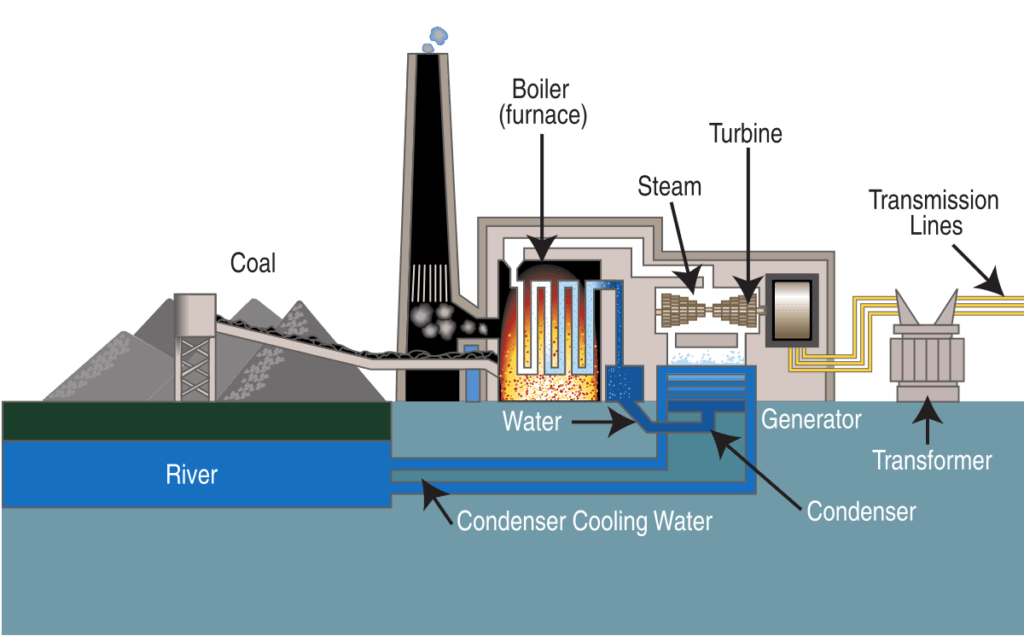
Categories
Uncategorized

Generating Electricity using Heat from Nuclear Reactors

Generating Electricity using Heat from Nuclear Reactors

Generating Electricity using Heat from Nuclear Reactors: Generating electricity from steam involves a process called thermodynamic power generation, often using steam turbines as the primary mechanism. This process converts the energy in steam, usually created by boiling water using heat from burning fuel, nuclear reactions, or geothermal energy, into mechanical energy, which is then transformed into electrical energy.

The basic steps to generate electricity from steam start with the heating of water to produce steam. This can be done in a boiler or a heat exchanger, depending on the system’s design. In a boiler, fuel such as coal, natural gas, oil, or even biomass is burned to generate heat. In a nuclear power plant, heat is produced from nuclear fission reactions. Alternatively, in geothermal power plants, heat from the Earth’s natural reservoirs is used to convert water into steam.

Once steam is produced, it is directed into a steam turbine. The turbine consists of blades mounted on a shaft. As steam flows over the blades, the force of the steam causes the blades to spin. This mechanical energy of the rotating turbine blades is then transferred to a generator connected to the turbine. The generator uses the mechanical energy to rotate a magnetic field within a set of coils, inducing an electrical current through electromagnetic induction.

The steam turbine operates based on the principles of thermodynamics, particularly the Rankine cycle. In the Rankine cycle, steam is generated at high pressure and temperature, expanded in the turbine, and then condensed back into water in a condenser. This process of expansion and condensation allows for a continuous cycle of energy conversion. The condenser cools the steam, usually by passing it through cooling towers or heat exchangers, and converts it back into liquid water, which is then pumped back into the boiler to be reheated and turned back into steam.

In larger power plants, multiple stages of turbines are often used to maximize efficiency. This is known as a multi-stage turbine system, where steam passes through several turbines at different pressure levels. The steam’s pressure is gradually reduced as it moves through each turbine, extracting more energy. In many systems, the steam is also reheated between stages to maintain its energy content and prevent too much pressure drop in the turbines.

The efficiency of a steam power plant is largely determined by how well it can maintain the pressure and temperature of the steam as it moves through the system, as well as the efficiency of the turbine and the generator. Steam turbines are capable of converting a large percentage of the heat energy into mechanical work, but some energy is always lost in the process, primarily due to heat dissipation in the condenser and the inevitable frictional losses in the turbine and other moving parts.

To improve the efficiency of electricity generation, some plants incorporate regenerative systems, where part of the steam or exhaust gases are used to preheat incoming water before it enters the boiler. This reduces the amount of fuel needed to heat the water to the required steam temperature, leading to a more energy-efficient process.

Once the electrical energy is generated, it is transmitted through power lines and distributed to homes and businesses. The voltage of the generated electricity is stepped up by a transformer for long-distance transmission, reducing energy loss during transport. At the point of use, the voltage is stepped down again to a level suitable for household or industrial applications.

In addition to conventional coal, oil, and natural gas power plants, steam turbines are also widely used in renewable energy sources. Geothermal power plants use naturally occurring steam from deep within the Earth to generate electricity, while solar thermal plants use mirrors or lenses to concentrate sunlight and heat a fluid that produces steam. These renewable methods of generating steam offer a more sustainable way to generate electricity without burning fossil fuels.

Overall, generating electricity from steam is a well-established and versatile technology that continues to be used in power plants around the world, with ongoing research focused on improving its efficiency, reducing emissions, and expanding its use in renewable energy systems.

In the process of steam-based electricity generation, one of the key elements that influence performance is the design and operation of the steam turbine itself. The turbine is designed to convert the thermal energy from steam into mechanical energy efficiently. This is achieved by careful engineering of the turbine blades, which are shaped to extract the maximum amount of energy from the steam as it flows over them. The steam enters the turbine under high pressure and high temperature, and as it expands and loses pressure, it passes through different stages of turbines with progressively smaller blades. These stages allow for a more gradual and efficient transfer of energy.

After passing through the turbines, the steam exits at lower pressure and temperature. To complete the cycle, the steam must be condensed back into water in a process that typically occurs in a condenser. The condenser cools the steam, causing it to lose its heat and turn back into liquid form. In most systems, water from nearby rivers, lakes, or cooling towers is used to absorb the excess heat from the steam, often at a temperature below 40°C to 50°C, depending on the local climate and environmental regulations.

The condensed water, now in liquid form, is collected and pumped back into the boiler to be reheated and transformed into steam once again. This closed-loop system helps to conserve water and reduce environmental impacts, though some plants may use once-through cooling systems where water is used only once before being returned to its source.

As part of the overall power plant system, the generator that is coupled to the turbine plays a critical role in converting the mechanical energy into electrical energy. The generator consists of a rotating shaft and a set of stationary coils or magnets. As the turbine shaft rotates, it turns the generator’s rotor, creating a changing magnetic field within the coils, which induces an electrical current through the wires by the principle of electromagnetic induction. This electrical current is then transferred through transformers, where its voltage is adjusted to be suitable for transmission over long distances. Once the electricity reaches its destination, transformers step down the voltage again for distribution to households or businesses.

Generating Electricity using Heat

A significant part of the energy generated by the steam turbine system is often lost as heat due to the second law of thermodynamics, which states that some energy is always lost to the surroundings. Efficiency improvements, such as the integration of combined-cycle power plants, aim to capture and utilize some of this waste heat. In combined-cycle systems, the exhaust gases from the gas turbine are used to heat water, which then produces additional steam to drive a steam turbine. This significantly increases the overall efficiency of the plant, sometimes by as much as 50% or more compared to a simple steam turbine system.

Another emerging trend in steam-based electricity generation is the implementation of supercritical and ultra-supercritical steam cycles. These systems use steam at higher pressures and temperatures than conventional methods, resulting in higher thermodynamic efficiency and lower emissions. By using steam at supercritical pressures (above 22.1 MPa) and ultra-supercritical pressures (above 30 MPa), the thermal efficiency of power plants can be greatly improved, allowing them to generate more electricity from the same amount of fuel. These advanced steam turbines are typically found in modern coal-fired power plants, as well as some nuclear and combined-cycle plants.

Environmental concerns have led to the development of cleaner technologies for generating electricity from steam. The burning of fossil fuels in traditional steam plants releases carbon dioxide (CO₂) and other greenhouse gases into the atmosphere, contributing to climate change. To mitigate these effects, power plants have started implementing carbon capture and storage (CCS) technologies, which capture CO₂ emissions from the exhaust gases and store them underground or use them in industrial processes. Additionally, the growing adoption of renewable energy sources such as geothermal, solar thermal, and biomass for generating steam offers a way to produce electricity with fewer environmental impacts.

While fossil fuels continue to dominate global electricity generation from steam, the trend toward cleaner energy solutions is growing. Geothermal plants, for example, utilize steam sourced from the Earth’s natural heat, which is renewable and produces no direct emissions. Solar thermal power plants use mirrors or lenses to concentrate sunlight, heating a fluid that can generate steam. In some regions, biomass and waste-to-energy plants are being developed to convert organic materials into steam, contributing to reducing waste while generating power.

In summary, the generation of electricity from steam is a well-established and essential method of power generation, with significant advancements in turbine technology, heat recovery systems, and renewable energy integration. The efficiency of the process has been continuously improved over the years, and innovations such as combined-cycle plants and ultra-supercritical steam systems are pushing the boundaries of what is possible. As global energy demands rise and environmental concerns increase, the role of steam-based power generation in providing a reliable and cleaner energy supply will continue to evolve.

As the world moves towards more sustainable energy practices, the role of steam-based electricity generation remains pivotal, albeit with shifts in how it is implemented and integrated with renewable energy sources. Traditional steam-based systems, which rely heavily on burning fossil fuels such as coal, natural gas, or oil, face increasing scrutiny due to their environmental impact, particularly in terms of carbon emissions. As a result, there has been a substantial push to modernize steam power plants, incorporating new technologies and improving the overall energy efficiency of the process.

One of the primary areas of focus in advancing steam-based electricity generation is the development and implementation of carbon capture, utilization, and storage (CCUS) technologies. These systems capture CO₂ emissions produced during the combustion of fossil fuels, preventing them from entering the atmosphere and contributing to climate change. In some systems, the captured CO₂ can be used in industrial processes, such as enhancing oil recovery or producing synthetic fuels, making the technology potentially economically viable in certain contexts. CCUS is seen as a critical part of reducing emissions from traditional fossil-fuel-based power plants, including steam turbines, and is a focal point of research for improving the environmental footprint of steam-based electricity generation.

Moreover, the energy transition is driving a renewed interest in hybrid systems that combine steam-based power generation with renewable energy sources. One notable example is the integration of solar thermal energy into steam power plants. Solar thermal plants use mirrors or lenses to concentrate sunlight and heat a working fluid, often oil or molten salt, which can then be used to produce steam. This process mirrors traditional steam generation, but the heat source is clean and renewable. In some cases, solar thermal plants are combined with conventional steam turbines in hybrid systems, where the steam turbine can operate using both solar heat and the backup from fossil fuels or other energy sources when sunlight is insufficient.

Geothermal energy, another renewable energy source, has long been a significant contributor to steam-based power generation. In geothermal power plants, steam is extracted from the Earth’s natural geothermal reservoirs and used to turn turbines. Geothermal plants operate efficiently in regions with significant geothermal activity, such as Iceland, parts of the United States (e.g., California), and the Philippines. These plants offer the advantage of being able to provide a constant, baseload supply of electricity, since the Earth’s heat is inexhaustible on human timescales. Unlike solar and wind power, which can be intermittent, geothermal energy is available 24/7, making it a reliable renewable energy source.

In addition to integrating renewable sources, there has been a push to utilize advanced materials and design innovations to increase the efficiency of steam turbines and reduce energy losses. High-efficiency materials are being developed to withstand the extreme pressures and temperatures encountered in modern steam turbines, allowing for more efficient power generation. For example, advanced alloys and coatings can improve the turbine’s resistance to corrosion and thermal degradation, extending the lifespan of the turbine and maintaining high levels of efficiency throughout its operation.

The ongoing trend toward supercritical and ultra-supercritical steam cycles is also helping to push the boundaries of steam-based power generation efficiency. By operating at pressures and temperatures beyond the traditional limits of the steam cycle, these advanced turbines extract more energy from the same amount of fuel. Supercritical plants are typically used in newer coal-fired power plants and some nuclear plants, allowing them to operate more efficiently while reducing emissions. However, the high cost of building and maintaining these advanced systems remains a challenge, which is why their adoption has been somewhat limited in many regions.

A promising area of development is the application of advanced digital technologies to monitor and optimize steam turbine performance. Through the use of sensors, data analytics, and artificial intelligence (AI), power plant operators can gain real-time insights into turbine performance, detect inefficiencies or anomalies, and adjust operational parameters to optimize efficiency and reduce downtime. Predictive maintenance tools are also being used to forecast when components of the turbine or other systems might fail, allowing for proactive maintenance to prevent costly failures and extend the operational life of the plant.

Alongside these technological advancements, there is growing interest in decentralized power generation models that use smaller, modular steam systems to provide local or regional electricity. Microgrids, which can be powered by small-scale steam turbines or other distributed energy sources, offer the potential for localized generation with lower transmission losses and enhanced grid resilience. For example, biomass plants, which use organic materials such as wood pellets or agricultural waste to generate steam, can be deployed in rural or remote areas to provide power. These systems are particularly attractive in regions with abundant biomass resources, where the steam can be produced locally and used to provide electricity with a minimal carbon footprint.

The global energy transition is also influencing the development of new energy systems that combine steam turbines with energy storage technologies. For example, some power plants are integrating steam turbines with large-scale battery storage systems or pumped hydro storage, which can store excess energy produced during periods of high demand or when renewable sources like solar and wind are producing more electricity than is needed. This stored energy can then be used to produce steam when demand is high or when renewable energy generation is low, providing grid stability and ensuring a constant supply of power.

In the future, steam turbines may also play a role in the hydrogen economy. Hydrogen, particularly green hydrogen produced through electrolysis powered by renewable electricity, is gaining attention as a potential clean energy source. Steam turbines could be used in combined systems that generate hydrogen through high-temperature electrolysis or other processes, and then use the hydrogen to generate power or heat in various applications. Additionally, steam turbines might be used in plants that convert hydrogen into electricity, acting as an efficient and flexible component in a hydrogen-powered energy system.

As the world continues to seek solutions to the challenges of climate change and energy security, steam-based electricity generation remains a cornerstone of the global energy mix. By evolving alongside advances in technology, renewable energy integration, and emission reduction strategies, the steam turbine continues to serve as a vital tool in the transition to a cleaner, more sustainable energy future.

Solar thermal energy systems harness the heat of the sun to generate electricity through a series of processes that convert solar radiation into thermal energy, which is then used to drive a power generation cycle. Unlike photovoltaic systems, which directly convert sunlight into electricity using semiconductor materials, solar thermal energy systems focus sunlight onto a working fluid, which is then used to produce high-temperature steam or gas to turn a turbine and generate power.

The core principle behind solar thermal energy systems is the concentration of sunlight to achieve the necessary high temperatures for electricity generation. This is typically accomplished through the use of mirrors or lenses that focus sunlight onto a small area. The concentrated solar energy is then transferred to a heat transfer fluid, often a type of molten salt, synthetic oil, or water, which absorbs and retains the thermal energy. The heated fluid is then used to produce steam, which drives a steam turbine connected to an electrical generator, converting the thermal energy into mechanical energy and ultimately into electrical energy.

There are several types of solar thermal power plants, each employing different methods to concentrate and utilize solar heat. One of the most common designs is the parabolic trough system, which consists of long, curved mirrors that focus sunlight onto a receiver pipe running along the focal line of the trough. A heat transfer fluid flows through the receiver pipe, absorbing the concentrated sunlight and reaching high temperatures, often exceeding 300°C. The hot fluid then passes through a heat exchanger, where it generates steam to drive a turbine. Another widely used design is the power tower system, which employs a field of heliostats—large, flat mirrors that track the sun—to reflect and concentrate sunlight onto a central receiver mounted on top of a tower. This receiver collects the solar heat and transfers it to a working fluid, which then generates steam for electricity production. Power tower systems can reach much higher temperatures than parabolic troughs, often exceeding 500°C, increasing their efficiency and allowing for improved energy storage.

Another approach to solar thermal power generation is the use of dish Stirling systems. These systems consist of a parabolic dish that focuses sunlight onto a receiver attached to a Stirling engine. The Stirling engine operates by cyclically expanding and contracting a working gas due to the absorbed heat, which drives a piston and produces mechanical energy that is directly converted into electricity. While dish Stirling systems offer high efficiency and modularity, they are typically used for small-scale applications rather than large power plants.

One of the key advantages of solar thermal energy systems over other renewable energy sources is their ability to store thermal energy for use when the sun is not shining. Thermal energy storage is commonly achieved using molten salt storage tanks, which can retain heat for several hours or even overnight, enabling continuous electricity generation even after sunset. This capability makes solar thermal power plants more reliable compared to photovoltaic systems, which are directly dependent on sunlight and require battery storage for energy continuity.

Despite the benefits, solar thermal energy systems also face several challenges. The initial capital costs for constructing large-scale solar thermal power plants are significant, requiring substantial investment in infrastructure, land, and materials. The efficiency of solar thermal power plants is also affected by atmospheric conditions, such as cloud cover, dust, and humidity, which can reduce the effectiveness of sunlight concentration. Additionally, water consumption in steam-based solar thermal plants can be high, making them less suitable for arid regions where water scarcity is a concern. To address this, some systems employ dry cooling technologies that use air instead of water for condensation, though this may result in lower efficiency.

Recent advancements in solar thermal technology have focused on improving efficiency, reducing costs, and enhancing thermal energy storage capabilities. Innovations such as supercritical carbon dioxide cycles, improved selective coatings for absorbers, and hybridization with other renewable energy sources have contributed to making solar thermal power more viable. In particular, integrating solar thermal plants with fossil fuel or biomass power plants has been explored as a means of increasing overall energy efficiency while reducing carbon emissions.

Solar thermal energy systems represent a promising solution for large-scale renewable energy generation, particularly in regions with high solar insolation, such as deserts and sunny coastal areas. As research and development continue to improve the efficiency and cost-effectiveness of these systems, they are likely to play an increasingly significant role in the transition to sustainable and clean energy sources. The ability to provide dispatchable power through thermal energy storage further strengthens their potential as a reliable alternative to conventional fossil fuel-based power generation.

Further advancements in solar thermal energy systems continue to push the boundaries of efficiency and cost-effectiveness, making them an increasingly attractive option for large-scale electricity generation. One of the key areas of improvement is the development of advanced heat transfer fluids that can operate at higher temperatures while maintaining stability. Traditional fluids such as synthetic oils are limited by thermal degradation at high temperatures, but newer alternatives, such as molten salts and liquid metals, can sustain much higher temperatures, significantly enhancing system efficiency. By operating at temperatures above 600°C, these fluids allow for higher thermal-to-electric conversion efficiencies, reducing energy losses and improving the overall performance of solar thermal plants.

Another promising avenue is the implementation of supercritical carbon dioxide (sCO₂) power cycles in solar thermal plants. Unlike traditional steam-based Rankine cycles, which have limitations in efficiency, sCO₂ cycles operate at much higher pressures and temperatures, allowing for a more compact and efficient power generation process. These systems require smaller turbines and heat exchangers, reducing capital costs while improving energy conversion rates. Research into sCO₂ technology is ongoing, with pilot projects demonstrating its potential to revolutionize solar thermal electricity generation.

Hybridization of solar thermal plants with other energy sources is also gaining traction as a means of improving reliability and dispatchability. By integrating solar thermal systems with biomass, natural gas, or geothermal energy, power plants can maintain stable electricity output even during periods of low solar radiation. Hybrid plants can use solar energy during the day and switch to alternative energy sources when solar input is insufficient, making them more competitive with traditional fossil fuel plants in terms of availability and grid stability.

The geographic placement of solar thermal power plants plays a crucial role in their efficiency and economic viability. Regions with high direct normal irradiance (DNI), such as the southwestern United States, North Africa, the Middle East, and Australia, offer ideal conditions for solar thermal deployment. Large-scale projects, such as the Noor Complex in Morocco and the Ivanpah Solar Power Facility in California, demonstrate the potential of concentrated solar power (CSP) technology to generate significant amounts of electricity with minimal carbon emissions. These plants provide valuable case studies on the feasibility of scaling up solar thermal technology to meet growing energy demands.

Energy storage remains a cornerstone of solar thermal energy’s future viability. While molten salt storage has become the industry standard, ongoing research is exploring alternative materials and phase-change technologies to enhance thermal storage capacity. Innovations such as solid-state heat storage using ceramic or graphite-based materials and thermochemical storage methods that store energy in reversible chemical reactions could further improve the efficiency and cost-effectiveness of solar thermal storage. Enhanced storage solutions enable longer periods of electricity generation without sunlight, reducing the need for backup fossil fuel power and increasing the competitiveness of CSP in global energy markets.

Economic and policy factors also influence the adoption of solar thermal power. While CSP technology has historically been more expensive than photovoltaic solar power, its ability to provide stable, dispatchable electricity gives it a distinct advantage. Government incentives, feed-in tariffs, and renewable energy mandates in various countries have played a crucial role in encouraging investment in solar thermal projects. As production scales up and technological advancements drive down costs, CSP is expected to become increasingly competitive with other forms of renewable energy.

Environmental considerations are another important aspect of solar thermal power development. Unlike photovoltaic systems, which rely on semiconductor materials that can have resource extraction and recycling challenges, solar thermal plants use largely conventional materials such as glass, steel, and concrete. However, land use and water consumption remain key concerns, particularly in desert environments where these plants are often located. Dry cooling systems and improved land-use planning strategies are being developed to mitigate these issues and make solar thermal energy more sustainable.

Looking ahead, the role of artificial intelligence (AI) and automation in solar thermal energy is expected to grow. Advanced control systems that optimize mirror alignment, heat transfer fluid circulation, and turbine operation can enhance efficiency and reduce operational costs. Machine learning algorithms can be used to predict weather patterns and adjust energy storage and dispatch accordingly, further improving the reliability of solar thermal power plants.

As global energy demand continues to rise and the urgency to transition away from fossil fuels intensifies, solar thermal energy stands as a critical component of the renewable energy landscape. With ongoing technological advancements, cost reductions, and policy support, solar thermal power has the potential to become a major contributor to the world’s energy mix. The combination of high-efficiency power generation, effective energy storage, and scalability makes it a strong candidate for meeting future electricity needs in a sustainable and environmentally friendly manner.

The continued evolution of solar thermal energy systems is driven by the need for more efficient, reliable, and cost-effective solutions to meet global energy demands. One of the most significant areas of development is in the enhancement of energy storage technologies. While molten salt storage is currently the most widely used method, research is underway to explore phase-change materials (PCMs) and thermochemical storage systems that can store and release energy more efficiently. PCMs absorb and release large amounts of heat during phase transitions, such as melting and solidifying, making them a promising alternative to molten salts. Thermochemical storage, on the other hand, involves reversible chemical reactions that can store heat for extended periods with minimal loss, potentially revolutionizing how solar thermal plants manage energy dispatch.

Another major focus of research and innovation is improving the efficiency of concentrator designs. Traditional parabolic trough and power tower systems have proven effective, but next-generation designs are aiming for higher solar concentration ratios and reduced optical losses. Multi-faceted heliostats with adaptive control algorithms are being developed to improve sunlight reflection accuracy, while new receiver coatings and materials are enhancing heat absorption and reducing thermal losses. Some researchers are also exploring advanced optics, such as beam-down concentrators, which use secondary mirrors to direct sunlight to ground-based receivers, simplifying maintenance and reducing tower height costs.

The integration of solar thermal energy with industrial processes is another emerging trend that could expand its applications beyond electricity generation. High-temperature solar heat can be used in industries such as metal smelting, cement production, and chemical synthesis, which currently rely heavily on fossil fuels. Solar-driven hydrogen production is particularly promising, as concentrated solar energy can be used to split water molecules into hydrogen and oxygen through thermochemical cycles. This approach could provide a renewable source of hydrogen for fuel cells, transportation, and industrial applications, reducing dependence on fossil fuels and lowering greenhouse gas emissions.

Economic and policy considerations continue to play a crucial role in shaping the future of solar thermal energy. While the cost of photovoltaic (PV) solar has dropped significantly, making it the dominant solar technology in many markets, solar thermal power offers advantages in dispatchability and grid stability. Governments and utilities are recognizing the value of CSP plants with energy storage as a means to provide round-the-clock renewable power, reducing the need for fossil fuel backup. Countries with high solar potential, such as Spain, Chile, and the United Arab Emirates, have implemented policies and incentives to encourage investment in large-scale CSP projects. In some cases, hybrid systems combining PV with CSP are being explored to leverage the benefits of both technologies—PV for daytime electricity generation and CSP for nighttime power supply.

One of the persistent challenges facing solar thermal energy is the need for extensive land and infrastructure. Large solar thermal plants require significant land area for mirror fields, which can create environmental and logistical challenges. Efforts are being made to optimize land use through dual-purpose installations, such as agrivoltaics, where CSP plants are integrated with agricultural activities. Additionally, floating solar thermal systems, similar to floating PV farms, are being investigated as a way to utilize water surfaces for energy generation while reducing evaporation losses in reservoirs.

Advancements in materials science are also contributing to improved performance and longevity of solar thermal components. High-temperature-resistant coatings, corrosion-resistant materials for heat exchangers, and self-cleaning mirror surfaces are all being developed to reduce maintenance costs and extend the lifespan of CSP plants. These innovations help address operational challenges, particularly in harsh desert environments where dust accumulation and extreme temperatures can impact efficiency.

Looking to the future, the role of artificial intelligence and digital twin technology in solar thermal operations is expected to grow. AI-driven monitoring and predictive maintenance systems can optimize plant performance by analyzing real-time data and forecasting potential failures before they occur. Digital twins—virtual replicas of physical CSP plants—allow operators to simulate different scenarios and optimize energy dispatch strategies, improving overall efficiency and profitability.

As the global energy transition accelerates, solar thermal energy is poised to become a key player in the renewable energy landscape. With continued technological advancements, cost reductions, and supportive policies, CSP has the potential to provide a stable and sustainable source of electricity while complementing other renewables such as wind and PV. The integration of CSP with emerging technologies, such as green hydrogen production and industrial heat applications, further expands its potential, making it a valuable asset in the push toward a decarbonized future

The future of solar thermal energy is deeply intertwined with advancements in global energy infrastructure, policy frameworks, and emerging technologies that aim to optimize efficiency, storage, and integration with existing energy systems. One of the most promising directions is the increasing role of hybrid renewable energy systems, where solar thermal power is combined with other energy sources such as photovoltaics, wind, and battery storage. These hybrid configurations help balance energy generation throughout the day and night, improving grid stability and reducing reliance on fossil fuel backup.

One particularly effective hybrid approach is the combination of solar thermal energy with photovoltaic (PV) systems. While PV generates electricity directly from sunlight and is most effective during peak daylight hours, solar thermal systems with energy storage can continue producing power after sunset. By integrating the two, hybrid plants can achieve higher capacity factors, ensuring a steady supply of renewable electricity. Some large-scale projects are already exploring this model, such as the Noor Energy 1 project in the United Arab Emirates, which combines CSP with PV and molten salt storage to provide reliable power day and night.

Beyond electricity generation, solar thermal energy is gaining traction as a solution for industrial heat applications. Many industries, such as steel, cement, and chemical production, require high-temperature heat, which is currently generated primarily by burning fossil fuels. Concentrated solar power (CSP) can replace these traditional methods by providing high-temperature process heat, significantly reducing carbon emissions in these hard-to-decarbonize sectors. For example, solar thermal energy is being explored for use in desalination plants, where concentrated solar heat can drive the evaporation and condensation processes required for freshwater production, offering a sustainable solution for water-scarce regions.

One of the most exciting applications of solar thermal technology is in the production of green hydrogen. Using high-temperature solar heat, thermochemical water-splitting processes can produce hydrogen with minimal environmental impact. This method is more energy-efficient than traditional electrolysis powered by electricity and has the potential to provide a large-scale, renewable source of hydrogen for fuel cells, transportation, and industrial applications. Research in this area is accelerating, with pilot projects demonstrating the feasibility of solar-driven hydrogen production as a future clean fuel alternative.

Advances in energy storage remain a critical factor in the long-term success of solar thermal power. While molten salt storage is the current industry standard, new approaches are being developed to improve efficiency and lower costs. One promising alternative is solid-state thermal storage, which uses materials such as ceramic, graphite, or concrete to store heat for extended periods with minimal losses. Thermochemical energy storage, which involves reversible chemical reactions to store and release heat, is another area of intense research. These innovations could significantly enhance the dispatchability of solar thermal power, making it even more competitive with conventional fossil-fuel-based electricity generation.

The economic viability of solar thermal energy is also improving due to ongoing cost reductions and economies of scale. As manufacturing techniques for mirrors, receivers, and heat transfer fluids advance, the capital costs of CSP plants are gradually decreasing. Additionally, digitalization and automation are streamlining plant operations, reducing maintenance costs, and improving overall efficiency. Artificial intelligence (AI) is being used to optimize mirror alignment, predict maintenance needs, and enhance thermal storage management, further increasing the reliability and cost-effectiveness of solar thermal power.

Policy support and international collaboration play a crucial role in the expansion of solar thermal energy. Governments in sun-rich regions are increasingly recognizing the benefits of CSP as a dispatchable renewable energy source and are implementing incentives, subsidies, and mandates to encourage investment. Countries such as Spain, China, Morocco, and Australia are leading the way with large-scale CSP installations, demonstrating the technology’s potential to contribute significantly to national and regional energy mixes. International organizations and research institutions are also fostering collaboration on CSP advancements, sharing knowledge and best practices to accelerate deployment worldwide.

Looking forward, the role of solar thermal energy in a global clean energy transition is expected to grow. With continued advancements in storage, hybridization, and industrial applications, CSP is poised to become a key player in providing reliable, sustainable, and scalable energy solutions. The integration of CSP with emerging technologies such as green hydrogen, AI-driven plant management, and advanced energy storage will further solidify its place in the future energy landscape. As the world moves toward decarbonization, solar thermal power stands as a vital component of the renewable energy portfolio, offering a sustainable and flexible solution to meet the increasing demand for clean electricity and industrial heat.

Generating Electricity using waste heat from gas turbines in power plants

Generating Electricity using Waste Heat from Chlor-alkali Processes

Generating electricity using waste heat from gas turbines in power plants is an essential strategy for improving overall energy efficiency and reducing fuel consumption. Gas turbines are widely used in power generation due to their high efficiency, reliability, and ability to quickly respond to fluctuations in electricity demand. However, a significant portion of the energy produced by gas turbines is lost as waste heat through the exhaust gases. Capturing and utilizing this waste heat can significantly enhance the overall efficiency of a power plant, reducing fuel consumption and lowering greenhouse gas emissions.

One of the most common methods of utilizing waste heat from gas turbines is through combined cycle power plants (CCPPs). In a combined cycle system, a gas turbine generates electricity by burning natural gas or another fuel, and the hot exhaust gases, which would otherwise be wasted, are directed to a heat recovery steam generator (HRSG). The HRSG extracts thermal energy from the exhaust gases to produce steam, which then drives a steam turbine to generate additional electricity. This process effectively increases the total power output without requiring additional fuel, improving the overall efficiency of the plant from around 35–40% in a simple gas turbine system to 55–60% or more in a combined cycle configuration.

Another approach to utilizing waste heat from gas turbines is through cogeneration, or combined heat and power (CHP) systems. In a CHP system, the waste heat is used not only for additional electricity generation but also for industrial processes, district heating, or other thermal applications. Cogeneration systems can achieve overall efficiencies of 70–90% by making use of both the electrical and thermal energy produced. This makes them particularly useful in industrial facilities, refineries, and commercial buildings where both power and heat are needed.

Organic Rankine Cycle (ORC) technology is another promising method for utilizing waste heat from gas turbines. In an ORC system, the waste heat is used to vaporize an organic working fluid with a lower boiling point than water, allowing power generation at lower temperatures. The vaporized fluid expands through a turbine, generating electricity before being condensed back into a liquid and recirculated. ORC systems are particularly useful in situations where the exhaust temperature of the gas turbine is not high enough for conventional steam-based power generation.

Advancements in waste heat recovery technologies continue to improve the efficiency and viability of these systems. High-efficiency heat exchangers, advanced materials for heat recovery steam generators, and improved thermodynamic cycle designs are all contributing to better performance. Some modern power plants are exploring supercritical and ultra-supercritical steam cycles, which operate at higher pressures and temperatures to further increase efficiency. Additionally, closed-loop carbon dioxide (CO₂) power cycles, such as the supercritical CO₂ Brayton cycle, are being investigated as potential alternatives to conventional steam cycles due to their higher efficiency and compact design.

Economic and environmental benefits are key drivers behind the adoption of waste heat recovery systems in gas turbine power plants. By capturing and utilizing waste heat, power plants can reduce their fuel consumption, leading to lower operating costs and reduced dependency on fossil fuels. This also translates to lower greenhouse gas emissions and improved sustainability. Many countries and regulatory bodies are encouraging or mandating the use of waste heat recovery through incentives, subsidies, and efficiency standards, making it an attractive option for power plant operators.

Despite its advantages, waste heat recovery in gas turbine power plants does present some challenges. The initial capital investment for heat recovery equipment, such as HRSGs and steam turbines, can be substantial, requiring careful financial planning and long-term commitment. The design and implementation of waste heat recovery systems must also consider factors such as space constraints, integration with existing infrastructure, and operational flexibility. Additionally, in smaller-scale gas turbine installations, the amount of waste heat available may not justify the cost of recovery systems, making it more suitable for larger power plants or industrial applications with high heat demand.

Looking ahead, continued advancements in waste heat recovery technologies, integration with renewable energy sources, and innovative cycle designs will further improve the feasibility and efficiency of generating electricity from waste heat in gas turbine power plants. The use of artificial intelligence and data analytics for optimizing waste heat recovery operations is also expected to enhance performance and reduce maintenance costs. As the global energy sector moves toward greater sustainability and efficiency, waste heat recovery from gas turbines will remain a crucial strategy for maximizing energy utilization, reducing emissions, and improving the overall economics of power generation.

The continuous advancement of waste heat recovery technologies in gas turbine power plants is playing a critical role in improving energy efficiency and reducing emissions. One of the most significant areas of development is the optimization of heat recovery steam generators (HRSGs), which are essential for capturing and utilizing the waste heat from gas turbine exhaust gases. Modern HRSG designs incorporate advanced materials and improved heat exchanger configurations to maximize heat transfer efficiency and minimize energy losses. Multi-pressure HRSGs, which operate at different steam pressure levels, are increasingly being used in combined cycle power plants to extract as much energy as possible from the exhaust gases before they are released into the atmosphere.

Another promising area of innovation is the use of advanced thermodynamic cycles beyond the traditional Rankine cycle. The supercritical carbon dioxide (sCO₂) Brayton cycle, for example, has been gaining attention for its potential to significantly enhance efficiency in waste heat recovery applications. Unlike conventional steam-based systems, sCO₂ cycles operate at high pressures and densities, enabling more compact and efficient power generation. The closed-loop nature of these systems allows for better heat utilization and reduces energy losses, making them particularly attractive for integration with gas turbines.

Hybrid power generation is also emerging as a key strategy for improving the effectiveness of waste heat recovery in gas turbine power plants. By integrating renewable energy sources, such as solar thermal or biomass, with waste heat recovery systems, power plants can achieve higher overall efficiency and reduce their reliance on fossil fuels. For instance, a hybrid system combining concentrated solar power (CSP) with a gas turbine and waste heat recovery can provide additional thermal energy to enhance steam production in the HRSG, increasing the total power output while maintaining low emissions. Similarly, biomass can be used as an auxiliary heat source to improve waste heat utilization in combined cycle plants, further diversifying the energy mix and enhancing sustainability.

Energy storage technologies are also being explored to enhance the flexibility and reliability of waste heat recovery systems. Thermal energy storage (TES) solutions, such as molten salts or phase-change materials, can store excess heat generated by waste heat recovery systems for later use, enabling power generation even when the gas turbine is not running at full capacity. This approach helps improve grid stability and allows operators to optimize electricity production based on demand fluctuations.

The use of organic Rankine cycle (ORC) technology continues to expand, particularly in applications where gas turbine exhaust temperatures are relatively low. ORC systems use organic working fluids with lower boiling points than water, allowing them to effectively convert lower-grade waste heat into electricity. This technology is particularly well-suited for small- and medium-scale gas turbine installations, where conventional steam cycles may not be economically viable due to their higher complexity and cost.

Economic and policy considerations are driving the wider adoption of waste heat recovery systems in gas turbine power plants. Governments and regulatory agencies are implementing energy efficiency standards and carbon reduction targets, incentivizing power plant operators to invest in waste heat recovery technologies. Carbon pricing mechanisms, tax credits, and government grants for energy efficiency improvements further encourage the deployment of these systems. Additionally, corporate sustainability goals and environmental regulations are pushing industries to adopt cleaner and more efficient energy practices, making waste heat recovery a crucial strategy for reducing emissions and improving overall sustainability.

One of the key challenges associated with waste heat recovery in gas turbine power plants is the variability of waste heat availability. The efficiency of heat recovery systems depends on factors such as turbine load fluctuations, ambient temperature conditions, and operational constraints. To address this challenge, intelligent control systems and artificial intelligence (AI)-driven optimization techniques are being developed to dynamically adjust heat recovery operations in real-time. These systems use predictive analytics and machine learning algorithms to optimize heat exchanger performance, steam production, and energy dispatch, ensuring that the maximum amount of waste heat is utilized effectively.

Looking to the future, the integration of digital twin technology in waste heat recovery systems is expected to further enhance efficiency and reliability. Digital twins—virtual replicas of physical power plant systems—allow operators to simulate different operating scenarios, optimize system configurations, and predict maintenance needs before issues arise. By leveraging real-time data and advanced simulations, digital twins can help improve decision-making and maximize the economic and environmental benefits of waste heat recovery.

As the global energy sector continues its transition toward cleaner and more efficient power generation, waste heat recovery from gas turbines will remain a key strategy for improving sustainability and reducing emissions. The combination of advanced HRSG designs, innovative thermodynamic cycles, hybrid energy systems, and AI-driven optimization will further enhance the viability of waste heat recovery technologies, making them an integral part of the future energy landscape.

The role of waste heat recovery in gas turbine power plants is expected to grow as technological advancements continue to drive improvements in efficiency, cost-effectiveness, and environmental benefits. One of the most promising developments in this field is the enhancement of materials used in heat exchangers and other critical components of waste heat recovery systems. High-temperature alloys, advanced ceramics, and coatings designed to withstand extreme heat and corrosive environments are being developed to increase the longevity and performance of heat recovery steam generators (HRSGs) and other heat recovery equipment. These advancements reduce maintenance costs and downtime while improving the overall efficiency of energy conversion.

Another key innovation is the ongoing refinement of advanced combined cycle configurations. Traditionally, combined cycle power plants rely on a single HRSG and steam turbine, but newer designs are exploring the use of multiple pressure levels, reheating cycles, and even alternative working fluids to maximize energy extraction. Some next-generation combined cycle systems integrate reheating stages, where partially expanded steam is reheated using additional waste heat before entering the next stage of expansion in the steam turbine. This approach improves thermal efficiency and increases power output while maintaining low emissions.

The integration of artificial intelligence (AI) and machine learning in waste heat recovery systems is also playing a significant role in improving performance. AI-driven analytics platforms can continuously monitor and optimize the operation of HRSGs, steam turbines, and heat exchangers, ensuring that the system operates at peak efficiency under varying load conditions. Predictive maintenance algorithms can also identify potential issues before they lead to equipment failures, reducing downtime and maintenance costs. These smart automation solutions enhance the reliability of waste heat recovery systems and contribute to more stable and efficient power plant operations.

Waste heat utilization beyond electricity generation is becoming an important focus for industries seeking to maximize energy efficiency. In addition to power generation, recovered waste heat from gas turbines can be used for district heating, desalination, and industrial process heating. In colder regions, combined heat and power (CHP) systems can supply waste heat to district heating networks, providing a sustainable source of thermal energy for residential and commercial buildings. In coastal areas and arid regions, waste heat can be used to power desalination plants, improving access to freshwater while reducing the energy demand of traditional desalination methods.

Another innovative application of waste heat recovery is in carbon capture and utilization (CCU) technologies. Gas turbine power plants equipped with carbon capture systems require significant amounts of thermal energy to separate and process CO₂ from flue gases. Instead of using additional fuel to generate this energy, waste heat from the gas turbine exhaust can be repurposed to drive carbon capture processes, reducing the overall energy penalty associated with CO₂ removal. This integration helps make carbon capture more economically viable and environmentally sustainable, aligning with global decarbonization goals.

Hybrid power plants that combine waste heat recovery with renewable energy sources are also gaining traction. For instance, solar thermal energy can be used to supplement steam production in HRSGs, allowing for greater flexibility and improved efficiency. Similarly, biomass-fired boilers can work alongside waste heat recovery systems to provide additional thermal energy, reducing reliance on fossil fuels. These hybrid configurations enhance the resilience of power plants while lowering their carbon footprint.

As global energy policies continue to emphasize sustainability and energy efficiency, financial incentives and regulatory frameworks are evolving to support the adoption of waste heat recovery technologies. Many governments are implementing tax credits, grants, and emissions reduction targets that encourage industries to invest in energy efficiency improvements. Carbon pricing mechanisms, which place a financial value on greenhouse gas emissions, further incentivize the implementation of waste heat recovery solutions as a cost-effective way to reduce overall carbon output.

One of the remaining challenges in widespread waste heat recovery adoption is the variability of waste heat availability due to fluctuating turbine loads and operational constraints. Advanced thermal energy storage (TES) solutions are being developed to address this issue, allowing excess waste heat to be stored and used when needed. Technologies such as molten salt storage, phase-change materials, and high-efficiency thermal batteries are being explored as ways to smooth out energy supply and demand mismatches, making waste heat recovery systems more adaptable to changing power plant conditions.

Looking ahead, the continued evolution of waste heat recovery systems in gas turbine power plants will be driven by innovations in materials science, thermodynamic cycle optimization, AI-driven control systems, and hybrid renewable energy integration. The ability to efficiently harness and utilize waste heat will play a crucial role in improving overall power plant efficiency, reducing fuel consumption, and lowering greenhouse gas emissions. As energy demands increase and environmental regulations become more stringent, waste heat recovery will remain a fundamental strategy for enhancing the sustainability and economic viability of power generation.

The future of waste heat recovery in gas turbine power plants is closely tied to global energy trends, technological advancements, and the increasing focus on sustainability. As the world transitions toward more efficient and lower-emission energy systems, waste heat recovery will play a crucial role in optimizing power generation and reducing fuel consumption. Emerging innovations in heat recovery technology, energy storage, and digitalization are set to further enhance the efficiency, reliability, and economic viability of these systems.

One of the most significant developments in waste heat recovery is the advancement of supercritical carbon dioxide (sCO₂) power cycles. Unlike traditional steam-based Rankine cycles, sCO₂ cycles operate at higher pressures and efficiencies, allowing for more compact and cost-effective waste heat recovery systems. These cycles utilize CO₂ in a closed-loop system as the working fluid, which requires less energy to compress than steam, resulting in improved thermodynamic performance. Research and pilot projects in sCO₂ technology are paving the way for its integration into gas turbine power plants, potentially increasing overall plant efficiency beyond current combined cycle capabilities.

Another emerging innovation is the development of high-performance thermal energy storage (TES) systems. Traditional waste heat recovery relies on immediate use of the captured thermal energy, but TES allows for heat to be stored and dispatched when needed, enhancing flexibility and reliability. Molten salts, phase-change materials, and ceramic-based storage systems are being explored as viable solutions for integrating TES with gas turbine waste heat recovery. These storage systems can be particularly useful in hybrid power plants that combine waste heat utilization with renewable energy sources, enabling a more stable and dispatchable power supply.

The integration of artificial intelligence (AI) and machine learning in waste heat recovery is also revolutionizing the way power plants operate. AI-driven control systems can continuously optimize heat exchanger performance, adjust operating conditions in real-time, and predict maintenance needs before failures occur. Predictive analytics allow for better decision-making in plant operations, reducing downtime and improving overall efficiency. Additionally, digital twin technology is being increasingly used to create real-time virtual models of waste heat recovery systems, enabling operators to simulate different operating conditions, optimize configurations, and plan maintenance schedules more effectively.

Hybrid energy systems that combine waste heat recovery with renewable sources such as solar, wind, or biomass are gaining attention as a way to enhance power plant sustainability. In particular, concentrated solar power (CSP) can be used in conjunction with waste heat recovery systems to provide additional thermal energy for steam production, further improving plant efficiency. Biomass can also be co-fired with gas turbines in a combined cycle plant, using waste heat recovery to maximize energy extraction from the fuel source while reducing overall carbon emissions. These hybrid configurations offer a pathway to cleaner and more resilient power generation.

Another promising application of waste heat recovery is in hydrogen production. As the global push for green hydrogen accelerates, utilizing waste heat to improve the efficiency of hydrogen production processes can make a significant impact. High-temperature electrolysis and thermochemical water-splitting processes require substantial amounts of heat, which can be supplied by waste heat recovery systems in gas turbine power plants. By repurposing waste heat for hydrogen production, power plants can contribute to the growing hydrogen economy while improving their overall energy efficiency.

Regulatory policies and economic incentives continue to drive the adoption of waste heat recovery technologies. Many governments and energy agencies have introduced policies that promote energy efficiency, carbon reduction, and waste heat utilization. Incentives such as tax credits, low-interest financing, and mandatory efficiency standards encourage power plant operators to invest in waste heat recovery systems. Carbon pricing mechanisms, which place a financial value on CO₂ emissions, further increase the economic attractiveness of these technologies by making energy-efficient power generation more cost-competitive.

Despite these advancements, challenges remain in scaling up waste heat recovery solutions. The upfront capital costs of installing heat recovery equipment, integrating storage systems, and upgrading plant infrastructure can be significant. Additionally, technical complexities such as optimizing heat exchanger designs, managing fluctuating turbine loads, and ensuring seamless integration with existing plant operations require careful planning and engineering expertise. However, as technology continues to improve and costs decline, waste heat recovery is becoming an increasingly viable and attractive option for power generation.

Looking to the future, waste heat recovery in gas turbine power plants will continue to evolve as part of a broader effort to create more sustainable and efficient energy systems. Advances in thermodynamic cycle design, energy storage, digitalization, and hybrid energy integration will further enhance the role of waste heat recovery in reducing emissions and improving power plant performance. As the energy sector moves toward greater sustainability, waste heat recovery will remain a fundamental strategy for maximizing energy utilization and minimizing environmental impact, making it a key component of the global clean energy transition.

Generating Electricity using Heat from Distillery Operations

Generating Electricity using Waste Heat from Distillation Columns

Generating electricity using heat from distillery operations is an effective way to improve energy efficiency, reduce operational costs, and lower environmental impact. Distilleries generate significant amounts of waste heat through processes such as fermentation, distillation, and evaporation. Traditionally, much of this heat is lost to the atmosphere, but with the implementation of waste heat recovery systems, this energy can be captured and converted into electricity, providing a more sustainable and cost-effective energy solution for the industry.

One of the most common methods of generating electricity from distillery waste heat is through cogeneration, also known as combined heat and power (CHP). In a cogeneration system, waste heat from distillation and boiler operations is recovered and used to produce steam, which drives a steam turbine to generate electricity. The same steam can also be used for heating purposes within the distillery, maximizing energy efficiency. By using CHP, distilleries can achieve overall efficiencies of 70–90%, significantly reducing their reliance on external electricity sources and lowering greenhouse gas emissions.

Another efficient technology for converting waste heat into electricity in distilleries is the Organic Rankine Cycle (ORC). ORC systems operate similarly to traditional steam-based power generation but use an organic working fluid with a lower boiling point than water. This allows ORC systems to effectively generate electricity from lower-temperature waste heat, such as that produced by distillation and fermentation processes. ORC technology is particularly useful in distilleries where waste heat temperatures are insufficient for conventional steam turbines but still contain enough thermal energy to be converted into electricity.

Biogas production from distillery waste can also play a crucial role in energy generation. Many distilleries produce significant quantities of organic waste, such as spent wash and stillage, which can be processed in anaerobic digesters to produce biogas. This biogas can then be used as a fuel source for gas engines or microturbines, which generate electricity while producing additional waste heat. The heat from these engines can be recovered and used in the distillation process or further converted into electricity, creating a highly efficient closed-loop energy system.

The integration of waste heat recovery systems in distilleries not only improves energy efficiency but also contributes to sustainability goals. By utilizing waste heat to generate electricity, distilleries can reduce their carbon footprint, lower fuel consumption, and minimize the environmental impact of their operations. Many governments and regulatory bodies are promoting energy efficiency initiatives through incentives, tax benefits, and carbon credit programs, encouraging distilleries to adopt waste heat recovery technologies.

Despite its benefits, waste heat recovery in distillery operations does present some challenges. The initial capital investment for heat recovery equipment, such as ORC units, steam turbines, and heat exchangers, can be substantial. Additionally, the design and implementation of these systems require careful consideration of factors such as waste heat availability, temperature levels, and plant layout. However, advancements in waste heat recovery technology, along with increasing regulatory pressure to improve energy efficiency and reduce emissions, are making these solutions more accessible and economically viable.

As the global focus on sustainable energy grows, distilleries will continue to explore innovative ways to optimize energy use and reduce environmental impact. Future advancements in thermodynamic cycles, heat exchanger technology, and energy storage will further enhance the feasibility of waste heat recovery in distillery operations. The adoption of digital monitoring and AI-driven optimization can also improve system performance by ensuring that waste heat is utilized effectively. By integrating these technologies, distilleries can significantly reduce energy costs, improve operational efficiency, and contribute to a cleaner, more sustainable energy future.

The growing emphasis on sustainability and energy efficiency in the distillery industry is driving the adoption of advanced waste heat recovery technologies. Distilleries, particularly those involved in large-scale alcohol production, consume substantial amounts of thermal energy for processes such as distillation, evaporation, and drying. Without proper recovery systems, a significant portion of this energy is lost as waste heat. However, with the implementation of innovative energy recovery solutions, distilleries can harness this excess thermal energy to generate electricity and improve overall operational efficiency.

One of the most effective ways to convert waste heat from distillery operations into electricity is by optimizing cogeneration (combined heat and power, or CHP) systems. CHP units capture heat from boilers, fermenters, and stills and use it to produce steam, which drives a steam turbine to generate electricity. This approach significantly reduces the amount of external energy required, making the distillery more self-sufficient and reducing dependency on fossil fuel-based power. Additionally, the steam generated in this process can be reused for heating applications, enhancing the overall energy efficiency of the plant.

In distilleries where waste heat is available at lower temperatures, the Organic Rankine Cycle (ORC) is increasingly being employed as a viable solution for power generation. Unlike traditional steam turbines, which require high-temperature steam, ORC systems use organic working fluids that can evaporate at lower temperatures. This makes ORC an ideal choice for capturing and converting waste heat from distillation columns, condensers, and other thermal processes. ORC-based power generation enables distilleries to extract useful energy from heat sources that would otherwise be too low-grade for conventional steam turbines.

Beyond ORC and CHP, another method for utilizing waste heat in distillery operations is through thermoelectric generators (TEGs). These devices use the Seebeck effect to directly convert temperature gradients into electricity. While still in the early stages of commercial application, TEG technology has the potential to provide supplementary power by harnessing small amounts of residual heat from various equipment surfaces, such as boiler flues, exhaust stacks, and heat exchangers.

The integration of biogas generation with waste heat recovery is also gaining popularity in distillery energy systems. Distillery spent wash and organic byproducts can be processed in anaerobic digesters to produce biogas, which can be burned in a gas engine or microturbine to generate electricity. The waste heat from the engine’s exhaust gases and cooling systems can then be captured using heat exchangers and fed into either an ORC system or directly used in the distillery’s thermal processes. This approach not only provides an additional renewable energy source but also contributes to waste management and emissions reduction efforts.

Energy storage solutions are being increasingly explored to enhance the efficiency of waste heat recovery in distilleries. Thermal energy storage (TES) systems, such as molten salts or phase-change materials, can store excess heat during peak production hours and release it when needed, ensuring a more stable and continuous supply of electricity. This is particularly useful in distilleries with variable production schedules or fluctuating energy demands.

Digitalization and automation are playing a crucial role in optimizing waste heat recovery systems in distilleries. The use of artificial intelligence (AI) and machine learning algorithms allows real-time monitoring and predictive control of energy flows within the plant. Smart sensors and IoT-enabled devices can continuously track temperature variations, heat exchanger performance, and steam flow rates, ensuring that waste heat is utilized in the most efficient manner possible. Additionally, digital twin technology, which creates a virtual model of the distillery’s energy system, can help operators simulate different heat recovery configurations and identify the most effective strategies for power generation.

As distilleries strive to become more sustainable, regulatory frameworks and government incentives are encouraging the adoption of waste heat recovery technologies. Carbon credits, tax breaks, and subsidies for energy efficiency projects are making it more financially viable for distilleries to invest in heat-to-power conversion systems. In some regions, distilleries that generate surplus electricity from waste heat can even sell excess power back to the grid, creating an additional revenue stream.

Looking ahead, the continued advancement of waste heat recovery technologies will further transform the energy landscape of distillery operations. Emerging developments in high-efficiency heat exchangers, improved working fluids for ORC systems, and next-generation energy storage solutions will enhance the feasibility and economic benefits of on-site power generation. As distilleries increasingly integrate these solutions into their operations, they will not only reduce energy costs but also contribute to the global transition toward cleaner and more sustainable industrial practices.

As the distillery industry continues to evolve toward more sustainable practices, the adoption of waste heat recovery technologies is becoming increasingly sophisticated. The integration of energy-efficient solutions and renewable energy sources is driving both environmental benefits and cost savings for distilleries worldwide. Looking forward, several key trends and innovations will shape the future of electricity generation from distillery waste heat.

One of the most promising developments is the use of hybrid systems that combine multiple energy sources. In particular, combining waste heat recovery with renewable energy technologies such as solar thermal, biomass, and wind power can greatly enhance the efficiency and sustainability of distillery operations. For instance, solar thermal collectors can be used to pre-heat water or air, reducing the energy required for distillation. This pre-heating process not only lowers the operating costs of distilleries but also reduces the load on the waste heat recovery systems, allowing them to focus on generating electricity or providing heating for other processes.

Biomass energy also offers a complementary solution to waste heat recovery. Distilleries can use agricultural waste products, wood chips, or other biomass fuels to generate additional heat, which can be integrated into the waste heat recovery system. Biomass-based combined heat and power (CHP) units, when paired with waste heat recovery technologies, can help distilleries become energy self-sufficient, reducing their reliance on external grid power and fossil fuels. Furthermore, the utilization of biomass in this context can further reduce the carbon footprint of distillery operations, contributing to the achievement of climate goals.

Microgrids and decentralized energy systems are another area of innovation in distillery power generation. By creating microgrids that incorporate waste heat recovery, renewable energy, and energy storage systems, distilleries can become more resilient to power outages and price fluctuations from the main grid. Microgrids can also enable distilleries to optimize energy distribution based on real-time demand, allowing them to balance the energy produced from waste heat, renewable sources, and stored energy to maximize efficiency and reduce costs. This approach enhances energy security, promotes sustainability, and gives distilleries more control over their energy consumption and production.

As digital technologies continue to advance, the role of artificial intelligence (AI) and data analytics in optimizing waste heat recovery systems will become even more significant. AI can help distilleries analyze vast amounts of operational data in real-time, making it easier to identify inefficiencies, predict maintenance needs, and adjust system operations dynamically. Machine learning algorithms can optimize energy use by learning from historical performance data and predicting energy demand patterns, allowing for more efficient allocation of recovered heat and generated electricity. Moreover, predictive maintenance systems powered by AI can detect issues before they lead to equipment failure, improving system reliability and reducing downtime.

The role of thermal energy storage (TES) systems will continue to expand as distilleries look to optimize waste heat recovery and power generation. These systems store excess thermal energy generated during periods of high activity and release it when needed, smoothing out fluctuations in energy demand. High-temperature TES technologies, such as molten salts or ceramics, are becoming more efficient and cost-effective, making them an attractive option for distilleries looking to store heat generated from both waste heat recovery and renewable sources. In addition, coupling TES with battery storage systems allows distilleries to store electricity generated from both waste heat and renewable sources, providing an additional layer of flexibility and stability to the energy supply.

Government policies and incentives will continue to drive the adoption of waste heat recovery technologies in distilleries. As countries strengthen their commitment to reducing carbon emissions and improving energy efficiency, distilleries will benefit from a wide range of financial incentives, such as tax credits, rebates, and grants. For example, policies that encourage the use of renewable energy and waste-to-energy technologies will make it easier for distilleries to adopt these systems and improve their profitability. Additionally, carbon pricing schemes and emissions reduction targets will provide further economic motivation to implement waste heat recovery solutions as a way to lower carbon footprints and offset operational costs.

The market for waste heat recovery technologies in distilleries is also being shaped by increasing consumer demand for sustainable products. Distilleries that incorporate energy-efficient technologies and reduce their environmental impact are likely to see greater consumer interest and loyalty, particularly as sustainability becomes a key differentiator in the marketplace. As more consumers prioritize environmentally responsible brands, distilleries that invest in waste heat recovery and other sustainable practices will be able to appeal to this growing demographic while meeting regulatory and environmental standards.

Looking to the future, the distillery industry will continue to benefit from breakthroughs in materials science, energy storage, and thermodynamic cycles. New, high-efficiency heat exchangers and advanced working fluids for Organic Rankine Cycle (ORC) systems will make it easier for distilleries to generate electricity from lower-temperature waste heat, further expanding the range of waste heat recovery applications. As research in thermoelectrics and advanced heat-to-power conversion technologies progresses, distilleries may also have access to new tools for generating electricity from residual heat that was previously difficult to utilize.

In conclusion, the generation of electricity using heat from distillery operations represents an exciting opportunity to improve energy efficiency, reduce costs, and contribute to a cleaner, more sustainable future. With ongoing advancements in waste heat recovery systems, renewable energy integration, and digital optimization, distilleries can continue to harness their waste heat to generate electricity while reducing their environmental impact. As the industry continues to innovate and adopt new technologies, it will become increasingly possible for distilleries to operate more sustainably, reduce operational expenses, and meet the growing demand for green and energy-efficient products.

As distilleries increasingly integrate waste heat recovery systems to generate electricity, the future of energy efficiency within the industry will be shaped by several emerging trends and technological breakthroughs. Distilleries have significant potential to reduce energy consumption, lower emissions, and improve the overall sustainability of their operations by further developing and optimizing heat-to-power systems.

One key area of development is the expansion of waste heat recovery systems that operate at a wider range of temperatures. Distillery operations, such as distillation, fermentation, and drying, produce waste heat across a spectrum of temperatures, often varying significantly depending on production levels and equipment design. To maximize the potential for electricity generation, distilleries are increasingly adopting systems capable of capturing heat from low, medium, and high-temperature sources. This may include advanced Organic Rankine Cycle (ORC) systems that can operate efficiently across varying temperatures or thermoelectric generators (TEGs) that directly convert waste heat into electricity even from low-grade sources. These systems will enhance the flexibility of waste heat recovery, enabling distilleries to capture and convert as much of their available waste heat as possible.

The continued evolution of materials science is also playing a pivotal role in improving the efficiency of heat recovery systems. New heat exchanger materials, capable of handling higher temperatures and aggressive environments, are being developed to improve heat transfer rates, reduce corrosion, and extend the lifespan of heat recovery systems. Advanced coatings and ceramics are being employed to protect heat recovery components from wear and tear, particularly in systems exposed to high-pressure and high-temperature conditions. These innovations will reduce the need for frequent maintenance and ensure that distillery operations benefit from more reliable and long-lasting heat recovery technologies.

Integration with energy management systems is becoming another vital aspect of optimizing electricity generation from waste heat in distilleries. With the rise of smart grids and decentralized energy systems, distilleries are leveraging advanced energy management platforms to monitor, control, and optimize energy usage and recovery in real-time. By integrating sensors, automation, and artificial intelligence (AI), distilleries can monitor fluctuations in energy demand, predict optimal operating conditions, and adjust the operation of heat recovery systems accordingly. AI algorithms can identify patterns in energy usage, ensuring that the waste heat is harnessed most effectively, while also minimizing energy waste and reducing overall operational costs. This data-driven approach can significantly increase the overall efficiency of the energy recovery process and optimize electricity generation.

Energy storage systems will continue to play a critical role in the future of electricity generation from waste heat. Thermal energy storage (TES) systems, such as molten salt or phase change materials, will be integrated into distillery energy systems to store excess heat generated during periods of high production. This stored thermal energy can then be released when demand for electricity is high, or during off-peak hours, enabling distilleries to operate more efficiently and reduce reliance on external grid power. Combining TES with battery storage systems will further enhance this capability, allowing distilleries to store not only thermal energy but also electricity generated from both waste heat recovery and renewable energy sources. This integration will provide a more reliable and stable energy supply while reducing the need for fossil fuel-powered backup generation.

As regulatory pressures to reduce carbon emissions increase, distilleries will be further incentivized to adopt energy-efficient technologies. Many regions are implementing stricter emissions standards and promoting energy efficiency initiatives, which will lead to higher adoption rates of waste heat recovery systems. Furthermore, policies and tax incentives that promote the use of renewable energy, energy efficiency, and carbon footprint reduction will continue to make the investment in these systems more financially attractive. These incentives may include carbon credits, grants, or preferential financing for distilleries that adopt waste-to-energy solutions. As the industry faces increasing pressure to meet sustainability targets, integrating waste heat recovery with renewable energy technologies will become a vital strategy for achieving net-zero emissions goals.

Moreover, as public awareness of environmental sustainability grows, consumers are placing greater importance on the eco-friendly practices of the companies they support. Distilleries that embrace waste heat recovery, renewable energy integration, and sustainable manufacturing practices can differentiate themselves in an increasingly competitive market. By showcasing their commitment to energy efficiency and sustainability, distilleries can build brand loyalty and appeal to the growing demographic of environmentally-conscious consumers. This consumer-driven demand for sustainable practices will continue to encourage distilleries to invest in more energy-efficient technologies and adopt waste heat recovery solutions.

The global push for clean energy and the decarbonization of industrial processes is further accelerating the adoption of waste heat recovery in distilleries. Innovations in carbon capture and storage (CCS) technologies are also becoming relevant for distilleries with high emissions, particularly those that produce ethanol or other high-carbon-content spirits. Some distilleries are integrating waste heat recovery with carbon capture systems to reduce the carbon footprint of their operations. For instance, the waste heat recovered from distillation processes can be used to power carbon capture equipment, helping distilleries reduce their CO₂ emissions while simultaneously generating electricity from recovered heat.

In addition to improving the sustainability of energy generation within distilleries, waste heat recovery can also provide additional benefits for other industries. For example, recovered waste heat from distilleries can be used for district heating, providing a reliable source of thermal energy to nearby residential or commercial buildings. This integration of waste heat into community heating systems helps reduce overall energy consumption and lowers heating costs for local residents. Additionally, waste heat can be used in agricultural applications, such as greenhouses, where it can provide a consistent source of warmth for plant cultivation, further diversifying the uses of recovered energy.

Looking to the future, the adoption of waste heat recovery technologies in distilleries will continue to be driven by a combination of technological innovation, regulatory pressures, and market demand for sustainable practices. As the industry moves toward a greener and more efficient future, distilleries will increasingly view waste heat recovery not only as a means of improving operational efficiency but also as a key strategy for enhancing their overall sustainability profile. The development of more efficient, cost-effective, and versatile waste heat recovery solutions will ensure that distilleries can continue to meet both their energy needs and their environmental obligations, paving the way for a cleaner and more sustainable future for the industry.

Generating Electricity using heat from oil refining processes

Generating Electricity using Heat from Oil Refining Processes

Generating electricity from heat produced in oil refining processes is an innovative and efficient way to harness energy that would otherwise be wasted. Oil refineries are complex facilities that process crude oil into various products such as gasoline, diesel, jet fuel, and other petrochemicals. The refining process generates substantial amounts of heat, particularly from distillation, cracking, and combustion operations. Typically, much of this heat is released into the environment, contributing to inefficiency and environmental impact. However, by capturing and converting waste heat into electricity, oil refineries can significantly improve their energy efficiency, reduce operational costs, and contribute to sustainability goals.

The most common method of generating electricity from waste heat in oil refineries is through the use of cogeneration (combined heat and power, or CHP) systems. In a CHP system, waste heat from the refining process—such as exhaust gases from furnaces, flue gas from boilers, and thermal energy from distillation towers—is captured and used to generate steam. This steam is then used to drive a steam turbine, which generates electricity. Simultaneously, the steam can also be used to provide heating for the refinery’s operations, such as pre-heating process fluids, supporting distillation columns, or maintaining temperature control within reactors. By utilizing both the electricity and heat generated from the same energy source, CHP systems can achieve efficiencies of up to 80% or more, reducing the need for external power and increasing the overall energy efficiency of the refinery.

Another method of generating electricity from waste heat is through the Organic Rankine Cycle (ORC), which is increasingly being adopted in industrial applications where waste heat is available at lower temperatures. Unlike traditional steam turbines, ORC systems use an organic fluid with a lower boiling point than water, making it possible to convert low-temperature heat, typically in the range of 80–300°C, into electricity. In oil refineries, ORC systems can capture waste heat from sources like flue gas, cooling systems, or low-temperature process streams, which would not be suitable for conventional steam turbines. This makes ORC a highly effective solution for improving energy efficiency in refineries that generate heat at lower temperatures, providing a reliable and renewable source of electricity.

In addition to CHP and ORC systems, advanced heat exchangers are key components in optimizing heat recovery from the refining process. Heat exchangers are used to transfer thermal energy from hot process streams to cooler streams, such as water or air, to pre-heat fluids or create steam. This process reduces the amount of fuel required for heating purposes, thereby saving energy and reducing emissions. By incorporating heat exchangers into the refinery’s system, operators can recover and reuse heat that would otherwise be lost, thereby improving the overall thermal efficiency of the plant and increasing the potential for electricity generation.

Some oil refineries are also exploring the potential for utilizing biogas produced from refinery waste streams. In particular, refineries that have associated waste biomass or organic matter—such as from sludge or wastewater treatment—can use anaerobic digestion to produce biogas. This biogas, which consists primarily of methane, can be burned in gas turbines or internal combustion engines to generate electricity. The waste heat generated during this combustion process can then be captured and used for further heating purposes within the refinery or converted into additional electricity using ORC technology. This approach not only reduces energy costs but also supports waste management efforts by turning byproducts into a valuable energy resource.

The integration of energy storage systems, such as thermal energy storage (TES) and battery storage, can also enhance the efficiency of waste heat recovery and electricity generation in oil refineries. TES systems store excess thermal energy generated during periods of high refining activity and release it when demand for energy is high or during peak production periods. This can help stabilize the refinery’s energy supply, ensuring that waste heat is utilized even when the immediate demand for steam or electricity is low. Additionally, coupling TES with battery storage systems can provide a reliable, continuous power supply that reduces dependence on the grid and improves the overall energy resilience of the refinery.

Digital technologies and automation are playing an increasingly important role in optimizing waste heat recovery systems in oil refineries. Advanced sensors, real-time monitoring, and data analytics enable operators to track the performance of heat recovery systems and make adjustments to improve efficiency. Artificial intelligence (AI) algorithms can be used to predict energy demand patterns, identify inefficiencies in heat recovery systems, and suggest operational improvements. Predictive maintenance technologies powered by AI can help minimize downtime by identifying potential equipment failures before they occur, ensuring the continuous operation of waste heat recovery systems and maximizing electricity generation from available heat.

Oil refineries also stand to benefit from government incentives and regulations promoting energy efficiency and carbon reduction. Many countries have introduced policies that provide financial incentives, such as tax breaks, grants, or subsidies, for refineries that invest in energy-saving technologies, including waste heat recovery systems. Additionally, emissions regulations and carbon pricing mechanisms are encouraging refineries to reduce their carbon footprints by adopting more energy-efficient practices, such as generating electricity from waste heat. As governments around the world implement stricter emissions standards and climate change policies, refineries are under increasing pressure to adopt cleaner and more sustainable energy solutions, making waste heat recovery an essential part of their strategy.

In the future, advancements in waste heat recovery technologies will further enhance the ability of oil refineries to generate electricity and improve energy efficiency. Emerging technologies, such as advanced thermoelectric generators (TEGs) and new, more efficient working fluids for ORC systems, will increase the range of waste heat that can be utilized for power generation. Improvements in materials science will also lead to more durable and efficient heat exchangers, reducing maintenance costs and increasing the reliability of heat recovery systems. Furthermore, the integration of digital twins and AI-driven optimization models will allow refineries to simulate different energy recovery strategies and implement the most efficient and cost-effective solutions in real-time.

The integration of renewable energy sources with waste heat recovery is another area of growth. Some oil refineries are exploring the possibility of combining waste heat recovery systems with solar thermal or wind power, further reducing their reliance on fossil fuels and lowering their carbon emissions. Solar thermal energy can be used to pre-heat water or assist in distillation processes, while wind power can be integrated into the refinery’s energy mix to provide additional electricity. This hybrid approach can improve the overall sustainability of oil refining operations, providing a greener, more resilient energy supply while reducing operational costs.

In conclusion, generating electricity from waste heat in oil refineries represents a valuable opportunity to improve energy efficiency, reduce emissions, and lower operational costs. By adopting technologies such as cogeneration, Organic Rankine Cycle systems, heat exchangers, biogas recovery, and advanced energy storage, refineries can significantly enhance the sustainability and economic performance of their operations. As the global focus on sustainability intensifies and regulatory pressures increase, waste heat recovery will become an increasingly essential component of oil refinery energy strategies. With ongoing technological advancements and supportive government policies, oil refineries can continue to harness waste heat as a valuable resource for generating electricity, improving energy efficiency, and contributing to a more sustainable energy future.

As oil refineries continue to adapt to a more energy-conscious and environmentally responsible future, the integration of advanced technologies for generating electricity from waste heat will become even more critical. The potential to unlock more value from the waste heat produced during refining operations is not just limited to electricity generation but extends to improving overall energy management, reducing environmental impacts, and enhancing the economic viability of refineries.

One significant area of development is the implementation of combined cycle power systems (CCPS) that integrate multiple types of heat recovery and conversion processes. In a combined cycle system, a gas turbine and a steam turbine are used together to generate electricity from both high-temperature exhaust gases and waste heat. The gas turbine operates first, generating power from the combustion of fuel (or biogas in some cases). The exhaust gases from the gas turbine, which are typically still at high temperatures, are then used to produce steam in a heat recovery steam generator (HRSG). This steam is sent to a steam turbine, which generates additional electricity. By combining these two systems, the overall efficiency of electricity generation can be greatly increased—often to levels above 60%, compared to around 30-40% for a standalone gas turbine. For refineries, this means more electricity generated from the same amount of fuel and heat, leading to lower operational costs and reduced reliance on external power sources.

Refineries are also increasingly looking at how they can use waste heat in a more diversified manner, especially in auxiliary processes. Heat recovery systems can be used not only for power generation but also for improving the efficiency of other refinery processes. For example, waste heat can be repurposed to reduce the energy required for pre-heating feedstocks, helping to lower fuel consumption and improve the efficiency of distillation columns or cracking units. This process integration optimizes the use of available heat throughout the entire refinery, resulting in lower overall energy consumption.

Another important development is the improvement of heat recovery systems in the context of process intensification. Process intensification refers to the approach of redesigning and optimizing chemical processes to increase efficiency, reduce waste, and minimize energy consumption. Waste heat recovery plays a critical role in process intensification, particularly in refineries, where maintaining a steady heat supply for processes such as cracking, distillation, and catalytic reforming is crucial. Researchers are investigating new heat exchanger designs, advanced materials for high-temperature environments, and enhanced heat transfer fluids to maximize the effectiveness of heat recovery while minimizing heat losses. By improving the thermal efficiency of heat exchangers, the recovery of waste heat becomes even more effective, enabling refineries to convert a greater portion of their waste heat into usable energy.

Thermochemical heat storage systems are also a promising avenue for future development. These systems use reversible chemical reactions to store excess heat generated during periods of high activity in the refinery and release it when needed. Unlike conventional thermal storage systems, which typically rely on materials like molten salts, thermochemical systems can store heat at much higher temperatures with greater energy density. This allows for more efficient energy storage and distribution, helping refineries balance fluctuating demand and make better use of their waste heat recovery systems. The ability to store and release heat on demand provides an additional layer of flexibility, allowing for more efficient integration with the grid and reducing the refinery’s dependence on external energy sources.

Moreover, the move toward carbon capture, utilization, and storage (CCUS) technologies in refineries presents another opportunity for waste heat recovery. CCUS technologies involve capturing carbon dioxide emissions from industrial processes and either storing them underground or using them in the production of valuable products. When waste heat is used in conjunction with CCUS systems, it can help improve the overall efficiency of the carbon capture process. The heat can be used to regenerate the solvents used in the capture process, making the system more energy-efficient. Additionally, the heat generated from CCUS systems can be used to produce electricity through cogeneration or ORC systems, creating a sustainable cycle of energy production that reduces both emissions and reliance on fossil fuels.

As part of the ongoing digital transformation in the oil refining industry, predictive analytics and real-time monitoring systems will also enhance the efficiency of waste heat recovery systems. By continuously analyzing operational data, refineries can identify trends and inefficiencies that may affect heat recovery performance. AI-powered algorithms can forecast energy demand, predict equipment failures, and optimize energy recovery strategies. In the future, machine learning will enable refineries to dynamically adjust their operations based on real-time data, ensuring that waste heat is being recovered and converted into electricity as efficiently as possible. In addition, predictive maintenance models will help prevent downtime by identifying issues before they impact the system, ensuring that heat recovery systems are operating at peak performance at all times.

The role of integrated renewable energy systems alongside waste heat recovery is also becoming more significant. Refineries are increasingly looking to hybrid energy systems that combine both waste heat and renewable energy sources such as solar, wind, and biomass. Solar thermal energy, for example, can be used to pre-heat fluids, assist with distillation, or generate additional steam, while wind and biomass energy can supplement power generation, reducing reliance on fossil fuels. These integrated systems offer a more sustainable and resilient energy mix, helping refineries reduce their overall carbon footprint and improve energy security.

The combination of waste heat recovery and renewable energy systems aligns with global efforts to decarbonize the industrial sector. Oil refineries, being energy-intensive operations, face significant pressure to reduce their greenhouse gas emissions. Integrating renewable energy and enhancing energy recovery from waste heat are important strategies for meeting sustainability targets and complying with increasingly stringent regulations. In some cases, refineries that embrace green energy solutions, including waste heat recovery, may also benefit from carbon credits, government incentives, and other financial mechanisms designed to promote sustainable industrial practices.

As we look to the future, the potential for generating electricity from waste heat in oil refineries will continue to grow, driven by technological advancements, regulatory pressures, and market demand for cleaner, more sustainable energy. Continued innovation in waste heat recovery technologies—along with the integration of renewable energy, energy storage, and digital optimization systems—will help refineries unlock even greater efficiency gains. As these systems evolve, oil refineries will be able to maximize the value of their waste heat, reduce operational costs, and contribute to global decarbonization efforts, ultimately playing a key role in the transition to a more sustainable energy future.

As the focus on energy efficiency and environmental sustainability intensifies across industries, oil refineries are increasingly turning to advanced waste heat recovery systems to improve both their operational performance and environmental footprint. Building on the technologies already discussed, further innovations in heat recovery and energy conversion will play an essential role in helping refineries meet regulatory demands, reduce energy consumption, and optimize their operational efficiency.

One promising area of advancement is the ongoing research into direct thermoelectric generation. Thermoelectric generators (TEGs) use the Seebeck effect to directly convert temperature differences into electricity, without the need for a mechanical or fluid-based power cycle like steam turbines. For oil refineries, TEGs could be integrated into existing heat recovery systems to capture waste heat at lower temperatures, potentially from flue gases or cooling systems. The ability to convert low-grade waste heat directly into electricity through thermoelectric materials holds considerable promise for refineries, as it offers a highly modular and efficient means of generating power from heat sources that might not be suitable for traditional power cycles.

In addition to TEGs, the development of advanced thermochemical processes for waste heat recovery is gaining traction. Thermochemical cycles use a chemical reaction to absorb heat and release it later, which could prove useful for capturing and storing waste heat from high-temperature sources. These processes, such as sorption heat transformation and solid-state reactions, could provide an efficient means to store heat for later use or to generate electricity when needed. The integration of thermochemical energy storage systems could help refineries better manage the fluctuating demand for energy, ensuring that captured heat is used efficiently, whether for immediate power generation or for backup energy during peak periods.

The integration of hydrogen production from waste heat is another developing area of interest. Hydrogen is increasingly seen as a key element in the transition to a low-carbon economy, particularly in the energy, transportation, and industrial sectors. Some oil refineries are investigating methods to generate hydrogen through high-temperature electrolysis using waste heat as the energy source. This process, known as high-temperature electrolysis (HTE), can use steam generated from waste heat to split water molecules into hydrogen and oxygen. The hydrogen produced can then be used as a clean fuel for power generation, refining operations, or even exported to other sectors. By utilizing waste heat in this way, refineries can simultaneously reduce their carbon footprint and create a valuable byproduct in the form of hydrogen, contributing to the broader hydrogen economy.

Another development on the horizon is the use of waste heat for desalination. As the demand for fresh water increases, especially in arid regions, refineries are exploring the potential of using their waste heat to power desalination processes. Desalination is energy-intensive, requiring large amounts of heat to drive the evaporation and condensation processes that remove salts and other impurities from seawater. By using the heat produced during refining operations, refineries can provide an efficient and sustainable solution for freshwater production, which could also be used to supply water for refinery processes or even for nearby communities. This integration of water and energy recovery has the potential to provide a more resilient and sustainable resource model for refineries operating in water-scarce areas.

The integration of smart grid technology is another emerging trend that will shape the future of waste heat recovery in refineries. By connecting waste heat recovery systems with smart grids, refineries can better manage their energy production and consumption. Smart grids use advanced communication technologies to monitor energy flows in real-time, allowing operators to adjust the operation of heat recovery systems based on demand and availability. This capability can help refineries optimize the use of recovered heat, ensuring that it is utilized when it is most needed and reducing reliance on grid power during peak periods. Additionally, smart grid systems can enable refineries to sell excess electricity generated from waste heat back to the grid, providing an additional revenue stream while supporting grid stability.

Incorporating artificial intelligence (AI) and machine learning (ML) into waste heat recovery systems is becoming increasingly important. AI-powered optimization tools can help refine the operation of heat recovery systems by continuously analyzing data from sensors embedded in heat exchangers, turbines, and other components. These tools can predict energy consumption patterns, optimize the flow of heat through the system, and automatically adjust operational parameters to maximize electricity generation. By leveraging predictive maintenance capabilities, AI can also help prevent system failures and extend the lifespan of heat recovery equipment, ensuring that the refinery remains operational while minimizing downtime and maintenance costs.

The integration of circular economy principles is another significant development for oil refineries as they adopt waste heat recovery systems. A circular economy approach encourages the reuse, recycling, and repurposing of materials, energy, and resources to reduce waste and environmental impact. By using waste heat to power other refinery processes, generate electricity, or create valuable byproducts such as hydrogen, refineries can operate more sustainably and efficiently. This approach not only reduces the need for external energy sources but also minimizes emissions, making the refinery more self-sufficient and environmentally friendly. The circular economy model is especially relevant for oil refineries in regions with increasing environmental regulations, as it provides a way to reduce waste and pollution while simultaneously improving profitability.

Finally, the ongoing shift towards sustainability and renewable energy is influencing the oil refining industry’s adoption of waste heat recovery systems. As refineries face mounting pressure to reduce their carbon footprint, integrate more renewable energy into their operations, and meet stringent environmental standards, waste heat recovery offers a valuable pathway to reduce emissions while improving energy efficiency. Refineries are increasingly investing in renewable technologies, such as solar, wind, and biomass, alongside waste heat recovery to create hybrid energy systems that minimize dependence on fossil fuels. By combining renewable energy with waste heat recovery, refineries can reduce their reliance on external power grids, lower greenhouse gas emissions, and contribute to the global transition to a low-carbon economy.

The economics of waste heat recovery will also continue to improve as these technologies mature. The initial investment required for advanced heat recovery systems, including ORC systems, cogeneration, and thermochemical processes, may be offset over time by savings from reduced fuel consumption, lower energy costs, and increased operational efficiency. Moreover, as technology advances and economies of scale come into play, the cost of implementing these systems will decrease, making them more accessible to smaller refineries and further promoting their widespread adoption.

In conclusion, the future of generating electricity from waste heat in oil refineries is highly promising, with numerous opportunities for technological innovation, cost savings, and environmental benefits. By investing in advanced heat recovery systems, integrating renewable energy, and adopting digital optimization technologies, oil refineries can improve their energy efficiency, reduce operational costs, and contribute to the global efforts to reduce carbon emissions. As regulatory pressures increase, and the need for sustainable energy solutions becomes more urgent, waste heat recovery will be a key strategy for refineries to remain competitive, sustainable, and resilient in the face of evolving energy demands. The transition towards a cleaner, more energy-efficient future for the oil refining industry will continue to be shaped by these advancements, ultimately creating a more sustainable and energy-resilient sector.

As we continue to explore the potential for generating electricity from waste heat in oil refineries, it’s important to recognize the broader context in which these systems operate. The global push toward decarbonization and increased energy efficiency means that oil refineries are under heightened pressure to adopt cleaner technologies and sustainable practices. To achieve these goals, it will be crucial for refineries to not only optimize their own waste heat recovery systems but also integrate with evolving energy systems at a national or regional level. By doing so, refineries can help create a more resilient, decentralized energy infrastructure, reducing reliance on conventional power sources and contributing to the growth of renewable energy markets.

One of the key developments likely to shape the future of waste heat recovery in the refining industry is the increasing role of energy flexibility. As the energy landscape becomes more dynamic, with a greater mix of renewable sources like wind and solar, refineries will need to adapt to fluctuations in energy supply and demand. Waste heat recovery systems can provide a stable, controllable energy source that can be ramped up or down to balance fluctuations in renewable generation. For example, during periods of low renewable energy production (e.g., when the wind is not blowing or the sun is not shining), refineries can rely more heavily on waste heat to meet their energy needs. Conversely, when renewable energy production is high, excess electricity generated from waste heat can be exported to the grid, helping to stabilize the broader energy system.

The integration of demand-side management (DSM) strategies within waste heat recovery systems can further enhance the refinery’s role in a flexible energy network. DSM involves adjusting energy consumption in response to external signals, such as grid demand or electricity prices. By incorporating DSM strategies, refineries can optimize the timing of their electricity generation from waste heat based on grid conditions. For instance, when electricity prices are high, the refinery can increase its electricity production and supply it to the grid, providing economic benefits while helping to support grid stability. Conversely, when grid demand is low, the refinery can reduce its electricity generation or store the excess heat for later use.

Moreover, energy storage systems, such as thermal energy storage (TES) and battery storage, will play an increasingly important role in the future of waste heat recovery in oil refineries. While thermal storage allows heat to be stored for later use, battery storage systems can capture excess electricity generated by waste heat recovery systems and release it when demand peaks. By integrating both TES and battery storage technologies, refineries can create more flexible and efficient energy systems that are capable of meeting both internal and external energy demands, while minimizing the need for fossil fuel consumption. These storage systems also offer a valuable tool for smoothing out the intermittency of renewable energy sources, helping to increase the reliability and predictability of renewable power in the energy mix.

Additionally, power-to-X technologies are likely to become an important part of the future waste heat recovery landscape. Power-to-X refers to a set of technologies that convert surplus electricity into other forms of energy, such as hydrogen, ammonia, or synthetic fuels. Refineries can leverage waste heat recovery systems to generate electricity, which can then be used to produce hydrogen through electrolysis or converted into synthetic fuels. These fuels can be stored and used in various applications, such as transportation or heavy industry, creating a closed-loop energy system within the refinery. By incorporating power-to-X technologies, refineries can further reduce their carbon emissions and contribute to the development of the hydrogen economy, which is expected to play a significant role in the decarbonization of sectors like transport, heating, and power generation.

The concept of industrial symbiosis is another promising avenue for the future of waste heat recovery in oil refineries. Industrial symbiosis refers to the practice of different industries collaborating to share resources, such as energy, materials, and byproducts, to improve overall efficiency and reduce environmental impact. In the context of oil refineries, waste heat generated by the refinery could be used by neighboring industries, such as chemical plants, steel mills, or desalination facilities, which also require significant amounts of energy. By sharing waste heat, refineries can create a network of industrial processes that work together in a mutually beneficial way, reducing the need for external energy inputs, lowering emissions, and improving the economic performance of all participating industries. This approach could help refineries transition from being isolated energy consumers to active contributors to a broader, more sustainable industrial ecosystem.

As carbon pricing mechanisms and environmental regulations become more stringent worldwide, oil refineries will be under increasing pressure to reduce their emissions and improve their environmental performance. Waste heat recovery technologies can provide a cost-effective solution to help refineries comply with carbon emissions reduction targets. By capturing and utilizing waste heat, refineries can lower their carbon footprint and avoid paying carbon taxes or penalties for exceeding emissions limits. Additionally, refineries that invest in advanced waste heat recovery systems may be eligible for carbon credits or other financial incentives, which could help offset the costs of implementing new technologies and contribute to the financial viability of these projects.

In countries with aggressive climate policies, refineries may also face mandatory emissions reductions or renewable energy integration requirements. By adopting waste heat recovery systems, refineries can significantly reduce their reliance on fossil fuels for power generation, helping to meet these regulatory targets. Refineries that invest in clean energy technologies, such as waste heat recovery, solar power, or biogas production, will be better positioned to comply with future regulations, making them more competitive in an increasingly green and carbon-conscious marketplace.

Furthermore, public perception and corporate social responsibility (CSR) are playing an increasingly important role in driving the adoption of waste heat recovery technologies in oil refineries. As public awareness of climate change and environmental issues grows, consumers and investors are becoming more concerned with the sustainability practices of the companies they support. Refineries that invest in technologies that reduce emissions and improve energy efficiency, such as waste heat recovery, are likely to enhance their reputation as responsible corporate citizens. This can lead to a range of benefits, including improved brand image, increased customer loyalty, and greater access to capital from investors who prioritize sustainable investments.

Looking ahead, the global supply chain for heat recovery technologies will continue to evolve, as manufacturers and suppliers innovate to meet the growing demand for energy-efficient solutions in the oil refining sector. Collaborative partnerships between equipment manufacturers, technology developers, and refinery operators will be essential to accelerate the adoption of these systems and ensure that the latest advancements are effectively integrated into existing refinery infrastructure. Governments, too, have a role to play by offering incentives and support for the development and deployment of waste heat recovery technologies, particularly in emerging markets where refineries may face higher upfront costs for implementing these systems.

Finally, the global shift toward digital transformation will revolutionize the management and optimization of waste heat recovery systems. As refineries increasingly adopt digital tools, such as Internet of Things (IoT) sensors, real-time data analytics, and AI-based optimization platforms, they will be able to fine-tune their waste heat recovery systems in real time. This will enable them to maximize energy recovery, reduce maintenance costs, and improve system performance. By leveraging digital technologies, refineries can not only optimize their energy systems but also drive continuous improvement in their operational efficiency, helping them stay competitive in an evolving market.

In conclusion, the future of generating electricity from waste heat in oil refineries is filled with exciting opportunities driven by technological innovation, sustainability goals, and regulatory pressures. Refineries that embrace advanced heat recovery technologies, integrate renewable energy, and leverage digital optimization will be well-positioned to meet the challenges of a rapidly changing energy landscape. By reducing energy consumption, lowering emissions, and creating new revenue streams, waste heat recovery systems will play a central role in making refineries more sustainable and resilient in the years to come. As the industry evolves, waste heat will continue to be a valuable resource that can be harnessed to improve energy efficiency, support renewable energy integration, and contribute to the global transition toward a low-carbon economy.

Generating electricity using heat from oil refining processes is an important aspect of improving energy efficiency and reducing carbon footprints in the oil and gas sector. Oil refineries are energy-intensive operations that generate significant amounts of waste heat during various processes such as distillation, cracking, and reforming. Rather than allowing this heat to go unused, it can be captured and converted into electricity, offering both environmental and economic benefits.

1. Heat Recovery Systems in Oil Refineries

Oil refineries operate through a range of high-temperature processes, many of which produce excess heat. This waste heat can be recovered and used in several ways, including for power generation. Common systems used to capture and utilize this waste heat include heat exchangerssteam turbines, and organic Rankine cycle (ORC) systems.

  • Heat Exchangers: These devices allow heat from hot fluids (such as exhaust gases) to be transferred to cooler fluids (such as water or oil) without direct contact. This recovered heat is then used to generate steam, which can be used to power turbines for electricity generation. In oil refineries, heat exchangers can be installed in various parts of the plant, such as flue gas stacks and cracking units, where temperatures are high enough to provide substantial thermal energy.
  • Steam Turbines: Steam turbines are widely used to generate electricity from recovered heat in oil refineries. When water is heated by the recovered waste heat, it turns into steam. This steam is then directed into a steam turbine, where it spins blades to generate electricity. The electricity can either be used internally to power refinery operations or sold back to the grid. This process is known as cogeneration or combined heat and power (CHP).
  • Organic Rankine Cycle (ORC): The Organic Rankine Cycle is another technology used to generate electricity from lower-temperature waste heat, typically from heat sources below 400°C. Unlike steam turbines, ORC systems use an organic fluid with a lower boiling point than water. This allows them to operate efficiently at lower temperatures, making them particularly suitable for capturing heat from processes like distillation, drying, and other non-combustion-based refining operations.

2. Optimizing Heat Recovery and Efficiency

To make the most of the heat generated during refining processes, refineries can implement strategies to increase the efficiency of their waste heat recovery systems. This can involve upgrading existing equipment, implementing better insulation, and investing in more advanced recovery technologies.

  • Upgrading Equipment: Modernizing equipment like heat exchangers, boilers, and turbines with more efficient designs can increase the amount of energy recovered from waste heat. For example, using advanced heat exchangers with higher thermal conductivity materials can improve the heat transfer rate, making it possible to capture more heat.
  • Improved Insulation: Ensuring that high-temperature pipes and vessels are properly insulated reduces heat loss, increasing the amount of usable heat that can be recovered and converted into electricity.
  • Advanced Heat Recovery Technologies: New technologies, such as thermochemical heat storage, can be integrated into waste heat recovery systems to store excess heat for use when needed, particularly during periods of low refinery activity. This stored heat can be used to generate electricity or provide thermal energy to processes that require it.

3. Energy Integration and Optimization

In addition to recovering waste heat for electricity generation, oil refineries can integrate heat recovery systems into a broader energy management strategy to optimize their energy consumption.

  • Combined Heat and Power (CHP): Refineries can use waste heat to generate both electricity and useful thermal energy. This integrated approach is highly efficient, as it makes full use of the heat generated during refining processes. For example, excess heat can be used to provide steam for distillation units, which is a critical part of the refining process. By simultaneously producing electricity and thermal energy, refineries can reduce their dependence on external energy sources and lower operational costs.
  • Energy Storage: Thermal energy storage (TES) systems can store excess heat produced during high-demand periods for use during periods of low demand. This heat can then be converted into electricity or used to assist other refinery processes. By combining waste heat recovery with energy storage, refineries can create a more flexible and resilient energy supply.
  • Energy Management Systems (EMS): Advanced EMS technologies can help refineries monitor and control their energy consumption more effectively. These systems use data analytics to optimize the operation of waste heat recovery units and improve overall energy efficiency. By providing real-time feedback, EMS can help refineries balance energy production and demand, ensuring that waste heat is used in the most efficient manner possible.

4. Carbon Footprint Reduction and Environmental Benefits

Using waste heat from oil refining processes for electricity generation can significantly reduce the carbon footprint of refineries by lowering their reliance on fossil fuels. Waste heat recovery is a form of clean energy because it utilizes heat that would otherwise be wasted, converting it into useful power without additional fuel consumption.

  • Lower Carbon Emissions: By reducing the amount of external energy required for refinery operations, waste heat recovery decreases greenhouse gas emissions. This is especially true when waste heat is used in conjunction with renewable energy sources, such as biogas or solar energy, to produce low-carbon electricity.
  • Compliance with Environmental Regulations: Many countries and regions have stringent environmental regulations that require industries to reduce their emissions. Waste heat recovery systems help refineries comply with these regulations by reducing energy consumption and emissions. Refineries that adopt waste heat recovery technologies may also qualify for government incentives, tax credits, and carbon trading credits, further improving their financial outlook.

5. Economic Benefits and Financial Considerations

While there is an initial capital investment required to install heat recovery systems, the long-term financial benefits can be significant. The energy savings generated by using waste heat to produce electricity can offset installation costs and provide a steady return on investment over time.

  • Energy Cost Savings: Refineries that generate their own electricity from waste heat can significantly reduce their energy bills. This is particularly valuable in regions where energy prices are high or volatile. By producing electricity on-site, refineries can reduce their reliance on external power sources, which can lead to substantial cost savings.
  • Reduced Fuel Consumption: Since waste heat recovery reduces the need for additional fuel consumption, refineries can decrease their overall fuel costs. This is particularly advantageous when oil prices fluctuate, as it offers a level of insulation from the volatility of global energy markets.
  • Revenue from Electricity Sales: Refineries that generate more electricity than they need can sell the surplus power back to the grid. This creates a new revenue stream, which can further offset the costs of implementing waste heat recovery systems.

6. Future Innovations and Technological Trends

The future of generating electricity from heat in oil refining processes looks promising, with several technological innovations on the horizon. As refining processes become more energy-efficient and carbon-conscious, refineries will increasingly adopt cutting-edge technologies to maximize waste heat recovery.

  • Integration with Renewable Energy: As the global push for renewable energy grows, refineries may look to integrate waste heat recovery systems with renewable energy sources such as solar and wind. This hybrid approach can reduce the reliance on fossil fuels, further lowering emissions and increasing energy security.
  • Advanced Turbines and Heat Recovery Systems: The development of new turbine designs, particularly those capable of handling lower-temperature heat sources, will expand the range of processes from which refineries can recover waste heat. In addition, advances in heat exchanger technology, such as the use of graphene or other high-conductivity materials, may make heat recovery more efficient and cost-effective.
  • AI and Machine Learning for Optimization: Artificial intelligence (AI) and machine learning (ML) algorithms will increasingly play a role in optimizing the operation of waste heat recovery systems. By analyzing real-time data from sensors throughout the refinery, AI can identify inefficiencies, predict maintenance needs, and optimize energy use, ensuring that waste heat is always captured and utilized at its maximum potential.

Conclusion

Generating electricity using heat from oil refining processes offers significant opportunities for improving energy efficiency, reducing emissions, and enhancing the economic performance of refineries. By integrating advanced heat recovery technologies, optimizing energy use, and taking advantage of renewable energy and digital technologies, oil refineries can transform waste heat into a valuable resource. As the world moves toward cleaner, more sustainable energy systems, waste heat recovery will become a cornerstone of the energy strategy for the oil refining industry, helping refineries remain competitive, profitable, and environmentally responsible in the years ahead.

To continue expanding on the subject of generating electricity from heat in oil refining processes, it’s essential to explore the potential for integration with broader energy and sustainability goals, as well as the challenges and future directions for these technologies.

7. Integration with Broader Energy Systems

As oil refineries are critical components of global energy infrastructure, integrating their waste heat recovery systems with broader energy networks can enhance their overall contribution to a sustainable energy future.

  • Decentralized Power Generation: Waste heat recovery technologies can help transform oil refineries into decentralized power generation hubs. By generating electricity from waste heat on-site, refineries can reduce their dependence on the centralized grid, thereby improving grid stability and reducing the need for transmission infrastructure. This decentralized approach aligns with the growing trend of distributed energy resources (DERs), where small-scale power generation units are spread across communities or industrial clusters, making the energy system more resilient.
  • Integration with District Heating Systems: In some cases, waste heat generated in refineries can be used for district heating, providing thermal energy to surrounding residential, commercial, or industrial areas. By connecting refineries to district heating networks, refineries can supply energy to multiple users, further increasing the value derived from recovered heat. This type of integration contributes to the development of energy hubs, where heat and power are shared among different sectors, fostering a more sustainable energy ecosystem.
  • Smart Grid Integration: The combination of waste heat recovery systems with smart grids offers a further layer of optimization. Smart grids allow for better management of electricity supply and demand, and integrating refineries into these grids can help balance renewable energy fluctuations with heat and power generated by waste heat recovery systems. Refineries can act as flexible assets in a smart grid by modulating the amount of power they generate based on grid requirements or renewable energy availability.

8. Challenges to Widespread Implementation

While waste heat recovery from oil refining processes offers a promising avenue for generating electricity, there are several challenges that must be addressed to maximize its adoption.

  • High Capital Investment: Implementing heat recovery systems requires significant upfront capital. For some refineries, particularly those with older infrastructure, retrofitting existing systems to include waste heat recovery technologies can be expensive. This financial barrier may discourage smaller refineries or those with tighter budgets from investing in these systems. However, over time, the long-term savings and potential revenue from electricity sales can offset these initial costs.
  • Heat Source Availability and Temperature Levels: The effectiveness of waste heat recovery depends on the temperature of the heat being recovered. Oil refineries generate waste heat across a wide range of temperatures, and not all of this heat is suitable for electricity generation. High-temperature waste heat is ideal for steam turbine-based systems, while lower-temperature waste heat may require specialized technologies like organic Rankine cycles (ORC) or thermoelectric generators. In some refineries, large portions of the heat generated may not be hot enough to be used effectively for power generation, limiting the amount of electricity that can be recovered.
  • Maintenance and Operational Complexity: Waste heat recovery systems, particularly those involving turbines or ORC systems, can require regular maintenance to ensure efficient operation. The complexity of these systems, combined with the harsh operating environment in refineries, can increase the need for skilled maintenance personnel and spare parts. Proper training and preventive maintenance practices are essential to ensure these systems continue to operate at peak efficiency.
  • Economic Viability and Market Conditions: The economic feasibility of investing in waste heat recovery technologies is influenced by market conditions, including the price of oil, natural gas, and electricity. When energy prices are low, the economic incentives to implement waste heat recovery systems may not be as strong. Conversely, high energy prices or policies that incentivize carbon reduction can create a favorable environment for such investments. Policies, subsidies, and tax incentives can play a critical role in encouraging refineries to adopt waste heat recovery technologies.

9. Future Trends and Innovations

The future of generating electricity from heat in oil refining processes looks bright, with several emerging trends and technological innovations poised to drive further growth in this area.

  • Advanced Materials for Heat Transfer: One key area of innovation is the development of advanced materials that can improve heat transfer efficiency. For instance, the use of graphene or other nanomaterials in heat exchangers could increase the surface area for heat exchange and improve thermal conductivity. These materials could enhance the overall efficiency of waste heat recovery systems, making them more effective in capturing and utilizing heat.
  • Hybrid Systems: As the energy transition accelerates, the development of hybrid systems that combine waste heat recovery with renewable energy sources like solar or biomass could become more common. For example, integrating solar thermal energy into waste heat recovery systems could provide additional heat for power generation during periods of low refinery activity, such as weekends or holidays. Hybrid systems would enhance energy resilience, reduce emissions, and diversify energy generation sources within the refinery.
  • Digitalization and IoT Integration: The rise of Internet of Things (IoT) technology and big data analytics is transforming how energy systems are managed. In the context of waste heat recovery, sensors and monitoring devices can provide real-time data on system performance, allowing operators to optimize energy recovery. AI-based predictive maintenance tools can anticipate equipment failures before they occur, reducing downtime and improving system reliability.
  • Blockchain for Energy Trading: In the future, blockchain technology could be used to facilitate energy trading from refineries. Blockchain could help track the generation, sale, and consumption of electricity generated from waste heat recovery, providing transparency and ensuring that energy credits or carbon credits are properly allocated. This could open up new markets for selling waste heat-derived electricity and support the development of carbon trading systems.
  • Decarbonization and Carbon Capture Integration: In line with global efforts to reduce carbon emissions, refineries may integrate waste heat recovery with carbon capture and storage (CCS) technologies. This combination would not only reduce the refinery’s reliance on external energy sources but also capture and store CO2 emissions, making the refinery a more sustainable operation. The combined approach would help refineries meet future environmental regulations and position them as leaders in the low-carbon economy.
  • Global Collaboration and Knowledge Sharing: As waste heat recovery technologies mature, there will be a greater need for global collaboration and knowledge sharing. Refiners, technology developers, and governments can work together to establish best practices, improve system performance, and share lessons learned from successful projects. Collaboration with academic institutions and research centers will help accelerate the development of cutting-edge technologies and facilitate the transfer of knowledge to regions with emerging industrial sectors.

10. Conclusion

Generating electricity from waste heat in oil refining processes is a crucial step toward improving energy efficiency and reducing the environmental impact of refineries. By utilizing technologies like heat exchangers, steam turbines, and organic Rankine cycles, refineries can turn waste heat into a valuable resource that supports their operations and contributes to the grid. Despite challenges such as high capital investment, maintenance complexity, and varying heat availability, the integration of waste heat recovery systems offers long-term economic and environmental benefits.

As the oil refining industry evolves, waste heat recovery will continue to play a central role in the push toward greater sustainability, decarbonization, and energy resilience. Advances in materials, hybrid systems, and digitalization will further enhance the performance of these systems, making them more efficient, flexible, and cost-effective. With the right policies, incentives, and technological innovations, oil refineries can harness their waste heat to reduce emissions, cut energy costs, and help pave the way for a cleaner, more sustainable energy future.

11. Policy and Regulatory Landscape

As waste heat recovery becomes a more viable option for oil refineries, it is crucial to understand the policy and regulatory landscape that supports or hinders its adoption. Government regulations, incentives, and industry standards are important drivers of innovation and investment in waste heat recovery technologies.

  • Government Incentives and Subsidies: Many countries provide incentives or tax credits to encourage the adoption of energy-efficient technologies, including waste heat recovery systems. These incentives can significantly reduce the initial investment cost and improve the return on investment. Governments may offer grants, loans, or subsidies to oil refineries that integrate waste heat recovery technologies into their operations. Programs like the U.S. Investment Tax Credit (ITC) and the Production Tax Credit (PTC), as well as similar initiatives in Europe, China, and India, have historically supported clean energy and energy efficiency projects in industrial sectors.
  • Carbon Pricing and Emissions Regulations: In response to climate change, many countries have implemented carbon pricing mechanisms such as carbon taxes or cap-and-trade systems. These regulations increase the cost of emitting CO2 and encourage industries to adopt cleaner technologies, including waste heat recovery. By reducing the amount of fuel consumed and lowering CO2 emissions, waste heat recovery technologies can help refineries comply with emissions regulations and avoid penalties. Moreover, the potential to earn carbon credits or participate in emissions trading schemes could provide an additional financial incentive for refineries to invest in waste heat recovery.
  • Energy Efficiency Standards: Governments around the world are implementing energy efficiency standards for industrial processes, including those in the oil refining sector. These standards set performance benchmarks for energy use, emissions, and resource management, which refineries must meet. Waste heat recovery can play a critical role in helping refineries meet these standards by reducing overall energy consumption and minimizing waste. As these standards become more stringent, refineries will face greater pressure to invest in energy-efficient technologies such as waste heat recovery systems.
  • Global Agreements and Commitments: The Paris Agreement and similar international accords on climate change provide a global framework for reducing greenhouse gas emissions. These agreements set targets for carbon emissions reduction, which oil refineries must meet to remain competitive and compliant with international environmental standards. Implementing waste heat recovery systems is one way for refineries to contribute to these goals by cutting emissions associated with fossil fuel use and lowering their carbon footprint.

12. Economic Opportunities in Developing Regions

While waste heat recovery technologies have been implemented primarily in developed economies, there is significant potential for expansion into developing regions. As emerging markets grow, particularly in Asia, Africa, and Latin America, they face increasing energy demands and environmental pressures. Waste heat recovery could be an important tool for these regions to leapfrog traditional energy infrastructure and adopt more sustainable industrial practices.

  • Industrial Growth and Energy Demand: Many developing countries are experiencing rapid industrialization, leading to growing energy consumption. At the same time, many of these nations face energy security challenges and the need to balance economic growth with environmental sustainability. Waste heat recovery can help meet these growing energy demands while minimizing the environmental impact of new industrial developments. By incorporating waste heat recovery systems into the design of new refineries, emerging economies can build a more sustainable energy infrastructure from the ground up.
  • Renewable Energy Integration: In developing regions, waste heat recovery could be integrated with renewable energy technologies to provide a more resilient and sustainable energy mix. For example, combining waste heat recovery with solar power could provide a consistent energy supply, especially in countries with abundant sunshine. Hybrid systems that integrate both waste heat recovery and renewable energy sources could provide a reliable and clean energy supply, reducing dependence on fossil fuels and mitigating the effects of climate change.
  • Job Creation and Economic Growth: The widespread adoption of waste heat recovery technologies could create new economic opportunities in developing regions. The construction, operation, and maintenance of these systems would require skilled labor, creating jobs in engineering, manufacturing, and maintenance sectors. Moreover, the reduced operational costs and energy savings from waste heat recovery could improve the economic viability of local industries, making them more competitive in the global market.
  • Access to International Funding: In some cases, developing countries may be able to access international financing for waste heat recovery projects through mechanisms such as the Green Climate Fund or other international development banks. These organizations provide funding for climate change mitigation projects, particularly in emerging markets, and could help offset the initial capital costs of installing waste heat recovery systems in developing countries.

13. Collaboration with Technology Providers and Research Institutions

Collaboration between oil refineries, technology providers, and research institutions is essential for the continued development and optimization of waste heat recovery systems. By working together, stakeholders can overcome challenges, share knowledge, and accelerate the deployment of new technologies.

  • Technology Providers and Equipment Manufacturers: Refineries can collaborate with equipment manufacturers to design and implement custom waste heat recovery systems that fit their specific operational needs. These partnerships can lead to the development of more efficient and cost-effective solutions that meet the unique challenges of the refinery industry. Manufacturers can also assist in the installation, maintenance, and upgrading of waste heat recovery systems, ensuring their long-term performance.
  • Research Institutions and Universities: Universities and research institutions play a vital role in the development of new technologies and techniques for waste heat recovery. Collaborative research initiatives can lead to breakthroughs in materials science, thermodynamics, and process engineering that improve the efficiency of waste heat recovery systems. Additionally, these institutions can offer training programs and workshops to educate refinery operators on the latest advancements in energy efficiency and waste heat utilization.
  • Industry Consortiums and Standards Organizations: Industry consortiums, such as the American Petroleum Institute (API) and the International Energy Agency (IEA), can facilitate collaboration among refineries, technology providers, and governments. These organizations can help establish best practices, set industry standards, and share insights on the challenges and successes of implementing waste heat recovery systems in the refinery sector.

14. Conclusion

The potential to generate electricity from waste heat in oil refining processes is an important step toward improving the energy efficiency, sustainability, and economic performance of refineries worldwide. As the global energy landscape evolves, the need for innovative solutions to reduce energy consumption and mitigate environmental impact becomes increasingly urgent. Waste heat recovery offers a viable pathway for oil refineries to reduce their reliance on fossil fuels, cut emissions, and improve operational efficiency.

With the support of policy incentives, technological advancements, and strategic partnerships, refineries can harness waste heat as a valuable resource, turning what was once a byproduct of the refining process into a key contributor to energy generation. By leveraging emerging technologies, collaborating with stakeholders, and integrating waste heat recovery into broader energy systems, oil refineries can play an essential role in the transition to a cleaner, more sustainable energy future.

As we look toward the future, waste heat recovery in oil refining will continue to evolve, offering new economic opportunities, environmental benefits, and contributions to global climate goals. The development of hybrid systems, digital technologies, and advanced materials will further enhance the effectiveness and scalability of waste heat recovery systems, enabling the oil refining industry to meet the demands of a rapidly changing world. Through collaboration, innovation, and commitment, the full potential of waste heat recovery can be realized, helping refineries optimize their operations and reduce their environmental footprint while contributing to a greener energy future.

15. Scaling Up and Expanding Technology Adoption

The scalability of waste heat recovery technologies within the oil refining sector is a critical consideration for the widespread adoption of these systems. To ensure that the benefits of waste heat recovery are realized on a global scale, refineries must overcome several barriers to implementation, including high capital costs, technical challenges, and industry-specific constraints. By exploring strategies for scaling up these technologies, refineries can unlock new sources of revenue and energy efficiency while contributing to global sustainability efforts.

15.1 Standardization of Waste Heat Recovery Systems

A key factor in scaling up waste heat recovery technologies is the development of standardized systems and solutions that can be implemented across multiple refineries with minimal customization. By developing universal designs and configurations for waste heat recovery systems, the industry can reduce the complexity and cost associated with implementing these technologies. Standardization can lead to:

  • Lower Costs: Pre-engineered, off-the-shelf components, such as heat exchangers, steam turbines, or ORC units, can be mass-produced, driving down the cost of installation and operation.
  • Faster Deployment: Standardized systems can be deployed more quickly, reducing the lead time for implementation. This is particularly important in regions where industrial growth is accelerating and energy demand is rising rapidly.
  • Easier Maintenance: Standard systems are easier to maintain, as spare parts and technical expertise are more readily available. This reduces the long-term operational costs of waste heat recovery systems and helps to avoid costly downtime.

Refineries could work together with industry groups and technology providers to establish these standardized systems, ensuring that their designs are adaptable to different refinery sizes and configurations while maintaining high efficiency.

15.2 Innovative Financing Models

While the initial capital investment in waste heat recovery systems can be significant, innovative financing models can help facilitate the adoption of these technologies, particularly for smaller refineries or those located in developing regions.

  • Power Purchase Agreements (PPAs): Under a PPA, refineries can enter into agreements with third-party investors or utilities to sell the electricity generated from waste heat recovery systems. This provides a source of revenue that can offset the initial capital cost of the system. The investor or utility assumes the financial risk, while the refinery benefits from reduced energy costs and potential profit from electricity sales.
  • Performance-Based Contracts: In some cases, refineries can enter into performance-based contracts with technology providers. These agreements would link payment to the actual performance of the waste heat recovery system, ensuring that refineries only pay for energy savings or electricity generated. This reduces financial risk and ensures that refineries receive value from their investment.
  • Government Grants and Green Bonds: Governments and financial institutions are increasingly supporting energy efficiency and sustainability projects through grants, loans, or green bonds. Refineries could access these funding mechanisms to help finance the installation of waste heat recovery systems. Green bonds, in particular, are designed to finance projects that have a positive environmental impact, which could help oil refineries improve their sustainability credentials.

By utilizing these financing models, refineries can overcome financial barriers to the adoption of waste heat recovery technologies and unlock the full potential of these systems.

15.3 Tailored Solutions for Different Refinery Types

Not all refineries are alike, and the waste heat recovery system that works for one facility may not be appropriate for another. Refiners must work with technology providers to design and implement tailored waste heat recovery solutions that account for the specific characteristics of their operations, including the size of the refinery, the types of processes used, and the available waste heat.

  • Small and Medium-Sized Refineries: Smaller refineries may not generate the high volumes of waste heat required to justify large-scale waste heat recovery systems. However, smaller, modular systems can still be effective in capturing waste heat and generating electricity. Tailored solutions for smaller refineries might include compact ORC systems, which can operate efficiently at lower temperatures and scale to match the refinery’s energy needs.
  • Large Refineries: Larger refineries often generate more waste heat at higher temperatures, making them ideal candidates for steam turbine-based power generation systems. Large refineries may also have multiple waste heat streams that can be recovered simultaneously, increasing the overall efficiency of their operations. For these refineries, it is essential to optimize the integration of waste heat recovery systems with other processes, such as cogeneration (combined heat and power, or CHP) or district heating.

By customizing waste heat recovery systems to match the specific needs of the refinery, refineries can maximize their return on investment and ensure that they are getting the most value from their waste heat.

16. Sustainability and Environmental Impact

As refineries worldwide face increasing pressure to reduce their environmental impact, integrating waste heat recovery systems can play a pivotal role in driving sustainability. These systems not only reduce energy consumption and greenhouse gas emissions but also contribute to cleaner air and better resource utilization.

16.1 Reducing Greenhouse Gas Emissions

Waste heat recovery systems can reduce a refinery’s reliance on fossil fuels, such as natural gas or coal, for electricity generation. By using waste heat to generate power, refineries can lower their carbon footprint and contribute to national and global climate targets.

  • Carbon Footprint Reduction: The reduction in the consumption of conventional energy sources directly results in fewer carbon emissions. A refinery that recovers and utilizes waste heat effectively may significantly cut its Scope 2 emissions (indirect emissions from electricity purchased) and Scope 1 emissions (direct emissions from refinery processes).
  • Contributing to Net-Zero Goals: By investing in waste heat recovery technologies, refineries can align themselves with national or global goals for net-zero emissions. Waste heat recovery can form part of a broader strategy to decarbonize the industry, alongside measures like carbon capture and storage (CCS), renewable energy integration, and fuel switching.

16.2 Improving Resource Efficiency

Waste heat recovery systems promote the efficient use of resources by capturing energy that would otherwise be lost and converting it into useful work. This aligns with the principles of the circular economy, where materials and energy are used more efficiently, and waste is minimized.

  • Waste Heat Utilization: Instead of being vented into the atmosphere or released into cooling water systems, waste heat is captured and reused to generate electricity or to support other refinery processes. This maximizes the utilization of the energy contained in crude oil or natural gas feedstocks, improving the overall energy efficiency of the refinery.
  • Water Conservation: By using waste heat for power generation, refineries may reduce their reliance on water-intensive cooling systems, helping to conserve water resources, especially in regions facing water scarcity.

16.3 Enhanced Air Quality

As refineries reduce their energy consumption from conventional fossil fuels and decrease emissions through waste heat recovery, the air quality around refinery sites can improve. Lower emissions of pollutants such as nitrogen oxides (NOx), sulfur oxides (SOx), and particulate matter contribute to cleaner air, reducing the refinery’s environmental footprint and improving public health outcomes in nearby communities.

17. Concluding Remarks on the Future of Waste Heat Recovery in Oil Refineries

The role of waste heat recovery in oil refineries is evolving as technological, economic, and environmental pressures push for more energy-efficient and sustainable operations. While the initial investment and complexity of these systems may pose challenges, the long-term benefits—ranging from reduced energy costs and emissions to enhanced sustainability—are compelling reasons for refineries to pursue these technologies.

As energy markets shift toward renewable sources and decarbonization becomes a top priority, waste heat recovery presents an opportunity for refineries to improve their efficiency, reduce their environmental footprint, and remain competitive in an increasingly green energy economy. Collaboration between technology providers, refineries, governments, and research institutions will drive innovation in waste heat recovery, making it a cornerstone of the sustainable energy transition.

By scaling up waste heat recovery technologies, developing new financing models, and tailoring solutions to the specific needs of different refineries, the oil refining industry can significantly contribute to global sustainability goals. With the right policies, technological advancements, and strategic collaborations, the future of waste heat recovery in oil refineries looks promising, offering new economic opportunities, energy savings, and a cleaner, greener path forward.

Generating Electricity using Waste Heat from Distillation Columns

Distillation columns, which are widely used in various industries, including petrochemical, chemical, and food processing, often operate at high temperatures and involve significant amounts of energy transfer. As a result, distillation columns are a prime source of waste heat. By capturing and utilizing this waste heat to generate electricity, industries can reduce energy consumption, lower operating costs, and contribute to a more sustainable and energy-efficient operation. Below, we explore the methods, benefits, challenges, and opportunities associated with generating electricity from waste heat in distillation columns.

1. Understanding the Heat Generation in Distillation Columns

Distillation is a separation process that uses heat to separate mixtures into their components based on differences in boiling points. Distillation columns are typically energy-intensive because of the high temperatures needed to vaporize and then condense various components. Heat is applied to the bottom of the column to create vapor, which rises through trays or packing, where it contacts cooler liquid streams. This heat energy is transferred throughout the column, with substantial amounts of waste heat typically being released through condensers, reboilers, and cooling systems.

  • Reboilers: These are critical components of distillation columns where heat is added to the liquid at the bottom of the column to create vapor. Reboilers usually require a significant amount of heat energy, which, if not recovered, is lost as waste heat.
  • Condensers: After the vapor reaches the top of the column and condenses, the excess heat must be removed. This heat is often discharged to cooling systems or the surrounding environment.

Capturing and reusing this waste heat can significantly improve the overall energy efficiency of distillation operations.

2. Methods for Generating Electricity from Waste Heat in Distillation Columns

The waste heat from distillation columns can be converted into useful electricity using a variety of technologies. The choice of technology depends on factors such as the temperature of the waste heat, the scale of the distillation operation, and the specific energy requirements of the facility.

2.1 Organic Rankine Cycle (ORC)

The Organic Rankine Cycle (ORC) is one of the most common technologies used for recovering waste heat from low-to-medium temperature sources, including the waste heat from distillation columns. In the ORC process, a working fluid—often an organic fluid with a lower boiling point than water—is vaporized using the waste heat from the distillation process. The vaporized fluid is then expanded through a turbine, generating mechanical energy that can be converted into electricity via a generator. Afterward, the working fluid is condensed back into a liquid and the cycle repeats.

  • Efficiency of ORC: The efficiency of an ORC system in generating electricity from low-temperature waste heat (typically between 100°C to 400°C) is dependent on factors such as the temperature difference between the heat source and the ambient environment. However, even with lower temperature heat, ORC systems can deliver significant energy savings and provide electricity generation in remote or off-grid locations.
  • Benefits: ORC systems are scalable, modular, and well-suited to smaller, decentralized operations like distillation columns in chemical or pharmaceutical plants. They are also relatively easy to integrate into existing infrastructure without major modifications.

2.2 Kalina Cycle

The Kalina Cycle is an advanced thermodynamic cycle similar to the Rankine cycle but uses a mixture of water and ammonia as the working fluid. This system is particularly suited for utilizing lower-grade heat (in the range of 70°C to 400°C), which makes it an excellent choice for recovering waste heat from distillation columns.

  • Principle: The Kalina Cycle operates on the principle that using a mixture of fluids with varying boiling points allows for more efficient heat recovery over a broader range of temperatures. This flexibility increases the system’s performance, especially when dealing with heat from sources like distillation columns that have varying temperatures.
  • Advantages: The Kalina Cycle is more efficient than the traditional Rankine cycle, particularly when dealing with waste heat sources that have a wide temperature range. It also tends to have a higher thermal efficiency for low- and medium-temperature heat sources.

2.3 Steam Turbines

In cases where the waste heat from a distillation column is sufficiently high-temperature, steam turbines can be used to generate electricity. The process involves using the waste heat to generate steam, which is then expanded through a turbine to produce mechanical energy. The mechanical energy is converted into electrical power via a generator.

  • High-Temperature Heat: Steam turbines are typically used for high-temperature waste heat sources (above 400°C). If the distillation process produces such temperatures, a steam turbine may be the most efficient choice.
  • Cogeneration (CHP): Refineries or chemical plants with large distillation operations can implement cogeneration (combined heat and power, or CHP) systems. These systems simultaneously produce both electricity and useful heat, which can be used for other processes within the facility, significantly improving overall energy efficiency.

2.4 Thermoelectric Generators (TEGs)

Thermoelectric generators (TEGs) are devices that convert temperature differences directly into electrical energy through the Seebeck effect, where a temperature gradient between two materials generates a voltage. While TEGs are still largely in the research and development phase for large-scale industrial applications, they hold promise for recovering waste heat from distillation columns, particularly for small-scale, point-of-use power generation.

  • Potential Applications: TEGs are most suitable for small-scale applications or for recovering localized waste heat from specific components of the distillation process, such as from reboilers or condensers.
  • Challenges: The current efficiency of TEGs remains relatively low compared to other waste heat recovery technologies like ORC or steam turbines. However, as materials science advances, the efficiency of TEGs may improve, making them more feasible for industrial use in the future.

3. Benefits of Generating Electricity from Waste Heat in Distillation Columns

The integration of waste heat recovery technologies in distillation operations offers several benefits to industries, particularly those in energy-intensive sectors like petrochemicals, chemicals, and food processing.

3.1 Energy Savings and Reduced Operational Costs

By utilizing waste heat to generate electricity, distillation operations can reduce their reliance on purchased power from the grid. This not only reduces energy costs but also enhances the overall energy efficiency of the facility. Capturing waste heat prevents energy from being lost to the environment, and the recovered energy can either be used to power other processes within the facility or be sold back to the grid.

  • Cost Reduction: The reduction in purchased electricity directly contributes to lower operational expenses, improving the economic viability of distillation processes.
  • Energy Autonomy: Distillation plants that adopt waste heat recovery technologies can become less dependent on external power sources, enhancing their energy resilience.

3.2 Environmental Sustainability

Utilizing waste heat reduces the overall carbon footprint of the distillation process. By recovering and reusing heat rather than allowing it to dissipate into the environment, industries can reduce their greenhouse gas emissions. Furthermore, the reduction in the consumption of fossil fuels for electricity generation (either via the grid or on-site combustion) aligns with global sustainability goals and carbon reduction targets.

  • Emission Reduction: Waste heat recovery systems like ORC, Kalina Cycle, and steam turbines significantly reduce the need for additional fuel consumption, lowering direct emissions from the facility.
  • Reduced Thermal Pollution: By capturing waste heat instead of releasing it into the atmosphere or water bodies, distillation facilities can minimize thermal pollution, which can have harmful effects on local ecosystems.

3.3 Improved Energy Efficiency

Waste heat recovery directly improves the overall energy efficiency of a facility by making better use of the energy already present in the system. This reduction in energy waste can help companies meet regulatory requirements for energy use and emissions.

  • Energy Efficiency: By capturing and reusing waste heat, refineries and chemical plants can enhance the performance of their distillation systems and reduce the amount of energy required for the process.
  • Regulatory Compliance: Many countries have implemented stricter energy efficiency regulations and carbon reduction targets. Waste heat recovery can help facilities meet these requirements, avoiding fines and enhancing their reputation in the marketplace.

4. Challenges and Considerations

While the potential benefits of waste heat recovery from distillation columns are clear, several challenges must be overcome to make this technology more widely adopted.

4.1 High Capital Costs

The initial investment in waste heat recovery systems—especially ORC, steam turbines, or Kalina Cycles—can be substantial. For smaller facilities or those with limited budgets, the cost of installation and retrofitting may be prohibitive.

4.2 System Integration and Maintenance

Integrating waste heat recovery systems into existing distillation operations can be complex, especially for older facilities. The infrastructure must be adapted to accommodate the new systems, and maintenance of these technologies requires specialized expertise.

4.3 Efficiency at Low Temperatures

For lower-temperature waste heat streams, the efficiency of electricity generation systems like ORC may be limited. As a result, some waste heat recovery technologies may not be cost-effective if the waste heat is too low in temperature.

5. Conclusion

Generating electricity from waste heat in distillation columns presents a valuable opportunity for industries to improve energy efficiency, reduce operational costs, and contribute to sustainability goals. By utilizing technologies like ORC, steam turbines, Kalina Cycles, or even emerging thermoelectric generators, industries can turn waste heat into a valuable energy resource.

While challenges like high initial capital costs and system integration remain, the long-term benefits of waste heat recovery—both economic and environmental—make it a compelling solution for energy-intensive industries. As technology advances and the demand for energy efficiency increases, the widespread adoption of waste heat recovery in distillation processes will likely become a key component of the global shift towards more sustainable industrial practices.

6. Future Developments and Technological Advancements

As industries continue to focus on reducing energy consumption, improving efficiency, and meeting sustainability goals, innovations in waste heat recovery technologies are expected to play a pivotal role. The future of generating electricity from waste heat in distillation columns will be shaped by several key trends and advancements in technology.

6.1 Advanced Materials for Heat Recovery Systems

One of the most promising areas of research in waste heat recovery is the development of advanced materials that can increase the efficiency of heat exchangers, turbines, and other components used in waste heat recovery systems. Innovations in heat-resistant alloys, nanomaterials, and advanced coatings can improve the performance of heat exchangers and working fluids in systems like the Organic Rankine Cycle (ORC) or Kalina Cycle.

  • Improved Heat Transfer: New materials designed for higher thermal conductivity can increase the efficiency of heat exchange between the waste heat source and the working fluid. This can lead to more effective heat recovery and higher electricity generation from the same amount of waste heat.
  • Enhanced Durability: Materials that resist corrosion and degradation at high temperatures will extend the lifespan of heat recovery systems, reducing maintenance costs and enhancing long-term performance.
  • Nanotechnology: The application of nanotechnology could lead to the development of working fluids with enhanced thermal properties, improving the efficiency of the Rankine or Kalina cycles.

6.2 Hybrid Waste Heat Recovery Systems

Hybrid systems that combine different waste heat recovery technologies could increase the overall efficiency of electricity generation from distillation columns. For example, combining an Organic Rankine Cycle (ORC) with a steam turbine system could allow for better utilization of both low- and high-temperature waste heat sources.

  • Two-Stage Heat Recovery: In such hybrid systems, the low-temperature waste heat could be used for the ORC process, while the higher temperature waste heat could be directed to a steam turbine for electricity generation. This two-stage approach would maximize the amount of electricity generated from the available waste heat.
  • Flexible Operation: Hybrid systems could also be more adaptable to fluctuating heat sources, such as those found in distillation columns that operate under varying loads and temperatures. The ability to switch between or combine different recovery methods could improve system performance in real-time.

6.3 Integration with Smart Grid and Energy Storage Solutions

As electricity generation from waste heat becomes more widespread, it will likely be integrated with smart grid systems and energy storage technologies to increase grid stability and enhance the flexibility of electricity distribution.

  • Smart Grid Integration: Waste heat recovery systems could be connected to the grid to supply electricity during peak demand periods, reducing the need for fossil fuel-based power generation. Smart grid technologies could optimize the flow of electricity generated from waste heat, ensuring that it is used efficiently across multiple industrial facilities.
  • Energy Storage: To address intermittency issues (when electricity generation from waste heat may be lower due to lower waste heat availability), energy storage technologies such as batteries or thermal storage could be integrated with waste heat recovery systems. This would allow electricity generated during periods of high waste heat to be stored and used when demand is high or when waste heat is not available.

6.4 Emerging Thermochemical Heat-to-Power Technologies

Thermochemical heat-to-power technologies, such as thermochemical heat pumps and advanced thermochemical cycles, represent the next frontier in waste heat recovery. These systems use chemical reactions to absorb and store heat, which is then used to generate electricity.

  • Thermochemical Heat Pumps: By utilizing reversible chemical reactions, thermochemical heat pumps can transfer waste heat from low-temperature sources to higher temperatures where it can be used for power generation. These systems may be particularly useful for industries with varying waste heat temperatures.
  • High-Temperature Thermochemical Cycles: New high-temperature thermochemical cycles, which are capable of operating at temperatures over 600°C, could open up new avenues for generating electricity from waste heat in distillation columns that operate at extremely high temperatures.

6.5 Artificial Intelligence and Machine Learning for Optimization

Artificial intelligence (AI) and machine learning (ML) are playing an increasingly important role in optimizing industrial processes, including waste heat recovery systems. By utilizing AI and ML algorithms, operators can monitor and adjust waste heat recovery systems in real-time to maximize their efficiency.

  • Predictive Maintenance: Machine learning algorithms can analyze sensor data to predict when components of the waste heat recovery system might require maintenance, preventing downtime and improving the reliability of the system.
  • Energy Management: AI can optimize the distribution of recovered waste heat to different processes, ensuring that energy is used in the most efficient way possible. AI-driven systems could also help with load forecasting, enabling better integration of electricity from waste heat into the broader energy grid.

7. Conclusion: The Path Forward for Waste Heat Recovery in Distillation Columns

The potential for generating electricity from waste heat in distillation columns is immense, with applications spanning a wide range of industries. The technologies and strategies discussed—ranging from ORC and Kalina Cycles to advanced materials and hybrid systems—offer promising avenues for improving energy efficiency, reducing costs, and enhancing sustainability.

As the global industrial landscape continues to evolve, the adoption of waste heat recovery systems will play a crucial role in driving energy efficiency and reducing environmental impacts. By harnessing the untapped energy in waste heat from distillation columns, industries can unlock new sources of power, reduce reliance on fossil fuels, and contribute to achieving global sustainability targets.

To fully realize the potential of waste heat recovery, collaboration between technology providers, researchers, and industry leaders will be key. Innovations in materials science, advanced cycles, and system integration will continue to make waste heat recovery more effective and accessible for industries worldwide.

The future of generating electricity from waste heat in distillation columns looks bright, with continued advancements in technology, new applications emerging, and the promise of a more energy-efficient and sustainable industrial sector. As these systems become more widespread, they will help pave the way toward a greener, more resilient energy future.

8. Industry Case Studies: Real-World Applications

Several industries have already begun to implement waste heat recovery systems in distillation columns, demonstrating the practical viability of generating electricity from waste heat. The following case studies highlight some of the successful applications of this technology and its benefits.

8.1 Petrochemical Industry: Refining Processes

In the petrochemical industry, distillation is one of the most energy-intensive processes, and it is commonly used to separate crude oil into its various fractions. Refineries often have large distillation columns, which generate substantial amounts of waste heat, particularly from reboilers and condensers. Several refineries worldwide have successfully integrated waste heat recovery systems to improve their energy efficiency and reduce operating costs.

  • Case Study: Refinery in Europe
    One European refinery implemented an ORC-based waste heat recovery system to capture low-temperature heat from the distillation column’s reboiler. By using this heat to generate electricity, the refinery was able to reduce its energy consumption from external power sources by 15%. This system has also allowed the refinery to offset the cost of electricity, which is a significant operational expense for large industrial facilities.
    In addition to generating electricity, the recovered waste heat was used for internal heating purposes, reducing the overall need for fuel consumption. The refinery now benefits from improved operational resilience and has decreased its greenhouse gas emissions by approximately 10%.
  • Benefits Achieved:
    • 15% reduction in electricity demand from the grid.
    • Reduction in CO₂ emissions.
    • Decreased fuel consumption for heating.

8.2 Chemical Manufacturing: Solvent Distillation

In chemical manufacturing, solvent recovery and distillation are key processes. Solvent distillation columns often operate at high temperatures, which means they generate significant amounts of waste heat. One example comes from a large chemical plant that processes solvents and other chemicals. The plant installed a Kalina Cycle system to capture the waste heat from its distillation columns.

  • Case Study: Solvent Recovery Plant
    The plant used a Kalina Cycle to recover waste heat from both high- and medium-temperature streams within its solvent distillation columns. The system achieved a 25% increase in overall plant efficiency by generating electricity from previously wasted heat. This surplus electricity was fed back into the grid, contributing to local energy supply.
    The Kalina Cycle was chosen because of its higher efficiency at capturing heat from a broader temperature range. Furthermore, the ability to use a mixture of ammonia and water as the working fluid allowed the system to operate effectively at temperatures that would have been unsuitable for traditional steam turbines or ORC systems.
  • Benefits Achieved:
    • 25% increase in overall plant energy efficiency.
    • Contribution of excess electricity to the grid.
    • Enhanced sustainability with reduced environmental impact.

8.3 Food Processing Industry: Alcohol Distillation

The food and beverage industry, particularly in the production of alcoholic beverages like whiskey, has large-scale distillation processes that generate substantial amounts of waste heat. One distillery adopted a waste heat recovery system to capture energy from its alcohol distillation process.

  • Case Study: Whiskey Distillery
    A whiskey distillery in the United States implemented a waste heat recovery system that utilized the excess heat from its distillation column. The recovered heat was used to generate steam, which was then used in other parts of the production process, such as cooking and cleaning. In addition, the distillery installed an ORC system to convert excess waste heat into electricity.
    The system has allowed the distillery to achieve near energy self-sufficiency. The electricity generated through waste heat recovery reduces the distillery’s reliance on external energy sources, saving the company hundreds of thousands of dollars annually. Moreover, the distillery has seen a reduction in its overall carbon footprint and energy consumption.
  • Benefits Achieved:
    • Energy self-sufficiency through waste heat recovery.
    • Significant reduction in electricity costs.
    • Reduction in carbon emissions and environmental footprint.

8.4 Textile Industry: Dyeing and Finishing Processes

The textile industry, particularly in dyeing and finishing processes, requires large amounts of heat to maintain the necessary temperatures for fabric treatment. In one textile plant, heat recovery systems were integrated with the distillation columns used in the chemical treatment process.

  • Case Study: Textile Plant in Asia
    A textile plant in Asia that specializes in dyeing and fabric finishing incorporated an ORC-based waste heat recovery system to capture energy from the hot solvents and chemicals used in the process. This system allowed the plant to generate electricity from heat previously lost during the distillation of chemicals and solvents. The recovered energy was used to power internal operations, such as water treatment plants and heating systems.
    The system was designed to operate efficiently even with relatively low-temperature waste heat, which is common in textile processing. After implementation, the plant saw a 20% reduction in electricity costs, a 10% reduction in water consumption (due to better energy use in water treatment), and a noticeable reduction in greenhouse gas emissions.
  • Benefits Achieved:
    • 20% reduction in electricity costs.
    • 10% reduction in water consumption.
    • Significant reduction in CO₂ emissions and environmental impact.

9. Key Considerations for Implementation

While waste heat recovery systems for generating electricity from distillation columns offer clear benefits, there are several key factors to consider during the planning, design, and implementation phases to ensure optimal performance.

9.1 Economic Viability and Payback Period

The economic feasibility of implementing waste heat recovery systems depends on various factors, including the initial investment cost, operating costs, and the expected payback period. For large industrial facilities like refineries or chemical plants, the upfront capital cost can be substantial. However, the long-term savings in energy costs, reduced carbon emissions, and potential for revenue from selling electricity back to the grid can make the investment worthwhile.

  • Economic Evaluation: A detailed cost-benefit analysis is crucial before making an investment in waste heat recovery systems. The payback period will vary based on the scale of the operation, energy prices, and the efficiency of the selected technology.
  • Return on Investment (ROI): Companies need to calculate the potential ROI by considering factors like energy cost savings, reduced maintenance costs, and any government incentives or subsidies available for energy efficiency projects.

9.2 Heat Recovery Potential and Temperature Range

The efficiency of waste heat recovery depends significantly on the temperature of the waste heat source. Distillation columns often generate waste heat at varying temperatures, which can influence the choice of technology used to recover the heat. Technologies like ORC systems are ideal for low-to-medium temperature waste heat (typically up to 400°C), while higher-temperature systems (e.g., steam turbines) may be needed for very high heat streams.

  • Low-Temperature Heat: For low-temperature waste heat (below 100°C), other technologies such as thermoelectric generators or absorption heat pumps may be more suitable, although these systems are still emerging in industrial settings.
  • High-Temperature Heat: For high-temperature streams (above 400°C), steam turbines or advanced Kalina Cycle systems may be better suited for efficient power generation.

9.3 System Integration and Operational Disruptions

Integrating waste heat recovery systems into existing distillation processes requires careful planning to minimize operational disruptions. Retrofitting older facilities can be particularly challenging, as modifications may be required to accommodate the new systems. Coordination with plant engineers and careful system design will be crucial to ensure that the integration of heat recovery systems does not negatively impact overall production efficiency.

  • System Design: The system must be designed to work in tandem with existing infrastructure without causing bottlenecks or reducing the overall efficiency of the distillation process.
  • Minimizing Disruptions: During installation, it is important to minimize downtime and avoid disruptions to production. This may involve phased implementation or working during scheduled maintenance periods.

10. Conclusion: Advancing the Role of Waste Heat Recovery in Industrial Energy Systems

The role of waste heat recovery in generating electricity from distillation columns represents a powerful tool for improving energy efficiency, reducing costs, and enhancing sustainability in industries worldwide. From large petrochemical refineries to food processing and textile industries, there are numerous opportunities to capture and utilize waste heat that would otherwise be lost to the environment.

Through innovative technologies such as Organic Rankine Cycles (ORC), Kalina Cycles, and hybrid systems, industries can generate valuable electricity from waste heat, reducing their reliance on grid power and lowering overall energy consumption. As advancements in materials science, system integration, and AI-driven optimization continue to evolve, the potential for generating electricity from waste heat will only increase.

The successful implementation of these systems, as demonstrated by case studies in various industries, provides a clear roadmap for other companies looking to adopt similar solutions. With the right planning, investment, and ongoing improvements, the integration of waste heat recovery in distillation columns will help industries achieve greater energy resilience, environmental sustainability, and operational efficiency.

Ultimately, the widespread adoption of waste heat recovery systems will contribute significantly to the global push for energy efficiency and sustainability, supporting the transition to a greener and more resilient industrial future.

11. Environmental and Regulatory Considerations

While generating electricity from waste heat in distillation columns presents numerous economic and operational advantages, it is also important to address the environmental and regulatory aspects that come with implementing such systems. Waste heat recovery can contribute significantly to reducing a facility’s carbon footprint and energy consumption, but there are several factors that companies must consider to ensure compliance with environmental regulations and achieve maximum environmental benefits.

11.1 Reduction in Carbon Emissions

One of the key environmental benefits of generating electricity from waste heat is the reduction in carbon emissions. By capturing and utilizing heat that would otherwise be wasted, companies can decrease their reliance on fossil fuel-based power sources, such as coal or natural gas, to meet their electricity needs.

  • Carbon Footprint Reduction: Implementing waste heat recovery technologies allows companies to reduce the amount of energy they need to import from external sources, leading to a decrease in greenhouse gas emissions. For instance, by replacing electricity generated from natural gas with electricity generated from waste heat, the facility’s overall carbon footprint can be significantly reduced.
  • Sustainability Goals: Many companies have set ambitious sustainability targets, including reducing carbon emissions and improving energy efficiency. By integrating waste heat recovery systems, businesses can make significant progress toward meeting these targets while simultaneously reducing operational costs.

11.2 Regulatory Compliance and Incentives

Government regulations are increasingly pushing industries to adopt energy-efficient technologies and reduce their environmental impact. These regulations often include strict emission limits, energy consumption standards, and requirements for improving overall energy efficiency. In some regions, companies can benefit from incentives or tax credits for adopting waste heat recovery systems.

  • Emissions Reduction: Many countries have emissions reduction targets set by international agreements, such as the Paris Agreement. Waste heat recovery systems help businesses comply with these regulations by lowering emissions from their operations. Additionally, governments may require regular emissions reporting, and using renewable or waste heat energy sources can aid in meeting these requirements.
  • Energy Efficiency Standards: Some regions have mandatory energy efficiency standards for industrial processes. Waste heat recovery systems help meet these standards by improving the energy efficiency of operations and reducing energy consumption from external sources.
  • Government Incentives: Many governments offer tax credits, subsidies, or grants for companies that invest in energy-efficient technologies, including waste heat recovery systems. These financial incentives can help offset the initial investment costs of implementing waste heat recovery systems and improve the financial viability of these projects.

11.3 Waste Heat as a Renewable Resource

While waste heat is not typically classified as “renewable” in the traditional sense (such as solar or wind), it can be considered a renewable energy source in certain contexts. This is because waste heat is a byproduct of ongoing industrial processes, and its availability is tied directly to the functioning of the facility. As long as the industrial processes generating the waste heat continue to operate, the recovery and use of that heat can be seen as a continuous, renewable energy resource.

  • Circular Economy: The concept of the circular economy, where waste is minimized and resources are reused, applies strongly to waste heat recovery. Rather than being discarded, waste heat is captured, converted into useful electricity, and utilized for other purposes within the facility. This approach minimizes waste, reduces energy consumption, and supports the principles of sustainability.
  • Sustainable Manufacturing: Waste heat recovery contributes to sustainable manufacturing practices by reducing the reliance on non-renewable energy sources and improving the overall energy efficiency of industrial operations. Companies that embrace these practices are well-positioned to meet the growing demand for sustainably produced goods.

11.4 Water Usage and Environmental Impact

Waste heat recovery systems, such as those based on the Organic Rankine Cycle (ORC), often require water for cooling. While water is an essential resource for the operation of many industrial systems, its use must be managed carefully to minimize environmental impact, particularly in water-scarce regions.

  • Water Conservation: Integrating water-efficient cooling systems into waste heat recovery setups can help minimize the environmental impact of water usage. Closed-loop cooling systems or air-cooled heat exchangers can be employed to reduce the amount of water required for cooling. In regions where water is scarce, these systems can help alleviate concerns about excessive water consumption.
  • Environmental Discharge: Discharging heated water into the environment can have negative effects on local ecosystems, particularly in sensitive aquatic environments. To mitigate this, waste heat recovery systems should include mechanisms to cool the water before it is released into natural bodies of water. Compliance with local water discharge regulations is crucial to ensure the sustainability of these systems.

12. Challenges and Barriers to Implementation

While waste heat recovery offers numerous benefits, there are still some challenges and barriers that businesses must overcome to successfully implement these systems. These challenges can range from technical and financial hurdles to regulatory and operational issues.

12.1 High Initial Capital Investment

The initial capital cost of installing waste heat recovery systems can be substantial, particularly for complex technologies such as the Kalina Cycle or ORC systems. These systems require specialized equipment, including heat exchangers, turbines, and working fluids, which can be expensive to procure and install.

  • Capital Cost: Depending on the size of the operation and the technology selected, the capital cost of waste heat recovery systems can be significant. However, many companies find that the long-term savings in energy costs and reduced carbon emissions make the initial investment worthwhile.
  • Return on Investment (ROI): To justify the upfront costs, companies need to assess the potential ROI. With proper financial planning, including a clear understanding of energy savings and government incentives, the payback period for these systems can often be shorter than expected. However, for smaller facilities with lower heat recovery potential, the ROI might take longer.

12.2 System Integration with Existing Infrastructure

Integrating waste heat recovery systems into existing distillation processes and infrastructure can be complex. Retrofitting old equipment to accommodate new waste heat recovery systems may require significant modifications to the facility’s design and layout. Additionally, ensuring that the new systems operate seamlessly with existing equipment is essential to avoid disruptions.

  • Retrofit Challenges: Older facilities may have limitations in terms of space, design, or compatibility with modern waste heat recovery technologies. Retrofitting these systems often requires custom solutions, which can increase both design complexity and costs.
  • Operational Disruptions: Installation of waste heat recovery systems may cause temporary disruptions to production. To minimize these disruptions, careful planning and coordination are needed to ensure the installation occurs during scheduled downtime or maintenance periods.

12.3 Variability of Waste Heat Sources

The amount of waste heat available from distillation columns can vary depending on factors such as the nature of the distillation process, the temperature of the waste heat, and the operational load of the facility. These fluctuations can affect the efficiency of waste heat recovery systems, especially for technologies that rely on steady, continuous heat sources.

  • Fluctuating Heat Loads: Many industrial processes experience fluctuating heat loads, making it difficult to design waste heat recovery systems that can efficiently capture and convert energy across a wide range of temperatures. Advanced systems, such as hybrid ORC/steam turbine combinations or multi-stage heat recovery systems, may help mitigate these fluctuations by optimizing the use of waste heat at various temperatures.
  • Seasonal Variations: In some industries, the amount of waste heat generated can vary seasonally, with higher heat loads in warmer months and lower heat loads during cooler months. This can make year-round energy generation more challenging but can be mitigated through storage or integration with backup energy sources.

13. The Future of Waste Heat Recovery in Distillation Columns

The future of generating electricity from waste heat in distillation columns is highly promising, as ongoing advancements in technology, materials, and system integration continue to improve the efficiency and scalability of these systems. With the growing global demand for energy-efficient solutions, waste heat recovery will play an increasingly important role in meeting sustainability goals across industries.

Key drivers for the future include:

  • Innovation in Heat Recovery Technologies: As research continues into more efficient heat recovery technologies, industries will benefit from advanced systems that can capture and convert waste heat more effectively.
  • Integration with Renewable Energy: Waste heat recovery systems may become more integrated with renewable energy sources, such as solar or wind, creating hybrid systems that maximize energy production while minimizing environmental impact.
  • Regulatory Pressure and Market Demand: Governments are placing increasing pressure on industries to reduce emissions and improve energy efficiency, creating a favorable environment for the adoption of waste heat recovery systems. Additionally, consumer demand for sustainably produced products will drive businesses to seek out more energy-efficient solutions.

The widespread adoption of waste heat recovery technologies in distillation columns and other industrial processes will contribute to a cleaner, more energy-efficient industrial landscape. By harnessing the untapped energy in waste heat, industries can reduce costs, lower emissions, and move closer to a more sustainable future.

Generating Electricity Using Heat from the Production of Hydrogen

The production of hydrogen, particularly through industrial processes like steam methane reforming (SMR), electrolysis, and biomass gasification, involves high temperatures and substantial heat generation. This heat, often seen as a byproduct, can be recovered and converted into electricity, contributing to overall energy efficiency and sustainability goals. As hydrogen production becomes more critical in the transition to a low-carbon economy, utilizing waste heat to generate electricity can further enhance the economic and environmental benefits of hydrogen production systems.

1. Hydrogen Production Methods and Associated Heat Generation

There are several methods for producing hydrogen, each generating different amounts and types of heat that can be used for electricity generation. Below are the main processes and the potential for waste heat recovery.

1.1 Steam Methane Reforming (SMR)

Steam methane reforming (SMR) is the most commonly used method for hydrogen production, accounting for over 90% of global hydrogen production. In this process, natural gas (methane) reacts with steam at high temperatures (700–1,000°C) in the presence of a catalyst to produce hydrogen and carbon monoxide. This reaction is highly endothermic, meaning it absorbs large amounts of heat.

  • Heat Generation: The SMR process generates significant waste heat from both the reforming and shift reactions. This heat is typically discarded, but it can be captured and used for generating electricity or preheating incoming reactants.
  • Waste Heat Recovery: Technologies such as Organic Rankine Cycles (ORC) or steam turbines can be employed to capture this waste heat, converting it into useful power. Recovering this heat not only improves the overall energy efficiency of the hydrogen production plant but can also offset some of the electricity demand from the grid.

1.2 Electrolysis of Water

Electrolysis involves using electricity to split water into hydrogen and oxygen. The process operates at lower temperatures compared to SMR (typically between 60–100°C), but it can still generate significant amounts of waste heat depending on the electrolysis technology used.

  • Heat Generation: In electrolysis, heat is generated due to the electrical energy input and resistance in the electrolyzer. While not as intense as the heat produced in SMR, it is still valuable and can be recovered for use in processes such as preheating the electrolyte or powering adjacent facilities.
  • Waste Heat Recovery: Low-temperature waste heat from electrolysis can be recovered using heat exchangers and used to assist other operations, such as maintaining the temperature of electrolyzers for optimal performance or generating steam for other industrial processes. Additionally, ORC systems can be applied to recover low-temperature waste heat and generate electricity.

1.3 Biomass Gasification

Biomass gasification involves heating organic materials (such as wood chips or agricultural waste) in a controlled environment with limited oxygen to produce a mixture of gases, primarily hydrogen, carbon monoxide, and methane. The process generates heat during the conversion of biomass into syngas, which can be captured and used for electricity generation.

  • Heat Generation: Biomass gasification plants operate at temperatures around 700–1,000°C, generating significant amounts of waste heat. The heat produced can be used for steam generation or directly in heat-to-power systems.
  • Waste Heat Recovery: Steam turbines, ORC systems, or gas engines can be used to convert the recovered heat into electricity. In addition, the captured heat can be used to enhance the efficiency of the gasification process by preheating the feedstock, reducing the overall energy input required for hydrogen production.

2. Technologies for Recovering and Utilizing Waste Heat

The heat produced during hydrogen production can be recovered using various technologies to generate electricity or to enhance the overall energy efficiency of the plant. These systems are designed to capture heat from hot gas streams, reactors, and exhaust gases that would otherwise be wasted.

2.1 Organic Rankine Cycle (ORC)

The Organic Rankine Cycle (ORC) is an efficient and widely used technology for converting low-to-medium temperature waste heat into electricity. It operates similarly to a steam turbine, but instead of steam, it uses organic fluids with a lower boiling point to capture heat and drive a turbine.

  • ORC for Hydrogen Production: In hydrogen production processes like SMR or biomass gasification, ORC systems can be used to capture waste heat from reformers, reactors, or other high-temperature components of the plant. The organic fluid vaporizes under heat, expanding to drive a turbine connected to a generator, producing electricity.
  • Efficiency: ORC systems are most effective at capturing heat in the range of 100–400°C, which is ideal for the heat generated in SMR and biomass gasification processes.

2.2 Steam Turbines

In high-temperature hydrogen production processes like SMR or biomass gasification, steam turbines can be used to convert high-temperature waste heat into electricity. These systems require a steam generation process to capture the heat and create steam, which drives the turbine.

  • Steam Recovery: The heat produced from reformers or reactors can be used to generate steam in a boiler. This steam can then be directed to a steam turbine for power generation.
  • Integration with Combined Heat and Power (CHP): In facilities with a high demand for both electricity and heat, a steam turbine-based Combined Heat and Power (CHP) system can be implemented. This allows the facility to generate both electricity and thermal energy, increasing overall efficiency.

2.3 Gas Engines or Gas Turbines

In hydrogen production processes that produce syngas (such as biomass gasification), gas engines or turbines can be used to generate electricity. These systems are particularly effective when the waste heat is used to fuel the engine or turbine.

  • Syngas-Fueled Engines: In biomass-based hydrogen production, syngas can be used directly to fuel an internal combustion engine or a gas turbine. The heat generated in this process can be recovered to produce additional electricity or preheat the feedstock for the gasification process.

2.4 Heat Exchangers

Heat exchangers are commonly used in many industrial applications to recover waste heat and transfer it to another system, such as an ORC or steam generation system. In hydrogen production plants, heat exchangers can capture heat from hot gases or liquids and transfer it to a secondary fluid that can then be used to generate electricity.

  • Heat Transfer Efficiency: The effectiveness of heat exchangers depends on the temperature difference between the hot and cold fluids, the material used for heat exchange, and the design of the exchanger. Properly designed heat exchangers can significantly improve the heat recovery efficiency in hydrogen production plants.

3. Environmental and Economic Benefits

3.1 Reducing Carbon Emissions

By recovering and utilizing waste heat, hydrogen production plants can reduce their reliance on external energy sources, often derived from fossil fuels. This reduces carbon emissions associated with hydrogen production, especially when the heat recovery systems are powered by renewable sources like biomass or solar.

  • Lower Carbon Footprint: Waste heat recovery reduces the overall carbon footprint of hydrogen production by offsetting the need for electricity from conventional sources. Additionally, by integrating renewable energy sources into the heat recovery process, hydrogen production plants can further reduce their emissions and align with sustainability targets.

3.2 Improving Energy Efficiency

Hydrogen production, particularly through methods like SMR, is energy-intensive. By recovering waste heat, hydrogen production plants can significantly improve their energy efficiency, reducing overall fuel consumption and operational costs.

  • Cost Savings: The energy savings from waste heat recovery can be substantial. For instance, a well-optimized heat recovery system can reduce fuel consumption by capturing and reusing heat that would otherwise be wasted. This leads to lower energy costs, which can be a major competitive advantage in the hydrogen market.
  • Energy Resilience: By generating electricity from waste heat, hydrogen production plants can reduce their reliance on external power grids, enhancing their energy resilience and reducing exposure to fluctuating energy prices.

3.3 Regulatory Compliance and Incentives

Governments around the world are increasingly providing incentives for industries that implement energy-efficient technologies and reduce their carbon emissions. These incentives can include tax credits, grants, and subsidies for waste heat recovery systems and renewable energy integration.

  • Government Support: In many regions, hydrogen production is a focus of clean energy initiatives. By utilizing waste heat for power generation, hydrogen plants may qualify for financial incentives or preferential treatment under emissions reduction programs.
  • Regulatory Compliance: As emissions standards tighten globally, hydrogen production plants that incorporate waste heat recovery systems can meet or exceed environmental regulations. This is increasingly important as governments enforce stricter rules on carbon emissions and energy efficiency.

4. Challenges and Barriers

Despite the clear benefits, there are challenges associated with recovering waste heat from hydrogen production systems:

4.1 Capital Costs

The upfront costs of installing waste heat recovery systems can be significant, particularly for technologies such as ORC, steam turbines, and gas engines. The cost of installation and retrofitting may be a barrier, especially for smaller hydrogen production facilities.

4.2 System Integration

Integrating waste heat recovery systems into existing hydrogen production plants requires careful planning and design. The systems must be compatible with existing equipment and infrastructure, and installation may cause temporary operational disruptions.

4.3 Heat Source Variability

The efficiency of waste heat recovery systems can be affected by the variability of the heat source. In processes like electrolysis, where heat generation is more stable, waste heat recovery may be easier to implement. However, in systems like SMR or biomass gasification, the heat load may fluctuate, affecting the effectiveness of heat recovery systems.

5. Conclusion

Generating electricity from the heat produced during hydrogen production offers significant opportunities for improving energy efficiency, reducing carbon emissions, and increasing economic sustainability. By adopting technologies such as Organic Rankine Cycles, steam turbines, and gas engines, hydrogen production plants can recover valuable waste heat and convert it into electricity.

As the global demand for clean hydrogen grows, optimizing the energy efficiency of hydrogen production systems through waste heat recovery will become increasingly important. The integration of waste heat recovery not only helps meet environmental goals but also provides a pathway for creating more economically viable and energy-resilient hydrogen production plants.

In the future, the combination of hydrogen production with waste heat recovery will play a key role in advancing the transition to a low-carbon, sustainable energy economy.

6. Future Trends and Advancements in Waste Heat Recovery for Hydrogen Production

The potential for generating electricity from waste heat in hydrogen production is vast, and ongoing advancements in technology, materials, and process optimization will continue to improve the feasibility and efficiency of these systems. As the hydrogen economy expands, several key trends and innovations will shape the future of waste heat recovery in hydrogen production.

6.1 Advanced Heat Recovery Systems

The development of more efficient heat recovery technologies will be a critical factor in maximizing the benefits of waste heat in hydrogen production. As materials science and thermal management technologies improve, we are likely to see advancements in:

  • Higher Efficiency Organic Rankine Cycles (ORCs): The efficiency of ORC systems can be enhanced by developing new organic fluids with better thermodynamic properties. Improved heat exchanger designs and materials capable of withstanding higher temperatures will also contribute to better efficiency.
  • Advanced Heat Exchangers: New, more effective heat exchanger designs will help optimize the transfer of waste heat from high-temperature gases to working fluids. Technologies such as micro-channel heat exchangers, which provide increased surface area for heat exchange, will allow for more compact and efficient systems.
  • Flexible and Scalable Systems: As hydrogen production facilities become larger and more complex, heat recovery systems will need to scale to handle greater heat loads while maintaining efficiency. Scalable technologies will enable waste heat recovery systems to be deployed across a variety of hydrogen production plants, from small-scale operations to large industrial plants.

6.2 Integration of Renewable Energy Sources

Incorporating renewable energy sources, such as solar, wind, and geothermal, into hydrogen production and waste heat recovery systems will enhance sustainability and reduce dependence on fossil fuels. These sources can help power electrolysis or provide supplementary energy for other parts of the process.

  • Solar-Driven Electrolysis: Solar thermal energy can be integrated into the hydrogen production process, either to preheat the water used for electrolysis or to provide additional thermal energy to the electrolyzers. This integration can increase the overall energy efficiency of the system and reduce the carbon footprint of hydrogen production.
  • Wind and Solar-Powered Hydrogen Production: Wind or solar power can be used to supply the electricity required for electrolysis, making the hydrogen production process fully renewable. In combination with heat recovery, these systems can become highly efficient and provide a low-carbon alternative to conventional hydrogen production methods.
  • Geothermal Energy: In areas with access to geothermal resources, waste heat from geothermal plants can be integrated into hydrogen production systems, providing a steady and renewable source of heat for processes like steam methane reforming or electrolysis.

6.3 Coupling with Carbon Capture and Utilization (CCU) Technologies

Carbon capture and utilization (CCU) technologies are poised to become an integral part of hydrogen production systems, particularly for methods that involve fossil fuels like steam methane reforming. By combining waste heat recovery with CCU, hydrogen production plants can further reduce their environmental impact.

  • Carbon Capture from SMR: SMR-based hydrogen production generates significant carbon dioxide (CO₂) emissions. By integrating carbon capture technologies with waste heat recovery, CO₂ can be captured and either stored or utilized in other industrial processes (e.g., for enhanced oil recovery, or as feedstock for chemicals like methanol).
  • Enhanced Efficiency: Heat recovery systems can assist in driving the capture process by providing additional thermal energy to regenerate solvents used in carbon capture or to support other parts of the CCU cycle, improving the overall efficiency of both heat recovery and carbon capture systems.

6.4 Hybrid Systems for Flexible Energy Production

The future of waste heat recovery in hydrogen production may lie in hybrid systems that combine multiple energy recovery methods. These systems could maximize efficiency and adaptability by allowing for different types of heat (waste heat, solar, or geothermal) to be used in conjunction with various energy generation technologies.

  • Hybrid ORC/Steam Turbine Systems: A hybrid system that combines ORC technology with steam turbines can take advantage of both low- and high-temperature heat sources, providing a more versatile solution for power generation. These systems could be particularly useful in plants with varying heat profiles, such as those involving both SMR and electrolysis.
  • Energy Storage and Heat Recovery: Incorporating energy storage systems, such as thermal energy storage (TES) or battery storage, into hydrogen production systems could enhance flexibility. These storage solutions can store excess heat or electricity for later use, helping to balance supply and demand fluctuations in hydrogen production and energy recovery.

6.5 Digitalization and Process Optimization

The increasing use of digital technologies such as advanced sensors, data analytics, and artificial intelligence (AI) is poised to transform waste heat recovery systems. These technologies can optimize operations, predict energy consumption patterns, and enhance system integration.

  • Predictive Analytics: Advanced data analytics tools can analyze operational data from hydrogen production plants to predict when waste heat is most available and optimize the recovery process. By forecasting heat loads and adjusting system operations accordingly, plants can maximize the amount of electricity generated from waste heat.
  • AI-Based Process Control: AI can help manage complex processes by adjusting parameters in real-time to ensure that waste heat recovery systems are operating at peak efficiency. For instance, AI can adjust the flow rates in ORC systems, steam turbines, or heat exchangers to optimize heat recovery and electricity generation.
  • Smart Grid Integration: As hydrogen production and waste heat recovery systems become more integrated with national or regional energy grids, smart grid technologies can allow for dynamic adjustments to energy supply and demand. This can ensure that excess electricity generated from waste heat is efficiently fed into the grid or stored for later use.

7. Potential Barriers to the Widespread Adoption of Waste Heat Recovery in Hydrogen Production

While the potential for waste heat recovery in hydrogen production is significant, there are several challenges that may hinder widespread adoption:

7.1 High Initial Capital Costs

The upfront capital investment required to install advanced heat recovery systems can be a significant barrier, especially for smaller hydrogen production facilities. Though operational savings and long-term benefits are evident, the high cost of equipment, installation, and integration can deter some operators from pursuing these solutions.

7.2 Technical Challenges in System Integration

The complexity of integrating heat recovery systems into existing hydrogen production plants can present technical challenges. The compatibility of different systems (e.g., ORC, steam turbines, or gas engines) with existing infrastructure must be carefully considered to avoid operational disruptions and inefficiencies.

  • Customization of Systems: Custom solutions may be required to adapt waste heat recovery technologies to the specific needs of a hydrogen production plant. This can increase costs and delay implementation.
  • Operational Stability: The variability of waste heat generation can affect the reliability of heat recovery systems. For instance, fluctuating temperatures and heat loads may require dynamic adjustments to ensure optimal performance.

7.3 Regulatory and Policy Uncertainty

As governments around the world increasingly focus on the transition to low-carbon energy systems, regulatory frameworks for hydrogen production and waste heat recovery are still evolving. Changes in government policies, subsidies, or incentives could influence the economic feasibility of these systems.

  • Changing Standards: Variations in energy efficiency and emissions standards across regions may make it difficult for hydrogen production plants to comply with regulations if they are located in multiple jurisdictions. A uniform regulatory framework would provide clearer guidance and incentives for adopting waste heat recovery systems.

7.4 Access to Technology and Expertise

While waste heat recovery technologies are well-established, access to advanced solutions and the necessary technical expertise may be limited in some regions or industries. Hydrogen production plants, particularly those in emerging markets, may lack the resources or knowledge to implement these systems effectively.

  • Training and Development: To overcome this barrier, investment in training programs and technical development is needed to ensure that engineers and plant operators have the skills required to manage and optimize heat recovery systems.
  • Collaborations and Partnerships: Partnerships with technology providers, universities, and research institutions can help bridge the knowledge gap and promote the adoption of best practices in heat recovery.

8. Conclusion

Generating electricity from waste heat in hydrogen production is a promising opportunity that can enhance the economic viability and environmental sustainability of the hydrogen industry. By capturing and utilizing heat from processes like steam methane reforming, electrolysis, and biomass gasification, hydrogen production plants can improve energy efficiency, reduce carbon emissions, and contribute to a more sustainable energy system.

As technology advances and the hydrogen economy continues to grow, the integration of waste heat recovery systems will play a key role in shaping the future of hydrogen production. By leveraging innovative heat recovery technologies, renewable energy integration, and digital tools for process optimization, the potential for waste heat recovery in hydrogen production is bound to increase, making it an essential component of the global transition to a low-carbon economy.

9. Case Studies of Waste Heat Recovery in Hydrogen Production

To further illustrate the practical implementation and impact of waste heat recovery in hydrogen production, we can explore a few notable case studies where such technologies have been successfully integrated. These examples show how industry leaders are already leveraging waste heat to enhance efficiency, reduce emissions, and improve the cost-effectiveness of hydrogen production.

9.1 SMR with Waste Heat Recovery in Europe

In several European countries, where hydrogen production is a significant part of the energy landscape, steam methane reforming (SMR) plants are incorporating waste heat recovery systems. A prominent case is the use of organic Rankine cycle (ORC) systems to capture waste heat from the reformers and convert it into electricity.

  • Example: In a SMR plant in Germany, an ORC system was installed to capture the waste heat produced by the reforming process. The ORC system uses the heat from the exhaust gases to power a turbine, generating up to 5 MW of electricity. This electricity is used to power the plant itself, reducing its dependence on external grid power.
  • Benefits: The integration of the ORC system led to a 20% reduction in electricity consumption from the grid, translating into substantial cost savings and a lower carbon footprint. The plant was able to offset some of the energy required for hydrogen production with its own waste heat, improving overall process efficiency.

9.2 Biomass Gasification for Hydrogen Production in the U.S.

A biomass gasification facility in the United States, designed to produce hydrogen from agricultural waste and wood chips, employs a combined heat and power (CHP) system that integrates waste heat recovery to generate both electricity and heat for hydrogen production.

  • Example: In this biomass gasification plant, heat from the gasification process is used to generate steam, which drives a steam turbine. The electricity produced is used to power the plant, while excess heat is used to support the gasification process, preheating the feedstock and making the system more energy-efficient.
  • Benefits: This approach not only improves the energy efficiency of the plant but also reduces the environmental impact of hydrogen production. By utilizing the waste heat for both power generation and process optimization, the plant has achieved a 15% reduction in fuel consumption, contributing to its sustainability goals.

9.3 Electrolysis with Solar Thermal Integration in Spain

In Spain, a hydrogen production facility focused on solar-powered electrolysis has taken advantage of solar thermal energy to preheat water for the electrolysis process. This integration of renewable solar energy with waste heat recovery allows for a more efficient hydrogen production process, reducing reliance on grid electricity.

  • Example: The facility uses solar thermal panels to capture heat from the sun, which is then transferred to the electrolysis system, preheating the water used for hydrogen production. In addition to solar power, the plant employs heat exchangers to recover waste heat from other parts of the system, further improving efficiency.
  • Benefits: The integration of solar thermal energy and waste heat recovery allows the plant to reduce its energy costs and lower its carbon footprint. The overall efficiency of the electrolyzers has improved by 25%, and the facility now operates with significantly lower emissions compared to traditional hydrogen production methods.

9.4 Hydrogen Production from Natural Gas with Waste Heat Recovery in Japan

Japan has been a leader in the development of advanced technologies for hydrogen production. A notable example is a natural gas-based hydrogen production plant that uses an advanced heat recovery system to optimize its operations.

  • Example: In this plant, the high-temperature exhaust gases from the SMR process are passed through a series of heat exchangers and then used to generate steam for electricity production via a steam turbine. The electricity is used to power various parts of the plant, including the compressors and control systems. The waste heat is also used to preheat the incoming natural gas, improving the efficiency of the reforming reaction.
  • Benefits: This system has resulted in a 30% reduction in the plant’s electricity consumption, significantly reducing operational costs and enhancing the economic viability of hydrogen production. Additionally, by reducing the need for external electricity, the plant has contributed to Japan’s overall energy resilience and sustainability goals.

10. Barriers and Limitations to Wider Adoption

While the examples above highlight the potential of waste heat recovery systems in hydrogen production, there are still several barriers to broader adoption. These include technological, economic, and regulatory challenges that must be addressed for waste heat recovery to become a standard practice in the hydrogen production industry.

10.1 Technological Barriers

  • System Complexity: Integrating waste heat recovery systems, such as ORC or steam turbines, into existing hydrogen production infrastructure can be complex. It requires detailed knowledge of the processes involved and careful planning to ensure that systems do not interfere with the primary hydrogen production methods. Additionally, the heat recovery technologies themselves need to be optimized for varying temperature ranges and load conditions.
  • Energy Conversion Efficiency: The efficiency of converting low-grade waste heat (below 200°C) into electricity can still be a challenge, as traditional methods like steam turbines and ORC systems are more effective at higher temperatures. As such, new technologies and improvements to existing systems are needed to optimize the recovery of low-temperature waste heat.
  • Material Durability: High temperatures and corrosive environments in some hydrogen production processes can pose challenges for the durability and longevity of heat recovery equipment. For instance, the materials used in heat exchangers and turbines need to withstand harsh operating conditions, which can increase the cost of equipment and maintenance.

10.2 Economic Barriers

  • High Initial Investment: The capital costs of installing waste heat recovery systems can be a significant barrier, particularly for smaller or emerging hydrogen production facilities. While the long-term savings and environmental benefits are clear, the initial investment required for technologies like ORC systems or steam turbines can be prohibitive for many operators.
  • Return on Investment (ROI): The ROI for waste heat recovery systems can vary significantly depending on the scale of the hydrogen production plant, the type of waste heat available, and local energy prices. In some cases, the cost savings from recovered heat may not justify the upfront investment, especially if electricity prices are low or if the plant’s heat load is irregular.
  • Financing Challenges: Securing financing for the implementation of waste heat recovery systems can be difficult, particularly in regions where there is limited access to capital or where incentives for energy efficiency and emissions reduction are limited. Public-private partnerships or government subsidies may be needed to reduce financial barriers.

10.3 Regulatory and Policy Barriers

  • Lack of Standardized Regulations: Waste heat recovery technologies are still emerging, and in some regions, there is a lack of clear and standardized regulations governing their use in hydrogen production. Regulatory uncertainty can deter investment in these technologies and slow the adoption of best practices.
  • Incentives for Heat Recovery: While some governments offer incentives for the adoption of waste heat recovery systems, these incentives are often not tailored to the hydrogen sector. More targeted incentives for hydrogen production plants that incorporate waste heat recovery could help accelerate the adoption of these systems.
  • Carbon Pricing and Emission Regulations: In some regions, there may be limited incentives for waste heat recovery systems if there are few financial penalties for carbon emissions or if carbon pricing is not adequately enforced. In such cases, the business case for waste heat recovery may not be as strong without the additional motivation of reducing emissions costs.

11. Conclusion and Path Forward

Waste heat recovery for hydrogen production is a highly promising technology that can significantly improve the efficiency and sustainability of the hydrogen economy. By capturing and converting waste heat from hydrogen production processes like steam methane reforming, electrolysis, and biomass gasification, facilities can reduce energy consumption, lower costs, and decrease their carbon footprint.

However, for these technologies to be adopted on a broader scale, several barriers need to be overcome, including technological challenges, high initial costs, and regulatory hurdles. To address these challenges, there is a need for continued innovation in heat recovery technologies, improved economic incentives, and supportive regulatory frameworks.

The future of hydrogen production will likely involve more integrated systems that combine waste heat recovery, renewable energy integration, and advanced process optimization. As these systems become more cost-competitive and efficient, hydrogen production will play a critical role in the global transition to a low-carbon economy, with waste heat recovery contributing to a more sustainable and resilient energy system.

In the coming years, continued advancements in materials science, digitalization, and hybrid energy solutions will improve the practicality and scalability of waste heat recovery in hydrogen production. With appropriate investment in R&D, policy support, and industry collaboration, waste heat recovery will become a key enabler of a more efficient and sustainable hydrogen economy.

12. The Role of Waste Heat Recovery in Achieving Global Sustainability Goals

As the world moves toward decarbonization and the reduction of carbon emissions, hydrogen production will play a vital role in supporting sustainable energy systems. Waste heat recovery not only contributes to the economic viability of hydrogen production but also helps mitigate the environmental impact of the process. Here’s how it aligns with global sustainability goals:

12.1 Reducing Greenhouse Gas Emissions

One of the major challenges in hydrogen production, especially from fossil fuels like natural gas, is the generation of carbon dioxide (CO₂) emissions. Incorporating waste heat recovery into hydrogen production processes can reduce these emissions by improving energy efficiency and minimizing the need for external electricity.

  • Reduction in CO₂ Emissions: By capturing and utilizing waste heat, hydrogen plants can reduce their reliance on fossil fuel-based electricity and lower the overall energy input required for hydrogen production. This not only leads to direct emissions reductions but also helps decrease the carbon footprint of the entire process.
  • Carbon Capture Integration: Waste heat recovery systems can be integrated with carbon capture technologies, allowing hydrogen production plants to capture and store CO₂ emissions generated during processes like steam methane reforming (SMR). This combined approach can lead to near-zero-emissions hydrogen production.

12.2 Energy Efficiency and Circular Economy

Waste heat recovery systems support the transition to a circular economy by enhancing the efficiency of energy use and promoting the reuse of heat that would otherwise be wasted.

  • Improved Energy Utilization: Waste heat recovery maximizes the value of energy generated in the hydrogen production process. By capturing low-temperature exhausts and using them for electricity generation or for preheating feedstock, hydrogen production becomes more resource-efficient, helping conserve energy.
  • Circular Energy Systems: Waste heat recovery can support the creation of circular energy systems, where energy flows are continuously optimized, and waste products like heat are converted into useful forms of energy, contributing to a more sustainable and efficient production cycle.

12.3 Alignment with the Paris Agreement and Renewable Energy Targets

The Paris Agreement and global renewable energy targets underscore the need for cleaner energy solutions and decarbonization efforts across all sectors, including hydrogen production.

  • Supporting Low-Carbon Hydrogen: Waste heat recovery enables the production of low-carbon or carbon-neutral hydrogen, which is essential for achieving global emissions reductions. With hydrogen seen as a key component of energy systems for sectors like transportation, industry, and power generation, ensuring that its production is efficient and sustainable aligns with global climate objectives.
  • Hydrogen as a Green Fuel: Hydrogen can act as a green fuel when produced using renewable energy and waste heat recovery. Integrating renewable sources such as solar, wind, and geothermal energy with hydrogen production ensures that hydrogen becomes a cornerstone of clean energy solutions, helping countries meet their renewable energy commitments.

12.4 Supporting Energy Transition in Developing Countries

In many developing countries, access to sustainable and affordable energy is a significant challenge. Waste heat recovery in hydrogen production can play a role in addressing this issue by improving the energy efficiency of industrial processes and promoting the use of local resources for hydrogen production.

  • Decentralized Hydrogen Production: In regions with limited access to centralized energy infrastructure, hydrogen production facilities using waste heat recovery can serve as localized energy hubs. These systems reduce reliance on imported energy, improve energy security, and support local economies.
  • Affordable and Sustainable Energy: Waste heat recovery systems can help lower the operational costs of hydrogen production, making it more affordable and accessible. This is particularly important for developing countries seeking to diversify their energy sources and transition to cleaner energy alternatives.

12.5 Enhancing Technological Innovation for Sustainable Development

Technological innovation plays a central role in achieving sustainability goals. Waste heat recovery systems in hydrogen production are part of a broader trend of energy innovation, contributing to the development of more sustainable and efficient technologies.

  • Innovative Materials and Processes: Research into new materials and processes for waste heat recovery, such as advanced thermoelectric materials or next-generation heat exchangers, can drive the efficiency of hydrogen production and accelerate the development of more sustainable hydrogen technologies.
  • Collaboration and Knowledge Sharing: The integration of waste heat recovery in hydrogen production will require collaboration across industries, governments, and academia to ensure that best practices are shared, research is supported, and technological barriers are overcome. This collaborative approach can lead to faster technological advancements and help meet global sustainability targets.

13. Conclusion: Transforming the Hydrogen Sector with Waste Heat Recovery

The integration of waste heat recovery technologies in hydrogen production is a crucial step toward optimizing the efficiency, sustainability, and cost-effectiveness of the hydrogen economy. As hydrogen becomes an increasingly important part of the global energy transition, the role of waste heat recovery in making hydrogen production cleaner and more resource-efficient cannot be overstated.

  • Enhanced Efficiency: Through advanced heat recovery systems such as ORC, steam turbines, and combined heat and power (CHP) solutions, hydrogen production plants can significantly reduce their energy consumption, lower their operational costs, and improve their carbon footprint.
  • Environmental Benefits: By reducing CO₂ emissions and enabling more sustainable hydrogen production, waste heat recovery systems align with global climate goals and contribute to the decarbonization of key sectors like transportation, industry, and power generation.
  • Economic Viability: Although there are upfront costs associated with implementing waste heat recovery systems, the long-term economic benefits of reduced energy consumption, lower emissions penalties, and enhanced operational efficiency make these systems a sound investment for the future.
  • Global Adoption: As technology advances, the cost of waste heat recovery systems will decrease, making them more accessible to a wider range of hydrogen production plants. In turn, this will drive the global adoption of these technologies and help accelerate the transition to a sustainable, low-carbon hydrogen economy.

In the coming years, continued innovation in materials, process optimization, and system integration will improve the effectiveness of waste heat recovery, making it an indispensable component of sustainable hydrogen production. Through collaborative efforts and continued investment in research and development, the hydrogen sector will be better positioned to contribute to global energy security and climate resilience, supporting a more sustainable and decarbonized future for all.

1. Introduction to Ammonia Production and Heat Utilization

Generating Electricity using Heat from Ammonia Production

Ammonia (NH₃) is a critical component of fertilizers, chemicals, and various industrial processes. The production of ammonia is energy-intensive, with the Haber-Bosch process being the most common method used globally. This process involves the synthesis of ammonia from nitrogen (N₂) and hydrogen (H₂) under high pressure and temperature, typically in the presence of an iron catalyst. The high temperatures required for ammonia synthesis generate significant amounts of waste heat. This waste heat can be harnessed for various purposes, including electricity generation.

Generating electricity from the heat produced during ammonia production is a promising approach to improving energy efficiency and reducing the environmental impact of ammonia plants. In this context, the waste heat can be captured and converted into electricity using various heat recovery technologies, thereby improving the overall energy utilization of the plant and reducing reliance on external energy sources.

2. Waste Heat Recovery in Ammonia Production

The ammonia production process is characterized by high thermal energy consumption, particularly in the reforming and synthesis stages. Waste heat, which would otherwise be lost to the environment, can be captured and utilized for power generation. This can be done through a combination of heat exchangers, steam turbines, or other recovery technologies designed to convert heat into mechanical or electrical energy.

2.1 Sources of Heat in Ammonia Production

Ammonia production plants produce waste heat at various stages of the process, including:

  • Natural Gas Reforming: In most ammonia plants, natural gas is reformed to produce hydrogen, a key feedstock for ammonia synthesis. The process involves steam methane reforming (SMR), which generates significant amounts of heat from the high-temperature reactions.
  • Compression and Cooling Stages: Throughout the ammonia synthesis process, compression and cooling stages release waste heat. Compressors used to increase the pressure of nitrogen and hydrogen gases require significant energy input, generating excess heat in the process.
  • Ammonia Synthesis: The Haber-Bosch process, which synthesizes ammonia from nitrogen and hydrogen, occurs under high pressure and temperature. The heat generated in the reactors during this process can be recovered and used for electricity generation or other purposes.
  • Gas Separation and Purification: After ammonia is synthesized, the gas stream must be cooled and purified. This stage generates additional waste heat, which can be recovered.

2.2 Heat Recovery Methods

The main technologies used to recover waste heat and convert it into electricity in ammonia production include:

  • Steam Turbines: One of the most common methods for utilizing waste heat in ammonia plants is through steam turbine systems. In this process, waste heat from the reforming, synthesis, and cooling stages is used to generate steam, which drives a steam turbine connected to a generator. The electricity produced can either be used to power the ammonia plant or be sold to the grid.
  • Organic Rankine Cycle (ORC): The Organic Rankine Cycle is a promising alternative to steam turbines for recovering low- to medium-grade waste heat. In this cycle, a working fluid with a lower boiling point than water is heated by waste heat and expanded through a turbine to generate electricity. ORC systems are particularly well-suited for smaller temperature differentials and can be more efficient than steam turbines for capturing lower-temperature waste heat.
  • Combined Heat and Power (CHP) Systems: Ammonia plants can also implement combined heat and power systems that simultaneously generate electricity and utilize the recovered heat for other processes, such as preheating feedstock or generating additional steam. This approach maximizes the use of the available thermal energy and improves the overall efficiency of the ammonia production process.
  • Heat Exchangers: High-efficiency heat exchangers can be used to capture and transfer heat from hot process streams to other parts of the plant, reducing the need for external energy sources and enhancing the overall energy balance of the facility.

3. Efficiency Gains and Environmental Benefits

The integration of waste heat recovery systems in ammonia production not only improves energy efficiency but also leads to significant environmental benefits. By converting waste heat into electricity, ammonia plants can:

3.1 Reduce Energy Consumption

  • Lower External Power Requirements: By generating electricity from waste heat, ammonia plants can reduce their reliance on external power grids, lowering operational costs and making the plant more energy-independent.
  • Increased Process Efficiency: The recovery of waste heat and its conversion into usable energy increases the overall energy efficiency of the ammonia production process. In some cases, it can lead to efficiency gains of 20-30%, depending on the specific technologies employed.

3.2 Reduce Carbon Emissions

  • Decreased Fossil Fuel Use: The recovery and reuse of waste heat reduces the need for additional fossil fuels to power the plant. This leads to a decrease in greenhouse gas emissions associated with ammonia production.
  • Low-Carbon Ammonia: When combined with renewable energy sources or low-carbon hydrogen, waste heat recovery can help ammonia plants transition to lower-carbon production methods, contributing to broader climate goals. This can be especially important as ammonia production is currently one of the most carbon-intensive industrial processes.

3.3 Reduce Plant Operating Costs

  • Reduced Fuel Costs: Waste heat recovery reduces the need for additional fuels, such as natural gas, for steam generation or power supply. This directly lowers fuel costs and increases the profitability of ammonia production.
  • Improved Economic Viability: With the integration of energy recovery systems, ammonia plants can lower operational costs and increase their competitiveness in the market, especially as energy prices rise.

4. Challenges and Barriers to Implementation

While the benefits of waste heat recovery in ammonia production are significant, several challenges need to be addressed for widespread adoption:

4.1 Initial Capital Investment

The installation of waste heat recovery systems, such as steam turbines or ORC units, requires a significant upfront investment. The cost of these systems can be a barrier for some ammonia producers, especially those with limited financial resources or for smaller plants where the scale may not justify the investment.

4.2 Integration with Existing Infrastructure

Integrating heat recovery technologies into existing ammonia production plants can be challenging, especially in older facilities. Retrofitting these plants with waste heat recovery systems may require significant modifications to the infrastructure and process design.

4.3 Technology Selection

Choosing the right waste heat recovery technology depends on factors such as the temperature and quantity of available waste heat, the size and scale of the ammonia plant, and the local energy market conditions. A careful assessment of these factors is needed to ensure that the technology selected will provide the best return on investment.

4.4 Operational Complexity

Heat recovery systems, particularly those involving steam turbines and ORC systems, require careful operation and maintenance. Skilled personnel are needed to ensure that the systems function efficiently, and regular maintenance is required to prevent performance degradation over time.

5. Case Studies and Real-World Applications

Several ammonia production plants around the world have successfully implemented waste heat recovery systems, leading to increased efficiency and reduced environmental impact.

5.1 Case Study 1: Fertilizer Plant in India

A large ammonia and fertilizer plant in India implemented a waste heat recovery system to capture heat from the natural gas reforming process. The plant installed an ORC system that utilized low-temperature waste heat from the reformers, producing up to 2 MW of electricity. This electricity was used to power the plant, reducing its reliance on external grid power. As a result, the plant achieved a 15% reduction in energy costs and decreased its carbon footprint by 10%.

5.2 Case Study 2: Ammonia Plant in the U.S.

In the U.S., an ammonia plant operating in a gas-based facility integrated a steam turbine system for waste heat recovery. The plant utilized excess heat from both the reforming and synthesis stages to generate steam, which in turn powered a turbine to produce electricity. This electricity helped the plant reduce its dependency on the grid, and the recovered heat was also used to improve the efficiency of the ammonia synthesis process. The plant reported a 20% improvement in energy efficiency and a significant reduction in emissions.

6. Future Outlook and Innovation Opportunities

As ammonia production continues to evolve and environmental concerns increase, the role of waste heat recovery will become more critical. There are several opportunities for future innovations in this field:

  • Integration with Renewable Energy: Ammonia production processes, especially those using hydrogen, can benefit from the integration of renewable energy sources such as solar, wind, or geothermal. Waste heat recovery systems can be designed to work in tandem with these renewable sources to create a fully sustainable and carbon-neutral ammonia production process.
  • Advanced Heat Recovery Technologies: As technology advances, new heat recovery solutions such as higher-efficiency steam turbines, improved ORC systems, and novel materials for heat exchangers may emerge, making waste heat recovery even more efficient and cost-effective.
  • Hybrid Systems: The future of ammonia production may involve hybrid systems that combine waste heat recovery, renewable energy integration, and carbon capture technologies, providing a comprehensive approach to reducing emissions and improving energy efficiency.

7. Conclusion

Generating electricity from waste heat in ammonia production offers significant opportunities for improving energy efficiency, reducing carbon emissions, and lowering operational costs. By capturing and utilizing the waste heat from various stages of ammonia production, plants can reduce their reliance on external energy sources, increase process efficiency, and contribute to a more sustainable and environmentally friendly ammonia production process.

While there are challenges related to initial investment, technology selection, and operational complexity, the benefits of waste heat recovery make it an attractive option for ammonia producers seeking to reduce costs and improve sustainability. With continued innovation and investment in heat recovery technologies, the ammonia industry can play a key role in the global transition to cleaner energy systems and contribute to achieving sustainability goals.

8. Scaling Up Waste Heat Recovery in Ammonia Production

As the global demand for ammonia continues to rise, especially driven by its importance in fertilizers, the efficiency of its production becomes increasingly critical. Scaling up waste heat recovery systems in ammonia production not only enhances the energy efficiency of individual plants but can also make a significant impact on a broader scale.

8.1 Technological Advancements in Heat Recovery Systems

The next generation of waste heat recovery technologies could improve the efficiency of ammonia plants even further:

  • High-Efficiency Organic Rankine Cycles (ORC): Recent advancements in ORC technology have focused on improving the working fluids and expanding the temperature range for effective heat recovery. New materials, such as low-boiling-point fluids or fluids with enhanced thermodynamic properties, can increase the heat-to-power conversion efficiency even at lower temperatures typical of ammonia plants.
  • Advanced Steam Turbines: Developments in steam turbine design, including the use of more advanced materials capable of withstanding higher temperatures and pressures, could help ammonia plants recover even more energy from waste heat. These turbines can be integrated into existing plants with relatively low retrofitting costs, significantly increasing the plant’s power generation potential.
  • Heat Storage Solutions: The integration of thermal energy storage (TES) systems in ammonia plants can help store excess heat during off-peak periods for later use. This is particularly useful in plants with intermittent waste heat availability, enabling the plant to generate electricity continuously even when waste heat is not available.

8.2 Hybrid Systems for Sustainable Ammonia Production

Hybrid systems, which combine renewable energy sources with waste heat recovery, offer a promising avenue for ammonia plants to become more sustainable and energy-efficient. The potential for hybrid solutions includes:

  • Renewable Integration: Integrating renewable energy sources like solar, wind, or biomass with ammonia production systems allows for the utilization of clean energy alongside recovered waste heat. For instance, excess renewable energy generated during peak sunlight or wind hours can be used to power electrolysis systems for hydrogen production, which can then be used in ammonia synthesis.
  • Zero-Emission Ammonia Production: Combining waste heat recovery, renewable energy, and carbon capture systems offers the possibility of near-zero-emission ammonia production. By capturing CO₂ and other greenhouse gases and either storing or utilizing them, ammonia plants could drastically reduce their environmental footprint.
  • Flexibility with Energy Sources: A hybrid system allows ammonia plants to remain flexible, using waste heat recovery when available and transitioning to renewable energy or grid power when necessary. This flexibility can help mitigate energy supply risks and lower dependency on fossil fuels.

8.3 Decentralized Ammonia Production and Distributed Power Generation

For regions where centralized ammonia production may not be feasible or economically viable, decentralized ammonia production systems using waste heat recovery could be a game-changer. These systems would:

  • Local Energy Generation: Decentralized ammonia production plants with integrated waste heat recovery could become independent energy producers, generating electricity not only for the ammonia production process but also for the surrounding communities. This approach can help address energy shortages in rural or off-grid areas.
  • Smaller Scale Production: By optimizing waste heat recovery technologies for smaller-scale operations, decentralized ammonia production can be scaled to meet regional demand without the need for large, centralized plants. Such smaller systems could be implemented in various industrial sectors, such as agriculture or local chemical manufacturing.
  • Transporting Green Ammonia: In a decentralized production model, ammonia could be produced close to the point of use or in areas rich in renewable energy, minimizing transportation costs and emissions. The ammonia can also be used as a carbon-free fuel or energy storage medium for sectors such as shipping or electricity generation.

9. Policy and Regulatory Support for Waste Heat Recovery in Ammonia Production

For ammonia producers to adopt waste heat recovery technologies on a large scale, appropriate policy and regulatory frameworks must be in place to support and incentivize these investments. Governments and regulatory bodies can play a critical role in:

9.1 Incentives for Energy Efficiency Projects

Governments could provide tax incentives, grants, or low-interest loans to ammonia producers to help cover the initial investment costs of waste heat recovery systems. Such incentives would encourage adoption and stimulate innovation in the sector.

  • Tax Credits: Offering production or investment tax credits for companies that implement waste heat recovery systems could encourage widespread adoption, making it more financially attractive for ammonia plants to upgrade their facilities.
  • Subsidized Loans: Government-backed financing options can help reduce the burden of upfront capital costs for smaller or mid-sized plants, which may have limited access to capital markets.

9.2 Carbon Pricing and Emission Regulations

As ammonia production is one of the most carbon-intensive industrial processes, implementing carbon pricing or emission trading systems can create additional economic incentives for adopting waste heat recovery.

  • Carbon Tax: A carbon tax on ammonia producers based on their emissions can encourage investments in energy efficiency technologies, such as waste heat recovery systems, to lower their carbon footprints.
  • Cap-and-Trade Systems: Participation in carbon cap-and-trade systems would further motivate ammonia plants to reduce emissions, with waste heat recovery systems serving as one of the key solutions to meet regulatory targets.

9.3 Supporting Innovation and R&D

Governments and international organizations can facilitate research and development into new, more efficient waste heat recovery technologies through public-private partnerships, academic collaboration, and dedicated innovation funds.

  • R&D Grants: Offering grants to ammonia plants or technology developers working on new heat recovery technologies could accelerate the deployment of innovative systems in the sector.
  • International Collaboration: Collaboration among countries and industries could help share knowledge and best practices for optimizing waste heat recovery, particularly in ammonia production, which is a global industry.

10. The Future of Ammonia Production and Waste Heat Recovery

As the world continues to address climate change and transition toward more sustainable practices, ammonia production must evolve to become more energy-efficient and environmentally friendly. Waste heat recovery will play a pivotal role in achieving these goals, helping to reduce the carbon footprint of ammonia plants, lower operational costs, and generate electricity in a more sustainable manner.

10.1 Potential Role of Ammonia in Future Energy Systems

In the context of future energy systems, ammonia has the potential to become a key player:

  • Hydrogen Carrier: Ammonia can serve as a hydrogen carrier, especially for long-distance transport, because it is easier and safer to store and ship than pure hydrogen. Waste heat recovery from ammonia production can support the low-carbon hydrogen economy, which is critical for sectors that are difficult to decarbonize, such as heavy industry and transport.
  • Ammonia as Fuel: Ammonia itself can be used as a clean fuel in power generation, shipping, and industrial processes. The energy-intensive production of ammonia can be decarbonized by integrating renewable energy, waste heat recovery, and carbon capture, making ammonia a viable alternative to fossil fuels.

10.2 Continuous Improvement and Efficiency Gains

As the technology matures, improvements in efficiency will likely continue to enhance the effectiveness of waste heat recovery systems in ammonia plants. This includes:

  • Smart Monitoring and Control: The use of advanced sensors, automation, and machine learning to optimize waste heat recovery systems in real time could further boost efficiency, ensuring that energy is always used in the most effective manner.
  • Integration with Other Industrial Processes: Waste heat recovery systems can be integrated into multi-industry industrial hubs, where waste heat from ammonia plants is used to power neighboring industries, further increasing energy efficiency and reducing costs.

11. Conclusion: A Sustainable Future for Ammonia Production

Generating electricity from waste heat in ammonia production offers significant advantages in terms of energy efficiency, environmental impact, and cost reduction. As the demand for ammonia grows, the adoption of waste heat recovery technologies will be crucial for ensuring that ammonia production becomes more sustainable and economically viable.

Through continued technological innovation, government support, and industry collaboration, waste heat recovery can transform ammonia plants into more energy-efficient, low-carbon facilities. The integration of renewable energy, advanced heat recovery technologies, and hybrid systems will enable the ammonia industry to meet both current and future energy needs while contributing to global sustainability goals.

The future of ammonia production is closely tied to the evolution of waste heat recovery technologies. With ongoing efforts to innovate and optimize these systems, ammonia production can become a cleaner, more efficient process—benefiting both the environment and the economy.

12. Integration with Other Energy Systems and Synergies

As the global energy landscape transitions towards cleaner and more efficient practices, ammonia production systems integrated with other energy sources can create additional synergies and maximize the value of waste heat recovery.

12.1 Coupling with Carbon Capture and Utilization (CCU) Systems

One of the most promising synergies is the integration of waste heat recovery with carbon capture and utilization (CCU) systems. Ammonia production is a significant emitter of CO₂, particularly during the hydrogen production phase from natural gas. By pairing waste heat recovery with carbon capture technologies, ammonia plants can not only reduce their energy consumption but also lower their carbon emissions.

  • Carbon Capture Technologies: The heat recovered from ammonia production processes can be used to power carbon capture units, which remove CO₂ from exhaust gases. This captured CO₂ can then be stored underground or used in other applications such as carbonated beverages, enhanced oil recovery, or even as a feedstock for producing synthetic fuels.
  • Synergy with Hydrogen Production: Hydrogen production through electrolysis (powered by renewable energy) can be coupled with ammonia synthesis, forming a closed-loop system where excess renewable energy or waste heat drives both the hydrogen production and the ammonia synthesis processes. This reduces reliance on fossil fuels and lowers the overall emissions from ammonia production.

12.2 Integration with Industrial Symbiosis Networks

Waste heat recovery in ammonia plants can also be enhanced by engaging in industrial symbiosis, a concept where one industry’s waste (in this case, heat) becomes another industry’s resource. Ammonia plants can potentially partner with nearby industries to share energy resources, such as waste heat, steam, or electricity. These partnerships can:

  • Support Nearby Industries: The excess heat generated from ammonia production can be utilized by other industries, such as chemical manufacturing, food processing, or paper mills. In return, these industries might provide ammonia plants with additional resources, such as by-products, water, or even renewable energy from waste-to-energy plants.
  • Reduce Overall Energy Consumption: By integrating with neighboring industrial operations, ammonia plants can operate more efficiently, reducing overall energy consumption across multiple sectors. This collaboration may also lower greenhouse gas emissions by optimizing the use of heat and power in the broader industrial ecosystem.
  • Cost Sharing and Resource Optimization: Sharing energy resources can make waste heat recovery technologies more cost-effective, especially for smaller plants. Rather than investing in expensive waste heat recovery systems on their own, plants can pool resources to collectively invest in larger, more efficient systems that benefit multiple industries.

12.3 Renewable Energy Integration and Hybrid Power Systems

The future of ammonia production is likely to involve greater integration with renewable energy sources, including solar, wind, and biomass, alongside waste heat recovery technologies. This hybrid approach helps to decarbonize the entire ammonia production process and can offer further operational flexibility:

  • Solar and Wind Power for Electrolysis: Green hydrogen, produced through the electrolysis of water powered by solar or wind energy, can be used in ammonia synthesis. This would eliminate the need for fossil fuels in the hydrogen production phase. When coupled with waste heat recovery, this system becomes even more efficient, using excess renewable power to enhance ammonia production.
  • Solar Thermal Integration: Solar thermal systems can be used to provide high-temperature heat for ammonia synthesis, complementing the heat recovery systems already in place. This reduces the dependency on natural gas for process heating and further decreases the carbon footprint of the ammonia plant.
  • Biomass and Waste-to-Energy: Biomass or waste-to-energy systems could be integrated into ammonia production plants, providing a renewable source of heat or electricity for the process. Waste heat generated from these systems can then be used in ammonia production, creating a sustainable, circular energy system.

12.4 Flexibility and Resilience of Hybrid Systems

One of the major advantages of integrating waste heat recovery with renewable energy systems is the increased flexibility and resilience of ammonia plants. Hybrid systems can allow plants to seamlessly switch between energy sources, depending on availability, cost, and environmental considerations.

  • Grid Stability and Load Shifting: During periods of high renewable energy generation (e.g., sunny or windy days), ammonia plants can rely on renewable sources and store waste heat for later use. Conversely, during times when renewable energy availability is lower, waste heat recovery systems can help to reduce the need for additional energy input, ensuring stable operations.
  • Reducing Energy Price Volatility: With a hybrid energy system that integrates waste heat recovery, ammonia plants can reduce their exposure to volatile energy prices by generating their own power from recovered heat or renewable sources. This increases energy security and can help ammonia producers plan their energy costs more effectively.

13. Economic Impacts and Market Opportunities

The adoption of waste heat recovery systems in ammonia production not only has environmental benefits but also provides economic opportunities. The potential cost savings and new revenue streams from these systems can help ammonia producers become more competitive in the global market.

13.1 Cost Reduction and Increased Profitability

The primary economic advantage of waste heat recovery is the reduction in energy costs, which can account for a significant portion of ammonia production expenses. By recovering waste heat and converting it into electricity or utilizing it for process heating, ammonia plants can:

  • Lower Operational Costs: By reducing reliance on external energy sources, ammonia plants can significantly lower their energy bills, increasing their profitability.
  • Offset Capital Expenditures: While the initial investment in waste heat recovery systems can be high, the long-term savings on energy costs help to offset these expenses. In some cases, the savings can lead to a return on investment within just a few years.

13.2 Revenue from Power Generation

Ammonia plants that implement waste heat recovery systems can generate electricity, either for their own use or to sell to the grid. This can provide an additional revenue stream, further improving the plant’s economic viability.

  • Selling Excess Power: In some regions, ammonia plants can take advantage of feed-in tariffs or power purchase agreements to sell excess electricity generated from waste heat to the local grid. This can provide a stable source of income for the plant.
  • Energy as a Service: In some cases, ammonia producers may choose to form partnerships with energy companies to sell or trade electricity on a larger scale, offering services to neighboring industries or communities.

13.3 Job Creation and Economic Development

The integration of waste heat recovery and renewable energy systems in ammonia production plants can also create jobs in technology installation, operation, and maintenance. This can provide a boost to the local economy, especially in regions where ammonia production is a major industry.

  • Skilled Labor: The installation and maintenance of advanced heat recovery systems require skilled workers, including engineers, technicians, and operators. These jobs can contribute to local employment opportunities and help to build expertise in green technologies.
  • Support for Local Economies: In addition to creating direct employment, waste heat recovery can also support local businesses that supply equipment, materials, and services for energy systems, fostering broader economic development.

13.4 Global Market for Clean Ammonia

As environmental regulations tighten and the demand for low-carbon products grows, there will be an increasing market for “green” ammonia produced through low-carbon processes. Waste heat recovery, combined with renewable energy integration, can position ammonia plants to take advantage of this market shift.

  • Green Ammonia for Fertilizer and Beyond: Green ammonia produced using renewable energy and waste heat recovery systems can be marketed as a sustainable alternative to conventional ammonia. This can appeal to industries, such as agriculture and shipping, that are seeking to reduce their environmental impact.
  • Ammonia as Energy Storage: Ammonia’s role as an energy carrier or fuel could also expand, providing new market opportunities in sectors like power generation and transportation. This opens up additional revenue streams for ammonia producers utilizing waste heat recovery technologies.

14. Conclusion: A Sustainable Path Forward

The generation of electricity from waste heat in ammonia production represents a powerful tool for reducing energy consumption, lowering emissions, and improving the overall efficiency of the ammonia production process. By incorporating advanced waste heat recovery systems and integrating them with renewable energy technologies, ammonia plants can significantly reduce their carbon footprint and operating costs.

Looking ahead, ammonia production systems that leverage waste heat recovery, carbon capture, and renewable energy integration will play a central role in creating a more sustainable industrial ecosystem. The transition to low-carbon ammonia production offers significant environmental and economic opportunities, not only for ammonia producers but also for the broader energy and agricultural sectors.

With continued technological innovation, supportive policies, and industry collaboration, waste heat recovery can help drive the future of ammonia production toward sustainability, creating a cleaner and more resilient energy system for generations to come.

15. Innovations in Waste Heat Recovery for Ammonia Production

The pursuit of higher efficiency and sustainability in ammonia production is driving innovations in waste heat recovery systems. New developments and technological advancements are constantly emerging, enhancing the potential of ammonia plants to reduce energy consumption, cut costs, and minimize emissions.

15.1 Advanced Heat Exchanger Technologies

Heat exchangers are central to waste heat recovery in ammonia production. The development of more efficient and durable heat exchangers can significantly improve the performance of recovery systems:

  • Compact Heat Exchangers: New designs for compact heat exchangers are becoming increasingly popular in ammonia production. These heat exchangers use smaller, more efficient surfaces to transfer heat, making them ideal for recovering heat in systems with limited space. Their compact nature also improves system reliability and reduces maintenance requirements.
  • Dual-Function Heat Exchangers: Advances are also being made in heat exchangers that can serve dual functions, both recovering waste heat and contributing to additional process functions (such as pressure reduction or phase change). These multi-functional devices streamline the process, reducing the need for separate equipment and minimizing energy losses.
  • Enhanced Thermal Materials: New materials, such as graphene-based coatings or high-conductivity alloys, are being developed to improve the heat exchange process. These materials can withstand higher temperatures and pressures, allowing heat exchangers to operate more efficiently and for longer periods, thus improving the overall waste heat recovery process.

15.2 Integration with Emerging Technologies

Emerging technologies are also playing a significant role in enhancing waste heat recovery in ammonia plants:

  • Artificial Intelligence (AI) and Machine Learning (ML): AI and ML can optimize heat recovery systems by predicting heat demand and adjusting processes in real-time. These technologies can detect inefficiencies or potential failures in the system, allowing for predictive maintenance and better energy management.
  • Internet of Things (IoT) and Smart Sensors: IoT-enabled sensors are now being used to monitor temperature, pressure, and heat flow across various parts of the ammonia production plant. This data can be analyzed to identify opportunities for improving heat recovery and optimizing energy usage across the facility. By providing real-time insights, IoT-based systems help reduce waste and increase efficiency.
  • Energy Storage Solutions: The integration of energy storage technologies, such as thermal energy storage (TES) or batteries, can help smooth out fluctuations in energy generation. For example, when waste heat is recovered and converted into electricity, it can be stored and used later to provide power during peak demand or when the plant’s primary processes do not generate enough heat. TES systems can also store heat for later use, ensuring a more continuous and reliable supply of energy to the plant.

15.3 Waste Heat Recovery in Modular Ammonia Production Units

In response to the growing demand for localized, decentralized production of ammonia, modular ammonia plants equipped with waste heat recovery systems are emerging. These modular systems offer several advantages:

  • Scalability: Modular ammonia production units can be easily scaled to meet changing demand, and waste heat recovery systems can be integrated into these units to optimize energy use. This scalability allows for both large and small ammonia producers to benefit from waste heat recovery technologies, making them adaptable to different market sizes.
  • Portability: In remote or off-grid locations, modular ammonia plants can be deployed where access to centralized energy is limited. The integration of waste heat recovery in these systems reduces the reliance on external energy sources, making them ideal for rural or isolated regions that require self-sufficient energy solutions.
  • Flexibility in Design: Modular systems allow for flexibility in plant design, ensuring that waste heat recovery technologies can be integrated alongside other renewable energy solutions, such as solar or wind. These flexible designs make it easier to create a fully optimized energy system that meets local requirements.

15.4 Direct Use of Waste Heat for Enhanced Process Efficiency

Beyond generating electricity, waste heat can be directly used to enhance various stages of ammonia production, reducing the overall energy demand. Several innovative applications are being explored:

  • Preheating Feedstocks: One of the simplest yet most effective uses of waste heat is preheating the feedstocks (natural gas, steam, air) before they enter the reforming process. This reduces the energy required for subsequent heating stages, improving overall process efficiency and minimizing energy waste.
  • Catalytic Process Enhancement: In some ammonia production processes, waste heat can be used to enhance catalytic reactions, which are vital in the hydrogen production phase of ammonia synthesis. By introducing waste heat into reactors, the efficiency of the catalytic process can be improved, leading to lower energy consumption.
  • Integrated Waste Heat for Multiple Stages: Instead of recovering heat from only one part of the process, ammonia producers are now exploring ways to recover and reuse heat from multiple stages of production. This multi-stage heat recovery approach helps improve the overall energy efficiency of the plant by minimizing energy losses at every point in the process.

16. Long-Term Viability and Policy Implications

For ammonia production to transition toward a more sustainable and energy-efficient model, policymakers, governments, and regulatory bodies must implement supportive frameworks and policies that incentivize the adoption of waste heat recovery technologies. Key areas for support include:

16.1 Long-Term Investment in Energy Efficiency

Governments can play a pivotal role in facilitating the widespread adoption of waste heat recovery systems by:

  • Subsidizing Initial Costs: Waste heat recovery systems can be expensive to implement initially. Providing financial incentives, such as subsidies or grants, can help offset these costs and make the technologies more accessible to ammonia producers, particularly smaller plants that may not have the capital for large-scale investments.
  • Providing Tax Incentives: Tax credits or deductions for companies that invest in energy-efficient technologies, including waste heat recovery, would encourage businesses to prioritize sustainability. Such incentives could help reduce the payback period for new systems and make them more financially attractive.

16.2 Supporting Industry Standards and Best Practices

Standardizing waste heat recovery technologies and processes across the ammonia industry can help improve adoption and ensure that best practices are followed. Developing and promoting industry-wide standards will also enable easier comparison of technology performance and help establish benchmarks for efficiency.

  • Technology Certification: Certification programs that recognize high-performance waste heat recovery systems can help guide ammonia producers in selecting the best technology for their needs. This certification would also help regulators and investors identify promising technologies for implementation.
  • Knowledge Sharing: Encouraging collaboration among ammonia producers, researchers, and technology providers will facilitate the sharing of insights, lessons learned, and emerging technologies. Knowledge-sharing platforms and industry conferences can foster innovation and speed up the adoption of waste heat recovery technologies across the sector.

16.3 Carbon Emission Reduction Goals

Given the growing global focus on climate change, the ammonia production sector will need to align with international carbon emission reduction targets. The use of waste heat recovery technologies, especially when integrated with carbon capture systems, can play a crucial role in meeting these targets.

  • Carbon Pricing and Emissions Trading: Policies that put a price on carbon, such as carbon taxes or emissions trading systems, would provide additional incentives for ammonia producers to adopt energy-efficient technologies. These policies would make it financially advantageous to invest in waste heat recovery, as they would help reduce the carbon tax burden.
  • Supporting Green Certifications for Ammonia: As part of the global push for cleaner production methods, ammonia producers that use waste heat recovery could be eligible for green certifications, which could improve their competitiveness in markets where sustainability is increasingly valued, such as in the food and agriculture sectors.

16.4 Strengthening Circular Economy Principles

The circular economy focuses on maximizing resource use and minimizing waste, and ammonia production could play an important role in this model by integrating waste heat recovery and reducing energy consumption. The implementation of circular economy principles can help ammonia plants reduce their environmental footprint while increasing economic and operational sustainability.

  • Waste-to-Energy Solutions: The use of waste-to-energy systems that convert industrial waste into usable power could complement waste heat recovery systems. By creating a fully circular system where waste products are converted into energy, ammonia producers can reduce their dependence on external energy sources.
  • Zero-Waste Production Models: Some forward-thinking ammonia plants are aiming for zero-waste production models, where all by-products, including waste heat, are either reused in the process or converted into useful products. These models align with global sustainability goals and contribute to a more efficient, eco-friendly ammonia industry.

17. Conclusion: The Path Forward for Waste Heat Recovery in Ammonia Production

The future of ammonia production lies in improving energy efficiency, reducing carbon emissions, and enhancing the sustainability of the entire process. Waste heat recovery presents a crucial opportunity to achieve these goals, providing a means to reduce energy consumption, cut costs, and generate electricity.

As ammonia production continues to evolve, innovations in heat recovery technologies, coupled with advancements in renewable energy integration, carbon capture, and energy storage, will reshape the industry. Policy support and industry collaboration are key to accelerating the adoption of these technologies, ensuring that ammonia production becomes cleaner, more energy-efficient, and more resilient.

Ultimately, the integration of waste heat recovery in ammonia production not only offers environmental benefits but also provides significant economic advantages for producers. By transitioning to more sustainable, energy-efficient practices, ammonia producers can enhance their competitiveness in an increasingly green global economy while contributing to the broader goal of reducing industrial carbon footprints.

Generating Electricity Using Waste Heat from Chlor-Alkali Processes

The chlor-alkali process is an essential industrial method used to produce chlorine, sodium hydroxide (caustic soda), and hydrogen. It is a highly energy-intensive process, with substantial heat generation during various stages, especially in electrolysis. Harnessing the waste heat from chlor-alkali processes for electricity generation can significantly improve the energy efficiency of these operations and contribute to overall sustainability goals in the chemical industry. By recovering and utilizing waste heat, manufacturers can reduce reliance on external energy sources, cut costs, and minimize carbon emissions, all while generating electricity for internal use or external sale.

1. Understanding the Chlor-Alkali Process and Its Heat Generation

The chlor-alkali process involves the electrolysis of sodium chloride (NaCl) solution (brine) in an electrolyzer to produce chlorine gas (Cl₂), sodium hydroxide (NaOH), and hydrogen gas (H₂). The process typically operates at high temperatures and produces significant amounts of heat that are not always fully utilized.

  • Electrolysis: The core of the chlor-alkali process is electrolysis, where electrical energy is applied to the brine solution to split sodium chloride into chlorine gas, sodium hydroxide, and hydrogen. During this process, electrical resistance and overpotentials at the electrodes generate heat, which can be in the form of high-temperature gases, liquid brine, or heat carried by the electrolyte solution.
  • Heat Recovery Opportunities: The temperature of the electrolysis cell typically ranges between 80°C and 100°C, but in some cases, it can exceed 100°C, depending on system efficiency and the method of electrolysis (e.g., diaphragm, mercury, or membrane cell technology). This excess heat represents an opportunity for waste heat recovery.

The energy required to run electrolysis systems is significant, typically making up 40–50% of the overall energy consumption of chlor-alkali plants. By recovering and utilizing waste heat, these plants can improve their overall energy efficiency and reduce their environmental impact.

2. Waste Heat Recovery Systems in Chlor-Alkali Plants

Waste heat recovery in chlor-alkali plants can be accomplished by capturing and reusing heat that would otherwise be lost to the environment. The recovered heat can be used to generate electricity, reduce the energy requirements of other parts of the process, or contribute to the heating of other industrial operations.

2.1 Heat Recovery via Heat Exchangers

Heat exchangers are essential in recovering waste heat in chlor-alkali plants. These devices transfer heat from hot process streams (e.g., electrolyte solution or gases) to cooler incoming streams, thereby reducing the need for external heating. Different types of heat exchangers can be used, such as:

  • Shell-and-Tube Heat Exchangers: These are commonly used in chlor-alkali plants to recover waste heat from the electrolysis cells and transfer it to other parts of the process or to generate steam. The shell-and-tube design allows for efficient heat transfer between two fluids of different temperatures.
  • Plate Heat Exchangers: These are compact and efficient devices, often used in applications where space is limited. Plate heat exchangers can provide high heat transfer rates in smaller footprints and are increasingly being used in chlor-alkali plants to recover waste heat from the electrolysis and other parts of the process.
  • Air-to-Water Heat Exchangers: In cases where the process produces hot gases, such as flue gases from chlorine production, air-to-water heat exchangers can be used to recover heat by passing hot gases over water-filled pipes, transferring heat and converting it into usable steam or heated water.

2.2 Using Waste Heat for Power Generation

The recovered heat can be used to generate electricity through various methods, including steam turbines or organic Rankine cycle (ORC) systems.

  • Steam Turbines: The heat recovered from the electrolysis process can be used to generate steam, which can then be used to drive a steam turbine generator to produce electricity. This process is often used in larger chlor-alkali plants where the amount of waste heat is substantial enough to generate a significant amount of electricity.
  • Organic Rankine Cycle (ORC): The ORC system is a popular alternative to steam turbines for waste heat recovery. It operates on similar principles to the Rankine cycle but uses an organic fluid (e.g., refrigerants) with a lower boiling point, making it more suitable for recovering lower-temperature waste heat (e.g., from electrolysis). ORC systems can be more efficient in converting lower temperature heat into electricity, and they are typically more compact than steam turbine systems.

Both of these methods allow chlor-alkali plants to generate electricity using heat that would otherwise be wasted, improving the plant’s overall energy efficiency and sustainability.

2.3 Process Integration and District Heating

Besides generating electricity, waste heat recovery can be integrated into other parts of the plant or even utilized for district heating, where heat is supplied to neighboring industries or communities.

  • Process Integration: The recovered heat can be fed back into the chlor-alkali plant for use in preheating feedstocks, improving the energy efficiency of the electrolysis process. By optimizing heat integration within the plant, waste heat recovery can help reduce the overall energy demand for the chlor-alkali process, leading to lower operational costs.
  • District Heating: In some cases, the waste heat recovered from chlor-alkali processes can be used in district heating systems, where it is distributed to nearby residential, commercial, or industrial facilities for space heating or hot water. This application is particularly beneficial in colder climates or in regions with dense industrial areas, where heat demand is constant.

3. Challenges and Considerations for Waste Heat Recovery in Chlor-Alkali Plants

While waste heat recovery from chlor-alkali processes offers numerous benefits, there are challenges and considerations that need to be addressed to optimize the recovery process.

3.1 Heat Recovery Efficiency

The efficiency of heat recovery systems can be impacted by various factors, including the temperature of the waste heat, the design of the recovery system, and the heat transfer technology used. To maximize efficiency, it is essential to choose appropriate heat recovery technologies that match the characteristics of the waste heat.

  • Temperature Range: Waste heat from electrolysis systems typically operates at moderate temperatures. Technologies such as ORC or heat exchangers specifically designed for these temperature ranges are required for efficient recovery.
  • Heat Quality: The quality of the heat (i.e., temperature and consistency) can also vary, depending on the specific electrolysis process and equipment. Recovery systems must be designed to handle fluctuations in heat supply and ensure continuous and stable energy generation.

3.2 Capital and Operational Costs

The initial investment for waste heat recovery technologies, such as heat exchangers, turbines, or ORC systems, can be significant. However, these systems can pay off over time through reduced energy consumption and lower operational costs.

  • Capital Investment: For many chlor-alkali plants, the upfront capital cost of installing waste heat recovery systems may be prohibitive, especially for smaller plants. Financial incentives, subsidies, or government programs supporting energy efficiency and waste heat recovery can help mitigate these costs.
  • Operational and Maintenance Costs: While waste heat recovery systems can reduce operating costs in the long run, they require ongoing maintenance and monitoring to ensure optimal performance. This includes cleaning, regular inspections, and potential upgrades to improve system efficiency over time.

3.3 Integration with Renewable Energy Systems

The integration of waste heat recovery systems with renewable energy technologies, such as solar or wind power, can further enhance the energy efficiency and sustainability of chlor-alkali plants. By combining recovered waste heat with renewable energy sources, plants can reduce their reliance on fossil fuels and move toward cleaner, more sustainable operations.

  • Hybrid Energy Systems: A hybrid system that combines waste heat recovery with renewable energy generation can provide a continuous and stable energy supply for the chlor-alkali plant. For example, excess waste heat recovered during electrolysis could be used to generate electricity, while renewable energy sources (such as solar panels or wind turbines) could supply additional power.

3.4 Regulatory and Environmental Considerations

As global regulations around energy efficiency and carbon emissions become stricter, chlor-alkali plants will need to adopt waste heat recovery technologies to meet regulatory requirements. These technologies can help reduce the carbon footprint of the production process by minimizing the need for additional external power generation, often derived from fossil fuels.

  • Emission Reduction: By using waste heat for power generation, chlor-alkali plants can reduce their greenhouse gas emissions and comply with increasingly stringent environmental standards. The adoption of energy-efficient technologies is becoming a key consideration in achieving long-term sustainability goals.

4. Economic and Environmental Benefits

The economic and environmental benefits of waste heat recovery in chlor-alkali plants are significant and can provide long-term value to both the plant operators and the wider community.

4.1 Cost Savings and Energy Independence

By recovering and reusing waste heat, chlor-alkali plants can reduce their reliance on purchased electricity, leading to lower operating costs. In some cases, recovered waste heat can even be sold back to the grid, providing a new revenue stream for the plant.

  • Lower Energy Bills: Reduced reliance on external energy sources leads to lower energy bills and more predictable operating costs.
  • Revenue from Power Sales: Excess electricity generated from waste heat recovery can be sold to the grid, generating additional income for the plant.

4.2 Reduced Carbon Footprint

Waste heat recovery contributes to reducing the carbon footprint of chlor-alkali plants by decreasing the need for external power generation, which is often derived from fossil fuels. The use of waste heat for power generation or process heating helps lower greenhouse gas emissions, supporting global sustainability efforts.

  • Emission Reduction Goals: By reducing the amount of energy derived from fossil fuels, chlor-alkali plants can play a role in helping industries and governments meet carbon reduction targets.

4.3 Support for Sustainable Industrial Practices

Waste heat recovery aligns with the principles of sustainability and circular economy by minimizing energy waste and maximizing resource efficiency. As industries transition to greener practices, the adoption of waste heat recovery systems will play a key role in reducing energy consumption and making industrial processes more sustainable.

5. Conclusion

Waste heat recovery from chlor-alkali processes presents a significant opportunity for improving energy efficiency, reducing operational costs, and minimizing environmental impacts. By utilizing advanced heat recovery technologies, such as heat exchangers, steam turbines, and ORC systems, chlor-alkali plants can convert waste heat into usable electricity and reduce reliance on external energy sources. While there are challenges related to the initial investment and system integration, the long-term economic and environmental benefits make waste heat recovery a vital component of sustainable industrial practices in the chlor-alkali sector.

6. Future Prospects and Innovations in Waste Heat Recovery for Chlor-Alkali Processes

The potential for expanding waste heat recovery in chlor-alkali plants continues to grow as technology advances and industries place more emphasis on sustainability and energy efficiency. Innovations in heat recovery technologies, along with evolving economic and regulatory pressures, will likely shape the future of waste heat utilization in this sector.

6.1 Next-Generation Heat Recovery Technologies

As demand for energy-efficient industrial processes increases, new technologies are being developed to make waste heat recovery even more effective in chlor-alkali production.

  • Supercritical Carbon Dioxide (sCO₂) Cycles: One promising innovation is the use of supercritical CO₂ for waste heat recovery. Supercritical CO₂ has a higher energy density than steam, which means it can efficiently capture and convert waste heat from electrolysis into electricity. sCO₂ cycles are more compact than traditional steam cycles and can operate at higher efficiencies, particularly in the lower-temperature ranges found in chlor-alkali plants.
  • Advanced Thermoelectric Materials: Thermoelectric devices that convert temperature differences directly into electricity are also an area of active research. Advances in thermoelectric materials, such as those based on nanostructured semiconductors, could potentially enable more efficient direct conversion of low-grade waste heat into usable power. Although still in the early stages, this technology could revolutionize waste heat recovery, particularly in industries with moderate temperature waste streams like chlor-alkali plants.
  • Phase Change Materials (PCMs): PCMs are materials that absorb and release heat during phase transitions (such as from solid to liquid). By integrating PCMs into heat recovery systems, chlor-alkali plants could store excess heat for later use, improving the flexibility and reliability of waste heat recovery systems. These materials could be used to smooth out fluctuations in heat availability, allowing for more consistent energy generation.

6.2 Optimizing System Integration with Smart Grid Technologies

One of the emerging opportunities for waste heat recovery in chlor-alkali plants is its integration with smart grid technologies. By connecting the waste heat recovery systems to a smart grid, plants can optimize energy generation, distribution, and storage in real time.

  • Demand Response Programs: Smart grids can enable chlor-alkali plants to participate in demand response programs, where excess electricity generated from waste heat can be sold back to the grid during peak demand times. This not only provides additional revenue but also helps stabilize the grid by balancing supply and demand.
  • Real-Time Monitoring and Control: Advanced sensors, IoT, and machine learning can enable real-time monitoring of waste heat recovery systems, allowing for immediate adjustments to optimize performance. Machine learning algorithms can predict when excess heat will be available and adjust power generation accordingly, improving efficiency and reducing waste.
  • Decentralized Energy Systems: By integrating waste heat recovery with local decentralized energy systems, chlor-alkali plants could become part of larger energy ecosystems that combine renewable energy sources (solar, wind, etc.) with industrial waste heat. These decentralized systems could increase energy security, reduce transmission losses, and help decarbonize the broader energy mix.

6.3 Improved Plant Design and Process Optimization

Future innovations in plant design and process optimization will likely focus on enhancing the integration of waste heat recovery with the overall production process. A more efficient integration can lead to significant reductions in energy use and increase overall operational sustainability.

  • Heat Integration Networks: Developing sophisticated heat integration networks, where waste heat is distributed across various parts of the plant for preheating, steam generation, or other uses, could dramatically improve energy efficiency. Advanced simulation tools are helping plant engineers design more optimal heat integration systems, ensuring that no waste heat is left unused.
  • Combined Heat and Power (CHP) Systems: Also known as cogeneration, CHP systems are being more widely adopted in industrial settings, including chlor-alkali plants. These systems simultaneously generate electricity and provide useful thermal energy from a single fuel source. By combining waste heat recovery with CHP technology, plants can maximize energy efficiency and reduce carbon emissions while also ensuring a reliable energy supply.
  • Integration with Carbon Capture: Waste heat recovery could also be integrated with carbon capture systems to further reduce emissions. For instance, heat recovered from electrolysis could be used to drive CO₂ capture processes or improve the efficiency of solvents in carbon capture technologies. This integration could enable chlor-alkali plants to reduce their carbon footprint while generating electricity from waste heat.

6.4 Sustainability and Circular Economy Practices

The circular economy is a key driver for the future of waste heat recovery. By recovering and reusing waste heat, chlor-alkali plants can reduce their environmental impact, decrease waste, and contribute to more sustainable production methods.

  • Zero-Waste Production: Moving toward a zero-waste model, where waste streams from chlor-alkali production (including waste heat, chlorine by-products, and caustic soda) are fully utilized, is an important sustainability goal. This could involve recovering heat to generate electricity, using waste chlorine in other chemical processes, and repurposing by-products such as hydrogen in green energy production.
  • Sustainable Raw Materials: As part of a circular economy approach, chlor-alkali plants could source raw materials from sustainable and renewable sources. For example, using seawater instead of brine sourced from non-renewable salt deposits would reduce the environmental footprint of the production process and complement the benefits of waste heat recovery systems.
  • Industry-Wide Collaboration: A key aspect of advancing waste heat recovery technologies is fostering collaboration between different sectors. Chlor-alkali producers, energy technology developers, and research institutions can share insights and resources to further improve waste heat recovery systems. By working together, these industries can create a more sustainable and energy-efficient future.

7. Conclusion: Unlocking the Full Potential of Waste Heat in Chlor-Alkali Production

The future of chlor-alkali production is moving toward more energy-efficient and sustainable practices, with waste heat recovery systems playing a crucial role in this transformation. Through innovations in heat recovery technologies, integration with renewable energy systems, and the adoption of smart grid capabilities, chlor-alkali plants can not only reduce energy consumption but also generate electricity, improve process efficiency, and reduce environmental impact.

The continued development and deployment of waste heat recovery technologies in the chlor-alkali industry will allow plants to lower operating costs, reduce their carbon footprint, and improve sustainability. Moreover, as more industries recognize the value of waste heat as a resource, the broader adoption of these technologies can contribute to a circular economy that maximizes resource use and minimizes waste. Ultimately, the successful integration of waste heat recovery into chlor-alkali production represents a significant step toward achieving energy efficiency, environmental sustainability, and economic growth in the chemical sector.

8. Economic Feasibility and Return on Investment (ROI) for Waste Heat Recovery Systems in Chlor-Alkali Plants

While the technological and environmental benefits of waste heat recovery in chlor-alkali plants are clear, the economic feasibility and return on investment (ROI) are critical factors that influence its widespread adoption. This section explores the financial considerations, including cost-benefit analysis, payback periods, and potential savings from waste heat recovery.

8.1 Capital Investment and Installation Costs

The initial capital investment required for implementing waste heat recovery systems can vary significantly based on the size of the plant, the heat recovery technologies employed, and the complexity of system integration. Common components include heat exchangers, turbines, ORC systems, and control systems, each with its associated installation costs.

  • Heat Exchangers: Depending on the type and size, heat exchangers can be a relatively low-cost technology. For example, shell-and-tube or plate heat exchangers are often cost-effective solutions for heat recovery in smaller systems, while larger or more specialized exchangers may be necessary for bigger chlor-alkali plants.
  • Turbines and ORC Systems: The cost of installing steam turbines or ORC systems can be more substantial due to the complexity of these technologies and the need for customization. A steam turbine system can range from several hundred thousand to several million dollars, while ORC systems typically cost less in terms of capital but still require a significant upfront investment. The costs will vary depending on the design, heat source, and required output.
  • Control Systems and Integration: Advanced monitoring, sensors, and control systems are needed to manage and optimize the heat recovery system. These systems ensure that the plant operates at peak efficiency and can be adjusted for fluctuations in heat availability or demand. The integration of these systems requires investment in software, hardware, and personnel training.

8.2 Operational and Maintenance Costs

Once installed, the operational and maintenance costs for waste heat recovery systems are typically lower than the costs associated with conventional power generation methods. The main ongoing costs are related to the maintenance of the heat recovery equipment, including:

  • Routine Maintenance: Heat exchangers, turbines, and ORC systems require periodic maintenance to ensure they continue to operate efficiently. This may include cleaning, inspections, and replacing worn-out parts such as seals and gaskets. These costs are relatively low compared to the operational expenses of a full-scale power generation plant.
  • Energy Costs: While waste heat recovery systems reduce dependence on external energy sources, they may still require supplemental power for certain operations, such as pumps and compressors. However, these additional costs are typically much lower than purchasing grid electricity.
  • Labor Costs: Waste heat recovery systems often require specialized operators or engineers to monitor and optimize the system’s performance. The need for skilled labor should be factored into ongoing costs, but this can be offset by the savings generated through more efficient energy use.

8.3 Payback Period and ROI

The payback period for waste heat recovery systems in chlor-alkali plants can vary depending on several factors, including the size of the plant, the amount of recoverable waste heat, and the cost of energy.

  • Payback Period: Typically, the payback period for waste heat recovery systems in industrial applications ranges from 2 to 5 years. Smaller plants with less waste heat may see longer payback periods, while larger plants with more substantial waste heat recovery potential may achieve a shorter payback period. If the plant can generate significant electricity from recovered heat and sell excess power back to the grid, the payback period can be reduced.
  • ROI and Long-Term Savings: The ROI for waste heat recovery systems is primarily driven by savings in energy costs and the generation of electricity. The savings come from reduced electricity consumption from external sources and lower fuel costs for steam generation. In addition, plants that sell recovered electricity can generate extra revenue. Depending on energy prices, ROI can range from 10% to 30% annually, making waste heat recovery a highly profitable long-term investment.
  • Incentives and Subsidies: Government incentives, tax credits, or subsidies aimed at improving energy efficiency and reducing emissions can significantly reduce the upfront costs and improve the ROI for chlor-alkali plants. Programs that support renewable energy generation, energy-efficient technologies, and emission reduction projects may offer additional financial benefits to plants that adopt waste heat recovery.

8.4 Energy Savings and Economic Impact

The primary financial benefit of waste heat recovery systems is the reduction in energy costs. By recovering and utilizing waste heat, chlor-alkali plants can decrease their reliance on external electricity or fuel sources, leading to substantial energy savings.

  • Electricity Savings: In many cases, the energy savings can be considerable, especially if the recovered waste heat is used for power generation (e.g., through steam turbines or ORC systems). For example, a plant that generates electricity from waste heat could reduce its reliance on purchased grid power, which can be particularly expensive during peak demand periods.
  • Fuel Savings: For plants that require steam for other processes, recovering waste heat can also result in fuel savings. If the recovered heat is used to generate steam, the plant may reduce its need for natural gas, oil, or coal to produce steam, leading to lower operational costs.
  • Electricity Sales: Excess electricity generated from waste heat recovery can be sold back to the grid, providing additional revenue streams for the plant. In some regions, plants may receive favorable tariffs for surplus electricity, which could further improve the economic benefits of waste heat recovery systems.

8.5 Risk Mitigation and Long-Term Stability

The integration of waste heat recovery systems can also provide risk mitigation for chlor-alkali plants in terms of energy price volatility and regulatory compliance.

  • Energy Price Volatility: The price of electricity and fuels is often subject to market fluctuations. By recovering waste heat and generating electricity internally, chlor-alkali plants can reduce their exposure to rising energy costs, providing more predictable operational costs over the long term.
  • Regulatory Compliance and Carbon Credits: Increasingly strict environmental regulations are pushing industries to reduce their carbon footprints. Waste heat recovery systems can help plants meet these regulations by reducing their energy consumption and greenhouse gas emissions. Additionally, plants that implement energy-efficient technologies may be eligible for carbon credits or other environmental incentives, which can further improve the financial feasibility of these projects.

9. Environmental Impact of Waste Heat Recovery

Beyond the financial and operational benefits, waste heat recovery in chlor-alkali plants also offers significant environmental advantages. As industries face increasing pressure to reduce their carbon footprint and contribute to global sustainability goals, waste heat recovery technologies provide an effective solution to minimize the environmental impact of chemical manufacturing processes.

9.1 Reduction in Greenhouse Gas Emissions

By using waste heat instead of relying on external energy sources, chlor-alkali plants can reduce their overall energy consumption and, consequently, their carbon emissions. Traditional power generation, especially from fossil fuels, is a major contributor to greenhouse gas emissions. Therefore, reducing the need for external electricity by utilizing waste heat for power generation directly supports climate change mitigation efforts.

  • Carbon Footprint Reduction: Each kilowatt-hour (kWh) of electricity generated through waste heat recovery reduces the need for grid electricity, which often relies on carbon-intensive sources like coal and natural gas. The reduction in carbon emissions can be significant, particularly in regions with high coal reliance.

9.2 Energy Conservation and Resource Efficiency

Waste heat recovery promotes the efficient use of energy and supports the transition to a circular economy by ensuring that no energy is wasted. In this context, waste heat recovery aligns with global sustainability trends, as it reduces the consumption of raw materials and lowers the overall environmental footprint of industrial processes.

  • Sustainable Resource Use: By recovering and reusing waste heat, chlor-alkali plants can minimize energy waste, reduce reliance on non-renewable resources, and contribute to more sustainable industrial practices. This not only benefits the environment but also helps conserve valuable energy resources for future generations.

9.3 Improvement in Air Quality and Pollution Reduction

In addition to reducing greenhouse gas emissions, waste heat recovery systems can help reduce air pollution associated with traditional energy generation. By decreasing the demand for fossil fuels and improving energy efficiency, these systems can lead to lower emissions of particulate matter, sulfur dioxide (SO₂), nitrogen oxides (NOₓ), and other harmful pollutants. This contributes to better air quality and improved public health outcomes, particularly in areas near industrial plants.

10. Conclusion: A Path Toward Sustainable and Cost-Effective Chlor-Alkali Production

The integration of waste heat recovery systems into chlor-alkali plants offers compelling financial, operational, and environmental benefits. These systems can significantly reduce energy costs, improve the plant’s ROI, and reduce greenhouse gas emissions, making them a key component in achieving more sustainable and efficient industrial processes.

As technology advances, the potential for waste heat recovery in chlor-alkali plants will only increase, providing new opportunities to optimize energy use, reduce costs, and enhance environmental performance. With continued innovation in heat recovery technologies, integration with renewable energy sources, and smart grid capabilities, chlor-alkali producers can unlock the full potential of waste heat, positioning themselves as leaders in the transition to a more sustainable and energy-efficient industrial landscape.

11. Challenges in Implementing Waste Heat Recovery in Chlor-Alkali Plants

While the benefits of waste heat recovery are clear, there are several challenges that chlor-alkali plants may face in implementing these systems. These challenges range from technical and operational obstacles to financial and regulatory hurdles. Addressing these issues is crucial for ensuring the successful deployment of waste heat recovery technologies.

11.1 Technical Challenges

  • Heat Quality and Availability: One of the primary technical challenges in waste heat recovery is the quality and availability of the heat. In chlor-alkali production, the waste heat temperature may vary depending on the process and the specific equipment used. Heat recovery systems typically work best when the temperature of the waste heat is relatively high (above 150°C). However, the waste heat from electrolysis and other parts of the process may be lower in temperature, requiring advanced heat recovery technologies like ORC systems or low-temperature heat exchangers to extract usable energy effectively.
  • Heat Integration: Properly integrating waste heat recovery systems into existing plant infrastructure can be complex. The plant’s layout and process flows must be assessed to identify where waste heat is available and how it can be captured efficiently. Retrofitting older plants with waste heat recovery systems may require significant modifications to equipment, which can be costly and disruptive to ongoing operations. Additionally, ensuring that the recovered heat is used effectively across the plant requires sophisticated heat integration strategies, which can add to the complexity of system design.
  • System Efficiency and Maintenance: Heat recovery systems must be designed and optimized for the specific conditions of the chlor-alkali plant. Maintaining high efficiency in heat exchangers, turbines, and ORC systems requires regular monitoring and adjustments to account for changes in process conditions or heat load variations. Furthermore, waste heat recovery systems are susceptible to fouling, corrosion, and wear, particularly when dealing with harsh industrial environments, which can increase maintenance costs and reduce system performance over time.

11.2 Financial and Economic Barriers

  • High Initial Capital Investment: As mentioned earlier, the upfront capital costs for installing waste heat recovery systems can be substantial. For many chlor-alkali plants, especially smaller or less energy-intensive ones, these high initial costs may be a significant barrier. While the ROI and long-term savings are often compelling, the initial financial outlay may deter investment, especially in regions where energy costs are lower or regulatory incentives are insufficient to offset the investment.
  • Uncertain Energy Prices: The financial attractiveness of waste heat recovery systems is closely tied to energy prices. If electricity prices are low or stable, the financial benefits of recovering and generating electricity from waste heat may not be as compelling. Similarly, fluctuations in energy prices can make it difficult for plants to predict their savings and ROI from waste heat recovery, which can hinder decision-making and long-term planning.
  • Economic Downturns: During economic downturns or periods of financial uncertainty, companies may be hesitant to invest in capital-intensive projects like waste heat recovery systems. In such circumstances, plants may prioritize operational costs and short-term gains rather than long-term investments in energy efficiency, which can delay or prevent the implementation of waste heat recovery technologies.

11.3 Regulatory and Policy Challenges

  • Lack of Incentives and Support: While some governments and regions offer incentives, subsidies, or tax credits for energy efficiency and waste heat recovery projects, these programs are not always universally available. In regions where such incentives are lacking or where energy prices are relatively low, the financial justification for implementing waste heat recovery systems can be weak. Without regulatory support, chlor-alkali plants may be reluctant to invest in technologies that require significant upfront capital.
  • Environmental Regulations: While waste heat recovery systems help reduce emissions and improve energy efficiency, they still need to meet local environmental standards. In some cases, chlor-alkali plants may face stringent regulatory requirements related to emissions, noise, or waste disposal, which could limit the type of waste heat recovery technologies they can implement. Additionally, regulatory changes or the introduction of stricter emissions regulations could affect the long-term viability of certain heat recovery options.
  • Permitting and Approval Processes: In some jurisdictions, implementing waste heat recovery systems may require extensive permitting, environmental impact assessments, and approval processes. This can introduce delays and additional costs, particularly in regions with complex regulatory frameworks or where waste heat recovery is not yet widely adopted in industrial applications.

11.4 Operational Challenges

  • Training and Skill Development: Waste heat recovery systems often require specialized skills and expertise to operate and maintain. Chlor-alkali plants may need to invest in training their staff to operate new systems, which can be time-consuming and costly. Additionally, the complexity of integrating new technologies into existing infrastructure requires skilled engineers and technicians to ensure that the systems are optimized for performance and efficiency.
  • Interference with Existing Processes: In some cases, waste heat recovery systems may interfere with or disrupt existing processes in chlor-alkali plants. For example, capturing waste heat from electrolysis may require shutting down or altering the operation of some parts of the plant. This could lead to production delays or disruptions, particularly during the installation phase. Furthermore, depending on the design, waste heat recovery systems may require additional space or infrastructure modifications that could be challenging in older or congested plants.
  • Heat Load Variability: The amount of waste heat available in chlor-alkali plants can fluctuate depending on production schedules, plant efficiency, and changes in operating conditions. Waste heat recovery systems must be able to adjust to these fluctuations to avoid inefficiencies. This may require additional equipment, such as thermal storage systems, to manage variations in heat load. Managing the variability of waste heat is essential to ensuring the system’s consistent performance and maximizing energy recovery.

11.5 Long-Term Viability and Technological Maturity

  • Technology Readiness and Innovation: Some of the more advanced waste heat recovery technologies, such as sCO₂ cycles and thermoelectric materials, are still in the experimental or early adoption stages. As such, they may not yet be proven for widespread commercial use in chlor-alkali plants. The risk associated with adopting unproven technologies may discourage some companies from investing in new heat recovery solutions, especially when they are uncertain about the reliability, efficiency, or cost-effectiveness of emerging technologies.
  • Adaptation to Industry-Specific Needs: Different industrial sectors have unique needs when it comes to waste heat recovery. Technologies that work well in one industry, such as oil refining or steel manufacturing, may not necessarily be the best fit for chlor-alkali plants. Tailoring waste heat recovery solutions to meet the specific requirements of chlor-alkali production is a key challenge. The need for customization and adaptation increases both the time and costs associated with implementing waste heat recovery technologies.

12. Overcoming Challenges: Strategies for Successful Waste Heat Recovery Implementation

While there are several challenges associated with implementing waste heat recovery systems in chlor-alkali plants, there are also strategies and best practices that can help overcome these obstacles and ensure successful adoption.

12.1 Comprehensive Feasibility Studies

Before investing in waste heat recovery systems, chlor-alkali plants should conduct comprehensive feasibility studies to assess the technical, financial, and operational viability of the project. These studies should include:

  • Heat Source Analysis: Identifying the amount and quality of waste heat available from various parts of the plant and determining the best methods for capturing and utilizing it.
  • Cost-Benefit Analysis: Estimating the capital investment, payback period, and potential savings from energy recovery to ensure that the project makes financial sense.
  • Risk Assessment: Evaluating potential risks, such as fluctuations in energy prices, regulatory changes, and operational disruptions, to determine the long-term viability of the project.

12.2 Collaboration with Technology Providers and Research Institutions

Collaborating with technology providers, research institutions, and industry experts can help chlor-alkali plants stay ahead of the curve and adopt the most effective waste heat recovery technologies. Partnerships with technology developers can also help reduce the risks associated with adopting new technologies and ensure that the chosen solutions are tailored to the plant’s specific needs.

12.3 Government Support and Incentives

Where available, taking advantage of government incentives, grants, and tax credits for energy efficiency and waste heat recovery projects can significantly reduce upfront costs. Chlor-alkali plants should explore all possible sources of funding or subsidies that could make waste heat recovery systems more affordable and improve the ROI.

12.4 Incremental Implementation

In some cases, chlor-alkali plants may find it beneficial to implement waste heat recovery systems incrementally, starting with pilot projects or smaller-scale systems. This approach allows plants to test the viability of the technology, optimize system performance, and address any operational challenges before committing to larger, more complex implementations.

12.5 Ongoing Training and Skill Development

Investing in the training and development of plant personnel is crucial for the successful operation of waste heat recovery systems. Regular training programs should be established to ensure that staff are equipped with the necessary skills and knowledge to operate and maintain the new technologies effectively.

13. Conclusion: A Path Toward a Sustainable Future for Chlor-Alkali Production

Waste heat recovery offers significant potential for improving the sustainability and efficiency of chlor-alkali production. By capturing and utilizing waste heat, plants can reduce energy consumption, lower operational costs, and contribute to global efforts to reduce carbon emissions.

While there are challenges to implementing these systems, the long-term financial, operational, and environmental benefits make waste heat recovery a compelling investment. With continued technological innovation, collaboration with experts, and effective planning, chlor-alkali plants can unlock the full potential of waste heat recovery and move toward a more sustainable and energy-efficient future.

14. Generating Electricity using Heat from Iron and Steel Furnaces

Generating Electricity using Heat from Iron and Steel Furnaces

The iron and steel industry is one of the most energy-intensive sectors globally, with substantial energy requirements for heating, melting, and processing metal. Furnace operations, such as those used in blast furnaces, electric arc furnaces (EAFs), and induction furnaces, generate a significant amount of waste heat. By recovering and utilizing this waste heat, iron and steel plants can improve energy efficiency, reduce operating costs, and lower environmental impacts, including carbon emissions.

14.1 Overview of Heat Recovery Potential in Iron and Steel Furnaces

Iron and steel furnaces operate at extremely high temperatures, with heat losses occurring primarily in the form of exhaust gases and hot slag. In traditional furnace operations, much of this heat is dissipated into the atmosphere, leading to energy inefficiencies. However, modern heat recovery technologies can capture this waste heat and convert it into usable energy, such as electricity or process heat, thus enhancing overall energy efficiency.

The amount of recoverable heat depends on the type of furnace, its design, and operational parameters. For instance:

  • Blast Furnaces: These large furnaces, used primarily for producing pig iron, can reach temperatures of over 1,200°C. The high temperature of exhaust gases exiting the furnace creates significant potential for heat recovery.
  • Electric Arc Furnaces (EAFs): EAFs are used to recycle scrap steel and operate at temperatures around 1,600°C. While these furnaces are more energy-efficient than blast furnaces, they still release a substantial amount of heat in the form of hot gases.
  • Induction Furnaces: Typically used for smaller-scale steel production, induction furnaces operate at temperatures ranging from 1,200°C to 1,600°C, also creating opportunities for heat recovery.

14.2 Heat Recovery Technologies for Iron and Steel Furnaces

There are several heat recovery technologies that can be employed in iron and steel furnaces to capture and convert waste heat into usable energy. These include:

  • Heat Recovery Steam Generators (HRSGs): HRSGs are commonly used in both blast and electric arc furnaces. They capture high-temperature exhaust gases and use them to produce steam, which can then be used to drive steam turbines for electricity generation. HRSGs can recover a large portion of the heat from the furnace exhaust gases and are particularly effective when combined with combined heat and power (CHP) systems.
  • Organic Rankine Cycle (ORC): The ORC is an efficient technology for low to medium temperature heat recovery, typically in the range of 150°C to 350°C. In steel plants, ORC systems can convert waste heat from furnace gases into electricity by using an organic fluid with a low boiling point. The fluid is vaporized using the recovered heat, and the resulting vapor drives a turbine to generate electricity. The ORC system is particularly useful for recovering heat from the exhaust gases of EAFs and induction furnaces.
  • Waste Heat Recovery Boilers: These boilers can capture heat from the exhaust gases of furnaces to generate steam, which can either be used directly for process heat or to drive turbines for power generation. In some systems, heat recovery boilers are coupled with back-pressure turbines, where the steam generated is used for both electricity production and process requirements.
  • Heat Recovery Systems with Thermal Storage: In many cases, particularly in iron and steel plants with fluctuating energy demands, thermal storage systems can help smooth out the variability of waste heat recovery. Thermal storage can store excess heat from furnace operations and release it when needed, enhancing the stability and efficiency of the recovery system. This heat can then be used for electricity generation or for preheating other parts of the plant’s operations.
  • Regenerative Thermal Oxidizers (RTOs): These systems are used to treat furnace exhaust gases before releasing them into the atmosphere. They recover heat from the exhaust gases and can use it for preheating the combustion air, reducing fuel consumption and improving furnace efficiency. Although RTOs are primarily focused on improving the thermal efficiency of furnaces, they indirectly contribute to energy savings and reduced emissions.

14.3 Applications of Waste Heat in Iron and Steel Plants

Once waste heat is recovered, it can be used in various applications to enhance the overall efficiency of iron and steel production.

  • Electricity Generation: The recovered heat can be used to generate electricity through steam turbines, ORC systems, or combined heat and power (CHP) systems. This electricity can offset the need for grid power, reducing electricity costs and improving the plant’s energy independence. In some cases, excess electricity can be sold back to the grid, providing an additional revenue stream.
  • Process Heating: In addition to electricity generation, recovered heat can be used for preheating materials before they enter the furnace or other parts of the plant. For example, preheating combustion air or raw materials like scrap metal reduces the energy required to achieve the desired temperatures, leading to fuel savings and increased furnace efficiency.
  • District Heating: In some cases, particularly in integrated steel plants located in industrial parks or near urban areas, recovered heat can be used for district heating systems. The waste heat can be distributed to nearby buildings or industries, reducing the overall demand for external heating.
  • Desalination and Water Treatment: Waste heat can be used in desalination processes or water treatment systems, helping to meet the plant’s water needs while simultaneously recovering valuable energy.

14.4 Economic Benefits and ROI of Heat Recovery Systems

The economic benefits of implementing waste heat recovery systems in iron and steel plants are considerable. By converting waste heat into usable energy, plants can significantly reduce their operating costs, particularly in relation to electricity consumption and fuel usage.

  • Reduction in Energy Costs: One of the primary drivers of cost savings in iron and steel production is the reduction in the need for external energy sources. By generating their own electricity or preheating materials using recovered heat, plants can reduce their dependence on grid electricity and fossil fuels, leading to lower operational costs.
  • Return on Investment (ROI): The ROI for heat recovery systems in iron and steel plants typically ranges from 2 to 5 years, depending on the scale of the plant, the amount of waste heat available, and the technology employed. Large plants with higher levels of waste heat recovery potential can see faster payback periods, while smaller plants may experience longer payback times.
  • Revenue Generation: In regions where surplus electricity can be sold back to the grid, iron and steel plants can generate additional revenue from their waste heat recovery systems. The amount of revenue generated will depend on local energy prices and government policies related to energy sales, such as feed-in tariffs or renewable energy certificates.
  • Operational Flexibility and Stability: Waste heat recovery systems enhance operational flexibility by providing a reliable and stable source of energy for the plant. This can reduce the risk associated with energy price volatility and supply disruptions, providing greater predictability and stability in plant operations.

14.5 Environmental Impact of Waste Heat Recovery

Waste heat recovery systems play a crucial role in reducing the environmental impact of iron and steel plants by lowering emissions, improving energy efficiency, and reducing the consumption of non-renewable energy sources.

  • Reduction in Greenhouse Gas Emissions: By reducing the need for external electricity generation and fuel combustion, waste heat recovery systems directly contribute to lower CO2 emissions. This is particularly important for the iron and steel industry, which is a major emitter of greenhouse gases. Waste heat recovery can also help plants meet stricter emissions regulations and sustainability targets.
  • Reduction in Air Pollution: Waste heat recovery systems that incorporate thermal oxidizers or use exhaust gases for preheating help reduce air pollution by lowering the amount of particulate matter, sulfur dioxide (SO₂), and nitrogen oxides (NOₓ) released into the atmosphere. This is especially important in urban areas or regions with stringent air quality standards.
  • Resource Efficiency: By maximizing the use of waste heat, iron and steel plants reduce the amount of energy required from raw materials like coal, natural gas, or electricity. This contributes to greater resource efficiency and supports the transition to a more circular economy, where energy is recycled and reused rather than wasted.

14.6 Challenges in Implementing Waste Heat Recovery Systems

Despite the significant benefits, there are several challenges associated with implementing waste heat recovery systems in iron and steel plants.

  • High Initial Investment: The upfront capital costs of installing heat recovery systems, such as HRSGs, ORC units, or waste heat boilers, can be substantial. The financial burden of these investments can be a barrier for smaller plants, especially those operating in regions with low energy prices or where energy efficiency incentives are limited.
  • Integration with Existing Infrastructure: Integrating heat recovery systems into existing furnace operations can be technically challenging. Retrofitting older plants may require significant modifications to infrastructure, which can lead to downtime and additional costs. However, newer plants may have an advantage in incorporating heat recovery systems during the design phase.
  • Variability of Heat Supply: The availability of waste heat from iron and steel furnaces can vary depending on production schedules, operating conditions, and furnace performance. Managing this variability requires sophisticated control systems and, in some cases, thermal storage to smooth out fluctuations and optimize the use of recovered heat.

14.7 Conclusion: A Sustainable Solution for the Iron and Steel Industry

Generating electricity from waste heat in iron and steel furnaces is a proven and effective way to improve energy efficiency, reduce costs, and mitigate the environmental impact of steel production. By capturing and reusing heat from furnaces, plants can generate electricity, preheat materials, and reduce reliance on external energy sources. The economic benefits, including reduced energy costs, ROI, and revenue generation from electricity sales, make waste heat recovery an attractive investment for many iron and steel plants.

As the industry continues to face pressure to reduce its carbon footprint and improve energy efficiency, waste heat recovery offers a sustainable solution to these challenges. With advancements in heat recovery technologies, integration with renewable energy sources, and better economic models, iron and steel plants can continue to evolve towards a more sustainable and efficient future.

15. Future Trends and Innovations in Waste Heat Recovery for Iron and Steel Furnaces

The iron and steel industry is increasingly focusing on sustainability and energy efficiency. Waste heat recovery systems are evolving with technological advancements that offer higher efficiency, lower costs, and new applications. These trends are shaping the future of energy recovery in iron and steel plants, making them more competitive and environmentally responsible.

15.1 Advanced Heat Recovery Technologies

  • Supercritical CO₂ (sCO₂) Cycles: One of the promising technologies for waste heat recovery in the iron and steel industry is the use of supercritical carbon dioxide (sCO₂) cycles. This technology uses CO₂ at high pressure and temperature to generate electricity. Compared to traditional steam turbines or organic Rankine cycles (ORC), sCO₂ cycles can achieve higher thermal efficiency in the range of 25-30% for lower temperature heat recovery. This efficiency improvement is particularly beneficial for recovering heat from steelmaking furnaces and converting it into electricity.
  • Combined Heat and Power (CHP) Systems with Hydrogen: As the industry looks toward decarbonization, hydrogen is emerging as a viable fuel for both industrial heating and electricity generation. By combining CHP systems with hydrogen-fueled technologies, iron and steel plants can reduce their carbon emissions while recovering and using waste heat. The integration of hydrogen fuel with heat recovery systems could provide a clean, efficient solution for meeting both energy and environmental goals.
  • Thermochemical Energy Storage: Another innovative approach is thermochemical energy storage (TCES), which stores waste heat in chemical reactions rather than in conventional thermal storage media. This technology can offer higher energy storage density and be used to store heat for long periods, which is ideal for iron and steel plants that experience fluctuations in heat availability. TCES could play a key role in managing the variability of heat generation and electricity demand in plants, leading to more stable energy use.
  • Heat Pumps and Hybrid Systems: Heat pump technologies are increasingly being integrated into heat recovery systems. By using electricity to capture low-temperature waste heat and upgrading it to a higher temperature, heat pumps can provide an additional energy recovery pathway. Hybrid systems that combine heat pumps, ORC systems, and thermal storage are being explored to optimize the recovery of waste heat across a broader temperature spectrum, further improving the energy efficiency of steelmaking.

15.2 Integration with Smart Grid and IoT Technologies

The future of waste heat recovery will likely involve greater integration with smart grids and Internet of Things (IoT) technologies. With the advent of Industry 4.0, iron and steel plants are increasingly using sensors, data analytics, and automation to optimize operations, including waste heat recovery.

  • Predictive Maintenance and Optimization: IoT-enabled sensors and data analytics can help predict equipment failures and optimize the performance of heat recovery systems. By monitoring temperature, pressure, and flow rates in real-time, these systems can ensure that heat recovery units operate at their peak efficiency, reducing downtime and improving energy capture. Predictive maintenance can also extend the lifespan of heat recovery equipment by identifying issues before they lead to costly breakdowns.
  • Grid Integration for Energy Flexibility: Waste heat recovery systems can be integrated with smart grids to improve the flexibility and resilience of the electricity supply. Through advanced demand-side management and energy storage solutions, recovered waste heat can be used to generate electricity when demand is high or when renewable energy sources are unavailable. This makes steel plants more integrated with the energy grid, enabling them to contribute to grid stability and, potentially, participate in demand response programs.
  • Real-Time Data Monitoring for Energy Efficiency: Real-time data from smart sensors can be used to fine-tune the operation of heat recovery systems, adjusting them dynamically based on furnace performance, energy needs, and external factors such as weather conditions. This level of precision allows for more efficient energy recovery and better overall plant performance.

15.3 Circular Economy and Waste Heat in Steelmaking

The concept of a circular economy, where waste is minimized, and materials are reused as much as possible, is gaining traction in the steel industry. Waste heat recovery fits well within this framework by reducing the need for raw materials and lowering the environmental impact of steelmaking.

  • Recycling and Reusing Waste Heat: In addition to recovering heat for electricity generation, steelmakers are exploring ways to recycle heat within the plant itself. For instance, recovered heat could be used to preheat scrap metal or other feedstocks, reducing the energy needed for subsequent processing. The continuous loop of recycling waste heat within the plant minimizes external energy consumption and reduces operational costs.
  • Integration with Other Industries: Steel plants are often located in industrial zones or regions with other manufacturing industries. By integrating waste heat recovery systems across multiple industries, heat generated from one facility could be shared with others that require heat for their own processes, such as cement production or chemical manufacturing. This collaborative model enhances the efficiency of energy use and supports the broader goals of a circular economy.

15.4 Government Policies and Incentives

Government regulations and policies will continue to play a significant role in the adoption of waste heat recovery technologies in the iron and steel industry. As global governments tighten emissions standards and set decarbonization goals, the incentives for waste heat recovery systems are likely to increase.

  • Carbon Pricing and Emissions Trading: Many countries are adopting carbon pricing mechanisms or emissions trading systems (ETS) that place a price on carbon emissions. Steel plants that implement waste heat recovery systems can reduce their carbon emissions, lowering their carbon tax liabilities or earning carbon credits, which can be traded in emissions markets. This creates an additional financial incentive for investing in waste heat recovery technologies.
  • Energy Efficiency Incentives: Some governments offer direct subsidies, grants, or tax credits for companies investing in energy-efficient technologies. Steel producers who adopt waste heat recovery solutions may be eligible for these financial incentives, reducing the initial capital investment required to implement such systems.
  • Renewable Energy Integration: Governments are increasingly focusing on the integration of renewable energy into industrial processes. By combining waste heat recovery systems with renewable energy sources such as solar or wind, steel plants can further reduce their carbon footprints and contribute to a cleaner energy mix. Policies promoting the use of renewable energy in combination with waste heat recovery could become a key part of the industry’s future strategy for decarbonization.

15.5 The Role of Automation and AI in Waste Heat Recovery

Artificial intelligence (AI) and automation are expected to play a significant role in optimizing the performance of waste heat recovery systems. With AI, waste heat recovery systems can be better managed, ensuring maximum energy recovery and efficiency.

  • AI-Driven Optimization: AI algorithms can analyze vast amounts of data from sensors and equipment to identify patterns in heat generation and energy consumption. By predicting demand and optimizing the operation of heat recovery units, AI can ensure that waste heat is recovered when needed and in the most efficient manner possible. This can reduce energy waste and improve the overall efficiency of steel production.
  • Energy Management Systems (EMS): Advanced energy management systems powered by AI can help iron and steel plants monitor and optimize their energy usage in real-time. By integrating waste heat recovery with other energy-saving initiatives, these systems can dynamically adjust plant operations to reduce energy consumption, optimize waste heat recovery, and reduce environmental impact.

16. Conclusion: Unlocking the Full Potential of Waste Heat in Iron and Steel Production

Waste heat recovery presents a tremendous opportunity for the iron and steel industry to improve energy efficiency, reduce operating costs, and meet global sustainability goals. By capturing and utilizing the heat generated from furnaces, steel plants can generate electricity, preheat materials, and reduce reliance on external energy sources, leading to significant cost savings and lower emissions.

As the industry continues to face pressure to reduce its carbon footprint, innovative heat recovery technologies, such as sCO₂ cycles, heat pumps, and CHP systems, are expected to play an increasingly vital role. Integration with smart grid systems, AI-driven optimization, and advances in thermochemical energy storage will further enhance the efficiency of these systems, making waste heat recovery a central part of the transition to a more sustainable and low-carbon steel industry.

With the right mix of technology, policy support, and industry collaboration, waste heat recovery has the potential to revolutionize the way iron and steel plants generate energy, providing a cleaner, more efficient future for the sector.

17. Challenges and Barriers to Widespread Adoption of Waste Heat Recovery in Iron and Steel Production

While the potential benefits of waste heat recovery in iron and steel production are substantial, there are several challenges and barriers that could hinder its widespread adoption. Addressing these challenges requires a comprehensive approach involving technology innovation, economic considerations, and regulatory support.

17.1 High Initial Capital Costs

One of the most significant challenges associated with waste heat recovery systems is the high upfront capital investment required for installation. For many steel plants, particularly smaller or older ones, the cost of retrofitting or installing heat recovery systems such as HRSGs, ORC units, or supercritical CO₂ cycles can be prohibitive. While these systems typically offer a quick return on investment through energy savings and reduced operational costs, the initial financial outlay can be a barrier to adoption.

To mitigate this, governments and financial institutions can provide grants, low-interest loans, or subsidies to help offset the initial capital costs. Additionally, larger steel producers with more significant financial resources may have an easier time investing in these systems, making it important to design policies that provide incentives for both large and small players in the industry.

17.2 Integration Challenges with Existing Infrastructure

Many iron and steel plants were built with older infrastructure that was not designed to accommodate modern waste heat recovery technologies. Retrofitting these plants with heat recovery systems can be complex and costly. Modifications to existing furnaces, flue gas systems, and power generation equipment may be necessary, which can lead to extended downtimes and disruptions in production.

Moreover, older equipment may not operate at optimal levels for waste heat recovery, which could reduce the overall efficiency of the system. For instance, certain blast furnaces or electric arc furnaces might have higher heat losses or may not operate at consistent temperatures, making heat recovery less effective.

To overcome these challenges, steel producers may need to gradually implement heat recovery systems in phases, starting with the most energy-intensive areas of the plant. Newer plants may have an advantage as they can be designed with waste heat recovery in mind, reducing the cost and complexity of integration.

17.3 Variability of Waste Heat Availability

The amount of waste heat generated by steel furnaces can vary depending on a variety of factors, including the type of furnace, the quality of raw materials, production schedules, and fluctuations in demand. This variability can make it difficult to fully rely on waste heat recovery systems for continuous energy production. In particular, blast furnaces and electric arc furnaces may experience fluctuations in operating temperature, leading to inconsistent waste heat recovery potential.

To address this, heat recovery systems can be integrated with thermal storage solutions, which store excess heat for use during periods of lower waste heat availability. This ensures a steady supply of energy and reduces reliance on external electricity sources. In addition, systems that combine waste heat recovery with renewable energy sources like solar or wind can provide a more stable and diversified energy mix for the plant.

17.4 Technical Complexity and Lack of Expertise

The technical complexity of designing and operating waste heat recovery systems requires specialized knowledge and expertise. Engineers and technicians need to understand the principles of heat transfer, fluid dynamics, and energy conversion technologies to ensure that the systems operate efficiently. The lack of in-house expertise can hinder the adoption of these systems, especially in regions with limited access to advanced technologies.

Steel companies can address this issue by collaborating with technology providers, consultants, and research institutions to develop customized solutions. Additionally, providing training and education for plant staff can help build the necessary skills to manage and maintain waste heat recovery systems effectively.

17.5 Economic Uncertainty and Energy Prices

The economics of waste heat recovery are also influenced by energy prices. In regions with low energy costs, the financial incentive to invest in waste heat recovery systems may be reduced. Additionally, the uncertainty surrounding energy price fluctuations, especially with the rise of renewable energy sources, could affect the ROI of heat recovery systems. As renewable energy becomes more integrated into the grid, the demand for traditional forms of energy may decrease, potentially lowering energy prices and reducing the economic advantages of waste heat recovery.

However, in the long run, the integration of renewable energy and waste heat recovery systems can create a more resilient and cost-effective energy mix. Moreover, the increasing pressure on industries to reduce their carbon footprints and improve energy efficiency could lead to stricter environmental regulations, further incentivizing the adoption of waste heat recovery technologies.

17.6 Environmental and Regulatory Challenges

While waste heat recovery systems can significantly reduce emissions and improve energy efficiency, the implementation of these systems must still comply with environmental regulations. For instance, in some jurisdictions, there are strict emissions standards for flue gases, which could limit the ability to recover and utilize heat from exhaust gases. Furthermore, some older plants may not meet these stringent standards, which could necessitate costly upgrades to reduce emissions before heat recovery systems can be implemented.

Additionally, regulatory frameworks for carbon pricing and emissions trading may evolve over time, influencing the economic viability of waste heat recovery projects. In some cases, steel producers may face challenges in navigating these complex regulatory landscapes, especially in regions where regulations are still evolving or where enforcement is inconsistent.

To mitigate these challenges, industry stakeholders can work with regulators to create clear and consistent policies that support the integration of waste heat recovery systems. This could include developing standards for emissions from heat recovery systems and offering incentives for plants that meet specific energy efficiency benchmarks.

18. Global Opportunities and Markets for Waste Heat Recovery

The global market for waste heat recovery systems is expanding as industries, including iron and steel production, seek to improve energy efficiency and reduce carbon emissions. Several emerging economies, as well as developed countries, are recognizing the potential of waste heat recovery to meet sustainability goals, reduce energy costs, and enhance industrial competitiveness.

18.1 Opportunities in Emerging Economies

Many emerging economies are experiencing rapid industrial growth, leading to increased energy demand and a rising need for energy efficiency improvements. Waste heat recovery systems present a significant opportunity for these countries to optimize their energy use in energy-intensive sectors like iron and steel production.

In countries with abundant natural resources and growing industrial bases, such as India, China, and Brazil, steel production is a key industry. These regions are focusing on reducing energy consumption and lowering emissions. Waste heat recovery systems can help steel plants in these regions reduce their dependence on coal or other fossil fuels, contributing to both economic growth and environmental sustainability.

Moreover, governments in these regions are increasingly implementing policies to support energy efficiency, such as subsidies for renewable energy technologies, energy-saving regulations, and incentives for the adoption of waste heat recovery systems. As these markets continue to develop, the demand for waste heat recovery solutions is expected to grow significantly.

18.2 Developed Markets and the Shift Toward Decarbonization

In developed markets, particularly Europe, North America, and Japan, the focus is shifting toward decarbonization and the integration of renewable energy sources into industrial processes. Steel producers in these regions are increasingly adopting waste heat recovery systems to comply with strict emissions regulations and sustainability targets.

In Europe, for example, the European Union’s Green Deal and carbon pricing mechanisms are pushing industries to reduce their carbon footprints and increase energy efficiency. Waste heat recovery technologies can play a key role in achieving these goals. Additionally, many countries are encouraging the adoption of low-carbon technologies through grants, tax incentives, and financial support for research and development.

Similarly, in North America, there is growing interest in the adoption of waste heat recovery systems, driven by environmental regulations and rising energy costs. The development of “green steel” technologies, which use hydrogen and other low-carbon fuels, is pushing the industry to adopt more sustainable practices, including effective waste heat recovery.

18.3 Export Markets for Waste Heat Recovery Technologies

As more steel plants look to implement waste heat recovery systems, there is growing potential for companies that manufacture and install heat recovery technologies to expand into international markets. The demand for waste heat recovery systems is increasing globally, particularly as industries in developing economies adopt these technologies to improve efficiency and reduce costs.

Companies that specialize in heat recovery solutions, such as HRSGs, ORC units, and supercritical CO₂ cycles, can tap into these emerging markets by offering customized solutions tailored to the specific needs of different regions. By developing relationships with steel producers and government agencies, these companies can play a vital role in the global transition to more energy-efficient and sustainable industrial processes.

19. Conclusion: The Road Ahead for Waste Heat Recovery in Iron and Steel Production

The road ahead for waste heat recovery in iron and steel production is one of continuous innovation and adaptation. As the industry faces mounting pressure to improve energy efficiency, reduce carbon emissions, and meet sustainability targets, waste heat recovery systems offer a viable solution to these challenges.

Technological advancements, such as supercritical CO₂ cycles, hybrid systems, and AI-driven optimization, will further enhance the performance and economic viability of waste heat recovery systems. At the same time, policy support and financial incentives will help drive the widespread adoption of these technologies, particularly in emerging economies where industrial growth is accelerating.

Despite the challenges, including high capital costs, integration complexities, and regulatory hurdles, the global push for decarbonization, resource efficiency, and sustainability presents a significant opportunity for the iron and steel industry to transform its energy use. By investing in waste heat recovery technologies, steel producers can reduce operating costs, lower environmental impacts, and enhance their competitiveness in an increasingly sustainable global market.

20. Technological Innovations in Waste Heat Recovery for Iron and Steel Furnaces

The future of waste heat recovery in iron and steel furnaces is heavily dependent on technological innovation. Over the past few years, several emerging technologies have demonstrated promising potential to significantly enhance the efficiency of waste heat recovery systems. These advancements not only make systems more efficient but also more adaptable to different furnace types and production processes. As the industry shifts towards low-carbon and energy-efficient operations, these technologies could lead to a transformation in how waste heat is captured, stored, and utilized.

20.1 Integration of Energy Storage with Waste Heat Recovery

Energy storage technologies are increasingly being integrated with waste heat recovery systems to provide solutions for energy management. The challenge of waste heat recovery is often that the available heat is inconsistent, depending on the production schedule and furnace conditions. To address this issue, thermal energy storage systems can be used to capture excess heat during peak production periods and store it for use during times when waste heat generation is low.

  • Phase Change Materials (PCMs): PCMs are materials that store and release large amounts of heat during the process of melting and solidifying. By incorporating PCMs into heat recovery systems, it is possible to store excess heat at high temperatures for extended periods. This stored heat can then be released as needed, improving the overall efficiency of the waste heat recovery system and reducing reliance on external energy sources.
  • Molten Salt Storage: Another promising technology is molten salt energy storage, which is used to store heat at temperatures of over 500°C. This technology is already being used in concentrated solar power plants and could be adapted for steel production. Molten salt storage systems can help to store waste heat from furnaces for hours or even days, providing flexibility in energy use and enabling a more stable supply of heat for electricity generation.
  • Heat Storage in High-Temperature Thermal Batteries: High-temperature thermal batteries are a new form of energy storage that use advanced materials to store heat at extremely high temperatures (up to 1000°C). These batteries can be integrated with waste heat recovery systems to provide an efficient way to store and manage heat, improving energy usage during fluctuating furnace operations.

20.2 Digitalization and IoT for Enhanced Efficiency

The increasing adoption of digital technologies and the Internet of Things (IoT) is enhancing the efficiency of waste heat recovery systems. IoT sensors and data analytics are allowing real-time monitoring and optimization of waste heat recovery units, enabling steel producers to improve the performance of these systems and reduce operational costs.

  • Real-Time Monitoring of Heat Recovery Systems: IoT sensors can measure key parameters such as temperature, pressure, and flow rates in heat recovery systems, providing detailed insights into the performance of heat exchangers, turbines, and other components. With real-time data, operators can identify inefficiencies or potential issues, allowing for quicker intervention and optimization of the system.
  • Data Analytics and Predictive Maintenance: Data analytics powered by machine learning and AI can predict potential failures or maintenance needs before they occur. By analyzing patterns and trends in the data collected from sensors, AI models can forecast when maintenance should be performed, preventing costly breakdowns and ensuring that heat recovery systems operate at peak efficiency. Predictive maintenance can extend the lifespan of equipment, reduce downtime, and optimize energy recovery.
  • AI-Driven Optimization: Advanced AI algorithms can be used to fine-tune the operation of waste heat recovery systems based on real-time demand and available waste heat. By analyzing data on production schedules, furnace performance, and energy consumption, AI can adjust system settings dynamically to maximize efficiency and minimize energy waste. This ensures that waste heat is captured and utilized as efficiently as possible, regardless of fluctuations in furnace output.

20.3 Hybrid Systems for Optimal Waste Heat Recovery

Hybrid systems that combine multiple waste heat recovery technologies are becoming increasingly popular for steel plants aiming to maximize energy efficiency and minimize emissions. By combining different approaches, these hybrid systems can capture heat across a wider temperature range and optimize energy use in various parts of the production process.

  • Combining Organic Rankine Cycle (ORC) with Supercritical CO₂: One such hybrid system involves coupling an organic Rankine cycle (ORC) with supercritical CO₂ (sCO₂) technology. ORC is effective at capturing low to medium-temperature heat, while sCO₂ cycles are more efficient for higher temperature waste heat. By integrating both systems, steel producers can recover waste heat across a broader temperature range, leading to higher overall efficiency and energy recovery.
  • Integrating Heat Pumps with Conventional Heat Recovery: Heat pumps can be used in conjunction with traditional heat recovery technologies like HRSGs or ORCs to capture low-grade waste heat from steel furnaces and upgrade it to higher temperatures suitable for industrial processes. This hybrid system can improve the overall thermal efficiency of the plant, making it possible to recover heat that would otherwise be lost.
  • Combining Waste Heat Recovery with Renewable Energy: Some steel plants are integrating renewable energy sources, such as solar or wind power, with their waste heat recovery systems. By combining both forms of energy, plants can further reduce their reliance on fossil fuels and reduce emissions. For instance, solar energy can be used to power heat pumps or other components of the waste heat recovery system, while waste heat can be used to produce electricity or steam for use in renewable energy applications.

20.4 Carbon Capture and Waste Heat Utilization

As part of the drive toward decarbonization, the integration of carbon capture and storage (CCS) technologies with waste heat recovery systems is gaining attention in the steel industry. By capturing CO₂ emissions from furnaces and utilizing the recovered heat, steel plants can reduce their overall environmental impact while simultaneously improving energy efficiency.

  • Integration of Carbon Capture with Heat Recovery: Carbon capture systems can be combined with waste heat recovery to absorb CO₂ emissions directly from furnace exhaust gases. The recovered CO₂ can be compressed and stored underground, or it can be used for other industrial purposes, such as enhanced oil recovery or the production of synthetic fuels. In this way, waste heat recovery systems not only help to improve energy efficiency but also contribute to reducing greenhouse gas emissions.
  • Utilizing CO₂ for Enhanced Waste Heat Recovery: In some advanced systems, the captured CO₂ can be used to help drive the heat recovery process itself. For instance, CO₂ can be used in supercritical cycles to generate power, or it can be utilized in thermochemical energy storage systems, providing additional benefits beyond traditional heat recovery.

20.5 Use of Advanced Materials for Heat Recovery

The development of advanced materials plays a crucial role in enhancing the efficiency and durability of waste heat recovery systems. As the operating temperatures of furnaces and heat recovery systems increase, the materials used in these systems must be able to withstand higher temperatures and more aggressive conditions.

  • High-Temperature Alloys and Ceramics: Advanced alloys and ceramics are being developed to withstand the high temperatures present in waste heat recovery systems. These materials are more resistant to corrosion and thermal degradation, which extends the life of heat exchangers, turbines, and other critical components of the recovery system.
  • Graphene and Nanomaterials: Graphene, a one-atom-thick layer of carbon, has shown great promise in enhancing heat transfer and thermal management in various industrial applications. By integrating graphene and other nanomaterials into heat recovery systems, it may be possible to improve the efficiency of heat exchangers and reduce thermal losses, leading to better overall performance.
  • Ceramic Composite Materials for Turbines: Ceramic composite materials, which are lightweight and highly resistant to high temperatures, are being tested for use in turbines and other heat recovery components. These materials could allow for the design of more efficient turbines that can operate at higher temperatures and pressures, increasing the overall efficiency of waste heat recovery systems.

21. Policy and Regulatory Support for Waste Heat Recovery Technologies

The widespread adoption of waste heat recovery technologies will depend not only on technological advances but also on the creation of supportive policies and regulations that encourage their deployment. Governments and international organizations must provide both financial incentives and regulatory frameworks that promote the development and implementation of waste heat recovery systems.

21.1 Government Incentives and Subsidies

Governments can play a crucial role in encouraging the adoption of waste heat recovery systems by providing financial incentives, subsidies, and grants. These incentives can help offset the high initial capital costs of implementing waste heat recovery technologies, making them more accessible to steel producers.

  • Tax Credits for Energy Efficiency: Tax incentives that reward investments in energy-efficient technologies are a common tool used by governments to encourage industrial energy efficiency. For example, in the United States, the federal government offers tax credits for businesses that invest in energy-efficient equipment, including heat recovery systems. Similar incentives could be expanded globally to include waste heat recovery systems.
  • Subsidies for Research and Development: Government funding for research and development (R&D) can help accelerate innovation in waste heat recovery technologies. By providing financial support to technology developers and academic institutions, governments can encourage the creation of new, more efficient systems that can be scaled to meet the needs of the iron and steel industry.

21.2 Regulatory Frameworks for Waste Heat Recovery

Creating clear and consistent regulatory frameworks is essential for ensuring that waste heat recovery systems are integrated into industrial processes in a way that maximizes efficiency and minimizes environmental impact. Key regulatory areas that need attention include emissions standards, energy efficiency regulations, and carbon pricing mechanisms.

  • Emissions Reduction Standards: As the iron and steel industry is one of the largest industrial contributors to greenhouse gas emissions, regulations that require the reduction of emissions are becoming increasingly important. Governments can establish emissions standards that incentivize the use of waste heat recovery systems to reduce reliance on fossil fuels and lower CO₂ emissions.
  • Energy Efficiency Regulations: Many countries have established energy efficiency regulations for industries to meet specific energy consumption targets. Waste heat recovery systems can be an integral part of these regulations, enabling steel plants to meet energy efficiency requirements while reducing operating costs.
  • Carbon Pricing and Cap-and-Trade Programs: Governments can implement carbon pricing schemes or cap-and-trade programs that reward companies for reducing their carbon emissions. These programs could be linked to the use of waste heat recovery systems, creating a financial incentive for steel producers to invest in energy-efficient technologies.

21.3 International Collaboration on Technology Development

As waste heat recovery technologies evolve, international collaboration between governments, industry stakeholders, and research institutions will be crucial. Collaborative efforts can help standardize technology, reduce costs, and accelerate the global adoption of waste heat recovery systems.

  • Global Climate Agreements: The Paris Agreement and other international climate accords have placed increased pressure on industries to reduce their carbon footprints. Collaboration on waste heat recovery technologies will be essential to meet these international climate goals, particularly in energy-intensive industries like iron and steel production.
  • Cross-Border Research Initiatives: International research initiatives can facilitate the development of new waste heat recovery technologies by pooling resources and expertise from across the globe. These efforts can lead to breakthroughs that will make heat recovery more cost-effective and accessible to steel plants worldwide.

22. Conclusion: The Path Forward for Waste Heat Recovery in Iron and Steel Production

The iron and steel industry stands at a crossroads, where the integration of waste heat recovery technologies is becoming a key strategy for improving energy efficiency and reducing emissions. As the industry faces growing pressures to reduce its environmental footprint, waste heat recovery systems offer a practical solution that can help steel plants meet sustainability goals while also reducing operating costs.

Technological advancements such as hybrid systems, energy storage solutions, AI-driven optimization, and advanced materials are driving improvements in the efficiency and viability of waste heat recovery. These innovations, combined with supportive policies and regulatory frameworks, are expected to accelerate the adoption of waste heat recovery systems across the global steel industry.

By leveraging the full potential of waste heat recovery technologies, steel producers can not only enhance their energy efficiency but also play a pivotal role in the transition to a low-carbon, sustainable future. With the right investments in technology, infrastructure, and policy support, the future of waste heat recovery in iron and steel production looks promising and holds the key to achieving both economic and environmental objectives.

23. Generating Electricity Using Waste Heat from Steam Reforming of Methane

Generating Electricity using Waste Heat from Steam Reforming of Methane

Steam reforming of methane is a widely used process in industrial settings, particularly in the production of hydrogen, ammonia, and other chemicals. This process involves the reaction of methane (CH₄) with steam (H₂O) over a catalyst to produce hydrogen (H₂) and carbon monoxide (CO). However, the steam reforming process is highly energy-intensive, with a substantial amount of heat generated during the reaction. This excess heat represents a significant opportunity for power generation through waste heat recovery, which can help improve the overall energy efficiency of the process and reduce its carbon footprint.

23.1 Overview of Steam Reforming of Methane

Steam methane reforming (SMR) is the most common method for producing hydrogen, which is in high demand for industrial processes such as ammonia production, oil refining, and the production of synthetic fuels. The process involves two main reactions:

  1. Methane Steam Reforming Reaction:
    CH₄ + H₂O → CO + 3H₂ (Endothermic reaction)
  2. Water-Gas Shift Reaction (for hydrogen production):
    CO + H₂O → CO₂ + H₂ (Exothermic reaction)

As the reaction takes place at high temperatures (typically between 700°C and 1000°C), large quantities of waste heat are generated in the form of hot exhaust gases, which could otherwise be lost to the environment. Instead of wasting this heat, it can be harnessed through various technologies for electricity generation or other useful forms of energy.

23.2 Methods for Harnessing Waste Heat for Power Generation

The waste heat from steam reforming of methane can be captured and utilized for power generation using several well-established technologies. The choice of technology depends on factors such as the temperature of the waste heat, the scale of the operation, and the desired efficiency of the system.

23.2.1 Organic Rankine Cycle (ORC)

The Organic Rankine Cycle (ORC) is one of the most common methods used for waste heat recovery, particularly for low to medium-temperature heat sources. It works similarly to the traditional Rankine cycle used in steam turbines, but instead of water as the working fluid, it uses an organic fluid with a lower boiling point. This allows it to efficiently capture and convert waste heat from steam reforming processes into electricity at lower temperatures.

  • Process: The hot exhaust gases from the steam reforming process are passed through a heat exchanger, where they transfer their heat to the organic working fluid. The fluid then evaporates and drives a turbine connected to an electrical generator, producing electricity. After passing through the turbine, the fluid is condensed back into liquid form and recirculated through the system.
  • Advantages: The ORC system is efficient at converting lower-temperature waste heat (around 300°C to 450°C) into electricity. It is also relatively easy to integrate into existing methane reforming facilities without requiring significant modifications to the infrastructure.
23.2.2 Steam Rankine Cycle (SRC)

For higher temperature waste heat, the Steam Rankine Cycle (SRC) can be employed. This cycle uses water as the working fluid, which is ideal for temperatures in the range of 450°C to 600°C, typical for the exhaust gases produced during steam methane reforming.

  • Process: In the SRC, waste heat is used to generate steam, which drives a steam turbine connected to an electrical generator. After passing through the turbine, the steam is condensed and returned to the boiler or heat exchanger to repeat the cycle.
  • Advantages: The SRC is well-suited for high-temperature applications and can generate significant amounts of electricity, making it particularly useful in large-scale steam methane reforming facilities.
23.2.3 Combined Heat and Power (CHP) Systems

Another approach to utilizing waste heat from methane reforming is the integration of Combined Heat and Power (CHP) systems, also known as cogeneration systems. These systems not only recover waste heat for electricity generation but also capture heat for use in other parts of the industrial process.

  • Process: Waste heat from the reforming process is used to produce both electricity and useful thermal energy. The electricity can be used to power the reforming process or other operations within the facility, while the thermal energy can be directed back into the reforming process itself, improving the efficiency of the overall system.
  • Advantages: CHP systems maximize the use of waste heat by recovering both electricity and thermal energy. This makes them highly efficient, especially in processes like steam methane reforming, where heat is a by-product of the chemical reaction.

23.3 Challenges and Considerations for Implementing Waste Heat Recovery in Methane Reforming

While the potential for waste heat recovery from steam reforming of methane is significant, there are several challenges that must be addressed to optimize the effectiveness of these systems.

23.3.1 Heat Recovery Potential

The effectiveness of waste heat recovery systems depends heavily on the temperature and availability of the exhaust gases. For example, high-temperature waste heat (above 600°C) is more efficiently recovered by traditional steam Rankine cycles or direct thermal energy applications, while lower-temperature heat (below 300°C) is better suited to ORC systems. The volume and consistency of waste heat also play a role in determining the feasibility of implementing these systems.

23.3.2 System Integration

Integrating waste heat recovery systems into existing methane reforming facilities can be technically complex. The layout and design of the facility must be compatible with the chosen heat recovery technology, and modifications may be required to ensure that heat is captured and transferred efficiently.

  • Modular Systems: One potential solution to overcome this challenge is the use of modular waste heat recovery systems that can be easily scaled and customized to fit specific facility requirements. This would allow for greater flexibility and ease of implementation in existing reforming plants.
23.3.3 Economic Viability

The initial investment required to implement waste heat recovery systems can be high, particularly for larger facilities. The cost of purchasing, installing, and maintaining equipment like heat exchangers, turbines, and generators must be carefully considered in the context of the potential energy savings and revenue generated from electricity production.

  • Payback Period: The economic viability of waste heat recovery systems depends on factors such as energy prices, the amount of waste heat available, and the size of the reforming facility. In some cases, the capital investment may take several years to recover, but the long-term savings on energy costs can make these systems profitable over time.
23.3.4 Environmental Considerations

The implementation of waste heat recovery systems can lead to significant reductions in greenhouse gas emissions by reducing the need for external energy sources. However, the environmental impact of installing and operating these systems, including the potential use of chemicals and materials, must be evaluated to ensure that the benefits outweigh the costs.

  • Lifecycle Assessment: A lifecycle assessment (LCA) should be conducted to evaluate the overall environmental impact of implementing waste heat recovery technologies, considering factors such as resource use, emissions, and the disposal of materials at the end of the system’s life.

23.4 Future Outlook: Innovation and Sustainability

As the demand for hydrogen and other products derived from methane reforming continues to grow, the role of waste heat recovery in improving the sustainability of this process will become increasingly important. Ongoing research and development efforts are focused on improving the efficiency of waste heat recovery systems and lowering their costs, making them more accessible to a broader range of industries.

  • Advanced Materials: The development of advanced materials that can withstand high temperatures and harsh operating conditions is crucial for enhancing the performance and longevity of heat exchangers, turbines, and other components in waste heat recovery systems.
  • Next-Generation Turbines and Heat Exchangers: Innovations in turbine design, including the use of micro-turbines or turbo-expanders, may further improve the efficiency of converting waste heat into electricity. Additionally, the development of more efficient heat exchangers could enable better heat transfer and reduce losses during the recovery process.
  • Integration with Renewable Energy: The combination of waste heat recovery with renewable energy sources, such as solar or wind power, could further reduce the carbon footprint of steam methane reforming processes. For example, solar thermal energy could be used to pre-heat the feedwater in the reforming process, reducing the need for fossil fuels and improving the overall energy balance.

24. Conclusion: Waste Heat Recovery as a Path to Efficiency in Methane Reforming

The generation of electricity from waste heat produced during the steam reforming of methane represents a significant opportunity for improving the energy efficiency and sustainability of this vital industrial process. By leveraging technologies like the Organic Rankine Cycle (ORC), Steam Rankine Cycle (SRC), and Combined Heat and Power (CHP) systems, methane reforming plants can significantly reduce their reliance on external energy sources, lower their operational costs, and decrease their environmental impact.

However, achieving optimal waste heat recovery requires addressing challenges related to heat recovery potential, system integration, economic feasibility, and environmental considerations. Ongoing technological innovations and policy support will play a crucial role in driving the widespread adoption of waste heat recovery systems in methane reforming processes.

As the global push for cleaner, more sustainable energy sources continues, waste heat recovery will undoubtedly play a key role in improving the efficiency of industrial processes and contributing to the reduction of greenhouse gas emissions. Through innovation and collaboration, the full potential of waste heat from methane reforming can be harnessed to drive both economic and environmental benefits for the industry.

25. Generating Electricity Using Waste Heat from Steel Manufacturing Processes

Steel production is one of the most energy-intensive industrial processes, with substantial waste heat generated at various stages, including in furnaces, converters, and reheat ovens. This waste heat, if not properly managed, is typically lost to the environment. However, with advancements in waste heat recovery technologies, the heat from steel manufacturing can be efficiently captured and converted into electricity, enhancing the overall energy efficiency of the production process.

25.1 Overview of Steel Manufacturing and Associated Waste Heat

Steel is produced primarily through two methods: the blast furnace-basic oxygen furnace (BF-BOF) method and the electric arc furnace (EAF) method. Both processes generate significant amounts of waste heat, but they do so in different ways.

  • Blast Furnace (BF): In the BF process, iron ore is reduced to molten iron using coke and hot air (or oxygen). This process operates at very high temperatures (up to 2000°C), and large volumes of waste heat are generated in the form of exhaust gases.
  • Basic Oxygen Furnace (BOF): The BOF process involves blowing oxygen into molten iron to remove impurities. It is an exothermic process that also produces considerable waste heat in the form of gases and molten slag.
  • Electric Arc Furnace (EAF): The EAF process uses electricity to melt scrap steel in a furnace. While it is generally more energy-efficient than BF-BOF, significant waste heat is still produced, especially during the melting phase.

The heat generated during these processes is typically in the form of hot gases and slag. Capturing this waste heat offers an opportunity to improve energy efficiency, reduce operational costs, and minimize the environmental impact of steel manufacturing.

25.2 Methods for Harnessing Waste Heat for Power Generation

Various methods can be employed to capture and convert the waste heat from steel manufacturing processes into usable electricity. The technologies used depend on the temperature and quantity of the available waste heat.

25.2.1 Steam Rankine Cycle (SRC)

For high-temperature waste heat (above 450°C), the Steam Rankine Cycle (SRC) is commonly used. This process involves using the hot gases or molten slag to produce steam, which is then used to drive a steam turbine connected to a generator. The SRC is effective in recovering energy from waste heat produced by the BF-BOF processes, where temperatures often exceed 1000°C.

  • Process: The hot exhaust gases are passed through a heat exchanger, where they transfer their heat to water, converting it into steam. The steam then drives a turbine connected to an electrical generator, producing electricity. After passing through the turbine, the steam is condensed back into water and returned to the system.
  • Advantages: The SRC is well-suited for large-scale steel plants and can efficiently recover heat from the high-temperature exhaust gases. It is particularly effective in capturing heat from the BF-BOF processes, which generate significant amounts of high-temperature waste heat.
25.2.2 Organic Rankine Cycle (ORC)

For medium-temperature waste heat (between 300°C and 450°C), the Organic Rankine Cycle (ORC) is an ideal choice. The ORC works similarly to the SRC but uses organic fluids with lower boiling points, allowing it to recover energy from waste heat that would otherwise be too low in temperature for conventional steam cycles.

  • Process: In the ORC system, waste heat from the steel manufacturing process is transferred to an organic fluid in a heat exchanger. The fluid vaporizes and drives a turbine, which generates electricity. After passing through the turbine, the vapor is condensed and returned to the cycle.
  • Advantages: The ORC is particularly efficient at converting medium-temperature waste heat into electricity. It is also relatively flexible, allowing it to be integrated into various parts of the steel manufacturing process, such as the reheat furnaces or the flue gases from the BOF.
25.2.3 Waste Heat Recovery Steam Boilers

In some cases, waste heat from the steel manufacturing process can be directly fed into waste heat recovery steam boilers. These boilers capture high-temperature exhaust gases and convert them into steam, which can then be used for electricity generation or as process steam for the steel mill itself.

  • Process: Waste heat from the furnace or exhaust gases is passed through a heat recovery steam generator (HRSG), where it heats water to produce steam. This steam can either be used to generate electricity via a steam turbine or for other processes in the steel plant.
  • Advantages: Waste heat recovery steam boilers are a direct and cost-effective method for generating steam, and they can be easily integrated into existing steel manufacturing processes.
25.2.4 Combined Heat and Power (CHP)

Combined Heat and Power (CHP) systems, also known as cogeneration systems, can simultaneously produce electricity and useful thermal energy from waste heat. In a steel plant, CHP can be used to recover waste heat from the furnace gases, which can then be used for both electricity generation and providing heat for other industrial processes.

  • Process: Waste heat from the furnace gases is used to produce both steam (for power generation) and hot water or air (for heating purposes). This dual-purpose approach improves the overall energy efficiency of the facility.
  • Advantages: CHP systems maximize the use of waste heat by recovering both electricity and thermal energy. This approach is ideal for industries like steel manufacturing, where both electrical and thermal energy are needed for various processes.

25.3 Challenges and Considerations for Implementing Waste Heat Recovery in Steel Manufacturing

While the potential for waste heat recovery in steel manufacturing is significant, several challenges must be addressed for optimal implementation.

25.3.1 Heat Recovery Potential

The efficiency of waste heat recovery depends on the temperature and volume of waste heat available. In the case of steel manufacturing, the highest temperature waste heat comes from the blast furnace and the BOF process, but these are often intermittent. The heat recovery system must be capable of handling fluctuating heat loads.

25.3.2 Integration with Existing Processes

Integrating waste heat recovery systems into existing steel production facilities can be complex. Steel plants are large, and retrofitting waste heat recovery systems into existing infrastructure may require significant modifications to pipes, heat exchangers, and the control systems.

  • Modular Systems: Modular heat recovery systems, which can be scaled and customized, offer a solution to this challenge. These systems can be installed in phases and gradually expanded as the plant’s energy needs change.
25.3.3 Economic Viability

The economic viability of waste heat recovery systems depends on several factors, including the cost of implementing the technology, energy prices, and the amount of waste heat available. Large-scale steel plants can justify the capital investment due to the significant amount of waste heat generated, but smaller plants may face difficulties with the upfront costs.

  • Payback Period: A key consideration for steel manufacturers is the payback period for investing in waste heat recovery systems. The capital cost of the systems may take several years to recover, but the long-term energy savings can make the investment worthwhile.
25.3.4 Environmental Impact

Capturing and utilizing waste heat from steel manufacturing processes can significantly reduce the environmental impact of the industry. By recovering waste heat, steel plants can lower their overall energy consumption, reduce greenhouse gas emissions, and improve the sustainability of their operations.

  • Carbon Reduction: Waste heat recovery helps reduce reliance on fossil fuels for electricity generation, leading to a decrease in carbon emissions. This aligns with global efforts to reduce the carbon footprint of the industrial sector.

25.4 Future Outlook: Innovations in Waste Heat Recovery for Steel Manufacturing

The future of waste heat recovery in steel manufacturing is promising, with ongoing advancements in materials, turbine technology, and system integration that are improving efficiency and reducing costs.

  • Advanced Heat Exchangers: The development of high-efficiency heat exchangers that can handle extreme temperatures and pressures will be critical for maximizing the amount of waste heat that can be recovered in steel plants.
  • Smarter Integration: New control systems and sensors will allow for smarter integration of waste heat recovery systems, ensuring that energy is captured and used efficiently without disrupting the steel production process.
  • Integration with Renewable Energy: Steel plants are increasingly looking to integrate renewable energy sources, such as solar and wind, with waste heat recovery systems. This hybrid approach will further reduce the industry’s reliance on fossil fuels and improve the overall sustainability of steel production.

25.5 Conclusion: A Path to More Sustainable Steel Manufacturing

Generating electricity from waste heat in steel manufacturing processes represents a significant opportunity to improve the energy efficiency and sustainability of the industry. By utilizing technologies like the Steam Rankine Cycle (SRC), Organic Rankine Cycle (ORC), and Combined Heat and Power (CHP) systems, steel manufacturers can recover large amounts of energy from high-temperature exhaust gases and molten slag.

Despite the challenges, such as heat recovery potential, system integration, and economic viability, the benefits of waste heat recovery in steel manufacturing are substantial. These systems can help steel plants lower their energy costs, reduce emissions, and move toward more sustainable production practices.

As innovations in technology continue to drive improvements in efficiency and cost-effectiveness, waste heat recovery will play an increasingly important role in the future of steel manufacturing, contributing to the global shift towards a cleaner, more energy-efficient industrial sector.

26. Generating Electricity Using Waste Heat from Cement Manufacturing

Cement manufacturing is another highly energy-intensive industry where large amounts of waste heat are generated during the production process. The primary stages of cement production, including the calcination of limestone and the clinker cooling process, produce excess heat that is often lost to the environment. However, with the integration of waste heat recovery technologies, the heat generated can be harnessed to produce electricity, improving the overall energy efficiency of the cement plant and reducing its environmental impact.

26.1 Overview of Cement Manufacturing and Associated Waste Heat

The cement production process involves several key steps, each of which generates substantial waste heat. These include:

  • Clinker Production: The core of cement manufacturing is the production of clinker, which is produced by heating limestone and other raw materials to temperatures as high as 1450°C in a rotary kiln. This process generates vast amounts of waste heat in the form of hot gases and material that must be cooled.
  • Cooling Process: After clinker is produced, it is rapidly cooled in a clinker cooler, a process that also generates large amounts of waste heat in the form of hot air, which can be captured and used for electricity generation.
  • Grinding and Finishing: The final step involves grinding the clinker to a fine powder. This step, though not as energy-intensive as the calcination process, still produces waste heat, particularly from the electrical motors used in grinding mills.

The heat from these processes can be captured and converted into electricity using various waste heat recovery technologies.

26.2 Methods for Harnessing Waste Heat for Power Generation

Various methods exist for capturing and converting waste heat from cement production into usable electricity. The choice of technology depends on the temperature and quantity of the available waste heat.

26.2.1 Steam Rankine Cycle (SRC)

For high-temperature waste heat (typically above 450°C), the Steam Rankine Cycle (SRC) is a suitable technology. The SRC uses the hot gases or heat from the clinker cooler to generate steam, which then drives a turbine connected to a generator for electricity production.

  • Process: The hot gases are passed through a heat exchanger, where they heat water and convert it into steam. The steam is then used to power a turbine, generating electricity. After the steam passes through the turbine, it is condensed back into water and recirculated through the system.
  • Advantages: The SRC is highly efficient for high-temperature waste heat recovery, especially from the clinker cooling and calcination processes. It is well-suited for large cement plants that generate large amounts of waste heat.
26.2.2 Organic Rankine Cycle (ORC)

For medium-temperature waste heat (in the range of 300°C to 450°C), the Organic Rankine Cycle (ORC) can be employed. The ORC uses organic fluids with lower boiling points than water, making it well-suited to recover energy from moderate-temperature waste heat sources.

  • Process: The waste heat is transferred to an organic fluid in a heat exchanger. The fluid evaporates and drives a turbine connected to a generator, producing electricity. After the turbine, the vapor is condensed and returned to the cycle.
  • Advantages: The ORC is effective for converting medium-temperature waste heat into electricity. It offers flexibility in terms of integration with different stages of the cement production process, including the clinker cooler and the pre-heater.
26.2.3 Waste Heat Recovery Steam Boilers

In some cases, waste heat from the cement manufacturing process can be captured directly and used in waste heat recovery steam boilers. These boilers convert the exhaust gases into steam, which can then be used for power generation or for other process needs within the cement plant.

  • Process: Hot exhaust gases are directed through a heat recovery steam generator (HRSG), where the heat is transferred to water to produce steam. This steam can be used to generate electricity or serve as process steam for the cement mill.
  • Advantages: Waste heat recovery steam boilers are a relatively simple and cost-effective solution for capturing and converting waste heat into steam. They can be integrated into existing systems without significant modifications.
26.2.4 Combined Heat and Power (CHP)

Combined Heat and Power (CHP) or cogeneration systems can recover both electricity and useful thermal energy from the waste heat in cement production. This technology is particularly useful in cement plants where both electricity and heat are needed for various processes.

  • Process: The waste heat is captured from the clinker cooler or other stages of production, and it is used to generate both electricity and useful thermal energy. The electricity is used to power the cement plant, while the thermal energy can be used for drying raw materials or heating other parts of the process.
  • Advantages: CHP systems increase the overall energy efficiency of cement plants by simultaneously generating electricity and useful thermal energy. This dual-use system maximizes the value of the waste heat and reduces the need for external energy sources.

26.3 Challenges and Considerations for Implementing Waste Heat Recovery in Cement Manufacturing

While waste heat recovery presents a significant opportunity for improving energy efficiency in cement manufacturing, several challenges must be addressed.

26.3.1 Heat Recovery Potential

The amount of waste heat available for recovery depends on the temperature and quantity of the waste gases produced at various stages of cement production. High-temperature waste heat is more efficiently recovered, but the amount of waste heat available may vary throughout the production cycle.

  • Fluctuating Heat Loads: Cement production processes can be intermittent, with heat loads fluctuating depending on the production rate and the specific stage of manufacturing. Waste heat recovery systems must be able to handle these variations in heat output.
26.3.2 System Integration

Integrating waste heat recovery systems into existing cement plants can be technically challenging, especially when retrofitting older plants. Modifications to the plant’s infrastructure, such as additional piping, heat exchangers, and turbine systems, may be necessary.

  • Modular Systems: One solution is the use of modular waste heat recovery systems that can be adapted and scaled to fit the specific needs of the cement plant. This approach allows for flexibility and can be implemented in phases to align with the plant’s production schedule.
26.3.3 Economic Viability

The upfront costs of implementing waste heat recovery systems can be high, particularly for large cement plants. The cost of installing heat exchangers, turbines, and other infrastructure must be weighed against the potential savings in energy costs.

  • Payback Period: Cement manufacturers will need to consider the payback period for their investments in waste heat recovery systems. In some cases, it may take several years for the savings to offset the capital costs, but the long-term benefits of energy savings and emissions reductions can make the investment worthwhile.
26.3.4 Environmental Impact

One of the major benefits of waste heat recovery in cement manufacturing is its potential to reduce the environmental impact of the industry. By recovering waste heat, cement plants can reduce their reliance on fossil fuels for electricity generation and lower their carbon emissions.

  • Carbon Emissions Reduction: The reduction in energy consumption through waste heat recovery directly contributes to a decrease in the carbon footprint of cement plants, making this technology a key component in the transition to more sustainable industrial practices.

26.4 Future Outlook: Innovations in Waste Heat Recovery for Cement Manufacturing

The future of waste heat recovery in cement manufacturing is promising, with ongoing advancements in technology aimed at improving efficiency and reducing costs.

  • Advanced Heat Exchanger Designs: Innovations in heat exchanger technology, such as high-efficiency, compact exchangers, will allow for better heat transfer and reduce energy losses in the recovery process.
  • Hybrid Systems: Integrating waste heat recovery systems with renewable energy sources, such as solar or wind power, could further improve the sustainability of cement production by reducing reliance on traditional energy sources.
  • Improved Materials: The development of advanced materials capable of withstanding extreme temperatures will enable more efficient waste heat recovery from high-temperature stages of cement production, such as the clinker kiln.

26.5 Conclusion: A Sustainable Solution for Cement Manufacturing

Generating electricity from waste heat in cement manufacturing processes offers substantial opportunities for improving energy efficiency and reducing the environmental impact of cement production. By employing technologies like the Steam Rankine Cycle (SRC), Organic Rankine Cycle (ORC), and Combined Heat and Power (CHP) systems, cement plants can capture and convert waste heat into useful electricity, reducing their reliance on external energy sources and lowering operational costs.

Despite the challenges associated with heat recovery potential, system integration, and economic viability, the benefits of waste heat recovery are significant. As innovations in technology continue to advance, waste heat recovery will play an increasingly important role in driving the cement industry toward more sustainable and energy-efficient practices. By integrating waste heat recovery with renewable energy sources and improving the efficiency of recovery systems, cement manufacturing can contribute to the global goal of reducing industrial carbon emissions and promoting sustainability.

27. Generating Electricity Using Waste Heat from Aluminum Production

Aluminum production, particularly the primary aluminum smelting process, is an energy-intensive industry. The production of aluminum from bauxite involves two main processes: bauxite refining (to produce alumina) and aluminum reduction (to produce aluminum metal). These processes generate significant amounts of waste heat, which can be harnessed to generate electricity, improving the energy efficiency of aluminum smelting plants and reducing their environmental footprint.

27.1 Overview of Aluminum Production and Waste Heat Generation

The production of aluminum involves several stages that consume substantial amounts of energy. The most significant stage in terms of waste heat generation is aluminum reduction, which uses the Hall-Héroult process to extract aluminum from alumina by electrolytic reduction in molten cryolite.

  • Bauxite Refining (Bayer Process): Bauxite ore is refined to alumina, using heat and chemicals to extract the alumina. This process requires large amounts of energy, mostly in the form of electricity and heat.
  • Aluminum Reduction (Hall-Héroult Process): In this step, alumina is dissolved in molten cryolite and subjected to electrolysis. The electrolysis produces aluminum metal at the cathode and oxygen gas at the anode. This process generates significant waste heat from both the electrolysis cells and the associated equipment like anode baking furnaces.

Waste heat generated during these processes includes hot gases from the reduction cells and anode furnaces, as well as heat from molten aluminum, all of which can be captured and converted into electricity.

27.2 Methods for Harnessing Waste Heat for Power Generation

Several technologies can be employed to capture and convert waste heat from aluminum production into usable electricity, depending on the temperature and scale of the waste heat generated.

27.2.1 Steam Rankine Cycle (SRC)

For high-temperature waste heat (above 450°C), the Steam Rankine Cycle (SRC) can be applied. The hot exhaust gases from the aluminum reduction process, particularly from the anode baking furnaces and electrolytic reduction cells, can be captured and used to generate steam. This steam can then be used to drive a turbine connected to a generator, producing electricity.

  • Process: Hot gases from the aluminum reduction process are passed through heat exchangers to produce steam. The steam drives a turbine, generating electricity, and then the steam is condensed and recirculated.
  • Advantages: The SRC is well-suited to high-temperature waste heat and is commonly used in aluminum plants with large amounts of waste heat. It is capable of converting heat from both the reduction cells and the furnace into electrical power, improving the energy efficiency of the smelting process.
27.2.2 Organic Rankine Cycle (ORC)

For medium-temperature waste heat (between 300°C and 450°C), the Organic Rankine Cycle (ORC) can be used. The ORC is more flexible than the SRC, as it uses organic fluids with lower boiling points, allowing it to effectively capture and convert medium-temperature heat into electricity.

  • Process: Waste heat from the reduction cells or the anode furnace is transferred to an organic fluid in a heat exchanger. The fluid is vaporized and used to drive a turbine, which generates electricity. After passing through the turbine, the vapor is condensed and returned to the cycle.
  • Advantages: The ORC system is ideal for recovering medium-temperature waste heat and can be implemented in different parts of the aluminum production process, such as from the exhaust gases of the reduction cells or the cooling of molten aluminum.
27.2.3 Waste Heat Recovery Steam Boilers

In some cases, waste heat from the aluminum production process can be captured and used to produce steam through waste heat recovery steam boilers. This steam can be used either for electricity generation or as process steam within the aluminum plant.

  • Process: Hot exhaust gases are passed through a heat recovery steam generator (HRSG), which transfers the heat to water, turning it into steam. This steam is then used to drive a turbine for electricity generation or to supply heat for other stages of the aluminum production process.
  • Advantages: Waste heat recovery steam boilers are relatively simple and cost-effective to implement. They can be integrated into existing aluminum smelting operations to recover heat from furnace gases or the reduction cells.
27.2.4 Combined Heat and Power (CHP)

Combined Heat and Power (CHP) systems, also known as cogeneration, can simultaneously produce electricity and useful thermal energy from the waste heat of aluminum production. This technology is particularly useful for aluminum plants that require both electricity and process heat.

  • Process: Waste heat is recovered from the reduction cells or anode baking furnaces and used to produce both electricity and thermal energy. The electricity is used to power the plant, while the thermal energy can be used for other processes, such as drying or pre-heating materials.
  • Advantages: CHP systems improve energy efficiency by maximizing the value of recovered waste heat. By providing both electricity and useful heat, these systems reduce the need for external energy sources, leading to reduced costs and improved environmental performance.

27.3 Challenges and Considerations for Implementing Waste Heat Recovery in Aluminum Production

Although the potential for waste heat recovery in aluminum production is significant, there are several challenges to consider in terms of implementation.

27.3.1 Heat Recovery Potential

The efficiency of waste heat recovery systems depends on the temperature and volume of the waste heat available. Aluminum reduction and anode baking generate substantial amounts of waste heat, but the heat recovery potential varies depending on factors such as production rates, system design, and the specific processes involved.

  • Fluctuating Heat Loads: The waste heat generated during aluminum production can fluctuate based on the operating conditions, such as the temperature in the electrolytic cells or the furnace. Effective heat recovery systems must be able to accommodate these variations without compromising efficiency.
27.3.2 Integration with Existing Systems

Integrating waste heat recovery technologies into existing aluminum smelting plants can be challenging, especially in older facilities. Significant modifications to the plant’s infrastructure, such as adding heat exchangers, turbines, and generators, may be required.

  • Modular Systems: Modular waste heat recovery systems, which can be easily scaled and adapted, offer a flexible solution. These systems can be implemented incrementally, with components added as needed to accommodate changes in production capacity or energy requirements.
27.3.3 Economic Viability

The initial capital costs of installing waste heat recovery systems can be high, especially for large-scale aluminum smelting plants. The economic viability of these systems depends on factors such as energy prices, the amount of waste heat available, and the expected payback period.

  • Return on Investment: For many aluminum producers, the payback period for waste heat recovery systems is a key factor in determining whether the investment is worthwhile. In some cases, it may take several years for the energy savings to offset the installation costs, but the long-term benefits can be significant.
27.3.4 Environmental Impact

One of the key benefits of waste heat recovery is its potential to reduce the environmental impact of aluminum production. By capturing and using waste heat, aluminum plants can lower their energy consumption, reduce greenhouse gas emissions, and enhance sustainability.

  • Carbon Emissions Reduction: By reducing the reliance on fossil fuels for electricity generation, waste heat recovery systems help lower the carbon footprint of aluminum production. This aligns with global efforts to reduce emissions and improve the sustainability of energy-intensive industries.

27.4 Future Outlook: Innovations in Waste Heat Recovery for Aluminum Production

The future of waste heat recovery in aluminum production is promising, with several innovations on the horizon that could further improve efficiency and reduce costs.

  • Advanced Heat Exchangers: Research into advanced heat exchanger technologies is improving the efficiency of heat recovery systems. New materials and designs can handle higher temperatures and improve heat transfer, enabling more waste heat to be captured and converted into electricity.
  • Hybrid Systems: Combining waste heat recovery systems with renewable energy sources such as solar or wind could further enhance the sustainability of aluminum production. By using waste heat as a complementary source of energy, plants can reduce their reliance on grid electricity and lower their carbon emissions.
  • High-Efficiency Turbines and Generators: Advances in turbine and generator technologies are making it possible to recover energy from waste heat more efficiently. Higher efficiency means that more of the waste heat can be converted into useful electricity, improving the overall economics of waste heat recovery systems.

27.5 Conclusion: Toward More Sustainable Aluminum Production

Harnessing waste heat in aluminum production is a promising strategy for improving energy efficiency and reducing the environmental impact of the industry. By employing technologies such as the Steam Rankine Cycle (SRC), Organic Rankine Cycle (ORC), and Combined Heat and Power (CHP), aluminum producers can recover significant amounts of waste heat from the reduction process, the anode baking furnaces, and other stages of production.

Despite challenges such as heat recovery potential, system integration, and economic viability, the benefits of waste heat recovery are considerable. The use of waste heat recovery systems not only reduces energy costs but also lowers carbon emissions, contributing to the industry’s transition toward more sustainable practices.

As technological innovations continue to improve the efficiency and cost-effectiveness of waste heat recovery, aluminum production will become more energy-efficient and environmentally friendly. This is a crucial step in achieving the global goals of reducing industrial energy consumption and minimizing the carbon footprint of energy-intensive industries.

28. Generating Electricity Using Heat from Biomass Combustion

Steam Turbine for Electricity Generation with Algae

Biomass combustion for electricity generation is a widely used method that harnesses the energy released from burning organic materials such as wood, agricultural waste, or dedicated energy crops. Biomass is considered a renewable energy source, and its combustion generates heat that can be converted into electricity through various heat recovery technologies. This process contributes to the generation of clean energy and helps reduce dependence on fossil fuels, while also offering a sustainable way to manage organic waste.

28.1 Overview of Biomass Combustion and Associated Heat

Biomass combustion involves burning organic materials to produce heat, which is then used to generate electricity. The process typically involves the following stages:

  • Fuel Preparation: Biomass materials such as wood chips, agricultural residues, or dedicated energy crops are processed into a suitable form for combustion. This may involve drying, grinding, or pelletizing the biomass to optimize the burning process.
  • Combustion: The prepared biomass is burned in a boiler or furnace, where heat is produced. The combustion process releases energy in the form of heat, which is transferred to water or another heat transfer fluid to generate steam.
  • Electricity Generation: The steam produced from the heat of combustion is then used to drive a steam turbine, which is connected to a generator that produces electricity.

The amount of waste heat available from biomass combustion can vary depending on the type of biomass used, the combustion efficiency, and the design of the system. Biomass combustion typically generates waste heat at medium to high temperatures, making it suitable for power generation using heat recovery technologies.

28.2 Methods for Harnessing Heat from Biomass Combustion for Power Generation

Several technologies are used to capture and convert heat from biomass combustion into electricity. The specific technology chosen depends on factors such as the temperature of the waste heat, the scale of the operation, and the particular needs of the facility.

28.2.1 Steam Rankine Cycle (SRC)

The Steam Rankine Cycle (SRC) is the most common method for generating electricity from biomass combustion, particularly for large-scale power plants. The hot gases from the combustion process are used to heat water, creating steam that drives a turbine connected to an electrical generator.

  • Process: The heat produced by burning biomass in a boiler is transferred to water through a heat exchanger, converting it into steam. The steam then flows through a turbine, where its pressure and temperature cause the turbine blades to rotate, generating mechanical energy. This mechanical energy is converted into electrical energy by the connected generator.
  • Advantages: The Steam Rankine Cycle is highly efficient for large-scale biomass combustion systems. It can be integrated into a combined heat and power (CHP) system, where both electricity and useful thermal energy are produced from the same heat source.
28.2.2 Organic Rankine Cycle (ORC)

For lower temperature waste heat (around 300°C to 450°C), the Organic Rankine Cycle (ORC) is a suitable technology. The ORC works similarly to the Steam Rankine Cycle, but instead of water, it uses organic fluids that have lower boiling points, making it ideal for recovering medium-temperature heat from biomass combustion.

  • Process: In an ORC system, hot exhaust gases from the biomass combustion process are used to heat an organic working fluid. The heated fluid vaporizes and drives a turbine, which generates electricity. The vapor is then condensed and returned to the system in a closed-loop process.
  • Advantages: The ORC can efficiently convert lower temperature waste heat into electricity, making it suitable for smaller-scale biomass combustion systems or those that operate at moderate temperatures. It also offers the flexibility of using a variety of organic fluids, each optimized for different temperature ranges.
28.2.3 Waste Heat Recovery Steam Boilers

In certain biomass combustion setups, waste heat recovery steam boilers can be employed to capture exhaust heat from the combustion process and convert it into steam for power generation.

  • Process: Hot flue gases from the combustion process are passed through a waste heat recovery steam generator (HRSG), which transfers the heat to water, turning it into steam. The generated steam can then be used to drive a turbine for electricity generation or be used for other purposes within the facility, such as drying or heating.
  • Advantages: Waste heat recovery steam boilers are relatively simple and cost-effective, especially for facilities with lower biomass combustion temperatures. They provide an easy way to integrate waste heat recovery into existing biomass-fired power plants or cogeneration systems.
28.2.4 Biomass Combined Heat and Power (CHP)

Combined Heat and Power (CHP) or cogeneration systems can be used to generate both electricity and useful thermal energy from biomass combustion. These systems are particularly useful for industrial or district heating applications where both power and heat are needed.

  • Process: In a CHP system, biomass is combusted to produce heat, which is used to generate steam. The steam drives a turbine that generates electricity, while the remaining heat can be used for industrial processes, space heating, or district heating networks.
  • Advantages: CHP systems improve the overall energy efficiency of biomass combustion by providing both electricity and thermal energy, which helps to maximize the value of the heat generated. They are commonly used in industries such as paper mills, food processing plants, or district energy systems.

28.3 Challenges and Considerations for Implementing Biomass Combustion for Electricity Generation

While biomass combustion offers a sustainable way to generate electricity, there are several challenges that need to be addressed when implementing these systems.

28.3.1 Fuel Availability and Quality

The efficiency of biomass combustion depends on the quality and consistency of the fuel. Biomass fuels can vary widely in terms of moisture content, calorific value, and composition, which can affect combustion efficiency and the overall performance of the electricity generation system.

  • Fuel Sourcing: Secure and consistent access to a reliable supply of biomass is essential for the continuous operation of biomass combustion plants. Fuel sourcing and logistics can be a challenge, particularly in areas where biomass resources are dispersed or seasonal.
  • Fuel Preprocessing: To optimize combustion efficiency, biomass may need to be preprocessed, such as drying or pelletizing, to ensure a consistent fuel feed. This preprocessing adds costs and operational complexity to the system.
28.3.2 System Integration and Maintenance

Integrating biomass combustion systems with existing infrastructure can be complex, especially for older facilities. Additionally, biomass combustion systems require regular maintenance to ensure reliable operation, as the high temperatures and potential for ash buildup can lead to wear and tear on equipment.

  • Retrofit Challenges: Retrofitting existing plants with biomass combustion systems may require significant modifications to the boilers, turbines, and heat recovery systems. Additionally, the ash and particulate matter produced during combustion can cause wear on components, leading to increased maintenance costs and downtime.
28.3.3 Economic Viability

While biomass combustion for electricity generation can offer significant environmental benefits, the economic viability depends on factors such as the cost of biomass fuel, capital investment, operational costs, and the price of electricity in the market.

  • Capital Investment: The upfront costs of building a biomass combustion facility, including boilers, turbines, and associated infrastructure, can be high. This requires careful economic analysis to ensure a favorable return on investment.
  • Fuel Cost Volatility: The cost of biomass fuel can fluctuate depending on factors such as market demand, transportation costs, and weather conditions. Biomass fuel may not always be cost-competitive with other forms of renewable or conventional energy.
28.3.4 Environmental Impact

Biomass combustion is considered a carbon-neutral energy source because the carbon dioxide (CO₂) released during combustion is offset by the carbon absorbed by the biomass during its growth. However, there are still environmental concerns related to biomass combustion.

  • Air Quality: Biomass combustion produces emissions such as particulate matter, nitrogen oxides (NOx), and sulfur dioxide (SO₂), which can impact air quality. Advanced filtration and scrubber systems can help mitigate these emissions, but their installation adds to the cost of the system.
  • Land Use and Sustainability: The production of biomass for energy requires land and resources, and its sustainability depends on responsible sourcing practices. Unsustainable biomass harvesting can lead to deforestation, soil degradation, and other environmental issues.

28.4 Future Outlook: Innovations in Biomass Combustion for Electricity Generation

The future of biomass combustion for electricity generation holds promise, with several innovations aimed at improving efficiency and reducing environmental impacts.

  • Advanced Combustion Technologies: Innovations in combustion technologies, such as fluidized bed boilers and integrated gasification combined cycle (IGCC) systems, are improving the efficiency and flexibility of biomass combustion. These technologies enable more complete combustion, reducing emissions and enhancing overall performance.
  • Improved Biomass Preprocessing: Advances in biomass preprocessing, such as more efficient pelletizing or densification techniques, are making it easier to handle and combust a wider variety of biomass fuels. This reduces fuel variability and enhances the consistency of power generation.
  • Carbon Capture and Utilization: Biomass combustion systems could be paired with carbon capture and utilization (CCU) technologies, which capture CO₂ emissions from the combustion process and convert them into useful products, further reducing the environmental footprint of biomass-based power generation.

28.5 Conclusion: A Renewable and Sustainable Energy Source

Generating electricity from biomass combustion offers a promising and sustainable solution for reducing reliance on fossil fuels and promoting renewable energy. By capturing the heat generated during the combustion of organic materials, technologies such as the Steam Rankine Cycle (SRC), Organic Rankine Cycle (ORC), and Combined Heat and Power (CHP) systems can efficiently convert waste heat into electricity.

Despite challenges such as fuel sourcing, system integration, and economic viability, the benefits of biomass combustion for electricity generation are significant. As innovations in technology improve the efficiency and sustainability of biomass combustion systems, this energy source will play an increasingly important role in the global transition to renewable and carbon-neutral energy. With the right policies and investments, biomass-based power generation can help meet the growing demand for clean energy while addressing environmental concerns and contributing to energy security.

28.6 Policy and Regulatory Support for Biomass Combustion-Based Power Generation

The success and widespread adoption of biomass combustion for electricity generation depend significantly on supportive policies and regulations that encourage investment and the sustainable use of biomass resources. Various governments around the world have introduced frameworks that support renewable energy, including biomass, through incentives, subsidies, and carbon credit schemes.

28.6.1 Government Incentives and Subsidies

To stimulate the growth of biomass power generation, many countries provide financial incentives, such as tax breaks, feed-in tariffs, renewable energy certificates, and grants. These incentives reduce the financial risks associated with biomass projects and make them more attractive to investors.

  • Feed-in Tariffs (FiTs): Feed-in tariffs guarantee a fixed price for electricity generated from biomass, often above the market price, for a set period. This price certainty encourages long-term investment in biomass power plants.
  • Subsidies and Grants: Governments may offer direct subsidies or grants to cover the initial capital costs of building biomass combustion plants or upgrading existing facilities. These subsidies help offset high upfront investment costs and make biomass power generation more financially viable.

28.6.2 Carbon Pricing and Carbon Credits

Many countries have implemented carbon pricing mechanisms, such as carbon taxes or cap-and-trade systems, that incentivize industries to reduce their greenhouse gas emissions. Biomass power generation, being carbon-neutral or even carbon-negative in certain cases, is well-positioned to benefit from these mechanisms.

  • Carbon Credits: Biomass power plants can generate carbon credits under cap-and-trade systems. These credits can be sold to other companies that need to offset their emissions, providing an additional revenue stream for biomass power generation projects.
  • Carbon Taxes: In some regions, carbon taxes impose fees on businesses based on the amount of CO₂ they emit. Biomass power generation systems can help companies offset these taxes by reducing their reliance on fossil fuels and generating cleaner energy.

28.6.3 Sustainability Standards and Certification

As the demand for biomass power generation grows, there is increasing pressure on the industry to ensure that biomass fuels are sourced sustainably. Sustainability standards and certification programs are being developed to ensure that biomass is harvested in a manner that does not contribute to deforestation, land degradation, or food insecurity.

  • Sustainability Criteria: Certification schemes, such as the Forest Stewardship Council (FSC) or Roundtable on Sustainable Biomaterials (RSB), provide guidelines for sourcing biomass from responsibly managed forests or agricultural residues. These standards ensure that biomass fuels are produced without compromising environmental or social values.
  • Lifecycle Assessments (LCAs): LCAs help evaluate the total environmental impact of biomass power generation, from fuel production to electricity generation. By assessing the entire lifecycle, these assessments ensure that biomass energy projects contribute to a net reduction in carbon emissions and have a positive environmental impact.

28.6.4 Challenges in Policy Implementation

Despite the significant policy support, there are challenges in implementing biomass-based power generation policies effectively. These include:

  • Inconsistent Policies: Policies supporting biomass power generation can vary significantly between regions and may change with shifting political climates, which can create uncertainty for investors.
  • Competition with Other Land Uses: Biomass feedstock production may compete with other land uses, such as food production, or contribute to land-use changes that could undermine sustainability goals.
  • Carbon Neutrality Concerns: Although biomass combustion is often considered carbon-neutral, some critics argue that the full lifecycle emissions, including land use changes, transportation, and processing, may result in carbon emissions that negate the environmental benefits.

28.7 Technological Developments and Innovations in Biomass Power Generation

Biomass combustion technology is continuously evolving, with innovations aimed at improving the efficiency, environmental performance, and scalability of biomass power plants. These advancements are helping to unlock the full potential of biomass as a renewable energy source.

28.7.1 Fluidized Bed Combustion (FBC)

Fluidized bed combustion (FBC) is an advanced technology that improves the efficiency and flexibility of biomass combustion. It involves suspending biomass particles in a hot gas stream, creating a “fluidized bed” that promotes more complete combustion.

  • Process: Biomass is fed into a fluidized bed, where it is mixed with air or steam. The particles become suspended and heated, ensuring a more uniform and efficient combustion process. The hot gases produced are used to generate steam, which drives a turbine for electricity generation.
  • Advantages: FBC systems are highly flexible and can accommodate a wide variety of biomass fuels, including low-grade materials such as agricultural waste or municipal solid waste. This makes them suitable for decentralized power generation and applications in regions with diverse biomass resources.
28.7.2 Integrated Gasification Combined Cycle (IGCC)

Integrated Gasification Combined Cycle (IGCC) technology combines biomass gasification with a combined cycle power plant to generate electricity. Biomass is first converted into a gas through a process known as gasification, which breaks down the biomass into a syngas (synthetic gas). The syngas is then burned in a gas turbine to generate electricity, while the remaining heat is used to produce steam and drive a steam turbine, further improving the plant’s efficiency.

  • Process: Biomass is converted into syngas by partial oxidation in a high-temperature environment. The syngas is then cleaned and burned in a gas turbine to generate electricity. The exhaust heat from the gas turbine is used to produce steam, which drives a steam turbine for additional power generation.
  • Advantages: IGCC systems are highly efficient because they combine the benefits of both gas and steam turbines. They can also use a wide variety of feedstocks, including low-moisture biomass fuels, and offer the potential for carbon capture when paired with advanced filtration systems.
28.7.3 Advanced Heat Exchangers and Combustion Systems

New advancements in heat exchanger technology are helping to improve the heat recovery and efficiency of biomass combustion systems. More efficient heat exchangers enable better capture of waste heat, allowing power plants to convert a higher percentage of energy from biomass into electricity.

  • Process: Advanced heat exchangers, such as plate heat exchangers or shell-and-tube systems, allow for more efficient transfer of heat from the combustion gases to water or other heat transfer fluids. This results in higher steam generation efficiency and greater overall power output.
  • Advantages: These systems help improve the overall efficiency of biomass power plants, reduce emissions, and make better use of the available energy. They are particularly valuable in large-scale facilities, where optimizing heat recovery can significantly reduce operating costs.
28.7.4 Biomass-to-Energy Hybrid Systems

To maximize the efficiency of biomass combustion, some power plants are exploring biomass-to-energy hybrid systems, where biomass is used in combination with other renewable energy sources such as solar or wind.

  • Process: In hybrid systems, biomass combustion provides a reliable base load of energy, while solar or wind energy supplements the power generation during peak periods. These systems can be integrated with energy storage solutions to ensure continuous electricity supply.
  • Advantages: Hybrid systems offer the flexibility to balance biomass’s consistent energy production with the intermittent nature of solar and wind power, creating a more reliable and efficient renewable energy solution.

28.8 Conclusion: Biomass Combustion as a Sustainable Energy Solution

Generating electricity from biomass combustion offers significant potential for renewable power generation while addressing waste management and reducing reliance on fossil fuels. By leveraging technologies such as the Steam Rankine Cycle (SRC), Organic Rankine Cycle (ORC), Fluidized Bed Combustion (FBC), and Integrated Gasification Combined Cycle (IGCC), biomass combustion systems can efficiently convert heat into electricity, contributing to the global transition to clean energy.

Despite challenges in fuel sourcing, policy consistency, and system integration, the benefits of biomass power generation are clear. With continued advancements in technology, government support, and sustainable biomass sourcing practices, biomass combustion can play a key role in reducing carbon emissions and increasing energy security. As part of a diverse renewable energy portfolio, biomass-based power generation offers a reliable, sustainable, and scalable energy solution for the future.

28.9 Future Trends and Developments in Biomass Combustion for Electricity Generation

The future of biomass combustion for electricity generation is closely tied to ongoing technological developments, evolving policies, and changing market dynamics. As global demand for clean, renewable energy grows, innovations and improvements in biomass combustion processes will continue to shape the industry’s trajectory.

28.9.1 Emerging Feedstocks for Biomass Combustion

As biomass power generation expands, there is increasing interest in utilizing non-traditional feedstocks for combustion. These emerging biomass resources could help overcome challenges related to feedstock supply and sustainability.

  • Algae: Algae is considered a promising feedstock due to its rapid growth rate and high energy content. Researchers are exploring ways to produce algae-based biofuels that can be used in combustion systems. Algae can be grown on non-arable land and does not compete with food crops, making it a sustainable option for large-scale biomass production.
  • Agricultural Residues: Crop residues, such as corn stover, rice husks, and wheat straw, are abundant and can be used in biomass combustion systems. These residues are typically discarded or used for low-value purposes, making them an attractive and underutilized biomass source.
  • Waste Biomass: Municipal solid waste, food waste, and industrial waste can also serve as biomass feedstocks for combustion. Converting waste into energy helps reduce landfill usage and provides a renewable energy source, contributing to a circular economy. However, waste biomass can vary in composition and quality, which may require preprocessing.

28.9.2 Integration of Carbon Capture and Storage (CCS)

Biomass combustion can be integrated with Carbon Capture and Storage (CCS) technologies to further reduce greenhouse gas emissions. CCS involves capturing CO₂ emissions from the combustion process and transporting them to underground storage sites or converting them into usable products, such as biofuels or chemicals.

  • Carbon-negative Potential: Biomass combustion, when coupled with CCS, could become a carbon-negative energy source, meaning that it removes more carbon dioxide from the atmosphere than it emits. This would make biomass power generation an essential tool for achieving global climate goals and addressing the challenge of decarbonizing hard-to-abate sectors.
  • Challenges in CCS Implementation: While promising, integrating CCS with biomass combustion is still in the early stages. The technology is costly and requires significant infrastructure, including pipelines and storage sites. Additionally, the efficiency of CCS systems in biomass power plants must be optimized to ensure that it is economically viable.

28.9.3 Smart Grid and Distributed Biomass Power Generation

As renewable energy technologies evolve, there is increasing interest in integrating decentralized and distributed power generation systems into smart grid infrastructure. Biomass combustion-based electricity generation can play an important role in this transition.

  • Distributed Generation: Small-scale biomass combustion systems can be deployed at various locations, such as agricultural facilities, industrial plants, or rural areas, to provide local power generation. This reduces transmission losses, enhances energy security, and allows for more resilient power systems.
  • Smart Grids: Smart grids use digital technology to monitor and manage the flow of electricity across the grid, optimizing energy use and integrating renewable energy sources. Biomass power plants, particularly those using CHP systems, can feed both electricity and heat into smart grids, enabling more efficient and flexible energy distribution.

28.9.4 Improved Efficiency through Artificial Intelligence (AI) and Automation

Artificial intelligence (AI) and automation are poised to revolutionize the efficiency and operational management of biomass combustion systems. These technologies enable real-time monitoring, predictive maintenance, and optimization of combustion processes.

  • Predictive Maintenance: AI-powered predictive maintenance systems can monitor equipment in real-time, detecting potential issues before they cause failures. This reduces downtime, lowers maintenance costs, and improves the overall reliability of biomass power plants.
  • Process Optimization: AI and machine learning algorithms can optimize combustion parameters, such as air-fuel ratios and temperature, to maximize efficiency and reduce emissions. These systems can adapt to variations in fuel composition, ensuring consistent performance and minimizing waste.

28.9.5 Biomass Hybridization with Other Renewable Sources

The future of biomass combustion may see the increasing hybridization of biomass with other renewable energy technologies, such as wind, solar, and geothermal. Hybrid systems can improve energy reliability, increase overall efficiency, and reduce costs.

  • Solar and Biomass Hybrid Systems: In regions with high solar radiation, combining solar power with biomass combustion can create a highly reliable and flexible energy system. Solar energy can provide power during the day, while biomass combustion ensures that energy is available at night or during cloudy weather.
  • Wind and Biomass Integration: Wind power is intermittent, and integrating it with biomass power generation can create a more stable and predictable power supply. Biomass combustion can fill the gaps when wind power is not available, ensuring a steady energy supply for consumers.
  • Geothermal and Biomass: Geothermal energy can be used to complement biomass power generation by providing a constant heat source. This integration can enhance the efficiency of biomass systems, particularly in areas with geothermal resources.

28.9.6 Public Perception and Social Acceptance

Public perception and social acceptance of biomass combustion will play a crucial role in determining its future success. While biomass is generally considered a renewable energy source, concerns over sustainability, land use, and emissions from combustion must be addressed.

  • Public Awareness Campaigns: Governments, industries, and NGOs can work together to raise awareness of the environmental benefits of biomass power generation, particularly its role in reducing greenhouse gas emissions and waste.
  • Sustainable Practices: Transparent and verifiable sustainability standards will help improve public confidence in biomass energy. Ensuring that biomass is sourced responsibly and that emissions are minimized will help build support for biomass power generation projects.

28.10 Conclusion: Biomass Combustion’s Role in a Sustainable Energy Future

Biomass combustion for electricity generation is an essential component of the renewable energy landscape. It offers a reliable, flexible, and carbon-neutral energy source that can help reduce greenhouse gas emissions and transition away from fossil fuels. By continuing to improve combustion technologies, enhance efficiency, and incorporate new feedstocks, biomass power generation has the potential to become even more sustainable and economically viable.

As innovations in carbon capture, smart grids, AI, and hybrid systems progress, biomass combustion will continue to evolve and play a critical role in addressing the challenges of global energy demand and climate change. Policymakers, industries, and researchers must continue to collaborate to ensure that biomass power generation is implemented in an environmentally responsible manner, with the goal of creating a sustainable, resilient, and low-carbon energy future.

28.11 Economic and Market Dynamics of Biomass Combustion for Power Generation

The economic viability and long-term success of biomass combustion for electricity generation depend not only on technological advancements but also on market dynamics, investment strategies, and the overall economic framework in which these systems operate.

28.11.1 Cost of Biomass Combustion Power Plants

One of the major challenges in expanding biomass combustion for power generation is the initial capital investment required for building biomass power plants. The cost of constructing a biomass combustion facility can be significantly higher than that of traditional fossil fuel plants due to the need for specialized equipment, such as boilers, steam turbines, and emission control systems.

  • Capital Costs: Biomass combustion power plants require investments in both infrastructure (e.g., combustion chambers, heat exchangers) and fuel supply chains. The capital costs for biomass plants can vary significantly based on location, plant size, and feedstock type.
  • Operational Costs: Biomass plants have lower operational costs compared to fossil-fuel-based plants because biomass fuel is often cheaper than coal or oil. However, operational costs can fluctuate based on feedstock availability, transportation costs, and maintenance requirements. Additionally, if biomass feedstocks are sourced from far-off locations, transportation costs can eat into the financial viability of the operation.

While biomass power plants often have higher initial costs, their relatively low operational expenses can make them financially attractive over the long term. Moreover, the development of more efficient technologies and economies of scale can help reduce both capital and operational costs.

28.11.2 Feedstock Supply and Market Volatility

The supply of biomass feedstock is a critical factor that affects the economics of biomass combustion. Biomass feedstock availability can be influenced by seasonal fluctuations, competition with other industries (e.g., agriculture), and geographic location. Several factors impact feedstock prices and availability:

  • Feedstock Availability: Biomass plants depend on a consistent and reliable supply of raw materials. The availability of feedstock, such as agricultural residues, forest products, or dedicated energy crops, can be subject to climate conditions, land-use changes, and competition from other industries.
  • Supply Chain Costs: Transporting biomass feedstock to power plants can incur significant costs, especially if the plant is located far from biomass production areas. Optimizing feedstock logistics and minimizing transportation distances is crucial to reducing costs and improving the financial feasibility of biomass power generation.
  • Market Price Volatility: Prices for biomass feedstocks can fluctuate due to changes in agricultural yields, weather conditions, and competition for land use. Volatile feedstock prices can impact the cost structure of biomass power plants, making long-term financial planning more challenging.

A diversified feedstock base, combined with effective supply chain management and long-term contracting, can help mitigate some of these uncertainties and improve the economic stability of biomass power plants.

28.11.3 Government Policies and Incentives

Government support remains a crucial driver for the development of biomass combustion technologies. The establishment of policies and incentives that promote renewable energy generation, reduce the risks for investors, and encourage biomass utilization is vital for the success of the industry.

  • Renewable Energy Standards: Many governments have set renewable energy standards, such as renewable portfolio standards (RPS), which require a specific percentage of electricity to come from renewable sources. Biomass combustion can play a critical role in meeting these targets, providing an alternative to other renewable sources like wind and solar that may have intermittency issues.
  • Tax Credits and Incentives: In several regions, biomass power plants are eligible for tax credits and grants to reduce the financial burden of construction and operation. Examples include the U.S. Investment Tax Credit (ITC) and the Production Tax Credit (PTC), which help offset the high capital costs of renewable energy projects.
  • Cap-and-Trade Systems and Carbon Pricing: Carbon pricing mechanisms, such as carbon taxes or cap-and-trade systems, can create financial incentives for biomass combustion. Since biomass combustion is often considered carbon-neutral or even carbon-negative in certain cases, it can be eligible for carbon credits, further improving its economic appeal.

Continued government support, combined with effective market incentives, is essential for driving the growth of biomass power generation and ensuring that it remains competitive in the energy market.

28.11.4 Integration with the Circular Economy

Biomass combustion supports the principles of the circular economy, which emphasizes reducing waste, reusing resources, and recycling materials. Biomass-based power generation can be an essential part of a circular economy by converting organic waste materials, such as agricultural residues, forest thinnings, and food waste, into valuable energy.

  • Waste-to-Energy: Biomass combustion allows industries to convert organic waste materials, such as wood chips, agricultural byproducts, or municipal solid waste, into electricity and heat. By doing so, biomass power generation helps reduce the environmental impact of waste disposal while contributing to renewable energy production.
  • Byproduct Utilization: Biomass combustion often produces valuable byproducts, such as ash, which can be used as fertilizer or in construction materials. The use of these byproducts can enhance the sustainability of biomass power plants and contribute to a more efficient circular economy.

By incorporating biomass combustion into the circular economy, biomass power generation not only provides a renewable energy source but also supports waste management, resource recovery, and sustainable agricultural practices.

28.11.5 Global Market and Trade Opportunities

The biomass power generation market is rapidly growing, with increasing interest in biomass-based electricity both domestically and internationally. Several countries, particularly in Europe and North America, are expanding their biomass energy sectors, while emerging economies are beginning to explore biomass as a means of addressing energy access and sustainability challenges.

  • International Trade: Biomass is a globally traded commodity, with countries like the U.S., Canada, and several EU nations exporting wood pellets and other biomass fuels to countries with high energy demand, such as the UK, Japan, and South Korea. As the international demand for biomass grows, trade can provide new economic opportunities for biomass producers.
  • Renewable Energy Markets: The growing global market for renewable energy, driven by climate commitments and international energy agreements, presents opportunities for biomass power generation to compete alongside other renewables. As part of this trend, countries that may not have abundant solar or wind resources could benefit from biomass as a reliable, baseload power source.

28.11.6 Investment in Research and Development

Investment in research and development (R&D) is essential to drive innovation in biomass combustion technologies, improve the economic performance of biomass power plants, and develop new feedstocks. R&D can help overcome existing barriers and open up new market opportunities for biomass combustion.

  • Efficiency Improvements: Ongoing R&D efforts are focused on improving the efficiency of biomass combustion systems, reducing emissions, and optimizing feedstock use. New materials, advanced combustion techniques, and better heat recovery methods are expected to enhance biomass power plant performance and reduce operational costs.
  • Advanced Feedstock Processing: Research into feedstock preprocessing technologies, such as pelletization, torrefaction, and densification, is helping to make biomass feedstocks more uniform, transportable, and efficient to burn. These advancements can reduce the logistical challenges associated with biomass supply chains and improve the overall economics of biomass combustion.
  • Integration with Other Technologies: Research is also exploring the integration of biomass combustion with other technologies, such as energy storage systems, carbon capture, and hybrid renewable systems. These efforts could improve the overall performance of biomass-based power generation and make it more competitive in the global energy market.

28.12 Conclusion: Economic and Market Outlook for Biomass Combustion

Biomass combustion for electricity generation offers substantial potential as a clean, renewable energy source. However, its success depends on navigating economic challenges, such as capital costs, feedstock supply uncertainties, and market volatility. Government policies and incentives, as well as innovations in technology, will play a crucial role in improving the economic viability and competitiveness of biomass power generation.

As the biomass power sector continues to evolve, it will benefit from an integrated approach that includes sustainable feedstock sourcing, investment in advanced technologies, and a supportive policy framework. By leveraging the circular economy and addressing key economic and market dynamics, biomass combustion has the potential to contribute significantly to global renewable energy goals while creating new economic opportunities in the energy sector.

29. Generating Electricity using Heat from Pulp and Paper Industry Dryers

The pulp and paper industry is one of the most energy-intensive sectors globally, primarily due to the high heat requirements involved in processing raw wood into paper products. One significant source of heat generation in this industry comes from the drying process, where large amounts of thermal energy are used to dry the paper sheets. Given the scale of energy consumption in pulp and paper manufacturing, there is an opportunity to harness the heat produced by these dryers to generate electricity, improving both energy efficiency and environmental sustainability.

This section explores the processes, technologies, and opportunities for generating electricity using the heat from pulp and paper industry dryers.

29.1 Overview of Pulp and Paper Drying Processes

The drying process in pulp and paper production involves the removal of moisture from the paper sheets after they have been formed and pressed. This is typically achieved through the use of drying cylinders (often steam-heated) or hot air dryers, which consume substantial amounts of thermal energy. Given the extensive energy needs of this stage in paper production, there is an opportunity to recover some of the waste heat generated.

  • Steam Heating: In many paper mills, steam is used to heat the drying cylinders that evaporate water from the pulp. The steam is often produced from burning biomass, coal, or natural gas. This method is commonly employed to efficiently transfer thermal energy to the paper sheet.
  • Hot Air Drying: For certain types of paper production, hot air dryers are used, where air heated by combustion or other sources of thermal energy circulates around the paper to remove moisture.

Both methods generate significant amounts of waste heat that can be recovered for power generation.

29.2 Waste Heat Recovery Systems

Several methods can be used to recover waste heat from the pulp and paper industry dryers, primarily aimed at generating electricity or improving overall plant efficiency. These systems typically capture heat from flue gases, hot water, or steam and convert it into usable energy.

  • Organic Rankine Cycle (ORC): One of the most common systems for generating electricity from low- to medium-temperature heat recovery is the Organic Rankine Cycle (ORC). This technology uses organic fluids that evaporate at lower temperatures than water, making it ideal for recovering waste heat from dryers operating at relatively lower temperatures (compared to traditional steam cycles). ORC systems capture heat from exhaust gases or hot water produced during drying and use it to drive a turbine connected to an electricity generator.
  • Steam Turbine Systems: In cases where the waste heat from dryers includes steam, steam turbines can be employed to recover this energy. The high-pressure steam produced during the drying process can be used to generate electricity through a conventional steam turbine system. This process can also be integrated into Combined Heat and Power (CHP) systems, where the steam is used to generate both electricity and thermal energy for other parts of the production process.
  • Heat Exchangers and Recuperators: Heat exchangers are used to capture heat from hot exhaust gases and transfer it to a working fluid, which then circulates to generate power. Recuperators are similar systems that can directly recover heat from flue gases to pre-heat combustion air or water before it enters other parts of the plant, indirectly contributing to power generation.

29.3 Efficiency Improvements and Energy Savings

By integrating waste heat recovery systems into pulp and paper dryers, mills can significantly improve energy efficiency, reduce their reliance on external energy sources, and cut operational costs.

  • Energy Efficiency Gains: Recovering waste heat from the drying process allows mills to reduce the amount of energy required from external sources (such as purchased electricity or fuels). This can lower both fuel consumption and electricity bills, providing a competitive advantage to pulp and paper mills in the market.
  • Reduced Carbon Emissions: Many pulp and paper mills still rely on fossil fuels like coal, oil, or natural gas for energy. By recovering waste heat and converting it into electricity, mills can reduce their carbon emissions, contributing to cleaner production and helping to meet stringent environmental regulations or sustainability goals.
  • Improved Cost Competitiveness: Biomass or fossil fuel-based steam production for drying typically involves significant costs, but by reusing waste heat, mills can reduce the need for purchasing fuel, thus lowering overall energy costs. This energy optimization can be especially beneficial in regions where energy prices are high or volatile.

29.4 Applications of Waste Heat in Pulp and Paper Mills

The integration of waste heat recovery systems can serve a variety of purposes within the pulp and paper production process. These applications not only help with electricity generation but also improve overall system efficiency.

  • Electricity Generation: As previously mentioned, waste heat from drying processes can be used to drive turbines and generate electricity through ORC or steam turbine systems. This electricity can be used on-site to power various parts of the mill or sold back to the grid, providing a valuable revenue stream for mills.
  • Process Heat: In addition to generating electricity, recovered heat can be utilized for other process heating needs within the mill, such as in cooking, bleaching, or chemical recovery processes. This reduces the need for external heating sources, resulting in cost savings and improved energy efficiency.
  • Combined Heat and Power (CHP) Systems: Some pulp and paper mills integrate CHP systems, where both heat and electricity are generated simultaneously from waste heat. This is particularly beneficial in large mills with high energy demands, as it maximizes the efficiency of energy use across the entire facility. CHP systems can help reduce the need for external energy sources and cut operational costs.

29.5 Challenges and Limitations

While waste heat recovery from pulp and paper dryers presents significant benefits, there are several challenges that need to be addressed to ensure the success and cost-effectiveness of these systems.

  • High Initial Capital Costs: The installation of waste heat recovery systems, such as ORC units or steam turbines, can involve high upfront capital investments. While these systems may offer long-term savings, the initial costs can be a barrier for some mills, especially smaller or less financially stable operations.
  • Complexity of Integration: Integrating waste heat recovery technologies into existing pulp and paper mills can be complex, as it requires retrofitting existing systems to capture and utilize waste heat. This process may involve significant engineering work and disruption to normal operations during installation.
  • Heat Quality and Temperature: The efficiency of waste heat recovery systems is heavily dependent on the temperature and quality of the waste heat. In cases where the drying process produces lower temperature heat or irregular heat loads, it may be more challenging to efficiently recover and convert this energy into electricity.
  • Variable Feedstock and Production Processes: The variability in feedstock quality (e.g., different types of wood) and production processes in pulp and paper mills can result in fluctuating energy demands and waste heat availability. Designing waste heat recovery systems that can accommodate these fluctuations is crucial for ensuring a stable and reliable energy recovery process.

29.6 Future Trends and Developments

The future of waste heat recovery in the pulp and paper industry looks promising, driven by advancements in technology, sustainability goals, and the need for greater energy efficiency.

  • Advanced Materials and Technologies: Emerging technologies, such as advanced heat exchangers, thermoelectric generators, and high-efficiency ORC systems, hold the potential to significantly improve waste heat recovery. These technologies may offer better heat conversion efficiencies, lower capital costs, and enhanced reliability.
  • Digitalization and Automation: The integration of Industry 4.0 technologies, such as sensors, real-time monitoring, and predictive analytics, can enhance the performance and optimization of waste heat recovery systems. Mills can use data analytics to monitor heat recovery systems more effectively and make real-time adjustments to improve performance.
  • Decarbonization Strategies: As pulp and paper mills seek to decarbonize their operations in line with global climate goals, waste heat recovery will play a critical role in reducing reliance on fossil fuels and minimizing carbon emissions. The use of waste heat for power generation could become an integral part of a broader strategy for sustainable manufacturing.

29.7 Conclusion

Generating electricity from waste heat in the pulp and paper industry offers a significant opportunity to enhance energy efficiency, reduce costs, and contribute to sustainability goals. By integrating advanced heat recovery systems such as ORC or steam turbine-based systems, pulp and paper mills can convert excess heat from dryers into usable electricity, offsetting the need for external energy sources and reducing carbon emissions.

However, challenges such as high upfront costs, system integration complexity, and variability in heat quality must be addressed to make these systems more viable and efficient. As technological advancements continue and the demand for sustainable, energy-efficient manufacturing increases, the role of waste heat recovery in the pulp and paper industry will continue to grow, contributing to cleaner, more efficient energy use across the sector.

29.8 Economic Considerations of Waste Heat Recovery in Pulp and Paper Mills

To fully understand the potential of waste heat recovery in pulp and paper mills, it is essential to consider the economic factors influencing the decision to invest in such technologies. These factors include capital investment, operational savings, financial incentives, and the potential for profit generation through electricity sales or enhanced efficiency.

29.8.1 Capital and Installation Costs

The capital costs for implementing waste heat recovery systems in pulp and paper mills can be substantial. This includes the costs of purchasing and installing the heat recovery systems, such as Organic Rankine Cycle (ORC) units, steam turbines, heat exchangers, and associated infrastructure. The initial investment can be challenging for mills operating on tight budgets or those with less financial flexibility. The payback period, which is the time it takes to recover the initial investment, can vary depending on several factors:

  • System Complexity: More sophisticated systems, such as ORC systems that involve advanced technology and customization, typically require higher upfront capital. In contrast, simpler systems like basic heat exchangers or steam recovery systems may offer lower initial costs.
  • Energy Savings: The payback period is shorter when waste heat recovery significantly reduces operational costs, particularly energy costs associated with purchasing electricity or fuel. A mill with high energy consumption and expensive external energy sources will likely see a quicker return on investment.
  • Incentives and Subsidies: Government incentives for renewable energy and energy efficiency can help reduce capital costs. Tax credits, grants, or low-interest loans may make waste heat recovery more financially attractive, lowering the financial burden of installation.

29.8.2 Operational Savings

Once waste heat recovery systems are installed, operational savings become one of the most significant benefits. These savings can result from multiple sources:

  • Reduced Energy Costs: By generating electricity from waste heat, mills can reduce the amount of electricity purchased from the grid or fuel needed for boilers. The cost savings associated with reduced energy consumption can provide an immediate economic benefit.
  • Increased Operational Efficiency: Recovering and reusing waste heat makes the overall production process more energy-efficient. The reduced need for external heating or cooling, as well as the decreased reliance on fuel consumption, can lower the mill’s operational costs over time.
  • Improved Process Stability: Using waste heat for various production processes can stabilize energy demand and improve system reliability, reducing the need for backup energy sources that may be more expensive.

In addition to direct savings, operational improvements such as reduced downtime, enhanced process control, and the potential for generating additional electricity for sale or for use in other processes contribute to overall economic benefits.

29.8.3 Revenue from Electricity Sales

Another potential financial benefit of integrating waste heat recovery systems is the ability to sell excess electricity to the grid or nearby industries. Many pulp and paper mills operate in locations where they can sell power back to the grid, providing a valuable revenue stream that further offsets initial capital costs.

  • Power Purchase Agreements (PPAs): In some cases, mills can enter into long-term PPAs with utilities or third-party energy providers. These agreements guarantee a fixed price for the sale of electricity, providing financial stability and predictability for the mill.
  • Electricity Demand and Market Prices: The economic benefits of selling excess electricity depend on the market price of electricity and the demand for power in the local grid. In regions with high electricity demand and favorable pricing structures for renewable energy, the profitability of waste heat recovery systems can be significantly higher.

29.8.4 Cost-Benefit Analysis and ROI

A thorough cost-benefit analysis is necessary for mills to assess the financial feasibility of implementing waste heat recovery systems. This analysis should take into account the total installation costs, potential energy savings, revenue from electricity sales, and the expected lifespan of the equipment.

The return on investment (ROI) will depend on:

  • Energy Costs: The higher the cost of energy in a particular region or for a specific mill, the more likely it is that waste heat recovery will offer substantial savings.
  • System Efficiency: More efficient systems result in greater savings and faster payback periods. ORC systems, for example, are more expensive to install but are highly efficient in converting lower-grade heat into electricity, making them an attractive long-term investment in high-heat-use mills.
  • Financial Incentives: Government incentives, tax breaks, and subsidies can significantly affect the financial outcomes of implementing waste heat recovery. Mills in regions with strong policy support for renewable energy or energy efficiency upgrades may find the financial risk more manageable.

29.9 Environmental Impact and Sustainability Goals

In addition to the economic advantages, the environmental benefits of generating electricity from waste heat cannot be overlooked. Pulp and paper mills are under increasing pressure to reduce their environmental footprint, especially in terms of carbon emissions and waste production.

  • Reduction in Greenhouse Gas Emissions: By recovering and utilizing waste heat, mills reduce their dependence on fossil fuels for electricity and heating. This leads to a decrease in overall greenhouse gas emissions, which is an essential aspect of many companies’ sustainability strategies and environmental targets.
  • Contributing to Circular Economy Goals: Waste heat recovery supports the principles of a circular economy by turning what would otherwise be waste into a valuable resource. This aligns with the increasing global emphasis on sustainability, resource efficiency, and waste reduction.
  • Lower Environmental Impact of Energy Production: By using waste heat for power generation, mills minimize the need for external power generation from carbon-intensive sources. This contributes to the overall reduction in the carbon intensity of industrial production processes.

Furthermore, incorporating renewable energy sources like waste heat recovery into the energy mix can help pulp and paper mills meet regulatory requirements, carbon footprint reduction targets, and environmental certifications (such as ISO 14001 or LEED certification).

29.10 Technological Innovations and Future Outlook

The potential for further development in waste heat recovery systems for pulp and paper mills is significant. Several trends and technological innovations are shaping the future of these systems.

  • Advanced Heat Recovery Materials: New materials and technologies that enhance the efficiency of heat exchangers and ORC systems are being developed. For example, advanced nanomaterials may offer higher thermal conductivity, enabling more efficient heat transfer and greater electricity generation from lower temperature waste heat.
  • Hybrid Systems: The integration of waste heat recovery with other renewable energy sources, such as solar or biomass, could improve the overall efficiency and economic viability of pulp and paper mills. Hybrid systems that combine waste heat with solar thermal energy or combined heat and power systems (CHP) have the potential to further optimize energy use.
  • Automation and Control Systems: The rise of smart manufacturing and Industry 4.0 technologies will play a critical role in optimizing waste heat recovery systems. With advanced sensors, real-time monitoring, and predictive analytics, mills will be able to operate their heat recovery systems at peak efficiency, ensuring that waste heat is captured and utilized as effectively as possible.

29.11 Conclusion

Generating electricity from waste heat in the pulp and paper industry offers significant economic and environmental benefits. Through the integration of waste heat recovery technologies, such as ORC and steam turbine systems, mills can reduce their reliance on external energy sources, lower operational costs, improve energy efficiency, and contribute to sustainability efforts. While initial capital costs and system integration complexity can pose challenges, the long-term benefits—both financial and environmental—make waste heat recovery an increasingly attractive option.

As technological advancements continue to improve the efficiency and scalability of waste heat recovery systems, the role of waste heat in reducing carbon emissions and improving the energy profile of pulp and paper mills will continue to expand. With the added benefit of potentially generating revenue from electricity sales, waste heat recovery represents a valuable opportunity for pulp and paper mills to enhance their competitiveness in an increasingly sustainability-focused market.

29.12 Case Studies and Real-World Applications

To better understand the practical applications and impacts of waste heat recovery in pulp and paper mills, it’s helpful to examine some real-world case studies. These examples provide insight into how different mills have successfully implemented waste heat recovery systems and the results they have achieved.

29.12.1 Case Study 1: A Swedish Pulp Mill

A leading Swedish pulp mill integrated an Organic Rankine Cycle (ORC) system to recover waste heat from the drying process. The mill, which produces large quantities of paper products, had been facing rising energy costs and was seeking a more sustainable way to generate power.

  • Solution: The ORC system was designed to recover low-temperature waste heat from the drying cylinders, which were primarily powered by biomass. The recovered heat was then used to generate electricity, which helped reduce the mill’s reliance on grid power.
  • Results: The installation of the ORC system resulted in a 20% reduction in electricity consumption from external sources, leading to significant cost savings. In addition, the mill reduced its carbon emissions by over 30%, meeting sustainability targets and improving its environmental profile.
  • Challenges: The initial investment was relatively high, and the integration of the ORC system required some modifications to the existing infrastructure. However, with financial incentives from the Swedish government’s renewable energy programs, the mill was able to offset much of the upfront cost.

29.12.2 Case Study 2: North American Paper Mill with CHP System

A paper mill in the United States implemented a combined heat and power (CHP) system to recover waste heat from its dryers and other parts of the process. This mill, which produces packaging materials, was looking to improve both energy efficiency and cost competitiveness.

  • Solution: The mill installed a CHP system that allowed it to use waste heat from the dryers and boilers to generate both electricity and steam. The electricity generated was used to power the mill, while the recovered steam was used in the paper drying process, reducing the need for additional fuel to heat the system.
  • Results: The CHP system improved the mill’s energy efficiency by 25%, and it was able to reduce fuel consumption by nearly 15%. The electricity generated from waste heat also allowed the mill to sell excess power back to the grid, providing a new revenue stream.
  • Challenges: One challenge faced during implementation was the need to upgrade certain components of the plant’s energy infrastructure to accommodate the CHP system. However, with the expected return on investment within three years, the long-term benefits far outweighed the initial costs.

29.12.3 Case Study 3: European Mill with Heat Recovery from Drying Cylinders

A large paper mill in Europe installed a heat recovery system to capture the exhaust heat from its steam-heated drying cylinders. This mill produced newsprint and other low-cost paper products and was facing challenges with volatile energy prices and strict environmental regulations.

  • Solution: The mill deployed a combination of heat exchangers and an ORC unit to recover heat from the drying process. The recovered heat was used to pre-heat incoming water for the boilers, reducing the need for additional fuel. The ORC unit was installed to convert excess heat into electricity, which was used on-site.
  • Results: The implementation of heat recovery systems resulted in a 30% reduction in fuel consumption and a 20% decrease in greenhouse gas emissions. The mill also achieved a return on investment within 5 years, driven primarily by the reduced need for external fuel and electricity.
  • Challenges: One of the challenges in this case was managing the variability in heat output, which required sophisticated control systems to ensure efficient operation of the heat recovery units. Additionally, because the technology was relatively new for the mill, there were initial concerns about the operational reliability of the heat recovery system, though these were eventually resolved.

29.12.4 Case Study 4: Southeast Asian Paper Mill with Biomass-Powered Heat Recovery

A paper mill in Southeast Asia, primarily producing packaging materials, relied heavily on biomass for its energy needs. The mill was looking for a way to reduce its carbon footprint while maintaining energy efficiency in its drying process.

  • Solution: The mill integrated a steam turbine-based heat recovery system to utilize the biomass combustion byproducts and waste heat from its dryers. The system was designed to capture heat from the exhaust gases and use it to generate electricity, which powered the mill’s operations.
  • Results: The installation of the steam turbine and heat recovery system significantly reduced the mill’s reliance on external electricity, cutting its electricity bills by nearly 40%. The biomass-fired system allowed the mill to achieve a net-zero carbon footprint for its electricity consumption, as it used locally sourced biomass as a renewable energy source.
  • Challenges: The main challenge in this case was ensuring a steady and consistent supply of biomass to feed the system. The mill also had to adapt to regional regulations regarding waste management and emissions, which required continuous monitoring and adjustment of the heat recovery system to ensure compliance.

29.13 Policy and Regulatory Considerations

Waste heat recovery in pulp and paper mills is often subject to various local, regional, and national regulations that influence the feasibility and profitability of these systems. Governments worldwide are increasingly encouraging industries to improve energy efficiency and reduce carbon emissions through a combination of policies, regulations, and incentives.

29.13.1 Government Incentives and Tax Credits

Governments may offer financial incentives, tax credits, or subsidies to encourage energy-efficient technologies such as waste heat recovery systems. These incentives can significantly reduce the capital costs for mills looking to invest in heat recovery and renewable energy technologies. For example:

  • Tax Credits for Energy Efficiency: Many governments offer tax breaks or rebates for investments in energy-efficient technologies, such as ORC systems or CHP systems, which help offset the high upfront costs associated with installing these systems.
  • Grants for Renewable Energy Projects: Some regions have specific grants for projects that promote renewable energy use, including the use of biomass and waste heat recovery. These grants can help mills reduce their dependence on fossil fuels, lowering both costs and carbon emissions.
  • Carbon Pricing and Emissions Regulations: Carbon pricing and emissions regulations can create a financial incentive for pulp and paper mills to invest in waste heat recovery technologies. As carbon taxes or emissions trading systems become more common, industries that reduce their carbon emissions through waste heat recovery could realize significant financial benefits.

29.13.2 Environmental Compliance and Reporting

Pulp and paper mills are often subject to stringent environmental regulations related to air emissions, waste management, and water usage. Waste heat recovery systems can help mills comply with these regulations by reducing their carbon emissions and lowering their environmental footprint.

  • Emissions Reduction: Many heat recovery technologies, such as ORC systems or CHP units, reduce the need for external fossil fuel consumption, which directly lowers CO2 emissions from power generation.
  • Water and Waste Management: Waste heat recovery can also contribute to more efficient water use, as heat exchangers may allow mills to reduce their dependence on freshwater for cooling or heating processes, which is beneficial for regions facing water scarcity.

By improving environmental performance, waste heat recovery can help mills meet the increasingly strict regulations and avoid potential penalties or fines for non-compliance.

29.14 The Future of Waste Heat Recovery in Pulp and Paper Mills

The future of waste heat recovery in the pulp and paper industry is marked by several emerging trends and technological innovations that will enhance efficiency and environmental performance:

  • Advanced Heat Recovery Technologies: The development of more efficient heat recovery systems, including novel materials for heat exchangers and ORC fluids, will continue to increase the effectiveness of waste heat recovery systems in the pulp and paper industry.
  • Integration with Other Renewable Energy Sources: As part of broader decarbonization strategies, pulp and paper mills may increasingly integrate waste heat recovery with other renewable energy sources, such as solar, wind, and biomass, creating hybrid systems that optimize energy use and reduce reliance on fossil fuels.
  • Energy Storage Solutions: Innovations in energy storage, such as batteries or thermal storage systems, could help pulp and paper mills store excess electricity generated from waste heat for later use, further improving the efficiency and flexibility of waste heat recovery systems.
  • Digitalization and Smart Systems: The adoption of smart technologies for monitoring and controlling heat recovery systems will enable mills to optimize energy recovery, reduce waste, and improve overall system performance. Real-time data analytics, predictive maintenance, and advanced sensors can help identify inefficiencies and ensure the system operates at its maximum potential.

29.15 Conclusion

Generating electricity from waste heat in the pulp and paper industry offers significant opportunities for improving energy efficiency, reducing operational costs, and meeting environmental sustainability goals. By utilizing technologies such as ORC systems, steam turbines, and heat exchangers, mills can recover energy from the drying process, reducing their reliance on external energy sources, lowering carbon emissions, and generating additional electricity for on-site use or sale to the grid.

While the initial capital investment and system integration may pose challenges, the long-term financial and environmental benefits make waste heat recovery an attractive option for pulp and paper mills. As technological advancements continue to improve the efficiency and scalability of these systems, waste heat recovery will play an increasingly vital role in helping the industry transition to a more sustainable and energy-efficient future.

29.16 Challenges and Barriers to Implementing Waste Heat Recovery

While waste heat recovery offers numerous benefits to pulp and paper mills, there are also several challenges and barriers that may hinder its widespread adoption. Understanding and addressing these challenges is crucial for ensuring the successful integration of heat recovery systems into the industry.

29.16.1 High Initial Capital Costs

One of the primary barriers to implementing waste heat recovery systems is the high upfront capital required. The installation of complex systems like ORC units, steam turbines, or combined heat and power (CHP) systems can represent a significant financial burden for mills, especially those with limited financial resources. While these systems offer long-term savings and benefits, the initial cost can be a major deterrent, particularly for smaller mills or those operating in regions with limited access to government incentives or subsidies.

  • Possible Solutions: To address this, mills can explore financial assistance programs, such as grants, tax credits, or low-interest loans offered by governments and financial institutions. Additionally, third-party financing options like Power Purchase Agreements (PPAs) and leasing agreements can help spread the cost of implementation over time.

29.16.2 Technical Integration and Retrofit Challenges

Integrating waste heat recovery systems into existing mill infrastructure can be technically challenging. Older mills, in particular, may lack the infrastructure necessary to efficiently incorporate new heat recovery technologies. Retrofitting existing systems to accommodate waste heat recovery can involve substantial modifications to boilers, turbines, and heat exchangers, which may cause disruptions to ongoing operations during the installation process.

  • Possible Solutions: The development of modular, scalable, and more easily retrofitted heat recovery solutions can help overcome these challenges. Additionally, working with experienced contractors and engineers who understand the unique characteristics of pulp and paper mills can ensure a smoother integration process.

29.16.3 Variability of Waste Heat

The effectiveness of waste heat recovery systems depends on the consistency and temperature of the available waste heat. In pulp and paper mills, waste heat can be variable due to fluctuating production rates, changes in the moisture content of paper, or variations in energy usage. Systems designed to recover waste heat may struggle to operate efficiently under these variable conditions, resulting in lower-than-expected energy generation.

  • Possible Solutions: To mitigate this issue, waste heat recovery systems can be paired with energy storage technologies, such as thermal storage systems, to store excess heat for later use. Additionally, implementing advanced control systems that dynamically adjust the operation of heat recovery systems based on real-time data can optimize efficiency and address variability.

29.16.4 Maintenance and Operational Complexity

Once a waste heat recovery system is in place, ongoing maintenance and operational challenges can arise. These systems often require specialized knowledge to operate and maintain, and they can be more complex than conventional energy systems. Inadequate maintenance can lead to inefficiencies, system breakdowns, and even costly repairs.

  • Possible Solutions: Establishing a proactive maintenance schedule, providing proper training to mill staff, and using predictive maintenance technologies that monitor system performance can help mitigate these risks. Regular monitoring and diagnostics can ensure that the system operates at optimal efficiency and reduce downtime.

29.16.5 Limited Awareness and Expertise

There may be a lack of awareness or understanding of the benefits and potential of waste heat recovery among mill managers, engineers, and decision-makers. In some cases, mills may be unaware of the available technologies, financial incentives, or best practices for implementing waste heat recovery systems. The lack of in-house expertise or experience with advanced heat recovery technologies can also create hesitancy when considering these investments.

  • Possible Solutions: Increasing industry awareness through educational programs, industry conferences, and case studies can help overcome this barrier. Mills can also collaborate with energy experts, consultants, or equipment manufacturers who specialize in waste heat recovery to gain insights and technical support during the decision-making and implementation processes.

29.17 Economic Uncertainty and Market Volatility

The economic environment in which pulp and paper mills operate can be unpredictable, particularly when it comes to energy prices. Fluctuating energy costs and volatile market conditions can make it difficult for mills to assess the long-term financial viability of waste heat recovery projects. Additionally, mills may be hesitant to invest in new technologies if they face uncertain market conditions or pressure to reduce capital expenditures.

  • Possible Solutions: The ability to sell excess electricity back to the grid or enter into Power Purchase Agreements (PPAs) with utilities can help mitigate the impact of energy price fluctuations and provide a more stable revenue stream. Mills can also conduct comprehensive financial analyses, factoring in energy cost projections, savings from waste heat recovery, and available incentives, to better assess the potential return on investment.

29.18 Environmental and Regulatory Constraints

Environmental regulations governing air emissions, water usage, and waste management can also affect the design and implementation of waste heat recovery systems in pulp and paper mills. In regions with strict environmental standards, waste heat recovery systems must be designed to comply with these regulations, which can add complexity and increase costs. For example, systems must be designed to ensure that any emissions resulting from waste heat recovery are within allowable limits.

  • Possible Solutions: Close collaboration with regulatory authorities during the design and planning stages can help ensure that waste heat recovery systems meet all environmental standards. Additionally, using cleaner, renewable energy sources like biomass for waste heat recovery can help mills comply with stringent emissions regulations and improve their environmental profile.

29.19 Conclusions on Overcoming Barriers

Despite the challenges and barriers to implementing waste heat recovery in pulp and paper mills, several strategies and solutions can help mitigate these issues. The key to successful integration lies in careful planning, financial analysis, and technological innovation. By leveraging financial incentives, adopting flexible and modular heat recovery systems, and investing in ongoing training and maintenance, mills can overcome many of the obstacles they face and unlock the full potential of waste heat recovery systems.

With increasing pressure to reduce energy consumption, lower operational costs, and meet sustainability goals, waste heat recovery will play an essential role in the future of the pulp and paper industry. As technology advances and industry knowledge increases, more mills will find it economically and environmentally beneficial to integrate waste heat recovery systems into their operations, helping to create a more sustainable and energy-efficient future for the sector.

29.20 Final Thoughts on Waste Heat Recovery

In conclusion, generating electricity from waste heat in the pulp and paper industry is a viable and promising option that provides both economic and environmental benefits. Waste heat recovery offers an effective way for mills to reduce energy consumption, lower greenhouse gas emissions, and improve overall operational efficiency. As technology continues to evolve and energy prices continue to rise, waste heat recovery will increasingly become a critical component of mill operations, enabling the pulp and paper industry to meet its sustainability and energy efficiency goals while maintaining competitive operations in a challenging market.

By carefully considering the challenges, exploring financing options, and adopting innovative technologies, mills can successfully implement waste heat recovery systems and drive both economic and environmental performance.

30.1 Introduction to Generating Electricity Using Heat from Ship Engines

Ships are large, complex systems that rely heavily on engines to propel them through water. These engines, typically internal combustion engines or gas turbines, generate significant amounts of heat during operation. A significant portion of this heat is typically wasted, often dissipating into the surrounding environment or used inefficiently. However, advances in waste heat recovery systems have enabled ships to harness this excess thermal energy to generate electricity, improving the overall energy efficiency of the vessel while reducing fuel consumption and emissions.

By capturing and converting waste heat from ship engines into electricity, vessels can reduce their reliance on external power sources, lower fuel costs, and cut down on their environmental impact. The systems used to generate electricity from heat in ship engines include technologies like waste heat recovery systems, thermoelectric generators (TEGs), and Organic Rankine Cycle (ORC) systems, all of which can efficiently capture heat from exhaust gases, engine cooling systems, or even from the engine block itself.

30.2 Waste Heat Recovery in Ship Engines

Waste heat recovery in ship engines focuses on capturing heat from various engine components, including the exhaust gases, the cooling system, and the engine’s surfaces. Different types of systems are used depending on the available waste heat sources and the desired outcomes.

30.2.1 Exhaust Gas Heat Recovery Systems

The exhaust gases from ship engines, particularly the high-temperature gases emitted by diesel or gas turbines, represent a significant source of waste heat. These gases are typically hot enough to be used in a heat recovery system to generate electricity or provide heating for other parts of the vessel. The most common method for capturing heat from exhaust gases is through heat exchangers, which transfer thermal energy from the exhaust gases to a working fluid.

  • Heat Exchanger and ORC Systems: One popular method of recovering waste heat from exhaust gases is the use of Organic Rankine Cycle (ORC) systems. In an ORC system, the exhaust gases pass through a heat exchanger that heats a working fluid, often an organic fluid with a low boiling point. The working fluid then vaporizes and drives a turbine, which generates electricity. The cooling system condenses the vapor back into a liquid, which is then pumped back into the system to be reheated. ORC systems can efficiently operate at lower temperature ranges than conventional Rankine cycle systems, making them suitable for the relatively lower temperatures of ship engine exhausts.
  • Energy Recovery and Benefits: ORC systems in ship engines typically recover between 5% and 10% of the engine’s total fuel energy, depending on the specific configuration and operating conditions. The electricity generated can be used for onboard operations, such as lighting, heating, or powering auxiliary equipment, reducing the need for power from the ship’s generators. This helps reduce fuel consumption and operational costs.

30.2.2 Cooling System Heat Recovery

Another source of waste heat on ships is the engine cooling system, which uses seawater or freshwater to regulate the temperature of the engine. The coolant water absorbs heat from the engine and is typically discharged into the sea at a temperature higher than the surrounding water. By using a heat exchanger, it is possible to capture the heat from the coolant and use it for various onboard applications, including electricity generation.

  • Thermal Energy Storage and Recovery: In some systems, the waste heat from the cooling system is stored in thermal energy storage units or used in conjunction with thermoelectric generators (TEGs) to produce electricity. TEGs work by using a temperature difference between two materials to generate an electrical voltage. When placed in the engine’s cooling system, TEGs can convert the temperature differential into electrical power. Although TEGs typically generate smaller amounts of electricity compared to ORC systems, they are highly durable, compact, and require minimal maintenance.
  • Combined Heat and Power (CHP) Systems: In some ship designs, waste heat from the engine’s cooling system is also used to produce steam, which can then be used for combined heat and power (CHP) applications, further improving energy efficiency. The steam can be used to power a turbine or for other operational needs, such as heating the vessel’s living quarters.

30.2.3 Thermal Energy from Engine Block Surfaces

The surfaces of the engine itself can also generate significant amounts of heat, which can be recovered using specialized heat exchangers or other heat recovery technologies. The heat from the engine block can be used to heat water, generate steam, or be converted into electricity using thermoelectric generators or Rankine cycle systems.

30.3 Applications of Waste Heat Recovery Systems in Ships

The implementation of waste heat recovery systems in ships can serve several purposes beyond electricity generation. These systems can help power auxiliary systems, reduce the use of fuel-based energy, lower operational costs, and enhance the overall energy efficiency of the vessel.

30.3.1 Powering Auxiliary Systems

One of the key applications of waste heat recovery systems is to power the auxiliary systems aboard the ship. Auxiliary systems such as lighting, air conditioning, refrigeration, and navigation equipment require significant amounts of energy. By utilizing waste heat to generate electricity, ships can reduce the need for fuel-powered generators, decreasing fuel consumption and lowering operational costs.

  • Benefits: This not only improves the energy efficiency of the ship but also reduces its carbon footprint, as the vessel will rely less on fuel for electricity generation. This is particularly important for vessels operating in environmentally sensitive areas or regions with stringent emissions regulations.

30.3.2 Supporting Hybrid Propulsion Systems

The integration of waste heat recovery systems can also support hybrid propulsion systems, where waste heat is used in conjunction with renewable energy sources, such as wind or solar power, or alternative fuels. For example, the waste heat recovered from the ship engine can be used to charge batteries or power fuel cells, providing additional power for propulsion or onboard operations.

  • Energy Storage and Optimization: By coupling waste heat recovery with energy storage systems, ships can optimize their energy use, ensuring a constant supply of power without over-relying on fuel-based energy generation. This enhances the ship’s fuel efficiency and extends the operational range of hybrid propulsion systems.

30.3.3 Heating and Desalination

Waste heat from ship engines can also be used for heating and desalination purposes. The heat can be utilized to power desalination units that convert seawater into fresh water, a critical application for long voyages. In addition, waste heat can be used for the heating of crew quarters, ensuring that ships remain comfortable and operational, especially in colder regions.

30.4 Challenges and Barriers to Waste Heat Recovery in Ships

While the potential benefits of waste heat recovery systems in ships are significant, there are several challenges and barriers to their widespread adoption.

30.4.1 Space and Weight Constraints

Ships have limited space and weight allowances for additional systems, making it challenging to integrate large waste heat recovery units, such as ORC systems or CHP plants. Ship designs must carefully balance the need for energy efficiency with the available physical space and weight capacity.

  • Possible Solutions: Manufacturers are working to develop more compact, lightweight waste heat recovery technologies that can fit within the space constraints of ships without compromising performance. The use of modular and scalable systems can also help optimize space and weight usage.

30.4.2 High Initial Investment Costs

The installation of waste heat recovery systems requires a significant initial investment, which may deter ship owners or operators, especially for older vessels. The cost of the technology, integration, and retrofitting existing systems can be substantial.

  • Possible Solutions: Financial incentives, such as government subsidies, tax breaks, and grants for energy-efficient technologies, can help offset the initial investment. In addition, the long-term savings in fuel costs and the reduction in emissions can provide a strong return on investment over time.

30.4.3 Operational Complexity

Integrating waste heat recovery systems into existing ship engines can increase operational complexity. These systems often require specialized maintenance, monitoring, and control to ensure efficient operation. In addition, fluctuations in engine load, speed, and fuel type can affect the performance of waste heat recovery systems.

  • Possible Solutions: The development of advanced control systems and sensors can help automate the monitoring and optimization of waste heat recovery processes. Regular maintenance schedules and crew training can also ensure the systems operate efficiently and with minimal downtime.

30.4.4 Variable Waste Heat Availability

The amount of waste heat available for recovery is dependent on the engine load, speed, and operating conditions. In certain scenarios, such as low-load operations or during idling periods, the waste heat available for recovery may be insufficient to generate electricity effectively.

  • Possible Solutions: Hybrid systems that combine waste heat recovery with other energy sources, such as solar panels or wind turbines, can help provide a constant supply of power, even during periods of low waste heat availability.

30.5 Future Outlook for Waste Heat Recovery in Ships

The future of waste heat recovery in ships looks promising, with continued advancements in technology, fuel efficiency, and regulatory support. As the shipping industry faces increasing pressure to reduce emissions and improve energy efficiency, waste heat recovery systems will play an increasingly important role in meeting sustainability goals.

  • Technological Innovation: As research and development continue, new materials and advanced systems will improve the efficiency and performance of waste heat recovery technologies. Compact, high-efficiency ORC units, advanced thermoelectric materials, and integrated hybrid systems will become more common in ship designs.
  • Environmental Regulations: Stricter environmental regulations aimed at reducing greenhouse gas emissions will drive the adoption of waste heat recovery systems, as they provide a cost-effective means of improving energy efficiency and reducing fuel consumption.
  • Economic Viability: As fuel prices rise and the need for sustainable practices grows, waste heat recovery systems will become an increasingly attractive investment for ship owners. The long-term operational savings and potential for generating additional revenue through power sales will make waste heat recovery a key component of the modern, energy-efficient ship.

30.6 Conclusion

Generating electricity from heat in ship engines through waste heat recovery is a promising and sustainable approach that improves energy efficiency, reduces fuel consumption, and lowers emissions. By harnessing waste heat from exhaust gases, cooling systems, and engine surfaces, ships can power auxiliary systems, support hybrid propulsion systems, and contribute to overall operational efficiency. Despite challenges such as space constraints, high initial costs, and operational complexity, the long-term benefits make waste heat recovery a valuable solution for the shipping industry’s future. With ongoing advancements in technology and growing environmental pressures, waste heat recovery systems will play a vital role in shaping the energy landscape of modern shipping.

30.7 Advancements in Technology for Waste Heat Recovery in Ships

The future of waste heat recovery in ships is closely tied to technological advancements that enhance efficiency, reduce costs, and minimize environmental impact. Over the past few years, a number of exciting developments have taken place in the realm of heat recovery systems for maritime applications. These innovations aim to make the most out of the energy available from ship engines while addressing some of the key challenges associated with integrating such systems into existing vessels.

30.7.1 High-Efficiency Organic Rankine Cycle (ORC) Systems

While ORC systems have already shown promise in converting waste heat from ship engines into electricity, advancements in their design and efficiency are continually improving their viability for maritime use. New materials and working fluids are being developed to make ORC systems more efficient at lower temperature gradients, making them more suitable for the temperature ranges typical of ship engine exhausts.

  • Improved Working Fluids: Researchers are focusing on developing new organic fluids with higher thermal conductivity and better environmental compatibility. These fluids allow ORC systems to operate more efficiently across a wider range of temperatures and pressures, expanding their potential use in different types of vessels, from cargo ships to luxury liners.
  • Smaller and More Compact Systems: Innovations in heat exchanger design and turbine technology are enabling ORC systems to become more compact, which is crucial for fitting them into the tight spaces available on ships. Miniaturization of these systems ensures that the recovery of waste heat does not take up excessive space or add too much weight, which are critical factors in maritime applications.

30.7.2 Thermoelectric Generators (TEGs) with Enhanced Efficiency

Thermoelectric generators (TEGs) are a promising technology for converting waste heat into electricity without the need for moving parts. TEGs rely on the Seebeck effect, where a temperature difference across two materials generates an electrical voltage. TEGs are already used in some ships to convert engine heat into usable electricity, but recent advances in materials science are significantly enhancing their efficiency.

  • Nano-structured Materials: The development of nano-structured materials has improved the performance of TEGs, allowing them to generate more electricity from the same amount of heat. By using thermoelectric materials with better properties, such as higher thermal conductivity and improved charge transport, the efficiency of TEGs is being increased, making them more attractive for use in ship engines.
  • Integration with Heat Recovery Systems: New designs are focusing on integrating TEGs directly into ship engine cooling systems or exhaust systems. This integration reduces the need for complex setups and allows TEGs to capture heat more efficiently, providing power for auxiliary systems such as lighting or water desalination.

30.7.3 Waste Heat-to-Power (WHP) Hybrid Systems

As ships continue to evolve in terms of fuel types and energy demands, hybrid waste heat recovery systems are emerging as a more versatile solution. These systems combine multiple technologies—such as ORC, TEGs, and even steam turbines—to maximize the amount of waste heat that can be converted into electricity.

  • Hybrid Systems for Flexibility: A hybrid approach ensures that waste heat can be captured and used across a range of temperatures and operating conditions. For instance, during periods of low engine load, TEGs might provide a continuous stream of power, while higher temperatures during full-load operation could be used to generate additional electricity through ORC or other systems. This flexibility allows for continuous and efficient energy recovery, irrespective of the operational conditions.
  • Energy Storage Integration: Hybrid systems are also being combined with energy storage solutions, such as batteries or flywheels, to optimize the use of recovered energy. These storage systems can store excess electricity generated during periods of high waste heat recovery and release it when needed, further reducing the reliance on fuel-based power generation and improving the overall energy efficiency of the vessel.

30.7.4 Advanced Materials for Heat Recovery

The development of advanced materials plays a crucial role in the improvement of waste heat recovery systems for ships. High-temperature materials, better heat exchangers, and more robust insulation technologies are key factors in maximizing the amount of waste heat that can be captured and converted.

  • Heat-Resistant Alloys: New heat-resistant alloys and composites are being developed that can withstand higher temperatures and provide better heat transfer efficiency. These materials allow heat exchangers and ORC turbines to operate at higher temperatures, increasing the amount of recoverable energy from the exhaust gases and engine surfaces.
  • Flexible and Lightweight Insulation: Advanced insulation materials, such as aerogels or vacuum-insulated panels, can be used to minimize heat losses in waste heat recovery systems. These lightweight materials can be applied to pipes, ducts, and vessels without adding excessive weight, making them ideal for ship applications where weight and space are critical.

30.7.5 Smart Control Systems and IoT Integration

The use of advanced sensors, monitoring systems, and the Internet of Things (IoT) is revolutionizing the operation of waste heat recovery systems. These smart systems provide real-time data on the performance of various components, enabling ships to optimize their energy usage and recovery processes.

  • Predictive Analytics: Using data from sensors installed throughout the ship’s engine and waste heat recovery systems, predictive analytics can be used to anticipate maintenance needs, optimize system performance, and improve the overall efficiency of the ship. This proactive approach reduces the risk of system failure and ensures continuous power generation from waste heat.
  • IoT-Enabled Automation: IoT-enabled automation systems can automatically adjust waste heat recovery processes based on the vessel’s operating conditions, reducing the need for manual intervention. These systems can optimize energy capture by adjusting flow rates, temperatures, and pressure levels in real time, ensuring the most efficient conversion of waste heat to electricity.

30.8 Environmental and Regulatory Drivers

The environmental impact of shipping is an important consideration in the adoption of waste heat recovery technologies. The maritime industry is under increasing pressure to reduce greenhouse gas emissions, and waste heat recovery systems play a significant role in achieving these goals. Moreover, regulatory agencies are introducing stricter emissions standards and encouraging energy efficiency improvements.

30.8.1 Reduction of Greenhouse Gas Emissions

One of the primary motivations for adopting waste heat recovery systems in ships is their potential to reduce greenhouse gas emissions. By utilizing waste heat instead of burning additional fuel, ships can significantly reduce their overall fuel consumption, leading to lower carbon emissions.

  • International Maritime Organization (IMO) Standards: The IMO has set ambitious targets to reduce the carbon intensity of shipping, aiming for a 40% reduction in CO2 emissions per tonne-kilometer by 2030. Waste heat recovery is one of the most effective ways for ship owners and operators to meet these targets and reduce their carbon footprint without sacrificing operational efficiency.
  • Fuel Efficiency and Sustainability: Reducing fuel consumption through waste heat recovery not only lowers emissions but also contributes to the sustainability of maritime operations. More efficient fuel use decreases the demand for fossil fuels, helping to reduce the industry’s dependence on non-renewable energy sources and supporting the transition to greener technologies.

30.8.2 Regulatory Incentives for Energy Efficiency

Governments and regulatory bodies are increasingly incentivizing the use of energy-efficient technologies in the shipping industry. For instance, many countries offer financial incentives, tax credits, or grants for ships that adopt green technologies like waste heat recovery systems.

  • Energy Efficiency Design Index (EEDI): The EEDI, which is part of the IMO’s strategy to reduce greenhouse gas emissions from ships, rewards vessels that incorporate energy-saving technologies. Ships equipped with waste heat recovery systems are better positioned to achieve low EEDI ratings, which can result in lower operating costs and better environmental performance.

30.9 Conclusion

Waste heat recovery in ship engines represents a highly effective method for improving energy efficiency, reducing fuel consumption, and decreasing emissions in the maritime industry. As technology advances, waste heat recovery systems are becoming more compact, efficient, and adaptable to various operational conditions. By harnessing the waste heat from ship engines, vessels can generate electricity for auxiliary systems, reduce reliance on fuel-based energy sources, and contribute to meeting global sustainability targets. With ongoing research and innovation in materials, systems integration, and smart control technologies, waste heat recovery will play a critical role in transforming the future of shipping, making it more energy-efficient and environmentally friendly. As global regulations continue to tighten and the demand for greener technologies grows, the adoption of waste heat recovery systems will be a key factor in the maritime industry’s drive towards sustainability.

30.10 Future Prospects and Emerging Technologies in Waste Heat Recovery for Ships

As the maritime industry moves towards sustainability, energy efficiency, and reducing carbon emissions, waste heat recovery technologies are positioned at the forefront of achieving these goals. The continued development and integration of advanced systems, combined with regulatory pressure and market incentives, will likely lead to further improvements in the design, efficiency, and practicality of waste heat recovery systems. Here are some potential future advancements and emerging technologies that could shape the future of waste heat recovery on ships.

30.10.1 Advanced Hybrid Propulsion Systems

The future of ship propulsion systems may see a shift towards advanced hybrid propulsion, where waste heat recovery systems are combined with renewable energy sources such as wind, solar, and biofuels. By pairing waste heat recovery with these clean energy technologies, ships can operate in a more energy-efficient manner, reducing their reliance on fossil fuels.

  • Energy from Solar and Wind: Solar panels and wind turbines installed on the ship’s deck can complement the waste heat recovery system by supplying additional power for both propulsion and auxiliary functions. For example, the electricity generated by the waste heat recovery system can power energy storage units such as batteries, which can store surplus energy generated during the day, ready to be used during night operations or when other energy sources are unavailable.
  • Biofuels and Waste Heat: Biofuels and other alternative fuels are emerging as sustainable options for ship propulsion. When combined with waste heat recovery systems, biofuels can further reduce the overall environmental impact of ships by lowering CO2 emissions while maintaining the operational efficiency of the vessel.

30.10.2 Use of Hydrogen and Ammonia for Energy Storage

Hydrogen and ammonia are gaining attention as potential fuels for maritime applications due to their ability to store and release energy. These fuels can also be paired with waste heat recovery systems to create more energy-efficient vessels. In this context, hydrogen or ammonia could be generated using renewable energy sources, stored on board, and used as an energy source when required.

  • Hydrogen as a Fuel: Waste heat recovery systems could support hydrogen production through electrolysis, where electricity generated from heat recovery is used to split water into hydrogen and oxygen. The hydrogen produced can then be stored and used in fuel cells for propulsion, auxiliary power, or other operational needs.
  • Ammonia as a Fuel: Ammonia is emerging as a clean alternative to conventional marine fuels. Waste heat could play a key role in ammonia synthesis or in the onboard energy generation through ammonia fuel cells, offering a sustainable solution for power generation in ships.

30.10.3 Integration of Artificial Intelligence (AI) and Machine Learning

The integration of artificial intelligence (AI) and machine learning (ML) into ship energy management systems is poised to revolutionize the operation and optimization of waste heat recovery technologies. AI can be used to analyze operational data, predict energy demand, and adjust waste heat recovery systems in real time for maximum efficiency.

  • AI-Powered Optimization: AI algorithms can continuously monitor and optimize the performance of waste heat recovery systems, adjusting parameters such as temperature, pressure, and flow rates to ensure the most efficient conversion of waste heat into electricity. By analyzing data from sensors and IoT devices, AI can predict when a system will require maintenance or when components need to be replaced, reducing downtime and improving reliability.
  • Predictive Maintenance: AI can also be used to predict when maintenance is required for waste heat recovery systems based on real-time sensor data and performance trends. By proactively addressing potential issues, the need for costly repairs and unexpected downtime can be minimized.

30.10.4 Smart Grid Integration

As waste heat recovery systems on ships generate electricity, there may be opportunities for ships to integrate into a broader smart grid. Ships with energy recovery capabilities could share power with the port grid or other ships in the fleet, reducing energy waste and improving overall operational efficiency.

  • Microgrids for Ships: Smart grids can enable microgrids aboard ships, where energy generated from waste heat recovery, solar power, and other renewable sources can be distributed to various systems on the vessel. Microgrids enhance the reliability and flexibility of power generation on ships by allowing the integration of diverse energy sources and storage systems, while ensuring optimal power usage and distribution.
  • Port-to-Ship Power Sharing: In the future, ships could potentially share excess electricity with shore-based grids, reducing the need for shore power or external fuel supplies. This could be particularly valuable for ships at ports or offshore facilities, where they can contribute to local energy demands.

30.10.5 Innovative Heat Exchanger Technologies

As the demand for more efficient heat recovery systems grows, new heat exchanger technologies are being explored for use in ship engines and other heat sources. These technologies are designed to maximize heat transfer efficiency, minimize energy losses, and reduce the size of heat recovery systems.

  • Plate Heat Exchangers (PHEs): PHEs, which consist of multiple plates arranged in a stack, can provide higher heat transfer efficiency compared to traditional shell-and-tube heat exchangers. These exchangers offer lower operational costs, reduced weight, and the ability to handle high-pressure, high-temperature conditions, making them ideal for shipboard waste heat recovery systems.
  • Compact Heat Exchangers: Future advancements in compact heat exchanger designs could lead to systems that are smaller, lighter, and more efficient. These compact systems would be ideal for ships with limited space and weight allowances, allowing for efficient heat recovery from exhaust gases and cooling systems without sacrificing valuable cargo or operational capacity.

30.10.6 Low-Temperature Heat Recovery Systems

With the advent of advanced materials and improved fluid dynamics, it is becoming increasingly possible to recover waste heat from lower temperature ranges that were previously considered inefficient for power generation. Systems such as Low-Temperature Organic Rankine Cycle (LT-ORC) and heat pump technologies are expected to play a larger role in ships, enabling the recovery of waste heat from sources such as engine cooling water or bilge water.

  • Heat Pumps for Energy Recovery: Heat pumps, which transfer heat from one location to another, can be used to recover energy from lower-temperature sources aboard ships. These systems could convert low-grade waste heat from engine cooling systems or air conditioning units into electricity or useful thermal energy, enhancing overall energy efficiency.
  • Improved Low-Temperature Rankine Cycles: New designs for LT-ORC systems will allow ships to recover energy from exhaust gases and engine cooling systems at lower temperatures. These systems could be particularly valuable for ships that primarily operate in lower-power or low-load conditions.

30.11 Economic and Environmental Impact

As waste heat recovery technologies continue to evolve, their economic and environmental impact will become increasingly significant for the maritime industry. The savings generated from reduced fuel consumption and lower emissions, combined with regulatory incentives, are expected to make waste heat recovery systems economically viable in the long term.

30.11.1 Cost Savings from Reduced Fuel Consumption

Waste heat recovery systems help reduce fuel consumption by harnessing energy that would otherwise be lost, reducing the amount of fuel required for onboard power generation. This reduction in fuel use not only lowers operational costs but also helps mitigate the volatility of fuel prices, making ships more cost-effective to operate over the long term.

  • Fuel Cost Savings: By recovering and converting waste heat into electricity, ships can reduce their dependence on fuel-based generators. This can translate into significant fuel cost savings over the lifespan of the vessel, particularly as fuel prices continue to rise.

30.11.2 Compliance with Emissions Regulations

The push for lower emissions from the shipping industry, driven by both global regulatory frameworks and market demands, is accelerating the adoption of waste heat recovery technologies. With increasing pressure to meet emissions targets, waste heat recovery systems provide a way for ships to comply with regulations while enhancing their operational efficiency.

  • Lower Carbon Footprint: The use of waste heat recovery systems results in a direct reduction in greenhouse gas emissions, helping ships meet the International Maritime Organization’s (IMO) regulations on emissions and contributing to a cleaner global shipping industry.
  • Sustainability Goals: Waste heat recovery is a key element of the maritime industry’s sustainability efforts. It supports the transition towards greener operations, minimizing the reliance on non-renewable energy sources and helping ships reduce their environmental impact over time.

30.12 Conclusion

The integration of waste heat recovery technologies in ships is a critical step toward achieving greater energy efficiency and sustainability in the maritime industry. By capturing and converting waste heat from engines, exhaust gases, and cooling systems, ships can reduce fuel consumption, lower emissions, and generate electricity to power auxiliary systems. Ongoing advancements in technology, such as the development of hybrid propulsion systems, AI optimization, advanced heat exchangers, and smart grids, will further enhance the performance and practicality of these systems. As regulatory pressures increase and the demand for cleaner, more energy-efficient solutions grows, waste heat recovery systems will play a pivotal role in shaping the future of the maritime industry, contributing to both economic savings and environmental sustainability. With continued innovation and technological breakthroughs, the potential for waste heat recovery in ships will only expand, helping to create a more energy-efficient and sustainable global shipping network.

30.13 Long-Term Outlook for Waste Heat Recovery in Ships

As the maritime industry continues to evolve towards greater sustainability and energy efficiency, waste heat recovery will remain a cornerstone of these efforts. Over the next several decades, the technology is expected to undergo significant advancements that will further enhance its role in reducing operational costs, minimizing environmental impact, and improving energy security in shipping. Below are several trends and developments that will shape the future of waste heat recovery in ships:

30.13.1 Global Adoption and Standardization

As the economic and environmental benefits of waste heat recovery become more evident, its adoption will likely spread across the global shipping fleet. Over time, the regulatory landscape is expected to evolve to further encourage the use of energy-saving technologies, including waste heat recovery systems.

  • International Regulatory Mandates: Global regulatory bodies, such as the International Maritime Organization (IMO), are likely to tighten emission standards and impose more stringent energy efficiency requirements for ships. These regulations will provide further incentives for the industry to adopt waste heat recovery systems, as they can help vessels comply with carbon reduction targets and energy efficiency measures.
  • Standardization of Technology: As the technology matures, it is likely that standard designs and guidelines for waste heat recovery systems will emerge, making it easier for shipowners to retrofit their vessels or design new ships with energy recovery systems. Standardization will also lead to economies of scale, reducing the costs of implementation and making the technology more accessible to a broader range of shipping companies.

30.13.2 Integration with Renewable Energy Technologies

As the shipping industry transitions towards a greener future, the integration of waste heat recovery systems with renewable energy sources will become a key focus. This integration will allow ships to operate on hybrid systems, combining the best of waste heat recovery with clean energy generation technologies such as wind, solar, and even hydrogen.

  • Wind and Solar Energy Hybrid Systems: With increasing advancements in renewable energy technologies, ships may begin to integrate both waste heat recovery systems and renewable energy sources like wind turbines and solar panels. This combination can reduce fuel consumption even further, while also decreasing a ship’s carbon footprint. Solar panels, for example, could charge batteries or provide power for auxiliary systems, while wind turbines could provide additional power to supplement waste heat recovery systems.
  • Hydrogen and Waste Heat: As hydrogen fuel cells gain traction in maritime applications, the combination of hydrogen-powered engines and waste heat recovery could create highly efficient hybrid systems. Hydrogen could be produced using electricity generated from waste heat recovery, and the excess heat from hydrogen fuel cells could be recovered and used to power other ship systems or create additional electricity.

30.13.3 Digitalization and Automation

The ongoing digital transformation in the maritime industry will drive the development of more efficient and autonomous waste heat recovery systems. Advanced sensors, data analytics, and automation will be key to optimizing these systems and improving overall operational efficiency.

  • IoT and Real-Time Monitoring: Internet of Things (IoT) sensors will enable continuous monitoring of waste heat recovery systems aboard ships. Data from these sensors can be analyzed in real-time to optimize the performance of heat recovery processes, ensuring that the maximum amount of waste heat is captured and converted into usable electricity. This real-time data analysis will allow for precise control over energy generation, maintenance scheduling, and system performance.
  • Autonomous Operations: As ships move toward more autonomous operations, waste heat recovery systems will play a significant role in managing power generation without human intervention. Automated control systems can adjust the system’s parameters based on operational conditions, optimizing energy recovery and minimizing fuel consumption. Additionally, these systems can predict maintenance needs, reducing the risk of system failures and improving overall reliability.

30.13.4 Energy Storage Integration

Energy storage solutions, such as advanced batteries, flywheels, and supercapacitors, are expected to be increasingly integrated with waste heat recovery systems on ships. These storage solutions will help store excess energy generated from waste heat recovery for use during periods of high demand or low operational load, further improving energy efficiency and operational flexibility.

  • Batteries and Energy Storage Systems: With advances in battery technology, particularly in high-capacity lithium-ion and solid-state batteries, ships will be able to store more electricity generated by waste heat recovery systems. This stored energy can be used for propulsion or auxiliary systems, reducing the reliance on fuel-based generators, especially during long transits or low-power conditions.
  • Flywheels and Supercapacitors: Flywheels and supercapacitors are other forms of energy storage that can be used to store short bursts of energy generated by waste heat recovery. These technologies are particularly well-suited to maritime applications because of their ability to quickly charge and discharge energy, providing power during peak demand moments without the slow response times typical of traditional battery systems.

30.13.5 Collaboration Across the Industry

The continued development of waste heat recovery technologies for ships will require collaboration among multiple stakeholders in the maritime, engineering, and energy sectors. From shipbuilders and equipment manufacturers to fuel suppliers and regulatory bodies, cooperation will be essential to drive the widespread adoption and continuous improvement of these systems.

  • Partnerships for R&D: Collaboration between research institutions, technology companies, and maritime operators will be crucial for advancing the next generation of waste heat recovery systems. By sharing knowledge, data, and expertise, stakeholders can accelerate the development of new technologies that improve the efficiency, cost-effectiveness, and environmental performance of ships.
  • Cross-Industry Standards: To ensure seamless integration of waste heat recovery technologies into ships, industry-wide standards will need to be established. These standards will help facilitate the adoption of systems across the fleet and ensure compatibility between different manufacturers and operators.

30.13.6 Sustainability and the Circular Economy

As the maritime industry focuses on sustainability, waste heat recovery systems will become an integral part of a broader circular economy approach. In this context, waste heat recovery technologies can help ships reduce their environmental impact by maximizing the utilization of available resources, recycling energy, and minimizing the need for raw materials.

  • Closed-Loop Energy Systems: Future ships may operate on closed-loop energy systems, where waste heat is continuously recycled to generate power, reduce fuel consumption, and optimize the use of onboard resources. These systems will minimize energy losses and create more self-sustaining vessels, reducing the need for external energy supplies while lowering the overall environmental impact of shipping operations.
  • Eco-Friendly Materials and Systems: The materials used in waste heat recovery systems will also evolve toward more sustainable options. Manufacturers may opt for recyclable, non-toxic, and durable materials that reduce the environmental impact of the technology’s lifecycle. Additionally, the incorporation of sustainable materials and practices into the production, installation, and maintenance of these systems will further reduce the industry’s carbon footprint.

30.14 Conclusion: A Sustainable Future for Maritime Waste Heat Recovery

The future of waste heat recovery in ships is full of promise, with advancements in technology, renewable energy integration, and digitalization driving greater efficiency and sustainability. As the maritime industry faces growing pressure to reduce emissions and operate more sustainably, the adoption of waste heat recovery systems will continue to play a crucial role in meeting these demands. With improvements in energy storage, smart controls, hybrid propulsion, and international regulatory frameworks, ships will become more energy-efficient, cost-effective, and environmentally friendly.

By optimizing energy recovery from ship engines and other systems, waste heat recovery technologies offer a practical and effective solution to help reduce fuel consumption, minimize greenhouse gas emissions, and enhance the economic performance of the global shipping fleet. As these technologies continue to mature, their widespread adoption will be instrumental in shaping the future of a greener, more sustainable maritime industry, helping to create a shipping sector that operates in harmony with the environment while meeting the growing demand for goods and services across the globe. The integration of waste heat recovery in ships not only offers immediate benefits but will also pave the way for the long-term sustainability of the maritime industry.

31. Generating Electricity Using Heat from Automotive Exhaust Systems

Generating Electricity using Heat from Waste-to-Energy Plants

Automotive exhaust systems, particularly in vehicles with internal combustion engines (ICE), generate significant amounts of waste heat. This waste heat, if harnessed effectively, presents an opportunity to enhance vehicle efficiency, reduce fuel consumption, and contribute to overall sustainability. As the automotive industry focuses on improving energy efficiency and reducing greenhouse gas emissions, using waste heat from exhaust systems for electricity generation has emerged as a promising technology.

31.1 Overview of Automotive Exhaust Heat Recovery Systems

Automotive engines, especially in traditional gasoline and diesel vehicles, operate at high temperatures, resulting in a significant amount of energy being lost through the exhaust gases. Typically, about one-third of the energy from the fuel is lost as heat in the exhaust. However, with the integration of waste heat recovery technologies, it is possible to capture some of this wasted energy and convert it into useful power for the vehicle.

The key technologies involved in automotive exhaust heat recovery typically focus on the conversion of heat into electricity. These systems include thermoelectric generators (TEGs)Organic Rankine Cycle (ORC) systems, and Stirling engines. These systems use the heat from the exhaust gases to generate electricity, which can then be used to power auxiliary systems in the vehicle, such as lights, air conditioning, or infotainment systems, or be stored in batteries for later use.

31.2 Thermoelectric Generators (TEGs)

Thermoelectric generators (TEGs) are one of the most promising technologies for recovering waste heat from automotive exhaust systems. TEGs rely on the Seebeck effect, which occurs when two different types of conductors are joined at two junctions held at different temperatures. This temperature differential generates a voltage, which can be harnessed to generate electricity.

  • Design and Functionality: In an automotive setting, TEGs are typically installed in the exhaust pipe or other locations where hot gases are present. The hot exhaust gases pass over one side of the thermoelectric material, while the cooler side is exposed to the vehicle’s ambient air or coolant. This temperature difference creates a voltage across the material, generating electricity.
  • Applications in Vehicles: The electricity generated by TEGs can be used to charge the vehicle’s battery, reducing the load on the alternator and improving fuel efficiency. Additionally, it can power vehicle accessories and contribute to the overall energy management of the vehicle.
  • Benefits: The main advantage of TEGs is that they operate quietly, have no moving parts, and require minimal maintenance. Moreover, TEGs can be compact and lightweight, making them suitable for integration into existing vehicle designs without significantly altering the vehicle’s overall size or weight.
  • Challenges: The efficiency of thermoelectric materials is relatively low, meaning that a large surface area is required to generate a substantial amount of electricity. Researchers are actively exploring new materials and designs to improve the efficiency and performance of TEGs in automotive applications.

31.3 Organic Rankine Cycle (ORC) Systems

The Organic Rankine Cycle (ORC) is another technology used to convert waste heat from automotive exhaust into electricity. Similar to traditional steam turbines, ORC systems use a fluid with a lower boiling point than water, such as silicon oil or R-245fa, to operate a turbine or generator.

  • Working Principle: In an ORC system, hot exhaust gases heat an organic working fluid, causing it to vaporize. The vapor then drives a turbine, which is connected to a generator that produces electricity. The vapor is then condensed, and the cycle is repeated.
  • Benefits in Vehicles: ORC systems are more efficient than thermoelectric generators and can generate higher amounts of electricity. The integration of an ORC system in a vehicle’s exhaust system could significantly reduce fuel consumption by harnessing the otherwise wasted heat energy. It also has the potential to be used in combination with other power generation systems, such as electric motors in hybrid vehicles.
  • Challenges: One of the key challenges with ORC systems is their size and complexity. While the technology works well in large-scale power plants, its integration into small, space-constrained automotive applications can be difficult. Additionally, ORC systems require moving parts and may necessitate additional cooling systems to operate efficiently, which could affect the vehicle’s overall performance.

31.4 Stirling Engines

Stirling engine is an external combustion engine that operates by heating a gas (such as air or hydrogen) to generate mechanical work, which can be converted into electricity. The Stirling engine works on the principle of cyclic compression and expansion of a gas, which is heated by the exhaust gases and converted into energy.

  • How It Works: A Stirling engine in a vehicle would utilize the heat from the exhaust system to heat a working fluid, which expands and drives a piston. This mechanical energy would then be converted into electricity using an attached generator.
  • Benefits: Stirling engines are known for their high efficiency, especially in applications where heat is abundant. They can operate at relatively low temperatures compared to other technologies like the Rankine cycle, making them suitable for automotive exhaust heat recovery. Additionally, Stirling engines are versatile and can be powered by different heat sources, including solar or geothermal energy.
  • Challenges: Similar to ORC systems, Stirling engines require mechanical parts and additional components such as heat exchangers and cooling systems, making them more complex and space-consuming. The efficiency of Stirling engines is highly dependent on the temperature differential between the exhaust gases and the engine’s working fluid, and maintaining an adequate temperature differential in a vehicle’s exhaust system can be challenging.

31.5 Vehicle Applications and Benefits

31.5.1 Fuel Efficiency Improvement

By generating electricity from waste heat in the exhaust system, these technologies reduce the load on the vehicle’s internal power generation systems, such as the alternator. This reduction in the workload on the alternator leads to improved fuel efficiency. For instance, in traditional vehicles, the alternator draws power from the engine, increasing fuel consumption. With waste heat recovery technologies, a portion of the energy used to generate electricity is sourced from the exhaust system, reducing the engine’s fuel consumption and extending the vehicle’s range.

31.5.2 Reduction in Greenhouse Gas Emissions

Harnessing waste heat from automotive exhaust systems directly contributes to reducing greenhouse gas emissions. By improving fuel efficiency, the amount of fuel consumed by the vehicle is reduced, which leads to fewer carbon dioxide (CO2) emissions. Additionally, as these systems become more widespread, they contribute to the overall reduction in global transportation emissions.

31.5.3 Enhanced Vehicle Energy Management

Electric vehicles (EVs) and hybrid vehicles can particularly benefit from waste heat recovery technologies. For EVs, the recovered electricity can be used to charge the battery or power the vehicle’s auxiliary systems, reducing the need for frequent charging from external sources. In hybrid vehicles, waste heat recovery can complement other energy recovery systems, such as regenerative braking, to further improve overall efficiency.

31.5.4 Extended Component Lifespan

Since thermoelectric generators and ORC systems operate without moving parts, they experience less wear and tear than traditional mechanical systems. This can result in reduced maintenance needs and longer lifespans for the components, contributing to overall vehicle reliability and cost-effectiveness.

31.6 Challenges and Future Prospects

While the potential of using waste heat from automotive exhaust systems to generate electricity is significant, several challenges remain in developing and commercializing these technologies:

  • Efficiency: The efficiency of current waste heat recovery technologies, especially thermoelectric generators, remains relatively low. Researchers are working on developing advanced thermoelectric materials with higher efficiency to make these systems more viable for automotive applications.
  • Integration: Integrating heat recovery systems into vehicles in a way that does not add excessive weight, complexity, or cost is a key challenge. Any additional system must be compact and lightweight to not negate the benefits of improved fuel efficiency.
  • Cost and Commercialization: The development and mass production of waste heat recovery technologies for the automotive industry require significant investment. As research progresses and economies of scale are realized, it is likely that the cost of these technologies will decrease, making them more accessible to vehicle manufacturers and consumers.
  • Heat Source Variability: The amount of heat available in automotive exhaust systems varies depending on the driving conditions, engine load, and vehicle speed. Designing systems that can efficiently capture and convert heat across a broad range of operating conditions is an ongoing challenge.

31.7 Conclusion

Generating electricity from automotive exhaust heat represents a promising and sustainable way to improve vehicle fuel efficiency, reduce emissions, and contribute to overall energy savings. While technologies such as thermoelectric generators, Organic Rankine Cycles, and Stirling engines have shown promise, further advancements in efficiency, cost reduction, and system integration are needed before they can be widely adopted in the automotive sector. With continued research and development, these systems could play a vital role in transforming the automotive industry, reducing reliance on traditional fuel sources, and helping achieve global sustainability goals.

31.8 Future Directions for Automotive Exhaust Heat Recovery

As the automotive industry continues to evolve towards cleaner and more energy-efficient technologies, several future directions are expected to shape the development and integration of exhaust heat recovery systems.

31.8.1 Advancements in Thermoelectric Materials

Thermoelectric generators (TEGs) hold great promise for automotive applications, but the efficiency of thermoelectric materials remains a key challenge. Over the next decade, advancements in the development of high-efficiency thermoelectric materials are expected to play a critical role in improving the performance of TEGs. Researchers are exploring new materials, such as nanostructured thermoelectrics and quantum dot-based materials, which have the potential to significantly increase the thermoelectric conversion efficiency.

Additionally, the development of high-temperature thermoelectric materials that can withstand the extreme conditions found in automotive exhaust systems will be crucial for expanding the practical application of TEGs. Innovations in material science will help to lower the cost of these systems while increasing their energy conversion efficiency, making TEGs a more viable solution for mainstream vehicle applications.

31.8.2 Integration with Hybrid and Electric Vehicles

Hybrid and electric vehicles (EVs) are expected to benefit the most from the integration of waste heat recovery technologies. In hybrid vehicles, where both an internal combustion engine and an electric powertrain are used, waste heat recovery can complement the existing power management systems by providing additional energy for the battery or electric drive systems.

For electric vehicles, waste heat recovery technologies can be used to power auxiliary systems such as air conditioning, heating, and onboard electronics. Additionally, future electric vehicles with larger batteries or those designed for long-range driving could benefit from the additional power generation provided by exhaust heat recovery, increasing their overall efficiency and extending driving range.

31.8.3 Improved Heat Recovery Efficiency

As automotive exhaust heat recovery systems evolve, there will be a greater emphasis on increasing the thermal-to-electric energy conversion efficiency. This includes innovations in heat exchanger designs, better integration of waste heat recovery systems into the vehicle’s overall architecture, and optimization of heat recovery during different driving conditions.

For example, advanced heat exchangers that maximize the heat transfer from the exhaust gases to the working fluid (in ORC or Stirling engine systems) could significantly improve the efficiency of energy recovery. These innovations could help capture and convert even the smallest amounts of heat into useful electricity.

31.8.4 System Miniaturization and Lightweighting

Miniaturization and lightweighting will be crucial for the widespread adoption of waste heat recovery systems in the automotive sector. Since automotive manufacturers must balance the benefits of energy recovery with the need to maintain vehicle performance, any additional systems must be compact and lightweight to avoid negatively affecting the vehicle’s overall performance and fuel economy.

Miniaturization efforts will also reduce the cost of production, making the integration of waste heat recovery systems more feasible for both mass-market and luxury vehicles. Advances in 3D printing and advanced manufacturing techniques could play a significant role in making these systems more compact and cost-effective.

31.8.5 Advanced Control Systems and Smart Integration

As vehicles become more connected and automated, there will be an increasing need for smart control systems that can optimize the performance of waste heat recovery technologies in real-time. These systems would use sensors, machine learning algorithms, and data analytics to monitor exhaust temperatures, driving conditions, and the state of the vehicle’s energy storage systems.

By continuously adjusting the operation of the heat recovery system, these intelligent control systems would ensure that the vehicle operates at its highest energy efficiency, taking advantage of available exhaust heat when it is most beneficial and reducing power consumption when it is not.

Additionally, the integration of waste heat recovery systems with vehicle-to-grid (V2G) technologies could allow the electricity generated from waste heat to be fed back into the grid when the vehicle is not in use, further improving energy efficiency on a larger scale.

31.8.6 Collaboration Across the Industry

For the continued advancement of waste heat recovery systems, collaboration between automakers, technology providers, and regulatory bodies will be essential. Automakers will need to work closely with researchers and suppliers of thermoelectric materials, ORC systems, and Stirling engines to develop and test new technologies that can be seamlessly integrated into vehicles.

Regulatory bodies will also play a key role in shaping the adoption of these technologies. As vehicle emissions regulations become stricter, waste heat recovery systems could become a mandatory component for meeting fuel efficiency and carbon reduction targets.

Additionally, the development of universal standards and best practices for the implementation of waste heat recovery systems in vehicles will ensure that the technology can be deployed efficiently and safely across different vehicle types and brands.

31.8.7 Public Perception and Consumer Acceptance

While waste heat recovery systems offer clear advantages in terms of fuel efficiency and reduced emissions, their adoption will also depend on consumer acceptance. Manufacturers will need to educate consumers about the benefits of waste heat recovery and demonstrate how the systems contribute to overall vehicle performance and sustainability.

With increasing awareness about the environmental impact of transportation, consumers are likely to become more receptive to technologies that reduce fuel consumption and lower emissions, making waste heat recovery a more attractive feature for environmentally-conscious buyers.

31.9 Conclusion

Generating electricity from automotive exhaust heat offers significant potential for improving vehicle fuel efficiency, reducing emissions, and enhancing the overall energy management of vehicles. Technologies such as thermoelectric generators, Organic Rankine Cycles, and Stirling engines hold promise for converting waste heat into useful power, but several challenges, including efficiency, cost, and system integration, remain.

As the automotive industry embraces the transition to greener technologies, the integration of waste heat recovery systems will play an important role in achieving sustainability goals. With continued advancements in materials science, system design, and vehicle integration, the future of automotive exhaust heat recovery looks bright. It is expected that, over time, these systems will become more efficient, cost-effective, and widely adopted, contributing to the broader movement toward energy-efficient and environmentally-friendly transportation.

31.10 Potential for Integration with Emerging Vehicle Technologies

As automotive technologies continue to evolve, there is an increasing focus on integrating waste heat recovery systems with emerging trends such as autonomous vehicles and hydrogen-powered vehicles. These technologies, combined with heat recovery solutions, could contribute to even greater energy efficiency and sustainability in the transportation sector.

31.10.1 Autonomous Vehicles and Waste Heat Recovery

The development of autonomous vehicles (AVs) presents a unique opportunity to optimize energy usage within a vehicle. Since AVs are expected to be highly optimized for efficiency through automation, waste heat recovery systems could become an integral part of their energy management strategy.

In autonomous vehicles, AI-powered control systems could manage the distribution of recovered electricity, making real-time adjustments based on the vehicle’s operating conditions. With advanced sensors and algorithms, these vehicles could detect when excess energy is available from the exhaust system and intelligently route it to the vehicle’s battery or auxiliary systems. This would not only improve efficiency but also reduce the overall need for energy from external charging sources.

Moreover, the increased computational power in AVs could enable more sophisticated control strategies for heat recovery systems. Autonomous vehicles, equipped with multiple thermal management systems, could integrate exhaust heat recovery as one part of a larger, fully automated energy optimization system that maximizes the overall efficiency of the vehicle across different operating conditions.

31.10.2 Hydrogen-Powered Vehicles and Heat Recovery

Hydrogen-powered vehicles, which use fuel cells to convert hydrogen into electricity, produce water vapor as the main byproduct of this process, but they also generate significant amounts of heat. In these vehicles, waste heat recovery could be an ideal solution for improving energy efficiency and maximizing the utility of every component.

Unlike traditional internal combustion engine (ICE) vehicles, hydrogen fuel cell vehicles produce low emissions but still face energy efficiency challenges. By integrating waste heat recovery technologies into the exhaust or cooling systems of hydrogen-powered vehicles, the heat generated by the fuel cell could be converted into electricity for onboard systems. This would reduce the load on the fuel cell, further extending the vehicle’s range and reducing the need for refueling infrastructure.

As the hydrogen economy grows, and hydrogen vehicles become more prevalent, the integration of advanced waste heat recovery systems in this sector could contribute to making these vehicles even more energy-efficient, providing a complementary solution to the clean energy transition.

31.10.3 Electric and Hybrid Vehicle Synergies

Electric and hybrid vehicles already incorporate sophisticated systems for energy regeneration and optimization, such as regenerative braking. The addition of exhaust heat recovery technologies, especially thermoelectric generators and ORC systems, could help these vehicles operate with even greater efficiency.

For example, the electricity generated from exhaust heat recovery could be used to power electric drive motors or other critical vehicle systems, reducing the overall reliance on the vehicle’s primary energy source (either the battery or internal combustion engine). This would contribute to lowering fuel consumption in hybrid vehicles and extending the range of electric vehicles.

In the future, as battery technology continues to evolve, hybrid and electric vehicles may rely even more heavily on energy recovery systems to enhance the overall sustainability of the transportation system. These vehicles could become self-sufficient in terms of powering non-essential functions, such as cabin heating or infotainment systems, without drawing from the battery, thus improving energy efficiency and overall performance.

31.11 Environmental Impacts and Sustainability

As part of the global push towards reducing carbon emissions and improving environmental sustainability, waste heat recovery systems in vehicles can play a key role in mitigating the environmental impact of transportation.

31.11.1 Carbon Emissions Reduction

The primary environmental benefit of using automotive exhaust heat recovery systems is the reduction of fuel consumption, which directly leads to lower carbon dioxide (CO2) emissions. Given that transportation is one of the largest sources of greenhouse gas emissions worldwide, every incremental improvement in fuel efficiency has a significant impact on reducing overall emissions. By capturing and utilizing waste heat, vehicles can become more energy-efficient, contributing to global efforts to meet climate change mitigation goals.

Moreover, these systems could help vehicles meet increasingly stringent emission regulations set by governments. Waste heat recovery could reduce the need for fuel combustion in vehicles, especially in those that combine internal combustion engines with electric motors. By improving the vehicle’s overall fuel efficiency, manufacturers can help their products meet regulatory requirements and further enhance the green credentials of their brands.

31.11.2 Reduction in Resource Consumption

Integrating waste heat recovery technologies into vehicles can also contribute to reducing the need for primary energy sources such as fossil fuels or electricity. By harnessing the energy that is otherwise wasted in the form of exhaust heat, these systems help make better use of available energy resources.

For electric vehicles, especially those using energy from the grid, this could reduce the overall demand for electricity. For hybrid or conventional vehicles, waste heat recovery can decrease the amount of gasoline or diesel required to run the vehicle. In either case, reducing the consumption of non-renewable resources like petroleum and natural gas is beneficial for both the environment and energy security.

31.11.3 Lifecycle Sustainability

The sustainability of waste heat recovery systems goes beyond just energy efficiency. The environmental impact of producing, maintaining, and disposing of these systems should also be considered in the context of their lifecycle. Efforts to improve the environmental sustainability of waste heat recovery technologies will likely include the use of recyclable or biodegradable materials, reducing the energy needed for their manufacture, and ensuring their longevity in vehicle applications.

Moreover, research into modular and scalable systems for waste heat recovery could allow vehicles to upgrade their systems over time, ensuring that they remain competitive in terms of energy efficiency without requiring the production of entirely new vehicles. This would contribute to reducing waste and promoting the long-term sustainability of vehicle technologies.

31.12 Government Policies and Incentives

Government policies and incentives are essential for accelerating the adoption of waste heat recovery technologies in the automotive sector. Governments around the world are increasingly focused on reducing emissions, improving fuel efficiency, and promoting sustainable transportation systems.

31.12.1 Regulatory Frameworks and Emission Standards

Governments are expected to continue to tighten fuel economy standards and carbon emission limits for vehicles, making it essential for automakers to explore all available technologies to reduce emissions. Waste heat recovery systems could play a key role in helping automakers comply with these stricter regulations, particularly in hybrid and internal combustion engine vehicles.

31.12.2 Incentive Programs for Clean Technology Adoption

Many governments provide incentives for the adoption of clean technologies, including electric and hybrid vehicles. As waste heat recovery systems contribute to improving the environmental performance of vehicles, automakers may benefit from subsidies, tax breaks, or other incentives for incorporating these systems into their vehicles. These programs could encourage the adoption of waste heat recovery technology, thereby accelerating its integration into the global fleet.

Furthermore, public-private partnerships and collaborations between automakers, governments, and research institutions can foster innovation and accelerate the development of these systems, driving down costs and making them more accessible to manufacturers and consumers alike.

31.13 Final Thoughts

Waste heat recovery technologies, such as thermoelectric generators, organic Rankine cycles, and Stirling engines, have the potential to revolutionize the way vehicles use energy. By capturing and converting exhaust heat into electricity, these technologies can reduce fuel consumption, improve vehicle efficiency, and contribute to reducing harmful emissions.

However, significant research, development, and investment are still needed to enhance the efficiency, integration, and cost-effectiveness of these systems in automotive applications. As the global transportation sector moves toward more sustainable solutions, waste heat recovery technologies will undoubtedly play an important role in achieving energy efficiency goals, reducing reliance on fossil fuels, and lowering the environmental impact of vehicles.

The ongoing advancements in automotive design, materials science, and control systems, combined with government support and consumer demand for greener vehicles, suggest that waste heat recovery will become an integral part of the transportation landscape in the coming years. By harnessing the power of waste heat, vehicles can become more energy-efficient, contributing to a cleaner and more sustainable future.

31.14 Challenges and Obstacles in Implementing Exhaust Heat Recovery Systems

While the potential for automotive exhaust heat recovery is significant, there are several challenges that must be overcome to realize its widespread adoption. These obstacles span from technical limitations to economic and practical concerns, and addressing them will be crucial to advancing the technology.

31.14.1 Efficiency Limitations

Although significant progress has been made in thermoelectric and mechanical heat recovery technologies, the efficiency of converting low-grade waste heat into usable electricity is still relatively low. The efficiency of thermoelectric generators, in particular, remains a limiting factor for widespread adoption in the automotive sector. While high-temperature thermoelectric materials show promise, they are often expensive and can be difficult to integrate into vehicle systems.

Similarly, systems like Organic Rankine Cycles (ORCs) or Stirling engines that convert waste heat into electricity also face efficiency challenges when working with exhaust temperatures. These systems typically perform better with higher heat sources, but the lower temperatures found in automotive exhaust systems often require more complex or expensive designs to optimize performance. Improving the efficiency of these systems will be essential for making exhaust heat recovery commercially viable.

31.14.2 High Costs of Development and Integration

Developing and integrating waste heat recovery systems into vehicles involves significant upfront costs. Advanced thermoelectric materials, ORC systems, or Stirling engines can be expensive, both in terms of research and development and in terms of manufacturing. For mass-market vehicle manufacturers, incorporating such technologies might seem cost-prohibitive, particularly when the benefits of heat recovery systems may take several years to materialize in terms of fuel savings.

Additionally, retrofitting existing vehicles with waste heat recovery systems can be complicated and costly. New vehicle platforms may need to be specifically designed to integrate these systems, which could delay or complicate their widespread adoption.

However, as the technology matures and economies of scale are achieved, the costs of components and manufacturing are likely to decrease. Furthermore, government incentives and subsidies for clean technology could help offset the initial investment, making heat recovery systems more appealing for automakers and consumers alike.

31.14.3 Space and Weight Considerations

In the highly compact and space-constrained environment of modern vehicles, adding additional components like heat recovery systems could be a significant challenge. Waste heat recovery systems, especially those based on thermoelectrics or mechanical engines like Stirling engines, can add weight and take up valuable space under the hood or within the exhaust system. Any additional weight and space required for the system could negatively impact vehicle performance, fuel economy, and overall cost-effectiveness.

This is particularly critical in the case of electric vehicles (EVs), which already face weight challenges due to large battery packs. The addition of weight from waste heat recovery systems would need to be balanced carefully, ensuring that the efficiency gains from heat recovery outweigh the performance penalty from added weight. Future innovations in lightweight materials and compact heat recovery designs will play a crucial role in overcoming this challenge.

31.14.4 Thermal Management and Durability

Exhaust systems in vehicles operate under extreme conditions, with temperatures that can exceed 1,000°C (1832°F) in some cases. This presents a challenge for the durability and longevity of components used in waste heat recovery systems. Materials used for thermoelectric generators, ORC systems, and Stirling engines must be able to withstand high temperatures and harsh conditions without degrading over time.

Additionally, efficient thermal management is crucial for ensuring that waste heat recovery systems operate optimally throughout the vehicle’s lifespan. Overheating or heat cycling could damage sensitive components, leading to maintenance issues and reduced system efficiency.

Research into advanced materials and coatings that can withstand high temperatures while maintaining performance will be essential for ensuring the long-term durability and reliability of waste heat recovery systems in automotive applications. Enhanced thermal management techniques, such as improved heat exchangers and insulation, will also play a key role in managing the heat flow and extending the operational life of these systems.

31.14.5 Integration with Vehicle Power Systems

Efficiently integrating waste heat recovery systems with the vehicle’s existing power systems is another challenge. For example, electricity generated from thermoelectric generators or ORC systems must be properly routed to the vehicle’s power management system, which typically involves the vehicle’s battery, electric motor, or alternator. In a hybrid vehicle, the power generated from the waste heat may need to be stored in the battery or used to supplement the engine’s power.

In electric vehicles, this energy might be used to power non-essential systems such as air conditioning, lighting, or infotainment, but it may also require complex electronic control systems to optimize energy storage and distribution. Developing seamless integration with existing power electronics, ensuring the right amount of power is sent to the correct components, and managing energy flow in real time are all critical technical hurdles that need to be overcome.

31.14.6 Consumer Awareness and Acceptance

Despite the clear environmental benefits of waste heat recovery systems, consumer awareness and acceptance remain important challenges. Most consumers are not familiar with the inner workings of their vehicle’s thermal management systems, and many may not immediately see the value in technologies that generate small amounts of additional electricity.

Automakers will need to educate consumers about the advantages of waste heat recovery and demonstrate how these systems contribute to fuel savings, environmental benefits, and overall vehicle efficiency. Additionally, marketing strategies that highlight the environmental and cost-saving benefits of these technologies may help overcome consumer skepticism and drive demand for vehicles equipped with advanced heat recovery systems.

31.14.7 Complexity of Vehicle Certification and Standards

The introduction of new technologies into vehicles always raises the issue of certification and compliance with safety and environmental standards. Waste heat recovery systems, particularly those that involve high-temperature components or new materials, may require extensive testing and certification before they can be implemented in commercial vehicles.

Moreover, ensuring that these systems comply with existing environmental and safety regulations will be crucial for their market acceptance. Automakers will need to work closely with regulatory bodies to establish performance standards for waste heat recovery systems, ensuring that they meet or exceed the required emissions, safety, and efficiency criteria. Aligning certification processes across various regions (such as Europe, North America, and Asia) will also be essential for global adoption.

31.15 Conclusion and Outlook

Generating electricity from automotive exhaust heat is an exciting area of innovation that holds the potential to significantly enhance vehicle fuel efficiency, reduce emissions, and contribute to the development of greener and more sustainable transportation systems. Despite the technical, economic, and practical challenges, waste heat recovery technologies are advancing rapidly, driven by the growing demand for fuel-efficient and environmentally-friendly solutions.

Future advancements in materials science, thermoelectric technologies, mechanical engines, and energy management systems will play a crucial role in improving the efficiency and feasibility of these systems. The automotive industry, with its ongoing push toward electric and hybrid vehicles, will likely be a key driver of these innovations, incorporating heat recovery solutions that complement existing energy systems and maximize overall vehicle performance.

In the long term, waste heat recovery could become a standard feature in vehicles across all segments, contributing to global efforts to reduce carbon emissions, improve fuel economy, and achieve a more sustainable future for transportation. With continued research, collaboration, and innovation, the widespread adoption of waste heat recovery systems in the automotive sector seems not just possible, but inevitable.

32. Generating Electricity Using Heat from Waste-to-Energy Plants

Generating Electricity using Heat from Waste-to-Energy Plants

Waste-to-energy (WTE) plants are an important part of modern waste management and renewable energy systems. They convert municipal solid waste (MSW) into electricity and heat through various thermochemical processes, such as incinerationgasification, and pyrolysis. This method of generating electricity addresses the dual challenge of waste disposal and energy production, contributing to reducing landfill use and lowering the environmental impact of waste.

WTE plants generate significant amounts of heat during the conversion of waste into energy, and this heat can be harnessed to produce electricity efficiently. In this process, the waste is incinerated at high temperatures, and the thermal energy released is typically used to drive steam turbines that generate electricity. Some WTE plants also incorporate combined heat and power (CHP) systems, where the recovered heat is used both for electricity generation and for supplying district heating or industrial processes.

32.1 Thermal Processes in Waste-to-Energy Plants

There are several different methods for converting waste into energy, each with its own advantages and challenges:

32.1.1 Incineration

Incineration is the most widely used method in waste-to-energy plants. In this process, waste materials are burned at high temperatures in a furnace or incinerator. The combustion generates heat, which is used to produce steam. This steam then drives turbines that generate electricity. In addition to electricity generation, incineration can also produce heat for district heating systems, particularly in colder climates where additional heat is in demand.

The key components of an incineration-based waste-to-energy plant include:

  • Furnace/Incinerator: Where waste is burned at high temperatures.
  • Boiler: Uses the heat from combustion to convert water into steam.
  • Steam Turbine: Converts thermal energy from steam into mechanical energy, which drives an electrical generator.

32.1.2 Gasification

Gasification is another thermochemical process used in some waste-to-energy plants. It involves heating waste in an oxygen-limited environment to produce a synthesis gas (syngas), a mixture of hydrogen, carbon monoxide, and methane. This syngas can be used to generate electricity in a gas turbine or an internal combustion engine. Gasification offers higher energy efficiency than incineration because it typically operates at higher temperatures and pressures, resulting in more complete energy recovery.

In addition to electricity generation, syngas can be used for chemical production or even as a substitute for natural gas in industrial processes. Some advanced gasification systems also allow for the recovery of valuable by-products, such as biochar, which can be used as a soil amendment.

32.1.3 Pyrolysis

Pyrolysis is a process where waste is heated in the absence of oxygen, causing it to decompose into solid, liquid, and gaseous products. The gaseous products can be used for electricity generation, while the solid residue (often called char) can be processed for use in other applications, such as soil conditioning or even as a source of carbon. Pyrolysis has the advantage of producing more valuable by-products compared to traditional incineration and is sometimes used in specialized waste-to-energy systems.

The efficiency of pyrolysis depends on several factors, including the type of waste material being processed, the reactor design, and the operational conditions. However, it is still a developing technology in comparison to incineration and gasification.

32.2 Waste-to-Energy Plant Efficiency and Energy Recovery

WTE plants are generally efficient at converting waste into energy, with modern systems achieving energy recovery rates between 20% and 30%. The efficiency depends on several factors:

  • Waste Composition: The energy content of the waste material plays a crucial role. Waste that is rich in organic matter, such as food and garden waste, has a higher energy content than materials like plastics or metals.
  • Thermal Efficiency of the Process: Higher operating temperatures and pressure lead to more efficient conversion of waste into heat and electricity. Innovations in reactor design, combustion systems, and gas cleaning technologies can improve this efficiency.
  • Electricity Conversion Efficiency: The technology used to convert heat into electricity also impacts the overall efficiency. Steam turbines, gas turbines, and other conversion technologies are designed to optimize the amount of electrical energy extracted from thermal energy.

32.3 Combined Heat and Power (CHP) Systems in Waste-to-Energy Plants

Many waste-to-energy plants implement CHP systems, which not only generate electricity but also capture and utilize the waste heat for other applications. In CHP systems, the excess heat from the incineration or gasification process is used to:

  • Supply District Heating: The captured heat can be distributed through a district heating network to provide residential or industrial heating. This is particularly beneficial in colder climates where there is a high demand for heating during winter months.
  • Industrial Use: The heat can be directed to local industries, such as those in the chemical, food, and paper sectors, which require significant amounts of heat for their processes.

By combining electricity generation and heat recovery, CHP systems increase the overall efficiency of the plant, often achieving efficiency levels greater than 60% or even 80% in some cases, depending on the application and waste material.

32.4 Environmental Benefits of Waste-to-Energy

Waste-to-energy plants help reduce the environmental impact of waste disposal by:

  • Reducing Landfill Use: By diverting waste from landfills, WTE plants help reduce the need for landfills, which are a significant source of methane emissions, a potent greenhouse gas.
  • Lowering Greenhouse Gas Emissions: WTE plants that use modern combustion or gasification technology release fewer greenhouse gases than traditional landfill or incineration methods. The process also helps to prevent the release of harmful pollutants, such as methane, into the atmosphere.
  • Reducing Fossil Fuel Dependence: Waste-to-energy is a form of renewable energy because it uses a waste product as a resource, reducing the reliance on fossil fuels for electricity generation.

Additionally, many WTE plants employ advanced air pollution control systems to minimize emissions of particulate matter, sulfur dioxide (SO2), nitrogen oxides (NOx), and other harmful pollutants, making them more environmentally friendly compared to older plants.

32.5 Challenges and Obstacles in Waste-to-Energy Systems

While waste-to-energy plants offer many advantages, they also face several challenges:

32.5.1 Waste Feedstock Variability

One of the key challenges in waste-to-energy systems is the variability of waste composition. The energy content of the waste can fluctuate based on seasonal changes, collection practices, and consumer behavior. For instance, food waste tends to have a high moisture content, which can reduce the energy efficiency of incineration or gasification processes. Managing this variability requires sophisticated feedstock sorting and management systems to ensure a consistent and reliable fuel supply.

32.5.2 Public Perception and Opposition

Waste-to-energy projects often face opposition from local communities and environmental groups. Concerns include:

  • Air Pollution: Some people are worried about the emissions produced during the incineration or gasification processes, especially if the waste contains hazardous materials.
  • Health and Safety: Public concerns over potential health risks, such as the release of toxic substances like dioxins or heavy metals, may also affect the development of new WTE plants.
  • Land Use: Local communities may object to the siting of WTE plants near residential areas or environmentally sensitive locations, especially if they feel that the benefits of energy production are outweighed by the potential negative impacts on their environment or health.

Efforts to mitigate these concerns include ensuring high levels of environmental monitoring, adopting state-of-the-art emission control technologies, and engaging with local communities during the planning and development stages of WTE projects.

32.5.3 Economic Viability

The economic feasibility of waste-to-energy plants can vary depending on several factors, including the price of electricity, the cost of building and operating the plant, and the availability of waste feedstock. In some regions, electricity prices are too low to justify the high capital and operational costs associated with WTE plants. This can make it difficult to attract private investment without government subsidies or long-term contracts.

32.5.4 Competition with Other Renewable Energy Sources

While waste-to-energy is considered a renewable energy source, it competes with other forms of renewable energy, such as solar, wind, and hydropower. These alternatives often come with lower operational costs and fewer public concerns. WTE plants must therefore demonstrate their environmental and economic advantages to remain competitive within the broader energy market.

32.6 Conclusion and Future Prospects

Generating electricity from heat produced in waste-to-energy plants is an important aspect of modern waste management and renewable energy production. By harnessing the thermal energy released during the incineration, gasification, or pyrolysis of waste, WTE plants provide a sustainable source of electricity and heat while helping to address the growing problem of waste disposal.

Despite challenges related to waste composition variability, public opposition, and economic viability, advances in technology, efficiency, and emission control systems are improving the environmental footprint and cost-effectiveness of these plants. With continued research and development, waste-to-energy could become an increasingly important component of the global energy mix, contributing to the transition to a more sustainable, circular economy.

As governments continue to focus on reducing waste, minimizing landfill use, and increasing the share of renewable energy in the power grid, waste-to-energy plants will play a critical role in achieving these goals. Through effective waste management and heat-to-electricity conversion, they offer an opportunity to turn waste into a valuable resource, benefiting both the environment and society.

32.7 Technological Innovations and the Future of Waste-to-Energy Plants

As the world moves toward more sustainable energy sources and better waste management practices, technological advancements in waste-to-energy (WTE) systems will continue to improve both their efficiency and environmental impact. In the future, several emerging technologies and innovations are likely to shape the next generation of WTE plants, making them more versatile, efficient, and economically viable.

32.7.1 Advanced Gasification Technologies

Gasification, as mentioned earlier, is already a promising method for converting waste into energy, particularly in terms of producing syngas for electricity generation. However, future advancements in gasification technology could make these systems even more efficient. For instance:

  • Plasma Gasification: This technology uses an electrically charged plasma arc to decompose waste into its basic elements, resulting in high-quality syngas. Plasma gasification is more efficient than traditional gasification methods, as it operates at higher temperatures, which can more completely decompose waste and produce more energy.
  • Hydrogen Production: One of the exciting prospects for gasification is the ability to produce hydrogen, a clean fuel that can be used in various industrial and transportation applications. Waste-to-energy systems that incorporate gasification could help produce hydrogen from waste materials, supporting the transition to a hydrogen economy.
  • Integration with Carbon Capture: Gasification processes can be combined with carbon capture and storage (CCS) technologies to reduce carbon emissions. This can significantly improve the environmental profile of waste-to-energy plants by ensuring that greenhouse gases are captured and stored rather than released into the atmosphere.

32.7.2 Waste Sorting and Preprocessing Innovations

A significant challenge in waste-to-energy plants is the variability in waste composition. To optimize energy recovery, it is essential to sort and preprocess the waste effectively before it enters the energy conversion system. Emerging technologies in waste sorting and preprocessing can improve efficiency and reduce the environmental impact of WTE systems:

  • AI and Machine Learning for Waste Sorting: Artificial intelligence (AI) and machine learning technologies are increasingly being used to improve waste sorting. AI-powered robots and sensors can identify different types of waste materials, automatically sorting them into categories that are more suitable for energy production. This could lead to better consistency in the feedstock quality, which would, in turn, increase the efficiency of the energy conversion process.
  • Waste Preprocessing Plants: These plants would treat and refine waste before it enters the WTE plant. Techniques such as compactiondrying, and chemical treatment can help make waste materials more uniform in size and moisture content, leading to more efficient combustion, gasification, or pyrolysis processes.

32.7.3 Thermal and Chemical Catalysis

While conventional waste-to-energy systems primarily rely on high-temperature combustion, there is growing interest in chemical catalysis and thermal catalysis as methods for enhancing waste conversion processes. Catalytic systems can increase the efficiency of heat generation and electricity production by improving the breakdown of waste at lower temperatures and with reduced energy input. Some of the possible future advancements include:

  • Catalytic Pyrolysis: In this process, catalysts are used to lower the temperature required for pyrolysis, improving energy efficiency and reducing emissions. This method can also help produce more valuable by-products, such as biofuels, which can be used in various industries.
  • Advanced Catalysts for Gasification: New catalysts are being developed that can improve the efficiency of syngas production in gasification processes. These advanced catalysts can help reduce the formation of undesirable by-products, such as tar and ash, and increase the energy yield from waste materials.

32.7.4 Circular Economy Integration

The future of waste-to-energy plants is closely linked to the concept of the circular economy. This model aims to minimize waste by reusing, recycling, and recovering materials and energy from products at the end of their life cycle. Waste-to-energy technologies are already a part of this circular economy by turning waste into a resource. However, as the circular economy model continues to develop, WTE plants will likely become more integrated into broader waste management and recycling systems.

  • Material Recovery and Waste Minimization: In addition to generating energy, future WTE plants may place greater emphasis on material recovery. Through advanced sorting and separation technologies, it may become possible to recover valuable materials from waste before they are incinerated or processed. For example, metals, plastics, and certain organic compounds could be extracted and recycled, reducing the volume of waste sent to the energy conversion system and improving overall sustainability.
  • Biological Waste Integration: Many WTE plants currently focus on non-organic waste streams, but the inclusion of biological waste, such as food and agricultural residues, is expected to increase. These organic materials can be processed using technologies like anaerobic digestion to produce biogas, which can then be used for electricity generation. Combining biological waste treatment with thermochemical processes will help create more holistic WTE systems that maximize resource recovery.

32.7.5 Smart Grid and Energy Storage Integration

As renewable energy sources such as wind and solar power continue to grow in importance, waste-to-energy plants can play a key role in balancing the grid. Since waste-to-energy plants are dispatchable, meaning they can generate electricity whenever waste is available, they can provide baseload power in a way that intermittent renewable sources like wind and solar cannot. By integrating WTE plants with smart grids, the electricity generated can be efficiently distributed and balanced with other renewable sources.

Moreover, as the use of energy storage technologies such as batteries, flywheels, and pumped hydro storage becomes more widespread, waste-to-energy plants could be paired with storage systems to ensure that electricity is available during peak demand periods. This integration would further enhance the reliability and flexibility of the power grid.

32.7.6 Advanced Emission Control Technologies

One of the main environmental concerns with traditional WTE plants is the potential for harmful emissions. Modern WTE plants are equipped with advanced flue gas cleaning systems to reduce pollutants such as particulate matter, nitrogen oxides (NOx), sulfur dioxide (SO2), and heavy metals. However, there is still room for improvement, especially in the area of greenhouse gas reduction.

In the future, carbon capture, utilization, and storage (CCUS) technologies could be integrated into WTE plants to capture CO2 emissions at the point of release. This would prevent CO2 from entering the atmosphere, helping to mitigate climate change. Additionally, new filters and scrubbers are being developed to remove even smaller particulate matter and hazardous compounds from the exhaust gases, further improving the environmental footprint of WTE systems.

32.8 Global Adoption and Future Outlook

Waste-to-energy technologies are already in use around the world, and their adoption is expected to grow as cities and industries look for ways to deal with increasing waste generation and the demand for clean energy. The future of WTE plants will depend on several factors:

  • Government Policies and Incentives: Supportive government policies, such as subsidies for renewable energy projects or carbon pricing mechanisms, will be crucial to encouraging the development and expansion of WTE systems. In many regions, these policies are already in place or under development to promote sustainable waste management and renewable energy generation.
  • Public Support and Education: Overcoming public skepticism and opposition to waste-to-energy projects will require clear communication about the environmental and economic benefits of these systems. Education campaigns that emphasize the dual benefits of reducing waste and generating clean energy will be important for building public trust.
  • Economic Viability: Continued improvements in technology and cost reduction will help make WTE plants more economically viable. In particular, the development of high-efficiency systems, better waste sorting techniques, and advanced energy conversion technologies will lower operational costs and increase the return on investment for plant operators.

Ultimately, waste-to-energy plants will become an integral part of the global transition to a sustainable energy future. By converting waste into valuable energy, these plants not only reduce the environmental burden of landfills and waste incineration but also contribute to a cleaner, more resilient energy grid.

In conclusion, generating electricity from heat produced in waste-to-energy plants is a promising and evolving technology that will play a key role in addressing both energy and waste challenges. With technological advancements, improved efficiencies, and a growing commitment to sustainability, waste-to-energy systems will be central to achieving a circular economy and a cleaner, greener future.

32.9 Social and Economic Benefits of Waste-to-Energy Systems

Waste-to-energy (WTE) systems offer significant social and economic benefits to local communities and economies. By addressing waste disposal issues while producing renewable energy, these systems contribute to local development, create jobs, and enhance energy security. Here are some key benefits:

32.9.1 Job Creation and Local Economic Development

Waste-to-energy plants are a source of employment at both the construction and operational stages. These plants require skilled workers for their design, construction, operation, and maintenance, providing long-term employment opportunities. Additionally, the waste management and energy production sectors benefit from indirect employment in areas such as:

  • Waste Collection and Sorting: The sorting of waste for use in WTE plants creates jobs in the waste management and recycling industries. Advanced sorting technologies, like AI and robotic systems, are also contributing to the creation of specialized technical jobs.
  • Technology and Engineering: WTE plants rely on advanced technologies for waste conversion and energy production, driving demand for engineering, research, and technological development.
  • Supporting Services: Operations in WTE facilities require a variety of supporting services such as transportation, logistics, equipment manufacturing, and security, which further stimulate local economies.

For many regions, particularly those facing landfills and waste management issues, WTE plants offer a sustainable solution that drives local economic growth by creating green jobs and reducing dependency on waste management via landfills.

32.9.2 Energy Security and Diversification

WTE plants contribute to energy security by providing a stable and reliable source of energy, often considered a form of baseload power. Baseload power refers to the minimum amount of electricity needed on the grid at all times, and unlike wind or solar energy, WTE plants can generate electricity continuously as long as waste is available. This makes them a reliable energy source, especially in regions that face intermittent renewable energy availability or rely heavily on imported fossil fuels.

Furthermore, waste-to-energy systems can support energy diversification efforts, especially in countries or regions looking to reduce their dependence on a single energy source, such as coal, natural gas, or nuclear power. By incorporating waste into the energy mix, countries can reduce the risks associated with over-reliance on non-renewable resources.

In areas with abundant waste materials, waste-to-energy technology offers an important opportunity for self-sufficiency in energy production, helping to reduce reliance on external energy imports and contributing to national energy security.

32.9.3 Reduction in Landfill Costs

Landfills are one of the most common waste disposal methods worldwide, but they come with significant social, environmental, and economic costs. Landfills occupy large areas of land, require substantial ongoing maintenance, and contribute to harmful emissions, such as methane, a potent greenhouse gas. WTE plants offer an alternative to landfills by converting waste into usable energy, helping to reduce the amount of waste sent to landfills and the costs associated with landfill maintenance and land use.

By reducing the volume of waste that requires landfilling, WTE plants can extend the lifespan of existing landfills, delay the need for new landfill sites, and mitigate the environmental impact of waste disposal. This leads to lower long-term costs for municipalities and waste management authorities, as well as fewer land use conflicts in areas where suitable landfill sites are scarce.

32.9.4 Public Health and Environmental Benefits

While waste-to-energy plants do emit some pollutants, modern plants are equipped with advanced pollution control technologies that minimize harmful emissions. Compared to the environmental risks associated with landfill waste and open-air burning, WTE plants provide a cleaner, more controlled method of waste disposal. These plants:

  • Reduce Greenhouse Gas Emissions: By diverting waste from landfills, where it would decompose anaerobically (without oxygen), WTE plants help to reduce methane emissions, a potent greenhouse gas. The carbon dioxide emitted by WTE plants is often considered part of the carbon cycle if the waste is organic, as it would have released the same amount of CO2 if left to decompose in a landfill.
  • Reduce Air Pollution: Advanced filtration and scrubbing technologies in modern WTE plants help capture pollutants like sulfur dioxide (SO2), nitrogen oxides (NOx), and particulate matter before they are released into the air. These technologies help protect public health and the environment.
  • Minimize Soil and Water Contamination: By treating waste in a controlled environment, WTE plants prevent harmful leachate and hazardous materials from contaminating local soil and water sources, which can happen in poorly managed landfills.

Overall, modern waste-to-energy plants provide a significant public health benefit by reducing the environmental impact of waste disposal methods like landfilling or incineration, which can contribute to soil and water contamination.

32.10 Challenges in Scaling Waste-to-Energy Systems

While waste-to-energy systems present numerous benefits, there are several challenges in scaling these systems, especially when considering their widespread adoption across different regions. These challenges must be addressed to ensure the continued growth and success of waste-to-energy technologies.

32.10.1 High Initial Capital Costs

The construction of waste-to-energy plants requires significant upfront investment. The costs of building the necessary infrastructure, including reactors, boilers, turbines, and emission control systems, can be high. This often presents a financial barrier to smaller municipalities or developing nations that may have limited access to financing.

Governments and private investors must weigh the long-term benefits of waste-to-energy plants—such as job creation, reduced landfill costs, and renewable energy generation—against the initial capital expenditure. In some cases, grants, loans, or incentives are needed to help offset the costs and make WTE plants more financially feasible.

32.10.2 Waste Composition and Quality Control

As mentioned earlier, the variability in waste composition can pose a significant challenge to WTE systems. The waste material processed by these plants varies in terms of moisture content, calorific value, and chemical composition, making it difficult to maintain a consistent feedstock for energy generation. This variability can affect the efficiency of the thermal conversion process and the overall performance of the plant.

To mitigate this issue, waste-to-energy plants need to incorporate advanced sorting and preprocessing technologies, such as AI-powered waste sorting, as well as operational strategies to adapt to changing waste streams. Additionally, strong waste management policies are required to ensure the quality and consistency of the waste fed into the energy conversion system.

32.10.3 Public Perception and NIMBYism

Waste-to-energy plants often face opposition from local communities due to concerns about potential environmental impacts, particularly emissions, traffic congestion, and land use. The “Not In My Backyard” (NIMBY) phenomenon is common, with residents often resisting the construction of a WTE plant near their homes, schools, or businesses.

To overcome this challenge, developers of WTE projects must engage with local communities early in the planning process. This includes providing transparent information about the environmental benefits of the plant, the advanced pollution control technologies in place, and how the project will contribute to sustainable energy generation and waste management. Community engagement and addressing public concerns are critical to the successful implementation of waste-to-energy projects.

32.10.4 Competition with Recycling and Waste Minimization Programs

Some critics argue that waste-to-energy plants can undermine recycling efforts and waste reduction programs by encouraging the disposal of materials rather than promoting reuse or recycling. If waste-to-energy plants are built without a strong emphasis on source reduction, recycling, and composting, they could discourage efforts to reduce the amount of waste generated in the first place.

To avoid this issue, WTE systems must be integrated into a broader waste management framework that prioritizes recycling, material recovery, and waste minimization. In this way, waste-to-energy systems can complement, rather than replace, recycling efforts. A holistic approach to waste management ensures that recyclable and compostable materials are separated before incineration or gasification, preserving the benefits of recycling and reducing waste.

32.10.5 Regulatory and Policy Challenges

Waste-to-energy systems must comply with a wide range of regulations and standards, particularly related to emissions, air quality, and waste handling. These regulations vary by country and region, and keeping up with changing policies can be a challenge for plant operators. Furthermore, there may be a lack of uniform standards for the environmental performance of WTE plants, leading to inconsistencies across facilities.

Governments must work to establish clear, consistent policies that support waste-to-energy systems while ensuring that they meet environmental standards. Collaboration between local, national, and international regulatory bodies will help create a framework for WTE systems that ensures they contribute to sustainable development while protecting public health and the environment.

32.11 Conclusion: The Promise of Waste-to-Energy Technologies

Waste-to-energy systems hold great promise for addressing the growing challenges of waste management, energy generation, and environmental sustainability. By converting waste into usable energy, these systems help reduce landfill use, curb greenhouse gas emissions, and contribute to energy security.

The ongoing development of new technologies, along with improved regulatory frameworks and public engagement, will help overcome the current barriers to scaling waste-to-energy systems. By integrating WTE plants into broader waste management and energy production strategies, municipalities and industries can create a circular economy that reduces waste, recycles valuable materials, and generates clean, renewable energy.

In the future, waste-to-energy plants will be an increasingly important tool in the fight against climate change and resource depletion. With innovations in technology, improved efficiency, and enhanced sustainability, waste-to-energy will play a pivotal role in creating a cleaner, more resilient future for both people and the planet.

32.12 Case Studies of Successful Waste-to-Energy Plants

To further understand the potential and challenges of waste-to-energy systems, it’s helpful to look at case studies from around the world. These examples demonstrate how different regions have adopted WTE technologies and provide valuable insights into best practices, operational strategies, and lessons learned.

32.12.1 Sweden’s Waste-to-Energy Success

Sweden is often cited as one of the world’s leaders in waste-to-energy technology. The country has successfully integrated WTE systems into its national waste management and energy infrastructure, turning waste into a valuable resource. Several key factors have contributed to Sweden’s success:

  • Comprehensive Waste Management System: Sweden has a robust waste management system that emphasizes recycling and waste minimization. In fact, Swedish households recycle almost 50% of their waste. However, non-recyclable waste is sent to WTE plants, ensuring that almost no waste ends up in landfills.
  • District Heating Integration: One of the key components of Sweden’s WTE strategy is its integration with district heating systems. In many cities, the heat produced by WTE plants is used for residential and industrial heating. This dual-purpose energy generation maximizes the efficiency of the system and helps reduce the need for fossil fuels for heating.
  • Advanced Emission Control: Swedish WTE plants are equipped with state-of-the-art pollution control technologies, which help reduce the emissions of harmful pollutants such as particulate matter, sulfur dioxide, and nitrogen oxides. The country has stringent environmental regulations that ensure WTE systems operate within acceptable emission limits, protecting public health and the environment.
  • Energy Export: Sweden has become a net exporter of energy, and its WTE plants contribute to this energy surplus. The country exports both electricity and heat to neighboring nations, further enhancing the economic benefits of its waste-to-energy systems.

Sweden’s WTE plants have become a critical part of the country’s renewable energy mix, contributing to its goal of becoming a carbon-neutral nation by 2045. By focusing on waste reduction, recycling, and efficient energy recovery, Sweden has created a sustainable model for waste-to-energy integration.

32.12.2 The Netherlands: From Landfills to Energy Generation

The Netherlands has also made significant strides in adopting waste-to-energy technology. Historically, the country relied heavily on landfills for waste disposal. However, recognizing the environmental impact and the need for sustainable energy solutions, the Netherlands has invested heavily in WTE plants over the past few decades.

  • Landfill Diversion: The Netherlands has made landfill diversion a national priority, aiming to phase out landfilling entirely by 2024. The country now recycles about 50% of its waste, and the remaining non-recyclable waste is sent to WTE plants. This shift has reduced the environmental burden of landfills and minimized methane emissions from organic waste decomposition.
  • Energy Recovery and Carbon Neutrality: Dutch WTE plants have successfully integrated carbon capture technologies, ensuring that the CO2 emissions from waste combustion are minimized. The captured CO2 is then used for industrial applications or stored in geological formations, reducing the overall carbon footprint of the waste-to-energy process.
  • Public Engagement and Transparency: Public opposition to WTE plants is a common challenge, but the Netherlands has successfully addressed this issue through transparent communication and engagement with local communities. Dutch WTE projects involve consultations with stakeholders and provide clear information about the environmental benefits of the plants, which helps build public support.

The Netherlands’ waste-to-energy efforts have helped reduce its reliance on landfills and fossil fuels, while contributing to the circular economy and providing clean energy. The country’s commitment to improving the efficiency of its WTE plants, reducing emissions, and engaging the public has made it a model for other nations looking to develop sustainable waste management systems.

32.12.3 Japan’s High-Efficiency WTE Plants

Japan is another leader in the adoption of waste-to-energy technologies. The country’s dense population and limited land availability have made waste management and energy production particularly challenging. However, Japan has leveraged WTE technology to turn waste into a significant energy resource.

  • Energy Efficiency: Japanese WTE plants are some of the most energy-efficient in the world. The country uses advanced technologies such as high-efficiency incinerators and steam turbines to convert waste into both electricity and heat. Japan’s WTE plants often operate at higher temperatures and pressures, leading to better energy recovery and improved efficiency.
  • Waste Incineration and Recycling: While Japan uses waste incineration as its primary method of waste disposal, the country is also committed to recycling and reducing waste at the source. Japan has a strong recycling culture, and municipalities are required to separate waste into categories such as burnable, non-burnable, and recyclable. Only non-recyclable waste is sent to WTE plants for energy conversion.
  • Regulatory Support: Japan’s government has established supportive policies and regulations that promote waste-to-energy technology. For instance, the Clean Energy Investment Law encourages the development of clean energy technologies, including WTE systems, by providing financial incentives and regulatory support to businesses and municipalities.
  • Community Acceptance: Similar to other countries, Japan has faced some local resistance to the construction of WTE plants. However, the government has worked to address public concerns by ensuring that plants meet stringent environmental standards, are equipped with advanced emission control systems, and provide clear benefits to the community, such as renewable energy and job creation.

Japan’s commitment to high-efficiency waste-to-energy systems, combined with a strong regulatory framework and public acceptance, has made it a global leader in waste-to-energy adoption. Its experience offers valuable lessons in the importance of balancing waste management, energy generation, and environmental protection.

32.12.4 The United States: Challenges and Opportunities

In the United States, waste-to-energy technology has seen mixed adoption, with some regions embracing WTE systems while others remain hesitant. Factors such as political opposition, high initial capital costs, and concerns about emissions have slowed the expansion of WTE plants in the country.

  • Regional Variability: Some U.S. states, such as California, Massachusetts, and Pennsylvania, have embraced waste-to-energy technology and invested in modern WTE facilities. These states have integrated WTE plants into their broader waste management and renewable energy strategies, creating economic and environmental benefits.
  • Environmental Concerns: The U.S. has stricter regulations on air quality and emissions, and many communities oppose WTE plants due to concerns about pollution and public health. However, technological advancements in pollution control, such as scrubbers and selective catalytic reduction (SCR) systems, have made modern WTE plants cleaner and more acceptable to the public.
  • Financial Barriers: Despite the environmental and economic benefits of WTE plants, the high initial capital costs remain a significant barrier in the U.S. This has limited the expansion of waste-to-energy systems, particularly in areas where waste management budgets are constrained. However, federal and state incentives, as well as partnerships between the public and private sectors, are helping to address these financial challenges.
  • Waste-to-Energy and Carbon Emissions: With growing concerns over climate change, some environmental organizations have raised concerns about the potential contribution of WTE plants to greenhouse gas emissions. However, proponents argue that modern WTE plants are part of the solution to reducing carbon emissions, particularly when integrated with carbon capture technologies and renewable energy systems.

While the adoption of waste-to-energy systems in the U.S. has faced challenges, there is growing recognition of their potential to contribute to sustainable waste management, renewable energy generation, and carbon reduction. As technology advances and public awareness grows, the U.S. could see increased adoption of WTE plants in the coming years.

32.13 Conclusion: Waste-to-Energy as a Sustainable Solution

Waste-to-energy technologies offer a promising solution to the dual challenges of waste disposal and renewable energy generation. By transforming waste materials into valuable electricity and heat, these systems help reduce landfill usage, mitigate methane emissions, and contribute to energy security.

However, the successful implementation of waste-to-energy systems requires careful consideration of technological, economic, environmental, and social factors. As demonstrated by case studies in countries like Sweden, Japan, and the Netherlands, well-designed waste-to-energy systems can provide substantial benefits, including job creation, energy security, and reduced environmental impact.

The future of waste-to-energy lies in the continued development of advanced technologies, such as gasification, pyrolysis, and carbon capture, as well as the integration of WTE plants into broader circular economy and renewable energy strategies. With ongoing improvements in efficiency, emissions control, and public engagement, waste-to-energy systems will play a crucial role in the global transition to a more sustainable and circular future.

33. Generating Electricity Using Heat from Incineration of Municipal Solid Waste

Generating Electricity using Waste Heat from the Mining of Minerals

Incineration of municipal solid waste (MSW) is a well-established technology used for waste disposal and energy generation. In this process, waste is burned at high temperatures to produce heat, which is then used to generate electricity. This method helps reduce the volume of waste, prevents landfill expansion, and provides a renewable source of energy. Municipal waste incineration is a key part of many waste management strategies worldwide, offering both environmental and economic benefits when applied responsibly.

33.1 Principle of Waste-to-Energy (WTE) Incineration

Waste-to-energy (WTE) systems that use incineration convert the chemical energy contained in municipal solid waste into heat. This heat is harnessed to produce steam, which drives turbines to generate electricity. The incineration process typically involves several stages:

  • Waste Sorting and Preprocessing: Before incineration, the waste is sorted to remove recyclables, hazardous materials, and non-combustible items. Some systems may also preprocess the waste to optimize its calorific value by shredding or drying it to reduce moisture content.
  • Incineration: The waste is fed into a furnace or incinerator, where it is burned at temperatures typically between 800°C and 1,000°C (1,472°F and 1,832°F). The heat produced from combustion is used to generate steam in a boiler. The combustion process is carefully controlled to minimize emissions and ensure complete combustion of the waste.
  • Energy Recovery: The steam produced is used to power a steam turbine, which drives a generator to produce electricity. In some cases, the waste-to-energy facility is also integrated with a district heating system, where the heat is used for residential and industrial heating, further enhancing the efficiency of the process.
  • Emissions Control: Modern WTE plants are equipped with advanced pollution control systems to reduce harmful emissions. Technologies such as flue gas cleaningelectrostatic precipitators, and scrubbers are used to capture particulate matter, heavy metals, and gaseous pollutants such as sulfur dioxide (SO2), nitrogen oxides (NOx), and carbon monoxide (CO).

33.2 Benefits of Incineration for Electricity Generation

Incinerating municipal solid waste for energy recovery offers several benefits, both environmentally and economically. These benefits are critical in addressing issues such as waste management, energy production, and sustainability.

33.2.1 Reduction in Waste Volume

One of the primary benefits of incinerating MSW is the significant reduction in waste volume. Incineration can reduce the volume of waste by up to 90%, meaning less waste needs to be landfilled or landfilled for a shorter duration. This helps to reduce the environmental impact of landfills, such as methane emissions and leachate, while also preserving valuable land resources.

The reduction in volume also alleviates pressure on waste disposal infrastructure, which is increasingly critical in urban areas with limited landfill space. By diverting waste from landfills, WTE plants help mitigate some of the challenges associated with waste management.

33.2.2 Energy Generation from Waste

Incineration allows for the recovery of energy from non-recyclable municipal waste, converting a waste material into a valuable resource. The heat produced during incineration can be converted into electricity and, in some cases, into usable heat for district heating. The process provides a continuous and reliable energy source, particularly useful in areas where other renewable energy sources, such as solar or wind, may be intermittent.

WTE plants also support energy security by reducing dependence on external sources of energy such as fossil fuels. The electricity generated from waste incineration can be integrated into the local or national grid, providing baseload power that is available around the clock. This makes it a reliable source of renewable energy, especially when compared to the intermittency of some renewable resources.

33.2.3 Reduction in Greenhouse Gas Emissions

Waste-to-energy incineration, when compared to traditional landfill disposal, can help reduce greenhouse gas emissions. Landfills emit methane, a potent greenhouse gas, during the anaerobic decomposition of organic waste. By diverting waste to incineration, these methane emissions are avoided, leading to a reduction in the overall carbon footprint.

Additionally, the energy generated from WTE plants can replace energy generated from fossil fuels, reducing reliance on coal, natural gas, and oil. As the WTE process is powered by waste, it is considered carbon-neutral because the carbon released during combustion was originally captured by the waste materials. Modern WTE facilities often incorporate carbon capture and storage (CCS) technologies, further reducing their carbon footprint.

33.2.4 Improvement in Waste Management

Incineration offers an effective and environmentally friendly method of dealing with non-recyclable municipal solid waste. By burning waste, particularly materials that cannot be easily recycled, WTE systems contribute to reducing the amount of waste that would otherwise end up in landfills or incinerators. This enhances overall waste management efforts by enabling more sustainable disposal methods.

The ability to generate energy from waste also provides an economic incentive for local governments and private operators to invest in advanced sorting and waste processing technologies, which can increase recycling rates and further reduce the environmental impact of waste disposal.

33.3 Challenges and Considerations in Waste-to-Energy Incineration

While waste incineration offers numerous benefits, it also comes with challenges and considerations that must be addressed to ensure that the process is truly sustainable.

33.3.1 High Initial Capital Costs

The construction of waste-to-energy incineration plants involves significant capital investment. The costs associated with building a modern WTE facility, including the incinerators, energy recovery systems, pollution control technologies, and waste sorting systems, can be high. This is one of the key barriers to expanding waste-to-energy technologies, particularly in regions where funding for such large infrastructure projects is limited.

Despite the high initial capital costs, WTE plants can provide long-term economic benefits through energy production, waste management cost savings, and job creation. Public-private partnerships and government subsidies can help alleviate some of the financial burdens and support the development of WTE infrastructure.

33.3.2 Public Perception and Opposition

Like other waste management technologies, waste-to-energy incineration plants often face opposition from local communities due to concerns about air quality, emissions, and the potential health impacts of nearby incinerators. While modern plants are equipped with advanced emissions control systems to minimize pollutants, public concern about environmental and health risks can lead to resistance and “Not In My Backyard” (NIMBY) attitudes.

To address these concerns, transparency, public engagement, and rigorous environmental monitoring are essential. Developers must provide clear information about the environmental benefits of WTE technology, as well as the measures in place to protect public health. Additionally, involving local communities early in the decision-making process and addressing concerns about emissions, traffic, and other potential impacts can help gain public support for waste-to-energy projects.

33.3.3 Waste Composition and Consistency

The efficiency of waste incineration largely depends on the composition of the waste being burned. Municipal solid waste varies in its calorific value, moisture content, and chemical makeup, which can affect the combustion process. Materials that are too wet or too heterogeneous can make it difficult to maintain a consistent and efficient incineration process.

To overcome this challenge, waste incineration plants often require advanced waste sorting and preprocessing technologies to ensure that the waste is of consistent quality. Sorting out recyclable materials, removing hazardous substances, and pre-drying certain waste streams can help improve the efficiency of the incineration process and increase the energy yield.

33.3.4 Emissions and Pollution Control

While modern waste-to-energy incineration plants are equipped with advanced pollution control technologies, the incineration process still generates emissions. The combustion of waste can release pollutants such as nitrogen oxides (NOx), sulfur dioxide (SO2), carbon monoxide (CO), particulate matter, and heavy metals into the atmosphere.

To minimize these emissions, waste-to-energy plants must employ effective flue gas treatment systems. Technologies like scrubberselectrostatic precipitators, and selective catalytic reduction are used to capture pollutants before they are released into the atmosphere. Additionally, continuous emissions monitoring is required to ensure compliance with environmental regulations and protect public health.

33.3.5 Waste-to-Energy as a Supplement to Recycling and Reduction

One concern regarding waste-to-energy incineration is that it might reduce incentives for recycling and waste reduction. If non-recyclable waste is simply incinerated for energy generation, there may be less emphasis on reducing waste at the source or improving recycling rates. Some argue that waste-to-energy should not be seen as a substitute for comprehensive recycling and waste minimization programs.

To avoid this issue, waste-to-energy plants must be integrated into a broader waste management strategy that prioritizes the reduction of waste, recycling, and composting. Waste-to-energy should be viewed as a complementary technology that deals with the residual waste that cannot be recycled or composted. A holistic approach to waste management ensures that WTE systems contribute to a circular economy and sustainable waste management practices.

33.4 Global Adoption and Future Outlook

Waste-to-energy incineration is gaining traction worldwide, particularly in regions where waste management and energy generation are pressing concerns. Countries like Sweden, Japan, the Netherlands, and Germany have successfully implemented WTE technologies, making them central components of their waste management and renewable energy strategies.

As the technology continues to improve, with advancements in emissions control, energy recovery efficiency, and waste preprocessing, waste-to-energy systems will likely become an increasingly important part of the global renewable energy mix. The integration of WTE plants with district heating systems, as well as the use of advanced carbon capture technologies, will further enhance the sustainability of the process.

Additionally, the rise of the circular economy paradigm—where waste is seen as a resource rather than a burden—may provide new opportunities for waste-to-energy incineration to contribute to a more sustainable future. Waste-to-energy can play an essential role in diverting waste from landfills, reducing carbon emissions, and generating renewable energy.

In conclusion, waste-to-energy incineration offers a viable and beneficial solution to both waste disposal and energy generation challenges. When properly managed and integrated with other waste reduction efforts, it can provide a sustainable, reliable, and efficient energy source while reducing environmental impact. As technology advances and public acceptance grows, waste-to-energy systems will continue to play a vital role in global waste management and energy strategies.

33.5 Future Directions and Technological Advancements in Waste-to-Energy Incineration

As the global focus on sustainability and reducing carbon footprints intensifies, the waste-to-energy (WTE) industry is evolving to adopt more advanced and efficient technologies. The aim is to improve both the environmental and economic viability of WTE incineration, making it a key player in the future of energy generation and waste management.

33.5.1 Integration with Carbon Capture and Storage (CCS)

One of the major challenges associated with waste-to-energy incineration is the emission of greenhouse gases, particularly CO2, despite the carbon-neutral nature of the process. To further minimize carbon emissions and improve the environmental sustainability of waste incineration, integrating carbon capture and storage (CCS) technologies is becoming a promising option.

CCS involves capturing the CO2 emissions produced during the combustion process and transporting them for storage in underground geological formations or for use in other industries, such as enhanced oil recovery. When coupled with waste-to-energy facilities, CCS can dramatically reduce the net carbon emissions of the process, making it more consistent with global efforts to achieve net-zero emissions.

Several pilot projects are already underway in Europe and North America, exploring the feasibility of integrating CCS with waste incineration plants. This combination has the potential to make WTE plants significant contributors to the reduction of carbon emissions in the energy sector.

33.5.2 Waste-to-Energy with Advanced Combustion Technologies

Advancements in combustion technologies are also poised to improve the efficiency and environmental performance of waste-to-energy incineration. Fluidized bed combustion (FBC) and circulating fluidized bed (CFB) technologies are gaining traction in waste incineration. These technologies provide better control over the combustion process, improve the efficiency of energy recovery, and can handle a wider variety of waste materials, including those with high moisture content or low calorific value.

Additionally, pyrolysis and gasification are alternative technologies being explored as part of the WTE landscape. Pyrolysis involves heating waste in the absence of oxygen to produce a gas, liquid fuel, and solid residue, while gasification converts waste into syngas (synthetic gas), which can then be used to generate electricity. These methods offer higher efficiency than traditional incineration and produce less harmful emissions, making them promising alternatives for future WTE systems.

33.5.3 Automation and Smart Waste Management

The integration of smart technologies and automation is transforming the waste management industry. In waste-to-energy plants, the use of Internet of Things (IoT) devices, sensors, and artificial intelligence (AI) can optimize waste sorting, monitor plant performance, and predict maintenance needs. Smart waste management systems enable better control of the incineration process, ensuring that only appropriate materials are fed into the furnace, reducing pollutants and increasing overall efficiency.

Automation also plays a crucial role in reducing operational costs and enhancing plant safety. By reducing the need for manual intervention and minimizing human error, these technologies can improve the reliability of waste-to-energy plants while optimizing the combustion process to maximize electricity production.

33.5.4 Waste-to-Energy as Part of the Circular Economy

As the world transitions to a circular economy, where waste is minimized, and materials are reused or recycled, waste-to-energy plants have the opportunity to play a central role in this transformation. Rather than viewing waste incineration as a linear solution to waste disposal, integrating waste-to-energy plants within a circular economy framework encourages the use of waste materials as resources.

In a circular economy, WTE plants can be seen as part of a broader waste management strategy that prioritizes reduction, reuse, and recycling. The energy generated from non-recyclable waste complements other recycling efforts by handling the residual waste that cannot be diverted. Furthermore, WTE plants can use the energy produced to power other recycling or processing facilities, creating a closed-loop system that minimizes waste and maximizes resource efficiency.

33.5.5 Integration with Renewable Energy Grid

As global energy systems transition to renewable energy sources, there is growing interest in the integration of waste-to-energy plants with other renewable energy technologies. WTE plants can provide baseload power to the grid, complementing intermittent renewable energy sources like solar and wind. By ensuring a stable supply of electricity regardless of weather conditions or time of day, WTE systems can help balance the energy mix and improve grid stability.

Additionally, as energy storage technologies improve, WTE plants could potentially be used in combination with battery storage or pumped hydro storage to enhance grid resilience. The waste heat generated from incineration could also be used for cogeneration or trigeneration systems, which produce electricity, heating, and cooling from a single source of waste heat, further increasing the overall efficiency of the energy system.

33.5.6 Public Engagement and Education

As waste-to-energy incineration continues to expand, public perception and engagement will be vital to its success. Many communities are wary of the potential health and environmental impacts of incineration, and transparency regarding emissions control and environmental protection measures is essential to building trust.

Public education campaigns and stakeholder engagement are critical to explaining the benefits of waste-to-energy, such as waste volume reduction, clean energy generation, and the role of WTE in achieving sustainability goals. By fostering greater public awareness, governments and private stakeholders can work together to ensure that waste-to-energy projects are accepted and supported by local communities.

33.5.7 Advancements in Waste Sorting and Recycling Technologies

One of the challenges of waste-to-energy incineration is the need to carefully sort and process the waste before incineration to ensure maximum energy recovery and minimal environmental impact. Future innovations in advanced sorting technologies such as automated waste sorting systems powered by AI, robotics, and machine learning can improve the efficiency of waste preprocessing, ensuring that recyclables and non-combustible materials are removed before incineration.

Additionally, improvements in materials recovery facilities (MRFs) and the development of new recycling technologies could further reduce the amount of waste sent to incineration, maximizing the resource recovery potential of the waste stream. As recycling rates improve, WTE plants will primarily focus on processing residual waste that is difficult to recycle or reuse.

33.6 Conclusion

Generating electricity from waste incineration presents a promising and sustainable approach to both waste management and renewable energy production. As global populations grow, waste generation increases, and the demand for renewable energy continues to rise, waste-to-energy technologies will play an increasingly important role in addressing these challenges.

The future of waste-to-energy incineration lies in improving technology efficiency, reducing environmental impacts, and integrating these plants into broader waste management and energy systems. With innovations such as carbon capture and storage, advanced combustion methods, smart technologies, and increased public engagement, waste-to-energy incineration has the potential to contribute significantly to a sustainable, circular economy and a cleaner energy future.

33.7 Policy and Regulatory Support for Waste-to-Energy Incineration

The success and growth of waste-to-energy (WTE) incineration largely depend on supportive policies, regulatory frameworks, and financial incentives that encourage its development while ensuring environmental and social sustainability. Governments worldwide have implemented various policies that promote WTE as a clean energy source, and these frameworks continue to evolve as the technology advances.

33.7.1 Government Incentives and Funding

To incentivize the adoption of waste-to-energy incineration, many governments offer subsidies, grants, or tax incentives to support the construction of new WTE plants and the upgrading of existing facilities. These financial incentives are critical in offsetting the high initial capital costs associated with WTE plant development.

Additionally, governments may provide feed-in tariffs (FiTs) or power purchase agreements (PPAs) to guarantee a fixed price for the electricity generated by WTE plants. These arrangements provide financial stability for plant operators, encouraging private investments in the sector. In some regions, public-private partnerships (PPPs) help mitigate the financial risks associated with the long-term operation of WTE plants.

33.7.2 Waste Management and Circular Economy Policies

As part of broader waste management and environmental sustainability strategies, many governments are adopting policies that encourage the reduction, reuse, and recycling of waste, while also integrating WTE into the waste management hierarchy. In the context of the circular economy, WTE is positioned as an essential element for managing residual waste that cannot be recycled or composted.

Countries that have adopted ambitious recycling and waste diversion targets may rely on WTE incineration to handle the remaining non-recyclable materials, reducing reliance on landfills. These policies focus on waste reduction, sustainable resource management, and maximizing the value of waste by turning it into energy rather than simply disposing of it.

Furthermore, the European Union’s Waste Framework Directive and Circular Economy Action Plan promote sustainable waste management practices, including energy recovery from waste. These policies encourage the integration of WTE technologies as part of a comprehensive waste management and circular economy approach.

33.7.3 Emissions and Environmental Standards

Regulations governing emissions from waste incineration play a vital role in ensuring that WTE plants operate in an environmentally responsible manner. Governments around the world have established strict air quality standards to limit the release of harmful pollutants from incinerators, including dioxins, particulate matter, heavy metals, and nitrogen oxides (NOx).

The EU Waste Incineration Directive and U.S. Environmental Protection Agency (EPA) regulations are examples of stringent emission control standards that require WTE plants to implement advanced air pollution control systems. These regulations are designed to minimize the environmental impact of WTE facilities, ensuring that they meet air quality standards and reduce public health risks.

33.7.4 Public Engagement and Environmental Justice

A key component of successful waste-to-energy policy is ensuring that the public is engaged and that environmental justice principles are adhered to. Public participation in the planning and approval processes for WTE plants is essential to address concerns and ensure that local communities are informed about the potential benefits and risks of the technology.

Governments should mandate Environmental Impact Assessments (EIAs) for new WTE plants to evaluate the environmental, health, and social impacts of the proposed facilities. This process allows communities and stakeholders to voice concerns and ensures that potential risks are mitigated before construction begins. Moreover, engaging with local communities helps build trust and transparency, making it more likely that WTE plants will receive the necessary support.

33.7.5 International Standards and Cooperation

As WTE technology continues to spread globally, international cooperation and the establishment of global standards are crucial for ensuring that waste incineration is deployed in an environmentally and economically sustainable manner. Organizations like the International Renewable Energy Agency (IRENA) and United Nations Environment Programme (UNEP) are working to develop frameworks that help countries integrate WTE into their renewable energy strategies and waste management systems.

These international bodies also provide technical assistance, research, and guidance on best practices for implementing WTE technology while maintaining environmental and social sustainability. Collaborating on issues such as emissions control, carbon capture, and energy recovery systems helps ensure that WTE plants operate efficiently and contribute to global climate goals.

33.8 Technological Innovations Driving the Future of Waste-to-Energy

Technological innovation is pivotal in the continued development of waste-to-energy (WTE) incineration, improving its efficiency, sustainability, and impact. Several emerging technologies show promise for revolutionizing the WTE sector, allowing it to play a more significant role in the global transition to a low-carbon, circular economy.

33.8.1 Advanced Thermal Conversion Technologies

Traditional waste-to-energy incineration primarily relies on direct combustion to generate heat, which is then converted into electricity. However, alternative thermal conversion technologies are emerging that offer higher efficiency, lower emissions, and greater versatility in the types of waste that can be processed. Some key advancements in this area include:

  • Gasification: Gasification is a process in which waste is heated in a low-oxygen environment to produce a synthetic gas (syngas), which can then be used to generate electricity. Gasification produces fewer emissions than conventional incineration and can process a wider variety of waste, including plastics and hazardous materials.
  • Pyrolysis: Pyrolysis involves heating waste in the absence of oxygen, breaking it down into valuable products such as biofuels, synthetic gas, and solid residues. Pyrolysis can be used to process a wide range of feedstocks and is an energy-efficient alternative to traditional incineration.

These technologies not only improve energy recovery from waste but also produce cleaner outputs, such as syngas or biofuels, that can be utilized for other applications, further enhancing the circular economy.

33.8.2 Hybrid Systems for Waste-to-Energy

Another emerging trend is the development of hybrid waste-to-energy systems that combine different technologies to maximize energy recovery and minimize emissions. For instance, combining incineration with anaerobic digestion or biogas production can help process organic waste and produce both electricity and heat. This type of hybrid system optimizes the value of the waste stream by generating multiple forms of energy while reducing the overall environmental impact.

Additionally, hybrid systems can incorporate renewable energy sources such as solar and wind to supplement the energy generated from waste incineration. This integrated approach allows for more sustainable and resilient energy generation, improving the overall efficiency and reliability of WTE facilities.

33.8.3 Carbon Capture and Utilization (CCU)

While carbon capture and storage (CCS) technologies focus on sequestering CO2 emissions, carbon capture and utilization (CCU) takes a different approach by converting CO2 into useful products such as synthetic fuels, chemicals, or building materials. By integrating CCU technologies into waste-to-energy plants, it is possible to reduce carbon emissions and simultaneously create valuable products from waste-derived CO2.

This technology could further enhance the sustainability of WTE incineration, turning waste not only into energy but also into materials that can be reused or sold in various industries. The development of cost-effective CCU technologies remains a key area of research for the future of waste-to-energy.

33.8.4 Digitalization and Smart Monitoring

The integration of smart technologies and digitalization in WTE facilities offers significant improvements in efficiency, safety, and operational performance. Advanced data analyticsmachine learning, and predictive maintenance systems allow operators to monitor and optimize the performance of the plant in real time.

For example, sensors can track waste composition and moisture content, adjusting the incineration process for optimal combustion. Predictive algorithms can detect equipment failures before they occur, minimizing downtime and improving overall plant reliability. This increased use of digital technologies ensures that WTE plants are operating at peak efficiency and maximizing energy recovery from waste.

33.8.5 Waste Heat Recovery and Cogeneration

Waste-to-energy plants are inherently energy-intensive, with a significant portion of the heat produced in the incineration process typically wasted. However, recent innovations in waste heat recovery and cogeneration are helping to harness this wasted heat, further increasing the efficiency of WTE plants.

In cogeneration systems, the heat generated from the combustion of waste is used not only to produce electricity but also for district heating or industrial processes, creating a more efficient and sustainable energy output. Waste heat recovery systems can capture excess heat from exhaust gases, flue stacks, and other parts of the plant to preheat water or air, reducing energy consumption and lowering operational costs.

33.9 Conclusion: The Path Forward for Waste-to-Energy Incineration

Waste-to-energy incineration presents a powerful solution to the dual challenges of waste management and renewable energy generation. While the technology has evolved significantly over the past decades, future innovations in emission control, waste sorting, energy recovery, and carbon capture will continue to enhance its sustainability and efficiency.

By integrating waste-to-energy incineration with other renewable energy sources, adopting advanced technologies, and fostering public and governmental support, waste-to-energy plants can play a critical role in reducing waste volumes, generating renewable energy, and contributing to the broader goals of a sustainable, circular economy.

The future of waste-to-energy incineration lies in maximizing its environmental benefits, improving its efficiency, and ensuring that it remains a key component of integrated waste management and renewable energy strategies. As the technology evolves, waste-to-energy can become an essential tool for achieving global sustainability objectives, reducing dependence on fossil fuels, and improving the resilience of energy systems worldwide.

33.10 Global Case Studies of Waste-to-Energy Incineration

Waste-to-energy (WTE) incineration is being implemented around the world in a variety of contexts, demonstrating its adaptability and potential for addressing local energy needs and waste management challenges. Several countries have pioneered the use of WTE technologies, providing valuable case studies that showcase the benefits, challenges, and technological advancements in the field.

33.10.1 Sweden: A Model for Sustainable Waste Management

Sweden has long been considered a global leader in waste-to-energy technology, with more than 50% of its household waste being converted into energy. Sweden’s success with WTE is largely due to its comprehensive waste management strategy, which emphasizes waste reduction, recycling, and energy recovery.

The country has implemented a district heating system that relies heavily on waste-to-energy plants. The heat generated from the incineration process is used to warm homes and businesses, making the system highly efficient and integrated with the national energy grid. This integration of WTE into the energy mix has helped Sweden reduce its reliance on fossil fuels and achieve significant reductions in carbon emissions.

Sweden also employs a pay-as-you-throw waste management system, where residents pay based on the volume of waste they generate. This incentivizes recycling and waste reduction while ensuring that the remaining waste is properly managed through incineration or other energy recovery methods. Sweden’s WTE plants have become an essential part of the country’s commitment to achieving a circular economy and minimizing landfill usage.

33.10.2 Japan: High-Efficiency Waste-to-Energy Systems

Japan has developed some of the world’s most efficient waste-to-energy incineration systems. With limited land for waste disposal and high population density, Japan has embraced WTE as a critical component of its waste management infrastructure. The country’s waste-to-energy facilities are known for their advanced technologies, such as high-temperature incineration and flue gas treatment systems, which minimize harmful emissions.

In addition to electricity generation, Japan’s WTE plants are often integrated with district heating systems, where excess heat is used to supply residential and industrial buildings with hot water or steam. This cogeneration approach maximizes energy efficiency and contributes to the country’s overall energy security.

Japan has also made strides in waste sorting and recycling, with strict regulations in place to separate recyclable materials before incineration. This ensures that the WTE process focuses on residual waste that cannot be reused or recycled, helping to reduce the environmental impact of the incineration process.

33.10.3 Germany: Advancing Circular Economy with Waste-to-Energy

Germany is another leader in waste-to-energy incineration, particularly within the context of the circular economy. The country has implemented strict waste diversion policies that prioritize recycling and reuse. However, non-recyclable waste is processed in WTE facilities, where it is converted into electricity and heat. This process reduces the burden on landfills and minimizes the environmental impact of waste.

Germany’s commitment to reducing greenhouse gas emissions and transitioning to renewable energy sources has led to significant investments in WTE infrastructure. Many WTE plants in Germany are equipped with advanced scrubbers and electrostatic precipitators to reduce emissions and meet the country’s stringent environmental regulations. Additionally, Germany is exploring the integration of WTE plants with carbon capture and storage (CCS) technologies, which would further reduce the carbon footprint of the sector.

33.10.4 United States: A Mixed Approach to Waste-to-Energy

In the United States, the adoption of waste-to-energy incineration has been more varied, with WTE plants concentrated primarily in regions where landfilling is less feasible or where there is a strong push for renewable energy generation. In areas like the Northeast and West Coast, where population density is high, WTE facilities have become important for both waste disposal and energy recovery.

However, public perception in the U.S. can be a barrier to widespread adoption of WTE incineration. Concerns about the environmental impact, particularly in terms of air quality and potential toxic emissions, have led to opposition in certain communities. In response, many WTE plants in the U.S. are incorporating state-of-the-art emissions control technologies to minimize pollutants and address public concerns.

In addition to traditional waste-to-energy plants, the U.S. is also investing in gasification and pyrolysis technologies, which offer potential for cleaner, more efficient waste-to-energy conversion. The combination of these alternative thermal technologies with traditional incineration may become a central part of the U.S. approach to waste-to-energy in the future.

33.10.5 China: Scaling Up Waste-to-Energy for Urban Growth

China, with its rapidly expanding urban population and rising waste generation, is increasingly turning to waste-to-energy incineration as a solution to its waste management and energy challenges. As of recent years, China has been constructing and operating some of the largest WTE facilities in the world, with the goal of addressing the country’s growing waste problem while contributing to renewable energy generation.

China’s waste-to-energy strategy is closely tied to its broader goals of reducing reliance on coal and increasing the share of renewables in the national energy mix. In cities like Beijing and Shanghai, WTE facilities are being integrated into the energy grid, providing both electricity and heat to millions of residents. China is also focusing on smart waste management systems that incorporate artificial intelligence (AI) and machine learning to optimize waste sorting and improve the efficiency of incineration.

As part of its ongoing development of WTE technology, China is investing in advanced emission control technologies and is considering the adoption of carbon capture systems to further reduce the environmental impact of WTE plants.

33.10.6 Brazil: Waste-to-Energy in Emerging Economies

In Brazil, waste-to-energy incineration is seen as a potential solution to both energy shortages and growing waste volumes. Brazil has invested in several WTE projects, particularly in urban centers where landfilling is becoming less viable due to space limitations. In addition to providing a renewable source of energy, WTE facilities in Brazil also help reduce the country’s reliance on imported fossil fuels.

The Brazilian government has encouraged private investment in waste-to-energy through public-private partnerships (PPPs), offering incentives for the construction and operation of WTE facilities. This has led to the establishment of new WTE plants in cities like São Paulo, where waste-to-energy is becoming an increasingly important part of the energy mix.

Despite the promise of WTE, Brazil faces challenges related to waste sorting and recycling, which impact the efficiency of waste-to-energy systems. As the country continues to expand its WTE capacity, there is an opportunity to improve waste segregation and increase recycling rates, ensuring that only residual waste is incinerated.

33.11 Challenges and Considerations for the Future of Waste-to-Energy

While waste-to-energy incineration offers many benefits, including waste volume reduction, energy generation, and emissions reductions, several challenges must be addressed to ensure its continued success in the future.

33.11.1 Public Perception and Opposition

Despite its potential benefits, waste-to-energy incineration is often met with public opposition due to concerns about air pollution, health risks, and the aesthetics of large incineration plants. These concerns can be exacerbated when communities do not fully understand the technology or when plants are poorly managed.

To overcome these challenges, greater efforts should be made to engage the public, provide transparent information about emissions control technologies, and involve local communities in the decision-making process. Ensuring that residents understand the benefits of WTE, such as reduced landfill usage and the generation of renewable energy, can help build support for new facilities.

33.11.2 Economic Viability and Investment

Waste-to-energy plants often require significant upfront investment for construction, operation, and maintenance. The economic viability of WTE facilities can be influenced by factors such as local waste generation rates, electricity prices, and the cost of technology upgrades.

To ensure the long-term sustainability of WTE projects, governments can provide financial incentives or subsidies to support initial capital costs, and private investors can be encouraged to invest in WTE as part of broader renewable energy portfolios. The integration of WTE with other forms of renewable energy, such as solar and wind, can also help reduce the economic risk associated with reliance on a single energy source.

33.11.3 Technological Advancements and Efficiency

Advancing the technology behind waste-to-energy incineration is crucial for improving its efficiency, reducing emissions, and making it more competitive with other forms of renewable energy. Innovations in gasificationpyrolysis, and carbon capture and storage are promising areas of research that could enhance the environmental sustainability of WTE systems.

Further investment in smart technologies, such as automation and data analytics, will also help optimize the operation of WTE plants, ensuring that they run at peak efficiency and minimize environmental impact. As technologies continue to improve, waste-to-energy incineration will become an even more integral part of global energy and waste management strategies.

33.12 Conclusion

The future of waste-to-energy incineration lies in its ability to integrate with broader sustainability strategies, advance technological capabilities, and meet the challenges of waste reduction and renewable energy generation. As global waste volumes rise and the need for renewable energy grows, waste-to-energy systems will play a pivotal role in addressing these issues.

Through innovative technologies, public-private collaboration, and supportive regulatory frameworks, waste-to-energy incineration can be a key driver of sustainable development, contributing to a circular economy, reducing waste, and providing clean, renewable energy for future generations. The success of WTE plants will depend on continued research, investment, and public acceptance, ensuring that they contribute positively to both energy security and environmental sustainability.

34. Generating Electricity Using Heat from Industrial Boilers

Steam Turbine for Electricity Generation with Ethanol

Industrial boilers are a critical component of many manufacturing and energy-intensive industries, including chemical, paper, cement, and food processing plants. These boilers generate heat for various industrial processes, typically by burning fossil fuels like natural gas, coal, or biomass. The heat produced is often in the form of steam, which can be utilized to drive turbines for electricity generation.

In this context, generating electricity using the heat from industrial boilers involves capturing and converting thermal energy into electrical power. This process can be done through a range of systems, from simple steam turbines to more advanced combined heat and power (CHP) or cogeneration systems, which recover both electricity and useful heat for industrial processes.

34.1 Overview of Industrial Boiler Operations

Industrial boilers operate by heating water to generate steam, which is then used for heating, power generation, or driving mechanical processes. The heat generated by the combustion of fuels is transferred to the water, converting it into steam under high pressure. This steam can then be directed to a turbine generator, where its pressure is converted into rotational energy, which drives a generator to produce electricity.

Boilers can vary in size and efficiency, but they are typically classified into the following categories:

  1. Fire-tube Boilers: These boilers have the combustion gases flowing inside the tubes, while water surrounds them. Heat is transferred to the water, turning it into steam. They are generally used in smaller applications.
  2. Water-tube Boilers: These have water circulating inside the tubes, while the combustion gases pass around the outside of the tubes. These are commonly used in large industrial settings where high pressure and large steam capacities are required.
  3. Fluidized Bed Boilers: These boilers use a bed of particulate material, such as sand or ash, that is fluidized by the combustion gases. They are known for their ability to burn a variety of fuels efficiently, including low-grade or waste materials.
  4. Biomass Boilers: These use renewable organic materials such as wood chips, agricultural residues, or other biomass as fuel. These systems are often integrated into industries with access to biomass feedstock and are seen as more sustainable compared to fossil fuel boilers.

34.2 Electricity Generation from Industrial Boilers

The process of generating electricity using heat from industrial boilers typically follows these steps:

  1. Combustion: Fuel is burned in the boiler’s furnace, producing heat. The type of fuel depends on the industrial application, with options ranging from coal and natural gas to biomass or waste oils.
  2. Heat Transfer: The heat from combustion is transferred to water or another heat-absorbing medium inside the boiler. The water is turned into high-pressure steam.
  3. Steam Expansion: The high-pressure steam is then directed to a steam turbine. As the steam expands through the turbine, it spins the blades, converting the thermal energy into mechanical energy.
  4. Mechanical to Electrical Energy: The rotating turbine is connected to a generator, which converts the mechanical energy into electrical energy via electromagnetic induction.
  5. Power Distribution: The generated electricity is then distributed to the electrical grid or used on-site for the facility’s operations.

34.3 Combined Heat and Power (CHP) Systems

Many industrial plants employ combined heat and power (CHP) systems, which use the same fuel source to generate both electricity and useful heat for industrial processes. In a traditional power generation system, the waste heat produced by the power plant is often discarded, leading to lower overall efficiency. In contrast, CHP systems recover the waste heat and repurpose it for heating or other thermal needs within the industrial facility.

This results in a more efficient use of fuel and a reduction in overall energy consumption. The overall efficiency of a CHP system can reach as high as 80-90%, compared to the 30-40% efficiency of conventional power generation systems. The ability to produce both electricity and heat reduces the need for separate heating and power generation infrastructure, making CHP an attractive solution for industries with substantial thermal and electrical energy needs.

34.4 Types of Industrial Applications Using Boilers for Electricity Generation

34.4.1 Chemical Manufacturing

The chemical industry relies heavily on heat and steam for various processes such as distillation, drying, and chemical reactions. Boilers provide a reliable source of steam for these operations, and by integrating electricity generation into the system, chemical plants can achieve greater energy self-sufficiency. For example, excess heat from the boiler can be used for electricity generation, reducing the need to purchase electricity from the grid and lowering overall operational costs.

34.4.2 Paper and Pulp Industry

In the paper and pulp industry, the consumption of heat and steam is substantial, as these processes require large amounts of energy for drying, bleaching, and pulping. The heat from industrial boilers can be used to power turbines for electricity generation, helping mills reduce their reliance on external power sources. Additionally, many paper mills use biomass boilers, utilizing wood chips or residual paper waste as fuel for energy production.

34.4.3 Cement Production

Cement production is another energy-intensive industrial process. Boilers in cement plants are used to generate steam for preheating and firing the raw materials in kilns. The heat from these boilers can be converted into electricity, supporting the plant’s operations and reducing electricity costs. This makes it easier to integrate cogeneration into cement production facilities, offering both thermal and electrical energy for internal use.

34.4.4 Food Processing

The food processing industry also requires significant amounts of steam for cooking, drying, and sterilizing food products. Boilers provide the necessary heat, and waste heat recovery can be used for electricity generation, reducing operational costs. This is particularly beneficial in large-scale food processing plants where the demand for heat is consistent and substantial.

34.4.5 Textile Manufacturing

Textile mills use boilers to generate steam for dyeing, finishing, and other textile processes. By integrating electricity generation from the waste heat of industrial boilers, textile plants can achieve better energy efficiency and lower their electricity bills. Some textile mills are also exploring the use of biomass fuels such as cotton stalks or wood pellets for their boiler systems, which provides a sustainable alternative to fossil fuels.

34.5 Technological Advancements and Innovations in Boiler Systems

Several technological innovations have improved the efficiency of boilers and the electricity generation process in industrial settings:

  • Superheated Steam Boilers: These boilers use steam at higher temperatures and pressures, allowing for more efficient energy conversion and reduced fuel consumption. The higher the steam temperature, the more energy can be extracted from it, leading to more electricity generation.
  • Waste Heat Recovery Systems: Many industrial boilers are now equipped with waste heat recovery units, such as economizers and air preheaters, that capture residual heat from exhaust gases and use it to preheat the incoming air or feedwater. This improves the overall energy efficiency of the system and maximizes the output of electricity.
  • Integrated Control Systems: Modern boilers are equipped with advanced control systems that optimize the combustion process, monitor steam production, and ensure efficient operation. These systems can adjust the fuel-air ratio, manage pressure, and optimize the turbine generator operation to ensure maximum efficiency.
  • Fluidized Bed Combustion (FBC): Fluidized bed boilers are gaining popularity due to their ability to efficiently burn low-grade fuels such as coal, biomass, or municipal solid waste. The fluidized bed technology helps maintain uniform combustion temperatures, improving energy efficiency and reducing emissions.
  • Microturbines and Organic Rankine Cycle (ORC): These systems are emerging as alternatives to traditional steam turbines for small-scale electricity generation. Microturbines can be used for distributed power generation, while ORC systems allow the generation of electricity from lower-temperature heat sources, making them ideal for use with industrial boilers that operate at lower steam temperatures.

34.6 Economic and Environmental Benefits

34.6.1 Economic Benefits

Generating electricity from heat produced by industrial boilers provides several economic advantages:

  1. Cost Savings: By generating electricity on-site, industries can reduce their dependence on the electrical grid, leading to lower electricity bills. The combined heat and power (CHP) approach also improves the economic viability of boiler systems by making use of both thermal and electrical energy.
  2. Energy Security: Industries can become more energy-independent by producing their own electricity, reducing vulnerability to energy price fluctuations and power outages.
  3. Reduced Operational Costs: Integrating power generation with industrial processes helps optimize energy usage, reduce fuel consumption, and lower operational expenses in the long term.

34.6.2 Environmental Benefits

The environmental impact of generating electricity from industrial boilers can be mitigated through the following practices:

  1. Fuel Efficiency: Modern boiler systems with improved combustion technologies are more fuel-efficient, reducing the carbon footprint of the industrial facility.
  2. Waste Heat Utilization: By recovering and utilizing waste heat, industries reduce their overall energy consumption and minimize environmental impacts such as the need for additional fuel inputs.
  3. Reduction in Greenhouse Gas Emissions: The integration of cogeneration systems reduces the need for external power generation, which in turn can reduce the overall greenhouse gas emissions associated with industrial activities.

34.7 Challenges and Future Outlook

While generating electricity from industrial boilers offers many benefits, there are challenges to overcome:

  • High Capital Costs: The initial investment for installing advanced boilers and CHP systems can be substantial, which may deter smaller industries from adopting this technology.
  • Operational Complexity: Managing both heat and power generation requires sophisticated control systems and expertise to ensure the systems operate efficiently and safely.
  • Regulatory Compliance: Industries need to comply with increasingly strict environmental regulations, particularly regarding emissions and air quality. Advanced emission control technologies are often required to meet these standards.

Despite these challenges, the future of electricity generation from industrial boilers looks promising, especially as industries seek to improve energy efficiency, reduce costs, and minimize environmental impacts. Ongoing advancements in boiler technology, along with increased adoption of cogeneration systems and waste heat recovery, will continue to drive the growth of this sector.

34.8 Conclusion

Generating electricity using heat from industrial boilers represents a significant opportunity for industries to improve energy efficiency, reduce operating costs, and lower their environmental footprint. By integrating electricity generation with heating processes, industries can create a more sustainable energy system that aligns with global efforts to reduce carbon emissions and promote renewable energy. Through continued innovation and investment in advanced boiler technologies, this approach will become an even more integral part of industrial energy strategies in the future.

34.9 Future Developments and Trends in Industrial Boiler-Based Power Generation

As the world moves towards more sustainable energy solutions, there is increasing interest in improving the performance and environmental footprint of industrial boilers. Various technological advancements and trends are shaping the future of electricity generation from industrial heat. Below are some key trends and innovations that are expected to play a significant role:

34.9.1 Integration of Renewable Energy Sources

Many industries are exploring hybrid systems that combine industrial boiler heat generation with renewable energy sources, such as solar or wind power. By integrating these systems, industries can further reduce their reliance on fossil fuels and lower their carbon emissions. For instance:

  • Solar-boosted Boilers: In regions with high solar insolation, solar thermal collectors can be used to supplement the heat produced by industrial boilers, reducing the need for fossil fuel combustion.
  • Biomass as a Renewable Fuel: As a renewable alternative to coal or natural gas, biomass fuels (such as wood pellets, agricultural residues, or waste materials) can replace or supplement the fossil fuels used in industrial boilers, improving sustainability and reducing carbon emissions.

34.9.2 Advanced Boiler Materials

The development of new materials that can withstand higher temperatures and pressures is paving the way for more efficient and durable boilers. High-performance alloys, ceramics, and composite materials are being researched to improve heat transfer rates and extend the lifespan of boilers, especially in challenging applications like high-temperature heat recovery or biomass combustion.

Boilers constructed with advanced materials can operate at higher efficiency levels, reducing fuel consumption and enabling the generation of more electricity from the same amount of thermal energy.

34.9.3 Smart Boiler Systems

The integration of digital technologies is transforming industrial boiler operations. Smart boiler systems that use sensors, real-time data analytics, and predictive maintenance are improving the efficiency, safety, and longevity of industrial boilers. These systems monitor the boiler’s performance, detect potential failures before they occur, and optimize combustion processes for maximum energy efficiency.

Artificial Intelligence (AI) and machine learning are being incorporated into control systems to continually adjust boiler operations based on real-time data, optimizing fuel use and minimizing waste. This can lead to significant reductions in operating costs and environmental impact.

34.9.4 Decarbonization and Carbon Capture

As part of global efforts to reduce carbon emissions, industries are increasingly looking at ways to decarbonize their processes. In combination with waste heat recovery and power generation, carbon capture and storage (CCS) technologies are being explored to capture CO2 emissions from industrial boilers and either store or repurpose them.

For example, CCS can be integrated into a boiler system to capture the CO2 released during fuel combustion. This captured carbon can either be sequestered underground or used in processes such as enhanced oil recovery, providing both an environmental and economic benefit.

34.9.5 Use of Alternative Fuels and Waste Heat

Industries are continuously seeking ways to reduce fuel costs and environmental impact by utilizing waste materials as alternative fuels. Some innovations in this space include:

  • Waste Oil and Gasification: Industrial boilers can run on waste oils or even gasified solid waste, allowing industries to reduce waste disposal costs while generating heat and electricity. The process of gasification turns organic materials into synthetic gas, which can be burned in a boiler or turbine to generate electricity.
  • Waste Heat Recovery from Industrial Processes: Industries are increasingly looking for ways to capture and utilize heat from their own processes, such as exhaust gases from furnaces, ovens, or kilns, to reduce the need for additional fuel combustion. This recovered heat can either be used directly for heating or converted to electricity through waste heat recovery technologies.

34.9.6 Energy Storage Integration

Another significant trend is the integration of energy storage solutions with industrial boiler systems. Although industrial boilers generate electricity intermittently depending on thermal input, integrating energy storage systems like batteries or thermal energy storage allows for better energy management.

Excess electricity generated during periods of low demand can be stored and used when energy consumption spikes, improving the plant’s ability to balance electricity supply and demand efficiently.

34.9.7 Energy Efficiency Standards and Regulations

Governments worldwide are implementing more stringent energy efficiency standards and emission regulations for industrial boilers. This has driven the development of technologies that improve the efficiency of boilers while reducing emissions. Regulations such as the Energy Efficiency Directive in Europe and EPA standards in the United States are motivating industries to adopt best practices and invest in new, more sustainable boiler technologies.

Industries that fail to meet these regulations may face significant fines and penalties, so adopting efficient boiler systems has become not only a strategic advantage but also a regulatory necessity.

34.10 Challenges in Scaling Up Industrial Boiler-Based Power Generation

While the potential for generating electricity from industrial boilers is significant, several challenges need to be addressed in order to scale up these systems:

34.10.1 Initial Investment Costs

The cost of upgrading or retrofitting industrial boiler systems with advanced technologies such as CHP, waste heat recovery, or carbon capture can be prohibitively high for some industries, particularly small and medium-sized enterprises (SMEs). While the long-term energy savings can offset these initial costs, the upfront investment can be a barrier.

34.10.2 Operational Complexity

Managing the integration of power generation with industrial processes adds a layer of complexity. Boiler systems need to be carefully calibrated to balance both thermal and electrical outputs, and the complexity increases with the addition of energy storage, renewable energy integration, and carbon capture technologies. Industrial facilities must have skilled operators and advanced control systems to manage these complex systems effectively.

34.10.3 Fuel Availability and Cost Variability

The availability and cost of fuel are significant factors that impact the efficiency and economics of industrial boilers. Industries relying on fossil fuels such as coal or natural gas face volatility in fuel prices, which can affect the long-term viability of boiler-based power generation systems. On the other hand, biomass and waste fuels offer more price stability but can be constrained by supply chains, local availability, and logistical challenges.

34.10.4 Regulatory and Environmental Compliance

The regulatory landscape surrounding emissions and energy efficiency is becoming increasingly complex. Industries must ensure that their boilers meet local and international emission standards, and many are required to integrate additional technologies such as scrubbers or filters to reduce particulate matter and other harmful emissions. Complying with these regulations can add to both operational costs and the complexity of managing industrial boiler-based power generation systems.

34.11 Conclusion

The generation of electricity from heat produced by industrial boilers offers substantial potential for improving energy efficiency, reducing fuel consumption, and lowering environmental impact. As industries strive to become more sustainable and cost-effective, integrating electricity generation into their boiler systems is increasingly seen as a viable solution.

While challenges such as high initial investment costs, operational complexity, and regulatory compliance remain, advancements in technology, fuel diversification, and waste heat recovery are helping overcome these barriers. The ongoing development of more efficient and environmentally friendly boiler systems, combined with regulatory support, positions industrial boiler-based power generation as a critical component of the global transition towards more sustainable industrial energy practices.

With the future looking promising for advanced boiler systems, industrial facilities can expect to reduce their reliance on external electricity sources, cut operating costs, and minimize their carbon footprint. This approach will play a key role in the ongoing shift towards a more energy-efficient and sustainable industrial landscape.

34.12 Key Takeaways from Industrial Boiler-Based Power Generation

As industries continue to search for more efficient ways to harness heat for electricity generation, understanding the nuances of industrial boiler systems remains critical. The combination of advanced boiler technologies, heat recovery, and renewable energy integration has the potential to transform industrial energy management. Here are some of the key takeaways:

34.12.1 Diversified Fuel Sources Enhance Sustainability

A significant advantage of industrial boiler-based power generation is the wide range of fuel options that can be utilized. By incorporating renewable fuels such as biomasswaste products, and biogas, industries can lower their reliance on traditional fossil fuels. Not only does this reduce greenhouse gas emissions, but it also supports circular economy models by converting waste into valuable energy.

34.12.2 Combined Heat and Power (CHP) Systems Offer Maximum Efficiency

Integrating CHP systems into industrial boilers is a key strategy for maximizing energy efficiency. CHP systems provide both electricity and useful heat from a single energy input, significantly improving the overall system efficiency compared to traditional, separate electricity generation and heating systems. This dual-output capability can help industries reduce fuel costs and minimize energy waste, thus driving down operational expenses.

34.12.3 Technological Innovations are Shaping Future Prospects

The ongoing research and development in boiler systems, including the use of advanced materials, smart technologies, and carbon capture methods, are laying the groundwork for the next generation of industrial boilers. Smart boilers, which rely on real-time data and AI for optimized performance, are expected to revolutionize how industrial boilers are operated and maintained. Similarly, advancements in carbon capture technologies will help mitigate the environmental impact of fossil fuel-based heat generation.

34.12.4 Energy Efficiency Regulations and Cost Benefits

Increasingly stringent regulations on energy efficiency and emissions are pushing industries to adopt cleaner technologies. Government incentives, subsidies, and tax breaks for energy-efficient boiler systems are helping offset the initial investment costs. By complying with regulatory requirements, companies not only avoid penalties but also gain operational benefits, including reduced energy costs and increased system reliability.

34.12.5 Challenges in Scalability and Investment

While the benefits of industrial boiler-based power generation are clear, industries must overcome barriers such as high initial costs, technical complexity, and the need for skilled labor. Small and medium-sized industries may face financial hurdles, as retrofitting or upgrading boiler systems often involves a large capital investment. Overcoming these challenges will require long-term commitment from both industry players and policymakers to ensure the feasibility and widespread adoption of these systems.

34.12.6 Global Energy Transition and Industrial Decarbonization

As the world shifts toward net-zero emissions, industrial boilers will play a significant role in the decarbonization of heavy industries, such as steel, cement, and chemicals. The ongoing shift towards sustainable energy systems will drive the demand for more efficient, low-emission boilers capable of generating electricity from waste heat or alternative fuels.

34.12.7 Integration with Smart Grids and Energy Storage

Future industrial boiler systems will likely be integrated with smart grids and energy storage solutions to optimize electricity production. By using battery storage or thermal energy storage, industries can store excess electricity generated during off-peak periods and use it when demand is higher, thus improving grid stability and reducing energy costs.

34.13 The Path Forward: The Role of Innovation in Industrial Boiler Power Generation

Innovation will be the key to unlocking the full potential of industrial boiler-based power generation. Collaboration between boiler manufacturers, energy companies, and research institutions will lead to the creation of more advanced, efficient, and sustainable systems. Industry stakeholders will need to continue to prioritize:

  1. Research and Development: Investment in R&D will help solve technical challenges related to boiler efficiency, waste heat recovery, and fuel diversification. Technological advancements, including artificial intelligencemachine learning, and big data analytics, will enhance the way boilers are managed and maintained.
  2. Policy Support and Regulatory Alignment: Governments have an important role to play in encouraging the adoption of cleaner, more efficient technologies through incentives, regulations, and partnerships. Streamlined regulatory frameworks can accelerate the adoption of advanced industrial boiler systems by addressing financial barriers and easing the certification processes.
  3. Cross-Industry Collaboration: The potential of industrial boilers to contribute to electricity generation extends beyond traditional sectors. Cross-industry collaboration could open up opportunities to integrate waste heat recovery, renewable energy, and smart grid technologies across various industrial sectors. By sharing best practices and technologies, industries can collectively drive innovation and improve efficiency.
  4. Public-Private Partnerships: Leveraging public-private partnerships can help fund large-scale projects that seek to scale up industrial boiler-based power generation. Government involvement in projects that include infrastructure development, technology deployment, and regulatory harmonization can make these solutions more accessible to industries of all sizes.

34.14 Conclusion: A Sustainable Future with Industrial Boiler-Based Power Generation

The integration of industrial boilers for electricity generation is a promising pathway to more sustainable and efficient industrial energy use. With the right technological advancements, regulatory frameworks, and collaborative efforts, industries can harness the power of waste heat and alternative fuels to reduce energy consumption and greenhouse gas emissions.

By focusing on continuous innovation, overcoming the financial and technical challenges, and aligning with global decarbonization goals, industrial boiler systems will continue to evolve, providing a critical role in the global energy transition. This evolution is not only about improving operational efficiency but also about contributing to a sustainable future where waste heat is converted into valuable energy, driving industries toward more sustainable practices.

34.15 Key Technologies and Innovations in Industrial Boiler-Based Power Generation

To fully capitalize on the potential of industrial boiler systems for electricity generation, several key technologies and innovations will play a significant role in optimizing their performance, enhancing efficiency, and reducing their environmental impact. Some of these technologies are already being deployed, while others are emerging as critical enablers of the future.

34.15.1 Advanced Heat Recovery Systems

Heat recovery systems are critical in improving the efficiency of industrial boiler operations. By capturing waste heat from exhaust gases, flue gases, or other industrial processes, these systems can significantly reduce the amount of energy required from external fuel sources. The most common forms of heat recovery used with industrial boilers include:

  • Economizers: Devices that recover residual heat from flue gases to preheat water entering the boiler, reducing fuel consumption and improving efficiency.
  • Air Preheaters: Heat exchangers that use waste heat from the flue gases to warm the combustion air entering the boiler, ensuring more efficient combustion and reducing fuel consumption.
  • Condensing Heat Recovery: Systems that capture heat from low-temperature exhaust gases through condensation, allowing further heat to be recovered for reuse, improving the overall energy efficiency of the system.

34.15.2 Combined Heat and Power (CHP) Systems

The integration of combined heat and power (CHP) systems with industrial boilers is one of the most promising innovations. By using a single fuel source to generate both electricity and heat, CHP systems reduce energy losses associated with separate power and heating systems, improving overall efficiency. The integration of turbine generatorsinternal combustion engines, or organic Rankine cycle (ORC) systems can generate electricity while using the resulting heat for industrial processes or space heating.

Advantages of CHP systems include:

  • High efficiency: CHP systems can achieve efficiencies of up to 85% or higher by utilizing both the electrical and thermal outputs of the system.
  • Lower emissions: By improving efficiency, CHP systems contribute to a reduction in CO2 and other harmful emissions.
  • Energy resilience: Industrial facilities with integrated CHP systems are less reliant on external electricity supplies, improving energy security.

34.15.3 Advanced Boiler Control Systems and Automation

As industrial boiler systems become more complex, there is an increasing need for sophisticated control systems that can monitor performance, predict maintenance needs, and optimize energy consumption. Key innovations in this area include:

  • Automated combustion controls: These systems adjust air-to-fuel ratios in real time based on changing operating conditions, optimizing combustion efficiency and minimizing emissions.
  • Predictive maintenance: Machine learning algorithms and IoT (Internet of Things) sensors can be used to predict the failure of boiler components before they occur, reducing downtime and maintenance costs.
  • Energy management systems (EMS): These systems integrate boiler performance with overall facility energy management, ensuring that energy usage is optimized across the entire industrial site.

34.15.4 Carbon Capture and Utilization Technologies

Given the focus on reducing greenhouse gas emissions, industrial boilers that rely on fossil fuels face increasing pressure to integrate carbon capture and utilization (CCU) technologies. These technologies capture CO2 from exhaust gases before it is released into the atmosphere, preventing emissions from contributing to global warming.

Some of the carbon capture approaches being used or developed include:

  • Post-combustion capture: This involves capturing CO2 after fuel combustion through absorption, adsorption, or membrane separation processes.
  • Oxy-fuel combustion: This technology burns fuel in pure oxygen rather than air, producing a CO2-rich exhaust that is easier to capture.
  • Pre-combustion capture: Involves converting fossil fuels into hydrogen and CO2 before combustion, making it easier to separate the CO2 from the hydrogen.

Once captured, CO2 can be stored or used in various applications, such as enhanced oil recovery, building materials, or even as a raw material for chemical production. Integrating these technologies into industrial boiler systems will be vital to achieving net-zero emissions in industries with high energy consumption.

34.15.5 Use of Sustainable Biomass and Waste Fuels

One of the key drivers of sustainability in industrial boiler power generation is the transition from fossil fuels to more sustainable and renewable fuels. Biomass and waste-derived fuels are increasingly being used as alternatives to coal and natural gas, helping reduce carbon emissions and supporting circular economy models. Examples include:

  • Wood pellets and agricultural residues: These biomass fuels are renewable and often come from waste products in the forestry or agricultural industries. By using these fuels, industries can reduce their reliance on fossil fuels while contributing to waste reduction.
  • Waste oils: Some industries are turning waste oils, such as used cooking oils or spent motor oils, into fuel for their boilers. This provides an environmentally friendly way to dispose of waste oils while generating heat and power.
  • Municipal solid waste (MSW): In waste-to-energy systems, MSW is processed to recover energy. While this approach still raises concerns about emissions, it offers a way to harness energy from waste materials that would otherwise end up in landfills.

34.15.6 Thermal Energy Storage Systems

Another important development in industrial boiler-based power generation is the use of thermal energy storage (TES) systems. These systems store excess heat produced by boilers during periods of low demand and release it when demand increases. TES can enhance the flexibility of industrial boilers by allowing heat to be stored and used later, smoothing out the demand curve and making the system more responsive to fluctuations in energy needs.

Key types of thermal energy storage include:

  • Sensible heat storage: Involves storing heat in materials such as water, rocks, or molten salts. These materials are heated to a high temperature during periods of low demand and release their stored heat when needed.
  • Latent heat storage: This method stores energy by using materials that change phase (e.g., from solid to liquid) when heated. These phase changes allow for more energy to be stored in a smaller volume.
  • Thermochemical storage: This emerging technology stores energy through reversible chemical reactions, potentially providing higher energy densities than sensible or latent heat storage.

34.15.7 Integration with Smart Grids

The integration of industrial boiler systems with smart grids is an emerging trend that can further optimize energy usage. Smart grids allow industrial facilities to communicate in real time with the electricity grid, enabling better coordination of power generation and consumption. This integration can be particularly beneficial for facilities with combined heat and power (CHP) systems or renewable energy generation, where supply may be intermittent or fluctuating.

Through demand-side management (DSM), smart grids can help industrial facilities balance energy demand and supply. For example, during periods of peak electricity demand, an industrial boiler system can adjust its output to feed power back into the grid. This helps stabilize the grid while providing additional revenue streams for industrial facilities.

34.15.8 Decarbonization of Heavy Industry

The decarbonization of heavy industries such as steel, cement, and chemical production is crucial in the global push to reduce emissions. Boilers used in these sectors are large-scale energy consumers, and shifting to low-carbon or renewable energy sources is key to achieving industrial decarbonization goals.

Key strategies for decarbonization include:

  • Electrification of boiler systems: In some cases, traditional gas- or oil-fired boilers can be replaced with electric boilers powered by renewable energy, further reducing carbon emissions.
  • Use of hydrogen as a fuel: Hydrogen, especially green hydrogen produced using renewable energy, is being explored as a low-carbon alternative to natural gas in industrial boilers. This fuel has the potential to significantly reduce emissions while maintaining high energy outputs.
  • Circular economy approaches: Emphasizing recycling and repurposing waste products, industries can further reduce their need for virgin materials and fuel, minimizing their environmental impact.

34.16 Conclusion

Industrial boiler systems will continue to play a pivotal role in electricity generation, especially as industries work toward greater energy efficiency and sustainability. By embracing technological advancements such as advanced heat recovery systems, CHP integration, and smart boiler controls, industries can improve performance, reduce energy consumption, and minimize emissions.

As the world moves toward a low-carbon future, innovations in fuel diversification, renewable energy integration, and carbon capture technologies will be essential for the continued viability of industrial boiler-based power generation. These innovations, coupled with regulatory support and market-driven incentives, will allow industries to contribute to a more sustainable energy ecosystem, balancing economic growth with environmental responsibility.

35. Generating Electricity using Heat from Nuclear Reactors

Generating Electricity using Heat from Nuclear Reactors

The use of heat generated from nuclear reactors to produce electricity is one of the most established methods of large-scale energy generation, providing a significant portion of global electricity needs. Nuclear power relies on the heat produced during nuclear fission reactions to drive turbines that generate electricity. While nuclear power offers a high capacity factor and low greenhouse gas emissions, it also presents a range of challenges and considerations, such as safety concerns, waste disposal, and high initial capital costs.

In this section, we will explore how heat from nuclear reactors is used to generate electricity, the principles behind nuclear power generation, and the technological innovations that are enhancing the efficiency and sustainability of nuclear reactors.

35.1 Principles of Nuclear Power Generation

At the heart of nuclear power plants is the process of nuclear fission, where the nuclei of heavy atoms, typically uranium-235 or plutonium-239, are split into smaller nuclei, releasing a large amount of heat energy in the process. This heat is then used to produce steam, which drives a steam turbine connected to a generator, ultimately producing electricity. Here’s how the process works:

  1. Nuclear Fission: When a uranium or plutonium atom absorbs a neutron, it becomes unstable and splits, releasing energy in the form of heat and additional neutrons, which continue the chain reaction.
  2. Heat Generation: The heat produced from fission reactions is transferred to a coolant, often water, which circulates through the reactor core to remove the heat.
  3. Heat Exchange: The hot coolant is used to produce steam in a steam generator. In some designs, the coolant itself directly produces steam, while in others, it transfers its heat to a secondary loop, which then generates steam.
  4. Electricity Generation: The steam produced in the heat exchange process is directed toward a steam turbine. The pressure of the steam causes the turbine to spin, converting thermal energy into mechanical energy. This mechanical energy is then converted into electrical energy by the turbine’s generator.
  5. Cooling: After the steam passes through the turbine, it is condensed back into water in a condenser, typically using cool water from a nearby river, lake, or ocean. The condensed water is then pumped back into the steam generator to be reheated, and the cycle repeats.

35.2 Types of Nuclear Reactors Used for Electricity Generation

Various types of nuclear reactors are designed to harness heat for electricity generation. The most common types of reactors include:

35.2.1 Pressurized Water Reactors (PWR)

  • Working Principle: In a PWR, water is used as both the coolant and the neutron moderator. The reactor core is kept under high pressure to prevent the water from boiling, even at temperatures as high as 320°C. The heated water is then passed through a heat exchanger to produce steam in a secondary loop, which drives the turbine.
  • Applications: PWRs are the most common type of nuclear reactors in operation today, used in most nuclear power plants worldwide.

35.2.2 Boiling Water Reactors (BWR)

  • Working Principle: In a BWR, the coolant directly boils to produce steam, which is then used to drive the turbine. The reactor core is kept at a slightly lower pressure than in a PWR, allowing the water to boil directly within the reactor vessel.
  • Applications: BWRs are used in several power plants and are simpler in design than PWRs, though they tend to be less efficient.

35.2.3 Heavy Water Reactors (HWR)

  • Working Principle: These reactors use heavy water (deuterium oxide, D2O) as the coolant and moderator, which allows them to use natural uranium (without enrichment). Heavy water has better neutron moderation properties than regular water, making it more efficient at sustaining the fission chain reaction.
  • Applications: HWRs are commonly used in Canada (CANDU reactors) and some other countries for both electricity generation and research purposes.

35.2.4 Gas-Cooled Reactors (GCR)

  • Working Principle: In a GCR, carbon dioxide (CO2) or helium is used as the coolant instead of water. These reactors typically use graphite as a moderator. The gas coolant is passed through the reactor core to absorb heat, which is then transferred to a secondary loop to generate steam.
  • Applications: GCRs have been used in various countries but are less common than PWRs or BWRs due to their more complex design.

35.2.5 Fast Breeder Reactors (FBR)

  • Working Principle: FBRs are designed to produce more fissile material than they consume by converting non-fissile isotopes, such as uranium-238, into fissile isotopes like plutonium-239. These reactors operate with a liquid metal coolant, often sodium, and are capable of using a wider range of nuclear fuels.
  • Applications: FBRs have the potential to extend the fuel supply for nuclear power, but they are more complex and have not been widely deployed.

35.3 Heat Recovery and Efficiency Enhancements in Nuclear Power

While nuclear power is known for its ability to produce vast amounts of heat energy, there are several technological advancements aimed at improving the efficiency of heat conversion and reducing waste.

35.3.1 High-Temperature Gas-Cooled Reactors (HTGR)

HTGRs use helium as a coolant and operate at much higher temperatures than conventional reactors. This allows them to achieve greater thermodynamic efficiency by producing high-temperature steam, which can be used for both electricity generation and industrial processes such as hydrogen production. HTGRs are considered one of the next-generation nuclear reactor designs with the potential to greatly enhance the efficiency of nuclear power.

35.3.2 Supercritical Water Reactors (SCWR)

Supercritical Water Reactors use water as both a coolant and a heat carrier but at temperatures and pressures above the critical point (374°C and 22 MPa), where water behaves like a fluid and gas. This allows for higher thermal efficiencies than traditional reactors. SCWRs are still in the research phase, but they hold promise for the future of nuclear power generation.

35.3.3 Advanced Nuclear Fuels

The development of advanced nuclear fuels, such as thorium-based fuels or high-assay low-enriched uranium (HALEU), is another avenue to improve the efficiency and sustainability of nuclear reactors. These fuels may enable reactors to operate at higher temperatures and produce more energy from the same amount of fuel, thereby increasing the overall efficiency of the system.

35.4 Safety and Waste Management Considerations

Nuclear power generation is highly regulated due to safety concerns, especially after accidents like Three Mile Island (1979), Chernobyl (1986), and Fukushima Daiichi (2011). The potential for catastrophic failures, while rare, has led to stringent safety protocols, including:

  • Containment Structures: Reactors are housed in robust containment vessels to prevent the release of radiation in the event of an accident.
  • Backup Systems: Redundant safety systems are in place to ensure that reactors can be safely shut down in the event of a malfunction.
  • Waste Management: One of the major challenges of nuclear power is managing radioactive waste, which remains hazardous for thousands of years. Solutions include:
    • Spent Fuel Pools: Temporary storage of spent fuel at reactor sites.
    • Deep Geological Repositories: Long-term storage of nuclear waste in stable geological formations, though these solutions have yet to be fully implemented at scale.
    • Reprocessing and Recycling: Some countries, such as France, reprocess spent nuclear fuel to recover usable material and reduce the volume of waste.

35.5 Advantages and Challenges of Using Nuclear Heat for Electricity Generation

35.5.1 Advantages

  • High Capacity Factor: Nuclear reactors can operate continuously for long periods (typically 18–24 months) before requiring refueling, offering a high capacity factor compared to renewable energy sources.
  • Low Greenhouse Gas Emissions: Once a nuclear plant is operational, its greenhouse gas emissions are negligible, making it a low-carbon energy source.
  • Base-load Power: Nuclear power plants provide stable, continuous electricity generation, making them ideal for base-load power generation, especially in regions with high electricity demand.

35.5.2 Challenges

  • High Initial Costs: The construction of nuclear power plants involves substantial initial capital investment, and plants often take decades to become operational.
  • Safety Concerns: While modern reactor designs prioritize safety, the potential for catastrophic events still remains a significant concern in the nuclear industry.
  • Nuclear Waste: Managing the long-term disposal and storage of nuclear waste is a major challenge that has yet to be fully addressed on a global scale.
  • Public Perception: The public’s fear of nuclear accidents and environmental damage can make it difficult to gain approval for new reactors or to expand nuclear power generation.

35.6 The Future of Nuclear Power in Electricity Generation

The future of nuclear power generation will be shaped by ongoing innovations in reactor designs, fuel technologies, and safety protocols. Emerging technologies, such as small modular reactors (SMRs), are gaining attention due to their potential for lower upfront costs, enhanced safety features, and greater flexibility in deployment. SMRs can be built in factories and shipped to sites, reducing construction time and costs.

Additionally, the integration of nuclear power with renewable energy sources, such as solar or wind power, can help create a more flexible and reliable energy grid. Nuclear power can serve as a stable energy source that complements the intermittent nature of renewables.

In summary, generating electricity from heat produced by nuclear reactors remains a cornerstone of global energy production. While nuclear power presents challenges, its capacity for high-efficiency, low-emission energy generation ensures it will continue to play a key role in the world’s energy future, especially as the global demand for clean, reliable power increases.

35.7 Integration of Nuclear Power with Other Energy Systems

To further enhance the role of nuclear power in a modern, low-carbon energy system, nuclear power can be integrated with other renewable and non-renewable energy sources. This integration can optimize energy production, create more flexible power grids, and reduce reliance on fossil fuels.

35.7.1 Nuclear and Renewable Energy Integration

Nuclear power and renewable energy sources such as solarwind, and hydropower can work in tandem to provide reliable, clean electricity. Since nuclear power provides a stable and continuous output, it can complement intermittent renewable energy sources, which are dependent on weather conditions.

For instance:

  • Load Following: While nuclear power plants traditionally operate as base-load plants, some newer designs are capable of load-following, which allows them to adjust their output to match variations in demand or the availability of renewable energy.
  • Hybrid Systems: In regions with high solar or wind energy potential, hybrid systems could be deployed where nuclear plants supply a steady base-load, while renewables supply power during peak production hours. For example, during the daytime, solar energy could meet part of the demand, and nuclear could ramp down during periods of high solar output and ramp up when solar generation declines.
  • Hydrogen Production: Nuclear energy can also be integrated into renewable hydrogen production. The heat generated by nuclear reactors could be used to produce hydrogen through high-temperature electrolysis or thermochemical processes, providing a clean fuel for sectors like transportation, industry, and energy storage.

35.7.2 Energy Storage Solutions and Nuclear Power

The variability of renewable energy sources often necessitates the use of energy storage solutions to ensure a stable power supply. Nuclear power plants, due to their continuous generation of electricity, can serve as a foundation for integrating energy storage systems:

  • Grid Stability: Nuclear power plants can support energy storage systems like pumped hydro storagebattery storage, and compressed air energy storage to store excess electricity generated by renewables during periods of high production. The stored energy can be released when the renewable sources are not generating enough power to meet demand.
  • Long-duration Energy Storage (LDES): Some research is underway into using nuclear-generated heat for long-duration energy storage. For example, molten salt or other thermal storage mediums could store excess heat from nuclear reactors for later use, ensuring electricity generation even when renewables are offline or during peak demand.

35.7.3 Desalination and District Heating

Another promising application for heat generated by nuclear reactors is the production of desalinated water and district heating. Both of these applications are critical in regions where access to fresh water or efficient heating systems is limited.

  • Desalination: Nuclear reactors can provide the necessary heat for desalination plants, which turn seawater into fresh water. This is particularly valuable in arid regions where fresh water is scarce. The high-temperature steam produced in nuclear reactors can drive desalination processes like multi-effect distillation or reverse osmosis.
  • District Heating: The heat from nuclear reactors can also be used for district heating systems, where hot water or steam is distributed to residential, commercial, and industrial buildings for heating. This process can reduce the need for local fossil-fuel-based heating systems and improve the efficiency of energy use in urban areas.

35.8 Global Deployment of Nuclear Power

Nuclear power continues to play an important role in global energy strategies, especially as governments seek to meet carbon reduction goals and reduce their dependence on fossil fuels. However, the future of nuclear power differs by region based on local energy needs, regulatory frameworks, and public opinion. Several countries are expanding their nuclear energy programs, while others are scaling back or even phasing out nuclear power.

35.8.1 Countries Expanding Nuclear Power

  • China: China is aggressively expanding its nuclear power capacity as part of its strategy to reduce its carbon emissions. The country has several new nuclear power plants under construction and plans to increase its nuclear generation capacity in the coming decades. China’s state-backed energy firms are also developing advanced reactor technologies, such as thorium reactors and fast breeder reactors.
  • Russia: Russia has been a leading player in nuclear technology, with its floating nuclear power plants and export of nuclear reactors to countries around the world. The Russian government plans to continue developing nuclear energy, with a focus on newer reactor designs and international partnerships.
  • India: India is working to expand its nuclear power fleet with a goal of increasing its share of nuclear energy in the country’s overall energy mix. India has ambitious plans to develop both pressurized heavy water reactors (PHWRs) and fast breeder reactors (FBRs).
  • United Arab Emirates (UAE): The UAE has recently entered the nuclear power arena with the construction of the Barakah Nuclear Power Plant, marking a significant step for the country’s clean energy goals. The UAE is on track to develop a nuclear energy program as part of its vision for diversified energy production.

35.8.2 Countries Scaling Back or Phasing Out Nuclear Power

  • Germany: After the Fukushima disaster in 2011, Germany made the decision to phase out nuclear power by 2022. The country has been increasing its reliance on renewables, particularly wind and solar, to replace the electricity generated by nuclear power plants.
  • Japan: Following the Fukushima incident, Japan shut down all of its nuclear reactors for safety inspections and is slowly restarting some plants under strict safety standards. However, public opinion remains wary of nuclear energy, which may limit future growth in the sector.
  • Italy: Italy voted to phase out nuclear energy following a 1987 referendum, and no nuclear power plants are currently operational in the country. However, Italy continues to import nuclear-generated electricity from neighboring countries.

35.9 Nuclear Fusion: The Next Frontier in Heat-Based Electricity Generation

Nuclear fusion, which mimics the process that powers the sun, represents the holy grail of clean, sustainable energy. In fusion, atomic nuclei combine to form heavier nuclei, releasing vast amounts of energy. Unlike fission, fusion does not produce long-lived radioactive waste, and the fuel (such as deuterium and tritium) is abundant and widely available.

Currently, fusion is still in the research phase, with projects like ITER (International Thermonuclear Experimental Reactor) in France aiming to demonstrate the feasibility of fusion as a large-scale energy source. If successful, fusion reactors could provide an almost unlimited supply of clean electricity, potentially transforming global energy systems.

35.9.1 Challenges in Nuclear Fusion

  • Containment: Fusion requires extremely high temperatures (millions of degrees Celsius) to sustain the reaction, making it difficult to contain the plasma. Advances in magnetic confinement (using tokamaks or stellarators) and inertial confinement (using lasers) are being explored to solve this problem.
  • Material Challenges: Fusion reactors require materials that can withstand the extreme conditions inside the reactor. Researchers are developing new materials that can endure the high heat, radiation, and mechanical stresses generated by the fusion process.
  • Cost and Scale: The development of fusion reactors requires massive investments in research and infrastructure. It is still unclear when fusion will become a commercially viable source of electricity.

35.10 Conclusion

Nuclear power remains a critical part of the global energy mix, offering high-capacity, low-carbon electricity generation. By harnessing the heat generated from nuclear fission reactions, power plants can produce large amounts of reliable energy. As advancements in reactor technology, waste management, and fusion research continue to evolve, nuclear power is likely to play an even larger role in the future, complementing renewable energy sources and contributing to the world’s goal of achieving a sustainable and low-carbon energy future. However, the future of nuclear power also hinges on overcoming the challenges of public perception, safety, waste management, and cost, as well as ensuring its compatibility with emerging clean technologies.

35.11 Safety and Risk Management in Nuclear Power Generation

One of the primary concerns surrounding nuclear power is safety. Although modern nuclear reactors are designed with numerous safety features to prevent accidents and contain any radioactive material, incidents such as Chernobyl (1986) and Fukushima (2011) have raised public fears and prompted strict regulatory measures. As a result, nuclear power plants have to meet extremely high standards for safety and risk management to ensure the protection of both plant workers and the general public.

35.11.1 Safety Mechanisms in Modern Reactors

  • Redundant Safety Systems: Modern nuclear reactors are designed with multiple safety systems, often referred to as “defense in depth,” to prevent accidents from escalating. These include backup power supplies, automatic shutdown systems, and emergency cooling systems to ensure the reactor core remains stable even during power failures or mechanical breakdowns.
  • Containment Structures: Nuclear reactors are housed within reinforced containment buildings designed to prevent the release of radioactive materials into the environment. These structures are built to withstand natural disasters such as earthquakes, floods, and even aircraft impacts.
  • Advanced Reactor Designs: New reactor technologies, such as small modular reactors (SMRs) and generation IV reactors, are being developed with enhanced safety features, including passive cooling systems, which do not require active mechanical components to cool the reactor. This makes them less prone to failure in the event of power loss.

35.11.2 Risk Assessment and Monitoring

  • Probabilistic Risk Assessment (PRA): Nuclear power plants use probabilistic risk assessments to evaluate the likelihood and consequences of potential accidents. By identifying and quantifying risks, PRA helps engineers design safety measures and response protocols to mitigate those risks.
  • Continuous Monitoring: Nuclear power plants are subject to constant monitoring to detect early signs of equipment failure, radiation leaks, or abnormal operating conditions. The use of sensors, automated systems, and regular inspections ensures that plants can respond rapidly to any issues before they escalate into a more significant threat.

35.11.3 Public Perception and Trust

Despite these safety measures, public perception remains a critical factor in the development and acceptance of nuclear power. Efforts to increase transparency, educate the public about the risks and benefits of nuclear energy, and improve regulatory oversight are crucial to building trust and ensuring continued support for nuclear power.

  • Transparency and Communication: Clear and open communication with the public about the safety measures in place and how risks are managed is key to overcoming fears surrounding nuclear energy. Public hearings, safety drills, and informational campaigns can help demystify nuclear energy.
  • International Oversight: International organizations, such as the International Atomic Energy Agency (IAEA), provide global oversight, establish safety standards, and offer technical assistance to countries developing nuclear power programs. These agencies ensure that nuclear safety is a priority worldwide and that best practices are followed.

35.11.4 Emergency Preparedness and Response Plans

Nuclear plants also prepare for worst-case scenarios by developing and rehearsing emergency response plans. These plans ensure that workers, local communities, and emergency services are prepared in the event of an accident. Drills and simulations are regularly conducted to assess the effectiveness of these plans and to ensure swift, coordinated responses.

35.12 Nuclear Waste Management and Recycling

The management of radioactive waste is one of the most significant challenges facing the nuclear power industry. Nuclear reactors generate a range of radioactive materials, including spent fuel, which remains hazardous for thousands of years. Proper waste disposal and long-term storage are critical to ensuring that nuclear power remains a safe and sustainable energy source.

35.12.1 Types of Nuclear Waste

  • High-Level Waste (HLW): High-level waste primarily consists of spent nuclear fuel from reactors. This waste is extremely radioactive and requires careful handling, storage, and eventual disposal in geologically stable formations.
  • Intermediate-Level Waste (ILW): Intermediate-level waste includes materials that have been irradiated but are less radioactive than HLW. Examples include reactor components and chemical processing materials.
  • Low-Level Waste (LLW): Low-level waste consists of materials such as clothing, tools, and other items that have been contaminated with radioactive material but pose less of a risk to health. This waste can often be disposed of in near-surface facilities.

35.12.2 Storage and Disposal of Nuclear Waste

  • Geological Disposal: The most widely accepted method for the long-term disposal of high-level waste is geological disposal. This involves burying waste deep underground in stable rock formations, such as in geologic repositories. Countries like Finland are building deep geological repositories for their nuclear waste, where it will remain isolated for tens of thousands of years.
  • Interim Storage: Until permanent disposal solutions are in place, high-level waste is often stored in interim storage facilities, such as dry cask storage or spent fuel pools. These facilities are designed to safely contain and cool the waste until it can be transported to a permanent disposal site.
  • Waste Recycling and Reprocessing: Some countries, including France, have pursued reprocessing and recycling programs, where spent nuclear fuel is chemically treated to recover usable materials such as uranium and plutonium. This reduces the volume of high-level waste and allows for the reuse of valuable nuclear fuel.

35.12.3 Advances in Waste Management

Advances in nuclear waste management and recycling technologies continue to be a priority for the nuclear industry. New techniques, such as advanced separation technologies and transmutation (changing radioactive isotopes into less harmful ones), could further reduce the environmental impact of nuclear waste.

  • Transmutation: The process of transmutation involves converting radioactive isotopes into stable or less radioactive isotopes using reactors or particle accelerators. While this technology holds promise, it is still in the experimental phase and not yet deployed on a large scale.
  • Advanced Fuel Cycles: Researchers are developing new fuel cycles that aim to produce less waste, including the use of thorium or molten salt reactors. These reactors could potentially reduce the amount of long-lived radioactive waste produced by conventional uranium reactors.

35.13 Economic Viability and Costs of Nuclear Power

While nuclear power offers substantial environmental and operational benefits, its economic viability remains a contentious issue. The construction of nuclear power plants requires substantial upfront investment, and the long timelines involved can delay returns on investment. However, once operational, nuclear plants are capable of producing large amounts of reliable energy at competitive prices.

35.13.1 Capital and Operating Costs

The high initial cost of building a nuclear power plant includes the expenses associated with design, construction, licensing, safety measures, and regulatory compliance. This can often exceed $6 billion to $9 billion for a single plant, depending on the size, location, and design.

  • Capital Costs: Nuclear plants require extensive regulatory approval processes and adherence to safety standards, which contribute to high construction costs. These costs are spread out over the expected lifespan of the plant, which is typically between 40 to 60 years.
  • Operating Costs: Once operational, nuclear power plants generally have lower operating costs compared to fossil-fuel plants because nuclear fuel is inexpensive, and plants require minimal fuel replacements. However, they still require significant maintenance and periodic refueling.

35.13.2 Cost-Competitiveness

The economics of nuclear power depend largely on the price of competing energy sources such as natural gas, coal, and renewables. If the cost of renewable energy continues to fall, nuclear power could face increasing competition. However, levelized cost of electricity (LCOE) studies show that nuclear power remains competitive with fossil fuels in many markets, particularly when considering its potential to provide baseload power and reduce carbon emissions.

  • Renewable Energy Subsidies: The cost competitiveness of nuclear power is also influenced by government policies, including subsidies for renewable energy. Nuclear power, despite its low operating costs, does not receive the same level of subsidies as wind and solar power, making it less competitive in markets with strong renewable energy incentives.
  • Cost of Decommissioning: The costs associated with the eventual decommissioning of nuclear plants and the disposal of waste can add to the total lifetime cost of nuclear energy. However, nuclear plants often include decommissioning funds in their initial financial planning, ensuring that funds are available to dismantle the plant safely at the end of its operational life.

35.13.3 Innovation in Reducing Costs

The development of small modular reactors (SMRs) and advanced nuclear technologies could help reduce both capital and operating costs. SMRs are smaller, factory-built reactors that are easier and faster to deploy than traditional nuclear plants. They also have the potential to reduce construction timelines and improve cost-effectiveness.

  • Modular Construction: SMRs use modular construction techniques, where prefabricated components are assembled on-site, reducing the complexity and cost of construction. This approach also reduces the risk of cost overruns, which are common in large-scale nuclear projects.
  • Advanced Nuclear Reactors: Generation IV nuclear reactors, such as molten salt reactors and high-temperature gas-cooled reactors, promise to reduce costs while enhancing safety and waste management.

35.14 Conclusion: The Future of Nuclear Energy

Nuclear power offers a promising solution to the global energy crisis by providing clean, reliable, and abundant electricity. While there are challenges related to safety, waste management, and economic viability, ongoing technological advancements and innovations in reactor designs, waste handling, and economic models are improving the outlook for nuclear energy.

As part of a diversified energy mix, nuclear power can play a key role in meeting future global energy demand while helping to reduce carbon emissions. Its integration with renewable energy systems and the potential development of fusion power presents a pathway toward a more sustainable and resilient global energy landscape.

35.15 Environmental Impact of Nuclear Energy

The environmental impact of nuclear energy is a key factor in its consideration as a major energy source. While nuclear power is often touted as a clean and low-carbon energy option, it also raises concerns regarding waste disposal, resource extraction, and the potential risks associated with nuclear accidents.

35.15.1 Carbon Footprint

Nuclear power is one of the lowest-carbon energy sources available. Compared to fossil fuels, the direct carbon emissions from nuclear power plants are minimal, with most emissions occurring during the construction and decommissioning phases, as well as in the supply chain of uranium mining and plant construction. Once operational, nuclear power plants emit little to no greenhouse gases, making them a crucial player in mitigating climate change.

  • Lifecycle Carbon Emissions: Studies show that the lifecycle carbon emissions of nuclear energy (from uranium extraction through plant construction, operation, and decommissioning) are comparable to those of renewable energy sources like wind and solar. Nuclear energy is considered a zero-emission source of energy when factoring out direct emissions from fuel combustion.
  • Comparison to Fossil Fuels: In contrast, fossil fuel-based power plants, particularly coal and natural gas plants, release large amounts of carbon dioxide and other pollutants during operation, significantly contributing to global warming. Nuclear power provides a clean alternative to these energy sources.

35.15.2 Environmental Footprint of Uranium Mining

While nuclear energy generates low carbon emissions during operation, the mining of uranium, the primary fuel for nuclear reactors, does have an environmental footprint. The environmental impact of uranium mining varies depending on the method used, the geography of the mining site, and the safety and environmental practices of the mining company.

  • Open-pit and Underground Mining: These methods involve digging up the earth to extract uranium, which can result in habitat destruction, water contamination, and air pollution. Proper management practices, such as reclamation of mined land and waste management, are essential to minimize these impacts.
  • In-Situ Recovery: An alternative to traditional mining methods, in-situ recovery involves pumping a solution into the ground to dissolve uranium and bring it to the surface. This method has a lower environmental impact than open-pit or underground mining, as it avoids large-scale land disturbance, but it still raises concerns about groundwater contamination.
  • Waste Generation: Uranium mining and processing also produce waste products, including tailings, which are leftover materials after uranium is extracted. These tailings can contain radioactive materials and heavy metals, which need to be carefully managed to avoid environmental contamination.

35.15.3 Radioactive Waste and Long-Term Disposal

One of the biggest challenges of nuclear energy is the long-term storage and management of radioactive waste. This waste, particularly high-level waste from spent nuclear fuel, remains hazardous for thousands of years, and safe, permanent disposal solutions are necessary to protect both human health and the environment.

  • Spent Nuclear Fuel: After fuel is used in a nuclear reactor, it becomes highly radioactive and must be carefully managed. While spent fuel can be reprocessed and recycled to recover usable materials, most countries store it in temporary facilities such as spent fuel pools or dry cask storage until a permanent disposal solution is found.
  • Geological Disposal: The only widely accepted method for long-term storage of high-level nuclear waste is geological disposal. This involves burying the waste deep underground in stable rock formations that are isolated from groundwater sources. Finland’s Onkalo repository is an example of a deep geological storage facility being developed for the permanent disposal of spent nuclear fuel.
  • Challenges in Waste Disposal: Despite the development of geological disposal sites, significant challenges remain in ensuring the safe, long-term containment of nuclear waste. Potential risks include groundwater contamination, seismic activity, and human interference over the millennia.

35.15.4 Radiation Risks to the Environment

While nuclear power plants are designed to prevent the release of radioactive material, accidents or leaks can occur, potentially leading to environmental contamination. The most significant environmental risks associated with nuclear power include:

  • Nuclear Accidents: While rare, accidents such as the Chernobyl disaster (1986) and Fukushima Daiichi (2011) demonstrated the potential for catastrophic environmental consequences. These incidents resulted in the release of large amounts of radioactive material, which contaminated surrounding land, water, and air. These events caused long-term ecological damage, displacement of people, and loss of biodiversity in affected areas.
  • Radiation Exposure: Even under normal operating conditions, nuclear power plants emit small amounts of radiation, which can potentially affect nearby ecosystems. However, radiation exposure from nuclear plants is typically very low and well below levels considered harmful to humans and wildlife. The use of strict safety measures ensures that radiation leaks do not pose a significant risk to the environment.
  • Impact on Aquatic Life: Nuclear plants that rely on water bodies for cooling can affect local aquatic ecosystems. The discharge of heated water back into rivers, lakes, or oceans can lead to thermal pollution, which can disrupt the reproductive cycles of aquatic organisms. Additionally, the release of trace amounts of radioactive isotopes can also pose risks to marine life.

35.15.5 Ecological Footprint of Decommissioning

At the end of a nuclear plant’s life cycle, decommissioning must be carried out to dismantle the plant and ensure that any remaining radioactive materials are properly managed. This process can take decades and is expensive, but it is necessary to ensure the safe closure of a plant.

  • Environmental Remediation: The decommissioning process involves removing hazardous materials, securing radioactive waste, and restoring the land to a safe condition. While the process is highly regulated, the management of radioactive materials, plant demolition, and waste disposal remains a significant environmental challenge.
  • Reuse and Recycling of Materials: Efforts are underway to recycle certain materials from decommissioned plants, including metals and concrete, where possible. This reduces waste and minimizes the environmental impact of dismantling a nuclear facility.

35.15.6 Potential for Renewable Energy Integration

Nuclear energy is often considered alongside renewable energy sources as a low-carbon solution to global energy challenges. In many cases, nuclear and renewable energy sources, such as solar, wind, and hydro, can complement each other in creating a more resilient and sustainable energy system.

  • Baseload Power and Renewables: Nuclear power plants provide baseload power, meaning they can operate continuously, providing a steady supply of electricity. This is especially valuable in regions where intermittent renewable sources, such as wind or solar, cannot provide a constant flow of power. By combining nuclear and renewable energy, a diverse energy mix can ensure reliability and lower emissions.
  • Hybrid Energy Systems: Some innovative systems are exploring the integration of nuclear power with renewable energy sources. For example, nuclear-powered desalination plants could help address water scarcity, while hybrid systems combining solar, wind, and nuclear could optimize energy production and distribution.
  • Potential for Hydrogen Production: Nuclear reactors could also play a role in producing green hydrogen, a clean fuel for industries such as transportation, manufacturing, and chemical production. By using nuclear heat to produce hydrogen through water electrolysis, nuclear power can help decarbonize sectors that are difficult to electrify.

35.16 Conclusion: The Role of Nuclear Energy in a Sustainable Future

Nuclear energy has the potential to be a crucial part of the global transition to a sustainable, low-carbon energy system. It offers reliable, large-scale electricity generation with minimal greenhouse gas emissions. However, challenges related to safety, waste management, and public perception must be addressed to unlock its full potential.

The future of nuclear power will likely involve continued advancements in reactor technology, improved waste management strategies, and greater integration with renewable energy sources. By tackling these challenges and developing innovative solutions, nuclear energy can play a vital role in meeting the world’s growing energy needs while helping to combat climate change.

36. Generating Electricity Using Waste Heat from Tobacco Processing

Steam Turbine for Electricity Generation with Wood Chips

Tobacco processing, a significant part of the agricultural and manufacturing industries in many countries, generates a considerable amount of waste heat during the various stages of its production, such as curing, drying, and other manufacturing processes. This waste heat, if captured and utilized efficiently, can be used to generate electricity, improving energy efficiency and reducing the environmental impact of tobacco processing operations.

36.1 Overview of Tobacco Processing and Waste Heat Generation

Tobacco processing typically involves several steps:

  1. Curing: Freshly harvested tobacco leaves undergo a curing process to remove moisture and prepare them for further processing. This is often done in large curing barns, where heat is generated to dry the leaves.
  2. Drying: In addition to curing, tobacco leaves undergo further drying to reduce moisture content to an optimal level for storage and later use in production.
  3. Fermentation and Aging: After curing, the tobacco leaves may be fermented and aged, which also involves heating processes.
  4. Manufacturing: During the final stages, the tobacco is processed into products like cigarettes, cigars, and other consumables, often requiring additional heat for cutting, blending, and packaging.

During these processes, heat is often wasted, especially in drying and curing, where high temperatures are used to achieve moisture removal. This waste heat can be captured and used to generate electricity, either through steam turbines or organic Rankine cycle systems (ORCs), or other waste heat recovery technologies.

36.2 Technology for Recovering Waste Heat from Tobacco Processing

There are several approaches for recovering and utilizing waste heat from tobacco processing operations:

  1. Heat Exchangers: Heat exchangers can be installed to capture the waste heat from the drying, curing, and other processes. The captured heat can be used to preheat incoming air or water, reducing the energy consumption of the overall system.
  2. Steam Boilers and Turbines: Waste heat can be transferred to a steam boiler, which produces steam that can drive a turbine generator to produce electricity. In some tobacco processing plants, this process can generate enough electricity to meet part or all of the facility’s needs.
  3. Organic Rankine Cycle (ORC): ORC systems are well-suited for low-temperature waste heat recovery, such as the heat generated during tobacco processing. An ORC system works by utilizing organic fluids with lower boiling points than water, making it more efficient at converting low-temperature heat into electricity.
  4. Combined Heat and Power (CHP) Systems: Also known as cogeneration, CHP systems generate both electricity and useful heat from the same energy source. In tobacco processing plants, these systems can capture waste heat from the curing or drying stages and use it to produce electricity while also providing thermal energy for other processes.
  5. Absorption Chillers: Waste heat can also be used to power absorption chillers that provide cooling for the tobacco processing facility. By recovering waste heat, tobacco processing plants can reduce their overall energy consumption.

36.3 Energy and Economic Benefits

  1. Reduced Energy Costs: By using waste heat for electricity generation, tobacco processing facilities can reduce their reliance on external power sources, leading to lower electricity bills. This is particularly beneficial in regions where electricity costs are high.
  2. Energy Efficiency Improvement: Recovering waste heat from tobacco processing can significantly improve the overall energy efficiency of the operation. This can lead to reductions in fuel consumption and greenhouse gas emissions, contributing to sustainability goals and environmental compliance.
  3. Electricity Generation: In some cases, the electricity generated from waste heat recovery can be enough to power the facility’s internal operations. In larger operations, it may even be possible to export surplus electricity back to the grid, creating an additional revenue stream for the tobacco processing plant.
  4. Lower Environmental Impact: Tobacco processing plants typically consume a large amount of energy, which often comes from fossil fuels. By recovering and using waste heat, these plants can reduce their overall environmental footprint by lowering the amount of energy they draw from non-renewable sources and reducing CO2 emissions.
  5. Compliance with Regulations: Many countries have strict regulations related to industrial energy use and emissions. Capturing waste heat and converting it into electricity helps tobacco processing plants meet these environmental regulations and avoid fines or penalties.

36.4 Challenges and Considerations

  1. Capital Costs: The installation of heat recovery systems, such as boilers, turbines, or ORC units, requires an upfront investment. However, this cost is often offset by the energy savings and potential revenue from electricity generation over time.
  2. Efficiency of Heat Recovery: The effectiveness of waste heat recovery depends on the temperature and consistency of the heat generated. Tobacco processing facilities with relatively low and intermittent heat flows may not be able to recover enough heat to justify the installation of expensive equipment.
  3. Space and Infrastructure: Tobacco processing plants may not always have the necessary space or infrastructure to accommodate waste heat recovery systems. Retrofitting existing facilities may require significant modifications and investments.
  4. Maintenance and Operation: Maintaining and operating waste heat recovery systems requires technical expertise. Tobacco processing plants may need to invest in training or hire specialized personnel to manage these systems.

36.5 Case Studies and Applications

Several tobacco processing plants worldwide have successfully implemented waste heat recovery systems, including the use of CHP, ORC systems, and steam turbines to generate electricity from their waste heat.

  1. Case Study: Tobacco Plant in Brazil: A tobacco processing facility in Brazil implemented a CHP system, recovering heat from the tobacco curing process and using it to generate both electricity and steam for the plant. This has helped reduce the plant’s reliance on external energy sources and significantly cut operating costs.
  2. Case Study: Tobacco Manufacturing in the UK: A large tobacco manufacturing plant in the UK installed an ORC system to capture low-temperature heat from the drying process. The ORC system generates electricity, which is used to power the plant’s operations, reducing its overall energy costs and emissions.

36.6 Conclusion: The Potential of Waste Heat Recovery in Tobacco Processing

Tobacco processing is an energy-intensive industry that generates a significant amount of waste heat. By implementing waste heat recovery technologies such as steam turbines, ORC systems, and CHP systems, tobacco processing plants can harness this heat to generate electricity, reduce energy consumption, and lower environmental impacts.

Although there are challenges in terms of capital costs, space, and system efficiency, the potential benefits—including lower energy costs, improved energy efficiency, and reduced emissions—make waste heat recovery a viable and increasingly popular solution for tobacco processing operations seeking to improve sustainability and reduce operational costs. As technologies continue to improve and become more cost-effective, it is likely that more tobacco processing plants will adopt waste heat recovery systems, contributing to a cleaner, more efficient industrial landscape.

36.7 Future Trends and Innovations in Waste Heat Recovery for Tobacco Processing

The field of waste heat recovery is evolving with advancements in technology that improve the efficiency, cost-effectiveness, and environmental sustainability of energy recovery systems. As industries, including tobacco processing, continue to focus on sustainability, several trends and innovations could further enhance the potential of waste heat recovery.

36.7.1 Advanced Materials and Technology

  • High-Temperature Heat Recovery Systems: New materials and technologies are emerging that enable heat recovery from higher-temperature waste streams. Advances in heat exchanger materials, such as ceramic composites and heat-resistant alloys, are allowing systems to operate more efficiently at higher temperatures. These materials can enhance the performance of systems like steam boilers and turbines in tobacco processing, making it possible to recover heat from more challenging waste heat sources.
  • Hybrid Heat Recovery Systems: Combining multiple waste heat recovery technologies could improve efficiency. For example, hybrid systems that combine ORC and steam turbine technologies could maximize the recovery of both high- and low-temperature heat. These systems allow for greater flexibility in capturing and utilizing waste heat across various stages of tobacco processing.
  • Artificial Intelligence (AI) and Machine Learning: AI and machine learning algorithms are being increasingly used to optimize heat recovery systems. By analyzing real-time data from sensors and monitoring equipment, AI can help predict when waste heat recovery systems are operating at their best, enabling the system to adjust dynamically for peak efficiency. This can help to automate and improve the performance of heat recovery operations.

36.7.2 Integration with Renewable Energy

Tobacco processing plants, like many other industrial operations, are exploring ways to integrate renewable energy sources with their heat recovery systems. The synergy between waste heat recovery and renewable energy technologies can create highly efficient, low-carbon systems.

  • Solar-Assisted Waste Heat Recovery: Solar thermal systems can be combined with waste heat recovery technologies to further reduce the energy required for tobacco processing. Solar panels or mirrors can capture additional heat, supplementing the heat recovery system and reducing the overall dependence on fossil fuels for auxiliary heating needs.
  • Biomass and Waste-to-Energy Integration: Tobacco processing plants often have access to biomass byproducts, such as stems, leaves, and other organic waste, which can be used as fuel for small-scale biomass boilers. Integrating waste-to-energy systems with waste heat recovery can provide a continuous, renewable source of energy, further reducing reliance on external power sources and enhancing the plant’s sustainability.
  • Grid Integration and Energy Storage: As tobacco plants generate electricity from waste heat recovery systems, integrating these systems with energy storage and grid infrastructure could allow for better use of excess energy. Surplus electricity generated during off-peak hours could be stored in batteries or other forms of energy storage, then used when the plant’s energy demand is higher. Alternatively, this electricity could be sold to the grid, contributing to the local renewable energy supply.

36.7.3 Government Support and Incentives

Governments worldwide are increasingly supporting industries to adopt waste heat recovery and energy-efficient technologies. The following incentives could further promote the implementation of waste heat recovery in tobacco processing:

  • Subsidies and Grants: Many governments offer financial incentives for industries that adopt energy-efficient technologies, including tax breaks, grants, or subsidies to help with the initial capital cost of installing waste heat recovery systems. Tobacco processing plants could benefit from such programs if they are available in their region.
  • Carbon Emissions Regulations: As governments tighten regulations on industrial carbon emissions, tobacco processing plants will be encouraged to adopt more energy-efficient systems to comply with emissions standards. Waste heat recovery technologies can help facilities reduce their carbon footprint by generating electricity locally and reducing the need for fossil fuel-based energy.
  • Renewable Energy Standards: Countries with renewable energy standards or mandates may require industries to meet specific renewable energy thresholds. Integrating waste heat recovery systems with renewable energy solutions (such as biomass or solar) could help tobacco processing plants meet these requirements while improving their environmental performance.

36.7.4 Circular Economy and Zero-Waste Goals

The concept of the circular economy—where waste and byproducts are reused or recycled into valuable resources—is gaining traction across industries. Tobacco processing can play a role in this movement by adopting waste heat recovery and reducing waste generation.

  • Zero-Waste Manufacturing: By adopting zero-waste principles, tobacco processing plants can recycle heat, water, and even byproducts from tobacco production (such as leaves and stems) into energy or other useful materials. This not only reduces waste but also helps to lower costs associated with waste disposal and environmental compliance.
  • Industrial Symbiosis: In some cases, tobacco processing plants can form symbiotic relationships with nearby industries to create a more sustainable production model. For instance, excess waste heat from tobacco processing could be redirected to other nearby facilities, such as greenhouses or factories, that require heat for their processes. Similarly, any byproducts, such as organic waste, could be used by other industries for energy generation or as raw materials.

36.7.5 Consumer Demand for Sustainable Practices

Increasing consumer demand for environmentally responsible products is another driving force behind the adoption of waste heat recovery systems. Tobacco companies are under pressure to improve their sustainability practices, especially in an era of heightened environmental awareness. The ability to reduce energy consumption, carbon emissions, and environmental impact is an attractive proposition for businesses aiming to align with consumer values.

  • Transparency in Supply Chain: Consumers today are more likely to support companies that are transparent about their production processes. Tobacco manufacturers that adopt waste heat recovery technologies can market these practices to show their commitment to reducing their environmental impact, which could improve their brand reputation and attract environmentally conscious consumers.
  • Corporate Social Responsibility (CSR): Tobacco companies that invest in energy-efficient technologies such as waste heat recovery systems may be able to better align with corporate social responsibility (CSR) goals. Demonstrating leadership in sustainability through the implementation of waste heat recovery systems can enhance a company’s image and appeal to stakeholders, investors, and customers alike.

36.8 Conclusion: The Path Forward for Waste Heat Recovery in Tobacco Processing

The potential for waste heat recovery in tobacco processing is vast, offering opportunities for energy savings, reduced environmental impact, and improved operational efficiency. By embracing advanced technologies such as ORC systems, CHP, and hybrid heat recovery solutions, tobacco processing plants can unlock significant benefits. Additionally, integrating renewable energy sources, taking advantage of government incentives, and aligning with the circular economy will only enhance the viability of waste heat recovery systems in this sector.

As the industry continues to evolve, so too will the technologies that enable it to operate more sustainably. With the growing focus on reducing carbon footprints and improving energy efficiency, tobacco processing companies that invest in waste heat recovery and sustainability will be better positioned for success in the future, contributing to both environmental and economic goals.

36.9 Operational Best Practices for Maximizing Waste Heat Recovery in Tobacco Processing

To fully realize the potential of waste heat recovery in tobacco processing, it’s crucial to adopt best practices that optimize the efficiency of heat recovery systems. These practices ensure that heat is captured and utilized to its maximum potential, resulting in cost savings, improved energy efficiency, and reduced environmental impact.

36.9.1 Regular Maintenance and Monitoring

Efficient operation of heat recovery systems depends heavily on regular maintenance and monitoring. Preventative maintenance ensures that equipment is functioning properly and prevents breakdowns that can lead to lost energy recovery opportunities.

  • Routine Inspections: Conduct regular inspections of heat exchangers, turbines, ORC systems, and other critical components to check for wear, corrosion, or blockages. Ensuring these systems are in optimal working condition maximizes energy capture and reduces downtime.
  • Real-Time Monitoring: Use advanced sensors and real-time monitoring systems to track the performance of heat recovery units. Data such as temperature, pressure, and flow rates can help identify inefficiencies or malfunctions early, enabling quick corrective actions before performance drops.
  • Cleaning and Calibration: Regular cleaning of heat exchangers and other heat recovery components is essential to ensure optimal heat transfer efficiency. Calibration of sensors and monitoring equipment also ensures accurate performance data is collected, helping to optimize system operation.

36.9.2 Optimizing Heat Recovery Network Design

The design of the heat recovery network plays a significant role in how efficiently waste heat is captured and reused. An effective network layout maximizes the flow of heat to where it is most needed while minimizing losses.

  • Integration of Heat Recovery Loops: Design heat recovery loops to allow for the efficient circulation of hot water, steam, or air throughout the facility. These loops should connect to key heat-generating processes such as curing, drying, and fermentation to capture heat at its highest efficiency.
  • Temperature Matching: Properly match heat recovery systems to the temperature levels of the waste heat being captured. High-temperature waste heat should be routed to systems like steam turbines, while lower-temperature waste streams can be directed to ORC systems or other technologies that are more suitable for lower heat levels.
  • Minimizing Heat Losses: Ensure that heat recovery systems are insulated properly to prevent heat loss during transport. Insulation of pipes, ducts, and heat exchangers is crucial to maintaining high thermal efficiency and preventing energy waste.

36.9.3 Energy Storage and Load Management

A significant challenge with waste heat recovery is that waste heat is often produced intermittently, depending on the production process. To address this, energy storage systems can help balance demand and supply, ensuring that excess energy can be used when required.

  • Energy Storage Systems: Implement thermal energy storage (TES) systems to store excess heat during periods of low energy demand. This heat can be used later to generate electricity or provide heat to other parts of the plant, such as the drying process. By storing waste heat, the plant can smooth out fluctuations in energy production and consumption.
  • Demand-Side Management: Implement strategies to manage energy demand, such as shifting energy-intensive processes to times when excess waste heat is available. By aligning energy consumption with waste heat availability, tobacco processing plants can make more efficient use of their heat recovery systems.

36.9.4 Employee Training and Awareness

Ensuring that employees are properly trained in the operation and maintenance of waste heat recovery systems is essential for maximizing their efficiency. Well-informed personnel are more likely to identify and address potential issues before they lead to energy loss or equipment failure.

  • Technical Training: Provide training on the principles of heat recovery, including how heat exchangers, turbines, and ORC systems work. Operators should understand how to monitor system performance, make adjustments, and troubleshoot issues as they arise.
  • Energy Efficiency Education: Educate employees about the importance of energy efficiency in tobacco processing. Awareness campaigns can help foster a culture of sustainability, where staff at all levels are actively engaged in identifying opportunities to improve energy use and reduce waste.
  • Safety Training: As with any industrial operation, safety is a key consideration. Employees should be trained in the safe handling of heat recovery equipment, such as high-temperature steam or organic fluids used in ORC systems, to prevent accidents and ensure smooth operation.

36.9.5 Collaborating with External Experts

In some cases, tobacco processing plants may benefit from collaborating with external experts, including consultants, technology providers, and research institutions, to improve the design and operation of their heat recovery systems.

  • Consulting with Engineers: Work with engineers who specialize in waste heat recovery to design custom systems that meet the specific needs of the plant. Engineers can conduct energy audits, analyze process flows, and recommend the most effective heat recovery technologies.
  • Partnerships with Research Institutions: Collaborate with universities or research institutions that are researching advanced heat recovery technologies or new materials. These partnerships can provide access to cutting-edge solutions and improve the performance of heat recovery systems.
  • Technology Providers: Engaging with technology providers that specialize in energy recovery equipment can provide valuable insights into new developments in heat recovery technologies. These providers can offer guidance on the latest advancements and offer system upgrades or replacements that improve efficiency.

36.9.6 Sustainability Reporting and Continuous Improvement

As sustainability becomes increasingly important, tobacco processing plants can benefit from implementing a formal sustainability reporting system. This system tracks energy consumption, waste heat recovery performance, emissions reductions, and other sustainability metrics.

  • Monitoring Key Performance Indicators (KPIs): Track KPIs related to energy recovery, such as the percentage of waste heat recovered, the amount of electricity generated from waste heat, and reductions in fuel consumption. Regularly reviewing these metrics helps identify areas for improvement and allows for benchmarking against industry standards.
  • Reporting and Transparency: Provide regular sustainability reports that highlight the plant’s waste heat recovery performance, energy efficiency improvements, and environmental impact. These reports can demonstrate the company’s commitment to sustainability and help it comply with regulatory requirements.
  • Continuous Improvement: Establish a culture of continuous improvement, where waste heat recovery systems are regularly evaluated and upgraded to improve efficiency. By staying informed about technological advancements and seeking out new opportunities for energy savings, tobacco processing plants can maintain a competitive edge in the industry while minimizing their environmental impact.

36.10 Conclusion: Maximizing the Potential of Waste Heat Recovery in Tobacco Processing

Waste heat recovery in tobacco processing offers numerous opportunities for energy savings, cost reduction, and improved sustainability. By adopting best practices in system design, maintenance, monitoring, energy storage, and employee training, tobacco processing plants can fully leverage the potential of waste heat recovery. The integration of advanced technologies, such as ORC systems and hybrid recovery solutions, alongside renewable energy integration, will continue to drive the industry toward more efficient and environmentally responsible practices.

As regulatory pressures increase and consumer demand for sustainable practices grows, tobacco processing plants that invest in waste heat recovery technologies will be well-positioned to lead the way in energy efficiency, reduce operational costs, and meet the sustainability expectations of stakeholders. In a rapidly changing energy landscape, optimizing waste heat recovery processes will be key to achieving long-term success for tobacco processing facilities.

36.11 Challenges and Barriers in Implementing Waste Heat Recovery in Tobacco Processing

While the potential benefits of waste heat recovery in tobacco processing are clear, there are several challenges and barriers that companies may face when implementing these systems. Understanding these obstacles is essential for overcoming them and ensuring the success of heat recovery projects.

36.11.1 High Initial Capital Costs

One of the most significant challenges in implementing waste heat recovery systems is the initial capital investment required for the technology. While the long-term energy savings and environmental benefits are substantial, the upfront costs can be a barrier for some tobacco processing companies, especially small and medium-sized enterprises (SMEs).

  • System Installation: Installing heat recovery equipment, such as heat exchangers, turbines, and ORC systems, can be costly, particularly if the plant needs to be retrofitted to accommodate the new technology. The costs include not only the purchase and installation of equipment but also the necessary infrastructure changes, such as piping, insulation, and integration with existing systems.
  • Financing Options: To overcome these high upfront costs, tobacco processing companies may need to explore financing options such as loans, government grants, or third-party investments. Some governments offer subsidies or tax incentives for energy efficiency improvements, which could help offset installation costs. Additionally, exploring partnerships with energy service companies (ESCOs) could allow for shared investment in energy recovery systems.

36.11.2 Technical Complexity and Integration

Heat recovery systems can be complex to design, install, and integrate into existing processes. Many tobacco processing plants have specialized production lines with unique heating requirements, which can make the integration of waste heat recovery systems challenging.

  • System Design and Customization: Since tobacco processing involves various stages that generate heat at different temperatures, designing a heat recovery system that maximizes the capture and utilization of waste heat requires careful planning and customization. The system must be designed to work seamlessly with the specific processes at the facility, which may require specialized engineering expertise.
  • Integration with Existing Infrastructure: Retroactively integrating heat recovery systems into an existing plant infrastructure can be difficult. In some cases, plants may not have the necessary space or layout to accommodate new equipment, which could require major modifications to the facility’s structure or processes. The integration of new systems with older, legacy equipment may also pose technical challenges.
  • Balancing Multiple Heat Streams: Tobacco processing involves different types of waste heat at varying temperatures, making it challenging to develop a system that captures all of it efficiently. For instance, the waste heat from drying or curing processes may be of a different temperature and quality than the heat from other areas like fermentation or packaging. A well-designed system must be capable of handling these varying heat streams without significant energy loss.

36.11.3 Operational Challenges and System Reliability

Once heat recovery systems are installed, ensuring their reliable and efficient operation can present additional challenges. For waste heat recovery systems to be successful, they must operate continuously and efficiently, which requires diligent management and maintenance.

  • System Reliability: Waste heat recovery systems often operate under extreme conditions, such as high temperatures, pressure, or corrosive environments. These factors can lead to wear and tear on equipment, reducing system efficiency over time. The reliability of components like heat exchangers, turbines, and ORC systems is crucial to maintain consistent energy recovery.
  • Complex Maintenance: Maintaining waste heat recovery systems can be complex, especially for systems that involve multiple technologies (e.g., ORC, CHP, heat exchangers, etc.). The need for specialized technicians who understand these systems and the potential for technical failures can complicate maintenance schedules. Plants need to allocate resources for regular maintenance and invest in employee training to keep systems running smoothly.
  • Performance Fluctuations: Heat recovery systems are often subject to fluctuations in the quality and quantity of waste heat, depending on the nature of the production process. Tobacco processing involves various stages, and the amount of waste heat generated can vary throughout the day or production cycle. This variability can make it difficult to ensure that heat recovery systems consistently operate at peak efficiency.

36.11.4 Regulatory and Environmental Constraints

Tobacco processing plants are subject to various environmental regulations that can affect their ability to implement waste heat recovery systems. These regulations may vary by region, depending on the local environmental policies and energy standards.

  • Emissions Regulations: While waste heat recovery can help reduce emissions by improving energy efficiency, tobacco processing plants must still adhere to local emissions standards for air quality, water usage, and waste management. The integration of waste heat recovery technologies should be done in such a way that it does not inadvertently cause issues with these standards, such as by increasing emissions or water consumption.
  • Permitting and Compliance: In some regions, implementing new technologies such as waste heat recovery systems requires permits or environmental assessments. These processes can be time-consuming and require significant documentation to ensure that the system meets all environmental criteria. Additionally, plant operators must ensure that the system operates within the bounds of these regulations to avoid potential fines or penalties.
  • Waste Disposal Regulations: Some waste heat recovery systems generate waste, such as cooled fluids or exhaust gases, that must be handled according to local waste disposal regulations. Tobacco processing plants need to ensure that any byproducts of the heat recovery process are disposed of responsibly and do not contribute to pollution or environmental degradation.

36.11.5 Uncertainty in Long-Term Savings

While waste heat recovery systems can result in significant energy savings over time, the savings are often difficult to predict with precision. The effectiveness of a heat recovery system depends on numerous factors, including the size of the plant, the efficiency of the technology used, and the amount and quality of waste heat available. These variables can make it challenging for tobacco processing companies to estimate the long-term financial benefits of investing in such systems.

  • Energy Prices: Fluctuations in energy prices can also impact the overall savings from waste heat recovery. While waste heat recovery helps reduce energy consumption, companies may still need to rely on external energy sources for peak demand periods. In regions where energy prices are volatile, it can be difficult to accurately predict the return on investment for heat recovery systems.
  • System Performance Degradation: Over time, the performance of waste heat recovery systems may degrade due to factors such as equipment wear, fouling of heat exchangers, or reduced heat availability. Predicting the lifespan of a system and factoring in these potential reductions in performance can make it harder for companies to determine the precise savings over the long term.

36.11.6 Cultural and Organizational Barriers

Adopting waste heat recovery systems often requires a shift in organizational culture and mindset. In many companies, there may be resistance to change, particularly when it comes to implementing complex, capital-intensive technologies.

  • Employee Buy-In: For waste heat recovery to succeed, employees at all levels of the organization need to understand the benefits of the technology and be committed to its implementation. Resistance to change, especially among plant operators and maintenance staff, can hinder progress and prevent the full potential of the system from being realized.
  • Management Support: Waste heat recovery projects require strong support from senior management to overcome financial and logistical barriers. If management does not prioritize sustainability or energy efficiency, waste heat recovery projects may be deprioritized, limiting their potential impact on the business.
  • Awareness and Education: In some cases, there may be a lack of awareness about the benefits and feasibility of waste heat recovery in tobacco processing. Educating stakeholders about the technology, its advantages, and its potential ROI is key to overcoming cultural and organizational resistance.

36.12 Conclusion: Overcoming Barriers to Maximize the Benefits of Waste Heat Recovery

Despite the challenges involved, tobacco processing companies can significantly benefit from implementing waste heat recovery systems. By addressing the technical, financial, and operational barriers head-on, companies can optimize their energy use, reduce environmental impact, and improve long-term profitability.

Key steps to overcoming these challenges include securing financing for high upfront costs, ensuring technical expertise for system design and integration, investing in employee training and awareness, and maintaining ongoing support from management. Additionally, by keeping abreast of regulatory changes and adopting flexible systems that can adapt to evolving industry needs, tobacco processing plants can ensure the continued success of waste heat recovery technologies.

In the end, the adoption of waste heat recovery in tobacco processing will depend on a company’s willingness to invest in the necessary technologies, overcome the barriers to implementation, and create an organizational culture that embraces sustainability and energy efficiency. By doing so, tobacco processing plants can position themselves as leaders in environmental responsibility and operational excellence.

37. Generating Electricity Using Heat from Sugar Mills

Generating Electricity using Heat from Sugar Mills

Sugar mills generate a significant amount of heat as part of their production process, particularly during the extraction of juice from sugarcane and the subsequent boiling and crystallization processes. This waste heat, if efficiently recovered, can be utilized to generate electricity, reducing the mill’s reliance on external power sources and lowering operational costs. Heat recovery and conversion technologies, including steam turbines, organic Rankine cycle (ORC) systems, and combined heat and power (CHP) plants, are commonly employed to convert waste heat into electricity.

37.1 The Process of Heat Generation in Sugar Mills

The sugar production process involves several key stages that generate waste heat:

  • Juice Extraction: During the milling or crushing of sugarcane, hot water or steam is used to extract juice from the cane. The hot water used for this process can be a source of low-grade waste heat.
  • Evaporation and Concentration: After juice extraction, the juice undergoes evaporation to concentrate the sugar solution. This process requires boiling the juice, which generates high-temperature steam and vapor. A significant amount of thermal energy is released during this stage, and this heat is often lost if not captured.
  • Boiling and Crystallization: The concentrated juice is then boiled and crystallized to form sugar. The heat required to maintain these processes can be used to generate steam for electricity production.
  • Cogeneration in Sugar Mills: Many modern sugar mills employ a cogeneration system where the heat from the sugar processing operations is used to produce both electricity and useful thermal energy for the plant. In this setup, steam from the sugar mill’s boilers is used to drive steam turbines for electricity generation, and the excess heat is used for process heating or to generate additional power through waste heat recovery systems.

37.2 Technologies for Recovering and Utilizing Waste Heat

Several technologies can be used to recover the waste heat from sugar mills and convert it into electricity. These technologies can be categorized based on the temperature of the waste heat and the specific requirements of the mill.

37.2.1 Steam Turbine Systems

Steam turbines are one of the most common methods for generating electricity from waste heat in sugar mills. The high-temperature steam generated during juice evaporation, crystallization, and boiling can be fed into a steam turbine, which drives a generator to produce electricity.

  • Process: In a typical setup, waste steam from the sugar mill’s boilers is sent to a steam turbine, where it is expanded and converted into mechanical energy. The turbine is connected to a generator that produces electricity. After passing through the turbine, the steam is condensed and returned to the system for reuse in the plant.
  • Advantages: Steam turbines are highly efficient at converting thermal energy into mechanical energy. By coupling them with the existing steam generation system in the mill, sugar mills can easily integrate waste heat recovery with their operations. Additionally, steam turbines can operate in cogeneration mode, providing both electricity and useful thermal energy.
  • Challenges: The efficiency of steam turbines depends on the temperature and pressure of the steam, and lower-quality waste heat may not always be sufficient to generate electricity efficiently. The size and complexity of the system can also require significant investment.
37.2.2 Organic Rankine Cycle (ORC) Systems

The Organic Rankine Cycle (ORC) is an efficient heat-to-power technology that can generate electricity from low- to medium-temperature heat sources, making it ideal for sugar mills where waste heat is often of lower temperature.

  • Process: ORC systems operate similarly to steam turbines but use an organic working fluid (such as refrigerants) instead of water. The organic fluid is vaporized by the waste heat from the sugar mill’s operations, expanded through a turbine, and then condensed back into a liquid. The mechanical energy from the turbine is used to drive a generator, which produces electricity.
  • Advantages: ORC systems are particularly suited to lower temperature heat sources (from around 80°C to 300°C). This makes them ideal for capturing and converting waste heat from sugar mills where the temperatures of the waste heat may not be high enough to efficiently power steam turbines. ORC systems are also highly modular, which allows them to be easily integrated into existing sugar mill operations.
  • Challenges: The complexity of the ORC system can increase capital costs compared to simpler steam turbine-based systems. Additionally, the organic fluids used in ORC systems require careful handling, and their long-term environmental impacts need to be considered.
37.2.3 Combined Heat and Power (CHP) Systems

Combined heat and power (CHP) systems, or cogeneration, can be an effective solution for utilizing waste heat from sugar mills. CHP systems generate both electricity and useful heat from the same energy source, making them an efficient option for industries like sugar processing that require both electricity and thermal energy for various processes.

  • Process: In a sugar mill CHP system, waste heat from the boilers or other processes is used to generate electricity via a steam turbine or ORC system. The resulting thermal energy can then be used for heating, drying, or other processes within the plant, creating a highly efficient system that minimizes energy waste.
  • Advantages: The main benefit of a CHP system is its ability to simultaneously provide both electricity and process heat, improving overall energy efficiency and reducing the need for external energy sources. This can lead to significant cost savings over time.
  • Challenges: The upfront investment in CHP systems can be high, and their effectiveness depends on the mill’s energy needs and waste heat availability. The system must be carefully designed to match the plant’s energy consumption profiles to avoid underperformance.

37.3 Economic Benefits of Waste Heat Recovery in Sugar Mills

The financial benefits of implementing waste heat recovery systems in sugar mills are substantial. Some of the key economic advantages include:

  • Reduced Energy Costs: By generating electricity from waste heat, sugar mills can significantly reduce their reliance on purchased power, leading to lower electricity bills. The savings from waste heat recovery can make a significant contribution to the mill’s overall operating costs.
  • Revenue Generation: In some cases, sugar mills may be able to sell excess electricity generated from waste heat back to the grid, creating an additional revenue stream. This is particularly true in regions with favorable feed-in tariff policies or energy purchasing agreements.
  • Improved Operational Efficiency: By reducing energy consumption and improving process efficiency, waste heat recovery can contribute to lower operational costs. The implementation of a CHP or ORC system also allows for more efficient use of resources within the mill, maximizing productivity.
  • Environmental Benefits: By utilizing waste heat, sugar mills reduce their carbon footprint and make their operations more sustainable. The reduction in external energy consumption helps lower greenhouse gas emissions, contributing to overall environmental goals and helping companies comply with increasingly stringent environmental regulations.

37.4 Challenges and Barriers to Waste Heat Recovery in Sugar Mills

While the benefits of waste heat recovery are clear, there are several challenges and barriers that sugar mills may face when implementing these systems.

37.4.1 High Capital Costs

The initial investment for installing heat recovery systems, such as steam turbines or ORC units, can be high. For smaller sugar mills, these upfront costs may present a financial barrier, although the long-term savings can offset the initial expenditure.

37.4.2 Technological Complexity

Integrating heat recovery systems into existing sugar mills can be technically complex, particularly if the mill’s infrastructure is not designed to accommodate such systems. Retrofitting systems into older mills may require significant modifications to the facility, leading to additional costs and downtime.

37.4.3 Variable Heat Availability

Waste heat availability in sugar mills can be variable depending on the production cycle. For instance, waste heat may be more abundant during peak processing periods and less available during off-peak times. This can affect the consistency and efficiency of energy recovery systems.

37.4.4 Regulatory and Environmental Considerations

In some regions, sugar mills may face regulatory hurdles related to waste heat recovery. These include emissions standards, waste heat disposal regulations, and electricity grid connection requirements. Ensuring compliance with these regulations is essential for the success of the heat recovery project.

37.5 Future Directions and Technological Advancements

As technology continues to advance, there are several promising directions for improving waste heat recovery in sugar mills:

  • Hybrid Heat Recovery Systems: Combining different heat recovery technologies, such as steam turbines and ORC systems, can enhance efficiency by capturing waste heat across a broader range of temperatures and conditions.
  • Energy Storage Solutions: Integrating energy storage systems, such as thermal energy storage (TES) or battery storage, could help sugar mills manage the intermittent nature of waste heat generation and store excess electricity for use during peak demand periods.
  • Advanced Materials: Research into advanced materials for heat exchangers and turbines may lead to improvements in the efficiency and lifespan of heat recovery systems, further reducing operating costs.
  • Blockchain for Energy Management: Emerging technologies like blockchain could enable better energy tracking and management, optimizing the operation of waste heat recovery systems and enabling sugar mills to participate in energy trading or carbon offset programs.

37.6 Conclusion: Unlocking the Potential of Waste Heat Recovery in Sugar Mills

Generating electricity from waste heat in sugar mills is a promising approach to reducing energy costs, improving efficiency, and promoting sustainability in the sugar industry. By adopting heat recovery technologies such as steam turbines, ORC systems, and CHP systems, sugar mills can reduce their reliance on external energy sources, lower their carbon footprint, and enhance their economic viability.

While the challenges of implementing these systems are not insignificant, the long-term benefits—both financially and environmentally—make waste heat recovery a valuable investment for sugar mills looking to improve their sustainability and energy efficiency. As technologies continue to evolve and energy policies become more favorable, the widespread adoption of waste heat recovery in sugar mills is expected to play a key role in advancing the industry toward a more sustainable future.

EMS Power Machines

EMS Power Machines
EMS Power Machines

We design, manufacture and assembly Power Machines such as – diesel generators, electric motors, vibration motors, pumps, steam engines and steam turbines

EMS Power Machines is a global power engineering company, one of the five world leaders in the industry in terms of installed equipment. The companies included in the company have been operating in the energy market for more than 60 years.

EMS Power Machines manufactures steam turbines, gas turbines, hydroelectric turbines, generators, and other power equipment for thermal, nuclear, and hydroelectric power plants, as well as for various industries, transport, and marine energy.

EMS Power Machines is a major player in the global power industry, and its equipment is used in power plants all over the world. The company has a strong track record of innovation, and it is constantly developing new and improved technologies.

Here are some examples of Power Machines’ products and services:

  • Steam turbines for thermal and nuclear power plants
  • Gas turbines for combined cycle power plants and industrial applications
  • Hydroelectric turbines for hydroelectric power plants
  • Generators for all types of power plants
  • Boilers for thermal power plants
  • Condensers for thermal power plants
  • Reheaters for thermal power plants
  • Air preheaters for thermal power plants
  • Feedwater pumps for thermal power plants
  • Control systems for power plants
  • Maintenance and repair services for power plants

EMS Power Machines is committed to providing its customers with high-quality products and services. The company has a strong reputation for reliability and innovation. Power Machines is a leading provider of power equipment and services, and it plays a vital role in the global power industry.

EMS Power Machines, which began in 1961 as a small factory of electric motors, has become a leading global supplier of electronic products for different segments. The search for excellence has resulted in the diversification of the business, adding to the electric motors products which provide from power generation to more efficient means of use.
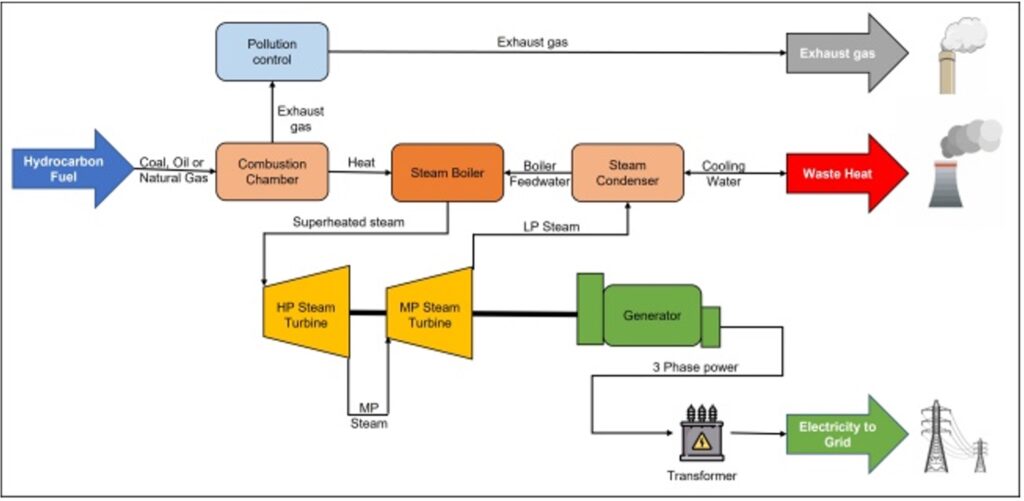
Categories
Uncategorized

Generating Electricity using Heat from Industrial Boilers

Generating Electricity using Heat from Industrial Boilers

Generating Electricity using Heat from Industrial Boilers: Generating electricity from steam involves a process called thermodynamic power generation, often using steam turbines as the primary mechanism. This process converts the energy in steam, usually created by boiling water using heat from burning fuel, nuclear reactions, or geothermal energy, into mechanical energy, which is then transformed into electrical energy.

The basic steps to generate electricity from steam start with the heating of water to produce steam. This can be done in a boiler or a heat exchanger, depending on the system’s design. In a boiler, fuel such as coal, natural gas, oil, or even biomass is burned to generate heat. In a nuclear power plant, heat is produced from nuclear fission reactions. Alternatively, in geothermal power plants, heat from the Earth’s natural reservoirs is used to convert water into steam.

Once steam is produced, it is directed into a steam turbine. The turbine consists of blades mounted on a shaft. As steam flows over the blades, the force of the steam causes the blades to spin. This mechanical energy of the rotating turbine blades is then transferred to a generator connected to the turbine. The generator uses the mechanical energy to rotate a magnetic field within a set of coils, inducing an electrical current through electromagnetic induction.

The steam turbine operates based on the principles of thermodynamics, particularly the Rankine cycle. In the Rankine cycle, steam is generated at high pressure and temperature, expanded in the turbine, and then condensed back into water in a condenser. This process of expansion and condensation allows for a continuous cycle of energy conversion. The condenser cools the steam, usually by passing it through cooling towers or heat exchangers, and converts it back into liquid water, which is then pumped back into the boiler to be reheated and turned back into steam.

In larger power plants, multiple stages of turbines are often used to maximize efficiency. This is known as a multi-stage turbine system, where steam passes through several turbines at different pressure levels. The steam’s pressure is gradually reduced as it moves through each turbine, extracting more energy. In many systems, the steam is also reheated between stages to maintain its energy content and prevent too much pressure drop in the turbines.

The efficiency of a steam power plant is largely determined by how well it can maintain the pressure and temperature of the steam as it moves through the system, as well as the efficiency of the turbine and the generator. Steam turbines are capable of converting a large percentage of the heat energy into mechanical work, but some energy is always lost in the process, primarily due to heat dissipation in the condenser and the inevitable frictional losses in the turbine and other moving parts.

To improve the efficiency of electricity generation, some plants incorporate regenerative systems, where part of the steam or exhaust gases are used to preheat incoming water before it enters the boiler. This reduces the amount of fuel needed to heat the water to the required steam temperature, leading to a more energy-efficient process.

Once the electrical energy is generated, it is transmitted through power lines and distributed to homes and businesses. The voltage of the generated electricity is stepped up by a transformer for long-distance transmission, reducing energy loss during transport. At the point of use, the voltage is stepped down again to a level suitable for household or industrial applications.

In addition to conventional coal, oil, and natural gas power plants, steam turbines are also widely used in renewable energy sources. Geothermal power plants use naturally occurring steam from deep within the Earth to generate electricity, while solar thermal plants use mirrors or lenses to concentrate sunlight and heat a fluid that produces steam. These renewable methods of generating steam offer a more sustainable way to generate electricity without burning fossil fuels.

Overall, generating electricity from steam is a well-established and versatile technology that continues to be used in power plants around the world, with ongoing research focused on improving its efficiency, reducing emissions, and expanding its use in renewable energy systems.

In the process of steam-based electricity generation, one of the key elements that influence performance is the design and operation of the steam turbine itself. The turbine is designed to convert the thermal energy from steam into mechanical energy efficiently. This is achieved by careful engineering of the turbine blades, which are shaped to extract the maximum amount of energy from the steam as it flows over them. The steam enters the turbine under high pressure and high temperature, and as it expands and loses pressure, it passes through different stages of turbines with progressively smaller blades. These stages allow for a more gradual and efficient transfer of energy.

After passing through the turbines, the steam exits at lower pressure and temperature. To complete the cycle, the steam must be condensed back into water in a process that typically occurs in a condenser. The condenser cools the steam, causing it to lose its heat and turn back into liquid form. In most systems, water from nearby rivers, lakes, or cooling towers is used to absorb the excess heat from the steam, often at a temperature below 40°C to 50°C, depending on the local climate and environmental regulations.

The condensed water, now in liquid form, is collected and pumped back into the boiler to be reheated and transformed into steam once again. This closed-loop system helps to conserve water and reduce environmental impacts, though some plants may use once-through cooling systems where water is used only once before being returned to its source.

As part of the overall power plant system, the generator that is coupled to the turbine plays a critical role in converting the mechanical energy into electrical energy. The generator consists of a rotating shaft and a set of stationary coils or magnets. As the turbine shaft rotates, it turns the generator’s rotor, creating a changing magnetic field within the coils, which induces an electrical current through the wires by the principle of electromagnetic induction. This electrical current is then transferred through transformers, where its voltage is adjusted to be suitable for transmission over long distances. Once the electricity reaches its destination, transformers step down the voltage again for distribution to households or businesses.

Generating Electricity using Heat

A significant part of the energy generated by the steam turbine system is often lost as heat due to the second law of thermodynamics, which states that some energy is always lost to the surroundings. Efficiency improvements, such as the integration of combined-cycle power plants, aim to capture and utilize some of this waste heat. In combined-cycle systems, the exhaust gases from the gas turbine are used to heat water, which then produces additional steam to drive a steam turbine. This significantly increases the overall efficiency of the plant, sometimes by as much as 50% or more compared to a simple steam turbine system.

Another emerging trend in steam-based electricity generation is the implementation of supercritical and ultra-supercritical steam cycles. These systems use steam at higher pressures and temperatures than conventional methods, resulting in higher thermodynamic efficiency and lower emissions. By using steam at supercritical pressures (above 22.1 MPa) and ultra-supercritical pressures (above 30 MPa), the thermal efficiency of power plants can be greatly improved, allowing them to generate more electricity from the same amount of fuel. These advanced steam turbines are typically found in modern coal-fired power plants, as well as some nuclear and combined-cycle plants.

Environmental concerns have led to the development of cleaner technologies for generating electricity from steam. The burning of fossil fuels in traditional steam plants releases carbon dioxide (CO₂) and other greenhouse gases into the atmosphere, contributing to climate change. To mitigate these effects, power plants have started implementing carbon capture and storage (CCS) technologies, which capture CO₂ emissions from the exhaust gases and store them underground or use them in industrial processes. Additionally, the growing adoption of renewable energy sources such as geothermal, solar thermal, and biomass for generating steam offers a way to produce electricity with fewer environmental impacts.

While fossil fuels continue to dominate global electricity generation from steam, the trend toward cleaner energy solutions is growing. Geothermal plants, for example, utilize steam sourced from the Earth’s natural heat, which is renewable and produces no direct emissions. Solar thermal power plants use mirrors or lenses to concentrate sunlight, heating a fluid that can generate steam. In some regions, biomass and waste-to-energy plants are being developed to convert organic materials into steam, contributing to reducing waste while generating power.

In summary, the generation of electricity from steam is a well-established and essential method of power generation, with significant advancements in turbine technology, heat recovery systems, and renewable energy integration. The efficiency of the process has been continuously improved over the years, and innovations such as combined-cycle plants and ultra-supercritical steam systems are pushing the boundaries of what is possible. As global energy demands rise and environmental concerns increase, the role of steam-based power generation in providing a reliable and cleaner energy supply will continue to evolve.

As the world moves towards more sustainable energy practices, the role of steam-based electricity generation remains pivotal, albeit with shifts in how it is implemented and integrated with renewable energy sources. Traditional steam-based systems, which rely heavily on burning fossil fuels such as coal, natural gas, or oil, face increasing scrutiny due to their environmental impact, particularly in terms of carbon emissions. As a result, there has been a substantial push to modernize steam power plants, incorporating new technologies and improving the overall energy efficiency of the process.

One of the primary areas of focus in advancing steam-based electricity generation is the development and implementation of carbon capture, utilization, and storage (CCUS) technologies. These systems capture CO₂ emissions produced during the combustion of fossil fuels, preventing them from entering the atmosphere and contributing to climate change. In some systems, the captured CO₂ can be used in industrial processes, such as enhancing oil recovery or producing synthetic fuels, making the technology potentially economically viable in certain contexts. CCUS is seen as a critical part of reducing emissions from traditional fossil-fuel-based power plants, including steam turbines, and is a focal point of research for improving the environmental footprint of steam-based electricity generation.

Moreover, the energy transition is driving a renewed interest in hybrid systems that combine steam-based power generation with renewable energy sources. One notable example is the integration of solar thermal energy into steam power plants. Solar thermal plants use mirrors or lenses to concentrate sunlight and heat a working fluid, often oil or molten salt, which can then be used to produce steam. This process mirrors traditional steam generation, but the heat source is clean and renewable. In some cases, solar thermal plants are combined with conventional steam turbines in hybrid systems, where the steam turbine can operate using both solar heat and the backup from fossil fuels or other energy sources when sunlight is insufficient.

Geothermal energy, another renewable energy source, has long been a significant contributor to steam-based power generation. In geothermal power plants, steam is extracted from the Earth’s natural geothermal reservoirs and used to turn turbines. Geothermal plants operate efficiently in regions with significant geothermal activity, such as Iceland, parts of the United States (e.g., California), and the Philippines. These plants offer the advantage of being able to provide a constant, baseload supply of electricity, since the Earth’s heat is inexhaustible on human timescales. Unlike solar and wind power, which can be intermittent, geothermal energy is available 24/7, making it a reliable renewable energy source.

In addition to integrating renewable sources, there has been a push to utilize advanced materials and design innovations to increase the efficiency of steam turbines and reduce energy losses. High-efficiency materials are being developed to withstand the extreme pressures and temperatures encountered in modern steam turbines, allowing for more efficient power generation. For example, advanced alloys and coatings can improve the turbine’s resistance to corrosion and thermal degradation, extending the lifespan of the turbine and maintaining high levels of efficiency throughout its operation.

The ongoing trend toward supercritical and ultra-supercritical steam cycles is also helping to push the boundaries of steam-based power generation efficiency. By operating at pressures and temperatures beyond the traditional limits of the steam cycle, these advanced turbines extract more energy from the same amount of fuel. Supercritical plants are typically used in newer coal-fired power plants and some nuclear plants, allowing them to operate more efficiently while reducing emissions. However, the high cost of building and maintaining these advanced systems remains a challenge, which is why their adoption has been somewhat limited in many regions.

A promising area of development is the application of advanced digital technologies to monitor and optimize steam turbine performance. Through the use of sensors, data analytics, and artificial intelligence (AI), power plant operators can gain real-time insights into turbine performance, detect inefficiencies or anomalies, and adjust operational parameters to optimize efficiency and reduce downtime. Predictive maintenance tools are also being used to forecast when components of the turbine or other systems might fail, allowing for proactive maintenance to prevent costly failures and extend the operational life of the plant.

Alongside these technological advancements, there is growing interest in decentralized power generation models that use smaller, modular steam systems to provide local or regional electricity. Microgrids, which can be powered by small-scale steam turbines or other distributed energy sources, offer the potential for localized generation with lower transmission losses and enhanced grid resilience. For example, biomass plants, which use organic materials such as wood pellets or agricultural waste to generate steam, can be deployed in rural or remote areas to provide power. These systems are particularly attractive in regions with abundant biomass resources, where the steam can be produced locally and used to provide electricity with a minimal carbon footprint.

The global energy transition is also influencing the development of new energy systems that combine steam turbines with energy storage technologies. For example, some power plants are integrating steam turbines with large-scale battery storage systems or pumped hydro storage, which can store excess energy produced during periods of high demand or when renewable sources like solar and wind are producing more electricity than is needed. This stored energy can then be used to produce steam when demand is high or when renewable energy generation is low, providing grid stability and ensuring a constant supply of power.

In the future, steam turbines may also play a role in the hydrogen economy. Hydrogen, particularly green hydrogen produced through electrolysis powered by renewable electricity, is gaining attention as a potential clean energy source. Steam turbines could be used in combined systems that generate hydrogen through high-temperature electrolysis or other processes, and then use the hydrogen to generate power or heat in various applications. Additionally, steam turbines might be used in plants that convert hydrogen into electricity, acting as an efficient and flexible component in a hydrogen-powered energy system.

As the world continues to seek solutions to the challenges of climate change and energy security, steam-based electricity generation remains a cornerstone of the global energy mix. By evolving alongside advances in technology, renewable energy integration, and emission reduction strategies, the steam turbine continues to serve as a vital tool in the transition to a cleaner, more sustainable energy future.

Solar thermal energy systems harness the heat of the sun to generate electricity through a series of processes that convert solar radiation into thermal energy, which is then used to drive a power generation cycle. Unlike photovoltaic systems, which directly convert sunlight into electricity using semiconductor materials, solar thermal energy systems focus sunlight onto a working fluid, which is then used to produce high-temperature steam or gas to turn a turbine and generate power.

The core principle behind solar thermal energy systems is the concentration of sunlight to achieve the necessary high temperatures for electricity generation. This is typically accomplished through the use of mirrors or lenses that focus sunlight onto a small area. The concentrated solar energy is then transferred to a heat transfer fluid, often a type of molten salt, synthetic oil, or water, which absorbs and retains the thermal energy. The heated fluid is then used to produce steam, which drives a steam turbine connected to an electrical generator, converting the thermal energy into mechanical energy and ultimately into electrical energy.

There are several types of solar thermal power plants, each employing different methods to concentrate and utilize solar heat. One of the most common designs is the parabolic trough system, which consists of long, curved mirrors that focus sunlight onto a receiver pipe running along the focal line of the trough. A heat transfer fluid flows through the receiver pipe, absorbing the concentrated sunlight and reaching high temperatures, often exceeding 300°C. The hot fluid then passes through a heat exchanger, where it generates steam to drive a turbine. Another widely used design is the power tower system, which employs a field of heliostats—large, flat mirrors that track the sun—to reflect and concentrate sunlight onto a central receiver mounted on top of a tower. This receiver collects the solar heat and transfers it to a working fluid, which then generates steam for electricity production. Power tower systems can reach much higher temperatures than parabolic troughs, often exceeding 500°C, increasing their efficiency and allowing for improved energy storage.

Another approach to solar thermal power generation is the use of dish Stirling systems. These systems consist of a parabolic dish that focuses sunlight onto a receiver attached to a Stirling engine. The Stirling engine operates by cyclically expanding and contracting a working gas due to the absorbed heat, which drives a piston and produces mechanical energy that is directly converted into electricity. While dish Stirling systems offer high efficiency and modularity, they are typically used for small-scale applications rather than large power plants.

One of the key advantages of solar thermal energy systems over other renewable energy sources is their ability to store thermal energy for use when the sun is not shining. Thermal energy storage is commonly achieved using molten salt storage tanks, which can retain heat for several hours or even overnight, enabling continuous electricity generation even after sunset. This capability makes solar thermal power plants more reliable compared to photovoltaic systems, which are directly dependent on sunlight and require battery storage for energy continuity.

Despite the benefits, solar thermal energy systems also face several challenges. The initial capital costs for constructing large-scale solar thermal power plants are significant, requiring substantial investment in infrastructure, land, and materials. The efficiency of solar thermal power plants is also affected by atmospheric conditions, such as cloud cover, dust, and humidity, which can reduce the effectiveness of sunlight concentration. Additionally, water consumption in steam-based solar thermal plants can be high, making them less suitable for arid regions where water scarcity is a concern. To address this, some systems employ dry cooling technologies that use air instead of water for condensation, though this may result in lower efficiency.

Recent advancements in solar thermal technology have focused on improving efficiency, reducing costs, and enhancing thermal energy storage capabilities. Innovations such as supercritical carbon dioxide cycles, improved selective coatings for absorbers, and hybridization with other renewable energy sources have contributed to making solar thermal power more viable. In particular, integrating solar thermal plants with fossil fuel or biomass power plants has been explored as a means of increasing overall energy efficiency while reducing carbon emissions.

Solar thermal energy systems represent a promising solution for large-scale renewable energy generation, particularly in regions with high solar insolation, such as deserts and sunny coastal areas. As research and development continue to improve the efficiency and cost-effectiveness of these systems, they are likely to play an increasingly significant role in the transition to sustainable and clean energy sources. The ability to provide dispatchable power through thermal energy storage further strengthens their potential as a reliable alternative to conventional fossil fuel-based power generation.

Further advancements in solar thermal energy systems continue to push the boundaries of efficiency and cost-effectiveness, making them an increasingly attractive option for large-scale electricity generation. One of the key areas of improvement is the development of advanced heat transfer fluids that can operate at higher temperatures while maintaining stability. Traditional fluids such as synthetic oils are limited by thermal degradation at high temperatures, but newer alternatives, such as molten salts and liquid metals, can sustain much higher temperatures, significantly enhancing system efficiency. By operating at temperatures above 600°C, these fluids allow for higher thermal-to-electric conversion efficiencies, reducing energy losses and improving the overall performance of solar thermal plants.

Another promising avenue is the implementation of supercritical carbon dioxide (sCO₂) power cycles in solar thermal plants. Unlike traditional steam-based Rankine cycles, which have limitations in efficiency, sCO₂ cycles operate at much higher pressures and temperatures, allowing for a more compact and efficient power generation process. These systems require smaller turbines and heat exchangers, reducing capital costs while improving energy conversion rates. Research into sCO₂ technology is ongoing, with pilot projects demonstrating its potential to revolutionize solar thermal electricity generation.

Hybridization of solar thermal plants with other energy sources is also gaining traction as a means of improving reliability and dispatchability. By integrating solar thermal systems with biomass, natural gas, or geothermal energy, power plants can maintain stable electricity output even during periods of low solar radiation. Hybrid plants can use solar energy during the day and switch to alternative energy sources when solar input is insufficient, making them more competitive with traditional fossil fuel plants in terms of availability and grid stability.

The geographic placement of solar thermal power plants plays a crucial role in their efficiency and economic viability. Regions with high direct normal irradiance (DNI), such as the southwestern United States, North Africa, the Middle East, and Australia, offer ideal conditions for solar thermal deployment. Large-scale projects, such as the Noor Complex in Morocco and the Ivanpah Solar Power Facility in California, demonstrate the potential of concentrated solar power (CSP) technology to generate significant amounts of electricity with minimal carbon emissions. These plants provide valuable case studies on the feasibility of scaling up solar thermal technology to meet growing energy demands.

Energy storage remains a cornerstone of solar thermal energy’s future viability. While molten salt storage has become the industry standard, ongoing research is exploring alternative materials and phase-change technologies to enhance thermal storage capacity. Innovations such as solid-state heat storage using ceramic or graphite-based materials and thermochemical storage methods that store energy in reversible chemical reactions could further improve the efficiency and cost-effectiveness of solar thermal storage. Enhanced storage solutions enable longer periods of electricity generation without sunlight, reducing the need for backup fossil fuel power and increasing the competitiveness of CSP in global energy markets.

Economic and policy factors also influence the adoption of solar thermal power. While CSP technology has historically been more expensive than photovoltaic solar power, its ability to provide stable, dispatchable electricity gives it a distinct advantage. Government incentives, feed-in tariffs, and renewable energy mandates in various countries have played a crucial role in encouraging investment in solar thermal projects. As production scales up and technological advancements drive down costs, CSP is expected to become increasingly competitive with other forms of renewable energy.

Environmental considerations are another important aspect of solar thermal power development. Unlike photovoltaic systems, which rely on semiconductor materials that can have resource extraction and recycling challenges, solar thermal plants use largely conventional materials such as glass, steel, and concrete. However, land use and water consumption remain key concerns, particularly in desert environments where these plants are often located. Dry cooling systems and improved land-use planning strategies are being developed to mitigate these issues and make solar thermal energy more sustainable.

Looking ahead, the role of artificial intelligence (AI) and automation in solar thermal energy is expected to grow. Advanced control systems that optimize mirror alignment, heat transfer fluid circulation, and turbine operation can enhance efficiency and reduce operational costs. Machine learning algorithms can be used to predict weather patterns and adjust energy storage and dispatch accordingly, further improving the reliability of solar thermal power plants.

As global energy demand continues to rise and the urgency to transition away from fossil fuels intensifies, solar thermal energy stands as a critical component of the renewable energy landscape. With ongoing technological advancements, cost reductions, and policy support, solar thermal power has the potential to become a major contributor to the world’s energy mix. The combination of high-efficiency power generation, effective energy storage, and scalability makes it a strong candidate for meeting future electricity needs in a sustainable and environmentally friendly manner.

The continued evolution of solar thermal energy systems is driven by the need for more efficient, reliable, and cost-effective solutions to meet global energy demands. One of the most significant areas of development is in the enhancement of energy storage technologies. While molten salt storage is currently the most widely used method, research is underway to explore phase-change materials (PCMs) and thermochemical storage systems that can store and release energy more efficiently. PCMs absorb and release large amounts of heat during phase transitions, such as melting and solidifying, making them a promising alternative to molten salts. Thermochemical storage, on the other hand, involves reversible chemical reactions that can store heat for extended periods with minimal loss, potentially revolutionizing how solar thermal plants manage energy dispatch.

Another major focus of research and innovation is improving the efficiency of concentrator designs. Traditional parabolic trough and power tower systems have proven effective, but next-generation designs are aiming for higher solar concentration ratios and reduced optical losses. Multi-faceted heliostats with adaptive control algorithms are being developed to improve sunlight reflection accuracy, while new receiver coatings and materials are enhancing heat absorption and reducing thermal losses. Some researchers are also exploring advanced optics, such as beam-down concentrators, which use secondary mirrors to direct sunlight to ground-based receivers, simplifying maintenance and reducing tower height costs.

The integration of solar thermal energy with industrial processes is another emerging trend that could expand its applications beyond electricity generation. High-temperature solar heat can be used in industries such as metal smelting, cement production, and chemical synthesis, which currently rely heavily on fossil fuels. Solar-driven hydrogen production is particularly promising, as concentrated solar energy can be used to split water molecules into hydrogen and oxygen through thermochemical cycles. This approach could provide a renewable source of hydrogen for fuel cells, transportation, and industrial applications, reducing dependence on fossil fuels and lowering greenhouse gas emissions.

Economic and policy considerations continue to play a crucial role in shaping the future of solar thermal energy. While the cost of photovoltaic (PV) solar has dropped significantly, making it the dominant solar technology in many markets, solar thermal power offers advantages in dispatchability and grid stability. Governments and utilities are recognizing the value of CSP plants with energy storage as a means to provide round-the-clock renewable power, reducing the need for fossil fuel backup. Countries with high solar potential, such as Spain, Chile, and the United Arab Emirates, have implemented policies and incentives to encourage investment in large-scale CSP projects. In some cases, hybrid systems combining PV with CSP are being explored to leverage the benefits of both technologies—PV for daytime electricity generation and CSP for nighttime power supply.

One of the persistent challenges facing solar thermal energy is the need for extensive land and infrastructure. Large solar thermal plants require significant land area for mirror fields, which can create environmental and logistical challenges. Efforts are being made to optimize land use through dual-purpose installations, such as agrivoltaics, where CSP plants are integrated with agricultural activities. Additionally, floating solar thermal systems, similar to floating PV farms, are being investigated as a way to utilize water surfaces for energy generation while reducing evaporation losses in reservoirs.

Advancements in materials science are also contributing to improved performance and longevity of solar thermal components. High-temperature-resistant coatings, corrosion-resistant materials for heat exchangers, and self-cleaning mirror surfaces are all being developed to reduce maintenance costs and extend the lifespan of CSP plants. These innovations help address operational challenges, particularly in harsh desert environments where dust accumulation and extreme temperatures can impact efficiency.

Looking to the future, the role of artificial intelligence and digital twin technology in solar thermal operations is expected to grow. AI-driven monitoring and predictive maintenance systems can optimize plant performance by analyzing real-time data and forecasting potential failures before they occur. Digital twins—virtual replicas of physical CSP plants—allow operators to simulate different scenarios and optimize energy dispatch strategies, improving overall efficiency and profitability.

As the global energy transition accelerates, solar thermal energy is poised to become a key player in the renewable energy landscape. With continued technological advancements, cost reductions, and supportive policies, CSP has the potential to provide a stable and sustainable source of electricity while complementing other renewables such as wind and PV. The integration of CSP with emerging technologies, such as green hydrogen production and industrial heat applications, further expands its potential, making it a valuable asset in the push toward a decarbonized future

The future of solar thermal energy is deeply intertwined with advancements in global energy infrastructure, policy frameworks, and emerging technologies that aim to optimize efficiency, storage, and integration with existing energy systems. One of the most promising directions is the increasing role of hybrid renewable energy systems, where solar thermal power is combined with other energy sources such as photovoltaics, wind, and battery storage. These hybrid configurations help balance energy generation throughout the day and night, improving grid stability and reducing reliance on fossil fuel backup.

One particularly effective hybrid approach is the combination of solar thermal energy with photovoltaic (PV) systems. While PV generates electricity directly from sunlight and is most effective during peak daylight hours, solar thermal systems with energy storage can continue producing power after sunset. By integrating the two, hybrid plants can achieve higher capacity factors, ensuring a steady supply of renewable electricity. Some large-scale projects are already exploring this model, such as the Noor Energy 1 project in the United Arab Emirates, which combines CSP with PV and molten salt storage to provide reliable power day and night.

Beyond electricity generation, solar thermal energy is gaining traction as a solution for industrial heat applications. Many industries, such as steel, cement, and chemical production, require high-temperature heat, which is currently generated primarily by burning fossil fuels. Concentrated solar power (CSP) can replace these traditional methods by providing high-temperature process heat, significantly reducing carbon emissions in these hard-to-decarbonize sectors. For example, solar thermal energy is being explored for use in desalination plants, where concentrated solar heat can drive the evaporation and condensation processes required for freshwater production, offering a sustainable solution for water-scarce regions.

One of the most exciting applications of solar thermal technology is in the production of green hydrogen. Using high-temperature solar heat, thermochemical water-splitting processes can produce hydrogen with minimal environmental impact. This method is more energy-efficient than traditional electrolysis powered by electricity and has the potential to provide a large-scale, renewable source of hydrogen for fuel cells, transportation, and industrial applications. Research in this area is accelerating, with pilot projects demonstrating the feasibility of solar-driven hydrogen production as a future clean fuel alternative.

Advances in energy storage remain a critical factor in the long-term success of solar thermal power. While molten salt storage is the current industry standard, new approaches are being developed to improve efficiency and lower costs. One promising alternative is solid-state thermal storage, which uses materials such as ceramic, graphite, or concrete to store heat for extended periods with minimal losses. Thermochemical energy storage, which involves reversible chemical reactions to store and release heat, is another area of intense research. These innovations could significantly enhance the dispatchability of solar thermal power, making it even more competitive with conventional fossil-fuel-based electricity generation.

The economic viability of solar thermal energy is also improving due to ongoing cost reductions and economies of scale. As manufacturing techniques for mirrors, receivers, and heat transfer fluids advance, the capital costs of CSP plants are gradually decreasing. Additionally, digitalization and automation are streamlining plant operations, reducing maintenance costs, and improving overall efficiency. Artificial intelligence (AI) is being used to optimize mirror alignment, predict maintenance needs, and enhance thermal storage management, further increasing the reliability and cost-effectiveness of solar thermal power.

Policy support and international collaboration play a crucial role in the expansion of solar thermal energy. Governments in sun-rich regions are increasingly recognizing the benefits of CSP as a dispatchable renewable energy source and are implementing incentives, subsidies, and mandates to encourage investment. Countries such as Spain, China, Morocco, and Australia are leading the way with large-scale CSP installations, demonstrating the technology’s potential to contribute significantly to national and regional energy mixes. International organizations and research institutions are also fostering collaboration on CSP advancements, sharing knowledge and best practices to accelerate deployment worldwide.

Looking forward, the role of solar thermal energy in a global clean energy transition is expected to grow. With continued advancements in storage, hybridization, and industrial applications, CSP is poised to become a key player in providing reliable, sustainable, and scalable energy solutions. The integration of CSP with emerging technologies such as green hydrogen, AI-driven plant management, and advanced energy storage will further solidify its place in the future energy landscape. As the world moves toward decarbonization, solar thermal power stands as a vital component of the renewable energy portfolio, offering a sustainable and flexible solution to meet the increasing demand for clean electricity and industrial heat.

Generating Electricity using waste heat from gas turbines in power plants

Generating Electricity using Waste Heat from Chlor-alkali Processes

Generating electricity using waste heat from gas turbines in power plants is an essential strategy for improving overall energy efficiency and reducing fuel consumption. Gas turbines are widely used in power generation due to their high efficiency, reliability, and ability to quickly respond to fluctuations in electricity demand. However, a significant portion of the energy produced by gas turbines is lost as waste heat through the exhaust gases. Capturing and utilizing this waste heat can significantly enhance the overall efficiency of a power plant, reducing fuel consumption and lowering greenhouse gas emissions.

One of the most common methods of utilizing waste heat from gas turbines is through combined cycle power plants (CCPPs). In a combined cycle system, a gas turbine generates electricity by burning natural gas or another fuel, and the hot exhaust gases, which would otherwise be wasted, are directed to a heat recovery steam generator (HRSG). The HRSG extracts thermal energy from the exhaust gases to produce steam, which then drives a steam turbine to generate additional electricity. This process effectively increases the total power output without requiring additional fuel, improving the overall efficiency of the plant from around 35–40% in a simple gas turbine system to 55–60% or more in a combined cycle configuration.

Another approach to utilizing waste heat from gas turbines is through cogeneration, or combined heat and power (CHP) systems. In a CHP system, the waste heat is used not only for additional electricity generation but also for industrial processes, district heating, or other thermal applications. Cogeneration systems can achieve overall efficiencies of 70–90% by making use of both the electrical and thermal energy produced. This makes them particularly useful in industrial facilities, refineries, and commercial buildings where both power and heat are needed.

Organic Rankine Cycle (ORC) technology is another promising method for utilizing waste heat from gas turbines. In an ORC system, the waste heat is used to vaporize an organic working fluid with a lower boiling point than water, allowing power generation at lower temperatures. The vaporized fluid expands through a turbine, generating electricity before being condensed back into a liquid and recirculated. ORC systems are particularly useful in situations where the exhaust temperature of the gas turbine is not high enough for conventional steam-based power generation.

Advancements in waste heat recovery technologies continue to improve the efficiency and viability of these systems. High-efficiency heat exchangers, advanced materials for heat recovery steam generators, and improved thermodynamic cycle designs are all contributing to better performance. Some modern power plants are exploring supercritical and ultra-supercritical steam cycles, which operate at higher pressures and temperatures to further increase efficiency. Additionally, closed-loop carbon dioxide (CO₂) power cycles, such as the supercritical CO₂ Brayton cycle, are being investigated as potential alternatives to conventional steam cycles due to their higher efficiency and compact design.

Economic and environmental benefits are key drivers behind the adoption of waste heat recovery systems in gas turbine power plants. By capturing and utilizing waste heat, power plants can reduce their fuel consumption, leading to lower operating costs and reduced dependency on fossil fuels. This also translates to lower greenhouse gas emissions and improved sustainability. Many countries and regulatory bodies are encouraging or mandating the use of waste heat recovery through incentives, subsidies, and efficiency standards, making it an attractive option for power plant operators.

Despite its advantages, waste heat recovery in gas turbine power plants does present some challenges. The initial capital investment for heat recovery equipment, such as HRSGs and steam turbines, can be substantial, requiring careful financial planning and long-term commitment. The design and implementation of waste heat recovery systems must also consider factors such as space constraints, integration with existing infrastructure, and operational flexibility. Additionally, in smaller-scale gas turbine installations, the amount of waste heat available may not justify the cost of recovery systems, making it more suitable for larger power plants or industrial applications with high heat demand.

Looking ahead, continued advancements in waste heat recovery technologies, integration with renewable energy sources, and innovative cycle designs will further improve the feasibility and efficiency of generating electricity from waste heat in gas turbine power plants. The use of artificial intelligence and data analytics for optimizing waste heat recovery operations is also expected to enhance performance and reduce maintenance costs. As the global energy sector moves toward greater sustainability and efficiency, waste heat recovery from gas turbines will remain a crucial strategy for maximizing energy utilization, reducing emissions, and improving the overall economics of power generation.

The continuous advancement of waste heat recovery technologies in gas turbine power plants is playing a critical role in improving energy efficiency and reducing emissions. One of the most significant areas of development is the optimization of heat recovery steam generators (HRSGs), which are essential for capturing and utilizing the waste heat from gas turbine exhaust gases. Modern HRSG designs incorporate advanced materials and improved heat exchanger configurations to maximize heat transfer efficiency and minimize energy losses. Multi-pressure HRSGs, which operate at different steam pressure levels, are increasingly being used in combined cycle power plants to extract as much energy as possible from the exhaust gases before they are released into the atmosphere.

Another promising area of innovation is the use of advanced thermodynamic cycles beyond the traditional Rankine cycle. The supercritical carbon dioxide (sCO₂) Brayton cycle, for example, has been gaining attention for its potential to significantly enhance efficiency in waste heat recovery applications. Unlike conventional steam-based systems, sCO₂ cycles operate at high pressures and densities, enabling more compact and efficient power generation. The closed-loop nature of these systems allows for better heat utilization and reduces energy losses, making them particularly attractive for integration with gas turbines.

Hybrid power generation is also emerging as a key strategy for improving the effectiveness of waste heat recovery in gas turbine power plants. By integrating renewable energy sources, such as solar thermal or biomass, with waste heat recovery systems, power plants can achieve higher overall efficiency and reduce their reliance on fossil fuels. For instance, a hybrid system combining concentrated solar power (CSP) with a gas turbine and waste heat recovery can provide additional thermal energy to enhance steam production in the HRSG, increasing the total power output while maintaining low emissions. Similarly, biomass can be used as an auxiliary heat source to improve waste heat utilization in combined cycle plants, further diversifying the energy mix and enhancing sustainability.

Energy storage technologies are also being explored to enhance the flexibility and reliability of waste heat recovery systems. Thermal energy storage (TES) solutions, such as molten salts or phase-change materials, can store excess heat generated by waste heat recovery systems for later use, enabling power generation even when the gas turbine is not running at full capacity. This approach helps improve grid stability and allows operators to optimize electricity production based on demand fluctuations.

The use of organic Rankine cycle (ORC) technology continues to expand, particularly in applications where gas turbine exhaust temperatures are relatively low. ORC systems use organic working fluids with lower boiling points than water, allowing them to effectively convert lower-grade waste heat into electricity. This technology is particularly well-suited for small- and medium-scale gas turbine installations, where conventional steam cycles may not be economically viable due to their higher complexity and cost.

Economic and policy considerations are driving the wider adoption of waste heat recovery systems in gas turbine power plants. Governments and regulatory agencies are implementing energy efficiency standards and carbon reduction targets, incentivizing power plant operators to invest in waste heat recovery technologies. Carbon pricing mechanisms, tax credits, and government grants for energy efficiency improvements further encourage the deployment of these systems. Additionally, corporate sustainability goals and environmental regulations are pushing industries to adopt cleaner and more efficient energy practices, making waste heat recovery a crucial strategy for reducing emissions and improving overall sustainability.

One of the key challenges associated with waste heat recovery in gas turbine power plants is the variability of waste heat availability. The efficiency of heat recovery systems depends on factors such as turbine load fluctuations, ambient temperature conditions, and operational constraints. To address this challenge, intelligent control systems and artificial intelligence (AI)-driven optimization techniques are being developed to dynamically adjust heat recovery operations in real-time. These systems use predictive analytics and machine learning algorithms to optimize heat exchanger performance, steam production, and energy dispatch, ensuring that the maximum amount of waste heat is utilized effectively.

Looking to the future, the integration of digital twin technology in waste heat recovery systems is expected to further enhance efficiency and reliability. Digital twins—virtual replicas of physical power plant systems—allow operators to simulate different operating scenarios, optimize system configurations, and predict maintenance needs before issues arise. By leveraging real-time data and advanced simulations, digital twins can help improve decision-making and maximize the economic and environmental benefits of waste heat recovery.

As the global energy sector continues its transition toward cleaner and more efficient power generation, waste heat recovery from gas turbines will remain a key strategy for improving sustainability and reducing emissions. The combination of advanced HRSG designs, innovative thermodynamic cycles, hybrid energy systems, and AI-driven optimization will further enhance the viability of waste heat recovery technologies, making them an integral part of the future energy landscape.

The role of waste heat recovery in gas turbine power plants is expected to grow as technological advancements continue to drive improvements in efficiency, cost-effectiveness, and environmental benefits. One of the most promising developments in this field is the enhancement of materials used in heat exchangers and other critical components of waste heat recovery systems. High-temperature alloys, advanced ceramics, and coatings designed to withstand extreme heat and corrosive environments are being developed to increase the longevity and performance of heat recovery steam generators (HRSGs) and other heat recovery equipment. These advancements reduce maintenance costs and downtime while improving the overall efficiency of energy conversion.

Another key innovation is the ongoing refinement of advanced combined cycle configurations. Traditionally, combined cycle power plants rely on a single HRSG and steam turbine, but newer designs are exploring the use of multiple pressure levels, reheating cycles, and even alternative working fluids to maximize energy extraction. Some next-generation combined cycle systems integrate reheating stages, where partially expanded steam is reheated using additional waste heat before entering the next stage of expansion in the steam turbine. This approach improves thermal efficiency and increases power output while maintaining low emissions.

The integration of artificial intelligence (AI) and machine learning in waste heat recovery systems is also playing a significant role in improving performance. AI-driven analytics platforms can continuously monitor and optimize the operation of HRSGs, steam turbines, and heat exchangers, ensuring that the system operates at peak efficiency under varying load conditions. Predictive maintenance algorithms can also identify potential issues before they lead to equipment failures, reducing downtime and maintenance costs. These smart automation solutions enhance the reliability of waste heat recovery systems and contribute to more stable and efficient power plant operations.

Waste heat utilization beyond electricity generation is becoming an important focus for industries seeking to maximize energy efficiency. In addition to power generation, recovered waste heat from gas turbines can be used for district heating, desalination, and industrial process heating. In colder regions, combined heat and power (CHP) systems can supply waste heat to district heating networks, providing a sustainable source of thermal energy for residential and commercial buildings. In coastal areas and arid regions, waste heat can be used to power desalination plants, improving access to freshwater while reducing the energy demand of traditional desalination methods.

Another innovative application of waste heat recovery is in carbon capture and utilization (CCU) technologies. Gas turbine power plants equipped with carbon capture systems require significant amounts of thermal energy to separate and process CO₂ from flue gases. Instead of using additional fuel to generate this energy, waste heat from the gas turbine exhaust can be repurposed to drive carbon capture processes, reducing the overall energy penalty associated with CO₂ removal. This integration helps make carbon capture more economically viable and environmentally sustainable, aligning with global decarbonization goals.

Hybrid power plants that combine waste heat recovery with renewable energy sources are also gaining traction. For instance, solar thermal energy can be used to supplement steam production in HRSGs, allowing for greater flexibility and improved efficiency. Similarly, biomass-fired boilers can work alongside waste heat recovery systems to provide additional thermal energy, reducing reliance on fossil fuels. These hybrid configurations enhance the resilience of power plants while lowering their carbon footprint.

As global energy policies continue to emphasize sustainability and energy efficiency, financial incentives and regulatory frameworks are evolving to support the adoption of waste heat recovery technologies. Many governments are implementing tax credits, grants, and emissions reduction targets that encourage industries to invest in energy efficiency improvements. Carbon pricing mechanisms, which place a financial value on greenhouse gas emissions, further incentivize the implementation of waste heat recovery solutions as a cost-effective way to reduce overall carbon output.

One of the remaining challenges in widespread waste heat recovery adoption is the variability of waste heat availability due to fluctuating turbine loads and operational constraints. Advanced thermal energy storage (TES) solutions are being developed to address this issue, allowing excess waste heat to be stored and used when needed. Technologies such as molten salt storage, phase-change materials, and high-efficiency thermal batteries are being explored as ways to smooth out energy supply and demand mismatches, making waste heat recovery systems more adaptable to changing power plant conditions.

Looking ahead, the continued evolution of waste heat recovery systems in gas turbine power plants will be driven by innovations in materials science, thermodynamic cycle optimization, AI-driven control systems, and hybrid renewable energy integration. The ability to efficiently harness and utilize waste heat will play a crucial role in improving overall power plant efficiency, reducing fuel consumption, and lowering greenhouse gas emissions. As energy demands increase and environmental regulations become more stringent, waste heat recovery will remain a fundamental strategy for enhancing the sustainability and economic viability of power generation.

The future of waste heat recovery in gas turbine power plants is closely tied to global energy trends, technological advancements, and the increasing focus on sustainability. As the world transitions toward more efficient and lower-emission energy systems, waste heat recovery will play a crucial role in optimizing power generation and reducing fuel consumption. Emerging innovations in heat recovery technology, energy storage, and digitalization are set to further enhance the efficiency, reliability, and economic viability of these systems.

One of the most significant developments in waste heat recovery is the advancement of supercritical carbon dioxide (sCO₂) power cycles. Unlike traditional steam-based Rankine cycles, sCO₂ cycles operate at higher pressures and efficiencies, allowing for more compact and cost-effective waste heat recovery systems. These cycles utilize CO₂ in a closed-loop system as the working fluid, which requires less energy to compress than steam, resulting in improved thermodynamic performance. Research and pilot projects in sCO₂ technology are paving the way for its integration into gas turbine power plants, potentially increasing overall plant efficiency beyond current combined cycle capabilities.

Another emerging innovation is the development of high-performance thermal energy storage (TES) systems. Traditional waste heat recovery relies on immediate use of the captured thermal energy, but TES allows for heat to be stored and dispatched when needed, enhancing flexibility and reliability. Molten salts, phase-change materials, and ceramic-based storage systems are being explored as viable solutions for integrating TES with gas turbine waste heat recovery. These storage systems can be particularly useful in hybrid power plants that combine waste heat utilization with renewable energy sources, enabling a more stable and dispatchable power supply.

The integration of artificial intelligence (AI) and machine learning in waste heat recovery is also revolutionizing the way power plants operate. AI-driven control systems can continuously optimize heat exchanger performance, adjust operating conditions in real-time, and predict maintenance needs before failures occur. Predictive analytics allow for better decision-making in plant operations, reducing downtime and improving overall efficiency. Additionally, digital twin technology is being increasingly used to create real-time virtual models of waste heat recovery systems, enabling operators to simulate different operating conditions, optimize configurations, and plan maintenance schedules more effectively.

Hybrid energy systems that combine waste heat recovery with renewable sources such as solar, wind, or biomass are gaining attention as a way to enhance power plant sustainability. In particular, concentrated solar power (CSP) can be used in conjunction with waste heat recovery systems to provide additional thermal energy for steam production, further improving plant efficiency. Biomass can also be co-fired with gas turbines in a combined cycle plant, using waste heat recovery to maximize energy extraction from the fuel source while reducing overall carbon emissions. These hybrid configurations offer a pathway to cleaner and more resilient power generation.

Another promising application of waste heat recovery is in hydrogen production. As the global push for green hydrogen accelerates, utilizing waste heat to improve the efficiency of hydrogen production processes can make a significant impact. High-temperature electrolysis and thermochemical water-splitting processes require substantial amounts of heat, which can be supplied by waste heat recovery systems in gas turbine power plants. By repurposing waste heat for hydrogen production, power plants can contribute to the growing hydrogen economy while improving their overall energy efficiency.

Regulatory policies and economic incentives continue to drive the adoption of waste heat recovery technologies. Many governments and energy agencies have introduced policies that promote energy efficiency, carbon reduction, and waste heat utilization. Incentives such as tax credits, low-interest financing, and mandatory efficiency standards encourage power plant operators to invest in waste heat recovery systems. Carbon pricing mechanisms, which place a financial value on CO₂ emissions, further increase the economic attractiveness of these technologies by making energy-efficient power generation more cost-competitive.

Despite these advancements, challenges remain in scaling up waste heat recovery solutions. The upfront capital costs of installing heat recovery equipment, integrating storage systems, and upgrading plant infrastructure can be significant. Additionally, technical complexities such as optimizing heat exchanger designs, managing fluctuating turbine loads, and ensuring seamless integration with existing plant operations require careful planning and engineering expertise. However, as technology continues to improve and costs decline, waste heat recovery is becoming an increasingly viable and attractive option for power generation.

Looking to the future, waste heat recovery in gas turbine power plants will continue to evolve as part of a broader effort to create more sustainable and efficient energy systems. Advances in thermodynamic cycle design, energy storage, digitalization, and hybrid energy integration will further enhance the role of waste heat recovery in reducing emissions and improving power plant performance. As the energy sector moves toward greater sustainability, waste heat recovery will remain a fundamental strategy for maximizing energy utilization and minimizing environmental impact, making it a key component of the global clean energy transition.

Generating Electricity using Heat from Distillery Operations

Generating Electricity using Waste Heat from Distillation Columns

Generating electricity using heat from distillery operations is an effective way to improve energy efficiency, reduce operational costs, and lower environmental impact. Distilleries generate significant amounts of waste heat through processes such as fermentation, distillation, and evaporation. Traditionally, much of this heat is lost to the atmosphere, but with the implementation of waste heat recovery systems, this energy can be captured and converted into electricity, providing a more sustainable and cost-effective energy solution for the industry.

One of the most common methods of generating electricity from distillery waste heat is through cogeneration, also known as combined heat and power (CHP). In a cogeneration system, waste heat from distillation and boiler operations is recovered and used to produce steam, which drives a steam turbine to generate electricity. The same steam can also be used for heating purposes within the distillery, maximizing energy efficiency. By using CHP, distilleries can achieve overall efficiencies of 70–90%, significantly reducing their reliance on external electricity sources and lowering greenhouse gas emissions.

Another efficient technology for converting waste heat into electricity in distilleries is the Organic Rankine Cycle (ORC). ORC systems operate similarly to traditional steam-based power generation but use an organic working fluid with a lower boiling point than water. This allows ORC systems to effectively generate electricity from lower-temperature waste heat, such as that produced by distillation and fermentation processes. ORC technology is particularly useful in distilleries where waste heat temperatures are insufficient for conventional steam turbines but still contain enough thermal energy to be converted into electricity.

Biogas production from distillery waste can also play a crucial role in energy generation. Many distilleries produce significant quantities of organic waste, such as spent wash and stillage, which can be processed in anaerobic digesters to produce biogas. This biogas can then be used as a fuel source for gas engines or microturbines, which generate electricity while producing additional waste heat. The heat from these engines can be recovered and used in the distillation process or further converted into electricity, creating a highly efficient closed-loop energy system.

The integration of waste heat recovery systems in distilleries not only improves energy efficiency but also contributes to sustainability goals. By utilizing waste heat to generate electricity, distilleries can reduce their carbon footprint, lower fuel consumption, and minimize the environmental impact of their operations. Many governments and regulatory bodies are promoting energy efficiency initiatives through incentives, tax benefits, and carbon credit programs, encouraging distilleries to adopt waste heat recovery technologies.

Despite its benefits, waste heat recovery in distillery operations does present some challenges. The initial capital investment for heat recovery equipment, such as ORC units, steam turbines, and heat exchangers, can be substantial. Additionally, the design and implementation of these systems require careful consideration of factors such as waste heat availability, temperature levels, and plant layout. However, advancements in waste heat recovery technology, along with increasing regulatory pressure to improve energy efficiency and reduce emissions, are making these solutions more accessible and economically viable.

As the global focus on sustainable energy grows, distilleries will continue to explore innovative ways to optimize energy use and reduce environmental impact. Future advancements in thermodynamic cycles, heat exchanger technology, and energy storage will further enhance the feasibility of waste heat recovery in distillery operations. The adoption of digital monitoring and AI-driven optimization can also improve system performance by ensuring that waste heat is utilized effectively. By integrating these technologies, distilleries can significantly reduce energy costs, improve operational efficiency, and contribute to a cleaner, more sustainable energy future.

The growing emphasis on sustainability and energy efficiency in the distillery industry is driving the adoption of advanced waste heat recovery technologies. Distilleries, particularly those involved in large-scale alcohol production, consume substantial amounts of thermal energy for processes such as distillation, evaporation, and drying. Without proper recovery systems, a significant portion of this energy is lost as waste heat. However, with the implementation of innovative energy recovery solutions, distilleries can harness this excess thermal energy to generate electricity and improve overall operational efficiency.

One of the most effective ways to convert waste heat from distillery operations into electricity is by optimizing cogeneration (combined heat and power, or CHP) systems. CHP units capture heat from boilers, fermenters, and stills and use it to produce steam, which drives a steam turbine to generate electricity. This approach significantly reduces the amount of external energy required, making the distillery more self-sufficient and reducing dependency on fossil fuel-based power. Additionally, the steam generated in this process can be reused for heating applications, enhancing the overall energy efficiency of the plant.

In distilleries where waste heat is available at lower temperatures, the Organic Rankine Cycle (ORC) is increasingly being employed as a viable solution for power generation. Unlike traditional steam turbines, which require high-temperature steam, ORC systems use organic working fluids that can evaporate at lower temperatures. This makes ORC an ideal choice for capturing and converting waste heat from distillation columns, condensers, and other thermal processes. ORC-based power generation enables distilleries to extract useful energy from heat sources that would otherwise be too low-grade for conventional steam turbines.

Beyond ORC and CHP, another method for utilizing waste heat in distillery operations is through thermoelectric generators (TEGs). These devices use the Seebeck effect to directly convert temperature gradients into electricity. While still in the early stages of commercial application, TEG technology has the potential to provide supplementary power by harnessing small amounts of residual heat from various equipment surfaces, such as boiler flues, exhaust stacks, and heat exchangers.

The integration of biogas generation with waste heat recovery is also gaining popularity in distillery energy systems. Distillery spent wash and organic byproducts can be processed in anaerobic digesters to produce biogas, which can be burned in a gas engine or microturbine to generate electricity. The waste heat from the engine’s exhaust gases and cooling systems can then be captured using heat exchangers and fed into either an ORC system or directly used in the distillery’s thermal processes. This approach not only provides an additional renewable energy source but also contributes to waste management and emissions reduction efforts.

Energy storage solutions are being increasingly explored to enhance the efficiency of waste heat recovery in distilleries. Thermal energy storage (TES) systems, such as molten salts or phase-change materials, can store excess heat during peak production hours and release it when needed, ensuring a more stable and continuous supply of electricity. This is particularly useful in distilleries with variable production schedules or fluctuating energy demands.

Digitalization and automation are playing a crucial role in optimizing waste heat recovery systems in distilleries. The use of artificial intelligence (AI) and machine learning algorithms allows real-time monitoring and predictive control of energy flows within the plant. Smart sensors and IoT-enabled devices can continuously track temperature variations, heat exchanger performance, and steam flow rates, ensuring that waste heat is utilized in the most efficient manner possible. Additionally, digital twin technology, which creates a virtual model of the distillery’s energy system, can help operators simulate different heat recovery configurations and identify the most effective strategies for power generation.

As distilleries strive to become more sustainable, regulatory frameworks and government incentives are encouraging the adoption of waste heat recovery technologies. Carbon credits, tax breaks, and subsidies for energy efficiency projects are making it more financially viable for distilleries to invest in heat-to-power conversion systems. In some regions, distilleries that generate surplus electricity from waste heat can even sell excess power back to the grid, creating an additional revenue stream.

Looking ahead, the continued advancement of waste heat recovery technologies will further transform the energy landscape of distillery operations. Emerging developments in high-efficiency heat exchangers, improved working fluids for ORC systems, and next-generation energy storage solutions will enhance the feasibility and economic benefits of on-site power generation. As distilleries increasingly integrate these solutions into their operations, they will not only reduce energy costs but also contribute to the global transition toward cleaner and more sustainable industrial practices.

As the distillery industry continues to evolve toward more sustainable practices, the adoption of waste heat recovery technologies is becoming increasingly sophisticated. The integration of energy-efficient solutions and renewable energy sources is driving both environmental benefits and cost savings for distilleries worldwide. Looking forward, several key trends and innovations will shape the future of electricity generation from distillery waste heat.

One of the most promising developments is the use of hybrid systems that combine multiple energy sources. In particular, combining waste heat recovery with renewable energy technologies such as solar thermal, biomass, and wind power can greatly enhance the efficiency and sustainability of distillery operations. For instance, solar thermal collectors can be used to pre-heat water or air, reducing the energy required for distillation. This pre-heating process not only lowers the operating costs of distilleries but also reduces the load on the waste heat recovery systems, allowing them to focus on generating electricity or providing heating for other processes.

Biomass energy also offers a complementary solution to waste heat recovery. Distilleries can use agricultural waste products, wood chips, or other biomass fuels to generate additional heat, which can be integrated into the waste heat recovery system. Biomass-based combined heat and power (CHP) units, when paired with waste heat recovery technologies, can help distilleries become energy self-sufficient, reducing their reliance on external grid power and fossil fuels. Furthermore, the utilization of biomass in this context can further reduce the carbon footprint of distillery operations, contributing to the achievement of climate goals.

Microgrids and decentralized energy systems are another area of innovation in distillery power generation. By creating microgrids that incorporate waste heat recovery, renewable energy, and energy storage systems, distilleries can become more resilient to power outages and price fluctuations from the main grid. Microgrids can also enable distilleries to optimize energy distribution based on real-time demand, allowing them to balance the energy produced from waste heat, renewable sources, and stored energy to maximize efficiency and reduce costs. This approach enhances energy security, promotes sustainability, and gives distilleries more control over their energy consumption and production.

As digital technologies continue to advance, the role of artificial intelligence (AI) and data analytics in optimizing waste heat recovery systems will become even more significant. AI can help distilleries analyze vast amounts of operational data in real-time, making it easier to identify inefficiencies, predict maintenance needs, and adjust system operations dynamically. Machine learning algorithms can optimize energy use by learning from historical performance data and predicting energy demand patterns, allowing for more efficient allocation of recovered heat and generated electricity. Moreover, predictive maintenance systems powered by AI can detect issues before they lead to equipment failure, improving system reliability and reducing downtime.

The role of thermal energy storage (TES) systems will continue to expand as distilleries look to optimize waste heat recovery and power generation. These systems store excess thermal energy generated during periods of high activity and release it when needed, smoothing out fluctuations in energy demand. High-temperature TES technologies, such as molten salts or ceramics, are becoming more efficient and cost-effective, making them an attractive option for distilleries looking to store heat generated from both waste heat recovery and renewable sources. In addition, coupling TES with battery storage systems allows distilleries to store electricity generated from both waste heat and renewable sources, providing an additional layer of flexibility and stability to the energy supply.

Government policies and incentives will continue to drive the adoption of waste heat recovery technologies in distilleries. As countries strengthen their commitment to reducing carbon emissions and improving energy efficiency, distilleries will benefit from a wide range of financial incentives, such as tax credits, rebates, and grants. For example, policies that encourage the use of renewable energy and waste-to-energy technologies will make it easier for distilleries to adopt these systems and improve their profitability. Additionally, carbon pricing schemes and emissions reduction targets will provide further economic motivation to implement waste heat recovery solutions as a way to lower carbon footprints and offset operational costs.

The market for waste heat recovery technologies in distilleries is also being shaped by increasing consumer demand for sustainable products. Distilleries that incorporate energy-efficient technologies and reduce their environmental impact are likely to see greater consumer interest and loyalty, particularly as sustainability becomes a key differentiator in the marketplace. As more consumers prioritize environmentally responsible brands, distilleries that invest in waste heat recovery and other sustainable practices will be able to appeal to this growing demographic while meeting regulatory and environmental standards.

Looking to the future, the distillery industry will continue to benefit from breakthroughs in materials science, energy storage, and thermodynamic cycles. New, high-efficiency heat exchangers and advanced working fluids for Organic Rankine Cycle (ORC) systems will make it easier for distilleries to generate electricity from lower-temperature waste heat, further expanding the range of waste heat recovery applications. As research in thermoelectrics and advanced heat-to-power conversion technologies progresses, distilleries may also have access to new tools for generating electricity from residual heat that was previously difficult to utilize.

In conclusion, the generation of electricity using heat from distillery operations represents an exciting opportunity to improve energy efficiency, reduce costs, and contribute to a cleaner, more sustainable future. With ongoing advancements in waste heat recovery systems, renewable energy integration, and digital optimization, distilleries can continue to harness their waste heat to generate electricity while reducing their environmental impact. As the industry continues to innovate and adopt new technologies, it will become increasingly possible for distilleries to operate more sustainably, reduce operational expenses, and meet the growing demand for green and energy-efficient products.

As distilleries increasingly integrate waste heat recovery systems to generate electricity, the future of energy efficiency within the industry will be shaped by several emerging trends and technological breakthroughs. Distilleries have significant potential to reduce energy consumption, lower emissions, and improve the overall sustainability of their operations by further developing and optimizing heat-to-power systems.

One key area of development is the expansion of waste heat recovery systems that operate at a wider range of temperatures. Distillery operations, such as distillation, fermentation, and drying, produce waste heat across a spectrum of temperatures, often varying significantly depending on production levels and equipment design. To maximize the potential for electricity generation, distilleries are increasingly adopting systems capable of capturing heat from low, medium, and high-temperature sources. This may include advanced Organic Rankine Cycle (ORC) systems that can operate efficiently across varying temperatures or thermoelectric generators (TEGs) that directly convert waste heat into electricity even from low-grade sources. These systems will enhance the flexibility of waste heat recovery, enabling distilleries to capture and convert as much of their available waste heat as possible.

The continued evolution of materials science is also playing a pivotal role in improving the efficiency of heat recovery systems. New heat exchanger materials, capable of handling higher temperatures and aggressive environments, are being developed to improve heat transfer rates, reduce corrosion, and extend the lifespan of heat recovery systems. Advanced coatings and ceramics are being employed to protect heat recovery components from wear and tear, particularly in systems exposed to high-pressure and high-temperature conditions. These innovations will reduce the need for frequent maintenance and ensure that distillery operations benefit from more reliable and long-lasting heat recovery technologies.

Integration with energy management systems is becoming another vital aspect of optimizing electricity generation from waste heat in distilleries. With the rise of smart grids and decentralized energy systems, distilleries are leveraging advanced energy management platforms to monitor, control, and optimize energy usage and recovery in real-time. By integrating sensors, automation, and artificial intelligence (AI), distilleries can monitor fluctuations in energy demand, predict optimal operating conditions, and adjust the operation of heat recovery systems accordingly. AI algorithms can identify patterns in energy usage, ensuring that the waste heat is harnessed most effectively, while also minimizing energy waste and reducing overall operational costs. This data-driven approach can significantly increase the overall efficiency of the energy recovery process and optimize electricity generation.

Energy storage systems will continue to play a critical role in the future of electricity generation from waste heat. Thermal energy storage (TES) systems, such as molten salt or phase change materials, will be integrated into distillery energy systems to store excess heat generated during periods of high production. This stored thermal energy can then be released when demand for electricity is high, or during off-peak hours, enabling distilleries to operate more efficiently and reduce reliance on external grid power. Combining TES with battery storage systems will further enhance this capability, allowing distilleries to store not only thermal energy but also electricity generated from both waste heat recovery and renewable energy sources. This integration will provide a more reliable and stable energy supply while reducing the need for fossil fuel-powered backup generation.

As regulatory pressures to reduce carbon emissions increase, distilleries will be further incentivized to adopt energy-efficient technologies. Many regions are implementing stricter emissions standards and promoting energy efficiency initiatives, which will lead to higher adoption rates of waste heat recovery systems. Furthermore, policies and tax incentives that promote the use of renewable energy, energy efficiency, and carbon footprint reduction will continue to make the investment in these systems more financially attractive. These incentives may include carbon credits, grants, or preferential financing for distilleries that adopt waste-to-energy solutions. As the industry faces increasing pressure to meet sustainability targets, integrating waste heat recovery with renewable energy technologies will become a vital strategy for achieving net-zero emissions goals.

Moreover, as public awareness of environmental sustainability grows, consumers are placing greater importance on the eco-friendly practices of the companies they support. Distilleries that embrace waste heat recovery, renewable energy integration, and sustainable manufacturing practices can differentiate themselves in an increasingly competitive market. By showcasing their commitment to energy efficiency and sustainability, distilleries can build brand loyalty and appeal to the growing demographic of environmentally-conscious consumers. This consumer-driven demand for sustainable practices will continue to encourage distilleries to invest in more energy-efficient technologies and adopt waste heat recovery solutions.

The global push for clean energy and the decarbonization of industrial processes is further accelerating the adoption of waste heat recovery in distilleries. Innovations in carbon capture and storage (CCS) technologies are also becoming relevant for distilleries with high emissions, particularly those that produce ethanol or other high-carbon-content spirits. Some distilleries are integrating waste heat recovery with carbon capture systems to reduce the carbon footprint of their operations. For instance, the waste heat recovered from distillation processes can be used to power carbon capture equipment, helping distilleries reduce their CO₂ emissions while simultaneously generating electricity from recovered heat.

In addition to improving the sustainability of energy generation within distilleries, waste heat recovery can also provide additional benefits for other industries. For example, recovered waste heat from distilleries can be used for district heating, providing a reliable source of thermal energy to nearby residential or commercial buildings. This integration of waste heat into community heating systems helps reduce overall energy consumption and lowers heating costs for local residents. Additionally, waste heat can be used in agricultural applications, such as greenhouses, where it can provide a consistent source of warmth for plant cultivation, further diversifying the uses of recovered energy.

Looking to the future, the adoption of waste heat recovery technologies in distilleries will continue to be driven by a combination of technological innovation, regulatory pressures, and market demand for sustainable practices. As the industry moves toward a greener and more efficient future, distilleries will increasingly view waste heat recovery not only as a means of improving operational efficiency but also as a key strategy for enhancing their overall sustainability profile. The development of more efficient, cost-effective, and versatile waste heat recovery solutions will ensure that distilleries can continue to meet both their energy needs and their environmental obligations, paving the way for a cleaner and more sustainable future for the industry.

Generating Electricity using heat from oil refining processes

Generating Electricity using Heat from Oil Refining Processes

Generating electricity from heat produced in oil refining processes is an innovative and efficient way to harness energy that would otherwise be wasted. Oil refineries are complex facilities that process crude oil into various products such as gasoline, diesel, jet fuel, and other petrochemicals. The refining process generates substantial amounts of heat, particularly from distillation, cracking, and combustion operations. Typically, much of this heat is released into the environment, contributing to inefficiency and environmental impact. However, by capturing and converting waste heat into electricity, oil refineries can significantly improve their energy efficiency, reduce operational costs, and contribute to sustainability goals.

The most common method of generating electricity from waste heat in oil refineries is through the use of cogeneration (combined heat and power, or CHP) systems. In a CHP system, waste heat from the refining process—such as exhaust gases from furnaces, flue gas from boilers, and thermal energy from distillation towers—is captured and used to generate steam. This steam is then used to drive a steam turbine, which generates electricity. Simultaneously, the steam can also be used to provide heating for the refinery’s operations, such as pre-heating process fluids, supporting distillation columns, or maintaining temperature control within reactors. By utilizing both the electricity and heat generated from the same energy source, CHP systems can achieve efficiencies of up to 80% or more, reducing the need for external power and increasing the overall energy efficiency of the refinery.

Another method of generating electricity from waste heat is through the Organic Rankine Cycle (ORC), which is increasingly being adopted in industrial applications where waste heat is available at lower temperatures. Unlike traditional steam turbines, ORC systems use an organic fluid with a lower boiling point than water, making it possible to convert low-temperature heat, typically in the range of 80–300°C, into electricity. In oil refineries, ORC systems can capture waste heat from sources like flue gas, cooling systems, or low-temperature process streams, which would not be suitable for conventional steam turbines. This makes ORC a highly effective solution for improving energy efficiency in refineries that generate heat at lower temperatures, providing a reliable and renewable source of electricity.

In addition to CHP and ORC systems, advanced heat exchangers are key components in optimizing heat recovery from the refining process. Heat exchangers are used to transfer thermal energy from hot process streams to cooler streams, such as water or air, to pre-heat fluids or create steam. This process reduces the amount of fuel required for heating purposes, thereby saving energy and reducing emissions. By incorporating heat exchangers into the refinery’s system, operators can recover and reuse heat that would otherwise be lost, thereby improving the overall thermal efficiency of the plant and increasing the potential for electricity generation.

Some oil refineries are also exploring the potential for utilizing biogas produced from refinery waste streams. In particular, refineries that have associated waste biomass or organic matter—such as from sludge or wastewater treatment—can use anaerobic digestion to produce biogas. This biogas, which consists primarily of methane, can be burned in gas turbines or internal combustion engines to generate electricity. The waste heat generated during this combustion process can then be captured and used for further heating purposes within the refinery or converted into additional electricity using ORC technology. This approach not only reduces energy costs but also supports waste management efforts by turning byproducts into a valuable energy resource.

The integration of energy storage systems, such as thermal energy storage (TES) and battery storage, can also enhance the efficiency of waste heat recovery and electricity generation in oil refineries. TES systems store excess thermal energy generated during periods of high refining activity and release it when demand for energy is high or during peak production periods. This can help stabilize the refinery’s energy supply, ensuring that waste heat is utilized even when the immediate demand for steam or electricity is low. Additionally, coupling TES with battery storage systems can provide a reliable, continuous power supply that reduces dependence on the grid and improves the overall energy resilience of the refinery.

Digital technologies and automation are playing an increasingly important role in optimizing waste heat recovery systems in oil refineries. Advanced sensors, real-time monitoring, and data analytics enable operators to track the performance of heat recovery systems and make adjustments to improve efficiency. Artificial intelligence (AI) algorithms can be used to predict energy demand patterns, identify inefficiencies in heat recovery systems, and suggest operational improvements. Predictive maintenance technologies powered by AI can help minimize downtime by identifying potential equipment failures before they occur, ensuring the continuous operation of waste heat recovery systems and maximizing electricity generation from available heat.

Oil refineries also stand to benefit from government incentives and regulations promoting energy efficiency and carbon reduction. Many countries have introduced policies that provide financial incentives, such as tax breaks, grants, or subsidies, for refineries that invest in energy-saving technologies, including waste heat recovery systems. Additionally, emissions regulations and carbon pricing mechanisms are encouraging refineries to reduce their carbon footprints by adopting more energy-efficient practices, such as generating electricity from waste heat. As governments around the world implement stricter emissions standards and climate change policies, refineries are under increasing pressure to adopt cleaner and more sustainable energy solutions, making waste heat recovery an essential part of their strategy.

In the future, advancements in waste heat recovery technologies will further enhance the ability of oil refineries to generate electricity and improve energy efficiency. Emerging technologies, such as advanced thermoelectric generators (TEGs) and new, more efficient working fluids for ORC systems, will increase the range of waste heat that can be utilized for power generation. Improvements in materials science will also lead to more durable and efficient heat exchangers, reducing maintenance costs and increasing the reliability of heat recovery systems. Furthermore, the integration of digital twins and AI-driven optimization models will allow refineries to simulate different energy recovery strategies and implement the most efficient and cost-effective solutions in real-time.

The integration of renewable energy sources with waste heat recovery is another area of growth. Some oil refineries are exploring the possibility of combining waste heat recovery systems with solar thermal or wind power, further reducing their reliance on fossil fuels and lowering their carbon emissions. Solar thermal energy can be used to pre-heat water or assist in distillation processes, while wind power can be integrated into the refinery’s energy mix to provide additional electricity. This hybrid approach can improve the overall sustainability of oil refining operations, providing a greener, more resilient energy supply while reducing operational costs.

In conclusion, generating electricity from waste heat in oil refineries represents a valuable opportunity to improve energy efficiency, reduce emissions, and lower operational costs. By adopting technologies such as cogeneration, Organic Rankine Cycle systems, heat exchangers, biogas recovery, and advanced energy storage, refineries can significantly enhance the sustainability and economic performance of their operations. As the global focus on sustainability intensifies and regulatory pressures increase, waste heat recovery will become an increasingly essential component of oil refinery energy strategies. With ongoing technological advancements and supportive government policies, oil refineries can continue to harness waste heat as a valuable resource for generating electricity, improving energy efficiency, and contributing to a more sustainable energy future.

As oil refineries continue to adapt to a more energy-conscious and environmentally responsible future, the integration of advanced technologies for generating electricity from waste heat will become even more critical. The potential to unlock more value from the waste heat produced during refining operations is not just limited to electricity generation but extends to improving overall energy management, reducing environmental impacts, and enhancing the economic viability of refineries.

One significant area of development is the implementation of combined cycle power systems (CCPS) that integrate multiple types of heat recovery and conversion processes. In a combined cycle system, a gas turbine and a steam turbine are used together to generate electricity from both high-temperature exhaust gases and waste heat. The gas turbine operates first, generating power from the combustion of fuel (or biogas in some cases). The exhaust gases from the gas turbine, which are typically still at high temperatures, are then used to produce steam in a heat recovery steam generator (HRSG). This steam is sent to a steam turbine, which generates additional electricity. By combining these two systems, the overall efficiency of electricity generation can be greatly increased—often to levels above 60%, compared to around 30-40% for a standalone gas turbine. For refineries, this means more electricity generated from the same amount of fuel and heat, leading to lower operational costs and reduced reliance on external power sources.

Refineries are also increasingly looking at how they can use waste heat in a more diversified manner, especially in auxiliary processes. Heat recovery systems can be used not only for power generation but also for improving the efficiency of other refinery processes. For example, waste heat can be repurposed to reduce the energy required for pre-heating feedstocks, helping to lower fuel consumption and improve the efficiency of distillation columns or cracking units. This process integration optimizes the use of available heat throughout the entire refinery, resulting in lower overall energy consumption.

Another important development is the improvement of heat recovery systems in the context of process intensification. Process intensification refers to the approach of redesigning and optimizing chemical processes to increase efficiency, reduce waste, and minimize energy consumption. Waste heat recovery plays a critical role in process intensification, particularly in refineries, where maintaining a steady heat supply for processes such as cracking, distillation, and catalytic reforming is crucial. Researchers are investigating new heat exchanger designs, advanced materials for high-temperature environments, and enhanced heat transfer fluids to maximize the effectiveness of heat recovery while minimizing heat losses. By improving the thermal efficiency of heat exchangers, the recovery of waste heat becomes even more effective, enabling refineries to convert a greater portion of their waste heat into usable energy.

Thermochemical heat storage systems are also a promising avenue for future development. These systems use reversible chemical reactions to store excess heat generated during periods of high activity in the refinery and release it when needed. Unlike conventional thermal storage systems, which typically rely on materials like molten salts, thermochemical systems can store heat at much higher temperatures with greater energy density. This allows for more efficient energy storage and distribution, helping refineries balance fluctuating demand and make better use of their waste heat recovery systems. The ability to store and release heat on demand provides an additional layer of flexibility, allowing for more efficient integration with the grid and reducing the refinery’s dependence on external energy sources.

Moreover, the move toward carbon capture, utilization, and storage (CCUS) technologies in refineries presents another opportunity for waste heat recovery. CCUS technologies involve capturing carbon dioxide emissions from industrial processes and either storing them underground or using them in the production of valuable products. When waste heat is used in conjunction with CCUS systems, it can help improve the overall efficiency of the carbon capture process. The heat can be used to regenerate the solvents used in the capture process, making the system more energy-efficient. Additionally, the heat generated from CCUS systems can be used to produce electricity through cogeneration or ORC systems, creating a sustainable cycle of energy production that reduces both emissions and reliance on fossil fuels.

As part of the ongoing digital transformation in the oil refining industry, predictive analytics and real-time monitoring systems will also enhance the efficiency of waste heat recovery systems. By continuously analyzing operational data, refineries can identify trends and inefficiencies that may affect heat recovery performance. AI-powered algorithms can forecast energy demand, predict equipment failures, and optimize energy recovery strategies. In the future, machine learning will enable refineries to dynamically adjust their operations based on real-time data, ensuring that waste heat is being recovered and converted into electricity as efficiently as possible. In addition, predictive maintenance models will help prevent downtime by identifying issues before they impact the system, ensuring that heat recovery systems are operating at peak performance at all times.

The role of integrated renewable energy systems alongside waste heat recovery is also becoming more significant. Refineries are increasingly looking to hybrid energy systems that combine both waste heat and renewable energy sources such as solar, wind, and biomass. Solar thermal energy, for example, can be used to pre-heat fluids, assist with distillation, or generate additional steam, while wind and biomass energy can supplement power generation, reducing reliance on fossil fuels. These integrated systems offer a more sustainable and resilient energy mix, helping refineries reduce their overall carbon footprint and improve energy security.

The combination of waste heat recovery and renewable energy systems aligns with global efforts to decarbonize the industrial sector. Oil refineries, being energy-intensive operations, face significant pressure to reduce their greenhouse gas emissions. Integrating renewable energy and enhancing energy recovery from waste heat are important strategies for meeting sustainability targets and complying with increasingly stringent regulations. In some cases, refineries that embrace green energy solutions, including waste heat recovery, may also benefit from carbon credits, government incentives, and other financial mechanisms designed to promote sustainable industrial practices.

As we look to the future, the potential for generating electricity from waste heat in oil refineries will continue to grow, driven by technological advancements, regulatory pressures, and market demand for cleaner, more sustainable energy. Continued innovation in waste heat recovery technologies—along with the integration of renewable energy, energy storage, and digital optimization systems—will help refineries unlock even greater efficiency gains. As these systems evolve, oil refineries will be able to maximize the value of their waste heat, reduce operational costs, and contribute to global decarbonization efforts, ultimately playing a key role in the transition to a more sustainable energy future.

As the focus on energy efficiency and environmental sustainability intensifies across industries, oil refineries are increasingly turning to advanced waste heat recovery systems to improve both their operational performance and environmental footprint. Building on the technologies already discussed, further innovations in heat recovery and energy conversion will play an essential role in helping refineries meet regulatory demands, reduce energy consumption, and optimize their operational efficiency.

One promising area of advancement is the ongoing research into direct thermoelectric generation. Thermoelectric generators (TEGs) use the Seebeck effect to directly convert temperature differences into electricity, without the need for a mechanical or fluid-based power cycle like steam turbines. For oil refineries, TEGs could be integrated into existing heat recovery systems to capture waste heat at lower temperatures, potentially from flue gases or cooling systems. The ability to convert low-grade waste heat directly into electricity through thermoelectric materials holds considerable promise for refineries, as it offers a highly modular and efficient means of generating power from heat sources that might not be suitable for traditional power cycles.

In addition to TEGs, the development of advanced thermochemical processes for waste heat recovery is gaining traction. Thermochemical cycles use a chemical reaction to absorb heat and release it later, which could prove useful for capturing and storing waste heat from high-temperature sources. These processes, such as sorption heat transformation and solid-state reactions, could provide an efficient means to store heat for later use or to generate electricity when needed. The integration of thermochemical energy storage systems could help refineries better manage the fluctuating demand for energy, ensuring that captured heat is used efficiently, whether for immediate power generation or for backup energy during peak periods.

The integration of hydrogen production from waste heat is another developing area of interest. Hydrogen is increasingly seen as a key element in the transition to a low-carbon economy, particularly in the energy, transportation, and industrial sectors. Some oil refineries are investigating methods to generate hydrogen through high-temperature electrolysis using waste heat as the energy source. This process, known as high-temperature electrolysis (HTE), can use steam generated from waste heat to split water molecules into hydrogen and oxygen. The hydrogen produced can then be used as a clean fuel for power generation, refining operations, or even exported to other sectors. By utilizing waste heat in this way, refineries can simultaneously reduce their carbon footprint and create a valuable byproduct in the form of hydrogen, contributing to the broader hydrogen economy.

Another development on the horizon is the use of waste heat for desalination. As the demand for fresh water increases, especially in arid regions, refineries are exploring the potential of using their waste heat to power desalination processes. Desalination is energy-intensive, requiring large amounts of heat to drive the evaporation and condensation processes that remove salts and other impurities from seawater. By using the heat produced during refining operations, refineries can provide an efficient and sustainable solution for freshwater production, which could also be used to supply water for refinery processes or even for nearby communities. This integration of water and energy recovery has the potential to provide a more resilient and sustainable resource model for refineries operating in water-scarce areas.

The integration of smart grid technology is another emerging trend that will shape the future of waste heat recovery in refineries. By connecting waste heat recovery systems with smart grids, refineries can better manage their energy production and consumption. Smart grids use advanced communication technologies to monitor energy flows in real-time, allowing operators to adjust the operation of heat recovery systems based on demand and availability. This capability can help refineries optimize the use of recovered heat, ensuring that it is utilized when it is most needed and reducing reliance on grid power during peak periods. Additionally, smart grid systems can enable refineries to sell excess electricity generated from waste heat back to the grid, providing an additional revenue stream while supporting grid stability.

Incorporating artificial intelligence (AI) and machine learning (ML) into waste heat recovery systems is becoming increasingly important. AI-powered optimization tools can help refine the operation of heat recovery systems by continuously analyzing data from sensors embedded in heat exchangers, turbines, and other components. These tools can predict energy consumption patterns, optimize the flow of heat through the system, and automatically adjust operational parameters to maximize electricity generation. By leveraging predictive maintenance capabilities, AI can also help prevent system failures and extend the lifespan of heat recovery equipment, ensuring that the refinery remains operational while minimizing downtime and maintenance costs.

The integration of circular economy principles is another significant development for oil refineries as they adopt waste heat recovery systems. A circular economy approach encourages the reuse, recycling, and repurposing of materials, energy, and resources to reduce waste and environmental impact. By using waste heat to power other refinery processes, generate electricity, or create valuable byproducts such as hydrogen, refineries can operate more sustainably and efficiently. This approach not only reduces the need for external energy sources but also minimizes emissions, making the refinery more self-sufficient and environmentally friendly. The circular economy model is especially relevant for oil refineries in regions with increasing environmental regulations, as it provides a way to reduce waste and pollution while simultaneously improving profitability.

Finally, the ongoing shift towards sustainability and renewable energy is influencing the oil refining industry’s adoption of waste heat recovery systems. As refineries face mounting pressure to reduce their carbon footprint, integrate more renewable energy into their operations, and meet stringent environmental standards, waste heat recovery offers a valuable pathway to reduce emissions while improving energy efficiency. Refineries are increasingly investing in renewable technologies, such as solar, wind, and biomass, alongside waste heat recovery to create hybrid energy systems that minimize dependence on fossil fuels. By combining renewable energy with waste heat recovery, refineries can reduce their reliance on external power grids, lower greenhouse gas emissions, and contribute to the global transition to a low-carbon economy.

The economics of waste heat recovery will also continue to improve as these technologies mature. The initial investment required for advanced heat recovery systems, including ORC systems, cogeneration, and thermochemical processes, may be offset over time by savings from reduced fuel consumption, lower energy costs, and increased operational efficiency. Moreover, as technology advances and economies of scale come into play, the cost of implementing these systems will decrease, making them more accessible to smaller refineries and further promoting their widespread adoption.

In conclusion, the future of generating electricity from waste heat in oil refineries is highly promising, with numerous opportunities for technological innovation, cost savings, and environmental benefits. By investing in advanced heat recovery systems, integrating renewable energy, and adopting digital optimization technologies, oil refineries can improve their energy efficiency, reduce operational costs, and contribute to the global efforts to reduce carbon emissions. As regulatory pressures increase, and the need for sustainable energy solutions becomes more urgent, waste heat recovery will be a key strategy for refineries to remain competitive, sustainable, and resilient in the face of evolving energy demands. The transition towards a cleaner, more energy-efficient future for the oil refining industry will continue to be shaped by these advancements, ultimately creating a more sustainable and energy-resilient sector.

As we continue to explore the potential for generating electricity from waste heat in oil refineries, it’s important to recognize the broader context in which these systems operate. The global push toward decarbonization and increased energy efficiency means that oil refineries are under heightened pressure to adopt cleaner technologies and sustainable practices. To achieve these goals, it will be crucial for refineries to not only optimize their own waste heat recovery systems but also integrate with evolving energy systems at a national or regional level. By doing so, refineries can help create a more resilient, decentralized energy infrastructure, reducing reliance on conventional power sources and contributing to the growth of renewable energy markets.

One of the key developments likely to shape the future of waste heat recovery in the refining industry is the increasing role of energy flexibility. As the energy landscape becomes more dynamic, with a greater mix of renewable sources like wind and solar, refineries will need to adapt to fluctuations in energy supply and demand. Waste heat recovery systems can provide a stable, controllable energy source that can be ramped up or down to balance fluctuations in renewable generation. For example, during periods of low renewable energy production (e.g., when the wind is not blowing or the sun is not shining), refineries can rely more heavily on waste heat to meet their energy needs. Conversely, when renewable energy production is high, excess electricity generated from waste heat can be exported to the grid, helping to stabilize the broader energy system.

The integration of demand-side management (DSM) strategies within waste heat recovery systems can further enhance the refinery’s role in a flexible energy network. DSM involves adjusting energy consumption in response to external signals, such as grid demand or electricity prices. By incorporating DSM strategies, refineries can optimize the timing of their electricity generation from waste heat based on grid conditions. For instance, when electricity prices are high, the refinery can increase its electricity production and supply it to the grid, providing economic benefits while helping to support grid stability. Conversely, when grid demand is low, the refinery can reduce its electricity generation or store the excess heat for later use.

Moreover, energy storage systems, such as thermal energy storage (TES) and battery storage, will play an increasingly important role in the future of waste heat recovery in oil refineries. While thermal storage allows heat to be stored for later use, battery storage systems can capture excess electricity generated by waste heat recovery systems and release it when demand peaks. By integrating both TES and battery storage technologies, refineries can create more flexible and efficient energy systems that are capable of meeting both internal and external energy demands, while minimizing the need for fossil fuel consumption. These storage systems also offer a valuable tool for smoothing out the intermittency of renewable energy sources, helping to increase the reliability and predictability of renewable power in the energy mix.

Additionally, power-to-X technologies are likely to become an important part of the future waste heat recovery landscape. Power-to-X refers to a set of technologies that convert surplus electricity into other forms of energy, such as hydrogen, ammonia, or synthetic fuels. Refineries can leverage waste heat recovery systems to generate electricity, which can then be used to produce hydrogen through electrolysis or converted into synthetic fuels. These fuels can be stored and used in various applications, such as transportation or heavy industry, creating a closed-loop energy system within the refinery. By incorporating power-to-X technologies, refineries can further reduce their carbon emissions and contribute to the development of the hydrogen economy, which is expected to play a significant role in the decarbonization of sectors like transport, heating, and power generation.

The concept of industrial symbiosis is another promising avenue for the future of waste heat recovery in oil refineries. Industrial symbiosis refers to the practice of different industries collaborating to share resources, such as energy, materials, and byproducts, to improve overall efficiency and reduce environmental impact. In the context of oil refineries, waste heat generated by the refinery could be used by neighboring industries, such as chemical plants, steel mills, or desalination facilities, which also require significant amounts of energy. By sharing waste heat, refineries can create a network of industrial processes that work together in a mutually beneficial way, reducing the need for external energy inputs, lowering emissions, and improving the economic performance of all participating industries. This approach could help refineries transition from being isolated energy consumers to active contributors to a broader, more sustainable industrial ecosystem.

As carbon pricing mechanisms and environmental regulations become more stringent worldwide, oil refineries will be under increasing pressure to reduce their emissions and improve their environmental performance. Waste heat recovery technologies can provide a cost-effective solution to help refineries comply with carbon emissions reduction targets. By capturing and utilizing waste heat, refineries can lower their carbon footprint and avoid paying carbon taxes or penalties for exceeding emissions limits. Additionally, refineries that invest in advanced waste heat recovery systems may be eligible for carbon credits or other financial incentives, which could help offset the costs of implementing new technologies and contribute to the financial viability of these projects.

In countries with aggressive climate policies, refineries may also face mandatory emissions reductions or renewable energy integration requirements. By adopting waste heat recovery systems, refineries can significantly reduce their reliance on fossil fuels for power generation, helping to meet these regulatory targets. Refineries that invest in clean energy technologies, such as waste heat recovery, solar power, or biogas production, will be better positioned to comply with future regulations, making them more competitive in an increasingly green and carbon-conscious marketplace.

Furthermore, public perception and corporate social responsibility (CSR) are playing an increasingly important role in driving the adoption of waste heat recovery technologies in oil refineries. As public awareness of climate change and environmental issues grows, consumers and investors are becoming more concerned with the sustainability practices of the companies they support. Refineries that invest in technologies that reduce emissions and improve energy efficiency, such as waste heat recovery, are likely to enhance their reputation as responsible corporate citizens. This can lead to a range of benefits, including improved brand image, increased customer loyalty, and greater access to capital from investors who prioritize sustainable investments.

Looking ahead, the global supply chain for heat recovery technologies will continue to evolve, as manufacturers and suppliers innovate to meet the growing demand for energy-efficient solutions in the oil refining sector. Collaborative partnerships between equipment manufacturers, technology developers, and refinery operators will be essential to accelerate the adoption of these systems and ensure that the latest advancements are effectively integrated into existing refinery infrastructure. Governments, too, have a role to play by offering incentives and support for the development and deployment of waste heat recovery technologies, particularly in emerging markets where refineries may face higher upfront costs for implementing these systems.

Finally, the global shift toward digital transformation will revolutionize the management and optimization of waste heat recovery systems. As refineries increasingly adopt digital tools, such as Internet of Things (IoT) sensors, real-time data analytics, and AI-based optimization platforms, they will be able to fine-tune their waste heat recovery systems in real time. This will enable them to maximize energy recovery, reduce maintenance costs, and improve system performance. By leveraging digital technologies, refineries can not only optimize their energy systems but also drive continuous improvement in their operational efficiency, helping them stay competitive in an evolving market.

In conclusion, the future of generating electricity from waste heat in oil refineries is filled with exciting opportunities driven by technological innovation, sustainability goals, and regulatory pressures. Refineries that embrace advanced heat recovery technologies, integrate renewable energy, and leverage digital optimization will be well-positioned to meet the challenges of a rapidly changing energy landscape. By reducing energy consumption, lowering emissions, and creating new revenue streams, waste heat recovery systems will play a central role in making refineries more sustainable and resilient in the years to come. As the industry evolves, waste heat will continue to be a valuable resource that can be harnessed to improve energy efficiency, support renewable energy integration, and contribute to the global transition toward a low-carbon economy.

Generating electricity using heat from oil refining processes is an important aspect of improving energy efficiency and reducing carbon footprints in the oil and gas sector. Oil refineries are energy-intensive operations that generate significant amounts of waste heat during various processes such as distillation, cracking, and reforming. Rather than allowing this heat to go unused, it can be captured and converted into electricity, offering both environmental and economic benefits.

1. Heat Recovery Systems in Oil Refineries

Oil refineries operate through a range of high-temperature processes, many of which produce excess heat. This waste heat can be recovered and used in several ways, including for power generation. Common systems used to capture and utilize this waste heat include heat exchangerssteam turbines, and organic Rankine cycle (ORC) systems.

  • Heat Exchangers: These devices allow heat from hot fluids (such as exhaust gases) to be transferred to cooler fluids (such as water or oil) without direct contact. This recovered heat is then used to generate steam, which can be used to power turbines for electricity generation. In oil refineries, heat exchangers can be installed in various parts of the plant, such as flue gas stacks and cracking units, where temperatures are high enough to provide substantial thermal energy.
  • Steam Turbines: Steam turbines are widely used to generate electricity from recovered heat in oil refineries. When water is heated by the recovered waste heat, it turns into steam. This steam is then directed into a steam turbine, where it spins blades to generate electricity. The electricity can either be used internally to power refinery operations or sold back to the grid. This process is known as cogeneration or combined heat and power (CHP).
  • Organic Rankine Cycle (ORC): The Organic Rankine Cycle is another technology used to generate electricity from lower-temperature waste heat, typically from heat sources below 400°C. Unlike steam turbines, ORC systems use an organic fluid with a lower boiling point than water. This allows them to operate efficiently at lower temperatures, making them particularly suitable for capturing heat from processes like distillation, drying, and other non-combustion-based refining operations.

2. Optimizing Heat Recovery and Efficiency

To make the most of the heat generated during refining processes, refineries can implement strategies to increase the efficiency of their waste heat recovery systems. This can involve upgrading existing equipment, implementing better insulation, and investing in more advanced recovery technologies.

  • Upgrading Equipment: Modernizing equipment like heat exchangers, boilers, and turbines with more efficient designs can increase the amount of energy recovered from waste heat. For example, using advanced heat exchangers with higher thermal conductivity materials can improve the heat transfer rate, making it possible to capture more heat.
  • Improved Insulation: Ensuring that high-temperature pipes and vessels are properly insulated reduces heat loss, increasing the amount of usable heat that can be recovered and converted into electricity.
  • Advanced Heat Recovery Technologies: New technologies, such as thermochemical heat storage, can be integrated into waste heat recovery systems to store excess heat for use when needed, particularly during periods of low refinery activity. This stored heat can be used to generate electricity or provide thermal energy to processes that require it.

3. Energy Integration and Optimization

In addition to recovering waste heat for electricity generation, oil refineries can integrate heat recovery systems into a broader energy management strategy to optimize their energy consumption.

  • Combined Heat and Power (CHP): Refineries can use waste heat to generate both electricity and useful thermal energy. This integrated approach is highly efficient, as it makes full use of the heat generated during refining processes. For example, excess heat can be used to provide steam for distillation units, which is a critical part of the refining process. By simultaneously producing electricity and thermal energy, refineries can reduce their dependence on external energy sources and lower operational costs.
  • Energy Storage: Thermal energy storage (TES) systems can store excess heat produced during high-demand periods for use during periods of low demand. This heat can then be converted into electricity or used to assist other refinery processes. By combining waste heat recovery with energy storage, refineries can create a more flexible and resilient energy supply.
  • Energy Management Systems (EMS): Advanced EMS technologies can help refineries monitor and control their energy consumption more effectively. These systems use data analytics to optimize the operation of waste heat recovery units and improve overall energy efficiency. By providing real-time feedback, EMS can help refineries balance energy production and demand, ensuring that waste heat is used in the most efficient manner possible.

4. Carbon Footprint Reduction and Environmental Benefits

Using waste heat from oil refining processes for electricity generation can significantly reduce the carbon footprint of refineries by lowering their reliance on fossil fuels. Waste heat recovery is a form of clean energy because it utilizes heat that would otherwise be wasted, converting it into useful power without additional fuel consumption.

  • Lower Carbon Emissions: By reducing the amount of external energy required for refinery operations, waste heat recovery decreases greenhouse gas emissions. This is especially true when waste heat is used in conjunction with renewable energy sources, such as biogas or solar energy, to produce low-carbon electricity.
  • Compliance with Environmental Regulations: Many countries and regions have stringent environmental regulations that require industries to reduce their emissions. Waste heat recovery systems help refineries comply with these regulations by reducing energy consumption and emissions. Refineries that adopt waste heat recovery technologies may also qualify for government incentives, tax credits, and carbon trading credits, further improving their financial outlook.

5. Economic Benefits and Financial Considerations

While there is an initial capital investment required to install heat recovery systems, the long-term financial benefits can be significant. The energy savings generated by using waste heat to produce electricity can offset installation costs and provide a steady return on investment over time.

  • Energy Cost Savings: Refineries that generate their own electricity from waste heat can significantly reduce their energy bills. This is particularly valuable in regions where energy prices are high or volatile. By producing electricity on-site, refineries can reduce their reliance on external power sources, which can lead to substantial cost savings.
  • Reduced Fuel Consumption: Since waste heat recovery reduces the need for additional fuel consumption, refineries can decrease their overall fuel costs. This is particularly advantageous when oil prices fluctuate, as it offers a level of insulation from the volatility of global energy markets.
  • Revenue from Electricity Sales: Refineries that generate more electricity than they need can sell the surplus power back to the grid. This creates a new revenue stream, which can further offset the costs of implementing waste heat recovery systems.

6. Future Innovations and Technological Trends

The future of generating electricity from heat in oil refining processes looks promising, with several technological innovations on the horizon. As refining processes become more energy-efficient and carbon-conscious, refineries will increasingly adopt cutting-edge technologies to maximize waste heat recovery.

  • Integration with Renewable Energy: As the global push for renewable energy grows, refineries may look to integrate waste heat recovery systems with renewable energy sources such as solar and wind. This hybrid approach can reduce the reliance on fossil fuels, further lowering emissions and increasing energy security.
  • Advanced Turbines and Heat Recovery Systems: The development of new turbine designs, particularly those capable of handling lower-temperature heat sources, will expand the range of processes from which refineries can recover waste heat. In addition, advances in heat exchanger technology, such as the use of graphene or other high-conductivity materials, may make heat recovery more efficient and cost-effective.
  • AI and Machine Learning for Optimization: Artificial intelligence (AI) and machine learning (ML) algorithms will increasingly play a role in optimizing the operation of waste heat recovery systems. By analyzing real-time data from sensors throughout the refinery, AI can identify inefficiencies, predict maintenance needs, and optimize energy use, ensuring that waste heat is always captured and utilized at its maximum potential.

Conclusion

Generating electricity using heat from oil refining processes offers significant opportunities for improving energy efficiency, reducing emissions, and enhancing the economic performance of refineries. By integrating advanced heat recovery technologies, optimizing energy use, and taking advantage of renewable energy and digital technologies, oil refineries can transform waste heat into a valuable resource. As the world moves toward cleaner, more sustainable energy systems, waste heat recovery will become a cornerstone of the energy strategy for the oil refining industry, helping refineries remain competitive, profitable, and environmentally responsible in the years ahead.

To continue expanding on the subject of generating electricity from heat in oil refining processes, it’s essential to explore the potential for integration with broader energy and sustainability goals, as well as the challenges and future directions for these technologies.

7. Integration with Broader Energy Systems

As oil refineries are critical components of global energy infrastructure, integrating their waste heat recovery systems with broader energy networks can enhance their overall contribution to a sustainable energy future.

  • Decentralized Power Generation: Waste heat recovery technologies can help transform oil refineries into decentralized power generation hubs. By generating electricity from waste heat on-site, refineries can reduce their dependence on the centralized grid, thereby improving grid stability and reducing the need for transmission infrastructure. This decentralized approach aligns with the growing trend of distributed energy resources (DERs), where small-scale power generation units are spread across communities or industrial clusters, making the energy system more resilient.
  • Integration with District Heating Systems: In some cases, waste heat generated in refineries can be used for district heating, providing thermal energy to surrounding residential, commercial, or industrial areas. By connecting refineries to district heating networks, refineries can supply energy to multiple users, further increasing the value derived from recovered heat. This type of integration contributes to the development of energy hubs, where heat and power are shared among different sectors, fostering a more sustainable energy ecosystem.
  • Smart Grid Integration: The combination of waste heat recovery systems with smart grids offers a further layer of optimization. Smart grids allow for better management of electricity supply and demand, and integrating refineries into these grids can help balance renewable energy fluctuations with heat and power generated by waste heat recovery systems. Refineries can act as flexible assets in a smart grid by modulating the amount of power they generate based on grid requirements or renewable energy availability.

8. Challenges to Widespread Implementation

While waste heat recovery from oil refining processes offers a promising avenue for generating electricity, there are several challenges that must be addressed to maximize its adoption.

  • High Capital Investment: Implementing heat recovery systems requires significant upfront capital. For some refineries, particularly those with older infrastructure, retrofitting existing systems to include waste heat recovery technologies can be expensive. This financial barrier may discourage smaller refineries or those with tighter budgets from investing in these systems. However, over time, the long-term savings and potential revenue from electricity sales can offset these initial costs.
  • Heat Source Availability and Temperature Levels: The effectiveness of waste heat recovery depends on the temperature of the heat being recovered. Oil refineries generate waste heat across a wide range of temperatures, and not all of this heat is suitable for electricity generation. High-temperature waste heat is ideal for steam turbine-based systems, while lower-temperature waste heat may require specialized technologies like organic Rankine cycles (ORC) or thermoelectric generators. In some refineries, large portions of the heat generated may not be hot enough to be used effectively for power generation, limiting the amount of electricity that can be recovered.
  • Maintenance and Operational Complexity: Waste heat recovery systems, particularly those involving turbines or ORC systems, can require regular maintenance to ensure efficient operation. The complexity of these systems, combined with the harsh operating environment in refineries, can increase the need for skilled maintenance personnel and spare parts. Proper training and preventive maintenance practices are essential to ensure these systems continue to operate at peak efficiency.
  • Economic Viability and Market Conditions: The economic feasibility of investing in waste heat recovery technologies is influenced by market conditions, including the price of oil, natural gas, and electricity. When energy prices are low, the economic incentives to implement waste heat recovery systems may not be as strong. Conversely, high energy prices or policies that incentivize carbon reduction can create a favorable environment for such investments. Policies, subsidies, and tax incentives can play a critical role in encouraging refineries to adopt waste heat recovery technologies.

9. Future Trends and Innovations

The future of generating electricity from heat in oil refining processes looks bright, with several emerging trends and technological innovations poised to drive further growth in this area.

  • Advanced Materials for Heat Transfer: One key area of innovation is the development of advanced materials that can improve heat transfer efficiency. For instance, the use of graphene or other nanomaterials in heat exchangers could increase the surface area for heat exchange and improve thermal conductivity. These materials could enhance the overall efficiency of waste heat recovery systems, making them more effective in capturing and utilizing heat.
  • Hybrid Systems: As the energy transition accelerates, the development of hybrid systems that combine waste heat recovery with renewable energy sources like solar or biomass could become more common. For example, integrating solar thermal energy into waste heat recovery systems could provide additional heat for power generation during periods of low refinery activity, such as weekends or holidays. Hybrid systems would enhance energy resilience, reduce emissions, and diversify energy generation sources within the refinery.
  • Digitalization and IoT Integration: The rise of Internet of Things (IoT) technology and big data analytics is transforming how energy systems are managed. In the context of waste heat recovery, sensors and monitoring devices can provide real-time data on system performance, allowing operators to optimize energy recovery. AI-based predictive maintenance tools can anticipate equipment failures before they occur, reducing downtime and improving system reliability.
  • Blockchain for Energy Trading: In the future, blockchain technology could be used to facilitate energy trading from refineries. Blockchain could help track the generation, sale, and consumption of electricity generated from waste heat recovery, providing transparency and ensuring that energy credits or carbon credits are properly allocated. This could open up new markets for selling waste heat-derived electricity and support the development of carbon trading systems.
  • Decarbonization and Carbon Capture Integration: In line with global efforts to reduce carbon emissions, refineries may integrate waste heat recovery with carbon capture and storage (CCS) technologies. This combination would not only reduce the refinery’s reliance on external energy sources but also capture and store CO2 emissions, making the refinery a more sustainable operation. The combined approach would help refineries meet future environmental regulations and position them as leaders in the low-carbon economy.
  • Global Collaboration and Knowledge Sharing: As waste heat recovery technologies mature, there will be a greater need for global collaboration and knowledge sharing. Refiners, technology developers, and governments can work together to establish best practices, improve system performance, and share lessons learned from successful projects. Collaboration with academic institutions and research centers will help accelerate the development of cutting-edge technologies and facilitate the transfer of knowledge to regions with emerging industrial sectors.

10. Conclusion

Generating electricity from waste heat in oil refining processes is a crucial step toward improving energy efficiency and reducing the environmental impact of refineries. By utilizing technologies like heat exchangers, steam turbines, and organic Rankine cycles, refineries can turn waste heat into a valuable resource that supports their operations and contributes to the grid. Despite challenges such as high capital investment, maintenance complexity, and varying heat availability, the integration of waste heat recovery systems offers long-term economic and environmental benefits.

As the oil refining industry evolves, waste heat recovery will continue to play a central role in the push toward greater sustainability, decarbonization, and energy resilience. Advances in materials, hybrid systems, and digitalization will further enhance the performance of these systems, making them more efficient, flexible, and cost-effective. With the right policies, incentives, and technological innovations, oil refineries can harness their waste heat to reduce emissions, cut energy costs, and help pave the way for a cleaner, more sustainable energy future.

11. Policy and Regulatory Landscape

As waste heat recovery becomes a more viable option for oil refineries, it is crucial to understand the policy and regulatory landscape that supports or hinders its adoption. Government regulations, incentives, and industry standards are important drivers of innovation and investment in waste heat recovery technologies.

  • Government Incentives and Subsidies: Many countries provide incentives or tax credits to encourage the adoption of energy-efficient technologies, including waste heat recovery systems. These incentives can significantly reduce the initial investment cost and improve the return on investment. Governments may offer grants, loans, or subsidies to oil refineries that integrate waste heat recovery technologies into their operations. Programs like the U.S. Investment Tax Credit (ITC) and the Production Tax Credit (PTC), as well as similar initiatives in Europe, China, and India, have historically supported clean energy and energy efficiency projects in industrial sectors.
  • Carbon Pricing and Emissions Regulations: In response to climate change, many countries have implemented carbon pricing mechanisms such as carbon taxes or cap-and-trade systems. These regulations increase the cost of emitting CO2 and encourage industries to adopt cleaner technologies, including waste heat recovery. By reducing the amount of fuel consumed and lowering CO2 emissions, waste heat recovery technologies can help refineries comply with emissions regulations and avoid penalties. Moreover, the potential to earn carbon credits or participate in emissions trading schemes could provide an additional financial incentive for refineries to invest in waste heat recovery.
  • Energy Efficiency Standards: Governments around the world are implementing energy efficiency standards for industrial processes, including those in the oil refining sector. These standards set performance benchmarks for energy use, emissions, and resource management, which refineries must meet. Waste heat recovery can play a critical role in helping refineries meet these standards by reducing overall energy consumption and minimizing waste. As these standards become more stringent, refineries will face greater pressure to invest in energy-efficient technologies such as waste heat recovery systems.
  • Global Agreements and Commitments: The Paris Agreement and similar international accords on climate change provide a global framework for reducing greenhouse gas emissions. These agreements set targets for carbon emissions reduction, which oil refineries must meet to remain competitive and compliant with international environmental standards. Implementing waste heat recovery systems is one way for refineries to contribute to these goals by cutting emissions associated with fossil fuel use and lowering their carbon footprint.

12. Economic Opportunities in Developing Regions

While waste heat recovery technologies have been implemented primarily in developed economies, there is significant potential for expansion into developing regions. As emerging markets grow, particularly in Asia, Africa, and Latin America, they face increasing energy demands and environmental pressures. Waste heat recovery could be an important tool for these regions to leapfrog traditional energy infrastructure and adopt more sustainable industrial practices.

  • Industrial Growth and Energy Demand: Many developing countries are experiencing rapid industrialization, leading to growing energy consumption. At the same time, many of these nations face energy security challenges and the need to balance economic growth with environmental sustainability. Waste heat recovery can help meet these growing energy demands while minimizing the environmental impact of new industrial developments. By incorporating waste heat recovery systems into the design of new refineries, emerging economies can build a more sustainable energy infrastructure from the ground up.
  • Renewable Energy Integration: In developing regions, waste heat recovery could be integrated with renewable energy technologies to provide a more resilient and sustainable energy mix. For example, combining waste heat recovery with solar power could provide a consistent energy supply, especially in countries with abundant sunshine. Hybrid systems that integrate both waste heat recovery and renewable energy sources could provide a reliable and clean energy supply, reducing dependence on fossil fuels and mitigating the effects of climate change.
  • Job Creation and Economic Growth: The widespread adoption of waste heat recovery technologies could create new economic opportunities in developing regions. The construction, operation, and maintenance of these systems would require skilled labor, creating jobs in engineering, manufacturing, and maintenance sectors. Moreover, the reduced operational costs and energy savings from waste heat recovery could improve the economic viability of local industries, making them more competitive in the global market.
  • Access to International Funding: In some cases, developing countries may be able to access international financing for waste heat recovery projects through mechanisms such as the Green Climate Fund or other international development banks. These organizations provide funding for climate change mitigation projects, particularly in emerging markets, and could help offset the initial capital costs of installing waste heat recovery systems in developing countries.

13. Collaboration with Technology Providers and Research Institutions

Collaboration between oil refineries, technology providers, and research institutions is essential for the continued development and optimization of waste heat recovery systems. By working together, stakeholders can overcome challenges, share knowledge, and accelerate the deployment of new technologies.

  • Technology Providers and Equipment Manufacturers: Refineries can collaborate with equipment manufacturers to design and implement custom waste heat recovery systems that fit their specific operational needs. These partnerships can lead to the development of more efficient and cost-effective solutions that meet the unique challenges of the refinery industry. Manufacturers can also assist in the installation, maintenance, and upgrading of waste heat recovery systems, ensuring their long-term performance.
  • Research Institutions and Universities: Universities and research institutions play a vital role in the development of new technologies and techniques for waste heat recovery. Collaborative research initiatives can lead to breakthroughs in materials science, thermodynamics, and process engineering that improve the efficiency of waste heat recovery systems. Additionally, these institutions can offer training programs and workshops to educate refinery operators on the latest advancements in energy efficiency and waste heat utilization.
  • Industry Consortiums and Standards Organizations: Industry consortiums, such as the American Petroleum Institute (API) and the International Energy Agency (IEA), can facilitate collaboration among refineries, technology providers, and governments. These organizations can help establish best practices, set industry standards, and share insights on the challenges and successes of implementing waste heat recovery systems in the refinery sector.

14. Conclusion

The potential to generate electricity from waste heat in oil refining processes is an important step toward improving the energy efficiency, sustainability, and economic performance of refineries worldwide. As the global energy landscape evolves, the need for innovative solutions to reduce energy consumption and mitigate environmental impact becomes increasingly urgent. Waste heat recovery offers a viable pathway for oil refineries to reduce their reliance on fossil fuels, cut emissions, and improve operational efficiency.

With the support of policy incentives, technological advancements, and strategic partnerships, refineries can harness waste heat as a valuable resource, turning what was once a byproduct of the refining process into a key contributor to energy generation. By leveraging emerging technologies, collaborating with stakeholders, and integrating waste heat recovery into broader energy systems, oil refineries can play an essential role in the transition to a cleaner, more sustainable energy future.

As we look toward the future, waste heat recovery in oil refining will continue to evolve, offering new economic opportunities, environmental benefits, and contributions to global climate goals. The development of hybrid systems, digital technologies, and advanced materials will further enhance the effectiveness and scalability of waste heat recovery systems, enabling the oil refining industry to meet the demands of a rapidly changing world. Through collaboration, innovation, and commitment, the full potential of waste heat recovery can be realized, helping refineries optimize their operations and reduce their environmental footprint while contributing to a greener energy future.

15. Scaling Up and Expanding Technology Adoption

The scalability of waste heat recovery technologies within the oil refining sector is a critical consideration for the widespread adoption of these systems. To ensure that the benefits of waste heat recovery are realized on a global scale, refineries must overcome several barriers to implementation, including high capital costs, technical challenges, and industry-specific constraints. By exploring strategies for scaling up these technologies, refineries can unlock new sources of revenue and energy efficiency while contributing to global sustainability efforts.

15.1 Standardization of Waste Heat Recovery Systems

A key factor in scaling up waste heat recovery technologies is the development of standardized systems and solutions that can be implemented across multiple refineries with minimal customization. By developing universal designs and configurations for waste heat recovery systems, the industry can reduce the complexity and cost associated with implementing these technologies. Standardization can lead to:

  • Lower Costs: Pre-engineered, off-the-shelf components, such as heat exchangers, steam turbines, or ORC units, can be mass-produced, driving down the cost of installation and operation.
  • Faster Deployment: Standardized systems can be deployed more quickly, reducing the lead time for implementation. This is particularly important in regions where industrial growth is accelerating and energy demand is rising rapidly.
  • Easier Maintenance: Standard systems are easier to maintain, as spare parts and technical expertise are more readily available. This reduces the long-term operational costs of waste heat recovery systems and helps to avoid costly downtime.

Refineries could work together with industry groups and technology providers to establish these standardized systems, ensuring that their designs are adaptable to different refinery sizes and configurations while maintaining high efficiency.

15.2 Innovative Financing Models

While the initial capital investment in waste heat recovery systems can be significant, innovative financing models can help facilitate the adoption of these technologies, particularly for smaller refineries or those located in developing regions.

  • Power Purchase Agreements (PPAs): Under a PPA, refineries can enter into agreements with third-party investors or utilities to sell the electricity generated from waste heat recovery systems. This provides a source of revenue that can offset the initial capital cost of the system. The investor or utility assumes the financial risk, while the refinery benefits from reduced energy costs and potential profit from electricity sales.
  • Performance-Based Contracts: In some cases, refineries can enter into performance-based contracts with technology providers. These agreements would link payment to the actual performance of the waste heat recovery system, ensuring that refineries only pay for energy savings or electricity generated. This reduces financial risk and ensures that refineries receive value from their investment.
  • Government Grants and Green Bonds: Governments and financial institutions are increasingly supporting energy efficiency and sustainability projects through grants, loans, or green bonds. Refineries could access these funding mechanisms to help finance the installation of waste heat recovery systems. Green bonds, in particular, are designed to finance projects that have a positive environmental impact, which could help oil refineries improve their sustainability credentials.

By utilizing these financing models, refineries can overcome financial barriers to the adoption of waste heat recovery technologies and unlock the full potential of these systems.

15.3 Tailored Solutions for Different Refinery Types

Not all refineries are alike, and the waste heat recovery system that works for one facility may not be appropriate for another. Refiners must work with technology providers to design and implement tailored waste heat recovery solutions that account for the specific characteristics of their operations, including the size of the refinery, the types of processes used, and the available waste heat.

  • Small and Medium-Sized Refineries: Smaller refineries may not generate the high volumes of waste heat required to justify large-scale waste heat recovery systems. However, smaller, modular systems can still be effective in capturing waste heat and generating electricity. Tailored solutions for smaller refineries might include compact ORC systems, which can operate efficiently at lower temperatures and scale to match the refinery’s energy needs.
  • Large Refineries: Larger refineries often generate more waste heat at higher temperatures, making them ideal candidates for steam turbine-based power generation systems. Large refineries may also have multiple waste heat streams that can be recovered simultaneously, increasing the overall efficiency of their operations. For these refineries, it is essential to optimize the integration of waste heat recovery systems with other processes, such as cogeneration (combined heat and power, or CHP) or district heating.

By customizing waste heat recovery systems to match the specific needs of the refinery, refineries can maximize their return on investment and ensure that they are getting the most value from their waste heat.

16. Sustainability and Environmental Impact

As refineries worldwide face increasing pressure to reduce their environmental impact, integrating waste heat recovery systems can play a pivotal role in driving sustainability. These systems not only reduce energy consumption and greenhouse gas emissions but also contribute to cleaner air and better resource utilization.

16.1 Reducing Greenhouse Gas Emissions

Waste heat recovery systems can reduce a refinery’s reliance on fossil fuels, such as natural gas or coal, for electricity generation. By using waste heat to generate power, refineries can lower their carbon footprint and contribute to national and global climate targets.

  • Carbon Footprint Reduction: The reduction in the consumption of conventional energy sources directly results in fewer carbon emissions. A refinery that recovers and utilizes waste heat effectively may significantly cut its Scope 2 emissions (indirect emissions from electricity purchased) and Scope 1 emissions (direct emissions from refinery processes).
  • Contributing to Net-Zero Goals: By investing in waste heat recovery technologies, refineries can align themselves with national or global goals for net-zero emissions. Waste heat recovery can form part of a broader strategy to decarbonize the industry, alongside measures like carbon capture and storage (CCS), renewable energy integration, and fuel switching.

16.2 Improving Resource Efficiency

Waste heat recovery systems promote the efficient use of resources by capturing energy that would otherwise be lost and converting it into useful work. This aligns with the principles of the circular economy, where materials and energy are used more efficiently, and waste is minimized.

  • Waste Heat Utilization: Instead of being vented into the atmosphere or released into cooling water systems, waste heat is captured and reused to generate electricity or to support other refinery processes. This maximizes the utilization of the energy contained in crude oil or natural gas feedstocks, improving the overall energy efficiency of the refinery.
  • Water Conservation: By using waste heat for power generation, refineries may reduce their reliance on water-intensive cooling systems, helping to conserve water resources, especially in regions facing water scarcity.

16.3 Enhanced Air Quality

As refineries reduce their energy consumption from conventional fossil fuels and decrease emissions through waste heat recovery, the air quality around refinery sites can improve. Lower emissions of pollutants such as nitrogen oxides (NOx), sulfur oxides (SOx), and particulate matter contribute to cleaner air, reducing the refinery’s environmental footprint and improving public health outcomes in nearby communities.

17. Concluding Remarks on the Future of Waste Heat Recovery in Oil Refineries

The role of waste heat recovery in oil refineries is evolving as technological, economic, and environmental pressures push for more energy-efficient and sustainable operations. While the initial investment and complexity of these systems may pose challenges, the long-term benefits—ranging from reduced energy costs and emissions to enhanced sustainability—are compelling reasons for refineries to pursue these technologies.

As energy markets shift toward renewable sources and decarbonization becomes a top priority, waste heat recovery presents an opportunity for refineries to improve their efficiency, reduce their environmental footprint, and remain competitive in an increasingly green energy economy. Collaboration between technology providers, refineries, governments, and research institutions will drive innovation in waste heat recovery, making it a cornerstone of the sustainable energy transition.

By scaling up waste heat recovery technologies, developing new financing models, and tailoring solutions to the specific needs of different refineries, the oil refining industry can significantly contribute to global sustainability goals. With the right policies, technological advancements, and strategic collaborations, the future of waste heat recovery in oil refineries looks promising, offering new economic opportunities, energy savings, and a cleaner, greener path forward.

Generating Electricity using Waste Heat from Distillation Columns

Distillation columns, which are widely used in various industries, including petrochemical, chemical, and food processing, often operate at high temperatures and involve significant amounts of energy transfer. As a result, distillation columns are a prime source of waste heat. By capturing and utilizing this waste heat to generate electricity, industries can reduce energy consumption, lower operating costs, and contribute to a more sustainable and energy-efficient operation. Below, we explore the methods, benefits, challenges, and opportunities associated with generating electricity from waste heat in distillation columns.

1. Understanding the Heat Generation in Distillation Columns

Distillation is a separation process that uses heat to separate mixtures into their components based on differences in boiling points. Distillation columns are typically energy-intensive because of the high temperatures needed to vaporize and then condense various components. Heat is applied to the bottom of the column to create vapor, which rises through trays or packing, where it contacts cooler liquid streams. This heat energy is transferred throughout the column, with substantial amounts of waste heat typically being released through condensers, reboilers, and cooling systems.

  • Reboilers: These are critical components of distillation columns where heat is added to the liquid at the bottom of the column to create vapor. Reboilers usually require a significant amount of heat energy, which, if not recovered, is lost as waste heat.
  • Condensers: After the vapor reaches the top of the column and condenses, the excess heat must be removed. This heat is often discharged to cooling systems or the surrounding environment.

Capturing and reusing this waste heat can significantly improve the overall energy efficiency of distillation operations.

2. Methods for Generating Electricity from Waste Heat in Distillation Columns

The waste heat from distillation columns can be converted into useful electricity using a variety of technologies. The choice of technology depends on factors such as the temperature of the waste heat, the scale of the distillation operation, and the specific energy requirements of the facility.

2.1 Organic Rankine Cycle (ORC)

The Organic Rankine Cycle (ORC) is one of the most common technologies used for recovering waste heat from low-to-medium temperature sources, including the waste heat from distillation columns. In the ORC process, a working fluid—often an organic fluid with a lower boiling point than water—is vaporized using the waste heat from the distillation process. The vaporized fluid is then expanded through a turbine, generating mechanical energy that can be converted into electricity via a generator. Afterward, the working fluid is condensed back into a liquid and the cycle repeats.

  • Efficiency of ORC: The efficiency of an ORC system in generating electricity from low-temperature waste heat (typically between 100°C to 400°C) is dependent on factors such as the temperature difference between the heat source and the ambient environment. However, even with lower temperature heat, ORC systems can deliver significant energy savings and provide electricity generation in remote or off-grid locations.
  • Benefits: ORC systems are scalable, modular, and well-suited to smaller, decentralized operations like distillation columns in chemical or pharmaceutical plants. They are also relatively easy to integrate into existing infrastructure without major modifications.

2.2 Kalina Cycle

The Kalina Cycle is an advanced thermodynamic cycle similar to the Rankine cycle but uses a mixture of water and ammonia as the working fluid. This system is particularly suited for utilizing lower-grade heat (in the range of 70°C to 400°C), which makes it an excellent choice for recovering waste heat from distillation columns.

  • Principle: The Kalina Cycle operates on the principle that using a mixture of fluids with varying boiling points allows for more efficient heat recovery over a broader range of temperatures. This flexibility increases the system’s performance, especially when dealing with heat from sources like distillation columns that have varying temperatures.
  • Advantages: The Kalina Cycle is more efficient than the traditional Rankine cycle, particularly when dealing with waste heat sources that have a wide temperature range. It also tends to have a higher thermal efficiency for low- and medium-temperature heat sources.

2.3 Steam Turbines

In cases where the waste heat from a distillation column is sufficiently high-temperature, steam turbines can be used to generate electricity. The process involves using the waste heat to generate steam, which is then expanded through a turbine to produce mechanical energy. The mechanical energy is converted into electrical power via a generator.

  • High-Temperature Heat: Steam turbines are typically used for high-temperature waste heat sources (above 400°C). If the distillation process produces such temperatures, a steam turbine may be the most efficient choice.
  • Cogeneration (CHP): Refineries or chemical plants with large distillation operations can implement cogeneration (combined heat and power, or CHP) systems. These systems simultaneously produce both electricity and useful heat, which can be used for other processes within the facility, significantly improving overall energy efficiency.

2.4 Thermoelectric Generators (TEGs)

Thermoelectric generators (TEGs) are devices that convert temperature differences directly into electrical energy through the Seebeck effect, where a temperature gradient between two materials generates a voltage. While TEGs are still largely in the research and development phase for large-scale industrial applications, they hold promise for recovering waste heat from distillation columns, particularly for small-scale, point-of-use power generation.

  • Potential Applications: TEGs are most suitable for small-scale applications or for recovering localized waste heat from specific components of the distillation process, such as from reboilers or condensers.
  • Challenges: The current efficiency of TEGs remains relatively low compared to other waste heat recovery technologies like ORC or steam turbines. However, as materials science advances, the efficiency of TEGs may improve, making them more feasible for industrial use in the future.

3. Benefits of Generating Electricity from Waste Heat in Distillation Columns

The integration of waste heat recovery technologies in distillation operations offers several benefits to industries, particularly those in energy-intensive sectors like petrochemicals, chemicals, and food processing.

3.1 Energy Savings and Reduced Operational Costs

By utilizing waste heat to generate electricity, distillation operations can reduce their reliance on purchased power from the grid. This not only reduces energy costs but also enhances the overall energy efficiency of the facility. Capturing waste heat prevents energy from being lost to the environment, and the recovered energy can either be used to power other processes within the facility or be sold back to the grid.

  • Cost Reduction: The reduction in purchased electricity directly contributes to lower operational expenses, improving the economic viability of distillation processes.
  • Energy Autonomy: Distillation plants that adopt waste heat recovery technologies can become less dependent on external power sources, enhancing their energy resilience.

3.2 Environmental Sustainability

Utilizing waste heat reduces the overall carbon footprint of the distillation process. By recovering and reusing heat rather than allowing it to dissipate into the environment, industries can reduce their greenhouse gas emissions. Furthermore, the reduction in the consumption of fossil fuels for electricity generation (either via the grid or on-site combustion) aligns with global sustainability goals and carbon reduction targets.

  • Emission Reduction: Waste heat recovery systems like ORC, Kalina Cycle, and steam turbines significantly reduce the need for additional fuel consumption, lowering direct emissions from the facility.
  • Reduced Thermal Pollution: By capturing waste heat instead of releasing it into the atmosphere or water bodies, distillation facilities can minimize thermal pollution, which can have harmful effects on local ecosystems.

3.3 Improved Energy Efficiency

Waste heat recovery directly improves the overall energy efficiency of a facility by making better use of the energy already present in the system. This reduction in energy waste can help companies meet regulatory requirements for energy use and emissions.

  • Energy Efficiency: By capturing and reusing waste heat, refineries and chemical plants can enhance the performance of their distillation systems and reduce the amount of energy required for the process.
  • Regulatory Compliance: Many countries have implemented stricter energy efficiency regulations and carbon reduction targets. Waste heat recovery can help facilities meet these requirements, avoiding fines and enhancing their reputation in the marketplace.

4. Challenges and Considerations

While the potential benefits of waste heat recovery from distillation columns are clear, several challenges must be overcome to make this technology more widely adopted.

4.1 High Capital Costs

The initial investment in waste heat recovery systems—especially ORC, steam turbines, or Kalina Cycles—can be substantial. For smaller facilities or those with limited budgets, the cost of installation and retrofitting may be prohibitive.

4.2 System Integration and Maintenance

Integrating waste heat recovery systems into existing distillation operations can be complex, especially for older facilities. The infrastructure must be adapted to accommodate the new systems, and maintenance of these technologies requires specialized expertise.

4.3 Efficiency at Low Temperatures

For lower-temperature waste heat streams, the efficiency of electricity generation systems like ORC may be limited. As a result, some waste heat recovery technologies may not be cost-effective if the waste heat is too low in temperature.

5. Conclusion

Generating electricity from waste heat in distillation columns presents a valuable opportunity for industries to improve energy efficiency, reduce operational costs, and contribute to sustainability goals. By utilizing technologies like ORC, steam turbines, Kalina Cycles, or even emerging thermoelectric generators, industries can turn waste heat into a valuable energy resource.

While challenges like high initial capital costs and system integration remain, the long-term benefits of waste heat recovery—both economic and environmental—make it a compelling solution for energy-intensive industries. As technology advances and the demand for energy efficiency increases, the widespread adoption of waste heat recovery in distillation processes will likely become a key component of the global shift towards more sustainable industrial practices.

6. Future Developments and Technological Advancements

As industries continue to focus on reducing energy consumption, improving efficiency, and meeting sustainability goals, innovations in waste heat recovery technologies are expected to play a pivotal role. The future of generating electricity from waste heat in distillation columns will be shaped by several key trends and advancements in technology.

6.1 Advanced Materials for Heat Recovery Systems

One of the most promising areas of research in waste heat recovery is the development of advanced materials that can increase the efficiency of heat exchangers, turbines, and other components used in waste heat recovery systems. Innovations in heat-resistant alloys, nanomaterials, and advanced coatings can improve the performance of heat exchangers and working fluids in systems like the Organic Rankine Cycle (ORC) or Kalina Cycle.

  • Improved Heat Transfer: New materials designed for higher thermal conductivity can increase the efficiency of heat exchange between the waste heat source and the working fluid. This can lead to more effective heat recovery and higher electricity generation from the same amount of waste heat.
  • Enhanced Durability: Materials that resist corrosion and degradation at high temperatures will extend the lifespan of heat recovery systems, reducing maintenance costs and enhancing long-term performance.
  • Nanotechnology: The application of nanotechnology could lead to the development of working fluids with enhanced thermal properties, improving the efficiency of the Rankine or Kalina cycles.

6.2 Hybrid Waste Heat Recovery Systems

Hybrid systems that combine different waste heat recovery technologies could increase the overall efficiency of electricity generation from distillation columns. For example, combining an Organic Rankine Cycle (ORC) with a steam turbine system could allow for better utilization of both low- and high-temperature waste heat sources.

  • Two-Stage Heat Recovery: In such hybrid systems, the low-temperature waste heat could be used for the ORC process, while the higher temperature waste heat could be directed to a steam turbine for electricity generation. This two-stage approach would maximize the amount of electricity generated from the available waste heat.
  • Flexible Operation: Hybrid systems could also be more adaptable to fluctuating heat sources, such as those found in distillation columns that operate under varying loads and temperatures. The ability to switch between or combine different recovery methods could improve system performance in real-time.

6.3 Integration with Smart Grid and Energy Storage Solutions

As electricity generation from waste heat becomes more widespread, it will likely be integrated with smart grid systems and energy storage technologies to increase grid stability and enhance the flexibility of electricity distribution.

  • Smart Grid Integration: Waste heat recovery systems could be connected to the grid to supply electricity during peak demand periods, reducing the need for fossil fuel-based power generation. Smart grid technologies could optimize the flow of electricity generated from waste heat, ensuring that it is used efficiently across multiple industrial facilities.
  • Energy Storage: To address intermittency issues (when electricity generation from waste heat may be lower due to lower waste heat availability), energy storage technologies such as batteries or thermal storage could be integrated with waste heat recovery systems. This would allow electricity generated during periods of high waste heat to be stored and used when demand is high or when waste heat is not available.

6.4 Emerging Thermochemical Heat-to-Power Technologies

Thermochemical heat-to-power technologies, such as thermochemical heat pumps and advanced thermochemical cycles, represent the next frontier in waste heat recovery. These systems use chemical reactions to absorb and store heat, which is then used to generate electricity.

  • Thermochemical Heat Pumps: By utilizing reversible chemical reactions, thermochemical heat pumps can transfer waste heat from low-temperature sources to higher temperatures where it can be used for power generation. These systems may be particularly useful for industries with varying waste heat temperatures.
  • High-Temperature Thermochemical Cycles: New high-temperature thermochemical cycles, which are capable of operating at temperatures over 600°C, could open up new avenues for generating electricity from waste heat in distillation columns that operate at extremely high temperatures.

6.5 Artificial Intelligence and Machine Learning for Optimization

Artificial intelligence (AI) and machine learning (ML) are playing an increasingly important role in optimizing industrial processes, including waste heat recovery systems. By utilizing AI and ML algorithms, operators can monitor and adjust waste heat recovery systems in real-time to maximize their efficiency.

  • Predictive Maintenance: Machine learning algorithms can analyze sensor data to predict when components of the waste heat recovery system might require maintenance, preventing downtime and improving the reliability of the system.
  • Energy Management: AI can optimize the distribution of recovered waste heat to different processes, ensuring that energy is used in the most efficient way possible. AI-driven systems could also help with load forecasting, enabling better integration of electricity from waste heat into the broader energy grid.

7. Conclusion: The Path Forward for Waste Heat Recovery in Distillation Columns

The potential for generating electricity from waste heat in distillation columns is immense, with applications spanning a wide range of industries. The technologies and strategies discussed—ranging from ORC and Kalina Cycles to advanced materials and hybrid systems—offer promising avenues for improving energy efficiency, reducing costs, and enhancing sustainability.

As the global industrial landscape continues to evolve, the adoption of waste heat recovery systems will play a crucial role in driving energy efficiency and reducing environmental impacts. By harnessing the untapped energy in waste heat from distillation columns, industries can unlock new sources of power, reduce reliance on fossil fuels, and contribute to achieving global sustainability targets.

To fully realize the potential of waste heat recovery, collaboration between technology providers, researchers, and industry leaders will be key. Innovations in materials science, advanced cycles, and system integration will continue to make waste heat recovery more effective and accessible for industries worldwide.

The future of generating electricity from waste heat in distillation columns looks bright, with continued advancements in technology, new applications emerging, and the promise of a more energy-efficient and sustainable industrial sector. As these systems become more widespread, they will help pave the way toward a greener, more resilient energy future.

8. Industry Case Studies: Real-World Applications

Several industries have already begun to implement waste heat recovery systems in distillation columns, demonstrating the practical viability of generating electricity from waste heat. The following case studies highlight some of the successful applications of this technology and its benefits.

8.1 Petrochemical Industry: Refining Processes

In the petrochemical industry, distillation is one of the most energy-intensive processes, and it is commonly used to separate crude oil into its various fractions. Refineries often have large distillation columns, which generate substantial amounts of waste heat, particularly from reboilers and condensers. Several refineries worldwide have successfully integrated waste heat recovery systems to improve their energy efficiency and reduce operating costs.

  • Case Study: Refinery in Europe
    One European refinery implemented an ORC-based waste heat recovery system to capture low-temperature heat from the distillation column’s reboiler. By using this heat to generate electricity, the refinery was able to reduce its energy consumption from external power sources by 15%. This system has also allowed the refinery to offset the cost of electricity, which is a significant operational expense for large industrial facilities.
    In addition to generating electricity, the recovered waste heat was used for internal heating purposes, reducing the overall need for fuel consumption. The refinery now benefits from improved operational resilience and has decreased its greenhouse gas emissions by approximately 10%.
  • Benefits Achieved:
    • 15% reduction in electricity demand from the grid.
    • Reduction in CO₂ emissions.
    • Decreased fuel consumption for heating.

8.2 Chemical Manufacturing: Solvent Distillation

In chemical manufacturing, solvent recovery and distillation are key processes. Solvent distillation columns often operate at high temperatures, which means they generate significant amounts of waste heat. One example comes from a large chemical plant that processes solvents and other chemicals. The plant installed a Kalina Cycle system to capture the waste heat from its distillation columns.

  • Case Study: Solvent Recovery Plant
    The plant used a Kalina Cycle to recover waste heat from both high- and medium-temperature streams within its solvent distillation columns. The system achieved a 25% increase in overall plant efficiency by generating electricity from previously wasted heat. This surplus electricity was fed back into the grid, contributing to local energy supply.
    The Kalina Cycle was chosen because of its higher efficiency at capturing heat from a broader temperature range. Furthermore, the ability to use a mixture of ammonia and water as the working fluid allowed the system to operate effectively at temperatures that would have been unsuitable for traditional steam turbines or ORC systems.
  • Benefits Achieved:
    • 25% increase in overall plant energy efficiency.
    • Contribution of excess electricity to the grid.
    • Enhanced sustainability with reduced environmental impact.

8.3 Food Processing Industry: Alcohol Distillation

The food and beverage industry, particularly in the production of alcoholic beverages like whiskey, has large-scale distillation processes that generate substantial amounts of waste heat. One distillery adopted a waste heat recovery system to capture energy from its alcohol distillation process.

  • Case Study: Whiskey Distillery
    A whiskey distillery in the United States implemented a waste heat recovery system that utilized the excess heat from its distillation column. The recovered heat was used to generate steam, which was then used in other parts of the production process, such as cooking and cleaning. In addition, the distillery installed an ORC system to convert excess waste heat into electricity.
    The system has allowed the distillery to achieve near energy self-sufficiency. The electricity generated through waste heat recovery reduces the distillery’s reliance on external energy sources, saving the company hundreds of thousands of dollars annually. Moreover, the distillery has seen a reduction in its overall carbon footprint and energy consumption.
  • Benefits Achieved:
    • Energy self-sufficiency through waste heat recovery.
    • Significant reduction in electricity costs.
    • Reduction in carbon emissions and environmental footprint.

8.4 Textile Industry: Dyeing and Finishing Processes

The textile industry, particularly in dyeing and finishing processes, requires large amounts of heat to maintain the necessary temperatures for fabric treatment. In one textile plant, heat recovery systems were integrated with the distillation columns used in the chemical treatment process.

  • Case Study: Textile Plant in Asia
    A textile plant in Asia that specializes in dyeing and fabric finishing incorporated an ORC-based waste heat recovery system to capture energy from the hot solvents and chemicals used in the process. This system allowed the plant to generate electricity from heat previously lost during the distillation of chemicals and solvents. The recovered energy was used to power internal operations, such as water treatment plants and heating systems.
    The system was designed to operate efficiently even with relatively low-temperature waste heat, which is common in textile processing. After implementation, the plant saw a 20% reduction in electricity costs, a 10% reduction in water consumption (due to better energy use in water treatment), and a noticeable reduction in greenhouse gas emissions.
  • Benefits Achieved:
    • 20% reduction in electricity costs.
    • 10% reduction in water consumption.
    • Significant reduction in CO₂ emissions and environmental impact.

9. Key Considerations for Implementation

While waste heat recovery systems for generating electricity from distillation columns offer clear benefits, there are several key factors to consider during the planning, design, and implementation phases to ensure optimal performance.

9.1 Economic Viability and Payback Period

The economic feasibility of implementing waste heat recovery systems depends on various factors, including the initial investment cost, operating costs, and the expected payback period. For large industrial facilities like refineries or chemical plants, the upfront capital cost can be substantial. However, the long-term savings in energy costs, reduced carbon emissions, and potential for revenue from selling electricity back to the grid can make the investment worthwhile.

  • Economic Evaluation: A detailed cost-benefit analysis is crucial before making an investment in waste heat recovery systems. The payback period will vary based on the scale of the operation, energy prices, and the efficiency of the selected technology.
  • Return on Investment (ROI): Companies need to calculate the potential ROI by considering factors like energy cost savings, reduced maintenance costs, and any government incentives or subsidies available for energy efficiency projects.

9.2 Heat Recovery Potential and Temperature Range

The efficiency of waste heat recovery depends significantly on the temperature of the waste heat source. Distillation columns often generate waste heat at varying temperatures, which can influence the choice of technology used to recover the heat. Technologies like ORC systems are ideal for low-to-medium temperature waste heat (typically up to 400°C), while higher-temperature systems (e.g., steam turbines) may be needed for very high heat streams.

  • Low-Temperature Heat: For low-temperature waste heat (below 100°C), other technologies such as thermoelectric generators or absorption heat pumps may be more suitable, although these systems are still emerging in industrial settings.
  • High-Temperature Heat: For high-temperature streams (above 400°C), steam turbines or advanced Kalina Cycle systems may be better suited for efficient power generation.

9.3 System Integration and Operational Disruptions

Integrating waste heat recovery systems into existing distillation processes requires careful planning to minimize operational disruptions. Retrofitting older facilities can be particularly challenging, as modifications may be required to accommodate the new systems. Coordination with plant engineers and careful system design will be crucial to ensure that the integration of heat recovery systems does not negatively impact overall production efficiency.

  • System Design: The system must be designed to work in tandem with existing infrastructure without causing bottlenecks or reducing the overall efficiency of the distillation process.
  • Minimizing Disruptions: During installation, it is important to minimize downtime and avoid disruptions to production. This may involve phased implementation or working during scheduled maintenance periods.

10. Conclusion: Advancing the Role of Waste Heat Recovery in Industrial Energy Systems

The role of waste heat recovery in generating electricity from distillation columns represents a powerful tool for improving energy efficiency, reducing costs, and enhancing sustainability in industries worldwide. From large petrochemical refineries to food processing and textile industries, there are numerous opportunities to capture and utilize waste heat that would otherwise be lost to the environment.

Through innovative technologies such as Organic Rankine Cycles (ORC), Kalina Cycles, and hybrid systems, industries can generate valuable electricity from waste heat, reducing their reliance on grid power and lowering overall energy consumption. As advancements in materials science, system integration, and AI-driven optimization continue to evolve, the potential for generating electricity from waste heat will only increase.

The successful implementation of these systems, as demonstrated by case studies in various industries, provides a clear roadmap for other companies looking to adopt similar solutions. With the right planning, investment, and ongoing improvements, the integration of waste heat recovery in distillation columns will help industries achieve greater energy resilience, environmental sustainability, and operational efficiency.

Ultimately, the widespread adoption of waste heat recovery systems will contribute significantly to the global push for energy efficiency and sustainability, supporting the transition to a greener and more resilient industrial future.

11. Environmental and Regulatory Considerations

While generating electricity from waste heat in distillation columns presents numerous economic and operational advantages, it is also important to address the environmental and regulatory aspects that come with implementing such systems. Waste heat recovery can contribute significantly to reducing a facility’s carbon footprint and energy consumption, but there are several factors that companies must consider to ensure compliance with environmental regulations and achieve maximum environmental benefits.

11.1 Reduction in Carbon Emissions

One of the key environmental benefits of generating electricity from waste heat is the reduction in carbon emissions. By capturing and utilizing heat that would otherwise be wasted, companies can decrease their reliance on fossil fuel-based power sources, such as coal or natural gas, to meet their electricity needs.

  • Carbon Footprint Reduction: Implementing waste heat recovery technologies allows companies to reduce the amount of energy they need to import from external sources, leading to a decrease in greenhouse gas emissions. For instance, by replacing electricity generated from natural gas with electricity generated from waste heat, the facility’s overall carbon footprint can be significantly reduced.
  • Sustainability Goals: Many companies have set ambitious sustainability targets, including reducing carbon emissions and improving energy efficiency. By integrating waste heat recovery systems, businesses can make significant progress toward meeting these targets while simultaneously reducing operational costs.

11.2 Regulatory Compliance and Incentives

Government regulations are increasingly pushing industries to adopt energy-efficient technologies and reduce their environmental impact. These regulations often include strict emission limits, energy consumption standards, and requirements for improving overall energy efficiency. In some regions, companies can benefit from incentives or tax credits for adopting waste heat recovery systems.

  • Emissions Reduction: Many countries have emissions reduction targets set by international agreements, such as the Paris Agreement. Waste heat recovery systems help businesses comply with these regulations by lowering emissions from their operations. Additionally, governments may require regular emissions reporting, and using renewable or waste heat energy sources can aid in meeting these requirements.
  • Energy Efficiency Standards: Some regions have mandatory energy efficiency standards for industrial processes. Waste heat recovery systems help meet these standards by improving the energy efficiency of operations and reducing energy consumption from external sources.
  • Government Incentives: Many governments offer tax credits, subsidies, or grants for companies that invest in energy-efficient technologies, including waste heat recovery systems. These financial incentives can help offset the initial investment costs of implementing waste heat recovery systems and improve the financial viability of these projects.

11.3 Waste Heat as a Renewable Resource

While waste heat is not typically classified as “renewable” in the traditional sense (such as solar or wind), it can be considered a renewable energy source in certain contexts. This is because waste heat is a byproduct of ongoing industrial processes, and its availability is tied directly to the functioning of the facility. As long as the industrial processes generating the waste heat continue to operate, the recovery and use of that heat can be seen as a continuous, renewable energy resource.

  • Circular Economy: The concept of the circular economy, where waste is minimized and resources are reused, applies strongly to waste heat recovery. Rather than being discarded, waste heat is captured, converted into useful electricity, and utilized for other purposes within the facility. This approach minimizes waste, reduces energy consumption, and supports the principles of sustainability.
  • Sustainable Manufacturing: Waste heat recovery contributes to sustainable manufacturing practices by reducing the reliance on non-renewable energy sources and improving the overall energy efficiency of industrial operations. Companies that embrace these practices are well-positioned to meet the growing demand for sustainably produced goods.

11.4 Water Usage and Environmental Impact

Waste heat recovery systems, such as those based on the Organic Rankine Cycle (ORC), often require water for cooling. While water is an essential resource for the operation of many industrial systems, its use must be managed carefully to minimize environmental impact, particularly in water-scarce regions.

  • Water Conservation: Integrating water-efficient cooling systems into waste heat recovery setups can help minimize the environmental impact of water usage. Closed-loop cooling systems or air-cooled heat exchangers can be employed to reduce the amount of water required for cooling. In regions where water is scarce, these systems can help alleviate concerns about excessive water consumption.
  • Environmental Discharge: Discharging heated water into the environment can have negative effects on local ecosystems, particularly in sensitive aquatic environments. To mitigate this, waste heat recovery systems should include mechanisms to cool the water before it is released into natural bodies of water. Compliance with local water discharge regulations is crucial to ensure the sustainability of these systems.

12. Challenges and Barriers to Implementation

While waste heat recovery offers numerous benefits, there are still some challenges and barriers that businesses must overcome to successfully implement these systems. These challenges can range from technical and financial hurdles to regulatory and operational issues.

12.1 High Initial Capital Investment

The initial capital cost of installing waste heat recovery systems can be substantial, particularly for complex technologies such as the Kalina Cycle or ORC systems. These systems require specialized equipment, including heat exchangers, turbines, and working fluids, which can be expensive to procure and install.

  • Capital Cost: Depending on the size of the operation and the technology selected, the capital cost of waste heat recovery systems can be significant. However, many companies find that the long-term savings in energy costs and reduced carbon emissions make the initial investment worthwhile.
  • Return on Investment (ROI): To justify the upfront costs, companies need to assess the potential ROI. With proper financial planning, including a clear understanding of energy savings and government incentives, the payback period for these systems can often be shorter than expected. However, for smaller facilities with lower heat recovery potential, the ROI might take longer.

12.2 System Integration with Existing Infrastructure

Integrating waste heat recovery systems into existing distillation processes and infrastructure can be complex. Retrofitting old equipment to accommodate new waste heat recovery systems may require significant modifications to the facility’s design and layout. Additionally, ensuring that the new systems operate seamlessly with existing equipment is essential to avoid disruptions.

  • Retrofit Challenges: Older facilities may have limitations in terms of space, design, or compatibility with modern waste heat recovery technologies. Retrofitting these systems often requires custom solutions, which can increase both design complexity and costs.
  • Operational Disruptions: Installation of waste heat recovery systems may cause temporary disruptions to production. To minimize these disruptions, careful planning and coordination are needed to ensure the installation occurs during scheduled downtime or maintenance periods.

12.3 Variability of Waste Heat Sources

The amount of waste heat available from distillation columns can vary depending on factors such as the nature of the distillation process, the temperature of the waste heat, and the operational load of the facility. These fluctuations can affect the efficiency of waste heat recovery systems, especially for technologies that rely on steady, continuous heat sources.

  • Fluctuating Heat Loads: Many industrial processes experience fluctuating heat loads, making it difficult to design waste heat recovery systems that can efficiently capture and convert energy across a wide range of temperatures. Advanced systems, such as hybrid ORC/steam turbine combinations or multi-stage heat recovery systems, may help mitigate these fluctuations by optimizing the use of waste heat at various temperatures.
  • Seasonal Variations: In some industries, the amount of waste heat generated can vary seasonally, with higher heat loads in warmer months and lower heat loads during cooler months. This can make year-round energy generation more challenging but can be mitigated through storage or integration with backup energy sources.

13. The Future of Waste Heat Recovery in Distillation Columns

The future of generating electricity from waste heat in distillation columns is highly promising, as ongoing advancements in technology, materials, and system integration continue to improve the efficiency and scalability of these systems. With the growing global demand for energy-efficient solutions, waste heat recovery will play an increasingly important role in meeting sustainability goals across industries.

Key drivers for the future include:

  • Innovation in Heat Recovery Technologies: As research continues into more efficient heat recovery technologies, industries will benefit from advanced systems that can capture and convert waste heat more effectively.
  • Integration with Renewable Energy: Waste heat recovery systems may become more integrated with renewable energy sources, such as solar or wind, creating hybrid systems that maximize energy production while minimizing environmental impact.
  • Regulatory Pressure and Market Demand: Governments are placing increasing pressure on industries to reduce emissions and improve energy efficiency, creating a favorable environment for the adoption of waste heat recovery systems. Additionally, consumer demand for sustainably produced products will drive businesses to seek out more energy-efficient solutions.

The widespread adoption of waste heat recovery technologies in distillation columns and other industrial processes will contribute to a cleaner, more energy-efficient industrial landscape. By harnessing the untapped energy in waste heat, industries can reduce costs, lower emissions, and move closer to a more sustainable future.

Generating Electricity Using Heat from the Production of Hydrogen

The production of hydrogen, particularly through industrial processes like steam methane reforming (SMR), electrolysis, and biomass gasification, involves high temperatures and substantial heat generation. This heat, often seen as a byproduct, can be recovered and converted into electricity, contributing to overall energy efficiency and sustainability goals. As hydrogen production becomes more critical in the transition to a low-carbon economy, utilizing waste heat to generate electricity can further enhance the economic and environmental benefits of hydrogen production systems.

1. Hydrogen Production Methods and Associated Heat Generation

There are several methods for producing hydrogen, each generating different amounts and types of heat that can be used for electricity generation. Below are the main processes and the potential for waste heat recovery.

1.1 Steam Methane Reforming (SMR)

Steam methane reforming (SMR) is the most commonly used method for hydrogen production, accounting for over 90% of global hydrogen production. In this process, natural gas (methane) reacts with steam at high temperatures (700–1,000°C) in the presence of a catalyst to produce hydrogen and carbon monoxide. This reaction is highly endothermic, meaning it absorbs large amounts of heat.

  • Heat Generation: The SMR process generates significant waste heat from both the reforming and shift reactions. This heat is typically discarded, but it can be captured and used for generating electricity or preheating incoming reactants.
  • Waste Heat Recovery: Technologies such as Organic Rankine Cycles (ORC) or steam turbines can be employed to capture this waste heat, converting it into useful power. Recovering this heat not only improves the overall energy efficiency of the hydrogen production plant but can also offset some of the electricity demand from the grid.

1.2 Electrolysis of Water

Electrolysis involves using electricity to split water into hydrogen and oxygen. The process operates at lower temperatures compared to SMR (typically between 60–100°C), but it can still generate significant amounts of waste heat depending on the electrolysis technology used.

  • Heat Generation: In electrolysis, heat is generated due to the electrical energy input and resistance in the electrolyzer. While not as intense as the heat produced in SMR, it is still valuable and can be recovered for use in processes such as preheating the electrolyte or powering adjacent facilities.
  • Waste Heat Recovery: Low-temperature waste heat from electrolysis can be recovered using heat exchangers and used to assist other operations, such as maintaining the temperature of electrolyzers for optimal performance or generating steam for other industrial processes. Additionally, ORC systems can be applied to recover low-temperature waste heat and generate electricity.

1.3 Biomass Gasification

Biomass gasification involves heating organic materials (such as wood chips or agricultural waste) in a controlled environment with limited oxygen to produce a mixture of gases, primarily hydrogen, carbon monoxide, and methane. The process generates heat during the conversion of biomass into syngas, which can be captured and used for electricity generation.

  • Heat Generation: Biomass gasification plants operate at temperatures around 700–1,000°C, generating significant amounts of waste heat. The heat produced can be used for steam generation or directly in heat-to-power systems.
  • Waste Heat Recovery: Steam turbines, ORC systems, or gas engines can be used to convert the recovered heat into electricity. In addition, the captured heat can be used to enhance the efficiency of the gasification process by preheating the feedstock, reducing the overall energy input required for hydrogen production.

2. Technologies for Recovering and Utilizing Waste Heat

The heat produced during hydrogen production can be recovered using various technologies to generate electricity or to enhance the overall energy efficiency of the plant. These systems are designed to capture heat from hot gas streams, reactors, and exhaust gases that would otherwise be wasted.

2.1 Organic Rankine Cycle (ORC)

The Organic Rankine Cycle (ORC) is an efficient and widely used technology for converting low-to-medium temperature waste heat into electricity. It operates similarly to a steam turbine, but instead of steam, it uses organic fluids with a lower boiling point to capture heat and drive a turbine.

  • ORC for Hydrogen Production: In hydrogen production processes like SMR or biomass gasification, ORC systems can be used to capture waste heat from reformers, reactors, or other high-temperature components of the plant. The organic fluid vaporizes under heat, expanding to drive a turbine connected to a generator, producing electricity.
  • Efficiency: ORC systems are most effective at capturing heat in the range of 100–400°C, which is ideal for the heat generated in SMR and biomass gasification processes.

2.2 Steam Turbines

In high-temperature hydrogen production processes like SMR or biomass gasification, steam turbines can be used to convert high-temperature waste heat into electricity. These systems require a steam generation process to capture the heat and create steam, which drives the turbine.

  • Steam Recovery: The heat produced from reformers or reactors can be used to generate steam in a boiler. This steam can then be directed to a steam turbine for power generation.
  • Integration with Combined Heat and Power (CHP): In facilities with a high demand for both electricity and heat, a steam turbine-based Combined Heat and Power (CHP) system can be implemented. This allows the facility to generate both electricity and thermal energy, increasing overall efficiency.

2.3 Gas Engines or Gas Turbines

In hydrogen production processes that produce syngas (such as biomass gasification), gas engines or turbines can be used to generate electricity. These systems are particularly effective when the waste heat is used to fuel the engine or turbine.

  • Syngas-Fueled Engines: In biomass-based hydrogen production, syngas can be used directly to fuel an internal combustion engine or a gas turbine. The heat generated in this process can be recovered to produce additional electricity or preheat the feedstock for the gasification process.

2.4 Heat Exchangers

Heat exchangers are commonly used in many industrial applications to recover waste heat and transfer it to another system, such as an ORC or steam generation system. In hydrogen production plants, heat exchangers can capture heat from hot gases or liquids and transfer it to a secondary fluid that can then be used to generate electricity.

  • Heat Transfer Efficiency: The effectiveness of heat exchangers depends on the temperature difference between the hot and cold fluids, the material used for heat exchange, and the design of the exchanger. Properly designed heat exchangers can significantly improve the heat recovery efficiency in hydrogen production plants.

3. Environmental and Economic Benefits

3.1 Reducing Carbon Emissions

By recovering and utilizing waste heat, hydrogen production plants can reduce their reliance on external energy sources, often derived from fossil fuels. This reduces carbon emissions associated with hydrogen production, especially when the heat recovery systems are powered by renewable sources like biomass or solar.

  • Lower Carbon Footprint: Waste heat recovery reduces the overall carbon footprint of hydrogen production by offsetting the need for electricity from conventional sources. Additionally, by integrating renewable energy sources into the heat recovery process, hydrogen production plants can further reduce their emissions and align with sustainability targets.

3.2 Improving Energy Efficiency

Hydrogen production, particularly through methods like SMR, is energy-intensive. By recovering waste heat, hydrogen production plants can significantly improve their energy efficiency, reducing overall fuel consumption and operational costs.

  • Cost Savings: The energy savings from waste heat recovery can be substantial. For instance, a well-optimized heat recovery system can reduce fuel consumption by capturing and reusing heat that would otherwise be wasted. This leads to lower energy costs, which can be a major competitive advantage in the hydrogen market.
  • Energy Resilience: By generating electricity from waste heat, hydrogen production plants can reduce their reliance on external power grids, enhancing their energy resilience and reducing exposure to fluctuating energy prices.

3.3 Regulatory Compliance and Incentives

Governments around the world are increasingly providing incentives for industries that implement energy-efficient technologies and reduce their carbon emissions. These incentives can include tax credits, grants, and subsidies for waste heat recovery systems and renewable energy integration.

  • Government Support: In many regions, hydrogen production is a focus of clean energy initiatives. By utilizing waste heat for power generation, hydrogen plants may qualify for financial incentives or preferential treatment under emissions reduction programs.
  • Regulatory Compliance: As emissions standards tighten globally, hydrogen production plants that incorporate waste heat recovery systems can meet or exceed environmental regulations. This is increasingly important as governments enforce stricter rules on carbon emissions and energy efficiency.

4. Challenges and Barriers

Despite the clear benefits, there are challenges associated with recovering waste heat from hydrogen production systems:

4.1 Capital Costs

The upfront costs of installing waste heat recovery systems can be significant, particularly for technologies such as ORC, steam turbines, and gas engines. The cost of installation and retrofitting may be a barrier, especially for smaller hydrogen production facilities.

4.2 System Integration

Integrating waste heat recovery systems into existing hydrogen production plants requires careful planning and design. The systems must be compatible with existing equipment and infrastructure, and installation may cause temporary operational disruptions.

4.3 Heat Source Variability

The efficiency of waste heat recovery systems can be affected by the variability of the heat source. In processes like electrolysis, where heat generation is more stable, waste heat recovery may be easier to implement. However, in systems like SMR or biomass gasification, the heat load may fluctuate, affecting the effectiveness of heat recovery systems.

5. Conclusion

Generating electricity from the heat produced during hydrogen production offers significant opportunities for improving energy efficiency, reducing carbon emissions, and increasing economic sustainability. By adopting technologies such as Organic Rankine Cycles, steam turbines, and gas engines, hydrogen production plants can recover valuable waste heat and convert it into electricity.

As the global demand for clean hydrogen grows, optimizing the energy efficiency of hydrogen production systems through waste heat recovery will become increasingly important. The integration of waste heat recovery not only helps meet environmental goals but also provides a pathway for creating more economically viable and energy-resilient hydrogen production plants.

In the future, the combination of hydrogen production with waste heat recovery will play a key role in advancing the transition to a low-carbon, sustainable energy economy.

6. Future Trends and Advancements in Waste Heat Recovery for Hydrogen Production

The potential for generating electricity from waste heat in hydrogen production is vast, and ongoing advancements in technology, materials, and process optimization will continue to improve the feasibility and efficiency of these systems. As the hydrogen economy expands, several key trends and innovations will shape the future of waste heat recovery in hydrogen production.

6.1 Advanced Heat Recovery Systems

The development of more efficient heat recovery technologies will be a critical factor in maximizing the benefits of waste heat in hydrogen production. As materials science and thermal management technologies improve, we are likely to see advancements in:

  • Higher Efficiency Organic Rankine Cycles (ORCs): The efficiency of ORC systems can be enhanced by developing new organic fluids with better thermodynamic properties. Improved heat exchanger designs and materials capable of withstanding higher temperatures will also contribute to better efficiency.
  • Advanced Heat Exchangers: New, more effective heat exchanger designs will help optimize the transfer of waste heat from high-temperature gases to working fluids. Technologies such as micro-channel heat exchangers, which provide increased surface area for heat exchange, will allow for more compact and efficient systems.
  • Flexible and Scalable Systems: As hydrogen production facilities become larger and more complex, heat recovery systems will need to scale to handle greater heat loads while maintaining efficiency. Scalable technologies will enable waste heat recovery systems to be deployed across a variety of hydrogen production plants, from small-scale operations to large industrial plants.

6.2 Integration of Renewable Energy Sources

Incorporating renewable energy sources, such as solar, wind, and geothermal, into hydrogen production and waste heat recovery systems will enhance sustainability and reduce dependence on fossil fuels. These sources can help power electrolysis or provide supplementary energy for other parts of the process.

  • Solar-Driven Electrolysis: Solar thermal energy can be integrated into the hydrogen production process, either to preheat the water used for electrolysis or to provide additional thermal energy to the electrolyzers. This integration can increase the overall energy efficiency of the system and reduce the carbon footprint of hydrogen production.
  • Wind and Solar-Powered Hydrogen Production: Wind or solar power can be used to supply the electricity required for electrolysis, making the hydrogen production process fully renewable. In combination with heat recovery, these systems can become highly efficient and provide a low-carbon alternative to conventional hydrogen production methods.
  • Geothermal Energy: In areas with access to geothermal resources, waste heat from geothermal plants can be integrated into hydrogen production systems, providing a steady and renewable source of heat for processes like steam methane reforming or electrolysis.

6.3 Coupling with Carbon Capture and Utilization (CCU) Technologies

Carbon capture and utilization (CCU) technologies are poised to become an integral part of hydrogen production systems, particularly for methods that involve fossil fuels like steam methane reforming. By combining waste heat recovery with CCU, hydrogen production plants can further reduce their environmental impact.

  • Carbon Capture from SMR: SMR-based hydrogen production generates significant carbon dioxide (CO₂) emissions. By integrating carbon capture technologies with waste heat recovery, CO₂ can be captured and either stored or utilized in other industrial processes (e.g., for enhanced oil recovery, or as feedstock for chemicals like methanol).
  • Enhanced Efficiency: Heat recovery systems can assist in driving the capture process by providing additional thermal energy to regenerate solvents used in carbon capture or to support other parts of the CCU cycle, improving the overall efficiency of both heat recovery and carbon capture systems.

6.4 Hybrid Systems for Flexible Energy Production

The future of waste heat recovery in hydrogen production may lie in hybrid systems that combine multiple energy recovery methods. These systems could maximize efficiency and adaptability by allowing for different types of heat (waste heat, solar, or geothermal) to be used in conjunction with various energy generation technologies.

  • Hybrid ORC/Steam Turbine Systems: A hybrid system that combines ORC technology with steam turbines can take advantage of both low- and high-temperature heat sources, providing a more versatile solution for power generation. These systems could be particularly useful in plants with varying heat profiles, such as those involving both SMR and electrolysis.
  • Energy Storage and Heat Recovery: Incorporating energy storage systems, such as thermal energy storage (TES) or battery storage, into hydrogen production systems could enhance flexibility. These storage solutions can store excess heat or electricity for later use, helping to balance supply and demand fluctuations in hydrogen production and energy recovery.

6.5 Digitalization and Process Optimization

The increasing use of digital technologies such as advanced sensors, data analytics, and artificial intelligence (AI) is poised to transform waste heat recovery systems. These technologies can optimize operations, predict energy consumption patterns, and enhance system integration.

  • Predictive Analytics: Advanced data analytics tools can analyze operational data from hydrogen production plants to predict when waste heat is most available and optimize the recovery process. By forecasting heat loads and adjusting system operations accordingly, plants can maximize the amount of electricity generated from waste heat.
  • AI-Based Process Control: AI can help manage complex processes by adjusting parameters in real-time to ensure that waste heat recovery systems are operating at peak efficiency. For instance, AI can adjust the flow rates in ORC systems, steam turbines, or heat exchangers to optimize heat recovery and electricity generation.
  • Smart Grid Integration: As hydrogen production and waste heat recovery systems become more integrated with national or regional energy grids, smart grid technologies can allow for dynamic adjustments to energy supply and demand. This can ensure that excess electricity generated from waste heat is efficiently fed into the grid or stored for later use.

7. Potential Barriers to the Widespread Adoption of Waste Heat Recovery in Hydrogen Production

While the potential for waste heat recovery in hydrogen production is significant, there are several challenges that may hinder widespread adoption:

7.1 High Initial Capital Costs

The upfront capital investment required to install advanced heat recovery systems can be a significant barrier, especially for smaller hydrogen production facilities. Though operational savings and long-term benefits are evident, the high cost of equipment, installation, and integration can deter some operators from pursuing these solutions.

7.2 Technical Challenges in System Integration

The complexity of integrating heat recovery systems into existing hydrogen production plants can present technical challenges. The compatibility of different systems (e.g., ORC, steam turbines, or gas engines) with existing infrastructure must be carefully considered to avoid operational disruptions and inefficiencies.

  • Customization of Systems: Custom solutions may be required to adapt waste heat recovery technologies to the specific needs of a hydrogen production plant. This can increase costs and delay implementation.
  • Operational Stability: The variability of waste heat generation can affect the reliability of heat recovery systems. For instance, fluctuating temperatures and heat loads may require dynamic adjustments to ensure optimal performance.

7.3 Regulatory and Policy Uncertainty

As governments around the world increasingly focus on the transition to low-carbon energy systems, regulatory frameworks for hydrogen production and waste heat recovery are still evolving. Changes in government policies, subsidies, or incentives could influence the economic feasibility of these systems.

  • Changing Standards: Variations in energy efficiency and emissions standards across regions may make it difficult for hydrogen production plants to comply with regulations if they are located in multiple jurisdictions. A uniform regulatory framework would provide clearer guidance and incentives for adopting waste heat recovery systems.

7.4 Access to Technology and Expertise

While waste heat recovery technologies are well-established, access to advanced solutions and the necessary technical expertise may be limited in some regions or industries. Hydrogen production plants, particularly those in emerging markets, may lack the resources or knowledge to implement these systems effectively.

  • Training and Development: To overcome this barrier, investment in training programs and technical development is needed to ensure that engineers and plant operators have the skills required to manage and optimize heat recovery systems.
  • Collaborations and Partnerships: Partnerships with technology providers, universities, and research institutions can help bridge the knowledge gap and promote the adoption of best practices in heat recovery.

8. Conclusion

Generating electricity from waste heat in hydrogen production is a promising opportunity that can enhance the economic viability and environmental sustainability of the hydrogen industry. By capturing and utilizing heat from processes like steam methane reforming, electrolysis, and biomass gasification, hydrogen production plants can improve energy efficiency, reduce carbon emissions, and contribute to a more sustainable energy system.

As technology advances and the hydrogen economy continues to grow, the integration of waste heat recovery systems will play a key role in shaping the future of hydrogen production. By leveraging innovative heat recovery technologies, renewable energy integration, and digital tools for process optimization, the potential for waste heat recovery in hydrogen production is bound to increase, making it an essential component of the global transition to a low-carbon economy.

9. Case Studies of Waste Heat Recovery in Hydrogen Production

To further illustrate the practical implementation and impact of waste heat recovery in hydrogen production, we can explore a few notable case studies where such technologies have been successfully integrated. These examples show how industry leaders are already leveraging waste heat to enhance efficiency, reduce emissions, and improve the cost-effectiveness of hydrogen production.

9.1 SMR with Waste Heat Recovery in Europe

In several European countries, where hydrogen production is a significant part of the energy landscape, steam methane reforming (SMR) plants are incorporating waste heat recovery systems. A prominent case is the use of organic Rankine cycle (ORC) systems to capture waste heat from the reformers and convert it into electricity.

  • Example: In a SMR plant in Germany, an ORC system was installed to capture the waste heat produced by the reforming process. The ORC system uses the heat from the exhaust gases to power a turbine, generating up to 5 MW of electricity. This electricity is used to power the plant itself, reducing its dependence on external grid power.
  • Benefits: The integration of the ORC system led to a 20% reduction in electricity consumption from the grid, translating into substantial cost savings and a lower carbon footprint. The plant was able to offset some of the energy required for hydrogen production with its own waste heat, improving overall process efficiency.

9.2 Biomass Gasification for Hydrogen Production in the U.S.

A biomass gasification facility in the United States, designed to produce hydrogen from agricultural waste and wood chips, employs a combined heat and power (CHP) system that integrates waste heat recovery to generate both electricity and heat for hydrogen production.

  • Example: In this biomass gasification plant, heat from the gasification process is used to generate steam, which drives a steam turbine. The electricity produced is used to power the plant, while excess heat is used to support the gasification process, preheating the feedstock and making the system more energy-efficient.
  • Benefits: This approach not only improves the energy efficiency of the plant but also reduces the environmental impact of hydrogen production. By utilizing the waste heat for both power generation and process optimization, the plant has achieved a 15% reduction in fuel consumption, contributing to its sustainability goals.

9.3 Electrolysis with Solar Thermal Integration in Spain

In Spain, a hydrogen production facility focused on solar-powered electrolysis has taken advantage of solar thermal energy to preheat water for the electrolysis process. This integration of renewable solar energy with waste heat recovery allows for a more efficient hydrogen production process, reducing reliance on grid electricity.

  • Example: The facility uses solar thermal panels to capture heat from the sun, which is then transferred to the electrolysis system, preheating the water used for hydrogen production. In addition to solar power, the plant employs heat exchangers to recover waste heat from other parts of the system, further improving efficiency.
  • Benefits: The integration of solar thermal energy and waste heat recovery allows the plant to reduce its energy costs and lower its carbon footprint. The overall efficiency of the electrolyzers has improved by 25%, and the facility now operates with significantly lower emissions compared to traditional hydrogen production methods.

9.4 Hydrogen Production from Natural Gas with Waste Heat Recovery in Japan

Japan has been a leader in the development of advanced technologies for hydrogen production. A notable example is a natural gas-based hydrogen production plant that uses an advanced heat recovery system to optimize its operations.

  • Example: In this plant, the high-temperature exhaust gases from the SMR process are passed through a series of heat exchangers and then used to generate steam for electricity production via a steam turbine. The electricity is used to power various parts of the plant, including the compressors and control systems. The waste heat is also used to preheat the incoming natural gas, improving the efficiency of the reforming reaction.
  • Benefits: This system has resulted in a 30% reduction in the plant’s electricity consumption, significantly reducing operational costs and enhancing the economic viability of hydrogen production. Additionally, by reducing the need for external electricity, the plant has contributed to Japan’s overall energy resilience and sustainability goals.

10. Barriers and Limitations to Wider Adoption

While the examples above highlight the potential of waste heat recovery systems in hydrogen production, there are still several barriers to broader adoption. These include technological, economic, and regulatory challenges that must be addressed for waste heat recovery to become a standard practice in the hydrogen production industry.

10.1 Technological Barriers

  • System Complexity: Integrating waste heat recovery systems, such as ORC or steam turbines, into existing hydrogen production infrastructure can be complex. It requires detailed knowledge of the processes involved and careful planning to ensure that systems do not interfere with the primary hydrogen production methods. Additionally, the heat recovery technologies themselves need to be optimized for varying temperature ranges and load conditions.
  • Energy Conversion Efficiency: The efficiency of converting low-grade waste heat (below 200°C) into electricity can still be a challenge, as traditional methods like steam turbines and ORC systems are more effective at higher temperatures. As such, new technologies and improvements to existing systems are needed to optimize the recovery of low-temperature waste heat.
  • Material Durability: High temperatures and corrosive environments in some hydrogen production processes can pose challenges for the durability and longevity of heat recovery equipment. For instance, the materials used in heat exchangers and turbines need to withstand harsh operating conditions, which can increase the cost of equipment and maintenance.

10.2 Economic Barriers

  • High Initial Investment: The capital costs of installing waste heat recovery systems can be a significant barrier, particularly for smaller or emerging hydrogen production facilities. While the long-term savings and environmental benefits are clear, the initial investment required for technologies like ORC systems or steam turbines can be prohibitive for many operators.
  • Return on Investment (ROI): The ROI for waste heat recovery systems can vary significantly depending on the scale of the hydrogen production plant, the type of waste heat available, and local energy prices. In some cases, the cost savings from recovered heat may not justify the upfront investment, especially if electricity prices are low or if the plant’s heat load is irregular.
  • Financing Challenges: Securing financing for the implementation of waste heat recovery systems can be difficult, particularly in regions where there is limited access to capital or where incentives for energy efficiency and emissions reduction are limited. Public-private partnerships or government subsidies may be needed to reduce financial barriers.

10.3 Regulatory and Policy Barriers

  • Lack of Standardized Regulations: Waste heat recovery technologies are still emerging, and in some regions, there is a lack of clear and standardized regulations governing their use in hydrogen production. Regulatory uncertainty can deter investment in these technologies and slow the adoption of best practices.
  • Incentives for Heat Recovery: While some governments offer incentives for the adoption of waste heat recovery systems, these incentives are often not tailored to the hydrogen sector. More targeted incentives for hydrogen production plants that incorporate waste heat recovery could help accelerate the adoption of these systems.
  • Carbon Pricing and Emission Regulations: In some regions, there may be limited incentives for waste heat recovery systems if there are few financial penalties for carbon emissions or if carbon pricing is not adequately enforced. In such cases, the business case for waste heat recovery may not be as strong without the additional motivation of reducing emissions costs.

11. Conclusion and Path Forward

Waste heat recovery for hydrogen production is a highly promising technology that can significantly improve the efficiency and sustainability of the hydrogen economy. By capturing and converting waste heat from hydrogen production processes like steam methane reforming, electrolysis, and biomass gasification, facilities can reduce energy consumption, lower costs, and decrease their carbon footprint.

However, for these technologies to be adopted on a broader scale, several barriers need to be overcome, including technological challenges, high initial costs, and regulatory hurdles. To address these challenges, there is a need for continued innovation in heat recovery technologies, improved economic incentives, and supportive regulatory frameworks.

The future of hydrogen production will likely involve more integrated systems that combine waste heat recovery, renewable energy integration, and advanced process optimization. As these systems become more cost-competitive and efficient, hydrogen production will play a critical role in the global transition to a low-carbon economy, with waste heat recovery contributing to a more sustainable and resilient energy system.

In the coming years, continued advancements in materials science, digitalization, and hybrid energy solutions will improve the practicality and scalability of waste heat recovery in hydrogen production. With appropriate investment in R&D, policy support, and industry collaboration, waste heat recovery will become a key enabler of a more efficient and sustainable hydrogen economy.

12. The Role of Waste Heat Recovery in Achieving Global Sustainability Goals

As the world moves toward decarbonization and the reduction of carbon emissions, hydrogen production will play a vital role in supporting sustainable energy systems. Waste heat recovery not only contributes to the economic viability of hydrogen production but also helps mitigate the environmental impact of the process. Here’s how it aligns with global sustainability goals:

12.1 Reducing Greenhouse Gas Emissions

One of the major challenges in hydrogen production, especially from fossil fuels like natural gas, is the generation of carbon dioxide (CO₂) emissions. Incorporating waste heat recovery into hydrogen production processes can reduce these emissions by improving energy efficiency and minimizing the need for external electricity.

  • Reduction in CO₂ Emissions: By capturing and utilizing waste heat, hydrogen plants can reduce their reliance on fossil fuel-based electricity and lower the overall energy input required for hydrogen production. This not only leads to direct emissions reductions but also helps decrease the carbon footprint of the entire process.
  • Carbon Capture Integration: Waste heat recovery systems can be integrated with carbon capture technologies, allowing hydrogen production plants to capture and store CO₂ emissions generated during processes like steam methane reforming (SMR). This combined approach can lead to near-zero-emissions hydrogen production.

12.2 Energy Efficiency and Circular Economy

Waste heat recovery systems support the transition to a circular economy by enhancing the efficiency of energy use and promoting the reuse of heat that would otherwise be wasted.

  • Improved Energy Utilization: Waste heat recovery maximizes the value of energy generated in the hydrogen production process. By capturing low-temperature exhausts and using them for electricity generation or for preheating feedstock, hydrogen production becomes more resource-efficient, helping conserve energy.
  • Circular Energy Systems: Waste heat recovery can support the creation of circular energy systems, where energy flows are continuously optimized, and waste products like heat are converted into useful forms of energy, contributing to a more sustainable and efficient production cycle.

12.3 Alignment with the Paris Agreement and Renewable Energy Targets

The Paris Agreement and global renewable energy targets underscore the need for cleaner energy solutions and decarbonization efforts across all sectors, including hydrogen production.

  • Supporting Low-Carbon Hydrogen: Waste heat recovery enables the production of low-carbon or carbon-neutral hydrogen, which is essential for achieving global emissions reductions. With hydrogen seen as a key component of energy systems for sectors like transportation, industry, and power generation, ensuring that its production is efficient and sustainable aligns with global climate objectives.
  • Hydrogen as a Green Fuel: Hydrogen can act as a green fuel when produced using renewable energy and waste heat recovery. Integrating renewable sources such as solar, wind, and geothermal energy with hydrogen production ensures that hydrogen becomes a cornerstone of clean energy solutions, helping countries meet their renewable energy commitments.

12.4 Supporting Energy Transition in Developing Countries

In many developing countries, access to sustainable and affordable energy is a significant challenge. Waste heat recovery in hydrogen production can play a role in addressing this issue by improving the energy efficiency of industrial processes and promoting the use of local resources for hydrogen production.

  • Decentralized Hydrogen Production: In regions with limited access to centralized energy infrastructure, hydrogen production facilities using waste heat recovery can serve as localized energy hubs. These systems reduce reliance on imported energy, improve energy security, and support local economies.
  • Affordable and Sustainable Energy: Waste heat recovery systems can help lower the operational costs of hydrogen production, making it more affordable and accessible. This is particularly important for developing countries seeking to diversify their energy sources and transition to cleaner energy alternatives.

12.5 Enhancing Technological Innovation for Sustainable Development

Technological innovation plays a central role in achieving sustainability goals. Waste heat recovery systems in hydrogen production are part of a broader trend of energy innovation, contributing to the development of more sustainable and efficient technologies.

  • Innovative Materials and Processes: Research into new materials and processes for waste heat recovery, such as advanced thermoelectric materials or next-generation heat exchangers, can drive the efficiency of hydrogen production and accelerate the development of more sustainable hydrogen technologies.
  • Collaboration and Knowledge Sharing: The integration of waste heat recovery in hydrogen production will require collaboration across industries, governments, and academia to ensure that best practices are shared, research is supported, and technological barriers are overcome. This collaborative approach can lead to faster technological advancements and help meet global sustainability targets.

13. Conclusion: Transforming the Hydrogen Sector with Waste Heat Recovery

The integration of waste heat recovery technologies in hydrogen production is a crucial step toward optimizing the efficiency, sustainability, and cost-effectiveness of the hydrogen economy. As hydrogen becomes an increasingly important part of the global energy transition, the role of waste heat recovery in making hydrogen production cleaner and more resource-efficient cannot be overstated.

  • Enhanced Efficiency: Through advanced heat recovery systems such as ORC, steam turbines, and combined heat and power (CHP) solutions, hydrogen production plants can significantly reduce their energy consumption, lower their operational costs, and improve their carbon footprint.
  • Environmental Benefits: By reducing CO₂ emissions and enabling more sustainable hydrogen production, waste heat recovery systems align with global climate goals and contribute to the decarbonization of key sectors like transportation, industry, and power generation.
  • Economic Viability: Although there are upfront costs associated with implementing waste heat recovery systems, the long-term economic benefits of reduced energy consumption, lower emissions penalties, and enhanced operational efficiency make these systems a sound investment for the future.
  • Global Adoption: As technology advances, the cost of waste heat recovery systems will decrease, making them more accessible to a wider range of hydrogen production plants. In turn, this will drive the global adoption of these technologies and help accelerate the transition to a sustainable, low-carbon hydrogen economy.

In the coming years, continued innovation in materials, process optimization, and system integration will improve the effectiveness of waste heat recovery, making it an indispensable component of sustainable hydrogen production. Through collaborative efforts and continued investment in research and development, the hydrogen sector will be better positioned to contribute to global energy security and climate resilience, supporting a more sustainable and decarbonized future for all.

1. Introduction to Ammonia Production and Heat Utilization

Generating Electricity using Heat from Ammonia Production

Ammonia (NH₃) is a critical component of fertilizers, chemicals, and various industrial processes. The production of ammonia is energy-intensive, with the Haber-Bosch process being the most common method used globally. This process involves the synthesis of ammonia from nitrogen (N₂) and hydrogen (H₂) under high pressure and temperature, typically in the presence of an iron catalyst. The high temperatures required for ammonia synthesis generate significant amounts of waste heat. This waste heat can be harnessed for various purposes, including electricity generation.

Generating electricity from the heat produced during ammonia production is a promising approach to improving energy efficiency and reducing the environmental impact of ammonia plants. In this context, the waste heat can be captured and converted into electricity using various heat recovery technologies, thereby improving the overall energy utilization of the plant and reducing reliance on external energy sources.

2. Waste Heat Recovery in Ammonia Production

The ammonia production process is characterized by high thermal energy consumption, particularly in the reforming and synthesis stages. Waste heat, which would otherwise be lost to the environment, can be captured and utilized for power generation. This can be done through a combination of heat exchangers, steam turbines, or other recovery technologies designed to convert heat into mechanical or electrical energy.

2.1 Sources of Heat in Ammonia Production

Ammonia production plants produce waste heat at various stages of the process, including:

  • Natural Gas Reforming: In most ammonia plants, natural gas is reformed to produce hydrogen, a key feedstock for ammonia synthesis. The process involves steam methane reforming (SMR), which generates significant amounts of heat from the high-temperature reactions.
  • Compression and Cooling Stages: Throughout the ammonia synthesis process, compression and cooling stages release waste heat. Compressors used to increase the pressure of nitrogen and hydrogen gases require significant energy input, generating excess heat in the process.
  • Ammonia Synthesis: The Haber-Bosch process, which synthesizes ammonia from nitrogen and hydrogen, occurs under high pressure and temperature. The heat generated in the reactors during this process can be recovered and used for electricity generation or other purposes.
  • Gas Separation and Purification: After ammonia is synthesized, the gas stream must be cooled and purified. This stage generates additional waste heat, which can be recovered.

2.2 Heat Recovery Methods

The main technologies used to recover waste heat and convert it into electricity in ammonia production include:

  • Steam Turbines: One of the most common methods for utilizing waste heat in ammonia plants is through steam turbine systems. In this process, waste heat from the reforming, synthesis, and cooling stages is used to generate steam, which drives a steam turbine connected to a generator. The electricity produced can either be used to power the ammonia plant or be sold to the grid.
  • Organic Rankine Cycle (ORC): The Organic Rankine Cycle is a promising alternative to steam turbines for recovering low- to medium-grade waste heat. In this cycle, a working fluid with a lower boiling point than water is heated by waste heat and expanded through a turbine to generate electricity. ORC systems are particularly well-suited for smaller temperature differentials and can be more efficient than steam turbines for capturing lower-temperature waste heat.
  • Combined Heat and Power (CHP) Systems: Ammonia plants can also implement combined heat and power systems that simultaneously generate electricity and utilize the recovered heat for other processes, such as preheating feedstock or generating additional steam. This approach maximizes the use of the available thermal energy and improves the overall efficiency of the ammonia production process.
  • Heat Exchangers: High-efficiency heat exchangers can be used to capture and transfer heat from hot process streams to other parts of the plant, reducing the need for external energy sources and enhancing the overall energy balance of the facility.

3. Efficiency Gains and Environmental Benefits

The integration of waste heat recovery systems in ammonia production not only improves energy efficiency but also leads to significant environmental benefits. By converting waste heat into electricity, ammonia plants can:

3.1 Reduce Energy Consumption

  • Lower External Power Requirements: By generating electricity from waste heat, ammonia plants can reduce their reliance on external power grids, lowering operational costs and making the plant more energy-independent.
  • Increased Process Efficiency: The recovery of waste heat and its conversion into usable energy increases the overall energy efficiency of the ammonia production process. In some cases, it can lead to efficiency gains of 20-30%, depending on the specific technologies employed.

3.2 Reduce Carbon Emissions

  • Decreased Fossil Fuel Use: The recovery and reuse of waste heat reduces the need for additional fossil fuels to power the plant. This leads to a decrease in greenhouse gas emissions associated with ammonia production.
  • Low-Carbon Ammonia: When combined with renewable energy sources or low-carbon hydrogen, waste heat recovery can help ammonia plants transition to lower-carbon production methods, contributing to broader climate goals. This can be especially important as ammonia production is currently one of the most carbon-intensive industrial processes.

3.3 Reduce Plant Operating Costs

  • Reduced Fuel Costs: Waste heat recovery reduces the need for additional fuels, such as natural gas, for steam generation or power supply. This directly lowers fuel costs and increases the profitability of ammonia production.
  • Improved Economic Viability: With the integration of energy recovery systems, ammonia plants can lower operational costs and increase their competitiveness in the market, especially as energy prices rise.

4. Challenges and Barriers to Implementation

While the benefits of waste heat recovery in ammonia production are significant, several challenges need to be addressed for widespread adoption:

4.1 Initial Capital Investment

The installation of waste heat recovery systems, such as steam turbines or ORC units, requires a significant upfront investment. The cost of these systems can be a barrier for some ammonia producers, especially those with limited financial resources or for smaller plants where the scale may not justify the investment.

4.2 Integration with Existing Infrastructure

Integrating heat recovery technologies into existing ammonia production plants can be challenging, especially in older facilities. Retrofitting these plants with waste heat recovery systems may require significant modifications to the infrastructure and process design.

4.3 Technology Selection

Choosing the right waste heat recovery technology depends on factors such as the temperature and quantity of available waste heat, the size and scale of the ammonia plant, and the local energy market conditions. A careful assessment of these factors is needed to ensure that the technology selected will provide the best return on investment.

4.4 Operational Complexity

Heat recovery systems, particularly those involving steam turbines and ORC systems, require careful operation and maintenance. Skilled personnel are needed to ensure that the systems function efficiently, and regular maintenance is required to prevent performance degradation over time.

5. Case Studies and Real-World Applications

Several ammonia production plants around the world have successfully implemented waste heat recovery systems, leading to increased efficiency and reduced environmental impact.

5.1 Case Study 1: Fertilizer Plant in India

A large ammonia and fertilizer plant in India implemented a waste heat recovery system to capture heat from the natural gas reforming process. The plant installed an ORC system that utilized low-temperature waste heat from the reformers, producing up to 2 MW of electricity. This electricity was used to power the plant, reducing its reliance on external grid power. As a result, the plant achieved a 15% reduction in energy costs and decreased its carbon footprint by 10%.

5.2 Case Study 2: Ammonia Plant in the U.S.

In the U.S., an ammonia plant operating in a gas-based facility integrated a steam turbine system for waste heat recovery. The plant utilized excess heat from both the reforming and synthesis stages to generate steam, which in turn powered a turbine to produce electricity. This electricity helped the plant reduce its dependency on the grid, and the recovered heat was also used to improve the efficiency of the ammonia synthesis process. The plant reported a 20% improvement in energy efficiency and a significant reduction in emissions.

6. Future Outlook and Innovation Opportunities

As ammonia production continues to evolve and environmental concerns increase, the role of waste heat recovery will become more critical. There are several opportunities for future innovations in this field:

  • Integration with Renewable Energy: Ammonia production processes, especially those using hydrogen, can benefit from the integration of renewable energy sources such as solar, wind, or geothermal. Waste heat recovery systems can be designed to work in tandem with these renewable sources to create a fully sustainable and carbon-neutral ammonia production process.
  • Advanced Heat Recovery Technologies: As technology advances, new heat recovery solutions such as higher-efficiency steam turbines, improved ORC systems, and novel materials for heat exchangers may emerge, making waste heat recovery even more efficient and cost-effective.
  • Hybrid Systems: The future of ammonia production may involve hybrid systems that combine waste heat recovery, renewable energy integration, and carbon capture technologies, providing a comprehensive approach to reducing emissions and improving energy efficiency.

7. Conclusion

Generating electricity from waste heat in ammonia production offers significant opportunities for improving energy efficiency, reducing carbon emissions, and lowering operational costs. By capturing and utilizing the waste heat from various stages of ammonia production, plants can reduce their reliance on external energy sources, increase process efficiency, and contribute to a more sustainable and environmentally friendly ammonia production process.

While there are challenges related to initial investment, technology selection, and operational complexity, the benefits of waste heat recovery make it an attractive option for ammonia producers seeking to reduce costs and improve sustainability. With continued innovation and investment in heat recovery technologies, the ammonia industry can play a key role in the global transition to cleaner energy systems and contribute to achieving sustainability goals.

8. Scaling Up Waste Heat Recovery in Ammonia Production

As the global demand for ammonia continues to rise, especially driven by its importance in fertilizers, the efficiency of its production becomes increasingly critical. Scaling up waste heat recovery systems in ammonia production not only enhances the energy efficiency of individual plants but can also make a significant impact on a broader scale.

8.1 Technological Advancements in Heat Recovery Systems

The next generation of waste heat recovery technologies could improve the efficiency of ammonia plants even further:

  • High-Efficiency Organic Rankine Cycles (ORC): Recent advancements in ORC technology have focused on improving the working fluids and expanding the temperature range for effective heat recovery. New materials, such as low-boiling-point fluids or fluids with enhanced thermodynamic properties, can increase the heat-to-power conversion efficiency even at lower temperatures typical of ammonia plants.
  • Advanced Steam Turbines: Developments in steam turbine design, including the use of more advanced materials capable of withstanding higher temperatures and pressures, could help ammonia plants recover even more energy from waste heat. These turbines can be integrated into existing plants with relatively low retrofitting costs, significantly increasing the plant’s power generation potential.
  • Heat Storage Solutions: The integration of thermal energy storage (TES) systems in ammonia plants can help store excess heat during off-peak periods for later use. This is particularly useful in plants with intermittent waste heat availability, enabling the plant to generate electricity continuously even when waste heat is not available.

8.2 Hybrid Systems for Sustainable Ammonia Production

Hybrid systems, which combine renewable energy sources with waste heat recovery, offer a promising avenue for ammonia plants to become more sustainable and energy-efficient. The potential for hybrid solutions includes:

  • Renewable Integration: Integrating renewable energy sources like solar, wind, or biomass with ammonia production systems allows for the utilization of clean energy alongside recovered waste heat. For instance, excess renewable energy generated during peak sunlight or wind hours can be used to power electrolysis systems for hydrogen production, which can then be used in ammonia synthesis.
  • Zero-Emission Ammonia Production: Combining waste heat recovery, renewable energy, and carbon capture systems offers the possibility of near-zero-emission ammonia production. By capturing CO₂ and other greenhouse gases and either storing or utilizing them, ammonia plants could drastically reduce their environmental footprint.
  • Flexibility with Energy Sources: A hybrid system allows ammonia plants to remain flexible, using waste heat recovery when available and transitioning to renewable energy or grid power when necessary. This flexibility can help mitigate energy supply risks and lower dependency on fossil fuels.

8.3 Decentralized Ammonia Production and Distributed Power Generation

For regions where centralized ammonia production may not be feasible or economically viable, decentralized ammonia production systems using waste heat recovery could be a game-changer. These systems would:

  • Local Energy Generation: Decentralized ammonia production plants with integrated waste heat recovery could become independent energy producers, generating electricity not only for the ammonia production process but also for the surrounding communities. This approach can help address energy shortages in rural or off-grid areas.
  • Smaller Scale Production: By optimizing waste heat recovery technologies for smaller-scale operations, decentralized ammonia production can be scaled to meet regional demand without the need for large, centralized plants. Such smaller systems could be implemented in various industrial sectors, such as agriculture or local chemical manufacturing.
  • Transporting Green Ammonia: In a decentralized production model, ammonia could be produced close to the point of use or in areas rich in renewable energy, minimizing transportation costs and emissions. The ammonia can also be used as a carbon-free fuel or energy storage medium for sectors such as shipping or electricity generation.

9. Policy and Regulatory Support for Waste Heat Recovery in Ammonia Production

For ammonia producers to adopt waste heat recovery technologies on a large scale, appropriate policy and regulatory frameworks must be in place to support and incentivize these investments. Governments and regulatory bodies can play a critical role in:

9.1 Incentives for Energy Efficiency Projects

Governments could provide tax incentives, grants, or low-interest loans to ammonia producers to help cover the initial investment costs of waste heat recovery systems. Such incentives would encourage adoption and stimulate innovation in the sector.

  • Tax Credits: Offering production or investment tax credits for companies that implement waste heat recovery systems could encourage widespread adoption, making it more financially attractive for ammonia plants to upgrade their facilities.
  • Subsidized Loans: Government-backed financing options can help reduce the burden of upfront capital costs for smaller or mid-sized plants, which may have limited access to capital markets.

9.2 Carbon Pricing and Emission Regulations

As ammonia production is one of the most carbon-intensive industrial processes, implementing carbon pricing or emission trading systems can create additional economic incentives for adopting waste heat recovery.

  • Carbon Tax: A carbon tax on ammonia producers based on their emissions can encourage investments in energy efficiency technologies, such as waste heat recovery systems, to lower their carbon footprints.
  • Cap-and-Trade Systems: Participation in carbon cap-and-trade systems would further motivate ammonia plants to reduce emissions, with waste heat recovery systems serving as one of the key solutions to meet regulatory targets.

9.3 Supporting Innovation and R&D

Governments and international organizations can facilitate research and development into new, more efficient waste heat recovery technologies through public-private partnerships, academic collaboration, and dedicated innovation funds.

  • R&D Grants: Offering grants to ammonia plants or technology developers working on new heat recovery technologies could accelerate the deployment of innovative systems in the sector.
  • International Collaboration: Collaboration among countries and industries could help share knowledge and best practices for optimizing waste heat recovery, particularly in ammonia production, which is a global industry.

10. The Future of Ammonia Production and Waste Heat Recovery

As the world continues to address climate change and transition toward more sustainable practices, ammonia production must evolve to become more energy-efficient and environmentally friendly. Waste heat recovery will play a pivotal role in achieving these goals, helping to reduce the carbon footprint of ammonia plants, lower operational costs, and generate electricity in a more sustainable manner.

10.1 Potential Role of Ammonia in Future Energy Systems

In the context of future energy systems, ammonia has the potential to become a key player:

  • Hydrogen Carrier: Ammonia can serve as a hydrogen carrier, especially for long-distance transport, because it is easier and safer to store and ship than pure hydrogen. Waste heat recovery from ammonia production can support the low-carbon hydrogen economy, which is critical for sectors that are difficult to decarbonize, such as heavy industry and transport.
  • Ammonia as Fuel: Ammonia itself can be used as a clean fuel in power generation, shipping, and industrial processes. The energy-intensive production of ammonia can be decarbonized by integrating renewable energy, waste heat recovery, and carbon capture, making ammonia a viable alternative to fossil fuels.

10.2 Continuous Improvement and Efficiency Gains

As the technology matures, improvements in efficiency will likely continue to enhance the effectiveness of waste heat recovery systems in ammonia plants. This includes:

  • Smart Monitoring and Control: The use of advanced sensors, automation, and machine learning to optimize waste heat recovery systems in real time could further boost efficiency, ensuring that energy is always used in the most effective manner.
  • Integration with Other Industrial Processes: Waste heat recovery systems can be integrated into multi-industry industrial hubs, where waste heat from ammonia plants is used to power neighboring industries, further increasing energy efficiency and reducing costs.

11. Conclusion: A Sustainable Future for Ammonia Production

Generating electricity from waste heat in ammonia production offers significant advantages in terms of energy efficiency, environmental impact, and cost reduction. As the demand for ammonia grows, the adoption of waste heat recovery technologies will be crucial for ensuring that ammonia production becomes more sustainable and economically viable.

Through continued technological innovation, government support, and industry collaboration, waste heat recovery can transform ammonia plants into more energy-efficient, low-carbon facilities. The integration of renewable energy, advanced heat recovery technologies, and hybrid systems will enable the ammonia industry to meet both current and future energy needs while contributing to global sustainability goals.

The future of ammonia production is closely tied to the evolution of waste heat recovery technologies. With ongoing efforts to innovate and optimize these systems, ammonia production can become a cleaner, more efficient process—benefiting both the environment and the economy.

12. Integration with Other Energy Systems and Synergies

As the global energy landscape transitions towards cleaner and more efficient practices, ammonia production systems integrated with other energy sources can create additional synergies and maximize the value of waste heat recovery.

12.1 Coupling with Carbon Capture and Utilization (CCU) Systems

One of the most promising synergies is the integration of waste heat recovery with carbon capture and utilization (CCU) systems. Ammonia production is a significant emitter of CO₂, particularly during the hydrogen production phase from natural gas. By pairing waste heat recovery with carbon capture technologies, ammonia plants can not only reduce their energy consumption but also lower their carbon emissions.

  • Carbon Capture Technologies: The heat recovered from ammonia production processes can be used to power carbon capture units, which remove CO₂ from exhaust gases. This captured CO₂ can then be stored underground or used in other applications such as carbonated beverages, enhanced oil recovery, or even as a feedstock for producing synthetic fuels.
  • Synergy with Hydrogen Production: Hydrogen production through electrolysis (powered by renewable energy) can be coupled with ammonia synthesis, forming a closed-loop system where excess renewable energy or waste heat drives both the hydrogen production and the ammonia synthesis processes. This reduces reliance on fossil fuels and lowers the overall emissions from ammonia production.

12.2 Integration with Industrial Symbiosis Networks

Waste heat recovery in ammonia plants can also be enhanced by engaging in industrial symbiosis, a concept where one industry’s waste (in this case, heat) becomes another industry’s resource. Ammonia plants can potentially partner with nearby industries to share energy resources, such as waste heat, steam, or electricity. These partnerships can:

  • Support Nearby Industries: The excess heat generated from ammonia production can be utilized by other industries, such as chemical manufacturing, food processing, or paper mills. In return, these industries might provide ammonia plants with additional resources, such as by-products, water, or even renewable energy from waste-to-energy plants.
  • Reduce Overall Energy Consumption: By integrating with neighboring industrial operations, ammonia plants can operate more efficiently, reducing overall energy consumption across multiple sectors. This collaboration may also lower greenhouse gas emissions by optimizing the use of heat and power in the broader industrial ecosystem.
  • Cost Sharing and Resource Optimization: Sharing energy resources can make waste heat recovery technologies more cost-effective, especially for smaller plants. Rather than investing in expensive waste heat recovery systems on their own, plants can pool resources to collectively invest in larger, more efficient systems that benefit multiple industries.

12.3 Renewable Energy Integration and Hybrid Power Systems

The future of ammonia production is likely to involve greater integration with renewable energy sources, including solar, wind, and biomass, alongside waste heat recovery technologies. This hybrid approach helps to decarbonize the entire ammonia production process and can offer further operational flexibility:

  • Solar and Wind Power for Electrolysis: Green hydrogen, produced through the electrolysis of water powered by solar or wind energy, can be used in ammonia synthesis. This would eliminate the need for fossil fuels in the hydrogen production phase. When coupled with waste heat recovery, this system becomes even more efficient, using excess renewable power to enhance ammonia production.
  • Solar Thermal Integration: Solar thermal systems can be used to provide high-temperature heat for ammonia synthesis, complementing the heat recovery systems already in place. This reduces the dependency on natural gas for process heating and further decreases the carbon footprint of the ammonia plant.
  • Biomass and Waste-to-Energy: Biomass or waste-to-energy systems could be integrated into ammonia production plants, providing a renewable source of heat or electricity for the process. Waste heat generated from these systems can then be used in ammonia production, creating a sustainable, circular energy system.

12.4 Flexibility and Resilience of Hybrid Systems

One of the major advantages of integrating waste heat recovery with renewable energy systems is the increased flexibility and resilience of ammonia plants. Hybrid systems can allow plants to seamlessly switch between energy sources, depending on availability, cost, and environmental considerations.

  • Grid Stability and Load Shifting: During periods of high renewable energy generation (e.g., sunny or windy days), ammonia plants can rely on renewable sources and store waste heat for later use. Conversely, during times when renewable energy availability is lower, waste heat recovery systems can help to reduce the need for additional energy input, ensuring stable operations.
  • Reducing Energy Price Volatility: With a hybrid energy system that integrates waste heat recovery, ammonia plants can reduce their exposure to volatile energy prices by generating their own power from recovered heat or renewable sources. This increases energy security and can help ammonia producers plan their energy costs more effectively.

13. Economic Impacts and Market Opportunities

The adoption of waste heat recovery systems in ammonia production not only has environmental benefits but also provides economic opportunities. The potential cost savings and new revenue streams from these systems can help ammonia producers become more competitive in the global market.

13.1 Cost Reduction and Increased Profitability

The primary economic advantage of waste heat recovery is the reduction in energy costs, which can account for a significant portion of ammonia production expenses. By recovering waste heat and converting it into electricity or utilizing it for process heating, ammonia plants can:

  • Lower Operational Costs: By reducing reliance on external energy sources, ammonia plants can significantly lower their energy bills, increasing their profitability.
  • Offset Capital Expenditures: While the initial investment in waste heat recovery systems can be high, the long-term savings on energy costs help to offset these expenses. In some cases, the savings can lead to a return on investment within just a few years.

13.2 Revenue from Power Generation

Ammonia plants that implement waste heat recovery systems can generate electricity, either for their own use or to sell to the grid. This can provide an additional revenue stream, further improving the plant’s economic viability.

  • Selling Excess Power: In some regions, ammonia plants can take advantage of feed-in tariffs or power purchase agreements to sell excess electricity generated from waste heat to the local grid. This can provide a stable source of income for the plant.
  • Energy as a Service: In some cases, ammonia producers may choose to form partnerships with energy companies to sell or trade electricity on a larger scale, offering services to neighboring industries or communities.

13.3 Job Creation and Economic Development

The integration of waste heat recovery and renewable energy systems in ammonia production plants can also create jobs in technology installation, operation, and maintenance. This can provide a boost to the local economy, especially in regions where ammonia production is a major industry.

  • Skilled Labor: The installation and maintenance of advanced heat recovery systems require skilled workers, including engineers, technicians, and operators. These jobs can contribute to local employment opportunities and help to build expertise in green technologies.
  • Support for Local Economies: In addition to creating direct employment, waste heat recovery can also support local businesses that supply equipment, materials, and services for energy systems, fostering broader economic development.

13.4 Global Market for Clean Ammonia

As environmental regulations tighten and the demand for low-carbon products grows, there will be an increasing market for “green” ammonia produced through low-carbon processes. Waste heat recovery, combined with renewable energy integration, can position ammonia plants to take advantage of this market shift.

  • Green Ammonia for Fertilizer and Beyond: Green ammonia produced using renewable energy and waste heat recovery systems can be marketed as a sustainable alternative to conventional ammonia. This can appeal to industries, such as agriculture and shipping, that are seeking to reduce their environmental impact.
  • Ammonia as Energy Storage: Ammonia’s role as an energy carrier or fuel could also expand, providing new market opportunities in sectors like power generation and transportation. This opens up additional revenue streams for ammonia producers utilizing waste heat recovery technologies.

14. Conclusion: A Sustainable Path Forward

The generation of electricity from waste heat in ammonia production represents a powerful tool for reducing energy consumption, lowering emissions, and improving the overall efficiency of the ammonia production process. By incorporating advanced waste heat recovery systems and integrating them with renewable energy technologies, ammonia plants can significantly reduce their carbon footprint and operating costs.

Looking ahead, ammonia production systems that leverage waste heat recovery, carbon capture, and renewable energy integration will play a central role in creating a more sustainable industrial ecosystem. The transition to low-carbon ammonia production offers significant environmental and economic opportunities, not only for ammonia producers but also for the broader energy and agricultural sectors.

With continued technological innovation, supportive policies, and industry collaboration, waste heat recovery can help drive the future of ammonia production toward sustainability, creating a cleaner and more resilient energy system for generations to come.

15. Innovations in Waste Heat Recovery for Ammonia Production

The pursuit of higher efficiency and sustainability in ammonia production is driving innovations in waste heat recovery systems. New developments and technological advancements are constantly emerging, enhancing the potential of ammonia plants to reduce energy consumption, cut costs, and minimize emissions.

15.1 Advanced Heat Exchanger Technologies

Heat exchangers are central to waste heat recovery in ammonia production. The development of more efficient and durable heat exchangers can significantly improve the performance of recovery systems:

  • Compact Heat Exchangers: New designs for compact heat exchangers are becoming increasingly popular in ammonia production. These heat exchangers use smaller, more efficient surfaces to transfer heat, making them ideal for recovering heat in systems with limited space. Their compact nature also improves system reliability and reduces maintenance requirements.
  • Dual-Function Heat Exchangers: Advances are also being made in heat exchangers that can serve dual functions, both recovering waste heat and contributing to additional process functions (such as pressure reduction or phase change). These multi-functional devices streamline the process, reducing the need for separate equipment and minimizing energy losses.
  • Enhanced Thermal Materials: New materials, such as graphene-based coatings or high-conductivity alloys, are being developed to improve the heat exchange process. These materials can withstand higher temperatures and pressures, allowing heat exchangers to operate more efficiently and for longer periods, thus improving the overall waste heat recovery process.

15.2 Integration with Emerging Technologies

Emerging technologies are also playing a significant role in enhancing waste heat recovery in ammonia plants:

  • Artificial Intelligence (AI) and Machine Learning (ML): AI and ML can optimize heat recovery systems by predicting heat demand and adjusting processes in real-time. These technologies can detect inefficiencies or potential failures in the system, allowing for predictive maintenance and better energy management.
  • Internet of Things (IoT) and Smart Sensors: IoT-enabled sensors are now being used to monitor temperature, pressure, and heat flow across various parts of the ammonia production plant. This data can be analyzed to identify opportunities for improving heat recovery and optimizing energy usage across the facility. By providing real-time insights, IoT-based systems help reduce waste and increase efficiency.
  • Energy Storage Solutions: The integration of energy storage technologies, such as thermal energy storage (TES) or batteries, can help smooth out fluctuations in energy generation. For example, when waste heat is recovered and converted into electricity, it can be stored and used later to provide power during peak demand or when the plant’s primary processes do not generate enough heat. TES systems can also store heat for later use, ensuring a more continuous and reliable supply of energy to the plant.

15.3 Waste Heat Recovery in Modular Ammonia Production Units

In response to the growing demand for localized, decentralized production of ammonia, modular ammonia plants equipped with waste heat recovery systems are emerging. These modular systems offer several advantages:

  • Scalability: Modular ammonia production units can be easily scaled to meet changing demand, and waste heat recovery systems can be integrated into these units to optimize energy use. This scalability allows for both large and small ammonia producers to benefit from waste heat recovery technologies, making them adaptable to different market sizes.
  • Portability: In remote or off-grid locations, modular ammonia plants can be deployed where access to centralized energy is limited. The integration of waste heat recovery in these systems reduces the reliance on external energy sources, making them ideal for rural or isolated regions that require self-sufficient energy solutions.
  • Flexibility in Design: Modular systems allow for flexibility in plant design, ensuring that waste heat recovery technologies can be integrated alongside other renewable energy solutions, such as solar or wind. These flexible designs make it easier to create a fully optimized energy system that meets local requirements.

15.4 Direct Use of Waste Heat for Enhanced Process Efficiency

Beyond generating electricity, waste heat can be directly used to enhance various stages of ammonia production, reducing the overall energy demand. Several innovative applications are being explored:

  • Preheating Feedstocks: One of the simplest yet most effective uses of waste heat is preheating the feedstocks (natural gas, steam, air) before they enter the reforming process. This reduces the energy required for subsequent heating stages, improving overall process efficiency and minimizing energy waste.
  • Catalytic Process Enhancement: In some ammonia production processes, waste heat can be used to enhance catalytic reactions, which are vital in the hydrogen production phase of ammonia synthesis. By introducing waste heat into reactors, the efficiency of the catalytic process can be improved, leading to lower energy consumption.
  • Integrated Waste Heat for Multiple Stages: Instead of recovering heat from only one part of the process, ammonia producers are now exploring ways to recover and reuse heat from multiple stages of production. This multi-stage heat recovery approach helps improve the overall energy efficiency of the plant by minimizing energy losses at every point in the process.

16. Long-Term Viability and Policy Implications

For ammonia production to transition toward a more sustainable and energy-efficient model, policymakers, governments, and regulatory bodies must implement supportive frameworks and policies that incentivize the adoption of waste heat recovery technologies. Key areas for support include:

16.1 Long-Term Investment in Energy Efficiency

Governments can play a pivotal role in facilitating the widespread adoption of waste heat recovery systems by:

  • Subsidizing Initial Costs: Waste heat recovery systems can be expensive to implement initially. Providing financial incentives, such as subsidies or grants, can help offset these costs and make the technologies more accessible to ammonia producers, particularly smaller plants that may not have the capital for large-scale investments.
  • Providing Tax Incentives: Tax credits or deductions for companies that invest in energy-efficient technologies, including waste heat recovery, would encourage businesses to prioritize sustainability. Such incentives could help reduce the payback period for new systems and make them more financially attractive.

16.2 Supporting Industry Standards and Best Practices

Standardizing waste heat recovery technologies and processes across the ammonia industry can help improve adoption and ensure that best practices are followed. Developing and promoting industry-wide standards will also enable easier comparison of technology performance and help establish benchmarks for efficiency.

  • Technology Certification: Certification programs that recognize high-performance waste heat recovery systems can help guide ammonia producers in selecting the best technology for their needs. This certification would also help regulators and investors identify promising technologies for implementation.
  • Knowledge Sharing: Encouraging collaboration among ammonia producers, researchers, and technology providers will facilitate the sharing of insights, lessons learned, and emerging technologies. Knowledge-sharing platforms and industry conferences can foster innovation and speed up the adoption of waste heat recovery technologies across the sector.

16.3 Carbon Emission Reduction Goals

Given the growing global focus on climate change, the ammonia production sector will need to align with international carbon emission reduction targets. The use of waste heat recovery technologies, especially when integrated with carbon capture systems, can play a crucial role in meeting these targets.

  • Carbon Pricing and Emissions Trading: Policies that put a price on carbon, such as carbon taxes or emissions trading systems, would provide additional incentives for ammonia producers to adopt energy-efficient technologies. These policies would make it financially advantageous to invest in waste heat recovery, as they would help reduce the carbon tax burden.
  • Supporting Green Certifications for Ammonia: As part of the global push for cleaner production methods, ammonia producers that use waste heat recovery could be eligible for green certifications, which could improve their competitiveness in markets where sustainability is increasingly valued, such as in the food and agriculture sectors.

16.4 Strengthening Circular Economy Principles

The circular economy focuses on maximizing resource use and minimizing waste, and ammonia production could play an important role in this model by integrating waste heat recovery and reducing energy consumption. The implementation of circular economy principles can help ammonia plants reduce their environmental footprint while increasing economic and operational sustainability.

  • Waste-to-Energy Solutions: The use of waste-to-energy systems that convert industrial waste into usable power could complement waste heat recovery systems. By creating a fully circular system where waste products are converted into energy, ammonia producers can reduce their dependence on external energy sources.
  • Zero-Waste Production Models: Some forward-thinking ammonia plants are aiming for zero-waste production models, where all by-products, including waste heat, are either reused in the process or converted into useful products. These models align with global sustainability goals and contribute to a more efficient, eco-friendly ammonia industry.

17. Conclusion: The Path Forward for Waste Heat Recovery in Ammonia Production

The future of ammonia production lies in improving energy efficiency, reducing carbon emissions, and enhancing the sustainability of the entire process. Waste heat recovery presents a crucial opportunity to achieve these goals, providing a means to reduce energy consumption, cut costs, and generate electricity.

As ammonia production continues to evolve, innovations in heat recovery technologies, coupled with advancements in renewable energy integration, carbon capture, and energy storage, will reshape the industry. Policy support and industry collaboration are key to accelerating the adoption of these technologies, ensuring that ammonia production becomes cleaner, more energy-efficient, and more resilient.

Ultimately, the integration of waste heat recovery in ammonia production not only offers environmental benefits but also provides significant economic advantages for producers. By transitioning to more sustainable, energy-efficient practices, ammonia producers can enhance their competitiveness in an increasingly green global economy while contributing to the broader goal of reducing industrial carbon footprints.

Generating Electricity Using Waste Heat from Chlor-Alkali Processes

The chlor-alkali process is an essential industrial method used to produce chlorine, sodium hydroxide (caustic soda), and hydrogen. It is a highly energy-intensive process, with substantial heat generation during various stages, especially in electrolysis. Harnessing the waste heat from chlor-alkali processes for electricity generation can significantly improve the energy efficiency of these operations and contribute to overall sustainability goals in the chemical industry. By recovering and utilizing waste heat, manufacturers can reduce reliance on external energy sources, cut costs, and minimize carbon emissions, all while generating electricity for internal use or external sale.

1. Understanding the Chlor-Alkali Process and Its Heat Generation

The chlor-alkali process involves the electrolysis of sodium chloride (NaCl) solution (brine) in an electrolyzer to produce chlorine gas (Cl₂), sodium hydroxide (NaOH), and hydrogen gas (H₂). The process typically operates at high temperatures and produces significant amounts of heat that are not always fully utilized.

  • Electrolysis: The core of the chlor-alkali process is electrolysis, where electrical energy is applied to the brine solution to split sodium chloride into chlorine gas, sodium hydroxide, and hydrogen. During this process, electrical resistance and overpotentials at the electrodes generate heat, which can be in the form of high-temperature gases, liquid brine, or heat carried by the electrolyte solution.
  • Heat Recovery Opportunities: The temperature of the electrolysis cell typically ranges between 80°C and 100°C, but in some cases, it can exceed 100°C, depending on system efficiency and the method of electrolysis (e.g., diaphragm, mercury, or membrane cell technology). This excess heat represents an opportunity for waste heat recovery.

The energy required to run electrolysis systems is significant, typically making up 40–50% of the overall energy consumption of chlor-alkali plants. By recovering and utilizing waste heat, these plants can improve their overall energy efficiency and reduce their environmental impact.

2. Waste Heat Recovery Systems in Chlor-Alkali Plants

Waste heat recovery in chlor-alkali plants can be accomplished by capturing and reusing heat that would otherwise be lost to the environment. The recovered heat can be used to generate electricity, reduce the energy requirements of other parts of the process, or contribute to the heating of other industrial operations.

2.1 Heat Recovery via Heat Exchangers

Heat exchangers are essential in recovering waste heat in chlor-alkali plants. These devices transfer heat from hot process streams (e.g., electrolyte solution or gases) to cooler incoming streams, thereby reducing the need for external heating. Different types of heat exchangers can be used, such as:

  • Shell-and-Tube Heat Exchangers: These are commonly used in chlor-alkali plants to recover waste heat from the electrolysis cells and transfer it to other parts of the process or to generate steam. The shell-and-tube design allows for efficient heat transfer between two fluids of different temperatures.
  • Plate Heat Exchangers: These are compact and efficient devices, often used in applications where space is limited. Plate heat exchangers can provide high heat transfer rates in smaller footprints and are increasingly being used in chlor-alkali plants to recover waste heat from the electrolysis and other parts of the process.
  • Air-to-Water Heat Exchangers: In cases where the process produces hot gases, such as flue gases from chlorine production, air-to-water heat exchangers can be used to recover heat by passing hot gases over water-filled pipes, transferring heat and converting it into usable steam or heated water.

2.2 Using Waste Heat for Power Generation

The recovered heat can be used to generate electricity through various methods, including steam turbines or organic Rankine cycle (ORC) systems.

  • Steam Turbines: The heat recovered from the electrolysis process can be used to generate steam, which can then be used to drive a steam turbine generator to produce electricity. This process is often used in larger chlor-alkali plants where the amount of waste heat is substantial enough to generate a significant amount of electricity.
  • Organic Rankine Cycle (ORC): The ORC system is a popular alternative to steam turbines for waste heat recovery. It operates on similar principles to the Rankine cycle but uses an organic fluid (e.g., refrigerants) with a lower boiling point, making it more suitable for recovering lower-temperature waste heat (e.g., from electrolysis). ORC systems can be more efficient in converting lower temperature heat into electricity, and they are typically more compact than steam turbine systems.

Both of these methods allow chlor-alkali plants to generate electricity using heat that would otherwise be wasted, improving the plant’s overall energy efficiency and sustainability.

2.3 Process Integration and District Heating

Besides generating electricity, waste heat recovery can be integrated into other parts of the plant or even utilized for district heating, where heat is supplied to neighboring industries or communities.

  • Process Integration: The recovered heat can be fed back into the chlor-alkali plant for use in preheating feedstocks, improving the energy efficiency of the electrolysis process. By optimizing heat integration within the plant, waste heat recovery can help reduce the overall energy demand for the chlor-alkali process, leading to lower operational costs.
  • District Heating: In some cases, the waste heat recovered from chlor-alkali processes can be used in district heating systems, where it is distributed to nearby residential, commercial, or industrial facilities for space heating or hot water. This application is particularly beneficial in colder climates or in regions with dense industrial areas, where heat demand is constant.

3. Challenges and Considerations for Waste Heat Recovery in Chlor-Alkali Plants

While waste heat recovery from chlor-alkali processes offers numerous benefits, there are challenges and considerations that need to be addressed to optimize the recovery process.

3.1 Heat Recovery Efficiency

The efficiency of heat recovery systems can be impacted by various factors, including the temperature of the waste heat, the design of the recovery system, and the heat transfer technology used. To maximize efficiency, it is essential to choose appropriate heat recovery technologies that match the characteristics of the waste heat.

  • Temperature Range: Waste heat from electrolysis systems typically operates at moderate temperatures. Technologies such as ORC or heat exchangers specifically designed for these temperature ranges are required for efficient recovery.
  • Heat Quality: The quality of the heat (i.e., temperature and consistency) can also vary, depending on the specific electrolysis process and equipment. Recovery systems must be designed to handle fluctuations in heat supply and ensure continuous and stable energy generation.

3.2 Capital and Operational Costs

The initial investment for waste heat recovery technologies, such as heat exchangers, turbines, or ORC systems, can be significant. However, these systems can pay off over time through reduced energy consumption and lower operational costs.

  • Capital Investment: For many chlor-alkali plants, the upfront capital cost of installing waste heat recovery systems may be prohibitive, especially for smaller plants. Financial incentives, subsidies, or government programs supporting energy efficiency and waste heat recovery can help mitigate these costs.
  • Operational and Maintenance Costs: While waste heat recovery systems can reduce operating costs in the long run, they require ongoing maintenance and monitoring to ensure optimal performance. This includes cleaning, regular inspections, and potential upgrades to improve system efficiency over time.

3.3 Integration with Renewable Energy Systems

The integration of waste heat recovery systems with renewable energy technologies, such as solar or wind power, can further enhance the energy efficiency and sustainability of chlor-alkali plants. By combining recovered waste heat with renewable energy sources, plants can reduce their reliance on fossil fuels and move toward cleaner, more sustainable operations.

  • Hybrid Energy Systems: A hybrid system that combines waste heat recovery with renewable energy generation can provide a continuous and stable energy supply for the chlor-alkali plant. For example, excess waste heat recovered during electrolysis could be used to generate electricity, while renewable energy sources (such as solar panels or wind turbines) could supply additional power.

3.4 Regulatory and Environmental Considerations

As global regulations around energy efficiency and carbon emissions become stricter, chlor-alkali plants will need to adopt waste heat recovery technologies to meet regulatory requirements. These technologies can help reduce the carbon footprint of the production process by minimizing the need for additional external power generation, often derived from fossil fuels.

  • Emission Reduction: By using waste heat for power generation, chlor-alkali plants can reduce their greenhouse gas emissions and comply with increasingly stringent environmental standards. The adoption of energy-efficient technologies is becoming a key consideration in achieving long-term sustainability goals.

4. Economic and Environmental Benefits

The economic and environmental benefits of waste heat recovery in chlor-alkali plants are significant and can provide long-term value to both the plant operators and the wider community.

4.1 Cost Savings and Energy Independence

By recovering and reusing waste heat, chlor-alkali plants can reduce their reliance on purchased electricity, leading to lower operating costs. In some cases, recovered waste heat can even be sold back to the grid, providing a new revenue stream for the plant.

  • Lower Energy Bills: Reduced reliance on external energy sources leads to lower energy bills and more predictable operating costs.
  • Revenue from Power Sales: Excess electricity generated from waste heat recovery can be sold to the grid, generating additional income for the plant.

4.2 Reduced Carbon Footprint

Waste heat recovery contributes to reducing the carbon footprint of chlor-alkali plants by decreasing the need for external power generation, which is often derived from fossil fuels. The use of waste heat for power generation or process heating helps lower greenhouse gas emissions, supporting global sustainability efforts.

  • Emission Reduction Goals: By reducing the amount of energy derived from fossil fuels, chlor-alkali plants can play a role in helping industries and governments meet carbon reduction targets.

4.3 Support for Sustainable Industrial Practices

Waste heat recovery aligns with the principles of sustainability and circular economy by minimizing energy waste and maximizing resource efficiency. As industries transition to greener practices, the adoption of waste heat recovery systems will play a key role in reducing energy consumption and making industrial processes more sustainable.

5. Conclusion

Waste heat recovery from chlor-alkali processes presents a significant opportunity for improving energy efficiency, reducing operational costs, and minimizing environmental impacts. By utilizing advanced heat recovery technologies, such as heat exchangers, steam turbines, and ORC systems, chlor-alkali plants can convert waste heat into usable electricity and reduce reliance on external energy sources. While there are challenges related to the initial investment and system integration, the long-term economic and environmental benefits make waste heat recovery a vital component of sustainable industrial practices in the chlor-alkali sector.

6. Future Prospects and Innovations in Waste Heat Recovery for Chlor-Alkali Processes

The potential for expanding waste heat recovery in chlor-alkali plants continues to grow as technology advances and industries place more emphasis on sustainability and energy efficiency. Innovations in heat recovery technologies, along with evolving economic and regulatory pressures, will likely shape the future of waste heat utilization in this sector.

6.1 Next-Generation Heat Recovery Technologies

As demand for energy-efficient industrial processes increases, new technologies are being developed to make waste heat recovery even more effective in chlor-alkali production.

  • Supercritical Carbon Dioxide (sCO₂) Cycles: One promising innovation is the use of supercritical CO₂ for waste heat recovery. Supercritical CO₂ has a higher energy density than steam, which means it can efficiently capture and convert waste heat from electrolysis into electricity. sCO₂ cycles are more compact than traditional steam cycles and can operate at higher efficiencies, particularly in the lower-temperature ranges found in chlor-alkali plants.
  • Advanced Thermoelectric Materials: Thermoelectric devices that convert temperature differences directly into electricity are also an area of active research. Advances in thermoelectric materials, such as those based on nanostructured semiconductors, could potentially enable more efficient direct conversion of low-grade waste heat into usable power. Although still in the early stages, this technology could revolutionize waste heat recovery, particularly in industries with moderate temperature waste streams like chlor-alkali plants.
  • Phase Change Materials (PCMs): PCMs are materials that absorb and release heat during phase transitions (such as from solid to liquid). By integrating PCMs into heat recovery systems, chlor-alkali plants could store excess heat for later use, improving the flexibility and reliability of waste heat recovery systems. These materials could be used to smooth out fluctuations in heat availability, allowing for more consistent energy generation.

6.2 Optimizing System Integration with Smart Grid Technologies

One of the emerging opportunities for waste heat recovery in chlor-alkali plants is its integration with smart grid technologies. By connecting the waste heat recovery systems to a smart grid, plants can optimize energy generation, distribution, and storage in real time.

  • Demand Response Programs: Smart grids can enable chlor-alkali plants to participate in demand response programs, where excess electricity generated from waste heat can be sold back to the grid during peak demand times. This not only provides additional revenue but also helps stabilize the grid by balancing supply and demand.
  • Real-Time Monitoring and Control: Advanced sensors, IoT, and machine learning can enable real-time monitoring of waste heat recovery systems, allowing for immediate adjustments to optimize performance. Machine learning algorithms can predict when excess heat will be available and adjust power generation accordingly, improving efficiency and reducing waste.
  • Decentralized Energy Systems: By integrating waste heat recovery with local decentralized energy systems, chlor-alkali plants could become part of larger energy ecosystems that combine renewable energy sources (solar, wind, etc.) with industrial waste heat. These decentralized systems could increase energy security, reduce transmission losses, and help decarbonize the broader energy mix.

6.3 Improved Plant Design and Process Optimization

Future innovations in plant design and process optimization will likely focus on enhancing the integration of waste heat recovery with the overall production process. A more efficient integration can lead to significant reductions in energy use and increase overall operational sustainability.

  • Heat Integration Networks: Developing sophisticated heat integration networks, where waste heat is distributed across various parts of the plant for preheating, steam generation, or other uses, could dramatically improve energy efficiency. Advanced simulation tools are helping plant engineers design more optimal heat integration systems, ensuring that no waste heat is left unused.
  • Combined Heat and Power (CHP) Systems: Also known as cogeneration, CHP systems are being more widely adopted in industrial settings, including chlor-alkali plants. These systems simultaneously generate electricity and provide useful thermal energy from a single fuel source. By combining waste heat recovery with CHP technology, plants can maximize energy efficiency and reduce carbon emissions while also ensuring a reliable energy supply.
  • Integration with Carbon Capture: Waste heat recovery could also be integrated with carbon capture systems to further reduce emissions. For instance, heat recovered from electrolysis could be used to drive CO₂ capture processes or improve the efficiency of solvents in carbon capture technologies. This integration could enable chlor-alkali plants to reduce their carbon footprint while generating electricity from waste heat.

6.4 Sustainability and Circular Economy Practices

The circular economy is a key driver for the future of waste heat recovery. By recovering and reusing waste heat, chlor-alkali plants can reduce their environmental impact, decrease waste, and contribute to more sustainable production methods.

  • Zero-Waste Production: Moving toward a zero-waste model, where waste streams from chlor-alkali production (including waste heat, chlorine by-products, and caustic soda) are fully utilized, is an important sustainability goal. This could involve recovering heat to generate electricity, using waste chlorine in other chemical processes, and repurposing by-products such as hydrogen in green energy production.
  • Sustainable Raw Materials: As part of a circular economy approach, chlor-alkali plants could source raw materials from sustainable and renewable sources. For example, using seawater instead of brine sourced from non-renewable salt deposits would reduce the environmental footprint of the production process and complement the benefits of waste heat recovery systems.
  • Industry-Wide Collaboration: A key aspect of advancing waste heat recovery technologies is fostering collaboration between different sectors. Chlor-alkali producers, energy technology developers, and research institutions can share insights and resources to further improve waste heat recovery systems. By working together, these industries can create a more sustainable and energy-efficient future.

7. Conclusion: Unlocking the Full Potential of Waste Heat in Chlor-Alkali Production

The future of chlor-alkali production is moving toward more energy-efficient and sustainable practices, with waste heat recovery systems playing a crucial role in this transformation. Through innovations in heat recovery technologies, integration with renewable energy systems, and the adoption of smart grid capabilities, chlor-alkali plants can not only reduce energy consumption but also generate electricity, improve process efficiency, and reduce environmental impact.

The continued development and deployment of waste heat recovery technologies in the chlor-alkali industry will allow plants to lower operating costs, reduce their carbon footprint, and improve sustainability. Moreover, as more industries recognize the value of waste heat as a resource, the broader adoption of these technologies can contribute to a circular economy that maximizes resource use and minimizes waste. Ultimately, the successful integration of waste heat recovery into chlor-alkali production represents a significant step toward achieving energy efficiency, environmental sustainability, and economic growth in the chemical sector.

8. Economic Feasibility and Return on Investment (ROI) for Waste Heat Recovery Systems in Chlor-Alkali Plants

While the technological and environmental benefits of waste heat recovery in chlor-alkali plants are clear, the economic feasibility and return on investment (ROI) are critical factors that influence its widespread adoption. This section explores the financial considerations, including cost-benefit analysis, payback periods, and potential savings from waste heat recovery.

8.1 Capital Investment and Installation Costs

The initial capital investment required for implementing waste heat recovery systems can vary significantly based on the size of the plant, the heat recovery technologies employed, and the complexity of system integration. Common components include heat exchangers, turbines, ORC systems, and control systems, each with its associated installation costs.

  • Heat Exchangers: Depending on the type and size, heat exchangers can be a relatively low-cost technology. For example, shell-and-tube or plate heat exchangers are often cost-effective solutions for heat recovery in smaller systems, while larger or more specialized exchangers may be necessary for bigger chlor-alkali plants.
  • Turbines and ORC Systems: The cost of installing steam turbines or ORC systems can be more substantial due to the complexity of these technologies and the need for customization. A steam turbine system can range from several hundred thousand to several million dollars, while ORC systems typically cost less in terms of capital but still require a significant upfront investment. The costs will vary depending on the design, heat source, and required output.
  • Control Systems and Integration: Advanced monitoring, sensors, and control systems are needed to manage and optimize the heat recovery system. These systems ensure that the plant operates at peak efficiency and can be adjusted for fluctuations in heat availability or demand. The integration of these systems requires investment in software, hardware, and personnel training.

8.2 Operational and Maintenance Costs

Once installed, the operational and maintenance costs for waste heat recovery systems are typically lower than the costs associated with conventional power generation methods. The main ongoing costs are related to the maintenance of the heat recovery equipment, including:

  • Routine Maintenance: Heat exchangers, turbines, and ORC systems require periodic maintenance to ensure they continue to operate efficiently. This may include cleaning, inspections, and replacing worn-out parts such as seals and gaskets. These costs are relatively low compared to the operational expenses of a full-scale power generation plant.
  • Energy Costs: While waste heat recovery systems reduce dependence on external energy sources, they may still require supplemental power for certain operations, such as pumps and compressors. However, these additional costs are typically much lower than purchasing grid electricity.
  • Labor Costs: Waste heat recovery systems often require specialized operators or engineers to monitor and optimize the system’s performance. The need for skilled labor should be factored into ongoing costs, but this can be offset by the savings generated through more efficient energy use.

8.3 Payback Period and ROI

The payback period for waste heat recovery systems in chlor-alkali plants can vary depending on several factors, including the size of the plant, the amount of recoverable waste heat, and the cost of energy.

  • Payback Period: Typically, the payback period for waste heat recovery systems in industrial applications ranges from 2 to 5 years. Smaller plants with less waste heat may see longer payback periods, while larger plants with more substantial waste heat recovery potential may achieve a shorter payback period. If the plant can generate significant electricity from recovered heat and sell excess power back to the grid, the payback period can be reduced.
  • ROI and Long-Term Savings: The ROI for waste heat recovery systems is primarily driven by savings in energy costs and the generation of electricity. The savings come from reduced electricity consumption from external sources and lower fuel costs for steam generation. In addition, plants that sell recovered electricity can generate extra revenue. Depending on energy prices, ROI can range from 10% to 30% annually, making waste heat recovery a highly profitable long-term investment.
  • Incentives and Subsidies: Government incentives, tax credits, or subsidies aimed at improving energy efficiency and reducing emissions can significantly reduce the upfront costs and improve the ROI for chlor-alkali plants. Programs that support renewable energy generation, energy-efficient technologies, and emission reduction projects may offer additional financial benefits to plants that adopt waste heat recovery.

8.4 Energy Savings and Economic Impact

The primary financial benefit of waste heat recovery systems is the reduction in energy costs. By recovering and utilizing waste heat, chlor-alkali plants can decrease their reliance on external electricity or fuel sources, leading to substantial energy savings.

  • Electricity Savings: In many cases, the energy savings can be considerable, especially if the recovered waste heat is used for power generation (e.g., through steam turbines or ORC systems). For example, a plant that generates electricity from waste heat could reduce its reliance on purchased grid power, which can be particularly expensive during peak demand periods.
  • Fuel Savings: For plants that require steam for other processes, recovering waste heat can also result in fuel savings. If the recovered heat is used to generate steam, the plant may reduce its need for natural gas, oil, or coal to produce steam, leading to lower operational costs.
  • Electricity Sales: Excess electricity generated from waste heat recovery can be sold back to the grid, providing additional revenue streams for the plant. In some regions, plants may receive favorable tariffs for surplus electricity, which could further improve the economic benefits of waste heat recovery systems.

8.5 Risk Mitigation and Long-Term Stability

The integration of waste heat recovery systems can also provide risk mitigation for chlor-alkali plants in terms of energy price volatility and regulatory compliance.

  • Energy Price Volatility: The price of electricity and fuels is often subject to market fluctuations. By recovering waste heat and generating electricity internally, chlor-alkali plants can reduce their exposure to rising energy costs, providing more predictable operational costs over the long term.
  • Regulatory Compliance and Carbon Credits: Increasingly strict environmental regulations are pushing industries to reduce their carbon footprints. Waste heat recovery systems can help plants meet these regulations by reducing their energy consumption and greenhouse gas emissions. Additionally, plants that implement energy-efficient technologies may be eligible for carbon credits or other environmental incentives, which can further improve the financial feasibility of these projects.

9. Environmental Impact of Waste Heat Recovery

Beyond the financial and operational benefits, waste heat recovery in chlor-alkali plants also offers significant environmental advantages. As industries face increasing pressure to reduce their carbon footprint and contribute to global sustainability goals, waste heat recovery technologies provide an effective solution to minimize the environmental impact of chemical manufacturing processes.

9.1 Reduction in Greenhouse Gas Emissions

By using waste heat instead of relying on external energy sources, chlor-alkali plants can reduce their overall energy consumption and, consequently, their carbon emissions. Traditional power generation, especially from fossil fuels, is a major contributor to greenhouse gas emissions. Therefore, reducing the need for external electricity by utilizing waste heat for power generation directly supports climate change mitigation efforts.

  • Carbon Footprint Reduction: Each kilowatt-hour (kWh) of electricity generated through waste heat recovery reduces the need for grid electricity, which often relies on carbon-intensive sources like coal and natural gas. The reduction in carbon emissions can be significant, particularly in regions with high coal reliance.

9.2 Energy Conservation and Resource Efficiency

Waste heat recovery promotes the efficient use of energy and supports the transition to a circular economy by ensuring that no energy is wasted. In this context, waste heat recovery aligns with global sustainability trends, as it reduces the consumption of raw materials and lowers the overall environmental footprint of industrial processes.

  • Sustainable Resource Use: By recovering and reusing waste heat, chlor-alkali plants can minimize energy waste, reduce reliance on non-renewable resources, and contribute to more sustainable industrial practices. This not only benefits the environment but also helps conserve valuable energy resources for future generations.

9.3 Improvement in Air Quality and Pollution Reduction

In addition to reducing greenhouse gas emissions, waste heat recovery systems can help reduce air pollution associated with traditional energy generation. By decreasing the demand for fossil fuels and improving energy efficiency, these systems can lead to lower emissions of particulate matter, sulfur dioxide (SO₂), nitrogen oxides (NOₓ), and other harmful pollutants. This contributes to better air quality and improved public health outcomes, particularly in areas near industrial plants.

10. Conclusion: A Path Toward Sustainable and Cost-Effective Chlor-Alkali Production

The integration of waste heat recovery systems into chlor-alkali plants offers compelling financial, operational, and environmental benefits. These systems can significantly reduce energy costs, improve the plant’s ROI, and reduce greenhouse gas emissions, making them a key component in achieving more sustainable and efficient industrial processes.

As technology advances, the potential for waste heat recovery in chlor-alkali plants will only increase, providing new opportunities to optimize energy use, reduce costs, and enhance environmental performance. With continued innovation in heat recovery technologies, integration with renewable energy sources, and smart grid capabilities, chlor-alkali producers can unlock the full potential of waste heat, positioning themselves as leaders in the transition to a more sustainable and energy-efficient industrial landscape.

11. Challenges in Implementing Waste Heat Recovery in Chlor-Alkali Plants

While the benefits of waste heat recovery are clear, there are several challenges that chlor-alkali plants may face in implementing these systems. These challenges range from technical and operational obstacles to financial and regulatory hurdles. Addressing these issues is crucial for ensuring the successful deployment of waste heat recovery technologies.

11.1 Technical Challenges

  • Heat Quality and Availability: One of the primary technical challenges in waste heat recovery is the quality and availability of the heat. In chlor-alkali production, the waste heat temperature may vary depending on the process and the specific equipment used. Heat recovery systems typically work best when the temperature of the waste heat is relatively high (above 150°C). However, the waste heat from electrolysis and other parts of the process may be lower in temperature, requiring advanced heat recovery technologies like ORC systems or low-temperature heat exchangers to extract usable energy effectively.
  • Heat Integration: Properly integrating waste heat recovery systems into existing plant infrastructure can be complex. The plant’s layout and process flows must be assessed to identify where waste heat is available and how it can be captured efficiently. Retrofitting older plants with waste heat recovery systems may require significant modifications to equipment, which can be costly and disruptive to ongoing operations. Additionally, ensuring that the recovered heat is used effectively across the plant requires sophisticated heat integration strategies, which can add to the complexity of system design.
  • System Efficiency and Maintenance: Heat recovery systems must be designed and optimized for the specific conditions of the chlor-alkali plant. Maintaining high efficiency in heat exchangers, turbines, and ORC systems requires regular monitoring and adjustments to account for changes in process conditions or heat load variations. Furthermore, waste heat recovery systems are susceptible to fouling, corrosion, and wear, particularly when dealing with harsh industrial environments, which can increase maintenance costs and reduce system performance over time.

11.2 Financial and Economic Barriers

  • High Initial Capital Investment: As mentioned earlier, the upfront capital costs for installing waste heat recovery systems can be substantial. For many chlor-alkali plants, especially smaller or less energy-intensive ones, these high initial costs may be a significant barrier. While the ROI and long-term savings are often compelling, the initial financial outlay may deter investment, especially in regions where energy costs are lower or regulatory incentives are insufficient to offset the investment.
  • Uncertain Energy Prices: The financial attractiveness of waste heat recovery systems is closely tied to energy prices. If electricity prices are low or stable, the financial benefits of recovering and generating electricity from waste heat may not be as compelling. Similarly, fluctuations in energy prices can make it difficult for plants to predict their savings and ROI from waste heat recovery, which can hinder decision-making and long-term planning.
  • Economic Downturns: During economic downturns or periods of financial uncertainty, companies may be hesitant to invest in capital-intensive projects like waste heat recovery systems. In such circumstances, plants may prioritize operational costs and short-term gains rather than long-term investments in energy efficiency, which can delay or prevent the implementation of waste heat recovery technologies.

11.3 Regulatory and Policy Challenges

  • Lack of Incentives and Support: While some governments and regions offer incentives, subsidies, or tax credits for energy efficiency and waste heat recovery projects, these programs are not always universally available. In regions where such incentives are lacking or where energy prices are relatively low, the financial justification for implementing waste heat recovery systems can be weak. Without regulatory support, chlor-alkali plants may be reluctant to invest in technologies that require significant upfront capital.
  • Environmental Regulations: While waste heat recovery systems help reduce emissions and improve energy efficiency, they still need to meet local environmental standards. In some cases, chlor-alkali plants may face stringent regulatory requirements related to emissions, noise, or waste disposal, which could limit the type of waste heat recovery technologies they can implement. Additionally, regulatory changes or the introduction of stricter emissions regulations could affect the long-term viability of certain heat recovery options.
  • Permitting and Approval Processes: In some jurisdictions, implementing waste heat recovery systems may require extensive permitting, environmental impact assessments, and approval processes. This can introduce delays and additional costs, particularly in regions with complex regulatory frameworks or where waste heat recovery is not yet widely adopted in industrial applications.

11.4 Operational Challenges

  • Training and Skill Development: Waste heat recovery systems often require specialized skills and expertise to operate and maintain. Chlor-alkali plants may need to invest in training their staff to operate new systems, which can be time-consuming and costly. Additionally, the complexity of integrating new technologies into existing infrastructure requires skilled engineers and technicians to ensure that the systems are optimized for performance and efficiency.
  • Interference with Existing Processes: In some cases, waste heat recovery systems may interfere with or disrupt existing processes in chlor-alkali plants. For example, capturing waste heat from electrolysis may require shutting down or altering the operation of some parts of the plant. This could lead to production delays or disruptions, particularly during the installation phase. Furthermore, depending on the design, waste heat recovery systems may require additional space or infrastructure modifications that could be challenging in older or congested plants.
  • Heat Load Variability: The amount of waste heat available in chlor-alkali plants can fluctuate depending on production schedules, plant efficiency, and changes in operating conditions. Waste heat recovery systems must be able to adjust to these fluctuations to avoid inefficiencies. This may require additional equipment, such as thermal storage systems, to manage variations in heat load. Managing the variability of waste heat is essential to ensuring the system’s consistent performance and maximizing energy recovery.

11.5 Long-Term Viability and Technological Maturity

  • Technology Readiness and Innovation: Some of the more advanced waste heat recovery technologies, such as sCO₂ cycles and thermoelectric materials, are still in the experimental or early adoption stages. As such, they may not yet be proven for widespread commercial use in chlor-alkali plants. The risk associated with adopting unproven technologies may discourage some companies from investing in new heat recovery solutions, especially when they are uncertain about the reliability, efficiency, or cost-effectiveness of emerging technologies.
  • Adaptation to Industry-Specific Needs: Different industrial sectors have unique needs when it comes to waste heat recovery. Technologies that work well in one industry, such as oil refining or steel manufacturing, may not necessarily be the best fit for chlor-alkali plants. Tailoring waste heat recovery solutions to meet the specific requirements of chlor-alkali production is a key challenge. The need for customization and adaptation increases both the time and costs associated with implementing waste heat recovery technologies.

12. Overcoming Challenges: Strategies for Successful Waste Heat Recovery Implementation

While there are several challenges associated with implementing waste heat recovery systems in chlor-alkali plants, there are also strategies and best practices that can help overcome these obstacles and ensure successful adoption.

12.1 Comprehensive Feasibility Studies

Before investing in waste heat recovery systems, chlor-alkali plants should conduct comprehensive feasibility studies to assess the technical, financial, and operational viability of the project. These studies should include:

  • Heat Source Analysis: Identifying the amount and quality of waste heat available from various parts of the plant and determining the best methods for capturing and utilizing it.
  • Cost-Benefit Analysis: Estimating the capital investment, payback period, and potential savings from energy recovery to ensure that the project makes financial sense.
  • Risk Assessment: Evaluating potential risks, such as fluctuations in energy prices, regulatory changes, and operational disruptions, to determine the long-term viability of the project.

12.2 Collaboration with Technology Providers and Research Institutions

Collaborating with technology providers, research institutions, and industry experts can help chlor-alkali plants stay ahead of the curve and adopt the most effective waste heat recovery technologies. Partnerships with technology developers can also help reduce the risks associated with adopting new technologies and ensure that the chosen solutions are tailored to the plant’s specific needs.

12.3 Government Support and Incentives

Where available, taking advantage of government incentives, grants, and tax credits for energy efficiency and waste heat recovery projects can significantly reduce upfront costs. Chlor-alkali plants should explore all possible sources of funding or subsidies that could make waste heat recovery systems more affordable and improve the ROI.

12.4 Incremental Implementation

In some cases, chlor-alkali plants may find it beneficial to implement waste heat recovery systems incrementally, starting with pilot projects or smaller-scale systems. This approach allows plants to test the viability of the technology, optimize system performance, and address any operational challenges before committing to larger, more complex implementations.

12.5 Ongoing Training and Skill Development

Investing in the training and development of plant personnel is crucial for the successful operation of waste heat recovery systems. Regular training programs should be established to ensure that staff are equipped with the necessary skills and knowledge to operate and maintain the new technologies effectively.

13. Conclusion: A Path Toward a Sustainable Future for Chlor-Alkali Production

Waste heat recovery offers significant potential for improving the sustainability and efficiency of chlor-alkali production. By capturing and utilizing waste heat, plants can reduce energy consumption, lower operational costs, and contribute to global efforts to reduce carbon emissions.

While there are challenges to implementing these systems, the long-term financial, operational, and environmental benefits make waste heat recovery a compelling investment. With continued technological innovation, collaboration with experts, and effective planning, chlor-alkali plants can unlock the full potential of waste heat recovery and move toward a more sustainable and energy-efficient future.

14. Generating Electricity using Heat from Iron and Steel Furnaces

Generating Electricity using Heat from Iron and Steel Furnaces

The iron and steel industry is one of the most energy-intensive sectors globally, with substantial energy requirements for heating, melting, and processing metal. Furnace operations, such as those used in blast furnaces, electric arc furnaces (EAFs), and induction furnaces, generate a significant amount of waste heat. By recovering and utilizing this waste heat, iron and steel plants can improve energy efficiency, reduce operating costs, and lower environmental impacts, including carbon emissions.

14.1 Overview of Heat Recovery Potential in Iron and Steel Furnaces

Iron and steel furnaces operate at extremely high temperatures, with heat losses occurring primarily in the form of exhaust gases and hot slag. In traditional furnace operations, much of this heat is dissipated into the atmosphere, leading to energy inefficiencies. However, modern heat recovery technologies can capture this waste heat and convert it into usable energy, such as electricity or process heat, thus enhancing overall energy efficiency.

The amount of recoverable heat depends on the type of furnace, its design, and operational parameters. For instance:

  • Blast Furnaces: These large furnaces, used primarily for producing pig iron, can reach temperatures of over 1,200°C. The high temperature of exhaust gases exiting the furnace creates significant potential for heat recovery.
  • Electric Arc Furnaces (EAFs): EAFs are used to recycle scrap steel and operate at temperatures around 1,600°C. While these furnaces are more energy-efficient than blast furnaces, they still release a substantial amount of heat in the form of hot gases.
  • Induction Furnaces: Typically used for smaller-scale steel production, induction furnaces operate at temperatures ranging from 1,200°C to 1,600°C, also creating opportunities for heat recovery.

14.2 Heat Recovery Technologies for Iron and Steel Furnaces

There are several heat recovery technologies that can be employed in iron and steel furnaces to capture and convert waste heat into usable energy. These include:

  • Heat Recovery Steam Generators (HRSGs): HRSGs are commonly used in both blast and electric arc furnaces. They capture high-temperature exhaust gases and use them to produce steam, which can then be used to drive steam turbines for electricity generation. HRSGs can recover a large portion of the heat from the furnace exhaust gases and are particularly effective when combined with combined heat and power (CHP) systems.
  • Organic Rankine Cycle (ORC): The ORC is an efficient technology for low to medium temperature heat recovery, typically in the range of 150°C to 350°C. In steel plants, ORC systems can convert waste heat from furnace gases into electricity by using an organic fluid with a low boiling point. The fluid is vaporized using the recovered heat, and the resulting vapor drives a turbine to generate electricity. The ORC system is particularly useful for recovering heat from the exhaust gases of EAFs and induction furnaces.
  • Waste Heat Recovery Boilers: These boilers can capture heat from the exhaust gases of furnaces to generate steam, which can either be used directly for process heat or to drive turbines for power generation. In some systems, heat recovery boilers are coupled with back-pressure turbines, where the steam generated is used for both electricity production and process requirements.
  • Heat Recovery Systems with Thermal Storage: In many cases, particularly in iron and steel plants with fluctuating energy demands, thermal storage systems can help smooth out the variability of waste heat recovery. Thermal storage can store excess heat from furnace operations and release it when needed, enhancing the stability and efficiency of the recovery system. This heat can then be used for electricity generation or for preheating other parts of the plant’s operations.
  • Regenerative Thermal Oxidizers (RTOs): These systems are used to treat furnace exhaust gases before releasing them into the atmosphere. They recover heat from the exhaust gases and can use it for preheating the combustion air, reducing fuel consumption and improving furnace efficiency. Although RTOs are primarily focused on improving the thermal efficiency of furnaces, they indirectly contribute to energy savings and reduced emissions.

14.3 Applications of Waste Heat in Iron and Steel Plants

Once waste heat is recovered, it can be used in various applications to enhance the overall efficiency of iron and steel production.

  • Electricity Generation: The recovered heat can be used to generate electricity through steam turbines, ORC systems, or combined heat and power (CHP) systems. This electricity can offset the need for grid power, reducing electricity costs and improving the plant’s energy independence. In some cases, excess electricity can be sold back to the grid, providing an additional revenue stream.
  • Process Heating: In addition to electricity generation, recovered heat can be used for preheating materials before they enter the furnace or other parts of the plant. For example, preheating combustion air or raw materials like scrap metal reduces the energy required to achieve the desired temperatures, leading to fuel savings and increased furnace efficiency.
  • District Heating: In some cases, particularly in integrated steel plants located in industrial parks or near urban areas, recovered heat can be used for district heating systems. The waste heat can be distributed to nearby buildings or industries, reducing the overall demand for external heating.
  • Desalination and Water Treatment: Waste heat can be used in desalination processes or water treatment systems, helping to meet the plant’s water needs while simultaneously recovering valuable energy.

14.4 Economic Benefits and ROI of Heat Recovery Systems

The economic benefits of implementing waste heat recovery systems in iron and steel plants are considerable. By converting waste heat into usable energy, plants can significantly reduce their operating costs, particularly in relation to electricity consumption and fuel usage.

  • Reduction in Energy Costs: One of the primary drivers of cost savings in iron and steel production is the reduction in the need for external energy sources. By generating their own electricity or preheating materials using recovered heat, plants can reduce their dependence on grid electricity and fossil fuels, leading to lower operational costs.
  • Return on Investment (ROI): The ROI for heat recovery systems in iron and steel plants typically ranges from 2 to 5 years, depending on the scale of the plant, the amount of waste heat available, and the technology employed. Large plants with higher levels of waste heat recovery potential can see faster payback periods, while smaller plants may experience longer payback times.
  • Revenue Generation: In regions where surplus electricity can be sold back to the grid, iron and steel plants can generate additional revenue from their waste heat recovery systems. The amount of revenue generated will depend on local energy prices and government policies related to energy sales, such as feed-in tariffs or renewable energy certificates.
  • Operational Flexibility and Stability: Waste heat recovery systems enhance operational flexibility by providing a reliable and stable source of energy for the plant. This can reduce the risk associated with energy price volatility and supply disruptions, providing greater predictability and stability in plant operations.

14.5 Environmental Impact of Waste Heat Recovery

Waste heat recovery systems play a crucial role in reducing the environmental impact of iron and steel plants by lowering emissions, improving energy efficiency, and reducing the consumption of non-renewable energy sources.

  • Reduction in Greenhouse Gas Emissions: By reducing the need for external electricity generation and fuel combustion, waste heat recovery systems directly contribute to lower CO2 emissions. This is particularly important for the iron and steel industry, which is a major emitter of greenhouse gases. Waste heat recovery can also help plants meet stricter emissions regulations and sustainability targets.
  • Reduction in Air Pollution: Waste heat recovery systems that incorporate thermal oxidizers or use exhaust gases for preheating help reduce air pollution by lowering the amount of particulate matter, sulfur dioxide (SO₂), and nitrogen oxides (NOₓ) released into the atmosphere. This is especially important in urban areas or regions with stringent air quality standards.
  • Resource Efficiency: By maximizing the use of waste heat, iron and steel plants reduce the amount of energy required from raw materials like coal, natural gas, or electricity. This contributes to greater resource efficiency and supports the transition to a more circular economy, where energy is recycled and reused rather than wasted.

14.6 Challenges in Implementing Waste Heat Recovery Systems

Despite the significant benefits, there are several challenges associated with implementing waste heat recovery systems in iron and steel plants.

  • High Initial Investment: The upfront capital costs of installing heat recovery systems, such as HRSGs, ORC units, or waste heat boilers, can be substantial. The financial burden of these investments can be a barrier for smaller plants, especially those operating in regions with low energy prices or where energy efficiency incentives are limited.
  • Integration with Existing Infrastructure: Integrating heat recovery systems into existing furnace operations can be technically challenging. Retrofitting older plants may require significant modifications to infrastructure, which can lead to downtime and additional costs. However, newer plants may have an advantage in incorporating heat recovery systems during the design phase.
  • Variability of Heat Supply: The availability of waste heat from iron and steel furnaces can vary depending on production schedules, operating conditions, and furnace performance. Managing this variability requires sophisticated control systems and, in some cases, thermal storage to smooth out fluctuations and optimize the use of recovered heat.

14.7 Conclusion: A Sustainable Solution for the Iron and Steel Industry

Generating electricity from waste heat in iron and steel furnaces is a proven and effective way to improve energy efficiency, reduce costs, and mitigate the environmental impact of steel production. By capturing and reusing heat from furnaces, plants can generate electricity, preheat materials, and reduce reliance on external energy sources. The economic benefits, including reduced energy costs, ROI, and revenue generation from electricity sales, make waste heat recovery an attractive investment for many iron and steel plants.

As the industry continues to face pressure to reduce its carbon footprint and improve energy efficiency, waste heat recovery offers a sustainable solution to these challenges. With advancements in heat recovery technologies, integration with renewable energy sources, and better economic models, iron and steel plants can continue to evolve towards a more sustainable and efficient future.

15. Future Trends and Innovations in Waste Heat Recovery for Iron and Steel Furnaces

The iron and steel industry is increasingly focusing on sustainability and energy efficiency. Waste heat recovery systems are evolving with technological advancements that offer higher efficiency, lower costs, and new applications. These trends are shaping the future of energy recovery in iron and steel plants, making them more competitive and environmentally responsible.

15.1 Advanced Heat Recovery Technologies

  • Supercritical CO₂ (sCO₂) Cycles: One of the promising technologies for waste heat recovery in the iron and steel industry is the use of supercritical carbon dioxide (sCO₂) cycles. This technology uses CO₂ at high pressure and temperature to generate electricity. Compared to traditional steam turbines or organic Rankine cycles (ORC), sCO₂ cycles can achieve higher thermal efficiency in the range of 25-30% for lower temperature heat recovery. This efficiency improvement is particularly beneficial for recovering heat from steelmaking furnaces and converting it into electricity.
  • Combined Heat and Power (CHP) Systems with Hydrogen: As the industry looks toward decarbonization, hydrogen is emerging as a viable fuel for both industrial heating and electricity generation. By combining CHP systems with hydrogen-fueled technologies, iron and steel plants can reduce their carbon emissions while recovering and using waste heat. The integration of hydrogen fuel with heat recovery systems could provide a clean, efficient solution for meeting both energy and environmental goals.
  • Thermochemical Energy Storage: Another innovative approach is thermochemical energy storage (TCES), which stores waste heat in chemical reactions rather than in conventional thermal storage media. This technology can offer higher energy storage density and be used to store heat for long periods, which is ideal for iron and steel plants that experience fluctuations in heat availability. TCES could play a key role in managing the variability of heat generation and electricity demand in plants, leading to more stable energy use.
  • Heat Pumps and Hybrid Systems: Heat pump technologies are increasingly being integrated into heat recovery systems. By using electricity to capture low-temperature waste heat and upgrading it to a higher temperature, heat pumps can provide an additional energy recovery pathway. Hybrid systems that combine heat pumps, ORC systems, and thermal storage are being explored to optimize the recovery of waste heat across a broader temperature spectrum, further improving the energy efficiency of steelmaking.

15.2 Integration with Smart Grid and IoT Technologies

The future of waste heat recovery will likely involve greater integration with smart grids and Internet of Things (IoT) technologies. With the advent of Industry 4.0, iron and steel plants are increasingly using sensors, data analytics, and automation to optimize operations, including waste heat recovery.

  • Predictive Maintenance and Optimization: IoT-enabled sensors and data analytics can help predict equipment failures and optimize the performance of heat recovery systems. By monitoring temperature, pressure, and flow rates in real-time, these systems can ensure that heat recovery units operate at their peak efficiency, reducing downtime and improving energy capture. Predictive maintenance can also extend the lifespan of heat recovery equipment by identifying issues before they lead to costly breakdowns.
  • Grid Integration for Energy Flexibility: Waste heat recovery systems can be integrated with smart grids to improve the flexibility and resilience of the electricity supply. Through advanced demand-side management and energy storage solutions, recovered waste heat can be used to generate electricity when demand is high or when renewable energy sources are unavailable. This makes steel plants more integrated with the energy grid, enabling them to contribute to grid stability and, potentially, participate in demand response programs.
  • Real-Time Data Monitoring for Energy Efficiency: Real-time data from smart sensors can be used to fine-tune the operation of heat recovery systems, adjusting them dynamically based on furnace performance, energy needs, and external factors such as weather conditions. This level of precision allows for more efficient energy recovery and better overall plant performance.

15.3 Circular Economy and Waste Heat in Steelmaking

The concept of a circular economy, where waste is minimized, and materials are reused as much as possible, is gaining traction in the steel industry. Waste heat recovery fits well within this framework by reducing the need for raw materials and lowering the environmental impact of steelmaking.

  • Recycling and Reusing Waste Heat: In addition to recovering heat for electricity generation, steelmakers are exploring ways to recycle heat within the plant itself. For instance, recovered heat could be used to preheat scrap metal or other feedstocks, reducing the energy needed for subsequent processing. The continuous loop of recycling waste heat within the plant minimizes external energy consumption and reduces operational costs.
  • Integration with Other Industries: Steel plants are often located in industrial zones or regions with other manufacturing industries. By integrating waste heat recovery systems across multiple industries, heat generated from one facility could be shared with others that require heat for their own processes, such as cement production or chemical manufacturing. This collaborative model enhances the efficiency of energy use and supports the broader goals of a circular economy.

15.4 Government Policies and Incentives

Government regulations and policies will continue to play a significant role in the adoption of waste heat recovery technologies in the iron and steel industry. As global governments tighten emissions standards and set decarbonization goals, the incentives for waste heat recovery systems are likely to increase.

  • Carbon Pricing and Emissions Trading: Many countries are adopting carbon pricing mechanisms or emissions trading systems (ETS) that place a price on carbon emissions. Steel plants that implement waste heat recovery systems can reduce their carbon emissions, lowering their carbon tax liabilities or earning carbon credits, which can be traded in emissions markets. This creates an additional financial incentive for investing in waste heat recovery technologies.
  • Energy Efficiency Incentives: Some governments offer direct subsidies, grants, or tax credits for companies investing in energy-efficient technologies. Steel producers who adopt waste heat recovery solutions may be eligible for these financial incentives, reducing the initial capital investment required to implement such systems.
  • Renewable Energy Integration: Governments are increasingly focusing on the integration of renewable energy into industrial processes. By combining waste heat recovery systems with renewable energy sources such as solar or wind, steel plants can further reduce their carbon footprints and contribute to a cleaner energy mix. Policies promoting the use of renewable energy in combination with waste heat recovery could become a key part of the industry’s future strategy for decarbonization.

15.5 The Role of Automation and AI in Waste Heat Recovery

Artificial intelligence (AI) and automation are expected to play a significant role in optimizing the performance of waste heat recovery systems. With AI, waste heat recovery systems can be better managed, ensuring maximum energy recovery and efficiency.

  • AI-Driven Optimization: AI algorithms can analyze vast amounts of data from sensors and equipment to identify patterns in heat generation and energy consumption. By predicting demand and optimizing the operation of heat recovery units, AI can ensure that waste heat is recovered when needed and in the most efficient manner possible. This can reduce energy waste and improve the overall efficiency of steel production.
  • Energy Management Systems (EMS): Advanced energy management systems powered by AI can help iron and steel plants monitor and optimize their energy usage in real-time. By integrating waste heat recovery with other energy-saving initiatives, these systems can dynamically adjust plant operations to reduce energy consumption, optimize waste heat recovery, and reduce environmental impact.

16. Conclusion: Unlocking the Full Potential of Waste Heat in Iron and Steel Production

Waste heat recovery presents a tremendous opportunity for the iron and steel industry to improve energy efficiency, reduce operating costs, and meet global sustainability goals. By capturing and utilizing the heat generated from furnaces, steel plants can generate electricity, preheat materials, and reduce reliance on external energy sources, leading to significant cost savings and lower emissions.

As the industry continues to face pressure to reduce its carbon footprint, innovative heat recovery technologies, such as sCO₂ cycles, heat pumps, and CHP systems, are expected to play an increasingly vital role. Integration with smart grid systems, AI-driven optimization, and advances in thermochemical energy storage will further enhance the efficiency of these systems, making waste heat recovery a central part of the transition to a more sustainable and low-carbon steel industry.

With the right mix of technology, policy support, and industry collaboration, waste heat recovery has the potential to revolutionize the way iron and steel plants generate energy, providing a cleaner, more efficient future for the sector.

17. Challenges and Barriers to Widespread Adoption of Waste Heat Recovery in Iron and Steel Production

While the potential benefits of waste heat recovery in iron and steel production are substantial, there are several challenges and barriers that could hinder its widespread adoption. Addressing these challenges requires a comprehensive approach involving technology innovation, economic considerations, and regulatory support.

17.1 High Initial Capital Costs

One of the most significant challenges associated with waste heat recovery systems is the high upfront capital investment required for installation. For many steel plants, particularly smaller or older ones, the cost of retrofitting or installing heat recovery systems such as HRSGs, ORC units, or supercritical CO₂ cycles can be prohibitive. While these systems typically offer a quick return on investment through energy savings and reduced operational costs, the initial financial outlay can be a barrier to adoption.

To mitigate this, governments and financial institutions can provide grants, low-interest loans, or subsidies to help offset the initial capital costs. Additionally, larger steel producers with more significant financial resources may have an easier time investing in these systems, making it important to design policies that provide incentives for both large and small players in the industry.

17.2 Integration Challenges with Existing Infrastructure

Many iron and steel plants were built with older infrastructure that was not designed to accommodate modern waste heat recovery technologies. Retrofitting these plants with heat recovery systems can be complex and costly. Modifications to existing furnaces, flue gas systems, and power generation equipment may be necessary, which can lead to extended downtimes and disruptions in production.

Moreover, older equipment may not operate at optimal levels for waste heat recovery, which could reduce the overall efficiency of the system. For instance, certain blast furnaces or electric arc furnaces might have higher heat losses or may not operate at consistent temperatures, making heat recovery less effective.

To overcome these challenges, steel producers may need to gradually implement heat recovery systems in phases, starting with the most energy-intensive areas of the plant. Newer plants may have an advantage as they can be designed with waste heat recovery in mind, reducing the cost and complexity of integration.

17.3 Variability of Waste Heat Availability

The amount of waste heat generated by steel furnaces can vary depending on a variety of factors, including the type of furnace, the quality of raw materials, production schedules, and fluctuations in demand. This variability can make it difficult to fully rely on waste heat recovery systems for continuous energy production. In particular, blast furnaces and electric arc furnaces may experience fluctuations in operating temperature, leading to inconsistent waste heat recovery potential.

To address this, heat recovery systems can be integrated with thermal storage solutions, which store excess heat for use during periods of lower waste heat availability. This ensures a steady supply of energy and reduces reliance on external electricity sources. In addition, systems that combine waste heat recovery with renewable energy sources like solar or wind can provide a more stable and diversified energy mix for the plant.

17.4 Technical Complexity and Lack of Expertise

The technical complexity of designing and operating waste heat recovery systems requires specialized knowledge and expertise. Engineers and technicians need to understand the principles of heat transfer, fluid dynamics, and energy conversion technologies to ensure that the systems operate efficiently. The lack of in-house expertise can hinder the adoption of these systems, especially in regions with limited access to advanced technologies.

Steel companies can address this issue by collaborating with technology providers, consultants, and research institutions to develop customized solutions. Additionally, providing training and education for plant staff can help build the necessary skills to manage and maintain waste heat recovery systems effectively.

17.5 Economic Uncertainty and Energy Prices

The economics of waste heat recovery are also influenced by energy prices. In regions with low energy costs, the financial incentive to invest in waste heat recovery systems may be reduced. Additionally, the uncertainty surrounding energy price fluctuations, especially with the rise of renewable energy sources, could affect the ROI of heat recovery systems. As renewable energy becomes more integrated into the grid, the demand for traditional forms of energy may decrease, potentially lowering energy prices and reducing the economic advantages of waste heat recovery.

However, in the long run, the integration of renewable energy and waste heat recovery systems can create a more resilient and cost-effective energy mix. Moreover, the increasing pressure on industries to reduce their carbon footprints and improve energy efficiency could lead to stricter environmental regulations, further incentivizing the adoption of waste heat recovery technologies.

17.6 Environmental and Regulatory Challenges

While waste heat recovery systems can significantly reduce emissions and improve energy efficiency, the implementation of these systems must still comply with environmental regulations. For instance, in some jurisdictions, there are strict emissions standards for flue gases, which could limit the ability to recover and utilize heat from exhaust gases. Furthermore, some older plants may not meet these stringent standards, which could necessitate costly upgrades to reduce emissions before heat recovery systems can be implemented.

Additionally, regulatory frameworks for carbon pricing and emissions trading may evolve over time, influencing the economic viability of waste heat recovery projects. In some cases, steel producers may face challenges in navigating these complex regulatory landscapes, especially in regions where regulations are still evolving or where enforcement is inconsistent.

To mitigate these challenges, industry stakeholders can work with regulators to create clear and consistent policies that support the integration of waste heat recovery systems. This could include developing standards for emissions from heat recovery systems and offering incentives for plants that meet specific energy efficiency benchmarks.

18. Global Opportunities and Markets for Waste Heat Recovery

The global market for waste heat recovery systems is expanding as industries, including iron and steel production, seek to improve energy efficiency and reduce carbon emissions. Several emerging economies, as well as developed countries, are recognizing the potential of waste heat recovery to meet sustainability goals, reduce energy costs, and enhance industrial competitiveness.

18.1 Opportunities in Emerging Economies

Many emerging economies are experiencing rapid industrial growth, leading to increased energy demand and a rising need for energy efficiency improvements. Waste heat recovery systems present a significant opportunity for these countries to optimize their energy use in energy-intensive sectors like iron and steel production.

In countries with abundant natural resources and growing industrial bases, such as India, China, and Brazil, steel production is a key industry. These regions are focusing on reducing energy consumption and lowering emissions. Waste heat recovery systems can help steel plants in these regions reduce their dependence on coal or other fossil fuels, contributing to both economic growth and environmental sustainability.

Moreover, governments in these regions are increasingly implementing policies to support energy efficiency, such as subsidies for renewable energy technologies, energy-saving regulations, and incentives for the adoption of waste heat recovery systems. As these markets continue to develop, the demand for waste heat recovery solutions is expected to grow significantly.

18.2 Developed Markets and the Shift Toward Decarbonization

In developed markets, particularly Europe, North America, and Japan, the focus is shifting toward decarbonization and the integration of renewable energy sources into industrial processes. Steel producers in these regions are increasingly adopting waste heat recovery systems to comply with strict emissions regulations and sustainability targets.

In Europe, for example, the European Union’s Green Deal and carbon pricing mechanisms are pushing industries to reduce their carbon footprints and increase energy efficiency. Waste heat recovery technologies can play a key role in achieving these goals. Additionally, many countries are encouraging the adoption of low-carbon technologies through grants, tax incentives, and financial support for research and development.

Similarly, in North America, there is growing interest in the adoption of waste heat recovery systems, driven by environmental regulations and rising energy costs. The development of “green steel” technologies, which use hydrogen and other low-carbon fuels, is pushing the industry to adopt more sustainable practices, including effective waste heat recovery.

18.3 Export Markets for Waste Heat Recovery Technologies

As more steel plants look to implement waste heat recovery systems, there is growing potential for companies that manufacture and install heat recovery technologies to expand into international markets. The demand for waste heat recovery systems is increasing globally, particularly as industries in developing economies adopt these technologies to improve efficiency and reduce costs.

Companies that specialize in heat recovery solutions, such as HRSGs, ORC units, and supercritical CO₂ cycles, can tap into these emerging markets by offering customized solutions tailored to the specific needs of different regions. By developing relationships with steel producers and government agencies, these companies can play a vital role in the global transition to more energy-efficient and sustainable industrial processes.

19. Conclusion: The Road Ahead for Waste Heat Recovery in Iron and Steel Production

The road ahead for waste heat recovery in iron and steel production is one of continuous innovation and adaptation. As the industry faces mounting pressure to improve energy efficiency, reduce carbon emissions, and meet sustainability targets, waste heat recovery systems offer a viable solution to these challenges.

Technological advancements, such as supercritical CO₂ cycles, hybrid systems, and AI-driven optimization, will further enhance the performance and economic viability of waste heat recovery systems. At the same time, policy support and financial incentives will help drive the widespread adoption of these technologies, particularly in emerging economies where industrial growth is accelerating.

Despite the challenges, including high capital costs, integration complexities, and regulatory hurdles, the global push for decarbonization, resource efficiency, and sustainability presents a significant opportunity for the iron and steel industry to transform its energy use. By investing in waste heat recovery technologies, steel producers can reduce operating costs, lower environmental impacts, and enhance their competitiveness in an increasingly sustainable global market.

20. Technological Innovations in Waste Heat Recovery for Iron and Steel Furnaces

The future of waste heat recovery in iron and steel furnaces is heavily dependent on technological innovation. Over the past few years, several emerging technologies have demonstrated promising potential to significantly enhance the efficiency of waste heat recovery systems. These advancements not only make systems more efficient but also more adaptable to different furnace types and production processes. As the industry shifts towards low-carbon and energy-efficient operations, these technologies could lead to a transformation in how waste heat is captured, stored, and utilized.

20.1 Integration of Energy Storage with Waste Heat Recovery

Energy storage technologies are increasingly being integrated with waste heat recovery systems to provide solutions for energy management. The challenge of waste heat recovery is often that the available heat is inconsistent, depending on the production schedule and furnace conditions. To address this issue, thermal energy storage systems can be used to capture excess heat during peak production periods and store it for use during times when waste heat generation is low.

  • Phase Change Materials (PCMs): PCMs are materials that store and release large amounts of heat during the process of melting and solidifying. By incorporating PCMs into heat recovery systems, it is possible to store excess heat at high temperatures for extended periods. This stored heat can then be released as needed, improving the overall efficiency of the waste heat recovery system and reducing reliance on external energy sources.
  • Molten Salt Storage: Another promising technology is molten salt energy storage, which is used to store heat at temperatures of over 500°C. This technology is already being used in concentrated solar power plants and could be adapted for steel production. Molten salt storage systems can help to store waste heat from furnaces for hours or even days, providing flexibility in energy use and enabling a more stable supply of heat for electricity generation.
  • Heat Storage in High-Temperature Thermal Batteries: High-temperature thermal batteries are a new form of energy storage that use advanced materials to store heat at extremely high temperatures (up to 1000°C). These batteries can be integrated with waste heat recovery systems to provide an efficient way to store and manage heat, improving energy usage during fluctuating furnace operations.

20.2 Digitalization and IoT for Enhanced Efficiency

The increasing adoption of digital technologies and the Internet of Things (IoT) is enhancing the efficiency of waste heat recovery systems. IoT sensors and data analytics are allowing real-time monitoring and optimization of waste heat recovery units, enabling steel producers to improve the performance of these systems and reduce operational costs.

  • Real-Time Monitoring of Heat Recovery Systems: IoT sensors can measure key parameters such as temperature, pressure, and flow rates in heat recovery systems, providing detailed insights into the performance of heat exchangers, turbines, and other components. With real-time data, operators can identify inefficiencies or potential issues, allowing for quicker intervention and optimization of the system.
  • Data Analytics and Predictive Maintenance: Data analytics powered by machine learning and AI can predict potential failures or maintenance needs before they occur. By analyzing patterns and trends in the data collected from sensors, AI models can forecast when maintenance should be performed, preventing costly breakdowns and ensuring that heat recovery systems operate at peak efficiency. Predictive maintenance can extend the lifespan of equipment, reduce downtime, and optimize energy recovery.
  • AI-Driven Optimization: Advanced AI algorithms can be used to fine-tune the operation of waste heat recovery systems based on real-time demand and available waste heat. By analyzing data on production schedules, furnace performance, and energy consumption, AI can adjust system settings dynamically to maximize efficiency and minimize energy waste. This ensures that waste heat is captured and utilized as efficiently as possible, regardless of fluctuations in furnace output.

20.3 Hybrid Systems for Optimal Waste Heat Recovery

Hybrid systems that combine multiple waste heat recovery technologies are becoming increasingly popular for steel plants aiming to maximize energy efficiency and minimize emissions. By combining different approaches, these hybrid systems can capture heat across a wider temperature range and optimize energy use in various parts of the production process.

  • Combining Organic Rankine Cycle (ORC) with Supercritical CO₂: One such hybrid system involves coupling an organic Rankine cycle (ORC) with supercritical CO₂ (sCO₂) technology. ORC is effective at capturing low to medium-temperature heat, while sCO₂ cycles are more efficient for higher temperature waste heat. By integrating both systems, steel producers can recover waste heat across a broader temperature range, leading to higher overall efficiency and energy recovery.
  • Integrating Heat Pumps with Conventional Heat Recovery: Heat pumps can be used in conjunction with traditional heat recovery technologies like HRSGs or ORCs to capture low-grade waste heat from steel furnaces and upgrade it to higher temperatures suitable for industrial processes. This hybrid system can improve the overall thermal efficiency of the plant, making it possible to recover heat that would otherwise be lost.
  • Combining Waste Heat Recovery with Renewable Energy: Some steel plants are integrating renewable energy sources, such as solar or wind power, with their waste heat recovery systems. By combining both forms of energy, plants can further reduce their reliance on fossil fuels and reduce emissions. For instance, solar energy can be used to power heat pumps or other components of the waste heat recovery system, while waste heat can be used to produce electricity or steam for use in renewable energy applications.

20.4 Carbon Capture and Waste Heat Utilization

As part of the drive toward decarbonization, the integration of carbon capture and storage (CCS) technologies with waste heat recovery systems is gaining attention in the steel industry. By capturing CO₂ emissions from furnaces and utilizing the recovered heat, steel plants can reduce their overall environmental impact while simultaneously improving energy efficiency.

  • Integration of Carbon Capture with Heat Recovery: Carbon capture systems can be combined with waste heat recovery to absorb CO₂ emissions directly from furnace exhaust gases. The recovered CO₂ can be compressed and stored underground, or it can be used for other industrial purposes, such as enhanced oil recovery or the production of synthetic fuels. In this way, waste heat recovery systems not only help to improve energy efficiency but also contribute to reducing greenhouse gas emissions.
  • Utilizing CO₂ for Enhanced Waste Heat Recovery: In some advanced systems, the captured CO₂ can be used to help drive the heat recovery process itself. For instance, CO₂ can be used in supercritical cycles to generate power, or it can be utilized in thermochemical energy storage systems, providing additional benefits beyond traditional heat recovery.

20.5 Use of Advanced Materials for Heat Recovery

The development of advanced materials plays a crucial role in enhancing the efficiency and durability of waste heat recovery systems. As the operating temperatures of furnaces and heat recovery systems increase, the materials used in these systems must be able to withstand higher temperatures and more aggressive conditions.

  • High-Temperature Alloys and Ceramics: Advanced alloys and ceramics are being developed to withstand the high temperatures present in waste heat recovery systems. These materials are more resistant to corrosion and thermal degradation, which extends the life of heat exchangers, turbines, and other critical components of the recovery system.
  • Graphene and Nanomaterials: Graphene, a one-atom-thick layer of carbon, has shown great promise in enhancing heat transfer and thermal management in various industrial applications. By integrating graphene and other nanomaterials into heat recovery systems, it may be possible to improve the efficiency of heat exchangers and reduce thermal losses, leading to better overall performance.
  • Ceramic Composite Materials for Turbines: Ceramic composite materials, which are lightweight and highly resistant to high temperatures, are being tested for use in turbines and other heat recovery components. These materials could allow for the design of more efficient turbines that can operate at higher temperatures and pressures, increasing the overall efficiency of waste heat recovery systems.

21. Policy and Regulatory Support for Waste Heat Recovery Technologies

The widespread adoption of waste heat recovery technologies will depend not only on technological advances but also on the creation of supportive policies and regulations that encourage their deployment. Governments and international organizations must provide both financial incentives and regulatory frameworks that promote the development and implementation of waste heat recovery systems.

21.1 Government Incentives and Subsidies

Governments can play a crucial role in encouraging the adoption of waste heat recovery systems by providing financial incentives, subsidies, and grants. These incentives can help offset the high initial capital costs of implementing waste heat recovery technologies, making them more accessible to steel producers.

  • Tax Credits for Energy Efficiency: Tax incentives that reward investments in energy-efficient technologies are a common tool used by governments to encourage industrial energy efficiency. For example, in the United States, the federal government offers tax credits for businesses that invest in energy-efficient equipment, including heat recovery systems. Similar incentives could be expanded globally to include waste heat recovery systems.
  • Subsidies for Research and Development: Government funding for research and development (R&D) can help accelerate innovation in waste heat recovery technologies. By providing financial support to technology developers and academic institutions, governments can encourage the creation of new, more efficient systems that can be scaled to meet the needs of the iron and steel industry.

21.2 Regulatory Frameworks for Waste Heat Recovery

Creating clear and consistent regulatory frameworks is essential for ensuring that waste heat recovery systems are integrated into industrial processes in a way that maximizes efficiency and minimizes environmental impact. Key regulatory areas that need attention include emissions standards, energy efficiency regulations, and carbon pricing mechanisms.

  • Emissions Reduction Standards: As the iron and steel industry is one of the largest industrial contributors to greenhouse gas emissions, regulations that require the reduction of emissions are becoming increasingly important. Governments can establish emissions standards that incentivize the use of waste heat recovery systems to reduce reliance on fossil fuels and lower CO₂ emissions.
  • Energy Efficiency Regulations: Many countries have established energy efficiency regulations for industries to meet specific energy consumption targets. Waste heat recovery systems can be an integral part of these regulations, enabling steel plants to meet energy efficiency requirements while reducing operating costs.
  • Carbon Pricing and Cap-and-Trade Programs: Governments can implement carbon pricing schemes or cap-and-trade programs that reward companies for reducing their carbon emissions. These programs could be linked to the use of waste heat recovery systems, creating a financial incentive for steel producers to invest in energy-efficient technologies.

21.3 International Collaboration on Technology Development

As waste heat recovery technologies evolve, international collaboration between governments, industry stakeholders, and research institutions will be crucial. Collaborative efforts can help standardize technology, reduce costs, and accelerate the global adoption of waste heat recovery systems.

  • Global Climate Agreements: The Paris Agreement and other international climate accords have placed increased pressure on industries to reduce their carbon footprints. Collaboration on waste heat recovery technologies will be essential to meet these international climate goals, particularly in energy-intensive industries like iron and steel production.
  • Cross-Border Research Initiatives: International research initiatives can facilitate the development of new waste heat recovery technologies by pooling resources and expertise from across the globe. These efforts can lead to breakthroughs that will make heat recovery more cost-effective and accessible to steel plants worldwide.

22. Conclusion: The Path Forward for Waste Heat Recovery in Iron and Steel Production

The iron and steel industry stands at a crossroads, where the integration of waste heat recovery technologies is becoming a key strategy for improving energy efficiency and reducing emissions. As the industry faces growing pressures to reduce its environmental footprint, waste heat recovery systems offer a practical solution that can help steel plants meet sustainability goals while also reducing operating costs.

Technological advancements such as hybrid systems, energy storage solutions, AI-driven optimization, and advanced materials are driving improvements in the efficiency and viability of waste heat recovery. These innovations, combined with supportive policies and regulatory frameworks, are expected to accelerate the adoption of waste heat recovery systems across the global steel industry.

By leveraging the full potential of waste heat recovery technologies, steel producers can not only enhance their energy efficiency but also play a pivotal role in the transition to a low-carbon, sustainable future. With the right investments in technology, infrastructure, and policy support, the future of waste heat recovery in iron and steel production looks promising and holds the key to achieving both economic and environmental objectives.

23. Generating Electricity Using Waste Heat from Steam Reforming of Methane

Generating Electricity using Waste Heat from Steam Reforming of Methane

Steam reforming of methane is a widely used process in industrial settings, particularly in the production of hydrogen, ammonia, and other chemicals. This process involves the reaction of methane (CH₄) with steam (H₂O) over a catalyst to produce hydrogen (H₂) and carbon monoxide (CO). However, the steam reforming process is highly energy-intensive, with a substantial amount of heat generated during the reaction. This excess heat represents a significant opportunity for power generation through waste heat recovery, which can help improve the overall energy efficiency of the process and reduce its carbon footprint.

23.1 Overview of Steam Reforming of Methane

Steam methane reforming (SMR) is the most common method for producing hydrogen, which is in high demand for industrial processes such as ammonia production, oil refining, and the production of synthetic fuels. The process involves two main reactions:

  1. Methane Steam Reforming Reaction:
    CH₄ + H₂O → CO + 3H₂ (Endothermic reaction)
  2. Water-Gas Shift Reaction (for hydrogen production):
    CO + H₂O → CO₂ + H₂ (Exothermic reaction)

As the reaction takes place at high temperatures (typically between 700°C and 1000°C), large quantities of waste heat are generated in the form of hot exhaust gases, which could otherwise be lost to the environment. Instead of wasting this heat, it can be harnessed through various technologies for electricity generation or other useful forms of energy.

23.2 Methods for Harnessing Waste Heat for Power Generation

The waste heat from steam reforming of methane can be captured and utilized for power generation using several well-established technologies. The choice of technology depends on factors such as the temperature of the waste heat, the scale of the operation, and the desired efficiency of the system.

23.2.1 Organic Rankine Cycle (ORC)

The Organic Rankine Cycle (ORC) is one of the most common methods used for waste heat recovery, particularly for low to medium-temperature heat sources. It works similarly to the traditional Rankine cycle used in steam turbines, but instead of water as the working fluid, it uses an organic fluid with a lower boiling point. This allows it to efficiently capture and convert waste heat from steam reforming processes into electricity at lower temperatures.

  • Process: The hot exhaust gases from the steam reforming process are passed through a heat exchanger, where they transfer their heat to the organic working fluid. The fluid then evaporates and drives a turbine connected to an electrical generator, producing electricity. After passing through the turbine, the fluid is condensed back into liquid form and recirculated through the system.
  • Advantages: The ORC system is efficient at converting lower-temperature waste heat (around 300°C to 450°C) into electricity. It is also relatively easy to integrate into existing methane reforming facilities without requiring significant modifications to the infrastructure.
23.2.2 Steam Rankine Cycle (SRC)

For higher temperature waste heat, the Steam Rankine Cycle (SRC) can be employed. This cycle uses water as the working fluid, which is ideal for temperatures in the range of 450°C to 600°C, typical for the exhaust gases produced during steam methane reforming.

  • Process: In the SRC, waste heat is used to generate steam, which drives a steam turbine connected to an electrical generator. After passing through the turbine, the steam is condensed and returned to the boiler or heat exchanger to repeat the cycle.
  • Advantages: The SRC is well-suited for high-temperature applications and can generate significant amounts of electricity, making it particularly useful in large-scale steam methane reforming facilities.
23.2.3 Combined Heat and Power (CHP) Systems

Another approach to utilizing waste heat from methane reforming is the integration of Combined Heat and Power (CHP) systems, also known as cogeneration systems. These systems not only recover waste heat for electricity generation but also capture heat for use in other parts of the industrial process.

  • Process: Waste heat from the reforming process is used to produce both electricity and useful thermal energy. The electricity can be used to power the reforming process or other operations within the facility, while the thermal energy can be directed back into the reforming process itself, improving the efficiency of the overall system.
  • Advantages: CHP systems maximize the use of waste heat by recovering both electricity and thermal energy. This makes them highly efficient, especially in processes like steam methane reforming, where heat is a by-product of the chemical reaction.

23.3 Challenges and Considerations for Implementing Waste Heat Recovery in Methane Reforming

While the potential for waste heat recovery from steam reforming of methane is significant, there are several challenges that must be addressed to optimize the effectiveness of these systems.

23.3.1 Heat Recovery Potential

The effectiveness of waste heat recovery systems depends heavily on the temperature and availability of the exhaust gases. For example, high-temperature waste heat (above 600°C) is more efficiently recovered by traditional steam Rankine cycles or direct thermal energy applications, while lower-temperature heat (below 300°C) is better suited to ORC systems. The volume and consistency of waste heat also play a role in determining the feasibility of implementing these systems.

23.3.2 System Integration

Integrating waste heat recovery systems into existing methane reforming facilities can be technically complex. The layout and design of the facility must be compatible with the chosen heat recovery technology, and modifications may be required to ensure that heat is captured and transferred efficiently.

  • Modular Systems: One potential solution to overcome this challenge is the use of modular waste heat recovery systems that can be easily scaled and customized to fit specific facility requirements. This would allow for greater flexibility and ease of implementation in existing reforming plants.
23.3.3 Economic Viability

The initial investment required to implement waste heat recovery systems can be high, particularly for larger facilities. The cost of purchasing, installing, and maintaining equipment like heat exchangers, turbines, and generators must be carefully considered in the context of the potential energy savings and revenue generated from electricity production.

  • Payback Period: The economic viability of waste heat recovery systems depends on factors such as energy prices, the amount of waste heat available, and the size of the reforming facility. In some cases, the capital investment may take several years to recover, but the long-term savings on energy costs can make these systems profitable over time.
23.3.4 Environmental Considerations

The implementation of waste heat recovery systems can lead to significant reductions in greenhouse gas emissions by reducing the need for external energy sources. However, the environmental impact of installing and operating these systems, including the potential use of chemicals and materials, must be evaluated to ensure that the benefits outweigh the costs.

  • Lifecycle Assessment: A lifecycle assessment (LCA) should be conducted to evaluate the overall environmental impact of implementing waste heat recovery technologies, considering factors such as resource use, emissions, and the disposal of materials at the end of the system’s life.

23.4 Future Outlook: Innovation and Sustainability

As the demand for hydrogen and other products derived from methane reforming continues to grow, the role of waste heat recovery in improving the sustainability of this process will become increasingly important. Ongoing research and development efforts are focused on improving the efficiency of waste heat recovery systems and lowering their costs, making them more accessible to a broader range of industries.

  • Advanced Materials: The development of advanced materials that can withstand high temperatures and harsh operating conditions is crucial for enhancing the performance and longevity of heat exchangers, turbines, and other components in waste heat recovery systems.
  • Next-Generation Turbines and Heat Exchangers: Innovations in turbine design, including the use of micro-turbines or turbo-expanders, may further improve the efficiency of converting waste heat into electricity. Additionally, the development of more efficient heat exchangers could enable better heat transfer and reduce losses during the recovery process.
  • Integration with Renewable Energy: The combination of waste heat recovery with renewable energy sources, such as solar or wind power, could further reduce the carbon footprint of steam methane reforming processes. For example, solar thermal energy could be used to pre-heat the feedwater in the reforming process, reducing the need for fossil fuels and improving the overall energy balance.

24. Conclusion: Waste Heat Recovery as a Path to Efficiency in Methane Reforming

The generation of electricity from waste heat produced during the steam reforming of methane represents a significant opportunity for improving the energy efficiency and sustainability of this vital industrial process. By leveraging technologies like the Organic Rankine Cycle (ORC), Steam Rankine Cycle (SRC), and Combined Heat and Power (CHP) systems, methane reforming plants can significantly reduce their reliance on external energy sources, lower their operational costs, and decrease their environmental impact.

However, achieving optimal waste heat recovery requires addressing challenges related to heat recovery potential, system integration, economic feasibility, and environmental considerations. Ongoing technological innovations and policy support will play a crucial role in driving the widespread adoption of waste heat recovery systems in methane reforming processes.

As the global push for cleaner, more sustainable energy sources continues, waste heat recovery will undoubtedly play a key role in improving the efficiency of industrial processes and contributing to the reduction of greenhouse gas emissions. Through innovation and collaboration, the full potential of waste heat from methane reforming can be harnessed to drive both economic and environmental benefits for the industry.

25. Generating Electricity Using Waste Heat from Steel Manufacturing Processes

Steel production is one of the most energy-intensive industrial processes, with substantial waste heat generated at various stages, including in furnaces, converters, and reheat ovens. This waste heat, if not properly managed, is typically lost to the environment. However, with advancements in waste heat recovery technologies, the heat from steel manufacturing can be efficiently captured and converted into electricity, enhancing the overall energy efficiency of the production process.

25.1 Overview of Steel Manufacturing and Associated Waste Heat

Steel is produced primarily through two methods: the blast furnace-basic oxygen furnace (BF-BOF) method and the electric arc furnace (EAF) method. Both processes generate significant amounts of waste heat, but they do so in different ways.

  • Blast Furnace (BF): In the BF process, iron ore is reduced to molten iron using coke and hot air (or oxygen). This process operates at very high temperatures (up to 2000°C), and large volumes of waste heat are generated in the form of exhaust gases.
  • Basic Oxygen Furnace (BOF): The BOF process involves blowing oxygen into molten iron to remove impurities. It is an exothermic process that also produces considerable waste heat in the form of gases and molten slag.
  • Electric Arc Furnace (EAF): The EAF process uses electricity to melt scrap steel in a furnace. While it is generally more energy-efficient than BF-BOF, significant waste heat is still produced, especially during the melting phase.

The heat generated during these processes is typically in the form of hot gases and slag. Capturing this waste heat offers an opportunity to improve energy efficiency, reduce operational costs, and minimize the environmental impact of steel manufacturing.

25.2 Methods for Harnessing Waste Heat for Power Generation

Various methods can be employed to capture and convert the waste heat from steel manufacturing processes into usable electricity. The technologies used depend on the temperature and quantity of the available waste heat.

25.2.1 Steam Rankine Cycle (SRC)

For high-temperature waste heat (above 450°C), the Steam Rankine Cycle (SRC) is commonly used. This process involves using the hot gases or molten slag to produce steam, which is then used to drive a steam turbine connected to a generator. The SRC is effective in recovering energy from waste heat produced by the BF-BOF processes, where temperatures often exceed 1000°C.

  • Process: The hot exhaust gases are passed through a heat exchanger, where they transfer their heat to water, converting it into steam. The steam then drives a turbine connected to an electrical generator, producing electricity. After passing through the turbine, the steam is condensed back into water and returned to the system.
  • Advantages: The SRC is well-suited for large-scale steel plants and can efficiently recover heat from the high-temperature exhaust gases. It is particularly effective in capturing heat from the BF-BOF processes, which generate significant amounts of high-temperature waste heat.
25.2.2 Organic Rankine Cycle (ORC)

For medium-temperature waste heat (between 300°C and 450°C), the Organic Rankine Cycle (ORC) is an ideal choice. The ORC works similarly to the SRC but uses organic fluids with lower boiling points, allowing it to recover energy from waste heat that would otherwise be too low in temperature for conventional steam cycles.

  • Process: In the ORC system, waste heat from the steel manufacturing process is transferred to an organic fluid in a heat exchanger. The fluid vaporizes and drives a turbine, which generates electricity. After passing through the turbine, the vapor is condensed and returned to the cycle.
  • Advantages: The ORC is particularly efficient at converting medium-temperature waste heat into electricity. It is also relatively flexible, allowing it to be integrated into various parts of the steel manufacturing process, such as the reheat furnaces or the flue gases from the BOF.
25.2.3 Waste Heat Recovery Steam Boilers

In some cases, waste heat from the steel manufacturing process can be directly fed into waste heat recovery steam boilers. These boilers capture high-temperature exhaust gases and convert them into steam, which can then be used for electricity generation or as process steam for the steel mill itself.

  • Process: Waste heat from the furnace or exhaust gases is passed through a heat recovery steam generator (HRSG), where it heats water to produce steam. This steam can either be used to generate electricity via a steam turbine or for other processes in the steel plant.
  • Advantages: Waste heat recovery steam boilers are a direct and cost-effective method for generating steam, and they can be easily integrated into existing steel manufacturing processes.
25.2.4 Combined Heat and Power (CHP)

Combined Heat and Power (CHP) systems, also known as cogeneration systems, can simultaneously produce electricity and useful thermal energy from waste heat. In a steel plant, CHP can be used to recover waste heat from the furnace gases, which can then be used for both electricity generation and providing heat for other industrial processes.

  • Process: Waste heat from the furnace gases is used to produce both steam (for power generation) and hot water or air (for heating purposes). This dual-purpose approach improves the overall energy efficiency of the facility.
  • Advantages: CHP systems maximize the use of waste heat by recovering both electricity and thermal energy. This approach is ideal for industries like steel manufacturing, where both electrical and thermal energy are needed for various processes.

25.3 Challenges and Considerations for Implementing Waste Heat Recovery in Steel Manufacturing

While the potential for waste heat recovery in steel manufacturing is significant, several challenges must be addressed for optimal implementation.

25.3.1 Heat Recovery Potential

The efficiency of waste heat recovery depends on the temperature and volume of waste heat available. In the case of steel manufacturing, the highest temperature waste heat comes from the blast furnace and the BOF process, but these are often intermittent. The heat recovery system must be capable of handling fluctuating heat loads.

25.3.2 Integration with Existing Processes

Integrating waste heat recovery systems into existing steel production facilities can be complex. Steel plants are large, and retrofitting waste heat recovery systems into existing infrastructure may require significant modifications to pipes, heat exchangers, and the control systems.

  • Modular Systems: Modular heat recovery systems, which can be scaled and customized, offer a solution to this challenge. These systems can be installed in phases and gradually expanded as the plant’s energy needs change.
25.3.3 Economic Viability

The economic viability of waste heat recovery systems depends on several factors, including the cost of implementing the technology, energy prices, and the amount of waste heat available. Large-scale steel plants can justify the capital investment due to the significant amount of waste heat generated, but smaller plants may face difficulties with the upfront costs.

  • Payback Period: A key consideration for steel manufacturers is the payback period for investing in waste heat recovery systems. The capital cost of the systems may take several years to recover, but the long-term energy savings can make the investment worthwhile.
25.3.4 Environmental Impact

Capturing and utilizing waste heat from steel manufacturing processes can significantly reduce the environmental impact of the industry. By recovering waste heat, steel plants can lower their overall energy consumption, reduce greenhouse gas emissions, and improve the sustainability of their operations.

  • Carbon Reduction: Waste heat recovery helps reduce reliance on fossil fuels for electricity generation, leading to a decrease in carbon emissions. This aligns with global efforts to reduce the carbon footprint of the industrial sector.

25.4 Future Outlook: Innovations in Waste Heat Recovery for Steel Manufacturing

The future of waste heat recovery in steel manufacturing is promising, with ongoing advancements in materials, turbine technology, and system integration that are improving efficiency and reducing costs.

  • Advanced Heat Exchangers: The development of high-efficiency heat exchangers that can handle extreme temperatures and pressures will be critical for maximizing the amount of waste heat that can be recovered in steel plants.
  • Smarter Integration: New control systems and sensors will allow for smarter integration of waste heat recovery systems, ensuring that energy is captured and used efficiently without disrupting the steel production process.
  • Integration with Renewable Energy: Steel plants are increasingly looking to integrate renewable energy sources, such as solar and wind, with waste heat recovery systems. This hybrid approach will further reduce the industry’s reliance on fossil fuels and improve the overall sustainability of steel production.

25.5 Conclusion: A Path to More Sustainable Steel Manufacturing

Generating electricity from waste heat in steel manufacturing processes represents a significant opportunity to improve the energy efficiency and sustainability of the industry. By utilizing technologies like the Steam Rankine Cycle (SRC), Organic Rankine Cycle (ORC), and Combined Heat and Power (CHP) systems, steel manufacturers can recover large amounts of energy from high-temperature exhaust gases and molten slag.

Despite the challenges, such as heat recovery potential, system integration, and economic viability, the benefits of waste heat recovery in steel manufacturing are substantial. These systems can help steel plants lower their energy costs, reduce emissions, and move toward more sustainable production practices.

As innovations in technology continue to drive improvements in efficiency and cost-effectiveness, waste heat recovery will play an increasingly important role in the future of steel manufacturing, contributing to the global shift towards a cleaner, more energy-efficient industrial sector.

26. Generating Electricity Using Waste Heat from Cement Manufacturing

Cement manufacturing is another highly energy-intensive industry where large amounts of waste heat are generated during the production process. The primary stages of cement production, including the calcination of limestone and the clinker cooling process, produce excess heat that is often lost to the environment. However, with the integration of waste heat recovery technologies, the heat generated can be harnessed to produce electricity, improving the overall energy efficiency of the cement plant and reducing its environmental impact.

26.1 Overview of Cement Manufacturing and Associated Waste Heat

The cement production process involves several key steps, each of which generates substantial waste heat. These include:

  • Clinker Production: The core of cement manufacturing is the production of clinker, which is produced by heating limestone and other raw materials to temperatures as high as 1450°C in a rotary kiln. This process generates vast amounts of waste heat in the form of hot gases and material that must be cooled.
  • Cooling Process: After clinker is produced, it is rapidly cooled in a clinker cooler, a process that also generates large amounts of waste heat in the form of hot air, which can be captured and used for electricity generation.
  • Grinding and Finishing: The final step involves grinding the clinker to a fine powder. This step, though not as energy-intensive as the calcination process, still produces waste heat, particularly from the electrical motors used in grinding mills.

The heat from these processes can be captured and converted into electricity using various waste heat recovery technologies.

26.2 Methods for Harnessing Waste Heat for Power Generation

Various methods exist for capturing and converting waste heat from cement production into usable electricity. The choice of technology depends on the temperature and quantity of the available waste heat.

26.2.1 Steam Rankine Cycle (SRC)

For high-temperature waste heat (typically above 450°C), the Steam Rankine Cycle (SRC) is a suitable technology. The SRC uses the hot gases or heat from the clinker cooler to generate steam, which then drives a turbine connected to a generator for electricity production.

  • Process: The hot gases are passed through a heat exchanger, where they heat water and convert it into steam. The steam is then used to power a turbine, generating electricity. After the steam passes through the turbine, it is condensed back into water and recirculated through the system.
  • Advantages: The SRC is highly efficient for high-temperature waste heat recovery, especially from the clinker cooling and calcination processes. It is well-suited for large cement plants that generate large amounts of waste heat.
26.2.2 Organic Rankine Cycle (ORC)

For medium-temperature waste heat (in the range of 300°C to 450°C), the Organic Rankine Cycle (ORC) can be employed. The ORC uses organic fluids with lower boiling points than water, making it well-suited to recover energy from moderate-temperature waste heat sources.

  • Process: The waste heat is transferred to an organic fluid in a heat exchanger. The fluid evaporates and drives a turbine connected to a generator, producing electricity. After the turbine, the vapor is condensed and returned to the cycle.
  • Advantages: The ORC is effective for converting medium-temperature waste heat into electricity. It offers flexibility in terms of integration with different stages of the cement production process, including the clinker cooler and the pre-heater.
26.2.3 Waste Heat Recovery Steam Boilers

In some cases, waste heat from the cement manufacturing process can be captured directly and used in waste heat recovery steam boilers. These boilers convert the exhaust gases into steam, which can then be used for power generation or for other process needs within the cement plant.

  • Process: Hot exhaust gases are directed through a heat recovery steam generator (HRSG), where the heat is transferred to water to produce steam. This steam can be used to generate electricity or serve as process steam for the cement mill.
  • Advantages: Waste heat recovery steam boilers are a relatively simple and cost-effective solution for capturing and converting waste heat into steam. They can be integrated into existing systems without significant modifications.
26.2.4 Combined Heat and Power (CHP)

Combined Heat and Power (CHP) or cogeneration systems can recover both electricity and useful thermal energy from the waste heat in cement production. This technology is particularly useful in cement plants where both electricity and heat are needed for various processes.

  • Process: The waste heat is captured from the clinker cooler or other stages of production, and it is used to generate both electricity and useful thermal energy. The electricity is used to power the cement plant, while the thermal energy can be used for drying raw materials or heating other parts of the process.
  • Advantages: CHP systems increase the overall energy efficiency of cement plants by simultaneously generating electricity and useful thermal energy. This dual-use system maximizes the value of the waste heat and reduces the need for external energy sources.

26.3 Challenges and Considerations for Implementing Waste Heat Recovery in Cement Manufacturing

While waste heat recovery presents a significant opportunity for improving energy efficiency in cement manufacturing, several challenges must be addressed.

26.3.1 Heat Recovery Potential

The amount of waste heat available for recovery depends on the temperature and quantity of the waste gases produced at various stages of cement production. High-temperature waste heat is more efficiently recovered, but the amount of waste heat available may vary throughout the production cycle.

  • Fluctuating Heat Loads: Cement production processes can be intermittent, with heat loads fluctuating depending on the production rate and the specific stage of manufacturing. Waste heat recovery systems must be able to handle these variations in heat output.
26.3.2 System Integration

Integrating waste heat recovery systems into existing cement plants can be technically challenging, especially when retrofitting older plants. Modifications to the plant’s infrastructure, such as additional piping, heat exchangers, and turbine systems, may be necessary.

  • Modular Systems: One solution is the use of modular waste heat recovery systems that can be adapted and scaled to fit the specific needs of the cement plant. This approach allows for flexibility and can be implemented in phases to align with the plant’s production schedule.
26.3.3 Economic Viability

The upfront costs of implementing waste heat recovery systems can be high, particularly for large cement plants. The cost of installing heat exchangers, turbines, and other infrastructure must be weighed against the potential savings in energy costs.

  • Payback Period: Cement manufacturers will need to consider the payback period for their investments in waste heat recovery systems. In some cases, it may take several years for the savings to offset the capital costs, but the long-term benefits of energy savings and emissions reductions can make the investment worthwhile.
26.3.4 Environmental Impact

One of the major benefits of waste heat recovery in cement manufacturing is its potential to reduce the environmental impact of the industry. By recovering waste heat, cement plants can reduce their reliance on fossil fuels for electricity generation and lower their carbon emissions.

  • Carbon Emissions Reduction: The reduction in energy consumption through waste heat recovery directly contributes to a decrease in the carbon footprint of cement plants, making this technology a key component in the transition to more sustainable industrial practices.

26.4 Future Outlook: Innovations in Waste Heat Recovery for Cement Manufacturing

The future of waste heat recovery in cement manufacturing is promising, with ongoing advancements in technology aimed at improving efficiency and reducing costs.

  • Advanced Heat Exchanger Designs: Innovations in heat exchanger technology, such as high-efficiency, compact exchangers, will allow for better heat transfer and reduce energy losses in the recovery process.
  • Hybrid Systems: Integrating waste heat recovery systems with renewable energy sources, such as solar or wind power, could further improve the sustainability of cement production by reducing reliance on traditional energy sources.
  • Improved Materials: The development of advanced materials capable of withstanding extreme temperatures will enable more efficient waste heat recovery from high-temperature stages of cement production, such as the clinker kiln.

26.5 Conclusion: A Sustainable Solution for Cement Manufacturing

Generating electricity from waste heat in cement manufacturing processes offers substantial opportunities for improving energy efficiency and reducing the environmental impact of cement production. By employing technologies like the Steam Rankine Cycle (SRC), Organic Rankine Cycle (ORC), and Combined Heat and Power (CHP) systems, cement plants can capture and convert waste heat into useful electricity, reducing their reliance on external energy sources and lowering operational costs.

Despite the challenges associated with heat recovery potential, system integration, and economic viability, the benefits of waste heat recovery are significant. As innovations in technology continue to advance, waste heat recovery will play an increasingly important role in driving the cement industry toward more sustainable and energy-efficient practices. By integrating waste heat recovery with renewable energy sources and improving the efficiency of recovery systems, cement manufacturing can contribute to the global goal of reducing industrial carbon emissions and promoting sustainability.

27. Generating Electricity Using Waste Heat from Aluminum Production

Aluminum production, particularly the primary aluminum smelting process, is an energy-intensive industry. The production of aluminum from bauxite involves two main processes: bauxite refining (to produce alumina) and aluminum reduction (to produce aluminum metal). These processes generate significant amounts of waste heat, which can be harnessed to generate electricity, improving the energy efficiency of aluminum smelting plants and reducing their environmental footprint.

27.1 Overview of Aluminum Production and Waste Heat Generation

The production of aluminum involves several stages that consume substantial amounts of energy. The most significant stage in terms of waste heat generation is aluminum reduction, which uses the Hall-Héroult process to extract aluminum from alumina by electrolytic reduction in molten cryolite.

  • Bauxite Refining (Bayer Process): Bauxite ore is refined to alumina, using heat and chemicals to extract the alumina. This process requires large amounts of energy, mostly in the form of electricity and heat.
  • Aluminum Reduction (Hall-Héroult Process): In this step, alumina is dissolved in molten cryolite and subjected to electrolysis. The electrolysis produces aluminum metal at the cathode and oxygen gas at the anode. This process generates significant waste heat from both the electrolysis cells and the associated equipment like anode baking furnaces.

Waste heat generated during these processes includes hot gases from the reduction cells and anode furnaces, as well as heat from molten aluminum, all of which can be captured and converted into electricity.

27.2 Methods for Harnessing Waste Heat for Power Generation

Several technologies can be employed to capture and convert waste heat from aluminum production into usable electricity, depending on the temperature and scale of the waste heat generated.

27.2.1 Steam Rankine Cycle (SRC)

For high-temperature waste heat (above 450°C), the Steam Rankine Cycle (SRC) can be applied. The hot exhaust gases from the aluminum reduction process, particularly from the anode baking furnaces and electrolytic reduction cells, can be captured and used to generate steam. This steam can then be used to drive a turbine connected to a generator, producing electricity.

  • Process: Hot gases from the aluminum reduction process are passed through heat exchangers to produce steam. The steam drives a turbine, generating electricity, and then the steam is condensed and recirculated.
  • Advantages: The SRC is well-suited to high-temperature waste heat and is commonly used in aluminum plants with large amounts of waste heat. It is capable of converting heat from both the reduction cells and the furnace into electrical power, improving the energy efficiency of the smelting process.
27.2.2 Organic Rankine Cycle (ORC)

For medium-temperature waste heat (between 300°C and 450°C), the Organic Rankine Cycle (ORC) can be used. The ORC is more flexible than the SRC, as it uses organic fluids with lower boiling points, allowing it to effectively capture and convert medium-temperature heat into electricity.

  • Process: Waste heat from the reduction cells or the anode furnace is transferred to an organic fluid in a heat exchanger. The fluid is vaporized and used to drive a turbine, which generates electricity. After passing through the turbine, the vapor is condensed and returned to the cycle.
  • Advantages: The ORC system is ideal for recovering medium-temperature waste heat and can be implemented in different parts of the aluminum production process, such as from the exhaust gases of the reduction cells or the cooling of molten aluminum.
27.2.3 Waste Heat Recovery Steam Boilers

In some cases, waste heat from the aluminum production process can be captured and used to produce steam through waste heat recovery steam boilers. This steam can be used either for electricity generation or as process steam within the aluminum plant.

  • Process: Hot exhaust gases are passed through a heat recovery steam generator (HRSG), which transfers the heat to water, turning it into steam. This steam is then used to drive a turbine for electricity generation or to supply heat for other stages of the aluminum production process.
  • Advantages: Waste heat recovery steam boilers are relatively simple and cost-effective to implement. They can be integrated into existing aluminum smelting operations to recover heat from furnace gases or the reduction cells.
27.2.4 Combined Heat and Power (CHP)

Combined Heat and Power (CHP) systems, also known as cogeneration, can simultaneously produce electricity and useful thermal energy from the waste heat of aluminum production. This technology is particularly useful for aluminum plants that require both electricity and process heat.

  • Process: Waste heat is recovered from the reduction cells or anode baking furnaces and used to produce both electricity and thermal energy. The electricity is used to power the plant, while the thermal energy can be used for other processes, such as drying or pre-heating materials.
  • Advantages: CHP systems improve energy efficiency by maximizing the value of recovered waste heat. By providing both electricity and useful heat, these systems reduce the need for external energy sources, leading to reduced costs and improved environmental performance.

27.3 Challenges and Considerations for Implementing Waste Heat Recovery in Aluminum Production

Although the potential for waste heat recovery in aluminum production is significant, there are several challenges to consider in terms of implementation.

27.3.1 Heat Recovery Potential

The efficiency of waste heat recovery systems depends on the temperature and volume of the waste heat available. Aluminum reduction and anode baking generate substantial amounts of waste heat, but the heat recovery potential varies depending on factors such as production rates, system design, and the specific processes involved.

  • Fluctuating Heat Loads: The waste heat generated during aluminum production can fluctuate based on the operating conditions, such as the temperature in the electrolytic cells or the furnace. Effective heat recovery systems must be able to accommodate these variations without compromising efficiency.
27.3.2 Integration with Existing Systems

Integrating waste heat recovery technologies into existing aluminum smelting plants can be challenging, especially in older facilities. Significant modifications to the plant’s infrastructure, such as adding heat exchangers, turbines, and generators, may be required.

  • Modular Systems: Modular waste heat recovery systems, which can be easily scaled and adapted, offer a flexible solution. These systems can be implemented incrementally, with components added as needed to accommodate changes in production capacity or energy requirements.
27.3.3 Economic Viability

The initial capital costs of installing waste heat recovery systems can be high, especially for large-scale aluminum smelting plants. The economic viability of these systems depends on factors such as energy prices, the amount of waste heat available, and the expected payback period.

  • Return on Investment: For many aluminum producers, the payback period for waste heat recovery systems is a key factor in determining whether the investment is worthwhile. In some cases, it may take several years for the energy savings to offset the installation costs, but the long-term benefits can be significant.
27.3.4 Environmental Impact

One of the key benefits of waste heat recovery is its potential to reduce the environmental impact of aluminum production. By capturing and using waste heat, aluminum plants can lower their energy consumption, reduce greenhouse gas emissions, and enhance sustainability.

  • Carbon Emissions Reduction: By reducing the reliance on fossil fuels for electricity generation, waste heat recovery systems help lower the carbon footprint of aluminum production. This aligns with global efforts to reduce emissions and improve the sustainability of energy-intensive industries.

27.4 Future Outlook: Innovations in Waste Heat Recovery for Aluminum Production

The future of waste heat recovery in aluminum production is promising, with several innovations on the horizon that could further improve efficiency and reduce costs.

  • Advanced Heat Exchangers: Research into advanced heat exchanger technologies is improving the efficiency of heat recovery systems. New materials and designs can handle higher temperatures and improve heat transfer, enabling more waste heat to be captured and converted into electricity.
  • Hybrid Systems: Combining waste heat recovery systems with renewable energy sources such as solar or wind could further enhance the sustainability of aluminum production. By using waste heat as a complementary source of energy, plants can reduce their reliance on grid electricity and lower their carbon emissions.
  • High-Efficiency Turbines and Generators: Advances in turbine and generator technologies are making it possible to recover energy from waste heat more efficiently. Higher efficiency means that more of the waste heat can be converted into useful electricity, improving the overall economics of waste heat recovery systems.

27.5 Conclusion: Toward More Sustainable Aluminum Production

Harnessing waste heat in aluminum production is a promising strategy for improving energy efficiency and reducing the environmental impact of the industry. By employing technologies such as the Steam Rankine Cycle (SRC), Organic Rankine Cycle (ORC), and Combined Heat and Power (CHP), aluminum producers can recover significant amounts of waste heat from the reduction process, the anode baking furnaces, and other stages of production.

Despite challenges such as heat recovery potential, system integration, and economic viability, the benefits of waste heat recovery are considerable. The use of waste heat recovery systems not only reduces energy costs but also lowers carbon emissions, contributing to the industry’s transition toward more sustainable practices.

As technological innovations continue to improve the efficiency and cost-effectiveness of waste heat recovery, aluminum production will become more energy-efficient and environmentally friendly. This is a crucial step in achieving the global goals of reducing industrial energy consumption and minimizing the carbon footprint of energy-intensive industries.

28. Generating Electricity Using Heat from Biomass Combustion

Steam Turbine for Electricity Generation with Algae

Biomass combustion for electricity generation is a widely used method that harnesses the energy released from burning organic materials such as wood, agricultural waste, or dedicated energy crops. Biomass is considered a renewable energy source, and its combustion generates heat that can be converted into electricity through various heat recovery technologies. This process contributes to the generation of clean energy and helps reduce dependence on fossil fuels, while also offering a sustainable way to manage organic waste.

28.1 Overview of Biomass Combustion and Associated Heat

Biomass combustion involves burning organic materials to produce heat, which is then used to generate electricity. The process typically involves the following stages:

  • Fuel Preparation: Biomass materials such as wood chips, agricultural residues, or dedicated energy crops are processed into a suitable form for combustion. This may involve drying, grinding, or pelletizing the biomass to optimize the burning process.
  • Combustion: The prepared biomass is burned in a boiler or furnace, where heat is produced. The combustion process releases energy in the form of heat, which is transferred to water or another heat transfer fluid to generate steam.
  • Electricity Generation: The steam produced from the heat of combustion is then used to drive a steam turbine, which is connected to a generator that produces electricity.

The amount of waste heat available from biomass combustion can vary depending on the type of biomass used, the combustion efficiency, and the design of the system. Biomass combustion typically generates waste heat at medium to high temperatures, making it suitable for power generation using heat recovery technologies.

28.2 Methods for Harnessing Heat from Biomass Combustion for Power Generation

Several technologies are used to capture and convert heat from biomass combustion into electricity. The specific technology chosen depends on factors such as the temperature of the waste heat, the scale of the operation, and the particular needs of the facility.

28.2.1 Steam Rankine Cycle (SRC)

The Steam Rankine Cycle (SRC) is the most common method for generating electricity from biomass combustion, particularly for large-scale power plants. The hot gases from the combustion process are used to heat water, creating steam that drives a turbine connected to an electrical generator.

  • Process: The heat produced by burning biomass in a boiler is transferred to water through a heat exchanger, converting it into steam. The steam then flows through a turbine, where its pressure and temperature cause the turbine blades to rotate, generating mechanical energy. This mechanical energy is converted into electrical energy by the connected generator.
  • Advantages: The Steam Rankine Cycle is highly efficient for large-scale biomass combustion systems. It can be integrated into a combined heat and power (CHP) system, where both electricity and useful thermal energy are produced from the same heat source.
28.2.2 Organic Rankine Cycle (ORC)

For lower temperature waste heat (around 300°C to 450°C), the Organic Rankine Cycle (ORC) is a suitable technology. The ORC works similarly to the Steam Rankine Cycle, but instead of water, it uses organic fluids that have lower boiling points, making it ideal for recovering medium-temperature heat from biomass combustion.

  • Process: In an ORC system, hot exhaust gases from the biomass combustion process are used to heat an organic working fluid. The heated fluid vaporizes and drives a turbine, which generates electricity. The vapor is then condensed and returned to the system in a closed-loop process.
  • Advantages: The ORC can efficiently convert lower temperature waste heat into electricity, making it suitable for smaller-scale biomass combustion systems or those that operate at moderate temperatures. It also offers the flexibility of using a variety of organic fluids, each optimized for different temperature ranges.
28.2.3 Waste Heat Recovery Steam Boilers

In certain biomass combustion setups, waste heat recovery steam boilers can be employed to capture exhaust heat from the combustion process and convert it into steam for power generation.

  • Process: Hot flue gases from the combustion process are passed through a waste heat recovery steam generator (HRSG), which transfers the heat to water, turning it into steam. The generated steam can then be used to drive a turbine for electricity generation or be used for other purposes within the facility, such as drying or heating.
  • Advantages: Waste heat recovery steam boilers are relatively simple and cost-effective, especially for facilities with lower biomass combustion temperatures. They provide an easy way to integrate waste heat recovery into existing biomass-fired power plants or cogeneration systems.
28.2.4 Biomass Combined Heat and Power (CHP)

Combined Heat and Power (CHP) or cogeneration systems can be used to generate both electricity and useful thermal energy from biomass combustion. These systems are particularly useful for industrial or district heating applications where both power and heat are needed.

  • Process: In a CHP system, biomass is combusted to produce heat, which is used to generate steam. The steam drives a turbine that generates electricity, while the remaining heat can be used for industrial processes, space heating, or district heating networks.
  • Advantages: CHP systems improve the overall energy efficiency of biomass combustion by providing both electricity and thermal energy, which helps to maximize the value of the heat generated. They are commonly used in industries such as paper mills, food processing plants, or district energy systems.

28.3 Challenges and Considerations for Implementing Biomass Combustion for Electricity Generation

While biomass combustion offers a sustainable way to generate electricity, there are several challenges that need to be addressed when implementing these systems.

28.3.1 Fuel Availability and Quality

The efficiency of biomass combustion depends on the quality and consistency of the fuel. Biomass fuels can vary widely in terms of moisture content, calorific value, and composition, which can affect combustion efficiency and the overall performance of the electricity generation system.

  • Fuel Sourcing: Secure and consistent access to a reliable supply of biomass is essential for the continuous operation of biomass combustion plants. Fuel sourcing and logistics can be a challenge, particularly in areas where biomass resources are dispersed or seasonal.
  • Fuel Preprocessing: To optimize combustion efficiency, biomass may need to be preprocessed, such as drying or pelletizing, to ensure a consistent fuel feed. This preprocessing adds costs and operational complexity to the system.
28.3.2 System Integration and Maintenance

Integrating biomass combustion systems with existing infrastructure can be complex, especially for older facilities. Additionally, biomass combustion systems require regular maintenance to ensure reliable operation, as the high temperatures and potential for ash buildup can lead to wear and tear on equipment.

  • Retrofit Challenges: Retrofitting existing plants with biomass combustion systems may require significant modifications to the boilers, turbines, and heat recovery systems. Additionally, the ash and particulate matter produced during combustion can cause wear on components, leading to increased maintenance costs and downtime.
28.3.3 Economic Viability

While biomass combustion for electricity generation can offer significant environmental benefits, the economic viability depends on factors such as the cost of biomass fuel, capital investment, operational costs, and the price of electricity in the market.

  • Capital Investment: The upfront costs of building a biomass combustion facility, including boilers, turbines, and associated infrastructure, can be high. This requires careful economic analysis to ensure a favorable return on investment.
  • Fuel Cost Volatility: The cost of biomass fuel can fluctuate depending on factors such as market demand, transportation costs, and weather conditions. Biomass fuel may not always be cost-competitive with other forms of renewable or conventional energy.
28.3.4 Environmental Impact

Biomass combustion is considered a carbon-neutral energy source because the carbon dioxide (CO₂) released during combustion is offset by the carbon absorbed by the biomass during its growth. However, there are still environmental concerns related to biomass combustion.

  • Air Quality: Biomass combustion produces emissions such as particulate matter, nitrogen oxides (NOx), and sulfur dioxide (SO₂), which can impact air quality. Advanced filtration and scrubber systems can help mitigate these emissions, but their installation adds to the cost of the system.
  • Land Use and Sustainability: The production of biomass for energy requires land and resources, and its sustainability depends on responsible sourcing practices. Unsustainable biomass harvesting can lead to deforestation, soil degradation, and other environmental issues.

28.4 Future Outlook: Innovations in Biomass Combustion for Electricity Generation

The future of biomass combustion for electricity generation holds promise, with several innovations aimed at improving efficiency and reducing environmental impacts.

  • Advanced Combustion Technologies: Innovations in combustion technologies, such as fluidized bed boilers and integrated gasification combined cycle (IGCC) systems, are improving the efficiency and flexibility of biomass combustion. These technologies enable more complete combustion, reducing emissions and enhancing overall performance.
  • Improved Biomass Preprocessing: Advances in biomass preprocessing, such as more efficient pelletizing or densification techniques, are making it easier to handle and combust a wider variety of biomass fuels. This reduces fuel variability and enhances the consistency of power generation.
  • Carbon Capture and Utilization: Biomass combustion systems could be paired with carbon capture and utilization (CCU) technologies, which capture CO₂ emissions from the combustion process and convert them into useful products, further reducing the environmental footprint of biomass-based power generation.

28.5 Conclusion: A Renewable and Sustainable Energy Source

Generating electricity from biomass combustion offers a promising and sustainable solution for reducing reliance on fossil fuels and promoting renewable energy. By capturing the heat generated during the combustion of organic materials, technologies such as the Steam Rankine Cycle (SRC), Organic Rankine Cycle (ORC), and Combined Heat and Power (CHP) systems can efficiently convert waste heat into electricity.

Despite challenges such as fuel sourcing, system integration, and economic viability, the benefits of biomass combustion for electricity generation are significant. As innovations in technology improve the efficiency and sustainability of biomass combustion systems, this energy source will play an increasingly important role in the global transition to renewable and carbon-neutral energy. With the right policies and investments, biomass-based power generation can help meet the growing demand for clean energy while addressing environmental concerns and contributing to energy security.

28.6 Policy and Regulatory Support for Biomass Combustion-Based Power Generation

The success and widespread adoption of biomass combustion for electricity generation depend significantly on supportive policies and regulations that encourage investment and the sustainable use of biomass resources. Various governments around the world have introduced frameworks that support renewable energy, including biomass, through incentives, subsidies, and carbon credit schemes.

28.6.1 Government Incentives and Subsidies

To stimulate the growth of biomass power generation, many countries provide financial incentives, such as tax breaks, feed-in tariffs, renewable energy certificates, and grants. These incentives reduce the financial risks associated with biomass projects and make them more attractive to investors.

  • Feed-in Tariffs (FiTs): Feed-in tariffs guarantee a fixed price for electricity generated from biomass, often above the market price, for a set period. This price certainty encourages long-term investment in biomass power plants.
  • Subsidies and Grants: Governments may offer direct subsidies or grants to cover the initial capital costs of building biomass combustion plants or upgrading existing facilities. These subsidies help offset high upfront investment costs and make biomass power generation more financially viable.

28.6.2 Carbon Pricing and Carbon Credits

Many countries have implemented carbon pricing mechanisms, such as carbon taxes or cap-and-trade systems, that incentivize industries to reduce their greenhouse gas emissions. Biomass power generation, being carbon-neutral or even carbon-negative in certain cases, is well-positioned to benefit from these mechanisms.

  • Carbon Credits: Biomass power plants can generate carbon credits under cap-and-trade systems. These credits can be sold to other companies that need to offset their emissions, providing an additional revenue stream for biomass power generation projects.
  • Carbon Taxes: In some regions, carbon taxes impose fees on businesses based on the amount of CO₂ they emit. Biomass power generation systems can help companies offset these taxes by reducing their reliance on fossil fuels and generating cleaner energy.

28.6.3 Sustainability Standards and Certification

As the demand for biomass power generation grows, there is increasing pressure on the industry to ensure that biomass fuels are sourced sustainably. Sustainability standards and certification programs are being developed to ensure that biomass is harvested in a manner that does not contribute to deforestation, land degradation, or food insecurity.

  • Sustainability Criteria: Certification schemes, such as the Forest Stewardship Council (FSC) or Roundtable on Sustainable Biomaterials (RSB), provide guidelines for sourcing biomass from responsibly managed forests or agricultural residues. These standards ensure that biomass fuels are produced without compromising environmental or social values.
  • Lifecycle Assessments (LCAs): LCAs help evaluate the total environmental impact of biomass power generation, from fuel production to electricity generation. By assessing the entire lifecycle, these assessments ensure that biomass energy projects contribute to a net reduction in carbon emissions and have a positive environmental impact.

28.6.4 Challenges in Policy Implementation

Despite the significant policy support, there are challenges in implementing biomass-based power generation policies effectively. These include:

  • Inconsistent Policies: Policies supporting biomass power generation can vary significantly between regions and may change with shifting political climates, which can create uncertainty for investors.
  • Competition with Other Land Uses: Biomass feedstock production may compete with other land uses, such as food production, or contribute to land-use changes that could undermine sustainability goals.
  • Carbon Neutrality Concerns: Although biomass combustion is often considered carbon-neutral, some critics argue that the full lifecycle emissions, including land use changes, transportation, and processing, may result in carbon emissions that negate the environmental benefits.

28.7 Technological Developments and Innovations in Biomass Power Generation

Biomass combustion technology is continuously evolving, with innovations aimed at improving the efficiency, environmental performance, and scalability of biomass power plants. These advancements are helping to unlock the full potential of biomass as a renewable energy source.

28.7.1 Fluidized Bed Combustion (FBC)

Fluidized bed combustion (FBC) is an advanced technology that improves the efficiency and flexibility of biomass combustion. It involves suspending biomass particles in a hot gas stream, creating a “fluidized bed” that promotes more complete combustion.

  • Process: Biomass is fed into a fluidized bed, where it is mixed with air or steam. The particles become suspended and heated, ensuring a more uniform and efficient combustion process. The hot gases produced are used to generate steam, which drives a turbine for electricity generation.
  • Advantages: FBC systems are highly flexible and can accommodate a wide variety of biomass fuels, including low-grade materials such as agricultural waste or municipal solid waste. This makes them suitable for decentralized power generation and applications in regions with diverse biomass resources.
28.7.2 Integrated Gasification Combined Cycle (IGCC)

Integrated Gasification Combined Cycle (IGCC) technology combines biomass gasification with a combined cycle power plant to generate electricity. Biomass is first converted into a gas through a process known as gasification, which breaks down the biomass into a syngas (synthetic gas). The syngas is then burned in a gas turbine to generate electricity, while the remaining heat is used to produce steam and drive a steam turbine, further improving the plant’s efficiency.

  • Process: Biomass is converted into syngas by partial oxidation in a high-temperature environment. The syngas is then cleaned and burned in a gas turbine to generate electricity. The exhaust heat from the gas turbine is used to produce steam, which drives a steam turbine for additional power generation.
  • Advantages: IGCC systems are highly efficient because they combine the benefits of both gas and steam turbines. They can also use a wide variety of feedstocks, including low-moisture biomass fuels, and offer the potential for carbon capture when paired with advanced filtration systems.
28.7.3 Advanced Heat Exchangers and Combustion Systems

New advancements in heat exchanger technology are helping to improve the heat recovery and efficiency of biomass combustion systems. More efficient heat exchangers enable better capture of waste heat, allowing power plants to convert a higher percentage of energy from biomass into electricity.

  • Process: Advanced heat exchangers, such as plate heat exchangers or shell-and-tube systems, allow for more efficient transfer of heat from the combustion gases to water or other heat transfer fluids. This results in higher steam generation efficiency and greater overall power output.
  • Advantages: These systems help improve the overall efficiency of biomass power plants, reduce emissions, and make better use of the available energy. They are particularly valuable in large-scale facilities, where optimizing heat recovery can significantly reduce operating costs.
28.7.4 Biomass-to-Energy Hybrid Systems

To maximize the efficiency of biomass combustion, some power plants are exploring biomass-to-energy hybrid systems, where biomass is used in combination with other renewable energy sources such as solar or wind.

  • Process: In hybrid systems, biomass combustion provides a reliable base load of energy, while solar or wind energy supplements the power generation during peak periods. These systems can be integrated with energy storage solutions to ensure continuous electricity supply.
  • Advantages: Hybrid systems offer the flexibility to balance biomass’s consistent energy production with the intermittent nature of solar and wind power, creating a more reliable and efficient renewable energy solution.

28.8 Conclusion: Biomass Combustion as a Sustainable Energy Solution

Generating electricity from biomass combustion offers significant potential for renewable power generation while addressing waste management and reducing reliance on fossil fuels. By leveraging technologies such as the Steam Rankine Cycle (SRC), Organic Rankine Cycle (ORC), Fluidized Bed Combustion (FBC), and Integrated Gasification Combined Cycle (IGCC), biomass combustion systems can efficiently convert heat into electricity, contributing to the global transition to clean energy.

Despite challenges in fuel sourcing, policy consistency, and system integration, the benefits of biomass power generation are clear. With continued advancements in technology, government support, and sustainable biomass sourcing practices, biomass combustion can play a key role in reducing carbon emissions and increasing energy security. As part of a diverse renewable energy portfolio, biomass-based power generation offers a reliable, sustainable, and scalable energy solution for the future.

28.9 Future Trends and Developments in Biomass Combustion for Electricity Generation

The future of biomass combustion for electricity generation is closely tied to ongoing technological developments, evolving policies, and changing market dynamics. As global demand for clean, renewable energy grows, innovations and improvements in biomass combustion processes will continue to shape the industry’s trajectory.

28.9.1 Emerging Feedstocks for Biomass Combustion

As biomass power generation expands, there is increasing interest in utilizing non-traditional feedstocks for combustion. These emerging biomass resources could help overcome challenges related to feedstock supply and sustainability.

  • Algae: Algae is considered a promising feedstock due to its rapid growth rate and high energy content. Researchers are exploring ways to produce algae-based biofuels that can be used in combustion systems. Algae can be grown on non-arable land and does not compete with food crops, making it a sustainable option for large-scale biomass production.
  • Agricultural Residues: Crop residues, such as corn stover, rice husks, and wheat straw, are abundant and can be used in biomass combustion systems. These residues are typically discarded or used for low-value purposes, making them an attractive and underutilized biomass source.
  • Waste Biomass: Municipal solid waste, food waste, and industrial waste can also serve as biomass feedstocks for combustion. Converting waste into energy helps reduce landfill usage and provides a renewable energy source, contributing to a circular economy. However, waste biomass can vary in composition and quality, which may require preprocessing.

28.9.2 Integration of Carbon Capture and Storage (CCS)

Biomass combustion can be integrated with Carbon Capture and Storage (CCS) technologies to further reduce greenhouse gas emissions. CCS involves capturing CO₂ emissions from the combustion process and transporting them to underground storage sites or converting them into usable products, such as biofuels or chemicals.

  • Carbon-negative Potential: Biomass combustion, when coupled with CCS, could become a carbon-negative energy source, meaning that it removes more carbon dioxide from the atmosphere than it emits. This would make biomass power generation an essential tool for achieving global climate goals and addressing the challenge of decarbonizing hard-to-abate sectors.
  • Challenges in CCS Implementation: While promising, integrating CCS with biomass combustion is still in the early stages. The technology is costly and requires significant infrastructure, including pipelines and storage sites. Additionally, the efficiency of CCS systems in biomass power plants must be optimized to ensure that it is economically viable.

28.9.3 Smart Grid and Distributed Biomass Power Generation

As renewable energy technologies evolve, there is increasing interest in integrating decentralized and distributed power generation systems into smart grid infrastructure. Biomass combustion-based electricity generation can play an important role in this transition.

  • Distributed Generation: Small-scale biomass combustion systems can be deployed at various locations, such as agricultural facilities, industrial plants, or rural areas, to provide local power generation. This reduces transmission losses, enhances energy security, and allows for more resilient power systems.
  • Smart Grids: Smart grids use digital technology to monitor and manage the flow of electricity across the grid, optimizing energy use and integrating renewable energy sources. Biomass power plants, particularly those using CHP systems, can feed both electricity and heat into smart grids, enabling more efficient and flexible energy distribution.

28.9.4 Improved Efficiency through Artificial Intelligence (AI) and Automation

Artificial intelligence (AI) and automation are poised to revolutionize the efficiency and operational management of biomass combustion systems. These technologies enable real-time monitoring, predictive maintenance, and optimization of combustion processes.

  • Predictive Maintenance: AI-powered predictive maintenance systems can monitor equipment in real-time, detecting potential issues before they cause failures. This reduces downtime, lowers maintenance costs, and improves the overall reliability of biomass power plants.
  • Process Optimization: AI and machine learning algorithms can optimize combustion parameters, such as air-fuel ratios and temperature, to maximize efficiency and reduce emissions. These systems can adapt to variations in fuel composition, ensuring consistent performance and minimizing waste.

28.9.5 Biomass Hybridization with Other Renewable Sources

The future of biomass combustion may see the increasing hybridization of biomass with other renewable energy technologies, such as wind, solar, and geothermal. Hybrid systems can improve energy reliability, increase overall efficiency, and reduce costs.

  • Solar and Biomass Hybrid Systems: In regions with high solar radiation, combining solar power with biomass combustion can create a highly reliable and flexible energy system. Solar energy can provide power during the day, while biomass combustion ensures that energy is available at night or during cloudy weather.
  • Wind and Biomass Integration: Wind power is intermittent, and integrating it with biomass power generation can create a more stable and predictable power supply. Biomass combustion can fill the gaps when wind power is not available, ensuring a steady energy supply for consumers.
  • Geothermal and Biomass: Geothermal energy can be used to complement biomass power generation by providing a constant heat source. This integration can enhance the efficiency of biomass systems, particularly in areas with geothermal resources.

28.9.6 Public Perception and Social Acceptance

Public perception and social acceptance of biomass combustion will play a crucial role in determining its future success. While biomass is generally considered a renewable energy source, concerns over sustainability, land use, and emissions from combustion must be addressed.

  • Public Awareness Campaigns: Governments, industries, and NGOs can work together to raise awareness of the environmental benefits of biomass power generation, particularly its role in reducing greenhouse gas emissions and waste.
  • Sustainable Practices: Transparent and verifiable sustainability standards will help improve public confidence in biomass energy. Ensuring that biomass is sourced responsibly and that emissions are minimized will help build support for biomass power generation projects.

28.10 Conclusion: Biomass Combustion’s Role in a Sustainable Energy Future

Biomass combustion for electricity generation is an essential component of the renewable energy landscape. It offers a reliable, flexible, and carbon-neutral energy source that can help reduce greenhouse gas emissions and transition away from fossil fuels. By continuing to improve combustion technologies, enhance efficiency, and incorporate new feedstocks, biomass power generation has the potential to become even more sustainable and economically viable.

As innovations in carbon capture, smart grids, AI, and hybrid systems progress, biomass combustion will continue to evolve and play a critical role in addressing the challenges of global energy demand and climate change. Policymakers, industries, and researchers must continue to collaborate to ensure that biomass power generation is implemented in an environmentally responsible manner, with the goal of creating a sustainable, resilient, and low-carbon energy future.

28.11 Economic and Market Dynamics of Biomass Combustion for Power Generation

The economic viability and long-term success of biomass combustion for electricity generation depend not only on technological advancements but also on market dynamics, investment strategies, and the overall economic framework in which these systems operate.

28.11.1 Cost of Biomass Combustion Power Plants

One of the major challenges in expanding biomass combustion for power generation is the initial capital investment required for building biomass power plants. The cost of constructing a biomass combustion facility can be significantly higher than that of traditional fossil fuel plants due to the need for specialized equipment, such as boilers, steam turbines, and emission control systems.

  • Capital Costs: Biomass combustion power plants require investments in both infrastructure (e.g., combustion chambers, heat exchangers) and fuel supply chains. The capital costs for biomass plants can vary significantly based on location, plant size, and feedstock type.
  • Operational Costs: Biomass plants have lower operational costs compared to fossil-fuel-based plants because biomass fuel is often cheaper than coal or oil. However, operational costs can fluctuate based on feedstock availability, transportation costs, and maintenance requirements. Additionally, if biomass feedstocks are sourced from far-off locations, transportation costs can eat into the financial viability of the operation.

While biomass power plants often have higher initial costs, their relatively low operational expenses can make them financially attractive over the long term. Moreover, the development of more efficient technologies and economies of scale can help reduce both capital and operational costs.

28.11.2 Feedstock Supply and Market Volatility

The supply of biomass feedstock is a critical factor that affects the economics of biomass combustion. Biomass feedstock availability can be influenced by seasonal fluctuations, competition with other industries (e.g., agriculture), and geographic location. Several factors impact feedstock prices and availability:

  • Feedstock Availability: Biomass plants depend on a consistent and reliable supply of raw materials. The availability of feedstock, such as agricultural residues, forest products, or dedicated energy crops, can be subject to climate conditions, land-use changes, and competition from other industries.
  • Supply Chain Costs: Transporting biomass feedstock to power plants can incur significant costs, especially if the plant is located far from biomass production areas. Optimizing feedstock logistics and minimizing transportation distances is crucial to reducing costs and improving the financial feasibility of biomass power generation.
  • Market Price Volatility: Prices for biomass feedstocks can fluctuate due to changes in agricultural yields, weather conditions, and competition for land use. Volatile feedstock prices can impact the cost structure of biomass power plants, making long-term financial planning more challenging.

A diversified feedstock base, combined with effective supply chain management and long-term contracting, can help mitigate some of these uncertainties and improve the economic stability of biomass power plants.

28.11.3 Government Policies and Incentives

Government support remains a crucial driver for the development of biomass combustion technologies. The establishment of policies and incentives that promote renewable energy generation, reduce the risks for investors, and encourage biomass utilization is vital for the success of the industry.

  • Renewable Energy Standards: Many governments have set renewable energy standards, such as renewable portfolio standards (RPS), which require a specific percentage of electricity to come from renewable sources. Biomass combustion can play a critical role in meeting these targets, providing an alternative to other renewable sources like wind and solar that may have intermittency issues.
  • Tax Credits and Incentives: In several regions, biomass power plants are eligible for tax credits and grants to reduce the financial burden of construction and operation. Examples include the U.S. Investment Tax Credit (ITC) and the Production Tax Credit (PTC), which help offset the high capital costs of renewable energy projects.
  • Cap-and-Trade Systems and Carbon Pricing: Carbon pricing mechanisms, such as carbon taxes or cap-and-trade systems, can create financial incentives for biomass combustion. Since biomass combustion is often considered carbon-neutral or even carbon-negative in certain cases, it can be eligible for carbon credits, further improving its economic appeal.

Continued government support, combined with effective market incentives, is essential for driving the growth of biomass power generation and ensuring that it remains competitive in the energy market.

28.11.4 Integration with the Circular Economy

Biomass combustion supports the principles of the circular economy, which emphasizes reducing waste, reusing resources, and recycling materials. Biomass-based power generation can be an essential part of a circular economy by converting organic waste materials, such as agricultural residues, forest thinnings, and food waste, into valuable energy.

  • Waste-to-Energy: Biomass combustion allows industries to convert organic waste materials, such as wood chips, agricultural byproducts, or municipal solid waste, into electricity and heat. By doing so, biomass power generation helps reduce the environmental impact of waste disposal while contributing to renewable energy production.
  • Byproduct Utilization: Biomass combustion often produces valuable byproducts, such as ash, which can be used as fertilizer or in construction materials. The use of these byproducts can enhance the sustainability of biomass power plants and contribute to a more efficient circular economy.

By incorporating biomass combustion into the circular economy, biomass power generation not only provides a renewable energy source but also supports waste management, resource recovery, and sustainable agricultural practices.

28.11.5 Global Market and Trade Opportunities

The biomass power generation market is rapidly growing, with increasing interest in biomass-based electricity both domestically and internationally. Several countries, particularly in Europe and North America, are expanding their biomass energy sectors, while emerging economies are beginning to explore biomass as a means of addressing energy access and sustainability challenges.

  • International Trade: Biomass is a globally traded commodity, with countries like the U.S., Canada, and several EU nations exporting wood pellets and other biomass fuels to countries with high energy demand, such as the UK, Japan, and South Korea. As the international demand for biomass grows, trade can provide new economic opportunities for biomass producers.
  • Renewable Energy Markets: The growing global market for renewable energy, driven by climate commitments and international energy agreements, presents opportunities for biomass power generation to compete alongside other renewables. As part of this trend, countries that may not have abundant solar or wind resources could benefit from biomass as a reliable, baseload power source.

28.11.6 Investment in Research and Development

Investment in research and development (R&D) is essential to drive innovation in biomass combustion technologies, improve the economic performance of biomass power plants, and develop new feedstocks. R&D can help overcome existing barriers and open up new market opportunities for biomass combustion.

  • Efficiency Improvements: Ongoing R&D efforts are focused on improving the efficiency of biomass combustion systems, reducing emissions, and optimizing feedstock use. New materials, advanced combustion techniques, and better heat recovery methods are expected to enhance biomass power plant performance and reduce operational costs.
  • Advanced Feedstock Processing: Research into feedstock preprocessing technologies, such as pelletization, torrefaction, and densification, is helping to make biomass feedstocks more uniform, transportable, and efficient to burn. These advancements can reduce the logistical challenges associated with biomass supply chains and improve the overall economics of biomass combustion.
  • Integration with Other Technologies: Research is also exploring the integration of biomass combustion with other technologies, such as energy storage systems, carbon capture, and hybrid renewable systems. These efforts could improve the overall performance of biomass-based power generation and make it more competitive in the global energy market.

28.12 Conclusion: Economic and Market Outlook for Biomass Combustion

Biomass combustion for electricity generation offers substantial potential as a clean, renewable energy source. However, its success depends on navigating economic challenges, such as capital costs, feedstock supply uncertainties, and market volatility. Government policies and incentives, as well as innovations in technology, will play a crucial role in improving the economic viability and competitiveness of biomass power generation.

As the biomass power sector continues to evolve, it will benefit from an integrated approach that includes sustainable feedstock sourcing, investment in advanced technologies, and a supportive policy framework. By leveraging the circular economy and addressing key economic and market dynamics, biomass combustion has the potential to contribute significantly to global renewable energy goals while creating new economic opportunities in the energy sector.

29. Generating Electricity using Heat from Pulp and Paper Industry Dryers

The pulp and paper industry is one of the most energy-intensive sectors globally, primarily due to the high heat requirements involved in processing raw wood into paper products. One significant source of heat generation in this industry comes from the drying process, where large amounts of thermal energy are used to dry the paper sheets. Given the scale of energy consumption in pulp and paper manufacturing, there is an opportunity to harness the heat produced by these dryers to generate electricity, improving both energy efficiency and environmental sustainability.

This section explores the processes, technologies, and opportunities for generating electricity using the heat from pulp and paper industry dryers.

29.1 Overview of Pulp and Paper Drying Processes

The drying process in pulp and paper production involves the removal of moisture from the paper sheets after they have been formed and pressed. This is typically achieved through the use of drying cylinders (often steam-heated) or hot air dryers, which consume substantial amounts of thermal energy. Given the extensive energy needs of this stage in paper production, there is an opportunity to recover some of the waste heat generated.

  • Steam Heating: In many paper mills, steam is used to heat the drying cylinders that evaporate water from the pulp. The steam is often produced from burning biomass, coal, or natural gas. This method is commonly employed to efficiently transfer thermal energy to the paper sheet.
  • Hot Air Drying: For certain types of paper production, hot air dryers are used, where air heated by combustion or other sources of thermal energy circulates around the paper to remove moisture.

Both methods generate significant amounts of waste heat that can be recovered for power generation.

29.2 Waste Heat Recovery Systems

Several methods can be used to recover waste heat from the pulp and paper industry dryers, primarily aimed at generating electricity or improving overall plant efficiency. These systems typically capture heat from flue gases, hot water, or steam and convert it into usable energy.

  • Organic Rankine Cycle (ORC): One of the most common systems for generating electricity from low- to medium-temperature heat recovery is the Organic Rankine Cycle (ORC). This technology uses organic fluids that evaporate at lower temperatures than water, making it ideal for recovering waste heat from dryers operating at relatively lower temperatures (compared to traditional steam cycles). ORC systems capture heat from exhaust gases or hot water produced during drying and use it to drive a turbine connected to an electricity generator.
  • Steam Turbine Systems: In cases where the waste heat from dryers includes steam, steam turbines can be employed to recover this energy. The high-pressure steam produced during the drying process can be used to generate electricity through a conventional steam turbine system. This process can also be integrated into Combined Heat and Power (CHP) systems, where the steam is used to generate both electricity and thermal energy for other parts of the production process.
  • Heat Exchangers and Recuperators: Heat exchangers are used to capture heat from hot exhaust gases and transfer it to a working fluid, which then circulates to generate power. Recuperators are similar systems that can directly recover heat from flue gases to pre-heat combustion air or water before it enters other parts of the plant, indirectly contributing to power generation.

29.3 Efficiency Improvements and Energy Savings

By integrating waste heat recovery systems into pulp and paper dryers, mills can significantly improve energy efficiency, reduce their reliance on external energy sources, and cut operational costs.

  • Energy Efficiency Gains: Recovering waste heat from the drying process allows mills to reduce the amount of energy required from external sources (such as purchased electricity or fuels). This can lower both fuel consumption and electricity bills, providing a competitive advantage to pulp and paper mills in the market.
  • Reduced Carbon Emissions: Many pulp and paper mills still rely on fossil fuels like coal, oil, or natural gas for energy. By recovering waste heat and converting it into electricity, mills can reduce their carbon emissions, contributing to cleaner production and helping to meet stringent environmental regulations or sustainability goals.
  • Improved Cost Competitiveness: Biomass or fossil fuel-based steam production for drying typically involves significant costs, but by reusing waste heat, mills can reduce the need for purchasing fuel, thus lowering overall energy costs. This energy optimization can be especially beneficial in regions where energy prices are high or volatile.

29.4 Applications of Waste Heat in Pulp and Paper Mills

The integration of waste heat recovery systems can serve a variety of purposes within the pulp and paper production process. These applications not only help with electricity generation but also improve overall system efficiency.

  • Electricity Generation: As previously mentioned, waste heat from drying processes can be used to drive turbines and generate electricity through ORC or steam turbine systems. This electricity can be used on-site to power various parts of the mill or sold back to the grid, providing a valuable revenue stream for mills.
  • Process Heat: In addition to generating electricity, recovered heat can be utilized for other process heating needs within the mill, such as in cooking, bleaching, or chemical recovery processes. This reduces the need for external heating sources, resulting in cost savings and improved energy efficiency.
  • Combined Heat and Power (CHP) Systems: Some pulp and paper mills integrate CHP systems, where both heat and electricity are generated simultaneously from waste heat. This is particularly beneficial in large mills with high energy demands, as it maximizes the efficiency of energy use across the entire facility. CHP systems can help reduce the need for external energy sources and cut operational costs.

29.5 Challenges and Limitations

While waste heat recovery from pulp and paper dryers presents significant benefits, there are several challenges that need to be addressed to ensure the success and cost-effectiveness of these systems.

  • High Initial Capital Costs: The installation of waste heat recovery systems, such as ORC units or steam turbines, can involve high upfront capital investments. While these systems may offer long-term savings, the initial costs can be a barrier for some mills, especially smaller or less financially stable operations.
  • Complexity of Integration: Integrating waste heat recovery technologies into existing pulp and paper mills can be complex, as it requires retrofitting existing systems to capture and utilize waste heat. This process may involve significant engineering work and disruption to normal operations during installation.
  • Heat Quality and Temperature: The efficiency of waste heat recovery systems is heavily dependent on the temperature and quality of the waste heat. In cases where the drying process produces lower temperature heat or irregular heat loads, it may be more challenging to efficiently recover and convert this energy into electricity.
  • Variable Feedstock and Production Processes: The variability in feedstock quality (e.g., different types of wood) and production processes in pulp and paper mills can result in fluctuating energy demands and waste heat availability. Designing waste heat recovery systems that can accommodate these fluctuations is crucial for ensuring a stable and reliable energy recovery process.

29.6 Future Trends and Developments

The future of waste heat recovery in the pulp and paper industry looks promising, driven by advancements in technology, sustainability goals, and the need for greater energy efficiency.

  • Advanced Materials and Technologies: Emerging technologies, such as advanced heat exchangers, thermoelectric generators, and high-efficiency ORC systems, hold the potential to significantly improve waste heat recovery. These technologies may offer better heat conversion efficiencies, lower capital costs, and enhanced reliability.
  • Digitalization and Automation: The integration of Industry 4.0 technologies, such as sensors, real-time monitoring, and predictive analytics, can enhance the performance and optimization of waste heat recovery systems. Mills can use data analytics to monitor heat recovery systems more effectively and make real-time adjustments to improve performance.
  • Decarbonization Strategies: As pulp and paper mills seek to decarbonize their operations in line with global climate goals, waste heat recovery will play a critical role in reducing reliance on fossil fuels and minimizing carbon emissions. The use of waste heat for power generation could become an integral part of a broader strategy for sustainable manufacturing.

29.7 Conclusion

Generating electricity from waste heat in the pulp and paper industry offers a significant opportunity to enhance energy efficiency, reduce costs, and contribute to sustainability goals. By integrating advanced heat recovery systems such as ORC or steam turbine-based systems, pulp and paper mills can convert excess heat from dryers into usable electricity, offsetting the need for external energy sources and reducing carbon emissions.

However, challenges such as high upfront costs, system integration complexity, and variability in heat quality must be addressed to make these systems more viable and efficient. As technological advancements continue and the demand for sustainable, energy-efficient manufacturing increases, the role of waste heat recovery in the pulp and paper industry will continue to grow, contributing to cleaner, more efficient energy use across the sector.

29.8 Economic Considerations of Waste Heat Recovery in Pulp and Paper Mills

To fully understand the potential of waste heat recovery in pulp and paper mills, it is essential to consider the economic factors influencing the decision to invest in such technologies. These factors include capital investment, operational savings, financial incentives, and the potential for profit generation through electricity sales or enhanced efficiency.

29.8.1 Capital and Installation Costs

The capital costs for implementing waste heat recovery systems in pulp and paper mills can be substantial. This includes the costs of purchasing and installing the heat recovery systems, such as Organic Rankine Cycle (ORC) units, steam turbines, heat exchangers, and associated infrastructure. The initial investment can be challenging for mills operating on tight budgets or those with less financial flexibility. The payback period, which is the time it takes to recover the initial investment, can vary depending on several factors:

  • System Complexity: More sophisticated systems, such as ORC systems that involve advanced technology and customization, typically require higher upfront capital. In contrast, simpler systems like basic heat exchangers or steam recovery systems may offer lower initial costs.
  • Energy Savings: The payback period is shorter when waste heat recovery significantly reduces operational costs, particularly energy costs associated with purchasing electricity or fuel. A mill with high energy consumption and expensive external energy sources will likely see a quicker return on investment.
  • Incentives and Subsidies: Government incentives for renewable energy and energy efficiency can help reduce capital costs. Tax credits, grants, or low-interest loans may make waste heat recovery more financially attractive, lowering the financial burden of installation.

29.8.2 Operational Savings

Once waste heat recovery systems are installed, operational savings become one of the most significant benefits. These savings can result from multiple sources:

  • Reduced Energy Costs: By generating electricity from waste heat, mills can reduce the amount of electricity purchased from the grid or fuel needed for boilers. The cost savings associated with reduced energy consumption can provide an immediate economic benefit.
  • Increased Operational Efficiency: Recovering and reusing waste heat makes the overall production process more energy-efficient. The reduced need for external heating or cooling, as well as the decreased reliance on fuel consumption, can lower the mill’s operational costs over time.
  • Improved Process Stability: Using waste heat for various production processes can stabilize energy demand and improve system reliability, reducing the need for backup energy sources that may be more expensive.

In addition to direct savings, operational improvements such as reduced downtime, enhanced process control, and the potential for generating additional electricity for sale or for use in other processes contribute to overall economic benefits.

29.8.3 Revenue from Electricity Sales

Another potential financial benefit of integrating waste heat recovery systems is the ability to sell excess electricity to the grid or nearby industries. Many pulp and paper mills operate in locations where they can sell power back to the grid, providing a valuable revenue stream that further offsets initial capital costs.

  • Power Purchase Agreements (PPAs): In some cases, mills can enter into long-term PPAs with utilities or third-party energy providers. These agreements guarantee a fixed price for the sale of electricity, providing financial stability and predictability for the mill.
  • Electricity Demand and Market Prices: The economic benefits of selling excess electricity depend on the market price of electricity and the demand for power in the local grid. In regions with high electricity demand and favorable pricing structures for renewable energy, the profitability of waste heat recovery systems can be significantly higher.

29.8.4 Cost-Benefit Analysis and ROI

A thorough cost-benefit analysis is necessary for mills to assess the financial feasibility of implementing waste heat recovery systems. This analysis should take into account the total installation costs, potential energy savings, revenue from electricity sales, and the expected lifespan of the equipment.

The return on investment (ROI) will depend on:

  • Energy Costs: The higher the cost of energy in a particular region or for a specific mill, the more likely it is that waste heat recovery will offer substantial savings.
  • System Efficiency: More efficient systems result in greater savings and faster payback periods. ORC systems, for example, are more expensive to install but are highly efficient in converting lower-grade heat into electricity, making them an attractive long-term investment in high-heat-use mills.
  • Financial Incentives: Government incentives, tax breaks, and subsidies can significantly affect the financial outcomes of implementing waste heat recovery. Mills in regions with strong policy support for renewable energy or energy efficiency upgrades may find the financial risk more manageable.

29.9 Environmental Impact and Sustainability Goals

In addition to the economic advantages, the environmental benefits of generating electricity from waste heat cannot be overlooked. Pulp and paper mills are under increasing pressure to reduce their environmental footprint, especially in terms of carbon emissions and waste production.

  • Reduction in Greenhouse Gas Emissions: By recovering and utilizing waste heat, mills reduce their dependence on fossil fuels for electricity and heating. This leads to a decrease in overall greenhouse gas emissions, which is an essential aspect of many companies’ sustainability strategies and environmental targets.
  • Contributing to Circular Economy Goals: Waste heat recovery supports the principles of a circular economy by turning what would otherwise be waste into a valuable resource. This aligns with the increasing global emphasis on sustainability, resource efficiency, and waste reduction.
  • Lower Environmental Impact of Energy Production: By using waste heat for power generation, mills minimize the need for external power generation from carbon-intensive sources. This contributes to the overall reduction in the carbon intensity of industrial production processes.

Furthermore, incorporating renewable energy sources like waste heat recovery into the energy mix can help pulp and paper mills meet regulatory requirements, carbon footprint reduction targets, and environmental certifications (such as ISO 14001 or LEED certification).

29.10 Technological Innovations and Future Outlook

The potential for further development in waste heat recovery systems for pulp and paper mills is significant. Several trends and technological innovations are shaping the future of these systems.

  • Advanced Heat Recovery Materials: New materials and technologies that enhance the efficiency of heat exchangers and ORC systems are being developed. For example, advanced nanomaterials may offer higher thermal conductivity, enabling more efficient heat transfer and greater electricity generation from lower temperature waste heat.
  • Hybrid Systems: The integration of waste heat recovery with other renewable energy sources, such as solar or biomass, could improve the overall efficiency and economic viability of pulp and paper mills. Hybrid systems that combine waste heat with solar thermal energy or combined heat and power systems (CHP) have the potential to further optimize energy use.
  • Automation and Control Systems: The rise of smart manufacturing and Industry 4.0 technologies will play a critical role in optimizing waste heat recovery systems. With advanced sensors, real-time monitoring, and predictive analytics, mills will be able to operate their heat recovery systems at peak efficiency, ensuring that waste heat is captured and utilized as effectively as possible.

29.11 Conclusion

Generating electricity from waste heat in the pulp and paper industry offers significant economic and environmental benefits. Through the integration of waste heat recovery technologies, such as ORC and steam turbine systems, mills can reduce their reliance on external energy sources, lower operational costs, improve energy efficiency, and contribute to sustainability efforts. While initial capital costs and system integration complexity can pose challenges, the long-term benefits—both financial and environmental—make waste heat recovery an increasingly attractive option.

As technological advancements continue to improve the efficiency and scalability of waste heat recovery systems, the role of waste heat in reducing carbon emissions and improving the energy profile of pulp and paper mills will continue to expand. With the added benefit of potentially generating revenue from electricity sales, waste heat recovery represents a valuable opportunity for pulp and paper mills to enhance their competitiveness in an increasingly sustainability-focused market.

29.12 Case Studies and Real-World Applications

To better understand the practical applications and impacts of waste heat recovery in pulp and paper mills, it’s helpful to examine some real-world case studies. These examples provide insight into how different mills have successfully implemented waste heat recovery systems and the results they have achieved.

29.12.1 Case Study 1: A Swedish Pulp Mill

A leading Swedish pulp mill integrated an Organic Rankine Cycle (ORC) system to recover waste heat from the drying process. The mill, which produces large quantities of paper products, had been facing rising energy costs and was seeking a more sustainable way to generate power.

  • Solution: The ORC system was designed to recover low-temperature waste heat from the drying cylinders, which were primarily powered by biomass. The recovered heat was then used to generate electricity, which helped reduce the mill’s reliance on grid power.
  • Results: The installation of the ORC system resulted in a 20% reduction in electricity consumption from external sources, leading to significant cost savings. In addition, the mill reduced its carbon emissions by over 30%, meeting sustainability targets and improving its environmental profile.
  • Challenges: The initial investment was relatively high, and the integration of the ORC system required some modifications to the existing infrastructure. However, with financial incentives from the Swedish government’s renewable energy programs, the mill was able to offset much of the upfront cost.

29.12.2 Case Study 2: North American Paper Mill with CHP System

A paper mill in the United States implemented a combined heat and power (CHP) system to recover waste heat from its dryers and other parts of the process. This mill, which produces packaging materials, was looking to improve both energy efficiency and cost competitiveness.

  • Solution: The mill installed a CHP system that allowed it to use waste heat from the dryers and boilers to generate both electricity and steam. The electricity generated was used to power the mill, while the recovered steam was used in the paper drying process, reducing the need for additional fuel to heat the system.
  • Results: The CHP system improved the mill’s energy efficiency by 25%, and it was able to reduce fuel consumption by nearly 15%. The electricity generated from waste heat also allowed the mill to sell excess power back to the grid, providing a new revenue stream.
  • Challenges: One challenge faced during implementation was the need to upgrade certain components of the plant’s energy infrastructure to accommodate the CHP system. However, with the expected return on investment within three years, the long-term benefits far outweighed the initial costs.

29.12.3 Case Study 3: European Mill with Heat Recovery from Drying Cylinders

A large paper mill in Europe installed a heat recovery system to capture the exhaust heat from its steam-heated drying cylinders. This mill produced newsprint and other low-cost paper products and was facing challenges with volatile energy prices and strict environmental regulations.

  • Solution: The mill deployed a combination of heat exchangers and an ORC unit to recover heat from the drying process. The recovered heat was used to pre-heat incoming water for the boilers, reducing the need for additional fuel. The ORC unit was installed to convert excess heat into electricity, which was used on-site.
  • Results: The implementation of heat recovery systems resulted in a 30% reduction in fuel consumption and a 20% decrease in greenhouse gas emissions. The mill also achieved a return on investment within 5 years, driven primarily by the reduced need for external fuel and electricity.
  • Challenges: One of the challenges in this case was managing the variability in heat output, which required sophisticated control systems to ensure efficient operation of the heat recovery units. Additionally, because the technology was relatively new for the mill, there were initial concerns about the operational reliability of the heat recovery system, though these were eventually resolved.

29.12.4 Case Study 4: Southeast Asian Paper Mill with Biomass-Powered Heat Recovery

A paper mill in Southeast Asia, primarily producing packaging materials, relied heavily on biomass for its energy needs. The mill was looking for a way to reduce its carbon footprint while maintaining energy efficiency in its drying process.

  • Solution: The mill integrated a steam turbine-based heat recovery system to utilize the biomass combustion byproducts and waste heat from its dryers. The system was designed to capture heat from the exhaust gases and use it to generate electricity, which powered the mill’s operations.
  • Results: The installation of the steam turbine and heat recovery system significantly reduced the mill’s reliance on external electricity, cutting its electricity bills by nearly 40%. The biomass-fired system allowed the mill to achieve a net-zero carbon footprint for its electricity consumption, as it used locally sourced biomass as a renewable energy source.
  • Challenges: The main challenge in this case was ensuring a steady and consistent supply of biomass to feed the system. The mill also had to adapt to regional regulations regarding waste management and emissions, which required continuous monitoring and adjustment of the heat recovery system to ensure compliance.

29.13 Policy and Regulatory Considerations

Waste heat recovery in pulp and paper mills is often subject to various local, regional, and national regulations that influence the feasibility and profitability of these systems. Governments worldwide are increasingly encouraging industries to improve energy efficiency and reduce carbon emissions through a combination of policies, regulations, and incentives.

29.13.1 Government Incentives and Tax Credits

Governments may offer financial incentives, tax credits, or subsidies to encourage energy-efficient technologies such as waste heat recovery systems. These incentives can significantly reduce the capital costs for mills looking to invest in heat recovery and renewable energy technologies. For example:

  • Tax Credits for Energy Efficiency: Many governments offer tax breaks or rebates for investments in energy-efficient technologies, such as ORC systems or CHP systems, which help offset the high upfront costs associated with installing these systems.
  • Grants for Renewable Energy Projects: Some regions have specific grants for projects that promote renewable energy use, including the use of biomass and waste heat recovery. These grants can help mills reduce their dependence on fossil fuels, lowering both costs and carbon emissions.
  • Carbon Pricing and Emissions Regulations: Carbon pricing and emissions regulations can create a financial incentive for pulp and paper mills to invest in waste heat recovery technologies. As carbon taxes or emissions trading systems become more common, industries that reduce their carbon emissions through waste heat recovery could realize significant financial benefits.

29.13.2 Environmental Compliance and Reporting

Pulp and paper mills are often subject to stringent environmental regulations related to air emissions, waste management, and water usage. Waste heat recovery systems can help mills comply with these regulations by reducing their carbon emissions and lowering their environmental footprint.

  • Emissions Reduction: Many heat recovery technologies, such as ORC systems or CHP units, reduce the need for external fossil fuel consumption, which directly lowers CO2 emissions from power generation.
  • Water and Waste Management: Waste heat recovery can also contribute to more efficient water use, as heat exchangers may allow mills to reduce their dependence on freshwater for cooling or heating processes, which is beneficial for regions facing water scarcity.

By improving environmental performance, waste heat recovery can help mills meet the increasingly strict regulations and avoid potential penalties or fines for non-compliance.

29.14 The Future of Waste Heat Recovery in Pulp and Paper Mills

The future of waste heat recovery in the pulp and paper industry is marked by several emerging trends and technological innovations that will enhance efficiency and environmental performance:

  • Advanced Heat Recovery Technologies: The development of more efficient heat recovery systems, including novel materials for heat exchangers and ORC fluids, will continue to increase the effectiveness of waste heat recovery systems in the pulp and paper industry.
  • Integration with Other Renewable Energy Sources: As part of broader decarbonization strategies, pulp and paper mills may increasingly integrate waste heat recovery with other renewable energy sources, such as solar, wind, and biomass, creating hybrid systems that optimize energy use and reduce reliance on fossil fuels.
  • Energy Storage Solutions: Innovations in energy storage, such as batteries or thermal storage systems, could help pulp and paper mills store excess electricity generated from waste heat for later use, further improving the efficiency and flexibility of waste heat recovery systems.
  • Digitalization and Smart Systems: The adoption of smart technologies for monitoring and controlling heat recovery systems will enable mills to optimize energy recovery, reduce waste, and improve overall system performance. Real-time data analytics, predictive maintenance, and advanced sensors can help identify inefficiencies and ensure the system operates at its maximum potential.

29.15 Conclusion

Generating electricity from waste heat in the pulp and paper industry offers significant opportunities for improving energy efficiency, reducing operational costs, and meeting environmental sustainability goals. By utilizing technologies such as ORC systems, steam turbines, and heat exchangers, mills can recover energy from the drying process, reducing their reliance on external energy sources, lowering carbon emissions, and generating additional electricity for on-site use or sale to the grid.

While the initial capital investment and system integration may pose challenges, the long-term financial and environmental benefits make waste heat recovery an attractive option for pulp and paper mills. As technological advancements continue to improve the efficiency and scalability of these systems, waste heat recovery will play an increasingly vital role in helping the industry transition to a more sustainable and energy-efficient future.

29.16 Challenges and Barriers to Implementing Waste Heat Recovery

While waste heat recovery offers numerous benefits to pulp and paper mills, there are also several challenges and barriers that may hinder its widespread adoption. Understanding and addressing these challenges is crucial for ensuring the successful integration of heat recovery systems into the industry.

29.16.1 High Initial Capital Costs

One of the primary barriers to implementing waste heat recovery systems is the high upfront capital required. The installation of complex systems like ORC units, steam turbines, or combined heat and power (CHP) systems can represent a significant financial burden for mills, especially those with limited financial resources. While these systems offer long-term savings and benefits, the initial cost can be a major deterrent, particularly for smaller mills or those operating in regions with limited access to government incentives or subsidies.

  • Possible Solutions: To address this, mills can explore financial assistance programs, such as grants, tax credits, or low-interest loans offered by governments and financial institutions. Additionally, third-party financing options like Power Purchase Agreements (PPAs) and leasing agreements can help spread the cost of implementation over time.

29.16.2 Technical Integration and Retrofit Challenges

Integrating waste heat recovery systems into existing mill infrastructure can be technically challenging. Older mills, in particular, may lack the infrastructure necessary to efficiently incorporate new heat recovery technologies. Retrofitting existing systems to accommodate waste heat recovery can involve substantial modifications to boilers, turbines, and heat exchangers, which may cause disruptions to ongoing operations during the installation process.

  • Possible Solutions: The development of modular, scalable, and more easily retrofitted heat recovery solutions can help overcome these challenges. Additionally, working with experienced contractors and engineers who understand the unique characteristics of pulp and paper mills can ensure a smoother integration process.

29.16.3 Variability of Waste Heat

The effectiveness of waste heat recovery systems depends on the consistency and temperature of the available waste heat. In pulp and paper mills, waste heat can be variable due to fluctuating production rates, changes in the moisture content of paper, or variations in energy usage. Systems designed to recover waste heat may struggle to operate efficiently under these variable conditions, resulting in lower-than-expected energy generation.

  • Possible Solutions: To mitigate this issue, waste heat recovery systems can be paired with energy storage technologies, such as thermal storage systems, to store excess heat for later use. Additionally, implementing advanced control systems that dynamically adjust the operation of heat recovery systems based on real-time data can optimize efficiency and address variability.

29.16.4 Maintenance and Operational Complexity

Once a waste heat recovery system is in place, ongoing maintenance and operational challenges can arise. These systems often require specialized knowledge to operate and maintain, and they can be more complex than conventional energy systems. Inadequate maintenance can lead to inefficiencies, system breakdowns, and even costly repairs.

  • Possible Solutions: Establishing a proactive maintenance schedule, providing proper training to mill staff, and using predictive maintenance technologies that monitor system performance can help mitigate these risks. Regular monitoring and diagnostics can ensure that the system operates at optimal efficiency and reduce downtime.

29.16.5 Limited Awareness and Expertise

There may be a lack of awareness or understanding of the benefits and potential of waste heat recovery among mill managers, engineers, and decision-makers. In some cases, mills may be unaware of the available technologies, financial incentives, or best practices for implementing waste heat recovery systems. The lack of in-house expertise or experience with advanced heat recovery technologies can also create hesitancy when considering these investments.

  • Possible Solutions: Increasing industry awareness through educational programs, industry conferences, and case studies can help overcome this barrier. Mills can also collaborate with energy experts, consultants, or equipment manufacturers who specialize in waste heat recovery to gain insights and technical support during the decision-making and implementation processes.

29.17 Economic Uncertainty and Market Volatility

The economic environment in which pulp and paper mills operate can be unpredictable, particularly when it comes to energy prices. Fluctuating energy costs and volatile market conditions can make it difficult for mills to assess the long-term financial viability of waste heat recovery projects. Additionally, mills may be hesitant to invest in new technologies if they face uncertain market conditions or pressure to reduce capital expenditures.

  • Possible Solutions: The ability to sell excess electricity back to the grid or enter into Power Purchase Agreements (PPAs) with utilities can help mitigate the impact of energy price fluctuations and provide a more stable revenue stream. Mills can also conduct comprehensive financial analyses, factoring in energy cost projections, savings from waste heat recovery, and available incentives, to better assess the potential return on investment.

29.18 Environmental and Regulatory Constraints

Environmental regulations governing air emissions, water usage, and waste management can also affect the design and implementation of waste heat recovery systems in pulp and paper mills. In regions with strict environmental standards, waste heat recovery systems must be designed to comply with these regulations, which can add complexity and increase costs. For example, systems must be designed to ensure that any emissions resulting from waste heat recovery are within allowable limits.

  • Possible Solutions: Close collaboration with regulatory authorities during the design and planning stages can help ensure that waste heat recovery systems meet all environmental standards. Additionally, using cleaner, renewable energy sources like biomass for waste heat recovery can help mills comply with stringent emissions regulations and improve their environmental profile.

29.19 Conclusions on Overcoming Barriers

Despite the challenges and barriers to implementing waste heat recovery in pulp and paper mills, several strategies and solutions can help mitigate these issues. The key to successful integration lies in careful planning, financial analysis, and technological innovation. By leveraging financial incentives, adopting flexible and modular heat recovery systems, and investing in ongoing training and maintenance, mills can overcome many of the obstacles they face and unlock the full potential of waste heat recovery systems.

With increasing pressure to reduce energy consumption, lower operational costs, and meet sustainability goals, waste heat recovery will play an essential role in the future of the pulp and paper industry. As technology advances and industry knowledge increases, more mills will find it economically and environmentally beneficial to integrate waste heat recovery systems into their operations, helping to create a more sustainable and energy-efficient future for the sector.

29.20 Final Thoughts on Waste Heat Recovery

In conclusion, generating electricity from waste heat in the pulp and paper industry is a viable and promising option that provides both economic and environmental benefits. Waste heat recovery offers an effective way for mills to reduce energy consumption, lower greenhouse gas emissions, and improve overall operational efficiency. As technology continues to evolve and energy prices continue to rise, waste heat recovery will increasingly become a critical component of mill operations, enabling the pulp and paper industry to meet its sustainability and energy efficiency goals while maintaining competitive operations in a challenging market.

By carefully considering the challenges, exploring financing options, and adopting innovative technologies, mills can successfully implement waste heat recovery systems and drive both economic and environmental performance.

30.1 Introduction to Generating Electricity Using Heat from Ship Engines

Ships are large, complex systems that rely heavily on engines to propel them through water. These engines, typically internal combustion engines or gas turbines, generate significant amounts of heat during operation. A significant portion of this heat is typically wasted, often dissipating into the surrounding environment or used inefficiently. However, advances in waste heat recovery systems have enabled ships to harness this excess thermal energy to generate electricity, improving the overall energy efficiency of the vessel while reducing fuel consumption and emissions.

By capturing and converting waste heat from ship engines into electricity, vessels can reduce their reliance on external power sources, lower fuel costs, and cut down on their environmental impact. The systems used to generate electricity from heat in ship engines include technologies like waste heat recovery systems, thermoelectric generators (TEGs), and Organic Rankine Cycle (ORC) systems, all of which can efficiently capture heat from exhaust gases, engine cooling systems, or even from the engine block itself.

30.2 Waste Heat Recovery in Ship Engines

Waste heat recovery in ship engines focuses on capturing heat from various engine components, including the exhaust gases, the cooling system, and the engine’s surfaces. Different types of systems are used depending on the available waste heat sources and the desired outcomes.

30.2.1 Exhaust Gas Heat Recovery Systems

The exhaust gases from ship engines, particularly the high-temperature gases emitted by diesel or gas turbines, represent a significant source of waste heat. These gases are typically hot enough to be used in a heat recovery system to generate electricity or provide heating for other parts of the vessel. The most common method for capturing heat from exhaust gases is through heat exchangers, which transfer thermal energy from the exhaust gases to a working fluid.

  • Heat Exchanger and ORC Systems: One popular method of recovering waste heat from exhaust gases is the use of Organic Rankine Cycle (ORC) systems. In an ORC system, the exhaust gases pass through a heat exchanger that heats a working fluid, often an organic fluid with a low boiling point. The working fluid then vaporizes and drives a turbine, which generates electricity. The cooling system condenses the vapor back into a liquid, which is then pumped back into the system to be reheated. ORC systems can efficiently operate at lower temperature ranges than conventional Rankine cycle systems, making them suitable for the relatively lower temperatures of ship engine exhausts.
  • Energy Recovery and Benefits: ORC systems in ship engines typically recover between 5% and 10% of the engine’s total fuel energy, depending on the specific configuration and operating conditions. The electricity generated can be used for onboard operations, such as lighting, heating, or powering auxiliary equipment, reducing the need for power from the ship’s generators. This helps reduce fuel consumption and operational costs.

30.2.2 Cooling System Heat Recovery

Another source of waste heat on ships is the engine cooling system, which uses seawater or freshwater to regulate the temperature of the engine. The coolant water absorbs heat from the engine and is typically discharged into the sea at a temperature higher than the surrounding water. By using a heat exchanger, it is possible to capture the heat from the coolant and use it for various onboard applications, including electricity generation.

  • Thermal Energy Storage and Recovery: In some systems, the waste heat from the cooling system is stored in thermal energy storage units or used in conjunction with thermoelectric generators (TEGs) to produce electricity. TEGs work by using a temperature difference between two materials to generate an electrical voltage. When placed in the engine’s cooling system, TEGs can convert the temperature differential into electrical power. Although TEGs typically generate smaller amounts of electricity compared to ORC systems, they are highly durable, compact, and require minimal maintenance.
  • Combined Heat and Power (CHP) Systems: In some ship designs, waste heat from the engine’s cooling system is also used to produce steam, which can then be used for combined heat and power (CHP) applications, further improving energy efficiency. The steam can be used to power a turbine or for other operational needs, such as heating the vessel’s living quarters.

30.2.3 Thermal Energy from Engine Block Surfaces

The surfaces of the engine itself can also generate significant amounts of heat, which can be recovered using specialized heat exchangers or other heat recovery technologies. The heat from the engine block can be used to heat water, generate steam, or be converted into electricity using thermoelectric generators or Rankine cycle systems.

30.3 Applications of Waste Heat Recovery Systems in Ships

The implementation of waste heat recovery systems in ships can serve several purposes beyond electricity generation. These systems can help power auxiliary systems, reduce the use of fuel-based energy, lower operational costs, and enhance the overall energy efficiency of the vessel.

30.3.1 Powering Auxiliary Systems

One of the key applications of waste heat recovery systems is to power the auxiliary systems aboard the ship. Auxiliary systems such as lighting, air conditioning, refrigeration, and navigation equipment require significant amounts of energy. By utilizing waste heat to generate electricity, ships can reduce the need for fuel-powered generators, decreasing fuel consumption and lowering operational costs.

  • Benefits: This not only improves the energy efficiency of the ship but also reduces its carbon footprint, as the vessel will rely less on fuel for electricity generation. This is particularly important for vessels operating in environmentally sensitive areas or regions with stringent emissions regulations.

30.3.2 Supporting Hybrid Propulsion Systems

The integration of waste heat recovery systems can also support hybrid propulsion systems, where waste heat is used in conjunction with renewable energy sources, such as wind or solar power, or alternative fuels. For example, the waste heat recovered from the ship engine can be used to charge batteries or power fuel cells, providing additional power for propulsion or onboard operations.

  • Energy Storage and Optimization: By coupling waste heat recovery with energy storage systems, ships can optimize their energy use, ensuring a constant supply of power without over-relying on fuel-based energy generation. This enhances the ship’s fuel efficiency and extends the operational range of hybrid propulsion systems.

30.3.3 Heating and Desalination

Waste heat from ship engines can also be used for heating and desalination purposes. The heat can be utilized to power desalination units that convert seawater into fresh water, a critical application for long voyages. In addition, waste heat can be used for the heating of crew quarters, ensuring that ships remain comfortable and operational, especially in colder regions.

30.4 Challenges and Barriers to Waste Heat Recovery in Ships

While the potential benefits of waste heat recovery systems in ships are significant, there are several challenges and barriers to their widespread adoption.

30.4.1 Space and Weight Constraints

Ships have limited space and weight allowances for additional systems, making it challenging to integrate large waste heat recovery units, such as ORC systems or CHP plants. Ship designs must carefully balance the need for energy efficiency with the available physical space and weight capacity.

  • Possible Solutions: Manufacturers are working to develop more compact, lightweight waste heat recovery technologies that can fit within the space constraints of ships without compromising performance. The use of modular and scalable systems can also help optimize space and weight usage.

30.4.2 High Initial Investment Costs

The installation of waste heat recovery systems requires a significant initial investment, which may deter ship owners or operators, especially for older vessels. The cost of the technology, integration, and retrofitting existing systems can be substantial.

  • Possible Solutions: Financial incentives, such as government subsidies, tax breaks, and grants for energy-efficient technologies, can help offset the initial investment. In addition, the long-term savings in fuel costs and the reduction in emissions can provide a strong return on investment over time.

30.4.3 Operational Complexity

Integrating waste heat recovery systems into existing ship engines can increase operational complexity. These systems often require specialized maintenance, monitoring, and control to ensure efficient operation. In addition, fluctuations in engine load, speed, and fuel type can affect the performance of waste heat recovery systems.

  • Possible Solutions: The development of advanced control systems and sensors can help automate the monitoring and optimization of waste heat recovery processes. Regular maintenance schedules and crew training can also ensure the systems operate efficiently and with minimal downtime.

30.4.4 Variable Waste Heat Availability

The amount of waste heat available for recovery is dependent on the engine load, speed, and operating conditions. In certain scenarios, such as low-load operations or during idling periods, the waste heat available for recovery may be insufficient to generate electricity effectively.

  • Possible Solutions: Hybrid systems that combine waste heat recovery with other energy sources, such as solar panels or wind turbines, can help provide a constant supply of power, even during periods of low waste heat availability.

30.5 Future Outlook for Waste Heat Recovery in Ships

The future of waste heat recovery in ships looks promising, with continued advancements in technology, fuel efficiency, and regulatory support. As the shipping industry faces increasing pressure to reduce emissions and improve energy efficiency, waste heat recovery systems will play an increasingly important role in meeting sustainability goals.

  • Technological Innovation: As research and development continue, new materials and advanced systems will improve the efficiency and performance of waste heat recovery technologies. Compact, high-efficiency ORC units, advanced thermoelectric materials, and integrated hybrid systems will become more common in ship designs.
  • Environmental Regulations: Stricter environmental regulations aimed at reducing greenhouse gas emissions will drive the adoption of waste heat recovery systems, as they provide a cost-effective means of improving energy efficiency and reducing fuel consumption.
  • Economic Viability: As fuel prices rise and the need for sustainable practices grows, waste heat recovery systems will become an increasingly attractive investment for ship owners. The long-term operational savings and potential for generating additional revenue through power sales will make waste heat recovery a key component of the modern, energy-efficient ship.

30.6 Conclusion

Generating electricity from heat in ship engines through waste heat recovery is a promising and sustainable approach that improves energy efficiency, reduces fuel consumption, and lowers emissions. By harnessing waste heat from exhaust gases, cooling systems, and engine surfaces, ships can power auxiliary systems, support hybrid propulsion systems, and contribute to overall operational efficiency. Despite challenges such as space constraints, high initial costs, and operational complexity, the long-term benefits make waste heat recovery a valuable solution for the shipping industry’s future. With ongoing advancements in technology and growing environmental pressures, waste heat recovery systems will play a vital role in shaping the energy landscape of modern shipping.

30.7 Advancements in Technology for Waste Heat Recovery in Ships

The future of waste heat recovery in ships is closely tied to technological advancements that enhance efficiency, reduce costs, and minimize environmental impact. Over the past few years, a number of exciting developments have taken place in the realm of heat recovery systems for maritime applications. These innovations aim to make the most out of the energy available from ship engines while addressing some of the key challenges associated with integrating such systems into existing vessels.

30.7.1 High-Efficiency Organic Rankine Cycle (ORC) Systems

While ORC systems have already shown promise in converting waste heat from ship engines into electricity, advancements in their design and efficiency are continually improving their viability for maritime use. New materials and working fluids are being developed to make ORC systems more efficient at lower temperature gradients, making them more suitable for the temperature ranges typical of ship engine exhausts.

  • Improved Working Fluids: Researchers are focusing on developing new organic fluids with higher thermal conductivity and better environmental compatibility. These fluids allow ORC systems to operate more efficiently across a wider range of temperatures and pressures, expanding their potential use in different types of vessels, from cargo ships to luxury liners.
  • Smaller and More Compact Systems: Innovations in heat exchanger design and turbine technology are enabling ORC systems to become more compact, which is crucial for fitting them into the tight spaces available on ships. Miniaturization of these systems ensures that the recovery of waste heat does not take up excessive space or add too much weight, which are critical factors in maritime applications.

30.7.2 Thermoelectric Generators (TEGs) with Enhanced Efficiency

Thermoelectric generators (TEGs) are a promising technology for converting waste heat into electricity without the need for moving parts. TEGs rely on the Seebeck effect, where a temperature difference across two materials generates an electrical voltage. TEGs are already used in some ships to convert engine heat into usable electricity, but recent advances in materials science are significantly enhancing their efficiency.

  • Nano-structured Materials: The development of nano-structured materials has improved the performance of TEGs, allowing them to generate more electricity from the same amount of heat. By using thermoelectric materials with better properties, such as higher thermal conductivity and improved charge transport, the efficiency of TEGs is being increased, making them more attractive for use in ship engines.
  • Integration with Heat Recovery Systems: New designs are focusing on integrating TEGs directly into ship engine cooling systems or exhaust systems. This integration reduces the need for complex setups and allows TEGs to capture heat more efficiently, providing power for auxiliary systems such as lighting or water desalination.

30.7.3 Waste Heat-to-Power (WHP) Hybrid Systems

As ships continue to evolve in terms of fuel types and energy demands, hybrid waste heat recovery systems are emerging as a more versatile solution. These systems combine multiple technologies—such as ORC, TEGs, and even steam turbines—to maximize the amount of waste heat that can be converted into electricity.

  • Hybrid Systems for Flexibility: A hybrid approach ensures that waste heat can be captured and used across a range of temperatures and operating conditions. For instance, during periods of low engine load, TEGs might provide a continuous stream of power, while higher temperatures during full-load operation could be used to generate additional electricity through ORC or other systems. This flexibility allows for continuous and efficient energy recovery, irrespective of the operational conditions.
  • Energy Storage Integration: Hybrid systems are also being combined with energy storage solutions, such as batteries or flywheels, to optimize the use of recovered energy. These storage systems can store excess electricity generated during periods of high waste heat recovery and release it when needed, further reducing the reliance on fuel-based power generation and improving the overall energy efficiency of the vessel.

30.7.4 Advanced Materials for Heat Recovery

The development of advanced materials plays a crucial role in the improvement of waste heat recovery systems for ships. High-temperature materials, better heat exchangers, and more robust insulation technologies are key factors in maximizing the amount of waste heat that can be captured and converted.

  • Heat-Resistant Alloys: New heat-resistant alloys and composites are being developed that can withstand higher temperatures and provide better heat transfer efficiency. These materials allow heat exchangers and ORC turbines to operate at higher temperatures, increasing the amount of recoverable energy from the exhaust gases and engine surfaces.
  • Flexible and Lightweight Insulation: Advanced insulation materials, such as aerogels or vacuum-insulated panels, can be used to minimize heat losses in waste heat recovery systems. These lightweight materials can be applied to pipes, ducts, and vessels without adding excessive weight, making them ideal for ship applications where weight and space are critical.

30.7.5 Smart Control Systems and IoT Integration

The use of advanced sensors, monitoring systems, and the Internet of Things (IoT) is revolutionizing the operation of waste heat recovery systems. These smart systems provide real-time data on the performance of various components, enabling ships to optimize their energy usage and recovery processes.

  • Predictive Analytics: Using data from sensors installed throughout the ship’s engine and waste heat recovery systems, predictive analytics can be used to anticipate maintenance needs, optimize system performance, and improve the overall efficiency of the ship. This proactive approach reduces the risk of system failure and ensures continuous power generation from waste heat.
  • IoT-Enabled Automation: IoT-enabled automation systems can automatically adjust waste heat recovery processes based on the vessel’s operating conditions, reducing the need for manual intervention. These systems can optimize energy capture by adjusting flow rates, temperatures, and pressure levels in real time, ensuring the most efficient conversion of waste heat to electricity.

30.8 Environmental and Regulatory Drivers

The environmental impact of shipping is an important consideration in the adoption of waste heat recovery technologies. The maritime industry is under increasing pressure to reduce greenhouse gas emissions, and waste heat recovery systems play a significant role in achieving these goals. Moreover, regulatory agencies are introducing stricter emissions standards and encouraging energy efficiency improvements.

30.8.1 Reduction of Greenhouse Gas Emissions

One of the primary motivations for adopting waste heat recovery systems in ships is their potential to reduce greenhouse gas emissions. By utilizing waste heat instead of burning additional fuel, ships can significantly reduce their overall fuel consumption, leading to lower carbon emissions.

  • International Maritime Organization (IMO) Standards: The IMO has set ambitious targets to reduce the carbon intensity of shipping, aiming for a 40% reduction in CO2 emissions per tonne-kilometer by 2030. Waste heat recovery is one of the most effective ways for ship owners and operators to meet these targets and reduce their carbon footprint without sacrificing operational efficiency.
  • Fuel Efficiency and Sustainability: Reducing fuel consumption through waste heat recovery not only lowers emissions but also contributes to the sustainability of maritime operations. More efficient fuel use decreases the demand for fossil fuels, helping to reduce the industry’s dependence on non-renewable energy sources and supporting the transition to greener technologies.

30.8.2 Regulatory Incentives for Energy Efficiency

Governments and regulatory bodies are increasingly incentivizing the use of energy-efficient technologies in the shipping industry. For instance, many countries offer financial incentives, tax credits, or grants for ships that adopt green technologies like waste heat recovery systems.

  • Energy Efficiency Design Index (EEDI): The EEDI, which is part of the IMO’s strategy to reduce greenhouse gas emissions from ships, rewards vessels that incorporate energy-saving technologies. Ships equipped with waste heat recovery systems are better positioned to achieve low EEDI ratings, which can result in lower operating costs and better environmental performance.

30.9 Conclusion

Waste heat recovery in ship engines represents a highly effective method for improving energy efficiency, reducing fuel consumption, and decreasing emissions in the maritime industry. As technology advances, waste heat recovery systems are becoming more compact, efficient, and adaptable to various operational conditions. By harnessing the waste heat from ship engines, vessels can generate electricity for auxiliary systems, reduce reliance on fuel-based energy sources, and contribute to meeting global sustainability targets. With ongoing research and innovation in materials, systems integration, and smart control technologies, waste heat recovery will play a critical role in transforming the future of shipping, making it more energy-efficient and environmentally friendly. As global regulations continue to tighten and the demand for greener technologies grows, the adoption of waste heat recovery systems will be a key factor in the maritime industry’s drive towards sustainability.

30.10 Future Prospects and Emerging Technologies in Waste Heat Recovery for Ships

As the maritime industry moves towards sustainability, energy efficiency, and reducing carbon emissions, waste heat recovery technologies are positioned at the forefront of achieving these goals. The continued development and integration of advanced systems, combined with regulatory pressure and market incentives, will likely lead to further improvements in the design, efficiency, and practicality of waste heat recovery systems. Here are some potential future advancements and emerging technologies that could shape the future of waste heat recovery on ships.

30.10.1 Advanced Hybrid Propulsion Systems

The future of ship propulsion systems may see a shift towards advanced hybrid propulsion, where waste heat recovery systems are combined with renewable energy sources such as wind, solar, and biofuels. By pairing waste heat recovery with these clean energy technologies, ships can operate in a more energy-efficient manner, reducing their reliance on fossil fuels.

  • Energy from Solar and Wind: Solar panels and wind turbines installed on the ship’s deck can complement the waste heat recovery system by supplying additional power for both propulsion and auxiliary functions. For example, the electricity generated by the waste heat recovery system can power energy storage units such as batteries, which can store surplus energy generated during the day, ready to be used during night operations or when other energy sources are unavailable.
  • Biofuels and Waste Heat: Biofuels and other alternative fuels are emerging as sustainable options for ship propulsion. When combined with waste heat recovery systems, biofuels can further reduce the overall environmental impact of ships by lowering CO2 emissions while maintaining the operational efficiency of the vessel.

30.10.2 Use of Hydrogen and Ammonia for Energy Storage

Hydrogen and ammonia are gaining attention as potential fuels for maritime applications due to their ability to store and release energy. These fuels can also be paired with waste heat recovery systems to create more energy-efficient vessels. In this context, hydrogen or ammonia could be generated using renewable energy sources, stored on board, and used as an energy source when required.

  • Hydrogen as a Fuel: Waste heat recovery systems could support hydrogen production through electrolysis, where electricity generated from heat recovery is used to split water into hydrogen and oxygen. The hydrogen produced can then be stored and used in fuel cells for propulsion, auxiliary power, or other operational needs.
  • Ammonia as a Fuel: Ammonia is emerging as a clean alternative to conventional marine fuels. Waste heat could play a key role in ammonia synthesis or in the onboard energy generation through ammonia fuel cells, offering a sustainable solution for power generation in ships.

30.10.3 Integration of Artificial Intelligence (AI) and Machine Learning

The integration of artificial intelligence (AI) and machine learning (ML) into ship energy management systems is poised to revolutionize the operation and optimization of waste heat recovery technologies. AI can be used to analyze operational data, predict energy demand, and adjust waste heat recovery systems in real time for maximum efficiency.

  • AI-Powered Optimization: AI algorithms can continuously monitor and optimize the performance of waste heat recovery systems, adjusting parameters such as temperature, pressure, and flow rates to ensure the most efficient conversion of waste heat into electricity. By analyzing data from sensors and IoT devices, AI can predict when a system will require maintenance or when components need to be replaced, reducing downtime and improving reliability.
  • Predictive Maintenance: AI can also be used to predict when maintenance is required for waste heat recovery systems based on real-time sensor data and performance trends. By proactively addressing potential issues, the need for costly repairs and unexpected downtime can be minimized.

30.10.4 Smart Grid Integration

As waste heat recovery systems on ships generate electricity, there may be opportunities for ships to integrate into a broader smart grid. Ships with energy recovery capabilities could share power with the port grid or other ships in the fleet, reducing energy waste and improving overall operational efficiency.

  • Microgrids for Ships: Smart grids can enable microgrids aboard ships, where energy generated from waste heat recovery, solar power, and other renewable sources can be distributed to various systems on the vessel. Microgrids enhance the reliability and flexibility of power generation on ships by allowing the integration of diverse energy sources and storage systems, while ensuring optimal power usage and distribution.
  • Port-to-Ship Power Sharing: In the future, ships could potentially share excess electricity with shore-based grids, reducing the need for shore power or external fuel supplies. This could be particularly valuable for ships at ports or offshore facilities, where they can contribute to local energy demands.

30.10.5 Innovative Heat Exchanger Technologies

As the demand for more efficient heat recovery systems grows, new heat exchanger technologies are being explored for use in ship engines and other heat sources. These technologies are designed to maximize heat transfer efficiency, minimize energy losses, and reduce the size of heat recovery systems.

  • Plate Heat Exchangers (PHEs): PHEs, which consist of multiple plates arranged in a stack, can provide higher heat transfer efficiency compared to traditional shell-and-tube heat exchangers. These exchangers offer lower operational costs, reduced weight, and the ability to handle high-pressure, high-temperature conditions, making them ideal for shipboard waste heat recovery systems.
  • Compact Heat Exchangers: Future advancements in compact heat exchanger designs could lead to systems that are smaller, lighter, and more efficient. These compact systems would be ideal for ships with limited space and weight allowances, allowing for efficient heat recovery from exhaust gases and cooling systems without sacrificing valuable cargo or operational capacity.

30.10.6 Low-Temperature Heat Recovery Systems

With the advent of advanced materials and improved fluid dynamics, it is becoming increasingly possible to recover waste heat from lower temperature ranges that were previously considered inefficient for power generation. Systems such as Low-Temperature Organic Rankine Cycle (LT-ORC) and heat pump technologies are expected to play a larger role in ships, enabling the recovery of waste heat from sources such as engine cooling water or bilge water.

  • Heat Pumps for Energy Recovery: Heat pumps, which transfer heat from one location to another, can be used to recover energy from lower-temperature sources aboard ships. These systems could convert low-grade waste heat from engine cooling systems or air conditioning units into electricity or useful thermal energy, enhancing overall energy efficiency.
  • Improved Low-Temperature Rankine Cycles: New designs for LT-ORC systems will allow ships to recover energy from exhaust gases and engine cooling systems at lower temperatures. These systems could be particularly valuable for ships that primarily operate in lower-power or low-load conditions.

30.11 Economic and Environmental Impact

As waste heat recovery technologies continue to evolve, their economic and environmental impact will become increasingly significant for the maritime industry. The savings generated from reduced fuel consumption and lower emissions, combined with regulatory incentives, are expected to make waste heat recovery systems economically viable in the long term.

30.11.1 Cost Savings from Reduced Fuel Consumption

Waste heat recovery systems help reduce fuel consumption by harnessing energy that would otherwise be lost, reducing the amount of fuel required for onboard power generation. This reduction in fuel use not only lowers operational costs but also helps mitigate the volatility of fuel prices, making ships more cost-effective to operate over the long term.

  • Fuel Cost Savings: By recovering and converting waste heat into electricity, ships can reduce their dependence on fuel-based generators. This can translate into significant fuel cost savings over the lifespan of the vessel, particularly as fuel prices continue to rise.

30.11.2 Compliance with Emissions Regulations

The push for lower emissions from the shipping industry, driven by both global regulatory frameworks and market demands, is accelerating the adoption of waste heat recovery technologies. With increasing pressure to meet emissions targets, waste heat recovery systems provide a way for ships to comply with regulations while enhancing their operational efficiency.

  • Lower Carbon Footprint: The use of waste heat recovery systems results in a direct reduction in greenhouse gas emissions, helping ships meet the International Maritime Organization’s (IMO) regulations on emissions and contributing to a cleaner global shipping industry.
  • Sustainability Goals: Waste heat recovery is a key element of the maritime industry’s sustainability efforts. It supports the transition towards greener operations, minimizing the reliance on non-renewable energy sources and helping ships reduce their environmental impact over time.

30.12 Conclusion

The integration of waste heat recovery technologies in ships is a critical step toward achieving greater energy efficiency and sustainability in the maritime industry. By capturing and converting waste heat from engines, exhaust gases, and cooling systems, ships can reduce fuel consumption, lower emissions, and generate electricity to power auxiliary systems. Ongoing advancements in technology, such as the development of hybrid propulsion systems, AI optimization, advanced heat exchangers, and smart grids, will further enhance the performance and practicality of these systems. As regulatory pressures increase and the demand for cleaner, more energy-efficient solutions grows, waste heat recovery systems will play a pivotal role in shaping the future of the maritime industry, contributing to both economic savings and environmental sustainability. With continued innovation and technological breakthroughs, the potential for waste heat recovery in ships will only expand, helping to create a more energy-efficient and sustainable global shipping network.

30.13 Long-Term Outlook for Waste Heat Recovery in Ships

As the maritime industry continues to evolve towards greater sustainability and energy efficiency, waste heat recovery will remain a cornerstone of these efforts. Over the next several decades, the technology is expected to undergo significant advancements that will further enhance its role in reducing operational costs, minimizing environmental impact, and improving energy security in shipping. Below are several trends and developments that will shape the future of waste heat recovery in ships:

30.13.1 Global Adoption and Standardization

As the economic and environmental benefits of waste heat recovery become more evident, its adoption will likely spread across the global shipping fleet. Over time, the regulatory landscape is expected to evolve to further encourage the use of energy-saving technologies, including waste heat recovery systems.

  • International Regulatory Mandates: Global regulatory bodies, such as the International Maritime Organization (IMO), are likely to tighten emission standards and impose more stringent energy efficiency requirements for ships. These regulations will provide further incentives for the industry to adopt waste heat recovery systems, as they can help vessels comply with carbon reduction targets and energy efficiency measures.
  • Standardization of Technology: As the technology matures, it is likely that standard designs and guidelines for waste heat recovery systems will emerge, making it easier for shipowners to retrofit their vessels or design new ships with energy recovery systems. Standardization will also lead to economies of scale, reducing the costs of implementation and making the technology more accessible to a broader range of shipping companies.

30.13.2 Integration with Renewable Energy Technologies

As the shipping industry transitions towards a greener future, the integration of waste heat recovery systems with renewable energy sources will become a key focus. This integration will allow ships to operate on hybrid systems, combining the best of waste heat recovery with clean energy generation technologies such as wind, solar, and even hydrogen.

  • Wind and Solar Energy Hybrid Systems: With increasing advancements in renewable energy technologies, ships may begin to integrate both waste heat recovery systems and renewable energy sources like wind turbines and solar panels. This combination can reduce fuel consumption even further, while also decreasing a ship’s carbon footprint. Solar panels, for example, could charge batteries or provide power for auxiliary systems, while wind turbines could provide additional power to supplement waste heat recovery systems.
  • Hydrogen and Waste Heat: As hydrogen fuel cells gain traction in maritime applications, the combination of hydrogen-powered engines and waste heat recovery could create highly efficient hybrid systems. Hydrogen could be produced using electricity generated from waste heat recovery, and the excess heat from hydrogen fuel cells could be recovered and used to power other ship systems or create additional electricity.

30.13.3 Digitalization and Automation

The ongoing digital transformation in the maritime industry will drive the development of more efficient and autonomous waste heat recovery systems. Advanced sensors, data analytics, and automation will be key to optimizing these systems and improving overall operational efficiency.

  • IoT and Real-Time Monitoring: Internet of Things (IoT) sensors will enable continuous monitoring of waste heat recovery systems aboard ships. Data from these sensors can be analyzed in real-time to optimize the performance of heat recovery processes, ensuring that the maximum amount of waste heat is captured and converted into usable electricity. This real-time data analysis will allow for precise control over energy generation, maintenance scheduling, and system performance.
  • Autonomous Operations: As ships move toward more autonomous operations, waste heat recovery systems will play a significant role in managing power generation without human intervention. Automated control systems can adjust the system’s parameters based on operational conditions, optimizing energy recovery and minimizing fuel consumption. Additionally, these systems can predict maintenance needs, reducing the risk of system failures and improving overall reliability.

30.13.4 Energy Storage Integration

Energy storage solutions, such as advanced batteries, flywheels, and supercapacitors, are expected to be increasingly integrated with waste heat recovery systems on ships. These storage solutions will help store excess energy generated from waste heat recovery for use during periods of high demand or low operational load, further improving energy efficiency and operational flexibility.

  • Batteries and Energy Storage Systems: With advances in battery technology, particularly in high-capacity lithium-ion and solid-state batteries, ships will be able to store more electricity generated by waste heat recovery systems. This stored energy can be used for propulsion or auxiliary systems, reducing the reliance on fuel-based generators, especially during long transits or low-power conditions.
  • Flywheels and Supercapacitors: Flywheels and supercapacitors are other forms of energy storage that can be used to store short bursts of energy generated by waste heat recovery. These technologies are particularly well-suited to maritime applications because of their ability to quickly charge and discharge energy, providing power during peak demand moments without the slow response times typical of traditional battery systems.

30.13.5 Collaboration Across the Industry

The continued development of waste heat recovery technologies for ships will require collaboration among multiple stakeholders in the maritime, engineering, and energy sectors. From shipbuilders and equipment manufacturers to fuel suppliers and regulatory bodies, cooperation will be essential to drive the widespread adoption and continuous improvement of these systems.

  • Partnerships for R&D: Collaboration between research institutions, technology companies, and maritime operators will be crucial for advancing the next generation of waste heat recovery systems. By sharing knowledge, data, and expertise, stakeholders can accelerate the development of new technologies that improve the efficiency, cost-effectiveness, and environmental performance of ships.
  • Cross-Industry Standards: To ensure seamless integration of waste heat recovery technologies into ships, industry-wide standards will need to be established. These standards will help facilitate the adoption of systems across the fleet and ensure compatibility between different manufacturers and operators.

30.13.6 Sustainability and the Circular Economy

As the maritime industry focuses on sustainability, waste heat recovery systems will become an integral part of a broader circular economy approach. In this context, waste heat recovery technologies can help ships reduce their environmental impact by maximizing the utilization of available resources, recycling energy, and minimizing the need for raw materials.

  • Closed-Loop Energy Systems: Future ships may operate on closed-loop energy systems, where waste heat is continuously recycled to generate power, reduce fuel consumption, and optimize the use of onboard resources. These systems will minimize energy losses and create more self-sustaining vessels, reducing the need for external energy supplies while lowering the overall environmental impact of shipping operations.
  • Eco-Friendly Materials and Systems: The materials used in waste heat recovery systems will also evolve toward more sustainable options. Manufacturers may opt for recyclable, non-toxic, and durable materials that reduce the environmental impact of the technology’s lifecycle. Additionally, the incorporation of sustainable materials and practices into the production, installation, and maintenance of these systems will further reduce the industry’s carbon footprint.

30.14 Conclusion: A Sustainable Future for Maritime Waste Heat Recovery

The future of waste heat recovery in ships is full of promise, with advancements in technology, renewable energy integration, and digitalization driving greater efficiency and sustainability. As the maritime industry faces growing pressure to reduce emissions and operate more sustainably, the adoption of waste heat recovery systems will continue to play a crucial role in meeting these demands. With improvements in energy storage, smart controls, hybrid propulsion, and international regulatory frameworks, ships will become more energy-efficient, cost-effective, and environmentally friendly.

By optimizing energy recovery from ship engines and other systems, waste heat recovery technologies offer a practical and effective solution to help reduce fuel consumption, minimize greenhouse gas emissions, and enhance the economic performance of the global shipping fleet. As these technologies continue to mature, their widespread adoption will be instrumental in shaping the future of a greener, more sustainable maritime industry, helping to create a shipping sector that operates in harmony with the environment while meeting the growing demand for goods and services across the globe. The integration of waste heat recovery in ships not only offers immediate benefits but will also pave the way for the long-term sustainability of the maritime industry.

31. Generating Electricity Using Heat from Automotive Exhaust Systems

Generating Electricity using Heat from Waste-to-Energy Plants

Automotive exhaust systems, particularly in vehicles with internal combustion engines (ICE), generate significant amounts of waste heat. This waste heat, if harnessed effectively, presents an opportunity to enhance vehicle efficiency, reduce fuel consumption, and contribute to overall sustainability. As the automotive industry focuses on improving energy efficiency and reducing greenhouse gas emissions, using waste heat from exhaust systems for electricity generation has emerged as a promising technology.

31.1 Overview of Automotive Exhaust Heat Recovery Systems

Automotive engines, especially in traditional gasoline and diesel vehicles, operate at high temperatures, resulting in a significant amount of energy being lost through the exhaust gases. Typically, about one-third of the energy from the fuel is lost as heat in the exhaust. However, with the integration of waste heat recovery technologies, it is possible to capture some of this wasted energy and convert it into useful power for the vehicle.

The key technologies involved in automotive exhaust heat recovery typically focus on the conversion of heat into electricity. These systems include thermoelectric generators (TEGs)Organic Rankine Cycle (ORC) systems, and Stirling engines. These systems use the heat from the exhaust gases to generate electricity, which can then be used to power auxiliary systems in the vehicle, such as lights, air conditioning, or infotainment systems, or be stored in batteries for later use.

31.2 Thermoelectric Generators (TEGs)

Thermoelectric generators (TEGs) are one of the most promising technologies for recovering waste heat from automotive exhaust systems. TEGs rely on the Seebeck effect, which occurs when two different types of conductors are joined at two junctions held at different temperatures. This temperature differential generates a voltage, which can be harnessed to generate electricity.

  • Design and Functionality: In an automotive setting, TEGs are typically installed in the exhaust pipe or other locations where hot gases are present. The hot exhaust gases pass over one side of the thermoelectric material, while the cooler side is exposed to the vehicle’s ambient air or coolant. This temperature difference creates a voltage across the material, generating electricity.
  • Applications in Vehicles: The electricity generated by TEGs can be used to charge the vehicle’s battery, reducing the load on the alternator and improving fuel efficiency. Additionally, it can power vehicle accessories and contribute to the overall energy management of the vehicle.
  • Benefits: The main advantage of TEGs is that they operate quietly, have no moving parts, and require minimal maintenance. Moreover, TEGs can be compact and lightweight, making them suitable for integration into existing vehicle designs without significantly altering the vehicle’s overall size or weight.
  • Challenges: The efficiency of thermoelectric materials is relatively low, meaning that a large surface area is required to generate a substantial amount of electricity. Researchers are actively exploring new materials and designs to improve the efficiency and performance of TEGs in automotive applications.

31.3 Organic Rankine Cycle (ORC) Systems

The Organic Rankine Cycle (ORC) is another technology used to convert waste heat from automotive exhaust into electricity. Similar to traditional steam turbines, ORC systems use a fluid with a lower boiling point than water, such as silicon oil or R-245fa, to operate a turbine or generator.

  • Working Principle: In an ORC system, hot exhaust gases heat an organic working fluid, causing it to vaporize. The vapor then drives a turbine, which is connected to a generator that produces electricity. The vapor is then condensed, and the cycle is repeated.
  • Benefits in Vehicles: ORC systems are more efficient than thermoelectric generators and can generate higher amounts of electricity. The integration of an ORC system in a vehicle’s exhaust system could significantly reduce fuel consumption by harnessing the otherwise wasted heat energy. It also has the potential to be used in combination with other power generation systems, such as electric motors in hybrid vehicles.
  • Challenges: One of the key challenges with ORC systems is their size and complexity. While the technology works well in large-scale power plants, its integration into small, space-constrained automotive applications can be difficult. Additionally, ORC systems require moving parts and may necessitate additional cooling systems to operate efficiently, which could affect the vehicle’s overall performance.

31.4 Stirling Engines

Stirling engine is an external combustion engine that operates by heating a gas (such as air or hydrogen) to generate mechanical work, which can be converted into electricity. The Stirling engine works on the principle of cyclic compression and expansion of a gas, which is heated by the exhaust gases and converted into energy.

  • How It Works: A Stirling engine in a vehicle would utilize the heat from the exhaust system to heat a working fluid, which expands and drives a piston. This mechanical energy would then be converted into electricity using an attached generator.
  • Benefits: Stirling engines are known for their high efficiency, especially in applications where heat is abundant. They can operate at relatively low temperatures compared to other technologies like the Rankine cycle, making them suitable for automotive exhaust heat recovery. Additionally, Stirling engines are versatile and can be powered by different heat sources, including solar or geothermal energy.
  • Challenges: Similar to ORC systems, Stirling engines require mechanical parts and additional components such as heat exchangers and cooling systems, making them more complex and space-consuming. The efficiency of Stirling engines is highly dependent on the temperature differential between the exhaust gases and the engine’s working fluid, and maintaining an adequate temperature differential in a vehicle’s exhaust system can be challenging.

31.5 Vehicle Applications and Benefits

31.5.1 Fuel Efficiency Improvement

By generating electricity from waste heat in the exhaust system, these technologies reduce the load on the vehicle’s internal power generation systems, such as the alternator. This reduction in the workload on the alternator leads to improved fuel efficiency. For instance, in traditional vehicles, the alternator draws power from the engine, increasing fuel consumption. With waste heat recovery technologies, a portion of the energy used to generate electricity is sourced from the exhaust system, reducing the engine’s fuel consumption and extending the vehicle’s range.

31.5.2 Reduction in Greenhouse Gas Emissions

Harnessing waste heat from automotive exhaust systems directly contributes to reducing greenhouse gas emissions. By improving fuel efficiency, the amount of fuel consumed by the vehicle is reduced, which leads to fewer carbon dioxide (CO2) emissions. Additionally, as these systems become more widespread, they contribute to the overall reduction in global transportation emissions.

31.5.3 Enhanced Vehicle Energy Management

Electric vehicles (EVs) and hybrid vehicles can particularly benefit from waste heat recovery technologies. For EVs, the recovered electricity can be used to charge the battery or power the vehicle’s auxiliary systems, reducing the need for frequent charging from external sources. In hybrid vehicles, waste heat recovery can complement other energy recovery systems, such as regenerative braking, to further improve overall efficiency.

31.5.4 Extended Component Lifespan

Since thermoelectric generators and ORC systems operate without moving parts, they experience less wear and tear than traditional mechanical systems. This can result in reduced maintenance needs and longer lifespans for the components, contributing to overall vehicle reliability and cost-effectiveness.

31.6 Challenges and Future Prospects

While the potential of using waste heat from automotive exhaust systems to generate electricity is significant, several challenges remain in developing and commercializing these technologies:

  • Efficiency: The efficiency of current waste heat recovery technologies, especially thermoelectric generators, remains relatively low. Researchers are working on developing advanced thermoelectric materials with higher efficiency to make these systems more viable for automotive applications.
  • Integration: Integrating heat recovery systems into vehicles in a way that does not add excessive weight, complexity, or cost is a key challenge. Any additional system must be compact and lightweight to not negate the benefits of improved fuel efficiency.
  • Cost and Commercialization: The development and mass production of waste heat recovery technologies for the automotive industry require significant investment. As research progresses and economies of scale are realized, it is likely that the cost of these technologies will decrease, making them more accessible to vehicle manufacturers and consumers.
  • Heat Source Variability: The amount of heat available in automotive exhaust systems varies depending on the driving conditions, engine load, and vehicle speed. Designing systems that can efficiently capture and convert heat across a broad range of operating conditions is an ongoing challenge.

31.7 Conclusion

Generating electricity from automotive exhaust heat represents a promising and sustainable way to improve vehicle fuel efficiency, reduce emissions, and contribute to overall energy savings. While technologies such as thermoelectric generators, Organic Rankine Cycles, and Stirling engines have shown promise, further advancements in efficiency, cost reduction, and system integration are needed before they can be widely adopted in the automotive sector. With continued research and development, these systems could play a vital role in transforming the automotive industry, reducing reliance on traditional fuel sources, and helping achieve global sustainability goals.

31.8 Future Directions for Automotive Exhaust Heat Recovery

As the automotive industry continues to evolve towards cleaner and more energy-efficient technologies, several future directions are expected to shape the development and integration of exhaust heat recovery systems.

31.8.1 Advancements in Thermoelectric Materials

Thermoelectric generators (TEGs) hold great promise for automotive applications, but the efficiency of thermoelectric materials remains a key challenge. Over the next decade, advancements in the development of high-efficiency thermoelectric materials are expected to play a critical role in improving the performance of TEGs. Researchers are exploring new materials, such as nanostructured thermoelectrics and quantum dot-based materials, which have the potential to significantly increase the thermoelectric conversion efficiency.

Additionally, the development of high-temperature thermoelectric materials that can withstand the extreme conditions found in automotive exhaust systems will be crucial for expanding the practical application of TEGs. Innovations in material science will help to lower the cost of these systems while increasing their energy conversion efficiency, making TEGs a more viable solution for mainstream vehicle applications.

31.8.2 Integration with Hybrid and Electric Vehicles

Hybrid and electric vehicles (EVs) are expected to benefit the most from the integration of waste heat recovery technologies. In hybrid vehicles, where both an internal combustion engine and an electric powertrain are used, waste heat recovery can complement the existing power management systems by providing additional energy for the battery or electric drive systems.

For electric vehicles, waste heat recovery technologies can be used to power auxiliary systems such as air conditioning, heating, and onboard electronics. Additionally, future electric vehicles with larger batteries or those designed for long-range driving could benefit from the additional power generation provided by exhaust heat recovery, increasing their overall efficiency and extending driving range.

31.8.3 Improved Heat Recovery Efficiency

As automotive exhaust heat recovery systems evolve, there will be a greater emphasis on increasing the thermal-to-electric energy conversion efficiency. This includes innovations in heat exchanger designs, better integration of waste heat recovery systems into the vehicle’s overall architecture, and optimization of heat recovery during different driving conditions.

For example, advanced heat exchangers that maximize the heat transfer from the exhaust gases to the working fluid (in ORC or Stirling engine systems) could significantly improve the efficiency of energy recovery. These innovations could help capture and convert even the smallest amounts of heat into useful electricity.

31.8.4 System Miniaturization and Lightweighting

Miniaturization and lightweighting will be crucial for the widespread adoption of waste heat recovery systems in the automotive sector. Since automotive manufacturers must balance the benefits of energy recovery with the need to maintain vehicle performance, any additional systems must be compact and lightweight to avoid negatively affecting the vehicle’s overall performance and fuel economy.

Miniaturization efforts will also reduce the cost of production, making the integration of waste heat recovery systems more feasible for both mass-market and luxury vehicles. Advances in 3D printing and advanced manufacturing techniques could play a significant role in making these systems more compact and cost-effective.

31.8.5 Advanced Control Systems and Smart Integration

As vehicles become more connected and automated, there will be an increasing need for smart control systems that can optimize the performance of waste heat recovery technologies in real-time. These systems would use sensors, machine learning algorithms, and data analytics to monitor exhaust temperatures, driving conditions, and the state of the vehicle’s energy storage systems.

By continuously adjusting the operation of the heat recovery system, these intelligent control systems would ensure that the vehicle operates at its highest energy efficiency, taking advantage of available exhaust heat when it is most beneficial and reducing power consumption when it is not.

Additionally, the integration of waste heat recovery systems with vehicle-to-grid (V2G) technologies could allow the electricity generated from waste heat to be fed back into the grid when the vehicle is not in use, further improving energy efficiency on a larger scale.

31.8.6 Collaboration Across the Industry

For the continued advancement of waste heat recovery systems, collaboration between automakers, technology providers, and regulatory bodies will be essential. Automakers will need to work closely with researchers and suppliers of thermoelectric materials, ORC systems, and Stirling engines to develop and test new technologies that can be seamlessly integrated into vehicles.

Regulatory bodies will also play a key role in shaping the adoption of these technologies. As vehicle emissions regulations become stricter, waste heat recovery systems could become a mandatory component for meeting fuel efficiency and carbon reduction targets.

Additionally, the development of universal standards and best practices for the implementation of waste heat recovery systems in vehicles will ensure that the technology can be deployed efficiently and safely across different vehicle types and brands.

31.8.7 Public Perception and Consumer Acceptance

While waste heat recovery systems offer clear advantages in terms of fuel efficiency and reduced emissions, their adoption will also depend on consumer acceptance. Manufacturers will need to educate consumers about the benefits of waste heat recovery and demonstrate how the systems contribute to overall vehicle performance and sustainability.

With increasing awareness about the environmental impact of transportation, consumers are likely to become more receptive to technologies that reduce fuel consumption and lower emissions, making waste heat recovery a more attractive feature for environmentally-conscious buyers.

31.9 Conclusion

Generating electricity from automotive exhaust heat offers significant potential for improving vehicle fuel efficiency, reducing emissions, and enhancing the overall energy management of vehicles. Technologies such as thermoelectric generators, Organic Rankine Cycles, and Stirling engines hold promise for converting waste heat into useful power, but several challenges, including efficiency, cost, and system integration, remain.

As the automotive industry embraces the transition to greener technologies, the integration of waste heat recovery systems will play an important role in achieving sustainability goals. With continued advancements in materials science, system design, and vehicle integration, the future of automotive exhaust heat recovery looks bright. It is expected that, over time, these systems will become more efficient, cost-effective, and widely adopted, contributing to the broader movement toward energy-efficient and environmentally-friendly transportation.

31.10 Potential for Integration with Emerging Vehicle Technologies

As automotive technologies continue to evolve, there is an increasing focus on integrating waste heat recovery systems with emerging trends such as autonomous vehicles and hydrogen-powered vehicles. These technologies, combined with heat recovery solutions, could contribute to even greater energy efficiency and sustainability in the transportation sector.

31.10.1 Autonomous Vehicles and Waste Heat Recovery

The development of autonomous vehicles (AVs) presents a unique opportunity to optimize energy usage within a vehicle. Since AVs are expected to be highly optimized for efficiency through automation, waste heat recovery systems could become an integral part of their energy management strategy.

In autonomous vehicles, AI-powered control systems could manage the distribution of recovered electricity, making real-time adjustments based on the vehicle’s operating conditions. With advanced sensors and algorithms, these vehicles could detect when excess energy is available from the exhaust system and intelligently route it to the vehicle’s battery or auxiliary systems. This would not only improve efficiency but also reduce the overall need for energy from external charging sources.

Moreover, the increased computational power in AVs could enable more sophisticated control strategies for heat recovery systems. Autonomous vehicles, equipped with multiple thermal management systems, could integrate exhaust heat recovery as one part of a larger, fully automated energy optimization system that maximizes the overall efficiency of the vehicle across different operating conditions.

31.10.2 Hydrogen-Powered Vehicles and Heat Recovery

Hydrogen-powered vehicles, which use fuel cells to convert hydrogen into electricity, produce water vapor as the main byproduct of this process, but they also generate significant amounts of heat. In these vehicles, waste heat recovery could be an ideal solution for improving energy efficiency and maximizing the utility of every component.

Unlike traditional internal combustion engine (ICE) vehicles, hydrogen fuel cell vehicles produce low emissions but still face energy efficiency challenges. By integrating waste heat recovery technologies into the exhaust or cooling systems of hydrogen-powered vehicles, the heat generated by the fuel cell could be converted into electricity for onboard systems. This would reduce the load on the fuel cell, further extending the vehicle’s range and reducing the need for refueling infrastructure.

As the hydrogen economy grows, and hydrogen vehicles become more prevalent, the integration of advanced waste heat recovery systems in this sector could contribute to making these vehicles even more energy-efficient, providing a complementary solution to the clean energy transition.

31.10.3 Electric and Hybrid Vehicle Synergies

Electric and hybrid vehicles already incorporate sophisticated systems for energy regeneration and optimization, such as regenerative braking. The addition of exhaust heat recovery technologies, especially thermoelectric generators and ORC systems, could help these vehicles operate with even greater efficiency.

For example, the electricity generated from exhaust heat recovery could be used to power electric drive motors or other critical vehicle systems, reducing the overall reliance on the vehicle’s primary energy source (either the battery or internal combustion engine). This would contribute to lowering fuel consumption in hybrid vehicles and extending the range of electric vehicles.

In the future, as battery technology continues to evolve, hybrid and electric vehicles may rely even more heavily on energy recovery systems to enhance the overall sustainability of the transportation system. These vehicles could become self-sufficient in terms of powering non-essential functions, such as cabin heating or infotainment systems, without drawing from the battery, thus improving energy efficiency and overall performance.

31.11 Environmental Impacts and Sustainability

As part of the global push towards reducing carbon emissions and improving environmental sustainability, waste heat recovery systems in vehicles can play a key role in mitigating the environmental impact of transportation.

31.11.1 Carbon Emissions Reduction

The primary environmental benefit of using automotive exhaust heat recovery systems is the reduction of fuel consumption, which directly leads to lower carbon dioxide (CO2) emissions. Given that transportation is one of the largest sources of greenhouse gas emissions worldwide, every incremental improvement in fuel efficiency has a significant impact on reducing overall emissions. By capturing and utilizing waste heat, vehicles can become more energy-efficient, contributing to global efforts to meet climate change mitigation goals.

Moreover, these systems could help vehicles meet increasingly stringent emission regulations set by governments. Waste heat recovery could reduce the need for fuel combustion in vehicles, especially in those that combine internal combustion engines with electric motors. By improving the vehicle’s overall fuel efficiency, manufacturers can help their products meet regulatory requirements and further enhance the green credentials of their brands.

31.11.2 Reduction in Resource Consumption

Integrating waste heat recovery technologies into vehicles can also contribute to reducing the need for primary energy sources such as fossil fuels or electricity. By harnessing the energy that is otherwise wasted in the form of exhaust heat, these systems help make better use of available energy resources.

For electric vehicles, especially those using energy from the grid, this could reduce the overall demand for electricity. For hybrid or conventional vehicles, waste heat recovery can decrease the amount of gasoline or diesel required to run the vehicle. In either case, reducing the consumption of non-renewable resources like petroleum and natural gas is beneficial for both the environment and energy security.

31.11.3 Lifecycle Sustainability

The sustainability of waste heat recovery systems goes beyond just energy efficiency. The environmental impact of producing, maintaining, and disposing of these systems should also be considered in the context of their lifecycle. Efforts to improve the environmental sustainability of waste heat recovery technologies will likely include the use of recyclable or biodegradable materials, reducing the energy needed for their manufacture, and ensuring their longevity in vehicle applications.

Moreover, research into modular and scalable systems for waste heat recovery could allow vehicles to upgrade their systems over time, ensuring that they remain competitive in terms of energy efficiency without requiring the production of entirely new vehicles. This would contribute to reducing waste and promoting the long-term sustainability of vehicle technologies.

31.12 Government Policies and Incentives

Government policies and incentives are essential for accelerating the adoption of waste heat recovery technologies in the automotive sector. Governments around the world are increasingly focused on reducing emissions, improving fuel efficiency, and promoting sustainable transportation systems.

31.12.1 Regulatory Frameworks and Emission Standards

Governments are expected to continue to tighten fuel economy standards and carbon emission limits for vehicles, making it essential for automakers to explore all available technologies to reduce emissions. Waste heat recovery systems could play a key role in helping automakers comply with these stricter regulations, particularly in hybrid and internal combustion engine vehicles.

31.12.2 Incentive Programs for Clean Technology Adoption

Many governments provide incentives for the adoption of clean technologies, including electric and hybrid vehicles. As waste heat recovery systems contribute to improving the environmental performance of vehicles, automakers may benefit from subsidies, tax breaks, or other incentives for incorporating these systems into their vehicles. These programs could encourage the adoption of waste heat recovery technology, thereby accelerating its integration into the global fleet.

Furthermore, public-private partnerships and collaborations between automakers, governments, and research institutions can foster innovation and accelerate the development of these systems, driving down costs and making them more accessible to manufacturers and consumers alike.

31.13 Final Thoughts

Waste heat recovery technologies, such as thermoelectric generators, organic Rankine cycles, and Stirling engines, have the potential to revolutionize the way vehicles use energy. By capturing and converting exhaust heat into electricity, these technologies can reduce fuel consumption, improve vehicle efficiency, and contribute to reducing harmful emissions.

However, significant research, development, and investment are still needed to enhance the efficiency, integration, and cost-effectiveness of these systems in automotive applications. As the global transportation sector moves toward more sustainable solutions, waste heat recovery technologies will undoubtedly play an important role in achieving energy efficiency goals, reducing reliance on fossil fuels, and lowering the environmental impact of vehicles.

The ongoing advancements in automotive design, materials science, and control systems, combined with government support and consumer demand for greener vehicles, suggest that waste heat recovery will become an integral part of the transportation landscape in the coming years. By harnessing the power of waste heat, vehicles can become more energy-efficient, contributing to a cleaner and more sustainable future.

31.14 Challenges and Obstacles in Implementing Exhaust Heat Recovery Systems

While the potential for automotive exhaust heat recovery is significant, there are several challenges that must be overcome to realize its widespread adoption. These obstacles span from technical limitations to economic and practical concerns, and addressing them will be crucial to advancing the technology.

31.14.1 Efficiency Limitations

Although significant progress has been made in thermoelectric and mechanical heat recovery technologies, the efficiency of converting low-grade waste heat into usable electricity is still relatively low. The efficiency of thermoelectric generators, in particular, remains a limiting factor for widespread adoption in the automotive sector. While high-temperature thermoelectric materials show promise, they are often expensive and can be difficult to integrate into vehicle systems.

Similarly, systems like Organic Rankine Cycles (ORCs) or Stirling engines that convert waste heat into electricity also face efficiency challenges when working with exhaust temperatures. These systems typically perform better with higher heat sources, but the lower temperatures found in automotive exhaust systems often require more complex or expensive designs to optimize performance. Improving the efficiency of these systems will be essential for making exhaust heat recovery commercially viable.

31.14.2 High Costs of Development and Integration

Developing and integrating waste heat recovery systems into vehicles involves significant upfront costs. Advanced thermoelectric materials, ORC systems, or Stirling engines can be expensive, both in terms of research and development and in terms of manufacturing. For mass-market vehicle manufacturers, incorporating such technologies might seem cost-prohibitive, particularly when the benefits of heat recovery systems may take several years to materialize in terms of fuel savings.

Additionally, retrofitting existing vehicles with waste heat recovery systems can be complicated and costly. New vehicle platforms may need to be specifically designed to integrate these systems, which could delay or complicate their widespread adoption.

However, as the technology matures and economies of scale are achieved, the costs of components and manufacturing are likely to decrease. Furthermore, government incentives and subsidies for clean technology could help offset the initial investment, making heat recovery systems more appealing for automakers and consumers alike.

31.14.3 Space and Weight Considerations

In the highly compact and space-constrained environment of modern vehicles, adding additional components like heat recovery systems could be a significant challenge. Waste heat recovery systems, especially those based on thermoelectrics or mechanical engines like Stirling engines, can add weight and take up valuable space under the hood or within the exhaust system. Any additional weight and space required for the system could negatively impact vehicle performance, fuel economy, and overall cost-effectiveness.

This is particularly critical in the case of electric vehicles (EVs), which already face weight challenges due to large battery packs. The addition of weight from waste heat recovery systems would need to be balanced carefully, ensuring that the efficiency gains from heat recovery outweigh the performance penalty from added weight. Future innovations in lightweight materials and compact heat recovery designs will play a crucial role in overcoming this challenge.

31.14.4 Thermal Management and Durability

Exhaust systems in vehicles operate under extreme conditions, with temperatures that can exceed 1,000°C (1832°F) in some cases. This presents a challenge for the durability and longevity of components used in waste heat recovery systems. Materials used for thermoelectric generators, ORC systems, and Stirling engines must be able to withstand high temperatures and harsh conditions without degrading over time.

Additionally, efficient thermal management is crucial for ensuring that waste heat recovery systems operate optimally throughout the vehicle’s lifespan. Overheating or heat cycling could damage sensitive components, leading to maintenance issues and reduced system efficiency.

Research into advanced materials and coatings that can withstand high temperatures while maintaining performance will be essential for ensuring the long-term durability and reliability of waste heat recovery systems in automotive applications. Enhanced thermal management techniques, such as improved heat exchangers and insulation, will also play a key role in managing the heat flow and extending the operational life of these systems.

31.14.5 Integration with Vehicle Power Systems

Efficiently integrating waste heat recovery systems with the vehicle’s existing power systems is another challenge. For example, electricity generated from thermoelectric generators or ORC systems must be properly routed to the vehicle’s power management system, which typically involves the vehicle’s battery, electric motor, or alternator. In a hybrid vehicle, the power generated from the waste heat may need to be stored in the battery or used to supplement the engine’s power.

In electric vehicles, this energy might be used to power non-essential systems such as air conditioning, lighting, or infotainment, but it may also require complex electronic control systems to optimize energy storage and distribution. Developing seamless integration with existing power electronics, ensuring the right amount of power is sent to the correct components, and managing energy flow in real time are all critical technical hurdles that need to be overcome.

31.14.6 Consumer Awareness and Acceptance

Despite the clear environmental benefits of waste heat recovery systems, consumer awareness and acceptance remain important challenges. Most consumers are not familiar with the inner workings of their vehicle’s thermal management systems, and many may not immediately see the value in technologies that generate small amounts of additional electricity.

Automakers will need to educate consumers about the advantages of waste heat recovery and demonstrate how these systems contribute to fuel savings, environmental benefits, and overall vehicle efficiency. Additionally, marketing strategies that highlight the environmental and cost-saving benefits of these technologies may help overcome consumer skepticism and drive demand for vehicles equipped with advanced heat recovery systems.

31.14.7 Complexity of Vehicle Certification and Standards

The introduction of new technologies into vehicles always raises the issue of certification and compliance with safety and environmental standards. Waste heat recovery systems, particularly those that involve high-temperature components or new materials, may require extensive testing and certification before they can be implemented in commercial vehicles.

Moreover, ensuring that these systems comply with existing environmental and safety regulations will be crucial for their market acceptance. Automakers will need to work closely with regulatory bodies to establish performance standards for waste heat recovery systems, ensuring that they meet or exceed the required emissions, safety, and efficiency criteria. Aligning certification processes across various regions (such as Europe, North America, and Asia) will also be essential for global adoption.

31.15 Conclusion and Outlook

Generating electricity from automotive exhaust heat is an exciting area of innovation that holds the potential to significantly enhance vehicle fuel efficiency, reduce emissions, and contribute to the development of greener and more sustainable transportation systems. Despite the technical, economic, and practical challenges, waste heat recovery technologies are advancing rapidly, driven by the growing demand for fuel-efficient and environmentally-friendly solutions.

Future advancements in materials science, thermoelectric technologies, mechanical engines, and energy management systems will play a crucial role in improving the efficiency and feasibility of these systems. The automotive industry, with its ongoing push toward electric and hybrid vehicles, will likely be a key driver of these innovations, incorporating heat recovery solutions that complement existing energy systems and maximize overall vehicle performance.

In the long term, waste heat recovery could become a standard feature in vehicles across all segments, contributing to global efforts to reduce carbon emissions, improve fuel economy, and achieve a more sustainable future for transportation. With continued research, collaboration, and innovation, the widespread adoption of waste heat recovery systems in the automotive sector seems not just possible, but inevitable.

32. Generating Electricity Using Heat from Waste-to-Energy Plants

Generating Electricity using Heat from Waste-to-Energy Plants

Waste-to-energy (WTE) plants are an important part of modern waste management and renewable energy systems. They convert municipal solid waste (MSW) into electricity and heat through various thermochemical processes, such as incinerationgasification, and pyrolysis. This method of generating electricity addresses the dual challenge of waste disposal and energy production, contributing to reducing landfill use and lowering the environmental impact of waste.

WTE plants generate significant amounts of heat during the conversion of waste into energy, and this heat can be harnessed to produce electricity efficiently. In this process, the waste is incinerated at high temperatures, and the thermal energy released is typically used to drive steam turbines that generate electricity. Some WTE plants also incorporate combined heat and power (CHP) systems, where the recovered heat is used both for electricity generation and for supplying district heating or industrial processes.

32.1 Thermal Processes in Waste-to-Energy Plants

There are several different methods for converting waste into energy, each with its own advantages and challenges:

32.1.1 Incineration

Incineration is the most widely used method in waste-to-energy plants. In this process, waste materials are burned at high temperatures in a furnace or incinerator. The combustion generates heat, which is used to produce steam. This steam then drives turbines that generate electricity. In addition to electricity generation, incineration can also produce heat for district heating systems, particularly in colder climates where additional heat is in demand.

The key components of an incineration-based waste-to-energy plant include:

  • Furnace/Incinerator: Where waste is burned at high temperatures.
  • Boiler: Uses the heat from combustion to convert water into steam.
  • Steam Turbine: Converts thermal energy from steam into mechanical energy, which drives an electrical generator.

32.1.2 Gasification

Gasification is another thermochemical process used in some waste-to-energy plants. It involves heating waste in an oxygen-limited environment to produce a synthesis gas (syngas), a mixture of hydrogen, carbon monoxide, and methane. This syngas can be used to generate electricity in a gas turbine or an internal combustion engine. Gasification offers higher energy efficiency than incineration because it typically operates at higher temperatures and pressures, resulting in more complete energy recovery.

In addition to electricity generation, syngas can be used for chemical production or even as a substitute for natural gas in industrial processes. Some advanced gasification systems also allow for the recovery of valuable by-products, such as biochar, which can be used as a soil amendment.

32.1.3 Pyrolysis

Pyrolysis is a process where waste is heated in the absence of oxygen, causing it to decompose into solid, liquid, and gaseous products. The gaseous products can be used for electricity generation, while the solid residue (often called char) can be processed for use in other applications, such as soil conditioning or even as a source of carbon. Pyrolysis has the advantage of producing more valuable by-products compared to traditional incineration and is sometimes used in specialized waste-to-energy systems.

The efficiency of pyrolysis depends on several factors, including the type of waste material being processed, the reactor design, and the operational conditions. However, it is still a developing technology in comparison to incineration and gasification.

32.2 Waste-to-Energy Plant Efficiency and Energy Recovery

WTE plants are generally efficient at converting waste into energy, with modern systems achieving energy recovery rates between 20% and 30%. The efficiency depends on several factors:

  • Waste Composition: The energy content of the waste material plays a crucial role. Waste that is rich in organic matter, such as food and garden waste, has a higher energy content than materials like plastics or metals.
  • Thermal Efficiency of the Process: Higher operating temperatures and pressure lead to more efficient conversion of waste into heat and electricity. Innovations in reactor design, combustion systems, and gas cleaning technologies can improve this efficiency.
  • Electricity Conversion Efficiency: The technology used to convert heat into electricity also impacts the overall efficiency. Steam turbines, gas turbines, and other conversion technologies are designed to optimize the amount of electrical energy extracted from thermal energy.

32.3 Combined Heat and Power (CHP) Systems in Waste-to-Energy Plants

Many waste-to-energy plants implement CHP systems, which not only generate electricity but also capture and utilize the waste heat for other applications. In CHP systems, the excess heat from the incineration or gasification process is used to:

  • Supply District Heating: The captured heat can be distributed through a district heating network to provide residential or industrial heating. This is particularly beneficial in colder climates where there is a high demand for heating during winter months.
  • Industrial Use: The heat can be directed to local industries, such as those in the chemical, food, and paper sectors, which require significant amounts of heat for their processes.

By combining electricity generation and heat recovery, CHP systems increase the overall efficiency of the plant, often achieving efficiency levels greater than 60% or even 80% in some cases, depending on the application and waste material.

32.4 Environmental Benefits of Waste-to-Energy

Waste-to-energy plants help reduce the environmental impact of waste disposal by:

  • Reducing Landfill Use: By diverting waste from landfills, WTE plants help reduce the need for landfills, which are a significant source of methane emissions, a potent greenhouse gas.
  • Lowering Greenhouse Gas Emissions: WTE plants that use modern combustion or gasification technology release fewer greenhouse gases than traditional landfill or incineration methods. The process also helps to prevent the release of harmful pollutants, such as methane, into the atmosphere.
  • Reducing Fossil Fuel Dependence: Waste-to-energy is a form of renewable energy because it uses a waste product as a resource, reducing the reliance on fossil fuels for electricity generation.

Additionally, many WTE plants employ advanced air pollution control systems to minimize emissions of particulate matter, sulfur dioxide (SO2), nitrogen oxides (NOx), and other harmful pollutants, making them more environmentally friendly compared to older plants.

32.5 Challenges and Obstacles in Waste-to-Energy Systems

While waste-to-energy plants offer many advantages, they also face several challenges:

32.5.1 Waste Feedstock Variability

One of the key challenges in waste-to-energy systems is the variability of waste composition. The energy content of the waste can fluctuate based on seasonal changes, collection practices, and consumer behavior. For instance, food waste tends to have a high moisture content, which can reduce the energy efficiency of incineration or gasification processes. Managing this variability requires sophisticated feedstock sorting and management systems to ensure a consistent and reliable fuel supply.

32.5.2 Public Perception and Opposition

Waste-to-energy projects often face opposition from local communities and environmental groups. Concerns include:

  • Air Pollution: Some people are worried about the emissions produced during the incineration or gasification processes, especially if the waste contains hazardous materials.
  • Health and Safety: Public concerns over potential health risks, such as the release of toxic substances like dioxins or heavy metals, may also affect the development of new WTE plants.
  • Land Use: Local communities may object to the siting of WTE plants near residential areas or environmentally sensitive locations, especially if they feel that the benefits of energy production are outweighed by the potential negative impacts on their environment or health.

Efforts to mitigate these concerns include ensuring high levels of environmental monitoring, adopting state-of-the-art emission control technologies, and engaging with local communities during the planning and development stages of WTE projects.

32.5.3 Economic Viability

The economic feasibility of waste-to-energy plants can vary depending on several factors, including the price of electricity, the cost of building and operating the plant, and the availability of waste feedstock. In some regions, electricity prices are too low to justify the high capital and operational costs associated with WTE plants. This can make it difficult to attract private investment without government subsidies or long-term contracts.

32.5.4 Competition with Other Renewable Energy Sources

While waste-to-energy is considered a renewable energy source, it competes with other forms of renewable energy, such as solar, wind, and hydropower. These alternatives often come with lower operational costs and fewer public concerns. WTE plants must therefore demonstrate their environmental and economic advantages to remain competitive within the broader energy market.

32.6 Conclusion and Future Prospects

Generating electricity from heat produced in waste-to-energy plants is an important aspect of modern waste management and renewable energy production. By harnessing the thermal energy released during the incineration, gasification, or pyrolysis of waste, WTE plants provide a sustainable source of electricity and heat while helping to address the growing problem of waste disposal.

Despite challenges related to waste composition variability, public opposition, and economic viability, advances in technology, efficiency, and emission control systems are improving the environmental footprint and cost-effectiveness of these plants. With continued research and development, waste-to-energy could become an increasingly important component of the global energy mix, contributing to the transition to a more sustainable, circular economy.

As governments continue to focus on reducing waste, minimizing landfill use, and increasing the share of renewable energy in the power grid, waste-to-energy plants will play a critical role in achieving these goals. Through effective waste management and heat-to-electricity conversion, they offer an opportunity to turn waste into a valuable resource, benefiting both the environment and society.

32.7 Technological Innovations and the Future of Waste-to-Energy Plants

As the world moves toward more sustainable energy sources and better waste management practices, technological advancements in waste-to-energy (WTE) systems will continue to improve both their efficiency and environmental impact. In the future, several emerging technologies and innovations are likely to shape the next generation of WTE plants, making them more versatile, efficient, and economically viable.

32.7.1 Advanced Gasification Technologies

Gasification, as mentioned earlier, is already a promising method for converting waste into energy, particularly in terms of producing syngas for electricity generation. However, future advancements in gasification technology could make these systems even more efficient. For instance:

  • Plasma Gasification: This technology uses an electrically charged plasma arc to decompose waste into its basic elements, resulting in high-quality syngas. Plasma gasification is more efficient than traditional gasification methods, as it operates at higher temperatures, which can more completely decompose waste and produce more energy.
  • Hydrogen Production: One of the exciting prospects for gasification is the ability to produce hydrogen, a clean fuel that can be used in various industrial and transportation applications. Waste-to-energy systems that incorporate gasification could help produce hydrogen from waste materials, supporting the transition to a hydrogen economy.
  • Integration with Carbon Capture: Gasification processes can be combined with carbon capture and storage (CCS) technologies to reduce carbon emissions. This can significantly improve the environmental profile of waste-to-energy plants by ensuring that greenhouse gases are captured and stored rather than released into the atmosphere.

32.7.2 Waste Sorting and Preprocessing Innovations

A significant challenge in waste-to-energy plants is the variability in waste composition. To optimize energy recovery, it is essential to sort and preprocess the waste effectively before it enters the energy conversion system. Emerging technologies in waste sorting and preprocessing can improve efficiency and reduce the environmental impact of WTE systems:

  • AI and Machine Learning for Waste Sorting: Artificial intelligence (AI) and machine learning technologies are increasingly being used to improve waste sorting. AI-powered robots and sensors can identify different types of waste materials, automatically sorting them into categories that are more suitable for energy production. This could lead to better consistency in the feedstock quality, which would, in turn, increase the efficiency of the energy conversion process.
  • Waste Preprocessing Plants: These plants would treat and refine waste before it enters the WTE plant. Techniques such as compactiondrying, and chemical treatment can help make waste materials more uniform in size and moisture content, leading to more efficient combustion, gasification, or pyrolysis processes.

32.7.3 Thermal and Chemical Catalysis

While conventional waste-to-energy systems primarily rely on high-temperature combustion, there is growing interest in chemical catalysis and thermal catalysis as methods for enhancing waste conversion processes. Catalytic systems can increase the efficiency of heat generation and electricity production by improving the breakdown of waste at lower temperatures and with reduced energy input. Some of the possible future advancements include:

  • Catalytic Pyrolysis: In this process, catalysts are used to lower the temperature required for pyrolysis, improving energy efficiency and reducing emissions. This method can also help produce more valuable by-products, such as biofuels, which can be used in various industries.
  • Advanced Catalysts for Gasification: New catalysts are being developed that can improve the efficiency of syngas production in gasification processes. These advanced catalysts can help reduce the formation of undesirable by-products, such as tar and ash, and increase the energy yield from waste materials.

32.7.4 Circular Economy Integration

The future of waste-to-energy plants is closely linked to the concept of the circular economy. This model aims to minimize waste by reusing, recycling, and recovering materials and energy from products at the end of their life cycle. Waste-to-energy technologies are already a part of this circular economy by turning waste into a resource. However, as the circular economy model continues to develop, WTE plants will likely become more integrated into broader waste management and recycling systems.

  • Material Recovery and Waste Minimization: In addition to generating energy, future WTE plants may place greater emphasis on material recovery. Through advanced sorting and separation technologies, it may become possible to recover valuable materials from waste before they are incinerated or processed. For example, metals, plastics, and certain organic compounds could be extracted and recycled, reducing the volume of waste sent to the energy conversion system and improving overall sustainability.
  • Biological Waste Integration: Many WTE plants currently focus on non-organic waste streams, but the inclusion of biological waste, such as food and agricultural residues, is expected to increase. These organic materials can be processed using technologies like anaerobic digestion to produce biogas, which can then be used for electricity generation. Combining biological waste treatment with thermochemical processes will help create more holistic WTE systems that maximize resource recovery.

32.7.5 Smart Grid and Energy Storage Integration

As renewable energy sources such as wind and solar power continue to grow in importance, waste-to-energy plants can play a key role in balancing the grid. Since waste-to-energy plants are dispatchable, meaning they can generate electricity whenever waste is available, they can provide baseload power in a way that intermittent renewable sources like wind and solar cannot. By integrating WTE plants with smart grids, the electricity generated can be efficiently distributed and balanced with other renewable sources.

Moreover, as the use of energy storage technologies such as batteries, flywheels, and pumped hydro storage becomes more widespread, waste-to-energy plants could be paired with storage systems to ensure that electricity is available during peak demand periods. This integration would further enhance the reliability and flexibility of the power grid.

32.7.6 Advanced Emission Control Technologies

One of the main environmental concerns with traditional WTE plants is the potential for harmful emissions. Modern WTE plants are equipped with advanced flue gas cleaning systems to reduce pollutants such as particulate matter, nitrogen oxides (NOx), sulfur dioxide (SO2), and heavy metals. However, there is still room for improvement, especially in the area of greenhouse gas reduction.

In the future, carbon capture, utilization, and storage (CCUS) technologies could be integrated into WTE plants to capture CO2 emissions at the point of release. This would prevent CO2 from entering the atmosphere, helping to mitigate climate change. Additionally, new filters and scrubbers are being developed to remove even smaller particulate matter and hazardous compounds from the exhaust gases, further improving the environmental footprint of WTE systems.

32.8 Global Adoption and Future Outlook

Waste-to-energy technologies are already in use around the world, and their adoption is expected to grow as cities and industries look for ways to deal with increasing waste generation and the demand for clean energy. The future of WTE plants will depend on several factors:

  • Government Policies and Incentives: Supportive government policies, such as subsidies for renewable energy projects or carbon pricing mechanisms, will be crucial to encouraging the development and expansion of WTE systems. In many regions, these policies are already in place or under development to promote sustainable waste management and renewable energy generation.
  • Public Support and Education: Overcoming public skepticism and opposition to waste-to-energy projects will require clear communication about the environmental and economic benefits of these systems. Education campaigns that emphasize the dual benefits of reducing waste and generating clean energy will be important for building public trust.
  • Economic Viability: Continued improvements in technology and cost reduction will help make WTE plants more economically viable. In particular, the development of high-efficiency systems, better waste sorting techniques, and advanced energy conversion technologies will lower operational costs and increase the return on investment for plant operators.

Ultimately, waste-to-energy plants will become an integral part of the global transition to a sustainable energy future. By converting waste into valuable energy, these plants not only reduce the environmental burden of landfills and waste incineration but also contribute to a cleaner, more resilient energy grid.

In conclusion, generating electricity from heat produced in waste-to-energy plants is a promising and evolving technology that will play a key role in addressing both energy and waste challenges. With technological advancements, improved efficiencies, and a growing commitment to sustainability, waste-to-energy systems will be central to achieving a circular economy and a cleaner, greener future.

32.9 Social and Economic Benefits of Waste-to-Energy Systems

Waste-to-energy (WTE) systems offer significant social and economic benefits to local communities and economies. By addressing waste disposal issues while producing renewable energy, these systems contribute to local development, create jobs, and enhance energy security. Here are some key benefits:

32.9.1 Job Creation and Local Economic Development

Waste-to-energy plants are a source of employment at both the construction and operational stages. These plants require skilled workers for their design, construction, operation, and maintenance, providing long-term employment opportunities. Additionally, the waste management and energy production sectors benefit from indirect employment in areas such as:

  • Waste Collection and Sorting: The sorting of waste for use in WTE plants creates jobs in the waste management and recycling industries. Advanced sorting technologies, like AI and robotic systems, are also contributing to the creation of specialized technical jobs.
  • Technology and Engineering: WTE plants rely on advanced technologies for waste conversion and energy production, driving demand for engineering, research, and technological development.
  • Supporting Services: Operations in WTE facilities require a variety of supporting services such as transportation, logistics, equipment manufacturing, and security, which further stimulate local economies.

For many regions, particularly those facing landfills and waste management issues, WTE plants offer a sustainable solution that drives local economic growth by creating green jobs and reducing dependency on waste management via landfills.

32.9.2 Energy Security and Diversification

WTE plants contribute to energy security by providing a stable and reliable source of energy, often considered a form of baseload power. Baseload power refers to the minimum amount of electricity needed on the grid at all times, and unlike wind or solar energy, WTE plants can generate electricity continuously as long as waste is available. This makes them a reliable energy source, especially in regions that face intermittent renewable energy availability or rely heavily on imported fossil fuels.

Furthermore, waste-to-energy systems can support energy diversification efforts, especially in countries or regions looking to reduce their dependence on a single energy source, such as coal, natural gas, or nuclear power. By incorporating waste into the energy mix, countries can reduce the risks associated with over-reliance on non-renewable resources.

In areas with abundant waste materials, waste-to-energy technology offers an important opportunity for self-sufficiency in energy production, helping to reduce reliance on external energy imports and contributing to national energy security.

32.9.3 Reduction in Landfill Costs

Landfills are one of the most common waste disposal methods worldwide, but they come with significant social, environmental, and economic costs. Landfills occupy large areas of land, require substantial ongoing maintenance, and contribute to harmful emissions, such as methane, a potent greenhouse gas. WTE plants offer an alternative to landfills by converting waste into usable energy, helping to reduce the amount of waste sent to landfills and the costs associated with landfill maintenance and land use.

By reducing the volume of waste that requires landfilling, WTE plants can extend the lifespan of existing landfills, delay the need for new landfill sites, and mitigate the environmental impact of waste disposal. This leads to lower long-term costs for municipalities and waste management authorities, as well as fewer land use conflicts in areas where suitable landfill sites are scarce.

32.9.4 Public Health and Environmental Benefits

While waste-to-energy plants do emit some pollutants, modern plants are equipped with advanced pollution control technologies that minimize harmful emissions. Compared to the environmental risks associated with landfill waste and open-air burning, WTE plants provide a cleaner, more controlled method of waste disposal. These plants:

  • Reduce Greenhouse Gas Emissions: By diverting waste from landfills, where it would decompose anaerobically (without oxygen), WTE plants help to reduce methane emissions, a potent greenhouse gas. The carbon dioxide emitted by WTE plants is often considered part of the carbon cycle if the waste is organic, as it would have released the same amount of CO2 if left to decompose in a landfill.
  • Reduce Air Pollution: Advanced filtration and scrubbing technologies in modern WTE plants help capture pollutants like sulfur dioxide (SO2), nitrogen oxides (NOx), and particulate matter before they are released into the air. These technologies help protect public health and the environment.
  • Minimize Soil and Water Contamination: By treating waste in a controlled environment, WTE plants prevent harmful leachate and hazardous materials from contaminating local soil and water sources, which can happen in poorly managed landfills.

Overall, modern waste-to-energy plants provide a significant public health benefit by reducing the environmental impact of waste disposal methods like landfilling or incineration, which can contribute to soil and water contamination.

32.10 Challenges in Scaling Waste-to-Energy Systems

While waste-to-energy systems present numerous benefits, there are several challenges in scaling these systems, especially when considering their widespread adoption across different regions. These challenges must be addressed to ensure the continued growth and success of waste-to-energy technologies.

32.10.1 High Initial Capital Costs

The construction of waste-to-energy plants requires significant upfront investment. The costs of building the necessary infrastructure, including reactors, boilers, turbines, and emission control systems, can be high. This often presents a financial barrier to smaller municipalities or developing nations that may have limited access to financing.

Governments and private investors must weigh the long-term benefits of waste-to-energy plants—such as job creation, reduced landfill costs, and renewable energy generation—against the initial capital expenditure. In some cases, grants, loans, or incentives are needed to help offset the costs and make WTE plants more financially feasible.

32.10.2 Waste Composition and Quality Control

As mentioned earlier, the variability in waste composition can pose a significant challenge to WTE systems. The waste material processed by these plants varies in terms of moisture content, calorific value, and chemical composition, making it difficult to maintain a consistent feedstock for energy generation. This variability can affect the efficiency of the thermal conversion process and the overall performance of the plant.

To mitigate this issue, waste-to-energy plants need to incorporate advanced sorting and preprocessing technologies, such as AI-powered waste sorting, as well as operational strategies to adapt to changing waste streams. Additionally, strong waste management policies are required to ensure the quality and consistency of the waste fed into the energy conversion system.

32.10.3 Public Perception and NIMBYism

Waste-to-energy plants often face opposition from local communities due to concerns about potential environmental impacts, particularly emissions, traffic congestion, and land use. The “Not In My Backyard” (NIMBY) phenomenon is common, with residents often resisting the construction of a WTE plant near their homes, schools, or businesses.

To overcome this challenge, developers of WTE projects must engage with local communities early in the planning process. This includes providing transparent information about the environmental benefits of the plant, the advanced pollution control technologies in place, and how the project will contribute to sustainable energy generation and waste management. Community engagement and addressing public concerns are critical to the successful implementation of waste-to-energy projects.

32.10.4 Competition with Recycling and Waste Minimization Programs

Some critics argue that waste-to-energy plants can undermine recycling efforts and waste reduction programs by encouraging the disposal of materials rather than promoting reuse or recycling. If waste-to-energy plants are built without a strong emphasis on source reduction, recycling, and composting, they could discourage efforts to reduce the amount of waste generated in the first place.

To avoid this issue, WTE systems must be integrated into a broader waste management framework that prioritizes recycling, material recovery, and waste minimization. In this way, waste-to-energy systems can complement, rather than replace, recycling efforts. A holistic approach to waste management ensures that recyclable and compostable materials are separated before incineration or gasification, preserving the benefits of recycling and reducing waste.

32.10.5 Regulatory and Policy Challenges

Waste-to-energy systems must comply with a wide range of regulations and standards, particularly related to emissions, air quality, and waste handling. These regulations vary by country and region, and keeping up with changing policies can be a challenge for plant operators. Furthermore, there may be a lack of uniform standards for the environmental performance of WTE plants, leading to inconsistencies across facilities.

Governments must work to establish clear, consistent policies that support waste-to-energy systems while ensuring that they meet environmental standards. Collaboration between local, national, and international regulatory bodies will help create a framework for WTE systems that ensures they contribute to sustainable development while protecting public health and the environment.

32.11 Conclusion: The Promise of Waste-to-Energy Technologies

Waste-to-energy systems hold great promise for addressing the growing challenges of waste management, energy generation, and environmental sustainability. By converting waste into usable energy, these systems help reduce landfill use, curb greenhouse gas emissions, and contribute to energy security.

The ongoing development of new technologies, along with improved regulatory frameworks and public engagement, will help overcome the current barriers to scaling waste-to-energy systems. By integrating WTE plants into broader waste management and energy production strategies, municipalities and industries can create a circular economy that reduces waste, recycles valuable materials, and generates clean, renewable energy.

In the future, waste-to-energy plants will be an increasingly important tool in the fight against climate change and resource depletion. With innovations in technology, improved efficiency, and enhanced sustainability, waste-to-energy will play a pivotal role in creating a cleaner, more resilient future for both people and the planet.

32.12 Case Studies of Successful Waste-to-Energy Plants

To further understand the potential and challenges of waste-to-energy systems, it’s helpful to look at case studies from around the world. These examples demonstrate how different regions have adopted WTE technologies and provide valuable insights into best practices, operational strategies, and lessons learned.

32.12.1 Sweden’s Waste-to-Energy Success

Sweden is often cited as one of the world’s leaders in waste-to-energy technology. The country has successfully integrated WTE systems into its national waste management and energy infrastructure, turning waste into a valuable resource. Several key factors have contributed to Sweden’s success:

  • Comprehensive Waste Management System: Sweden has a robust waste management system that emphasizes recycling and waste minimization. In fact, Swedish households recycle almost 50% of their waste. However, non-recyclable waste is sent to WTE plants, ensuring that almost no waste ends up in landfills.
  • District Heating Integration: One of the key components of Sweden’s WTE strategy is its integration with district heating systems. In many cities, the heat produced by WTE plants is used for residential and industrial heating. This dual-purpose energy generation maximizes the efficiency of the system and helps reduce the need for fossil fuels for heating.
  • Advanced Emission Control: Swedish WTE plants are equipped with state-of-the-art pollution control technologies, which help reduce the emissions of harmful pollutants such as particulate matter, sulfur dioxide, and nitrogen oxides. The country has stringent environmental regulations that ensure WTE systems operate within acceptable emission limits, protecting public health and the environment.
  • Energy Export: Sweden has become a net exporter of energy, and its WTE plants contribute to this energy surplus. The country exports both electricity and heat to neighboring nations, further enhancing the economic benefits of its waste-to-energy systems.

Sweden’s WTE plants have become a critical part of the country’s renewable energy mix, contributing to its goal of becoming a carbon-neutral nation by 2045. By focusing on waste reduction, recycling, and efficient energy recovery, Sweden has created a sustainable model for waste-to-energy integration.

32.12.2 The Netherlands: From Landfills to Energy Generation

The Netherlands has also made significant strides in adopting waste-to-energy technology. Historically, the country relied heavily on landfills for waste disposal. However, recognizing the environmental impact and the need for sustainable energy solutions, the Netherlands has invested heavily in WTE plants over the past few decades.

  • Landfill Diversion: The Netherlands has made landfill diversion a national priority, aiming to phase out landfilling entirely by 2024. The country now recycles about 50% of its waste, and the remaining non-recyclable waste is sent to WTE plants. This shift has reduced the environmental burden of landfills and minimized methane emissions from organic waste decomposition.
  • Energy Recovery and Carbon Neutrality: Dutch WTE plants have successfully integrated carbon capture technologies, ensuring that the CO2 emissions from waste combustion are minimized. The captured CO2 is then used for industrial applications or stored in geological formations, reducing the overall carbon footprint of the waste-to-energy process.
  • Public Engagement and Transparency: Public opposition to WTE plants is a common challenge, but the Netherlands has successfully addressed this issue through transparent communication and engagement with local communities. Dutch WTE projects involve consultations with stakeholders and provide clear information about the environmental benefits of the plants, which helps build public support.

The Netherlands’ waste-to-energy efforts have helped reduce its reliance on landfills and fossil fuels, while contributing to the circular economy and providing clean energy. The country’s commitment to improving the efficiency of its WTE plants, reducing emissions, and engaging the public has made it a model for other nations looking to develop sustainable waste management systems.

32.12.3 Japan’s High-Efficiency WTE Plants

Japan is another leader in the adoption of waste-to-energy technologies. The country’s dense population and limited land availability have made waste management and energy production particularly challenging. However, Japan has leveraged WTE technology to turn waste into a significant energy resource.

  • Energy Efficiency: Japanese WTE plants are some of the most energy-efficient in the world. The country uses advanced technologies such as high-efficiency incinerators and steam turbines to convert waste into both electricity and heat. Japan’s WTE plants often operate at higher temperatures and pressures, leading to better energy recovery and improved efficiency.
  • Waste Incineration and Recycling: While Japan uses waste incineration as its primary method of waste disposal, the country is also committed to recycling and reducing waste at the source. Japan has a strong recycling culture, and municipalities are required to separate waste into categories such as burnable, non-burnable, and recyclable. Only non-recyclable waste is sent to WTE plants for energy conversion.
  • Regulatory Support: Japan’s government has established supportive policies and regulations that promote waste-to-energy technology. For instance, the Clean Energy Investment Law encourages the development of clean energy technologies, including WTE systems, by providing financial incentives and regulatory support to businesses and municipalities.
  • Community Acceptance: Similar to other countries, Japan has faced some local resistance to the construction of WTE plants. However, the government has worked to address public concerns by ensuring that plants meet stringent environmental standards, are equipped with advanced emission control systems, and provide clear benefits to the community, such as renewable energy and job creation.

Japan’s commitment to high-efficiency waste-to-energy systems, combined with a strong regulatory framework and public acceptance, has made it a global leader in waste-to-energy adoption. Its experience offers valuable lessons in the importance of balancing waste management, energy generation, and environmental protection.

32.12.4 The United States: Challenges and Opportunities

In the United States, waste-to-energy technology has seen mixed adoption, with some regions embracing WTE systems while others remain hesitant. Factors such as political opposition, high initial capital costs, and concerns about emissions have slowed the expansion of WTE plants in the country.

  • Regional Variability: Some U.S. states, such as California, Massachusetts, and Pennsylvania, have embraced waste-to-energy technology and invested in modern WTE facilities. These states have integrated WTE plants into their broader waste management and renewable energy strategies, creating economic and environmental benefits.
  • Environmental Concerns: The U.S. has stricter regulations on air quality and emissions, and many communities oppose WTE plants due to concerns about pollution and public health. However, technological advancements in pollution control, such as scrubbers and selective catalytic reduction (SCR) systems, have made modern WTE plants cleaner and more acceptable to the public.
  • Financial Barriers: Despite the environmental and economic benefits of WTE plants, the high initial capital costs remain a significant barrier in the U.S. This has limited the expansion of waste-to-energy systems, particularly in areas where waste management budgets are constrained. However, federal and state incentives, as well as partnerships between the public and private sectors, are helping to address these financial challenges.
  • Waste-to-Energy and Carbon Emissions: With growing concerns over climate change, some environmental organizations have raised concerns about the potential contribution of WTE plants to greenhouse gas emissions. However, proponents argue that modern WTE plants are part of the solution to reducing carbon emissions, particularly when integrated with carbon capture technologies and renewable energy systems.

While the adoption of waste-to-energy systems in the U.S. has faced challenges, there is growing recognition of their potential to contribute to sustainable waste management, renewable energy generation, and carbon reduction. As technology advances and public awareness grows, the U.S. could see increased adoption of WTE plants in the coming years.

32.13 Conclusion: Waste-to-Energy as a Sustainable Solution

Waste-to-energy technologies offer a promising solution to the dual challenges of waste disposal and renewable energy generation. By transforming waste materials into valuable electricity and heat, these systems help reduce landfill usage, mitigate methane emissions, and contribute to energy security.

However, the successful implementation of waste-to-energy systems requires careful consideration of technological, economic, environmental, and social factors. As demonstrated by case studies in countries like Sweden, Japan, and the Netherlands, well-designed waste-to-energy systems can provide substantial benefits, including job creation, energy security, and reduced environmental impact.

The future of waste-to-energy lies in the continued development of advanced technologies, such as gasification, pyrolysis, and carbon capture, as well as the integration of WTE plants into broader circular economy and renewable energy strategies. With ongoing improvements in efficiency, emissions control, and public engagement, waste-to-energy systems will play a crucial role in the global transition to a more sustainable and circular future.

33. Generating Electricity Using Heat from Incineration of Municipal Solid Waste

Generating Electricity using Waste Heat from the Mining of Minerals

Incineration of municipal solid waste (MSW) is a well-established technology used for waste disposal and energy generation. In this process, waste is burned at high temperatures to produce heat, which is then used to generate electricity. This method helps reduce the volume of waste, prevents landfill expansion, and provides a renewable source of energy. Municipal waste incineration is a key part of many waste management strategies worldwide, offering both environmental and economic benefits when applied responsibly.

33.1 Principle of Waste-to-Energy (WTE) Incineration

Waste-to-energy (WTE) systems that use incineration convert the chemical energy contained in municipal solid waste into heat. This heat is harnessed to produce steam, which drives turbines to generate electricity. The incineration process typically involves several stages:

  • Waste Sorting and Preprocessing: Before incineration, the waste is sorted to remove recyclables, hazardous materials, and non-combustible items. Some systems may also preprocess the waste to optimize its calorific value by shredding or drying it to reduce moisture content.
  • Incineration: The waste is fed into a furnace or incinerator, where it is burned at temperatures typically between 800°C and 1,000°C (1,472°F and 1,832°F). The heat produced from combustion is used to generate steam in a boiler. The combustion process is carefully controlled to minimize emissions and ensure complete combustion of the waste.
  • Energy Recovery: The steam produced is used to power a steam turbine, which drives a generator to produce electricity. In some cases, the waste-to-energy facility is also integrated with a district heating system, where the heat is used for residential and industrial heating, further enhancing the efficiency of the process.
  • Emissions Control: Modern WTE plants are equipped with advanced pollution control systems to reduce harmful emissions. Technologies such as flue gas cleaningelectrostatic precipitators, and scrubbers are used to capture particulate matter, heavy metals, and gaseous pollutants such as sulfur dioxide (SO2), nitrogen oxides (NOx), and carbon monoxide (CO).

33.2 Benefits of Incineration for Electricity Generation

Incinerating municipal solid waste for energy recovery offers several benefits, both environmentally and economically. These benefits are critical in addressing issues such as waste management, energy production, and sustainability.

33.2.1 Reduction in Waste Volume

One of the primary benefits of incinerating MSW is the significant reduction in waste volume. Incineration can reduce the volume of waste by up to 90%, meaning less waste needs to be landfilled or landfilled for a shorter duration. This helps to reduce the environmental impact of landfills, such as methane emissions and leachate, while also preserving valuable land resources.

The reduction in volume also alleviates pressure on waste disposal infrastructure, which is increasingly critical in urban areas with limited landfill space. By diverting waste from landfills, WTE plants help mitigate some of the challenges associated with waste management.

33.2.2 Energy Generation from Waste

Incineration allows for the recovery of energy from non-recyclable municipal waste, converting a waste material into a valuable resource. The heat produced during incineration can be converted into electricity and, in some cases, into usable heat for district heating. The process provides a continuous and reliable energy source, particularly useful in areas where other renewable energy sources, such as solar or wind, may be intermittent.

WTE plants also support energy security by reducing dependence on external sources of energy such as fossil fuels. The electricity generated from waste incineration can be integrated into the local or national grid, providing baseload power that is available around the clock. This makes it a reliable source of renewable energy, especially when compared to the intermittency of some renewable resources.

33.2.3 Reduction in Greenhouse Gas Emissions

Waste-to-energy incineration, when compared to traditional landfill disposal, can help reduce greenhouse gas emissions. Landfills emit methane, a potent greenhouse gas, during the anaerobic decomposition of organic waste. By diverting waste to incineration, these methane emissions are avoided, leading to a reduction in the overall carbon footprint.

Additionally, the energy generated from WTE plants can replace energy generated from fossil fuels, reducing reliance on coal, natural gas, and oil. As the WTE process is powered by waste, it is considered carbon-neutral because the carbon released during combustion was originally captured by the waste materials. Modern WTE facilities often incorporate carbon capture and storage (CCS) technologies, further reducing their carbon footprint.

33.2.4 Improvement in Waste Management

Incineration offers an effective and environmentally friendly method of dealing with non-recyclable municipal solid waste. By burning waste, particularly materials that cannot be easily recycled, WTE systems contribute to reducing the amount of waste that would otherwise end up in landfills or incinerators. This enhances overall waste management efforts by enabling more sustainable disposal methods.

The ability to generate energy from waste also provides an economic incentive for local governments and private operators to invest in advanced sorting and waste processing technologies, which can increase recycling rates and further reduce the environmental impact of waste disposal.

33.3 Challenges and Considerations in Waste-to-Energy Incineration

While waste incineration offers numerous benefits, it also comes with challenges and considerations that must be addressed to ensure that the process is truly sustainable.

33.3.1 High Initial Capital Costs

The construction of waste-to-energy incineration plants involves significant capital investment. The costs associated with building a modern WTE facility, including the incinerators, energy recovery systems, pollution control technologies, and waste sorting systems, can be high. This is one of the key barriers to expanding waste-to-energy technologies, particularly in regions where funding for such large infrastructure projects is limited.

Despite the high initial capital costs, WTE plants can provide long-term economic benefits through energy production, waste management cost savings, and job creation. Public-private partnerships and government subsidies can help alleviate some of the financial burdens and support the development of WTE infrastructure.

33.3.2 Public Perception and Opposition

Like other waste management technologies, waste-to-energy incineration plants often face opposition from local communities due to concerns about air quality, emissions, and the potential health impacts of nearby incinerators. While modern plants are equipped with advanced emissions control systems to minimize pollutants, public concern about environmental and health risks can lead to resistance and “Not In My Backyard” (NIMBY) attitudes.

To address these concerns, transparency, public engagement, and rigorous environmental monitoring are essential. Developers must provide clear information about the environmental benefits of WTE technology, as well as the measures in place to protect public health. Additionally, involving local communities early in the decision-making process and addressing concerns about emissions, traffic, and other potential impacts can help gain public support for waste-to-energy projects.

33.3.3 Waste Composition and Consistency

The efficiency of waste incineration largely depends on the composition of the waste being burned. Municipal solid waste varies in its calorific value, moisture content, and chemical makeup, which can affect the combustion process. Materials that are too wet or too heterogeneous can make it difficult to maintain a consistent and efficient incineration process.

To overcome this challenge, waste incineration plants often require advanced waste sorting and preprocessing technologies to ensure that the waste is of consistent quality. Sorting out recyclable materials, removing hazardous substances, and pre-drying certain waste streams can help improve the efficiency of the incineration process and increase the energy yield.

33.3.4 Emissions and Pollution Control

While modern waste-to-energy incineration plants are equipped with advanced pollution control technologies, the incineration process still generates emissions. The combustion of waste can release pollutants such as nitrogen oxides (NOx), sulfur dioxide (SO2), carbon monoxide (CO), particulate matter, and heavy metals into the atmosphere.

To minimize these emissions, waste-to-energy plants must employ effective flue gas treatment systems. Technologies like scrubberselectrostatic precipitators, and selective catalytic reduction are used to capture pollutants before they are released into the atmosphere. Additionally, continuous emissions monitoring is required to ensure compliance with environmental regulations and protect public health.

33.3.5 Waste-to-Energy as a Supplement to Recycling and Reduction

One concern regarding waste-to-energy incineration is that it might reduce incentives for recycling and waste reduction. If non-recyclable waste is simply incinerated for energy generation, there may be less emphasis on reducing waste at the source or improving recycling rates. Some argue that waste-to-energy should not be seen as a substitute for comprehensive recycling and waste minimization programs.

To avoid this issue, waste-to-energy plants must be integrated into a broader waste management strategy that prioritizes the reduction of waste, recycling, and composting. Waste-to-energy should be viewed as a complementary technology that deals with the residual waste that cannot be recycled or composted. A holistic approach to waste management ensures that WTE systems contribute to a circular economy and sustainable waste management practices.

33.4 Global Adoption and Future Outlook

Waste-to-energy incineration is gaining traction worldwide, particularly in regions where waste management and energy generation are pressing concerns. Countries like Sweden, Japan, the Netherlands, and Germany have successfully implemented WTE technologies, making them central components of their waste management and renewable energy strategies.

As the technology continues to improve, with advancements in emissions control, energy recovery efficiency, and waste preprocessing, waste-to-energy systems will likely become an increasingly important part of the global renewable energy mix. The integration of WTE plants with district heating systems, as well as the use of advanced carbon capture technologies, will further enhance the sustainability of the process.

Additionally, the rise of the circular economy paradigm—where waste is seen as a resource rather than a burden—may provide new opportunities for waste-to-energy incineration to contribute to a more sustainable future. Waste-to-energy can play an essential role in diverting waste from landfills, reducing carbon emissions, and generating renewable energy.

In conclusion, waste-to-energy incineration offers a viable and beneficial solution to both waste disposal and energy generation challenges. When properly managed and integrated with other waste reduction efforts, it can provide a sustainable, reliable, and efficient energy source while reducing environmental impact. As technology advances and public acceptance grows, waste-to-energy systems will continue to play a vital role in global waste management and energy strategies.

33.5 Future Directions and Technological Advancements in Waste-to-Energy Incineration

As the global focus on sustainability and reducing carbon footprints intensifies, the waste-to-energy (WTE) industry is evolving to adopt more advanced and efficient technologies. The aim is to improve both the environmental and economic viability of WTE incineration, making it a key player in the future of energy generation and waste management.

33.5.1 Integration with Carbon Capture and Storage (CCS)

One of the major challenges associated with waste-to-energy incineration is the emission of greenhouse gases, particularly CO2, despite the carbon-neutral nature of the process. To further minimize carbon emissions and improve the environmental sustainability of waste incineration, integrating carbon capture and storage (CCS) technologies is becoming a promising option.

CCS involves capturing the CO2 emissions produced during the combustion process and transporting them for storage in underground geological formations or for use in other industries, such as enhanced oil recovery. When coupled with waste-to-energy facilities, CCS can dramatically reduce the net carbon emissions of the process, making it more consistent with global efforts to achieve net-zero emissions.

Several pilot projects are already underway in Europe and North America, exploring the feasibility of integrating CCS with waste incineration plants. This combination has the potential to make WTE plants significant contributors to the reduction of carbon emissions in the energy sector.

33.5.2 Waste-to-Energy with Advanced Combustion Technologies

Advancements in combustion technologies are also poised to improve the efficiency and environmental performance of waste-to-energy incineration. Fluidized bed combustion (FBC) and circulating fluidized bed (CFB) technologies are gaining traction in waste incineration. These technologies provide better control over the combustion process, improve the efficiency of energy recovery, and can handle a wider variety of waste materials, including those with high moisture content or low calorific value.

Additionally, pyrolysis and gasification are alternative technologies being explored as part of the WTE landscape. Pyrolysis involves heating waste in the absence of oxygen to produce a gas, liquid fuel, and solid residue, while gasification converts waste into syngas (synthetic gas), which can then be used to generate electricity. These methods offer higher efficiency than traditional incineration and produce less harmful emissions, making them promising alternatives for future WTE systems.

33.5.3 Automation and Smart Waste Management

The integration of smart technologies and automation is transforming the waste management industry. In waste-to-energy plants, the use of Internet of Things (IoT) devices, sensors, and artificial intelligence (AI) can optimize waste sorting, monitor plant performance, and predict maintenance needs. Smart waste management systems enable better control of the incineration process, ensuring that only appropriate materials are fed into the furnace, reducing pollutants and increasing overall efficiency.

Automation also plays a crucial role in reducing operational costs and enhancing plant safety. By reducing the need for manual intervention and minimizing human error, these technologies can improve the reliability of waste-to-energy plants while optimizing the combustion process to maximize electricity production.

33.5.4 Waste-to-Energy as Part of the Circular Economy

As the world transitions to a circular economy, where waste is minimized, and materials are reused or recycled, waste-to-energy plants have the opportunity to play a central role in this transformation. Rather than viewing waste incineration as a linear solution to waste disposal, integrating waste-to-energy plants within a circular economy framework encourages the use of waste materials as resources.

In a circular economy, WTE plants can be seen as part of a broader waste management strategy that prioritizes reduction, reuse, and recycling. The energy generated from non-recyclable waste complements other recycling efforts by handling the residual waste that cannot be diverted. Furthermore, WTE plants can use the energy produced to power other recycling or processing facilities, creating a closed-loop system that minimizes waste and maximizes resource efficiency.

33.5.5 Integration with Renewable Energy Grid

As global energy systems transition to renewable energy sources, there is growing interest in the integration of waste-to-energy plants with other renewable energy technologies. WTE plants can provide baseload power to the grid, complementing intermittent renewable energy sources like solar and wind. By ensuring a stable supply of electricity regardless of weather conditions or time of day, WTE systems can help balance the energy mix and improve grid stability.

Additionally, as energy storage technologies improve, WTE plants could potentially be used in combination with battery storage or pumped hydro storage to enhance grid resilience. The waste heat generated from incineration could also be used for cogeneration or trigeneration systems, which produce electricity, heating, and cooling from a single source of waste heat, further increasing the overall efficiency of the energy system.

33.5.6 Public Engagement and Education

As waste-to-energy incineration continues to expand, public perception and engagement will be vital to its success. Many communities are wary of the potential health and environmental impacts of incineration, and transparency regarding emissions control and environmental protection measures is essential to building trust.

Public education campaigns and stakeholder engagement are critical to explaining the benefits of waste-to-energy, such as waste volume reduction, clean energy generation, and the role of WTE in achieving sustainability goals. By fostering greater public awareness, governments and private stakeholders can work together to ensure that waste-to-energy projects are accepted and supported by local communities.

33.5.7 Advancements in Waste Sorting and Recycling Technologies

One of the challenges of waste-to-energy incineration is the need to carefully sort and process the waste before incineration to ensure maximum energy recovery and minimal environmental impact. Future innovations in advanced sorting technologies such as automated waste sorting systems powered by AI, robotics, and machine learning can improve the efficiency of waste preprocessing, ensuring that recyclables and non-combustible materials are removed before incineration.

Additionally, improvements in materials recovery facilities (MRFs) and the development of new recycling technologies could further reduce the amount of waste sent to incineration, maximizing the resource recovery potential of the waste stream. As recycling rates improve, WTE plants will primarily focus on processing residual waste that is difficult to recycle or reuse.

33.6 Conclusion

Generating electricity from waste incineration presents a promising and sustainable approach to both waste management and renewable energy production. As global populations grow, waste generation increases, and the demand for renewable energy continues to rise, waste-to-energy technologies will play an increasingly important role in addressing these challenges.

The future of waste-to-energy incineration lies in improving technology efficiency, reducing environmental impacts, and integrating these plants into broader waste management and energy systems. With innovations such as carbon capture and storage, advanced combustion methods, smart technologies, and increased public engagement, waste-to-energy incineration has the potential to contribute significantly to a sustainable, circular economy and a cleaner energy future.

33.7 Policy and Regulatory Support for Waste-to-Energy Incineration

The success and growth of waste-to-energy (WTE) incineration largely depend on supportive policies, regulatory frameworks, and financial incentives that encourage its development while ensuring environmental and social sustainability. Governments worldwide have implemented various policies that promote WTE as a clean energy source, and these frameworks continue to evolve as the technology advances.

33.7.1 Government Incentives and Funding

To incentivize the adoption of waste-to-energy incineration, many governments offer subsidies, grants, or tax incentives to support the construction of new WTE plants and the upgrading of existing facilities. These financial incentives are critical in offsetting the high initial capital costs associated with WTE plant development.

Additionally, governments may provide feed-in tariffs (FiTs) or power purchase agreements (PPAs) to guarantee a fixed price for the electricity generated by WTE plants. These arrangements provide financial stability for plant operators, encouraging private investments in the sector. In some regions, public-private partnerships (PPPs) help mitigate the financial risks associated with the long-term operation of WTE plants.

33.7.2 Waste Management and Circular Economy Policies

As part of broader waste management and environmental sustainability strategies, many governments are adopting policies that encourage the reduction, reuse, and recycling of waste, while also integrating WTE into the waste management hierarchy. In the context of the circular economy, WTE is positioned as an essential element for managing residual waste that cannot be recycled or composted.

Countries that have adopted ambitious recycling and waste diversion targets may rely on WTE incineration to handle the remaining non-recyclable materials, reducing reliance on landfills. These policies focus on waste reduction, sustainable resource management, and maximizing the value of waste by turning it into energy rather than simply disposing of it.

Furthermore, the European Union’s Waste Framework Directive and Circular Economy Action Plan promote sustainable waste management practices, including energy recovery from waste. These policies encourage the integration of WTE technologies as part of a comprehensive waste management and circular economy approach.

33.7.3 Emissions and Environmental Standards

Regulations governing emissions from waste incineration play a vital role in ensuring that WTE plants operate in an environmentally responsible manner. Governments around the world have established strict air quality standards to limit the release of harmful pollutants from incinerators, including dioxins, particulate matter, heavy metals, and nitrogen oxides (NOx).

The EU Waste Incineration Directive and U.S. Environmental Protection Agency (EPA) regulations are examples of stringent emission control standards that require WTE plants to implement advanced air pollution control systems. These regulations are designed to minimize the environmental impact of WTE facilities, ensuring that they meet air quality standards and reduce public health risks.

33.7.4 Public Engagement and Environmental Justice

A key component of successful waste-to-energy policy is ensuring that the public is engaged and that environmental justice principles are adhered to. Public participation in the planning and approval processes for WTE plants is essential to address concerns and ensure that local communities are informed about the potential benefits and risks of the technology.

Governments should mandate Environmental Impact Assessments (EIAs) for new WTE plants to evaluate the environmental, health, and social impacts of the proposed facilities. This process allows communities and stakeholders to voice concerns and ensures that potential risks are mitigated before construction begins. Moreover, engaging with local communities helps build trust and transparency, making it more likely that WTE plants will receive the necessary support.

33.7.5 International Standards and Cooperation

As WTE technology continues to spread globally, international cooperation and the establishment of global standards are crucial for ensuring that waste incineration is deployed in an environmentally and economically sustainable manner. Organizations like the International Renewable Energy Agency (IRENA) and United Nations Environment Programme (UNEP) are working to develop frameworks that help countries integrate WTE into their renewable energy strategies and waste management systems.

These international bodies also provide technical assistance, research, and guidance on best practices for implementing WTE technology while maintaining environmental and social sustainability. Collaborating on issues such as emissions control, carbon capture, and energy recovery systems helps ensure that WTE plants operate efficiently and contribute to global climate goals.

33.8 Technological Innovations Driving the Future of Waste-to-Energy

Technological innovation is pivotal in the continued development of waste-to-energy (WTE) incineration, improving its efficiency, sustainability, and impact. Several emerging technologies show promise for revolutionizing the WTE sector, allowing it to play a more significant role in the global transition to a low-carbon, circular economy.

33.8.1 Advanced Thermal Conversion Technologies

Traditional waste-to-energy incineration primarily relies on direct combustion to generate heat, which is then converted into electricity. However, alternative thermal conversion technologies are emerging that offer higher efficiency, lower emissions, and greater versatility in the types of waste that can be processed. Some key advancements in this area include:

  • Gasification: Gasification is a process in which waste is heated in a low-oxygen environment to produce a synthetic gas (syngas), which can then be used to generate electricity. Gasification produces fewer emissions than conventional incineration and can process a wider variety of waste, including plastics and hazardous materials.
  • Pyrolysis: Pyrolysis involves heating waste in the absence of oxygen, breaking it down into valuable products such as biofuels, synthetic gas, and solid residues. Pyrolysis can be used to process a wide range of feedstocks and is an energy-efficient alternative to traditional incineration.

These technologies not only improve energy recovery from waste but also produce cleaner outputs, such as syngas or biofuels, that can be utilized for other applications, further enhancing the circular economy.

33.8.2 Hybrid Systems for Waste-to-Energy

Another emerging trend is the development of hybrid waste-to-energy systems that combine different technologies to maximize energy recovery and minimize emissions. For instance, combining incineration with anaerobic digestion or biogas production can help process organic waste and produce both electricity and heat. This type of hybrid system optimizes the value of the waste stream by generating multiple forms of energy while reducing the overall environmental impact.

Additionally, hybrid systems can incorporate renewable energy sources such as solar and wind to supplement the energy generated from waste incineration. This integrated approach allows for more sustainable and resilient energy generation, improving the overall efficiency and reliability of WTE facilities.

33.8.3 Carbon Capture and Utilization (CCU)

While carbon capture and storage (CCS) technologies focus on sequestering CO2 emissions, carbon capture and utilization (CCU) takes a different approach by converting CO2 into useful products such as synthetic fuels, chemicals, or building materials. By integrating CCU technologies into waste-to-energy plants, it is possible to reduce carbon emissions and simultaneously create valuable products from waste-derived CO2.

This technology could further enhance the sustainability of WTE incineration, turning waste not only into energy but also into materials that can be reused or sold in various industries. The development of cost-effective CCU technologies remains a key area of research for the future of waste-to-energy.

33.8.4 Digitalization and Smart Monitoring

The integration of smart technologies and digitalization in WTE facilities offers significant improvements in efficiency, safety, and operational performance. Advanced data analyticsmachine learning, and predictive maintenance systems allow operators to monitor and optimize the performance of the plant in real time.

For example, sensors can track waste composition and moisture content, adjusting the incineration process for optimal combustion. Predictive algorithms can detect equipment failures before they occur, minimizing downtime and improving overall plant reliability. This increased use of digital technologies ensures that WTE plants are operating at peak efficiency and maximizing energy recovery from waste.

33.8.5 Waste Heat Recovery and Cogeneration

Waste-to-energy plants are inherently energy-intensive, with a significant portion of the heat produced in the incineration process typically wasted. However, recent innovations in waste heat recovery and cogeneration are helping to harness this wasted heat, further increasing the efficiency of WTE plants.

In cogeneration systems, the heat generated from the combustion of waste is used not only to produce electricity but also for district heating or industrial processes, creating a more efficient and sustainable energy output. Waste heat recovery systems can capture excess heat from exhaust gases, flue stacks, and other parts of the plant to preheat water or air, reducing energy consumption and lowering operational costs.

33.9 Conclusion: The Path Forward for Waste-to-Energy Incineration

Waste-to-energy incineration presents a powerful solution to the dual challenges of waste management and renewable energy generation. While the technology has evolved significantly over the past decades, future innovations in emission control, waste sorting, energy recovery, and carbon capture will continue to enhance its sustainability and efficiency.

By integrating waste-to-energy incineration with other renewable energy sources, adopting advanced technologies, and fostering public and governmental support, waste-to-energy plants can play a critical role in reducing waste volumes, generating renewable energy, and contributing to the broader goals of a sustainable, circular economy.

The future of waste-to-energy incineration lies in maximizing its environmental benefits, improving its efficiency, and ensuring that it remains a key component of integrated waste management and renewable energy strategies. As the technology evolves, waste-to-energy can become an essential tool for achieving global sustainability objectives, reducing dependence on fossil fuels, and improving the resilience of energy systems worldwide.

33.10 Global Case Studies of Waste-to-Energy Incineration

Waste-to-energy (WTE) incineration is being implemented around the world in a variety of contexts, demonstrating its adaptability and potential for addressing local energy needs and waste management challenges. Several countries have pioneered the use of WTE technologies, providing valuable case studies that showcase the benefits, challenges, and technological advancements in the field.

33.10.1 Sweden: A Model for Sustainable Waste Management

Sweden has long been considered a global leader in waste-to-energy technology, with more than 50% of its household waste being converted into energy. Sweden’s success with WTE is largely due to its comprehensive waste management strategy, which emphasizes waste reduction, recycling, and energy recovery.

The country has implemented a district heating system that relies heavily on waste-to-energy plants. The heat generated from the incineration process is used to warm homes and businesses, making the system highly efficient and integrated with the national energy grid. This integration of WTE into the energy mix has helped Sweden reduce its reliance on fossil fuels and achieve significant reductions in carbon emissions.

Sweden also employs a pay-as-you-throw waste management system, where residents pay based on the volume of waste they generate. This incentivizes recycling and waste reduction while ensuring that the remaining waste is properly managed through incineration or other energy recovery methods. Sweden’s WTE plants have become an essential part of the country’s commitment to achieving a circular economy and minimizing landfill usage.

33.10.2 Japan: High-Efficiency Waste-to-Energy Systems

Japan has developed some of the world’s most efficient waste-to-energy incineration systems. With limited land for waste disposal and high population density, Japan has embraced WTE as a critical component of its waste management infrastructure. The country’s waste-to-energy facilities are known for their advanced technologies, such as high-temperature incineration and flue gas treatment systems, which minimize harmful emissions.

In addition to electricity generation, Japan’s WTE plants are often integrated with district heating systems, where excess heat is used to supply residential and industrial buildings with hot water or steam. This cogeneration approach maximizes energy efficiency and contributes to the country’s overall energy security.

Japan has also made strides in waste sorting and recycling, with strict regulations in place to separate recyclable materials before incineration. This ensures that the WTE process focuses on residual waste that cannot be reused or recycled, helping to reduce the environmental impact of the incineration process.

33.10.3 Germany: Advancing Circular Economy with Waste-to-Energy

Germany is another leader in waste-to-energy incineration, particularly within the context of the circular economy. The country has implemented strict waste diversion policies that prioritize recycling and reuse. However, non-recyclable waste is processed in WTE facilities, where it is converted into electricity and heat. This process reduces the burden on landfills and minimizes the environmental impact of waste.

Germany’s commitment to reducing greenhouse gas emissions and transitioning to renewable energy sources has led to significant investments in WTE infrastructure. Many WTE plants in Germany are equipped with advanced scrubbers and electrostatic precipitators to reduce emissions and meet the country’s stringent environmental regulations. Additionally, Germany is exploring the integration of WTE plants with carbon capture and storage (CCS) technologies, which would further reduce the carbon footprint of the sector.

33.10.4 United States: A Mixed Approach to Waste-to-Energy

In the United States, the adoption of waste-to-energy incineration has been more varied, with WTE plants concentrated primarily in regions where landfilling is less feasible or where there is a strong push for renewable energy generation. In areas like the Northeast and West Coast, where population density is high, WTE facilities have become important for both waste disposal and energy recovery.

However, public perception in the U.S. can be a barrier to widespread adoption of WTE incineration. Concerns about the environmental impact, particularly in terms of air quality and potential toxic emissions, have led to opposition in certain communities. In response, many WTE plants in the U.S. are incorporating state-of-the-art emissions control technologies to minimize pollutants and address public concerns.

In addition to traditional waste-to-energy plants, the U.S. is also investing in gasification and pyrolysis technologies, which offer potential for cleaner, more efficient waste-to-energy conversion. The combination of these alternative thermal technologies with traditional incineration may become a central part of the U.S. approach to waste-to-energy in the future.

33.10.5 China: Scaling Up Waste-to-Energy for Urban Growth

China, with its rapidly expanding urban population and rising waste generation, is increasingly turning to waste-to-energy incineration as a solution to its waste management and energy challenges. As of recent years, China has been constructing and operating some of the largest WTE facilities in the world, with the goal of addressing the country’s growing waste problem while contributing to renewable energy generation.

China’s waste-to-energy strategy is closely tied to its broader goals of reducing reliance on coal and increasing the share of renewables in the national energy mix. In cities like Beijing and Shanghai, WTE facilities are being integrated into the energy grid, providing both electricity and heat to millions of residents. China is also focusing on smart waste management systems that incorporate artificial intelligence (AI) and machine learning to optimize waste sorting and improve the efficiency of incineration.

As part of its ongoing development of WTE technology, China is investing in advanced emission control technologies and is considering the adoption of carbon capture systems to further reduce the environmental impact of WTE plants.

33.10.6 Brazil: Waste-to-Energy in Emerging Economies

In Brazil, waste-to-energy incineration is seen as a potential solution to both energy shortages and growing waste volumes. Brazil has invested in several WTE projects, particularly in urban centers where landfilling is becoming less viable due to space limitations. In addition to providing a renewable source of energy, WTE facilities in Brazil also help reduce the country’s reliance on imported fossil fuels.

The Brazilian government has encouraged private investment in waste-to-energy through public-private partnerships (PPPs), offering incentives for the construction and operation of WTE facilities. This has led to the establishment of new WTE plants in cities like São Paulo, where waste-to-energy is becoming an increasingly important part of the energy mix.

Despite the promise of WTE, Brazil faces challenges related to waste sorting and recycling, which impact the efficiency of waste-to-energy systems. As the country continues to expand its WTE capacity, there is an opportunity to improve waste segregation and increase recycling rates, ensuring that only residual waste is incinerated.

33.11 Challenges and Considerations for the Future of Waste-to-Energy

While waste-to-energy incineration offers many benefits, including waste volume reduction, energy generation, and emissions reductions, several challenges must be addressed to ensure its continued success in the future.

33.11.1 Public Perception and Opposition

Despite its potential benefits, waste-to-energy incineration is often met with public opposition due to concerns about air pollution, health risks, and the aesthetics of large incineration plants. These concerns can be exacerbated when communities do not fully understand the technology or when plants are poorly managed.

To overcome these challenges, greater efforts should be made to engage the public, provide transparent information about emissions control technologies, and involve local communities in the decision-making process. Ensuring that residents understand the benefits of WTE, such as reduced landfill usage and the generation of renewable energy, can help build support for new facilities.

33.11.2 Economic Viability and Investment

Waste-to-energy plants often require significant upfront investment for construction, operation, and maintenance. The economic viability of WTE facilities can be influenced by factors such as local waste generation rates, electricity prices, and the cost of technology upgrades.

To ensure the long-term sustainability of WTE projects, governments can provide financial incentives or subsidies to support initial capital costs, and private investors can be encouraged to invest in WTE as part of broader renewable energy portfolios. The integration of WTE with other forms of renewable energy, such as solar and wind, can also help reduce the economic risk associated with reliance on a single energy source.

33.11.3 Technological Advancements and Efficiency

Advancing the technology behind waste-to-energy incineration is crucial for improving its efficiency, reducing emissions, and making it more competitive with other forms of renewable energy. Innovations in gasificationpyrolysis, and carbon capture and storage are promising areas of research that could enhance the environmental sustainability of WTE systems.

Further investment in smart technologies, such as automation and data analytics, will also help optimize the operation of WTE plants, ensuring that they run at peak efficiency and minimize environmental impact. As technologies continue to improve, waste-to-energy incineration will become an even more integral part of global energy and waste management strategies.

33.12 Conclusion

The future of waste-to-energy incineration lies in its ability to integrate with broader sustainability strategies, advance technological capabilities, and meet the challenges of waste reduction and renewable energy generation. As global waste volumes rise and the need for renewable energy grows, waste-to-energy systems will play a pivotal role in addressing these issues.

Through innovative technologies, public-private collaboration, and supportive regulatory frameworks, waste-to-energy incineration can be a key driver of sustainable development, contributing to a circular economy, reducing waste, and providing clean, renewable energy for future generations. The success of WTE plants will depend on continued research, investment, and public acceptance, ensuring that they contribute positively to both energy security and environmental sustainability.

34. Generating Electricity Using Heat from Industrial Boilers

Steam Turbine for Electricity Generation with Ethanol

Industrial boilers are a critical component of many manufacturing and energy-intensive industries, including chemical, paper, cement, and food processing plants. These boilers generate heat for various industrial processes, typically by burning fossil fuels like natural gas, coal, or biomass. The heat produced is often in the form of steam, which can be utilized to drive turbines for electricity generation.

In this context, generating electricity using the heat from industrial boilers involves capturing and converting thermal energy into electrical power. This process can be done through a range of systems, from simple steam turbines to more advanced combined heat and power (CHP) or cogeneration systems, which recover both electricity and useful heat for industrial processes.

34.1 Overview of Industrial Boiler Operations

Industrial boilers operate by heating water to generate steam, which is then used for heating, power generation, or driving mechanical processes. The heat generated by the combustion of fuels is transferred to the water, converting it into steam under high pressure. This steam can then be directed to a turbine generator, where its pressure is converted into rotational energy, which drives a generator to produce electricity.

Boilers can vary in size and efficiency, but they are typically classified into the following categories:

  1. Fire-tube Boilers: These boilers have the combustion gases flowing inside the tubes, while water surrounds them. Heat is transferred to the water, turning it into steam. They are generally used in smaller applications.
  2. Water-tube Boilers: These have water circulating inside the tubes, while the combustion gases pass around the outside of the tubes. These are commonly used in large industrial settings where high pressure and large steam capacities are required.
  3. Fluidized Bed Boilers: These boilers use a bed of particulate material, such as sand or ash, that is fluidized by the combustion gases. They are known for their ability to burn a variety of fuels efficiently, including low-grade or waste materials.
  4. Biomass Boilers: These use renewable organic materials such as wood chips, agricultural residues, or other biomass as fuel. These systems are often integrated into industries with access to biomass feedstock and are seen as more sustainable compared to fossil fuel boilers.

34.2 Electricity Generation from Industrial Boilers

The process of generating electricity using heat from industrial boilers typically follows these steps:

  1. Combustion: Fuel is burned in the boiler’s furnace, producing heat. The type of fuel depends on the industrial application, with options ranging from coal and natural gas to biomass or waste oils.
  2. Heat Transfer: The heat from combustion is transferred to water or another heat-absorbing medium inside the boiler. The water is turned into high-pressure steam.
  3. Steam Expansion: The high-pressure steam is then directed to a steam turbine. As the steam expands through the turbine, it spins the blades, converting the thermal energy into mechanical energy.
  4. Mechanical to Electrical Energy: The rotating turbine is connected to a generator, which converts the mechanical energy into electrical energy via electromagnetic induction.
  5. Power Distribution: The generated electricity is then distributed to the electrical grid or used on-site for the facility’s operations.

34.3 Combined Heat and Power (CHP) Systems

Many industrial plants employ combined heat and power (CHP) systems, which use the same fuel source to generate both electricity and useful heat for industrial processes. In a traditional power generation system, the waste heat produced by the power plant is often discarded, leading to lower overall efficiency. In contrast, CHP systems recover the waste heat and repurpose it for heating or other thermal needs within the industrial facility.

This results in a more efficient use of fuel and a reduction in overall energy consumption. The overall efficiency of a CHP system can reach as high as 80-90%, compared to the 30-40% efficiency of conventional power generation systems. The ability to produce both electricity and heat reduces the need for separate heating and power generation infrastructure, making CHP an attractive solution for industries with substantial thermal and electrical energy needs.

34.4 Types of Industrial Applications Using Boilers for Electricity Generation

34.4.1 Chemical Manufacturing

The chemical industry relies heavily on heat and steam for various processes such as distillation, drying, and chemical reactions. Boilers provide a reliable source of steam for these operations, and by integrating electricity generation into the system, chemical plants can achieve greater energy self-sufficiency. For example, excess heat from the boiler can be used for electricity generation, reducing the need to purchase electricity from the grid and lowering overall operational costs.

34.4.2 Paper and Pulp Industry

In the paper and pulp industry, the consumption of heat and steam is substantial, as these processes require large amounts of energy for drying, bleaching, and pulping. The heat from industrial boilers can be used to power turbines for electricity generation, helping mills reduce their reliance on external power sources. Additionally, many paper mills use biomass boilers, utilizing wood chips or residual paper waste as fuel for energy production.

34.4.3 Cement Production

Cement production is another energy-intensive industrial process. Boilers in cement plants are used to generate steam for preheating and firing the raw materials in kilns. The heat from these boilers can be converted into electricity, supporting the plant’s operations and reducing electricity costs. This makes it easier to integrate cogeneration into cement production facilities, offering both thermal and electrical energy for internal use.

34.4.4 Food Processing

The food processing industry also requires significant amounts of steam for cooking, drying, and sterilizing food products. Boilers provide the necessary heat, and waste heat recovery can be used for electricity generation, reducing operational costs. This is particularly beneficial in large-scale food processing plants where the demand for heat is consistent and substantial.

34.4.5 Textile Manufacturing

Textile mills use boilers to generate steam for dyeing, finishing, and other textile processes. By integrating electricity generation from the waste heat of industrial boilers, textile plants can achieve better energy efficiency and lower their electricity bills. Some textile mills are also exploring the use of biomass fuels such as cotton stalks or wood pellets for their boiler systems, which provides a sustainable alternative to fossil fuels.

34.5 Technological Advancements and Innovations in Boiler Systems

Several technological innovations have improved the efficiency of boilers and the electricity generation process in industrial settings:

  • Superheated Steam Boilers: These boilers use steam at higher temperatures and pressures, allowing for more efficient energy conversion and reduced fuel consumption. The higher the steam temperature, the more energy can be extracted from it, leading to more electricity generation.
  • Waste Heat Recovery Systems: Many industrial boilers are now equipped with waste heat recovery units, such as economizers and air preheaters, that capture residual heat from exhaust gases and use it to preheat the incoming air or feedwater. This improves the overall energy efficiency of the system and maximizes the output of electricity.
  • Integrated Control Systems: Modern boilers are equipped with advanced control systems that optimize the combustion process, monitor steam production, and ensure efficient operation. These systems can adjust the fuel-air ratio, manage pressure, and optimize the turbine generator operation to ensure maximum efficiency.
  • Fluidized Bed Combustion (FBC): Fluidized bed boilers are gaining popularity due to their ability to efficiently burn low-grade fuels such as coal, biomass, or municipal solid waste. The fluidized bed technology helps maintain uniform combustion temperatures, improving energy efficiency and reducing emissions.
  • Microturbines and Organic Rankine Cycle (ORC): These systems are emerging as alternatives to traditional steam turbines for small-scale electricity generation. Microturbines can be used for distributed power generation, while ORC systems allow the generation of electricity from lower-temperature heat sources, making them ideal for use with industrial boilers that operate at lower steam temperatures.

34.6 Economic and Environmental Benefits

34.6.1 Economic Benefits

Generating electricity from heat produced by industrial boilers provides several economic advantages:

  1. Cost Savings: By generating electricity on-site, industries can reduce their dependence on the electrical grid, leading to lower electricity bills. The combined heat and power (CHP) approach also improves the economic viability of boiler systems by making use of both thermal and electrical energy.
  2. Energy Security: Industries can become more energy-independent by producing their own electricity, reducing vulnerability to energy price fluctuations and power outages.
  3. Reduced Operational Costs: Integrating power generation with industrial processes helps optimize energy usage, reduce fuel consumption, and lower operational expenses in the long term.

34.6.2 Environmental Benefits

The environmental impact of generating electricity from industrial boilers can be mitigated through the following practices:

  1. Fuel Efficiency: Modern boiler systems with improved combustion technologies are more fuel-efficient, reducing the carbon footprint of the industrial facility.
  2. Waste Heat Utilization: By recovering and utilizing waste heat, industries reduce their overall energy consumption and minimize environmental impacts such as the need for additional fuel inputs.
  3. Reduction in Greenhouse Gas Emissions: The integration of cogeneration systems reduces the need for external power generation, which in turn can reduce the overall greenhouse gas emissions associated with industrial activities.

34.7 Challenges and Future Outlook

While generating electricity from industrial boilers offers many benefits, there are challenges to overcome:

  • High Capital Costs: The initial investment for installing advanced boilers and CHP systems can be substantial, which may deter smaller industries from adopting this technology.
  • Operational Complexity: Managing both heat and power generation requires sophisticated control systems and expertise to ensure the systems operate efficiently and safely.
  • Regulatory Compliance: Industries need to comply with increasingly strict environmental regulations, particularly regarding emissions and air quality. Advanced emission control technologies are often required to meet these standards.

Despite these challenges, the future of electricity generation from industrial boilers looks promising, especially as industries seek to improve energy efficiency, reduce costs, and minimize environmental impacts. Ongoing advancements in boiler technology, along with increased adoption of cogeneration systems and waste heat recovery, will continue to drive the growth of this sector.

34.8 Conclusion

Generating electricity using heat from industrial boilers represents a significant opportunity for industries to improve energy efficiency, reduce operating costs, and lower their environmental footprint. By integrating electricity generation with heating processes, industries can create a more sustainable energy system that aligns with global efforts to reduce carbon emissions and promote renewable energy. Through continued innovation and investment in advanced boiler technologies, this approach will become an even more integral part of industrial energy strategies in the future.

34.9 Future Developments and Trends in Industrial Boiler-Based Power Generation

As the world moves towards more sustainable energy solutions, there is increasing interest in improving the performance and environmental footprint of industrial boilers. Various technological advancements and trends are shaping the future of electricity generation from industrial heat. Below are some key trends and innovations that are expected to play a significant role:

34.9.1 Integration of Renewable Energy Sources

Many industries are exploring hybrid systems that combine industrial boiler heat generation with renewable energy sources, such as solar or wind power. By integrating these systems, industries can further reduce their reliance on fossil fuels and lower their carbon emissions. For instance:

  • Solar-boosted Boilers: In regions with high solar insolation, solar thermal collectors can be used to supplement the heat produced by industrial boilers, reducing the need for fossil fuel combustion.
  • Biomass as a Renewable Fuel: As a renewable alternative to coal or natural gas, biomass fuels (such as wood pellets, agricultural residues, or waste materials) can replace or supplement the fossil fuels used in industrial boilers, improving sustainability and reducing carbon emissions.

34.9.2 Advanced Boiler Materials

The development of new materials that can withstand higher temperatures and pressures is paving the way for more efficient and durable boilers. High-performance alloys, ceramics, and composite materials are being researched to improve heat transfer rates and extend the lifespan of boilers, especially in challenging applications like high-temperature heat recovery or biomass combustion.

Boilers constructed with advanced materials can operate at higher efficiency levels, reducing fuel consumption and enabling the generation of more electricity from the same amount of thermal energy.

34.9.3 Smart Boiler Systems

The integration of digital technologies is transforming industrial boiler operations. Smart boiler systems that use sensors, real-time data analytics, and predictive maintenance are improving the efficiency, safety, and longevity of industrial boilers. These systems monitor the boiler’s performance, detect potential failures before they occur, and optimize combustion processes for maximum energy efficiency.

Artificial Intelligence (AI) and machine learning are being incorporated into control systems to continually adjust boiler operations based on real-time data, optimizing fuel use and minimizing waste. This can lead to significant reductions in operating costs and environmental impact.

34.9.4 Decarbonization and Carbon Capture

As part of global efforts to reduce carbon emissions, industries are increasingly looking at ways to decarbonize their processes. In combination with waste heat recovery and power generation, carbon capture and storage (CCS) technologies are being explored to capture CO2 emissions from industrial boilers and either store or repurpose them.

For example, CCS can be integrated into a boiler system to capture the CO2 released during fuel combustion. This captured carbon can either be sequestered underground or used in processes such as enhanced oil recovery, providing both an environmental and economic benefit.

34.9.5 Use of Alternative Fuels and Waste Heat

Industries are continuously seeking ways to reduce fuel costs and environmental impact by utilizing waste materials as alternative fuels. Some innovations in this space include:

  • Waste Oil and Gasification: Industrial boilers can run on waste oils or even gasified solid waste, allowing industries to reduce waste disposal costs while generating heat and electricity. The process of gasification turns organic materials into synthetic gas, which can be burned in a boiler or turbine to generate electricity.
  • Waste Heat Recovery from Industrial Processes: Industries are increasingly looking for ways to capture and utilize heat from their own processes, such as exhaust gases from furnaces, ovens, or kilns, to reduce the need for additional fuel combustion. This recovered heat can either be used directly for heating or converted to electricity through waste heat recovery technologies.

34.9.6 Energy Storage Integration

Another significant trend is the integration of energy storage solutions with industrial boiler systems. Although industrial boilers generate electricity intermittently depending on thermal input, integrating energy storage systems like batteries or thermal energy storage allows for better energy management.

Excess electricity generated during periods of low demand can be stored and used when energy consumption spikes, improving the plant’s ability to balance electricity supply and demand efficiently.

34.9.7 Energy Efficiency Standards and Regulations

Governments worldwide are implementing more stringent energy efficiency standards and emission regulations for industrial boilers. This has driven the development of technologies that improve the efficiency of boilers while reducing emissions. Regulations such as the Energy Efficiency Directive in Europe and EPA standards in the United States are motivating industries to adopt best practices and invest in new, more sustainable boiler technologies.

Industries that fail to meet these regulations may face significant fines and penalties, so adopting efficient boiler systems has become not only a strategic advantage but also a regulatory necessity.

34.10 Challenges in Scaling Up Industrial Boiler-Based Power Generation

While the potential for generating electricity from industrial boilers is significant, several challenges need to be addressed in order to scale up these systems:

34.10.1 Initial Investment Costs

The cost of upgrading or retrofitting industrial boiler systems with advanced technologies such as CHP, waste heat recovery, or carbon capture can be prohibitively high for some industries, particularly small and medium-sized enterprises (SMEs). While the long-term energy savings can offset these initial costs, the upfront investment can be a barrier.

34.10.2 Operational Complexity

Managing the integration of power generation with industrial processes adds a layer of complexity. Boiler systems need to be carefully calibrated to balance both thermal and electrical outputs, and the complexity increases with the addition of energy storage, renewable energy integration, and carbon capture technologies. Industrial facilities must have skilled operators and advanced control systems to manage these complex systems effectively.

34.10.3 Fuel Availability and Cost Variability

The availability and cost of fuel are significant factors that impact the efficiency and economics of industrial boilers. Industries relying on fossil fuels such as coal or natural gas face volatility in fuel prices, which can affect the long-term viability of boiler-based power generation systems. On the other hand, biomass and waste fuels offer more price stability but can be constrained by supply chains, local availability, and logistical challenges.

34.10.4 Regulatory and Environmental Compliance

The regulatory landscape surrounding emissions and energy efficiency is becoming increasingly complex. Industries must ensure that their boilers meet local and international emission standards, and many are required to integrate additional technologies such as scrubbers or filters to reduce particulate matter and other harmful emissions. Complying with these regulations can add to both operational costs and the complexity of managing industrial boiler-based power generation systems.

34.11 Conclusion

The generation of electricity from heat produced by industrial boilers offers substantial potential for improving energy efficiency, reducing fuel consumption, and lowering environmental impact. As industries strive to become more sustainable and cost-effective, integrating electricity generation into their boiler systems is increasingly seen as a viable solution.

While challenges such as high initial investment costs, operational complexity, and regulatory compliance remain, advancements in technology, fuel diversification, and waste heat recovery are helping overcome these barriers. The ongoing development of more efficient and environmentally friendly boiler systems, combined with regulatory support, positions industrial boiler-based power generation as a critical component of the global transition towards more sustainable industrial energy practices.

With the future looking promising for advanced boiler systems, industrial facilities can expect to reduce their reliance on external electricity sources, cut operating costs, and minimize their carbon footprint. This approach will play a key role in the ongoing shift towards a more energy-efficient and sustainable industrial landscape.

34.12 Key Takeaways from Industrial Boiler-Based Power Generation

As industries continue to search for more efficient ways to harness heat for electricity generation, understanding the nuances of industrial boiler systems remains critical. The combination of advanced boiler technologies, heat recovery, and renewable energy integration has the potential to transform industrial energy management. Here are some of the key takeaways:

34.12.1 Diversified Fuel Sources Enhance Sustainability

A significant advantage of industrial boiler-based power generation is the wide range of fuel options that can be utilized. By incorporating renewable fuels such as biomasswaste products, and biogas, industries can lower their reliance on traditional fossil fuels. Not only does this reduce greenhouse gas emissions, but it also supports circular economy models by converting waste into valuable energy.

34.12.2 Combined Heat and Power (CHP) Systems Offer Maximum Efficiency

Integrating CHP systems into industrial boilers is a key strategy for maximizing energy efficiency. CHP systems provide both electricity and useful heat from a single energy input, significantly improving the overall system efficiency compared to traditional, separate electricity generation and heating systems. This dual-output capability can help industries reduce fuel costs and minimize energy waste, thus driving down operational expenses.

34.12.3 Technological Innovations are Shaping Future Prospects

The ongoing research and development in boiler systems, including the use of advanced materials, smart technologies, and carbon capture methods, are laying the groundwork for the next generation of industrial boilers. Smart boilers, which rely on real-time data and AI for optimized performance, are expected to revolutionize how industrial boilers are operated and maintained. Similarly, advancements in carbon capture technologies will help mitigate the environmental impact of fossil fuel-based heat generation.

34.12.4 Energy Efficiency Regulations and Cost Benefits

Increasingly stringent regulations on energy efficiency and emissions are pushing industries to adopt cleaner technologies. Government incentives, subsidies, and tax breaks for energy-efficient boiler systems are helping offset the initial investment costs. By complying with regulatory requirements, companies not only avoid penalties but also gain operational benefits, including reduced energy costs and increased system reliability.

34.12.5 Challenges in Scalability and Investment

While the benefits of industrial boiler-based power generation are clear, industries must overcome barriers such as high initial costs, technical complexity, and the need for skilled labor. Small and medium-sized industries may face financial hurdles, as retrofitting or upgrading boiler systems often involves a large capital investment. Overcoming these challenges will require long-term commitment from both industry players and policymakers to ensure the feasibility and widespread adoption of these systems.

34.12.6 Global Energy Transition and Industrial Decarbonization

As the world shifts toward net-zero emissions, industrial boilers will play a significant role in the decarbonization of heavy industries, such as steel, cement, and chemicals. The ongoing shift towards sustainable energy systems will drive the demand for more efficient, low-emission boilers capable of generating electricity from waste heat or alternative fuels.

34.12.7 Integration with Smart Grids and Energy Storage

Future industrial boiler systems will likely be integrated with smart grids and energy storage solutions to optimize electricity production. By using battery storage or thermal energy storage, industries can store excess electricity generated during off-peak periods and use it when demand is higher, thus improving grid stability and reducing energy costs.

34.13 The Path Forward: The Role of Innovation in Industrial Boiler Power Generation

Innovation will be the key to unlocking the full potential of industrial boiler-based power generation. Collaboration between boiler manufacturers, energy companies, and research institutions will lead to the creation of more advanced, efficient, and sustainable systems. Industry stakeholders will need to continue to prioritize:

  1. Research and Development: Investment in R&D will help solve technical challenges related to boiler efficiency, waste heat recovery, and fuel diversification. Technological advancements, including artificial intelligencemachine learning, and big data analytics, will enhance the way boilers are managed and maintained.
  2. Policy Support and Regulatory Alignment: Governments have an important role to play in encouraging the adoption of cleaner, more efficient technologies through incentives, regulations, and partnerships. Streamlined regulatory frameworks can accelerate the adoption of advanced industrial boiler systems by addressing financial barriers and easing the certification processes.
  3. Cross-Industry Collaboration: The potential of industrial boilers to contribute to electricity generation extends beyond traditional sectors. Cross-industry collaboration could open up opportunities to integrate waste heat recovery, renewable energy, and smart grid technologies across various industrial sectors. By sharing best practices and technologies, industries can collectively drive innovation and improve efficiency.
  4. Public-Private Partnerships: Leveraging public-private partnerships can help fund large-scale projects that seek to scale up industrial boiler-based power generation. Government involvement in projects that include infrastructure development, technology deployment, and regulatory harmonization can make these solutions more accessible to industries of all sizes.

34.14 Conclusion: A Sustainable Future with Industrial Boiler-Based Power Generation

The integration of industrial boilers for electricity generation is a promising pathway to more sustainable and efficient industrial energy use. With the right technological advancements, regulatory frameworks, and collaborative efforts, industries can harness the power of waste heat and alternative fuels to reduce energy consumption and greenhouse gas emissions.

By focusing on continuous innovation, overcoming the financial and technical challenges, and aligning with global decarbonization goals, industrial boiler systems will continue to evolve, providing a critical role in the global energy transition. This evolution is not only about improving operational efficiency but also about contributing to a sustainable future where waste heat is converted into valuable energy, driving industries toward more sustainable practices.

34.15 Key Technologies and Innovations in Industrial Boiler-Based Power Generation

To fully capitalize on the potential of industrial boiler systems for electricity generation, several key technologies and innovations will play a significant role in optimizing their performance, enhancing efficiency, and reducing their environmental impact. Some of these technologies are already being deployed, while others are emerging as critical enablers of the future.

34.15.1 Advanced Heat Recovery Systems

Heat recovery systems are critical in improving the efficiency of industrial boiler operations. By capturing waste heat from exhaust gases, flue gases, or other industrial processes, these systems can significantly reduce the amount of energy required from external fuel sources. The most common forms of heat recovery used with industrial boilers include:

  • Economizers: Devices that recover residual heat from flue gases to preheat water entering the boiler, reducing fuel consumption and improving efficiency.
  • Air Preheaters: Heat exchangers that use waste heat from the flue gases to warm the combustion air entering the boiler, ensuring more efficient combustion and reducing fuel consumption.
  • Condensing Heat Recovery: Systems that capture heat from low-temperature exhaust gases through condensation, allowing further heat to be recovered for reuse, improving the overall energy efficiency of the system.

34.15.2 Combined Heat and Power (CHP) Systems

The integration of combined heat and power (CHP) systems with industrial boilers is one of the most promising innovations. By using a single fuel source to generate both electricity and heat, CHP systems reduce energy losses associated with separate power and heating systems, improving overall efficiency. The integration of turbine generatorsinternal combustion engines, or organic Rankine cycle (ORC) systems can generate electricity while using the resulting heat for industrial processes or space heating.

Advantages of CHP systems include:

  • High efficiency: CHP systems can achieve efficiencies of up to 85% or higher by utilizing both the electrical and thermal outputs of the system.
  • Lower emissions: By improving efficiency, CHP systems contribute to a reduction in CO2 and other harmful emissions.
  • Energy resilience: Industrial facilities with integrated CHP systems are less reliant on external electricity supplies, improving energy security.

34.15.3 Advanced Boiler Control Systems and Automation

As industrial boiler systems become more complex, there is an increasing need for sophisticated control systems that can monitor performance, predict maintenance needs, and optimize energy consumption. Key innovations in this area include:

  • Automated combustion controls: These systems adjust air-to-fuel ratios in real time based on changing operating conditions, optimizing combustion efficiency and minimizing emissions.
  • Predictive maintenance: Machine learning algorithms and IoT (Internet of Things) sensors can be used to predict the failure of boiler components before they occur, reducing downtime and maintenance costs.
  • Energy management systems (EMS): These systems integrate boiler performance with overall facility energy management, ensuring that energy usage is optimized across the entire industrial site.

34.15.4 Carbon Capture and Utilization Technologies

Given the focus on reducing greenhouse gas emissions, industrial boilers that rely on fossil fuels face increasing pressure to integrate carbon capture and utilization (CCU) technologies. These technologies capture CO2 from exhaust gases before it is released into the atmosphere, preventing emissions from contributing to global warming.

Some of the carbon capture approaches being used or developed include:

  • Post-combustion capture: This involves capturing CO2 after fuel combustion through absorption, adsorption, or membrane separation processes.
  • Oxy-fuel combustion: This technology burns fuel in pure oxygen rather than air, producing a CO2-rich exhaust that is easier to capture.
  • Pre-combustion capture: Involves converting fossil fuels into hydrogen and CO2 before combustion, making it easier to separate the CO2 from the hydrogen.

Once captured, CO2 can be stored or used in various applications, such as enhanced oil recovery, building materials, or even as a raw material for chemical production. Integrating these technologies into industrial boiler systems will be vital to achieving net-zero emissions in industries with high energy consumption.

34.15.5 Use of Sustainable Biomass and Waste Fuels

One of the key drivers of sustainability in industrial boiler power generation is the transition from fossil fuels to more sustainable and renewable fuels. Biomass and waste-derived fuels are increasingly being used as alternatives to coal and natural gas, helping reduce carbon emissions and supporting circular economy models. Examples include:

  • Wood pellets and agricultural residues: These biomass fuels are renewable and often come from waste products in the forestry or agricultural industries. By using these fuels, industries can reduce their reliance on fossil fuels while contributing to waste reduction.
  • Waste oils: Some industries are turning waste oils, such as used cooking oils or spent motor oils, into fuel for their boilers. This provides an environmentally friendly way to dispose of waste oils while generating heat and power.
  • Municipal solid waste (MSW): In waste-to-energy systems, MSW is processed to recover energy. While this approach still raises concerns about emissions, it offers a way to harness energy from waste materials that would otherwise end up in landfills.

34.15.6 Thermal Energy Storage Systems

Another important development in industrial boiler-based power generation is the use of thermal energy storage (TES) systems. These systems store excess heat produced by boilers during periods of low demand and release it when demand increases. TES can enhance the flexibility of industrial boilers by allowing heat to be stored and used later, smoothing out the demand curve and making the system more responsive to fluctuations in energy needs.

Key types of thermal energy storage include:

  • Sensible heat storage: Involves storing heat in materials such as water, rocks, or molten salts. These materials are heated to a high temperature during periods of low demand and release their stored heat when needed.
  • Latent heat storage: This method stores energy by using materials that change phase (e.g., from solid to liquid) when heated. These phase changes allow for more energy to be stored in a smaller volume.
  • Thermochemical storage: This emerging technology stores energy through reversible chemical reactions, potentially providing higher energy densities than sensible or latent heat storage.

34.15.7 Integration with Smart Grids

The integration of industrial boiler systems with smart grids is an emerging trend that can further optimize energy usage. Smart grids allow industrial facilities to communicate in real time with the electricity grid, enabling better coordination of power generation and consumption. This integration can be particularly beneficial for facilities with combined heat and power (CHP) systems or renewable energy generation, where supply may be intermittent or fluctuating.

Through demand-side management (DSM), smart grids can help industrial facilities balance energy demand and supply. For example, during periods of peak electricity demand, an industrial boiler system can adjust its output to feed power back into the grid. This helps stabilize the grid while providing additional revenue streams for industrial facilities.

34.15.8 Decarbonization of Heavy Industry

The decarbonization of heavy industries such as steel, cement, and chemical production is crucial in the global push to reduce emissions. Boilers used in these sectors are large-scale energy consumers, and shifting to low-carbon or renewable energy sources is key to achieving industrial decarbonization goals.

Key strategies for decarbonization include:

  • Electrification of boiler systems: In some cases, traditional gas- or oil-fired boilers can be replaced with electric boilers powered by renewable energy, further reducing carbon emissions.
  • Use of hydrogen as a fuel: Hydrogen, especially green hydrogen produced using renewable energy, is being explored as a low-carbon alternative to natural gas in industrial boilers. This fuel has the potential to significantly reduce emissions while maintaining high energy outputs.
  • Circular economy approaches: Emphasizing recycling and repurposing waste products, industries can further reduce their need for virgin materials and fuel, minimizing their environmental impact.

34.16 Conclusion

Industrial boiler systems will continue to play a pivotal role in electricity generation, especially as industries work toward greater energy efficiency and sustainability. By embracing technological advancements such as advanced heat recovery systems, CHP integration, and smart boiler controls, industries can improve performance, reduce energy consumption, and minimize emissions.

As the world moves toward a low-carbon future, innovations in fuel diversification, renewable energy integration, and carbon capture technologies will be essential for the continued viability of industrial boiler-based power generation. These innovations, coupled with regulatory support and market-driven incentives, will allow industries to contribute to a more sustainable energy ecosystem, balancing economic growth with environmental responsibility.

35. Generating Electricity using Heat from Nuclear Reactors

Generating Electricity using Heat from Nuclear Reactors

The use of heat generated from nuclear reactors to produce electricity is one of the most established methods of large-scale energy generation, providing a significant portion of global electricity needs. Nuclear power relies on the heat produced during nuclear fission reactions to drive turbines that generate electricity. While nuclear power offers a high capacity factor and low greenhouse gas emissions, it also presents a range of challenges and considerations, such as safety concerns, waste disposal, and high initial capital costs.

In this section, we will explore how heat from nuclear reactors is used to generate electricity, the principles behind nuclear power generation, and the technological innovations that are enhancing the efficiency and sustainability of nuclear reactors.

35.1 Principles of Nuclear Power Generation

At the heart of nuclear power plants is the process of nuclear fission, where the nuclei of heavy atoms, typically uranium-235 or plutonium-239, are split into smaller nuclei, releasing a large amount of heat energy in the process. This heat is then used to produce steam, which drives a steam turbine connected to a generator, ultimately producing electricity. Here’s how the process works:

  1. Nuclear Fission: When a uranium or plutonium atom absorbs a neutron, it becomes unstable and splits, releasing energy in the form of heat and additional neutrons, which continue the chain reaction.
  2. Heat Generation: The heat produced from fission reactions is transferred to a coolant, often water, which circulates through the reactor core to remove the heat.
  3. Heat Exchange: The hot coolant is used to produce steam in a steam generator. In some designs, the coolant itself directly produces steam, while in others, it transfers its heat to a secondary loop, which then generates steam.
  4. Electricity Generation: The steam produced in the heat exchange process is directed toward a steam turbine. The pressure of the steam causes the turbine to spin, converting thermal energy into mechanical energy. This mechanical energy is then converted into electrical energy by the turbine’s generator.
  5. Cooling: After the steam passes through the turbine, it is condensed back into water in a condenser, typically using cool water from a nearby river, lake, or ocean. The condensed water is then pumped back into the steam generator to be reheated, and the cycle repeats.

35.2 Types of Nuclear Reactors Used for Electricity Generation

Various types of nuclear reactors are designed to harness heat for electricity generation. The most common types of reactors include:

35.2.1 Pressurized Water Reactors (PWR)

  • Working Principle: In a PWR, water is used as both the coolant and the neutron moderator. The reactor core is kept under high pressure to prevent the water from boiling, even at temperatures as high as 320°C. The heated water is then passed through a heat exchanger to produce steam in a secondary loop, which drives the turbine.
  • Applications: PWRs are the most common type of nuclear reactors in operation today, used in most nuclear power plants worldwide.

35.2.2 Boiling Water Reactors (BWR)

  • Working Principle: In a BWR, the coolant directly boils to produce steam, which is then used to drive the turbine. The reactor core is kept at a slightly lower pressure than in a PWR, allowing the water to boil directly within the reactor vessel.
  • Applications: BWRs are used in several power plants and are simpler in design than PWRs, though they tend to be less efficient.

35.2.3 Heavy Water Reactors (HWR)

  • Working Principle: These reactors use heavy water (deuterium oxide, D2O) as the coolant and moderator, which allows them to use natural uranium (without enrichment). Heavy water has better neutron moderation properties than regular water, making it more efficient at sustaining the fission chain reaction.
  • Applications: HWRs are commonly used in Canada (CANDU reactors) and some other countries for both electricity generation and research purposes.

35.2.4 Gas-Cooled Reactors (GCR)

  • Working Principle: In a GCR, carbon dioxide (CO2) or helium is used as the coolant instead of water. These reactors typically use graphite as a moderator. The gas coolant is passed through the reactor core to absorb heat, which is then transferred to a secondary loop to generate steam.
  • Applications: GCRs have been used in various countries but are less common than PWRs or BWRs due to their more complex design.

35.2.5 Fast Breeder Reactors (FBR)

  • Working Principle: FBRs are designed to produce more fissile material than they consume by converting non-fissile isotopes, such as uranium-238, into fissile isotopes like plutonium-239. These reactors operate with a liquid metal coolant, often sodium, and are capable of using a wider range of nuclear fuels.
  • Applications: FBRs have the potential to extend the fuel supply for nuclear power, but they are more complex and have not been widely deployed.

35.3 Heat Recovery and Efficiency Enhancements in Nuclear Power

While nuclear power is known for its ability to produce vast amounts of heat energy, there are several technological advancements aimed at improving the efficiency of heat conversion and reducing waste.

35.3.1 High-Temperature Gas-Cooled Reactors (HTGR)

HTGRs use helium as a coolant and operate at much higher temperatures than conventional reactors. This allows them to achieve greater thermodynamic efficiency by producing high-temperature steam, which can be used for both electricity generation and industrial processes such as hydrogen production. HTGRs are considered one of the next-generation nuclear reactor designs with the potential to greatly enhance the efficiency of nuclear power.

35.3.2 Supercritical Water Reactors (SCWR)

Supercritical Water Reactors use water as both a coolant and a heat carrier but at temperatures and pressures above the critical point (374°C and 22 MPa), where water behaves like a fluid and gas. This allows for higher thermal efficiencies than traditional reactors. SCWRs are still in the research phase, but they hold promise for the future of nuclear power generation.

35.3.3 Advanced Nuclear Fuels

The development of advanced nuclear fuels, such as thorium-based fuels or high-assay low-enriched uranium (HALEU), is another avenue to improve the efficiency and sustainability of nuclear reactors. These fuels may enable reactors to operate at higher temperatures and produce more energy from the same amount of fuel, thereby increasing the overall efficiency of the system.

35.4 Safety and Waste Management Considerations

Nuclear power generation is highly regulated due to safety concerns, especially after accidents like Three Mile Island (1979), Chernobyl (1986), and Fukushima Daiichi (2011). The potential for catastrophic failures, while rare, has led to stringent safety protocols, including:

  • Containment Structures: Reactors are housed in robust containment vessels to prevent the release of radiation in the event of an accident.
  • Backup Systems: Redundant safety systems are in place to ensure that reactors can be safely shut down in the event of a malfunction.
  • Waste Management: One of the major challenges of nuclear power is managing radioactive waste, which remains hazardous for thousands of years. Solutions include:
    • Spent Fuel Pools: Temporary storage of spent fuel at reactor sites.
    • Deep Geological Repositories: Long-term storage of nuclear waste in stable geological formations, though these solutions have yet to be fully implemented at scale.
    • Reprocessing and Recycling: Some countries, such as France, reprocess spent nuclear fuel to recover usable material and reduce the volume of waste.

35.5 Advantages and Challenges of Using Nuclear Heat for Electricity Generation

35.5.1 Advantages

  • High Capacity Factor: Nuclear reactors can operate continuously for long periods (typically 18–24 months) before requiring refueling, offering a high capacity factor compared to renewable energy sources.
  • Low Greenhouse Gas Emissions: Once a nuclear plant is operational, its greenhouse gas emissions are negligible, making it a low-carbon energy source.
  • Base-load Power: Nuclear power plants provide stable, continuous electricity generation, making them ideal for base-load power generation, especially in regions with high electricity demand.

35.5.2 Challenges

  • High Initial Costs: The construction of nuclear power plants involves substantial initial capital investment, and plants often take decades to become operational.
  • Safety Concerns: While modern reactor designs prioritize safety, the potential for catastrophic events still remains a significant concern in the nuclear industry.
  • Nuclear Waste: Managing the long-term disposal and storage of nuclear waste is a major challenge that has yet to be fully addressed on a global scale.
  • Public Perception: The public’s fear of nuclear accidents and environmental damage can make it difficult to gain approval for new reactors or to expand nuclear power generation.

35.6 The Future of Nuclear Power in Electricity Generation

The future of nuclear power generation will be shaped by ongoing innovations in reactor designs, fuel technologies, and safety protocols. Emerging technologies, such as small modular reactors (SMRs), are gaining attention due to their potential for lower upfront costs, enhanced safety features, and greater flexibility in deployment. SMRs can be built in factories and shipped to sites, reducing construction time and costs.

Additionally, the integration of nuclear power with renewable energy sources, such as solar or wind power, can help create a more flexible and reliable energy grid. Nuclear power can serve as a stable energy source that complements the intermittent nature of renewables.

In summary, generating electricity from heat produced by nuclear reactors remains a cornerstone of global energy production. While nuclear power presents challenges, its capacity for high-efficiency, low-emission energy generation ensures it will continue to play a key role in the world’s energy future, especially as the global demand for clean, reliable power increases.

35.7 Integration of Nuclear Power with Other Energy Systems

To further enhance the role of nuclear power in a modern, low-carbon energy system, nuclear power can be integrated with other renewable and non-renewable energy sources. This integration can optimize energy production, create more flexible power grids, and reduce reliance on fossil fuels.

35.7.1 Nuclear and Renewable Energy Integration

Nuclear power and renewable energy sources such as solarwind, and hydropower can work in tandem to provide reliable, clean electricity. Since nuclear power provides a stable and continuous output, it can complement intermittent renewable energy sources, which are dependent on weather conditions.

For instance:

  • Load Following: While nuclear power plants traditionally operate as base-load plants, some newer designs are capable of load-following, which allows them to adjust their output to match variations in demand or the availability of renewable energy.
  • Hybrid Systems: In regions with high solar or wind energy potential, hybrid systems could be deployed where nuclear plants supply a steady base-load, while renewables supply power during peak production hours. For example, during the daytime, solar energy could meet part of the demand, and nuclear could ramp down during periods of high solar output and ramp up when solar generation declines.
  • Hydrogen Production: Nuclear energy can also be integrated into renewable hydrogen production. The heat generated by nuclear reactors could be used to produce hydrogen through high-temperature electrolysis or thermochemical processes, providing a clean fuel for sectors like transportation, industry, and energy storage.

35.7.2 Energy Storage Solutions and Nuclear Power

The variability of renewable energy sources often necessitates the use of energy storage solutions to ensure a stable power supply. Nuclear power plants, due to their continuous generation of electricity, can serve as a foundation for integrating energy storage systems:

  • Grid Stability: Nuclear power plants can support energy storage systems like pumped hydro storagebattery storage, and compressed air energy storage to store excess electricity generated by renewables during periods of high production. The stored energy can be released when the renewable sources are not generating enough power to meet demand.
  • Long-duration Energy Storage (LDES): Some research is underway into using nuclear-generated heat for long-duration energy storage. For example, molten salt or other thermal storage mediums could store excess heat from nuclear reactors for later use, ensuring electricity generation even when renewables are offline or during peak demand.

35.7.3 Desalination and District Heating

Another promising application for heat generated by nuclear reactors is the production of desalinated water and district heating. Both of these applications are critical in regions where access to fresh water or efficient heating systems is limited.

  • Desalination: Nuclear reactors can provide the necessary heat for desalination plants, which turn seawater into fresh water. This is particularly valuable in arid regions where fresh water is scarce. The high-temperature steam produced in nuclear reactors can drive desalination processes like multi-effect distillation or reverse osmosis.
  • District Heating: The heat from nuclear reactors can also be used for district heating systems, where hot water or steam is distributed to residential, commercial, and industrial buildings for heating. This process can reduce the need for local fossil-fuel-based heating systems and improve the efficiency of energy use in urban areas.

35.8 Global Deployment of Nuclear Power

Nuclear power continues to play an important role in global energy strategies, especially as governments seek to meet carbon reduction goals and reduce their dependence on fossil fuels. However, the future of nuclear power differs by region based on local energy needs, regulatory frameworks, and public opinion. Several countries are expanding their nuclear energy programs, while others are scaling back or even phasing out nuclear power.

35.8.1 Countries Expanding Nuclear Power

  • China: China is aggressively expanding its nuclear power capacity as part of its strategy to reduce its carbon emissions. The country has several new nuclear power plants under construction and plans to increase its nuclear generation capacity in the coming decades. China’s state-backed energy firms are also developing advanced reactor technologies, such as thorium reactors and fast breeder reactors.
  • Russia: Russia has been a leading player in nuclear technology, with its floating nuclear power plants and export of nuclear reactors to countries around the world. The Russian government plans to continue developing nuclear energy, with a focus on newer reactor designs and international partnerships.
  • India: India is working to expand its nuclear power fleet with a goal of increasing its share of nuclear energy in the country’s overall energy mix. India has ambitious plans to develop both pressurized heavy water reactors (PHWRs) and fast breeder reactors (FBRs).
  • United Arab Emirates (UAE): The UAE has recently entered the nuclear power arena with the construction of the Barakah Nuclear Power Plant, marking a significant step for the country’s clean energy goals. The UAE is on track to develop a nuclear energy program as part of its vision for diversified energy production.

35.8.2 Countries Scaling Back or Phasing Out Nuclear Power

  • Germany: After the Fukushima disaster in 2011, Germany made the decision to phase out nuclear power by 2022. The country has been increasing its reliance on renewables, particularly wind and solar, to replace the electricity generated by nuclear power plants.
  • Japan: Following the Fukushima incident, Japan shut down all of its nuclear reactors for safety inspections and is slowly restarting some plants under strict safety standards. However, public opinion remains wary of nuclear energy, which may limit future growth in the sector.
  • Italy: Italy voted to phase out nuclear energy following a 1987 referendum, and no nuclear power plants are currently operational in the country. However, Italy continues to import nuclear-generated electricity from neighboring countries.

35.9 Nuclear Fusion: The Next Frontier in Heat-Based Electricity Generation

Nuclear fusion, which mimics the process that powers the sun, represents the holy grail of clean, sustainable energy. In fusion, atomic nuclei combine to form heavier nuclei, releasing vast amounts of energy. Unlike fission, fusion does not produce long-lived radioactive waste, and the fuel (such as deuterium and tritium) is abundant and widely available.

Currently, fusion is still in the research phase, with projects like ITER (International Thermonuclear Experimental Reactor) in France aiming to demonstrate the feasibility of fusion as a large-scale energy source. If successful, fusion reactors could provide an almost unlimited supply of clean electricity, potentially transforming global energy systems.

35.9.1 Challenges in Nuclear Fusion

  • Containment: Fusion requires extremely high temperatures (millions of degrees Celsius) to sustain the reaction, making it difficult to contain the plasma. Advances in magnetic confinement (using tokamaks or stellarators) and inertial confinement (using lasers) are being explored to solve this problem.
  • Material Challenges: Fusion reactors require materials that can withstand the extreme conditions inside the reactor. Researchers are developing new materials that can endure the high heat, radiation, and mechanical stresses generated by the fusion process.
  • Cost and Scale: The development of fusion reactors requires massive investments in research and infrastructure. It is still unclear when fusion will become a commercially viable source of electricity.

35.10 Conclusion

Nuclear power remains a critical part of the global energy mix, offering high-capacity, low-carbon electricity generation. By harnessing the heat generated from nuclear fission reactions, power plants can produce large amounts of reliable energy. As advancements in reactor technology, waste management, and fusion research continue to evolve, nuclear power is likely to play an even larger role in the future, complementing renewable energy sources and contributing to the world’s goal of achieving a sustainable and low-carbon energy future. However, the future of nuclear power also hinges on overcoming the challenges of public perception, safety, waste management, and cost, as well as ensuring its compatibility with emerging clean technologies.

35.11 Safety and Risk Management in Nuclear Power Generation

One of the primary concerns surrounding nuclear power is safety. Although modern nuclear reactors are designed with numerous safety features to prevent accidents and contain any radioactive material, incidents such as Chernobyl (1986) and Fukushima (2011) have raised public fears and prompted strict regulatory measures. As a result, nuclear power plants have to meet extremely high standards for safety and risk management to ensure the protection of both plant workers and the general public.

35.11.1 Safety Mechanisms in Modern Reactors

  • Redundant Safety Systems: Modern nuclear reactors are designed with multiple safety systems, often referred to as “defense in depth,” to prevent accidents from escalating. These include backup power supplies, automatic shutdown systems, and emergency cooling systems to ensure the reactor core remains stable even during power failures or mechanical breakdowns.
  • Containment Structures: Nuclear reactors are housed within reinforced containment buildings designed to prevent the release of radioactive materials into the environment. These structures are built to withstand natural disasters such as earthquakes, floods, and even aircraft impacts.
  • Advanced Reactor Designs: New reactor technologies, such as small modular reactors (SMRs) and generation IV reactors, are being developed with enhanced safety features, including passive cooling systems, which do not require active mechanical components to cool the reactor. This makes them less prone to failure in the event of power loss.

35.11.2 Risk Assessment and Monitoring

  • Probabilistic Risk Assessment (PRA): Nuclear power plants use probabilistic risk assessments to evaluate the likelihood and consequences of potential accidents. By identifying and quantifying risks, PRA helps engineers design safety measures and response protocols to mitigate those risks.
  • Continuous Monitoring: Nuclear power plants are subject to constant monitoring to detect early signs of equipment failure, radiation leaks, or abnormal operating conditions. The use of sensors, automated systems, and regular inspections ensures that plants can respond rapidly to any issues before they escalate into a more significant threat.

35.11.3 Public Perception and Trust

Despite these safety measures, public perception remains a critical factor in the development and acceptance of nuclear power. Efforts to increase transparency, educate the public about the risks and benefits of nuclear energy, and improve regulatory oversight are crucial to building trust and ensuring continued support for nuclear power.

  • Transparency and Communication: Clear and open communication with the public about the safety measures in place and how risks are managed is key to overcoming fears surrounding nuclear energy. Public hearings, safety drills, and informational campaigns can help demystify nuclear energy.
  • International Oversight: International organizations, such as the International Atomic Energy Agency (IAEA), provide global oversight, establish safety standards, and offer technical assistance to countries developing nuclear power programs. These agencies ensure that nuclear safety is a priority worldwide and that best practices are followed.

35.11.4 Emergency Preparedness and Response Plans

Nuclear plants also prepare for worst-case scenarios by developing and rehearsing emergency response plans. These plans ensure that workers, local communities, and emergency services are prepared in the event of an accident. Drills and simulations are regularly conducted to assess the effectiveness of these plans and to ensure swift, coordinated responses.

35.12 Nuclear Waste Management and Recycling

The management of radioactive waste is one of the most significant challenges facing the nuclear power industry. Nuclear reactors generate a range of radioactive materials, including spent fuel, which remains hazardous for thousands of years. Proper waste disposal and long-term storage are critical to ensuring that nuclear power remains a safe and sustainable energy source.

35.12.1 Types of Nuclear Waste

  • High-Level Waste (HLW): High-level waste primarily consists of spent nuclear fuel from reactors. This waste is extremely radioactive and requires careful handling, storage, and eventual disposal in geologically stable formations.
  • Intermediate-Level Waste (ILW): Intermediate-level waste includes materials that have been irradiated but are less radioactive than HLW. Examples include reactor components and chemical processing materials.
  • Low-Level Waste (LLW): Low-level waste consists of materials such as clothing, tools, and other items that have been contaminated with radioactive material but pose less of a risk to health. This waste can often be disposed of in near-surface facilities.

35.12.2 Storage and Disposal of Nuclear Waste

  • Geological Disposal: The most widely accepted method for the long-term disposal of high-level waste is geological disposal. This involves burying waste deep underground in stable rock formations, such as in geologic repositories. Countries like Finland are building deep geological repositories for their nuclear waste, where it will remain isolated for tens of thousands of years.
  • Interim Storage: Until permanent disposal solutions are in place, high-level waste is often stored in interim storage facilities, such as dry cask storage or spent fuel pools. These facilities are designed to safely contain and cool the waste until it can be transported to a permanent disposal site.
  • Waste Recycling and Reprocessing: Some countries, including France, have pursued reprocessing and recycling programs, where spent nuclear fuel is chemically treated to recover usable materials such as uranium and plutonium. This reduces the volume of high-level waste and allows for the reuse of valuable nuclear fuel.

35.12.3 Advances in Waste Management

Advances in nuclear waste management and recycling technologies continue to be a priority for the nuclear industry. New techniques, such as advanced separation technologies and transmutation (changing radioactive isotopes into less harmful ones), could further reduce the environmental impact of nuclear waste.

  • Transmutation: The process of transmutation involves converting radioactive isotopes into stable or less radioactive isotopes using reactors or particle accelerators. While this technology holds promise, it is still in the experimental phase and not yet deployed on a large scale.
  • Advanced Fuel Cycles: Researchers are developing new fuel cycles that aim to produce less waste, including the use of thorium or molten salt reactors. These reactors could potentially reduce the amount of long-lived radioactive waste produced by conventional uranium reactors.

35.13 Economic Viability and Costs of Nuclear Power

While nuclear power offers substantial environmental and operational benefits, its economic viability remains a contentious issue. The construction of nuclear power plants requires substantial upfront investment, and the long timelines involved can delay returns on investment. However, once operational, nuclear plants are capable of producing large amounts of reliable energy at competitive prices.

35.13.1 Capital and Operating Costs

The high initial cost of building a nuclear power plant includes the expenses associated with design, construction, licensing, safety measures, and regulatory compliance. This can often exceed $6 billion to $9 billion for a single plant, depending on the size, location, and design.

  • Capital Costs: Nuclear plants require extensive regulatory approval processes and adherence to safety standards, which contribute to high construction costs. These costs are spread out over the expected lifespan of the plant, which is typically between 40 to 60 years.
  • Operating Costs: Once operational, nuclear power plants generally have lower operating costs compared to fossil-fuel plants because nuclear fuel is inexpensive, and plants require minimal fuel replacements. However, they still require significant maintenance and periodic refueling.

35.13.2 Cost-Competitiveness

The economics of nuclear power depend largely on the price of competing energy sources such as natural gas, coal, and renewables. If the cost of renewable energy continues to fall, nuclear power could face increasing competition. However, levelized cost of electricity (LCOE) studies show that nuclear power remains competitive with fossil fuels in many markets, particularly when considering its potential to provide baseload power and reduce carbon emissions.

  • Renewable Energy Subsidies: The cost competitiveness of nuclear power is also influenced by government policies, including subsidies for renewable energy. Nuclear power, despite its low operating costs, does not receive the same level of subsidies as wind and solar power, making it less competitive in markets with strong renewable energy incentives.
  • Cost of Decommissioning: The costs associated with the eventual decommissioning of nuclear plants and the disposal of waste can add to the total lifetime cost of nuclear energy. However, nuclear plants often include decommissioning funds in their initial financial planning, ensuring that funds are available to dismantle the plant safely at the end of its operational life.

35.13.3 Innovation in Reducing Costs

The development of small modular reactors (SMRs) and advanced nuclear technologies could help reduce both capital and operating costs. SMRs are smaller, factory-built reactors that are easier and faster to deploy than traditional nuclear plants. They also have the potential to reduce construction timelines and improve cost-effectiveness.

  • Modular Construction: SMRs use modular construction techniques, where prefabricated components are assembled on-site, reducing the complexity and cost of construction. This approach also reduces the risk of cost overruns, which are common in large-scale nuclear projects.
  • Advanced Nuclear Reactors: Generation IV nuclear reactors, such as molten salt reactors and high-temperature gas-cooled reactors, promise to reduce costs while enhancing safety and waste management.

35.14 Conclusion: The Future of Nuclear Energy

Nuclear power offers a promising solution to the global energy crisis by providing clean, reliable, and abundant electricity. While there are challenges related to safety, waste management, and economic viability, ongoing technological advancements and innovations in reactor designs, waste handling, and economic models are improving the outlook for nuclear energy.

As part of a diversified energy mix, nuclear power can play a key role in meeting future global energy demand while helping to reduce carbon emissions. Its integration with renewable energy systems and the potential development of fusion power presents a pathway toward a more sustainable and resilient global energy landscape.

35.15 Environmental Impact of Nuclear Energy

The environmental impact of nuclear energy is a key factor in its consideration as a major energy source. While nuclear power is often touted as a clean and low-carbon energy option, it also raises concerns regarding waste disposal, resource extraction, and the potential risks associated with nuclear accidents.

35.15.1 Carbon Footprint

Nuclear power is one of the lowest-carbon energy sources available. Compared to fossil fuels, the direct carbon emissions from nuclear power plants are minimal, with most emissions occurring during the construction and decommissioning phases, as well as in the supply chain of uranium mining and plant construction. Once operational, nuclear power plants emit little to no greenhouse gases, making them a crucial player in mitigating climate change.

  • Lifecycle Carbon Emissions: Studies show that the lifecycle carbon emissions of nuclear energy (from uranium extraction through plant construction, operation, and decommissioning) are comparable to those of renewable energy sources like wind and solar. Nuclear energy is considered a zero-emission source of energy when factoring out direct emissions from fuel combustion.
  • Comparison to Fossil Fuels: In contrast, fossil fuel-based power plants, particularly coal and natural gas plants, release large amounts of carbon dioxide and other pollutants during operation, significantly contributing to global warming. Nuclear power provides a clean alternative to these energy sources.

35.15.2 Environmental Footprint of Uranium Mining

While nuclear energy generates low carbon emissions during operation, the mining of uranium, the primary fuel for nuclear reactors, does have an environmental footprint. The environmental impact of uranium mining varies depending on the method used, the geography of the mining site, and the safety and environmental practices of the mining company.

  • Open-pit and Underground Mining: These methods involve digging up the earth to extract uranium, which can result in habitat destruction, water contamination, and air pollution. Proper management practices, such as reclamation of mined land and waste management, are essential to minimize these impacts.
  • In-Situ Recovery: An alternative to traditional mining methods, in-situ recovery involves pumping a solution into the ground to dissolve uranium and bring it to the surface. This method has a lower environmental impact than open-pit or underground mining, as it avoids large-scale land disturbance, but it still raises concerns about groundwater contamination.
  • Waste Generation: Uranium mining and processing also produce waste products, including tailings, which are leftover materials after uranium is extracted. These tailings can contain radioactive materials and heavy metals, which need to be carefully managed to avoid environmental contamination.

35.15.3 Radioactive Waste and Long-Term Disposal

One of the biggest challenges of nuclear energy is the long-term storage and management of radioactive waste. This waste, particularly high-level waste from spent nuclear fuel, remains hazardous for thousands of years, and safe, permanent disposal solutions are necessary to protect both human health and the environment.

  • Spent Nuclear Fuel: After fuel is used in a nuclear reactor, it becomes highly radioactive and must be carefully managed. While spent fuel can be reprocessed and recycled to recover usable materials, most countries store it in temporary facilities such as spent fuel pools or dry cask storage until a permanent disposal solution is found.
  • Geological Disposal: The only widely accepted method for long-term storage of high-level nuclear waste is geological disposal. This involves burying the waste deep underground in stable rock formations that are isolated from groundwater sources. Finland’s Onkalo repository is an example of a deep geological storage facility being developed for the permanent disposal of spent nuclear fuel.
  • Challenges in Waste Disposal: Despite the development of geological disposal sites, significant challenges remain in ensuring the safe, long-term containment of nuclear waste. Potential risks include groundwater contamination, seismic activity, and human interference over the millennia.

35.15.4 Radiation Risks to the Environment

While nuclear power plants are designed to prevent the release of radioactive material, accidents or leaks can occur, potentially leading to environmental contamination. The most significant environmental risks associated with nuclear power include:

  • Nuclear Accidents: While rare, accidents such as the Chernobyl disaster (1986) and Fukushima Daiichi (2011) demonstrated the potential for catastrophic environmental consequences. These incidents resulted in the release of large amounts of radioactive material, which contaminated surrounding land, water, and air. These events caused long-term ecological damage, displacement of people, and loss of biodiversity in affected areas.
  • Radiation Exposure: Even under normal operating conditions, nuclear power plants emit small amounts of radiation, which can potentially affect nearby ecosystems. However, radiation exposure from nuclear plants is typically very low and well below levels considered harmful to humans and wildlife. The use of strict safety measures ensures that radiation leaks do not pose a significant risk to the environment.
  • Impact on Aquatic Life: Nuclear plants that rely on water bodies for cooling can affect local aquatic ecosystems. The discharge of heated water back into rivers, lakes, or oceans can lead to thermal pollution, which can disrupt the reproductive cycles of aquatic organisms. Additionally, the release of trace amounts of radioactive isotopes can also pose risks to marine life.

35.15.5 Ecological Footprint of Decommissioning

At the end of a nuclear plant’s life cycle, decommissioning must be carried out to dismantle the plant and ensure that any remaining radioactive materials are properly managed. This process can take decades and is expensive, but it is necessary to ensure the safe closure of a plant.

  • Environmental Remediation: The decommissioning process involves removing hazardous materials, securing radioactive waste, and restoring the land to a safe condition. While the process is highly regulated, the management of radioactive materials, plant demolition, and waste disposal remains a significant environmental challenge.
  • Reuse and Recycling of Materials: Efforts are underway to recycle certain materials from decommissioned plants, including metals and concrete, where possible. This reduces waste and minimizes the environmental impact of dismantling a nuclear facility.

35.15.6 Potential for Renewable Energy Integration

Nuclear energy is often considered alongside renewable energy sources as a low-carbon solution to global energy challenges. In many cases, nuclear and renewable energy sources, such as solar, wind, and hydro, can complement each other in creating a more resilient and sustainable energy system.

  • Baseload Power and Renewables: Nuclear power plants provide baseload power, meaning they can operate continuously, providing a steady supply of electricity. This is especially valuable in regions where intermittent renewable sources, such as wind or solar, cannot provide a constant flow of power. By combining nuclear and renewable energy, a diverse energy mix can ensure reliability and lower emissions.
  • Hybrid Energy Systems: Some innovative systems are exploring the integration of nuclear power with renewable energy sources. For example, nuclear-powered desalination plants could help address water scarcity, while hybrid systems combining solar, wind, and nuclear could optimize energy production and distribution.
  • Potential for Hydrogen Production: Nuclear reactors could also play a role in producing green hydrogen, a clean fuel for industries such as transportation, manufacturing, and chemical production. By using nuclear heat to produce hydrogen through water electrolysis, nuclear power can help decarbonize sectors that are difficult to electrify.

35.16 Conclusion: The Role of Nuclear Energy in a Sustainable Future

Nuclear energy has the potential to be a crucial part of the global transition to a sustainable, low-carbon energy system. It offers reliable, large-scale electricity generation with minimal greenhouse gas emissions. However, challenges related to safety, waste management, and public perception must be addressed to unlock its full potential.

The future of nuclear power will likely involve continued advancements in reactor technology, improved waste management strategies, and greater integration with renewable energy sources. By tackling these challenges and developing innovative solutions, nuclear energy can play a vital role in meeting the world’s growing energy needs while helping to combat climate change.

36. Generating Electricity Using Waste Heat from Tobacco Processing

Steam Turbine for Electricity Generation with Wood Chips

Tobacco processing, a significant part of the agricultural and manufacturing industries in many countries, generates a considerable amount of waste heat during the various stages of its production, such as curing, drying, and other manufacturing processes. This waste heat, if captured and utilized efficiently, can be used to generate electricity, improving energy efficiency and reducing the environmental impact of tobacco processing operations.

36.1 Overview of Tobacco Processing and Waste Heat Generation

Tobacco processing typically involves several steps:

  1. Curing: Freshly harvested tobacco leaves undergo a curing process to remove moisture and prepare them for further processing. This is often done in large curing barns, where heat is generated to dry the leaves.
  2. Drying: In addition to curing, tobacco leaves undergo further drying to reduce moisture content to an optimal level for storage and later use in production.
  3. Fermentation and Aging: After curing, the tobacco leaves may be fermented and aged, which also involves heating processes.
  4. Manufacturing: During the final stages, the tobacco is processed into products like cigarettes, cigars, and other consumables, often requiring additional heat for cutting, blending, and packaging.

During these processes, heat is often wasted, especially in drying and curing, where high temperatures are used to achieve moisture removal. This waste heat can be captured and used to generate electricity, either through steam turbines or organic Rankine cycle systems (ORCs), or other waste heat recovery technologies.

36.2 Technology for Recovering Waste Heat from Tobacco Processing

There are several approaches for recovering and utilizing waste heat from tobacco processing operations:

  1. Heat Exchangers: Heat exchangers can be installed to capture the waste heat from the drying, curing, and other processes. The captured heat can be used to preheat incoming air or water, reducing the energy consumption of the overall system.
  2. Steam Boilers and Turbines: Waste heat can be transferred to a steam boiler, which produces steam that can drive a turbine generator to produce electricity. In some tobacco processing plants, this process can generate enough electricity to meet part or all of the facility’s needs.
  3. Organic Rankine Cycle (ORC): ORC systems are well-suited for low-temperature waste heat recovery, such as the heat generated during tobacco processing. An ORC system works by utilizing organic fluids with lower boiling points than water, making it more efficient at converting low-temperature heat into electricity.
  4. Combined Heat and Power (CHP) Systems: Also known as cogeneration, CHP systems generate both electricity and useful heat from the same energy source. In tobacco processing plants, these systems can capture waste heat from the curing or drying stages and use it to produce electricity while also providing thermal energy for other processes.
  5. Absorption Chillers: Waste heat can also be used to power absorption chillers that provide cooling for the tobacco processing facility. By recovering waste heat, tobacco processing plants can reduce their overall energy consumption.

36.3 Energy and Economic Benefits

  1. Reduced Energy Costs: By using waste heat for electricity generation, tobacco processing facilities can reduce their reliance on external power sources, leading to lower electricity bills. This is particularly beneficial in regions where electricity costs are high.
  2. Energy Efficiency Improvement: Recovering waste heat from tobacco processing can significantly improve the overall energy efficiency of the operation. This can lead to reductions in fuel consumption and greenhouse gas emissions, contributing to sustainability goals and environmental compliance.
  3. Electricity Generation: In some cases, the electricity generated from waste heat recovery can be enough to power the facility’s internal operations. In larger operations, it may even be possible to export surplus electricity back to the grid, creating an additional revenue stream for the tobacco processing plant.
  4. Lower Environmental Impact: Tobacco processing plants typically consume a large amount of energy, which often comes from fossil fuels. By recovering and using waste heat, these plants can reduce their overall environmental footprint by lowering the amount of energy they draw from non-renewable sources and reducing CO2 emissions.
  5. Compliance with Regulations: Many countries have strict regulations related to industrial energy use and emissions. Capturing waste heat and converting it into electricity helps tobacco processing plants meet these environmental regulations and avoid fines or penalties.

36.4 Challenges and Considerations

  1. Capital Costs: The installation of heat recovery systems, such as boilers, turbines, or ORC units, requires an upfront investment. However, this cost is often offset by the energy savings and potential revenue from electricity generation over time.
  2. Efficiency of Heat Recovery: The effectiveness of waste heat recovery depends on the temperature and consistency of the heat generated. Tobacco processing facilities with relatively low and intermittent heat flows may not be able to recover enough heat to justify the installation of expensive equipment.
  3. Space and Infrastructure: Tobacco processing plants may not always have the necessary space or infrastructure to accommodate waste heat recovery systems. Retrofitting existing facilities may require significant modifications and investments.
  4. Maintenance and Operation: Maintaining and operating waste heat recovery systems requires technical expertise. Tobacco processing plants may need to invest in training or hire specialized personnel to manage these systems.

36.5 Case Studies and Applications

Several tobacco processing plants worldwide have successfully implemented waste heat recovery systems, including the use of CHP, ORC systems, and steam turbines to generate electricity from their waste heat.

  1. Case Study: Tobacco Plant in Brazil: A tobacco processing facility in Brazil implemented a CHP system, recovering heat from the tobacco curing process and using it to generate both electricity and steam for the plant. This has helped reduce the plant’s reliance on external energy sources and significantly cut operating costs.
  2. Case Study: Tobacco Manufacturing in the UK: A large tobacco manufacturing plant in the UK installed an ORC system to capture low-temperature heat from the drying process. The ORC system generates electricity, which is used to power the plant’s operations, reducing its overall energy costs and emissions.

36.6 Conclusion: The Potential of Waste Heat Recovery in Tobacco Processing

Tobacco processing is an energy-intensive industry that generates a significant amount of waste heat. By implementing waste heat recovery technologies such as steam turbines, ORC systems, and CHP systems, tobacco processing plants can harness this heat to generate electricity, reduce energy consumption, and lower environmental impacts.

Although there are challenges in terms of capital costs, space, and system efficiency, the potential benefits—including lower energy costs, improved energy efficiency, and reduced emissions—make waste heat recovery a viable and increasingly popular solution for tobacco processing operations seeking to improve sustainability and reduce operational costs. As technologies continue to improve and become more cost-effective, it is likely that more tobacco processing plants will adopt waste heat recovery systems, contributing to a cleaner, more efficient industrial landscape.

36.7 Future Trends and Innovations in Waste Heat Recovery for Tobacco Processing

The field of waste heat recovery is evolving with advancements in technology that improve the efficiency, cost-effectiveness, and environmental sustainability of energy recovery systems. As industries, including tobacco processing, continue to focus on sustainability, several trends and innovations could further enhance the potential of waste heat recovery.

36.7.1 Advanced Materials and Technology

  • High-Temperature Heat Recovery Systems: New materials and technologies are emerging that enable heat recovery from higher-temperature waste streams. Advances in heat exchanger materials, such as ceramic composites and heat-resistant alloys, are allowing systems to operate more efficiently at higher temperatures. These materials can enhance the performance of systems like steam boilers and turbines in tobacco processing, making it possible to recover heat from more challenging waste heat sources.
  • Hybrid Heat Recovery Systems: Combining multiple waste heat recovery technologies could improve efficiency. For example, hybrid systems that combine ORC and steam turbine technologies could maximize the recovery of both high- and low-temperature heat. These systems allow for greater flexibility in capturing and utilizing waste heat across various stages of tobacco processing.
  • Artificial Intelligence (AI) and Machine Learning: AI and machine learning algorithms are being increasingly used to optimize heat recovery systems. By analyzing real-time data from sensors and monitoring equipment, AI can help predict when waste heat recovery systems are operating at their best, enabling the system to adjust dynamically for peak efficiency. This can help to automate and improve the performance of heat recovery operations.

36.7.2 Integration with Renewable Energy

Tobacco processing plants, like many other industrial operations, are exploring ways to integrate renewable energy sources with their heat recovery systems. The synergy between waste heat recovery and renewable energy technologies can create highly efficient, low-carbon systems.

  • Solar-Assisted Waste Heat Recovery: Solar thermal systems can be combined with waste heat recovery technologies to further reduce the energy required for tobacco processing. Solar panels or mirrors can capture additional heat, supplementing the heat recovery system and reducing the overall dependence on fossil fuels for auxiliary heating needs.
  • Biomass and Waste-to-Energy Integration: Tobacco processing plants often have access to biomass byproducts, such as stems, leaves, and other organic waste, which can be used as fuel for small-scale biomass boilers. Integrating waste-to-energy systems with waste heat recovery can provide a continuous, renewable source of energy, further reducing reliance on external power sources and enhancing the plant’s sustainability.
  • Grid Integration and Energy Storage: As tobacco plants generate electricity from waste heat recovery systems, integrating these systems with energy storage and grid infrastructure could allow for better use of excess energy. Surplus electricity generated during off-peak hours could be stored in batteries or other forms of energy storage, then used when the plant’s energy demand is higher. Alternatively, this electricity could be sold to the grid, contributing to the local renewable energy supply.

36.7.3 Government Support and Incentives

Governments worldwide are increasingly supporting industries to adopt waste heat recovery and energy-efficient technologies. The following incentives could further promote the implementation of waste heat recovery in tobacco processing:

  • Subsidies and Grants: Many governments offer financial incentives for industries that adopt energy-efficient technologies, including tax breaks, grants, or subsidies to help with the initial capital cost of installing waste heat recovery systems. Tobacco processing plants could benefit from such programs if they are available in their region.
  • Carbon Emissions Regulations: As governments tighten regulations on industrial carbon emissions, tobacco processing plants will be encouraged to adopt more energy-efficient systems to comply with emissions standards. Waste heat recovery technologies can help facilities reduce their carbon footprint by generating electricity locally and reducing the need for fossil fuel-based energy.
  • Renewable Energy Standards: Countries with renewable energy standards or mandates may require industries to meet specific renewable energy thresholds. Integrating waste heat recovery systems with renewable energy solutions (such as biomass or solar) could help tobacco processing plants meet these requirements while improving their environmental performance.

36.7.4 Circular Economy and Zero-Waste Goals

The concept of the circular economy—where waste and byproducts are reused or recycled into valuable resources—is gaining traction across industries. Tobacco processing can play a role in this movement by adopting waste heat recovery and reducing waste generation.

  • Zero-Waste Manufacturing: By adopting zero-waste principles, tobacco processing plants can recycle heat, water, and even byproducts from tobacco production (such as leaves and stems) into energy or other useful materials. This not only reduces waste but also helps to lower costs associated with waste disposal and environmental compliance.
  • Industrial Symbiosis: In some cases, tobacco processing plants can form symbiotic relationships with nearby industries to create a more sustainable production model. For instance, excess waste heat from tobacco processing could be redirected to other nearby facilities, such as greenhouses or factories, that require heat for their processes. Similarly, any byproducts, such as organic waste, could be used by other industries for energy generation or as raw materials.

36.7.5 Consumer Demand for Sustainable Practices

Increasing consumer demand for environmentally responsible products is another driving force behind the adoption of waste heat recovery systems. Tobacco companies are under pressure to improve their sustainability practices, especially in an era of heightened environmental awareness. The ability to reduce energy consumption, carbon emissions, and environmental impact is an attractive proposition for businesses aiming to align with consumer values.

  • Transparency in Supply Chain: Consumers today are more likely to support companies that are transparent about their production processes. Tobacco manufacturers that adopt waste heat recovery technologies can market these practices to show their commitment to reducing their environmental impact, which could improve their brand reputation and attract environmentally conscious consumers.
  • Corporate Social Responsibility (CSR): Tobacco companies that invest in energy-efficient technologies such as waste heat recovery systems may be able to better align with corporate social responsibility (CSR) goals. Demonstrating leadership in sustainability through the implementation of waste heat recovery systems can enhance a company’s image and appeal to stakeholders, investors, and customers alike.

36.8 Conclusion: The Path Forward for Waste Heat Recovery in Tobacco Processing

The potential for waste heat recovery in tobacco processing is vast, offering opportunities for energy savings, reduced environmental impact, and improved operational efficiency. By embracing advanced technologies such as ORC systems, CHP, and hybrid heat recovery solutions, tobacco processing plants can unlock significant benefits. Additionally, integrating renewable energy sources, taking advantage of government incentives, and aligning with the circular economy will only enhance the viability of waste heat recovery systems in this sector.

As the industry continues to evolve, so too will the technologies that enable it to operate more sustainably. With the growing focus on reducing carbon footprints and improving energy efficiency, tobacco processing companies that invest in waste heat recovery and sustainability will be better positioned for success in the future, contributing to both environmental and economic goals.

36.9 Operational Best Practices for Maximizing Waste Heat Recovery in Tobacco Processing

To fully realize the potential of waste heat recovery in tobacco processing, it’s crucial to adopt best practices that optimize the efficiency of heat recovery systems. These practices ensure that heat is captured and utilized to its maximum potential, resulting in cost savings, improved energy efficiency, and reduced environmental impact.

36.9.1 Regular Maintenance and Monitoring

Efficient operation of heat recovery systems depends heavily on regular maintenance and monitoring. Preventative maintenance ensures that equipment is functioning properly and prevents breakdowns that can lead to lost energy recovery opportunities.

  • Routine Inspections: Conduct regular inspections of heat exchangers, turbines, ORC systems, and other critical components to check for wear, corrosion, or blockages. Ensuring these systems are in optimal working condition maximizes energy capture and reduces downtime.
  • Real-Time Monitoring: Use advanced sensors and real-time monitoring systems to track the performance of heat recovery units. Data such as temperature, pressure, and flow rates can help identify inefficiencies or malfunctions early, enabling quick corrective actions before performance drops.
  • Cleaning and Calibration: Regular cleaning of heat exchangers and other heat recovery components is essential to ensure optimal heat transfer efficiency. Calibration of sensors and monitoring equipment also ensures accurate performance data is collected, helping to optimize system operation.

36.9.2 Optimizing Heat Recovery Network Design

The design of the heat recovery network plays a significant role in how efficiently waste heat is captured and reused. An effective network layout maximizes the flow of heat to where it is most needed while minimizing losses.

  • Integration of Heat Recovery Loops: Design heat recovery loops to allow for the efficient circulation of hot water, steam, or air throughout the facility. These loops should connect to key heat-generating processes such as curing, drying, and fermentation to capture heat at its highest efficiency.
  • Temperature Matching: Properly match heat recovery systems to the temperature levels of the waste heat being captured. High-temperature waste heat should be routed to systems like steam turbines, while lower-temperature waste streams can be directed to ORC systems or other technologies that are more suitable for lower heat levels.
  • Minimizing Heat Losses: Ensure that heat recovery systems are insulated properly to prevent heat loss during transport. Insulation of pipes, ducts, and heat exchangers is crucial to maintaining high thermal efficiency and preventing energy waste.

36.9.3 Energy Storage and Load Management

A significant challenge with waste heat recovery is that waste heat is often produced intermittently, depending on the production process. To address this, energy storage systems can help balance demand and supply, ensuring that excess energy can be used when required.

  • Energy Storage Systems: Implement thermal energy storage (TES) systems to store excess heat during periods of low energy demand. This heat can be used later to generate electricity or provide heat to other parts of the plant, such as the drying process. By storing waste heat, the plant can smooth out fluctuations in energy production and consumption.
  • Demand-Side Management: Implement strategies to manage energy demand, such as shifting energy-intensive processes to times when excess waste heat is available. By aligning energy consumption with waste heat availability, tobacco processing plants can make more efficient use of their heat recovery systems.

36.9.4 Employee Training and Awareness

Ensuring that employees are properly trained in the operation and maintenance of waste heat recovery systems is essential for maximizing their efficiency. Well-informed personnel are more likely to identify and address potential issues before they lead to energy loss or equipment failure.

  • Technical Training: Provide training on the principles of heat recovery, including how heat exchangers, turbines, and ORC systems work. Operators should understand how to monitor system performance, make adjustments, and troubleshoot issues as they arise.
  • Energy Efficiency Education: Educate employees about the importance of energy efficiency in tobacco processing. Awareness campaigns can help foster a culture of sustainability, where staff at all levels are actively engaged in identifying opportunities to improve energy use and reduce waste.
  • Safety Training: As with any industrial operation, safety is a key consideration. Employees should be trained in the safe handling of heat recovery equipment, such as high-temperature steam or organic fluids used in ORC systems, to prevent accidents and ensure smooth operation.

36.9.5 Collaborating with External Experts

In some cases, tobacco processing plants may benefit from collaborating with external experts, including consultants, technology providers, and research institutions, to improve the design and operation of their heat recovery systems.

  • Consulting with Engineers: Work with engineers who specialize in waste heat recovery to design custom systems that meet the specific needs of the plant. Engineers can conduct energy audits, analyze process flows, and recommend the most effective heat recovery technologies.
  • Partnerships with Research Institutions: Collaborate with universities or research institutions that are researching advanced heat recovery technologies or new materials. These partnerships can provide access to cutting-edge solutions and improve the performance of heat recovery systems.
  • Technology Providers: Engaging with technology providers that specialize in energy recovery equipment can provide valuable insights into new developments in heat recovery technologies. These providers can offer guidance on the latest advancements and offer system upgrades or replacements that improve efficiency.

36.9.6 Sustainability Reporting and Continuous Improvement

As sustainability becomes increasingly important, tobacco processing plants can benefit from implementing a formal sustainability reporting system. This system tracks energy consumption, waste heat recovery performance, emissions reductions, and other sustainability metrics.

  • Monitoring Key Performance Indicators (KPIs): Track KPIs related to energy recovery, such as the percentage of waste heat recovered, the amount of electricity generated from waste heat, and reductions in fuel consumption. Regularly reviewing these metrics helps identify areas for improvement and allows for benchmarking against industry standards.
  • Reporting and Transparency: Provide regular sustainability reports that highlight the plant’s waste heat recovery performance, energy efficiency improvements, and environmental impact. These reports can demonstrate the company’s commitment to sustainability and help it comply with regulatory requirements.
  • Continuous Improvement: Establish a culture of continuous improvement, where waste heat recovery systems are regularly evaluated and upgraded to improve efficiency. By staying informed about technological advancements and seeking out new opportunities for energy savings, tobacco processing plants can maintain a competitive edge in the industry while minimizing their environmental impact.

36.10 Conclusion: Maximizing the Potential of Waste Heat Recovery in Tobacco Processing

Waste heat recovery in tobacco processing offers numerous opportunities for energy savings, cost reduction, and improved sustainability. By adopting best practices in system design, maintenance, monitoring, energy storage, and employee training, tobacco processing plants can fully leverage the potential of waste heat recovery. The integration of advanced technologies, such as ORC systems and hybrid recovery solutions, alongside renewable energy integration, will continue to drive the industry toward more efficient and environmentally responsible practices.

As regulatory pressures increase and consumer demand for sustainable practices grows, tobacco processing plants that invest in waste heat recovery technologies will be well-positioned to lead the way in energy efficiency, reduce operational costs, and meet the sustainability expectations of stakeholders. In a rapidly changing energy landscape, optimizing waste heat recovery processes will be key to achieving long-term success for tobacco processing facilities.

36.11 Challenges and Barriers in Implementing Waste Heat Recovery in Tobacco Processing

While the potential benefits of waste heat recovery in tobacco processing are clear, there are several challenges and barriers that companies may face when implementing these systems. Understanding these obstacles is essential for overcoming them and ensuring the success of heat recovery projects.

36.11.1 High Initial Capital Costs

One of the most significant challenges in implementing waste heat recovery systems is the initial capital investment required for the technology. While the long-term energy savings and environmental benefits are substantial, the upfront costs can be a barrier for some tobacco processing companies, especially small and medium-sized enterprises (SMEs).

  • System Installation: Installing heat recovery equipment, such as heat exchangers, turbines, and ORC systems, can be costly, particularly if the plant needs to be retrofitted to accommodate the new technology. The costs include not only the purchase and installation of equipment but also the necessary infrastructure changes, such as piping, insulation, and integration with existing systems.
  • Financing Options: To overcome these high upfront costs, tobacco processing companies may need to explore financing options such as loans, government grants, or third-party investments. Some governments offer subsidies or tax incentives for energy efficiency improvements, which could help offset installation costs. Additionally, exploring partnerships with energy service companies (ESCOs) could allow for shared investment in energy recovery systems.

36.11.2 Technical Complexity and Integration

Heat recovery systems can be complex to design, install, and integrate into existing processes. Many tobacco processing plants have specialized production lines with unique heating requirements, which can make the integration of waste heat recovery systems challenging.

  • System Design and Customization: Since tobacco processing involves various stages that generate heat at different temperatures, designing a heat recovery system that maximizes the capture and utilization of waste heat requires careful planning and customization. The system must be designed to work seamlessly with the specific processes at the facility, which may require specialized engineering expertise.
  • Integration with Existing Infrastructure: Retroactively integrating heat recovery systems into an existing plant infrastructure can be difficult. In some cases, plants may not have the necessary space or layout to accommodate new equipment, which could require major modifications to the facility’s structure or processes. The integration of new systems with older, legacy equipment may also pose technical challenges.
  • Balancing Multiple Heat Streams: Tobacco processing involves different types of waste heat at varying temperatures, making it challenging to develop a system that captures all of it efficiently. For instance, the waste heat from drying or curing processes may be of a different temperature and quality than the heat from other areas like fermentation or packaging. A well-designed system must be capable of handling these varying heat streams without significant energy loss.

36.11.3 Operational Challenges and System Reliability

Once heat recovery systems are installed, ensuring their reliable and efficient operation can present additional challenges. For waste heat recovery systems to be successful, they must operate continuously and efficiently, which requires diligent management and maintenance.

  • System Reliability: Waste heat recovery systems often operate under extreme conditions, such as high temperatures, pressure, or corrosive environments. These factors can lead to wear and tear on equipment, reducing system efficiency over time. The reliability of components like heat exchangers, turbines, and ORC systems is crucial to maintain consistent energy recovery.
  • Complex Maintenance: Maintaining waste heat recovery systems can be complex, especially for systems that involve multiple technologies (e.g., ORC, CHP, heat exchangers, etc.). The need for specialized technicians who understand these systems and the potential for technical failures can complicate maintenance schedules. Plants need to allocate resources for regular maintenance and invest in employee training to keep systems running smoothly.
  • Performance Fluctuations: Heat recovery systems are often subject to fluctuations in the quality and quantity of waste heat, depending on the nature of the production process. Tobacco processing involves various stages, and the amount of waste heat generated can vary throughout the day or production cycle. This variability can make it difficult to ensure that heat recovery systems consistently operate at peak efficiency.

36.11.4 Regulatory and Environmental Constraints

Tobacco processing plants are subject to various environmental regulations that can affect their ability to implement waste heat recovery systems. These regulations may vary by region, depending on the local environmental policies and energy standards.

  • Emissions Regulations: While waste heat recovery can help reduce emissions by improving energy efficiency, tobacco processing plants must still adhere to local emissions standards for air quality, water usage, and waste management. The integration of waste heat recovery technologies should be done in such a way that it does not inadvertently cause issues with these standards, such as by increasing emissions or water consumption.
  • Permitting and Compliance: In some regions, implementing new technologies such as waste heat recovery systems requires permits or environmental assessments. These processes can be time-consuming and require significant documentation to ensure that the system meets all environmental criteria. Additionally, plant operators must ensure that the system operates within the bounds of these regulations to avoid potential fines or penalties.
  • Waste Disposal Regulations: Some waste heat recovery systems generate waste, such as cooled fluids or exhaust gases, that must be handled according to local waste disposal regulations. Tobacco processing plants need to ensure that any byproducts of the heat recovery process are disposed of responsibly and do not contribute to pollution or environmental degradation.

36.11.5 Uncertainty in Long-Term Savings

While waste heat recovery systems can result in significant energy savings over time, the savings are often difficult to predict with precision. The effectiveness of a heat recovery system depends on numerous factors, including the size of the plant, the efficiency of the technology used, and the amount and quality of waste heat available. These variables can make it challenging for tobacco processing companies to estimate the long-term financial benefits of investing in such systems.

  • Energy Prices: Fluctuations in energy prices can also impact the overall savings from waste heat recovery. While waste heat recovery helps reduce energy consumption, companies may still need to rely on external energy sources for peak demand periods. In regions where energy prices are volatile, it can be difficult to accurately predict the return on investment for heat recovery systems.
  • System Performance Degradation: Over time, the performance of waste heat recovery systems may degrade due to factors such as equipment wear, fouling of heat exchangers, or reduced heat availability. Predicting the lifespan of a system and factoring in these potential reductions in performance can make it harder for companies to determine the precise savings over the long term.

36.11.6 Cultural and Organizational Barriers

Adopting waste heat recovery systems often requires a shift in organizational culture and mindset. In many companies, there may be resistance to change, particularly when it comes to implementing complex, capital-intensive technologies.

  • Employee Buy-In: For waste heat recovery to succeed, employees at all levels of the organization need to understand the benefits of the technology and be committed to its implementation. Resistance to change, especially among plant operators and maintenance staff, can hinder progress and prevent the full potential of the system from being realized.
  • Management Support: Waste heat recovery projects require strong support from senior management to overcome financial and logistical barriers. If management does not prioritize sustainability or energy efficiency, waste heat recovery projects may be deprioritized, limiting their potential impact on the business.
  • Awareness and Education: In some cases, there may be a lack of awareness about the benefits and feasibility of waste heat recovery in tobacco processing. Educating stakeholders about the technology, its advantages, and its potential ROI is key to overcoming cultural and organizational resistance.

36.12 Conclusion: Overcoming Barriers to Maximize the Benefits of Waste Heat Recovery

Despite the challenges involved, tobacco processing companies can significantly benefit from implementing waste heat recovery systems. By addressing the technical, financial, and operational barriers head-on, companies can optimize their energy use, reduce environmental impact, and improve long-term profitability.

Key steps to overcoming these challenges include securing financing for high upfront costs, ensuring technical expertise for system design and integration, investing in employee training and awareness, and maintaining ongoing support from management. Additionally, by keeping abreast of regulatory changes and adopting flexible systems that can adapt to evolving industry needs, tobacco processing plants can ensure the continued success of waste heat recovery technologies.

In the end, the adoption of waste heat recovery in tobacco processing will depend on a company’s willingness to invest in the necessary technologies, overcome the barriers to implementation, and create an organizational culture that embraces sustainability and energy efficiency. By doing so, tobacco processing plants can position themselves as leaders in environmental responsibility and operational excellence.

37. Generating Electricity Using Heat from Sugar Mills

Generating Electricity using Heat from Sugar Mills

Sugar mills generate a significant amount of heat as part of their production process, particularly during the extraction of juice from sugarcane and the subsequent boiling and crystallization processes. This waste heat, if efficiently recovered, can be utilized to generate electricity, reducing the mill’s reliance on external power sources and lowering operational costs. Heat recovery and conversion technologies, including steam turbines, organic Rankine cycle (ORC) systems, and combined heat and power (CHP) plants, are commonly employed to convert waste heat into electricity.

37.1 The Process of Heat Generation in Sugar Mills

The sugar production process involves several key stages that generate waste heat:

  • Juice Extraction: During the milling or crushing of sugarcane, hot water or steam is used to extract juice from the cane. The hot water used for this process can be a source of low-grade waste heat.
  • Evaporation and Concentration: After juice extraction, the juice undergoes evaporation to concentrate the sugar solution. This process requires boiling the juice, which generates high-temperature steam and vapor. A significant amount of thermal energy is released during this stage, and this heat is often lost if not captured.
  • Boiling and Crystallization: The concentrated juice is then boiled and crystallized to form sugar. The heat required to maintain these processes can be used to generate steam for electricity production.
  • Cogeneration in Sugar Mills: Many modern sugar mills employ a cogeneration system where the heat from the sugar processing operations is used to produce both electricity and useful thermal energy for the plant. In this setup, steam from the sugar mill’s boilers is used to drive steam turbines for electricity generation, and the excess heat is used for process heating or to generate additional power through waste heat recovery systems.

37.2 Technologies for Recovering and Utilizing Waste Heat

Several technologies can be used to recover the waste heat from sugar mills and convert it into electricity. These technologies can be categorized based on the temperature of the waste heat and the specific requirements of the mill.

37.2.1 Steam Turbine Systems

Steam turbines are one of the most common methods for generating electricity from waste heat in sugar mills. The high-temperature steam generated during juice evaporation, crystallization, and boiling can be fed into a steam turbine, which drives a generator to produce electricity.

  • Process: In a typical setup, waste steam from the sugar mill’s boilers is sent to a steam turbine, where it is expanded and converted into mechanical energy. The turbine is connected to a generator that produces electricity. After passing through the turbine, the steam is condensed and returned to the system for reuse in the plant.
  • Advantages: Steam turbines are highly efficient at converting thermal energy into mechanical energy. By coupling them with the existing steam generation system in the mill, sugar mills can easily integrate waste heat recovery with their operations. Additionally, steam turbines can operate in cogeneration mode, providing both electricity and useful thermal energy.
  • Challenges: The efficiency of steam turbines depends on the temperature and pressure of the steam, and lower-quality waste heat may not always be sufficient to generate electricity efficiently. The size and complexity of the system can also require significant investment.
37.2.2 Organic Rankine Cycle (ORC) Systems

The Organic Rankine Cycle (ORC) is an efficient heat-to-power technology that can generate electricity from low- to medium-temperature heat sources, making it ideal for sugar mills where waste heat is often of lower temperature.

  • Process: ORC systems operate similarly to steam turbines but use an organic working fluid (such as refrigerants) instead of water. The organic fluid is vaporized by the waste heat from the sugar mill’s operations, expanded through a turbine, and then condensed back into a liquid. The mechanical energy from the turbine is used to drive a generator, which produces electricity.
  • Advantages: ORC systems are particularly suited to lower temperature heat sources (from around 80°C to 300°C). This makes them ideal for capturing and converting waste heat from sugar mills where the temperatures of the waste heat may not be high enough to efficiently power steam turbines. ORC systems are also highly modular, which allows them to be easily integrated into existing sugar mill operations.
  • Challenges: The complexity of the ORC system can increase capital costs compared to simpler steam turbine-based systems. Additionally, the organic fluids used in ORC systems require careful handling, and their long-term environmental impacts need to be considered.
37.2.3 Combined Heat and Power (CHP) Systems

Combined heat and power (CHP) systems, or cogeneration, can be an effective solution for utilizing waste heat from sugar mills. CHP systems generate both electricity and useful heat from the same energy source, making them an efficient option for industries like sugar processing that require both electricity and thermal energy for various processes.

  • Process: In a sugar mill CHP system, waste heat from the boilers or other processes is used to generate electricity via a steam turbine or ORC system. The resulting thermal energy can then be used for heating, drying, or other processes within the plant, creating a highly efficient system that minimizes energy waste.
  • Advantages: The main benefit of a CHP system is its ability to simultaneously provide both electricity and process heat, improving overall energy efficiency and reducing the need for external energy sources. This can lead to significant cost savings over time.
  • Challenges: The upfront investment in CHP systems can be high, and their effectiveness depends on the mill’s energy needs and waste heat availability. The system must be carefully designed to match the plant’s energy consumption profiles to avoid underperformance.

37.3 Economic Benefits of Waste Heat Recovery in Sugar Mills

The financial benefits of implementing waste heat recovery systems in sugar mills are substantial. Some of the key economic advantages include:

  • Reduced Energy Costs: By generating electricity from waste heat, sugar mills can significantly reduce their reliance on purchased power, leading to lower electricity bills. The savings from waste heat recovery can make a significant contribution to the mill’s overall operating costs.
  • Revenue Generation: In some cases, sugar mills may be able to sell excess electricity generated from waste heat back to the grid, creating an additional revenue stream. This is particularly true in regions with favorable feed-in tariff policies or energy purchasing agreements.
  • Improved Operational Efficiency: By reducing energy consumption and improving process efficiency, waste heat recovery can contribute to lower operational costs. The implementation of a CHP or ORC system also allows for more efficient use of resources within the mill, maximizing productivity.
  • Environmental Benefits: By utilizing waste heat, sugar mills reduce their carbon footprint and make their operations more sustainable. The reduction in external energy consumption helps lower greenhouse gas emissions, contributing to overall environmental goals and helping companies comply with increasingly stringent environmental regulations.

37.4 Challenges and Barriers to Waste Heat Recovery in Sugar Mills

While the benefits of waste heat recovery are clear, there are several challenges and barriers that sugar mills may face when implementing these systems.

37.4.1 High Capital Costs

The initial investment for installing heat recovery systems, such as steam turbines or ORC units, can be high. For smaller sugar mills, these upfront costs may present a financial barrier, although the long-term savings can offset the initial expenditure.

37.4.2 Technological Complexity

Integrating heat recovery systems into existing sugar mills can be technically complex, particularly if the mill’s infrastructure is not designed to accommodate such systems. Retrofitting systems into older mills may require significant modifications to the facility, leading to additional costs and downtime.

37.4.3 Variable Heat Availability

Waste heat availability in sugar mills can be variable depending on the production cycle. For instance, waste heat may be more abundant during peak processing periods and less available during off-peak times. This can affect the consistency and efficiency of energy recovery systems.

37.4.4 Regulatory and Environmental Considerations

In some regions, sugar mills may face regulatory hurdles related to waste heat recovery. These include emissions standards, waste heat disposal regulations, and electricity grid connection requirements. Ensuring compliance with these regulations is essential for the success of the heat recovery project.

37.5 Future Directions and Technological Advancements

As technology continues to advance, there are several promising directions for improving waste heat recovery in sugar mills:

  • Hybrid Heat Recovery Systems: Combining different heat recovery technologies, such as steam turbines and ORC systems, can enhance efficiency by capturing waste heat across a broader range of temperatures and conditions.
  • Energy Storage Solutions: Integrating energy storage systems, such as thermal energy storage (TES) or battery storage, could help sugar mills manage the intermittent nature of waste heat generation and store excess electricity for use during peak demand periods.
  • Advanced Materials: Research into advanced materials for heat exchangers and turbines may lead to improvements in the efficiency and lifespan of heat recovery systems, further reducing operating costs.
  • Blockchain for Energy Management: Emerging technologies like blockchain could enable better energy tracking and management, optimizing the operation of waste heat recovery systems and enabling sugar mills to participate in energy trading or carbon offset programs.

37.6 Conclusion: Unlocking the Potential of Waste Heat Recovery in Sugar Mills

Generating electricity from waste heat in sugar mills is a promising approach to reducing energy costs, improving efficiency, and promoting sustainability in the sugar industry. By adopting heat recovery technologies such as steam turbines, ORC systems, and CHP systems, sugar mills can reduce their reliance on external energy sources, lower their carbon footprint, and enhance their economic viability.

While the challenges of implementing these systems are not insignificant, the long-term benefits—both financially and environmentally—make waste heat recovery a valuable investment for sugar mills looking to improve their sustainability and energy efficiency. As technologies continue to evolve and energy policies become more favorable, the widespread adoption of waste heat recovery in sugar mills is expected to play a key role in advancing the industry toward a more sustainable future.

EMS Power Machines

EMS Power Machines
EMS Power Machines

We design, manufacture and assembly Power Machines such as – diesel generators, electric motors, vibration motors, pumps, steam engines and steam turbines

EMS Power Machines is a global power engineering company, one of the five world leaders in the industry in terms of installed equipment. The companies included in the company have been operating in the energy market for more than 60 years.

EMS Power Machines manufactures steam turbines, gas turbines, hydroelectric turbines, generators, and other power equipment for thermal, nuclear, and hydroelectric power plants, as well as for various industries, transport, and marine energy.

EMS Power Machines is a major player in the global power industry, and its equipment is used in power plants all over the world. The company has a strong track record of innovation, and it is constantly developing new and improved technologies.

Here are some examples of Power Machines’ products and services:

  • Steam turbines for thermal and nuclear power plants
  • Gas turbines for combined cycle power plants and industrial applications
  • Hydroelectric turbines for hydroelectric power plants
  • Generators for all types of power plants
  • Boilers for thermal power plants
  • Condensers for thermal power plants
  • Reheaters for thermal power plants
  • Air preheaters for thermal power plants
  • Feedwater pumps for thermal power plants
  • Control systems for power plants
  • Maintenance and repair services for power plants

EMS Power Machines is committed to providing its customers with high-quality products and services. The company has a strong reputation for reliability and innovation. Power Machines is a leading provider of power equipment and services, and it plays a vital role in the global power industry.

EMS Power Machines, which began in 1961 as a small factory of electric motors, has become a leading global supplier of electronic products for different segments. The search for excellence has resulted in the diversification of the business, adding to the electric motors products which provide from power generation to more efficient means of use.

Categories
Uncategorized

Generating Electricity using Heat from Incineration of Municipal Solid Waste

Generating Electricity using Heat from Incineration of Municipal Solid Waste

Generating Electricity using Heat from Incineration of Municipal Solid Waste: Generating electricity from steam involves a process called thermodynamic power generation, often using steam turbines as the primary mechanism. This process converts the energy in steam, usually created by boiling water using heat from burning fuel, nuclear reactions, or geothermal energy, into mechanical energy, which is then transformed into electrical energy.

The basic steps to generate electricity from steam start with the heating of water to produce steam. This can be done in a boiler or a heat exchanger, depending on the system’s design. In a boiler, fuel such as coal, natural gas, oil, or even biomass is burned to generate heat. In a nuclear power plant, heat is produced from nuclear fission reactions. Alternatively, in geothermal power plants, heat from the Earth’s natural reservoirs is used to convert water into steam.

Once steam is produced, it is directed into a steam turbine. The turbine consists of blades mounted on a shaft. As steam flows over the blades, the force of the steam causes the blades to spin. This mechanical energy of the rotating turbine blades is then transferred to a generator connected to the turbine. The generator uses the mechanical energy to rotate a magnetic field within a set of coils, inducing an electrical current through electromagnetic induction.

The steam turbine operates based on the principles of thermodynamics, particularly the Rankine cycle. In the Rankine cycle, steam is generated at high pressure and temperature, expanded in the turbine, and then condensed back into water in a condenser. This process of expansion and condensation allows for a continuous cycle of energy conversion. The condenser cools the steam, usually by passing it through cooling towers or heat exchangers, and converts it back into liquid water, which is then pumped back into the boiler to be reheated and turned back into steam.

In larger power plants, multiple stages of turbines are often used to maximize efficiency. This is known as a multi-stage turbine system, where steam passes through several turbines at different pressure levels. The steam’s pressure is gradually reduced as it moves through each turbine, extracting more energy. In many systems, the steam is also reheated between stages to maintain its energy content and prevent too much pressure drop in the turbines.

The efficiency of a steam power plant is largely determined by how well it can maintain the pressure and temperature of the steam as it moves through the system, as well as the efficiency of the turbine and the generator. Steam turbines are capable of converting a large percentage of the heat energy into mechanical work, but some energy is always lost in the process, primarily due to heat dissipation in the condenser and the inevitable frictional losses in the turbine and other moving parts.

To improve the efficiency of electricity generation, some plants incorporate regenerative systems, where part of the steam or exhaust gases are used to preheat incoming water before it enters the boiler. This reduces the amount of fuel needed to heat the water to the required steam temperature, leading to a more energy-efficient process.

Once the electrical energy is generated, it is transmitted through power lines and distributed to homes and businesses. The voltage of the generated electricity is stepped up by a transformer for long-distance transmission, reducing energy loss during transport. At the point of use, the voltage is stepped down again to a level suitable for household or industrial applications.

In addition to conventional coal, oil, and natural gas power plants, steam turbines are also widely used in renewable energy sources. Geothermal power plants use naturally occurring steam from deep within the Earth to generate electricity, while solar thermal plants use mirrors or lenses to concentrate sunlight and heat a fluid that produces steam. These renewable methods of generating steam offer a more sustainable way to generate electricity without burning fossil fuels.

Overall, generating electricity from steam is a well-established and versatile technology that continues to be used in power plants around the world, with ongoing research focused on improving its efficiency, reducing emissions, and expanding its use in renewable energy systems.

In the process of steam-based electricity generation, one of the key elements that influence performance is the design and operation of the steam turbine itself. The turbine is designed to convert the thermal energy from steam into mechanical energy efficiently. This is achieved by careful engineering of the turbine blades, which are shaped to extract the maximum amount of energy from the steam as it flows over them. The steam enters the turbine under high pressure and high temperature, and as it expands and loses pressure, it passes through different stages of turbines with progressively smaller blades. These stages allow for a more gradual and efficient transfer of energy.

After passing through the turbines, the steam exits at lower pressure and temperature. To complete the cycle, the steam must be condensed back into water in a process that typically occurs in a condenser. The condenser cools the steam, causing it to lose its heat and turn back into liquid form. In most systems, water from nearby rivers, lakes, or cooling towers is used to absorb the excess heat from the steam, often at a temperature below 40°C to 50°C, depending on the local climate and environmental regulations.

The condensed water, now in liquid form, is collected and pumped back into the boiler to be reheated and transformed into steam once again. This closed-loop system helps to conserve water and reduce environmental impacts, though some plants may use once-through cooling systems where water is used only once before being returned to its source.

As part of the overall power plant system, the generator that is coupled to the turbine plays a critical role in converting the mechanical energy into electrical energy. The generator consists of a rotating shaft and a set of stationary coils or magnets. As the turbine shaft rotates, it turns the generator’s rotor, creating a changing magnetic field within the coils, which induces an electrical current through the wires by the principle of electromagnetic induction. This electrical current is then transferred through transformers, where its voltage is adjusted to be suitable for transmission over long distances. Once the electricity reaches its destination, transformers step down the voltage again for distribution to households or businesses.

Generating Electricity using Heat

A significant part of the energy generated by the steam turbine system is often lost as heat due to the second law of thermodynamics, which states that some energy is always lost to the surroundings. Efficiency improvements, such as the integration of combined-cycle power plants, aim to capture and utilize some of this waste heat. In combined-cycle systems, the exhaust gases from the gas turbine are used to heat water, which then produces additional steam to drive a steam turbine. This significantly increases the overall efficiency of the plant, sometimes by as much as 50% or more compared to a simple steam turbine system.

Another emerging trend in steam-based electricity generation is the implementation of supercritical and ultra-supercritical steam cycles. These systems use steam at higher pressures and temperatures than conventional methods, resulting in higher thermodynamic efficiency and lower emissions. By using steam at supercritical pressures (above 22.1 MPa) and ultra-supercritical pressures (above 30 MPa), the thermal efficiency of power plants can be greatly improved, allowing them to generate more electricity from the same amount of fuel. These advanced steam turbines are typically found in modern coal-fired power plants, as well as some nuclear and combined-cycle plants.

Environmental concerns have led to the development of cleaner technologies for generating electricity from steam. The burning of fossil fuels in traditional steam plants releases carbon dioxide (CO₂) and other greenhouse gases into the atmosphere, contributing to climate change. To mitigate these effects, power plants have started implementing carbon capture and storage (CCS) technologies, which capture CO₂ emissions from the exhaust gases and store them underground or use them in industrial processes. Additionally, the growing adoption of renewable energy sources such as geothermal, solar thermal, and biomass for generating steam offers a way to produce electricity with fewer environmental impacts.

While fossil fuels continue to dominate global electricity generation from steam, the trend toward cleaner energy solutions is growing. Geothermal plants, for example, utilize steam sourced from the Earth’s natural heat, which is renewable and produces no direct emissions. Solar thermal power plants use mirrors or lenses to concentrate sunlight, heating a fluid that can generate steam. In some regions, biomass and waste-to-energy plants are being developed to convert organic materials into steam, contributing to reducing waste while generating power.

In summary, the generation of electricity from steam is a well-established and essential method of power generation, with significant advancements in turbine technology, heat recovery systems, and renewable energy integration. The efficiency of the process has been continuously improved over the years, and innovations such as combined-cycle plants and ultra-supercritical steam systems are pushing the boundaries of what is possible. As global energy demands rise and environmental concerns increase, the role of steam-based power generation in providing a reliable and cleaner energy supply will continue to evolve.

As the world moves towards more sustainable energy practices, the role of steam-based electricity generation remains pivotal, albeit with shifts in how it is implemented and integrated with renewable energy sources. Traditional steam-based systems, which rely heavily on burning fossil fuels such as coal, natural gas, or oil, face increasing scrutiny due to their environmental impact, particularly in terms of carbon emissions. As a result, there has been a substantial push to modernize steam power plants, incorporating new technologies and improving the overall energy efficiency of the process.

One of the primary areas of focus in advancing steam-based electricity generation is the development and implementation of carbon capture, utilization, and storage (CCUS) technologies. These systems capture CO₂ emissions produced during the combustion of fossil fuels, preventing them from entering the atmosphere and contributing to climate change. In some systems, the captured CO₂ can be used in industrial processes, such as enhancing oil recovery or producing synthetic fuels, making the technology potentially economically viable in certain contexts. CCUS is seen as a critical part of reducing emissions from traditional fossil-fuel-based power plants, including steam turbines, and is a focal point of research for improving the environmental footprint of steam-based electricity generation.

Moreover, the energy transition is driving a renewed interest in hybrid systems that combine steam-based power generation with renewable energy sources. One notable example is the integration of solar thermal energy into steam power plants. Solar thermal plants use mirrors or lenses to concentrate sunlight and heat a working fluid, often oil or molten salt, which can then be used to produce steam. This process mirrors traditional steam generation, but the heat source is clean and renewable. In some cases, solar thermal plants are combined with conventional steam turbines in hybrid systems, where the steam turbine can operate using both solar heat and the backup from fossil fuels or other energy sources when sunlight is insufficient.

Geothermal energy, another renewable energy source, has long been a significant contributor to steam-based power generation. In geothermal power plants, steam is extracted from the Earth’s natural geothermal reservoirs and used to turn turbines. Geothermal plants operate efficiently in regions with significant geothermal activity, such as Iceland, parts of the United States (e.g., California), and the Philippines. These plants offer the advantage of being able to provide a constant, baseload supply of electricity, since the Earth’s heat is inexhaustible on human timescales. Unlike solar and wind power, which can be intermittent, geothermal energy is available 24/7, making it a reliable renewable energy source.

In addition to integrating renewable sources, there has been a push to utilize advanced materials and design innovations to increase the efficiency of steam turbines and reduce energy losses. High-efficiency materials are being developed to withstand the extreme pressures and temperatures encountered in modern steam turbines, allowing for more efficient power generation. For example, advanced alloys and coatings can improve the turbine’s resistance to corrosion and thermal degradation, extending the lifespan of the turbine and maintaining high levels of efficiency throughout its operation.

The ongoing trend toward supercritical and ultra-supercritical steam cycles is also helping to push the boundaries of steam-based power generation efficiency. By operating at pressures and temperatures beyond the traditional limits of the steam cycle, these advanced turbines extract more energy from the same amount of fuel. Supercritical plants are typically used in newer coal-fired power plants and some nuclear plants, allowing them to operate more efficiently while reducing emissions. However, the high cost of building and maintaining these advanced systems remains a challenge, which is why their adoption has been somewhat limited in many regions.

A promising area of development is the application of advanced digital technologies to monitor and optimize steam turbine performance. Through the use of sensors, data analytics, and artificial intelligence (AI), power plant operators can gain real-time insights into turbine performance, detect inefficiencies or anomalies, and adjust operational parameters to optimize efficiency and reduce downtime. Predictive maintenance tools are also being used to forecast when components of the turbine or other systems might fail, allowing for proactive maintenance to prevent costly failures and extend the operational life of the plant.

Alongside these technological advancements, there is growing interest in decentralized power generation models that use smaller, modular steam systems to provide local or regional electricity. Microgrids, which can be powered by small-scale steam turbines or other distributed energy sources, offer the potential for localized generation with lower transmission losses and enhanced grid resilience. For example, biomass plants, which use organic materials such as wood pellets or agricultural waste to generate steam, can be deployed in rural or remote areas to provide power. These systems are particularly attractive in regions with abundant biomass resources, where the steam can be produced locally and used to provide electricity with a minimal carbon footprint.

The global energy transition is also influencing the development of new energy systems that combine steam turbines with energy storage technologies. For example, some power plants are integrating steam turbines with large-scale battery storage systems or pumped hydro storage, which can store excess energy produced during periods of high demand or when renewable sources like solar and wind are producing more electricity than is needed. This stored energy can then be used to produce steam when demand is high or when renewable energy generation is low, providing grid stability and ensuring a constant supply of power.

In the future, steam turbines may also play a role in the hydrogen economy. Hydrogen, particularly green hydrogen produced through electrolysis powered by renewable electricity, is gaining attention as a potential clean energy source. Steam turbines could be used in combined systems that generate hydrogen through high-temperature electrolysis or other processes, and then use the hydrogen to generate power or heat in various applications. Additionally, steam turbines might be used in plants that convert hydrogen into electricity, acting as an efficient and flexible component in a hydrogen-powered energy system.

As the world continues to seek solutions to the challenges of climate change and energy security, steam-based electricity generation remains a cornerstone of the global energy mix. By evolving alongside advances in technology, renewable energy integration, and emission reduction strategies, the steam turbine continues to serve as a vital tool in the transition to a cleaner, more sustainable energy future.

Solar thermal energy systems harness the heat of the sun to generate electricity through a series of processes that convert solar radiation into thermal energy, which is then used to drive a power generation cycle. Unlike photovoltaic systems, which directly convert sunlight into electricity using semiconductor materials, solar thermal energy systems focus sunlight onto a working fluid, which is then used to produce high-temperature steam or gas to turn a turbine and generate power.

The core principle behind solar thermal energy systems is the concentration of sunlight to achieve the necessary high temperatures for electricity generation. This is typically accomplished through the use of mirrors or lenses that focus sunlight onto a small area. The concentrated solar energy is then transferred to a heat transfer fluid, often a type of molten salt, synthetic oil, or water, which absorbs and retains the thermal energy. The heated fluid is then used to produce steam, which drives a steam turbine connected to an electrical generator, converting the thermal energy into mechanical energy and ultimately into electrical energy.

There are several types of solar thermal power plants, each employing different methods to concentrate and utilize solar heat. One of the most common designs is the parabolic trough system, which consists of long, curved mirrors that focus sunlight onto a receiver pipe running along the focal line of the trough. A heat transfer fluid flows through the receiver pipe, absorbing the concentrated sunlight and reaching high temperatures, often exceeding 300°C. The hot fluid then passes through a heat exchanger, where it generates steam to drive a turbine. Another widely used design is the power tower system, which employs a field of heliostats—large, flat mirrors that track the sun—to reflect and concentrate sunlight onto a central receiver mounted on top of a tower. This receiver collects the solar heat and transfers it to a working fluid, which then generates steam for electricity production. Power tower systems can reach much higher temperatures than parabolic troughs, often exceeding 500°C, increasing their efficiency and allowing for improved energy storage.

Another approach to solar thermal power generation is the use of dish Stirling systems. These systems consist of a parabolic dish that focuses sunlight onto a receiver attached to a Stirling engine. The Stirling engine operates by cyclically expanding and contracting a working gas due to the absorbed heat, which drives a piston and produces mechanical energy that is directly converted into electricity. While dish Stirling systems offer high efficiency and modularity, they are typically used for small-scale applications rather than large power plants.

One of the key advantages of solar thermal energy systems over other renewable energy sources is their ability to store thermal energy for use when the sun is not shining. Thermal energy storage is commonly achieved using molten salt storage tanks, which can retain heat for several hours or even overnight, enabling continuous electricity generation even after sunset. This capability makes solar thermal power plants more reliable compared to photovoltaic systems, which are directly dependent on sunlight and require battery storage for energy continuity.

Despite the benefits, solar thermal energy systems also face several challenges. The initial capital costs for constructing large-scale solar thermal power plants are significant, requiring substantial investment in infrastructure, land, and materials. The efficiency of solar thermal power plants is also affected by atmospheric conditions, such as cloud cover, dust, and humidity, which can reduce the effectiveness of sunlight concentration. Additionally, water consumption in steam-based solar thermal plants can be high, making them less suitable for arid regions where water scarcity is a concern. To address this, some systems employ dry cooling technologies that use air instead of water for condensation, though this may result in lower efficiency.

Recent advancements in solar thermal technology have focused on improving efficiency, reducing costs, and enhancing thermal energy storage capabilities. Innovations such as supercritical carbon dioxide cycles, improved selective coatings for absorbers, and hybridization with other renewable energy sources have contributed to making solar thermal power more viable. In particular, integrating solar thermal plants with fossil fuel or biomass power plants has been explored as a means of increasing overall energy efficiency while reducing carbon emissions.

Solar thermal energy systems represent a promising solution for large-scale renewable energy generation, particularly in regions with high solar insolation, such as deserts and sunny coastal areas. As research and development continue to improve the efficiency and cost-effectiveness of these systems, they are likely to play an increasingly significant role in the transition to sustainable and clean energy sources. The ability to provide dispatchable power through thermal energy storage further strengthens their potential as a reliable alternative to conventional fossil fuel-based power generation.

Further advancements in solar thermal energy systems continue to push the boundaries of efficiency and cost-effectiveness, making them an increasingly attractive option for large-scale electricity generation. One of the key areas of improvement is the development of advanced heat transfer fluids that can operate at higher temperatures while maintaining stability. Traditional fluids such as synthetic oils are limited by thermal degradation at high temperatures, but newer alternatives, such as molten salts and liquid metals, can sustain much higher temperatures, significantly enhancing system efficiency. By operating at temperatures above 600°C, these fluids allow for higher thermal-to-electric conversion efficiencies, reducing energy losses and improving the overall performance of solar thermal plants.

Another promising avenue is the implementation of supercritical carbon dioxide (sCO₂) power cycles in solar thermal plants. Unlike traditional steam-based Rankine cycles, which have limitations in efficiency, sCO₂ cycles operate at much higher pressures and temperatures, allowing for a more compact and efficient power generation process. These systems require smaller turbines and heat exchangers, reducing capital costs while improving energy conversion rates. Research into sCO₂ technology is ongoing, with pilot projects demonstrating its potential to revolutionize solar thermal electricity generation.

Hybridization of solar thermal plants with other energy sources is also gaining traction as a means of improving reliability and dispatchability. By integrating solar thermal systems with biomass, natural gas, or geothermal energy, power plants can maintain stable electricity output even during periods of low solar radiation. Hybrid plants can use solar energy during the day and switch to alternative energy sources when solar input is insufficient, making them more competitive with traditional fossil fuel plants in terms of availability and grid stability.

The geographic placement of solar thermal power plants plays a crucial role in their efficiency and economic viability. Regions with high direct normal irradiance (DNI), such as the southwestern United States, North Africa, the Middle East, and Australia, offer ideal conditions for solar thermal deployment. Large-scale projects, such as the Noor Complex in Morocco and the Ivanpah Solar Power Facility in California, demonstrate the potential of concentrated solar power (CSP) technology to generate significant amounts of electricity with minimal carbon emissions. These plants provide valuable case studies on the feasibility of scaling up solar thermal technology to meet growing energy demands.

Energy storage remains a cornerstone of solar thermal energy’s future viability. While molten salt storage has become the industry standard, ongoing research is exploring alternative materials and phase-change technologies to enhance thermal storage capacity. Innovations such as solid-state heat storage using ceramic or graphite-based materials and thermochemical storage methods that store energy in reversible chemical reactions could further improve the efficiency and cost-effectiveness of solar thermal storage. Enhanced storage solutions enable longer periods of electricity generation without sunlight, reducing the need for backup fossil fuel power and increasing the competitiveness of CSP in global energy markets.

Economic and policy factors also influence the adoption of solar thermal power. While CSP technology has historically been more expensive than photovoltaic solar power, its ability to provide stable, dispatchable electricity gives it a distinct advantage. Government incentives, feed-in tariffs, and renewable energy mandates in various countries have played a crucial role in encouraging investment in solar thermal projects. As production scales up and technological advancements drive down costs, CSP is expected to become increasingly competitive with other forms of renewable energy.

Environmental considerations are another important aspect of solar thermal power development. Unlike photovoltaic systems, which rely on semiconductor materials that can have resource extraction and recycling challenges, solar thermal plants use largely conventional materials such as glass, steel, and concrete. However, land use and water consumption remain key concerns, particularly in desert environments where these plants are often located. Dry cooling systems and improved land-use planning strategies are being developed to mitigate these issues and make solar thermal energy more sustainable.

Looking ahead, the role of artificial intelligence (AI) and automation in solar thermal energy is expected to grow. Advanced control systems that optimize mirror alignment, heat transfer fluid circulation, and turbine operation can enhance efficiency and reduce operational costs. Machine learning algorithms can be used to predict weather patterns and adjust energy storage and dispatch accordingly, further improving the reliability of solar thermal power plants.

As global energy demand continues to rise and the urgency to transition away from fossil fuels intensifies, solar thermal energy stands as a critical component of the renewable energy landscape. With ongoing technological advancements, cost reductions, and policy support, solar thermal power has the potential to become a major contributor to the world’s energy mix. The combination of high-efficiency power generation, effective energy storage, and scalability makes it a strong candidate for meeting future electricity needs in a sustainable and environmentally friendly manner.

The continued evolution of solar thermal energy systems is driven by the need for more efficient, reliable, and cost-effective solutions to meet global energy demands. One of the most significant areas of development is in the enhancement of energy storage technologies. While molten salt storage is currently the most widely used method, research is underway to explore phase-change materials (PCMs) and thermochemical storage systems that can store and release energy more efficiently. PCMs absorb and release large amounts of heat during phase transitions, such as melting and solidifying, making them a promising alternative to molten salts. Thermochemical storage, on the other hand, involves reversible chemical reactions that can store heat for extended periods with minimal loss, potentially revolutionizing how solar thermal plants manage energy dispatch.

Another major focus of research and innovation is improving the efficiency of concentrator designs. Traditional parabolic trough and power tower systems have proven effective, but next-generation designs are aiming for higher solar concentration ratios and reduced optical losses. Multi-faceted heliostats with adaptive control algorithms are being developed to improve sunlight reflection accuracy, while new receiver coatings and materials are enhancing heat absorption and reducing thermal losses. Some researchers are also exploring advanced optics, such as beam-down concentrators, which use secondary mirrors to direct sunlight to ground-based receivers, simplifying maintenance and reducing tower height costs.

The integration of solar thermal energy with industrial processes is another emerging trend that could expand its applications beyond electricity generation. High-temperature solar heat can be used in industries such as metal smelting, cement production, and chemical synthesis, which currently rely heavily on fossil fuels. Solar-driven hydrogen production is particularly promising, as concentrated solar energy can be used to split water molecules into hydrogen and oxygen through thermochemical cycles. This approach could provide a renewable source of hydrogen for fuel cells, transportation, and industrial applications, reducing dependence on fossil fuels and lowering greenhouse gas emissions.

Economic and policy considerations continue to play a crucial role in shaping the future of solar thermal energy. While the cost of photovoltaic (PV) solar has dropped significantly, making it the dominant solar technology in many markets, solar thermal power offers advantages in dispatchability and grid stability. Governments and utilities are recognizing the value of CSP plants with energy storage as a means to provide round-the-clock renewable power, reducing the need for fossil fuel backup. Countries with high solar potential, such as Spain, Chile, and the United Arab Emirates, have implemented policies and incentives to encourage investment in large-scale CSP projects. In some cases, hybrid systems combining PV with CSP are being explored to leverage the benefits of both technologies—PV for daytime electricity generation and CSP for nighttime power supply.

One of the persistent challenges facing solar thermal energy is the need for extensive land and infrastructure. Large solar thermal plants require significant land area for mirror fields, which can create environmental and logistical challenges. Efforts are being made to optimize land use through dual-purpose installations, such as agrivoltaics, where CSP plants are integrated with agricultural activities. Additionally, floating solar thermal systems, similar to floating PV farms, are being investigated as a way to utilize water surfaces for energy generation while reducing evaporation losses in reservoirs.

Advancements in materials science are also contributing to improved performance and longevity of solar thermal components. High-temperature-resistant coatings, corrosion-resistant materials for heat exchangers, and self-cleaning mirror surfaces are all being developed to reduce maintenance costs and extend the lifespan of CSP plants. These innovations help address operational challenges, particularly in harsh desert environments where dust accumulation and extreme temperatures can impact efficiency.

Looking to the future, the role of artificial intelligence and digital twin technology in solar thermal operations is expected to grow. AI-driven monitoring and predictive maintenance systems can optimize plant performance by analyzing real-time data and forecasting potential failures before they occur. Digital twins—virtual replicas of physical CSP plants—allow operators to simulate different scenarios and optimize energy dispatch strategies, improving overall efficiency and profitability.

As the global energy transition accelerates, solar thermal energy is poised to become a key player in the renewable energy landscape. With continued technological advancements, cost reductions, and supportive policies, CSP has the potential to provide a stable and sustainable source of electricity while complementing other renewables such as wind and PV. The integration of CSP with emerging technologies, such as green hydrogen production and industrial heat applications, further expands its potential, making it a valuable asset in the push toward a decarbonized future

The future of solar thermal energy is deeply intertwined with advancements in global energy infrastructure, policy frameworks, and emerging technologies that aim to optimize efficiency, storage, and integration with existing energy systems. One of the most promising directions is the increasing role of hybrid renewable energy systems, where solar thermal power is combined with other energy sources such as photovoltaics, wind, and battery storage. These hybrid configurations help balance energy generation throughout the day and night, improving grid stability and reducing reliance on fossil fuel backup.

One particularly effective hybrid approach is the combination of solar thermal energy with photovoltaic (PV) systems. While PV generates electricity directly from sunlight and is most effective during peak daylight hours, solar thermal systems with energy storage can continue producing power after sunset. By integrating the two, hybrid plants can achieve higher capacity factors, ensuring a steady supply of renewable electricity. Some large-scale projects are already exploring this model, such as the Noor Energy 1 project in the United Arab Emirates, which combines CSP with PV and molten salt storage to provide reliable power day and night.

Beyond electricity generation, solar thermal energy is gaining traction as a solution for industrial heat applications. Many industries, such as steel, cement, and chemical production, require high-temperature heat, which is currently generated primarily by burning fossil fuels. Concentrated solar power (CSP) can replace these traditional methods by providing high-temperature process heat, significantly reducing carbon emissions in these hard-to-decarbonize sectors. For example, solar thermal energy is being explored for use in desalination plants, where concentrated solar heat can drive the evaporation and condensation processes required for freshwater production, offering a sustainable solution for water-scarce regions.

One of the most exciting applications of solar thermal technology is in the production of green hydrogen. Using high-temperature solar heat, thermochemical water-splitting processes can produce hydrogen with minimal environmental impact. This method is more energy-efficient than traditional electrolysis powered by electricity and has the potential to provide a large-scale, renewable source of hydrogen for fuel cells, transportation, and industrial applications. Research in this area is accelerating, with pilot projects demonstrating the feasibility of solar-driven hydrogen production as a future clean fuel alternative.

Advances in energy storage remain a critical factor in the long-term success of solar thermal power. While molten salt storage is the current industry standard, new approaches are being developed to improve efficiency and lower costs. One promising alternative is solid-state thermal storage, which uses materials such as ceramic, graphite, or concrete to store heat for extended periods with minimal losses. Thermochemical energy storage, which involves reversible chemical reactions to store and release heat, is another area of intense research. These innovations could significantly enhance the dispatchability of solar thermal power, making it even more competitive with conventional fossil-fuel-based electricity generation.

The economic viability of solar thermal energy is also improving due to ongoing cost reductions and economies of scale. As manufacturing techniques for mirrors, receivers, and heat transfer fluids advance, the capital costs of CSP plants are gradually decreasing. Additionally, digitalization and automation are streamlining plant operations, reducing maintenance costs, and improving overall efficiency. Artificial intelligence (AI) is being used to optimize mirror alignment, predict maintenance needs, and enhance thermal storage management, further increasing the reliability and cost-effectiveness of solar thermal power.

Policy support and international collaboration play a crucial role in the expansion of solar thermal energy. Governments in sun-rich regions are increasingly recognizing the benefits of CSP as a dispatchable renewable energy source and are implementing incentives, subsidies, and mandates to encourage investment. Countries such as Spain, China, Morocco, and Australia are leading the way with large-scale CSP installations, demonstrating the technology’s potential to contribute significantly to national and regional energy mixes. International organizations and research institutions are also fostering collaboration on CSP advancements, sharing knowledge and best practices to accelerate deployment worldwide.

Looking forward, the role of solar thermal energy in a global clean energy transition is expected to grow. With continued advancements in storage, hybridization, and industrial applications, CSP is poised to become a key player in providing reliable, sustainable, and scalable energy solutions. The integration of CSP with emerging technologies such as green hydrogen, AI-driven plant management, and advanced energy storage will further solidify its place in the future energy landscape. As the world moves toward decarbonization, solar thermal power stands as a vital component of the renewable energy portfolio, offering a sustainable and flexible solution to meet the increasing demand for clean electricity and industrial heat.

Generating Electricity using waste heat from gas turbines in power plants

Generating Electricity using Waste Heat from Chlor-alkali Processes

Generating electricity using waste heat from gas turbines in power plants is an essential strategy for improving overall energy efficiency and reducing fuel consumption. Gas turbines are widely used in power generation due to their high efficiency, reliability, and ability to quickly respond to fluctuations in electricity demand. However, a significant portion of the energy produced by gas turbines is lost as waste heat through the exhaust gases. Capturing and utilizing this waste heat can significantly enhance the overall efficiency of a power plant, reducing fuel consumption and lowering greenhouse gas emissions.

One of the most common methods of utilizing waste heat from gas turbines is through combined cycle power plants (CCPPs). In a combined cycle system, a gas turbine generates electricity by burning natural gas or another fuel, and the hot exhaust gases, which would otherwise be wasted, are directed to a heat recovery steam generator (HRSG). The HRSG extracts thermal energy from the exhaust gases to produce steam, which then drives a steam turbine to generate additional electricity. This process effectively increases the total power output without requiring additional fuel, improving the overall efficiency of the plant from around 35–40% in a simple gas turbine system to 55–60% or more in a combined cycle configuration.

Another approach to utilizing waste heat from gas turbines is through cogeneration, or combined heat and power (CHP) systems. In a CHP system, the waste heat is used not only for additional electricity generation but also for industrial processes, district heating, or other thermal applications. Cogeneration systems can achieve overall efficiencies of 70–90% by making use of both the electrical and thermal energy produced. This makes them particularly useful in industrial facilities, refineries, and commercial buildings where both power and heat are needed.

Organic Rankine Cycle (ORC) technology is another promising method for utilizing waste heat from gas turbines. In an ORC system, the waste heat is used to vaporize an organic working fluid with a lower boiling point than water, allowing power generation at lower temperatures. The vaporized fluid expands through a turbine, generating electricity before being condensed back into a liquid and recirculated. ORC systems are particularly useful in situations where the exhaust temperature of the gas turbine is not high enough for conventional steam-based power generation.

Advancements in waste heat recovery technologies continue to improve the efficiency and viability of these systems. High-efficiency heat exchangers, advanced materials for heat recovery steam generators, and improved thermodynamic cycle designs are all contributing to better performance. Some modern power plants are exploring supercritical and ultra-supercritical steam cycles, which operate at higher pressures and temperatures to further increase efficiency. Additionally, closed-loop carbon dioxide (CO₂) power cycles, such as the supercritical CO₂ Brayton cycle, are being investigated as potential alternatives to conventional steam cycles due to their higher efficiency and compact design.

Economic and environmental benefits are key drivers behind the adoption of waste heat recovery systems in gas turbine power plants. By capturing and utilizing waste heat, power plants can reduce their fuel consumption, leading to lower operating costs and reduced dependency on fossil fuels. This also translates to lower greenhouse gas emissions and improved sustainability. Many countries and regulatory bodies are encouraging or mandating the use of waste heat recovery through incentives, subsidies, and efficiency standards, making it an attractive option for power plant operators.

Despite its advantages, waste heat recovery in gas turbine power plants does present some challenges. The initial capital investment for heat recovery equipment, such as HRSGs and steam turbines, can be substantial, requiring careful financial planning and long-term commitment. The design and implementation of waste heat recovery systems must also consider factors such as space constraints, integration with existing infrastructure, and operational flexibility. Additionally, in smaller-scale gas turbine installations, the amount of waste heat available may not justify the cost of recovery systems, making it more suitable for larger power plants or industrial applications with high heat demand.

Looking ahead, continued advancements in waste heat recovery technologies, integration with renewable energy sources, and innovative cycle designs will further improve the feasibility and efficiency of generating electricity from waste heat in gas turbine power plants. The use of artificial intelligence and data analytics for optimizing waste heat recovery operations is also expected to enhance performance and reduce maintenance costs. As the global energy sector moves toward greater sustainability and efficiency, waste heat recovery from gas turbines will remain a crucial strategy for maximizing energy utilization, reducing emissions, and improving the overall economics of power generation.

The continuous advancement of waste heat recovery technologies in gas turbine power plants is playing a critical role in improving energy efficiency and reducing emissions. One of the most significant areas of development is the optimization of heat recovery steam generators (HRSGs), which are essential for capturing and utilizing the waste heat from gas turbine exhaust gases. Modern HRSG designs incorporate advanced materials and improved heat exchanger configurations to maximize heat transfer efficiency and minimize energy losses. Multi-pressure HRSGs, which operate at different steam pressure levels, are increasingly being used in combined cycle power plants to extract as much energy as possible from the exhaust gases before they are released into the atmosphere.

Another promising area of innovation is the use of advanced thermodynamic cycles beyond the traditional Rankine cycle. The supercritical carbon dioxide (sCO₂) Brayton cycle, for example, has been gaining attention for its potential to significantly enhance efficiency in waste heat recovery applications. Unlike conventional steam-based systems, sCO₂ cycles operate at high pressures and densities, enabling more compact and efficient power generation. The closed-loop nature of these systems allows for better heat utilization and reduces energy losses, making them particularly attractive for integration with gas turbines.

Hybrid power generation is also emerging as a key strategy for improving the effectiveness of waste heat recovery in gas turbine power plants. By integrating renewable energy sources, such as solar thermal or biomass, with waste heat recovery systems, power plants can achieve higher overall efficiency and reduce their reliance on fossil fuels. For instance, a hybrid system combining concentrated solar power (CSP) with a gas turbine and waste heat recovery can provide additional thermal energy to enhance steam production in the HRSG, increasing the total power output while maintaining low emissions. Similarly, biomass can be used as an auxiliary heat source to improve waste heat utilization in combined cycle plants, further diversifying the energy mix and enhancing sustainability.

Energy storage technologies are also being explored to enhance the flexibility and reliability of waste heat recovery systems. Thermal energy storage (TES) solutions, such as molten salts or phase-change materials, can store excess heat generated by waste heat recovery systems for later use, enabling power generation even when the gas turbine is not running at full capacity. This approach helps improve grid stability and allows operators to optimize electricity production based on demand fluctuations.

The use of organic Rankine cycle (ORC) technology continues to expand, particularly in applications where gas turbine exhaust temperatures are relatively low. ORC systems use organic working fluids with lower boiling points than water, allowing them to effectively convert lower-grade waste heat into electricity. This technology is particularly well-suited for small- and medium-scale gas turbine installations, where conventional steam cycles may not be economically viable due to their higher complexity and cost.

Economic and policy considerations are driving the wider adoption of waste heat recovery systems in gas turbine power plants. Governments and regulatory agencies are implementing energy efficiency standards and carbon reduction targets, incentivizing power plant operators to invest in waste heat recovery technologies. Carbon pricing mechanisms, tax credits, and government grants for energy efficiency improvements further encourage the deployment of these systems. Additionally, corporate sustainability goals and environmental regulations are pushing industries to adopt cleaner and more efficient energy practices, making waste heat recovery a crucial strategy for reducing emissions and improving overall sustainability.

One of the key challenges associated with waste heat recovery in gas turbine power plants is the variability of waste heat availability. The efficiency of heat recovery systems depends on factors such as turbine load fluctuations, ambient temperature conditions, and operational constraints. To address this challenge, intelligent control systems and artificial intelligence (AI)-driven optimization techniques are being developed to dynamically adjust heat recovery operations in real-time. These systems use predictive analytics and machine learning algorithms to optimize heat exchanger performance, steam production, and energy dispatch, ensuring that the maximum amount of waste heat is utilized effectively.

Looking to the future, the integration of digital twin technology in waste heat recovery systems is expected to further enhance efficiency and reliability. Digital twins—virtual replicas of physical power plant systems—allow operators to simulate different operating scenarios, optimize system configurations, and predict maintenance needs before issues arise. By leveraging real-time data and advanced simulations, digital twins can help improve decision-making and maximize the economic and environmental benefits of waste heat recovery.

As the global energy sector continues its transition toward cleaner and more efficient power generation, waste heat recovery from gas turbines will remain a key strategy for improving sustainability and reducing emissions. The combination of advanced HRSG designs, innovative thermodynamic cycles, hybrid energy systems, and AI-driven optimization will further enhance the viability of waste heat recovery technologies, making them an integral part of the future energy landscape.

The role of waste heat recovery in gas turbine power plants is expected to grow as technological advancements continue to drive improvements in efficiency, cost-effectiveness, and environmental benefits. One of the most promising developments in this field is the enhancement of materials used in heat exchangers and other critical components of waste heat recovery systems. High-temperature alloys, advanced ceramics, and coatings designed to withstand extreme heat and corrosive environments are being developed to increase the longevity and performance of heat recovery steam generators (HRSGs) and other heat recovery equipment. These advancements reduce maintenance costs and downtime while improving the overall efficiency of energy conversion.

Another key innovation is the ongoing refinement of advanced combined cycle configurations. Traditionally, combined cycle power plants rely on a single HRSG and steam turbine, but newer designs are exploring the use of multiple pressure levels, reheating cycles, and even alternative working fluids to maximize energy extraction. Some next-generation combined cycle systems integrate reheating stages, where partially expanded steam is reheated using additional waste heat before entering the next stage of expansion in the steam turbine. This approach improves thermal efficiency and increases power output while maintaining low emissions.

The integration of artificial intelligence (AI) and machine learning in waste heat recovery systems is also playing a significant role in improving performance. AI-driven analytics platforms can continuously monitor and optimize the operation of HRSGs, steam turbines, and heat exchangers, ensuring that the system operates at peak efficiency under varying load conditions. Predictive maintenance algorithms can also identify potential issues before they lead to equipment failures, reducing downtime and maintenance costs. These smart automation solutions enhance the reliability of waste heat recovery systems and contribute to more stable and efficient power plant operations.

Waste heat utilization beyond electricity generation is becoming an important focus for industries seeking to maximize energy efficiency. In addition to power generation, recovered waste heat from gas turbines can be used for district heating, desalination, and industrial process heating. In colder regions, combined heat and power (CHP) systems can supply waste heat to district heating networks, providing a sustainable source of thermal energy for residential and commercial buildings. In coastal areas and arid regions, waste heat can be used to power desalination plants, improving access to freshwater while reducing the energy demand of traditional desalination methods.

Another innovative application of waste heat recovery is in carbon capture and utilization (CCU) technologies. Gas turbine power plants equipped with carbon capture systems require significant amounts of thermal energy to separate and process CO₂ from flue gases. Instead of using additional fuel to generate this energy, waste heat from the gas turbine exhaust can be repurposed to drive carbon capture processes, reducing the overall energy penalty associated with CO₂ removal. This integration helps make carbon capture more economically viable and environmentally sustainable, aligning with global decarbonization goals.

Hybrid power plants that combine waste heat recovery with renewable energy sources are also gaining traction. For instance, solar thermal energy can be used to supplement steam production in HRSGs, allowing for greater flexibility and improved efficiency. Similarly, biomass-fired boilers can work alongside waste heat recovery systems to provide additional thermal energy, reducing reliance on fossil fuels. These hybrid configurations enhance the resilience of power plants while lowering their carbon footprint.

As global energy policies continue to emphasize sustainability and energy efficiency, financial incentives and regulatory frameworks are evolving to support the adoption of waste heat recovery technologies. Many governments are implementing tax credits, grants, and emissions reduction targets that encourage industries to invest in energy efficiency improvements. Carbon pricing mechanisms, which place a financial value on greenhouse gas emissions, further incentivize the implementation of waste heat recovery solutions as a cost-effective way to reduce overall carbon output.

One of the remaining challenges in widespread waste heat recovery adoption is the variability of waste heat availability due to fluctuating turbine loads and operational constraints. Advanced thermal energy storage (TES) solutions are being developed to address this issue, allowing excess waste heat to be stored and used when needed. Technologies such as molten salt storage, phase-change materials, and high-efficiency thermal batteries are being explored as ways to smooth out energy supply and demand mismatches, making waste heat recovery systems more adaptable to changing power plant conditions.

Looking ahead, the continued evolution of waste heat recovery systems in gas turbine power plants will be driven by innovations in materials science, thermodynamic cycle optimization, AI-driven control systems, and hybrid renewable energy integration. The ability to efficiently harness and utilize waste heat will play a crucial role in improving overall power plant efficiency, reducing fuel consumption, and lowering greenhouse gas emissions. As energy demands increase and environmental regulations become more stringent, waste heat recovery will remain a fundamental strategy for enhancing the sustainability and economic viability of power generation.

The future of waste heat recovery in gas turbine power plants is closely tied to global energy trends, technological advancements, and the increasing focus on sustainability. As the world transitions toward more efficient and lower-emission energy systems, waste heat recovery will play a crucial role in optimizing power generation and reducing fuel consumption. Emerging innovations in heat recovery technology, energy storage, and digitalization are set to further enhance the efficiency, reliability, and economic viability of these systems.

One of the most significant developments in waste heat recovery is the advancement of supercritical carbon dioxide (sCO₂) power cycles. Unlike traditional steam-based Rankine cycles, sCO₂ cycles operate at higher pressures and efficiencies, allowing for more compact and cost-effective waste heat recovery systems. These cycles utilize CO₂ in a closed-loop system as the working fluid, which requires less energy to compress than steam, resulting in improved thermodynamic performance. Research and pilot projects in sCO₂ technology are paving the way for its integration into gas turbine power plants, potentially increasing overall plant efficiency beyond current combined cycle capabilities.

Another emerging innovation is the development of high-performance thermal energy storage (TES) systems. Traditional waste heat recovery relies on immediate use of the captured thermal energy, but TES allows for heat to be stored and dispatched when needed, enhancing flexibility and reliability. Molten salts, phase-change materials, and ceramic-based storage systems are being explored as viable solutions for integrating TES with gas turbine waste heat recovery. These storage systems can be particularly useful in hybrid power plants that combine waste heat utilization with renewable energy sources, enabling a more stable and dispatchable power supply.

The integration of artificial intelligence (AI) and machine learning in waste heat recovery is also revolutionizing the way power plants operate. AI-driven control systems can continuously optimize heat exchanger performance, adjust operating conditions in real-time, and predict maintenance needs before failures occur. Predictive analytics allow for better decision-making in plant operations, reducing downtime and improving overall efficiency. Additionally, digital twin technology is being increasingly used to create real-time virtual models of waste heat recovery systems, enabling operators to simulate different operating conditions, optimize configurations, and plan maintenance schedules more effectively.

Hybrid energy systems that combine waste heat recovery with renewable sources such as solar, wind, or biomass are gaining attention as a way to enhance power plant sustainability. In particular, concentrated solar power (CSP) can be used in conjunction with waste heat recovery systems to provide additional thermal energy for steam production, further improving plant efficiency. Biomass can also be co-fired with gas turbines in a combined cycle plant, using waste heat recovery to maximize energy extraction from the fuel source while reducing overall carbon emissions. These hybrid configurations offer a pathway to cleaner and more resilient power generation.

Another promising application of waste heat recovery is in hydrogen production. As the global push for green hydrogen accelerates, utilizing waste heat to improve the efficiency of hydrogen production processes can make a significant impact. High-temperature electrolysis and thermochemical water-splitting processes require substantial amounts of heat, which can be supplied by waste heat recovery systems in gas turbine power plants. By repurposing waste heat for hydrogen production, power plants can contribute to the growing hydrogen economy while improving their overall energy efficiency.

Regulatory policies and economic incentives continue to drive the adoption of waste heat recovery technologies. Many governments and energy agencies have introduced policies that promote energy efficiency, carbon reduction, and waste heat utilization. Incentives such as tax credits, low-interest financing, and mandatory efficiency standards encourage power plant operators to invest in waste heat recovery systems. Carbon pricing mechanisms, which place a financial value on CO₂ emissions, further increase the economic attractiveness of these technologies by making energy-efficient power generation more cost-competitive.

Despite these advancements, challenges remain in scaling up waste heat recovery solutions. The upfront capital costs of installing heat recovery equipment, integrating storage systems, and upgrading plant infrastructure can be significant. Additionally, technical complexities such as optimizing heat exchanger designs, managing fluctuating turbine loads, and ensuring seamless integration with existing plant operations require careful planning and engineering expertise. However, as technology continues to improve and costs decline, waste heat recovery is becoming an increasingly viable and attractive option for power generation.

Looking to the future, waste heat recovery in gas turbine power plants will continue to evolve as part of a broader effort to create more sustainable and efficient energy systems. Advances in thermodynamic cycle design, energy storage, digitalization, and hybrid energy integration will further enhance the role of waste heat recovery in reducing emissions and improving power plant performance. As the energy sector moves toward greater sustainability, waste heat recovery will remain a fundamental strategy for maximizing energy utilization and minimizing environmental impact, making it a key component of the global clean energy transition.

Generating Electricity using Heat from Distillery Operations

Generating Electricity using Waste Heat from Distillation Columns

Generating electricity using heat from distillery operations is an effective way to improve energy efficiency, reduce operational costs, and lower environmental impact. Distilleries generate significant amounts of waste heat through processes such as fermentation, distillation, and evaporation. Traditionally, much of this heat is lost to the atmosphere, but with the implementation of waste heat recovery systems, this energy can be captured and converted into electricity, providing a more sustainable and cost-effective energy solution for the industry.

One of the most common methods of generating electricity from distillery waste heat is through cogeneration, also known as combined heat and power (CHP). In a cogeneration system, waste heat from distillation and boiler operations is recovered and used to produce steam, which drives a steam turbine to generate electricity. The same steam can also be used for heating purposes within the distillery, maximizing energy efficiency. By using CHP, distilleries can achieve overall efficiencies of 70–90%, significantly reducing their reliance on external electricity sources and lowering greenhouse gas emissions.

Another efficient technology for converting waste heat into electricity in distilleries is the Organic Rankine Cycle (ORC). ORC systems operate similarly to traditional steam-based power generation but use an organic working fluid with a lower boiling point than water. This allows ORC systems to effectively generate electricity from lower-temperature waste heat, such as that produced by distillation and fermentation processes. ORC technology is particularly useful in distilleries where waste heat temperatures are insufficient for conventional steam turbines but still contain enough thermal energy to be converted into electricity.

Biogas production from distillery waste can also play a crucial role in energy generation. Many distilleries produce significant quantities of organic waste, such as spent wash and stillage, which can be processed in anaerobic digesters to produce biogas. This biogas can then be used as a fuel source for gas engines or microturbines, which generate electricity while producing additional waste heat. The heat from these engines can be recovered and used in the distillation process or further converted into electricity, creating a highly efficient closed-loop energy system.

The integration of waste heat recovery systems in distilleries not only improves energy efficiency but also contributes to sustainability goals. By utilizing waste heat to generate electricity, distilleries can reduce their carbon footprint, lower fuel consumption, and minimize the environmental impact of their operations. Many governments and regulatory bodies are promoting energy efficiency initiatives through incentives, tax benefits, and carbon credit programs, encouraging distilleries to adopt waste heat recovery technologies.

Despite its benefits, waste heat recovery in distillery operations does present some challenges. The initial capital investment for heat recovery equipment, such as ORC units, steam turbines, and heat exchangers, can be substantial. Additionally, the design and implementation of these systems require careful consideration of factors such as waste heat availability, temperature levels, and plant layout. However, advancements in waste heat recovery technology, along with increasing regulatory pressure to improve energy efficiency and reduce emissions, are making these solutions more accessible and economically viable.

As the global focus on sustainable energy grows, distilleries will continue to explore innovative ways to optimize energy use and reduce environmental impact. Future advancements in thermodynamic cycles, heat exchanger technology, and energy storage will further enhance the feasibility of waste heat recovery in distillery operations. The adoption of digital monitoring and AI-driven optimization can also improve system performance by ensuring that waste heat is utilized effectively. By integrating these technologies, distilleries can significantly reduce energy costs, improve operational efficiency, and contribute to a cleaner, more sustainable energy future.

The growing emphasis on sustainability and energy efficiency in the distillery industry is driving the adoption of advanced waste heat recovery technologies. Distilleries, particularly those involved in large-scale alcohol production, consume substantial amounts of thermal energy for processes such as distillation, evaporation, and drying. Without proper recovery systems, a significant portion of this energy is lost as waste heat. However, with the implementation of innovative energy recovery solutions, distilleries can harness this excess thermal energy to generate electricity and improve overall operational efficiency.

One of the most effective ways to convert waste heat from distillery operations into electricity is by optimizing cogeneration (combined heat and power, or CHP) systems. CHP units capture heat from boilers, fermenters, and stills and use it to produce steam, which drives a steam turbine to generate electricity. This approach significantly reduces the amount of external energy required, making the distillery more self-sufficient and reducing dependency on fossil fuel-based power. Additionally, the steam generated in this process can be reused for heating applications, enhancing the overall energy efficiency of the plant.

In distilleries where waste heat is available at lower temperatures, the Organic Rankine Cycle (ORC) is increasingly being employed as a viable solution for power generation. Unlike traditional steam turbines, which require high-temperature steam, ORC systems use organic working fluids that can evaporate at lower temperatures. This makes ORC an ideal choice for capturing and converting waste heat from distillation columns, condensers, and other thermal processes. ORC-based power generation enables distilleries to extract useful energy from heat sources that would otherwise be too low-grade for conventional steam turbines.

Beyond ORC and CHP, another method for utilizing waste heat in distillery operations is through thermoelectric generators (TEGs). These devices use the Seebeck effect to directly convert temperature gradients into electricity. While still in the early stages of commercial application, TEG technology has the potential to provide supplementary power by harnessing small amounts of residual heat from various equipment surfaces, such as boiler flues, exhaust stacks, and heat exchangers.

The integration of biogas generation with waste heat recovery is also gaining popularity in distillery energy systems. Distillery spent wash and organic byproducts can be processed in anaerobic digesters to produce biogas, which can be burned in a gas engine or microturbine to generate electricity. The waste heat from the engine’s exhaust gases and cooling systems can then be captured using heat exchangers and fed into either an ORC system or directly used in the distillery’s thermal processes. This approach not only provides an additional renewable energy source but also contributes to waste management and emissions reduction efforts.

Energy storage solutions are being increasingly explored to enhance the efficiency of waste heat recovery in distilleries. Thermal energy storage (TES) systems, such as molten salts or phase-change materials, can store excess heat during peak production hours and release it when needed, ensuring a more stable and continuous supply of electricity. This is particularly useful in distilleries with variable production schedules or fluctuating energy demands.

Digitalization and automation are playing a crucial role in optimizing waste heat recovery systems in distilleries. The use of artificial intelligence (AI) and machine learning algorithms allows real-time monitoring and predictive control of energy flows within the plant. Smart sensors and IoT-enabled devices can continuously track temperature variations, heat exchanger performance, and steam flow rates, ensuring that waste heat is utilized in the most efficient manner possible. Additionally, digital twin technology, which creates a virtual model of the distillery’s energy system, can help operators simulate different heat recovery configurations and identify the most effective strategies for power generation.

As distilleries strive to become more sustainable, regulatory frameworks and government incentives are encouraging the adoption of waste heat recovery technologies. Carbon credits, tax breaks, and subsidies for energy efficiency projects are making it more financially viable for distilleries to invest in heat-to-power conversion systems. In some regions, distilleries that generate surplus electricity from waste heat can even sell excess power back to the grid, creating an additional revenue stream.

Looking ahead, the continued advancement of waste heat recovery technologies will further transform the energy landscape of distillery operations. Emerging developments in high-efficiency heat exchangers, improved working fluids for ORC systems, and next-generation energy storage solutions will enhance the feasibility and economic benefits of on-site power generation. As distilleries increasingly integrate these solutions into their operations, they will not only reduce energy costs but also contribute to the global transition toward cleaner and more sustainable industrial practices.

As the distillery industry continues to evolve toward more sustainable practices, the adoption of waste heat recovery technologies is becoming increasingly sophisticated. The integration of energy-efficient solutions and renewable energy sources is driving both environmental benefits and cost savings for distilleries worldwide. Looking forward, several key trends and innovations will shape the future of electricity generation from distillery waste heat.

One of the most promising developments is the use of hybrid systems that combine multiple energy sources. In particular, combining waste heat recovery with renewable energy technologies such as solar thermal, biomass, and wind power can greatly enhance the efficiency and sustainability of distillery operations. For instance, solar thermal collectors can be used to pre-heat water or air, reducing the energy required for distillation. This pre-heating process not only lowers the operating costs of distilleries but also reduces the load on the waste heat recovery systems, allowing them to focus on generating electricity or providing heating for other processes.

Biomass energy also offers a complementary solution to waste heat recovery. Distilleries can use agricultural waste products, wood chips, or other biomass fuels to generate additional heat, which can be integrated into the waste heat recovery system. Biomass-based combined heat and power (CHP) units, when paired with waste heat recovery technologies, can help distilleries become energy self-sufficient, reducing their reliance on external grid power and fossil fuels. Furthermore, the utilization of biomass in this context can further reduce the carbon footprint of distillery operations, contributing to the achievement of climate goals.

Microgrids and decentralized energy systems are another area of innovation in distillery power generation. By creating microgrids that incorporate waste heat recovery, renewable energy, and energy storage systems, distilleries can become more resilient to power outages and price fluctuations from the main grid. Microgrids can also enable distilleries to optimize energy distribution based on real-time demand, allowing them to balance the energy produced from waste heat, renewable sources, and stored energy to maximize efficiency and reduce costs. This approach enhances energy security, promotes sustainability, and gives distilleries more control over their energy consumption and production.

As digital technologies continue to advance, the role of artificial intelligence (AI) and data analytics in optimizing waste heat recovery systems will become even more significant. AI can help distilleries analyze vast amounts of operational data in real-time, making it easier to identify inefficiencies, predict maintenance needs, and adjust system operations dynamically. Machine learning algorithms can optimize energy use by learning from historical performance data and predicting energy demand patterns, allowing for more efficient allocation of recovered heat and generated electricity. Moreover, predictive maintenance systems powered by AI can detect issues before they lead to equipment failure, improving system reliability and reducing downtime.

The role of thermal energy storage (TES) systems will continue to expand as distilleries look to optimize waste heat recovery and power generation. These systems store excess thermal energy generated during periods of high activity and release it when needed, smoothing out fluctuations in energy demand. High-temperature TES technologies, such as molten salts or ceramics, are becoming more efficient and cost-effective, making them an attractive option for distilleries looking to store heat generated from both waste heat recovery and renewable sources. In addition, coupling TES with battery storage systems allows distilleries to store electricity generated from both waste heat and renewable sources, providing an additional layer of flexibility and stability to the energy supply.

Government policies and incentives will continue to drive the adoption of waste heat recovery technologies in distilleries. As countries strengthen their commitment to reducing carbon emissions and improving energy efficiency, distilleries will benefit from a wide range of financial incentives, such as tax credits, rebates, and grants. For example, policies that encourage the use of renewable energy and waste-to-energy technologies will make it easier for distilleries to adopt these systems and improve their profitability. Additionally, carbon pricing schemes and emissions reduction targets will provide further economic motivation to implement waste heat recovery solutions as a way to lower carbon footprints and offset operational costs.

The market for waste heat recovery technologies in distilleries is also being shaped by increasing consumer demand for sustainable products. Distilleries that incorporate energy-efficient technologies and reduce their environmental impact are likely to see greater consumer interest and loyalty, particularly as sustainability becomes a key differentiator in the marketplace. As more consumers prioritize environmentally responsible brands, distilleries that invest in waste heat recovery and other sustainable practices will be able to appeal to this growing demographic while meeting regulatory and environmental standards.

Looking to the future, the distillery industry will continue to benefit from breakthroughs in materials science, energy storage, and thermodynamic cycles. New, high-efficiency heat exchangers and advanced working fluids for Organic Rankine Cycle (ORC) systems will make it easier for distilleries to generate electricity from lower-temperature waste heat, further expanding the range of waste heat recovery applications. As research in thermoelectrics and advanced heat-to-power conversion technologies progresses, distilleries may also have access to new tools for generating electricity from residual heat that was previously difficult to utilize.

In conclusion, the generation of electricity using heat from distillery operations represents an exciting opportunity to improve energy efficiency, reduce costs, and contribute to a cleaner, more sustainable future. With ongoing advancements in waste heat recovery systems, renewable energy integration, and digital optimization, distilleries can continue to harness their waste heat to generate electricity while reducing their environmental impact. As the industry continues to innovate and adopt new technologies, it will become increasingly possible for distilleries to operate more sustainably, reduce operational expenses, and meet the growing demand for green and energy-efficient products.

As distilleries increasingly integrate waste heat recovery systems to generate electricity, the future of energy efficiency within the industry will be shaped by several emerging trends and technological breakthroughs. Distilleries have significant potential to reduce energy consumption, lower emissions, and improve the overall sustainability of their operations by further developing and optimizing heat-to-power systems.

One key area of development is the expansion of waste heat recovery systems that operate at a wider range of temperatures. Distillery operations, such as distillation, fermentation, and drying, produce waste heat across a spectrum of temperatures, often varying significantly depending on production levels and equipment design. To maximize the potential for electricity generation, distilleries are increasingly adopting systems capable of capturing heat from low, medium, and high-temperature sources. This may include advanced Organic Rankine Cycle (ORC) systems that can operate efficiently across varying temperatures or thermoelectric generators (TEGs) that directly convert waste heat into electricity even from low-grade sources. These systems will enhance the flexibility of waste heat recovery, enabling distilleries to capture and convert as much of their available waste heat as possible.

The continued evolution of materials science is also playing a pivotal role in improving the efficiency of heat recovery systems. New heat exchanger materials, capable of handling higher temperatures and aggressive environments, are being developed to improve heat transfer rates, reduce corrosion, and extend the lifespan of heat recovery systems. Advanced coatings and ceramics are being employed to protect heat recovery components from wear and tear, particularly in systems exposed to high-pressure and high-temperature conditions. These innovations will reduce the need for frequent maintenance and ensure that distillery operations benefit from more reliable and long-lasting heat recovery technologies.

Integration with energy management systems is becoming another vital aspect of optimizing electricity generation from waste heat in distilleries. With the rise of smart grids and decentralized energy systems, distilleries are leveraging advanced energy management platforms to monitor, control, and optimize energy usage and recovery in real-time. By integrating sensors, automation, and artificial intelligence (AI), distilleries can monitor fluctuations in energy demand, predict optimal operating conditions, and adjust the operation of heat recovery systems accordingly. AI algorithms can identify patterns in energy usage, ensuring that the waste heat is harnessed most effectively, while also minimizing energy waste and reducing overall operational costs. This data-driven approach can significantly increase the overall efficiency of the energy recovery process and optimize electricity generation.

Energy storage systems will continue to play a critical role in the future of electricity generation from waste heat. Thermal energy storage (TES) systems, such as molten salt or phase change materials, will be integrated into distillery energy systems to store excess heat generated during periods of high production. This stored thermal energy can then be released when demand for electricity is high, or during off-peak hours, enabling distilleries to operate more efficiently and reduce reliance on external grid power. Combining TES with battery storage systems will further enhance this capability, allowing distilleries to store not only thermal energy but also electricity generated from both waste heat recovery and renewable energy sources. This integration will provide a more reliable and stable energy supply while reducing the need for fossil fuel-powered backup generation.

As regulatory pressures to reduce carbon emissions increase, distilleries will be further incentivized to adopt energy-efficient technologies. Many regions are implementing stricter emissions standards and promoting energy efficiency initiatives, which will lead to higher adoption rates of waste heat recovery systems. Furthermore, policies and tax incentives that promote the use of renewable energy, energy efficiency, and carbon footprint reduction will continue to make the investment in these systems more financially attractive. These incentives may include carbon credits, grants, or preferential financing for distilleries that adopt waste-to-energy solutions. As the industry faces increasing pressure to meet sustainability targets, integrating waste heat recovery with renewable energy technologies will become a vital strategy for achieving net-zero emissions goals.

Moreover, as public awareness of environmental sustainability grows, consumers are placing greater importance on the eco-friendly practices of the companies they support. Distilleries that embrace waste heat recovery, renewable energy integration, and sustainable manufacturing practices can differentiate themselves in an increasingly competitive market. By showcasing their commitment to energy efficiency and sustainability, distilleries can build brand loyalty and appeal to the growing demographic of environmentally-conscious consumers. This consumer-driven demand for sustainable practices will continue to encourage distilleries to invest in more energy-efficient technologies and adopt waste heat recovery solutions.

The global push for clean energy and the decarbonization of industrial processes is further accelerating the adoption of waste heat recovery in distilleries. Innovations in carbon capture and storage (CCS) technologies are also becoming relevant for distilleries with high emissions, particularly those that produce ethanol or other high-carbon-content spirits. Some distilleries are integrating waste heat recovery with carbon capture systems to reduce the carbon footprint of their operations. For instance, the waste heat recovered from distillation processes can be used to power carbon capture equipment, helping distilleries reduce their CO₂ emissions while simultaneously generating electricity from recovered heat.

In addition to improving the sustainability of energy generation within distilleries, waste heat recovery can also provide additional benefits for other industries. For example, recovered waste heat from distilleries can be used for district heating, providing a reliable source of thermal energy to nearby residential or commercial buildings. This integration of waste heat into community heating systems helps reduce overall energy consumption and lowers heating costs for local residents. Additionally, waste heat can be used in agricultural applications, such as greenhouses, where it can provide a consistent source of warmth for plant cultivation, further diversifying the uses of recovered energy.

Looking to the future, the adoption of waste heat recovery technologies in distilleries will continue to be driven by a combination of technological innovation, regulatory pressures, and market demand for sustainable practices. As the industry moves toward a greener and more efficient future, distilleries will increasingly view waste heat recovery not only as a means of improving operational efficiency but also as a key strategy for enhancing their overall sustainability profile. The development of more efficient, cost-effective, and versatile waste heat recovery solutions will ensure that distilleries can continue to meet both their energy needs and their environmental obligations, paving the way for a cleaner and more sustainable future for the industry.

Generating Electricity using heat from oil refining processes

Generating Electricity using Heat from Oil Refining Processes

Generating electricity from heat produced in oil refining processes is an innovative and efficient way to harness energy that would otherwise be wasted. Oil refineries are complex facilities that process crude oil into various products such as gasoline, diesel, jet fuel, and other petrochemicals. The refining process generates substantial amounts of heat, particularly from distillation, cracking, and combustion operations. Typically, much of this heat is released into the environment, contributing to inefficiency and environmental impact. However, by capturing and converting waste heat into electricity, oil refineries can significantly improve their energy efficiency, reduce operational costs, and contribute to sustainability goals.

The most common method of generating electricity from waste heat in oil refineries is through the use of cogeneration (combined heat and power, or CHP) systems. In a CHP system, waste heat from the refining process—such as exhaust gases from furnaces, flue gas from boilers, and thermal energy from distillation towers—is captured and used to generate steam. This steam is then used to drive a steam turbine, which generates electricity. Simultaneously, the steam can also be used to provide heating for the refinery’s operations, such as pre-heating process fluids, supporting distillation columns, or maintaining temperature control within reactors. By utilizing both the electricity and heat generated from the same energy source, CHP systems can achieve efficiencies of up to 80% or more, reducing the need for external power and increasing the overall energy efficiency of the refinery.

Another method of generating electricity from waste heat is through the Organic Rankine Cycle (ORC), which is increasingly being adopted in industrial applications where waste heat is available at lower temperatures. Unlike traditional steam turbines, ORC systems use an organic fluid with a lower boiling point than water, making it possible to convert low-temperature heat, typically in the range of 80–300°C, into electricity. In oil refineries, ORC systems can capture waste heat from sources like flue gas, cooling systems, or low-temperature process streams, which would not be suitable for conventional steam turbines. This makes ORC a highly effective solution for improving energy efficiency in refineries that generate heat at lower temperatures, providing a reliable and renewable source of electricity.

In addition to CHP and ORC systems, advanced heat exchangers are key components in optimizing heat recovery from the refining process. Heat exchangers are used to transfer thermal energy from hot process streams to cooler streams, such as water or air, to pre-heat fluids or create steam. This process reduces the amount of fuel required for heating purposes, thereby saving energy and reducing emissions. By incorporating heat exchangers into the refinery’s system, operators can recover and reuse heat that would otherwise be lost, thereby improving the overall thermal efficiency of the plant and increasing the potential for electricity generation.

Some oil refineries are also exploring the potential for utilizing biogas produced from refinery waste streams. In particular, refineries that have associated waste biomass or organic matter—such as from sludge or wastewater treatment—can use anaerobic digestion to produce biogas. This biogas, which consists primarily of methane, can be burned in gas turbines or internal combustion engines to generate electricity. The waste heat generated during this combustion process can then be captured and used for further heating purposes within the refinery or converted into additional electricity using ORC technology. This approach not only reduces energy costs but also supports waste management efforts by turning byproducts into a valuable energy resource.

The integration of energy storage systems, such as thermal energy storage (TES) and battery storage, can also enhance the efficiency of waste heat recovery and electricity generation in oil refineries. TES systems store excess thermal energy generated during periods of high refining activity and release it when demand for energy is high or during peak production periods. This can help stabilize the refinery’s energy supply, ensuring that waste heat is utilized even when the immediate demand for steam or electricity is low. Additionally, coupling TES with battery storage systems can provide a reliable, continuous power supply that reduces dependence on the grid and improves the overall energy resilience of the refinery.

Digital technologies and automation are playing an increasingly important role in optimizing waste heat recovery systems in oil refineries. Advanced sensors, real-time monitoring, and data analytics enable operators to track the performance of heat recovery systems and make adjustments to improve efficiency. Artificial intelligence (AI) algorithms can be used to predict energy demand patterns, identify inefficiencies in heat recovery systems, and suggest operational improvements. Predictive maintenance technologies powered by AI can help minimize downtime by identifying potential equipment failures before they occur, ensuring the continuous operation of waste heat recovery systems and maximizing electricity generation from available heat.

Oil refineries also stand to benefit from government incentives and regulations promoting energy efficiency and carbon reduction. Many countries have introduced policies that provide financial incentives, such as tax breaks, grants, or subsidies, for refineries that invest in energy-saving technologies, including waste heat recovery systems. Additionally, emissions regulations and carbon pricing mechanisms are encouraging refineries to reduce their carbon footprints by adopting more energy-efficient practices, such as generating electricity from waste heat. As governments around the world implement stricter emissions standards and climate change policies, refineries are under increasing pressure to adopt cleaner and more sustainable energy solutions, making waste heat recovery an essential part of their strategy.

In the future, advancements in waste heat recovery technologies will further enhance the ability of oil refineries to generate electricity and improve energy efficiency. Emerging technologies, such as advanced thermoelectric generators (TEGs) and new, more efficient working fluids for ORC systems, will increase the range of waste heat that can be utilized for power generation. Improvements in materials science will also lead to more durable and efficient heat exchangers, reducing maintenance costs and increasing the reliability of heat recovery systems. Furthermore, the integration of digital twins and AI-driven optimization models will allow refineries to simulate different energy recovery strategies and implement the most efficient and cost-effective solutions in real-time.

The integration of renewable energy sources with waste heat recovery is another area of growth. Some oil refineries are exploring the possibility of combining waste heat recovery systems with solar thermal or wind power, further reducing their reliance on fossil fuels and lowering their carbon emissions. Solar thermal energy can be used to pre-heat water or assist in distillation processes, while wind power can be integrated into the refinery’s energy mix to provide additional electricity. This hybrid approach can improve the overall sustainability of oil refining operations, providing a greener, more resilient energy supply while reducing operational costs.

In conclusion, generating electricity from waste heat in oil refineries represents a valuable opportunity to improve energy efficiency, reduce emissions, and lower operational costs. By adopting technologies such as cogeneration, Organic Rankine Cycle systems, heat exchangers, biogas recovery, and advanced energy storage, refineries can significantly enhance the sustainability and economic performance of their operations. As the global focus on sustainability intensifies and regulatory pressures increase, waste heat recovery will become an increasingly essential component of oil refinery energy strategies. With ongoing technological advancements and supportive government policies, oil refineries can continue to harness waste heat as a valuable resource for generating electricity, improving energy efficiency, and contributing to a more sustainable energy future.

As oil refineries continue to adapt to a more energy-conscious and environmentally responsible future, the integration of advanced technologies for generating electricity from waste heat will become even more critical. The potential to unlock more value from the waste heat produced during refining operations is not just limited to electricity generation but extends to improving overall energy management, reducing environmental impacts, and enhancing the economic viability of refineries.

One significant area of development is the implementation of combined cycle power systems (CCPS) that integrate multiple types of heat recovery and conversion processes. In a combined cycle system, a gas turbine and a steam turbine are used together to generate electricity from both high-temperature exhaust gases and waste heat. The gas turbine operates first, generating power from the combustion of fuel (or biogas in some cases). The exhaust gases from the gas turbine, which are typically still at high temperatures, are then used to produce steam in a heat recovery steam generator (HRSG). This steam is sent to a steam turbine, which generates additional electricity. By combining these two systems, the overall efficiency of electricity generation can be greatly increased—often to levels above 60%, compared to around 30-40% for a standalone gas turbine. For refineries, this means more electricity generated from the same amount of fuel and heat, leading to lower operational costs and reduced reliance on external power sources.

Refineries are also increasingly looking at how they can use waste heat in a more diversified manner, especially in auxiliary processes. Heat recovery systems can be used not only for power generation but also for improving the efficiency of other refinery processes. For example, waste heat can be repurposed to reduce the energy required for pre-heating feedstocks, helping to lower fuel consumption and improve the efficiency of distillation columns or cracking units. This process integration optimizes the use of available heat throughout the entire refinery, resulting in lower overall energy consumption.

Another important development is the improvement of heat recovery systems in the context of process intensification. Process intensification refers to the approach of redesigning and optimizing chemical processes to increase efficiency, reduce waste, and minimize energy consumption. Waste heat recovery plays a critical role in process intensification, particularly in refineries, where maintaining a steady heat supply for processes such as cracking, distillation, and catalytic reforming is crucial. Researchers are investigating new heat exchanger designs, advanced materials for high-temperature environments, and enhanced heat transfer fluids to maximize the effectiveness of heat recovery while minimizing heat losses. By improving the thermal efficiency of heat exchangers, the recovery of waste heat becomes even more effective, enabling refineries to convert a greater portion of their waste heat into usable energy.

Thermochemical heat storage systems are also a promising avenue for future development. These systems use reversible chemical reactions to store excess heat generated during periods of high activity in the refinery and release it when needed. Unlike conventional thermal storage systems, which typically rely on materials like molten salts, thermochemical systems can store heat at much higher temperatures with greater energy density. This allows for more efficient energy storage and distribution, helping refineries balance fluctuating demand and make better use of their waste heat recovery systems. The ability to store and release heat on demand provides an additional layer of flexibility, allowing for more efficient integration with the grid and reducing the refinery’s dependence on external energy sources.

Moreover, the move toward carbon capture, utilization, and storage (CCUS) technologies in refineries presents another opportunity for waste heat recovery. CCUS technologies involve capturing carbon dioxide emissions from industrial processes and either storing them underground or using them in the production of valuable products. When waste heat is used in conjunction with CCUS systems, it can help improve the overall efficiency of the carbon capture process. The heat can be used to regenerate the solvents used in the capture process, making the system more energy-efficient. Additionally, the heat generated from CCUS systems can be used to produce electricity through cogeneration or ORC systems, creating a sustainable cycle of energy production that reduces both emissions and reliance on fossil fuels.

As part of the ongoing digital transformation in the oil refining industry, predictive analytics and real-time monitoring systems will also enhance the efficiency of waste heat recovery systems. By continuously analyzing operational data, refineries can identify trends and inefficiencies that may affect heat recovery performance. AI-powered algorithms can forecast energy demand, predict equipment failures, and optimize energy recovery strategies. In the future, machine learning will enable refineries to dynamically adjust their operations based on real-time data, ensuring that waste heat is being recovered and converted into electricity as efficiently as possible. In addition, predictive maintenance models will help prevent downtime by identifying issues before they impact the system, ensuring that heat recovery systems are operating at peak performance at all times.

The role of integrated renewable energy systems alongside waste heat recovery is also becoming more significant. Refineries are increasingly looking to hybrid energy systems that combine both waste heat and renewable energy sources such as solar, wind, and biomass. Solar thermal energy, for example, can be used to pre-heat fluids, assist with distillation, or generate additional steam, while wind and biomass energy can supplement power generation, reducing reliance on fossil fuels. These integrated systems offer a more sustainable and resilient energy mix, helping refineries reduce their overall carbon footprint and improve energy security.

The combination of waste heat recovery and renewable energy systems aligns with global efforts to decarbonize the industrial sector. Oil refineries, being energy-intensive operations, face significant pressure to reduce their greenhouse gas emissions. Integrating renewable energy and enhancing energy recovery from waste heat are important strategies for meeting sustainability targets and complying with increasingly stringent regulations. In some cases, refineries that embrace green energy solutions, including waste heat recovery, may also benefit from carbon credits, government incentives, and other financial mechanisms designed to promote sustainable industrial practices.

As we look to the future, the potential for generating electricity from waste heat in oil refineries will continue to grow, driven by technological advancements, regulatory pressures, and market demand for cleaner, more sustainable energy. Continued innovation in waste heat recovery technologies—along with the integration of renewable energy, energy storage, and digital optimization systems—will help refineries unlock even greater efficiency gains. As these systems evolve, oil refineries will be able to maximize the value of their waste heat, reduce operational costs, and contribute to global decarbonization efforts, ultimately playing a key role in the transition to a more sustainable energy future.

As the focus on energy efficiency and environmental sustainability intensifies across industries, oil refineries are increasingly turning to advanced waste heat recovery systems to improve both their operational performance and environmental footprint. Building on the technologies already discussed, further innovations in heat recovery and energy conversion will play an essential role in helping refineries meet regulatory demands, reduce energy consumption, and optimize their operational efficiency.

One promising area of advancement is the ongoing research into direct thermoelectric generation. Thermoelectric generators (TEGs) use the Seebeck effect to directly convert temperature differences into electricity, without the need for a mechanical or fluid-based power cycle like steam turbines. For oil refineries, TEGs could be integrated into existing heat recovery systems to capture waste heat at lower temperatures, potentially from flue gases or cooling systems. The ability to convert low-grade waste heat directly into electricity through thermoelectric materials holds considerable promise for refineries, as it offers a highly modular and efficient means of generating power from heat sources that might not be suitable for traditional power cycles.

In addition to TEGs, the development of advanced thermochemical processes for waste heat recovery is gaining traction. Thermochemical cycles use a chemical reaction to absorb heat and release it later, which could prove useful for capturing and storing waste heat from high-temperature sources. These processes, such as sorption heat transformation and solid-state reactions, could provide an efficient means to store heat for later use or to generate electricity when needed. The integration of thermochemical energy storage systems could help refineries better manage the fluctuating demand for energy, ensuring that captured heat is used efficiently, whether for immediate power generation or for backup energy during peak periods.

The integration of hydrogen production from waste heat is another developing area of interest. Hydrogen is increasingly seen as a key element in the transition to a low-carbon economy, particularly in the energy, transportation, and industrial sectors. Some oil refineries are investigating methods to generate hydrogen through high-temperature electrolysis using waste heat as the energy source. This process, known as high-temperature electrolysis (HTE), can use steam generated from waste heat to split water molecules into hydrogen and oxygen. The hydrogen produced can then be used as a clean fuel for power generation, refining operations, or even exported to other sectors. By utilizing waste heat in this way, refineries can simultaneously reduce their carbon footprint and create a valuable byproduct in the form of hydrogen, contributing to the broader hydrogen economy.

Another development on the horizon is the use of waste heat for desalination. As the demand for fresh water increases, especially in arid regions, refineries are exploring the potential of using their waste heat to power desalination processes. Desalination is energy-intensive, requiring large amounts of heat to drive the evaporation and condensation processes that remove salts and other impurities from seawater. By using the heat produced during refining operations, refineries can provide an efficient and sustainable solution for freshwater production, which could also be used to supply water for refinery processes or even for nearby communities. This integration of water and energy recovery has the potential to provide a more resilient and sustainable resource model for refineries operating in water-scarce areas.

The integration of smart grid technology is another emerging trend that will shape the future of waste heat recovery in refineries. By connecting waste heat recovery systems with smart grids, refineries can better manage their energy production and consumption. Smart grids use advanced communication technologies to monitor energy flows in real-time, allowing operators to adjust the operation of heat recovery systems based on demand and availability. This capability can help refineries optimize the use of recovered heat, ensuring that it is utilized when it is most needed and reducing reliance on grid power during peak periods. Additionally, smart grid systems can enable refineries to sell excess electricity generated from waste heat back to the grid, providing an additional revenue stream while supporting grid stability.

Incorporating artificial intelligence (AI) and machine learning (ML) into waste heat recovery systems is becoming increasingly important. AI-powered optimization tools can help refine the operation of heat recovery systems by continuously analyzing data from sensors embedded in heat exchangers, turbines, and other components. These tools can predict energy consumption patterns, optimize the flow of heat through the system, and automatically adjust operational parameters to maximize electricity generation. By leveraging predictive maintenance capabilities, AI can also help prevent system failures and extend the lifespan of heat recovery equipment, ensuring that the refinery remains operational while minimizing downtime and maintenance costs.

The integration of circular economy principles is another significant development for oil refineries as they adopt waste heat recovery systems. A circular economy approach encourages the reuse, recycling, and repurposing of materials, energy, and resources to reduce waste and environmental impact. By using waste heat to power other refinery processes, generate electricity, or create valuable byproducts such as hydrogen, refineries can operate more sustainably and efficiently. This approach not only reduces the need for external energy sources but also minimizes emissions, making the refinery more self-sufficient and environmentally friendly. The circular economy model is especially relevant for oil refineries in regions with increasing environmental regulations, as it provides a way to reduce waste and pollution while simultaneously improving profitability.

Finally, the ongoing shift towards sustainability and renewable energy is influencing the oil refining industry’s adoption of waste heat recovery systems. As refineries face mounting pressure to reduce their carbon footprint, integrate more renewable energy into their operations, and meet stringent environmental standards, waste heat recovery offers a valuable pathway to reduce emissions while improving energy efficiency. Refineries are increasingly investing in renewable technologies, such as solar, wind, and biomass, alongside waste heat recovery to create hybrid energy systems that minimize dependence on fossil fuels. By combining renewable energy with waste heat recovery, refineries can reduce their reliance on external power grids, lower greenhouse gas emissions, and contribute to the global transition to a low-carbon economy.

The economics of waste heat recovery will also continue to improve as these technologies mature. The initial investment required for advanced heat recovery systems, including ORC systems, cogeneration, and thermochemical processes, may be offset over time by savings from reduced fuel consumption, lower energy costs, and increased operational efficiency. Moreover, as technology advances and economies of scale come into play, the cost of implementing these systems will decrease, making them more accessible to smaller refineries and further promoting their widespread adoption.

In conclusion, the future of generating electricity from waste heat in oil refineries is highly promising, with numerous opportunities for technological innovation, cost savings, and environmental benefits. By investing in advanced heat recovery systems, integrating renewable energy, and adopting digital optimization technologies, oil refineries can improve their energy efficiency, reduce operational costs, and contribute to the global efforts to reduce carbon emissions. As regulatory pressures increase, and the need for sustainable energy solutions becomes more urgent, waste heat recovery will be a key strategy for refineries to remain competitive, sustainable, and resilient in the face of evolving energy demands. The transition towards a cleaner, more energy-efficient future for the oil refining industry will continue to be shaped by these advancements, ultimately creating a more sustainable and energy-resilient sector.

As we continue to explore the potential for generating electricity from waste heat in oil refineries, it’s important to recognize the broader context in which these systems operate. The global push toward decarbonization and increased energy efficiency means that oil refineries are under heightened pressure to adopt cleaner technologies and sustainable practices. To achieve these goals, it will be crucial for refineries to not only optimize their own waste heat recovery systems but also integrate with evolving energy systems at a national or regional level. By doing so, refineries can help create a more resilient, decentralized energy infrastructure, reducing reliance on conventional power sources and contributing to the growth of renewable energy markets.

One of the key developments likely to shape the future of waste heat recovery in the refining industry is the increasing role of energy flexibility. As the energy landscape becomes more dynamic, with a greater mix of renewable sources like wind and solar, refineries will need to adapt to fluctuations in energy supply and demand. Waste heat recovery systems can provide a stable, controllable energy source that can be ramped up or down to balance fluctuations in renewable generation. For example, during periods of low renewable energy production (e.g., when the wind is not blowing or the sun is not shining), refineries can rely more heavily on waste heat to meet their energy needs. Conversely, when renewable energy production is high, excess electricity generated from waste heat can be exported to the grid, helping to stabilize the broader energy system.

The integration of demand-side management (DSM) strategies within waste heat recovery systems can further enhance the refinery’s role in a flexible energy network. DSM involves adjusting energy consumption in response to external signals, such as grid demand or electricity prices. By incorporating DSM strategies, refineries can optimize the timing of their electricity generation from waste heat based on grid conditions. For instance, when electricity prices are high, the refinery can increase its electricity production and supply it to the grid, providing economic benefits while helping to support grid stability. Conversely, when grid demand is low, the refinery can reduce its electricity generation or store the excess heat for later use.

Moreover, energy storage systems, such as thermal energy storage (TES) and battery storage, will play an increasingly important role in the future of waste heat recovery in oil refineries. While thermal storage allows heat to be stored for later use, battery storage systems can capture excess electricity generated by waste heat recovery systems and release it when demand peaks. By integrating both TES and battery storage technologies, refineries can create more flexible and efficient energy systems that are capable of meeting both internal and external energy demands, while minimizing the need for fossil fuel consumption. These storage systems also offer a valuable tool for smoothing out the intermittency of renewable energy sources, helping to increase the reliability and predictability of renewable power in the energy mix.

Additionally, power-to-X technologies are likely to become an important part of the future waste heat recovery landscape. Power-to-X refers to a set of technologies that convert surplus electricity into other forms of energy, such as hydrogen, ammonia, or synthetic fuels. Refineries can leverage waste heat recovery systems to generate electricity, which can then be used to produce hydrogen through electrolysis or converted into synthetic fuels. These fuels can be stored and used in various applications, such as transportation or heavy industry, creating a closed-loop energy system within the refinery. By incorporating power-to-X technologies, refineries can further reduce their carbon emissions and contribute to the development of the hydrogen economy, which is expected to play a significant role in the decarbonization of sectors like transport, heating, and power generation.

The concept of industrial symbiosis is another promising avenue for the future of waste heat recovery in oil refineries. Industrial symbiosis refers to the practice of different industries collaborating to share resources, such as energy, materials, and byproducts, to improve overall efficiency and reduce environmental impact. In the context of oil refineries, waste heat generated by the refinery could be used by neighboring industries, such as chemical plants, steel mills, or desalination facilities, which also require significant amounts of energy. By sharing waste heat, refineries can create a network of industrial processes that work together in a mutually beneficial way, reducing the need for external energy inputs, lowering emissions, and improving the economic performance of all participating industries. This approach could help refineries transition from being isolated energy consumers to active contributors to a broader, more sustainable industrial ecosystem.

As carbon pricing mechanisms and environmental regulations become more stringent worldwide, oil refineries will be under increasing pressure to reduce their emissions and improve their environmental performance. Waste heat recovery technologies can provide a cost-effective solution to help refineries comply with carbon emissions reduction targets. By capturing and utilizing waste heat, refineries can lower their carbon footprint and avoid paying carbon taxes or penalties for exceeding emissions limits. Additionally, refineries that invest in advanced waste heat recovery systems may be eligible for carbon credits or other financial incentives, which could help offset the costs of implementing new technologies and contribute to the financial viability of these projects.

In countries with aggressive climate policies, refineries may also face mandatory emissions reductions or renewable energy integration requirements. By adopting waste heat recovery systems, refineries can significantly reduce their reliance on fossil fuels for power generation, helping to meet these regulatory targets. Refineries that invest in clean energy technologies, such as waste heat recovery, solar power, or biogas production, will be better positioned to comply with future regulations, making them more competitive in an increasingly green and carbon-conscious marketplace.

Furthermore, public perception and corporate social responsibility (CSR) are playing an increasingly important role in driving the adoption of waste heat recovery technologies in oil refineries. As public awareness of climate change and environmental issues grows, consumers and investors are becoming more concerned with the sustainability practices of the companies they support. Refineries that invest in technologies that reduce emissions and improve energy efficiency, such as waste heat recovery, are likely to enhance their reputation as responsible corporate citizens. This can lead to a range of benefits, including improved brand image, increased customer loyalty, and greater access to capital from investors who prioritize sustainable investments.

Looking ahead, the global supply chain for heat recovery technologies will continue to evolve, as manufacturers and suppliers innovate to meet the growing demand for energy-efficient solutions in the oil refining sector. Collaborative partnerships between equipment manufacturers, technology developers, and refinery operators will be essential to accelerate the adoption of these systems and ensure that the latest advancements are effectively integrated into existing refinery infrastructure. Governments, too, have a role to play by offering incentives and support for the development and deployment of waste heat recovery technologies, particularly in emerging markets where refineries may face higher upfront costs for implementing these systems.

Finally, the global shift toward digital transformation will revolutionize the management and optimization of waste heat recovery systems. As refineries increasingly adopt digital tools, such as Internet of Things (IoT) sensors, real-time data analytics, and AI-based optimization platforms, they will be able to fine-tune their waste heat recovery systems in real time. This will enable them to maximize energy recovery, reduce maintenance costs, and improve system performance. By leveraging digital technologies, refineries can not only optimize their energy systems but also drive continuous improvement in their operational efficiency, helping them stay competitive in an evolving market.

In conclusion, the future of generating electricity from waste heat in oil refineries is filled with exciting opportunities driven by technological innovation, sustainability goals, and regulatory pressures. Refineries that embrace advanced heat recovery technologies, integrate renewable energy, and leverage digital optimization will be well-positioned to meet the challenges of a rapidly changing energy landscape. By reducing energy consumption, lowering emissions, and creating new revenue streams, waste heat recovery systems will play a central role in making refineries more sustainable and resilient in the years to come. As the industry evolves, waste heat will continue to be a valuable resource that can be harnessed to improve energy efficiency, support renewable energy integration, and contribute to the global transition toward a low-carbon economy.

Generating electricity using heat from oil refining processes is an important aspect of improving energy efficiency and reducing carbon footprints in the oil and gas sector. Oil refineries are energy-intensive operations that generate significant amounts of waste heat during various processes such as distillation, cracking, and reforming. Rather than allowing this heat to go unused, it can be captured and converted into electricity, offering both environmental and economic benefits.

1. Heat Recovery Systems in Oil Refineries

Oil refineries operate through a range of high-temperature processes, many of which produce excess heat. This waste heat can be recovered and used in several ways, including for power generation. Common systems used to capture and utilize this waste heat include heat exchangerssteam turbines, and organic Rankine cycle (ORC) systems.

  • Heat Exchangers: These devices allow heat from hot fluids (such as exhaust gases) to be transferred to cooler fluids (such as water or oil) without direct contact. This recovered heat is then used to generate steam, which can be used to power turbines for electricity generation. In oil refineries, heat exchangers can be installed in various parts of the plant, such as flue gas stacks and cracking units, where temperatures are high enough to provide substantial thermal energy.
  • Steam Turbines: Steam turbines are widely used to generate electricity from recovered heat in oil refineries. When water is heated by the recovered waste heat, it turns into steam. This steam is then directed into a steam turbine, where it spins blades to generate electricity. The electricity can either be used internally to power refinery operations or sold back to the grid. This process is known as cogeneration or combined heat and power (CHP).
  • Organic Rankine Cycle (ORC): The Organic Rankine Cycle is another technology used to generate electricity from lower-temperature waste heat, typically from heat sources below 400°C. Unlike steam turbines, ORC systems use an organic fluid with a lower boiling point than water. This allows them to operate efficiently at lower temperatures, making them particularly suitable for capturing heat from processes like distillation, drying, and other non-combustion-based refining operations.

2. Optimizing Heat Recovery and Efficiency

To make the most of the heat generated during refining processes, refineries can implement strategies to increase the efficiency of their waste heat recovery systems. This can involve upgrading existing equipment, implementing better insulation, and investing in more advanced recovery technologies.

  • Upgrading Equipment: Modernizing equipment like heat exchangers, boilers, and turbines with more efficient designs can increase the amount of energy recovered from waste heat. For example, using advanced heat exchangers with higher thermal conductivity materials can improve the heat transfer rate, making it possible to capture more heat.
  • Improved Insulation: Ensuring that high-temperature pipes and vessels are properly insulated reduces heat loss, increasing the amount of usable heat that can be recovered and converted into electricity.
  • Advanced Heat Recovery Technologies: New technologies, such as thermochemical heat storage, can be integrated into waste heat recovery systems to store excess heat for use when needed, particularly during periods of low refinery activity. This stored heat can be used to generate electricity or provide thermal energy to processes that require it.

3. Energy Integration and Optimization

In addition to recovering waste heat for electricity generation, oil refineries can integrate heat recovery systems into a broader energy management strategy to optimize their energy consumption.

  • Combined Heat and Power (CHP): Refineries can use waste heat to generate both electricity and useful thermal energy. This integrated approach is highly efficient, as it makes full use of the heat generated during refining processes. For example, excess heat can be used to provide steam for distillation units, which is a critical part of the refining process. By simultaneously producing electricity and thermal energy, refineries can reduce their dependence on external energy sources and lower operational costs.
  • Energy Storage: Thermal energy storage (TES) systems can store excess heat produced during high-demand periods for use during periods of low demand. This heat can then be converted into electricity or used to assist other refinery processes. By combining waste heat recovery with energy storage, refineries can create a more flexible and resilient energy supply.
  • Energy Management Systems (EMS): Advanced EMS technologies can help refineries monitor and control their energy consumption more effectively. These systems use data analytics to optimize the operation of waste heat recovery units and improve overall energy efficiency. By providing real-time feedback, EMS can help refineries balance energy production and demand, ensuring that waste heat is used in the most efficient manner possible.

4. Carbon Footprint Reduction and Environmental Benefits

Using waste heat from oil refining processes for electricity generation can significantly reduce the carbon footprint of refineries by lowering their reliance on fossil fuels. Waste heat recovery is a form of clean energy because it utilizes heat that would otherwise be wasted, converting it into useful power without additional fuel consumption.

  • Lower Carbon Emissions: By reducing the amount of external energy required for refinery operations, waste heat recovery decreases greenhouse gas emissions. This is especially true when waste heat is used in conjunction with renewable energy sources, such as biogas or solar energy, to produce low-carbon electricity.
  • Compliance with Environmental Regulations: Many countries and regions have stringent environmental regulations that require industries to reduce their emissions. Waste heat recovery systems help refineries comply with these regulations by reducing energy consumption and emissions. Refineries that adopt waste heat recovery technologies may also qualify for government incentives, tax credits, and carbon trading credits, further improving their financial outlook.

5. Economic Benefits and Financial Considerations

While there is an initial capital investment required to install heat recovery systems, the long-term financial benefits can be significant. The energy savings generated by using waste heat to produce electricity can offset installation costs and provide a steady return on investment over time.

  • Energy Cost Savings: Refineries that generate their own electricity from waste heat can significantly reduce their energy bills. This is particularly valuable in regions where energy prices are high or volatile. By producing electricity on-site, refineries can reduce their reliance on external power sources, which can lead to substantial cost savings.
  • Reduced Fuel Consumption: Since waste heat recovery reduces the need for additional fuel consumption, refineries can decrease their overall fuel costs. This is particularly advantageous when oil prices fluctuate, as it offers a level of insulation from the volatility of global energy markets.
  • Revenue from Electricity Sales: Refineries that generate more electricity than they need can sell the surplus power back to the grid. This creates a new revenue stream, which can further offset the costs of implementing waste heat recovery systems.

6. Future Innovations and Technological Trends

The future of generating electricity from heat in oil refining processes looks promising, with several technological innovations on the horizon. As refining processes become more energy-efficient and carbon-conscious, refineries will increasingly adopt cutting-edge technologies to maximize waste heat recovery.

  • Integration with Renewable Energy: As the global push for renewable energy grows, refineries may look to integrate waste heat recovery systems with renewable energy sources such as solar and wind. This hybrid approach can reduce the reliance on fossil fuels, further lowering emissions and increasing energy security.
  • Advanced Turbines and Heat Recovery Systems: The development of new turbine designs, particularly those capable of handling lower-temperature heat sources, will expand the range of processes from which refineries can recover waste heat. In addition, advances in heat exchanger technology, such as the use of graphene or other high-conductivity materials, may make heat recovery more efficient and cost-effective.
  • AI and Machine Learning for Optimization: Artificial intelligence (AI) and machine learning (ML) algorithms will increasingly play a role in optimizing the operation of waste heat recovery systems. By analyzing real-time data from sensors throughout the refinery, AI can identify inefficiencies, predict maintenance needs, and optimize energy use, ensuring that waste heat is always captured and utilized at its maximum potential.

Conclusion

Generating electricity using heat from oil refining processes offers significant opportunities for improving energy efficiency, reducing emissions, and enhancing the economic performance of refineries. By integrating advanced heat recovery technologies, optimizing energy use, and taking advantage of renewable energy and digital technologies, oil refineries can transform waste heat into a valuable resource. As the world moves toward cleaner, more sustainable energy systems, waste heat recovery will become a cornerstone of the energy strategy for the oil refining industry, helping refineries remain competitive, profitable, and environmentally responsible in the years ahead.

To continue expanding on the subject of generating electricity from heat in oil refining processes, it’s essential to explore the potential for integration with broader energy and sustainability goals, as well as the challenges and future directions for these technologies.

7. Integration with Broader Energy Systems

As oil refineries are critical components of global energy infrastructure, integrating their waste heat recovery systems with broader energy networks can enhance their overall contribution to a sustainable energy future.

  • Decentralized Power Generation: Waste heat recovery technologies can help transform oil refineries into decentralized power generation hubs. By generating electricity from waste heat on-site, refineries can reduce their dependence on the centralized grid, thereby improving grid stability and reducing the need for transmission infrastructure. This decentralized approach aligns with the growing trend of distributed energy resources (DERs), where small-scale power generation units are spread across communities or industrial clusters, making the energy system more resilient.
  • Integration with District Heating Systems: In some cases, waste heat generated in refineries can be used for district heating, providing thermal energy to surrounding residential, commercial, or industrial areas. By connecting refineries to district heating networks, refineries can supply energy to multiple users, further increasing the value derived from recovered heat. This type of integration contributes to the development of energy hubs, where heat and power are shared among different sectors, fostering a more sustainable energy ecosystem.
  • Smart Grid Integration: The combination of waste heat recovery systems with smart grids offers a further layer of optimization. Smart grids allow for better management of electricity supply and demand, and integrating refineries into these grids can help balance renewable energy fluctuations with heat and power generated by waste heat recovery systems. Refineries can act as flexible assets in a smart grid by modulating the amount of power they generate based on grid requirements or renewable energy availability.

8. Challenges to Widespread Implementation

While waste heat recovery from oil refining processes offers a promising avenue for generating electricity, there are several challenges that must be addressed to maximize its adoption.

  • High Capital Investment: Implementing heat recovery systems requires significant upfront capital. For some refineries, particularly those with older infrastructure, retrofitting existing systems to include waste heat recovery technologies can be expensive. This financial barrier may discourage smaller refineries or those with tighter budgets from investing in these systems. However, over time, the long-term savings and potential revenue from electricity sales can offset these initial costs.
  • Heat Source Availability and Temperature Levels: The effectiveness of waste heat recovery depends on the temperature of the heat being recovered. Oil refineries generate waste heat across a wide range of temperatures, and not all of this heat is suitable for electricity generation. High-temperature waste heat is ideal for steam turbine-based systems, while lower-temperature waste heat may require specialized technologies like organic Rankine cycles (ORC) or thermoelectric generators. In some refineries, large portions of the heat generated may not be hot enough to be used effectively for power generation, limiting the amount of electricity that can be recovered.
  • Maintenance and Operational Complexity: Waste heat recovery systems, particularly those involving turbines or ORC systems, can require regular maintenance to ensure efficient operation. The complexity of these systems, combined with the harsh operating environment in refineries, can increase the need for skilled maintenance personnel and spare parts. Proper training and preventive maintenance practices are essential to ensure these systems continue to operate at peak efficiency.
  • Economic Viability and Market Conditions: The economic feasibility of investing in waste heat recovery technologies is influenced by market conditions, including the price of oil, natural gas, and electricity. When energy prices are low, the economic incentives to implement waste heat recovery systems may not be as strong. Conversely, high energy prices or policies that incentivize carbon reduction can create a favorable environment for such investments. Policies, subsidies, and tax incentives can play a critical role in encouraging refineries to adopt waste heat recovery technologies.

9. Future Trends and Innovations

The future of generating electricity from heat in oil refining processes looks bright, with several emerging trends and technological innovations poised to drive further growth in this area.

  • Advanced Materials for Heat Transfer: One key area of innovation is the development of advanced materials that can improve heat transfer efficiency. For instance, the use of graphene or other nanomaterials in heat exchangers could increase the surface area for heat exchange and improve thermal conductivity. These materials could enhance the overall efficiency of waste heat recovery systems, making them more effective in capturing and utilizing heat.
  • Hybrid Systems: As the energy transition accelerates, the development of hybrid systems that combine waste heat recovery with renewable energy sources like solar or biomass could become more common. For example, integrating solar thermal energy into waste heat recovery systems could provide additional heat for power generation during periods of low refinery activity, such as weekends or holidays. Hybrid systems would enhance energy resilience, reduce emissions, and diversify energy generation sources within the refinery.
  • Digitalization and IoT Integration: The rise of Internet of Things (IoT) technology and big data analytics is transforming how energy systems are managed. In the context of waste heat recovery, sensors and monitoring devices can provide real-time data on system performance, allowing operators to optimize energy recovery. AI-based predictive maintenance tools can anticipate equipment failures before they occur, reducing downtime and improving system reliability.
  • Blockchain for Energy Trading: In the future, blockchain technology could be used to facilitate energy trading from refineries. Blockchain could help track the generation, sale, and consumption of electricity generated from waste heat recovery, providing transparency and ensuring that energy credits or carbon credits are properly allocated. This could open up new markets for selling waste heat-derived electricity and support the development of carbon trading systems.
  • Decarbonization and Carbon Capture Integration: In line with global efforts to reduce carbon emissions, refineries may integrate waste heat recovery with carbon capture and storage (CCS) technologies. This combination would not only reduce the refinery’s reliance on external energy sources but also capture and store CO2 emissions, making the refinery a more sustainable operation. The combined approach would help refineries meet future environmental regulations and position them as leaders in the low-carbon economy.
  • Global Collaboration and Knowledge Sharing: As waste heat recovery technologies mature, there will be a greater need for global collaboration and knowledge sharing. Refiners, technology developers, and governments can work together to establish best practices, improve system performance, and share lessons learned from successful projects. Collaboration with academic institutions and research centers will help accelerate the development of cutting-edge technologies and facilitate the transfer of knowledge to regions with emerging industrial sectors.

10. Conclusion

Generating electricity from waste heat in oil refining processes is a crucial step toward improving energy efficiency and reducing the environmental impact of refineries. By utilizing technologies like heat exchangers, steam turbines, and organic Rankine cycles, refineries can turn waste heat into a valuable resource that supports their operations and contributes to the grid. Despite challenges such as high capital investment, maintenance complexity, and varying heat availability, the integration of waste heat recovery systems offers long-term economic and environmental benefits.

As the oil refining industry evolves, waste heat recovery will continue to play a central role in the push toward greater sustainability, decarbonization, and energy resilience. Advances in materials, hybrid systems, and digitalization will further enhance the performance of these systems, making them more efficient, flexible, and cost-effective. With the right policies, incentives, and technological innovations, oil refineries can harness their waste heat to reduce emissions, cut energy costs, and help pave the way for a cleaner, more sustainable energy future.

11. Policy and Regulatory Landscape

As waste heat recovery becomes a more viable option for oil refineries, it is crucial to understand the policy and regulatory landscape that supports or hinders its adoption. Government regulations, incentives, and industry standards are important drivers of innovation and investment in waste heat recovery technologies.

  • Government Incentives and Subsidies: Many countries provide incentives or tax credits to encourage the adoption of energy-efficient technologies, including waste heat recovery systems. These incentives can significantly reduce the initial investment cost and improve the return on investment. Governments may offer grants, loans, or subsidies to oil refineries that integrate waste heat recovery technologies into their operations. Programs like the U.S. Investment Tax Credit (ITC) and the Production Tax Credit (PTC), as well as similar initiatives in Europe, China, and India, have historically supported clean energy and energy efficiency projects in industrial sectors.
  • Carbon Pricing and Emissions Regulations: In response to climate change, many countries have implemented carbon pricing mechanisms such as carbon taxes or cap-and-trade systems. These regulations increase the cost of emitting CO2 and encourage industries to adopt cleaner technologies, including waste heat recovery. By reducing the amount of fuel consumed and lowering CO2 emissions, waste heat recovery technologies can help refineries comply with emissions regulations and avoid penalties. Moreover, the potential to earn carbon credits or participate in emissions trading schemes could provide an additional financial incentive for refineries to invest in waste heat recovery.
  • Energy Efficiency Standards: Governments around the world are implementing energy efficiency standards for industrial processes, including those in the oil refining sector. These standards set performance benchmarks for energy use, emissions, and resource management, which refineries must meet. Waste heat recovery can play a critical role in helping refineries meet these standards by reducing overall energy consumption and minimizing waste. As these standards become more stringent, refineries will face greater pressure to invest in energy-efficient technologies such as waste heat recovery systems.
  • Global Agreements and Commitments: The Paris Agreement and similar international accords on climate change provide a global framework for reducing greenhouse gas emissions. These agreements set targets for carbon emissions reduction, which oil refineries must meet to remain competitive and compliant with international environmental standards. Implementing waste heat recovery systems is one way for refineries to contribute to these goals by cutting emissions associated with fossil fuel use and lowering their carbon footprint.

12. Economic Opportunities in Developing Regions

While waste heat recovery technologies have been implemented primarily in developed economies, there is significant potential for expansion into developing regions. As emerging markets grow, particularly in Asia, Africa, and Latin America, they face increasing energy demands and environmental pressures. Waste heat recovery could be an important tool for these regions to leapfrog traditional energy infrastructure and adopt more sustainable industrial practices.

  • Industrial Growth and Energy Demand: Many developing countries are experiencing rapid industrialization, leading to growing energy consumption. At the same time, many of these nations face energy security challenges and the need to balance economic growth with environmental sustainability. Waste heat recovery can help meet these growing energy demands while minimizing the environmental impact of new industrial developments. By incorporating waste heat recovery systems into the design of new refineries, emerging economies can build a more sustainable energy infrastructure from the ground up.
  • Renewable Energy Integration: In developing regions, waste heat recovery could be integrated with renewable energy technologies to provide a more resilient and sustainable energy mix. For example, combining waste heat recovery with solar power could provide a consistent energy supply, especially in countries with abundant sunshine. Hybrid systems that integrate both waste heat recovery and renewable energy sources could provide a reliable and clean energy supply, reducing dependence on fossil fuels and mitigating the effects of climate change.
  • Job Creation and Economic Growth: The widespread adoption of waste heat recovery technologies could create new economic opportunities in developing regions. The construction, operation, and maintenance of these systems would require skilled labor, creating jobs in engineering, manufacturing, and maintenance sectors. Moreover, the reduced operational costs and energy savings from waste heat recovery could improve the economic viability of local industries, making them more competitive in the global market.
  • Access to International Funding: In some cases, developing countries may be able to access international financing for waste heat recovery projects through mechanisms such as the Green Climate Fund or other international development banks. These organizations provide funding for climate change mitigation projects, particularly in emerging markets, and could help offset the initial capital costs of installing waste heat recovery systems in developing countries.

13. Collaboration with Technology Providers and Research Institutions

Collaboration between oil refineries, technology providers, and research institutions is essential for the continued development and optimization of waste heat recovery systems. By working together, stakeholders can overcome challenges, share knowledge, and accelerate the deployment of new technologies.

  • Technology Providers and Equipment Manufacturers: Refineries can collaborate with equipment manufacturers to design and implement custom waste heat recovery systems that fit their specific operational needs. These partnerships can lead to the development of more efficient and cost-effective solutions that meet the unique challenges of the refinery industry. Manufacturers can also assist in the installation, maintenance, and upgrading of waste heat recovery systems, ensuring their long-term performance.
  • Research Institutions and Universities: Universities and research institutions play a vital role in the development of new technologies and techniques for waste heat recovery. Collaborative research initiatives can lead to breakthroughs in materials science, thermodynamics, and process engineering that improve the efficiency of waste heat recovery systems. Additionally, these institutions can offer training programs and workshops to educate refinery operators on the latest advancements in energy efficiency and waste heat utilization.
  • Industry Consortiums and Standards Organizations: Industry consortiums, such as the American Petroleum Institute (API) and the International Energy Agency (IEA), can facilitate collaboration among refineries, technology providers, and governments. These organizations can help establish best practices, set industry standards, and share insights on the challenges and successes of implementing waste heat recovery systems in the refinery sector.

14. Conclusion

The potential to generate electricity from waste heat in oil refining processes is an important step toward improving the energy efficiency, sustainability, and economic performance of refineries worldwide. As the global energy landscape evolves, the need for innovative solutions to reduce energy consumption and mitigate environmental impact becomes increasingly urgent. Waste heat recovery offers a viable pathway for oil refineries to reduce their reliance on fossil fuels, cut emissions, and improve operational efficiency.

With the support of policy incentives, technological advancements, and strategic partnerships, refineries can harness waste heat as a valuable resource, turning what was once a byproduct of the refining process into a key contributor to energy generation. By leveraging emerging technologies, collaborating with stakeholders, and integrating waste heat recovery into broader energy systems, oil refineries can play an essential role in the transition to a cleaner, more sustainable energy future.

As we look toward the future, waste heat recovery in oil refining will continue to evolve, offering new economic opportunities, environmental benefits, and contributions to global climate goals. The development of hybrid systems, digital technologies, and advanced materials will further enhance the effectiveness and scalability of waste heat recovery systems, enabling the oil refining industry to meet the demands of a rapidly changing world. Through collaboration, innovation, and commitment, the full potential of waste heat recovery can be realized, helping refineries optimize their operations and reduce their environmental footprint while contributing to a greener energy future.

15. Scaling Up and Expanding Technology Adoption

The scalability of waste heat recovery technologies within the oil refining sector is a critical consideration for the widespread adoption of these systems. To ensure that the benefits of waste heat recovery are realized on a global scale, refineries must overcome several barriers to implementation, including high capital costs, technical challenges, and industry-specific constraints. By exploring strategies for scaling up these technologies, refineries can unlock new sources of revenue and energy efficiency while contributing to global sustainability efforts.

15.1 Standardization of Waste Heat Recovery Systems

A key factor in scaling up waste heat recovery technologies is the development of standardized systems and solutions that can be implemented across multiple refineries with minimal customization. By developing universal designs and configurations for waste heat recovery systems, the industry can reduce the complexity and cost associated with implementing these technologies. Standardization can lead to:

  • Lower Costs: Pre-engineered, off-the-shelf components, such as heat exchangers, steam turbines, or ORC units, can be mass-produced, driving down the cost of installation and operation.
  • Faster Deployment: Standardized systems can be deployed more quickly, reducing the lead time for implementation. This is particularly important in regions where industrial growth is accelerating and energy demand is rising rapidly.
  • Easier Maintenance: Standard systems are easier to maintain, as spare parts and technical expertise are more readily available. This reduces the long-term operational costs of waste heat recovery systems and helps to avoid costly downtime.

Refineries could work together with industry groups and technology providers to establish these standardized systems, ensuring that their designs are adaptable to different refinery sizes and configurations while maintaining high efficiency.

15.2 Innovative Financing Models

While the initial capital investment in waste heat recovery systems can be significant, innovative financing models can help facilitate the adoption of these technologies, particularly for smaller refineries or those located in developing regions.

  • Power Purchase Agreements (PPAs): Under a PPA, refineries can enter into agreements with third-party investors or utilities to sell the electricity generated from waste heat recovery systems. This provides a source of revenue that can offset the initial capital cost of the system. The investor or utility assumes the financial risk, while the refinery benefits from reduced energy costs and potential profit from electricity sales.
  • Performance-Based Contracts: In some cases, refineries can enter into performance-based contracts with technology providers. These agreements would link payment to the actual performance of the waste heat recovery system, ensuring that refineries only pay for energy savings or electricity generated. This reduces financial risk and ensures that refineries receive value from their investment.
  • Government Grants and Green Bonds: Governments and financial institutions are increasingly supporting energy efficiency and sustainability projects through grants, loans, or green bonds. Refineries could access these funding mechanisms to help finance the installation of waste heat recovery systems. Green bonds, in particular, are designed to finance projects that have a positive environmental impact, which could help oil refineries improve their sustainability credentials.

By utilizing these financing models, refineries can overcome financial barriers to the adoption of waste heat recovery technologies and unlock the full potential of these systems.

15.3 Tailored Solutions for Different Refinery Types

Not all refineries are alike, and the waste heat recovery system that works for one facility may not be appropriate for another. Refiners must work with technology providers to design and implement tailored waste heat recovery solutions that account for the specific characteristics of their operations, including the size of the refinery, the types of processes used, and the available waste heat.

  • Small and Medium-Sized Refineries: Smaller refineries may not generate the high volumes of waste heat required to justify large-scale waste heat recovery systems. However, smaller, modular systems can still be effective in capturing waste heat and generating electricity. Tailored solutions for smaller refineries might include compact ORC systems, which can operate efficiently at lower temperatures and scale to match the refinery’s energy needs.
  • Large Refineries: Larger refineries often generate more waste heat at higher temperatures, making them ideal candidates for steam turbine-based power generation systems. Large refineries may also have multiple waste heat streams that can be recovered simultaneously, increasing the overall efficiency of their operations. For these refineries, it is essential to optimize the integration of waste heat recovery systems with other processes, such as cogeneration (combined heat and power, or CHP) or district heating.

By customizing waste heat recovery systems to match the specific needs of the refinery, refineries can maximize their return on investment and ensure that they are getting the most value from their waste heat.

16. Sustainability and Environmental Impact

As refineries worldwide face increasing pressure to reduce their environmental impact, integrating waste heat recovery systems can play a pivotal role in driving sustainability. These systems not only reduce energy consumption and greenhouse gas emissions but also contribute to cleaner air and better resource utilization.

16.1 Reducing Greenhouse Gas Emissions

Waste heat recovery systems can reduce a refinery’s reliance on fossil fuels, such as natural gas or coal, for electricity generation. By using waste heat to generate power, refineries can lower their carbon footprint and contribute to national and global climate targets.

  • Carbon Footprint Reduction: The reduction in the consumption of conventional energy sources directly results in fewer carbon emissions. A refinery that recovers and utilizes waste heat effectively may significantly cut its Scope 2 emissions (indirect emissions from electricity purchased) and Scope 1 emissions (direct emissions from refinery processes).
  • Contributing to Net-Zero Goals: By investing in waste heat recovery technologies, refineries can align themselves with national or global goals for net-zero emissions. Waste heat recovery can form part of a broader strategy to decarbonize the industry, alongside measures like carbon capture and storage (CCS), renewable energy integration, and fuel switching.

16.2 Improving Resource Efficiency

Waste heat recovery systems promote the efficient use of resources by capturing energy that would otherwise be lost and converting it into useful work. This aligns with the principles of the circular economy, where materials and energy are used more efficiently, and waste is minimized.

  • Waste Heat Utilization: Instead of being vented into the atmosphere or released into cooling water systems, waste heat is captured and reused to generate electricity or to support other refinery processes. This maximizes the utilization of the energy contained in crude oil or natural gas feedstocks, improving the overall energy efficiency of the refinery.
  • Water Conservation: By using waste heat for power generation, refineries may reduce their reliance on water-intensive cooling systems, helping to conserve water resources, especially in regions facing water scarcity.

16.3 Enhanced Air Quality

As refineries reduce their energy consumption from conventional fossil fuels and decrease emissions through waste heat recovery, the air quality around refinery sites can improve. Lower emissions of pollutants such as nitrogen oxides (NOx), sulfur oxides (SOx), and particulate matter contribute to cleaner air, reducing the refinery’s environmental footprint and improving public health outcomes in nearby communities.

17. Concluding Remarks on the Future of Waste Heat Recovery in Oil Refineries

The role of waste heat recovery in oil refineries is evolving as technological, economic, and environmental pressures push for more energy-efficient and sustainable operations. While the initial investment and complexity of these systems may pose challenges, the long-term benefits—ranging from reduced energy costs and emissions to enhanced sustainability—are compelling reasons for refineries to pursue these technologies.

As energy markets shift toward renewable sources and decarbonization becomes a top priority, waste heat recovery presents an opportunity for refineries to improve their efficiency, reduce their environmental footprint, and remain competitive in an increasingly green energy economy. Collaboration between technology providers, refineries, governments, and research institutions will drive innovation in waste heat recovery, making it a cornerstone of the sustainable energy transition.

By scaling up waste heat recovery technologies, developing new financing models, and tailoring solutions to the specific needs of different refineries, the oil refining industry can significantly contribute to global sustainability goals. With the right policies, technological advancements, and strategic collaborations, the future of waste heat recovery in oil refineries looks promising, offering new economic opportunities, energy savings, and a cleaner, greener path forward.

Generating Electricity using Waste Heat from Distillation Columns

Distillation columns, which are widely used in various industries, including petrochemical, chemical, and food processing, often operate at high temperatures and involve significant amounts of energy transfer. As a result, distillation columns are a prime source of waste heat. By capturing and utilizing this waste heat to generate electricity, industries can reduce energy consumption, lower operating costs, and contribute to a more sustainable and energy-efficient operation. Below, we explore the methods, benefits, challenges, and opportunities associated with generating electricity from waste heat in distillation columns.

1. Understanding the Heat Generation in Distillation Columns

Distillation is a separation process that uses heat to separate mixtures into their components based on differences in boiling points. Distillation columns are typically energy-intensive because of the high temperatures needed to vaporize and then condense various components. Heat is applied to the bottom of the column to create vapor, which rises through trays or packing, where it contacts cooler liquid streams. This heat energy is transferred throughout the column, with substantial amounts of waste heat typically being released through condensers, reboilers, and cooling systems.

  • Reboilers: These are critical components of distillation columns where heat is added to the liquid at the bottom of the column to create vapor. Reboilers usually require a significant amount of heat energy, which, if not recovered, is lost as waste heat.
  • Condensers: After the vapor reaches the top of the column and condenses, the excess heat must be removed. This heat is often discharged to cooling systems or the surrounding environment.

Capturing and reusing this waste heat can significantly improve the overall energy efficiency of distillation operations.

2. Methods for Generating Electricity from Waste Heat in Distillation Columns

The waste heat from distillation columns can be converted into useful electricity using a variety of technologies. The choice of technology depends on factors such as the temperature of the waste heat, the scale of the distillation operation, and the specific energy requirements of the facility.

2.1 Organic Rankine Cycle (ORC)

The Organic Rankine Cycle (ORC) is one of the most common technologies used for recovering waste heat from low-to-medium temperature sources, including the waste heat from distillation columns. In the ORC process, a working fluid—often an organic fluid with a lower boiling point than water—is vaporized using the waste heat from the distillation process. The vaporized fluid is then expanded through a turbine, generating mechanical energy that can be converted into electricity via a generator. Afterward, the working fluid is condensed back into a liquid and the cycle repeats.

  • Efficiency of ORC: The efficiency of an ORC system in generating electricity from low-temperature waste heat (typically between 100°C to 400°C) is dependent on factors such as the temperature difference between the heat source and the ambient environment. However, even with lower temperature heat, ORC systems can deliver significant energy savings and provide electricity generation in remote or off-grid locations.
  • Benefits: ORC systems are scalable, modular, and well-suited to smaller, decentralized operations like distillation columns in chemical or pharmaceutical plants. They are also relatively easy to integrate into existing infrastructure without major modifications.

2.2 Kalina Cycle

The Kalina Cycle is an advanced thermodynamic cycle similar to the Rankine cycle but uses a mixture of water and ammonia as the working fluid. This system is particularly suited for utilizing lower-grade heat (in the range of 70°C to 400°C), which makes it an excellent choice for recovering waste heat from distillation columns.

  • Principle: The Kalina Cycle operates on the principle that using a mixture of fluids with varying boiling points allows for more efficient heat recovery over a broader range of temperatures. This flexibility increases the system’s performance, especially when dealing with heat from sources like distillation columns that have varying temperatures.
  • Advantages: The Kalina Cycle is more efficient than the traditional Rankine cycle, particularly when dealing with waste heat sources that have a wide temperature range. It also tends to have a higher thermal efficiency for low- and medium-temperature heat sources.

2.3 Steam Turbines

In cases where the waste heat from a distillation column is sufficiently high-temperature, steam turbines can be used to generate electricity. The process involves using the waste heat to generate steam, which is then expanded through a turbine to produce mechanical energy. The mechanical energy is converted into electrical power via a generator.

  • High-Temperature Heat: Steam turbines are typically used for high-temperature waste heat sources (above 400°C). If the distillation process produces such temperatures, a steam turbine may be the most efficient choice.
  • Cogeneration (CHP): Refineries or chemical plants with large distillation operations can implement cogeneration (combined heat and power, or CHP) systems. These systems simultaneously produce both electricity and useful heat, which can be used for other processes within the facility, significantly improving overall energy efficiency.

2.4 Thermoelectric Generators (TEGs)

Thermoelectric generators (TEGs) are devices that convert temperature differences directly into electrical energy through the Seebeck effect, where a temperature gradient between two materials generates a voltage. While TEGs are still largely in the research and development phase for large-scale industrial applications, they hold promise for recovering waste heat from distillation columns, particularly for small-scale, point-of-use power generation.

  • Potential Applications: TEGs are most suitable for small-scale applications or for recovering localized waste heat from specific components of the distillation process, such as from reboilers or condensers.
  • Challenges: The current efficiency of TEGs remains relatively low compared to other waste heat recovery technologies like ORC or steam turbines. However, as materials science advances, the efficiency of TEGs may improve, making them more feasible for industrial use in the future.

3. Benefits of Generating Electricity from Waste Heat in Distillation Columns

The integration of waste heat recovery technologies in distillation operations offers several benefits to industries, particularly those in energy-intensive sectors like petrochemicals, chemicals, and food processing.

3.1 Energy Savings and Reduced Operational Costs

By utilizing waste heat to generate electricity, distillation operations can reduce their reliance on purchased power from the grid. This not only reduces energy costs but also enhances the overall energy efficiency of the facility. Capturing waste heat prevents energy from being lost to the environment, and the recovered energy can either be used to power other processes within the facility or be sold back to the grid.

  • Cost Reduction: The reduction in purchased electricity directly contributes to lower operational expenses, improving the economic viability of distillation processes.
  • Energy Autonomy: Distillation plants that adopt waste heat recovery technologies can become less dependent on external power sources, enhancing their energy resilience.

3.2 Environmental Sustainability

Utilizing waste heat reduces the overall carbon footprint of the distillation process. By recovering and reusing heat rather than allowing it to dissipate into the environment, industries can reduce their greenhouse gas emissions. Furthermore, the reduction in the consumption of fossil fuels for electricity generation (either via the grid or on-site combustion) aligns with global sustainability goals and carbon reduction targets.

  • Emission Reduction: Waste heat recovery systems like ORC, Kalina Cycle, and steam turbines significantly reduce the need for additional fuel consumption, lowering direct emissions from the facility.
  • Reduced Thermal Pollution: By capturing waste heat instead of releasing it into the atmosphere or water bodies, distillation facilities can minimize thermal pollution, which can have harmful effects on local ecosystems.

3.3 Improved Energy Efficiency

Waste heat recovery directly improves the overall energy efficiency of a facility by making better use of the energy already present in the system. This reduction in energy waste can help companies meet regulatory requirements for energy use and emissions.

  • Energy Efficiency: By capturing and reusing waste heat, refineries and chemical plants can enhance the performance of their distillation systems and reduce the amount of energy required for the process.
  • Regulatory Compliance: Many countries have implemented stricter energy efficiency regulations and carbon reduction targets. Waste heat recovery can help facilities meet these requirements, avoiding fines and enhancing their reputation in the marketplace.

4. Challenges and Considerations

While the potential benefits of waste heat recovery from distillation columns are clear, several challenges must be overcome to make this technology more widely adopted.

4.1 High Capital Costs

The initial investment in waste heat recovery systems—especially ORC, steam turbines, or Kalina Cycles—can be substantial. For smaller facilities or those with limited budgets, the cost of installation and retrofitting may be prohibitive.

4.2 System Integration and Maintenance

Integrating waste heat recovery systems into existing distillation operations can be complex, especially for older facilities. The infrastructure must be adapted to accommodate the new systems, and maintenance of these technologies requires specialized expertise.

4.3 Efficiency at Low Temperatures

For lower-temperature waste heat streams, the efficiency of electricity generation systems like ORC may be limited. As a result, some waste heat recovery technologies may not be cost-effective if the waste heat is too low in temperature.

5. Conclusion

Generating electricity from waste heat in distillation columns presents a valuable opportunity for industries to improve energy efficiency, reduce operational costs, and contribute to sustainability goals. By utilizing technologies like ORC, steam turbines, Kalina Cycles, or even emerging thermoelectric generators, industries can turn waste heat into a valuable energy resource.

While challenges like high initial capital costs and system integration remain, the long-term benefits of waste heat recovery—both economic and environmental—make it a compelling solution for energy-intensive industries. As technology advances and the demand for energy efficiency increases, the widespread adoption of waste heat recovery in distillation processes will likely become a key component of the global shift towards more sustainable industrial practices.

6. Future Developments and Technological Advancements

As industries continue to focus on reducing energy consumption, improving efficiency, and meeting sustainability goals, innovations in waste heat recovery technologies are expected to play a pivotal role. The future of generating electricity from waste heat in distillation columns will be shaped by several key trends and advancements in technology.

6.1 Advanced Materials for Heat Recovery Systems

One of the most promising areas of research in waste heat recovery is the development of advanced materials that can increase the efficiency of heat exchangers, turbines, and other components used in waste heat recovery systems. Innovations in heat-resistant alloys, nanomaterials, and advanced coatings can improve the performance of heat exchangers and working fluids in systems like the Organic Rankine Cycle (ORC) or Kalina Cycle.

  • Improved Heat Transfer: New materials designed for higher thermal conductivity can increase the efficiency of heat exchange between the waste heat source and the working fluid. This can lead to more effective heat recovery and higher electricity generation from the same amount of waste heat.
  • Enhanced Durability: Materials that resist corrosion and degradation at high temperatures will extend the lifespan of heat recovery systems, reducing maintenance costs and enhancing long-term performance.
  • Nanotechnology: The application of nanotechnology could lead to the development of working fluids with enhanced thermal properties, improving the efficiency of the Rankine or Kalina cycles.

6.2 Hybrid Waste Heat Recovery Systems

Hybrid systems that combine different waste heat recovery technologies could increase the overall efficiency of electricity generation from distillation columns. For example, combining an Organic Rankine Cycle (ORC) with a steam turbine system could allow for better utilization of both low- and high-temperature waste heat sources.

  • Two-Stage Heat Recovery: In such hybrid systems, the low-temperature waste heat could be used for the ORC process, while the higher temperature waste heat could be directed to a steam turbine for electricity generation. This two-stage approach would maximize the amount of electricity generated from the available waste heat.
  • Flexible Operation: Hybrid systems could also be more adaptable to fluctuating heat sources, such as those found in distillation columns that operate under varying loads and temperatures. The ability to switch between or combine different recovery methods could improve system performance in real-time.

6.3 Integration with Smart Grid and Energy Storage Solutions

As electricity generation from waste heat becomes more widespread, it will likely be integrated with smart grid systems and energy storage technologies to increase grid stability and enhance the flexibility of electricity distribution.

  • Smart Grid Integration: Waste heat recovery systems could be connected to the grid to supply electricity during peak demand periods, reducing the need for fossil fuel-based power generation. Smart grid technologies could optimize the flow of electricity generated from waste heat, ensuring that it is used efficiently across multiple industrial facilities.
  • Energy Storage: To address intermittency issues (when electricity generation from waste heat may be lower due to lower waste heat availability), energy storage technologies such as batteries or thermal storage could be integrated with waste heat recovery systems. This would allow electricity generated during periods of high waste heat to be stored and used when demand is high or when waste heat is not available.

6.4 Emerging Thermochemical Heat-to-Power Technologies

Thermochemical heat-to-power technologies, such as thermochemical heat pumps and advanced thermochemical cycles, represent the next frontier in waste heat recovery. These systems use chemical reactions to absorb and store heat, which is then used to generate electricity.

  • Thermochemical Heat Pumps: By utilizing reversible chemical reactions, thermochemical heat pumps can transfer waste heat from low-temperature sources to higher temperatures where it can be used for power generation. These systems may be particularly useful for industries with varying waste heat temperatures.
  • High-Temperature Thermochemical Cycles: New high-temperature thermochemical cycles, which are capable of operating at temperatures over 600°C, could open up new avenues for generating electricity from waste heat in distillation columns that operate at extremely high temperatures.

6.5 Artificial Intelligence and Machine Learning for Optimization

Artificial intelligence (AI) and machine learning (ML) are playing an increasingly important role in optimizing industrial processes, including waste heat recovery systems. By utilizing AI and ML algorithms, operators can monitor and adjust waste heat recovery systems in real-time to maximize their efficiency.

  • Predictive Maintenance: Machine learning algorithms can analyze sensor data to predict when components of the waste heat recovery system might require maintenance, preventing downtime and improving the reliability of the system.
  • Energy Management: AI can optimize the distribution of recovered waste heat to different processes, ensuring that energy is used in the most efficient way possible. AI-driven systems could also help with load forecasting, enabling better integration of electricity from waste heat into the broader energy grid.

7. Conclusion: The Path Forward for Waste Heat Recovery in Distillation Columns

The potential for generating electricity from waste heat in distillation columns is immense, with applications spanning a wide range of industries. The technologies and strategies discussed—ranging from ORC and Kalina Cycles to advanced materials and hybrid systems—offer promising avenues for improving energy efficiency, reducing costs, and enhancing sustainability.

As the global industrial landscape continues to evolve, the adoption of waste heat recovery systems will play a crucial role in driving energy efficiency and reducing environmental impacts. By harnessing the untapped energy in waste heat from distillation columns, industries can unlock new sources of power, reduce reliance on fossil fuels, and contribute to achieving global sustainability targets.

To fully realize the potential of waste heat recovery, collaboration between technology providers, researchers, and industry leaders will be key. Innovations in materials science, advanced cycles, and system integration will continue to make waste heat recovery more effective and accessible for industries worldwide.

The future of generating electricity from waste heat in distillation columns looks bright, with continued advancements in technology, new applications emerging, and the promise of a more energy-efficient and sustainable industrial sector. As these systems become more widespread, they will help pave the way toward a greener, more resilient energy future.

8. Industry Case Studies: Real-World Applications

Several industries have already begun to implement waste heat recovery systems in distillation columns, demonstrating the practical viability of generating electricity from waste heat. The following case studies highlight some of the successful applications of this technology and its benefits.

8.1 Petrochemical Industry: Refining Processes

In the petrochemical industry, distillation is one of the most energy-intensive processes, and it is commonly used to separate crude oil into its various fractions. Refineries often have large distillation columns, which generate substantial amounts of waste heat, particularly from reboilers and condensers. Several refineries worldwide have successfully integrated waste heat recovery systems to improve their energy efficiency and reduce operating costs.

  • Case Study: Refinery in Europe
    One European refinery implemented an ORC-based waste heat recovery system to capture low-temperature heat from the distillation column’s reboiler. By using this heat to generate electricity, the refinery was able to reduce its energy consumption from external power sources by 15%. This system has also allowed the refinery to offset the cost of electricity, which is a significant operational expense for large industrial facilities.
    In addition to generating electricity, the recovered waste heat was used for internal heating purposes, reducing the overall need for fuel consumption. The refinery now benefits from improved operational resilience and has decreased its greenhouse gas emissions by approximately 10%.
  • Benefits Achieved:
    • 15% reduction in electricity demand from the grid.
    • Reduction in CO₂ emissions.
    • Decreased fuel consumption for heating.

8.2 Chemical Manufacturing: Solvent Distillation

In chemical manufacturing, solvent recovery and distillation are key processes. Solvent distillation columns often operate at high temperatures, which means they generate significant amounts of waste heat. One example comes from a large chemical plant that processes solvents and other chemicals. The plant installed a Kalina Cycle system to capture the waste heat from its distillation columns.

  • Case Study: Solvent Recovery Plant
    The plant used a Kalina Cycle to recover waste heat from both high- and medium-temperature streams within its solvent distillation columns. The system achieved a 25% increase in overall plant efficiency by generating electricity from previously wasted heat. This surplus electricity was fed back into the grid, contributing to local energy supply.
    The Kalina Cycle was chosen because of its higher efficiency at capturing heat from a broader temperature range. Furthermore, the ability to use a mixture of ammonia and water as the working fluid allowed the system to operate effectively at temperatures that would have been unsuitable for traditional steam turbines or ORC systems.
  • Benefits Achieved:
    • 25% increase in overall plant energy efficiency.
    • Contribution of excess electricity to the grid.
    • Enhanced sustainability with reduced environmental impact.

8.3 Food Processing Industry: Alcohol Distillation

The food and beverage industry, particularly in the production of alcoholic beverages like whiskey, has large-scale distillation processes that generate substantial amounts of waste heat. One distillery adopted a waste heat recovery system to capture energy from its alcohol distillation process.

  • Case Study: Whiskey Distillery
    A whiskey distillery in the United States implemented a waste heat recovery system that utilized the excess heat from its distillation column. The recovered heat was used to generate steam, which was then used in other parts of the production process, such as cooking and cleaning. In addition, the distillery installed an ORC system to convert excess waste heat into electricity.
    The system has allowed the distillery to achieve near energy self-sufficiency. The electricity generated through waste heat recovery reduces the distillery’s reliance on external energy sources, saving the company hundreds of thousands of dollars annually. Moreover, the distillery has seen a reduction in its overall carbon footprint and energy consumption.
  • Benefits Achieved:
    • Energy self-sufficiency through waste heat recovery.
    • Significant reduction in electricity costs.
    • Reduction in carbon emissions and environmental footprint.

8.4 Textile Industry: Dyeing and Finishing Processes

The textile industry, particularly in dyeing and finishing processes, requires large amounts of heat to maintain the necessary temperatures for fabric treatment. In one textile plant, heat recovery systems were integrated with the distillation columns used in the chemical treatment process.

  • Case Study: Textile Plant in Asia
    A textile plant in Asia that specializes in dyeing and fabric finishing incorporated an ORC-based waste heat recovery system to capture energy from the hot solvents and chemicals used in the process. This system allowed the plant to generate electricity from heat previously lost during the distillation of chemicals and solvents. The recovered energy was used to power internal operations, such as water treatment plants and heating systems.
    The system was designed to operate efficiently even with relatively low-temperature waste heat, which is common in textile processing. After implementation, the plant saw a 20% reduction in electricity costs, a 10% reduction in water consumption (due to better energy use in water treatment), and a noticeable reduction in greenhouse gas emissions.
  • Benefits Achieved:
    • 20% reduction in electricity costs.
    • 10% reduction in water consumption.
    • Significant reduction in CO₂ emissions and environmental impact.

9. Key Considerations for Implementation

While waste heat recovery systems for generating electricity from distillation columns offer clear benefits, there are several key factors to consider during the planning, design, and implementation phases to ensure optimal performance.

9.1 Economic Viability and Payback Period

The economic feasibility of implementing waste heat recovery systems depends on various factors, including the initial investment cost, operating costs, and the expected payback period. For large industrial facilities like refineries or chemical plants, the upfront capital cost can be substantial. However, the long-term savings in energy costs, reduced carbon emissions, and potential for revenue from selling electricity back to the grid can make the investment worthwhile.

  • Economic Evaluation: A detailed cost-benefit analysis is crucial before making an investment in waste heat recovery systems. The payback period will vary based on the scale of the operation, energy prices, and the efficiency of the selected technology.
  • Return on Investment (ROI): Companies need to calculate the potential ROI by considering factors like energy cost savings, reduced maintenance costs, and any government incentives or subsidies available for energy efficiency projects.

9.2 Heat Recovery Potential and Temperature Range

The efficiency of waste heat recovery depends significantly on the temperature of the waste heat source. Distillation columns often generate waste heat at varying temperatures, which can influence the choice of technology used to recover the heat. Technologies like ORC systems are ideal for low-to-medium temperature waste heat (typically up to 400°C), while higher-temperature systems (e.g., steam turbines) may be needed for very high heat streams.

  • Low-Temperature Heat: For low-temperature waste heat (below 100°C), other technologies such as thermoelectric generators or absorption heat pumps may be more suitable, although these systems are still emerging in industrial settings.
  • High-Temperature Heat: For high-temperature streams (above 400°C), steam turbines or advanced Kalina Cycle systems may be better suited for efficient power generation.

9.3 System Integration and Operational Disruptions

Integrating waste heat recovery systems into existing distillation processes requires careful planning to minimize operational disruptions. Retrofitting older facilities can be particularly challenging, as modifications may be required to accommodate the new systems. Coordination with plant engineers and careful system design will be crucial to ensure that the integration of heat recovery systems does not negatively impact overall production efficiency.

  • System Design: The system must be designed to work in tandem with existing infrastructure without causing bottlenecks or reducing the overall efficiency of the distillation process.
  • Minimizing Disruptions: During installation, it is important to minimize downtime and avoid disruptions to production. This may involve phased implementation or working during scheduled maintenance periods.

10. Conclusion: Advancing the Role of Waste Heat Recovery in Industrial Energy Systems

The role of waste heat recovery in generating electricity from distillation columns represents a powerful tool for improving energy efficiency, reducing costs, and enhancing sustainability in industries worldwide. From large petrochemical refineries to food processing and textile industries, there are numerous opportunities to capture and utilize waste heat that would otherwise be lost to the environment.

Through innovative technologies such as Organic Rankine Cycles (ORC), Kalina Cycles, and hybrid systems, industries can generate valuable electricity from waste heat, reducing their reliance on grid power and lowering overall energy consumption. As advancements in materials science, system integration, and AI-driven optimization continue to evolve, the potential for generating electricity from waste heat will only increase.

The successful implementation of these systems, as demonstrated by case studies in various industries, provides a clear roadmap for other companies looking to adopt similar solutions. With the right planning, investment, and ongoing improvements, the integration of waste heat recovery in distillation columns will help industries achieve greater energy resilience, environmental sustainability, and operational efficiency.

Ultimately, the widespread adoption of waste heat recovery systems will contribute significantly to the global push for energy efficiency and sustainability, supporting the transition to a greener and more resilient industrial future.

11. Environmental and Regulatory Considerations

While generating electricity from waste heat in distillation columns presents numerous economic and operational advantages, it is also important to address the environmental and regulatory aspects that come with implementing such systems. Waste heat recovery can contribute significantly to reducing a facility’s carbon footprint and energy consumption, but there are several factors that companies must consider to ensure compliance with environmental regulations and achieve maximum environmental benefits.

11.1 Reduction in Carbon Emissions

One of the key environmental benefits of generating electricity from waste heat is the reduction in carbon emissions. By capturing and utilizing heat that would otherwise be wasted, companies can decrease their reliance on fossil fuel-based power sources, such as coal or natural gas, to meet their electricity needs.

  • Carbon Footprint Reduction: Implementing waste heat recovery technologies allows companies to reduce the amount of energy they need to import from external sources, leading to a decrease in greenhouse gas emissions. For instance, by replacing electricity generated from natural gas with electricity generated from waste heat, the facility’s overall carbon footprint can be significantly reduced.
  • Sustainability Goals: Many companies have set ambitious sustainability targets, including reducing carbon emissions and improving energy efficiency. By integrating waste heat recovery systems, businesses can make significant progress toward meeting these targets while simultaneously reducing operational costs.

11.2 Regulatory Compliance and Incentives

Government regulations are increasingly pushing industries to adopt energy-efficient technologies and reduce their environmental impact. These regulations often include strict emission limits, energy consumption standards, and requirements for improving overall energy efficiency. In some regions, companies can benefit from incentives or tax credits for adopting waste heat recovery systems.

  • Emissions Reduction: Many countries have emissions reduction targets set by international agreements, such as the Paris Agreement. Waste heat recovery systems help businesses comply with these regulations by lowering emissions from their operations. Additionally, governments may require regular emissions reporting, and using renewable or waste heat energy sources can aid in meeting these requirements.
  • Energy Efficiency Standards: Some regions have mandatory energy efficiency standards for industrial processes. Waste heat recovery systems help meet these standards by improving the energy efficiency of operations and reducing energy consumption from external sources.
  • Government Incentives: Many governments offer tax credits, subsidies, or grants for companies that invest in energy-efficient technologies, including waste heat recovery systems. These financial incentives can help offset the initial investment costs of implementing waste heat recovery systems and improve the financial viability of these projects.

11.3 Waste Heat as a Renewable Resource

While waste heat is not typically classified as “renewable” in the traditional sense (such as solar or wind), it can be considered a renewable energy source in certain contexts. This is because waste heat is a byproduct of ongoing industrial processes, and its availability is tied directly to the functioning of the facility. As long as the industrial processes generating the waste heat continue to operate, the recovery and use of that heat can be seen as a continuous, renewable energy resource.

  • Circular Economy: The concept of the circular economy, where waste is minimized and resources are reused, applies strongly to waste heat recovery. Rather than being discarded, waste heat is captured, converted into useful electricity, and utilized for other purposes within the facility. This approach minimizes waste, reduces energy consumption, and supports the principles of sustainability.
  • Sustainable Manufacturing: Waste heat recovery contributes to sustainable manufacturing practices by reducing the reliance on non-renewable energy sources and improving the overall energy efficiency of industrial operations. Companies that embrace these practices are well-positioned to meet the growing demand for sustainably produced goods.

11.4 Water Usage and Environmental Impact

Waste heat recovery systems, such as those based on the Organic Rankine Cycle (ORC), often require water for cooling. While water is an essential resource for the operation of many industrial systems, its use must be managed carefully to minimize environmental impact, particularly in water-scarce regions.

  • Water Conservation: Integrating water-efficient cooling systems into waste heat recovery setups can help minimize the environmental impact of water usage. Closed-loop cooling systems or air-cooled heat exchangers can be employed to reduce the amount of water required for cooling. In regions where water is scarce, these systems can help alleviate concerns about excessive water consumption.
  • Environmental Discharge: Discharging heated water into the environment can have negative effects on local ecosystems, particularly in sensitive aquatic environments. To mitigate this, waste heat recovery systems should include mechanisms to cool the water before it is released into natural bodies of water. Compliance with local water discharge regulations is crucial to ensure the sustainability of these systems.

12. Challenges and Barriers to Implementation

While waste heat recovery offers numerous benefits, there are still some challenges and barriers that businesses must overcome to successfully implement these systems. These challenges can range from technical and financial hurdles to regulatory and operational issues.

12.1 High Initial Capital Investment

The initial capital cost of installing waste heat recovery systems can be substantial, particularly for complex technologies such as the Kalina Cycle or ORC systems. These systems require specialized equipment, including heat exchangers, turbines, and working fluids, which can be expensive to procure and install.

  • Capital Cost: Depending on the size of the operation and the technology selected, the capital cost of waste heat recovery systems can be significant. However, many companies find that the long-term savings in energy costs and reduced carbon emissions make the initial investment worthwhile.
  • Return on Investment (ROI): To justify the upfront costs, companies need to assess the potential ROI. With proper financial planning, including a clear understanding of energy savings and government incentives, the payback period for these systems can often be shorter than expected. However, for smaller facilities with lower heat recovery potential, the ROI might take longer.

12.2 System Integration with Existing Infrastructure

Integrating waste heat recovery systems into existing distillation processes and infrastructure can be complex. Retrofitting old equipment to accommodate new waste heat recovery systems may require significant modifications to the facility’s design and layout. Additionally, ensuring that the new systems operate seamlessly with existing equipment is essential to avoid disruptions.

  • Retrofit Challenges: Older facilities may have limitations in terms of space, design, or compatibility with modern waste heat recovery technologies. Retrofitting these systems often requires custom solutions, which can increase both design complexity and costs.
  • Operational Disruptions: Installation of waste heat recovery systems may cause temporary disruptions to production. To minimize these disruptions, careful planning and coordination are needed to ensure the installation occurs during scheduled downtime or maintenance periods.

12.3 Variability of Waste Heat Sources

The amount of waste heat available from distillation columns can vary depending on factors such as the nature of the distillation process, the temperature of the waste heat, and the operational load of the facility. These fluctuations can affect the efficiency of waste heat recovery systems, especially for technologies that rely on steady, continuous heat sources.

  • Fluctuating Heat Loads: Many industrial processes experience fluctuating heat loads, making it difficult to design waste heat recovery systems that can efficiently capture and convert energy across a wide range of temperatures. Advanced systems, such as hybrid ORC/steam turbine combinations or multi-stage heat recovery systems, may help mitigate these fluctuations by optimizing the use of waste heat at various temperatures.
  • Seasonal Variations: In some industries, the amount of waste heat generated can vary seasonally, with higher heat loads in warmer months and lower heat loads during cooler months. This can make year-round energy generation more challenging but can be mitigated through storage or integration with backup energy sources.

13. The Future of Waste Heat Recovery in Distillation Columns

The future of generating electricity from waste heat in distillation columns is highly promising, as ongoing advancements in technology, materials, and system integration continue to improve the efficiency and scalability of these systems. With the growing global demand for energy-efficient solutions, waste heat recovery will play an increasingly important role in meeting sustainability goals across industries.

Key drivers for the future include:

  • Innovation in Heat Recovery Technologies: As research continues into more efficient heat recovery technologies, industries will benefit from advanced systems that can capture and convert waste heat more effectively.
  • Integration with Renewable Energy: Waste heat recovery systems may become more integrated with renewable energy sources, such as solar or wind, creating hybrid systems that maximize energy production while minimizing environmental impact.
  • Regulatory Pressure and Market Demand: Governments are placing increasing pressure on industries to reduce emissions and improve energy efficiency, creating a favorable environment for the adoption of waste heat recovery systems. Additionally, consumer demand for sustainably produced products will drive businesses to seek out more energy-efficient solutions.

The widespread adoption of waste heat recovery technologies in distillation columns and other industrial processes will contribute to a cleaner, more energy-efficient industrial landscape. By harnessing the untapped energy in waste heat, industries can reduce costs, lower emissions, and move closer to a more sustainable future.

Generating Electricity Using Heat from the Production of Hydrogen

The production of hydrogen, particularly through industrial processes like steam methane reforming (SMR), electrolysis, and biomass gasification, involves high temperatures and substantial heat generation. This heat, often seen as a byproduct, can be recovered and converted into electricity, contributing to overall energy efficiency and sustainability goals. As hydrogen production becomes more critical in the transition to a low-carbon economy, utilizing waste heat to generate electricity can further enhance the economic and environmental benefits of hydrogen production systems.

1. Hydrogen Production Methods and Associated Heat Generation

There are several methods for producing hydrogen, each generating different amounts and types of heat that can be used for electricity generation. Below are the main processes and the potential for waste heat recovery.

1.1 Steam Methane Reforming (SMR)

Steam methane reforming (SMR) is the most commonly used method for hydrogen production, accounting for over 90% of global hydrogen production. In this process, natural gas (methane) reacts with steam at high temperatures (700–1,000°C) in the presence of a catalyst to produce hydrogen and carbon monoxide. This reaction is highly endothermic, meaning it absorbs large amounts of heat.

  • Heat Generation: The SMR process generates significant waste heat from both the reforming and shift reactions. This heat is typically discarded, but it can be captured and used for generating electricity or preheating incoming reactants.
  • Waste Heat Recovery: Technologies such as Organic Rankine Cycles (ORC) or steam turbines can be employed to capture this waste heat, converting it into useful power. Recovering this heat not only improves the overall energy efficiency of the hydrogen production plant but can also offset some of the electricity demand from the grid.

1.2 Electrolysis of Water

Electrolysis involves using electricity to split water into hydrogen and oxygen. The process operates at lower temperatures compared to SMR (typically between 60–100°C), but it can still generate significant amounts of waste heat depending on the electrolysis technology used.

  • Heat Generation: In electrolysis, heat is generated due to the electrical energy input and resistance in the electrolyzer. While not as intense as the heat produced in SMR, it is still valuable and can be recovered for use in processes such as preheating the electrolyte or powering adjacent facilities.
  • Waste Heat Recovery: Low-temperature waste heat from electrolysis can be recovered using heat exchangers and used to assist other operations, such as maintaining the temperature of electrolyzers for optimal performance or generating steam for other industrial processes. Additionally, ORC systems can be applied to recover low-temperature waste heat and generate electricity.

1.3 Biomass Gasification

Biomass gasification involves heating organic materials (such as wood chips or agricultural waste) in a controlled environment with limited oxygen to produce a mixture of gases, primarily hydrogen, carbon monoxide, and methane. The process generates heat during the conversion of biomass into syngas, which can be captured and used for electricity generation.

  • Heat Generation: Biomass gasification plants operate at temperatures around 700–1,000°C, generating significant amounts of waste heat. The heat produced can be used for steam generation or directly in heat-to-power systems.
  • Waste Heat Recovery: Steam turbines, ORC systems, or gas engines can be used to convert the recovered heat into electricity. In addition, the captured heat can be used to enhance the efficiency of the gasification process by preheating the feedstock, reducing the overall energy input required for hydrogen production.

2. Technologies for Recovering and Utilizing Waste Heat

The heat produced during hydrogen production can be recovered using various technologies to generate electricity or to enhance the overall energy efficiency of the plant. These systems are designed to capture heat from hot gas streams, reactors, and exhaust gases that would otherwise be wasted.

2.1 Organic Rankine Cycle (ORC)

The Organic Rankine Cycle (ORC) is an efficient and widely used technology for converting low-to-medium temperature waste heat into electricity. It operates similarly to a steam turbine, but instead of steam, it uses organic fluids with a lower boiling point to capture heat and drive a turbine.

  • ORC for Hydrogen Production: In hydrogen production processes like SMR or biomass gasification, ORC systems can be used to capture waste heat from reformers, reactors, or other high-temperature components of the plant. The organic fluid vaporizes under heat, expanding to drive a turbine connected to a generator, producing electricity.
  • Efficiency: ORC systems are most effective at capturing heat in the range of 100–400°C, which is ideal for the heat generated in SMR and biomass gasification processes.

2.2 Steam Turbines

In high-temperature hydrogen production processes like SMR or biomass gasification, steam turbines can be used to convert high-temperature waste heat into electricity. These systems require a steam generation process to capture the heat and create steam, which drives the turbine.

  • Steam Recovery: The heat produced from reformers or reactors can be used to generate steam in a boiler. This steam can then be directed to a steam turbine for power generation.
  • Integration with Combined Heat and Power (CHP): In facilities with a high demand for both electricity and heat, a steam turbine-based Combined Heat and Power (CHP) system can be implemented. This allows the facility to generate both electricity and thermal energy, increasing overall efficiency.

2.3 Gas Engines or Gas Turbines

In hydrogen production processes that produce syngas (such as biomass gasification), gas engines or turbines can be used to generate electricity. These systems are particularly effective when the waste heat is used to fuel the engine or turbine.

  • Syngas-Fueled Engines: In biomass-based hydrogen production, syngas can be used directly to fuel an internal combustion engine or a gas turbine. The heat generated in this process can be recovered to produce additional electricity or preheat the feedstock for the gasification process.

2.4 Heat Exchangers

Heat exchangers are commonly used in many industrial applications to recover waste heat and transfer it to another system, such as an ORC or steam generation system. In hydrogen production plants, heat exchangers can capture heat from hot gases or liquids and transfer it to a secondary fluid that can then be used to generate electricity.

  • Heat Transfer Efficiency: The effectiveness of heat exchangers depends on the temperature difference between the hot and cold fluids, the material used for heat exchange, and the design of the exchanger. Properly designed heat exchangers can significantly improve the heat recovery efficiency in hydrogen production plants.

3. Environmental and Economic Benefits

3.1 Reducing Carbon Emissions

By recovering and utilizing waste heat, hydrogen production plants can reduce their reliance on external energy sources, often derived from fossil fuels. This reduces carbon emissions associated with hydrogen production, especially when the heat recovery systems are powered by renewable sources like biomass or solar.

  • Lower Carbon Footprint: Waste heat recovery reduces the overall carbon footprint of hydrogen production by offsetting the need for electricity from conventional sources. Additionally, by integrating renewable energy sources into the heat recovery process, hydrogen production plants can further reduce their emissions and align with sustainability targets.

3.2 Improving Energy Efficiency

Hydrogen production, particularly through methods like SMR, is energy-intensive. By recovering waste heat, hydrogen production plants can significantly improve their energy efficiency, reducing overall fuel consumption and operational costs.

  • Cost Savings: The energy savings from waste heat recovery can be substantial. For instance, a well-optimized heat recovery system can reduce fuel consumption by capturing and reusing heat that would otherwise be wasted. This leads to lower energy costs, which can be a major competitive advantage in the hydrogen market.
  • Energy Resilience: By generating electricity from waste heat, hydrogen production plants can reduce their reliance on external power grids, enhancing their energy resilience and reducing exposure to fluctuating energy prices.

3.3 Regulatory Compliance and Incentives

Governments around the world are increasingly providing incentives for industries that implement energy-efficient technologies and reduce their carbon emissions. These incentives can include tax credits, grants, and subsidies for waste heat recovery systems and renewable energy integration.

  • Government Support: In many regions, hydrogen production is a focus of clean energy initiatives. By utilizing waste heat for power generation, hydrogen plants may qualify for financial incentives or preferential treatment under emissions reduction programs.
  • Regulatory Compliance: As emissions standards tighten globally, hydrogen production plants that incorporate waste heat recovery systems can meet or exceed environmental regulations. This is increasingly important as governments enforce stricter rules on carbon emissions and energy efficiency.

4. Challenges and Barriers

Despite the clear benefits, there are challenges associated with recovering waste heat from hydrogen production systems:

4.1 Capital Costs

The upfront costs of installing waste heat recovery systems can be significant, particularly for technologies such as ORC, steam turbines, and gas engines. The cost of installation and retrofitting may be a barrier, especially for smaller hydrogen production facilities.

4.2 System Integration

Integrating waste heat recovery systems into existing hydrogen production plants requires careful planning and design. The systems must be compatible with existing equipment and infrastructure, and installation may cause temporary operational disruptions.

4.3 Heat Source Variability

The efficiency of waste heat recovery systems can be affected by the variability of the heat source. In processes like electrolysis, where heat generation is more stable, waste heat recovery may be easier to implement. However, in systems like SMR or biomass gasification, the heat load may fluctuate, affecting the effectiveness of heat recovery systems.

5. Conclusion

Generating electricity from the heat produced during hydrogen production offers significant opportunities for improving energy efficiency, reducing carbon emissions, and increasing economic sustainability. By adopting technologies such as Organic Rankine Cycles, steam turbines, and gas engines, hydrogen production plants can recover valuable waste heat and convert it into electricity.

As the global demand for clean hydrogen grows, optimizing the energy efficiency of hydrogen production systems through waste heat recovery will become increasingly important. The integration of waste heat recovery not only helps meet environmental goals but also provides a pathway for creating more economically viable and energy-resilient hydrogen production plants.

In the future, the combination of hydrogen production with waste heat recovery will play a key role in advancing the transition to a low-carbon, sustainable energy economy.

6. Future Trends and Advancements in Waste Heat Recovery for Hydrogen Production

The potential for generating electricity from waste heat in hydrogen production is vast, and ongoing advancements in technology, materials, and process optimization will continue to improve the feasibility and efficiency of these systems. As the hydrogen economy expands, several key trends and innovations will shape the future of waste heat recovery in hydrogen production.

6.1 Advanced Heat Recovery Systems

The development of more efficient heat recovery technologies will be a critical factor in maximizing the benefits of waste heat in hydrogen production. As materials science and thermal management technologies improve, we are likely to see advancements in:

  • Higher Efficiency Organic Rankine Cycles (ORCs): The efficiency of ORC systems can be enhanced by developing new organic fluids with better thermodynamic properties. Improved heat exchanger designs and materials capable of withstanding higher temperatures will also contribute to better efficiency.
  • Advanced Heat Exchangers: New, more effective heat exchanger designs will help optimize the transfer of waste heat from high-temperature gases to working fluids. Technologies such as micro-channel heat exchangers, which provide increased surface area for heat exchange, will allow for more compact and efficient systems.
  • Flexible and Scalable Systems: As hydrogen production facilities become larger and more complex, heat recovery systems will need to scale to handle greater heat loads while maintaining efficiency. Scalable technologies will enable waste heat recovery systems to be deployed across a variety of hydrogen production plants, from small-scale operations to large industrial plants.

6.2 Integration of Renewable Energy Sources

Incorporating renewable energy sources, such as solar, wind, and geothermal, into hydrogen production and waste heat recovery systems will enhance sustainability and reduce dependence on fossil fuels. These sources can help power electrolysis or provide supplementary energy for other parts of the process.

  • Solar-Driven Electrolysis: Solar thermal energy can be integrated into the hydrogen production process, either to preheat the water used for electrolysis or to provide additional thermal energy to the electrolyzers. This integration can increase the overall energy efficiency of the system and reduce the carbon footprint of hydrogen production.
  • Wind and Solar-Powered Hydrogen Production: Wind or solar power can be used to supply the electricity required for electrolysis, making the hydrogen production process fully renewable. In combination with heat recovery, these systems can become highly efficient and provide a low-carbon alternative to conventional hydrogen production methods.
  • Geothermal Energy: In areas with access to geothermal resources, waste heat from geothermal plants can be integrated into hydrogen production systems, providing a steady and renewable source of heat for processes like steam methane reforming or electrolysis.

6.3 Coupling with Carbon Capture and Utilization (CCU) Technologies

Carbon capture and utilization (CCU) technologies are poised to become an integral part of hydrogen production systems, particularly for methods that involve fossil fuels like steam methane reforming. By combining waste heat recovery with CCU, hydrogen production plants can further reduce their environmental impact.

  • Carbon Capture from SMR: SMR-based hydrogen production generates significant carbon dioxide (CO₂) emissions. By integrating carbon capture technologies with waste heat recovery, CO₂ can be captured and either stored or utilized in other industrial processes (e.g., for enhanced oil recovery, or as feedstock for chemicals like methanol).
  • Enhanced Efficiency: Heat recovery systems can assist in driving the capture process by providing additional thermal energy to regenerate solvents used in carbon capture or to support other parts of the CCU cycle, improving the overall efficiency of both heat recovery and carbon capture systems.

6.4 Hybrid Systems for Flexible Energy Production

The future of waste heat recovery in hydrogen production may lie in hybrid systems that combine multiple energy recovery methods. These systems could maximize efficiency and adaptability by allowing for different types of heat (waste heat, solar, or geothermal) to be used in conjunction with various energy generation technologies.

  • Hybrid ORC/Steam Turbine Systems: A hybrid system that combines ORC technology with steam turbines can take advantage of both low- and high-temperature heat sources, providing a more versatile solution for power generation. These systems could be particularly useful in plants with varying heat profiles, such as those involving both SMR and electrolysis.
  • Energy Storage and Heat Recovery: Incorporating energy storage systems, such as thermal energy storage (TES) or battery storage, into hydrogen production systems could enhance flexibility. These storage solutions can store excess heat or electricity for later use, helping to balance supply and demand fluctuations in hydrogen production and energy recovery.

6.5 Digitalization and Process Optimization

The increasing use of digital technologies such as advanced sensors, data analytics, and artificial intelligence (AI) is poised to transform waste heat recovery systems. These technologies can optimize operations, predict energy consumption patterns, and enhance system integration.

  • Predictive Analytics: Advanced data analytics tools can analyze operational data from hydrogen production plants to predict when waste heat is most available and optimize the recovery process. By forecasting heat loads and adjusting system operations accordingly, plants can maximize the amount of electricity generated from waste heat.
  • AI-Based Process Control: AI can help manage complex processes by adjusting parameters in real-time to ensure that waste heat recovery systems are operating at peak efficiency. For instance, AI can adjust the flow rates in ORC systems, steam turbines, or heat exchangers to optimize heat recovery and electricity generation.
  • Smart Grid Integration: As hydrogen production and waste heat recovery systems become more integrated with national or regional energy grids, smart grid technologies can allow for dynamic adjustments to energy supply and demand. This can ensure that excess electricity generated from waste heat is efficiently fed into the grid or stored for later use.

7. Potential Barriers to the Widespread Adoption of Waste Heat Recovery in Hydrogen Production

While the potential for waste heat recovery in hydrogen production is significant, there are several challenges that may hinder widespread adoption:

7.1 High Initial Capital Costs

The upfront capital investment required to install advanced heat recovery systems can be a significant barrier, especially for smaller hydrogen production facilities. Though operational savings and long-term benefits are evident, the high cost of equipment, installation, and integration can deter some operators from pursuing these solutions.

7.2 Technical Challenges in System Integration

The complexity of integrating heat recovery systems into existing hydrogen production plants can present technical challenges. The compatibility of different systems (e.g., ORC, steam turbines, or gas engines) with existing infrastructure must be carefully considered to avoid operational disruptions and inefficiencies.

  • Customization of Systems: Custom solutions may be required to adapt waste heat recovery technologies to the specific needs of a hydrogen production plant. This can increase costs and delay implementation.
  • Operational Stability: The variability of waste heat generation can affect the reliability of heat recovery systems. For instance, fluctuating temperatures and heat loads may require dynamic adjustments to ensure optimal performance.

7.3 Regulatory and Policy Uncertainty

As governments around the world increasingly focus on the transition to low-carbon energy systems, regulatory frameworks for hydrogen production and waste heat recovery are still evolving. Changes in government policies, subsidies, or incentives could influence the economic feasibility of these systems.

  • Changing Standards: Variations in energy efficiency and emissions standards across regions may make it difficult for hydrogen production plants to comply with regulations if they are located in multiple jurisdictions. A uniform regulatory framework would provide clearer guidance and incentives for adopting waste heat recovery systems.

7.4 Access to Technology and Expertise

While waste heat recovery technologies are well-established, access to advanced solutions and the necessary technical expertise may be limited in some regions or industries. Hydrogen production plants, particularly those in emerging markets, may lack the resources or knowledge to implement these systems effectively.

  • Training and Development: To overcome this barrier, investment in training programs and technical development is needed to ensure that engineers and plant operators have the skills required to manage and optimize heat recovery systems.
  • Collaborations and Partnerships: Partnerships with technology providers, universities, and research institutions can help bridge the knowledge gap and promote the adoption of best practices in heat recovery.

8. Conclusion

Generating electricity from waste heat in hydrogen production is a promising opportunity that can enhance the economic viability and environmental sustainability of the hydrogen industry. By capturing and utilizing heat from processes like steam methane reforming, electrolysis, and biomass gasification, hydrogen production plants can improve energy efficiency, reduce carbon emissions, and contribute to a more sustainable energy system.

As technology advances and the hydrogen economy continues to grow, the integration of waste heat recovery systems will play a key role in shaping the future of hydrogen production. By leveraging innovative heat recovery technologies, renewable energy integration, and digital tools for process optimization, the potential for waste heat recovery in hydrogen production is bound to increase, making it an essential component of the global transition to a low-carbon economy.

9. Case Studies of Waste Heat Recovery in Hydrogen Production

To further illustrate the practical implementation and impact of waste heat recovery in hydrogen production, we can explore a few notable case studies where such technologies have been successfully integrated. These examples show how industry leaders are already leveraging waste heat to enhance efficiency, reduce emissions, and improve the cost-effectiveness of hydrogen production.

9.1 SMR with Waste Heat Recovery in Europe

In several European countries, where hydrogen production is a significant part of the energy landscape, steam methane reforming (SMR) plants are incorporating waste heat recovery systems. A prominent case is the use of organic Rankine cycle (ORC) systems to capture waste heat from the reformers and convert it into electricity.

  • Example: In a SMR plant in Germany, an ORC system was installed to capture the waste heat produced by the reforming process. The ORC system uses the heat from the exhaust gases to power a turbine, generating up to 5 MW of electricity. This electricity is used to power the plant itself, reducing its dependence on external grid power.
  • Benefits: The integration of the ORC system led to a 20% reduction in electricity consumption from the grid, translating into substantial cost savings and a lower carbon footprint. The plant was able to offset some of the energy required for hydrogen production with its own waste heat, improving overall process efficiency.

9.2 Biomass Gasification for Hydrogen Production in the U.S.

A biomass gasification facility in the United States, designed to produce hydrogen from agricultural waste and wood chips, employs a combined heat and power (CHP) system that integrates waste heat recovery to generate both electricity and heat for hydrogen production.

  • Example: In this biomass gasification plant, heat from the gasification process is used to generate steam, which drives a steam turbine. The electricity produced is used to power the plant, while excess heat is used to support the gasification process, preheating the feedstock and making the system more energy-efficient.
  • Benefits: This approach not only improves the energy efficiency of the plant but also reduces the environmental impact of hydrogen production. By utilizing the waste heat for both power generation and process optimization, the plant has achieved a 15% reduction in fuel consumption, contributing to its sustainability goals.

9.3 Electrolysis with Solar Thermal Integration in Spain

In Spain, a hydrogen production facility focused on solar-powered electrolysis has taken advantage of solar thermal energy to preheat water for the electrolysis process. This integration of renewable solar energy with waste heat recovery allows for a more efficient hydrogen production process, reducing reliance on grid electricity.

  • Example: The facility uses solar thermal panels to capture heat from the sun, which is then transferred to the electrolysis system, preheating the water used for hydrogen production. In addition to solar power, the plant employs heat exchangers to recover waste heat from other parts of the system, further improving efficiency.
  • Benefits: The integration of solar thermal energy and waste heat recovery allows the plant to reduce its energy costs and lower its carbon footprint. The overall efficiency of the electrolyzers has improved by 25%, and the facility now operates with significantly lower emissions compared to traditional hydrogen production methods.

9.4 Hydrogen Production from Natural Gas with Waste Heat Recovery in Japan

Japan has been a leader in the development of advanced technologies for hydrogen production. A notable example is a natural gas-based hydrogen production plant that uses an advanced heat recovery system to optimize its operations.

  • Example: In this plant, the high-temperature exhaust gases from the SMR process are passed through a series of heat exchangers and then used to generate steam for electricity production via a steam turbine. The electricity is used to power various parts of the plant, including the compressors and control systems. The waste heat is also used to preheat the incoming natural gas, improving the efficiency of the reforming reaction.
  • Benefits: This system has resulted in a 30% reduction in the plant’s electricity consumption, significantly reducing operational costs and enhancing the economic viability of hydrogen production. Additionally, by reducing the need for external electricity, the plant has contributed to Japan’s overall energy resilience and sustainability goals.

10. Barriers and Limitations to Wider Adoption

While the examples above highlight the potential of waste heat recovery systems in hydrogen production, there are still several barriers to broader adoption. These include technological, economic, and regulatory challenges that must be addressed for waste heat recovery to become a standard practice in the hydrogen production industry.

10.1 Technological Barriers

  • System Complexity: Integrating waste heat recovery systems, such as ORC or steam turbines, into existing hydrogen production infrastructure can be complex. It requires detailed knowledge of the processes involved and careful planning to ensure that systems do not interfere with the primary hydrogen production methods. Additionally, the heat recovery technologies themselves need to be optimized for varying temperature ranges and load conditions.
  • Energy Conversion Efficiency: The efficiency of converting low-grade waste heat (below 200°C) into electricity can still be a challenge, as traditional methods like steam turbines and ORC systems are more effective at higher temperatures. As such, new technologies and improvements to existing systems are needed to optimize the recovery of low-temperature waste heat.
  • Material Durability: High temperatures and corrosive environments in some hydrogen production processes can pose challenges for the durability and longevity of heat recovery equipment. For instance, the materials used in heat exchangers and turbines need to withstand harsh operating conditions, which can increase the cost of equipment and maintenance.

10.2 Economic Barriers

  • High Initial Investment: The capital costs of installing waste heat recovery systems can be a significant barrier, particularly for smaller or emerging hydrogen production facilities. While the long-term savings and environmental benefits are clear, the initial investment required for technologies like ORC systems or steam turbines can be prohibitive for many operators.
  • Return on Investment (ROI): The ROI for waste heat recovery systems can vary significantly depending on the scale of the hydrogen production plant, the type of waste heat available, and local energy prices. In some cases, the cost savings from recovered heat may not justify the upfront investment, especially if electricity prices are low or if the plant’s heat load is irregular.
  • Financing Challenges: Securing financing for the implementation of waste heat recovery systems can be difficult, particularly in regions where there is limited access to capital or where incentives for energy efficiency and emissions reduction are limited. Public-private partnerships or government subsidies may be needed to reduce financial barriers.

10.3 Regulatory and Policy Barriers

  • Lack of Standardized Regulations: Waste heat recovery technologies are still emerging, and in some regions, there is a lack of clear and standardized regulations governing their use in hydrogen production. Regulatory uncertainty can deter investment in these technologies and slow the adoption of best practices.
  • Incentives for Heat Recovery: While some governments offer incentives for the adoption of waste heat recovery systems, these incentives are often not tailored to the hydrogen sector. More targeted incentives for hydrogen production plants that incorporate waste heat recovery could help accelerate the adoption of these systems.
  • Carbon Pricing and Emission Regulations: In some regions, there may be limited incentives for waste heat recovery systems if there are few financial penalties for carbon emissions or if carbon pricing is not adequately enforced. In such cases, the business case for waste heat recovery may not be as strong without the additional motivation of reducing emissions costs.

11. Conclusion and Path Forward

Waste heat recovery for hydrogen production is a highly promising technology that can significantly improve the efficiency and sustainability of the hydrogen economy. By capturing and converting waste heat from hydrogen production processes like steam methane reforming, electrolysis, and biomass gasification, facilities can reduce energy consumption, lower costs, and decrease their carbon footprint.

However, for these technologies to be adopted on a broader scale, several barriers need to be overcome, including technological challenges, high initial costs, and regulatory hurdles. To address these challenges, there is a need for continued innovation in heat recovery technologies, improved economic incentives, and supportive regulatory frameworks.

The future of hydrogen production will likely involve more integrated systems that combine waste heat recovery, renewable energy integration, and advanced process optimization. As these systems become more cost-competitive and efficient, hydrogen production will play a critical role in the global transition to a low-carbon economy, with waste heat recovery contributing to a more sustainable and resilient energy system.

In the coming years, continued advancements in materials science, digitalization, and hybrid energy solutions will improve the practicality and scalability of waste heat recovery in hydrogen production. With appropriate investment in R&D, policy support, and industry collaboration, waste heat recovery will become a key enabler of a more efficient and sustainable hydrogen economy.

12. The Role of Waste Heat Recovery in Achieving Global Sustainability Goals

As the world moves toward decarbonization and the reduction of carbon emissions, hydrogen production will play a vital role in supporting sustainable energy systems. Waste heat recovery not only contributes to the economic viability of hydrogen production but also helps mitigate the environmental impact of the process. Here’s how it aligns with global sustainability goals:

12.1 Reducing Greenhouse Gas Emissions

One of the major challenges in hydrogen production, especially from fossil fuels like natural gas, is the generation of carbon dioxide (CO₂) emissions. Incorporating waste heat recovery into hydrogen production processes can reduce these emissions by improving energy efficiency and minimizing the need for external electricity.

  • Reduction in CO₂ Emissions: By capturing and utilizing waste heat, hydrogen plants can reduce their reliance on fossil fuel-based electricity and lower the overall energy input required for hydrogen production. This not only leads to direct emissions reductions but also helps decrease the carbon footprint of the entire process.
  • Carbon Capture Integration: Waste heat recovery systems can be integrated with carbon capture technologies, allowing hydrogen production plants to capture and store CO₂ emissions generated during processes like steam methane reforming (SMR). This combined approach can lead to near-zero-emissions hydrogen production.

12.2 Energy Efficiency and Circular Economy

Waste heat recovery systems support the transition to a circular economy by enhancing the efficiency of energy use and promoting the reuse of heat that would otherwise be wasted.

  • Improved Energy Utilization: Waste heat recovery maximizes the value of energy generated in the hydrogen production process. By capturing low-temperature exhausts and using them for electricity generation or for preheating feedstock, hydrogen production becomes more resource-efficient, helping conserve energy.
  • Circular Energy Systems: Waste heat recovery can support the creation of circular energy systems, where energy flows are continuously optimized, and waste products like heat are converted into useful forms of energy, contributing to a more sustainable and efficient production cycle.

12.3 Alignment with the Paris Agreement and Renewable Energy Targets

The Paris Agreement and global renewable energy targets underscore the need for cleaner energy solutions and decarbonization efforts across all sectors, including hydrogen production.

  • Supporting Low-Carbon Hydrogen: Waste heat recovery enables the production of low-carbon or carbon-neutral hydrogen, which is essential for achieving global emissions reductions. With hydrogen seen as a key component of energy systems for sectors like transportation, industry, and power generation, ensuring that its production is efficient and sustainable aligns with global climate objectives.
  • Hydrogen as a Green Fuel: Hydrogen can act as a green fuel when produced using renewable energy and waste heat recovery. Integrating renewable sources such as solar, wind, and geothermal energy with hydrogen production ensures that hydrogen becomes a cornerstone of clean energy solutions, helping countries meet their renewable energy commitments.

12.4 Supporting Energy Transition in Developing Countries

In many developing countries, access to sustainable and affordable energy is a significant challenge. Waste heat recovery in hydrogen production can play a role in addressing this issue by improving the energy efficiency of industrial processes and promoting the use of local resources for hydrogen production.

  • Decentralized Hydrogen Production: In regions with limited access to centralized energy infrastructure, hydrogen production facilities using waste heat recovery can serve as localized energy hubs. These systems reduce reliance on imported energy, improve energy security, and support local economies.
  • Affordable and Sustainable Energy: Waste heat recovery systems can help lower the operational costs of hydrogen production, making it more affordable and accessible. This is particularly important for developing countries seeking to diversify their energy sources and transition to cleaner energy alternatives.

12.5 Enhancing Technological Innovation for Sustainable Development

Technological innovation plays a central role in achieving sustainability goals. Waste heat recovery systems in hydrogen production are part of a broader trend of energy innovation, contributing to the development of more sustainable and efficient technologies.

  • Innovative Materials and Processes: Research into new materials and processes for waste heat recovery, such as advanced thermoelectric materials or next-generation heat exchangers, can drive the efficiency of hydrogen production and accelerate the development of more sustainable hydrogen technologies.
  • Collaboration and Knowledge Sharing: The integration of waste heat recovery in hydrogen production will require collaboration across industries, governments, and academia to ensure that best practices are shared, research is supported, and technological barriers are overcome. This collaborative approach can lead to faster technological advancements and help meet global sustainability targets.

13. Conclusion: Transforming the Hydrogen Sector with Waste Heat Recovery

The integration of waste heat recovery technologies in hydrogen production is a crucial step toward optimizing the efficiency, sustainability, and cost-effectiveness of the hydrogen economy. As hydrogen becomes an increasingly important part of the global energy transition, the role of waste heat recovery in making hydrogen production cleaner and more resource-efficient cannot be overstated.

  • Enhanced Efficiency: Through advanced heat recovery systems such as ORC, steam turbines, and combined heat and power (CHP) solutions, hydrogen production plants can significantly reduce their energy consumption, lower their operational costs, and improve their carbon footprint.
  • Environmental Benefits: By reducing CO₂ emissions and enabling more sustainable hydrogen production, waste heat recovery systems align with global climate goals and contribute to the decarbonization of key sectors like transportation, industry, and power generation.
  • Economic Viability: Although there are upfront costs associated with implementing waste heat recovery systems, the long-term economic benefits of reduced energy consumption, lower emissions penalties, and enhanced operational efficiency make these systems a sound investment for the future.
  • Global Adoption: As technology advances, the cost of waste heat recovery systems will decrease, making them more accessible to a wider range of hydrogen production plants. In turn, this will drive the global adoption of these technologies and help accelerate the transition to a sustainable, low-carbon hydrogen economy.

In the coming years, continued innovation in materials, process optimization, and system integration will improve the effectiveness of waste heat recovery, making it an indispensable component of sustainable hydrogen production. Through collaborative efforts and continued investment in research and development, the hydrogen sector will be better positioned to contribute to global energy security and climate resilience, supporting a more sustainable and decarbonized future for all.

1. Introduction to Ammonia Production and Heat Utilization

Generating Electricity using Heat from Ammonia Production

Ammonia (NH₃) is a critical component of fertilizers, chemicals, and various industrial processes. The production of ammonia is energy-intensive, with the Haber-Bosch process being the most common method used globally. This process involves the synthesis of ammonia from nitrogen (N₂) and hydrogen (H₂) under high pressure and temperature, typically in the presence of an iron catalyst. The high temperatures required for ammonia synthesis generate significant amounts of waste heat. This waste heat can be harnessed for various purposes, including electricity generation.

Generating electricity from the heat produced during ammonia production is a promising approach to improving energy efficiency and reducing the environmental impact of ammonia plants. In this context, the waste heat can be captured and converted into electricity using various heat recovery technologies, thereby improving the overall energy utilization of the plant and reducing reliance on external energy sources.

2. Waste Heat Recovery in Ammonia Production

The ammonia production process is characterized by high thermal energy consumption, particularly in the reforming and synthesis stages. Waste heat, which would otherwise be lost to the environment, can be captured and utilized for power generation. This can be done through a combination of heat exchangers, steam turbines, or other recovery technologies designed to convert heat into mechanical or electrical energy.

2.1 Sources of Heat in Ammonia Production

Ammonia production plants produce waste heat at various stages of the process, including:

  • Natural Gas Reforming: In most ammonia plants, natural gas is reformed to produce hydrogen, a key feedstock for ammonia synthesis. The process involves steam methane reforming (SMR), which generates significant amounts of heat from the high-temperature reactions.
  • Compression and Cooling Stages: Throughout the ammonia synthesis process, compression and cooling stages release waste heat. Compressors used to increase the pressure of nitrogen and hydrogen gases require significant energy input, generating excess heat in the process.
  • Ammonia Synthesis: The Haber-Bosch process, which synthesizes ammonia from nitrogen and hydrogen, occurs under high pressure and temperature. The heat generated in the reactors during this process can be recovered and used for electricity generation or other purposes.
  • Gas Separation and Purification: After ammonia is synthesized, the gas stream must be cooled and purified. This stage generates additional waste heat, which can be recovered.

2.2 Heat Recovery Methods

The main technologies used to recover waste heat and convert it into electricity in ammonia production include:

  • Steam Turbines: One of the most common methods for utilizing waste heat in ammonia plants is through steam turbine systems. In this process, waste heat from the reforming, synthesis, and cooling stages is used to generate steam, which drives a steam turbine connected to a generator. The electricity produced can either be used to power the ammonia plant or be sold to the grid.
  • Organic Rankine Cycle (ORC): The Organic Rankine Cycle is a promising alternative to steam turbines for recovering low- to medium-grade waste heat. In this cycle, a working fluid with a lower boiling point than water is heated by waste heat and expanded through a turbine to generate electricity. ORC systems are particularly well-suited for smaller temperature differentials and can be more efficient than steam turbines for capturing lower-temperature waste heat.
  • Combined Heat and Power (CHP) Systems: Ammonia plants can also implement combined heat and power systems that simultaneously generate electricity and utilize the recovered heat for other processes, such as preheating feedstock or generating additional steam. This approach maximizes the use of the available thermal energy and improves the overall efficiency of the ammonia production process.
  • Heat Exchangers: High-efficiency heat exchangers can be used to capture and transfer heat from hot process streams to other parts of the plant, reducing the need for external energy sources and enhancing the overall energy balance of the facility.

3. Efficiency Gains and Environmental Benefits

The integration of waste heat recovery systems in ammonia production not only improves energy efficiency but also leads to significant environmental benefits. By converting waste heat into electricity, ammonia plants can:

3.1 Reduce Energy Consumption

  • Lower External Power Requirements: By generating electricity from waste heat, ammonia plants can reduce their reliance on external power grids, lowering operational costs and making the plant more energy-independent.
  • Increased Process Efficiency: The recovery of waste heat and its conversion into usable energy increases the overall energy efficiency of the ammonia production process. In some cases, it can lead to efficiency gains of 20-30%, depending on the specific technologies employed.

3.2 Reduce Carbon Emissions

  • Decreased Fossil Fuel Use: The recovery and reuse of waste heat reduces the need for additional fossil fuels to power the plant. This leads to a decrease in greenhouse gas emissions associated with ammonia production.
  • Low-Carbon Ammonia: When combined with renewable energy sources or low-carbon hydrogen, waste heat recovery can help ammonia plants transition to lower-carbon production methods, contributing to broader climate goals. This can be especially important as ammonia production is currently one of the most carbon-intensive industrial processes.

3.3 Reduce Plant Operating Costs

  • Reduced Fuel Costs: Waste heat recovery reduces the need for additional fuels, such as natural gas, for steam generation or power supply. This directly lowers fuel costs and increases the profitability of ammonia production.
  • Improved Economic Viability: With the integration of energy recovery systems, ammonia plants can lower operational costs and increase their competitiveness in the market, especially as energy prices rise.

4. Challenges and Barriers to Implementation

While the benefits of waste heat recovery in ammonia production are significant, several challenges need to be addressed for widespread adoption:

4.1 Initial Capital Investment

The installation of waste heat recovery systems, such as steam turbines or ORC units, requires a significant upfront investment. The cost of these systems can be a barrier for some ammonia producers, especially those with limited financial resources or for smaller plants where the scale may not justify the investment.

4.2 Integration with Existing Infrastructure

Integrating heat recovery technologies into existing ammonia production plants can be challenging, especially in older facilities. Retrofitting these plants with waste heat recovery systems may require significant modifications to the infrastructure and process design.

4.3 Technology Selection

Choosing the right waste heat recovery technology depends on factors such as the temperature and quantity of available waste heat, the size and scale of the ammonia plant, and the local energy market conditions. A careful assessment of these factors is needed to ensure that the technology selected will provide the best return on investment.

4.4 Operational Complexity

Heat recovery systems, particularly those involving steam turbines and ORC systems, require careful operation and maintenance. Skilled personnel are needed to ensure that the systems function efficiently, and regular maintenance is required to prevent performance degradation over time.

5. Case Studies and Real-World Applications

Several ammonia production plants around the world have successfully implemented waste heat recovery systems, leading to increased efficiency and reduced environmental impact.

5.1 Case Study 1: Fertilizer Plant in India

A large ammonia and fertilizer plant in India implemented a waste heat recovery system to capture heat from the natural gas reforming process. The plant installed an ORC system that utilized low-temperature waste heat from the reformers, producing up to 2 MW of electricity. This electricity was used to power the plant, reducing its reliance on external grid power. As a result, the plant achieved a 15% reduction in energy costs and decreased its carbon footprint by 10%.

5.2 Case Study 2: Ammonia Plant in the U.S.

In the U.S., an ammonia plant operating in a gas-based facility integrated a steam turbine system for waste heat recovery. The plant utilized excess heat from both the reforming and synthesis stages to generate steam, which in turn powered a turbine to produce electricity. This electricity helped the plant reduce its dependency on the grid, and the recovered heat was also used to improve the efficiency of the ammonia synthesis process. The plant reported a 20% improvement in energy efficiency and a significant reduction in emissions.

6. Future Outlook and Innovation Opportunities

As ammonia production continues to evolve and environmental concerns increase, the role of waste heat recovery will become more critical. There are several opportunities for future innovations in this field:

  • Integration with Renewable Energy: Ammonia production processes, especially those using hydrogen, can benefit from the integration of renewable energy sources such as solar, wind, or geothermal. Waste heat recovery systems can be designed to work in tandem with these renewable sources to create a fully sustainable and carbon-neutral ammonia production process.
  • Advanced Heat Recovery Technologies: As technology advances, new heat recovery solutions such as higher-efficiency steam turbines, improved ORC systems, and novel materials for heat exchangers may emerge, making waste heat recovery even more efficient and cost-effective.
  • Hybrid Systems: The future of ammonia production may involve hybrid systems that combine waste heat recovery, renewable energy integration, and carbon capture technologies, providing a comprehensive approach to reducing emissions and improving energy efficiency.

7. Conclusion

Generating electricity from waste heat in ammonia production offers significant opportunities for improving energy efficiency, reducing carbon emissions, and lowering operational costs. By capturing and utilizing the waste heat from various stages of ammonia production, plants can reduce their reliance on external energy sources, increase process efficiency, and contribute to a more sustainable and environmentally friendly ammonia production process.

While there are challenges related to initial investment, technology selection, and operational complexity, the benefits of waste heat recovery make it an attractive option for ammonia producers seeking to reduce costs and improve sustainability. With continued innovation and investment in heat recovery technologies, the ammonia industry can play a key role in the global transition to cleaner energy systems and contribute to achieving sustainability goals.

8. Scaling Up Waste Heat Recovery in Ammonia Production

As the global demand for ammonia continues to rise, especially driven by its importance in fertilizers, the efficiency of its production becomes increasingly critical. Scaling up waste heat recovery systems in ammonia production not only enhances the energy efficiency of individual plants but can also make a significant impact on a broader scale.

8.1 Technological Advancements in Heat Recovery Systems

The next generation of waste heat recovery technologies could improve the efficiency of ammonia plants even further:

  • High-Efficiency Organic Rankine Cycles (ORC): Recent advancements in ORC technology have focused on improving the working fluids and expanding the temperature range for effective heat recovery. New materials, such as low-boiling-point fluids or fluids with enhanced thermodynamic properties, can increase the heat-to-power conversion efficiency even at lower temperatures typical of ammonia plants.
  • Advanced Steam Turbines: Developments in steam turbine design, including the use of more advanced materials capable of withstanding higher temperatures and pressures, could help ammonia plants recover even more energy from waste heat. These turbines can be integrated into existing plants with relatively low retrofitting costs, significantly increasing the plant’s power generation potential.
  • Heat Storage Solutions: The integration of thermal energy storage (TES) systems in ammonia plants can help store excess heat during off-peak periods for later use. This is particularly useful in plants with intermittent waste heat availability, enabling the plant to generate electricity continuously even when waste heat is not available.

8.2 Hybrid Systems for Sustainable Ammonia Production

Hybrid systems, which combine renewable energy sources with waste heat recovery, offer a promising avenue for ammonia plants to become more sustainable and energy-efficient. The potential for hybrid solutions includes:

  • Renewable Integration: Integrating renewable energy sources like solar, wind, or biomass with ammonia production systems allows for the utilization of clean energy alongside recovered waste heat. For instance, excess renewable energy generated during peak sunlight or wind hours can be used to power electrolysis systems for hydrogen production, which can then be used in ammonia synthesis.
  • Zero-Emission Ammonia Production: Combining waste heat recovery, renewable energy, and carbon capture systems offers the possibility of near-zero-emission ammonia production. By capturing CO₂ and other greenhouse gases and either storing or utilizing them, ammonia plants could drastically reduce their environmental footprint.
  • Flexibility with Energy Sources: A hybrid system allows ammonia plants to remain flexible, using waste heat recovery when available and transitioning to renewable energy or grid power when necessary. This flexibility can help mitigate energy supply risks and lower dependency on fossil fuels.

8.3 Decentralized Ammonia Production and Distributed Power Generation

For regions where centralized ammonia production may not be feasible or economically viable, decentralized ammonia production systems using waste heat recovery could be a game-changer. These systems would:

  • Local Energy Generation: Decentralized ammonia production plants with integrated waste heat recovery could become independent energy producers, generating electricity not only for the ammonia production process but also for the surrounding communities. This approach can help address energy shortages in rural or off-grid areas.
  • Smaller Scale Production: By optimizing waste heat recovery technologies for smaller-scale operations, decentralized ammonia production can be scaled to meet regional demand without the need for large, centralized plants. Such smaller systems could be implemented in various industrial sectors, such as agriculture or local chemical manufacturing.
  • Transporting Green Ammonia: In a decentralized production model, ammonia could be produced close to the point of use or in areas rich in renewable energy, minimizing transportation costs and emissions. The ammonia can also be used as a carbon-free fuel or energy storage medium for sectors such as shipping or electricity generation.

9. Policy and Regulatory Support for Waste Heat Recovery in Ammonia Production

For ammonia producers to adopt waste heat recovery technologies on a large scale, appropriate policy and regulatory frameworks must be in place to support and incentivize these investments. Governments and regulatory bodies can play a critical role in:

9.1 Incentives for Energy Efficiency Projects

Governments could provide tax incentives, grants, or low-interest loans to ammonia producers to help cover the initial investment costs of waste heat recovery systems. Such incentives would encourage adoption and stimulate innovation in the sector.

  • Tax Credits: Offering production or investment tax credits for companies that implement waste heat recovery systems could encourage widespread adoption, making it more financially attractive for ammonia plants to upgrade their facilities.
  • Subsidized Loans: Government-backed financing options can help reduce the burden of upfront capital costs for smaller or mid-sized plants, which may have limited access to capital markets.

9.2 Carbon Pricing and Emission Regulations

As ammonia production is one of the most carbon-intensive industrial processes, implementing carbon pricing or emission trading systems can create additional economic incentives for adopting waste heat recovery.

  • Carbon Tax: A carbon tax on ammonia producers based on their emissions can encourage investments in energy efficiency technologies, such as waste heat recovery systems, to lower their carbon footprints.
  • Cap-and-Trade Systems: Participation in carbon cap-and-trade systems would further motivate ammonia plants to reduce emissions, with waste heat recovery systems serving as one of the key solutions to meet regulatory targets.

9.3 Supporting Innovation and R&D

Governments and international organizations can facilitate research and development into new, more efficient waste heat recovery technologies through public-private partnerships, academic collaboration, and dedicated innovation funds.

  • R&D Grants: Offering grants to ammonia plants or technology developers working on new heat recovery technologies could accelerate the deployment of innovative systems in the sector.
  • International Collaboration: Collaboration among countries and industries could help share knowledge and best practices for optimizing waste heat recovery, particularly in ammonia production, which is a global industry.

10. The Future of Ammonia Production and Waste Heat Recovery

As the world continues to address climate change and transition toward more sustainable practices, ammonia production must evolve to become more energy-efficient and environmentally friendly. Waste heat recovery will play a pivotal role in achieving these goals, helping to reduce the carbon footprint of ammonia plants, lower operational costs, and generate electricity in a more sustainable manner.

10.1 Potential Role of Ammonia in Future Energy Systems

In the context of future energy systems, ammonia has the potential to become a key player:

  • Hydrogen Carrier: Ammonia can serve as a hydrogen carrier, especially for long-distance transport, because it is easier and safer to store and ship than pure hydrogen. Waste heat recovery from ammonia production can support the low-carbon hydrogen economy, which is critical for sectors that are difficult to decarbonize, such as heavy industry and transport.
  • Ammonia as Fuel: Ammonia itself can be used as a clean fuel in power generation, shipping, and industrial processes. The energy-intensive production of ammonia can be decarbonized by integrating renewable energy, waste heat recovery, and carbon capture, making ammonia a viable alternative to fossil fuels.

10.2 Continuous Improvement and Efficiency Gains

As the technology matures, improvements in efficiency will likely continue to enhance the effectiveness of waste heat recovery systems in ammonia plants. This includes:

  • Smart Monitoring and Control: The use of advanced sensors, automation, and machine learning to optimize waste heat recovery systems in real time could further boost efficiency, ensuring that energy is always used in the most effective manner.
  • Integration with Other Industrial Processes: Waste heat recovery systems can be integrated into multi-industry industrial hubs, where waste heat from ammonia plants is used to power neighboring industries, further increasing energy efficiency and reducing costs.

11. Conclusion: A Sustainable Future for Ammonia Production

Generating electricity from waste heat in ammonia production offers significant advantages in terms of energy efficiency, environmental impact, and cost reduction. As the demand for ammonia grows, the adoption of waste heat recovery technologies will be crucial for ensuring that ammonia production becomes more sustainable and economically viable.

Through continued technological innovation, government support, and industry collaboration, waste heat recovery can transform ammonia plants into more energy-efficient, low-carbon facilities. The integration of renewable energy, advanced heat recovery technologies, and hybrid systems will enable the ammonia industry to meet both current and future energy needs while contributing to global sustainability goals.

The future of ammonia production is closely tied to the evolution of waste heat recovery technologies. With ongoing efforts to innovate and optimize these systems, ammonia production can become a cleaner, more efficient process—benefiting both the environment and the economy.

12. Integration with Other Energy Systems and Synergies

As the global energy landscape transitions towards cleaner and more efficient practices, ammonia production systems integrated with other energy sources can create additional synergies and maximize the value of waste heat recovery.

12.1 Coupling with Carbon Capture and Utilization (CCU) Systems

One of the most promising synergies is the integration of waste heat recovery with carbon capture and utilization (CCU) systems. Ammonia production is a significant emitter of CO₂, particularly during the hydrogen production phase from natural gas. By pairing waste heat recovery with carbon capture technologies, ammonia plants can not only reduce their energy consumption but also lower their carbon emissions.

  • Carbon Capture Technologies: The heat recovered from ammonia production processes can be used to power carbon capture units, which remove CO₂ from exhaust gases. This captured CO₂ can then be stored underground or used in other applications such as carbonated beverages, enhanced oil recovery, or even as a feedstock for producing synthetic fuels.
  • Synergy with Hydrogen Production: Hydrogen production through electrolysis (powered by renewable energy) can be coupled with ammonia synthesis, forming a closed-loop system where excess renewable energy or waste heat drives both the hydrogen production and the ammonia synthesis processes. This reduces reliance on fossil fuels and lowers the overall emissions from ammonia production.

12.2 Integration with Industrial Symbiosis Networks

Waste heat recovery in ammonia plants can also be enhanced by engaging in industrial symbiosis, a concept where one industry’s waste (in this case, heat) becomes another industry’s resource. Ammonia plants can potentially partner with nearby industries to share energy resources, such as waste heat, steam, or electricity. These partnerships can:

  • Support Nearby Industries: The excess heat generated from ammonia production can be utilized by other industries, such as chemical manufacturing, food processing, or paper mills. In return, these industries might provide ammonia plants with additional resources, such as by-products, water, or even renewable energy from waste-to-energy plants.
  • Reduce Overall Energy Consumption: By integrating with neighboring industrial operations, ammonia plants can operate more efficiently, reducing overall energy consumption across multiple sectors. This collaboration may also lower greenhouse gas emissions by optimizing the use of heat and power in the broader industrial ecosystem.
  • Cost Sharing and Resource Optimization: Sharing energy resources can make waste heat recovery technologies more cost-effective, especially for smaller plants. Rather than investing in expensive waste heat recovery systems on their own, plants can pool resources to collectively invest in larger, more efficient systems that benefit multiple industries.

12.3 Renewable Energy Integration and Hybrid Power Systems

The future of ammonia production is likely to involve greater integration with renewable energy sources, including solar, wind, and biomass, alongside waste heat recovery technologies. This hybrid approach helps to decarbonize the entire ammonia production process and can offer further operational flexibility:

  • Solar and Wind Power for Electrolysis: Green hydrogen, produced through the electrolysis of water powered by solar or wind energy, can be used in ammonia synthesis. This would eliminate the need for fossil fuels in the hydrogen production phase. When coupled with waste heat recovery, this system becomes even more efficient, using excess renewable power to enhance ammonia production.
  • Solar Thermal Integration: Solar thermal systems can be used to provide high-temperature heat for ammonia synthesis, complementing the heat recovery systems already in place. This reduces the dependency on natural gas for process heating and further decreases the carbon footprint of the ammonia plant.
  • Biomass and Waste-to-Energy: Biomass or waste-to-energy systems could be integrated into ammonia production plants, providing a renewable source of heat or electricity for the process. Waste heat generated from these systems can then be used in ammonia production, creating a sustainable, circular energy system.

12.4 Flexibility and Resilience of Hybrid Systems

One of the major advantages of integrating waste heat recovery with renewable energy systems is the increased flexibility and resilience of ammonia plants. Hybrid systems can allow plants to seamlessly switch between energy sources, depending on availability, cost, and environmental considerations.

  • Grid Stability and Load Shifting: During periods of high renewable energy generation (e.g., sunny or windy days), ammonia plants can rely on renewable sources and store waste heat for later use. Conversely, during times when renewable energy availability is lower, waste heat recovery systems can help to reduce the need for additional energy input, ensuring stable operations.
  • Reducing Energy Price Volatility: With a hybrid energy system that integrates waste heat recovery, ammonia plants can reduce their exposure to volatile energy prices by generating their own power from recovered heat or renewable sources. This increases energy security and can help ammonia producers plan their energy costs more effectively.

13. Economic Impacts and Market Opportunities

The adoption of waste heat recovery systems in ammonia production not only has environmental benefits but also provides economic opportunities. The potential cost savings and new revenue streams from these systems can help ammonia producers become more competitive in the global market.

13.1 Cost Reduction and Increased Profitability

The primary economic advantage of waste heat recovery is the reduction in energy costs, which can account for a significant portion of ammonia production expenses. By recovering waste heat and converting it into electricity or utilizing it for process heating, ammonia plants can:

  • Lower Operational Costs: By reducing reliance on external energy sources, ammonia plants can significantly lower their energy bills, increasing their profitability.
  • Offset Capital Expenditures: While the initial investment in waste heat recovery systems can be high, the long-term savings on energy costs help to offset these expenses. In some cases, the savings can lead to a return on investment within just a few years.

13.2 Revenue from Power Generation

Ammonia plants that implement waste heat recovery systems can generate electricity, either for their own use or to sell to the grid. This can provide an additional revenue stream, further improving the plant’s economic viability.

  • Selling Excess Power: In some regions, ammonia plants can take advantage of feed-in tariffs or power purchase agreements to sell excess electricity generated from waste heat to the local grid. This can provide a stable source of income for the plant.
  • Energy as a Service: In some cases, ammonia producers may choose to form partnerships with energy companies to sell or trade electricity on a larger scale, offering services to neighboring industries or communities.

13.3 Job Creation and Economic Development

The integration of waste heat recovery and renewable energy systems in ammonia production plants can also create jobs in technology installation, operation, and maintenance. This can provide a boost to the local economy, especially in regions where ammonia production is a major industry.

  • Skilled Labor: The installation and maintenance of advanced heat recovery systems require skilled workers, including engineers, technicians, and operators. These jobs can contribute to local employment opportunities and help to build expertise in green technologies.
  • Support for Local Economies: In addition to creating direct employment, waste heat recovery can also support local businesses that supply equipment, materials, and services for energy systems, fostering broader economic development.

13.4 Global Market for Clean Ammonia

As environmental regulations tighten and the demand for low-carbon products grows, there will be an increasing market for “green” ammonia produced through low-carbon processes. Waste heat recovery, combined with renewable energy integration, can position ammonia plants to take advantage of this market shift.

  • Green Ammonia for Fertilizer and Beyond: Green ammonia produced using renewable energy and waste heat recovery systems can be marketed as a sustainable alternative to conventional ammonia. This can appeal to industries, such as agriculture and shipping, that are seeking to reduce their environmental impact.
  • Ammonia as Energy Storage: Ammonia’s role as an energy carrier or fuel could also expand, providing new market opportunities in sectors like power generation and transportation. This opens up additional revenue streams for ammonia producers utilizing waste heat recovery technologies.

14. Conclusion: A Sustainable Path Forward

The generation of electricity from waste heat in ammonia production represents a powerful tool for reducing energy consumption, lowering emissions, and improving the overall efficiency of the ammonia production process. By incorporating advanced waste heat recovery systems and integrating them with renewable energy technologies, ammonia plants can significantly reduce their carbon footprint and operating costs.

Looking ahead, ammonia production systems that leverage waste heat recovery, carbon capture, and renewable energy integration will play a central role in creating a more sustainable industrial ecosystem. The transition to low-carbon ammonia production offers significant environmental and economic opportunities, not only for ammonia producers but also for the broader energy and agricultural sectors.

With continued technological innovation, supportive policies, and industry collaboration, waste heat recovery can help drive the future of ammonia production toward sustainability, creating a cleaner and more resilient energy system for generations to come.

15. Innovations in Waste Heat Recovery for Ammonia Production

The pursuit of higher efficiency and sustainability in ammonia production is driving innovations in waste heat recovery systems. New developments and technological advancements are constantly emerging, enhancing the potential of ammonia plants to reduce energy consumption, cut costs, and minimize emissions.

15.1 Advanced Heat Exchanger Technologies

Heat exchangers are central to waste heat recovery in ammonia production. The development of more efficient and durable heat exchangers can significantly improve the performance of recovery systems:

  • Compact Heat Exchangers: New designs for compact heat exchangers are becoming increasingly popular in ammonia production. These heat exchangers use smaller, more efficient surfaces to transfer heat, making them ideal for recovering heat in systems with limited space. Their compact nature also improves system reliability and reduces maintenance requirements.
  • Dual-Function Heat Exchangers: Advances are also being made in heat exchangers that can serve dual functions, both recovering waste heat and contributing to additional process functions (such as pressure reduction or phase change). These multi-functional devices streamline the process, reducing the need for separate equipment and minimizing energy losses.
  • Enhanced Thermal Materials: New materials, such as graphene-based coatings or high-conductivity alloys, are being developed to improve the heat exchange process. These materials can withstand higher temperatures and pressures, allowing heat exchangers to operate more efficiently and for longer periods, thus improving the overall waste heat recovery process.

15.2 Integration with Emerging Technologies

Emerging technologies are also playing a significant role in enhancing waste heat recovery in ammonia plants:

  • Artificial Intelligence (AI) and Machine Learning (ML): AI and ML can optimize heat recovery systems by predicting heat demand and adjusting processes in real-time. These technologies can detect inefficiencies or potential failures in the system, allowing for predictive maintenance and better energy management.
  • Internet of Things (IoT) and Smart Sensors: IoT-enabled sensors are now being used to monitor temperature, pressure, and heat flow across various parts of the ammonia production plant. This data can be analyzed to identify opportunities for improving heat recovery and optimizing energy usage across the facility. By providing real-time insights, IoT-based systems help reduce waste and increase efficiency.
  • Energy Storage Solutions: The integration of energy storage technologies, such as thermal energy storage (TES) or batteries, can help smooth out fluctuations in energy generation. For example, when waste heat is recovered and converted into electricity, it can be stored and used later to provide power during peak demand or when the plant’s primary processes do not generate enough heat. TES systems can also store heat for later use, ensuring a more continuous and reliable supply of energy to the plant.

15.3 Waste Heat Recovery in Modular Ammonia Production Units

In response to the growing demand for localized, decentralized production of ammonia, modular ammonia plants equipped with waste heat recovery systems are emerging. These modular systems offer several advantages:

  • Scalability: Modular ammonia production units can be easily scaled to meet changing demand, and waste heat recovery systems can be integrated into these units to optimize energy use. This scalability allows for both large and small ammonia producers to benefit from waste heat recovery technologies, making them adaptable to different market sizes.
  • Portability: In remote or off-grid locations, modular ammonia plants can be deployed where access to centralized energy is limited. The integration of waste heat recovery in these systems reduces the reliance on external energy sources, making them ideal for rural or isolated regions that require self-sufficient energy solutions.
  • Flexibility in Design: Modular systems allow for flexibility in plant design, ensuring that waste heat recovery technologies can be integrated alongside other renewable energy solutions, such as solar or wind. These flexible designs make it easier to create a fully optimized energy system that meets local requirements.

15.4 Direct Use of Waste Heat for Enhanced Process Efficiency

Beyond generating electricity, waste heat can be directly used to enhance various stages of ammonia production, reducing the overall energy demand. Several innovative applications are being explored:

  • Preheating Feedstocks: One of the simplest yet most effective uses of waste heat is preheating the feedstocks (natural gas, steam, air) before they enter the reforming process. This reduces the energy required for subsequent heating stages, improving overall process efficiency and minimizing energy waste.
  • Catalytic Process Enhancement: In some ammonia production processes, waste heat can be used to enhance catalytic reactions, which are vital in the hydrogen production phase of ammonia synthesis. By introducing waste heat into reactors, the efficiency of the catalytic process can be improved, leading to lower energy consumption.
  • Integrated Waste Heat for Multiple Stages: Instead of recovering heat from only one part of the process, ammonia producers are now exploring ways to recover and reuse heat from multiple stages of production. This multi-stage heat recovery approach helps improve the overall energy efficiency of the plant by minimizing energy losses at every point in the process.

16. Long-Term Viability and Policy Implications

For ammonia production to transition toward a more sustainable and energy-efficient model, policymakers, governments, and regulatory bodies must implement supportive frameworks and policies that incentivize the adoption of waste heat recovery technologies. Key areas for support include:

16.1 Long-Term Investment in Energy Efficiency

Governments can play a pivotal role in facilitating the widespread adoption of waste heat recovery systems by:

  • Subsidizing Initial Costs: Waste heat recovery systems can be expensive to implement initially. Providing financial incentives, such as subsidies or grants, can help offset these costs and make the technologies more accessible to ammonia producers, particularly smaller plants that may not have the capital for large-scale investments.
  • Providing Tax Incentives: Tax credits or deductions for companies that invest in energy-efficient technologies, including waste heat recovery, would encourage businesses to prioritize sustainability. Such incentives could help reduce the payback period for new systems and make them more financially attractive.

16.2 Supporting Industry Standards and Best Practices

Standardizing waste heat recovery technologies and processes across the ammonia industry can help improve adoption and ensure that best practices are followed. Developing and promoting industry-wide standards will also enable easier comparison of technology performance and help establish benchmarks for efficiency.

  • Technology Certification: Certification programs that recognize high-performance waste heat recovery systems can help guide ammonia producers in selecting the best technology for their needs. This certification would also help regulators and investors identify promising technologies for implementation.
  • Knowledge Sharing: Encouraging collaboration among ammonia producers, researchers, and technology providers will facilitate the sharing of insights, lessons learned, and emerging technologies. Knowledge-sharing platforms and industry conferences can foster innovation and speed up the adoption of waste heat recovery technologies across the sector.

16.3 Carbon Emission Reduction Goals

Given the growing global focus on climate change, the ammonia production sector will need to align with international carbon emission reduction targets. The use of waste heat recovery technologies, especially when integrated with carbon capture systems, can play a crucial role in meeting these targets.

  • Carbon Pricing and Emissions Trading: Policies that put a price on carbon, such as carbon taxes or emissions trading systems, would provide additional incentives for ammonia producers to adopt energy-efficient technologies. These policies would make it financially advantageous to invest in waste heat recovery, as they would help reduce the carbon tax burden.
  • Supporting Green Certifications for Ammonia: As part of the global push for cleaner production methods, ammonia producers that use waste heat recovery could be eligible for green certifications, which could improve their competitiveness in markets where sustainability is increasingly valued, such as in the food and agriculture sectors.

16.4 Strengthening Circular Economy Principles

The circular economy focuses on maximizing resource use and minimizing waste, and ammonia production could play an important role in this model by integrating waste heat recovery and reducing energy consumption. The implementation of circular economy principles can help ammonia plants reduce their environmental footprint while increasing economic and operational sustainability.

  • Waste-to-Energy Solutions: The use of waste-to-energy systems that convert industrial waste into usable power could complement waste heat recovery systems. By creating a fully circular system where waste products are converted into energy, ammonia producers can reduce their dependence on external energy sources.
  • Zero-Waste Production Models: Some forward-thinking ammonia plants are aiming for zero-waste production models, where all by-products, including waste heat, are either reused in the process or converted into useful products. These models align with global sustainability goals and contribute to a more efficient, eco-friendly ammonia industry.

17. Conclusion: The Path Forward for Waste Heat Recovery in Ammonia Production

The future of ammonia production lies in improving energy efficiency, reducing carbon emissions, and enhancing the sustainability of the entire process. Waste heat recovery presents a crucial opportunity to achieve these goals, providing a means to reduce energy consumption, cut costs, and generate electricity.

As ammonia production continues to evolve, innovations in heat recovery technologies, coupled with advancements in renewable energy integration, carbon capture, and energy storage, will reshape the industry. Policy support and industry collaboration are key to accelerating the adoption of these technologies, ensuring that ammonia production becomes cleaner, more energy-efficient, and more resilient.

Ultimately, the integration of waste heat recovery in ammonia production not only offers environmental benefits but also provides significant economic advantages for producers. By transitioning to more sustainable, energy-efficient practices, ammonia producers can enhance their competitiveness in an increasingly green global economy while contributing to the broader goal of reducing industrial carbon footprints.

Generating Electricity Using Waste Heat from Chlor-Alkali Processes

The chlor-alkali process is an essential industrial method used to produce chlorine, sodium hydroxide (caustic soda), and hydrogen. It is a highly energy-intensive process, with substantial heat generation during various stages, especially in electrolysis. Harnessing the waste heat from chlor-alkali processes for electricity generation can significantly improve the energy efficiency of these operations and contribute to overall sustainability goals in the chemical industry. By recovering and utilizing waste heat, manufacturers can reduce reliance on external energy sources, cut costs, and minimize carbon emissions, all while generating electricity for internal use or external sale.

1. Understanding the Chlor-Alkali Process and Its Heat Generation

The chlor-alkali process involves the electrolysis of sodium chloride (NaCl) solution (brine) in an electrolyzer to produce chlorine gas (Cl₂), sodium hydroxide (NaOH), and hydrogen gas (H₂). The process typically operates at high temperatures and produces significant amounts of heat that are not always fully utilized.

  • Electrolysis: The core of the chlor-alkali process is electrolysis, where electrical energy is applied to the brine solution to split sodium chloride into chlorine gas, sodium hydroxide, and hydrogen. During this process, electrical resistance and overpotentials at the electrodes generate heat, which can be in the form of high-temperature gases, liquid brine, or heat carried by the electrolyte solution.
  • Heat Recovery Opportunities: The temperature of the electrolysis cell typically ranges between 80°C and 100°C, but in some cases, it can exceed 100°C, depending on system efficiency and the method of electrolysis (e.g., diaphragm, mercury, or membrane cell technology). This excess heat represents an opportunity for waste heat recovery.

The energy required to run electrolysis systems is significant, typically making up 40–50% of the overall energy consumption of chlor-alkali plants. By recovering and utilizing waste heat, these plants can improve their overall energy efficiency and reduce their environmental impact.

2. Waste Heat Recovery Systems in Chlor-Alkali Plants

Waste heat recovery in chlor-alkali plants can be accomplished by capturing and reusing heat that would otherwise be lost to the environment. The recovered heat can be used to generate electricity, reduce the energy requirements of other parts of the process, or contribute to the heating of other industrial operations.

2.1 Heat Recovery via Heat Exchangers

Heat exchangers are essential in recovering waste heat in chlor-alkali plants. These devices transfer heat from hot process streams (e.g., electrolyte solution or gases) to cooler incoming streams, thereby reducing the need for external heating. Different types of heat exchangers can be used, such as:

  • Shell-and-Tube Heat Exchangers: These are commonly used in chlor-alkali plants to recover waste heat from the electrolysis cells and transfer it to other parts of the process or to generate steam. The shell-and-tube design allows for efficient heat transfer between two fluids of different temperatures.
  • Plate Heat Exchangers: These are compact and efficient devices, often used in applications where space is limited. Plate heat exchangers can provide high heat transfer rates in smaller footprints and are increasingly being used in chlor-alkali plants to recover waste heat from the electrolysis and other parts of the process.
  • Air-to-Water Heat Exchangers: In cases where the process produces hot gases, such as flue gases from chlorine production, air-to-water heat exchangers can be used to recover heat by passing hot gases over water-filled pipes, transferring heat and converting it into usable steam or heated water.

2.2 Using Waste Heat for Power Generation

The recovered heat can be used to generate electricity through various methods, including steam turbines or organic Rankine cycle (ORC) systems.

  • Steam Turbines: The heat recovered from the electrolysis process can be used to generate steam, which can then be used to drive a steam turbine generator to produce electricity. This process is often used in larger chlor-alkali plants where the amount of waste heat is substantial enough to generate a significant amount of electricity.
  • Organic Rankine Cycle (ORC): The ORC system is a popular alternative to steam turbines for waste heat recovery. It operates on similar principles to the Rankine cycle but uses an organic fluid (e.g., refrigerants) with a lower boiling point, making it more suitable for recovering lower-temperature waste heat (e.g., from electrolysis). ORC systems can be more efficient in converting lower temperature heat into electricity, and they are typically more compact than steam turbine systems.

Both of these methods allow chlor-alkali plants to generate electricity using heat that would otherwise be wasted, improving the plant’s overall energy efficiency and sustainability.

2.3 Process Integration and District Heating

Besides generating electricity, waste heat recovery can be integrated into other parts of the plant or even utilized for district heating, where heat is supplied to neighboring industries or communities.

  • Process Integration: The recovered heat can be fed back into the chlor-alkali plant for use in preheating feedstocks, improving the energy efficiency of the electrolysis process. By optimizing heat integration within the plant, waste heat recovery can help reduce the overall energy demand for the chlor-alkali process, leading to lower operational costs.
  • District Heating: In some cases, the waste heat recovered from chlor-alkali processes can be used in district heating systems, where it is distributed to nearby residential, commercial, or industrial facilities for space heating or hot water. This application is particularly beneficial in colder climates or in regions with dense industrial areas, where heat demand is constant.

3. Challenges and Considerations for Waste Heat Recovery in Chlor-Alkali Plants

While waste heat recovery from chlor-alkali processes offers numerous benefits, there are challenges and considerations that need to be addressed to optimize the recovery process.

3.1 Heat Recovery Efficiency

The efficiency of heat recovery systems can be impacted by various factors, including the temperature of the waste heat, the design of the recovery system, and the heat transfer technology used. To maximize efficiency, it is essential to choose appropriate heat recovery technologies that match the characteristics of the waste heat.

  • Temperature Range: Waste heat from electrolysis systems typically operates at moderate temperatures. Technologies such as ORC or heat exchangers specifically designed for these temperature ranges are required for efficient recovery.
  • Heat Quality: The quality of the heat (i.e., temperature and consistency) can also vary, depending on the specific electrolysis process and equipment. Recovery systems must be designed to handle fluctuations in heat supply and ensure continuous and stable energy generation.

3.2 Capital and Operational Costs

The initial investment for waste heat recovery technologies, such as heat exchangers, turbines, or ORC systems, can be significant. However, these systems can pay off over time through reduced energy consumption and lower operational costs.

  • Capital Investment: For many chlor-alkali plants, the upfront capital cost of installing waste heat recovery systems may be prohibitive, especially for smaller plants. Financial incentives, subsidies, or government programs supporting energy efficiency and waste heat recovery can help mitigate these costs.
  • Operational and Maintenance Costs: While waste heat recovery systems can reduce operating costs in the long run, they require ongoing maintenance and monitoring to ensure optimal performance. This includes cleaning, regular inspections, and potential upgrades to improve system efficiency over time.

3.3 Integration with Renewable Energy Systems

The integration of waste heat recovery systems with renewable energy technologies, such as solar or wind power, can further enhance the energy efficiency and sustainability of chlor-alkali plants. By combining recovered waste heat with renewable energy sources, plants can reduce their reliance on fossil fuels and move toward cleaner, more sustainable operations.

  • Hybrid Energy Systems: A hybrid system that combines waste heat recovery with renewable energy generation can provide a continuous and stable energy supply for the chlor-alkali plant. For example, excess waste heat recovered during electrolysis could be used to generate electricity, while renewable energy sources (such as solar panels or wind turbines) could supply additional power.

3.4 Regulatory and Environmental Considerations

As global regulations around energy efficiency and carbon emissions become stricter, chlor-alkali plants will need to adopt waste heat recovery technologies to meet regulatory requirements. These technologies can help reduce the carbon footprint of the production process by minimizing the need for additional external power generation, often derived from fossil fuels.

  • Emission Reduction: By using waste heat for power generation, chlor-alkali plants can reduce their greenhouse gas emissions and comply with increasingly stringent environmental standards. The adoption of energy-efficient technologies is becoming a key consideration in achieving long-term sustainability goals.

4. Economic and Environmental Benefits

The economic and environmental benefits of waste heat recovery in chlor-alkali plants are significant and can provide long-term value to both the plant operators and the wider community.

4.1 Cost Savings and Energy Independence

By recovering and reusing waste heat, chlor-alkali plants can reduce their reliance on purchased electricity, leading to lower operating costs. In some cases, recovered waste heat can even be sold back to the grid, providing a new revenue stream for the plant.

  • Lower Energy Bills: Reduced reliance on external energy sources leads to lower energy bills and more predictable operating costs.
  • Revenue from Power Sales: Excess electricity generated from waste heat recovery can be sold to the grid, generating additional income for the plant.

4.2 Reduced Carbon Footprint

Waste heat recovery contributes to reducing the carbon footprint of chlor-alkali plants by decreasing the need for external power generation, which is often derived from fossil fuels. The use of waste heat for power generation or process heating helps lower greenhouse gas emissions, supporting global sustainability efforts.

  • Emission Reduction Goals: By reducing the amount of energy derived from fossil fuels, chlor-alkali plants can play a role in helping industries and governments meet carbon reduction targets.

4.3 Support for Sustainable Industrial Practices

Waste heat recovery aligns with the principles of sustainability and circular economy by minimizing energy waste and maximizing resource efficiency. As industries transition to greener practices, the adoption of waste heat recovery systems will play a key role in reducing energy consumption and making industrial processes more sustainable.

5. Conclusion

Waste heat recovery from chlor-alkali processes presents a significant opportunity for improving energy efficiency, reducing operational costs, and minimizing environmental impacts. By utilizing advanced heat recovery technologies, such as heat exchangers, steam turbines, and ORC systems, chlor-alkali plants can convert waste heat into usable electricity and reduce reliance on external energy sources. While there are challenges related to the initial investment and system integration, the long-term economic and environmental benefits make waste heat recovery a vital component of sustainable industrial practices in the chlor-alkali sector.

6. Future Prospects and Innovations in Waste Heat Recovery for Chlor-Alkali Processes

The potential for expanding waste heat recovery in chlor-alkali plants continues to grow as technology advances and industries place more emphasis on sustainability and energy efficiency. Innovations in heat recovery technologies, along with evolving economic and regulatory pressures, will likely shape the future of waste heat utilization in this sector.

6.1 Next-Generation Heat Recovery Technologies

As demand for energy-efficient industrial processes increases, new technologies are being developed to make waste heat recovery even more effective in chlor-alkali production.

  • Supercritical Carbon Dioxide (sCO₂) Cycles: One promising innovation is the use of supercritical CO₂ for waste heat recovery. Supercritical CO₂ has a higher energy density than steam, which means it can efficiently capture and convert waste heat from electrolysis into electricity. sCO₂ cycles are more compact than traditional steam cycles and can operate at higher efficiencies, particularly in the lower-temperature ranges found in chlor-alkali plants.
  • Advanced Thermoelectric Materials: Thermoelectric devices that convert temperature differences directly into electricity are also an area of active research. Advances in thermoelectric materials, such as those based on nanostructured semiconductors, could potentially enable more efficient direct conversion of low-grade waste heat into usable power. Although still in the early stages, this technology could revolutionize waste heat recovery, particularly in industries with moderate temperature waste streams like chlor-alkali plants.
  • Phase Change Materials (PCMs): PCMs are materials that absorb and release heat during phase transitions (such as from solid to liquid). By integrating PCMs into heat recovery systems, chlor-alkali plants could store excess heat for later use, improving the flexibility and reliability of waste heat recovery systems. These materials could be used to smooth out fluctuations in heat availability, allowing for more consistent energy generation.

6.2 Optimizing System Integration with Smart Grid Technologies

One of the emerging opportunities for waste heat recovery in chlor-alkali plants is its integration with smart grid technologies. By connecting the waste heat recovery systems to a smart grid, plants can optimize energy generation, distribution, and storage in real time.

  • Demand Response Programs: Smart grids can enable chlor-alkali plants to participate in demand response programs, where excess electricity generated from waste heat can be sold back to the grid during peak demand times. This not only provides additional revenue but also helps stabilize the grid by balancing supply and demand.
  • Real-Time Monitoring and Control: Advanced sensors, IoT, and machine learning can enable real-time monitoring of waste heat recovery systems, allowing for immediate adjustments to optimize performance. Machine learning algorithms can predict when excess heat will be available and adjust power generation accordingly, improving efficiency and reducing waste.
  • Decentralized Energy Systems: By integrating waste heat recovery with local decentralized energy systems, chlor-alkali plants could become part of larger energy ecosystems that combine renewable energy sources (solar, wind, etc.) with industrial waste heat. These decentralized systems could increase energy security, reduce transmission losses, and help decarbonize the broader energy mix.

6.3 Improved Plant Design and Process Optimization

Future innovations in plant design and process optimization will likely focus on enhancing the integration of waste heat recovery with the overall production process. A more efficient integration can lead to significant reductions in energy use and increase overall operational sustainability.

  • Heat Integration Networks: Developing sophisticated heat integration networks, where waste heat is distributed across various parts of the plant for preheating, steam generation, or other uses, could dramatically improve energy efficiency. Advanced simulation tools are helping plant engineers design more optimal heat integration systems, ensuring that no waste heat is left unused.
  • Combined Heat and Power (CHP) Systems: Also known as cogeneration, CHP systems are being more widely adopted in industrial settings, including chlor-alkali plants. These systems simultaneously generate electricity and provide useful thermal energy from a single fuel source. By combining waste heat recovery with CHP technology, plants can maximize energy efficiency and reduce carbon emissions while also ensuring a reliable energy supply.
  • Integration with Carbon Capture: Waste heat recovery could also be integrated with carbon capture systems to further reduce emissions. For instance, heat recovered from electrolysis could be used to drive CO₂ capture processes or improve the efficiency of solvents in carbon capture technologies. This integration could enable chlor-alkali plants to reduce their carbon footprint while generating electricity from waste heat.

6.4 Sustainability and Circular Economy Practices

The circular economy is a key driver for the future of waste heat recovery. By recovering and reusing waste heat, chlor-alkali plants can reduce their environmental impact, decrease waste, and contribute to more sustainable production methods.

  • Zero-Waste Production: Moving toward a zero-waste model, where waste streams from chlor-alkali production (including waste heat, chlorine by-products, and caustic soda) are fully utilized, is an important sustainability goal. This could involve recovering heat to generate electricity, using waste chlorine in other chemical processes, and repurposing by-products such as hydrogen in green energy production.
  • Sustainable Raw Materials: As part of a circular economy approach, chlor-alkali plants could source raw materials from sustainable and renewable sources. For example, using seawater instead of brine sourced from non-renewable salt deposits would reduce the environmental footprint of the production process and complement the benefits of waste heat recovery systems.
  • Industry-Wide Collaboration: A key aspect of advancing waste heat recovery technologies is fostering collaboration between different sectors. Chlor-alkali producers, energy technology developers, and research institutions can share insights and resources to further improve waste heat recovery systems. By working together, these industries can create a more sustainable and energy-efficient future.

7. Conclusion: Unlocking the Full Potential of Waste Heat in Chlor-Alkali Production

The future of chlor-alkali production is moving toward more energy-efficient and sustainable practices, with waste heat recovery systems playing a crucial role in this transformation. Through innovations in heat recovery technologies, integration with renewable energy systems, and the adoption of smart grid capabilities, chlor-alkali plants can not only reduce energy consumption but also generate electricity, improve process efficiency, and reduce environmental impact.

The continued development and deployment of waste heat recovery technologies in the chlor-alkali industry will allow plants to lower operating costs, reduce their carbon footprint, and improve sustainability. Moreover, as more industries recognize the value of waste heat as a resource, the broader adoption of these technologies can contribute to a circular economy that maximizes resource use and minimizes waste. Ultimately, the successful integration of waste heat recovery into chlor-alkali production represents a significant step toward achieving energy efficiency, environmental sustainability, and economic growth in the chemical sector.

8. Economic Feasibility and Return on Investment (ROI) for Waste Heat Recovery Systems in Chlor-Alkali Plants

While the technological and environmental benefits of waste heat recovery in chlor-alkali plants are clear, the economic feasibility and return on investment (ROI) are critical factors that influence its widespread adoption. This section explores the financial considerations, including cost-benefit analysis, payback periods, and potential savings from waste heat recovery.

8.1 Capital Investment and Installation Costs

The initial capital investment required for implementing waste heat recovery systems can vary significantly based on the size of the plant, the heat recovery technologies employed, and the complexity of system integration. Common components include heat exchangers, turbines, ORC systems, and control systems, each with its associated installation costs.

  • Heat Exchangers: Depending on the type and size, heat exchangers can be a relatively low-cost technology. For example, shell-and-tube or plate heat exchangers are often cost-effective solutions for heat recovery in smaller systems, while larger or more specialized exchangers may be necessary for bigger chlor-alkali plants.
  • Turbines and ORC Systems: The cost of installing steam turbines or ORC systems can be more substantial due to the complexity of these technologies and the need for customization. A steam turbine system can range from several hundred thousand to several million dollars, while ORC systems typically cost less in terms of capital but still require a significant upfront investment. The costs will vary depending on the design, heat source, and required output.
  • Control Systems and Integration: Advanced monitoring, sensors, and control systems are needed to manage and optimize the heat recovery system. These systems ensure that the plant operates at peak efficiency and can be adjusted for fluctuations in heat availability or demand. The integration of these systems requires investment in software, hardware, and personnel training.

8.2 Operational and Maintenance Costs

Once installed, the operational and maintenance costs for waste heat recovery systems are typically lower than the costs associated with conventional power generation methods. The main ongoing costs are related to the maintenance of the heat recovery equipment, including:

  • Routine Maintenance: Heat exchangers, turbines, and ORC systems require periodic maintenance to ensure they continue to operate efficiently. This may include cleaning, inspections, and replacing worn-out parts such as seals and gaskets. These costs are relatively low compared to the operational expenses of a full-scale power generation plant.
  • Energy Costs: While waste heat recovery systems reduce dependence on external energy sources, they may still require supplemental power for certain operations, such as pumps and compressors. However, these additional costs are typically much lower than purchasing grid electricity.
  • Labor Costs: Waste heat recovery systems often require specialized operators or engineers to monitor and optimize the system’s performance. The need for skilled labor should be factored into ongoing costs, but this can be offset by the savings generated through more efficient energy use.

8.3 Payback Period and ROI

The payback period for waste heat recovery systems in chlor-alkali plants can vary depending on several factors, including the size of the plant, the amount of recoverable waste heat, and the cost of energy.

  • Payback Period: Typically, the payback period for waste heat recovery systems in industrial applications ranges from 2 to 5 years. Smaller plants with less waste heat may see longer payback periods, while larger plants with more substantial waste heat recovery potential may achieve a shorter payback period. If the plant can generate significant electricity from recovered heat and sell excess power back to the grid, the payback period can be reduced.
  • ROI and Long-Term Savings: The ROI for waste heat recovery systems is primarily driven by savings in energy costs and the generation of electricity. The savings come from reduced electricity consumption from external sources and lower fuel costs for steam generation. In addition, plants that sell recovered electricity can generate extra revenue. Depending on energy prices, ROI can range from 10% to 30% annually, making waste heat recovery a highly profitable long-term investment.
  • Incentives and Subsidies: Government incentives, tax credits, or subsidies aimed at improving energy efficiency and reducing emissions can significantly reduce the upfront costs and improve the ROI for chlor-alkali plants. Programs that support renewable energy generation, energy-efficient technologies, and emission reduction projects may offer additional financial benefits to plants that adopt waste heat recovery.

8.4 Energy Savings and Economic Impact

The primary financial benefit of waste heat recovery systems is the reduction in energy costs. By recovering and utilizing waste heat, chlor-alkali plants can decrease their reliance on external electricity or fuel sources, leading to substantial energy savings.

  • Electricity Savings: In many cases, the energy savings can be considerable, especially if the recovered waste heat is used for power generation (e.g., through steam turbines or ORC systems). For example, a plant that generates electricity from waste heat could reduce its reliance on purchased grid power, which can be particularly expensive during peak demand periods.
  • Fuel Savings: For plants that require steam for other processes, recovering waste heat can also result in fuel savings. If the recovered heat is used to generate steam, the plant may reduce its need for natural gas, oil, or coal to produce steam, leading to lower operational costs.
  • Electricity Sales: Excess electricity generated from waste heat recovery can be sold back to the grid, providing additional revenue streams for the plant. In some regions, plants may receive favorable tariffs for surplus electricity, which could further improve the economic benefits of waste heat recovery systems.

8.5 Risk Mitigation and Long-Term Stability

The integration of waste heat recovery systems can also provide risk mitigation for chlor-alkali plants in terms of energy price volatility and regulatory compliance.

  • Energy Price Volatility: The price of electricity and fuels is often subject to market fluctuations. By recovering waste heat and generating electricity internally, chlor-alkali plants can reduce their exposure to rising energy costs, providing more predictable operational costs over the long term.
  • Regulatory Compliance and Carbon Credits: Increasingly strict environmental regulations are pushing industries to reduce their carbon footprints. Waste heat recovery systems can help plants meet these regulations by reducing their energy consumption and greenhouse gas emissions. Additionally, plants that implement energy-efficient technologies may be eligible for carbon credits or other environmental incentives, which can further improve the financial feasibility of these projects.

9. Environmental Impact of Waste Heat Recovery

Beyond the financial and operational benefits, waste heat recovery in chlor-alkali plants also offers significant environmental advantages. As industries face increasing pressure to reduce their carbon footprint and contribute to global sustainability goals, waste heat recovery technologies provide an effective solution to minimize the environmental impact of chemical manufacturing processes.

9.1 Reduction in Greenhouse Gas Emissions

By using waste heat instead of relying on external energy sources, chlor-alkali plants can reduce their overall energy consumption and, consequently, their carbon emissions. Traditional power generation, especially from fossil fuels, is a major contributor to greenhouse gas emissions. Therefore, reducing the need for external electricity by utilizing waste heat for power generation directly supports climate change mitigation efforts.

  • Carbon Footprint Reduction: Each kilowatt-hour (kWh) of electricity generated through waste heat recovery reduces the need for grid electricity, which often relies on carbon-intensive sources like coal and natural gas. The reduction in carbon emissions can be significant, particularly in regions with high coal reliance.

9.2 Energy Conservation and Resource Efficiency

Waste heat recovery promotes the efficient use of energy and supports the transition to a circular economy by ensuring that no energy is wasted. In this context, waste heat recovery aligns with global sustainability trends, as it reduces the consumption of raw materials and lowers the overall environmental footprint of industrial processes.

  • Sustainable Resource Use: By recovering and reusing waste heat, chlor-alkali plants can minimize energy waste, reduce reliance on non-renewable resources, and contribute to more sustainable industrial practices. This not only benefits the environment but also helps conserve valuable energy resources for future generations.

9.3 Improvement in Air Quality and Pollution Reduction

In addition to reducing greenhouse gas emissions, waste heat recovery systems can help reduce air pollution associated with traditional energy generation. By decreasing the demand for fossil fuels and improving energy efficiency, these systems can lead to lower emissions of particulate matter, sulfur dioxide (SO₂), nitrogen oxides (NOₓ), and other harmful pollutants. This contributes to better air quality and improved public health outcomes, particularly in areas near industrial plants.

10. Conclusion: A Path Toward Sustainable and Cost-Effective Chlor-Alkali Production

The integration of waste heat recovery systems into chlor-alkali plants offers compelling financial, operational, and environmental benefits. These systems can significantly reduce energy costs, improve the plant’s ROI, and reduce greenhouse gas emissions, making them a key component in achieving more sustainable and efficient industrial processes.

As technology advances, the potential for waste heat recovery in chlor-alkali plants will only increase, providing new opportunities to optimize energy use, reduce costs, and enhance environmental performance. With continued innovation in heat recovery technologies, integration with renewable energy sources, and smart grid capabilities, chlor-alkali producers can unlock the full potential of waste heat, positioning themselves as leaders in the transition to a more sustainable and energy-efficient industrial landscape.

11. Challenges in Implementing Waste Heat Recovery in Chlor-Alkali Plants

While the benefits of waste heat recovery are clear, there are several challenges that chlor-alkali plants may face in implementing these systems. These challenges range from technical and operational obstacles to financial and regulatory hurdles. Addressing these issues is crucial for ensuring the successful deployment of waste heat recovery technologies.

11.1 Technical Challenges

  • Heat Quality and Availability: One of the primary technical challenges in waste heat recovery is the quality and availability of the heat. In chlor-alkali production, the waste heat temperature may vary depending on the process and the specific equipment used. Heat recovery systems typically work best when the temperature of the waste heat is relatively high (above 150°C). However, the waste heat from electrolysis and other parts of the process may be lower in temperature, requiring advanced heat recovery technologies like ORC systems or low-temperature heat exchangers to extract usable energy effectively.
  • Heat Integration: Properly integrating waste heat recovery systems into existing plant infrastructure can be complex. The plant’s layout and process flows must be assessed to identify where waste heat is available and how it can be captured efficiently. Retrofitting older plants with waste heat recovery systems may require significant modifications to equipment, which can be costly and disruptive to ongoing operations. Additionally, ensuring that the recovered heat is used effectively across the plant requires sophisticated heat integration strategies, which can add to the complexity of system design.
  • System Efficiency and Maintenance: Heat recovery systems must be designed and optimized for the specific conditions of the chlor-alkali plant. Maintaining high efficiency in heat exchangers, turbines, and ORC systems requires regular monitoring and adjustments to account for changes in process conditions or heat load variations. Furthermore, waste heat recovery systems are susceptible to fouling, corrosion, and wear, particularly when dealing with harsh industrial environments, which can increase maintenance costs and reduce system performance over time.

11.2 Financial and Economic Barriers

  • High Initial Capital Investment: As mentioned earlier, the upfront capital costs for installing waste heat recovery systems can be substantial. For many chlor-alkali plants, especially smaller or less energy-intensive ones, these high initial costs may be a significant barrier. While the ROI and long-term savings are often compelling, the initial financial outlay may deter investment, especially in regions where energy costs are lower or regulatory incentives are insufficient to offset the investment.
  • Uncertain Energy Prices: The financial attractiveness of waste heat recovery systems is closely tied to energy prices. If electricity prices are low or stable, the financial benefits of recovering and generating electricity from waste heat may not be as compelling. Similarly, fluctuations in energy prices can make it difficult for plants to predict their savings and ROI from waste heat recovery, which can hinder decision-making and long-term planning.
  • Economic Downturns: During economic downturns or periods of financial uncertainty, companies may be hesitant to invest in capital-intensive projects like waste heat recovery systems. In such circumstances, plants may prioritize operational costs and short-term gains rather than long-term investments in energy efficiency, which can delay or prevent the implementation of waste heat recovery technologies.

11.3 Regulatory and Policy Challenges

  • Lack of Incentives and Support: While some governments and regions offer incentives, subsidies, or tax credits for energy efficiency and waste heat recovery projects, these programs are not always universally available. In regions where such incentives are lacking or where energy prices are relatively low, the financial justification for implementing waste heat recovery systems can be weak. Without regulatory support, chlor-alkali plants may be reluctant to invest in technologies that require significant upfront capital.
  • Environmental Regulations: While waste heat recovery systems help reduce emissions and improve energy efficiency, they still need to meet local environmental standards. In some cases, chlor-alkali plants may face stringent regulatory requirements related to emissions, noise, or waste disposal, which could limit the type of waste heat recovery technologies they can implement. Additionally, regulatory changes or the introduction of stricter emissions regulations could affect the long-term viability of certain heat recovery options.
  • Permitting and Approval Processes: In some jurisdictions, implementing waste heat recovery systems may require extensive permitting, environmental impact assessments, and approval processes. This can introduce delays and additional costs, particularly in regions with complex regulatory frameworks or where waste heat recovery is not yet widely adopted in industrial applications.

11.4 Operational Challenges

  • Training and Skill Development: Waste heat recovery systems often require specialized skills and expertise to operate and maintain. Chlor-alkali plants may need to invest in training their staff to operate new systems, which can be time-consuming and costly. Additionally, the complexity of integrating new technologies into existing infrastructure requires skilled engineers and technicians to ensure that the systems are optimized for performance and efficiency.
  • Interference with Existing Processes: In some cases, waste heat recovery systems may interfere with or disrupt existing processes in chlor-alkali plants. For example, capturing waste heat from electrolysis may require shutting down or altering the operation of some parts of the plant. This could lead to production delays or disruptions, particularly during the installation phase. Furthermore, depending on the design, waste heat recovery systems may require additional space or infrastructure modifications that could be challenging in older or congested plants.
  • Heat Load Variability: The amount of waste heat available in chlor-alkali plants can fluctuate depending on production schedules, plant efficiency, and changes in operating conditions. Waste heat recovery systems must be able to adjust to these fluctuations to avoid inefficiencies. This may require additional equipment, such as thermal storage systems, to manage variations in heat load. Managing the variability of waste heat is essential to ensuring the system’s consistent performance and maximizing energy recovery.

11.5 Long-Term Viability and Technological Maturity

  • Technology Readiness and Innovation: Some of the more advanced waste heat recovery technologies, such as sCO₂ cycles and thermoelectric materials, are still in the experimental or early adoption stages. As such, they may not yet be proven for widespread commercial use in chlor-alkali plants. The risk associated with adopting unproven technologies may discourage some companies from investing in new heat recovery solutions, especially when they are uncertain about the reliability, efficiency, or cost-effectiveness of emerging technologies.
  • Adaptation to Industry-Specific Needs: Different industrial sectors have unique needs when it comes to waste heat recovery. Technologies that work well in one industry, such as oil refining or steel manufacturing, may not necessarily be the best fit for chlor-alkali plants. Tailoring waste heat recovery solutions to meet the specific requirements of chlor-alkali production is a key challenge. The need for customization and adaptation increases both the time and costs associated with implementing waste heat recovery technologies.

12. Overcoming Challenges: Strategies for Successful Waste Heat Recovery Implementation

While there are several challenges associated with implementing waste heat recovery systems in chlor-alkali plants, there are also strategies and best practices that can help overcome these obstacles and ensure successful adoption.

12.1 Comprehensive Feasibility Studies

Before investing in waste heat recovery systems, chlor-alkali plants should conduct comprehensive feasibility studies to assess the technical, financial, and operational viability of the project. These studies should include:

  • Heat Source Analysis: Identifying the amount and quality of waste heat available from various parts of the plant and determining the best methods for capturing and utilizing it.
  • Cost-Benefit Analysis: Estimating the capital investment, payback period, and potential savings from energy recovery to ensure that the project makes financial sense.
  • Risk Assessment: Evaluating potential risks, such as fluctuations in energy prices, regulatory changes, and operational disruptions, to determine the long-term viability of the project.

12.2 Collaboration with Technology Providers and Research Institutions

Collaborating with technology providers, research institutions, and industry experts can help chlor-alkali plants stay ahead of the curve and adopt the most effective waste heat recovery technologies. Partnerships with technology developers can also help reduce the risks associated with adopting new technologies and ensure that the chosen solutions are tailored to the plant’s specific needs.

12.3 Government Support and Incentives

Where available, taking advantage of government incentives, grants, and tax credits for energy efficiency and waste heat recovery projects can significantly reduce upfront costs. Chlor-alkali plants should explore all possible sources of funding or subsidies that could make waste heat recovery systems more affordable and improve the ROI.

12.4 Incremental Implementation

In some cases, chlor-alkali plants may find it beneficial to implement waste heat recovery systems incrementally, starting with pilot projects or smaller-scale systems. This approach allows plants to test the viability of the technology, optimize system performance, and address any operational challenges before committing to larger, more complex implementations.

12.5 Ongoing Training and Skill Development

Investing in the training and development of plant personnel is crucial for the successful operation of waste heat recovery systems. Regular training programs should be established to ensure that staff are equipped with the necessary skills and knowledge to operate and maintain the new technologies effectively.

13. Conclusion: A Path Toward a Sustainable Future for Chlor-Alkali Production

Waste heat recovery offers significant potential for improving the sustainability and efficiency of chlor-alkali production. By capturing and utilizing waste heat, plants can reduce energy consumption, lower operational costs, and contribute to global efforts to reduce carbon emissions.

While there are challenges to implementing these systems, the long-term financial, operational, and environmental benefits make waste heat recovery a compelling investment. With continued technological innovation, collaboration with experts, and effective planning, chlor-alkali plants can unlock the full potential of waste heat recovery and move toward a more sustainable and energy-efficient future.

14. Generating Electricity using Heat from Iron and Steel Furnaces

Generating Electricity using Heat from Iron and Steel Furnaces

The iron and steel industry is one of the most energy-intensive sectors globally, with substantial energy requirements for heating, melting, and processing metal. Furnace operations, such as those used in blast furnaces, electric arc furnaces (EAFs), and induction furnaces, generate a significant amount of waste heat. By recovering and utilizing this waste heat, iron and steel plants can improve energy efficiency, reduce operating costs, and lower environmental impacts, including carbon emissions.

14.1 Overview of Heat Recovery Potential in Iron and Steel Furnaces

Iron and steel furnaces operate at extremely high temperatures, with heat losses occurring primarily in the form of exhaust gases and hot slag. In traditional furnace operations, much of this heat is dissipated into the atmosphere, leading to energy inefficiencies. However, modern heat recovery technologies can capture this waste heat and convert it into usable energy, such as electricity or process heat, thus enhancing overall energy efficiency.

The amount of recoverable heat depends on the type of furnace, its design, and operational parameters. For instance:

  • Blast Furnaces: These large furnaces, used primarily for producing pig iron, can reach temperatures of over 1,200°C. The high temperature of exhaust gases exiting the furnace creates significant potential for heat recovery.
  • Electric Arc Furnaces (EAFs): EAFs are used to recycle scrap steel and operate at temperatures around 1,600°C. While these furnaces are more energy-efficient than blast furnaces, they still release a substantial amount of heat in the form of hot gases.
  • Induction Furnaces: Typically used for smaller-scale steel production, induction furnaces operate at temperatures ranging from 1,200°C to 1,600°C, also creating opportunities for heat recovery.

14.2 Heat Recovery Technologies for Iron and Steel Furnaces

There are several heat recovery technologies that can be employed in iron and steel furnaces to capture and convert waste heat into usable energy. These include:

  • Heat Recovery Steam Generators (HRSGs): HRSGs are commonly used in both blast and electric arc furnaces. They capture high-temperature exhaust gases and use them to produce steam, which can then be used to drive steam turbines for electricity generation. HRSGs can recover a large portion of the heat from the furnace exhaust gases and are particularly effective when combined with combined heat and power (CHP) systems.
  • Organic Rankine Cycle (ORC): The ORC is an efficient technology for low to medium temperature heat recovery, typically in the range of 150°C to 350°C. In steel plants, ORC systems can convert waste heat from furnace gases into electricity by using an organic fluid with a low boiling point. The fluid is vaporized using the recovered heat, and the resulting vapor drives a turbine to generate electricity. The ORC system is particularly useful for recovering heat from the exhaust gases of EAFs and induction furnaces.
  • Waste Heat Recovery Boilers: These boilers can capture heat from the exhaust gases of furnaces to generate steam, which can either be used directly for process heat or to drive turbines for power generation. In some systems, heat recovery boilers are coupled with back-pressure turbines, where the steam generated is used for both electricity production and process requirements.
  • Heat Recovery Systems with Thermal Storage: In many cases, particularly in iron and steel plants with fluctuating energy demands, thermal storage systems can help smooth out the variability of waste heat recovery. Thermal storage can store excess heat from furnace operations and release it when needed, enhancing the stability and efficiency of the recovery system. This heat can then be used for electricity generation or for preheating other parts of the plant’s operations.
  • Regenerative Thermal Oxidizers (RTOs): These systems are used to treat furnace exhaust gases before releasing them into the atmosphere. They recover heat from the exhaust gases and can use it for preheating the combustion air, reducing fuel consumption and improving furnace efficiency. Although RTOs are primarily focused on improving the thermal efficiency of furnaces, they indirectly contribute to energy savings and reduced emissions.

14.3 Applications of Waste Heat in Iron and Steel Plants

Once waste heat is recovered, it can be used in various applications to enhance the overall efficiency of iron and steel production.

  • Electricity Generation: The recovered heat can be used to generate electricity through steam turbines, ORC systems, or combined heat and power (CHP) systems. This electricity can offset the need for grid power, reducing electricity costs and improving the plant’s energy independence. In some cases, excess electricity can be sold back to the grid, providing an additional revenue stream.
  • Process Heating: In addition to electricity generation, recovered heat can be used for preheating materials before they enter the furnace or other parts of the plant. For example, preheating combustion air or raw materials like scrap metal reduces the energy required to achieve the desired temperatures, leading to fuel savings and increased furnace efficiency.
  • District Heating: In some cases, particularly in integrated steel plants located in industrial parks or near urban areas, recovered heat can be used for district heating systems. The waste heat can be distributed to nearby buildings or industries, reducing the overall demand for external heating.
  • Desalination and Water Treatment: Waste heat can be used in desalination processes or water treatment systems, helping to meet the plant’s water needs while simultaneously recovering valuable energy.

14.4 Economic Benefits and ROI of Heat Recovery Systems

The economic benefits of implementing waste heat recovery systems in iron and steel plants are considerable. By converting waste heat into usable energy, plants can significantly reduce their operating costs, particularly in relation to electricity consumption and fuel usage.

  • Reduction in Energy Costs: One of the primary drivers of cost savings in iron and steel production is the reduction in the need for external energy sources. By generating their own electricity or preheating materials using recovered heat, plants can reduce their dependence on grid electricity and fossil fuels, leading to lower operational costs.
  • Return on Investment (ROI): The ROI for heat recovery systems in iron and steel plants typically ranges from 2 to 5 years, depending on the scale of the plant, the amount of waste heat available, and the technology employed. Large plants with higher levels of waste heat recovery potential can see faster payback periods, while smaller plants may experience longer payback times.
  • Revenue Generation: In regions where surplus electricity can be sold back to the grid, iron and steel plants can generate additional revenue from their waste heat recovery systems. The amount of revenue generated will depend on local energy prices and government policies related to energy sales, such as feed-in tariffs or renewable energy certificates.
  • Operational Flexibility and Stability: Waste heat recovery systems enhance operational flexibility by providing a reliable and stable source of energy for the plant. This can reduce the risk associated with energy price volatility and supply disruptions, providing greater predictability and stability in plant operations.

14.5 Environmental Impact of Waste Heat Recovery

Waste heat recovery systems play a crucial role in reducing the environmental impact of iron and steel plants by lowering emissions, improving energy efficiency, and reducing the consumption of non-renewable energy sources.

  • Reduction in Greenhouse Gas Emissions: By reducing the need for external electricity generation and fuel combustion, waste heat recovery systems directly contribute to lower CO2 emissions. This is particularly important for the iron and steel industry, which is a major emitter of greenhouse gases. Waste heat recovery can also help plants meet stricter emissions regulations and sustainability targets.
  • Reduction in Air Pollution: Waste heat recovery systems that incorporate thermal oxidizers or use exhaust gases for preheating help reduce air pollution by lowering the amount of particulate matter, sulfur dioxide (SO₂), and nitrogen oxides (NOₓ) released into the atmosphere. This is especially important in urban areas or regions with stringent air quality standards.
  • Resource Efficiency: By maximizing the use of waste heat, iron and steel plants reduce the amount of energy required from raw materials like coal, natural gas, or electricity. This contributes to greater resource efficiency and supports the transition to a more circular economy, where energy is recycled and reused rather than wasted.

14.6 Challenges in Implementing Waste Heat Recovery Systems

Despite the significant benefits, there are several challenges associated with implementing waste heat recovery systems in iron and steel plants.

  • High Initial Investment: The upfront capital costs of installing heat recovery systems, such as HRSGs, ORC units, or waste heat boilers, can be substantial. The financial burden of these investments can be a barrier for smaller plants, especially those operating in regions with low energy prices or where energy efficiency incentives are limited.
  • Integration with Existing Infrastructure: Integrating heat recovery systems into existing furnace operations can be technically challenging. Retrofitting older plants may require significant modifications to infrastructure, which can lead to downtime and additional costs. However, newer plants may have an advantage in incorporating heat recovery systems during the design phase.
  • Variability of Heat Supply: The availability of waste heat from iron and steel furnaces can vary depending on production schedules, operating conditions, and furnace performance. Managing this variability requires sophisticated control systems and, in some cases, thermal storage to smooth out fluctuations and optimize the use of recovered heat.

14.7 Conclusion: A Sustainable Solution for the Iron and Steel Industry

Generating electricity from waste heat in iron and steel furnaces is a proven and effective way to improve energy efficiency, reduce costs, and mitigate the environmental impact of steel production. By capturing and reusing heat from furnaces, plants can generate electricity, preheat materials, and reduce reliance on external energy sources. The economic benefits, including reduced energy costs, ROI, and revenue generation from electricity sales, make waste heat recovery an attractive investment for many iron and steel plants.

As the industry continues to face pressure to reduce its carbon footprint and improve energy efficiency, waste heat recovery offers a sustainable solution to these challenges. With advancements in heat recovery technologies, integration with renewable energy sources, and better economic models, iron and steel plants can continue to evolve towards a more sustainable and efficient future.

15. Future Trends and Innovations in Waste Heat Recovery for Iron and Steel Furnaces

The iron and steel industry is increasingly focusing on sustainability and energy efficiency. Waste heat recovery systems are evolving with technological advancements that offer higher efficiency, lower costs, and new applications. These trends are shaping the future of energy recovery in iron and steel plants, making them more competitive and environmentally responsible.

15.1 Advanced Heat Recovery Technologies

  • Supercritical CO₂ (sCO₂) Cycles: One of the promising technologies for waste heat recovery in the iron and steel industry is the use of supercritical carbon dioxide (sCO₂) cycles. This technology uses CO₂ at high pressure and temperature to generate electricity. Compared to traditional steam turbines or organic Rankine cycles (ORC), sCO₂ cycles can achieve higher thermal efficiency in the range of 25-30% for lower temperature heat recovery. This efficiency improvement is particularly beneficial for recovering heat from steelmaking furnaces and converting it into electricity.
  • Combined Heat and Power (CHP) Systems with Hydrogen: As the industry looks toward decarbonization, hydrogen is emerging as a viable fuel for both industrial heating and electricity generation. By combining CHP systems with hydrogen-fueled technologies, iron and steel plants can reduce their carbon emissions while recovering and using waste heat. The integration of hydrogen fuel with heat recovery systems could provide a clean, efficient solution for meeting both energy and environmental goals.
  • Thermochemical Energy Storage: Another innovative approach is thermochemical energy storage (TCES), which stores waste heat in chemical reactions rather than in conventional thermal storage media. This technology can offer higher energy storage density and be used to store heat for long periods, which is ideal for iron and steel plants that experience fluctuations in heat availability. TCES could play a key role in managing the variability of heat generation and electricity demand in plants, leading to more stable energy use.
  • Heat Pumps and Hybrid Systems: Heat pump technologies are increasingly being integrated into heat recovery systems. By using electricity to capture low-temperature waste heat and upgrading it to a higher temperature, heat pumps can provide an additional energy recovery pathway. Hybrid systems that combine heat pumps, ORC systems, and thermal storage are being explored to optimize the recovery of waste heat across a broader temperature spectrum, further improving the energy efficiency of steelmaking.

15.2 Integration with Smart Grid and IoT Technologies

The future of waste heat recovery will likely involve greater integration with smart grids and Internet of Things (IoT) technologies. With the advent of Industry 4.0, iron and steel plants are increasingly using sensors, data analytics, and automation to optimize operations, including waste heat recovery.

  • Predictive Maintenance and Optimization: IoT-enabled sensors and data analytics can help predict equipment failures and optimize the performance of heat recovery systems. By monitoring temperature, pressure, and flow rates in real-time, these systems can ensure that heat recovery units operate at their peak efficiency, reducing downtime and improving energy capture. Predictive maintenance can also extend the lifespan of heat recovery equipment by identifying issues before they lead to costly breakdowns.
  • Grid Integration for Energy Flexibility: Waste heat recovery systems can be integrated with smart grids to improve the flexibility and resilience of the electricity supply. Through advanced demand-side management and energy storage solutions, recovered waste heat can be used to generate electricity when demand is high or when renewable energy sources are unavailable. This makes steel plants more integrated with the energy grid, enabling them to contribute to grid stability and, potentially, participate in demand response programs.
  • Real-Time Data Monitoring for Energy Efficiency: Real-time data from smart sensors can be used to fine-tune the operation of heat recovery systems, adjusting them dynamically based on furnace performance, energy needs, and external factors such as weather conditions. This level of precision allows for more efficient energy recovery and better overall plant performance.

15.3 Circular Economy and Waste Heat in Steelmaking

The concept of a circular economy, where waste is minimized, and materials are reused as much as possible, is gaining traction in the steel industry. Waste heat recovery fits well within this framework by reducing the need for raw materials and lowering the environmental impact of steelmaking.

  • Recycling and Reusing Waste Heat: In addition to recovering heat for electricity generation, steelmakers are exploring ways to recycle heat within the plant itself. For instance, recovered heat could be used to preheat scrap metal or other feedstocks, reducing the energy needed for subsequent processing. The continuous loop of recycling waste heat within the plant minimizes external energy consumption and reduces operational costs.
  • Integration with Other Industries: Steel plants are often located in industrial zones or regions with other manufacturing industries. By integrating waste heat recovery systems across multiple industries, heat generated from one facility could be shared with others that require heat for their own processes, such as cement production or chemical manufacturing. This collaborative model enhances the efficiency of energy use and supports the broader goals of a circular economy.

15.4 Government Policies and Incentives

Government regulations and policies will continue to play a significant role in the adoption of waste heat recovery technologies in the iron and steel industry. As global governments tighten emissions standards and set decarbonization goals, the incentives for waste heat recovery systems are likely to increase.

  • Carbon Pricing and Emissions Trading: Many countries are adopting carbon pricing mechanisms or emissions trading systems (ETS) that place a price on carbon emissions. Steel plants that implement waste heat recovery systems can reduce their carbon emissions, lowering their carbon tax liabilities or earning carbon credits, which can be traded in emissions markets. This creates an additional financial incentive for investing in waste heat recovery technologies.
  • Energy Efficiency Incentives: Some governments offer direct subsidies, grants, or tax credits for companies investing in energy-efficient technologies. Steel producers who adopt waste heat recovery solutions may be eligible for these financial incentives, reducing the initial capital investment required to implement such systems.
  • Renewable Energy Integration: Governments are increasingly focusing on the integration of renewable energy into industrial processes. By combining waste heat recovery systems with renewable energy sources such as solar or wind, steel plants can further reduce their carbon footprints and contribute to a cleaner energy mix. Policies promoting the use of renewable energy in combination with waste heat recovery could become a key part of the industry’s future strategy for decarbonization.

15.5 The Role of Automation and AI in Waste Heat Recovery

Artificial intelligence (AI) and automation are expected to play a significant role in optimizing the performance of waste heat recovery systems. With AI, waste heat recovery systems can be better managed, ensuring maximum energy recovery and efficiency.

  • AI-Driven Optimization: AI algorithms can analyze vast amounts of data from sensors and equipment to identify patterns in heat generation and energy consumption. By predicting demand and optimizing the operation of heat recovery units, AI can ensure that waste heat is recovered when needed and in the most efficient manner possible. This can reduce energy waste and improve the overall efficiency of steel production.
  • Energy Management Systems (EMS): Advanced energy management systems powered by AI can help iron and steel plants monitor and optimize their energy usage in real-time. By integrating waste heat recovery with other energy-saving initiatives, these systems can dynamically adjust plant operations to reduce energy consumption, optimize waste heat recovery, and reduce environmental impact.

16. Conclusion: Unlocking the Full Potential of Waste Heat in Iron and Steel Production

Waste heat recovery presents a tremendous opportunity for the iron and steel industry to improve energy efficiency, reduce operating costs, and meet global sustainability goals. By capturing and utilizing the heat generated from furnaces, steel plants can generate electricity, preheat materials, and reduce reliance on external energy sources, leading to significant cost savings and lower emissions.

As the industry continues to face pressure to reduce its carbon footprint, innovative heat recovery technologies, such as sCO₂ cycles, heat pumps, and CHP systems, are expected to play an increasingly vital role. Integration with smart grid systems, AI-driven optimization, and advances in thermochemical energy storage will further enhance the efficiency of these systems, making waste heat recovery a central part of the transition to a more sustainable and low-carbon steel industry.

With the right mix of technology, policy support, and industry collaboration, waste heat recovery has the potential to revolutionize the way iron and steel plants generate energy, providing a cleaner, more efficient future for the sector.

17. Challenges and Barriers to Widespread Adoption of Waste Heat Recovery in Iron and Steel Production

While the potential benefits of waste heat recovery in iron and steel production are substantial, there are several challenges and barriers that could hinder its widespread adoption. Addressing these challenges requires a comprehensive approach involving technology innovation, economic considerations, and regulatory support.

17.1 High Initial Capital Costs

One of the most significant challenges associated with waste heat recovery systems is the high upfront capital investment required for installation. For many steel plants, particularly smaller or older ones, the cost of retrofitting or installing heat recovery systems such as HRSGs, ORC units, or supercritical CO₂ cycles can be prohibitive. While these systems typically offer a quick return on investment through energy savings and reduced operational costs, the initial financial outlay can be a barrier to adoption.

To mitigate this, governments and financial institutions can provide grants, low-interest loans, or subsidies to help offset the initial capital costs. Additionally, larger steel producers with more significant financial resources may have an easier time investing in these systems, making it important to design policies that provide incentives for both large and small players in the industry.

17.2 Integration Challenges with Existing Infrastructure

Many iron and steel plants were built with older infrastructure that was not designed to accommodate modern waste heat recovery technologies. Retrofitting these plants with heat recovery systems can be complex and costly. Modifications to existing furnaces, flue gas systems, and power generation equipment may be necessary, which can lead to extended downtimes and disruptions in production.

Moreover, older equipment may not operate at optimal levels for waste heat recovery, which could reduce the overall efficiency of the system. For instance, certain blast furnaces or electric arc furnaces might have higher heat losses or may not operate at consistent temperatures, making heat recovery less effective.

To overcome these challenges, steel producers may need to gradually implement heat recovery systems in phases, starting with the most energy-intensive areas of the plant. Newer plants may have an advantage as they can be designed with waste heat recovery in mind, reducing the cost and complexity of integration.

17.3 Variability of Waste Heat Availability

The amount of waste heat generated by steel furnaces can vary depending on a variety of factors, including the type of furnace, the quality of raw materials, production schedules, and fluctuations in demand. This variability can make it difficult to fully rely on waste heat recovery systems for continuous energy production. In particular, blast furnaces and electric arc furnaces may experience fluctuations in operating temperature, leading to inconsistent waste heat recovery potential.

To address this, heat recovery systems can be integrated with thermal storage solutions, which store excess heat for use during periods of lower waste heat availability. This ensures a steady supply of energy and reduces reliance on external electricity sources. In addition, systems that combine waste heat recovery with renewable energy sources like solar or wind can provide a more stable and diversified energy mix for the plant.

17.4 Technical Complexity and Lack of Expertise

The technical complexity of designing and operating waste heat recovery systems requires specialized knowledge and expertise. Engineers and technicians need to understand the principles of heat transfer, fluid dynamics, and energy conversion technologies to ensure that the systems operate efficiently. The lack of in-house expertise can hinder the adoption of these systems, especially in regions with limited access to advanced technologies.

Steel companies can address this issue by collaborating with technology providers, consultants, and research institutions to develop customized solutions. Additionally, providing training and education for plant staff can help build the necessary skills to manage and maintain waste heat recovery systems effectively.

17.5 Economic Uncertainty and Energy Prices

The economics of waste heat recovery are also influenced by energy prices. In regions with low energy costs, the financial incentive to invest in waste heat recovery systems may be reduced. Additionally, the uncertainty surrounding energy price fluctuations, especially with the rise of renewable energy sources, could affect the ROI of heat recovery systems. As renewable energy becomes more integrated into the grid, the demand for traditional forms of energy may decrease, potentially lowering energy prices and reducing the economic advantages of waste heat recovery.

However, in the long run, the integration of renewable energy and waste heat recovery systems can create a more resilient and cost-effective energy mix. Moreover, the increasing pressure on industries to reduce their carbon footprints and improve energy efficiency could lead to stricter environmental regulations, further incentivizing the adoption of waste heat recovery technologies.

17.6 Environmental and Regulatory Challenges

While waste heat recovery systems can significantly reduce emissions and improve energy efficiency, the implementation of these systems must still comply with environmental regulations. For instance, in some jurisdictions, there are strict emissions standards for flue gases, which could limit the ability to recover and utilize heat from exhaust gases. Furthermore, some older plants may not meet these stringent standards, which could necessitate costly upgrades to reduce emissions before heat recovery systems can be implemented.

Additionally, regulatory frameworks for carbon pricing and emissions trading may evolve over time, influencing the economic viability of waste heat recovery projects. In some cases, steel producers may face challenges in navigating these complex regulatory landscapes, especially in regions where regulations are still evolving or where enforcement is inconsistent.

To mitigate these challenges, industry stakeholders can work with regulators to create clear and consistent policies that support the integration of waste heat recovery systems. This could include developing standards for emissions from heat recovery systems and offering incentives for plants that meet specific energy efficiency benchmarks.

18. Global Opportunities and Markets for Waste Heat Recovery

The global market for waste heat recovery systems is expanding as industries, including iron and steel production, seek to improve energy efficiency and reduce carbon emissions. Several emerging economies, as well as developed countries, are recognizing the potential of waste heat recovery to meet sustainability goals, reduce energy costs, and enhance industrial competitiveness.

18.1 Opportunities in Emerging Economies

Many emerging economies are experiencing rapid industrial growth, leading to increased energy demand and a rising need for energy efficiency improvements. Waste heat recovery systems present a significant opportunity for these countries to optimize their energy use in energy-intensive sectors like iron and steel production.

In countries with abundant natural resources and growing industrial bases, such as India, China, and Brazil, steel production is a key industry. These regions are focusing on reducing energy consumption and lowering emissions. Waste heat recovery systems can help steel plants in these regions reduce their dependence on coal or other fossil fuels, contributing to both economic growth and environmental sustainability.

Moreover, governments in these regions are increasingly implementing policies to support energy efficiency, such as subsidies for renewable energy technologies, energy-saving regulations, and incentives for the adoption of waste heat recovery systems. As these markets continue to develop, the demand for waste heat recovery solutions is expected to grow significantly.

18.2 Developed Markets and the Shift Toward Decarbonization

In developed markets, particularly Europe, North America, and Japan, the focus is shifting toward decarbonization and the integration of renewable energy sources into industrial processes. Steel producers in these regions are increasingly adopting waste heat recovery systems to comply with strict emissions regulations and sustainability targets.

In Europe, for example, the European Union’s Green Deal and carbon pricing mechanisms are pushing industries to reduce their carbon footprints and increase energy efficiency. Waste heat recovery technologies can play a key role in achieving these goals. Additionally, many countries are encouraging the adoption of low-carbon technologies through grants, tax incentives, and financial support for research and development.

Similarly, in North America, there is growing interest in the adoption of waste heat recovery systems, driven by environmental regulations and rising energy costs. The development of “green steel” technologies, which use hydrogen and other low-carbon fuels, is pushing the industry to adopt more sustainable practices, including effective waste heat recovery.

18.3 Export Markets for Waste Heat Recovery Technologies

As more steel plants look to implement waste heat recovery systems, there is growing potential for companies that manufacture and install heat recovery technologies to expand into international markets. The demand for waste heat recovery systems is increasing globally, particularly as industries in developing economies adopt these technologies to improve efficiency and reduce costs.

Companies that specialize in heat recovery solutions, such as HRSGs, ORC units, and supercritical CO₂ cycles, can tap into these emerging markets by offering customized solutions tailored to the specific needs of different regions. By developing relationships with steel producers and government agencies, these companies can play a vital role in the global transition to more energy-efficient and sustainable industrial processes.

19. Conclusion: The Road Ahead for Waste Heat Recovery in Iron and Steel Production

The road ahead for waste heat recovery in iron and steel production is one of continuous innovation and adaptation. As the industry faces mounting pressure to improve energy efficiency, reduce carbon emissions, and meet sustainability targets, waste heat recovery systems offer a viable solution to these challenges.

Technological advancements, such as supercritical CO₂ cycles, hybrid systems, and AI-driven optimization, will further enhance the performance and economic viability of waste heat recovery systems. At the same time, policy support and financial incentives will help drive the widespread adoption of these technologies, particularly in emerging economies where industrial growth is accelerating.

Despite the challenges, including high capital costs, integration complexities, and regulatory hurdles, the global push for decarbonization, resource efficiency, and sustainability presents a significant opportunity for the iron and steel industry to transform its energy use. By investing in waste heat recovery technologies, steel producers can reduce operating costs, lower environmental impacts, and enhance their competitiveness in an increasingly sustainable global market.

20. Technological Innovations in Waste Heat Recovery for Iron and Steel Furnaces

The future of waste heat recovery in iron and steel furnaces is heavily dependent on technological innovation. Over the past few years, several emerging technologies have demonstrated promising potential to significantly enhance the efficiency of waste heat recovery systems. These advancements not only make systems more efficient but also more adaptable to different furnace types and production processes. As the industry shifts towards low-carbon and energy-efficient operations, these technologies could lead to a transformation in how waste heat is captured, stored, and utilized.

20.1 Integration of Energy Storage with Waste Heat Recovery

Energy storage technologies are increasingly being integrated with waste heat recovery systems to provide solutions for energy management. The challenge of waste heat recovery is often that the available heat is inconsistent, depending on the production schedule and furnace conditions. To address this issue, thermal energy storage systems can be used to capture excess heat during peak production periods and store it for use during times when waste heat generation is low.

  • Phase Change Materials (PCMs): PCMs are materials that store and release large amounts of heat during the process of melting and solidifying. By incorporating PCMs into heat recovery systems, it is possible to store excess heat at high temperatures for extended periods. This stored heat can then be released as needed, improving the overall efficiency of the waste heat recovery system and reducing reliance on external energy sources.
  • Molten Salt Storage: Another promising technology is molten salt energy storage, which is used to store heat at temperatures of over 500°C. This technology is already being used in concentrated solar power plants and could be adapted for steel production. Molten salt storage systems can help to store waste heat from furnaces for hours or even days, providing flexibility in energy use and enabling a more stable supply of heat for electricity generation.
  • Heat Storage in High-Temperature Thermal Batteries: High-temperature thermal batteries are a new form of energy storage that use advanced materials to store heat at extremely high temperatures (up to 1000°C). These batteries can be integrated with waste heat recovery systems to provide an efficient way to store and manage heat, improving energy usage during fluctuating furnace operations.

20.2 Digitalization and IoT for Enhanced Efficiency

The increasing adoption of digital technologies and the Internet of Things (IoT) is enhancing the efficiency of waste heat recovery systems. IoT sensors and data analytics are allowing real-time monitoring and optimization of waste heat recovery units, enabling steel producers to improve the performance of these systems and reduce operational costs.

  • Real-Time Monitoring of Heat Recovery Systems: IoT sensors can measure key parameters such as temperature, pressure, and flow rates in heat recovery systems, providing detailed insights into the performance of heat exchangers, turbines, and other components. With real-time data, operators can identify inefficiencies or potential issues, allowing for quicker intervention and optimization of the system.
  • Data Analytics and Predictive Maintenance: Data analytics powered by machine learning and AI can predict potential failures or maintenance needs before they occur. By analyzing patterns and trends in the data collected from sensors, AI models can forecast when maintenance should be performed, preventing costly breakdowns and ensuring that heat recovery systems operate at peak efficiency. Predictive maintenance can extend the lifespan of equipment, reduce downtime, and optimize energy recovery.
  • AI-Driven Optimization: Advanced AI algorithms can be used to fine-tune the operation of waste heat recovery systems based on real-time demand and available waste heat. By analyzing data on production schedules, furnace performance, and energy consumption, AI can adjust system settings dynamically to maximize efficiency and minimize energy waste. This ensures that waste heat is captured and utilized as efficiently as possible, regardless of fluctuations in furnace output.

20.3 Hybrid Systems for Optimal Waste Heat Recovery

Hybrid systems that combine multiple waste heat recovery technologies are becoming increasingly popular for steel plants aiming to maximize energy efficiency and minimize emissions. By combining different approaches, these hybrid systems can capture heat across a wider temperature range and optimize energy use in various parts of the production process.

  • Combining Organic Rankine Cycle (ORC) with Supercritical CO₂: One such hybrid system involves coupling an organic Rankine cycle (ORC) with supercritical CO₂ (sCO₂) technology. ORC is effective at capturing low to medium-temperature heat, while sCO₂ cycles are more efficient for higher temperature waste heat. By integrating both systems, steel producers can recover waste heat across a broader temperature range, leading to higher overall efficiency and energy recovery.
  • Integrating Heat Pumps with Conventional Heat Recovery: Heat pumps can be used in conjunction with traditional heat recovery technologies like HRSGs or ORCs to capture low-grade waste heat from steel furnaces and upgrade it to higher temperatures suitable for industrial processes. This hybrid system can improve the overall thermal efficiency of the plant, making it possible to recover heat that would otherwise be lost.
  • Combining Waste Heat Recovery with Renewable Energy: Some steel plants are integrating renewable energy sources, such as solar or wind power, with their waste heat recovery systems. By combining both forms of energy, plants can further reduce their reliance on fossil fuels and reduce emissions. For instance, solar energy can be used to power heat pumps or other components of the waste heat recovery system, while waste heat can be used to produce electricity or steam for use in renewable energy applications.

20.4 Carbon Capture and Waste Heat Utilization

As part of the drive toward decarbonization, the integration of carbon capture and storage (CCS) technologies with waste heat recovery systems is gaining attention in the steel industry. By capturing CO₂ emissions from furnaces and utilizing the recovered heat, steel plants can reduce their overall environmental impact while simultaneously improving energy efficiency.

  • Integration of Carbon Capture with Heat Recovery: Carbon capture systems can be combined with waste heat recovery to absorb CO₂ emissions directly from furnace exhaust gases. The recovered CO₂ can be compressed and stored underground, or it can be used for other industrial purposes, such as enhanced oil recovery or the production of synthetic fuels. In this way, waste heat recovery systems not only help to improve energy efficiency but also contribute to reducing greenhouse gas emissions.
  • Utilizing CO₂ for Enhanced Waste Heat Recovery: In some advanced systems, the captured CO₂ can be used to help drive the heat recovery process itself. For instance, CO₂ can be used in supercritical cycles to generate power, or it can be utilized in thermochemical energy storage systems, providing additional benefits beyond traditional heat recovery.

20.5 Use of Advanced Materials for Heat Recovery

The development of advanced materials plays a crucial role in enhancing the efficiency and durability of waste heat recovery systems. As the operating temperatures of furnaces and heat recovery systems increase, the materials used in these systems must be able to withstand higher temperatures and more aggressive conditions.

  • High-Temperature Alloys and Ceramics: Advanced alloys and ceramics are being developed to withstand the high temperatures present in waste heat recovery systems. These materials are more resistant to corrosion and thermal degradation, which extends the life of heat exchangers, turbines, and other critical components of the recovery system.
  • Graphene and Nanomaterials: Graphene, a one-atom-thick layer of carbon, has shown great promise in enhancing heat transfer and thermal management in various industrial applications. By integrating graphene and other nanomaterials into heat recovery systems, it may be possible to improve the efficiency of heat exchangers and reduce thermal losses, leading to better overall performance.
  • Ceramic Composite Materials for Turbines: Ceramic composite materials, which are lightweight and highly resistant to high temperatures, are being tested for use in turbines and other heat recovery components. These materials could allow for the design of more efficient turbines that can operate at higher temperatures and pressures, increasing the overall efficiency of waste heat recovery systems.

21. Policy and Regulatory Support for Waste Heat Recovery Technologies

The widespread adoption of waste heat recovery technologies will depend not only on technological advances but also on the creation of supportive policies and regulations that encourage their deployment. Governments and international organizations must provide both financial incentives and regulatory frameworks that promote the development and implementation of waste heat recovery systems.

21.1 Government Incentives and Subsidies

Governments can play a crucial role in encouraging the adoption of waste heat recovery systems by providing financial incentives, subsidies, and grants. These incentives can help offset the high initial capital costs of implementing waste heat recovery technologies, making them more accessible to steel producers.

  • Tax Credits for Energy Efficiency: Tax incentives that reward investments in energy-efficient technologies are a common tool used by governments to encourage industrial energy efficiency. For example, in the United States, the federal government offers tax credits for businesses that invest in energy-efficient equipment, including heat recovery systems. Similar incentives could be expanded globally to include waste heat recovery systems.
  • Subsidies for Research and Development: Government funding for research and development (R&D) can help accelerate innovation in waste heat recovery technologies. By providing financial support to technology developers and academic institutions, governments can encourage the creation of new, more efficient systems that can be scaled to meet the needs of the iron and steel industry.

21.2 Regulatory Frameworks for Waste Heat Recovery

Creating clear and consistent regulatory frameworks is essential for ensuring that waste heat recovery systems are integrated into industrial processes in a way that maximizes efficiency and minimizes environmental impact. Key regulatory areas that need attention include emissions standards, energy efficiency regulations, and carbon pricing mechanisms.

  • Emissions Reduction Standards: As the iron and steel industry is one of the largest industrial contributors to greenhouse gas emissions, regulations that require the reduction of emissions are becoming increasingly important. Governments can establish emissions standards that incentivize the use of waste heat recovery systems to reduce reliance on fossil fuels and lower CO₂ emissions.
  • Energy Efficiency Regulations: Many countries have established energy efficiency regulations for industries to meet specific energy consumption targets. Waste heat recovery systems can be an integral part of these regulations, enabling steel plants to meet energy efficiency requirements while reducing operating costs.
  • Carbon Pricing and Cap-and-Trade Programs: Governments can implement carbon pricing schemes or cap-and-trade programs that reward companies for reducing their carbon emissions. These programs could be linked to the use of waste heat recovery systems, creating a financial incentive for steel producers to invest in energy-efficient technologies.

21.3 International Collaboration on Technology Development

As waste heat recovery technologies evolve, international collaboration between governments, industry stakeholders, and research institutions will be crucial. Collaborative efforts can help standardize technology, reduce costs, and accelerate the global adoption of waste heat recovery systems.

  • Global Climate Agreements: The Paris Agreement and other international climate accords have placed increased pressure on industries to reduce their carbon footprints. Collaboration on waste heat recovery technologies will be essential to meet these international climate goals, particularly in energy-intensive industries like iron and steel production.
  • Cross-Border Research Initiatives: International research initiatives can facilitate the development of new waste heat recovery technologies by pooling resources and expertise from across the globe. These efforts can lead to breakthroughs that will make heat recovery more cost-effective and accessible to steel plants worldwide.

22. Conclusion: The Path Forward for Waste Heat Recovery in Iron and Steel Production

The iron and steel industry stands at a crossroads, where the integration of waste heat recovery technologies is becoming a key strategy for improving energy efficiency and reducing emissions. As the industry faces growing pressures to reduce its environmental footprint, waste heat recovery systems offer a practical solution that can help steel plants meet sustainability goals while also reducing operating costs.

Technological advancements such as hybrid systems, energy storage solutions, AI-driven optimization, and advanced materials are driving improvements in the efficiency and viability of waste heat recovery. These innovations, combined with supportive policies and regulatory frameworks, are expected to accelerate the adoption of waste heat recovery systems across the global steel industry.

By leveraging the full potential of waste heat recovery technologies, steel producers can not only enhance their energy efficiency but also play a pivotal role in the transition to a low-carbon, sustainable future. With the right investments in technology, infrastructure, and policy support, the future of waste heat recovery in iron and steel production looks promising and holds the key to achieving both economic and environmental objectives.

23. Generating Electricity Using Waste Heat from Steam Reforming of Methane

Generating Electricity using Waste Heat from Steam Reforming of Methane

Steam reforming of methane is a widely used process in industrial settings, particularly in the production of hydrogen, ammonia, and other chemicals. This process involves the reaction of methane (CH₄) with steam (H₂O) over a catalyst to produce hydrogen (H₂) and carbon monoxide (CO). However, the steam reforming process is highly energy-intensive, with a substantial amount of heat generated during the reaction. This excess heat represents a significant opportunity for power generation through waste heat recovery, which can help improve the overall energy efficiency of the process and reduce its carbon footprint.

23.1 Overview of Steam Reforming of Methane

Steam methane reforming (SMR) is the most common method for producing hydrogen, which is in high demand for industrial processes such as ammonia production, oil refining, and the production of synthetic fuels. The process involves two main reactions:

  1. Methane Steam Reforming Reaction:
    CH₄ + H₂O → CO + 3H₂ (Endothermic reaction)
  2. Water-Gas Shift Reaction (for hydrogen production):
    CO + H₂O → CO₂ + H₂ (Exothermic reaction)

As the reaction takes place at high temperatures (typically between 700°C and 1000°C), large quantities of waste heat are generated in the form of hot exhaust gases, which could otherwise be lost to the environment. Instead of wasting this heat, it can be harnessed through various technologies for electricity generation or other useful forms of energy.

23.2 Methods for Harnessing Waste Heat for Power Generation

The waste heat from steam reforming of methane can be captured and utilized for power generation using several well-established technologies. The choice of technology depends on factors such as the temperature of the waste heat, the scale of the operation, and the desired efficiency of the system.

23.2.1 Organic Rankine Cycle (ORC)

The Organic Rankine Cycle (ORC) is one of the most common methods used for waste heat recovery, particularly for low to medium-temperature heat sources. It works similarly to the traditional Rankine cycle used in steam turbines, but instead of water as the working fluid, it uses an organic fluid with a lower boiling point. This allows it to efficiently capture and convert waste heat from steam reforming processes into electricity at lower temperatures.

  • Process: The hot exhaust gases from the steam reforming process are passed through a heat exchanger, where they transfer their heat to the organic working fluid. The fluid then evaporates and drives a turbine connected to an electrical generator, producing electricity. After passing through the turbine, the fluid is condensed back into liquid form and recirculated through the system.
  • Advantages: The ORC system is efficient at converting lower-temperature waste heat (around 300°C to 450°C) into electricity. It is also relatively easy to integrate into existing methane reforming facilities without requiring significant modifications to the infrastructure.
23.2.2 Steam Rankine Cycle (SRC)

For higher temperature waste heat, the Steam Rankine Cycle (SRC) can be employed. This cycle uses water as the working fluid, which is ideal for temperatures in the range of 450°C to 600°C, typical for the exhaust gases produced during steam methane reforming.

  • Process: In the SRC, waste heat is used to generate steam, which drives a steam turbine connected to an electrical generator. After passing through the turbine, the steam is condensed and returned to the boiler or heat exchanger to repeat the cycle.
  • Advantages: The SRC is well-suited for high-temperature applications and can generate significant amounts of electricity, making it particularly useful in large-scale steam methane reforming facilities.
23.2.3 Combined Heat and Power (CHP) Systems

Another approach to utilizing waste heat from methane reforming is the integration of Combined Heat and Power (CHP) systems, also known as cogeneration systems. These systems not only recover waste heat for electricity generation but also capture heat for use in other parts of the industrial process.

  • Process: Waste heat from the reforming process is used to produce both electricity and useful thermal energy. The electricity can be used to power the reforming process or other operations within the facility, while the thermal energy can be directed back into the reforming process itself, improving the efficiency of the overall system.
  • Advantages: CHP systems maximize the use of waste heat by recovering both electricity and thermal energy. This makes them highly efficient, especially in processes like steam methane reforming, where heat is a by-product of the chemical reaction.

23.3 Challenges and Considerations for Implementing Waste Heat Recovery in Methane Reforming

While the potential for waste heat recovery from steam reforming of methane is significant, there are several challenges that must be addressed to optimize the effectiveness of these systems.

23.3.1 Heat Recovery Potential

The effectiveness of waste heat recovery systems depends heavily on the temperature and availability of the exhaust gases. For example, high-temperature waste heat (above 600°C) is more efficiently recovered by traditional steam Rankine cycles or direct thermal energy applications, while lower-temperature heat (below 300°C) is better suited to ORC systems. The volume and consistency of waste heat also play a role in determining the feasibility of implementing these systems.

23.3.2 System Integration

Integrating waste heat recovery systems into existing methane reforming facilities can be technically complex. The layout and design of the facility must be compatible with the chosen heat recovery technology, and modifications may be required to ensure that heat is captured and transferred efficiently.

  • Modular Systems: One potential solution to overcome this challenge is the use of modular waste heat recovery systems that can be easily scaled and customized to fit specific facility requirements. This would allow for greater flexibility and ease of implementation in existing reforming plants.
23.3.3 Economic Viability

The initial investment required to implement waste heat recovery systems can be high, particularly for larger facilities. The cost of purchasing, installing, and maintaining equipment like heat exchangers, turbines, and generators must be carefully considered in the context of the potential energy savings and revenue generated from electricity production.

  • Payback Period: The economic viability of waste heat recovery systems depends on factors such as energy prices, the amount of waste heat available, and the size of the reforming facility. In some cases, the capital investment may take several years to recover, but the long-term savings on energy costs can make these systems profitable over time.
23.3.4 Environmental Considerations

The implementation of waste heat recovery systems can lead to significant reductions in greenhouse gas emissions by reducing the need for external energy sources. However, the environmental impact of installing and operating these systems, including the potential use of chemicals and materials, must be evaluated to ensure that the benefits outweigh the costs.

  • Lifecycle Assessment: A lifecycle assessment (LCA) should be conducted to evaluate the overall environmental impact of implementing waste heat recovery technologies, considering factors such as resource use, emissions, and the disposal of materials at the end of the system’s life.

23.4 Future Outlook: Innovation and Sustainability

As the demand for hydrogen and other products derived from methane reforming continues to grow, the role of waste heat recovery in improving the sustainability of this process will become increasingly important. Ongoing research and development efforts are focused on improving the efficiency of waste heat recovery systems and lowering their costs, making them more accessible to a broader range of industries.

  • Advanced Materials: The development of advanced materials that can withstand high temperatures and harsh operating conditions is crucial for enhancing the performance and longevity of heat exchangers, turbines, and other components in waste heat recovery systems.
  • Next-Generation Turbines and Heat Exchangers: Innovations in turbine design, including the use of micro-turbines or turbo-expanders, may further improve the efficiency of converting waste heat into electricity. Additionally, the development of more efficient heat exchangers could enable better heat transfer and reduce losses during the recovery process.
  • Integration with Renewable Energy: The combination of waste heat recovery with renewable energy sources, such as solar or wind power, could further reduce the carbon footprint of steam methane reforming processes. For example, solar thermal energy could be used to pre-heat the feedwater in the reforming process, reducing the need for fossil fuels and improving the overall energy balance.

24. Conclusion: Waste Heat Recovery as a Path to Efficiency in Methane Reforming

The generation of electricity from waste heat produced during the steam reforming of methane represents a significant opportunity for improving the energy efficiency and sustainability of this vital industrial process. By leveraging technologies like the Organic Rankine Cycle (ORC), Steam Rankine Cycle (SRC), and Combined Heat and Power (CHP) systems, methane reforming plants can significantly reduce their reliance on external energy sources, lower their operational costs, and decrease their environmental impact.

However, achieving optimal waste heat recovery requires addressing challenges related to heat recovery potential, system integration, economic feasibility, and environmental considerations. Ongoing technological innovations and policy support will play a crucial role in driving the widespread adoption of waste heat recovery systems in methane reforming processes.

As the global push for cleaner, more sustainable energy sources continues, waste heat recovery will undoubtedly play a key role in improving the efficiency of industrial processes and contributing to the reduction of greenhouse gas emissions. Through innovation and collaboration, the full potential of waste heat from methane reforming can be harnessed to drive both economic and environmental benefits for the industry.

25. Generating Electricity Using Waste Heat from Steel Manufacturing Processes

Steel production is one of the most energy-intensive industrial processes, with substantial waste heat generated at various stages, including in furnaces, converters, and reheat ovens. This waste heat, if not properly managed, is typically lost to the environment. However, with advancements in waste heat recovery technologies, the heat from steel manufacturing can be efficiently captured and converted into electricity, enhancing the overall energy efficiency of the production process.

25.1 Overview of Steel Manufacturing and Associated Waste Heat

Steel is produced primarily through two methods: the blast furnace-basic oxygen furnace (BF-BOF) method and the electric arc furnace (EAF) method. Both processes generate significant amounts of waste heat, but they do so in different ways.

  • Blast Furnace (BF): In the BF process, iron ore is reduced to molten iron using coke and hot air (or oxygen). This process operates at very high temperatures (up to 2000°C), and large volumes of waste heat are generated in the form of exhaust gases.
  • Basic Oxygen Furnace (BOF): The BOF process involves blowing oxygen into molten iron to remove impurities. It is an exothermic process that also produces considerable waste heat in the form of gases and molten slag.
  • Electric Arc Furnace (EAF): The EAF process uses electricity to melt scrap steel in a furnace. While it is generally more energy-efficient than BF-BOF, significant waste heat is still produced, especially during the melting phase.

The heat generated during these processes is typically in the form of hot gases and slag. Capturing this waste heat offers an opportunity to improve energy efficiency, reduce operational costs, and minimize the environmental impact of steel manufacturing.

25.2 Methods for Harnessing Waste Heat for Power Generation

Various methods can be employed to capture and convert the waste heat from steel manufacturing processes into usable electricity. The technologies used depend on the temperature and quantity of the available waste heat.

25.2.1 Steam Rankine Cycle (SRC)

For high-temperature waste heat (above 450°C), the Steam Rankine Cycle (SRC) is commonly used. This process involves using the hot gases or molten slag to produce steam, which is then used to drive a steam turbine connected to a generator. The SRC is effective in recovering energy from waste heat produced by the BF-BOF processes, where temperatures often exceed 1000°C.

  • Process: The hot exhaust gases are passed through a heat exchanger, where they transfer their heat to water, converting it into steam. The steam then drives a turbine connected to an electrical generator, producing electricity. After passing through the turbine, the steam is condensed back into water and returned to the system.
  • Advantages: The SRC is well-suited for large-scale steel plants and can efficiently recover heat from the high-temperature exhaust gases. It is particularly effective in capturing heat from the BF-BOF processes, which generate significant amounts of high-temperature waste heat.
25.2.2 Organic Rankine Cycle (ORC)

For medium-temperature waste heat (between 300°C and 450°C), the Organic Rankine Cycle (ORC) is an ideal choice. The ORC works similarly to the SRC but uses organic fluids with lower boiling points, allowing it to recover energy from waste heat that would otherwise be too low in temperature for conventional steam cycles.

  • Process: In the ORC system, waste heat from the steel manufacturing process is transferred to an organic fluid in a heat exchanger. The fluid vaporizes and drives a turbine, which generates electricity. After passing through the turbine, the vapor is condensed and returned to the cycle.
  • Advantages: The ORC is particularly efficient at converting medium-temperature waste heat into electricity. It is also relatively flexible, allowing it to be integrated into various parts of the steel manufacturing process, such as the reheat furnaces or the flue gases from the BOF.
25.2.3 Waste Heat Recovery Steam Boilers

In some cases, waste heat from the steel manufacturing process can be directly fed into waste heat recovery steam boilers. These boilers capture high-temperature exhaust gases and convert them into steam, which can then be used for electricity generation or as process steam for the steel mill itself.

  • Process: Waste heat from the furnace or exhaust gases is passed through a heat recovery steam generator (HRSG), where it heats water to produce steam. This steam can either be used to generate electricity via a steam turbine or for other processes in the steel plant.
  • Advantages: Waste heat recovery steam boilers are a direct and cost-effective method for generating steam, and they can be easily integrated into existing steel manufacturing processes.
25.2.4 Combined Heat and Power (CHP)

Combined Heat and Power (CHP) systems, also known as cogeneration systems, can simultaneously produce electricity and useful thermal energy from waste heat. In a steel plant, CHP can be used to recover waste heat from the furnace gases, which can then be used for both electricity generation and providing heat for other industrial processes.

  • Process: Waste heat from the furnace gases is used to produce both steam (for power generation) and hot water or air (for heating purposes). This dual-purpose approach improves the overall energy efficiency of the facility.
  • Advantages: CHP systems maximize the use of waste heat by recovering both electricity and thermal energy. This approach is ideal for industries like steel manufacturing, where both electrical and thermal energy are needed for various processes.

25.3 Challenges and Considerations for Implementing Waste Heat Recovery in Steel Manufacturing

While the potential for waste heat recovery in steel manufacturing is significant, several challenges must be addressed for optimal implementation.

25.3.1 Heat Recovery Potential

The efficiency of waste heat recovery depends on the temperature and volume of waste heat available. In the case of steel manufacturing, the highest temperature waste heat comes from the blast furnace and the BOF process, but these are often intermittent. The heat recovery system must be capable of handling fluctuating heat loads.

25.3.2 Integration with Existing Processes

Integrating waste heat recovery systems into existing steel production facilities can be complex. Steel plants are large, and retrofitting waste heat recovery systems into existing infrastructure may require significant modifications to pipes, heat exchangers, and the control systems.

  • Modular Systems: Modular heat recovery systems, which can be scaled and customized, offer a solution to this challenge. These systems can be installed in phases and gradually expanded as the plant’s energy needs change.
25.3.3 Economic Viability

The economic viability of waste heat recovery systems depends on several factors, including the cost of implementing the technology, energy prices, and the amount of waste heat available. Large-scale steel plants can justify the capital investment due to the significant amount of waste heat generated, but smaller plants may face difficulties with the upfront costs.

  • Payback Period: A key consideration for steel manufacturers is the payback period for investing in waste heat recovery systems. The capital cost of the systems may take several years to recover, but the long-term energy savings can make the investment worthwhile.
25.3.4 Environmental Impact

Capturing and utilizing waste heat from steel manufacturing processes can significantly reduce the environmental impact of the industry. By recovering waste heat, steel plants can lower their overall energy consumption, reduce greenhouse gas emissions, and improve the sustainability of their operations.

  • Carbon Reduction: Waste heat recovery helps reduce reliance on fossil fuels for electricity generation, leading to a decrease in carbon emissions. This aligns with global efforts to reduce the carbon footprint of the industrial sector.

25.4 Future Outlook: Innovations in Waste Heat Recovery for Steel Manufacturing

The future of waste heat recovery in steel manufacturing is promising, with ongoing advancements in materials, turbine technology, and system integration that are improving efficiency and reducing costs.

  • Advanced Heat Exchangers: The development of high-efficiency heat exchangers that can handle extreme temperatures and pressures will be critical for maximizing the amount of waste heat that can be recovered in steel plants.
  • Smarter Integration: New control systems and sensors will allow for smarter integration of waste heat recovery systems, ensuring that energy is captured and used efficiently without disrupting the steel production process.
  • Integration with Renewable Energy: Steel plants are increasingly looking to integrate renewable energy sources, such as solar and wind, with waste heat recovery systems. This hybrid approach will further reduce the industry’s reliance on fossil fuels and improve the overall sustainability of steel production.

25.5 Conclusion: A Path to More Sustainable Steel Manufacturing

Generating electricity from waste heat in steel manufacturing processes represents a significant opportunity to improve the energy efficiency and sustainability of the industry. By utilizing technologies like the Steam Rankine Cycle (SRC), Organic Rankine Cycle (ORC), and Combined Heat and Power (CHP) systems, steel manufacturers can recover large amounts of energy from high-temperature exhaust gases and molten slag.

Despite the challenges, such as heat recovery potential, system integration, and economic viability, the benefits of waste heat recovery in steel manufacturing are substantial. These systems can help steel plants lower their energy costs, reduce emissions, and move toward more sustainable production practices.

As innovations in technology continue to drive improvements in efficiency and cost-effectiveness, waste heat recovery will play an increasingly important role in the future of steel manufacturing, contributing to the global shift towards a cleaner, more energy-efficient industrial sector.

26. Generating Electricity Using Waste Heat from Cement Manufacturing

Cement manufacturing is another highly energy-intensive industry where large amounts of waste heat are generated during the production process. The primary stages of cement production, including the calcination of limestone and the clinker cooling process, produce excess heat that is often lost to the environment. However, with the integration of waste heat recovery technologies, the heat generated can be harnessed to produce electricity, improving the overall energy efficiency of the cement plant and reducing its environmental impact.

26.1 Overview of Cement Manufacturing and Associated Waste Heat

The cement production process involves several key steps, each of which generates substantial waste heat. These include:

  • Clinker Production: The core of cement manufacturing is the production of clinker, which is produced by heating limestone and other raw materials to temperatures as high as 1450°C in a rotary kiln. This process generates vast amounts of waste heat in the form of hot gases and material that must be cooled.
  • Cooling Process: After clinker is produced, it is rapidly cooled in a clinker cooler, a process that also generates large amounts of waste heat in the form of hot air, which can be captured and used for electricity generation.
  • Grinding and Finishing: The final step involves grinding the clinker to a fine powder. This step, though not as energy-intensive as the calcination process, still produces waste heat, particularly from the electrical motors used in grinding mills.

The heat from these processes can be captured and converted into electricity using various waste heat recovery technologies.

26.2 Methods for Harnessing Waste Heat for Power Generation

Various methods exist for capturing and converting waste heat from cement production into usable electricity. The choice of technology depends on the temperature and quantity of the available waste heat.

26.2.1 Steam Rankine Cycle (SRC)

For high-temperature waste heat (typically above 450°C), the Steam Rankine Cycle (SRC) is a suitable technology. The SRC uses the hot gases or heat from the clinker cooler to generate steam, which then drives a turbine connected to a generator for electricity production.

  • Process: The hot gases are passed through a heat exchanger, where they heat water and convert it into steam. The steam is then used to power a turbine, generating electricity. After the steam passes through the turbine, it is condensed back into water and recirculated through the system.
  • Advantages: The SRC is highly efficient for high-temperature waste heat recovery, especially from the clinker cooling and calcination processes. It is well-suited for large cement plants that generate large amounts of waste heat.
26.2.2 Organic Rankine Cycle (ORC)

For medium-temperature waste heat (in the range of 300°C to 450°C), the Organic Rankine Cycle (ORC) can be employed. The ORC uses organic fluids with lower boiling points than water, making it well-suited to recover energy from moderate-temperature waste heat sources.

  • Process: The waste heat is transferred to an organic fluid in a heat exchanger. The fluid evaporates and drives a turbine connected to a generator, producing electricity. After the turbine, the vapor is condensed and returned to the cycle.
  • Advantages: The ORC is effective for converting medium-temperature waste heat into electricity. It offers flexibility in terms of integration with different stages of the cement production process, including the clinker cooler and the pre-heater.
26.2.3 Waste Heat Recovery Steam Boilers

In some cases, waste heat from the cement manufacturing process can be captured directly and used in waste heat recovery steam boilers. These boilers convert the exhaust gases into steam, which can then be used for power generation or for other process needs within the cement plant.

  • Process: Hot exhaust gases are directed through a heat recovery steam generator (HRSG), where the heat is transferred to water to produce steam. This steam can be used to generate electricity or serve as process steam for the cement mill.
  • Advantages: Waste heat recovery steam boilers are a relatively simple and cost-effective solution for capturing and converting waste heat into steam. They can be integrated into existing systems without significant modifications.
26.2.4 Combined Heat and Power (CHP)

Combined Heat and Power (CHP) or cogeneration systems can recover both electricity and useful thermal energy from the waste heat in cement production. This technology is particularly useful in cement plants where both electricity and heat are needed for various processes.

  • Process: The waste heat is captured from the clinker cooler or other stages of production, and it is used to generate both electricity and useful thermal energy. The electricity is used to power the cement plant, while the thermal energy can be used for drying raw materials or heating other parts of the process.
  • Advantages: CHP systems increase the overall energy efficiency of cement plants by simultaneously generating electricity and useful thermal energy. This dual-use system maximizes the value of the waste heat and reduces the need for external energy sources.

26.3 Challenges and Considerations for Implementing Waste Heat Recovery in Cement Manufacturing

While waste heat recovery presents a significant opportunity for improving energy efficiency in cement manufacturing, several challenges must be addressed.

26.3.1 Heat Recovery Potential

The amount of waste heat available for recovery depends on the temperature and quantity of the waste gases produced at various stages of cement production. High-temperature waste heat is more efficiently recovered, but the amount of waste heat available may vary throughout the production cycle.

  • Fluctuating Heat Loads: Cement production processes can be intermittent, with heat loads fluctuating depending on the production rate and the specific stage of manufacturing. Waste heat recovery systems must be able to handle these variations in heat output.
26.3.2 System Integration

Integrating waste heat recovery systems into existing cement plants can be technically challenging, especially when retrofitting older plants. Modifications to the plant’s infrastructure, such as additional piping, heat exchangers, and turbine systems, may be necessary.

  • Modular Systems: One solution is the use of modular waste heat recovery systems that can be adapted and scaled to fit the specific needs of the cement plant. This approach allows for flexibility and can be implemented in phases to align with the plant’s production schedule.
26.3.3 Economic Viability

The upfront costs of implementing waste heat recovery systems can be high, particularly for large cement plants. The cost of installing heat exchangers, turbines, and other infrastructure must be weighed against the potential savings in energy costs.

  • Payback Period: Cement manufacturers will need to consider the payback period for their investments in waste heat recovery systems. In some cases, it may take several years for the savings to offset the capital costs, but the long-term benefits of energy savings and emissions reductions can make the investment worthwhile.
26.3.4 Environmental Impact

One of the major benefits of waste heat recovery in cement manufacturing is its potential to reduce the environmental impact of the industry. By recovering waste heat, cement plants can reduce their reliance on fossil fuels for electricity generation and lower their carbon emissions.

  • Carbon Emissions Reduction: The reduction in energy consumption through waste heat recovery directly contributes to a decrease in the carbon footprint of cement plants, making this technology a key component in the transition to more sustainable industrial practices.

26.4 Future Outlook: Innovations in Waste Heat Recovery for Cement Manufacturing

The future of waste heat recovery in cement manufacturing is promising, with ongoing advancements in technology aimed at improving efficiency and reducing costs.

  • Advanced Heat Exchanger Designs: Innovations in heat exchanger technology, such as high-efficiency, compact exchangers, will allow for better heat transfer and reduce energy losses in the recovery process.
  • Hybrid Systems: Integrating waste heat recovery systems with renewable energy sources, such as solar or wind power, could further improve the sustainability of cement production by reducing reliance on traditional energy sources.
  • Improved Materials: The development of advanced materials capable of withstanding extreme temperatures will enable more efficient waste heat recovery from high-temperature stages of cement production, such as the clinker kiln.

26.5 Conclusion: A Sustainable Solution for Cement Manufacturing

Generating electricity from waste heat in cement manufacturing processes offers substantial opportunities for improving energy efficiency and reducing the environmental impact of cement production. By employing technologies like the Steam Rankine Cycle (SRC), Organic Rankine Cycle (ORC), and Combined Heat and Power (CHP) systems, cement plants can capture and convert waste heat into useful electricity, reducing their reliance on external energy sources and lowering operational costs.

Despite the challenges associated with heat recovery potential, system integration, and economic viability, the benefits of waste heat recovery are significant. As innovations in technology continue to advance, waste heat recovery will play an increasingly important role in driving the cement industry toward more sustainable and energy-efficient practices. By integrating waste heat recovery with renewable energy sources and improving the efficiency of recovery systems, cement manufacturing can contribute to the global goal of reducing industrial carbon emissions and promoting sustainability.

27. Generating Electricity Using Waste Heat from Aluminum Production

Aluminum production, particularly the primary aluminum smelting process, is an energy-intensive industry. The production of aluminum from bauxite involves two main processes: bauxite refining (to produce alumina) and aluminum reduction (to produce aluminum metal). These processes generate significant amounts of waste heat, which can be harnessed to generate electricity, improving the energy efficiency of aluminum smelting plants and reducing their environmental footprint.

27.1 Overview of Aluminum Production and Waste Heat Generation

The production of aluminum involves several stages that consume substantial amounts of energy. The most significant stage in terms of waste heat generation is aluminum reduction, which uses the Hall-Héroult process to extract aluminum from alumina by electrolytic reduction in molten cryolite.

  • Bauxite Refining (Bayer Process): Bauxite ore is refined to alumina, using heat and chemicals to extract the alumina. This process requires large amounts of energy, mostly in the form of electricity and heat.
  • Aluminum Reduction (Hall-Héroult Process): In this step, alumina is dissolved in molten cryolite and subjected to electrolysis. The electrolysis produces aluminum metal at the cathode and oxygen gas at the anode. This process generates significant waste heat from both the electrolysis cells and the associated equipment like anode baking furnaces.

Waste heat generated during these processes includes hot gases from the reduction cells and anode furnaces, as well as heat from molten aluminum, all of which can be captured and converted into electricity.

27.2 Methods for Harnessing Waste Heat for Power Generation

Several technologies can be employed to capture and convert waste heat from aluminum production into usable electricity, depending on the temperature and scale of the waste heat generated.

27.2.1 Steam Rankine Cycle (SRC)

For high-temperature waste heat (above 450°C), the Steam Rankine Cycle (SRC) can be applied. The hot exhaust gases from the aluminum reduction process, particularly from the anode baking furnaces and electrolytic reduction cells, can be captured and used to generate steam. This steam can then be used to drive a turbine connected to a generator, producing electricity.

  • Process: Hot gases from the aluminum reduction process are passed through heat exchangers to produce steam. The steam drives a turbine, generating electricity, and then the steam is condensed and recirculated.
  • Advantages: The SRC is well-suited to high-temperature waste heat and is commonly used in aluminum plants with large amounts of waste heat. It is capable of converting heat from both the reduction cells and the furnace into electrical power, improving the energy efficiency of the smelting process.
27.2.2 Organic Rankine Cycle (ORC)

For medium-temperature waste heat (between 300°C and 450°C), the Organic Rankine Cycle (ORC) can be used. The ORC is more flexible than the SRC, as it uses organic fluids with lower boiling points, allowing it to effectively capture and convert medium-temperature heat into electricity.

  • Process: Waste heat from the reduction cells or the anode furnace is transferred to an organic fluid in a heat exchanger. The fluid is vaporized and used to drive a turbine, which generates electricity. After passing through the turbine, the vapor is condensed and returned to the cycle.
  • Advantages: The ORC system is ideal for recovering medium-temperature waste heat and can be implemented in different parts of the aluminum production process, such as from the exhaust gases of the reduction cells or the cooling of molten aluminum.
27.2.3 Waste Heat Recovery Steam Boilers

In some cases, waste heat from the aluminum production process can be captured and used to produce steam through waste heat recovery steam boilers. This steam can be used either for electricity generation or as process steam within the aluminum plant.

  • Process: Hot exhaust gases are passed through a heat recovery steam generator (HRSG), which transfers the heat to water, turning it into steam. This steam is then used to drive a turbine for electricity generation or to supply heat for other stages of the aluminum production process.
  • Advantages: Waste heat recovery steam boilers are relatively simple and cost-effective to implement. They can be integrated into existing aluminum smelting operations to recover heat from furnace gases or the reduction cells.
27.2.4 Combined Heat and Power (CHP)

Combined Heat and Power (CHP) systems, also known as cogeneration, can simultaneously produce electricity and useful thermal energy from the waste heat of aluminum production. This technology is particularly useful for aluminum plants that require both electricity and process heat.

  • Process: Waste heat is recovered from the reduction cells or anode baking furnaces and used to produce both electricity and thermal energy. The electricity is used to power the plant, while the thermal energy can be used for other processes, such as drying or pre-heating materials.
  • Advantages: CHP systems improve energy efficiency by maximizing the value of recovered waste heat. By providing both electricity and useful heat, these systems reduce the need for external energy sources, leading to reduced costs and improved environmental performance.

27.3 Challenges and Considerations for Implementing Waste Heat Recovery in Aluminum Production

Although the potential for waste heat recovery in aluminum production is significant, there are several challenges to consider in terms of implementation.

27.3.1 Heat Recovery Potential

The efficiency of waste heat recovery systems depends on the temperature and volume of the waste heat available. Aluminum reduction and anode baking generate substantial amounts of waste heat, but the heat recovery potential varies depending on factors such as production rates, system design, and the specific processes involved.

  • Fluctuating Heat Loads: The waste heat generated during aluminum production can fluctuate based on the operating conditions, such as the temperature in the electrolytic cells or the furnace. Effective heat recovery systems must be able to accommodate these variations without compromising efficiency.
27.3.2 Integration with Existing Systems

Integrating waste heat recovery technologies into existing aluminum smelting plants can be challenging, especially in older facilities. Significant modifications to the plant’s infrastructure, such as adding heat exchangers, turbines, and generators, may be required.

  • Modular Systems: Modular waste heat recovery systems, which can be easily scaled and adapted, offer a flexible solution. These systems can be implemented incrementally, with components added as needed to accommodate changes in production capacity or energy requirements.
27.3.3 Economic Viability

The initial capital costs of installing waste heat recovery systems can be high, especially for large-scale aluminum smelting plants. The economic viability of these systems depends on factors such as energy prices, the amount of waste heat available, and the expected payback period.

  • Return on Investment: For many aluminum producers, the payback period for waste heat recovery systems is a key factor in determining whether the investment is worthwhile. In some cases, it may take several years for the energy savings to offset the installation costs, but the long-term benefits can be significant.
27.3.4 Environmental Impact

One of the key benefits of waste heat recovery is its potential to reduce the environmental impact of aluminum production. By capturing and using waste heat, aluminum plants can lower their energy consumption, reduce greenhouse gas emissions, and enhance sustainability.

  • Carbon Emissions Reduction: By reducing the reliance on fossil fuels for electricity generation, waste heat recovery systems help lower the carbon footprint of aluminum production. This aligns with global efforts to reduce emissions and improve the sustainability of energy-intensive industries.

27.4 Future Outlook: Innovations in Waste Heat Recovery for Aluminum Production

The future of waste heat recovery in aluminum production is promising, with several innovations on the horizon that could further improve efficiency and reduce costs.

  • Advanced Heat Exchangers: Research into advanced heat exchanger technologies is improving the efficiency of heat recovery systems. New materials and designs can handle higher temperatures and improve heat transfer, enabling more waste heat to be captured and converted into electricity.
  • Hybrid Systems: Combining waste heat recovery systems with renewable energy sources such as solar or wind could further enhance the sustainability of aluminum production. By using waste heat as a complementary source of energy, plants can reduce their reliance on grid electricity and lower their carbon emissions.
  • High-Efficiency Turbines and Generators: Advances in turbine and generator technologies are making it possible to recover energy from waste heat more efficiently. Higher efficiency means that more of the waste heat can be converted into useful electricity, improving the overall economics of waste heat recovery systems.

27.5 Conclusion: Toward More Sustainable Aluminum Production

Harnessing waste heat in aluminum production is a promising strategy for improving energy efficiency and reducing the environmental impact of the industry. By employing technologies such as the Steam Rankine Cycle (SRC), Organic Rankine Cycle (ORC), and Combined Heat and Power (CHP), aluminum producers can recover significant amounts of waste heat from the reduction process, the anode baking furnaces, and other stages of production.

Despite challenges such as heat recovery potential, system integration, and economic viability, the benefits of waste heat recovery are considerable. The use of waste heat recovery systems not only reduces energy costs but also lowers carbon emissions, contributing to the industry’s transition toward more sustainable practices.

As technological innovations continue to improve the efficiency and cost-effectiveness of waste heat recovery, aluminum production will become more energy-efficient and environmentally friendly. This is a crucial step in achieving the global goals of reducing industrial energy consumption and minimizing the carbon footprint of energy-intensive industries.

28. Generating Electricity Using Heat from Biomass Combustion

Steam Turbine for Electricity Generation with Algae

Biomass combustion for electricity generation is a widely used method that harnesses the energy released from burning organic materials such as wood, agricultural waste, or dedicated energy crops. Biomass is considered a renewable energy source, and its combustion generates heat that can be converted into electricity through various heat recovery technologies. This process contributes to the generation of clean energy and helps reduce dependence on fossil fuels, while also offering a sustainable way to manage organic waste.

28.1 Overview of Biomass Combustion and Associated Heat

Biomass combustion involves burning organic materials to produce heat, which is then used to generate electricity. The process typically involves the following stages:

  • Fuel Preparation: Biomass materials such as wood chips, agricultural residues, or dedicated energy crops are processed into a suitable form for combustion. This may involve drying, grinding, or pelletizing the biomass to optimize the burning process.
  • Combustion: The prepared biomass is burned in a boiler or furnace, where heat is produced. The combustion process releases energy in the form of heat, which is transferred to water or another heat transfer fluid to generate steam.
  • Electricity Generation: The steam produced from the heat of combustion is then used to drive a steam turbine, which is connected to a generator that produces electricity.

The amount of waste heat available from biomass combustion can vary depending on the type of biomass used, the combustion efficiency, and the design of the system. Biomass combustion typically generates waste heat at medium to high temperatures, making it suitable for power generation using heat recovery technologies.

28.2 Methods for Harnessing Heat from Biomass Combustion for Power Generation

Several technologies are used to capture and convert heat from biomass combustion into electricity. The specific technology chosen depends on factors such as the temperature of the waste heat, the scale of the operation, and the particular needs of the facility.

28.2.1 Steam Rankine Cycle (SRC)

The Steam Rankine Cycle (SRC) is the most common method for generating electricity from biomass combustion, particularly for large-scale power plants. The hot gases from the combustion process are used to heat water, creating steam that drives a turbine connected to an electrical generator.

  • Process: The heat produced by burning biomass in a boiler is transferred to water through a heat exchanger, converting it into steam. The steam then flows through a turbine, where its pressure and temperature cause the turbine blades to rotate, generating mechanical energy. This mechanical energy is converted into electrical energy by the connected generator.
  • Advantages: The Steam Rankine Cycle is highly efficient for large-scale biomass combustion systems. It can be integrated into a combined heat and power (CHP) system, where both electricity and useful thermal energy are produced from the same heat source.
28.2.2 Organic Rankine Cycle (ORC)

For lower temperature waste heat (around 300°C to 450°C), the Organic Rankine Cycle (ORC) is a suitable technology. The ORC works similarly to the Steam Rankine Cycle, but instead of water, it uses organic fluids that have lower boiling points, making it ideal for recovering medium-temperature heat from biomass combustion.

  • Process: In an ORC system, hot exhaust gases from the biomass combustion process are used to heat an organic working fluid. The heated fluid vaporizes and drives a turbine, which generates electricity. The vapor is then condensed and returned to the system in a closed-loop process.
  • Advantages: The ORC can efficiently convert lower temperature waste heat into electricity, making it suitable for smaller-scale biomass combustion systems or those that operate at moderate temperatures. It also offers the flexibility of using a variety of organic fluids, each optimized for different temperature ranges.
28.2.3 Waste Heat Recovery Steam Boilers

In certain biomass combustion setups, waste heat recovery steam boilers can be employed to capture exhaust heat from the combustion process and convert it into steam for power generation.

  • Process: Hot flue gases from the combustion process are passed through a waste heat recovery steam generator (HRSG), which transfers the heat to water, turning it into steam. The generated steam can then be used to drive a turbine for electricity generation or be used for other purposes within the facility, such as drying or heating.
  • Advantages: Waste heat recovery steam boilers are relatively simple and cost-effective, especially for facilities with lower biomass combustion temperatures. They provide an easy way to integrate waste heat recovery into existing biomass-fired power plants or cogeneration systems.
28.2.4 Biomass Combined Heat and Power (CHP)

Combined Heat and Power (CHP) or cogeneration systems can be used to generate both electricity and useful thermal energy from biomass combustion. These systems are particularly useful for industrial or district heating applications where both power and heat are needed.

  • Process: In a CHP system, biomass is combusted to produce heat, which is used to generate steam. The steam drives a turbine that generates electricity, while the remaining heat can be used for industrial processes, space heating, or district heating networks.
  • Advantages: CHP systems improve the overall energy efficiency of biomass combustion by providing both electricity and thermal energy, which helps to maximize the value of the heat generated. They are commonly used in industries such as paper mills, food processing plants, or district energy systems.

28.3 Challenges and Considerations for Implementing Biomass Combustion for Electricity Generation

While biomass combustion offers a sustainable way to generate electricity, there are several challenges that need to be addressed when implementing these systems.

28.3.1 Fuel Availability and Quality

The efficiency of biomass combustion depends on the quality and consistency of the fuel. Biomass fuels can vary widely in terms of moisture content, calorific value, and composition, which can affect combustion efficiency and the overall performance of the electricity generation system.

  • Fuel Sourcing: Secure and consistent access to a reliable supply of biomass is essential for the continuous operation of biomass combustion plants. Fuel sourcing and logistics can be a challenge, particularly in areas where biomass resources are dispersed or seasonal.
  • Fuel Preprocessing: To optimize combustion efficiency, biomass may need to be preprocessed, such as drying or pelletizing, to ensure a consistent fuel feed. This preprocessing adds costs and operational complexity to the system.
28.3.2 System Integration and Maintenance

Integrating biomass combustion systems with existing infrastructure can be complex, especially for older facilities. Additionally, biomass combustion systems require regular maintenance to ensure reliable operation, as the high temperatures and potential for ash buildup can lead to wear and tear on equipment.

  • Retrofit Challenges: Retrofitting existing plants with biomass combustion systems may require significant modifications to the boilers, turbines, and heat recovery systems. Additionally, the ash and particulate matter produced during combustion can cause wear on components, leading to increased maintenance costs and downtime.
28.3.3 Economic Viability

While biomass combustion for electricity generation can offer significant environmental benefits, the economic viability depends on factors such as the cost of biomass fuel, capital investment, operational costs, and the price of electricity in the market.

  • Capital Investment: The upfront costs of building a biomass combustion facility, including boilers, turbines, and associated infrastructure, can be high. This requires careful economic analysis to ensure a favorable return on investment.
  • Fuel Cost Volatility: The cost of biomass fuel can fluctuate depending on factors such as market demand, transportation costs, and weather conditions. Biomass fuel may not always be cost-competitive with other forms of renewable or conventional energy.
28.3.4 Environmental Impact

Biomass combustion is considered a carbon-neutral energy source because the carbon dioxide (CO₂) released during combustion is offset by the carbon absorbed by the biomass during its growth. However, there are still environmental concerns related to biomass combustion.

  • Air Quality: Biomass combustion produces emissions such as particulate matter, nitrogen oxides (NOx), and sulfur dioxide (SO₂), which can impact air quality. Advanced filtration and scrubber systems can help mitigate these emissions, but their installation adds to the cost of the system.
  • Land Use and Sustainability: The production of biomass for energy requires land and resources, and its sustainability depends on responsible sourcing practices. Unsustainable biomass harvesting can lead to deforestation, soil degradation, and other environmental issues.

28.4 Future Outlook: Innovations in Biomass Combustion for Electricity Generation

The future of biomass combustion for electricity generation holds promise, with several innovations aimed at improving efficiency and reducing environmental impacts.

  • Advanced Combustion Technologies: Innovations in combustion technologies, such as fluidized bed boilers and integrated gasification combined cycle (IGCC) systems, are improving the efficiency and flexibility of biomass combustion. These technologies enable more complete combustion, reducing emissions and enhancing overall performance.
  • Improved Biomass Preprocessing: Advances in biomass preprocessing, such as more efficient pelletizing or densification techniques, are making it easier to handle and combust a wider variety of biomass fuels. This reduces fuel variability and enhances the consistency of power generation.
  • Carbon Capture and Utilization: Biomass combustion systems could be paired with carbon capture and utilization (CCU) technologies, which capture CO₂ emissions from the combustion process and convert them into useful products, further reducing the environmental footprint of biomass-based power generation.

28.5 Conclusion: A Renewable and Sustainable Energy Source

Generating electricity from biomass combustion offers a promising and sustainable solution for reducing reliance on fossil fuels and promoting renewable energy. By capturing the heat generated during the combustion of organic materials, technologies such as the Steam Rankine Cycle (SRC), Organic Rankine Cycle (ORC), and Combined Heat and Power (CHP) systems can efficiently convert waste heat into electricity.

Despite challenges such as fuel sourcing, system integration, and economic viability, the benefits of biomass combustion for electricity generation are significant. As innovations in technology improve the efficiency and sustainability of biomass combustion systems, this energy source will play an increasingly important role in the global transition to renewable and carbon-neutral energy. With the right policies and investments, biomass-based power generation can help meet the growing demand for clean energy while addressing environmental concerns and contributing to energy security.

28.6 Policy and Regulatory Support for Biomass Combustion-Based Power Generation

The success and widespread adoption of biomass combustion for electricity generation depend significantly on supportive policies and regulations that encourage investment and the sustainable use of biomass resources. Various governments around the world have introduced frameworks that support renewable energy, including biomass, through incentives, subsidies, and carbon credit schemes.

28.6.1 Government Incentives and Subsidies

To stimulate the growth of biomass power generation, many countries provide financial incentives, such as tax breaks, feed-in tariffs, renewable energy certificates, and grants. These incentives reduce the financial risks associated with biomass projects and make them more attractive to investors.

  • Feed-in Tariffs (FiTs): Feed-in tariffs guarantee a fixed price for electricity generated from biomass, often above the market price, for a set period. This price certainty encourages long-term investment in biomass power plants.
  • Subsidies and Grants: Governments may offer direct subsidies or grants to cover the initial capital costs of building biomass combustion plants or upgrading existing facilities. These subsidies help offset high upfront investment costs and make biomass power generation more financially viable.

28.6.2 Carbon Pricing and Carbon Credits

Many countries have implemented carbon pricing mechanisms, such as carbon taxes or cap-and-trade systems, that incentivize industries to reduce their greenhouse gas emissions. Biomass power generation, being carbon-neutral or even carbon-negative in certain cases, is well-positioned to benefit from these mechanisms.

  • Carbon Credits: Biomass power plants can generate carbon credits under cap-and-trade systems. These credits can be sold to other companies that need to offset their emissions, providing an additional revenue stream for biomass power generation projects.
  • Carbon Taxes: In some regions, carbon taxes impose fees on businesses based on the amount of CO₂ they emit. Biomass power generation systems can help companies offset these taxes by reducing their reliance on fossil fuels and generating cleaner energy.

28.6.3 Sustainability Standards and Certification

As the demand for biomass power generation grows, there is increasing pressure on the industry to ensure that biomass fuels are sourced sustainably. Sustainability standards and certification programs are being developed to ensure that biomass is harvested in a manner that does not contribute to deforestation, land degradation, or food insecurity.

  • Sustainability Criteria: Certification schemes, such as the Forest Stewardship Council (FSC) or Roundtable on Sustainable Biomaterials (RSB), provide guidelines for sourcing biomass from responsibly managed forests or agricultural residues. These standards ensure that biomass fuels are produced without compromising environmental or social values.
  • Lifecycle Assessments (LCAs): LCAs help evaluate the total environmental impact of biomass power generation, from fuel production to electricity generation. By assessing the entire lifecycle, these assessments ensure that biomass energy projects contribute to a net reduction in carbon emissions and have a positive environmental impact.

28.6.4 Challenges in Policy Implementation

Despite the significant policy support, there are challenges in implementing biomass-based power generation policies effectively. These include:

  • Inconsistent Policies: Policies supporting biomass power generation can vary significantly between regions and may change with shifting political climates, which can create uncertainty for investors.
  • Competition with Other Land Uses: Biomass feedstock production may compete with other land uses, such as food production, or contribute to land-use changes that could undermine sustainability goals.
  • Carbon Neutrality Concerns: Although biomass combustion is often considered carbon-neutral, some critics argue that the full lifecycle emissions, including land use changes, transportation, and processing, may result in carbon emissions that negate the environmental benefits.

28.7 Technological Developments and Innovations in Biomass Power Generation

Biomass combustion technology is continuously evolving, with innovations aimed at improving the efficiency, environmental performance, and scalability of biomass power plants. These advancements are helping to unlock the full potential of biomass as a renewable energy source.

28.7.1 Fluidized Bed Combustion (FBC)

Fluidized bed combustion (FBC) is an advanced technology that improves the efficiency and flexibility of biomass combustion. It involves suspending biomass particles in a hot gas stream, creating a “fluidized bed” that promotes more complete combustion.

  • Process: Biomass is fed into a fluidized bed, where it is mixed with air or steam. The particles become suspended and heated, ensuring a more uniform and efficient combustion process. The hot gases produced are used to generate steam, which drives a turbine for electricity generation.
  • Advantages: FBC systems are highly flexible and can accommodate a wide variety of biomass fuels, including low-grade materials such as agricultural waste or municipal solid waste. This makes them suitable for decentralized power generation and applications in regions with diverse biomass resources.
28.7.2 Integrated Gasification Combined Cycle (IGCC)

Integrated Gasification Combined Cycle (IGCC) technology combines biomass gasification with a combined cycle power plant to generate electricity. Biomass is first converted into a gas through a process known as gasification, which breaks down the biomass into a syngas (synthetic gas). The syngas is then burned in a gas turbine to generate electricity, while the remaining heat is used to produce steam and drive a steam turbine, further improving the plant’s efficiency.

  • Process: Biomass is converted into syngas by partial oxidation in a high-temperature environment. The syngas is then cleaned and burned in a gas turbine to generate electricity. The exhaust heat from the gas turbine is used to produce steam, which drives a steam turbine for additional power generation.
  • Advantages: IGCC systems are highly efficient because they combine the benefits of both gas and steam turbines. They can also use a wide variety of feedstocks, including low-moisture biomass fuels, and offer the potential for carbon capture when paired with advanced filtration systems.
28.7.3 Advanced Heat Exchangers and Combustion Systems

New advancements in heat exchanger technology are helping to improve the heat recovery and efficiency of biomass combustion systems. More efficient heat exchangers enable better capture of waste heat, allowing power plants to convert a higher percentage of energy from biomass into electricity.

  • Process: Advanced heat exchangers, such as plate heat exchangers or shell-and-tube systems, allow for more efficient transfer of heat from the combustion gases to water or other heat transfer fluids. This results in higher steam generation efficiency and greater overall power output.
  • Advantages: These systems help improve the overall efficiency of biomass power plants, reduce emissions, and make better use of the available energy. They are particularly valuable in large-scale facilities, where optimizing heat recovery can significantly reduce operating costs.
28.7.4 Biomass-to-Energy Hybrid Systems

To maximize the efficiency of biomass combustion, some power plants are exploring biomass-to-energy hybrid systems, where biomass is used in combination with other renewable energy sources such as solar or wind.

  • Process: In hybrid systems, biomass combustion provides a reliable base load of energy, while solar or wind energy supplements the power generation during peak periods. These systems can be integrated with energy storage solutions to ensure continuous electricity supply.
  • Advantages: Hybrid systems offer the flexibility to balance biomass’s consistent energy production with the intermittent nature of solar and wind power, creating a more reliable and efficient renewable energy solution.

28.8 Conclusion: Biomass Combustion as a Sustainable Energy Solution

Generating electricity from biomass combustion offers significant potential for renewable power generation while addressing waste management and reducing reliance on fossil fuels. By leveraging technologies such as the Steam Rankine Cycle (SRC), Organic Rankine Cycle (ORC), Fluidized Bed Combustion (FBC), and Integrated Gasification Combined Cycle (IGCC), biomass combustion systems can efficiently convert heat into electricity, contributing to the global transition to clean energy.

Despite challenges in fuel sourcing, policy consistency, and system integration, the benefits of biomass power generation are clear. With continued advancements in technology, government support, and sustainable biomass sourcing practices, biomass combustion can play a key role in reducing carbon emissions and increasing energy security. As part of a diverse renewable energy portfolio, biomass-based power generation offers a reliable, sustainable, and scalable energy solution for the future.

28.9 Future Trends and Developments in Biomass Combustion for Electricity Generation

The future of biomass combustion for electricity generation is closely tied to ongoing technological developments, evolving policies, and changing market dynamics. As global demand for clean, renewable energy grows, innovations and improvements in biomass combustion processes will continue to shape the industry’s trajectory.

28.9.1 Emerging Feedstocks for Biomass Combustion

As biomass power generation expands, there is increasing interest in utilizing non-traditional feedstocks for combustion. These emerging biomass resources could help overcome challenges related to feedstock supply and sustainability.

  • Algae: Algae is considered a promising feedstock due to its rapid growth rate and high energy content. Researchers are exploring ways to produce algae-based biofuels that can be used in combustion systems. Algae can be grown on non-arable land and does not compete with food crops, making it a sustainable option for large-scale biomass production.
  • Agricultural Residues: Crop residues, such as corn stover, rice husks, and wheat straw, are abundant and can be used in biomass combustion systems. These residues are typically discarded or used for low-value purposes, making them an attractive and underutilized biomass source.
  • Waste Biomass: Municipal solid waste, food waste, and industrial waste can also serve as biomass feedstocks for combustion. Converting waste into energy helps reduce landfill usage and provides a renewable energy source, contributing to a circular economy. However, waste biomass can vary in composition and quality, which may require preprocessing.

28.9.2 Integration of Carbon Capture and Storage (CCS)

Biomass combustion can be integrated with Carbon Capture and Storage (CCS) technologies to further reduce greenhouse gas emissions. CCS involves capturing CO₂ emissions from the combustion process and transporting them to underground storage sites or converting them into usable products, such as biofuels or chemicals.

  • Carbon-negative Potential: Biomass combustion, when coupled with CCS, could become a carbon-negative energy source, meaning that it removes more carbon dioxide from the atmosphere than it emits. This would make biomass power generation an essential tool for achieving global climate goals and addressing the challenge of decarbonizing hard-to-abate sectors.
  • Challenges in CCS Implementation: While promising, integrating CCS with biomass combustion is still in the early stages. The technology is costly and requires significant infrastructure, including pipelines and storage sites. Additionally, the efficiency of CCS systems in biomass power plants must be optimized to ensure that it is economically viable.

28.9.3 Smart Grid and Distributed Biomass Power Generation

As renewable energy technologies evolve, there is increasing interest in integrating decentralized and distributed power generation systems into smart grid infrastructure. Biomass combustion-based electricity generation can play an important role in this transition.

  • Distributed Generation: Small-scale biomass combustion systems can be deployed at various locations, such as agricultural facilities, industrial plants, or rural areas, to provide local power generation. This reduces transmission losses, enhances energy security, and allows for more resilient power systems.
  • Smart Grids: Smart grids use digital technology to monitor and manage the flow of electricity across the grid, optimizing energy use and integrating renewable energy sources. Biomass power plants, particularly those using CHP systems, can feed both electricity and heat into smart grids, enabling more efficient and flexible energy distribution.

28.9.4 Improved Efficiency through Artificial Intelligence (AI) and Automation

Artificial intelligence (AI) and automation are poised to revolutionize the efficiency and operational management of biomass combustion systems. These technologies enable real-time monitoring, predictive maintenance, and optimization of combustion processes.

  • Predictive Maintenance: AI-powered predictive maintenance systems can monitor equipment in real-time, detecting potential issues before they cause failures. This reduces downtime, lowers maintenance costs, and improves the overall reliability of biomass power plants.
  • Process Optimization: AI and machine learning algorithms can optimize combustion parameters, such as air-fuel ratios and temperature, to maximize efficiency and reduce emissions. These systems can adapt to variations in fuel composition, ensuring consistent performance and minimizing waste.

28.9.5 Biomass Hybridization with Other Renewable Sources

The future of biomass combustion may see the increasing hybridization of biomass with other renewable energy technologies, such as wind, solar, and geothermal. Hybrid systems can improve energy reliability, increase overall efficiency, and reduce costs.

  • Solar and Biomass Hybrid Systems: In regions with high solar radiation, combining solar power with biomass combustion can create a highly reliable and flexible energy system. Solar energy can provide power during the day, while biomass combustion ensures that energy is available at night or during cloudy weather.
  • Wind and Biomass Integration: Wind power is intermittent, and integrating it with biomass power generation can create a more stable and predictable power supply. Biomass combustion can fill the gaps when wind power is not available, ensuring a steady energy supply for consumers.
  • Geothermal and Biomass: Geothermal energy can be used to complement biomass power generation by providing a constant heat source. This integration can enhance the efficiency of biomass systems, particularly in areas with geothermal resources.

28.9.6 Public Perception and Social Acceptance

Public perception and social acceptance of biomass combustion will play a crucial role in determining its future success. While biomass is generally considered a renewable energy source, concerns over sustainability, land use, and emissions from combustion must be addressed.

  • Public Awareness Campaigns: Governments, industries, and NGOs can work together to raise awareness of the environmental benefits of biomass power generation, particularly its role in reducing greenhouse gas emissions and waste.
  • Sustainable Practices: Transparent and verifiable sustainability standards will help improve public confidence in biomass energy. Ensuring that biomass is sourced responsibly and that emissions are minimized will help build support for biomass power generation projects.

28.10 Conclusion: Biomass Combustion’s Role in a Sustainable Energy Future

Biomass combustion for electricity generation is an essential component of the renewable energy landscape. It offers a reliable, flexible, and carbon-neutral energy source that can help reduce greenhouse gas emissions and transition away from fossil fuels. By continuing to improve combustion technologies, enhance efficiency, and incorporate new feedstocks, biomass power generation has the potential to become even more sustainable and economically viable.

As innovations in carbon capture, smart grids, AI, and hybrid systems progress, biomass combustion will continue to evolve and play a critical role in addressing the challenges of global energy demand and climate change. Policymakers, industries, and researchers must continue to collaborate to ensure that biomass power generation is implemented in an environmentally responsible manner, with the goal of creating a sustainable, resilient, and low-carbon energy future.

28.11 Economic and Market Dynamics of Biomass Combustion for Power Generation

The economic viability and long-term success of biomass combustion for electricity generation depend not only on technological advancements but also on market dynamics, investment strategies, and the overall economic framework in which these systems operate.

28.11.1 Cost of Biomass Combustion Power Plants

One of the major challenges in expanding biomass combustion for power generation is the initial capital investment required for building biomass power plants. The cost of constructing a biomass combustion facility can be significantly higher than that of traditional fossil fuel plants due to the need for specialized equipment, such as boilers, steam turbines, and emission control systems.

  • Capital Costs: Biomass combustion power plants require investments in both infrastructure (e.g., combustion chambers, heat exchangers) and fuel supply chains. The capital costs for biomass plants can vary significantly based on location, plant size, and feedstock type.
  • Operational Costs: Biomass plants have lower operational costs compared to fossil-fuel-based plants because biomass fuel is often cheaper than coal or oil. However, operational costs can fluctuate based on feedstock availability, transportation costs, and maintenance requirements. Additionally, if biomass feedstocks are sourced from far-off locations, transportation costs can eat into the financial viability of the operation.

While biomass power plants often have higher initial costs, their relatively low operational expenses can make them financially attractive over the long term. Moreover, the development of more efficient technologies and economies of scale can help reduce both capital and operational costs.

28.11.2 Feedstock Supply and Market Volatility

The supply of biomass feedstock is a critical factor that affects the economics of biomass combustion. Biomass feedstock availability can be influenced by seasonal fluctuations, competition with other industries (e.g., agriculture), and geographic location. Several factors impact feedstock prices and availability:

  • Feedstock Availability: Biomass plants depend on a consistent and reliable supply of raw materials. The availability of feedstock, such as agricultural residues, forest products, or dedicated energy crops, can be subject to climate conditions, land-use changes, and competition from other industries.
  • Supply Chain Costs: Transporting biomass feedstock to power plants can incur significant costs, especially if the plant is located far from biomass production areas. Optimizing feedstock logistics and minimizing transportation distances is crucial to reducing costs and improving the financial feasibility of biomass power generation.
  • Market Price Volatility: Prices for biomass feedstocks can fluctuate due to changes in agricultural yields, weather conditions, and competition for land use. Volatile feedstock prices can impact the cost structure of biomass power plants, making long-term financial planning more challenging.

A diversified feedstock base, combined with effective supply chain management and long-term contracting, can help mitigate some of these uncertainties and improve the economic stability of biomass power plants.

28.11.3 Government Policies and Incentives

Government support remains a crucial driver for the development of biomass combustion technologies. The establishment of policies and incentives that promote renewable energy generation, reduce the risks for investors, and encourage biomass utilization is vital for the success of the industry.

  • Renewable Energy Standards: Many governments have set renewable energy standards, such as renewable portfolio standards (RPS), which require a specific percentage of electricity to come from renewable sources. Biomass combustion can play a critical role in meeting these targets, providing an alternative to other renewable sources like wind and solar that may have intermittency issues.
  • Tax Credits and Incentives: In several regions, biomass power plants are eligible for tax credits and grants to reduce the financial burden of construction and operation. Examples include the U.S. Investment Tax Credit (ITC) and the Production Tax Credit (PTC), which help offset the high capital costs of renewable energy projects.
  • Cap-and-Trade Systems and Carbon Pricing: Carbon pricing mechanisms, such as carbon taxes or cap-and-trade systems, can create financial incentives for biomass combustion. Since biomass combustion is often considered carbon-neutral or even carbon-negative in certain cases, it can be eligible for carbon credits, further improving its economic appeal.

Continued government support, combined with effective market incentives, is essential for driving the growth of biomass power generation and ensuring that it remains competitive in the energy market.

28.11.4 Integration with the Circular Economy

Biomass combustion supports the principles of the circular economy, which emphasizes reducing waste, reusing resources, and recycling materials. Biomass-based power generation can be an essential part of a circular economy by converting organic waste materials, such as agricultural residues, forest thinnings, and food waste, into valuable energy.

  • Waste-to-Energy: Biomass combustion allows industries to convert organic waste materials, such as wood chips, agricultural byproducts, or municipal solid waste, into electricity and heat. By doing so, biomass power generation helps reduce the environmental impact of waste disposal while contributing to renewable energy production.
  • Byproduct Utilization: Biomass combustion often produces valuable byproducts, such as ash, which can be used as fertilizer or in construction materials. The use of these byproducts can enhance the sustainability of biomass power plants and contribute to a more efficient circular economy.

By incorporating biomass combustion into the circular economy, biomass power generation not only provides a renewable energy source but also supports waste management, resource recovery, and sustainable agricultural practices.

28.11.5 Global Market and Trade Opportunities

The biomass power generation market is rapidly growing, with increasing interest in biomass-based electricity both domestically and internationally. Several countries, particularly in Europe and North America, are expanding their biomass energy sectors, while emerging economies are beginning to explore biomass as a means of addressing energy access and sustainability challenges.

  • International Trade: Biomass is a globally traded commodity, with countries like the U.S., Canada, and several EU nations exporting wood pellets and other biomass fuels to countries with high energy demand, such as the UK, Japan, and South Korea. As the international demand for biomass grows, trade can provide new economic opportunities for biomass producers.
  • Renewable Energy Markets: The growing global market for renewable energy, driven by climate commitments and international energy agreements, presents opportunities for biomass power generation to compete alongside other renewables. As part of this trend, countries that may not have abundant solar or wind resources could benefit from biomass as a reliable, baseload power source.

28.11.6 Investment in Research and Development

Investment in research and development (R&D) is essential to drive innovation in biomass combustion technologies, improve the economic performance of biomass power plants, and develop new feedstocks. R&D can help overcome existing barriers and open up new market opportunities for biomass combustion.

  • Efficiency Improvements: Ongoing R&D efforts are focused on improving the efficiency of biomass combustion systems, reducing emissions, and optimizing feedstock use. New materials, advanced combustion techniques, and better heat recovery methods are expected to enhance biomass power plant performance and reduce operational costs.
  • Advanced Feedstock Processing: Research into feedstock preprocessing technologies, such as pelletization, torrefaction, and densification, is helping to make biomass feedstocks more uniform, transportable, and efficient to burn. These advancements can reduce the logistical challenges associated with biomass supply chains and improve the overall economics of biomass combustion.
  • Integration with Other Technologies: Research is also exploring the integration of biomass combustion with other technologies, such as energy storage systems, carbon capture, and hybrid renewable systems. These efforts could improve the overall performance of biomass-based power generation and make it more competitive in the global energy market.

28.12 Conclusion: Economic and Market Outlook for Biomass Combustion

Biomass combustion for electricity generation offers substantial potential as a clean, renewable energy source. However, its success depends on navigating economic challenges, such as capital costs, feedstock supply uncertainties, and market volatility. Government policies and incentives, as well as innovations in technology, will play a crucial role in improving the economic viability and competitiveness of biomass power generation.

As the biomass power sector continues to evolve, it will benefit from an integrated approach that includes sustainable feedstock sourcing, investment in advanced technologies, and a supportive policy framework. By leveraging the circular economy and addressing key economic and market dynamics, biomass combustion has the potential to contribute significantly to global renewable energy goals while creating new economic opportunities in the energy sector.

29. Generating Electricity using Heat from Pulp and Paper Industry Dryers

The pulp and paper industry is one of the most energy-intensive sectors globally, primarily due to the high heat requirements involved in processing raw wood into paper products. One significant source of heat generation in this industry comes from the drying process, where large amounts of thermal energy are used to dry the paper sheets. Given the scale of energy consumption in pulp and paper manufacturing, there is an opportunity to harness the heat produced by these dryers to generate electricity, improving both energy efficiency and environmental sustainability.

This section explores the processes, technologies, and opportunities for generating electricity using the heat from pulp and paper industry dryers.

29.1 Overview of Pulp and Paper Drying Processes

The drying process in pulp and paper production involves the removal of moisture from the paper sheets after they have been formed and pressed. This is typically achieved through the use of drying cylinders (often steam-heated) or hot air dryers, which consume substantial amounts of thermal energy. Given the extensive energy needs of this stage in paper production, there is an opportunity to recover some of the waste heat generated.

  • Steam Heating: In many paper mills, steam is used to heat the drying cylinders that evaporate water from the pulp. The steam is often produced from burning biomass, coal, or natural gas. This method is commonly employed to efficiently transfer thermal energy to the paper sheet.
  • Hot Air Drying: For certain types of paper production, hot air dryers are used, where air heated by combustion or other sources of thermal energy circulates around the paper to remove moisture.

Both methods generate significant amounts of waste heat that can be recovered for power generation.

29.2 Waste Heat Recovery Systems

Several methods can be used to recover waste heat from the pulp and paper industry dryers, primarily aimed at generating electricity or improving overall plant efficiency. These systems typically capture heat from flue gases, hot water, or steam and convert it into usable energy.

  • Organic Rankine Cycle (ORC): One of the most common systems for generating electricity from low- to medium-temperature heat recovery is the Organic Rankine Cycle (ORC). This technology uses organic fluids that evaporate at lower temperatures than water, making it ideal for recovering waste heat from dryers operating at relatively lower temperatures (compared to traditional steam cycles). ORC systems capture heat from exhaust gases or hot water produced during drying and use it to drive a turbine connected to an electricity generator.
  • Steam Turbine Systems: In cases where the waste heat from dryers includes steam, steam turbines can be employed to recover this energy. The high-pressure steam produced during the drying process can be used to generate electricity through a conventional steam turbine system. This process can also be integrated into Combined Heat and Power (CHP) systems, where the steam is used to generate both electricity and thermal energy for other parts of the production process.
  • Heat Exchangers and Recuperators: Heat exchangers are used to capture heat from hot exhaust gases and transfer it to a working fluid, which then circulates to generate power. Recuperators are similar systems that can directly recover heat from flue gases to pre-heat combustion air or water before it enters other parts of the plant, indirectly contributing to power generation.

29.3 Efficiency Improvements and Energy Savings

By integrating waste heat recovery systems into pulp and paper dryers, mills can significantly improve energy efficiency, reduce their reliance on external energy sources, and cut operational costs.

  • Energy Efficiency Gains: Recovering waste heat from the drying process allows mills to reduce the amount of energy required from external sources (such as purchased electricity or fuels). This can lower both fuel consumption and electricity bills, providing a competitive advantage to pulp and paper mills in the market.
  • Reduced Carbon Emissions: Many pulp and paper mills still rely on fossil fuels like coal, oil, or natural gas for energy. By recovering waste heat and converting it into electricity, mills can reduce their carbon emissions, contributing to cleaner production and helping to meet stringent environmental regulations or sustainability goals.
  • Improved Cost Competitiveness: Biomass or fossil fuel-based steam production for drying typically involves significant costs, but by reusing waste heat, mills can reduce the need for purchasing fuel, thus lowering overall energy costs. This energy optimization can be especially beneficial in regions where energy prices are high or volatile.

29.4 Applications of Waste Heat in Pulp and Paper Mills

The integration of waste heat recovery systems can serve a variety of purposes within the pulp and paper production process. These applications not only help with electricity generation but also improve overall system efficiency.

  • Electricity Generation: As previously mentioned, waste heat from drying processes can be used to drive turbines and generate electricity through ORC or steam turbine systems. This electricity can be used on-site to power various parts of the mill or sold back to the grid, providing a valuable revenue stream for mills.
  • Process Heat: In addition to generating electricity, recovered heat can be utilized for other process heating needs within the mill, such as in cooking, bleaching, or chemical recovery processes. This reduces the need for external heating sources, resulting in cost savings and improved energy efficiency.
  • Combined Heat and Power (CHP) Systems: Some pulp and paper mills integrate CHP systems, where both heat and electricity are generated simultaneously from waste heat. This is particularly beneficial in large mills with high energy demands, as it maximizes the efficiency of energy use across the entire facility. CHP systems can help reduce the need for external energy sources and cut operational costs.

29.5 Challenges and Limitations

While waste heat recovery from pulp and paper dryers presents significant benefits, there are several challenges that need to be addressed to ensure the success and cost-effectiveness of these systems.

  • High Initial Capital Costs: The installation of waste heat recovery systems, such as ORC units or steam turbines, can involve high upfront capital investments. While these systems may offer long-term savings, the initial costs can be a barrier for some mills, especially smaller or less financially stable operations.
  • Complexity of Integration: Integrating waste heat recovery technologies into existing pulp and paper mills can be complex, as it requires retrofitting existing systems to capture and utilize waste heat. This process may involve significant engineering work and disruption to normal operations during installation.
  • Heat Quality and Temperature: The efficiency of waste heat recovery systems is heavily dependent on the temperature and quality of the waste heat. In cases where the drying process produces lower temperature heat or irregular heat loads, it may be more challenging to efficiently recover and convert this energy into electricity.
  • Variable Feedstock and Production Processes: The variability in feedstock quality (e.g., different types of wood) and production processes in pulp and paper mills can result in fluctuating energy demands and waste heat availability. Designing waste heat recovery systems that can accommodate these fluctuations is crucial for ensuring a stable and reliable energy recovery process.

29.6 Future Trends and Developments

The future of waste heat recovery in the pulp and paper industry looks promising, driven by advancements in technology, sustainability goals, and the need for greater energy efficiency.

  • Advanced Materials and Technologies: Emerging technologies, such as advanced heat exchangers, thermoelectric generators, and high-efficiency ORC systems, hold the potential to significantly improve waste heat recovery. These technologies may offer better heat conversion efficiencies, lower capital costs, and enhanced reliability.
  • Digitalization and Automation: The integration of Industry 4.0 technologies, such as sensors, real-time monitoring, and predictive analytics, can enhance the performance and optimization of waste heat recovery systems. Mills can use data analytics to monitor heat recovery systems more effectively and make real-time adjustments to improve performance.
  • Decarbonization Strategies: As pulp and paper mills seek to decarbonize their operations in line with global climate goals, waste heat recovery will play a critical role in reducing reliance on fossil fuels and minimizing carbon emissions. The use of waste heat for power generation could become an integral part of a broader strategy for sustainable manufacturing.

29.7 Conclusion

Generating electricity from waste heat in the pulp and paper industry offers a significant opportunity to enhance energy efficiency, reduce costs, and contribute to sustainability goals. By integrating advanced heat recovery systems such as ORC or steam turbine-based systems, pulp and paper mills can convert excess heat from dryers into usable electricity, offsetting the need for external energy sources and reducing carbon emissions.

However, challenges such as high upfront costs, system integration complexity, and variability in heat quality must be addressed to make these systems more viable and efficient. As technological advancements continue and the demand for sustainable, energy-efficient manufacturing increases, the role of waste heat recovery in the pulp and paper industry will continue to grow, contributing to cleaner, more efficient energy use across the sector.

29.8 Economic Considerations of Waste Heat Recovery in Pulp and Paper Mills

To fully understand the potential of waste heat recovery in pulp and paper mills, it is essential to consider the economic factors influencing the decision to invest in such technologies. These factors include capital investment, operational savings, financial incentives, and the potential for profit generation through electricity sales or enhanced efficiency.

29.8.1 Capital and Installation Costs

The capital costs for implementing waste heat recovery systems in pulp and paper mills can be substantial. This includes the costs of purchasing and installing the heat recovery systems, such as Organic Rankine Cycle (ORC) units, steam turbines, heat exchangers, and associated infrastructure. The initial investment can be challenging for mills operating on tight budgets or those with less financial flexibility. The payback period, which is the time it takes to recover the initial investment, can vary depending on several factors:

  • System Complexity: More sophisticated systems, such as ORC systems that involve advanced technology and customization, typically require higher upfront capital. In contrast, simpler systems like basic heat exchangers or steam recovery systems may offer lower initial costs.
  • Energy Savings: The payback period is shorter when waste heat recovery significantly reduces operational costs, particularly energy costs associated with purchasing electricity or fuel. A mill with high energy consumption and expensive external energy sources will likely see a quicker return on investment.
  • Incentives and Subsidies: Government incentives for renewable energy and energy efficiency can help reduce capital costs. Tax credits, grants, or low-interest loans may make waste heat recovery more financially attractive, lowering the financial burden of installation.

29.8.2 Operational Savings

Once waste heat recovery systems are installed, operational savings become one of the most significant benefits. These savings can result from multiple sources:

  • Reduced Energy Costs: By generating electricity from waste heat, mills can reduce the amount of electricity purchased from the grid or fuel needed for boilers. The cost savings associated with reduced energy consumption can provide an immediate economic benefit.
  • Increased Operational Efficiency: Recovering and reusing waste heat makes the overall production process more energy-efficient. The reduced need for external heating or cooling, as well as the decreased reliance on fuel consumption, can lower the mill’s operational costs over time.
  • Improved Process Stability: Using waste heat for various production processes can stabilize energy demand and improve system reliability, reducing the need for backup energy sources that may be more expensive.

In addition to direct savings, operational improvements such as reduced downtime, enhanced process control, and the potential for generating additional electricity for sale or for use in other processes contribute to overall economic benefits.

29.8.3 Revenue from Electricity Sales

Another potential financial benefit of integrating waste heat recovery systems is the ability to sell excess electricity to the grid or nearby industries. Many pulp and paper mills operate in locations where they can sell power back to the grid, providing a valuable revenue stream that further offsets initial capital costs.

  • Power Purchase Agreements (PPAs): In some cases, mills can enter into long-term PPAs with utilities or third-party energy providers. These agreements guarantee a fixed price for the sale of electricity, providing financial stability and predictability for the mill.
  • Electricity Demand and Market Prices: The economic benefits of selling excess electricity depend on the market price of electricity and the demand for power in the local grid. In regions with high electricity demand and favorable pricing structures for renewable energy, the profitability of waste heat recovery systems can be significantly higher.

29.8.4 Cost-Benefit Analysis and ROI

A thorough cost-benefit analysis is necessary for mills to assess the financial feasibility of implementing waste heat recovery systems. This analysis should take into account the total installation costs, potential energy savings, revenue from electricity sales, and the expected lifespan of the equipment.

The return on investment (ROI) will depend on:

  • Energy Costs: The higher the cost of energy in a particular region or for a specific mill, the more likely it is that waste heat recovery will offer substantial savings.
  • System Efficiency: More efficient systems result in greater savings and faster payback periods. ORC systems, for example, are more expensive to install but are highly efficient in converting lower-grade heat into electricity, making them an attractive long-term investment in high-heat-use mills.
  • Financial Incentives: Government incentives, tax breaks, and subsidies can significantly affect the financial outcomes of implementing waste heat recovery. Mills in regions with strong policy support for renewable energy or energy efficiency upgrades may find the financial risk more manageable.

29.9 Environmental Impact and Sustainability Goals

In addition to the economic advantages, the environmental benefits of generating electricity from waste heat cannot be overlooked. Pulp and paper mills are under increasing pressure to reduce their environmental footprint, especially in terms of carbon emissions and waste production.

  • Reduction in Greenhouse Gas Emissions: By recovering and utilizing waste heat, mills reduce their dependence on fossil fuels for electricity and heating. This leads to a decrease in overall greenhouse gas emissions, which is an essential aspect of many companies’ sustainability strategies and environmental targets.
  • Contributing to Circular Economy Goals: Waste heat recovery supports the principles of a circular economy by turning what would otherwise be waste into a valuable resource. This aligns with the increasing global emphasis on sustainability, resource efficiency, and waste reduction.
  • Lower Environmental Impact of Energy Production: By using waste heat for power generation, mills minimize the need for external power generation from carbon-intensive sources. This contributes to the overall reduction in the carbon intensity of industrial production processes.

Furthermore, incorporating renewable energy sources like waste heat recovery into the energy mix can help pulp and paper mills meet regulatory requirements, carbon footprint reduction targets, and environmental certifications (such as ISO 14001 or LEED certification).

29.10 Technological Innovations and Future Outlook

The potential for further development in waste heat recovery systems for pulp and paper mills is significant. Several trends and technological innovations are shaping the future of these systems.

  • Advanced Heat Recovery Materials: New materials and technologies that enhance the efficiency of heat exchangers and ORC systems are being developed. For example, advanced nanomaterials may offer higher thermal conductivity, enabling more efficient heat transfer and greater electricity generation from lower temperature waste heat.
  • Hybrid Systems: The integration of waste heat recovery with other renewable energy sources, such as solar or biomass, could improve the overall efficiency and economic viability of pulp and paper mills. Hybrid systems that combine waste heat with solar thermal energy or combined heat and power systems (CHP) have the potential to further optimize energy use.
  • Automation and Control Systems: The rise of smart manufacturing and Industry 4.0 technologies will play a critical role in optimizing waste heat recovery systems. With advanced sensors, real-time monitoring, and predictive analytics, mills will be able to operate their heat recovery systems at peak efficiency, ensuring that waste heat is captured and utilized as effectively as possible.

29.11 Conclusion

Generating electricity from waste heat in the pulp and paper industry offers significant economic and environmental benefits. Through the integration of waste heat recovery technologies, such as ORC and steam turbine systems, mills can reduce their reliance on external energy sources, lower operational costs, improve energy efficiency, and contribute to sustainability efforts. While initial capital costs and system integration complexity can pose challenges, the long-term benefits—both financial and environmental—make waste heat recovery an increasingly attractive option.

As technological advancements continue to improve the efficiency and scalability of waste heat recovery systems, the role of waste heat in reducing carbon emissions and improving the energy profile of pulp and paper mills will continue to expand. With the added benefit of potentially generating revenue from electricity sales, waste heat recovery represents a valuable opportunity for pulp and paper mills to enhance their competitiveness in an increasingly sustainability-focused market.

29.12 Case Studies and Real-World Applications

To better understand the practical applications and impacts of waste heat recovery in pulp and paper mills, it’s helpful to examine some real-world case studies. These examples provide insight into how different mills have successfully implemented waste heat recovery systems and the results they have achieved.

29.12.1 Case Study 1: A Swedish Pulp Mill

A leading Swedish pulp mill integrated an Organic Rankine Cycle (ORC) system to recover waste heat from the drying process. The mill, which produces large quantities of paper products, had been facing rising energy costs and was seeking a more sustainable way to generate power.

  • Solution: The ORC system was designed to recover low-temperature waste heat from the drying cylinders, which were primarily powered by biomass. The recovered heat was then used to generate electricity, which helped reduce the mill’s reliance on grid power.
  • Results: The installation of the ORC system resulted in a 20% reduction in electricity consumption from external sources, leading to significant cost savings. In addition, the mill reduced its carbon emissions by over 30%, meeting sustainability targets and improving its environmental profile.
  • Challenges: The initial investment was relatively high, and the integration of the ORC system required some modifications to the existing infrastructure. However, with financial incentives from the Swedish government’s renewable energy programs, the mill was able to offset much of the upfront cost.

29.12.2 Case Study 2: North American Paper Mill with CHP System

A paper mill in the United States implemented a combined heat and power (CHP) system to recover waste heat from its dryers and other parts of the process. This mill, which produces packaging materials, was looking to improve both energy efficiency and cost competitiveness.

  • Solution: The mill installed a CHP system that allowed it to use waste heat from the dryers and boilers to generate both electricity and steam. The electricity generated was used to power the mill, while the recovered steam was used in the paper drying process, reducing the need for additional fuel to heat the system.
  • Results: The CHP system improved the mill’s energy efficiency by 25%, and it was able to reduce fuel consumption by nearly 15%. The electricity generated from waste heat also allowed the mill to sell excess power back to the grid, providing a new revenue stream.
  • Challenges: One challenge faced during implementation was the need to upgrade certain components of the plant’s energy infrastructure to accommodate the CHP system. However, with the expected return on investment within three years, the long-term benefits far outweighed the initial costs.

29.12.3 Case Study 3: European Mill with Heat Recovery from Drying Cylinders

A large paper mill in Europe installed a heat recovery system to capture the exhaust heat from its steam-heated drying cylinders. This mill produced newsprint and other low-cost paper products and was facing challenges with volatile energy prices and strict environmental regulations.

  • Solution: The mill deployed a combination of heat exchangers and an ORC unit to recover heat from the drying process. The recovered heat was used to pre-heat incoming water for the boilers, reducing the need for additional fuel. The ORC unit was installed to convert excess heat into electricity, which was used on-site.
  • Results: The implementation of heat recovery systems resulted in a 30% reduction in fuel consumption and a 20% decrease in greenhouse gas emissions. The mill also achieved a return on investment within 5 years, driven primarily by the reduced need for external fuel and electricity.
  • Challenges: One of the challenges in this case was managing the variability in heat output, which required sophisticated control systems to ensure efficient operation of the heat recovery units. Additionally, because the technology was relatively new for the mill, there were initial concerns about the operational reliability of the heat recovery system, though these were eventually resolved.

29.12.4 Case Study 4: Southeast Asian Paper Mill with Biomass-Powered Heat Recovery

A paper mill in Southeast Asia, primarily producing packaging materials, relied heavily on biomass for its energy needs. The mill was looking for a way to reduce its carbon footprint while maintaining energy efficiency in its drying process.

  • Solution: The mill integrated a steam turbine-based heat recovery system to utilize the biomass combustion byproducts and waste heat from its dryers. The system was designed to capture heat from the exhaust gases and use it to generate electricity, which powered the mill’s operations.
  • Results: The installation of the steam turbine and heat recovery system significantly reduced the mill’s reliance on external electricity, cutting its electricity bills by nearly 40%. The biomass-fired system allowed the mill to achieve a net-zero carbon footprint for its electricity consumption, as it used locally sourced biomass as a renewable energy source.
  • Challenges: The main challenge in this case was ensuring a steady and consistent supply of biomass to feed the system. The mill also had to adapt to regional regulations regarding waste management and emissions, which required continuous monitoring and adjustment of the heat recovery system to ensure compliance.

29.13 Policy and Regulatory Considerations

Waste heat recovery in pulp and paper mills is often subject to various local, regional, and national regulations that influence the feasibility and profitability of these systems. Governments worldwide are increasingly encouraging industries to improve energy efficiency and reduce carbon emissions through a combination of policies, regulations, and incentives.

29.13.1 Government Incentives and Tax Credits

Governments may offer financial incentives, tax credits, or subsidies to encourage energy-efficient technologies such as waste heat recovery systems. These incentives can significantly reduce the capital costs for mills looking to invest in heat recovery and renewable energy technologies. For example:

  • Tax Credits for Energy Efficiency: Many governments offer tax breaks or rebates for investments in energy-efficient technologies, such as ORC systems or CHP systems, which help offset the high upfront costs associated with installing these systems.
  • Grants for Renewable Energy Projects: Some regions have specific grants for projects that promote renewable energy use, including the use of biomass and waste heat recovery. These grants can help mills reduce their dependence on fossil fuels, lowering both costs and carbon emissions.
  • Carbon Pricing and Emissions Regulations: Carbon pricing and emissions regulations can create a financial incentive for pulp and paper mills to invest in waste heat recovery technologies. As carbon taxes or emissions trading systems become more common, industries that reduce their carbon emissions through waste heat recovery could realize significant financial benefits.

29.13.2 Environmental Compliance and Reporting

Pulp and paper mills are often subject to stringent environmental regulations related to air emissions, waste management, and water usage. Waste heat recovery systems can help mills comply with these regulations by reducing their carbon emissions and lowering their environmental footprint.

  • Emissions Reduction: Many heat recovery technologies, such as ORC systems or CHP units, reduce the need for external fossil fuel consumption, which directly lowers CO2 emissions from power generation.
  • Water and Waste Management: Waste heat recovery can also contribute to more efficient water use, as heat exchangers may allow mills to reduce their dependence on freshwater for cooling or heating processes, which is beneficial for regions facing water scarcity.

By improving environmental performance, waste heat recovery can help mills meet the increasingly strict regulations and avoid potential penalties or fines for non-compliance.

29.14 The Future of Waste Heat Recovery in Pulp and Paper Mills

The future of waste heat recovery in the pulp and paper industry is marked by several emerging trends and technological innovations that will enhance efficiency and environmental performance:

  • Advanced Heat Recovery Technologies: The development of more efficient heat recovery systems, including novel materials for heat exchangers and ORC fluids, will continue to increase the effectiveness of waste heat recovery systems in the pulp and paper industry.
  • Integration with Other Renewable Energy Sources: As part of broader decarbonization strategies, pulp and paper mills may increasingly integrate waste heat recovery with other renewable energy sources, such as solar, wind, and biomass, creating hybrid systems that optimize energy use and reduce reliance on fossil fuels.
  • Energy Storage Solutions: Innovations in energy storage, such as batteries or thermal storage systems, could help pulp and paper mills store excess electricity generated from waste heat for later use, further improving the efficiency and flexibility of waste heat recovery systems.
  • Digitalization and Smart Systems: The adoption of smart technologies for monitoring and controlling heat recovery systems will enable mills to optimize energy recovery, reduce waste, and improve overall system performance. Real-time data analytics, predictive maintenance, and advanced sensors can help identify inefficiencies and ensure the system operates at its maximum potential.

29.15 Conclusion

Generating electricity from waste heat in the pulp and paper industry offers significant opportunities for improving energy efficiency, reducing operational costs, and meeting environmental sustainability goals. By utilizing technologies such as ORC systems, steam turbines, and heat exchangers, mills can recover energy from the drying process, reducing their reliance on external energy sources, lowering carbon emissions, and generating additional electricity for on-site use or sale to the grid.

While the initial capital investment and system integration may pose challenges, the long-term financial and environmental benefits make waste heat recovery an attractive option for pulp and paper mills. As technological advancements continue to improve the efficiency and scalability of these systems, waste heat recovery will play an increasingly vital role in helping the industry transition to a more sustainable and energy-efficient future.

29.16 Challenges and Barriers to Implementing Waste Heat Recovery

While waste heat recovery offers numerous benefits to pulp and paper mills, there are also several challenges and barriers that may hinder its widespread adoption. Understanding and addressing these challenges is crucial for ensuring the successful integration of heat recovery systems into the industry.

29.16.1 High Initial Capital Costs

One of the primary barriers to implementing waste heat recovery systems is the high upfront capital required. The installation of complex systems like ORC units, steam turbines, or combined heat and power (CHP) systems can represent a significant financial burden for mills, especially those with limited financial resources. While these systems offer long-term savings and benefits, the initial cost can be a major deterrent, particularly for smaller mills or those operating in regions with limited access to government incentives or subsidies.

  • Possible Solutions: To address this, mills can explore financial assistance programs, such as grants, tax credits, or low-interest loans offered by governments and financial institutions. Additionally, third-party financing options like Power Purchase Agreements (PPAs) and leasing agreements can help spread the cost of implementation over time.

29.16.2 Technical Integration and Retrofit Challenges

Integrating waste heat recovery systems into existing mill infrastructure can be technically challenging. Older mills, in particular, may lack the infrastructure necessary to efficiently incorporate new heat recovery technologies. Retrofitting existing systems to accommodate waste heat recovery can involve substantial modifications to boilers, turbines, and heat exchangers, which may cause disruptions to ongoing operations during the installation process.

  • Possible Solutions: The development of modular, scalable, and more easily retrofitted heat recovery solutions can help overcome these challenges. Additionally, working with experienced contractors and engineers who understand the unique characteristics of pulp and paper mills can ensure a smoother integration process.

29.16.3 Variability of Waste Heat

The effectiveness of waste heat recovery systems depends on the consistency and temperature of the available waste heat. In pulp and paper mills, waste heat can be variable due to fluctuating production rates, changes in the moisture content of paper, or variations in energy usage. Systems designed to recover waste heat may struggle to operate efficiently under these variable conditions, resulting in lower-than-expected energy generation.

  • Possible Solutions: To mitigate this issue, waste heat recovery systems can be paired with energy storage technologies, such as thermal storage systems, to store excess heat for later use. Additionally, implementing advanced control systems that dynamically adjust the operation of heat recovery systems based on real-time data can optimize efficiency and address variability.

29.16.4 Maintenance and Operational Complexity

Once a waste heat recovery system is in place, ongoing maintenance and operational challenges can arise. These systems often require specialized knowledge to operate and maintain, and they can be more complex than conventional energy systems. Inadequate maintenance can lead to inefficiencies, system breakdowns, and even costly repairs.

  • Possible Solutions: Establishing a proactive maintenance schedule, providing proper training to mill staff, and using predictive maintenance technologies that monitor system performance can help mitigate these risks. Regular monitoring and diagnostics can ensure that the system operates at optimal efficiency and reduce downtime.

29.16.5 Limited Awareness and Expertise

There may be a lack of awareness or understanding of the benefits and potential of waste heat recovery among mill managers, engineers, and decision-makers. In some cases, mills may be unaware of the available technologies, financial incentives, or best practices for implementing waste heat recovery systems. The lack of in-house expertise or experience with advanced heat recovery technologies can also create hesitancy when considering these investments.

  • Possible Solutions: Increasing industry awareness through educational programs, industry conferences, and case studies can help overcome this barrier. Mills can also collaborate with energy experts, consultants, or equipment manufacturers who specialize in waste heat recovery to gain insights and technical support during the decision-making and implementation processes.

29.17 Economic Uncertainty and Market Volatility

The economic environment in which pulp and paper mills operate can be unpredictable, particularly when it comes to energy prices. Fluctuating energy costs and volatile market conditions can make it difficult for mills to assess the long-term financial viability of waste heat recovery projects. Additionally, mills may be hesitant to invest in new technologies if they face uncertain market conditions or pressure to reduce capital expenditures.

  • Possible Solutions: The ability to sell excess electricity back to the grid or enter into Power Purchase Agreements (PPAs) with utilities can help mitigate the impact of energy price fluctuations and provide a more stable revenue stream. Mills can also conduct comprehensive financial analyses, factoring in energy cost projections, savings from waste heat recovery, and available incentives, to better assess the potential return on investment.

29.18 Environmental and Regulatory Constraints

Environmental regulations governing air emissions, water usage, and waste management can also affect the design and implementation of waste heat recovery systems in pulp and paper mills. In regions with strict environmental standards, waste heat recovery systems must be designed to comply with these regulations, which can add complexity and increase costs. For example, systems must be designed to ensure that any emissions resulting from waste heat recovery are within allowable limits.

  • Possible Solutions: Close collaboration with regulatory authorities during the design and planning stages can help ensure that waste heat recovery systems meet all environmental standards. Additionally, using cleaner, renewable energy sources like biomass for waste heat recovery can help mills comply with stringent emissions regulations and improve their environmental profile.

29.19 Conclusions on Overcoming Barriers

Despite the challenges and barriers to implementing waste heat recovery in pulp and paper mills, several strategies and solutions can help mitigate these issues. The key to successful integration lies in careful planning, financial analysis, and technological innovation. By leveraging financial incentives, adopting flexible and modular heat recovery systems, and investing in ongoing training and maintenance, mills can overcome many of the obstacles they face and unlock the full potential of waste heat recovery systems.

With increasing pressure to reduce energy consumption, lower operational costs, and meet sustainability goals, waste heat recovery will play an essential role in the future of the pulp and paper industry. As technology advances and industry knowledge increases, more mills will find it economically and environmentally beneficial to integrate waste heat recovery systems into their operations, helping to create a more sustainable and energy-efficient future for the sector.

29.20 Final Thoughts on Waste Heat Recovery

In conclusion, generating electricity from waste heat in the pulp and paper industry is a viable and promising option that provides both economic and environmental benefits. Waste heat recovery offers an effective way for mills to reduce energy consumption, lower greenhouse gas emissions, and improve overall operational efficiency. As technology continues to evolve and energy prices continue to rise, waste heat recovery will increasingly become a critical component of mill operations, enabling the pulp and paper industry to meet its sustainability and energy efficiency goals while maintaining competitive operations in a challenging market.

By carefully considering the challenges, exploring financing options, and adopting innovative technologies, mills can successfully implement waste heat recovery systems and drive both economic and environmental performance.

30.1 Introduction to Generating Electricity Using Heat from Ship Engines

Ships are large, complex systems that rely heavily on engines to propel them through water. These engines, typically internal combustion engines or gas turbines, generate significant amounts of heat during operation. A significant portion of this heat is typically wasted, often dissipating into the surrounding environment or used inefficiently. However, advances in waste heat recovery systems have enabled ships to harness this excess thermal energy to generate electricity, improving the overall energy efficiency of the vessel while reducing fuel consumption and emissions.

By capturing and converting waste heat from ship engines into electricity, vessels can reduce their reliance on external power sources, lower fuel costs, and cut down on their environmental impact. The systems used to generate electricity from heat in ship engines include technologies like waste heat recovery systems, thermoelectric generators (TEGs), and Organic Rankine Cycle (ORC) systems, all of which can efficiently capture heat from exhaust gases, engine cooling systems, or even from the engine block itself.

30.2 Waste Heat Recovery in Ship Engines

Waste heat recovery in ship engines focuses on capturing heat from various engine components, including the exhaust gases, the cooling system, and the engine’s surfaces. Different types of systems are used depending on the available waste heat sources and the desired outcomes.

30.2.1 Exhaust Gas Heat Recovery Systems

The exhaust gases from ship engines, particularly the high-temperature gases emitted by diesel or gas turbines, represent a significant source of waste heat. These gases are typically hot enough to be used in a heat recovery system to generate electricity or provide heating for other parts of the vessel. The most common method for capturing heat from exhaust gases is through heat exchangers, which transfer thermal energy from the exhaust gases to a working fluid.

  • Heat Exchanger and ORC Systems: One popular method of recovering waste heat from exhaust gases is the use of Organic Rankine Cycle (ORC) systems. In an ORC system, the exhaust gases pass through a heat exchanger that heats a working fluid, often an organic fluid with a low boiling point. The working fluid then vaporizes and drives a turbine, which generates electricity. The cooling system condenses the vapor back into a liquid, which is then pumped back into the system to be reheated. ORC systems can efficiently operate at lower temperature ranges than conventional Rankine cycle systems, making them suitable for the relatively lower temperatures of ship engine exhausts.
  • Energy Recovery and Benefits: ORC systems in ship engines typically recover between 5% and 10% of the engine’s total fuel energy, depending on the specific configuration and operating conditions. The electricity generated can be used for onboard operations, such as lighting, heating, or powering auxiliary equipment, reducing the need for power from the ship’s generators. This helps reduce fuel consumption and operational costs.

30.2.2 Cooling System Heat Recovery

Another source of waste heat on ships is the engine cooling system, which uses seawater or freshwater to regulate the temperature of the engine. The coolant water absorbs heat from the engine and is typically discharged into the sea at a temperature higher than the surrounding water. By using a heat exchanger, it is possible to capture the heat from the coolant and use it for various onboard applications, including electricity generation.

  • Thermal Energy Storage and Recovery: In some systems, the waste heat from the cooling system is stored in thermal energy storage units or used in conjunction with thermoelectric generators (TEGs) to produce electricity. TEGs work by using a temperature difference between two materials to generate an electrical voltage. When placed in the engine’s cooling system, TEGs can convert the temperature differential into electrical power. Although TEGs typically generate smaller amounts of electricity compared to ORC systems, they are highly durable, compact, and require minimal maintenance.
  • Combined Heat and Power (CHP) Systems: In some ship designs, waste heat from the engine’s cooling system is also used to produce steam, which can then be used for combined heat and power (CHP) applications, further improving energy efficiency. The steam can be used to power a turbine or for other operational needs, such as heating the vessel’s living quarters.

30.2.3 Thermal Energy from Engine Block Surfaces

The surfaces of the engine itself can also generate significant amounts of heat, which can be recovered using specialized heat exchangers or other heat recovery technologies. The heat from the engine block can be used to heat water, generate steam, or be converted into electricity using thermoelectric generators or Rankine cycle systems.

30.3 Applications of Waste Heat Recovery Systems in Ships

The implementation of waste heat recovery systems in ships can serve several purposes beyond electricity generation. These systems can help power auxiliary systems, reduce the use of fuel-based energy, lower operational costs, and enhance the overall energy efficiency of the vessel.

30.3.1 Powering Auxiliary Systems

One of the key applications of waste heat recovery systems is to power the auxiliary systems aboard the ship. Auxiliary systems such as lighting, air conditioning, refrigeration, and navigation equipment require significant amounts of energy. By utilizing waste heat to generate electricity, ships can reduce the need for fuel-powered generators, decreasing fuel consumption and lowering operational costs.

  • Benefits: This not only improves the energy efficiency of the ship but also reduces its carbon footprint, as the vessel will rely less on fuel for electricity generation. This is particularly important for vessels operating in environmentally sensitive areas or regions with stringent emissions regulations.

30.3.2 Supporting Hybrid Propulsion Systems

The integration of waste heat recovery systems can also support hybrid propulsion systems, where waste heat is used in conjunction with renewable energy sources, such as wind or solar power, or alternative fuels. For example, the waste heat recovered from the ship engine can be used to charge batteries or power fuel cells, providing additional power for propulsion or onboard operations.

  • Energy Storage and Optimization: By coupling waste heat recovery with energy storage systems, ships can optimize their energy use, ensuring a constant supply of power without over-relying on fuel-based energy generation. This enhances the ship’s fuel efficiency and extends the operational range of hybrid propulsion systems.

30.3.3 Heating and Desalination

Waste heat from ship engines can also be used for heating and desalination purposes. The heat can be utilized to power desalination units that convert seawater into fresh water, a critical application for long voyages. In addition, waste heat can be used for the heating of crew quarters, ensuring that ships remain comfortable and operational, especially in colder regions.

30.4 Challenges and Barriers to Waste Heat Recovery in Ships

While the potential benefits of waste heat recovery systems in ships are significant, there are several challenges and barriers to their widespread adoption.

30.4.1 Space and Weight Constraints

Ships have limited space and weight allowances for additional systems, making it challenging to integrate large waste heat recovery units, such as ORC systems or CHP plants. Ship designs must carefully balance the need for energy efficiency with the available physical space and weight capacity.

  • Possible Solutions: Manufacturers are working to develop more compact, lightweight waste heat recovery technologies that can fit within the space constraints of ships without compromising performance. The use of modular and scalable systems can also help optimize space and weight usage.

30.4.2 High Initial Investment Costs

The installation of waste heat recovery systems requires a significant initial investment, which may deter ship owners or operators, especially for older vessels. The cost of the technology, integration, and retrofitting existing systems can be substantial.

  • Possible Solutions: Financial incentives, such as government subsidies, tax breaks, and grants for energy-efficient technologies, can help offset the initial investment. In addition, the long-term savings in fuel costs and the reduction in emissions can provide a strong return on investment over time.

30.4.3 Operational Complexity

Integrating waste heat recovery systems into existing ship engines can increase operational complexity. These systems often require specialized maintenance, monitoring, and control to ensure efficient operation. In addition, fluctuations in engine load, speed, and fuel type can affect the performance of waste heat recovery systems.

  • Possible Solutions: The development of advanced control systems and sensors can help automate the monitoring and optimization of waste heat recovery processes. Regular maintenance schedules and crew training can also ensure the systems operate efficiently and with minimal downtime.

30.4.4 Variable Waste Heat Availability

The amount of waste heat available for recovery is dependent on the engine load, speed, and operating conditions. In certain scenarios, such as low-load operations or during idling periods, the waste heat available for recovery may be insufficient to generate electricity effectively.

  • Possible Solutions: Hybrid systems that combine waste heat recovery with other energy sources, such as solar panels or wind turbines, can help provide a constant supply of power, even during periods of low waste heat availability.

30.5 Future Outlook for Waste Heat Recovery in Ships

The future of waste heat recovery in ships looks promising, with continued advancements in technology, fuel efficiency, and regulatory support. As the shipping industry faces increasing pressure to reduce emissions and improve energy efficiency, waste heat recovery systems will play an increasingly important role in meeting sustainability goals.

  • Technological Innovation: As research and development continue, new materials and advanced systems will improve the efficiency and performance of waste heat recovery technologies. Compact, high-efficiency ORC units, advanced thermoelectric materials, and integrated hybrid systems will become more common in ship designs.
  • Environmental Regulations: Stricter environmental regulations aimed at reducing greenhouse gas emissions will drive the adoption of waste heat recovery systems, as they provide a cost-effective means of improving energy efficiency and reducing fuel consumption.
  • Economic Viability: As fuel prices rise and the need for sustainable practices grows, waste heat recovery systems will become an increasingly attractive investment for ship owners. The long-term operational savings and potential for generating additional revenue through power sales will make waste heat recovery a key component of the modern, energy-efficient ship.

30.6 Conclusion

Generating electricity from heat in ship engines through waste heat recovery is a promising and sustainable approach that improves energy efficiency, reduces fuel consumption, and lowers emissions. By harnessing waste heat from exhaust gases, cooling systems, and engine surfaces, ships can power auxiliary systems, support hybrid propulsion systems, and contribute to overall operational efficiency. Despite challenges such as space constraints, high initial costs, and operational complexity, the long-term benefits make waste heat recovery a valuable solution for the shipping industry’s future. With ongoing advancements in technology and growing environmental pressures, waste heat recovery systems will play a vital role in shaping the energy landscape of modern shipping.

30.7 Advancements in Technology for Waste Heat Recovery in Ships

The future of waste heat recovery in ships is closely tied to technological advancements that enhance efficiency, reduce costs, and minimize environmental impact. Over the past few years, a number of exciting developments have taken place in the realm of heat recovery systems for maritime applications. These innovations aim to make the most out of the energy available from ship engines while addressing some of the key challenges associated with integrating such systems into existing vessels.

30.7.1 High-Efficiency Organic Rankine Cycle (ORC) Systems

While ORC systems have already shown promise in converting waste heat from ship engines into electricity, advancements in their design and efficiency are continually improving their viability for maritime use. New materials and working fluids are being developed to make ORC systems more efficient at lower temperature gradients, making them more suitable for the temperature ranges typical of ship engine exhausts.

  • Improved Working Fluids: Researchers are focusing on developing new organic fluids with higher thermal conductivity and better environmental compatibility. These fluids allow ORC systems to operate more efficiently across a wider range of temperatures and pressures, expanding their potential use in different types of vessels, from cargo ships to luxury liners.
  • Smaller and More Compact Systems: Innovations in heat exchanger design and turbine technology are enabling ORC systems to become more compact, which is crucial for fitting them into the tight spaces available on ships. Miniaturization of these systems ensures that the recovery of waste heat does not take up excessive space or add too much weight, which are critical factors in maritime applications.

30.7.2 Thermoelectric Generators (TEGs) with Enhanced Efficiency

Thermoelectric generators (TEGs) are a promising technology for converting waste heat into electricity without the need for moving parts. TEGs rely on the Seebeck effect, where a temperature difference across two materials generates an electrical voltage. TEGs are already used in some ships to convert engine heat into usable electricity, but recent advances in materials science are significantly enhancing their efficiency.

  • Nano-structured Materials: The development of nano-structured materials has improved the performance of TEGs, allowing them to generate more electricity from the same amount of heat. By using thermoelectric materials with better properties, such as higher thermal conductivity and improved charge transport, the efficiency of TEGs is being increased, making them more attractive for use in ship engines.
  • Integration with Heat Recovery Systems: New designs are focusing on integrating TEGs directly into ship engine cooling systems or exhaust systems. This integration reduces the need for complex setups and allows TEGs to capture heat more efficiently, providing power for auxiliary systems such as lighting or water desalination.

30.7.3 Waste Heat-to-Power (WHP) Hybrid Systems

As ships continue to evolve in terms of fuel types and energy demands, hybrid waste heat recovery systems are emerging as a more versatile solution. These systems combine multiple technologies—such as ORC, TEGs, and even steam turbines—to maximize the amount of waste heat that can be converted into electricity.

  • Hybrid Systems for Flexibility: A hybrid approach ensures that waste heat can be captured and used across a range of temperatures and operating conditions. For instance, during periods of low engine load, TEGs might provide a continuous stream of power, while higher temperatures during full-load operation could be used to generate additional electricity through ORC or other systems. This flexibility allows for continuous and efficient energy recovery, irrespective of the operational conditions.
  • Energy Storage Integration: Hybrid systems are also being combined with energy storage solutions, such as batteries or flywheels, to optimize the use of recovered energy. These storage systems can store excess electricity generated during periods of high waste heat recovery and release it when needed, further reducing the reliance on fuel-based power generation and improving the overall energy efficiency of the vessel.

30.7.4 Advanced Materials for Heat Recovery

The development of advanced materials plays a crucial role in the improvement of waste heat recovery systems for ships. High-temperature materials, better heat exchangers, and more robust insulation technologies are key factors in maximizing the amount of waste heat that can be captured and converted.

  • Heat-Resistant Alloys: New heat-resistant alloys and composites are being developed that can withstand higher temperatures and provide better heat transfer efficiency. These materials allow heat exchangers and ORC turbines to operate at higher temperatures, increasing the amount of recoverable energy from the exhaust gases and engine surfaces.
  • Flexible and Lightweight Insulation: Advanced insulation materials, such as aerogels or vacuum-insulated panels, can be used to minimize heat losses in waste heat recovery systems. These lightweight materials can be applied to pipes, ducts, and vessels without adding excessive weight, making them ideal for ship applications where weight and space are critical.

30.7.5 Smart Control Systems and IoT Integration

The use of advanced sensors, monitoring systems, and the Internet of Things (IoT) is revolutionizing the operation of waste heat recovery systems. These smart systems provide real-time data on the performance of various components, enabling ships to optimize their energy usage and recovery processes.

  • Predictive Analytics: Using data from sensors installed throughout the ship’s engine and waste heat recovery systems, predictive analytics can be used to anticipate maintenance needs, optimize system performance, and improve the overall efficiency of the ship. This proactive approach reduces the risk of system failure and ensures continuous power generation from waste heat.
  • IoT-Enabled Automation: IoT-enabled automation systems can automatically adjust waste heat recovery processes based on the vessel’s operating conditions, reducing the need for manual intervention. These systems can optimize energy capture by adjusting flow rates, temperatures, and pressure levels in real time, ensuring the most efficient conversion of waste heat to electricity.

30.8 Environmental and Regulatory Drivers

The environmental impact of shipping is an important consideration in the adoption of waste heat recovery technologies. The maritime industry is under increasing pressure to reduce greenhouse gas emissions, and waste heat recovery systems play a significant role in achieving these goals. Moreover, regulatory agencies are introducing stricter emissions standards and encouraging energy efficiency improvements.

30.8.1 Reduction of Greenhouse Gas Emissions

One of the primary motivations for adopting waste heat recovery systems in ships is their potential to reduce greenhouse gas emissions. By utilizing waste heat instead of burning additional fuel, ships can significantly reduce their overall fuel consumption, leading to lower carbon emissions.

  • International Maritime Organization (IMO) Standards: The IMO has set ambitious targets to reduce the carbon intensity of shipping, aiming for a 40% reduction in CO2 emissions per tonne-kilometer by 2030. Waste heat recovery is one of the most effective ways for ship owners and operators to meet these targets and reduce their carbon footprint without sacrificing operational efficiency.
  • Fuel Efficiency and Sustainability: Reducing fuel consumption through waste heat recovery not only lowers emissions but also contributes to the sustainability of maritime operations. More efficient fuel use decreases the demand for fossil fuels, helping to reduce the industry’s dependence on non-renewable energy sources and supporting the transition to greener technologies.

30.8.2 Regulatory Incentives for Energy Efficiency

Governments and regulatory bodies are increasingly incentivizing the use of energy-efficient technologies in the shipping industry. For instance, many countries offer financial incentives, tax credits, or grants for ships that adopt green technologies like waste heat recovery systems.

  • Energy Efficiency Design Index (EEDI): The EEDI, which is part of the IMO’s strategy to reduce greenhouse gas emissions from ships, rewards vessels that incorporate energy-saving technologies. Ships equipped with waste heat recovery systems are better positioned to achieve low EEDI ratings, which can result in lower operating costs and better environmental performance.

30.9 Conclusion

Waste heat recovery in ship engines represents a highly effective method for improving energy efficiency, reducing fuel consumption, and decreasing emissions in the maritime industry. As technology advances, waste heat recovery systems are becoming more compact, efficient, and adaptable to various operational conditions. By harnessing the waste heat from ship engines, vessels can generate electricity for auxiliary systems, reduce reliance on fuel-based energy sources, and contribute to meeting global sustainability targets. With ongoing research and innovation in materials, systems integration, and smart control technologies, waste heat recovery will play a critical role in transforming the future of shipping, making it more energy-efficient and environmentally friendly. As global regulations continue to tighten and the demand for greener technologies grows, the adoption of waste heat recovery systems will be a key factor in the maritime industry’s drive towards sustainability.

30.10 Future Prospects and Emerging Technologies in Waste Heat Recovery for Ships

As the maritime industry moves towards sustainability, energy efficiency, and reducing carbon emissions, waste heat recovery technologies are positioned at the forefront of achieving these goals. The continued development and integration of advanced systems, combined with regulatory pressure and market incentives, will likely lead to further improvements in the design, efficiency, and practicality of waste heat recovery systems. Here are some potential future advancements and emerging technologies that could shape the future of waste heat recovery on ships.

30.10.1 Advanced Hybrid Propulsion Systems

The future of ship propulsion systems may see a shift towards advanced hybrid propulsion, where waste heat recovery systems are combined with renewable energy sources such as wind, solar, and biofuels. By pairing waste heat recovery with these clean energy technologies, ships can operate in a more energy-efficient manner, reducing their reliance on fossil fuels.

  • Energy from Solar and Wind: Solar panels and wind turbines installed on the ship’s deck can complement the waste heat recovery system by supplying additional power for both propulsion and auxiliary functions. For example, the electricity generated by the waste heat recovery system can power energy storage units such as batteries, which can store surplus energy generated during the day, ready to be used during night operations or when other energy sources are unavailable.
  • Biofuels and Waste Heat: Biofuels and other alternative fuels are emerging as sustainable options for ship propulsion. When combined with waste heat recovery systems, biofuels can further reduce the overall environmental impact of ships by lowering CO2 emissions while maintaining the operational efficiency of the vessel.

30.10.2 Use of Hydrogen and Ammonia for Energy Storage

Hydrogen and ammonia are gaining attention as potential fuels for maritime applications due to their ability to store and release energy. These fuels can also be paired with waste heat recovery systems to create more energy-efficient vessels. In this context, hydrogen or ammonia could be generated using renewable energy sources, stored on board, and used as an energy source when required.

  • Hydrogen as a Fuel: Waste heat recovery systems could support hydrogen production through electrolysis, where electricity generated from heat recovery is used to split water into hydrogen and oxygen. The hydrogen produced can then be stored and used in fuel cells for propulsion, auxiliary power, or other operational needs.
  • Ammonia as a Fuel: Ammonia is emerging as a clean alternative to conventional marine fuels. Waste heat could play a key role in ammonia synthesis or in the onboard energy generation through ammonia fuel cells, offering a sustainable solution for power generation in ships.

30.10.3 Integration of Artificial Intelligence (AI) and Machine Learning

The integration of artificial intelligence (AI) and machine learning (ML) into ship energy management systems is poised to revolutionize the operation and optimization of waste heat recovery technologies. AI can be used to analyze operational data, predict energy demand, and adjust waste heat recovery systems in real time for maximum efficiency.

  • AI-Powered Optimization: AI algorithms can continuously monitor and optimize the performance of waste heat recovery systems, adjusting parameters such as temperature, pressure, and flow rates to ensure the most efficient conversion of waste heat into electricity. By analyzing data from sensors and IoT devices, AI can predict when a system will require maintenance or when components need to be replaced, reducing downtime and improving reliability.
  • Predictive Maintenance: AI can also be used to predict when maintenance is required for waste heat recovery systems based on real-time sensor data and performance trends. By proactively addressing potential issues, the need for costly repairs and unexpected downtime can be minimized.

30.10.4 Smart Grid Integration

As waste heat recovery systems on ships generate electricity, there may be opportunities for ships to integrate into a broader smart grid. Ships with energy recovery capabilities could share power with the port grid or other ships in the fleet, reducing energy waste and improving overall operational efficiency.

  • Microgrids for Ships: Smart grids can enable microgrids aboard ships, where energy generated from waste heat recovery, solar power, and other renewable sources can be distributed to various systems on the vessel. Microgrids enhance the reliability and flexibility of power generation on ships by allowing the integration of diverse energy sources and storage systems, while ensuring optimal power usage and distribution.
  • Port-to-Ship Power Sharing: In the future, ships could potentially share excess electricity with shore-based grids, reducing the need for shore power or external fuel supplies. This could be particularly valuable for ships at ports or offshore facilities, where they can contribute to local energy demands.

30.10.5 Innovative Heat Exchanger Technologies

As the demand for more efficient heat recovery systems grows, new heat exchanger technologies are being explored for use in ship engines and other heat sources. These technologies are designed to maximize heat transfer efficiency, minimize energy losses, and reduce the size of heat recovery systems.

  • Plate Heat Exchangers (PHEs): PHEs, which consist of multiple plates arranged in a stack, can provide higher heat transfer efficiency compared to traditional shell-and-tube heat exchangers. These exchangers offer lower operational costs, reduced weight, and the ability to handle high-pressure, high-temperature conditions, making them ideal for shipboard waste heat recovery systems.
  • Compact Heat Exchangers: Future advancements in compact heat exchanger designs could lead to systems that are smaller, lighter, and more efficient. These compact systems would be ideal for ships with limited space and weight allowances, allowing for efficient heat recovery from exhaust gases and cooling systems without sacrificing valuable cargo or operational capacity.

30.10.6 Low-Temperature Heat Recovery Systems

With the advent of advanced materials and improved fluid dynamics, it is becoming increasingly possible to recover waste heat from lower temperature ranges that were previously considered inefficient for power generation. Systems such as Low-Temperature Organic Rankine Cycle (LT-ORC) and heat pump technologies are expected to play a larger role in ships, enabling the recovery of waste heat from sources such as engine cooling water or bilge water.

  • Heat Pumps for Energy Recovery: Heat pumps, which transfer heat from one location to another, can be used to recover energy from lower-temperature sources aboard ships. These systems could convert low-grade waste heat from engine cooling systems or air conditioning units into electricity or useful thermal energy, enhancing overall energy efficiency.
  • Improved Low-Temperature Rankine Cycles: New designs for LT-ORC systems will allow ships to recover energy from exhaust gases and engine cooling systems at lower temperatures. These systems could be particularly valuable for ships that primarily operate in lower-power or low-load conditions.

30.11 Economic and Environmental Impact

As waste heat recovery technologies continue to evolve, their economic and environmental impact will become increasingly significant for the maritime industry. The savings generated from reduced fuel consumption and lower emissions, combined with regulatory incentives, are expected to make waste heat recovery systems economically viable in the long term.

30.11.1 Cost Savings from Reduced Fuel Consumption

Waste heat recovery systems help reduce fuel consumption by harnessing energy that would otherwise be lost, reducing the amount of fuel required for onboard power generation. This reduction in fuel use not only lowers operational costs but also helps mitigate the volatility of fuel prices, making ships more cost-effective to operate over the long term.

  • Fuel Cost Savings: By recovering and converting waste heat into electricity, ships can reduce their dependence on fuel-based generators. This can translate into significant fuel cost savings over the lifespan of the vessel, particularly as fuel prices continue to rise.

30.11.2 Compliance with Emissions Regulations

The push for lower emissions from the shipping industry, driven by both global regulatory frameworks and market demands, is accelerating the adoption of waste heat recovery technologies. With increasing pressure to meet emissions targets, waste heat recovery systems provide a way for ships to comply with regulations while enhancing their operational efficiency.

  • Lower Carbon Footprint: The use of waste heat recovery systems results in a direct reduction in greenhouse gas emissions, helping ships meet the International Maritime Organization’s (IMO) regulations on emissions and contributing to a cleaner global shipping industry.
  • Sustainability Goals: Waste heat recovery is a key element of the maritime industry’s sustainability efforts. It supports the transition towards greener operations, minimizing the reliance on non-renewable energy sources and helping ships reduce their environmental impact over time.

30.12 Conclusion

The integration of waste heat recovery technologies in ships is a critical step toward achieving greater energy efficiency and sustainability in the maritime industry. By capturing and converting waste heat from engines, exhaust gases, and cooling systems, ships can reduce fuel consumption, lower emissions, and generate electricity to power auxiliary systems. Ongoing advancements in technology, such as the development of hybrid propulsion systems, AI optimization, advanced heat exchangers, and smart grids, will further enhance the performance and practicality of these systems. As regulatory pressures increase and the demand for cleaner, more energy-efficient solutions grows, waste heat recovery systems will play a pivotal role in shaping the future of the maritime industry, contributing to both economic savings and environmental sustainability. With continued innovation and technological breakthroughs, the potential for waste heat recovery in ships will only expand, helping to create a more energy-efficient and sustainable global shipping network.

30.13 Long-Term Outlook for Waste Heat Recovery in Ships

As the maritime industry continues to evolve towards greater sustainability and energy efficiency, waste heat recovery will remain a cornerstone of these efforts. Over the next several decades, the technology is expected to undergo significant advancements that will further enhance its role in reducing operational costs, minimizing environmental impact, and improving energy security in shipping. Below are several trends and developments that will shape the future of waste heat recovery in ships:

30.13.1 Global Adoption and Standardization

As the economic and environmental benefits of waste heat recovery become more evident, its adoption will likely spread across the global shipping fleet. Over time, the regulatory landscape is expected to evolve to further encourage the use of energy-saving technologies, including waste heat recovery systems.

  • International Regulatory Mandates: Global regulatory bodies, such as the International Maritime Organization (IMO), are likely to tighten emission standards and impose more stringent energy efficiency requirements for ships. These regulations will provide further incentives for the industry to adopt waste heat recovery systems, as they can help vessels comply with carbon reduction targets and energy efficiency measures.
  • Standardization of Technology: As the technology matures, it is likely that standard designs and guidelines for waste heat recovery systems will emerge, making it easier for shipowners to retrofit their vessels or design new ships with energy recovery systems. Standardization will also lead to economies of scale, reducing the costs of implementation and making the technology more accessible to a broader range of shipping companies.

30.13.2 Integration with Renewable Energy Technologies

As the shipping industry transitions towards a greener future, the integration of waste heat recovery systems with renewable energy sources will become a key focus. This integration will allow ships to operate on hybrid systems, combining the best of waste heat recovery with clean energy generation technologies such as wind, solar, and even hydrogen.

  • Wind and Solar Energy Hybrid Systems: With increasing advancements in renewable energy technologies, ships may begin to integrate both waste heat recovery systems and renewable energy sources like wind turbines and solar panels. This combination can reduce fuel consumption even further, while also decreasing a ship’s carbon footprint. Solar panels, for example, could charge batteries or provide power for auxiliary systems, while wind turbines could provide additional power to supplement waste heat recovery systems.
  • Hydrogen and Waste Heat: As hydrogen fuel cells gain traction in maritime applications, the combination of hydrogen-powered engines and waste heat recovery could create highly efficient hybrid systems. Hydrogen could be produced using electricity generated from waste heat recovery, and the excess heat from hydrogen fuel cells could be recovered and used to power other ship systems or create additional electricity.

30.13.3 Digitalization and Automation

The ongoing digital transformation in the maritime industry will drive the development of more efficient and autonomous waste heat recovery systems. Advanced sensors, data analytics, and automation will be key to optimizing these systems and improving overall operational efficiency.

  • IoT and Real-Time Monitoring: Internet of Things (IoT) sensors will enable continuous monitoring of waste heat recovery systems aboard ships. Data from these sensors can be analyzed in real-time to optimize the performance of heat recovery processes, ensuring that the maximum amount of waste heat is captured and converted into usable electricity. This real-time data analysis will allow for precise control over energy generation, maintenance scheduling, and system performance.
  • Autonomous Operations: As ships move toward more autonomous operations, waste heat recovery systems will play a significant role in managing power generation without human intervention. Automated control systems can adjust the system’s parameters based on operational conditions, optimizing energy recovery and minimizing fuel consumption. Additionally, these systems can predict maintenance needs, reducing the risk of system failures and improving overall reliability.

30.13.4 Energy Storage Integration

Energy storage solutions, such as advanced batteries, flywheels, and supercapacitors, are expected to be increasingly integrated with waste heat recovery systems on ships. These storage solutions will help store excess energy generated from waste heat recovery for use during periods of high demand or low operational load, further improving energy efficiency and operational flexibility.

  • Batteries and Energy Storage Systems: With advances in battery technology, particularly in high-capacity lithium-ion and solid-state batteries, ships will be able to store more electricity generated by waste heat recovery systems. This stored energy can be used for propulsion or auxiliary systems, reducing the reliance on fuel-based generators, especially during long transits or low-power conditions.
  • Flywheels and Supercapacitors: Flywheels and supercapacitors are other forms of energy storage that can be used to store short bursts of energy generated by waste heat recovery. These technologies are particularly well-suited to maritime applications because of their ability to quickly charge and discharge energy, providing power during peak demand moments without the slow response times typical of traditional battery systems.

30.13.5 Collaboration Across the Industry

The continued development of waste heat recovery technologies for ships will require collaboration among multiple stakeholders in the maritime, engineering, and energy sectors. From shipbuilders and equipment manufacturers to fuel suppliers and regulatory bodies, cooperation will be essential to drive the widespread adoption and continuous improvement of these systems.

  • Partnerships for R&D: Collaboration between research institutions, technology companies, and maritime operators will be crucial for advancing the next generation of waste heat recovery systems. By sharing knowledge, data, and expertise, stakeholders can accelerate the development of new technologies that improve the efficiency, cost-effectiveness, and environmental performance of ships.
  • Cross-Industry Standards: To ensure seamless integration of waste heat recovery technologies into ships, industry-wide standards will need to be established. These standards will help facilitate the adoption of systems across the fleet and ensure compatibility between different manufacturers and operators.

30.13.6 Sustainability and the Circular Economy

As the maritime industry focuses on sustainability, waste heat recovery systems will become an integral part of a broader circular economy approach. In this context, waste heat recovery technologies can help ships reduce their environmental impact by maximizing the utilization of available resources, recycling energy, and minimizing the need for raw materials.

  • Closed-Loop Energy Systems: Future ships may operate on closed-loop energy systems, where waste heat is continuously recycled to generate power, reduce fuel consumption, and optimize the use of onboard resources. These systems will minimize energy losses and create more self-sustaining vessels, reducing the need for external energy supplies while lowering the overall environmental impact of shipping operations.
  • Eco-Friendly Materials and Systems: The materials used in waste heat recovery systems will also evolve toward more sustainable options. Manufacturers may opt for recyclable, non-toxic, and durable materials that reduce the environmental impact of the technology’s lifecycle. Additionally, the incorporation of sustainable materials and practices into the production, installation, and maintenance of these systems will further reduce the industry’s carbon footprint.

30.14 Conclusion: A Sustainable Future for Maritime Waste Heat Recovery

The future of waste heat recovery in ships is full of promise, with advancements in technology, renewable energy integration, and digitalization driving greater efficiency and sustainability. As the maritime industry faces growing pressure to reduce emissions and operate more sustainably, the adoption of waste heat recovery systems will continue to play a crucial role in meeting these demands. With improvements in energy storage, smart controls, hybrid propulsion, and international regulatory frameworks, ships will become more energy-efficient, cost-effective, and environmentally friendly.

By optimizing energy recovery from ship engines and other systems, waste heat recovery technologies offer a practical and effective solution to help reduce fuel consumption, minimize greenhouse gas emissions, and enhance the economic performance of the global shipping fleet. As these technologies continue to mature, their widespread adoption will be instrumental in shaping the future of a greener, more sustainable maritime industry, helping to create a shipping sector that operates in harmony with the environment while meeting the growing demand for goods and services across the globe. The integration of waste heat recovery in ships not only offers immediate benefits but will also pave the way for the long-term sustainability of the maritime industry.

31. Generating Electricity Using Heat from Automotive Exhaust Systems

Generating Electricity using Heat from Waste-to-Energy Plants

Automotive exhaust systems, particularly in vehicles with internal combustion engines (ICE), generate significant amounts of waste heat. This waste heat, if harnessed effectively, presents an opportunity to enhance vehicle efficiency, reduce fuel consumption, and contribute to overall sustainability. As the automotive industry focuses on improving energy efficiency and reducing greenhouse gas emissions, using waste heat from exhaust systems for electricity generation has emerged as a promising technology.

31.1 Overview of Automotive Exhaust Heat Recovery Systems

Automotive engines, especially in traditional gasoline and diesel vehicles, operate at high temperatures, resulting in a significant amount of energy being lost through the exhaust gases. Typically, about one-third of the energy from the fuel is lost as heat in the exhaust. However, with the integration of waste heat recovery technologies, it is possible to capture some of this wasted energy and convert it into useful power for the vehicle.

The key technologies involved in automotive exhaust heat recovery typically focus on the conversion of heat into electricity. These systems include thermoelectric generators (TEGs)Organic Rankine Cycle (ORC) systems, and Stirling engines. These systems use the heat from the exhaust gases to generate electricity, which can then be used to power auxiliary systems in the vehicle, such as lights, air conditioning, or infotainment systems, or be stored in batteries for later use.

31.2 Thermoelectric Generators (TEGs)

Thermoelectric generators (TEGs) are one of the most promising technologies for recovering waste heat from automotive exhaust systems. TEGs rely on the Seebeck effect, which occurs when two different types of conductors are joined at two junctions held at different temperatures. This temperature differential generates a voltage, which can be harnessed to generate electricity.

  • Design and Functionality: In an automotive setting, TEGs are typically installed in the exhaust pipe or other locations where hot gases are present. The hot exhaust gases pass over one side of the thermoelectric material, while the cooler side is exposed to the vehicle’s ambient air or coolant. This temperature difference creates a voltage across the material, generating electricity.
  • Applications in Vehicles: The electricity generated by TEGs can be used to charge the vehicle’s battery, reducing the load on the alternator and improving fuel efficiency. Additionally, it can power vehicle accessories and contribute to the overall energy management of the vehicle.
  • Benefits: The main advantage of TEGs is that they operate quietly, have no moving parts, and require minimal maintenance. Moreover, TEGs can be compact and lightweight, making them suitable for integration into existing vehicle designs without significantly altering the vehicle’s overall size or weight.
  • Challenges: The efficiency of thermoelectric materials is relatively low, meaning that a large surface area is required to generate a substantial amount of electricity. Researchers are actively exploring new materials and designs to improve the efficiency and performance of TEGs in automotive applications.

31.3 Organic Rankine Cycle (ORC) Systems

The Organic Rankine Cycle (ORC) is another technology used to convert waste heat from automotive exhaust into electricity. Similar to traditional steam turbines, ORC systems use a fluid with a lower boiling point than water, such as silicon oil or R-245fa, to operate a turbine or generator.

  • Working Principle: In an ORC system, hot exhaust gases heat an organic working fluid, causing it to vaporize. The vapor then drives a turbine, which is connected to a generator that produces electricity. The vapor is then condensed, and the cycle is repeated.
  • Benefits in Vehicles: ORC systems are more efficient than thermoelectric generators and can generate higher amounts of electricity. The integration of an ORC system in a vehicle’s exhaust system could significantly reduce fuel consumption by harnessing the otherwise wasted heat energy. It also has the potential to be used in combination with other power generation systems, such as electric motors in hybrid vehicles.
  • Challenges: One of the key challenges with ORC systems is their size and complexity. While the technology works well in large-scale power plants, its integration into small, space-constrained automotive applications can be difficult. Additionally, ORC systems require moving parts and may necessitate additional cooling systems to operate efficiently, which could affect the vehicle’s overall performance.

31.4 Stirling Engines

Stirling engine is an external combustion engine that operates by heating a gas (such as air or hydrogen) to generate mechanical work, which can be converted into electricity. The Stirling engine works on the principle of cyclic compression and expansion of a gas, which is heated by the exhaust gases and converted into energy.

  • How It Works: A Stirling engine in a vehicle would utilize the heat from the exhaust system to heat a working fluid, which expands and drives a piston. This mechanical energy would then be converted into electricity using an attached generator.
  • Benefits: Stirling engines are known for their high efficiency, especially in applications where heat is abundant. They can operate at relatively low temperatures compared to other technologies like the Rankine cycle, making them suitable for automotive exhaust heat recovery. Additionally, Stirling engines are versatile and can be powered by different heat sources, including solar or geothermal energy.
  • Challenges: Similar to ORC systems, Stirling engines require mechanical parts and additional components such as heat exchangers and cooling systems, making them more complex and space-consuming. The efficiency of Stirling engines is highly dependent on the temperature differential between the exhaust gases and the engine’s working fluid, and maintaining an adequate temperature differential in a vehicle’s exhaust system can be challenging.

31.5 Vehicle Applications and Benefits

31.5.1 Fuel Efficiency Improvement

By generating electricity from waste heat in the exhaust system, these technologies reduce the load on the vehicle’s internal power generation systems, such as the alternator. This reduction in the workload on the alternator leads to improved fuel efficiency. For instance, in traditional vehicles, the alternator draws power from the engine, increasing fuel consumption. With waste heat recovery technologies, a portion of the energy used to generate electricity is sourced from the exhaust system, reducing the engine’s fuel consumption and extending the vehicle’s range.

31.5.2 Reduction in Greenhouse Gas Emissions

Harnessing waste heat from automotive exhaust systems directly contributes to reducing greenhouse gas emissions. By improving fuel efficiency, the amount of fuel consumed by the vehicle is reduced, which leads to fewer carbon dioxide (CO2) emissions. Additionally, as these systems become more widespread, they contribute to the overall reduction in global transportation emissions.

31.5.3 Enhanced Vehicle Energy Management

Electric vehicles (EVs) and hybrid vehicles can particularly benefit from waste heat recovery technologies. For EVs, the recovered electricity can be used to charge the battery or power the vehicle’s auxiliary systems, reducing the need for frequent charging from external sources. In hybrid vehicles, waste heat recovery can complement other energy recovery systems, such as regenerative braking, to further improve overall efficiency.

31.5.4 Extended Component Lifespan

Since thermoelectric generators and ORC systems operate without moving parts, they experience less wear and tear than traditional mechanical systems. This can result in reduced maintenance needs and longer lifespans for the components, contributing to overall vehicle reliability and cost-effectiveness.

31.6 Challenges and Future Prospects

While the potential of using waste heat from automotive exhaust systems to generate electricity is significant, several challenges remain in developing and commercializing these technologies:

  • Efficiency: The efficiency of current waste heat recovery technologies, especially thermoelectric generators, remains relatively low. Researchers are working on developing advanced thermoelectric materials with higher efficiency to make these systems more viable for automotive applications.
  • Integration: Integrating heat recovery systems into vehicles in a way that does not add excessive weight, complexity, or cost is a key challenge. Any additional system must be compact and lightweight to not negate the benefits of improved fuel efficiency.
  • Cost and Commercialization: The development and mass production of waste heat recovery technologies for the automotive industry require significant investment. As research progresses and economies of scale are realized, it is likely that the cost of these technologies will decrease, making them more accessible to vehicle manufacturers and consumers.
  • Heat Source Variability: The amount of heat available in automotive exhaust systems varies depending on the driving conditions, engine load, and vehicle speed. Designing systems that can efficiently capture and convert heat across a broad range of operating conditions is an ongoing challenge.

31.7 Conclusion

Generating electricity from automotive exhaust heat represents a promising and sustainable way to improve vehicle fuel efficiency, reduce emissions, and contribute to overall energy savings. While technologies such as thermoelectric generators, Organic Rankine Cycles, and Stirling engines have shown promise, further advancements in efficiency, cost reduction, and system integration are needed before they can be widely adopted in the automotive sector. With continued research and development, these systems could play a vital role in transforming the automotive industry, reducing reliance on traditional fuel sources, and helping achieve global sustainability goals.

31.8 Future Directions for Automotive Exhaust Heat Recovery

As the automotive industry continues to evolve towards cleaner and more energy-efficient technologies, several future directions are expected to shape the development and integration of exhaust heat recovery systems.

31.8.1 Advancements in Thermoelectric Materials

Thermoelectric generators (TEGs) hold great promise for automotive applications, but the efficiency of thermoelectric materials remains a key challenge. Over the next decade, advancements in the development of high-efficiency thermoelectric materials are expected to play a critical role in improving the performance of TEGs. Researchers are exploring new materials, such as nanostructured thermoelectrics and quantum dot-based materials, which have the potential to significantly increase the thermoelectric conversion efficiency.

Additionally, the development of high-temperature thermoelectric materials that can withstand the extreme conditions found in automotive exhaust systems will be crucial for expanding the practical application of TEGs. Innovations in material science will help to lower the cost of these systems while increasing their energy conversion efficiency, making TEGs a more viable solution for mainstream vehicle applications.

31.8.2 Integration with Hybrid and Electric Vehicles

Hybrid and electric vehicles (EVs) are expected to benefit the most from the integration of waste heat recovery technologies. In hybrid vehicles, where both an internal combustion engine and an electric powertrain are used, waste heat recovery can complement the existing power management systems by providing additional energy for the battery or electric drive systems.

For electric vehicles, waste heat recovery technologies can be used to power auxiliary systems such as air conditioning, heating, and onboard electronics. Additionally, future electric vehicles with larger batteries or those designed for long-range driving could benefit from the additional power generation provided by exhaust heat recovery, increasing their overall efficiency and extending driving range.

31.8.3 Improved Heat Recovery Efficiency

As automotive exhaust heat recovery systems evolve, there will be a greater emphasis on increasing the thermal-to-electric energy conversion efficiency. This includes innovations in heat exchanger designs, better integration of waste heat recovery systems into the vehicle’s overall architecture, and optimization of heat recovery during different driving conditions.

For example, advanced heat exchangers that maximize the heat transfer from the exhaust gases to the working fluid (in ORC or Stirling engine systems) could significantly improve the efficiency of energy recovery. These innovations could help capture and convert even the smallest amounts of heat into useful electricity.

31.8.4 System Miniaturization and Lightweighting

Miniaturization and lightweighting will be crucial for the widespread adoption of waste heat recovery systems in the automotive sector. Since automotive manufacturers must balance the benefits of energy recovery with the need to maintain vehicle performance, any additional systems must be compact and lightweight to avoid negatively affecting the vehicle’s overall performance and fuel economy.

Miniaturization efforts will also reduce the cost of production, making the integration of waste heat recovery systems more feasible for both mass-market and luxury vehicles. Advances in 3D printing and advanced manufacturing techniques could play a significant role in making these systems more compact and cost-effective.

31.8.5 Advanced Control Systems and Smart Integration

As vehicles become more connected and automated, there will be an increasing need for smart control systems that can optimize the performance of waste heat recovery technologies in real-time. These systems would use sensors, machine learning algorithms, and data analytics to monitor exhaust temperatures, driving conditions, and the state of the vehicle’s energy storage systems.

By continuously adjusting the operation of the heat recovery system, these intelligent control systems would ensure that the vehicle operates at its highest energy efficiency, taking advantage of available exhaust heat when it is most beneficial and reducing power consumption when it is not.

Additionally, the integration of waste heat recovery systems with vehicle-to-grid (V2G) technologies could allow the electricity generated from waste heat to be fed back into the grid when the vehicle is not in use, further improving energy efficiency on a larger scale.

31.8.6 Collaboration Across the Industry

For the continued advancement of waste heat recovery systems, collaboration between automakers, technology providers, and regulatory bodies will be essential. Automakers will need to work closely with researchers and suppliers of thermoelectric materials, ORC systems, and Stirling engines to develop and test new technologies that can be seamlessly integrated into vehicles.

Regulatory bodies will also play a key role in shaping the adoption of these technologies. As vehicle emissions regulations become stricter, waste heat recovery systems could become a mandatory component for meeting fuel efficiency and carbon reduction targets.

Additionally, the development of universal standards and best practices for the implementation of waste heat recovery systems in vehicles will ensure that the technology can be deployed efficiently and safely across different vehicle types and brands.

31.8.7 Public Perception and Consumer Acceptance

While waste heat recovery systems offer clear advantages in terms of fuel efficiency and reduced emissions, their adoption will also depend on consumer acceptance. Manufacturers will need to educate consumers about the benefits of waste heat recovery and demonstrate how the systems contribute to overall vehicle performance and sustainability.

With increasing awareness about the environmental impact of transportation, consumers are likely to become more receptive to technologies that reduce fuel consumption and lower emissions, making waste heat recovery a more attractive feature for environmentally-conscious buyers.

31.9 Conclusion

Generating electricity from automotive exhaust heat offers significant potential for improving vehicle fuel efficiency, reducing emissions, and enhancing the overall energy management of vehicles. Technologies such as thermoelectric generators, Organic Rankine Cycles, and Stirling engines hold promise for converting waste heat into useful power, but several challenges, including efficiency, cost, and system integration, remain.

As the automotive industry embraces the transition to greener technologies, the integration of waste heat recovery systems will play an important role in achieving sustainability goals. With continued advancements in materials science, system design, and vehicle integration, the future of automotive exhaust heat recovery looks bright. It is expected that, over time, these systems will become more efficient, cost-effective, and widely adopted, contributing to the broader movement toward energy-efficient and environmentally-friendly transportation.

31.10 Potential for Integration with Emerging Vehicle Technologies

As automotive technologies continue to evolve, there is an increasing focus on integrating waste heat recovery systems with emerging trends such as autonomous vehicles and hydrogen-powered vehicles. These technologies, combined with heat recovery solutions, could contribute to even greater energy efficiency and sustainability in the transportation sector.

31.10.1 Autonomous Vehicles and Waste Heat Recovery

The development of autonomous vehicles (AVs) presents a unique opportunity to optimize energy usage within a vehicle. Since AVs are expected to be highly optimized for efficiency through automation, waste heat recovery systems could become an integral part of their energy management strategy.

In autonomous vehicles, AI-powered control systems could manage the distribution of recovered electricity, making real-time adjustments based on the vehicle’s operating conditions. With advanced sensors and algorithms, these vehicles could detect when excess energy is available from the exhaust system and intelligently route it to the vehicle’s battery or auxiliary systems. This would not only improve efficiency but also reduce the overall need for energy from external charging sources.

Moreover, the increased computational power in AVs could enable more sophisticated control strategies for heat recovery systems. Autonomous vehicles, equipped with multiple thermal management systems, could integrate exhaust heat recovery as one part of a larger, fully automated energy optimization system that maximizes the overall efficiency of the vehicle across different operating conditions.

31.10.2 Hydrogen-Powered Vehicles and Heat Recovery

Hydrogen-powered vehicles, which use fuel cells to convert hydrogen into electricity, produce water vapor as the main byproduct of this process, but they also generate significant amounts of heat. In these vehicles, waste heat recovery could be an ideal solution for improving energy efficiency and maximizing the utility of every component.

Unlike traditional internal combustion engine (ICE) vehicles, hydrogen fuel cell vehicles produce low emissions but still face energy efficiency challenges. By integrating waste heat recovery technologies into the exhaust or cooling systems of hydrogen-powered vehicles, the heat generated by the fuel cell could be converted into electricity for onboard systems. This would reduce the load on the fuel cell, further extending the vehicle’s range and reducing the need for refueling infrastructure.

As the hydrogen economy grows, and hydrogen vehicles become more prevalent, the integration of advanced waste heat recovery systems in this sector could contribute to making these vehicles even more energy-efficient, providing a complementary solution to the clean energy transition.

31.10.3 Electric and Hybrid Vehicle Synergies

Electric and hybrid vehicles already incorporate sophisticated systems for energy regeneration and optimization, such as regenerative braking. The addition of exhaust heat recovery technologies, especially thermoelectric generators and ORC systems, could help these vehicles operate with even greater efficiency.

For example, the electricity generated from exhaust heat recovery could be used to power electric drive motors or other critical vehicle systems, reducing the overall reliance on the vehicle’s primary energy source (either the battery or internal combustion engine). This would contribute to lowering fuel consumption in hybrid vehicles and extending the range of electric vehicles.

In the future, as battery technology continues to evolve, hybrid and electric vehicles may rely even more heavily on energy recovery systems to enhance the overall sustainability of the transportation system. These vehicles could become self-sufficient in terms of powering non-essential functions, such as cabin heating or infotainment systems, without drawing from the battery, thus improving energy efficiency and overall performance.

31.11 Environmental Impacts and Sustainability

As part of the global push towards reducing carbon emissions and improving environmental sustainability, waste heat recovery systems in vehicles can play a key role in mitigating the environmental impact of transportation.

31.11.1 Carbon Emissions Reduction

The primary environmental benefit of using automotive exhaust heat recovery systems is the reduction of fuel consumption, which directly leads to lower carbon dioxide (CO2) emissions. Given that transportation is one of the largest sources of greenhouse gas emissions worldwide, every incremental improvement in fuel efficiency has a significant impact on reducing overall emissions. By capturing and utilizing waste heat, vehicles can become more energy-efficient, contributing to global efforts to meet climate change mitigation goals.

Moreover, these systems could help vehicles meet increasingly stringent emission regulations set by governments. Waste heat recovery could reduce the need for fuel combustion in vehicles, especially in those that combine internal combustion engines with electric motors. By improving the vehicle’s overall fuel efficiency, manufacturers can help their products meet regulatory requirements and further enhance the green credentials of their brands.

31.11.2 Reduction in Resource Consumption

Integrating waste heat recovery technologies into vehicles can also contribute to reducing the need for primary energy sources such as fossil fuels or electricity. By harnessing the energy that is otherwise wasted in the form of exhaust heat, these systems help make better use of available energy resources.

For electric vehicles, especially those using energy from the grid, this could reduce the overall demand for electricity. For hybrid or conventional vehicles, waste heat recovery can decrease the amount of gasoline or diesel required to run the vehicle. In either case, reducing the consumption of non-renewable resources like petroleum and natural gas is beneficial for both the environment and energy security.

31.11.3 Lifecycle Sustainability

The sustainability of waste heat recovery systems goes beyond just energy efficiency. The environmental impact of producing, maintaining, and disposing of these systems should also be considered in the context of their lifecycle. Efforts to improve the environmental sustainability of waste heat recovery technologies will likely include the use of recyclable or biodegradable materials, reducing the energy needed for their manufacture, and ensuring their longevity in vehicle applications.

Moreover, research into modular and scalable systems for waste heat recovery could allow vehicles to upgrade their systems over time, ensuring that they remain competitive in terms of energy efficiency without requiring the production of entirely new vehicles. This would contribute to reducing waste and promoting the long-term sustainability of vehicle technologies.

31.12 Government Policies and Incentives

Government policies and incentives are essential for accelerating the adoption of waste heat recovery technologies in the automotive sector. Governments around the world are increasingly focused on reducing emissions, improving fuel efficiency, and promoting sustainable transportation systems.

31.12.1 Regulatory Frameworks and Emission Standards

Governments are expected to continue to tighten fuel economy standards and carbon emission limits for vehicles, making it essential for automakers to explore all available technologies to reduce emissions. Waste heat recovery systems could play a key role in helping automakers comply with these stricter regulations, particularly in hybrid and internal combustion engine vehicles.

31.12.2 Incentive Programs for Clean Technology Adoption

Many governments provide incentives for the adoption of clean technologies, including electric and hybrid vehicles. As waste heat recovery systems contribute to improving the environmental performance of vehicles, automakers may benefit from subsidies, tax breaks, or other incentives for incorporating these systems into their vehicles. These programs could encourage the adoption of waste heat recovery technology, thereby accelerating its integration into the global fleet.

Furthermore, public-private partnerships and collaborations between automakers, governments, and research institutions can foster innovation and accelerate the development of these systems, driving down costs and making them more accessible to manufacturers and consumers alike.

31.13 Final Thoughts

Waste heat recovery technologies, such as thermoelectric generators, organic Rankine cycles, and Stirling engines, have the potential to revolutionize the way vehicles use energy. By capturing and converting exhaust heat into electricity, these technologies can reduce fuel consumption, improve vehicle efficiency, and contribute to reducing harmful emissions.

However, significant research, development, and investment are still needed to enhance the efficiency, integration, and cost-effectiveness of these systems in automotive applications. As the global transportation sector moves toward more sustainable solutions, waste heat recovery technologies will undoubtedly play an important role in achieving energy efficiency goals, reducing reliance on fossil fuels, and lowering the environmental impact of vehicles.

The ongoing advancements in automotive design, materials science, and control systems, combined with government support and consumer demand for greener vehicles, suggest that waste heat recovery will become an integral part of the transportation landscape in the coming years. By harnessing the power of waste heat, vehicles can become more energy-efficient, contributing to a cleaner and more sustainable future.

31.14 Challenges and Obstacles in Implementing Exhaust Heat Recovery Systems

While the potential for automotive exhaust heat recovery is significant, there are several challenges that must be overcome to realize its widespread adoption. These obstacles span from technical limitations to economic and practical concerns, and addressing them will be crucial to advancing the technology.

31.14.1 Efficiency Limitations

Although significant progress has been made in thermoelectric and mechanical heat recovery technologies, the efficiency of converting low-grade waste heat into usable electricity is still relatively low. The efficiency of thermoelectric generators, in particular, remains a limiting factor for widespread adoption in the automotive sector. While high-temperature thermoelectric materials show promise, they are often expensive and can be difficult to integrate into vehicle systems.

Similarly, systems like Organic Rankine Cycles (ORCs) or Stirling engines that convert waste heat into electricity also face efficiency challenges when working with exhaust temperatures. These systems typically perform better with higher heat sources, but the lower temperatures found in automotive exhaust systems often require more complex or expensive designs to optimize performance. Improving the efficiency of these systems will be essential for making exhaust heat recovery commercially viable.

31.14.2 High Costs of Development and Integration

Developing and integrating waste heat recovery systems into vehicles involves significant upfront costs. Advanced thermoelectric materials, ORC systems, or Stirling engines can be expensive, both in terms of research and development and in terms of manufacturing. For mass-market vehicle manufacturers, incorporating such technologies might seem cost-prohibitive, particularly when the benefits of heat recovery systems may take several years to materialize in terms of fuel savings.

Additionally, retrofitting existing vehicles with waste heat recovery systems can be complicated and costly. New vehicle platforms may need to be specifically designed to integrate these systems, which could delay or complicate their widespread adoption.

However, as the technology matures and economies of scale are achieved, the costs of components and manufacturing are likely to decrease. Furthermore, government incentives and subsidies for clean technology could help offset the initial investment, making heat recovery systems more appealing for automakers and consumers alike.

31.14.3 Space and Weight Considerations

In the highly compact and space-constrained environment of modern vehicles, adding additional components like heat recovery systems could be a significant challenge. Waste heat recovery systems, especially those based on thermoelectrics or mechanical engines like Stirling engines, can add weight and take up valuable space under the hood or within the exhaust system. Any additional weight and space required for the system could negatively impact vehicle performance, fuel economy, and overall cost-effectiveness.

This is particularly critical in the case of electric vehicles (EVs), which already face weight challenges due to large battery packs. The addition of weight from waste heat recovery systems would need to be balanced carefully, ensuring that the efficiency gains from heat recovery outweigh the performance penalty from added weight. Future innovations in lightweight materials and compact heat recovery designs will play a crucial role in overcoming this challenge.

31.14.4 Thermal Management and Durability

Exhaust systems in vehicles operate under extreme conditions, with temperatures that can exceed 1,000°C (1832°F) in some cases. This presents a challenge for the durability and longevity of components used in waste heat recovery systems. Materials used for thermoelectric generators, ORC systems, and Stirling engines must be able to withstand high temperatures and harsh conditions without degrading over time.

Additionally, efficient thermal management is crucial for ensuring that waste heat recovery systems operate optimally throughout the vehicle’s lifespan. Overheating or heat cycling could damage sensitive components, leading to maintenance issues and reduced system efficiency.

Research into advanced materials and coatings that can withstand high temperatures while maintaining performance will be essential for ensuring the long-term durability and reliability of waste heat recovery systems in automotive applications. Enhanced thermal management techniques, such as improved heat exchangers and insulation, will also play a key role in managing the heat flow and extending the operational life of these systems.

31.14.5 Integration with Vehicle Power Systems

Efficiently integrating waste heat recovery systems with the vehicle’s existing power systems is another challenge. For example, electricity generated from thermoelectric generators or ORC systems must be properly routed to the vehicle’s power management system, which typically involves the vehicle’s battery, electric motor, or alternator. In a hybrid vehicle, the power generated from the waste heat may need to be stored in the battery or used to supplement the engine’s power.

In electric vehicles, this energy might be used to power non-essential systems such as air conditioning, lighting, or infotainment, but it may also require complex electronic control systems to optimize energy storage and distribution. Developing seamless integration with existing power electronics, ensuring the right amount of power is sent to the correct components, and managing energy flow in real time are all critical technical hurdles that need to be overcome.

31.14.6 Consumer Awareness and Acceptance

Despite the clear environmental benefits of waste heat recovery systems, consumer awareness and acceptance remain important challenges. Most consumers are not familiar with the inner workings of their vehicle’s thermal management systems, and many may not immediately see the value in technologies that generate small amounts of additional electricity.

Automakers will need to educate consumers about the advantages of waste heat recovery and demonstrate how these systems contribute to fuel savings, environmental benefits, and overall vehicle efficiency. Additionally, marketing strategies that highlight the environmental and cost-saving benefits of these technologies may help overcome consumer skepticism and drive demand for vehicles equipped with advanced heat recovery systems.

31.14.7 Complexity of Vehicle Certification and Standards

The introduction of new technologies into vehicles always raises the issue of certification and compliance with safety and environmental standards. Waste heat recovery systems, particularly those that involve high-temperature components or new materials, may require extensive testing and certification before they can be implemented in commercial vehicles.

Moreover, ensuring that these systems comply with existing environmental and safety regulations will be crucial for their market acceptance. Automakers will need to work closely with regulatory bodies to establish performance standards for waste heat recovery systems, ensuring that they meet or exceed the required emissions, safety, and efficiency criteria. Aligning certification processes across various regions (such as Europe, North America, and Asia) will also be essential for global adoption.

31.15 Conclusion and Outlook

Generating electricity from automotive exhaust heat is an exciting area of innovation that holds the potential to significantly enhance vehicle fuel efficiency, reduce emissions, and contribute to the development of greener and more sustainable transportation systems. Despite the technical, economic, and practical challenges, waste heat recovery technologies are advancing rapidly, driven by the growing demand for fuel-efficient and environmentally-friendly solutions.

Future advancements in materials science, thermoelectric technologies, mechanical engines, and energy management systems will play a crucial role in improving the efficiency and feasibility of these systems. The automotive industry, with its ongoing push toward electric and hybrid vehicles, will likely be a key driver of these innovations, incorporating heat recovery solutions that complement existing energy systems and maximize overall vehicle performance.

In the long term, waste heat recovery could become a standard feature in vehicles across all segments, contributing to global efforts to reduce carbon emissions, improve fuel economy, and achieve a more sustainable future for transportation. With continued research, collaboration, and innovation, the widespread adoption of waste heat recovery systems in the automotive sector seems not just possible, but inevitable.

32. Generating Electricity Using Heat from Waste-to-Energy Plants

Generating Electricity using Heat from Waste-to-Energy Plants

Waste-to-energy (WTE) plants are an important part of modern waste management and renewable energy systems. They convert municipal solid waste (MSW) into electricity and heat through various thermochemical processes, such as incinerationgasification, and pyrolysis. This method of generating electricity addresses the dual challenge of waste disposal and energy production, contributing to reducing landfill use and lowering the environmental impact of waste.

WTE plants generate significant amounts of heat during the conversion of waste into energy, and this heat can be harnessed to produce electricity efficiently. In this process, the waste is incinerated at high temperatures, and the thermal energy released is typically used to drive steam turbines that generate electricity. Some WTE plants also incorporate combined heat and power (CHP) systems, where the recovered heat is used both for electricity generation and for supplying district heating or industrial processes.

32.1 Thermal Processes in Waste-to-Energy Plants

There are several different methods for converting waste into energy, each with its own advantages and challenges:

32.1.1 Incineration

Incineration is the most widely used method in waste-to-energy plants. In this process, waste materials are burned at high temperatures in a furnace or incinerator. The combustion generates heat, which is used to produce steam. This steam then drives turbines that generate electricity. In addition to electricity generation, incineration can also produce heat for district heating systems, particularly in colder climates where additional heat is in demand.

The key components of an incineration-based waste-to-energy plant include:

  • Furnace/Incinerator: Where waste is burned at high temperatures.
  • Boiler: Uses the heat from combustion to convert water into steam.
  • Steam Turbine: Converts thermal energy from steam into mechanical energy, which drives an electrical generator.

32.1.2 Gasification

Gasification is another thermochemical process used in some waste-to-energy plants. It involves heating waste in an oxygen-limited environment to produce a synthesis gas (syngas), a mixture of hydrogen, carbon monoxide, and methane. This syngas can be used to generate electricity in a gas turbine or an internal combustion engine. Gasification offers higher energy efficiency than incineration because it typically operates at higher temperatures and pressures, resulting in more complete energy recovery.

In addition to electricity generation, syngas can be used for chemical production or even as a substitute for natural gas in industrial processes. Some advanced gasification systems also allow for the recovery of valuable by-products, such as biochar, which can be used as a soil amendment.

32.1.3 Pyrolysis

Pyrolysis is a process where waste is heated in the absence of oxygen, causing it to decompose into solid, liquid, and gaseous products. The gaseous products can be used for electricity generation, while the solid residue (often called char) can be processed for use in other applications, such as soil conditioning or even as a source of carbon. Pyrolysis has the advantage of producing more valuable by-products compared to traditional incineration and is sometimes used in specialized waste-to-energy systems.

The efficiency of pyrolysis depends on several factors, including the type of waste material being processed, the reactor design, and the operational conditions. However, it is still a developing technology in comparison to incineration and gasification.

32.2 Waste-to-Energy Plant Efficiency and Energy Recovery

WTE plants are generally efficient at converting waste into energy, with modern systems achieving energy recovery rates between 20% and 30%. The efficiency depends on several factors:

  • Waste Composition: The energy content of the waste material plays a crucial role. Waste that is rich in organic matter, such as food and garden waste, has a higher energy content than materials like plastics or metals.
  • Thermal Efficiency of the Process: Higher operating temperatures and pressure lead to more efficient conversion of waste into heat and electricity. Innovations in reactor design, combustion systems, and gas cleaning technologies can improve this efficiency.
  • Electricity Conversion Efficiency: The technology used to convert heat into electricity also impacts the overall efficiency. Steam turbines, gas turbines, and other conversion technologies are designed to optimize the amount of electrical energy extracted from thermal energy.

32.3 Combined Heat and Power (CHP) Systems in Waste-to-Energy Plants

Many waste-to-energy plants implement CHP systems, which not only generate electricity but also capture and utilize the waste heat for other applications. In CHP systems, the excess heat from the incineration or gasification process is used to:

  • Supply District Heating: The captured heat can be distributed through a district heating network to provide residential or industrial heating. This is particularly beneficial in colder climates where there is a high demand for heating during winter months.
  • Industrial Use: The heat can be directed to local industries, such as those in the chemical, food, and paper sectors, which require significant amounts of heat for their processes.

By combining electricity generation and heat recovery, CHP systems increase the overall efficiency of the plant, often achieving efficiency levels greater than 60% or even 80% in some cases, depending on the application and waste material.

32.4 Environmental Benefits of Waste-to-Energy

Waste-to-energy plants help reduce the environmental impact of waste disposal by:

  • Reducing Landfill Use: By diverting waste from landfills, WTE plants help reduce the need for landfills, which are a significant source of methane emissions, a potent greenhouse gas.
  • Lowering Greenhouse Gas Emissions: WTE plants that use modern combustion or gasification technology release fewer greenhouse gases than traditional landfill or incineration methods. The process also helps to prevent the release of harmful pollutants, such as methane, into the atmosphere.
  • Reducing Fossil Fuel Dependence: Waste-to-energy is a form of renewable energy because it uses a waste product as a resource, reducing the reliance on fossil fuels for electricity generation.

Additionally, many WTE plants employ advanced air pollution control systems to minimize emissions of particulate matter, sulfur dioxide (SO2), nitrogen oxides (NOx), and other harmful pollutants, making them more environmentally friendly compared to older plants.

32.5 Challenges and Obstacles in Waste-to-Energy Systems

While waste-to-energy plants offer many advantages, they also face several challenges:

32.5.1 Waste Feedstock Variability

One of the key challenges in waste-to-energy systems is the variability of waste composition. The energy content of the waste can fluctuate based on seasonal changes, collection practices, and consumer behavior. For instance, food waste tends to have a high moisture content, which can reduce the energy efficiency of incineration or gasification processes. Managing this variability requires sophisticated feedstock sorting and management systems to ensure a consistent and reliable fuel supply.

32.5.2 Public Perception and Opposition

Waste-to-energy projects often face opposition from local communities and environmental groups. Concerns include:

  • Air Pollution: Some people are worried about the emissions produced during the incineration or gasification processes, especially if the waste contains hazardous materials.
  • Health and Safety: Public concerns over potential health risks, such as the release of toxic substances like dioxins or heavy metals, may also affect the development of new WTE plants.
  • Land Use: Local communities may object to the siting of WTE plants near residential areas or environmentally sensitive locations, especially if they feel that the benefits of energy production are outweighed by the potential negative impacts on their environment or health.

Efforts to mitigate these concerns include ensuring high levels of environmental monitoring, adopting state-of-the-art emission control technologies, and engaging with local communities during the planning and development stages of WTE projects.

32.5.3 Economic Viability

The economic feasibility of waste-to-energy plants can vary depending on several factors, including the price of electricity, the cost of building and operating the plant, and the availability of waste feedstock. In some regions, electricity prices are too low to justify the high capital and operational costs associated with WTE plants. This can make it difficult to attract private investment without government subsidies or long-term contracts.

32.5.4 Competition with Other Renewable Energy Sources

While waste-to-energy is considered a renewable energy source, it competes with other forms of renewable energy, such as solar, wind, and hydropower. These alternatives often come with lower operational costs and fewer public concerns. WTE plants must therefore demonstrate their environmental and economic advantages to remain competitive within the broader energy market.

32.6 Conclusion and Future Prospects

Generating electricity from heat produced in waste-to-energy plants is an important aspect of modern waste management and renewable energy production. By harnessing the thermal energy released during the incineration, gasification, or pyrolysis of waste, WTE plants provide a sustainable source of electricity and heat while helping to address the growing problem of waste disposal.

Despite challenges related to waste composition variability, public opposition, and economic viability, advances in technology, efficiency, and emission control systems are improving the environmental footprint and cost-effectiveness of these plants. With continued research and development, waste-to-energy could become an increasingly important component of the global energy mix, contributing to the transition to a more sustainable, circular economy.

As governments continue to focus on reducing waste, minimizing landfill use, and increasing the share of renewable energy in the power grid, waste-to-energy plants will play a critical role in achieving these goals. Through effective waste management and heat-to-electricity conversion, they offer an opportunity to turn waste into a valuable resource, benefiting both the environment and society.

32.7 Technological Innovations and the Future of Waste-to-Energy Plants

As the world moves toward more sustainable energy sources and better waste management practices, technological advancements in waste-to-energy (WTE) systems will continue to improve both their efficiency and environmental impact. In the future, several emerging technologies and innovations are likely to shape the next generation of WTE plants, making them more versatile, efficient, and economically viable.

32.7.1 Advanced Gasification Technologies

Gasification, as mentioned earlier, is already a promising method for converting waste into energy, particularly in terms of producing syngas for electricity generation. However, future advancements in gasification technology could make these systems even more efficient. For instance:

  • Plasma Gasification: This technology uses an electrically charged plasma arc to decompose waste into its basic elements, resulting in high-quality syngas. Plasma gasification is more efficient than traditional gasification methods, as it operates at higher temperatures, which can more completely decompose waste and produce more energy.
  • Hydrogen Production: One of the exciting prospects for gasification is the ability to produce hydrogen, a clean fuel that can be used in various industrial and transportation applications. Waste-to-energy systems that incorporate gasification could help produce hydrogen from waste materials, supporting the transition to a hydrogen economy.
  • Integration with Carbon Capture: Gasification processes can be combined with carbon capture and storage (CCS) technologies to reduce carbon emissions. This can significantly improve the environmental profile of waste-to-energy plants by ensuring that greenhouse gases are captured and stored rather than released into the atmosphere.

32.7.2 Waste Sorting and Preprocessing Innovations

A significant challenge in waste-to-energy plants is the variability in waste composition. To optimize energy recovery, it is essential to sort and preprocess the waste effectively before it enters the energy conversion system. Emerging technologies in waste sorting and preprocessing can improve efficiency and reduce the environmental impact of WTE systems:

  • AI and Machine Learning for Waste Sorting: Artificial intelligence (AI) and machine learning technologies are increasingly being used to improve waste sorting. AI-powered robots and sensors can identify different types of waste materials, automatically sorting them into categories that are more suitable for energy production. This could lead to better consistency in the feedstock quality, which would, in turn, increase the efficiency of the energy conversion process.
  • Waste Preprocessing Plants: These plants would treat and refine waste before it enters the WTE plant. Techniques such as compactiondrying, and chemical treatment can help make waste materials more uniform in size and moisture content, leading to more efficient combustion, gasification, or pyrolysis processes.

32.7.3 Thermal and Chemical Catalysis

While conventional waste-to-energy systems primarily rely on high-temperature combustion, there is growing interest in chemical catalysis and thermal catalysis as methods for enhancing waste conversion processes. Catalytic systems can increase the efficiency of heat generation and electricity production by improving the breakdown of waste at lower temperatures and with reduced energy input. Some of the possible future advancements include:

  • Catalytic Pyrolysis: In this process, catalysts are used to lower the temperature required for pyrolysis, improving energy efficiency and reducing emissions. This method can also help produce more valuable by-products, such as biofuels, which can be used in various industries.
  • Advanced Catalysts for Gasification: New catalysts are being developed that can improve the efficiency of syngas production in gasification processes. These advanced catalysts can help reduce the formation of undesirable by-products, such as tar and ash, and increase the energy yield from waste materials.

32.7.4 Circular Economy Integration

The future of waste-to-energy plants is closely linked to the concept of the circular economy. This model aims to minimize waste by reusing, recycling, and recovering materials and energy from products at the end of their life cycle. Waste-to-energy technologies are already a part of this circular economy by turning waste into a resource. However, as the circular economy model continues to develop, WTE plants will likely become more integrated into broader waste management and recycling systems.

  • Material Recovery and Waste Minimization: In addition to generating energy, future WTE plants may place greater emphasis on material recovery. Through advanced sorting and separation technologies, it may become possible to recover valuable materials from waste before they are incinerated or processed. For example, metals, plastics, and certain organic compounds could be extracted and recycled, reducing the volume of waste sent to the energy conversion system and improving overall sustainability.
  • Biological Waste Integration: Many WTE plants currently focus on non-organic waste streams, but the inclusion of biological waste, such as food and agricultural residues, is expected to increase. These organic materials can be processed using technologies like anaerobic digestion to produce biogas, which can then be used for electricity generation. Combining biological waste treatment with thermochemical processes will help create more holistic WTE systems that maximize resource recovery.

32.7.5 Smart Grid and Energy Storage Integration

As renewable energy sources such as wind and solar power continue to grow in importance, waste-to-energy plants can play a key role in balancing the grid. Since waste-to-energy plants are dispatchable, meaning they can generate electricity whenever waste is available, they can provide baseload power in a way that intermittent renewable sources like wind and solar cannot. By integrating WTE plants with smart grids, the electricity generated can be efficiently distributed and balanced with other renewable sources.

Moreover, as the use of energy storage technologies such as batteries, flywheels, and pumped hydro storage becomes more widespread, waste-to-energy plants could be paired with storage systems to ensure that electricity is available during peak demand periods. This integration would further enhance the reliability and flexibility of the power grid.

32.7.6 Advanced Emission Control Technologies

One of the main environmental concerns with traditional WTE plants is the potential for harmful emissions. Modern WTE plants are equipped with advanced flue gas cleaning systems to reduce pollutants such as particulate matter, nitrogen oxides (NOx), sulfur dioxide (SO2), and heavy metals. However, there is still room for improvement, especially in the area of greenhouse gas reduction.

In the future, carbon capture, utilization, and storage (CCUS) technologies could be integrated into WTE plants to capture CO2 emissions at the point of release. This would prevent CO2 from entering the atmosphere, helping to mitigate climate change. Additionally, new filters and scrubbers are being developed to remove even smaller particulate matter and hazardous compounds from the exhaust gases, further improving the environmental footprint of WTE systems.

32.8 Global Adoption and Future Outlook

Waste-to-energy technologies are already in use around the world, and their adoption is expected to grow as cities and industries look for ways to deal with increasing waste generation and the demand for clean energy. The future of WTE plants will depend on several factors:

  • Government Policies and Incentives: Supportive government policies, such as subsidies for renewable energy projects or carbon pricing mechanisms, will be crucial to encouraging the development and expansion of WTE systems. In many regions, these policies are already in place or under development to promote sustainable waste management and renewable energy generation.
  • Public Support and Education: Overcoming public skepticism and opposition to waste-to-energy projects will require clear communication about the environmental and economic benefits of these systems. Education campaigns that emphasize the dual benefits of reducing waste and generating clean energy will be important for building public trust.
  • Economic Viability: Continued improvements in technology and cost reduction will help make WTE plants more economically viable. In particular, the development of high-efficiency systems, better waste sorting techniques, and advanced energy conversion technologies will lower operational costs and increase the return on investment for plant operators.

Ultimately, waste-to-energy plants will become an integral part of the global transition to a sustainable energy future. By converting waste into valuable energy, these plants not only reduce the environmental burden of landfills and waste incineration but also contribute to a cleaner, more resilient energy grid.

In conclusion, generating electricity from heat produced in waste-to-energy plants is a promising and evolving technology that will play a key role in addressing both energy and waste challenges. With technological advancements, improved efficiencies, and a growing commitment to sustainability, waste-to-energy systems will be central to achieving a circular economy and a cleaner, greener future.

32.9 Social and Economic Benefits of Waste-to-Energy Systems

Waste-to-energy (WTE) systems offer significant social and economic benefits to local communities and economies. By addressing waste disposal issues while producing renewable energy, these systems contribute to local development, create jobs, and enhance energy security. Here are some key benefits:

32.9.1 Job Creation and Local Economic Development

Waste-to-energy plants are a source of employment at both the construction and operational stages. These plants require skilled workers for their design, construction, operation, and maintenance, providing long-term employment opportunities. Additionally, the waste management and energy production sectors benefit from indirect employment in areas such as:

  • Waste Collection and Sorting: The sorting of waste for use in WTE plants creates jobs in the waste management and recycling industries. Advanced sorting technologies, like AI and robotic systems, are also contributing to the creation of specialized technical jobs.
  • Technology and Engineering: WTE plants rely on advanced technologies for waste conversion and energy production, driving demand for engineering, research, and technological development.
  • Supporting Services: Operations in WTE facilities require a variety of supporting services such as transportation, logistics, equipment manufacturing, and security, which further stimulate local economies.

For many regions, particularly those facing landfills and waste management issues, WTE plants offer a sustainable solution that drives local economic growth by creating green jobs and reducing dependency on waste management via landfills.

32.9.2 Energy Security and Diversification

WTE plants contribute to energy security by providing a stable and reliable source of energy, often considered a form of baseload power. Baseload power refers to the minimum amount of electricity needed on the grid at all times, and unlike wind or solar energy, WTE plants can generate electricity continuously as long as waste is available. This makes them a reliable energy source, especially in regions that face intermittent renewable energy availability or rely heavily on imported fossil fuels.

Furthermore, waste-to-energy systems can support energy diversification efforts, especially in countries or regions looking to reduce their dependence on a single energy source, such as coal, natural gas, or nuclear power. By incorporating waste into the energy mix, countries can reduce the risks associated with over-reliance on non-renewable resources.

In areas with abundant waste materials, waste-to-energy technology offers an important opportunity for self-sufficiency in energy production, helping to reduce reliance on external energy imports and contributing to national energy security.

32.9.3 Reduction in Landfill Costs

Landfills are one of the most common waste disposal methods worldwide, but they come with significant social, environmental, and economic costs. Landfills occupy large areas of land, require substantial ongoing maintenance, and contribute to harmful emissions, such as methane, a potent greenhouse gas. WTE plants offer an alternative to landfills by converting waste into usable energy, helping to reduce the amount of waste sent to landfills and the costs associated with landfill maintenance and land use.

By reducing the volume of waste that requires landfilling, WTE plants can extend the lifespan of existing landfills, delay the need for new landfill sites, and mitigate the environmental impact of waste disposal. This leads to lower long-term costs for municipalities and waste management authorities, as well as fewer land use conflicts in areas where suitable landfill sites are scarce.

32.9.4 Public Health and Environmental Benefits

While waste-to-energy plants do emit some pollutants, modern plants are equipped with advanced pollution control technologies that minimize harmful emissions. Compared to the environmental risks associated with landfill waste and open-air burning, WTE plants provide a cleaner, more controlled method of waste disposal. These plants:

  • Reduce Greenhouse Gas Emissions: By diverting waste from landfills, where it would decompose anaerobically (without oxygen), WTE plants help to reduce methane emissions, a potent greenhouse gas. The carbon dioxide emitted by WTE plants is often considered part of the carbon cycle if the waste is organic, as it would have released the same amount of CO2 if left to decompose in a landfill.
  • Reduce Air Pollution: Advanced filtration and scrubbing technologies in modern WTE plants help capture pollutants like sulfur dioxide (SO2), nitrogen oxides (NOx), and particulate matter before they are released into the air. These technologies help protect public health and the environment.
  • Minimize Soil and Water Contamination: By treating waste in a controlled environment, WTE plants prevent harmful leachate and hazardous materials from contaminating local soil and water sources, which can happen in poorly managed landfills.

Overall, modern waste-to-energy plants provide a significant public health benefit by reducing the environmental impact of waste disposal methods like landfilling or incineration, which can contribute to soil and water contamination.

32.10 Challenges in Scaling Waste-to-Energy Systems

While waste-to-energy systems present numerous benefits, there are several challenges in scaling these systems, especially when considering their widespread adoption across different regions. These challenges must be addressed to ensure the continued growth and success of waste-to-energy technologies.

32.10.1 High Initial Capital Costs

The construction of waste-to-energy plants requires significant upfront investment. The costs of building the necessary infrastructure, including reactors, boilers, turbines, and emission control systems, can be high. This often presents a financial barrier to smaller municipalities or developing nations that may have limited access to financing.

Governments and private investors must weigh the long-term benefits of waste-to-energy plants—such as job creation, reduced landfill costs, and renewable energy generation—against the initial capital expenditure. In some cases, grants, loans, or incentives are needed to help offset the costs and make WTE plants more financially feasible.

32.10.2 Waste Composition and Quality Control

As mentioned earlier, the variability in waste composition can pose a significant challenge to WTE systems. The waste material processed by these plants varies in terms of moisture content, calorific value, and chemical composition, making it difficult to maintain a consistent feedstock for energy generation. This variability can affect the efficiency of the thermal conversion process and the overall performance of the plant.

To mitigate this issue, waste-to-energy plants need to incorporate advanced sorting and preprocessing technologies, such as AI-powered waste sorting, as well as operational strategies to adapt to changing waste streams. Additionally, strong waste management policies are required to ensure the quality and consistency of the waste fed into the energy conversion system.

32.10.3 Public Perception and NIMBYism

Waste-to-energy plants often face opposition from local communities due to concerns about potential environmental impacts, particularly emissions, traffic congestion, and land use. The “Not In My Backyard” (NIMBY) phenomenon is common, with residents often resisting the construction of a WTE plant near their homes, schools, or businesses.

To overcome this challenge, developers of WTE projects must engage with local communities early in the planning process. This includes providing transparent information about the environmental benefits of the plant, the advanced pollution control technologies in place, and how the project will contribute to sustainable energy generation and waste management. Community engagement and addressing public concerns are critical to the successful implementation of waste-to-energy projects.

32.10.4 Competition with Recycling and Waste Minimization Programs

Some critics argue that waste-to-energy plants can undermine recycling efforts and waste reduction programs by encouraging the disposal of materials rather than promoting reuse or recycling. If waste-to-energy plants are built without a strong emphasis on source reduction, recycling, and composting, they could discourage efforts to reduce the amount of waste generated in the first place.

To avoid this issue, WTE systems must be integrated into a broader waste management framework that prioritizes recycling, material recovery, and waste minimization. In this way, waste-to-energy systems can complement, rather than replace, recycling efforts. A holistic approach to waste management ensures that recyclable and compostable materials are separated before incineration or gasification, preserving the benefits of recycling and reducing waste.

32.10.5 Regulatory and Policy Challenges

Waste-to-energy systems must comply with a wide range of regulations and standards, particularly related to emissions, air quality, and waste handling. These regulations vary by country and region, and keeping up with changing policies can be a challenge for plant operators. Furthermore, there may be a lack of uniform standards for the environmental performance of WTE plants, leading to inconsistencies across facilities.

Governments must work to establish clear, consistent policies that support waste-to-energy systems while ensuring that they meet environmental standards. Collaboration between local, national, and international regulatory bodies will help create a framework for WTE systems that ensures they contribute to sustainable development while protecting public health and the environment.

32.11 Conclusion: The Promise of Waste-to-Energy Technologies

Waste-to-energy systems hold great promise for addressing the growing challenges of waste management, energy generation, and environmental sustainability. By converting waste into usable energy, these systems help reduce landfill use, curb greenhouse gas emissions, and contribute to energy security.

The ongoing development of new technologies, along with improved regulatory frameworks and public engagement, will help overcome the current barriers to scaling waste-to-energy systems. By integrating WTE plants into broader waste management and energy production strategies, municipalities and industries can create a circular economy that reduces waste, recycles valuable materials, and generates clean, renewable energy.

In the future, waste-to-energy plants will be an increasingly important tool in the fight against climate change and resource depletion. With innovations in technology, improved efficiency, and enhanced sustainability, waste-to-energy will play a pivotal role in creating a cleaner, more resilient future for both people and the planet.

32.12 Case Studies of Successful Waste-to-Energy Plants

To further understand the potential and challenges of waste-to-energy systems, it’s helpful to look at case studies from around the world. These examples demonstrate how different regions have adopted WTE technologies and provide valuable insights into best practices, operational strategies, and lessons learned.

32.12.1 Sweden’s Waste-to-Energy Success

Sweden is often cited as one of the world’s leaders in waste-to-energy technology. The country has successfully integrated WTE systems into its national waste management and energy infrastructure, turning waste into a valuable resource. Several key factors have contributed to Sweden’s success:

  • Comprehensive Waste Management System: Sweden has a robust waste management system that emphasizes recycling and waste minimization. In fact, Swedish households recycle almost 50% of their waste. However, non-recyclable waste is sent to WTE plants, ensuring that almost no waste ends up in landfills.
  • District Heating Integration: One of the key components of Sweden’s WTE strategy is its integration with district heating systems. In many cities, the heat produced by WTE plants is used for residential and industrial heating. This dual-purpose energy generation maximizes the efficiency of the system and helps reduce the need for fossil fuels for heating.
  • Advanced Emission Control: Swedish WTE plants are equipped with state-of-the-art pollution control technologies, which help reduce the emissions of harmful pollutants such as particulate matter, sulfur dioxide, and nitrogen oxides. The country has stringent environmental regulations that ensure WTE systems operate within acceptable emission limits, protecting public health and the environment.
  • Energy Export: Sweden has become a net exporter of energy, and its WTE plants contribute to this energy surplus. The country exports both electricity and heat to neighboring nations, further enhancing the economic benefits of its waste-to-energy systems.

Sweden’s WTE plants have become a critical part of the country’s renewable energy mix, contributing to its goal of becoming a carbon-neutral nation by 2045. By focusing on waste reduction, recycling, and efficient energy recovery, Sweden has created a sustainable model for waste-to-energy integration.

32.12.2 The Netherlands: From Landfills to Energy Generation

The Netherlands has also made significant strides in adopting waste-to-energy technology. Historically, the country relied heavily on landfills for waste disposal. However, recognizing the environmental impact and the need for sustainable energy solutions, the Netherlands has invested heavily in WTE plants over the past few decades.

  • Landfill Diversion: The Netherlands has made landfill diversion a national priority, aiming to phase out landfilling entirely by 2024. The country now recycles about 50% of its waste, and the remaining non-recyclable waste is sent to WTE plants. This shift has reduced the environmental burden of landfills and minimized methane emissions from organic waste decomposition.
  • Energy Recovery and Carbon Neutrality: Dutch WTE plants have successfully integrated carbon capture technologies, ensuring that the CO2 emissions from waste combustion are minimized. The captured CO2 is then used for industrial applications or stored in geological formations, reducing the overall carbon footprint of the waste-to-energy process.
  • Public Engagement and Transparency: Public opposition to WTE plants is a common challenge, but the Netherlands has successfully addressed this issue through transparent communication and engagement with local communities. Dutch WTE projects involve consultations with stakeholders and provide clear information about the environmental benefits of the plants, which helps build public support.

The Netherlands’ waste-to-energy efforts have helped reduce its reliance on landfills and fossil fuels, while contributing to the circular economy and providing clean energy. The country’s commitment to improving the efficiency of its WTE plants, reducing emissions, and engaging the public has made it a model for other nations looking to develop sustainable waste management systems.

32.12.3 Japan’s High-Efficiency WTE Plants

Japan is another leader in the adoption of waste-to-energy technologies. The country’s dense population and limited land availability have made waste management and energy production particularly challenging. However, Japan has leveraged WTE technology to turn waste into a significant energy resource.

  • Energy Efficiency: Japanese WTE plants are some of the most energy-efficient in the world. The country uses advanced technologies such as high-efficiency incinerators and steam turbines to convert waste into both electricity and heat. Japan’s WTE plants often operate at higher temperatures and pressures, leading to better energy recovery and improved efficiency.
  • Waste Incineration and Recycling: While Japan uses waste incineration as its primary method of waste disposal, the country is also committed to recycling and reducing waste at the source. Japan has a strong recycling culture, and municipalities are required to separate waste into categories such as burnable, non-burnable, and recyclable. Only non-recyclable waste is sent to WTE plants for energy conversion.
  • Regulatory Support: Japan’s government has established supportive policies and regulations that promote waste-to-energy technology. For instance, the Clean Energy Investment Law encourages the development of clean energy technologies, including WTE systems, by providing financial incentives and regulatory support to businesses and municipalities.
  • Community Acceptance: Similar to other countries, Japan has faced some local resistance to the construction of WTE plants. However, the government has worked to address public concerns by ensuring that plants meet stringent environmental standards, are equipped with advanced emission control systems, and provide clear benefits to the community, such as renewable energy and job creation.

Japan’s commitment to high-efficiency waste-to-energy systems, combined with a strong regulatory framework and public acceptance, has made it a global leader in waste-to-energy adoption. Its experience offers valuable lessons in the importance of balancing waste management, energy generation, and environmental protection.

32.12.4 The United States: Challenges and Opportunities

In the United States, waste-to-energy technology has seen mixed adoption, with some regions embracing WTE systems while others remain hesitant. Factors such as political opposition, high initial capital costs, and concerns about emissions have slowed the expansion of WTE plants in the country.

  • Regional Variability: Some U.S. states, such as California, Massachusetts, and Pennsylvania, have embraced waste-to-energy technology and invested in modern WTE facilities. These states have integrated WTE plants into their broader waste management and renewable energy strategies, creating economic and environmental benefits.
  • Environmental Concerns: The U.S. has stricter regulations on air quality and emissions, and many communities oppose WTE plants due to concerns about pollution and public health. However, technological advancements in pollution control, such as scrubbers and selective catalytic reduction (SCR) systems, have made modern WTE plants cleaner and more acceptable to the public.
  • Financial Barriers: Despite the environmental and economic benefits of WTE plants, the high initial capital costs remain a significant barrier in the U.S. This has limited the expansion of waste-to-energy systems, particularly in areas where waste management budgets are constrained. However, federal and state incentives, as well as partnerships between the public and private sectors, are helping to address these financial challenges.
  • Waste-to-Energy and Carbon Emissions: With growing concerns over climate change, some environmental organizations have raised concerns about the potential contribution of WTE plants to greenhouse gas emissions. However, proponents argue that modern WTE plants are part of the solution to reducing carbon emissions, particularly when integrated with carbon capture technologies and renewable energy systems.

While the adoption of waste-to-energy systems in the U.S. has faced challenges, there is growing recognition of their potential to contribute to sustainable waste management, renewable energy generation, and carbon reduction. As technology advances and public awareness grows, the U.S. could see increased adoption of WTE plants in the coming years.

32.13 Conclusion: Waste-to-Energy as a Sustainable Solution

Waste-to-energy technologies offer a promising solution to the dual challenges of waste disposal and renewable energy generation. By transforming waste materials into valuable electricity and heat, these systems help reduce landfill usage, mitigate methane emissions, and contribute to energy security.

However, the successful implementation of waste-to-energy systems requires careful consideration of technological, economic, environmental, and social factors. As demonstrated by case studies in countries like Sweden, Japan, and the Netherlands, well-designed waste-to-energy systems can provide substantial benefits, including job creation, energy security, and reduced environmental impact.

The future of waste-to-energy lies in the continued development of advanced technologies, such as gasification, pyrolysis, and carbon capture, as well as the integration of WTE plants into broader circular economy and renewable energy strategies. With ongoing improvements in efficiency, emissions control, and public engagement, waste-to-energy systems will play a crucial role in the global transition to a more sustainable and circular future.

33. Generating Electricity Using Heat from Incineration of Municipal Solid Waste

Generating Electricity using Waste Heat from the Mining of Minerals

Incineration of municipal solid waste (MSW) is a well-established technology used for waste disposal and energy generation. In this process, waste is burned at high temperatures to produce heat, which is then used to generate electricity. This method helps reduce the volume of waste, prevents landfill expansion, and provides a renewable source of energy. Municipal waste incineration is a key part of many waste management strategies worldwide, offering both environmental and economic benefits when applied responsibly.

33.1 Principle of Waste-to-Energy (WTE) Incineration

Waste-to-energy (WTE) systems that use incineration convert the chemical energy contained in municipal solid waste into heat. This heat is harnessed to produce steam, which drives turbines to generate electricity. The incineration process typically involves several stages:

  • Waste Sorting and Preprocessing: Before incineration, the waste is sorted to remove recyclables, hazardous materials, and non-combustible items. Some systems may also preprocess the waste to optimize its calorific value by shredding or drying it to reduce moisture content.
  • Incineration: The waste is fed into a furnace or incinerator, where it is burned at temperatures typically between 800°C and 1,000°C (1,472°F and 1,832°F). The heat produced from combustion is used to generate steam in a boiler. The combustion process is carefully controlled to minimize emissions and ensure complete combustion of the waste.
  • Energy Recovery: The steam produced is used to power a steam turbine, which drives a generator to produce electricity. In some cases, the waste-to-energy facility is also integrated with a district heating system, where the heat is used for residential and industrial heating, further enhancing the efficiency of the process.
  • Emissions Control: Modern WTE plants are equipped with advanced pollution control systems to reduce harmful emissions. Technologies such as flue gas cleaningelectrostatic precipitators, and scrubbers are used to capture particulate matter, heavy metals, and gaseous pollutants such as sulfur dioxide (SO2), nitrogen oxides (NOx), and carbon monoxide (CO).

33.2 Benefits of Incineration for Electricity Generation

Incinerating municipal solid waste for energy recovery offers several benefits, both environmentally and economically. These benefits are critical in addressing issues such as waste management, energy production, and sustainability.

33.2.1 Reduction in Waste Volume

One of the primary benefits of incinerating MSW is the significant reduction in waste volume. Incineration can reduce the volume of waste by up to 90%, meaning less waste needs to be landfilled or landfilled for a shorter duration. This helps to reduce the environmental impact of landfills, such as methane emissions and leachate, while also preserving valuable land resources.

The reduction in volume also alleviates pressure on waste disposal infrastructure, which is increasingly critical in urban areas with limited landfill space. By diverting waste from landfills, WTE plants help mitigate some of the challenges associated with waste management.

33.2.2 Energy Generation from Waste

Incineration allows for the recovery of energy from non-recyclable municipal waste, converting a waste material into a valuable resource. The heat produced during incineration can be converted into electricity and, in some cases, into usable heat for district heating. The process provides a continuous and reliable energy source, particularly useful in areas where other renewable energy sources, such as solar or wind, may be intermittent.

WTE plants also support energy security by reducing dependence on external sources of energy such as fossil fuels. The electricity generated from waste incineration can be integrated into the local or national grid, providing baseload power that is available around the clock. This makes it a reliable source of renewable energy, especially when compared to the intermittency of some renewable resources.

33.2.3 Reduction in Greenhouse Gas Emissions

Waste-to-energy incineration, when compared to traditional landfill disposal, can help reduce greenhouse gas emissions. Landfills emit methane, a potent greenhouse gas, during the anaerobic decomposition of organic waste. By diverting waste to incineration, these methane emissions are avoided, leading to a reduction in the overall carbon footprint.

Additionally, the energy generated from WTE plants can replace energy generated from fossil fuels, reducing reliance on coal, natural gas, and oil. As the WTE process is powered by waste, it is considered carbon-neutral because the carbon released during combustion was originally captured by the waste materials. Modern WTE facilities often incorporate carbon capture and storage (CCS) technologies, further reducing their carbon footprint.

33.2.4 Improvement in Waste Management

Incineration offers an effective and environmentally friendly method of dealing with non-recyclable municipal solid waste. By burning waste, particularly materials that cannot be easily recycled, WTE systems contribute to reducing the amount of waste that would otherwise end up in landfills or incinerators. This enhances overall waste management efforts by enabling more sustainable disposal methods.

The ability to generate energy from waste also provides an economic incentive for local governments and private operators to invest in advanced sorting and waste processing technologies, which can increase recycling rates and further reduce the environmental impact of waste disposal.

33.3 Challenges and Considerations in Waste-to-Energy Incineration

While waste incineration offers numerous benefits, it also comes with challenges and considerations that must be addressed to ensure that the process is truly sustainable.

33.3.1 High Initial Capital Costs

The construction of waste-to-energy incineration plants involves significant capital investment. The costs associated with building a modern WTE facility, including the incinerators, energy recovery systems, pollution control technologies, and waste sorting systems, can be high. This is one of the key barriers to expanding waste-to-energy technologies, particularly in regions where funding for such large infrastructure projects is limited.

Despite the high initial capital costs, WTE plants can provide long-term economic benefits through energy production, waste management cost savings, and job creation. Public-private partnerships and government subsidies can help alleviate some of the financial burdens and support the development of WTE infrastructure.

33.3.2 Public Perception and Opposition

Like other waste management technologies, waste-to-energy incineration plants often face opposition from local communities due to concerns about air quality, emissions, and the potential health impacts of nearby incinerators. While modern plants are equipped with advanced emissions control systems to minimize pollutants, public concern about environmental and health risks can lead to resistance and “Not In My Backyard” (NIMBY) attitudes.

To address these concerns, transparency, public engagement, and rigorous environmental monitoring are essential. Developers must provide clear information about the environmental benefits of WTE technology, as well as the measures in place to protect public health. Additionally, involving local communities early in the decision-making process and addressing concerns about emissions, traffic, and other potential impacts can help gain public support for waste-to-energy projects.

33.3.3 Waste Composition and Consistency

The efficiency of waste incineration largely depends on the composition of the waste being burned. Municipal solid waste varies in its calorific value, moisture content, and chemical makeup, which can affect the combustion process. Materials that are too wet or too heterogeneous can make it difficult to maintain a consistent and efficient incineration process.

To overcome this challenge, waste incineration plants often require advanced waste sorting and preprocessing technologies to ensure that the waste is of consistent quality. Sorting out recyclable materials, removing hazardous substances, and pre-drying certain waste streams can help improve the efficiency of the incineration process and increase the energy yield.

33.3.4 Emissions and Pollution Control

While modern waste-to-energy incineration plants are equipped with advanced pollution control technologies, the incineration process still generates emissions. The combustion of waste can release pollutants such as nitrogen oxides (NOx), sulfur dioxide (SO2), carbon monoxide (CO), particulate matter, and heavy metals into the atmosphere.

To minimize these emissions, waste-to-energy plants must employ effective flue gas treatment systems. Technologies like scrubberselectrostatic precipitators, and selective catalytic reduction are used to capture pollutants before they are released into the atmosphere. Additionally, continuous emissions monitoring is required to ensure compliance with environmental regulations and protect public health.

33.3.5 Waste-to-Energy as a Supplement to Recycling and Reduction

One concern regarding waste-to-energy incineration is that it might reduce incentives for recycling and waste reduction. If non-recyclable waste is simply incinerated for energy generation, there may be less emphasis on reducing waste at the source or improving recycling rates. Some argue that waste-to-energy should not be seen as a substitute for comprehensive recycling and waste minimization programs.

To avoid this issue, waste-to-energy plants must be integrated into a broader waste management strategy that prioritizes the reduction of waste, recycling, and composting. Waste-to-energy should be viewed as a complementary technology that deals with the residual waste that cannot be recycled or composted. A holistic approach to waste management ensures that WTE systems contribute to a circular economy and sustainable waste management practices.

33.4 Global Adoption and Future Outlook

Waste-to-energy incineration is gaining traction worldwide, particularly in regions where waste management and energy generation are pressing concerns. Countries like Sweden, Japan, the Netherlands, and Germany have successfully implemented WTE technologies, making them central components of their waste management and renewable energy strategies.

As the technology continues to improve, with advancements in emissions control, energy recovery efficiency, and waste preprocessing, waste-to-energy systems will likely become an increasingly important part of the global renewable energy mix. The integration of WTE plants with district heating systems, as well as the use of advanced carbon capture technologies, will further enhance the sustainability of the process.

Additionally, the rise of the circular economy paradigm—where waste is seen as a resource rather than a burden—may provide new opportunities for waste-to-energy incineration to contribute to a more sustainable future. Waste-to-energy can play an essential role in diverting waste from landfills, reducing carbon emissions, and generating renewable energy.

In conclusion, waste-to-energy incineration offers a viable and beneficial solution to both waste disposal and energy generation challenges. When properly managed and integrated with other waste reduction efforts, it can provide a sustainable, reliable, and efficient energy source while reducing environmental impact. As technology advances and public acceptance grows, waste-to-energy systems will continue to play a vital role in global waste management and energy strategies.

33.5 Future Directions and Technological Advancements in Waste-to-Energy Incineration

As the global focus on sustainability and reducing carbon footprints intensifies, the waste-to-energy (WTE) industry is evolving to adopt more advanced and efficient technologies. The aim is to improve both the environmental and economic viability of WTE incineration, making it a key player in the future of energy generation and waste management.

33.5.1 Integration with Carbon Capture and Storage (CCS)

One of the major challenges associated with waste-to-energy incineration is the emission of greenhouse gases, particularly CO2, despite the carbon-neutral nature of the process. To further minimize carbon emissions and improve the environmental sustainability of waste incineration, integrating carbon capture and storage (CCS) technologies is becoming a promising option.

CCS involves capturing the CO2 emissions produced during the combustion process and transporting them for storage in underground geological formations or for use in other industries, such as enhanced oil recovery. When coupled with waste-to-energy facilities, CCS can dramatically reduce the net carbon emissions of the process, making it more consistent with global efforts to achieve net-zero emissions.

Several pilot projects are already underway in Europe and North America, exploring the feasibility of integrating CCS with waste incineration plants. This combination has the potential to make WTE plants significant contributors to the reduction of carbon emissions in the energy sector.

33.5.2 Waste-to-Energy with Advanced Combustion Technologies

Advancements in combustion technologies are also poised to improve the efficiency and environmental performance of waste-to-energy incineration. Fluidized bed combustion (FBC) and circulating fluidized bed (CFB) technologies are gaining traction in waste incineration. These technologies provide better control over the combustion process, improve the efficiency of energy recovery, and can handle a wider variety of waste materials, including those with high moisture content or low calorific value.

Additionally, pyrolysis and gasification are alternative technologies being explored as part of the WTE landscape. Pyrolysis involves heating waste in the absence of oxygen to produce a gas, liquid fuel, and solid residue, while gasification converts waste into syngas (synthetic gas), which can then be used to generate electricity. These methods offer higher efficiency than traditional incineration and produce less harmful emissions, making them promising alternatives for future WTE systems.

33.5.3 Automation and Smart Waste Management

The integration of smart technologies and automation is transforming the waste management industry. In waste-to-energy plants, the use of Internet of Things (IoT) devices, sensors, and artificial intelligence (AI) can optimize waste sorting, monitor plant performance, and predict maintenance needs. Smart waste management systems enable better control of the incineration process, ensuring that only appropriate materials are fed into the furnace, reducing pollutants and increasing overall efficiency.

Automation also plays a crucial role in reducing operational costs and enhancing plant safety. By reducing the need for manual intervention and minimizing human error, these technologies can improve the reliability of waste-to-energy plants while optimizing the combustion process to maximize electricity production.

33.5.4 Waste-to-Energy as Part of the Circular Economy

As the world transitions to a circular economy, where waste is minimized, and materials are reused or recycled, waste-to-energy plants have the opportunity to play a central role in this transformation. Rather than viewing waste incineration as a linear solution to waste disposal, integrating waste-to-energy plants within a circular economy framework encourages the use of waste materials as resources.

In a circular economy, WTE plants can be seen as part of a broader waste management strategy that prioritizes reduction, reuse, and recycling. The energy generated from non-recyclable waste complements other recycling efforts by handling the residual waste that cannot be diverted. Furthermore, WTE plants can use the energy produced to power other recycling or processing facilities, creating a closed-loop system that minimizes waste and maximizes resource efficiency.

33.5.5 Integration with Renewable Energy Grid

As global energy systems transition to renewable energy sources, there is growing interest in the integration of waste-to-energy plants with other renewable energy technologies. WTE plants can provide baseload power to the grid, complementing intermittent renewable energy sources like solar and wind. By ensuring a stable supply of electricity regardless of weather conditions or time of day, WTE systems can help balance the energy mix and improve grid stability.

Additionally, as energy storage technologies improve, WTE plants could potentially be used in combination with battery storage or pumped hydro storage to enhance grid resilience. The waste heat generated from incineration could also be used for cogeneration or trigeneration systems, which produce electricity, heating, and cooling from a single source of waste heat, further increasing the overall efficiency of the energy system.

33.5.6 Public Engagement and Education

As waste-to-energy incineration continues to expand, public perception and engagement will be vital to its success. Many communities are wary of the potential health and environmental impacts of incineration, and transparency regarding emissions control and environmental protection measures is essential to building trust.

Public education campaigns and stakeholder engagement are critical to explaining the benefits of waste-to-energy, such as waste volume reduction, clean energy generation, and the role of WTE in achieving sustainability goals. By fostering greater public awareness, governments and private stakeholders can work together to ensure that waste-to-energy projects are accepted and supported by local communities.

33.5.7 Advancements in Waste Sorting and Recycling Technologies

One of the challenges of waste-to-energy incineration is the need to carefully sort and process the waste before incineration to ensure maximum energy recovery and minimal environmental impact. Future innovations in advanced sorting technologies such as automated waste sorting systems powered by AI, robotics, and machine learning can improve the efficiency of waste preprocessing, ensuring that recyclables and non-combustible materials are removed before incineration.

Additionally, improvements in materials recovery facilities (MRFs) and the development of new recycling technologies could further reduce the amount of waste sent to incineration, maximizing the resource recovery potential of the waste stream. As recycling rates improve, WTE plants will primarily focus on processing residual waste that is difficult to recycle or reuse.

33.6 Conclusion

Generating electricity from waste incineration presents a promising and sustainable approach to both waste management and renewable energy production. As global populations grow, waste generation increases, and the demand for renewable energy continues to rise, waste-to-energy technologies will play an increasingly important role in addressing these challenges.

The future of waste-to-energy incineration lies in improving technology efficiency, reducing environmental impacts, and integrating these plants into broader waste management and energy systems. With innovations such as carbon capture and storage, advanced combustion methods, smart technologies, and increased public engagement, waste-to-energy incineration has the potential to contribute significantly to a sustainable, circular economy and a cleaner energy future.

33.7 Policy and Regulatory Support for Waste-to-Energy Incineration

The success and growth of waste-to-energy (WTE) incineration largely depend on supportive policies, regulatory frameworks, and financial incentives that encourage its development while ensuring environmental and social sustainability. Governments worldwide have implemented various policies that promote WTE as a clean energy source, and these frameworks continue to evolve as the technology advances.

33.7.1 Government Incentives and Funding

To incentivize the adoption of waste-to-energy incineration, many governments offer subsidies, grants, or tax incentives to support the construction of new WTE plants and the upgrading of existing facilities. These financial incentives are critical in offsetting the high initial capital costs associated with WTE plant development.

Additionally, governments may provide feed-in tariffs (FiTs) or power purchase agreements (PPAs) to guarantee a fixed price for the electricity generated by WTE plants. These arrangements provide financial stability for plant operators, encouraging private investments in the sector. In some regions, public-private partnerships (PPPs) help mitigate the financial risks associated with the long-term operation of WTE plants.

33.7.2 Waste Management and Circular Economy Policies

As part of broader waste management and environmental sustainability strategies, many governments are adopting policies that encourage the reduction, reuse, and recycling of waste, while also integrating WTE into the waste management hierarchy. In the context of the circular economy, WTE is positioned as an essential element for managing residual waste that cannot be recycled or composted.

Countries that have adopted ambitious recycling and waste diversion targets may rely on WTE incineration to handle the remaining non-recyclable materials, reducing reliance on landfills. These policies focus on waste reduction, sustainable resource management, and maximizing the value of waste by turning it into energy rather than simply disposing of it.

Furthermore, the European Union’s Waste Framework Directive and Circular Economy Action Plan promote sustainable waste management practices, including energy recovery from waste. These policies encourage the integration of WTE technologies as part of a comprehensive waste management and circular economy approach.

33.7.3 Emissions and Environmental Standards

Regulations governing emissions from waste incineration play a vital role in ensuring that WTE plants operate in an environmentally responsible manner. Governments around the world have established strict air quality standards to limit the release of harmful pollutants from incinerators, including dioxins, particulate matter, heavy metals, and nitrogen oxides (NOx).

The EU Waste Incineration Directive and U.S. Environmental Protection Agency (EPA) regulations are examples of stringent emission control standards that require WTE plants to implement advanced air pollution control systems. These regulations are designed to minimize the environmental impact of WTE facilities, ensuring that they meet air quality standards and reduce public health risks.

33.7.4 Public Engagement and Environmental Justice

A key component of successful waste-to-energy policy is ensuring that the public is engaged and that environmental justice principles are adhered to. Public participation in the planning and approval processes for WTE plants is essential to address concerns and ensure that local communities are informed about the potential benefits and risks of the technology.

Governments should mandate Environmental Impact Assessments (EIAs) for new WTE plants to evaluate the environmental, health, and social impacts of the proposed facilities. This process allows communities and stakeholders to voice concerns and ensures that potential risks are mitigated before construction begins. Moreover, engaging with local communities helps build trust and transparency, making it more likely that WTE plants will receive the necessary support.

33.7.5 International Standards and Cooperation

As WTE technology continues to spread globally, international cooperation and the establishment of global standards are crucial for ensuring that waste incineration is deployed in an environmentally and economically sustainable manner. Organizations like the International Renewable Energy Agency (IRENA) and United Nations Environment Programme (UNEP) are working to develop frameworks that help countries integrate WTE into their renewable energy strategies and waste management systems.

These international bodies also provide technical assistance, research, and guidance on best practices for implementing WTE technology while maintaining environmental and social sustainability. Collaborating on issues such as emissions control, carbon capture, and energy recovery systems helps ensure that WTE plants operate efficiently and contribute to global climate goals.

33.8 Technological Innovations Driving the Future of Waste-to-Energy

Technological innovation is pivotal in the continued development of waste-to-energy (WTE) incineration, improving its efficiency, sustainability, and impact. Several emerging technologies show promise for revolutionizing the WTE sector, allowing it to play a more significant role in the global transition to a low-carbon, circular economy.

33.8.1 Advanced Thermal Conversion Technologies

Traditional waste-to-energy incineration primarily relies on direct combustion to generate heat, which is then converted into electricity. However, alternative thermal conversion technologies are emerging that offer higher efficiency, lower emissions, and greater versatility in the types of waste that can be processed. Some key advancements in this area include:

  • Gasification: Gasification is a process in which waste is heated in a low-oxygen environment to produce a synthetic gas (syngas), which can then be used to generate electricity. Gasification produces fewer emissions than conventional incineration and can process a wider variety of waste, including plastics and hazardous materials.
  • Pyrolysis: Pyrolysis involves heating waste in the absence of oxygen, breaking it down into valuable products such as biofuels, synthetic gas, and solid residues. Pyrolysis can be used to process a wide range of feedstocks and is an energy-efficient alternative to traditional incineration.

These technologies not only improve energy recovery from waste but also produce cleaner outputs, such as syngas or biofuels, that can be utilized for other applications, further enhancing the circular economy.

33.8.2 Hybrid Systems for Waste-to-Energy

Another emerging trend is the development of hybrid waste-to-energy systems that combine different technologies to maximize energy recovery and minimize emissions. For instance, combining incineration with anaerobic digestion or biogas production can help process organic waste and produce both electricity and heat. This type of hybrid system optimizes the value of the waste stream by generating multiple forms of energy while reducing the overall environmental impact.

Additionally, hybrid systems can incorporate renewable energy sources such as solar and wind to supplement the energy generated from waste incineration. This integrated approach allows for more sustainable and resilient energy generation, improving the overall efficiency and reliability of WTE facilities.

33.8.3 Carbon Capture and Utilization (CCU)

While carbon capture and storage (CCS) technologies focus on sequestering CO2 emissions, carbon capture and utilization (CCU) takes a different approach by converting CO2 into useful products such as synthetic fuels, chemicals, or building materials. By integrating CCU technologies into waste-to-energy plants, it is possible to reduce carbon emissions and simultaneously create valuable products from waste-derived CO2.

This technology could further enhance the sustainability of WTE incineration, turning waste not only into energy but also into materials that can be reused or sold in various industries. The development of cost-effective CCU technologies remains a key area of research for the future of waste-to-energy.

33.8.4 Digitalization and Smart Monitoring

The integration of smart technologies and digitalization in WTE facilities offers significant improvements in efficiency, safety, and operational performance. Advanced data analyticsmachine learning, and predictive maintenance systems allow operators to monitor and optimize the performance of the plant in real time.

For example, sensors can track waste composition and moisture content, adjusting the incineration process for optimal combustion. Predictive algorithms can detect equipment failures before they occur, minimizing downtime and improving overall plant reliability. This increased use of digital technologies ensures that WTE plants are operating at peak efficiency and maximizing energy recovery from waste.

33.8.5 Waste Heat Recovery and Cogeneration

Waste-to-energy plants are inherently energy-intensive, with a significant portion of the heat produced in the incineration process typically wasted. However, recent innovations in waste heat recovery and cogeneration are helping to harness this wasted heat, further increasing the efficiency of WTE plants.

In cogeneration systems, the heat generated from the combustion of waste is used not only to produce electricity but also for district heating or industrial processes, creating a more efficient and sustainable energy output. Waste heat recovery systems can capture excess heat from exhaust gases, flue stacks, and other parts of the plant to preheat water or air, reducing energy consumption and lowering operational costs.

33.9 Conclusion: The Path Forward for Waste-to-Energy Incineration

Waste-to-energy incineration presents a powerful solution to the dual challenges of waste management and renewable energy generation. While the technology has evolved significantly over the past decades, future innovations in emission control, waste sorting, energy recovery, and carbon capture will continue to enhance its sustainability and efficiency.

By integrating waste-to-energy incineration with other renewable energy sources, adopting advanced technologies, and fostering public and governmental support, waste-to-energy plants can play a critical role in reducing waste volumes, generating renewable energy, and contributing to the broader goals of a sustainable, circular economy.

The future of waste-to-energy incineration lies in maximizing its environmental benefits, improving its efficiency, and ensuring that it remains a key component of integrated waste management and renewable energy strategies. As the technology evolves, waste-to-energy can become an essential tool for achieving global sustainability objectives, reducing dependence on fossil fuels, and improving the resilience of energy systems worldwide.

33.10 Global Case Studies of Waste-to-Energy Incineration

Waste-to-energy (WTE) incineration is being implemented around the world in a variety of contexts, demonstrating its adaptability and potential for addressing local energy needs and waste management challenges. Several countries have pioneered the use of WTE technologies, providing valuable case studies that showcase the benefits, challenges, and technological advancements in the field.

33.10.1 Sweden: A Model for Sustainable Waste Management

Sweden has long been considered a global leader in waste-to-energy technology, with more than 50% of its household waste being converted into energy. Sweden’s success with WTE is largely due to its comprehensive waste management strategy, which emphasizes waste reduction, recycling, and energy recovery.

The country has implemented a district heating system that relies heavily on waste-to-energy plants. The heat generated from the incineration process is used to warm homes and businesses, making the system highly efficient and integrated with the national energy grid. This integration of WTE into the energy mix has helped Sweden reduce its reliance on fossil fuels and achieve significant reductions in carbon emissions.

Sweden also employs a pay-as-you-throw waste management system, where residents pay based on the volume of waste they generate. This incentivizes recycling and waste reduction while ensuring that the remaining waste is properly managed through incineration or other energy recovery methods. Sweden’s WTE plants have become an essential part of the country’s commitment to achieving a circular economy and minimizing landfill usage.

33.10.2 Japan: High-Efficiency Waste-to-Energy Systems

Japan has developed some of the world’s most efficient waste-to-energy incineration systems. With limited land for waste disposal and high population density, Japan has embraced WTE as a critical component of its waste management infrastructure. The country’s waste-to-energy facilities are known for their advanced technologies, such as high-temperature incineration and flue gas treatment systems, which minimize harmful emissions.

In addition to electricity generation, Japan’s WTE plants are often integrated with district heating systems, where excess heat is used to supply residential and industrial buildings with hot water or steam. This cogeneration approach maximizes energy efficiency and contributes to the country’s overall energy security.

Japan has also made strides in waste sorting and recycling, with strict regulations in place to separate recyclable materials before incineration. This ensures that the WTE process focuses on residual waste that cannot be reused or recycled, helping to reduce the environmental impact of the incineration process.

33.10.3 Germany: Advancing Circular Economy with Waste-to-Energy

Germany is another leader in waste-to-energy incineration, particularly within the context of the circular economy. The country has implemented strict waste diversion policies that prioritize recycling and reuse. However, non-recyclable waste is processed in WTE facilities, where it is converted into electricity and heat. This process reduces the burden on landfills and minimizes the environmental impact of waste.

Germany’s commitment to reducing greenhouse gas emissions and transitioning to renewable energy sources has led to significant investments in WTE infrastructure. Many WTE plants in Germany are equipped with advanced scrubbers and electrostatic precipitators to reduce emissions and meet the country’s stringent environmental regulations. Additionally, Germany is exploring the integration of WTE plants with carbon capture and storage (CCS) technologies, which would further reduce the carbon footprint of the sector.

33.10.4 United States: A Mixed Approach to Waste-to-Energy

In the United States, the adoption of waste-to-energy incineration has been more varied, with WTE plants concentrated primarily in regions where landfilling is less feasible or where there is a strong push for renewable energy generation. In areas like the Northeast and West Coast, where population density is high, WTE facilities have become important for both waste disposal and energy recovery.

However, public perception in the U.S. can be a barrier to widespread adoption of WTE incineration. Concerns about the environmental impact, particularly in terms of air quality and potential toxic emissions, have led to opposition in certain communities. In response, many WTE plants in the U.S. are incorporating state-of-the-art emissions control technologies to minimize pollutants and address public concerns.

In addition to traditional waste-to-energy plants, the U.S. is also investing in gasification and pyrolysis technologies, which offer potential for cleaner, more efficient waste-to-energy conversion. The combination of these alternative thermal technologies with traditional incineration may become a central part of the U.S. approach to waste-to-energy in the future.

33.10.5 China: Scaling Up Waste-to-Energy for Urban Growth

China, with its rapidly expanding urban population and rising waste generation, is increasingly turning to waste-to-energy incineration as a solution to its waste management and energy challenges. As of recent years, China has been constructing and operating some of the largest WTE facilities in the world, with the goal of addressing the country’s growing waste problem while contributing to renewable energy generation.

China’s waste-to-energy strategy is closely tied to its broader goals of reducing reliance on coal and increasing the share of renewables in the national energy mix. In cities like Beijing and Shanghai, WTE facilities are being integrated into the energy grid, providing both electricity and heat to millions of residents. China is also focusing on smart waste management systems that incorporate artificial intelligence (AI) and machine learning to optimize waste sorting and improve the efficiency of incineration.

As part of its ongoing development of WTE technology, China is investing in advanced emission control technologies and is considering the adoption of carbon capture systems to further reduce the environmental impact of WTE plants.

33.10.6 Brazil: Waste-to-Energy in Emerging Economies

In Brazil, waste-to-energy incineration is seen as a potential solution to both energy shortages and growing waste volumes. Brazil has invested in several WTE projects, particularly in urban centers where landfilling is becoming less viable due to space limitations. In addition to providing a renewable source of energy, WTE facilities in Brazil also help reduce the country’s reliance on imported fossil fuels.

The Brazilian government has encouraged private investment in waste-to-energy through public-private partnerships (PPPs), offering incentives for the construction and operation of WTE facilities. This has led to the establishment of new WTE plants in cities like São Paulo, where waste-to-energy is becoming an increasingly important part of the energy mix.

Despite the promise of WTE, Brazil faces challenges related to waste sorting and recycling, which impact the efficiency of waste-to-energy systems. As the country continues to expand its WTE capacity, there is an opportunity to improve waste segregation and increase recycling rates, ensuring that only residual waste is incinerated.

33.11 Challenges and Considerations for the Future of Waste-to-Energy

While waste-to-energy incineration offers many benefits, including waste volume reduction, energy generation, and emissions reductions, several challenges must be addressed to ensure its continued success in the future.

33.11.1 Public Perception and Opposition

Despite its potential benefits, waste-to-energy incineration is often met with public opposition due to concerns about air pollution, health risks, and the aesthetics of large incineration plants. These concerns can be exacerbated when communities do not fully understand the technology or when plants are poorly managed.

To overcome these challenges, greater efforts should be made to engage the public, provide transparent information about emissions control technologies, and involve local communities in the decision-making process. Ensuring that residents understand the benefits of WTE, such as reduced landfill usage and the generation of renewable energy, can help build support for new facilities.

33.11.2 Economic Viability and Investment

Waste-to-energy plants often require significant upfront investment for construction, operation, and maintenance. The economic viability of WTE facilities can be influenced by factors such as local waste generation rates, electricity prices, and the cost of technology upgrades.

To ensure the long-term sustainability of WTE projects, governments can provide financial incentives or subsidies to support initial capital costs, and private investors can be encouraged to invest in WTE as part of broader renewable energy portfolios. The integration of WTE with other forms of renewable energy, such as solar and wind, can also help reduce the economic risk associated with reliance on a single energy source.

33.11.3 Technological Advancements and Efficiency

Advancing the technology behind waste-to-energy incineration is crucial for improving its efficiency, reducing emissions, and making it more competitive with other forms of renewable energy. Innovations in gasificationpyrolysis, and carbon capture and storage are promising areas of research that could enhance the environmental sustainability of WTE systems.

Further investment in smart technologies, such as automation and data analytics, will also help optimize the operation of WTE plants, ensuring that they run at peak efficiency and minimize environmental impact. As technologies continue to improve, waste-to-energy incineration will become an even more integral part of global energy and waste management strategies.

33.12 Conclusion

The future of waste-to-energy incineration lies in its ability to integrate with broader sustainability strategies, advance technological capabilities, and meet the challenges of waste reduction and renewable energy generation. As global waste volumes rise and the need for renewable energy grows, waste-to-energy systems will play a pivotal role in addressing these issues.

Through innovative technologies, public-private collaboration, and supportive regulatory frameworks, waste-to-energy incineration can be a key driver of sustainable development, contributing to a circular economy, reducing waste, and providing clean, renewable energy for future generations. The success of WTE plants will depend on continued research, investment, and public acceptance, ensuring that they contribute positively to both energy security and environmental sustainability.

34. Generating Electricity Using Heat from Industrial Boilers

Steam Turbine for Electricity Generation with Ethanol

Industrial boilers are a critical component of many manufacturing and energy-intensive industries, including chemical, paper, cement, and food processing plants. These boilers generate heat for various industrial processes, typically by burning fossil fuels like natural gas, coal, or biomass. The heat produced is often in the form of steam, which can be utilized to drive turbines for electricity generation.

In this context, generating electricity using the heat from industrial boilers involves capturing and converting thermal energy into electrical power. This process can be done through a range of systems, from simple steam turbines to more advanced combined heat and power (CHP) or cogeneration systems, which recover both electricity and useful heat for industrial processes.

34.1 Overview of Industrial Boiler Operations

Industrial boilers operate by heating water to generate steam, which is then used for heating, power generation, or driving mechanical processes. The heat generated by the combustion of fuels is transferred to the water, converting it into steam under high pressure. This steam can then be directed to a turbine generator, where its pressure is converted into rotational energy, which drives a generator to produce electricity.

Boilers can vary in size and efficiency, but they are typically classified into the following categories:

  1. Fire-tube Boilers: These boilers have the combustion gases flowing inside the tubes, while water surrounds them. Heat is transferred to the water, turning it into steam. They are generally used in smaller applications.
  2. Water-tube Boilers: These have water circulating inside the tubes, while the combustion gases pass around the outside of the tubes. These are commonly used in large industrial settings where high pressure and large steam capacities are required.
  3. Fluidized Bed Boilers: These boilers use a bed of particulate material, such as sand or ash, that is fluidized by the combustion gases. They are known for their ability to burn a variety of fuels efficiently, including low-grade or waste materials.
  4. Biomass Boilers: These use renewable organic materials such as wood chips, agricultural residues, or other biomass as fuel. These systems are often integrated into industries with access to biomass feedstock and are seen as more sustainable compared to fossil fuel boilers.

34.2 Electricity Generation from Industrial Boilers

The process of generating electricity using heat from industrial boilers typically follows these steps:

  1. Combustion: Fuel is burned in the boiler’s furnace, producing heat. The type of fuel depends on the industrial application, with options ranging from coal and natural gas to biomass or waste oils.
  2. Heat Transfer: The heat from combustion is transferred to water or another heat-absorbing medium inside the boiler. The water is turned into high-pressure steam.
  3. Steam Expansion: The high-pressure steam is then directed to a steam turbine. As the steam expands through the turbine, it spins the blades, converting the thermal energy into mechanical energy.
  4. Mechanical to Electrical Energy: The rotating turbine is connected to a generator, which converts the mechanical energy into electrical energy via electromagnetic induction.
  5. Power Distribution: The generated electricity is then distributed to the electrical grid or used on-site for the facility’s operations.

34.3 Combined Heat and Power (CHP) Systems

Many industrial plants employ combined heat and power (CHP) systems, which use the same fuel source to generate both electricity and useful heat for industrial processes. In a traditional power generation system, the waste heat produced by the power plant is often discarded, leading to lower overall efficiency. In contrast, CHP systems recover the waste heat and repurpose it for heating or other thermal needs within the industrial facility.

This results in a more efficient use of fuel and a reduction in overall energy consumption. The overall efficiency of a CHP system can reach as high as 80-90%, compared to the 30-40% efficiency of conventional power generation systems. The ability to produce both electricity and heat reduces the need for separate heating and power generation infrastructure, making CHP an attractive solution for industries with substantial thermal and electrical energy needs.

34.4 Types of Industrial Applications Using Boilers for Electricity Generation

34.4.1 Chemical Manufacturing

The chemical industry relies heavily on heat and steam for various processes such as distillation, drying, and chemical reactions. Boilers provide a reliable source of steam for these operations, and by integrating electricity generation into the system, chemical plants can achieve greater energy self-sufficiency. For example, excess heat from the boiler can be used for electricity generation, reducing the need to purchase electricity from the grid and lowering overall operational costs.

34.4.2 Paper and Pulp Industry

In the paper and pulp industry, the consumption of heat and steam is substantial, as these processes require large amounts of energy for drying, bleaching, and pulping. The heat from industrial boilers can be used to power turbines for electricity generation, helping mills reduce their reliance on external power sources. Additionally, many paper mills use biomass boilers, utilizing wood chips or residual paper waste as fuel for energy production.

34.4.3 Cement Production

Cement production is another energy-intensive industrial process. Boilers in cement plants are used to generate steam for preheating and firing the raw materials in kilns. The heat from these boilers can be converted into electricity, supporting the plant’s operations and reducing electricity costs. This makes it easier to integrate cogeneration into cement production facilities, offering both thermal and electrical energy for internal use.

34.4.4 Food Processing

The food processing industry also requires significant amounts of steam for cooking, drying, and sterilizing food products. Boilers provide the necessary heat, and waste heat recovery can be used for electricity generation, reducing operational costs. This is particularly beneficial in large-scale food processing plants where the demand for heat is consistent and substantial.

34.4.5 Textile Manufacturing

Textile mills use boilers to generate steam for dyeing, finishing, and other textile processes. By integrating electricity generation from the waste heat of industrial boilers, textile plants can achieve better energy efficiency and lower their electricity bills. Some textile mills are also exploring the use of biomass fuels such as cotton stalks or wood pellets for their boiler systems, which provides a sustainable alternative to fossil fuels.

34.5 Technological Advancements and Innovations in Boiler Systems

Several technological innovations have improved the efficiency of boilers and the electricity generation process in industrial settings:

  • Superheated Steam Boilers: These boilers use steam at higher temperatures and pressures, allowing for more efficient energy conversion and reduced fuel consumption. The higher the steam temperature, the more energy can be extracted from it, leading to more electricity generation.
  • Waste Heat Recovery Systems: Many industrial boilers are now equipped with waste heat recovery units, such as economizers and air preheaters, that capture residual heat from exhaust gases and use it to preheat the incoming air or feedwater. This improves the overall energy efficiency of the system and maximizes the output of electricity.
  • Integrated Control Systems: Modern boilers are equipped with advanced control systems that optimize the combustion process, monitor steam production, and ensure efficient operation. These systems can adjust the fuel-air ratio, manage pressure, and optimize the turbine generator operation to ensure maximum efficiency.
  • Fluidized Bed Combustion (FBC): Fluidized bed boilers are gaining popularity due to their ability to efficiently burn low-grade fuels such as coal, biomass, or municipal solid waste. The fluidized bed technology helps maintain uniform combustion temperatures, improving energy efficiency and reducing emissions.
  • Microturbines and Organic Rankine Cycle (ORC): These systems are emerging as alternatives to traditional steam turbines for small-scale electricity generation. Microturbines can be used for distributed power generation, while ORC systems allow the generation of electricity from lower-temperature heat sources, making them ideal for use with industrial boilers that operate at lower steam temperatures.

34.6 Economic and Environmental Benefits

34.6.1 Economic Benefits

Generating electricity from heat produced by industrial boilers provides several economic advantages:

  1. Cost Savings: By generating electricity on-site, industries can reduce their dependence on the electrical grid, leading to lower electricity bills. The combined heat and power (CHP) approach also improves the economic viability of boiler systems by making use of both thermal and electrical energy.
  2. Energy Security: Industries can become more energy-independent by producing their own electricity, reducing vulnerability to energy price fluctuations and power outages.
  3. Reduced Operational Costs: Integrating power generation with industrial processes helps optimize energy usage, reduce fuel consumption, and lower operational expenses in the long term.

34.6.2 Environmental Benefits

The environmental impact of generating electricity from industrial boilers can be mitigated through the following practices:

  1. Fuel Efficiency: Modern boiler systems with improved combustion technologies are more fuel-efficient, reducing the carbon footprint of the industrial facility.
  2. Waste Heat Utilization: By recovering and utilizing waste heat, industries reduce their overall energy consumption and minimize environmental impacts such as the need for additional fuel inputs.
  3. Reduction in Greenhouse Gas Emissions: The integration of cogeneration systems reduces the need for external power generation, which in turn can reduce the overall greenhouse gas emissions associated with industrial activities.

34.7 Challenges and Future Outlook

While generating electricity from industrial boilers offers many benefits, there are challenges to overcome:

  • High Capital Costs: The initial investment for installing advanced boilers and CHP systems can be substantial, which may deter smaller industries from adopting this technology.
  • Operational Complexity: Managing both heat and power generation requires sophisticated control systems and expertise to ensure the systems operate efficiently and safely.
  • Regulatory Compliance: Industries need to comply with increasingly strict environmental regulations, particularly regarding emissions and air quality. Advanced emission control technologies are often required to meet these standards.

Despite these challenges, the future of electricity generation from industrial boilers looks promising, especially as industries seek to improve energy efficiency, reduce costs, and minimize environmental impacts. Ongoing advancements in boiler technology, along with increased adoption of cogeneration systems and waste heat recovery, will continue to drive the growth of this sector.

34.8 Conclusion

Generating electricity using heat from industrial boilers represents a significant opportunity for industries to improve energy efficiency, reduce operating costs, and lower their environmental footprint. By integrating electricity generation with heating processes, industries can create a more sustainable energy system that aligns with global efforts to reduce carbon emissions and promote renewable energy. Through continued innovation and investment in advanced boiler technologies, this approach will become an even more integral part of industrial energy strategies in the future.

34.9 Future Developments and Trends in Industrial Boiler-Based Power Generation

As the world moves towards more sustainable energy solutions, there is increasing interest in improving the performance and environmental footprint of industrial boilers. Various technological advancements and trends are shaping the future of electricity generation from industrial heat. Below are some key trends and innovations that are expected to play a significant role:

34.9.1 Integration of Renewable Energy Sources

Many industries are exploring hybrid systems that combine industrial boiler heat generation with renewable energy sources, such as solar or wind power. By integrating these systems, industries can further reduce their reliance on fossil fuels and lower their carbon emissions. For instance:

  • Solar-boosted Boilers: In regions with high solar insolation, solar thermal collectors can be used to supplement the heat produced by industrial boilers, reducing the need for fossil fuel combustion.
  • Biomass as a Renewable Fuel: As a renewable alternative to coal or natural gas, biomass fuels (such as wood pellets, agricultural residues, or waste materials) can replace or supplement the fossil fuels used in industrial boilers, improving sustainability and reducing carbon emissions.

34.9.2 Advanced Boiler Materials

The development of new materials that can withstand higher temperatures and pressures is paving the way for more efficient and durable boilers. High-performance alloys, ceramics, and composite materials are being researched to improve heat transfer rates and extend the lifespan of boilers, especially in challenging applications like high-temperature heat recovery or biomass combustion.

Boilers constructed with advanced materials can operate at higher efficiency levels, reducing fuel consumption and enabling the generation of more electricity from the same amount of thermal energy.

34.9.3 Smart Boiler Systems

The integration of digital technologies is transforming industrial boiler operations. Smart boiler systems that use sensors, real-time data analytics, and predictive maintenance are improving the efficiency, safety, and longevity of industrial boilers. These systems monitor the boiler’s performance, detect potential failures before they occur, and optimize combustion processes for maximum energy efficiency.

Artificial Intelligence (AI) and machine learning are being incorporated into control systems to continually adjust boiler operations based on real-time data, optimizing fuel use and minimizing waste. This can lead to significant reductions in operating costs and environmental impact.

34.9.4 Decarbonization and Carbon Capture

As part of global efforts to reduce carbon emissions, industries are increasingly looking at ways to decarbonize their processes. In combination with waste heat recovery and power generation, carbon capture and storage (CCS) technologies are being explored to capture CO2 emissions from industrial boilers and either store or repurpose them.

For example, CCS can be integrated into a boiler system to capture the CO2 released during fuel combustion. This captured carbon can either be sequestered underground or used in processes such as enhanced oil recovery, providing both an environmental and economic benefit.

34.9.5 Use of Alternative Fuels and Waste Heat

Industries are continuously seeking ways to reduce fuel costs and environmental impact by utilizing waste materials as alternative fuels. Some innovations in this space include:

  • Waste Oil and Gasification: Industrial boilers can run on waste oils or even gasified solid waste, allowing industries to reduce waste disposal costs while generating heat and electricity. The process of gasification turns organic materials into synthetic gas, which can be burned in a boiler or turbine to generate electricity.
  • Waste Heat Recovery from Industrial Processes: Industries are increasingly looking for ways to capture and utilize heat from their own processes, such as exhaust gases from furnaces, ovens, or kilns, to reduce the need for additional fuel combustion. This recovered heat can either be used directly for heating or converted to electricity through waste heat recovery technologies.

34.9.6 Energy Storage Integration

Another significant trend is the integration of energy storage solutions with industrial boiler systems. Although industrial boilers generate electricity intermittently depending on thermal input, integrating energy storage systems like batteries or thermal energy storage allows for better energy management.

Excess electricity generated during periods of low demand can be stored and used when energy consumption spikes, improving the plant’s ability to balance electricity supply and demand efficiently.

34.9.7 Energy Efficiency Standards and Regulations

Governments worldwide are implementing more stringent energy efficiency standards and emission regulations for industrial boilers. This has driven the development of technologies that improve the efficiency of boilers while reducing emissions. Regulations such as the Energy Efficiency Directive in Europe and EPA standards in the United States are motivating industries to adopt best practices and invest in new, more sustainable boiler technologies.

Industries that fail to meet these regulations may face significant fines and penalties, so adopting efficient boiler systems has become not only a strategic advantage but also a regulatory necessity.

34.10 Challenges in Scaling Up Industrial Boiler-Based Power Generation

While the potential for generating electricity from industrial boilers is significant, several challenges need to be addressed in order to scale up these systems:

34.10.1 Initial Investment Costs

The cost of upgrading or retrofitting industrial boiler systems with advanced technologies such as CHP, waste heat recovery, or carbon capture can be prohibitively high for some industries, particularly small and medium-sized enterprises (SMEs). While the long-term energy savings can offset these initial costs, the upfront investment can be a barrier.

34.10.2 Operational Complexity

Managing the integration of power generation with industrial processes adds a layer of complexity. Boiler systems need to be carefully calibrated to balance both thermal and electrical outputs, and the complexity increases with the addition of energy storage, renewable energy integration, and carbon capture technologies. Industrial facilities must have skilled operators and advanced control systems to manage these complex systems effectively.

34.10.3 Fuel Availability and Cost Variability

The availability and cost of fuel are significant factors that impact the efficiency and economics of industrial boilers. Industries relying on fossil fuels such as coal or natural gas face volatility in fuel prices, which can affect the long-term viability of boiler-based power generation systems. On the other hand, biomass and waste fuels offer more price stability but can be constrained by supply chains, local availability, and logistical challenges.

34.10.4 Regulatory and Environmental Compliance

The regulatory landscape surrounding emissions and energy efficiency is becoming increasingly complex. Industries must ensure that their boilers meet local and international emission standards, and many are required to integrate additional technologies such as scrubbers or filters to reduce particulate matter and other harmful emissions. Complying with these regulations can add to both operational costs and the complexity of managing industrial boiler-based power generation systems.

34.11 Conclusion

The generation of electricity from heat produced by industrial boilers offers substantial potential for improving energy efficiency, reducing fuel consumption, and lowering environmental impact. As industries strive to become more sustainable and cost-effective, integrating electricity generation into their boiler systems is increasingly seen as a viable solution.

While challenges such as high initial investment costs, operational complexity, and regulatory compliance remain, advancements in technology, fuel diversification, and waste heat recovery are helping overcome these barriers. The ongoing development of more efficient and environmentally friendly boiler systems, combined with regulatory support, positions industrial boiler-based power generation as a critical component of the global transition towards more sustainable industrial energy practices.

With the future looking promising for advanced boiler systems, industrial facilities can expect to reduce their reliance on external electricity sources, cut operating costs, and minimize their carbon footprint. This approach will play a key role in the ongoing shift towards a more energy-efficient and sustainable industrial landscape.

34.12 Key Takeaways from Industrial Boiler-Based Power Generation

As industries continue to search for more efficient ways to harness heat for electricity generation, understanding the nuances of industrial boiler systems remains critical. The combination of advanced boiler technologies, heat recovery, and renewable energy integration has the potential to transform industrial energy management. Here are some of the key takeaways:

34.12.1 Diversified Fuel Sources Enhance Sustainability

A significant advantage of industrial boiler-based power generation is the wide range of fuel options that can be utilized. By incorporating renewable fuels such as biomasswaste products, and biogas, industries can lower their reliance on traditional fossil fuels. Not only does this reduce greenhouse gas emissions, but it also supports circular economy models by converting waste into valuable energy.

34.12.2 Combined Heat and Power (CHP) Systems Offer Maximum Efficiency

Integrating CHP systems into industrial boilers is a key strategy for maximizing energy efficiency. CHP systems provide both electricity and useful heat from a single energy input, significantly improving the overall system efficiency compared to traditional, separate electricity generation and heating systems. This dual-output capability can help industries reduce fuel costs and minimize energy waste, thus driving down operational expenses.

34.12.3 Technological Innovations are Shaping Future Prospects

The ongoing research and development in boiler systems, including the use of advanced materials, smart technologies, and carbon capture methods, are laying the groundwork for the next generation of industrial boilers. Smart boilers, which rely on real-time data and AI for optimized performance, are expected to revolutionize how industrial boilers are operated and maintained. Similarly, advancements in carbon capture technologies will help mitigate the environmental impact of fossil fuel-based heat generation.

34.12.4 Energy Efficiency Regulations and Cost Benefits

Increasingly stringent regulations on energy efficiency and emissions are pushing industries to adopt cleaner technologies. Government incentives, subsidies, and tax breaks for energy-efficient boiler systems are helping offset the initial investment costs. By complying with regulatory requirements, companies not only avoid penalties but also gain operational benefits, including reduced energy costs and increased system reliability.

34.12.5 Challenges in Scalability and Investment

While the benefits of industrial boiler-based power generation are clear, industries must overcome barriers such as high initial costs, technical complexity, and the need for skilled labor. Small and medium-sized industries may face financial hurdles, as retrofitting or upgrading boiler systems often involves a large capital investment. Overcoming these challenges will require long-term commitment from both industry players and policymakers to ensure the feasibility and widespread adoption of these systems.

34.12.6 Global Energy Transition and Industrial Decarbonization

As the world shifts toward net-zero emissions, industrial boilers will play a significant role in the decarbonization of heavy industries, such as steel, cement, and chemicals. The ongoing shift towards sustainable energy systems will drive the demand for more efficient, low-emission boilers capable of generating electricity from waste heat or alternative fuels.

34.12.7 Integration with Smart Grids and Energy Storage

Future industrial boiler systems will likely be integrated with smart grids and energy storage solutions to optimize electricity production. By using battery storage or thermal energy storage, industries can store excess electricity generated during off-peak periods and use it when demand is higher, thus improving grid stability and reducing energy costs.

34.13 The Path Forward: The Role of Innovation in Industrial Boiler Power Generation

Innovation will be the key to unlocking the full potential of industrial boiler-based power generation. Collaboration between boiler manufacturers, energy companies, and research institutions will lead to the creation of more advanced, efficient, and sustainable systems. Industry stakeholders will need to continue to prioritize:

  1. Research and Development: Investment in R&D will help solve technical challenges related to boiler efficiency, waste heat recovery, and fuel diversification. Technological advancements, including artificial intelligencemachine learning, and big data analytics, will enhance the way boilers are managed and maintained.
  2. Policy Support and Regulatory Alignment: Governments have an important role to play in encouraging the adoption of cleaner, more efficient technologies through incentives, regulations, and partnerships. Streamlined regulatory frameworks can accelerate the adoption of advanced industrial boiler systems by addressing financial barriers and easing the certification processes.
  3. Cross-Industry Collaboration: The potential of industrial boilers to contribute to electricity generation extends beyond traditional sectors. Cross-industry collaboration could open up opportunities to integrate waste heat recovery, renewable energy, and smart grid technologies across various industrial sectors. By sharing best practices and technologies, industries can collectively drive innovation and improve efficiency.
  4. Public-Private Partnerships: Leveraging public-private partnerships can help fund large-scale projects that seek to scale up industrial boiler-based power generation. Government involvement in projects that include infrastructure development, technology deployment, and regulatory harmonization can make these solutions more accessible to industries of all sizes.

34.14 Conclusion: A Sustainable Future with Industrial Boiler-Based Power Generation

The integration of industrial boilers for electricity generation is a promising pathway to more sustainable and efficient industrial energy use. With the right technological advancements, regulatory frameworks, and collaborative efforts, industries can harness the power of waste heat and alternative fuels to reduce energy consumption and greenhouse gas emissions.

By focusing on continuous innovation, overcoming the financial and technical challenges, and aligning with global decarbonization goals, industrial boiler systems will continue to evolve, providing a critical role in the global energy transition. This evolution is not only about improving operational efficiency but also about contributing to a sustainable future where waste heat is converted into valuable energy, driving industries toward more sustainable practices.

34.15 Key Technologies and Innovations in Industrial Boiler-Based Power Generation

To fully capitalize on the potential of industrial boiler systems for electricity generation, several key technologies and innovations will play a significant role in optimizing their performance, enhancing efficiency, and reducing their environmental impact. Some of these technologies are already being deployed, while others are emerging as critical enablers of the future.

34.15.1 Advanced Heat Recovery Systems

Heat recovery systems are critical in improving the efficiency of industrial boiler operations. By capturing waste heat from exhaust gases, flue gases, or other industrial processes, these systems can significantly reduce the amount of energy required from external fuel sources. The most common forms of heat recovery used with industrial boilers include:

  • Economizers: Devices that recover residual heat from flue gases to preheat water entering the boiler, reducing fuel consumption and improving efficiency.
  • Air Preheaters: Heat exchangers that use waste heat from the flue gases to warm the combustion air entering the boiler, ensuring more efficient combustion and reducing fuel consumption.
  • Condensing Heat Recovery: Systems that capture heat from low-temperature exhaust gases through condensation, allowing further heat to be recovered for reuse, improving the overall energy efficiency of the system.

34.15.2 Combined Heat and Power (CHP) Systems

The integration of combined heat and power (CHP) systems with industrial boilers is one of the most promising innovations. By using a single fuel source to generate both electricity and heat, CHP systems reduce energy losses associated with separate power and heating systems, improving overall efficiency. The integration of turbine generatorsinternal combustion engines, or organic Rankine cycle (ORC) systems can generate electricity while using the resulting heat for industrial processes or space heating.

Advantages of CHP systems include:

  • High efficiency: CHP systems can achieve efficiencies of up to 85% or higher by utilizing both the electrical and thermal outputs of the system.
  • Lower emissions: By improving efficiency, CHP systems contribute to a reduction in CO2 and other harmful emissions.
  • Energy resilience: Industrial facilities with integrated CHP systems are less reliant on external electricity supplies, improving energy security.

34.15.3 Advanced Boiler Control Systems and Automation

As industrial boiler systems become more complex, there is an increasing need for sophisticated control systems that can monitor performance, predict maintenance needs, and optimize energy consumption. Key innovations in this area include:

  • Automated combustion controls: These systems adjust air-to-fuel ratios in real time based on changing operating conditions, optimizing combustion efficiency and minimizing emissions.
  • Predictive maintenance: Machine learning algorithms and IoT (Internet of Things) sensors can be used to predict the failure of boiler components before they occur, reducing downtime and maintenance costs.
  • Energy management systems (EMS): These systems integrate boiler performance with overall facility energy management, ensuring that energy usage is optimized across the entire industrial site.

34.15.4 Carbon Capture and Utilization Technologies

Given the focus on reducing greenhouse gas emissions, industrial boilers that rely on fossil fuels face increasing pressure to integrate carbon capture and utilization (CCU) technologies. These technologies capture CO2 from exhaust gases before it is released into the atmosphere, preventing emissions from contributing to global warming.

Some of the carbon capture approaches being used or developed include:

  • Post-combustion capture: This involves capturing CO2 after fuel combustion through absorption, adsorption, or membrane separation processes.
  • Oxy-fuel combustion: This technology burns fuel in pure oxygen rather than air, producing a CO2-rich exhaust that is easier to capture.
  • Pre-combustion capture: Involves converting fossil fuels into hydrogen and CO2 before combustion, making it easier to separate the CO2 from the hydrogen.

Once captured, CO2 can be stored or used in various applications, such as enhanced oil recovery, building materials, or even as a raw material for chemical production. Integrating these technologies into industrial boiler systems will be vital to achieving net-zero emissions in industries with high energy consumption.

34.15.5 Use of Sustainable Biomass and Waste Fuels

One of the key drivers of sustainability in industrial boiler power generation is the transition from fossil fuels to more sustainable and renewable fuels. Biomass and waste-derived fuels are increasingly being used as alternatives to coal and natural gas, helping reduce carbon emissions and supporting circular economy models. Examples include:

  • Wood pellets and agricultural residues: These biomass fuels are renewable and often come from waste products in the forestry or agricultural industries. By using these fuels, industries can reduce their reliance on fossil fuels while contributing to waste reduction.
  • Waste oils: Some industries are turning waste oils, such as used cooking oils or spent motor oils, into fuel for their boilers. This provides an environmentally friendly way to dispose of waste oils while generating heat and power.
  • Municipal solid waste (MSW): In waste-to-energy systems, MSW is processed to recover energy. While this approach still raises concerns about emissions, it offers a way to harness energy from waste materials that would otherwise end up in landfills.

34.15.6 Thermal Energy Storage Systems

Another important development in industrial boiler-based power generation is the use of thermal energy storage (TES) systems. These systems store excess heat produced by boilers during periods of low demand and release it when demand increases. TES can enhance the flexibility of industrial boilers by allowing heat to be stored and used later, smoothing out the demand curve and making the system more responsive to fluctuations in energy needs.

Key types of thermal energy storage include:

  • Sensible heat storage: Involves storing heat in materials such as water, rocks, or molten salts. These materials are heated to a high temperature during periods of low demand and release their stored heat when needed.
  • Latent heat storage: This method stores energy by using materials that change phase (e.g., from solid to liquid) when heated. These phase changes allow for more energy to be stored in a smaller volume.
  • Thermochemical storage: This emerging technology stores energy through reversible chemical reactions, potentially providing higher energy densities than sensible or latent heat storage.

34.15.7 Integration with Smart Grids

The integration of industrial boiler systems with smart grids is an emerging trend that can further optimize energy usage. Smart grids allow industrial facilities to communicate in real time with the electricity grid, enabling better coordination of power generation and consumption. This integration can be particularly beneficial for facilities with combined heat and power (CHP) systems or renewable energy generation, where supply may be intermittent or fluctuating.

Through demand-side management (DSM), smart grids can help industrial facilities balance energy demand and supply. For example, during periods of peak electricity demand, an industrial boiler system can adjust its output to feed power back into the grid. This helps stabilize the grid while providing additional revenue streams for industrial facilities.

34.15.8 Decarbonization of Heavy Industry

The decarbonization of heavy industries such as steel, cement, and chemical production is crucial in the global push to reduce emissions. Boilers used in these sectors are large-scale energy consumers, and shifting to low-carbon or renewable energy sources is key to achieving industrial decarbonization goals.

Key strategies for decarbonization include:

  • Electrification of boiler systems: In some cases, traditional gas- or oil-fired boilers can be replaced with electric boilers powered by renewable energy, further reducing carbon emissions.
  • Use of hydrogen as a fuel: Hydrogen, especially green hydrogen produced using renewable energy, is being explored as a low-carbon alternative to natural gas in industrial boilers. This fuel has the potential to significantly reduce emissions while maintaining high energy outputs.
  • Circular economy approaches: Emphasizing recycling and repurposing waste products, industries can further reduce their need for virgin materials and fuel, minimizing their environmental impact.

34.16 Conclusion

Industrial boiler systems will continue to play a pivotal role in electricity generation, especially as industries work toward greater energy efficiency and sustainability. By embracing technological advancements such as advanced heat recovery systems, CHP integration, and smart boiler controls, industries can improve performance, reduce energy consumption, and minimize emissions.

As the world moves toward a low-carbon future, innovations in fuel diversification, renewable energy integration, and carbon capture technologies will be essential for the continued viability of industrial boiler-based power generation. These innovations, coupled with regulatory support and market-driven incentives, will allow industries to contribute to a more sustainable energy ecosystem, balancing economic growth with environmental responsibility.

35. Generating Electricity using Heat from Nuclear Reactors

Generating Electricity using Heat from Nuclear Reactors

The use of heat generated from nuclear reactors to produce electricity is one of the most established methods of large-scale energy generation, providing a significant portion of global electricity needs. Nuclear power relies on the heat produced during nuclear fission reactions to drive turbines that generate electricity. While nuclear power offers a high capacity factor and low greenhouse gas emissions, it also presents a range of challenges and considerations, such as safety concerns, waste disposal, and high initial capital costs.

In this section, we will explore how heat from nuclear reactors is used to generate electricity, the principles behind nuclear power generation, and the technological innovations that are enhancing the efficiency and sustainability of nuclear reactors.

35.1 Principles of Nuclear Power Generation

At the heart of nuclear power plants is the process of nuclear fission, where the nuclei of heavy atoms, typically uranium-235 or plutonium-239, are split into smaller nuclei, releasing a large amount of heat energy in the process. This heat is then used to produce steam, which drives a steam turbine connected to a generator, ultimately producing electricity. Here’s how the process works:

  1. Nuclear Fission: When a uranium or plutonium atom absorbs a neutron, it becomes unstable and splits, releasing energy in the form of heat and additional neutrons, which continue the chain reaction.
  2. Heat Generation: The heat produced from fission reactions is transferred to a coolant, often water, which circulates through the reactor core to remove the heat.
  3. Heat Exchange: The hot coolant is used to produce steam in a steam generator. In some designs, the coolant itself directly produces steam, while in others, it transfers its heat to a secondary loop, which then generates steam.
  4. Electricity Generation: The steam produced in the heat exchange process is directed toward a steam turbine. The pressure of the steam causes the turbine to spin, converting thermal energy into mechanical energy. This mechanical energy is then converted into electrical energy by the turbine’s generator.
  5. Cooling: After the steam passes through the turbine, it is condensed back into water in a condenser, typically using cool water from a nearby river, lake, or ocean. The condensed water is then pumped back into the steam generator to be reheated, and the cycle repeats.

35.2 Types of Nuclear Reactors Used for Electricity Generation

Various types of nuclear reactors are designed to harness heat for electricity generation. The most common types of reactors include:

35.2.1 Pressurized Water Reactors (PWR)

  • Working Principle: In a PWR, water is used as both the coolant and the neutron moderator. The reactor core is kept under high pressure to prevent the water from boiling, even at temperatures as high as 320°C. The heated water is then passed through a heat exchanger to produce steam in a secondary loop, which drives the turbine.
  • Applications: PWRs are the most common type of nuclear reactors in operation today, used in most nuclear power plants worldwide.

35.2.2 Boiling Water Reactors (BWR)

  • Working Principle: In a BWR, the coolant directly boils to produce steam, which is then used to drive the turbine. The reactor core is kept at a slightly lower pressure than in a PWR, allowing the water to boil directly within the reactor vessel.
  • Applications: BWRs are used in several power plants and are simpler in design than PWRs, though they tend to be less efficient.

35.2.3 Heavy Water Reactors (HWR)

  • Working Principle: These reactors use heavy water (deuterium oxide, D2O) as the coolant and moderator, which allows them to use natural uranium (without enrichment). Heavy water has better neutron moderation properties than regular water, making it more efficient at sustaining the fission chain reaction.
  • Applications: HWRs are commonly used in Canada (CANDU reactors) and some other countries for both electricity generation and research purposes.

35.2.4 Gas-Cooled Reactors (GCR)

  • Working Principle: In a GCR, carbon dioxide (CO2) or helium is used as the coolant instead of water. These reactors typically use graphite as a moderator. The gas coolant is passed through the reactor core to absorb heat, which is then transferred to a secondary loop to generate steam.
  • Applications: GCRs have been used in various countries but are less common than PWRs or BWRs due to their more complex design.

35.2.5 Fast Breeder Reactors (FBR)

  • Working Principle: FBRs are designed to produce more fissile material than they consume by converting non-fissile isotopes, such as uranium-238, into fissile isotopes like plutonium-239. These reactors operate with a liquid metal coolant, often sodium, and are capable of using a wider range of nuclear fuels.
  • Applications: FBRs have the potential to extend the fuel supply for nuclear power, but they are more complex and have not been widely deployed.

35.3 Heat Recovery and Efficiency Enhancements in Nuclear Power

While nuclear power is known for its ability to produce vast amounts of heat energy, there are several technological advancements aimed at improving the efficiency of heat conversion and reducing waste.

35.3.1 High-Temperature Gas-Cooled Reactors (HTGR)

HTGRs use helium as a coolant and operate at much higher temperatures than conventional reactors. This allows them to achieve greater thermodynamic efficiency by producing high-temperature steam, which can be used for both electricity generation and industrial processes such as hydrogen production. HTGRs are considered one of the next-generation nuclear reactor designs with the potential to greatly enhance the efficiency of nuclear power.

35.3.2 Supercritical Water Reactors (SCWR)

Supercritical Water Reactors use water as both a coolant and a heat carrier but at temperatures and pressures above the critical point (374°C and 22 MPa), where water behaves like a fluid and gas. This allows for higher thermal efficiencies than traditional reactors. SCWRs are still in the research phase, but they hold promise for the future of nuclear power generation.

35.3.3 Advanced Nuclear Fuels

The development of advanced nuclear fuels, such as thorium-based fuels or high-assay low-enriched uranium (HALEU), is another avenue to improve the efficiency and sustainability of nuclear reactors. These fuels may enable reactors to operate at higher temperatures and produce more energy from the same amount of fuel, thereby increasing the overall efficiency of the system.

35.4 Safety and Waste Management Considerations

Nuclear power generation is highly regulated due to safety concerns, especially after accidents like Three Mile Island (1979), Chernobyl (1986), and Fukushima Daiichi (2011). The potential for catastrophic failures, while rare, has led to stringent safety protocols, including:

  • Containment Structures: Reactors are housed in robust containment vessels to prevent the release of radiation in the event of an accident.
  • Backup Systems: Redundant safety systems are in place to ensure that reactors can be safely shut down in the event of a malfunction.
  • Waste Management: One of the major challenges of nuclear power is managing radioactive waste, which remains hazardous for thousands of years. Solutions include:
    • Spent Fuel Pools: Temporary storage of spent fuel at reactor sites.
    • Deep Geological Repositories: Long-term storage of nuclear waste in stable geological formations, though these solutions have yet to be fully implemented at scale.
    • Reprocessing and Recycling: Some countries, such as France, reprocess spent nuclear fuel to recover usable material and reduce the volume of waste.

35.5 Advantages and Challenges of Using Nuclear Heat for Electricity Generation

35.5.1 Advantages

  • High Capacity Factor: Nuclear reactors can operate continuously for long periods (typically 18–24 months) before requiring refueling, offering a high capacity factor compared to renewable energy sources.
  • Low Greenhouse Gas Emissions: Once a nuclear plant is operational, its greenhouse gas emissions are negligible, making it a low-carbon energy source.
  • Base-load Power: Nuclear power plants provide stable, continuous electricity generation, making them ideal for base-load power generation, especially in regions with high electricity demand.

35.5.2 Challenges

  • High Initial Costs: The construction of nuclear power plants involves substantial initial capital investment, and plants often take decades to become operational.
  • Safety Concerns: While modern reactor designs prioritize safety, the potential for catastrophic events still remains a significant concern in the nuclear industry.
  • Nuclear Waste: Managing the long-term disposal and storage of nuclear waste is a major challenge that has yet to be fully addressed on a global scale.
  • Public Perception: The public’s fear of nuclear accidents and environmental damage can make it difficult to gain approval for new reactors or to expand nuclear power generation.

35.6 The Future of Nuclear Power in Electricity Generation

The future of nuclear power generation will be shaped by ongoing innovations in reactor designs, fuel technologies, and safety protocols. Emerging technologies, such as small modular reactors (SMRs), are gaining attention due to their potential for lower upfront costs, enhanced safety features, and greater flexibility in deployment. SMRs can be built in factories and shipped to sites, reducing construction time and costs.

Additionally, the integration of nuclear power with renewable energy sources, such as solar or wind power, can help create a more flexible and reliable energy grid. Nuclear power can serve as a stable energy source that complements the intermittent nature of renewables.

In summary, generating electricity from heat produced by nuclear reactors remains a cornerstone of global energy production. While nuclear power presents challenges, its capacity for high-efficiency, low-emission energy generation ensures it will continue to play a key role in the world’s energy future, especially as the global demand for clean, reliable power increases.

35.7 Integration of Nuclear Power with Other Energy Systems

To further enhance the role of nuclear power in a modern, low-carbon energy system, nuclear power can be integrated with other renewable and non-renewable energy sources. This integration can optimize energy production, create more flexible power grids, and reduce reliance on fossil fuels.

35.7.1 Nuclear and Renewable Energy Integration

Nuclear power and renewable energy sources such as solarwind, and hydropower can work in tandem to provide reliable, clean electricity. Since nuclear power provides a stable and continuous output, it can complement intermittent renewable energy sources, which are dependent on weather conditions.

For instance:

  • Load Following: While nuclear power plants traditionally operate as base-load plants, some newer designs are capable of load-following, which allows them to adjust their output to match variations in demand or the availability of renewable energy.
  • Hybrid Systems: In regions with high solar or wind energy potential, hybrid systems could be deployed where nuclear plants supply a steady base-load, while renewables supply power during peak production hours. For example, during the daytime, solar energy could meet part of the demand, and nuclear could ramp down during periods of high solar output and ramp up when solar generation declines.
  • Hydrogen Production: Nuclear energy can also be integrated into renewable hydrogen production. The heat generated by nuclear reactors could be used to produce hydrogen through high-temperature electrolysis or thermochemical processes, providing a clean fuel for sectors like transportation, industry, and energy storage.

35.7.2 Energy Storage Solutions and Nuclear Power

The variability of renewable energy sources often necessitates the use of energy storage solutions to ensure a stable power supply. Nuclear power plants, due to their continuous generation of electricity, can serve as a foundation for integrating energy storage systems:

  • Grid Stability: Nuclear power plants can support energy storage systems like pumped hydro storagebattery storage, and compressed air energy storage to store excess electricity generated by renewables during periods of high production. The stored energy can be released when the renewable sources are not generating enough power to meet demand.
  • Long-duration Energy Storage (LDES): Some research is underway into using nuclear-generated heat for long-duration energy storage. For example, molten salt or other thermal storage mediums could store excess heat from nuclear reactors for later use, ensuring electricity generation even when renewables are offline or during peak demand.

35.7.3 Desalination and District Heating

Another promising application for heat generated by nuclear reactors is the production of desalinated water and district heating. Both of these applications are critical in regions where access to fresh water or efficient heating systems is limited.

  • Desalination: Nuclear reactors can provide the necessary heat for desalination plants, which turn seawater into fresh water. This is particularly valuable in arid regions where fresh water is scarce. The high-temperature steam produced in nuclear reactors can drive desalination processes like multi-effect distillation or reverse osmosis.
  • District Heating: The heat from nuclear reactors can also be used for district heating systems, where hot water or steam is distributed to residential, commercial, and industrial buildings for heating. This process can reduce the need for local fossil-fuel-based heating systems and improve the efficiency of energy use in urban areas.

35.8 Global Deployment of Nuclear Power

Nuclear power continues to play an important role in global energy strategies, especially as governments seek to meet carbon reduction goals and reduce their dependence on fossil fuels. However, the future of nuclear power differs by region based on local energy needs, regulatory frameworks, and public opinion. Several countries are expanding their nuclear energy programs, while others are scaling back or even phasing out nuclear power.

35.8.1 Countries Expanding Nuclear Power

  • China: China is aggressively expanding its nuclear power capacity as part of its strategy to reduce its carbon emissions. The country has several new nuclear power plants under construction and plans to increase its nuclear generation capacity in the coming decades. China’s state-backed energy firms are also developing advanced reactor technologies, such as thorium reactors and fast breeder reactors.
  • Russia: Russia has been a leading player in nuclear technology, with its floating nuclear power plants and export of nuclear reactors to countries around the world. The Russian government plans to continue developing nuclear energy, with a focus on newer reactor designs and international partnerships.
  • India: India is working to expand its nuclear power fleet with a goal of increasing its share of nuclear energy in the country’s overall energy mix. India has ambitious plans to develop both pressurized heavy water reactors (PHWRs) and fast breeder reactors (FBRs).
  • United Arab Emirates (UAE): The UAE has recently entered the nuclear power arena with the construction of the Barakah Nuclear Power Plant, marking a significant step for the country’s clean energy goals. The UAE is on track to develop a nuclear energy program as part of its vision for diversified energy production.

35.8.2 Countries Scaling Back or Phasing Out Nuclear Power

  • Germany: After the Fukushima disaster in 2011, Germany made the decision to phase out nuclear power by 2022. The country has been increasing its reliance on renewables, particularly wind and solar, to replace the electricity generated by nuclear power plants.
  • Japan: Following the Fukushima incident, Japan shut down all of its nuclear reactors for safety inspections and is slowly restarting some plants under strict safety standards. However, public opinion remains wary of nuclear energy, which may limit future growth in the sector.
  • Italy: Italy voted to phase out nuclear energy following a 1987 referendum, and no nuclear power plants are currently operational in the country. However, Italy continues to import nuclear-generated electricity from neighboring countries.

35.9 Nuclear Fusion: The Next Frontier in Heat-Based Electricity Generation

Nuclear fusion, which mimics the process that powers the sun, represents the holy grail of clean, sustainable energy. In fusion, atomic nuclei combine to form heavier nuclei, releasing vast amounts of energy. Unlike fission, fusion does not produce long-lived radioactive waste, and the fuel (such as deuterium and tritium) is abundant and widely available.

Currently, fusion is still in the research phase, with projects like ITER (International Thermonuclear Experimental Reactor) in France aiming to demonstrate the feasibility of fusion as a large-scale energy source. If successful, fusion reactors could provide an almost unlimited supply of clean electricity, potentially transforming global energy systems.

35.9.1 Challenges in Nuclear Fusion

  • Containment: Fusion requires extremely high temperatures (millions of degrees Celsius) to sustain the reaction, making it difficult to contain the plasma. Advances in magnetic confinement (using tokamaks or stellarators) and inertial confinement (using lasers) are being explored to solve this problem.
  • Material Challenges: Fusion reactors require materials that can withstand the extreme conditions inside the reactor. Researchers are developing new materials that can endure the high heat, radiation, and mechanical stresses generated by the fusion process.
  • Cost and Scale: The development of fusion reactors requires massive investments in research and infrastructure. It is still unclear when fusion will become a commercially viable source of electricity.

35.10 Conclusion

Nuclear power remains a critical part of the global energy mix, offering high-capacity, low-carbon electricity generation. By harnessing the heat generated from nuclear fission reactions, power plants can produce large amounts of reliable energy. As advancements in reactor technology, waste management, and fusion research continue to evolve, nuclear power is likely to play an even larger role in the future, complementing renewable energy sources and contributing to the world’s goal of achieving a sustainable and low-carbon energy future. However, the future of nuclear power also hinges on overcoming the challenges of public perception, safety, waste management, and cost, as well as ensuring its compatibility with emerging clean technologies.

35.11 Safety and Risk Management in Nuclear Power Generation

One of the primary concerns surrounding nuclear power is safety. Although modern nuclear reactors are designed with numerous safety features to prevent accidents and contain any radioactive material, incidents such as Chernobyl (1986) and Fukushima (2011) have raised public fears and prompted strict regulatory measures. As a result, nuclear power plants have to meet extremely high standards for safety and risk management to ensure the protection of both plant workers and the general public.

35.11.1 Safety Mechanisms in Modern Reactors

  • Redundant Safety Systems: Modern nuclear reactors are designed with multiple safety systems, often referred to as “defense in depth,” to prevent accidents from escalating. These include backup power supplies, automatic shutdown systems, and emergency cooling systems to ensure the reactor core remains stable even during power failures or mechanical breakdowns.
  • Containment Structures: Nuclear reactors are housed within reinforced containment buildings designed to prevent the release of radioactive materials into the environment. These structures are built to withstand natural disasters such as earthquakes, floods, and even aircraft impacts.
  • Advanced Reactor Designs: New reactor technologies, such as small modular reactors (SMRs) and generation IV reactors, are being developed with enhanced safety features, including passive cooling systems, which do not require active mechanical components to cool the reactor. This makes them less prone to failure in the event of power loss.

35.11.2 Risk Assessment and Monitoring

  • Probabilistic Risk Assessment (PRA): Nuclear power plants use probabilistic risk assessments to evaluate the likelihood and consequences of potential accidents. By identifying and quantifying risks, PRA helps engineers design safety measures and response protocols to mitigate those risks.
  • Continuous Monitoring: Nuclear power plants are subject to constant monitoring to detect early signs of equipment failure, radiation leaks, or abnormal operating conditions. The use of sensors, automated systems, and regular inspections ensures that plants can respond rapidly to any issues before they escalate into a more significant threat.

35.11.3 Public Perception and Trust

Despite these safety measures, public perception remains a critical factor in the development and acceptance of nuclear power. Efforts to increase transparency, educate the public about the risks and benefits of nuclear energy, and improve regulatory oversight are crucial to building trust and ensuring continued support for nuclear power.

  • Transparency and Communication: Clear and open communication with the public about the safety measures in place and how risks are managed is key to overcoming fears surrounding nuclear energy. Public hearings, safety drills, and informational campaigns can help demystify nuclear energy.
  • International Oversight: International organizations, such as the International Atomic Energy Agency (IAEA), provide global oversight, establish safety standards, and offer technical assistance to countries developing nuclear power programs. These agencies ensure that nuclear safety is a priority worldwide and that best practices are followed.

35.11.4 Emergency Preparedness and Response Plans

Nuclear plants also prepare for worst-case scenarios by developing and rehearsing emergency response plans. These plans ensure that workers, local communities, and emergency services are prepared in the event of an accident. Drills and simulations are regularly conducted to assess the effectiveness of these plans and to ensure swift, coordinated responses.

35.12 Nuclear Waste Management and Recycling

The management of radioactive waste is one of the most significant challenges facing the nuclear power industry. Nuclear reactors generate a range of radioactive materials, including spent fuel, which remains hazardous for thousands of years. Proper waste disposal and long-term storage are critical to ensuring that nuclear power remains a safe and sustainable energy source.

35.12.1 Types of Nuclear Waste

  • High-Level Waste (HLW): High-level waste primarily consists of spent nuclear fuel from reactors. This waste is extremely radioactive and requires careful handling, storage, and eventual disposal in geologically stable formations.
  • Intermediate-Level Waste (ILW): Intermediate-level waste includes materials that have been irradiated but are less radioactive than HLW. Examples include reactor components and chemical processing materials.
  • Low-Level Waste (LLW): Low-level waste consists of materials such as clothing, tools, and other items that have been contaminated with radioactive material but pose less of a risk to health. This waste can often be disposed of in near-surface facilities.

35.12.2 Storage and Disposal of Nuclear Waste

  • Geological Disposal: The most widely accepted method for the long-term disposal of high-level waste is geological disposal. This involves burying waste deep underground in stable rock formations, such as in geologic repositories. Countries like Finland are building deep geological repositories for their nuclear waste, where it will remain isolated for tens of thousands of years.
  • Interim Storage: Until permanent disposal solutions are in place, high-level waste is often stored in interim storage facilities, such as dry cask storage or spent fuel pools. These facilities are designed to safely contain and cool the waste until it can be transported to a permanent disposal site.
  • Waste Recycling and Reprocessing: Some countries, including France, have pursued reprocessing and recycling programs, where spent nuclear fuel is chemically treated to recover usable materials such as uranium and plutonium. This reduces the volume of high-level waste and allows for the reuse of valuable nuclear fuel.

35.12.3 Advances in Waste Management

Advances in nuclear waste management and recycling technologies continue to be a priority for the nuclear industry. New techniques, such as advanced separation technologies and transmutation (changing radioactive isotopes into less harmful ones), could further reduce the environmental impact of nuclear waste.

  • Transmutation: The process of transmutation involves converting radioactive isotopes into stable or less radioactive isotopes using reactors or particle accelerators. While this technology holds promise, it is still in the experimental phase and not yet deployed on a large scale.
  • Advanced Fuel Cycles: Researchers are developing new fuel cycles that aim to produce less waste, including the use of thorium or molten salt reactors. These reactors could potentially reduce the amount of long-lived radioactive waste produced by conventional uranium reactors.

35.13 Economic Viability and Costs of Nuclear Power

While nuclear power offers substantial environmental and operational benefits, its economic viability remains a contentious issue. The construction of nuclear power plants requires substantial upfront investment, and the long timelines involved can delay returns on investment. However, once operational, nuclear plants are capable of producing large amounts of reliable energy at competitive prices.

35.13.1 Capital and Operating Costs

The high initial cost of building a nuclear power plant includes the expenses associated with design, construction, licensing, safety measures, and regulatory compliance. This can often exceed $6 billion to $9 billion for a single plant, depending on the size, location, and design.

  • Capital Costs: Nuclear plants require extensive regulatory approval processes and adherence to safety standards, which contribute to high construction costs. These costs are spread out over the expected lifespan of the plant, which is typically between 40 to 60 years.
  • Operating Costs: Once operational, nuclear power plants generally have lower operating costs compared to fossil-fuel plants because nuclear fuel is inexpensive, and plants require minimal fuel replacements. However, they still require significant maintenance and periodic refueling.

35.13.2 Cost-Competitiveness

The economics of nuclear power depend largely on the price of competing energy sources such as natural gas, coal, and renewables. If the cost of renewable energy continues to fall, nuclear power could face increasing competition. However, levelized cost of electricity (LCOE) studies show that nuclear power remains competitive with fossil fuels in many markets, particularly when considering its potential to provide baseload power and reduce carbon emissions.

  • Renewable Energy Subsidies: The cost competitiveness of nuclear power is also influenced by government policies, including subsidies for renewable energy. Nuclear power, despite its low operating costs, does not receive the same level of subsidies as wind and solar power, making it less competitive in markets with strong renewable energy incentives.
  • Cost of Decommissioning: The costs associated with the eventual decommissioning of nuclear plants and the disposal of waste can add to the total lifetime cost of nuclear energy. However, nuclear plants often include decommissioning funds in their initial financial planning, ensuring that funds are available to dismantle the plant safely at the end of its operational life.

35.13.3 Innovation in Reducing Costs

The development of small modular reactors (SMRs) and advanced nuclear technologies could help reduce both capital and operating costs. SMRs are smaller, factory-built reactors that are easier and faster to deploy than traditional nuclear plants. They also have the potential to reduce construction timelines and improve cost-effectiveness.

  • Modular Construction: SMRs use modular construction techniques, where prefabricated components are assembled on-site, reducing the complexity and cost of construction. This approach also reduces the risk of cost overruns, which are common in large-scale nuclear projects.
  • Advanced Nuclear Reactors: Generation IV nuclear reactors, such as molten salt reactors and high-temperature gas-cooled reactors, promise to reduce costs while enhancing safety and waste management.

35.14 Conclusion: The Future of Nuclear Energy

Nuclear power offers a promising solution to the global energy crisis by providing clean, reliable, and abundant electricity. While there are challenges related to safety, waste management, and economic viability, ongoing technological advancements and innovations in reactor designs, waste handling, and economic models are improving the outlook for nuclear energy.

As part of a diversified energy mix, nuclear power can play a key role in meeting future global energy demand while helping to reduce carbon emissions. Its integration with renewable energy systems and the potential development of fusion power presents a pathway toward a more sustainable and resilient global energy landscape.

35.15 Environmental Impact of Nuclear Energy

The environmental impact of nuclear energy is a key factor in its consideration as a major energy source. While nuclear power is often touted as a clean and low-carbon energy option, it also raises concerns regarding waste disposal, resource extraction, and the potential risks associated with nuclear accidents.

35.15.1 Carbon Footprint

Nuclear power is one of the lowest-carbon energy sources available. Compared to fossil fuels, the direct carbon emissions from nuclear power plants are minimal, with most emissions occurring during the construction and decommissioning phases, as well as in the supply chain of uranium mining and plant construction. Once operational, nuclear power plants emit little to no greenhouse gases, making them a crucial player in mitigating climate change.

  • Lifecycle Carbon Emissions: Studies show that the lifecycle carbon emissions of nuclear energy (from uranium extraction through plant construction, operation, and decommissioning) are comparable to those of renewable energy sources like wind and solar. Nuclear energy is considered a zero-emission source of energy when factoring out direct emissions from fuel combustion.
  • Comparison to Fossil Fuels: In contrast, fossil fuel-based power plants, particularly coal and natural gas plants, release large amounts of carbon dioxide and other pollutants during operation, significantly contributing to global warming. Nuclear power provides a clean alternative to these energy sources.

35.15.2 Environmental Footprint of Uranium Mining

While nuclear energy generates low carbon emissions during operation, the mining of uranium, the primary fuel for nuclear reactors, does have an environmental footprint. The environmental impact of uranium mining varies depending on the method used, the geography of the mining site, and the safety and environmental practices of the mining company.

  • Open-pit and Underground Mining: These methods involve digging up the earth to extract uranium, which can result in habitat destruction, water contamination, and air pollution. Proper management practices, such as reclamation of mined land and waste management, are essential to minimize these impacts.
  • In-Situ Recovery: An alternative to traditional mining methods, in-situ recovery involves pumping a solution into the ground to dissolve uranium and bring it to the surface. This method has a lower environmental impact than open-pit or underground mining, as it avoids large-scale land disturbance, but it still raises concerns about groundwater contamination.
  • Waste Generation: Uranium mining and processing also produce waste products, including tailings, which are leftover materials after uranium is extracted. These tailings can contain radioactive materials and heavy metals, which need to be carefully managed to avoid environmental contamination.

35.15.3 Radioactive Waste and Long-Term Disposal

One of the biggest challenges of nuclear energy is the long-term storage and management of radioactive waste. This waste, particularly high-level waste from spent nuclear fuel, remains hazardous for thousands of years, and safe, permanent disposal solutions are necessary to protect both human health and the environment.

  • Spent Nuclear Fuel: After fuel is used in a nuclear reactor, it becomes highly radioactive and must be carefully managed. While spent fuel can be reprocessed and recycled to recover usable materials, most countries store it in temporary facilities such as spent fuel pools or dry cask storage until a permanent disposal solution is found.
  • Geological Disposal: The only widely accepted method for long-term storage of high-level nuclear waste is geological disposal. This involves burying the waste deep underground in stable rock formations that are isolated from groundwater sources. Finland’s Onkalo repository is an example of a deep geological storage facility being developed for the permanent disposal of spent nuclear fuel.
  • Challenges in Waste Disposal: Despite the development of geological disposal sites, significant challenges remain in ensuring the safe, long-term containment of nuclear waste. Potential risks include groundwater contamination, seismic activity, and human interference over the millennia.

35.15.4 Radiation Risks to the Environment

While nuclear power plants are designed to prevent the release of radioactive material, accidents or leaks can occur, potentially leading to environmental contamination. The most significant environmental risks associated with nuclear power include:

  • Nuclear Accidents: While rare, accidents such as the Chernobyl disaster (1986) and Fukushima Daiichi (2011) demonstrated the potential for catastrophic environmental consequences. These incidents resulted in the release of large amounts of radioactive material, which contaminated surrounding land, water, and air. These events caused long-term ecological damage, displacement of people, and loss of biodiversity in affected areas.
  • Radiation Exposure: Even under normal operating conditions, nuclear power plants emit small amounts of radiation, which can potentially affect nearby ecosystems. However, radiation exposure from nuclear plants is typically very low and well below levels considered harmful to humans and wildlife. The use of strict safety measures ensures that radiation leaks do not pose a significant risk to the environment.
  • Impact on Aquatic Life: Nuclear plants that rely on water bodies for cooling can affect local aquatic ecosystems. The discharge of heated water back into rivers, lakes, or oceans can lead to thermal pollution, which can disrupt the reproductive cycles of aquatic organisms. Additionally, the release of trace amounts of radioactive isotopes can also pose risks to marine life.

35.15.5 Ecological Footprint of Decommissioning

At the end of a nuclear plant’s life cycle, decommissioning must be carried out to dismantle the plant and ensure that any remaining radioactive materials are properly managed. This process can take decades and is expensive, but it is necessary to ensure the safe closure of a plant.

  • Environmental Remediation: The decommissioning process involves removing hazardous materials, securing radioactive waste, and restoring the land to a safe condition. While the process is highly regulated, the management of radioactive materials, plant demolition, and waste disposal remains a significant environmental challenge.
  • Reuse and Recycling of Materials: Efforts are underway to recycle certain materials from decommissioned plants, including metals and concrete, where possible. This reduces waste and minimizes the environmental impact of dismantling a nuclear facility.

35.15.6 Potential for Renewable Energy Integration

Nuclear energy is often considered alongside renewable energy sources as a low-carbon solution to global energy challenges. In many cases, nuclear and renewable energy sources, such as solar, wind, and hydro, can complement each other in creating a more resilient and sustainable energy system.

  • Baseload Power and Renewables: Nuclear power plants provide baseload power, meaning they can operate continuously, providing a steady supply of electricity. This is especially valuable in regions where intermittent renewable sources, such as wind or solar, cannot provide a constant flow of power. By combining nuclear and renewable energy, a diverse energy mix can ensure reliability and lower emissions.
  • Hybrid Energy Systems: Some innovative systems are exploring the integration of nuclear power with renewable energy sources. For example, nuclear-powered desalination plants could help address water scarcity, while hybrid systems combining solar, wind, and nuclear could optimize energy production and distribution.
  • Potential for Hydrogen Production: Nuclear reactors could also play a role in producing green hydrogen, a clean fuel for industries such as transportation, manufacturing, and chemical production. By using nuclear heat to produce hydrogen through water electrolysis, nuclear power can help decarbonize sectors that are difficult to electrify.

35.16 Conclusion: The Role of Nuclear Energy in a Sustainable Future

Nuclear energy has the potential to be a crucial part of the global transition to a sustainable, low-carbon energy system. It offers reliable, large-scale electricity generation with minimal greenhouse gas emissions. However, challenges related to safety, waste management, and public perception must be addressed to unlock its full potential.

The future of nuclear power will likely involve continued advancements in reactor technology, improved waste management strategies, and greater integration with renewable energy sources. By tackling these challenges and developing innovative solutions, nuclear energy can play a vital role in meeting the world’s growing energy needs while helping to combat climate change.

36. Generating Electricity Using Waste Heat from Tobacco Processing

Steam Turbine for Electricity Generation with Wood Chips

Tobacco processing, a significant part of the agricultural and manufacturing industries in many countries, generates a considerable amount of waste heat during the various stages of its production, such as curing, drying, and other manufacturing processes. This waste heat, if captured and utilized efficiently, can be used to generate electricity, improving energy efficiency and reducing the environmental impact of tobacco processing operations.

36.1 Overview of Tobacco Processing and Waste Heat Generation

Tobacco processing typically involves several steps:

  1. Curing: Freshly harvested tobacco leaves undergo a curing process to remove moisture and prepare them for further processing. This is often done in large curing barns, where heat is generated to dry the leaves.
  2. Drying: In addition to curing, tobacco leaves undergo further drying to reduce moisture content to an optimal level for storage and later use in production.
  3. Fermentation and Aging: After curing, the tobacco leaves may be fermented and aged, which also involves heating processes.
  4. Manufacturing: During the final stages, the tobacco is processed into products like cigarettes, cigars, and other consumables, often requiring additional heat for cutting, blending, and packaging.

During these processes, heat is often wasted, especially in drying and curing, where high temperatures are used to achieve moisture removal. This waste heat can be captured and used to generate electricity, either through steam turbines or organic Rankine cycle systems (ORCs), or other waste heat recovery technologies.

36.2 Technology for Recovering Waste Heat from Tobacco Processing

There are several approaches for recovering and utilizing waste heat from tobacco processing operations:

  1. Heat Exchangers: Heat exchangers can be installed to capture the waste heat from the drying, curing, and other processes. The captured heat can be used to preheat incoming air or water, reducing the energy consumption of the overall system.
  2. Steam Boilers and Turbines: Waste heat can be transferred to a steam boiler, which produces steam that can drive a turbine generator to produce electricity. In some tobacco processing plants, this process can generate enough electricity to meet part or all of the facility’s needs.
  3. Organic Rankine Cycle (ORC): ORC systems are well-suited for low-temperature waste heat recovery, such as the heat generated during tobacco processing. An ORC system works by utilizing organic fluids with lower boiling points than water, making it more efficient at converting low-temperature heat into electricity.
  4. Combined Heat and Power (CHP) Systems: Also known as cogeneration, CHP systems generate both electricity and useful heat from the same energy source. In tobacco processing plants, these systems can capture waste heat from the curing or drying stages and use it to produce electricity while also providing thermal energy for other processes.
  5. Absorption Chillers: Waste heat can also be used to power absorption chillers that provide cooling for the tobacco processing facility. By recovering waste heat, tobacco processing plants can reduce their overall energy consumption.

36.3 Energy and Economic Benefits

  1. Reduced Energy Costs: By using waste heat for electricity generation, tobacco processing facilities can reduce their reliance on external power sources, leading to lower electricity bills. This is particularly beneficial in regions where electricity costs are high.
  2. Energy Efficiency Improvement: Recovering waste heat from tobacco processing can significantly improve the overall energy efficiency of the operation. This can lead to reductions in fuel consumption and greenhouse gas emissions, contributing to sustainability goals and environmental compliance.
  3. Electricity Generation: In some cases, the electricity generated from waste heat recovery can be enough to power the facility’s internal operations. In larger operations, it may even be possible to export surplus electricity back to the grid, creating an additional revenue stream for the tobacco processing plant.
  4. Lower Environmental Impact: Tobacco processing plants typically consume a large amount of energy, which often comes from fossil fuels. By recovering and using waste heat, these plants can reduce their overall environmental footprint by lowering the amount of energy they draw from non-renewable sources and reducing CO2 emissions.
  5. Compliance with Regulations: Many countries have strict regulations related to industrial energy use and emissions. Capturing waste heat and converting it into electricity helps tobacco processing plants meet these environmental regulations and avoid fines or penalties.

36.4 Challenges and Considerations

  1. Capital Costs: The installation of heat recovery systems, such as boilers, turbines, or ORC units, requires an upfront investment. However, this cost is often offset by the energy savings and potential revenue from electricity generation over time.
  2. Efficiency of Heat Recovery: The effectiveness of waste heat recovery depends on the temperature and consistency of the heat generated. Tobacco processing facilities with relatively low and intermittent heat flows may not be able to recover enough heat to justify the installation of expensive equipment.
  3. Space and Infrastructure: Tobacco processing plants may not always have the necessary space or infrastructure to accommodate waste heat recovery systems. Retrofitting existing facilities may require significant modifications and investments.
  4. Maintenance and Operation: Maintaining and operating waste heat recovery systems requires technical expertise. Tobacco processing plants may need to invest in training or hire specialized personnel to manage these systems.

36.5 Case Studies and Applications

Several tobacco processing plants worldwide have successfully implemented waste heat recovery systems, including the use of CHP, ORC systems, and steam turbines to generate electricity from their waste heat.

  1. Case Study: Tobacco Plant in Brazil: A tobacco processing facility in Brazil implemented a CHP system, recovering heat from the tobacco curing process and using it to generate both electricity and steam for the plant. This has helped reduce the plant’s reliance on external energy sources and significantly cut operating costs.
  2. Case Study: Tobacco Manufacturing in the UK: A large tobacco manufacturing plant in the UK installed an ORC system to capture low-temperature heat from the drying process. The ORC system generates electricity, which is used to power the plant’s operations, reducing its overall energy costs and emissions.

36.6 Conclusion: The Potential of Waste Heat Recovery in Tobacco Processing

Tobacco processing is an energy-intensive industry that generates a significant amount of waste heat. By implementing waste heat recovery technologies such as steam turbines, ORC systems, and CHP systems, tobacco processing plants can harness this heat to generate electricity, reduce energy consumption, and lower environmental impacts.

Although there are challenges in terms of capital costs, space, and system efficiency, the potential benefits—including lower energy costs, improved energy efficiency, and reduced emissions—make waste heat recovery a viable and increasingly popular solution for tobacco processing operations seeking to improve sustainability and reduce operational costs. As technologies continue to improve and become more cost-effective, it is likely that more tobacco processing plants will adopt waste heat recovery systems, contributing to a cleaner, more efficient industrial landscape.

36.7 Future Trends and Innovations in Waste Heat Recovery for Tobacco Processing

The field of waste heat recovery is evolving with advancements in technology that improve the efficiency, cost-effectiveness, and environmental sustainability of energy recovery systems. As industries, including tobacco processing, continue to focus on sustainability, several trends and innovations could further enhance the potential of waste heat recovery.

36.7.1 Advanced Materials and Technology

  • High-Temperature Heat Recovery Systems: New materials and technologies are emerging that enable heat recovery from higher-temperature waste streams. Advances in heat exchanger materials, such as ceramic composites and heat-resistant alloys, are allowing systems to operate more efficiently at higher temperatures. These materials can enhance the performance of systems like steam boilers and turbines in tobacco processing, making it possible to recover heat from more challenging waste heat sources.
  • Hybrid Heat Recovery Systems: Combining multiple waste heat recovery technologies could improve efficiency. For example, hybrid systems that combine ORC and steam turbine technologies could maximize the recovery of both high- and low-temperature heat. These systems allow for greater flexibility in capturing and utilizing waste heat across various stages of tobacco processing.
  • Artificial Intelligence (AI) and Machine Learning: AI and machine learning algorithms are being increasingly used to optimize heat recovery systems. By analyzing real-time data from sensors and monitoring equipment, AI can help predict when waste heat recovery systems are operating at their best, enabling the system to adjust dynamically for peak efficiency. This can help to automate and improve the performance of heat recovery operations.

36.7.2 Integration with Renewable Energy

Tobacco processing plants, like many other industrial operations, are exploring ways to integrate renewable energy sources with their heat recovery systems. The synergy between waste heat recovery and renewable energy technologies can create highly efficient, low-carbon systems.

  • Solar-Assisted Waste Heat Recovery: Solar thermal systems can be combined with waste heat recovery technologies to further reduce the energy required for tobacco processing. Solar panels or mirrors can capture additional heat, supplementing the heat recovery system and reducing the overall dependence on fossil fuels for auxiliary heating needs.
  • Biomass and Waste-to-Energy Integration: Tobacco processing plants often have access to biomass byproducts, such as stems, leaves, and other organic waste, which can be used as fuel for small-scale biomass boilers. Integrating waste-to-energy systems with waste heat recovery can provide a continuous, renewable source of energy, further reducing reliance on external power sources and enhancing the plant’s sustainability.
  • Grid Integration and Energy Storage: As tobacco plants generate electricity from waste heat recovery systems, integrating these systems with energy storage and grid infrastructure could allow for better use of excess energy. Surplus electricity generated during off-peak hours could be stored in batteries or other forms of energy storage, then used when the plant’s energy demand is higher. Alternatively, this electricity could be sold to the grid, contributing to the local renewable energy supply.

36.7.3 Government Support and Incentives

Governments worldwide are increasingly supporting industries to adopt waste heat recovery and energy-efficient technologies. The following incentives could further promote the implementation of waste heat recovery in tobacco processing:

  • Subsidies and Grants: Many governments offer financial incentives for industries that adopt energy-efficient technologies, including tax breaks, grants, or subsidies to help with the initial capital cost of installing waste heat recovery systems. Tobacco processing plants could benefit from such programs if they are available in their region.
  • Carbon Emissions Regulations: As governments tighten regulations on industrial carbon emissions, tobacco processing plants will be encouraged to adopt more energy-efficient systems to comply with emissions standards. Waste heat recovery technologies can help facilities reduce their carbon footprint by generating electricity locally and reducing the need for fossil fuel-based energy.
  • Renewable Energy Standards: Countries with renewable energy standards or mandates may require industries to meet specific renewable energy thresholds. Integrating waste heat recovery systems with renewable energy solutions (such as biomass or solar) could help tobacco processing plants meet these requirements while improving their environmental performance.

36.7.4 Circular Economy and Zero-Waste Goals

The concept of the circular economy—where waste and byproducts are reused or recycled into valuable resources—is gaining traction across industries. Tobacco processing can play a role in this movement by adopting waste heat recovery and reducing waste generation.

  • Zero-Waste Manufacturing: By adopting zero-waste principles, tobacco processing plants can recycle heat, water, and even byproducts from tobacco production (such as leaves and stems) into energy or other useful materials. This not only reduces waste but also helps to lower costs associated with waste disposal and environmental compliance.
  • Industrial Symbiosis: In some cases, tobacco processing plants can form symbiotic relationships with nearby industries to create a more sustainable production model. For instance, excess waste heat from tobacco processing could be redirected to other nearby facilities, such as greenhouses or factories, that require heat for their processes. Similarly, any byproducts, such as organic waste, could be used by other industries for energy generation or as raw materials.

36.7.5 Consumer Demand for Sustainable Practices

Increasing consumer demand for environmentally responsible products is another driving force behind the adoption of waste heat recovery systems. Tobacco companies are under pressure to improve their sustainability practices, especially in an era of heightened environmental awareness. The ability to reduce energy consumption, carbon emissions, and environmental impact is an attractive proposition for businesses aiming to align with consumer values.

  • Transparency in Supply Chain: Consumers today are more likely to support companies that are transparent about their production processes. Tobacco manufacturers that adopt waste heat recovery technologies can market these practices to show their commitment to reducing their environmental impact, which could improve their brand reputation and attract environmentally conscious consumers.
  • Corporate Social Responsibility (CSR): Tobacco companies that invest in energy-efficient technologies such as waste heat recovery systems may be able to better align with corporate social responsibility (CSR) goals. Demonstrating leadership in sustainability through the implementation of waste heat recovery systems can enhance a company’s image and appeal to stakeholders, investors, and customers alike.

36.8 Conclusion: The Path Forward for Waste Heat Recovery in Tobacco Processing

The potential for waste heat recovery in tobacco processing is vast, offering opportunities for energy savings, reduced environmental impact, and improved operational efficiency. By embracing advanced technologies such as ORC systems, CHP, and hybrid heat recovery solutions, tobacco processing plants can unlock significant benefits. Additionally, integrating renewable energy sources, taking advantage of government incentives, and aligning with the circular economy will only enhance the viability of waste heat recovery systems in this sector.

As the industry continues to evolve, so too will the technologies that enable it to operate more sustainably. With the growing focus on reducing carbon footprints and improving energy efficiency, tobacco processing companies that invest in waste heat recovery and sustainability will be better positioned for success in the future, contributing to both environmental and economic goals.

36.9 Operational Best Practices for Maximizing Waste Heat Recovery in Tobacco Processing

To fully realize the potential of waste heat recovery in tobacco processing, it’s crucial to adopt best practices that optimize the efficiency of heat recovery systems. These practices ensure that heat is captured and utilized to its maximum potential, resulting in cost savings, improved energy efficiency, and reduced environmental impact.

36.9.1 Regular Maintenance and Monitoring

Efficient operation of heat recovery systems depends heavily on regular maintenance and monitoring. Preventative maintenance ensures that equipment is functioning properly and prevents breakdowns that can lead to lost energy recovery opportunities.

  • Routine Inspections: Conduct regular inspections of heat exchangers, turbines, ORC systems, and other critical components to check for wear, corrosion, or blockages. Ensuring these systems are in optimal working condition maximizes energy capture and reduces downtime.
  • Real-Time Monitoring: Use advanced sensors and real-time monitoring systems to track the performance of heat recovery units. Data such as temperature, pressure, and flow rates can help identify inefficiencies or malfunctions early, enabling quick corrective actions before performance drops.
  • Cleaning and Calibration: Regular cleaning of heat exchangers and other heat recovery components is essential to ensure optimal heat transfer efficiency. Calibration of sensors and monitoring equipment also ensures accurate performance data is collected, helping to optimize system operation.

36.9.2 Optimizing Heat Recovery Network Design

The design of the heat recovery network plays a significant role in how efficiently waste heat is captured and reused. An effective network layout maximizes the flow of heat to where it is most needed while minimizing losses.

  • Integration of Heat Recovery Loops: Design heat recovery loops to allow for the efficient circulation of hot water, steam, or air throughout the facility. These loops should connect to key heat-generating processes such as curing, drying, and fermentation to capture heat at its highest efficiency.
  • Temperature Matching: Properly match heat recovery systems to the temperature levels of the waste heat being captured. High-temperature waste heat should be routed to systems like steam turbines, while lower-temperature waste streams can be directed to ORC systems or other technologies that are more suitable for lower heat levels.
  • Minimizing Heat Losses: Ensure that heat recovery systems are insulated properly to prevent heat loss during transport. Insulation of pipes, ducts, and heat exchangers is crucial to maintaining high thermal efficiency and preventing energy waste.

36.9.3 Energy Storage and Load Management

A significant challenge with waste heat recovery is that waste heat is often produced intermittently, depending on the production process. To address this, energy storage systems can help balance demand and supply, ensuring that excess energy can be used when required.

  • Energy Storage Systems: Implement thermal energy storage (TES) systems to store excess heat during periods of low energy demand. This heat can be used later to generate electricity or provide heat to other parts of the plant, such as the drying process. By storing waste heat, the plant can smooth out fluctuations in energy production and consumption.
  • Demand-Side Management: Implement strategies to manage energy demand, such as shifting energy-intensive processes to times when excess waste heat is available. By aligning energy consumption with waste heat availability, tobacco processing plants can make more efficient use of their heat recovery systems.

36.9.4 Employee Training and Awareness

Ensuring that employees are properly trained in the operation and maintenance of waste heat recovery systems is essential for maximizing their efficiency. Well-informed personnel are more likely to identify and address potential issues before they lead to energy loss or equipment failure.

  • Technical Training: Provide training on the principles of heat recovery, including how heat exchangers, turbines, and ORC systems work. Operators should understand how to monitor system performance, make adjustments, and troubleshoot issues as they arise.
  • Energy Efficiency Education: Educate employees about the importance of energy efficiency in tobacco processing. Awareness campaigns can help foster a culture of sustainability, where staff at all levels are actively engaged in identifying opportunities to improve energy use and reduce waste.
  • Safety Training: As with any industrial operation, safety is a key consideration. Employees should be trained in the safe handling of heat recovery equipment, such as high-temperature steam or organic fluids used in ORC systems, to prevent accidents and ensure smooth operation.

36.9.5 Collaborating with External Experts

In some cases, tobacco processing plants may benefit from collaborating with external experts, including consultants, technology providers, and research institutions, to improve the design and operation of their heat recovery systems.

  • Consulting with Engineers: Work with engineers who specialize in waste heat recovery to design custom systems that meet the specific needs of the plant. Engineers can conduct energy audits, analyze process flows, and recommend the most effective heat recovery technologies.
  • Partnerships with Research Institutions: Collaborate with universities or research institutions that are researching advanced heat recovery technologies or new materials. These partnerships can provide access to cutting-edge solutions and improve the performance of heat recovery systems.
  • Technology Providers: Engaging with technology providers that specialize in energy recovery equipment can provide valuable insights into new developments in heat recovery technologies. These providers can offer guidance on the latest advancements and offer system upgrades or replacements that improve efficiency.

36.9.6 Sustainability Reporting and Continuous Improvement

As sustainability becomes increasingly important, tobacco processing plants can benefit from implementing a formal sustainability reporting system. This system tracks energy consumption, waste heat recovery performance, emissions reductions, and other sustainability metrics.

  • Monitoring Key Performance Indicators (KPIs): Track KPIs related to energy recovery, such as the percentage of waste heat recovered, the amount of electricity generated from waste heat, and reductions in fuel consumption. Regularly reviewing these metrics helps identify areas for improvement and allows for benchmarking against industry standards.
  • Reporting and Transparency: Provide regular sustainability reports that highlight the plant’s waste heat recovery performance, energy efficiency improvements, and environmental impact. These reports can demonstrate the company’s commitment to sustainability and help it comply with regulatory requirements.
  • Continuous Improvement: Establish a culture of continuous improvement, where waste heat recovery systems are regularly evaluated and upgraded to improve efficiency. By staying informed about technological advancements and seeking out new opportunities for energy savings, tobacco processing plants can maintain a competitive edge in the industry while minimizing their environmental impact.

36.10 Conclusion: Maximizing the Potential of Waste Heat Recovery in Tobacco Processing

Waste heat recovery in tobacco processing offers numerous opportunities for energy savings, cost reduction, and improved sustainability. By adopting best practices in system design, maintenance, monitoring, energy storage, and employee training, tobacco processing plants can fully leverage the potential of waste heat recovery. The integration of advanced technologies, such as ORC systems and hybrid recovery solutions, alongside renewable energy integration, will continue to drive the industry toward more efficient and environmentally responsible practices.

As regulatory pressures increase and consumer demand for sustainable practices grows, tobacco processing plants that invest in waste heat recovery technologies will be well-positioned to lead the way in energy efficiency, reduce operational costs, and meet the sustainability expectations of stakeholders. In a rapidly changing energy landscape, optimizing waste heat recovery processes will be key to achieving long-term success for tobacco processing facilities.

36.11 Challenges and Barriers in Implementing Waste Heat Recovery in Tobacco Processing

While the potential benefits of waste heat recovery in tobacco processing are clear, there are several challenges and barriers that companies may face when implementing these systems. Understanding these obstacles is essential for overcoming them and ensuring the success of heat recovery projects.

36.11.1 High Initial Capital Costs

One of the most significant challenges in implementing waste heat recovery systems is the initial capital investment required for the technology. While the long-term energy savings and environmental benefits are substantial, the upfront costs can be a barrier for some tobacco processing companies, especially small and medium-sized enterprises (SMEs).

  • System Installation: Installing heat recovery equipment, such as heat exchangers, turbines, and ORC systems, can be costly, particularly if the plant needs to be retrofitted to accommodate the new technology. The costs include not only the purchase and installation of equipment but also the necessary infrastructure changes, such as piping, insulation, and integration with existing systems.
  • Financing Options: To overcome these high upfront costs, tobacco processing companies may need to explore financing options such as loans, government grants, or third-party investments. Some governments offer subsidies or tax incentives for energy efficiency improvements, which could help offset installation costs. Additionally, exploring partnerships with energy service companies (ESCOs) could allow for shared investment in energy recovery systems.

36.11.2 Technical Complexity and Integration

Heat recovery systems can be complex to design, install, and integrate into existing processes. Many tobacco processing plants have specialized production lines with unique heating requirements, which can make the integration of waste heat recovery systems challenging.

  • System Design and Customization: Since tobacco processing involves various stages that generate heat at different temperatures, designing a heat recovery system that maximizes the capture and utilization of waste heat requires careful planning and customization. The system must be designed to work seamlessly with the specific processes at the facility, which may require specialized engineering expertise.
  • Integration with Existing Infrastructure: Retroactively integrating heat recovery systems into an existing plant infrastructure can be difficult. In some cases, plants may not have the necessary space or layout to accommodate new equipment, which could require major modifications to the facility’s structure or processes. The integration of new systems with older, legacy equipment may also pose technical challenges.
  • Balancing Multiple Heat Streams: Tobacco processing involves different types of waste heat at varying temperatures, making it challenging to develop a system that captures all of it efficiently. For instance, the waste heat from drying or curing processes may be of a different temperature and quality than the heat from other areas like fermentation or packaging. A well-designed system must be capable of handling these varying heat streams without significant energy loss.

36.11.3 Operational Challenges and System Reliability

Once heat recovery systems are installed, ensuring their reliable and efficient operation can present additional challenges. For waste heat recovery systems to be successful, they must operate continuously and efficiently, which requires diligent management and maintenance.

  • System Reliability: Waste heat recovery systems often operate under extreme conditions, such as high temperatures, pressure, or corrosive environments. These factors can lead to wear and tear on equipment, reducing system efficiency over time. The reliability of components like heat exchangers, turbines, and ORC systems is crucial to maintain consistent energy recovery.
  • Complex Maintenance: Maintaining waste heat recovery systems can be complex, especially for systems that involve multiple technologies (e.g., ORC, CHP, heat exchangers, etc.). The need for specialized technicians who understand these systems and the potential for technical failures can complicate maintenance schedules. Plants need to allocate resources for regular maintenance and invest in employee training to keep systems running smoothly.
  • Performance Fluctuations: Heat recovery systems are often subject to fluctuations in the quality and quantity of waste heat, depending on the nature of the production process. Tobacco processing involves various stages, and the amount of waste heat generated can vary throughout the day or production cycle. This variability can make it difficult to ensure that heat recovery systems consistently operate at peak efficiency.

36.11.4 Regulatory and Environmental Constraints

Tobacco processing plants are subject to various environmental regulations that can affect their ability to implement waste heat recovery systems. These regulations may vary by region, depending on the local environmental policies and energy standards.

  • Emissions Regulations: While waste heat recovery can help reduce emissions by improving energy efficiency, tobacco processing plants must still adhere to local emissions standards for air quality, water usage, and waste management. The integration of waste heat recovery technologies should be done in such a way that it does not inadvertently cause issues with these standards, such as by increasing emissions or water consumption.
  • Permitting and Compliance: In some regions, implementing new technologies such as waste heat recovery systems requires permits or environmental assessments. These processes can be time-consuming and require significant documentation to ensure that the system meets all environmental criteria. Additionally, plant operators must ensure that the system operates within the bounds of these regulations to avoid potential fines or penalties.
  • Waste Disposal Regulations: Some waste heat recovery systems generate waste, such as cooled fluids or exhaust gases, that must be handled according to local waste disposal regulations. Tobacco processing plants need to ensure that any byproducts of the heat recovery process are disposed of responsibly and do not contribute to pollution or environmental degradation.

36.11.5 Uncertainty in Long-Term Savings

While waste heat recovery systems can result in significant energy savings over time, the savings are often difficult to predict with precision. The effectiveness of a heat recovery system depends on numerous factors, including the size of the plant, the efficiency of the technology used, and the amount and quality of waste heat available. These variables can make it challenging for tobacco processing companies to estimate the long-term financial benefits of investing in such systems.

  • Energy Prices: Fluctuations in energy prices can also impact the overall savings from waste heat recovery. While waste heat recovery helps reduce energy consumption, companies may still need to rely on external energy sources for peak demand periods. In regions where energy prices are volatile, it can be difficult to accurately predict the return on investment for heat recovery systems.
  • System Performance Degradation: Over time, the performance of waste heat recovery systems may degrade due to factors such as equipment wear, fouling of heat exchangers, or reduced heat availability. Predicting the lifespan of a system and factoring in these potential reductions in performance can make it harder for companies to determine the precise savings over the long term.

36.11.6 Cultural and Organizational Barriers

Adopting waste heat recovery systems often requires a shift in organizational culture and mindset. In many companies, there may be resistance to change, particularly when it comes to implementing complex, capital-intensive technologies.

  • Employee Buy-In: For waste heat recovery to succeed, employees at all levels of the organization need to understand the benefits of the technology and be committed to its implementation. Resistance to change, especially among plant operators and maintenance staff, can hinder progress and prevent the full potential of the system from being realized.
  • Management Support: Waste heat recovery projects require strong support from senior management to overcome financial and logistical barriers. If management does not prioritize sustainability or energy efficiency, waste heat recovery projects may be deprioritized, limiting their potential impact on the business.
  • Awareness and Education: In some cases, there may be a lack of awareness about the benefits and feasibility of waste heat recovery in tobacco processing. Educating stakeholders about the technology, its advantages, and its potential ROI is key to overcoming cultural and organizational resistance.

36.12 Conclusion: Overcoming Barriers to Maximize the Benefits of Waste Heat Recovery

Despite the challenges involved, tobacco processing companies can significantly benefit from implementing waste heat recovery systems. By addressing the technical, financial, and operational barriers head-on, companies can optimize their energy use, reduce environmental impact, and improve long-term profitability.

Key steps to overcoming these challenges include securing financing for high upfront costs, ensuring technical expertise for system design and integration, investing in employee training and awareness, and maintaining ongoing support from management. Additionally, by keeping abreast of regulatory changes and adopting flexible systems that can adapt to evolving industry needs, tobacco processing plants can ensure the continued success of waste heat recovery technologies.

In the end, the adoption of waste heat recovery in tobacco processing will depend on a company’s willingness to invest in the necessary technologies, overcome the barriers to implementation, and create an organizational culture that embraces sustainability and energy efficiency. By doing so, tobacco processing plants can position themselves as leaders in environmental responsibility and operational excellence.

37. Generating Electricity Using Heat from Sugar Mills

Generating Electricity using Heat from Sugar Mills

Sugar mills generate a significant amount of heat as part of their production process, particularly during the extraction of juice from sugarcane and the subsequent boiling and crystallization processes. This waste heat, if efficiently recovered, can be utilized to generate electricity, reducing the mill’s reliance on external power sources and lowering operational costs. Heat recovery and conversion technologies, including steam turbines, organic Rankine cycle (ORC) systems, and combined heat and power (CHP) plants, are commonly employed to convert waste heat into electricity.

37.1 The Process of Heat Generation in Sugar Mills

The sugar production process involves several key stages that generate waste heat:

  • Juice Extraction: During the milling or crushing of sugarcane, hot water or steam is used to extract juice from the cane. The hot water used for this process can be a source of low-grade waste heat.
  • Evaporation and Concentration: After juice extraction, the juice undergoes evaporation to concentrate the sugar solution. This process requires boiling the juice, which generates high-temperature steam and vapor. A significant amount of thermal energy is released during this stage, and this heat is often lost if not captured.
  • Boiling and Crystallization: The concentrated juice is then boiled and crystallized to form sugar. The heat required to maintain these processes can be used to generate steam for electricity production.
  • Cogeneration in Sugar Mills: Many modern sugar mills employ a cogeneration system where the heat from the sugar processing operations is used to produce both electricity and useful thermal energy for the plant. In this setup, steam from the sugar mill’s boilers is used to drive steam turbines for electricity generation, and the excess heat is used for process heating or to generate additional power through waste heat recovery systems.

37.2 Technologies for Recovering and Utilizing Waste Heat

Several technologies can be used to recover the waste heat from sugar mills and convert it into electricity. These technologies can be categorized based on the temperature of the waste heat and the specific requirements of the mill.

37.2.1 Steam Turbine Systems

Steam turbines are one of the most common methods for generating electricity from waste heat in sugar mills. The high-temperature steam generated during juice evaporation, crystallization, and boiling can be fed into a steam turbine, which drives a generator to produce electricity.

  • Process: In a typical setup, waste steam from the sugar mill’s boilers is sent to a steam turbine, where it is expanded and converted into mechanical energy. The turbine is connected to a generator that produces electricity. After passing through the turbine, the steam is condensed and returned to the system for reuse in the plant.
  • Advantages: Steam turbines are highly efficient at converting thermal energy into mechanical energy. By coupling them with the existing steam generation system in the mill, sugar mills can easily integrate waste heat recovery with their operations. Additionally, steam turbines can operate in cogeneration mode, providing both electricity and useful thermal energy.
  • Challenges: The efficiency of steam turbines depends on the temperature and pressure of the steam, and lower-quality waste heat may not always be sufficient to generate electricity efficiently. The size and complexity of the system can also require significant investment.
37.2.2 Organic Rankine Cycle (ORC) Systems

The Organic Rankine Cycle (ORC) is an efficient heat-to-power technology that can generate electricity from low- to medium-temperature heat sources, making it ideal for sugar mills where waste heat is often of lower temperature.

  • Process: ORC systems operate similarly to steam turbines but use an organic working fluid (such as refrigerants) instead of water. The organic fluid is vaporized by the waste heat from the sugar mill’s operations, expanded through a turbine, and then condensed back into a liquid. The mechanical energy from the turbine is used to drive a generator, which produces electricity.
  • Advantages: ORC systems are particularly suited to lower temperature heat sources (from around 80°C to 300°C). This makes them ideal for capturing and converting waste heat from sugar mills where the temperatures of the waste heat may not be high enough to efficiently power steam turbines. ORC systems are also highly modular, which allows them to be easily integrated into existing sugar mill operations.
  • Challenges: The complexity of the ORC system can increase capital costs compared to simpler steam turbine-based systems. Additionally, the organic fluids used in ORC systems require careful handling, and their long-term environmental impacts need to be considered.
37.2.3 Combined Heat and Power (CHP) Systems

Combined heat and power (CHP) systems, or cogeneration, can be an effective solution for utilizing waste heat from sugar mills. CHP systems generate both electricity and useful heat from the same energy source, making them an efficient option for industries like sugar processing that require both electricity and thermal energy for various processes.

  • Process: In a sugar mill CHP system, waste heat from the boilers or other processes is used to generate electricity via a steam turbine or ORC system. The resulting thermal energy can then be used for heating, drying, or other processes within the plant, creating a highly efficient system that minimizes energy waste.
  • Advantages: The main benefit of a CHP system is its ability to simultaneously provide both electricity and process heat, improving overall energy efficiency and reducing the need for external energy sources. This can lead to significant cost savings over time.
  • Challenges: The upfront investment in CHP systems can be high, and their effectiveness depends on the mill’s energy needs and waste heat availability. The system must be carefully designed to match the plant’s energy consumption profiles to avoid underperformance.

37.3 Economic Benefits of Waste Heat Recovery in Sugar Mills

The financial benefits of implementing waste heat recovery systems in sugar mills are substantial. Some of the key economic advantages include:

  • Reduced Energy Costs: By generating electricity from waste heat, sugar mills can significantly reduce their reliance on purchased power, leading to lower electricity bills. The savings from waste heat recovery can make a significant contribution to the mill’s overall operating costs.
  • Revenue Generation: In some cases, sugar mills may be able to sell excess electricity generated from waste heat back to the grid, creating an additional revenue stream. This is particularly true in regions with favorable feed-in tariff policies or energy purchasing agreements.
  • Improved Operational Efficiency: By reducing energy consumption and improving process efficiency, waste heat recovery can contribute to lower operational costs. The implementation of a CHP or ORC system also allows for more efficient use of resources within the mill, maximizing productivity.
  • Environmental Benefits: By utilizing waste heat, sugar mills reduce their carbon footprint and make their operations more sustainable. The reduction in external energy consumption helps lower greenhouse gas emissions, contributing to overall environmental goals and helping companies comply with increasingly stringent environmental regulations.

37.4 Challenges and Barriers to Waste Heat Recovery in Sugar Mills

While the benefits of waste heat recovery are clear, there are several challenges and barriers that sugar mills may face when implementing these systems.

37.4.1 High Capital Costs

The initial investment for installing heat recovery systems, such as steam turbines or ORC units, can be high. For smaller sugar mills, these upfront costs may present a financial barrier, although the long-term savings can offset the initial expenditure.

37.4.2 Technological Complexity

Integrating heat recovery systems into existing sugar mills can be technically complex, particularly if the mill’s infrastructure is not designed to accommodate such systems. Retrofitting systems into older mills may require significant modifications to the facility, leading to additional costs and downtime.

37.4.3 Variable Heat Availability

Waste heat availability in sugar mills can be variable depending on the production cycle. For instance, waste heat may be more abundant during peak processing periods and less available during off-peak times. This can affect the consistency and efficiency of energy recovery systems.

37.4.4 Regulatory and Environmental Considerations

In some regions, sugar mills may face regulatory hurdles related to waste heat recovery. These include emissions standards, waste heat disposal regulations, and electricity grid connection requirements. Ensuring compliance with these regulations is essential for the success of the heat recovery project.

37.5 Future Directions and Technological Advancements

As technology continues to advance, there are several promising directions for improving waste heat recovery in sugar mills:

  • Hybrid Heat Recovery Systems: Combining different heat recovery technologies, such as steam turbines and ORC systems, can enhance efficiency by capturing waste heat across a broader range of temperatures and conditions.
  • Energy Storage Solutions: Integrating energy storage systems, such as thermal energy storage (TES) or battery storage, could help sugar mills manage the intermittent nature of waste heat generation and store excess electricity for use during peak demand periods.
  • Advanced Materials: Research into advanced materials for heat exchangers and turbines may lead to improvements in the efficiency and lifespan of heat recovery systems, further reducing operating costs.
  • Blockchain for Energy Management: Emerging technologies like blockchain could enable better energy tracking and management, optimizing the operation of waste heat recovery systems and enabling sugar mills to participate in energy trading or carbon offset programs.

37.6 Conclusion: Unlocking the Potential of Waste Heat Recovery in Sugar Mills

Generating electricity from waste heat in sugar mills is a promising approach to reducing energy costs, improving efficiency, and promoting sustainability in the sugar industry. By adopting heat recovery technologies such as steam turbines, ORC systems, and CHP systems, sugar mills can reduce their reliance on external energy sources, lower their carbon footprint, and enhance their economic viability.

While the challenges of implementing these systems are not insignificant, the long-term benefits—both financially and environmentally—make waste heat recovery a valuable investment for sugar mills looking to improve their sustainability and energy efficiency. As technologies continue to evolve and energy policies become more favorable, the widespread adoption of waste heat recovery in sugar mills is expected to play a key role in advancing the industry toward a more sustainable future.

EMS Power Machines

EMS Power Machines
EMS Power Machines

We design, manufacture and assembly Power Machines such as – diesel generators, electric motors, vibration motors, pumps, steam engines and steam turbines

EMS Power Machines is a global power engineering company, one of the five world leaders in the industry in terms of installed equipment. The companies included in the company have been operating in the energy market for more than 60 years.

EMS Power Machines manufactures steam turbines, gas turbines, hydroelectric turbines, generators, and other power equipment for thermal, nuclear, and hydroelectric power plants, as well as for various industries, transport, and marine energy.

EMS Power Machines is a major player in the global power industry, and its equipment is used in power plants all over the world. The company has a strong track record of innovation, and it is constantly developing new and improved technologies.

Here are some examples of Power Machines’ products and services:

  • Steam turbines for thermal and nuclear power plants
  • Gas turbines for combined cycle power plants and industrial applications
  • Hydroelectric turbines for hydroelectric power plants
  • Generators for all types of power plants
  • Boilers for thermal power plants
  • Condensers for thermal power plants
  • Reheaters for thermal power plants
  • Air preheaters for thermal power plants
  • Feedwater pumps for thermal power plants
  • Control systems for power plants
  • Maintenance and repair services for power plants

EMS Power Machines is committed to providing its customers with high-quality products and services. The company has a strong reputation for reliability and innovation. Power Machines is a leading provider of power equipment and services, and it plays a vital role in the global power industry.

EMS Power Machines, which began in 1961 as a small factory of electric motors, has become a leading global supplier of electronic products for different segments. The search for excellence has resulted in the diversification of the business, adding to the electric motors products which provide from power generation to more efficient means of use.
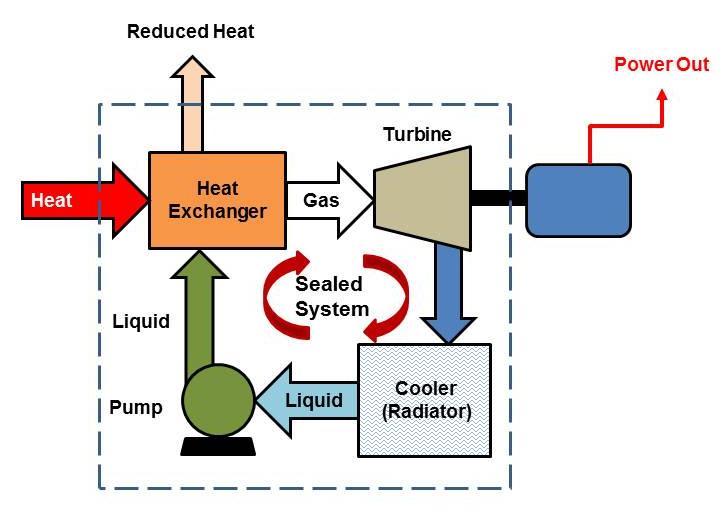
Categories
Uncategorized

Generating Electricity using Heat from Waste-to-Energy Plants

Generating Electricity using Heat from Waste-to-Energy Plants

Generating Electricity using Heat from Waste-to-Energy Plants: Generating electricity from steam involves a process called thermodynamic power generation, often using steam turbines as the primary mechanism. This process converts the energy in steam, usually created by boiling water using heat from burning fuel, nuclear reactions, or geothermal energy, into mechanical energy, which is then transformed into electrical energy.

The basic steps to generate electricity from steam start with the heating of water to produce steam. This can be done in a boiler or a heat exchanger, depending on the system’s design. In a boiler, fuel such as coal, natural gas, oil, or even biomass is burned to generate heat. In a nuclear power plant, heat is produced from nuclear fission reactions. Alternatively, in geothermal power plants, heat from the Earth’s natural reservoirs is used to convert water into steam.

Once steam is produced, it is directed into a steam turbine. The turbine consists of blades mounted on a shaft. As steam flows over the blades, the force of the steam causes the blades to spin. This mechanical energy of the rotating turbine blades is then transferred to a generator connected to the turbine. The generator uses the mechanical energy to rotate a magnetic field within a set of coils, inducing an electrical current through electromagnetic induction.

The steam turbine operates based on the principles of thermodynamics, particularly the Rankine cycle. In the Rankine cycle, steam is generated at high pressure and temperature, expanded in the turbine, and then condensed back into water in a condenser. This process of expansion and condensation allows for a continuous cycle of energy conversion. The condenser cools the steam, usually by passing it through cooling towers or heat exchangers, and converts it back into liquid water, which is then pumped back into the boiler to be reheated and turned back into steam.

In larger power plants, multiple stages of turbines are often used to maximize efficiency. This is known as a multi-stage turbine system, where steam passes through several turbines at different pressure levels. The steam’s pressure is gradually reduced as it moves through each turbine, extracting more energy. In many systems, the steam is also reheated between stages to maintain its energy content and prevent too much pressure drop in the turbines.

The efficiency of a steam power plant is largely determined by how well it can maintain the pressure and temperature of the steam as it moves through the system, as well as the efficiency of the turbine and the generator. Steam turbines are capable of converting a large percentage of the heat energy into mechanical work, but some energy is always lost in the process, primarily due to heat dissipation in the condenser and the inevitable frictional losses in the turbine and other moving parts.

To improve the efficiency of electricity generation, some plants incorporate regenerative systems, where part of the steam or exhaust gases are used to preheat incoming water before it enters the boiler. This reduces the amount of fuel needed to heat the water to the required steam temperature, leading to a more energy-efficient process.

Once the electrical energy is generated, it is transmitted through power lines and distributed to homes and businesses. The voltage of the generated electricity is stepped up by a transformer for long-distance transmission, reducing energy loss during transport. At the point of use, the voltage is stepped down again to a level suitable for household or industrial applications.

In addition to conventional coal, oil, and natural gas power plants, steam turbines are also widely used in renewable energy sources. Geothermal power plants use naturally occurring steam from deep within the Earth to generate electricity, while solar thermal plants use mirrors or lenses to concentrate sunlight and heat a fluid that produces steam. These renewable methods of generating steam offer a more sustainable way to generate electricity without burning fossil fuels.

Overall, generating electricity from steam is a well-established and versatile technology that continues to be used in power plants around the world, with ongoing research focused on improving its efficiency, reducing emissions, and expanding its use in renewable energy systems.

In the process of steam-based electricity generation, one of the key elements that influence performance is the design and operation of the steam turbine itself. The turbine is designed to convert the thermal energy from steam into mechanical energy efficiently. This is achieved by careful engineering of the turbine blades, which are shaped to extract the maximum amount of energy from the steam as it flows over them. The steam enters the turbine under high pressure and high temperature, and as it expands and loses pressure, it passes through different stages of turbines with progressively smaller blades. These stages allow for a more gradual and efficient transfer of energy.

After passing through the turbines, the steam exits at lower pressure and temperature. To complete the cycle, the steam must be condensed back into water in a process that typically occurs in a condenser. The condenser cools the steam, causing it to lose its heat and turn back into liquid form. In most systems, water from nearby rivers, lakes, or cooling towers is used to absorb the excess heat from the steam, often at a temperature below 40°C to 50°C, depending on the local climate and environmental regulations.

The condensed water, now in liquid form, is collected and pumped back into the boiler to be reheated and transformed into steam once again. This closed-loop system helps to conserve water and reduce environmental impacts, though some plants may use once-through cooling systems where water is used only once before being returned to its source.

As part of the overall power plant system, the generator that is coupled to the turbine plays a critical role in converting the mechanical energy into electrical energy. The generator consists of a rotating shaft and a set of stationary coils or magnets. As the turbine shaft rotates, it turns the generator’s rotor, creating a changing magnetic field within the coils, which induces an electrical current through the wires by the principle of electromagnetic induction. This electrical current is then transferred through transformers, where its voltage is adjusted to be suitable for transmission over long distances. Once the electricity reaches its destination, transformers step down the voltage again for distribution to households or businesses.

Generating Electricity using Heat

A significant part of the energy generated by the steam turbine system is often lost as heat due to the second law of thermodynamics, which states that some energy is always lost to the surroundings. Efficiency improvements, such as the integration of combined-cycle power plants, aim to capture and utilize some of this waste heat. In combined-cycle systems, the exhaust gases from the gas turbine are used to heat water, which then produces additional steam to drive a steam turbine. This significantly increases the overall efficiency of the plant, sometimes by as much as 50% or more compared to a simple steam turbine system.

Another emerging trend in steam-based electricity generation is the implementation of supercritical and ultra-supercritical steam cycles. These systems use steam at higher pressures and temperatures than conventional methods, resulting in higher thermodynamic efficiency and lower emissions. By using steam at supercritical pressures (above 22.1 MPa) and ultra-supercritical pressures (above 30 MPa), the thermal efficiency of power plants can be greatly improved, allowing them to generate more electricity from the same amount of fuel. These advanced steam turbines are typically found in modern coal-fired power plants, as well as some nuclear and combined-cycle plants.

Environmental concerns have led to the development of cleaner technologies for generating electricity from steam. The burning of fossil fuels in traditional steam plants releases carbon dioxide (CO₂) and other greenhouse gases into the atmosphere, contributing to climate change. To mitigate these effects, power plants have started implementing carbon capture and storage (CCS) technologies, which capture CO₂ emissions from the exhaust gases and store them underground or use them in industrial processes. Additionally, the growing adoption of renewable energy sources such as geothermal, solar thermal, and biomass for generating steam offers a way to produce electricity with fewer environmental impacts.

While fossil fuels continue to dominate global electricity generation from steam, the trend toward cleaner energy solutions is growing. Geothermal plants, for example, utilize steam sourced from the Earth’s natural heat, which is renewable and produces no direct emissions. Solar thermal power plants use mirrors or lenses to concentrate sunlight, heating a fluid that can generate steam. In some regions, biomass and waste-to-energy plants are being developed to convert organic materials into steam, contributing to reducing waste while generating power.

In summary, the generation of electricity from steam is a well-established and essential method of power generation, with significant advancements in turbine technology, heat recovery systems, and renewable energy integration. The efficiency of the process has been continuously improved over the years, and innovations such as combined-cycle plants and ultra-supercritical steam systems are pushing the boundaries of what is possible. As global energy demands rise and environmental concerns increase, the role of steam-based power generation in providing a reliable and cleaner energy supply will continue to evolve.

As the world moves towards more sustainable energy practices, the role of steam-based electricity generation remains pivotal, albeit with shifts in how it is implemented and integrated with renewable energy sources. Traditional steam-based systems, which rely heavily on burning fossil fuels such as coal, natural gas, or oil, face increasing scrutiny due to their environmental impact, particularly in terms of carbon emissions. As a result, there has been a substantial push to modernize steam power plants, incorporating new technologies and improving the overall energy efficiency of the process.

One of the primary areas of focus in advancing steam-based electricity generation is the development and implementation of carbon capture, utilization, and storage (CCUS) technologies. These systems capture CO₂ emissions produced during the combustion of fossil fuels, preventing them from entering the atmosphere and contributing to climate change. In some systems, the captured CO₂ can be used in industrial processes, such as enhancing oil recovery or producing synthetic fuels, making the technology potentially economically viable in certain contexts. CCUS is seen as a critical part of reducing emissions from traditional fossil-fuel-based power plants, including steam turbines, and is a focal point of research for improving the environmental footprint of steam-based electricity generation.

Moreover, the energy transition is driving a renewed interest in hybrid systems that combine steam-based power generation with renewable energy sources. One notable example is the integration of solar thermal energy into steam power plants. Solar thermal plants use mirrors or lenses to concentrate sunlight and heat a working fluid, often oil or molten salt, which can then be used to produce steam. This process mirrors traditional steam generation, but the heat source is clean and renewable. In some cases, solar thermal plants are combined with conventional steam turbines in hybrid systems, where the steam turbine can operate using both solar heat and the backup from fossil fuels or other energy sources when sunlight is insufficient.

Geothermal energy, another renewable energy source, has long been a significant contributor to steam-based power generation. In geothermal power plants, steam is extracted from the Earth’s natural geothermal reservoirs and used to turn turbines. Geothermal plants operate efficiently in regions with significant geothermal activity, such as Iceland, parts of the United States (e.g., California), and the Philippines. These plants offer the advantage of being able to provide a constant, baseload supply of electricity, since the Earth’s heat is inexhaustible on human timescales. Unlike solar and wind power, which can be intermittent, geothermal energy is available 24/7, making it a reliable renewable energy source.

In addition to integrating renewable sources, there has been a push to utilize advanced materials and design innovations to increase the efficiency of steam turbines and reduce energy losses. High-efficiency materials are being developed to withstand the extreme pressures and temperatures encountered in modern steam turbines, allowing for more efficient power generation. For example, advanced alloys and coatings can improve the turbine’s resistance to corrosion and thermal degradation, extending the lifespan of the turbine and maintaining high levels of efficiency throughout its operation.

The ongoing trend toward supercritical and ultra-supercritical steam cycles is also helping to push the boundaries of steam-based power generation efficiency. By operating at pressures and temperatures beyond the traditional limits of the steam cycle, these advanced turbines extract more energy from the same amount of fuel. Supercritical plants are typically used in newer coal-fired power plants and some nuclear plants, allowing them to operate more efficiently while reducing emissions. However, the high cost of building and maintaining these advanced systems remains a challenge, which is why their adoption has been somewhat limited in many regions.

A promising area of development is the application of advanced digital technologies to monitor and optimize steam turbine performance. Through the use of sensors, data analytics, and artificial intelligence (AI), power plant operators can gain real-time insights into turbine performance, detect inefficiencies or anomalies, and adjust operational parameters to optimize efficiency and reduce downtime. Predictive maintenance tools are also being used to forecast when components of the turbine or other systems might fail, allowing for proactive maintenance to prevent costly failures and extend the operational life of the plant.

Alongside these technological advancements, there is growing interest in decentralized power generation models that use smaller, modular steam systems to provide local or regional electricity. Microgrids, which can be powered by small-scale steam turbines or other distributed energy sources, offer the potential for localized generation with lower transmission losses and enhanced grid resilience. For example, biomass plants, which use organic materials such as wood pellets or agricultural waste to generate steam, can be deployed in rural or remote areas to provide power. These systems are particularly attractive in regions with abundant biomass resources, where the steam can be produced locally and used to provide electricity with a minimal carbon footprint.

The global energy transition is also influencing the development of new energy systems that combine steam turbines with energy storage technologies. For example, some power plants are integrating steam turbines with large-scale battery storage systems or pumped hydro storage, which can store excess energy produced during periods of high demand or when renewable sources like solar and wind are producing more electricity than is needed. This stored energy can then be used to produce steam when demand is high or when renewable energy generation is low, providing grid stability and ensuring a constant supply of power.

In the future, steam turbines may also play a role in the hydrogen economy. Hydrogen, particularly green hydrogen produced through electrolysis powered by renewable electricity, is gaining attention as a potential clean energy source. Steam turbines could be used in combined systems that generate hydrogen through high-temperature electrolysis or other processes, and then use the hydrogen to generate power or heat in various applications. Additionally, steam turbines might be used in plants that convert hydrogen into electricity, acting as an efficient and flexible component in a hydrogen-powered energy system.

As the world continues to seek solutions to the challenges of climate change and energy security, steam-based electricity generation remains a cornerstone of the global energy mix. By evolving alongside advances in technology, renewable energy integration, and emission reduction strategies, the steam turbine continues to serve as a vital tool in the transition to a cleaner, more sustainable energy future.

Solar thermal energy systems harness the heat of the sun to generate electricity through a series of processes that convert solar radiation into thermal energy, which is then used to drive a power generation cycle. Unlike photovoltaic systems, which directly convert sunlight into electricity using semiconductor materials, solar thermal energy systems focus sunlight onto a working fluid, which is then used to produce high-temperature steam or gas to turn a turbine and generate power.

The core principle behind solar thermal energy systems is the concentration of sunlight to achieve the necessary high temperatures for electricity generation. This is typically accomplished through the use of mirrors or lenses that focus sunlight onto a small area. The concentrated solar energy is then transferred to a heat transfer fluid, often a type of molten salt, synthetic oil, or water, which absorbs and retains the thermal energy. The heated fluid is then used to produce steam, which drives a steam turbine connected to an electrical generator, converting the thermal energy into mechanical energy and ultimately into electrical energy.

There are several types of solar thermal power plants, each employing different methods to concentrate and utilize solar heat. One of the most common designs is the parabolic trough system, which consists of long, curved mirrors that focus sunlight onto a receiver pipe running along the focal line of the trough. A heat transfer fluid flows through the receiver pipe, absorbing the concentrated sunlight and reaching high temperatures, often exceeding 300°C. The hot fluid then passes through a heat exchanger, where it generates steam to drive a turbine. Another widely used design is the power tower system, which employs a field of heliostats—large, flat mirrors that track the sun—to reflect and concentrate sunlight onto a central receiver mounted on top of a tower. This receiver collects the solar heat and transfers it to a working fluid, which then generates steam for electricity production. Power tower systems can reach much higher temperatures than parabolic troughs, often exceeding 500°C, increasing their efficiency and allowing for improved energy storage.

Another approach to solar thermal power generation is the use of dish Stirling systems. These systems consist of a parabolic dish that focuses sunlight onto a receiver attached to a Stirling engine. The Stirling engine operates by cyclically expanding and contracting a working gas due to the absorbed heat, which drives a piston and produces mechanical energy that is directly converted into electricity. While dish Stirling systems offer high efficiency and modularity, they are typically used for small-scale applications rather than large power plants.

One of the key advantages of solar thermal energy systems over other renewable energy sources is their ability to store thermal energy for use when the sun is not shining. Thermal energy storage is commonly achieved using molten salt storage tanks, which can retain heat for several hours or even overnight, enabling continuous electricity generation even after sunset. This capability makes solar thermal power plants more reliable compared to photovoltaic systems, which are directly dependent on sunlight and require battery storage for energy continuity.

Despite the benefits, solar thermal energy systems also face several challenges. The initial capital costs for constructing large-scale solar thermal power plants are significant, requiring substantial investment in infrastructure, land, and materials. The efficiency of solar thermal power plants is also affected by atmospheric conditions, such as cloud cover, dust, and humidity, which can reduce the effectiveness of sunlight concentration. Additionally, water consumption in steam-based solar thermal plants can be high, making them less suitable for arid regions where water scarcity is a concern. To address this, some systems employ dry cooling technologies that use air instead of water for condensation, though this may result in lower efficiency.

Recent advancements in solar thermal technology have focused on improving efficiency, reducing costs, and enhancing thermal energy storage capabilities. Innovations such as supercritical carbon dioxide cycles, improved selective coatings for absorbers, and hybridization with other renewable energy sources have contributed to making solar thermal power more viable. In particular, integrating solar thermal plants with fossil fuel or biomass power plants has been explored as a means of increasing overall energy efficiency while reducing carbon emissions.

Solar thermal energy systems represent a promising solution for large-scale renewable energy generation, particularly in regions with high solar insolation, such as deserts and sunny coastal areas. As research and development continue to improve the efficiency and cost-effectiveness of these systems, they are likely to play an increasingly significant role in the transition to sustainable and clean energy sources. The ability to provide dispatchable power through thermal energy storage further strengthens their potential as a reliable alternative to conventional fossil fuel-based power generation.

Further advancements in solar thermal energy systems continue to push the boundaries of efficiency and cost-effectiveness, making them an increasingly attractive option for large-scale electricity generation. One of the key areas of improvement is the development of advanced heat transfer fluids that can operate at higher temperatures while maintaining stability. Traditional fluids such as synthetic oils are limited by thermal degradation at high temperatures, but newer alternatives, such as molten salts and liquid metals, can sustain much higher temperatures, significantly enhancing system efficiency. By operating at temperatures above 600°C, these fluids allow for higher thermal-to-electric conversion efficiencies, reducing energy losses and improving the overall performance of solar thermal plants.

Another promising avenue is the implementation of supercritical carbon dioxide (sCO₂) power cycles in solar thermal plants. Unlike traditional steam-based Rankine cycles, which have limitations in efficiency, sCO₂ cycles operate at much higher pressures and temperatures, allowing for a more compact and efficient power generation process. These systems require smaller turbines and heat exchangers, reducing capital costs while improving energy conversion rates. Research into sCO₂ technology is ongoing, with pilot projects demonstrating its potential to revolutionize solar thermal electricity generation.

Hybridization of solar thermal plants with other energy sources is also gaining traction as a means of improving reliability and dispatchability. By integrating solar thermal systems with biomass, natural gas, or geothermal energy, power plants can maintain stable electricity output even during periods of low solar radiation. Hybrid plants can use solar energy during the day and switch to alternative energy sources when solar input is insufficient, making them more competitive with traditional fossil fuel plants in terms of availability and grid stability.

The geographic placement of solar thermal power plants plays a crucial role in their efficiency and economic viability. Regions with high direct normal irradiance (DNI), such as the southwestern United States, North Africa, the Middle East, and Australia, offer ideal conditions for solar thermal deployment. Large-scale projects, such as the Noor Complex in Morocco and the Ivanpah Solar Power Facility in California, demonstrate the potential of concentrated solar power (CSP) technology to generate significant amounts of electricity with minimal carbon emissions. These plants provide valuable case studies on the feasibility of scaling up solar thermal technology to meet growing energy demands.

Energy storage remains a cornerstone of solar thermal energy’s future viability. While molten salt storage has become the industry standard, ongoing research is exploring alternative materials and phase-change technologies to enhance thermal storage capacity. Innovations such as solid-state heat storage using ceramic or graphite-based materials and thermochemical storage methods that store energy in reversible chemical reactions could further improve the efficiency and cost-effectiveness of solar thermal storage. Enhanced storage solutions enable longer periods of electricity generation without sunlight, reducing the need for backup fossil fuel power and increasing the competitiveness of CSP in global energy markets.

Economic and policy factors also influence the adoption of solar thermal power. While CSP technology has historically been more expensive than photovoltaic solar power, its ability to provide stable, dispatchable electricity gives it a distinct advantage. Government incentives, feed-in tariffs, and renewable energy mandates in various countries have played a crucial role in encouraging investment in solar thermal projects. As production scales up and technological advancements drive down costs, CSP is expected to become increasingly competitive with other forms of renewable energy.

Environmental considerations are another important aspect of solar thermal power development. Unlike photovoltaic systems, which rely on semiconductor materials that can have resource extraction and recycling challenges, solar thermal plants use largely conventional materials such as glass, steel, and concrete. However, land use and water consumption remain key concerns, particularly in desert environments where these plants are often located. Dry cooling systems and improved land-use planning strategies are being developed to mitigate these issues and make solar thermal energy more sustainable.

Looking ahead, the role of artificial intelligence (AI) and automation in solar thermal energy is expected to grow. Advanced control systems that optimize mirror alignment, heat transfer fluid circulation, and turbine operation can enhance efficiency and reduce operational costs. Machine learning algorithms can be used to predict weather patterns and adjust energy storage and dispatch accordingly, further improving the reliability of solar thermal power plants.

As global energy demand continues to rise and the urgency to transition away from fossil fuels intensifies, solar thermal energy stands as a critical component of the renewable energy landscape. With ongoing technological advancements, cost reductions, and policy support, solar thermal power has the potential to become a major contributor to the world’s energy mix. The combination of high-efficiency power generation, effective energy storage, and scalability makes it a strong candidate for meeting future electricity needs in a sustainable and environmentally friendly manner.

The continued evolution of solar thermal energy systems is driven by the need for more efficient, reliable, and cost-effective solutions to meet global energy demands. One of the most significant areas of development is in the enhancement of energy storage technologies. While molten salt storage is currently the most widely used method, research is underway to explore phase-change materials (PCMs) and thermochemical storage systems that can store and release energy more efficiently. PCMs absorb and release large amounts of heat during phase transitions, such as melting and solidifying, making them a promising alternative to molten salts. Thermochemical storage, on the other hand, involves reversible chemical reactions that can store heat for extended periods with minimal loss, potentially revolutionizing how solar thermal plants manage energy dispatch.

Another major focus of research and innovation is improving the efficiency of concentrator designs. Traditional parabolic trough and power tower systems have proven effective, but next-generation designs are aiming for higher solar concentration ratios and reduced optical losses. Multi-faceted heliostats with adaptive control algorithms are being developed to improve sunlight reflection accuracy, while new receiver coatings and materials are enhancing heat absorption and reducing thermal losses. Some researchers are also exploring advanced optics, such as beam-down concentrators, which use secondary mirrors to direct sunlight to ground-based receivers, simplifying maintenance and reducing tower height costs.

The integration of solar thermal energy with industrial processes is another emerging trend that could expand its applications beyond electricity generation. High-temperature solar heat can be used in industries such as metal smelting, cement production, and chemical synthesis, which currently rely heavily on fossil fuels. Solar-driven hydrogen production is particularly promising, as concentrated solar energy can be used to split water molecules into hydrogen and oxygen through thermochemical cycles. This approach could provide a renewable source of hydrogen for fuel cells, transportation, and industrial applications, reducing dependence on fossil fuels and lowering greenhouse gas emissions.

Economic and policy considerations continue to play a crucial role in shaping the future of solar thermal energy. While the cost of photovoltaic (PV) solar has dropped significantly, making it the dominant solar technology in many markets, solar thermal power offers advantages in dispatchability and grid stability. Governments and utilities are recognizing the value of CSP plants with energy storage as a means to provide round-the-clock renewable power, reducing the need for fossil fuel backup. Countries with high solar potential, such as Spain, Chile, and the United Arab Emirates, have implemented policies and incentives to encourage investment in large-scale CSP projects. In some cases, hybrid systems combining PV with CSP are being explored to leverage the benefits of both technologies—PV for daytime electricity generation and CSP for nighttime power supply.

One of the persistent challenges facing solar thermal energy is the need for extensive land and infrastructure. Large solar thermal plants require significant land area for mirror fields, which can create environmental and logistical challenges. Efforts are being made to optimize land use through dual-purpose installations, such as agrivoltaics, where CSP plants are integrated with agricultural activities. Additionally, floating solar thermal systems, similar to floating PV farms, are being investigated as a way to utilize water surfaces for energy generation while reducing evaporation losses in reservoirs.

Advancements in materials science are also contributing to improved performance and longevity of solar thermal components. High-temperature-resistant coatings, corrosion-resistant materials for heat exchangers, and self-cleaning mirror surfaces are all being developed to reduce maintenance costs and extend the lifespan of CSP plants. These innovations help address operational challenges, particularly in harsh desert environments where dust accumulation and extreme temperatures can impact efficiency.

Looking to the future, the role of artificial intelligence and digital twin technology in solar thermal operations is expected to grow. AI-driven monitoring and predictive maintenance systems can optimize plant performance by analyzing real-time data and forecasting potential failures before they occur. Digital twins—virtual replicas of physical CSP plants—allow operators to simulate different scenarios and optimize energy dispatch strategies, improving overall efficiency and profitability.

As the global energy transition accelerates, solar thermal energy is poised to become a key player in the renewable energy landscape. With continued technological advancements, cost reductions, and supportive policies, CSP has the potential to provide a stable and sustainable source of electricity while complementing other renewables such as wind and PV. The integration of CSP with emerging technologies, such as green hydrogen production and industrial heat applications, further expands its potential, making it a valuable asset in the push toward a decarbonized future

The future of solar thermal energy is deeply intertwined with advancements in global energy infrastructure, policy frameworks, and emerging technologies that aim to optimize efficiency, storage, and integration with existing energy systems. One of the most promising directions is the increasing role of hybrid renewable energy systems, where solar thermal power is combined with other energy sources such as photovoltaics, wind, and battery storage. These hybrid configurations help balance energy generation throughout the day and night, improving grid stability and reducing reliance on fossil fuel backup.

One particularly effective hybrid approach is the combination of solar thermal energy with photovoltaic (PV) systems. While PV generates electricity directly from sunlight and is most effective during peak daylight hours, solar thermal systems with energy storage can continue producing power after sunset. By integrating the two, hybrid plants can achieve higher capacity factors, ensuring a steady supply of renewable electricity. Some large-scale projects are already exploring this model, such as the Noor Energy 1 project in the United Arab Emirates, which combines CSP with PV and molten salt storage to provide reliable power day and night.

Beyond electricity generation, solar thermal energy is gaining traction as a solution for industrial heat applications. Many industries, such as steel, cement, and chemical production, require high-temperature heat, which is currently generated primarily by burning fossil fuels. Concentrated solar power (CSP) can replace these traditional methods by providing high-temperature process heat, significantly reducing carbon emissions in these hard-to-decarbonize sectors. For example, solar thermal energy is being explored for use in desalination plants, where concentrated solar heat can drive the evaporation and condensation processes required for freshwater production, offering a sustainable solution for water-scarce regions.

One of the most exciting applications of solar thermal technology is in the production of green hydrogen. Using high-temperature solar heat, thermochemical water-splitting processes can produce hydrogen with minimal environmental impact. This method is more energy-efficient than traditional electrolysis powered by electricity and has the potential to provide a large-scale, renewable source of hydrogen for fuel cells, transportation, and industrial applications. Research in this area is accelerating, with pilot projects demonstrating the feasibility of solar-driven hydrogen production as a future clean fuel alternative.

Advances in energy storage remain a critical factor in the long-term success of solar thermal power. While molten salt storage is the current industry standard, new approaches are being developed to improve efficiency and lower costs. One promising alternative is solid-state thermal storage, which uses materials such as ceramic, graphite, or concrete to store heat for extended periods with minimal losses. Thermochemical energy storage, which involves reversible chemical reactions to store and release heat, is another area of intense research. These innovations could significantly enhance the dispatchability of solar thermal power, making it even more competitive with conventional fossil-fuel-based electricity generation.

The economic viability of solar thermal energy is also improving due to ongoing cost reductions and economies of scale. As manufacturing techniques for mirrors, receivers, and heat transfer fluids advance, the capital costs of CSP plants are gradually decreasing. Additionally, digitalization and automation are streamlining plant operations, reducing maintenance costs, and improving overall efficiency. Artificial intelligence (AI) is being used to optimize mirror alignment, predict maintenance needs, and enhance thermal storage management, further increasing the reliability and cost-effectiveness of solar thermal power.

Policy support and international collaboration play a crucial role in the expansion of solar thermal energy. Governments in sun-rich regions are increasingly recognizing the benefits of CSP as a dispatchable renewable energy source and are implementing incentives, subsidies, and mandates to encourage investment. Countries such as Spain, China, Morocco, and Australia are leading the way with large-scale CSP installations, demonstrating the technology’s potential to contribute significantly to national and regional energy mixes. International organizations and research institutions are also fostering collaboration on CSP advancements, sharing knowledge and best practices to accelerate deployment worldwide.

Looking forward, the role of solar thermal energy in a global clean energy transition is expected to grow. With continued advancements in storage, hybridization, and industrial applications, CSP is poised to become a key player in providing reliable, sustainable, and scalable energy solutions. The integration of CSP with emerging technologies such as green hydrogen, AI-driven plant management, and advanced energy storage will further solidify its place in the future energy landscape. As the world moves toward decarbonization, solar thermal power stands as a vital component of the renewable energy portfolio, offering a sustainable and flexible solution to meet the increasing demand for clean electricity and industrial heat.

Generating Electricity using waste heat from gas turbines in power plants

Generating Electricity using Waste Heat from Chlor-alkali Processes

Generating electricity using waste heat from gas turbines in power plants is an essential strategy for improving overall energy efficiency and reducing fuel consumption. Gas turbines are widely used in power generation due to their high efficiency, reliability, and ability to quickly respond to fluctuations in electricity demand. However, a significant portion of the energy produced by gas turbines is lost as waste heat through the exhaust gases. Capturing and utilizing this waste heat can significantly enhance the overall efficiency of a power plant, reducing fuel consumption and lowering greenhouse gas emissions.

One of the most common methods of utilizing waste heat from gas turbines is through combined cycle power plants (CCPPs). In a combined cycle system, a gas turbine generates electricity by burning natural gas or another fuel, and the hot exhaust gases, which would otherwise be wasted, are directed to a heat recovery steam generator (HRSG). The HRSG extracts thermal energy from the exhaust gases to produce steam, which then drives a steam turbine to generate additional electricity. This process effectively increases the total power output without requiring additional fuel, improving the overall efficiency of the plant from around 35–40% in a simple gas turbine system to 55–60% or more in a combined cycle configuration.

Another approach to utilizing waste heat from gas turbines is through cogeneration, or combined heat and power (CHP) systems. In a CHP system, the waste heat is used not only for additional electricity generation but also for industrial processes, district heating, or other thermal applications. Cogeneration systems can achieve overall efficiencies of 70–90% by making use of both the electrical and thermal energy produced. This makes them particularly useful in industrial facilities, refineries, and commercial buildings where both power and heat are needed.

Organic Rankine Cycle (ORC) technology is another promising method for utilizing waste heat from gas turbines. In an ORC system, the waste heat is used to vaporize an organic working fluid with a lower boiling point than water, allowing power generation at lower temperatures. The vaporized fluid expands through a turbine, generating electricity before being condensed back into a liquid and recirculated. ORC systems are particularly useful in situations where the exhaust temperature of the gas turbine is not high enough for conventional steam-based power generation.

Advancements in waste heat recovery technologies continue to improve the efficiency and viability of these systems. High-efficiency heat exchangers, advanced materials for heat recovery steam generators, and improved thermodynamic cycle designs are all contributing to better performance. Some modern power plants are exploring supercritical and ultra-supercritical steam cycles, which operate at higher pressures and temperatures to further increase efficiency. Additionally, closed-loop carbon dioxide (CO₂) power cycles, such as the supercritical CO₂ Brayton cycle, are being investigated as potential alternatives to conventional steam cycles due to their higher efficiency and compact design.

Economic and environmental benefits are key drivers behind the adoption of waste heat recovery systems in gas turbine power plants. By capturing and utilizing waste heat, power plants can reduce their fuel consumption, leading to lower operating costs and reduced dependency on fossil fuels. This also translates to lower greenhouse gas emissions and improved sustainability. Many countries and regulatory bodies are encouraging or mandating the use of waste heat recovery through incentives, subsidies, and efficiency standards, making it an attractive option for power plant operators.

Despite its advantages, waste heat recovery in gas turbine power plants does present some challenges. The initial capital investment for heat recovery equipment, such as HRSGs and steam turbines, can be substantial, requiring careful financial planning and long-term commitment. The design and implementation of waste heat recovery systems must also consider factors such as space constraints, integration with existing infrastructure, and operational flexibility. Additionally, in smaller-scale gas turbine installations, the amount of waste heat available may not justify the cost of recovery systems, making it more suitable for larger power plants or industrial applications with high heat demand.

Looking ahead, continued advancements in waste heat recovery technologies, integration with renewable energy sources, and innovative cycle designs will further improve the feasibility and efficiency of generating electricity from waste heat in gas turbine power plants. The use of artificial intelligence and data analytics for optimizing waste heat recovery operations is also expected to enhance performance and reduce maintenance costs. As the global energy sector moves toward greater sustainability and efficiency, waste heat recovery from gas turbines will remain a crucial strategy for maximizing energy utilization, reducing emissions, and improving the overall economics of power generation.

The continuous advancement of waste heat recovery technologies in gas turbine power plants is playing a critical role in improving energy efficiency and reducing emissions. One of the most significant areas of development is the optimization of heat recovery steam generators (HRSGs), which are essential for capturing and utilizing the waste heat from gas turbine exhaust gases. Modern HRSG designs incorporate advanced materials and improved heat exchanger configurations to maximize heat transfer efficiency and minimize energy losses. Multi-pressure HRSGs, which operate at different steam pressure levels, are increasingly being used in combined cycle power plants to extract as much energy as possible from the exhaust gases before they are released into the atmosphere.

Another promising area of innovation is the use of advanced thermodynamic cycles beyond the traditional Rankine cycle. The supercritical carbon dioxide (sCO₂) Brayton cycle, for example, has been gaining attention for its potential to significantly enhance efficiency in waste heat recovery applications. Unlike conventional steam-based systems, sCO₂ cycles operate at high pressures and densities, enabling more compact and efficient power generation. The closed-loop nature of these systems allows for better heat utilization and reduces energy losses, making them particularly attractive for integration with gas turbines.

Hybrid power generation is also emerging as a key strategy for improving the effectiveness of waste heat recovery in gas turbine power plants. By integrating renewable energy sources, such as solar thermal or biomass, with waste heat recovery systems, power plants can achieve higher overall efficiency and reduce their reliance on fossil fuels. For instance, a hybrid system combining concentrated solar power (CSP) with a gas turbine and waste heat recovery can provide additional thermal energy to enhance steam production in the HRSG, increasing the total power output while maintaining low emissions. Similarly, biomass can be used as an auxiliary heat source to improve waste heat utilization in combined cycle plants, further diversifying the energy mix and enhancing sustainability.

Energy storage technologies are also being explored to enhance the flexibility and reliability of waste heat recovery systems. Thermal energy storage (TES) solutions, such as molten salts or phase-change materials, can store excess heat generated by waste heat recovery systems for later use, enabling power generation even when the gas turbine is not running at full capacity. This approach helps improve grid stability and allows operators to optimize electricity production based on demand fluctuations.

The use of organic Rankine cycle (ORC) technology continues to expand, particularly in applications where gas turbine exhaust temperatures are relatively low. ORC systems use organic working fluids with lower boiling points than water, allowing them to effectively convert lower-grade waste heat into electricity. This technology is particularly well-suited for small- and medium-scale gas turbine installations, where conventional steam cycles may not be economically viable due to their higher complexity and cost.

Economic and policy considerations are driving the wider adoption of waste heat recovery systems in gas turbine power plants. Governments and regulatory agencies are implementing energy efficiency standards and carbon reduction targets, incentivizing power plant operators to invest in waste heat recovery technologies. Carbon pricing mechanisms, tax credits, and government grants for energy efficiency improvements further encourage the deployment of these systems. Additionally, corporate sustainability goals and environmental regulations are pushing industries to adopt cleaner and more efficient energy practices, making waste heat recovery a crucial strategy for reducing emissions and improving overall sustainability.

One of the key challenges associated with waste heat recovery in gas turbine power plants is the variability of waste heat availability. The efficiency of heat recovery systems depends on factors such as turbine load fluctuations, ambient temperature conditions, and operational constraints. To address this challenge, intelligent control systems and artificial intelligence (AI)-driven optimization techniques are being developed to dynamically adjust heat recovery operations in real-time. These systems use predictive analytics and machine learning algorithms to optimize heat exchanger performance, steam production, and energy dispatch, ensuring that the maximum amount of waste heat is utilized effectively.

Looking to the future, the integration of digital twin technology in waste heat recovery systems is expected to further enhance efficiency and reliability. Digital twins—virtual replicas of physical power plant systems—allow operators to simulate different operating scenarios, optimize system configurations, and predict maintenance needs before issues arise. By leveraging real-time data and advanced simulations, digital twins can help improve decision-making and maximize the economic and environmental benefits of waste heat recovery.

As the global energy sector continues its transition toward cleaner and more efficient power generation, waste heat recovery from gas turbines will remain a key strategy for improving sustainability and reducing emissions. The combination of advanced HRSG designs, innovative thermodynamic cycles, hybrid energy systems, and AI-driven optimization will further enhance the viability of waste heat recovery technologies, making them an integral part of the future energy landscape.

The role of waste heat recovery in gas turbine power plants is expected to grow as technological advancements continue to drive improvements in efficiency, cost-effectiveness, and environmental benefits. One of the most promising developments in this field is the enhancement of materials used in heat exchangers and other critical components of waste heat recovery systems. High-temperature alloys, advanced ceramics, and coatings designed to withstand extreme heat and corrosive environments are being developed to increase the longevity and performance of heat recovery steam generators (HRSGs) and other heat recovery equipment. These advancements reduce maintenance costs and downtime while improving the overall efficiency of energy conversion.

Another key innovation is the ongoing refinement of advanced combined cycle configurations. Traditionally, combined cycle power plants rely on a single HRSG and steam turbine, but newer designs are exploring the use of multiple pressure levels, reheating cycles, and even alternative working fluids to maximize energy extraction. Some next-generation combined cycle systems integrate reheating stages, where partially expanded steam is reheated using additional waste heat before entering the next stage of expansion in the steam turbine. This approach improves thermal efficiency and increases power output while maintaining low emissions.

The integration of artificial intelligence (AI) and machine learning in waste heat recovery systems is also playing a significant role in improving performance. AI-driven analytics platforms can continuously monitor and optimize the operation of HRSGs, steam turbines, and heat exchangers, ensuring that the system operates at peak efficiency under varying load conditions. Predictive maintenance algorithms can also identify potential issues before they lead to equipment failures, reducing downtime and maintenance costs. These smart automation solutions enhance the reliability of waste heat recovery systems and contribute to more stable and efficient power plant operations.

Waste heat utilization beyond electricity generation is becoming an important focus for industries seeking to maximize energy efficiency. In addition to power generation, recovered waste heat from gas turbines can be used for district heating, desalination, and industrial process heating. In colder regions, combined heat and power (CHP) systems can supply waste heat to district heating networks, providing a sustainable source of thermal energy for residential and commercial buildings. In coastal areas and arid regions, waste heat can be used to power desalination plants, improving access to freshwater while reducing the energy demand of traditional desalination methods.

Another innovative application of waste heat recovery is in carbon capture and utilization (CCU) technologies. Gas turbine power plants equipped with carbon capture systems require significant amounts of thermal energy to separate and process CO₂ from flue gases. Instead of using additional fuel to generate this energy, waste heat from the gas turbine exhaust can be repurposed to drive carbon capture processes, reducing the overall energy penalty associated with CO₂ removal. This integration helps make carbon capture more economically viable and environmentally sustainable, aligning with global decarbonization goals.

Hybrid power plants that combine waste heat recovery with renewable energy sources are also gaining traction. For instance, solar thermal energy can be used to supplement steam production in HRSGs, allowing for greater flexibility and improved efficiency. Similarly, biomass-fired boilers can work alongside waste heat recovery systems to provide additional thermal energy, reducing reliance on fossil fuels. These hybrid configurations enhance the resilience of power plants while lowering their carbon footprint.

As global energy policies continue to emphasize sustainability and energy efficiency, financial incentives and regulatory frameworks are evolving to support the adoption of waste heat recovery technologies. Many governments are implementing tax credits, grants, and emissions reduction targets that encourage industries to invest in energy efficiency improvements. Carbon pricing mechanisms, which place a financial value on greenhouse gas emissions, further incentivize the implementation of waste heat recovery solutions as a cost-effective way to reduce overall carbon output.

One of the remaining challenges in widespread waste heat recovery adoption is the variability of waste heat availability due to fluctuating turbine loads and operational constraints. Advanced thermal energy storage (TES) solutions are being developed to address this issue, allowing excess waste heat to be stored and used when needed. Technologies such as molten salt storage, phase-change materials, and high-efficiency thermal batteries are being explored as ways to smooth out energy supply and demand mismatches, making waste heat recovery systems more adaptable to changing power plant conditions.

Looking ahead, the continued evolution of waste heat recovery systems in gas turbine power plants will be driven by innovations in materials science, thermodynamic cycle optimization, AI-driven control systems, and hybrid renewable energy integration. The ability to efficiently harness and utilize waste heat will play a crucial role in improving overall power plant efficiency, reducing fuel consumption, and lowering greenhouse gas emissions. As energy demands increase and environmental regulations become more stringent, waste heat recovery will remain a fundamental strategy for enhancing the sustainability and economic viability of power generation.

The future of waste heat recovery in gas turbine power plants is closely tied to global energy trends, technological advancements, and the increasing focus on sustainability. As the world transitions toward more efficient and lower-emission energy systems, waste heat recovery will play a crucial role in optimizing power generation and reducing fuel consumption. Emerging innovations in heat recovery technology, energy storage, and digitalization are set to further enhance the efficiency, reliability, and economic viability of these systems.

One of the most significant developments in waste heat recovery is the advancement of supercritical carbon dioxide (sCO₂) power cycles. Unlike traditional steam-based Rankine cycles, sCO₂ cycles operate at higher pressures and efficiencies, allowing for more compact and cost-effective waste heat recovery systems. These cycles utilize CO₂ in a closed-loop system as the working fluid, which requires less energy to compress than steam, resulting in improved thermodynamic performance. Research and pilot projects in sCO₂ technology are paving the way for its integration into gas turbine power plants, potentially increasing overall plant efficiency beyond current combined cycle capabilities.

Another emerging innovation is the development of high-performance thermal energy storage (TES) systems. Traditional waste heat recovery relies on immediate use of the captured thermal energy, but TES allows for heat to be stored and dispatched when needed, enhancing flexibility and reliability. Molten salts, phase-change materials, and ceramic-based storage systems are being explored as viable solutions for integrating TES with gas turbine waste heat recovery. These storage systems can be particularly useful in hybrid power plants that combine waste heat utilization with renewable energy sources, enabling a more stable and dispatchable power supply.

The integration of artificial intelligence (AI) and machine learning in waste heat recovery is also revolutionizing the way power plants operate. AI-driven control systems can continuously optimize heat exchanger performance, adjust operating conditions in real-time, and predict maintenance needs before failures occur. Predictive analytics allow for better decision-making in plant operations, reducing downtime and improving overall efficiency. Additionally, digital twin technology is being increasingly used to create real-time virtual models of waste heat recovery systems, enabling operators to simulate different operating conditions, optimize configurations, and plan maintenance schedules more effectively.

Hybrid energy systems that combine waste heat recovery with renewable sources such as solar, wind, or biomass are gaining attention as a way to enhance power plant sustainability. In particular, concentrated solar power (CSP) can be used in conjunction with waste heat recovery systems to provide additional thermal energy for steam production, further improving plant efficiency. Biomass can also be co-fired with gas turbines in a combined cycle plant, using waste heat recovery to maximize energy extraction from the fuel source while reducing overall carbon emissions. These hybrid configurations offer a pathway to cleaner and more resilient power generation.

Another promising application of waste heat recovery is in hydrogen production. As the global push for green hydrogen accelerates, utilizing waste heat to improve the efficiency of hydrogen production processes can make a significant impact. High-temperature electrolysis and thermochemical water-splitting processes require substantial amounts of heat, which can be supplied by waste heat recovery systems in gas turbine power plants. By repurposing waste heat for hydrogen production, power plants can contribute to the growing hydrogen economy while improving their overall energy efficiency.

Regulatory policies and economic incentives continue to drive the adoption of waste heat recovery technologies. Many governments and energy agencies have introduced policies that promote energy efficiency, carbon reduction, and waste heat utilization. Incentives such as tax credits, low-interest financing, and mandatory efficiency standards encourage power plant operators to invest in waste heat recovery systems. Carbon pricing mechanisms, which place a financial value on CO₂ emissions, further increase the economic attractiveness of these technologies by making energy-efficient power generation more cost-competitive.

Despite these advancements, challenges remain in scaling up waste heat recovery solutions. The upfront capital costs of installing heat recovery equipment, integrating storage systems, and upgrading plant infrastructure can be significant. Additionally, technical complexities such as optimizing heat exchanger designs, managing fluctuating turbine loads, and ensuring seamless integration with existing plant operations require careful planning and engineering expertise. However, as technology continues to improve and costs decline, waste heat recovery is becoming an increasingly viable and attractive option for power generation.

Looking to the future, waste heat recovery in gas turbine power plants will continue to evolve as part of a broader effort to create more sustainable and efficient energy systems. Advances in thermodynamic cycle design, energy storage, digitalization, and hybrid energy integration will further enhance the role of waste heat recovery in reducing emissions and improving power plant performance. As the energy sector moves toward greater sustainability, waste heat recovery will remain a fundamental strategy for maximizing energy utilization and minimizing environmental impact, making it a key component of the global clean energy transition.

Generating Electricity using Heat from Distillery Operations

Generating Electricity using Waste Heat from Distillation Columns

Generating electricity using heat from distillery operations is an effective way to improve energy efficiency, reduce operational costs, and lower environmental impact. Distilleries generate significant amounts of waste heat through processes such as fermentation, distillation, and evaporation. Traditionally, much of this heat is lost to the atmosphere, but with the implementation of waste heat recovery systems, this energy can be captured and converted into electricity, providing a more sustainable and cost-effective energy solution for the industry.

One of the most common methods of generating electricity from distillery waste heat is through cogeneration, also known as combined heat and power (CHP). In a cogeneration system, waste heat from distillation and boiler operations is recovered and used to produce steam, which drives a steam turbine to generate electricity. The same steam can also be used for heating purposes within the distillery, maximizing energy efficiency. By using CHP, distilleries can achieve overall efficiencies of 70–90%, significantly reducing their reliance on external electricity sources and lowering greenhouse gas emissions.

Another efficient technology for converting waste heat into electricity in distilleries is the Organic Rankine Cycle (ORC). ORC systems operate similarly to traditional steam-based power generation but use an organic working fluid with a lower boiling point than water. This allows ORC systems to effectively generate electricity from lower-temperature waste heat, such as that produced by distillation and fermentation processes. ORC technology is particularly useful in distilleries where waste heat temperatures are insufficient for conventional steam turbines but still contain enough thermal energy to be converted into electricity.

Biogas production from distillery waste can also play a crucial role in energy generation. Many distilleries produce significant quantities of organic waste, such as spent wash and stillage, which can be processed in anaerobic digesters to produce biogas. This biogas can then be used as a fuel source for gas engines or microturbines, which generate electricity while producing additional waste heat. The heat from these engines can be recovered and used in the distillation process or further converted into electricity, creating a highly efficient closed-loop energy system.

The integration of waste heat recovery systems in distilleries not only improves energy efficiency but also contributes to sustainability goals. By utilizing waste heat to generate electricity, distilleries can reduce their carbon footprint, lower fuel consumption, and minimize the environmental impact of their operations. Many governments and regulatory bodies are promoting energy efficiency initiatives through incentives, tax benefits, and carbon credit programs, encouraging distilleries to adopt waste heat recovery technologies.

Despite its benefits, waste heat recovery in distillery operations does present some challenges. The initial capital investment for heat recovery equipment, such as ORC units, steam turbines, and heat exchangers, can be substantial. Additionally, the design and implementation of these systems require careful consideration of factors such as waste heat availability, temperature levels, and plant layout. However, advancements in waste heat recovery technology, along with increasing regulatory pressure to improve energy efficiency and reduce emissions, are making these solutions more accessible and economically viable.

As the global focus on sustainable energy grows, distilleries will continue to explore innovative ways to optimize energy use and reduce environmental impact. Future advancements in thermodynamic cycles, heat exchanger technology, and energy storage will further enhance the feasibility of waste heat recovery in distillery operations. The adoption of digital monitoring and AI-driven optimization can also improve system performance by ensuring that waste heat is utilized effectively. By integrating these technologies, distilleries can significantly reduce energy costs, improve operational efficiency, and contribute to a cleaner, more sustainable energy future.

The growing emphasis on sustainability and energy efficiency in the distillery industry is driving the adoption of advanced waste heat recovery technologies. Distilleries, particularly those involved in large-scale alcohol production, consume substantial amounts of thermal energy for processes such as distillation, evaporation, and drying. Without proper recovery systems, a significant portion of this energy is lost as waste heat. However, with the implementation of innovative energy recovery solutions, distilleries can harness this excess thermal energy to generate electricity and improve overall operational efficiency.

One of the most effective ways to convert waste heat from distillery operations into electricity is by optimizing cogeneration (combined heat and power, or CHP) systems. CHP units capture heat from boilers, fermenters, and stills and use it to produce steam, which drives a steam turbine to generate electricity. This approach significantly reduces the amount of external energy required, making the distillery more self-sufficient and reducing dependency on fossil fuel-based power. Additionally, the steam generated in this process can be reused for heating applications, enhancing the overall energy efficiency of the plant.

In distilleries where waste heat is available at lower temperatures, the Organic Rankine Cycle (ORC) is increasingly being employed as a viable solution for power generation. Unlike traditional steam turbines, which require high-temperature steam, ORC systems use organic working fluids that can evaporate at lower temperatures. This makes ORC an ideal choice for capturing and converting waste heat from distillation columns, condensers, and other thermal processes. ORC-based power generation enables distilleries to extract useful energy from heat sources that would otherwise be too low-grade for conventional steam turbines.

Beyond ORC and CHP, another method for utilizing waste heat in distillery operations is through thermoelectric generators (TEGs). These devices use the Seebeck effect to directly convert temperature gradients into electricity. While still in the early stages of commercial application, TEG technology has the potential to provide supplementary power by harnessing small amounts of residual heat from various equipment surfaces, such as boiler flues, exhaust stacks, and heat exchangers.

The integration of biogas generation with waste heat recovery is also gaining popularity in distillery energy systems. Distillery spent wash and organic byproducts can be processed in anaerobic digesters to produce biogas, which can be burned in a gas engine or microturbine to generate electricity. The waste heat from the engine’s exhaust gases and cooling systems can then be captured using heat exchangers and fed into either an ORC system or directly used in the distillery’s thermal processes. This approach not only provides an additional renewable energy source but also contributes to waste management and emissions reduction efforts.

Energy storage solutions are being increasingly explored to enhance the efficiency of waste heat recovery in distilleries. Thermal energy storage (TES) systems, such as molten salts or phase-change materials, can store excess heat during peak production hours and release it when needed, ensuring a more stable and continuous supply of electricity. This is particularly useful in distilleries with variable production schedules or fluctuating energy demands.

Digitalization and automation are playing a crucial role in optimizing waste heat recovery systems in distilleries. The use of artificial intelligence (AI) and machine learning algorithms allows real-time monitoring and predictive control of energy flows within the plant. Smart sensors and IoT-enabled devices can continuously track temperature variations, heat exchanger performance, and steam flow rates, ensuring that waste heat is utilized in the most efficient manner possible. Additionally, digital twin technology, which creates a virtual model of the distillery’s energy system, can help operators simulate different heat recovery configurations and identify the most effective strategies for power generation.

As distilleries strive to become more sustainable, regulatory frameworks and government incentives are encouraging the adoption of waste heat recovery technologies. Carbon credits, tax breaks, and subsidies for energy efficiency projects are making it more financially viable for distilleries to invest in heat-to-power conversion systems. In some regions, distilleries that generate surplus electricity from waste heat can even sell excess power back to the grid, creating an additional revenue stream.

Looking ahead, the continued advancement of waste heat recovery technologies will further transform the energy landscape of distillery operations. Emerging developments in high-efficiency heat exchangers, improved working fluids for ORC systems, and next-generation energy storage solutions will enhance the feasibility and economic benefits of on-site power generation. As distilleries increasingly integrate these solutions into their operations, they will not only reduce energy costs but also contribute to the global transition toward cleaner and more sustainable industrial practices.

As the distillery industry continues to evolve toward more sustainable practices, the adoption of waste heat recovery technologies is becoming increasingly sophisticated. The integration of energy-efficient solutions and renewable energy sources is driving both environmental benefits and cost savings for distilleries worldwide. Looking forward, several key trends and innovations will shape the future of electricity generation from distillery waste heat.

One of the most promising developments is the use of hybrid systems that combine multiple energy sources. In particular, combining waste heat recovery with renewable energy technologies such as solar thermal, biomass, and wind power can greatly enhance the efficiency and sustainability of distillery operations. For instance, solar thermal collectors can be used to pre-heat water or air, reducing the energy required for distillation. This pre-heating process not only lowers the operating costs of distilleries but also reduces the load on the waste heat recovery systems, allowing them to focus on generating electricity or providing heating for other processes.

Biomass energy also offers a complementary solution to waste heat recovery. Distilleries can use agricultural waste products, wood chips, or other biomass fuels to generate additional heat, which can be integrated into the waste heat recovery system. Biomass-based combined heat and power (CHP) units, when paired with waste heat recovery technologies, can help distilleries become energy self-sufficient, reducing their reliance on external grid power and fossil fuels. Furthermore, the utilization of biomass in this context can further reduce the carbon footprint of distillery operations, contributing to the achievement of climate goals.

Microgrids and decentralized energy systems are another area of innovation in distillery power generation. By creating microgrids that incorporate waste heat recovery, renewable energy, and energy storage systems, distilleries can become more resilient to power outages and price fluctuations from the main grid. Microgrids can also enable distilleries to optimize energy distribution based on real-time demand, allowing them to balance the energy produced from waste heat, renewable sources, and stored energy to maximize efficiency and reduce costs. This approach enhances energy security, promotes sustainability, and gives distilleries more control over their energy consumption and production.

As digital technologies continue to advance, the role of artificial intelligence (AI) and data analytics in optimizing waste heat recovery systems will become even more significant. AI can help distilleries analyze vast amounts of operational data in real-time, making it easier to identify inefficiencies, predict maintenance needs, and adjust system operations dynamically. Machine learning algorithms can optimize energy use by learning from historical performance data and predicting energy demand patterns, allowing for more efficient allocation of recovered heat and generated electricity. Moreover, predictive maintenance systems powered by AI can detect issues before they lead to equipment failure, improving system reliability and reducing downtime.

The role of thermal energy storage (TES) systems will continue to expand as distilleries look to optimize waste heat recovery and power generation. These systems store excess thermal energy generated during periods of high activity and release it when needed, smoothing out fluctuations in energy demand. High-temperature TES technologies, such as molten salts or ceramics, are becoming more efficient and cost-effective, making them an attractive option for distilleries looking to store heat generated from both waste heat recovery and renewable sources. In addition, coupling TES with battery storage systems allows distilleries to store electricity generated from both waste heat and renewable sources, providing an additional layer of flexibility and stability to the energy supply.

Government policies and incentives will continue to drive the adoption of waste heat recovery technologies in distilleries. As countries strengthen their commitment to reducing carbon emissions and improving energy efficiency, distilleries will benefit from a wide range of financial incentives, such as tax credits, rebates, and grants. For example, policies that encourage the use of renewable energy and waste-to-energy technologies will make it easier for distilleries to adopt these systems and improve their profitability. Additionally, carbon pricing schemes and emissions reduction targets will provide further economic motivation to implement waste heat recovery solutions as a way to lower carbon footprints and offset operational costs.

The market for waste heat recovery technologies in distilleries is also being shaped by increasing consumer demand for sustainable products. Distilleries that incorporate energy-efficient technologies and reduce their environmental impact are likely to see greater consumer interest and loyalty, particularly as sustainability becomes a key differentiator in the marketplace. As more consumers prioritize environmentally responsible brands, distilleries that invest in waste heat recovery and other sustainable practices will be able to appeal to this growing demographic while meeting regulatory and environmental standards.

Looking to the future, the distillery industry will continue to benefit from breakthroughs in materials science, energy storage, and thermodynamic cycles. New, high-efficiency heat exchangers and advanced working fluids for Organic Rankine Cycle (ORC) systems will make it easier for distilleries to generate electricity from lower-temperature waste heat, further expanding the range of waste heat recovery applications. As research in thermoelectrics and advanced heat-to-power conversion technologies progresses, distilleries may also have access to new tools for generating electricity from residual heat that was previously difficult to utilize.

In conclusion, the generation of electricity using heat from distillery operations represents an exciting opportunity to improve energy efficiency, reduce costs, and contribute to a cleaner, more sustainable future. With ongoing advancements in waste heat recovery systems, renewable energy integration, and digital optimization, distilleries can continue to harness their waste heat to generate electricity while reducing their environmental impact. As the industry continues to innovate and adopt new technologies, it will become increasingly possible for distilleries to operate more sustainably, reduce operational expenses, and meet the growing demand for green and energy-efficient products.

As distilleries increasingly integrate waste heat recovery systems to generate electricity, the future of energy efficiency within the industry will be shaped by several emerging trends and technological breakthroughs. Distilleries have significant potential to reduce energy consumption, lower emissions, and improve the overall sustainability of their operations by further developing and optimizing heat-to-power systems.

One key area of development is the expansion of waste heat recovery systems that operate at a wider range of temperatures. Distillery operations, such as distillation, fermentation, and drying, produce waste heat across a spectrum of temperatures, often varying significantly depending on production levels and equipment design. To maximize the potential for electricity generation, distilleries are increasingly adopting systems capable of capturing heat from low, medium, and high-temperature sources. This may include advanced Organic Rankine Cycle (ORC) systems that can operate efficiently across varying temperatures or thermoelectric generators (TEGs) that directly convert waste heat into electricity even from low-grade sources. These systems will enhance the flexibility of waste heat recovery, enabling distilleries to capture and convert as much of their available waste heat as possible.

The continued evolution of materials science is also playing a pivotal role in improving the efficiency of heat recovery systems. New heat exchanger materials, capable of handling higher temperatures and aggressive environments, are being developed to improve heat transfer rates, reduce corrosion, and extend the lifespan of heat recovery systems. Advanced coatings and ceramics are being employed to protect heat recovery components from wear and tear, particularly in systems exposed to high-pressure and high-temperature conditions. These innovations will reduce the need for frequent maintenance and ensure that distillery operations benefit from more reliable and long-lasting heat recovery technologies.

Integration with energy management systems is becoming another vital aspect of optimizing electricity generation from waste heat in distilleries. With the rise of smart grids and decentralized energy systems, distilleries are leveraging advanced energy management platforms to monitor, control, and optimize energy usage and recovery in real-time. By integrating sensors, automation, and artificial intelligence (AI), distilleries can monitor fluctuations in energy demand, predict optimal operating conditions, and adjust the operation of heat recovery systems accordingly. AI algorithms can identify patterns in energy usage, ensuring that the waste heat is harnessed most effectively, while also minimizing energy waste and reducing overall operational costs. This data-driven approach can significantly increase the overall efficiency of the energy recovery process and optimize electricity generation.

Energy storage systems will continue to play a critical role in the future of electricity generation from waste heat. Thermal energy storage (TES) systems, such as molten salt or phase change materials, will be integrated into distillery energy systems to store excess heat generated during periods of high production. This stored thermal energy can then be released when demand for electricity is high, or during off-peak hours, enabling distilleries to operate more efficiently and reduce reliance on external grid power. Combining TES with battery storage systems will further enhance this capability, allowing distilleries to store not only thermal energy but also electricity generated from both waste heat recovery and renewable energy sources. This integration will provide a more reliable and stable energy supply while reducing the need for fossil fuel-powered backup generation.

As regulatory pressures to reduce carbon emissions increase, distilleries will be further incentivized to adopt energy-efficient technologies. Many regions are implementing stricter emissions standards and promoting energy efficiency initiatives, which will lead to higher adoption rates of waste heat recovery systems. Furthermore, policies and tax incentives that promote the use of renewable energy, energy efficiency, and carbon footprint reduction will continue to make the investment in these systems more financially attractive. These incentives may include carbon credits, grants, or preferential financing for distilleries that adopt waste-to-energy solutions. As the industry faces increasing pressure to meet sustainability targets, integrating waste heat recovery with renewable energy technologies will become a vital strategy for achieving net-zero emissions goals.

Moreover, as public awareness of environmental sustainability grows, consumers are placing greater importance on the eco-friendly practices of the companies they support. Distilleries that embrace waste heat recovery, renewable energy integration, and sustainable manufacturing practices can differentiate themselves in an increasingly competitive market. By showcasing their commitment to energy efficiency and sustainability, distilleries can build brand loyalty and appeal to the growing demographic of environmentally-conscious consumers. This consumer-driven demand for sustainable practices will continue to encourage distilleries to invest in more energy-efficient technologies and adopt waste heat recovery solutions.

The global push for clean energy and the decarbonization of industrial processes is further accelerating the adoption of waste heat recovery in distilleries. Innovations in carbon capture and storage (CCS) technologies are also becoming relevant for distilleries with high emissions, particularly those that produce ethanol or other high-carbon-content spirits. Some distilleries are integrating waste heat recovery with carbon capture systems to reduce the carbon footprint of their operations. For instance, the waste heat recovered from distillation processes can be used to power carbon capture equipment, helping distilleries reduce their CO₂ emissions while simultaneously generating electricity from recovered heat.

In addition to improving the sustainability of energy generation within distilleries, waste heat recovery can also provide additional benefits for other industries. For example, recovered waste heat from distilleries can be used for district heating, providing a reliable source of thermal energy to nearby residential or commercial buildings. This integration of waste heat into community heating systems helps reduce overall energy consumption and lowers heating costs for local residents. Additionally, waste heat can be used in agricultural applications, such as greenhouses, where it can provide a consistent source of warmth for plant cultivation, further diversifying the uses of recovered energy.

Looking to the future, the adoption of waste heat recovery technologies in distilleries will continue to be driven by a combination of technological innovation, regulatory pressures, and market demand for sustainable practices. As the industry moves toward a greener and more efficient future, distilleries will increasingly view waste heat recovery not only as a means of improving operational efficiency but also as a key strategy for enhancing their overall sustainability profile. The development of more efficient, cost-effective, and versatile waste heat recovery solutions will ensure that distilleries can continue to meet both their energy needs and their environmental obligations, paving the way for a cleaner and more sustainable future for the industry.

Generating Electricity using heat from oil refining processes

Generating Electricity using Heat from Oil Refining Processes

Generating electricity from heat produced in oil refining processes is an innovative and efficient way to harness energy that would otherwise be wasted. Oil refineries are complex facilities that process crude oil into various products such as gasoline, diesel, jet fuel, and other petrochemicals. The refining process generates substantial amounts of heat, particularly from distillation, cracking, and combustion operations. Typically, much of this heat is released into the environment, contributing to inefficiency and environmental impact. However, by capturing and converting waste heat into electricity, oil refineries can significantly improve their energy efficiency, reduce operational costs, and contribute to sustainability goals.

The most common method of generating electricity from waste heat in oil refineries is through the use of cogeneration (combined heat and power, or CHP) systems. In a CHP system, waste heat from the refining process—such as exhaust gases from furnaces, flue gas from boilers, and thermal energy from distillation towers—is captured and used to generate steam. This steam is then used to drive a steam turbine, which generates electricity. Simultaneously, the steam can also be used to provide heating for the refinery’s operations, such as pre-heating process fluids, supporting distillation columns, or maintaining temperature control within reactors. By utilizing both the electricity and heat generated from the same energy source, CHP systems can achieve efficiencies of up to 80% or more, reducing the need for external power and increasing the overall energy efficiency of the refinery.

Another method of generating electricity from waste heat is through the Organic Rankine Cycle (ORC), which is increasingly being adopted in industrial applications where waste heat is available at lower temperatures. Unlike traditional steam turbines, ORC systems use an organic fluid with a lower boiling point than water, making it possible to convert low-temperature heat, typically in the range of 80–300°C, into electricity. In oil refineries, ORC systems can capture waste heat from sources like flue gas, cooling systems, or low-temperature process streams, which would not be suitable for conventional steam turbines. This makes ORC a highly effective solution for improving energy efficiency in refineries that generate heat at lower temperatures, providing a reliable and renewable source of electricity.

In addition to CHP and ORC systems, advanced heat exchangers are key components in optimizing heat recovery from the refining process. Heat exchangers are used to transfer thermal energy from hot process streams to cooler streams, such as water or air, to pre-heat fluids or create steam. This process reduces the amount of fuel required for heating purposes, thereby saving energy and reducing emissions. By incorporating heat exchangers into the refinery’s system, operators can recover and reuse heat that would otherwise be lost, thereby improving the overall thermal efficiency of the plant and increasing the potential for electricity generation.

Some oil refineries are also exploring the potential for utilizing biogas produced from refinery waste streams. In particular, refineries that have associated waste biomass or organic matter—such as from sludge or wastewater treatment—can use anaerobic digestion to produce biogas. This biogas, which consists primarily of methane, can be burned in gas turbines or internal combustion engines to generate electricity. The waste heat generated during this combustion process can then be captured and used for further heating purposes within the refinery or converted into additional electricity using ORC technology. This approach not only reduces energy costs but also supports waste management efforts by turning byproducts into a valuable energy resource.

The integration of energy storage systems, such as thermal energy storage (TES) and battery storage, can also enhance the efficiency of waste heat recovery and electricity generation in oil refineries. TES systems store excess thermal energy generated during periods of high refining activity and release it when demand for energy is high or during peak production periods. This can help stabilize the refinery’s energy supply, ensuring that waste heat is utilized even when the immediate demand for steam or electricity is low. Additionally, coupling TES with battery storage systems can provide a reliable, continuous power supply that reduces dependence on the grid and improves the overall energy resilience of the refinery.

Digital technologies and automation are playing an increasingly important role in optimizing waste heat recovery systems in oil refineries. Advanced sensors, real-time monitoring, and data analytics enable operators to track the performance of heat recovery systems and make adjustments to improve efficiency. Artificial intelligence (AI) algorithms can be used to predict energy demand patterns, identify inefficiencies in heat recovery systems, and suggest operational improvements. Predictive maintenance technologies powered by AI can help minimize downtime by identifying potential equipment failures before they occur, ensuring the continuous operation of waste heat recovery systems and maximizing electricity generation from available heat.

Oil refineries also stand to benefit from government incentives and regulations promoting energy efficiency and carbon reduction. Many countries have introduced policies that provide financial incentives, such as tax breaks, grants, or subsidies, for refineries that invest in energy-saving technologies, including waste heat recovery systems. Additionally, emissions regulations and carbon pricing mechanisms are encouraging refineries to reduce their carbon footprints by adopting more energy-efficient practices, such as generating electricity from waste heat. As governments around the world implement stricter emissions standards and climate change policies, refineries are under increasing pressure to adopt cleaner and more sustainable energy solutions, making waste heat recovery an essential part of their strategy.

In the future, advancements in waste heat recovery technologies will further enhance the ability of oil refineries to generate electricity and improve energy efficiency. Emerging technologies, such as advanced thermoelectric generators (TEGs) and new, more efficient working fluids for ORC systems, will increase the range of waste heat that can be utilized for power generation. Improvements in materials science will also lead to more durable and efficient heat exchangers, reducing maintenance costs and increasing the reliability of heat recovery systems. Furthermore, the integration of digital twins and AI-driven optimization models will allow refineries to simulate different energy recovery strategies and implement the most efficient and cost-effective solutions in real-time.

The integration of renewable energy sources with waste heat recovery is another area of growth. Some oil refineries are exploring the possibility of combining waste heat recovery systems with solar thermal or wind power, further reducing their reliance on fossil fuels and lowering their carbon emissions. Solar thermal energy can be used to pre-heat water or assist in distillation processes, while wind power can be integrated into the refinery’s energy mix to provide additional electricity. This hybrid approach can improve the overall sustainability of oil refining operations, providing a greener, more resilient energy supply while reducing operational costs.

In conclusion, generating electricity from waste heat in oil refineries represents a valuable opportunity to improve energy efficiency, reduce emissions, and lower operational costs. By adopting technologies such as cogeneration, Organic Rankine Cycle systems, heat exchangers, biogas recovery, and advanced energy storage, refineries can significantly enhance the sustainability and economic performance of their operations. As the global focus on sustainability intensifies and regulatory pressures increase, waste heat recovery will become an increasingly essential component of oil refinery energy strategies. With ongoing technological advancements and supportive government policies, oil refineries can continue to harness waste heat as a valuable resource for generating electricity, improving energy efficiency, and contributing to a more sustainable energy future.

As oil refineries continue to adapt to a more energy-conscious and environmentally responsible future, the integration of advanced technologies for generating electricity from waste heat will become even more critical. The potential to unlock more value from the waste heat produced during refining operations is not just limited to electricity generation but extends to improving overall energy management, reducing environmental impacts, and enhancing the economic viability of refineries.

One significant area of development is the implementation of combined cycle power systems (CCPS) that integrate multiple types of heat recovery and conversion processes. In a combined cycle system, a gas turbine and a steam turbine are used together to generate electricity from both high-temperature exhaust gases and waste heat. The gas turbine operates first, generating power from the combustion of fuel (or biogas in some cases). The exhaust gases from the gas turbine, which are typically still at high temperatures, are then used to produce steam in a heat recovery steam generator (HRSG). This steam is sent to a steam turbine, which generates additional electricity. By combining these two systems, the overall efficiency of electricity generation can be greatly increased—often to levels above 60%, compared to around 30-40% for a standalone gas turbine. For refineries, this means more electricity generated from the same amount of fuel and heat, leading to lower operational costs and reduced reliance on external power sources.

Refineries are also increasingly looking at how they can use waste heat in a more diversified manner, especially in auxiliary processes. Heat recovery systems can be used not only for power generation but also for improving the efficiency of other refinery processes. For example, waste heat can be repurposed to reduce the energy required for pre-heating feedstocks, helping to lower fuel consumption and improve the efficiency of distillation columns or cracking units. This process integration optimizes the use of available heat throughout the entire refinery, resulting in lower overall energy consumption.

Another important development is the improvement of heat recovery systems in the context of process intensification. Process intensification refers to the approach of redesigning and optimizing chemical processes to increase efficiency, reduce waste, and minimize energy consumption. Waste heat recovery plays a critical role in process intensification, particularly in refineries, where maintaining a steady heat supply for processes such as cracking, distillation, and catalytic reforming is crucial. Researchers are investigating new heat exchanger designs, advanced materials for high-temperature environments, and enhanced heat transfer fluids to maximize the effectiveness of heat recovery while minimizing heat losses. By improving the thermal efficiency of heat exchangers, the recovery of waste heat becomes even more effective, enabling refineries to convert a greater portion of their waste heat into usable energy.

Thermochemical heat storage systems are also a promising avenue for future development. These systems use reversible chemical reactions to store excess heat generated during periods of high activity in the refinery and release it when needed. Unlike conventional thermal storage systems, which typically rely on materials like molten salts, thermochemical systems can store heat at much higher temperatures with greater energy density. This allows for more efficient energy storage and distribution, helping refineries balance fluctuating demand and make better use of their waste heat recovery systems. The ability to store and release heat on demand provides an additional layer of flexibility, allowing for more efficient integration with the grid and reducing the refinery’s dependence on external energy sources.

Moreover, the move toward carbon capture, utilization, and storage (CCUS) technologies in refineries presents another opportunity for waste heat recovery. CCUS technologies involve capturing carbon dioxide emissions from industrial processes and either storing them underground or using them in the production of valuable products. When waste heat is used in conjunction with CCUS systems, it can help improve the overall efficiency of the carbon capture process. The heat can be used to regenerate the solvents used in the capture process, making the system more energy-efficient. Additionally, the heat generated from CCUS systems can be used to produce electricity through cogeneration or ORC systems, creating a sustainable cycle of energy production that reduces both emissions and reliance on fossil fuels.

As part of the ongoing digital transformation in the oil refining industry, predictive analytics and real-time monitoring systems will also enhance the efficiency of waste heat recovery systems. By continuously analyzing operational data, refineries can identify trends and inefficiencies that may affect heat recovery performance. AI-powered algorithms can forecast energy demand, predict equipment failures, and optimize energy recovery strategies. In the future, machine learning will enable refineries to dynamically adjust their operations based on real-time data, ensuring that waste heat is being recovered and converted into electricity as efficiently as possible. In addition, predictive maintenance models will help prevent downtime by identifying issues before they impact the system, ensuring that heat recovery systems are operating at peak performance at all times.

The role of integrated renewable energy systems alongside waste heat recovery is also becoming more significant. Refineries are increasingly looking to hybrid energy systems that combine both waste heat and renewable energy sources such as solar, wind, and biomass. Solar thermal energy, for example, can be used to pre-heat fluids, assist with distillation, or generate additional steam, while wind and biomass energy can supplement power generation, reducing reliance on fossil fuels. These integrated systems offer a more sustainable and resilient energy mix, helping refineries reduce their overall carbon footprint and improve energy security.

The combination of waste heat recovery and renewable energy systems aligns with global efforts to decarbonize the industrial sector. Oil refineries, being energy-intensive operations, face significant pressure to reduce their greenhouse gas emissions. Integrating renewable energy and enhancing energy recovery from waste heat are important strategies for meeting sustainability targets and complying with increasingly stringent regulations. In some cases, refineries that embrace green energy solutions, including waste heat recovery, may also benefit from carbon credits, government incentives, and other financial mechanisms designed to promote sustainable industrial practices.

As we look to the future, the potential for generating electricity from waste heat in oil refineries will continue to grow, driven by technological advancements, regulatory pressures, and market demand for cleaner, more sustainable energy. Continued innovation in waste heat recovery technologies—along with the integration of renewable energy, energy storage, and digital optimization systems—will help refineries unlock even greater efficiency gains. As these systems evolve, oil refineries will be able to maximize the value of their waste heat, reduce operational costs, and contribute to global decarbonization efforts, ultimately playing a key role in the transition to a more sustainable energy future.

As the focus on energy efficiency and environmental sustainability intensifies across industries, oil refineries are increasingly turning to advanced waste heat recovery systems to improve both their operational performance and environmental footprint. Building on the technologies already discussed, further innovations in heat recovery and energy conversion will play an essential role in helping refineries meet regulatory demands, reduce energy consumption, and optimize their operational efficiency.

One promising area of advancement is the ongoing research into direct thermoelectric generation. Thermoelectric generators (TEGs) use the Seebeck effect to directly convert temperature differences into electricity, without the need for a mechanical or fluid-based power cycle like steam turbines. For oil refineries, TEGs could be integrated into existing heat recovery systems to capture waste heat at lower temperatures, potentially from flue gases or cooling systems. The ability to convert low-grade waste heat directly into electricity through thermoelectric materials holds considerable promise for refineries, as it offers a highly modular and efficient means of generating power from heat sources that might not be suitable for traditional power cycles.

In addition to TEGs, the development of advanced thermochemical processes for waste heat recovery is gaining traction. Thermochemical cycles use a chemical reaction to absorb heat and release it later, which could prove useful for capturing and storing waste heat from high-temperature sources. These processes, such as sorption heat transformation and solid-state reactions, could provide an efficient means to store heat for later use or to generate electricity when needed. The integration of thermochemical energy storage systems could help refineries better manage the fluctuating demand for energy, ensuring that captured heat is used efficiently, whether for immediate power generation or for backup energy during peak periods.

The integration of hydrogen production from waste heat is another developing area of interest. Hydrogen is increasingly seen as a key element in the transition to a low-carbon economy, particularly in the energy, transportation, and industrial sectors. Some oil refineries are investigating methods to generate hydrogen through high-temperature electrolysis using waste heat as the energy source. This process, known as high-temperature electrolysis (HTE), can use steam generated from waste heat to split water molecules into hydrogen and oxygen. The hydrogen produced can then be used as a clean fuel for power generation, refining operations, or even exported to other sectors. By utilizing waste heat in this way, refineries can simultaneously reduce their carbon footprint and create a valuable byproduct in the form of hydrogen, contributing to the broader hydrogen economy.

Another development on the horizon is the use of waste heat for desalination. As the demand for fresh water increases, especially in arid regions, refineries are exploring the potential of using their waste heat to power desalination processes. Desalination is energy-intensive, requiring large amounts of heat to drive the evaporation and condensation processes that remove salts and other impurities from seawater. By using the heat produced during refining operations, refineries can provide an efficient and sustainable solution for freshwater production, which could also be used to supply water for refinery processes or even for nearby communities. This integration of water and energy recovery has the potential to provide a more resilient and sustainable resource model for refineries operating in water-scarce areas.

The integration of smart grid technology is another emerging trend that will shape the future of waste heat recovery in refineries. By connecting waste heat recovery systems with smart grids, refineries can better manage their energy production and consumption. Smart grids use advanced communication technologies to monitor energy flows in real-time, allowing operators to adjust the operation of heat recovery systems based on demand and availability. This capability can help refineries optimize the use of recovered heat, ensuring that it is utilized when it is most needed and reducing reliance on grid power during peak periods. Additionally, smart grid systems can enable refineries to sell excess electricity generated from waste heat back to the grid, providing an additional revenue stream while supporting grid stability.

Incorporating artificial intelligence (AI) and machine learning (ML) into waste heat recovery systems is becoming increasingly important. AI-powered optimization tools can help refine the operation of heat recovery systems by continuously analyzing data from sensors embedded in heat exchangers, turbines, and other components. These tools can predict energy consumption patterns, optimize the flow of heat through the system, and automatically adjust operational parameters to maximize electricity generation. By leveraging predictive maintenance capabilities, AI can also help prevent system failures and extend the lifespan of heat recovery equipment, ensuring that the refinery remains operational while minimizing downtime and maintenance costs.

The integration of circular economy principles is another significant development for oil refineries as they adopt waste heat recovery systems. A circular economy approach encourages the reuse, recycling, and repurposing of materials, energy, and resources to reduce waste and environmental impact. By using waste heat to power other refinery processes, generate electricity, or create valuable byproducts such as hydrogen, refineries can operate more sustainably and efficiently. This approach not only reduces the need for external energy sources but also minimizes emissions, making the refinery more self-sufficient and environmentally friendly. The circular economy model is especially relevant for oil refineries in regions with increasing environmental regulations, as it provides a way to reduce waste and pollution while simultaneously improving profitability.

Finally, the ongoing shift towards sustainability and renewable energy is influencing the oil refining industry’s adoption of waste heat recovery systems. As refineries face mounting pressure to reduce their carbon footprint, integrate more renewable energy into their operations, and meet stringent environmental standards, waste heat recovery offers a valuable pathway to reduce emissions while improving energy efficiency. Refineries are increasingly investing in renewable technologies, such as solar, wind, and biomass, alongside waste heat recovery to create hybrid energy systems that minimize dependence on fossil fuels. By combining renewable energy with waste heat recovery, refineries can reduce their reliance on external power grids, lower greenhouse gas emissions, and contribute to the global transition to a low-carbon economy.

The economics of waste heat recovery will also continue to improve as these technologies mature. The initial investment required for advanced heat recovery systems, including ORC systems, cogeneration, and thermochemical processes, may be offset over time by savings from reduced fuel consumption, lower energy costs, and increased operational efficiency. Moreover, as technology advances and economies of scale come into play, the cost of implementing these systems will decrease, making them more accessible to smaller refineries and further promoting their widespread adoption.

In conclusion, the future of generating electricity from waste heat in oil refineries is highly promising, with numerous opportunities for technological innovation, cost savings, and environmental benefits. By investing in advanced heat recovery systems, integrating renewable energy, and adopting digital optimization technologies, oil refineries can improve their energy efficiency, reduce operational costs, and contribute to the global efforts to reduce carbon emissions. As regulatory pressures increase, and the need for sustainable energy solutions becomes more urgent, waste heat recovery will be a key strategy for refineries to remain competitive, sustainable, and resilient in the face of evolving energy demands. The transition towards a cleaner, more energy-efficient future for the oil refining industry will continue to be shaped by these advancements, ultimately creating a more sustainable and energy-resilient sector.

As we continue to explore the potential for generating electricity from waste heat in oil refineries, it’s important to recognize the broader context in which these systems operate. The global push toward decarbonization and increased energy efficiency means that oil refineries are under heightened pressure to adopt cleaner technologies and sustainable practices. To achieve these goals, it will be crucial for refineries to not only optimize their own waste heat recovery systems but also integrate with evolving energy systems at a national or regional level. By doing so, refineries can help create a more resilient, decentralized energy infrastructure, reducing reliance on conventional power sources and contributing to the growth of renewable energy markets.

One of the key developments likely to shape the future of waste heat recovery in the refining industry is the increasing role of energy flexibility. As the energy landscape becomes more dynamic, with a greater mix of renewable sources like wind and solar, refineries will need to adapt to fluctuations in energy supply and demand. Waste heat recovery systems can provide a stable, controllable energy source that can be ramped up or down to balance fluctuations in renewable generation. For example, during periods of low renewable energy production (e.g., when the wind is not blowing or the sun is not shining), refineries can rely more heavily on waste heat to meet their energy needs. Conversely, when renewable energy production is high, excess electricity generated from waste heat can be exported to the grid, helping to stabilize the broader energy system.

The integration of demand-side management (DSM) strategies within waste heat recovery systems can further enhance the refinery’s role in a flexible energy network. DSM involves adjusting energy consumption in response to external signals, such as grid demand or electricity prices. By incorporating DSM strategies, refineries can optimize the timing of their electricity generation from waste heat based on grid conditions. For instance, when electricity prices are high, the refinery can increase its electricity production and supply it to the grid, providing economic benefits while helping to support grid stability. Conversely, when grid demand is low, the refinery can reduce its electricity generation or store the excess heat for later use.

Moreover, energy storage systems, such as thermal energy storage (TES) and battery storage, will play an increasingly important role in the future of waste heat recovery in oil refineries. While thermal storage allows heat to be stored for later use, battery storage systems can capture excess electricity generated by waste heat recovery systems and release it when demand peaks. By integrating both TES and battery storage technologies, refineries can create more flexible and efficient energy systems that are capable of meeting both internal and external energy demands, while minimizing the need for fossil fuel consumption. These storage systems also offer a valuable tool for smoothing out the intermittency of renewable energy sources, helping to increase the reliability and predictability of renewable power in the energy mix.

Additionally, power-to-X technologies are likely to become an important part of the future waste heat recovery landscape. Power-to-X refers to a set of technologies that convert surplus electricity into other forms of energy, such as hydrogen, ammonia, or synthetic fuels. Refineries can leverage waste heat recovery systems to generate electricity, which can then be used to produce hydrogen through electrolysis or converted into synthetic fuels. These fuels can be stored and used in various applications, such as transportation or heavy industry, creating a closed-loop energy system within the refinery. By incorporating power-to-X technologies, refineries can further reduce their carbon emissions and contribute to the development of the hydrogen economy, which is expected to play a significant role in the decarbonization of sectors like transport, heating, and power generation.

The concept of industrial symbiosis is another promising avenue for the future of waste heat recovery in oil refineries. Industrial symbiosis refers to the practice of different industries collaborating to share resources, such as energy, materials, and byproducts, to improve overall efficiency and reduce environmental impact. In the context of oil refineries, waste heat generated by the refinery could be used by neighboring industries, such as chemical plants, steel mills, or desalination facilities, which also require significant amounts of energy. By sharing waste heat, refineries can create a network of industrial processes that work together in a mutually beneficial way, reducing the need for external energy inputs, lowering emissions, and improving the economic performance of all participating industries. This approach could help refineries transition from being isolated energy consumers to active contributors to a broader, more sustainable industrial ecosystem.

As carbon pricing mechanisms and environmental regulations become more stringent worldwide, oil refineries will be under increasing pressure to reduce their emissions and improve their environmental performance. Waste heat recovery technologies can provide a cost-effective solution to help refineries comply with carbon emissions reduction targets. By capturing and utilizing waste heat, refineries can lower their carbon footprint and avoid paying carbon taxes or penalties for exceeding emissions limits. Additionally, refineries that invest in advanced waste heat recovery systems may be eligible for carbon credits or other financial incentives, which could help offset the costs of implementing new technologies and contribute to the financial viability of these projects.

In countries with aggressive climate policies, refineries may also face mandatory emissions reductions or renewable energy integration requirements. By adopting waste heat recovery systems, refineries can significantly reduce their reliance on fossil fuels for power generation, helping to meet these regulatory targets. Refineries that invest in clean energy technologies, such as waste heat recovery, solar power, or biogas production, will be better positioned to comply with future regulations, making them more competitive in an increasingly green and carbon-conscious marketplace.

Furthermore, public perception and corporate social responsibility (CSR) are playing an increasingly important role in driving the adoption of waste heat recovery technologies in oil refineries. As public awareness of climate change and environmental issues grows, consumers and investors are becoming more concerned with the sustainability practices of the companies they support. Refineries that invest in technologies that reduce emissions and improve energy efficiency, such as waste heat recovery, are likely to enhance their reputation as responsible corporate citizens. This can lead to a range of benefits, including improved brand image, increased customer loyalty, and greater access to capital from investors who prioritize sustainable investments.

Looking ahead, the global supply chain for heat recovery technologies will continue to evolve, as manufacturers and suppliers innovate to meet the growing demand for energy-efficient solutions in the oil refining sector. Collaborative partnerships between equipment manufacturers, technology developers, and refinery operators will be essential to accelerate the adoption of these systems and ensure that the latest advancements are effectively integrated into existing refinery infrastructure. Governments, too, have a role to play by offering incentives and support for the development and deployment of waste heat recovery technologies, particularly in emerging markets where refineries may face higher upfront costs for implementing these systems.

Finally, the global shift toward digital transformation will revolutionize the management and optimization of waste heat recovery systems. As refineries increasingly adopt digital tools, such as Internet of Things (IoT) sensors, real-time data analytics, and AI-based optimization platforms, they will be able to fine-tune their waste heat recovery systems in real time. This will enable them to maximize energy recovery, reduce maintenance costs, and improve system performance. By leveraging digital technologies, refineries can not only optimize their energy systems but also drive continuous improvement in their operational efficiency, helping them stay competitive in an evolving market.

In conclusion, the future of generating electricity from waste heat in oil refineries is filled with exciting opportunities driven by technological innovation, sustainability goals, and regulatory pressures. Refineries that embrace advanced heat recovery technologies, integrate renewable energy, and leverage digital optimization will be well-positioned to meet the challenges of a rapidly changing energy landscape. By reducing energy consumption, lowering emissions, and creating new revenue streams, waste heat recovery systems will play a central role in making refineries more sustainable and resilient in the years to come. As the industry evolves, waste heat will continue to be a valuable resource that can be harnessed to improve energy efficiency, support renewable energy integration, and contribute to the global transition toward a low-carbon economy.

Generating electricity using heat from oil refining processes is an important aspect of improving energy efficiency and reducing carbon footprints in the oil and gas sector. Oil refineries are energy-intensive operations that generate significant amounts of waste heat during various processes such as distillation, cracking, and reforming. Rather than allowing this heat to go unused, it can be captured and converted into electricity, offering both environmental and economic benefits.

1. Heat Recovery Systems in Oil Refineries

Oil refineries operate through a range of high-temperature processes, many of which produce excess heat. This waste heat can be recovered and used in several ways, including for power generation. Common systems used to capture and utilize this waste heat include heat exchangerssteam turbines, and organic Rankine cycle (ORC) systems.

  • Heat Exchangers: These devices allow heat from hot fluids (such as exhaust gases) to be transferred to cooler fluids (such as water or oil) without direct contact. This recovered heat is then used to generate steam, which can be used to power turbines for electricity generation. In oil refineries, heat exchangers can be installed in various parts of the plant, such as flue gas stacks and cracking units, where temperatures are high enough to provide substantial thermal energy.
  • Steam Turbines: Steam turbines are widely used to generate electricity from recovered heat in oil refineries. When water is heated by the recovered waste heat, it turns into steam. This steam is then directed into a steam turbine, where it spins blades to generate electricity. The electricity can either be used internally to power refinery operations or sold back to the grid. This process is known as cogeneration or combined heat and power (CHP).
  • Organic Rankine Cycle (ORC): The Organic Rankine Cycle is another technology used to generate electricity from lower-temperature waste heat, typically from heat sources below 400°C. Unlike steam turbines, ORC systems use an organic fluid with a lower boiling point than water. This allows them to operate efficiently at lower temperatures, making them particularly suitable for capturing heat from processes like distillation, drying, and other non-combustion-based refining operations.

2. Optimizing Heat Recovery and Efficiency

To make the most of the heat generated during refining processes, refineries can implement strategies to increase the efficiency of their waste heat recovery systems. This can involve upgrading existing equipment, implementing better insulation, and investing in more advanced recovery technologies.

  • Upgrading Equipment: Modernizing equipment like heat exchangers, boilers, and turbines with more efficient designs can increase the amount of energy recovered from waste heat. For example, using advanced heat exchangers with higher thermal conductivity materials can improve the heat transfer rate, making it possible to capture more heat.
  • Improved Insulation: Ensuring that high-temperature pipes and vessels are properly insulated reduces heat loss, increasing the amount of usable heat that can be recovered and converted into electricity.
  • Advanced Heat Recovery Technologies: New technologies, such as thermochemical heat storage, can be integrated into waste heat recovery systems to store excess heat for use when needed, particularly during periods of low refinery activity. This stored heat can be used to generate electricity or provide thermal energy to processes that require it.

3. Energy Integration and Optimization

In addition to recovering waste heat for electricity generation, oil refineries can integrate heat recovery systems into a broader energy management strategy to optimize their energy consumption.

  • Combined Heat and Power (CHP): Refineries can use waste heat to generate both electricity and useful thermal energy. This integrated approach is highly efficient, as it makes full use of the heat generated during refining processes. For example, excess heat can be used to provide steam for distillation units, which is a critical part of the refining process. By simultaneously producing electricity and thermal energy, refineries can reduce their dependence on external energy sources and lower operational costs.
  • Energy Storage: Thermal energy storage (TES) systems can store excess heat produced during high-demand periods for use during periods of low demand. This heat can then be converted into electricity or used to assist other refinery processes. By combining waste heat recovery with energy storage, refineries can create a more flexible and resilient energy supply.
  • Energy Management Systems (EMS): Advanced EMS technologies can help refineries monitor and control their energy consumption more effectively. These systems use data analytics to optimize the operation of waste heat recovery units and improve overall energy efficiency. By providing real-time feedback, EMS can help refineries balance energy production and demand, ensuring that waste heat is used in the most efficient manner possible.

4. Carbon Footprint Reduction and Environmental Benefits

Using waste heat from oil refining processes for electricity generation can significantly reduce the carbon footprint of refineries by lowering their reliance on fossil fuels. Waste heat recovery is a form of clean energy because it utilizes heat that would otherwise be wasted, converting it into useful power without additional fuel consumption.

  • Lower Carbon Emissions: By reducing the amount of external energy required for refinery operations, waste heat recovery decreases greenhouse gas emissions. This is especially true when waste heat is used in conjunction with renewable energy sources, such as biogas or solar energy, to produce low-carbon electricity.
  • Compliance with Environmental Regulations: Many countries and regions have stringent environmental regulations that require industries to reduce their emissions. Waste heat recovery systems help refineries comply with these regulations by reducing energy consumption and emissions. Refineries that adopt waste heat recovery technologies may also qualify for government incentives, tax credits, and carbon trading credits, further improving their financial outlook.

5. Economic Benefits and Financial Considerations

While there is an initial capital investment required to install heat recovery systems, the long-term financial benefits can be significant. The energy savings generated by using waste heat to produce electricity can offset installation costs and provide a steady return on investment over time.

  • Energy Cost Savings: Refineries that generate their own electricity from waste heat can significantly reduce their energy bills. This is particularly valuable in regions where energy prices are high or volatile. By producing electricity on-site, refineries can reduce their reliance on external power sources, which can lead to substantial cost savings.
  • Reduced Fuel Consumption: Since waste heat recovery reduces the need for additional fuel consumption, refineries can decrease their overall fuel costs. This is particularly advantageous when oil prices fluctuate, as it offers a level of insulation from the volatility of global energy markets.
  • Revenue from Electricity Sales: Refineries that generate more electricity than they need can sell the surplus power back to the grid. This creates a new revenue stream, which can further offset the costs of implementing waste heat recovery systems.

6. Future Innovations and Technological Trends

The future of generating electricity from heat in oil refining processes looks promising, with several technological innovations on the horizon. As refining processes become more energy-efficient and carbon-conscious, refineries will increasingly adopt cutting-edge technologies to maximize waste heat recovery.

  • Integration with Renewable Energy: As the global push for renewable energy grows, refineries may look to integrate waste heat recovery systems with renewable energy sources such as solar and wind. This hybrid approach can reduce the reliance on fossil fuels, further lowering emissions and increasing energy security.
  • Advanced Turbines and Heat Recovery Systems: The development of new turbine designs, particularly those capable of handling lower-temperature heat sources, will expand the range of processes from which refineries can recover waste heat. In addition, advances in heat exchanger technology, such as the use of graphene or other high-conductivity materials, may make heat recovery more efficient and cost-effective.
  • AI and Machine Learning for Optimization: Artificial intelligence (AI) and machine learning (ML) algorithms will increasingly play a role in optimizing the operation of waste heat recovery systems. By analyzing real-time data from sensors throughout the refinery, AI can identify inefficiencies, predict maintenance needs, and optimize energy use, ensuring that waste heat is always captured and utilized at its maximum potential.

Conclusion

Generating electricity using heat from oil refining processes offers significant opportunities for improving energy efficiency, reducing emissions, and enhancing the economic performance of refineries. By integrating advanced heat recovery technologies, optimizing energy use, and taking advantage of renewable energy and digital technologies, oil refineries can transform waste heat into a valuable resource. As the world moves toward cleaner, more sustainable energy systems, waste heat recovery will become a cornerstone of the energy strategy for the oil refining industry, helping refineries remain competitive, profitable, and environmentally responsible in the years ahead.

To continue expanding on the subject of generating electricity from heat in oil refining processes, it’s essential to explore the potential for integration with broader energy and sustainability goals, as well as the challenges and future directions for these technologies.

7. Integration with Broader Energy Systems

As oil refineries are critical components of global energy infrastructure, integrating their waste heat recovery systems with broader energy networks can enhance their overall contribution to a sustainable energy future.

  • Decentralized Power Generation: Waste heat recovery technologies can help transform oil refineries into decentralized power generation hubs. By generating electricity from waste heat on-site, refineries can reduce their dependence on the centralized grid, thereby improving grid stability and reducing the need for transmission infrastructure. This decentralized approach aligns with the growing trend of distributed energy resources (DERs), where small-scale power generation units are spread across communities or industrial clusters, making the energy system more resilient.
  • Integration with District Heating Systems: In some cases, waste heat generated in refineries can be used for district heating, providing thermal energy to surrounding residential, commercial, or industrial areas. By connecting refineries to district heating networks, refineries can supply energy to multiple users, further increasing the value derived from recovered heat. This type of integration contributes to the development of energy hubs, where heat and power are shared among different sectors, fostering a more sustainable energy ecosystem.
  • Smart Grid Integration: The combination of waste heat recovery systems with smart grids offers a further layer of optimization. Smart grids allow for better management of electricity supply and demand, and integrating refineries into these grids can help balance renewable energy fluctuations with heat and power generated by waste heat recovery systems. Refineries can act as flexible assets in a smart grid by modulating the amount of power they generate based on grid requirements or renewable energy availability.

8. Challenges to Widespread Implementation

While waste heat recovery from oil refining processes offers a promising avenue for generating electricity, there are several challenges that must be addressed to maximize its adoption.

  • High Capital Investment: Implementing heat recovery systems requires significant upfront capital. For some refineries, particularly those with older infrastructure, retrofitting existing systems to include waste heat recovery technologies can be expensive. This financial barrier may discourage smaller refineries or those with tighter budgets from investing in these systems. However, over time, the long-term savings and potential revenue from electricity sales can offset these initial costs.
  • Heat Source Availability and Temperature Levels: The effectiveness of waste heat recovery depends on the temperature of the heat being recovered. Oil refineries generate waste heat across a wide range of temperatures, and not all of this heat is suitable for electricity generation. High-temperature waste heat is ideal for steam turbine-based systems, while lower-temperature waste heat may require specialized technologies like organic Rankine cycles (ORC) or thermoelectric generators. In some refineries, large portions of the heat generated may not be hot enough to be used effectively for power generation, limiting the amount of electricity that can be recovered.
  • Maintenance and Operational Complexity: Waste heat recovery systems, particularly those involving turbines or ORC systems, can require regular maintenance to ensure efficient operation. The complexity of these systems, combined with the harsh operating environment in refineries, can increase the need for skilled maintenance personnel and spare parts. Proper training and preventive maintenance practices are essential to ensure these systems continue to operate at peak efficiency.
  • Economic Viability and Market Conditions: The economic feasibility of investing in waste heat recovery technologies is influenced by market conditions, including the price of oil, natural gas, and electricity. When energy prices are low, the economic incentives to implement waste heat recovery systems may not be as strong. Conversely, high energy prices or policies that incentivize carbon reduction can create a favorable environment for such investments. Policies, subsidies, and tax incentives can play a critical role in encouraging refineries to adopt waste heat recovery technologies.

9. Future Trends and Innovations

The future of generating electricity from heat in oil refining processes looks bright, with several emerging trends and technological innovations poised to drive further growth in this area.

  • Advanced Materials for Heat Transfer: One key area of innovation is the development of advanced materials that can improve heat transfer efficiency. For instance, the use of graphene or other nanomaterials in heat exchangers could increase the surface area for heat exchange and improve thermal conductivity. These materials could enhance the overall efficiency of waste heat recovery systems, making them more effective in capturing and utilizing heat.
  • Hybrid Systems: As the energy transition accelerates, the development of hybrid systems that combine waste heat recovery with renewable energy sources like solar or biomass could become more common. For example, integrating solar thermal energy into waste heat recovery systems could provide additional heat for power generation during periods of low refinery activity, such as weekends or holidays. Hybrid systems would enhance energy resilience, reduce emissions, and diversify energy generation sources within the refinery.
  • Digitalization and IoT Integration: The rise of Internet of Things (IoT) technology and big data analytics is transforming how energy systems are managed. In the context of waste heat recovery, sensors and monitoring devices can provide real-time data on system performance, allowing operators to optimize energy recovery. AI-based predictive maintenance tools can anticipate equipment failures before they occur, reducing downtime and improving system reliability.
  • Blockchain for Energy Trading: In the future, blockchain technology could be used to facilitate energy trading from refineries. Blockchain could help track the generation, sale, and consumption of electricity generated from waste heat recovery, providing transparency and ensuring that energy credits or carbon credits are properly allocated. This could open up new markets for selling waste heat-derived electricity and support the development of carbon trading systems.
  • Decarbonization and Carbon Capture Integration: In line with global efforts to reduce carbon emissions, refineries may integrate waste heat recovery with carbon capture and storage (CCS) technologies. This combination would not only reduce the refinery’s reliance on external energy sources but also capture and store CO2 emissions, making the refinery a more sustainable operation. The combined approach would help refineries meet future environmental regulations and position them as leaders in the low-carbon economy.
  • Global Collaboration and Knowledge Sharing: As waste heat recovery technologies mature, there will be a greater need for global collaboration and knowledge sharing. Refiners, technology developers, and governments can work together to establish best practices, improve system performance, and share lessons learned from successful projects. Collaboration with academic institutions and research centers will help accelerate the development of cutting-edge technologies and facilitate the transfer of knowledge to regions with emerging industrial sectors.

10. Conclusion

Generating electricity from waste heat in oil refining processes is a crucial step toward improving energy efficiency and reducing the environmental impact of refineries. By utilizing technologies like heat exchangers, steam turbines, and organic Rankine cycles, refineries can turn waste heat into a valuable resource that supports their operations and contributes to the grid. Despite challenges such as high capital investment, maintenance complexity, and varying heat availability, the integration of waste heat recovery systems offers long-term economic and environmental benefits.

As the oil refining industry evolves, waste heat recovery will continue to play a central role in the push toward greater sustainability, decarbonization, and energy resilience. Advances in materials, hybrid systems, and digitalization will further enhance the performance of these systems, making them more efficient, flexible, and cost-effective. With the right policies, incentives, and technological innovations, oil refineries can harness their waste heat to reduce emissions, cut energy costs, and help pave the way for a cleaner, more sustainable energy future.

11. Policy and Regulatory Landscape

As waste heat recovery becomes a more viable option for oil refineries, it is crucial to understand the policy and regulatory landscape that supports or hinders its adoption. Government regulations, incentives, and industry standards are important drivers of innovation and investment in waste heat recovery technologies.

  • Government Incentives and Subsidies: Many countries provide incentives or tax credits to encourage the adoption of energy-efficient technologies, including waste heat recovery systems. These incentives can significantly reduce the initial investment cost and improve the return on investment. Governments may offer grants, loans, or subsidies to oil refineries that integrate waste heat recovery technologies into their operations. Programs like the U.S. Investment Tax Credit (ITC) and the Production Tax Credit (PTC), as well as similar initiatives in Europe, China, and India, have historically supported clean energy and energy efficiency projects in industrial sectors.
  • Carbon Pricing and Emissions Regulations: In response to climate change, many countries have implemented carbon pricing mechanisms such as carbon taxes or cap-and-trade systems. These regulations increase the cost of emitting CO2 and encourage industries to adopt cleaner technologies, including waste heat recovery. By reducing the amount of fuel consumed and lowering CO2 emissions, waste heat recovery technologies can help refineries comply with emissions regulations and avoid penalties. Moreover, the potential to earn carbon credits or participate in emissions trading schemes could provide an additional financial incentive for refineries to invest in waste heat recovery.
  • Energy Efficiency Standards: Governments around the world are implementing energy efficiency standards for industrial processes, including those in the oil refining sector. These standards set performance benchmarks for energy use, emissions, and resource management, which refineries must meet. Waste heat recovery can play a critical role in helping refineries meet these standards by reducing overall energy consumption and minimizing waste. As these standards become more stringent, refineries will face greater pressure to invest in energy-efficient technologies such as waste heat recovery systems.
  • Global Agreements and Commitments: The Paris Agreement and similar international accords on climate change provide a global framework for reducing greenhouse gas emissions. These agreements set targets for carbon emissions reduction, which oil refineries must meet to remain competitive and compliant with international environmental standards. Implementing waste heat recovery systems is one way for refineries to contribute to these goals by cutting emissions associated with fossil fuel use and lowering their carbon footprint.

12. Economic Opportunities in Developing Regions

While waste heat recovery technologies have been implemented primarily in developed economies, there is significant potential for expansion into developing regions. As emerging markets grow, particularly in Asia, Africa, and Latin America, they face increasing energy demands and environmental pressures. Waste heat recovery could be an important tool for these regions to leapfrog traditional energy infrastructure and adopt more sustainable industrial practices.

  • Industrial Growth and Energy Demand: Many developing countries are experiencing rapid industrialization, leading to growing energy consumption. At the same time, many of these nations face energy security challenges and the need to balance economic growth with environmental sustainability. Waste heat recovery can help meet these growing energy demands while minimizing the environmental impact of new industrial developments. By incorporating waste heat recovery systems into the design of new refineries, emerging economies can build a more sustainable energy infrastructure from the ground up.
  • Renewable Energy Integration: In developing regions, waste heat recovery could be integrated with renewable energy technologies to provide a more resilient and sustainable energy mix. For example, combining waste heat recovery with solar power could provide a consistent energy supply, especially in countries with abundant sunshine. Hybrid systems that integrate both waste heat recovery and renewable energy sources could provide a reliable and clean energy supply, reducing dependence on fossil fuels and mitigating the effects of climate change.
  • Job Creation and Economic Growth: The widespread adoption of waste heat recovery technologies could create new economic opportunities in developing regions. The construction, operation, and maintenance of these systems would require skilled labor, creating jobs in engineering, manufacturing, and maintenance sectors. Moreover, the reduced operational costs and energy savings from waste heat recovery could improve the economic viability of local industries, making them more competitive in the global market.
  • Access to International Funding: In some cases, developing countries may be able to access international financing for waste heat recovery projects through mechanisms such as the Green Climate Fund or other international development banks. These organizations provide funding for climate change mitigation projects, particularly in emerging markets, and could help offset the initial capital costs of installing waste heat recovery systems in developing countries.

13. Collaboration with Technology Providers and Research Institutions

Collaboration between oil refineries, technology providers, and research institutions is essential for the continued development and optimization of waste heat recovery systems. By working together, stakeholders can overcome challenges, share knowledge, and accelerate the deployment of new technologies.

  • Technology Providers and Equipment Manufacturers: Refineries can collaborate with equipment manufacturers to design and implement custom waste heat recovery systems that fit their specific operational needs. These partnerships can lead to the development of more efficient and cost-effective solutions that meet the unique challenges of the refinery industry. Manufacturers can also assist in the installation, maintenance, and upgrading of waste heat recovery systems, ensuring their long-term performance.
  • Research Institutions and Universities: Universities and research institutions play a vital role in the development of new technologies and techniques for waste heat recovery. Collaborative research initiatives can lead to breakthroughs in materials science, thermodynamics, and process engineering that improve the efficiency of waste heat recovery systems. Additionally, these institutions can offer training programs and workshops to educate refinery operators on the latest advancements in energy efficiency and waste heat utilization.
  • Industry Consortiums and Standards Organizations: Industry consortiums, such as the American Petroleum Institute (API) and the International Energy Agency (IEA), can facilitate collaboration among refineries, technology providers, and governments. These organizations can help establish best practices, set industry standards, and share insights on the challenges and successes of implementing waste heat recovery systems in the refinery sector.

14. Conclusion

The potential to generate electricity from waste heat in oil refining processes is an important step toward improving the energy efficiency, sustainability, and economic performance of refineries worldwide. As the global energy landscape evolves, the need for innovative solutions to reduce energy consumption and mitigate environmental impact becomes increasingly urgent. Waste heat recovery offers a viable pathway for oil refineries to reduce their reliance on fossil fuels, cut emissions, and improve operational efficiency.

With the support of policy incentives, technological advancements, and strategic partnerships, refineries can harness waste heat as a valuable resource, turning what was once a byproduct of the refining process into a key contributor to energy generation. By leveraging emerging technologies, collaborating with stakeholders, and integrating waste heat recovery into broader energy systems, oil refineries can play an essential role in the transition to a cleaner, more sustainable energy future.

As we look toward the future, waste heat recovery in oil refining will continue to evolve, offering new economic opportunities, environmental benefits, and contributions to global climate goals. The development of hybrid systems, digital technologies, and advanced materials will further enhance the effectiveness and scalability of waste heat recovery systems, enabling the oil refining industry to meet the demands of a rapidly changing world. Through collaboration, innovation, and commitment, the full potential of waste heat recovery can be realized, helping refineries optimize their operations and reduce their environmental footprint while contributing to a greener energy future.

15. Scaling Up and Expanding Technology Adoption

The scalability of waste heat recovery technologies within the oil refining sector is a critical consideration for the widespread adoption of these systems. To ensure that the benefits of waste heat recovery are realized on a global scale, refineries must overcome several barriers to implementation, including high capital costs, technical challenges, and industry-specific constraints. By exploring strategies for scaling up these technologies, refineries can unlock new sources of revenue and energy efficiency while contributing to global sustainability efforts.

15.1 Standardization of Waste Heat Recovery Systems

A key factor in scaling up waste heat recovery technologies is the development of standardized systems and solutions that can be implemented across multiple refineries with minimal customization. By developing universal designs and configurations for waste heat recovery systems, the industry can reduce the complexity and cost associated with implementing these technologies. Standardization can lead to:

  • Lower Costs: Pre-engineered, off-the-shelf components, such as heat exchangers, steam turbines, or ORC units, can be mass-produced, driving down the cost of installation and operation.
  • Faster Deployment: Standardized systems can be deployed more quickly, reducing the lead time for implementation. This is particularly important in regions where industrial growth is accelerating and energy demand is rising rapidly.
  • Easier Maintenance: Standard systems are easier to maintain, as spare parts and technical expertise are more readily available. This reduces the long-term operational costs of waste heat recovery systems and helps to avoid costly downtime.

Refineries could work together with industry groups and technology providers to establish these standardized systems, ensuring that their designs are adaptable to different refinery sizes and configurations while maintaining high efficiency.

15.2 Innovative Financing Models

While the initial capital investment in waste heat recovery systems can be significant, innovative financing models can help facilitate the adoption of these technologies, particularly for smaller refineries or those located in developing regions.

  • Power Purchase Agreements (PPAs): Under a PPA, refineries can enter into agreements with third-party investors or utilities to sell the electricity generated from waste heat recovery systems. This provides a source of revenue that can offset the initial capital cost of the system. The investor or utility assumes the financial risk, while the refinery benefits from reduced energy costs and potential profit from electricity sales.
  • Performance-Based Contracts: In some cases, refineries can enter into performance-based contracts with technology providers. These agreements would link payment to the actual performance of the waste heat recovery system, ensuring that refineries only pay for energy savings or electricity generated. This reduces financial risk and ensures that refineries receive value from their investment.
  • Government Grants and Green Bonds: Governments and financial institutions are increasingly supporting energy efficiency and sustainability projects through grants, loans, or green bonds. Refineries could access these funding mechanisms to help finance the installation of waste heat recovery systems. Green bonds, in particular, are designed to finance projects that have a positive environmental impact, which could help oil refineries improve their sustainability credentials.

By utilizing these financing models, refineries can overcome financial barriers to the adoption of waste heat recovery technologies and unlock the full potential of these systems.

15.3 Tailored Solutions for Different Refinery Types

Not all refineries are alike, and the waste heat recovery system that works for one facility may not be appropriate for another. Refiners must work with technology providers to design and implement tailored waste heat recovery solutions that account for the specific characteristics of their operations, including the size of the refinery, the types of processes used, and the available waste heat.

  • Small and Medium-Sized Refineries: Smaller refineries may not generate the high volumes of waste heat required to justify large-scale waste heat recovery systems. However, smaller, modular systems can still be effective in capturing waste heat and generating electricity. Tailored solutions for smaller refineries might include compact ORC systems, which can operate efficiently at lower temperatures and scale to match the refinery’s energy needs.
  • Large Refineries: Larger refineries often generate more waste heat at higher temperatures, making them ideal candidates for steam turbine-based power generation systems. Large refineries may also have multiple waste heat streams that can be recovered simultaneously, increasing the overall efficiency of their operations. For these refineries, it is essential to optimize the integration of waste heat recovery systems with other processes, such as cogeneration (combined heat and power, or CHP) or district heating.

By customizing waste heat recovery systems to match the specific needs of the refinery, refineries can maximize their return on investment and ensure that they are getting the most value from their waste heat.

16. Sustainability and Environmental Impact

As refineries worldwide face increasing pressure to reduce their environmental impact, integrating waste heat recovery systems can play a pivotal role in driving sustainability. These systems not only reduce energy consumption and greenhouse gas emissions but also contribute to cleaner air and better resource utilization.

16.1 Reducing Greenhouse Gas Emissions

Waste heat recovery systems can reduce a refinery’s reliance on fossil fuels, such as natural gas or coal, for electricity generation. By using waste heat to generate power, refineries can lower their carbon footprint and contribute to national and global climate targets.

  • Carbon Footprint Reduction: The reduction in the consumption of conventional energy sources directly results in fewer carbon emissions. A refinery that recovers and utilizes waste heat effectively may significantly cut its Scope 2 emissions (indirect emissions from electricity purchased) and Scope 1 emissions (direct emissions from refinery processes).
  • Contributing to Net-Zero Goals: By investing in waste heat recovery technologies, refineries can align themselves with national or global goals for net-zero emissions. Waste heat recovery can form part of a broader strategy to decarbonize the industry, alongside measures like carbon capture and storage (CCS), renewable energy integration, and fuel switching.

16.2 Improving Resource Efficiency

Waste heat recovery systems promote the efficient use of resources by capturing energy that would otherwise be lost and converting it into useful work. This aligns with the principles of the circular economy, where materials and energy are used more efficiently, and waste is minimized.

  • Waste Heat Utilization: Instead of being vented into the atmosphere or released into cooling water systems, waste heat is captured and reused to generate electricity or to support other refinery processes. This maximizes the utilization of the energy contained in crude oil or natural gas feedstocks, improving the overall energy efficiency of the refinery.
  • Water Conservation: By using waste heat for power generation, refineries may reduce their reliance on water-intensive cooling systems, helping to conserve water resources, especially in regions facing water scarcity.

16.3 Enhanced Air Quality

As refineries reduce their energy consumption from conventional fossil fuels and decrease emissions through waste heat recovery, the air quality around refinery sites can improve. Lower emissions of pollutants such as nitrogen oxides (NOx), sulfur oxides (SOx), and particulate matter contribute to cleaner air, reducing the refinery’s environmental footprint and improving public health outcomes in nearby communities.

17. Concluding Remarks on the Future of Waste Heat Recovery in Oil Refineries

The role of waste heat recovery in oil refineries is evolving as technological, economic, and environmental pressures push for more energy-efficient and sustainable operations. While the initial investment and complexity of these systems may pose challenges, the long-term benefits—ranging from reduced energy costs and emissions to enhanced sustainability—are compelling reasons for refineries to pursue these technologies.

As energy markets shift toward renewable sources and decarbonization becomes a top priority, waste heat recovery presents an opportunity for refineries to improve their efficiency, reduce their environmental footprint, and remain competitive in an increasingly green energy economy. Collaboration between technology providers, refineries, governments, and research institutions will drive innovation in waste heat recovery, making it a cornerstone of the sustainable energy transition.

By scaling up waste heat recovery technologies, developing new financing models, and tailoring solutions to the specific needs of different refineries, the oil refining industry can significantly contribute to global sustainability goals. With the right policies, technological advancements, and strategic collaborations, the future of waste heat recovery in oil refineries looks promising, offering new economic opportunities, energy savings, and a cleaner, greener path forward.

Generating Electricity using Waste Heat from Distillation Columns

Distillation columns, which are widely used in various industries, including petrochemical, chemical, and food processing, often operate at high temperatures and involve significant amounts of energy transfer. As a result, distillation columns are a prime source of waste heat. By capturing and utilizing this waste heat to generate electricity, industries can reduce energy consumption, lower operating costs, and contribute to a more sustainable and energy-efficient operation. Below, we explore the methods, benefits, challenges, and opportunities associated with generating electricity from waste heat in distillation columns.

1. Understanding the Heat Generation in Distillation Columns

Distillation is a separation process that uses heat to separate mixtures into their components based on differences in boiling points. Distillation columns are typically energy-intensive because of the high temperatures needed to vaporize and then condense various components. Heat is applied to the bottom of the column to create vapor, which rises through trays or packing, where it contacts cooler liquid streams. This heat energy is transferred throughout the column, with substantial amounts of waste heat typically being released through condensers, reboilers, and cooling systems.

  • Reboilers: These are critical components of distillation columns where heat is added to the liquid at the bottom of the column to create vapor. Reboilers usually require a significant amount of heat energy, which, if not recovered, is lost as waste heat.
  • Condensers: After the vapor reaches the top of the column and condenses, the excess heat must be removed. This heat is often discharged to cooling systems or the surrounding environment.

Capturing and reusing this waste heat can significantly improve the overall energy efficiency of distillation operations.

2. Methods for Generating Electricity from Waste Heat in Distillation Columns

The waste heat from distillation columns can be converted into useful electricity using a variety of technologies. The choice of technology depends on factors such as the temperature of the waste heat, the scale of the distillation operation, and the specific energy requirements of the facility.

2.1 Organic Rankine Cycle (ORC)

The Organic Rankine Cycle (ORC) is one of the most common technologies used for recovering waste heat from low-to-medium temperature sources, including the waste heat from distillation columns. In the ORC process, a working fluid—often an organic fluid with a lower boiling point than water—is vaporized using the waste heat from the distillation process. The vaporized fluid is then expanded through a turbine, generating mechanical energy that can be converted into electricity via a generator. Afterward, the working fluid is condensed back into a liquid and the cycle repeats.

  • Efficiency of ORC: The efficiency of an ORC system in generating electricity from low-temperature waste heat (typically between 100°C to 400°C) is dependent on factors such as the temperature difference between the heat source and the ambient environment. However, even with lower temperature heat, ORC systems can deliver significant energy savings and provide electricity generation in remote or off-grid locations.
  • Benefits: ORC systems are scalable, modular, and well-suited to smaller, decentralized operations like distillation columns in chemical or pharmaceutical plants. They are also relatively easy to integrate into existing infrastructure without major modifications.

2.2 Kalina Cycle

The Kalina Cycle is an advanced thermodynamic cycle similar to the Rankine cycle but uses a mixture of water and ammonia as the working fluid. This system is particularly suited for utilizing lower-grade heat (in the range of 70°C to 400°C), which makes it an excellent choice for recovering waste heat from distillation columns.

  • Principle: The Kalina Cycle operates on the principle that using a mixture of fluids with varying boiling points allows for more efficient heat recovery over a broader range of temperatures. This flexibility increases the system’s performance, especially when dealing with heat from sources like distillation columns that have varying temperatures.
  • Advantages: The Kalina Cycle is more efficient than the traditional Rankine cycle, particularly when dealing with waste heat sources that have a wide temperature range. It also tends to have a higher thermal efficiency for low- and medium-temperature heat sources.

2.3 Steam Turbines

In cases where the waste heat from a distillation column is sufficiently high-temperature, steam turbines can be used to generate electricity. The process involves using the waste heat to generate steam, which is then expanded through a turbine to produce mechanical energy. The mechanical energy is converted into electrical power via a generator.

  • High-Temperature Heat: Steam turbines are typically used for high-temperature waste heat sources (above 400°C). If the distillation process produces such temperatures, a steam turbine may be the most efficient choice.
  • Cogeneration (CHP): Refineries or chemical plants with large distillation operations can implement cogeneration (combined heat and power, or CHP) systems. These systems simultaneously produce both electricity and useful heat, which can be used for other processes within the facility, significantly improving overall energy efficiency.

2.4 Thermoelectric Generators (TEGs)

Thermoelectric generators (TEGs) are devices that convert temperature differences directly into electrical energy through the Seebeck effect, where a temperature gradient between two materials generates a voltage. While TEGs are still largely in the research and development phase for large-scale industrial applications, they hold promise for recovering waste heat from distillation columns, particularly for small-scale, point-of-use power generation.

  • Potential Applications: TEGs are most suitable for small-scale applications or for recovering localized waste heat from specific components of the distillation process, such as from reboilers or condensers.
  • Challenges: The current efficiency of TEGs remains relatively low compared to other waste heat recovery technologies like ORC or steam turbines. However, as materials science advances, the efficiency of TEGs may improve, making them more feasible for industrial use in the future.

3. Benefits of Generating Electricity from Waste Heat in Distillation Columns

The integration of waste heat recovery technologies in distillation operations offers several benefits to industries, particularly those in energy-intensive sectors like petrochemicals, chemicals, and food processing.

3.1 Energy Savings and Reduced Operational Costs

By utilizing waste heat to generate electricity, distillation operations can reduce their reliance on purchased power from the grid. This not only reduces energy costs but also enhances the overall energy efficiency of the facility. Capturing waste heat prevents energy from being lost to the environment, and the recovered energy can either be used to power other processes within the facility or be sold back to the grid.

  • Cost Reduction: The reduction in purchased electricity directly contributes to lower operational expenses, improving the economic viability of distillation processes.
  • Energy Autonomy: Distillation plants that adopt waste heat recovery technologies can become less dependent on external power sources, enhancing their energy resilience.

3.2 Environmental Sustainability

Utilizing waste heat reduces the overall carbon footprint of the distillation process. By recovering and reusing heat rather than allowing it to dissipate into the environment, industries can reduce their greenhouse gas emissions. Furthermore, the reduction in the consumption of fossil fuels for electricity generation (either via the grid or on-site combustion) aligns with global sustainability goals and carbon reduction targets.

  • Emission Reduction: Waste heat recovery systems like ORC, Kalina Cycle, and steam turbines significantly reduce the need for additional fuel consumption, lowering direct emissions from the facility.
  • Reduced Thermal Pollution: By capturing waste heat instead of releasing it into the atmosphere or water bodies, distillation facilities can minimize thermal pollution, which can have harmful effects on local ecosystems.

3.3 Improved Energy Efficiency

Waste heat recovery directly improves the overall energy efficiency of a facility by making better use of the energy already present in the system. This reduction in energy waste can help companies meet regulatory requirements for energy use and emissions.

  • Energy Efficiency: By capturing and reusing waste heat, refineries and chemical plants can enhance the performance of their distillation systems and reduce the amount of energy required for the process.
  • Regulatory Compliance: Many countries have implemented stricter energy efficiency regulations and carbon reduction targets. Waste heat recovery can help facilities meet these requirements, avoiding fines and enhancing their reputation in the marketplace.

4. Challenges and Considerations

While the potential benefits of waste heat recovery from distillation columns are clear, several challenges must be overcome to make this technology more widely adopted.

4.1 High Capital Costs

The initial investment in waste heat recovery systems—especially ORC, steam turbines, or Kalina Cycles—can be substantial. For smaller facilities or those with limited budgets, the cost of installation and retrofitting may be prohibitive.

4.2 System Integration and Maintenance

Integrating waste heat recovery systems into existing distillation operations can be complex, especially for older facilities. The infrastructure must be adapted to accommodate the new systems, and maintenance of these technologies requires specialized expertise.

4.3 Efficiency at Low Temperatures

For lower-temperature waste heat streams, the efficiency of electricity generation systems like ORC may be limited. As a result, some waste heat recovery technologies may not be cost-effective if the waste heat is too low in temperature.

5. Conclusion

Generating electricity from waste heat in distillation columns presents a valuable opportunity for industries to improve energy efficiency, reduce operational costs, and contribute to sustainability goals. By utilizing technologies like ORC, steam turbines, Kalina Cycles, or even emerging thermoelectric generators, industries can turn waste heat into a valuable energy resource.

While challenges like high initial capital costs and system integration remain, the long-term benefits of waste heat recovery—both economic and environmental—make it a compelling solution for energy-intensive industries. As technology advances and the demand for energy efficiency increases, the widespread adoption of waste heat recovery in distillation processes will likely become a key component of the global shift towards more sustainable industrial practices.

6. Future Developments and Technological Advancements

As industries continue to focus on reducing energy consumption, improving efficiency, and meeting sustainability goals, innovations in waste heat recovery technologies are expected to play a pivotal role. The future of generating electricity from waste heat in distillation columns will be shaped by several key trends and advancements in technology.

6.1 Advanced Materials for Heat Recovery Systems

One of the most promising areas of research in waste heat recovery is the development of advanced materials that can increase the efficiency of heat exchangers, turbines, and other components used in waste heat recovery systems. Innovations in heat-resistant alloys, nanomaterials, and advanced coatings can improve the performance of heat exchangers and working fluids in systems like the Organic Rankine Cycle (ORC) or Kalina Cycle.

  • Improved Heat Transfer: New materials designed for higher thermal conductivity can increase the efficiency of heat exchange between the waste heat source and the working fluid. This can lead to more effective heat recovery and higher electricity generation from the same amount of waste heat.
  • Enhanced Durability: Materials that resist corrosion and degradation at high temperatures will extend the lifespan of heat recovery systems, reducing maintenance costs and enhancing long-term performance.
  • Nanotechnology: The application of nanotechnology could lead to the development of working fluids with enhanced thermal properties, improving the efficiency of the Rankine or Kalina cycles.

6.2 Hybrid Waste Heat Recovery Systems

Hybrid systems that combine different waste heat recovery technologies could increase the overall efficiency of electricity generation from distillation columns. For example, combining an Organic Rankine Cycle (ORC) with a steam turbine system could allow for better utilization of both low- and high-temperature waste heat sources.

  • Two-Stage Heat Recovery: In such hybrid systems, the low-temperature waste heat could be used for the ORC process, while the higher temperature waste heat could be directed to a steam turbine for electricity generation. This two-stage approach would maximize the amount of electricity generated from the available waste heat.
  • Flexible Operation: Hybrid systems could also be more adaptable to fluctuating heat sources, such as those found in distillation columns that operate under varying loads and temperatures. The ability to switch between or combine different recovery methods could improve system performance in real-time.

6.3 Integration with Smart Grid and Energy Storage Solutions

As electricity generation from waste heat becomes more widespread, it will likely be integrated with smart grid systems and energy storage technologies to increase grid stability and enhance the flexibility of electricity distribution.

  • Smart Grid Integration: Waste heat recovery systems could be connected to the grid to supply electricity during peak demand periods, reducing the need for fossil fuel-based power generation. Smart grid technologies could optimize the flow of electricity generated from waste heat, ensuring that it is used efficiently across multiple industrial facilities.
  • Energy Storage: To address intermittency issues (when electricity generation from waste heat may be lower due to lower waste heat availability), energy storage technologies such as batteries or thermal storage could be integrated with waste heat recovery systems. This would allow electricity generated during periods of high waste heat to be stored and used when demand is high or when waste heat is not available.

6.4 Emerging Thermochemical Heat-to-Power Technologies

Thermochemical heat-to-power technologies, such as thermochemical heat pumps and advanced thermochemical cycles, represent the next frontier in waste heat recovery. These systems use chemical reactions to absorb and store heat, which is then used to generate electricity.

  • Thermochemical Heat Pumps: By utilizing reversible chemical reactions, thermochemical heat pumps can transfer waste heat from low-temperature sources to higher temperatures where it can be used for power generation. These systems may be particularly useful for industries with varying waste heat temperatures.
  • High-Temperature Thermochemical Cycles: New high-temperature thermochemical cycles, which are capable of operating at temperatures over 600°C, could open up new avenues for generating electricity from waste heat in distillation columns that operate at extremely high temperatures.

6.5 Artificial Intelligence and Machine Learning for Optimization

Artificial intelligence (AI) and machine learning (ML) are playing an increasingly important role in optimizing industrial processes, including waste heat recovery systems. By utilizing AI and ML algorithms, operators can monitor and adjust waste heat recovery systems in real-time to maximize their efficiency.

  • Predictive Maintenance: Machine learning algorithms can analyze sensor data to predict when components of the waste heat recovery system might require maintenance, preventing downtime and improving the reliability of the system.
  • Energy Management: AI can optimize the distribution of recovered waste heat to different processes, ensuring that energy is used in the most efficient way possible. AI-driven systems could also help with load forecasting, enabling better integration of electricity from waste heat into the broader energy grid.

7. Conclusion: The Path Forward for Waste Heat Recovery in Distillation Columns

The potential for generating electricity from waste heat in distillation columns is immense, with applications spanning a wide range of industries. The technologies and strategies discussed—ranging from ORC and Kalina Cycles to advanced materials and hybrid systems—offer promising avenues for improving energy efficiency, reducing costs, and enhancing sustainability.

As the global industrial landscape continues to evolve, the adoption of waste heat recovery systems will play a crucial role in driving energy efficiency and reducing environmental impacts. By harnessing the untapped energy in waste heat from distillation columns, industries can unlock new sources of power, reduce reliance on fossil fuels, and contribute to achieving global sustainability targets.

To fully realize the potential of waste heat recovery, collaboration between technology providers, researchers, and industry leaders will be key. Innovations in materials science, advanced cycles, and system integration will continue to make waste heat recovery more effective and accessible for industries worldwide.

The future of generating electricity from waste heat in distillation columns looks bright, with continued advancements in technology, new applications emerging, and the promise of a more energy-efficient and sustainable industrial sector. As these systems become more widespread, they will help pave the way toward a greener, more resilient energy future.

8. Industry Case Studies: Real-World Applications

Several industries have already begun to implement waste heat recovery systems in distillation columns, demonstrating the practical viability of generating electricity from waste heat. The following case studies highlight some of the successful applications of this technology and its benefits.

8.1 Petrochemical Industry: Refining Processes

In the petrochemical industry, distillation is one of the most energy-intensive processes, and it is commonly used to separate crude oil into its various fractions. Refineries often have large distillation columns, which generate substantial amounts of waste heat, particularly from reboilers and condensers. Several refineries worldwide have successfully integrated waste heat recovery systems to improve their energy efficiency and reduce operating costs.

  • Case Study: Refinery in Europe
    One European refinery implemented an ORC-based waste heat recovery system to capture low-temperature heat from the distillation column’s reboiler. By using this heat to generate electricity, the refinery was able to reduce its energy consumption from external power sources by 15%. This system has also allowed the refinery to offset the cost of electricity, which is a significant operational expense for large industrial facilities.
    In addition to generating electricity, the recovered waste heat was used for internal heating purposes, reducing the overall need for fuel consumption. The refinery now benefits from improved operational resilience and has decreased its greenhouse gas emissions by approximately 10%.
  • Benefits Achieved:
    • 15% reduction in electricity demand from the grid.
    • Reduction in CO₂ emissions.
    • Decreased fuel consumption for heating.

8.2 Chemical Manufacturing: Solvent Distillation

In chemical manufacturing, solvent recovery and distillation are key processes. Solvent distillation columns often operate at high temperatures, which means they generate significant amounts of waste heat. One example comes from a large chemical plant that processes solvents and other chemicals. The plant installed a Kalina Cycle system to capture the waste heat from its distillation columns.

  • Case Study: Solvent Recovery Plant
    The plant used a Kalina Cycle to recover waste heat from both high- and medium-temperature streams within its solvent distillation columns. The system achieved a 25% increase in overall plant efficiency by generating electricity from previously wasted heat. This surplus electricity was fed back into the grid, contributing to local energy supply.
    The Kalina Cycle was chosen because of its higher efficiency at capturing heat from a broader temperature range. Furthermore, the ability to use a mixture of ammonia and water as the working fluid allowed the system to operate effectively at temperatures that would have been unsuitable for traditional steam turbines or ORC systems.
  • Benefits Achieved:
    • 25% increase in overall plant energy efficiency.
    • Contribution of excess electricity to the grid.
    • Enhanced sustainability with reduced environmental impact.

8.3 Food Processing Industry: Alcohol Distillation

The food and beverage industry, particularly in the production of alcoholic beverages like whiskey, has large-scale distillation processes that generate substantial amounts of waste heat. One distillery adopted a waste heat recovery system to capture energy from its alcohol distillation process.

  • Case Study: Whiskey Distillery
    A whiskey distillery in the United States implemented a waste heat recovery system that utilized the excess heat from its distillation column. The recovered heat was used to generate steam, which was then used in other parts of the production process, such as cooking and cleaning. In addition, the distillery installed an ORC system to convert excess waste heat into electricity.
    The system has allowed the distillery to achieve near energy self-sufficiency. The electricity generated through waste heat recovery reduces the distillery’s reliance on external energy sources, saving the company hundreds of thousands of dollars annually. Moreover, the distillery has seen a reduction in its overall carbon footprint and energy consumption.
  • Benefits Achieved:
    • Energy self-sufficiency through waste heat recovery.
    • Significant reduction in electricity costs.
    • Reduction in carbon emissions and environmental footprint.

8.4 Textile Industry: Dyeing and Finishing Processes

The textile industry, particularly in dyeing and finishing processes, requires large amounts of heat to maintain the necessary temperatures for fabric treatment. In one textile plant, heat recovery systems were integrated with the distillation columns used in the chemical treatment process.

  • Case Study: Textile Plant in Asia
    A textile plant in Asia that specializes in dyeing and fabric finishing incorporated an ORC-based waste heat recovery system to capture energy from the hot solvents and chemicals used in the process. This system allowed the plant to generate electricity from heat previously lost during the distillation of chemicals and solvents. The recovered energy was used to power internal operations, such as water treatment plants and heating systems.
    The system was designed to operate efficiently even with relatively low-temperature waste heat, which is common in textile processing. After implementation, the plant saw a 20% reduction in electricity costs, a 10% reduction in water consumption (due to better energy use in water treatment), and a noticeable reduction in greenhouse gas emissions.
  • Benefits Achieved:
    • 20% reduction in electricity costs.
    • 10% reduction in water consumption.
    • Significant reduction in CO₂ emissions and environmental impact.

9. Key Considerations for Implementation

While waste heat recovery systems for generating electricity from distillation columns offer clear benefits, there are several key factors to consider during the planning, design, and implementation phases to ensure optimal performance.

9.1 Economic Viability and Payback Period

The economic feasibility of implementing waste heat recovery systems depends on various factors, including the initial investment cost, operating costs, and the expected payback period. For large industrial facilities like refineries or chemical plants, the upfront capital cost can be substantial. However, the long-term savings in energy costs, reduced carbon emissions, and potential for revenue from selling electricity back to the grid can make the investment worthwhile.

  • Economic Evaluation: A detailed cost-benefit analysis is crucial before making an investment in waste heat recovery systems. The payback period will vary based on the scale of the operation, energy prices, and the efficiency of the selected technology.
  • Return on Investment (ROI): Companies need to calculate the potential ROI by considering factors like energy cost savings, reduced maintenance costs, and any government incentives or subsidies available for energy efficiency projects.

9.2 Heat Recovery Potential and Temperature Range

The efficiency of waste heat recovery depends significantly on the temperature of the waste heat source. Distillation columns often generate waste heat at varying temperatures, which can influence the choice of technology used to recover the heat. Technologies like ORC systems are ideal for low-to-medium temperature waste heat (typically up to 400°C), while higher-temperature systems (e.g., steam turbines) may be needed for very high heat streams.

  • Low-Temperature Heat: For low-temperature waste heat (below 100°C), other technologies such as thermoelectric generators or absorption heat pumps may be more suitable, although these systems are still emerging in industrial settings.
  • High-Temperature Heat: For high-temperature streams (above 400°C), steam turbines or advanced Kalina Cycle systems may be better suited for efficient power generation.

9.3 System Integration and Operational Disruptions

Integrating waste heat recovery systems into existing distillation processes requires careful planning to minimize operational disruptions. Retrofitting older facilities can be particularly challenging, as modifications may be required to accommodate the new systems. Coordination with plant engineers and careful system design will be crucial to ensure that the integration of heat recovery systems does not negatively impact overall production efficiency.

  • System Design: The system must be designed to work in tandem with existing infrastructure without causing bottlenecks or reducing the overall efficiency of the distillation process.
  • Minimizing Disruptions: During installation, it is important to minimize downtime and avoid disruptions to production. This may involve phased implementation or working during scheduled maintenance periods.

10. Conclusion: Advancing the Role of Waste Heat Recovery in Industrial Energy Systems

The role of waste heat recovery in generating electricity from distillation columns represents a powerful tool for improving energy efficiency, reducing costs, and enhancing sustainability in industries worldwide. From large petrochemical refineries to food processing and textile industries, there are numerous opportunities to capture and utilize waste heat that would otherwise be lost to the environment.

Through innovative technologies such as Organic Rankine Cycles (ORC), Kalina Cycles, and hybrid systems, industries can generate valuable electricity from waste heat, reducing their reliance on grid power and lowering overall energy consumption. As advancements in materials science, system integration, and AI-driven optimization continue to evolve, the potential for generating electricity from waste heat will only increase.

The successful implementation of these systems, as demonstrated by case studies in various industries, provides a clear roadmap for other companies looking to adopt similar solutions. With the right planning, investment, and ongoing improvements, the integration of waste heat recovery in distillation columns will help industries achieve greater energy resilience, environmental sustainability, and operational efficiency.

Ultimately, the widespread adoption of waste heat recovery systems will contribute significantly to the global push for energy efficiency and sustainability, supporting the transition to a greener and more resilient industrial future.

11. Environmental and Regulatory Considerations

While generating electricity from waste heat in distillation columns presents numerous economic and operational advantages, it is also important to address the environmental and regulatory aspects that come with implementing such systems. Waste heat recovery can contribute significantly to reducing a facility’s carbon footprint and energy consumption, but there are several factors that companies must consider to ensure compliance with environmental regulations and achieve maximum environmental benefits.

11.1 Reduction in Carbon Emissions

One of the key environmental benefits of generating electricity from waste heat is the reduction in carbon emissions. By capturing and utilizing heat that would otherwise be wasted, companies can decrease their reliance on fossil fuel-based power sources, such as coal or natural gas, to meet their electricity needs.

  • Carbon Footprint Reduction: Implementing waste heat recovery technologies allows companies to reduce the amount of energy they need to import from external sources, leading to a decrease in greenhouse gas emissions. For instance, by replacing electricity generated from natural gas with electricity generated from waste heat, the facility’s overall carbon footprint can be significantly reduced.
  • Sustainability Goals: Many companies have set ambitious sustainability targets, including reducing carbon emissions and improving energy efficiency. By integrating waste heat recovery systems, businesses can make significant progress toward meeting these targets while simultaneously reducing operational costs.

11.2 Regulatory Compliance and Incentives

Government regulations are increasingly pushing industries to adopt energy-efficient technologies and reduce their environmental impact. These regulations often include strict emission limits, energy consumption standards, and requirements for improving overall energy efficiency. In some regions, companies can benefit from incentives or tax credits for adopting waste heat recovery systems.

  • Emissions Reduction: Many countries have emissions reduction targets set by international agreements, such as the Paris Agreement. Waste heat recovery systems help businesses comply with these regulations by lowering emissions from their operations. Additionally, governments may require regular emissions reporting, and using renewable or waste heat energy sources can aid in meeting these requirements.
  • Energy Efficiency Standards: Some regions have mandatory energy efficiency standards for industrial processes. Waste heat recovery systems help meet these standards by improving the energy efficiency of operations and reducing energy consumption from external sources.
  • Government Incentives: Many governments offer tax credits, subsidies, or grants for companies that invest in energy-efficient technologies, including waste heat recovery systems. These financial incentives can help offset the initial investment costs of implementing waste heat recovery systems and improve the financial viability of these projects.

11.3 Waste Heat as a Renewable Resource

While waste heat is not typically classified as “renewable” in the traditional sense (such as solar or wind), it can be considered a renewable energy source in certain contexts. This is because waste heat is a byproduct of ongoing industrial processes, and its availability is tied directly to the functioning of the facility. As long as the industrial processes generating the waste heat continue to operate, the recovery and use of that heat can be seen as a continuous, renewable energy resource.

  • Circular Economy: The concept of the circular economy, where waste is minimized and resources are reused, applies strongly to waste heat recovery. Rather than being discarded, waste heat is captured, converted into useful electricity, and utilized for other purposes within the facility. This approach minimizes waste, reduces energy consumption, and supports the principles of sustainability.
  • Sustainable Manufacturing: Waste heat recovery contributes to sustainable manufacturing practices by reducing the reliance on non-renewable energy sources and improving the overall energy efficiency of industrial operations. Companies that embrace these practices are well-positioned to meet the growing demand for sustainably produced goods.

11.4 Water Usage and Environmental Impact

Waste heat recovery systems, such as those based on the Organic Rankine Cycle (ORC), often require water for cooling. While water is an essential resource for the operation of many industrial systems, its use must be managed carefully to minimize environmental impact, particularly in water-scarce regions.

  • Water Conservation: Integrating water-efficient cooling systems into waste heat recovery setups can help minimize the environmental impact of water usage. Closed-loop cooling systems or air-cooled heat exchangers can be employed to reduce the amount of water required for cooling. In regions where water is scarce, these systems can help alleviate concerns about excessive water consumption.
  • Environmental Discharge: Discharging heated water into the environment can have negative effects on local ecosystems, particularly in sensitive aquatic environments. To mitigate this, waste heat recovery systems should include mechanisms to cool the water before it is released into natural bodies of water. Compliance with local water discharge regulations is crucial to ensure the sustainability of these systems.

12. Challenges and Barriers to Implementation

While waste heat recovery offers numerous benefits, there are still some challenges and barriers that businesses must overcome to successfully implement these systems. These challenges can range from technical and financial hurdles to regulatory and operational issues.

12.1 High Initial Capital Investment

The initial capital cost of installing waste heat recovery systems can be substantial, particularly for complex technologies such as the Kalina Cycle or ORC systems. These systems require specialized equipment, including heat exchangers, turbines, and working fluids, which can be expensive to procure and install.

  • Capital Cost: Depending on the size of the operation and the technology selected, the capital cost of waste heat recovery systems can be significant. However, many companies find that the long-term savings in energy costs and reduced carbon emissions make the initial investment worthwhile.
  • Return on Investment (ROI): To justify the upfront costs, companies need to assess the potential ROI. With proper financial planning, including a clear understanding of energy savings and government incentives, the payback period for these systems can often be shorter than expected. However, for smaller facilities with lower heat recovery potential, the ROI might take longer.

12.2 System Integration with Existing Infrastructure

Integrating waste heat recovery systems into existing distillation processes and infrastructure can be complex. Retrofitting old equipment to accommodate new waste heat recovery systems may require significant modifications to the facility’s design and layout. Additionally, ensuring that the new systems operate seamlessly with existing equipment is essential to avoid disruptions.

  • Retrofit Challenges: Older facilities may have limitations in terms of space, design, or compatibility with modern waste heat recovery technologies. Retrofitting these systems often requires custom solutions, which can increase both design complexity and costs.
  • Operational Disruptions: Installation of waste heat recovery systems may cause temporary disruptions to production. To minimize these disruptions, careful planning and coordination are needed to ensure the installation occurs during scheduled downtime or maintenance periods.

12.3 Variability of Waste Heat Sources

The amount of waste heat available from distillation columns can vary depending on factors such as the nature of the distillation process, the temperature of the waste heat, and the operational load of the facility. These fluctuations can affect the efficiency of waste heat recovery systems, especially for technologies that rely on steady, continuous heat sources.

  • Fluctuating Heat Loads: Many industrial processes experience fluctuating heat loads, making it difficult to design waste heat recovery systems that can efficiently capture and convert energy across a wide range of temperatures. Advanced systems, such as hybrid ORC/steam turbine combinations or multi-stage heat recovery systems, may help mitigate these fluctuations by optimizing the use of waste heat at various temperatures.
  • Seasonal Variations: In some industries, the amount of waste heat generated can vary seasonally, with higher heat loads in warmer months and lower heat loads during cooler months. This can make year-round energy generation more challenging but can be mitigated through storage or integration with backup energy sources.

13. The Future of Waste Heat Recovery in Distillation Columns

The future of generating electricity from waste heat in distillation columns is highly promising, as ongoing advancements in technology, materials, and system integration continue to improve the efficiency and scalability of these systems. With the growing global demand for energy-efficient solutions, waste heat recovery will play an increasingly important role in meeting sustainability goals across industries.

Key drivers for the future include:

  • Innovation in Heat Recovery Technologies: As research continues into more efficient heat recovery technologies, industries will benefit from advanced systems that can capture and convert waste heat more effectively.
  • Integration with Renewable Energy: Waste heat recovery systems may become more integrated with renewable energy sources, such as solar or wind, creating hybrid systems that maximize energy production while minimizing environmental impact.
  • Regulatory Pressure and Market Demand: Governments are placing increasing pressure on industries to reduce emissions and improve energy efficiency, creating a favorable environment for the adoption of waste heat recovery systems. Additionally, consumer demand for sustainably produced products will drive businesses to seek out more energy-efficient solutions.

The widespread adoption of waste heat recovery technologies in distillation columns and other industrial processes will contribute to a cleaner, more energy-efficient industrial landscape. By harnessing the untapped energy in waste heat, industries can reduce costs, lower emissions, and move closer to a more sustainable future.

Generating Electricity Using Heat from the Production of Hydrogen

The production of hydrogen, particularly through industrial processes like steam methane reforming (SMR), electrolysis, and biomass gasification, involves high temperatures and substantial heat generation. This heat, often seen as a byproduct, can be recovered and converted into electricity, contributing to overall energy efficiency and sustainability goals. As hydrogen production becomes more critical in the transition to a low-carbon economy, utilizing waste heat to generate electricity can further enhance the economic and environmental benefits of hydrogen production systems.

1. Hydrogen Production Methods and Associated Heat Generation

There are several methods for producing hydrogen, each generating different amounts and types of heat that can be used for electricity generation. Below are the main processes and the potential for waste heat recovery.

1.1 Steam Methane Reforming (SMR)

Steam methane reforming (SMR) is the most commonly used method for hydrogen production, accounting for over 90% of global hydrogen production. In this process, natural gas (methane) reacts with steam at high temperatures (700–1,000°C) in the presence of a catalyst to produce hydrogen and carbon monoxide. This reaction is highly endothermic, meaning it absorbs large amounts of heat.

  • Heat Generation: The SMR process generates significant waste heat from both the reforming and shift reactions. This heat is typically discarded, but it can be captured and used for generating electricity or preheating incoming reactants.
  • Waste Heat Recovery: Technologies such as Organic Rankine Cycles (ORC) or steam turbines can be employed to capture this waste heat, converting it into useful power. Recovering this heat not only improves the overall energy efficiency of the hydrogen production plant but can also offset some of the electricity demand from the grid.

1.2 Electrolysis of Water

Electrolysis involves using electricity to split water into hydrogen and oxygen. The process operates at lower temperatures compared to SMR (typically between 60–100°C), but it can still generate significant amounts of waste heat depending on the electrolysis technology used.

  • Heat Generation: In electrolysis, heat is generated due to the electrical energy input and resistance in the electrolyzer. While not as intense as the heat produced in SMR, it is still valuable and can be recovered for use in processes such as preheating the electrolyte or powering adjacent facilities.
  • Waste Heat Recovery: Low-temperature waste heat from electrolysis can be recovered using heat exchangers and used to assist other operations, such as maintaining the temperature of electrolyzers for optimal performance or generating steam for other industrial processes. Additionally, ORC systems can be applied to recover low-temperature waste heat and generate electricity.

1.3 Biomass Gasification

Biomass gasification involves heating organic materials (such as wood chips or agricultural waste) in a controlled environment with limited oxygen to produce a mixture of gases, primarily hydrogen, carbon monoxide, and methane. The process generates heat during the conversion of biomass into syngas, which can be captured and used for electricity generation.

  • Heat Generation: Biomass gasification plants operate at temperatures around 700–1,000°C, generating significant amounts of waste heat. The heat produced can be used for steam generation or directly in heat-to-power systems.
  • Waste Heat Recovery: Steam turbines, ORC systems, or gas engines can be used to convert the recovered heat into electricity. In addition, the captured heat can be used to enhance the efficiency of the gasification process by preheating the feedstock, reducing the overall energy input required for hydrogen production.

2. Technologies for Recovering and Utilizing Waste Heat

The heat produced during hydrogen production can be recovered using various technologies to generate electricity or to enhance the overall energy efficiency of the plant. These systems are designed to capture heat from hot gas streams, reactors, and exhaust gases that would otherwise be wasted.

2.1 Organic Rankine Cycle (ORC)

The Organic Rankine Cycle (ORC) is an efficient and widely used technology for converting low-to-medium temperature waste heat into electricity. It operates similarly to a steam turbine, but instead of steam, it uses organic fluids with a lower boiling point to capture heat and drive a turbine.

  • ORC for Hydrogen Production: In hydrogen production processes like SMR or biomass gasification, ORC systems can be used to capture waste heat from reformers, reactors, or other high-temperature components of the plant. The organic fluid vaporizes under heat, expanding to drive a turbine connected to a generator, producing electricity.
  • Efficiency: ORC systems are most effective at capturing heat in the range of 100–400°C, which is ideal for the heat generated in SMR and biomass gasification processes.

2.2 Steam Turbines

In high-temperature hydrogen production processes like SMR or biomass gasification, steam turbines can be used to convert high-temperature waste heat into electricity. These systems require a steam generation process to capture the heat and create steam, which drives the turbine.

  • Steam Recovery: The heat produced from reformers or reactors can be used to generate steam in a boiler. This steam can then be directed to a steam turbine for power generation.
  • Integration with Combined Heat and Power (CHP): In facilities with a high demand for both electricity and heat, a steam turbine-based Combined Heat and Power (CHP) system can be implemented. This allows the facility to generate both electricity and thermal energy, increasing overall efficiency.

2.3 Gas Engines or Gas Turbines

In hydrogen production processes that produce syngas (such as biomass gasification), gas engines or turbines can be used to generate electricity. These systems are particularly effective when the waste heat is used to fuel the engine or turbine.

  • Syngas-Fueled Engines: In biomass-based hydrogen production, syngas can be used directly to fuel an internal combustion engine or a gas turbine. The heat generated in this process can be recovered to produce additional electricity or preheat the feedstock for the gasification process.

2.4 Heat Exchangers

Heat exchangers are commonly used in many industrial applications to recover waste heat and transfer it to another system, such as an ORC or steam generation system. In hydrogen production plants, heat exchangers can capture heat from hot gases or liquids and transfer it to a secondary fluid that can then be used to generate electricity.

  • Heat Transfer Efficiency: The effectiveness of heat exchangers depends on the temperature difference between the hot and cold fluids, the material used for heat exchange, and the design of the exchanger. Properly designed heat exchangers can significantly improve the heat recovery efficiency in hydrogen production plants.

3. Environmental and Economic Benefits

3.1 Reducing Carbon Emissions

By recovering and utilizing waste heat, hydrogen production plants can reduce their reliance on external energy sources, often derived from fossil fuels. This reduces carbon emissions associated with hydrogen production, especially when the heat recovery systems are powered by renewable sources like biomass or solar.

  • Lower Carbon Footprint: Waste heat recovery reduces the overall carbon footprint of hydrogen production by offsetting the need for electricity from conventional sources. Additionally, by integrating renewable energy sources into the heat recovery process, hydrogen production plants can further reduce their emissions and align with sustainability targets.

3.2 Improving Energy Efficiency

Hydrogen production, particularly through methods like SMR, is energy-intensive. By recovering waste heat, hydrogen production plants can significantly improve their energy efficiency, reducing overall fuel consumption and operational costs.

  • Cost Savings: The energy savings from waste heat recovery can be substantial. For instance, a well-optimized heat recovery system can reduce fuel consumption by capturing and reusing heat that would otherwise be wasted. This leads to lower energy costs, which can be a major competitive advantage in the hydrogen market.
  • Energy Resilience: By generating electricity from waste heat, hydrogen production plants can reduce their reliance on external power grids, enhancing their energy resilience and reducing exposure to fluctuating energy prices.

3.3 Regulatory Compliance and Incentives

Governments around the world are increasingly providing incentives for industries that implement energy-efficient technologies and reduce their carbon emissions. These incentives can include tax credits, grants, and subsidies for waste heat recovery systems and renewable energy integration.

  • Government Support: In many regions, hydrogen production is a focus of clean energy initiatives. By utilizing waste heat for power generation, hydrogen plants may qualify for financial incentives or preferential treatment under emissions reduction programs.
  • Regulatory Compliance: As emissions standards tighten globally, hydrogen production plants that incorporate waste heat recovery systems can meet or exceed environmental regulations. This is increasingly important as governments enforce stricter rules on carbon emissions and energy efficiency.

4. Challenges and Barriers

Despite the clear benefits, there are challenges associated with recovering waste heat from hydrogen production systems:

4.1 Capital Costs

The upfront costs of installing waste heat recovery systems can be significant, particularly for technologies such as ORC, steam turbines, and gas engines. The cost of installation and retrofitting may be a barrier, especially for smaller hydrogen production facilities.

4.2 System Integration

Integrating waste heat recovery systems into existing hydrogen production plants requires careful planning and design. The systems must be compatible with existing equipment and infrastructure, and installation may cause temporary operational disruptions.

4.3 Heat Source Variability

The efficiency of waste heat recovery systems can be affected by the variability of the heat source. In processes like electrolysis, where heat generation is more stable, waste heat recovery may be easier to implement. However, in systems like SMR or biomass gasification, the heat load may fluctuate, affecting the effectiveness of heat recovery systems.

5. Conclusion

Generating electricity from the heat produced during hydrogen production offers significant opportunities for improving energy efficiency, reducing carbon emissions, and increasing economic sustainability. By adopting technologies such as Organic Rankine Cycles, steam turbines, and gas engines, hydrogen production plants can recover valuable waste heat and convert it into electricity.

As the global demand for clean hydrogen grows, optimizing the energy efficiency of hydrogen production systems through waste heat recovery will become increasingly important. The integration of waste heat recovery not only helps meet environmental goals but also provides a pathway for creating more economically viable and energy-resilient hydrogen production plants.

In the future, the combination of hydrogen production with waste heat recovery will play a key role in advancing the transition to a low-carbon, sustainable energy economy.

6. Future Trends and Advancements in Waste Heat Recovery for Hydrogen Production

The potential for generating electricity from waste heat in hydrogen production is vast, and ongoing advancements in technology, materials, and process optimization will continue to improve the feasibility and efficiency of these systems. As the hydrogen economy expands, several key trends and innovations will shape the future of waste heat recovery in hydrogen production.

6.1 Advanced Heat Recovery Systems

The development of more efficient heat recovery technologies will be a critical factor in maximizing the benefits of waste heat in hydrogen production. As materials science and thermal management technologies improve, we are likely to see advancements in:

  • Higher Efficiency Organic Rankine Cycles (ORCs): The efficiency of ORC systems can be enhanced by developing new organic fluids with better thermodynamic properties. Improved heat exchanger designs and materials capable of withstanding higher temperatures will also contribute to better efficiency.
  • Advanced Heat Exchangers: New, more effective heat exchanger designs will help optimize the transfer of waste heat from high-temperature gases to working fluids. Technologies such as micro-channel heat exchangers, which provide increased surface area for heat exchange, will allow for more compact and efficient systems.
  • Flexible and Scalable Systems: As hydrogen production facilities become larger and more complex, heat recovery systems will need to scale to handle greater heat loads while maintaining efficiency. Scalable technologies will enable waste heat recovery systems to be deployed across a variety of hydrogen production plants, from small-scale operations to large industrial plants.

6.2 Integration of Renewable Energy Sources

Incorporating renewable energy sources, such as solar, wind, and geothermal, into hydrogen production and waste heat recovery systems will enhance sustainability and reduce dependence on fossil fuels. These sources can help power electrolysis or provide supplementary energy for other parts of the process.

  • Solar-Driven Electrolysis: Solar thermal energy can be integrated into the hydrogen production process, either to preheat the water used for electrolysis or to provide additional thermal energy to the electrolyzers. This integration can increase the overall energy efficiency of the system and reduce the carbon footprint of hydrogen production.
  • Wind and Solar-Powered Hydrogen Production: Wind or solar power can be used to supply the electricity required for electrolysis, making the hydrogen production process fully renewable. In combination with heat recovery, these systems can become highly efficient and provide a low-carbon alternative to conventional hydrogen production methods.
  • Geothermal Energy: In areas with access to geothermal resources, waste heat from geothermal plants can be integrated into hydrogen production systems, providing a steady and renewable source of heat for processes like steam methane reforming or electrolysis.

6.3 Coupling with Carbon Capture and Utilization (CCU) Technologies

Carbon capture and utilization (CCU) technologies are poised to become an integral part of hydrogen production systems, particularly for methods that involve fossil fuels like steam methane reforming. By combining waste heat recovery with CCU, hydrogen production plants can further reduce their environmental impact.

  • Carbon Capture from SMR: SMR-based hydrogen production generates significant carbon dioxide (CO₂) emissions. By integrating carbon capture technologies with waste heat recovery, CO₂ can be captured and either stored or utilized in other industrial processes (e.g., for enhanced oil recovery, or as feedstock for chemicals like methanol).
  • Enhanced Efficiency: Heat recovery systems can assist in driving the capture process by providing additional thermal energy to regenerate solvents used in carbon capture or to support other parts of the CCU cycle, improving the overall efficiency of both heat recovery and carbon capture systems.

6.4 Hybrid Systems for Flexible Energy Production

The future of waste heat recovery in hydrogen production may lie in hybrid systems that combine multiple energy recovery methods. These systems could maximize efficiency and adaptability by allowing for different types of heat (waste heat, solar, or geothermal) to be used in conjunction with various energy generation technologies.

  • Hybrid ORC/Steam Turbine Systems: A hybrid system that combines ORC technology with steam turbines can take advantage of both low- and high-temperature heat sources, providing a more versatile solution for power generation. These systems could be particularly useful in plants with varying heat profiles, such as those involving both SMR and electrolysis.
  • Energy Storage and Heat Recovery: Incorporating energy storage systems, such as thermal energy storage (TES) or battery storage, into hydrogen production systems could enhance flexibility. These storage solutions can store excess heat or electricity for later use, helping to balance supply and demand fluctuations in hydrogen production and energy recovery.

6.5 Digitalization and Process Optimization

The increasing use of digital technologies such as advanced sensors, data analytics, and artificial intelligence (AI) is poised to transform waste heat recovery systems. These technologies can optimize operations, predict energy consumption patterns, and enhance system integration.

  • Predictive Analytics: Advanced data analytics tools can analyze operational data from hydrogen production plants to predict when waste heat is most available and optimize the recovery process. By forecasting heat loads and adjusting system operations accordingly, plants can maximize the amount of electricity generated from waste heat.
  • AI-Based Process Control: AI can help manage complex processes by adjusting parameters in real-time to ensure that waste heat recovery systems are operating at peak efficiency. For instance, AI can adjust the flow rates in ORC systems, steam turbines, or heat exchangers to optimize heat recovery and electricity generation.
  • Smart Grid Integration: As hydrogen production and waste heat recovery systems become more integrated with national or regional energy grids, smart grid technologies can allow for dynamic adjustments to energy supply and demand. This can ensure that excess electricity generated from waste heat is efficiently fed into the grid or stored for later use.

7. Potential Barriers to the Widespread Adoption of Waste Heat Recovery in Hydrogen Production

While the potential for waste heat recovery in hydrogen production is significant, there are several challenges that may hinder widespread adoption:

7.1 High Initial Capital Costs

The upfront capital investment required to install advanced heat recovery systems can be a significant barrier, especially for smaller hydrogen production facilities. Though operational savings and long-term benefits are evident, the high cost of equipment, installation, and integration can deter some operators from pursuing these solutions.

7.2 Technical Challenges in System Integration

The complexity of integrating heat recovery systems into existing hydrogen production plants can present technical challenges. The compatibility of different systems (e.g., ORC, steam turbines, or gas engines) with existing infrastructure must be carefully considered to avoid operational disruptions and inefficiencies.

  • Customization of Systems: Custom solutions may be required to adapt waste heat recovery technologies to the specific needs of a hydrogen production plant. This can increase costs and delay implementation.
  • Operational Stability: The variability of waste heat generation can affect the reliability of heat recovery systems. For instance, fluctuating temperatures and heat loads may require dynamic adjustments to ensure optimal performance.

7.3 Regulatory and Policy Uncertainty

As governments around the world increasingly focus on the transition to low-carbon energy systems, regulatory frameworks for hydrogen production and waste heat recovery are still evolving. Changes in government policies, subsidies, or incentives could influence the economic feasibility of these systems.

  • Changing Standards: Variations in energy efficiency and emissions standards across regions may make it difficult for hydrogen production plants to comply with regulations if they are located in multiple jurisdictions. A uniform regulatory framework would provide clearer guidance and incentives for adopting waste heat recovery systems.

7.4 Access to Technology and Expertise

While waste heat recovery technologies are well-established, access to advanced solutions and the necessary technical expertise may be limited in some regions or industries. Hydrogen production plants, particularly those in emerging markets, may lack the resources or knowledge to implement these systems effectively.

  • Training and Development: To overcome this barrier, investment in training programs and technical development is needed to ensure that engineers and plant operators have the skills required to manage and optimize heat recovery systems.
  • Collaborations and Partnerships: Partnerships with technology providers, universities, and research institutions can help bridge the knowledge gap and promote the adoption of best practices in heat recovery.

8. Conclusion

Generating electricity from waste heat in hydrogen production is a promising opportunity that can enhance the economic viability and environmental sustainability of the hydrogen industry. By capturing and utilizing heat from processes like steam methane reforming, electrolysis, and biomass gasification, hydrogen production plants can improve energy efficiency, reduce carbon emissions, and contribute to a more sustainable energy system.

As technology advances and the hydrogen economy continues to grow, the integration of waste heat recovery systems will play a key role in shaping the future of hydrogen production. By leveraging innovative heat recovery technologies, renewable energy integration, and digital tools for process optimization, the potential for waste heat recovery in hydrogen production is bound to increase, making it an essential component of the global transition to a low-carbon economy.

9. Case Studies of Waste Heat Recovery in Hydrogen Production

To further illustrate the practical implementation and impact of waste heat recovery in hydrogen production, we can explore a few notable case studies where such technologies have been successfully integrated. These examples show how industry leaders are already leveraging waste heat to enhance efficiency, reduce emissions, and improve the cost-effectiveness of hydrogen production.

9.1 SMR with Waste Heat Recovery in Europe

In several European countries, where hydrogen production is a significant part of the energy landscape, steam methane reforming (SMR) plants are incorporating waste heat recovery systems. A prominent case is the use of organic Rankine cycle (ORC) systems to capture waste heat from the reformers and convert it into electricity.

  • Example: In a SMR plant in Germany, an ORC system was installed to capture the waste heat produced by the reforming process. The ORC system uses the heat from the exhaust gases to power a turbine, generating up to 5 MW of electricity. This electricity is used to power the plant itself, reducing its dependence on external grid power.
  • Benefits: The integration of the ORC system led to a 20% reduction in electricity consumption from the grid, translating into substantial cost savings and a lower carbon footprint. The plant was able to offset some of the energy required for hydrogen production with its own waste heat, improving overall process efficiency.

9.2 Biomass Gasification for Hydrogen Production in the U.S.

A biomass gasification facility in the United States, designed to produce hydrogen from agricultural waste and wood chips, employs a combined heat and power (CHP) system that integrates waste heat recovery to generate both electricity and heat for hydrogen production.

  • Example: In this biomass gasification plant, heat from the gasification process is used to generate steam, which drives a steam turbine. The electricity produced is used to power the plant, while excess heat is used to support the gasification process, preheating the feedstock and making the system more energy-efficient.
  • Benefits: This approach not only improves the energy efficiency of the plant but also reduces the environmental impact of hydrogen production. By utilizing the waste heat for both power generation and process optimization, the plant has achieved a 15% reduction in fuel consumption, contributing to its sustainability goals.

9.3 Electrolysis with Solar Thermal Integration in Spain

In Spain, a hydrogen production facility focused on solar-powered electrolysis has taken advantage of solar thermal energy to preheat water for the electrolysis process. This integration of renewable solar energy with waste heat recovery allows for a more efficient hydrogen production process, reducing reliance on grid electricity.

  • Example: The facility uses solar thermal panels to capture heat from the sun, which is then transferred to the electrolysis system, preheating the water used for hydrogen production. In addition to solar power, the plant employs heat exchangers to recover waste heat from other parts of the system, further improving efficiency.
  • Benefits: The integration of solar thermal energy and waste heat recovery allows the plant to reduce its energy costs and lower its carbon footprint. The overall efficiency of the electrolyzers has improved by 25%, and the facility now operates with significantly lower emissions compared to traditional hydrogen production methods.

9.4 Hydrogen Production from Natural Gas with Waste Heat Recovery in Japan

Japan has been a leader in the development of advanced technologies for hydrogen production. A notable example is a natural gas-based hydrogen production plant that uses an advanced heat recovery system to optimize its operations.

  • Example: In this plant, the high-temperature exhaust gases from the SMR process are passed through a series of heat exchangers and then used to generate steam for electricity production via a steam turbine. The electricity is used to power various parts of the plant, including the compressors and control systems. The waste heat is also used to preheat the incoming natural gas, improving the efficiency of the reforming reaction.
  • Benefits: This system has resulted in a 30% reduction in the plant’s electricity consumption, significantly reducing operational costs and enhancing the economic viability of hydrogen production. Additionally, by reducing the need for external electricity, the plant has contributed to Japan’s overall energy resilience and sustainability goals.

10. Barriers and Limitations to Wider Adoption

While the examples above highlight the potential of waste heat recovery systems in hydrogen production, there are still several barriers to broader adoption. These include technological, economic, and regulatory challenges that must be addressed for waste heat recovery to become a standard practice in the hydrogen production industry.

10.1 Technological Barriers

  • System Complexity: Integrating waste heat recovery systems, such as ORC or steam turbines, into existing hydrogen production infrastructure can be complex. It requires detailed knowledge of the processes involved and careful planning to ensure that systems do not interfere with the primary hydrogen production methods. Additionally, the heat recovery technologies themselves need to be optimized for varying temperature ranges and load conditions.
  • Energy Conversion Efficiency: The efficiency of converting low-grade waste heat (below 200°C) into electricity can still be a challenge, as traditional methods like steam turbines and ORC systems are more effective at higher temperatures. As such, new technologies and improvements to existing systems are needed to optimize the recovery of low-temperature waste heat.
  • Material Durability: High temperatures and corrosive environments in some hydrogen production processes can pose challenges for the durability and longevity of heat recovery equipment. For instance, the materials used in heat exchangers and turbines need to withstand harsh operating conditions, which can increase the cost of equipment and maintenance.

10.2 Economic Barriers

  • High Initial Investment: The capital costs of installing waste heat recovery systems can be a significant barrier, particularly for smaller or emerging hydrogen production facilities. While the long-term savings and environmental benefits are clear, the initial investment required for technologies like ORC systems or steam turbines can be prohibitive for many operators.
  • Return on Investment (ROI): The ROI for waste heat recovery systems can vary significantly depending on the scale of the hydrogen production plant, the type of waste heat available, and local energy prices. In some cases, the cost savings from recovered heat may not justify the upfront investment, especially if electricity prices are low or if the plant’s heat load is irregular.
  • Financing Challenges: Securing financing for the implementation of waste heat recovery systems can be difficult, particularly in regions where there is limited access to capital or where incentives for energy efficiency and emissions reduction are limited. Public-private partnerships or government subsidies may be needed to reduce financial barriers.

10.3 Regulatory and Policy Barriers

  • Lack of Standardized Regulations: Waste heat recovery technologies are still emerging, and in some regions, there is a lack of clear and standardized regulations governing their use in hydrogen production. Regulatory uncertainty can deter investment in these technologies and slow the adoption of best practices.
  • Incentives for Heat Recovery: While some governments offer incentives for the adoption of waste heat recovery systems, these incentives are often not tailored to the hydrogen sector. More targeted incentives for hydrogen production plants that incorporate waste heat recovery could help accelerate the adoption of these systems.
  • Carbon Pricing and Emission Regulations: In some regions, there may be limited incentives for waste heat recovery systems if there are few financial penalties for carbon emissions or if carbon pricing is not adequately enforced. In such cases, the business case for waste heat recovery may not be as strong without the additional motivation of reducing emissions costs.

11. Conclusion and Path Forward

Waste heat recovery for hydrogen production is a highly promising technology that can significantly improve the efficiency and sustainability of the hydrogen economy. By capturing and converting waste heat from hydrogen production processes like steam methane reforming, electrolysis, and biomass gasification, facilities can reduce energy consumption, lower costs, and decrease their carbon footprint.

However, for these technologies to be adopted on a broader scale, several barriers need to be overcome, including technological challenges, high initial costs, and regulatory hurdles. To address these challenges, there is a need for continued innovation in heat recovery technologies, improved economic incentives, and supportive regulatory frameworks.

The future of hydrogen production will likely involve more integrated systems that combine waste heat recovery, renewable energy integration, and advanced process optimization. As these systems become more cost-competitive and efficient, hydrogen production will play a critical role in the global transition to a low-carbon economy, with waste heat recovery contributing to a more sustainable and resilient energy system.

In the coming years, continued advancements in materials science, digitalization, and hybrid energy solutions will improve the practicality and scalability of waste heat recovery in hydrogen production. With appropriate investment in R&D, policy support, and industry collaboration, waste heat recovery will become a key enabler of a more efficient and sustainable hydrogen economy.

12. The Role of Waste Heat Recovery in Achieving Global Sustainability Goals

As the world moves toward decarbonization and the reduction of carbon emissions, hydrogen production will play a vital role in supporting sustainable energy systems. Waste heat recovery not only contributes to the economic viability of hydrogen production but also helps mitigate the environmental impact of the process. Here’s how it aligns with global sustainability goals:

12.1 Reducing Greenhouse Gas Emissions

One of the major challenges in hydrogen production, especially from fossil fuels like natural gas, is the generation of carbon dioxide (CO₂) emissions. Incorporating waste heat recovery into hydrogen production processes can reduce these emissions by improving energy efficiency and minimizing the need for external electricity.

  • Reduction in CO₂ Emissions: By capturing and utilizing waste heat, hydrogen plants can reduce their reliance on fossil fuel-based electricity and lower the overall energy input required for hydrogen production. This not only leads to direct emissions reductions but also helps decrease the carbon footprint of the entire process.
  • Carbon Capture Integration: Waste heat recovery systems can be integrated with carbon capture technologies, allowing hydrogen production plants to capture and store CO₂ emissions generated during processes like steam methane reforming (SMR). This combined approach can lead to near-zero-emissions hydrogen production.

12.2 Energy Efficiency and Circular Economy

Waste heat recovery systems support the transition to a circular economy by enhancing the efficiency of energy use and promoting the reuse of heat that would otherwise be wasted.

  • Improved Energy Utilization: Waste heat recovery maximizes the value of energy generated in the hydrogen production process. By capturing low-temperature exhausts and using them for electricity generation or for preheating feedstock, hydrogen production becomes more resource-efficient, helping conserve energy.
  • Circular Energy Systems: Waste heat recovery can support the creation of circular energy systems, where energy flows are continuously optimized, and waste products like heat are converted into useful forms of energy, contributing to a more sustainable and efficient production cycle.

12.3 Alignment with the Paris Agreement and Renewable Energy Targets

The Paris Agreement and global renewable energy targets underscore the need for cleaner energy solutions and decarbonization efforts across all sectors, including hydrogen production.

  • Supporting Low-Carbon Hydrogen: Waste heat recovery enables the production of low-carbon or carbon-neutral hydrogen, which is essential for achieving global emissions reductions. With hydrogen seen as a key component of energy systems for sectors like transportation, industry, and power generation, ensuring that its production is efficient and sustainable aligns with global climate objectives.
  • Hydrogen as a Green Fuel: Hydrogen can act as a green fuel when produced using renewable energy and waste heat recovery. Integrating renewable sources such as solar, wind, and geothermal energy with hydrogen production ensures that hydrogen becomes a cornerstone of clean energy solutions, helping countries meet their renewable energy commitments.

12.4 Supporting Energy Transition in Developing Countries

In many developing countries, access to sustainable and affordable energy is a significant challenge. Waste heat recovery in hydrogen production can play a role in addressing this issue by improving the energy efficiency of industrial processes and promoting the use of local resources for hydrogen production.

  • Decentralized Hydrogen Production: In regions with limited access to centralized energy infrastructure, hydrogen production facilities using waste heat recovery can serve as localized energy hubs. These systems reduce reliance on imported energy, improve energy security, and support local economies.
  • Affordable and Sustainable Energy: Waste heat recovery systems can help lower the operational costs of hydrogen production, making it more affordable and accessible. This is particularly important for developing countries seeking to diversify their energy sources and transition to cleaner energy alternatives.

12.5 Enhancing Technological Innovation for Sustainable Development

Technological innovation plays a central role in achieving sustainability goals. Waste heat recovery systems in hydrogen production are part of a broader trend of energy innovation, contributing to the development of more sustainable and efficient technologies.

  • Innovative Materials and Processes: Research into new materials and processes for waste heat recovery, such as advanced thermoelectric materials or next-generation heat exchangers, can drive the efficiency of hydrogen production and accelerate the development of more sustainable hydrogen technologies.
  • Collaboration and Knowledge Sharing: The integration of waste heat recovery in hydrogen production will require collaboration across industries, governments, and academia to ensure that best practices are shared, research is supported, and technological barriers are overcome. This collaborative approach can lead to faster technological advancements and help meet global sustainability targets.

13. Conclusion: Transforming the Hydrogen Sector with Waste Heat Recovery

The integration of waste heat recovery technologies in hydrogen production is a crucial step toward optimizing the efficiency, sustainability, and cost-effectiveness of the hydrogen economy. As hydrogen becomes an increasingly important part of the global energy transition, the role of waste heat recovery in making hydrogen production cleaner and more resource-efficient cannot be overstated.

  • Enhanced Efficiency: Through advanced heat recovery systems such as ORC, steam turbines, and combined heat and power (CHP) solutions, hydrogen production plants can significantly reduce their energy consumption, lower their operational costs, and improve their carbon footprint.
  • Environmental Benefits: By reducing CO₂ emissions and enabling more sustainable hydrogen production, waste heat recovery systems align with global climate goals and contribute to the decarbonization of key sectors like transportation, industry, and power generation.
  • Economic Viability: Although there are upfront costs associated with implementing waste heat recovery systems, the long-term economic benefits of reduced energy consumption, lower emissions penalties, and enhanced operational efficiency make these systems a sound investment for the future.
  • Global Adoption: As technology advances, the cost of waste heat recovery systems will decrease, making them more accessible to a wider range of hydrogen production plants. In turn, this will drive the global adoption of these technologies and help accelerate the transition to a sustainable, low-carbon hydrogen economy.

In the coming years, continued innovation in materials, process optimization, and system integration will improve the effectiveness of waste heat recovery, making it an indispensable component of sustainable hydrogen production. Through collaborative efforts and continued investment in research and development, the hydrogen sector will be better positioned to contribute to global energy security and climate resilience, supporting a more sustainable and decarbonized future for all.

1. Introduction to Ammonia Production and Heat Utilization

Generating Electricity using Heat from Ammonia Production

Ammonia (NH₃) is a critical component of fertilizers, chemicals, and various industrial processes. The production of ammonia is energy-intensive, with the Haber-Bosch process being the most common method used globally. This process involves the synthesis of ammonia from nitrogen (N₂) and hydrogen (H₂) under high pressure and temperature, typically in the presence of an iron catalyst. The high temperatures required for ammonia synthesis generate significant amounts of waste heat. This waste heat can be harnessed for various purposes, including electricity generation.

Generating electricity from the heat produced during ammonia production is a promising approach to improving energy efficiency and reducing the environmental impact of ammonia plants. In this context, the waste heat can be captured and converted into electricity using various heat recovery technologies, thereby improving the overall energy utilization of the plant and reducing reliance on external energy sources.

2. Waste Heat Recovery in Ammonia Production

The ammonia production process is characterized by high thermal energy consumption, particularly in the reforming and synthesis stages. Waste heat, which would otherwise be lost to the environment, can be captured and utilized for power generation. This can be done through a combination of heat exchangers, steam turbines, or other recovery technologies designed to convert heat into mechanical or electrical energy.

2.1 Sources of Heat in Ammonia Production

Ammonia production plants produce waste heat at various stages of the process, including:

  • Natural Gas Reforming: In most ammonia plants, natural gas is reformed to produce hydrogen, a key feedstock for ammonia synthesis. The process involves steam methane reforming (SMR), which generates significant amounts of heat from the high-temperature reactions.
  • Compression and Cooling Stages: Throughout the ammonia synthesis process, compression and cooling stages release waste heat. Compressors used to increase the pressure of nitrogen and hydrogen gases require significant energy input, generating excess heat in the process.
  • Ammonia Synthesis: The Haber-Bosch process, which synthesizes ammonia from nitrogen and hydrogen, occurs under high pressure and temperature. The heat generated in the reactors during this process can be recovered and used for electricity generation or other purposes.
  • Gas Separation and Purification: After ammonia is synthesized, the gas stream must be cooled and purified. This stage generates additional waste heat, which can be recovered.

2.2 Heat Recovery Methods

The main technologies used to recover waste heat and convert it into electricity in ammonia production include:

  • Steam Turbines: One of the most common methods for utilizing waste heat in ammonia plants is through steam turbine systems. In this process, waste heat from the reforming, synthesis, and cooling stages is used to generate steam, which drives a steam turbine connected to a generator. The electricity produced can either be used to power the ammonia plant or be sold to the grid.
  • Organic Rankine Cycle (ORC): The Organic Rankine Cycle is a promising alternative to steam turbines for recovering low- to medium-grade waste heat. In this cycle, a working fluid with a lower boiling point than water is heated by waste heat and expanded through a turbine to generate electricity. ORC systems are particularly well-suited for smaller temperature differentials and can be more efficient than steam turbines for capturing lower-temperature waste heat.
  • Combined Heat and Power (CHP) Systems: Ammonia plants can also implement combined heat and power systems that simultaneously generate electricity and utilize the recovered heat for other processes, such as preheating feedstock or generating additional steam. This approach maximizes the use of the available thermal energy and improves the overall efficiency of the ammonia production process.
  • Heat Exchangers: High-efficiency heat exchangers can be used to capture and transfer heat from hot process streams to other parts of the plant, reducing the need for external energy sources and enhancing the overall energy balance of the facility.

3. Efficiency Gains and Environmental Benefits

The integration of waste heat recovery systems in ammonia production not only improves energy efficiency but also leads to significant environmental benefits. By converting waste heat into electricity, ammonia plants can:

3.1 Reduce Energy Consumption

  • Lower External Power Requirements: By generating electricity from waste heat, ammonia plants can reduce their reliance on external power grids, lowering operational costs and making the plant more energy-independent.
  • Increased Process Efficiency: The recovery of waste heat and its conversion into usable energy increases the overall energy efficiency of the ammonia production process. In some cases, it can lead to efficiency gains of 20-30%, depending on the specific technologies employed.

3.2 Reduce Carbon Emissions

  • Decreased Fossil Fuel Use: The recovery and reuse of waste heat reduces the need for additional fossil fuels to power the plant. This leads to a decrease in greenhouse gas emissions associated with ammonia production.
  • Low-Carbon Ammonia: When combined with renewable energy sources or low-carbon hydrogen, waste heat recovery can help ammonia plants transition to lower-carbon production methods, contributing to broader climate goals. This can be especially important as ammonia production is currently one of the most carbon-intensive industrial processes.

3.3 Reduce Plant Operating Costs

  • Reduced Fuel Costs: Waste heat recovery reduces the need for additional fuels, such as natural gas, for steam generation or power supply. This directly lowers fuel costs and increases the profitability of ammonia production.
  • Improved Economic Viability: With the integration of energy recovery systems, ammonia plants can lower operational costs and increase their competitiveness in the market, especially as energy prices rise.

4. Challenges and Barriers to Implementation

While the benefits of waste heat recovery in ammonia production are significant, several challenges need to be addressed for widespread adoption:

4.1 Initial Capital Investment

The installation of waste heat recovery systems, such as steam turbines or ORC units, requires a significant upfront investment. The cost of these systems can be a barrier for some ammonia producers, especially those with limited financial resources or for smaller plants where the scale may not justify the investment.

4.2 Integration with Existing Infrastructure

Integrating heat recovery technologies into existing ammonia production plants can be challenging, especially in older facilities. Retrofitting these plants with waste heat recovery systems may require significant modifications to the infrastructure and process design.

4.3 Technology Selection

Choosing the right waste heat recovery technology depends on factors such as the temperature and quantity of available waste heat, the size and scale of the ammonia plant, and the local energy market conditions. A careful assessment of these factors is needed to ensure that the technology selected will provide the best return on investment.

4.4 Operational Complexity

Heat recovery systems, particularly those involving steam turbines and ORC systems, require careful operation and maintenance. Skilled personnel are needed to ensure that the systems function efficiently, and regular maintenance is required to prevent performance degradation over time.

5. Case Studies and Real-World Applications

Several ammonia production plants around the world have successfully implemented waste heat recovery systems, leading to increased efficiency and reduced environmental impact.

5.1 Case Study 1: Fertilizer Plant in India

A large ammonia and fertilizer plant in India implemented a waste heat recovery system to capture heat from the natural gas reforming process. The plant installed an ORC system that utilized low-temperature waste heat from the reformers, producing up to 2 MW of electricity. This electricity was used to power the plant, reducing its reliance on external grid power. As a result, the plant achieved a 15% reduction in energy costs and decreased its carbon footprint by 10%.

5.2 Case Study 2: Ammonia Plant in the U.S.

In the U.S., an ammonia plant operating in a gas-based facility integrated a steam turbine system for waste heat recovery. The plant utilized excess heat from both the reforming and synthesis stages to generate steam, which in turn powered a turbine to produce electricity. This electricity helped the plant reduce its dependency on the grid, and the recovered heat was also used to improve the efficiency of the ammonia synthesis process. The plant reported a 20% improvement in energy efficiency and a significant reduction in emissions.

6. Future Outlook and Innovation Opportunities

As ammonia production continues to evolve and environmental concerns increase, the role of waste heat recovery will become more critical. There are several opportunities for future innovations in this field:

  • Integration with Renewable Energy: Ammonia production processes, especially those using hydrogen, can benefit from the integration of renewable energy sources such as solar, wind, or geothermal. Waste heat recovery systems can be designed to work in tandem with these renewable sources to create a fully sustainable and carbon-neutral ammonia production process.
  • Advanced Heat Recovery Technologies: As technology advances, new heat recovery solutions such as higher-efficiency steam turbines, improved ORC systems, and novel materials for heat exchangers may emerge, making waste heat recovery even more efficient and cost-effective.
  • Hybrid Systems: The future of ammonia production may involve hybrid systems that combine waste heat recovery, renewable energy integration, and carbon capture technologies, providing a comprehensive approach to reducing emissions and improving energy efficiency.

7. Conclusion

Generating electricity from waste heat in ammonia production offers significant opportunities for improving energy efficiency, reducing carbon emissions, and lowering operational costs. By capturing and utilizing the waste heat from various stages of ammonia production, plants can reduce their reliance on external energy sources, increase process efficiency, and contribute to a more sustainable and environmentally friendly ammonia production process.

While there are challenges related to initial investment, technology selection, and operational complexity, the benefits of waste heat recovery make it an attractive option for ammonia producers seeking to reduce costs and improve sustainability. With continued innovation and investment in heat recovery technologies, the ammonia industry can play a key role in the global transition to cleaner energy systems and contribute to achieving sustainability goals.

8. Scaling Up Waste Heat Recovery in Ammonia Production

As the global demand for ammonia continues to rise, especially driven by its importance in fertilizers, the efficiency of its production becomes increasingly critical. Scaling up waste heat recovery systems in ammonia production not only enhances the energy efficiency of individual plants but can also make a significant impact on a broader scale.

8.1 Technological Advancements in Heat Recovery Systems

The next generation of waste heat recovery technologies could improve the efficiency of ammonia plants even further:

  • High-Efficiency Organic Rankine Cycles (ORC): Recent advancements in ORC technology have focused on improving the working fluids and expanding the temperature range for effective heat recovery. New materials, such as low-boiling-point fluids or fluids with enhanced thermodynamic properties, can increase the heat-to-power conversion efficiency even at lower temperatures typical of ammonia plants.
  • Advanced Steam Turbines: Developments in steam turbine design, including the use of more advanced materials capable of withstanding higher temperatures and pressures, could help ammonia plants recover even more energy from waste heat. These turbines can be integrated into existing plants with relatively low retrofitting costs, significantly increasing the plant’s power generation potential.
  • Heat Storage Solutions: The integration of thermal energy storage (TES) systems in ammonia plants can help store excess heat during off-peak periods for later use. This is particularly useful in plants with intermittent waste heat availability, enabling the plant to generate electricity continuously even when waste heat is not available.

8.2 Hybrid Systems for Sustainable Ammonia Production

Hybrid systems, which combine renewable energy sources with waste heat recovery, offer a promising avenue for ammonia plants to become more sustainable and energy-efficient. The potential for hybrid solutions includes:

  • Renewable Integration: Integrating renewable energy sources like solar, wind, or biomass with ammonia production systems allows for the utilization of clean energy alongside recovered waste heat. For instance, excess renewable energy generated during peak sunlight or wind hours can be used to power electrolysis systems for hydrogen production, which can then be used in ammonia synthesis.
  • Zero-Emission Ammonia Production: Combining waste heat recovery, renewable energy, and carbon capture systems offers the possibility of near-zero-emission ammonia production. By capturing CO₂ and other greenhouse gases and either storing or utilizing them, ammonia plants could drastically reduce their environmental footprint.
  • Flexibility with Energy Sources: A hybrid system allows ammonia plants to remain flexible, using waste heat recovery when available and transitioning to renewable energy or grid power when necessary. This flexibility can help mitigate energy supply risks and lower dependency on fossil fuels.

8.3 Decentralized Ammonia Production and Distributed Power Generation

For regions where centralized ammonia production may not be feasible or economically viable, decentralized ammonia production systems using waste heat recovery could be a game-changer. These systems would:

  • Local Energy Generation: Decentralized ammonia production plants with integrated waste heat recovery could become independent energy producers, generating electricity not only for the ammonia production process but also for the surrounding communities. This approach can help address energy shortages in rural or off-grid areas.
  • Smaller Scale Production: By optimizing waste heat recovery technologies for smaller-scale operations, decentralized ammonia production can be scaled to meet regional demand without the need for large, centralized plants. Such smaller systems could be implemented in various industrial sectors, such as agriculture or local chemical manufacturing.
  • Transporting Green Ammonia: In a decentralized production model, ammonia could be produced close to the point of use or in areas rich in renewable energy, minimizing transportation costs and emissions. The ammonia can also be used as a carbon-free fuel or energy storage medium for sectors such as shipping or electricity generation.

9. Policy and Regulatory Support for Waste Heat Recovery in Ammonia Production

For ammonia producers to adopt waste heat recovery technologies on a large scale, appropriate policy and regulatory frameworks must be in place to support and incentivize these investments. Governments and regulatory bodies can play a critical role in:

9.1 Incentives for Energy Efficiency Projects

Governments could provide tax incentives, grants, or low-interest loans to ammonia producers to help cover the initial investment costs of waste heat recovery systems. Such incentives would encourage adoption and stimulate innovation in the sector.

  • Tax Credits: Offering production or investment tax credits for companies that implement waste heat recovery systems could encourage widespread adoption, making it more financially attractive for ammonia plants to upgrade their facilities.
  • Subsidized Loans: Government-backed financing options can help reduce the burden of upfront capital costs for smaller or mid-sized plants, which may have limited access to capital markets.

9.2 Carbon Pricing and Emission Regulations

As ammonia production is one of the most carbon-intensive industrial processes, implementing carbon pricing or emission trading systems can create additional economic incentives for adopting waste heat recovery.

  • Carbon Tax: A carbon tax on ammonia producers based on their emissions can encourage investments in energy efficiency technologies, such as waste heat recovery systems, to lower their carbon footprints.
  • Cap-and-Trade Systems: Participation in carbon cap-and-trade systems would further motivate ammonia plants to reduce emissions, with waste heat recovery systems serving as one of the key solutions to meet regulatory targets.

9.3 Supporting Innovation and R&D

Governments and international organizations can facilitate research and development into new, more efficient waste heat recovery technologies through public-private partnerships, academic collaboration, and dedicated innovation funds.

  • R&D Grants: Offering grants to ammonia plants or technology developers working on new heat recovery technologies could accelerate the deployment of innovative systems in the sector.
  • International Collaboration: Collaboration among countries and industries could help share knowledge and best practices for optimizing waste heat recovery, particularly in ammonia production, which is a global industry.

10. The Future of Ammonia Production and Waste Heat Recovery

As the world continues to address climate change and transition toward more sustainable practices, ammonia production must evolve to become more energy-efficient and environmentally friendly. Waste heat recovery will play a pivotal role in achieving these goals, helping to reduce the carbon footprint of ammonia plants, lower operational costs, and generate electricity in a more sustainable manner.

10.1 Potential Role of Ammonia in Future Energy Systems

In the context of future energy systems, ammonia has the potential to become a key player:

  • Hydrogen Carrier: Ammonia can serve as a hydrogen carrier, especially for long-distance transport, because it is easier and safer to store and ship than pure hydrogen. Waste heat recovery from ammonia production can support the low-carbon hydrogen economy, which is critical for sectors that are difficult to decarbonize, such as heavy industry and transport.
  • Ammonia as Fuel: Ammonia itself can be used as a clean fuel in power generation, shipping, and industrial processes. The energy-intensive production of ammonia can be decarbonized by integrating renewable energy, waste heat recovery, and carbon capture, making ammonia a viable alternative to fossil fuels.

10.2 Continuous Improvement and Efficiency Gains

As the technology matures, improvements in efficiency will likely continue to enhance the effectiveness of waste heat recovery systems in ammonia plants. This includes:

  • Smart Monitoring and Control: The use of advanced sensors, automation, and machine learning to optimize waste heat recovery systems in real time could further boost efficiency, ensuring that energy is always used in the most effective manner.
  • Integration with Other Industrial Processes: Waste heat recovery systems can be integrated into multi-industry industrial hubs, where waste heat from ammonia plants is used to power neighboring industries, further increasing energy efficiency and reducing costs.

11. Conclusion: A Sustainable Future for Ammonia Production

Generating electricity from waste heat in ammonia production offers significant advantages in terms of energy efficiency, environmental impact, and cost reduction. As the demand for ammonia grows, the adoption of waste heat recovery technologies will be crucial for ensuring that ammonia production becomes more sustainable and economically viable.

Through continued technological innovation, government support, and industry collaboration, waste heat recovery can transform ammonia plants into more energy-efficient, low-carbon facilities. The integration of renewable energy, advanced heat recovery technologies, and hybrid systems will enable the ammonia industry to meet both current and future energy needs while contributing to global sustainability goals.

The future of ammonia production is closely tied to the evolution of waste heat recovery technologies. With ongoing efforts to innovate and optimize these systems, ammonia production can become a cleaner, more efficient process—benefiting both the environment and the economy.

12. Integration with Other Energy Systems and Synergies

As the global energy landscape transitions towards cleaner and more efficient practices, ammonia production systems integrated with other energy sources can create additional synergies and maximize the value of waste heat recovery.

12.1 Coupling with Carbon Capture and Utilization (CCU) Systems

One of the most promising synergies is the integration of waste heat recovery with carbon capture and utilization (CCU) systems. Ammonia production is a significant emitter of CO₂, particularly during the hydrogen production phase from natural gas. By pairing waste heat recovery with carbon capture technologies, ammonia plants can not only reduce their energy consumption but also lower their carbon emissions.

  • Carbon Capture Technologies: The heat recovered from ammonia production processes can be used to power carbon capture units, which remove CO₂ from exhaust gases. This captured CO₂ can then be stored underground or used in other applications such as carbonated beverages, enhanced oil recovery, or even as a feedstock for producing synthetic fuels.
  • Synergy with Hydrogen Production: Hydrogen production through electrolysis (powered by renewable energy) can be coupled with ammonia synthesis, forming a closed-loop system where excess renewable energy or waste heat drives both the hydrogen production and the ammonia synthesis processes. This reduces reliance on fossil fuels and lowers the overall emissions from ammonia production.

12.2 Integration with Industrial Symbiosis Networks

Waste heat recovery in ammonia plants can also be enhanced by engaging in industrial symbiosis, a concept where one industry’s waste (in this case, heat) becomes another industry’s resource. Ammonia plants can potentially partner with nearby industries to share energy resources, such as waste heat, steam, or electricity. These partnerships can:

  • Support Nearby Industries: The excess heat generated from ammonia production can be utilized by other industries, such as chemical manufacturing, food processing, or paper mills. In return, these industries might provide ammonia plants with additional resources, such as by-products, water, or even renewable energy from waste-to-energy plants.
  • Reduce Overall Energy Consumption: By integrating with neighboring industrial operations, ammonia plants can operate more efficiently, reducing overall energy consumption across multiple sectors. This collaboration may also lower greenhouse gas emissions by optimizing the use of heat and power in the broader industrial ecosystem.
  • Cost Sharing and Resource Optimization: Sharing energy resources can make waste heat recovery technologies more cost-effective, especially for smaller plants. Rather than investing in expensive waste heat recovery systems on their own, plants can pool resources to collectively invest in larger, more efficient systems that benefit multiple industries.

12.3 Renewable Energy Integration and Hybrid Power Systems

The future of ammonia production is likely to involve greater integration with renewable energy sources, including solar, wind, and biomass, alongside waste heat recovery technologies. This hybrid approach helps to decarbonize the entire ammonia production process and can offer further operational flexibility:

  • Solar and Wind Power for Electrolysis: Green hydrogen, produced through the electrolysis of water powered by solar or wind energy, can be used in ammonia synthesis. This would eliminate the need for fossil fuels in the hydrogen production phase. When coupled with waste heat recovery, this system becomes even more efficient, using excess renewable power to enhance ammonia production.
  • Solar Thermal Integration: Solar thermal systems can be used to provide high-temperature heat for ammonia synthesis, complementing the heat recovery systems already in place. This reduces the dependency on natural gas for process heating and further decreases the carbon footprint of the ammonia plant.
  • Biomass and Waste-to-Energy: Biomass or waste-to-energy systems could be integrated into ammonia production plants, providing a renewable source of heat or electricity for the process. Waste heat generated from these systems can then be used in ammonia production, creating a sustainable, circular energy system.

12.4 Flexibility and Resilience of Hybrid Systems

One of the major advantages of integrating waste heat recovery with renewable energy systems is the increased flexibility and resilience of ammonia plants. Hybrid systems can allow plants to seamlessly switch between energy sources, depending on availability, cost, and environmental considerations.

  • Grid Stability and Load Shifting: During periods of high renewable energy generation (e.g., sunny or windy days), ammonia plants can rely on renewable sources and store waste heat for later use. Conversely, during times when renewable energy availability is lower, waste heat recovery systems can help to reduce the need for additional energy input, ensuring stable operations.
  • Reducing Energy Price Volatility: With a hybrid energy system that integrates waste heat recovery, ammonia plants can reduce their exposure to volatile energy prices by generating their own power from recovered heat or renewable sources. This increases energy security and can help ammonia producers plan their energy costs more effectively.

13. Economic Impacts and Market Opportunities

The adoption of waste heat recovery systems in ammonia production not only has environmental benefits but also provides economic opportunities. The potential cost savings and new revenue streams from these systems can help ammonia producers become more competitive in the global market.

13.1 Cost Reduction and Increased Profitability

The primary economic advantage of waste heat recovery is the reduction in energy costs, which can account for a significant portion of ammonia production expenses. By recovering waste heat and converting it into electricity or utilizing it for process heating, ammonia plants can:

  • Lower Operational Costs: By reducing reliance on external energy sources, ammonia plants can significantly lower their energy bills, increasing their profitability.
  • Offset Capital Expenditures: While the initial investment in waste heat recovery systems can be high, the long-term savings on energy costs help to offset these expenses. In some cases, the savings can lead to a return on investment within just a few years.

13.2 Revenue from Power Generation

Ammonia plants that implement waste heat recovery systems can generate electricity, either for their own use or to sell to the grid. This can provide an additional revenue stream, further improving the plant’s economic viability.

  • Selling Excess Power: In some regions, ammonia plants can take advantage of feed-in tariffs or power purchase agreements to sell excess electricity generated from waste heat to the local grid. This can provide a stable source of income for the plant.
  • Energy as a Service: In some cases, ammonia producers may choose to form partnerships with energy companies to sell or trade electricity on a larger scale, offering services to neighboring industries or communities.

13.3 Job Creation and Economic Development

The integration of waste heat recovery and renewable energy systems in ammonia production plants can also create jobs in technology installation, operation, and maintenance. This can provide a boost to the local economy, especially in regions where ammonia production is a major industry.

  • Skilled Labor: The installation and maintenance of advanced heat recovery systems require skilled workers, including engineers, technicians, and operators. These jobs can contribute to local employment opportunities and help to build expertise in green technologies.
  • Support for Local Economies: In addition to creating direct employment, waste heat recovery can also support local businesses that supply equipment, materials, and services for energy systems, fostering broader economic development.

13.4 Global Market for Clean Ammonia

As environmental regulations tighten and the demand for low-carbon products grows, there will be an increasing market for “green” ammonia produced through low-carbon processes. Waste heat recovery, combined with renewable energy integration, can position ammonia plants to take advantage of this market shift.

  • Green Ammonia for Fertilizer and Beyond: Green ammonia produced using renewable energy and waste heat recovery systems can be marketed as a sustainable alternative to conventional ammonia. This can appeal to industries, such as agriculture and shipping, that are seeking to reduce their environmental impact.
  • Ammonia as Energy Storage: Ammonia’s role as an energy carrier or fuel could also expand, providing new market opportunities in sectors like power generation and transportation. This opens up additional revenue streams for ammonia producers utilizing waste heat recovery technologies.

14. Conclusion: A Sustainable Path Forward

The generation of electricity from waste heat in ammonia production represents a powerful tool for reducing energy consumption, lowering emissions, and improving the overall efficiency of the ammonia production process. By incorporating advanced waste heat recovery systems and integrating them with renewable energy technologies, ammonia plants can significantly reduce their carbon footprint and operating costs.

Looking ahead, ammonia production systems that leverage waste heat recovery, carbon capture, and renewable energy integration will play a central role in creating a more sustainable industrial ecosystem. The transition to low-carbon ammonia production offers significant environmental and economic opportunities, not only for ammonia producers but also for the broader energy and agricultural sectors.

With continued technological innovation, supportive policies, and industry collaboration, waste heat recovery can help drive the future of ammonia production toward sustainability, creating a cleaner and more resilient energy system for generations to come.

15. Innovations in Waste Heat Recovery for Ammonia Production

The pursuit of higher efficiency and sustainability in ammonia production is driving innovations in waste heat recovery systems. New developments and technological advancements are constantly emerging, enhancing the potential of ammonia plants to reduce energy consumption, cut costs, and minimize emissions.

15.1 Advanced Heat Exchanger Technologies

Heat exchangers are central to waste heat recovery in ammonia production. The development of more efficient and durable heat exchangers can significantly improve the performance of recovery systems:

  • Compact Heat Exchangers: New designs for compact heat exchangers are becoming increasingly popular in ammonia production. These heat exchangers use smaller, more efficient surfaces to transfer heat, making them ideal for recovering heat in systems with limited space. Their compact nature also improves system reliability and reduces maintenance requirements.
  • Dual-Function Heat Exchangers: Advances are also being made in heat exchangers that can serve dual functions, both recovering waste heat and contributing to additional process functions (such as pressure reduction or phase change). These multi-functional devices streamline the process, reducing the need for separate equipment and minimizing energy losses.
  • Enhanced Thermal Materials: New materials, such as graphene-based coatings or high-conductivity alloys, are being developed to improve the heat exchange process. These materials can withstand higher temperatures and pressures, allowing heat exchangers to operate more efficiently and for longer periods, thus improving the overall waste heat recovery process.

15.2 Integration with Emerging Technologies

Emerging technologies are also playing a significant role in enhancing waste heat recovery in ammonia plants:

  • Artificial Intelligence (AI) and Machine Learning (ML): AI and ML can optimize heat recovery systems by predicting heat demand and adjusting processes in real-time. These technologies can detect inefficiencies or potential failures in the system, allowing for predictive maintenance and better energy management.
  • Internet of Things (IoT) and Smart Sensors: IoT-enabled sensors are now being used to monitor temperature, pressure, and heat flow across various parts of the ammonia production plant. This data can be analyzed to identify opportunities for improving heat recovery and optimizing energy usage across the facility. By providing real-time insights, IoT-based systems help reduce waste and increase efficiency.
  • Energy Storage Solutions: The integration of energy storage technologies, such as thermal energy storage (TES) or batteries, can help smooth out fluctuations in energy generation. For example, when waste heat is recovered and converted into electricity, it can be stored and used later to provide power during peak demand or when the plant’s primary processes do not generate enough heat. TES systems can also store heat for later use, ensuring a more continuous and reliable supply of energy to the plant.

15.3 Waste Heat Recovery in Modular Ammonia Production Units

In response to the growing demand for localized, decentralized production of ammonia, modular ammonia plants equipped with waste heat recovery systems are emerging. These modular systems offer several advantages:

  • Scalability: Modular ammonia production units can be easily scaled to meet changing demand, and waste heat recovery systems can be integrated into these units to optimize energy use. This scalability allows for both large and small ammonia producers to benefit from waste heat recovery technologies, making them adaptable to different market sizes.
  • Portability: In remote or off-grid locations, modular ammonia plants can be deployed where access to centralized energy is limited. The integration of waste heat recovery in these systems reduces the reliance on external energy sources, making them ideal for rural or isolated regions that require self-sufficient energy solutions.
  • Flexibility in Design: Modular systems allow for flexibility in plant design, ensuring that waste heat recovery technologies can be integrated alongside other renewable energy solutions, such as solar or wind. These flexible designs make it easier to create a fully optimized energy system that meets local requirements.

15.4 Direct Use of Waste Heat for Enhanced Process Efficiency

Beyond generating electricity, waste heat can be directly used to enhance various stages of ammonia production, reducing the overall energy demand. Several innovative applications are being explored:

  • Preheating Feedstocks: One of the simplest yet most effective uses of waste heat is preheating the feedstocks (natural gas, steam, air) before they enter the reforming process. This reduces the energy required for subsequent heating stages, improving overall process efficiency and minimizing energy waste.
  • Catalytic Process Enhancement: In some ammonia production processes, waste heat can be used to enhance catalytic reactions, which are vital in the hydrogen production phase of ammonia synthesis. By introducing waste heat into reactors, the efficiency of the catalytic process can be improved, leading to lower energy consumption.
  • Integrated Waste Heat for Multiple Stages: Instead of recovering heat from only one part of the process, ammonia producers are now exploring ways to recover and reuse heat from multiple stages of production. This multi-stage heat recovery approach helps improve the overall energy efficiency of the plant by minimizing energy losses at every point in the process.

16. Long-Term Viability and Policy Implications

For ammonia production to transition toward a more sustainable and energy-efficient model, policymakers, governments, and regulatory bodies must implement supportive frameworks and policies that incentivize the adoption of waste heat recovery technologies. Key areas for support include:

16.1 Long-Term Investment in Energy Efficiency

Governments can play a pivotal role in facilitating the widespread adoption of waste heat recovery systems by:

  • Subsidizing Initial Costs: Waste heat recovery systems can be expensive to implement initially. Providing financial incentives, such as subsidies or grants, can help offset these costs and make the technologies more accessible to ammonia producers, particularly smaller plants that may not have the capital for large-scale investments.
  • Providing Tax Incentives: Tax credits or deductions for companies that invest in energy-efficient technologies, including waste heat recovery, would encourage businesses to prioritize sustainability. Such incentives could help reduce the payback period for new systems and make them more financially attractive.

16.2 Supporting Industry Standards and Best Practices

Standardizing waste heat recovery technologies and processes across the ammonia industry can help improve adoption and ensure that best practices are followed. Developing and promoting industry-wide standards will also enable easier comparison of technology performance and help establish benchmarks for efficiency.

  • Technology Certification: Certification programs that recognize high-performance waste heat recovery systems can help guide ammonia producers in selecting the best technology for their needs. This certification would also help regulators and investors identify promising technologies for implementation.
  • Knowledge Sharing: Encouraging collaboration among ammonia producers, researchers, and technology providers will facilitate the sharing of insights, lessons learned, and emerging technologies. Knowledge-sharing platforms and industry conferences can foster innovation and speed up the adoption of waste heat recovery technologies across the sector.

16.3 Carbon Emission Reduction Goals

Given the growing global focus on climate change, the ammonia production sector will need to align with international carbon emission reduction targets. The use of waste heat recovery technologies, especially when integrated with carbon capture systems, can play a crucial role in meeting these targets.

  • Carbon Pricing and Emissions Trading: Policies that put a price on carbon, such as carbon taxes or emissions trading systems, would provide additional incentives for ammonia producers to adopt energy-efficient technologies. These policies would make it financially advantageous to invest in waste heat recovery, as they would help reduce the carbon tax burden.
  • Supporting Green Certifications for Ammonia: As part of the global push for cleaner production methods, ammonia producers that use waste heat recovery could be eligible for green certifications, which could improve their competitiveness in markets where sustainability is increasingly valued, such as in the food and agriculture sectors.

16.4 Strengthening Circular Economy Principles

The circular economy focuses on maximizing resource use and minimizing waste, and ammonia production could play an important role in this model by integrating waste heat recovery and reducing energy consumption. The implementation of circular economy principles can help ammonia plants reduce their environmental footprint while increasing economic and operational sustainability.

  • Waste-to-Energy Solutions: The use of waste-to-energy systems that convert industrial waste into usable power could complement waste heat recovery systems. By creating a fully circular system where waste products are converted into energy, ammonia producers can reduce their dependence on external energy sources.
  • Zero-Waste Production Models: Some forward-thinking ammonia plants are aiming for zero-waste production models, where all by-products, including waste heat, are either reused in the process or converted into useful products. These models align with global sustainability goals and contribute to a more efficient, eco-friendly ammonia industry.

17. Conclusion: The Path Forward for Waste Heat Recovery in Ammonia Production

The future of ammonia production lies in improving energy efficiency, reducing carbon emissions, and enhancing the sustainability of the entire process. Waste heat recovery presents a crucial opportunity to achieve these goals, providing a means to reduce energy consumption, cut costs, and generate electricity.

As ammonia production continues to evolve, innovations in heat recovery technologies, coupled with advancements in renewable energy integration, carbon capture, and energy storage, will reshape the industry. Policy support and industry collaboration are key to accelerating the adoption of these technologies, ensuring that ammonia production becomes cleaner, more energy-efficient, and more resilient.

Ultimately, the integration of waste heat recovery in ammonia production not only offers environmental benefits but also provides significant economic advantages for producers. By transitioning to more sustainable, energy-efficient practices, ammonia producers can enhance their competitiveness in an increasingly green global economy while contributing to the broader goal of reducing industrial carbon footprints.

Generating Electricity Using Waste Heat from Chlor-Alkali Processes

The chlor-alkali process is an essential industrial method used to produce chlorine, sodium hydroxide (caustic soda), and hydrogen. It is a highly energy-intensive process, with substantial heat generation during various stages, especially in electrolysis. Harnessing the waste heat from chlor-alkali processes for electricity generation can significantly improve the energy efficiency of these operations and contribute to overall sustainability goals in the chemical industry. By recovering and utilizing waste heat, manufacturers can reduce reliance on external energy sources, cut costs, and minimize carbon emissions, all while generating electricity for internal use or external sale.

1. Understanding the Chlor-Alkali Process and Its Heat Generation

The chlor-alkali process involves the electrolysis of sodium chloride (NaCl) solution (brine) in an electrolyzer to produce chlorine gas (Cl₂), sodium hydroxide (NaOH), and hydrogen gas (H₂). The process typically operates at high temperatures and produces significant amounts of heat that are not always fully utilized.

  • Electrolysis: The core of the chlor-alkali process is electrolysis, where electrical energy is applied to the brine solution to split sodium chloride into chlorine gas, sodium hydroxide, and hydrogen. During this process, electrical resistance and overpotentials at the electrodes generate heat, which can be in the form of high-temperature gases, liquid brine, or heat carried by the electrolyte solution.
  • Heat Recovery Opportunities: The temperature of the electrolysis cell typically ranges between 80°C and 100°C, but in some cases, it can exceed 100°C, depending on system efficiency and the method of electrolysis (e.g., diaphragm, mercury, or membrane cell technology). This excess heat represents an opportunity for waste heat recovery.

The energy required to run electrolysis systems is significant, typically making up 40–50% of the overall energy consumption of chlor-alkali plants. By recovering and utilizing waste heat, these plants can improve their overall energy efficiency and reduce their environmental impact.

2. Waste Heat Recovery Systems in Chlor-Alkali Plants

Waste heat recovery in chlor-alkali plants can be accomplished by capturing and reusing heat that would otherwise be lost to the environment. The recovered heat can be used to generate electricity, reduce the energy requirements of other parts of the process, or contribute to the heating of other industrial operations.

2.1 Heat Recovery via Heat Exchangers

Heat exchangers are essential in recovering waste heat in chlor-alkali plants. These devices transfer heat from hot process streams (e.g., electrolyte solution or gases) to cooler incoming streams, thereby reducing the need for external heating. Different types of heat exchangers can be used, such as:

  • Shell-and-Tube Heat Exchangers: These are commonly used in chlor-alkali plants to recover waste heat from the electrolysis cells and transfer it to other parts of the process or to generate steam. The shell-and-tube design allows for efficient heat transfer between two fluids of different temperatures.
  • Plate Heat Exchangers: These are compact and efficient devices, often used in applications where space is limited. Plate heat exchangers can provide high heat transfer rates in smaller footprints and are increasingly being used in chlor-alkali plants to recover waste heat from the electrolysis and other parts of the process.
  • Air-to-Water Heat Exchangers: In cases where the process produces hot gases, such as flue gases from chlorine production, air-to-water heat exchangers can be used to recover heat by passing hot gases over water-filled pipes, transferring heat and converting it into usable steam or heated water.

2.2 Using Waste Heat for Power Generation

The recovered heat can be used to generate electricity through various methods, including steam turbines or organic Rankine cycle (ORC) systems.

  • Steam Turbines: The heat recovered from the electrolysis process can be used to generate steam, which can then be used to drive a steam turbine generator to produce electricity. This process is often used in larger chlor-alkali plants where the amount of waste heat is substantial enough to generate a significant amount of electricity.
  • Organic Rankine Cycle (ORC): The ORC system is a popular alternative to steam turbines for waste heat recovery. It operates on similar principles to the Rankine cycle but uses an organic fluid (e.g., refrigerants) with a lower boiling point, making it more suitable for recovering lower-temperature waste heat (e.g., from electrolysis). ORC systems can be more efficient in converting lower temperature heat into electricity, and they are typically more compact than steam turbine systems.

Both of these methods allow chlor-alkali plants to generate electricity using heat that would otherwise be wasted, improving the plant’s overall energy efficiency and sustainability.

2.3 Process Integration and District Heating

Besides generating electricity, waste heat recovery can be integrated into other parts of the plant or even utilized for district heating, where heat is supplied to neighboring industries or communities.

  • Process Integration: The recovered heat can be fed back into the chlor-alkali plant for use in preheating feedstocks, improving the energy efficiency of the electrolysis process. By optimizing heat integration within the plant, waste heat recovery can help reduce the overall energy demand for the chlor-alkali process, leading to lower operational costs.
  • District Heating: In some cases, the waste heat recovered from chlor-alkali processes can be used in district heating systems, where it is distributed to nearby residential, commercial, or industrial facilities for space heating or hot water. This application is particularly beneficial in colder climates or in regions with dense industrial areas, where heat demand is constant.

3. Challenges and Considerations for Waste Heat Recovery in Chlor-Alkali Plants

While waste heat recovery from chlor-alkali processes offers numerous benefits, there are challenges and considerations that need to be addressed to optimize the recovery process.

3.1 Heat Recovery Efficiency

The efficiency of heat recovery systems can be impacted by various factors, including the temperature of the waste heat, the design of the recovery system, and the heat transfer technology used. To maximize efficiency, it is essential to choose appropriate heat recovery technologies that match the characteristics of the waste heat.

  • Temperature Range: Waste heat from electrolysis systems typically operates at moderate temperatures. Technologies such as ORC or heat exchangers specifically designed for these temperature ranges are required for efficient recovery.
  • Heat Quality: The quality of the heat (i.e., temperature and consistency) can also vary, depending on the specific electrolysis process and equipment. Recovery systems must be designed to handle fluctuations in heat supply and ensure continuous and stable energy generation.

3.2 Capital and Operational Costs

The initial investment for waste heat recovery technologies, such as heat exchangers, turbines, or ORC systems, can be significant. However, these systems can pay off over time through reduced energy consumption and lower operational costs.

  • Capital Investment: For many chlor-alkali plants, the upfront capital cost of installing waste heat recovery systems may be prohibitive, especially for smaller plants. Financial incentives, subsidies, or government programs supporting energy efficiency and waste heat recovery can help mitigate these costs.
  • Operational and Maintenance Costs: While waste heat recovery systems can reduce operating costs in the long run, they require ongoing maintenance and monitoring to ensure optimal performance. This includes cleaning, regular inspections, and potential upgrades to improve system efficiency over time.

3.3 Integration with Renewable Energy Systems

The integration of waste heat recovery systems with renewable energy technologies, such as solar or wind power, can further enhance the energy efficiency and sustainability of chlor-alkali plants. By combining recovered waste heat with renewable energy sources, plants can reduce their reliance on fossil fuels and move toward cleaner, more sustainable operations.

  • Hybrid Energy Systems: A hybrid system that combines waste heat recovery with renewable energy generation can provide a continuous and stable energy supply for the chlor-alkali plant. For example, excess waste heat recovered during electrolysis could be used to generate electricity, while renewable energy sources (such as solar panels or wind turbines) could supply additional power.

3.4 Regulatory and Environmental Considerations

As global regulations around energy efficiency and carbon emissions become stricter, chlor-alkali plants will need to adopt waste heat recovery technologies to meet regulatory requirements. These technologies can help reduce the carbon footprint of the production process by minimizing the need for additional external power generation, often derived from fossil fuels.

  • Emission Reduction: By using waste heat for power generation, chlor-alkali plants can reduce their greenhouse gas emissions and comply with increasingly stringent environmental standards. The adoption of energy-efficient technologies is becoming a key consideration in achieving long-term sustainability goals.

4. Economic and Environmental Benefits

The economic and environmental benefits of waste heat recovery in chlor-alkali plants are significant and can provide long-term value to both the plant operators and the wider community.

4.1 Cost Savings and Energy Independence

By recovering and reusing waste heat, chlor-alkali plants can reduce their reliance on purchased electricity, leading to lower operating costs. In some cases, recovered waste heat can even be sold back to the grid, providing a new revenue stream for the plant.

  • Lower Energy Bills: Reduced reliance on external energy sources leads to lower energy bills and more predictable operating costs.
  • Revenue from Power Sales: Excess electricity generated from waste heat recovery can be sold to the grid, generating additional income for the plant.

4.2 Reduced Carbon Footprint

Waste heat recovery contributes to reducing the carbon footprint of chlor-alkali plants by decreasing the need for external power generation, which is often derived from fossil fuels. The use of waste heat for power generation or process heating helps lower greenhouse gas emissions, supporting global sustainability efforts.

  • Emission Reduction Goals: By reducing the amount of energy derived from fossil fuels, chlor-alkali plants can play a role in helping industries and governments meet carbon reduction targets.

4.3 Support for Sustainable Industrial Practices

Waste heat recovery aligns with the principles of sustainability and circular economy by minimizing energy waste and maximizing resource efficiency. As industries transition to greener practices, the adoption of waste heat recovery systems will play a key role in reducing energy consumption and making industrial processes more sustainable.

5. Conclusion

Waste heat recovery from chlor-alkali processes presents a significant opportunity for improving energy efficiency, reducing operational costs, and minimizing environmental impacts. By utilizing advanced heat recovery technologies, such as heat exchangers, steam turbines, and ORC systems, chlor-alkali plants can convert waste heat into usable electricity and reduce reliance on external energy sources. While there are challenges related to the initial investment and system integration, the long-term economic and environmental benefits make waste heat recovery a vital component of sustainable industrial practices in the chlor-alkali sector.

6. Future Prospects and Innovations in Waste Heat Recovery for Chlor-Alkali Processes

The potential for expanding waste heat recovery in chlor-alkali plants continues to grow as technology advances and industries place more emphasis on sustainability and energy efficiency. Innovations in heat recovery technologies, along with evolving economic and regulatory pressures, will likely shape the future of waste heat utilization in this sector.

6.1 Next-Generation Heat Recovery Technologies

As demand for energy-efficient industrial processes increases, new technologies are being developed to make waste heat recovery even more effective in chlor-alkali production.

  • Supercritical Carbon Dioxide (sCO₂) Cycles: One promising innovation is the use of supercritical CO₂ for waste heat recovery. Supercritical CO₂ has a higher energy density than steam, which means it can efficiently capture and convert waste heat from electrolysis into electricity. sCO₂ cycles are more compact than traditional steam cycles and can operate at higher efficiencies, particularly in the lower-temperature ranges found in chlor-alkali plants.
  • Advanced Thermoelectric Materials: Thermoelectric devices that convert temperature differences directly into electricity are also an area of active research. Advances in thermoelectric materials, such as those based on nanostructured semiconductors, could potentially enable more efficient direct conversion of low-grade waste heat into usable power. Although still in the early stages, this technology could revolutionize waste heat recovery, particularly in industries with moderate temperature waste streams like chlor-alkali plants.
  • Phase Change Materials (PCMs): PCMs are materials that absorb and release heat during phase transitions (such as from solid to liquid). By integrating PCMs into heat recovery systems, chlor-alkali plants could store excess heat for later use, improving the flexibility and reliability of waste heat recovery systems. These materials could be used to smooth out fluctuations in heat availability, allowing for more consistent energy generation.

6.2 Optimizing System Integration with Smart Grid Technologies

One of the emerging opportunities for waste heat recovery in chlor-alkali plants is its integration with smart grid technologies. By connecting the waste heat recovery systems to a smart grid, plants can optimize energy generation, distribution, and storage in real time.

  • Demand Response Programs: Smart grids can enable chlor-alkali plants to participate in demand response programs, where excess electricity generated from waste heat can be sold back to the grid during peak demand times. This not only provides additional revenue but also helps stabilize the grid by balancing supply and demand.
  • Real-Time Monitoring and Control: Advanced sensors, IoT, and machine learning can enable real-time monitoring of waste heat recovery systems, allowing for immediate adjustments to optimize performance. Machine learning algorithms can predict when excess heat will be available and adjust power generation accordingly, improving efficiency and reducing waste.
  • Decentralized Energy Systems: By integrating waste heat recovery with local decentralized energy systems, chlor-alkali plants could become part of larger energy ecosystems that combine renewable energy sources (solar, wind, etc.) with industrial waste heat. These decentralized systems could increase energy security, reduce transmission losses, and help decarbonize the broader energy mix.

6.3 Improved Plant Design and Process Optimization

Future innovations in plant design and process optimization will likely focus on enhancing the integration of waste heat recovery with the overall production process. A more efficient integration can lead to significant reductions in energy use and increase overall operational sustainability.

  • Heat Integration Networks: Developing sophisticated heat integration networks, where waste heat is distributed across various parts of the plant for preheating, steam generation, or other uses, could dramatically improve energy efficiency. Advanced simulation tools are helping plant engineers design more optimal heat integration systems, ensuring that no waste heat is left unused.
  • Combined Heat and Power (CHP) Systems: Also known as cogeneration, CHP systems are being more widely adopted in industrial settings, including chlor-alkali plants. These systems simultaneously generate electricity and provide useful thermal energy from a single fuel source. By combining waste heat recovery with CHP technology, plants can maximize energy efficiency and reduce carbon emissions while also ensuring a reliable energy supply.
  • Integration with Carbon Capture: Waste heat recovery could also be integrated with carbon capture systems to further reduce emissions. For instance, heat recovered from electrolysis could be used to drive CO₂ capture processes or improve the efficiency of solvents in carbon capture technologies. This integration could enable chlor-alkali plants to reduce their carbon footprint while generating electricity from waste heat.

6.4 Sustainability and Circular Economy Practices

The circular economy is a key driver for the future of waste heat recovery. By recovering and reusing waste heat, chlor-alkali plants can reduce their environmental impact, decrease waste, and contribute to more sustainable production methods.

  • Zero-Waste Production: Moving toward a zero-waste model, where waste streams from chlor-alkali production (including waste heat, chlorine by-products, and caustic soda) are fully utilized, is an important sustainability goal. This could involve recovering heat to generate electricity, using waste chlorine in other chemical processes, and repurposing by-products such as hydrogen in green energy production.
  • Sustainable Raw Materials: As part of a circular economy approach, chlor-alkali plants could source raw materials from sustainable and renewable sources. For example, using seawater instead of brine sourced from non-renewable salt deposits would reduce the environmental footprint of the production process and complement the benefits of waste heat recovery systems.
  • Industry-Wide Collaboration: A key aspect of advancing waste heat recovery technologies is fostering collaboration between different sectors. Chlor-alkali producers, energy technology developers, and research institutions can share insights and resources to further improve waste heat recovery systems. By working together, these industries can create a more sustainable and energy-efficient future.

7. Conclusion: Unlocking the Full Potential of Waste Heat in Chlor-Alkali Production

The future of chlor-alkali production is moving toward more energy-efficient and sustainable practices, with waste heat recovery systems playing a crucial role in this transformation. Through innovations in heat recovery technologies, integration with renewable energy systems, and the adoption of smart grid capabilities, chlor-alkali plants can not only reduce energy consumption but also generate electricity, improve process efficiency, and reduce environmental impact.

The continued development and deployment of waste heat recovery technologies in the chlor-alkali industry will allow plants to lower operating costs, reduce their carbon footprint, and improve sustainability. Moreover, as more industries recognize the value of waste heat as a resource, the broader adoption of these technologies can contribute to a circular economy that maximizes resource use and minimizes waste. Ultimately, the successful integration of waste heat recovery into chlor-alkali production represents a significant step toward achieving energy efficiency, environmental sustainability, and economic growth in the chemical sector.

8. Economic Feasibility and Return on Investment (ROI) for Waste Heat Recovery Systems in Chlor-Alkali Plants

While the technological and environmental benefits of waste heat recovery in chlor-alkali plants are clear, the economic feasibility and return on investment (ROI) are critical factors that influence its widespread adoption. This section explores the financial considerations, including cost-benefit analysis, payback periods, and potential savings from waste heat recovery.

8.1 Capital Investment and Installation Costs

The initial capital investment required for implementing waste heat recovery systems can vary significantly based on the size of the plant, the heat recovery technologies employed, and the complexity of system integration. Common components include heat exchangers, turbines, ORC systems, and control systems, each with its associated installation costs.

  • Heat Exchangers: Depending on the type and size, heat exchangers can be a relatively low-cost technology. For example, shell-and-tube or plate heat exchangers are often cost-effective solutions for heat recovery in smaller systems, while larger or more specialized exchangers may be necessary for bigger chlor-alkali plants.
  • Turbines and ORC Systems: The cost of installing steam turbines or ORC systems can be more substantial due to the complexity of these technologies and the need for customization. A steam turbine system can range from several hundred thousand to several million dollars, while ORC systems typically cost less in terms of capital but still require a significant upfront investment. The costs will vary depending on the design, heat source, and required output.
  • Control Systems and Integration: Advanced monitoring, sensors, and control systems are needed to manage and optimize the heat recovery system. These systems ensure that the plant operates at peak efficiency and can be adjusted for fluctuations in heat availability or demand. The integration of these systems requires investment in software, hardware, and personnel training.

8.2 Operational and Maintenance Costs

Once installed, the operational and maintenance costs for waste heat recovery systems are typically lower than the costs associated with conventional power generation methods. The main ongoing costs are related to the maintenance of the heat recovery equipment, including:

  • Routine Maintenance: Heat exchangers, turbines, and ORC systems require periodic maintenance to ensure they continue to operate efficiently. This may include cleaning, inspections, and replacing worn-out parts such as seals and gaskets. These costs are relatively low compared to the operational expenses of a full-scale power generation plant.
  • Energy Costs: While waste heat recovery systems reduce dependence on external energy sources, they may still require supplemental power for certain operations, such as pumps and compressors. However, these additional costs are typically much lower than purchasing grid electricity.
  • Labor Costs: Waste heat recovery systems often require specialized operators or engineers to monitor and optimize the system’s performance. The need for skilled labor should be factored into ongoing costs, but this can be offset by the savings generated through more efficient energy use.

8.3 Payback Period and ROI

The payback period for waste heat recovery systems in chlor-alkali plants can vary depending on several factors, including the size of the plant, the amount of recoverable waste heat, and the cost of energy.

  • Payback Period: Typically, the payback period for waste heat recovery systems in industrial applications ranges from 2 to 5 years. Smaller plants with less waste heat may see longer payback periods, while larger plants with more substantial waste heat recovery potential may achieve a shorter payback period. If the plant can generate significant electricity from recovered heat and sell excess power back to the grid, the payback period can be reduced.
  • ROI and Long-Term Savings: The ROI for waste heat recovery systems is primarily driven by savings in energy costs and the generation of electricity. The savings come from reduced electricity consumption from external sources and lower fuel costs for steam generation. In addition, plants that sell recovered electricity can generate extra revenue. Depending on energy prices, ROI can range from 10% to 30% annually, making waste heat recovery a highly profitable long-term investment.
  • Incentives and Subsidies: Government incentives, tax credits, or subsidies aimed at improving energy efficiency and reducing emissions can significantly reduce the upfront costs and improve the ROI for chlor-alkali plants. Programs that support renewable energy generation, energy-efficient technologies, and emission reduction projects may offer additional financial benefits to plants that adopt waste heat recovery.

8.4 Energy Savings and Economic Impact

The primary financial benefit of waste heat recovery systems is the reduction in energy costs. By recovering and utilizing waste heat, chlor-alkali plants can decrease their reliance on external electricity or fuel sources, leading to substantial energy savings.

  • Electricity Savings: In many cases, the energy savings can be considerable, especially if the recovered waste heat is used for power generation (e.g., through steam turbines or ORC systems). For example, a plant that generates electricity from waste heat could reduce its reliance on purchased grid power, which can be particularly expensive during peak demand periods.
  • Fuel Savings: For plants that require steam for other processes, recovering waste heat can also result in fuel savings. If the recovered heat is used to generate steam, the plant may reduce its need for natural gas, oil, or coal to produce steam, leading to lower operational costs.
  • Electricity Sales: Excess electricity generated from waste heat recovery can be sold back to the grid, providing additional revenue streams for the plant. In some regions, plants may receive favorable tariffs for surplus electricity, which could further improve the economic benefits of waste heat recovery systems.

8.5 Risk Mitigation and Long-Term Stability

The integration of waste heat recovery systems can also provide risk mitigation for chlor-alkali plants in terms of energy price volatility and regulatory compliance.

  • Energy Price Volatility: The price of electricity and fuels is often subject to market fluctuations. By recovering waste heat and generating electricity internally, chlor-alkali plants can reduce their exposure to rising energy costs, providing more predictable operational costs over the long term.
  • Regulatory Compliance and Carbon Credits: Increasingly strict environmental regulations are pushing industries to reduce their carbon footprints. Waste heat recovery systems can help plants meet these regulations by reducing their energy consumption and greenhouse gas emissions. Additionally, plants that implement energy-efficient technologies may be eligible for carbon credits or other environmental incentives, which can further improve the financial feasibility of these projects.

9. Environmental Impact of Waste Heat Recovery

Beyond the financial and operational benefits, waste heat recovery in chlor-alkali plants also offers significant environmental advantages. As industries face increasing pressure to reduce their carbon footprint and contribute to global sustainability goals, waste heat recovery technologies provide an effective solution to minimize the environmental impact of chemical manufacturing processes.

9.1 Reduction in Greenhouse Gas Emissions

By using waste heat instead of relying on external energy sources, chlor-alkali plants can reduce their overall energy consumption and, consequently, their carbon emissions. Traditional power generation, especially from fossil fuels, is a major contributor to greenhouse gas emissions. Therefore, reducing the need for external electricity by utilizing waste heat for power generation directly supports climate change mitigation efforts.

  • Carbon Footprint Reduction: Each kilowatt-hour (kWh) of electricity generated through waste heat recovery reduces the need for grid electricity, which often relies on carbon-intensive sources like coal and natural gas. The reduction in carbon emissions can be significant, particularly in regions with high coal reliance.

9.2 Energy Conservation and Resource Efficiency

Waste heat recovery promotes the efficient use of energy and supports the transition to a circular economy by ensuring that no energy is wasted. In this context, waste heat recovery aligns with global sustainability trends, as it reduces the consumption of raw materials and lowers the overall environmental footprint of industrial processes.

  • Sustainable Resource Use: By recovering and reusing waste heat, chlor-alkali plants can minimize energy waste, reduce reliance on non-renewable resources, and contribute to more sustainable industrial practices. This not only benefits the environment but also helps conserve valuable energy resources for future generations.

9.3 Improvement in Air Quality and Pollution Reduction

In addition to reducing greenhouse gas emissions, waste heat recovery systems can help reduce air pollution associated with traditional energy generation. By decreasing the demand for fossil fuels and improving energy efficiency, these systems can lead to lower emissions of particulate matter, sulfur dioxide (SO₂), nitrogen oxides (NOₓ), and other harmful pollutants. This contributes to better air quality and improved public health outcomes, particularly in areas near industrial plants.

10. Conclusion: A Path Toward Sustainable and Cost-Effective Chlor-Alkali Production

The integration of waste heat recovery systems into chlor-alkali plants offers compelling financial, operational, and environmental benefits. These systems can significantly reduce energy costs, improve the plant’s ROI, and reduce greenhouse gas emissions, making them a key component in achieving more sustainable and efficient industrial processes.

As technology advances, the potential for waste heat recovery in chlor-alkali plants will only increase, providing new opportunities to optimize energy use, reduce costs, and enhance environmental performance. With continued innovation in heat recovery technologies, integration with renewable energy sources, and smart grid capabilities, chlor-alkali producers can unlock the full potential of waste heat, positioning themselves as leaders in the transition to a more sustainable and energy-efficient industrial landscape.

11. Challenges in Implementing Waste Heat Recovery in Chlor-Alkali Plants

While the benefits of waste heat recovery are clear, there are several challenges that chlor-alkali plants may face in implementing these systems. These challenges range from technical and operational obstacles to financial and regulatory hurdles. Addressing these issues is crucial for ensuring the successful deployment of waste heat recovery technologies.

11.1 Technical Challenges

  • Heat Quality and Availability: One of the primary technical challenges in waste heat recovery is the quality and availability of the heat. In chlor-alkali production, the waste heat temperature may vary depending on the process and the specific equipment used. Heat recovery systems typically work best when the temperature of the waste heat is relatively high (above 150°C). However, the waste heat from electrolysis and other parts of the process may be lower in temperature, requiring advanced heat recovery technologies like ORC systems or low-temperature heat exchangers to extract usable energy effectively.
  • Heat Integration: Properly integrating waste heat recovery systems into existing plant infrastructure can be complex. The plant’s layout and process flows must be assessed to identify where waste heat is available and how it can be captured efficiently. Retrofitting older plants with waste heat recovery systems may require significant modifications to equipment, which can be costly and disruptive to ongoing operations. Additionally, ensuring that the recovered heat is used effectively across the plant requires sophisticated heat integration strategies, which can add to the complexity of system design.
  • System Efficiency and Maintenance: Heat recovery systems must be designed and optimized for the specific conditions of the chlor-alkali plant. Maintaining high efficiency in heat exchangers, turbines, and ORC systems requires regular monitoring and adjustments to account for changes in process conditions or heat load variations. Furthermore, waste heat recovery systems are susceptible to fouling, corrosion, and wear, particularly when dealing with harsh industrial environments, which can increase maintenance costs and reduce system performance over time.

11.2 Financial and Economic Barriers

  • High Initial Capital Investment: As mentioned earlier, the upfront capital costs for installing waste heat recovery systems can be substantial. For many chlor-alkali plants, especially smaller or less energy-intensive ones, these high initial costs may be a significant barrier. While the ROI and long-term savings are often compelling, the initial financial outlay may deter investment, especially in regions where energy costs are lower or regulatory incentives are insufficient to offset the investment.
  • Uncertain Energy Prices: The financial attractiveness of waste heat recovery systems is closely tied to energy prices. If electricity prices are low or stable, the financial benefits of recovering and generating electricity from waste heat may not be as compelling. Similarly, fluctuations in energy prices can make it difficult for plants to predict their savings and ROI from waste heat recovery, which can hinder decision-making and long-term planning.
  • Economic Downturns: During economic downturns or periods of financial uncertainty, companies may be hesitant to invest in capital-intensive projects like waste heat recovery systems. In such circumstances, plants may prioritize operational costs and short-term gains rather than long-term investments in energy efficiency, which can delay or prevent the implementation of waste heat recovery technologies.

11.3 Regulatory and Policy Challenges

  • Lack of Incentives and Support: While some governments and regions offer incentives, subsidies, or tax credits for energy efficiency and waste heat recovery projects, these programs are not always universally available. In regions where such incentives are lacking or where energy prices are relatively low, the financial justification for implementing waste heat recovery systems can be weak. Without regulatory support, chlor-alkali plants may be reluctant to invest in technologies that require significant upfront capital.
  • Environmental Regulations: While waste heat recovery systems help reduce emissions and improve energy efficiency, they still need to meet local environmental standards. In some cases, chlor-alkali plants may face stringent regulatory requirements related to emissions, noise, or waste disposal, which could limit the type of waste heat recovery technologies they can implement. Additionally, regulatory changes or the introduction of stricter emissions regulations could affect the long-term viability of certain heat recovery options.
  • Permitting and Approval Processes: In some jurisdictions, implementing waste heat recovery systems may require extensive permitting, environmental impact assessments, and approval processes. This can introduce delays and additional costs, particularly in regions with complex regulatory frameworks or where waste heat recovery is not yet widely adopted in industrial applications.

11.4 Operational Challenges

  • Training and Skill Development: Waste heat recovery systems often require specialized skills and expertise to operate and maintain. Chlor-alkali plants may need to invest in training their staff to operate new systems, which can be time-consuming and costly. Additionally, the complexity of integrating new technologies into existing infrastructure requires skilled engineers and technicians to ensure that the systems are optimized for performance and efficiency.
  • Interference with Existing Processes: In some cases, waste heat recovery systems may interfere with or disrupt existing processes in chlor-alkali plants. For example, capturing waste heat from electrolysis may require shutting down or altering the operation of some parts of the plant. This could lead to production delays or disruptions, particularly during the installation phase. Furthermore, depending on the design, waste heat recovery systems may require additional space or infrastructure modifications that could be challenging in older or congested plants.
  • Heat Load Variability: The amount of waste heat available in chlor-alkali plants can fluctuate depending on production schedules, plant efficiency, and changes in operating conditions. Waste heat recovery systems must be able to adjust to these fluctuations to avoid inefficiencies. This may require additional equipment, such as thermal storage systems, to manage variations in heat load. Managing the variability of waste heat is essential to ensuring the system’s consistent performance and maximizing energy recovery.

11.5 Long-Term Viability and Technological Maturity

  • Technology Readiness and Innovation: Some of the more advanced waste heat recovery technologies, such as sCO₂ cycles and thermoelectric materials, are still in the experimental or early adoption stages. As such, they may not yet be proven for widespread commercial use in chlor-alkali plants. The risk associated with adopting unproven technologies may discourage some companies from investing in new heat recovery solutions, especially when they are uncertain about the reliability, efficiency, or cost-effectiveness of emerging technologies.
  • Adaptation to Industry-Specific Needs: Different industrial sectors have unique needs when it comes to waste heat recovery. Technologies that work well in one industry, such as oil refining or steel manufacturing, may not necessarily be the best fit for chlor-alkali plants. Tailoring waste heat recovery solutions to meet the specific requirements of chlor-alkali production is a key challenge. The need for customization and adaptation increases both the time and costs associated with implementing waste heat recovery technologies.

12. Overcoming Challenges: Strategies for Successful Waste Heat Recovery Implementation

While there are several challenges associated with implementing waste heat recovery systems in chlor-alkali plants, there are also strategies and best practices that can help overcome these obstacles and ensure successful adoption.

12.1 Comprehensive Feasibility Studies

Before investing in waste heat recovery systems, chlor-alkali plants should conduct comprehensive feasibility studies to assess the technical, financial, and operational viability of the project. These studies should include:

  • Heat Source Analysis: Identifying the amount and quality of waste heat available from various parts of the plant and determining the best methods for capturing and utilizing it.
  • Cost-Benefit Analysis: Estimating the capital investment, payback period, and potential savings from energy recovery to ensure that the project makes financial sense.
  • Risk Assessment: Evaluating potential risks, such as fluctuations in energy prices, regulatory changes, and operational disruptions, to determine the long-term viability of the project.

12.2 Collaboration with Technology Providers and Research Institutions

Collaborating with technology providers, research institutions, and industry experts can help chlor-alkali plants stay ahead of the curve and adopt the most effective waste heat recovery technologies. Partnerships with technology developers can also help reduce the risks associated with adopting new technologies and ensure that the chosen solutions are tailored to the plant’s specific needs.

12.3 Government Support and Incentives

Where available, taking advantage of government incentives, grants, and tax credits for energy efficiency and waste heat recovery projects can significantly reduce upfront costs. Chlor-alkali plants should explore all possible sources of funding or subsidies that could make waste heat recovery systems more affordable and improve the ROI.

12.4 Incremental Implementation

In some cases, chlor-alkali plants may find it beneficial to implement waste heat recovery systems incrementally, starting with pilot projects or smaller-scale systems. This approach allows plants to test the viability of the technology, optimize system performance, and address any operational challenges before committing to larger, more complex implementations.

12.5 Ongoing Training and Skill Development

Investing in the training and development of plant personnel is crucial for the successful operation of waste heat recovery systems. Regular training programs should be established to ensure that staff are equipped with the necessary skills and knowledge to operate and maintain the new technologies effectively.

13. Conclusion: A Path Toward a Sustainable Future for Chlor-Alkali Production

Waste heat recovery offers significant potential for improving the sustainability and efficiency of chlor-alkali production. By capturing and utilizing waste heat, plants can reduce energy consumption, lower operational costs, and contribute to global efforts to reduce carbon emissions.

While there are challenges to implementing these systems, the long-term financial, operational, and environmental benefits make waste heat recovery a compelling investment. With continued technological innovation, collaboration with experts, and effective planning, chlor-alkali plants can unlock the full potential of waste heat recovery and move toward a more sustainable and energy-efficient future.

14. Generating Electricity using Heat from Iron and Steel Furnaces

Generating Electricity using Heat from Iron and Steel Furnaces

The iron and steel industry is one of the most energy-intensive sectors globally, with substantial energy requirements for heating, melting, and processing metal. Furnace operations, such as those used in blast furnaces, electric arc furnaces (EAFs), and induction furnaces, generate a significant amount of waste heat. By recovering and utilizing this waste heat, iron and steel plants can improve energy efficiency, reduce operating costs, and lower environmental impacts, including carbon emissions.

14.1 Overview of Heat Recovery Potential in Iron and Steel Furnaces

Iron and steel furnaces operate at extremely high temperatures, with heat losses occurring primarily in the form of exhaust gases and hot slag. In traditional furnace operations, much of this heat is dissipated into the atmosphere, leading to energy inefficiencies. However, modern heat recovery technologies can capture this waste heat and convert it into usable energy, such as electricity or process heat, thus enhancing overall energy efficiency.

The amount of recoverable heat depends on the type of furnace, its design, and operational parameters. For instance:

  • Blast Furnaces: These large furnaces, used primarily for producing pig iron, can reach temperatures of over 1,200°C. The high temperature of exhaust gases exiting the furnace creates significant potential for heat recovery.
  • Electric Arc Furnaces (EAFs): EAFs are used to recycle scrap steel and operate at temperatures around 1,600°C. While these furnaces are more energy-efficient than blast furnaces, they still release a substantial amount of heat in the form of hot gases.
  • Induction Furnaces: Typically used for smaller-scale steel production, induction furnaces operate at temperatures ranging from 1,200°C to 1,600°C, also creating opportunities for heat recovery.

14.2 Heat Recovery Technologies for Iron and Steel Furnaces

There are several heat recovery technologies that can be employed in iron and steel furnaces to capture and convert waste heat into usable energy. These include:

  • Heat Recovery Steam Generators (HRSGs): HRSGs are commonly used in both blast and electric arc furnaces. They capture high-temperature exhaust gases and use them to produce steam, which can then be used to drive steam turbines for electricity generation. HRSGs can recover a large portion of the heat from the furnace exhaust gases and are particularly effective when combined with combined heat and power (CHP) systems.
  • Organic Rankine Cycle (ORC): The ORC is an efficient technology for low to medium temperature heat recovery, typically in the range of 150°C to 350°C. In steel plants, ORC systems can convert waste heat from furnace gases into electricity by using an organic fluid with a low boiling point. The fluid is vaporized using the recovered heat, and the resulting vapor drives a turbine to generate electricity. The ORC system is particularly useful for recovering heat from the exhaust gases of EAFs and induction furnaces.
  • Waste Heat Recovery Boilers: These boilers can capture heat from the exhaust gases of furnaces to generate steam, which can either be used directly for process heat or to drive turbines for power generation. In some systems, heat recovery boilers are coupled with back-pressure turbines, where the steam generated is used for both electricity production and process requirements.
  • Heat Recovery Systems with Thermal Storage: In many cases, particularly in iron and steel plants with fluctuating energy demands, thermal storage systems can help smooth out the variability of waste heat recovery. Thermal storage can store excess heat from furnace operations and release it when needed, enhancing the stability and efficiency of the recovery system. This heat can then be used for electricity generation or for preheating other parts of the plant’s operations.
  • Regenerative Thermal Oxidizers (RTOs): These systems are used to treat furnace exhaust gases before releasing them into the atmosphere. They recover heat from the exhaust gases and can use it for preheating the combustion air, reducing fuel consumption and improving furnace efficiency. Although RTOs are primarily focused on improving the thermal efficiency of furnaces, they indirectly contribute to energy savings and reduced emissions.

14.3 Applications of Waste Heat in Iron and Steel Plants

Once waste heat is recovered, it can be used in various applications to enhance the overall efficiency of iron and steel production.

  • Electricity Generation: The recovered heat can be used to generate electricity through steam turbines, ORC systems, or combined heat and power (CHP) systems. This electricity can offset the need for grid power, reducing electricity costs and improving the plant’s energy independence. In some cases, excess electricity can be sold back to the grid, providing an additional revenue stream.
  • Process Heating: In addition to electricity generation, recovered heat can be used for preheating materials before they enter the furnace or other parts of the plant. For example, preheating combustion air or raw materials like scrap metal reduces the energy required to achieve the desired temperatures, leading to fuel savings and increased furnace efficiency.
  • District Heating: In some cases, particularly in integrated steel plants located in industrial parks or near urban areas, recovered heat can be used for district heating systems. The waste heat can be distributed to nearby buildings or industries, reducing the overall demand for external heating.
  • Desalination and Water Treatment: Waste heat can be used in desalination processes or water treatment systems, helping to meet the plant’s water needs while simultaneously recovering valuable energy.

14.4 Economic Benefits and ROI of Heat Recovery Systems

The economic benefits of implementing waste heat recovery systems in iron and steel plants are considerable. By converting waste heat into usable energy, plants can significantly reduce their operating costs, particularly in relation to electricity consumption and fuel usage.

  • Reduction in Energy Costs: One of the primary drivers of cost savings in iron and steel production is the reduction in the need for external energy sources. By generating their own electricity or preheating materials using recovered heat, plants can reduce their dependence on grid electricity and fossil fuels, leading to lower operational costs.
  • Return on Investment (ROI): The ROI for heat recovery systems in iron and steel plants typically ranges from 2 to 5 years, depending on the scale of the plant, the amount of waste heat available, and the technology employed. Large plants with higher levels of waste heat recovery potential can see faster payback periods, while smaller plants may experience longer payback times.
  • Revenue Generation: In regions where surplus electricity can be sold back to the grid, iron and steel plants can generate additional revenue from their waste heat recovery systems. The amount of revenue generated will depend on local energy prices and government policies related to energy sales, such as feed-in tariffs or renewable energy certificates.
  • Operational Flexibility and Stability: Waste heat recovery systems enhance operational flexibility by providing a reliable and stable source of energy for the plant. This can reduce the risk associated with energy price volatility and supply disruptions, providing greater predictability and stability in plant operations.

14.5 Environmental Impact of Waste Heat Recovery

Waste heat recovery systems play a crucial role in reducing the environmental impact of iron and steel plants by lowering emissions, improving energy efficiency, and reducing the consumption of non-renewable energy sources.

  • Reduction in Greenhouse Gas Emissions: By reducing the need for external electricity generation and fuel combustion, waste heat recovery systems directly contribute to lower CO2 emissions. This is particularly important for the iron and steel industry, which is a major emitter of greenhouse gases. Waste heat recovery can also help plants meet stricter emissions regulations and sustainability targets.
  • Reduction in Air Pollution: Waste heat recovery systems that incorporate thermal oxidizers or use exhaust gases for preheating help reduce air pollution by lowering the amount of particulate matter, sulfur dioxide (SO₂), and nitrogen oxides (NOₓ) released into the atmosphere. This is especially important in urban areas or regions with stringent air quality standards.
  • Resource Efficiency: By maximizing the use of waste heat, iron and steel plants reduce the amount of energy required from raw materials like coal, natural gas, or electricity. This contributes to greater resource efficiency and supports the transition to a more circular economy, where energy is recycled and reused rather than wasted.

14.6 Challenges in Implementing Waste Heat Recovery Systems

Despite the significant benefits, there are several challenges associated with implementing waste heat recovery systems in iron and steel plants.

  • High Initial Investment: The upfront capital costs of installing heat recovery systems, such as HRSGs, ORC units, or waste heat boilers, can be substantial. The financial burden of these investments can be a barrier for smaller plants, especially those operating in regions with low energy prices or where energy efficiency incentives are limited.
  • Integration with Existing Infrastructure: Integrating heat recovery systems into existing furnace operations can be technically challenging. Retrofitting older plants may require significant modifications to infrastructure, which can lead to downtime and additional costs. However, newer plants may have an advantage in incorporating heat recovery systems during the design phase.
  • Variability of Heat Supply: The availability of waste heat from iron and steel furnaces can vary depending on production schedules, operating conditions, and furnace performance. Managing this variability requires sophisticated control systems and, in some cases, thermal storage to smooth out fluctuations and optimize the use of recovered heat.

14.7 Conclusion: A Sustainable Solution for the Iron and Steel Industry

Generating electricity from waste heat in iron and steel furnaces is a proven and effective way to improve energy efficiency, reduce costs, and mitigate the environmental impact of steel production. By capturing and reusing heat from furnaces, plants can generate electricity, preheat materials, and reduce reliance on external energy sources. The economic benefits, including reduced energy costs, ROI, and revenue generation from electricity sales, make waste heat recovery an attractive investment for many iron and steel plants.

As the industry continues to face pressure to reduce its carbon footprint and improve energy efficiency, waste heat recovery offers a sustainable solution to these challenges. With advancements in heat recovery technologies, integration with renewable energy sources, and better economic models, iron and steel plants can continue to evolve towards a more sustainable and efficient future.

15. Future Trends and Innovations in Waste Heat Recovery for Iron and Steel Furnaces

The iron and steel industry is increasingly focusing on sustainability and energy efficiency. Waste heat recovery systems are evolving with technological advancements that offer higher efficiency, lower costs, and new applications. These trends are shaping the future of energy recovery in iron and steel plants, making them more competitive and environmentally responsible.

15.1 Advanced Heat Recovery Technologies

  • Supercritical CO₂ (sCO₂) Cycles: One of the promising technologies for waste heat recovery in the iron and steel industry is the use of supercritical carbon dioxide (sCO₂) cycles. This technology uses CO₂ at high pressure and temperature to generate electricity. Compared to traditional steam turbines or organic Rankine cycles (ORC), sCO₂ cycles can achieve higher thermal efficiency in the range of 25-30% for lower temperature heat recovery. This efficiency improvement is particularly beneficial for recovering heat from steelmaking furnaces and converting it into electricity.
  • Combined Heat and Power (CHP) Systems with Hydrogen: As the industry looks toward decarbonization, hydrogen is emerging as a viable fuel for both industrial heating and electricity generation. By combining CHP systems with hydrogen-fueled technologies, iron and steel plants can reduce their carbon emissions while recovering and using waste heat. The integration of hydrogen fuel with heat recovery systems could provide a clean, efficient solution for meeting both energy and environmental goals.
  • Thermochemical Energy Storage: Another innovative approach is thermochemical energy storage (TCES), which stores waste heat in chemical reactions rather than in conventional thermal storage media. This technology can offer higher energy storage density and be used to store heat for long periods, which is ideal for iron and steel plants that experience fluctuations in heat availability. TCES could play a key role in managing the variability of heat generation and electricity demand in plants, leading to more stable energy use.
  • Heat Pumps and Hybrid Systems: Heat pump technologies are increasingly being integrated into heat recovery systems. By using electricity to capture low-temperature waste heat and upgrading it to a higher temperature, heat pumps can provide an additional energy recovery pathway. Hybrid systems that combine heat pumps, ORC systems, and thermal storage are being explored to optimize the recovery of waste heat across a broader temperature spectrum, further improving the energy efficiency of steelmaking.

15.2 Integration with Smart Grid and IoT Technologies

The future of waste heat recovery will likely involve greater integration with smart grids and Internet of Things (IoT) technologies. With the advent of Industry 4.0, iron and steel plants are increasingly using sensors, data analytics, and automation to optimize operations, including waste heat recovery.

  • Predictive Maintenance and Optimization: IoT-enabled sensors and data analytics can help predict equipment failures and optimize the performance of heat recovery systems. By monitoring temperature, pressure, and flow rates in real-time, these systems can ensure that heat recovery units operate at their peak efficiency, reducing downtime and improving energy capture. Predictive maintenance can also extend the lifespan of heat recovery equipment by identifying issues before they lead to costly breakdowns.
  • Grid Integration for Energy Flexibility: Waste heat recovery systems can be integrated with smart grids to improve the flexibility and resilience of the electricity supply. Through advanced demand-side management and energy storage solutions, recovered waste heat can be used to generate electricity when demand is high or when renewable energy sources are unavailable. This makes steel plants more integrated with the energy grid, enabling them to contribute to grid stability and, potentially, participate in demand response programs.
  • Real-Time Data Monitoring for Energy Efficiency: Real-time data from smart sensors can be used to fine-tune the operation of heat recovery systems, adjusting them dynamically based on furnace performance, energy needs, and external factors such as weather conditions. This level of precision allows for more efficient energy recovery and better overall plant performance.

15.3 Circular Economy and Waste Heat in Steelmaking

The concept of a circular economy, where waste is minimized, and materials are reused as much as possible, is gaining traction in the steel industry. Waste heat recovery fits well within this framework by reducing the need for raw materials and lowering the environmental impact of steelmaking.

  • Recycling and Reusing Waste Heat: In addition to recovering heat for electricity generation, steelmakers are exploring ways to recycle heat within the plant itself. For instance, recovered heat could be used to preheat scrap metal or other feedstocks, reducing the energy needed for subsequent processing. The continuous loop of recycling waste heat within the plant minimizes external energy consumption and reduces operational costs.
  • Integration with Other Industries: Steel plants are often located in industrial zones or regions with other manufacturing industries. By integrating waste heat recovery systems across multiple industries, heat generated from one facility could be shared with others that require heat for their own processes, such as cement production or chemical manufacturing. This collaborative model enhances the efficiency of energy use and supports the broader goals of a circular economy.

15.4 Government Policies and Incentives

Government regulations and policies will continue to play a significant role in the adoption of waste heat recovery technologies in the iron and steel industry. As global governments tighten emissions standards and set decarbonization goals, the incentives for waste heat recovery systems are likely to increase.

  • Carbon Pricing and Emissions Trading: Many countries are adopting carbon pricing mechanisms or emissions trading systems (ETS) that place a price on carbon emissions. Steel plants that implement waste heat recovery systems can reduce their carbon emissions, lowering their carbon tax liabilities or earning carbon credits, which can be traded in emissions markets. This creates an additional financial incentive for investing in waste heat recovery technologies.
  • Energy Efficiency Incentives: Some governments offer direct subsidies, grants, or tax credits for companies investing in energy-efficient technologies. Steel producers who adopt waste heat recovery solutions may be eligible for these financial incentives, reducing the initial capital investment required to implement such systems.
  • Renewable Energy Integration: Governments are increasingly focusing on the integration of renewable energy into industrial processes. By combining waste heat recovery systems with renewable energy sources such as solar or wind, steel plants can further reduce their carbon footprints and contribute to a cleaner energy mix. Policies promoting the use of renewable energy in combination with waste heat recovery could become a key part of the industry’s future strategy for decarbonization.

15.5 The Role of Automation and AI in Waste Heat Recovery

Artificial intelligence (AI) and automation are expected to play a significant role in optimizing the performance of waste heat recovery systems. With AI, waste heat recovery systems can be better managed, ensuring maximum energy recovery and efficiency.

  • AI-Driven Optimization: AI algorithms can analyze vast amounts of data from sensors and equipment to identify patterns in heat generation and energy consumption. By predicting demand and optimizing the operation of heat recovery units, AI can ensure that waste heat is recovered when needed and in the most efficient manner possible. This can reduce energy waste and improve the overall efficiency of steel production.
  • Energy Management Systems (EMS): Advanced energy management systems powered by AI can help iron and steel plants monitor and optimize their energy usage in real-time. By integrating waste heat recovery with other energy-saving initiatives, these systems can dynamically adjust plant operations to reduce energy consumption, optimize waste heat recovery, and reduce environmental impact.

16. Conclusion: Unlocking the Full Potential of Waste Heat in Iron and Steel Production

Waste heat recovery presents a tremendous opportunity for the iron and steel industry to improve energy efficiency, reduce operating costs, and meet global sustainability goals. By capturing and utilizing the heat generated from furnaces, steel plants can generate electricity, preheat materials, and reduce reliance on external energy sources, leading to significant cost savings and lower emissions.

As the industry continues to face pressure to reduce its carbon footprint, innovative heat recovery technologies, such as sCO₂ cycles, heat pumps, and CHP systems, are expected to play an increasingly vital role. Integration with smart grid systems, AI-driven optimization, and advances in thermochemical energy storage will further enhance the efficiency of these systems, making waste heat recovery a central part of the transition to a more sustainable and low-carbon steel industry.

With the right mix of technology, policy support, and industry collaboration, waste heat recovery has the potential to revolutionize the way iron and steel plants generate energy, providing a cleaner, more efficient future for the sector.

17. Challenges and Barriers to Widespread Adoption of Waste Heat Recovery in Iron and Steel Production

While the potential benefits of waste heat recovery in iron and steel production are substantial, there are several challenges and barriers that could hinder its widespread adoption. Addressing these challenges requires a comprehensive approach involving technology innovation, economic considerations, and regulatory support.

17.1 High Initial Capital Costs

One of the most significant challenges associated with waste heat recovery systems is the high upfront capital investment required for installation. For many steel plants, particularly smaller or older ones, the cost of retrofitting or installing heat recovery systems such as HRSGs, ORC units, or supercritical CO₂ cycles can be prohibitive. While these systems typically offer a quick return on investment through energy savings and reduced operational costs, the initial financial outlay can be a barrier to adoption.

To mitigate this, governments and financial institutions can provide grants, low-interest loans, or subsidies to help offset the initial capital costs. Additionally, larger steel producers with more significant financial resources may have an easier time investing in these systems, making it important to design policies that provide incentives for both large and small players in the industry.

17.2 Integration Challenges with Existing Infrastructure

Many iron and steel plants were built with older infrastructure that was not designed to accommodate modern waste heat recovery technologies. Retrofitting these plants with heat recovery systems can be complex and costly. Modifications to existing furnaces, flue gas systems, and power generation equipment may be necessary, which can lead to extended downtimes and disruptions in production.

Moreover, older equipment may not operate at optimal levels for waste heat recovery, which could reduce the overall efficiency of the system. For instance, certain blast furnaces or electric arc furnaces might have higher heat losses or may not operate at consistent temperatures, making heat recovery less effective.

To overcome these challenges, steel producers may need to gradually implement heat recovery systems in phases, starting with the most energy-intensive areas of the plant. Newer plants may have an advantage as they can be designed with waste heat recovery in mind, reducing the cost and complexity of integration.

17.3 Variability of Waste Heat Availability

The amount of waste heat generated by steel furnaces can vary depending on a variety of factors, including the type of furnace, the quality of raw materials, production schedules, and fluctuations in demand. This variability can make it difficult to fully rely on waste heat recovery systems for continuous energy production. In particular, blast furnaces and electric arc furnaces may experience fluctuations in operating temperature, leading to inconsistent waste heat recovery potential.

To address this, heat recovery systems can be integrated with thermal storage solutions, which store excess heat for use during periods of lower waste heat availability. This ensures a steady supply of energy and reduces reliance on external electricity sources. In addition, systems that combine waste heat recovery with renewable energy sources like solar or wind can provide a more stable and diversified energy mix for the plant.

17.4 Technical Complexity and Lack of Expertise

The technical complexity of designing and operating waste heat recovery systems requires specialized knowledge and expertise. Engineers and technicians need to understand the principles of heat transfer, fluid dynamics, and energy conversion technologies to ensure that the systems operate efficiently. The lack of in-house expertise can hinder the adoption of these systems, especially in regions with limited access to advanced technologies.

Steel companies can address this issue by collaborating with technology providers, consultants, and research institutions to develop customized solutions. Additionally, providing training and education for plant staff can help build the necessary skills to manage and maintain waste heat recovery systems effectively.

17.5 Economic Uncertainty and Energy Prices

The economics of waste heat recovery are also influenced by energy prices. In regions with low energy costs, the financial incentive to invest in waste heat recovery systems may be reduced. Additionally, the uncertainty surrounding energy price fluctuations, especially with the rise of renewable energy sources, could affect the ROI of heat recovery systems. As renewable energy becomes more integrated into the grid, the demand for traditional forms of energy may decrease, potentially lowering energy prices and reducing the economic advantages of waste heat recovery.

However, in the long run, the integration of renewable energy and waste heat recovery systems can create a more resilient and cost-effective energy mix. Moreover, the increasing pressure on industries to reduce their carbon footprints and improve energy efficiency could lead to stricter environmental regulations, further incentivizing the adoption of waste heat recovery technologies.

17.6 Environmental and Regulatory Challenges

While waste heat recovery systems can significantly reduce emissions and improve energy efficiency, the implementation of these systems must still comply with environmental regulations. For instance, in some jurisdictions, there are strict emissions standards for flue gases, which could limit the ability to recover and utilize heat from exhaust gases. Furthermore, some older plants may not meet these stringent standards, which could necessitate costly upgrades to reduce emissions before heat recovery systems can be implemented.

Additionally, regulatory frameworks for carbon pricing and emissions trading may evolve over time, influencing the economic viability of waste heat recovery projects. In some cases, steel producers may face challenges in navigating these complex regulatory landscapes, especially in regions where regulations are still evolving or where enforcement is inconsistent.

To mitigate these challenges, industry stakeholders can work with regulators to create clear and consistent policies that support the integration of waste heat recovery systems. This could include developing standards for emissions from heat recovery systems and offering incentives for plants that meet specific energy efficiency benchmarks.

18. Global Opportunities and Markets for Waste Heat Recovery

The global market for waste heat recovery systems is expanding as industries, including iron and steel production, seek to improve energy efficiency and reduce carbon emissions. Several emerging economies, as well as developed countries, are recognizing the potential of waste heat recovery to meet sustainability goals, reduce energy costs, and enhance industrial competitiveness.

18.1 Opportunities in Emerging Economies

Many emerging economies are experiencing rapid industrial growth, leading to increased energy demand and a rising need for energy efficiency improvements. Waste heat recovery systems present a significant opportunity for these countries to optimize their energy use in energy-intensive sectors like iron and steel production.

In countries with abundant natural resources and growing industrial bases, such as India, China, and Brazil, steel production is a key industry. These regions are focusing on reducing energy consumption and lowering emissions. Waste heat recovery systems can help steel plants in these regions reduce their dependence on coal or other fossil fuels, contributing to both economic growth and environmental sustainability.

Moreover, governments in these regions are increasingly implementing policies to support energy efficiency, such as subsidies for renewable energy technologies, energy-saving regulations, and incentives for the adoption of waste heat recovery systems. As these markets continue to develop, the demand for waste heat recovery solutions is expected to grow significantly.

18.2 Developed Markets and the Shift Toward Decarbonization

In developed markets, particularly Europe, North America, and Japan, the focus is shifting toward decarbonization and the integration of renewable energy sources into industrial processes. Steel producers in these regions are increasingly adopting waste heat recovery systems to comply with strict emissions regulations and sustainability targets.

In Europe, for example, the European Union’s Green Deal and carbon pricing mechanisms are pushing industries to reduce their carbon footprints and increase energy efficiency. Waste heat recovery technologies can play a key role in achieving these goals. Additionally, many countries are encouraging the adoption of low-carbon technologies through grants, tax incentives, and financial support for research and development.

Similarly, in North America, there is growing interest in the adoption of waste heat recovery systems, driven by environmental regulations and rising energy costs. The development of “green steel” technologies, which use hydrogen and other low-carbon fuels, is pushing the industry to adopt more sustainable practices, including effective waste heat recovery.

18.3 Export Markets for Waste Heat Recovery Technologies

As more steel plants look to implement waste heat recovery systems, there is growing potential for companies that manufacture and install heat recovery technologies to expand into international markets. The demand for waste heat recovery systems is increasing globally, particularly as industries in developing economies adopt these technologies to improve efficiency and reduce costs.

Companies that specialize in heat recovery solutions, such as HRSGs, ORC units, and supercritical CO₂ cycles, can tap into these emerging markets by offering customized solutions tailored to the specific needs of different regions. By developing relationships with steel producers and government agencies, these companies can play a vital role in the global transition to more energy-efficient and sustainable industrial processes.

19. Conclusion: The Road Ahead for Waste Heat Recovery in Iron and Steel Production

The road ahead for waste heat recovery in iron and steel production is one of continuous innovation and adaptation. As the industry faces mounting pressure to improve energy efficiency, reduce carbon emissions, and meet sustainability targets, waste heat recovery systems offer a viable solution to these challenges.

Technological advancements, such as supercritical CO₂ cycles, hybrid systems, and AI-driven optimization, will further enhance the performance and economic viability of waste heat recovery systems. At the same time, policy support and financial incentives will help drive the widespread adoption of these technologies, particularly in emerging economies where industrial growth is accelerating.

Despite the challenges, including high capital costs, integration complexities, and regulatory hurdles, the global push for decarbonization, resource efficiency, and sustainability presents a significant opportunity for the iron and steel industry to transform its energy use. By investing in waste heat recovery technologies, steel producers can reduce operating costs, lower environmental impacts, and enhance their competitiveness in an increasingly sustainable global market.

20. Technological Innovations in Waste Heat Recovery for Iron and Steel Furnaces

The future of waste heat recovery in iron and steel furnaces is heavily dependent on technological innovation. Over the past few years, several emerging technologies have demonstrated promising potential to significantly enhance the efficiency of waste heat recovery systems. These advancements not only make systems more efficient but also more adaptable to different furnace types and production processes. As the industry shifts towards low-carbon and energy-efficient operations, these technologies could lead to a transformation in how waste heat is captured, stored, and utilized.

20.1 Integration of Energy Storage with Waste Heat Recovery

Energy storage technologies are increasingly being integrated with waste heat recovery systems to provide solutions for energy management. The challenge of waste heat recovery is often that the available heat is inconsistent, depending on the production schedule and furnace conditions. To address this issue, thermal energy storage systems can be used to capture excess heat during peak production periods and store it for use during times when waste heat generation is low.

  • Phase Change Materials (PCMs): PCMs are materials that store and release large amounts of heat during the process of melting and solidifying. By incorporating PCMs into heat recovery systems, it is possible to store excess heat at high temperatures for extended periods. This stored heat can then be released as needed, improving the overall efficiency of the waste heat recovery system and reducing reliance on external energy sources.
  • Molten Salt Storage: Another promising technology is molten salt energy storage, which is used to store heat at temperatures of over 500°C. This technology is already being used in concentrated solar power plants and could be adapted for steel production. Molten salt storage systems can help to store waste heat from furnaces for hours or even days, providing flexibility in energy use and enabling a more stable supply of heat for electricity generation.
  • Heat Storage in High-Temperature Thermal Batteries: High-temperature thermal batteries are a new form of energy storage that use advanced materials to store heat at extremely high temperatures (up to 1000°C). These batteries can be integrated with waste heat recovery systems to provide an efficient way to store and manage heat, improving energy usage during fluctuating furnace operations.

20.2 Digitalization and IoT for Enhanced Efficiency

The increasing adoption of digital technologies and the Internet of Things (IoT) is enhancing the efficiency of waste heat recovery systems. IoT sensors and data analytics are allowing real-time monitoring and optimization of waste heat recovery units, enabling steel producers to improve the performance of these systems and reduce operational costs.

  • Real-Time Monitoring of Heat Recovery Systems: IoT sensors can measure key parameters such as temperature, pressure, and flow rates in heat recovery systems, providing detailed insights into the performance of heat exchangers, turbines, and other components. With real-time data, operators can identify inefficiencies or potential issues, allowing for quicker intervention and optimization of the system.
  • Data Analytics and Predictive Maintenance: Data analytics powered by machine learning and AI can predict potential failures or maintenance needs before they occur. By analyzing patterns and trends in the data collected from sensors, AI models can forecast when maintenance should be performed, preventing costly breakdowns and ensuring that heat recovery systems operate at peak efficiency. Predictive maintenance can extend the lifespan of equipment, reduce downtime, and optimize energy recovery.
  • AI-Driven Optimization: Advanced AI algorithms can be used to fine-tune the operation of waste heat recovery systems based on real-time demand and available waste heat. By analyzing data on production schedules, furnace performance, and energy consumption, AI can adjust system settings dynamically to maximize efficiency and minimize energy waste. This ensures that waste heat is captured and utilized as efficiently as possible, regardless of fluctuations in furnace output.

20.3 Hybrid Systems for Optimal Waste Heat Recovery

Hybrid systems that combine multiple waste heat recovery technologies are becoming increasingly popular for steel plants aiming to maximize energy efficiency and minimize emissions. By combining different approaches, these hybrid systems can capture heat across a wider temperature range and optimize energy use in various parts of the production process.

  • Combining Organic Rankine Cycle (ORC) with Supercritical CO₂: One such hybrid system involves coupling an organic Rankine cycle (ORC) with supercritical CO₂ (sCO₂) technology. ORC is effective at capturing low to medium-temperature heat, while sCO₂ cycles are more efficient for higher temperature waste heat. By integrating both systems, steel producers can recover waste heat across a broader temperature range, leading to higher overall efficiency and energy recovery.
  • Integrating Heat Pumps with Conventional Heat Recovery: Heat pumps can be used in conjunction with traditional heat recovery technologies like HRSGs or ORCs to capture low-grade waste heat from steel furnaces and upgrade it to higher temperatures suitable for industrial processes. This hybrid system can improve the overall thermal efficiency of the plant, making it possible to recover heat that would otherwise be lost.
  • Combining Waste Heat Recovery with Renewable Energy: Some steel plants are integrating renewable energy sources, such as solar or wind power, with their waste heat recovery systems. By combining both forms of energy, plants can further reduce their reliance on fossil fuels and reduce emissions. For instance, solar energy can be used to power heat pumps or other components of the waste heat recovery system, while waste heat can be used to produce electricity or steam for use in renewable energy applications.

20.4 Carbon Capture and Waste Heat Utilization

As part of the drive toward decarbonization, the integration of carbon capture and storage (CCS) technologies with waste heat recovery systems is gaining attention in the steel industry. By capturing CO₂ emissions from furnaces and utilizing the recovered heat, steel plants can reduce their overall environmental impact while simultaneously improving energy efficiency.

  • Integration of Carbon Capture with Heat Recovery: Carbon capture systems can be combined with waste heat recovery to absorb CO₂ emissions directly from furnace exhaust gases. The recovered CO₂ can be compressed and stored underground, or it can be used for other industrial purposes, such as enhanced oil recovery or the production of synthetic fuels. In this way, waste heat recovery systems not only help to improve energy efficiency but also contribute to reducing greenhouse gas emissions.
  • Utilizing CO₂ for Enhanced Waste Heat Recovery: In some advanced systems, the captured CO₂ can be used to help drive the heat recovery process itself. For instance, CO₂ can be used in supercritical cycles to generate power, or it can be utilized in thermochemical energy storage systems, providing additional benefits beyond traditional heat recovery.

20.5 Use of Advanced Materials for Heat Recovery

The development of advanced materials plays a crucial role in enhancing the efficiency and durability of waste heat recovery systems. As the operating temperatures of furnaces and heat recovery systems increase, the materials used in these systems must be able to withstand higher temperatures and more aggressive conditions.

  • High-Temperature Alloys and Ceramics: Advanced alloys and ceramics are being developed to withstand the high temperatures present in waste heat recovery systems. These materials are more resistant to corrosion and thermal degradation, which extends the life of heat exchangers, turbines, and other critical components of the recovery system.
  • Graphene and Nanomaterials: Graphene, a one-atom-thick layer of carbon, has shown great promise in enhancing heat transfer and thermal management in various industrial applications. By integrating graphene and other nanomaterials into heat recovery systems, it may be possible to improve the efficiency of heat exchangers and reduce thermal losses, leading to better overall performance.
  • Ceramic Composite Materials for Turbines: Ceramic composite materials, which are lightweight and highly resistant to high temperatures, are being tested for use in turbines and other heat recovery components. These materials could allow for the design of more efficient turbines that can operate at higher temperatures and pressures, increasing the overall efficiency of waste heat recovery systems.

21. Policy and Regulatory Support for Waste Heat Recovery Technologies

The widespread adoption of waste heat recovery technologies will depend not only on technological advances but also on the creation of supportive policies and regulations that encourage their deployment. Governments and international organizations must provide both financial incentives and regulatory frameworks that promote the development and implementation of waste heat recovery systems.

21.1 Government Incentives and Subsidies

Governments can play a crucial role in encouraging the adoption of waste heat recovery systems by providing financial incentives, subsidies, and grants. These incentives can help offset the high initial capital costs of implementing waste heat recovery technologies, making them more accessible to steel producers.

  • Tax Credits for Energy Efficiency: Tax incentives that reward investments in energy-efficient technologies are a common tool used by governments to encourage industrial energy efficiency. For example, in the United States, the federal government offers tax credits for businesses that invest in energy-efficient equipment, including heat recovery systems. Similar incentives could be expanded globally to include waste heat recovery systems.
  • Subsidies for Research and Development: Government funding for research and development (R&D) can help accelerate innovation in waste heat recovery technologies. By providing financial support to technology developers and academic institutions, governments can encourage the creation of new, more efficient systems that can be scaled to meet the needs of the iron and steel industry.

21.2 Regulatory Frameworks for Waste Heat Recovery

Creating clear and consistent regulatory frameworks is essential for ensuring that waste heat recovery systems are integrated into industrial processes in a way that maximizes efficiency and minimizes environmental impact. Key regulatory areas that need attention include emissions standards, energy efficiency regulations, and carbon pricing mechanisms.

  • Emissions Reduction Standards: As the iron and steel industry is one of the largest industrial contributors to greenhouse gas emissions, regulations that require the reduction of emissions are becoming increasingly important. Governments can establish emissions standards that incentivize the use of waste heat recovery systems to reduce reliance on fossil fuels and lower CO₂ emissions.
  • Energy Efficiency Regulations: Many countries have established energy efficiency regulations for industries to meet specific energy consumption targets. Waste heat recovery systems can be an integral part of these regulations, enabling steel plants to meet energy efficiency requirements while reducing operating costs.
  • Carbon Pricing and Cap-and-Trade Programs: Governments can implement carbon pricing schemes or cap-and-trade programs that reward companies for reducing their carbon emissions. These programs could be linked to the use of waste heat recovery systems, creating a financial incentive for steel producers to invest in energy-efficient technologies.

21.3 International Collaboration on Technology Development

As waste heat recovery technologies evolve, international collaboration between governments, industry stakeholders, and research institutions will be crucial. Collaborative efforts can help standardize technology, reduce costs, and accelerate the global adoption of waste heat recovery systems.

  • Global Climate Agreements: The Paris Agreement and other international climate accords have placed increased pressure on industries to reduce their carbon footprints. Collaboration on waste heat recovery technologies will be essential to meet these international climate goals, particularly in energy-intensive industries like iron and steel production.
  • Cross-Border Research Initiatives: International research initiatives can facilitate the development of new waste heat recovery technologies by pooling resources and expertise from across the globe. These efforts can lead to breakthroughs that will make heat recovery more cost-effective and accessible to steel plants worldwide.

22. Conclusion: The Path Forward for Waste Heat Recovery in Iron and Steel Production

The iron and steel industry stands at a crossroads, where the integration of waste heat recovery technologies is becoming a key strategy for improving energy efficiency and reducing emissions. As the industry faces growing pressures to reduce its environmental footprint, waste heat recovery systems offer a practical solution that can help steel plants meet sustainability goals while also reducing operating costs.

Technological advancements such as hybrid systems, energy storage solutions, AI-driven optimization, and advanced materials are driving improvements in the efficiency and viability of waste heat recovery. These innovations, combined with supportive policies and regulatory frameworks, are expected to accelerate the adoption of waste heat recovery systems across the global steel industry.

By leveraging the full potential of waste heat recovery technologies, steel producers can not only enhance their energy efficiency but also play a pivotal role in the transition to a low-carbon, sustainable future. With the right investments in technology, infrastructure, and policy support, the future of waste heat recovery in iron and steel production looks promising and holds the key to achieving both economic and environmental objectives.

23. Generating Electricity Using Waste Heat from Steam Reforming of Methane

Generating Electricity using Waste Heat from Steam Reforming of Methane

Steam reforming of methane is a widely used process in industrial settings, particularly in the production of hydrogen, ammonia, and other chemicals. This process involves the reaction of methane (CH₄) with steam (H₂O) over a catalyst to produce hydrogen (H₂) and carbon monoxide (CO). However, the steam reforming process is highly energy-intensive, with a substantial amount of heat generated during the reaction. This excess heat represents a significant opportunity for power generation through waste heat recovery, which can help improve the overall energy efficiency of the process and reduce its carbon footprint.

23.1 Overview of Steam Reforming of Methane

Steam methane reforming (SMR) is the most common method for producing hydrogen, which is in high demand for industrial processes such as ammonia production, oil refining, and the production of synthetic fuels. The process involves two main reactions:

  1. Methane Steam Reforming Reaction:
    CH₄ + H₂O → CO + 3H₂ (Endothermic reaction)
  2. Water-Gas Shift Reaction (for hydrogen production):
    CO + H₂O → CO₂ + H₂ (Exothermic reaction)

As the reaction takes place at high temperatures (typically between 700°C and 1000°C), large quantities of waste heat are generated in the form of hot exhaust gases, which could otherwise be lost to the environment. Instead of wasting this heat, it can be harnessed through various technologies for electricity generation or other useful forms of energy.

23.2 Methods for Harnessing Waste Heat for Power Generation

The waste heat from steam reforming of methane can be captured and utilized for power generation using several well-established technologies. The choice of technology depends on factors such as the temperature of the waste heat, the scale of the operation, and the desired efficiency of the system.

23.2.1 Organic Rankine Cycle (ORC)

The Organic Rankine Cycle (ORC) is one of the most common methods used for waste heat recovery, particularly for low to medium-temperature heat sources. It works similarly to the traditional Rankine cycle used in steam turbines, but instead of water as the working fluid, it uses an organic fluid with a lower boiling point. This allows it to efficiently capture and convert waste heat from steam reforming processes into electricity at lower temperatures.

  • Process: The hot exhaust gases from the steam reforming process are passed through a heat exchanger, where they transfer their heat to the organic working fluid. The fluid then evaporates and drives a turbine connected to an electrical generator, producing electricity. After passing through the turbine, the fluid is condensed back into liquid form and recirculated through the system.
  • Advantages: The ORC system is efficient at converting lower-temperature waste heat (around 300°C to 450°C) into electricity. It is also relatively easy to integrate into existing methane reforming facilities without requiring significant modifications to the infrastructure.
23.2.2 Steam Rankine Cycle (SRC)

For higher temperature waste heat, the Steam Rankine Cycle (SRC) can be employed. This cycle uses water as the working fluid, which is ideal for temperatures in the range of 450°C to 600°C, typical for the exhaust gases produced during steam methane reforming.

  • Process: In the SRC, waste heat is used to generate steam, which drives a steam turbine connected to an electrical generator. After passing through the turbine, the steam is condensed and returned to the boiler or heat exchanger to repeat the cycle.
  • Advantages: The SRC is well-suited for high-temperature applications and can generate significant amounts of electricity, making it particularly useful in large-scale steam methane reforming facilities.
23.2.3 Combined Heat and Power (CHP) Systems

Another approach to utilizing waste heat from methane reforming is the integration of Combined Heat and Power (CHP) systems, also known as cogeneration systems. These systems not only recover waste heat for electricity generation but also capture heat for use in other parts of the industrial process.

  • Process: Waste heat from the reforming process is used to produce both electricity and useful thermal energy. The electricity can be used to power the reforming process or other operations within the facility, while the thermal energy can be directed back into the reforming process itself, improving the efficiency of the overall system.
  • Advantages: CHP systems maximize the use of waste heat by recovering both electricity and thermal energy. This makes them highly efficient, especially in processes like steam methane reforming, where heat is a by-product of the chemical reaction.

23.3 Challenges and Considerations for Implementing Waste Heat Recovery in Methane Reforming

While the potential for waste heat recovery from steam reforming of methane is significant, there are several challenges that must be addressed to optimize the effectiveness of these systems.

23.3.1 Heat Recovery Potential

The effectiveness of waste heat recovery systems depends heavily on the temperature and availability of the exhaust gases. For example, high-temperature waste heat (above 600°C) is more efficiently recovered by traditional steam Rankine cycles or direct thermal energy applications, while lower-temperature heat (below 300°C) is better suited to ORC systems. The volume and consistency of waste heat also play a role in determining the feasibility of implementing these systems.

23.3.2 System Integration

Integrating waste heat recovery systems into existing methane reforming facilities can be technically complex. The layout and design of the facility must be compatible with the chosen heat recovery technology, and modifications may be required to ensure that heat is captured and transferred efficiently.

  • Modular Systems: One potential solution to overcome this challenge is the use of modular waste heat recovery systems that can be easily scaled and customized to fit specific facility requirements. This would allow for greater flexibility and ease of implementation in existing reforming plants.
23.3.3 Economic Viability

The initial investment required to implement waste heat recovery systems can be high, particularly for larger facilities. The cost of purchasing, installing, and maintaining equipment like heat exchangers, turbines, and generators must be carefully considered in the context of the potential energy savings and revenue generated from electricity production.

  • Payback Period: The economic viability of waste heat recovery systems depends on factors such as energy prices, the amount of waste heat available, and the size of the reforming facility. In some cases, the capital investment may take several years to recover, but the long-term savings on energy costs can make these systems profitable over time.
23.3.4 Environmental Considerations

The implementation of waste heat recovery systems can lead to significant reductions in greenhouse gas emissions by reducing the need for external energy sources. However, the environmental impact of installing and operating these systems, including the potential use of chemicals and materials, must be evaluated to ensure that the benefits outweigh the costs.

  • Lifecycle Assessment: A lifecycle assessment (LCA) should be conducted to evaluate the overall environmental impact of implementing waste heat recovery technologies, considering factors such as resource use, emissions, and the disposal of materials at the end of the system’s life.

23.4 Future Outlook: Innovation and Sustainability

As the demand for hydrogen and other products derived from methane reforming continues to grow, the role of waste heat recovery in improving the sustainability of this process will become increasingly important. Ongoing research and development efforts are focused on improving the efficiency of waste heat recovery systems and lowering their costs, making them more accessible to a broader range of industries.

  • Advanced Materials: The development of advanced materials that can withstand high temperatures and harsh operating conditions is crucial for enhancing the performance and longevity of heat exchangers, turbines, and other components in waste heat recovery systems.
  • Next-Generation Turbines and Heat Exchangers: Innovations in turbine design, including the use of micro-turbines or turbo-expanders, may further improve the efficiency of converting waste heat into electricity. Additionally, the development of more efficient heat exchangers could enable better heat transfer and reduce losses during the recovery process.
  • Integration with Renewable Energy: The combination of waste heat recovery with renewable energy sources, such as solar or wind power, could further reduce the carbon footprint of steam methane reforming processes. For example, solar thermal energy could be used to pre-heat the feedwater in the reforming process, reducing the need for fossil fuels and improving the overall energy balance.

24. Conclusion: Waste Heat Recovery as a Path to Efficiency in Methane Reforming

The generation of electricity from waste heat produced during the steam reforming of methane represents a significant opportunity for improving the energy efficiency and sustainability of this vital industrial process. By leveraging technologies like the Organic Rankine Cycle (ORC), Steam Rankine Cycle (SRC), and Combined Heat and Power (CHP) systems, methane reforming plants can significantly reduce their reliance on external energy sources, lower their operational costs, and decrease their environmental impact.

However, achieving optimal waste heat recovery requires addressing challenges related to heat recovery potential, system integration, economic feasibility, and environmental considerations. Ongoing technological innovations and policy support will play a crucial role in driving the widespread adoption of waste heat recovery systems in methane reforming processes.

As the global push for cleaner, more sustainable energy sources continues, waste heat recovery will undoubtedly play a key role in improving the efficiency of industrial processes and contributing to the reduction of greenhouse gas emissions. Through innovation and collaboration, the full potential of waste heat from methane reforming can be harnessed to drive both economic and environmental benefits for the industry.

25. Generating Electricity Using Waste Heat from Steel Manufacturing Processes

Steel production is one of the most energy-intensive industrial processes, with substantial waste heat generated at various stages, including in furnaces, converters, and reheat ovens. This waste heat, if not properly managed, is typically lost to the environment. However, with advancements in waste heat recovery technologies, the heat from steel manufacturing can be efficiently captured and converted into electricity, enhancing the overall energy efficiency of the production process.

25.1 Overview of Steel Manufacturing and Associated Waste Heat

Steel is produced primarily through two methods: the blast furnace-basic oxygen furnace (BF-BOF) method and the electric arc furnace (EAF) method. Both processes generate significant amounts of waste heat, but they do so in different ways.

  • Blast Furnace (BF): In the BF process, iron ore is reduced to molten iron using coke and hot air (or oxygen). This process operates at very high temperatures (up to 2000°C), and large volumes of waste heat are generated in the form of exhaust gases.
  • Basic Oxygen Furnace (BOF): The BOF process involves blowing oxygen into molten iron to remove impurities. It is an exothermic process that also produces considerable waste heat in the form of gases and molten slag.
  • Electric Arc Furnace (EAF): The EAF process uses electricity to melt scrap steel in a furnace. While it is generally more energy-efficient than BF-BOF, significant waste heat is still produced, especially during the melting phase.

The heat generated during these processes is typically in the form of hot gases and slag. Capturing this waste heat offers an opportunity to improve energy efficiency, reduce operational costs, and minimize the environmental impact of steel manufacturing.

25.2 Methods for Harnessing Waste Heat for Power Generation

Various methods can be employed to capture and convert the waste heat from steel manufacturing processes into usable electricity. The technologies used depend on the temperature and quantity of the available waste heat.

25.2.1 Steam Rankine Cycle (SRC)

For high-temperature waste heat (above 450°C), the Steam Rankine Cycle (SRC) is commonly used. This process involves using the hot gases or molten slag to produce steam, which is then used to drive a steam turbine connected to a generator. The SRC is effective in recovering energy from waste heat produced by the BF-BOF processes, where temperatures often exceed 1000°C.

  • Process: The hot exhaust gases are passed through a heat exchanger, where they transfer their heat to water, converting it into steam. The steam then drives a turbine connected to an electrical generator, producing electricity. After passing through the turbine, the steam is condensed back into water and returned to the system.
  • Advantages: The SRC is well-suited for large-scale steel plants and can efficiently recover heat from the high-temperature exhaust gases. It is particularly effective in capturing heat from the BF-BOF processes, which generate significant amounts of high-temperature waste heat.
25.2.2 Organic Rankine Cycle (ORC)

For medium-temperature waste heat (between 300°C and 450°C), the Organic Rankine Cycle (ORC) is an ideal choice. The ORC works similarly to the SRC but uses organic fluids with lower boiling points, allowing it to recover energy from waste heat that would otherwise be too low in temperature for conventional steam cycles.

  • Process: In the ORC system, waste heat from the steel manufacturing process is transferred to an organic fluid in a heat exchanger. The fluid vaporizes and drives a turbine, which generates electricity. After passing through the turbine, the vapor is condensed and returned to the cycle.
  • Advantages: The ORC is particularly efficient at converting medium-temperature waste heat into electricity. It is also relatively flexible, allowing it to be integrated into various parts of the steel manufacturing process, such as the reheat furnaces or the flue gases from the BOF.
25.2.3 Waste Heat Recovery Steam Boilers

In some cases, waste heat from the steel manufacturing process can be directly fed into waste heat recovery steam boilers. These boilers capture high-temperature exhaust gases and convert them into steam, which can then be used for electricity generation or as process steam for the steel mill itself.

  • Process: Waste heat from the furnace or exhaust gases is passed through a heat recovery steam generator (HRSG), where it heats water to produce steam. This steam can either be used to generate electricity via a steam turbine or for other processes in the steel plant.
  • Advantages: Waste heat recovery steam boilers are a direct and cost-effective method for generating steam, and they can be easily integrated into existing steel manufacturing processes.
25.2.4 Combined Heat and Power (CHP)

Combined Heat and Power (CHP) systems, also known as cogeneration systems, can simultaneously produce electricity and useful thermal energy from waste heat. In a steel plant, CHP can be used to recover waste heat from the furnace gases, which can then be used for both electricity generation and providing heat for other industrial processes.

  • Process: Waste heat from the furnace gases is used to produce both steam (for power generation) and hot water or air (for heating purposes). This dual-purpose approach improves the overall energy efficiency of the facility.
  • Advantages: CHP systems maximize the use of waste heat by recovering both electricity and thermal energy. This approach is ideal for industries like steel manufacturing, where both electrical and thermal energy are needed for various processes.

25.3 Challenges and Considerations for Implementing Waste Heat Recovery in Steel Manufacturing

While the potential for waste heat recovery in steel manufacturing is significant, several challenges must be addressed for optimal implementation.

25.3.1 Heat Recovery Potential

The efficiency of waste heat recovery depends on the temperature and volume of waste heat available. In the case of steel manufacturing, the highest temperature waste heat comes from the blast furnace and the BOF process, but these are often intermittent. The heat recovery system must be capable of handling fluctuating heat loads.

25.3.2 Integration with Existing Processes

Integrating waste heat recovery systems into existing steel production facilities can be complex. Steel plants are large, and retrofitting waste heat recovery systems into existing infrastructure may require significant modifications to pipes, heat exchangers, and the control systems.

  • Modular Systems: Modular heat recovery systems, which can be scaled and customized, offer a solution to this challenge. These systems can be installed in phases and gradually expanded as the plant’s energy needs change.
25.3.3 Economic Viability

The economic viability of waste heat recovery systems depends on several factors, including the cost of implementing the technology, energy prices, and the amount of waste heat available. Large-scale steel plants can justify the capital investment due to the significant amount of waste heat generated, but smaller plants may face difficulties with the upfront costs.

  • Payback Period: A key consideration for steel manufacturers is the payback period for investing in waste heat recovery systems. The capital cost of the systems may take several years to recover, but the long-term energy savings can make the investment worthwhile.
25.3.4 Environmental Impact

Capturing and utilizing waste heat from steel manufacturing processes can significantly reduce the environmental impact of the industry. By recovering waste heat, steel plants can lower their overall energy consumption, reduce greenhouse gas emissions, and improve the sustainability of their operations.

  • Carbon Reduction: Waste heat recovery helps reduce reliance on fossil fuels for electricity generation, leading to a decrease in carbon emissions. This aligns with global efforts to reduce the carbon footprint of the industrial sector.

25.4 Future Outlook: Innovations in Waste Heat Recovery for Steel Manufacturing

The future of waste heat recovery in steel manufacturing is promising, with ongoing advancements in materials, turbine technology, and system integration that are improving efficiency and reducing costs.

  • Advanced Heat Exchangers: The development of high-efficiency heat exchangers that can handle extreme temperatures and pressures will be critical for maximizing the amount of waste heat that can be recovered in steel plants.
  • Smarter Integration: New control systems and sensors will allow for smarter integration of waste heat recovery systems, ensuring that energy is captured and used efficiently without disrupting the steel production process.
  • Integration with Renewable Energy: Steel plants are increasingly looking to integrate renewable energy sources, such as solar and wind, with waste heat recovery systems. This hybrid approach will further reduce the industry’s reliance on fossil fuels and improve the overall sustainability of steel production.

25.5 Conclusion: A Path to More Sustainable Steel Manufacturing

Generating electricity from waste heat in steel manufacturing processes represents a significant opportunity to improve the energy efficiency and sustainability of the industry. By utilizing technologies like the Steam Rankine Cycle (SRC), Organic Rankine Cycle (ORC), and Combined Heat and Power (CHP) systems, steel manufacturers can recover large amounts of energy from high-temperature exhaust gases and molten slag.

Despite the challenges, such as heat recovery potential, system integration, and economic viability, the benefits of waste heat recovery in steel manufacturing are substantial. These systems can help steel plants lower their energy costs, reduce emissions, and move toward more sustainable production practices.

As innovations in technology continue to drive improvements in efficiency and cost-effectiveness, waste heat recovery will play an increasingly important role in the future of steel manufacturing, contributing to the global shift towards a cleaner, more energy-efficient industrial sector.

26. Generating Electricity Using Waste Heat from Cement Manufacturing

Cement manufacturing is another highly energy-intensive industry where large amounts of waste heat are generated during the production process. The primary stages of cement production, including the calcination of limestone and the clinker cooling process, produce excess heat that is often lost to the environment. However, with the integration of waste heat recovery technologies, the heat generated can be harnessed to produce electricity, improving the overall energy efficiency of the cement plant and reducing its environmental impact.

26.1 Overview of Cement Manufacturing and Associated Waste Heat

The cement production process involves several key steps, each of which generates substantial waste heat. These include:

  • Clinker Production: The core of cement manufacturing is the production of clinker, which is produced by heating limestone and other raw materials to temperatures as high as 1450°C in a rotary kiln. This process generates vast amounts of waste heat in the form of hot gases and material that must be cooled.
  • Cooling Process: After clinker is produced, it is rapidly cooled in a clinker cooler, a process that also generates large amounts of waste heat in the form of hot air, which can be captured and used for electricity generation.
  • Grinding and Finishing: The final step involves grinding the clinker to a fine powder. This step, though not as energy-intensive as the calcination process, still produces waste heat, particularly from the electrical motors used in grinding mills.

The heat from these processes can be captured and converted into electricity using various waste heat recovery technologies.

26.2 Methods for Harnessing Waste Heat for Power Generation

Various methods exist for capturing and converting waste heat from cement production into usable electricity. The choice of technology depends on the temperature and quantity of the available waste heat.

26.2.1 Steam Rankine Cycle (SRC)

For high-temperature waste heat (typically above 450°C), the Steam Rankine Cycle (SRC) is a suitable technology. The SRC uses the hot gases or heat from the clinker cooler to generate steam, which then drives a turbine connected to a generator for electricity production.

  • Process: The hot gases are passed through a heat exchanger, where they heat water and convert it into steam. The steam is then used to power a turbine, generating electricity. After the steam passes through the turbine, it is condensed back into water and recirculated through the system.
  • Advantages: The SRC is highly efficient for high-temperature waste heat recovery, especially from the clinker cooling and calcination processes. It is well-suited for large cement plants that generate large amounts of waste heat.
26.2.2 Organic Rankine Cycle (ORC)

For medium-temperature waste heat (in the range of 300°C to 450°C), the Organic Rankine Cycle (ORC) can be employed. The ORC uses organic fluids with lower boiling points than water, making it well-suited to recover energy from moderate-temperature waste heat sources.

  • Process: The waste heat is transferred to an organic fluid in a heat exchanger. The fluid evaporates and drives a turbine connected to a generator, producing electricity. After the turbine, the vapor is condensed and returned to the cycle.
  • Advantages: The ORC is effective for converting medium-temperature waste heat into electricity. It offers flexibility in terms of integration with different stages of the cement production process, including the clinker cooler and the pre-heater.
26.2.3 Waste Heat Recovery Steam Boilers

In some cases, waste heat from the cement manufacturing process can be captured directly and used in waste heat recovery steam boilers. These boilers convert the exhaust gases into steam, which can then be used for power generation or for other process needs within the cement plant.

  • Process: Hot exhaust gases are directed through a heat recovery steam generator (HRSG), where the heat is transferred to water to produce steam. This steam can be used to generate electricity or serve as process steam for the cement mill.
  • Advantages: Waste heat recovery steam boilers are a relatively simple and cost-effective solution for capturing and converting waste heat into steam. They can be integrated into existing systems without significant modifications.
26.2.4 Combined Heat and Power (CHP)

Combined Heat and Power (CHP) or cogeneration systems can recover both electricity and useful thermal energy from the waste heat in cement production. This technology is particularly useful in cement plants where both electricity and heat are needed for various processes.

  • Process: The waste heat is captured from the clinker cooler or other stages of production, and it is used to generate both electricity and useful thermal energy. The electricity is used to power the cement plant, while the thermal energy can be used for drying raw materials or heating other parts of the process.
  • Advantages: CHP systems increase the overall energy efficiency of cement plants by simultaneously generating electricity and useful thermal energy. This dual-use system maximizes the value of the waste heat and reduces the need for external energy sources.

26.3 Challenges and Considerations for Implementing Waste Heat Recovery in Cement Manufacturing

While waste heat recovery presents a significant opportunity for improving energy efficiency in cement manufacturing, several challenges must be addressed.

26.3.1 Heat Recovery Potential

The amount of waste heat available for recovery depends on the temperature and quantity of the waste gases produced at various stages of cement production. High-temperature waste heat is more efficiently recovered, but the amount of waste heat available may vary throughout the production cycle.

  • Fluctuating Heat Loads: Cement production processes can be intermittent, with heat loads fluctuating depending on the production rate and the specific stage of manufacturing. Waste heat recovery systems must be able to handle these variations in heat output.
26.3.2 System Integration

Integrating waste heat recovery systems into existing cement plants can be technically challenging, especially when retrofitting older plants. Modifications to the plant’s infrastructure, such as additional piping, heat exchangers, and turbine systems, may be necessary.

  • Modular Systems: One solution is the use of modular waste heat recovery systems that can be adapted and scaled to fit the specific needs of the cement plant. This approach allows for flexibility and can be implemented in phases to align with the plant’s production schedule.
26.3.3 Economic Viability

The upfront costs of implementing waste heat recovery systems can be high, particularly for large cement plants. The cost of installing heat exchangers, turbines, and other infrastructure must be weighed against the potential savings in energy costs.

  • Payback Period: Cement manufacturers will need to consider the payback period for their investments in waste heat recovery systems. In some cases, it may take several years for the savings to offset the capital costs, but the long-term benefits of energy savings and emissions reductions can make the investment worthwhile.
26.3.4 Environmental Impact

One of the major benefits of waste heat recovery in cement manufacturing is its potential to reduce the environmental impact of the industry. By recovering waste heat, cement plants can reduce their reliance on fossil fuels for electricity generation and lower their carbon emissions.

  • Carbon Emissions Reduction: The reduction in energy consumption through waste heat recovery directly contributes to a decrease in the carbon footprint of cement plants, making this technology a key component in the transition to more sustainable industrial practices.

26.4 Future Outlook: Innovations in Waste Heat Recovery for Cement Manufacturing

The future of waste heat recovery in cement manufacturing is promising, with ongoing advancements in technology aimed at improving efficiency and reducing costs.

  • Advanced Heat Exchanger Designs: Innovations in heat exchanger technology, such as high-efficiency, compact exchangers, will allow for better heat transfer and reduce energy losses in the recovery process.
  • Hybrid Systems: Integrating waste heat recovery systems with renewable energy sources, such as solar or wind power, could further improve the sustainability of cement production by reducing reliance on traditional energy sources.
  • Improved Materials: The development of advanced materials capable of withstanding extreme temperatures will enable more efficient waste heat recovery from high-temperature stages of cement production, such as the clinker kiln.

26.5 Conclusion: A Sustainable Solution for Cement Manufacturing

Generating electricity from waste heat in cement manufacturing processes offers substantial opportunities for improving energy efficiency and reducing the environmental impact of cement production. By employing technologies like the Steam Rankine Cycle (SRC), Organic Rankine Cycle (ORC), and Combined Heat and Power (CHP) systems, cement plants can capture and convert waste heat into useful electricity, reducing their reliance on external energy sources and lowering operational costs.

Despite the challenges associated with heat recovery potential, system integration, and economic viability, the benefits of waste heat recovery are significant. As innovations in technology continue to advance, waste heat recovery will play an increasingly important role in driving the cement industry toward more sustainable and energy-efficient practices. By integrating waste heat recovery with renewable energy sources and improving the efficiency of recovery systems, cement manufacturing can contribute to the global goal of reducing industrial carbon emissions and promoting sustainability.

27. Generating Electricity Using Waste Heat from Aluminum Production

Aluminum production, particularly the primary aluminum smelting process, is an energy-intensive industry. The production of aluminum from bauxite involves two main processes: bauxite refining (to produce alumina) and aluminum reduction (to produce aluminum metal). These processes generate significant amounts of waste heat, which can be harnessed to generate electricity, improving the energy efficiency of aluminum smelting plants and reducing their environmental footprint.

27.1 Overview of Aluminum Production and Waste Heat Generation

The production of aluminum involves several stages that consume substantial amounts of energy. The most significant stage in terms of waste heat generation is aluminum reduction, which uses the Hall-Héroult process to extract aluminum from alumina by electrolytic reduction in molten cryolite.

  • Bauxite Refining (Bayer Process): Bauxite ore is refined to alumina, using heat and chemicals to extract the alumina. This process requires large amounts of energy, mostly in the form of electricity and heat.
  • Aluminum Reduction (Hall-Héroult Process): In this step, alumina is dissolved in molten cryolite and subjected to electrolysis. The electrolysis produces aluminum metal at the cathode and oxygen gas at the anode. This process generates significant waste heat from both the electrolysis cells and the associated equipment like anode baking furnaces.

Waste heat generated during these processes includes hot gases from the reduction cells and anode furnaces, as well as heat from molten aluminum, all of which can be captured and converted into electricity.

27.2 Methods for Harnessing Waste Heat for Power Generation

Several technologies can be employed to capture and convert waste heat from aluminum production into usable electricity, depending on the temperature and scale of the waste heat generated.

27.2.1 Steam Rankine Cycle (SRC)

For high-temperature waste heat (above 450°C), the Steam Rankine Cycle (SRC) can be applied. The hot exhaust gases from the aluminum reduction process, particularly from the anode baking furnaces and electrolytic reduction cells, can be captured and used to generate steam. This steam can then be used to drive a turbine connected to a generator, producing electricity.

  • Process: Hot gases from the aluminum reduction process are passed through heat exchangers to produce steam. The steam drives a turbine, generating electricity, and then the steam is condensed and recirculated.
  • Advantages: The SRC is well-suited to high-temperature waste heat and is commonly used in aluminum plants with large amounts of waste heat. It is capable of converting heat from both the reduction cells and the furnace into electrical power, improving the energy efficiency of the smelting process.
27.2.2 Organic Rankine Cycle (ORC)

For medium-temperature waste heat (between 300°C and 450°C), the Organic Rankine Cycle (ORC) can be used. The ORC is more flexible than the SRC, as it uses organic fluids with lower boiling points, allowing it to effectively capture and convert medium-temperature heat into electricity.

  • Process: Waste heat from the reduction cells or the anode furnace is transferred to an organic fluid in a heat exchanger. The fluid is vaporized and used to drive a turbine, which generates electricity. After passing through the turbine, the vapor is condensed and returned to the cycle.
  • Advantages: The ORC system is ideal for recovering medium-temperature waste heat and can be implemented in different parts of the aluminum production process, such as from the exhaust gases of the reduction cells or the cooling of molten aluminum.
27.2.3 Waste Heat Recovery Steam Boilers

In some cases, waste heat from the aluminum production process can be captured and used to produce steam through waste heat recovery steam boilers. This steam can be used either for electricity generation or as process steam within the aluminum plant.

  • Process: Hot exhaust gases are passed through a heat recovery steam generator (HRSG), which transfers the heat to water, turning it into steam. This steam is then used to drive a turbine for electricity generation or to supply heat for other stages of the aluminum production process.
  • Advantages: Waste heat recovery steam boilers are relatively simple and cost-effective to implement. They can be integrated into existing aluminum smelting operations to recover heat from furnace gases or the reduction cells.
27.2.4 Combined Heat and Power (CHP)

Combined Heat and Power (CHP) systems, also known as cogeneration, can simultaneously produce electricity and useful thermal energy from the waste heat of aluminum production. This technology is particularly useful for aluminum plants that require both electricity and process heat.

  • Process: Waste heat is recovered from the reduction cells or anode baking furnaces and used to produce both electricity and thermal energy. The electricity is used to power the plant, while the thermal energy can be used for other processes, such as drying or pre-heating materials.
  • Advantages: CHP systems improve energy efficiency by maximizing the value of recovered waste heat. By providing both electricity and useful heat, these systems reduce the need for external energy sources, leading to reduced costs and improved environmental performance.

27.3 Challenges and Considerations for Implementing Waste Heat Recovery in Aluminum Production

Although the potential for waste heat recovery in aluminum production is significant, there are several challenges to consider in terms of implementation.

27.3.1 Heat Recovery Potential

The efficiency of waste heat recovery systems depends on the temperature and volume of the waste heat available. Aluminum reduction and anode baking generate substantial amounts of waste heat, but the heat recovery potential varies depending on factors such as production rates, system design, and the specific processes involved.

  • Fluctuating Heat Loads: The waste heat generated during aluminum production can fluctuate based on the operating conditions, such as the temperature in the electrolytic cells or the furnace. Effective heat recovery systems must be able to accommodate these variations without compromising efficiency.
27.3.2 Integration with Existing Systems

Integrating waste heat recovery technologies into existing aluminum smelting plants can be challenging, especially in older facilities. Significant modifications to the plant’s infrastructure, such as adding heat exchangers, turbines, and generators, may be required.

  • Modular Systems: Modular waste heat recovery systems, which can be easily scaled and adapted, offer a flexible solution. These systems can be implemented incrementally, with components added as needed to accommodate changes in production capacity or energy requirements.
27.3.3 Economic Viability

The initial capital costs of installing waste heat recovery systems can be high, especially for large-scale aluminum smelting plants. The economic viability of these systems depends on factors such as energy prices, the amount of waste heat available, and the expected payback period.

  • Return on Investment: For many aluminum producers, the payback period for waste heat recovery systems is a key factor in determining whether the investment is worthwhile. In some cases, it may take several years for the energy savings to offset the installation costs, but the long-term benefits can be significant.
27.3.4 Environmental Impact

One of the key benefits of waste heat recovery is its potential to reduce the environmental impact of aluminum production. By capturing and using waste heat, aluminum plants can lower their energy consumption, reduce greenhouse gas emissions, and enhance sustainability.

  • Carbon Emissions Reduction: By reducing the reliance on fossil fuels for electricity generation, waste heat recovery systems help lower the carbon footprint of aluminum production. This aligns with global efforts to reduce emissions and improve the sustainability of energy-intensive industries.

27.4 Future Outlook: Innovations in Waste Heat Recovery for Aluminum Production

The future of waste heat recovery in aluminum production is promising, with several innovations on the horizon that could further improve efficiency and reduce costs.

  • Advanced Heat Exchangers: Research into advanced heat exchanger technologies is improving the efficiency of heat recovery systems. New materials and designs can handle higher temperatures and improve heat transfer, enabling more waste heat to be captured and converted into electricity.
  • Hybrid Systems: Combining waste heat recovery systems with renewable energy sources such as solar or wind could further enhance the sustainability of aluminum production. By using waste heat as a complementary source of energy, plants can reduce their reliance on grid electricity and lower their carbon emissions.
  • High-Efficiency Turbines and Generators: Advances in turbine and generator technologies are making it possible to recover energy from waste heat more efficiently. Higher efficiency means that more of the waste heat can be converted into useful electricity, improving the overall economics of waste heat recovery systems.

27.5 Conclusion: Toward More Sustainable Aluminum Production

Harnessing waste heat in aluminum production is a promising strategy for improving energy efficiency and reducing the environmental impact of the industry. By employing technologies such as the Steam Rankine Cycle (SRC), Organic Rankine Cycle (ORC), and Combined Heat and Power (CHP), aluminum producers can recover significant amounts of waste heat from the reduction process, the anode baking furnaces, and other stages of production.

Despite challenges such as heat recovery potential, system integration, and economic viability, the benefits of waste heat recovery are considerable. The use of waste heat recovery systems not only reduces energy costs but also lowers carbon emissions, contributing to the industry’s transition toward more sustainable practices.

As technological innovations continue to improve the efficiency and cost-effectiveness of waste heat recovery, aluminum production will become more energy-efficient and environmentally friendly. This is a crucial step in achieving the global goals of reducing industrial energy consumption and minimizing the carbon footprint of energy-intensive industries.

28. Generating Electricity Using Heat from Biomass Combustion

Steam Turbine for Electricity Generation with Algae

Biomass combustion for electricity generation is a widely used method that harnesses the energy released from burning organic materials such as wood, agricultural waste, or dedicated energy crops. Biomass is considered a renewable energy source, and its combustion generates heat that can be converted into electricity through various heat recovery technologies. This process contributes to the generation of clean energy and helps reduce dependence on fossil fuels, while also offering a sustainable way to manage organic waste.

28.1 Overview of Biomass Combustion and Associated Heat

Biomass combustion involves burning organic materials to produce heat, which is then used to generate electricity. The process typically involves the following stages:

  • Fuel Preparation: Biomass materials such as wood chips, agricultural residues, or dedicated energy crops are processed into a suitable form for combustion. This may involve drying, grinding, or pelletizing the biomass to optimize the burning process.
  • Combustion: The prepared biomass is burned in a boiler or furnace, where heat is produced. The combustion process releases energy in the form of heat, which is transferred to water or another heat transfer fluid to generate steam.
  • Electricity Generation: The steam produced from the heat of combustion is then used to drive a steam turbine, which is connected to a generator that produces electricity.

The amount of waste heat available from biomass combustion can vary depending on the type of biomass used, the combustion efficiency, and the design of the system. Biomass combustion typically generates waste heat at medium to high temperatures, making it suitable for power generation using heat recovery technologies.

28.2 Methods for Harnessing Heat from Biomass Combustion for Power Generation

Several technologies are used to capture and convert heat from biomass combustion into electricity. The specific technology chosen depends on factors such as the temperature of the waste heat, the scale of the operation, and the particular needs of the facility.

28.2.1 Steam Rankine Cycle (SRC)

The Steam Rankine Cycle (SRC) is the most common method for generating electricity from biomass combustion, particularly for large-scale power plants. The hot gases from the combustion process are used to heat water, creating steam that drives a turbine connected to an electrical generator.

  • Process: The heat produced by burning biomass in a boiler is transferred to water through a heat exchanger, converting it into steam. The steam then flows through a turbine, where its pressure and temperature cause the turbine blades to rotate, generating mechanical energy. This mechanical energy is converted into electrical energy by the connected generator.
  • Advantages: The Steam Rankine Cycle is highly efficient for large-scale biomass combustion systems. It can be integrated into a combined heat and power (CHP) system, where both electricity and useful thermal energy are produced from the same heat source.
28.2.2 Organic Rankine Cycle (ORC)

For lower temperature waste heat (around 300°C to 450°C), the Organic Rankine Cycle (ORC) is a suitable technology. The ORC works similarly to the Steam Rankine Cycle, but instead of water, it uses organic fluids that have lower boiling points, making it ideal for recovering medium-temperature heat from biomass combustion.

  • Process: In an ORC system, hot exhaust gases from the biomass combustion process are used to heat an organic working fluid. The heated fluid vaporizes and drives a turbine, which generates electricity. The vapor is then condensed and returned to the system in a closed-loop process.
  • Advantages: The ORC can efficiently convert lower temperature waste heat into electricity, making it suitable for smaller-scale biomass combustion systems or those that operate at moderate temperatures. It also offers the flexibility of using a variety of organic fluids, each optimized for different temperature ranges.
28.2.3 Waste Heat Recovery Steam Boilers

In certain biomass combustion setups, waste heat recovery steam boilers can be employed to capture exhaust heat from the combustion process and convert it into steam for power generation.

  • Process: Hot flue gases from the combustion process are passed through a waste heat recovery steam generator (HRSG), which transfers the heat to water, turning it into steam. The generated steam can then be used to drive a turbine for electricity generation or be used for other purposes within the facility, such as drying or heating.
  • Advantages: Waste heat recovery steam boilers are relatively simple and cost-effective, especially for facilities with lower biomass combustion temperatures. They provide an easy way to integrate waste heat recovery into existing biomass-fired power plants or cogeneration systems.
28.2.4 Biomass Combined Heat and Power (CHP)

Combined Heat and Power (CHP) or cogeneration systems can be used to generate both electricity and useful thermal energy from biomass combustion. These systems are particularly useful for industrial or district heating applications where both power and heat are needed.

  • Process: In a CHP system, biomass is combusted to produce heat, which is used to generate steam. The steam drives a turbine that generates electricity, while the remaining heat can be used for industrial processes, space heating, or district heating networks.
  • Advantages: CHP systems improve the overall energy efficiency of biomass combustion by providing both electricity and thermal energy, which helps to maximize the value of the heat generated. They are commonly used in industries such as paper mills, food processing plants, or district energy systems.

28.3 Challenges and Considerations for Implementing Biomass Combustion for Electricity Generation

While biomass combustion offers a sustainable way to generate electricity, there are several challenges that need to be addressed when implementing these systems.

28.3.1 Fuel Availability and Quality

The efficiency of biomass combustion depends on the quality and consistency of the fuel. Biomass fuels can vary widely in terms of moisture content, calorific value, and composition, which can affect combustion efficiency and the overall performance of the electricity generation system.

  • Fuel Sourcing: Secure and consistent access to a reliable supply of biomass is essential for the continuous operation of biomass combustion plants. Fuel sourcing and logistics can be a challenge, particularly in areas where biomass resources are dispersed or seasonal.
  • Fuel Preprocessing: To optimize combustion efficiency, biomass may need to be preprocessed, such as drying or pelletizing, to ensure a consistent fuel feed. This preprocessing adds costs and operational complexity to the system.
28.3.2 System Integration and Maintenance

Integrating biomass combustion systems with existing infrastructure can be complex, especially for older facilities. Additionally, biomass combustion systems require regular maintenance to ensure reliable operation, as the high temperatures and potential for ash buildup can lead to wear and tear on equipment.

  • Retrofit Challenges: Retrofitting existing plants with biomass combustion systems may require significant modifications to the boilers, turbines, and heat recovery systems. Additionally, the ash and particulate matter produced during combustion can cause wear on components, leading to increased maintenance costs and downtime.
28.3.3 Economic Viability

While biomass combustion for electricity generation can offer significant environmental benefits, the economic viability depends on factors such as the cost of biomass fuel, capital investment, operational costs, and the price of electricity in the market.

  • Capital Investment: The upfront costs of building a biomass combustion facility, including boilers, turbines, and associated infrastructure, can be high. This requires careful economic analysis to ensure a favorable return on investment.
  • Fuel Cost Volatility: The cost of biomass fuel can fluctuate depending on factors such as market demand, transportation costs, and weather conditions. Biomass fuel may not always be cost-competitive with other forms of renewable or conventional energy.
28.3.4 Environmental Impact

Biomass combustion is considered a carbon-neutral energy source because the carbon dioxide (CO₂) released during combustion is offset by the carbon absorbed by the biomass during its growth. However, there are still environmental concerns related to biomass combustion.

  • Air Quality: Biomass combustion produces emissions such as particulate matter, nitrogen oxides (NOx), and sulfur dioxide (SO₂), which can impact air quality. Advanced filtration and scrubber systems can help mitigate these emissions, but their installation adds to the cost of the system.
  • Land Use and Sustainability: The production of biomass for energy requires land and resources, and its sustainability depends on responsible sourcing practices. Unsustainable biomass harvesting can lead to deforestation, soil degradation, and other environmental issues.

28.4 Future Outlook: Innovations in Biomass Combustion for Electricity Generation

The future of biomass combustion for electricity generation holds promise, with several innovations aimed at improving efficiency and reducing environmental impacts.

  • Advanced Combustion Technologies: Innovations in combustion technologies, such as fluidized bed boilers and integrated gasification combined cycle (IGCC) systems, are improving the efficiency and flexibility of biomass combustion. These technologies enable more complete combustion, reducing emissions and enhancing overall performance.
  • Improved Biomass Preprocessing: Advances in biomass preprocessing, such as more efficient pelletizing or densification techniques, are making it easier to handle and combust a wider variety of biomass fuels. This reduces fuel variability and enhances the consistency of power generation.
  • Carbon Capture and Utilization: Biomass combustion systems could be paired with carbon capture and utilization (CCU) technologies, which capture CO₂ emissions from the combustion process and convert them into useful products, further reducing the environmental footprint of biomass-based power generation.

28.5 Conclusion: A Renewable and Sustainable Energy Source

Generating electricity from biomass combustion offers a promising and sustainable solution for reducing reliance on fossil fuels and promoting renewable energy. By capturing the heat generated during the combustion of organic materials, technologies such as the Steam Rankine Cycle (SRC), Organic Rankine Cycle (ORC), and Combined Heat and Power (CHP) systems can efficiently convert waste heat into electricity.

Despite challenges such as fuel sourcing, system integration, and economic viability, the benefits of biomass combustion for electricity generation are significant. As innovations in technology improve the efficiency and sustainability of biomass combustion systems, this energy source will play an increasingly important role in the global transition to renewable and carbon-neutral energy. With the right policies and investments, biomass-based power generation can help meet the growing demand for clean energy while addressing environmental concerns and contributing to energy security.

28.6 Policy and Regulatory Support for Biomass Combustion-Based Power Generation

The success and widespread adoption of biomass combustion for electricity generation depend significantly on supportive policies and regulations that encourage investment and the sustainable use of biomass resources. Various governments around the world have introduced frameworks that support renewable energy, including biomass, through incentives, subsidies, and carbon credit schemes.

28.6.1 Government Incentives and Subsidies

To stimulate the growth of biomass power generation, many countries provide financial incentives, such as tax breaks, feed-in tariffs, renewable energy certificates, and grants. These incentives reduce the financial risks associated with biomass projects and make them more attractive to investors.

  • Feed-in Tariffs (FiTs): Feed-in tariffs guarantee a fixed price for electricity generated from biomass, often above the market price, for a set period. This price certainty encourages long-term investment in biomass power plants.
  • Subsidies and Grants: Governments may offer direct subsidies or grants to cover the initial capital costs of building biomass combustion plants or upgrading existing facilities. These subsidies help offset high upfront investment costs and make biomass power generation more financially viable.

28.6.2 Carbon Pricing and Carbon Credits

Many countries have implemented carbon pricing mechanisms, such as carbon taxes or cap-and-trade systems, that incentivize industries to reduce their greenhouse gas emissions. Biomass power generation, being carbon-neutral or even carbon-negative in certain cases, is well-positioned to benefit from these mechanisms.

  • Carbon Credits: Biomass power plants can generate carbon credits under cap-and-trade systems. These credits can be sold to other companies that need to offset their emissions, providing an additional revenue stream for biomass power generation projects.
  • Carbon Taxes: In some regions, carbon taxes impose fees on businesses based on the amount of CO₂ they emit. Biomass power generation systems can help companies offset these taxes by reducing their reliance on fossil fuels and generating cleaner energy.

28.6.3 Sustainability Standards and Certification

As the demand for biomass power generation grows, there is increasing pressure on the industry to ensure that biomass fuels are sourced sustainably. Sustainability standards and certification programs are being developed to ensure that biomass is harvested in a manner that does not contribute to deforestation, land degradation, or food insecurity.

  • Sustainability Criteria: Certification schemes, such as the Forest Stewardship Council (FSC) or Roundtable on Sustainable Biomaterials (RSB), provide guidelines for sourcing biomass from responsibly managed forests or agricultural residues. These standards ensure that biomass fuels are produced without compromising environmental or social values.
  • Lifecycle Assessments (LCAs): LCAs help evaluate the total environmental impact of biomass power generation, from fuel production to electricity generation. By assessing the entire lifecycle, these assessments ensure that biomass energy projects contribute to a net reduction in carbon emissions and have a positive environmental impact.

28.6.4 Challenges in Policy Implementation

Despite the significant policy support, there are challenges in implementing biomass-based power generation policies effectively. These include:

  • Inconsistent Policies: Policies supporting biomass power generation can vary significantly between regions and may change with shifting political climates, which can create uncertainty for investors.
  • Competition with Other Land Uses: Biomass feedstock production may compete with other land uses, such as food production, or contribute to land-use changes that could undermine sustainability goals.
  • Carbon Neutrality Concerns: Although biomass combustion is often considered carbon-neutral, some critics argue that the full lifecycle emissions, including land use changes, transportation, and processing, may result in carbon emissions that negate the environmental benefits.

28.7 Technological Developments and Innovations in Biomass Power Generation

Biomass combustion technology is continuously evolving, with innovations aimed at improving the efficiency, environmental performance, and scalability of biomass power plants. These advancements are helping to unlock the full potential of biomass as a renewable energy source.

28.7.1 Fluidized Bed Combustion (FBC)

Fluidized bed combustion (FBC) is an advanced technology that improves the efficiency and flexibility of biomass combustion. It involves suspending biomass particles in a hot gas stream, creating a “fluidized bed” that promotes more complete combustion.

  • Process: Biomass is fed into a fluidized bed, where it is mixed with air or steam. The particles become suspended and heated, ensuring a more uniform and efficient combustion process. The hot gases produced are used to generate steam, which drives a turbine for electricity generation.
  • Advantages: FBC systems are highly flexible and can accommodate a wide variety of biomass fuels, including low-grade materials such as agricultural waste or municipal solid waste. This makes them suitable for decentralized power generation and applications in regions with diverse biomass resources.
28.7.2 Integrated Gasification Combined Cycle (IGCC)

Integrated Gasification Combined Cycle (IGCC) technology combines biomass gasification with a combined cycle power plant to generate electricity. Biomass is first converted into a gas through a process known as gasification, which breaks down the biomass into a syngas (synthetic gas). The syngas is then burned in a gas turbine to generate electricity, while the remaining heat is used to produce steam and drive a steam turbine, further improving the plant’s efficiency.

  • Process: Biomass is converted into syngas by partial oxidation in a high-temperature environment. The syngas is then cleaned and burned in a gas turbine to generate electricity. The exhaust heat from the gas turbine is used to produce steam, which drives a steam turbine for additional power generation.
  • Advantages: IGCC systems are highly efficient because they combine the benefits of both gas and steam turbines. They can also use a wide variety of feedstocks, including low-moisture biomass fuels, and offer the potential for carbon capture when paired with advanced filtration systems.
28.7.3 Advanced Heat Exchangers and Combustion Systems

New advancements in heat exchanger technology are helping to improve the heat recovery and efficiency of biomass combustion systems. More efficient heat exchangers enable better capture of waste heat, allowing power plants to convert a higher percentage of energy from biomass into electricity.

  • Process: Advanced heat exchangers, such as plate heat exchangers or shell-and-tube systems, allow for more efficient transfer of heat from the combustion gases to water or other heat transfer fluids. This results in higher steam generation efficiency and greater overall power output.
  • Advantages: These systems help improve the overall efficiency of biomass power plants, reduce emissions, and make better use of the available energy. They are particularly valuable in large-scale facilities, where optimizing heat recovery can significantly reduce operating costs.
28.7.4 Biomass-to-Energy Hybrid Systems

To maximize the efficiency of biomass combustion, some power plants are exploring biomass-to-energy hybrid systems, where biomass is used in combination with other renewable energy sources such as solar or wind.

  • Process: In hybrid systems, biomass combustion provides a reliable base load of energy, while solar or wind energy supplements the power generation during peak periods. These systems can be integrated with energy storage solutions to ensure continuous electricity supply.
  • Advantages: Hybrid systems offer the flexibility to balance biomass’s consistent energy production with the intermittent nature of solar and wind power, creating a more reliable and efficient renewable energy solution.

28.8 Conclusion: Biomass Combustion as a Sustainable Energy Solution

Generating electricity from biomass combustion offers significant potential for renewable power generation while addressing waste management and reducing reliance on fossil fuels. By leveraging technologies such as the Steam Rankine Cycle (SRC), Organic Rankine Cycle (ORC), Fluidized Bed Combustion (FBC), and Integrated Gasification Combined Cycle (IGCC), biomass combustion systems can efficiently convert heat into electricity, contributing to the global transition to clean energy.

Despite challenges in fuel sourcing, policy consistency, and system integration, the benefits of biomass power generation are clear. With continued advancements in technology, government support, and sustainable biomass sourcing practices, biomass combustion can play a key role in reducing carbon emissions and increasing energy security. As part of a diverse renewable energy portfolio, biomass-based power generation offers a reliable, sustainable, and scalable energy solution for the future.

28.9 Future Trends and Developments in Biomass Combustion for Electricity Generation

The future of biomass combustion for electricity generation is closely tied to ongoing technological developments, evolving policies, and changing market dynamics. As global demand for clean, renewable energy grows, innovations and improvements in biomass combustion processes will continue to shape the industry’s trajectory.

28.9.1 Emerging Feedstocks for Biomass Combustion

As biomass power generation expands, there is increasing interest in utilizing non-traditional feedstocks for combustion. These emerging biomass resources could help overcome challenges related to feedstock supply and sustainability.

  • Algae: Algae is considered a promising feedstock due to its rapid growth rate and high energy content. Researchers are exploring ways to produce algae-based biofuels that can be used in combustion systems. Algae can be grown on non-arable land and does not compete with food crops, making it a sustainable option for large-scale biomass production.
  • Agricultural Residues: Crop residues, such as corn stover, rice husks, and wheat straw, are abundant and can be used in biomass combustion systems. These residues are typically discarded or used for low-value purposes, making them an attractive and underutilized biomass source.
  • Waste Biomass: Municipal solid waste, food waste, and industrial waste can also serve as biomass feedstocks for combustion. Converting waste into energy helps reduce landfill usage and provides a renewable energy source, contributing to a circular economy. However, waste biomass can vary in composition and quality, which may require preprocessing.

28.9.2 Integration of Carbon Capture and Storage (CCS)

Biomass combustion can be integrated with Carbon Capture and Storage (CCS) technologies to further reduce greenhouse gas emissions. CCS involves capturing CO₂ emissions from the combustion process and transporting them to underground storage sites or converting them into usable products, such as biofuels or chemicals.

  • Carbon-negative Potential: Biomass combustion, when coupled with CCS, could become a carbon-negative energy source, meaning that it removes more carbon dioxide from the atmosphere than it emits. This would make biomass power generation an essential tool for achieving global climate goals and addressing the challenge of decarbonizing hard-to-abate sectors.
  • Challenges in CCS Implementation: While promising, integrating CCS with biomass combustion is still in the early stages. The technology is costly and requires significant infrastructure, including pipelines and storage sites. Additionally, the efficiency of CCS systems in biomass power plants must be optimized to ensure that it is economically viable.

28.9.3 Smart Grid and Distributed Biomass Power Generation

As renewable energy technologies evolve, there is increasing interest in integrating decentralized and distributed power generation systems into smart grid infrastructure. Biomass combustion-based electricity generation can play an important role in this transition.

  • Distributed Generation: Small-scale biomass combustion systems can be deployed at various locations, such as agricultural facilities, industrial plants, or rural areas, to provide local power generation. This reduces transmission losses, enhances energy security, and allows for more resilient power systems.
  • Smart Grids: Smart grids use digital technology to monitor and manage the flow of electricity across the grid, optimizing energy use and integrating renewable energy sources. Biomass power plants, particularly those using CHP systems, can feed both electricity and heat into smart grids, enabling more efficient and flexible energy distribution.

28.9.4 Improved Efficiency through Artificial Intelligence (AI) and Automation

Artificial intelligence (AI) and automation are poised to revolutionize the efficiency and operational management of biomass combustion systems. These technologies enable real-time monitoring, predictive maintenance, and optimization of combustion processes.

  • Predictive Maintenance: AI-powered predictive maintenance systems can monitor equipment in real-time, detecting potential issues before they cause failures. This reduces downtime, lowers maintenance costs, and improves the overall reliability of biomass power plants.
  • Process Optimization: AI and machine learning algorithms can optimize combustion parameters, such as air-fuel ratios and temperature, to maximize efficiency and reduce emissions. These systems can adapt to variations in fuel composition, ensuring consistent performance and minimizing waste.

28.9.5 Biomass Hybridization with Other Renewable Sources

The future of biomass combustion may see the increasing hybridization of biomass with other renewable energy technologies, such as wind, solar, and geothermal. Hybrid systems can improve energy reliability, increase overall efficiency, and reduce costs.

  • Solar and Biomass Hybrid Systems: In regions with high solar radiation, combining solar power with biomass combustion can create a highly reliable and flexible energy system. Solar energy can provide power during the day, while biomass combustion ensures that energy is available at night or during cloudy weather.
  • Wind and Biomass Integration: Wind power is intermittent, and integrating it with biomass power generation can create a more stable and predictable power supply. Biomass combustion can fill the gaps when wind power is not available, ensuring a steady energy supply for consumers.
  • Geothermal and Biomass: Geothermal energy can be used to complement biomass power generation by providing a constant heat source. This integration can enhance the efficiency of biomass systems, particularly in areas with geothermal resources.

28.9.6 Public Perception and Social Acceptance

Public perception and social acceptance of biomass combustion will play a crucial role in determining its future success. While biomass is generally considered a renewable energy source, concerns over sustainability, land use, and emissions from combustion must be addressed.

  • Public Awareness Campaigns: Governments, industries, and NGOs can work together to raise awareness of the environmental benefits of biomass power generation, particularly its role in reducing greenhouse gas emissions and waste.
  • Sustainable Practices: Transparent and verifiable sustainability standards will help improve public confidence in biomass energy. Ensuring that biomass is sourced responsibly and that emissions are minimized will help build support for biomass power generation projects.

28.10 Conclusion: Biomass Combustion’s Role in a Sustainable Energy Future

Biomass combustion for electricity generation is an essential component of the renewable energy landscape. It offers a reliable, flexible, and carbon-neutral energy source that can help reduce greenhouse gas emissions and transition away from fossil fuels. By continuing to improve combustion technologies, enhance efficiency, and incorporate new feedstocks, biomass power generation has the potential to become even more sustainable and economically viable.

As innovations in carbon capture, smart grids, AI, and hybrid systems progress, biomass combustion will continue to evolve and play a critical role in addressing the challenges of global energy demand and climate change. Policymakers, industries, and researchers must continue to collaborate to ensure that biomass power generation is implemented in an environmentally responsible manner, with the goal of creating a sustainable, resilient, and low-carbon energy future.

28.11 Economic and Market Dynamics of Biomass Combustion for Power Generation

The economic viability and long-term success of biomass combustion for electricity generation depend not only on technological advancements but also on market dynamics, investment strategies, and the overall economic framework in which these systems operate.

28.11.1 Cost of Biomass Combustion Power Plants

One of the major challenges in expanding biomass combustion for power generation is the initial capital investment required for building biomass power plants. The cost of constructing a biomass combustion facility can be significantly higher than that of traditional fossil fuel plants due to the need for specialized equipment, such as boilers, steam turbines, and emission control systems.

  • Capital Costs: Biomass combustion power plants require investments in both infrastructure (e.g., combustion chambers, heat exchangers) and fuel supply chains. The capital costs for biomass plants can vary significantly based on location, plant size, and feedstock type.
  • Operational Costs: Biomass plants have lower operational costs compared to fossil-fuel-based plants because biomass fuel is often cheaper than coal or oil. However, operational costs can fluctuate based on feedstock availability, transportation costs, and maintenance requirements. Additionally, if biomass feedstocks are sourced from far-off locations, transportation costs can eat into the financial viability of the operation.

While biomass power plants often have higher initial costs, their relatively low operational expenses can make them financially attractive over the long term. Moreover, the development of more efficient technologies and economies of scale can help reduce both capital and operational costs.

28.11.2 Feedstock Supply and Market Volatility

The supply of biomass feedstock is a critical factor that affects the economics of biomass combustion. Biomass feedstock availability can be influenced by seasonal fluctuations, competition with other industries (e.g., agriculture), and geographic location. Several factors impact feedstock prices and availability:

  • Feedstock Availability: Biomass plants depend on a consistent and reliable supply of raw materials. The availability of feedstock, such as agricultural residues, forest products, or dedicated energy crops, can be subject to climate conditions, land-use changes, and competition from other industries.
  • Supply Chain Costs: Transporting biomass feedstock to power plants can incur significant costs, especially if the plant is located far from biomass production areas. Optimizing feedstock logistics and minimizing transportation distances is crucial to reducing costs and improving the financial feasibility of biomass power generation.
  • Market Price Volatility: Prices for biomass feedstocks can fluctuate due to changes in agricultural yields, weather conditions, and competition for land use. Volatile feedstock prices can impact the cost structure of biomass power plants, making long-term financial planning more challenging.

A diversified feedstock base, combined with effective supply chain management and long-term contracting, can help mitigate some of these uncertainties and improve the economic stability of biomass power plants.

28.11.3 Government Policies and Incentives

Government support remains a crucial driver for the development of biomass combustion technologies. The establishment of policies and incentives that promote renewable energy generation, reduce the risks for investors, and encourage biomass utilization is vital for the success of the industry.

  • Renewable Energy Standards: Many governments have set renewable energy standards, such as renewable portfolio standards (RPS), which require a specific percentage of electricity to come from renewable sources. Biomass combustion can play a critical role in meeting these targets, providing an alternative to other renewable sources like wind and solar that may have intermittency issues.
  • Tax Credits and Incentives: In several regions, biomass power plants are eligible for tax credits and grants to reduce the financial burden of construction and operation. Examples include the U.S. Investment Tax Credit (ITC) and the Production Tax Credit (PTC), which help offset the high capital costs of renewable energy projects.
  • Cap-and-Trade Systems and Carbon Pricing: Carbon pricing mechanisms, such as carbon taxes or cap-and-trade systems, can create financial incentives for biomass combustion. Since biomass combustion is often considered carbon-neutral or even carbon-negative in certain cases, it can be eligible for carbon credits, further improving its economic appeal.

Continued government support, combined with effective market incentives, is essential for driving the growth of biomass power generation and ensuring that it remains competitive in the energy market.

28.11.4 Integration with the Circular Economy

Biomass combustion supports the principles of the circular economy, which emphasizes reducing waste, reusing resources, and recycling materials. Biomass-based power generation can be an essential part of a circular economy by converting organic waste materials, such as agricultural residues, forest thinnings, and food waste, into valuable energy.

  • Waste-to-Energy: Biomass combustion allows industries to convert organic waste materials, such as wood chips, agricultural byproducts, or municipal solid waste, into electricity and heat. By doing so, biomass power generation helps reduce the environmental impact of waste disposal while contributing to renewable energy production.
  • Byproduct Utilization: Biomass combustion often produces valuable byproducts, such as ash, which can be used as fertilizer or in construction materials. The use of these byproducts can enhance the sustainability of biomass power plants and contribute to a more efficient circular economy.

By incorporating biomass combustion into the circular economy, biomass power generation not only provides a renewable energy source but also supports waste management, resource recovery, and sustainable agricultural practices.

28.11.5 Global Market and Trade Opportunities

The biomass power generation market is rapidly growing, with increasing interest in biomass-based electricity both domestically and internationally. Several countries, particularly in Europe and North America, are expanding their biomass energy sectors, while emerging economies are beginning to explore biomass as a means of addressing energy access and sustainability challenges.

  • International Trade: Biomass is a globally traded commodity, with countries like the U.S., Canada, and several EU nations exporting wood pellets and other biomass fuels to countries with high energy demand, such as the UK, Japan, and South Korea. As the international demand for biomass grows, trade can provide new economic opportunities for biomass producers.
  • Renewable Energy Markets: The growing global market for renewable energy, driven by climate commitments and international energy agreements, presents opportunities for biomass power generation to compete alongside other renewables. As part of this trend, countries that may not have abundant solar or wind resources could benefit from biomass as a reliable, baseload power source.

28.11.6 Investment in Research and Development

Investment in research and development (R&D) is essential to drive innovation in biomass combustion technologies, improve the economic performance of biomass power plants, and develop new feedstocks. R&D can help overcome existing barriers and open up new market opportunities for biomass combustion.

  • Efficiency Improvements: Ongoing R&D efforts are focused on improving the efficiency of biomass combustion systems, reducing emissions, and optimizing feedstock use. New materials, advanced combustion techniques, and better heat recovery methods are expected to enhance biomass power plant performance and reduce operational costs.
  • Advanced Feedstock Processing: Research into feedstock preprocessing technologies, such as pelletization, torrefaction, and densification, is helping to make biomass feedstocks more uniform, transportable, and efficient to burn. These advancements can reduce the logistical challenges associated with biomass supply chains and improve the overall economics of biomass combustion.
  • Integration with Other Technologies: Research is also exploring the integration of biomass combustion with other technologies, such as energy storage systems, carbon capture, and hybrid renewable systems. These efforts could improve the overall performance of biomass-based power generation and make it more competitive in the global energy market.

28.12 Conclusion: Economic and Market Outlook for Biomass Combustion

Biomass combustion for electricity generation offers substantial potential as a clean, renewable energy source. However, its success depends on navigating economic challenges, such as capital costs, feedstock supply uncertainties, and market volatility. Government policies and incentives, as well as innovations in technology, will play a crucial role in improving the economic viability and competitiveness of biomass power generation.

As the biomass power sector continues to evolve, it will benefit from an integrated approach that includes sustainable feedstock sourcing, investment in advanced technologies, and a supportive policy framework. By leveraging the circular economy and addressing key economic and market dynamics, biomass combustion has the potential to contribute significantly to global renewable energy goals while creating new economic opportunities in the energy sector.

29. Generating Electricity using Heat from Pulp and Paper Industry Dryers

The pulp and paper industry is one of the most energy-intensive sectors globally, primarily due to the high heat requirements involved in processing raw wood into paper products. One significant source of heat generation in this industry comes from the drying process, where large amounts of thermal energy are used to dry the paper sheets. Given the scale of energy consumption in pulp and paper manufacturing, there is an opportunity to harness the heat produced by these dryers to generate electricity, improving both energy efficiency and environmental sustainability.

This section explores the processes, technologies, and opportunities for generating electricity using the heat from pulp and paper industry dryers.

29.1 Overview of Pulp and Paper Drying Processes

The drying process in pulp and paper production involves the removal of moisture from the paper sheets after they have been formed and pressed. This is typically achieved through the use of drying cylinders (often steam-heated) or hot air dryers, which consume substantial amounts of thermal energy. Given the extensive energy needs of this stage in paper production, there is an opportunity to recover some of the waste heat generated.

  • Steam Heating: In many paper mills, steam is used to heat the drying cylinders that evaporate water from the pulp. The steam is often produced from burning biomass, coal, or natural gas. This method is commonly employed to efficiently transfer thermal energy to the paper sheet.
  • Hot Air Drying: For certain types of paper production, hot air dryers are used, where air heated by combustion or other sources of thermal energy circulates around the paper to remove moisture.

Both methods generate significant amounts of waste heat that can be recovered for power generation.

29.2 Waste Heat Recovery Systems

Several methods can be used to recover waste heat from the pulp and paper industry dryers, primarily aimed at generating electricity or improving overall plant efficiency. These systems typically capture heat from flue gases, hot water, or steam and convert it into usable energy.

  • Organic Rankine Cycle (ORC): One of the most common systems for generating electricity from low- to medium-temperature heat recovery is the Organic Rankine Cycle (ORC). This technology uses organic fluids that evaporate at lower temperatures than water, making it ideal for recovering waste heat from dryers operating at relatively lower temperatures (compared to traditional steam cycles). ORC systems capture heat from exhaust gases or hot water produced during drying and use it to drive a turbine connected to an electricity generator.
  • Steam Turbine Systems: In cases where the waste heat from dryers includes steam, steam turbines can be employed to recover this energy. The high-pressure steam produced during the drying process can be used to generate electricity through a conventional steam turbine system. This process can also be integrated into Combined Heat and Power (CHP) systems, where the steam is used to generate both electricity and thermal energy for other parts of the production process.
  • Heat Exchangers and Recuperators: Heat exchangers are used to capture heat from hot exhaust gases and transfer it to a working fluid, which then circulates to generate power. Recuperators are similar systems that can directly recover heat from flue gases to pre-heat combustion air or water before it enters other parts of the plant, indirectly contributing to power generation.

29.3 Efficiency Improvements and Energy Savings

By integrating waste heat recovery systems into pulp and paper dryers, mills can significantly improve energy efficiency, reduce their reliance on external energy sources, and cut operational costs.

  • Energy Efficiency Gains: Recovering waste heat from the drying process allows mills to reduce the amount of energy required from external sources (such as purchased electricity or fuels). This can lower both fuel consumption and electricity bills, providing a competitive advantage to pulp and paper mills in the market.
  • Reduced Carbon Emissions: Many pulp and paper mills still rely on fossil fuels like coal, oil, or natural gas for energy. By recovering waste heat and converting it into electricity, mills can reduce their carbon emissions, contributing to cleaner production and helping to meet stringent environmental regulations or sustainability goals.
  • Improved Cost Competitiveness: Biomass or fossil fuel-based steam production for drying typically involves significant costs, but by reusing waste heat, mills can reduce the need for purchasing fuel, thus lowering overall energy costs. This energy optimization can be especially beneficial in regions where energy prices are high or volatile.

29.4 Applications of Waste Heat in Pulp and Paper Mills

The integration of waste heat recovery systems can serve a variety of purposes within the pulp and paper production process. These applications not only help with electricity generation but also improve overall system efficiency.

  • Electricity Generation: As previously mentioned, waste heat from drying processes can be used to drive turbines and generate electricity through ORC or steam turbine systems. This electricity can be used on-site to power various parts of the mill or sold back to the grid, providing a valuable revenue stream for mills.
  • Process Heat: In addition to generating electricity, recovered heat can be utilized for other process heating needs within the mill, such as in cooking, bleaching, or chemical recovery processes. This reduces the need for external heating sources, resulting in cost savings and improved energy efficiency.
  • Combined Heat and Power (CHP) Systems: Some pulp and paper mills integrate CHP systems, where both heat and electricity are generated simultaneously from waste heat. This is particularly beneficial in large mills with high energy demands, as it maximizes the efficiency of energy use across the entire facility. CHP systems can help reduce the need for external energy sources and cut operational costs.

29.5 Challenges and Limitations

While waste heat recovery from pulp and paper dryers presents significant benefits, there are several challenges that need to be addressed to ensure the success and cost-effectiveness of these systems.

  • High Initial Capital Costs: The installation of waste heat recovery systems, such as ORC units or steam turbines, can involve high upfront capital investments. While these systems may offer long-term savings, the initial costs can be a barrier for some mills, especially smaller or less financially stable operations.
  • Complexity of Integration: Integrating waste heat recovery technologies into existing pulp and paper mills can be complex, as it requires retrofitting existing systems to capture and utilize waste heat. This process may involve significant engineering work and disruption to normal operations during installation.
  • Heat Quality and Temperature: The efficiency of waste heat recovery systems is heavily dependent on the temperature and quality of the waste heat. In cases where the drying process produces lower temperature heat or irregular heat loads, it may be more challenging to efficiently recover and convert this energy into electricity.
  • Variable Feedstock and Production Processes: The variability in feedstock quality (e.g., different types of wood) and production processes in pulp and paper mills can result in fluctuating energy demands and waste heat availability. Designing waste heat recovery systems that can accommodate these fluctuations is crucial for ensuring a stable and reliable energy recovery process.

29.6 Future Trends and Developments

The future of waste heat recovery in the pulp and paper industry looks promising, driven by advancements in technology, sustainability goals, and the need for greater energy efficiency.

  • Advanced Materials and Technologies: Emerging technologies, such as advanced heat exchangers, thermoelectric generators, and high-efficiency ORC systems, hold the potential to significantly improve waste heat recovery. These technologies may offer better heat conversion efficiencies, lower capital costs, and enhanced reliability.
  • Digitalization and Automation: The integration of Industry 4.0 technologies, such as sensors, real-time monitoring, and predictive analytics, can enhance the performance and optimization of waste heat recovery systems. Mills can use data analytics to monitor heat recovery systems more effectively and make real-time adjustments to improve performance.
  • Decarbonization Strategies: As pulp and paper mills seek to decarbonize their operations in line with global climate goals, waste heat recovery will play a critical role in reducing reliance on fossil fuels and minimizing carbon emissions. The use of waste heat for power generation could become an integral part of a broader strategy for sustainable manufacturing.

29.7 Conclusion

Generating electricity from waste heat in the pulp and paper industry offers a significant opportunity to enhance energy efficiency, reduce costs, and contribute to sustainability goals. By integrating advanced heat recovery systems such as ORC or steam turbine-based systems, pulp and paper mills can convert excess heat from dryers into usable electricity, offsetting the need for external energy sources and reducing carbon emissions.

However, challenges such as high upfront costs, system integration complexity, and variability in heat quality must be addressed to make these systems more viable and efficient. As technological advancements continue and the demand for sustainable, energy-efficient manufacturing increases, the role of waste heat recovery in the pulp and paper industry will continue to grow, contributing to cleaner, more efficient energy use across the sector.

29.8 Economic Considerations of Waste Heat Recovery in Pulp and Paper Mills

To fully understand the potential of waste heat recovery in pulp and paper mills, it is essential to consider the economic factors influencing the decision to invest in such technologies. These factors include capital investment, operational savings, financial incentives, and the potential for profit generation through electricity sales or enhanced efficiency.

29.8.1 Capital and Installation Costs

The capital costs for implementing waste heat recovery systems in pulp and paper mills can be substantial. This includes the costs of purchasing and installing the heat recovery systems, such as Organic Rankine Cycle (ORC) units, steam turbines, heat exchangers, and associated infrastructure. The initial investment can be challenging for mills operating on tight budgets or those with less financial flexibility. The payback period, which is the time it takes to recover the initial investment, can vary depending on several factors:

  • System Complexity: More sophisticated systems, such as ORC systems that involve advanced technology and customization, typically require higher upfront capital. In contrast, simpler systems like basic heat exchangers or steam recovery systems may offer lower initial costs.
  • Energy Savings: The payback period is shorter when waste heat recovery significantly reduces operational costs, particularly energy costs associated with purchasing electricity or fuel. A mill with high energy consumption and expensive external energy sources will likely see a quicker return on investment.
  • Incentives and Subsidies: Government incentives for renewable energy and energy efficiency can help reduce capital costs. Tax credits, grants, or low-interest loans may make waste heat recovery more financially attractive, lowering the financial burden of installation.

29.8.2 Operational Savings

Once waste heat recovery systems are installed, operational savings become one of the most significant benefits. These savings can result from multiple sources:

  • Reduced Energy Costs: By generating electricity from waste heat, mills can reduce the amount of electricity purchased from the grid or fuel needed for boilers. The cost savings associated with reduced energy consumption can provide an immediate economic benefit.
  • Increased Operational Efficiency: Recovering and reusing waste heat makes the overall production process more energy-efficient. The reduced need for external heating or cooling, as well as the decreased reliance on fuel consumption, can lower the mill’s operational costs over time.
  • Improved Process Stability: Using waste heat for various production processes can stabilize energy demand and improve system reliability, reducing the need for backup energy sources that may be more expensive.

In addition to direct savings, operational improvements such as reduced downtime, enhanced process control, and the potential for generating additional electricity for sale or for use in other processes contribute to overall economic benefits.

29.8.3 Revenue from Electricity Sales

Another potential financial benefit of integrating waste heat recovery systems is the ability to sell excess electricity to the grid or nearby industries. Many pulp and paper mills operate in locations where they can sell power back to the grid, providing a valuable revenue stream that further offsets initial capital costs.

  • Power Purchase Agreements (PPAs): In some cases, mills can enter into long-term PPAs with utilities or third-party energy providers. These agreements guarantee a fixed price for the sale of electricity, providing financial stability and predictability for the mill.
  • Electricity Demand and Market Prices: The economic benefits of selling excess electricity depend on the market price of electricity and the demand for power in the local grid. In regions with high electricity demand and favorable pricing structures for renewable energy, the profitability of waste heat recovery systems can be significantly higher.

29.8.4 Cost-Benefit Analysis and ROI

A thorough cost-benefit analysis is necessary for mills to assess the financial feasibility of implementing waste heat recovery systems. This analysis should take into account the total installation costs, potential energy savings, revenue from electricity sales, and the expected lifespan of the equipment.

The return on investment (ROI) will depend on:

  • Energy Costs: The higher the cost of energy in a particular region or for a specific mill, the more likely it is that waste heat recovery will offer substantial savings.
  • System Efficiency: More efficient systems result in greater savings and faster payback periods. ORC systems, for example, are more expensive to install but are highly efficient in converting lower-grade heat into electricity, making them an attractive long-term investment in high-heat-use mills.
  • Financial Incentives: Government incentives, tax breaks, and subsidies can significantly affect the financial outcomes of implementing waste heat recovery. Mills in regions with strong policy support for renewable energy or energy efficiency upgrades may find the financial risk more manageable.

29.9 Environmental Impact and Sustainability Goals

In addition to the economic advantages, the environmental benefits of generating electricity from waste heat cannot be overlooked. Pulp and paper mills are under increasing pressure to reduce their environmental footprint, especially in terms of carbon emissions and waste production.

  • Reduction in Greenhouse Gas Emissions: By recovering and utilizing waste heat, mills reduce their dependence on fossil fuels for electricity and heating. This leads to a decrease in overall greenhouse gas emissions, which is an essential aspect of many companies’ sustainability strategies and environmental targets.
  • Contributing to Circular Economy Goals: Waste heat recovery supports the principles of a circular economy by turning what would otherwise be waste into a valuable resource. This aligns with the increasing global emphasis on sustainability, resource efficiency, and waste reduction.
  • Lower Environmental Impact of Energy Production: By using waste heat for power generation, mills minimize the need for external power generation from carbon-intensive sources. This contributes to the overall reduction in the carbon intensity of industrial production processes.

Furthermore, incorporating renewable energy sources like waste heat recovery into the energy mix can help pulp and paper mills meet regulatory requirements, carbon footprint reduction targets, and environmental certifications (such as ISO 14001 or LEED certification).

29.10 Technological Innovations and Future Outlook

The potential for further development in waste heat recovery systems for pulp and paper mills is significant. Several trends and technological innovations are shaping the future of these systems.

  • Advanced Heat Recovery Materials: New materials and technologies that enhance the efficiency of heat exchangers and ORC systems are being developed. For example, advanced nanomaterials may offer higher thermal conductivity, enabling more efficient heat transfer and greater electricity generation from lower temperature waste heat.
  • Hybrid Systems: The integration of waste heat recovery with other renewable energy sources, such as solar or biomass, could improve the overall efficiency and economic viability of pulp and paper mills. Hybrid systems that combine waste heat with solar thermal energy or combined heat and power systems (CHP) have the potential to further optimize energy use.
  • Automation and Control Systems: The rise of smart manufacturing and Industry 4.0 technologies will play a critical role in optimizing waste heat recovery systems. With advanced sensors, real-time monitoring, and predictive analytics, mills will be able to operate their heat recovery systems at peak efficiency, ensuring that waste heat is captured and utilized as effectively as possible.

29.11 Conclusion

Generating electricity from waste heat in the pulp and paper industry offers significant economic and environmental benefits. Through the integration of waste heat recovery technologies, such as ORC and steam turbine systems, mills can reduce their reliance on external energy sources, lower operational costs, improve energy efficiency, and contribute to sustainability efforts. While initial capital costs and system integration complexity can pose challenges, the long-term benefits—both financial and environmental—make waste heat recovery an increasingly attractive option.

As technological advancements continue to improve the efficiency and scalability of waste heat recovery systems, the role of waste heat in reducing carbon emissions and improving the energy profile of pulp and paper mills will continue to expand. With the added benefit of potentially generating revenue from electricity sales, waste heat recovery represents a valuable opportunity for pulp and paper mills to enhance their competitiveness in an increasingly sustainability-focused market.

29.12 Case Studies and Real-World Applications

To better understand the practical applications and impacts of waste heat recovery in pulp and paper mills, it’s helpful to examine some real-world case studies. These examples provide insight into how different mills have successfully implemented waste heat recovery systems and the results they have achieved.

29.12.1 Case Study 1: A Swedish Pulp Mill

A leading Swedish pulp mill integrated an Organic Rankine Cycle (ORC) system to recover waste heat from the drying process. The mill, which produces large quantities of paper products, had been facing rising energy costs and was seeking a more sustainable way to generate power.

  • Solution: The ORC system was designed to recover low-temperature waste heat from the drying cylinders, which were primarily powered by biomass. The recovered heat was then used to generate electricity, which helped reduce the mill’s reliance on grid power.
  • Results: The installation of the ORC system resulted in a 20% reduction in electricity consumption from external sources, leading to significant cost savings. In addition, the mill reduced its carbon emissions by over 30%, meeting sustainability targets and improving its environmental profile.
  • Challenges: The initial investment was relatively high, and the integration of the ORC system required some modifications to the existing infrastructure. However, with financial incentives from the Swedish government’s renewable energy programs, the mill was able to offset much of the upfront cost.

29.12.2 Case Study 2: North American Paper Mill with CHP System

A paper mill in the United States implemented a combined heat and power (CHP) system to recover waste heat from its dryers and other parts of the process. This mill, which produces packaging materials, was looking to improve both energy efficiency and cost competitiveness.

  • Solution: The mill installed a CHP system that allowed it to use waste heat from the dryers and boilers to generate both electricity and steam. The electricity generated was used to power the mill, while the recovered steam was used in the paper drying process, reducing the need for additional fuel to heat the system.
  • Results: The CHP system improved the mill’s energy efficiency by 25%, and it was able to reduce fuel consumption by nearly 15%. The electricity generated from waste heat also allowed the mill to sell excess power back to the grid, providing a new revenue stream.
  • Challenges: One challenge faced during implementation was the need to upgrade certain components of the plant’s energy infrastructure to accommodate the CHP system. However, with the expected return on investment within three years, the long-term benefits far outweighed the initial costs.

29.12.3 Case Study 3: European Mill with Heat Recovery from Drying Cylinders

A large paper mill in Europe installed a heat recovery system to capture the exhaust heat from its steam-heated drying cylinders. This mill produced newsprint and other low-cost paper products and was facing challenges with volatile energy prices and strict environmental regulations.

  • Solution: The mill deployed a combination of heat exchangers and an ORC unit to recover heat from the drying process. The recovered heat was used to pre-heat incoming water for the boilers, reducing the need for additional fuel. The ORC unit was installed to convert excess heat into electricity, which was used on-site.
  • Results: The implementation of heat recovery systems resulted in a 30% reduction in fuel consumption and a 20% decrease in greenhouse gas emissions. The mill also achieved a return on investment within 5 years, driven primarily by the reduced need for external fuel and electricity.
  • Challenges: One of the challenges in this case was managing the variability in heat output, which required sophisticated control systems to ensure efficient operation of the heat recovery units. Additionally, because the technology was relatively new for the mill, there were initial concerns about the operational reliability of the heat recovery system, though these were eventually resolved.

29.12.4 Case Study 4: Southeast Asian Paper Mill with Biomass-Powered Heat Recovery

A paper mill in Southeast Asia, primarily producing packaging materials, relied heavily on biomass for its energy needs. The mill was looking for a way to reduce its carbon footprint while maintaining energy efficiency in its drying process.

  • Solution: The mill integrated a steam turbine-based heat recovery system to utilize the biomass combustion byproducts and waste heat from its dryers. The system was designed to capture heat from the exhaust gases and use it to generate electricity, which powered the mill’s operations.
  • Results: The installation of the steam turbine and heat recovery system significantly reduced the mill’s reliance on external electricity, cutting its electricity bills by nearly 40%. The biomass-fired system allowed the mill to achieve a net-zero carbon footprint for its electricity consumption, as it used locally sourced biomass as a renewable energy source.
  • Challenges: The main challenge in this case was ensuring a steady and consistent supply of biomass to feed the system. The mill also had to adapt to regional regulations regarding waste management and emissions, which required continuous monitoring and adjustment of the heat recovery system to ensure compliance.

29.13 Policy and Regulatory Considerations

Waste heat recovery in pulp and paper mills is often subject to various local, regional, and national regulations that influence the feasibility and profitability of these systems. Governments worldwide are increasingly encouraging industries to improve energy efficiency and reduce carbon emissions through a combination of policies, regulations, and incentives.

29.13.1 Government Incentives and Tax Credits

Governments may offer financial incentives, tax credits, or subsidies to encourage energy-efficient technologies such as waste heat recovery systems. These incentives can significantly reduce the capital costs for mills looking to invest in heat recovery and renewable energy technologies. For example:

  • Tax Credits for Energy Efficiency: Many governments offer tax breaks or rebates for investments in energy-efficient technologies, such as ORC systems or CHP systems, which help offset the high upfront costs associated with installing these systems.
  • Grants for Renewable Energy Projects: Some regions have specific grants for projects that promote renewable energy use, including the use of biomass and waste heat recovery. These grants can help mills reduce their dependence on fossil fuels, lowering both costs and carbon emissions.
  • Carbon Pricing and Emissions Regulations: Carbon pricing and emissions regulations can create a financial incentive for pulp and paper mills to invest in waste heat recovery technologies. As carbon taxes or emissions trading systems become more common, industries that reduce their carbon emissions through waste heat recovery could realize significant financial benefits.

29.13.2 Environmental Compliance and Reporting

Pulp and paper mills are often subject to stringent environmental regulations related to air emissions, waste management, and water usage. Waste heat recovery systems can help mills comply with these regulations by reducing their carbon emissions and lowering their environmental footprint.

  • Emissions Reduction: Many heat recovery technologies, such as ORC systems or CHP units, reduce the need for external fossil fuel consumption, which directly lowers CO2 emissions from power generation.
  • Water and Waste Management: Waste heat recovery can also contribute to more efficient water use, as heat exchangers may allow mills to reduce their dependence on freshwater for cooling or heating processes, which is beneficial for regions facing water scarcity.

By improving environmental performance, waste heat recovery can help mills meet the increasingly strict regulations and avoid potential penalties or fines for non-compliance.

29.14 The Future of Waste Heat Recovery in Pulp and Paper Mills

The future of waste heat recovery in the pulp and paper industry is marked by several emerging trends and technological innovations that will enhance efficiency and environmental performance:

  • Advanced Heat Recovery Technologies: The development of more efficient heat recovery systems, including novel materials for heat exchangers and ORC fluids, will continue to increase the effectiveness of waste heat recovery systems in the pulp and paper industry.
  • Integration with Other Renewable Energy Sources: As part of broader decarbonization strategies, pulp and paper mills may increasingly integrate waste heat recovery with other renewable energy sources, such as solar, wind, and biomass, creating hybrid systems that optimize energy use and reduce reliance on fossil fuels.
  • Energy Storage Solutions: Innovations in energy storage, such as batteries or thermal storage systems, could help pulp and paper mills store excess electricity generated from waste heat for later use, further improving the efficiency and flexibility of waste heat recovery systems.
  • Digitalization and Smart Systems: The adoption of smart technologies for monitoring and controlling heat recovery systems will enable mills to optimize energy recovery, reduce waste, and improve overall system performance. Real-time data analytics, predictive maintenance, and advanced sensors can help identify inefficiencies and ensure the system operates at its maximum potential.

29.15 Conclusion

Generating electricity from waste heat in the pulp and paper industry offers significant opportunities for improving energy efficiency, reducing operational costs, and meeting environmental sustainability goals. By utilizing technologies such as ORC systems, steam turbines, and heat exchangers, mills can recover energy from the drying process, reducing their reliance on external energy sources, lowering carbon emissions, and generating additional electricity for on-site use or sale to the grid.

While the initial capital investment and system integration may pose challenges, the long-term financial and environmental benefits make waste heat recovery an attractive option for pulp and paper mills. As technological advancements continue to improve the efficiency and scalability of these systems, waste heat recovery will play an increasingly vital role in helping the industry transition to a more sustainable and energy-efficient future.

29.16 Challenges and Barriers to Implementing Waste Heat Recovery

While waste heat recovery offers numerous benefits to pulp and paper mills, there are also several challenges and barriers that may hinder its widespread adoption. Understanding and addressing these challenges is crucial for ensuring the successful integration of heat recovery systems into the industry.

29.16.1 High Initial Capital Costs

One of the primary barriers to implementing waste heat recovery systems is the high upfront capital required. The installation of complex systems like ORC units, steam turbines, or combined heat and power (CHP) systems can represent a significant financial burden for mills, especially those with limited financial resources. While these systems offer long-term savings and benefits, the initial cost can be a major deterrent, particularly for smaller mills or those operating in regions with limited access to government incentives or subsidies.

  • Possible Solutions: To address this, mills can explore financial assistance programs, such as grants, tax credits, or low-interest loans offered by governments and financial institutions. Additionally, third-party financing options like Power Purchase Agreements (PPAs) and leasing agreements can help spread the cost of implementation over time.

29.16.2 Technical Integration and Retrofit Challenges

Integrating waste heat recovery systems into existing mill infrastructure can be technically challenging. Older mills, in particular, may lack the infrastructure necessary to efficiently incorporate new heat recovery technologies. Retrofitting existing systems to accommodate waste heat recovery can involve substantial modifications to boilers, turbines, and heat exchangers, which may cause disruptions to ongoing operations during the installation process.

  • Possible Solutions: The development of modular, scalable, and more easily retrofitted heat recovery solutions can help overcome these challenges. Additionally, working with experienced contractors and engineers who understand the unique characteristics of pulp and paper mills can ensure a smoother integration process.

29.16.3 Variability of Waste Heat

The effectiveness of waste heat recovery systems depends on the consistency and temperature of the available waste heat. In pulp and paper mills, waste heat can be variable due to fluctuating production rates, changes in the moisture content of paper, or variations in energy usage. Systems designed to recover waste heat may struggle to operate efficiently under these variable conditions, resulting in lower-than-expected energy generation.

  • Possible Solutions: To mitigate this issue, waste heat recovery systems can be paired with energy storage technologies, such as thermal storage systems, to store excess heat for later use. Additionally, implementing advanced control systems that dynamically adjust the operation of heat recovery systems based on real-time data can optimize efficiency and address variability.

29.16.4 Maintenance and Operational Complexity

Once a waste heat recovery system is in place, ongoing maintenance and operational challenges can arise. These systems often require specialized knowledge to operate and maintain, and they can be more complex than conventional energy systems. Inadequate maintenance can lead to inefficiencies, system breakdowns, and even costly repairs.

  • Possible Solutions: Establishing a proactive maintenance schedule, providing proper training to mill staff, and using predictive maintenance technologies that monitor system performance can help mitigate these risks. Regular monitoring and diagnostics can ensure that the system operates at optimal efficiency and reduce downtime.

29.16.5 Limited Awareness and Expertise

There may be a lack of awareness or understanding of the benefits and potential of waste heat recovery among mill managers, engineers, and decision-makers. In some cases, mills may be unaware of the available technologies, financial incentives, or best practices for implementing waste heat recovery systems. The lack of in-house expertise or experience with advanced heat recovery technologies can also create hesitancy when considering these investments.

  • Possible Solutions: Increasing industry awareness through educational programs, industry conferences, and case studies can help overcome this barrier. Mills can also collaborate with energy experts, consultants, or equipment manufacturers who specialize in waste heat recovery to gain insights and technical support during the decision-making and implementation processes.

29.17 Economic Uncertainty and Market Volatility

The economic environment in which pulp and paper mills operate can be unpredictable, particularly when it comes to energy prices. Fluctuating energy costs and volatile market conditions can make it difficult for mills to assess the long-term financial viability of waste heat recovery projects. Additionally, mills may be hesitant to invest in new technologies if they face uncertain market conditions or pressure to reduce capital expenditures.

  • Possible Solutions: The ability to sell excess electricity back to the grid or enter into Power Purchase Agreements (PPAs) with utilities can help mitigate the impact of energy price fluctuations and provide a more stable revenue stream. Mills can also conduct comprehensive financial analyses, factoring in energy cost projections, savings from waste heat recovery, and available incentives, to better assess the potential return on investment.

29.18 Environmental and Regulatory Constraints

Environmental regulations governing air emissions, water usage, and waste management can also affect the design and implementation of waste heat recovery systems in pulp and paper mills. In regions with strict environmental standards, waste heat recovery systems must be designed to comply with these regulations, which can add complexity and increase costs. For example, systems must be designed to ensure that any emissions resulting from waste heat recovery are within allowable limits.

  • Possible Solutions: Close collaboration with regulatory authorities during the design and planning stages can help ensure that waste heat recovery systems meet all environmental standards. Additionally, using cleaner, renewable energy sources like biomass for waste heat recovery can help mills comply with stringent emissions regulations and improve their environmental profile.

29.19 Conclusions on Overcoming Barriers

Despite the challenges and barriers to implementing waste heat recovery in pulp and paper mills, several strategies and solutions can help mitigate these issues. The key to successful integration lies in careful planning, financial analysis, and technological innovation. By leveraging financial incentives, adopting flexible and modular heat recovery systems, and investing in ongoing training and maintenance, mills can overcome many of the obstacles they face and unlock the full potential of waste heat recovery systems.

With increasing pressure to reduce energy consumption, lower operational costs, and meet sustainability goals, waste heat recovery will play an essential role in the future of the pulp and paper industry. As technology advances and industry knowledge increases, more mills will find it economically and environmentally beneficial to integrate waste heat recovery systems into their operations, helping to create a more sustainable and energy-efficient future for the sector.

29.20 Final Thoughts on Waste Heat Recovery

In conclusion, generating electricity from waste heat in the pulp and paper industry is a viable and promising option that provides both economic and environmental benefits. Waste heat recovery offers an effective way for mills to reduce energy consumption, lower greenhouse gas emissions, and improve overall operational efficiency. As technology continues to evolve and energy prices continue to rise, waste heat recovery will increasingly become a critical component of mill operations, enabling the pulp and paper industry to meet its sustainability and energy efficiency goals while maintaining competitive operations in a challenging market.

By carefully considering the challenges, exploring financing options, and adopting innovative technologies, mills can successfully implement waste heat recovery systems and drive both economic and environmental performance.

30.1 Introduction to Generating Electricity Using Heat from Ship Engines

Ships are large, complex systems that rely heavily on engines to propel them through water. These engines, typically internal combustion engines or gas turbines, generate significant amounts of heat during operation. A significant portion of this heat is typically wasted, often dissipating into the surrounding environment or used inefficiently. However, advances in waste heat recovery systems have enabled ships to harness this excess thermal energy to generate electricity, improving the overall energy efficiency of the vessel while reducing fuel consumption and emissions.

By capturing and converting waste heat from ship engines into electricity, vessels can reduce their reliance on external power sources, lower fuel costs, and cut down on their environmental impact. The systems used to generate electricity from heat in ship engines include technologies like waste heat recovery systems, thermoelectric generators (TEGs), and Organic Rankine Cycle (ORC) systems, all of which can efficiently capture heat from exhaust gases, engine cooling systems, or even from the engine block itself.

30.2 Waste Heat Recovery in Ship Engines

Waste heat recovery in ship engines focuses on capturing heat from various engine components, including the exhaust gases, the cooling system, and the engine’s surfaces. Different types of systems are used depending on the available waste heat sources and the desired outcomes.

30.2.1 Exhaust Gas Heat Recovery Systems

The exhaust gases from ship engines, particularly the high-temperature gases emitted by diesel or gas turbines, represent a significant source of waste heat. These gases are typically hot enough to be used in a heat recovery system to generate electricity or provide heating for other parts of the vessel. The most common method for capturing heat from exhaust gases is through heat exchangers, which transfer thermal energy from the exhaust gases to a working fluid.

  • Heat Exchanger and ORC Systems: One popular method of recovering waste heat from exhaust gases is the use of Organic Rankine Cycle (ORC) systems. In an ORC system, the exhaust gases pass through a heat exchanger that heats a working fluid, often an organic fluid with a low boiling point. The working fluid then vaporizes and drives a turbine, which generates electricity. The cooling system condenses the vapor back into a liquid, which is then pumped back into the system to be reheated. ORC systems can efficiently operate at lower temperature ranges than conventional Rankine cycle systems, making them suitable for the relatively lower temperatures of ship engine exhausts.
  • Energy Recovery and Benefits: ORC systems in ship engines typically recover between 5% and 10% of the engine’s total fuel energy, depending on the specific configuration and operating conditions. The electricity generated can be used for onboard operations, such as lighting, heating, or powering auxiliary equipment, reducing the need for power from the ship’s generators. This helps reduce fuel consumption and operational costs.

30.2.2 Cooling System Heat Recovery

Another source of waste heat on ships is the engine cooling system, which uses seawater or freshwater to regulate the temperature of the engine. The coolant water absorbs heat from the engine and is typically discharged into the sea at a temperature higher than the surrounding water. By using a heat exchanger, it is possible to capture the heat from the coolant and use it for various onboard applications, including electricity generation.

  • Thermal Energy Storage and Recovery: In some systems, the waste heat from the cooling system is stored in thermal energy storage units or used in conjunction with thermoelectric generators (TEGs) to produce electricity. TEGs work by using a temperature difference between two materials to generate an electrical voltage. When placed in the engine’s cooling system, TEGs can convert the temperature differential into electrical power. Although TEGs typically generate smaller amounts of electricity compared to ORC systems, they are highly durable, compact, and require minimal maintenance.
  • Combined Heat and Power (CHP) Systems: In some ship designs, waste heat from the engine’s cooling system is also used to produce steam, which can then be used for combined heat and power (CHP) applications, further improving energy efficiency. The steam can be used to power a turbine or for other operational needs, such as heating the vessel’s living quarters.

30.2.3 Thermal Energy from Engine Block Surfaces

The surfaces of the engine itself can also generate significant amounts of heat, which can be recovered using specialized heat exchangers or other heat recovery technologies. The heat from the engine block can be used to heat water, generate steam, or be converted into electricity using thermoelectric generators or Rankine cycle systems.

30.3 Applications of Waste Heat Recovery Systems in Ships

The implementation of waste heat recovery systems in ships can serve several purposes beyond electricity generation. These systems can help power auxiliary systems, reduce the use of fuel-based energy, lower operational costs, and enhance the overall energy efficiency of the vessel.

30.3.1 Powering Auxiliary Systems

One of the key applications of waste heat recovery systems is to power the auxiliary systems aboard the ship. Auxiliary systems such as lighting, air conditioning, refrigeration, and navigation equipment require significant amounts of energy. By utilizing waste heat to generate electricity, ships can reduce the need for fuel-powered generators, decreasing fuel consumption and lowering operational costs.

  • Benefits: This not only improves the energy efficiency of the ship but also reduces its carbon footprint, as the vessel will rely less on fuel for electricity generation. This is particularly important for vessels operating in environmentally sensitive areas or regions with stringent emissions regulations.

30.3.2 Supporting Hybrid Propulsion Systems

The integration of waste heat recovery systems can also support hybrid propulsion systems, where waste heat is used in conjunction with renewable energy sources, such as wind or solar power, or alternative fuels. For example, the waste heat recovered from the ship engine can be used to charge batteries or power fuel cells, providing additional power for propulsion or onboard operations.

  • Energy Storage and Optimization: By coupling waste heat recovery with energy storage systems, ships can optimize their energy use, ensuring a constant supply of power without over-relying on fuel-based energy generation. This enhances the ship’s fuel efficiency and extends the operational range of hybrid propulsion systems.

30.3.3 Heating and Desalination

Waste heat from ship engines can also be used for heating and desalination purposes. The heat can be utilized to power desalination units that convert seawater into fresh water, a critical application for long voyages. In addition, waste heat can be used for the heating of crew quarters, ensuring that ships remain comfortable and operational, especially in colder regions.

30.4 Challenges and Barriers to Waste Heat Recovery in Ships

While the potential benefits of waste heat recovery systems in ships are significant, there are several challenges and barriers to their widespread adoption.

30.4.1 Space and Weight Constraints

Ships have limited space and weight allowances for additional systems, making it challenging to integrate large waste heat recovery units, such as ORC systems or CHP plants. Ship designs must carefully balance the need for energy efficiency with the available physical space and weight capacity.

  • Possible Solutions: Manufacturers are working to develop more compact, lightweight waste heat recovery technologies that can fit within the space constraints of ships without compromising performance. The use of modular and scalable systems can also help optimize space and weight usage.

30.4.2 High Initial Investment Costs

The installation of waste heat recovery systems requires a significant initial investment, which may deter ship owners or operators, especially for older vessels. The cost of the technology, integration, and retrofitting existing systems can be substantial.

  • Possible Solutions: Financial incentives, such as government subsidies, tax breaks, and grants for energy-efficient technologies, can help offset the initial investment. In addition, the long-term savings in fuel costs and the reduction in emissions can provide a strong return on investment over time.

30.4.3 Operational Complexity

Integrating waste heat recovery systems into existing ship engines can increase operational complexity. These systems often require specialized maintenance, monitoring, and control to ensure efficient operation. In addition, fluctuations in engine load, speed, and fuel type can affect the performance of waste heat recovery systems.

  • Possible Solutions: The development of advanced control systems and sensors can help automate the monitoring and optimization of waste heat recovery processes. Regular maintenance schedules and crew training can also ensure the systems operate efficiently and with minimal downtime.

30.4.4 Variable Waste Heat Availability

The amount of waste heat available for recovery is dependent on the engine load, speed, and operating conditions. In certain scenarios, such as low-load operations or during idling periods, the waste heat available for recovery may be insufficient to generate electricity effectively.

  • Possible Solutions: Hybrid systems that combine waste heat recovery with other energy sources, such as solar panels or wind turbines, can help provide a constant supply of power, even during periods of low waste heat availability.

30.5 Future Outlook for Waste Heat Recovery in Ships

The future of waste heat recovery in ships looks promising, with continued advancements in technology, fuel efficiency, and regulatory support. As the shipping industry faces increasing pressure to reduce emissions and improve energy efficiency, waste heat recovery systems will play an increasingly important role in meeting sustainability goals.

  • Technological Innovation: As research and development continue, new materials and advanced systems will improve the efficiency and performance of waste heat recovery technologies. Compact, high-efficiency ORC units, advanced thermoelectric materials, and integrated hybrid systems will become more common in ship designs.
  • Environmental Regulations: Stricter environmental regulations aimed at reducing greenhouse gas emissions will drive the adoption of waste heat recovery systems, as they provide a cost-effective means of improving energy efficiency and reducing fuel consumption.
  • Economic Viability: As fuel prices rise and the need for sustainable practices grows, waste heat recovery systems will become an increasingly attractive investment for ship owners. The long-term operational savings and potential for generating additional revenue through power sales will make waste heat recovery a key component of the modern, energy-efficient ship.

30.6 Conclusion

Generating electricity from heat in ship engines through waste heat recovery is a promising and sustainable approach that improves energy efficiency, reduces fuel consumption, and lowers emissions. By harnessing waste heat from exhaust gases, cooling systems, and engine surfaces, ships can power auxiliary systems, support hybrid propulsion systems, and contribute to overall operational efficiency. Despite challenges such as space constraints, high initial costs, and operational complexity, the long-term benefits make waste heat recovery a valuable solution for the shipping industry’s future. With ongoing advancements in technology and growing environmental pressures, waste heat recovery systems will play a vital role in shaping the energy landscape of modern shipping.

30.7 Advancements in Technology for Waste Heat Recovery in Ships

The future of waste heat recovery in ships is closely tied to technological advancements that enhance efficiency, reduce costs, and minimize environmental impact. Over the past few years, a number of exciting developments have taken place in the realm of heat recovery systems for maritime applications. These innovations aim to make the most out of the energy available from ship engines while addressing some of the key challenges associated with integrating such systems into existing vessels.

30.7.1 High-Efficiency Organic Rankine Cycle (ORC) Systems

While ORC systems have already shown promise in converting waste heat from ship engines into electricity, advancements in their design and efficiency are continually improving their viability for maritime use. New materials and working fluids are being developed to make ORC systems more efficient at lower temperature gradients, making them more suitable for the temperature ranges typical of ship engine exhausts.

  • Improved Working Fluids: Researchers are focusing on developing new organic fluids with higher thermal conductivity and better environmental compatibility. These fluids allow ORC systems to operate more efficiently across a wider range of temperatures and pressures, expanding their potential use in different types of vessels, from cargo ships to luxury liners.
  • Smaller and More Compact Systems: Innovations in heat exchanger design and turbine technology are enabling ORC systems to become more compact, which is crucial for fitting them into the tight spaces available on ships. Miniaturization of these systems ensures that the recovery of waste heat does not take up excessive space or add too much weight, which are critical factors in maritime applications.

30.7.2 Thermoelectric Generators (TEGs) with Enhanced Efficiency

Thermoelectric generators (TEGs) are a promising technology for converting waste heat into electricity without the need for moving parts. TEGs rely on the Seebeck effect, where a temperature difference across two materials generates an electrical voltage. TEGs are already used in some ships to convert engine heat into usable electricity, but recent advances in materials science are significantly enhancing their efficiency.

  • Nano-structured Materials: The development of nano-structured materials has improved the performance of TEGs, allowing them to generate more electricity from the same amount of heat. By using thermoelectric materials with better properties, such as higher thermal conductivity and improved charge transport, the efficiency of TEGs is being increased, making them more attractive for use in ship engines.
  • Integration with Heat Recovery Systems: New designs are focusing on integrating TEGs directly into ship engine cooling systems or exhaust systems. This integration reduces the need for complex setups and allows TEGs to capture heat more efficiently, providing power for auxiliary systems such as lighting or water desalination.

30.7.3 Waste Heat-to-Power (WHP) Hybrid Systems

As ships continue to evolve in terms of fuel types and energy demands, hybrid waste heat recovery systems are emerging as a more versatile solution. These systems combine multiple technologies—such as ORC, TEGs, and even steam turbines—to maximize the amount of waste heat that can be converted into electricity.

  • Hybrid Systems for Flexibility: A hybrid approach ensures that waste heat can be captured and used across a range of temperatures and operating conditions. For instance, during periods of low engine load, TEGs might provide a continuous stream of power, while higher temperatures during full-load operation could be used to generate additional electricity through ORC or other systems. This flexibility allows for continuous and efficient energy recovery, irrespective of the operational conditions.
  • Energy Storage Integration: Hybrid systems are also being combined with energy storage solutions, such as batteries or flywheels, to optimize the use of recovered energy. These storage systems can store excess electricity generated during periods of high waste heat recovery and release it when needed, further reducing the reliance on fuel-based power generation and improving the overall energy efficiency of the vessel.

30.7.4 Advanced Materials for Heat Recovery

The development of advanced materials plays a crucial role in the improvement of waste heat recovery systems for ships. High-temperature materials, better heat exchangers, and more robust insulation technologies are key factors in maximizing the amount of waste heat that can be captured and converted.

  • Heat-Resistant Alloys: New heat-resistant alloys and composites are being developed that can withstand higher temperatures and provide better heat transfer efficiency. These materials allow heat exchangers and ORC turbines to operate at higher temperatures, increasing the amount of recoverable energy from the exhaust gases and engine surfaces.
  • Flexible and Lightweight Insulation: Advanced insulation materials, such as aerogels or vacuum-insulated panels, can be used to minimize heat losses in waste heat recovery systems. These lightweight materials can be applied to pipes, ducts, and vessels without adding excessive weight, making them ideal for ship applications where weight and space are critical.

30.7.5 Smart Control Systems and IoT Integration

The use of advanced sensors, monitoring systems, and the Internet of Things (IoT) is revolutionizing the operation of waste heat recovery systems. These smart systems provide real-time data on the performance of various components, enabling ships to optimize their energy usage and recovery processes.

  • Predictive Analytics: Using data from sensors installed throughout the ship’s engine and waste heat recovery systems, predictive analytics can be used to anticipate maintenance needs, optimize system performance, and improve the overall efficiency of the ship. This proactive approach reduces the risk of system failure and ensures continuous power generation from waste heat.
  • IoT-Enabled Automation: IoT-enabled automation systems can automatically adjust waste heat recovery processes based on the vessel’s operating conditions, reducing the need for manual intervention. These systems can optimize energy capture by adjusting flow rates, temperatures, and pressure levels in real time, ensuring the most efficient conversion of waste heat to electricity.

30.8 Environmental and Regulatory Drivers

The environmental impact of shipping is an important consideration in the adoption of waste heat recovery technologies. The maritime industry is under increasing pressure to reduce greenhouse gas emissions, and waste heat recovery systems play a significant role in achieving these goals. Moreover, regulatory agencies are introducing stricter emissions standards and encouraging energy efficiency improvements.

30.8.1 Reduction of Greenhouse Gas Emissions

One of the primary motivations for adopting waste heat recovery systems in ships is their potential to reduce greenhouse gas emissions. By utilizing waste heat instead of burning additional fuel, ships can significantly reduce their overall fuel consumption, leading to lower carbon emissions.

  • International Maritime Organization (IMO) Standards: The IMO has set ambitious targets to reduce the carbon intensity of shipping, aiming for a 40% reduction in CO2 emissions per tonne-kilometer by 2030. Waste heat recovery is one of the most effective ways for ship owners and operators to meet these targets and reduce their carbon footprint without sacrificing operational efficiency.
  • Fuel Efficiency and Sustainability: Reducing fuel consumption through waste heat recovery not only lowers emissions but also contributes to the sustainability of maritime operations. More efficient fuel use decreases the demand for fossil fuels, helping to reduce the industry’s dependence on non-renewable energy sources and supporting the transition to greener technologies.

30.8.2 Regulatory Incentives for Energy Efficiency

Governments and regulatory bodies are increasingly incentivizing the use of energy-efficient technologies in the shipping industry. For instance, many countries offer financial incentives, tax credits, or grants for ships that adopt green technologies like waste heat recovery systems.

  • Energy Efficiency Design Index (EEDI): The EEDI, which is part of the IMO’s strategy to reduce greenhouse gas emissions from ships, rewards vessels that incorporate energy-saving technologies. Ships equipped with waste heat recovery systems are better positioned to achieve low EEDI ratings, which can result in lower operating costs and better environmental performance.

30.9 Conclusion

Waste heat recovery in ship engines represents a highly effective method for improving energy efficiency, reducing fuel consumption, and decreasing emissions in the maritime industry. As technology advances, waste heat recovery systems are becoming more compact, efficient, and adaptable to various operational conditions. By harnessing the waste heat from ship engines, vessels can generate electricity for auxiliary systems, reduce reliance on fuel-based energy sources, and contribute to meeting global sustainability targets. With ongoing research and innovation in materials, systems integration, and smart control technologies, waste heat recovery will play a critical role in transforming the future of shipping, making it more energy-efficient and environmentally friendly. As global regulations continue to tighten and the demand for greener technologies grows, the adoption of waste heat recovery systems will be a key factor in the maritime industry’s drive towards sustainability.

30.10 Future Prospects and Emerging Technologies in Waste Heat Recovery for Ships

As the maritime industry moves towards sustainability, energy efficiency, and reducing carbon emissions, waste heat recovery technologies are positioned at the forefront of achieving these goals. The continued development and integration of advanced systems, combined with regulatory pressure and market incentives, will likely lead to further improvements in the design, efficiency, and practicality of waste heat recovery systems. Here are some potential future advancements and emerging technologies that could shape the future of waste heat recovery on ships.

30.10.1 Advanced Hybrid Propulsion Systems

The future of ship propulsion systems may see a shift towards advanced hybrid propulsion, where waste heat recovery systems are combined with renewable energy sources such as wind, solar, and biofuels. By pairing waste heat recovery with these clean energy technologies, ships can operate in a more energy-efficient manner, reducing their reliance on fossil fuels.

  • Energy from Solar and Wind: Solar panels and wind turbines installed on the ship’s deck can complement the waste heat recovery system by supplying additional power for both propulsion and auxiliary functions. For example, the electricity generated by the waste heat recovery system can power energy storage units such as batteries, which can store surplus energy generated during the day, ready to be used during night operations or when other energy sources are unavailable.
  • Biofuels and Waste Heat: Biofuels and other alternative fuels are emerging as sustainable options for ship propulsion. When combined with waste heat recovery systems, biofuels can further reduce the overall environmental impact of ships by lowering CO2 emissions while maintaining the operational efficiency of the vessel.

30.10.2 Use of Hydrogen and Ammonia for Energy Storage

Hydrogen and ammonia are gaining attention as potential fuels for maritime applications due to their ability to store and release energy. These fuels can also be paired with waste heat recovery systems to create more energy-efficient vessels. In this context, hydrogen or ammonia could be generated using renewable energy sources, stored on board, and used as an energy source when required.

  • Hydrogen as a Fuel: Waste heat recovery systems could support hydrogen production through electrolysis, where electricity generated from heat recovery is used to split water into hydrogen and oxygen. The hydrogen produced can then be stored and used in fuel cells for propulsion, auxiliary power, or other operational needs.
  • Ammonia as a Fuel: Ammonia is emerging as a clean alternative to conventional marine fuels. Waste heat could play a key role in ammonia synthesis or in the onboard energy generation through ammonia fuel cells, offering a sustainable solution for power generation in ships.

30.10.3 Integration of Artificial Intelligence (AI) and Machine Learning

The integration of artificial intelligence (AI) and machine learning (ML) into ship energy management systems is poised to revolutionize the operation and optimization of waste heat recovery technologies. AI can be used to analyze operational data, predict energy demand, and adjust waste heat recovery systems in real time for maximum efficiency.

  • AI-Powered Optimization: AI algorithms can continuously monitor and optimize the performance of waste heat recovery systems, adjusting parameters such as temperature, pressure, and flow rates to ensure the most efficient conversion of waste heat into electricity. By analyzing data from sensors and IoT devices, AI can predict when a system will require maintenance or when components need to be replaced, reducing downtime and improving reliability.
  • Predictive Maintenance: AI can also be used to predict when maintenance is required for waste heat recovery systems based on real-time sensor data and performance trends. By proactively addressing potential issues, the need for costly repairs and unexpected downtime can be minimized.

30.10.4 Smart Grid Integration

As waste heat recovery systems on ships generate electricity, there may be opportunities for ships to integrate into a broader smart grid. Ships with energy recovery capabilities could share power with the port grid or other ships in the fleet, reducing energy waste and improving overall operational efficiency.

  • Microgrids for Ships: Smart grids can enable microgrids aboard ships, where energy generated from waste heat recovery, solar power, and other renewable sources can be distributed to various systems on the vessel. Microgrids enhance the reliability and flexibility of power generation on ships by allowing the integration of diverse energy sources and storage systems, while ensuring optimal power usage and distribution.
  • Port-to-Ship Power Sharing: In the future, ships could potentially share excess electricity with shore-based grids, reducing the need for shore power or external fuel supplies. This could be particularly valuable for ships at ports or offshore facilities, where they can contribute to local energy demands.

30.10.5 Innovative Heat Exchanger Technologies

As the demand for more efficient heat recovery systems grows, new heat exchanger technologies are being explored for use in ship engines and other heat sources. These technologies are designed to maximize heat transfer efficiency, minimize energy losses, and reduce the size of heat recovery systems.

  • Plate Heat Exchangers (PHEs): PHEs, which consist of multiple plates arranged in a stack, can provide higher heat transfer efficiency compared to traditional shell-and-tube heat exchangers. These exchangers offer lower operational costs, reduced weight, and the ability to handle high-pressure, high-temperature conditions, making them ideal for shipboard waste heat recovery systems.
  • Compact Heat Exchangers: Future advancements in compact heat exchanger designs could lead to systems that are smaller, lighter, and more efficient. These compact systems would be ideal for ships with limited space and weight allowances, allowing for efficient heat recovery from exhaust gases and cooling systems without sacrificing valuable cargo or operational capacity.

30.10.6 Low-Temperature Heat Recovery Systems

With the advent of advanced materials and improved fluid dynamics, it is becoming increasingly possible to recover waste heat from lower temperature ranges that were previously considered inefficient for power generation. Systems such as Low-Temperature Organic Rankine Cycle (LT-ORC) and heat pump technologies are expected to play a larger role in ships, enabling the recovery of waste heat from sources such as engine cooling water or bilge water.

  • Heat Pumps for Energy Recovery: Heat pumps, which transfer heat from one location to another, can be used to recover energy from lower-temperature sources aboard ships. These systems could convert low-grade waste heat from engine cooling systems or air conditioning units into electricity or useful thermal energy, enhancing overall energy efficiency.
  • Improved Low-Temperature Rankine Cycles: New designs for LT-ORC systems will allow ships to recover energy from exhaust gases and engine cooling systems at lower temperatures. These systems could be particularly valuable for ships that primarily operate in lower-power or low-load conditions.

30.11 Economic and Environmental Impact

As waste heat recovery technologies continue to evolve, their economic and environmental impact will become increasingly significant for the maritime industry. The savings generated from reduced fuel consumption and lower emissions, combined with regulatory incentives, are expected to make waste heat recovery systems economically viable in the long term.

30.11.1 Cost Savings from Reduced Fuel Consumption

Waste heat recovery systems help reduce fuel consumption by harnessing energy that would otherwise be lost, reducing the amount of fuel required for onboard power generation. This reduction in fuel use not only lowers operational costs but also helps mitigate the volatility of fuel prices, making ships more cost-effective to operate over the long term.

  • Fuel Cost Savings: By recovering and converting waste heat into electricity, ships can reduce their dependence on fuel-based generators. This can translate into significant fuel cost savings over the lifespan of the vessel, particularly as fuel prices continue to rise.

30.11.2 Compliance with Emissions Regulations

The push for lower emissions from the shipping industry, driven by both global regulatory frameworks and market demands, is accelerating the adoption of waste heat recovery technologies. With increasing pressure to meet emissions targets, waste heat recovery systems provide a way for ships to comply with regulations while enhancing their operational efficiency.

  • Lower Carbon Footprint: The use of waste heat recovery systems results in a direct reduction in greenhouse gas emissions, helping ships meet the International Maritime Organization’s (IMO) regulations on emissions and contributing to a cleaner global shipping industry.
  • Sustainability Goals: Waste heat recovery is a key element of the maritime industry’s sustainability efforts. It supports the transition towards greener operations, minimizing the reliance on non-renewable energy sources and helping ships reduce their environmental impact over time.

30.12 Conclusion

The integration of waste heat recovery technologies in ships is a critical step toward achieving greater energy efficiency and sustainability in the maritime industry. By capturing and converting waste heat from engines, exhaust gases, and cooling systems, ships can reduce fuel consumption, lower emissions, and generate electricity to power auxiliary systems. Ongoing advancements in technology, such as the development of hybrid propulsion systems, AI optimization, advanced heat exchangers, and smart grids, will further enhance the performance and practicality of these systems. As regulatory pressures increase and the demand for cleaner, more energy-efficient solutions grows, waste heat recovery systems will play a pivotal role in shaping the future of the maritime industry, contributing to both economic savings and environmental sustainability. With continued innovation and technological breakthroughs, the potential for waste heat recovery in ships will only expand, helping to create a more energy-efficient and sustainable global shipping network.

30.13 Long-Term Outlook for Waste Heat Recovery in Ships

As the maritime industry continues to evolve towards greater sustainability and energy efficiency, waste heat recovery will remain a cornerstone of these efforts. Over the next several decades, the technology is expected to undergo significant advancements that will further enhance its role in reducing operational costs, minimizing environmental impact, and improving energy security in shipping. Below are several trends and developments that will shape the future of waste heat recovery in ships:

30.13.1 Global Adoption and Standardization

As the economic and environmental benefits of waste heat recovery become more evident, its adoption will likely spread across the global shipping fleet. Over time, the regulatory landscape is expected to evolve to further encourage the use of energy-saving technologies, including waste heat recovery systems.

  • International Regulatory Mandates: Global regulatory bodies, such as the International Maritime Organization (IMO), are likely to tighten emission standards and impose more stringent energy efficiency requirements for ships. These regulations will provide further incentives for the industry to adopt waste heat recovery systems, as they can help vessels comply with carbon reduction targets and energy efficiency measures.
  • Standardization of Technology: As the technology matures, it is likely that standard designs and guidelines for waste heat recovery systems will emerge, making it easier for shipowners to retrofit their vessels or design new ships with energy recovery systems. Standardization will also lead to economies of scale, reducing the costs of implementation and making the technology more accessible to a broader range of shipping companies.

30.13.2 Integration with Renewable Energy Technologies

As the shipping industry transitions towards a greener future, the integration of waste heat recovery systems with renewable energy sources will become a key focus. This integration will allow ships to operate on hybrid systems, combining the best of waste heat recovery with clean energy generation technologies such as wind, solar, and even hydrogen.

  • Wind and Solar Energy Hybrid Systems: With increasing advancements in renewable energy technologies, ships may begin to integrate both waste heat recovery systems and renewable energy sources like wind turbines and solar panels. This combination can reduce fuel consumption even further, while also decreasing a ship’s carbon footprint. Solar panels, for example, could charge batteries or provide power for auxiliary systems, while wind turbines could provide additional power to supplement waste heat recovery systems.
  • Hydrogen and Waste Heat: As hydrogen fuel cells gain traction in maritime applications, the combination of hydrogen-powered engines and waste heat recovery could create highly efficient hybrid systems. Hydrogen could be produced using electricity generated from waste heat recovery, and the excess heat from hydrogen fuel cells could be recovered and used to power other ship systems or create additional electricity.

30.13.3 Digitalization and Automation

The ongoing digital transformation in the maritime industry will drive the development of more efficient and autonomous waste heat recovery systems. Advanced sensors, data analytics, and automation will be key to optimizing these systems and improving overall operational efficiency.

  • IoT and Real-Time Monitoring: Internet of Things (IoT) sensors will enable continuous monitoring of waste heat recovery systems aboard ships. Data from these sensors can be analyzed in real-time to optimize the performance of heat recovery processes, ensuring that the maximum amount of waste heat is captured and converted into usable electricity. This real-time data analysis will allow for precise control over energy generation, maintenance scheduling, and system performance.
  • Autonomous Operations: As ships move toward more autonomous operations, waste heat recovery systems will play a significant role in managing power generation without human intervention. Automated control systems can adjust the system’s parameters based on operational conditions, optimizing energy recovery and minimizing fuel consumption. Additionally, these systems can predict maintenance needs, reducing the risk of system failures and improving overall reliability.

30.13.4 Energy Storage Integration

Energy storage solutions, such as advanced batteries, flywheels, and supercapacitors, are expected to be increasingly integrated with waste heat recovery systems on ships. These storage solutions will help store excess energy generated from waste heat recovery for use during periods of high demand or low operational load, further improving energy efficiency and operational flexibility.

  • Batteries and Energy Storage Systems: With advances in battery technology, particularly in high-capacity lithium-ion and solid-state batteries, ships will be able to store more electricity generated by waste heat recovery systems. This stored energy can be used for propulsion or auxiliary systems, reducing the reliance on fuel-based generators, especially during long transits or low-power conditions.
  • Flywheels and Supercapacitors: Flywheels and supercapacitors are other forms of energy storage that can be used to store short bursts of energy generated by waste heat recovery. These technologies are particularly well-suited to maritime applications because of their ability to quickly charge and discharge energy, providing power during peak demand moments without the slow response times typical of traditional battery systems.

30.13.5 Collaboration Across the Industry

The continued development of waste heat recovery technologies for ships will require collaboration among multiple stakeholders in the maritime, engineering, and energy sectors. From shipbuilders and equipment manufacturers to fuel suppliers and regulatory bodies, cooperation will be essential to drive the widespread adoption and continuous improvement of these systems.

  • Partnerships for R&D: Collaboration between research institutions, technology companies, and maritime operators will be crucial for advancing the next generation of waste heat recovery systems. By sharing knowledge, data, and expertise, stakeholders can accelerate the development of new technologies that improve the efficiency, cost-effectiveness, and environmental performance of ships.
  • Cross-Industry Standards: To ensure seamless integration of waste heat recovery technologies into ships, industry-wide standards will need to be established. These standards will help facilitate the adoption of systems across the fleet and ensure compatibility between different manufacturers and operators.

30.13.6 Sustainability and the Circular Economy

As the maritime industry focuses on sustainability, waste heat recovery systems will become an integral part of a broader circular economy approach. In this context, waste heat recovery technologies can help ships reduce their environmental impact by maximizing the utilization of available resources, recycling energy, and minimizing the need for raw materials.

  • Closed-Loop Energy Systems: Future ships may operate on closed-loop energy systems, where waste heat is continuously recycled to generate power, reduce fuel consumption, and optimize the use of onboard resources. These systems will minimize energy losses and create more self-sustaining vessels, reducing the need for external energy supplies while lowering the overall environmental impact of shipping operations.
  • Eco-Friendly Materials and Systems: The materials used in waste heat recovery systems will also evolve toward more sustainable options. Manufacturers may opt for recyclable, non-toxic, and durable materials that reduce the environmental impact of the technology’s lifecycle. Additionally, the incorporation of sustainable materials and practices into the production, installation, and maintenance of these systems will further reduce the industry’s carbon footprint.

30.14 Conclusion: A Sustainable Future for Maritime Waste Heat Recovery

The future of waste heat recovery in ships is full of promise, with advancements in technology, renewable energy integration, and digitalization driving greater efficiency and sustainability. As the maritime industry faces growing pressure to reduce emissions and operate more sustainably, the adoption of waste heat recovery systems will continue to play a crucial role in meeting these demands. With improvements in energy storage, smart controls, hybrid propulsion, and international regulatory frameworks, ships will become more energy-efficient, cost-effective, and environmentally friendly.

By optimizing energy recovery from ship engines and other systems, waste heat recovery technologies offer a practical and effective solution to help reduce fuel consumption, minimize greenhouse gas emissions, and enhance the economic performance of the global shipping fleet. As these technologies continue to mature, their widespread adoption will be instrumental in shaping the future of a greener, more sustainable maritime industry, helping to create a shipping sector that operates in harmony with the environment while meeting the growing demand for goods and services across the globe. The integration of waste heat recovery in ships not only offers immediate benefits but will also pave the way for the long-term sustainability of the maritime industry.

31. Generating Electricity Using Heat from Automotive Exhaust Systems

Generating Electricity using Heat from Waste-to-Energy Plants

Automotive exhaust systems, particularly in vehicles with internal combustion engines (ICE), generate significant amounts of waste heat. This waste heat, if harnessed effectively, presents an opportunity to enhance vehicle efficiency, reduce fuel consumption, and contribute to overall sustainability. As the automotive industry focuses on improving energy efficiency and reducing greenhouse gas emissions, using waste heat from exhaust systems for electricity generation has emerged as a promising technology.

31.1 Overview of Automotive Exhaust Heat Recovery Systems

Automotive engines, especially in traditional gasoline and diesel vehicles, operate at high temperatures, resulting in a significant amount of energy being lost through the exhaust gases. Typically, about one-third of the energy from the fuel is lost as heat in the exhaust. However, with the integration of waste heat recovery technologies, it is possible to capture some of this wasted energy and convert it into useful power for the vehicle.

The key technologies involved in automotive exhaust heat recovery typically focus on the conversion of heat into electricity. These systems include thermoelectric generators (TEGs)Organic Rankine Cycle (ORC) systems, and Stirling engines. These systems use the heat from the exhaust gases to generate electricity, which can then be used to power auxiliary systems in the vehicle, such as lights, air conditioning, or infotainment systems, or be stored in batteries for later use.

31.2 Thermoelectric Generators (TEGs)

Thermoelectric generators (TEGs) are one of the most promising technologies for recovering waste heat from automotive exhaust systems. TEGs rely on the Seebeck effect, which occurs when two different types of conductors are joined at two junctions held at different temperatures. This temperature differential generates a voltage, which can be harnessed to generate electricity.

  • Design and Functionality: In an automotive setting, TEGs are typically installed in the exhaust pipe or other locations where hot gases are present. The hot exhaust gases pass over one side of the thermoelectric material, while the cooler side is exposed to the vehicle’s ambient air or coolant. This temperature difference creates a voltage across the material, generating electricity.
  • Applications in Vehicles: The electricity generated by TEGs can be used to charge the vehicle’s battery, reducing the load on the alternator and improving fuel efficiency. Additionally, it can power vehicle accessories and contribute to the overall energy management of the vehicle.
  • Benefits: The main advantage of TEGs is that they operate quietly, have no moving parts, and require minimal maintenance. Moreover, TEGs can be compact and lightweight, making them suitable for integration into existing vehicle designs without significantly altering the vehicle’s overall size or weight.
  • Challenges: The efficiency of thermoelectric materials is relatively low, meaning that a large surface area is required to generate a substantial amount of electricity. Researchers are actively exploring new materials and designs to improve the efficiency and performance of TEGs in automotive applications.

31.3 Organic Rankine Cycle (ORC) Systems

The Organic Rankine Cycle (ORC) is another technology used to convert waste heat from automotive exhaust into electricity. Similar to traditional steam turbines, ORC systems use a fluid with a lower boiling point than water, such as silicon oil or R-245fa, to operate a turbine or generator.

  • Working Principle: In an ORC system, hot exhaust gases heat an organic working fluid, causing it to vaporize. The vapor then drives a turbine, which is connected to a generator that produces electricity. The vapor is then condensed, and the cycle is repeated.
  • Benefits in Vehicles: ORC systems are more efficient than thermoelectric generators and can generate higher amounts of electricity. The integration of an ORC system in a vehicle’s exhaust system could significantly reduce fuel consumption by harnessing the otherwise wasted heat energy. It also has the potential to be used in combination with other power generation systems, such as electric motors in hybrid vehicles.
  • Challenges: One of the key challenges with ORC systems is their size and complexity. While the technology works well in large-scale power plants, its integration into small, space-constrained automotive applications can be difficult. Additionally, ORC systems require moving parts and may necessitate additional cooling systems to operate efficiently, which could affect the vehicle’s overall performance.

31.4 Stirling Engines

Stirling engine is an external combustion engine that operates by heating a gas (such as air or hydrogen) to generate mechanical work, which can be converted into electricity. The Stirling engine works on the principle of cyclic compression and expansion of a gas, which is heated by the exhaust gases and converted into energy.

  • How It Works: A Stirling engine in a vehicle would utilize the heat from the exhaust system to heat a working fluid, which expands and drives a piston. This mechanical energy would then be converted into electricity using an attached generator.
  • Benefits: Stirling engines are known for their high efficiency, especially in applications where heat is abundant. They can operate at relatively low temperatures compared to other technologies like the Rankine cycle, making them suitable for automotive exhaust heat recovery. Additionally, Stirling engines are versatile and can be powered by different heat sources, including solar or geothermal energy.
  • Challenges: Similar to ORC systems, Stirling engines require mechanical parts and additional components such as heat exchangers and cooling systems, making them more complex and space-consuming. The efficiency of Stirling engines is highly dependent on the temperature differential between the exhaust gases and the engine’s working fluid, and maintaining an adequate temperature differential in a vehicle’s exhaust system can be challenging.

31.5 Vehicle Applications and Benefits

31.5.1 Fuel Efficiency Improvement

By generating electricity from waste heat in the exhaust system, these technologies reduce the load on the vehicle’s internal power generation systems, such as the alternator. This reduction in the workload on the alternator leads to improved fuel efficiency. For instance, in traditional vehicles, the alternator draws power from the engine, increasing fuel consumption. With waste heat recovery technologies, a portion of the energy used to generate electricity is sourced from the exhaust system, reducing the engine’s fuel consumption and extending the vehicle’s range.

31.5.2 Reduction in Greenhouse Gas Emissions

Harnessing waste heat from automotive exhaust systems directly contributes to reducing greenhouse gas emissions. By improving fuel efficiency, the amount of fuel consumed by the vehicle is reduced, which leads to fewer carbon dioxide (CO2) emissions. Additionally, as these systems become more widespread, they contribute to the overall reduction in global transportation emissions.

31.5.3 Enhanced Vehicle Energy Management

Electric vehicles (EVs) and hybrid vehicles can particularly benefit from waste heat recovery technologies. For EVs, the recovered electricity can be used to charge the battery or power the vehicle’s auxiliary systems, reducing the need for frequent charging from external sources. In hybrid vehicles, waste heat recovery can complement other energy recovery systems, such as regenerative braking, to further improve overall efficiency.

31.5.4 Extended Component Lifespan

Since thermoelectric generators and ORC systems operate without moving parts, they experience less wear and tear than traditional mechanical systems. This can result in reduced maintenance needs and longer lifespans for the components, contributing to overall vehicle reliability and cost-effectiveness.

31.6 Challenges and Future Prospects

While the potential of using waste heat from automotive exhaust systems to generate electricity is significant, several challenges remain in developing and commercializing these technologies:

  • Efficiency: The efficiency of current waste heat recovery technologies, especially thermoelectric generators, remains relatively low. Researchers are working on developing advanced thermoelectric materials with higher efficiency to make these systems more viable for automotive applications.
  • Integration: Integrating heat recovery systems into vehicles in a way that does not add excessive weight, complexity, or cost is a key challenge. Any additional system must be compact and lightweight to not negate the benefits of improved fuel efficiency.
  • Cost and Commercialization: The development and mass production of waste heat recovery technologies for the automotive industry require significant investment. As research progresses and economies of scale are realized, it is likely that the cost of these technologies will decrease, making them more accessible to vehicle manufacturers and consumers.
  • Heat Source Variability: The amount of heat available in automotive exhaust systems varies depending on the driving conditions, engine load, and vehicle speed. Designing systems that can efficiently capture and convert heat across a broad range of operating conditions is an ongoing challenge.

31.7 Conclusion

Generating electricity from automotive exhaust heat represents a promising and sustainable way to improve vehicle fuel efficiency, reduce emissions, and contribute to overall energy savings. While technologies such as thermoelectric generators, Organic Rankine Cycles, and Stirling engines have shown promise, further advancements in efficiency, cost reduction, and system integration are needed before they can be widely adopted in the automotive sector. With continued research and development, these systems could play a vital role in transforming the automotive industry, reducing reliance on traditional fuel sources, and helping achieve global sustainability goals.

31.8 Future Directions for Automotive Exhaust Heat Recovery

As the automotive industry continues to evolve towards cleaner and more energy-efficient technologies, several future directions are expected to shape the development and integration of exhaust heat recovery systems.

31.8.1 Advancements in Thermoelectric Materials

Thermoelectric generators (TEGs) hold great promise for automotive applications, but the efficiency of thermoelectric materials remains a key challenge. Over the next decade, advancements in the development of high-efficiency thermoelectric materials are expected to play a critical role in improving the performance of TEGs. Researchers are exploring new materials, such as nanostructured thermoelectrics and quantum dot-based materials, which have the potential to significantly increase the thermoelectric conversion efficiency.

Additionally, the development of high-temperature thermoelectric materials that can withstand the extreme conditions found in automotive exhaust systems will be crucial for expanding the practical application of TEGs. Innovations in material science will help to lower the cost of these systems while increasing their energy conversion efficiency, making TEGs a more viable solution for mainstream vehicle applications.

31.8.2 Integration with Hybrid and Electric Vehicles

Hybrid and electric vehicles (EVs) are expected to benefit the most from the integration of waste heat recovery technologies. In hybrid vehicles, where both an internal combustion engine and an electric powertrain are used, waste heat recovery can complement the existing power management systems by providing additional energy for the battery or electric drive systems.

For electric vehicles, waste heat recovery technologies can be used to power auxiliary systems such as air conditioning, heating, and onboard electronics. Additionally, future electric vehicles with larger batteries or those designed for long-range driving could benefit from the additional power generation provided by exhaust heat recovery, increasing their overall efficiency and extending driving range.

31.8.3 Improved Heat Recovery Efficiency

As automotive exhaust heat recovery systems evolve, there will be a greater emphasis on increasing the thermal-to-electric energy conversion efficiency. This includes innovations in heat exchanger designs, better integration of waste heat recovery systems into the vehicle’s overall architecture, and optimization of heat recovery during different driving conditions.

For example, advanced heat exchangers that maximize the heat transfer from the exhaust gases to the working fluid (in ORC or Stirling engine systems) could significantly improve the efficiency of energy recovery. These innovations could help capture and convert even the smallest amounts of heat into useful electricity.

31.8.4 System Miniaturization and Lightweighting

Miniaturization and lightweighting will be crucial for the widespread adoption of waste heat recovery systems in the automotive sector. Since automotive manufacturers must balance the benefits of energy recovery with the need to maintain vehicle performance, any additional systems must be compact and lightweight to avoid negatively affecting the vehicle’s overall performance and fuel economy.

Miniaturization efforts will also reduce the cost of production, making the integration of waste heat recovery systems more feasible for both mass-market and luxury vehicles. Advances in 3D printing and advanced manufacturing techniques could play a significant role in making these systems more compact and cost-effective.

31.8.5 Advanced Control Systems and Smart Integration

As vehicles become more connected and automated, there will be an increasing need for smart control systems that can optimize the performance of waste heat recovery technologies in real-time. These systems would use sensors, machine learning algorithms, and data analytics to monitor exhaust temperatures, driving conditions, and the state of the vehicle’s energy storage systems.

By continuously adjusting the operation of the heat recovery system, these intelligent control systems would ensure that the vehicle operates at its highest energy efficiency, taking advantage of available exhaust heat when it is most beneficial and reducing power consumption when it is not.

Additionally, the integration of waste heat recovery systems with vehicle-to-grid (V2G) technologies could allow the electricity generated from waste heat to be fed back into the grid when the vehicle is not in use, further improving energy efficiency on a larger scale.

31.8.6 Collaboration Across the Industry

For the continued advancement of waste heat recovery systems, collaboration between automakers, technology providers, and regulatory bodies will be essential. Automakers will need to work closely with researchers and suppliers of thermoelectric materials, ORC systems, and Stirling engines to develop and test new technologies that can be seamlessly integrated into vehicles.

Regulatory bodies will also play a key role in shaping the adoption of these technologies. As vehicle emissions regulations become stricter, waste heat recovery systems could become a mandatory component for meeting fuel efficiency and carbon reduction targets.

Additionally, the development of universal standards and best practices for the implementation of waste heat recovery systems in vehicles will ensure that the technology can be deployed efficiently and safely across different vehicle types and brands.

31.8.7 Public Perception and Consumer Acceptance

While waste heat recovery systems offer clear advantages in terms of fuel efficiency and reduced emissions, their adoption will also depend on consumer acceptance. Manufacturers will need to educate consumers about the benefits of waste heat recovery and demonstrate how the systems contribute to overall vehicle performance and sustainability.

With increasing awareness about the environmental impact of transportation, consumers are likely to become more receptive to technologies that reduce fuel consumption and lower emissions, making waste heat recovery a more attractive feature for environmentally-conscious buyers.

31.9 Conclusion

Generating electricity from automotive exhaust heat offers significant potential for improving vehicle fuel efficiency, reducing emissions, and enhancing the overall energy management of vehicles. Technologies such as thermoelectric generators, Organic Rankine Cycles, and Stirling engines hold promise for converting waste heat into useful power, but several challenges, including efficiency, cost, and system integration, remain.

As the automotive industry embraces the transition to greener technologies, the integration of waste heat recovery systems will play an important role in achieving sustainability goals. With continued advancements in materials science, system design, and vehicle integration, the future of automotive exhaust heat recovery looks bright. It is expected that, over time, these systems will become more efficient, cost-effective, and widely adopted, contributing to the broader movement toward energy-efficient and environmentally-friendly transportation.

31.10 Potential for Integration with Emerging Vehicle Technologies

As automotive technologies continue to evolve, there is an increasing focus on integrating waste heat recovery systems with emerging trends such as autonomous vehicles and hydrogen-powered vehicles. These technologies, combined with heat recovery solutions, could contribute to even greater energy efficiency and sustainability in the transportation sector.

31.10.1 Autonomous Vehicles and Waste Heat Recovery

The development of autonomous vehicles (AVs) presents a unique opportunity to optimize energy usage within a vehicle. Since AVs are expected to be highly optimized for efficiency through automation, waste heat recovery systems could become an integral part of their energy management strategy.

In autonomous vehicles, AI-powered control systems could manage the distribution of recovered electricity, making real-time adjustments based on the vehicle’s operating conditions. With advanced sensors and algorithms, these vehicles could detect when excess energy is available from the exhaust system and intelligently route it to the vehicle’s battery or auxiliary systems. This would not only improve efficiency but also reduce the overall need for energy from external charging sources.

Moreover, the increased computational power in AVs could enable more sophisticated control strategies for heat recovery systems. Autonomous vehicles, equipped with multiple thermal management systems, could integrate exhaust heat recovery as one part of a larger, fully automated energy optimization system that maximizes the overall efficiency of the vehicle across different operating conditions.

31.10.2 Hydrogen-Powered Vehicles and Heat Recovery

Hydrogen-powered vehicles, which use fuel cells to convert hydrogen into electricity, produce water vapor as the main byproduct of this process, but they also generate significant amounts of heat. In these vehicles, waste heat recovery could be an ideal solution for improving energy efficiency and maximizing the utility of every component.

Unlike traditional internal combustion engine (ICE) vehicles, hydrogen fuel cell vehicles produce low emissions but still face energy efficiency challenges. By integrating waste heat recovery technologies into the exhaust or cooling systems of hydrogen-powered vehicles, the heat generated by the fuel cell could be converted into electricity for onboard systems. This would reduce the load on the fuel cell, further extending the vehicle’s range and reducing the need for refueling infrastructure.

As the hydrogen economy grows, and hydrogen vehicles become more prevalent, the integration of advanced waste heat recovery systems in this sector could contribute to making these vehicles even more energy-efficient, providing a complementary solution to the clean energy transition.

31.10.3 Electric and Hybrid Vehicle Synergies

Electric and hybrid vehicles already incorporate sophisticated systems for energy regeneration and optimization, such as regenerative braking. The addition of exhaust heat recovery technologies, especially thermoelectric generators and ORC systems, could help these vehicles operate with even greater efficiency.

For example, the electricity generated from exhaust heat recovery could be used to power electric drive motors or other critical vehicle systems, reducing the overall reliance on the vehicle’s primary energy source (either the battery or internal combustion engine). This would contribute to lowering fuel consumption in hybrid vehicles and extending the range of electric vehicles.

In the future, as battery technology continues to evolve, hybrid and electric vehicles may rely even more heavily on energy recovery systems to enhance the overall sustainability of the transportation system. These vehicles could become self-sufficient in terms of powering non-essential functions, such as cabin heating or infotainment systems, without drawing from the battery, thus improving energy efficiency and overall performance.

31.11 Environmental Impacts and Sustainability

As part of the global push towards reducing carbon emissions and improving environmental sustainability, waste heat recovery systems in vehicles can play a key role in mitigating the environmental impact of transportation.

31.11.1 Carbon Emissions Reduction

The primary environmental benefit of using automotive exhaust heat recovery systems is the reduction of fuel consumption, which directly leads to lower carbon dioxide (CO2) emissions. Given that transportation is one of the largest sources of greenhouse gas emissions worldwide, every incremental improvement in fuel efficiency has a significant impact on reducing overall emissions. By capturing and utilizing waste heat, vehicles can become more energy-efficient, contributing to global efforts to meet climate change mitigation goals.

Moreover, these systems could help vehicles meet increasingly stringent emission regulations set by governments. Waste heat recovery could reduce the need for fuel combustion in vehicles, especially in those that combine internal combustion engines with electric motors. By improving the vehicle’s overall fuel efficiency, manufacturers can help their products meet regulatory requirements and further enhance the green credentials of their brands.

31.11.2 Reduction in Resource Consumption

Integrating waste heat recovery technologies into vehicles can also contribute to reducing the need for primary energy sources such as fossil fuels or electricity. By harnessing the energy that is otherwise wasted in the form of exhaust heat, these systems help make better use of available energy resources.

For electric vehicles, especially those using energy from the grid, this could reduce the overall demand for electricity. For hybrid or conventional vehicles, waste heat recovery can decrease the amount of gasoline or diesel required to run the vehicle. In either case, reducing the consumption of non-renewable resources like petroleum and natural gas is beneficial for both the environment and energy security.

31.11.3 Lifecycle Sustainability

The sustainability of waste heat recovery systems goes beyond just energy efficiency. The environmental impact of producing, maintaining, and disposing of these systems should also be considered in the context of their lifecycle. Efforts to improve the environmental sustainability of waste heat recovery technologies will likely include the use of recyclable or biodegradable materials, reducing the energy needed for their manufacture, and ensuring their longevity in vehicle applications.

Moreover, research into modular and scalable systems for waste heat recovery could allow vehicles to upgrade their systems over time, ensuring that they remain competitive in terms of energy efficiency without requiring the production of entirely new vehicles. This would contribute to reducing waste and promoting the long-term sustainability of vehicle technologies.

31.12 Government Policies and Incentives

Government policies and incentives are essential for accelerating the adoption of waste heat recovery technologies in the automotive sector. Governments around the world are increasingly focused on reducing emissions, improving fuel efficiency, and promoting sustainable transportation systems.

31.12.1 Regulatory Frameworks and Emission Standards

Governments are expected to continue to tighten fuel economy standards and carbon emission limits for vehicles, making it essential for automakers to explore all available technologies to reduce emissions. Waste heat recovery systems could play a key role in helping automakers comply with these stricter regulations, particularly in hybrid and internal combustion engine vehicles.

31.12.2 Incentive Programs for Clean Technology Adoption

Many governments provide incentives for the adoption of clean technologies, including electric and hybrid vehicles. As waste heat recovery systems contribute to improving the environmental performance of vehicles, automakers may benefit from subsidies, tax breaks, or other incentives for incorporating these systems into their vehicles. These programs could encourage the adoption of waste heat recovery technology, thereby accelerating its integration into the global fleet.

Furthermore, public-private partnerships and collaborations between automakers, governments, and research institutions can foster innovation and accelerate the development of these systems, driving down costs and making them more accessible to manufacturers and consumers alike.

31.13 Final Thoughts

Waste heat recovery technologies, such as thermoelectric generators, organic Rankine cycles, and Stirling engines, have the potential to revolutionize the way vehicles use energy. By capturing and converting exhaust heat into electricity, these technologies can reduce fuel consumption, improve vehicle efficiency, and contribute to reducing harmful emissions.

However, significant research, development, and investment are still needed to enhance the efficiency, integration, and cost-effectiveness of these systems in automotive applications. As the global transportation sector moves toward more sustainable solutions, waste heat recovery technologies will undoubtedly play an important role in achieving energy efficiency goals, reducing reliance on fossil fuels, and lowering the environmental impact of vehicles.

The ongoing advancements in automotive design, materials science, and control systems, combined with government support and consumer demand for greener vehicles, suggest that waste heat recovery will become an integral part of the transportation landscape in the coming years. By harnessing the power of waste heat, vehicles can become more energy-efficient, contributing to a cleaner and more sustainable future.

31.14 Challenges and Obstacles in Implementing Exhaust Heat Recovery Systems

While the potential for automotive exhaust heat recovery is significant, there are several challenges that must be overcome to realize its widespread adoption. These obstacles span from technical limitations to economic and practical concerns, and addressing them will be crucial to advancing the technology.

31.14.1 Efficiency Limitations

Although significant progress has been made in thermoelectric and mechanical heat recovery technologies, the efficiency of converting low-grade waste heat into usable electricity is still relatively low. The efficiency of thermoelectric generators, in particular, remains a limiting factor for widespread adoption in the automotive sector. While high-temperature thermoelectric materials show promise, they are often expensive and can be difficult to integrate into vehicle systems.

Similarly, systems like Organic Rankine Cycles (ORCs) or Stirling engines that convert waste heat into electricity also face efficiency challenges when working with exhaust temperatures. These systems typically perform better with higher heat sources, but the lower temperatures found in automotive exhaust systems often require more complex or expensive designs to optimize performance. Improving the efficiency of these systems will be essential for making exhaust heat recovery commercially viable.

31.14.2 High Costs of Development and Integration

Developing and integrating waste heat recovery systems into vehicles involves significant upfront costs. Advanced thermoelectric materials, ORC systems, or Stirling engines can be expensive, both in terms of research and development and in terms of manufacturing. For mass-market vehicle manufacturers, incorporating such technologies might seem cost-prohibitive, particularly when the benefits of heat recovery systems may take several years to materialize in terms of fuel savings.

Additionally, retrofitting existing vehicles with waste heat recovery systems can be complicated and costly. New vehicle platforms may need to be specifically designed to integrate these systems, which could delay or complicate their widespread adoption.

However, as the technology matures and economies of scale are achieved, the costs of components and manufacturing are likely to decrease. Furthermore, government incentives and subsidies for clean technology could help offset the initial investment, making heat recovery systems more appealing for automakers and consumers alike.

31.14.3 Space and Weight Considerations

In the highly compact and space-constrained environment of modern vehicles, adding additional components like heat recovery systems could be a significant challenge. Waste heat recovery systems, especially those based on thermoelectrics or mechanical engines like Stirling engines, can add weight and take up valuable space under the hood or within the exhaust system. Any additional weight and space required for the system could negatively impact vehicle performance, fuel economy, and overall cost-effectiveness.

This is particularly critical in the case of electric vehicles (EVs), which already face weight challenges due to large battery packs. The addition of weight from waste heat recovery systems would need to be balanced carefully, ensuring that the efficiency gains from heat recovery outweigh the performance penalty from added weight. Future innovations in lightweight materials and compact heat recovery designs will play a crucial role in overcoming this challenge.

31.14.4 Thermal Management and Durability

Exhaust systems in vehicles operate under extreme conditions, with temperatures that can exceed 1,000°C (1832°F) in some cases. This presents a challenge for the durability and longevity of components used in waste heat recovery systems. Materials used for thermoelectric generators, ORC systems, and Stirling engines must be able to withstand high temperatures and harsh conditions without degrading over time.

Additionally, efficient thermal management is crucial for ensuring that waste heat recovery systems operate optimally throughout the vehicle’s lifespan. Overheating or heat cycling could damage sensitive components, leading to maintenance issues and reduced system efficiency.

Research into advanced materials and coatings that can withstand high temperatures while maintaining performance will be essential for ensuring the long-term durability and reliability of waste heat recovery systems in automotive applications. Enhanced thermal management techniques, such as improved heat exchangers and insulation, will also play a key role in managing the heat flow and extending the operational life of these systems.

31.14.5 Integration with Vehicle Power Systems

Efficiently integrating waste heat recovery systems with the vehicle’s existing power systems is another challenge. For example, electricity generated from thermoelectric generators or ORC systems must be properly routed to the vehicle’s power management system, which typically involves the vehicle’s battery, electric motor, or alternator. In a hybrid vehicle, the power generated from the waste heat may need to be stored in the battery or used to supplement the engine’s power.

In electric vehicles, this energy might be used to power non-essential systems such as air conditioning, lighting, or infotainment, but it may also require complex electronic control systems to optimize energy storage and distribution. Developing seamless integration with existing power electronics, ensuring the right amount of power is sent to the correct components, and managing energy flow in real time are all critical technical hurdles that need to be overcome.

31.14.6 Consumer Awareness and Acceptance

Despite the clear environmental benefits of waste heat recovery systems, consumer awareness and acceptance remain important challenges. Most consumers are not familiar with the inner workings of their vehicle’s thermal management systems, and many may not immediately see the value in technologies that generate small amounts of additional electricity.

Automakers will need to educate consumers about the advantages of waste heat recovery and demonstrate how these systems contribute to fuel savings, environmental benefits, and overall vehicle efficiency. Additionally, marketing strategies that highlight the environmental and cost-saving benefits of these technologies may help overcome consumer skepticism and drive demand for vehicles equipped with advanced heat recovery systems.

31.14.7 Complexity of Vehicle Certification and Standards

The introduction of new technologies into vehicles always raises the issue of certification and compliance with safety and environmental standards. Waste heat recovery systems, particularly those that involve high-temperature components or new materials, may require extensive testing and certification before they can be implemented in commercial vehicles.

Moreover, ensuring that these systems comply with existing environmental and safety regulations will be crucial for their market acceptance. Automakers will need to work closely with regulatory bodies to establish performance standards for waste heat recovery systems, ensuring that they meet or exceed the required emissions, safety, and efficiency criteria. Aligning certification processes across various regions (such as Europe, North America, and Asia) will also be essential for global adoption.

31.15 Conclusion and Outlook

Generating electricity from automotive exhaust heat is an exciting area of innovation that holds the potential to significantly enhance vehicle fuel efficiency, reduce emissions, and contribute to the development of greener and more sustainable transportation systems. Despite the technical, economic, and practical challenges, waste heat recovery technologies are advancing rapidly, driven by the growing demand for fuel-efficient and environmentally-friendly solutions.

Future advancements in materials science, thermoelectric technologies, mechanical engines, and energy management systems will play a crucial role in improving the efficiency and feasibility of these systems. The automotive industry, with its ongoing push toward electric and hybrid vehicles, will likely be a key driver of these innovations, incorporating heat recovery solutions that complement existing energy systems and maximize overall vehicle performance.

In the long term, waste heat recovery could become a standard feature in vehicles across all segments, contributing to global efforts to reduce carbon emissions, improve fuel economy, and achieve a more sustainable future for transportation. With continued research, collaboration, and innovation, the widespread adoption of waste heat recovery systems in the automotive sector seems not just possible, but inevitable.

32. Generating Electricity Using Heat from Waste-to-Energy Plants

Generating Electricity using Heat from Waste-to-Energy Plants

Waste-to-energy (WTE) plants are an important part of modern waste management and renewable energy systems. They convert municipal solid waste (MSW) into electricity and heat through various thermochemical processes, such as incinerationgasification, and pyrolysis. This method of generating electricity addresses the dual challenge of waste disposal and energy production, contributing to reducing landfill use and lowering the environmental impact of waste.

WTE plants generate significant amounts of heat during the conversion of waste into energy, and this heat can be harnessed to produce electricity efficiently. In this process, the waste is incinerated at high temperatures, and the thermal energy released is typically used to drive steam turbines that generate electricity. Some WTE plants also incorporate combined heat and power (CHP) systems, where the recovered heat is used both for electricity generation and for supplying district heating or industrial processes.

32.1 Thermal Processes in Waste-to-Energy Plants

There are several different methods for converting waste into energy, each with its own advantages and challenges:

32.1.1 Incineration

Incineration is the most widely used method in waste-to-energy plants. In this process, waste materials are burned at high temperatures in a furnace or incinerator. The combustion generates heat, which is used to produce steam. This steam then drives turbines that generate electricity. In addition to electricity generation, incineration can also produce heat for district heating systems, particularly in colder climates where additional heat is in demand.

The key components of an incineration-based waste-to-energy plant include:

  • Furnace/Incinerator: Where waste is burned at high temperatures.
  • Boiler: Uses the heat from combustion to convert water into steam.
  • Steam Turbine: Converts thermal energy from steam into mechanical energy, which drives an electrical generator.

32.1.2 Gasification

Gasification is another thermochemical process used in some waste-to-energy plants. It involves heating waste in an oxygen-limited environment to produce a synthesis gas (syngas), a mixture of hydrogen, carbon monoxide, and methane. This syngas can be used to generate electricity in a gas turbine or an internal combustion engine. Gasification offers higher energy efficiency than incineration because it typically operates at higher temperatures and pressures, resulting in more complete energy recovery.

In addition to electricity generation, syngas can be used for chemical production or even as a substitute for natural gas in industrial processes. Some advanced gasification systems also allow for the recovery of valuable by-products, such as biochar, which can be used as a soil amendment.

32.1.3 Pyrolysis

Pyrolysis is a process where waste is heated in the absence of oxygen, causing it to decompose into solid, liquid, and gaseous products. The gaseous products can be used for electricity generation, while the solid residue (often called char) can be processed for use in other applications, such as soil conditioning or even as a source of carbon. Pyrolysis has the advantage of producing more valuable by-products compared to traditional incineration and is sometimes used in specialized waste-to-energy systems.

The efficiency of pyrolysis depends on several factors, including the type of waste material being processed, the reactor design, and the operational conditions. However, it is still a developing technology in comparison to incineration and gasification.

32.2 Waste-to-Energy Plant Efficiency and Energy Recovery

WTE plants are generally efficient at converting waste into energy, with modern systems achieving energy recovery rates between 20% and 30%. The efficiency depends on several factors:

  • Waste Composition: The energy content of the waste material plays a crucial role. Waste that is rich in organic matter, such as food and garden waste, has a higher energy content than materials like plastics or metals.
  • Thermal Efficiency of the Process: Higher operating temperatures and pressure lead to more efficient conversion of waste into heat and electricity. Innovations in reactor design, combustion systems, and gas cleaning technologies can improve this efficiency.
  • Electricity Conversion Efficiency: The technology used to convert heat into electricity also impacts the overall efficiency. Steam turbines, gas turbines, and other conversion technologies are designed to optimize the amount of electrical energy extracted from thermal energy.

32.3 Combined Heat and Power (CHP) Systems in Waste-to-Energy Plants

Many waste-to-energy plants implement CHP systems, which not only generate electricity but also capture and utilize the waste heat for other applications. In CHP systems, the excess heat from the incineration or gasification process is used to:

  • Supply District Heating: The captured heat can be distributed through a district heating network to provide residential or industrial heating. This is particularly beneficial in colder climates where there is a high demand for heating during winter months.
  • Industrial Use: The heat can be directed to local industries, such as those in the chemical, food, and paper sectors, which require significant amounts of heat for their processes.

By combining electricity generation and heat recovery, CHP systems increase the overall efficiency of the plant, often achieving efficiency levels greater than 60% or even 80% in some cases, depending on the application and waste material.

32.4 Environmental Benefits of Waste-to-Energy

Waste-to-energy plants help reduce the environmental impact of waste disposal by:

  • Reducing Landfill Use: By diverting waste from landfills, WTE plants help reduce the need for landfills, which are a significant source of methane emissions, a potent greenhouse gas.
  • Lowering Greenhouse Gas Emissions: WTE plants that use modern combustion or gasification technology release fewer greenhouse gases than traditional landfill or incineration methods. The process also helps to prevent the release of harmful pollutants, such as methane, into the atmosphere.
  • Reducing Fossil Fuel Dependence: Waste-to-energy is a form of renewable energy because it uses a waste product as a resource, reducing the reliance on fossil fuels for electricity generation.

Additionally, many WTE plants employ advanced air pollution control systems to minimize emissions of particulate matter, sulfur dioxide (SO2), nitrogen oxides (NOx), and other harmful pollutants, making them more environmentally friendly compared to older plants.

32.5 Challenges and Obstacles in Waste-to-Energy Systems

While waste-to-energy plants offer many advantages, they also face several challenges:

32.5.1 Waste Feedstock Variability

One of the key challenges in waste-to-energy systems is the variability of waste composition. The energy content of the waste can fluctuate based on seasonal changes, collection practices, and consumer behavior. For instance, food waste tends to have a high moisture content, which can reduce the energy efficiency of incineration or gasification processes. Managing this variability requires sophisticated feedstock sorting and management systems to ensure a consistent and reliable fuel supply.

32.5.2 Public Perception and Opposition

Waste-to-energy projects often face opposition from local communities and environmental groups. Concerns include:

  • Air Pollution: Some people are worried about the emissions produced during the incineration or gasification processes, especially if the waste contains hazardous materials.
  • Health and Safety: Public concerns over potential health risks, such as the release of toxic substances like dioxins or heavy metals, may also affect the development of new WTE plants.
  • Land Use: Local communities may object to the siting of WTE plants near residential areas or environmentally sensitive locations, especially if they feel that the benefits of energy production are outweighed by the potential negative impacts on their environment or health.

Efforts to mitigate these concerns include ensuring high levels of environmental monitoring, adopting state-of-the-art emission control technologies, and engaging with local communities during the planning and development stages of WTE projects.

32.5.3 Economic Viability

The economic feasibility of waste-to-energy plants can vary depending on several factors, including the price of electricity, the cost of building and operating the plant, and the availability of waste feedstock. In some regions, electricity prices are too low to justify the high capital and operational costs associated with WTE plants. This can make it difficult to attract private investment without government subsidies or long-term contracts.

32.5.4 Competition with Other Renewable Energy Sources

While waste-to-energy is considered a renewable energy source, it competes with other forms of renewable energy, such as solar, wind, and hydropower. These alternatives often come with lower operational costs and fewer public concerns. WTE plants must therefore demonstrate their environmental and economic advantages to remain competitive within the broader energy market.

32.6 Conclusion and Future Prospects

Generating electricity from heat produced in waste-to-energy plants is an important aspect of modern waste management and renewable energy production. By harnessing the thermal energy released during the incineration, gasification, or pyrolysis of waste, WTE plants provide a sustainable source of electricity and heat while helping to address the growing problem of waste disposal.

Despite challenges related to waste composition variability, public opposition, and economic viability, advances in technology, efficiency, and emission control systems are improving the environmental footprint and cost-effectiveness of these plants. With continued research and development, waste-to-energy could become an increasingly important component of the global energy mix, contributing to the transition to a more sustainable, circular economy.

As governments continue to focus on reducing waste, minimizing landfill use, and increasing the share of renewable energy in the power grid, waste-to-energy plants will play a critical role in achieving these goals. Through effective waste management and heat-to-electricity conversion, they offer an opportunity to turn waste into a valuable resource, benefiting both the environment and society.

32.7 Technological Innovations and the Future of Waste-to-Energy Plants

As the world moves toward more sustainable energy sources and better waste management practices, technological advancements in waste-to-energy (WTE) systems will continue to improve both their efficiency and environmental impact. In the future, several emerging technologies and innovations are likely to shape the next generation of WTE plants, making them more versatile, efficient, and economically viable.

32.7.1 Advanced Gasification Technologies

Gasification, as mentioned earlier, is already a promising method for converting waste into energy, particularly in terms of producing syngas for electricity generation. However, future advancements in gasification technology could make these systems even more efficient. For instance:

  • Plasma Gasification: This technology uses an electrically charged plasma arc to decompose waste into its basic elements, resulting in high-quality syngas. Plasma gasification is more efficient than traditional gasification methods, as it operates at higher temperatures, which can more completely decompose waste and produce more energy.
  • Hydrogen Production: One of the exciting prospects for gasification is the ability to produce hydrogen, a clean fuel that can be used in various industrial and transportation applications. Waste-to-energy systems that incorporate gasification could help produce hydrogen from waste materials, supporting the transition to a hydrogen economy.
  • Integration with Carbon Capture: Gasification processes can be combined with carbon capture and storage (CCS) technologies to reduce carbon emissions. This can significantly improve the environmental profile of waste-to-energy plants by ensuring that greenhouse gases are captured and stored rather than released into the atmosphere.

32.7.2 Waste Sorting and Preprocessing Innovations

A significant challenge in waste-to-energy plants is the variability in waste composition. To optimize energy recovery, it is essential to sort and preprocess the waste effectively before it enters the energy conversion system. Emerging technologies in waste sorting and preprocessing can improve efficiency and reduce the environmental impact of WTE systems:

  • AI and Machine Learning for Waste Sorting: Artificial intelligence (AI) and machine learning technologies are increasingly being used to improve waste sorting. AI-powered robots and sensors can identify different types of waste materials, automatically sorting them into categories that are more suitable for energy production. This could lead to better consistency in the feedstock quality, which would, in turn, increase the efficiency of the energy conversion process.
  • Waste Preprocessing Plants: These plants would treat and refine waste before it enters the WTE plant. Techniques such as compactiondrying, and chemical treatment can help make waste materials more uniform in size and moisture content, leading to more efficient combustion, gasification, or pyrolysis processes.

32.7.3 Thermal and Chemical Catalysis

While conventional waste-to-energy systems primarily rely on high-temperature combustion, there is growing interest in chemical catalysis and thermal catalysis as methods for enhancing waste conversion processes. Catalytic systems can increase the efficiency of heat generation and electricity production by improving the breakdown of waste at lower temperatures and with reduced energy input. Some of the possible future advancements include:

  • Catalytic Pyrolysis: In this process, catalysts are used to lower the temperature required for pyrolysis, improving energy efficiency and reducing emissions. This method can also help produce more valuable by-products, such as biofuels, which can be used in various industries.
  • Advanced Catalysts for Gasification: New catalysts are being developed that can improve the efficiency of syngas production in gasification processes. These advanced catalysts can help reduce the formation of undesirable by-products, such as tar and ash, and increase the energy yield from waste materials.

32.7.4 Circular Economy Integration

The future of waste-to-energy plants is closely linked to the concept of the circular economy. This model aims to minimize waste by reusing, recycling, and recovering materials and energy from products at the end of their life cycle. Waste-to-energy technologies are already a part of this circular economy by turning waste into a resource. However, as the circular economy model continues to develop, WTE plants will likely become more integrated into broader waste management and recycling systems.

  • Material Recovery and Waste Minimization: In addition to generating energy, future WTE plants may place greater emphasis on material recovery. Through advanced sorting and separation technologies, it may become possible to recover valuable materials from waste before they are incinerated or processed. For example, metals, plastics, and certain organic compounds could be extracted and recycled, reducing the volume of waste sent to the energy conversion system and improving overall sustainability.
  • Biological Waste Integration: Many WTE plants currently focus on non-organic waste streams, but the inclusion of biological waste, such as food and agricultural residues, is expected to increase. These organic materials can be processed using technologies like anaerobic digestion to produce biogas, which can then be used for electricity generation. Combining biological waste treatment with thermochemical processes will help create more holistic WTE systems that maximize resource recovery.

32.7.5 Smart Grid and Energy Storage Integration

As renewable energy sources such as wind and solar power continue to grow in importance, waste-to-energy plants can play a key role in balancing the grid. Since waste-to-energy plants are dispatchable, meaning they can generate electricity whenever waste is available, they can provide baseload power in a way that intermittent renewable sources like wind and solar cannot. By integrating WTE plants with smart grids, the electricity generated can be efficiently distributed and balanced with other renewable sources.

Moreover, as the use of energy storage technologies such as batteries, flywheels, and pumped hydro storage becomes more widespread, waste-to-energy plants could be paired with storage systems to ensure that electricity is available during peak demand periods. This integration would further enhance the reliability and flexibility of the power grid.

32.7.6 Advanced Emission Control Technologies

One of the main environmental concerns with traditional WTE plants is the potential for harmful emissions. Modern WTE plants are equipped with advanced flue gas cleaning systems to reduce pollutants such as particulate matter, nitrogen oxides (NOx), sulfur dioxide (SO2), and heavy metals. However, there is still room for improvement, especially in the area of greenhouse gas reduction.

In the future, carbon capture, utilization, and storage (CCUS) technologies could be integrated into WTE plants to capture CO2 emissions at the point of release. This would prevent CO2 from entering the atmosphere, helping to mitigate climate change. Additionally, new filters and scrubbers are being developed to remove even smaller particulate matter and hazardous compounds from the exhaust gases, further improving the environmental footprint of WTE systems.

32.8 Global Adoption and Future Outlook

Waste-to-energy technologies are already in use around the world, and their adoption is expected to grow as cities and industries look for ways to deal with increasing waste generation and the demand for clean energy. The future of WTE plants will depend on several factors:

  • Government Policies and Incentives: Supportive government policies, such as subsidies for renewable energy projects or carbon pricing mechanisms, will be crucial to encouraging the development and expansion of WTE systems. In many regions, these policies are already in place or under development to promote sustainable waste management and renewable energy generation.
  • Public Support and Education: Overcoming public skepticism and opposition to waste-to-energy projects will require clear communication about the environmental and economic benefits of these systems. Education campaigns that emphasize the dual benefits of reducing waste and generating clean energy will be important for building public trust.
  • Economic Viability: Continued improvements in technology and cost reduction will help make WTE plants more economically viable. In particular, the development of high-efficiency systems, better waste sorting techniques, and advanced energy conversion technologies will lower operational costs and increase the return on investment for plant operators.

Ultimately, waste-to-energy plants will become an integral part of the global transition to a sustainable energy future. By converting waste into valuable energy, these plants not only reduce the environmental burden of landfills and waste incineration but also contribute to a cleaner, more resilient energy grid.

In conclusion, generating electricity from heat produced in waste-to-energy plants is a promising and evolving technology that will play a key role in addressing both energy and waste challenges. With technological advancements, improved efficiencies, and a growing commitment to sustainability, waste-to-energy systems will be central to achieving a circular economy and a cleaner, greener future.

32.9 Social and Economic Benefits of Waste-to-Energy Systems

Waste-to-energy (WTE) systems offer significant social and economic benefits to local communities and economies. By addressing waste disposal issues while producing renewable energy, these systems contribute to local development, create jobs, and enhance energy security. Here are some key benefits:

32.9.1 Job Creation and Local Economic Development

Waste-to-energy plants are a source of employment at both the construction and operational stages. These plants require skilled workers for their design, construction, operation, and maintenance, providing long-term employment opportunities. Additionally, the waste management and energy production sectors benefit from indirect employment in areas such as:

  • Waste Collection and Sorting: The sorting of waste for use in WTE plants creates jobs in the waste management and recycling industries. Advanced sorting technologies, like AI and robotic systems, are also contributing to the creation of specialized technical jobs.
  • Technology and Engineering: WTE plants rely on advanced technologies for waste conversion and energy production, driving demand for engineering, research, and technological development.
  • Supporting Services: Operations in WTE facilities require a variety of supporting services such as transportation, logistics, equipment manufacturing, and security, which further stimulate local economies.

For many regions, particularly those facing landfills and waste management issues, WTE plants offer a sustainable solution that drives local economic growth by creating green jobs and reducing dependency on waste management via landfills.

32.9.2 Energy Security and Diversification

WTE plants contribute to energy security by providing a stable and reliable source of energy, often considered a form of baseload power. Baseload power refers to the minimum amount of electricity needed on the grid at all times, and unlike wind or solar energy, WTE plants can generate electricity continuously as long as waste is available. This makes them a reliable energy source, especially in regions that face intermittent renewable energy availability or rely heavily on imported fossil fuels.

Furthermore, waste-to-energy systems can support energy diversification efforts, especially in countries or regions looking to reduce their dependence on a single energy source, such as coal, natural gas, or nuclear power. By incorporating waste into the energy mix, countries can reduce the risks associated with over-reliance on non-renewable resources.

In areas with abundant waste materials, waste-to-energy technology offers an important opportunity for self-sufficiency in energy production, helping to reduce reliance on external energy imports and contributing to national energy security.

32.9.3 Reduction in Landfill Costs

Landfills are one of the most common waste disposal methods worldwide, but they come with significant social, environmental, and economic costs. Landfills occupy large areas of land, require substantial ongoing maintenance, and contribute to harmful emissions, such as methane, a potent greenhouse gas. WTE plants offer an alternative to landfills by converting waste into usable energy, helping to reduce the amount of waste sent to landfills and the costs associated with landfill maintenance and land use.

By reducing the volume of waste that requires landfilling, WTE plants can extend the lifespan of existing landfills, delay the need for new landfill sites, and mitigate the environmental impact of waste disposal. This leads to lower long-term costs for municipalities and waste management authorities, as well as fewer land use conflicts in areas where suitable landfill sites are scarce.

32.9.4 Public Health and Environmental Benefits

While waste-to-energy plants do emit some pollutants, modern plants are equipped with advanced pollution control technologies that minimize harmful emissions. Compared to the environmental risks associated with landfill waste and open-air burning, WTE plants provide a cleaner, more controlled method of waste disposal. These plants:

  • Reduce Greenhouse Gas Emissions: By diverting waste from landfills, where it would decompose anaerobically (without oxygen), WTE plants help to reduce methane emissions, a potent greenhouse gas. The carbon dioxide emitted by WTE plants is often considered part of the carbon cycle if the waste is organic, as it would have released the same amount of CO2 if left to decompose in a landfill.
  • Reduce Air Pollution: Advanced filtration and scrubbing technologies in modern WTE plants help capture pollutants like sulfur dioxide (SO2), nitrogen oxides (NOx), and particulate matter before they are released into the air. These technologies help protect public health and the environment.
  • Minimize Soil and Water Contamination: By treating waste in a controlled environment, WTE plants prevent harmful leachate and hazardous materials from contaminating local soil and water sources, which can happen in poorly managed landfills.

Overall, modern waste-to-energy plants provide a significant public health benefit by reducing the environmental impact of waste disposal methods like landfilling or incineration, which can contribute to soil and water contamination.

32.10 Challenges in Scaling Waste-to-Energy Systems

While waste-to-energy systems present numerous benefits, there are several challenges in scaling these systems, especially when considering their widespread adoption across different regions. These challenges must be addressed to ensure the continued growth and success of waste-to-energy technologies.

32.10.1 High Initial Capital Costs

The construction of waste-to-energy plants requires significant upfront investment. The costs of building the necessary infrastructure, including reactors, boilers, turbines, and emission control systems, can be high. This often presents a financial barrier to smaller municipalities or developing nations that may have limited access to financing.

Governments and private investors must weigh the long-term benefits of waste-to-energy plants—such as job creation, reduced landfill costs, and renewable energy generation—against the initial capital expenditure. In some cases, grants, loans, or incentives are needed to help offset the costs and make WTE plants more financially feasible.

32.10.2 Waste Composition and Quality Control

As mentioned earlier, the variability in waste composition can pose a significant challenge to WTE systems. The waste material processed by these plants varies in terms of moisture content, calorific value, and chemical composition, making it difficult to maintain a consistent feedstock for energy generation. This variability can affect the efficiency of the thermal conversion process and the overall performance of the plant.

To mitigate this issue, waste-to-energy plants need to incorporate advanced sorting and preprocessing technologies, such as AI-powered waste sorting, as well as operational strategies to adapt to changing waste streams. Additionally, strong waste management policies are required to ensure the quality and consistency of the waste fed into the energy conversion system.

32.10.3 Public Perception and NIMBYism

Waste-to-energy plants often face opposition from local communities due to concerns about potential environmental impacts, particularly emissions, traffic congestion, and land use. The “Not In My Backyard” (NIMBY) phenomenon is common, with residents often resisting the construction of a WTE plant near their homes, schools, or businesses.

To overcome this challenge, developers of WTE projects must engage with local communities early in the planning process. This includes providing transparent information about the environmental benefits of the plant, the advanced pollution control technologies in place, and how the project will contribute to sustainable energy generation and waste management. Community engagement and addressing public concerns are critical to the successful implementation of waste-to-energy projects.

32.10.4 Competition with Recycling and Waste Minimization Programs

Some critics argue that waste-to-energy plants can undermine recycling efforts and waste reduction programs by encouraging the disposal of materials rather than promoting reuse or recycling. If waste-to-energy plants are built without a strong emphasis on source reduction, recycling, and composting, they could discourage efforts to reduce the amount of waste generated in the first place.

To avoid this issue, WTE systems must be integrated into a broader waste management framework that prioritizes recycling, material recovery, and waste minimization. In this way, waste-to-energy systems can complement, rather than replace, recycling efforts. A holistic approach to waste management ensures that recyclable and compostable materials are separated before incineration or gasification, preserving the benefits of recycling and reducing waste.

32.10.5 Regulatory and Policy Challenges

Waste-to-energy systems must comply with a wide range of regulations and standards, particularly related to emissions, air quality, and waste handling. These regulations vary by country and region, and keeping up with changing policies can be a challenge for plant operators. Furthermore, there may be a lack of uniform standards for the environmental performance of WTE plants, leading to inconsistencies across facilities.

Governments must work to establish clear, consistent policies that support waste-to-energy systems while ensuring that they meet environmental standards. Collaboration between local, national, and international regulatory bodies will help create a framework for WTE systems that ensures they contribute to sustainable development while protecting public health and the environment.

32.11 Conclusion: The Promise of Waste-to-Energy Technologies

Waste-to-energy systems hold great promise for addressing the growing challenges of waste management, energy generation, and environmental sustainability. By converting waste into usable energy, these systems help reduce landfill use, curb greenhouse gas emissions, and contribute to energy security.

The ongoing development of new technologies, along with improved regulatory frameworks and public engagement, will help overcome the current barriers to scaling waste-to-energy systems. By integrating WTE plants into broader waste management and energy production strategies, municipalities and industries can create a circular economy that reduces waste, recycles valuable materials, and generates clean, renewable energy.

In the future, waste-to-energy plants will be an increasingly important tool in the fight against climate change and resource depletion. With innovations in technology, improved efficiency, and enhanced sustainability, waste-to-energy will play a pivotal role in creating a cleaner, more resilient future for both people and the planet.

32.12 Case Studies of Successful Waste-to-Energy Plants

To further understand the potential and challenges of waste-to-energy systems, it’s helpful to look at case studies from around the world. These examples demonstrate how different regions have adopted WTE technologies and provide valuable insights into best practices, operational strategies, and lessons learned.

32.12.1 Sweden’s Waste-to-Energy Success

Sweden is often cited as one of the world’s leaders in waste-to-energy technology. The country has successfully integrated WTE systems into its national waste management and energy infrastructure, turning waste into a valuable resource. Several key factors have contributed to Sweden’s success:

  • Comprehensive Waste Management System: Sweden has a robust waste management system that emphasizes recycling and waste minimization. In fact, Swedish households recycle almost 50% of their waste. However, non-recyclable waste is sent to WTE plants, ensuring that almost no waste ends up in landfills.
  • District Heating Integration: One of the key components of Sweden’s WTE strategy is its integration with district heating systems. In many cities, the heat produced by WTE plants is used for residential and industrial heating. This dual-purpose energy generation maximizes the efficiency of the system and helps reduce the need for fossil fuels for heating.
  • Advanced Emission Control: Swedish WTE plants are equipped with state-of-the-art pollution control technologies, which help reduce the emissions of harmful pollutants such as particulate matter, sulfur dioxide, and nitrogen oxides. The country has stringent environmental regulations that ensure WTE systems operate within acceptable emission limits, protecting public health and the environment.
  • Energy Export: Sweden has become a net exporter of energy, and its WTE plants contribute to this energy surplus. The country exports both electricity and heat to neighboring nations, further enhancing the economic benefits of its waste-to-energy systems.

Sweden’s WTE plants have become a critical part of the country’s renewable energy mix, contributing to its goal of becoming a carbon-neutral nation by 2045. By focusing on waste reduction, recycling, and efficient energy recovery, Sweden has created a sustainable model for waste-to-energy integration.

32.12.2 The Netherlands: From Landfills to Energy Generation

The Netherlands has also made significant strides in adopting waste-to-energy technology. Historically, the country relied heavily on landfills for waste disposal. However, recognizing the environmental impact and the need for sustainable energy solutions, the Netherlands has invested heavily in WTE plants over the past few decades.

  • Landfill Diversion: The Netherlands has made landfill diversion a national priority, aiming to phase out landfilling entirely by 2024. The country now recycles about 50% of its waste, and the remaining non-recyclable waste is sent to WTE plants. This shift has reduced the environmental burden of landfills and minimized methane emissions from organic waste decomposition.
  • Energy Recovery and Carbon Neutrality: Dutch WTE plants have successfully integrated carbon capture technologies, ensuring that the CO2 emissions from waste combustion are minimized. The captured CO2 is then used for industrial applications or stored in geological formations, reducing the overall carbon footprint of the waste-to-energy process.
  • Public Engagement and Transparency: Public opposition to WTE plants is a common challenge, but the Netherlands has successfully addressed this issue through transparent communication and engagement with local communities. Dutch WTE projects involve consultations with stakeholders and provide clear information about the environmental benefits of the plants, which helps build public support.

The Netherlands’ waste-to-energy efforts have helped reduce its reliance on landfills and fossil fuels, while contributing to the circular economy and providing clean energy. The country’s commitment to improving the efficiency of its WTE plants, reducing emissions, and engaging the public has made it a model for other nations looking to develop sustainable waste management systems.

32.12.3 Japan’s High-Efficiency WTE Plants

Japan is another leader in the adoption of waste-to-energy technologies. The country’s dense population and limited land availability have made waste management and energy production particularly challenging. However, Japan has leveraged WTE technology to turn waste into a significant energy resource.

  • Energy Efficiency: Japanese WTE plants are some of the most energy-efficient in the world. The country uses advanced technologies such as high-efficiency incinerators and steam turbines to convert waste into both electricity and heat. Japan’s WTE plants often operate at higher temperatures and pressures, leading to better energy recovery and improved efficiency.
  • Waste Incineration and Recycling: While Japan uses waste incineration as its primary method of waste disposal, the country is also committed to recycling and reducing waste at the source. Japan has a strong recycling culture, and municipalities are required to separate waste into categories such as burnable, non-burnable, and recyclable. Only non-recyclable waste is sent to WTE plants for energy conversion.
  • Regulatory Support: Japan’s government has established supportive policies and regulations that promote waste-to-energy technology. For instance, the Clean Energy Investment Law encourages the development of clean energy technologies, including WTE systems, by providing financial incentives and regulatory support to businesses and municipalities.
  • Community Acceptance: Similar to other countries, Japan has faced some local resistance to the construction of WTE plants. However, the government has worked to address public concerns by ensuring that plants meet stringent environmental standards, are equipped with advanced emission control systems, and provide clear benefits to the community, such as renewable energy and job creation.

Japan’s commitment to high-efficiency waste-to-energy systems, combined with a strong regulatory framework and public acceptance, has made it a global leader in waste-to-energy adoption. Its experience offers valuable lessons in the importance of balancing waste management, energy generation, and environmental protection.

32.12.4 The United States: Challenges and Opportunities

In the United States, waste-to-energy technology has seen mixed adoption, with some regions embracing WTE systems while others remain hesitant. Factors such as political opposition, high initial capital costs, and concerns about emissions have slowed the expansion of WTE plants in the country.

  • Regional Variability: Some U.S. states, such as California, Massachusetts, and Pennsylvania, have embraced waste-to-energy technology and invested in modern WTE facilities. These states have integrated WTE plants into their broader waste management and renewable energy strategies, creating economic and environmental benefits.
  • Environmental Concerns: The U.S. has stricter regulations on air quality and emissions, and many communities oppose WTE plants due to concerns about pollution and public health. However, technological advancements in pollution control, such as scrubbers and selective catalytic reduction (SCR) systems, have made modern WTE plants cleaner and more acceptable to the public.
  • Financial Barriers: Despite the environmental and economic benefits of WTE plants, the high initial capital costs remain a significant barrier in the U.S. This has limited the expansion of waste-to-energy systems, particularly in areas where waste management budgets are constrained. However, federal and state incentives, as well as partnerships between the public and private sectors, are helping to address these financial challenges.
  • Waste-to-Energy and Carbon Emissions: With growing concerns over climate change, some environmental organizations have raised concerns about the potential contribution of WTE plants to greenhouse gas emissions. However, proponents argue that modern WTE plants are part of the solution to reducing carbon emissions, particularly when integrated with carbon capture technologies and renewable energy systems.

While the adoption of waste-to-energy systems in the U.S. has faced challenges, there is growing recognition of their potential to contribute to sustainable waste management, renewable energy generation, and carbon reduction. As technology advances and public awareness grows, the U.S. could see increased adoption of WTE plants in the coming years.

32.13 Conclusion: Waste-to-Energy as a Sustainable Solution

Waste-to-energy technologies offer a promising solution to the dual challenges of waste disposal and renewable energy generation. By transforming waste materials into valuable electricity and heat, these systems help reduce landfill usage, mitigate methane emissions, and contribute to energy security.

However, the successful implementation of waste-to-energy systems requires careful consideration of technological, economic, environmental, and social factors. As demonstrated by case studies in countries like Sweden, Japan, and the Netherlands, well-designed waste-to-energy systems can provide substantial benefits, including job creation, energy security, and reduced environmental impact.

The future of waste-to-energy lies in the continued development of advanced technologies, such as gasification, pyrolysis, and carbon capture, as well as the integration of WTE plants into broader circular economy and renewable energy strategies. With ongoing improvements in efficiency, emissions control, and public engagement, waste-to-energy systems will play a crucial role in the global transition to a more sustainable and circular future.

33. Generating Electricity Using Heat from Incineration of Municipal Solid Waste

Generating Electricity using Waste Heat from the Mining of Minerals

Incineration of municipal solid waste (MSW) is a well-established technology used for waste disposal and energy generation. In this process, waste is burned at high temperatures to produce heat, which is then used to generate electricity. This method helps reduce the volume of waste, prevents landfill expansion, and provides a renewable source of energy. Municipal waste incineration is a key part of many waste management strategies worldwide, offering both environmental and economic benefits when applied responsibly.

33.1 Principle of Waste-to-Energy (WTE) Incineration

Waste-to-energy (WTE) systems that use incineration convert the chemical energy contained in municipal solid waste into heat. This heat is harnessed to produce steam, which drives turbines to generate electricity. The incineration process typically involves several stages:

  • Waste Sorting and Preprocessing: Before incineration, the waste is sorted to remove recyclables, hazardous materials, and non-combustible items. Some systems may also preprocess the waste to optimize its calorific value by shredding or drying it to reduce moisture content.
  • Incineration: The waste is fed into a furnace or incinerator, where it is burned at temperatures typically between 800°C and 1,000°C (1,472°F and 1,832°F). The heat produced from combustion is used to generate steam in a boiler. The combustion process is carefully controlled to minimize emissions and ensure complete combustion of the waste.
  • Energy Recovery: The steam produced is used to power a steam turbine, which drives a generator to produce electricity. In some cases, the waste-to-energy facility is also integrated with a district heating system, where the heat is used for residential and industrial heating, further enhancing the efficiency of the process.
  • Emissions Control: Modern WTE plants are equipped with advanced pollution control systems to reduce harmful emissions. Technologies such as flue gas cleaningelectrostatic precipitators, and scrubbers are used to capture particulate matter, heavy metals, and gaseous pollutants such as sulfur dioxide (SO2), nitrogen oxides (NOx), and carbon monoxide (CO).

33.2 Benefits of Incineration for Electricity Generation

Incinerating municipal solid waste for energy recovery offers several benefits, both environmentally and economically. These benefits are critical in addressing issues such as waste management, energy production, and sustainability.

33.2.1 Reduction in Waste Volume

One of the primary benefits of incinerating MSW is the significant reduction in waste volume. Incineration can reduce the volume of waste by up to 90%, meaning less waste needs to be landfilled or landfilled for a shorter duration. This helps to reduce the environmental impact of landfills, such as methane emissions and leachate, while also preserving valuable land resources.

The reduction in volume also alleviates pressure on waste disposal infrastructure, which is increasingly critical in urban areas with limited landfill space. By diverting waste from landfills, WTE plants help mitigate some of the challenges associated with waste management.

33.2.2 Energy Generation from Waste

Incineration allows for the recovery of energy from non-recyclable municipal waste, converting a waste material into a valuable resource. The heat produced during incineration can be converted into electricity and, in some cases, into usable heat for district heating. The process provides a continuous and reliable energy source, particularly useful in areas where other renewable energy sources, such as solar or wind, may be intermittent.

WTE plants also support energy security by reducing dependence on external sources of energy such as fossil fuels. The electricity generated from waste incineration can be integrated into the local or national grid, providing baseload power that is available around the clock. This makes it a reliable source of renewable energy, especially when compared to the intermittency of some renewable resources.

33.2.3 Reduction in Greenhouse Gas Emissions

Waste-to-energy incineration, when compared to traditional landfill disposal, can help reduce greenhouse gas emissions. Landfills emit methane, a potent greenhouse gas, during the anaerobic decomposition of organic waste. By diverting waste to incineration, these methane emissions are avoided, leading to a reduction in the overall carbon footprint.

Additionally, the energy generated from WTE plants can replace energy generated from fossil fuels, reducing reliance on coal, natural gas, and oil. As the WTE process is powered by waste, it is considered carbon-neutral because the carbon released during combustion was originally captured by the waste materials. Modern WTE facilities often incorporate carbon capture and storage (CCS) technologies, further reducing their carbon footprint.

33.2.4 Improvement in Waste Management

Incineration offers an effective and environmentally friendly method of dealing with non-recyclable municipal solid waste. By burning waste, particularly materials that cannot be easily recycled, WTE systems contribute to reducing the amount of waste that would otherwise end up in landfills or incinerators. This enhances overall waste management efforts by enabling more sustainable disposal methods.

The ability to generate energy from waste also provides an economic incentive for local governments and private operators to invest in advanced sorting and waste processing technologies, which can increase recycling rates and further reduce the environmental impact of waste disposal.

33.3 Challenges and Considerations in Waste-to-Energy Incineration

While waste incineration offers numerous benefits, it also comes with challenges and considerations that must be addressed to ensure that the process is truly sustainable.

33.3.1 High Initial Capital Costs

The construction of waste-to-energy incineration plants involves significant capital investment. The costs associated with building a modern WTE facility, including the incinerators, energy recovery systems, pollution control technologies, and waste sorting systems, can be high. This is one of the key barriers to expanding waste-to-energy technologies, particularly in regions where funding for such large infrastructure projects is limited.

Despite the high initial capital costs, WTE plants can provide long-term economic benefits through energy production, waste management cost savings, and job creation. Public-private partnerships and government subsidies can help alleviate some of the financial burdens and support the development of WTE infrastructure.

33.3.2 Public Perception and Opposition

Like other waste management technologies, waste-to-energy incineration plants often face opposition from local communities due to concerns about air quality, emissions, and the potential health impacts of nearby incinerators. While modern plants are equipped with advanced emissions control systems to minimize pollutants, public concern about environmental and health risks can lead to resistance and “Not In My Backyard” (NIMBY) attitudes.

To address these concerns, transparency, public engagement, and rigorous environmental monitoring are essential. Developers must provide clear information about the environmental benefits of WTE technology, as well as the measures in place to protect public health. Additionally, involving local communities early in the decision-making process and addressing concerns about emissions, traffic, and other potential impacts can help gain public support for waste-to-energy projects.

33.3.3 Waste Composition and Consistency

The efficiency of waste incineration largely depends on the composition of the waste being burned. Municipal solid waste varies in its calorific value, moisture content, and chemical makeup, which can affect the combustion process. Materials that are too wet or too heterogeneous can make it difficult to maintain a consistent and efficient incineration process.

To overcome this challenge, waste incineration plants often require advanced waste sorting and preprocessing technologies to ensure that the waste is of consistent quality. Sorting out recyclable materials, removing hazardous substances, and pre-drying certain waste streams can help improve the efficiency of the incineration process and increase the energy yield.

33.3.4 Emissions and Pollution Control

While modern waste-to-energy incineration plants are equipped with advanced pollution control technologies, the incineration process still generates emissions. The combustion of waste can release pollutants such as nitrogen oxides (NOx), sulfur dioxide (SO2), carbon monoxide (CO), particulate matter, and heavy metals into the atmosphere.

To minimize these emissions, waste-to-energy plants must employ effective flue gas treatment systems. Technologies like scrubberselectrostatic precipitators, and selective catalytic reduction are used to capture pollutants before they are released into the atmosphere. Additionally, continuous emissions monitoring is required to ensure compliance with environmental regulations and protect public health.

33.3.5 Waste-to-Energy as a Supplement to Recycling and Reduction

One concern regarding waste-to-energy incineration is that it might reduce incentives for recycling and waste reduction. If non-recyclable waste is simply incinerated for energy generation, there may be less emphasis on reducing waste at the source or improving recycling rates. Some argue that waste-to-energy should not be seen as a substitute for comprehensive recycling and waste minimization programs.

To avoid this issue, waste-to-energy plants must be integrated into a broader waste management strategy that prioritizes the reduction of waste, recycling, and composting. Waste-to-energy should be viewed as a complementary technology that deals with the residual waste that cannot be recycled or composted. A holistic approach to waste management ensures that WTE systems contribute to a circular economy and sustainable waste management practices.

33.4 Global Adoption and Future Outlook

Waste-to-energy incineration is gaining traction worldwide, particularly in regions where waste management and energy generation are pressing concerns. Countries like Sweden, Japan, the Netherlands, and Germany have successfully implemented WTE technologies, making them central components of their waste management and renewable energy strategies.

As the technology continues to improve, with advancements in emissions control, energy recovery efficiency, and waste preprocessing, waste-to-energy systems will likely become an increasingly important part of the global renewable energy mix. The integration of WTE plants with district heating systems, as well as the use of advanced carbon capture technologies, will further enhance the sustainability of the process.

Additionally, the rise of the circular economy paradigm—where waste is seen as a resource rather than a burden—may provide new opportunities for waste-to-energy incineration to contribute to a more sustainable future. Waste-to-energy can play an essential role in diverting waste from landfills, reducing carbon emissions, and generating renewable energy.

In conclusion, waste-to-energy incineration offers a viable and beneficial solution to both waste disposal and energy generation challenges. When properly managed and integrated with other waste reduction efforts, it can provide a sustainable, reliable, and efficient energy source while reducing environmental impact. As technology advances and public acceptance grows, waste-to-energy systems will continue to play a vital role in global waste management and energy strategies.

33.5 Future Directions and Technological Advancements in Waste-to-Energy Incineration

As the global focus on sustainability and reducing carbon footprints intensifies, the waste-to-energy (WTE) industry is evolving to adopt more advanced and efficient technologies. The aim is to improve both the environmental and economic viability of WTE incineration, making it a key player in the future of energy generation and waste management.

33.5.1 Integration with Carbon Capture and Storage (CCS)

One of the major challenges associated with waste-to-energy incineration is the emission of greenhouse gases, particularly CO2, despite the carbon-neutral nature of the process. To further minimize carbon emissions and improve the environmental sustainability of waste incineration, integrating carbon capture and storage (CCS) technologies is becoming a promising option.

CCS involves capturing the CO2 emissions produced during the combustion process and transporting them for storage in underground geological formations or for use in other industries, such as enhanced oil recovery. When coupled with waste-to-energy facilities, CCS can dramatically reduce the net carbon emissions of the process, making it more consistent with global efforts to achieve net-zero emissions.

Several pilot projects are already underway in Europe and North America, exploring the feasibility of integrating CCS with waste incineration plants. This combination has the potential to make WTE plants significant contributors to the reduction of carbon emissions in the energy sector.

33.5.2 Waste-to-Energy with Advanced Combustion Technologies

Advancements in combustion technologies are also poised to improve the efficiency and environmental performance of waste-to-energy incineration. Fluidized bed combustion (FBC) and circulating fluidized bed (CFB) technologies are gaining traction in waste incineration. These technologies provide better control over the combustion process, improve the efficiency of energy recovery, and can handle a wider variety of waste materials, including those with high moisture content or low calorific value.

Additionally, pyrolysis and gasification are alternative technologies being explored as part of the WTE landscape. Pyrolysis involves heating waste in the absence of oxygen to produce a gas, liquid fuel, and solid residue, while gasification converts waste into syngas (synthetic gas), which can then be used to generate electricity. These methods offer higher efficiency than traditional incineration and produce less harmful emissions, making them promising alternatives for future WTE systems.

33.5.3 Automation and Smart Waste Management

The integration of smart technologies and automation is transforming the waste management industry. In waste-to-energy plants, the use of Internet of Things (IoT) devices, sensors, and artificial intelligence (AI) can optimize waste sorting, monitor plant performance, and predict maintenance needs. Smart waste management systems enable better control of the incineration process, ensuring that only appropriate materials are fed into the furnace, reducing pollutants and increasing overall efficiency.

Automation also plays a crucial role in reducing operational costs and enhancing plant safety. By reducing the need for manual intervention and minimizing human error, these technologies can improve the reliability of waste-to-energy plants while optimizing the combustion process to maximize electricity production.

33.5.4 Waste-to-Energy as Part of the Circular Economy

As the world transitions to a circular economy, where waste is minimized, and materials are reused or recycled, waste-to-energy plants have the opportunity to play a central role in this transformation. Rather than viewing waste incineration as a linear solution to waste disposal, integrating waste-to-energy plants within a circular economy framework encourages the use of waste materials as resources.

In a circular economy, WTE plants can be seen as part of a broader waste management strategy that prioritizes reduction, reuse, and recycling. The energy generated from non-recyclable waste complements other recycling efforts by handling the residual waste that cannot be diverted. Furthermore, WTE plants can use the energy produced to power other recycling or processing facilities, creating a closed-loop system that minimizes waste and maximizes resource efficiency.

33.5.5 Integration with Renewable Energy Grid

As global energy systems transition to renewable energy sources, there is growing interest in the integration of waste-to-energy plants with other renewable energy technologies. WTE plants can provide baseload power to the grid, complementing intermittent renewable energy sources like solar and wind. By ensuring a stable supply of electricity regardless of weather conditions or time of day, WTE systems can help balance the energy mix and improve grid stability.

Additionally, as energy storage technologies improve, WTE plants could potentially be used in combination with battery storage or pumped hydro storage to enhance grid resilience. The waste heat generated from incineration could also be used for cogeneration or trigeneration systems, which produce electricity, heating, and cooling from a single source of waste heat, further increasing the overall efficiency of the energy system.

33.5.6 Public Engagement and Education

As waste-to-energy incineration continues to expand, public perception and engagement will be vital to its success. Many communities are wary of the potential health and environmental impacts of incineration, and transparency regarding emissions control and environmental protection measures is essential to building trust.

Public education campaigns and stakeholder engagement are critical to explaining the benefits of waste-to-energy, such as waste volume reduction, clean energy generation, and the role of WTE in achieving sustainability goals. By fostering greater public awareness, governments and private stakeholders can work together to ensure that waste-to-energy projects are accepted and supported by local communities.

33.5.7 Advancements in Waste Sorting and Recycling Technologies

One of the challenges of waste-to-energy incineration is the need to carefully sort and process the waste before incineration to ensure maximum energy recovery and minimal environmental impact. Future innovations in advanced sorting technologies such as automated waste sorting systems powered by AI, robotics, and machine learning can improve the efficiency of waste preprocessing, ensuring that recyclables and non-combustible materials are removed before incineration.

Additionally, improvements in materials recovery facilities (MRFs) and the development of new recycling technologies could further reduce the amount of waste sent to incineration, maximizing the resource recovery potential of the waste stream. As recycling rates improve, WTE plants will primarily focus on processing residual waste that is difficult to recycle or reuse.

33.6 Conclusion

Generating electricity from waste incineration presents a promising and sustainable approach to both waste management and renewable energy production. As global populations grow, waste generation increases, and the demand for renewable energy continues to rise, waste-to-energy technologies will play an increasingly important role in addressing these challenges.

The future of waste-to-energy incineration lies in improving technology efficiency, reducing environmental impacts, and integrating these plants into broader waste management and energy systems. With innovations such as carbon capture and storage, advanced combustion methods, smart technologies, and increased public engagement, waste-to-energy incineration has the potential to contribute significantly to a sustainable, circular economy and a cleaner energy future.

33.7 Policy and Regulatory Support for Waste-to-Energy Incineration

The success and growth of waste-to-energy (WTE) incineration largely depend on supportive policies, regulatory frameworks, and financial incentives that encourage its development while ensuring environmental and social sustainability. Governments worldwide have implemented various policies that promote WTE as a clean energy source, and these frameworks continue to evolve as the technology advances.

33.7.1 Government Incentives and Funding

To incentivize the adoption of waste-to-energy incineration, many governments offer subsidies, grants, or tax incentives to support the construction of new WTE plants and the upgrading of existing facilities. These financial incentives are critical in offsetting the high initial capital costs associated with WTE plant development.

Additionally, governments may provide feed-in tariffs (FiTs) or power purchase agreements (PPAs) to guarantee a fixed price for the electricity generated by WTE plants. These arrangements provide financial stability for plant operators, encouraging private investments in the sector. In some regions, public-private partnerships (PPPs) help mitigate the financial risks associated with the long-term operation of WTE plants.

33.7.2 Waste Management and Circular Economy Policies

As part of broader waste management and environmental sustainability strategies, many governments are adopting policies that encourage the reduction, reuse, and recycling of waste, while also integrating WTE into the waste management hierarchy. In the context of the circular economy, WTE is positioned as an essential element for managing residual waste that cannot be recycled or composted.

Countries that have adopted ambitious recycling and waste diversion targets may rely on WTE incineration to handle the remaining non-recyclable materials, reducing reliance on landfills. These policies focus on waste reduction, sustainable resource management, and maximizing the value of waste by turning it into energy rather than simply disposing of it.

Furthermore, the European Union’s Waste Framework Directive and Circular Economy Action Plan promote sustainable waste management practices, including energy recovery from waste. These policies encourage the integration of WTE technologies as part of a comprehensive waste management and circular economy approach.

33.7.3 Emissions and Environmental Standards

Regulations governing emissions from waste incineration play a vital role in ensuring that WTE plants operate in an environmentally responsible manner. Governments around the world have established strict air quality standards to limit the release of harmful pollutants from incinerators, including dioxins, particulate matter, heavy metals, and nitrogen oxides (NOx).

The EU Waste Incineration Directive and U.S. Environmental Protection Agency (EPA) regulations are examples of stringent emission control standards that require WTE plants to implement advanced air pollution control systems. These regulations are designed to minimize the environmental impact of WTE facilities, ensuring that they meet air quality standards and reduce public health risks.

33.7.4 Public Engagement and Environmental Justice

A key component of successful waste-to-energy policy is ensuring that the public is engaged and that environmental justice principles are adhered to. Public participation in the planning and approval processes for WTE plants is essential to address concerns and ensure that local communities are informed about the potential benefits and risks of the technology.

Governments should mandate Environmental Impact Assessments (EIAs) for new WTE plants to evaluate the environmental, health, and social impacts of the proposed facilities. This process allows communities and stakeholders to voice concerns and ensures that potential risks are mitigated before construction begins. Moreover, engaging with local communities helps build trust and transparency, making it more likely that WTE plants will receive the necessary support.

33.7.5 International Standards and Cooperation

As WTE technology continues to spread globally, international cooperation and the establishment of global standards are crucial for ensuring that waste incineration is deployed in an environmentally and economically sustainable manner. Organizations like the International Renewable Energy Agency (IRENA) and United Nations Environment Programme (UNEP) are working to develop frameworks that help countries integrate WTE into their renewable energy strategies and waste management systems.

These international bodies also provide technical assistance, research, and guidance on best practices for implementing WTE technology while maintaining environmental and social sustainability. Collaborating on issues such as emissions control, carbon capture, and energy recovery systems helps ensure that WTE plants operate efficiently and contribute to global climate goals.

33.8 Technological Innovations Driving the Future of Waste-to-Energy

Technological innovation is pivotal in the continued development of waste-to-energy (WTE) incineration, improving its efficiency, sustainability, and impact. Several emerging technologies show promise for revolutionizing the WTE sector, allowing it to play a more significant role in the global transition to a low-carbon, circular economy.

33.8.1 Advanced Thermal Conversion Technologies

Traditional waste-to-energy incineration primarily relies on direct combustion to generate heat, which is then converted into electricity. However, alternative thermal conversion technologies are emerging that offer higher efficiency, lower emissions, and greater versatility in the types of waste that can be processed. Some key advancements in this area include:

  • Gasification: Gasification is a process in which waste is heated in a low-oxygen environment to produce a synthetic gas (syngas), which can then be used to generate electricity. Gasification produces fewer emissions than conventional incineration and can process a wider variety of waste, including plastics and hazardous materials.
  • Pyrolysis: Pyrolysis involves heating waste in the absence of oxygen, breaking it down into valuable products such as biofuels, synthetic gas, and solid residues. Pyrolysis can be used to process a wide range of feedstocks and is an energy-efficient alternative to traditional incineration.

These technologies not only improve energy recovery from waste but also produce cleaner outputs, such as syngas or biofuels, that can be utilized for other applications, further enhancing the circular economy.

33.8.2 Hybrid Systems for Waste-to-Energy

Another emerging trend is the development of hybrid waste-to-energy systems that combine different technologies to maximize energy recovery and minimize emissions. For instance, combining incineration with anaerobic digestion or biogas production can help process organic waste and produce both electricity and heat. This type of hybrid system optimizes the value of the waste stream by generating multiple forms of energy while reducing the overall environmental impact.

Additionally, hybrid systems can incorporate renewable energy sources such as solar and wind to supplement the energy generated from waste incineration. This integrated approach allows for more sustainable and resilient energy generation, improving the overall efficiency and reliability of WTE facilities.

33.8.3 Carbon Capture and Utilization (CCU)

While carbon capture and storage (CCS) technologies focus on sequestering CO2 emissions, carbon capture and utilization (CCU) takes a different approach by converting CO2 into useful products such as synthetic fuels, chemicals, or building materials. By integrating CCU technologies into waste-to-energy plants, it is possible to reduce carbon emissions and simultaneously create valuable products from waste-derived CO2.

This technology could further enhance the sustainability of WTE incineration, turning waste not only into energy but also into materials that can be reused or sold in various industries. The development of cost-effective CCU technologies remains a key area of research for the future of waste-to-energy.

33.8.4 Digitalization and Smart Monitoring

The integration of smart technologies and digitalization in WTE facilities offers significant improvements in efficiency, safety, and operational performance. Advanced data analyticsmachine learning, and predictive maintenance systems allow operators to monitor and optimize the performance of the plant in real time.

For example, sensors can track waste composition and moisture content, adjusting the incineration process for optimal combustion. Predictive algorithms can detect equipment failures before they occur, minimizing downtime and improving overall plant reliability. This increased use of digital technologies ensures that WTE plants are operating at peak efficiency and maximizing energy recovery from waste.

33.8.5 Waste Heat Recovery and Cogeneration

Waste-to-energy plants are inherently energy-intensive, with a significant portion of the heat produced in the incineration process typically wasted. However, recent innovations in waste heat recovery and cogeneration are helping to harness this wasted heat, further increasing the efficiency of WTE plants.

In cogeneration systems, the heat generated from the combustion of waste is used not only to produce electricity but also for district heating or industrial processes, creating a more efficient and sustainable energy output. Waste heat recovery systems can capture excess heat from exhaust gases, flue stacks, and other parts of the plant to preheat water or air, reducing energy consumption and lowering operational costs.

33.9 Conclusion: The Path Forward for Waste-to-Energy Incineration

Waste-to-energy incineration presents a powerful solution to the dual challenges of waste management and renewable energy generation. While the technology has evolved significantly over the past decades, future innovations in emission control, waste sorting, energy recovery, and carbon capture will continue to enhance its sustainability and efficiency.

By integrating waste-to-energy incineration with other renewable energy sources, adopting advanced technologies, and fostering public and governmental support, waste-to-energy plants can play a critical role in reducing waste volumes, generating renewable energy, and contributing to the broader goals of a sustainable, circular economy.

The future of waste-to-energy incineration lies in maximizing its environmental benefits, improving its efficiency, and ensuring that it remains a key component of integrated waste management and renewable energy strategies. As the technology evolves, waste-to-energy can become an essential tool for achieving global sustainability objectives, reducing dependence on fossil fuels, and improving the resilience of energy systems worldwide.

33.10 Global Case Studies of Waste-to-Energy Incineration

Waste-to-energy (WTE) incineration is being implemented around the world in a variety of contexts, demonstrating its adaptability and potential for addressing local energy needs and waste management challenges. Several countries have pioneered the use of WTE technologies, providing valuable case studies that showcase the benefits, challenges, and technological advancements in the field.

33.10.1 Sweden: A Model for Sustainable Waste Management

Sweden has long been considered a global leader in waste-to-energy technology, with more than 50% of its household waste being converted into energy. Sweden’s success with WTE is largely due to its comprehensive waste management strategy, which emphasizes waste reduction, recycling, and energy recovery.

The country has implemented a district heating system that relies heavily on waste-to-energy plants. The heat generated from the incineration process is used to warm homes and businesses, making the system highly efficient and integrated with the national energy grid. This integration of WTE into the energy mix has helped Sweden reduce its reliance on fossil fuels and achieve significant reductions in carbon emissions.

Sweden also employs a pay-as-you-throw waste management system, where residents pay based on the volume of waste they generate. This incentivizes recycling and waste reduction while ensuring that the remaining waste is properly managed through incineration or other energy recovery methods. Sweden’s WTE plants have become an essential part of the country’s commitment to achieving a circular economy and minimizing landfill usage.

33.10.2 Japan: High-Efficiency Waste-to-Energy Systems

Japan has developed some of the world’s most efficient waste-to-energy incineration systems. With limited land for waste disposal and high population density, Japan has embraced WTE as a critical component of its waste management infrastructure. The country’s waste-to-energy facilities are known for their advanced technologies, such as high-temperature incineration and flue gas treatment systems, which minimize harmful emissions.

In addition to electricity generation, Japan’s WTE plants are often integrated with district heating systems, where excess heat is used to supply residential and industrial buildings with hot water or steam. This cogeneration approach maximizes energy efficiency and contributes to the country’s overall energy security.

Japan has also made strides in waste sorting and recycling, with strict regulations in place to separate recyclable materials before incineration. This ensures that the WTE process focuses on residual waste that cannot be reused or recycled, helping to reduce the environmental impact of the incineration process.

33.10.3 Germany: Advancing Circular Economy with Waste-to-Energy

Germany is another leader in waste-to-energy incineration, particularly within the context of the circular economy. The country has implemented strict waste diversion policies that prioritize recycling and reuse. However, non-recyclable waste is processed in WTE facilities, where it is converted into electricity and heat. This process reduces the burden on landfills and minimizes the environmental impact of waste.

Germany’s commitment to reducing greenhouse gas emissions and transitioning to renewable energy sources has led to significant investments in WTE infrastructure. Many WTE plants in Germany are equipped with advanced scrubbers and electrostatic precipitators to reduce emissions and meet the country’s stringent environmental regulations. Additionally, Germany is exploring the integration of WTE plants with carbon capture and storage (CCS) technologies, which would further reduce the carbon footprint of the sector.

33.10.4 United States: A Mixed Approach to Waste-to-Energy

In the United States, the adoption of waste-to-energy incineration has been more varied, with WTE plants concentrated primarily in regions where landfilling is less feasible or where there is a strong push for renewable energy generation. In areas like the Northeast and West Coast, where population density is high, WTE facilities have become important for both waste disposal and energy recovery.

However, public perception in the U.S. can be a barrier to widespread adoption of WTE incineration. Concerns about the environmental impact, particularly in terms of air quality and potential toxic emissions, have led to opposition in certain communities. In response, many WTE plants in the U.S. are incorporating state-of-the-art emissions control technologies to minimize pollutants and address public concerns.

In addition to traditional waste-to-energy plants, the U.S. is also investing in gasification and pyrolysis technologies, which offer potential for cleaner, more efficient waste-to-energy conversion. The combination of these alternative thermal technologies with traditional incineration may become a central part of the U.S. approach to waste-to-energy in the future.

33.10.5 China: Scaling Up Waste-to-Energy for Urban Growth

China, with its rapidly expanding urban population and rising waste generation, is increasingly turning to waste-to-energy incineration as a solution to its waste management and energy challenges. As of recent years, China has been constructing and operating some of the largest WTE facilities in the world, with the goal of addressing the country’s growing waste problem while contributing to renewable energy generation.

China’s waste-to-energy strategy is closely tied to its broader goals of reducing reliance on coal and increasing the share of renewables in the national energy mix. In cities like Beijing and Shanghai, WTE facilities are being integrated into the energy grid, providing both electricity and heat to millions of residents. China is also focusing on smart waste management systems that incorporate artificial intelligence (AI) and machine learning to optimize waste sorting and improve the efficiency of incineration.

As part of its ongoing development of WTE technology, China is investing in advanced emission control technologies and is considering the adoption of carbon capture systems to further reduce the environmental impact of WTE plants.

33.10.6 Brazil: Waste-to-Energy in Emerging Economies

In Brazil, waste-to-energy incineration is seen as a potential solution to both energy shortages and growing waste volumes. Brazil has invested in several WTE projects, particularly in urban centers where landfilling is becoming less viable due to space limitations. In addition to providing a renewable source of energy, WTE facilities in Brazil also help reduce the country’s reliance on imported fossil fuels.

The Brazilian government has encouraged private investment in waste-to-energy through public-private partnerships (PPPs), offering incentives for the construction and operation of WTE facilities. This has led to the establishment of new WTE plants in cities like São Paulo, where waste-to-energy is becoming an increasingly important part of the energy mix.

Despite the promise of WTE, Brazil faces challenges related to waste sorting and recycling, which impact the efficiency of waste-to-energy systems. As the country continues to expand its WTE capacity, there is an opportunity to improve waste segregation and increase recycling rates, ensuring that only residual waste is incinerated.

33.11 Challenges and Considerations for the Future of Waste-to-Energy

While waste-to-energy incineration offers many benefits, including waste volume reduction, energy generation, and emissions reductions, several challenges must be addressed to ensure its continued success in the future.

33.11.1 Public Perception and Opposition

Despite its potential benefits, waste-to-energy incineration is often met with public opposition due to concerns about air pollution, health risks, and the aesthetics of large incineration plants. These concerns can be exacerbated when communities do not fully understand the technology or when plants are poorly managed.

To overcome these challenges, greater efforts should be made to engage the public, provide transparent information about emissions control technologies, and involve local communities in the decision-making process. Ensuring that residents understand the benefits of WTE, such as reduced landfill usage and the generation of renewable energy, can help build support for new facilities.

33.11.2 Economic Viability and Investment

Waste-to-energy plants often require significant upfront investment for construction, operation, and maintenance. The economic viability of WTE facilities can be influenced by factors such as local waste generation rates, electricity prices, and the cost of technology upgrades.

To ensure the long-term sustainability of WTE projects, governments can provide financial incentives or subsidies to support initial capital costs, and private investors can be encouraged to invest in WTE as part of broader renewable energy portfolios. The integration of WTE with other forms of renewable energy, such as solar and wind, can also help reduce the economic risk associated with reliance on a single energy source.

33.11.3 Technological Advancements and Efficiency

Advancing the technology behind waste-to-energy incineration is crucial for improving its efficiency, reducing emissions, and making it more competitive with other forms of renewable energy. Innovations in gasificationpyrolysis, and carbon capture and storage are promising areas of research that could enhance the environmental sustainability of WTE systems.

Further investment in smart technologies, such as automation and data analytics, will also help optimize the operation of WTE plants, ensuring that they run at peak efficiency and minimize environmental impact. As technologies continue to improve, waste-to-energy incineration will become an even more integral part of global energy and waste management strategies.

33.12 Conclusion

The future of waste-to-energy incineration lies in its ability to integrate with broader sustainability strategies, advance technological capabilities, and meet the challenges of waste reduction and renewable energy generation. As global waste volumes rise and the need for renewable energy grows, waste-to-energy systems will play a pivotal role in addressing these issues.

Through innovative technologies, public-private collaboration, and supportive regulatory frameworks, waste-to-energy incineration can be a key driver of sustainable development, contributing to a circular economy, reducing waste, and providing clean, renewable energy for future generations. The success of WTE plants will depend on continued research, investment, and public acceptance, ensuring that they contribute positively to both energy security and environmental sustainability.

34. Generating Electricity Using Heat from Industrial Boilers

Steam Turbine for Electricity Generation with Ethanol

Industrial boilers are a critical component of many manufacturing and energy-intensive industries, including chemical, paper, cement, and food processing plants. These boilers generate heat for various industrial processes, typically by burning fossil fuels like natural gas, coal, or biomass. The heat produced is often in the form of steam, which can be utilized to drive turbines for electricity generation.

In this context, generating electricity using the heat from industrial boilers involves capturing and converting thermal energy into electrical power. This process can be done through a range of systems, from simple steam turbines to more advanced combined heat and power (CHP) or cogeneration systems, which recover both electricity and useful heat for industrial processes.

34.1 Overview of Industrial Boiler Operations

Industrial boilers operate by heating water to generate steam, which is then used for heating, power generation, or driving mechanical processes. The heat generated by the combustion of fuels is transferred to the water, converting it into steam under high pressure. This steam can then be directed to a turbine generator, where its pressure is converted into rotational energy, which drives a generator to produce electricity.

Boilers can vary in size and efficiency, but they are typically classified into the following categories:

  1. Fire-tube Boilers: These boilers have the combustion gases flowing inside the tubes, while water surrounds them. Heat is transferred to the water, turning it into steam. They are generally used in smaller applications.
  2. Water-tube Boilers: These have water circulating inside the tubes, while the combustion gases pass around the outside of the tubes. These are commonly used in large industrial settings where high pressure and large steam capacities are required.
  3. Fluidized Bed Boilers: These boilers use a bed of particulate material, such as sand or ash, that is fluidized by the combustion gases. They are known for their ability to burn a variety of fuels efficiently, including low-grade or waste materials.
  4. Biomass Boilers: These use renewable organic materials such as wood chips, agricultural residues, or other biomass as fuel. These systems are often integrated into industries with access to biomass feedstock and are seen as more sustainable compared to fossil fuel boilers.

34.2 Electricity Generation from Industrial Boilers

The process of generating electricity using heat from industrial boilers typically follows these steps:

  1. Combustion: Fuel is burned in the boiler’s furnace, producing heat. The type of fuel depends on the industrial application, with options ranging from coal and natural gas to biomass or waste oils.
  2. Heat Transfer: The heat from combustion is transferred to water or another heat-absorbing medium inside the boiler. The water is turned into high-pressure steam.
  3. Steam Expansion: The high-pressure steam is then directed to a steam turbine. As the steam expands through the turbine, it spins the blades, converting the thermal energy into mechanical energy.
  4. Mechanical to Electrical Energy: The rotating turbine is connected to a generator, which converts the mechanical energy into electrical energy via electromagnetic induction.
  5. Power Distribution: The generated electricity is then distributed to the electrical grid or used on-site for the facility’s operations.

34.3 Combined Heat and Power (CHP) Systems

Many industrial plants employ combined heat and power (CHP) systems, which use the same fuel source to generate both electricity and useful heat for industrial processes. In a traditional power generation system, the waste heat produced by the power plant is often discarded, leading to lower overall efficiency. In contrast, CHP systems recover the waste heat and repurpose it for heating or other thermal needs within the industrial facility.

This results in a more efficient use of fuel and a reduction in overall energy consumption. The overall efficiency of a CHP system can reach as high as 80-90%, compared to the 30-40% efficiency of conventional power generation systems. The ability to produce both electricity and heat reduces the need for separate heating and power generation infrastructure, making CHP an attractive solution for industries with substantial thermal and electrical energy needs.

34.4 Types of Industrial Applications Using Boilers for Electricity Generation

34.4.1 Chemical Manufacturing

The chemical industry relies heavily on heat and steam for various processes such as distillation, drying, and chemical reactions. Boilers provide a reliable source of steam for these operations, and by integrating electricity generation into the system, chemical plants can achieve greater energy self-sufficiency. For example, excess heat from the boiler can be used for electricity generation, reducing the need to purchase electricity from the grid and lowering overall operational costs.

34.4.2 Paper and Pulp Industry

In the paper and pulp industry, the consumption of heat and steam is substantial, as these processes require large amounts of energy for drying, bleaching, and pulping. The heat from industrial boilers can be used to power turbines for electricity generation, helping mills reduce their reliance on external power sources. Additionally, many paper mills use biomass boilers, utilizing wood chips or residual paper waste as fuel for energy production.

34.4.3 Cement Production

Cement production is another energy-intensive industrial process. Boilers in cement plants are used to generate steam for preheating and firing the raw materials in kilns. The heat from these boilers can be converted into electricity, supporting the plant’s operations and reducing electricity costs. This makes it easier to integrate cogeneration into cement production facilities, offering both thermal and electrical energy for internal use.

34.4.4 Food Processing

The food processing industry also requires significant amounts of steam for cooking, drying, and sterilizing food products. Boilers provide the necessary heat, and waste heat recovery can be used for electricity generation, reducing operational costs. This is particularly beneficial in large-scale food processing plants where the demand for heat is consistent and substantial.

34.4.5 Textile Manufacturing

Textile mills use boilers to generate steam for dyeing, finishing, and other textile processes. By integrating electricity generation from the waste heat of industrial boilers, textile plants can achieve better energy efficiency and lower their electricity bills. Some textile mills are also exploring the use of biomass fuels such as cotton stalks or wood pellets for their boiler systems, which provides a sustainable alternative to fossil fuels.

34.5 Technological Advancements and Innovations in Boiler Systems

Several technological innovations have improved the efficiency of boilers and the electricity generation process in industrial settings:

  • Superheated Steam Boilers: These boilers use steam at higher temperatures and pressures, allowing for more efficient energy conversion and reduced fuel consumption. The higher the steam temperature, the more energy can be extracted from it, leading to more electricity generation.
  • Waste Heat Recovery Systems: Many industrial boilers are now equipped with waste heat recovery units, such as economizers and air preheaters, that capture residual heat from exhaust gases and use it to preheat the incoming air or feedwater. This improves the overall energy efficiency of the system and maximizes the output of electricity.
  • Integrated Control Systems: Modern boilers are equipped with advanced control systems that optimize the combustion process, monitor steam production, and ensure efficient operation. These systems can adjust the fuel-air ratio, manage pressure, and optimize the turbine generator operation to ensure maximum efficiency.
  • Fluidized Bed Combustion (FBC): Fluidized bed boilers are gaining popularity due to their ability to efficiently burn low-grade fuels such as coal, biomass, or municipal solid waste. The fluidized bed technology helps maintain uniform combustion temperatures, improving energy efficiency and reducing emissions.
  • Microturbines and Organic Rankine Cycle (ORC): These systems are emerging as alternatives to traditional steam turbines for small-scale electricity generation. Microturbines can be used for distributed power generation, while ORC systems allow the generation of electricity from lower-temperature heat sources, making them ideal for use with industrial boilers that operate at lower steam temperatures.

34.6 Economic and Environmental Benefits

34.6.1 Economic Benefits

Generating electricity from heat produced by industrial boilers provides several economic advantages:

  1. Cost Savings: By generating electricity on-site, industries can reduce their dependence on the electrical grid, leading to lower electricity bills. The combined heat and power (CHP) approach also improves the economic viability of boiler systems by making use of both thermal and electrical energy.
  2. Energy Security: Industries can become more energy-independent by producing their own electricity, reducing vulnerability to energy price fluctuations and power outages.
  3. Reduced Operational Costs: Integrating power generation with industrial processes helps optimize energy usage, reduce fuel consumption, and lower operational expenses in the long term.

34.6.2 Environmental Benefits

The environmental impact of generating electricity from industrial boilers can be mitigated through the following practices:

  1. Fuel Efficiency: Modern boiler systems with improved combustion technologies are more fuel-efficient, reducing the carbon footprint of the industrial facility.
  2. Waste Heat Utilization: By recovering and utilizing waste heat, industries reduce their overall energy consumption and minimize environmental impacts such as the need for additional fuel inputs.
  3. Reduction in Greenhouse Gas Emissions: The integration of cogeneration systems reduces the need for external power generation, which in turn can reduce the overall greenhouse gas emissions associated with industrial activities.

34.7 Challenges and Future Outlook

While generating electricity from industrial boilers offers many benefits, there are challenges to overcome:

  • High Capital Costs: The initial investment for installing advanced boilers and CHP systems can be substantial, which may deter smaller industries from adopting this technology.
  • Operational Complexity: Managing both heat and power generation requires sophisticated control systems and expertise to ensure the systems operate efficiently and safely.
  • Regulatory Compliance: Industries need to comply with increasingly strict environmental regulations, particularly regarding emissions and air quality. Advanced emission control technologies are often required to meet these standards.

Despite these challenges, the future of electricity generation from industrial boilers looks promising, especially as industries seek to improve energy efficiency, reduce costs, and minimize environmental impacts. Ongoing advancements in boiler technology, along with increased adoption of cogeneration systems and waste heat recovery, will continue to drive the growth of this sector.

34.8 Conclusion

Generating electricity using heat from industrial boilers represents a significant opportunity for industries to improve energy efficiency, reduce operating costs, and lower their environmental footprint. By integrating electricity generation with heating processes, industries can create a more sustainable energy system that aligns with global efforts to reduce carbon emissions and promote renewable energy. Through continued innovation and investment in advanced boiler technologies, this approach will become an even more integral part of industrial energy strategies in the future.

34.9 Future Developments and Trends in Industrial Boiler-Based Power Generation

As the world moves towards more sustainable energy solutions, there is increasing interest in improving the performance and environmental footprint of industrial boilers. Various technological advancements and trends are shaping the future of electricity generation from industrial heat. Below are some key trends and innovations that are expected to play a significant role:

34.9.1 Integration of Renewable Energy Sources

Many industries are exploring hybrid systems that combine industrial boiler heat generation with renewable energy sources, such as solar or wind power. By integrating these systems, industries can further reduce their reliance on fossil fuels and lower their carbon emissions. For instance:

  • Solar-boosted Boilers: In regions with high solar insolation, solar thermal collectors can be used to supplement the heat produced by industrial boilers, reducing the need for fossil fuel combustion.
  • Biomass as a Renewable Fuel: As a renewable alternative to coal or natural gas, biomass fuels (such as wood pellets, agricultural residues, or waste materials) can replace or supplement the fossil fuels used in industrial boilers, improving sustainability and reducing carbon emissions.

34.9.2 Advanced Boiler Materials

The development of new materials that can withstand higher temperatures and pressures is paving the way for more efficient and durable boilers. High-performance alloys, ceramics, and composite materials are being researched to improve heat transfer rates and extend the lifespan of boilers, especially in challenging applications like high-temperature heat recovery or biomass combustion.

Boilers constructed with advanced materials can operate at higher efficiency levels, reducing fuel consumption and enabling the generation of more electricity from the same amount of thermal energy.

34.9.3 Smart Boiler Systems

The integration of digital technologies is transforming industrial boiler operations. Smart boiler systems that use sensors, real-time data analytics, and predictive maintenance are improving the efficiency, safety, and longevity of industrial boilers. These systems monitor the boiler’s performance, detect potential failures before they occur, and optimize combustion processes for maximum energy efficiency.

Artificial Intelligence (AI) and machine learning are being incorporated into control systems to continually adjust boiler operations based on real-time data, optimizing fuel use and minimizing waste. This can lead to significant reductions in operating costs and environmental impact.

34.9.4 Decarbonization and Carbon Capture

As part of global efforts to reduce carbon emissions, industries are increasingly looking at ways to decarbonize their processes. In combination with waste heat recovery and power generation, carbon capture and storage (CCS) technologies are being explored to capture CO2 emissions from industrial boilers and either store or repurpose them.

For example, CCS can be integrated into a boiler system to capture the CO2 released during fuel combustion. This captured carbon can either be sequestered underground or used in processes such as enhanced oil recovery, providing both an environmental and economic benefit.

34.9.5 Use of Alternative Fuels and Waste Heat

Industries are continuously seeking ways to reduce fuel costs and environmental impact by utilizing waste materials as alternative fuels. Some innovations in this space include:

  • Waste Oil and Gasification: Industrial boilers can run on waste oils or even gasified solid waste, allowing industries to reduce waste disposal costs while generating heat and electricity. The process of gasification turns organic materials into synthetic gas, which can be burned in a boiler or turbine to generate electricity.
  • Waste Heat Recovery from Industrial Processes: Industries are increasingly looking for ways to capture and utilize heat from their own processes, such as exhaust gases from furnaces, ovens, or kilns, to reduce the need for additional fuel combustion. This recovered heat can either be used directly for heating or converted to electricity through waste heat recovery technologies.

34.9.6 Energy Storage Integration

Another significant trend is the integration of energy storage solutions with industrial boiler systems. Although industrial boilers generate electricity intermittently depending on thermal input, integrating energy storage systems like batteries or thermal energy storage allows for better energy management.

Excess electricity generated during periods of low demand can be stored and used when energy consumption spikes, improving the plant’s ability to balance electricity supply and demand efficiently.

34.9.7 Energy Efficiency Standards and Regulations

Governments worldwide are implementing more stringent energy efficiency standards and emission regulations for industrial boilers. This has driven the development of technologies that improve the efficiency of boilers while reducing emissions. Regulations such as the Energy Efficiency Directive in Europe and EPA standards in the United States are motivating industries to adopt best practices and invest in new, more sustainable boiler technologies.

Industries that fail to meet these regulations may face significant fines and penalties, so adopting efficient boiler systems has become not only a strategic advantage but also a regulatory necessity.

34.10 Challenges in Scaling Up Industrial Boiler-Based Power Generation

While the potential for generating electricity from industrial boilers is significant, several challenges need to be addressed in order to scale up these systems:

34.10.1 Initial Investment Costs

The cost of upgrading or retrofitting industrial boiler systems with advanced technologies such as CHP, waste heat recovery, or carbon capture can be prohibitively high for some industries, particularly small and medium-sized enterprises (SMEs). While the long-term energy savings can offset these initial costs, the upfront investment can be a barrier.

34.10.2 Operational Complexity

Managing the integration of power generation with industrial processes adds a layer of complexity. Boiler systems need to be carefully calibrated to balance both thermal and electrical outputs, and the complexity increases with the addition of energy storage, renewable energy integration, and carbon capture technologies. Industrial facilities must have skilled operators and advanced control systems to manage these complex systems effectively.

34.10.3 Fuel Availability and Cost Variability

The availability and cost of fuel are significant factors that impact the efficiency and economics of industrial boilers. Industries relying on fossil fuels such as coal or natural gas face volatility in fuel prices, which can affect the long-term viability of boiler-based power generation systems. On the other hand, biomass and waste fuels offer more price stability but can be constrained by supply chains, local availability, and logistical challenges.

34.10.4 Regulatory and Environmental Compliance

The regulatory landscape surrounding emissions and energy efficiency is becoming increasingly complex. Industries must ensure that their boilers meet local and international emission standards, and many are required to integrate additional technologies such as scrubbers or filters to reduce particulate matter and other harmful emissions. Complying with these regulations can add to both operational costs and the complexity of managing industrial boiler-based power generation systems.

34.11 Conclusion

The generation of electricity from heat produced by industrial boilers offers substantial potential for improving energy efficiency, reducing fuel consumption, and lowering environmental impact. As industries strive to become more sustainable and cost-effective, integrating electricity generation into their boiler systems is increasingly seen as a viable solution.

While challenges such as high initial investment costs, operational complexity, and regulatory compliance remain, advancements in technology, fuel diversification, and waste heat recovery are helping overcome these barriers. The ongoing development of more efficient and environmentally friendly boiler systems, combined with regulatory support, positions industrial boiler-based power generation as a critical component of the global transition towards more sustainable industrial energy practices.

With the future looking promising for advanced boiler systems, industrial facilities can expect to reduce their reliance on external electricity sources, cut operating costs, and minimize their carbon footprint. This approach will play a key role in the ongoing shift towards a more energy-efficient and sustainable industrial landscape.

34.12 Key Takeaways from Industrial Boiler-Based Power Generation

As industries continue to search for more efficient ways to harness heat for electricity generation, understanding the nuances of industrial boiler systems remains critical. The combination of advanced boiler technologies, heat recovery, and renewable energy integration has the potential to transform industrial energy management. Here are some of the key takeaways:

34.12.1 Diversified Fuel Sources Enhance Sustainability

A significant advantage of industrial boiler-based power generation is the wide range of fuel options that can be utilized. By incorporating renewable fuels such as biomasswaste products, and biogas, industries can lower their reliance on traditional fossil fuels. Not only does this reduce greenhouse gas emissions, but it also supports circular economy models by converting waste into valuable energy.

34.12.2 Combined Heat and Power (CHP) Systems Offer Maximum Efficiency

Integrating CHP systems into industrial boilers is a key strategy for maximizing energy efficiency. CHP systems provide both electricity and useful heat from a single energy input, significantly improving the overall system efficiency compared to traditional, separate electricity generation and heating systems. This dual-output capability can help industries reduce fuel costs and minimize energy waste, thus driving down operational expenses.

34.12.3 Technological Innovations are Shaping Future Prospects

The ongoing research and development in boiler systems, including the use of advanced materials, smart technologies, and carbon capture methods, are laying the groundwork for the next generation of industrial boilers. Smart boilers, which rely on real-time data and AI for optimized performance, are expected to revolutionize how industrial boilers are operated and maintained. Similarly, advancements in carbon capture technologies will help mitigate the environmental impact of fossil fuel-based heat generation.

34.12.4 Energy Efficiency Regulations and Cost Benefits

Increasingly stringent regulations on energy efficiency and emissions are pushing industries to adopt cleaner technologies. Government incentives, subsidies, and tax breaks for energy-efficient boiler systems are helping offset the initial investment costs. By complying with regulatory requirements, companies not only avoid penalties but also gain operational benefits, including reduced energy costs and increased system reliability.

34.12.5 Challenges in Scalability and Investment

While the benefits of industrial boiler-based power generation are clear, industries must overcome barriers such as high initial costs, technical complexity, and the need for skilled labor. Small and medium-sized industries may face financial hurdles, as retrofitting or upgrading boiler systems often involves a large capital investment. Overcoming these challenges will require long-term commitment from both industry players and policymakers to ensure the feasibility and widespread adoption of these systems.

34.12.6 Global Energy Transition and Industrial Decarbonization

As the world shifts toward net-zero emissions, industrial boilers will play a significant role in the decarbonization of heavy industries, such as steel, cement, and chemicals. The ongoing shift towards sustainable energy systems will drive the demand for more efficient, low-emission boilers capable of generating electricity from waste heat or alternative fuels.

34.12.7 Integration with Smart Grids and Energy Storage

Future industrial boiler systems will likely be integrated with smart grids and energy storage solutions to optimize electricity production. By using battery storage or thermal energy storage, industries can store excess electricity generated during off-peak periods and use it when demand is higher, thus improving grid stability and reducing energy costs.

34.13 The Path Forward: The Role of Innovation in Industrial Boiler Power Generation

Innovation will be the key to unlocking the full potential of industrial boiler-based power generation. Collaboration between boiler manufacturers, energy companies, and research institutions will lead to the creation of more advanced, efficient, and sustainable systems. Industry stakeholders will need to continue to prioritize:

  1. Research and Development: Investment in R&D will help solve technical challenges related to boiler efficiency, waste heat recovery, and fuel diversification. Technological advancements, including artificial intelligencemachine learning, and big data analytics, will enhance the way boilers are managed and maintained.
  2. Policy Support and Regulatory Alignment: Governments have an important role to play in encouraging the adoption of cleaner, more efficient technologies through incentives, regulations, and partnerships. Streamlined regulatory frameworks can accelerate the adoption of advanced industrial boiler systems by addressing financial barriers and easing the certification processes.
  3. Cross-Industry Collaboration: The potential of industrial boilers to contribute to electricity generation extends beyond traditional sectors. Cross-industry collaboration could open up opportunities to integrate waste heat recovery, renewable energy, and smart grid technologies across various industrial sectors. By sharing best practices and technologies, industries can collectively drive innovation and improve efficiency.
  4. Public-Private Partnerships: Leveraging public-private partnerships can help fund large-scale projects that seek to scale up industrial boiler-based power generation. Government involvement in projects that include infrastructure development, technology deployment, and regulatory harmonization can make these solutions more accessible to industries of all sizes.

34.14 Conclusion: A Sustainable Future with Industrial Boiler-Based Power Generation

The integration of industrial boilers for electricity generation is a promising pathway to more sustainable and efficient industrial energy use. With the right technological advancements, regulatory frameworks, and collaborative efforts, industries can harness the power of waste heat and alternative fuels to reduce energy consumption and greenhouse gas emissions.

By focusing on continuous innovation, overcoming the financial and technical challenges, and aligning with global decarbonization goals, industrial boiler systems will continue to evolve, providing a critical role in the global energy transition. This evolution is not only about improving operational efficiency but also about contributing to a sustainable future where waste heat is converted into valuable energy, driving industries toward more sustainable practices.

34.15 Key Technologies and Innovations in Industrial Boiler-Based Power Generation

To fully capitalize on the potential of industrial boiler systems for electricity generation, several key technologies and innovations will play a significant role in optimizing their performance, enhancing efficiency, and reducing their environmental impact. Some of these technologies are already being deployed, while others are emerging as critical enablers of the future.

34.15.1 Advanced Heat Recovery Systems

Heat recovery systems are critical in improving the efficiency of industrial boiler operations. By capturing waste heat from exhaust gases, flue gases, or other industrial processes, these systems can significantly reduce the amount of energy required from external fuel sources. The most common forms of heat recovery used with industrial boilers include:

  • Economizers: Devices that recover residual heat from flue gases to preheat water entering the boiler, reducing fuel consumption and improving efficiency.
  • Air Preheaters: Heat exchangers that use waste heat from the flue gases to warm the combustion air entering the boiler, ensuring more efficient combustion and reducing fuel consumption.
  • Condensing Heat Recovery: Systems that capture heat from low-temperature exhaust gases through condensation, allowing further heat to be recovered for reuse, improving the overall energy efficiency of the system.

34.15.2 Combined Heat and Power (CHP) Systems

The integration of combined heat and power (CHP) systems with industrial boilers is one of the most promising innovations. By using a single fuel source to generate both electricity and heat, CHP systems reduce energy losses associated with separate power and heating systems, improving overall efficiency. The integration of turbine generatorsinternal combustion engines, or organic Rankine cycle (ORC) systems can generate electricity while using the resulting heat for industrial processes or space heating.

Advantages of CHP systems include:

  • High efficiency: CHP systems can achieve efficiencies of up to 85% or higher by utilizing both the electrical and thermal outputs of the system.
  • Lower emissions: By improving efficiency, CHP systems contribute to a reduction in CO2 and other harmful emissions.
  • Energy resilience: Industrial facilities with integrated CHP systems are less reliant on external electricity supplies, improving energy security.

34.15.3 Advanced Boiler Control Systems and Automation

As industrial boiler systems become more complex, there is an increasing need for sophisticated control systems that can monitor performance, predict maintenance needs, and optimize energy consumption. Key innovations in this area include:

  • Automated combustion controls: These systems adjust air-to-fuel ratios in real time based on changing operating conditions, optimizing combustion efficiency and minimizing emissions.
  • Predictive maintenance: Machine learning algorithms and IoT (Internet of Things) sensors can be used to predict the failure of boiler components before they occur, reducing downtime and maintenance costs.
  • Energy management systems (EMS): These systems integrate boiler performance with overall facility energy management, ensuring that energy usage is optimized across the entire industrial site.

34.15.4 Carbon Capture and Utilization Technologies

Given the focus on reducing greenhouse gas emissions, industrial boilers that rely on fossil fuels face increasing pressure to integrate carbon capture and utilization (CCU) technologies. These technologies capture CO2 from exhaust gases before it is released into the atmosphere, preventing emissions from contributing to global warming.

Some of the carbon capture approaches being used or developed include:

  • Post-combustion capture: This involves capturing CO2 after fuel combustion through absorption, adsorption, or membrane separation processes.
  • Oxy-fuel combustion: This technology burns fuel in pure oxygen rather than air, producing a CO2-rich exhaust that is easier to capture.
  • Pre-combustion capture: Involves converting fossil fuels into hydrogen and CO2 before combustion, making it easier to separate the CO2 from the hydrogen.

Once captured, CO2 can be stored or used in various applications, such as enhanced oil recovery, building materials, or even as a raw material for chemical production. Integrating these technologies into industrial boiler systems will be vital to achieving net-zero emissions in industries with high energy consumption.

34.15.5 Use of Sustainable Biomass and Waste Fuels

One of the key drivers of sustainability in industrial boiler power generation is the transition from fossil fuels to more sustainable and renewable fuels. Biomass and waste-derived fuels are increasingly being used as alternatives to coal and natural gas, helping reduce carbon emissions and supporting circular economy models. Examples include:

  • Wood pellets and agricultural residues: These biomass fuels are renewable and often come from waste products in the forestry or agricultural industries. By using these fuels, industries can reduce their reliance on fossil fuels while contributing to waste reduction.
  • Waste oils: Some industries are turning waste oils, such as used cooking oils or spent motor oils, into fuel for their boilers. This provides an environmentally friendly way to dispose of waste oils while generating heat and power.
  • Municipal solid waste (MSW): In waste-to-energy systems, MSW is processed to recover energy. While this approach still raises concerns about emissions, it offers a way to harness energy from waste materials that would otherwise end up in landfills.

34.15.6 Thermal Energy Storage Systems

Another important development in industrial boiler-based power generation is the use of thermal energy storage (TES) systems. These systems store excess heat produced by boilers during periods of low demand and release it when demand increases. TES can enhance the flexibility of industrial boilers by allowing heat to be stored and used later, smoothing out the demand curve and making the system more responsive to fluctuations in energy needs.

Key types of thermal energy storage include:

  • Sensible heat storage: Involves storing heat in materials such as water, rocks, or molten salts. These materials are heated to a high temperature during periods of low demand and release their stored heat when needed.
  • Latent heat storage: This method stores energy by using materials that change phase (e.g., from solid to liquid) when heated. These phase changes allow for more energy to be stored in a smaller volume.
  • Thermochemical storage: This emerging technology stores energy through reversible chemical reactions, potentially providing higher energy densities than sensible or latent heat storage.

34.15.7 Integration with Smart Grids

The integration of industrial boiler systems with smart grids is an emerging trend that can further optimize energy usage. Smart grids allow industrial facilities to communicate in real time with the electricity grid, enabling better coordination of power generation and consumption. This integration can be particularly beneficial for facilities with combined heat and power (CHP) systems or renewable energy generation, where supply may be intermittent or fluctuating.

Through demand-side management (DSM), smart grids can help industrial facilities balance energy demand and supply. For example, during periods of peak electricity demand, an industrial boiler system can adjust its output to feed power back into the grid. This helps stabilize the grid while providing additional revenue streams for industrial facilities.

34.15.8 Decarbonization of Heavy Industry

The decarbonization of heavy industries such as steel, cement, and chemical production is crucial in the global push to reduce emissions. Boilers used in these sectors are large-scale energy consumers, and shifting to low-carbon or renewable energy sources is key to achieving industrial decarbonization goals.

Key strategies for decarbonization include:

  • Electrification of boiler systems: In some cases, traditional gas- or oil-fired boilers can be replaced with electric boilers powered by renewable energy, further reducing carbon emissions.
  • Use of hydrogen as a fuel: Hydrogen, especially green hydrogen produced using renewable energy, is being explored as a low-carbon alternative to natural gas in industrial boilers. This fuel has the potential to significantly reduce emissions while maintaining high energy outputs.
  • Circular economy approaches: Emphasizing recycling and repurposing waste products, industries can further reduce their need for virgin materials and fuel, minimizing their environmental impact.

34.16 Conclusion

Industrial boiler systems will continue to play a pivotal role in electricity generation, especially as industries work toward greater energy efficiency and sustainability. By embracing technological advancements such as advanced heat recovery systems, CHP integration, and smart boiler controls, industries can improve performance, reduce energy consumption, and minimize emissions.

As the world moves toward a low-carbon future, innovations in fuel diversification, renewable energy integration, and carbon capture technologies will be essential for the continued viability of industrial boiler-based power generation. These innovations, coupled with regulatory support and market-driven incentives, will allow industries to contribute to a more sustainable energy ecosystem, balancing economic growth with environmental responsibility.

35. Generating Electricity using Heat from Nuclear Reactors

Generating Electricity using Heat from Nuclear Reactors

The use of heat generated from nuclear reactors to produce electricity is one of the most established methods of large-scale energy generation, providing a significant portion of global electricity needs. Nuclear power relies on the heat produced during nuclear fission reactions to drive turbines that generate electricity. While nuclear power offers a high capacity factor and low greenhouse gas emissions, it also presents a range of challenges and considerations, such as safety concerns, waste disposal, and high initial capital costs.

In this section, we will explore how heat from nuclear reactors is used to generate electricity, the principles behind nuclear power generation, and the technological innovations that are enhancing the efficiency and sustainability of nuclear reactors.

35.1 Principles of Nuclear Power Generation

At the heart of nuclear power plants is the process of nuclear fission, where the nuclei of heavy atoms, typically uranium-235 or plutonium-239, are split into smaller nuclei, releasing a large amount of heat energy in the process. This heat is then used to produce steam, which drives a steam turbine connected to a generator, ultimately producing electricity. Here’s how the process works:

  1. Nuclear Fission: When a uranium or plutonium atom absorbs a neutron, it becomes unstable and splits, releasing energy in the form of heat and additional neutrons, which continue the chain reaction.
  2. Heat Generation: The heat produced from fission reactions is transferred to a coolant, often water, which circulates through the reactor core to remove the heat.
  3. Heat Exchange: The hot coolant is used to produce steam in a steam generator. In some designs, the coolant itself directly produces steam, while in others, it transfers its heat to a secondary loop, which then generates steam.
  4. Electricity Generation: The steam produced in the heat exchange process is directed toward a steam turbine. The pressure of the steam causes the turbine to spin, converting thermal energy into mechanical energy. This mechanical energy is then converted into electrical energy by the turbine’s generator.
  5. Cooling: After the steam passes through the turbine, it is condensed back into water in a condenser, typically using cool water from a nearby river, lake, or ocean. The condensed water is then pumped back into the steam generator to be reheated, and the cycle repeats.

35.2 Types of Nuclear Reactors Used for Electricity Generation

Various types of nuclear reactors are designed to harness heat for electricity generation. The most common types of reactors include:

35.2.1 Pressurized Water Reactors (PWR)

  • Working Principle: In a PWR, water is used as both the coolant and the neutron moderator. The reactor core is kept under high pressure to prevent the water from boiling, even at temperatures as high as 320°C. The heated water is then passed through a heat exchanger to produce steam in a secondary loop, which drives the turbine.
  • Applications: PWRs are the most common type of nuclear reactors in operation today, used in most nuclear power plants worldwide.

35.2.2 Boiling Water Reactors (BWR)

  • Working Principle: In a BWR, the coolant directly boils to produce steam, which is then used to drive the turbine. The reactor core is kept at a slightly lower pressure than in a PWR, allowing the water to boil directly within the reactor vessel.
  • Applications: BWRs are used in several power plants and are simpler in design than PWRs, though they tend to be less efficient.

35.2.3 Heavy Water Reactors (HWR)

  • Working Principle: These reactors use heavy water (deuterium oxide, D2O) as the coolant and moderator, which allows them to use natural uranium (without enrichment). Heavy water has better neutron moderation properties than regular water, making it more efficient at sustaining the fission chain reaction.
  • Applications: HWRs are commonly used in Canada (CANDU reactors) and some other countries for both electricity generation and research purposes.

35.2.4 Gas-Cooled Reactors (GCR)

  • Working Principle: In a GCR, carbon dioxide (CO2) or helium is used as the coolant instead of water. These reactors typically use graphite as a moderator. The gas coolant is passed through the reactor core to absorb heat, which is then transferred to a secondary loop to generate steam.
  • Applications: GCRs have been used in various countries but are less common than PWRs or BWRs due to their more complex design.

35.2.5 Fast Breeder Reactors (FBR)

  • Working Principle: FBRs are designed to produce more fissile material than they consume by converting non-fissile isotopes, such as uranium-238, into fissile isotopes like plutonium-239. These reactors operate with a liquid metal coolant, often sodium, and are capable of using a wider range of nuclear fuels.
  • Applications: FBRs have the potential to extend the fuel supply for nuclear power, but they are more complex and have not been widely deployed.

35.3 Heat Recovery and Efficiency Enhancements in Nuclear Power

While nuclear power is known for its ability to produce vast amounts of heat energy, there are several technological advancements aimed at improving the efficiency of heat conversion and reducing waste.

35.3.1 High-Temperature Gas-Cooled Reactors (HTGR)

HTGRs use helium as a coolant and operate at much higher temperatures than conventional reactors. This allows them to achieve greater thermodynamic efficiency by producing high-temperature steam, which can be used for both electricity generation and industrial processes such as hydrogen production. HTGRs are considered one of the next-generation nuclear reactor designs with the potential to greatly enhance the efficiency of nuclear power.

35.3.2 Supercritical Water Reactors (SCWR)

Supercritical Water Reactors use water as both a coolant and a heat carrier but at temperatures and pressures above the critical point (374°C and 22 MPa), where water behaves like a fluid and gas. This allows for higher thermal efficiencies than traditional reactors. SCWRs are still in the research phase, but they hold promise for the future of nuclear power generation.

35.3.3 Advanced Nuclear Fuels

The development of advanced nuclear fuels, such as thorium-based fuels or high-assay low-enriched uranium (HALEU), is another avenue to improve the efficiency and sustainability of nuclear reactors. These fuels may enable reactors to operate at higher temperatures and produce more energy from the same amount of fuel, thereby increasing the overall efficiency of the system.

35.4 Safety and Waste Management Considerations

Nuclear power generation is highly regulated due to safety concerns, especially after accidents like Three Mile Island (1979), Chernobyl (1986), and Fukushima Daiichi (2011). The potential for catastrophic failures, while rare, has led to stringent safety protocols, including:

  • Containment Structures: Reactors are housed in robust containment vessels to prevent the release of radiation in the event of an accident.
  • Backup Systems: Redundant safety systems are in place to ensure that reactors can be safely shut down in the event of a malfunction.
  • Waste Management: One of the major challenges of nuclear power is managing radioactive waste, which remains hazardous for thousands of years. Solutions include:
    • Spent Fuel Pools: Temporary storage of spent fuel at reactor sites.
    • Deep Geological Repositories: Long-term storage of nuclear waste in stable geological formations, though these solutions have yet to be fully implemented at scale.
    • Reprocessing and Recycling: Some countries, such as France, reprocess spent nuclear fuel to recover usable material and reduce the volume of waste.

35.5 Advantages and Challenges of Using Nuclear Heat for Electricity Generation

35.5.1 Advantages

  • High Capacity Factor: Nuclear reactors can operate continuously for long periods (typically 18–24 months) before requiring refueling, offering a high capacity factor compared to renewable energy sources.
  • Low Greenhouse Gas Emissions: Once a nuclear plant is operational, its greenhouse gas emissions are negligible, making it a low-carbon energy source.
  • Base-load Power: Nuclear power plants provide stable, continuous electricity generation, making them ideal for base-load power generation, especially in regions with high electricity demand.

35.5.2 Challenges

  • High Initial Costs: The construction of nuclear power plants involves substantial initial capital investment, and plants often take decades to become operational.
  • Safety Concerns: While modern reactor designs prioritize safety, the potential for catastrophic events still remains a significant concern in the nuclear industry.
  • Nuclear Waste: Managing the long-term disposal and storage of nuclear waste is a major challenge that has yet to be fully addressed on a global scale.
  • Public Perception: The public’s fear of nuclear accidents and environmental damage can make it difficult to gain approval for new reactors or to expand nuclear power generation.

35.6 The Future of Nuclear Power in Electricity Generation

The future of nuclear power generation will be shaped by ongoing innovations in reactor designs, fuel technologies, and safety protocols. Emerging technologies, such as small modular reactors (SMRs), are gaining attention due to their potential for lower upfront costs, enhanced safety features, and greater flexibility in deployment. SMRs can be built in factories and shipped to sites, reducing construction time and costs.

Additionally, the integration of nuclear power with renewable energy sources, such as solar or wind power, can help create a more flexible and reliable energy grid. Nuclear power can serve as a stable energy source that complements the intermittent nature of renewables.

In summary, generating electricity from heat produced by nuclear reactors remains a cornerstone of global energy production. While nuclear power presents challenges, its capacity for high-efficiency, low-emission energy generation ensures it will continue to play a key role in the world’s energy future, especially as the global demand for clean, reliable power increases.

35.7 Integration of Nuclear Power with Other Energy Systems

To further enhance the role of nuclear power in a modern, low-carbon energy system, nuclear power can be integrated with other renewable and non-renewable energy sources. This integration can optimize energy production, create more flexible power grids, and reduce reliance on fossil fuels.

35.7.1 Nuclear and Renewable Energy Integration

Nuclear power and renewable energy sources such as solarwind, and hydropower can work in tandem to provide reliable, clean electricity. Since nuclear power provides a stable and continuous output, it can complement intermittent renewable energy sources, which are dependent on weather conditions.

For instance:

  • Load Following: While nuclear power plants traditionally operate as base-load plants, some newer designs are capable of load-following, which allows them to adjust their output to match variations in demand or the availability of renewable energy.
  • Hybrid Systems: In regions with high solar or wind energy potential, hybrid systems could be deployed where nuclear plants supply a steady base-load, while renewables supply power during peak production hours. For example, during the daytime, solar energy could meet part of the demand, and nuclear could ramp down during periods of high solar output and ramp up when solar generation declines.
  • Hydrogen Production: Nuclear energy can also be integrated into renewable hydrogen production. The heat generated by nuclear reactors could be used to produce hydrogen through high-temperature electrolysis or thermochemical processes, providing a clean fuel for sectors like transportation, industry, and energy storage.

35.7.2 Energy Storage Solutions and Nuclear Power

The variability of renewable energy sources often necessitates the use of energy storage solutions to ensure a stable power supply. Nuclear power plants, due to their continuous generation of electricity, can serve as a foundation for integrating energy storage systems:

  • Grid Stability: Nuclear power plants can support energy storage systems like pumped hydro storagebattery storage, and compressed air energy storage to store excess electricity generated by renewables during periods of high production. The stored energy can be released when the renewable sources are not generating enough power to meet demand.
  • Long-duration Energy Storage (LDES): Some research is underway into using nuclear-generated heat for long-duration energy storage. For example, molten salt or other thermal storage mediums could store excess heat from nuclear reactors for later use, ensuring electricity generation even when renewables are offline or during peak demand.

35.7.3 Desalination and District Heating

Another promising application for heat generated by nuclear reactors is the production of desalinated water and district heating. Both of these applications are critical in regions where access to fresh water or efficient heating systems is limited.

  • Desalination: Nuclear reactors can provide the necessary heat for desalination plants, which turn seawater into fresh water. This is particularly valuable in arid regions where fresh water is scarce. The high-temperature steam produced in nuclear reactors can drive desalination processes like multi-effect distillation or reverse osmosis.
  • District Heating: The heat from nuclear reactors can also be used for district heating systems, where hot water or steam is distributed to residential, commercial, and industrial buildings for heating. This process can reduce the need for local fossil-fuel-based heating systems and improve the efficiency of energy use in urban areas.

35.8 Global Deployment of Nuclear Power

Nuclear power continues to play an important role in global energy strategies, especially as governments seek to meet carbon reduction goals and reduce their dependence on fossil fuels. However, the future of nuclear power differs by region based on local energy needs, regulatory frameworks, and public opinion. Several countries are expanding their nuclear energy programs, while others are scaling back or even phasing out nuclear power.

35.8.1 Countries Expanding Nuclear Power

  • China: China is aggressively expanding its nuclear power capacity as part of its strategy to reduce its carbon emissions. The country has several new nuclear power plants under construction and plans to increase its nuclear generation capacity in the coming decades. China’s state-backed energy firms are also developing advanced reactor technologies, such as thorium reactors and fast breeder reactors.
  • Russia: Russia has been a leading player in nuclear technology, with its floating nuclear power plants and export of nuclear reactors to countries around the world. The Russian government plans to continue developing nuclear energy, with a focus on newer reactor designs and international partnerships.
  • India: India is working to expand its nuclear power fleet with a goal of increasing its share of nuclear energy in the country’s overall energy mix. India has ambitious plans to develop both pressurized heavy water reactors (PHWRs) and fast breeder reactors (FBRs).
  • United Arab Emirates (UAE): The UAE has recently entered the nuclear power arena with the construction of the Barakah Nuclear Power Plant, marking a significant step for the country’s clean energy goals. The UAE is on track to develop a nuclear energy program as part of its vision for diversified energy production.

35.8.2 Countries Scaling Back or Phasing Out Nuclear Power

  • Germany: After the Fukushima disaster in 2011, Germany made the decision to phase out nuclear power by 2022. The country has been increasing its reliance on renewables, particularly wind and solar, to replace the electricity generated by nuclear power plants.
  • Japan: Following the Fukushima incident, Japan shut down all of its nuclear reactors for safety inspections and is slowly restarting some plants under strict safety standards. However, public opinion remains wary of nuclear energy, which may limit future growth in the sector.
  • Italy: Italy voted to phase out nuclear energy following a 1987 referendum, and no nuclear power plants are currently operational in the country. However, Italy continues to import nuclear-generated electricity from neighboring countries.

35.9 Nuclear Fusion: The Next Frontier in Heat-Based Electricity Generation

Nuclear fusion, which mimics the process that powers the sun, represents the holy grail of clean, sustainable energy. In fusion, atomic nuclei combine to form heavier nuclei, releasing vast amounts of energy. Unlike fission, fusion does not produce long-lived radioactive waste, and the fuel (such as deuterium and tritium) is abundant and widely available.

Currently, fusion is still in the research phase, with projects like ITER (International Thermonuclear Experimental Reactor) in France aiming to demonstrate the feasibility of fusion as a large-scale energy source. If successful, fusion reactors could provide an almost unlimited supply of clean electricity, potentially transforming global energy systems.

35.9.1 Challenges in Nuclear Fusion

  • Containment: Fusion requires extremely high temperatures (millions of degrees Celsius) to sustain the reaction, making it difficult to contain the plasma. Advances in magnetic confinement (using tokamaks or stellarators) and inertial confinement (using lasers) are being explored to solve this problem.
  • Material Challenges: Fusion reactors require materials that can withstand the extreme conditions inside the reactor. Researchers are developing new materials that can endure the high heat, radiation, and mechanical stresses generated by the fusion process.
  • Cost and Scale: The development of fusion reactors requires massive investments in research and infrastructure. It is still unclear when fusion will become a commercially viable source of electricity.

35.10 Conclusion

Nuclear power remains a critical part of the global energy mix, offering high-capacity, low-carbon electricity generation. By harnessing the heat generated from nuclear fission reactions, power plants can produce large amounts of reliable energy. As advancements in reactor technology, waste management, and fusion research continue to evolve, nuclear power is likely to play an even larger role in the future, complementing renewable energy sources and contributing to the world’s goal of achieving a sustainable and low-carbon energy future. However, the future of nuclear power also hinges on overcoming the challenges of public perception, safety, waste management, and cost, as well as ensuring its compatibility with emerging clean technologies.

35.11 Safety and Risk Management in Nuclear Power Generation

One of the primary concerns surrounding nuclear power is safety. Although modern nuclear reactors are designed with numerous safety features to prevent accidents and contain any radioactive material, incidents such as Chernobyl (1986) and Fukushima (2011) have raised public fears and prompted strict regulatory measures. As a result, nuclear power plants have to meet extremely high standards for safety and risk management to ensure the protection of both plant workers and the general public.

35.11.1 Safety Mechanisms in Modern Reactors

  • Redundant Safety Systems: Modern nuclear reactors are designed with multiple safety systems, often referred to as “defense in depth,” to prevent accidents from escalating. These include backup power supplies, automatic shutdown systems, and emergency cooling systems to ensure the reactor core remains stable even during power failures or mechanical breakdowns.
  • Containment Structures: Nuclear reactors are housed within reinforced containment buildings designed to prevent the release of radioactive materials into the environment. These structures are built to withstand natural disasters such as earthquakes, floods, and even aircraft impacts.
  • Advanced Reactor Designs: New reactor technologies, such as small modular reactors (SMRs) and generation IV reactors, are being developed with enhanced safety features, including passive cooling systems, which do not require active mechanical components to cool the reactor. This makes them less prone to failure in the event of power loss.

35.11.2 Risk Assessment and Monitoring

  • Probabilistic Risk Assessment (PRA): Nuclear power plants use probabilistic risk assessments to evaluate the likelihood and consequences of potential accidents. By identifying and quantifying risks, PRA helps engineers design safety measures and response protocols to mitigate those risks.
  • Continuous Monitoring: Nuclear power plants are subject to constant monitoring to detect early signs of equipment failure, radiation leaks, or abnormal operating conditions. The use of sensors, automated systems, and regular inspections ensures that plants can respond rapidly to any issues before they escalate into a more significant threat.

35.11.3 Public Perception and Trust

Despite these safety measures, public perception remains a critical factor in the development and acceptance of nuclear power. Efforts to increase transparency, educate the public about the risks and benefits of nuclear energy, and improve regulatory oversight are crucial to building trust and ensuring continued support for nuclear power.

  • Transparency and Communication: Clear and open communication with the public about the safety measures in place and how risks are managed is key to overcoming fears surrounding nuclear energy. Public hearings, safety drills, and informational campaigns can help demystify nuclear energy.
  • International Oversight: International organizations, such as the International Atomic Energy Agency (IAEA), provide global oversight, establish safety standards, and offer technical assistance to countries developing nuclear power programs. These agencies ensure that nuclear safety is a priority worldwide and that best practices are followed.

35.11.4 Emergency Preparedness and Response Plans

Nuclear plants also prepare for worst-case scenarios by developing and rehearsing emergency response plans. These plans ensure that workers, local communities, and emergency services are prepared in the event of an accident. Drills and simulations are regularly conducted to assess the effectiveness of these plans and to ensure swift, coordinated responses.

35.12 Nuclear Waste Management and Recycling

The management of radioactive waste is one of the most significant challenges facing the nuclear power industry. Nuclear reactors generate a range of radioactive materials, including spent fuel, which remains hazardous for thousands of years. Proper waste disposal and long-term storage are critical to ensuring that nuclear power remains a safe and sustainable energy source.

35.12.1 Types of Nuclear Waste

  • High-Level Waste (HLW): High-level waste primarily consists of spent nuclear fuel from reactors. This waste is extremely radioactive and requires careful handling, storage, and eventual disposal in geologically stable formations.
  • Intermediate-Level Waste (ILW): Intermediate-level waste includes materials that have been irradiated but are less radioactive than HLW. Examples include reactor components and chemical processing materials.
  • Low-Level Waste (LLW): Low-level waste consists of materials such as clothing, tools, and other items that have been contaminated with radioactive material but pose less of a risk to health. This waste can often be disposed of in near-surface facilities.

35.12.2 Storage and Disposal of Nuclear Waste

  • Geological Disposal: The most widely accepted method for the long-term disposal of high-level waste is geological disposal. This involves burying waste deep underground in stable rock formations, such as in geologic repositories. Countries like Finland are building deep geological repositories for their nuclear waste, where it will remain isolated for tens of thousands of years.
  • Interim Storage: Until permanent disposal solutions are in place, high-level waste is often stored in interim storage facilities, such as dry cask storage or spent fuel pools. These facilities are designed to safely contain and cool the waste until it can be transported to a permanent disposal site.
  • Waste Recycling and Reprocessing: Some countries, including France, have pursued reprocessing and recycling programs, where spent nuclear fuel is chemically treated to recover usable materials such as uranium and plutonium. This reduces the volume of high-level waste and allows for the reuse of valuable nuclear fuel.

35.12.3 Advances in Waste Management

Advances in nuclear waste management and recycling technologies continue to be a priority for the nuclear industry. New techniques, such as advanced separation technologies and transmutation (changing radioactive isotopes into less harmful ones), could further reduce the environmental impact of nuclear waste.

  • Transmutation: The process of transmutation involves converting radioactive isotopes into stable or less radioactive isotopes using reactors or particle accelerators. While this technology holds promise, it is still in the experimental phase and not yet deployed on a large scale.
  • Advanced Fuel Cycles: Researchers are developing new fuel cycles that aim to produce less waste, including the use of thorium or molten salt reactors. These reactors could potentially reduce the amount of long-lived radioactive waste produced by conventional uranium reactors.

35.13 Economic Viability and Costs of Nuclear Power

While nuclear power offers substantial environmental and operational benefits, its economic viability remains a contentious issue. The construction of nuclear power plants requires substantial upfront investment, and the long timelines involved can delay returns on investment. However, once operational, nuclear plants are capable of producing large amounts of reliable energy at competitive prices.

35.13.1 Capital and Operating Costs

The high initial cost of building a nuclear power plant includes the expenses associated with design, construction, licensing, safety measures, and regulatory compliance. This can often exceed $6 billion to $9 billion for a single plant, depending on the size, location, and design.

  • Capital Costs: Nuclear plants require extensive regulatory approval processes and adherence to safety standards, which contribute to high construction costs. These costs are spread out over the expected lifespan of the plant, which is typically between 40 to 60 years.
  • Operating Costs: Once operational, nuclear power plants generally have lower operating costs compared to fossil-fuel plants because nuclear fuel is inexpensive, and plants require minimal fuel replacements. However, they still require significant maintenance and periodic refueling.

35.13.2 Cost-Competitiveness

The economics of nuclear power depend largely on the price of competing energy sources such as natural gas, coal, and renewables. If the cost of renewable energy continues to fall, nuclear power could face increasing competition. However, levelized cost of electricity (LCOE) studies show that nuclear power remains competitive with fossil fuels in many markets, particularly when considering its potential to provide baseload power and reduce carbon emissions.

  • Renewable Energy Subsidies: The cost competitiveness of nuclear power is also influenced by government policies, including subsidies for renewable energy. Nuclear power, despite its low operating costs, does not receive the same level of subsidies as wind and solar power, making it less competitive in markets with strong renewable energy incentives.
  • Cost of Decommissioning: The costs associated with the eventual decommissioning of nuclear plants and the disposal of waste can add to the total lifetime cost of nuclear energy. However, nuclear plants often include decommissioning funds in their initial financial planning, ensuring that funds are available to dismantle the plant safely at the end of its operational life.

35.13.3 Innovation in Reducing Costs

The development of small modular reactors (SMRs) and advanced nuclear technologies could help reduce both capital and operating costs. SMRs are smaller, factory-built reactors that are easier and faster to deploy than traditional nuclear plants. They also have the potential to reduce construction timelines and improve cost-effectiveness.

  • Modular Construction: SMRs use modular construction techniques, where prefabricated components are assembled on-site, reducing the complexity and cost of construction. This approach also reduces the risk of cost overruns, which are common in large-scale nuclear projects.
  • Advanced Nuclear Reactors: Generation IV nuclear reactors, such as molten salt reactors and high-temperature gas-cooled reactors, promise to reduce costs while enhancing safety and waste management.

35.14 Conclusion: The Future of Nuclear Energy

Nuclear power offers a promising solution to the global energy crisis by providing clean, reliable, and abundant electricity. While there are challenges related to safety, waste management, and economic viability, ongoing technological advancements and innovations in reactor designs, waste handling, and economic models are improving the outlook for nuclear energy.

As part of a diversified energy mix, nuclear power can play a key role in meeting future global energy demand while helping to reduce carbon emissions. Its integration with renewable energy systems and the potential development of fusion power presents a pathway toward a more sustainable and resilient global energy landscape.

35.15 Environmental Impact of Nuclear Energy

The environmental impact of nuclear energy is a key factor in its consideration as a major energy source. While nuclear power is often touted as a clean and low-carbon energy option, it also raises concerns regarding waste disposal, resource extraction, and the potential risks associated with nuclear accidents.

35.15.1 Carbon Footprint

Nuclear power is one of the lowest-carbon energy sources available. Compared to fossil fuels, the direct carbon emissions from nuclear power plants are minimal, with most emissions occurring during the construction and decommissioning phases, as well as in the supply chain of uranium mining and plant construction. Once operational, nuclear power plants emit little to no greenhouse gases, making them a crucial player in mitigating climate change.

  • Lifecycle Carbon Emissions: Studies show that the lifecycle carbon emissions of nuclear energy (from uranium extraction through plant construction, operation, and decommissioning) are comparable to those of renewable energy sources like wind and solar. Nuclear energy is considered a zero-emission source of energy when factoring out direct emissions from fuel combustion.
  • Comparison to Fossil Fuels: In contrast, fossil fuel-based power plants, particularly coal and natural gas plants, release large amounts of carbon dioxide and other pollutants during operation, significantly contributing to global warming. Nuclear power provides a clean alternative to these energy sources.

35.15.2 Environmental Footprint of Uranium Mining

While nuclear energy generates low carbon emissions during operation, the mining of uranium, the primary fuel for nuclear reactors, does have an environmental footprint. The environmental impact of uranium mining varies depending on the method used, the geography of the mining site, and the safety and environmental practices of the mining company.

  • Open-pit and Underground Mining: These methods involve digging up the earth to extract uranium, which can result in habitat destruction, water contamination, and air pollution. Proper management practices, such as reclamation of mined land and waste management, are essential to minimize these impacts.
  • In-Situ Recovery: An alternative to traditional mining methods, in-situ recovery involves pumping a solution into the ground to dissolve uranium and bring it to the surface. This method has a lower environmental impact than open-pit or underground mining, as it avoids large-scale land disturbance, but it still raises concerns about groundwater contamination.
  • Waste Generation: Uranium mining and processing also produce waste products, including tailings, which are leftover materials after uranium is extracted. These tailings can contain radioactive materials and heavy metals, which need to be carefully managed to avoid environmental contamination.

35.15.3 Radioactive Waste and Long-Term Disposal

One of the biggest challenges of nuclear energy is the long-term storage and management of radioactive waste. This waste, particularly high-level waste from spent nuclear fuel, remains hazardous for thousands of years, and safe, permanent disposal solutions are necessary to protect both human health and the environment.

  • Spent Nuclear Fuel: After fuel is used in a nuclear reactor, it becomes highly radioactive and must be carefully managed. While spent fuel can be reprocessed and recycled to recover usable materials, most countries store it in temporary facilities such as spent fuel pools or dry cask storage until a permanent disposal solution is found.
  • Geological Disposal: The only widely accepted method for long-term storage of high-level nuclear waste is geological disposal. This involves burying the waste deep underground in stable rock formations that are isolated from groundwater sources. Finland’s Onkalo repository is an example of a deep geological storage facility being developed for the permanent disposal of spent nuclear fuel.
  • Challenges in Waste Disposal: Despite the development of geological disposal sites, significant challenges remain in ensuring the safe, long-term containment of nuclear waste. Potential risks include groundwater contamination, seismic activity, and human interference over the millennia.

35.15.4 Radiation Risks to the Environment

While nuclear power plants are designed to prevent the release of radioactive material, accidents or leaks can occur, potentially leading to environmental contamination. The most significant environmental risks associated with nuclear power include:

  • Nuclear Accidents: While rare, accidents such as the Chernobyl disaster (1986) and Fukushima Daiichi (2011) demonstrated the potential for catastrophic environmental consequences. These incidents resulted in the release of large amounts of radioactive material, which contaminated surrounding land, water, and air. These events caused long-term ecological damage, displacement of people, and loss of biodiversity in affected areas.
  • Radiation Exposure: Even under normal operating conditions, nuclear power plants emit small amounts of radiation, which can potentially affect nearby ecosystems. However, radiation exposure from nuclear plants is typically very low and well below levels considered harmful to humans and wildlife. The use of strict safety measures ensures that radiation leaks do not pose a significant risk to the environment.
  • Impact on Aquatic Life: Nuclear plants that rely on water bodies for cooling can affect local aquatic ecosystems. The discharge of heated water back into rivers, lakes, or oceans can lead to thermal pollution, which can disrupt the reproductive cycles of aquatic organisms. Additionally, the release of trace amounts of radioactive isotopes can also pose risks to marine life.

35.15.5 Ecological Footprint of Decommissioning

At the end of a nuclear plant’s life cycle, decommissioning must be carried out to dismantle the plant and ensure that any remaining radioactive materials are properly managed. This process can take decades and is expensive, but it is necessary to ensure the safe closure of a plant.

  • Environmental Remediation: The decommissioning process involves removing hazardous materials, securing radioactive waste, and restoring the land to a safe condition. While the process is highly regulated, the management of radioactive materials, plant demolition, and waste disposal remains a significant environmental challenge.
  • Reuse and Recycling of Materials: Efforts are underway to recycle certain materials from decommissioned plants, including metals and concrete, where possible. This reduces waste and minimizes the environmental impact of dismantling a nuclear facility.

35.15.6 Potential for Renewable Energy Integration

Nuclear energy is often considered alongside renewable energy sources as a low-carbon solution to global energy challenges. In many cases, nuclear and renewable energy sources, such as solar, wind, and hydro, can complement each other in creating a more resilient and sustainable energy system.

  • Baseload Power and Renewables: Nuclear power plants provide baseload power, meaning they can operate continuously, providing a steady supply of electricity. This is especially valuable in regions where intermittent renewable sources, such as wind or solar, cannot provide a constant flow of power. By combining nuclear and renewable energy, a diverse energy mix can ensure reliability and lower emissions.
  • Hybrid Energy Systems: Some innovative systems are exploring the integration of nuclear power with renewable energy sources. For example, nuclear-powered desalination plants could help address water scarcity, while hybrid systems combining solar, wind, and nuclear could optimize energy production and distribution.
  • Potential for Hydrogen Production: Nuclear reactors could also play a role in producing green hydrogen, a clean fuel for industries such as transportation, manufacturing, and chemical production. By using nuclear heat to produce hydrogen through water electrolysis, nuclear power can help decarbonize sectors that are difficult to electrify.

35.16 Conclusion: The Role of Nuclear Energy in a Sustainable Future

Nuclear energy has the potential to be a crucial part of the global transition to a sustainable, low-carbon energy system. It offers reliable, large-scale electricity generation with minimal greenhouse gas emissions. However, challenges related to safety, waste management, and public perception must be addressed to unlock its full potential.

The future of nuclear power will likely involve continued advancements in reactor technology, improved waste management strategies, and greater integration with renewable energy sources. By tackling these challenges and developing innovative solutions, nuclear energy can play a vital role in meeting the world’s growing energy needs while helping to combat climate change.

36. Generating Electricity Using Waste Heat from Tobacco Processing

Steam Turbine for Electricity Generation with Wood Chips

Tobacco processing, a significant part of the agricultural and manufacturing industries in many countries, generates a considerable amount of waste heat during the various stages of its production, such as curing, drying, and other manufacturing processes. This waste heat, if captured and utilized efficiently, can be used to generate electricity, improving energy efficiency and reducing the environmental impact of tobacco processing operations.

36.1 Overview of Tobacco Processing and Waste Heat Generation

Tobacco processing typically involves several steps:

  1. Curing: Freshly harvested tobacco leaves undergo a curing process to remove moisture and prepare them for further processing. This is often done in large curing barns, where heat is generated to dry the leaves.
  2. Drying: In addition to curing, tobacco leaves undergo further drying to reduce moisture content to an optimal level for storage and later use in production.
  3. Fermentation and Aging: After curing, the tobacco leaves may be fermented and aged, which also involves heating processes.
  4. Manufacturing: During the final stages, the tobacco is processed into products like cigarettes, cigars, and other consumables, often requiring additional heat for cutting, blending, and packaging.

During these processes, heat is often wasted, especially in drying and curing, where high temperatures are used to achieve moisture removal. This waste heat can be captured and used to generate electricity, either through steam turbines or organic Rankine cycle systems (ORCs), or other waste heat recovery technologies.

36.2 Technology for Recovering Waste Heat from Tobacco Processing

There are several approaches for recovering and utilizing waste heat from tobacco processing operations:

  1. Heat Exchangers: Heat exchangers can be installed to capture the waste heat from the drying, curing, and other processes. The captured heat can be used to preheat incoming air or water, reducing the energy consumption of the overall system.
  2. Steam Boilers and Turbines: Waste heat can be transferred to a steam boiler, which produces steam that can drive a turbine generator to produce electricity. In some tobacco processing plants, this process can generate enough electricity to meet part or all of the facility’s needs.
  3. Organic Rankine Cycle (ORC): ORC systems are well-suited for low-temperature waste heat recovery, such as the heat generated during tobacco processing. An ORC system works by utilizing organic fluids with lower boiling points than water, making it more efficient at converting low-temperature heat into electricity.
  4. Combined Heat and Power (CHP) Systems: Also known as cogeneration, CHP systems generate both electricity and useful heat from the same energy source. In tobacco processing plants, these systems can capture waste heat from the curing or drying stages and use it to produce electricity while also providing thermal energy for other processes.
  5. Absorption Chillers: Waste heat can also be used to power absorption chillers that provide cooling for the tobacco processing facility. By recovering waste heat, tobacco processing plants can reduce their overall energy consumption.

36.3 Energy and Economic Benefits

  1. Reduced Energy Costs: By using waste heat for electricity generation, tobacco processing facilities can reduce their reliance on external power sources, leading to lower electricity bills. This is particularly beneficial in regions where electricity costs are high.
  2. Energy Efficiency Improvement: Recovering waste heat from tobacco processing can significantly improve the overall energy efficiency of the operation. This can lead to reductions in fuel consumption and greenhouse gas emissions, contributing to sustainability goals and environmental compliance.
  3. Electricity Generation: In some cases, the electricity generated from waste heat recovery can be enough to power the facility’s internal operations. In larger operations, it may even be possible to export surplus electricity back to the grid, creating an additional revenue stream for the tobacco processing plant.
  4. Lower Environmental Impact: Tobacco processing plants typically consume a large amount of energy, which often comes from fossil fuels. By recovering and using waste heat, these plants can reduce their overall environmental footprint by lowering the amount of energy they draw from non-renewable sources and reducing CO2 emissions.
  5. Compliance with Regulations: Many countries have strict regulations related to industrial energy use and emissions. Capturing waste heat and converting it into electricity helps tobacco processing plants meet these environmental regulations and avoid fines or penalties.

36.4 Challenges and Considerations

  1. Capital Costs: The installation of heat recovery systems, such as boilers, turbines, or ORC units, requires an upfront investment. However, this cost is often offset by the energy savings and potential revenue from electricity generation over time.
  2. Efficiency of Heat Recovery: The effectiveness of waste heat recovery depends on the temperature and consistency of the heat generated. Tobacco processing facilities with relatively low and intermittent heat flows may not be able to recover enough heat to justify the installation of expensive equipment.
  3. Space and Infrastructure: Tobacco processing plants may not always have the necessary space or infrastructure to accommodate waste heat recovery systems. Retrofitting existing facilities may require significant modifications and investments.
  4. Maintenance and Operation: Maintaining and operating waste heat recovery systems requires technical expertise. Tobacco processing plants may need to invest in training or hire specialized personnel to manage these systems.

36.5 Case Studies and Applications

Several tobacco processing plants worldwide have successfully implemented waste heat recovery systems, including the use of CHP, ORC systems, and steam turbines to generate electricity from their waste heat.

  1. Case Study: Tobacco Plant in Brazil: A tobacco processing facility in Brazil implemented a CHP system, recovering heat from the tobacco curing process and using it to generate both electricity and steam for the plant. This has helped reduce the plant’s reliance on external energy sources and significantly cut operating costs.
  2. Case Study: Tobacco Manufacturing in the UK: A large tobacco manufacturing plant in the UK installed an ORC system to capture low-temperature heat from the drying process. The ORC system generates electricity, which is used to power the plant’s operations, reducing its overall energy costs and emissions.

36.6 Conclusion: The Potential of Waste Heat Recovery in Tobacco Processing

Tobacco processing is an energy-intensive industry that generates a significant amount of waste heat. By implementing waste heat recovery technologies such as steam turbines, ORC systems, and CHP systems, tobacco processing plants can harness this heat to generate electricity, reduce energy consumption, and lower environmental impacts.

Although there are challenges in terms of capital costs, space, and system efficiency, the potential benefits—including lower energy costs, improved energy efficiency, and reduced emissions—make waste heat recovery a viable and increasingly popular solution for tobacco processing operations seeking to improve sustainability and reduce operational costs. As technologies continue to improve and become more cost-effective, it is likely that more tobacco processing plants will adopt waste heat recovery systems, contributing to a cleaner, more efficient industrial landscape.

36.7 Future Trends and Innovations in Waste Heat Recovery for Tobacco Processing

The field of waste heat recovery is evolving with advancements in technology that improve the efficiency, cost-effectiveness, and environmental sustainability of energy recovery systems. As industries, including tobacco processing, continue to focus on sustainability, several trends and innovations could further enhance the potential of waste heat recovery.

36.7.1 Advanced Materials and Technology

  • High-Temperature Heat Recovery Systems: New materials and technologies are emerging that enable heat recovery from higher-temperature waste streams. Advances in heat exchanger materials, such as ceramic composites and heat-resistant alloys, are allowing systems to operate more efficiently at higher temperatures. These materials can enhance the performance of systems like steam boilers and turbines in tobacco processing, making it possible to recover heat from more challenging waste heat sources.
  • Hybrid Heat Recovery Systems: Combining multiple waste heat recovery technologies could improve efficiency. For example, hybrid systems that combine ORC and steam turbine technologies could maximize the recovery of both high- and low-temperature heat. These systems allow for greater flexibility in capturing and utilizing waste heat across various stages of tobacco processing.
  • Artificial Intelligence (AI) and Machine Learning: AI and machine learning algorithms are being increasingly used to optimize heat recovery systems. By analyzing real-time data from sensors and monitoring equipment, AI can help predict when waste heat recovery systems are operating at their best, enabling the system to adjust dynamically for peak efficiency. This can help to automate and improve the performance of heat recovery operations.

36.7.2 Integration with Renewable Energy

Tobacco processing plants, like many other industrial operations, are exploring ways to integrate renewable energy sources with their heat recovery systems. The synergy between waste heat recovery and renewable energy technologies can create highly efficient, low-carbon systems.

  • Solar-Assisted Waste Heat Recovery: Solar thermal systems can be combined with waste heat recovery technologies to further reduce the energy required for tobacco processing. Solar panels or mirrors can capture additional heat, supplementing the heat recovery system and reducing the overall dependence on fossil fuels for auxiliary heating needs.
  • Biomass and Waste-to-Energy Integration: Tobacco processing plants often have access to biomass byproducts, such as stems, leaves, and other organic waste, which can be used as fuel for small-scale biomass boilers. Integrating waste-to-energy systems with waste heat recovery can provide a continuous, renewable source of energy, further reducing reliance on external power sources and enhancing the plant’s sustainability.
  • Grid Integration and Energy Storage: As tobacco plants generate electricity from waste heat recovery systems, integrating these systems with energy storage and grid infrastructure could allow for better use of excess energy. Surplus electricity generated during off-peak hours could be stored in batteries or other forms of energy storage, then used when the plant’s energy demand is higher. Alternatively, this electricity could be sold to the grid, contributing to the local renewable energy supply.

36.7.3 Government Support and Incentives

Governments worldwide are increasingly supporting industries to adopt waste heat recovery and energy-efficient technologies. The following incentives could further promote the implementation of waste heat recovery in tobacco processing:

  • Subsidies and Grants: Many governments offer financial incentives for industries that adopt energy-efficient technologies, including tax breaks, grants, or subsidies to help with the initial capital cost of installing waste heat recovery systems. Tobacco processing plants could benefit from such programs if they are available in their region.
  • Carbon Emissions Regulations: As governments tighten regulations on industrial carbon emissions, tobacco processing plants will be encouraged to adopt more energy-efficient systems to comply with emissions standards. Waste heat recovery technologies can help facilities reduce their carbon footprint by generating electricity locally and reducing the need for fossil fuel-based energy.
  • Renewable Energy Standards: Countries with renewable energy standards or mandates may require industries to meet specific renewable energy thresholds. Integrating waste heat recovery systems with renewable energy solutions (such as biomass or solar) could help tobacco processing plants meet these requirements while improving their environmental performance.

36.7.4 Circular Economy and Zero-Waste Goals

The concept of the circular economy—where waste and byproducts are reused or recycled into valuable resources—is gaining traction across industries. Tobacco processing can play a role in this movement by adopting waste heat recovery and reducing waste generation.

  • Zero-Waste Manufacturing: By adopting zero-waste principles, tobacco processing plants can recycle heat, water, and even byproducts from tobacco production (such as leaves and stems) into energy or other useful materials. This not only reduces waste but also helps to lower costs associated with waste disposal and environmental compliance.
  • Industrial Symbiosis: In some cases, tobacco processing plants can form symbiotic relationships with nearby industries to create a more sustainable production model. For instance, excess waste heat from tobacco processing could be redirected to other nearby facilities, such as greenhouses or factories, that require heat for their processes. Similarly, any byproducts, such as organic waste, could be used by other industries for energy generation or as raw materials.

36.7.5 Consumer Demand for Sustainable Practices

Increasing consumer demand for environmentally responsible products is another driving force behind the adoption of waste heat recovery systems. Tobacco companies are under pressure to improve their sustainability practices, especially in an era of heightened environmental awareness. The ability to reduce energy consumption, carbon emissions, and environmental impact is an attractive proposition for businesses aiming to align with consumer values.

  • Transparency in Supply Chain: Consumers today are more likely to support companies that are transparent about their production processes. Tobacco manufacturers that adopt waste heat recovery technologies can market these practices to show their commitment to reducing their environmental impact, which could improve their brand reputation and attract environmentally conscious consumers.
  • Corporate Social Responsibility (CSR): Tobacco companies that invest in energy-efficient technologies such as waste heat recovery systems may be able to better align with corporate social responsibility (CSR) goals. Demonstrating leadership in sustainability through the implementation of waste heat recovery systems can enhance a company’s image and appeal to stakeholders, investors, and customers alike.

36.8 Conclusion: The Path Forward for Waste Heat Recovery in Tobacco Processing

The potential for waste heat recovery in tobacco processing is vast, offering opportunities for energy savings, reduced environmental impact, and improved operational efficiency. By embracing advanced technologies such as ORC systems, CHP, and hybrid heat recovery solutions, tobacco processing plants can unlock significant benefits. Additionally, integrating renewable energy sources, taking advantage of government incentives, and aligning with the circular economy will only enhance the viability of waste heat recovery systems in this sector.

As the industry continues to evolve, so too will the technologies that enable it to operate more sustainably. With the growing focus on reducing carbon footprints and improving energy efficiency, tobacco processing companies that invest in waste heat recovery and sustainability will be better positioned for success in the future, contributing to both environmental and economic goals.

36.9 Operational Best Practices for Maximizing Waste Heat Recovery in Tobacco Processing

To fully realize the potential of waste heat recovery in tobacco processing, it’s crucial to adopt best practices that optimize the efficiency of heat recovery systems. These practices ensure that heat is captured and utilized to its maximum potential, resulting in cost savings, improved energy efficiency, and reduced environmental impact.

36.9.1 Regular Maintenance and Monitoring

Efficient operation of heat recovery systems depends heavily on regular maintenance and monitoring. Preventative maintenance ensures that equipment is functioning properly and prevents breakdowns that can lead to lost energy recovery opportunities.

  • Routine Inspections: Conduct regular inspections of heat exchangers, turbines, ORC systems, and other critical components to check for wear, corrosion, or blockages. Ensuring these systems are in optimal working condition maximizes energy capture and reduces downtime.
  • Real-Time Monitoring: Use advanced sensors and real-time monitoring systems to track the performance of heat recovery units. Data such as temperature, pressure, and flow rates can help identify inefficiencies or malfunctions early, enabling quick corrective actions before performance drops.
  • Cleaning and Calibration: Regular cleaning of heat exchangers and other heat recovery components is essential to ensure optimal heat transfer efficiency. Calibration of sensors and monitoring equipment also ensures accurate performance data is collected, helping to optimize system operation.

36.9.2 Optimizing Heat Recovery Network Design

The design of the heat recovery network plays a significant role in how efficiently waste heat is captured and reused. An effective network layout maximizes the flow of heat to where it is most needed while minimizing losses.

  • Integration of Heat Recovery Loops: Design heat recovery loops to allow for the efficient circulation of hot water, steam, or air throughout the facility. These loops should connect to key heat-generating processes such as curing, drying, and fermentation to capture heat at its highest efficiency.
  • Temperature Matching: Properly match heat recovery systems to the temperature levels of the waste heat being captured. High-temperature waste heat should be routed to systems like steam turbines, while lower-temperature waste streams can be directed to ORC systems or other technologies that are more suitable for lower heat levels.
  • Minimizing Heat Losses: Ensure that heat recovery systems are insulated properly to prevent heat loss during transport. Insulation of pipes, ducts, and heat exchangers is crucial to maintaining high thermal efficiency and preventing energy waste.

36.9.3 Energy Storage and Load Management

A significant challenge with waste heat recovery is that waste heat is often produced intermittently, depending on the production process. To address this, energy storage systems can help balance demand and supply, ensuring that excess energy can be used when required.

  • Energy Storage Systems: Implement thermal energy storage (TES) systems to store excess heat during periods of low energy demand. This heat can be used later to generate electricity or provide heat to other parts of the plant, such as the drying process. By storing waste heat, the plant can smooth out fluctuations in energy production and consumption.
  • Demand-Side Management: Implement strategies to manage energy demand, such as shifting energy-intensive processes to times when excess waste heat is available. By aligning energy consumption with waste heat availability, tobacco processing plants can make more efficient use of their heat recovery systems.

36.9.4 Employee Training and Awareness

Ensuring that employees are properly trained in the operation and maintenance of waste heat recovery systems is essential for maximizing their efficiency. Well-informed personnel are more likely to identify and address potential issues before they lead to energy loss or equipment failure.

  • Technical Training: Provide training on the principles of heat recovery, including how heat exchangers, turbines, and ORC systems work. Operators should understand how to monitor system performance, make adjustments, and troubleshoot issues as they arise.
  • Energy Efficiency Education: Educate employees about the importance of energy efficiency in tobacco processing. Awareness campaigns can help foster a culture of sustainability, where staff at all levels are actively engaged in identifying opportunities to improve energy use and reduce waste.
  • Safety Training: As with any industrial operation, safety is a key consideration. Employees should be trained in the safe handling of heat recovery equipment, such as high-temperature steam or organic fluids used in ORC systems, to prevent accidents and ensure smooth operation.

36.9.5 Collaborating with External Experts

In some cases, tobacco processing plants may benefit from collaborating with external experts, including consultants, technology providers, and research institutions, to improve the design and operation of their heat recovery systems.

  • Consulting with Engineers: Work with engineers who specialize in waste heat recovery to design custom systems that meet the specific needs of the plant. Engineers can conduct energy audits, analyze process flows, and recommend the most effective heat recovery technologies.
  • Partnerships with Research Institutions: Collaborate with universities or research institutions that are researching advanced heat recovery technologies or new materials. These partnerships can provide access to cutting-edge solutions and improve the performance of heat recovery systems.
  • Technology Providers: Engaging with technology providers that specialize in energy recovery equipment can provide valuable insights into new developments in heat recovery technologies. These providers can offer guidance on the latest advancements and offer system upgrades or replacements that improve efficiency.

36.9.6 Sustainability Reporting and Continuous Improvement

As sustainability becomes increasingly important, tobacco processing plants can benefit from implementing a formal sustainability reporting system. This system tracks energy consumption, waste heat recovery performance, emissions reductions, and other sustainability metrics.

  • Monitoring Key Performance Indicators (KPIs): Track KPIs related to energy recovery, such as the percentage of waste heat recovered, the amount of electricity generated from waste heat, and reductions in fuel consumption. Regularly reviewing these metrics helps identify areas for improvement and allows for benchmarking against industry standards.
  • Reporting and Transparency: Provide regular sustainability reports that highlight the plant’s waste heat recovery performance, energy efficiency improvements, and environmental impact. These reports can demonstrate the company’s commitment to sustainability and help it comply with regulatory requirements.
  • Continuous Improvement: Establish a culture of continuous improvement, where waste heat recovery systems are regularly evaluated and upgraded to improve efficiency. By staying informed about technological advancements and seeking out new opportunities for energy savings, tobacco processing plants can maintain a competitive edge in the industry while minimizing their environmental impact.

36.10 Conclusion: Maximizing the Potential of Waste Heat Recovery in Tobacco Processing

Waste heat recovery in tobacco processing offers numerous opportunities for energy savings, cost reduction, and improved sustainability. By adopting best practices in system design, maintenance, monitoring, energy storage, and employee training, tobacco processing plants can fully leverage the potential of waste heat recovery. The integration of advanced technologies, such as ORC systems and hybrid recovery solutions, alongside renewable energy integration, will continue to drive the industry toward more efficient and environmentally responsible practices.

As regulatory pressures increase and consumer demand for sustainable practices grows, tobacco processing plants that invest in waste heat recovery technologies will be well-positioned to lead the way in energy efficiency, reduce operational costs, and meet the sustainability expectations of stakeholders. In a rapidly changing energy landscape, optimizing waste heat recovery processes will be key to achieving long-term success for tobacco processing facilities.

36.11 Challenges and Barriers in Implementing Waste Heat Recovery in Tobacco Processing

While the potential benefits of waste heat recovery in tobacco processing are clear, there are several challenges and barriers that companies may face when implementing these systems. Understanding these obstacles is essential for overcoming them and ensuring the success of heat recovery projects.

36.11.1 High Initial Capital Costs

One of the most significant challenges in implementing waste heat recovery systems is the initial capital investment required for the technology. While the long-term energy savings and environmental benefits are substantial, the upfront costs can be a barrier for some tobacco processing companies, especially small and medium-sized enterprises (SMEs).

  • System Installation: Installing heat recovery equipment, such as heat exchangers, turbines, and ORC systems, can be costly, particularly if the plant needs to be retrofitted to accommodate the new technology. The costs include not only the purchase and installation of equipment but also the necessary infrastructure changes, such as piping, insulation, and integration with existing systems.
  • Financing Options: To overcome these high upfront costs, tobacco processing companies may need to explore financing options such as loans, government grants, or third-party investments. Some governments offer subsidies or tax incentives for energy efficiency improvements, which could help offset installation costs. Additionally, exploring partnerships with energy service companies (ESCOs) could allow for shared investment in energy recovery systems.

36.11.2 Technical Complexity and Integration

Heat recovery systems can be complex to design, install, and integrate into existing processes. Many tobacco processing plants have specialized production lines with unique heating requirements, which can make the integration of waste heat recovery systems challenging.

  • System Design and Customization: Since tobacco processing involves various stages that generate heat at different temperatures, designing a heat recovery system that maximizes the capture and utilization of waste heat requires careful planning and customization. The system must be designed to work seamlessly with the specific processes at the facility, which may require specialized engineering expertise.
  • Integration with Existing Infrastructure: Retroactively integrating heat recovery systems into an existing plant infrastructure can be difficult. In some cases, plants may not have the necessary space or layout to accommodate new equipment, which could require major modifications to the facility’s structure or processes. The integration of new systems with older, legacy equipment may also pose technical challenges.
  • Balancing Multiple Heat Streams: Tobacco processing involves different types of waste heat at varying temperatures, making it challenging to develop a system that captures all of it efficiently. For instance, the waste heat from drying or curing processes may be of a different temperature and quality than the heat from other areas like fermentation or packaging. A well-designed system must be capable of handling these varying heat streams without significant energy loss.

36.11.3 Operational Challenges and System Reliability

Once heat recovery systems are installed, ensuring their reliable and efficient operation can present additional challenges. For waste heat recovery systems to be successful, they must operate continuously and efficiently, which requires diligent management and maintenance.

  • System Reliability: Waste heat recovery systems often operate under extreme conditions, such as high temperatures, pressure, or corrosive environments. These factors can lead to wear and tear on equipment, reducing system efficiency over time. The reliability of components like heat exchangers, turbines, and ORC systems is crucial to maintain consistent energy recovery.
  • Complex Maintenance: Maintaining waste heat recovery systems can be complex, especially for systems that involve multiple technologies (e.g., ORC, CHP, heat exchangers, etc.). The need for specialized technicians who understand these systems and the potential for technical failures can complicate maintenance schedules. Plants need to allocate resources for regular maintenance and invest in employee training to keep systems running smoothly.
  • Performance Fluctuations: Heat recovery systems are often subject to fluctuations in the quality and quantity of waste heat, depending on the nature of the production process. Tobacco processing involves various stages, and the amount of waste heat generated can vary throughout the day or production cycle. This variability can make it difficult to ensure that heat recovery systems consistently operate at peak efficiency.

36.11.4 Regulatory and Environmental Constraints

Tobacco processing plants are subject to various environmental regulations that can affect their ability to implement waste heat recovery systems. These regulations may vary by region, depending on the local environmental policies and energy standards.

  • Emissions Regulations: While waste heat recovery can help reduce emissions by improving energy efficiency, tobacco processing plants must still adhere to local emissions standards for air quality, water usage, and waste management. The integration of waste heat recovery technologies should be done in such a way that it does not inadvertently cause issues with these standards, such as by increasing emissions or water consumption.
  • Permitting and Compliance: In some regions, implementing new technologies such as waste heat recovery systems requires permits or environmental assessments. These processes can be time-consuming and require significant documentation to ensure that the system meets all environmental criteria. Additionally, plant operators must ensure that the system operates within the bounds of these regulations to avoid potential fines or penalties.
  • Waste Disposal Regulations: Some waste heat recovery systems generate waste, such as cooled fluids or exhaust gases, that must be handled according to local waste disposal regulations. Tobacco processing plants need to ensure that any byproducts of the heat recovery process are disposed of responsibly and do not contribute to pollution or environmental degradation.

36.11.5 Uncertainty in Long-Term Savings

While waste heat recovery systems can result in significant energy savings over time, the savings are often difficult to predict with precision. The effectiveness of a heat recovery system depends on numerous factors, including the size of the plant, the efficiency of the technology used, and the amount and quality of waste heat available. These variables can make it challenging for tobacco processing companies to estimate the long-term financial benefits of investing in such systems.

  • Energy Prices: Fluctuations in energy prices can also impact the overall savings from waste heat recovery. While waste heat recovery helps reduce energy consumption, companies may still need to rely on external energy sources for peak demand periods. In regions where energy prices are volatile, it can be difficult to accurately predict the return on investment for heat recovery systems.
  • System Performance Degradation: Over time, the performance of waste heat recovery systems may degrade due to factors such as equipment wear, fouling of heat exchangers, or reduced heat availability. Predicting the lifespan of a system and factoring in these potential reductions in performance can make it harder for companies to determine the precise savings over the long term.

36.11.6 Cultural and Organizational Barriers

Adopting waste heat recovery systems often requires a shift in organizational culture and mindset. In many companies, there may be resistance to change, particularly when it comes to implementing complex, capital-intensive technologies.

  • Employee Buy-In: For waste heat recovery to succeed, employees at all levels of the organization need to understand the benefits of the technology and be committed to its implementation. Resistance to change, especially among plant operators and maintenance staff, can hinder progress and prevent the full potential of the system from being realized.
  • Management Support: Waste heat recovery projects require strong support from senior management to overcome financial and logistical barriers. If management does not prioritize sustainability or energy efficiency, waste heat recovery projects may be deprioritized, limiting their potential impact on the business.
  • Awareness and Education: In some cases, there may be a lack of awareness about the benefits and feasibility of waste heat recovery in tobacco processing. Educating stakeholders about the technology, its advantages, and its potential ROI is key to overcoming cultural and organizational resistance.

36.12 Conclusion: Overcoming Barriers to Maximize the Benefits of Waste Heat Recovery

Despite the challenges involved, tobacco processing companies can significantly benefit from implementing waste heat recovery systems. By addressing the technical, financial, and operational barriers head-on, companies can optimize their energy use, reduce environmental impact, and improve long-term profitability.

Key steps to overcoming these challenges include securing financing for high upfront costs, ensuring technical expertise for system design and integration, investing in employee training and awareness, and maintaining ongoing support from management. Additionally, by keeping abreast of regulatory changes and adopting flexible systems that can adapt to evolving industry needs, tobacco processing plants can ensure the continued success of waste heat recovery technologies.

In the end, the adoption of waste heat recovery in tobacco processing will depend on a company’s willingness to invest in the necessary technologies, overcome the barriers to implementation, and create an organizational culture that embraces sustainability and energy efficiency. By doing so, tobacco processing plants can position themselves as leaders in environmental responsibility and operational excellence.

37. Generating Electricity Using Heat from Sugar Mills

Generating Electricity using Heat from Sugar Mills

Sugar mills generate a significant amount of heat as part of their production process, particularly during the extraction of juice from sugarcane and the subsequent boiling and crystallization processes. This waste heat, if efficiently recovered, can be utilized to generate electricity, reducing the mill’s reliance on external power sources and lowering operational costs. Heat recovery and conversion technologies, including steam turbines, organic Rankine cycle (ORC) systems, and combined heat and power (CHP) plants, are commonly employed to convert waste heat into electricity.

37.1 The Process of Heat Generation in Sugar Mills

The sugar production process involves several key stages that generate waste heat:

  • Juice Extraction: During the milling or crushing of sugarcane, hot water or steam is used to extract juice from the cane. The hot water used for this process can be a source of low-grade waste heat.
  • Evaporation and Concentration: After juice extraction, the juice undergoes evaporation to concentrate the sugar solution. This process requires boiling the juice, which generates high-temperature steam and vapor. A significant amount of thermal energy is released during this stage, and this heat is often lost if not captured.
  • Boiling and Crystallization: The concentrated juice is then boiled and crystallized to form sugar. The heat required to maintain these processes can be used to generate steam for electricity production.
  • Cogeneration in Sugar Mills: Many modern sugar mills employ a cogeneration system where the heat from the sugar processing operations is used to produce both electricity and useful thermal energy for the plant. In this setup, steam from the sugar mill’s boilers is used to drive steam turbines for electricity generation, and the excess heat is used for process heating or to generate additional power through waste heat recovery systems.

37.2 Technologies for Recovering and Utilizing Waste Heat

Several technologies can be used to recover the waste heat from sugar mills and convert it into electricity. These technologies can be categorized based on the temperature of the waste heat and the specific requirements of the mill.

37.2.1 Steam Turbine Systems

Steam turbines are one of the most common methods for generating electricity from waste heat in sugar mills. The high-temperature steam generated during juice evaporation, crystallization, and boiling can be fed into a steam turbine, which drives a generator to produce electricity.

  • Process: In a typical setup, waste steam from the sugar mill’s boilers is sent to a steam turbine, where it is expanded and converted into mechanical energy. The turbine is connected to a generator that produces electricity. After passing through the turbine, the steam is condensed and returned to the system for reuse in the plant.
  • Advantages: Steam turbines are highly efficient at converting thermal energy into mechanical energy. By coupling them with the existing steam generation system in the mill, sugar mills can easily integrate waste heat recovery with their operations. Additionally, steam turbines can operate in cogeneration mode, providing both electricity and useful thermal energy.
  • Challenges: The efficiency of steam turbines depends on the temperature and pressure of the steam, and lower-quality waste heat may not always be sufficient to generate electricity efficiently. The size and complexity of the system can also require significant investment.
37.2.2 Organic Rankine Cycle (ORC) Systems

The Organic Rankine Cycle (ORC) is an efficient heat-to-power technology that can generate electricity from low- to medium-temperature heat sources, making it ideal for sugar mills where waste heat is often of lower temperature.

  • Process: ORC systems operate similarly to steam turbines but use an organic working fluid (such as refrigerants) instead of water. The organic fluid is vaporized by the waste heat from the sugar mill’s operations, expanded through a turbine, and then condensed back into a liquid. The mechanical energy from the turbine is used to drive a generator, which produces electricity.
  • Advantages: ORC systems are particularly suited to lower temperature heat sources (from around 80°C to 300°C). This makes them ideal for capturing and converting waste heat from sugar mills where the temperatures of the waste heat may not be high enough to efficiently power steam turbines. ORC systems are also highly modular, which allows them to be easily integrated into existing sugar mill operations.
  • Challenges: The complexity of the ORC system can increase capital costs compared to simpler steam turbine-based systems. Additionally, the organic fluids used in ORC systems require careful handling, and their long-term environmental impacts need to be considered.
37.2.3 Combined Heat and Power (CHP) Systems

Combined heat and power (CHP) systems, or cogeneration, can be an effective solution for utilizing waste heat from sugar mills. CHP systems generate both electricity and useful heat from the same energy source, making them an efficient option for industries like sugar processing that require both electricity and thermal energy for various processes.

  • Process: In a sugar mill CHP system, waste heat from the boilers or other processes is used to generate electricity via a steam turbine or ORC system. The resulting thermal energy can then be used for heating, drying, or other processes within the plant, creating a highly efficient system that minimizes energy waste.
  • Advantages: The main benefit of a CHP system is its ability to simultaneously provide both electricity and process heat, improving overall energy efficiency and reducing the need for external energy sources. This can lead to significant cost savings over time.
  • Challenges: The upfront investment in CHP systems can be high, and their effectiveness depends on the mill’s energy needs and waste heat availability. The system must be carefully designed to match the plant’s energy consumption profiles to avoid underperformance.

37.3 Economic Benefits of Waste Heat Recovery in Sugar Mills

The financial benefits of implementing waste heat recovery systems in sugar mills are substantial. Some of the key economic advantages include:

  • Reduced Energy Costs: By generating electricity from waste heat, sugar mills can significantly reduce their reliance on purchased power, leading to lower electricity bills. The savings from waste heat recovery can make a significant contribution to the mill’s overall operating costs.
  • Revenue Generation: In some cases, sugar mills may be able to sell excess electricity generated from waste heat back to the grid, creating an additional revenue stream. This is particularly true in regions with favorable feed-in tariff policies or energy purchasing agreements.
  • Improved Operational Efficiency: By reducing energy consumption and improving process efficiency, waste heat recovery can contribute to lower operational costs. The implementation of a CHP or ORC system also allows for more efficient use of resources within the mill, maximizing productivity.
  • Environmental Benefits: By utilizing waste heat, sugar mills reduce their carbon footprint and make their operations more sustainable. The reduction in external energy consumption helps lower greenhouse gas emissions, contributing to overall environmental goals and helping companies comply with increasingly stringent environmental regulations.

37.4 Challenges and Barriers to Waste Heat Recovery in Sugar Mills

While the benefits of waste heat recovery are clear, there are several challenges and barriers that sugar mills may face when implementing these systems.

37.4.1 High Capital Costs

The initial investment for installing heat recovery systems, such as steam turbines or ORC units, can be high. For smaller sugar mills, these upfront costs may present a financial barrier, although the long-term savings can offset the initial expenditure.

37.4.2 Technological Complexity

Integrating heat recovery systems into existing sugar mills can be technically complex, particularly if the mill’s infrastructure is not designed to accommodate such systems. Retrofitting systems into older mills may require significant modifications to the facility, leading to additional costs and downtime.

37.4.3 Variable Heat Availability

Waste heat availability in sugar mills can be variable depending on the production cycle. For instance, waste heat may be more abundant during peak processing periods and less available during off-peak times. This can affect the consistency and efficiency of energy recovery systems.

37.4.4 Regulatory and Environmental Considerations

In some regions, sugar mills may face regulatory hurdles related to waste heat recovery. These include emissions standards, waste heat disposal regulations, and electricity grid connection requirements. Ensuring compliance with these regulations is essential for the success of the heat recovery project.

37.5 Future Directions and Technological Advancements

As technology continues to advance, there are several promising directions for improving waste heat recovery in sugar mills:

  • Hybrid Heat Recovery Systems: Combining different heat recovery technologies, such as steam turbines and ORC systems, can enhance efficiency by capturing waste heat across a broader range of temperatures and conditions.
  • Energy Storage Solutions: Integrating energy storage systems, such as thermal energy storage (TES) or battery storage, could help sugar mills manage the intermittent nature of waste heat generation and store excess electricity for use during peak demand periods.
  • Advanced Materials: Research into advanced materials for heat exchangers and turbines may lead to improvements in the efficiency and lifespan of heat recovery systems, further reducing operating costs.
  • Blockchain for Energy Management: Emerging technologies like blockchain could enable better energy tracking and management, optimizing the operation of waste heat recovery systems and enabling sugar mills to participate in energy trading or carbon offset programs.

37.6 Conclusion: Unlocking the Potential of Waste Heat Recovery in Sugar Mills

Generating electricity from waste heat in sugar mills is a promising approach to reducing energy costs, improving efficiency, and promoting sustainability in the sugar industry. By adopting heat recovery technologies such as steam turbines, ORC systems, and CHP systems, sugar mills can reduce their reliance on external energy sources, lower their carbon footprint, and enhance their economic viability.

While the challenges of implementing these systems are not insignificant, the long-term benefits—both financially and environmentally—make waste heat recovery a valuable investment for sugar mills looking to improve their sustainability and energy efficiency. As technologies continue to evolve and energy policies become more favorable, the widespread adoption of waste heat recovery in sugar mills is expected to play a key role in advancing the industry toward a more sustainable future.

EMS Power Machines

EMS Power Machines
EMS Power Machines

We design, manufacture and assembly Power Machines such as – diesel generators, electric motors, vibration motors, pumps, steam engines and steam turbines

EMS Power Machines is a global power engineering company, one of the five world leaders in the industry in terms of installed equipment. The companies included in the company have been operating in the energy market for more than 60 years.

EMS Power Machines manufactures steam turbines, gas turbines, hydroelectric turbines, generators, and other power equipment for thermal, nuclear, and hydroelectric power plants, as well as for various industries, transport, and marine energy.

EMS Power Machines is a major player in the global power industry, and its equipment is used in power plants all over the world. The company has a strong track record of innovation, and it is constantly developing new and improved technologies.

Here are some examples of Power Machines’ products and services:

  • Steam turbines for thermal and nuclear power plants
  • Gas turbines for combined cycle power plants and industrial applications
  • Hydroelectric turbines for hydroelectric power plants
  • Generators for all types of power plants
  • Boilers for thermal power plants
  • Condensers for thermal power plants
  • Reheaters for thermal power plants
  • Air preheaters for thermal power plants
  • Feedwater pumps for thermal power plants
  • Control systems for power plants
  • Maintenance and repair services for power plants

EMS Power Machines is committed to providing its customers with high-quality products and services. The company has a strong reputation for reliability and innovation. Power Machines is a leading provider of power equipment and services, and it plays a vital role in the global power industry.

EMS Power Machines, which began in 1961 as a small factory of electric motors, has become a leading global supplier of electronic products for different segments. The search for excellence has resulted in the diversification of the business, adding to the electric motors products which provide from power generation to more efficient means of use.